Wewoka Healthcare Center
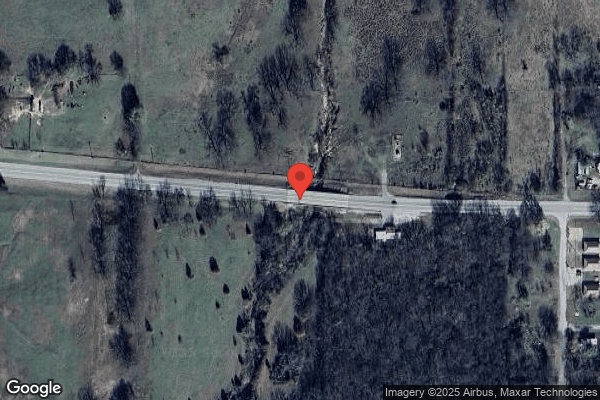

1400 West First Street, Wewoka, OK 74884 (405) 257-3393
For profit - Individual 87 Beds Independent Data: November 2025 6 Immediate Jeopardy citations
Trust Grade
0/100
#282 of 282 in OK
Last Inspection: December 2024

Within standard 12-15 month inspection cycle. Federal law requires annual inspections.

Overview

Wewoka Healthcare Center has received an F grade for its trust score, which indicates significant concerns about its care quality. Ranking #282 out of 282 facilities in Oklahoma places this nursing home in the bottom tier, and it is also the least favorable option in Seminole County. While the facility is reportedly improving-dropping from 27 issues in 2024 to 15 in 2025-the overall situation remains serious. Staffing is a major concern, with a poor rating of 1 out of 5 stars and an alarming 93% turnover rate, far exceeding the state average. Additionally, the facility faces a staggering $391,765 in fines, indicating significant compliance issues, and it has less RN coverage than 98% of other facilities in the state, which can compromise the quality of care. Specific incidents have raised alarms; for instance, the facility failed to provide adequate supervision, allowing two residents to leave the premises unsupervised, one of whom was found walking on a highway. Additionally, there was an incident of resident-to-resident abuse where one resident pushed another down and attempted to kiss them. Finally, there was a critical situation where staff delayed care for an unresponsive resident, highlighting serious lapses in the provision of timely medical attention. Families should weigh these strengths and weaknesses carefully when considering this facility for their loved ones.

Trust Score
F
0/100
In Oklahoma
#282/282
Bottom 1%
Safety Record
High Risk
Review needed
Inspections
Getting Better
27 → 15 violations
Staff Stability
⚠ Watch
93% turnover. Very high, 45 points above average. Constant new faces learning your loved one's needs.
Penalties
✓ Good
$391,765 in fines. Lower than most Oklahoma facilities. Relatively clean record.
Skilled Nurses
⚠ Watch
Each resident gets only 5 minutes of Registered Nurse (RN) attention daily — below average for Oklahoma. Fewer RN minutes means fewer trained eyes watching for problems.
Violations
⚠ Watch
80 deficiencies on record. Higher than average. Multiple issues found across inspections.
★☆☆☆☆
1.0
Overall Rating
★☆☆☆☆
1.0
Staff Levels
★★★☆☆
3.0
Care Quality
★☆☆☆☆
1.0
Inspection Score
Stable
2024: 27 issues
2025: 15 issues

The Good

  • Full Sprinkler Coverage · Fire safety systems throughout facility
  • No fines on record

Facility shows strength in fire safety.

The Bad

1-Star Overall Rating

Below Oklahoma average (2.6)

Significant quality concerns identified by CMS

Staff Turnover: 93%

46pts above Oklahoma avg (46%)

Frequent staff changes - ask about care continuity

Federal Fines: $391,765

Well above median ($33,413)

Significant penalties indicating serious issues

Staff turnover is very high (93%)

45 points above Oklahoma average of 48%

The Ugly 80 deficiencies on record

6 life-threatening 1 actual harm
Sept 2025 4 deficiencies 3 IJ
CRITICAL (J) 📢 Someone Reported This

A family member, employee, or ombudsman was alarmed enough to file a formal complaint

Immediate Jeopardy (IJ) - the most serious Medicare violation

Free from Abuse/Neglect (Tag F0600)

Someone could have died · This affected 1 resident

On 09/03/25, a past noncompliance Immediate Jeopardy (IJ) was determined to exist related to resident-to-resident abuse.An incident report form, submitted to OSDH on 08/14/25, showed on approximately ...

Read full inspector narrative →
On 09/03/25, a past noncompliance Immediate Jeopardy (IJ) was determined to exist related to resident-to-resident abuse.An incident report form, submitted to OSDH on 08/14/25, showed on approximately 06/21/25, Resident #2 pushed Resident #1 down on the bed, laid on top of them, and tried to kiss them several times.Based on record review and interview, the facility failed to ensure a resident was free from abuse for 1 (#1) of 3 sampled residents reviewed for abuse.The DON identified 71 residents resided in the facility.Findings:An undated facility policy titled Abuse Policy and Procedure, read in part, The administrator or Administrative Designee will conduct an investigation of all alleged or actual incidents of abuse, neglect, or misappropriation of property. The investigation should determine whether an incident has occurred, to what extent the resident was mistreated, by whom, and the measures needed to protect occupants from further incidents. If the person is able to communicate, the Administrator or Administrative designee shall document, in sufficient detail, the resident's account of the incident, including a description of the perpetrator.If a person alleges abuse, they should be assessed for mood and behavior changes that may indicate abuse, such as fear, isolation, depression, withdrawal, or other new signs. Findings will be documented in the medical record.An undated admission record showed Resident #1 had diagnoses which included anoxic brain damage, major depressive disorder, and anxiety disorder.A quarterly assessment, dated 06/24/25, showed Resident #1 was cognitively intact with a BIMS of 15. The assessment showed over the last two weeks Resident #1 had several days with little interest or pleasure in doing things and feeling down, depressed, or hopeless.An initial incident report, sent to OSDH on 08/14/25, showed an incident date of approximately 06/21/25. The report showed Resident #1 stated during an interview they had been sexually assaulted by Resident #2 approximately two months ago.A fax transmission report, dated 08/14/25 at 2:48 p.m., showed OSDH was sent a fax from the facility administrator.An incident note, dated 08/14/25, showed the nurse was informed Resident #1 made an allegation of abuse. The note showed Resident #1 stated they were held down on the bed by another resident and attempted to be kissed several times. The note showed local law enforcement, the physician, and physician assistant for mental health was notified. A police incident/offense report, dated 08/14/25, showed the local police was dispatched to the facility in reference to a possible sexual assault. The report showed Resident #1 stated they were in Resident #2's room sitting on the bed and Resident #2 was kissing them on the neck. The report showed Resident #1 could not leave the room because Resident #2 was lying on them. The report showed Resident #1 told Resident #2 their back was hurting and they left the room. The report showed Resident #1 stated they had told a staff member at the facility. The report showed the identified staff member was interviewed by police and they denied any knowledge of sexual assault between Resident #1 and Resident #2.A care plan, dated 08/14/25, showed Resident #1 was at risk for unwanted physical contact. The goal was for Resident #1 to remain safe from further unwanted contact.A facility in-service education report, dated 08/14/25, showed the administrator was educated on properly/thoroughly investigating abuse allegations.An untitled document, dated 08/14/25, showed six staff members were interviewed regarding knowledge of Resident #1's statement of rape and if Resident #2 was ever sexually inappropriate with any (resident of the opposite sex) in the facility.A record dated 08/14/25, read in part, Quality issue/problem. The record showed a meeting was conducted on 08/14/25 regarding resident-to-resident abuse.On 08/14/25 the facility completed a questionnaire with residents. The questionnaire asked if they had been sexually abused in the facility. Residents responded they had not been sexually assaulted in the facility. Resident #1 responded to the questionnaire they had been sexually assaulted by Resident #2 and had reported the incident to staff. A psychiatric exam report, dated 08/15/25, showed a psychiatric visit was completed for Resident #1 by the nurse practitioner. The report showed the visit was prompted by prior allegations made regarding a male peer entering their room. The report showed Resident #1 stated they and the peer of the opposite sex were friends. The report showed Resident #1 stated they did not feel threatened and enjoyed the attention the peer of the opposite sex gave them and valued their conversations.A facility in-service education report, dated 08/16/25, showed the facility staff were educated on Recognizing Indicators of Sexual Misconduct by a Resident.The administrator provided an untitled document, dated 08/20/25, that showed a referral was submitted to the abuse and neglect hotline regarding Resident #1's allegation of abuse by Resident #2.On 08/26/25 at 11:25 a.m., Resident #1 stated sometime in July, Resident #2 invited them to their room to play video games. Resident #1 stated Resident #2 pushed them down on the bed, positioned on top of them, and tried to kiss them. Resident #1 stated they told Resident #2 no. Resident #1 stated after a few minutes, Resident #2 moved and they exited the room. Resident #1 stated someone told the staff what happened, and the administrator asked them about the incident. Resident #1 stated they told the administrator Resident #2 tried to kiss them and they did not like it. Resident #1 stated for two weeks following the incident Resident #2 would try and approach them in common areas. Resident #1 stated Resident #2 was a big person and they were afraid of Resident #2, so they just stayed in their room. A care plan, dated 08/26/25, showed Resident #1 had the potential to be at risk for sexual assault related to decreased awareness of personal boundaries or vulnerability.On 09/02/25 staff were interviewed and stated in August 2025 an in-service was completed regarding resident sexual abuse.
CRITICAL (J) 📢 Someone Reported This

A family member, employee, or ombudsman was alarmed enough to file a formal complaint

Immediate Jeopardy (IJ) - the most serious Medicare violation

Deficiency F0678 (Tag F0678)

Someone could have died · This affected 1 resident

**NOTE- TERMS IN BRACKETS HAVE BEEN EDITED TO PROTECT CONFIDENTIALITY** On [DATE], an Immediate Jeopardy (IJ) situation was determined to exist related to the facility's failure to prevent delay in ca...

Read full inspector narrative →
**NOTE- TERMS IN BRACKETS HAVE BEEN EDITED TO PROTECT CONFIDENTIALITY** On [DATE], an Immediate Jeopardy (IJ) situation was determined to exist related to the facility's failure to prevent delay in care when Resident #11 was unresponsive.On [DATE] at 2:01 p.m., the Oklahoma State Department of Health was notified and verified the existence of an IJ situation.On [DATE] at 2:07 p.m., the administrator was notified of the IJ situation and the IJ template was provided.On [DATE] at 5:39 p.m., an acceptable plan of removal was approved by the Oklahoma State Department of Health. The plan of removal, read in part,On [DATE], a review of all current residents' code status verified, and electronic records updated, and care plans updated. A list of all residents with current code status maintained at each nurse's station.All staff In-Serviced on calling 911 immediately when a resident is found unresponsive regardless of code status and resident code status list will be maintained at each nurse's station labeled Resident Code StatusAll Licensed nurses In-Serviced on immediately initiating CPR on any resident that is a full code and continuing until emergency services arrives.Any employee that can't be reached for In-Service will be inactive and taken off the schedule until education is provided.Completed by [DATE] 5 PM.The IJ was lifted, effective [DATE], when all components of the plan of removal had been verified as completed. Multiple staff on different shifts were interviewed regarding the in-service they received. Residents code status and care plan audit reviewed. Resident code status list placed at the nurse's station reviewed. The deficiency remained at an isolated level with the potential for more than minimal harm.Based on record review and interview, the facility failed to prevent delay in care when a resident was unresponsive for 1 (#11) of 5 sampled residents reviewed for abuse and neglect.The DON identified 71 residents resided in the facility.Findings:An Emergency Procedure-Cardiopulmonary Resuscitation policy, revised 02/2018, read in part, If the resident's DNR status is unclear, CPR will be initiated until it is determined that there is a DNR or a physician's order not to administer CPR .If an individual is found unresponsive, briefly assess for abnormal or absence of breathing. If sudden cardiac arrest is likely, begin CPR.Call 911.A care plan, initiated [DATE], showed Resident #11 had diagnoses which included unspecified dementia and Wernicke's encephalopathy. The care plan showed the resident was a full code and wished to have CPR performed on them. Resident #11's death in the facility resident assessment, dated [DATE], showed the resident was deceased .A nursing note, dated [DATE] at 4:43 a.m., read in part, This nurse was notified by CNA that resident did not appear to be breathing when CNA was performing last rounds. upon entering room [ROOM NUMBER] at 0443 [4:43 a.m.] Resident was found unresponsive. assessment revealed no respirations, no palpable carotid pulse and no heart or breath sounds on auscultation. resident is full code status CPR initiated and continued while other nurse called 911. EMT here and began to use AED but was unsuccessful Death was confirmed by EMT at 0521 [5:21 a.m.]. Dr. [name withheld], DON [name withheld], Administrator notified as well as family [name withheld]. body released to funeral home at 0703 [7:03 a.m.] [name withheld].An EMS Patient Care Record, dated [DATE], showed a primary impression as obvious death and secondary impression as cardiac arrest-withholding resuscitative efforts. The report showed the facility called them at 5:06 a.m. and they were on scene at 5:12 a.m. The report showed the facility did not start resuscitation efforts.On [DATE] at 11:40 a.m., the ADON stated all residents were full code unless they had a signed DNR on file. They stated a resident's code status would be in the electronic health record under the resident's name and on a list at the nurses station they implemented recently. They stated they were not sure when the list was implemented.On [DATE] at 11:45 a.m., the ADON stated if a resident was found unresponsive, the immediate action would be to get the crash cart, check code status, and begin CPR.On [DATE] at 11:46 a.m., the ADON stated staff were to notify EMS immediately.On [DATE] at 11:49 a.m., the ADON stated according to the nursing note on [DATE], the staff had performed CPR and notified EMS when the resident was found unresponsive. They stated anyone certified in CPR could perform CPR.On [DATE] at 11:51 a.m., the ADON stated they were not sure how Resident #11's code status was determined on [DATE].On [DATE] at 11:53 a.m., the ADON stated Resident #11's code status was not listed under their name in the electronic health record.On [DATE] at 3:38 p.m., CNA #3 stated a resident's code status would be located on their electronic health record. They stated they worked on [DATE] when Resident #11 was found unresponsive. CNA #3 stated they worked on a different hall and the agency nurse had instructed them to continue their rounds because CNA #2 and LPN #3 were with the resident.On [DATE] at 5:37 p.m., CNA #2 stated LPN #3 notified them they thought Resident #11 had passed and they were not sure what the resident's code status was because it was not listed under the resident's name in the electronic health record. CNA #2 stated they reviewed Resident #11's Kardex and informed LPN #3 the resident was a full code. CNA #2 stated they both went to the resident and put them on the floor and started CPR.On [DATE] at 5:40 p.m., CNA #2 stated LPN #3 had notified them of the incident around 5:00 a.m. because it was around the time they had started doing morning rounds. They stated EMS was called shortly after that, but not sure exactly what time.On [DATE] at 5:41 p.m., CNA #2 stated they may have started the CPR around 5:12 a.m. to 5:15 a.m., but it was just around the time EMS came to the room.
CRITICAL (J) 📢 Someone Reported This

A family member, employee, or ombudsman was alarmed enough to file a formal complaint

Immediate Jeopardy (IJ) - the most serious Medicare violation

Deficiency F0742 (Tag F0742)

Someone could have died · This affected 1 resident

**NOTE- TERMS IN BRACKETS HAVE BEEN EDITED TO PROTECT CONFIDENTIALITY** On 09/09/25, an Immediate Jeopardy (IJ) situation was determined to exist related to the facility's failure to provide necessary...

Read full inspector narrative →
**NOTE- TERMS IN BRACKETS HAVE BEEN EDITED TO PROTECT CONFIDENTIALITY** On 09/09/25, an Immediate Jeopardy (IJ) situation was determined to exist related to the facility's failure to provide necessary care and treatment for Resident #17 who had mental health disorders and threatened to harm themself and others.On 09/09/25 at 2:14 p.m., the Oklahoma State Department of Health was notified and verified the existence of an IJ situation.On 09/09/25 at 2:27 p.m., the administrator was notified of the IJ situation and the IJ template was provided.On 09/09/25 at 5:19 p.m., an acceptable plan of removal was approved by the Oklahoma State Department of Health. The plan of removal, read in part,On 9/9/25, A review of all resident records was conducted to identify those with mental health disorders that may exhibit behaviors related to those disorders. All residents identified will have care plans updated to reflect mental health disorder/behavior. PCP and mental health will be aware of the identified residents to ensure all are evaluated and referred for services. To be completed by 9pm on 9/9/25All staff in-serviced that a current list of residents with mental health disorders is maintained at each nurse's desk. To be completed by 9pm on 9/9/25.All staff in-serviced that when a resident displays that he/she is a harm to themselves or others and to report behavior immediately to nurse supervisor/administrator. To be completed by 9pm on 9/9/25.Nursing staff will be in-serviced to notify the physician and mental health provider of the harmful behaviors immediately. To be completed by 9pm 9/9/25.The nursing staff will be in-serviced to request medication reconciliation with the physician and mental health provider following harmful/ mental health behaviors. To be completed by 9pm 9/9/25.Department supervisors are responsible for ensuring all in-services are completed by 9pm 9/9/25.Employees who are unable to be reached by 9pm on 9/9/25 will be required to in-service upon return to the facility.The IJ was lifted, effective 09/09/25, when all components of the plan of removal had been verified as completed. Multiple staff on different shifts were interviewed regarding the in-service they received. Resident audits for mental health disorders and behaviors were reviewed. A current list of residents with mental health disorders placed at the nurse's station was reviewed. Care plans for residents with mental health disorders and behaviors were reviewed. The deficiency remained at an isolated level with the potential for more than minimal harm.Based on record review and interview, the facility failed to provide the necessary care and treatment for a resident with mental health disorders and behaviors for 1 (#17) of 5 sampled residents reviewed for abuse and neglect.The DON identified 71 residents resided in the facility.Findings:A facility assessment, dated 04/16/24, read in part, Manage the medical conditions and medication-related issues causing psychiatric symptoms and behaviors, identify and implement interventions to help support individuals with issues .care of individuals with depression, trauma/PTSD, other psychiatric diagnoses.An undated admission Record, showed Resident #17 had diagnoses which included schizoaffective disorder bipolar type, other hallucinations, unspecified psychosis not due to a substance or known physiological condition, and unspecified depression.A nursing note, dated 08/17/25 at 5:05 a.m., showed Resident #17 was at the nurses' station screaming and cussing, threatening to kill themself and others. The note showed the resident stated they were hearing voices and evil spirits and was very aggressive to staff. The note showed Resident #17 was put on one-on-one monitoring and 911 was called.A nursing note, dated 08/17/25 at 6:40 a.m., showed the police and emergency medical service refused to take Resident #17 to the emergency room.A care plan, initiated 08/18/25, showed Resident #17 would not harm themself or others. Resident #17's admission resident assessment, dated 08/19/25, showed the resident's cognition was intact with a BIMS of 14. The assessment showed the resident had hallucinations, delusions, and verbal behavioral symptoms directed towards others. The assessment showed the resident received antipsychotic, antianxiety, and antidepressant medications.A nursing note, dated 08/26/25 at 4:01 p.m., showed Resident #17 had conversations with themself. The note showed the resident stated their medications made them crazy. The nursing note showed the physician was notified.There was no documentation the resident was evaluated by a psych provider or had a medication reconciliation after the incident.A nursing note, dated 09/06/25 at 4:17 a.m., showed Resident #17 was cussing, being loud and aggressive. The note showed a nurse attempted to calm the Resident #17 and the resident shoved the nurse into the wall and was holding them against the wall. Resident #9 came to intervene and was held by the arm and neck and pushed onto the sofa by Resident #17. The note showed staff separated the residents. A nursing note, dated 09/06/25 at 6:50 a.m., read in part, Resident #17 received an immediate discharge from the facility due to violently attacking the staff and choking another resident.An Initial State Reportable Incident form, dated 09/06/25, showed suspected criminal act. It showed Resident #17 attacked a night shift nurse by violently shoving them against the wall and pinning them. The form showed Resident #17 choked Resident #9.On 09/09/25 at 10:29 a.m., CNA #1 stated Resident #17 paced the halls and talked to themself.On 09/09/25 at 10:31 a.m., CNA #1 stated Resident #17 was not on any behavior monitoring.On 09/09/25 at 11:27 a.m., LPN #1 stated Resident #17 had threatened to kill themself on 08/03/25. They stated the resident was sent to a psychiatric facility on emergency order of detention. LPN #1 stated Resident #17 re-admitted to the facility on [DATE]. On 09/09/25 at 11:31 a.m., LPN #1 stated if a resident threatened to kill themself or others, they were to notify the psych doctor, fill out an emergency order of detention form, initiate one-on-one monitoring, and send them to the emergency room.On 09/09/25 at 11:40 a.m., LPN #1 stated other preventive measures for residents with behavior issues would be to notify the psychiatric doctor for medication evaluation, find the root cause of the behavior, and put them on one-on-one monitoring.On 09/09/25 at 11:40 a.m., LPN #1 stated Resident #17 should have been sent to a psychiatric hospital on [DATE]. LPN #1 stated they did not believe the facility environment was safe for a resident who threatened to kill themself and others.On 09/09/25 at 12:00 p.m., the ADON stated Resident #17 was aggressive towards a nurse and Resident #9 on 09/06/25. They stated police and EMS were notified, and the resident was discharged from the facility for resident safety.On 09/09/25 at 12:03 p.m., the ADON stated the resident had a history of hollering and saying things that may not be appropriate or make sense.On 09/09/25 at 12:05 p.m., the ADON stated Resident #17 was not on any special monitoring since their re-admission on [DATE]. On 09/09/25 at 12:10 p.m., the ADON stated they were not aware if the resident had any interventions in place for self-harm, or physical and verbal abuse since their return to the facility. On 09/09/25 at 12:25 p.m., the ADON stated Resident #17 should have received higher level of care for threats of killing themself and others. On 09/09/25 at 12:30 p.m., the ADON stated Resident #17 did not receive a psychiatric evaluation after the incident on 08/17/25. They stated the resident had a medication order for Tylenol (an analgesic) and no other medication adjustments were completed. On 09/09/25 at 12:30 p.m., the ADON stated the facility's environment was not equipped with safety measures for a resident who verbalized threats of killing themself and others.
CONCERN (D) 📢 Someone Reported This

A family member, employee, or ombudsman was alarmed enough to file a formal complaint

Potential for Harm - no one hurt, but risky conditions existed

Notification of Changes (Tag F0580)

Could have caused harm · This affected 1 resident

Based on record review and interview, the facility failed to notify a physician when a resident verbalized they would harm themself and others for 1 (#17) of 5 sampled residents reviewed for abuse and...

Read full inspector narrative →
Based on record review and interview, the facility failed to notify a physician when a resident verbalized they would harm themself and others for 1 (#17) of 5 sampled residents reviewed for abuse and neglect.The DON identified 71 residents resided in the facility.Findings:An undated admission Record showed Resident #17 had diagnoses which included schizoaffective disorder bipolar type, other hallucinations, unspecified psychosis not due to a substance or known physiological condition, and unspecified depression.Resident #17's admission resident assessment, dated 08/19/25, showed the resident's cognition was intact with a BIMS of 14. The assessment showed the resident had hallucinations, delusions, and verbal behavioral symptoms directed towards others.A nursing note, dated 08/17/25 at 5:05 a.m., showed Resident #17 was at the nurses' station screaming and cussing, threatening to kill themself and others. The note showed the resident stated they were hearing voices and evil spirits and was very aggressive to staff. The note showed Resident #17 was put on one-on-one monitoring and 911 was called.There was no documentation the physician was notified.On 09/09/25 at 11:31 a.m., LPN #1 stated if a resident threatened to kill themself or others, they were to notify the psychiatric doctor, fill out an emergency order of detention form, initiate one-on-one monitoring, and send them to the emergency room.On 09/09/25 at 12:17 p.m., the ADON stated they were to notify the psychiatric provider if a resident threatened to kill themself or others.On 09/09/25 at 1:43 p.m., the ADON stated it did not appear the provider was notified about the incident on 08/17/25.
Jun 2025 1 deficiency 1 Harm
SERIOUS (G) 📢 Someone Reported This

A family member, employee, or ombudsman was alarmed enough to file a formal complaint

Actual Harm - a resident was hurt due to facility failures

Free from Abuse/Neglect (Tag F0600)

A resident was harmed · This affected 1 resident

Based on observation, record review, and interview, the facility failed to ensure a resident was not touched sexually by another resident for 1 (#5) of 5 sampled residents reviewed for abuse. The ADON...

Read full inspector narrative →
Based on observation, record review, and interview, the facility failed to ensure a resident was not touched sexually by another resident for 1 (#5) of 5 sampled residents reviewed for abuse. The ADON identified 82 residents resided in the facility. Findings: 1. On 06/16/25 at 9:30 a.m., Res #5 was observed sitting on a couch in the common area of the facility. Res #5 was observed smiling, but showed limited communication due to cognitive impairment. An Abuse Policy and Procedure, updated 07/23/21, read in part, We will endeavor to protect our occupants from maltreatment, which means adult abuse, exploitation, neglect, physical abuse, sexual abuse, neglect, and the misappropriation of resident property. An undated sexual consent policy, read in part, This policy recognizes and supports the older adult's right to engage in sexual activity, so long as there is consent among those involved. Consent may be demonstrated by the words and/or affirmative actions of an older adult with intact decision-making ability. An undated face sheet showed Res #5 had diagnoses which included focal traumatic brain injury and frontotemporal neurocognitive disorder. A quarterly assessment, dated 05/13/25, showed Res #5 had a BIMS score of 7 and was severely cognitively impaired. A nurse note, dated 06/08/25 at 9:32 p.m., showed Res #5 was sitting on the sofa in the back common area when Res #4 sat down beside them and placed their hand down in their pants on their private area. The note showed Res #4 placed their other hand on Res #5's private area. The note showed staff immediately separated Res #4 from Res #5 and placed Res #4 on 1:1 monitoring. The note showed Res #5 was assessed and had no physical injuries. An Oklahoma State Department of Health initial report, dated 06/08/25, showed a staff member witnessed Res #4 sit down beside Res #5 on the sofa in the common area. The report showed Res #4 leaned down and kissed Res #5 on the cheek while placing one of their hands down the front of their pants onto their private area and the other hand onto Res #4's private area. The report showed the staff member immediately told Res #4 to stop, separated the residents, and began 1:1 monitoring of Res #4. A care plan, updated 06/09/25, showed Res #5 was at risk for inappropriate touching due to cognitive impairment with an actual incident having occurred on 06/08/25. A mental health care provider note, dated 06/09/25, showed Res #5 voiced occasional anxiety and was unable to elaborate on the incident of inappropriate touching that had occurred the previous day. On 06/16/25 at 9:35 a.m., Res #5 was asked about the incident of inappropriate touching on 06/08/25. Res #5 was unable to recall the event or participate in the interview due to cognitive impairment. On 06/17/25 at 1:09 p.m., family member #1 stated Res #5 was not able to give consent to sexual advances due to cognitive impairment. They stated Res #5 would have been extremely upset and would have never allowed the inappropriate touching in the first place if they were in their right mind at the time of the incident. 2. An undated face sheet showed Res #4 had diagnoses which included schizoaffective disorder and bipolar disorder. An admission assessment, dated 06/05/25, showed Res #4 had a BIMS score of 15 and was cognitively intact. A resident interview statement, dated 06/09/25, showed Res #4 declined to comment on the incident with Res #5. A census tab in Res #4's medical record showed they were discharged from the facility on 06/09/25. On 06/17/25 at 1:00 p.m., certified nursing assistant #1 stated Res #5 never had a relationship or any interaction with Res #4 other than an occasional hello in the hallway prior to the incident. On 06/17/25 at 2:01 p.m., the ADON stated the ability to consent to sexual advances was based off a resident's intact decision-making ability. They stated Res #5 was severely cognitively impaired was not capable of consent. They stated Res #5 was touched inappropriately by Res #4.
May 2025 3 deficiencies 1 IJ
CRITICAL (J) 📢 Someone Reported This

A family member, employee, or ombudsman was alarmed enough to file a formal complaint

Immediate Jeopardy (IJ) - the most serious Medicare violation

Free from Abuse/Neglect (Tag F0600)

Someone could have died · This affected 1 resident

On 05/12/25, an Immediate Jeopardy (IJ) situation was determined to exist related to the facility's failure to ensure a resident was free from abuse. On 05/12/25 at 3:59 p.m., the Oklahoma State Depa...

Read full inspector narrative →
On 05/12/25, an Immediate Jeopardy (IJ) situation was determined to exist related to the facility's failure to ensure a resident was free from abuse. On 05/12/25 at 3:59 p.m., the Oklahoma State Department of Health was notified and verified the existence of an IJ situation. On 05/12/25 at 4:25 p.m., the administrator was notified of the immediate jeopardy situation. An immediate jeopardy template was provided to the administrator. On 05/13/25 at 2:41 p.m., an acceptable plan of removal was approved by the Oklahoma State Department of Health. The facility plan of removal, read in part, Corrective Action: Plan of Removal On,5/12/2025, Resident #2 was placed on 1:1 continuous supervision until placement secured for inhouse treatment due to aggressive behaviors. 1. Administrative staff In-Serviced on following 1:1 monitoring policy and reviewing documentation daily during morning meeting to ensure staff is following protocol. 2. All staff educated on following 1:1 monitoring policy when a resident is placed on 1:1 supervision related to aggressive behaviors. 3. HR [human resources]/BOM [business office manager] educated on educating all new hires of facility policy on proper monitoring of residents that are on 1:1 supervision with an acknowledgement page. 4. MDS [minimum data set]/Care Plan Coordinators educated on ensuring new interventions are care planned after each aggressive behavior. 5. Any employee that can't be reached for In-Service will be inactive and taken off the schedule until education is provided. 6. All cognitive residents interviewed to ensure they feel safe in the facility with no negative findings. 7. The 1:1 policy was revised to reflect the charge nurses monitoring the effectiveness/appropriateness of interventions for residents with aggressive behaviors. 8. All licensed nurses in-serviced on 1:1 policy update of the monitoring of the effectiveness/appropriateness of interventions for residents with aggressive behaviors. 9. Body audits performed on all non-cognitive residents for signs of abuse with no negative findings. The IJ was lifted, effective 05/13/25 at 12:45 p.m., when all the components of the plan of removal had been completed. Resident assessments and interviews regarding abuse were verified as completed. An updated Safety and Supervision of Residents policy was reviewed and staff education regarding abuse was verified as completed. The deficient practice remained as isolated level with potential for more than minimal harm. Based on observation, record review, and interview, the facility failed to ensure a resident was free from abuse for 1 (#1) of 5 sampled residents reviewed for abuse. The administrator identified 85 residents resided in the facility. Findings: On 05/08/25 at 9:12 a.m., Resident #1 was ambulating in the hall where they resided. Resident #2, who did not reside on the hall, was ambulating aimlessly on the resident hall. An undated facility policy titled Abuse Policy and Procedures, read in part, 2. Care Plan. Care Plans will address interventions designed to prevent occurrences, and may include: a) 'At risk' people to be visually monitored by nursing personnel for occurrences that could trigger abusive behavior; and b) Each person who is at risk for abusive behavior will be reassessed for preventative interventions at least quarterly.5. Documentation. Nursing staff shall document the incident and interventions in the Medical Record. 6. Investigation/Interviews: Admin/Designee will interview other cognitive residents and witnesses in the instance of resident-to-resident abuse so that the facility is aware of the scope and/or severity of the allegations. When a resident is not cognitive nursing staff may conduct a head-to-toe assessment for signs of injury if indicated as necessary. A facility policy titled Guidelines/Policy For Reportables:, effective November 2024, read in part, ABUSE: Resident to Resident: 1 Initial report 2 Aggressor immediately placed on 1:1 .Care plan must be updated for both residents with measures to protect from further abuse from the aggressor and measure to prevent further abuse to the victim.8 Must do a QAPI every time An undated facility admission record showed Resident #1 had diagnoses which included frontotemperal neurocognitive disorder, psychosis, persistent mood disorders, anxiety disorder, and focal traumatic brain injury with loss of consciousness. A quarterly assessment, dated 02/11/25, showed Resident #1 was severely impaired cognitively with a BIMS of 3. The assessment showed the resident did not have verbal and/or physical behaviors towards others. An OSDH incident report, dated 04/29/25, showed Resident #1 was punched in the face by Resident #2. The report showed Resident #1 had a red discharge from their nose and swelling to the head. The report showed Resident #1 was sent to the emergency room for further evaluation. The report showed Resident #2 was placed on one-on-one safety observations. A hospital discharge instruction form, dated 04/29/25, showed instructions for care regarding facial or scalp contusion and hematoma for Resident #1. A care plan, dated 04/30/35, showed Resident #1 was a recipient of physical aggression. The care plan showed interventions were to move the resident to a different resident hall and remove from proximity to aggressor. 2. An undated facility admission record showed Resident #2 had diagnoses which included dementia without behavioral disturbances, major depression, psychotic disorder, psychosis, and mental disorder. A care plan, initiated 09/16/24, showed Resident #2 had physically aggressive behaviors related to dementia and a history of harm to others. The care plan showed Resident #2 had physical aggression toward a peer on 04/11/24, physical aggression toward a staff member on 07/13/24, physical aggression toward a peer on 09/13/24, physical aggression toward a peer 09/28/24, physical aggression with a peer on 11/17/24, and physical aggression with another resident on 04/30/25. A quarterly assessment, dated 04/08/25, showed Resident #2 was severely impaired cognitively and had a BIMS score of 4. The assessment showed the resident did not have verbal and/or physical behaviors toward others. A progress note, dated 04/30/25, showed Resident #2 punched Resident #1 four to five times in the face. The note showed Resident #1 was taken by emergency medical services to the hospital for evaluation. The note showed Resident #2 was redirected and was placed on one-on-one observation. On 05/08/25 at 11:10 a.m., LPN/charge nurse #1 stated if a resident-to-resident incident occurred they would separate the residents and place the aggressor on every 15 minute visual checks for 72 hours. On 05/08/25 at 11:55 a.m., the administrator reviewed the investigation documentation regarding the abuse allegation on 04/29/25 for Resident #2. The administrator stated documentation did not show the resident was placed immediately on one-on-one safety observations per facility policy. The administrator stated there were no resident and/or staff witness statements documented regarding the incident. On 05/12/25 at 1:00 p.m., care plan coordinator #1 reviewed Resident #2's plan of care. The coordinator stated there was not a new intervention put in place after each physical aggressive incident involving Resident #2 and should have been. Care Plan Coordinator #1 stated the intervention one-on-one observation had been used many times.
CONCERN (D) 📢 Someone Reported This

A family member, employee, or ombudsman was alarmed enough to file a formal complaint

Potential for Harm - no one hurt, but risky conditions existed

Abuse Prevention Policies (Tag F0607)

Could have caused harm · This affected 1 resident

Based on record review and interview, the facility failed to implement their abuse policy by not: a. conducting a complete and thorough investigation; b. establishing coordination with QAPI; c. implem...

Read full inspector narrative →
Based on record review and interview, the facility failed to implement their abuse policy by not: a. conducting a complete and thorough investigation; b. establishing coordination with QAPI; c. implementing new interventions designed to prevent reoccurrence; and d. implementing immediate one-on-one safety measures for 1 (#2) of 5 sampled residents reviewed for abuse. The administrator identified 85 residents resided in the facility. Findings: An undated facility policy titled Abuse Policy and Procedures, read in part, 2. Care Plan. Care Plans will address interventions designed to prevent occurrences, and may include: a) 'At risk' people to be visually monitored by nursing personnel for occurrences that could trigger abusive behavior; and b) Each person who is at risk for abusive behavior will be reassessed for preventative interventions at least quarterly.5. Documentation. Nursing staff shall document the incident and interventions in the Medical Record. 6. Investigation/Interviews: Admin/Designee will interview other cognitive residents and witnesses in the instance of resident-to-resident abuse so that the facility is aware of the scope and/or severity of the allegations. When a resident is not cognitive nursing staff may conduct a head-to-toe assessment for signs of injury if indicated as necessary. A facility policy titled Guidelines/Policy For Reportables:, effective November 2024, read in part, ABUSE: Resident to Resident: 1 Initial report 2 Aggressor immediately placed on 1:1 .Care plan must be updated for both residents with measures to protect from further abuse from the aggressor and measure to prevent further abuse to the victim.8 Must do a QAPI every time An undated facility admission record showed Resident #2 had diagnoses which included dementia without behavioral disturbances, major depression, psychotic disorder, psychosis, and mental disorder. A care plan, initiated 09/16/24, showed Resident #2 had physically aggressive behaviors related to dementia and a history of harm to others. The care plan showed Resident #2 had physical aggression toward a peer on 04/11/24, physical aggression toward a staff member on 07/13/24, physical aggression toward a peer on 09/13/24, physical aggression toward a peer 09/28/24, physical aggression with a peer on 11/17/24, and physical aggression with another resident on 04/30/25. An OSDH incident report, dated 04/29/25, showed Resident #1 was punched in the face by Resident #2. The report showed Resident #1 had a red discharge from their nose and swelling to the head. The report showed Resident #1 was sent to the emergency room for further evaluation. The report showed Resident #2 was placed on one-on-one safety observations. A progress note, dated 04/30/25, showed Resident #2 punched Resident #1 four to five times in the face. The note showed Resident #1 was taken by emergency medical services to the hospital for evaluation. The note showed Resident #2 was redirected and was placed on one-on-one observation. The facility could not provide documented witness statements or interventions put in place designed to prevent occurrences of abuse. On 05/08/25 at 11:55 a.m., the administrator reviewed the investigation documentation regarding the abuse allegation on 04/29/25 for Resident #2. The administrator stated documentation did not show the resident was placed immediately on one-on-one safety observations per facility policy. The administrator stated there were no resident or staff witness statements documented regarding the incident. The administrator stated a QAPI meeting had not been held since the incident. On 05/12/25 at 1:00 p.m., care plan coordinator #1 reviewed Resident #2's plan of care. The coordinator stated there was not a new intervention put in place after each physical aggressive incident involving Resident #2 and should have been. Care Plan Coordinator #1 stated the intervention one-on-one observation had been used many times.
CONCERN (D) 📢 Someone Reported This

A family member, employee, or ombudsman was alarmed enough to file a formal complaint

Potential for Harm - no one hurt, but risky conditions existed

Investigate Abuse (Tag F0610)

Could have caused harm · This affected 1 resident

Based on record review and interview, the facility failed to thoroughly investigate an allegation of abuse for 1 (#1) of 5 sampled residents reviewed for abuse. The administrator identified 85 reside...

Read full inspector narrative →
Based on record review and interview, the facility failed to thoroughly investigate an allegation of abuse for 1 (#1) of 5 sampled residents reviewed for abuse. The administrator identified 85 residents resided in the facility. Findings: An undated facility policy titled Abuse Policy and Procedures, read in part, 6. Investigation/Interviews: Admin/Designee will interview other cognitive residents and witnesses in the instance of resident-to-resident abuse so that the facility is aware of the scope and/or severity of the allegations. When a resident is not cognitive nursing staff may conduct a head-to-toe assessment for signs of injury if indicated as necessary. An undated facility admission record showed Resident #1 had diagnoses which included frontotemperal neurocognitive disorder, psychosis, persistent mood disorders, anxiety disorder, and focal traumatic brain injury with loss of consciousness. A quarterly assessment, dated 02/11/25, showed Resident #1 was severely impaired cognitively with a BIMS of 3. The assessment showed the resident did not have verbal and/or physical behaviors towards others. An OSDH incident report, dated 04/29/25, showed Resident #1 was punched in the face by Resident #2. The report showed Resident #1 had a red discharge from their nose and swelling to the head. The report showed Resident #1 was sent to the emergency room for further evaluation. The report showed Resident #2 was placed on one-on-one safety observations. There were no documented witness statements from staff or other residents regarding the incident on 04/29/25. On 05/08/25 at 11:55 a.m., the administrator reviewed the investigation documentation regarding the abuse allegation on 04/29/25 for Resident #1. The administrator stated there were no resident and/or staff witness statements documented regarding the incident. The administrator stated a thorough investigation was not completed.
Apr 2025 7 deficiencies 1 IJ (1 affecting multiple)
CRITICAL (K) 📢 Someone Reported This

A family member, employee, or ombudsman was alarmed enough to file a formal complaint

Immediate Jeopardy (IJ) - the most serious Medicare violation

Accident Prevention (Tag F0689)

Someone could have died · This affected multiple residents

On 04/17/25 at 2:22 p.m., the Oklahoma State Department of Health was notified and verified the existence of and immediate jeopardy situation related to the facility's failure to provide supervision t...

Read full inspector narrative →
On 04/17/25 at 2:22 p.m., the Oklahoma State Department of Health was notified and verified the existence of and immediate jeopardy situation related to the facility's failure to provide supervision to prevent elopement from the facility. 1. Resident #26 had moderate impairment for decision making, was a fall risk, and ambulated with a wheel chair. A visitor notified the facility Resident #26 was walking down the road. A CNA went and picked up the resident and returned them to the facility. 2. Resident #30 was identified as being a high risk for elopement. Resident #30 was able to leave the facility without staff aware and was located walking down the state highway in a construction zone three miles from the facility by an off duty staff member and returned to the facility in the staff members vehicle. On 04/17/25 at 2:43 p.m., the administrator, the ADON, and corporate nurse #1 were notified of the immediate jeopardy situation and provided the immediate jeopardy template. On 04/18/25 at 8:46 a.m., an amended plan of removal was approved by the Oklahoma State Department of Health. The plan of removal, read in part, On 4/17/2025, elopement risk assessments were initiated on all residents with care plans updated to identify any at risk residents. 1. A notification sign will be placed on entrance/exit doors to alert visitors and vendors to not let anyone out without notifying/asking facility staff first. 2. All staff to include nursing, dietary, housekeeping/laundry, maintenance In-Serviced on elopement risk policy, ensuring that identified elopement risk residents are redirected away from doors, and location of list at each nurse's station and in employee break room of wandering/elopement risk residents and to check list at beginning of shift, educated on the reporting party to fill out an incident reporting form with the charge nurse signature, and to place under the Administrators door, and ensuring that doors completely close/latch when entering/exiting the facility. 3. HR [human resources]/BOM in-serviced on all newly hired personnel will be educated on elopement policy, location of list of at risk for elopement residents with an acknowledgement page and ensuring that doors completely close/latch when entering/exiting the facility. 4. All Licensed nurses In-Serviced on elopement policy with emphasis on immediately reporting to the Administrator the instance of an elopement, assessing the resident for injuries with documentation in the progress note of measures put in place to protect resident from further potential elopement with notifications to physician, family, and law enforcement. 5. Administrative staff In-Serviced on reviewing elopement risk resident list/any new admissions and updating list accordingly 5 times weekly during clinical meeting. 6. DON/Designee will report any negative findings quarterly to QAPI [quality assurance performance review]. 7. Any employee that can't be reached for In-Service will be inactive and taken off the schedule until education is provided. 8. Maintenance Supervisor will inspect all exit doors 5 times weekly to ensure doors are closing/latching properly. On 04/18/25, facility staff were interviewed by phone and in person. Staff were interviewed regarding inservices completed on elopement. Staff were interviewed and able to communicate elopement prevention strategies, identify residents at risk for elopement, and elopement response policies and procedures. All residents health records were reviewed and verified they contained elopement risk assessment and the ones with a risk were care planned to prevent elopement. Notifications signs for staff, residents, and visitors were verified to be posted on all exits. All doors were verified to be in good working order and locks were in good repair. On 04/18/25, after interviews with staff, review of resident elopement wander risk assessments and care plans, posted signage, and inservices, the immediacy was lifted effective 04/18/25 at 4:54 p.m The deficient practice remained at a pattern with potential for more than minimal harm. Based on record review and interview, the facility failed to: a. prevent elopement for 2 (#26 and #30) of 3 sampled residents reviewed for elopement b. document an unwitnessed fall for 1 (#31) of 2 sampled residents reviewed for falls. The ADON identified five residents at risk for elopement and 25 residents were at risk for falls. Findings: A facility policy titled Wandering and Elopements, revised 03/2019, read in part, 1. If identified as at risk for wandering, elopement, or other safety issues, the resident's care plan will include strategies and interventions to maintain the resident's safety .c. Instruct another staff member to inform the Charge Nurse or Director of Nursing Services that a resident is attempting to leave or has left the premises. If the resident is not located, notify the Administrator and the Director of Nursing Services, the resident's legal representative, the Attending Physician, law enforcement officials, and (as necessary) volunteer agencies (i.e. [that is/in other words], Emergency Management, Rescue Squads, etc.) .a. Examine the resident for injuries; b. Contact the Attending Physician and report findings and conditions of the resident; c. Notify the resident's legal representative (sponsor); d. Notify search teams that the resident has been located; e. Complete and file an incident report; and f. Document relevant information in the resident's medical record. A facility policy titled Falls-Clinical Protocol, revised 03/2022, read in part, staff and physician will document in the medical record a history of one or more recent falls .The staff will evaluate and document falls that occur while the individual is in the facility .falls should be identified as witnessed or unwitnessed events .the staff and practitioner will begin to try to identify possible causes within 24 hours of the fall. 1. Resident #26's admission record, dated 04/03/24, showed the resident was admitted with diagnoses which included vascular dementia and aftercare following surgery on the digestive system. Resident #26's elopement assessment, dated 04/03/25, showed the resident was not at risk for elopement. Resident #26's admission assessment, dated 04/10/25, showed the resident had a BIMS score of 9 indicating moderate cognitive impairment, no history of wandering, ambulated with a wheel chair, and had a history of falling. A weather report on 04/15/25 showed night temperatures of 40 degrees Fahrenheit. Resident #26's elopement assessment, dated 04/16/25, showed the resident was a high risk for elopement. There was no documentation in Resident #26's health record of an elopement. On 04/16/25 at 11:50 a.m., the DON stated Resident #26 was at risk for elopement and had never been reported to elope. On 04/16/25 at 12:17 p.m., LPN #1 was asked about any elopements involving Resident #26. They stated on 04/15/25 around 7:00 p.m., CNA #1 went in the transport van and picked up Resident #26 and returned the resident. LPN #1 stated they reported the elopement to the ADON and the administrator. LPN #1 stated they were not made aware Resident #26 had eloped until CNA #1 went and picked up the resident and returned to the facility with the resident. LPN #1 stated they did not document anything in the resident's health record or complete an incident report. On 04/16/25 at 2:07 p.m., CNA #1 was asked about the elopement. They stated a visitor came in and notified them a resident was about one quarter a mile away from the facility walking on the side of the road. CNA #1 stated they went in the transport van and found Resident #26 walking down the road and picked them up and returned to the facility and notified LPN #1 who was the charge nurse. CNA #1 was asked how they identified what residents were elopement risk. They stated there was a list, but it was not there anymore. CNA #1 stated they relied on the charge nurse to communicate which residents were allowed to leave. They stated the administrator was aware of the elopement and spoke with the resident when they returned. On 04/16/25 at 2:26 p.m., CNA #7 stated a third party notified them Resident #26 eloped on 04/15/25. CNA #7 stated CNA #1 went in the transport van and picked up Resident #26 and they had no idea how the resident got out of the facility. CNA #7 stated the charge nurse let them know who could leave the facility without supervision. On 04/16/25 at 2:40 p.m., CMA #1 stated a visitor from outside came in and notified them on 04/15/25 around 7:30 p.m. an unnamed resident was walking down the road. They stated a CNA went and picked up Resident #26 and notified LPN #1 when they returned. 2. Resident #30's admission record, dated 08/23/24, showed the resident was admitted with diagnoses which included schizo-affective disorder, hypothyroidism, and gout. Resident #30's care plan, dated 11/27/24, showed the resident was an elopement risk with interventions including: assess for fall risk and monitor fatigue and weight loss. Resident #30's elopement risk assessment, dated 12/02/24, showed the resident was at risk for elopement and their BIMS score was 14 indicating their cognition was intact. Resident #30's quarterly assessment, dated 02/25/25, showed the resident's BIMS score was 13 indicating their cognition was intact and they no history of wandering. A weather report on 04/07/25 showed night temperatures of 33 degrees Fahrenheit. Resident #30's behavior note, dated 04/07/25 at 9:45 p.m., showed the resident attempted to elope from the building 10 times. The note showed the resident was redirected with minimal effectiveness and was argumentative with staff. Resident #30's elopement risk assessment, dated 04/09/25, showed the resident was at risk for elopement and had BIMS score of 12 indicating moderate cognitive impairment. There was no documentation in Resident #30's health record they eloped on 04/07/25. On 04/16/25 at 7:21 a.m., LPN #5 was asked how they identified residents at risk for elopement. They stated there was no set list and if a resident did not have a power of attorney or guardian, they assumed the resident could leave unsupervised. LPN #5 was asked if any assessment identified residents at risk for elopement. They stated they were not aware of an assessment. LPN #5 was asked about Resident #30 and if they ever eloped. They stated on 04/07/25 at around 9:45 p.m., they were the charge nurse on duty and when the smokers came in they noticed the resident was missing. LPN #5 stated a CMA came and alerted them the resident was missing during a medication pass. LPN #5 stated they started to look for the resident when an off duty CNA called and they stated they found the resident walking down the road. They stated when the resident returned, the resident was covered with fecal matter from incontinence. LPN #5 stated they cleaned up the resident, notified the DON, but did not document anything in the resident's health record. On 04/16/25 at 2:42 p.m., CMA #3 was asked about Resident #30's elopement. They stated on 04/07/25 they were passing medications and could not locate Resident #30 for medication pass. CMA #3 stated they started to look for the resident and then received a phone call from a facility worker (name unknown). CMA #3 stated the facility worker stated the resident was seen on the highway and was picked up and returned to the facility. They stated the resident had mud on their leg like they had a fall. CMA #3 stated the resident was showered and they notified LPN #5. They were asked what the elopement policy was. They stated they were unsure. CMA #3 was asked how they identified residents at risk for elopement. They stated the charge nurse verbally informed them. They stated the resident could of been hit by a car and seriously harmed. On 04/16/25 at 3:59 p.m., Resident #30 was asked to discuss what happened last week. Resident #30 stated they got out of the facility and escaped because they did not want to be there anymore. They stated they were walking down the highway and fell in the mud and a staff member brought them back to the facility. 3. Resident #31's admission record, dated 11/06/24, showed the resident was admitted with diagnoses which included personal history of traumatic brain injury and dementia. Resident #31's care plan, revised 11/15/24, showed the resident was at risk for falls due to impaired mobility. Resident #31's significant change assessment, dated 03/19/25, showed the resident's BIMS score was 9 indicating moderate cognitive impairment. The assessment showed they ambulated with a wheel chair and required supervision or touching assistance for all transfers. On 04/20/25 at 11:06 p.m., the Oklahoma State Department of Health received an anonymous email. The email, read in part, This resident laid in the floor for a long time even when the nurse qas (sic) notified and CNAs were notified. The email had a picture of an unnamed resident on the floor in a hospital gown looking at the camera with their exposed buttocks redacted. The image was of Resident #31. There was no documentation in Resident #31's health record a fall occurred over the weekend on 04/19/25. On 04/16/25 at 10:39 a.m., the ADON stated Resident #26 had never eloped and residents with a BIMS score of 13 or more could leave without supervision. The ADON stated Resident #30 had interventions for elopement in their care plan which included assessing for fall risk and monitor for fatigue and weight loss. The ADON stated the interventions in Resident #30's care plan were not appropriate interventions to prevent elopement. They stated they were unaware of Resident #26's elopement on 04/15/25, they were unaware of Resident #30's elopement on 04/07/25, and there was no documentation in the residents electronic health record of the elopements. On 04/16/25 at 3:39 p.m., CNA #4 was asked about Resident #30's elopement. They stated 04/07/25 at 9:30 p.m. they were off duty and heading home on the state highway about three miles from the facility. CNA #4 stated they saw Resident #30 heading away from the facility walking on the highway in the construction area. CNA #4 stated Resident #30 stated they were cold, they were covered in mud, and had soiled themselves with urine and fecal matter. They were asked how they identify which residents were at risk for elopement. They stated there was a scoring system and charge the charge nurse verbally informs them. On 04/16/25 at 5:20 p.m., the DON was asked how staff identified residents at risk for elopement. They stated it was based on a BIMS score of 12 and below and the charge nurse decided who could leave without supervision. They stated they did not have a good system in place to prevent elopement due to residents' mental health diagnosis and the residents did not follow the rules. They stated if the resident was assessed as an elopement risk it was easier to let them leave or they will just crawl out the window. The DON stated there was no documentation Resident #26 eloped, they were unsure why LPN #1 completed an elopement assessment for Resident #26 on 04/16/25, and they did not know anything about Resident #26's care. The DON stated Resident #30 was an elopement risk, the resident could not leave unsupervised, and they were unaware the resident had eloped on 04/07/25. They stated residents who eloped were at risk for harm. On 04/16/25 at 6:10 p.m., the administrator was asked about their elopement policy. They stated they should be notified of all elopement and complete a state reportable. They were asked about Resident #26's elopement on 04/15/25 and Resident #30's elopement on 04/07/25. They stated there was no documentation Resident #26 and Resident #30 eloped and they were not notified Resident #26 and Resident #30 eloped. They stated residents who had a BIMS score of 13 or above could leave unsupervised. They were asked if Resident #30 who had a BIMS score of 13 could leave unsupervised. They stated no due to Resident #30's mental health diagnosis. They stated Resident #26 had a BIMS score of 9 and should not be allowed to leave unsupervised. On 04/21/25 at 9:35 a.m., the ADON was shown the image from the anonymous email received on 04/20/25 at 11:06 p.m., and asked which resident was on the floor in the image. The ADON stated it was Resident #31. They stated the resident was looking at the camera and could tell their picture was being taken. On 04/21/25 at 10:25 a.m., the administrator was asked if they were notified Resident #31 had a fall over the weekend. The administrator stated the facility was unaware Resident #31 had a fall. On 04/21/25 at 12:14 p.m., LPN #1 was asked if they were the charge nurse over the weekend and if Resident #31 had a fall. LPN #1 stated they were the charge nurse over the weekend. LPN #1 stated Resident #31 was observed on the floor in their room on 04/19/25 due to an unwitnessed fall. LPN #1 was asked what they did after finding the resident on the floor. LPN #1 stated they first took a picture of the resident on the floor, assessed the resident, but they did not document the fall in the resident's health record because they thought Resident #31 was care planned to be on the floor.
CONCERN (D) 📢 Someone Reported This

A family member, employee, or ombudsman was alarmed enough to file a formal complaint

Potential for Harm - no one hurt, but risky conditions existed

Deficiency F0569 (Tag F0569)

Could have caused harm · This affected 1 resident

Based on record review and interview, the facility failed to ensure a resident received notification when they were within $200 of the Medicaid resource limit of $2000 for 1 (#27) of 3 sampled residen...

Read full inspector narrative →
Based on record review and interview, the facility failed to ensure a resident received notification when they were within $200 of the Medicaid resource limit of $2000 for 1 (#27) of 3 sampled residents reviewed for notifications of trust balances. The BOM identified 33 residents had money in the trust account. Findings: An undated facility policy titled Resident Funds, read in part, Your Corporate office has put in place a system called National Data Care/Resident Fund Management .This system allows the facility to complete yearly reevaluations for Medicaid and Social Security Administration by providing a detailed transaction report. Resident #27's face sheet, dated 12/01/22, showed the resident had a payer source of Medicaid. Resident #27's annual assessment, dated 11/12/24, showed the resident's BIMS score was 15 indicating their cognition was intact for decision making, had upper and lower extremity impairments on both sides, and was dependent for all activities of daily living. Resident #27's trust account ledger, dated 04/21/25, showed a current balance of $2353.44. There was no documentation in the resident health record the facility had notified Resident #27 when their trust account balance was within $200 of the Medicaid resource limit of $2000. On 04/18/25 at 2:52 p.m., Resident #27 stated they were not notified they were within $200 of the Medicaid resource limit of $2000. On 04/21/25 at 1:53 p.m., the BOM stated they did not give notice to Resident #27 that they were within $200 of the Medicaid resource limit because they were unaware of the requirement to do so.
CONCERN (D) 📢 Someone Reported This

A family member, employee, or ombudsman was alarmed enough to file a formal complaint

Potential for Harm - no one hurt, but risky conditions existed

Safe Environment (Tag F0584)

Could have caused harm · This affected 1 resident

**NOTE- TERMS IN BRACKETS HAVE BEEN EDITED TO PROTECT CONFIDENTIALITY** Based on observation, record review, and interview, the facility failed to ensure a clean, comfortable, and sanitary home like e...

Read full inspector narrative →
**NOTE- TERMS IN BRACKETS HAVE BEEN EDITED TO PROTECT CONFIDENTIALITY** Based on observation, record review, and interview, the facility failed to ensure a clean, comfortable, and sanitary home like environment during 3 of 3 observations. The DON reported 81 residents resided in the facility. Findings: 1. On 04/09/25 at 2:04 p.m., an observation was made in Resident #25's room. Under the sink cabinet were black and green spots approximately 20 inches along the back wall of the cabinet. The spots ranged in various sizes from 0.5 inches to 3 inches with a height between 7 to 11 inches. The flooring under the sink had multiple cracks of various sizes and with reddish brown stains. The facility's policy titled Maintenance Service, revised December 2009, read in part, The Maintenance Department is responsible for maintaining the building, grounds and equipment in a safe operable manner at all times .2. Functions of maintenance personnel include, but are not limited to: d. Maintaining heat/cooling fixtures, plumbing fixtures, wiring, etc. [and other things/and so forth], in good working order. On 04/04/25 at 2:11 p.m., the maintenance supervisor stated Resident #25's sink had a bad valve and the spots were mold from the water damage. They stated they did know how long it had been in their room and they did not have any work orders for water damage in the resident's room. 2. On 04/18/25 at 2:49 p.m., Resident #27 was observed in their bed. The following observations were made: a. the bed linens were soiled with brown residue and debris; b. a baby roach was on the resident by their foot; c. the walls of the room had missing paint, were chipped, and the sheet rock was damaged; d. there were stains on the walls at the head of the bed; e. there were dirty, cracked, soiled floor tiles with a brown substance between the tile seams; and f. the window seal had visible dirt, plant debris, and foil weather tape hanging from the window. On 04/21/25 at 4:16 p.m., a tour of the facility was conducted with the maintenance supervisor. The following observations were made: a. room [ROOM NUMBER]'s wall paint was chipped, dirty, soiled with stains, and needed repaired; b. room [ROOM NUMBER] had broken and missing floor tiles, the walls were scuffed, the sheet rock was damaged, and the floor tiles were soiled and damaged; and c. room [ROOM NUMBER] had base boards detached from the wall. A facility policy titled Quality of Life-Homelike Environment, revised 05/2023, read in part,Residents are provided with a safe, clean, comfortable, and home like environment, and encouraged to use their personal belongings to the extent possible . Staff shall provide person - centered care that emphasizes the residence, comfort, independence, and personal needs and preferences .The facility staff and management shall maximize, to the extent possible, the characteristics of the facilities that reflect a personalized, home like setting these characteristics include; a. Clean, sanitary and orderly environment: daily cleaning, and monthly deep cleaning .e. Clean bed and bath linens that are in good condition. Resident #27's annual assessment, dated 11/12/24, showed their BIMS score was 15 indicating their cognition was intact for decision making, had upper and lower extremity impairments on both sides, and was dependent for all activities of daily living. On 04/18/25 at 2:52 p.m., Resident #27 was asked about the condition of their room. They stated they had roaches crawling on them often and it really bothered them. They stated they reported the roaches and concern of the condition of their room to facility staff. Resident #27 stated facility staff never did anything to address their concern. They stated they were obsessive compulsive and wished they could get out of bed to fix the mismatched paint, clean the walls, and mop the floors that were disgusting. On 04/18/25 at 4:29 p.m., house keeping #1 stated behind the two refrigerator stated they saw roaches and dirt. They stated they saw a mouse trap under the resident's bed and mouse droppings on the floor near the closet. They stated they observed the foil tape in the window, the debris, and the dirty window sill. House Keeping #1 stated it needed cleaning. They stated they observed the stains on the wall and they needed to get in there and clean. On 04/18/25 at 4:30 p.m., the administrator stated they observed the mouse droppings in Resident #27's room and the room was in need of a cleaning. On 04/21/25 at 4:17 p.m., the maintenance supervisor was asked if the above observations present as a home like environment. They stated, No. On 04/21/25 at 4:31 p.m., corporate nurse consult #1 stated it was not a home like environment.
CONCERN (D) 📢 Someone Reported This

A family member, employee, or ombudsman was alarmed enough to file a formal complaint

Potential for Harm - no one hurt, but risky conditions existed

Free from Abuse/Neglect (Tag F0600)

Could have caused harm · This affected 1 resident

Based on record review and interview, the facility failed to prevent abuse for 1 (#31) of 3 sampled residents reviewed for abuse. The DON stated 81 residents resided in the facility. Findings: A facil...

Read full inspector narrative →
Based on record review and interview, the facility failed to prevent abuse for 1 (#31) of 3 sampled residents reviewed for abuse. The DON stated 81 residents resided in the facility. Findings: A facility policy titled Abuse Policy and Procedure, dated 07/23/21, read in part, It recognizes residents rights to be free from physical or mental abuse, corporal punishment, involuntary seclusion, and any chemical and physical restraints as defined by federal regulation .Social media, pictures, and videos that demean, and or violate the residence, rights, privacy and or dignity are considered forms of abuse and will be treated as such. Resident #31's admission record, dated 11/06/24, showed the resident was admitted with diagnoses which included personal history of traumatic brain injury and dementia. Resident #31's significant change assessment, dated 03/19/25, showed the resident's BIMS score was 9 indicating they were moderately impaired for decision making. The assessment showed they ambulated with a wheel chair and required supervision or touching assistance for all transfers. Resident #31's care plan, revised 11/15/24, showed the resident was at risk for falls due to impaired mobility. On 04/20/25 at 11:06 p.m., the Oklahoma State Department of Health received an anonymous email. The email, read in part, This resident laid in the floor for a long time even when the nurse qas (sic) notified and CNAs were notified. The email had a picture of an unnamed resident on the floor looking at the camera with their hospital gown exposing their bottom. On 04/21/25 at 9:35 a.m., the ADON identified Resident #31 as being the resident on the floor in the picture from the email. The ADON stated the resident in the picture was looking at the camera, the resident could tell their picture was being taken, and the resident could not stop their picture from being taken. On 04/21/25 at 12:14 p.m., LPN #1 was asked if they were the charge nurse over the weekend and if Resident #31 had a fall. LPN #1 stated they were the charge nurse over the weekend. LPN #1 stated Resident #31 was observed on the floor in their room on 04/19/25 due to an unwitnessed fall. LPN #1 was asked what they did after finding the resident on the floor. LPN #1 stated they first took a picture of the resident, then they assessed the resident, and they did not document the fall in the resident's health record because they thought Resident #31 was care planned to be on the floor. LPN #1 was asked what the policy was for taking pictures of residents. They stated they assumed they were not allowed to take pictures of the resident's face or body parts so they scribbled over Resident #31's buttocks in the image. LPN #1 was asked when the photograph was taken. LPN #1 stated the picture was taken on 04/19/25 at 11:31 p.m.
CONCERN (D) 📢 Someone Reported This

A family member, employee, or ombudsman was alarmed enough to file a formal complaint

Potential for Harm - no one hurt, but risky conditions existed

Deficiency F0761 (Tag F0761)

Could have caused harm · This affected 1 resident

Based on observation, record review and interview, the facility failed to ensure a treatment cart was secured for 1 of 1 treatment cart observed. The DON identified 81 residents resided in the facilit...

Read full inspector narrative →
Based on observation, record review and interview, the facility failed to ensure a treatment cart was secured for 1 of 1 treatment cart observed. The DON identified 81 residents resided in the facility. Findings: On 04/04/25 at 12:26 p.m., the Southwest hall treatment cart observed on the East side of the nurses station was found unlocked and unattended. Resident#12's Lantus SoloStar Subcutaneous Pen-injector 100 units per milliliter (insulin glargine) was observed in the first drawer of the treament cart. A facility policy titled Medication Storage in the Facility, revised January 2018, read in part, Medications and biologicals are stored safely, securely, and properly, following manufacturer's recommendations or those of the supplier. The medication supply is accessible only to licensed nursing personnel, pharmacy personnel, or staff members lawfully authorized to administer medications. On 04/04/25 at 12:27 p.m., LPN #6 stated their policy indicated the treatment cart was supposed to locked and attended to at all times.
CONCERN (D) 📢 Someone Reported This

A family member, employee, or ombudsman was alarmed enough to file a formal complaint

Potential for Harm - no one hurt, but risky conditions existed

Deficiency F0919 (Tag F0919)

Could have caused harm · This affected 1 resident

Based on observation, record review, and interview, the facility failed to have a working call lights for 1 of 3 sampled shower rooms used by residents. The DON reported 81 residents resided in the fa...

Read full inspector narrative →
Based on observation, record review, and interview, the facility failed to have a working call lights for 1 of 3 sampled shower rooms used by residents. The DON reported 81 residents resided in the facility. Findings: On 04/04/25 at 1:23 p.m., the call light was found not working in the shower room on the East side of the middle hall. The facility's policy titled Maintenance Service, revised December 2009, read in part, 1. The Maintenance Department is responsible for maintaining the buildings, grounds, and equipment in a safe and operable manner at all times. On 04/04/25 at 1:25 p.m., advanced certified medication aide #2 stated the call light in the middle shower room was not working. On 04/04/25 at 2:14 p.m., the administrator stated the call lights were supposed to work in the shower rooms. On 04/08/25 at 3:30 p.m., the maintenance supervisor stated they had no work orders for call lights.
CONCERN (E) 📢 Someone Reported This

A family member, employee, or ombudsman was alarmed enough to file a formal complaint

Potential for Harm - no one hurt, but risky conditions existed

Deficiency F0925 (Tag F0925)

Could have caused harm · This affected multiple residents

**NOTE- TERMS IN BRACKETS HAVE BEEN EDITED TO PROTECT CONFIDENTIALITY** Based on observation, record review, and interview, the facility failed to maintain an effective pest management program . The ...

Read full inspector narrative →
**NOTE- TERMS IN BRACKETS HAVE BEEN EDITED TO PROTECT CONFIDENTIALITY** Based on observation, record review, and interview, the facility failed to maintain an effective pest management program . The DON reported 81 residents resided in the facility. Findings: On 04/18/25 at 2:49 p.m., Resident #27 was observed in bed in their room. The following observations were made: a. a roach was on the resident by their foot; b. mouse droppings were on the floor along the walls; and c. a mouse trap at the head of the resident's bed. On 04/18/25 at 4:29 p.m., live and dead roaches were observed behind the refrigerator in Resident #27's room. Mouse droppings were observed in the resident's top drawer of their dresser near the window and along the walls on the floor. An undated facility policy titled Pest Control, read in part, This facility maintains an on-going pest control program to ensure the building is kept free of insects and rodents. Resident #27's admission record, dated 12/01/22, showed the resident was admitted with diagnoses which included dysphagia and major depressive disorder. A facility Pest Sighting Log, dated 02/05/25 through 04/05/25, showed: a. on 03/28/25 mice and roaches were sighted in room [ROOM NUMBER] and 4 on the bathroom walls; and b. on 04/05/25 roaches were sighted in room [ROOM NUMBER]. The log showed the last preventative treatment for pests was on 02/26/25. The log did not document the above pest sightings were treated after the sightings were recorded on the log. Resident #27's annual assessment, dated 11/12/24, showed their BIMS score was 15 indicating their cognition was intact for decision making, had upper and lower extremity impairments on both sides, and was dependent for all activities of daily living. On 04/18/25 at 2:52 p.m., Resident #27 was asked about the condition of their room. They stated they had roaches crawling on them often and it really bothered them. They stated they reported the roaches and concern of the condition of their room to facility staff and they never did anything about it. On 04/18/25 at 4:29 p.m., house keeping #1 stated behind the two refrigerators in Resident #27's room they saw roaches and dirt. They stated they saw a mouse trap under the resident's bed and mouse droppings on the floor near the closet. On 04/18/25 at 4:30 p.m., the administrator stated they observed mouse droppings on the floor in Resident #27's room and in the resident's drawers, and live roaches behind the refrigerator. On 04/21/25 at 4:17 p.m., the maintenance supervisor was asked about pests in the facility. They stated the roaches were still present, but the amount of them had decreased.
Dec 2024 3 deficiencies
CONCERN (D)

Potential for Harm - no one hurt, but risky conditions existed

Deficiency F0657 (Tag F0657)

Could have caused harm · This affected 1 resident

Based on observation, record review, and interview, the facility failed to update a fall care plan with interventions for one (#28) of one sampled resident reviewed for accidents. The DON identified 7...

Read full inspector narrative →
Based on observation, record review, and interview, the facility failed to update a fall care plan with interventions for one (#28) of one sampled resident reviewed for accidents. The DON identified 73 residents resided in the facility. Findings: Res #28 had diagnoses which included rheumatoid arthritis. A fall care plan, dated 08/06/23, documented interventions as the following: a. uses wc for mobility, b. refer to restorative program if changes in function are noted, and c. monitor for changes in condition that may warrant increased supervision/assistance and notify the physician. An incident report, dated 11/02/24, documented the facility was going to initiate a low bed with a fall mat at bedside for Res #28. A care plan, initiated 11/06/24, did not document low bed with mat as a fall intervention. On 12/09/24 at 10:31 a.m., Res #28 was observed in their bed in their room. The bed was observed in the lowest position. There was a fall mat at bedside. The resident denied having any recent falls. On 12/12/24 at 10:45 a.m., the MDS coordinator stated there was not a set process to communicate to their department when new interventions were placed for residents. They stated they had to look in the chart for changes. They stated they were unaware of the placement of the low bed with mat.
CONCERN (E)

Potential for Harm - no one hurt, but risky conditions existed

Pharmacy Services (Tag F0755)

Could have caused harm · This affected multiple residents

Based on record review and interview, the facility failed to ensure a resident's chart was updated with a new antibiotic order for one (#15) of one resident sampled for antibiotics. The DON reported 7...

Read full inspector narrative →
Based on record review and interview, the facility failed to ensure a resident's chart was updated with a new antibiotic order for one (#15) of one resident sampled for antibiotics. The DON reported 73 residents resided in the facility. Findings: Res #15 admitted to the facilty with diagnoses which included overactive bladder, hypertension, and anxiety. A review of the resident's progress notes documented the resident began Cipro (antibiotic) 500 mg twice a day on 12/06/24. The physicians orders did not document an order for the antibiotic. The medication administration record did not document the order for the antibiotic. A count sheet for the Cipro documented the first dose was administered on 12/06/24 at 8:00 p.m. On 12/11/24 at 12:21 p.m., CMA #1 was asked if they had been documenting the antibiotic when it was administered. The CMA reported they had not documented it on the MAR . On 12/12/24 at 11:04 a.m., the ADON reported if the medication was not on the MAR it should not have been given.
CONCERN (E)

Potential for Harm - no one hurt, but risky conditions existed

Deficiency F0761 (Tag F0761)

Could have caused harm · This affected multiple residents

Based on observation, record review, and interview, the facilty failed to ensure the temperature log was maintained for the medication refrigerator in the medication room. The DON reported 73 resident...

Read full inspector narrative →
Based on observation, record review, and interview, the facilty failed to ensure the temperature log was maintained for the medication refrigerator in the medication room. The DON reported 73 residents resided in the facilty. Findings: On 12/12/24 at 12:06 p.m., a tour of the medication room was performed with CMA #1. Temperature logs for the medication refrigerator was observed. There was no log for December 2024, the log for November 2024 was observed to have 21 days of missing temperatures, and October 2024 was observed to have eight days of missing temperatures. CMA #1 reported the nurses were responsible for the logs. On 12/12/24 at 12:24 p.m., LPN #1 reported the night shift nurses were responsible for the temperature logs. On 12/12/24 at 12:26 p.m., the DON was shown the logs for the medication refrigerator and reported the temperature logs were supposed to be filled out daily.
Nov 2024 3 deficiencies
CONCERN (D) 📢 Someone Reported This

A family member, employee, or ombudsman was alarmed enough to file a formal complaint

Potential for Harm - no one hurt, but risky conditions existed

Comprehensive Care Plan (Tag F0656)

Could have caused harm · This affected 1 resident

Based on observation, record review, and interview, the facility failed to ensure a comprehensive care plan included smoking for one (#2) of three sampled residents reviewed for accident hazards. The ...

Read full inspector narrative →
Based on observation, record review, and interview, the facility failed to ensure a comprehensive care plan included smoking for one (#2) of three sampled residents reviewed for accident hazards. The administrator identified 74 residents resided in the facility. Findings: A Care Plans - Comprehensive policy, dated 12/04/20, read in part, resident's comprehensive care plan is developed within seven (7) working days of completion of the resident's comprehensive assessment. Resident #2 had diagnoses which included schizophrenia. On 11/14/24 at 9:10 a.m., Resident #2 was observed outside in the smoking area. A staff member was observed to give the resident two cigarettes and lit one for them. Resident #2 was observed to smoke the cigarettes. A comprehensive resident assessment, dated 09/27/24, documented tobacco use. A comprehensive care plan was to be completed by 10/04/24. There was no care plan located in Resident #2's clinical record. On 11/14/24 at 2:15 p.m., the MDS coordinator stated they were behind on care plans and had not completed one for Resident #2.
CONCERN (E) 📢 Someone Reported This

A family member, employee, or ombudsman was alarmed enough to file a formal complaint

Potential for Harm - no one hurt, but risky conditions existed

Deficiency F0679 (Tag F0679)

Could have caused harm · This affected multiple residents

Based on observation, record review, and interview, the facility failed to ensure scheduled activities were conducted for residents. The administrator identified 74 residents resided in the facility....

Read full inspector narrative →
Based on observation, record review, and interview, the facility failed to ensure scheduled activities were conducted for residents. The administrator identified 74 residents resided in the facility. Findings: A November 2024 activity calendar documented activities for 11/14/24 were Dominoes at 10:00 a.m. and Bingo at 2:00 p.m. It documented activities for 11/15/24 were fancy nails at 9:00 a.m. through 11:00 a.m. and outside games at 12:00 p.m. On 11/14/24 at 9:53 a.m., Resident #12 was asked if the facility had activities for the facility. They stated they offered Bingo once a month or so. Resident #12 stated they needed activities and it would give them something to do. On 11/14/24 at 10:05 a.m., there were no activities observed to be in progress. On 11/14/24 at 2:15 p.m., there were no activities observed to be in progress. On 11/15/24 at 12:10 p.m., there were no activities observed to be in progress. On 11/15/24 at 1:14 p.m., Resident #13 stated the facility had no activity director and no one to do activities. Resident #13 looked at their November activity calendar and stated the posted activities for the day did not happen. On 11/15/24 at 2:12 p.m., the SS director stated the facility had talked about them splitting the activities with the BOM. ON 11/15/24 at 2:13 p.m., the administrator stated no one had been providing daily activities.
CONCERN (E) 📢 Someone Reported This

A family member, employee, or ombudsman was alarmed enough to file a formal complaint

Potential for Harm - no one hurt, but risky conditions existed

Accident Prevention (Tag F0689)

Could have caused harm · This affected multiple residents

Based on observation, record review, and interview, the facility failed to ensure: a. a smoking assessment was completed for one (#3); and b. a resident did not receive a burn hole in their clothing ...

Read full inspector narrative →
Based on observation, record review, and interview, the facility failed to ensure: a. a smoking assessment was completed for one (#3); and b. a resident did not receive a burn hole in their clothing due to not having enough space in the smoking area for one (#2) of three sampled residents reviewed for accident hazards. The administrator identified 74 residents. Findings: A Smoking policy, dated December 2011, documented safe smoking assessments would be performed at admit and periodically as needed. A Resident Smoking policy, dated 12/05/23, documented to provide maximum safety to all residents at all times. 1. Resident #2 had diagnoses which included schizophrenia. A comprehensive resident assessment, dated 09/27/24, documented Resident #2 used tobacco. On 11/14/24 at 9:11 a.m., Resident #2 was observed smoking a cigarette in the smoking area with staff present. Resident #2 was not observed to have a smoking apron on. On 11/14/24 at 9:18 a.m., Resident #2's hands were observed to be shaky while smoking. A staff member was observed placing a smoking apron on Resident #2. On 11/14/23 at 2:15 p.m., the MDS coordinator stated they had not completed a smoking assessment on Resident #2. 2. Resident #3 had diagnoses which included depression. A Smoking Safety evaluation, dated 10/15/24, documented Resident #3 utilized tobacco and was able to hold a cigarette safely. On 11/14/24 at 9:24 a.m., Resident #3 was observed smoking outside near the smoking pavilion. A round burn hole was observed in the left upper arm of their jacket. They stated a resident was smoking next to them and burned their jacket. Resident #3 stated the smoking area was too crowded with all the smokers going out at one time. On 11/14/24 at 9:43 a.m., the laundry supervisor, who had been out with the smokers, was asked how they kept residents safe while smoking. They stated they watched them. The laundry supervisor stated Resident #2 had shaky hands, not a full grip, and would drop a cigarette at times. They stated they thought the smoking aprons were out at the smoking area. On 11/14/24 at 9:47 a.m., CMA #1 was asked how they determined if a resident was safe to smoke. They stated if they could stay awake and hold their own cigarette. CMA #1 stated they were present when Resident #3 received the burn hole to their jacket. They stated the smoking pavilion was pretty crowded that day and another resident burned the jacket. On 11/14/24 at 2:48 p.m., the administrator was asked how they ensured residents were safe to smoke. They stated there was an assessment conducted to see if they were safe to smoke, residents would be given the smoking rules, and residents were always supervised while smoking. The administrator was asked if they were aware if any residents had received burns from smoking. They stated Resident #3 had received a burn hole in their jacket due to the smoking area crowded with 45 smokers.
Oct 2024 4 deficiencies
CONCERN (D) 📢 Someone Reported This

A family member, employee, or ombudsman was alarmed enough to file a formal complaint

Potential for Harm - no one hurt, but risky conditions existed

Investigate Abuse (Tag F0610)

Could have caused harm · This affected 1 resident

Based on record review and interview, the facility failed to the notify the mental health physician following incidents of resident-to-resident abuse for two (#5 and #6) of two sampled residents recei...

Read full inspector narrative →
Based on record review and interview, the facility failed to the notify the mental health physician following incidents of resident-to-resident abuse for two (#5 and #6) of two sampled residents receiving routine mental health services and reviewed for resident-to-resident abuse. The administrator identified there were 72 residents residing in the facility. Findings: An Abuse policy, updated 07/23/2021, read in parts, .If a person is suspected of abusing another person, his or her physician .will be notified .to implement actions to prevent a reoccurrence . 1. Resident #5 had diagnoses which included hallucinations and other psychotic disorder. An Incident Report Form, dated 09/11/24, documented Resident #5, while in another resident's room, grabbed their cane and hit them in the head when asked to leave. An Incident Report Form, dated 09/13/24, documented Resident #5 took away another resident's walker and became physical with them while they were ambulating in the hallway. A Physical Aggression Initiated Form, dated 09/28/24, documented Resident #5 went into another resident's room and slapped them twice in the head. A routine monthly mental health physicians' progress note, dated 10/14/24, documented Resident #5 had no combative behaviors per LPN #1. 2. Resident #6 had diagnoses that included schizoaffective disorder and hallucinations. An Incident Report Form, dated 06/01/24, documented Resident #6 was observed choking another resident and yelling profanities. There was no documentation in the clinical records of Resident #5 nor Resident #6 the incidents described above were reported to their mental health services physicians. On 10/31/24 at 8:28 a.m., Psych Physician #1 was asked how often residents were seen by them. They stated once every four to five weeks and PRN for acute issues. Psych Physician #1 was asked if they had been notified of Resident #6's involvement in an incident of resident-to-resident abuse on 06/01/24. They stated they would check. On 10/30/24 at 9:00 a.m., Psych Physician #2 was asked if they had been notified of Resident #5's involvement in incidents of resident-to-resident abuse on 09/11/24, 09/13/24, or 09/28/24. They stated they were not and there were no behaviors reported by nursing during their routine visit in October. On 10/30/24 at 9:30 a.m., Psych Physician #1 reported they were not notified of the incident of resident-to-resident abuse on 06/01/24 involving Resident #6. On 10/30/24 at 10:10 a.m., MDS Coordinator #1 acknowledged the mental health physician should have been notified of incidents of resident-to-resident abuse perpetrated by Resident #5 and Resident #6 when they occurred as an action to prevent potential reoccurrence.
CONCERN (D) 📢 Someone Reported This

A family member, employee, or ombudsman was alarmed enough to file a formal complaint

Potential for Harm - no one hurt, but risky conditions existed

Assessment Accuracy (Tag F0641)

Could have caused harm · This affected 1 resident

Based on record review and interview, the facility failed to accurately assess the occurrence of adverse behaviors on the comprehensive assessment for one (#5) of four sampled residents whose assessme...

Read full inspector narrative →
Based on record review and interview, the facility failed to accurately assess the occurrence of adverse behaviors on the comprehensive assessment for one (#5) of four sampled residents whose assessments were reviewed for adverse behaviors. The administrator identified 72 residents resided in the facility. Findings: Resident #5 had diagnoses that included hallucinations and other psychotic disorder. Nursing progress notes documented the following, a. 09/08/24- resident urinated in the lobby, was agitated and aggressive, b. 09/09/24- resident became aggressive and squeezed nurse's fingers, c. 09/11/24- resident assaulted another resident with a cane, d. 09/13/24- resident took a walker away from another resident and got physical with them, e. 09/22/24- resident urinated on the floor in other residents' rooms, f. 09/27/24- resident urinated in pharmacy bin at nurses station, and g. 09/28/24- resident went in another resident's room and slapped them twice. A Significant Change MDS, dated 10/08/24, contained the following documentation in Section E- Behaviors, a. E0200 Behavioral Symptoms- documented no physical, verbal, or other behavioral symptoms were exhibited, b. E0600 Impact on Others- (question was not completed), c. E0800 Rejection of Care- documented behaviors was not exhibited, d. E0900 Wandering- documented behaviors was not exhibited, and e. E1000 Wandering Impact- (question was not completed). On 10/30/24 at 11:15 a.m., MDS Coordinator #1 was asked how a resident's behavior would be assessed to accurately complete the items in Section E on the MDS. They stated by talking to various staff, reviewing the resident's clinical record, and interviewing the resident if possible. MDS Coordinator #1 was asked to review Resident #5's nursing progress notes for September 2024 and Section E of the significant change MDS for Resident #5 referenced above. After reviewing the documents MDS coordinator #1 acknowledged Section E had not been completed in its entirety and the assessment was not accurate according to the documentation.
CONCERN (D) 📢 Someone Reported This

A family member, employee, or ombudsman was alarmed enough to file a formal complaint

Potential for Harm - no one hurt, but risky conditions existed

Comprehensive Care Plan (Tag F0656)

Could have caused harm · This affected 1 resident

Based on record review and interview, the facility failed to update care plans with interventions to: a. protect vulnerable residents from abuse for two (#2 and #4), and b. prevent further potential a...

Read full inspector narrative →
Based on record review and interview, the facility failed to update care plans with interventions to: a. protect vulnerable residents from abuse for two (#2 and #4), and b. prevent further potential abuse for one (#5) of seven sampled residents reviewed for resident-to-resident abuse. The administrator identified 72 residents resided in the facility. Findings: An Abuse policy, updated 07/23/21, read in parts, .Care Plans will address interventions designed to prevent occurrences .Each person who is at risk for abusive behavior will be reassessed for preventative interventions at least quarterly . 1. Resident #2 had diagnoses that included dementia and legal blindness. An Incident Report Form, dated 09/13/24, documented Resident #2 had their walker taken away and was assaulted by another resident while they were ambulating in the hallway. A Physical Aggression Received Form, dated 09/28/24, documented Resident #2 was slapped twice in the head by another resident who entered their room uninvited. 2. Resident #4 had diagnoses that included ESRD and hypertensive heart disease. An Incident/Accident Report, dated 07/25/24, documented Resident #4 was hit and had coffee thrown on them by another resident for appearing to listen to their conversation. There was no documentation on the care plans of Resident #2 nor Resident #4 of interventions designed to prevent occurrences of abuse perpetrated by other residents. 3. Resident #5 had diagnoses that included hallucinations and other psychotic disorder. An Incident Report Form, dated 09/11/24, documented Resident #5 went into another resident's room and hit them in the head with their cane when asked to leave. An Incident Report Form, dated 09/13/24, documented Resident #5 took away another resident's walker and became physical with them while they were ambulating in the hallway. A care plan, updated 09/16/24, documented no preventative interventions for the resident's abusive behavior. A Physical Aggression Initiated Form, dated 09/28/24, documented Resident #5 went into another resident's room and slapped them twice in the head. On 10/30/24 at 7:45 a.m., MDS Coordinator #1 acknowledged the interventions on the care plans for Residents #2, 4, and #5 should have been updated.
CONCERN (E) 📢 Someone Reported This

A family member, employee, or ombudsman was alarmed enough to file a formal complaint

Potential for Harm - no one hurt, but risky conditions existed

Medical Records (Tag F0842)

Could have caused harm · This affected multiple residents

Based on record review and interview, the facility failed to accurately document the occurrence of adverse behaviors for one (#5) of four sampled residents whose TARs were reviewed for adverse behavio...

Read full inspector narrative →
Based on record review and interview, the facility failed to accurately document the occurrence of adverse behaviors for one (#5) of four sampled residents whose TARs were reviewed for adverse behaviors. The administrator identified 72 residents resided in the facility. Findings: Resident #5 had diagnoses which included hallucinations and other psychotic disorder. A physician's order, dated 08/12/24, read in parts, .Behaviors Monitoring .document Y if monitored and behaviors were observed. Every shift . Nursing Progress Notes documented the following, a. 09/08/24- resident urinated in the lobby, was agitated and aggressive, b. 09/09/24- resident became aggressive and squeezed nurse's fingers, c. 09/11/24- resident assaulted another resident with a cane, d. 09/13/24- resident took walker away from another resident and got physical with them, e. 09/22/24- resident urinated on the floor in other residents' rooms, f. 09/28/24- resident went in another resident's room and slapped them twice, g. 10/15/24- resident urinated on the floor and chair in other residents' rooms, h. 10/21/24- resident in another resident's room holding their hands down, and i. 10/25/24- resident in and out of other residents rooms' all night. The September 2024 TAR documented no adverse behaviors observed during any shift for 09/08/24, 09/09/24, 09/11/24, 09/13/24, 09/22/24, or 09/28/24. The October 2024 TAR documented no adverse behaviors observed during any shift for 10/15/24, 10/21/24, or 10/25/24. On 10/31/24 at 7:30 a.m., LPN #2 was asked if the behaviors documented in the nurses' progress notes should be reflected on the resident's TAR. They stated, Yes. LPN #2 was asked to review the progress notes and TAR for Resident #5. After review they acknowledged the resident's behaviors had not been accurately documented on the TAR.
Oct 2024 5 deficiencies
CONCERN (D) 📢 Someone Reported This

A family member, employee, or ombudsman was alarmed enough to file a formal complaint

Potential for Harm - no one hurt, but risky conditions existed

Deficiency F0561 (Tag F0561)

Could have caused harm · This affected 1 resident

**NOTE- TERMS IN BRACKETS HAVE BEEN EDITED TO PROTECT CONFIDENTIALITY** Based on record review and interview, the facility failed to ensure a scheduled court hearing was attended for one (#3) of two s...

Read full inspector narrative →
**NOTE- TERMS IN BRACKETS HAVE BEEN EDITED TO PROTECT CONFIDENTIALITY** Based on record review and interview, the facility failed to ensure a scheduled court hearing was attended for one (#3) of two sampled residents reviewed for choices. The BOM identified 68 residents who resided in the facility. Findings: Res #3 had diagnoses which included chronic pain and generalized anxiety disorder. A psychiatric hospital Discharge summary, dated [DATE], documented Res #3's guardianship court hearing was scheduled to be held on 08/20/24. The note documented a contact phone number for Res #3's public defender. An admission assessment, dated 08/19/24, documented Res #3's cognition was intact. On 09/30/24 at 11:45 a.m., Res #3 was observed ambulating in the lobby. Res #3 stated they missed a scheduled court hearing regarding guardianship on 8/20/24. They stated they had made social services and the administrator aware of the scheduled hearing when they were admitted to the facility on [DATE]. Res #3 stated the facility made no effort to ensure they attended the hearing in person and now they had to wait until the next scheduled hearing date. On 09/30/24 at 12:27 p.m., the BOM stated they had not been made aware of the scheduled court hearing for Res #3 until the day before the hearing. The BOM stated they contacted the public defender and tried to schedule a virtual appearance for Res #3 on 08/19/24, but it was too late in the process. On 10/02/24 at 8:45 a.m., LPN #1 was shown the documentation in Res #3's medical record regarding the court hearing. LPN #1 stated the admitting nurse should have ensured the information was provided to social services when Res #3 was admitted . On 10/02/24 at 9:09 a.m., the social services director stated they were never provided with the information regarding Res #3's court hearing. On 10/02/24 at 1:57 p.m., the interim DON stated the admitting nurse should have ensured social services was made aware of the scheduled court appearance for Res #3. They stated the resident missed the appointment due to a lack of communication between the facility staff.
CONCERN (D) 📢 Someone Reported This

A family member, employee, or ombudsman was alarmed enough to file a formal complaint

Potential for Harm - no one hurt, but risky conditions existed

ADL Care (Tag F0677)

Could have caused harm · This affected 1 resident

Based on observation, record review, and interview, the facility failed to ensure residents were bathed as scheduled for one (#1) of three sampled residents reviewed for bathing. The BOM identified 68...

Read full inspector narrative →
Based on observation, record review, and interview, the facility failed to ensure residents were bathed as scheduled for one (#1) of three sampled residents reviewed for bathing. The BOM identified 68 residents who resided in the facility. Findings: Res #1 had diagnoses which included edema and morbid obesity. An admission assessment, dated 09/05/24, documented the resident was cognitively intact and dependent with bathing. A facility shower schedule documented Res #1 was to receive a bath/shower on Tuesdays, Thursdays, and Saturdays weekly. There was no documentation of completed baths found in the medical record. On 09/30/24 at 9:15 a.m., Res #1 was observed lying shirtless in bed. Breadcrumbs were observed on and around the resident's upper body. Res #1 stated they had only received three baths since admission. On 10/01/24 at 2:50 p.m., CNA #2 stated completed baths should be documented in the EHR. They stated all refusals should be documented in the EHR or on a paper shower sheet and then given to the charge nurse. On 10/02/24 at 9:50 a.m., the ADON stated there was no documentation of completed baths for Res #1.
CONCERN (E) 📢 Someone Reported This

A family member, employee, or ombudsman was alarmed enough to file a formal complaint

Potential for Harm - no one hurt, but risky conditions existed

Deficiency F0882 (Tag F0882)

Could have caused harm · This affected multiple residents

Based on record review and interview, the facility failed to designate an individual as the infection preventionist. The BOM identified 68 residents who resided in the facility. Findings: On 09/30/2...

Read full inspector narrative →
Based on record review and interview, the facility failed to designate an individual as the infection preventionist. The BOM identified 68 residents who resided in the facility. Findings: On 09/30/24 at 9:45 a.m., the administrator was asked to identify the infection preventionist. They stated the infection preventionist was the ADON. There was no documentation of an infection preventionist certification found for the ADON during record review. On 09/30/24 at 12:42 p.m., the interim DON stated they had an infection preventionist certification, but had been on vacation since 09/10/24. They stated the ADON had been responsible for the infection preventionist duties over the past several months. On 10/01/24 at 8:45 a.m., the ADON stated they had the required infection preventionist certification, but had never been asked to perform the duties of the infection preventionist for the facility. They stated the former full-time DON had completed the duties of the infection preventionist. The ADON stated they had tried to manage the Covid outbreak procedures during the past few weeks, but had not completed all the required duties of the infection preventionist role.
CONCERN (F) 📢 Someone Reported This

A family member, employee, or ombudsman was alarmed enough to file a formal complaint

Potential for Harm - no one hurt, but risky conditions existed

Deficiency F0727 (Tag F0727)

Could have caused harm · This affected most or all residents

Based on record review and interview, the facility failed to employ a full-time DON and ensure RN coverage for eight consecutive hours, seven days per week. The BOM identified 68 residents who resided...

Read full inspector narrative →
Based on record review and interview, the facility failed to employ a full-time DON and ensure RN coverage for eight consecutive hours, seven days per week. The BOM identified 68 residents who resided in the facility. Findings: On 09/30/24 at 10:00 a.m., the administrator stated the facility had been without a full-time DON for several months. They stated a corporate registered nurse had filled in occasionally as the interim DON. A Timecard Report, dated August 2024, documented no RN coverage for eight consecutive hours on 20 of the 31 days. A Timecard Report, dated September 2024, documented no RN coverage for eight consecutive hours on 20 of the 30 days. On 09/30/24 at 2:27 p.m., the administrator stated the facility had not maintained RN coverage for eight consecutive hours, seven days per week, for several months due to not having a full-time DON. On 10/02/24 at 1:57 p.m., the interim DON stated the facility had been without a full-time DON since 05/15/24. They stated they had not ensured regular attendance in the facility since becoming the interim DON on 08/01/24.
CONCERN (F) 📢 Someone Reported This

A family member, employee, or ombudsman was alarmed enough to file a formal complaint

Potential for Harm - no one hurt, but risky conditions existed

Infection Control (Tag F0880)

Could have caused harm · This affected most or all residents

**NOTE- TERMS IN BRACKETS HAVE BEEN EDITED TO PROTECT CONFIDENTIALITY** Based on observation, record review, and interview, the facility failed to maintain COVID-19 isolation procedures per policy for...

Read full inspector narrative →
**NOTE- TERMS IN BRACKETS HAVE BEEN EDITED TO PROTECT CONFIDENTIALITY** Based on observation, record review, and interview, the facility failed to maintain COVID-19 isolation procedures per policy for four (#3, 10, 11, and #12) of nine sampled residents reviewed for infection control. The BOM identified 68 residents who resided in the facility. Findings: A COVID-19 Isolation and Re-Testing protocol, dated 05/15/23, read in part, .Resident that tests positive for COVID-19 will be immediately isolated .They will remain in the area/room for at least 10 days from the onset of symptoms or the first positive test .If they remain asymptomatic for the entire duration of 10 days, they may be removed from isolation 10 days past the first positive test . A Coronavirus Testing policy, dated 05/15/23, read in part, The facility will provide signage and or instruction to all staff and all persons entering the facility, such as vendors, volunteers, and visitors, for signs and symptoms of COVID-19 .Staff or residents with signs and symptoms .Outbreaks (any new case arising in the facility) . A COVID testing log, dated 09/09/24, documented eight residents were positive for COVID-19. A nurse's note, dated 09/09/24, documented Res #3 was placed in isolation precautions due to COVID-19 positive test. A nurse's note, dated 09/14/24, documented isolation precautions were discontinued for Res #3. A COVID testing log, dated 09/16/24, documented nine residents were positive for COVID-19. A nurse's note, dated 09/20/24, documented Res #12 was placed in isolation precautions due to a COVID-19 positive test. A COVID testing log, dated 09/23/24, documented two residents were positive for COVID-19. A nurse's note, dated 09/23/24, documented Res #10 was placed in isolation precautions due to a COVID-19 positive test. A nurse's note, dated 09/23/24, documented Res #11 was placed in isolation precautions due to a COVID-19 positive test. On 09/30/24 at 8:40 a.m., no signage indicating the presence of positive cases of COVID-19 was observed upon entry to the facility. On 09/30/24 at 8:42 a.m., CMA #1 was asked if the facility was in outbreak status due to positive cases of COVID-19. CMA #1 stated the facility had been in outbreak status for a couple of weeks now. They stated they were not sure if any residents were still in isolation. CMA #1 stated there might be a couple of residents on the back hall in isolation, but were not sure which residents they were. On 09/30/24 at 8:45 a.m., a tour of the facility was conducted. Signage and a PPE cart indicating COVID-19 isolation procedures was observed on the door and directly outside of room [ROOM NUMBER] on the back hall. No other resident rooms in the facility were observed indicating isolation procedures were in progress. On 09/30/24 at 9:00 a.m., LPN #2 stated they were the charge nurse for the residents on the back hall. They stated they had been off work due to illness last week. LPN #2 stated they did not think any residents were still in isolation precautions. They stated they had not been made aware of who should be in isolation during shift report that morning. On 09/30/24 at 9:10 a.m., CNA #1 was asked how they were made aware of which residents were in isolation precautions. CNA #1 stated isolation precautions signage should be posted on the door and a PPE cart should be outside the room. They stated they were not sure who was still in precautions at this time. On 09/30/24 at 10:00 a.m., LPN #3 stated they were performing COVID-19 testing for all the residents this morning. They stated the facility had been in outbreak status for the past three weeks. They stated testing was being performed weekly on Mondays and as needed for symptomatic residents/staff. LPN #3 stated Res #10 and Res #11 had tested positive last Monday (09/23/24). They stated there was confusion in the facility as to how long positive residents were to be kept in isolation. LPN #3 stated positive residents had been kept in isolation for five days and removed on day six if they were asymptomatic. On 09/30/24 at 10:25 a.m., the corporate interim DON stated Res #11 and Res #12 shared room [ROOM NUMBER] and Res #10 resided in room [ROOM NUMBER]. They stated all three of these residents should have been placed in isolation precautions. The corporate DON stated the residents had not been kept in isolation precautions for at least 10 days per facility policy. On 09/30/24 at 11:45 a.m., Res #3 was observed ambulating in the lobby. Res #3 stated they tested positive for COVID-19 weeks ago. They stated the facility staff were inconsistent on isolation procedures and the amount of time each positive resident spent in isolation. Res #3 stated they were only required to isolate for a few days after they tested positive. On 10/01/24 at 11:00 a.m., the ADON stated COVID-19 isolation procedures had not been followed consistently during the outbreak period in September. They stated Res #3, 10, 11, and #12 had not been isolated for at least 10 days per policy.
Jun 2024 3 deficiencies
CONCERN (D) 📢 Someone Reported This

A family member, employee, or ombudsman was alarmed enough to file a formal complaint

Potential for Harm - no one hurt, but risky conditions existed

Free from Abuse/Neglect (Tag F0600)

Could have caused harm · This affected 1 resident

**NOTE- TERMS IN BRACKETS HAVE BEEN EDITED TO PROTECT CONFIDENTIALITY** Based on observation, record review, and interview, the facility failed to prevent physical abuse for one (#3) of three sampled ...

Read full inspector narrative →
**NOTE- TERMS IN BRACKETS HAVE BEEN EDITED TO PROTECT CONFIDENTIALITY** Based on observation, record review, and interview, the facility failed to prevent physical abuse for one (#3) of three sampled residents reviewed for abuse allegations. The administrator identified 76 residents resided in the facility. Findings: An undated facility Abuse Policy and Procedure, read in part We will endeavor to protect our occupants from maltreatment, which means adult abuse, exploitation, neglect, physical abuse, sexual abuse, neglect, and the misappropriation of resident property . A quarterly MDS, dated [DATE], documented Res #3 was severely cognitively impaired, and was dependent on staff for most ADLs. An email correspondence to the ADON, dated 06/07/24 at 8:21 a.m., documented CNA #2 had witnessed CNA #3 grab Res #3's groin with force on their brief. The email documented CNA #3 had yelled at Res #3 during care and was rough during the incontinent care. On 06/12/24 at 1:40 p.m., Res #3 was observed in their bed. They were cognitively unable to participate in an interview. On 06/13/24 at 11:21 a.m., the administrator stated the allegation of abuse was substantiated as a result of their investigation and CNA #3 had been terminated.
CONCERN (D) 📢 Someone Reported This

A family member, employee, or ombudsman was alarmed enough to file a formal complaint

Potential for Harm - no one hurt, but risky conditions existed

Report Alleged Abuse (Tag F0609)

Could have caused harm · This affected 1 resident

Based on record review and interview, the facility failed to ensure an allegation of abuse was reported within 2 hours to OSDH for one (#3) of four sampled residents reviewed for allegations of abuse....

Read full inspector narrative →
Based on record review and interview, the facility failed to ensure an allegation of abuse was reported within 2 hours to OSDH for one (#3) of four sampled residents reviewed for allegations of abuse. The administrator identified 76 residents resided in the facility. Findings: An undated facilty Abuse Policy and Procedure, read in part, .When the allegation involves abuse or results in serious bodily injury you must report within 2 hours of notification of incident . An email correspondence from CNA #2 to the ADON, dated 06/07/24 at 8:21 a.m., documented CNA #2 witnessed potential abuse from CNA #3 towards Res #3. The email documented the incident occurred around 8:00 p.m. on 06/06/24. An incident report was filed with OSDH on 06/07/24 at 9:48 a.m. On 06/13/24 at 10:23 a.m., the administrator stated they were aware CNA #2 did not report the incident within two hours and an inservice had been completed.
CONCERN (E) 📢 Someone Reported This

A family member, employee, or ombudsman was alarmed enough to file a formal complaint

Potential for Harm - no one hurt, but risky conditions existed

Investigate Abuse (Tag F0610)

Could have caused harm · This affected multiple residents

Based on record review and interviews, the facility failed to investigate an allegation of abuse for two (#2 and #4) of four sampled residents reviewed for abuse. The administrator identified 76 resi...

Read full inspector narrative →
Based on record review and interviews, the facility failed to investigate an allegation of abuse for two (#2 and #4) of four sampled residents reviewed for abuse. The administrator identified 76 residents resided in the facility. Findings: An undated facilty Abuse Policy and Procedure, read in part, The Administrator or Administrator Designee will conduct an immediate investigation of all alleged or actual incidents of abuse .Documentation .Nursing staff shall document the incident .in the Medical Record . 1. Res #2 had diagnoses that included cognitive communication deficit. A MDS assessment, dated 04/30/24, documented the resident's brief interview for mental status was at a 14/15. 2. Res #4 had diagnoses that included aphasia and dementia with behavioral disturbances. A MDS assessment, dated 05/28/24, documented the resident had severely impaired cognitive skills for daily decision making. On 06/12/24 at 2:06 p.m., CNA #1 stated Res #8 made them aware they witnessed Res #2 force Res #4 into their room and started to strip them. They stated Res #8 told someone to call 911. CNA #1 stated they were on a transport when this was reported to them. They stated the previous social services director also heard the allegation and reported it to the DON. On 06/12/24 at 3:06 p.m., the administrator stated they heard Res #2 had gone to Res #4's room, but they did not make it inside. They stated an incident report was not completed, because staff had reported the residents were only holding hands and were both fully clothed. They stated if they had heard that anyone was undressed, they would have reported it. They stated the incident occurred when several staff were at a convention on 04/29/24 through 05/02/24. On 06/12/24 at 3:51 p.m., Res #8 stated they witnessed Res #2 grab Res #4 and drag them into Res #4's room and shut the door. Res #8 stated their family member opened the door to Res #4's room and they saw Res #2's genitals. They stated their pants were down at their ankles. Res #8 stated Res #2 then locked themselves in the bathroom and did not come out for a few hours. Res #8 stated LPN #1 was in charge at the time. On 06/13/24 at 9:36 a.m., LPN #1 stated they were told by a staff member Res #4 wandered into Res #2's room and Res #2 pulled their pants down. They stated there was no physical contact. LPN #1 stated they moved Res #2 to a private room on the opposite hall. LPN #1 stated they spoke to the DON and were instructed to get statements from everyone that was working. LPN #1 stated the police came to the facility. On 06/13/24 at 12:02 p.m., the administrator provided 13 investigative witness statements, dated 04/29/24. It was documented staff did not witness the incident. There was no documentation what incident the documents were related to. The statement signed by LPN #1 documented they did not see the incident. There was no documentation related to the incident in Res #2 or Res #4's medical record. There were no documentation assessments were performed. There was no documentation the incident was submitted to the Oklahoma State Department of Health.
May 2024 6 deficiencies
CONCERN (D) 📢 Someone Reported This

A family member, employee, or ombudsman was alarmed enough to file a formal complaint

Potential for Harm - no one hurt, but risky conditions existed

Menu Adequacy (Tag F0803)

Could have caused harm · This affected 1 resident

Based on observation, record review, and interview, the facility failed to ensure menus were followed for one of one meal service observed. The BOM identified 74 residents who received services from ...

Read full inspector narrative →
Based on observation, record review, and interview, the facility failed to ensure menus were followed for one of one meal service observed. The BOM identified 74 residents who received services from the kitchen. Findings: A Substitutions policy, revised April 2007, read in part, .The Food Services Manager, in conjunction the Clinical Dietician, may make food substitutions as appropriate or necessary. The Food Services Shift Supervisor will make substitutions only when unavoidable . The lunch menu for 05/20/24 documented residents were to have turkey pot pie with biscuit top, oven roasted potatoes, tossed side salad with dressing, frosted cinnamon roll, and a beverage of choice. On 05/20/24 at 11:40 a.m., [NAME] #1 stated they did not have all the ingredients to prepare turkey pot pie for lunch. They stated meat loaf would be served instead per instruction from the DM. [NAME] #1 stated the DM had been on sick leave for several days and would not be present in the facility until the following day. On 05/20/24 at 11:45 a.m., the lunch service was observed. The residents were served meat loaf, au gratin potatoes, mixed vegetables, cherry cheesecake, and a bread roll. On 05/20/24 at 12:20 p.m., [NAME] #1 served the last amount of au gratin potatoes before all residents had received a meal. [NAME] #1 delayed serving at this time to prepare mashed potatoes for the remaining residents' meals. On 05/21/24 at 2:20 p.m., the DM was made aware of the observation of the lunch meal. The DM stated they had not been made aware that meat loaf was served instead of turkey pot pie by the dietary staff. The DM stated they had not approved a change to the menu on 5/20/24. They stated the ingredients were available for turkey pot pie and the cook should not have changed the lunch meal.
CONCERN (E) 📢 Someone Reported This

A family member, employee, or ombudsman was alarmed enough to file a formal complaint

Potential for Harm - no one hurt, but risky conditions existed

Quality of Care (Tag F0684)

Could have caused harm · This affected multiple residents

Based on observation, record review, and interview, the facility failed to ensure a medical appointment was completed for one (#1) of two sampled residents reviewed for quality of care. The BOM identi...

Read full inspector narrative →
Based on observation, record review, and interview, the facility failed to ensure a medical appointment was completed for one (#1) of two sampled residents reviewed for quality of care. The BOM identified 74 residents who resided in the facility. Findings: A Transportation, Social Services policy, revised December 2023, read in parts, .Our facility shall help arrange transportation for residents as needed .Social services will help the residents as needed to obtain transportation for dialysis, pcp appointments, and etc . Res #1 was admitted with diagnoses which included cerebral infarction, urinary catheter, hemiplegia, and stage II pressure ulcers to the left and right buttocks. A care plan, dated 11/01/23, documented Res #3 had a supra-pubic catheter related to urinary retention and needed social services to assist as needed with appointment scheduling and arranging transportation. A quarterly assessment, dated 02/26/24, documented Res #1 was cognitively intact, dependent with most ADLs and mobility, and had an indwelling urinary catheter. A nurse note, dated 02/29/24 at 8:45 a.m., documented Res #1 attended an appointment at the urology clinic yesterday. The note documented the resident's next appointment was scheduled for 04/29/24. A physician progress note, dated 04/26/24, documented Res #1 was scheduled for urology surgery. The note documented the resident hoped the urologist would be able to clear the urethra and get rid of the supra-pubic catheter. A nurse note, dated 04/29/24 at 10:14 a.m., documented Res #1's procedure scheduled for today had been rescheduled. On 05/21/24 at 11:25 a.m., Res #1 was observed lying in bed. A urinary catheter drainage bag with medium yellow urine was observed attached to the bed frame. They stated the supra-pubic catheter had caused chronic pain and irritation for a while now. Res #1 stated they had an appointment scheduled with their urologist on 04/29/24 for a surgical procedure to evaluate possible permanent removal of the supra-pubic catheter. They stated the facility had cancelled the appointment at the last minute due to not having paperwork ready that had been prior requested from the urology clinic. Res #1 stated the facility had never rescheduled the appointment or explained why the appointment continued to be postponed. Res #1 stated frustration with having missed the appointment causing continued presence of the need for a urinary catheter. On 05/22/24 at 2:20 p.m., LPN #1 was asked if Res #1 attended the 04/29/24 medical appointment. LPN #1 stated the facility had cancelled the appointment. They stated the facility transport vehicle was not available on this day because another resident was transported to a medical appointment instead. LPN #1 stated the appointment had not been rescheduled yet. They stated social services were responsible for making medical appointments. LPN #1 stated there had not been a consistent social services staff member over the last few months due to resignations and terminations. There was no documentation of a scheduled urology appointment since 04/29/24 found in the medical record. On 05/23/24 at 8:35 a.m., the interim DON stated Res #1 had not been transported to their medical appointment on 04/29/24. They stated the facility transported another resident with the facility van on this date. The DON stated the facility should have ensured both residents attended their appointments. They stated the facility should have planned better and utilized additional transportation on this day. The DON stated the medical appointment should have been re-scheduled immediately but wasn't. On 05/23/24 at 10:00 a.m., the SSD stated they had just begun employment two days prior. They stated they had called and made a urology appointment for Res #1 on 05/22/24 per request of the charge nurse. The SSD stated Res #1 was scheduled for an appointment on 05/30/24. On 05/23/24 at 11:17 a.m., the urology clinic was contacted. The patient service representative stated Res #1 was scheduled for a cystoscopy on 04/29/24. They stated the facility had called on 04/26/24 and cancelled the appointment due to lack of transportation for Res #1. They stated the follow-up appointment had not been made by the facility until 05/22/24.
CONCERN (E) 📢 Someone Reported This

A family member, employee, or ombudsman was alarmed enough to file a formal complaint

Potential for Harm - no one hurt, but risky conditions existed

Deficiency F0804 (Tag F0804)

Could have caused harm · This affected multiple residents

Based on observation and interview, the facility failed to ensure food was palatable, attractive, and at appetizing temperatures for two of two meal services observed. The DM identified 74 residents ...

Read full inspector narrative →
Based on observation and interview, the facility failed to ensure food was palatable, attractive, and at appetizing temperatures for two of two meal services observed. The DM identified 74 residents who received services from the kitchen. Findings: A Food and Nutrition Services policy, revised October 2017, read in parts, .Food and nutrition services staff will inspect food trays to ensure the food appears palatable and attractive, and is served at a safe and appetizing temperature . A Food Preparation and Service policy, revised October 2017, read in parts, .Proper hot and cold temperatures are maintained during food service . The temperature of food held in steam tables are monitored throughout the meal by food and nutrition services staff . A Food Temperature Chart, dated 05/12/24 through 05/18/24, had no documentation of steam holding temperatures for the 05/15/24 breakfast meal or any of the meals on 05/16/24, 05/17/24, or 05/18/24. On 05/20/24 at 11:45 a.m., the lunch service was observed. The food containers were uncovered on the steam table prior to the serving process. [NAME] #2 was observed checking the steam table holding temperatures of the pureed lunch meal. The temperature of the meat loaf was 121 degrees F, mixed vegetables were 113 degrees F, and the potatoes were 115 degrees F. On 05/20/24 at 11:50 a.m., [NAME] #2 stated the food items were not the correct holding temperature. They stated the lids had been left off the food too long and the food had cooled. On 05/20/24 at 1:05 p.m., a lunch test tray was obtained from the front hall serving cart. The temperature of the meat loaf was 117 degrees F, mashed potatoes were 116 degrees F, mixed vegetables were 126 degrees F, and the dinner roll was 119 degrees F. The food was cool to the touch and non-appetizing in taste and appearance. On 05/21/24 at 9:05 a.m., Res #6 stated the food did not taste good. On 05/21/24 at 10:35 a.m., Res #3 stated the meals from the kitchen were always cold and never tasted good. On 05/21/24 at 11:25 a.m., Res #1 stated the food was always cold and tasted terrible. They stated the salad is often wilted and rotten. On 05/22/24 at 11:55 a.m., Res #7 stated the facility meals were not good. They stated they ate cereal for most meals because the food did not taste good. On 5/22/24 at 1:00 p.m., a lunch test tray was obtained from the front hall serving cart. The temperature of the pork rib was 105 degrees F, baked beans were 118 degrees F, fried okra was 107 degrees F, and the biscuit was 100 degrees F. The food was cold to touch and the palate. On 05/22/24 at 2:28 p.m., the DM was made aware of the meal temperature observations. The DM stated the staff should have been obtaining and documenting the food temperatures for each meal on the food temperature chart. They stated the serving meal temperatures on the steam tables and food trays should have been at least 135 degrees F.
CONCERN (E) 📢 Someone Reported This

A family member, employee, or ombudsman was alarmed enough to file a formal complaint

Potential for Harm - no one hurt, but risky conditions existed

Garbage Disposal (Tag F0814)

Could have caused harm · This affected multiple residents

Based on observation and interview, the facility failed to ensure garbage containers in the food preparation area were covered with lids. The DM identified 74 residents who received services from the...

Read full inspector narrative →
Based on observation and interview, the facility failed to ensure garbage containers in the food preparation area were covered with lids. The DM identified 74 residents who received services from the kitchen. Findings: A Food-Related Garbage and Refuse Disposal policy, revised October 2017, read in parts, .All garbage and refuse containers are provided with tight-fitting lids or covers and must be kept covered when stored or not in continuous use .Garbage and refuse containing food wastes will be stored in a manner that is inaccessible to pests . On 05/20/24 at 9:15 a.m., a tour of the kitchen was conducted. A large plastic garbage can without a lid was observed next to the metal food preparation table. The garbage can was filled with refuse including food waste from the breakfast meal. A second large plastic garbage can without a lid was observed next to the refrigerator and freezer area. The garbage can was filled with refuse including food waste. Three live cockroaches were observed crawling around the open garbage cans. On 05/20/24 at 9:34 a.m., [NAME] #1 stated the garbage cans should have been covered with lids. On 05/21/24 at 2:28 p.m., the DM stated the garbage cans should be always covered to decrease the risk of contamination and decrease the potential for pests.
CONCERN (F) 📢 Someone Reported This

A family member, employee, or ombudsman was alarmed enough to file a formal complaint

Potential for Harm - no one hurt, but risky conditions existed

Food Safety (Tag F0812)

Could have caused harm · This affected most or all residents

Based on observation and interview, the facility failed to ensure the kitchen was maintained to promote food safety and sanitation. The DM identified 74 residents who received services from the kitch...

Read full inspector narrative →
Based on observation and interview, the facility failed to ensure the kitchen was maintained to promote food safety and sanitation. The DM identified 74 residents who received services from the kitchen. Findings: A Sanitization policy, revised October 2008, read in part, .All kitchens, kitchen areas and dining areas shall be kept clean, free from litter and rubbish and protected from rodents, roaches, flies and other insects .If a sink is used for washing utensils, cooking equipment or dishes, and also used to wash produce or thawed food, it will be cleaned between uses with an approved cleaning and sanitizing agent .Kitchen and dining room surfaces not in contact with food shall be cleaned on a regular schedule and frequently enough to prevent accumulation of grime . A Refrigerators and Freezers policy, revised December 2014, read in parts, .Refrigerators and freezers will be kept clean, free of debris, and mapped with sanitizing solution on a scheduled basis and more often as necessary .Monthly tracking sheets for all refrigerators and freezers will be posted to record temperatures .monthly tracking sheets will include time, temperature, initials, and action taken.All food shall be appropriately dated to ensure proper rotation by expiration dates. Use by dates will be completed with expiration dates on all prepared food in refrigerators. Expiration dates on unopened food will be observed and use by dates indicated once food is opened . On 05/20/24 at 9:00 a.m., a tour of the kitchen was conducted. The following observations were made: a. There was an accumulation of grease, black residue, and food debris on and around the griddle. b. There was an accumulation of black grease on the back panel and floor directly behind the griddle. c. There were four 5-pound plastic rolls of hamburger meat sitting in approximately one inch of dirty dish water in the outer compartment of the three-compartment sink. The meat packages were warm to the touch. Dirty dishes were sitting in the first and second compartment of the sink adjacent to the meat. d. There was an accumulation of food debris, grease, and dead cockroaches on the floor in the cook and preparation areas. e. A large plastic garbage can without a lid was observed next to the metal food preparation table. The garbage can was filled with refuse including food waste from the breakfast meal. A second large plastic garbage can without a lid was observed next to the refrigerator and freezer area. The garbage can was filled with refuse including food waste. Three live cockroaches were observed crawling around the open garbage cans. f. Numerous cockroaches, both dead and alive, were observed in the dry storage area underneath the wire racks and food bins. Dead cockroaches were observed around the refrigerators and freezers. g. There was an open uncovered cardboard box of hamburger patties in the freezer. h. There were undated open packages of sliced cheeses, shredded cheese, and coleslaw mix in the refrigerator. i. There was a smashed unsealed plastic jug of peanut butter and a smashed plastic jug of salsa leaking down the bottle and down into the bottom of the refrigerator, and j. There was an accumulation of food debris and liquid in the bottom of the refrigerator. A Freezer and Refrigerator Temperature Chart, dated May 2024, had no documentation of daily temperatures for 05/14/24 through 5/20/24. On 05/20/24 at 9:35 a.m., [NAME] #1 stated the kitchen was dirty from the weekend staff. They stated the kitchen should have been deep cleaned several days ago but it had not been cleaned due to several staff calling off work that day. [NAME] #1 stated the garbage should have been covered and there should not have been grease and food debris on and around the griddle and cooking area. [NAME] #1 stated the kitchen continued to have a cockroach problem but it had improved over the last few months. They stated the meat in the sink had been thawed earlier in the morning using hot running water and they had not realized dirty water from the other compartments had leaked in around the meat. On 05/21/24 at 2:12 p.m., the DM was made aware of the observations on 05/20/24. The DM stated having been out on sick leave for the last several days. They stated having been upset and embarrassed by the condition of the kitchen area. The DM stated cockroaches remained present in the kitchen and dry storage area but felt the problem had improved recently. They stated the facility had not promoted food safety and proper sanitation in the kitchen.
CONCERN (F) 📢 Someone Reported This

A family member, employee, or ombudsman was alarmed enough to file a formal complaint

Potential for Harm - no one hurt, but risky conditions existed

Deficiency F0925 (Tag F0925)

Could have caused harm · This affected most or all residents

Based on observation and interview, the facility failed to maintain an effective pest control program. The BOM identified 74 residents who resided in the facility. Findings: On 05/20/24 at 9:15 a.m.,...

Read full inspector narrative →
Based on observation and interview, the facility failed to maintain an effective pest control program. The BOM identified 74 residents who resided in the facility. Findings: On 05/20/24 at 9:15 a.m., a tour of the kitchen was conducted. Numerous cockroaches, both dead and alive, were observed in the kitchen and dry storage area underneath the wire racks and food bins. Dead cockroaches were observed around the refrigerators and freezers. Three live cockroaches were observed crawling around the open trash cans in the meal preparation area of the kitchen. On 05/20/24 at 9:40 a.m., [NAME] #1 stated cockroaches had been present in the kitchen for a while now. They stated the cockroach problem had improved some recently but remained a problem. On 05/21/24 at 10:22 a.m., Res #4 stated they had found a cockroach in their eggs during breakfast a few months ago. They stated the staff were aware of the cockroach problem but had done nothing to fix it. On 05/21/24 at 10:35 a.m., Res #3 stated they had observed cockroaches in the dining area on numerous occasions. On 05/21/24 at 2:15 p.m., the DM was made aware of the observation of cockroaches in the kitchen area. The DM acknowledged the presence of cockroaches. They stated the number of cockroaches had decreased in the last few months but remained a major concern.
Jan 2024 3 deficiencies
CONCERN (D) 📢 Someone Reported This

A family member, employee, or ombudsman was alarmed enough to file a formal complaint

Potential for Harm - no one hurt, but risky conditions existed

Quality of Care (Tag F0684)

Could have caused harm · This affected 1 resident

Based on observation, record review, and interview, the facility failed to ensure a urology consult was completed in a timely manner per physician order for one (#3) of four sampled residents reviewed...

Read full inspector narrative →
Based on observation, record review, and interview, the facility failed to ensure a urology consult was completed in a timely manner per physician order for one (#3) of four sampled residents reviewed for social services. The DON identified 67 residents who resided in the facility. Findings: Res #3 was admitted with diagnoses which included cerebral infarction, hemiplegia, and stage II pressure ulcers to the left and right buttocks. A care plan, dated 12/01/22, documented Res #3 had frequent urinary tract infections related to suprapubic catheter use. A quarterly assessment, dated 09/05/23, documented Res #3 was cognitively intact, dependent with most ADLs, and had a suprapubic catheter. A physician order, dated 09/18/23, documented to set resident up with urologist ASAP related to suprapubic catheter irritation. A physician order, dated 10/19/23, documented to make sure the resident gets an appointment with urologist that was ordered last month. A physician order, dated 11/16/23, documented to follow up with urology consult. There was no documentation of attempts to schedule a urology consult or completion of the consult found in the medical record. On 01/29/24 at 3:10 p.m., Res #1 was observed lying in bed with a suprapubic catheter in place to lower abdomen. Res #1 stated they have had a suprapubic catheter for a long time and wanted to get it removed due to constant irritation. Res #1 stated the physician ordered a urology consult months ago but social services did not get an appointment set up until a few weeks ago. They stated they were supposed to have had a follow-up appointment last week, but it did not happen. They stated no one told them why it did not occur, which was very frustrating. On 01/31/24 at 10:45 a.m., the ADON stated the social services director was responsible for making all the residents' medical appointments once a physician has written the order. They stated they did not know exactly when Res #1 went to the urology consult. On 01/31/24 at 11:00 a.m., the social services director stated they attempted to set up an appointment with a urologist for Res #1 back in September of 2023, but the urologist refused to see the resident due to mobility concerns. The social services director stated they tried on several occasions to find alternative physicians but were unsuccessful. They stated the resident was seen by a urologist at the end of December of 2023 and was scheduled for a follow-up appointment in February of 2024. On 01/31/24 at 11:45 a.m., the DON stated no documentation of the resident's urology consult could be found in the medical record. The DON stated the urology consult was completed 12/27/23, but the follow-up appointment on 01/24/24 had been cancelled by the urology clinic due to bad weather. They stated the resident was scheduled for a follow-up appointment on 02/14/24. The DON stated the urology consult should have been completed before December. They stated consistent scheduling and ensuring all medical appointments were completed timely had been a problem for the facility over the last few months.
CONCERN (E) 📢 Someone Reported This

A family member, employee, or ombudsman was alarmed enough to file a formal complaint

Potential for Harm - no one hurt, but risky conditions existed

ADL Care (Tag F0677)

Could have caused harm · This affected multiple residents

**NOTE- TERMS IN BRACKETS HAVE BEEN EDITED TO PROTECT CONFIDENTIALITY** Based on observation, record review, and interview, the facility failed to ensure residents were bathed as scheduled for three (...

Read full inspector narrative →
**NOTE- TERMS IN BRACKETS HAVE BEEN EDITED TO PROTECT CONFIDENTIALITY** Based on observation, record review, and interview, the facility failed to ensure residents were bathed as scheduled for three (#1, 3 and #6) of three sampled residents reviewed for assistance with ADLs. The DON identified 67 residents who resided in the facility. Findings: 1. Res #3 was admitted with diagnoses which included cerebral infarction, hemiplegia, and stage II pressure ulcers to the left and right buttocks. A quarterly assessment, dated 09/05/23, documented Res #3 was cognitively intact and dependent with bathing. A shower schedule sheet documented the resident was to be bathed every Tuesday, Thursday, and Saturday. The December 2023 shower sheets documented the resident was bathed four out of 10 opportunities. The January 2024 shower sheets documented the resident was bathed one out of nine opportunities. On 01/29/24 at 3:10 p.m., Res #3 was observed lying in bed with shoulder length brown matted hair. A large amount of white skin flakes was observed in and around Res #3's hair and upper body. Res #3 stated they had not received a bath in months. They stated they would refuse occasional baths due to chronic aches and pain, but the staff seldom offered to provide assistance with baths or hygiene. 2. Res #1 was admitted with diagnoses which included major depressive disorder, bipolar disorder, and chronic pain. A care plan, dated 10/23/23, documented the resident required some assistance with all ADLs. An admission assessment, dated 10/26/23, documented the resident was moderately cognitively impaired and required supervision with bathing. A shower schedule sheet documented the resident was to be bathed every Tuesday, Thursday, and Saturday. The November 2023 shower sheets documented the resident was bathed four out of nine opportunities. The December 2023 shower sheets documented the resident was bathed six out of nine opportunities. A care plan, dated 01/26/24, documented the resident required staff assistance with bathing. The January 2024 shower sheets documented the resident was bathed six out of thirteen opportunities. On 01/29/24 at 3:00 p.m., Res #1 was observed sitting on an electric scooter in their room. A large area of reddened flaky skin was observed on Res #1's bilateral lower legs. Res #1 stated they had not received baths regularly. They stated the staff did not offer to assist with bathing very often. 3. Res #6 was admitted with diagnoses which included epilepsy and end stage renal disease. An initial assessment dated [DATE], documented the resident was severely cognitively impaired and required substantial assistance with bathing. A shower schedule sheet documented the resident was to be bathed every Tuesday, Thursday, and Saturday. The November 2023 shower sheets documented the resident was bathed one out of six opportunities. A care plan, reviewed 12/22/23, documented the resident required one-person extensive assistance with bathing. The December 2023 shower sheets documented the resident was bathed two out of nine opportunities. The January 2024 shower sheets documented the resident was bathed five out of eleven opportunities. On 01/30/24 at 12:30 p.m., CNA #1 stated they were the facility's bath aide and assisted all residents in the facility with bathing. They stated they worked from 8 a.m. until 5:00 p.m. Monday through Friday and the weekend CNAs completed the Saturday and Sunday baths. CNA #1 stated all completed baths including any refusals were documented on a shower sheet which was then given to the nurse for review each shift. They stated all completed or refused attempts at baths would be documented on the residents' shower sheets each month. On 01/31/24 at 1:50 p.m., LPN #1 stated all completed baths or refusals should be documented on the residents' shower sheets. They stated if a bath was not documented then it probably wasn't completed. On 01/31/24 at 2:02 p.m., the DON stated all baths should have been completed on the residents' designated shower days. They stated if a resident refused a bath, then it should have been offered again later that same day or the following day. The DON stated if a bath was not documented on the shower sheet, then there was no way to know if it was completed.
CONCERN (E) 📢 Someone Reported This

A family member, employee, or ombudsman was alarmed enough to file a formal complaint

Potential for Harm - no one hurt, but risky conditions existed

Deficiency F0804 (Tag F0804)

Could have caused harm · This affected multiple residents

Based on observation, record review, and interview, the facility failed to ensure food was palatable and served at the appropriate temperature. The ADON identified 67 residents who received meals fro...

Read full inspector narrative →
Based on observation, record review, and interview, the facility failed to ensure food was palatable and served at the appropriate temperature. The ADON identified 67 residents who received meals from the kitchen. Findings: A Food and Nutrition Services policy, revised October 2022, documented nutrition services staff will inspect food trays to ensure the food appears palatable and attractive and is served at a safe and appetizing temperature. A schedule of mealtimes documented the following meal service times: breakfast 7:00 a.m. to 9:00 a.m., lunch 11:30 a.m. to 1:30 p.m., and supper 5:00 p.m. to 7:00 p.m. On 01/29/24 at 3:00 p.m., Res #1 was observed sitting on an electric scooter in their room. Res #1 stated meals are always served cold and rarely taste good. On 01/30/24 at 1:26 p.m., a sample meal tray was obtained from the serving cart on the northeast hall. The country fried steak was 94.6 degrees F, the mashed potatoes with white gravy were 91.4 degrees F, the green beans were 86 degrees F, the bread roll was 87 degrees F, and the yellow-colored pudding was 78.4 degrees F. The country fried steak had a thin grease covered bread-like coating flaking away from the meat. The meat was tough to chew and bland in taste. The mashed potatoes and green beans had minimal seasoning and were bland in taste. The yellow-colored pudding had minimal flavor. On 1/30/24 at 1:46 p.m., Res #8 was observed walking down the hall carrying their lunch plate back into the dining area. All of the lunch items remained on the plate. Res #8 was asked why they had returned a full plate of food. They stated the food was cold and to tough to chew. They stated the food was always cold and did not taste good. Res #8 was offered an alternative meal choice but refused. On 01/30/24 at 2:00 p.m., the DM stated all meals are of the appropriate temperature when they are plated but they may become cold by the time they are delivered to all the residents. The DM stated they had not sampled all the lunch meal prior to serving but felt the chicken fried steak might be tough from its appearance and many of the residents would not be able to chew this type of texture. They stated they thought the yellow-colored pudding was supposed to have been banana flavored but was not certain.
Sept 2023 12 deficiencies
CONCERN (D)

Potential for Harm - no one hurt, but risky conditions existed

PASARR Coordination (Tag F0644)

Could have caused harm · This affected 1 resident

**NOTE- TERMS IN BRACKETS HAVE BEEN EDITED TO PROTECT CONFIDENTIALITY** Based on record review and interview, the facility failed to ensure the state was notified of a new serious mental illness for o...

Read full inspector narrative →
**NOTE- TERMS IN BRACKETS HAVE BEEN EDITED TO PROTECT CONFIDENTIALITY** Based on record review and interview, the facility failed to ensure the state was notified of a new serious mental illness for one (#46) of four residents reviewed for PASRR completion. The Resident Census and Conditions of Residents report documented 50 residents received antipsychotic medication. Findings: Res #46 was admitted to the facility on [DATE] with diagnoses which included protein-calorie malnutrition and major depressive disorder. A PASRR level I form, dated 05/06/22, documented the resident had a diagnosis of major depressive disorder a serious mental illness. The form documented a referral was sent to OHCA and no PASRR level II was needed. The resident's clinical record documented the resident received a diagnosis of schizoaffective disorder on 09/16/22. The quarterly assessment, dated 07/18/23, documented the resident was moderately impaired for daily decision making and required supervision with most activities of daily living. The assessment documented the resident had diagnoses of depression and schizophrenia and received antipsychotic medication. No documentation was found regarding a PASRR referral to OHCA for the resident after the new diagnosis of schizoaffective disorder on 09/16/22. On 09/19/23 at 11:45 a.m., the DON stated they could not find a PASRR level II referral to the OHCA for the new diagnosis of schizoaffective disorder on 09/16/22. The DON stated they must have missed it.
CONCERN (D)

Potential for Harm - no one hurt, but risky conditions existed

Deficiency F0645 (Tag F0645)

Could have caused harm · This affected 1 resident

**NOTE- TERMS IN BRACKETS HAVE BEEN EDITED TO PROTECT CONFIDENTIALITY** Based on record review and interview, the facility failed to ensure the OHCA was notified of residents with serious mental illne...

Read full inspector narrative →
**NOTE- TERMS IN BRACKETS HAVE BEEN EDITED TO PROTECT CONFIDENTIALITY** Based on record review and interview, the facility failed to ensure the OHCA was notified of residents with serious mental illnesses for two (#19 and #51) of four sampled residents reviewed for PASRR evaluations. The Resident Census and Conditions of Residents form documented 50 residents received antipsychotic medication. Findings: 1. Res #19 was admitted on [DATE] with diagnoses which included dementia with behavioral disturbance, delusional disorder, paranoid personality disorder, anxiety disorder, and primary insomnia. A Level I PASRR, dated 04/26/23, documented the resident did not have a serious mental health diagnosis. The PASRR did not document the OHCA was notified of the resident's mental health diagnoses. A quarterly assessment, dated 08/01/23, documented the resident was severely impaired in cognition, required supervision with ADLs, and received antipsychotic, antianxiety, and antidepressant medications. On 09/20/23 at 8:58 a.m., the DON was asked to review the PASRR. The DON stated the state should have been notified of the resident's mental health diagnosis. 2. Res #51 was admitted on [DATE] and had diagnoses which included delusional disorder, alcohol abuse with alcohol-induced psychotic disorder with delusions, and paranoid schizophrenia. The resident's PASRR level I, dated 01/23/23, documented the resident did not have a serious mental illness and did not document the OHCA was notified of the resident's diagnosis of schizophrenia. A quarterly assessment, dated 07/25/23, documented the resident was cognitively intact, independent with most ADLs, and received an antipsychotic medication. On 09/19/23 at 12:39 p.m., the DON was asked if the OHCA was notified that the resident had a serious mental illness. The DON stated the state was not notified but should have been.
CONCERN (D)

Potential for Harm - no one hurt, but risky conditions existed

Accident Prevention (Tag F0689)

Could have caused harm · This affected 1 resident

**NOTE- TERMS IN BRACKETS HAVE BEEN EDITED TO PROTECT CONFIDENTIALITY** Based on record review, observation, and interview, the facility failed to ensure interventions were in place to prevent reoccur...

Read full inspector narrative →
**NOTE- TERMS IN BRACKETS HAVE BEEN EDITED TO PROTECT CONFIDENTIALITY** Based on record review, observation, and interview, the facility failed to ensure interventions were in place to prevent reoccurrence of falls and update the resident's plan of care for one (#6) of two sampled residents reviewed for falls. The Resident Census and Conditions of Residents report, documented 73 residents resided in the facility. Findings: Res #6 was admitted to the facility on [DATE] with diagnoses which included acquired absence of the right and left leg above knee, diabetes, obesity, and anxiety. The care plan, dated 05/23/23, documented the resident was at risk for ongoing falls. The care plan documented the following interventions: a) Refer the resident for a physical therapy evaluation. b) Use a wheelchair for long distance mobility. c) Monitor for changes in condition that may warrant increased supervision/assistance and notify the physician. d) Keep the resident's area free of clutter. e) Keep the call light within reach. f) Keep personal items within reach. An incident report, dated 07/05/23 at 2:30 a.m., documented the resident was found lying face down in front/beside toilet. The report documented steps to prevent recurrence was to place a ''call before you fall'' sign in bathroom and by bed. The report documented staff were to strongly encourage resident to ask for assistance. An incident report, dated 07/19/23 at 8:45 a.m., documented the staff was called to the resident's room and found the resident lying on the floor on their back. The report did not document steps to prevent recurrence. An incident report, dated 07/23/23 at 7:30 p.m., documented the resident was propelling down a ramp to the smoking area and slid out of their wheelchair. The report documented steps to prevent recurrence was for staff to assist resident to and from the smoking area. An incident report, dated 08/13/23 at 8:15 p.m., documented the resident was returning into the building from smoking and slid out of their wheelchair onto their buttock. The report documented an abrasion to the resident's left stump that was bleeding. There was no documentation for steps to prevent recurrence on the report. A Fall Scene Investigation Report, dated 08/13/23 8:15 p.m., documented the resident was outside of the building, slid out of their wheelchair, and was alone and unattended. The report documented the intervention to prevent future falls was to assist with ambulation outside. The quarterly assessment, dated 08/15/23, documented the resident was cognitively intact and required total assistance with transfers. The assessment documented the resident required extensive assistance with bed mobility, dressing, and toilet use. The assessment documented the resident had two or more non-injury falls since admission. An incident report, dated 09/13/23 at 12:00 p.m., documented the resident fell in their room and was found lying on the floor in front of their wheelchair. The report documented steps to prevent recurrence was to place anti-slip grip on wheelchair. An incident report, dated 09/17/23 at 8:00 a.m., documented the resident fell out of their wheelchair related to leaning forward and had an abrasion to the left stump. The report documented steps to prevent recurrence was to place pt next to surface while in wc and conduct a medication review. The care plan was reviewed and there were no additional entries or interventions since May 2023. On 09/19/23 at 11:43 a.m., the resident was observed lying in bed with their eyes closed. The resident's wheelchair did not have anti-slip material in the chair. There was no signage posted to call before you fall in the resident's room or bathroom. On 09/19/23 at 12:58 p.m., the DON stated the resident needed supervision when in the smoking area or outside of the building. On 09/19/23 at 2:04 p.m., the DON reviewed the resident's care plan. The DON stated the care plan was not updated with new interventions to prevent falls after falls occurred in July 2023, August 2023, and September 2023.
CONCERN (D)

Potential for Harm - no one hurt, but risky conditions existed

Drug Regimen Review (Tag F0756)

Could have caused harm · This affected 1 resident

**NOTE- TERMS IN BRACKETS HAVE BEEN EDITED TO PROTECT CONFIDENTIALITY** Based on observation, record review, and interview, the facility failed to ensure: a. the consultant pharmacist addressed a poss...

Read full inspector narrative →
**NOTE- TERMS IN BRACKETS HAVE BEEN EDITED TO PROTECT CONFIDENTIALITY** Based on observation, record review, and interview, the facility failed to ensure: a. the consultant pharmacist addressed a possible reduction of psychotropic medications annually for one (#25), b. irregularities noted by the pharmacist was sent to the attending physician for review for one (#25), c. they responded to a physician approved pharmacist request for one (#51), and d. the primary care provider provided a rational for not attempting a reduction of a medication for one (#25) of five sampled residents whose medications were reviewed. The Resident Census and Conditions of Residents form documented 73 residents resided in the facility. Findings: 1. Res #25 had diagnoses which included generalized anxiety disorder, sequelae of Guillain-Barre syndrome, chronic pain, and major depressive disorder. A physician order, dated 04/22/19, documented to administer 40 mg of Citalopram (an antidepressant) daily for a diagnosis of depression. A physician order, dated 04/22/19, documented to administer 15 mg of Remeron (an antidepressant) daily at bedtime for a diagnosis of depression. A physician order, dated 01/27/21, documented to administer 150 mg of Effexor (an antidepressant) daily for a diagnosis of depression. A physician order, dated 07/13/22, documented to administer 1 mg of clonazepam (an antianxiety medication) twice daily for a diagnosis of anxiety. A consultant pharmacist MRR, dated 10/19/22, asked if the provider might consider a reduction for Klonopin (clonazepam) from 1 mg twice daily to 1 mg in the morning and 0.5 mg at bedtime. The clinical record did not document a response for this request. A consultant pharmacist MRR, dated 02/16/23, asked if the physician would consider a reduction of Citalopram 40 mg. The physician documented no and did not document a rational for continuing with the medication at the current dosage. Current medication orders, dated 02/18/23, included Celexa 40 mg twice daily, Effexor 150 mg daily, Remeron 15 mg daily at bedtime, and clonazepam 1 mg two times daily. An annual assessment, dated 05/23/23, documented the resident was severely impaired in cognitive skills for daily decision making, was totally dependent with ADLs, and received antianxiety, antidepressant, anticoagulant, and opioid medications during the assessment period. A quarterly assessment, dated 08/22/23, documented the resident was severely impaired in cognitive skills for daily decision making, was totally dependent with ADLs, and received antianxiety, antidepressant, anticoagulant, and opioid medications during the assessment period. The consultant pharmacist reviews were reviewed from 09/2022 through 09/2023 and did not document a reduction request for Effexor or Remeron. On 09/19/23 at 10:45 a.m., the DON stated they had looked for a reduction request for Effexor and Remeron and it looked like the pharmacist had not made a request. The DON stated they had missed the reduction request for Klonopin and it was not addressed by the provider. The DON stated they should have followed up on the Citalopram request when the physician documented no to find out the rational for the dosage to remain the same. 2. Res #51 was admitted on [DATE] and had diagnoses which included alcohol abuse with alcohol-induced psychotic disorder with delusions, Wernicke's encephalopathy (memory disorder due to lack of vitamin B1), protein calorie malnutrition, and amnestic disorder due to known physiological condition. A physician order, dated 01/20/23, documented cyanocobalamin (B-12) 1,000 mcg daily. A physician order, dated 01/20/23, documented thiamine (B-1) 100 mg daily. A physician order, dated 01/20/23, documented multivitamin with folic acid one tablet daily. A pharmacist MRR, dated 05/18/ 23, documented a recommendation for the B1, B12, and multivitamin with folic acid be consolidated into a vitamin B complex. The MRR documented the physician's agreement for the change and signature on 05/18/23. A quarterly assessment, dated 07/25/23, documented the resident was cognitively intact, independent with most ADLs, and received an antipsychotic medication. The September MAR documented the resident continued to get the three separate vitamins and not the consolidated vitamin B complex. On 09/19/23 at 1:20 p.m., the DON stated the physician's agreement was an order that should have been put into place.
CONCERN (D)

Potential for Harm - no one hurt, but risky conditions existed

Medication Errors (Tag F0758)

Could have caused harm · This affected 1 resident

**NOTE- TERMS IN BRACKETS HAVE BEEN EDITED TO PROTECT CONFIDENTIALITY** Based on record review and interview, the facility failed to have an adequate diagnosis for the use of an antipsychotic medicati...

Read full inspector narrative →
**NOTE- TERMS IN BRACKETS HAVE BEEN EDITED TO PROTECT CONFIDENTIALITY** Based on record review and interview, the facility failed to have an adequate diagnosis for the use of an antipsychotic medication (Haloperidol) for one (#6) of five sampled residents reviewed for unnecessary medications. The Resident Census and Conditions of Residents report, documented 50 residents received antipsychotic medication. Findings: Res #6 was admitted to the facility on [DATE] with diagnoses which included insomnia due to other mental disorder and anxiety disorder. A physician order, dated 06/30/23, documented the resident was to receive Haloperidol (an antipsychotic medication) 5 mg three times a day for a diagnosis of anxiety disorder. The quarterly assessment, dated 08/15/23, documented the resident was cognitively intact and required extensive assistance with bed mobility, dressing, and toilet use. The assessment documented the resident had received antipsychotic medication on a routine basis. On 09/19/23 at 1:42 p.m., the DON reviewed the resident's clinical record. The DON stated the anxiety disorder diagnosis for the use of haloperidol medication was not appropriate.
CONCERN (E) 📢 Someone Reported This

A family member, employee, or ombudsman was alarmed enough to file a formal complaint

Potential for Harm - no one hurt, but risky conditions existed

Resident Rights (Tag F0550)

Could have caused harm · This affected multiple residents

Based on observation and interview, the facility failed to ensure residents were not served with plastic ware and disposable plates. The Resident Census and Conditions of Residents report, dated 09/14...

Read full inspector narrative →
Based on observation and interview, the facility failed to ensure residents were not served with plastic ware and disposable plates. The Resident Census and Conditions of Residents report, dated 09/14/23 , documented 73 residents resided in the facility. Findings: On 09/14/23 at 12:42 p.m., [NAME] #1 was observed serving the lunch meal. The cook lined up three trays and placed the food on a disposable plate and plastic ware on each tray to serve the residents. The cook stated they were using disposable plates and ware because they had ran out of regular plates and silverware. On 09/14/23 at 12:50 p.m., the DM stated the facility only had enough regular plates and silverware to serve about 50 residents. On 09/14/23 at 12:52 p.m., Res #18 was sitting in the dining room for the lunch meal. The res stated they did not like using disposable plastic ware, but that was what they were usually given.
CONCERN (E)

Potential for Harm - no one hurt, but risky conditions existed

Deficiency F0730 (Tag F0730)

Could have caused harm · This affected multiple residents

Based on record review and interview the facility failed to a complete a performance review of every nurse aide at least once every 12 months. The Resident Census and Conditions of Residents form docu...

Read full inspector narrative →
Based on record review and interview the facility failed to a complete a performance review of every nurse aide at least once every 12 months. The Resident Census and Conditions of Residents form documented 73 residents resided in the facility. Findings: On 09/20/23 the DON provided documentation of annual nurse aide competency for four CNAs who had worked at the facility for greater than one year. The forms provided documented three of the four CNAs had last had their competencies assessed in April of 2022. On 09/20/23 at 9:46 a.m., the DON was asked if the dates on the competency forms were correct and if there was documentation of more recent skills assessments. On 09/20/23 at 10:52 a.m., the DON stated they were unable to locate the documentation of skills check offs completed with the last 12 months for the three CNAs.
CONCERN (E)

Potential for Harm - no one hurt, but risky conditions existed

Deficiency F0802 (Tag F0802)

Could have caused harm · This affected multiple residents

**NOTE- TERMS IN BRACKETS HAVE BEEN EDITED TO PROTECT CONFIDENTIALITY** Based on record review, observation, and interview, the facility failed to ensure competent/sufficient dietary staff to prepare ...

Read full inspector narrative →
**NOTE- TERMS IN BRACKETS HAVE BEEN EDITED TO PROTECT CONFIDENTIALITY** Based on record review, observation, and interview, the facility failed to ensure competent/sufficient dietary staff to prepare and serve meals for the residents. The Resident Census and Conditions of Residents report, documented 73 residents resided in the facility. Findings: A sign posted in the dining room documented a meal schedule. The sign documented breakfast was from 7:00 a.m. to 9:00 a.m., lunch was from 11:30 a.m. to 1:00 p.m., and dinner was from 5:00 p.m. to 7:00 p.m. On 09/14/23 at 12:28 p.m., the dietary staff was placing meal trays through a window area for meals in the dining room. A resident was observed to handle three food trays passed through the window. On 09/14/23 at 12:30 p.m., there was no staff in the dining room. The dietary staff came out to the kitchen to monitor tray pass. On 09/15/23 at 2:08 p.m., Res #20 in room [ROOM NUMBER] was in their doorway looking up and down the hall. The resident stated they were looking for their lunch tray. The resident remained in the doorway until they received their meal tray at 2:15 p.m. On 09/15/23 at 2:12 p.m., the cook stated they did not know why lunch was late. The cook stated they went on break and when they returned no other meal trays had been prepared. On 09/15/23 at 2:21 p.m., the last lunch tray was served. On 09/15/23 at 3:39 p.m., the DM stated lunch was late because the cart came back late from the other hall. The DM stated the facility only has one cart to serve three halls. On 09/18/23 at 8:45 p.m., the DM and two other dietary staff members were preparing meal trays for the residents. The DM stated only have five dietary staff members and they made six. On 09/18/23 at 9:55 a.m., the last breakfast tray was served to the residents. On 09/18/23 at 10:00 a.m., the DM stated breakfast was late because only one cart to serve three halls and was short staffed. On 09/18/23 at 3:11 p.m., staff was observed passing lunch trays for the halls. The staff stated they still needed five more meal trays to have everyone served. The staff informed the kitchen. On 09/18/23 at 3:25 p.m., the DM stated the lunch meal was late for a lot of reasons, including they ran out of sweet potato fries and had to cook more. On 09/19/23 2:20 p.m., staff were passing lunch trays from a cart to residents on the back South hall. 2. Res #63 had diagnoses which included severe protein calorie malnutrition. An admission assessment, dated 07/21/23, documented the resident was intact in cognition. On 09/15/23 at 12:01 p.m., the resident stated their only complaint was the food. The resident stated the food did not arrive on time, was not tasty, and they could not have seconds if they wanted. The resident stated they were very thin and thought they should be allowed to have seconds if they wanted. On 09/18/23 at 3:11 p.m., the lunch meal was observed being passed to residents who lived on Res #63's hall.
CONCERN (E) 📢 Someone Reported This

A family member, employee, or ombudsman was alarmed enough to file a formal complaint

Potential for Harm - no one hurt, but risky conditions existed

Deficiency F0804 (Tag F0804)

Could have caused harm · This affected multiple residents

2. Resident #18 had diagnoses which included gastro-esophageal reflux disease, history of other diseases of the digestive system, and dysphgia. A five day admission assessment, dated 07/18/23, docume...

Read full inspector narrative →
2. Resident #18 had diagnoses which included gastro-esophageal reflux disease, history of other diseases of the digestive system, and dysphgia. A five day admission assessment, dated 07/18/23, documented the resident was intact in cognition. On 09/15/23 at 11:40 a.m., Res #18 was interviewed in their room. The resident stated they were moving to another facility because they did not like the food. 3. Res #63 had diagnoses which included chronic obstructive pulmonary disease, paraplegia, and severe protein calorie malnutrition. An admission assessment, dated 07/21/23, documented the resident was intact in cognition. On 09/15/23 at 12:01 p.m., the resident stated their only complaint was the food. The resident stated the food did not arrive on time, was not tasty, and they could not have seconds if they wanted. The resident stated they were very thin and thought they should be allowed to have seconds if they wanted. On 09/18/23 at 3:11 p.m., the lunch meal was observed being passed to residents who lived on Res #63's hall. 4. Res #69 had diagnoses which included depression, diabetes, and atherosclerotic heart disease. An assessment was not available for this resident. A baseline care plan, dated 09/14/23, documented the resident was to receive a no concentrated sweets diet with thin liquids. On 09/15/23 at 3:26 p.m., the resident was observed lying on their bed in their room. The resident stated they had not lived at the facility long and had not received a meal twice. The resident stated the first time was on the first day in the facility and the second time was the previous evening. The resident stated when they complained to the staff they were told they had served them their meal and they refused it. The resident stated this was a lie and they finally received a sandwich from the kitchen. On 09/19/23 at 1:56 p.m., the resident was observed sitting in a wheelchair in the hall and was asking why they had not received their lunch tray. An unidentified staff member was observed to tell him the trays had just started to be passed on a different hall and their hall should be next. On 09/19/23 at 2:20 p.m., the lunch trays were observed being served to the hall on which Res #69 resided. Based on record review, observation, and interview the facility failed to ensure food was palatable and served at the appropriate temperature. The Resident Census and Conditions of Residents report, documented 73 residents resided in the facility. Findings: 1. On 09/14/23 during kitchen observation the Meal Temperature Record was reviewed. The record did not document food temperatures taken before serving for breakfast, lunch, or dinner on 09/12/23, 09/13/23, or for breakfast on 09/14/23. On 09/14/23 at 12:22 p.m., [NAME] #2 opened a bag of flour tortillas that were lying on the counter. The cook did not heat the flour tortillas and continued to make the tacos. On 09/14/23 at 12:25 p.m., the DM stated the cook should have heated the flour tortillas. On 09/14/23 at 12:52 p.m., Res #18 was in the dining room for lunch. The resident stated the food was always cold. The resident stated they did not like tacos and if they did not let dietary know before 10:00 a.m. an alternate food was not available. On 09/18/23 at 3:00 p.m., a sample meal tray was obtained. The pork fritter was 90.8 degrees F, the sweet potato fries were 94 degrees Fahrenheit, the cauliflower was 92 degrees Fahrenheit, and the iced tea with no ice was 75 degrees F. Desert was on the menu but not provided. The pork fritter was tough to chew and the sweet potato fries were not fully cooked. On 09/18/23 at 3:25 p.m., the DM stated the lunch meal was late for a lot of reasons, including they ran out of sweet potato fries and had to cook more.
CONCERN (E)

Potential for Harm - no one hurt, but risky conditions existed

Deficiency F0809 (Tag F0809)

Could have caused harm · This affected multiple residents

**NOTE- TERMS IN BRACKETS HAVE BEEN EDITED TO PROTECT CONFIDENTIALITY** Based on record review, observation, and interview, the facility failed to ensure meals were served timely for the residents. Th...

Read full inspector narrative →
**NOTE- TERMS IN BRACKETS HAVE BEEN EDITED TO PROTECT CONFIDENTIALITY** Based on record review, observation, and interview, the facility failed to ensure meals were served timely for the residents. The Resident Census and Conditions of Residents report, documented 73 residents resided in the facility. The report documented two residents received nutrition via tube feeding. Findings: A sign posted in the dining room documented a meal schedule. The sign documented breakfast was from 7:00 a.m. to 9:00 a.m., lunch was from 11:30 a.m. to 1:00 p.m., and dinner was from 5:00 p.m. to 7:00 p.m. On 09/15/23 at 2:08 p.m., Res #20 in room [ROOM NUMBER] was in their doorway looking up and down the hall. The resident stated they were looking for their lunch tray. The resident remained in the doorway until they received their meal tray at 2:15 p.m. On 09/15/23 at 2:12 p.m., the cook stated they did not know why lunch was late. The cook stated they went on break and when they returned no other meal trays had been prepared. On 09/15/23 at 2:21 p.m., the last lunch tray was served. On 09/15/23 at 3:39 p.m., the DM stated lunch was late because the cart came back late from the other hall. The DM stated the facility only has one cart to serve three halls. On 09/18/23 at 8:45 p.m., the DM and two other dietary staff members were preparing meal trays for the residents. The DM stated only have five dietary staff members and they made six. On 09/18/23 at 9:55 a.m., the last breakfast tray was served to the residents. On 09/18/23 at 10:00 a.m., the DM stated breakfast was late because only one cart to serve three halls and was short staffed. On 09/18/23 at 3:11 p.m., staff was observed passing lunch trays for the halls. The staff stated they still needed five more meal trays to have everyone served. The staff informed the kitchen. On 09/18/23 at 3:25 p.m., the DM stated the lunch meal was late for a lot of reasons, including they ran out of sweet potato fries and had to cook more. On 09/19/23 2:20 p.m., staff were passing lunch trays from a cart to residents on the back South hall.
CONCERN (E)

Potential for Harm - no one hurt, but risky conditions existed

Infection Control (Tag F0880)

Could have caused harm · This affected multiple residents

Based on observation, record review, and interview, the facility failed to establish, maintain, and implement an infection control program to help prevent the transmission of communicable diseases and...

Read full inspector narrative →
Based on observation, record review, and interview, the facility failed to establish, maintain, and implement an infection control program to help prevent the transmission of communicable diseases and infections. The facility failed to: a. identify what type of PPE was required related to the type of isolation residents required. b. follow their COVID-19 infection control policy. c. to implement their Legionnaires prevention policy. d. to identify a resident with an MDRO on admission and implement appropriate infection control measures to prevent the spread. e. to track and trend infections since May of 2023. The Resident Census and Conditions of Residents form documented 73 residents resided in the facility. Findings: A facility policy titled Nursing Management Manual, effective date 05/15/23, read in part, .While it is safer for visitors not to enter the facility during an outbreak, visitors must still be allowed if they choose and they should be made aware of the risk prior to the visit and it is recommended that the resident and the visitor wear a mask regardless of their vaccination status. Upon arrival, educational information will be provided at entrance and signage will be posted to be viewed prior to visits to educate visitors on recommended PPE at the time, proper wearing of face coverings/PPE, proper hand hygiene (use of alcohol-based hand rub is preferred, infection prevention and control, .COVID-19 signs and symptoms and risk of contracting COVID-19 or other current outbreak occurrence during visit, and facility visitation policies. Instructional signage will be displayed throughout the area as necessary . A facility document titled Nursing Procedures Manual, effective date 05/15/23, read in part, .2. The facility will provide signage and or instruction to all staff and all persons entering the facility, such as vendors, volunteers, and visitors, for the signs and symptoms of COVID-19 . A facility policy titled COVID-19 Isolation and Re-testing Protocol for Residents/Guests, dated 05/15/23, read in part, Exposure: A resident that has been directly exposed to a positive person (within 6 feet for 15 minutes or greater cumulative over 24 hours without protection) should be tested initially at day 1 after exposure. If initial results are negative, they will be re-tested in 48 hrs(day 3), and again in 48 hrs (day 5) from date of the exposure .Resident that test positive for COVID-19 will be immediately isolated if not already and will be placed in a designated unit/area for those positive with the virus or if facility does not have a number of positive residents that warrant a unit, a private room with a private bathroom may be used and door must be kept closed with dedicated staff preferably with possible .They will remain in this area/unit/room for at least 10 days from the onset of symptoms or the first positive test . A facility policy titled Legionella Water Management Program, revised July 2017, read in part, .1. As part of the infection prevention and control program, our facility has a water management program, which is overseen by the water management team .The water management program used by our facility is based on the Centers for Disease Control and Prevention and ASHRAE recommendations for developing a Legionella water management program .Specific measures used to control the introduction and/or spread of Legionella . 1. On 9:30 a.m., the facility was entered. No signage was present on the entry door informing visitors the facility was COVID-19 outbreak. A small cabinet was present just inside of the doorway which was stocked with surgical masks. There was an empty box of infant diapers sitting on top of the cabinet which contained what appeared to be trash. The cart did not indicate visitors should don masks if entering. On entry to the facility, the administrator stated the census was 73 with six residents currently positive for COVID-19. On 09/14/23 at 11:58 a.m., a quarantine cart was observed in front of Res #17's room. The door did not indicate what type of quarantine/isolation the resident was in and did not indicate what type of PPE was required to enter the room. Res #17 had a roommate who had tested negative for COVID-19. Res #53 was identified as a resident who was also positive for COVID-19. This resident had a tub outside of their door sitting on the floor. The tub contained gowns, masks, and face shields, but no gloves. The resident's door was observed to have a hand written sign on it documenting quarantine. The door signage did not document if the resident was in isolation or what type of PPE was required to enter the room. Res #53 also had a COVID-19 negative roommate. On 09/15/23 at 8:19 a.m., the DON reported the practice of the facility was for roommates of residents who tested positive to remain in the room with the residents who had tested positive. The DON stated staff were being tested twice weekly and the residents weekly. The DON stated they were unsure of how long a resident had to stay in isolation due to a COVID infection or how long their roommates had to stay in quarantine. The DON stated they were the acting IP as the facility IP had resigned on Monday. The DON stated they would have to review the facility policy but could see the issue with positive and negative residents staying in the same room. On 09/15/23 at 9:10 a.m., the DON stated the policy stated they COVID positive residents would have a private room. The DON stated there were now seven positive residents and three positive staff members. The DON stated according to the policy the negative exposed residents should have been tested on day three and five. The DON stated they did not know where the former IP put the testing logs. The DON stated there were three residents positive for COVID-19 who had roommates who did not test positive initially. On 09/18/23 at 3:37 p.m., the DON stated there were now twelve positive residents and three staff members were positive. 2. Res #69 had diagnoses which included dementia, depression, and diabetes. On 09/15/23 at 3:31 p.m., the resident was observed lying on their bed. The resident stated they were supposed to be on antibiotics to clear up their urinary tract infection. No signage or equipment related to transmission based precautions was observed outside of the resident's room. A review of the resident's hospital paperwork documented a urinalysis, dated 09/04/23, indicated the resident had a urinary tract infection. The resident's admission paperwork documented a culture of the urinalysis had been completed and the resident had an MDRO. A hand written note on the culture result documented the resident was to see the hospital urologist. A nursing note from the hospital records, dated 09/12/23 documented the resident had ESBL in the urine and had been placed in isolation. A review of the hospital orders from the discharging facility did not document an order for the resident to be on antibiotics. On 09/19/23 at 2:35 p.m., the DON stated the facility did not have to isolate a resident with ESBL. When asked the source of this information, the DON stated they did not know. When asked if the resident was supposed to be on an antibiotic the DON stated they did not know. The DON stated they were not aware the resident had a UTI or had an MDRO. The DON stated they would contact the discharging facility to find out what the urologist ordered. On 09/19/23 at 5:14 p.m., Corporate Nurse #1 and the DON stated there were several failures with this admission. The corporate nurse stated the discharging facility did not call report or send an order for an antibiotic and the admitting nurse did not review the residents records thoroughly. The corporate nurse stated the facility would have to develop a check sheet to look for these type of things. The DON stated and understanding of the risk to staff and other residents when PPE was not worn while delivering personal cares such as changing sheets, emptying the resident's catheter, or other activities were the staff may have come in contact with ESBL. 3. On 09/20/23 at 8:52 a.m., during an interview with Corporate Nurse #1 and the maintenance man, it was reported the facility had a Legionella policy but it had not been implemented. The maintenance man reported they were aware it had to be implemented but they were planning on starting it next year. 4. On 09/20/23 at 11:45 a.m., the Tracking and Trending book was reviewed. The book had no documentation of tracking or trending of infections since May of 2023. The DON stated it should have been kept up monthly. The DON stated they would have to catch the book up.
CONCERN (F)

Potential for Harm - no one hurt, but risky conditions existed

Food Safety (Tag F0812)

Could have caused harm · This affected most or all residents

Based on record review, observation, and interview, the facility failed to serve, store, and prepare food in a sanitary manner for the residents. The Resident Census and Conditions of Residents report...

Read full inspector narrative →
Based on record review, observation, and interview, the facility failed to serve, store, and prepare food in a sanitary manner for the residents. The Resident Census and Conditions of Residents report, documented 73 residents resided in the facility. Findings: On 09/14/23 at 9:50 a.m., a kitchen observation was conducted. A carton with one egg was noted in the refrigerator. The carton did not document the egg was pasteurized. The refrigerator contained a plastic bag of lettuce with brown spots that was not dated, a bowl of white gravy that was not dated, and a container of green beans that was dated 08/02/23. On 09/14/23 at 9:51 a.m., the DM looked at the egg carton and stated there were no other eggs in the facility. The DM stated the carton did not document the eggs were pasteurized. The DM stated the eggs were used for breakfast and prepared as scrambled or fried. On 09/14/23 at 10:05 a.m., the dietary freezer contained a large plastic bag of mixed vegetables that was not sealed. On 09/14/23 at 10:09 a.m., the handwashing sink was leaking water on the floor. The DM stated there was a part missing. The staff stated the sink had been leaking for about a week and they used the sink were they washed dishes to wash their hands. On 09/14/23 at 12:16 p.m., [NAME] #3 was wearing a ball cap. The cooks hair was not contained around the sides or the front of the cap. The cook had a beard and was not wearing a beard guard. The cook donned a pair of gloves and obtained a frozen hamburger patty from the freezer, placed a pan on the stove, and placed the patty in the pan. The cook did not change their gloves or washed their hands between surfaces when preparing the patty. On 09/14/23 at 12:22 p.m., [NAME] #2 donned a pair of gloves, opened a bag of flour tortillas, and placed two tortillas on three plates. Wearing the same gloved hands the cook obtained lettuce from a container, diced tomatoes from another container, cheese from a bag, and handled the ladle to serve ground meat from the steam table. The cook did not change gloves or wash their hands between tasks. On 09/14/23 at 12:27 p.m., [NAME] #2 stated they were to change their gloves or wash their hands when moving to a different area of the kitchen. On 09/18/23 at 12:41 p.m., [NAME] #1 prepared the puréed meal. The cook pureed the pork loin for five residents. The cook washed the blender, lid, and blade in the sink with other dirty pans using a used scrubbing pad. The cook continued and preparing the pureed cauliflower. The cook again washed the blender, lid, and blade in the sink with other dirty pans using the same used scrubbing pad. On 09/18/23 at 12:43 p.m., the DM stated the cook should have washed the blender, lid, and blades in the dish machine to sanitize before preparing another pureed food. On 09/18/23 at 1:20 p.m., DA #1 was asked to check the dish machine for chemical level. The aide stated they did not know how to check the chemical for the dish machine. On 09/18/23 at 1:27 p.m., the DM could not provide a log regarding chemical checks for the dish machine. At that time the DM located the test strips and measured the chemical level.
Aug 2023 2 deficiencies
CONCERN (D) 📢 Someone Reported This

A family member, employee, or ombudsman was alarmed enough to file a formal complaint

Potential for Harm - no one hurt, but risky conditions existed

Quality of Care (Tag F0684)

Could have caused harm · This affected 1 resident

Based on observation, record review, and interview, the facility failed to ensure wound care was performed as ordered by the physician for one (#4) of three sampled resident who were reviewed for woun...

Read full inspector narrative →
Based on observation, record review, and interview, the facility failed to ensure wound care was performed as ordered by the physician for one (#4) of three sampled resident who were reviewed for wound care. The DON identified five residents who had wounds. Findings: Resident #4 had diagnoses which included cellulitis and venous wound of the right and left leg. Resident #4's current physician's orders, dated 08/2023, documented to cleanse open area on right arm with normal saline, pat dry, apply medical honey product, then wrap with bandage wrap as needed and cleanse left and right lower leg with normal saline pat dry, apply triamcinolone topical to open areas, cover with an antimicrobial soft wound dressing, wrap with unna boot (A compression dressing to protect open areas and help improve blood flow.), and cover with absorbent pad, bandage wrap, and self-adherent wrap twice weekly on Tuesdays and Fridays. A nurse's progress note, dated 08/04/23 at 1:12 p.m., documented Resident #4's wound care was completed as ordered. The progress note did not document the location of the wound care completed. The resident had wound care orders for the right arm, left and right lower leg. A TAR, dated 08/01/23 through 08/08/23, documented the wound care to the right and left lower leg had not been completed on 08/04/23. On 08/04/23 at 10:05 a.m., Resident #4 was observed in the dining room with dressings observed to bilateral lower extremities. A white bandage wrap with yellow drainage was observed on the right lower leg and a tan self-adherent dressing was on the left lower leg. The dressings were not dated or initialed to indicate when the dressings had been changed. Resident #4 stated the dressings on their lower extremities had been changed on Monday or Tuesday and needed to be changed again. On 08/04/23 at 2:10 p.m., Resident #4 was observed in their bed. Resident #4 lifted the blanket and the same dressings were observed on the resident's legs. The same white dressing wrap with the yellow drainage was on the right lower leg and the tan self-adherent dressing was on the left leg. The dressings were not initialed or dated to indicate the dressings had been changed. Resident #4 stated the nurse had not changed the dressing to their lower legs. On 08/08/23 at 3:30 p.m., the DON was asked if the wound care had been completed on 08/04/23. They called the nurse who had worked on 08/04/23. The DON stated the LPN stated they had changed the dressing sometime after lunch. The DON was made aware of the observations made on 08/04/23. The DON stated Resident #4 refused wound care at times. The DON stated the staff had not documented the resident refused the wound care.
CONCERN (E) 📢 Someone Reported This

A family member, employee, or ombudsman was alarmed enough to file a formal complaint

Potential for Harm - no one hurt, but risky conditions existed

Deficiency F0919 (Tag F0919)

Could have caused harm · This affected multiple residents

Based on observation, record review, and interview, the facility failed to ensure resident call lights were within reach for three (#3, 5, and #6) of three sampled residents observed for call lights. ...

Read full inspector narrative →
Based on observation, record review, and interview, the facility failed to ensure resident call lights were within reach for three (#3, 5, and #6) of three sampled residents observed for call lights. The Resident Census and Conditions of Residents form, dated 08/04/23, documented 57 residents resided in the facility. Findings: 1. Resident #3 had diagnoses which included quadriplegia (paralysis of all four limbs). An ADL care plan, dated 05/31/21, read in part, .Ensure call button is placed by [Resident #3]'s head .Encourage [Resident #3] to use soft touch call light to call for assistance . On 08/04/23 at 12:09 p.m., Resident #3's soft touch call light was not within reach of the resident's head. Resident #3 attempted to activate the call light with their head and was unable to reach the soft touch call light pad. Resident #3 was asked if they could reach the call light. Resident #3 shook their head side to side, indicating, No. On 08/04/23 at 12:12 p.m., LPN #1 stated the soft touch call light was not within reach of Resident #3's head. LPN #1 stated if Resident #3 could not reach the call light they would call out for help. 2. Resident # 5 had diagnoses which included bilateral above the knee amputations and dementia. A Fall care plan, dated 04/19/23, read in part, .Keep call light within reach . A Fall Risk assessment, dated 07/13/23, read in parts, .History of falling .within 3 months .yes .Gait .impaired .Resident is High Risk . On 08/04/23 at 10:14 a.m., Resident #5's call light was observed in the floor near the night stand. A sign was observed on Resident #5's wall which documented, USE CALL LIGHT FOR ASSIST CALL BEFORE YOU FALL. On 08/04/23 at 12:05 p.m., Resident #5's call light remained in the floor. On 08/04/23 at 12:17 p.m., Housekeeper #1 was observed cleaning Resident #5's room. Housekeeper #1 stated the sign on the wall was a reminder for the resident to use their call light. On 08/04/23 at 12:25 p.m., LPN #1 stated Resident #5's call light was not within reach of the resident. On 08/08/23 at 11:22 a.m., Resident #5's call light was in the floor not within reach of the resident. 3. Resident #6 had diagnoses which included cerebral palsy and anxiety disorder. A Fall care plan, dated 07/30/21, read in parts, .Strive to keep [Resident #6]'s call light .within reach .[Resident #6] needs prompt response to all requests for assistance .[Resident #6] needs a safe environment with a .reachable call light . On 08/08/23 at 11:05 a.m., Resident #6 was calling out for assistance. Resident #6 was sitting in the chair, the call light was lying on the bed, not within reach of the resident. On 08/08/23 at 11:07 a.m., CNA #1 was observed entering Resident #6's room. CNA #1 was asked if Resident #6's call light was within reach of the resident. They stated, No. They stated they had recently provided care for the resident. On 08/08/23 at 2:36 p.m., the ADON stated the call lights should be within resident reach at all times.
Nov 2022 24 deficiencies 1 IJ
CRITICAL (J) 📢 Someone Reported This

A family member, employee, or ombudsman was alarmed enough to file a formal complaint

Immediate Jeopardy (IJ) - the most serious Medicare violation

Quality of Care (Tag F0684)

Someone could have died · This affected 1 resident

**NOTE- TERMS IN BRACKETS HAVE BEEN EDITED TO PROTECT CONFIDENTIALITY** 3. Resident #43 admitted on [DATE] with diagnoses which included schizoaffective disorder, frontotemporal dementia, hypertension...

Read full inspector narrative →
**NOTE- TERMS IN BRACKETS HAVE BEEN EDITED TO PROTECT CONFIDENTIALITY** 3. Resident #43 admitted on [DATE] with diagnoses which included schizoaffective disorder, frontotemporal dementia, hypertension and anxiety. The baseline care plan did not include interventions related to cognition, behaviors, assistance required with ADLs, pressure ulcer risk, fall risk, or high risk medications. An admission assessment, dated [DATE] documented the resident was severely cognitively impaired, had behaviors that interfered with resident care and social activities, had rejection of care, required extensive assistance of one staff with dressing, toileting, personal hygiene and bathing, was always incontinent of bowel and bladder, was at risk for developing pressure ulcers, and received antipsychotic and antidepressant medications. A nurse progress note, dated [DATE] at 9:21 p.m., documented the CNA notified the nurse the Res #43 had fallen. The note documented when the nurse entered the room the resident was laying on his right side next to the sink on the ground with a sheet under his head. The note documented the nurse noticed the resident was having periods of apnea. The note documented she rolled the resident onto his back and was able to find a pulse. The note documented when she applied the blood pressure cuff the resident no longer had a pulse and CPR was initiated. The note documented another nurse took over compressions and 911 was contacted. The note documented upon EMS arrival the paramedics took over CPR and transferred resident out of the facility. On [DATE] Res #43's medical record was reviewed for nursing assessments. The medical record did not contain documentation of nursing assessments of the resident. On [DATE] at 12:37 p.m., the DON was asked to double check to ensure all documentation pertaining to Res #43 was provided to surveyors. On [DATE] at 12:50 p.m., the DON provided documentation regarding Res #43's fall and stated there were no further records for the resident available. On [DATE] at 3:15 p.m., the DON stated upon admission a resident should receive a head to toe assessment and orders should be reviewed. She stated a fall risk assessment should be completed at least quarterly. She stated she had not been in the facility long enough to figure out what their system was. She stated the resident should have had a fall risk assessment initially documented either in the computer or in the paper chart. She stated she was unsure who was responsible for the assessments. She stated after a fall a resident is supposed to be assessed to see if they need to be sent out or for injury and there should have been a post-fall assessment that included the interventions on either the nurses progress note or on the incident report. She stated she was unaware if the MDS coordinator was doing the fall risk assessments. On [DATE] at 3:45 p.m., the MDS coordinator stated it was likely there had not been any RN assessments completed for Res #43. He stated the nurses on the floor were supposed to do the fall risk assessments. On [DATE] at 4:11 p.m., the MDS coordinator stated there was a corporate nurse helping with MDS assessments, but the assessments she completed did not include a fall risk assessment or a head-to-toe assessment of the resident upon admission or throughout the resident's stay. On [DATE] at 10:17 a.m., the MDS coordinator stated the baseline care plan was completed prior to his employment but fall risk and interventions were not care-planned. He stated falls should have been on the baseline care plan and any other concerns based on what was in the resident's referral, but he doesn't think that the prior MDS coordinator was scrubbing the referrals as they were supposed to when residents were admitted . He stated the prior MDS coordinator was using a template and failed to customize the responses to the resident. On [DATE], an Immediate Jeopardy (IJ) situation was determined to exist related to the facility's failure to assess, monitor, and provide interventions for Res #144, who was found in the floor after being there for an unknown period of time and had been reported to have a change in baseline status related to being cold to the touch and minimally responsive, at shift change around 6:00 a.m., on [DATE]. The resident was moved to a wheelchair and placed in the lobby and was not assessed for close to two and a half hours. EMS was contacted at 8:30 a.m., for him becoming unresponsive and being unable to obtain vital signs. Staff interviews conducted with those present at the time stated CPR was not initiated due to unknown code status of resident. Hospital records documented the resident was hypothermic, hypotensive, and hypoglycemic and .must have been in a cool environment without being found down for a fairly long period of time before discovery . Res #144 expired in the hospital on [DATE]. On [DATE] at 3:13 p.m., the Oklahoma State Department of Health (OSDH) was notified and verified the existence of the IJ situation. On [DATE] at 3:19 p.m., the administrator was notified of the IJ situation related to quality of care for Res #144. On [DATE] at 6:40 p.m., an acceptable plan of removal was submitted to the Oklahoma State Department of Health. The plan of removal read in entirety: Corrective Action: Plan of Removal On,[DATE], All staff In-serviced on Facility Policy and Procedure regarding code status and where code status is located. 1. All newly hired personnel will be educated on location of resident code status 2. DON/Designee will review new hire packets to ensure all training is completed. 3. Up to date code status will be maintained on resident charts and on 24- hour report sheet for quick reference. 4. DON/Designee will review physician's orders 5 times per week to ensure all resident's code status is up to date. 5. DON/Designee will report any negative findings quarterly to QAPI Completed by 8 p.m. [DATE] On [DATE], All nursing staff educated on how to recognize change in resident baseline condition\orientation and\or change in vital signs. 1. All newly hired direct care staff will be educated on how to recognize change in resident baseline condition\orientation and\or change in vital signs. 2. All facility staff will be in-served quarterly on how to recognize change in resident baseline condition\orientation and\or change in vital signs. Completed by 8:00 pm [DATE] On [DATE], all licensed RN/LPN In-serviced on Facility Policy and Procedure properly assessing, monitoring, and intervening effectively and timely in the event of change in resident condition, and completion of Incident reports. 1. All licensed new hires will be educated on Facility Policy and Procedure on properly assessing, monitoring, intervening effectively and timely in the event of change in resident condition, and completion of incident reports. 2. Don/designee will review all new hire packets to ensure all training is completed. 3. Don/designee will report any negative findings quarterly to QAPI Completed by 8 p.m. [DATE] On [DATE] Chart review of all 35 resident's code status orders were reviewed and code status stickers and 24 -hour report sheet updated Completed by 8p.m. [DATE] The immediacy was lifted, effective [DATE] at 11:03 a.m., when all elements of the plan of removal had been implemented. The deficiency remained at a potential for harm at an isolated level. Based on record review, observation, and interview, the facility failed to provide needed care and services in accordance with professional standards of practice for three (#144, #16, and #43) of six residents reviewed for quality of care issues. The facility failed to: a. assess, monitor, and provide interventions for Res #144 who was found on the floor around 6:00 a.m., cold to the touch and minimally responsive, on [DATE]. EMS was not notified until 8:30 a.m. The resident was admitted to the hospital and records documented the resident was hypothermic, hypotensive, and hypoglycemic. Res #144 expired in the hospital on [DATE]. b. conduct wound assessments and follow physician orders for Res #16. c. conduct an admission assessment for Res #43. Findings: 1. Res #144 admitted to the facility from the hospital on [DATE] and had diagnoses which included malignant neoplasm of unspecified site, DM, HTN, COPD, schizophrenia, and Alzheimer's disease. Base line care plan, dated [DATE], documented Res #144 was a full code. An admission assessment, dated [DATE], documented the resident was severely impaired with cognition and was independent with bed mobility, transfer, walking, and eating. The assessment documented the resident required limited asssistance with dressing, toilet use, and personal hygiene. The assessment documented a bath did not occur for the look back period. A care plan, dated [DATE], documented the resident had a history of falling which was added to the care plan on [DATE]. The plan documented to observe for signs and symptoms of hypoglycemia. The care plan documented to monitor for signs of hypertension and hypotension. A nurse paper note, dated [DATE] at 8:20 a.m., documented the following: Res #144 was sitting up in the lobby in a wheelchair waiting for breakfast to be served. This nurse called resident's name with no response and watched resident's chest rise and fall. Res #144 was snoring every other inhale. This nurse started a full assessment on the resident, no vital signs were obtained. The vital machine wound not read, pulse faint, sternum rub performed and resident responded. Weakness still noted. A nurse paper note, dated [DATE] at 8:30 a.m., documented EMT called. The note documented the nurse continued sternum rubs and the resident was placed in supine position on the floor in case CPR needed to be performed. The note documented the nurse continued to talk to the resident and moaning sounds were noted. A nurse paper note, dated [DATE] at 8:40 a.m., documented EMT arrived and took resident to hospital. The note documented the family, DON, and administrator were notified at that time. A nurse paper note, dated [DATE] at 12:50 p.m., documented the nurse spoke with the hospital staff and stated Res #144 had been sent to a hospital in Tulsa via med flight. The note documented hospital staff stated the resident was sent due to hypothermia, hypovolemia, and hypoglycemia. Local hospital records, dated [DATE], documented the following: Resident was found down on the floor at local nursing home with low BP and low blood sugar according to EMS. Code status was unknown. Patient only responsive to painful stimuli. At 9:41 glucose was 58. At 9:46 a.m. BP 55/41, P 51, R 18. At 10:56 a.m. resident was intubated. At 11:08 compressions initiated. At 11:10 a.m. temperature 84 degrees F. At 11:22 compressions initiated. Time of transfer to Tulsa hospital 12:53 p.m. Tulsa hospital records, dated [DATE], documented on page 12, on arrival to the ICU, the patient was unresponsive, intubated, temperature 84.2 F, systolic blood pressure was 85-90, bilateral breath sounds present, heart regular rate and rhythm, nontender abdomen, cool skin, no visible skin lesions, and trace bilateral lower extremity edema. The patient is admitted for treatment status postcardiac arrest for hypothermia, shock with severe sepsis, pneumonia, renal insufficiency, and acute neuromuscular respiratory failure. Tulsa hospital records, dated [DATE], read in part on page 16, .hypothermia likely secondary to septic shock. Must have been in a cool environment without being found down for a fairly long period of time before discovery and eventually being taken to the other facility . Tulsa hospital records, dated [DATE], documented on page 46, the resident's time of death as 5:59 a.m. on [DATE]. On [DATE] at 9:36 a.m., CNA #10 stated when she came in for her day shift, she found Res #144 that morning on his roommate's side of the room on the floor ice cold. CNA #10 stated she notified the night shift charge nurse LPN #3, who she stated did not assess the resident. CNA #10 stated the day nurse arrived and talked to the night nurse then they had us put Res #144 in his wheelchair and put him in the living area of the facility. On [DATE] at 9:49 a.m., the resident's roommate, Res #1, stated he was hard of hearing. Res #1 stated his roommate laid on the floor all night long. He stated he did not think any one ever came down to check on them that night and Res #144 did not say anything to him. He was asked if he used his call light for help. Res #1 stated he did not think he called for help. He stated he didn't know what happened after someone got Res #144 off of the floor. He stated he got very cold in his room. The resident was observed to have at least four blankets on his bed. Res #1 stated he could use another blanket. On [DATE] at 10:02 a.m., the temperature in the residents' room was 69.7 degrees. On [DATE] at 10:15 a.m., CNA #11 stated she was working on [DATE], the 6 a.m. to 2 p.m. shift. She stated her and another aide went to check on the residents that morning and Res #144 was on the floor in his room. CNA #11 stated his roommate told her he was on the floor all night long and didn't know if he should have used the call light. CNA #11 stated the nurse got his vital signs and then the other aids helped get him up into a wheel chair to the lobby. She stated she believed the day nurse was the one who got the vital signs. CNA #11 stated Res #144 was sent out to the ER. On [DATE] at 10:23 a.m., CNA #9 stated the morning of [DATE] was a complete shit show. CNA #9 stated wouldn't let him do CPR and they didn't know if he was a full code or DNR. The CNA stated When he was found on the floor in his room there was a nurse from the night shift who did full ROM, he was still responsive and they brought him up to the lobby so he could be monitored frequently. The CNA stated the resident eventually became unresponsive, he was still breathing, but they couldn't get an O2 or pulse on him. The CNA stated they had me help him into the floor and eventually told me to just go back into the dining room. The CNA stated we came in at 6:00 a.m. and breakfast was usually done by nine, so he sat in the lobby around three hours before he was sent out. The CNA stated It was terrible. I left that place because my license was not worth it. On [DATE] at 11:04 a.m., LPN #6 stated the following: When she first got there she received report then the aides were getting everyone up for breakfast. They had wheeled Res #144 to the front lobby. It was cold and he had a blanket over him. She stated she was doing fingersticks and everyone was waiting for breakfast. The resident was sitting with his head down and the blanket wrapped around his shoulders. The resident did not respond to me when I called his name, so I touched his hands and they were very cold, freezing. I told people I needed oxygen, I could not get a SPO2 or a BP on him. I had a CNA to help me lower the resident to the floor while we were getting everything together. I did a sternal rub on him and constantly talked to him and he was not saying anything. He started moaning and I was about to perform CPR. The facility did not have the code status available. I had an RN with me at the time and she was looking through the charts while I was doing this. I already had the EMT's on the phone and they were in route. The resident was responding with the sternal rubs with moaning. He reached up to move my hand but was not strong enough to move my hand. I did not have to do CPR on him, but the vitals were still not reading. I put the oxygen on him because I still couldn't get the SPO2. I continued doing sternal rubs on him since I was still getting a response out of him and I wanted to keep getting a response. I could not get a blood pressure on him with the machine. The manual BP cuff was gone. I did not check his FSBS. It was not reported to me that he was on the floor in his room. The resident's chart did not have the code status. During this time RN #1 was there. The EMT came and took him out. On [DATE] at 11:32 a.m., CNA # 12 stated the following: She saw the resident in a wheelchair but he usually walks. The other CNA went over to get the resident and bring him to breakfast from the lobby. CNA #12 stated the resident was not responsive so the other CNA notified the RN and LPN. At some point they got him on the floor. They did not perform CPR because right as they were about to the ambulance arrived. On [DATE] at 12:15 p.m., CNA #13 she stated she remembered Res #144 was sent out in the morning on a Sunday due to being unresponsive. She stated the nurse got him on the ground and was calling his name until the EMT got there. CNA #13 state she was pretty sure he was in a wheelchair but he usually walked. On [DATE] at 12:16 p.m., RN #1 stated she did not recall resident Res #144. On [DATE] at 12:34 p.m., the DON stated the resident did not have an incident report for [DATE]. The DON stated she did not start at the facility until [DATE]. On [DATE] at 12:41 p.m., the administrator stated she started at the facility the end of July. She stated she got a phone call that morning from the nurse saying that she had brought him up front because he was kind of lethargic and not acting himself and wanted to watch him. I got a text message that he was going out to the hospital. We heard from the hospital that he had passed. She stated there was not an incident report. She stated she was not aware that he was found in the floor in his room. On [DATE] at 9:32 a.m., the DON stated an unresponsive resident should immediately be assessed, the physician notified, and the resident sent out if required. 2. Res #16 had diagnoses which included cellulitis and unspecified open wound to lower leg. A physician order, dated [DATE], documented weekly skin audits on Mondays a.m. shift. An admission assessment, dated [DATE], documented the resident was moderately impaired with cognition and was independent with most activities of daily living. The assessment documented the resident had no skin issues. A care plan, dated [DATE], documented open skin lesions. A quarterly assessment, dated [DATE], documented the resident was moderately impaired with cognition and was independent with most activities of daily living. The assessment documented the resident did not have a pressure ulcer but had other wounds/skin problems/open lesions. The assessment documented application of nonsurgical dressings and ointments. A physician order, dated [DATE], documented to cleanse bilateral lower legs with wound cleanser, pat dry, apply medi honey to open areas and paint scabs with betadine wrap with kerlix every day and PRN for soiling. Weekly wound assessments were reviewed. There were no wound assessments for the weeks of [DATE] and [DATE]. A nurse noted, dated [DATE], documented the wound care physician was here today and was unable to see the resident due to being on the COVID unit. A physician wound assessment, dated [DATE], documented the resident had a non pressure wound of the left anterior shin for at lest 141 days duration. The assessment documented wound #1 was non pressure to the left anterior shin with partial thickness measuring 20 x 16 x not measurable cm cluster wound with no exudate. The assessment documented a physician order to change the treatment to Betadine once daily for nine days to scabs. The new order was not changed on the October TAR and was not documented as completed. A physician wound assessment, dated [DATE], documented wound #2 skin tear to right shin full thickness, wound size 34 x 16 x 0.1 cm clustered wound. The physician order was to apply medihoney once daily for nine days to open areas, betadine apply once daily for nine days to scabs and apply roll gauze once daily for nine days. On [DATE] at 4:09 p.m., Res #16 stated he was not sure why he had bandages to his right arm and left leg. The bandages were observed to be dated [DATE]. Res #16 stated the staff were treating his wounds. On [DATE] at 9:50 a.m. the DON stated she looked in the chart and could not find the skin assessments for October. On [DATE] at 11:13 a.m., the ADON stated it looked like the change in the would care order was missed on [DATE] to the left leg.
CONCERN (D) 📢 Someone Reported This

A family member, employee, or ombudsman was alarmed enough to file a formal complaint

Potential for Harm - no one hurt, but risky conditions existed

Free from Abuse/Neglect (Tag F0600)

Could have caused harm · This affected 1 resident

Based on record review, observation, and interview, the facility failed to ensure a resident was free from injuries of unknown origin for one (#12) of five sampled residents reviewed for accidents. T...

Read full inspector narrative →
Based on record review, observation, and interview, the facility failed to ensure a resident was free from injuries of unknown origin for one (#12) of five sampled residents reviewed for accidents. The Resident Census and Conditions of Residents report, dated 10/21/22, documented 35 residents resided in the facility. Findings: The Abuse policy and procedure, updated 07/23/21, read in parts, .IDENTIFYING, INVESTIGATING, & REPORTING .All .injuries of unknown origin .shall be promptly reported to Administrator and investigated by Facility management. Administrator will report the allegation of the Oklahoma State Department of Health . Res #12 had diagnoses which included arthropathy, vascular dementia with behavioral disturbance, and a history of falls. A quarterly resident assessment, dated 07/19/22, documented the resident's cognition was severely impaired. It was documented they required extensive assistance with transfers and ambulation. A nurse's note, dated 09/03/22 at 8:00 a.m., documented the CNA summoned the nurse to the resident's room. It was documented upon entering the resident's room the resident was lying in their bed on their right side. It was documented there was an open laceration to the resident's right eyebrow with a moderate amount of red blood noted in their bed from the site. It was documented the resident was unable to report how the incident occurred and there was blood noted to the bedside table. It was documented the resident complained of pain to their right eyebrow and neuro's were initiated. It was documented the ARNP was notified and there was a new order to send the resident to the ER for evaluation and treatment as indicated. It was documented the administrator was notified at the present time. It was documented the resident left the facility to the ER at 8:35 a.m. A nurse's note, dated 09/03/22 at 10:55 a.m., documented the resident returned from the hospital with new orders for Bactrim (antibiotic medication). It was documented the open area to the resident's head was glued by the ER doctor. On 10/21/22 at 12:08 p.m., Res #12 was observed with a scar above their right eyebrow. On 11/03/22 at 9:54 a.m., the DON was asked to provide facility incident/accident reports and state incident reports for September 2022. On 11/03/22 at 10:24 a.m., the DON provided an incident/accident report for the 09/03/22 incident. The report was prepared by LPN #3 and described the incident, and documented the resident was to be monitored as closely as possible as a step taken to prevent recurrence. The DON stated they were still looking for state incident reports. On 11/03/22 at 10:35 a.m., the administrator stated there were no state incident reports for September 2022 to current for the resident. On 11/03/22 at 12:42 p.m., the DON was asked what was the protocol if a resident had an injury of unknown origin and they required more than first aid. She stated they would send them to the hospital, complete an incident report, conduct an internal investigation, and complete and submit a report to the state. She stated injuries of unknown origin were to be reported to the administrator immediately and the report was to be completed and submitted to the state within the designated timeline. She stated the initial report to the state should be submitted within two hours. The DON was shown the nurses notes and incident/accident report provided for the above incident where their abuse policy was not implemented. She stated they had other fall documentation they would provide. On 11/03/22 at 1:08 p.m., the DON provided two pages of a fall scene investigation report prepared by LPN #3. It documented it was unknown what the resident was doing during or just prior to the fall. It documented the fall was unwitnessed. It documented the re-enactment of the fall due to the root cause not being determined as the resident was confused. It documented the resident walked and tripped, hitting their head on the bedside table, then laid themselves in their bed. On 11/03/22 at 1:30 p.m., the DON was asked to explain what it meant when the nurse documented the re-enactment of the fall due to the root cause not being determined on the fall investigation report. She was asked if it was an assumption of what happened. She stated the guessed so. On 11/03/22 at 2:52 p.m., the administrator stated Res #12 did not require anything more than first aid and they looked over the fall scene investigation report.
CONCERN (D) 📢 Someone Reported This

A family member, employee, or ombudsman was alarmed enough to file a formal complaint

Potential for Harm - no one hurt, but risky conditions existed

Abuse Prevention Policies (Tag F0607)

Could have caused harm · This affected 1 resident

Based on record review, observation, and interview, the facility failed to implement their abuse policy for investigating an injury of unknown origin for one (#12) of five sampled residents reviewed f...

Read full inspector narrative →
Based on record review, observation, and interview, the facility failed to implement their abuse policy for investigating an injury of unknown origin for one (#12) of five sampled residents reviewed for accidents. The Resident Census and Conditions of Residents report, dated 10/21/22, documented 35 residents resided in the facility. Findings: The Abuse policy and procedure, updated 07/23/21, read in parts, .IDENTIFYING, INVESTIGATING, & REPORTING .All .injuries of unknown origin .shall be promptly reported to Administrator and investigated by Facility management. Administrator will report the allegation of the Oklahoma State Department of Health . Res #12 had diagnoses which included arthropathy, vascular dementia with behavioral disturbance, and a history of falls. A quarterly resident assessment, dated 07/19/22, documented the resident's cognition was severely impaired. It was documented they required extensive assistance with transfers and ambulation. A nurse's note, dated 09/03/22 at 8:00 a.m., documented the CNA summoned the nurse to the resident's room. It was documented upon entering the resident's room the resident was lying in their bed on their right side. It was documented there was an open laceration to the resident's right eyebrow with a moderate amount of red blood noted in their bed from the site. It was documented the resident was unable to report how the incident occurred and there was blood noted to the bedside table. It was documented the resident complained of pain to their right eyebrow and neuro's were initiated. It was documented the ARNP was notified and there was a new order to send the resident to the ER for evaluation and treatment as indicated. It was documented the administrator was notified at the present time. It was documented the resident left the facility to the ER at 8:35 a.m. A nurse's note, dated 09/03/22 at 10:55 a.m., documented the resident returned from the hospital with new orders for Bactrim (antibiotic medication). It was documented the open area to the resident's head was glued by the ER doctor. On 10/21/22 at 12:08 p.m., Res #12 was observed with a scar above their right eyebrow. On 11/03/22 at 9:54 a.m., the DON was asked to provide facility incident/accident reports and state incident reports for September 2022. On 11/03/22 at 10:24 a.m., the DON provided an incident/accident report for the 09/03/22 incident. The report was prepared by LPN #3 and described the incident, and documented the resident was to be monitored as closely as possible as a step taken to prevent recurrence. The DON stated they were still looking for state incident reports. On 11/03/22 at 10:35 a.m., the administrator stated there were no state incident reports for September 2022 to current for the resident. On 11/03/22 at 12:42 p.m., the DON was asked what was the protocol if a resident had an injury of unknown origin and they required more than first aid. She stated they would send them to the hospital, complete an incident report, conduct an internal investigation, and complete and submit a report to the state. She stated injuries of unknown origin were to be reported to the administrator immediately and the report was to be completed and submitted to the state within the designated timeline. She stated the initial report to the state should be submitted within two hours. The DON was shown the nurses notes and incident/accident report provided for the above incident where their abuse policy was not implemented. She stated they had other fall documentation they would get. On 11/03/22 at 1:08 p.m., the DON provided two pages of a fall scene investigation report prepared by LPN #3. It documented it was unknown what the resident was doing during or just prior to the fall. It documented the fall was unwitnessed. It documented the re-enactment of the fall due to the root cause not being determined as the resident was confused. The resident walked and tripped, hitting their head on the bedside table, then laid themselves in their bed. On 11/03/22 at 1:30 p.m., the DON was asked to explain what it meant when the nurse documented the re-enactment of the fall due to the root cause not being determined on the fall investigation report. She was asked if it was an assumption of what happened. She stated the guessed so. On 11/03/22 at 2:52 p.m., the administrator stated Res #12 did not require anything more than first aid and they looked over the fall scene investigation report.
CONCERN (D) 📢 Someone Reported This

A family member, employee, or ombudsman was alarmed enough to file a formal complaint

Potential for Harm - no one hurt, but risky conditions existed

Report Alleged Abuse (Tag F0609)

Could have caused harm · This affected 1 resident

Based on record review, observation, and interview, the facility failed to ensure an injury of unknown origin was reported to the State Survey Agency no later than two hours after the injury for one (...

Read full inspector narrative →
Based on record review, observation, and interview, the facility failed to ensure an injury of unknown origin was reported to the State Survey Agency no later than two hours after the injury for one (#12) of five sampled residents reviewed for accidents. The Resident Census and Conditions of Residents report, dated 10/21/22, documented 35 residents resided in the facility. Findings: The Abuse policy and procedure, updated 07/23/21, read in parts, .IDENTIFYING, INVESTIGATING, & REPORTING .All .injuries of unknown origin .shall be promptly reported to Administrator and investigated by Facility management. Administrator will report the allegation of the Oklahoma State Department of Health . Res #12 had diagnoses which included arthropathy, vascular dementia with behavioral disturbance, and a history of falls. A quarterly resident assessment, dated 07/19/22, documented the resident's cognition was severely impaired. It was documented they required extensive assistance with transfers and ambulation. A nurse's note, dated 09/03/22 at 8:00 a.m., documented the CNA summoned the nurse to the resident's room. It was documented upon entering the resident's room the resident was lying in their bed on their right side. It was documented there was an open laceration to the resident's right eyebrow with a moderate amount of red blood noted in their bed from the site. It was documented the resident was unable to report how the incident occurred and there was blood noted to the bedside table. It was documented the resident complained of pain to their right eyebrow and neuro's were initiated. It was documented the ARNP was notified and there was a new order to send the resident to the ER for evaluation and treatment as indicated. It was documented the administrator was notified at the present time. It was documented the resident left the facility to the ER at 8:35 a.m. A nurse's note, dated 09/03/22 at 10:55 a.m., documented the resident returned from the hospital with new orders for Bactrim (antibiotic medication). It was documented the open area to the resident's head was glued by the ER doctor. On 10/21/22 at 12:08 p.m., Res #12 was observed with a scar above their right eyebrow. On 11/03/22 at 9:54 a.m., the DON was asked to provide facility incident/accident reports and state incident reports for September 2022. On 11/03/22 at 10:24 a.m., the DON provided an incident/accident report for the 09/03/22 incident. The report was prepared by LPN #3 and described the incident, and documented the resident was to be monitored as closely as possible as a step taken to prevent recurrence. The DON stated they were still looking for state incident reports. On 11/03/22 at 10:35 a.m., the administrator stated there were no state incident reports for September 2022 to current for the resident. On 11/03/22 at 12:42 p.m., the DON was asked what was the protocol if a resident had an injury of unknown origin and they required more than first aid. She stated they would send them to the hospital, complete an incident report, conduct an internal investigation, and complete and submit a report to the state. She stated injuries of unknown origin were to be reported to the administrator immediately and the report was to be completed and submitted to the state within the designated timeline. She stated the initial report to the state should be submitted within two hours. The DON was shown the nurses notes and incident/accident report provided for the above incident. On 11/03/22 at 2:52 p.m., the administrator stated Res #12 did not require anything more than first aid and they looked over the fall scene investigation report.
CONCERN (D)

Potential for Harm - no one hurt, but risky conditions existed

Drug Regimen Review (Tag F0756)

Could have caused harm · This affected 1 resident

Based on record review and interview, the facility failed to ensure MRRs were acted upon for one (#38) of five sampled residents reviewed for unnecessary medications. The Resident Census and Conditio...

Read full inspector narrative →
Based on record review and interview, the facility failed to ensure MRRs were acted upon for one (#38) of five sampled residents reviewed for unnecessary medications. The Resident Census and Conditions of Residents report, dated 10/21/22, documented 35 residents resided in the facility. Findings: A MRR, dated 12/21/21, documented the pharmacist made a recommendation for Res #38 to consider formally ordering and obtaining a yearly carbamazepine level. It was documented the physician agreed to the recommendation. There was no documentation the MRR was acted upon. A MRR, dated 09/19/22, documented the pharmacist made a recommendation for Res #38 to clarify the duration of benzonatate (antitussives) 100 mg three times daily. It was documented the physician agreed to the recommendation with a 10 day duration. The recommendation was signed by the physician 10/04/22. There was no documentation the MRR was acted upon. The October 2022 MAR documented the medication was administered after the recommended 10 day duration. On 11/01/22 at 4:47 p.m., the administrator was asked to provide documentation the MRRs for Res #38 were acted upon. On 11/01/22 at 5:14 p.m., the DON stated the lab from the 12/21/21 MRR was not collected. They stated the MRR was not acted upon. They stated the 09/19/22 MRR was not noted by the facility.
CONCERN (D)

Potential for Harm - no one hurt, but risky conditions existed

Administration (Tag F0835)

Could have caused harm · This affected 1 resident

Based on record review, observation, and interview, the facility failed to have an effective administration to use its resources effectively and efficiently to attain or maintain the highest practicab...

Read full inspector narrative →
Based on record review, observation, and interview, the facility failed to have an effective administration to use its resources effectively and efficiently to attain or maintain the highest practicable physical, mental, and psychosocial well-being of each resident. The facility failed to ensure: a. residents were provided quarterly statements for their trust accounts, b. advanced directives were offered to residents on admission, c. a clean, comfortable, homelike environments was provided to the residents, d. residents were free from abuse/neglect, e. the abuse policy was followed, f. an injury of unknown origin was reported in a timely manner, g. assessments were transmitted in accordance with the RAI manual, h. PASRR I were completed correctly, i. baseline care plans were completed, j. discharge summarys were completed, k. residents were assessed, monitored and intervened with a change in condition, l. chemicals/toxins and sharps were not accessible to vulnerable residents, implement interventions for falls, and do neuro checks, m. provide supplements as order by the physician, n. there was ongoing communication with the dialysis center and ongoing assessment of a resident before, during, and after dialysis, o. there as RN/DON coverage eight hours a day, p. behavioral health services were provided for a resident in need, q. residents were administered medications as ordered, r. residents were free of unnecessary medications which included psychotropic medications, s. labs were obtained as ordered, t. residents were served palatable food, u. residents were served their food timely and snacks were provided, v. food from the kitchen was stored, prepared, and served in a sanitary manner, and w. an infection prevention and control program designed to provide a safe, sanitary environment, and to help prevent the development and transmission of disease. On 10/26/22 at 9:25 p.m., LPN #2 was asked how staff ensured residents were free from accident hazards such as chemicals/toxins and sharps. They stated they should be behind locked doors. They stated they had the keys hanging next to the doors. On 10/27/22 at 1:26 p.m., the administrator stated there was no documentation the residents were offered the choice to formulate an advance directive. They were asked what was the process for offering the resident the choice to formulate an advance directive. They stated that it was part of the admission process. On 10/27/22 at 3:45 p.m., the MDS coordinator stated it was likely there had not been any RN assessments completed for Res #43. He stated the nurses on the floor were supposed to do the fall risk assessments. On 10/31/22 at 12:42 p.m., the maintenance supervisor was asked about maintenance repairers. They stated staff filled our a form for maintenance repairers. They stated after completion they would write on a form which repairs were done. They stated before COVID they had been working on the hall they put the COVID residents on. They stated there was one toilet on that hall that needs to be replaced. They were not aware of the above observations. On 10/31/22 at 10:45 a.m., the MDS coordinator stated it did not look like a new PASARR level I was completed for Res #13 when the physician order for the new diagnosis was received. He stated there a new PASRR should have been submitted at that time. The MDS coordinator stated there was no documentation the OHCA was notified to see if a level II PASRR was required. On 10/31/22 at 3:30 p.m., the ADON stated as soon as she received the medication regimen reviews back from the doctor she would try to get them entered as soon as possible and that one must have been missed. On 10/31/22 04:37 PM the ADON stated she did not have all the labs that were requested for the resident. On 10/31/22 at 9:36 a.m., the DON was asked how staff ensured the food appeared appetizing, served at appetizing temperatures and palatable. They stated they tried the food and that was what a thermometer was for. They were made aware of the above observations the the resident complaints regarding the food. The DM was asked about the mealtime schedule. They stated the schedule was what administration wanted, but was not realistic. They stated especially when they were training people. They were made aware of the resident complaints about snacks and meals being served late. On 10/31/22 at 11:42 a.m., the DON was about what was the protocol for providing evening snacks. They stated dietary provided a nourishment cart. They stated what needed to be refrigerated was put in the refrigerator in the dining room. They stated the aides distributed the snacks. They stated they had residents who came to the desk and got their own snacks and they provided snacks to the rest of the residents. They stated snacks were to be provided sometime after dinner. They were made aware of the observations with the snacks. On 10/31/22 at 9:36 a.m., the DM was asked at what temperature should cold foods be held. They stated below 41 and now their policy for date marking was 24 hours for leftover foods that were potentially hazardous. They were asked how staff ensure food was protected from cross-contamination. They stated staff were to wash their hands and use gloves, and not to store raw food above ready to eat food. They stated the use of bare hands was probably not allowed. The DM was asked how staff ensured the physical environment and equipment was maintained clean and in good repair. They stated they cleaned daily and as needed, and the ice machine was cleaned once a week. The stated there was a maintenance request form to fill out for any requests with maintenance issues. They were asked where chemicals were to be stored. They stated they had a chemical room or chemicals are attached to the dish machine. They stated cloths in use should be stored in sanitizer. The DM was made aware of the above observations. On 11/01/22 at 10:17 a.m., the MDS coordinator stated the baseline care plan was completed prior to his employment but fall risk and interventions were not care-planned. He stated falls should have been on the baseline care plan and any other concerns based on what was in the resident's referral, but he doesn't think that the prior MDS coordinator was scrubbing the referrals as they were supposed to when residents were admitted . He stated the prior MDS coordinator was using a template and failed to customize the responses to the resident. On 11/01/22 at 10:33 a.m., the ADON stated she knew there was a problem with the med pass 2.0. She stated it did not look like the med pass was given the last three days of September and in October to the resident. She stated she had not found weights for the resident since October 18th, so Res #19 had not been weighed weekly as ordered. The ADON stated the pink sheet for the orders had not been pulled so the orders on October 18th the were not updated for weekly weights. On 11/01/22 at 10:38 a.m., the ADON was asked how the facility communicated with dialysis. They stated they sent dialysis communication forms with the resident and the form was supposed to be sent back. They stated they did not always get it back. They stated they looked through the resident's dialysis book before providing it to us and those were all of the communication forms they had. They were shown Res #41's physician orders, TARs and dialysis communication forms where weights and vitals were not obtained and the dressing to the fistula was not documented as removed. On 11/01/22 at 2:17 p.m., the MDS coordinator stated Res #8's 07/19/22 quarterly assessment was not transmitted to CMS. He stated the assessment was batched by the prior MDS coordinator but was not transmitted to CMS. He stated it was flagged by the computer system for possible quality measures and it was likely that the prior MDS coordinator had intended to review those before submitting the batch to CMS but did not do so. He stated he would make the corrections and transmit the batch to CMS. On 11/01/22 at 2:40 p.m., the DON stated that the blanks on the MARs indicated the medications were not given. She stated the metoprolol should have been held on 09/07/22 based on the heart rate documented and the hold parameters on the order. On 11/01/22 at 4:45 p.m., the administrator stated she did not have any thing showing the residents received their statements. The BOM told her she had not kept a copy after she mailed them out. On 11/01/22 at 5:14 p.m., the DON stated the lab from the 12/21/21 MRR was not collected. They stated the MRR was not acted upon. They stated the 09/19/22 MRR was not noted by the facility. On 11/02/22 at 12:53 p.m., the DON stated there was no documentation behaviors or side effects were monitored. They were asked if behaviors and side effects were to be documented on the behavior/intervention monthly flow records. They stated they were. They were asked if the resident had medications that required behaviors and side effects to be monitored. They stated the resident did. On 11/02/22 at 2:32 p.m., the DON was asked what was the process for ordering medications. They stated medications should be ordered two to three days before the medication runs out. They stated if there were blanks on the MARs then the medication was not administered. They stated if there were circled staff initials there should be a reason the medication was not administered on the back of the MAR. They were shown Resident #40's MARs for September and October 2022 where the medications were not administered. On 11/02/22 at 3:18 p.m., the administrator stated their day shift RN quit in September and so did the DON. She stated she hired another DON but then she was sick with COVID and did not start working until the end of September. On 11/03/22 at 10:35 a.m., the administrator stated there were no state incident reports for September 2022 to current for the resident. On 11/03/22 at 12:42 p.m., the DON was asked what was the protocol if a resident had an injury of unknown origin and they required more than first aid. She stated they would send them to the hospital, complete an incident report, conduct an internal investigation, and complete and submit a report to the state. She stated injuries of unknown origin were to be reported to the administrator immediately and the report was to be completed and submitted to the state within the designated timeline. She stated the initial report to the state should be submitted within two hours. On 11/03/22 at 9:32 a.m., the DON stated an unresponsive resident should immediately be assessed, the physician notified, and the resident sent out if required. On 11/03/22 at 12:42 p.m., the DON was asked what was the protocol for conducting neuro checks. They stated neuro checks should be conducted if there was an unwitnessed fall, a resident hit their head, or if a resident had a change in their mental status. They were asked when steps/interventions should taken to prevent recurrence of a fall. They stated after the fall something should be in place. They stated the best intervention should be as soon as possible. The DON was shown the nurses notes and incident/accident report for Resident #12's falls where there were no neuro checks and/or steps/interventions taken to prevent recurrence. On 11/03/22 at 9:54 a.m., the DON stated Res #5 had been offered mental health services but she wont except any help. The DON stated they could not properly care for the resident and she needs to be sent out. On 11/03/22 at 10:02 a.m., the administrator stated the resident was refusing all care as well as the in house mental health services. The administrator stated the facility had tried to send the resident out for mental health services but she refuses to go. The administrator stated she knew she was on an injection but she would refusing it, and the physician changed it to pills. She stated the facility did not have paper work of Res #5 being court ordered to receive an injection. The administrator stated she had not witnessed Res #5 being harmful to herself or other but she felt the resident was refusing the care that she needed. On 11/03/22 at 9:32 a.m., the DON stated staff should wear full PPE when caring for COVID-19 positive residents. She stated full PPE included gloves, a gown, a mask, and a face shield. On 10/31/22 at 4:00 p.m., the DON was notified of the policy and manufacturer's instructions for the glucometer. She stated she was not previously aware that their current process was not in accordance with policy and manufacturer's instructions.
CONCERN (E)

Potential for Harm - no one hurt, but risky conditions existed

Deficiency F0568 (Tag F0568)

Could have caused harm · This affected multiple residents

Based on interview and record review, the facility failed to provide quarterly financial statements for two (#14 and #33) of two residents reviewed for personal funds. The administrator stated there ...

Read full inspector narrative →
Based on interview and record review, the facility failed to provide quarterly financial statements for two (#14 and #33) of two residents reviewed for personal funds. The administrator stated there are 40 residents on the trust fund for the facility. Findings: A form in the admission packet updated 10/2022 read in parts, AUTHORIZATION TO MANAGE PERSONAL FUNDS .It is my understanding that I shall receive an accounting of the financial transactions relating to these funds no less frequently than quarterly . 1. Res #33's quarterly assessment, dated 10/18/22, documented the resident was cognitively intact. On 10/25/22 at 3:56 p.m., Res #33 stated they were going to give him 300 dollars to spend on winter clothing but then they didn't do it. He stated he had not gotten any clothing yet. Res #33 stated he had not been getting statements of his money. 2. A quarterly assessment, dated 08/09/22, documented the resident was moderately impaired with cognition. On 10/26/22 at 10:14 a.m., Res #14 stated she received her money monthly. She stated she never got a statement of how much money she had. On 11/01/22 at 4:15 p.m., the administrator stated the BOM was out on leave. She stated Res #33 had not been on the trust fund long enough to get a statement. She stated Res #33 received 300 dollars to go by new clothes last week. The administrator stated Res #14 statements were mailed to her guardian. The administrator looked in the residents file in the business office and stated she would call the BOM and find out where the statements were kept. She stated Res #14 did not have a signed copy in her folder in the business office. On 11/01/22 at 4:23 p.m., Res #14 EHR did not have anyone listed as her guardian. On 11/01/22 at 4:45 p.m., the administrator stated she did not have any thing showing the residents received their statements. The BOM told her she had not kept a copy after she mailed them out.
CONCERN (E)

Potential for Harm - no one hurt, but risky conditions existed

Deficiency F0578 (Tag F0578)

Could have caused harm · This affected multiple residents

**NOTE- TERMS IN BRACKETS HAVE BEEN EDITED TO PROTECT CONFIDENTIALITY** Based on record review and interview, the facility failed to offer residents the choice to formulate advance directives for five...

Read full inspector narrative →
**NOTE- TERMS IN BRACKETS HAVE BEEN EDITED TO PROTECT CONFIDENTIALITY** Based on record review and interview, the facility failed to offer residents the choice to formulate advance directives for five (#5, 16, 19, 38, and #41) of 12 sampled residents reviewed for advance directives. The Resident Census and Conditions of Residents report, dated 10/21/22, documented 35 residents resided in the facility. It documented there were no residents who had advance directives. Findings: 1. Res #5 was admitted to the facility on [DATE]. There was no documentation the resident was offered the choice to formulate an advance directive. 2. Res #16 was admitted to the facility on [DATE]. There was no documentation the resident was offered the choice to formulate an advance directive. 3. Res #19 was admitted to the facility on [DATE]. There was no documentation the resident was offered the choice to formulate an advance directive. 4. Res #38 was admitted to the facility on [DATE]. There was no documentation the resident was offered the choice to formulate an advance directive. 5. Res #41 was admitted to the facility on [DATE]. There was no documentation the resident was offered the choice to formulate an advance directive. On 10/27/22 at 12:52 p.m., the administrator was asked if there was documentation the residents had been offered the choice to formulate an advance directive. On 10/27/22 at 1:26 p.m., the administrator stated there was no documentation the residents were offered the choice to formulate an advance directive. They were asked what was the process for offering the resident the choice to formulate an advance directive. They stated that it was part of the admission process.
CONCERN (E) 📢 Someone Reported This

A family member, employee, or ombudsman was alarmed enough to file a formal complaint

Potential for Harm - no one hurt, but risky conditions existed

Safe Environment (Tag F0584)

Could have caused harm · This affected multiple residents

**NOTE- TERMS IN BRACKETS HAVE BEEN EDITED TO PROTECT CONFIDENTIALITY** Based on observation and interview, the facility failed to ensure: a. comfortable and safe temperature levels, and b. housekeep...

Read full inspector narrative →
**NOTE- TERMS IN BRACKETS HAVE BEEN EDITED TO PROTECT CONFIDENTIALITY** Based on observation and interview, the facility failed to ensure: a. comfortable and safe temperature levels, and b. housekeeping and maintenance services to maintain a clean, homelike environment. The Resident Census and Conditions of Residents report, dated 10/21/22, documented 35 residents resided in the facility. Findings: 1. On 10/25/22 at 3:42 p.m., Res #40 was asked if the temperatures in the facility were comfortable. They stated when they were on the COVID unit this month there was no heat. On 10/25/22 at 5:32 p.m., Res #19 who was currently on the COVID unit stated she was cold. She was observed to have one blanket on her bed which she was covered up with. On 10/27/22 at 9:28 a.m., CNA #2 was observed working on the COVID unit in a coat. Res #19 told the CNA she was cold and wanted toe socks because her toes were cold. The CNA came out of the residents room to find her some socks. The temperature in the door way of the resident's room was 68 degrees F . The temperature on the COVID hallway was 69 degrees F. On 10/27/22 at 9:30 a.m., the digital thermostat on the wall on the COVID hall was 63 degrees. A dial thermostat read 64 degrees and was set on 70 degrees. On 10/27/22 at 9:34 a.m., The middle hall of the facility had a temperature ranging from 69 to 70 degrees. It was 72 in dining room, and the east hallway was 74, and west hallway was 72. On 10/31/22 at 12:42 p.m., the maintenance supervisor was asked what temperature the thermostats are set at in the facility. They stated they set them at 70 degrees F for the residents. They were made aware of the temperature observations below 71 degrees F and the resident complaints about being cold. On 11/02/22 at 8:20 a.m., Res #35 stated she was cold and ask for a blanket. She was sitting in her recliner in only a shirt and brief. On 11/02/22 at 9:49 a.m., Res #1 in room [ROOM NUMBER] stated he gets very cold in his room he was laying in the bed with at least four blankets observed and Res #1 stated he could use another one. On 11/02/22 at 10:02 a.m., the temperature in room [ROOM NUMBER] between the resident beds on the floor was 69.7 degrees. 2. On 10/25/22 at 3:20 p.m., room [ROOM NUMBER] on the east front hall was observed to be empty with a bag of clothing on the bed. CNA #1 stated she heard the resident who lived in room [ROOM NUMBER] moved herself back to the back hall. room [ROOM NUMBER] smelled of urine and no one was in the room. On 10/25/22 at 3:25 p.m., the smell of urine was very strong when the door to room [ROOM NUMBER] was opened. Res #5 was observed asleep in a wheelchair just inside the room. On 10/25/22 at 3:42 p.m., Res #40 stated when they were on the COVID unit this month toilets were not working. On 10/26/22 at 8:04 p.m., Res #19's toilet in the bathroom had a dark substance on the lid of the toilet. Another toilet on the COVID unit room [ROOM NUMBER] and 51 was observed to not be in working order. These rooms were not occupied this time. This toilet does not have a seat on it and the lid tot he back was in the floor. The toilet had black/brown substance on and in the toilet. Toilet paper was observed in the toilet and on the floor next to the toilet. On 10/26/22 at 8:17 p.m., observed room [ROOM NUMBER] again. The smell of urine was still strong in the room. There was not a resident currently in the room. On 10/26/22 at 8:35 p.m., the utility closet/hopper room on the front East hall was observed. There was an accumulation of yellow residue and a plastic bag was stored in the hopper sink. There was an accumulation of brown residue on the base of the hopper sink and the floor around the sink. On 10/31/22 at 11:54 a.m., the housekeeping supervisor was asked what areas housekeeping was responsible for cleaning and how often they cleaned. They stated utility closets and resident rooms were a few of the areas they cleaned. They stated they cleaned every room even if it was not occupied. They stated the CNAs cleaned after hours and on the COVID hall. They stated if there were maintenance issues they filled out a form and returned the form to maintenance for repairs. They were made aware of the above observations. On 10/31/22 at 12:42 p.m., the maintenance supervisor was asked about maintenance repairs. They stated staff filled out a form for maintenance repairs. They stated after completion they would write on the form what repairs were done. They stated before COVID they had been working on the hall they put the COVID residents on. They stated there was one toilet on that hall that needs to be replaced. They were made aware of the above observations.
CONCERN (E)

Potential for Harm - no one hurt, but risky conditions existed

MDS Data Transmission (Tag F0640)

Could have caused harm · This affected multiple residents

Based on record review and interview, the facility failed to transmit resident assessments to CMS within 14 days of completion for seven (#1, 2, 3, 4, 5, 7 and #8) of seven sampled residents reviewed ...

Read full inspector narrative →
Based on record review and interview, the facility failed to transmit resident assessments to CMS within 14 days of completion for seven (#1, 2, 3, 4, 5, 7 and #8) of seven sampled residents reviewed for resident assessments. The Resident Census and Conditions of Residents form documented 35 residents resided in the facility. Findings: 1. Resident #1 admitted to the facility 04/27/22 and had diagnoses which included schizoaffective disorder and major depressive disorder. On 11/01/22 at 2:11 p.m., the MDS coordinator stated res #1's 07/26/22 quarterly assessment was not transmitted to CMS. He stated the assessment was batched by the prior MDS coordinator but was not transmitted to CMS. He stated it was flagged by the computer system for possible quality measures and it was likely that the prior MDS coordinator had intended to review those before submitting the batch to CMS but did not do so. He stated he would make the corrections and transmit the batch to CMS. 2. Resident #2 admitted to the facility 05/07/21 and had diagnoses which included COPD and major depressive disorder. On 11/01/22 at 2:12 p.m., the MDS coordinator stated res #2's 07/26/22 quarterly assessment was not transmitted to CMS. He stated the assessment was batched by the prior MDS coordinator but was not transmitted to CMS. He stated it was flagged by the computer system for possible quality measures and it was likely that the prior MDS coordinator had intended to review those before submitting the batch to CMS but did not do so. He stated he would make the corrections and transmit the batch to CMS. 3. Res #3 admitted to the facility 01/26/22 and had diagnoses which included schizoaffective disorder and hypertension. On 11/01/22 at 2:13 p.m., the MDS coordinator stated res #3's 07/26/22 quarterly assessment was not transmitted to CMS. He stated the assessment was batched by the prior MDS coordinator but was not transmitted to CMS. He stated it was flagged by the computer system for possible quality measures and it was likely that the prior MDS coordinator had intended to review those before submitting the batch to CMS but did not do so. He stated he would make the corrections and transmit the batch to CMS. 4. Res #4 admitted to the facility 06/21/2014 and had diagnoses which included seizures and dementia. On 11/01/22 at 2:14 p.m., the MDS coordinator stated res #4's 07/26/22 quarterly assessment was not transmitted to CMS. He stated the assessment was batched by the prior MDS coordinator but was not transmitted to CMS. He stated it was flagged by the computer system for possible quality measures and it was likely that the prior MDS coordinator had intended to review those before submitting the batch to CMS but did not do so. He stated he would make the corrections and transmit the batch to CMS. 5. Res #5 admitted to the facility 04/27/22 and had diagnoses which included schizophrenia and bipolar disorder. On 11/01/22 at 2:15 p.m., the MDS coordinator stated res #5's 07/26/22 quarterly assessment was not transmitted to CMS. He stated the assessment was batched by the prior MDS coordinator but was not transmitted to CMS. He stated it was flagged by the computer system for possible quality measures and it was likely that the prior MDS coordinator had intended to review those before submitting the batch to CMS but did not do so. He stated he would make the corrections and transmit the batch to CMS. 6. Res #7 admitted to the facility 05/23/22 and had diagnoses which included schizoaffective disorder and diabetes. On 11/01/22 at 2:16 p.m., the MDS coordinator stated res #7's 08/23/22 quarterly assessment was not transmitted to CMS. He stated the assessment was batched by the prior MDS coordinator but was not transmitted to CMS. He stated it was flagged by the computer system for possible quality measures and it was likely that the prior MDS coordinator had intended to review those before submitting the batch to CMS but did not do so. He stated he would make the corrections and transmit the batch to CMS. 7. Res #8 admitted to the facility 04/15/22 and had diagnoses which included schizoaffective disorder and diabetes. On 11/01/22 at 2:17 p.m., the MDS coordinator stated res #8's 07/19/22 quarterly assessment was not transmitted to CMS. He stated the assessment was batched by the prior MDS coordinator but was not transmitted to CMS. He stated it was flagged by the computer system for possible quality measures and it was likely that the prior MDS coordinator had intended to review those before submitting the batch to CMS but did not do so. He stated he would make the corrections and transmit the batch to CMS.
CONCERN (E)

Potential for Harm - no one hurt, but risky conditions existed

PASARR Coordination (Tag F0644)

Could have caused harm · This affected multiple residents

**NOTE- TERMS IN BRACKETS HAVE BEEN EDITED TO PROTECT CONFIDENTIALITY** Based on record review and interview, the facility failed to complete a new PASRR level I assessment when a new diagnosis was re...

Read full inspector narrative →
**NOTE- TERMS IN BRACKETS HAVE BEEN EDITED TO PROTECT CONFIDENTIALITY** Based on record review and interview, the facility failed to complete a new PASRR level I assessment when a new diagnosis was received for two (#13 and #38) of three residents reviewed for PASRR assessments. The Resident Census and Conditions of Residents form documented 35 residents resided in the facility. Findings: 1. Res #13 admitted [DATE] with diagnoses which included Parkinson's disease and frontotemporal dementia. A PASRR level I assessment, dated 03/07/22, documented the resident did not have a serious mental illness. An admission assessment, dated 03/14/22, documented the resident was not evaluated by PASRR Level II, the response for serious mental illness was not selected, and documented Res #13 had a diagnosis of schizophrenia. A physician order, dated 06/02/22, documented to add a diagnosis of schizoaffective disorder, effective 03/07/22. On 10/31/22 at 10:45 a.m., the MDS coordinator stated it did not look like a new PASARR level I was completed for Res #13 when the physician order for the new diagnosis was received. He stated there a new PASRR should have been submitted at that time. 2. A level I PASRR, dated 07/02/21, documented Res #38 did not have a serious mental illness. On 07/04/21, Res #38 had a new diagnoses of schizoaffective disorder. There was no documentation the OHCA had been contacted to see if a level II PASRR was required. On 10/27/22 at 2:35 p.m., the DON was shown Res #38's level I PASRR and new diagnosis of schizoaffective disorder. They were asked to provide documentation the OHCA was notified to see if a level II PASRR was required. On 10/27/22 at 4:14 p.m., the MDS coordinator stated they reached out to the OHCA and was waiting for a call back. On 10/31/22 at 10:45 a.m., the MDS coordinator stated there was no documentation the OHCA was notified to see if a level II PASRR was required.
CONCERN (E)

Potential for Harm - no one hurt, but risky conditions existed

Deficiency F0655 (Tag F0655)

Could have caused harm · This affected multiple residents

**NOTE- TERMS IN BRACKETS HAVE BEEN EDITED TO PROTECT CONFIDENTIALITY** Based on record review and interview, the facility failed to complete a baseline care plan for three (#13, 18, and #43) of 27 re...

Read full inspector narrative →
**NOTE- TERMS IN BRACKETS HAVE BEEN EDITED TO PROTECT CONFIDENTIALITY** Based on record review and interview, the facility failed to complete a baseline care plan for three (#13, 18, and #43) of 27 residents whose care plans were reviewed. The Resident Census and Condition of Residents form documented 35 residents resided in the facility. Findings: 1. Res #13 admitted [DATE] and had diagnoses which included frontotemporal dementia, Parkinson's disease, and schizoaffective disorder. An admission Intake Data form, dated 03/07/22, documented the resident had a history of falls. A baseline care plan template, dated 03/08/22, was not complete. The baseline care plan did not include interventions related to cognition, wandering, risk for pressure ulcers, risk of falls, or high risk medications. An admission assessment, dated 03/14/22, documented the resident was severely cognitively impaired, had wandering, required physical assistance of one staff for bathing, was at risk for development of pressure ulcers, and received antipsychotic and antianxiety medication. On 11/01/22 at 10:17 a.m., the MDS coordinator stated the baseline care plan was completed prior to his employment but fall risk and interventions were not care-planned. He stated falls should have been on the baseline care plan and any other concerns based on what was in the resident's referral, but he did not think that the prior MDS coordinator was scrubbing the referrals as they were supposed to when residents were admitted . He stated the prior MDS coordinator was using a template and failed to customize the responses to the resident. 2. Res #18 admitted [DATE] and had diagnoses which included Alzheimer's disease, Bipolar disorder, schizoaffective disorder, and chronic pain. A Fall Risk Assessment Form, dated 10/11/21, documented the resident was at high risk for falls. A baseline care plan, dated 10/11/21, did not include interventions related to cognition, risk for falls, risk for pressure ulcers, or high risk medications. An admission assessment, dated 10/31/22 documented the resident was moderately cognitively impaired, required limited assistance of one staff with transfers, walking, dressing, toileting, required transfer assistance to bathe, used tobacco, had a history of falls during month before admission and two to six months before admission, had two or more falls since admission without injury, had one fall since admission with minor injury, was at risk for developing pressure ulcers, received antipsychotic and opioid medications. On 11/01/22 at 10:17 a.m., the MDS coordinator stated the baseline care plan was completed prior to his employment but fall risk and interventions were not care-planned. He stated falls should have been on the baseline care plan and any other concerns based on what was in the resident's referral, but he doesn't think that the prior MDS coordinator was scrubbing the referrals as they were supposed to when residents were admitted . He stated the prior MDS coordinator was using a template and failed to customize the responses to the resident. 3. Res #43 admitted [DATE] with diagnoses which included schizoaffective disorder, frontotemporal dementia, hypertension and anxiety. A baseline care plan template, dated 06/15/22, was not complete. The baseline care plan did not include interventions related to cognition, behaviors, assistance required with ADLs, pressure ulcer risk, fall risk, or high risk medications. An admission assessment, dated 06/21/22 documented the resident was severely cognitively impaired, had behaviors that interfered with resident care and social activities, had rejection of care, required extensive assistance of one staff with dressing, toileting, personal hygiene and bathing, was always incontinent of bowel and bladder, was at risk for developing pressure ulcers, and received antipsychotic and antidepressant medications. On 11/01/22 at 10:17 a.m., the MDS coordinator stated the baseline care plan was completed prior to his employment but fall risk and interventions were not care-planned. He stated falls should have been on the baseline care plan and any other concerns based on what was in the resident's referral, but he doesn't think that the prior MDS coordinator was scrubbing the referrals as they were supposed to when residents were admitted . He stated the prior MDS coordinator was using a template and failed to customize the responses to the resident.
CONCERN (E) 📢 Someone Reported This

A family member, employee, or ombudsman was alarmed enough to file a formal complaint

Potential for Harm - no one hurt, but risky conditions existed

Accident Prevention (Tag F0689)

Could have caused harm · This affected multiple residents

**NOTE- TERMS IN BRACKETS HAVE BEEN EDITED TO PROTECT CONFIDENTIALITY** 4. Res #13 admitted on [DATE] and had diagnoses which included frontotemporal dementia, Parkinson's disease, and schizoaffective...

Read full inspector narrative →
**NOTE- TERMS IN BRACKETS HAVE BEEN EDITED TO PROTECT CONFIDENTIALITY** 4. Res #13 admitted on [DATE] and had diagnoses which included frontotemporal dementia, Parkinson's disease, and schizoaffective disorder. An admission Intake Data form, dated 03/07/22, documented the resident had a history of falls, The baseline care plan did not include interventions related to cognition, wandering, risk for pressure ulcers, risk of falls, or high risk medications. An admission assessment, dated 03/14/22, documented the resident was severely cognitively impaired, had wandering behaviors, and required physical assistance for bathing. The assessment documented the resident received an antipsychotic and antianxiety medication. An incident report, dated 05/20/22 at 12:50 p.m., documented Res #13 had a fall in which the resident stated he just fell when he leaned on a table. The incident report documented Res #13 was witnessed striking his head and back in the fall. The incident report documented the nurse assessed the resident and found no obvious injury. No steps to prevent recurrence were documented on the incident report. An incident report, dated 05/21/22 at 8:00 a.m., documented Res #13 was found by the sink in his room with a new skin tear to the right arm. The incident report documented no other injuries were noted. The incident report documented the resident complained of 4/10 pain to the right arm. No steps to prevent recurrence were documented on the incident report. Neuro-checks were not re-started for this fall. An incident report, dated 05/23/22 at 1:15 p.m., documented Res #13 reported to staff he was in his room and stated he tripped over his feet. The incident report documented steps to prevent recurrence was to encourage the resident to use the call light before getting up and have the call light in reach. An incident report, dated 06/02/22 at 4:15 p.m., documented Res #13 was found in the floor of his room. The incident report documented the resident stated he was trying to get up and fell. The incident report documented the resident reported no injuries and there were no obvious injuries observed. No steps to prevent recurrence were documented on the incident report. There was no progress note in the clinical record for this fall. There were no neuro-checks documented for this fall. An incident report, dated 06/02/22 at 5:45 p.m., documented Res #13 was in the hallway in his wheelchair when he attempted to get up from his wheelchair and fell. The incident report documented there were no obvious injuries observed. No steps to prevent recurrence were documented on the incident report. There was no progress note in the clinical record for this fall. An incident report, dated 07/25/22 at 3:50 p.m., documented Res #13 reported to staff he was trying to get up from bed and fell. The incident report documented there were no injuries reported and the resident reported he did not hit his head. The incident report documented neuro-checks would be initiated due to the fall being unwitnessed. The incident report documented steps to prevent recurrence as nursing staff were to ensure the resident was out of bed at least twice daily between meals. No neuro-checks were documented for this fall. No progress notes were documented for this fall. An incident report, dated 09/26/22 at 6:00 p.m., documented Res #13 was found lying on his right side in front of his wheelchair in the lobby. The incident report documented the resident received a skin tear to his right eyebrow, top of right hand, and right outer elbow. The incident report documented steps to prevent recurrence as evaluate for high back chair or geri-chair. There was no progress note documented for this fall. On 10/27/22 at 10:00 a.m., Res #13 was observed in a high back wheelchair in the lobby. He did not respond to surveyor's attempts to speak with him. A fall care plan, reviewed 10/31/22, documented interventions which included: remind resident to ask for assistance with ambulation and/or transfers, needs a night light on to help see at night, monitor for changes in condition that may warrant increased supervision/assistance and notify the physician, encourage Res #13 to wear appropriate, well fitting footwear, Res #13 had some falls and noted to have an unsteady gait, staff encouraged use of walker but resident refused, PT/OT to evaluate and treat as indicated, educate staff to have items Res #13 may want or need within easy reach. The care plan did not include the steps to prevent recurrence documented on the 05/23/22, 07/25/22, or 09/26/22 incident report. On 11/01/22 at 3:10 p.m., the ADON stated that there was an issue with agency nursing staff not documenting anything including progress notes because they couldn't get logged into the computer which is part of the reason that they had to go back to paper charting. She stated that there was a possibility that there were nurses notes about the falls if it could be found in the stacks of papers that have not been filed or in the computer. On 11/01/22 at 3:30 p.m., the ADON stated that neuro-checks should be initiated for all unwitnessed falls or for witnessed falls in which the resident hit their head. She stated neuro-checks should have been restarted for Res #13 after the fall on 05/21/22 but were not. She stated the MDS coordinator was provided with the fall interventions listed on the incident reports during morning meetings or it was discussed and new interventions were devised. She stated there were no steps to prevent recurrence documented on the incident reports for the falls on 05/20/22, 05/21/22, and both falls 06/02/22. 5. Res #18 admitted on [DATE] and had diagnoses which included Alzheimer's disease, bipolar disorder, schizoaffective disorder, and chronic pain. A Fall Risk Assessment,dated 10/11/21, documented the resident was at high risk for falls. An incident report, dated 06/13/22 at 1:00 p.m., documented Res #18 reported to staff that he slipped and fell while walking to the bathroom with his walker. The incident report documented Res #18 sustained a small scratch to his right elbow and no other injuries were noted. The incident report did not document steps to prevent recurrence. There was no documentation of neuro-checks. No progress notes regarding this fall were documented. A fall care plan, reviewed 06/30/22, documented interventions which included: needs a night light on to help see at night, monitor for changes in condition that may warrant increased supervision/assistance and notify the physician, non-skid footwear, ensure call light is in reach when in room and encourage Res #18 to ask for assist with transfers when he is tired, frequent observations to be initiated per nursing staff. A progress note, dated 07/04/22 at 6:00 p.m., documented Res #18 was status post fall with no delayed injuries. The note documented neuro-checks remained in place with no abnormalities. The note documented the resident reported he fell trying to reach for his shoes. No incident report for this date was provided. An incident report, dated 07/08/22 at 10:38 a.m., documented Res #18 was found lying on his right side in the bathroom floor and had a skin tear to left posterior shoulder. The incident report documented no other injuries noted. There were no steps to prevent recurrence documented on the incident report. An incident report, dated 07/13/22 at 7:30 a.m., documented Res #18 reported to staff he was self transferring from wheelchair to standing with his walker when he lost his balance and fell. The incident report documented the resident reported soreness to the right knee and elbow and reported hitting his head. A note in the incident report documented see nurses notes. The incident report did not document steps to prevent recurrence. There was not a progress note documented regarding the fall. An incident report, dated 07/15/22 at 10:15 a.m., documented the resident had an unwitnessed fall in his room and was observed lying on his left side in the floor. The incident report documented the nurse assessed the resident and no injuries were reported or observed. There were no steps to prevent recurrence documented on the incident report. There were no progress notes documented regarding the fall. A nurse progress note, dated 08/16/22 at 2:00 p.m., documented the nurse was called to Res #18's room and observed the resident laying in floor on left side with the wheelchair across the room. The note documented the resident stated he was trying to get into his refrigerator and lost his balance. The note documented staff assisted resident to bed and no delayed injuries were noted. An incident report, dated 08/17/22 at 6:15 p.m., documented Res #18 was observed laying on the floor in doorway on his left side with his knees bent. The incident report documented no apparent injuries. There were no steps to prevent recurrence documented on the incident report. An incident report, dated 10/19/22 at 7:45 a.m., documented Res #18 reported to staff he was making his bed and lost his grip on the bed and fell, hitting his head on the floor. The incident report documented the resident denied pain or injuries. There were no steps to prevent recurrence documented on the incident report. A nurse progress note, dated 10/19/22 at 1:00 p.m., documented the intervention for the fall was to make resident's bed first thing in the morning before he attempted it. A re-admission assessment, dated 10/31/22 documented the resident was moderately cognitively impaired, required limited assistance of one staff with transfers, walking, dressing, toileting, required transfer assistance to bathe, used tobacco, had a history of falls before admission, had two or more falls since admission without injury, had one fall since admission with minor injury, and received antipsychotic and opioid medications. On 11/01/22 at 10:55 a.m., Res #18 was observed resting in bed. A fall mat was observed at bedside. The resident stated he was able to use the call light and bed controls and had some falls in the past. On 11/01/22 at 3:10 p.m. the ADON stated that there was a possibility there were nurses notes about the falls if they could be found in the stacks of papers that have not been filed or in the computer. On 11/01/22 at 3:30 p.m., the ADON stated that neuro-checks should be initiated for all unwitnessed for or for witnessed falls in which the resident hit their head. She stated it did not appear that neuro-checks were completed for some of Res #18's falls. She stated there were no steps to prevent recurrence documented on the incident reports for the falls on 07/08/22, 07/13/22, 07/15/22, 08/17/22, or 10/10/22. Based on record review, observation, and interview, the facility failed to ensure: a. chemicals/toxins and sharps were not accessible to vulnerable residents, b. implement interventions for falls and update the care plan to reflect the interventions for four (#12,13,18, and #19) of six residents reviewed for accident hazards. The Resident Census and Conditions of Residents report documented 35 residents resided in the facility. The DON identified seven residents who wandered. Findings: 1. Res #19 had diagnoses which included epileptic seizures. An incident report, dated 02/15/22 at 5:30 p.m., documented the resident was observed sitting on the floor in front of the toilet. The riser was sitting between the resident and toilet. The resident stated she bent forward to pull up her underwear and fell off the toilet. The incident report documented the resident did not have any injuries other than a red area on the buttocks from sitting on the floor. The resident complained of pain to right outer wrist. The physician was notified and received an order for an X- ray to right wrist. The intervention was to tighten the toilet riser. The care plan was not updated with an intervention for this fall. There was not a nurse note documented for the fall on 02/15/22. The X-ray report documented no broken bones to the wrist. An incident report, dated 02/20/22 at 10:00 a.m., documented a CNA reported the resident fell in the doorway of the room. No injury noted. There was not an intervention on the incident report. The care plan was not updated with the fall or an intervention. An incident report, dated 06/19/22 at 9:15p.m., documented the resident was found by a CNA during rounds laying in the floor with blood on nose and lip. The resident states she fell out of her chair. There was not an intervention documented on the incident report. The care plan had not been updated with this fall or an intervention. An undated incident report documented the resident was trying to get up from using the restroom and fell. There is not a documented intervention for the resident on the report. Unable to find out the date of the incedent and a nurse note was not found. The care plan had not been updated with an intervention for a fall. An incident report, dated 07/02/22 at 6:30 p.m., documented the resident fell in the hallway and hit her head on the right side. Res #19 hit her left shoulder and left knee. The resident was walking without her walker. There was not an intervention documented on the incident report or on the care plan. A quarterly assessment, dated 08/16/22, documented the resident was moderately impaired with cognition and was independent with most activities of daily living. The assessment documented the resident had two or more falls with injury (not major) since admit, reentry, or prior assessment. A care plan, last reviewed 10/21/22, documented under falls to remind staff to assist with ambulation and ensure call lights are within reach while the resident is in her room. The care plan documented the resident needed a night light to help see at night. The care plan documented to monitor for changes in condition that may warrant increased supervision or assistance and notify the physician and wear non skid socks at all times. An incident report, dated 10/04/22 at 3:55 p.m., documented the resident returned with her sister from an outing. The resident went to get out of the car and lost her balance and fell to her buttock in the parking lot. The resident denied hitting her head head. The resident complained of pain to buttocks. The intervention was for the resident to take walker on outings. The care plan was not updated with this intervention. An incident report, dated 10/20/22 at 530 a.m., documented the resident was sitting on the floor at the foot of her bed facing the hallway. The resident denied pain and no apparent injuries noted. The resident stated she just sort of slid down to sit. The intervention was to encourage resident to use the call light for assistance with needs. This was not a new intervention for the resident. On 10/21/22, the care plan was updated with he intervention to wear non skin socks at all times. An incident report, dated 10/30/22 time unknown, documented the resident stated she lost balance and fell on her knees. There was not an intervention documented on the on the incident report. On 11/01/22 at 3:34 p.m., the ADON stated there should be an intervention with every incident. She stated the nurse should have written a note and an incident report should have been completed when a resident falls. 2. On 10/26/22 at 8:30 p.m., two utility closets on the front East hall were unlocked and the keys were observed hanging on the side of the doors. The following chemicals/toxins and sharps were observed: a. multiple boxes of peritoneal wash, b. 22-16 ounce bottles of hydrogen peroxide, c. multiple 2 oz and 16 oz bottles of PVP prep solution, d. multiple boxes of insulin safety syringes and safety lancets, e. multiple 16 oz bottles of hand sanitizer, f. multiple dispensing bags of shampoo and conditioner, and g. one 32 oz bottle of Comet bleach spray. There were no residents observed attempting to open doors to rooms. On 10/26/22 at 9:11 p.m., CNA #1 was asked how staff ensured residents were free from accident hazards such as chemicals/toxins and sharps. They stated they should be locked up in the supply closet. On 10/26/22 at 9:25 p.m., LPN #2 was asked how staff ensured residents were free from accident hazards such as chemicals/toxins and sharps. They stated they should be behind locked doors. They stated they had the keys hanging next to the doors. On 10/26/22 at 9:30 p.m., the DON was made aware of the above observations. 3. Resident #12 had diagnoses which included arthropathy, vascular dementia with behavioral disturbance, and a history of falls. A quarterly resident assessment, dated 07/19/22, documented the resident's cognition was severely impaired. It was documented they required extensive assistance with transfers and ambulation. A nurse's note, dated 09/22/22 at 11:15 a.m., documented staff heard a noise and the resident was laying on the floor. It was documented the resident denied pain and hitting their head. It was documented the resident had an abrasion to their right knee and a red area noted to their right shoulder. There was no documentation neuro checks were initiated. A nurse's note, dated 10/06/22 at 5:37 p.m., documented the resident slid onto the floor from their wheelchair in the dining room. It was documented a head to toe assessment was completed and there was no visible injuries. An incident/accident report was completed and there were no steps taken to prevent recurrence. A nurse's note, dated 10/18/22 at 8:40 a.m., documented the resident was laying on the floor in supine position. It was documented the resident stated they rolled out of bed and denied hitting their head. It was documented there was a small red area to the right side of the resident's back. There was no documentation neuro checks were initiated. On 11/03/22 at 9:54 a.m., the DON was asked to locate documentation of neuro checks for Resident #12. On 11/03/22 at 10:36 a.m., the DON stated they were still looking for neuro checks for the resident. On 11/03/22 at 12:42 p.m., the DON was asked what was the protocol for conducting neuro checks. They stated neuro checks should be conducted if there was an unwitnessed fall, a resident hit their head, or if a resident had a change in their mental status. They were asked when steps/interventions should taken to prevent recurrence of a fall. They stated after the fall something should be in place. They stated the best intervention should be as soon as possible. The DON was shown the nurses notes and incident/accident report for Resident #12's falls where there were no neuro checks and/or steps/interventions taken to prevent recurrence.
CONCERN (E)

Potential for Harm - no one hurt, but risky conditions existed

Deficiency F0692 (Tag F0692)

Could have caused harm · This affected multiple residents

Based on record review, observation, and interview, the facility failed to provide physician ordered supplements for one (#19) of one resident sampled for weight loss. The Residents Census and Condit...

Read full inspector narrative →
Based on record review, observation, and interview, the facility failed to provide physician ordered supplements for one (#19) of one resident sampled for weight loss. The Residents Census and Conditions of Residents form documented one resident with unplanned significant weight loss/gain. Findings: Res #19 had diagnoses which included vitamin deficiency, anemia, chronic kidney disease, and COVID -19. A physician order, dated 04/14/22, documented to administer Med Pass 2.0 60 ml four times a day and document percentage taken. A care plan, last reviewed 05/31/22, documented a fluctuation and decline in weight is expected. A quarterly assessment, dated 08/16/22, documented the resident was moderately impaired with cognition, was independent with most activities of daily living. The assessment documented the resident's weight was 138 pounds with no loss or gain. On 09/03/22, the resident weighed 126.2 lbs. A physician order, dated 10/18/22, documented to weight the resident weekly. The order documented to feed the resident and highly encourage oral food intake. Record review of the September and October 2022 MARs were conducted. September had three days, 28th, 29th, and 30th, in which the Med Pass was not given. The October MAR documented the Med Pass was not given for the month of October. The last weight that was obtained for the resident was 118 lbs on 10/18/22. There was no documentation the resident had been weighed weekly in October. On 10/18/22, the resident weighed 118 lbs which was a 6.50% weight loss in one month. On 10/25/22 at 5:27 p.m., Res #19 was observed on the COVID hall in bed. On the resident's overbed table was a full orange drink with the cover still on, an unopened package of cookies, and two small bottles of water. One bottle of water had been opened and drank from. On 11/01/22 at 10:24 a.m., CMA #1 stated when the truck came in two or three weeks ago and the Med Pass 2.0 was expired so it was sent back to the company. CMA #1 stated they were supposed to give a Mighty Shake to the residents who were receiving the Med Pass. CMA #1 stated Mighty Shake were given but not documented. On 11/01/22 at 10:33 a.m., the ADON stated she knew there was a problem with the Med Pass 2.0. She stated it did not look like the Med Pass was given the last three days of September and in October to the resident. She stated she had not found weights for the resident since October 18th, so Res #19 had not been weighed weekly as ordered. The ADON stated the pink sheet for the orders had not been pulled so the orders on October 18th were not updated for weekly weights.
CONCERN (E)

Potential for Harm - no one hurt, but risky conditions existed

Deficiency F0698 (Tag F0698)

Could have caused harm · This affected multiple residents

Based on record review and interview, the facility failed to ensure there was ongoing communication with the dialysis center and ongoing assessment of a resident before, during, and after dialysis for...

Read full inspector narrative →
Based on record review and interview, the facility failed to ensure there was ongoing communication with the dialysis center and ongoing assessment of a resident before, during, and after dialysis for one (#41) of one sampled resident reviewed for dialysis services. The Resident Census and Conditions of Residents report, dated 10/21/22, documented one resident received dialysis services. Findings: Resident #41 had diagnoses which included ESRD. Physician orders, dated 07/31/22, documented dialysis Monday, Wednesday, and Friday. Obtain vital signs before resident leaves in the morning and document on the TAR; obtain vital signs and enter post dialysis weight given from dialysis center into weights/vitals every Monday, Wednesday, and Friday. Document on TAR or in progress notes; dressing to fistula to be removed the day after dialysis treatment on Tuesdays, Thursdays, and Saturdays 2-10 shift. The August 2022 TARs were reviewed. It documented the following: a. dialysis Monday, Wednesday, and Friday. Obtain vital signs before resident leaves in the morning and document on the TAR. There was no documentation vital signs were obtained 14 out of 14 opportunities. The date/time was blank and/or only had staff initials, b. obtain vital signs and enter post dialysis weight given from dialysis center into weights/vitals every Monday, Wednesday, and Friday. Document on TAR or in progress notes. There was no documentation weights were obtained 14 out of 14 opportunities. Vital signs were incomplete and/or not obtained five out of 14 opportunities, and c. dressing to fistula to be removed the day after dialysis treatment on Tuesdays, Thursdays, and Saturdays 2-10 shift. There was no documentation the dressing to the fistula was removed 13 out of 13 opportunities. The TAR was blank where it was to documented the dressing to the fistula was to be removed. The September 2022 TAR was reviewed. It documented the following: a. dialysis Monday, Wednesday, and Friday. Obtain vital signs before resident leaves in the morning and document on the TAR. There was no documentation vital signs were obtained 13 out of 13 opportunities. The date/time was blank and/or only had staff initials, b. obtain vital signs and enter post dialysis weight given from dialysis center into weights/vitals every Monday, Wednesday, and Friday. Document on TAR or in progress notes. There was no documentation weights were obtained 13 out of 13 opportunities. Vital signs were incomplete and/or not obtained four out of 13 opportunities, and c. dressing to fistula to be removed the day after dialysis treatment on Tuesdays, Thursdays, and Saturdays 2-10 shift. There was no documentation the dressing to the fistula was removed 13 out of 13 opportunities. The TAR was blank where it was to documented the dressing to the fistula was to be removed. A quarterly resident assessment, dated 10/04/22, documented the resident's cognition was moderately impaired and they received dialysis while a resident. On 10/25/22 at 2:49 p.m., Resident #41 was asked about dialysis services. They stated they went to dialysis on Monday, Wednesday, and Friday. They were asked about the communication between the facility and dialysis. They stated they used to take paperwork with them to and from dialysis, but not anymore. They stated they were not sure how they communicated now. They were asked if their dialysis access site was monitored by the facility. They stated they let staff know if they have any problems and they have not had any. The October 2022 TAR was reviewed. It documented the following: a. dialysis Monday, Wednesday, and Friday. Obtain vital signs before resident leaves in the morning and document on the TAR. There was no documentation vital signs were obtained 12 out of 12 opportunities. The date/time was blank and/or only had staff initials, b. obtain vital signs and enter post dialysis weight given from dialysis center into weights/vitals every Monday, Wednesday, and Friday. Document on TAR or in progress notes. There was no documentation weights were obtained 13 out of 13 opportunities. Vital signs were incomplete and/or not obtained five out of 13 opportunities, and c. dressing to fistula to be removed the day after dialysis treatment on Tuesdays, Thursdays, and Saturdays 2-10 shift. There was no documentation the dressing to the fistula was removed four out of 13 opportunities. The TAR was blank where it was to documented the dressing to the fistula was to be removed. On 11/01/22 at 8:20 a.m., LPN #1 was asked how care was communicated between dialysis and the facility. They stated they called dialysis and there was a form they sent with the resident to dialysis, but they did not always get it back. They were asked where the forms were located. They stated they turned the dialysis forms into the DON. LPN #1 was asked when a dialysis resident was to be assessed. They stated weights were obtained before and after dialysis. They stated vitals were obtained for Resident #41 before they left for dialysis. They stated when they returned they did not always take them. They stated they called dialysis to get the vitals. They stated they charted vitals and weights on the dialysis form and not on the TAR. LPN #1 was asked how often the resident's dressing to their fistula was to be removed. They stated they had never had to remove it, but thought there was an order. They stated they thought the dialysis center took care of that. They were asked what blanks and/or circled staff initials indicated on the TARs. They stated blanks indicated staff did not sign, maybe did not complete the task, or missed it. They were shown Res #41's physicians orders and TARs for August, September, and October 2022. On 11/01/22 at 8:48 a.m., the ADON was asked to provide dialysis communication forms for Res #41 from August 2022 through October 2022. On 11/01/22 at 9:02 a.m., the ADON provided Res #41's dialysis book with dialysis communication forms. It documented the following: a. pre and post weights, and vitals prior to leaving on 08/03/22. There was no documentation of post vitals, b. pre and post weights, and post vitals on 08/05/22. There was no documentation of vitals prior to leaving the facility, c. pre and post weights, and vitals prior to leaving on 08/08/22. There was no documentation of post vitals, d. pre and post weights, and post vitals on 08/17/22. There was no documentation of vitals prior to leaving the facility, e. post blood pressure documented on 09/02/22. There was no documentation of vitals prior to leaving the facility, post vitals, or weights, f. pre weight and post vitals were documented on 09/30/22. There was no documentation of post vitals prior to leaving the facility or post weight g. there were no dialysis communication forms for October 2022. On 11/01/22 at 10:38 a.m., the ADON was asked how the facility communicated with dialysis. They stated they sent dialysis communication forms with the resident and the form was supposed to be sent back. They stated they did not always get it back. They stated they looked through the resident's dialysis book before providing it to us and those were all of the communication forms they had. They were shown Resident #41's physician orders, TARs, and dialysis communication forms where weights and vitals were not obtained and the dressing to the fistula was not documented as removed.
CONCERN (E)

Potential for Harm - no one hurt, but risky conditions existed

Deficiency F0727 (Tag F0727)

Could have caused harm · This affected multiple residents

Based on record review and interview, the facility failed to designate a registered nurse to serve as DON on a full-time basis and ensure a registered nurse served in the facility for at least eight c...

Read full inspector narrative →
Based on record review and interview, the facility failed to designate a registered nurse to serve as DON on a full-time basis and ensure a registered nurse served in the facility for at least eight consecutive hours a day, seven days a week to assess residents and provide oversight for facility staff. The Residents Census and Conditions of Residents form documented 35 residents resided in the facility. Findings: The RN employee time sheets for July, August, and September 2022 were reviewed. The time sheets documented on 09/09/22 an RN worked one hour and there was no RN coverage for 15 days in September. The former DON's time sheet did not contain any hours after September 2nd. The current DON's time sheet documented she worked 8 hours on 09/27, 09/28, and 09/29. She worked 9.75 hours on 09/30/22. On 11/02/22 at 3:18 p.m., the administrator stated their day shift RN quit in September and so did the DON. She stated she hired another DON but then she was sick with COVID and did not start working until the end of September.
CONCERN (E)

Potential for Harm - no one hurt, but risky conditions existed

Deficiency F0740 (Tag F0740)

Could have caused harm · This affected multiple residents

**NOTE- TERMS IN BRACKETS HAVE BEEN EDITED TO PROTECT CONFIDENTIALITY** Based on record review, observation, and interview, the facility failed to provide behavioral health services for one (#5) of fi...

Read full inspector narrative →
**NOTE- TERMS IN BRACKETS HAVE BEEN EDITED TO PROTECT CONFIDENTIALITY** Based on record review, observation, and interview, the facility failed to provide behavioral health services for one (#5) of five sampled resident with a mental illness diagnosis. The Residents Census and Conditions of Residents form documented 15 residents with behavioral health needs. Findings: Res #5 had diagnoses which included traumatic amputation of left foot and Schizophrenia. A physician order, dated 04/27/22, documented to be evaluated and assessed by [mental health services name deleted] and all recommendations followed. An annual assessment, dated 05/04/22, documented the resident was moderately impaired with cognition, had a PASRR II for serious mental illness, delusions, verbal behaviors 4 to 6 days, and rejection of care that occurred daily. The assessment documented the resident was not at significant risk for physical illness, but did interfere with the residents care. The assessment documented yes to the question of intruding on the privacy of others and yes to disruption of care or living environment. The assessment documented the resident was independent with bed mobility, transfers, eating, and locomotion, but did not walk. The assessment documented limited assistance with toileting, and extensive assistance with dressing, personal hygiene, and bathing. The assessment documented the resident received an antipsychotic medication. A care plan, dated 05/27/22, documented to monitor patterns of target behaviors such as verbal aggression, throwing things, slamming doors, ect. Monitor for changes in mood. Monitor for effectiveness of medication therapy. Alert staff to wandering behaviors and designate staff to account for whereabouts through out the day. Encourage resident to allow staff to assist with personal hygiene and peri care. Monitor changes in skin condition if resident allows. Document any changes. Assist resident to areas with less noises and stimulants. Resident prefers quiet surroundings. If the resident has an episode, de-escalate situation and ask to communicate wants and needs at that time. Check for incontinence every two hours or PRN. The resident has a history of refusing care. Change her if she is incontinent, if she refuses, document and notify the nurse. When the resident refuses ADL's given her time to calm down and ask at a later time in the shift, if the resident had changed her mind. If she does not, document refused and notify a nurse. When the resident has periods of outburst or talking to herself try to keep distance between her and other residents to de-escalate the situation. Ask Res #5 if she has needs. If she refuses, give her space and try to speak to her again at a later time. The resident has threatened to poke people with forks from the kitchen. Will give plastic utensils as a preventative measure. When becomes combative, leave and try to approach later. A quarterly assessment, dated 07/22/22, documented the resident was severly impaired with cognition, had verbal behaviors, other behaviors not directed toward others, and rejection of care that occurred daily. The assessment documented the resident was independent with bed mobility, transfers, locomotion but did not walk, eating, and toilet use. The assessment documented dressing and personal hygiene occurred only once or twice, and bathing did not occur during the look back period. The assessment documented the resident was occasionally incontinent of bowel and bladder. The assessment documented the resident did not receive any antipsychotic medications during the look back period. On 10/25/22 at 1:04 p.m., Res #5 was observed on back hall by east doors in a wheel chair with a blue plastic bat placed over her lap behind the wheelchair arms. Res #5 had on dirty clothing which included a heavy coat with the hood on her head and a black material covering one of her eyes. When this surveyor would speak to the resident, she would not speak. She turned and wheeled away from the surveyor. The resident appeared to have amputated lower legs and the smell coming from the resident was putrid. On 10/25/22 at 3:20 p.m., The resident's assigned room on the east front hall was observed to be empty with a bag of clothing on the unmade bed. CNA #1 stated she heard the resident who lived in room [ROOM NUMBER] moved herself to the back hall. room [ROOM NUMBER] smelled of urine and no one was in the room. On 10/25/22 at 3:25 p.m., Res #5 was in room [ROOM NUMBER]. The resident was observed asleep in a wheelchair just inside the room. The smell of urine was very strong. The bat was not able to be seen by surveyor at this time. On 10/25/22 at 4:33 p.m., observed Res #5 coming down the middle hall wheeling self in her wheel chair. She was going toward the front of the building. She did not have the blue bat on her lap. On 10/26/22 at 11:37 a.m., Res #5 was heard in the hallway yelling and cursing at the administrator. Res #5 wanted to go smoke. The administrator told the resident she would find someone to take her to smoke. She was observed with the blue plastic bat on her lap. She was in the same clothes and smelled the same as she did yesterday. On 10/26/22 at 8:13 p.m., CNA #7 stated Res #5 stayed on the back hall and went back there on her own. She stated Res #5 had a room on the east hall. CNA #7 stated the staff take her meals to her. On 10/26/22 at 1:34 p.m., skin assessment were not found for Res #5. Bathing sheets documented the resident self bathed or refused. Medication administration documented refused most days. On 10/27/22 at 4:50 p.m., the DON stated [name removed] mental health is supposed to be in the facility to see the resident weekly. She stated she did not find any documentation of visits from the mental health in the resident's chart. The DON stated she did not know if the resident self bathed. The DON stated the resident had not had a bath. The DON was asked to provide skin assessments for the resident. The skin assessments provided were reviewed: 06/02 through 06/23 documented a blank assessment and the other three refused no skin assessment had been completed. 08/04 through 08/25 documented refused, no skin assessment had been completed for the resident. One CNA bath sheet dated 08/12/22 documented no bruises or skin abrasions 09/02 and 09/09 documented refused and the other two assessments on the sheet were blank. The other sheets provided were shower sheets by the CNAs that documented refused. A shower sheet dated 10/24/22 documented dryness and clear. On 10/27/22 at 9:23 a.m., Res #5 was not found in room [ROOM NUMBER] on the back hall. The room was bare with only a bed which had no bedding on it. At 9:39 a.m., Res #5 was not in her room on east hall room [ROOM NUMBER]. The room was bare with only the bag of clothing on the bed with no bedding. On 10/27/22 at 9:40 a.m., the DON was asked where the resident was. The DON stated she likes to hide. We walked to the back hall and looked for the resident. She was not on the back hall. The DON walked down the middle hall opened the door to an empty room [ROOM NUMBER] and stated she was in here. The resident could not be seen from the door. The resident was behind the divider curtain slumped to the left side in her wheel chair. The blue bat was observed on the floor by the resident along with a shoe. The resident had her stump up in a recliner which was the only furniture in the room. On 10/27/22 at 9:51 a.m., LPN #4 stated she arrived at 5:35 a.m. and LPN #1 stated she arrived at the facility at 5:50 a.m. this morning. Both nurses stated they had not seen Res #5 this morning. LPN #1 stated the CNAs usually see the resident and report to them. She stated the resident comes out of her room several times during the day. Neither of LPNs knew where the resident could be located. On 10/27/22 at 10:05 a.m., Res #5 was heard yelling at CMA #1. The CMA walked away from the room down the hall. On 10/27/22 10:07 a.m., CNA #5 stated Res #5's room was room [ROOM NUMBER] and she may be in there. The CNA stated she had not seen Res #5 this morning. On 10/27/22 at 10:09 a.m., CNA #8 stated she had not seen Res #5 this morning. She stated CMA #1 had just seen her. She stated the resident is all over the place in the facility. She stated Res #5 refuses meals and all care. The only thing she wants to do is go out to smoke. CNA #8 stated she arrived at work at 5:55 a.m. this morning. On 10/27/22 at 10:21 a.m., CMA #1 stated he saw the resident a few minuets ago. He had to look for her and found her in room [ROOM NUMBER]. He stated she was not in room [ROOM NUMBER] which was her room. He stated he took the maintenance man and a CNA with him. He stated the resident started yelling and told him to get your fat A's out of here. He stated this is an every day thing with Res #5. He stated she is up sometimes all night. He stated every once in a while she will come out and ask for her medication. An email provided by the DON from the mental health service for the facility, dated 10/28/22 at 2:03 p.m., documented attempts with Res #5 were on 09/13/22, 09/20/22 and 09/27/22. The email documented the practice rule is after three attempts we typically drop the client from services if they do not want them. I know this case is a little different so please advise how you would like me to proceed. On 10/31/22 at 10:09 a.m., the DM stated Res #5 had threatened to stab people with her silverware so they give her plastic. When a staff member takes her a tray she refuses the meal. The DM stated she has heard Res #5 yell at other residents but she had not heard her threaten residents. She stated 3 or 4 months ago She asked for a gun to shoot all the white people. The DM stated she reported it but it was before the current administrator was here. She stated when she yelled at the other residents they got agitated. The DM stated she had not seen Res #5 eat in the dining room but I have had people tell me she had before. On 10/31/22 at 11:51 a.m., the administrator stated the resident self bathed in her sink. She stated the resident refused care. She stated the resident was her own person and EMS would not not take her against her will. She stated the resident had a guardian that would not return phone calls. The administrator was asked what care had been provided for the resident if the guardian is not active in the residents care. The DON stated she would have to get back to us. On 10/31/22 at 12:11 p.m., housekeeper #1 stated last Thursday Res #5 peed on the floor and it took two hours after it had been reported to the nursing staff to clean it up. She stated Res #5 was not cleaned up after the incontinent episode. Res #5 had not changed clothes since housekeeper #1 had worked at the facility which was about two months. We deep cleaned her room about two weeks ago and the smell is still in her room. Her laundry is in the bag on the bed. We just have to figure out what room she is in on our own. No one really goes and checks on her. On 10/31/22 at 1:52 p.m., the administrator stated the last medication that was administered to Res #5 was Haldol on the 24th of October. The last skin assessment was August 25th and was asked for the assessment at that time. She said she just got the date from the TAR. There was no bathing documentation since April. The administrator was asked about the resident urinating on herself in the hall. The administrator stated the resident could transfer herself and go to the toilet but she had urinated on herself at times. The administrator stated she contacted Res #5's guardian this morning and the resident will be going out to a mental health facility when they have a bed available. On 10/31/22 at 2:01 p.m., Res #5 guardian returned this surveyors phone call. She stated they have taken care of her the best they could. She stated the first I have heard of her refusing care was today. She stated she talked to a nurse on Thursday last week and they said she was taking her medication by mouth but she refused the shot. She was not in a good mood during the day so night was better to talk to Res #5. She stated she was informed, she thought in September, about her barricading herself in her room. The guardian stated she called the facility and the phone rings and rings and never gets answered. She stated Res #5 had answered the phone at night before when she had called. She stated that was a problem. On 10/31/22 at 3:09 p.m., Res #5's guardian called again she stated she was concerned because she had not been informed Res #5's condition and refusing all care. On 10/31/22 at 3:55 p.m., Res #5 was in the hall. The was asked how she was today. She stated she wanted to go smoke. Res #5 was looking for a tall lady with my color hair that worked yesterday. Res #5 was asked if she had any open wounds. She responded that she did not have any open wounds to her body. The resident did not smell as bad as she had before and she had on different clothing today. On 11/01/22 at 9:11 a.m., Res #5's guardian called and stated that the monthly shot for the resident was court mandated. She stated she was trying to get Res #5 into a different facility but when they came out to evaluate Res #5, she was cursing and barricaded herself in her room and they would not take her. She stated she gave a number to LPN #4 at the nursing home for a mental health facility in Tulsa. She stated she was the one who got her into Vinita in April of 2022. The guardian stated Res #5 was supposed to go back and see the surgeon for her surgical wounds but she will not go. On 11/01/22 at 2:53 p.m., Res #5 was heard yelling and cursing a staff member in the back area of the facility. She was calling the staff member a mother fucking bitch. At this time the staff member was coming down the hall and stated the resident's sister called and wanted to know if Res #5 wanted anything and she started cursing at me. On 11/01/22 at approximately 3:15 p.m., the resident's guardian was in the facility. She stated she came to see Res #5 but she would not see her and she got yelled at like the other staff did. On 11/02/22 at 10:23 a.m., CNA #9 stated Res #5 refused every single thing, she would threaten to stab you, they would not send her out to get any sort of help. On 11/03/22 at 9:54 a.m., the DON stated Res #5 had been offered mental health services but she would not except any help. The DON stated they could not properly care for the resident and she needed to be sent out. On 11/03/22 at 10:02 a.m., the administrator stated the resident was refusing all care as well as the in-house mental health services. The administrator stated the facility had tried to send the resident out for mental health services but she refused to go. The administrator stated she knew she was on an injection but she would refuse it, and the physician changed it to pills. She stated the facility did not have paper work of Res #5 being court ordered to receive an injection. The administrator stated she had not witnessed Res #5 being harmful to herself or others but she felt the resident was refusing the care that she needed. There was no documentation of mental heal provided to Res #5 in the facility after her inpatient stay in April of 2022.
CONCERN (E) 📢 Someone Reported This

A family member, employee, or ombudsman was alarmed enough to file a formal complaint

Potential for Harm - no one hurt, but risky conditions existed

Pharmacy Services (Tag F0755)

Could have caused harm · This affected multiple residents

2. Res #17 had diagnoses which included quadriplegia, pneumonitis, dysphagia, HTN, major depressive disorder, diabetes, acute embolism and thrombosis of deep vein of upper extremity, and COPD. Physici...

Read full inspector narrative →
2. Res #17 had diagnoses which included quadriplegia, pneumonitis, dysphagia, HTN, major depressive disorder, diabetes, acute embolism and thrombosis of deep vein of upper extremity, and COPD. Physician orders, dated 07/07/22, documented montelukast 10 mg at bedtime for allergy symptoms; Remeron 15 mg at bedtime; Namenda 10 mg twice daily; ascorbic acid 500 mg two times daily for nutritional supplement; baclofen 10 mg two times daily for inflammatory polyneuropathies; clonazepam 1 mg twice daily for anxiety; docusate sodium 100 mg two times daily for constipation; Eliquis 5 mg two times daily for acute embolism and thrombosis of deep vein unspecified upper extremity; guifenesin 100 mg/5 ml syrup give 10 ml four times daily for cough/congestion; metoclopramide 5 mg/5 ml solution give 10 ml four times daily for GERD; Lipitor 40 mg tablet at bedtime for hyperlipidemia; glycopyrrolate 1 mg three times daily for disturbances of salivary secretion; metoprolol tartrate 25 mg two times daily for hypertension, hold if systolic blood pressure below 100 or diastolic blood pressure below 60, hold medication if pulse less than 60 and notify physician. A quarterly assessment, dated 08/23/22, documented the resident was severely cognitively intact, was totally dependent on two staff for bed mobility, dressing, toilet use, personal hygiene, and bathing; was totally dependent on one staff to eat; did not walk or transfer; had an ostomy; was always incontinent of urine; received antianxiety, antidepressant, anticoagulant, insulin and opioid medication. The September 2022 MAR documented, on 09/04/22, Res #17 did not receive guaifenesin or metoclopramide as ordered for the 4:00 p.m. doses, glycopyrrolate as ordered for the 5:00 p.m. dose, Namenda as ordered for the 7:00 p.m. dose, and ascorbic acid; baclofen; clonazepam; metoprolol; docusate sodium; Eliquis; guaifenesin; Lipitor; montelukast; Remeron; and metoclopramide as ordered for the 8:00 p.m. dose. The September 2022 MAR documented, on 09/07/22, a heart rate reading of 54 and documented the metoprolol was given for the 8:00 a.m. dose. The September 2022 MAR documented on 09/11/22, Res #17 did not receive metoclopramide as ordered for the 8:00 p.m. dose. The October 2022 MAR documented on 10/09/22, Res #17 did not receive montelukast, Remeron, and metoprolol as ordered for the 8:00 p.m. dose. On 11/01/22 at 2:40 p.m., the DON stated the blanks on the MARs indicated the medications were not given. She stated the metoprolol should have been held on 09/07/22 based on the heart rate documented and the hold parameters on the order. Based on record review and interview, the facility failed to ensure medications were administered as ordered by the physician for two (#17 and #40) of five sampled residents reviewed for unnecessary medications. The Resident Census and Conditions of Residents report, dated 10/21/22, documented 35 residents resided in the facility. Findings: 1. Res #40 had diagnoses which included schizoaffective disorder, major depressive disorder, anxiety disorder, suicidal ideations, and insomnia. Physician orders, dated 06/29/22, documented duloxetine HCL DR (antidepressant medication) 30 mg capsule every day with noon meal, duloxetine HCL DR 60 mg capsule every day with evening meal, and Seroquel (antipsychotic medication) 100 mg tablet at bedtime. An admission assessment, dated 07/05/22, documented the resident's cognition was intact. A physician order, dated 07/13/22, documented lorazepam (antianxiety medication) 0.5 mg tablet. Give 1/2 tablet to equal 0.25 mg at bedtime. The order was discontinued 09/07/22. A physician order, dated 09/07/22, documented lorazepam 0.5 mg tablet. Give 1/2 tablet to equal 0.25 mg twice daily. A physician order, dated 09/16/22, documented to increase Seroquel to 200 mg at 9:00 p.m. due to hearing voices. The September 2022 MARs were reviewed and documented the following: a. duloxetine HCL DR 60 mg was administered 29 out of 30 opportunities, b. lorazepam 0.5 mg 1/2 tablet twice daily was administered 44 out of 46 opportunities, and c. Seroquel 200 mg was administered 11 out of 14 opportunities. On 10/25/22 at 3:42 p.m., Resident #40 stated until a month ago they had not been receiving some of their medications that help them sleep. They stated it happened more on the weekends. The October 2022 MARs documented the following: a. duloxetine HCL DR 30 mg was administered 30 out of 31 opportunities, b. lorazepam 0.5 mg 1/2 tablet twice daily was administered 60 out of 62 opportunities, and c. Seroquel 200 mg was administered 28 out of 31 opportunities. On 11/02/22 at 2:32 p.m., the DON was asked what was the process for ordering medications. They stated medications should be ordered two to three days before the medication runs out. They stated if there were blanks on the MARs then the medication was not administered. They stated if there were circled staff initials there should be a reason the medication was not administered on the back of the MAR. They were shown Res #40's MARs for September and October 2022 where the medications were not administered.
CONCERN (E)

Potential for Harm - no one hurt, but risky conditions existed

Medication Errors (Tag F0758)

Could have caused harm · This affected multiple residents

3. Res #13 had diagnoses which included frontotemporal dementia, Parkinson's disease, and schizoaffective disorder. A physician order, dated 06/02/22, documented to administer haloperidol 5 mg tablet ...

Read full inspector narrative →
3. Res #13 had diagnoses which included frontotemporal dementia, Parkinson's disease, and schizoaffective disorder. A physician order, dated 06/02/22, documented to administer haloperidol 5 mg tablet every day at bedtime. A quarterly assessment, dated 7/28/22, documented the resident was severely cognitively impaired, required assistance with ADLs, and received antipsychotic medication. A medication regimen review, dated 09/19/22, documented a request to reduce Res #13's haloperidol to 2 mg. The physician signed and agreed to reduce Res #13's haloperidol on 10/04/22. A MAR for October 2022 documented the resident continued to receive haloperidol 5 mg on 10/05/22 through 10/16/22, 10/18/22 through 10/23/22, and 10/25/22 through 10/27/22 for a total of 21 doses received after the physician agreed to reduce the dose. A physician order, dated 10/28/22, documented to discontinue haloperidol 5 mg. On 10/31/22 at 3:30 p.m., the ADON stated as soon as she received the medication regimen reviews back from the doctor she would try to get them entered as soon as possible and that one must have been missed. Based on record review and interview, the facility failed to: a. reduce an antipsychotic medication as ordered by the physician for one (#13), and b. monitor behaviors and side effects for two (#38 and #40) of five sampled residents reviewed for unnecessary medications. The Resident Census and Conditions of Residents report, dated 10/21/22, documented 34 residents were receiving psychoactive medications. Findings: 1. Res #38 had diagnoses which included major depressive disorder, schizoaffective disorder, and, adjustment disorder with mixed anxiety, and depressed mood. Physician orders, dated 07/02/21, documented buspirone HCL (antianxiety medication) 10 mg two times daily, amitiptyline HCL (antidepressant medication) 25 mg give four tablets to equal 100 mg at bedtime, and duloxetine HCL (antidepressant medication) DR 60 mg capsule one time a day. A physician order, dated 07/04/21, documented Seroquel (antipsychotic medication) 100 mg at bedtime. A physician order, dated 09/17/21, documented Seroquel 400 mg at bedtime. Give one 100 mg and one 400 mg to equal 500 mg. A physician order, dated 09/28/21, documented Remeron (antidepressant medication) 30 mg at bedtime. A physician order, dated 02/17/22, documented Wellbutrin XL (antidepressant medication) 300 mg everyday in the morning. A physician order, dated 04/04/22, documented Klonopin (antianxiety/anticonvulsant medication) 0.5 mg two times a day. A care plan, last reviewed 06/30/22, documented the resident was receiving antipsychotics, antianxiety, and antidepressant medications. It documented to monitor patterns of target behaviors, assess for adverse side effects, and document and report side effects. A physician order, dated 09/15/22, documented to discontinue duloxetine d/t pt refusal, discontinue Klonopin per pt request, and discontinue Wellbutrin d/t pt refusal. There was no documentation behaviors or side effects were being monitored during the months of September and October 2022. On 11/01/22 at 2:23 p.m., the ADON was asked to provide Res #38's behavior/intervention monthly flow records for September and October 2022. They stated there were not any. They were asked if the resident was on medications that required behaviors and side effects to be monitored. They stated they were. 2. Res #40 had diagnoses which included schizoaffective disorder, major depressive disorder, anxiety disorder, suicidal ideations, and insomnia. Physician orders, dated 06/29/22, documented duloxetine HCL DR 30 mg every day with noon meal, duloxetine HCL DR 60 mg every day with evening meal, and Seroquel 100 mg at bedtime. A physician order, dated 07/13/22, documented lorazepam 0.5 mg tablet. Give 1/2 tablet to equal 0.25 mg by mouth at bedtime. The order was discontinued 09/07/22. A care plan problem, dated 07/18/22, documented the resident had antipsychotic, antianxiety, and antidepressant drug use. It documented to monitor for target behaviors and adverse side effects, and document and report side effects. A physician order, dated 09/07/22, documented lorazepam 0.5 mg. Give 1/2 tablet to equal 0.25 mg twice daily. A physician order, dated 09/16/22, documented to increase Seroquel to 200 mg at 9:00 p.m. due to hearing voices. There was no documentation behaviors or side effects were being monitored during the months of September and October 2022. On 11/02/22 at 11:44 a.m., the administrator was asked to provide Res #40's behavior/intervention monthly flow records for September and October 2022. On 11/02/22 at 12:53 p.m., the DON stated there was no documentation behaviors or side effects were monitored. They were asked if behaviors and side effects were to be documented on the behavior/intervention monthly flow records. They stated they were. They were asked if the resident had medications that required behaviors and side effects to be monitored. They stated the resident did.
CONCERN (E)

Potential for Harm - no one hurt, but risky conditions existed

Laboratory Services (Tag F0770)

Could have caused harm · This affected multiple residents

3. Resident #13 had diagnoses which included frontotemporal dementia, Parkinson's disease, and schizoaffective disorder. A physician order, dated 06/02/22, documented to collect BMP annually in Septem...

Read full inspector narrative →
3. Resident #13 had diagnoses which included frontotemporal dementia, Parkinson's disease, and schizoaffective disorder. A physician order, dated 06/02/22, documented to collect BMP annually in September. A quarterly assessment, dated 7/28/22, documented the resident was severely cognitively impaired, required assistance with ADLs, and received antipsychotic medication. On 10/31/22 at 3:45 p.m., the ADON stated the BMP was not collected. 2. Resident #19 had diagnoses which included anemia, chronic kidney disease, and schizoaffective disorder. A quarterly assessment, dated 08/16/22, documented the resident was moderately impaired with cognition and was independent with most activities of daily living. A physician order, dated 12/20/22, documented CBC and BMP each month. Labs were not observed for the monthly CBC and CMP for the resident for January 2022 through September 2022. On 10/31/22 at 4:37 p.m., the ADON stated she did not have all the labs that were requested for the resident. A physician order, dated 10/18/22, documented to recheck chem 7 on Friday and then every week. On 11/01/22 at 1:20 p.m., the ADON stated the lab was not collected for the 10/18/22 order. She stated they had a call into the physician to find out what he wanted done for the resident. Based on record review and interview, the facility failed to provide lab services as ordered by the physician for three (#13, 19, and #38) of five sampled residents reviewed for lab services. The Resident Census and Conditions of Residents report, dated 10/21/22, documented 35 residents resided in the facility. Findings: 1. Res #38 had diagnoses which included muscle spasm, seizures, and HTN. A physician order, dated 09/17/22, documented CBC, CMP, TSH, and magnesium level every October. There was no documentation the labs were collected as ordered. On 11/01/22 at 12:37 p.m., the administrator was asked to provide documentation the labs had been collected. On 11/01/22 at 12:48 p.m., the DON stated the resident had COVID in October. They stated the labs would be collected on 11/02/22. On 11/01/22 at 1:16 p.m., the administrator was asked when the resident tested positive for COVID and to provide the date the resident was released from isolation. On 11/01/22 at 1:30 p.m., the administrator stated the resident tested positive for COVID on 10/12/22 and was released from isolation on 10/23/22. They were asked how often lab services were provided. They stated lab services were available anytime they scheduled them.
CONCERN (E) 📢 Someone Reported This

A family member, employee, or ombudsman was alarmed enough to file a formal complaint

Potential for Harm - no one hurt, but risky conditions existed

Infection Control (Tag F0880)

Could have caused harm · This affected multiple residents

Based on record review, observation, and interview, the facility failed to maintain an infection prevention and control program designed to provide a safe, sanitary environment, and to help prevent th...

Read full inspector narrative →
Based on record review, observation, and interview, the facility failed to maintain an infection prevention and control program designed to provide a safe, sanitary environment, and to help prevent the development and transmission of disease. The facility failed to: a. provide signs on the entry door instructing visitors on when and how infection control measures were to be utilized while in the facility. b. wear full PPE per facility protocol while caring for COVID-19 positive residents. c. ensure infection control measures were maintained while checking glucose levels with point of care finger stick blood sugar meters. The Resident Census and Conditions of Residents form documented 35 residents resided in the facility. 1. An undated facility document titled Visitation Guidance Reliefs documented .Facilities are now required to provide guidance (e.g., posted signs at entrances) about recommended actions for visitors who have a positive viral test for COVID-19, symptoms of COVID-19, or have had close contact with someone with COVID-19 . On 10/25/22 at 11:45 a.m., surveyors entered facility. There was no sign posted at the entrance for visitors instructing on COVID-19 preventative measures. On 10/26/22 at 7:50 a.m., surveyors entered facility. There was no sign posted at the entrance for visitors instructing on COVID-19 preventative measures. On 11/02/22 at 7:46 a.m., surveyors observed a sign on a table by the front door. On 11/03/22 at 7:45 a.m., there was no sign posted at the entrance for visitors instructing on COVID-19 preventative measures. 2. On 10/26/22 at 8:03 p.m., CNA #7 was observed on the COVID-19 unit donning PPE. The CNA put on a gown and went into the resident's room to talk to the resident. The CNA was not observed donning a shield or gloves prior to entering the resident's room. On 10/26/22 at 8:06 p.m., CNA #7 was asked if she should use a face shield when she went in the COVID positive resident's room. She stated she should use a face shield. On 11/03/22 at 9:32 a.m., the DON stated staff should wear full PPE when caring for COVID-19 positive residents. She stated full PPE included gloves, a gown, a mask, and a face shield. 3. A facility policy titled Obtaining a Fingerstick Glucose Level, dated 10/2011, documented .Clean and disinfect reusable equipment between uses according to the manufacturer's instructions and current infection control standards of practice . An undated user manual for Glucocard Vital Blood Glucose Monitoring system read in parts, .meters are for single-patient use only and should never be shared with another person, even a family member . and .Clean the outside of the meter with a damp cloth only . On 10/31/22 at 11:12 a.m., LPN #1 was observed during insulin pass. She removed the glucometer from the top drawer of the medication cart and did not sanitize it prior to obtaining a FSBS. She was not observed sanitizing the glucometer after use. On 10/31/22 at 11:17 a.m., LPN #1 was observed removing equipment from medication cart to obtain a FSBS. She was observed wiping the base of the glucometer where the test strip is inserted with an alcohol wipe. On 10/31/22 at 11:27 a.m., LPN #1 was observed removing the glucometer from the drawer to obtain a FSBS. LPN #1 was observed cleaning the base of the glucometer with an alcohol wipe prior to and after she obtained the FSBS. On 10/31/22 at 11:29 a.m., LPN #1 stated she could use either a sani-wipe or alcohol wipe to clean the glucometer. She stated she always just cleaned the ends where the strips went in. On 10/31/22 at 11:55 a.m., LPN #1 was observed cleaning base of glucometer with an alcohol wipe prior to a FSBS test. She was not observed sanitizing glucometer after use. On 10/31/22 at 12:04 p.m., LPN #1 was observed removing glucometer from top drawer of medication cart and cleaning the base of it with an alcohol wipe. The LPN was not observed sanitizing the glucometer prior to placement in the medication cart. On 10/31/22 at 12:10 p.m., LPN 1 was observed removing glucometer from top drawer of medication cart and wiping the base with an alcohol wipe. The LPN was not observed sanitizing the glucometer prior to placement in the medication cart. On 10/31/22 at 4:00 p.m., the DON was notified of the policy and manufacturer's instructions for the glucometer. She stated she was not previously aware that their current process was not in accordance with policy and manufacturer's instructions. 4. On 10/25/22 at 1:00 p.m., the lunch meal service was observed in the kitchen. Dietary aide #1 and dietary cook #1 were observed with their masks below their noses while handling food. On 10/31/22 at 9:36 a.m., the DM was asked how staff were instructed to wear their masks. They stated their masks should cover their noses.
CONCERN (F) 📢 Someone Reported This

A family member, employee, or ombudsman was alarmed enough to file a formal complaint

Potential for Harm - no one hurt, but risky conditions existed

Deficiency F0804 (Tag F0804)

Could have caused harm · This affected most or all residents

Based on observation and interview, the facility failed to ensure food was palatable, attractive, and at appetizing temperatures for one of one meal services observed. The Resident Census and Conditi...

Read full inspector narrative →
Based on observation and interview, the facility failed to ensure food was palatable, attractive, and at appetizing temperatures for one of one meal services observed. The Resident Census and Conditions of Residents report, dated 10/21/22, documented 35 residents resided in the facility. Findings: On 10/25/22 at 1:00 p.m., the lunch meal service was observed. Dietary aide #1 was observed scooping enchiladas from a pan on the steam table with a spatula. The enchiladas in the sheet pans on the steam table appeared to be burned. The DM was heard stating to dietary aide #1 the enchiladas were dry and cooked too long. On 10/25/22 at 1:17 p.m., observations were made of residents' food plates in the dining room. The enchiladas appeared to be burned. On 10/25/22 at 1:29 p.m., Res #39 stated the food was burned today and they do not like burned food. On 10/25/22 at 1:40 p.m., the last resident meal was plated in the kitchen and a food test tray was requested to be added to the hall cart. On 10/25/22 at 1:41 p.m., Res #33 stated lunch was a little burned today, but it was a treat to get Mexican food. On 10/25/22 at 1:44 p.m., the hall tray cart was pushed out of the kitchen to the halls. On 10/25/22 at 2:00 p.m., the last hall try was served and the test tray was removed from the cart. The temperature of the enchiladas were 126 degrees F and the rice was 110.6 degrees F. The enchiladas were black in color and looked dry. They were difficult to cut with a utensil, the tortilla was soggy, the meat was dry, and it tasted burned. The rice was cool and stuck together. On 10/25/22 at 3:25 p.m., Res #15 was asked about the food. They stated the food was sometimes burned. On 10/25/22 at 3:42 p.m., Res #40 was asked about the food. They stated sometimes the food was good and sometimes it was not. They stated sometimes the food was hard. They stated hall trays were cold by the time they got them. On 10/31/22 at 9:36 a.m., the DON was asked how staff ensured the food appeared appetizing, served at appetizing temperatures and palatable. They stated they tried the food and that was what a thermometer was for. They were made aware of the above observations the the resident complaints regarding the food.
CONCERN (F)

Potential for Harm - no one hurt, but risky conditions existed

Deficiency F0809 (Tag F0809)

Could have caused harm · This affected most or all residents

**NOTE- TERMS IN BRACKETS HAVE BEEN EDITED TO PROTECT CONFIDENTIALITY** 2. On 10/25/22 at 12:59 p.m., residents were observed in the dining room waiting on lunch to be served. On 10/25/22 at 1:11 p.m...

Read full inspector narrative →
**NOTE- TERMS IN BRACKETS HAVE BEEN EDITED TO PROTECT CONFIDENTIALITY** 2. On 10/25/22 at 12:59 p.m., residents were observed in the dining room waiting on lunch to be served. On 10/25/22 at 1:11 p.m., residents in the dining room were served lunch. Eleven meals had been served at this time. On 10/25/22 at 1:24 p.m., Res #14 stated her food was great. She stated she had been on the COVID unit last week. Res #14 stated they could not go out the doors and were not given snacks back there. Res #19 stated she was hungry when she was on the COVID unit. Res #14 stated they normally ate lunch from 12:00 p.m. to 12:30 p.m. Res #14 stated she had been getting snacks since she had been off the COVID unit. On 10/25/22 at 1:45 p.m., the hall trays went out of the kitchen to the east hall on throw away plates. On 10/26/22 at 8:55 p.m., Res #2 was observed standing at the nurse station. A staff member handed him something to eat. He stated he had to come ask for something to eat. He stated the food was in the refrigerator. He stated the snack cart was at the nurse station. On 10/26/22 at 8:57 p.m., the snack cart went out to the east hall there were four bowls of oranges, four yogurts, nine chicken sandwiches, and three ice creams on the cart. CNA #6 was observed to pass ice to some residents but not to all the residents. At approximately 9:00 p.m., the CNA #6 was observed to pick up ice that had been dropped on the floor, then place the lid on a water container, she then performed hand hygiene. CNA #6 did not pass snacks to all the resident's on east hall rooms 1, 2, 3 or 16 were not asked if they wanted snacks. On 10/26/22 at 9:17 p.m., Res #14 came down the hall to the snack cart, she asked CNA #6 for a sandwich. The CNA told the resident she would bring her one when she got finished passing on the [NAME] Hall. CNA #6 passed snacks to room [ROOM NUMBER] and passed ice to another room. The CNA talked to the resident in room [ROOM NUMBER] and did not offer a snack. CNA #6 looked in rooms [ROOM NUMBERS] and stated the residents were sleeping. On 10/26/22 at 9:25 p.m., Res #16 was in the lobby area in a recliner. CNA #6 stopped and asked him if he was alright. The CNA did not offer the resident a snack. On 10/26/22 at 9:27 p.m., there were not any more sandwiches on the cart or in the refrigerator. There were yogurt and bowls of oranges in the refrigerator. At 9:28 p.m., CNA #6 stated she was finished with passing snacks. She was asked if there were any residents on the back hall. She stated to her knowledge there were not any residents on the back hall other than the one on the COVID unit. On 11/02/22 at 8:08 a.m., observed residents in the dining room eating their breakfast. The hall trays had not been delivered to the halls at this time. Based on record review, observation, and interview, the facility failed to ensure: a. meals were served in a timely manner for one of one meal services observed, and b. snacks were offered to all residents for one of one evening snack distributions observed. The Resident Census and Conditions of Residents report, dated 10/21/22, documented 35 residents resided in the facility. Findings: 1. An undated Mealtimes schedule documented breakfast was to be served 7:00 a.m. to 9:00 a.m., lunch 11:00 a.m. to 1:00 p.m., and dinner 5:00 p.m. to 7:00 p.m. On 10/25/22 at 12:15 p.m., the DM was asked what time breakfast, lunch, and dinner was to be served. They stated breakfast was to be served at 7:30 a.m., lunch at 12:00 p.m., and dinner at 5:00 p.m. They stated the hall trays were to go out after the dining room was served. They stated they were running behind today for lunch. They were asked if snacks were provided. They stated evening snacks were at 8:00 p.m. They stated dietary prepared the snacks, but the nursing staff was responsible for distributing the snacks. On 10/25/22 at 1:00 p.m., the lunch meal service began and was observed in the kitchen. On 10/25/22 at 1:44 p.m., hall trays for the lunch meal service were sent out of the kitchen. On 10/25/22 at 2:00 p.m., the last lunch meal service hall tray was served. On 10/25/22 at 3:42 p.m., Res #40 was asked about the food. They stated meals were often served late and it happened all of the time. They stated when they were on the COVID unit this month they only received one evening snack. On 10/25/22 at 3:56 p.m., Res #33 stated lots of times they go to bed hungry and wished they had snacks. They stated that snacks used to be passed routinely, but approximately two months ago when new administration took over they stopped. They stated if they ask for snacks the staff on the floor will often say that the kitchen did not send any. On 10/26/22 at 7:53 p.m., Res #40 was asked if evening snacks had been distributed. They stated they had not. They stated kitchen staff put snacks in the refrigerator in the dining room. The refrigerator in the dining room was observed to have locks on it. On 10/26/22 at 8:25 p.m., Res #3 was asked if they had been offered an evening snack. They stated not tonight. On 10/26/22 at 8:40 p.m., LPN #5 was observed unlocking the freezer section of the refrigerator in the dining room and provided Res #33 with a sherbet. On 10/26/22 at 8:48 p.m., Res #33 was asked if they were offered the sherbet they were eating. They stated they had to ask. They stated they were diabetic. On 10/26/22 at 8:51 p.m., LPN #5 was observed unlocking the refrigerator section of the refrigerator in the dining room. Res #2 was observed being provided a snack. Res #19 was observed asking LPN #5 for some ice cream and Res #40 was observed asking LPN #5 for oatmeal. On 10/26/22 at 8:55 p.m., CNA #6 was observed pushing a nourishment cart from out behind the nurses station. 10/31/22 at 9:36 a.m., the DM was asked the protocol for providing evening snacks. They stated dietary prepared the snacks and put them in the refrigerator in the dining room. They stated they usually did that before 8:00 p.m. They stated nursing was responsible for distributing snacks to the residents. They were asked what determined how many snacks dietary prepared. They stated by the number of residents. The DM was asked about the mealtime schedule. They stated the schedule was what administration wanted, but was not realistic. They stated especially when they were training people. They were made aware of the resident complaints about snacks and meals being served late. On 10/31/22 at 11:42 a.m., the DON was about what was the protocol for providing evening snacks. They stated dietary provided a nourishment cart. They stated what needed to be refrigerated was put in the refrigerator in the dining room. They stated the aides distributed the snacks. They stated they had residents who came to the desk and got their own snacks and they provided snacks to the rest of the residents. They stated snacks were to be provided sometime after dinner. They were made aware of the observations with the snacks.
CONCERN (F) 📢 Someone Reported This

A family member, employee, or ombudsman was alarmed enough to file a formal complaint

Potential for Harm - no one hurt, but risky conditions existed

Food Safety (Tag F0812)

Could have caused harm · This affected most or all residents

**NOTE- TERMS IN BRACKETS HAVE BEEN EDITED TO PROTECT CONFIDENTIALITY** 2. On 10/25/22 at 1:12 p.m., CNA #3 served a meal, hand hygiene was not observed before serving the meal. The CNA touched the st...

Read full inspector narrative →
**NOTE- TERMS IN BRACKETS HAVE BEEN EDITED TO PROTECT CONFIDENTIALITY** 2. On 10/25/22 at 1:12 p.m., CNA #3 served a meal, hand hygiene was not observed before serving the meal. The CNA touched the strings on her sweatshirt, touched her glasses and then served another meal. CNA went back to the window pass, touched her pants, and served another meal, then back to the pass. Hand hygiene was not observed. The other staff member in the dining room was observed to used hand hygiene, then touch her glasses, and delivered a meal. On 10/25/22 at 1:49 p.m., CNA #4 was observed to pick a fork up from the floor and did not perform hand hygiene before delivering a meal to a resident. On 10/25/22 at 1:52 p.m., CNA #5 was observed to carry a drinking glass by rim to room [ROOM NUMBER], used hand hygiene before getting another tray. Then carried the drinking glass by the rim to room [ROOM NUMBER] sat down to assist a resident to eat. On 10/25/22 at 1:56 p.m., CNA # 5 was observed to put the meal tray that came from a resident room back on the food cart with other meals not yet served. CNA #5 then took another meal to another resident. Hand hygiene was not perform. On 10/26/22 at 8:57 p.m., the snack cart went out to the East Hall there were four bowls of oranges, four yogurts, nine chicken sandwiches, and three ice creams on the cart. CNA #6 was observed to pass ice to some residents but not to all the residents. On 10/16/22 At 9:00 p.m., the CNA #6 was observed to pick up ice that had been dropped on the floor, then placed the lid on a water container, and then performed hand hygiene. CNA #6 did not pass snacks to all the resident's on the East Hall rooms 1, 2, 3 or 16 were not asked if they wanted snacks. At 9:07 p.m., CNA #6 put ice and water in a pitcher for Res #17 and took a chicken sandwich in his room. CNA #6 did not perform hand hygiene between residents and passed snack to resident in room [ROOM NUMBER]. CNA #6 was observed to pick up ice off the floor and did not perform hand hygiene before passing the next snack. CNA #6 picked up more ice from the floor placed it on the bottom of the snack cart, proceeded to pass snacks. She touched her pants, the door facing of room [ROOM NUMBER], scooped ice and put water in a cup, then passed snack to the next room. Hand hygiene was not performed. At 9:14 p.m., CNA #6 touched her mask, pulled it down to talk to a resident, gave the resident in room [ROOM NUMBER] a snack, opened his water container, placed ice in container, sat it on the snack cart to place the lid on the water container. Hand hygiene was not performed before she went to the next room. On 11/01/22 at 8:18 a.m., LPN #1 stated hand hygiene should be performed between each tray when passing meals or snacks. LPN #1 stated if something is dropped on the floor and picked up staff should perform handy hygiene before moving on to pass another meal or snack. Based on observation and interview, the facility failed to ensure: a. the kitchen was maintained clean and in good repair, and b. food was stored and served in a sanitary manner. The Resident Census and Conditions of Residents report, dated 10/21/22, documented 35 residents resided in the facility. Findings: 1. On 10/25/22 at 12:27 p.m., a tour of the kitchen was conducted. The following observations were made: a. There was condensation buildup on the inside ceiling area of the Aortic Air two door reach in cooler. Cartons of liquid eggs were sweating inside of the cooler. The ambient air temperature inside of the cooler with a handheld thermometer was 59 degrees F. The internal food temperature of a pitcher of sloppy joe's was 52 degrees F, two plastic bags of cooked sausage links were 54 and 56 degrees F, a plastic bag of cooked chicken patties was 52 degrees F, and a plastic bag of cooked seasoned chicken was 50 degrees F, b. a bus tub of a raw boneless pork loin was stored above boxes of juice cups and oranges, and a 15 pound box of raw bacon was stored above containers of milk, a pan of brownies, bags of lettuce and cooked chicken in the Arctic Air door reach in cooler, c. a pitcher of leftover sloppy joe's was date marked 10/19/22, two plastic bags of leftover sausage links was date marked 10/20/22, a plastic bag of leftover cooked chicken patties was date marked 10/22/22, and a plastic bag of leftover seasoned chicken was date marked 10/23/22 in the Arctic Air two door reach in cooler, d. a spray bottle of quaternary ammonium was stored on the silverware table next to utensils and drinks used for meal service, e. a damp cloth when not in use was stored on top of the spray bottle of quaternary ammonium stored on the silverware table, f. the light shield was cracked near near the dish machine, g. lights were burned out and/or not working, h. the floor was not finished. [NAME] pieces were not sealed and floor tiles were cracked and/or missing, i. the ceiling and walls were not finished. There were holes and the sheetrock was not sealed, j. there was an accumulation of black residue on the floor under the dish machine, and k. there was an accumulation of black residue inside of the ice machine. On 10/25/22 at 12:58 p.m., the DM was asked what was the facility's date marking policy. They stated hold food for three days. They were asked if they held potentially hazardous foods that were leftovers for three days. They stated they did. They were asked what temperature cold food should be held at. They stated below 45. They were shown the accumulation of condensation in the Aortic Air two door reach in cooler and made aware temperature readings of internal food products were above 41 degrees F. On 10/25/22 at 1:00 p.m., the lunch meal service was observed. Dietary aide #1 was observed scooping enchiladas from a pan off of the steam table with a spatula with their right hand. When they plated the enchiladas they were observed using their left bare hand to push the enchiladas onto the plate off of the spatula. On 10/31/22 at 9:36 a.m., the DM was asked at what temperature should cold foods be held. They stated below 41 and now their policy for date marking was 24 hours for leftover foods that were potentially hazardous. They were asked how staff ensure food was protected from cross-contamination. They stated staff were to wash their hands and use gloves, and not to store raw food above ready to eat food. They stated the use of bare hands was probably not allowed. The DM was asked how staff ensured the physical environment and equipment was maintained clean and in good repair. They stated they cleaned daily and as needed, and the ice machine was cleaned once a week. The stated there was a maintenance request form to fill out for any requests with maintenance issues. They were asked where chemicals were to be stored. They stated they had a chemical room or chemicals are attached to the dish machine. They stated cloths in use should be stored in sanitizer. The DM was made aware of the above observations.
Understanding Severity Codes (click to expand)
Life-Threatening (Immediate Jeopardy)
J - Isolated K - Pattern L - Widespread
Actual Harm
G - Isolated H - Pattern I - Widespread
Potential for Harm
D - Isolated E - Pattern F - Widespread
No Harm (Minor)
A - Isolated B - Pattern C - Widespread

Questions to Ask on Your Visit

  • "What changes have you made since the serious inspection findings?"
  • "What safeguards are in place to prevent abuse and neglect?"
  • "Why is there high staff turnover? How do you retain staff?"
  • "Can I speak with families of current residents?"
  • "What's your RN coverage like on weekends and overnight?"

Our Honest Assessment

Strengths
  • • Licensed and certified facility. Meets minimum state requirements.
Concerns
  • • Multiple safety concerns identified: Federal abuse finding, 6 life-threatening violation(s), Special Focus Facility, 1 harm violation(s), $391,765 in fines, Payment denial on record. Review inspection reports carefully.
  • • 80 deficiencies on record, including 6 critical (life-threatening) violations. These warrant careful review before choosing this facility.
  • • $391,765 in fines. Extremely high, among the most fined facilities in Oklahoma. Major compliance failures.
  • • Grade F (0/100). Below average facility with significant concerns.
Bottom line: This facility has a substantiated abuse finding. Extreme caution advised. Explore alternatives.

About This Facility

What is Wewoka Healthcare Center's CMS Rating?

CMS assigns Wewoka Healthcare Center an overall rating of 1 out of 5 stars, which is considered much below average nationally. Within Oklahoma, this rating places the facility higher than 0% of the state's 100 nursing homes. A rating at this level reflects concerns identified through health inspections, staffing assessments, or quality measures that families should carefully consider.

How is Wewoka Healthcare Center Staffed?

CMS rates Wewoka Healthcare Center's staffing level at 1 out of 5 stars, which is much below average compared to other nursing homes. Staff turnover is 93%, which is 46 percentage points above the Oklahoma average of 46%. High turnover can affect care consistency as new staff learn residents' individual needs.

What Have Inspectors Found at Wewoka Healthcare Center?

State health inspectors documented 80 deficiencies at Wewoka Healthcare Center during 2022 to 2025. These included: 6 Immediate Jeopardy (the most serious level, indicating potential for serious harm or death), 1 that caused actual resident harm, and 73 with potential for harm. Immediate Jeopardy findings are rare and represent the most serious regulatory concerns. They require immediate corrective action.

Who Owns and Operates Wewoka Healthcare Center?

Wewoka Healthcare Center is owned by a for-profit company. For-profit facilities operate as businesses with obligations to shareholders or private owners. The facility operates independently rather than as part of a larger chain. With 87 certified beds and approximately 83 residents (about 95% occupancy), it is a smaller facility located in Wewoka, Oklahoma.

How Does Wewoka Healthcare Center Compare to Other Oklahoma Nursing Homes?

Compared to the 100 nursing homes in Oklahoma, Wewoka Healthcare Center's overall rating (1 stars) is below the state average of 2.6, staff turnover (93%) is significantly higher than the state average of 46%, and health inspection rating (1 stars) is much below the national benchmark.

What Should Families Ask When Visiting Wewoka Healthcare Center?

Based on this facility's data, families visiting should ask: "What changes have been made since the serious inspection findings, and how are you preventing similar issues?" "What safeguards and monitoring systems are in place to protect residents from abuse or neglect?" "How do you ensure continuity of care given staff turnover, and what is your staff retention strategy?" "Can you walk me through typical staffing levels on day, evening, and night shifts?" These questions are particularly relevant given the facility's Immediate Jeopardy citations, the substantiated abuse finding on record, the facility's high staff turnover rate, and the below-average staffing rating.

Is Wewoka Healthcare Center Safe?

Based on CMS inspection data, Wewoka Healthcare Center has documented safety concerns. The facility has 1 substantiated abuse finding (meaning confirmed case of resident harm by staff or other residents). Inspectors have issued 6 Immediate Jeopardy citations (the most serious violation level indicating risk of serious injury or death). The facility is currently on the Special Focus Facility watch list (a federal program monitoring the lowest-performing 1% of nursing homes nationwide). The facility has a 1-star overall rating and ranks #100 of 100 nursing homes in Oklahoma. Families considering this facility should ask detailed questions about what corrective actions have been taken since these incidents.

Do Nurses at Wewoka Healthcare Center Stick Around?

Staff turnover at Wewoka Healthcare Center is high. At 93%, the facility is 46 percentage points above the Oklahoma average of 46%. High turnover means new staff may not know residents' individual needs, medications, or preferences. It can also be disorienting for residents, especially those with dementia who rely on familiar faces. Families should ask: What is causing the turnover? What retention programs are in place? How do you ensure care continuity during staff transitions?

Was Wewoka Healthcare Center Ever Fined?

Wewoka Healthcare Center has been fined $391,765 across 2 penalty actions. This is 10.6x the Oklahoma average of $36,997. Fines at this level are uncommon and typically indicate a pattern of serious deficiencies, repeated violations, or failure to correct problems promptly. CMS reserves penalties of this magnitude for facilities that pose significant, documented risk to resident health or safety. Families should request specific documentation of what issues led to these fines and what systemic changes have been implemented.

Is Wewoka Healthcare Center on Any Federal Watch List?

Wewoka Healthcare Center is currently an SFF Candidate, meaning CMS has identified it as potentially qualifying for the Special Focus Facility watch list. SFF Candidates have a history of serious deficiencies but haven't yet reached the threshold for full SFF designation. The facility is being monitored more closely — if problems continue, it may be added to the official watch list. Families should ask what the facility is doing to address the issues that led to this status.