Seminole Pioneer Nursing Home
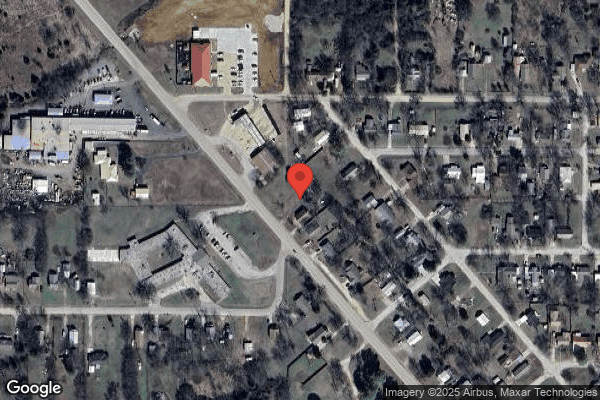
1705 Boren Blvd, Seminole, OK 74868 (405) 382-1270
For profit - Individual 110 Beds Independent Data: November 2025
Trust Grade
0/100
#267 of 282 in OK
Last Inspection: November 2024

Within standard 12-15 month inspection cycle. Federal law requires annual inspections.

Overview

Seminole Pioneer Nursing Home has received a Trust Grade of F, which indicates significant concerns about the facility's overall quality and care. It ranks #267 out of 282 nursing homes in Oklahoma, placing it in the bottom half of facilities statewide, and #3 out of 4 in Seminole County, meaning only one local option is rated higher. The trend is improving, with the number of reported issues decreasing from 14 in 2024 to just 3 in 2025, but the facility still faces serious challenges. Staffing is a strength, with a turnover rate of 0%, which is well below the state average, providing some stability in care. However, the home has concerning fines totaling $234,065, indicating it has compliance issues and less RN coverage than 83% of other facilities in Oklahoma, which raises concerns about the quality of medical oversight. Specific incidents have raised alarms, such as a resident who suffered 12 falls over five months due to inadequate supervision, and multiple residents being found at risk of abuse, including one incident where a resident reported being grabbed inappropriately by another. Additionally, there were issues with food safety in the kitchen, as items were not properly dated or labeled. While there are some strengths, such as low staff turnover, the overall environment and care quality at Seminole Pioneer Nursing Home require careful consideration.
Trust Score
F
0/100
In Oklahoma
#267/282
Bottom 6%
Safety Record
High Risk
Review needed
Inspections
Getting Better
14 → 3 violations
Staff Stability
○ Average
Turnover data not reported for this facility.
Penalties
✓ Good
$234,065 in fines. Lower than most Oklahoma facilities. Relatively clean record.
Skilled Nurses
⚠ Watch
Each resident gets only 11 minutes of Registered Nurse (RN) attention daily — below average for Oklahoma. Fewer RN minutes means fewer trained eyes watching for problems.
Violations
⚠ Watch
33 deficiencies on record. Higher than average. Multiple issues found across inspections.
★☆☆☆☆
1.0
Overall Rating
★☆☆☆☆
1.0
Staff Levels
★★★★☆
4.0
Care Quality
★☆☆☆☆
1.0
Inspection Score
Stable
2024: 14 issues
2025: 3 issues

The Good

  • 4-Star Quality Measures · Strong clinical quality outcomes
  • Full Sprinkler Coverage · Fire safety systems throughout facility
  • No fines on record

Facility shows strength in quality measures, fire safety.

The Bad

1-Star Overall Rating

Below Oklahoma average (2.6)

Significant quality concerns identified by CMS

Federal Fines: $234,065

Well above median ($33,413)

Significant penalties indicating serious issues

The Ugly 33 deficiencies on record

2 actual harm
May 2025 3 deficiencies 1 Harm
SERIOUS (G) 📢 Someone Reported This

A family member, employee, or ombudsman was alarmed enough to file a formal complaint

Actual Harm - a resident was hurt due to facility failures

Free from Abuse/Neglect (Tag F0600)

A resident was harmed · This affected 1 resident

Based on observation, record review, and interview, the facility failed to ensure residents were free from abuse for 2 (#1 and #3) of 3 sampled residents reviewed for abuse. The administrator identif...

Read full inspector narrative →
Based on observation, record review, and interview, the facility failed to ensure residents were free from abuse for 2 (#1 and #3) of 3 sampled residents reviewed for abuse. The administrator identified 44 residents resided in the facility. Findings: An undated facility policy titled 'Allegations of Abuse, Neglect, Exploitation or Mistreatment,' read in part, Definitions: 'Abuse' is the willful infliction of injury, unreasonable confinement, intimidation, or punishment with resulting physical harm, pain or mental anguish. 1. An undated admission record showed Res #1 had diagnoses which included schizoaffective disorder, mild cognitive impairment, and major depressive disorder. A quarterly assessment, dated 03/10/25, showed the resident was cognitively intact and had a BIMS of 15. The assessment showed the resident did not have verbal or physical behaviors directed toward others. An OSDH incident report, dated 05/12/25, showed Res #1 stated Res #2 had grabbed their breasts. The report showed no staff witnessed the incident. The report showed Res #2 had been in staff line of site over the past few days due to manic behaviors. On 05/15/25 at 12:45 p.m., Res #1 was sitting in the lobby area for the lunch meal. The resident stated they did not want to eat in the dining room because Res #2 was in the dining room and they were loud and disruptive. The resident stated they would leave the area or go to their room if Res #2 entered the area. On 05/15/25 at 2:30 p.m., the DON stated Res #2 was monitored per the incident report line of site. The stated they could not provide documentation regarding the line of site monitoring. The DON stated per the investigation the facility could not substantiate the incident regarding Res #2 grabbing Res #1's breasts. On 05/19/25 at 2:03 p.m., the care plan coordinator stated the care plan for Res #2 should have been updated with new behavior interventions after each incident and was not. 2. An undated admission record showed Res #3 had diagnoses which included vascular dementia with behavioral disturbances, schizoaffective disorder bipolar type, mood affective disorder, and moderate intellectual disabilities. A quarterly assessment, dated 04/22/25, showed Res #3 was moderately impaired for daily decision making. The assessment showed the resident did not have verbal or physical behaviors directed toward others. An OSDH incident report, dated 05/10/25, showed a facility CMA witnessed Res #2 hit Res #3 in the face unprovoked. The report showed the other resident was redirected. The report showed the police were notified and spoke with Res #3 and staff. An incident note, dated 05/10/25 at 7:25 a.m., showed Res #3 was sitting in the lobby when another resident hit them in the face. 3. An undated admission record showed Res #2 had diagnoses which included dementia with behavioral disturbances, mood disorder, psychosis, schizophrenia, and major depressive disorder. A discharge return anticipated assessment, dated 04/17/25, showed the resident was modified independent for daily decision making. The assessment showed the resident had verbal behaviors directed toward others. An OSDH incident report, dated 05/10/25, showed Res #2 hit Res #3 in the face. The report showed the police arrived and spoke with Res #2 and staff. The report showed the police had been called to the facility before regarding other incidents regarding Res #2. A incident note, dated 05/10/25 at 7:25 a.m., showed Res #2 was pacing around in the lobby area. The note showed the resident hit another resident in the face who was sitting in the lobby area. A behavior note, dated 05/10/25 at 7:40 a.m., showed the police were present in the facility regarding the incident. The note showed after the police left the facility, Res #2 was pacing the hallways, rammed the front door with their shoulder, kicking a trash can, yelling, and cussing. The note showed the resident was disruptive to residents and staff. The note showed the resident was redirected, but was only effective for short periods of time. The note showed the police were notified again at 7:40 p.m. due to the resident yelling, cussing, and kicking the wall. A behavior note, dated 05/11/25 at 4:02 p.m., showed Res #2 was in the lobby yelling, cussing, hitting the wall, and kicking the front door. The note showed attempts to calm the resident was unsuccessful. The note showed the facility notified the APRN and the resident's antipsychotic medication was adjusted. A behavior note, dated 05/11/25 at 9:08 p.m., showed Res #2 was more calm with occasional outbursts. A behavior note, dated 05/12/25 at 10:19 a.m., showed Res #2 had been instigating arguments and verbal altercations with peers. The note showed the resident had to be separated from peers and redirected to a different area. A behavior note, dated 05/12/25 at 2:38 p.m., showed the resident continued with erratic behavior an unable to redirect. The note showed disruption to peers environment, was asked not to get in faces of others or in their personal space. The note showed continued rambling, delusions, and hallucinations.
CONCERN (D) 📢 Someone Reported This

A family member, employee, or ombudsman was alarmed enough to file a formal complaint

Potential for Harm - no one hurt, but risky conditions existed

Report Alleged Abuse (Tag F0609)

Could have caused harm · This affected 1 resident

Based on record review and interview, the facility failed to ensure an allegation of abuse was reported to the state agency within the 2 hour required time frame for 1 (#3) of 3 sampled residents revi...

Read full inspector narrative →
Based on record review and interview, the facility failed to ensure an allegation of abuse was reported to the state agency within the 2 hour required time frame for 1 (#3) of 3 sampled residents reviewed for abuse The administrator identified 44 residents resided in the facility. Findings: An undated facility policy titled Allegations of Abuse, Neglect, Exploitation or Mistreatment, read in part, All alleged violations involving abuse, neglect, exploitation or mistreatment, including injuries of unknown source and misappropriation of resident property, are reported immediately, but not later than 2 hours after the allegation is made, .All alleged violations, whether oral or in writing, must be immediately reported to the Administrator of this facility and to other officials in accordance with State law through established procedures. An undated admission record showed Res #3 had diagnoses which included vascular dementia with behavioral disturbances, schizoaffective disorder bipolar type, mood affective disorder, and moderate intellectual disabilities. A quarterly assessment, dated 04/22/25, showed Res #3 was moderately impaired for daily decision making. The assessment showed the resident did not have verbal or physical behaviors directed toward others. An OSDH incident report, dated 05/10/25, showed a facility CMA witnessed Res #2 hit Res #3 in the face unprovoked. The report showed the other resident was redirected. The report showed the local police were notified at 7:25 a.m. and were present in the facility at 7:40 a.m. A fax transmittal page showed the state agency was notified of the incident occurring on 05/10/25 at 4:05 p.m. The facility failed to report to the State Agency within the two hour time frame for the incident on 05/10/25 after the police waere notified at 7:25 a.m. On 05/19/25 at 10:55 a.m., the DON stated the incident on 05/10/25 happened over the weekend. The DON stated the OSDH incident report was submitted by the weekend charge nurse. The DON stated it was not reported within the two hour required time frame. The DON stated the administrator was unable to be contacted.
CONCERN (D) 📢 Someone Reported This

A family member, employee, or ombudsman was alarmed enough to file a formal complaint

Potential for Harm - no one hurt, but risky conditions existed

Investigate Abuse (Tag F0610)

Could have caused harm · This affected 1 resident

Based on record review and interview, the facility failed to thoroughly investigate an allegation of abuse for 1 (#3) of 3 sampled residents reviewed for abuse. The administrator identified 44 reside...

Read full inspector narrative →
Based on record review and interview, the facility failed to thoroughly investigate an allegation of abuse for 1 (#3) of 3 sampled residents reviewed for abuse. The administrator identified 44 residents resided in the facility. Findings: An undated facility policy titled Abuse Prevention Program, read in part, This facility has developed comprehensive policies and procedures to prevent abuse, neglect, exploitation, or mistreatment of residents. The abuse prevention program provides policies and procedures that govern, as a minimum: .f. Development of investigative protocols governing resident abuse, theft/misappropriation of resident property, resident-to-resident abuse, and resident to staff abuse, etc. g. Timely and thorough investigations of all reports and allegations of abuse. An undated admission record showed Res #3 had diagnoses which included vascular dementia with behavioral disturbances, schizoaffective disorder bipolar type, mood affective disorder, and moderate intellectual disabilities. A quarterly assessment, dated 04/22/25, showed the resident was moderately impaired for daily decision making. The assessment showed the resident did not have verbal or physical behaviors directed toward others. An OSDH incident report, dated 05/10/25, showed a facility CMA witnessed Res #2 hit Res #3 in the face unprovoked. The report showed the other resident was redirected. The report showed the local police were notified and were present in the facility at 7:40 a.m. A review of the investigation documentation regarding the incident on 05/10/25 for Res #3 was completed. There were no staff or resident statements regarding the incident. On 05/15/25 at 2:30 p.m., the DON stated the incident on 05/10/25 did not have staff or resident statements documenting what occurred. The DON stated it was not a thorough investigation.
Nov 2024 11 deficiencies
CONCERN (D)

Potential for Harm - no one hurt, but risky conditions existed

Deficiency F0637 (Tag F0637)

Could have caused harm · This affected 1 resident

Based on record review and interview, the facility failed to ensure a significant change assessment had been completed after a resident admitted to hospice for one (#30) of 17 sampled residents review...

Read full inspector narrative →
Based on record review and interview, the facility failed to ensure a significant change assessment had been completed after a resident admitted to hospice for one (#30) of 17 sampled residents reviewed for assessments. The administrator identified 50 residents in the facility. Findings: Resident #30 admitted to the facility with diagnoses which included dementia. A physician's order, dated 06/06/24, documented the resident was admitted to hospice. The resident's record was reviewed and contained no documentation a significant change assessment had been completed. On 11/04/24 at 1:31 p.m., MDS Coordinator #1 reported a significant change assessment should have been completed when the resident admitted to hospice.
CONCERN (D)

Potential for Harm - no one hurt, but risky conditions existed

Deficiency F0645 (Tag F0645)

Could have caused harm · This affected 1 resident

**NOTE- TERMS IN BRACKETS HAVE BEEN EDITED TO PROTECT CONFIDENTIALITY** Based on record review and interview, the facility failed to accurately complete a level I PASARR for a new admit resident for o...

Read full inspector narrative →
**NOTE- TERMS IN BRACKETS HAVE BEEN EDITED TO PROTECT CONFIDENTIALITY** Based on record review and interview, the facility failed to accurately complete a level I PASARR for a new admit resident for one (#48) of one sampled resident reviewed for a PASARR. The administrator identified 50 residents in the facility. Findings: Res #48 admitted to the facility on [DATE] with diagnoses which included schizophrenia. A level I PASARR assessment, dated 10/10/24, documented Res #48 did not have a diagnosis of a serious mental illness. On 11/04/24 at 11:20 a.m., the administrator stated they were unaware of the diagnosis at admit and did not accurately complete the form.
CONCERN (D)

Potential for Harm - no one hurt, but risky conditions existed

Deficiency F0655 (Tag F0655)

Could have caused harm · This affected 1 resident

**NOTE- TERMS IN BRACKETS HAVE BEEN EDITED TO PROTECT CONFIDENTIALITY** Based on record review and interview, the facility failed to complete a baseline care plan for one (#48) of two sampled resident...

Read full inspector narrative →
**NOTE- TERMS IN BRACKETS HAVE BEEN EDITED TO PROTECT CONFIDENTIALITY** Based on record review and interview, the facility failed to complete a baseline care plan for one (#48) of two sampled residents reviewed for pressure ulcers. The administrator identified 50 residents in the facility. MDS Coordinator #1 identified three residents with pressure ulcers. Findings: Res #48 admitted to the facility on [DATE] with diagnoses which included depression and schizophrenia. A record review did not document a baseline care plan was completed. On 11/04/24 at 1:54 p.m., MDS Coordinator #1 stated there was no baseline care plan completed for Res #48.
CONCERN (D)

Potential for Harm - no one hurt, but risky conditions existed

Pressure Ulcer Prevention (Tag F0686)

Could have caused harm · This affected 1 resident

**NOTE- TERMS IN BRACKETS HAVE BEEN EDITED TO PROTECT CONFIDENTIALITY** Based on record review and interview, the facility failed to assess a pressure ulcer upon admission for one (#48) of two sampled...

Read full inspector narrative →
**NOTE- TERMS IN BRACKETS HAVE BEEN EDITED TO PROTECT CONFIDENTIALITY** Based on record review and interview, the facility failed to assess a pressure ulcer upon admission for one (#48) of two sampled residents reviewed for pressure ulcers. MDS Coordinator #1 identified three residents with pressure ulcers. Findings: Res #48 admitted to the facility on [DATE] with diagnoses which included schizophrenia. A record review did not document a wound assessment upon admission. A progress note, dated 10/16/24, documented the nurse was informed the resident had a pressure ulcer that was not assessed on admission. It was documented the physician was notified and treatments were ordered. On 11/04/24 at 12:40 p.m., the ADON stated Res #48 admitted to facility a wound to the buttock. They stated they were out of town when the resident admitted and the charge nurse should have completed the assessment, but did not.
CONCERN (D)

Potential for Harm - no one hurt, but risky conditions existed

Respiratory Care (Tag F0695)

Could have caused harm · This affected 1 resident

Based on observation, record review, and interview, the facility failed to ensure oxygen tubing was dated for one (#52) of one resident sampled for oxygen. The administrator identified 50 residents re...

Read full inspector narrative →
Based on observation, record review, and interview, the facility failed to ensure oxygen tubing was dated for one (#52) of one resident sampled for oxygen. The administrator identified 50 residents resided in the facility. Findings: Res #52 admitted to the facility with diagnoses which included COPD. On 11/04/24 at 1:58 p.m., Resident #52's oxygen tubing was observed with no date. On 11/05/24 at 12:05 p.m., the DON reported the tubing was supposed to be changed weekly and dated.
CONCERN (D)

Potential for Harm - no one hurt, but risky conditions existed

Staffing Information (Tag F0732)

Could have caused harm · This affected 1 resident

Based on observation and interview, the facility failed to ensure census information was posted with the daily staffing roster. The administrator identified 50 residents resided in the facility. Find...

Read full inspector narrative →
Based on observation and interview, the facility failed to ensure census information was posted with the daily staffing roster. The administrator identified 50 residents resided in the facility. Findings: On 11/05/24 at 9:14 a.m., the staffing roster was observed posted next to the nurses station. The census was not included in the posted information. On 11/05/14 at 9:16 a.m., the administrator stated they were unaware the census had to be posted.
CONCERN (D)

Potential for Harm - no one hurt, but risky conditions existed

Deficiency F0760 (Tag F0760)

Could have caused harm · This affected 1 resident

Based on record review, and interview, the facility failed to ensure residents were free of significant medication errors for one (#49) of five sampled residents reviewed for unnecessary medications. ...

Read full inspector narrative →
Based on record review, and interview, the facility failed to ensure residents were free of significant medication errors for one (#49) of five sampled residents reviewed for unnecessary medications. The administrator identified 50 residents resided in the facility. Findings: Res #49 had diagnoses which included mood disorders. A physician's order, dated 10/21/24, documented to administer Zyprexa (an antipsychotic) 5 mg at bedtime for mood disorder. An October 2024 MAR documented blanks for the PM doses of Zyprexa on 10/22/24 and 10/30/24. A behavior monitoring tracker for October 2024 documented Res #49 had behaviors on 10/22/24 and 10/30/24. On 11/05/24 at 9:22 a.m., CMA #1 stated the blanks on the MAR meant the medication was not given. On 11/05/24 at 9:24 a.m., the DON stated there was no way to prove the medications were administered if the administration record was blank. They were made aware of the resident's behaviors on the days the medication was not given. They shrugged and had no additional comment regarding the behaviors.
CONCERN (E)

Potential for Harm - no one hurt, but risky conditions existed

Comprehensive Care Plan (Tag F0656)

Could have caused harm · This affected multiple residents

**NOTE- TERMS IN BRACKETS HAVE BEEN EDITED TO PROTECT CONFIDENTIALITY** Based on observation, record review, and interview, the facility failed to develop a care plan for smoking for one (#32) of one ...

Read full inspector narrative →
**NOTE- TERMS IN BRACKETS HAVE BEEN EDITED TO PROTECT CONFIDENTIALITY** Based on observation, record review, and interview, the facility failed to develop a care plan for smoking for one (#32) of one sampled resident reviewed for smoking and failed to develop a care plan for a wound for one (#48) of two sampled residents reviewed for pressure ulcers. The administrator identified eight residents who smoked. MDS Coordinator #1 identified three residents with wounds. Findings: 1. Res #32 had diagnoses which included history of stroke and hypertension. On 11/04/24 at 9:06 a.m., Res #32 was observed on the front porch of the facility smoking a cigarette during the facility designated smoking time. A record review did not document a smoking care plan was developed for Res #32. On 11/04/24 at 3:20 p.m., MDS Coordinator #1 stated Res #32's care plan should have included smoking. 2. Res #48 admitted to the facility on [DATE] with diagnoses which included schizophrenia. A physician's order, dated 10/16/24, documented to cleanse wound to left upper buttocks with wound cleanser, pat dry, apply calcium alginate, and cover with dressing. A record review did not document a wound care plan. On 11/04/24 at 2:22 p.m., MDS Coordinator #1 stated there should have been a wound care plan, but there was not.
CONCERN (E)

Potential for Harm - no one hurt, but risky conditions existed

Incontinence Care (Tag F0690)

Could have caused harm · This affected multiple residents

Based on observation, record review, and interview, the facility failed to obtain a physician's order for a catheter for one (#14) of one sampled resident reviewed for catheters. The administrator ide...

Read full inspector narrative →
Based on observation, record review, and interview, the facility failed to obtain a physician's order for a catheter for one (#14) of one sampled resident reviewed for catheters. The administrator identified 50 residents resided in the facility. Findings: Res #14 was admitted with diagnoses which included chronic kidney disease, Parkinson's without dyskinesia, COPD, and personal history of UTIs. On 11/03/24 at 1:49 p.m. Resident #14 was observed resting in their bed with their eyes open. The resident's catheter was observed draining to gravity at bedside. The resident's record was reviewed and did not contain a physician's order for the catheter. On 11/05/24 at 10:25 a.m., LPN#1 reported the resident had a catheter since May 2022 due to a wound that had to be surgically repaired. On 11/05/24 at 10:52 a.m., MDS Coordinator #1 was informed there was no order for a catheter. They reported there should have been an order for the catheter.
CONCERN (E)

Potential for Harm - no one hurt, but risky conditions existed

Infection Control (Tag F0880)

Could have caused harm · This affected multiple residents

Based on observation, record review, and interview, the facility failed to maintain an infection control program for enhanced barrier precautions for one (#33) of one sampled resident reviewed for wou...

Read full inspector narrative →
Based on observation, record review, and interview, the facility failed to maintain an infection control program for enhanced barrier precautions for one (#33) of one sampled resident reviewed for wound care. MDS Coordinator #1 identified three residents with pressure ulcers. Findings: An Enhanced Barrier Precautions policy, undated, read in parts, Enhanced Barrier Precautions refer to an infection designated to reduce transmission of multidrug-resistant organisms that employs targeted gown and gloves use during high contact resident care activities .All staff receive training on enhanced barrier precautions upon hire and at least annually and are expected to comply with all designated precautions .An order for enhanced barrier precautions will be obtained for residents with any of the following: Wounds (e.g., chronic wounds such as pressure ulcers .and/or indwelling medical devices (e.g., urinary catheters) .PPE for enhanced barrier precautions is only necessary when performing high-contact care activities .High-contact resident care activities include: wound care: any skin opening requiring a dressing .Enhanced barrier precautions should be used for the duration of the affected resident's stay in the facility or until resolution of the wound or discontinuation of the indwelling medical device that placed them at higher risk. Res #33 had diagnoses which included stage III left heel pressure ulcer, dementia, and cerebral infarction. An admission assessment, dated 02/20/24, documented the resident was cognitively intact, required setup to partial assistance with mobility, and had one stage III pressure ulcer present upon admission. A physician's order, dated 09/11/24, documented to cleanse left heel with normal saline, apply five tobramycin eye drops to wound bed, apply Medihoney, then apply calcium alginate to wound bed, apply Exudry pad and secure with kerlix and tape one time a day for open wound. On 11/03/24 at 12:08 p.m., Res #33 was observed lying in bed. A gauze dressing was observed wrapped around Res #33's left heel. Res #33 stated they had a wound on the back of their heel and the staff provided wound care daily. On 11/05/24 at 10:52 a.m., LPN #1 was observed performing wound care on Res #33. LPN #1 was observed to have worn gloves during the treatment. LPN #1 was not observed to have worn a personal protective gown during the wound care treatment. No personal protective equipment was observed outside or near Res #33's room. On 11/05/24 at 12:15 p.m., the DON stated they had never heard of enhanced barrier precautions. They stated the IP was responsible for infection control and the facility had not implemented enhanced barrier precautions. On 11/05/24 at 12:30 p.m., CNA #1 stated they had not been educated on the use of enhanced barrier precautions during high-risk activities for residents with pressure wounds. On 11/05/24 at 12:56 p.m., LPN #1 stated they should have donned a gown prior to providing wound care on Res #33. They stated the facility had not implemented the use of enhanced barrier precautions. On 11/05/24 at 1:07 p.m., the IP stated the facility had not implemented the use of enhanced barrier precautions.
CONCERN (F)

Potential for Harm - no one hurt, but risky conditions existed

Food Safety (Tag F0812)

Could have caused harm · This affected most or all residents

Based on observation and interview, the facility failed to ensure foods in the kitchen were dated and labeled. The administrator reported 50 residents resided in the facility. Findings: On 11/03/24 at...

Read full inspector narrative →
Based on observation and interview, the facility failed to ensure foods in the kitchen were dated and labeled. The administrator reported 50 residents resided in the facility. Findings: On 11/03/24 at 8:45 a.m, a tour of kitchen was conducted. A commercial refrigerator was observed to contain a pitcher of brown liquid, a pitcher of yellow liquid, 11 cups of different colored liquids, and a pitcher of fruit. There were no dates or labels on the food products. On 11/03/24 at 9:21 a.m., [NAME] #1 reported everything in the refrigerator should have been dated and labeled.
Mar 2024 3 deficiencies
CONCERN (E) 📢 Someone Reported This

A family member, employee, or ombudsman was alarmed enough to file a formal complaint

Potential for Harm - no one hurt, but risky conditions existed

Safe Environment (Tag F0584)

Could have caused harm · This affected multiple residents

Based on observation and interview, the facility failed to ensure the physical environment was maintained in good repair. The administrator identified 41 residents who resided in the facility. Findin...

Read full inspector narrative →
Based on observation and interview, the facility failed to ensure the physical environment was maintained in good repair. The administrator identified 41 residents who resided in the facility. Findings: On 03/04/24 at 1:30 p.m., the following observations were made: a. a white five-gallon plastic bucket seated directly beneath the fire alarm control panel box in the front lobby. The bucket had approximately one inch of brown-tinged water with dark sediment in the bottom. A clear plastic light cover had been partially opened directly above the bucket. The plaster ceiling above the light cover had brown watermark stains and patches of black residue directly beside the lighting and wiring, and b. the dining room ceiling had three large areas without plaster exposing the sheetrock above. The areas had brown watermark stains. On 03/04/24 at 2:00 p.m., the maintenance supervisor stated the facility had several roof leaks over the last couple of months. They stated a roofing crew had patched the leaks in the dining area a few weeks ago but the area above the fire alarm control panel box had leaked recently. The maintenance supervisor stated they were waiting for a crew to be available to patch this area until the entire roof could be replaced. On 03/06/24 at 2:05 p.m., the administrator stated the roof over the dining area had leaked during the last ice storm and a roofing crew had repaired the leaks. They stated the residents were not able to use the dining area for meals during this time. The administrator stated a small area in the roof above the fire control panel box had leaked recently and they were currently awaiting the roofing company to assess and repair the damage. They stated the facility has plans to replace the entire roof soon.
CONCERN (E) 📢 Someone Reported This

A family member, employee, or ombudsman was alarmed enough to file a formal complaint

Potential for Harm - no one hurt, but risky conditions existed

ADL Care (Tag F0677)

Could have caused harm · This affected multiple residents

Based on observation, record review, and interview, the facility failed to ensure residents were bathed as scheduled for three (#3, 5, and #7) of three residents, and provided assistance with dressing...

Read full inspector narrative →
Based on observation, record review, and interview, the facility failed to ensure residents were bathed as scheduled for three (#3, 5, and #7) of three residents, and provided assistance with dressing for two (#5 and #7) of three sampled residents reviewed for assistance with ADLs. The administrator identified 41 residents who resided in the facility. Findings: A Shower List, dated 03/01/24, read in part, . Residents are to be cleaned and free from odors at all times. Showers are based on need as well as the schedule. If a resident needs or desires a shower, it is to be done . 1. Res #3 was admitted with diagnoses which included dementia, anxiety, and tremor. A facility shower list documented Res #3 was to receive staff assisted showers on Tuesday, Thursday, and Saturday weekly. A care plan, dated 07/15/23, documented the resident needed assistance with ADLs and required staff intervention to remain clean, neat, and free of body odors. The care plan documented an intervention to provide/assist with bath or shower two to three times weekly or more often as desired by the resident. The December 2023 bathing record documented Res #3 was not bathed 12/05/23 through 12/12/23. No refusals were documented during these dates. The January 2024 bathing record documented Res #3 was not bathed 01/06/24 through 01/10/24. No refusals were documented during these dates. A quarterly assessment, dated 01/09/24, documented the resident was moderately impaired in cognition for daily decision making and dependent on bathing. On 03/04/24 at 12:30 p.m., Res #3 was observed sitting in a wheelchair in the dining room. Food particles were observed on the resident's clothes. 2. Res #5 was admitted with diagnoses which included schizoaffective disorder, anxiety, and acute hepatic failure. A facility shower list documented Res #5 was to receive staff assisted showers on Monday, Wednesday, and Friday weekly. A care plan, dated 05/03/23, documented the resident needed assistance with ADLs and required staff intervention to remain clean, neat, and free of body odors. The care plan documented an intervention to provide/assist with bath or shower two to three times weekly or more often as desired by the resident. The December 2023 bathing record had no documentation Res #5 had received a bath/shower. The record documented seven refusals for the month. The January 2024 bathing record had no documentation Res #5 had received a bath/shower. The record documented five refusals for the month. A quarterly assessment, dated 01/12/24, documented the resident was moderately impaired in cognition, required partial to moderate assistance with bathing, and required supervision to clean-up assistance with dressing. The February 2024 bathing record had no documentation Res #5 had received a bath/shower. The record documented one refusal for the month. On 03/04/24 at 10:20 a.m., Res #5 was observed sitting on their bed. The resident was dressed in a blue blouse and black sweatpants. The resident stated sometimes they received a bath and sometimes they didn't. Res #3 stated the staff are busy and don't always have time to assist them with care. On 03/05/24 at 8:20 a.m., Res #5 was observed ambulating in the hall with a walker. The resident was dressed in the same blue blouse and black sweatpants as the previous day. One 03/06/24 at 9:00 a.m., Res #5 was observed sitting on their bed. The resident was dressed in the same blue blouse and black sweatpants from two days previously. 3. Res #7 was admitted with diagnoses which included pain, depression, and psychosis. A facility shower list documented Res #7 was to receive staff assisted showers on Monday, Wednesday, and Friday weekly. A care plan, dated 03/30/23, documented the resident needed assistance with ADLs and required staff intervention to remain clean, neat, and free of body odors. The care plan documented an intervention to provide/assist with bath or shower two to three times weekly or more often as desired by the resident. A significant change assessment, dated 01/12/24, documented the resident was moderately impaired in cognition and required partial to moderate assistance with bathing and dressing. The January 2024 bathing record documented Res #7 was bathed eight out of thirteen opportunities. No refusals were documented. The February 2024 bathing record documented Res #7 was bathed four out of fourteen opportunities. Two refusals were documented. On 03/04/24 at 11:53 a.m., Res #7 was observed sitting on their bed dressed in a blue and green plaid shirt and blue jeans. Res #7 had unkempt hair with white flakes observed on their scalp and forehead. The resident stated the staff do not always assist them with showers or getting dressed. On 03/05/24 at 8:00 a.m., Res #7 was observed sitting on their bed. The resident was dressed in the same blue and green plaid shirt and blue jeans as the previous day. Res #7's hair was unkempt and white flakes remained on their scalp and forehead. One 03/06/24 at 8:45 a.m., Res #7 was observed ambulating in the hall. The resident was dressed in the same blue and green plaid shirt and blue jeans from two days previously. Res #7's hair was unkempt and white flakes remained on their scalp and forehead. On 03/06/24 at 9:15 a.m., CNA #1 stated it was difficult to get Res #5 and Res #7 to change clothes or shower often. They stated the residents are bathed according to the shower list schedule. CNA #1 stated all baths/showers should have been documented as completed or refused on the ADL bathing record. On 03/06/24 at 11:00 a.m., the DON stated baths/showers should have been completed or documented as refused on the scheduled days. They stated the residents should have been dressed in clean clothes daily or on their scheduled bath days at a minimum.
CONCERN (E) 📢 Someone Reported This

A family member, employee, or ombudsman was alarmed enough to file a formal complaint

Potential for Harm - no one hurt, but risky conditions existed

Infection Control (Tag F0880)

Could have caused harm · This affected multiple residents

**NOTE- TERMS IN BRACKETS HAVE BEEN EDITED TO PROTECT CONFIDENTIALITY** Based on observation and interview, the facility failed to ensure staff followed infection control guidelines to prevent the pot...

Read full inspector narrative →
**NOTE- TERMS IN BRACKETS HAVE BEEN EDITED TO PROTECT CONFIDENTIALITY** Based on observation and interview, the facility failed to ensure staff followed infection control guidelines to prevent the potential spread of communicable disease in the shower rooms. The administrator identified 41 residents who resided in the facility. Findings: An Environmental Services Cleaning guideline, dated 2020, read in part, .It is the policy of this facility that the workplace will be maintained in a clean and sanitary condition with a written schedule of cleaning and decontamination based on the area of the facility, type of surface to be cleaned, and tasks being performed in the area .The purpose is to provide standard operation procedures for a clean, safe, and sanitary environment for the residents .Surfaces such as sinks, tubs, shower floors and all other surfaces will be cleaned daily using an EPA approved hospital grade disinfectant - detergent solution .These surfaces will also be cleaned as needed when spills or soiling occur . On 03/04/24 at 11:15 a.m., a tour of three shower rooms was conducted. The following observations were made: a. the shower room located on Hall 1 (room [ROOM NUMBER]) had an accumulation of black patches of residue along the bottom of the tiled wall of the shower stall area, b. the shower room located at the end of Hall 1 had black patches in the white grout lines around the tiled floor and drain of the shower stall area. The shower room had a musty odor, and c. the shower room located on Hall 3 had an accumulation of black patches of residue on the plaster ceiling above the shower stall area. A metal pipe adjacent to the ceiling had an accumulation of black patches of residue. The shower room had a musty odor. On 03/04/23 at 11:25 a.m., CNA #1 stated all shower rooms were supposed to be disinfected after a resident shower. CNA #1 stated a spray bottle of disinfectant should have been available in all three shower rooms to ensure proper disinfection occurred between each shower. They stated the black patches of residue in the shower areas looked like mold and the areas should have been cleaned better. On 03/04/24 at 2:18 p.m., the maintenance supervisor and maintenance #1 were made aware of the shower observations. The maintenance supervisor stated they were not aware of the black patchy residue on the ceiling or metal pipe in the shower room on Hall 3 until this morning. Maintenance #1 stated the black patches looked like mold and could make the residents sick if not treated. The maintenance supervisor stated the area had just been treated with mold/mildew removing spray a few hours ago. On 03/05/24 at 8:45 a.m., the IP was asked how the facility ensured infection control guidelines were followed in the shower rooms. The IP stated the CNAs were expected to spray each shower area with a facility approved disinfectant after each shower. The IP stated a bottle of spray disinfectant should have been in each shower room for use. They stated housekeeping was supposed to have been deep cleaning each shower room daily. On 03/05/24 at 9:00 a.m., the housekeeping supervisor stated the black patchy residue should not have been in any of the shower areas. They stated an approved hospital grade disinfectant should have been available in each room for use after each residents' shower.
Nov 2023 1 deficiency
CONCERN (E) 📢 Someone Reported This

A family member, employee, or ombudsman was alarmed enough to file a formal complaint

Potential for Harm - no one hurt, but risky conditions existed

Deficiency F0726 (Tag F0726)

Could have caused harm · This affected multiple residents

Based on record review and interview, the facility failed to ensure an nurse had a valid nursing license. The Resident Census and Conditions of Residents form, dated 10/24/23, documented 44 residents...

Read full inspector narrative →
Based on record review and interview, the facility failed to ensure an nurse had a valid nursing license. The Resident Census and Conditions of Residents form, dated 10/24/23, documented 44 residents resided in the facility. Findings: An Oklahoma Board of Nursing Verification Report, dated 10/24/23, documented LPN #1's license had lapsed as of 06/30/23. An hours report for July 2023, documented LPN #1 worked 21 shifts without a license from 07/01/23 through 07/31/23. A hours report for August 2023, documented LPN #1 worked 23 shifts without a license from 08/01/23 through 08/31/23. A hours report for September 2023, documented LPN #1 worked 18 shifts without a license from 09/01/23 through 09/30/23. An Employee Details Report for October 2023, documented LPN #1 worked as a LPN without a license on 10/02/23, 10/03/23, and 10/04/23. A typed statement from the administrator documented LPN #1 was discovered to not have a valid license on 10/04/23 and was removed from the floor and providing patient care. The statement documented LPN #1 had not been performing nursing duties since 10/04/23 and will not be allowed to do so until their license is in good standing. On 10/24/23 at 3:29 p.m., LPN #1 stated they were unaware their license had lapsed. They stated the last day they worked as a nurse in the facility was 10/04/23.
Aug 2023 11 deficiencies 1 Harm
SERIOUS (H)

Actual Harm - a resident was hurt due to facility failures

Accident Prevention (Tag F0689)

A resident was harmed · This affected multiple residents

**NOTE- TERMS IN BRACKETS HAVE BEEN EDITED TO PROTECT CONFIDENTIALITY** Based on observation, record review, and interview, the facility failed to develop and implement interventions and receive adequ...

Read full inspector narrative →
**NOTE- TERMS IN BRACKETS HAVE BEEN EDITED TO PROTECT CONFIDENTIALITY** Based on observation, record review, and interview, the facility failed to develop and implement interventions and receive adequate supervision to help prevent falls for one (#12) of three sampled residents reviewed for falls. Resident #12 had 12 falls in five months and sustained two closed head injuries. The Resident Census and Conditions of Residents form, dated 08/08/23, documented 45 residents resided in the facility. Findings: Res #12 admitted to the facility on [DATE] with diagnoses which included dementia, atrial fibrillation, and cognitive dysfunction. A fall risk assessment, dated 01/09/23, documented the resident was at high risk for falls. A care plan, dated 01/09/23, documented the following interventions: a. Gather information on past falls and attempt to determine cause of falls. Anticipate and intervene to prevent future recurrence. b. Be sure call light is within reach and encourage to use it for assistance and respond promptly to request for staff assist. c. Anticipate and meet needs. d. Coordinate with appropriate staff to ensure safe environment with: floors even and free from spills or clutter, adequate glare free light, call light available and within reach at all times, bed in low position at night, personal items within reach, and handrails on walls. e. Ambulates with rollator walker. f. Uses a wheelchair at times for mobility. An undated care plan intervention documented, .confused and cognitive function prohibits understanding of interventions staff [up arrow] visual checks in place . A nurse progress note, dated 01/10/23 at 9:00 a.m., documented the resident was assessed, provided first aid, and sent to the ER. An incident report, dated 01/10/23 at 9:00 a.m., documented the resident had a fall from standing in the hallway. The report documented the resident was sent to the emergency room and neuro checks were initiated per facility protocol. There were no intervention documented to prevent reoccurrence. An ER after visit summary, dated 01/10/23, documented the resident sustained a hematoma of the occipital region of scalp. A nurse progress note, dated 01/14/23 at 1:15 p.m., documented the resident had a fall coming out of their room and stated they hit their head. The note documented no injuries. An incident report, dated 01/14/23 at 1:15 p.m., documented the resident had a fall in the hallway without injury. The report documented the intervention was for staff to perform increased visual checks. This intervention was repeated and there was no documentation of the increased visual checks. A progress note, dated 02/04/23 at 11:40 a.m., documented the resident had a fall in their room and sustained a laceration to their head and was complaining of pain. The note documented the resident was provided first aid and sent to the ER. An incident report, dated 02/04/23 at 11:40 a.m., documented the resident had a fall in their room. The incident report documented the resident sustained a laceration to their head and was sent to the ER. The report documented the intervention was, .resi confusion limits accuracy and positive implementation of interventions . A hospital discharge record, dated 02/04/23, documented the resident sustained a 1.5 cm laceration to the forehead. A progress note, dated 02/11/23 at 11:40 a.m., documented the resident had a fall in their room and sustained a bump to the back of their head. An incident report, dated 02/11/23 at 11:40 a.m., documented the resident had a fall in their room. The report documented the resident hit their head on the bottom of the overbed table and the resident was sent to the ER. The report documented an intervention to remove the overbed table from the room. A progress note, dated 02/12/23 at 4:00 a.m., documented staff went to the resident's room when they heard someone yell out. The note documented the resident had a bump on their head and complained of pain to their rib. The note documented the resident was sent to the emergency room for evaluation. There was no intervention to prevent recurrence documented for this fall. A hospital record, dated 02/12/23 at 4:46 a.m. documented the resident was admitted to the hospital. A discharge record, dated 02/14/23, documented the resident was diagnosed with a closed head injury. A progress note, dated 02/20/23 at 3:00 p.m., documented the resident had a fall in their room. The note documented the resident was assessed and had no injuries. There was no intervention to prevent recurrence documented for this fall. A progress note, dated 03/04/23 at 10:50 a.m., documented the resident's neighbor notified staff the resident had fallen. The note documented the resident reported they hit their head. The note documented the resident was assessed and had no injuries. An incident report, dated 03/04/23 at 10:50 a.m., documented the resident had a fall in their bathroom. The report documented the resident had hit their head on the door but had no obvious injuries. The report documented the resident was placed on neuro checks. The intervention that was documented was .Res. has cognitive impairment and unable to comprehend instructions. Has hx of high risk for falls . A progress note, dated 03/20/23 at 5:30 p.m., documented the resident had a fall in their room and was assessed to have no injuries. An incident report, dated 03/20/23 at 5:30 p.m., documented the resident had a fall in their room. The report documented the resident was not injured. The report documented for staff to encourage resident to transfer with staff assistance, the bed was placed in the lowest position, the call light was placed within reach, and staff provided reminders throughout shift. These interventions had been previously documented. A progress note, dated 04/07/23 at 11:00 p.m., documented the resident had a fall and sustained a laceration to the head and was complaining of pain to their hip. The note documented the resident was sent to the ER for evaluation. An incident report, dated 04/07/23 at 11:50 p.m., documented the resident had a fall in the hallway and sustained a laceration to the head. The report documented the resident was sent to the ER for evaluation. The intervention documented the resident was sent to the ER, a CT was performed and was unremarkable, dermabond and steri-strips were applied to the laceration, and the resident returned to the facility. The report documented the resident was cognitively impaired, poor comprehension, was oriented x1, and had a history of high risk for falls. A quarterly assessment, dated 04/12/23, documented the resident was severely cognitively impaired, required limited assistance for transfers, was independent with supervision with walking. The assessment documented the resident had two or more falls with no injury and two or more falls with minor injury. An incident report, dated 04/28/23 at 3:15 p.m., documented the resident had a fall in their room without injury. The resident reported they hit their head but were not injured and not transferred to the hospital. The intervention documented a fall mat was placed. A progress note, dated 05/26/23 at 5:30 a.m., documented the resident had a fall in which the left temple area hit the floor. The note documented the resident complained of a headache and sustained a bruise above the left eye. The note documented the resident was sent to the ER for evaluation. An incident report, dated 05/26/23 at 5:30 a.m., documented the resident had a fall in their room and hit their head. The report documented the resident was sent to the ER. The report documented an intervention of protective mattress was to remain at bedside and staff were to ensure resident was placed in the center of the bed, and encourage to use the call light. A hospital record, dated 05/26/23, documented the resident had a discharge diagnosis of a closed head injury. A progress note, dated 06/24/23 at 4:00 p.m., documented the resident was on the floor in their room. The note documented it appeared the resident slid off the bed and off of the floor mat to the floor. The note documented the resident sustained a 2 cm skin tear to the right forearm. The note documented the wound was treated in the facility. An incident report, dated 06/24/23 at 4:00 p.m., documented the resident had a call in their room. The report documented the resident sustained a laceration to their arm. The report documented an intervention of frequent visual checks to be done by staff, the resident was confused due to cognitive impairment, was unable to comprehend instructions, and had a history of high fall risk. This intervention had already been used. A quarterly MDS, dated [DATE], documented the resident was severely cognitively impaired, and required limited assistance of one staff for ADLs. The assessment documented the resident had two or more falls with minor injury and one fall with no injury. On 08/08/23 at 10:39 a.m., the resident was observed in their room on their bed with eyes closed. A fall mat was observed at bedside. There was an overbed table pushed against the wall by the resident's head of bed. On 08/10/233 at 10:36 a.m., the ADON was asked about the process of how interventions were developed after a resident had a fall. They stated the DON was mostly responsible for the interventions. On 08/10/23 at 12:01 p.m., the DON was asked about the interventions listed on the incident reports for Res #12. They said the staff had a book with interventions to get ideas from but were not using them. They stated the intervention which referred to the resident's cognition was not an intervention to prevent falls or injury. They stated the frequent checks were not documented and there was not a way to verify they were completed.
CONCERN (D)

Potential for Harm - no one hurt, but risky conditions existed

Deficiency F0578 (Tag F0578)

Could have caused harm · This affected 1 resident

**NOTE- TERMS IN BRACKETS HAVE BEEN EDITED TO PROTECT CONFIDENTIALITY** Based on observation, record review, and interview, the facility failed to ensure accurate code status was documented for a resi...

Read full inspector narrative →
**NOTE- TERMS IN BRACKETS HAVE BEEN EDITED TO PROTECT CONFIDENTIALITY** Based on observation, record review, and interview, the facility failed to ensure accurate code status was documented for a resident with a DNR for one (#40) of 12 sampled residents whose code status was reviewed. The Resident Census and Conditions of Residents form, dated [DATE], documented 45 residents resided in the facility. Findings: Res #40 had diagnoses which included HTN, DM, pulmonary emphysema, and bipolar disorder. The resident's care plan, updated [DATE], documented Res #40 was a full code. On [DATE] at 1:00 p.m., Res #40's door was observed with a stop sign on the upper right hand side above their name. On [DATE] at 2:40 p.m., the resident's chart was observed with a sticker on the spine that documented the code status as DNR. The face sheet in the chart documented the resident's code status as full code. A record review did not document a signed DNR form. On [DATE] at 3:10 p.m., CNA #4 was asked how the staff know the code status of a resident. The CNA stated the code status is on the door. She pointed to the red stop signs on some doors and a green sign that said GO. They stated the stop sign meant the resident was a DNR and the staff would not perform CPR, if it said go the resident was a full code and CPR would be performed. They stated Res #40 was a DNR based on the stop sign on the door. On [DATE] at 1:03 p.m., the ADON was asked how code status was determined. The ADON stated the stop and go signs indicated a resident's code status. They stated the stop sign was for DNR's and the go sign was for full code residents. She stated the aides had a ADL book that also had the code status in it. On [DATE] at 3:30 p.m., the DON was shown the resident's door and was asked what her code status was. They stated the stop sign meant no CPR would be performed. The DON was handed the resident's chart and reviewed the resident's face sheet. They stated the resident was a full code and was observed removing the DNR sticker from the side of the chart and the stop sign from the door.
CONCERN (D)

Potential for Harm - no one hurt, but risky conditions existed

Investigate Abuse (Tag F0610)

Could have caused harm · This affected 1 resident

**NOTE- TERMS IN BRACKETS HAVE BEEN EDITED TO PROTECT CONFIDENTIALITY** Based on observation, record review, and interview, the facility failed to conduct a thorough investigation into an allegation o...

Read full inspector narrative →
**NOTE- TERMS IN BRACKETS HAVE BEEN EDITED TO PROTECT CONFIDENTIALITY** Based on observation, record review, and interview, the facility failed to conduct a thorough investigation into an allegation of abuse for one (#37) of three sampled residents reviewed for abuse. The Resident Census and Conditions of Residents form, dated 08/08/23, documented 45 residents resided in the facility. Findings: Res #37 had diagnoses which included Alzheimer's dementia, TBI, and Parkinson's disease. A quarterly MDS, dated [DATE], documented the resident was cognitively intact and independent with ADLs. An incident report form, dated 07/14/23, documented Res #37 reported a CNA for slamming down their food tray and making an obscene gesture at the resident. The report documented staff were interviewed and the allegation was unsubstantiated. On 08/08/23 at 12:27 p.m., Res #37 was observed in their room seated in a rocking chair. The resident stated he had an issue with a CNA recently in which they allegedly tossed the resident's food tray down and made a vulgar gesture at the resident. The resident stated they reported the incident to management and the aide was sent home for the day. On 08/11/23 at 8:53 a.m., the administrator was asked if other residents were interviewed about the allegation. The administrator stated they did not interview residents. They stated there were other residents on the hall they could have talked to but it didn't cross their mind to do so.
CONCERN (D)

Potential for Harm - no one hurt, but risky conditions existed

Drug Regimen Review (Tag F0756)

Could have caused harm · This affected 1 resident

Based on record review and interview, the facility failed to ensure a physician response to a MRR for one (#32) of five sampled residents reviewed for unnecessary medications. The Resident Census and...

Read full inspector narrative →
Based on record review and interview, the facility failed to ensure a physician response to a MRR for one (#32) of five sampled residents reviewed for unnecessary medications. The Resident Census and Conditions of Residents form, dated 08/08/23, documented 45 residents resided in the facility. Findings: Res #32 had diagnoses which included seizure, edema, HTN, and COPD. A MRR, dated 06/15/23, documented a request to collect labs including a CBC, CMP, TSH, and Depakote level. The resident's record did not document an order or lab results related to the MRR. On 08/10/23 at 3:55 p.m., the ADON stated they could not locate the physician response to the MRR.
CONCERN (D)

Potential for Harm - no one hurt, but risky conditions existed

Infection Control (Tag F0880)

Could have caused harm · This affected 1 resident

Based on observation, interview, and record review, the facility failed to ensure nursing staff followed the infection control guidelines to prevent the potential spread of communicable disease. The ...

Read full inspector narrative →
Based on observation, interview, and record review, the facility failed to ensure nursing staff followed the infection control guidelines to prevent the potential spread of communicable disease. The Resident Census and Conditions of Residents form dated 08/08/23, documented 45 residents resided in the facility. Findings: Resident #15 had diagnoses which included urinary retention and chronic kidney failure. A quarterly resident assessment, dated 06/05/23, documented res #15's cognition was intact, had an indwelling urinary catheter, and required extensive to total assistance with ADLs. On 08/10/23 at 10:48 a.m., LPN #1 was observed performing Res #15's catheter care. LPN #1 was observed to set up two wash basins, four wash cloths, and one towel. LPN #1 washed Res #15's genitalia with two separate wash cloths. LPN #1 did not change gloves between washing and rinsing Res #15's genitalia. On 08/10/23 at 10:55 a.m., the LPN was asked if she should have changed gloves between washing and rinsing during catheter care. The LPN stated, Normally, yes. On 08/10/23 at 11:21 a.m., the DON was asked if LPN#1 should have changed gloves between washing and rising Res #15's genitalia. The DON stated they should have.
CONCERN (E)

Potential for Harm - no one hurt, but risky conditions existed

Deficiency F0657 (Tag F0657)

Could have caused harm · This affected multiple residents

**NOTE- TERMS IN BRACKETS HAVE BEEN EDITED TO PROTECT CONFIDENTIALITY** Based on observation, interview, and record review, the facility failed to ensure care plans were updated to prevent falls for t...

Read full inspector narrative →
**NOTE- TERMS IN BRACKETS HAVE BEEN EDITED TO PROTECT CONFIDENTIALITY** Based on observation, interview, and record review, the facility failed to ensure care plans were updated to prevent falls for two (#12 and #98) and failed to update care plan related to wounds for one (#14) of 24 sampled residents whose care plans were reviewed. The Resident Census and Conditions of Residents form, dated 08/08/23, documented 45 residents resided in the facility. Findings: 1. Res #14 had diagnoses which included non-pressure wounds to right axilla, left groin, and right groin. A care plan, revised 03/22/23, documented the resident was currently receiving treatment for wounds to right axilla and right groin. A physician's order, dated 07/07/23, documented to clean left groin with dermal wound cleanser, pat dry, apply Puracil or equivalent to wound bed, cover with Duoderm every other day Monday, Wednesday, Friday. On 8/9/23 at 1:52 p.m., LPN #1 was asked how many and the location of the wounds for Res #14. LPN #1 stated, right axilla, right groin, left perineal crease. On 8/09/23 3:33 p.m., the DON was asked if Res #14's care plan should have been updated to include the left groin wound. The DON stated it should have been. 2. Res #98 had diagnoses which included traumatic brain injury, seizures, and pain. On 08/09/23 at 3:52 p.m., observed Res #98 to have a fall mattress in the floor beside their bed. The fall mattress was not reflected on the resident's care plan. On 08/09/23 at 3:57 p.m., LPN #2 was asked if Res #98 had a fall mattress beside their bed. They stated, ''Yes. On 08/09/23 at 4:41 p.m., the DON was asked if Res #98 had a fall care plan. The DON stated, No. The DON was asked if Res #98 should have a care plan for falls. The DON stated they should. 3. Res #12 admitted to the facility on [DATE] with diagnoses which included dementia, atrial fibrillation, and cognitive dysfunction. A fall risk assessment, dated 01/09/23, documented the resident was at high risk for falls. A care plan, dated 01/09/23, documented the following interventions: a. Gather information on past falls and attempt to determine cause of falls. Anticipate and intervene to prevent future recurrence. b. Be sure call light is within reach and encourage to use it for assistance and respond promptly to request for staff assist. c. Anticipate and meet needs. d. Coordinate with appropriate staff to ensure safe environment with: floors even and free from spills or clutter, adequate glare free light, call light available and within reach at all times, bed in low position at night, personal items within reach, and handrails on walls. e. Ambulates with rollator walker f. Uses a wheelchair at times for mobility An undated care plan intervention documented, .confused and cognitive function prohibits understanding of interventions staff [up arrow] visual checks in place . An incident report, dated 01/14/23 at 1:15 p.m., documented the resident had a fall in the hallway without injury. The intervention documented was for the staff to perform increased visual checks. An incident report, dated 02/11/23 at 11:40 a.m., documented the resident had a fall in their room. The report documented the resident had their head on the bottom of the overbed table and the resident was sent to the ER. The intervention documented the overbed table was removed from the room. An incident report, dated 03/20/23 at 5:30 p.m., documented the resident had a fall in their room. The report documented the resident was not injured. The intervention documented staff to encourage resident to transfer with staff assistance, the bed was placed in the lowest position, the call light was placed within reach, and staff provided reminders throughout shift. An incident report, dated 05/26/23 at 5:30 a.m., documented the resident had a fall in their room and hit their head. The report documented the resident was sent to the ER. The intervention documented the protective mattress was to remain at bedside and staff were to ensure resident was placed in the center of the bed, and encourage to use the call light. An incident report, dated 06/24/23 at 4:00 p.m., documented the resident had a fall in their room. The report documented the resident sustained a laceration to their arm. The intervention documented frequent visual checks to be done by staff, the resident was confused due to cognitive impairment, was unable to comprehend instructions, and had a history of high fall risk. The care plan did not document the interventions after the falls on 01/14/23, 02/11/23, 03/20/23, 05/26/23, or 06/24/23. A quarterly MDS, dated [DATE], documented the resident was severely cognitively impaired and required limited assistance of one staff for ADLs. The assessment documented the resident had two or more falls with injury except major and one fall with no injury. On 08/08/23 at 10:39 a.m., the resident was observed in their room and in their bed with eyes closed. A fall mat was observed at bedside. There was an overbed table pushed against the wall by the resident's head of bed. On 08/10/23 at 12:01 p.m., the DON stated the MDS coordinator was responsible for updating the care plan. They stated the MDS coordinator was part time. The MDS coordinator was not able to be contacted for interview.
CONCERN (E)

Potential for Harm - no one hurt, but risky conditions existed

Incontinence Care (Tag F0690)

Could have caused harm · This affected multiple residents

Based on observation, record review, and interview, the facility failed to ensure a physician order was obtained for a urinary catheter for one (#15) of one sampled resident reviewed for urinary cathe...

Read full inspector narrative →
Based on observation, record review, and interview, the facility failed to ensure a physician order was obtained for a urinary catheter for one (#15) of one sampled resident reviewed for urinary catheter placement. The Resident Census and Conditions of Residents report, dated 08/08/23, documented one residents with a urinary catheter resided in the facility. Findings: Res #15 had diagnoses which included urinary retention and chronic kidney failure. A quarterly MDS assessment, dated 06/05/23, documented Res #15's cognition was intact, had an indwelling urinary catheter, and required extensive to total assistance with ADLs. A care plan, updated 06/17/23, documented Res #15 has the potential for complications related to indwelling urinary catheter. On 08/09/23 at 11:41 a.m., observed Res #15 to have a urinary catheter bag attached to the side of their bed. On 08/10/23 at 12:21 p.m. the DON was asked if Res #15 had a physician's order for urinary catheter placement or catheter care. The DON reviewed Res #15's physician orders and stated there were no orders for urinary catheter placement.
CONCERN (E)

Potential for Harm - no one hurt, but risky conditions existed

Medical Records (Tag F0842)

Could have caused harm · This affected multiple residents

**NOTE- TERMS IN BRACKETS HAVE BEEN EDITED TO PROTECT CONFIDENTIALITY** Based on observation, record review, and interview, the facility failed to ensure records were complete and systematically organ...

Read full inspector narrative →
**NOTE- TERMS IN BRACKETS HAVE BEEN EDITED TO PROTECT CONFIDENTIALITY** Based on observation, record review, and interview, the facility failed to ensure records were complete and systematically organized for one (#44) of three sampled residents reviewed for closed records. The Resident Census and Conditions of Residents form, dated 08/08/23, documented 45 residents resided in the facility. Findings: Res #44 had diagnoses which included heart failure, HTN, DM, and depression. A discharge MDS, dated [DATE], documented the resident was discharged return not anticipated to an acute hospital. On 08/11/23 at 9:40 a.m., Res #44's progress notes from 05/17/23 to discharge were requested. On 08/11/23, at 2:04 p.m., the DON stated the resident's progress notes could not be located. They stated it could be due to the facilities filing system. They stated the facility did not have a medical records employee and the current system was to take the records, put a note on it, and place it in the medical records room to be filed later. They stated there was not currently anyone in the facility doing the filing.
CONCERN (E)

Potential for Harm - no one hurt, but risky conditions existed

Deficiency F0847 (Tag F0847)

Could have caused harm · This affected multiple residents

Based on record review and interview, the facility failed to explicitly inform the resident or his or her representative of their right not to sign an arbitration agreement and explicitly grant the re...

Read full inspector narrative →
Based on record review and interview, the facility failed to explicitly inform the resident or his or her representative of their right not to sign an arbitration agreement and explicitly grant the resident or their representative the right to rescind an arbitration agreement within 30 calendar days of signing it. The administrator documented 25 residents had entered into binding arbitration agreements. Findings: A Dispute Resolution Provision, effective 10/01/2017, was reviewed for explicit language documenting the resident's right to not sign and the right to rescind the agreement within 30 days of signing. The document did not contain the explicit statements. On 08/11/23 at 12:58 p.m., the social services director was asked how the arbitration agreement was presented to residents. They stated it was part of the admission packet and they explained during admission how to file a complaint and who the chain of command for complaints was. They stated they were not aware the agreement was optional and that it was not a requirement of admission. On 08/11/23 at 1:03 p.m., the administrator was asked about the arbitration agreement. They stated they were unaware of the requirements and would have corrections made.
CONCERN (E)

Potential for Harm - no one hurt, but risky conditions existed

Deficiency F0848 (Tag F0848)

Could have caused harm · This affected multiple residents

Based on record review and interview, the facility failed to ensure that arbitration agreements provided for the selection of a venue that was convenient to both parties. The administrator documented...

Read full inspector narrative →
Based on record review and interview, the facility failed to ensure that arbitration agreements provided for the selection of a venue that was convenient to both parties. The administrator documented 25 residents had entered into binding arbitration agreements. Findings: A Dispute Resolution Provision, effective 10/01/2017, documented in part, .Mediation shall be held in Oklahoma City, Oklahoma in accordance with the rules of procedure for mediation .Agreement or related to the provision of services at the Facility shall be settled solely by arbitration in Oklahoma City, Oklahoma . On 08/11/23 at 12:58 p.m., the social services director was asked about selection of venue for arbitration. They stated they were not aware of the requirement. On 08/11/23 at 1:03 p.m., the administrator was asked about the arbitration agreement. They stated they were unaware of the requirement and would have corrections made.
CONCERN (F)

Potential for Harm - no one hurt, but risky conditions existed

Food Safety (Tag F0812)

Could have caused harm · This affected most or all residents

Based on observation and interview, the facility failed to ensure the kitchen was kept clean and maintained to promote food safety and sanitation. The Resident Census and Conditions of Residents repo...

Read full inspector narrative →
Based on observation and interview, the facility failed to ensure the kitchen was kept clean and maintained to promote food safety and sanitation. The Resident Census and Conditions of Residents report, dated 08/08/23, documented 45 residents resided in the facility. Findings: On 08/10/23 8:51 a.m., a follow-up tour of the kitchen was conducted. The following observations were made: a. an accumulation of lint and a black substance was on the heat/air return vent, b. a thick accumulation of dirt, debris, and a brown and black residue was surrounding the floors by the base boards in the kitchen and both dining rooms, c. an accumulation of black and brown residue was on the wall beside the kitchen refrigerator, d. an an accumulation of white residue was on the sink in the dining room, e. floor tiles were worn down to the concrete in the kitchen, f. no wastebasket at the handwashing sink, g. an accumulation of dust, debris, and hair was on the counters where the pans were kept, h. an accumulation of dust and debris was underneath the dishwasher, i. the caulking surrounding the counter by the handwashing sink was cracked and peeling, k. an accumulation of a black substance and food particles were on the counter behind the handwashing sink, and l. an empty box was stuck to the bottom shelf of the refrigerator in the storage room. On 08/10/23 at 8:53 a.m., [NAME] #1 was asked if they had a wastebasket that was kept by the handwashing sink. The cook stated they used the trash can across the room by the dishwasher. The cook was asked should there be a wastebasket by handwashing sink. They stated, Yes. On 08/10/23 at 8:54 a.m., observed a sandwich bag of deli meat in the kitchen refrigerator dated 7/?. The DM was asked what the date written on the bag was. The DM stated it should read 8/9/23. The DM was shown the bag of deli meat with the 7/? written on it. The DM was observed to take the deli meat out of the bag and placed it into another bag and dated it 08/10/23. On 08/10/23 at 10:14 a.m., the DM was asked how staff ensured the kitchen was kept clean and maintained in good repair. The DM stated they cleaned every day and reported maintenance concerns to the maintenance department.
Aug 2022 4 deficiencies
CONCERN (E)

Potential for Harm - no one hurt, but risky conditions existed

Comprehensive Assessments (Tag F0636)

Could have caused harm · This affected multiple residents

3. Res #16's nurse progress note, dated 01/01/22, documented the resident had a fall and was sent to the hospital. A hospital discharge note, dated 01/03/22, documented Res #16 was discharged back to...

Read full inspector narrative →
3. Res #16's nurse progress note, dated 01/01/22, documented the resident had a fall and was sent to the hospital. A hospital discharge note, dated 01/03/22, documented Res #16 was discharged back to the nursing home with diagnoses of fall, left distal radius fracture, and laceration to upper lip. An annual assessment, dated 05/20/22, documented the resident had one fall with major injury and was cognitively intact. On 08/16/22 at 9:12 a.m., the DON stated she was unaware of any fall that should have been captured on the 05/20/22 MDS. On 08/16/22 at 11:17 a.m., Res #16 stated she had a bad fall in January and broke her arm. When asked if she had any falls since then she stated she had not. On 08/16/22 at 5:30 p.m., the MDS coordinator stated she was unsure if Res #16 had a fall that would have made the MDS coding correct and would have to look to see why she coded the fall with injury. A note from the MDS coordinator, provided to surveyors on 08/17/22, documented the fall with major injury had been coded incorrectly on the 05/20/22 MDS and should have been removed. She documented it had been carried over from the prior MDS. Based on record review, observation, and interview, the facility failed to ensure resident assessments accurately reflected the status of the residents for three (#2, 16, and #20) of 16 residents whose assessments were reviewed. The Resident Census and Conditions of Residents'' form documented 41 residents resided at the facility. Findings: 1. Res #2's physician order, dated 06/01/22, documented to reduce clozapine from 25mg in the a.m. and 25mg at 2:00 p.m. to 12.5mg in the a.m. and 25mg at 2:00 p.m. A pharmacist MRR, dated 07/12/22, documented a request to the physician to consider tapering one of the resident's psychoactive medications. The physician disagreed with the reduction at that time. An annual assessment, dated 07/23/22, documented the resident received an antipsychotic medication. The assessment documented a GDR for antipsychotic medication had not been attempted. The assessment documented a GDR was documented as clinically contraindicated by the physician on 11/17/21. On 08/16/22 at 5:21 p.m., the MDS coordinator stated she missed seeing the GDR and the last date a reduction was contraindicated when she reviewed the chart. 2. Res #20's incident reports, dated 04/02/22, 05/03/22, and 05/04/22, documented a total of three falls during this time period. A quarterly assessment, dated 05/06/22, documented the resident had one fall with no injury and one fall with minor injury. On 08/16/22 at 3:04 p.m., the resident was sitting upright on his bed with his legs crossed. He stated he had not had any falls in a long time. On 08/16/22 at 5:16 p.m., the MDS coordinator stated she missed coding one of the resident's falls.
CONCERN (E)

Potential for Harm - no one hurt, but risky conditions existed

Deficiency F0657 (Tag F0657)

Could have caused harm · This affected multiple residents

Based on record review, observation, and interview, the facility failed to revise the care plan interventions for falls for three (#16, 17, and #32) of five residents sampled for falls. The administra...

Read full inspector narrative →
Based on record review, observation, and interview, the facility failed to revise the care plan interventions for falls for three (#16, 17, and #32) of five residents sampled for falls. The administrator identified 17 residents who fell in the last 6 months. Findings: 1. Res #32 had diagnoses of Parkinson's Disease, seizure disorder, major neurocognitive disorder, obsessive compulsive disorder, and major depressive disorder with psychotic signs and symptoms. Res #32's care plan, dated 10/05/21, documented the resident was at risk for falls and had a history of falls related to a diagnosis of seizures and routine antidepressant medication. The twelve interventions documented under this problem were dated 10/05/21. Incident reports, dated 01/13/22, 01/14/22, 01/18/22, and 02/07/22, documented Res #32 had fallen five times. No additional interventions addressing fall prevention were documented on the care plan. A quarterly MDS assessment, dated 07/01/22, documented the resident was independent with mobility, transfers, and locomotion with use of a walker. On 08/17/22 at 8:44 a.m., LPN #1 stated when a fall occurs, the LPN on that shift will complete an incident report with fall interventions included. She stated it was then given to the ADON or DON, who was then responsible to evaluate and add interventions to the resident's care plan. LPN #1 stated that she did not look at the current care plan for interventions in use prior to the fall to develop and implement a new intervention before completing incident reports. LPN #1 stated she did not observe the care plan after the incident reports were submitted to ensure they had been revised and implemented. On 08/17/22 at 9:12 a.m., the ADON stated once a fall occurs, the floor nurses added interventions to the incident report and then herself and the DON try to discuss the intervention and add it to the care plan. She stated she did not always check to ensure the care plan had been updated after every fall and did not always complete routine evaluations and revisions of interventions for duplicity or effectiveness. 3. Res #16 had diagnoses which included arthritis, other fracture, Alzheimer's disease, dementia, and seizure disorder. A care plan, updated 05/29/21, documented interventions which included to be sure call light was within reach and encourage to use it for assistance. An incident report, dated 01/01/22, documented had a fall and STPR was remind resident to always use the call light and await for assistance before attempting to transfer. An annual assessment, dated 05/20/22, documented the resident was cognitively intact, require extensive assistance with bed mobility and transfers, and had one fall with major injury. A care plan, updated 06/22/22, did not document new interventions related to the fall with injury in January. On 08/16/22 at 11:17 a.m., Res #16 was observed lying in bed in her room. When asked about falls, she stated she had a bad fall in January and broke her arm. On 08/16/22 at 12:46 p.m., the ADON stated the post fall procedure was to discuss the fall with the DON and come up with an intervention. On 08/16/22 at 2:19 p.m., the DON stated that they came up with interventions after a fall based on the resident's diagnoses and status. She stated staff were still constantly reminding Res #16 not to get up without assistance. On 08/16/22 at 5:30 p.m., the MDS coordinator stated it was the responsibility of the nurses on the floor to update the care plan with new interventions after a fall. 2. Res #17 had diagnoses which included anemia, dementia, and behavioral disorders associated with dementia. A care plan, dated 06/15/21, documented Res #17 was at risk for falls related to a history of cerebral vascular accident, use of antidepressant medications, unsteady gait, and use of an assistive device. One intervention documented was to encourage the resident to use the call light to ask for assistance. A facility incident report, dated 08/05/21, documented Res #17 slid out of bed. No STPR were documented on the incident report or care plan. The fall care plan, reviewed on 09/12/21, documented to continue with the plan of care through the next review date. The fall care plan, reviewed on 12/05/21, documented to continue with goals and approaches through next review. An incident report, dated 01/24/22, documented Res #17 slid out of bed and the fall was witnessed. No STPR were documented on the incident report or care plan. An incident report, dated 01/27/22 , documented Res #17 fell out of bed and the fall was an isolated occurrence. The incident report documented the resident had a fall mat in place. No new STPR were documented and the care plan was not updated. A quarterly assessment, dated 02/23/22, documented Res #17 was moderately impaired in cognition, required extensive assistance with bed mobility and transfer, total dependence with toileting, and did not walk. The assessment documented Res #17 had not experienced a fall. The fall care plan, reviewed 03/05/22, documented to continue with goals and approaches through next review. The fall care plan documented an entry which read in part, .03/14/22 (late entry) fell . No STPR of the 03/14/22 fall was documented. A nurse note, dated 03/14/22, documented Res #17 was found on the floor. The note documented the resident had fallen while trying to get out of bed and was not injured. No STPR of falls were documented. On 05/03/22 at 4:05 p.m., the resident was observed in her bed. When asked if she had fallen, resident shook her head to indicate yes. The fall care plan, reviewed on 06/05/22, documented to continue with goals and approaches through next review. An incident report, dated 06/07/22, documented a fall and to encourage the resident to use the call light. The fall incident report had STPR to encourage to use call light. A nurse note, dated 07/12/22 at 00:15 a.m., documented Res #17 had been found lying on the floor between the bed and the wall. The note documented the resident had a skin tear to her forearm. No STPR was documented and the care plan was not updated. An incident report, dated 08/05/21, documented Res #17 fell out of bed with legs crossed. The incident report did not document STPR and the care plan was not updated. A quarterly assessment, dated 08/14/22, documented Res #17 had modified independence with cognitive skills for daily decision making, required extensive assistance with bed mobility, total dependence with transfers, locomotion, and toilet use, and did not walk. On 08/15/22 at 12:43 p.m., the resident was observed in a geri chair in the dining room. On 08/15/22 at 3:11 p.m., the DON reported she was unable to find an incident report for the 03/14/22 fall documented on the care plan. On 08/15/22 at 3:33 p.m., the DON stated each fall should have had a new intervention and the care plan should have been updated with each new intervention.
CONCERN (E)

Potential for Harm - no one hurt, but risky conditions existed

Accident Prevention (Tag F0689)

Could have caused harm · This affected multiple residents

Based on record review, observation, and interview, the facility failed to develop and implement interventions to prevent the recurrance of falls for three (#16, 17 and #32) of five residents reviewed...

Read full inspector narrative →
Based on record review, observation, and interview, the facility failed to develop and implement interventions to prevent the recurrance of falls for three (#16, 17 and #32) of five residents reviewed for accidents. The administrator identified 17 residents who had fallen in the last 6 months. Findings: 1. Res #32 had diagnoses of Parkinson's Disease, seizure disorder, major neurocognitive disorder, and obsessive compulsive disorder. Res #32 care plan, dated 10/05/21, documented the resident was at risk for falls and had a history of falls related to a diagnosis of seizures and routine antidepressant medication. The twelve interventions documented under this problem were dated 10/05/21. An incident report, dated 01/13/22 at 9:45 p.m., read in part, .resident reports getting dizzy landing on buttocks . An incident report, dated 01/14/22 at 12:10 a.m., read in part, .resident in lobby, got off couch with walker and fell face down . An incident report, dated 01/18/22 at 9:55 p.m., read in part, .CNA reports resident fell to floor . An incident report, dated 01/18/22 at 11:00 p.m., read in part, .resident fell . An incident report, dated 02/07/22 at 9:45 p.m., read in part, .resident noted on floor on back . The care plan did not document any additional interventions addressing fall prevention. A quarterly MDS assessment, dated 07/01/22, documented the resident was independent with mobility, transfers, and locomotion with use of a walker. On 08/17/22 at 8:44 a.m., the LPN #1 stated when a fall occurred, the LPN on that shift would complete an incident report with fall interventions included. It was then given to the ADON or DON, who was then responsible to evaluate and add this intervention to the resident's care plan. LPN #1 stated she did not look at the current care plan for interventions in use prior to the fall to try and develop and implement new interventions before completing the incident report. LPN #1 stated she did not observe the care plan after the incident report was submitted to ensure it had been revised and implemented. On 08/17/22 at 9:12 a.m., the ADON stated once a fall occurred, the floor nurses added interventions to the incident report and then she and the DON tried to discuss the intervention and add it to the care plan. She stated she did not always check to ensure the care plan had been updated after every fall and did not always complete routine evaluations and revisions of interventions for duplicity or effectiveness.3. Resident #16 had diagnoses which included arthritis, other fracture, Alzheimer's disease, dementia, and seizure disorder. A care plan, updated 05/29/21, documented interventions which included be sure call light is within reach and encourage to use it for assistance. A nurses progress note, dated 01/01/22, documented Res #16 had a fall and was sent to the hospital. An incident report, dated 01/01/22, documented steps taken to prevent recurrence as remind resident to always use call light and await assistance before attempting to transfer. A hospital discharge note, dated 01/03/22, documented Res #16 was discharged back to the nursing home with diagnoses of fall, left distal radius fracture, and laceration upper lip. An annual resident assessment, dated 05/20/22, documented the resident was cognitively intact, require extensive assistance with bed mobility and transfers, and had one fall with major injury. A care plan, updated 06/22/22, did not contain new interventions related to the fall with injury in January. On 08/16/22 at 11:17 a.m., Res #16 was observed lying in bed in her room. When asked about falls she stated she had a bad fall in January and broke her arm. On 08/16/22 at 12:46 p.m., the ADON stated the post fall procedure is to discuss the fall with the DON and come up with an intervention. On 08/16/22 at 2:19 p.m., the DON stated that they come up with interventions after a fall based on the resident's diagnoses and status. She stated staff were still constantly reminding Res #16 not to get up without assistance. On 08/16/22 at 5:30 p.m., the MDS coordinator stated it was the responsibility of the nurses on the floor to update the care plan with new interventions after a fall. 2. Res #17 had diagnoses which included anemia, dementia, and behavioral disorders associated with dementia. An incident report, dated 06/07/21, documented Res #17 was found on floor next to bed. A care plan, dated 06/15/21, documented Res #17 was at risk for falls related to a history of cerebral vascular accident, use of antidepressant medications, and unsteady gait, and use of an assistive device. One intervention documented was to encourage the resident to use the call light to ask for assistance. A facility incident report, dated 08/05/21, documented Res #17 slid out of bed. No STPR were documented on the incident report or care plan. The fall care plan, reviewed on 09/12/21, documented to continue with the plan of care through the next review date. The fall care plan, reviewed on 12/05/21, documented to continue with goals and approaches through next review. An incident report, dated 01/24/22, documented Res #17 slid out of bed and the fall was witnessed. No STPR were documented on the incident report or care plan. An incident report, dated 01/27/22 , documented Res #17 fell out of bed and the fall was an isolated occurrence. The note documented the resident had a fall mat in place. No new STPR were documented and the care plan was not updated. A quarterly assessment, dated 02/23/22, documented Res #17 was moderately impaired in cognition, required extensive assistance with bed mobility and transfer, total dependence with toileting, and did not walk. The assessment documented Res #17 had not experienced a fall. The fall care plan, reviewed 03/05/22, documented to continue with goals and approaches through next review. The fall care plan documented an entry, dated 03/14/22 (late entry) fell. No STPR of the 03/14/22 fall was documented. A nurse note, dated 03/14/22, documented Res #17 was found on the floor. The note documented the resident had fell while trying to get out of bed and was not injured. No STPR of falls were documented. On 05/03/22 at 4:05 p.m., the resident was observed in her bed. When asked if she had fallen, resident shook her head to indicate yes. The fall care plan, reviewed on 06/05/22, documented to continue with goals and approaches through next review. An incident report, dated 06/07/21, documented a fall, and to encourage the resident to use the call light. fall incident report has STPR for encourage to use call light A nurse note, dated 07/12/22 at 00:15 a.m., documented Res #17 had been found lying on the floor between the bed and the wall. The note documented the resident had a skin tear to her forearm. An incident report, dated 08/05/21 fell out of bed with legs crossed. The incident report did not document STPR and the care plan was not updated. A quarterly assessment, dated 08/14/22, documented Res #17 had modified independence with cognitive skills for daily decision making, required extensive assistance with bed mobility, total dependence with transfers, locomotion, and toilet use, and did not walk. On 08/15/22 at 12:43 p.m., the resident was observed in a geri chair in the dining room. On 08/15/22 at 3:11 p.m., the DON reported she was unable to find an incident report for the 03/14/22 fall documented on the care plan. On 08/15/22 at 3:33 p.m., the DON stated each fall should have had a new intervention and the care plan should have been updated with each new intervention.
CONCERN (E)

Potential for Harm - no one hurt, but risky conditions existed

Food Safety (Tag F0812)

Could have caused harm · This affected multiple residents

Based on record review, observation, and interview, the facility failed to ensure food was prepared, stored, and served in a sanitary manner. The Resident Census and Conditions of Residents form docu...

Read full inspector narrative →
Based on record review, observation, and interview, the facility failed to ensure food was prepared, stored, and served in a sanitary manner. The Resident Census and Conditions of Residents form documented 41 residents resided in the facility on entry. Findings: On 05/03/22 between 9:24 a.m. and 10:15 a.m., an initial tour of the kitchen was conducted. The soap dispenser to hand washing sink was observed to not be in proper working order. A bottle of hand sanitizer was observed sitting beside the sink. Two large packages of frozen meat were observed floating in a large pan of water in the sink. The water was not observed to be running. The DM stated the meat had been placed in the pan to thaw for use by the 2-10 shift later in the day and she would put on to cook slowly. A refrigerator was observed to have a sandwich in a reclosable plastic bag without a label to identify the name, date, or time to dispose. A freezer was observed to have a broken inner plastic lining of the freezer lid. A large vat of frozen banana foster was observed to have been open to air with a large hole torn in the lid. A small pint of ice cream was observed to have been placed in the freezer. At that time, the DM reported this was a resident's ice cream but she was unable to identify which resident as the container was not labeled. In a second freezer a large package of hot rolls was observed open to air. At that time, the DM stated the food should not have been open to air in the freezers. In a third freezer debris and frozen dried red substance was observed on the bottom of the freezer. At that time, red sticky substance was observed on the floor around this freezer. Cans of food in the storage area were observed to not have a received date documented on them. The DM stated the cans should have been dated when they were received. On 05/03/22, between 12:10 p.m. and 12:50 p.m., the service of the noon meal was observed. An unidentified staff member, with a long braid, was observed to prepare drinks for residents. The staff members hair was observed to touch the rim of the glasses while she was filling the drinks with ice. An unidentified kitchen staff member was observed to not be wearing a hair net properly. An unidentified kitchen staff member was observed to receive used trays from staff and placed them on a clean tray on the door ledge. The staff member was observed to reuse a tray two times before washing the tray. The staff member was observed to adjust his face mask multiple times without washing hands while placing meals on trays. An unidentified staff member, who was assisting dependent residents to eat, was observed to touch multiple surfaces such as the table, chair, dishes, clothing, and hair, while continuing to feed residents without performing hand hygiene after touching contaminated objects. On 08/17/22 at 10:43 a.m., during a meeting with the administrator, she stated the kitchen and dining had been an area being worked on for improvement. She confirmed hand sanitizer should not have been in the kitchen area. She also confirmed there should have not been unlabeled resident food in the refrigerator/freezers in the kitchen area.
Understanding Severity Codes (click to expand)
Life-Threatening (Immediate Jeopardy)
J - Isolated K - Pattern L - Widespread
Actual Harm
G - Isolated H - Pattern I - Widespread
Potential for Harm
D - Isolated E - Pattern F - Widespread
No Harm (Minor)
A - Isolated B - Pattern C - Widespread

Questions to Ask on Your Visit

  • "What safeguards are in place to prevent abuse and neglect?"
  • "Can I speak with families of current residents?"
  • "What's your RN coverage like on weekends and overnight?"

Our Honest Assessment

Strengths
  • • Licensed and certified facility. Meets minimum state requirements.
Concerns
  • • Multiple safety concerns identified: Federal abuse finding, 2 harm violation(s), $234,065 in fines. Review inspection reports carefully.
  • • 33 deficiencies on record, including 2 serious (caused harm) violations. Ask about corrective actions taken.
  • • $234,065 in fines. Extremely high, among the most fined facilities in Oklahoma. Major compliance failures.
  • • Grade F (0/100). Below average facility with significant concerns.
Bottom line: This facility has a substantiated abuse finding. Extreme caution advised. Explore alternatives.

About This Facility

What is Seminole Pioneer Nursing Home's CMS Rating?

CMS assigns Seminole Pioneer Nursing Home an overall rating of 1 out of 5 stars, which is considered much below average nationally. Within Oklahoma, this rating places the facility higher than 0% of the state's 100 nursing homes. A rating at this level reflects concerns identified through health inspections, staffing assessments, or quality measures that families should carefully consider.
How is Seminole Pioneer Nursing Home Staffed?

CMS rates Seminole Pioneer Nursing Home's staffing level at 1 out of 5 stars, which is much below average compared to other nursing homes.

What Have Inspectors Found at Seminole Pioneer Nursing Home?

State health inspectors documented 33 deficiencies at Seminole Pioneer Nursing Home during 2022 to 2025. These included: 2 that caused actual resident harm and 31 with potential for harm. Deficiencies causing actual harm indicate documented cases where residents experienced negative health consequences.

Who Owns and Operates Seminole Pioneer Nursing Home?

Seminole Pioneer Nursing Home is owned by a for-profit company. For-profit facilities operate as businesses with obligations to shareholders or private owners. The facility operates independently rather than as part of a larger chain. With 110 certified beds and approximately 43 residents (about 39% occupancy), it is a mid-sized facility located in Seminole, Oklahoma.

How Does Seminole Pioneer Nursing Home Compare to Other Oklahoma Nursing Homes?

Compared to the 100 nursing homes in Oklahoma, Seminole Pioneer Nursing Home's overall rating (1 stars) is below the state average of 2.6 and health inspection rating (1 stars) is much below the national benchmark.

What Should Families Ask When Visiting Seminole Pioneer Nursing Home?

Based on this facility's data, families visiting should ask: "What safeguards and monitoring systems are in place to protect residents from abuse or neglect?" "Can you walk me through typical staffing levels on day, evening, and night shifts?" "Can I visit during a mealtime to observe dining assistance and food quality?" "How do you handle medical emergencies, and what is your hospital transfer rate?" These questions are particularly relevant given the substantiated abuse finding on record and the below-average staffing rating.

Is Seminole Pioneer Nursing Home Safe?

Based on CMS inspection data, Seminole Pioneer Nursing Home has documented safety concerns. The facility has 1 substantiated abuse finding (meaning confirmed case of resident harm by staff or other residents). The facility has a 1-star overall rating and ranks #100 of 100 nursing homes in Oklahoma. Families considering this facility should ask detailed questions about what corrective actions have been taken since these incidents.

Do Nurses at Seminole Pioneer Nursing Home Stick Around?

Seminole Pioneer Nursing Home has not reported staff turnover data to CMS. Staff turnover matters because consistent caregivers learn residents' individual needs, medications, and preferences. When staff frequently change, this institutional knowledge is lost. Families should ask the facility directly about their staff retention rates and average employee tenure.

Was Seminole Pioneer Nursing Home Ever Fined?

Seminole Pioneer Nursing Home has been fined $234,065 across 2 penalty actions. This is 6.6x the Oklahoma average of $35,420. Fines at this level are uncommon and typically indicate a pattern of serious deficiencies, repeated violations, or failure to correct problems promptly. CMS reserves penalties of this magnitude for facilities that pose significant, documented risk to resident health or safety. Families should request specific documentation of what issues led to these fines and what systemic changes have been implemented.

Is Seminole Pioneer Nursing Home on Any Federal Watch List?

Seminole Pioneer Nursing Home is not on any federal watch list. The most significant is the Special Focus Facility (SFF) program, which identifies the bottom 1% of nursing homes nationally based on persistent, serious quality problems. Not being on this list means the facility has avoided the pattern of deficiencies that triggers enhanced federal oversight. This is a positive indicator, though families should still review the facility's inspection history directly.