SKIATOOK NURSING HOME,LLC
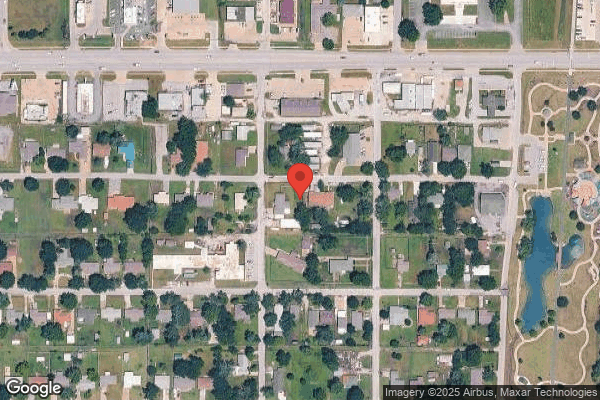
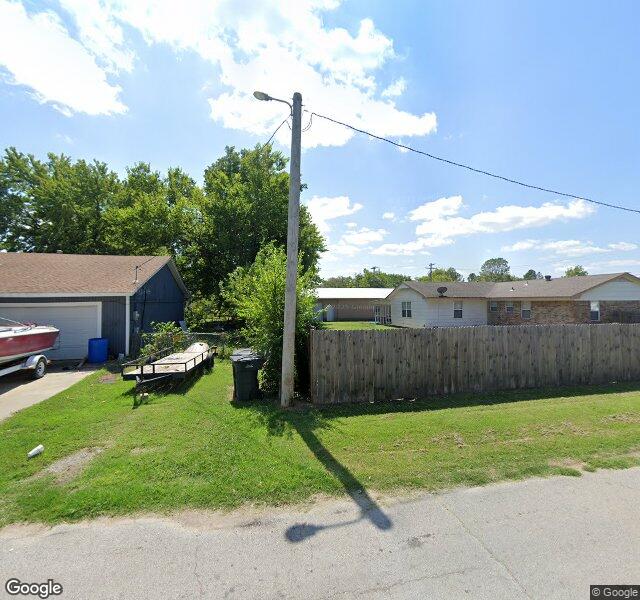
318 SOUTH CHERRY, SKIATOOK, OK 74070 (918) 396-2149
For profit - Limited Liability company 70 Beds OKLAHOMA NURSING HOMES, LTD. Data: November 2025 1 Immediate Jeopardy citation
Trust Grade
58/100
#132 of 282 in OK
Last Inspection: October 2024

Within standard 12-15 month inspection cycle. Federal law requires annual inspections.

Overview

Skiatook Nursing Home has a Trust Grade of C, meaning it is average in quality-neither outstanding nor poor. It ranks #132 out of 282 facilities in Oklahoma, placing it in the top half, and is the best option out of three facilities in Osage County. However, the facility is experiencing a worsening trend, with the number of issues increasing from 1 in 2023 to 3 in 2024. Staffing is relatively stable, with a turnover rate of 0%, which is significantly lower than the state average, indicating that caregivers are likely familiar with the residents. On the positive side, there have been no fines, but the facility does have some concerning incidents, such as failing to ensure timely assessments for several residents and not properly updating care plans for individuals with serious health conditions, which could lead to inadequate care. Overall, while there are strengths in staffing stability and no fines, families should be aware of the recent increase in compliance issues.

Trust Score
C
58/100
In Oklahoma
#132/282
Top 46%
Safety Record
High Risk
Review needed
Inspections
Getting Worse
1 → 3 violations
Staff Stability
○ Average
Turnover data not reported for this facility.
Penalties
✓ Good
No fines on record. Clean compliance history, better than most Oklahoma facilities.
Skilled Nurses
⚠ Watch
Each resident gets only 23 minutes of Registered Nurse (RN) attention daily — below average for Oklahoma. Fewer RN minutes means fewer trained eyes watching for problems.
Violations
○ Average
10 deficiencies on record. Average for a facility this size. Mostly minor or procedural issues.
★★★☆☆
3.0
Overall Rating
★★★☆☆
3.0
Staff Levels
★☆☆☆☆
1.0
Care Quality
★★★★☆
4.0
Inspection Score
Stable
2023: 1 issues
2024: 3 issues

The Good

  • Full Sprinkler Coverage · Fire safety systems throughout facility
  • No fines on record

Facility shows strength in fire safety.

The Bad

3-Star Overall Rating

Near Oklahoma average (2.6)

Meets federal standards, typical of most facilities

Chain: OKLAHOMA NURSING HOMES, LTD.

Part of a multi-facility chain

Ask about local staffing decisions and management

The Ugly 10 deficiencies on record

1 life-threatening
Oct 2024 3 deficiencies
CONCERN (D)

Potential for Harm - no one hurt, but risky conditions existed

Assessment Accuracy (Tag F0641)

Could have caused harm · This affected 1 resident

**NOTE- TERMS IN BRACKETS HAVE BEEN EDITED TO PROTECT CONFIDENTIALITY** Based on record review and interview, the facility failed to ensure a resident assessment was accurate for one (#31) of 14 sampl...

Read full inspector narrative →
**NOTE- TERMS IN BRACKETS HAVE BEEN EDITED TO PROTECT CONFIDENTIALITY** Based on record review and interview, the facility failed to ensure a resident assessment was accurate for one (#31) of 14 sampled residents whose resident assessments were reviewed. The administrator identified 38 residents who resided in the facility. Findings: Resident #31 had diagnoses which included metabolic encephalopathy, dementia, acute pain, and diabetes mellitus. A physician order, dated 05/17/24, documented an order for Cymbalta (SNRI medication) 60 mg. Give 1 capsule by mouth one time a day for depression. A physician assessment, dated July 2024, documented a diagnosis of anxiety. The MDS, dated [DATE], did not document a diagnosis of depression or anxiety. The care plan, dated 08/22/24, did not document a diagnosis of depression or anxiety. On 10/04/24 at 10:36 a.m., the administrator stated they were aware some resident MDS's and care plans were not updated. They stated they had a process in place and were trying to bring all records up to date.
CONCERN (E)

Potential for Harm - no one hurt, but risky conditions existed

MDS Data Transmission (Tag F0640)

Could have caused harm · This affected multiple residents

Based on record review and interview, the facility failed to ensure assessments were transmitted within seven days of completion for eight (#5, 11, 15, 16, 17, 18, 21 and #92) of 14 sampled residents ...

Read full inspector narrative →
Based on record review and interview, the facility failed to ensure assessments were transmitted within seven days of completion for eight (#5, 11, 15, 16, 17, 18, 21 and #92) of 14 sampled residents whose assessments were reviewed. The administrator identified 38 residents who resided in the facility. Findings: 1. Resident #5 had diagnoses which included chronic obstructive pulmonary disease. The MDS 3.0 NH Final Validation Report, dated 09/30/24 documented the quarterly assessment, dated 08/11/24, had been submitted late. 2. Resident #11 had diagnoses which included cardiorespiratory conditions. The MDS 3.0 NH Final Validation Report, dated 09/30/24 documented the quarterly assessment, dated 08/27/24, had been submitted late. 3. Resident #15 had diagnoses which included depression. The MDS 3.0 NH Final Validation Report, dated 09/30/24 documented the quarterly assessment, dated 08/20/24, had been submitted late. 4. Resident #16 had diagnoses which included stroke. The MDS 3.0 NH Final Validation Report, dated 09/30/24 documented the quarterly assessment, dated 08/16/24, had been submitted late. 5. Resident #17 had diagnoses which included stroke. The MDS 3.0 NH Final Validation Report, dated 09/30/24 documented the quarterly assessment, dated 08/17/24, had been submitted late. 6. Resident #18 had diagnoses which included diabetes mellitus. The MDS 3.0 NH Final Validation Report, dated 09/30/24 documented the quarterly assessment, dated 08/20/24, had been submitted late. 7. Resident #21 had diagnoses which included cardiorespiratory conditions. The MDS 3.0 NH Final Validation Report, dated 09/30/24 documented the quarterly assessment, dated 08/28/24, had been submitted late. 8. Resident #24 had diagnoses which included bipolar disease. The MDS 3.0 NH Final Validation Report, dated 09/30/24 documented the quarterly assessment, dated 08/20/24, had been submitted late. On 10/04/24 at 10:36 a.m., the administrator stated they were aware MDS assessments were not transmitted timely.
CONCERN (E)

Potential for Harm - no one hurt, but risky conditions existed

Deficiency F0657 (Tag F0657)

Could have caused harm · This affected multiple residents

Based on interview and record review, the facility failed to ensure comprehensive care plans were accurate for two (#14 and #31) of three sampled residents who were reviewed for revision of care plans...

Read full inspector narrative →
Based on interview and record review, the facility failed to ensure comprehensive care plans were accurate for two (#14 and #31) of three sampled residents who were reviewed for revision of care plans. The administrator identified 38 residents who resided in the facility. Findings: 1. Resident #14 had diagnoses which included vascular dementia, chronic obstructive pulmonary disease, dysphagia, and weight loss. The care plan, dated 08/21/24, did not address any issues with food, difficulty eating, or swallowing. A physician order, dated 09/28/24, documented an order for a speech evaluation. A speech evaluation, dated 09/28/24, determined a regular diet, regular texture, and thin consistency for fluids with compensatory strategies was appropriate. The compensatory strategies included chin tuck, effortful swallows, small bits, and reflux precautions. 2. Res #31 had diagnoses which included metabolic encephalopathy and dementia. A physician order, dated 05/10/24, documented an order for hydroxyzine HCl (antihistamine medication) oral tablet 25 mg. Give 1 tablet by mouth every 4 hours as needed for anxiety. A physician order, dated 05/17/24, documented an order for Cymbalta (SNRI medication) 60 mg. Give 1 capsule by mouth one time a day for depression. A physician assessment, dated July 2024, documented a diagnosis of anxiety. The care plan, dated 08/22/24, did not document a diagnoses of depression or anxiety. It did not document behavior monitoring or assessments for side effects of the prescribed medications. On 10/03/24 at 8:36 a.m., the DON stated medications should not be prescribed unless the resident had a diagnosis for that medication and care plans should be updated with new diagnosis and physician order. On 10/03/24 at 10:51 a.m., the DON provided documentation with the diagnosis of anxiety for Resident #31. They stated the diagnoses list in the resident record, including the care plan, had not been updated. On 10/04/24 at 10:36 a.m., the administrator stated they were aware some care plans were not updated. They stated they had a process in place and were trying to bring all records up to date.
Oct 2023 1 deficiency
CONCERN (D)

Potential for Harm - no one hurt, but risky conditions existed

Deficiency F0582 (Tag F0582)

Could have caused harm · This affected 1 resident

Based on interview and record review, it was determined the facility failed to provide Notices of Medicare Non-Coverage for skilled services for three (#20, 21, #22) for three residents who were revie...

Read full inspector narrative →
Based on interview and record review, it was determined the facility failed to provide Notices of Medicare Non-Coverage for skilled services for three (#20, 21, #22) for three residents who were reviewed for beneficiary protection notification. The administrator identified three residents who had been discharged from medicare skilled services in the last six months. Findings: Resident #20 was admitted to Part A skilled services on 05/24/23, discharged from skilled services on 07/01/23 and remained in the facility. Resident #21 was admitted to Part A skilled services on 04/13/23, discharged from skilled services on 06/14/23 and left the facility. Resident #22 was admitted to Part A skilled services on 08/25/23, discharged from skilled services on 10/11/23 and left the facility On 10/30/23 at 2:30 p.m., the administrator was asked to provide the Notice of Medicare Non-Coverage (NOMNC), for the three residents discharged in the last six months. They stated they would ask the business office manager for them. On 10/30/23 at 2:45 p.m., the business office manager stated that according to the chart they received at a training conference, the residents did not require a Notice of Medicare Non-Coverage. Review of the chart revealed incorrect information from 2018. On 10/30/23 at 3:00 p.m., the administrator stated the correct notices were not provided.
May 2022 6 deficiencies 1 IJ
CRITICAL (J)

Immediate Jeopardy (IJ) - the most serious Medicare violation

Accident Prevention (Tag F0689)

Someone could have died · This affected 1 resident

**NOTE- TERMS IN BRACKETS HAVE BEEN EDITED TO PROTECT CONFIDENTIALITY** 3. Resident #13 had diagnoses which included dementia and altered mental status. A care plan, dated 03/08/22, read in part, .sta...

Read full inspector narrative →
**NOTE- TERMS IN BRACKETS HAVE BEEN EDITED TO PROTECT CONFIDENTIALITY** 3. Resident #13 had diagnoses which included dementia and altered mental status. A care plan, dated 03/08/22, read in part, .staff will encourage .to smoke with supervision .keeps .cigarettes and lighter in the top dresser drawer . A smoking safety screen, dated 02/15/22, read in parts, .Does resident have cognitive loss .Yes . On 05/05/22 at 3:02 p.m., the DON stated resident #13 was safe to smoke and store their cigarettes according to the smoking assessment dated [DATE]. The DON stated resident #13 now needed supervision to smoke due to falls and medication changes. The DON stated they did not think resident #13 kept their cigarettes and lighter in the room. The DON stated the smoking assessment had not been updated with the change. 4. Resident #35 had diagnoses which included extrapyramidal and movement disorder. A smoking safety screen, dated 03/16/22, read in parts, .Does the resident have any dexterity problem(s) .Yes .Does resident need facility to store lighter and cigarettes .Yes . Physician orders, dated May 2022, documented the resident was to receive oxygen at 3 LPM via nasal cannula as needed for shortness of breath and to maintain oxygen saturation above 90%. On 05/4/22 at approximately 3:20 p.m., during an interview with resident #35 cigarettes and a lighter were observed on the resident's bedside table. On 05/05/22 at 5:17 p.m., the Oklahoma State Department of Health (OSDH) confirmed the existence of an immediate jeopardy related to smoking in the building while wearing oxygen. The facility did not have policies and procedures in place to address smoking material storage for residents who were on oxygen and/or who required supervision to smoke, and failed to assess/reassess residents for smoking safety. On 05/05/22 at 1:10 p.m., a resident who was blind was observed in their room wearing oxygen while smoking a cigarette. At 5:30 p.m., the administrator was informed of the existence of the immediate jeopardy. A request was made for an acceptable plan to remove the immediacy. On 05/06/22 at 10:00 a.m., the plan of removal was accepted by the OSDH. The plan of removal was as follows: 5.5.2022 7:30 PM Proposed IJ Plan of Removal Immediate action: Approximately 1:30 PM May 5, 2022, All residents were asked to produce all cigarette lighters until smoking assessments are completed and it is determined that the resident is safe to maintain their cigarette lighter in their possession. Staff education started at 2:22 PM, May 5, 2022 with the last employee being educated at 6:35 PM May 5, 2022, regarding the storage of cigarette lighters until individual residents were assessed and deemed safe to maintain their lighters. Staff were educated by the Administrator and Director of Nursing. In their absence, the Certified Assistant Administrator or Charge Nurse. All staff will monitor and ensure all smoking residents do not have cigarette lighters on their person or in their room. All cigarette lighters will be maintained in a secure area and staff will access lighters upon request of the resident and retrieve lighters when residents return inside from smoking. Any staff member who observes a resident with a lighter will ask the resident for the lighter and give a reminder that they can obtain the lighter at any time they wish to go outside to smoke. Staff will supervise residents who are deemed unsafe to smoke independently. Residents will have a smoking assessment completed upon admission, on a quarterly basis, or if their condition changes. Staff will report any unsafe behavior or changes to the charge nurse immediately. Staff will observe to ensure that no one is smoking or introducing an open flame near oxygen. We will complete evaluations for each resident and return lighters to those residents who are capable of safely smoking in designated areas without assistance. Residents requiring assistance will have lighters maintained in a secure area. A policy revision was made, please see attached document. All Direct Care staff, Administrative staff, Social, and Activity staff, will be educated no later than 11:59 PM Thursday May 5, 2022. In the event a staff member is not available due to being out of town, on medical leave, etc., they shall be educated prior to being allowed to work their next shift. An alert message has been included in the Electronic Medical Record (EMR) to identify individual residents who are smokers and at what level they have been assessed for smoking. The medical record alert will identify smoking status and the level in which they are deemed to be supervised or unsupervised. Residents who do not require supervision will be provided a lock box to maintain their smoking materials. Residents who require extensive supervision will be identified and their cigarettes and lighting device will be maintained in a secure area and made available upon request. Residents who are utilizing oxygen will be allowed to keep their cigarettes without a lighting device if they meet the criteria for unsupervised smoking they will not be allowed to maintain their lighting device due to oxygen use. On 05/06/22 from 10:59 a.m. to 12:32 p.m., interviews were conducted with staff regarding education and in-service information pertaining to the immediate jeopardy plan of removal. The staff stated they had been in-serviced and were able to verbalize understanding of the information provided in the in-service pertaining to the plan of removal. Residents were interviewed and stated they did not have their lighters in their room. Residents were observed obtaining their lighters from the nurses prior to going to smoke and were observed returning their lighters to the nurses after smoking. No lighters were found in the resident rooms. At 12:35 p.m., the administrator was notified the IJ was lifted effective 05/05/22 at 11:59 p.m. and the deficiency remained at a level of harm with a limited number of residents affected. Based on record review, observation, and interview, the facility failed to ensure: a. Residents who utilized oxygen were supervised to ensure they smoked without wearing oxygen, in a designated smoking area, and were assessed for smoking safety for one (#22) and; b. Residents who utilized oxygen and/or required smoking supervision were not allowed to keep their smoking materials in their room for four (#6, 13, 22, and #35) of five sampled residents who were reviewed for smoking safety. The administrator identified nine residents who smoked and three residents who smoked and utilized oxygen. Findings: The facility's smoking policy, dated 04/11/17, read in parts, .No resident .shall smoke on the property of this facility unless the following regulations are followed .Not inside of any building .Each resident who chooses to smoke will be assessed on their ability to smoke safely . The administrator reviewed the list of residents who smoked and identified the following residents who required supervision while smoking: Resident #6, #13, and #22. The administrator also identified the facility stored resident #6's smoking material and resident #13's lighter. The administrator stated they were unsure of the status of smoking supervision required for two other residents. 1. Resident #22 had diagnoses which included cortical blindness (loss of vision without any ophthalmological causes). A care plan, dated 12/30/20, read in part, .[name withheld] chooses to smoke tobacco products .vision is severely impaired .requires staff supervision .staff will hold the lighter to light the cigarette . A care plan revision, dated 4/7/21, read in part, .[name withheld] keeps one pack of cigarettes or less and a lighter in her room . Physician orders, dated May 2022, documented the resident was to receive oxygen at 2 LPM via nasal cannula as needed for shortness of breath and to maintain oxygen saturation above 90%. On 05/05/22 at 1:10 p.m., cigarette smoke was smelled in the hallway of the long hall. Housekeeper #1 was in the hall and stated they also smelled the cigarette smoke. Housekeeper #1 yelled down the hall for the DON and stated She is smoking. Resident #22 was in their room with the oxygen concentrator on with a lit cigarette. The DON was observed leaving the resident's room with a folded plastic lid containing the cigarette. At 1:12 p.m., resident #22 was observed sitting in their wheelchair in their room with oxygen on via nasal cannula. Resident #22 stated It's my fault, I thought I was outside. Resident #22 stated the cigarettes and lighter were in the pocket on the wheelchair. At 1:16 p.m., the administrator stated resident #22 kept cigarettes and lighter in their room. The administrator stated resident #22 would usually ask if they wanted to go out to smoke. The administrator stated resident #22 required supervision to smoke due to blindness. At 1:35 p.m., the administrator identified two other residents who smoked and utilized oxygen. The two residents who utilized oxygen were both observed to have cigarettes and lighter in their room. At 1:45 p.m., CNA #2 stated resident #22 usually smoked outside with supervision. At 2:05 p.m., resident #22's family member was asked about the resident smoking in the room. Resident #22's family member stated the resident was not usually like this. Resident #22 stated, I thought I was on the patio smoking. At 3:04 p.m., the DON stated they were unsure which residents, who required supervision while smoking, and/or had smoking materials stored in their room. The DON stated the facility determined residents were safe to keep smoking materials in their room by assessing their cognition. The DON stated residents who needed supervision to smoke should not keep their smoking materials in their room. A review of resident #22's electronic clinical record did not reveal a smoking assessment had been completed prior to 05/05/22 at 1:16 p.m. 2. Resident #6 had diagnoses which included hemiplegia and hemiparesis (Muscle weakness or partial paralysis of one side of the body.) following a cerebral infarction (stroke) affecting the left non-dominant side. A smoking safety screen, dated 04/07/22, read in parts, .Does resident need facility to store .cigarette .Yes .Safe to smoke with supervision .resident is in geri chair and cannot extinguish smoking materials without assistance . On 05/05/22 at 1:28 p.m., resident had two packs of cigarettes located in the top drawer of the dresser in the resident's room. At 3:04 p.m., the DON stated resident #6's smoking assessment, dated 04/7/22, documented the facility stored the resident's cigarettes and the resident required supervision to smoke.
CONCERN (D)

Potential for Harm - no one hurt, but risky conditions existed

Deficiency F0582 (Tag F0582)

Could have caused harm · This affected 1 resident

Based on record review and interview, the facility failed to ensure residents/representatives signed acknowledgement of the advance notice of discharge from Medicare Part A skilled services for one (#...

Read full inspector narrative →
Based on record review and interview, the facility failed to ensure residents/representatives signed acknowledgement of the advance notice of discharge from Medicare Part A skilled services for one (#34) of three sampled residents who were reviewed for beneficiary protection notification. The DON identified three residents who had been discharged from Medicare Part A skilled services, with benefit days remaining, in the last six months. Findings: An undated facility instruction sheet titled, Form Instructions Advance Beneficiary Notice of Noncoverage (ABN), read in part, .Signature Box .Once the beneficiary reviews and understands the information contained in the ABN, the Signature Box is to be completed by the beneficiary (or representative) .The beneficiary (or representative) must sign the notice to indicate that he or she has received the notice and understands its contents . Resident #34's Medicare 5-day MDS assessment (a resident assessment tool used to identify resident care needs), dated 03/02/22, documented the resident was moderately impaired in cognition and participated in completion of the assessment. Form CMS-10055, Skilled Nursing Facility Advance Beneficiary Notice of Non-coverage (SNFABN), was signed by the DON and MDS coordinator and dated 03/02/22. Neither the resident nor a representative signed the notice. Form CMS 10123-NOMNC, Notice of Medicare Non-Coverage, was signed by the DON and MDS coordinator and dated 03/02/22. Neither the resident nor a representative signed the notice. The clinical record revealed resident #34 was discharged from Medicare part A skilled services on 03/03/22, but remained in the facility. A review of the resident's contact information in the clinical record revealed three family members were listed as contacts. On 05/11/22 at 12:10 p.m., the MDS coordinator stated the family had initiated ending the resident's skilled services. The MDS coordinator stated the family could not be reached to sign the Notice of Medicare Non-Coverage or the Skilled Nursing Facility Advance Beneficiary Notice of Non-Coverage. The MDS coordinator stated although discontinuation of skilled services had been discussed with the family, it had not been documented.
CONCERN (E)

Potential for Harm - no one hurt, but risky conditions existed

Deficiency F0583 (Tag F0583)

Could have caused harm · This affected multiple residents

Based on record review, observation, and interview, the facility failed to ensure residents were provided privacy during the provision of care for two (#22 and #34) of two sampled residents who were r...

Read full inspector narrative →
Based on record review, observation, and interview, the facility failed to ensure residents were provided privacy during the provision of care for two (#22 and #34) of two sampled residents who were reviewed for privacy. The administrator identified 37 residents resided in the facility. Findings: 1. Resident #22 had diagnoses which included lymphedema and cellulitis of right lower limb. Physician orders, dated May 2022, documented the resident was to receive wound care to the left and right lower extremities every day shift and bilateral compression dressings on Monday, Wednesday, and Friday, day shift. On 05/11/22 at 10:52 a.m., LPN #1 was observed initiating wound care to resident #22 without providing privacy by closing the resident's door. At 5:58 p.m., LPN #1 stated she had not shut the door to resident #22's room prior to initiating wound care because the care wasn't anything private, it was her legs. On 05/12/22 at 9:18 a.m., the DON stated the resident's door should have been closed during wound care or if the room was semi-private, the privacy curtain should have been pulled. 2. Resident #34 had a indwelling urinary catheter. On 05/11/22 at 4:27 p.m. LPN #1 was observed to provide catheter care to resident #34. LPN #1 did not close the resident's door or privacy curtain during care. LPN #1 stated she did not close the door because nobody ever came down that hall. On 05/12/22 at 9:20 a.m., the DON stated the resident's door should be closed during catheter care.
CONCERN (E)

Potential for Harm - no one hurt, but risky conditions existed

Deficiency F0678 (Tag F0678)

Could have caused harm · This affected multiple residents

2. Resident #22 had diagnoses which included chronic obstructive pulmonary disease and acute respiratory failure. A review of the electronic clinical record revealed the resident had an Advance Direct...

Read full inspector narrative →
2. Resident #22 had diagnoses which included chronic obstructive pulmonary disease and acute respiratory failure. A review of the electronic clinical record revealed the resident had an Advance Directive for Health Care and a signed Do Not Resuscitate (DNR) Consent Form. The electronic clinical record did not have a current physician order for code status and the Code Status in the heading of the electronic clinical record was blank. 3. Resident #31 had diagnoses which included chronic obstructive pulmonary disease and physical debility. A review of the electronic clinical record revealed no current physician order for code status and the Code Status in the heading of the electronic clinical record was blank. On 05/09/22 at 12:42 p.m., CNA #3 was asked how they would identify a resident's code status in an emergency. CNA #3 stated That's a really good question. CNA #3 was asked if the facility had a system in place to identify the residents' code status. CNA #3 stated no. CNA #3 stated, I do not know anybody's code status. On 05/09/22 at 12:44 p.m., LPN #4 stated the DON and the MDS coordinator were responsible for the advance directive. The LPN stated the physician orders the code status and the CNAs and nurses check the electronic clinical record for the code status. LPN #4 stated resident #22 had a signed DNR but there was no physician order for code status and they did not know why the code status was not present in the electronic clinical record. LPN #4 stated they did not see a physician order for resident #7 or #31's code status and did not know why the code status was not present in the electronic clinical record. LPN #4 was asked how the staff would know resident #7, #22 or resident #31's code status. The LPN stated they would have to ask. On 05/09/22 at 12:45 p.m. CNA #2 stated they would look in the computer for the resident's code status. CNA #2 was asked what the code status was for Resident #7, 22, and #31. CNA #2 looked in the computer and stated their code status was not listed on the care plan or the face sheet. On 05/09/22 at 1:00 p.m., CNA #4 was asked how they knew a resident's code status. CNA #4 stated there was an alert in the computer by the resident's name. CNA #4 stated they thought resident #7 was a DNR, resident #22 was a full code, and they were not sure the code status of resident #31. CNA #4 looked in the computer and stated the code status for resident #7, #22 and #31 was not in the computer. At 1:02 p.m. the DON stated the DON was ultimately responsible for the Advance Directive. The DON stated a resident's code status should be located in the electronic clinical record but they were not all there. The DON was asked how staff would know a resident's code status. The DON stated they would not know. Based on record review, observation, and interview, the facility failed to have an effective system to denote a resident's resuscitation status for three (#7, 22, and #31) of three residents who were reviewed for advance directives. The administrator identified 37 residents who resided in the facility. Findings: 1. Resident #7 had diagnoses which included severe intellectual disabilities. A review of the electronic clinical record revealed the resident did not have an advance directive. The electronic clinical record did not have a current physician order for code status and the Code Status in the heading of the electronic clinical record was blank.
CONCERN (E)

Potential for Harm - no one hurt, but risky conditions existed

Deficiency F0688 (Tag F0688)

Could have caused harm · This affected multiple residents

2. Resident #26 had diagnoses which included hemiplegia and hemiparesis following cerebral infarction, and monoplegia (paralysis) of upper limb. An admission MDS assessment, dated 04/05/22, documented...

Read full inspector narrative →
2. Resident #26 had diagnoses which included hemiplegia and hemiparesis following cerebral infarction, and monoplegia (paralysis) of upper limb. An admission MDS assessment, dated 04/05/22, documented the resident required extensive assistance with bed mobility, was totally dependent on staff for transfers, had limitation in upper extremity range of motion on one side, and limitation in lower extremity range of motion on both sides. A care plan, dated 04/14/22, documented the resident had limited physical mobility and participated in the Restorative Care Program. A review of resident #26's electronic clinical record did not reveal restorative therapy documentation. On 05/11/22 at 3:27 p.m., the PTA stated the COTA had been performing restorative therapy because the facility did not have a trained CNA to perform restorative therapy. On 05/11/22 at 5:06 p.m., the COTA stated they scheduled residents for restorative therapy after they have been discharged from skilled therapy or after receiving a referral from nursing. The COTA stated the resident's care plan would reflect participation in the restorative program. The COTA stated so far in May, they had not provided restorative therapy at the facility. The COTA stated resident #26 had never received restorative therapy. At 5:28 p.m., the MDS coordinator stated resident's care plans would be updated to include restorative therapy after an interdisciplinary team discussion. The MDS coordinator stated the COTA would receive a list of residents for restorative therapy. The MDS coordinator was asked why resident #26 had not received restorative therapy as indicated in the resident's care plan. The MDS coordinator stated possibly miscommunication, they thought the resident was receiving restorative therapy. Based on record review and interview, the facility failed to ensure services were provided to increase or prevent further decrease in range of motion for two (#7 and #26) of three residents reviewed for range of motion. The administrator identified 15 residents with limited range of motion. Findings: A review of the March and April 2022 restorative therapy schedule revealed no restorative therapy was documented 03/04/22 through 03/16/22 or 04/18/22 through 04/30/22. 1. Resident #7 had diagnoses which included severe intellectual disability and history of femur fracture. A quarterly MDS assessment (a resident assessment tool used to identify resident care needs), dated 02/17/22, documented the resident required extensive assistance with bed mobility and transfers and received restorative nursing therapy passive range of motion two of the past seven days. An ADL care plan, dated 02/17/22, read in parts, .has an ADL self-care performance deficit r/t Severe Intellectual Disability .left hip fracture .participates in the restorative care program . A care plan, dated 02/18/22, read in parts, high risk for falls r/t Severe Intellectual Disability, Seizure Disorder .left Hip Fracture .is non-ambulatory and utilizes a geri-chair .participates in the Restorative Care Program . On 05/11/22 at 1:09 p.m., CNA #7 stated they did not perform range of motion exercise on residents, the physical therapy staff performed ROM exercises. At 1:54 p.m., the MDS coordinator stated resident #7 should be getting restorative therapy from the physical therapy department. At 5:07 p.m., the COTA was asked how often resident #7 was receiving range of motion services. The COTA stated it varied and depended on what the schedule allowed. The COTA stated ideally the resident would receive restorative therapy three days a week. The COTA stated resident #7 had not received any restorative therapy for the month of May. The COTA was asked about the plan of care for resident #7. The COTA stated resident #7 was on therapy for a fractured hip and then was placed on restorative therapy. The COTA stated she had a flow sheet and kept notes on what ROM therapy resident #7 received. The COTA was asked if the nursing department provided any restorative therapy. The COTA stated, Not to my knowledge.
CONCERN (E)

Potential for Harm - no one hurt, but risky conditions existed

Infection Control (Tag F0880)

Could have caused harm · This affected multiple residents

3. Resident #10 had diagnoses which included type two diabetes mellitus. Physician orders, dated May 2022, documented the resident was to receive a finger stick blood sugar test before meals and at be...

Read full inspector narrative →
3. Resident #10 had diagnoses which included type two diabetes mellitus. Physician orders, dated May 2022, documented the resident was to receive a finger stick blood sugar test before meals and at bedtime. On 05/10/22 at 7:46 a.m., LPN #5 was observed to sanitize hands, donn gloves, enter the resident's room, and prep the resident's skin for a finger stick blood sugar test. The LPN received an error after placing the test strip in the glucometer, returned to the treatment cart, and obtained another test strip from the canister. The LPN was not observed to change gloves or sanitize hands before obtaining the second test strip from the canister. On 05/10/22 at 10:15 a.m., LPN #5 stated the finger stick blood sugar test strips were shared among residents. The LPN stated they had tried to tip the canister to obtain the second test strip for resident #10 but stated that did not ensure infection control. 4. Resident #31 had diagnoses which included physical debility, obesity, and malaise. On 05/04/22 at approximately 2:00 p.m., two CNAs were observed providing personal care to resident #31. Following the provision of personal care, without performing hand hygiene, CNA #2 was observed to straighten the resident's bed linens, remove one glove, and hand the resident their call light and water pitcher. On 05/11/22 at 2:03 p.m., CNA #2 stated they ensured infection control when providing personal care by performing hand hygiene and using clean gloves. The CNA stated they failed to perform hand hygiene during personal care for resident #31 because they were nervous. Based on record review, observation, and interview, the facility failed to ensure: a. Infection control was maintained during wound care for one (#28) of one sampled resident who was observed for wound care; b. PPE was worn when providing care to a resident who was on contact isolation for one (#34) of one resident who was on transmission based precautions; c. Infection control was maintained during a finger stick blood sugar test for one (#10) of three residents who were observed during a finger stick blood sugar test; and d. Infection control was maintained during personal care for one (#31) of one sampled resident who was observed for personal care. The DON identified 37 residents who resided in the facility, one resident who was on transmission based precautions, and 18 residents who received finger stick blood sugar tests. Findings: 1. On 05/04/22 at 3:02 p.m., resident #28 was observed at the nurses' station with blood on their arm. LPN #1 cleansed the skin tear at the treatment cart in the hall, after cleansing the skin tear, the LPN did not perform hand hygiene. LPN #1 donned a new pair of gloves and retrieved the steri strips from inside the cart. LPN #1 placed the steri strips on the resident's arm, removed their gloves, and returned the wound cleanser to the cart. LPN #1 did not perform hand hygiene after providing the wound care. LPN #1 left the cart and went to the smoking area. On 05/04/22 at 3:48 p.m., LPN # 1 stated they were not sure why hand hygiene had not been performed during wound care to the skin tear on resident #28's arm. 2. Resident #34 had diagnosis of MRSA of the wound and was on contact isolation. The resident had a cart outside the room with PPE supplies. Resident #34 had a sign on the door indicating gown and gloves were required prior to entering the room. On 05/10/22 at 9:14 a.m., CNA #1 removed the gown and gloves while in resident #34's room. CNA #1 picked up dishes in the resident's room with bare hands, left the room, and went to the dining area counter. CNA #1 then returned to resident #34's room without donning gloves or gown prior to entering the room. CNA #1 then touched resident #34's blanket. At 9:27 a.m., CNA #1 stated resident #34 was on isolation for an infection of the foot. CNA #1 stated she had not worn gloves when she touched the dishes or blanket but had used hand sanitizer. On 05/10/22 at 9:31 a.m., the DON stated resident #34 had MRSA in the wound on left ankle. The DON stated staff should wear yellow gown and gloves when entering the room. The DON stated the staff should have worn gloves when they touched the dirty dishes and the blanket in resident #34's room. On 05/11/22 at 4:02 p.m., LPN #1 was observed performing wound care to resident #34's wound. LPN #1 donned PPE and brought supplies into the room, LPN #1 removed the dressing to resident #34's wound. LPN #1 stated they had forgotten the normal saline. LPN #1 removed their gloves and used hand sanitizer. LPN #1 then left resident #34's room with the isolation gown on and went to the nurse's treatment cart. On 05/12/22 at 9:19 a.m., the DON stated the nurse should have removed the isolation gown before they left the room to get more supplies for wound care.
Understanding Severity Codes (click to expand)
Life-Threatening (Immediate Jeopardy)
J - Isolated K - Pattern L - Widespread
Actual Harm
G - Isolated H - Pattern I - Widespread
Potential for Harm
D - Isolated E - Pattern F - Widespread
No Harm (Minor)
A - Isolated B - Pattern C - Widespread

Questions to Ask on Your Visit

  • "What changes have you made since the serious inspection findings?"
  • "Can I speak with families of current residents?"
  • "What's your RN coverage like on weekends and overnight?"

Our Honest Assessment

Strengths
  • • No fines on record. Clean compliance history, better than most Oklahoma facilities.
Concerns
  • • Multiple safety concerns identified: 1 life-threatening violation(s). Review inspection reports carefully.
  • • 10 deficiencies on record, including 1 critical (life-threatening) violation. These warrant careful review before choosing this facility.
  • • Grade C (58/100). Below average facility with significant concerns.
Bottom line: Mixed indicators with Trust Score of 58/100. Visit in person and ask pointed questions.

About This Facility

What is Skiatook,Llc's CMS Rating?

CMS assigns SKIATOOK NURSING HOME,LLC an overall rating of 3 out of 5 stars, which is considered average nationally. Within Oklahoma, this rating places the facility higher than 99% of the state's 100 nursing homes. This mid-range rating indicates the facility meets federal standards but may have areas for improvement.

How is Skiatook,Llc Staffed?

CMS rates SKIATOOK NURSING HOME,LLC's staffing level at 3 out of 5 stars, which is average compared to other nursing homes.

What Have Inspectors Found at Skiatook,Llc?

State health inspectors documented 10 deficiencies at SKIATOOK NURSING HOME,LLC during 2022 to 2024. These included: 1 Immediate Jeopardy (the most serious level, indicating potential for serious harm or death) and 9 with potential for harm. Immediate Jeopardy findings are rare and represent the most serious regulatory concerns. They require immediate corrective action.

Who Owns and Operates Skiatook,Llc?

SKIATOOK NURSING HOME,LLC is owned by a for-profit company. For-profit facilities operate as businesses with obligations to shareholders or private owners. The facility is operated by OKLAHOMA NURSING HOMES, LTD., a chain that manages multiple nursing homes. With 70 certified beds and approximately 30 residents (about 43% occupancy), it is a smaller facility located in SKIATOOK, Oklahoma.

How Does Skiatook,Llc Compare to Other Oklahoma Nursing Homes?

Compared to the 100 nursing homes in Oklahoma, SKIATOOK NURSING HOME,LLC's overall rating (3 stars) is above the state average of 2.6 and health inspection rating (4 stars) is above the national benchmark.

What Should Families Ask When Visiting Skiatook,Llc?

Based on this facility's data, families visiting should ask: "What changes have been made since the serious inspection findings, and how are you preventing similar issues?" "Can I visit during a mealtime to observe dining assistance and food quality?" "How do you handle medical emergencies, and what is your hospital transfer rate?" "Can I speak with family members of current residents about their experience?" These questions are particularly relevant given the facility's Immediate Jeopardy citations.

Is Skiatook,Llc Safe?

Based on CMS inspection data, SKIATOOK NURSING HOME,LLC has documented safety concerns. Inspectors have issued 1 Immediate Jeopardy citation (the most serious violation level indicating risk of serious injury or death). The facility has a 3-star overall rating and ranks #1 of 100 nursing homes in Oklahoma. Families considering this facility should ask detailed questions about what corrective actions have been taken since these incidents.

Do Nurses at Skiatook,Llc Stick Around?

SKIATOOK NURSING HOME,LLC has not reported staff turnover data to CMS. Staff turnover matters because consistent caregivers learn residents' individual needs, medications, and preferences. When staff frequently change, this institutional knowledge is lost. Families should ask the facility directly about their staff retention rates and average employee tenure.

Was Skiatook,Llc Ever Fined?

SKIATOOK NURSING HOME,LLC has no federal fines on record. CMS issues fines when nursing homes fail to meet care standards or don't correct problems found during inspections. The absence of fines suggests the facility has either maintained compliance or corrected any issues before penalties were assessed. This is a positive indicator, though families should still review recent inspection reports for the full picture.

Is Skiatook,Llc on Any Federal Watch List?

SKIATOOK NURSING HOME,LLC is not on any federal watch list. The most significant is the Special Focus Facility (SFF) program, which identifies the bottom 1% of nursing homes nationally based on persistent, serious quality problems. Not being on this list means the facility has avoided the pattern of deficiencies that triggers enhanced federal oversight. This is a positive indicator, though families should still review the facility's inspection history directly.