TULSA NURSING CENTER
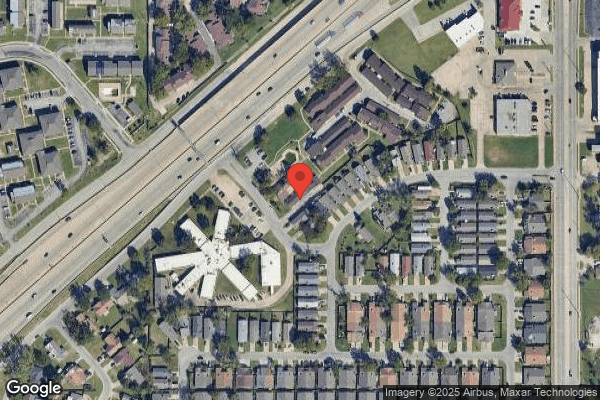
10912 EAST 14TH STREET, TULSA, OK 74128 (918) 438-2440
For profit - Limited Liability company 104 Beds STONEGATE SENIOR LIVING Data: November 2025
Trust Grade
85/100
#36 of 282 in OK
Last Inspection: March 2025

Within standard 12-15 month inspection cycle. Federal law requires annual inspections.

Overview

Tulsa Nursing Center has a Trust Grade of B+, indicating it is above average and recommended for families considering nursing home options. It ranks #36 out of 282 facilities in Oklahoma, placing it in the top half of the state's nursing homes, and #4 out of 33 in Tulsa County, suggesting only three local options are better. However, the facility's trend is concerning as it has worsened significantly, with issues increasing from 1 in 2024 to 9 in 2025. Staffing received a below-average rating of 2 out of 5 stars, with a turnover rate of 47%, which is lower than the state average but still indicates challenges in retention. On the positive side, the center has no fines, and it boasts excellent RN coverage, ensuring better oversight of residents' care. Specific inspector findings raised concerns, such as the failure to update care plans for two residents after their assessments, potentially leaving them without necessary adjustments to their care. Additionally, one resident did not receive required pre- and post-dialysis assessments, which could jeopardize their health. While there are strengths in quality measures and RN oversight, the facility needs to address its care planning and assessment processes to improve overall resident safety and well-being.

Trust Score
B+
85/100
In Oklahoma
#36/282
Top 12%
Safety Record
Low Risk
No red flags
Inspections
Getting Worse
1 → 9 violations
Staff Stability
⚠ Watch
47% turnover. Above average. Higher turnover means staff may not know residents' routines.
Penalties
✓ Good
No fines on record. Clean compliance history, better than most Oklahoma facilities.
Skilled Nurses
⚠ Watch
Each resident gets only 12 minutes of Registered Nurse (RN) attention daily — below average for Oklahoma. Fewer RN minutes means fewer trained eyes watching for problems.
Violations
⚠ Watch
19 deficiencies on record. Higher than average. Multiple issues found across inspections.
★★★★★
5.0
Overall Rating
★★☆☆☆
2.0
Staff Levels
★★★★★
5.0
Care Quality
★★★★☆
4.0
Inspection Score
Stable
2024: 1 issues
2025: 9 issues

The Good

  • 5-Star Quality Measures · Strong clinical quality outcomes
  • Full Sprinkler Coverage · Fire safety systems throughout facility
  • No fines on record

Facility shows strength in quality measures, fire safety.

The Bad

Staff Turnover: 47%

Near Oklahoma avg (46%)

Higher turnover may affect care consistency

Chain: STONEGATE SENIOR LIVING

Part of a multi-facility chain

Ask about local staffing decisions and management

The Ugly 19 deficiencies on record

Mar 2025 9 deficiencies
CONCERN (D) 📢 Someone Reported This

A family member, employee, or ombudsman was alarmed enough to file a formal complaint

Potential for Harm - no one hurt, but risky conditions existed

Notification of Changes (Tag F0580)

Could have caused harm · This affected 1 resident

Based on record review and interview, the facility failed to ensure the physician was notified of a significant weight loss for 1 (#18) of 4 sampled residents who were reviewed for nutrition/weight lo...

Read full inspector narrative →
Based on record review and interview, the facility failed to ensure the physician was notified of a significant weight loss for 1 (#18) of 4 sampled residents who were reviewed for nutrition/weight loss. The administrator and corporate nurse consultant identified seven residents who had weight loss. Findings: Resident #18 had diagnoses which included altered nutritional status. A nutrition assessment, dated 10/24/24, showed Resident #18 weighed 188.4 pounds. Review of the vital signs for Resident #18 showed their admit weight on 10/16/24 was 185 pounds and a weight on 03/03/25 was 166.6 pounds, which was greater than 10% in five months. A quarterly assessment, dated 01/21/25, showed no concern for nutrition and showed no weight loss in the past six months. A follow up nutrition note, dated 02/20/25, showed the resident weighed 159.9 pounds with no recommendations. A care plan, dated 03/12/25, showed a concern for diet which included a goal Resident #18 would maintain their weight over the next 90 days. The care plan showed interventions which included dietitian referral as indicated, assist with eating, encourage self-performance, monitor oral intake of food, and to monitor weight per policy. There were no physician visit notes or documentation the physician had been notified of the weight loss. On 03/12/25 at 1:48 p.m., Resident #18 stated their weight loss was not intentional, but they had been ill and was not eating. They stated no one had come to speak to them about their weight loss that they could remember. Resident #18 stated they weighed 157 pounds a couple of days ago. On 03/12/25 at 2:14 p.m., the DON was asked how the weight loss was addressed. They reviewed their notes, checked in a binder, and stated nothing was in their notes. The DON was asked why the weight loss was not addressed. They stated they did not have an answer. They stated they were made aware of weights by reviewing a report after the weights were entered and go reviewed them monthly in a meeting with dietary present. The DON stated Resident #18 was weighed monthly and did show up on the weight report. They stated they should have known Resident #18 had a significant weight loss. On 03/12/25 at 2:24 p.m., the dietitian stated they received the weights from the facility's electronic clinical record. They stated there were no recommendations probably because they had requested a re-weigh.
CONCERN (D)

Potential for Harm - no one hurt, but risky conditions existed

Deficiency F0625 (Tag F0625)

Could have caused harm · This affected 1 resident

Based on record review and interview, the facility failed to ensure notification of bed hold was provided for 1 (#91) of 2 sampled residents reviewed for hospitalization. The administrator identified ...

Read full inspector narrative →
Based on record review and interview, the facility failed to ensure notification of bed hold was provided for 1 (#91) of 2 sampled residents reviewed for hospitalization. The administrator identified 96 residents who resided in the facility. Findings: Resident #91 had diagnoses which included anemia. An undated Bedhold policy, read in part, Upon request, the Facility shall hold the Resident's bed when the Resident is away from the Facility for hospitalization or therapeutic home visit, as long as the applicable bedhold fee is paid. The progress note, dated 02/12/25, showed the resident was sent to the hospital. Review of the clinical record did not show the resident or resident representative had been notified in writing of the bed-hold policy before transfer to the hospital. On 03/11/25 at 12:11 p.m., LPN #1 stated when a resident was transferred to the hospital they provided a copy of the face sheet and active physician orders. They stated they notified the family via phone to inform them their family members' belongings would stay in their room until they returned from the hospital. On 03/12/25 at 4:28 p.m., the DON stated the nurse who transferred the resident to the hospital was to send a copy of the bed-hold policy with them. They stated they did not think they documented in the progress note and sent the policy with the resident. On 03/12/25 at 6:29 p.m., the DON stated documentation of written notification of the bed-hold policy had not been completed for Resident #91.
CONCERN (D)

Potential for Harm - no one hurt, but risky conditions existed

Deficiency F0637 (Tag F0637)

Could have caused harm · This affected 1 resident

Based on record review and interview, the facility failed to ensure a significant change assessment was completed within 14 days of electing the hospice benefit for 1 (#16) of 1 sampled resident who w...

Read full inspector narrative →
Based on record review and interview, the facility failed to ensure a significant change assessment was completed within 14 days of electing the hospice benefit for 1 (#16) of 1 sampled resident who was reviewed for hospice services. The corporate regional nurse consultant and administrator identified 12 residents who received hospice services. Findings: Resident #16 had diagnoses which included dementia. The physician telephone order, dated 07/29/24, read in part, Admit to Hospice to eval and treat. The significant change assessment, dated 08/21/24, showed the resident had a condition or chronic disease that may result in a life expectancy of less than six months. On 03/12/25 at 1:38 p.m., corporate MDS coordinator #1 stated when a resident was admitted to hospice services a significant change assessment was to be completed within 14 days. They stated they would need to check on the significant change assessment for Resident #16. On 03/12/25 at 2:07 p.m., the DON reviewed the order for hospice services and the significant change assessment and stated the previous MDS coordinator had completed the assessment late.
CONCERN (D)

Potential for Harm - no one hurt, but risky conditions existed

Assessment Accuracy (Tag F0641)

Could have caused harm · This affected 1 resident

**NOTE- TERMS IN BRACKETS HAVE BEEN EDITED TO PROTECT CONFIDENTIALITY** Based on record review and interview, the facility failed to ensure assessments were accurate for 2 (#5 and #18) of 21 sampled r...

Read full inspector narrative →
**NOTE- TERMS IN BRACKETS HAVE BEEN EDITED TO PROTECT CONFIDENTIALITY** Based on record review and interview, the facility failed to ensure assessments were accurate for 2 (#5 and #18) of 21 sampled residents whose assessments were reviewed. The administrator identified 96 residents who resided in the facility. Findings: 1. Resident #5 had diagnoses which included chronic obstructive pulmonary disease. The quarterly assessment, dated 01/21/25, showed the resident received an anticoagulant medication. Review of the medication administration record, dated January 2025, did not show the resident received an anticoagulant medication. On 03/06/25 at 3:48 p.m., the DON reviewed the January 2025 medication administration record and the quarterly assessment dated [DATE] and stated Resident #5 had not received an anticoagulant medication. The DON stated they did not know why the assessment was coded incorrectly. The DON stated the MDS coordinator who completed the assessment no longer worked at the facility. 2. Resident #18 had diagnoses which included hypertension. Review of the clinical record showed on 10/16/24, Resident #18 weighed 185 pounds and on 01/03/25 the resident weighed 166.2 pounds, which was a 10.16% weight loss. The quarterly assessment, dated 01/21/25, did not show the resident had experienced a weight loss of 10% or more in the last 6 months. The assessment showed the resident's current weight was 166 pounds. On 03/12/25 at 2:30 p.m., corporate MDS coordinator #1 stated they did not know why the quarterly assessment had not been completed accurately to indicate the weight loss for Resident #18.
CONCERN (D)

Potential for Harm - no one hurt, but risky conditions existed

Incontinence Care (Tag F0690)

Could have caused harm · This affected 1 resident

Based on record review and interview, the facility failed to ensure a physician order was obtained for an indwelling urinary catheter for 1 (#100) of 3 sampled residents who were reviewed for an indwe...

Read full inspector narrative →
Based on record review and interview, the facility failed to ensure a physician order was obtained for an indwelling urinary catheter for 1 (#100) of 3 sampled residents who were reviewed for an indwelling urinary catheter. The corporate regional nurse consultant and the administrator identified five residents who had an indwelling urinary catheter. Findings: Resident #100 had diagnoses which included acute kidney failure. An admission assessment, dated 12/12/24, showed the resident had an indwelling urinary catheter. Review of the electronic clinical record showed the resident had received catheter care but did not show a physician order for the use of the indwelling urinary catheter. On 03/12/25 at 4:26 p.m., the DON stated Resident #100 was in the facility for approximately 10 days. They stated the admissions nurse, assistant director of nursing, or themselves entered physician orders upon admission and did not know why the order for the use of an indwelling urinary catheter had not been put into the electronic clinical record.
CONCERN (D)

Potential for Harm - no one hurt, but risky conditions existed

Deficiency F0692 (Tag F0692)

Could have caused harm · This affected 1 resident

Based on record review and interview, the facility failed to ensure significant weight loss was addressed for 1 (#18) of 2 sampled residents who were reviewed for nutrition. The administrator and corp...

Read full inspector narrative →
Based on record review and interview, the facility failed to ensure significant weight loss was addressed for 1 (#18) of 2 sampled residents who were reviewed for nutrition. The administrator and corporate nurse consultant identified seven residents who had weight loss. Findings: Resident #18 had diagnoses which included depression, gastro-esophageal reflux disease, and altered nutritional status. A nutrition assessment, dated 10/24/24, showed Resident #18 weighed 188.4 pounds. Review of the vital signs for Resident #18 showed their admit weight on 10/16/24 was 185 pounds and a weight on 03/03/25 was 166.6 pounds, which was greater than 10% in five months. A quarterly assessment, dated 01/21/25, showed no concern for nutrition and showed no weight loss in the past six months. A follow up nutrition note, dated 02/20/25, showed Resident #18 weighed 159.9 pounds with no recommendations. A care plan, dated 03/12/25, showed a concern for diet which included a goal Resident #18 would maintain their weight over the next 90 days. The care plan showed interventions which included dietitian referral as indicated, assist with eating, encourage self-performance, monitor oral intake of food, and to monitor weight per policy. On 03/12/25 at 1:48 p.m., Resident #18 stated their weight loss was not intentional, but they had been ill and was not eating. They stated no one had come to speak to them about their weight loss that they could remember. Resident #18 stated they weighed 157 pounds a couple of days ago. On 03/12/25 at 2:14 p.m., the DON was asked how the weight loss was addressed. They reviewed their notes, checked in a binder, and stated nothing was in their notes. The DON was asked why the weight loss was not addressed. They stated they did not have an answer. They stated they were made aware of weights by reviewing a report after the weights were entered and reviewed them monthly in a meeting with dietary present. The DON stated Resident #18 was weighed monthly and did show up on the weight report. They stated they should have known Resident #18 had a significant weight loss. On 03/12/25 at 2:24 p.m., the dietitian stated there were no recommendations was probably because they had requested a re-weigh. They stated they received the weights from the facility's electronic clinical record.
CONCERN (D)

Potential for Harm - no one hurt, but risky conditions existed

Deficiency F0919 (Tag F0919)

Could have caused harm · This affected 1 resident

Based on observation, record review, and interview, the facility failed to place call lights within reach for 1 (#36) of 1 sampled resident who was reviewed for call lights. The administrator reporte...

Read full inspector narrative →
Based on observation, record review, and interview, the facility failed to place call lights within reach for 1 (#36) of 1 sampled resident who was reviewed for call lights. The administrator reported 96 residents resided in the facility. Findings: On 03/05/25 at 9:04 a.m., the call light for Resident #36 was observed clipped to the fitted sheet and hanging down to the floor, out of the resident's reach. On 03/12/25 at 4:13 p.m., the call light for Resident #36 was observed clipped to the resident's blanket, hanging down to the floor, out of the resident's reach. A care plan, dated 12/04/25, showed a diagnosis of hemiplegia or hemiparesis. The care plan instructed staff to place the call light within the resident's reach. On 03/05/25 at 9:04 a.m., Resident #36 stated sometimes the call light was out of reach and they could not use it to get help when they needed to. They stated their roommate would use their call light. On 03/12/25 at 4:24 p.m., CNA #1 stated residents used their call light to get help from the staff and it was the responsibility of the staff to ensure the call light was within reach. They stated they did not know why it was not in the reach of Resident #36. On 03/12/25 at 4:29 p.m., LPN #2 stated residents used their call light to call for help and should be within reach. They stated it was the CNAs responsibility to ensure call lights were placed within reach of the resident. They stated it was ultimately the nurse's responsibility to ensure the resident could reach their call light. They stated the nurse should make rounds to determine if the call light was within reach.
CONCERN (E)

Potential for Harm - no one hurt, but risky conditions existed

Deficiency F0657 (Tag F0657)

Could have caused harm · This affected multiple residents

Based on record review and interview, the facility failed to ensure care plans were reviewed and revised after each assessment for 2 (#5 and #18) of 21 sampled residents whose care plans were reviewed...

Read full inspector narrative →
Based on record review and interview, the facility failed to ensure care plans were reviewed and revised after each assessment for 2 (#5 and #18) of 21 sampled residents whose care plans were reviewed. The administrator identified 96 residents who resided in the facility. Findings: 1. Resident #5 had diagnoses which included chronic obstructive pulmonary disease. The care plan showed the last review was completed on 09/11/24. Review of the clinical record showed a quarterly assessment had been completed on 01/21/25. On 03/12/25 at 2:05 p.m., corporate MDS coordinator #1 stated Resident #5's care plan was currently being reviewed and revised. They stated the last review was completed on 09/11/24. Corporate MDS Coordinator #1 stated care plans were to be reviewed after each assessment and as needed. They stated they did not know why Resident #5's care plan had not been reviewed since 09/11/24. 2. Resident #18 had diagnoses which included depression. The care plan showed the last review was completed on 12/04/24. Review of the clinical record showed a quarterly assessment had been completed on 01/21/25. On 03/12/25 at 3:03 p.m., the MDS nurse stated the last care plan was reviewed 03/12/25. They stated the last one prior was 10/23/24. They stated a care plan review was not done in January and they could not answer to why.
CONCERN (E)

Potential for Harm - no one hurt, but risky conditions existed

Drug Regimen Review (Tag F0756)

Could have caused harm · This affected multiple residents

3. Resident #16 had diagnoses which included dementia. The quarterly assessment, dated 02/21/25, showed the resident's cognition was severely impaired with a BIMS score of 00 and received an antianxie...

Read full inspector narrative →
3. Resident #16 had diagnoses which included dementia. The quarterly assessment, dated 02/21/25, showed the resident's cognition was severely impaired with a BIMS score of 00 and received an antianxiety medication, antidepressant medication, an opioid medication, an antiplatelet medication, and a hypoglycemic medication. Review of the electronic clinical record and pharmacist monthly medication regimen reviews from February 2024 through February 2025, provided by the DON, did not show a medication regimen review had been completed in April 2024 or August 2024. On 03/11/25 at 10:43 a.m., the April 2024 and August 2024 pharmacist medication regimen reviews, for Resident #16, were requested from the DON. 4. Resident #66 had diagnoses which included schizoaffective disorder. The annual assessment, dated 01/07/25, showed the resident received an antidepressant medication, hypnotic medication, anticoagulant medication, an antibiotic, a diuretic, an opioid, and a hypoglycemic medication. Review of the electronic clinical record and pharmacist monthly medication regimen reviews from February 2024 through February 2025, provided by the DON, did not show a medication regimen review had been completed in April 2024 or September 2024. On 03/11/25 at 10:43 a.m., the April 2024 and September 2024 pharmacist medication regimen reviews, for Resident #66, were requested from the DON. On 03/12/25 at 4:06 p.m., the consultant pharmacist stated they reviewed every residents medication regimen monthly and submitted them to the facility. On 03/12/25 at 4:29 p.m., the DON stated the consultant pharmacist reports were printed and addressed every month, including the medication regimen reviews. The DON stated they could not locate the requested medication regimen reviews. Based on record review and interview, the facility failed to ensure monthly medication reviews were completed for 4 (#2, 16, 66, and #69)of 5 sampled residents who were reviewed for unnecessary medications. The administrator and corporate nurse consultant identified 96 residents who received medications. Findings: 1. Resident #2 had diagnoses which included depression. A Medication Monitoring Medication Regimen Review and Reporting policy, dated January 2024, read in part, The consultant pharmacist reviews the medication regimen and medical chart of each resident at least monthly to appropriately monitor the medication regimen and ensure that the medications each resident receives are clinically indicated.The findings are communicated to the director of nursing or designee and the medical director. These findings are documented and filed with other consultant pharmacist recommendations in the resident's chart. The quarterly assessment, dated 02/28/25, showed the resident's cognition was moderately impaired with a BIMS of 11 and received an antipsychotic medication, an anticoagulant, and a hypoglycemic medication. Review of the electronic clinical record and pharmacist monthly medication regimen reviews for February 2024 through February 2025, provided by the DON, did not show a medication regimen review had been completed in April 2024 or December 2024. On 03/11/25 at 10:43 a.m., the April 2024 and December 2024 pharmacist medication regimen reviews, for Resident #2, were requested from the DON. 2. Resident #69 had diagnoses which included hypertension and diabetes. The annual assessment, dated 01/16/25, showed the resident's cognition was intact with a BIMS of 15 and received an antianxiety medication, an antidepressant medication, a potassium depleting diuretic, antihypertensives, and an antidiabetic medication. Review of the electronic record and pharmacist monthly medication regimen reviews from February 2024 through February 2025, provided by the DON, did not show a medication regimen review had been completed in February 2024, July 2024, November 2025, or February 2025. On 03/11/25 at 10:43 a.m., the missing medication regimen reviews, for Resident #69, were requested from the DON.
Oct 2024 1 deficiency
CONCERN (D) 📢 Someone Reported This

A family member, employee, or ombudsman was alarmed enough to file a formal complaint

Potential for Harm - no one hurt, but risky conditions existed

Pharmacy Services (Tag F0755)

Could have caused harm · This affected 1 resident

Based on record review and interview, the facility failed to ensure narcotic records were maintained after discharge for one (#1) of three sampled residents who were reviewed for discharge. The corpor...

Read full inspector narrative →
Based on record review and interview, the facility failed to ensure narcotic records were maintained after discharge for one (#1) of three sampled residents who were reviewed for discharge. The corporate nurse identified 60 residents who were ordered narcotic medications. Findings: The Medication Administration Controlled Substances policy, dated January 2023, read in part, .Current controlled medication accountability records and audit records are kept by the nursing care center. When completed, audit and accountability records are kept on file according to state and federal regulations . Resident #1 had diagnoses which included aftercare following joint replacement and osteoarthritis. A Physician's Order, dated 09/18/24, documented the resident was ordered oxycodone (pain medication) 10mg-325mg every six hours as needed. The Interdisciplinary Discharge Summary, dated 09/18/24, documented medications were sent with the resident upon discharge from the facility. The summary did not document the quantity of oxycodone the facility sent with the resident. The medication administration record, dated September 2024, documented the resident had been administered oxycodone during their stay at the facility. Review of the electronic clinical record did not reveal a controlled drug record or accounting for the amount of oxycodone sent with Resident #1 upon discharge. On 10/17/24 at 12:10 p.m., CMA #1 stated when a resident discharged from the facility they provided the medications to the nurse and any controlled drug records were filed in the medication room for the medical records staff. On 10/17/24 at 12:15 p.m., the DON stated the controlled drug record should have been sent to medical records staff to be filed in the electronic clinical record. The DON stated they could not locate the controlled drug record for oxycodone for Resident #1. They stated they conducted audits to ensure controlled drug records were maintained by the facility, but not frequently enough.
Nov 2023 3 deficiencies
CONCERN (D)

Potential for Harm - no one hurt, but risky conditions existed

Accident Prevention (Tag F0689)

Could have caused harm · This affected 1 resident

Based on observation, record review, and interview, the facility failed to ensure the required number of staff were present when the mechanical lifts were operated for one (Resident #295) of one resid...

Read full inspector narrative →
Based on observation, record review, and interview, the facility failed to ensure the required number of staff were present when the mechanical lifts were operated for one (Resident #295) of one resident reviewed for mechanical lifts. The DON reported 25 residents required the use of mechanical lifts. Findings: A Mechanical Lift policy, revised 02/12/20, read in part .Gather necessary equipment and a second person to assist . Resident #295 had diagnoses including hemiplegia. A care plan, dated 10/18/23, documented the resident required extensive assistance with transfers. On 11/15/23 at 9:23 a.m., CNA #1 was observed preparing to transfer Resident #295 from their wheelchair to their bed using the mechanical lift. The lift sling was under the resident. CNA #1 told the resident they were going to transfer them to their bed. The CNA held the lift control to lift the resident. The surveyor asked CNA#1 how many aides or staff were required to transfer resident's with a mechanical lift. CNA#1 stated they transferred residents alone at times but at times they had help. The CNA left the room and returned with another CNA. The resident was then transferred to their bed. On 11/15/23 at 9:30 a.m., CNA #1 stated they often utilized the mechanical lift alone. They stated they were unsure of the facility protocol for use of the mechanical lift. On 11/15/23 at 10:40 a.m., LPN #3 stated two people were required to utilize mechanical lifts. They stated they were supposed to obtain assistance from a second staff person before utilizing the lift. On 11/15/23 at 11:56 a.m., CNA #2 stated two staff were required to use the mechanical lift. The CNA stated all staff would help if asked. On 11/16/23 at 11:46 a.m., the DON stated all new staff were placed with a trainer for a length of time determined by the trainer. They stated they worked with the newly hired staff until they were satisfied with their competency. The DON stated mechanical lifts required two staff to operate it. The DON stated they were unaware a CNA was utilizing the mechanical lift alone.
CONCERN (D)

Potential for Harm - no one hurt, but risky conditions existed

Deficiency F0761 (Tag F0761)

Could have caused harm · This affected 1 resident

Based on observation, record review, and interview, the facility failed to ensure medication and treatment carts were secured for three of six medication carts observed. An undated, Number of Medicati...

Read full inspector narrative →
Based on observation, record review, and interview, the facility failed to ensure medication and treatment carts were secured for three of six medication carts observed. An undated, Number of Medication Carts document, documented six medication carts were in the facility. Findings: An undated policy, titled Medication Cart, read in part, .medication rooms, cabinets and medications supplies should remain locked when not in use or attended by persons with authorized access . On 11/15/23 at 4:59 a.m., the medication cart on hall C, the medication cart on hall F, and the medication cart on hall D, were observed to be unlocked and unattended. On 11/15/23 at 4:59 a.m., LPN #1 stated the cart was unlocked because they had placed items in the cart earlier and had not locked it afterwards. On 11/15/23 at 5:02 a.m., LPN #2 stated they had just been with the medication cart, left to get ice, and left the cart unlocked/unattended. On 11/15/23 at 10:22 a.m., the DON stated all medication carts were to be locked when not attended.
CONCERN (D)

Potential for Harm - no one hurt, but risky conditions existed

Deficiency F0804 (Tag F0804)

Could have caused harm · This affected 1 resident

Based on observation and interview, the facility failed to ensure food was served at palatable temperatures for one (the noon meal) of one meal observed for palatable temperature. The DON identified ...

Read full inspector narrative →
Based on observation and interview, the facility failed to ensure food was served at palatable temperatures for one (the noon meal) of one meal observed for palatable temperature. The DON identified 85 residents who received their meals from the kitchen. Findings: On 11/15/23 at 9:03 a.m., the last tray on the meal cart for hall D was sampled as a test tray for the surveyors. The meal consisted of a banana pancake, butter, syrup, and bacon. The pancake was visibly burned on both sides, approximately 2/3 of the pancake was blackened, and had a burned flavor. The pancake, syrup, and bacon were all cold to the touch. The pancake temperature was 97 degrees F. On 11/15/23 at 9:21 a.m., the dietary staff, including the dietary manager, was shown the uneaten portion of the pancake. The dietary manager stated the pancake was burnt. The dietary manager stated the burned pancake should not have been served.
Oct 2022 6 deficiencies
CONCERN (D)

Potential for Harm - no one hurt, but risky conditions existed

MDS Data Transmission (Tag F0640)

Could have caused harm · This affected 1 resident

**NOTE- TERMS IN BRACKETS HAVE BEEN EDITED TO PROTECT CONFIDENTIALITY** Based on record review and interview, the facility failed to ensure assessments were completed and submitted for two (#1 and #2)...

Read full inspector narrative →
**NOTE- TERMS IN BRACKETS HAVE BEEN EDITED TO PROTECT CONFIDENTIALITY** Based on record review and interview, the facility failed to ensure assessments were completed and submitted for two (#1 and #2) of two residents who were reviewed for MDS submission. The Resident Census and Conditions of Residents form identified 88 residents who resided in the facility. Findings: A Resident Assessment policy, dated 08/17/17, read in part, .Purpose: To enter this assessment data into a computerized format that will be transmitted to the Center for Medicare/Medicaid Services . 1. Resident #1 had diagnoses which included diabetes. Review of the resident's face sheet in the electronic clinical record documented the resident was admitted on [DATE] and discharged from the facility on 07/01/22. The electronic clinical record documented an entry and admission assessment had been completed. The record did not document a discharge assessment had been completed/submitted. 2. Resident #2 had diagnoses which included Parkinson's disease. Review of the resident's face sheet in the electronic clinical record documented the resident was admitted on [DATE] and discharged [DATE]. The electronic clinical record documented an entry and a five-day admission assessment had been completed. The record did not document a discharge assessment had been completed/submitted. On 10/31/22 at 2:01 p.m., MDS coordinator #1 was asked for the CMS submission reports for Resident #1 and Resident #2. On 10/31/22 at 2:01 p.m., MDS coordinator #1 and the corporate MDS coordinator provided the MDS submission reports for Resident #1 and Resident #2. Review of the submission reports revealed entry assessments and admission assessments had been submitted. They were asked who was responsible to ensure assessments were completed as required. The corporate MDS coordinator stated MDS coordinator #1 and MDS coordinator #2 worked together to complete assessments. They were asked how assessments were monitored to ensure they were completed as required. The corporate MDS coordinator stated they reviewed transmission reports weekly and they had not identified assessments for Resident #1 or Resident #2 as not being completed. The corporate MDS coordinator stated the assessments had not been completed and there was a glitch in the system.
CONCERN (D)

Potential for Harm - no one hurt, but risky conditions existed

Deficiency F0657 (Tag F0657)

Could have caused harm · This affected 1 resident

Based on record review and interview, the facility failed to ensure the care plan was revised to reflect the resident's current status for one (#19) of three sampled residents who were reviewed for po...

Read full inspector narrative →
Based on record review and interview, the facility failed to ensure the care plan was revised to reflect the resident's current status for one (#19) of three sampled residents who were reviewed for positioning/mobility. The Resident Census and Conditions of Residents, form identified 88 residents who resided in the facility. Findings: The Care Plan Process policy, dated 02/12/20, read in part, .Interdisciplinary Team meets and reviews the care plan as follows: Seven [7] days after the closure date of the admission MDS .Quarterly and annually .Within fourteen [14] days after a significant change MDS .With any change of condition . Resident #19 had diagnoses which included multiple sclerosis. A physician order, dated 01/20/22, documented the resident had assist rails for the resident's mobility. A quarterly assessment, dated 04/30/22, documented the resident required extensive assistance of one person for bed mobility. The Care Plan, updated 05/17/22, documented the resident was dependent for bed mobility and was unable to assist as evidenced by assist rails with an onset date of 01/20/22. A significant change assessment, dated 07/25/22, documented the resident required extensive assistance of one person for bed mobility. Review of the care plan did not indicated a review or revision had been performed for the care area Impaired Physical Mobility after the 07/25/22 assessment. On 10/27/22 at 11:35 a.m., the resident was observed in bed with half side rails up bilaterally. On 10/27/22 at 3:27 p.m., CNA #2 was asked if the resident utilized the bed rails to assist with bed mobility. They stated no. On 10/27/22 at 3:32 p.m., the DON was asked how the resident utilized the bed rails. They stated the bed rails were to enable the resident to assist when they were repositioned. On 10/31/22 at 1:41 p.m., MDS coordinator #1 was asked who was responsible to ensure care plans were reviewed and revised to reflect the residents' current status. They stated the charge nurses or anyone could update the care plans. They were asked how often care plans were reviewed/revised. MDS coordinator #1 stated quarterly or with any change in the resident. MDS coordinator #1 was asked why the care plan for Resident #19 had not been revised to reflect the resident's current status. They stated the resident utilized the half rails until last week when the resident had experienced a decline. They were asked if a significant change assessment would indicate a review/revision of the resident's care plan. MDS coordinator #1 stated yes. MDS coordinator #1 was asked if the resident's care plan, updated 05/17/22, reflected their status at that time. They stated no. They stated they had not completed the revision after the assessments.
CONCERN (D)

Potential for Harm - no one hurt, but risky conditions existed

Deficiency F0760 (Tag F0760)

Could have caused harm · This affected 1 resident

**NOTE- TERMS IN BRACKETS HAVE BEEN EDITED TO PROTECT CONFIDENTIALITY** Based on record review and interview, a past non-compliance situation in which the facility failed to provide an anti-anxiety me...

Read full inspector narrative →
**NOTE- TERMS IN BRACKETS HAVE BEEN EDITED TO PROTECT CONFIDENTIALITY** Based on record review and interview, a past non-compliance situation in which the facility failed to provide an anti-anxiety medication as ordered by the physician for one (#205) of 37 residents whose physician's orders were reviewed. In June 2022, the corporate nurse consultant identified the failure to print consent forms from the resident's electronic medical record for a psychoactive medication, rather a new medication or change to a current medication, placed that medication on hold until the consent for psychoactive medication was printed. The corporate nurse consultant educated the DON on how to monitor the electronic medical record to ensure psychoactive medication consent forms were printed and what to do when they identify one had not been printed. The DON monitored for compliance and in August of 2022, the DON in-serviced licensed staff on the need/procedure to print the psychoactive consent forms to activate the order in the electronic medical record. The DON stated monitoring was performed daily by the DON, ADON, and corporate consulting nurse to ensure psychoactive consent forms were printed and medication orders activated. The census and condition identified 60 residents on psychotropic medications. Findings: A psychoactive medication consent form, dated 04/06/22, documented the resident was prescribed alprazolam 2mg tablet. The consent was signed by the resident and dated 04/06/22. A physician's order, dated 04/07/22, documented the resident was to receive alprazolam 2mg every six hours routine. The medication administration record, dated April 2022, documented the resident received alprazolam 2mg three times a day from 04/07/22 to 04/10/22. The medication administration record documented the resident missed the 1:00 a.m. dose each night. The admission assessment, dated 04/12/22, documented the resident was cognitively intact and had diagnoses which included anxiety and depression. The medication administration record, dated April 2022, documented the resident received alprazolam 2mg every six hours from 04/11/22 through the 1:00 p.m. dose given on 04/13/22. The physician's history and physical, dated 04/13/22, documented the the resident was to receive a tapered gradual dose reduction of alprazolam before the medication would be stopped. A physician's order, dated 04/13/22, documented the resident was to receive alprazolam 2mg every eight hours for four days, then decrease to alprazolam 1mg every eight hours for four days. The clinical record was reviewed for resident #205. There was no further documentation on the medication administration record or the medication count sheets to document the resident received any further dosages of alprazolam past 04/13/22 at 1:00 p.m. A nurse's note, dated 04/17/22, documented the resident was transferred to the hospital due to altered mental status. The hospital Discharge summary, dated [DATE], documented the resident was admitted for altered mental status. The resident was treated for benzodiazepine withdrawal and suicide ideation. The hospital documented the resident was restarted on alprazolam. The hospital documented a recommendation to gradually taper the dosage over time with a goal to wean the resident off the medication. An email from the corporate consulting nurse to the DON, dated 06/23/22, documented how and where the DON was to monitor the printing of the psychoactive consent form when a psychoactive medication was ordered. The email documented if the facility found a psychoactive consent form was not printed, they were to find which resident had the new order, print the psychoactive consent form to activate the order, notify the physician, family, and resident of the delay in activating the order, and document the delay on the medication error report. An in-service training form, dated 08/03/22, documented the DON in-serviced the licensed nurses on psychotropic and antipsychotic consents and their order entry. On 10/27/22 at 5:33 p.m., the corporate consulting nurse was asked why the resident did not receive the gradual dose reduction of alprazolam as ordered by the physician. The corporate consulting nurse stated when the order was entered into the electronic medical record to decrease the dose of alprazolam, the new order initiated a new psychotropic consent to be signed and discontinued the original order for alprazolam. Knowing the resident already had a recently signed psychotropic consent form, the nurse entering the order did not print the new psychoactive consent form. Because the new psychoactive consent form was not printed, the electronic medical record placed the new order for the gradual dose reduction of alprazolam in an inactive status. Medications on an inactive status do not show on the medication administration record as a medication to give and they do not show up on the active physician's orders in the resident's clinical record. The corporate nurse consultant stated the electronic medical record does provide a monitoring tool. The corporate nurse stated an alert was given on the nursing administrations monitoring screen for electronic medical records if a psychotropic consent form was initiated but not printed. The corporate nurse stated the facility missed the new psychoactive consent form for resident #205 was not printed and the medication was placed on an inactive status. The corporate nurse stated they emailed the DON to educate them on use of the monitoring tool when they noticed there were psychoactive consent forms triggered on the monitoring page for the electronic medical records. On 10/30/22 at 2:15 p.m., the DON was asked what was in-serviced on 08/03/22. The DON stated the facility noticed a trend of psychoactive consent forms were not printed. The DON stated they in-serviced the nurses on the need and reason to print the psychoactive medication consent forms. The DON stated the facility utilized the electronic medical record monitoring tool daily to monitor to ensure the nursing staff were printing the psychoactive medication consent forms. The DON stated all new licensed nurses were also trained on the need to print the psychoactive consent forms when a new order was received.
CONCERN (D)

Potential for Harm - no one hurt, but risky conditions existed

Deficiency F0909 (Tag F0909)

Could have caused harm · This affected 1 resident

Based on observation, record review, and interview, the facility failed to maintain a regular maintenance program to identify areas of possible entrapment for one (#19) of one resident reviewed for be...

Read full inspector narrative →
Based on observation, record review, and interview, the facility failed to maintain a regular maintenance program to identify areas of possible entrapment for one (#19) of one resident reviewed for bed rails. The corporate nurse consultant identified 18 residents who utilize bed rails. Findings: An Enablers including Bed Rails policy, revised 09/14/18, read in parts, .The nursing staff will use enablers, whenever possible, in lieu of restraints, to assist the resident to obtain, maintain and enhance their functional status, and improve their quality of life .Residents will be assessed for the need or desire to have bed rails upon admission, readmission, quarterly and with significant change of condition .Assess the resident for the following requiring intervention and documentation in the medical record .Mobility .Risk of falling .Alternatives already used that have not worked .The facility also needs to assess the resident's risk from using enablers/bed rails .Accident hazards .Physical restraint .potential negative physical outcomes .potential negative psychological outcomes .Obtain physician's orders when appropriate .Include medical diagnosis and/or behavior, time frame for use of enabler, and release times, if device is used .If a bed rail is warranted, also obtain a consent, and update the Care Plan to reflect preferences. The consent should contain .What assessed medical needs would be addressed by the use of the bed rail .The resident's benefits from the use of bed rails and the likelihood of these benefits .The resident's risks from the use of bed rails and how these risks will be mitigated, and alternatives attempted that failed to meet the resident's needs and alternatives considered but not attempted because they were considered to be inappropriate . Resident #19 had diagnoses which included rhabdomyolysis, fractured femur, and urinary tract infection. A report on side rails documemented the use of side rails was started 01/20/22 for mobility due to a diagnosis of acute kidney failure for resident #19. The care plan, dated 01/20/22, documented the resident's goal was to maintain or improve physical function in bed mobility, transfer, ambulation, locomotion, and ROM over the next 90 days. On 10/25/22 at 10:30 a.m., the resident was observed in bed with half rails up on both sides of the upper mattress. A fall mat was observed folded up at the end of the bed. On 10/27/22 at 11:35 a.m., the resident was observed laying on a low air loss mattress, with their head up approximately 45 degrees, and bed rails up bilaterally. On 10/27/22 at 1:39 p.m., the resident was observed being assisted with their meal by staff. The resident remained in bed with the bed rails up bilaterally. On 10/27/22 at 2:43 p.m., the resident was observed in bed with bed rails up bilaterally. The bed rails were observed to be loose and able to be pulled away from the mattress, leaving space between the mattress and the side rail for which a resident may become trapped and/or injured. The resident was asked if they used the bedrails but was unable to answer the question. On 10/27/22 at 2:49 p.m., CNA #1 was asked if the resident ever tried to get out of bed without assistance. The CNA stated no. On 10/27/22 at 3:27 p.m., CNA #2 was asked if they provided care to resident #19. They stated yes. The CNA was asked if the resident assisted the CNA in bed mobility, positioning, or transfers. The CNA stated the resident could follow instructions but did not help with transfers or bed mobility/positioning. The CNA was asked if the resident had ever rolled out of bed. The CNA stated no. On 10/27/22 at 3:32 p.m., the DON was asked what were required for a resident to have bed rails. The DON stated the resident would have to have a need for bed rails, have a physician's order for the use of bed rails, and be evaluated for the use of bed rails. The DON was asked what need resident #19 had for bed rails. The DON stated the bed rails were for bed mobility, offering the resident a way to assist the CNA when it was time to change positions. The DON stated a bed rail evaluation was performed on admit or re-admit and with a change in condition. The DON stated maintenance checked the bed rails to ensure the bed rails were secure. On 10/27/22 at 4:58 p.m., the DON was asked where the facility documented they reviewed the alternatives to the use of bed rails. The DON stated typically the review of alternatives for side rails was documented in the bed rail evaluation, however the nurse who completed the bed rail evaluations for resident #19 did not answer the questions on the second page so it was not documented. On 10/31/22 at 10:07 a.m., the maintenance supervisor was asked how often the bed rails were checked for safety and security. The maintenance supervisor stated quarterly. The maintenance supervisor was asked where the safety checks were documented. The maintenance supervisor stated they had a sheet which they documented when they did the safety check and any issues. The maintenance supervisor stated the facility replaced 69 beds last month. The maintenance supervisor was asked what they documented when they checked the side rails for safety. The maintenance supervisor stated they documented if the side rails were loose, had bad connections to the bed, or if there were holes between the mattress and the side rail which a resident could become trapped. The maintenance supervisor stated they received a list from the DON on which beds to check. The maintenance supervisor was asked to provide a copy of the documentation. On 10/31/22 at 10:19 a.m., the maintenance supervisor provided the last quarterly bed entrapment inspection. The quarterly inspection documented there were no issues found and 67 bed were replaced that month. The quarterly inspection was signed by the maintenance supervisor and dated 08/30/22. There was no documentation of which beds were inspected nor which beds were replaced. The maintenance supervisor was asked how the quarterly bed entrapment inspection documented which beds were inspected. The maintenance supervisor stated they would get the list. On 10/31/22 at 10:28 a.m., the maintenance supervisor provided a list of residents with orders for side rails in the month of September 2022, which was after the last quarterly inspection performed. The maintenance supervisor was asked if they assessed the side rails for resident #19. The supervisor stated no because the resident received the side rails when the resident was placed on hospice in October 2022. On 10/31/22 at 10:39 a.m., the maintenance supervisor provided a list of residents with orders for side rails for the month of August 2022. The list of residents included resident #19. The maintenance supervisor stated they had highlighted those residents whose side rails were checked in August. There were names of residents with side rails since 2021 who were not highlighted as being inspected. The maintenance supervisor was asked why the side rails for those residents were not inspected. The maintenance supervisor stated they did not see the side rails had been in place since 2021 on the sheet and was sure they were inspected in August and they had just missed highlighting their name. The maintenance supervisor stated resident #19 was assessed in August when the resident utilized a facility bed with bed rails. The maintenance supervisor stated now the resident had a hospice provided bed with bed rails. On 10/31/22 at 10:52 a.m., the maintenance supervisor was asked who was responsible to ensure bed rails were installed properly. The maintenance supervisor stated they were responsible. The maintenance supervisor was asked if that included residents on hospice provided bed with side rails. The maintenance supervisor stated hospice installed the bed rails on the hospice provided beds. The maintenance supervisor was asked who was responsible for checking to ensure bed rails on hospice bed were installed properly. The supervisor stated the maintenance department was responsible. The maintenance supervisor was asked where they documented the maintenance department checked to ensure the hospice installed bed rails for resident #19 were installed properly. The maintenance supervisor stated they were not instructed to document they checked the bed rails. The maintenance supervisor was asked how they monitored to ensure tasks such as checking the bed rails was performed by the maintenance staff. The maintenance supervisor stated they were comfortable and trusted the other staff member to perform their duties and did not need to monitor to ensure tasks were completed. The maintenance supervisor was asked how they would know if the facility tasks were not completed if they were not monitoring. The maintenance supervisor stated they would not know.
CONCERN (E)

Potential for Harm - no one hurt, but risky conditions existed

Deficiency F0698 (Tag F0698)

Could have caused harm · This affected multiple residents

Based on record review and interview, the facility failed to ensure pre and post dialysis assessments were completed for one (#24) of one residents who were reviewed for dialysis. The Resident Census...

Read full inspector narrative →
Based on record review and interview, the facility failed to ensure pre and post dialysis assessments were completed for one (#24) of one residents who were reviewed for dialysis. The Resident Census and Conditions of Residents form identified five residents who received dialysis. Findings: A Dialysis-Hemodialysis policy, dated 02/12/20, read in parts, .Pre Dialysis: Section A to be completed by the sending community licensed nurse and to accompany patient to the dialysis center .Post Dialysis: Community nurse to assess and complete Section C . Resident #24 had diagnoses which included end stage renal disease. Review of the current physician's orders documented the resident received dialysis on Tuesday, Thursday, and Saturday. The Dialysis Pre/Post Communication Reports documented the facility staff were to obtain vital signs, assess for edema, assess for thrill and bruit, observe for any signs of infection, and document any other problems or concerns before and after dialysis. Review of the September 2022 MAR and TAR documented the resident's shunt/graft/fistula was monitored for signs and symptoms of infection and adequate circulation one time per day at 9:00 a.m. The Dialysis Pre/Post Communication Reports, dated 09/01/22-09/30/22, revealed the facility had not completed: a full pre dialysis assessment for two of 13 opportunities, a full post dialysis assessment for seven of 13 opportunities, and failed to perform a dialysis assessment for three of 13 opportunities. Review of the October 2022 MAR and TAR documented the resident's shunt/graft/fistula was monitored for signs and symptoms of infection and adequate circulation one time per day at 9:00 a.m. The Dialysis Pre/Post Communication Reports, dated 10/01/22 through 10/25/22, revealed the facility had not completed: a full pre dialysis assessment six of 10 opportunities, a full post dialysis assessment nine of 10 opportunities, and failed to perform a dialysis assessment for one of 10 opportunities. Review of the nurses notes did not reveal documentation the resident refused or the resident was not available for the pre/post dialysis assessments for the missed opportunities. On 10/28/22 at 1:35 p.m., LPN #1 was asked how often residents who received dialysis were assessed. LPN #1 stated they were assessed on their dialysis days. They were asked what was included in their assessment. LPN #1 stated they assessed the port, assessed the surrounding skin, and obtained vital signs. LPN #1 was asked where pre and post dialysis assessments were documented. They stated they documented on the dialysis communication report in the electronic clinical record. LPN #1 was asked why pre/post dialysis assessments were not documented for Resident #24. LPN #1 stated at times the resident was not readily available because the resident would smoke after dialysis. LPN #1 was asked where they documented if the resident had refused the assessments or the resident was unavailable. They stated they documented in the nurse notes. On 10/28/22 at 2:00 p.m., the DON was asked how residents who received dialysis were assessed. They stated they assessed residents before and after dialysis and documented the assessment on the dialysis communication form. The DON was asked what the pre/post dialysis assessment included. They stated the residents vital signs, shunt assessment, and any change in the resident. They were asked why pre/post dialysis assessments were not completed for Resident #24. The DON stated the resident refused the assessment at times but they expected the nurses to document the refusal or complete the assessments before and after dialysis. The DON stated they would review the clinical record. On 10/28/22 at 2:36 p.m., the DON stated their review of the clinical record revealed the nurses had not completed full pre/post dialysis assessments or documented resident refusal/unavailability in the nurses notes for the missed opportunities.
CONCERN (E)

Potential for Harm - no one hurt, but risky conditions existed

Deficiency F0700 (Tag F0700)

Could have caused harm · This affected multiple residents

Based on observation, record review, and interview, the facility failed to review alternatives to bed rails with the resident and/or resident representative and failed to maintain the bedrails in safe...

Read full inspector narrative →
Based on observation, record review, and interview, the facility failed to review alternatives to bed rails with the resident and/or resident representative and failed to maintain the bedrails in safe condition for one (#19) of one resident evaluated for bed rails. The corporate nurse consultant identified 18 residents who utilize bed rails. Findings: An Enablers including Bed Rails policy, revised 09/14/18, read in parts, .The nursing staff will use enablers, whenever possible, in lieu of restraints, to assist the resident to obtain, maintain and enhance their functional status, and improve their quality of life .Residents will be assessed for the need or desire to have bed rails upon admission, readmission, quarterly and with significant change of condition .Assess the resident for the following requiring intervention and documentation in the medical record .Mobility .Risk of falling .Alternatives already used that have not worked .The facility also needs to assess the resident's risk from using enablers/bed rails .Accident hazards .Physical restraint .potential negative physical outcomes .potential negative psychological outcomes .Obtain physician's orders when appropriate .Include medical diagnosis and/or behavior, time frame for use of enabler, and release times, if device is used .If a bed rail is warranted, also obtain a consent, and update the Care Plan to reflect preferences. The consent should contain .What assessed medical needs would be addressed by the use of the bed rail .The resident's benefits from the use of bed rails and the likelihood of these benefits .The resident's risks from the use of bed rails and how these risks will be mitigated, and alternatives attempted that failed to meet the resident's needs and alternatives considered but not attempted because they were considered to be inappropriate . Resident #19 had diagnoses which included rhabdomyolysis, fractured femur, and urinary tract infection. A report on side rails documented the use of side rails was started 01/20/22 for mobility due to a diagnosis of acute kidney failure for resident #19. The care plan, dated 01/20/22, documented the resident's goal was to maintain or improve physical function in bed mobility, transfer, ambulation, locomotion, and ROM over the next 90 days. On 10/25/22 at 10:30 a.m., the resident was observed in bed with half rails up on both sides of the upper mattress. A fall mat was observed folded up at the end of the bed. On 10/27/22 at 11:35 a.m., the resident was observed laying on a low air loss mattress, with their head up approximately 45 degrees, and bed rails up bilaterally. On 10/27/22 at 1:39 p.m., the resident was observed being assisted with their meal by staff. The resident remained in bed with bed rails up bilaterally. On 10/27/22 at 2:43 p.m., the resident was observed in bed with bed rails up bilaterally. The bed rails were observed to be loose and able to be pulled away from the mattress, leaving space between the mattress and the side rail for which a resident may become trapped or injured. The resident was asked if they used the bed rails but was unable to answer the question. On 10/27/22 at 2:49 p.m., CNA #1 was asked if the resident ever tried to get out of bed without assistance. The CNA stated no. On 10/27/22 at 3:27 p.m., CNA #2 was asked if they provided care to resident #19. They stated yes. The CNA was asked if the resident assisted the CNA in bed mobility, positioning, or transfers. The CNA stated the resident could follow instructions but did not help with transfers or bed mobility/positioning. The CNA was asked if the resident had ever rolled out of bed. The CNA stated no. On 10/27/22 at 3:32 p.m., the DON was asked what were required for a resident to have bed rails. The DON stated the resident would have to have a need for bed rails, have a physician's order for the use of bed rails, and be evaluated for the use of bed rails. The DON was asked what need resident #19 had for bed rails. The DON stated the bed rails were for bed mobility, offering the resident a way to assist the CNA when it was time to change positions. The DON stated a bed rail evaluation was performed on admit or re-admit and with a change in condition. The DON stated maintenance checked the bed rails to ensure the bed rails were secure. On 10/27/22 at 4:58 p.m., the DON was asked where the facility documented they reviewed the alternatives to the use of bed rails. The DON stated typically the review of alternatives for side rails was documented in the bed rail evaluation, however the nurse who completed the bed rail evaluations for resident #19 did not answer the questions on the second page so it was not documented. On 10/31/22 at 10:07 a.m., the maintenance supervisor was asked how often the bed rails were checked for safety and security. The maintenance supervisor stated quarterly. The maintenance supervisor was asked where the safety checks were documented. The maintenance supervisor stated they had a sheet which they documented when they did the safety check and any issues. The maintenance supervisor stated the facility replaced 69 beds last month. The maintenance supervisor was asked what they documented when they checked the side rails for safety. The maintenance supervisor stated they documented if the side rails were loose, had bad connections to the bed, or if there were holes between the mattress and the side rail in which a resident could become trapped. The maintenance supervisor stated they received a list from the DON on which beds to check. The maintenance supervisor was asked to provide a copy of the documentation. On 10/31/22 at 10:19 a.m., the maintenance supervisor provided the last quarterly bed entrapment inspection. The quarterly inspection documented there were no issues found and 67 beds were replaced that month. The quarterly inspection was signed by the maintenance supervisor and dated 08/30/22. There was no documentation of which beds were inspected nor which beds were replaced. The maintenance supervisor was asked how the quarterly bed entrapment inspection documented which beds were inspected. The maintenance supervisor stated they would get the list. On 10/31/22 at 10:28 a.m., the maintenance supervisor provided a list of residents with orders for side rails in the month of September 2022, which was after the last quarterly inspection performed. The maintenance supervisor was asked if they assessed the side rails for resident #19. The supervisor stated no because the resident received the side rails when the resident was placed on hospice in October 2022. On 10/31/22 at 10:39 a.m., the maintenance supervisor provided a list of residents with orders for side rails for the month of August 2022. The list of residents included resident #19. The maintenance supervisor stated they had highlighted those residents whose side rails were checked in August. There were names of residents with side rails since 2021 who were not highlighted as being inspected. The maintenance supervisor was asked why the side rails for those residents were not inspected. The maintenance supervisor stated they did not see the side rails had been in place since 2021 on the sheet and was sure they were inspected in August and they had just missed highlighting their name. The maintenance supervisor stated resident #19 was assessed in August when the resident utilized a facility bed with bed rails. The maintenance supervisor stated now the resident had a hospice provided bed with bed rails. On 10/31/22 at 10:52 a.m., the maintenance supervisor was asked who was responsible to ensure bed rails were installed properly. The maintenance supervisor stated they were responsible. The maintenance supervisor was asked if that included residents on hospice provided beds with side rails. The maintenance supervisor stated hospice installed the bed rails on the hospice provided beds. The maintenance supervisor was asked who was responsible for checking to ensure bed rails on hospice beds were installed properly. The supervisor stated the maintenance department was responsible. The maintenance supervisor was asked where they documented the maintenance department checked to ensure the hospice installed bed rails for resident #19 were installed properly. The maintenance supervisor stated they were not instructed to document they checked the bed rails. The maintenance supervisor was asked how they monitored to ensure tasks such as checking the bed rails was performed by the maintenance staff. The maintenance supervisor stated they were comfortable and trusted the other staff member to perform their duties and did not need to monitor to ensure tasks were completed. The maintenance supervisor was asked how they would know if the facility tasks were not completed if they were not monitoring. The maintenance supervisor stated they would not know.
Understanding Severity Codes (click to expand)
Life-Threatening (Immediate Jeopardy)
J - Isolated K - Pattern L - Widespread
Actual Harm
G - Isolated H - Pattern I - Widespread
Potential for Harm
D - Isolated E - Pattern F - Widespread
No Harm (Minor)
A - Isolated B - Pattern C - Widespread

Questions to Ask on Your Visit

  • "Can I speak with families of current residents?"
  • "What's your RN coverage like on weekends and overnight?"

Our Honest Assessment

Strengths
  • • Grade B+ (85/100). Above average facility, better than most options in Oklahoma.
  • • No major safety red flags. No abuse findings, life-threatening violations, or SFF status.
  • • No fines on record. Clean compliance history, better than most Oklahoma facilities.
Concerns
  • • 19 deficiencies on record. Higher than average. Multiple issues found across inspections.
Bottom line: Generally positive indicators. Standard due diligence and a personal visit recommended.

About This Facility

What is Tulsa Nursing Center's CMS Rating?

CMS assigns TULSA NURSING CENTER an overall rating of 5 out of 5 stars, which is considered much above average nationally. Within Oklahoma, this rating places the facility higher than 99% of the state's 100 nursing homes. This rating reflects solid performance across the metrics CMS uses to evaluate nursing home quality.
How is Tulsa Nursing Center Staffed?

CMS rates TULSA NURSING CENTER's staffing level at 2 out of 5 stars, which is below average compared to other nursing homes. Staff turnover is 47%, compared to the Oklahoma average of 46%.

What Have Inspectors Found at Tulsa Nursing Center?

State health inspectors documented 19 deficiencies at TULSA NURSING CENTER during 2022 to 2025. These included: 19 with potential for harm.
Who Owns and Operates Tulsa Nursing Center?

TULSA NURSING CENTER is owned by a for-profit company. For-profit facilities operate as businesses with obligations to shareholders or private owners. The facility is operated by STONEGATE SENIOR LIVING, a chain that manages multiple nursing homes. With 104 certified beds and approximately 97 residents (about 93% occupancy), it is a mid-sized facility located in TULSA, Oklahoma.
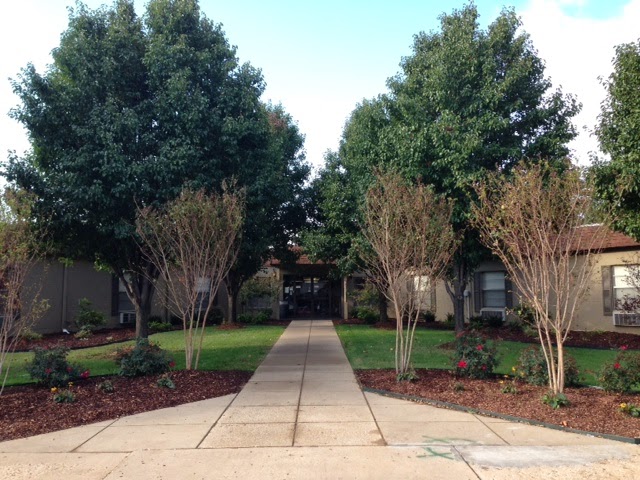
How Does Tulsa Nursing Center Compare to Other Oklahoma Nursing Homes?

Compared to the 100 nursing homes in Oklahoma, TULSA NURSING CENTER's overall rating (5 stars) is above the state average of 2.7, staff turnover (47%) is near the state average of 46%, and health inspection rating (4 stars) is above the national benchmark.

What Should Families Ask When Visiting Tulsa Nursing Center?

Based on this facility's data, families visiting should ask: "Can you walk me through typical staffing levels on day, evening, and night shifts?" "Can I visit during a mealtime to observe dining assistance and food quality?" "How do you handle medical emergencies, and what is your hospital transfer rate?" "Can I speak with family members of current residents about their experience?" These questions are particularly relevant given the below-average staffing rating.

Is Tulsa Nursing Center Safe?

Based on CMS inspection data, TULSA NURSING CENTER has a clean safety record: no substantiated abuse findings (meaning no confirmed cases of resident harm), no Immediate Jeopardy citations (the most serious violation level indicating risk of serious injury or death), and is not on the Special Focus Facility watch list (a federal program monitoring the lowest-performing 1% of nursing homes). The facility has a 5-star overall rating and ranks #1 of 100 nursing homes in Oklahoma. While no facility is perfect, families should still ask about staff-to-resident ratios and recent inspection results during their visit.

Do Nurses at Tulsa Nursing Center Stick Around?

TULSA NURSING CENTER has a staff turnover rate of 47%, which is about average for Oklahoma nursing homes (state average: 46%). Moderate turnover is common in nursing homes, but families should still ask about staff tenure and how the facility maintains care continuity when employees leave.

Was Tulsa Nursing Center Ever Fined?

TULSA NURSING CENTER has no federal fines on record. CMS issues fines when nursing homes fail to meet care standards or don't correct problems found during inspections. The absence of fines suggests the facility has either maintained compliance or corrected any issues before penalties were assessed. This is a positive indicator, though families should still review recent inspection reports for the full picture.

Is Tulsa Nursing Center on Any Federal Watch List?

TULSA NURSING CENTER is not on any federal watch list. The most significant is the Special Focus Facility (SFF) program, which identifies the bottom 1% of nursing homes nationally based on persistent, serious quality problems. Not being on this list means the facility has avoided the pattern of deficiencies that triggers enhanced federal oversight. This is a positive indicator, though families should still review the facility's inspection history directly.