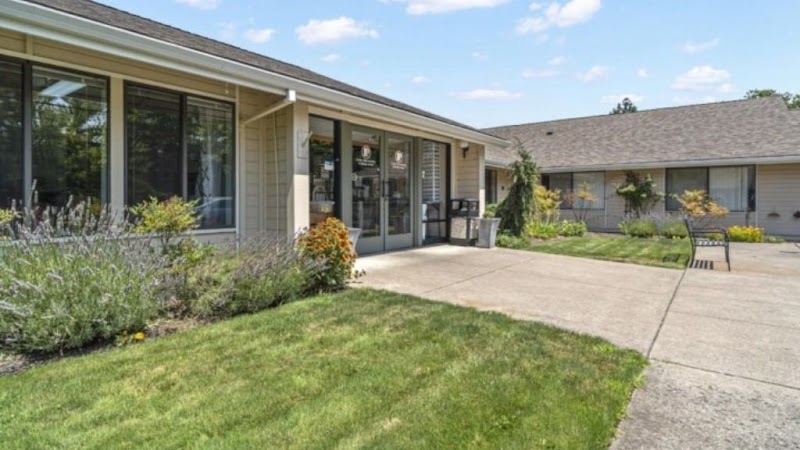

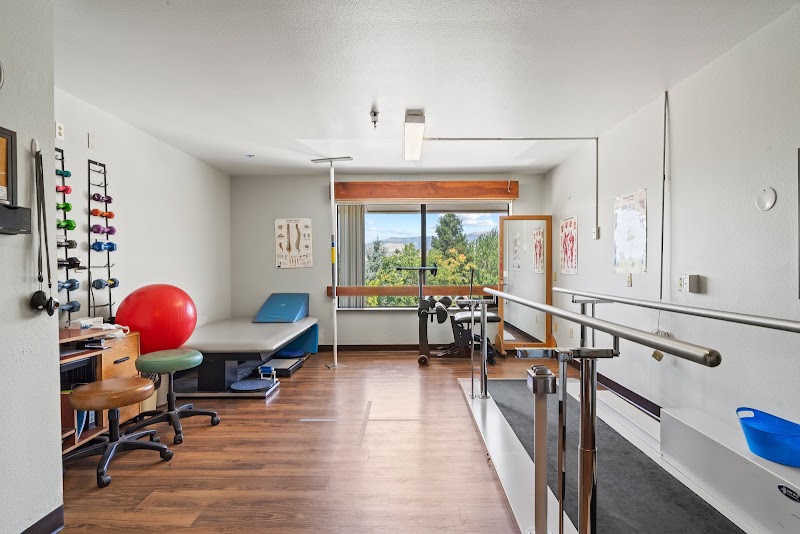
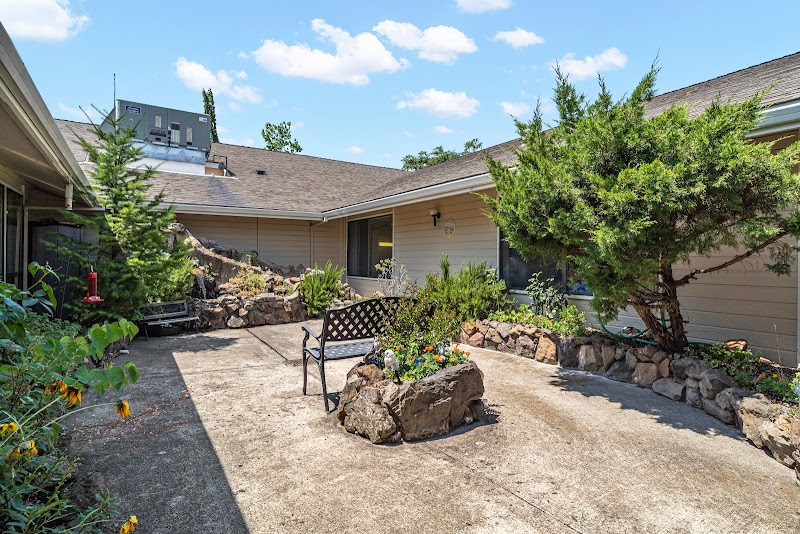
ASHLAND POST ACUTE

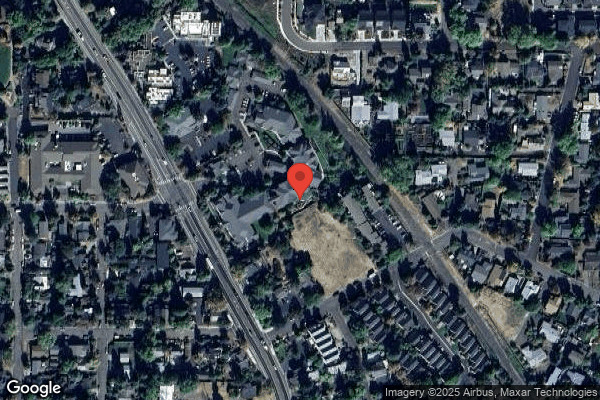
135 MAPLE STREET, ASHLAND, OR 97520 (541) 482-2341
For profit - Limited Liability company 87 Beds PACS GROUP Data: November 2025
Trust Grade
35/100
#75 of 127 in OR
Last Inspection: May 2025

Inspected within the last 6 months. Data reflects current conditions.

Overview

Ashland Post Acute has received a Trust Grade of F, indicating significant concerns about the quality of care provided. Ranking #75 out of 127 facilities in Oregon places it in the bottom half, while its county rank of #3 out of 4 suggests that only one local option is better. The facility is showing improvement, with issues decreasing from 23 in 2024 to 16 in 2025, although it still reported a concerning total of 48 issues. Staffing is a relative strength with a rating of 4 out of 5 stars, but the turnover rate is average at 52%. However, the facility has incurred fines totaling $31,369, and incidents include a resident not receiving their pain medication as prescribed, and another resident suffering seizures after missing critical medication doses. Additionally, concerns about food safety and cleanliness in the kitchen could pose risks to residents' health. Overall, while there are some strengths in staffing, the facility has serious weaknesses that families should consider carefully.

Trust Score
F
35/100
In Oregon
#75/127
Bottom 41%
Safety Record
Moderate
Needs review
Inspections
Getting Better
23 → 16 violations
Staff Stability
⚠ Watch
52% turnover. Above average. Higher turnover means staff may not know residents' routines.
Penalties
✓ Good
$31,369 in fines. Lower than most Oregon facilities. Relatively clean record.
Skilled Nurses
✓ Good
Each resident gets 44 minutes of Registered Nurse (RN) attention daily — more than average for Oregon. RNs are trained to catch health problems early.
Violations
⚠ Watch
48 deficiencies on record. Higher than average. Multiple issues found across inspections.
★★☆☆☆
2.0
Overall Rating
★★★★☆
4.0
Staff Levels
★★★★☆
4.0
Care Quality
★★☆☆☆
2.0
Inspection Score
Stable
2024: 23 issues
2025: 16 issues

The Good

  • 4-Star Staffing Rating · Above-average nurse staffing levels
  • 4-Star Quality Measures · Strong clinical quality outcomes
  • Full Sprinkler Coverage · Fire safety systems throughout facility
  • No fines on record

Facility shows strength in staffing levels, quality measures, fire safety.

The Bad

2-Star Overall Rating

Below Oregon average (3.0)

Below average - review inspection findings carefully

Staff Turnover: 52%

Near Oregon avg (46%)

Higher turnover may affect care consistency

Federal Fines: $31,369

Below median ($33,413)

Moderate penalties - review what triggered them

Chain: PACS GROUP

Part of a multi-facility chain

Ask about local staffing decisions and management

The Ugly 48 deficiencies on record

2 actual harm
May 2025 16 deficiencies
CONCERN (D)

Potential for Harm - no one hurt, but risky conditions existed

Deficiency F0552 (Tag F0552)

Could have caused harm · This affected 1 resident

Based on interview and record review it was determined the facility failed to obtain a consent for use of a mood stabilizer prior to administration for 1 of 5 sampled residents (#54) reviewed for unne...

Read full inspector narrative →
Based on interview and record review it was determined the facility failed to obtain a consent for use of a mood stabilizer prior to administration for 1 of 5 sampled residents (#54) reviewed for unnecessary medications. This placed residents at risk for lack of consent. Findings include: Resident 54 was admitted to the facility in 10/2024 with a diagnosis of a stroke. Resident 54's Physician Order Details revealed she/he was to be administered Depakote (anti-seizure medication which can be used to treat manic depression) for her/his mental health diagnosis. Resident 54's 2/1/25 Quarterly MDS revealed she/he was cognitively intact. Review of Resident 54's clinical record did not reveal a consent for the use of Depakote to treat her/his mental health diagnosis. On 5/9/25 at 9:09 AM Staff 4 (Resident Care Manager) stated on 1/31/25 Resident 54 was started on Depakote as a mood stabilizer. Staff 4 stated Depakote was classified as an anti-seizure medication. Therefore, she did not obtain a consent and did not review the risks and benefits of the medication with Resident 54. On 5/9/25 at 9:34 AM Staff 3 (Regional Nurse) stated if a medication was used as a mood stabilizer a consent was to be obtained.
CONCERN (D)

Potential for Harm - no one hurt, but risky conditions existed

Deficiency F0558 (Tag F0558)

Could have caused harm · This affected 1 resident

Based on observation, interview, and record review it was determined the facility failed to ensure a resident had a bed to accommodate her/his needs, a room had adequate room for transfers, and a resi...

Read full inspector narrative →
Based on observation, interview, and record review it was determined the facility failed to ensure a resident had a bed to accommodate her/his needs, a room had adequate room for transfers, and a resident's call light was within reach for 3 of 4 sampled residents (#s 17, 26, and 54) reviewed for environment. This placed residents at risk for lack of a homelike environment and inability to call for assistance. Findings include: 1. Resident 17 was admitted to the facility in 6/2021 with a diagnosis of shoulder surgery. Resident 17's 4/4/25 Quarterly MDS revealed she/he was cognitively intact and was at risk for pressure ulcers. On 5/5/25 at 10:50 AM Resident 17 stated her/his bed was not comfortable and she/he reported her/his concerns to staff. On 5/7/25 at 3:29 PM Resident 17 was observed on an air mattress on her/his back with her/his arms resting at her/his side. Residents 17's arms were at the edge of the bed. Resident 17 stated she/he needed a bigger bed. On 5/8/25 at 9:30 AM Staff 1 (Administrator) stated Resident 17 always had a 36 inch wide bed and was not aware of concerns the bed was too narrow. On 5/8/25 at 12:45 PM Staff 15 (Resident Care Manager) observed Resident 17 in bed and acknowledged her/his bed was too narrow. Staff 27 (CNA) stated Staff 1 told Resident 17 she could not have a bigger bed. 2. Resident 54 was admitted to the facility in 10/2024 with a diagnosis of a stroke. Resident 54's care plan initiated 10/25/24 revealed she/he required a mechanical lift and the assistance of two staff for transfers. A 2/1/25 Quarterly MDS revealed Resident 54 was cognitively intact. On 5/5/25 at 10:11 AM, 5/6/25 at 1:02 PM, and 5/7/25 at 8:33 AM Resident 54 stated it was hard for staff to assist her/him out of bed because she/he shared a room with two additional residents. Resident 54 stated staff had to move and angle her/his bed in order to maneuver the mechanical lift in the room, and at times staff left the door open in order to accommodate maneuvering the mechanical lift. Resident 54 further stated the room did not have space to maneuver her/his manual wheelchair when she/he was out of bed. On 5/7/25 at 8:57 AM Staff 28 (CNA) stated it required two staff and the use of a mechanical lift to transfer Resident 54 to and from bed. Staff 28 stated they tried to shut the door during transfers but at times the door was left open and the curtain was pulled between the resident and door to maintain privacy. Staff 28 stated other times the bed was moved at an angle in order to accommodate Resident 54's transfer. On 5/7/25 at 9:02 AM Staff 27 (CNA) stated if staff angled the bed, the door did not have to be opened in order to transfer Resident 54 with a mechanical device. If the bed was not moved at an angle, the door had to be left opened, and the privacy curtain was pulled around the bed. Staff 27 stated the room did not have enough space to transfer Resident 54 out of bed. On 5/9/25 at 1:27 PM Staff 3 (Regional Nurse) acknowledged it would be difficult to transfer Resident 54 with a mechanical lift in a room, shared with two additional residents, with her/his current room set up. 3. Resident 56 was admitted to the facility in 12/2024 with diagnoses including stroke and heart disease. The 3/29/25 Quarterly MDS indicated Resident 56 had a BIMS score of 13 (cognitively intact) and her/his upper and lower extremities were impaired on one side. The 4/22/25 revised care plan indicated to keep Resident 56's call light within her/his reach. On 5/7/25 at 1:48 PM Resident 56 was observed in bed after her/his brief was changed and the door to her/his room was open. Resident 56 was heard from from the hall and requested assistance. Resident 56 had no call light within her/his reach. Resident 56 indicated this happens all the time when the resident demonstrated she/he was not able to reach her/his call light. On 5/7/25 at 1:52 PM Staff 10 indicated she continued other CNA duties after Resident 56's brief was changed and did not check the placement of the resident's call light before leaving her/his room. On 5/7/25 at 1:58 PM Staff 3 (Regional Nurse) acknowledged Resident 56's call light was not within her/his reach. Staff 3 expected staff to check all care needs before leaving the room to ensure Resident 56's call light was clipped to her/his blanket because she/he was unable to use her/his hands.
CONCERN (D)

Potential for Harm - no one hurt, but risky conditions existed

Deficiency F0578 (Tag F0578)

Could have caused harm · This affected 1 resident

Based on interview and record review it was determined the facility failed to ensure a resident was offered information to formulate an advance directive (AD) for 1 of 3 sampled residents (#54) review...

Read full inspector narrative →
Based on interview and record review it was determined the facility failed to ensure a resident was offered information to formulate an advance directive (AD) for 1 of 3 sampled residents (#54) reviewed for AD. This placed Residents at risk for end-of-life choices not being honored. Findings include: The facility's Advance Directives policy last revised on 9/2022 revealed if a resident did not have an AD the resident or representative was given the option to accept or decline assistance in establishing ADs. Nursing staff would document in the medical record the offer to assist and the resident's decision to accept or decline assistance. Resident 54 was admitted to the facility in 10/2024 with a diagnosis of a stroke. Resident 54's care plan revised on 12/16/24 revealed Resident 54's Advance Directive indicated a POLST [physician orders for life sustaining treatment] indicated she/he was to be treated if found without a pulse and respirations and the residents AD and/or POLST for treatment would be in the resident's medical record at all times. Resident 54's 1/30/25 Quarterly Social History Review revealed she/he did not have an AD. The form did not indicate if AD information was offered. Resident 54's 2/1/25 Quarterly MDS revealed she/he was cognitively intact. On 5/6/25 at 1:02 PM Resident 54 stated no one spoke to her/him about ADs. On 5/6/25 at 1:44 PM and 5/9/25 at 8:39 AM Staff 5 (Social Services) stated upon admit and quarterly, residents were asked if they had an AD. If they did not have an AD a blank form was offered. Staff 5 stated the facility had a new care conference form for the quarterly meetings and there was no longer a box to indicate AD information was provided. Staff 5 acknowledged there was no documentation in Resident 54's record to indicate she/he was offered AD information.
CONCERN (D) 📢 Someone Reported This

A family member, employee, or ombudsman was alarmed enough to file a formal complaint

Potential for Harm - no one hurt, but risky conditions existed

Grievances (Tag F0585)

Could have caused harm · This affected 1 resident

Based on interview and record review it was determined the facility failed to have a grievance policy which included a reasonable time frame to complete review of grievances and timely resolution for ...

Read full inspector narrative →
Based on interview and record review it was determined the facility failed to have a grievance policy which included a reasonable time frame to complete review of grievances and timely resolution for a resident's grievance for 1 of 2 sampled residents (#26) reviewed for oxygen. This placed residents at risk for unaddressed concerns and grievances. Findings include: Resident 26 was admitted to the facility in 4/2025 with diagnoses including respiratory failure and chronic pain. The facility's 8/1/2024 Grievance Policy and Procedure indicated to complete grievances with appropriate action and follow-up. The 4/12/25 admission MDS indicated Resident 26 had a BIMS score of 13 (cognitively intact) and required assistance with eating. A 4/9/25 physician order indicated Resident 26 was to receive continuous oxygen at 2.5 liters per minute. A 4/23/25 Grievance/Complaint Report, submitted by Witness 3 (Family), indicated there were concerns related to Resident 26's oxygen, meal assistance, pressure ulcer interventions, and missing items. The grievance report indicated Resident 26's care plan was reviewed and updated on 4/23/25, Staff 2 (DNS) was to resolve the concerns by 4/30/25 (seven days after the grievance was received), and a meeting was scheduled on 5/6/25. On 5/7/25 at 8:10 AM Witness 4 (Complainant) indicated the family was afraid to leave Resident 26 alone in the facility since reported concerns were not addressed timely. On 5/8/25 at 8:30 AM Staff 2 (DNS) stated she spoke with Staff 11 (RN) related to issues of Resident 26's oxygen. The conversation with Staff 11 was not documented in the medical record and Witness 3 was not informed of any findings or updated until the 5/6/25 meeting. On 5/8/25 at 9:12 AM Staff 3 (Regional Nurse) expected to see a full investigation to the concerns related to Resident 26's oxygen to ensure there was no negative impact to the resident, immediate resolve to Witness 3's concerns for the resident's pressure ulcer interventions and meal assistance, and a response to Witness 3 within five days. On 5/9/25 at 9:03 AM Staff 5 (Social Services) indicated she was the grievance officer and the first time she spoke with Witness 3 was on 5/6/25 during the scheduled meeting. Staff 5 indicated the facility expected resoluion to grievances within seven days. Staff 3 stated she communicated to Witness 8 (Ombudsman) about Witness 3's concerns before the 5/6/25 meeting but Witness 3 was not contacted directly. Staff 3 acknowledged the facility's grievance policy required a revision to formalize the grievance process timeline for residents and family members.
CONCERN (D)

Potential for Harm - no one hurt, but risky conditions existed

Deficiency F0605 (Tag F0605)

Could have caused harm · This affected 1 resident

Based on interview and record review it was determined the facility failed to ensure residents were free from unnecessary medications for 1 of 5 sampled residents (#31) reviewed for medications. This ...

Read full inspector narrative →
Based on interview and record review it was determined the facility failed to ensure residents were free from unnecessary medications for 1 of 5 sampled residents (#31) reviewed for medications. This placed residents at risk for adverse side effects of medication. Findings include: Resident 31 was admitted to the facility in 9/2023 with diagnoses including PTSD (Post Traumatic Stress Disorder) and insomnia. The 4/16/25 clinical psychologist management plan indicated Resident 31 should transition from Ambien (sedative) to an alternative sleep aid and indicated Resident 31 was open to try something else. The 4/2025 and 5/2025 MAR indicated Resident 31 received Ambien nightly from 4/1/25 through 4/30/25, and 5/1/25 through 5/7/25. On 5/8/25 at 4:01 PM Staff 3 (Regional Nurse) acknowledged Resident 31 had not stopped her/his Ambien and her expectation was for staff to follow-up with the psychologist's recommendation.
CONCERN (D)

Potential for Harm - no one hurt, but risky conditions existed

PASARR Coordination (Tag F0644)

Could have caused harm · This affected 1 resident

Based on observation, interview, and record review it was determined the facility failed to ensure a resident's PASRR II (Pre-admission Screening and Resident Review) recommendations were incorporated...

Read full inspector narrative →
Based on observation, interview, and record review it was determined the facility failed to ensure a resident's PASRR II (Pre-admission Screening and Resident Review) recommendations were incorporated into her/his care plan for 1 of 5 sampled residents (#54) reviewed for unnecessary medications. This placed residents at risk for unmet behavioral health needs. Findings include: Resident 54 was admitted to the facility in 10/2024 with a diagnosis of a stroke. Resident 54's PASRR II was completed on 1/8/25. The evaluation indicated Resident 54 was assessed due to a history of mental health disorders, suicidal ideations, and aggressive behavior toward staff. Recommendations included: -Environmental and social structuring to assist with Resident 54's behaviors. Encourage the resident to engage with staff and peers and spend time in the fresh air. -Memory cues: place photos of loved ones in her/his room and/or create a memory book with the resident. -Provide art supplies at the bedside to allow her/his ability for creative self expression. -Given Resident 54's reports of being an avid reader, increase her/his access to books. -Staff were to contact a Crisis Team (mental health) as needed (a phone number was provided). Resident 54's care plan initiated 10/25/24 was not updated after the 1/8/25 PASRR II evaluation to include the Crisis Team phone number, it did not direct staff to provide books or art supplies, and it did not instruct staff to assist Resident 54 to create a memory book or hang personalized photos in her/his room. A 2/1/25 Quarterly MDS revealed Resident 54 was cognitively intact. On 5/7/25 at 1:25 PM Resident 54's room was observed to not have books, art supplies, or photos of loved ones in her/his room. Resident 54 stated he did not have books to read or any art supplies in her/his room. On 5/9/25 at 8:39 AM Staff 5 (Social Services) stated after a PASRR II was obtained she reviewed the recommendations, provided the assessment to medical records staff, and he uploaded it into the resident's medical record. If the PASRR II had medication recommendations, she forwarded the information to the physician or mental health provider, and if there were nursing recommendations, she would provide the assessment to the Resident Care Manager. Staff 5 stated she did not recall what she did with Resident 54's PASRR II recommendations. On 5/9/25 at 9:09 AM Staff 4 (Resident Care Manager) stated after a PASRR II was completed the results were provided to the social service department. Staff 4 stated she did not see Resident 54's PASRR II after it was completed. On 5/9/25 at 9:34 AM Staff 3 (Regional Nurse) stated after a PASRR II was completed staff were expected to review the recommendations, implement recommendations appropriate for the resident, and update the care plan.
CONCERN (D)

Potential for Harm - no one hurt, but risky conditions existed

Comprehensive Care Plan (Tag F0656)

Could have caused harm · This affected 1 resident

Based on interview and record review it was determined the facility failed to develop a resident centered care plan for 3 of 4 sampled residents (#s 17, 47, and 62) reviewed for hospice, smoking and i...

Read full inspector narrative →
Based on interview and record review it was determined the facility failed to develop a resident centered care plan for 3 of 4 sampled residents (#s 17, 47, and 62) reviewed for hospice, smoking and incontinence. This placed residents at risk for unmet care needs. Findings include: 1. Resident 17 was admitted to the facility in 6/2021 with a diagnosis of arthritis. Resident 17's 7/2/24 Annual MDS revealed Resident 17 did not refuse care, required substantial assistance with toileting hygiene, and was frequently incontinent. Resident 17's Care Plan last revised 10/12/24 revealed she/he was occasionally incontinent of urine, and staff were to provide incontinence care. Resident 17's care plan also indicated she/he was depressed and behaviors exhibited could include false accusations made against staff, refusing basic care, and increased anxiety with new staff. The care plan instructed staff to re-approach the resident at a later time. Resident 17's 4/4/25 Quarterly MDS revealed she/he was cognitively intact and did not have behaviors, including refusing cares. On 5/5/25 at 11:01 AM Resident 17 stated she/he was not assisted with incontinent care since 5/4/25 at 9:00 PM and she/he did not refuse assistance. On 5/6/25 at 1:09 PM Staff 27 (CNA) stated on 5/5/25 she worked day shift and Resident 17 reported the night shift CNA did not change or check on her/him. Staff 5 stated she checked on Resident 17 at 8:00 AM but Resident 17 requested she return to assist her/him at 11:30 AM. Staff 27 stated Resident 17 was very particular and did not like staff to check on her/him every two hours, did not like new staff, and had certain times she/he preferred care to be provided. Staff 27 stated Resident 17 was able to transfer to the bedside commode without assistance. On 5/6/25 at 2:34 PM Staff 11(RN) stated Resident 17 did not like to work with new CNAs and often refused care if she/he was not familiar with a CNA. Staff 11 stated Resident 17 at times transferred to the bedside commode without assistance, depending on her/his pain level. Staff 11 also stated Resident 17 reported she/he did not receive incontinent care on 5/4/24 night shift but refused care from the day shift CNA until approximately noon. On 5/7/25 at 8:45 PM Staff 29 (CNA) stated 5/4/25 night shift was the first time she worked with Resident 17. At approximately 11:00 PM she checked on Resident 17, Resident 17 yelled at her, and told her to leave the room. Staff 29 stated she peaked into Resident 17's room a few times during the night but did not go into the room. On 5/8/25 at 8:01 AM Staff 30 (CNA) stated Resident 17 had specific times she/he preferred her/his care be provided, however, even if you go in at the designated times, she/he at times refused care, but would plan for the next planned check for assistance. Other times Resident 17 would indicate she/he would call when she/he needed assistance. On 5/8/25 at 8:22 AM Staff 15 (Resident Care Manager) stated she worked with Resident 17 when she was a floor nurse. Staff 15 stated Resident 17 directed her/his care and was very particular about her/his care and the specific times she/he wanted staff in her/his room. Staff 15 also stated she usually did not like new staff to work with her/him because they did not know her/his routine. Staff 15 acknowledged the care plan did not have resident specific instructions to ensure staff knew her/his particular times she/he preferred care, in order to prevent refusal of cares. Staff 15 also stated if specific times were identified on Resident 17's care plan it would make it easier for new staff to know when to approach to the resident to make their first interaction more successful. On 5/8/25 at 10:35 AM Staff 3 (Regional Nurse) stated it would be helpful for Resident 17's care plan to be resident centered with specific interventions to ensure staff knew how best to approach her/him to prevent behaviors. 2. Resident 62 was admitted to the facility in 2/12/25 on hospice services with a diagnosis of cancer. A 2/12/25 Activity Assessment revealed it was very important for Resident 62 to have books and magazines to read, listen to music, be around animals, be with groups of people, be outside, and to participate in the activities she/he identified. Resident 62's Care Plan initiated 2/12/25 revealed she he/had dementia and staff were to escort her/him to activities as desired. The care plan did not identify which activities Resident 62 identified as important. On 5/8/25 at 4:09 PM Staff 21 (Activities Director) stated she completed Resident 62's activity assessment. Staff 21 stated she was not aware the MDS did not automatically populate a resident specific care plan. Staff 21 was not aware CNAs were not able to see what Resident 62 identified as activities she/he enjoyed. On 5/8/25 at 4:32 PM Staff 2 (DNS) stated the care plan was to have meaningful activities identified for the resident. Staff 2 stated she would provide an activity care plan if one was developed. No additional information was provided. Refer to F-689. 3. Resident 47 was admitted to the facility in 12/2024 with diagnoses including osteomyelitis of vertebra (infection in the bones of the back). A review of the facility's undated Smoking Policy for Independent Smokers revealed residents approved to smoke independently would keep all smoking materials secured when not in use. The facility policy did not address individual care plans for residents evaluated and approved for independent smoking. A review of the resident's medical record revealed a smoking assessment was completed on 3/31/25 indicating the resident was safe to independently smoke off-site. On 5/9/25 at 2:35 PM Staff 15 (Resident Care Manager) stated she did not know whether or not Resident 47 was allowed to possess smoking materials or where her/his smoking materials were kept. On 5/9/25 at 2:40 PM Staff 20 (CNA) stated he did not know where Resident 47's smoking materials were kept and did not know whether or not Resident 47 had a lighter in her/his room. On 5/9/25 at 2:42 PM Staff 24 (Agency LPN) stated she did not think residents were supposed to have lighters in their room and she did not know where Resident 47's lighter or other smoking materials were kept. On 5/9/25 at 2:48 PM Staff 1 (Administrator) and Staff 3 (Regional Nurse) stated smoking should have been added to Resident 47's care plan so staff were aware of the guidelines regarding the resident's possession of smoking materials and were able to ensure other residents did not have access to Resident 47's lighter and smoking materials. Staff 1 stated Resident 47 had not been given a lock box for his smoking materials and the facility could not ensure other residents did not have access to Resident 47's lighter and smoking materials.
CONCERN (D) 📢 Someone Reported This

A family member, employee, or ombudsman was alarmed enough to file a formal complaint

Potential for Harm - no one hurt, but risky conditions existed

ADL Care (Tag F0677)

Could have caused harm · This affected 1 resident

Based on observation, interview and record review it was determined the facility failed to ensure a dependent resident received assistance with ADLs for 1 of 2 sampled residents (#26) reviewed for oxy...

Read full inspector narrative →
Based on observation, interview and record review it was determined the facility failed to ensure a dependent resident received assistance with ADLs for 1 of 2 sampled residents (#26) reviewed for oxygen. This placed residents at risk for unmet needs and injuries. Findings include: Resident 26 was admitted to the facility in 4/2025 with diagnoses including respiratory failure and chronic pain. A 3/26/25 Hospital Encounter note indicated Resident 26 had a lumbar spinal fusion (surgical procedure that joins two or more sections in the lower back) in 2011 and cervical spine (neck area) surgery in 2015. A 4/10/25 through 5/9/25 CNA Bathing Task indicated Resident 26 refused her/his shower on 4/17/25 and received one shower on 4/21/25. All additional shower opportunties were identified as no (not scheduled for this shift). The 4/12/25 admission MDS indicated Resident 26 had a BIMS score of 13 (cognitively intact), the resident required one staff to assist with bathing and bed mobility, and a shower was not attempted during the seven day review period due to medical concerns. A 4/23/25 revised care plan indicated Resident 26 was to receive showers on Mondays and Thursdays, the resident required a front wheel walker, and one staff to assist with transfers. On 5/6/25 at 8:14 AM Witness 4 (Complainant) stated Witness 3 was called by Resident 26 after an unknown CNA twisted and lifted her/him during a transfer over a recent weekend (in 4/2025) using a bear hug. When Witness 3 arrived to the facility, Resident 26 indicated her/his chest and ribs hurt. On 5/5/25 at 10:34 AM Resident 26 was observed in bed with hair strands that stuck together and stated she/he was not in pain. On 5/6/25 at 3:25 PM Staff 39 (CNA) stated therapy staff made it clear not to transfer any resident with bear hugs due to safety. Staff 39 indicated Resident 26's transfer needs continued to change as therapy revised her/his transfer status and it was important to review the resident's care plan often. On 5/6/25 at 3:49 PM Staff 11 (RN/Charge Nurse) stated Resident 26 needed showers as scheduled and it was Staff 11's responsibility to ensure the task was completed by CNAs. Staff 11 acknowledged he needed to improve his plan to remind CNAs to complete showers and was unaware Resident 26 had not received a shower since 4/21/25. On 5/7/25 at 5:38 PM Staff 40 (LPN) stated he worked the last weekend in 4/2025 and no new pain issues were reported by staff or Resident 26. On 5/7/25 at 6:00 PM Staff 8 (CNA) stated Resident 26 did report someone lifted her/him and hurt him, but her/his pain was temporary and not reported. Staff 8 also indicated he worked on Thursdays and could help with missed showers but he was not informed by the day shift when bathing for Resident 26 was not provided. On 5/8/25 at 4:26 PM Staff 9 (RN) stated she was not able to verify refusals of showers for Resident 26 and indicated refusals of showers should be documented by CNAs and reported to nurses. On 5/8/25 at 11:04 PM Staff 25 (LPN) stated there was no system to track missed showers for residents and CNAs did not inform nursing of missed showers. On 5/9/25 at 9:32 AM Staff 18 (CNA) stated he was often responsible for Resident 26's showers, did not chart all refused showers due to the resident's pain and neglected to inform nursing staff of any missed showers. On 5/9/25 at 10:25 AM Staff 14 (CNA) stated he worked with Resident 26 one weekend day, on 4/26/25, when he transfered the resident to her/his wheelchair for a meal. Staff 14 stated he gave Resident 26 a bear hug to transfer her/him, was unaware of the resident's spinal fusion, and agreed his method of transfer might cause the resident pain but Resident 26 did not express pain during the transfer. On 5/9/25 at 12:31 PM Staff 2 (DNS) acknowledged staff were not to transfer residents using bear hugs and expected staff to follow Resident 26's care plan for transfers. Staff 2 expected staff to follow the shower schedule for Resident 26 and nurses needed to track residents' showers.
CONCERN (D)

Potential for Harm - no one hurt, but risky conditions existed

Deficiency F0679 (Tag F0679)

Could have caused harm · This affected 1 resident

2. Resident 62 was admitted to the facility in 2/2025 on hospice services with a diagnosis of cancer. A 2/12/25 Activity Assessment revealed Resident 62 reported it was very important for her/him to ...

Read full inspector narrative →
2. Resident 62 was admitted to the facility in 2/2025 on hospice services with a diagnosis of cancer. A 2/12/25 Activity Assessment revealed Resident 62 reported it was very important for her/him to have books and magazines to read, listen to music, be around animals, be with groups of people, be outside, and participate in the activities she/he identified. Resident 62's Care Plan initiated 2/12/25 revealed she/he had dementia and staff were to escort her/him to activities as desired. The care plan did not identify which activities Resident 62 identified as important. Resident 62's Group Activities log from 4/8/25 through 5/8/25 revealed Resident 62 did not attend any activities. Observations revealed the following: -5/6/25 at 1:00 PM Resident 62 was sitting in bed eating independently. A CNA was sitting in a corner of Resident 62's room observing her/him. -5/7/25 at 11:14 AM Resident 62 was in bed with her/his eyes shut. A CNA was sitting in a corner of Resident 62's room observing her/him. -5/8/25 at 10:30 AM Resident 62 was sitting in her/his wheelchair in her/his room looking toward her/his television. A CNA staff stated the resident liked the crime show. On 5/7/25 at 8:20 AM Staff 31 (CNA) stated as Resident 62's 1:1 CNA, he talked to her/him in between cares, otherwise, she/he ate and slept. On 5/7/25 at 3:01 PM Staff 27 (CNA) stated resident specific activities were usually not found on a resident's care plan. If a resident was alert and able to communicate she asked the residents if they wanted to participate in the daily activities. If a resident was not able to communicate and the care plan did not address activities, Staff 27 stated she would not know what to offer. On 5/9/25 at 11:10 AM Staff 32 (CNA) stated as a 1:1 CNA he was to be in the room to ensure a resident was safe and report to the nurse if there were any concerns. Staff 32 stated Resident 62 was able to eat independently and staff provided personal cares. Staff 32 stated Resident 62 stayed in her/his room and was in bed most of the time, and fiddles with sheets and pillows, he talked with her/him, and she/he vaguely watched television. On 5/8/25 at 5:05 PM Staff 33 (CNA) stated if a resident was assigned 1:1 care, the resident was to stay in her/his room at all times. On 5/8/25 at 4:09 PM Staff 21 (Activities Director) stated Resident 62 was on 1:1 care. On 5/7/25 Staff 21 stated she walked by Resident 62's room and noticed she/he was just sitting in the room with a 1:1 CNA but the resident should be in the community in the sun and provided more quality care. On 5/8/25 at 4:32 PM Staff 2 (DNS) stated the care plan was to have meaningful activities identified for a resident. Staff 2 stated she would provide an activity care plan if one was developed and if additional activities were provided for Resident 62. Based on observation, interview, and record review it was determined the facility failed to provide meaningful activities for dependent residents for 2 of 2 sampled residents (#s 2 and 62) reviewed for activities. This placed residents at risk for lack of social interaction and isolation. Findings include: 1. Resident 2 was admitted to the facility in 3/2025 with diagnoses including anxiety and sepsis (extreme immune response to an infection). The 3/12/25 Activity Assessment indicated Resident 2 liked easy crossword books, painting, and it was very important to do activities with others. The 3/14/25 admission MDS indicated Resident 2 had a BIMS score of 14 (cognitively intact), was at risk for lack of socialization, and required two staff to transfer the resident out of bed. Resident 2 had no activity care plan related to her/his interest in activities. The 4/5/25 through 5/6/25 CNA Activities Task indicated Resident 2 participated in no activities for 30 days. On 5/5/25 at 2:19 PM Resident 2 was observed in bed watching television. Resident 2 stated art activities were not offered and would consider getting out of bed if a group activity was interesting. A calendar of events was observed on her/his wheelchair which indicated at 2:00 PM on 5/5/25, there was a group activity in the courtyard with food. Resident 2 indicated she/he was not informed of the group activity and was disappointed to not attend. On 5/6/25 at 5:03 PM Staff 17 (LPN) stated CNAs encouraged Resident 2 to get out of bed and the resident may refuse due to pain. On 5/7/25 at 9:34 AM Staff 35 (CNA) stated he cared for Resident 2 often and knew she/he liked group activities and socialization when Resident 2 felt well. Staff 35 acknowledged there was a lack of activity for Resident 2 and not all CNAs were aware of the resident's interests due to the lack of information in the resident's care plan. On 5/7/25 at 10:14 AM Staff 21 (Activities Director) stated she left the activities calendar at Resident 2's bedside if she/he was sleeping. Staff 21 stated she was unable to invite each resident to activities and relied on CNAs to assist based on the interests of residents. Staff 21 was unaware CNAs had no access to ithe nformation in a resident's MDS or activity assessment and did not know how to generate a care plan for activities. Staff 21 acknowledged Resident 2 had no activities during the last 30 days because the resident continued to refuse the activities Staff 21 offered. On 5/7/25 at 11:25 AM Staff 7 (Resident Care Manager) acknowledged the activities care plan for Resident 2 was missed. Staff 7 expected a care plan related to activities for Resident 2 in order for staff to assist and encourage the resident in activities of her/his interest On 5/9/25 at 1:05 PM Staff 2 (DNS) and Staff 3 (Regional Nurse) expected Resident 2's activity care plan to evolve as the resident's needs changed.
CONCERN (D)

Potential for Harm - no one hurt, but risky conditions existed

Quality of Care (Tag F0684)

Could have caused harm · This affected 1 resident

Based on interview and record review it was determined the facility failed to assess a resident and failed to follow physician orders for a follow-up doctor's appointment for 2 of 3 sampled residents ...

Read full inspector narrative →
Based on interview and record review it was determined the facility failed to assess a resident and failed to follow physician orders for a follow-up doctor's appointment for 2 of 3 sampled residents (#s 17 and 24) reviewed for catheter care and hospitalization. This placed residents at risk for tooth decay and delayed care. Findings include: 1. Resident 17 was admitted to the facility in 6/2021 with a diagnosis of arthritis. A 4/4/25 Quarterly MDS revealed Resident 17 was cognitively intact. On 5/5/25 at 10:51 AM Resident 17 stated in 2/2025 she/he had a lung x-ray at 9:00 AM but the physician was not notified of the results until late in the evening. Resident 17 stated she/he was really sickwhen she/he was admitted to the hospital. Progress Notes revealed the following: -2/3/25 the facility physician assessed Resident 17 and an order was obtained for a chest x-ray which was scheduled for 2/4/25. Resident 17's Progress Notes did not have a nursing assessment of her/his respiratory status or the physical condition which warranted a chest X-ray. A radiology results report revealed Resident 17's chest x-ray results were reported on 2/4/25 at 8:44 AM. The form did not indicate who the results were reported to. Resident 17's 2/5/25 Progress note written at 12:20 AM revealed Resident 17 was assessed to have a productive cough and the resident reported the cough worsened from before. Resident 17's lungs were assessed to have abnormal breath sounds on the left side. The note indicated the x-ray results were available on the previous shift and revealed she/he had pneumonia. Resident 17 was short of breath, oxygen levels dropped, was placed on oxygen, and was sent to the hospital for evaluation. No additional nursing assessments of her/his lung status prior to the 2/5/25 note. A 2/5/25 Encounter note revealed Resident 17's physician assessed her/him digitally following complaints of shortness of breath and wheezing. Resident 17 had an x-ray which revealed she/he had pneumonia. Resident 17 was placed on oxygen with an oxygen level of 88% and was transported to the local hospital for evaluation and treatment. On 5/8/25 at 11:18 AM a message was left for Staff 34 (Physician). A return call was not received. On 5/9/25 at 8:35 AM Witness 5 (Radiology Support Staff) stated Resident 17's 2/4/25's x-ray was faxed to the facility on 2/4/25 at 5:05 PM. On 5/8/25 at 10:35 AM Staff 3 (Regional RN) stated on 2/3/25 Resident 17 was evaluated by her/his primary provider but acknowledged there were no nursing assessments of the resident's condition which warranted the evaluation and chest x-ray. Staff 3 also stated if a resident had a change of condition staff were to assess the resident and document each shift, which was not done. 2. Resident 24 was admitted to the facility in 12/2023 with diagnoses including heart failure and kidney disease. 3/26/25 Care Conference notes indicated Resident 24 and family members requested a Urology appointment. On 5/7/25 at 3:47 PM Resident 24 stated she/he and family members asked staff to schedule her/him an Urology appointment for a while but staff had not scheduled one. On 5/9/25 at 8:04 AM Staff 4 (Resident Care Manager) stated she was in charge of making medical appointments for residents. Staff 4 acknowledged Resident 24 and her/his family members asked during the 3/26/25 Care Conference for an Urology appointment and the appointment was not scheduled. On 5/9/25 at 1:41 PM Staff 3 (Regional Nurse) stated her expectation was for staff to follow-up with medical appointments when residents and family request an appointment.
CONCERN (D)

Potential for Harm - no one hurt, but risky conditions existed

Accident Prevention (Tag F0689)

Could have caused harm · This affected 1 resident

Based on interview and record review it was determined the facility failed to ensure a fall investigation was completed timely for 1 of 1 sampled resident (#54) reviewed for falls. This placed residen...

Read full inspector narrative →
Based on interview and record review it was determined the facility failed to ensure a fall investigation was completed timely for 1 of 1 sampled resident (#54) reviewed for falls. This placed residents at risk for a delay in implementing new interventions. Findings include: Resident 54 was admitted to the facility in 10/2024 with a diagnosis of a stroke. Resident 54's 11/1/24 admission MDS revealed she/he was cognitively intact, required assistance with ADLs, did not have a history of falls but was at high risk for falls due to her/his diagnosis of stroke and weakness. Resident 54 required two staff and the use of a mechanical lift for transfers. Resident 54's care plan initiated on 10/25/24 revealed she/he was at risk for falls. Interventions included Resident 54 was to call for assistance for transfers, her/his call light was to be kept within reach, and appropriate footwear was to be worn. A 12/27/24 Progress Note revealed Resident 54 completed working with therapy and was sitting in her/his wheelchair in her/his room. Staff left the room to find additional staff to assist with Resident 54's mechanical lift transfer. Resident 54 attempted to self-transfer from the wheelchair to bed and fell. A 12/27/24 Unwitnessed fall investigation revealed Resident 54 completed therapy and was in her/his her/his wheelchair. Staff left the room to find a second staff to assist with a mechanical lift transfer and before staff returned to the room Resident 54 attempted to self transfer and fell. The investigation was completed on 1/13/25 and indicated the care plan would be updated to include Resident 54 would be assisted back to bed after therapy. Resident 24's care plan was not updated until 1/13/25 to include she/he was to be assisted to bed after therapy, 17 days after the fall. Resident 24's Progress Notes from 12/30/24 through 1/13/25 did not indicate she/he fell due to being left in her/his room after therapy. On 5/7/25 at 11:43 AM Staff 3 (Regional Nurse) stated the investigation was not completed within a week. On 5/9/25 at 9:43 AM Staff 2 (DNS) stated Resident 54's care plan was not updated timely to prevent additional falls due to the investigation not being completed for over two weeks.
CONCERN (D) 📢 Someone Reported This

A family member, employee, or ombudsman was alarmed enough to file a formal complaint

Potential for Harm - no one hurt, but risky conditions existed

Pharmacy Services (Tag F0755)

Could have caused harm · This affected 1 resident

Based on interview and record review it was determined the facility failed to ensure a resident's medication was available to administer for 1 of 1 sampled resident (#17) reviewed for pharmacy service...

Read full inspector narrative →
Based on interview and record review it was determined the facility failed to ensure a resident's medication was available to administer for 1 of 1 sampled resident (#17) reviewed for pharmacy services. This placed residents at risk for pain. Resident 17 was admitted to the facility in 6/2021 with a diagnosis of arthritis. Resident 17's Encounter Note revealed a Nurse Practitioner visit for her/his medication review and to refill her/his Norco (narcotic medication) prescription. Resident 17's 1/2025 MAR revealed Resident 17 was to be administered Norco every four hours for pain. The MAR revealed it was not administered on 1/30/25 at 4:00 AM, 1/30/25 at 8:00 AM, 1/30/25 at 12:00 PM or 1/30/25 at 4:00 PM. Progress notes revealed the following: -1/30/25 at 5:40 AM waiting for Norco delivery. Physician notified of missed dose. -1/30/25 at 8:39 AM physician was faxed for a new prescription for Norco. -1/30/25 at 3:45 PM Norco-not applicable, nurse notified. Resident 17's 4/4/25 Quarterly MDS revealed she/he was cognitively intact. On 5/8/25 at 8:09 AM Staff 38 (CMA) stated if a resident was on a scheduled narcotic the narcotic packaging will indicate if a new prescription was needed. If a new prescription was needed the nurse was notified and the nurse requested a new prescription from the physician. Staff 38 stated the physician was in the facility four days a week and it was easy to receive new prescriptions if needed. On 5/8/25 at 8:59 AM Staff 2 (DNS) stated she was not aware Resident 17 did not have her/his Norco due to a prescription issue and was unclear the reason the prescription was not sent to the pharmacy from the 1/29/25 physician visit. On 5/7/25 at 7:53 PM Witness 7 (Pharmacy) stated the pharmacy did not receive Resident 17's prescription until 1/30/25 and as soon as the new prescription was received it was filled.
CONCERN (D)

Potential for Harm - no one hurt, but risky conditions existed

Dental Services (Tag F0791)

Could have caused harm · This affected 1 resident

Based on interview and record review it was determined the facility failed to provide dental services for 1 of 1 sampled resident (#24) reviewed for dental services. This placed residents at risk for ...

Read full inspector narrative →
Based on interview and record review it was determined the facility failed to provide dental services for 1 of 1 sampled resident (#24) reviewed for dental services. This placed residents at risk for unmet dental needs. Findings include: Resident 24 was admitted to the facility in 12/2023 with diagnoses including heart failure and kidney disease. The 3/26/25 Care Conference notes indicated Resident 24 requested a dental appointment. The 4/15/25 care plan revealed Resident 24 had oral/dental health problems and staff were to coordinate arrangements for dental care and transportation as needed. On 5/7/25 at 3:47 PM Resident 24 stated she/he asked staff to schedule her/him a dental appointment for a while but staff had not scheduled one. On 5/9/25 at 12:32 PM Staff 5 (Social Services) stated she was in charge of making dental appointments for residents. Staff 5 acknowledged Resident 24 asked during the 3/26/25 Care Conference for a dental appointment and the appointment was not scheduled. On 5/9/25 at 1:41 PM Staff 3 (Regional Nurse) stated her expectation was for staff to follow-up with a dental appointment right away when residents request an appointment.
CONCERN (D)

Potential for Harm - no one hurt, but risky conditions existed

Deficiency F0804 (Tag F0804)

Could have caused harm · This affected 1 resident

Based on observation, interview, and record review it was determined the facility failed to ensure food was served at palatable temperatures for 1 of 5 sampled residents (#56) and 1 of 1 kitchen. This...

Read full inspector narrative →
Based on observation, interview, and record review it was determined the facility failed to ensure food was served at palatable temperatures for 1 of 5 sampled residents (#56) and 1 of 1 kitchen. This placed residents at risk for food that was not palatable, safe, or appetizing. Findings include: 1. Resident 56 was admitted to the facility in 12/2024 with diagnoses including stroke and heart disease. The 12/23/24 admission MDS indicated Resident 56 was assessed with a BIMS score of 13 (cognitively intact) and required supervision for eating. A 3/26/25 Nutritional Risk Assessment indicated Resident 56 was at risk for decreased food intake because she/he was unable to feed herself/himself. A 4/22/25 revised care plan indicated Resident 56 required one person to assist her/him with meals. A 5/8/25 Diet Slip for Resident 56 indicated no information related to her/his need for dining assistance. On 5/5/25 at 8:29 AM Resident 56 was observed in bed with a meal in front of her/him on the bedside table. Resident 56 stated she/he was waiting for a CNA to return and her/his food was getting cold. On 5/5/25 at 8:38 AM and 5/8/25 at 5:54 PM Staff 12 (CNA) was observed to assist Resident 56 with eating. Staff 12 stated she was new to Resident 56's care and knew Resident 56 needed assistance with her/his meal because the resident vocalized the request. On 5/5/25 at 12:30 PM Resident 56 stated staff often delivered meals to her/his bedside and did not return to provide timely meal assistance. On 5/5/25 at 1:19 PM Staff 12 stated Resident 56 was the only resident who did not get lunch timely because Staff 12 neglected to check all the trays in the food cart. Resident 56 was assisted with her/his meal and acknowledged the food was not warm. On 5/6/25 at 3:49 PM Staff 11 (RN) stated there was an early food cart for those residents who needed assistance including Resident 56. Staff 11 stated all CNAs and nurses were responsible to ensure Resident 56 received her/his meals timely. On 5/7/25 at 3:40 PM Staff 6 (Dietary Manager) stated the meal tray for residents who required meal assistance, including Resident 56, were delivered to the halls first. Staff 6 stated staff were able to request hot meal alternatives until 7:30 PM every day if they came to the kitchen and asked. Staff 6 acknowledged he did not update meal needs or preferences for Resident 56 on her/his ticket because there was no request from nursing. On 5/9/25 at 10:02 AM Staff 26 (CNA) stated staff were known to help with Resident 56's meal delivery and neglect to communicate when they left her/his tray in the room. Staff 26 acknowledged it was easy for Resident 56's food to get cold without improved communication. On 5/9/25 at 11:33 AM Staff 7 (Resident Care Manager) acknowledged the facility struggled to get meals to residents effectively, including Resident 56, and an improved system was needed. Staff 7 expected information related to a resident's dining assistance should be on Resident 56's ticket to assist with communication. On 5/9/25 at 1:05 PM Staff 2 (DNS) and Staff 3 (Regional Nurse) stated they expected Resident 56's tray ticket to be updated to include the need for meal assistance in order to ensure more timely and warmer meals. 2. On 5/8/25 at 12:55 PM Staff 9 (RN) was observed to sit at the nurse station. A food cart was observed within eight feet of the nurse station with the door open and no staff present to pass out meals. Staff 9 stated she was not asked to assist with meals and continued to sit at the nurse station. On 5/8/25 at 1:03 PM staff were observed to pass out trays from the observed food cart. On 5/8/25 at 1:05 PM a sample test tray was completed by Staff 22 (Cook) and placed in the last food cart sent to the residents' hall. On 5/8/25 at 1:27 PM the test tray was retrieved by a CNA (22 minutes after the meal was completed) from the food cart and provided to surveyors. The broccoli was cold and the potatoes and meat were lukewarm. On 5/8/25 at 1:37 PM Staff 2 (DNS) and Staff 3 (Regional Nurse) stated the expectation was for nurses to assist with the distribution of meals and an all hands on deck mindset to ensure meals were passed out timely.
CONCERN (E)

Potential for Harm - no one hurt, but risky conditions existed

Deficiency F0725 (Tag F0725)

Could have caused harm · This affected multiple residents

**NOTE- TERMS IN BRACKETS HAVE BEEN EDITED TO PROTECT CONFIDENTIALITY** Based on observation, interview and record review it was determined the facility failed to ensure resident needs were met for 4 ...

Read full inspector narrative →
**NOTE- TERMS IN BRACKETS HAVE BEEN EDITED TO PROTECT CONFIDENTIALITY** Based on observation, interview and record review it was determined the facility failed to ensure resident needs were met for 4 of 4 sampled residents (#13, 17, 41 and 54) observed during dining and staffing observations. This placed residents at risk for late meals and pain. Findings include: 1. Resident 13 was admitted to the facility in 10/2024 with a diagnosis of chronic lung disease. Resident 13's 1/29/25 Quarterly MDS revealed she/he was cognitively intact. Resident 13's clinical record revealed she/he resided in room [ROOM NUMBER]. Dining observations on the [NAME] wing revealed the following: -On 5/5/25 at 7:46 AM two food trays were observed on a open cart in front of room [ROOM NUMBER]. Both trays had oatmeal on the trays. The room was identified to require TBP. -On 5/5/25 at 8:09 AM the two food trays with oatmeal were observed to be on the cart in front of room [ROOM NUMBER]. -On 5/5/25 at 8:19 AM Staff 36 (CMA) put on PPE and entered the room with a medication cup but did not take a food tray into the room. -On 5/5/25 at 8:29 AM two food trays with oatmeal were observed on a cart by room [ROOM NUMBER] -On 5/5/25 at 8:56 AM two food trays with oatmeal on a open cart were observed by room [ROOM NUMBER]. -On 5/5/25 at 9:10 AM a CNA was observed to put on PPE and take a food tray which was in front of room [ROOM NUMBER] into the room. On 5/5/25 at 8:25 AM Staff 27 (CNA ) stated she was the only CNA working on the [NAME] wing at the time and was not able to pass the food trays to the residents. Staff 27 stated at the start of the morning shift three CNAs were sent home due to being COVID-19 positive. Staff 27 stated there were usually four CNAs on the [NAME] wing. On 5/5/25 at 8:50 AM Staff 35 stated the residents in room [ROOM NUMBER] would eat but there were no staff to pass the trays and the residents would be provided food eventually. On 5/6/25 at 2:55 PM Staff 37 (Staffing coordinator) stated when CNAs called in or were sent home, the staff member who had the work phone would be notified in order to help call in additional staff to cover the shift. Staff 37 stated Staff 1 (Administrator) had the work phone on the morning of 5/5/25. Staff 37 stated she did not come to work until 9:30 AM and as soon as she came in she started to call staff for CNA coverage. On 5/6/25 at 4:44 PM Staff 2 (DNS) stated she was not notified of the CNA staffing issue on 5/5/25 until approximately 9:00 AM. Staff 2 stated the short staffing affected the [NAME] wing. On 5/6/25 at 4:47 PM Staff 1 stated he carried the work phone on the morning of 5/5/25, no one called him, and he was not aware of the CNA shortage until approximately 9:30 AM. 2. Resident 41 was admitted to the facility in 11/2024 with a diagnosis of a hip fracture. Resident 41's 2/25/25 Quarterly MDS revealed she/he was cognitively impaired. Resident 41's clinical record revealed she/he resided in room [ROOM NUMBER]. Dining observations on the [NAME] wing revealed the following: -On 5/5/25 at 7:46 AM two food trays were observed on a open cart in front of room [ROOM NUMBER]. Both trays had oatmeal on the trays. The room was identified to require TBP. -On 5/5/25 at 8:09 AM the two food trays with oatmeal were observed to be on the cart in front of room [ROOM NUMBER]. -On 5/5/25 at 8:19 AM Staff 36 (CMA) put on PPE and entered the room with a medication cup but did not take a food tray into the room. -On 5/5/25 at 8:29 AM two food trays with oatmeal were observed on a cart by room [ROOM NUMBER] -On 5/5/25 at 8:56 AM two food trays with oatmeal on a open cart were observed by room [ROOM NUMBER]. -On 5/5/25 at 9:10 AM a CNA was observed to put on PPE and take a food tray, which was in front of room [ROOM NUMBER], into the room. On 5/5/25 at 8:25 AM Staff 27 (CNA) stated she was the only CNA working on the [NAME] wing at the time and was not able to pass the food trays to residents. Staff 27 stated at the start of the morning shift three CNAs were sent home due to being COVID-19 positive. Staff 27 stated there were usually four CNAs on the [NAME] wing. On 5/5/25 at 8:50 AM Staff 35 stated the Residents in room [ROOM NUMBER] would eat but there were no staff to pass the trays and the residents would be provided food eventually. On 5/6/25 at 2:55 PM Staff 37 (Staffing coordinator) stated when CNAs called in or were sent home the staff member who carried the work phone would be notified in order to help call in additional staff to cover the shift. Staff 37 stated Staff 1 (Administrator) had the work phone on the morning of 5/5/25. Staff 37 stated she did not come to work until 9:30 AM. On 5/6/25 at 4:44 PM Staff 2 (DNS) stated she was not notified of the CNA staffing issue on 5/5/25 until approximately 9:00 AM. Staff 2 stated the short staffing affected the [NAME] Wing. On 5/6/25 at 4:47 PM Staff 1 stated he had the work phone on the morning of 5/5/25 but no one called him and he was not aware of the CNA shortage until approximately 9:30 AM. 3. Resident 17 was admitted to the facility in 6/2021 with a diagnosis of arthritis. Resident 17's 4/4/25 Quarterly MDS indicated she/he was cognitively intact. Resident 17's 5/5/25 Medication Administration Audit Report revealed on 5/5/25 she/he was to be administered Norco (narcotic pain medication) at 8:00 AM but it was not administered until 10:20 AM. On 5/5/25 at 10:45 AM Resident 17 stated she/he just received her/his scheduled Norco which was scheduled at 8:00 AM. On 5/6/25 at 2:34 PM Staff 36 (CMA) stated the nurse and the CMA split the medication pass. On 5/5/25 the nurse was late passing medications, therefore, when she took over the medication cart, she was late administering Resident 17's Norco. On 5/6/25 at 2:34 PM Staff 11 (RN) stated the nurse started the medication pass in the morning and then the CMA took over the medication pass. Staff 11 stated on 5/5/25 five CNAs were sent home at the beginning of the shift due to testing positive for COVID-19. Staff 11 stated he spent a lot of time trying to reorganize the CNA assignments and was late passing medications. Staff 11 stated he did not call the DNS, Resident Care Manager, or Administrator for assistance. On 5/6/25 at 2:55 PM Staff 37 (Staffing coordinator) stated when CNAs call in or were sent home the staff member who had the work phone would be notified in order to help call staff to cover the shift. Staff 37 stated Staff 1 (Administrator) had the work phone on the morning of 5/5/25 and she did not come to work until 9:30 AM. On 5/6/25 at 4:44 PM Staff 2 (DNS) stated she was not notified of the CNA staffing issue on 5/5/25 until approximately 9:00 AM. Staff 2 stated the short staffing affected the [NAME] wing. On 5/6/25 at 4:47 PM Staff 1 stated he had the work phone on the morning of 5/5/25 but no one called him and he was not aware of the CNA shortage until approximately 9:30 AM. 4. Resident 54 was admitted to the facility in 10/2024 with a diagnosis of a stroke. Resident 54's 5/2025 ADL report revealed she/he refused a shower on 5/5/25. On 5/7/25 at 9:02 AM Staff 27 (CNA) stated Resident 54 did not get a shower on 5/5/25 due to staffing but she provided her/him a shower on 5/6/25. On 5/6/25 at 2:55 PM Staff 37 (Staffing coordinator) stated when CNAs call in or were sent home the staff member who had the work phone would be notified in order to help call staff to cover the shift. Staff 37 stated Staff 1 (Administrator) had the work phone on the morning of 5/5/25. Staff 37 stated she did not come to work until 9:30 AM. On 5/6/25 at 4:44 PM Staff 2 (DNS) stated she was not notified of the CNA staffing issue on 5/5/25 until approximately 9:00 AM. Staff 2 stated the short staffing affected the [NAME] wing. On 5/6/25 at 4:47 PM Staff 1 stated he had the work phone on the morning of 5/5/25 but no one called him and he was not aware of the CNA shortage until approximately 9:30 AM.
CONCERN (E)

Potential for Harm - no one hurt, but risky conditions existed

Food Safety (Tag F0812)

Could have caused harm · This affected multiple residents

Based on observation, interview, and record review it was determined the facility failed to properly follow dish sanitation practices for 1 of 1 kitchen. This placed residents at risk for food borne i...

Read full inspector narrative →
Based on observation, interview, and record review it was determined the facility failed to properly follow dish sanitation practices for 1 of 1 kitchen. This placed residents at risk for food borne illnesses. Findings include: The American Dish Service Installation Instructions for the facility's low temperature dish machine revealed to set and maintain the sanitizer (chlorine) concentration at 50 parts per million. A 12/19/2024 training note by Staff 19 (Maintenance Director) indicated Staff 6 (Dietary Manager)and general dietary staff were present when the new dishwasher was installed. Staff were instructed on how to operate the dishwasher and what chemicals were required. A 4/9/25 report (most recent) completed by Witness 5 (Dishwasher Technician) verified the facility's dishwasher sanitizer level was at 50 parts per million. On 5/8/25 at 10:27 AM Staff 23 (Cook) was observed to wash and sanitize dishes using the facility's low temperature dishwasher. Staff 23 stated she ensured the dishwasher operated correctly each shift by looking at the temperature gauges on the machine. Staff 23 stated she monitored the beginning of the cycle to ensure the temperature reached 120 degrees and the end of the cycle to ensure it reached 50 degrees. Staff 23 verified she did not test the chemical levels of the dishwasher because the task was completed routinely by an outside company who verified the chemical levels were accurate. On 5/8/25 at 11:00 AM Staff 22 (Cook) stated she worked five days each week and was instructed to only check temperatures and soap levels of the dishwasher. The dishwasher sanitizer solution container connected to the dishwasher was observed empty. On 5/8/25 at 11:09 AM Staff 1 (Administrator) was observed to test the chemical sanitizer levels of the dish machine which measured below 50 parts per million. Staff 1 stated staff were expected to ensure chemical sanitizer levels for the dish machine were monitored and maintained and on 5/8/25 there was no sanitizer connected to the dish machine. Staff 1 acknowledged the chemical sanitizer levels of the dish machine were not maintained.
Aug 2024 6 deficiencies
CONCERN (D) 📢 Someone Reported This

A family member, employee, or ombudsman was alarmed enough to file a formal complaint

Potential for Harm - no one hurt, but risky conditions existed

Deficiency F0557 (Tag F0557)

Could have caused harm · This affected 1 resident

Based on interview and record review it was determined the facility failed to treat residents with dignity and respect for 1 of 3 (#19) sampled residents reviewed for dignity and respect. This placed ...

Read full inspector narrative →
Based on interview and record review it was determined the facility failed to treat residents with dignity and respect for 1 of 3 (#19) sampled residents reviewed for dignity and respect. This placed residents at risk for loss of dignity. Findings include: Resident 19 admitted to the facility in 1/2024, with diagnoses including palliative (end of life) care. Resident 19's 1/11/24 MDS admission Assessment revealed a BIMS score of 8, indicating moderate impairment. Resident 19's care plan dated 1/9/24 revealed she/he was incontinent of bowel and bladder and required two persons to assist her/him with a bedpan. On 1/11/24, the facility reported to the State Survey Agency (SSA), which noted on 1/11/24 at 2:05 PM, Resident 19 requested assistance as she/he needed to use the bathroom. She/he was told by Staff 10 (Former CNA) to go in her/his incontinence brief rather than use the bedpan. Staff 1 (Administrator) had walked by the resident's room and overheard the conversation. Staff 1 intervened, asked Staff 10 to exit the room and requested Staff 3 (RCM) and another aide to assist the resident with toileting. Staff 10 was placed on administrative leave while the facility conducted an investigation. Due to discharging from the facility, Resident 19 was not interviewed . On 8/27/24 at 3:00 PM, Staff 1 confirmed the incident occurred and stated Staff 10 was terminated from employment due to the incident. On 8/28/24 at 10:43 AM, Staff 3 stated she recalled the incident on 1/11/24 and assisted Resident 19 with toileting. She stated the resident wasn't too upset and there were no further concerns. On 8/29/24, the State Surveyor attempted to contact Staff 10, but did not receive a return call.
CONCERN (D) 📢 Someone Reported This

A family member, employee, or ombudsman was alarmed enough to file a formal complaint

Potential for Harm - no one hurt, but risky conditions existed

Assessment Accuracy (Tag F0641)

Could have caused harm · This affected 1 resident

**NOTE- TERMS IN BRACKETS HAVE BEEN EDITED TO PROTECT CONFIDENTIALITY** Based on interview and record review it was determined the facility failed to accurately assess MDS assessments for 1 of 3 sampl...

Read full inspector narrative →
**NOTE- TERMS IN BRACKETS HAVE BEEN EDITED TO PROTECT CONFIDENTIALITY** Based on interview and record review it was determined the facility failed to accurately assess MDS assessments for 1 of 3 sampled residents (#16) reviewed for pressure ulcers. This placed residents at risk for unassessed pressure ulcer care needs. Findings include: Resident 16 admitted to the facility in 7/2024, with diagnoses including diabetes and heart failure. The 7/3/24 admission Assessment indicated Resident 16 admitted to the facility with a coccyx pressure ulcer. The 7/2024 TARS revealed physician orders to treat Resident 16's coccyx wound from 7/5/24 through the resident's discharge on [DATE]. The 7/9/24 admission MDS indicated Resident 16 did not have a pressure ulcer. The 7/24/24 Discharge MDS indicated Resident 16 did not have a pressure ulcer. On 8/29/24 at 2:00 PM, Staff 2 (DNS) verified the 7/9/24 admission MDS and the 7/24/24 Discharge MDS were coded inaccurately.
CONCERN (D) 📢 Someone Reported This

A family member, employee, or ombudsman was alarmed enough to file a formal complaint

Potential for Harm - no one hurt, but risky conditions existed

Deficiency F0661 (Tag F0661)

Could have caused harm · This affected 1 resident

Based on interview and record review it was determined the facility failed to provide necessary information to continuing care providers pertaining to the coccyx pressure ulcer treatment for 1 of 3 sa...

Read full inspector narrative →
Based on interview and record review it was determined the facility failed to provide necessary information to continuing care providers pertaining to the coccyx pressure ulcer treatment for 1 of 3 sampled resident (#16) reviewed for skin conditions. This placed residents at risk for unmet treatment care needs after discharge. Findings include: Resident 16 admitted to the facility in 7/2024, with diagnoses including diabetes. The 7/2024 TARS revealed Resident 16 had a coccyx pressure ulcer. The 7/30/24 Discharge Summary indicated Resident 16 had macerated skin to the coccyx. There was no treatment listed for the care of Resident 16's pressure ulcer to her/his coccyx. On 8/29/24 at 2:00 PM, Staff 2 (DNS) verified Resident 16's Discharge Summary did not include information about Resident 16's coccyx pressure ulcer and treatment.
CONCERN (D) 📢 Someone Reported This

A family member, employee, or ombudsman was alarmed enough to file a formal complaint

Potential for Harm - no one hurt, but risky conditions existed

ADL Care (Tag F0677)

Could have caused harm · This affected 1 resident

**NOTE- TERMS IN BRACKETS HAVE BEEN EDITED TO PROTECT CONFIDENTIALITY** Based on interview and record review it was determined the facility failed to bathe residents for 1 of 5 sampled residents (#2) ...

Read full inspector narrative →
**NOTE- TERMS IN BRACKETS HAVE BEEN EDITED TO PROTECT CONFIDENTIALITY** Based on interview and record review it was determined the facility failed to bathe residents for 1 of 5 sampled residents (#2) reviewed for ADL assistance. This placed residents at risk for lack of hygiene. Findings include: Resident 2 admitted to the facility on [DATE], with diagnoses including heart failure. Resident 2's 4/2023 ADL Bathing documentation revealed from 4/14/23 through 4/30/23, staff did not offer the resident the opportunity to bathe. On 8/27/24 at 9:27 AM, Staff 2 (DNS) verified Resident 2 was not offered the opportunity to bathe from 4/14/23 through 4/30/23.
CONCERN (D) 📢 Someone Reported This

A family member, employee, or ombudsman was alarmed enough to file a formal complaint

Potential for Harm - no one hurt, but risky conditions existed

Pressure Ulcer Prevention (Tag F0686)

Could have caused harm · This affected 1 resident

**NOTE- TERMS IN BRACKETS HAVE BEEN EDITED TO PROTECT CONFIDENTIALITY** Based on interview and record review it was determined the facility failed to properly assess and treat a pressure ulcer for 1 o...

Read full inspector narrative →
**NOTE- TERMS IN BRACKETS HAVE BEEN EDITED TO PROTECT CONFIDENTIALITY** Based on interview and record review it was determined the facility failed to properly assess and treat a pressure ulcer for 1 of 4 sampled residents (#16) reviewed for pressure ulcers. This placed residents at risk for worsening pressure ulcers. Findings include: The National Pressure Injury Advisory Panel defines pressure ulcers as: *Stage I: Non-blanchable erythema (redness) of intact skin. *Stage II: Partial-thickness skin loss with exposed dermis. *Stage III: Full-thickness skin loss in which adipose (fat) tissue is visible. Slough and/or eschar may be visible. *Stage IV: Full-thickness skin and tissue loss with exposed or directly palpable fascia, muscle, tendon, ligament, cartilage or bone in the ulcer. Slough and/or eschar may be visible. *Unstageable: Obscured full-thickness skin and tissue loss in which the extent of tissue damage within the ulcer cannot be confirmed because it is obscured by slough or eschar. When slough or eschar is removed, a Stage III or Stage IV pressure injury will be revealed. *Deep Tissue Injury (DTI): Intact skin with localized area of persistent non-blanchable deep red, maroon, purple discoloration or epidermal separation revealing a dark wound bed or blood filled blister. The Centers for Medicare and Medicaid Services (CMS) defines the following: *Slough: Non-viable yellow, tan, gray, green or brown tissue; usually moist, can be soft, stringy and mucinous in texture. *Eschar: Dead or devitalized tissue that is hard or soft in texture; usually black, brown, or tan in color, and may appear scab-like. Resident 16 admitted to the facility on [DATE] with diagnoses including diabetes and heart failure. a. The 7/3/24 admission Assessment indicated Resident 16 admitted to the facility with a Stage III pressure ulcer. The 7/3/24 Skin Assessment indicated Resident 16 had a Stage II pressure ulcer to her/his coccyx. The 7/4/24 Physician Orders indicated Resident 16 had a DTI/coccyx wound. The 7/9/24 admission MDS indicated Resident 16 did not have any pressure ulcers. The 7/10/24 Skin Assessment identified Resident 16 had a Stage II coccyx wound to be a DTI. A 7/12/24 Progress Note revealed Resident 16's coccyx wound had greater than 95% slough, which would have indicated this to be an unstageable pressure ulcer. The 7/17/24 Skin Assessment identified the Stage II coccyx wound to be a DTI. The 7/24/24 Skin Assessment identified the Stage II coccyx wound to be a DTI. On 8/29/24 at 2:00 PM, Staff 2 (DNS) acknowledged the inconsistencies related to pressure ulcer staging related to Resident 16's coccyx wound assessments. b. The 7/3/24 Skin Assessment indicated Resident 16 had a Stage II pressure ulcer to her/his coccyx. The 7/8/24 Physician Orders for Resident 16's DTI coccyx wound included to cleanse the wound with normal saline, pat dry, apply Santyl (an ointment used to remove dead skin tissue; not used in a Stage II pressure ulcer or DTI), apply a calcium alginate pad (used for high draining wounds to maintain moisture balance; not used in a DTI) and cover with a foam dressing daily and as PRN (as needed) until resolved. The 7/10/24, 7/17/24 and 7/24/24 Skin Assessments identified the Stage II coccyx wound to be a DTI. On 8/29/24 at 2:00 PM, Staff 2 (DNS) acknowledged the 7/8/24 ordered wound treatment was not correct for a Stage II pressure ulcer or DTI, stated she visualized the wound on 7/17/24 and the wound was closed.
CONCERN (D) 📢 Someone Reported This

A family member, employee, or ombudsman was alarmed enough to file a formal complaint

Potential for Harm - no one hurt, but risky conditions existed

Medical Records (Tag F0842)

Could have caused harm · This affected 1 resident

Based on interview and record review it was determined the facility failed to accurately document in the medical record for 1 of 3 sampled residents (#16) reviewed for pressure ulcers. This placed res...

Read full inspector narrative →
Based on interview and record review it was determined the facility failed to accurately document in the medical record for 1 of 3 sampled residents (#16) reviewed for pressure ulcers. This placed residents at risk for inaccurate medical records. Findings include: Resident 16 admitted to the facility in 7/2024, with diagnoses including diabetes and heart failure. Review of Resident 16's medical record found the following inaccurate records related to the resident's pressure ulcer staging: -The 7/3/24 admission Assessment indicated the resident admitted to the facility with a Stage III, measuring 1.5 cm x 2.2 cm. -The 7/3/24 Skin Assessment indicated the resident had a Stage II pressure ulcer to her/his coccyx, measuring 1.5 cm x 2.2 cm x 0.5 cm. -The 7/2024 TARS revealed treatment orders for a DTI (Deep Tissue Injury - purple or maroon localized area of discolored intact skin or a blood-filled blister) coccyx wound. -The 7/6/24 Care Plan did not indicate the resident had a pressure ulcer to her/his coccyx. -The 7/9/24 admission MDS indicated the resident did not have any pressure ulcers. -The 7/10/24 Skin Assessment revealed the resident had a Stage II coccyx wound with a red wound bed, the area was non-blanchable and the wound appeared to be a DTI (DTI's had an intact outer layer of skin, the wound under the skin such as the wound bed, would not be visible.) -A 7/12/24 Progress Note revealed the resident's coccyx wound had greater than 95% slough (moist, loose, stringy dead tissue in the wound bed which obscures the true depth of the wound.) Ulcers covered with slough were considered unstageable. -The 7/17/24 Skin Assessment revealed the resident's Stage II coccyx wound bed was red, the area was non-blanchable and the wound appeared to be a DTI. -The 7/23/24 Nutrition admission Assessment indicated the resident's skin was intact. -The 7/24/24 Skin Assessment revealed the resident's Stage II coccyx wound with a red wound bed, the surrounding area was red and non-blanchable and appeared as a DTI. -The 7/24/24 Discharge MDS revealed the resident did not have a pressure ulcer. -The 7/30/24 Discharge Summary revealed the resident had coccyx maceration (skin broken down by moisture on a cellular level). On 8/29/24 at 2:00 PM, Staff 2 (DNS) acknowledged the inaccuracies in Resident 16's medical record related to the resident's pressure ulcer located on her/his coccyx.
Apr 2024 1 deficiency
CONCERN (D) 📢 Someone Reported This

A family member, employee, or ombudsman was alarmed enough to file a formal complaint

Potential for Harm - no one hurt, but risky conditions existed

Deficiency F0602 (Tag F0602)

Could have caused harm · This affected 1 resident

Based on interview and record review it was determined the facility failed to ensure residents were free from misappropriation of controlled (medications that are counted and stored in a locked area) ...

Read full inspector narrative →
Based on interview and record review it was determined the facility failed to ensure residents were free from misappropriation of controlled (medications that are counted and stored in a locked area) narcotic and sedative medications for 2 of 2 sampled residents (#s 4 and 6) reviewed for drug diversion. This placed residents at risk for unmet medication care needs. Findings include: Correction of noncompliance related to misappropriation of resident medications was completed on 2/2/22 after the facility conducted an investigation including staff interviews, review of the incident by QAPI and training for staff who monitored and administered medications. On 1/28/22 the facility submitted a FRI to the State Agency related to Witness 1 (Agency Nurse) who was observed by other facility nursing staff to appear impaired. Staff 2 (DNS) and Staff 4 (Resident Care Manager - LPN) checked the controlled medications and discovered two bottles of Resident 6's methadone (used to treat opiod dependence) were missing from a locked container. Staff 2 and Staff 4 further discovered Resident 4's bottle of Ativan (sedative) liquid had a smaller quantity than was documented on the sign-out page. A facility nurse was assigned to replace Witness 1 and provide care for the residents on the unit. Local law enforcement was notified and when Witness 1 was arrested, she produced two bottles of methadone from her pocket and gave them to responding officers. Witness 1 was subsequently arrested for theft of the medications. Residents involved in the incident on 1/28/22 included: a. Resident 4 was admitted to the facility in 1/2022 with diagnoses including end- stage kidney disease. Resident 4 was prescribed Ativan on a PRN basis. Resident 4's Progress Notes and 1/2022 MAR revealed she/he did not experience symptoms of anxiety or request any doses of Ativan on 1/28/22. b. Resident 6 was admitted to the facility in 1/2022 with diagnoses including burn wounds and liver disease. Resident 6 was ordered methadone. Resident 6's 1/2022 MAR revealed she/he received scheduled methadone doses as ordered. On 4/18/24 at 1:10 PM Staff 5 (Resident Care Manager - LPN) stated she completed any tasks related to resident needs, checked for noon time insulin doses that were potentially missed and placed them on alert if needed. Staff 5 stated a new resident was admitted earlier in the day and Witness 1 did not complete the necessary paperwork. Staff 5 indicated she completed the new resident's admission process. Staff 5 stated there were no residents directly impacted by Witness 1's actions and residents were not aware of what occurred. Staff 5 revealed Witness 2 (Former Staff - CMA) was also present while Witness 1 was working and was concerned about her behavior. Staff 5 stated Witness 2 found Witness 1 passed out in a bathroom and immediately reported her concerns and observations to other staff and management. On 4/18/24 at 2:33 PM Staff 6 (LPN) stated Witness 1 was not acting right when she observed her working. Staff 6 revealed she and another nurse went to Staff 2 (DNS) and reported their concerns about Witness 1's behavior. On 4/18/24 at 2:43 PM Staff 2 acknowledged the misappropriation of resident medications by Witness 1. Staff 2 stated she and Witness 2 immediately checked the methadone locked box and discovered there were two bottles missing and another bottle was half empty. Staff 2 indicated a bottle of Ativan was also observed to be missing doses. Staff 2 stated resident records were reviewed and no residents missed any doses of their medications. On 4/18/24 at 3:08 PM Staff 3 (Resident Care Manager - LPN) stated she was on duty 1/28/22 and asked Witness 1 if she needed help. Staff 3 observed Witness 1 almost asleep at the computer keyboard and unable to enter her password. Staff 3 stated she saw Witness 1 was not moving and unable to do her job and knew there was something wrong. Staff 3 reported her observations to Staff 1. During an interview on 4/19/24 at 9:09 AM Staff 1 (Administrator) acknowledged the incident regarding Witness 1's misappropriation of resident medications. Staff 1 stated facility staff promptly reported concerns related to Witness 1 and immediate interventions were provided.
Jan 2024 16 deficiencies 1 Harm
SERIOUS (G)

Actual Harm - a resident was hurt due to facility failures

Deficiency F0697 (Tag F0697)

A resident was harmed · This affected 1 resident

2. Resident 2 was admitted to the facility in 2023 with diagnoses including UTI and Parkinson's disease (degenerative disease of the nervous system). A current hospital medications list dated 12/14/23...

Read full inspector narrative →
2. Resident 2 was admitted to the facility in 2023 with diagnoses including UTI and Parkinson's disease (degenerative disease of the nervous system). A current hospital medications list dated 12/14/23 revealed to administer oxycodone (narcotic pain medication to treat moderate to severe pain) take one tablet five times daily scheduled at 4:00 AM, 8:00 AM, 1:00 PM, 6:00 PM, and 11:00 PM. A 12/14/23 hospital Discharge Summary revealed orders for oxycodone every four hours as needed for pain scheduled at 4:00 AM, 8:00 AM, 1:00 PM, 6:00 PM, and 11:00 PM. The 12/2023 and 1/2024 MARs indicated Resident 2 was only ordered oxycodone every four hours as needed. Pain levels ranged from six to 10 out of scale from one to 10 and administered one to four times daily. On 1/11/24 at 9:22 AM Resident 2 was observed with her/his legs tucked into her/his chest and resting in bed. Resident 2 stated since she/he arrived at the facility her pain medication was not being administered as it was ordered at home and the hospital. Resident 2 stated the change in her/his medication routine did not manage her/his pain. On 1/11/24 at 10:47 AM Staff 33 (CNA) stated she observed Resident 2 grimace and squint her/his eyes when her/his pain level was near seven out of 10. On 1/11/24 at 4:50 PM and 1/12/23 at 8:19 AM Staff 3 (Resident Care Manager-LPN) stated the order for Resident 2's oxycodone was confusing and acknowledged Resident 2's order as it was written needed clarification. Staff 3 stated she believed the order was clarified but no documentation was provided. Based on observation, interview, and record review it was determined the facility failed to provide pain medications and clarify physician orders for 2 of 6 sampled resident (#s 2 and 212) reviewed for pain management and medications. Resident 212 experienced severe pain. Findings include: 1. Resident 212 admitted to the facility in 2024 with diagnosis which included osteomyelitis (infection of the bone). A 1/3/24 care plan revealed Resident 212 had pain with interventions including to administer medications as ordered, anticipate Resident 212's need for pain relief and respond immediately to any complaint of pain. A 1/8/24 Pain evaluation indicated Resident 212 had back pain with a pain level of three on a scale of one to 10. A 1/2024 MAR instructed staff to administer one tablet of Norco (to relieve moderate to severe pain) two times a day for pain at 7:00 AM and 11:00 AM with a start date of 1/9/24. On 1/9/24 at 8:12 AM Resident 212 stated she/he did not receive her/his 7:00 AM Norco on 1/9/24. A review of the MAR at 8:12 AM on 1/9/24 indicated the 7:00 AM Norco was not administered. On 1/10/24 the following occurred: -Review of the MAR indicated the 7:00 AM dose of Norco was not administered and referred the reader to administration notes. -9:26 AM Resident 212 stated she/he did not receive her/his morning medications. -10:29 AM Administration Note indicated the 7:00 AM Norco was not administered because the medication was too close to the next scheduled dose. -12:59 PM Resident 212's body was tense, her/his face was grimacing, and she/he did not want to talk. On 1/11/24 at 7:47 AM Resident 212 stated she/he did not get her/his medications before she/he left the facility for an appointment on 1/10/24. Resident 212 stated if there was a level above 10 on a pain scale she/he would have been above 10. Since there was not, she/he stated her/his pain level was at a 10 when she/he arrived back to the facility around 12:45 PM on 1/10/24. On 1/11/24 at 10:24 AM Staff 19 (RN) stated on 1/10/24 she was late on administering medications. Resident 212 was scheduled for her/his next pain medication at 11:00 AM and she was instructed to skip Resident 212's 7:00 AM Norco and to administer the 11:00 AM. Staff 19 stated Resident 212 stated to Staff 19 her/his pain level was at a 10. On 1/11/24 at 8:01 AM Staff 1 (Administrator) was asked to provide a medication audit report. In a 1/13/24 email, received at 9:21 PM, Staff 2 (DNS) indicated Resident 212's clinical record was reviewed and indicated an investigation was completed. A Medication Investigation indicated Resident 212 received her/his 11:00 AM Norco but not her/his 7:00 AM Norco on 1/10/24.
CONCERN (D)

Potential for Harm - no one hurt, but risky conditions existed

Deficiency F0558 (Tag F0558)

Could have caused harm · This affected 1 resident

Based on observation, interview, and record review it was determined the facility failed to accommodate resident needs for 1 of 7 sampled residents (#13) reviewed for environment. This placed resident...

Read full inspector narrative →
Based on observation, interview, and record review it was determined the facility failed to accommodate resident needs for 1 of 7 sampled residents (#13) reviewed for environment. This placed residents at risk for not being able to call for assistance. Findings include: 1. Resident 13 was admitted to the facility in 2018 with diagnosis including contractures. A 12/23/24 Quarterly MDS revealed Resident 13 had impairment to one side of the upper extremities. A revised 10/8/23 care plan indicated Resident 13 had a contracture of the left hand, was at risk for falls with interventions including to anticipate and meet her/his needs. Resident 13's call light was to be within reach for fall prevention, and staff were to respond promptly to all requests for assistance. On 1/8/24 at 1:15 PM Resident 13 was in bed with her/his call light pad clipped to the upper part of her/his mattress above her/his head on her/his left side. On 1/10/24 the following was observed: -9:30 AM Resident 13 was in bed with bedside table in front of her/him with a cup lying on its side, a reddish liquid was spilled on table and on Resident 13. No call light was in her/his reach. Staff 39 (CNA) walked by the room and assisted Resident 13. -9:41 AM Resident 13's call light was on the floor next to the wall out of her/his reach. On 1/10/24 at 9:45 AM Staff 16 (CNA) stated Resident 13's call light should always be in her/his reach. Staff 16 stated the call light should be on Resident 13's right side because she/he could use it more effectively on that side. On 1/11/24 at 12:31 PM Staff 1 (Administrator) and Staff 3 (RCM) stated Resident 13's call light should always be within her/his reach.
CONCERN (D) 📢 Someone Reported This

A family member, employee, or ombudsman was alarmed enough to file a formal complaint

Potential for Harm - no one hurt, but risky conditions existed

Free from Abuse/Neglect (Tag F0600)

Could have caused harm · This affected 1 resident

Based on interview and record review it was determined the facility failed to protect the resident's right to be free from physical abuse for 1 of 1 sampled resident (#21) reviewed for abuse. This pla...

Read full inspector narrative →
Based on interview and record review it was determined the facility failed to protect the resident's right to be free from physical abuse for 1 of 1 sampled resident (#21) reviewed for abuse. This placed residents at risk for abuse. Findings include: Resident 21 was admitted to the facility in 2023 with diagnosis including cellulitis (infection involving the inner skin layer). A 12/2/23 care plan for ADL care indicated Resident 21 required one staff to provide extensive assistance for toileting. A 12/23/23 FRI investigation included a statement by Staff 25 (former CNA) indicating she requested assistance from Staff 15 (CNA) to reposition Resident 21 in bed. Resident 21 hit her/his head on the headboard in the process, and Staff 25 was asked to go home three hours later. The investigation indicated abuse was substantiated for Resident 21. On 1/8/23 at 4:19 PM and 1/10/24 at 1:15 PM Resident 21 stated she/he filed a complaint related to Staff 25 who was rough during her/his care for toileting and when Staff 25 was asked to stop she did not. Resident 21 further stated Staff 25 did not listen to verbal instructions of care provided by Staff 15 who was her/his regular CNA. As a result Resident 21 hit her/his head against the bed headboard and experienced pain when she/he was roughly rolled from side to side in bed. On 1/10/24 at 12:18 PM Staff 15 stated Staff 25 did not follow her verbal instructions once she entered Resident 21's room during the incident on 12/23/23, and expected Staff 25 would ask about details of care before care was provided. On 1/17/24 at 11:50 AM Staff 27 (LPN) stated she evaluated Resident 21 for pain after the incident on 12/23/23 and no pain medication was indicated. On 1/11/24 at 4:06 PM Staff 2 (DNS) stated the incident on 12/23/23 with Resident 21 and Staff 25 was investigated and acknowledged abuse occurred.
CONCERN (D) 📢 Someone Reported This

A family member, employee, or ombudsman was alarmed enough to file a formal complaint

Potential for Harm - no one hurt, but risky conditions existed

Assessment Accuracy (Tag F0641)

Could have caused harm · This affected 1 resident

Based on interview and record review it was determined the facility failed to accurately assess 3 of 9 sampled residents (#s 2, 15 and 43) reviewed for medications and ROM. This placed residents at ri...

Read full inspector narrative →
Based on interview and record review it was determined the facility failed to accurately assess 3 of 9 sampled residents (#s 2, 15 and 43) reviewed for medications and ROM. This placed residents at risk for unmet and unidentified needs. Findings include: 1. Resident 2 was admitted to the facility in 2023 with diagnoses including UTI and Parkinson's disease (degenerative disease of the nervous system). The 12/21/23 admission MDS indicated Resident 2 received no antibiotic medication during the last seven days. The 12/2023 MAR indicated Resident 2's last dose of Ciprofloxacin (antibiotic medication) was administered on 12/19/23. On 1/11/24 at 4:36 PM Staff 3 (Resident Care Manager-LPN) acknowledged Resident 2's MDS assessment for antibiotic medication was incorrectly coded. 2. Resident 15 was admitted to the facility in 2022 with diagnoses including muscle weakness, hemiplegia, and hemiparesis (weakness or inability to move one side of the body). The 8/18/23 care plan indicated staff were to apply Resident 15's splint to her/his right hand and right leg. The ROM care plan, last revised on 9/5/20 indicated staff were to provide the resident with active and passive ROM three times a week. The 11/15/23 Quarterly MDS indicated Resident 15 did not receive ROM and staff did not assist Resident 15 with her/his splint or brace. The ROM Task indicated Resident 15 received ROM on 11/9/23, 11/12/23, 11/13/23, and 11/14/23. On 1/11/24 at 4:23 PM Staff 5 (Resident Care Manager-LPN) reviewed Resident 15's Quarterly MDS and acknowledged the 11/15/23 Quarterly MDS was not accurately coded for the ROM and splint/brace. 3. Resident 43 was admitted to the facility in 2023 with diagnoses including hemiplegia and hemiparesis (weakness or inability to move one side of the body). The 11/24/23 care plan indicated Resident 43 was receiving PT/OT services. The care plan related to ADLs indicated Resident 43 required two-person assistance with ambulation, self-care and used a wheelchair. The 12/1/23 admission MDS indicated Resident 43 had no impairment on her/his upper and lower extremities and was independent for self-care, ambulation, mobility and did not use a wheelchair. On 1/11/24 at 11:38 AM Staff 34 (OT Manager) confirmed Resident 43 received PT/OT three times a week starting 11/27/23. Staff 34 stated the resident required two person assist with staff and required a wheelchair. On 1/11/24 at 4:23 PM Staff 5 (Resident Care Manager-LPN) reviewed Resident 43's admission MDS and acknowledged the 11/27/23 MDS was not accurately coded for the ADL care and therapy services.
CONCERN (D)

Potential for Harm - no one hurt, but risky conditions existed

Comprehensive Care Plan (Tag F0656)

Could have caused harm · This affected 1 resident

Based on interview and record review it was determined the facility failed to develop a comprehensive care plan for 1 of 5 sampled residents (#2) reviewed for medications. This placed residents at ris...

Read full inspector narrative →
Based on interview and record review it was determined the facility failed to develop a comprehensive care plan for 1 of 5 sampled residents (#2) reviewed for medications. This placed residents at risk for lack of medical interventions. Findings include: Resident 2 was admitted to the facility in 2023 with diagnoses including UTI and Parkinson's disease (degenerative disease of the nervous system). The 12/2023 MAR indicated Resident 2 was administered Lamictal (medication to treat seizures) daily since admission for Parkinson's Disease. A 12/14/23 admission Nursing [Database] had no indication Lamictal was used for Resident 2. The 12/14/23 initial care plan did not indicate Resident 2 had Parkinson's disease. On 1/10/24 at 3:38 PM Staff 15 (CNA) stated she was not aware Resident 2 had Parkinson's disease and thought her/his occasional shakiness was due to lack of food. Staff 15 confirmed information related to Resident 2's Parkinson's disease was not in her/his care plan. On 1/11/24 at 9:22 AM Resident 2 stated her/his symptoms of Parkinson's disease included occasional shaking and forgetfulness. Resident 2 indicated the previous day during an activity she/he had an episode and she/he had to explain to staff she/he had Parkinson's disease. On 1/11/24 at 4:36 PM Staff 3 (Resident Care Manager-LPN) acknowledged a care plan related to Resident 2's Parkinson's disease and symptoms was needed.
CONCERN (D)

Potential for Harm - no one hurt, but risky conditions existed

Deficiency F0657 (Tag F0657)

Could have caused harm · This affected 1 resident

2. Resident 29 was admitted to the facility in 2023 with diagnoses including diabetes and heart failure. A 12/11/23 Alert Note indicated Resident 29 complained of hearing loss, dizziness and the physi...

Read full inspector narrative →
2. Resident 29 was admitted to the facility in 2023 with diagnoses including diabetes and heart failure. A 12/11/23 Alert Note indicated Resident 29 complained of hearing loss, dizziness and the physician was notified. The 12/2023 MAR revealed Resident 29 had orders for meclizine (medication for motion sickness) as needed for dizziness since 12/19/23 and none was provided. A 1/10/24 revised care plan had no indication Resident 29 had dizziness or hearing loss. On 1/8/24 at 3:37 PM and 1/11/24 at 2:11 PM Resident 29 stated she/he had little assistance with loss of her/his hearing and vertigo (sensation of movement not cause by the physical environment) since she/he arrived to the facility. Resident 29 stated her/his vertigo often impacted her/his success with therapy, her/his ability to move and was unaware of any available medication. On 1/9/24 at approximately 2:00 PM Staff 20 (CNA) stated he heard Resident 29 speak of her/his vertigo and was not aware of any interventions. On 1/10/24 at 12:50 PM Staff 3 (Resident Care Manager-LPN) acknowledged Resident 29's care plan was not revised as needed related to her/his vertigo and hearing loss including available interventions. Based on interview and record review it was determined the facility failed to revise care plan interventions for 1 of 5 sampled residents (# 29) reviewed for hearing and ROM. This placed residents at risk for unmet needs. Findings include:
CONCERN (D)

Potential for Harm - no one hurt, but risky conditions existed

ADL Care (Tag F0677)

Could have caused harm · This affected 1 resident

Based on observation, interview, and record review it was determined the facility failed to ensure dependent residents received required assistance with ADLs for 1 of 3 sampled residents (#18) reviewe...

Read full inspector narrative →
Based on observation, interview, and record review it was determined the facility failed to ensure dependent residents received required assistance with ADLs for 1 of 3 sampled residents (#18) reviewed for ADLs. This placed resident at risk for unmet needs. Findings include: Resident 18 was admitted to the facility in 2023 with diagnoses including diabetes. The 12/2023 and 1/2024 TARs instructed staff to have a licensed nurse check Resident 18's fingernails on bath days and trim as needed every Friday for diabetic nail checks. Staff were to document (+) for nails trimmed and (-) for nail trim not needed. The 12/2023 TAR was documented as a check mark completed every Friday. The 1/2024 TAR was documented as a check mark on 1/5/24. There were no + or - documented as instructed. On 1/9/24 Resident 18 was observed to have approximately one-half inch long fingernails with dark debris under her/his index fingers and middle fingers. Resident 18 stated she/he would like to have her/his nails trimmed. On 1/11/24 at 9:32 AM Staff 19 (CNA) stated he observed Resident 18 with long fingernails with debris and one broken fingernail. On 1/11/24 at 12:34 PM Staff 1 (Administrator) and Staff 3 (Resident Care Manager-LPN) stated they expected staff to complete Resident 18's nail care.
CONCERN (D)

Potential for Harm - no one hurt, but risky conditions existed

Deficiency F0688 (Tag F0688)

Could have caused harm · This affected 1 resident

Based on observation, interview, and record review it was determined the facility failed to provide a restorative program to prevent decline in range of motion for 1 of 4 sampled residents (#15) revie...

Read full inspector narrative →
Based on observation, interview, and record review it was determined the facility failed to provide a restorative program to prevent decline in range of motion for 1 of 4 sampled residents (#15) reviewed for ROM. This placed residents at risk for decline in their range of motion abilities. Findings include: Resident 15 was re-admitted to the facility in 2022 with diagnoses including muscle weakness, hemiplegia, and hemiparesis (weakness or inability to move one side of the body). The ROM care plan, last revised on 9/5/20, indicated staff were to provide the resident with active and passive ROM. -Active ROM, set up bike in PT gym three times a week. -Passive ROM, right ankle stretches along calf to manage contractor for 30 to 60 seconds. -Apply splint to her/his right hand and right leg. -Set up at the pull bar in the room for five minutes. Restorative Program Notes reviewed from 12/12/23 through 1/10/24 revealed the following: - Staff were instructed to stretch Resident 15's right ankle for 30 to 60 seconds to manage contraction. The documentation indicated Resident 15 did not receive ROM five times out of 30 opportunities. On 1/8/24 at 2:01 PM Resident 15 stated she/he had limited ROM, felt more pain in her/his right arm, shoulder, and neck area, and she/he was starting to feel the same pain on her/his left side. Resident 15 stated staff did not provide ROM. Resident 15 further stated she/he wanted to regain her/his strength and that she/he was very interested in receiving ROM services. On 1/9/24 at 3:20 PM Staff 2 (DNS) stated the facility currently did not have a designated restorative aide, but all CNAs were provided training related to ROM and were responsible for assisting residents with ROM. On 1/10/24 at 3:50 PM Staff 38 (Regional Nurse Consultant) reviewed Resident 15's Restorative Program Notes from 12/12/23 through 1/10/24 and was asked if staff provided accurate documentation related to the time spent providing ROM services. Staff 38 acknowledged staff did not accurately document the time spent providing ROM with Resident 15. Staff 38 further stated staff were provided a lot of education related to acurate charting, and it was an ongoing process. On 1/11/24 at 11:49 AM Staff 34 (OT Manager) stated she was familiar with Resident 15. Staff 34 stated Resident 15 had chronic shoulder pain and limited ROM and the resident would benefit from routine ROM 15 minutes two to three times a week to help reduce pain and improve her/his quality of life. On 1/11/24 at 4:23 PM Staff 5 (Resident Care Manager-LPN) reviewed Resident 15's Restorative Program Notes. Staff 5 stated for the past four months the facility was short-staffed and confirmed Resident 15 did not receive ROM per her/his assessment and her/his care plan was not resident-centered. On 1/11/24 at 4:30 PM Staff 2 (DNS) reviewed Resident 15's Restorative Program Notes and stated the staff expectation was to provide ROM services for a minimum 15 minutes a day two to three times a week. Staff 2 acknowledged staff were not accurately documenting the number of minutes they provided ROM.
CONCERN (D)

Potential for Harm - no one hurt, but risky conditions existed

Accident Prevention (Tag F0689)

Could have caused harm · This affected 1 resident

Based on observation, interview, and record review it was determined the facility failed to ensure interventions for smoking safety were followed for 1 of 1 sampled resident (#30) reviewed for smoking...

Read full inspector narrative →
Based on observation, interview, and record review it was determined the facility failed to ensure interventions for smoking safety were followed for 1 of 1 sampled resident (#30) reviewed for smoking. This placed residents at risk for smoking accidents. Findings include: Resident 30 was admitted to the facility in 2022 with diagnoses including stroke and anxiety disorder. A 6/21/23 Smoking Safety Evaluation indicated Resident 30 was safe to smoke independently and acknowledged understanding of the facility's smoking expectations. An 10/19/23 revised care plan indicated Resident 30 smoked unsupervised, signed in and out at the nurse's station prior to leaving the facility and returned all smoking items to the nurse's station upon her/his return. A 11/11/23 Quarterly MDS revealed Resident 30 was cognitively intact. On 1/10/24 at 4:20 PM Resident 30 was observed in her/his room. Staff 31 (LPN) stated Resident 30 last signed out of the facility on 10/31/23 based on the observation of the log and she could not locate Resident 30's cigarettes and lighter at the East Nurse's station. On 1/10/24 at 4:26 PM Staff 29 (RN) stated the monitoring of Resident 30's cigarettes and lighter recently changed from the [NAME] to East nurses' station. Staff 29 acknowledged Resident 30 went outside routinely due to her/his anxiety and the location of her/his cigarettes and lighter were often not monitored by staff since Resident 30 was trying to quit smoking. On 1/10/24 at 4:41 PM Staff 29 asked Resident 30 about the location of her/his cigarettes and lighter and Resident 30 removed them from her/his pocket. On 1/11/24 at 10:03 AM Staff 30 (RN) and Staff 28 (LPN) indicated they worked at the East Nurses' station, had no knowledge of the expectations to monitor Resident 30's cigarette and lighter and believed a process was in place at the [NAME] nurses' station. On 1/11/24 at 3:49 PM Staff 1 (Administrator) acknowledged the process should be followed to secure Resident 30's cigarettes and lighter.
CONCERN (D)

Potential for Harm - no one hurt, but risky conditions existed

Deficiency F0699 (Tag F0699)

Could have caused harm · This affected 1 resident

Based on observation, interview and record review it was determined the facility failed to ensure a resident who was a trauma survivor received trauma-informed care for 1 of 1 sampled resident (#6) re...

Read full inspector narrative →
Based on observation, interview and record review it was determined the facility failed to ensure a resident who was a trauma survivor received trauma-informed care for 1 of 1 sampled resident (#6) reviewed for PASRR. This placed residents at risk for unmet trauma needs and a decrease in their quality of life. Findings include: Resident 6 was admitted to the facility in 2021 with diagnoses including PTSD (Post-Traumatic Stress Disorder), depression, and anxiety. The 10/14/23 Quarterly MDS revealed Resident 6's BIMS score was 14 indicating she/he was cognitively intact, and she/he had a diagnosis of PTSD. The 10/20/21 behavior care plan indicated Resident 6 had a history of anxiety, depression, and PTSD. Interventions indicated staff were to monitor for changes in behavior, and effectiveness of interventions. The care plan also included in the intervention portion self-isolation, threatening statements, agitated/aggressive behavior, upset from loud noises, and difficulty with sleeping. The care plan did not describe the history of trauma, or triggers. On 1/8/24 at 1:05 PM Resident 6 presented as somewhat ill-tempered, gave short responses, and appeared slightly agitated. Resident 6 stated she/he did not sleep good at night because her/his roommate kept her/his TV on late at night with the volume turned up too loud. Resident 6 stated she/he told staff multiple times but it does no good and it continued to be a problem. On 1/9/24 at 1:32 PM Staff 35 (CNA) stated she was aware Resident 6 had concerns with her/his roommates TV being turned up too loud and this upset the resident. Staff 35 stated she was aware Resident 6 had a history of PTSD but she was not aware of her/his military service. Staff 35 indicated Resident 6 was triggered by loud noises and quick movements. On 1/9/24 at 2:37 PM Staff 11 stated she worked with Resident 6 and she/he was often agitated. Staff 11 stated she was aware that Resident 6 had concerns with her/his roommates TV being too loud and sometimes it could take her/him a couple days to calm down. Staff 11 further stated she was not aware Resident 6 had a history of PTSD. On 1/9/24 at 4:26 PM Staff 6 (Social Services Director) stated she was familiar with Resident 6 and her/his history of PTSD. Staff 6 stated the resident was triggered by loud noises often from her/his roommate's TV being turned up too loud at night, and when this happened she/he was unable to fall back to sleep. Staff 6 stated staff were to offer headphones and monitor hours of sleep but she did not find related documentation in the resident's medical record. Staff 6 stated she reviewed Resident 6's care plan and confirmed it did not describe Resident 6's history of trauma. On 1/10/24 at 10:10 AM Staff 37 (RN) stated he was familiar with Resident 6 and she/he frequently had unpredictable mood swings. Staff 37 stated Resident 6 had a history of verbal and physical aggression with roommates. Staff 37 stated Resident 6 was triggered by loud noises and if the resident was able to walk he was certain the altercations would be physical. Staff 37 stated he did not know Resident 6 had a history of PTSD.
CONCERN (D)

Potential for Harm - no one hurt, but risky conditions existed

Drug Regimen Review (Tag F0756)

Could have caused harm · This affected 1 resident

Based on interview and record review it was determined the facility failed to address pharmacy recommendations for 1 of 5 sampled residents (#29) reviewed for medications. This placed residents at ris...

Read full inspector narrative →
Based on interview and record review it was determined the facility failed to address pharmacy recommendations for 1 of 5 sampled residents (#29) reviewed for medications. This placed residents at risk for inappropriate medication dosing. Findings include: Resident 29 was admitted to the facility in 2023 with diagnoses including diabetes and cardiac disease. On 11/8/23 a pharmacy review identified Resident 29 had an order for Isosorbide (a cardiac medication) extended release formula (ER) 30 mg twice a day. The pharmacist noted this extended release medication should be dosed one time a day and recommended the dose be changed to 60 mg once a day. On 1/10/24 a review of current physician orders included Isosorbide ER 30 mg twice a day for cardiac disease. On 1/11/24 at 3:31 PM Staff 3 (Resident Care Manager-LPN) was asked about the recommendation for Isosorbide. Staff 3 stated she could not locate information the recommendation was addressed with the provider.
CONCERN (D)

Potential for Harm - no one hurt, but risky conditions existed

Medication Errors (Tag F0758)

Could have caused harm · This affected 1 resident

Based on interview and record review it was determined the facility failed to monitor psychotropic medications for adverse side effects, monitor for medication effecacy, and receive a consent prior to...

Read full inspector narrative →
Based on interview and record review it was determined the facility failed to monitor psychotropic medications for adverse side effects, monitor for medication effecacy, and receive a consent prior to administration for 2 of 9 sampled residents (#s 6 and 15) reviewed for psychotropic medications and ROM. This placed residents at risk for receiving unnecessary psychotropic medications. Findings include: 1. Resident 6 was admitted to the facility in 2021 with diagnoses including PTSD (Post-Traumatic Stress Disorder), depression and anxiety. a. A 7/19/23 physician order indicated the resident received Lorazepam (to treat anxiety) daily and trazodone (to treat depression) daily. A 7/26/23 Psychoactive Drug Consent indicated Resident 6 received trazadone. There was no indication of use related to behaviors, actions and thoughts. Resident 6 also received Lorazepam and hydroxyzine (to treat PTSD). Indication of use was for fidgeting. The form indicated the following: -Resident 6 accepted the use of the medication. -Written consent was given by Resident 6. The form did not include Resident 6's written consent signature but was dated 3/20/23. No documentation was found in the medical record to indicate Resident 6 provided written consent prior to administration of psychotropic medications. An 10/18/23 Psychoactive Drug Consent indicated Resident 6 received hydroxyzine related to PTSD. Recommendations included discontinue hydroxyzine due to lack of effectiveness. The physician response indicated to discontinue the medication. The 10/2023 MAR indicated staff continued to administered Residents 6's hydroxyzine without a signed consent until 11/21/23. On 1/10/24 at 11:22 AM Staff 5 (Resident Care Manager-LPN) reviewed the forms listed above and confirmed staff failed to obtain Resident 6's consent prior to being administered a psychotropic medication and continued to administer a psychotropic medication after the physician discontinued the medication. b. An 4/21/23 physician order indicated the resident received sertraline (to treat anxiety) daily and trazodone (to treat anxiety) daily. The 10/20/21 care plan revealed the resident used psychotropic medications related to depression, anxiety and PTSD (Post Traumatic Stress Disorder). The staff were to monitor for changes in behavior, adverse side effects, and effectiveness of interventions. A review of Resident 6's 11/2023 through 1/2024 Behavior Monitors revealed no monitoring related to the psychotropic medications. On 1/10/24 at 10:10 AM Staff 37 (RN) confirmed there was no monitoring in place to monitor for side effects or the effectiveness of the psychotropic medications. On 1/11/24 at 4:55 PM Staff 38 (Regional Nurse Consultant) reviewed Resident 6's Behavior Monitor and confirmed staff were not able to input the correct response per physician order on the MAR and nursing tasks for the past three months related to psychotropic monitoring and adverse side effect monitoring. Staff 38 confirmed staff failed to monitor Resident 6 for adverse medication side effects and the effectiveness of the psychotropic medications. 2. Resident 15 was admitted to the facility in 2022 with diagnoses including depression and anxiety. A 2/4/22 physician order indicated the resident received buspirone (to treat anxity) daily. Staff were to monitor every shift for adverse side effects. A 3/15/23 physician order indicated the resident received trazodone (to treat depression) daily. Staff were to monitor every shift for adverse side effects. The 10/5/22 care plan revealed the resident used psychotropic medications related to depression and anxiety. The staff were to monitor for changes in behavior, adverse side effects and effectiveness of interventions. A review of Resident 15's 10/1/23 through 12/31/23 Behavior Monitors revealed no monitoring related to the psychotropic medications for 21 days. On 1/11/24 at 4:55 PM Staff 38 (Regional Nurse Consultant) reviewed Resident 6's Behavior Monitor and confirmed staff were not able to input the correct response per physician order on the MAR and nursing tasks for the past three months related to psychotropic monitoring and adverse side effect monitoring. Staff 38 confirmed staff failed to monitor Resident 6 for adverse medication side effects and the effectiveness of the psychotropic medications.
CONCERN (E)

Potential for Harm - no one hurt, but risky conditions existed

Deficiency F0730 (Tag F0730)

Could have caused harm · This affected multiple residents

Based on interview and record review, it was determined the facility failed to ensure CNA staff annual performance reviews were completed for 4 of 5 sampled CNA staff (#s 10, 11, 12, and 13) reviewed ...

Read full inspector narrative →
Based on interview and record review, it was determined the facility failed to ensure CNA staff annual performance reviews were completed for 4 of 5 sampled CNA staff (#s 10, 11, 12, and 13) reviewed for staffing. This placed residents at risk for a lack of competent staff. Findings include: A review of personnel records on 1/11/24 indicated the following employees did not receive their annual performance evaluations: -Staff 10 (CNA), hired on 11/18/21, no evaluation on file for 11/18/22 through 11/18/23. -Staff 11 (CNA), hired on 1/4/22, no evaluation on file for 1/4/23 through 1/4/24. -Staff 12 (CNA), hired on 1/3/17, no evaluation on file for 1/3/23 through 1/3/24. -Staff 13 (CNA), hired on 1/4/13, no evaluation on file for 1/4/23 through 1/4/24. On 1/11/24 at 12:29 PM and 2:10 PM Staff 9 (Infection Control Nurse) stated she would review information and stated no additional annual performance reviews were found for the above staff.
CONCERN (E) 📢 Someone Reported This

A family member, employee, or ombudsman was alarmed enough to file a formal complaint

Potential for Harm - no one hurt, but risky conditions existed

Menu Adequacy (Tag F0803)

Could have caused harm · This affected multiple residents

Based on observation, interview, and record review it was determined the facility failed to ensure food for menus were available for 1 of 1 un-sampled resident (#12) observed during kitchen observatio...

Read full inspector narrative →
Based on observation, interview, and record review it was determined the facility failed to ensure food for menus were available for 1 of 1 un-sampled resident (#12) observed during kitchen observations. This place residents at risk for lack of honored preferences and nutrition. Findings include: The 11/29/23 Resident Council Minutes revealed group concerns related to the kitchen running out of things including: bacon, sausage, butter, hamburger, and baked potatoes. A 11/29/23 Resident Council Grievance/Concern indicated a concern related to small portions with a response on 12/8/23 by Staff 21 (Dietary Manager) for residents to ask for an additional serving after all residents were served if residents were still hungry. The 12/28/23 Resident Council Minutes revealed the kitchen was always out of stuff and there were no additional servings available if residents requested additional food after all residents were served. 1. Resident 12 was admitted to the facility in 2022 with diagnoses including diabetes and heart failure. On 1/9/24 at 8:33 AM Staff 16 (CNA) stated over the last few months the kitchen hired new staff and continued to run out of food for residents. On 1/11/24 at 11:50 AM Staff 23 (Cook) stated she was not aware of a system in place to inform residents when meal substitutions were required due to problems with deliveries. Staff 23 stated the kitchen relied on nursing staff to communcate the information to residents. On 1/11/24 at approximately 12:30 PM a meal ticket with a request for fish and other menu items for Resident 12 was completed and placed in a cart for room delivery. On 1/11/24 at 1:11 PM all resident meal tickets were completed. Staff 23 stated if a resident arrived at this time she would need to prepare a hamburger since there was no more fish. Staff 23 indicated she followed the standard to prepare five servings over the resident count for the day in preparation for the meal. On 1/11/24 at 1:01 PM Staff 11 (CNA) came to the kitchen and announced that Resident 12 returned from an appointment and requested her/his lunch. Staff 23 indicated an alternative needed to be prepared for Resident 12. On 1/12/23 at 8:37 AM Staff 21 (Dietary Manager) stated he believe all Resident Council food concerns were addressed and new concerns voiced in Resident Council were addressed during the following month as a process. Staff 21 was not aware Staff 23 ran out of fish on 1/11/24 and acknowledged additional grilled salmon was in the freezer and should have been used if they ran out of prepared menu item. 2. On 1/11/24 at 11:50 AM Staff 23 (Cook) indicated if a new resident arrived to the facility during meal service a meal request would be completed by nursing staff using a note or an always available meal ticket. Staff 23 was made aware of a sample tray request on a note for the meal of the day which included: fish, wild rice, green peas and dessert. On 1/11/24 at 12:59 PM all resident meal tickets were completed. Staff 23 indicated she followed the standard to prepare five servings more than the resident census in preparation of the meal but there was no additional fish. On 1/11/24 at 1:08 PM the sample tray was received with no dessert or fish. On 1/12/23 at 8:37 AM Staff 21 (Dietary Manager) stated he believe all Resident Council food concerns were addressed and new concerns voiced in Resident Council were addressed during the following month as a process. Staff 21 was not aware Staff 23 ran out of fish on 1/11/24 and acknowledged additional grilled salmon was in the freezer and should have been used if they ran out of prepared menu item.
CONCERN (E) 📢 Someone Reported This

A family member, employee, or ombudsman was alarmed enough to file a formal complaint

Potential for Harm - no one hurt, but risky conditions existed

Deficiency F0804 (Tag F0804)

Could have caused harm · This affected multiple residents

Based on observation, interview, and record review it was determined the facility failed to ensure meals were served at appriopriate temperatures for 2 of 4 sampled residents (#s 38 and 53) reviewed f...

Read full inspector narrative →
Based on observation, interview, and record review it was determined the facility failed to ensure meals were served at appriopriate temperatures for 2 of 4 sampled residents (#s 38 and 53) reviewed for food. This place residents at risk for lack of meal palatability and satisfaction. Findings include: The 10/26/23 Resident Council Minutes indicated group concerns of cold food including the temperature of food delivered to rooms. The 12/28/23 Resident Council Minutes indicated meals were cold in the dining room. 1. Resident 38 was admitted to the facility in 2023 with diagnoses including UTI and failure to thrive. On 1/8/24 at 1:24 PM Resident 38 was observed in her/his bed with a hamburger on her/his meal plate located on her/his bedside table. Resident 38 stated the food was often too cold to eat. On 1/8/24 during the evening meal the following occurred: -5:23 PM the meal cart arrived to the hall and no staff were observed to assist with the distribution of resident meals until 5:32 PM (nine minutes later). -5:50 PM a meal tray was delivered to Resident 38's room by an unidentified CNA and Resident 38 requested a condiment for her/his meal. The CNA left and returned to Resident 38's room five minutes later with the requested condiment. On 1/8/23 at 5:55 PM (32 minutes after the food was delivered to the hall) Resident 38 received her/his meal and indicated her/his meal was okay. On 1/12/24 at 8:37 AM Staff 21 (Dietary Manager) stated tray the audits completed by management monthly indicated tray temperatures were adequate, and when meal service was observed he believed concerns raised at Resident Council were resolved. Staff 21 stated during the evening meal kitchen staff often had to locate a CNA to assist with meal service in the dining room. Staff 21 acknowledged he was aware of opportunities for improvement related to cold food including staff training which were not yet addressed. 2. Resident 53 was admitted to the facility in 2023 with diagnoses including diabetes and depression. On 1/11/23 during the noon meal the following occurred: -12:32 PM a meal for Resident 53 was placed on an open cart uncovered in the dining room. -12:34 PM Resident 53's meal remained uncovered and Staff 11 (CNA) stated to kitchen staff that Resident 53 was not in the dining room. -12:38 PM Resident 53's meal was covered and a preheated disk added under the plate by Staff 11. On 1/11/23 at 12:42 PM Resident 53 arrived to the dining room and stated her/his meal was cold. On 1/12/24 at 8:37 AM Staff 21 (Dietary Manager) stated tray audits completed by management monthly indicated tray temperatures were adequate, and when meal service was observed he believed concerns raised at Resident Council were resolved. Staff 21 acknowledged he was aware of opportunities for improvement related to cold food including staff training which were not yet addressed.
CONCERN (E)

Potential for Harm - no one hurt, but risky conditions existed

Deficiency F0947 (Tag F0947)

Could have caused harm · This affected multiple residents

Based on interview and record review, it was determined the facility failed to have a system in place to ensure CNA staff received the required 12 hours of in-service training annually for 3 of 5 samp...

Read full inspector narrative →
Based on interview and record review, it was determined the facility failed to have a system in place to ensure CNA staff received the required 12 hours of in-service training annually for 3 of 5 sampled CNAs (#s 10, 11, and 13) reviewed for sufficient and competent nurse staffing. This placed residents at risk for lack of competent staff. Findings include: A review of the facility's staff training records revealed the following: -Staff 10 (CNA), hired 11/18/21, had 10 hours of documented training from 11/18/22 through 11/18/23. -Staff 11 (CNA), hired 1/4/22, had two hours of documented training from 1/4/23 through 1/4/24. -Staff 13 (CNA), hired 1/4/13, had two hours of documented training from 1/4/23 through 1/4/24. On 1/11/24 at 12:29 PM and 2:10 PM Staff 9 (Infection Control Nurse) stated she would review information and later stated no additional training hours were found for the above staff.
Oct 2022 9 deficiencies 1 Harm
SERIOUS (G)

Actual Harm - a resident was hurt due to facility failures

Quality of Care (Tag F0684)

A resident was harmed · This affected 1 resident

Based on interview and record review it was determined the facility failed to follow physician's orders for 2 of 8 sampled residents (#s 8 and 23) reviewed for hospitalization and medications. This fa...

Read full inspector narrative →
Based on interview and record review it was determined the facility failed to follow physician's orders for 2 of 8 sampled residents (#s 8 and 23) reviewed for hospitalization and medications. This failure resulted in Resident 8 requiring admission to the Intensive Care Unit (ICU) for recurrent seizures. Findings include: 1. Resident 8 admitted to the facility in 4/2022 with diagnoses including epilepsy (a neurological disorder). An 4/6/22 physician's order indicated the resident was to receive 20 ml of Vimpat (an anti-seizure medication) twice a day. According to Vimpat's website, Stopping seizure medication suddenly in a patient who has epilepsy can cause seizures that will not stop. Resident 8's 8/2022 TAR revealed the resident did not receive the Vimpat on the evening of 8/19/22, the morning of 8/20/22 or the evening of 8/20/22. Progress notes related to the missed doses of Vimpat revealed the medication was not available at the facility. According to the resident's Progress Notes, on 8/21/22 at 7:10 AM Resident 8 was found having a seizure. The resident was transferred to the hospital via ambulance and was still having seizures. An 8/21/22 History and Physical (H&P) revealed Resident 8 required intravenous anti-seizure medications and was admitted to the ICU for monitoring. The H&P indicated the seizures likely occurred because the resident did not receive her/his Vimpat the previous 48 hours. Additionally, the H&P revealed the hospital provider contacted Resident 8's neurologist who also felt the resident's recurrent seizures were due to the resident not receiving the Vimpat. On 10/6/22 at 10:21 AM Staff 21 (LPN) could not identify a clear procedure to ensure the facility did not run out of residents' medications. On 10/6/22 at 10:30 AM Staff 23 (LPN) reported there was not a process in place to ensure the facility did not run out of residents' medications. She stated staff should just know when the medications were getting low and needed to be reordered. On 10/7/22 at 12:30 PM Staff 3 (Resident Care Manager LPN) confirmed Resident 8 missed three consecutive doses of her/his Vimpat. She stated she understood the resident's seizures were likely due to the missed doses of medication. 2. Resident 23 was admitted to the facility in 2022 with diagnoses including stroke and depression. A physician's order to change an antidepressant based on the facility's Psychotropic Drug Committee recommendation was signed 6/20/22. A Consultant Pharmacist's Medication Regimen Review dated 7/5/22 noted a Psychotropic Drug Committee recommendation for a change in an antidepressant medication and the physician's acceptance of the recommendation. A review of the 10/2022 MAR revealed the change to the antidepressant was not implemented. On 10/6/22 at 9:47 AM Staff 22 (Nurse Practitioner) stated she remembered the change to the antidepressant but did not know why the change was not implemented. 10/7/22 at 12:04 PM Staff 2 (DNS) was asked about the implementation of the order change and stated she did not know why the order was not implemented.
CONCERN (D)

Potential for Harm - no one hurt, but risky conditions existed

Deficiency F0578 (Tag F0578)

Could have caused harm · This affected 1 resident

Based on interview and record review it was determined the facility failed to follow up regarding Advance Directives for 1 of 2 sampled residents (#30) reviewed for Advance Directives. This placed res...

Read full inspector narrative →
Based on interview and record review it was determined the facility failed to follow up regarding Advance Directives for 1 of 2 sampled residents (#30) reviewed for Advance Directives. This placed residents at risk for not having their healthcare wishes honored. Findings include: 1. Resident 30 was admitted to the facility in 2022 with diagnoses including diabetes and post-traumatic stress disorder. A 3/23/22 care plan indicated Resident 30 did not want to execute an Advance Directive. Review of the medical record revealed no information related to Resident 30's education or follow up regarding an advance directive. On 10/6/22 at 10:25 AM Resident 30 stated she/he did not have an Advance Directive and the information she/he received about an Advance Directive was provided to her/him at the hospital. On 10/6/22 at 5:19 PM Staff 5 (Social Services Coordinator) confirmed there was no evidence education related to Advance Directives was provided to Resident 30.
CONCERN (D)

Potential for Harm - no one hurt, but risky conditions existed

Notification of Changes (Tag F0580)

Could have caused harm · This affected 1 resident

2. Resident 30 was admitted to the facility in 2022 with diagnoses including diabetes and post-traumatic stress disorder. A 9/2/22 signed Order Review History Report revealed Semglee (once-daily long...

Read full inspector narrative →
2. Resident 30 was admitted to the facility in 2022 with diagnoses including diabetes and post-traumatic stress disorder. A 9/2/22 signed Order Review History Report revealed Semglee (once-daily long acting diabetic insulin) was to be injected at bedtime. The 9/2022 and 10/2022 diabetic administration record (DAR) revealed Resident 30 refused her/his Semglee daily from 9/5/22 through 10/4/22. There was no indication in the medical record that Resident 30's physician was notified of her/his insulin refusals. On 10/5/22 at 4:21 PM Staff 14 (Agency RN) stated Resident 30 refused all insulin and he placed a note in the physician notebook at the nurses' station to notify the physician. Staff 15 confirmed he did not fax the physician information about Resident 30's insulin refusals. On 10/6/22 09:32 AM Staff 22 (Nurse Practitioner) stated she covered the diabetic care for Resident 30 and expected fax or text message notification related to any refusals of insulin administration. Staff 22 stated she did not review the physician notebook at the nurses' station and was not informed Resident 30 refused her/his insulin. On 10/6/22 at 12:26 PM Staff 15 (Resident Care Manager-LPN) acknowledged notification to the healthcare provider regarding any refusals of medications should have been sent. Based on interview and record review it was determined the facility failed to notify the physician of blood sugar levels outside of parameters and insulin refusals for 2 of 6 sampled residents (#s 30 and 34) reviewed for medications. This placed residents at risk for physicians being uninformed. Findings include: 1. Resident 34 was admitted to the facility in 2022 with diagnoses including diabetes. Resident 34 had an order for blood sugar level parameters of under 70 or over 400 to notify the physician. A review of the 8/2022 diabetic administration record (DAR) identified 12 times when blood sugar levels were outside of acceptable parameters and the physician notification was noted to be no six times. A review of the 9/2022 DAR identified 31 times when blood sugar levels were outside of acceptable parameters and the physician notification was noted to be no 24 times. On 10/7/22 at 12:29 PM Staff 2 (DNS) stated she expected the physician to be contacted if blood sugars were outside of acceptable parameters. Staff 2 added Resident 34 had orders for parameters for blood sugars over 400, an order that appeared to be for blood sugars over 600 and the orders needed to be clarified. Staff 2 provided no additional information.
CONCERN (D)

Potential for Harm - no one hurt, but risky conditions existed

Respiratory Care (Tag F0695)

Could have caused harm · This affected 1 resident

Based on interview and record review it was determined the facility failed to address respiratory care recommendations and to document oxygen use and care for 1 of 2 sampled residents (#38) reviewed f...

Read full inspector narrative →
Based on interview and record review it was determined the facility failed to address respiratory care recommendations and to document oxygen use and care for 1 of 2 sampled residents (#38) reviewed for respiratory care. This placed residents at risk for complications from improper respiratory management. Findings include: Resident 38 admitted to the facility in 6/2022 with diagnoses including sleep apnea (a potentially serious sleep disorder in which breathing repeatedly stops and restarts) and congestive heart failure. a. The 9/6/22 Quarterly MDS Assessment indicated the resident did not use a continuous positive airway pressure (CPAP) machine (a machine used to keep breathing airways open while asleep). On 6/6/22 Resident 38 was admitted to the hospital. According to the 6/10/22 hospital Discharge Summary the resident was treated for acute on chronic hypoxic (too little oxygen) respiratory failure likely due to being non-compliant with the continuous positive airway pressure (CPAP) machine (a machine used to keep breathing airways open while asleep) for her/his sleep apnea. The Discharge Summary emphasized the need for compliance with the CPAP machine. In 7/2022 the resident was admitted to the hospital for acute on chronic hypoxic and hypercapnic (a build up of carbon dioxide in the bloodstream) respiratory failure in the setting of sleep apnea. The 7/13/22 hospital Discharge Summary indicated she/he should consider outpatient sleep studies and follow up as she/he may need a different CPAP machine. There was no documentation found in Resident 38's electronic health record to indicate the facility followed up with the recommendation for a CPAP machine. Resident 38's current care plan did not include information related to sleep apnea or the need for a CPAP machine. Observations of Resident 38's room between 10/3/22 and 10/6/22 did not reveal a CPAP machine. On 10/6/22 at 10:30 AM Staff 23 (LPN) reported she did not think Resident 38 had sleep apnea and she/he never had a CPAP machine. On 10/7/22 at 12:20 PM Staff 3 (Resident Care Manager LPN) reported Resident 38 did not have a CPAP machine when she/he admitted to the facility. On 10/7/22 at 12:54 PM Staff 15 (Resident Care Manager LPN) who managed the resident's care at the time of the two hospitalizations reported she did not recall seeing anything on the hospital documentation related to Resident 38's need for a CPAP machine. She confirmed there was no follow up related to the CPAP recommendation. b. A 7/15/22 physician's order indicated Resident 38 should use one to two liters of oxygen as needed to keep oxygen saturations above 90%. A review of Resident 38's current care plan did not reveal information related to respiratory concerns or the use of oxygen. Resident 38 was observed multiple times a day between 10/3/22 and 10/6/22 utilizing oxygen via nasal cannula at 2.5 liters. A review of the resident's 7/2022, 8/2022, 9/2022 and 10/2022 TARs revealed an area to document the use of PRN oxygen. The entry indicated to document the resident's oxygen saturation and the amount of oxygen used. There was no documentation of oxygen used during any of the months reviewed. On 10/6/22 at 3:22 PM Staff 24 (CNA) reported Resident 38 utilized oxygen all the time. On 10/7/22 at 12:20 PM Staff 3 (Resident Care Manager LPN) stated she was not aware Resident 38 utilized oxygen all the time, and she expected staff to document on the TAR if the resident was using oxygen and how many liters. Staff 3 confirmed the care plan should have included information related to oxygen use.
CONCERN (D)

Potential for Harm - no one hurt, but risky conditions existed

Deficiency F0698 (Tag F0698)

Could have caused harm · This affected 1 resident

**NOTE- TERMS IN BRACKETS HAVE BEEN EDITED TO PROTECT CONFIDENTIALITY** Based on observation, interview and record review it was determined the facility failed to provide dialysis services for 1 of 1 ...

Read full inspector narrative →
**NOTE- TERMS IN BRACKETS HAVE BEEN EDITED TO PROTECT CONFIDENTIALITY** Based on observation, interview and record review it was determined the facility failed to provide dialysis services for 1 of 1 sampled resident (#13) reviewed for dialysis. This placed residents at risk for lack of dialysis services. Findings include: Resident 13 was admitted to the facility in 2022 with diagnoses including end stage renal disease (ESRD). a. An admission order dated 7/14/22 indicated Resident 13 was to receive a renal diet and a 2000 ml fluid restriction. On 9/9/22 Resident 13 was readmitted to the facility and was to the continue her/his current diet including a 2000 ml fluid restriction. On 10/4/22 at 10:07 AM Resident 13 was asked about fluid restriction and stated she/he was not on a fluid restriction. On 10/6/22 at 1:36 PM Staff 7 (CNA) stated Resident 13 was not on a fluid restriction. On 10/6/22 at 3:16 PM Staff 8 (CNA) was asked about fluid restriction and stated she was not aware of Resident 13 having a fluid restriction and offered to review the [NAME] (CNA care directives). Staff 8 stated there was no indication Resident 13 was on a fluid restriction. On 10/7/22 at 10:47 AM Staff 6 (LPN) was asked about diet orders for Resident 13. Staff 6 stated Resident 13 was on a consistent carbohydrate, renal diet and a 2000 ml fluid restriction. Staff 6 was asked how staff would be informed of fluid restrictions and she stated it was in the order and would be on the diet slip. On 10/7/22 at 12:17 PM Staff 2 (DNS) was asked about Resident 13's fluid restriction and no additional information was provided. b. On 10/4/22 at 10:05 AM Resident 13 was observed to be in bed. A large fistula (a connection between an artery and a vein for dialysis access) was noted on her/his right forearm. Resident 13 was asked about the dialysis access site and Resident 13 displayed a central line (intravenous access for dialysis) on her/his left chest. Resident 13 stated the chest site was only temporary and was to be removed. A review of the medical record indicated there was no monitoring in place for the fistula site. On 10/7/22 at 10:47 AM Staff 6 (LPN) was asked about monitoring Resident 13's fistula site. Staff 6 stated she called the dialysis unit on 9/21/22. Staff 6 added she was told the dialysis center called back, the facility was told it was not necessary to monitor the fistula site but she was not aware of which facility staff took the call from the dialysis center. On 10/7/22 at 12:17 PM Staff 2 (DNS) was asked about fistula monitoring for Resident 13. Staff 2 stated there was no monitoring of the fistula site in the record. c. A provider order dated 9/9/22 instructed staff to continue dialysis on Tuesdays, Thursdays and Saturdays at DaVita (a dialysis center) in Grants Pass. The current care plan under dialysis listed DaVita as the dialysis center and included contact and location information for the center. On 10/7/22 at 10:47 AM Staff 6 (LPN) stated Resident 13 went to [NAME] Valley Dialysis on Tuesdays, Thursdays and Saturdays at 10:40 AM. On 10/7/22 at 4:30 PM Staff 2 (DNS) stated Resident 13's dialysis center information was not accurate and was corrected on the care plan.
CONCERN (D)

Potential for Harm - no one hurt, but risky conditions existed

Drug Regimen Review (Tag F0756)

Could have caused harm · This affected 1 resident

Based on interview and record review it was determined the facility failed to address pharmacy recommendations timely for 1 of 6 sampled residents (#23) reviewed for medications. This placed residents...

Read full inspector narrative →
Based on interview and record review it was determined the facility failed to address pharmacy recommendations timely for 1 of 6 sampled residents (#23) reviewed for medications. This placed residents at risk for unnecessary medications. Findings include: Resident 23 was admitted to the facility in early 2022 with diagnoses including stroke and mood disorder. On 6/9/22 an order was received for Seroquel (an antipsychotic). On 8/2/22 a Consultant Pharmacist's Medication Regimen Review instructed staff to complete an AIMS (abnormal involuntary movement scale) test as a result of the Seroquel order. On 9/6/22 a Consultant Pharmacist's Medication Regimen Review repeated the request to complete an AIMS test. The medical record indicated an AIMS test was completed for Resident 23 on 9/12/22. On 10/7/22 at 12:04 PM Staff 2 (DNS) was asked about the delay in completing the AIMS test for Resident 23. Staff 2 stated it was completed on 9/12/22 because that was when she realized it was not completed.
CONCERN (E)

Potential for Harm - no one hurt, but risky conditions existed

Safe Environment (Tag F0584)

Could have caused harm · This affected multiple residents

Based on observation and interview it was determined the facility failed to provided finished and cleanable window sills in 4 of 34 rooms. This place residents at risk for lack of a sanitary and homel...

Read full inspector narrative →
Based on observation and interview it was determined the facility failed to provided finished and cleanable window sills in 4 of 34 rooms. This place residents at risk for lack of a sanitary and homelike environment. Findings include: Review of the 5/2018 facility floor plan revealed the facility had 34 resident rooms. On 10/4/22 random observations revealed the window sills in rooms four and five were unfinished and unpainted. In Resident 30's room a line of caulking and water rings were observed on the window sill. On 10/4/22 at 10:49 AM Resident 30 stated her/his window sill was unfinished for some time and remarked that the window sill should be painted to feel more like home. On 10/4/22 at 12:12 PM Staff 16 (Maintenance Director) stated a painter was contracted to finish and paint window sills in residents' rooms during the summer. Staff 16 stated he completed weekly visual audits of rooms and believed all window sills were now finished and painted. On 10/5/22 at 10:31 AM Staff 17 (Housekeeper) stated she told Staff 16 routinely about unpainted window sills in residents' rooms in addition to placing the information into the facility's work order reporting system. Staff 17 stated rooms four, five, six and eight were not painted until yesterday afternoon after surveyors arrived. On 10/5/22 at 4:48 PM Staff 1 (Administrator) acknowledged raw wood in residents' room did not meet his expectation and thorough room audits were necessary.
CONCERN (E)

Potential for Harm - no one hurt, but risky conditions existed

Medication Errors (Tag F0758)

Could have caused harm · This affected multiple residents

3. Resident 30 was admitted to the facility in 2022 with diagnoses including diabetes and post-traumatic stress disorder. A 7/22/22 progress note revealed Resident 30 had no mood or behaviors and the...

Read full inspector narrative →
3. Resident 30 was admitted to the facility in 2022 with diagnoses including diabetes and post-traumatic stress disorder. A 7/22/22 progress note revealed Resident 30 had no mood or behaviors and there were no additional nursing or social services behavior notes through 10/3/22. The 8/23/22 monthly Psychoactive Drug Review indicated both Wellbutrin (an antidepressant medication) and hydroxyzine (an antihistamine medication) were reviewed. Wellbutrin had a targeted behavior of depression regarding resident's current health status and hydroxyzine was used for anxiety during brief changes. The 9/19/22 monthly Psychoactive Drug Review indicated hydroxyine was no longer reviewed. The 9/2022 and 10/2022 MAR indicated Resident 30 received Wellbutrin daily for depression and hydroxyzine as needed for anxiety or itching. Resident 30's behavior monitor revealed two incidents of refusal of care on 9/11/22 and 9/12/22 in the last 30 days and no additional behaviors were documented. Review of Resident 30's medical record revealed she/he had no complaints of itching and there was no consent for the use of hydroxyzine to address her/his anxiety. On 10/4/22 at approximately 11:00 AM Staff 2 (DNS) indicated monitoring of Resident 30's behaviors were located as a social service note, nursing note or under tasks in the medical record. On 10/6/22 at 12:26 PM Staff 15 (Resident Care Manager-LPN) acknowledged there was a lack of behavior documentation to complete an accurate evaluation of Resident 30's behaviors which impacted the view needed to evaluate the resident for unnecessary medication over a period of time. On 10/6/22 at 12:38 PM Staff 2 DNS stated it was confusing whether or not a consent form was necessary for medication used to address anxiety but classified as an antihistamine. Staff 2 acknowledged a consent and review for the use of hydroxyzine was necessary but not completed in addition to documentation of Resident 30's behaviors to compare normal behaviors or changes caused by the addition of medications. 4. Resident 38 admitted to the facility in 6/2022 with diagnoses including cognitive communication deficit. A 6/10/22 physician's order instructed staff to administer 25 mg of Seroquel (an anti-psychotic medication) to the resident daily. A 6/15/22 Psychoactive Drug Review indicated Resident 38 received Seroquel for a diagnosis of insomnia and the medication was used to improve sleep. A 6/22/22 Note to Attending Physician/Prescriber from the pharmacy consultant indicated Resident 38 was receiving 25 mg of Seroquel daily without a clear diagnosis. The resident's care plan did not indicate the resident had dementia or cognitive concerns. There was a behavior care plan initated on 6/20/22 which indicated the resident's behaviors were insomnia, yelling, screaming and confusion. The interventions listed for the behaviors were to reduce noise, call family and make sure her/his head phones were working. During Psychoactive Drug Reviews on 7/19/22, 8/23/22 and 9/19/22, it was documented Resident 38 continued to receive 25 mg of Seroquel at bedtime for a diagnosis of dementia with behavioral disturbance. The targeted behaviors the Seroquel was used for was to help improve sleep. A review of Resident 38's electronic health record did not reveal documentation to indicate the resident's sleep was being monitored to determine the effectiveness of the Seroquel. According to an 8/3/22 Medication Regimen Review, the consulting pharmacist advised the facility to complete an AIMS (a scale used to assess the presence of abnormal involuntary movements as a side effect of antipsychotic medications) test for Resident 38 related to monitoring for side effects of the Seroquel. On 8/16/22 Resident 38 signed a consent form to receive Seroquel for difficult time relaxing at night, and will start calling out. Again on 9/7/22 the consulting pharmacist recommended an AIMS test be completed. On 9/12/22 the facility completed the first AIMS test for Resident 38, over three months after she/he started taking Seroquel. On 10/6/22 at 10:51 AM Staff 25 (CNA) stated Resident 38 was fully alert and oriented and did not have any behaviors. She stated the resident slept a lot. On 10/6/22 at 3:22 PM Staff 24 (CNA) reported she did not think the resident had dementia but did get more confused as the day went on. She stated the resident did not exhibit any behaviors. Staff 24 reported the resident slept hard most of the day. On 10/7/22 Staff 3 (Resident Care Manager LPN) stated the resident did not have a cognitive care plan and should have. She confirmed the targeted behavior documented for the use of Seroquel for Resident 38 was sleep, yet there was no monitoring of the resident's sleep to determine if sleep has improved. She further stated sleep was not an appropriate use of Seroquel. Staff 3 stated the resident's behaviors of calling out at night were the behaviors being monitored and acknowledged those behaviors should be the targeted behavior. She listed off several non-pharmalogical interventions used to help manage the resident's behaviors and confirmed those interventions were not listed anywhere in the resident's chart. On 10/7/22 at 12:54 PM Staff 15 (Resident Care Manager LPN) stated Resident 38 had some behaviors of calling out and they wanted to start her/him on Seroquel. She reported the physician gave the diagnosis of dementia with behaviors for that medication. Based on observation, interview and record review it was determined the facility failed to ensure residents were evaluated prior to receiving an antipsychotic medication, had appropriate indications for use, consented to the medication, had behaviors monitored, medications monitored for effectiveness and all psychotropic (drugs that effect brain chemistry) medications were evaluated for 4 of 6 sampled residents (#s 23, 30, 34 and 38) reviewed for medications. This placed residents at risk for lack of consent, indications for use, monitoring of behaviors, evaluation for effectiveness as well as risk for medication side effects. Findings include: 1. Resident 23 was admitted to the facility in early 2022 with diagnoses including stroke and mood disorder. A pharmacist review dated 8/2/22 indicated the need for an AIMS (a scale used to assess the presence of abnormal involuntary movements as a side effect of antipsychotic medications) test to be completed as a result of starting Seroquel (an antipsychotic). A pharmacist review dated 9/6/22 repeated the request to complete an AIMS test. There was no indication Resident 23 was assessed prior to starting an antipsychotic medication to obtain baseline data related to potential side effects of antipsychotic medications. On 10/7/22 at 12:04 PM Staff 2 (DNS) acknowledged a delay in completing the AIMS test and stated it was done when she discovered it had not been completed. 2. Resident 34 was admitted to the facility in 2022 with diagnoses including post-traumatic stress disorder, anxiety and delusional disorder. On 10/6/22 at 8:36 AM Resident 34 was seen in her/his room, dressed and well groomed. Resident 34 was asked about medications and was able to state some of the indications for her/his medication use. Psychotropic Committee Review notes for 6/2022, 7/2022, 8/2022 and 9/2022 did not mention the use of Depakote and did not include analysis of Resident 34's behaviors, note the number of occurrences, potential causes or interventions used by staff. On 10/6/22 at 9:48 AM Staff 22 (Nurse Practitioner) stated she was happy with the medication management of Resident 34. Staff 22 added six to eight weeks ago Resident 34 was not well, aggressive with staff, very delusional and difficult to redirect. On 10/6/22 at 12:38 PM Staff 2 (DNS) stated medications should be monitored and consents obtained based on the use of the medication and not the classification. Staff 2 agreed the documentation should identify the targeted behaviors and the benefits of the medication in managing those behaviors. Staff 2 added all medication a resident takes for their behaviors should be reviewed at each monthly meeting.
CONCERN (F)

Potential for Harm - no one hurt, but risky conditions existed

Food Safety (Tag F0812)

Could have caused harm · This affected most or all residents

Based on observation, interview and record review it was determined the facility failed to provide a clean and sanitary kitchen and food service related to floors, surfaces, refrigeration, beverage se...

Read full inspector narrative →
Based on observation, interview and record review it was determined the facility failed to provide a clean and sanitary kitchen and food service related to floors, surfaces, refrigeration, beverage service and food storage and failed to provide a system for nutritionally appropriate food substitutions for 1 of 1 kitchen and 1 of 1 dining room. This placed residents at risk for food borne illnesses and compromised nutrition. Findings include: On 10/3/22 at approximately 2:00 PM the kitchen walk-in refrigerator was observed with the following: -A tub of fruit mixed with a white dressing labeled with a date of 9/26/22 and a pull date of 9/30/22. -A tub of butterscotch pudding labeled with a pull date of 9/30/22. -A metal container of chopped meat and bag of meat links with no label or date. -The floor at the entrance to the refrigerator had an area approximately 12 inches by eight inches without flooring and the flooring edges were rough. The exposed surface was black and bumpy. On 10/3/22 at 2:11 PM a large box of barley was open in the dry storage room and the contents were fully exposed. On 10/3/22 at 5:00 PM an unidentified resident approached the refrigerator in the dining room in a wheelchair, accessed a large pitcher of red liquid inside the refrigerator, put her/his nose on the pitcher and poured the liquid into a personal cup. Resident 47 removed plastic wrap from the top of a pitcher of milk on ice in a tub and touched the top of the pitcher before replacing the plastic wrap back over the pitcher. No hand hygiene was performed by either resident and no staff were observed in the area. On 10/3/22 at approximately 5:07 PM the dining room refrigerator was observed with dried red splatters on the bottom of the refrigerator and food items were observed inside: -A decorated cake with no label or date. -A plastic container of strawberries with no label or date contained a few strawberries covered with a green and white fuzzy material. -A plastic container with an unidentified yellow mixture with potatoes had an expiration date of 9/11/22. -A boxed beverage of thickened juice was identified with a handwritten date of 9/22/22. On 10/5/22 at 10:42 AM Staff 11 (Cook) stated the expired and unlabeled items in the walk-in refrigerator were not addressed until 10/4/22 and confirmed the staff dropped the ball. Staff 11 also indicated menu substitutions occurred often due to supply issues and the established system to record substitutions on a log was not utilized by staff since staff had the experience to correctly choose and make menu substitutions. On 10/5/22 at approximately 10:50 AM a substitution log was observed with an entry of 7/5/22 prior to an entry completed on 10/5/22 for corn. The log was blank where an RD signature was indicated. On 10/5/22 at 10:53 AM a box of barley in the dry storage room was observed open and contents fully exposed. On 10/5/22 at 11:13 AM the flooring at the based of the steam table was observed loose and peeled upward with black debris at the edges and dark stains on top of the flooring surrounding a brick floor. The flooring buckled in a walkway in the kitchen and was observed cracked and dirty under mobile carts placed against a wall. On 10/5/22 at approximately 11:15 AM Staff 12 (Cook) stated she reported the floor issue to maintenance. Staff 12 stated she was unaware of the expiration date to place on foods since a chart once located in the kitchen was no longer available. On 10/5/22 at 11:32 AM Staff 10 (RD) stated she was not involved in monitoring menu substitutions and residents could be at risk nutritionally without a system to ensure nutritionally appropriate menu substitutions. While Staff 10 toured the dining and kitchen areas with the surveyor the following was noted: -Items in the dining room refrigerator observed on 10/3/22 remained in the refrigerator and confirmed the food items were spoiled or outdated. -The box of barley in the dry storage room that was identified on 10/3/22 room was open and the contents exposed. Staff 10 stated the box should be completely closed and contents protected. On 10/5/22 at 11:38 AM Staff 18 (CNA) stated any staff or resident had access to the refrigerator in the dining room and it was rarely locked to prevent resident access. Staff 18 stated the refrigerator was often dirty inside and contained expired or spoiled items. Staff 18 stated she was unaware when to discard food items in the refrigerator or who was assigned to clean the inside of the refrigerator. On 10/6/22 at 10:39 AM Staff 19 (CNA) stated residents often accessed the dining room refrigerator with unsanitary hands to obtain facility provided snacks or beverages and the dining room refrigerator and counters were not kept cleaned. On 10/6/22 at 10:55 AM the dining room was observed with no residents or staff present. Dining room counters were observed with brown splatters and a red sticky substance across the surface. On 10/6/22 at 3:11 PM Staff 9 (Dietary Manager) stated he used a computer program that recalculated the menu with automatic RD approval when menu substitutions were entered into the system and was unaware of any process used when he was not at work. Staff 9 was aware peas were substituted for rice for the 10/3/22 menu without the systematic RD approval. Staff 9 acknowledged the kitchen staff needed to improve the monitoring and sanitation of the dining room refrigerator, residents should not access facility food directly and only today staff began to clean and sanitize the counters in the dining room. Staff 9 recommended a three day expiration date before food was discarded and food should be labeled and dated. On 10/7/22 at 11:56 AM Staff 1 (Administrator) acknowledged the floor in the kitchen was not good and a floor replacement was necessary. Staff 1 also acknowledged food substitutions did occur often and all substitutions needed to occur using the computer system to ensure nutrition accuracy with RD approval.
Understanding Severity Codes (click to expand)
Life-Threatening (Immediate Jeopardy)
J - Isolated K - Pattern L - Widespread
Actual Harm
G - Isolated H - Pattern I - Widespread
Potential for Harm
D - Isolated E - Pattern F - Widespread
No Harm (Minor)
A - Isolated B - Pattern C - Widespread

Questions to Ask on Your Visit

  • "Can I speak with families of current residents?"
  • "What's your RN coverage like on weekends and overnight?"

Our Honest Assessment

Strengths
  • • Licensed and certified facility. Meets minimum state requirements.
Concerns
  • • 48 deficiencies on record, including 2 serious (caused harm) violations. Ask about corrective actions taken.
  • • $31,369 in fines. Higher than 94% of Oregon facilities, suggesting repeated compliance issues.
  • • Grade F (35/100). Below average facility with significant concerns.
Bottom line: Trust Score of 35/100 indicates significant concerns. Thoroughly evaluate alternatives.

About This Facility

What is Ashland Post Acute's CMS Rating?

CMS assigns ASHLAND POST ACUTE an overall rating of 2 out of 5 stars, which is considered below average nationally. Within Oregon, this rating places the facility higher than 0% of the state's 100 nursing homes. A rating at this level reflects concerns identified through health inspections, staffing assessments, or quality measures that families should carefully consider.

How is Ashland Post Acute Staffed?

CMS rates ASHLAND POST ACUTE's staffing level at 4 out of 5 stars, which is above average compared to other nursing homes. Staff turnover is 52%, compared to the Oregon average of 46%.

What Have Inspectors Found at Ashland Post Acute?

State health inspectors documented 48 deficiencies at ASHLAND POST ACUTE during 2022 to 2025. These included: 2 that caused actual resident harm and 46 with potential for harm. Deficiencies causing actual harm indicate documented cases where residents experienced negative health consequences.

Who Owns and Operates Ashland Post Acute?

ASHLAND POST ACUTE is owned by a for-profit company. For-profit facilities operate as businesses with obligations to shareholders or private owners. The facility is operated by PACS GROUP, a chain that manages multiple nursing homes. With 87 certified beds and approximately 75 residents (about 86% occupancy), it is a smaller facility located in ASHLAND, Oregon.

How Does Ashland Post Acute Compare to Other Oregon Nursing Homes?

Compared to the 100 nursing homes in Oregon, ASHLAND POST ACUTE's overall rating (2 stars) is below the state average of 3.0, staff turnover (52%) is near the state average of 46%, and health inspection rating (2 stars) is below the national benchmark.

What Should Families Ask When Visiting Ashland Post Acute?

Based on this facility's data, families visiting should ask: "Can I visit during a mealtime to observe dining assistance and food quality?" "How do you handle medical emergencies, and what is your hospital transfer rate?" "Can I speak with family members of current residents about their experience?"

Is Ashland Post Acute Safe?

Based on CMS inspection data, ASHLAND POST ACUTE has a clean safety record: no substantiated abuse findings (meaning no confirmed cases of resident harm), no Immediate Jeopardy citations (the most serious violation level indicating risk of serious injury or death), and is not on the Special Focus Facility watch list (a federal program monitoring the lowest-performing 1% of nursing homes). The facility has a 2-star overall rating and ranks #100 of 100 nursing homes in Oregon. While no facility is perfect, families should still ask about staff-to-resident ratios and recent inspection results during their visit.

Do Nurses at Ashland Post Acute Stick Around?

ASHLAND POST ACUTE has a staff turnover rate of 52%, which is 5 percentage points above the Oregon average of 46%. Moderate turnover is common in nursing homes, but families should still ask about staff tenure and how the facility maintains care continuity when employees leave.

Was Ashland Post Acute Ever Fined?

ASHLAND POST ACUTE has been fined $31,369 across 1 penalty action. This is below the Oregon average of $33,393. While any fine indicates a compliance issue, fines under $50,000 are relatively common and typically reflect isolated problems that were subsequently corrected. Families should ask what specific issues led to these fines and confirm they've been resolved.

Is Ashland Post Acute on Any Federal Watch List?

ASHLAND POST ACUTE is not on any federal watch list. The most significant is the Special Focus Facility (SFF) program, which identifies the bottom 1% of nursing homes nationally based on persistent, serious quality problems. Not being on this list means the facility has avoided the pattern of deficiencies that triggers enhanced federal oversight. This is a positive indicator, though families should still review the facility's inspection history directly.