AVAMERE HEALTH SERVICES OF ROGUE VALLEY
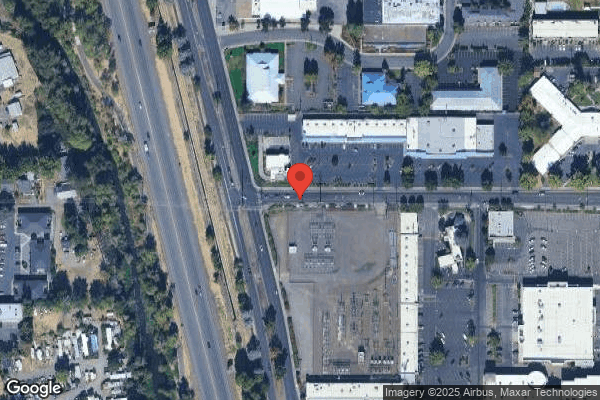
625 STEVENS STREET, MEDFORD, OR 97504 (541) 779-3551
For profit - Limited Liability company 91 Beds AVAMERE Data: November 2025 2 Immediate Jeopardy citations
Trust Grade
0/100
#104 of 127 in OR
Last Inspection: April 2024

Within standard 12-15 month inspection cycle. Federal law requires annual inspections.

Overview

Avamere Health Services of Rogue Valley has received a Trust Grade of F, indicating significant concerns and poor performance. They rank #104 out of 127 facilities in Oregon, placing them in the bottom half, and are last in their county, ranking #4 out of 4 in Jackson County. While the facility is improving, reducing issues from 22 in 2024 to just 1 in 2025, there are still serious shortcomings. Staffing is a relative strength with a 4 out of 5-star rating and a low turnover rate of 29%, which is better than the state average. However, the facility has faced troubling incidents, including a critical failure to follow COVID-19 infection control protocols during an outbreak, and serving a resident food they were allergic to, risking life-threatening reactions. Overall, while there are some positives in staffing, the facility's history of critical issues raises serious concerns for families considering care for their loved ones.

Trust Score
F
0/100
In Oregon
#104/127
Bottom 19%
Safety Record
High Risk
Review needed
Inspections
Getting Better
22 → 1 violations
Staff Stability
✓ Good
29% annual turnover. Excellent stability, 19 points below Oregon's 48% average. Staff who stay learn residents' needs.
Penalties
✓ Good
$38,350 in fines. Lower than most Oregon facilities. Relatively clean record.
Skilled Nurses
⚠ Watch
Each resident gets only 25 minutes of Registered Nurse (RN) attention daily — below average for Oregon. Fewer RN minutes means fewer trained eyes watching for problems.
Violations
⚠ Watch
66 deficiencies on record. Higher than average. Multiple issues found across inspections.
★☆☆☆☆
1.0
Overall Rating
★★★★☆
4.0
Staff Levels
★★★★☆
4.0
Care Quality
★☆☆☆☆
1.0
Inspection Score
Stable
2024: 22 issues
2025: 1 issues

The Good

  • 4-Star Staffing Rating · Above-average nurse staffing levels
  • 4-Star Quality Measures · Strong clinical quality outcomes
  • Low Staff Turnover (29%) · Staff stability means consistent care
  • Full Sprinkler Coverage · Fire safety systems throughout facility
  • No fines on record
  • Staff turnover is low (29%)

    19 points below Oregon average of 48%

Facility shows strength in staffing levels, quality measures, staff retention, fire safety.

The Bad

1-Star Overall Rating

Below Oregon average (3.0)

Significant quality concerns identified by CMS

Federal Fines: $38,350

Above median ($33,413)

Moderate penalties - review what triggered them

Chain: AVAMERE

Part of a multi-facility chain

Ask about local staffing decisions and management

The Ugly 66 deficiencies on record

2 life-threatening 2 actual harm
Aug 2025 1 deficiency
CONCERN (D) 📢 Someone Reported This

A family member, employee, or ombudsman was alarmed enough to file a formal complaint

Potential for Harm - no one hurt, but risky conditions existed

ADL Care (Tag F0677)

Could have caused harm · This affected 1 resident

Based on observations, interviews, and record review it was determined the facility failed to provide dental care to 1 of 2 sampled residents (#1) reviewed for ADLs. This placed residents at risk for ...

Read full inspector narrative →
Based on observations, interviews, and record review it was determined the facility failed to provide dental care to 1 of 2 sampled residents (#1) reviewed for ADLs. This placed residents at risk for unmet care needs. Findings include:Resident 1 was admitted to the facility in 7/2025 with diagnoses including COPD (chronic obstructive pulmonary disease) and dementia. A 7/25/25 Dental/Oral Evaluation revealed Resident 1 had oral thrush (fungal infection of the mouth) and wore full upper and partial lower dentures. A 7/27/25 admission MDS indicated Resident 1 was assessed with a BIMS score of 2 (severe cognitive impairment) and required set-up assistance for oral hygiene. An 8/5/25 care plan revealed oral care was to include cleaning her/his full upper and partial lower dentures. On 8/18/25 at 9:23 PM, Witness 3 (Family) stated she was in the facility for 72 hours with Resident 1 and family cleaned and inserted the resident's dentures because staff did not assist the resident. On 8/20/25 at 8:58 AM, Resident 1 was observed with mouth odor and the resident stated she/he wore her/his dentures overnight. On 8/20/25 at 4:44 PM, Staff 25 (CNA) stated a note was in Resident 1's room to ensure denture care was provided. Staff 25 stated dentures were to be removed and cleaned nightly and confirmed Resident 1's dentures were found in her/his mouth in the mornings on the last two days. Staff 25 stated nurses were not informed in order to address Resident 1's lack of oral care. On 8/20/25 at 6:51 PM, Staff 26 (CNA) stated she was not aware Resident 1 wore dentures and confirmed she assisted Resident 1 in the evenings with oral care. On 8/21/25 at 1:03 PM, Staff 15 (LPN-Resident Care Manager) confirmed Resident 1's dentures were to be cleaned in the morning and evenings and removed at night. Staff 15 expected staff to communicate resident care concerns to ensure adjustments were made for Resident 1's oral care hygiene.
Apr 2024 22 deficiencies
CONCERN (D)

Potential for Harm - no one hurt, but risky conditions existed

Resident Rights (Tag F0550)

Could have caused harm · This affected 1 resident

Based on interview and record review it was determined the facility failed to ensure residents were treated with dignity for 1 of 4 sampled residents (#52) reviewed for dignity. This placed residents ...

Read full inspector narrative →
Based on interview and record review it was determined the facility failed to ensure residents were treated with dignity for 1 of 4 sampled residents (#52) reviewed for dignity. This placed residents at risk for lack of self-worth. Findings include: Resident 52 was admitted to the facility in 2024 with a diagnosis of pernicious anemia (inability of the body to absorb vitamin B12; left untreated it can cause irreversible damage to the nervous system). A 3/23/24 admission MDS revealed Resident 52 was cognitively intact. On 4/15/24 at 1:17 PM and 4/17/24 at 11:47 AM Resident 52 stated she/he took medication which was required to prevent her/his health from significantly declining. The side affects of the medication made her/him feel ill for up to four hours after it was administered and she/he preferred to take the medication in the morning. One Thursday morning Resident 52 asked the nurse when her/his medication could be administered. The nurse's response was that she had the medication in her pocket and would administer the medication when the nurse wanted to administer it. Resident 52 stated the nurse's response hurt her/his feelings. On 4/16/24 at 6:42 PM Staff 26 (LPN) stated she worked with Resident 52 but denied any verbal interactions with the resident about administering the medication on her time and not the resident's preferred time. On 4/16/24 at 7:04 PM Staff 42 (LPN) stated Resident 52 reported Staff 26 spoke to her/him in a manner which was not very nice. The resident reported she/he felt like she/he was an inconvenience to Staff 26. Staff 42 stated she did not report the resident's concern to management because she did not feel it was verbal abuse. On 4/17/24 at 8:04 AM and 10:26 AM Staff 2 (DNS) stated if a resident reported to staff they were not spoken to in a dignified manner it should be reported to management. Management should investigate the incident and educate staff as needed. Staff 2 stated she spoke to Staff 26 and Staff 26 acknowledged when Resident 52 requested her/his medication Staff 26 responded I'll get to it when I get to it.
CONCERN (D) 📢 Someone Reported This

A family member, employee, or ombudsman was alarmed enough to file a formal complaint

Potential for Harm - no one hurt, but risky conditions existed

Deficiency F0557 (Tag F0557)

Could have caused harm · This affected 1 resident

Based on interview and record review it was determined the facility failed to treat residents with respect for 1 of 1 sampled resident (#63) reviewed for abuse and call lights. This placed residents a...

Read full inspector narrative →
Based on interview and record review it was determined the facility failed to treat residents with respect for 1 of 1 sampled resident (#63) reviewed for abuse and call lights. This placed residents at risk for lack of dignified treatment. Findings include: Resident 63 admitted to the facility in 2023 with diagnoses including kidney failure and difficulty walking. A 11/19/23 admission MDS indicated Resident 63 was cognitively intact. A 12/15/23 FRI indicated staff yelled at Resident 63, and refused to assist her/him with cares. The FRI included the resident had significant care needs and depended on staff for assistance. On 4/18/24 at 11:23 AM Witness 5 (Complainant) indicated Resident 63 stated staff yelled at her/him all the time. An Incident report dated 12/15/23 included the following: -Staff 7 (CNA) and Staff 48 (CNA) were bathing Resident 63's roommate. Resident 63 asked Staff 7 if she/he could have a shower later in the day. Staff 7 stated he would try to do a shower for her/him in the afternoon. Resident 63 stated later she/he asked Staff 48 for a shower and Staff 48 stated you're going to have to wait, I'm here to take care of your roommate. You are not even elderly, you need to get your fat ass up, I don't even know why you are here. Resident 63 stated Staff 49 called her/him a bitch and she/he spoke with a nurse about it, but the nurse stated suck it up. On 12/15/23 Resident 63 left the facility for a dialysis appointment. When the resident returned from her/his appointment she/he stated to Staff 26 (LPN) she/he was going home and wanted her/his medications. Staff 26 explained if the resident left she/he would leave AMA (against medical advice) because there was not a physician order for discharge. Resident 63 stated Staff 26 told her/him I'm not giving you shit. Resident 63 responded she/he was concerned about dying if she/he did not have her/his medications and Staff 26 stated Go home and die. Resident 63 stated she/he left the facility. Staff 26 stated she returned with AMA paperwork but the resident left the facility. A Final Investigation dated 12/19/23 indicated management was notified of the 12/15/23 incident and staff involved were placed on suspension. Staff 10 (LPN Unit Manager) indicated the resident left AMA due to being yelled at by staff. On 4/18/24 at 8:09 AM Staff 26 stated she remembered the resident but did not remember her/him being yelled at by staff. On 4/18/24 at 8:05 AM Staff 49 (CNA) stated she did not yell at Resident 63.
CONCERN (D) 📢 Someone Reported This

A family member, employee, or ombudsman was alarmed enough to file a formal complaint

Potential for Harm - no one hurt, but risky conditions existed

Grievances (Tag F0585)

Could have caused harm · This affected 1 resident

Based on interview and record review it was determined the facility failed to ensure grievances were resolved or resolutions sustained for 2 of 3 sampled residents (#s 7 and 29) reviewed for grievance...

Read full inspector narrative →
Based on interview and record review it was determined the facility failed to ensure grievances were resolved or resolutions sustained for 2 of 3 sampled residents (#s 7 and 29) reviewed for grievances and care planning. This placed residents at risk for unresolved concerns. Findings include: The facility's Grievance Policy dated 5/2000 stated: It is the policy of this facility to ensure that all residents and their family members are afforded the opportunity to express their concerns and suggest changes in facility policy formally, in writing if they desire without the fear of restraint, interference, coercion, discrimination or reprisal. Additionally, the nursing facility will listen to and act promplty upon grievances and recommendations received from resident, family and advocacy groups. 1. Resident 7 admitted to the facility in 10/2017 with diagnoses including type 2 diabetes and major depressive disorder. On 10/12/23 a public complaint was received which indicated Resident 7 expressed concerns about nursing staff throwing her/his food away and the facility administration refusing to follow up on a grievance that was submitted. On 4/16/24 at 12:11 PM Staff 14 (Social Services Director) stated if a resident reported a concern a grievance was initiatied within five days. Staff 14 stated she did not have a paper grievance for Resident 7 regarding staff throwing food away without the resident's permission, and Resident 7 submitted grievances often via emails to Staff 1 (Administrator). On 4/17/24 at 11:00 AM Staff 1 confirmed an email was sent to him from Resident 7 regarding her/his food being thrown away and a grievance was not started or completed related to Resident 7's concerns. 2. Resident 29 admitted to the facility in 2024 with a diagnosis of dementia. A 1/25/24 Complaints/Grievances form revealed Witness 9 (Family Member) did not want Staff 43 (Night shift LPN) to work with Resident 29. The form indicated it would be difficult for the other nurse on the night shift to provide Resident 29 care if Staff 43 worked on the hall where Resident 29 resided. The form indicated a plan would be coordinated with Staff 2 (DNS) to ensure Resident 29 felt safe. A 1/27/24 Progress Note revealed Witness 9 requested Staff 43 not work with Resident 29. The note indicated the .nurse passed this message along. Resident 29's Progress Notes revealed Staff 43 documented the following: -1/27/24 Resident 29 walked in the hall with her/his walker without assistance. -2/8/24 Staff 43 was called to Resident 29's room due to the resident's fall. -2/23/24 Resident 29 was on alert for a non-injury fall -3/8/24 Resident 29 was on alert for a non-injury fall and she/he did not report pain. -3/23/24 Resident 29 did not have a bowel movement and denied abdominal pain. -3/29/24 Resident 29 did not have a bowel movement and denied abdominal pain -4/5/24 Resident 29 was administered milk of magnesia (laxative) On 4/15/24 at 4:55 PM Witness 9 stated she filled out a Grievance form and spoke to staff and informed them she did not want Staff 43 to work with Resident 29 but Staff 43 continued to care for the resident. On 4/17/24 at 7:37 AM Staff 43 stated Resident 29 had dementia and was more confused when she/he first admitted to the facility. At the end of 1/2024 Resident 29 alleged she pushed the resident which caused her/him to fall. Staff 43 stated she tried to communicate with Resident 29, it agitated the resident, and then the resident reported to Witness 9 she/he was upset with Staff 43. Staff 43 stated she was told not to provide care to Resident 29 and the other night nurse would provide care to Resident 29. Staff 43 stated at times she still provided care and administered medications to Resident 29. On 4/17/24 at 11:47 AM Staff 10 (LPN Unit Manager) stated Staff 43 was to only work with Resident 29 on an emergency basis, but acknowledged Staff 43 continued to administer medications and provide routine care which was documented in Resident 29's clinical record.
CONCERN (D) 📢 Someone Reported This

A family member, employee, or ombudsman was alarmed enough to file a formal complaint

Potential for Harm - no one hurt, but risky conditions existed

Free from Abuse/Neglect (Tag F0600)

Could have caused harm · This affected 1 resident

Based on observation, interview, and record review it was determined the facility failed to ensure residents were free from abuse for 1 of 1 sampled resident (#19) reviewed for abuse. This placed resi...

Read full inspector narrative →
Based on observation, interview, and record review it was determined the facility failed to ensure residents were free from abuse for 1 of 1 sampled resident (#19) reviewed for abuse. This placed residents at risk for abuse. Findings include: Resident 19 was admitted to the facility in 8/2020 with diagnoses including post laminectomy syndrome (a condition in which a person continues to feel pain after back surgery). An 8/22/23 MDS indicated Resident 19 was cognitively intact. A 9/9/23 Progress Note stated Resident 19 was subjected to physical aggression when she/he ignored Resident 1. Resident 1 yanked on Resident 19's hair. Both residents were separated, and Resident 19 was placed on alert charting. A review of a 9/9/23 care plan revealed Resident 1 had a resolved care plan for physical aggression toward another resident. A 9/13/23 Brief Interview for Mental Status (BIMS) Evaluation indicated Resident 1 was cognitively intact. On 4/18/24 at 8:05 AM Resident 1 stated, when asked about the 9/2023 incident with another resident, I do not remember the incident, but it sounds like something I would do. I'm sorry, but I have a temper. Random observations from 4/15/24 through 4/18/24 revealed Resident 19 was either outside or sat in the hall in front of her/his room. Resident 19 and Resident 1 were not observed interacting. On 4/18/24 at 7:56 AM Resident 19 stated in 9/2023 she/he was sitting in Resident 1's spot in the hallway and Resident 1 went up to her/him and said she/he was in her/his spot. Resident 19 ignored Resident 1. Resident 19 stated Resident 1 scooted forward and yelled I know you can hear me, and then Resident 1 pulled Resident 19's hair. Resident 19 stated staff separated them. Per Resident 19 she/he had no pain or injuries related to the incident. On 4/19/24 at 8:41 AM Staff 1 (Administrator) and Staff 2 (DNS) agreed Resident 1 pulled Resident 19's hair. No further information was provided.
CONCERN (D)

Potential for Harm - no one hurt, but risky conditions existed

Deficiency F0637 (Tag F0637)

Could have caused harm · This affected 1 resident

Based on interview and record review it was determined the facility failed to assess a resident for a significant change in condition for 1 of 4 sampled residents (#6) reviewed for falls. This placed ...

Read full inspector narrative →
Based on interview and record review it was determined the facility failed to assess a resident for a significant change in condition for 1 of 4 sampled residents (#6) reviewed for falls. This placed residents at risk for unmet care needs. Findings include: Resident 6 admitted to the facility in 8/2023 with diagnoses including infection and pressure ulcer of the lower spine. Resident 6's 12/14/23 Physician Order indicated the resident was referred to hospice services. Resident 6's Census log indicated the resident started hospice services on 12/20/23. A review of Resident 6's MDS records indicated a Significant Change MDS was not completed after the resident started hospice services. On 4/18/24 at 11:06 AM Staff 19 (LPN Unit Manager) reviewed Resident 6's MDS records. Staff 19 stated a Significant Change MDS was required if a resident started hospice services. Staff 19 confirmed a Significant Change MDS was not completed for Resident 6.
CONCERN (D)

Potential for Harm - no one hurt, but risky conditions existed

Deficiency F0657 (Tag F0657)

Could have caused harm · This affected 1 resident

**NOTE- TERMS IN BRACKETS HAVE BEEN EDITED TO PROTECT CONFIDENTIALITY** Based on observation, interview, and record review it was determined the facility failed to ensure care plans were revised to ac...

Read full inspector narrative →
**NOTE- TERMS IN BRACKETS HAVE BEEN EDITED TO PROTECT CONFIDENTIALITY** Based on observation, interview, and record review it was determined the facility failed to ensure care plans were revised to accurately reflect the needs of residents for 1 of 1 sampled resident (#7) reviewed for care plans. This placed residents at risk for unmet needs. Findings include: Resident 7 admitted to the facility in 10/2017 with diagnoses including diabetes and major depressive disorder. A Care Plan initiated on 9/20/23 revealed the resident was to use her/his call light, walkie talkie or to call the nurses' station by phone if staff assistance was needed. A 2/9/24 Quarterly MDS revealed Resident 7 was cognitively intact. A [NAME] (brief overview of each resident) dated 4/15/24 revealed staff were to encourage Resident 7 to use her/his call light for her/his needs and to ensure all staff were able to attend to her/his needs. A 3/18/24 Alert Note revealed Resident 7 was reminded staff could not hear or see the call light from the hall the resident was on and for Resident 7 to use her/his call bell system or walkie talkie that was implemented. On 4/17/24 at 3:16 PM Staff 39 (CNA) stated Resident 7 used a call bell system or walkie talkie to request staff assistance as needed. Staff 39 stated she carried a walkie talkie in her pocket so Resident 7 could communicate with her at any time. An observation on 4/17/24 at 3:21 PM revealed Resident 7 used her/his walkie talkie to ask Staff 39 for assistance in her/his room. On 4/17/24 at 3:56 PM Staff 17 (LPN) stated Resident 7 used the call bell system or walkie talkie to communicate with staff for assistance. Staff 17 stated Resident 7 was aware to use her/his call bell system or walkie talkie because the call light could not be seen or heard from the location of Resident 7's room. Staff 17 stated he kept the walkie talkie with him during his shift so he could easily communicate with Resident 7. On 4/18/24 at 10:16 AM Staff 19 (LPN Unit Manager) reviewed Resident 7's care plan and stated it did not accurately reflect how the resident was to call for staff assistance. Staff 19 stated Resident 7 was aware staff could not hear or see her/his call light from her/his room location and she/he was to use the call bell system or walkie talkie the facility provided. On 4/18/24 at 10:34 AM Staff 2 (DNS) stated Resident 7 was instructed to not use her/his call light due to the location of her/his room and to use the other two devices that were provided to her/him for staff assistance. Staff 2 stated she expected care plans to be updated with any changes.
CONCERN (D) 📢 Someone Reported This

A family member, employee, or ombudsman was alarmed enough to file a formal complaint

Potential for Harm - no one hurt, but risky conditions existed

Deficiency F0692 (Tag F0692)

Could have caused harm · This affected 1 resident

3. Resident 358 admitted to the facility in 3/2024 with diagnoses including adult failure to thrive. A 3/26/24 Nutrition Assessment from the hospital stated Resident 358's eating was inadequate with a...

Read full inspector narrative →
3. Resident 358 admitted to the facility in 3/2024 with diagnoses including adult failure to thrive. A 3/26/24 Nutrition Assessment from the hospital stated Resident 358's eating was inadequate with an average intake of 33% of meals, and Resident 358's most recent weight on 2/29/24 was 220 lbs. An 4/4/24 Nutrition at Risk Assessment indicated Resident 358 was at risk for nutritional deficits due to malnutrition, inadequate intake and wounds. An 4/12/24 Nutrition at Risk Assessment indicated Resident 358's intake declined but she/he accepted 100% of the nutritional interventions. A review of Resident 358's 4/2024 MAR revealed 4/4/24 orders for a nutritional supplement, Med Pass 2.0, twice a day, and an 4/12/24 order to increase Med Pass 2.0 to three times a day. On 4/15/24 at 1:40 PM Resident 358 was observed sitting in bed with lunch on the tray table over her/his bed. Resident 358's food was untouched. The food tray was observed in front of Resident 358 until 2:58 PM. Resident 358's CNA Task charting indicated on 4/15/24 at 1:33 PM, Resident 358 consumed 0-25% of lunch. On 4/16/24 at 8:15 AM Resident 358 was observed sleeping in bed, her/his covered breakfast tray was located on the bedside table to the right side of the bed. Resident 358's CNA Task charting indicated she/he consumed 0-25% of breakfast. On 4/16/24 at 3:01 PM Staff 17 (LPN) stated Resident 358 often refused meals and alternate meals. An 4/16/24 review of Resident 358's weights revealed a weight of 142.8 lbs. on 3/29/24 and a weight of 191 lbs on 4/2/24. The 3/29/24 weight was struck out due to a technical error on 4/2/24. On 4/17/24 at 12:00 PM Resident 358's covered lunch tray was observed on the bedside table, Resident 358 was not observed in the room until 1:16 PM. At 1:16 PM staff set up Resident 358's lunch and left the room. Resident 358's CNA Task charting indicated at 1:00 PM Resident 358 consumed 0-25% of her/his lunch. On 4/18/24 at 7:53 AM Resident 358 was observed sitting in a wheelchair eating breakfast. At 8:00 AM Staff 18 (CNA) asked Resident 358 if she/he was done eating. Resident 358 replied she/he could not eat now. CNA Task charting indicated Resident 358 consumed 0-25% of breakfast. On 4/18/24 at 12:06 PM Staff 19 (LPN Unit Manager) stated Resident 358 had a lot of missed weights due to refusals and Staff 19 confirmed the refusals were not documented. Staff 19 stated Resident 358's average meal intake was 33% and she/he should have been offered a replacement meal when she/he ate less than 50% of her/his meal. Staff 19 confirmed there was no documentation for meal replacements and Resident 358 lost weight since the last weight at the hospital prior to admission. On 4/18/24 at 12:38 PM Staff 20 (LPN) stated Resident 358 did not eat well during meals at times, but stated Resident 358 was offered snacks throughout the day. Staff 20 stated bedtime snacks were offered and charted in the CNA Tasks, but there was no documentation of the snacks offered throughout the day. Staff 20 confirmed bedtime snacks were charted once since Resident 358 admitted to the facility. An 4/19/24 review of CNA Task charting from 3/29/24 through 4/18/24 revealed Resident 358 consumed 76-100% of the meal eight times, consumed 51-75% of the meal 10 times, consumed 26-50% of the meal 20 times and consumed 0-25% of the meal 23 times. An 4/19/24 review of CNA Meal Replacement task charting revealed, from 3/29/24 through 4/18/24, Resident 358 consumed a meal replacement once on 4/16/24 at 1:00 PM and she/he consumed 50% of the meal replacement. An 4/19/24 review of Resident 358's weights revealed on 4/19/24 Resident 358 weighted 192 lbs. On 4/19/24 at 8:41 AM Staff 2 (DNS) confirmed Resident 358 had two weights since admission. Staff 35 (Regional Nurse Consultant) stated, per policy, weights should be obtained upon admission, then weekly for four weeks, and then monthly. Staff 2 stated if a resident consumed less than 50% of their meal she expected the alternate meal to be offered. Staff 2 confirmed Resident 358 ate on average less than 50% of meals with an alternate meal being offered once, and Resident 358 lost weight since admission. Based on observation, interview, and record review the facility failed to maintain healthy parameters of nutritional status for 3 of 6 residents (#s 32, 60 and 358) reviewed for nutrition. This placed residents at risk for weight loss. Findings include: 1. Resident 32 admitted to the facility in 2023 with diagnoses including stroke and dementia. An 10/3/23 MDS indicated Resident 32 had moderate cognitive impairment. No dietary issues were noted, and she/he was working with ST and currently weighed 142 pounds. An 10/2023 MAR instructed staff to administer a nutritional supplement three times a day with a discontinuation date of 10/30/23. An 10/28/23 Order Note indicated the supplement appeared to cause gastrointestinal upset. A Weight Summary Review revealed Resident 32 weighed 148 pounds on 9/29/23 and 135 pounds on 10/30/23. (Eight percent weight loss) No documentation was found in Resident 32's clinical record for a Nutritional Assessment after an eight percent weight loss. On 4/19/24 at 7:46 AM Staff 1 (Administrator) and Staff 2 (DNS) stated there was usually a report which was created to review weight loss and Resident 32 should have been discussed by the Nutrition At Risk committee. 2. Resident 60 admitted to the facility in 2023 with diagnoses including severe protein-calorie malnutrition. A 11/13/23 hospital Clinical Nutrition Follow-up indicated Resident 60 had a weight loss greater than 7.5 percent in the last three months with severe body fat and muscle mass depletion. Recommendations and interventions included changing the food supplement to a strawberry bene-protein shake three times a day with meals. Weight on 1/13/23 was 123 pounds. The MAR from 11/18/23 through 11/30/23 instructed staff to obtain weight daily on the day shift before breakfast and notify the physician of any weight gain. On 11/18/23 Resident 60's weight was documented at 135 pounds, on 11/20/23 her/his weight was documented at 114. On 11/24/23, 11/25/23, and 11/29/23 it was documented as NA. From 11/26/23 through 11/28/23 and 11/30/23 there was no documentation weights were obtained. The 12/2023 MAR instructed staff to obtain weight daily on the day shift before breakfast and notify the physician of any weight gain. On 12/1/23 and 12/30/23 there was no documentation of Resident 60's weight was obtained. On 12/10/23, 12/14/23, and 12/15/23 the MAR referred the reader to order notes. Physician orders signed on 12/30/23 instructed staff to provide a nutritonal supplement three times a day with a start date of 11/27/23 and to obtain weight daily on the day shift before breakfast with a start date of 11/18/23. Order Notes reviewed for 12/10/23, 12/14/23, and 12/15/23 did not have documentation of why Resident 60's weight was not obtained. On 4/19/24 at 7:51 AM Staff 1 (Administrator) and Staff 2 (DNS) stated when there was a large discrepancy in weight staff may be weighing in a wheelchair and not taking off the weight of the wheelchair. Staff 2 stated education may be needed for staff.
CONCERN (D) 📢 Someone Reported This

A family member, employee, or ombudsman was alarmed enough to file a formal complaint

Potential for Harm - no one hurt, but risky conditions existed

Deficiency F0698 (Tag F0698)

Could have caused harm · This affected 1 resident

Based on observation, interview, and record review it was determined the facility failed to ensure ongoing communication with the dialysis center for 1 of 2 sampled residents (#63) reviewed for rehab....

Read full inspector narrative →
Based on observation, interview, and record review it was determined the facility failed to ensure ongoing communication with the dialysis center for 1 of 2 sampled residents (#63) reviewed for rehab. This placed residents at risk for dialysis complications. Findings include: Resident 63 admitted to the facility in 2023 with diagnoses including chronic kidney disease and was dependent on dialysis (a procedure to remove waste products from the blood when the kidneys stop working). Resident 63's care plan for renal failure dialysis, revised on 11/15/23, indicated the resident's scheduled dialysis days were Monday, Wednesday, and Friday. A review of the resident's clinical record revealed a 11/21/23 document related to dialysis communication. There were no forms from 11/22/23 through 12/15/23 between the facility and the dialysis provider. On 4/19/23 at 8:39 AM Staff 10 (LPN Unit Manager) indicated there was one dialysis communication form in Resident 63's clinical record. Staff 10 stated the form was an important document and used for communication between the dialysis center and the facility. On 4/19/23 at 9:34 AM Staff 2 (DNS) stated she would look for the missing dialysis communication documentation. No further information was provided.
CONCERN (D)

Potential for Harm - no one hurt, but risky conditions existed

Pharmacy Services (Tag F0755)

Could have caused harm · This affected 1 resident

Based on interview and record review it was determined the facility failed to ensure a resident's medication was available for administration for 1 of 4 sampled residents (#52) reviewed for dignity. T...

Read full inspector narrative →
Based on interview and record review it was determined the facility failed to ensure a resident's medication was available for administration for 1 of 4 sampled residents (#52) reviewed for dignity. This placed residents at risk for an ineffective medication regimen. Findings include: Resident 52 was admitted to the facility in 2024 with a diagnosis of pernicious anemia (inability of the body to absorb vitamin B12; left untreated it can cause irreversible damage to the nervous system). A 3/23/24 admission MDS revealed Resident 52 was cognitively intact. Resident 52 had a severe degeneration of her/his spinal cord due to a vitamin B12 deficiency. On 4/15/24 at 1:17 PM and 4/17/24 at 11:47 AM Resident 52 stated she/he took vitamin B12 daily, which was required to prevent her/his health from significantly declining. Resident 52 stated it was like life or death to her/him if she/he missed the medication. Resident 52 stated the facility did not have her/his vitamin B12 available to administer. An 4/2024 MAR revealed vitamin B12 was not administered on 4/15/24. An 4/15/24 Progress Note indicated staff waited for the pharmacy to dispense the medication. On 4/18/24 at 10:21 AM Staff 10 (LPN Unit Manager) stated the pharmacy did not send the resident her/his medication because it was not common to administer the medication daily. The order was initially clarified when Resident 52 was admitted to the facility but the pharmacy failed to document the clarification in the resident's record, and therefore there was another delay in sending the medication and Resident 52 missed a dose of her/his vitamin B12.
CONCERN (D) 📢 Someone Reported This

A family member, employee, or ombudsman was alarmed enough to file a formal complaint

Potential for Harm - no one hurt, but risky conditions existed

Medication Errors (Tag F0758)

Could have caused harm · This affected 1 resident

**NOTE- TERMS IN BRACKETS HAVE BEEN EDITED TO PROTECT CONFIDENTIALITY** Based on observation, interview, and record review it was determined the facility failed to ensure residents were assessed prior...

Read full inspector narrative →
**NOTE- TERMS IN BRACKETS HAVE BEEN EDITED TO PROTECT CONFIDENTIALITY** Based on observation, interview, and record review it was determined the facility failed to ensure residents were assessed prior to prescription and use of psychotropic medications for 1 of 6 sampled residents (#29) reviewed for unnecessary medications. This placed residents at risk for over-sedation. Findings include: Resident 29 admitted to the facility on [DATE] with a diagnosis of mild dementia without behaviors. Progress Notes revealed the following: -1/19/24 Resident 29 admitted to the facility and was noted to have some short-term memory loss. -1/20/24 Resident 29 was alert, oriented, followed commands, had some forgetfulness, no unwanted behaviors, and slept through the night. The resident was noted to be adjusting well. -1/20/24 at 11:50 PM Resident 29 was found on the floor. The resident was at her/his baseline mental status. -1/21/24 and 1/22/24 Resident 29 was assessed to have no injury from her/his fall. -1/22/24, 1/23/24, and 1/25/24 Resident 29's mood was pleasant with no unwanted behaviors. -1/25/24 Resident 29's daughter was notified Seroquel (antipsychotic medication used to treat bipolar disorder [mood swings from depressive lows to manic highs] and schizophrenia [disorder affecting a person's ability to behave clearly]) was added at HS. Review of Resident 29's 1/2024 MAR revealed Seroquel was administered once on 1/25/24 and was then discontinued. Resident 29's record did not have an assessment or rationale for starting the medication on 1/25/24 or for stopping the medication after 1/25/24. Progress notes from 1/25/24 to 3/6/24 revealed the following: -1/26/24 Resident 26 was assessed after a fall and cursed at the nurse, denied the fall and later apologized to the nurse for cursing. -1/27/24 Resident 29 walked in the hall on the evening/night shift without assistance and was easily redirected back to her/his room. -2/2/24 Resident 29 participated with therapy, did not have unwanted behaviors and slept at night. -2/8/24 Resident 29 had an unwitnessed fall in her/his room. The resident walked in halls without assistance and staff were able to redirect the resident back to her/his room. -2/11/24 on night shift, Resident 29 stood without assistance and staff redirected the resident. -2/17/24 evening shift Resident 29 walked without assistance. Staff provided education, provided the resident blocks and a snack which distracted the resident from self-ambulating. -2/27/24 Resident 29 was found kneeling on the floor and the resident stated she/he was cleaning the floor. -3/6/24 Resident 29 participated in her/his RA program. A 2/2/24 psychologist Progress Note revealed Resident 29 was assessed and the resident reported difficulty sleeping due to the environment. The resident stated she/he had some depression, had good family support, wanted to go home but realized she/he required more support, and moving to a higher level of care would be appropriate. A recommendation was made for an increase in melatonin (sleep aid) for sleep. The progress note did not indicate the resident was assessed for behaviors the facility was not able to be manage. A 3/2024 MAR revealed on 3/6/24 Resident 29 was started on Seroquel, was administered the medication every night, and on 3/20/24 was started on Nuplazid (treats Parkinson's related psychosis [mental disorder with a disconnection from reality]) and was administered the medication every morning. The MAR also indicated Resident 29 was started on an antibiotic on 3/28/24. Resident 29's clinical record did not have an assessment for the initiation of the Seroquel or Nuplazid. On 4/15/24 at 1:57 PM Witness 9 (Family) stated in 1/2024 the facility started the resident on Seroquel for no reason. Witness 9 stated the facility staff called in 1/2024 and stated they reported Resident 29 got up at night and fell and then they started the Seroquel. Witness 9 stated she was upset, came into the facility, and wanted the medication to be stopped. Witness 9 stated she wanted Resident 29's neurologist to monitor the resident's medications due to the resident's Parkinson's disease. On 4/16/24 at 2:42 PM Resident 29 was observed in her/his room playing dominos with her/his roommate. Resident 29 explained the rules of dominos to the surveyor. On 4/16/24 at 2:50 PM Staff 47 (CNA) stated at times Resident 29 was confused but was easily redirected. Resident 29 at times needed safety reminders to not walk without assistance and at times stated to staff to get away from me but otherwise the resident did not have behaviors. Resident 29 liked to color and colored for hours, liked to put art on the wall, and showed staff what she/he created. Resident 29 also liked to talk to her/his roommate. On 4/17/24 at 1:47 PM Staff 10 (LPN Unit Manager) stated after the Seroquel was initially started in 1/2024 Witness 9 was very upset. Witness 9 came in to the facility and Staff 10 spoke to Witness 9 about Resident 29's dementia diagnosis. Staff 10 stated Witness 9 was not aware the resident had a diagnosis of dementia. Witness 9 wanted the resident's neurologist to assist with any psychotropic medication management due to the resident's diagnosis of Parkinson's disease. On 3/5/24 Resident 29 went to her/his neurologist and was started on Seroquel and Nuplazid. The resident's clinical record did not contain the neurologist's assessment or rationale for the psychotropic medications. Staff 10 acknowledged the resident's record did not contain information to indicate Resident 10 had delusions, hallucinations or behaviors which staff were not able to redirect with non-pharmacological interventions prior to 1/25/24 or prior to the restart of the Seroquel and Nuplazid in 3/2024. A request was made for an assessment or rationale for the initiation of Seroquel and Nuplazid. No additional information was provided. On 4/17/24 at 4:02 PM Staff 20 (IP/LPN) stated Resident 29 was more confused when she/he was first admitted to the facility in 1/2024 but seemed to improve. Staff 20 stated Resident 29 had quite a few falls. After one of the falls at the end of 3/2024 Resident 29 reported knee pain and was sent to the hospital for evaluation. At the hospital the resident denied knee pain and the resident was tested and diagnosed to have a UTI. Resident 29 was started on antibiotics. Staff 20 was not able to identify Resident 29's behaviors which would warrant initiating psychotropic medications. Staff 20 also stated it was unclear if the resident's condition improved because she/he was treated for the UTI or was started on the psychotropic medications.
CONCERN (D)

Potential for Harm - no one hurt, but risky conditions existed

Unnecessary Medications (Tag F0759)

Could have caused harm · This affected 1 resident

Based on interview and record review it was it was determined the facility failed to ensure a medication error rate of less than 5%. The facility administration error rate was 7% with two errors in 27...

Read full inspector narrative →
Based on interview and record review it was it was determined the facility failed to ensure a medication error rate of less than 5%. The facility administration error rate was 7% with two errors in 27 opportunities. This placed residents at risk for an ineffective medication regimen. Findings include: 1. Resident 303 admitted to the facility in 2024 with a diagnosis of a low functioning thyroid. Epocrates Online (web based pharmacy resource) revealed levothyroxine (hormone replacement)should be taken 15 to 60 minutes before breakfast with a full glass of water at the same time daily. Resident 303's 4/6/24 admission MDS indicated she/he was cognitively intact. On 4/16/24 at 7:30 AM Staff 15 (LPN) was observed to administer levothryoxine to Resident 303. Resident 303 was observed eating breakfast and stopped to take her/his medications including the levothyroxine. On 4/16/24 at 2:58 PM Resident 303 stated when she/he was at home, she usually did not take levothyroxine with food. Resident 303 stated she/he took the levothyroxine as soon as she/he woke up, even before she/he drank her/his coffee. Resident 303 stated since admission to the facility the staff administered the medication with food. On 4/17/24 at 10:00 AM Staff 10 (LPN Unit Manager) stated the medical director felt the benefits outweighed the risks if a resident took thyroid medications with food as long as the resident took the medication with food and the resident's labs were monitored. By providing the levothyroxine with breakfast it allowed the resident to sleep and not be woken at 6:00 AM. Staff 10 stated she reviewed medications with residents at the 72 hour conference but did not ask the residents about their medication administration time preferences for medications such as levothyroxine. Staff 10 acknowledged if a resident was a long-term resident, administering levothyroxine with food and monitoring labs could be effective, but for a resident on the skilled unit and only in the facility for a short period of time such as Resident 303, changing the resident's medication regimen might not be therapeutic. A request was made to Staff 10 to provide scientific data to support administering levothyroxine with food. No additional information was provided. 2. Resident 30 admitted to the facility in 2024 with a diagnosis of diabetes On 4/16/24 at 7:54 AM Staff 45 (LPN) was observed to administer Resident 30 her/his medications. Cranberry D-Mannose (supplement to prevent UTIs) was not administered. On 4/17/24 at 9:22 AM Staff 45 stated she/he did not administer Resident 30 her/his Cranberry D-Mannose because it was not available in the supply closet. On 4/17/24 at 9:22 AM with Staff 45 and staff 46 (Central Stores) one bottle of Cranberry D-Mannose was observed on the shelf. Staff 45 stated she looked in the supply closet and only saw plain cranberry supplement. Staff 45 stated she did not see the Cranberry D-Mannose on the higher shelf.
CONCERN (D)

Potential for Harm - no one hurt, but risky conditions existed

Menu Adequacy (Tag F0803)

Could have caused harm · This affected 1 resident

Based on observation, interview, and record review it was determined the facility failed to ensure menus were followed for 2 of 4 sampled residents (#s 8 and 40) reviewed for food. This placed residen...

Read full inspector narrative →
Based on observation, interview, and record review it was determined the facility failed to ensure menus were followed for 2 of 4 sampled residents (#s 8 and 40) reviewed for food. This placed residents at risk for unmet food preferences. Findings include: 1. Resident 8 admitted to the facility in 2018 with diagnoses including diabetes. An 4/17/24 breakfast menu ticket revealed poached eggs, toast, link sausage, cream of wheat, and two percent milk. On 4/17/24 at 7:51 AM Resident 8 stated she/he received scrambled eggs instead of poached eggs and did not receive any drinks. On 4/19/24 at 7:54 AM Staff 1 (Administrator) and Staff 2 (DNS) stated they expected the kitchen to provide Resident 8 what was on her/his menu ticket. 2. Resident 40 was admitted to the facility in 2023 with diagnoses including adult failure to thrive. An 4/17/24 breakfast menu ticket revealed Resident 40 circled hash brown patty, grapes, two eggs over easy, and coffee. The lunch menu ticket indicated a hamburger on a bun. The bun portion was crossed out and a handwritten English muffin was in place of the bun. Additionally, chopped tomatoes, chocolate ice cream, and a small apple juice were indicated. On 4/17/24 at 7:33 AM, 7:35 AM, and 7:36 AM Staff 9 (CNA) was in Resident 40's room assisting with breakfast set up, Resident 40 stated she/he wanted bacon, her/his roommate had bacon and her/his food was wrong. Staff 9 stated she could take the unwanted food off Resident 40's plate. Staff 9 stated Resident 40 wanted a hash brown patty and bacon, but bacon was not on the breakfast meal ticket. Resident 40 stated she/he was supposed to get a hash brown patty instead of tater tots. On 4/17/24 at 12:24 PM Resident 40 was observed with a hamburger and a hamburger bun, chopped tomatoes, and two English muffins with what appeared to be peanut butter spread in between the two pieces of English muffin. No chocolate ice cream was observed on the lunch tray. Resident 40 stated she/he did not get her/his ice cream. On 4/19/24 at 7:54 AM Staff 1 (Administrator) and Staff 2 (DNS) stated they expected the kitchen to provide Resident 40 what was on the meal ticket. Staff 1 stated if the kitchen ran out of hashbrown patties it was simple to make them using tater tots.
CONCERN (D)

Potential for Harm - no one hurt, but risky conditions existed

Deficiency F0810 (Tag F0810)

Could have caused harm · This affected 1 resident

Based on observation, interview, and record review it was determined the facility failed to provide assistive devices for 1 of 5 sampled residents (#8) reviewed for nutrition. This placed residents at...

Read full inspector narrative →
Based on observation, interview, and record review it was determined the facility failed to provide assistive devices for 1 of 5 sampled residents (#8) reviewed for nutrition. This placed residents at risk for unmet needs. Findings include: Resident 8 admitted to the facility in 2018 with diagnoses including diabetic neuropathy (damage or disease affecting the nerves). An 4/3/24 care plan indicated Resident 8 was at nutritional risk with interventions including adaptive equipment of a two-handle cup and a lip plate. An 4/17/24 breakfast menu ticket revealed the following adaptive equipment: a lip plate and a two-handle cup. On 4/17/24 the following occurred: -7:46 AM Staff 4 (CNA) brought out a small plastic cup with a white liquid out of Resident 8's room. -7:51 AM Resident 8 stated she/he did not know where her/his milk was, and she/he did not receive any drinks with breakfast. -7:55 AM Staff 4 stated she took Resident 8's milk because her/his cup did not have an adaptive handle on it. -7:58 AM Staff 4 came out of the kitchen with Resident 8's cup with adaptive handles on it. -12:43 PM Resident 8 was observed sitting in a wheelchair with a lunch tray in front of her/him with a cup of white liquid with no adaptive handles. -12:46 PM Staff 4 stated the kitchen neglected to provide Resident 8 with a cup with adaptive handles for lunch. On 4/19/24 at 8:00 AM Staff 1 (Administrator) and Staff 2 (DNS) stated it was expected for the kitchen to read the menu tickets and provide Resident 8 with her/his care planned adaptive meal equipment.
CONCERN (D)

Potential for Harm - no one hurt, but risky conditions existed

Medical Records (Tag F0842)

Could have caused harm · This affected 1 resident

Based on interview and record review it was determined the facility failed to ensure records were accurate for 1 of 6 sampled residents (#44) reviewed for unnecessary medications. This placed resident...

Read full inspector narrative →
Based on interview and record review it was determined the facility failed to ensure records were accurate for 1 of 6 sampled residents (#44) reviewed for unnecessary medications. This placed residents at risk for inaccurate treatment. Findings include: Resident 44 was admitted to the facility in 12/2023 with diagnoses including high blood pressure. Resident 44's 12/19/23 Physician Order indicated the resident was to receive lisinopril (medication to treat high blood pressure) one time a day and the medication was to be held for systolic blood pressure (pressure in the arteries when the heart beats) below 110 and diastolic blood pressure (pressure in the arteries when the heart rests between beats) below 60. Resident 44's 3/2024 and 4/2024 MARs indicated the resident's blood pressure was documented as NA on 3/27/24, 4/1/24, 4/5/24, 4/8/24, 4/9/24, 4/15/24 and 4/16/24. On 4/18/24 at 10:32 AM Staff 19 (LPN Unit Manager) and Staff 22 (CMA) reviewed Resident 44's physician order and 3/2024 and 4/2024 MARs. Staff 19 stated Resident 44's blood pressure readings needed to be documented on the MAR where NA was marked. Staff 22 stated he took Resident 44's blood pressure readings prior to administering her/his lisinopril on the dates marked NA, but did not document the readings as required. Staff 19 stated her expectation was Resident 44's blood pressure readings were documented as instructed.
CONCERN (D)

Potential for Harm - no one hurt, but risky conditions existed

Antibiotic Stewardship (Tag F0881)

Could have caused harm · This affected 1 resident

Based on interview and record review it was determined the facility failed to monitor antibiotic use for 1 of 1 resident (#1) reviewed for antibiotic stewardship. This placed residents at risk for unn...

Read full inspector narrative →
Based on interview and record review it was determined the facility failed to monitor antibiotic use for 1 of 1 resident (#1) reviewed for antibiotic stewardship. This placed residents at risk for unnecessary medications. Findings include: Resident 1 admitted to the facility in 7/2013 with diagnoses including infection due to urinary catheter, and a history of multi-drug-resistant organisms (MDRO). An 4/16/24 review of Resident 1's care plan revealed a 2/9/23 care plan for enhanced barrier precautions related to a history of MDRO infections and a 2/18/24 care plan for chronic urinary tract infections. A review of Resident 1's 2/2024 MAR revealed an order for cephalexin (an antibiotic) for a urinary tract infection which started on 2/17/24 and ended on 2/25/24. A 2/16/24 urine analysis lab indicated Resident 1 had a small number of bacteria in her/his urine. On 4/16/24 Staff 2 (DNS) acknowledged there was no culture and sensitivity completed with the urinalysis to determine the correct antibiotic for Resident 1. On 4/19/24 at 8:41 AM Staff 2 acknowledged Resident 1 completed the ordered antibiotic treatment from 2/17/24 through 2/25/24. Staff 2 stated an antibiotic time-out should have occurred but was not completed 48 hours after starting the antibiotic.
CONCERN (E)

Potential for Harm - no one hurt, but risky conditions existed

Deficiency F0565 (Tag F0565)

Could have caused harm · This affected multiple residents

Based on interview and record review it was determined the facility failed to address with resident council grievances for 1 of 1 resident council reviewed for grievances. This placed residents at ris...

Read full inspector narrative →
Based on interview and record review it was determined the facility failed to address with resident council grievances for 1 of 1 resident council reviewed for grievances. This placed residents at risk for unmet needs. Findings include: An 4/17/24 review of resident council notes revealed a Bi-Monthly Resident Counsel Questions form was completed on 4/10/24 which revealed the following concerns: -Residents did not feel they were treated respectfully by staff. -Residents did not feel staff listened to their needs or responded timely. -Residents did not feel staff followed up with them when they had a concern or issue. -Residents felt staff retaliated when they expressed concerns. -Residents stated staff did not answer their call lights within 10 minutes. -Residents felt the noise level in the facility was unacceptable. -Residents stated the facility did not offer snacks at bedtime and when requested. -Residents stated the food did not taste good and it was cold. -Residents stated lost items were not replaced by the facility. -Residents did not feel there were enough activities to interest them. -Residents stated they did not receive showers timely. During a resident council meeting on 4/17/24 at 11:00 AM residents stated the facility staff did not respond to concerns indicated on the 4/10/24 Bi-Monthly Resident Counsel Questions. On 4/19/24 at 8:34 AM Staff 21 (Activity Director) stated the Bi-Monthly Resident Counsel Questions form process was initiated on 4/10/24. Staff 21 stated she did not forward a completed copy of the Bi-Monthly Resident Counsel Questions to anyone. On 4/19/24 at 8:51 AM Staff 1 (Administrator) stated he did not receive a copy of the 4/10/24 Bi-Monthly Resident Counsel Questions. Staff 1 stated he should receive a copy of the form as soon as it is completed and grievances should be addressed within five days. Staff 1 acknowledged the grievances on the 4/10/24 Bi-Monthly Resident Counsel Questions form were not addressed.
CONCERN (E)

Potential for Harm - no one hurt, but risky conditions existed

Safe Environment (Tag F0584)

Could have caused harm · This affected multiple residents

**NOTE- TERMS IN BRACKETS HAVE BEEN EDITED TO PROTECT CONFIDENTIALITY** Based on observation and interview it was determined the facility failed to maintain a homelike environment for 1 of 1 facility ...

Read full inspector narrative →
**NOTE- TERMS IN BRACKETS HAVE BEEN EDITED TO PROTECT CONFIDENTIALITY** Based on observation and interview it was determined the facility failed to maintain a homelike environment for 1 of 1 facility reviewed for environment. This placed residents at risk for living in an unkempt environment. Findings include: Observations of the facility's general environment and residents' rooms from 4/15/24 through 4/19/24 identified the following issues: -room [ROOM NUMBER] had a missing floorboard in the center of the room. -room [ROOM NUMBER] had a large chunk of the bathroom door missing which exposed the inside material of the door and there was missing paint. -room [ROOM NUMBER]-B had wall damage with missing paint behind the bed and along the wall where the bathroom was located. -room [ROOM NUMBER]-A had wall damage with missing paint along the wall to the left of the residents bed. -Lights were not working on the 200 hall outside rooms [ROOM NUMBERS]. -A small round table in the smoking area had sharp and jagged edges that were approximately 18 inches long. -The double doors at the end of the 100 hall had multiple cobwebs, residual tape and splatter marks covering them. -A ceiling tile outside room [ROOM NUMBER] was damaged with a thick layer of what appeared to be different shades of brown mold. -The transition strip in the large dining room had corners that did not line up and sections of the strip were torn and peeling. -On Hall 100 where mechanical lifts were stored the carpet along the entryway was torn and tattered and there were gaps along the transition strip. -On Hall 100 there was approximately three to four feet of tattered carpet at the nurse's station. -On Hall 200 there were two areas near the fire doors with approximately 12 inches of black tape holding the carpet together. -On Hall 200 near the nurses' station there were two areas with approximately 12 inches of black tape holding the carpet together. -The main entryway had a large section of carpet that was loose with waves/wrinkles in it. On 4/18/24 at 8:21 AM Staff 1 (Administrator) and Staff 44 (Maintenance Director) acknowledged the identified above concerns needed to be addressed.
CONCERN (E) 📢 Someone Reported This

A family member, employee, or ombudsman was alarmed enough to file a formal complaint

Potential for Harm - no one hurt, but risky conditions existed

Quality of Care (Tag F0684)

Could have caused harm · This affected multiple residents

3. Resident 58 admitted to the facility in 4/2023 with diagnoses including an infection in a right foot wound. On 9/11/23 a public complaint was received alleging Staff 15 (LPN) failed to complete wou...

Read full inspector narrative →
3. Resident 58 admitted to the facility in 4/2023 with diagnoses including an infection in a right foot wound. On 9/11/23 a public complaint was received alleging Staff 15 (LPN) failed to complete wound care and falsified records by signing the wound care as complete. A review of Resident 58's 8/2023 TAR indicated her/his dressing change to the right great toe was not completed on 8/24/23 and 8/25/23. A review of Resident 58's 8/2023 Progress Notes revealed the dressing change to the right great toes was passed to the next shift on 8/24/23 and 8/25/23. No evidence was located which indicated Resident 58's dressing was changed on 8/24/23 and 8/25/23. A review of Resident 58's 8/2023 Progress notes revealed on 8/26/23 it was discovered Resident 58's right great toe dressing was not changed for two days, 8/24/23 and 8/25/23, and it was noted there were maggots found in the wound and the wound had increased redness around it. A review of Resident 58's 8/28/23 Wound Evaluation indicated there was increased redness around the wound. A review of Resident 58's 8/2023 MAR revealed on 8/30/23 Resident 58 began Keflex (an antibiotic) for her/his wound. An 8/30/24 Order Note stated new orders for an antibiotic were received due to redness around the wound. On 4/15/24 at 6:34 PM Witness 4 (Complainant) stated she was unable to complete Resident 58's wound care on 8/24/23 and 8/25/23 and she notified the next shift. Witness 4 stated Staff 15 did not complete Resident 58's wound care the days before 8/24/23 but signed it as completed. On 4/16/24 at 6:15 PM Witness 3 (Complainant) stated they were informed Resident 58's wound care was not completed for two days which resulted in maggots being in the wound and a wound infection. On 4/17/24 at 9:04 AM Staff 15 stated she changed Resident 58's dressing to her/his right great toe on 8/23/24 and there were no maggots present. Staff 15 denied signing wound care was completed when it was not. On 4/19/24 at 8:41 AM Staff 2 (DNS) stated she was aware maggots were found in Resident 58's right great toe wound on 8/26/24. Staff 2 acknowledged Resident 58's wound care was not completed on 8/24/23 and 8/25/23 and Resident 58 was started on antibiotics on 8/30/24 related to her/his right great toe wound. Staff 2 denied any increased redness around the wound and stated the wound did not worsen. 4. Resident 59 admitted to the facility in 7/2018 with diagnoses including a pressure injury (wound caused by pressure) to the sacrum region (the large, triangle-shaped bone in the lower spine that forms part of the pelvis). On 9/11/23 a public complaint was received alleging Staff 15 (LPN) failed to complete wound care and falsified records by signing the wound care was completed in 5/2023. A review of Resident 59's 5/2023 TAR revealed blank entries related to Resident 59's sacral wound care on 5/19/23 and 5/20/23. A review of Resident 59's 5/2023 Progress Notes revealed no evidence her/his sacral wound dressing was changed on 5/19/23 and 5/20/23. On 4/15/24 at 6:34 PM Witness 4 (Complainant) stated Staff 15 did not complete Resident 59's wound care in 5/2023, but Staff 15 signed on the TAR the wound care was completed. On 4/17/24 at 9:04 AM Staff 15 stated if she was unable to complete wound care she passed the wound care task to the next shift and informed management. Staff 15 denied signing wound care as completed when it was not. On 4/19/24 at 8:41 AM Staff 2 (DNS) stated she expected wound care to completed as ordered. Staff 2 acknowledged missed documentation on 5/19/23 and 5/20/23 for Resident 59's sacral wound care. Staff 2 and Staff 35 (Regional Nurse Consultant) acknowledged there was no indication wound care was completed for Resident 59's sacrum wound on 5/19/23 and 5/20/23. Based on interview and record review it was determined the facility failed to ensure residents received medications as prescribed, were monitored for medication side effects and provide wound care as ordered for 4 of 14 sampled residents (#s 8, 52, 58 and 59) reviewed for dignity, medications, and pressure ulcers. This placed residents at risk for an ineffective medication regimen and worsening wounds. Findings include: 1. Resident 8 admitted to the facility in 2018 with diagnoses including depression and irregular heartbeat. A 2/22/24 revised care plan indicated the following: -Resident 8 was on anticoagulant therapy and was at risk for bleeding. Interventions included monitoring, documenting, and reporting to the physician any anticoagulant complications. -Resident 8 was on antidepressant medications to reduce sexual behaviors toward staff. Interventions included monitoring the side effects of antidepressant medication and its effectiveness. An 4/2024 MAR instructed staff to administer Zoloft (for treating depression) every morning for depressive disorder and apixaban (an anticoagulant) for an irregular heartbeat. No documentation was found in clinical records Resident 8's anticoagulant and antidepressant medication side effects were monitored and documented daily. On 4/19/24 at 8:01 AM Staff 1 (Administrator) and Staff 2 (DNS) stated Resident 8's monitoring for anticoagulant and antidepressant medication should be in the physician's orders and monitored daily. 2. Resident 52 was admitted to the facility in 2024 with a diagnosis of pernicious anemia (inability of the body to absorb vitamin B12; left untreated it can cause irreversible damage to the nervous system). An 4/2024 MAR revealed Resident 52 was to be administered Folic Acid 400 micrograms QD for vitamin B12 deficiency. The MAR indicated the Folic Acid was not administered from 4/13/24 through 4/16/24. Progress Notes revealed the following: -4/13/24 Folic Acid-dose on order -4/14/24 Folic Acid-waiting on pharmacy to deliver -4/15/24 Folic Acid-waiting on pharmacy to dispense -4/16/24 Folic Acid-waiting on pharmacy to dispense On 4/17/24 at 3:50 PM Staff 10 (LPN Unit Manager) stated Folic Acid 400 micrograms was an over-the-counter medication which was available in the central supply closet and should have been administered.
CONCERN (E)

Potential for Harm - no one hurt, but risky conditions existed

Accident Prevention (Tag F0689)

Could have caused harm · This affected multiple residents

**NOTE- TERMS IN BRACKETS HAVE BEEN EDITED TO PROTECT CONFIDENTIALITY** 2. Resident 6 admitted to the facility in 8/2023 with diagnoses including infection and pressure ulcer of the lower spine. Resi...

Read full inspector narrative →
**NOTE- TERMS IN BRACKETS HAVE BEEN EDITED TO PROTECT CONFIDENTIALITY** 2. Resident 6 admitted to the facility in 8/2023 with diagnoses including infection and pressure ulcer of the lower spine. Resident 6's 8/28/23 admission MDS revealed the resident had no cognitive impairments and required extensive assistance of two or more persons for transferring and toileting. Resident 6 had no falls within the last two to six months (prior to admission) and no falls since her/his admission. Resident 6's Fall CAA indicated Resident 6 was at risk for falls due to prescribed psychotropic medications (medications affecting a person's mental state), the need for staff assistance with balance and mobility and the need for staff to monitor Resident 6 for safety. Resident 6's 11/28/23 Quarterly MDS revealed the resident had no cognitive impairments and required supervision or touch assistance for transferring and toileting. Resident 6 had two or more falls since admission. Resident 6's 2/28/24 Quarterly MDS revealed the resident had moderate cognitive impairments and required substantial/maximal assistance for transferring and toileting. The resident was frequently incontinent of urine and occasionally incontinent of bowel and was not on a toileting program. Resident 6 had two or more falls since the last assessment. From 8/24/23 through 4/15/24 31 fall risk evaluations were completed. Resident 6 was identified to be at a moderate to high fall risk. Resident 6's current Care Plan indicated the resident was at risk for falls related to impaired mobility, muscle weakness, wasting, atrophy and pain. The following fall prevention measures were in place: -Call light within reach at all times; initiated 8/25/23. -Notify family/responsible party of any fall; initiated 8/25/23. -Notify Resident 6's physician of any fall; initiated 8/25/23. -Keep bed in lowest position except during care; initiated 8/29/23. -Physical Therapy/Occupational Therapy evaluation and/or treatment as needed; initiated 8/29/23. -Mobility bed canes to bilateral sides of the bed; initiated 8/30/23, revised 3/19/24. -Monitor for decline or improvement; initiated 8/30/23. -Frequently remind Resident 6 to use the call light for any assistance; initiated 9/1/23, revised 1/1/24. -Education given to therapy staff to come to the nursing station to report any falls; initiated 9/21/23. -Keep the wheelchair in a locked position, centered on Resident 6's left side; initiated 9/21/23. -Resident 6 was to wear non-skid foot wear at all times; initiated 10/2/23. -Frequent rounding; initiated 10/13/23. -Nightstand moved closer to Resident 6's bed with all personal items within reach; initiated 10/28/23. -Continue to remind and encourage the resident to ask for assistance multiple times during the shift; initiated 10/14/23, revised 1/31/24. -Staff to remind Resident 6 frequently to ask for assistance and use her/his call light to transfer out of bed; initiated 11/10/23. -Keep Resident 6's door open at all times except during care; initiated 11/13/23. -Ensure Resident 6 had her/his soda pop and snacks within wheelchair accessibility so she/he could reach them; initiated 11/15/23. -Therapy to evaluate cushion in electric wheelchair; initiated 12/30/23. -Fall mats on both sides of the bed for safety; initiated 2/5/24. -Staff to anticipate Resident 6's needs; initiated 2/5/24. From 10/12/23 through 4/19/24 Resident 6 experienced 30 falls in the facility. Fall investigations revealed the following: -10/12/23 at 8:30 PM: Resident 6 had an unwitnessed fall in her/his bathroom due to self-transferring without assistance. New fall care plan intervention: staff to educate Resident 6 on self-transferring and need to ask for assistance. -10/26/23 at 2:42 PM: Resident 6 had an unwitnessed fall in her/his room due to self-transferring without assistance. Interventions: continue to educate and encourage Resident 6 to use the call light for assistance with transferring and to keep her/his non-skid socks on at all times. No new fall care plan interventions were put into place. -10/28/23 at 9:30 PM: Resident 6 had an unwitnessed fall in her/his room due to reaching for something on her/his nightstand and falling. The resident did not ask for help when self-transferring. New fall care plan intervention: Resident 6's nightstand was moved closer to her/his bed so all personal items were within reach. -11/10/23 at 3:55 AM: Resident 6 had an unwitnessed fall in her/his room while getting up to reach for a can of soda pop. New fall care plan intervention: ensure Resident 6 had her/his soda pop and snacks within wheelchair accessibility so she/he could reach them. -11/12/23 at 4:35 PM: Resident 6 fell when being transferred by two CNA staff due the resident's legs being weak and giving out. New fall care plan intervention: Resident 6 was changed to a two person mechanical lift until Physical Therapy evaluated the resident. -11/19/23 at 1:15 PM: Resident 6 had an unwitnessed fall in her/his room and was found at the end of her/his bed. No interventions were documented. No new fall care plan interventions were put into place. -12/25/23 at 10:17 PM: Resident 6 had an unwitnessed fall while self-transferring to her/his power wheelchair. Interventions: Continue to remind Resident 6 to use the call light. New fall care plan intervention: therapy to look at Resident 6's wheelchair cushion. -1/1/24 at 3:00 AM: Resident 6 had an unwitnessed fall while self-transferring into her/his power wheelchair. Interventions: continue to encourage Resident 6 to use the call light for assistance. No new fall care plan interventions were put into place. -1/25/24 at 9:33 PM: Resident 6 had a fall while her/his family member assisted the resident with a transfer from the toilet. Interventions: education given to family to let staff transfer resident. No new fall care plan interventions were put into place. -1/26/24 at 5:23 PM: Resident 6 had an unwitnessed fall while attempting to self-transfer to the bathroom. Interventions: continue to encourage Resident 6 to use the call light for assistance. No new fall care plan interventions were put into place. -1/28/24 at 7:01 PM: Resident 6 had an unwitnessed fall in her/his bathroom. Interventions: continue to remind and encourage Resident 6 to ask for assistance, multiple times during the shift. No new fall care plan interventions were put into place. -2/4/24 at 3:20 AM: Resident 6 had an unwitnessed fall in her/his room while standing up and self-ambulating to reach her/his soda pop. Interventions: education provided to Resident 6 to use her/his call light for assistance, ensure call light remained within reach and bed was in lowest position. Resident 6's care plan was not followed as the resident's soda pop was not within reach. No new fall care plan interventions were put into place. -2/5/24 2:30 AM: Resident 6 had an unwitnessed fall and was found on her/his back on the floor at the foot of her/his bed. Interventions: encourage Resident 6 to use the call light for assistance and place the bed in the lowest position. New fall care plan intervention: Fall mats to be placed on both sides of the bed for safety. -2/10/24 at 3:00 PM: Resident 6 had an witnessed fall while self-transferring from her/his wheelchair to the bed. Interventions: continue to remind and encourage Resident 6 to ask for assistance, multiple times during the shift. No new fall care plan interventions were put into place. -2/13/24 at 5:51 PM: Resident 6 had an unwitnessed fall while she/he attempted to walk to her/his bathroom. Interventions: encourage Resident 6 to ask for assistance for transfers and other care needs. Continue to regularly round on Resident 6. No new fall care plan interventions were put into place. -2/16/24 at 5:00 PM: Resident 6 had an unwitnessed fall while she/he attempted to self-transfer from her/his bed to her/his wheelchair. Interventions: education provided to Resident 6 to use her/his call light to ask for assistance, ensure call light remained within reach, the bed was in the lowest position and continue frequent rounding on Resident 6. No new fall care plan interventions were put into place. -2/25/24 2:00 PM: Resident 6 had an unwitnessed fall in her/his room and was found on the floor leaning on her/his wheelchair. Interventions: continue encouragement and reminders for Resident 6 to use the call light for assistance and the resident to be rounded on when up in a chair. No new fall care plan interventions were put into place. -3/9/24 6:00 AM: Resident 6 had an unwitnessed fall and was found on her/his right side on the floor by her/his bed. At the time of the incident there was no fall mat in place. Interventions: ensure fall mats were in place, education was provided to the nurse regarding facility protocols when a fall occurred, continue to educate and encourage Resident 6 to use the call light. Resident 6's care plan was not followed as no fall mats were in place. No new fall care plan interventions were put into place. -3/16/24 12:42 PM: Resident 6 had an unwitnessed fall in her/his room and was found on the floor leaning on her/his wheelchair after self-transferring. Interventions: encouragement provided to Resident 6 to use the call light for assistance. No new fall care plan interventions were put into place. -3/18/24 9:35 AM: Resident 6 had an unwitnessed fall in her/his bathroom while she/he attempted to look in the bathroom mirror to trim her/his beard. Interventions: encouragement provided to Resident 6 to use the call light for assistance. No new fall care plan interventions were put into place. -3/18/24 10:45 AM: Resident 6 had an unwitnessed fall due to self-transferring. The resident was found on the ground between the foot of the bed and a table and appeared to be sleeping. Interventions: encouragement provided to Resident 6 to use the call light for assistance. No new fall care plan interventions were put into place. -3/18/24 9:53 PM: Resident 6 had an unwitnessed fall in front of her/his bathroom. Interventions: encourage Resident 6 to use the call light for assistance. No new fall care plan interventions were put into place. -3/30/24 11:45 PM: Resident 6 had an unwitnessed fall and was found in her/his room on the floor next to her/his bed due to self-transferring. Interventions: encouragement provided to Resident 6 to use the call light for assistance and ensure fall mats were in place. No new fall care plan interventions were put into place. -4/2/24 3:51 AM: Resident 6 had an unwitnessed fall and was found on the floor next to her/his bed due to self-transferring. Interventions: encourage Resident 6 to call for assistance and continue to place fall mats to the sides of the bed. No new fall care plan interventions were put into place. -4/5/24 1:44 PM:Resident 6 had an unwitnessed fall and was found in the bathroom in the hallway near Staff 19's (LPN Unit Manager) office due to self-transferring. Interventions: encourage Resident 6 to use the call light for assistance and round on Resident 6 frequently. No new fall care plan interventions were put into place. -4/10/24 6:38 AM: Resident 6 had an unwitnessed fall and was found laying on the floor mat next to her/his bed due to self-transferring. Interventions: fall mats placed to both sides of Resident 6's bed and call light placed within reach. No new fall care plan interventions were put into place. Resident 6's Progress Notes from 4/10/24 through 4/19/24 revealed the resident experienced additional falls on 4/12/24, twice on 4/14/24 and once on 4/19/24. None of Resident 6's 30 falls resulted in injuries. Observations from 4/15/24 through 4/19/24 between the hours of 8:07 AM and 4:06 PM revealed the following concerns: -Resident 6's room was the last room at the end of the unit with minimal staff activity or traffic. -Resident 6 did not use her/his call light to call for assistance. -Resident 6 was often up in her/his wheelchair and alone in her/his room. -Resident 6 attempted to stand up while in her/his wheelchair, at times, while no staff were around. -Resident 6 was not checked on by staff for up to one hour at times. The facility failed to follow care plan interventions, re-assess current interventions and develop new interventions to ensure Resident 6 was adequately supervised. On 4/15/24 at 1:39 PM Witness 6 (Family) stated Resident 6 fell all of the time, every day and sometimes several times a day. Witness 6 stated Resident 6 was usually found on her/his floor or in her/his bathroom. Witness 6 reported staff talked about moving Resident 6 by the nurses' station over a month ago but nothing happened. On 4/16/24 at 2:38 PM Staff 17 (LPN) stated Resident 6 was a high fall risk. Staff 17 reported Resident 6 would benefit from being closer to the nurses' station but there were no appropriate beds to accommodate Resident 6 at the current time. Staff 17 stated the resident fell frequently due to self-transferring and he checked on Resident 6 when he did his rounds. Staff 17 stated on 3/28/24, Resident 6 left the facility without being seen by staff and was located at a restaurant near the facility. On 4/16/24 at 2:54 PM Staff 38 (CNA) stated Resident 6 was confused, unpredictable and unable to use her/his call light. Staff 38 stated Resident 6 had many falls due to self-transferring and he checked on her/him a minimum of every two hours. Staff 38 stated staff tried to remind Resident 6 not to get up but she/he did not remember. Staff 38 stated Resident 6 continued to fall despite fall preventions being in place. On 4/17/24 at 2:32 PM Staff 4 (CNA) stated Resident 6 was unsuccessful using the call light so she/he required checks at least every two hours. Staff 4 stated Resident 6 was a high fall risk and fell a lot and she worried about her/him. Staff 4 stated Resident 6 would benefit from being closer to the nurses' station where there was more staff activity. On 4/18/24 at 10:52 AM Staff 19 (LPN Unit Manager) reported Resident 6 had many falls because she/he self-transferred. Staff 19 stated Resident 6 needed to have round-the-clock rounding, all of the time, as frequently as possible. Staff 19 stated Resident 6 did not use her/his call light and had many falls, often on evening or night shift, because she/he was not being rounded on frequently enough and her/his room was at the end of the unit where she/he could not be seen. Staff 19 reviewed Resident 6's current fall care plan interventions and confirmed there were no new fall interventions attempted for several months and the team needed to reassess Resident 6 and determine other fall interventions to try because she did not want to see the resident continue to fall and get injured. Based on observation, interview, and record review it was determined the facility failed to maintain water temperatures below 120 F for 3 of 4 resident bathrooms (room [ROOM NUMBER], 108, 111) reviewed for hot water and follow care plan interventions, assess for care plan effectiveness, identify and implement new fall interventions and provide adequate supervision needed to prevent falls for 1 of 4 sampled residents (#6) reviewed for falls. This placed residents at risk for injury. Findings include: 1. On 4/17/24 from 10:55 AM through 12:02 PM with Staff 44 (Maintenance Lead) the following bathroom water temperatures were obtained: -room [ROOM NUMBER] 123 F -room [ROOM NUMBER] 125 F -room [ROOM NUMBER] 121 F Resident 26 and Resident 29 resided in room [ROOM NUMBER] and both required staff assistance for toileting transfers. Resident 20 and Resident 52 resided in room [ROOM NUMBER], both were cognitively intact. Resident 52 was independent for toileting and Resident 20 required one staff assistance for toileting transfers. room [ROOM NUMBER] was currently empty. On 4/17/24 at 12:30 PM Staff 1 (Administrator) indicated the water heater was new, acknowledged the water temperature was greater than 120 F in rooms [ROOM NUMBER], and Staff 44 would adjust and monitor the water temperatures.
CONCERN (E) 📢 Someone Reported This

A family member, employee, or ombudsman was alarmed enough to file a formal complaint

Potential for Harm - no one hurt, but risky conditions existed

Deficiency F0725 (Tag F0725)

Could have caused harm · This affected multiple residents

Based on observation, interview, and record review it was determined the facility failed to have adequate staff available to timely meet the needs of residents for 3 of 18 sampled residents (#s 32, 60...

Read full inspector narrative →
Based on observation, interview, and record review it was determined the facility failed to have adequate staff available to timely meet the needs of residents for 3 of 18 sampled residents (#s 32, 60 and 160) and for 2 of 3 wings (Wings 1 and 2). This placed residents at risk for unmet needs. Findings include: 1. A 2/7/24 Quality Assurance Resident Council note indicated call light wait times were too long. The 2/12/24 Response Form indicated the facility followed the state minimum CNA staffing requirements. A 3/6/24 Resident Council Department Response Form indicated the residents felt they needed more nurses and there were not enough which affected their care. The facility's response was they staffed to meet the state minimum staffing requirements. An 4/10/24 Bi-Monthly Resident Counsel Questions form revealed the questions if residents felt staff answered call lights within a 10-minute time frame, and if the resident counsel felt the facility was staffed well enough to meet the needs of the residents, to which the answer to both was documented as no. An 4/10/24 Resident Council Department Response Form indicated the facility needed more CNAs on the evening shift because staff was working with residents who were sundowning (a neurological phenomenon associated with increased confusion and restlessness in people with delirium or dementia). The facility response was the facility staffed to meet or exceed the state minimum staffing requirements on all three shifts. On 4/15/24 interviews were conducted revealing the following: -11:28 AM Resident 1 stated she/he had to activate the call light long before she/he had to urinate as after 2:00 PM call light wait times were 10 minutes to an hour. Resident 1 stated she/he fell because she/he took herself/himself self to the bathroom. One night no CNAs ever came after activating the call light. -11:51 AM Resident 44 stated she/he was a dissatisfied consumer as she/he had chronic bowel issues, and she/he would be on the bedpan after activating the call light for up to 30 to 45 minutes. At times staff gathered and just gossiped and did not answer call lights. -1:21 PM Resident 31 stated she/he had to wait up to 30 minutes for her/his call light to be answered and stated the facility needed more staff. -1:26 PM Resident 52 stated the call light wait time was approximately one to one and a half hours for a response on all shifts. -1:35 PM Resident 37 stated it took an hour and a half to get assistance and on 4/15/24 she/he had to wait 40 minutes. At times staff came in to the room, turned off the call light, and then did not come back. Resident 37 stated at times she/he was in pain, and she/he had to wait an hour. Resident 37 stated it depended on who was working and not the time of day. -1:36 PM Resident 36 stated the facility was always short of staff. In the middle of the night she/he heard hear her/his roommate in pain and activated her/his call light, but waited an hour for a response. -1:42 PM Resident 6 stated it took forever for staff to respond to call lights. Resident 6 stated she/he would go down the hall to try and find someone to help but could not find anyone. Resident 6 stated it happened a lot on the evening shift around 7:00 PM and ,at times, she/he saw staff talking at the nurses' station and not answering call lights. -1:51 PM Resident 50 stated during the night she/he had to wait for care, she/he was a two-person assist and there were not always two staff members available to help. Resident 50 stated she/he, at times, had incontinent episodes because she/he could not wait any longer for assistance. -2:13 PM Resident 29 stated at night and on the weekends when she/he activated her/his call light it took a long time for staff to respond. Resident 29 stated at times she/he had incontinent episodes because she/he had to wait too long. -2:24 PM Resident 34 stated there was not enough staff on day and evening shifts, and residents had to wait a long time for their call lights to be answered. -2:25 PM Resident 308 stated she/he had to call out for help one night because her/his call light was not answered. Resident 308 stated she/he did not feel the facility had enough nurses. -5:24 PM Resident 26 stated call light wait times were over 15 minutes. Resident 26 stated the facility needed more CNAs and nurses during the day. On 4/16/24 at 7:35 AM Resident 8 stated her/his call light wait times were mostly over half an hour. On 4/17/24 at 5:45 AM Staff 3 (CNA) stated from 10/2023 through 12/2023 the facility was short-staffed approximately six out of seven days a week and she worked a lot of double shifts. Residents complained of long call light wait times up to 20 to 30 minutes. On 4/18/24 at 9:30 AM Staff 8 (CNA) stated that call light wait times went over 20 minutes. On 4/18/24 at 10:56 AM Staff 4 (CNA) stated at times she took lunch break, and when she came back her assigned residents' call lights were on for over 20 minutes. Staff 4 stated residents activated their call light when on a bedpan and did not have timely follow up. Residents who were continent had incontinent episodes and their dignity was affected because of a long call light wait times. On 4/18/24 at 1:00 PM Staff 11 (CNA) stated residents complained of long call light wait times very much and she observed residents who were left on a bedside commode for long periods of time, and a couple of residents had incontinent episodes when they were continent because staff did not attend to timely. On 4/19/24 at 7:46 AM Staff 1 (Administrator) and Staff 2 (DNS) stated the expectation for call light response was five to 10 minutes and to check on the residents every couple of hours. 2. Resident 32 was admitted to the facility in 2023 with diagnoses including stroke and dementia. A 9/29/23 care plan indicated Resident 32 was incontinent of bowel and bladder with interventions including an incontinent program to toilet upon rising, before meals, after meals, at bedtime, and PRN. An 10/23/23 MDS indicated Resident 32 had moderate cognitive impairment and was occasionally incontinent of bowel and bladder. Resident 32 was normally aware of her/his need to go to the bathroom and staff assisted her/him with toileting and incontinent care needs. A review of the Direct Care Staff Daily Reports from 10/22/23 through 11/22/23 revealed the facility did not have sufficient CNA staff to meet the state minimum CNA staffing requirements on the following days: 10/28/23 day shift, 10/29/23 day shift,11/12/23 day shift, and 11/24/23 night shift. On 11/22/23 a public complaint was received which indicated Resident 32 was left in a soiled brief for an extended period. A family member visited daily and observed Resident 32 sitting in wet brief because not enough staff were available to assist, and stated call light wait times were longer than 20 minutes. On 4/17/24 at 5:45 AM Staff 3 (CNA) stated from 10/2023 through 12/2023 the facility was short-staffed approximately six out of seven days a week and she worked a lot of double shifts. Residents complained of long call light wait times up to 20 to 30 minutes. On 4/18/24 at 9:16 AM Witness 1 (Family Member) confirmed Resident 32 was left in a soiled brief for an extended period of time. On 4/18/24 at 10:56 AM Staff 4 (CNA) stated at times she went on lunch break and when she came back her assigned residents' call lights were on for over 20 minutes. Staff 4 stated residents activated their call light when on a bedpan and there was no timely response. Staff 4 stated she found Resident 32 in a soaked brief, and she/he complained to her about having to wait a long time for assistance. On 4/19/24 at 7:46 AM Staff 1 (Administrator) and Staff 2 (DNS) stated the expectation for call light response was five to 10 minutes and to check on the residents every couple of hours. 3. Resident 60 was admitted to the facility in 2023 with diagnoses including anxiety, a pressure ulcer to the right buttock, and muscle weakness. A review of the Direct Care Staff Daily Reports from 11/15/23 through 11/14/23 revealed the facility did not have sufficient CNA staff to meet the state minimum CNA staffing requirements on the following days: 11/24/23 night shift, 11/26/23 evening shift, 12/1/23 night shift, 12/3/23 evening shift, and 12/7/23 night shift. A 11/15/23 care plan indicated Resident 60 was incontinent of bowel and bladder and was at risk for skin impairment. Interventions included an incontinent program to toilet upon rising, before meals, after meals, at bedtime, and PRN. Resident 60 used briefs for dignity. A 11/18/23 Nursing Care Note indicated Resident 60 called the police for help. The note indicated Resident 60 wanted staff to always stay in her room. The note indicated Resident 60 used her/his call light multiple times and each time it was answered timely. The note indicated the facility would do frequent checks on the night of 11/18/23. A 11/19/23 MDS indicated Resident 60 had moderate cognitive impairment and was frequently incontinent of bladder and always incontinent of bowel. Resident 60 was at risk for skin impairment and was dependent on staff for assistance with toileting. A Documentation Survey Report for 11/2023 indicated no documentation of assistance with toileting hygiene for the day shift on 11/22/23 and the night shift on 11/23/23. A public complaint was received on 12/14/23 which indicated Resident 60 was lying in urine and she/he attempted to reach staff by phone, but no one answered. Resident 60 called Witness 2 (Family Member) and Witness 2 stayed on the phone with Resident 60 until staff came and assisted Resident 60. This occurred two nights in a row and Resident 60 ended up calling 911. Police came to the facility for a welfare check. On 4/16/24 at 12:03 PM Witness 2 confirmed call light wait times of up to an hour and staff standing around and talking with multiple lights on at the nurses' station. On 4/17/24 at 5:45 AM Staff 3 (CNA) stated from 11/2023 through 12/2023 the facility was short-staffed approximately six out of seven days a week and she worked a lot of double shifts. Residents complained of long call light wait times up to 20 to 30 minutes. On 4/17/24 at 10:28 AM Staff 6 stated in 11/2023 the facility was short-staffed and she had to work very fast. Staff 6 stated it was overwhelming and stressful and residents thought staff were ignoring them. On 4/18/24 at 10:56 AM Staff 4 (CNA) stated at times she would go on lunch and when she came back her assigned residents' call lights were on for over 20 minutes. Staff 4 stated residents would activate their call light when on a bedpan and not have it answered timely. Staff 4 stated she had found Resident 60 in a soaked brief and if she/he would push her/his call light a lot it was because her/his needs were not met. On 4/19/24 at 7:46 AM Staff 1 (Administrator) and Staff 2 (DNS) stated the expectation for call light response was five to 10 minutes and to check on the residents every couple of hours. 4. Resident 160 was admitted to the facility in 2023 with diagnosis including shoulder replacement. A 8/12/23 admission MDS indicated Resident 160 was cognitively intact and required supervision or touching assistance from staff for toileting. A 9/7/23 FRI indicated on 8/27/23 Resident 160 had her/his call light on for 45 minutes and needed to use the restroom. Resident 160 indicated she/he heard Staff 36 (Former CNA) talking in the hallway. Resident 160 stated Staff 36 came into her/his room, turned around and left without attending to the resident's needs. Resident 160 stated Staff 36 did not return to assist her/him. On 4/18/24 at 8:09 AM Staff 27 (CNA) stated she remembered Staff 39; she did not answer her resident's call lights or other resident's call lights. On 4/18/24 at 9:14 AM Staff 1 (Administrator) and Staff 2 (DNS) stated Staff 39 (Former CNA) worked in the facility for years and had multiple warnings and write ups related to resident care and not answering call lights. Staff 36 was terminated.
CONCERN (E) 📢 Someone Reported This

A family member, employee, or ombudsman was alarmed enough to file a formal complaint

Potential for Harm - no one hurt, but risky conditions existed

Staffing Information (Tag F0732)

Could have caused harm · This affected multiple residents

Based on interview, and record review, it was determined the facility failed to post accurate and complete staffing information for 1 of 1 facility reviewed for staffing. This placed residents at risk...

Read full inspector narrative →
Based on interview, and record review, it was determined the facility failed to post accurate and complete staffing information for 1 of 1 facility reviewed for staffing. This placed residents at risk for incomplete and inaccurate staffing information. Findings include: A review of the Direct Care Staff Daily Reports (DCSDR) from 11/23/23 through 12/15/23 revealed no staff hours were documented on eight days, census was documented only one day, and the number of staff was not documented two days out of 23 days reviewed. On 4/19/24 at 7:39 AM Staff 1 (Administrator) and Staff 2 (DNS) stated they were not aware of the issues with the DCSDR reports. Staff 2 stated the Staffing Coordinator was newer to the facility during the above reviewed time period.
CONCERN (E)

Potential for Harm - no one hurt, but risky conditions existed

Food Safety (Tag F0812)

Could have caused harm · This affected multiple residents

Based on observation, interview, and record review it was determined the facility failed to handle and prepare food in a sanitary manner for 1 of 1 kitchen reviewed for sanitary practices. This placed...

Read full inspector narrative →
Based on observation, interview, and record review it was determined the facility failed to handle and prepare food in a sanitary manner for 1 of 1 kitchen reviewed for sanitary practices. This placed residents at risk for food-borne illness. Findings include: On 4/17/24 at 8:24 AM the beverage carts for Wing 1 and Wing 2 were observed with dirty coffee pots which were used for the residents. Staff 28 (Dietary Services Manager) acknowledged the coffee pots needed deep cleaning. On 4/17/24 at 11:45 AM the following was observed during preparing and plating food from the kitchen's steam table for lunch: -Staff 31 (Dietary Aide) performed a temperature check on all food. The food was within normal limits except for the potato salad which was 51 degrees and needed to be 41 degrees. No further checking was performed for the potato salad. -Staff 31 was observed touching the food with utensils and his gloved hands, he then stepped away from the steam table to retrieve tongs and did not perform hand hygiene or don new gloves. Staff 31 left the steam table twice to retrieve food from the refrigerator and was observed to open the refrigerator with his gloved hand, retrieve a tote with ice, uncover bowls of potato salad and close the refrigerator door with his gloved hand. Staff 31 did not change his gloves or complete hand hygiene during the above observations. He then returned to the steam table, removed hamburger buns from a bag, placed them on a tray for delivery to a resident and then continued to handle food using utensils and his gloved hands. Staff 31 left the steam table to retrieve cheese slices from the refrigerator, touched his nose and watch, removed his gloves, and tossed one glove on top of the tote of ice with uncovered potato salad. -Staff 31 had a beard and mustache but only wore a surgical facemask which did not restrain all his beard or mustache. On 4/17/24 at 12:56 PM Staff 31 acknowledged There was a break in infection control and he should have changed his gloves, performed hand hygiene, worn a beard restraint and checked the temperature again for the potato salad before it was served to residents.
Aug 2023 6 deficiencies
CONCERN (D) 📢 Someone Reported This

A family member, employee, or ombudsman was alarmed enough to file a formal complaint

Potential for Harm - no one hurt, but risky conditions existed

Grievances (Tag F0585)

Could have caused harm · This affected 1 resident

Based on interview and record review it was determined the facility failed to ensure grievances were resolved for residents in a timely manner for 2 of 3 sampled residents (#s 1 and 9) reviewed for gr...

Read full inspector narrative →
Based on interview and record review it was determined the facility failed to ensure grievances were resolved for residents in a timely manner for 2 of 3 sampled residents (#s 1 and 9) reviewed for grievances. This placed residents at risk for unresolved concerns. Findings include: A Lost Item Policy last revised 9/2004 revealed the facility would make every effort to ensure resident belongings were protected and to recapture lost items or to make restitution should a lost item not be recovered. After the lost item was reported as missing and not recovered, within three business days, the form was to be forwarded to the administrator to determine if further action was needed. The facility was to communicate with the resident within five business days after the social service staff received the form back from the administrator. 1. Resident 1 was admitted to the facility in 2022 with diagnoses including diabetes. A 3/12/23 Complaints/Grievance form revealed Resident 1 reported a full pack of cigarettes was missing. Staff went to the store for the resident and bought cigarettes with the resident's money. A 6/3/23 quarterly MDS indicated Resident 1 was cognitively intact. On 7/25/23 at 6:10 PM Resident 1 stated on one occasion the facility lost her/his cigarettes and the facility did not replace them. She/he had to use her/his own money. On 7/26/23 at 2:28 PM Staff 1 (Administrator) stated staff should have replaced the cigarettes and not uses the resident's money. 2. Resident 9 was admitted to the facility in 2022 with diagnoses including heart failure. A 5/18/23 quarterly MDS indicated Resident 9 was cognitively intact. A 6/19/23 Lost or Damaged Items form revealed the resident reported one gray windbreaker and one blanket was missing. The form was updated on 7/19/23 indicating family and staff looked for the items, the items were not found and the resident would be reimbursed if needed. On 7/25/23 at 5:24 PM Resident 9 stated she/he received a really nice blanket for a Christmas present in 2022 and after the item was reported missing in 6/2023 she/he did receive a response from the facility if the blanket would be replaced. Resident 9 stated the missing jacket was replaced with an unlined windbreaker and not a jacket of the same quality. On 7/27/23 at 11:36 AM Staff 1 indicated if an item was replaced it should be of similar quality and was not aware the blanket was not yet replaced.
CONCERN (D) 📢 Someone Reported This

A family member, employee, or ombudsman was alarmed enough to file a formal complaint

Potential for Harm - no one hurt, but risky conditions existed

Free from Abuse/Neglect (Tag F0600)

Could have caused harm · This affected 1 resident

Based on interview and record review it was determined the facility failed to ensure a resident was not abused for 1 of 3 sampled residents (#3) reviewed for abuse. This placed residents at risk for i...

Read full inspector narrative →
Based on interview and record review it was determined the facility failed to ensure a resident was not abused for 1 of 3 sampled residents (#3) reviewed for abuse. This placed residents at risk for injury. Findings include: Resident 3 was admitted to the facility in 2016 with diagnoses including dementia. A FRI dated 4/13/23 revealed Staff 2 (CNA) used force while she assisted Resident 3 with incontinent care. Resident 3 did not turn when Staff 2 requested the resident to turn, therefore Staff 2 reported she used the sheet to roll the resident hard. At the time of the incident Staff 2 stated she was irritated and frustrated and knew it was wrong. Resident 9 was interviewed at the time of the incident and reported a staff person threw her/him over several times and it was upsetting but denied ongoing fear. On 7/28/23 at 9:50 AM Staff 2 acknowledged she used force to turn Resident 3 during incontinent care by using a turn sheet. Staff 2 stated it was during last rounds, she was not able to find anyone to help her and she tugged hard on the turn sheet. Staff 2 stated it was wrong to use force to turn the resident. The resident stated it hurt but did not sustain an injury. On 7/26/23 at 3:57 PM Staff 3 (LPN Resident Care Manager) stated the facility substantiated the allegation of abuse related to the forceful manner in which Staff 2 provided care to Resident 3.
CONCERN (D) 📢 Someone Reported This

A family member, employee, or ombudsman was alarmed enough to file a formal complaint

Potential for Harm - no one hurt, but risky conditions existed

Report Alleged Abuse (Tag F0609)

Could have caused harm · This affected 1 resident

Based on interview and record review it was determined the facility failed to report an allegation of abuse for 1 of 3 sampled residents (#1) reviewed for abuse. This placed residents at risk for abus...

Read full inspector narrative →
Based on interview and record review it was determined the facility failed to report an allegation of abuse for 1 of 3 sampled residents (#1) reviewed for abuse. This placed residents at risk for abuse. Findings include: Resident 1 was admitted to the facility in 2022 with diagnoses including diabetes. A Significant event form dated 2/27/23 revealed Resident 1 reported a staff member stated the only way Resident 1 would leave the facility would be in a body bag. Resident 1 did not find the comment funny. The form did not indicate the state agency was notified of the incident. On 7/26/23 at 11:14 AM Staff 3 (LPN Resident Care Manager) stated if a resident made a comment which could potentially be verbal abuse, the incident should be reported to the state agency. Staff 3 indicated the resident was not able to identify who made the comment and it could have been a resident. Staff 3 stated the resident had dark humor and often joked with staff and other residents and a comment could have been made in a joking manner, but it was not determined who made the comment. Staff 3 acknowledged incidents were to be reported to the state agency if abuse was not immediately able to be ruled out and this incident was not reported.
CONCERN (D) 📢 Someone Reported This

A family member, employee, or ombudsman was alarmed enough to file a formal complaint

Potential for Harm - no one hurt, but risky conditions existed

Deficiency F0655 (Tag F0655)

Could have caused harm · This affected 1 resident

**NOTE- TERMS IN BRACKETS HAVE BEEN EDITED TO PROTECT CONFIDENTIALITY** Based on interview and record review it was determined the facility failed to develop a baseline care plan reflective of mobilit...

Read full inspector narrative →
**NOTE- TERMS IN BRACKETS HAVE BEEN EDITED TO PROTECT CONFIDENTIALITY** Based on interview and record review it was determined the facility failed to develop a baseline care plan reflective of mobility needs for 1 of 4 sampled residents (#6) reviewed for transfer status. This placed residents at risk for falls. Findings include: Resident 13 was admitted to the facility 7/24/23 with diagnoses including a history of falls. A [NAME] (CNA guide to resident specific care) revealed the resident's transferring status required two staff with all transfers and the resident required one staff with transfers using a walker. On 7/26/23 at 4:37 PM Staff 5 (CNA) stated she was assigned to work with Resident 13 and was told the resident required one person stand by assist for transfers. Staff 5 reviewed the [NAME] and confirmed the resident's transfer status had conflicting information and she would need to clarify with the nurse. On 7/26/23 at 4:49 PM Staff 4 (LPN Resident Care Manager) reviewed the resident's [NAME] and acknowledged the resident's transferring status had conflicting information and staff would not be able to easily determine if the resident required one or two staff for transfers. Staff 3 stated the person who created the baseline care plan did not correct the auto-generated data and the resident in fact required one assist for transfers and not two.
CONCERN (D) 📢 Someone Reported This

A family member, employee, or ombudsman was alarmed enough to file a formal complaint

Potential for Harm - no one hurt, but risky conditions existed

Deficiency F0657 (Tag F0657)

Could have caused harm · This affected 1 resident

Based on interview and record review it was determined the facility failed to ensure care plans were revised for 1 of 3 sampled residents (#4) reviewed for ADLs. This placed residents at risk for care...

Read full inspector narrative →
Based on interview and record review it was determined the facility failed to ensure care plans were revised for 1 of 3 sampled residents (#4) reviewed for ADLs. This placed residents at risk for care plans not reflective of current care needs. Findings include: Resident 4 was admitted to the facility in 2017 with diagnoses including diabetes. Resident 4's Care Plan indicated she/he was to have enhanced barrier precautions related to wound care. The care plan was initiated on 12/22/22. The goal was to prevent the spread of infections. Gloves and gowns were to be worn during care including toileting. On 7/26/2023 at 10:25 AM Staff 6 (CNA) was observed to provide Resident 4 incontinent care. Staff 5 wore gloves but did not wear a gown. On 7/27/23 at 10:23 AM Staff 3 (LPN Resident Care Manager) stated at one time Resident 4 had an open wound and was on enhanced barrier precautions. The resident's wound healed and the care plan was not updated to reflect the resident's current status.
CONCERN (D) 📢 Someone Reported This

A family member, employee, or ombudsman was alarmed enough to file a formal complaint

Potential for Harm - no one hurt, but risky conditions existed

Quality of Care (Tag F0684)

Could have caused harm · This affected 1 resident

Based on interview and record review it was determined the facility failed to ensure residents were monitored after allegations of abuse for 2 of 3 sampled residents (#s 1 and 5). This placed resident...

Read full inspector narrative →
Based on interview and record review it was determined the facility failed to ensure residents were monitored after allegations of abuse for 2 of 3 sampled residents (#s 1 and 5). This placed residents at risk for unidentified psychosocial harm. Findings include: 1. Resident 1 was admitted to the facility in 2022 with diagnoses including depression. A Significant incident report form dated 2/27/23 revealed Resident 1 reported a staff member told her/him the only way the resident was going to leave the facility was in a body bag. The resident did not feel the comment was funny. Progress notes revealed the resident was not monitored for behavioral or mood changes after the 2/27/23 reported incident. A 3/3/23 psychological progress note revealed the resident was assessed for depression and for reports that a staff member made a comment to the resident about leaving the facility in a body bag. The resident was upset about the comment but the comment did not contribute to increased depression. On 7/26/23 at 11:14 AM Staff 3 (LPN Resident Care Manager) stated if staff were to monitor residents after allegations of abuse to ensure there were no psychosocial changes. Staff 3 indicated the staff did not monitor Resident 1. 2. Resident 5 was admitted to the facility in 2023 with diagnoses including a pelvic fracture. A Progress Note dated 5/29/23 revealed the resident was upset and reported a CNA threw a bedside commode toward her/his bed and the told the resident she/he needed to stop making staff change her/his incontinent brief. The resident reported the CNA raised his voice and told her/him to get out of bed. There were no notes after the 5/29/23 note to indicate if the staff monitored the resident to ensure there were no psychosocial outcome related to the reported incident. On 7/27/23 at 11:28 AM Staff 1 (Administrator) and Staff 7 (DNS) stated if a resident reported abuse the staff should monitor the resident for psychosocial outcome even if the the allegation was not substantiated. A request was made for documentation to indicate staff monitored the resident after the alleged incident on 5/29/23. No additional information was provided.
Feb 2023 11 deficiencies
CONCERN (D) 📢 Someone Reported This

A family member, employee, or ombudsman was alarmed enough to file a formal complaint

Potential for Harm - no one hurt, but risky conditions existed

Free from Abuse/Neglect (Tag F0600)

Could have caused harm · This affected 1 resident

Based on interview and record review it was determined the facility failed to protect the resident's right to be free from physical abuse by a resident for 1 of 2 sampled residents (#36) reviewed for ...

Read full inspector narrative →
Based on interview and record review it was determined the facility failed to protect the resident's right to be free from physical abuse by a resident for 1 of 2 sampled residents (#36) reviewed for resident-to-resident abuse. This placed residents at risk for abuse and psychosocial harm. Findings include: Resident 36 admitted to the facility in 6/2022 with diagnoses including blood clot to the lungs and weakness. A 12/21/22 Quarterly MDS revealed Resident 36 had a BIMS score of 15, indicating she/he was cognitively intact. Resident 13 admitted to the facility in 5/2015 with a diagnosis including schizophrenia and had a BIMS score of 15, indicating she/he was cognitively intact. The facility's 1/17/23 investigation revealed Resident 36 reported to Staff 18 she/he was kicked in the left shin by Resident 13. Staff 18 (CMA) assessed Resident 36 for injury and immediately reported the incident to Staff 26 (LPN/charge nurse). There were no witnesses. Upon re-assessment by Staff 26, it was indicated Resident 36 had a slight bruise on her/his left shin. Resident 36 stated she/he had no pain and felt safe. The investigation revealed Resident 13 refused to be interviewed on the day of the incident. On 1/18/23 Staff 3 (Regional Nurse Consultant) interviewed Resident 13. Resident 13 acknowledged kicking Resident 36 but did not intend to hurt her/him. On 1/18/23 Witness 3 (Clinical Psychologist) interviewed Resident 36 for psycho-social harm (emotional and psychological wellbeing). Witness 3's interview revealed Resident 36 reported slight anxiety and avoidance of Resident 13. Resident 36 denied significant residual effects from the incident and stated, I move on from things. Witness 3 concluded there was no significant evidence of psycho-social harm. On 2/24/23 at 8:55 AM Staff 3 confirmed the resident-to-resident incident occured.
CONCERN (D)

Potential for Harm - no one hurt, but risky conditions existed

Deficiency F0657 (Tag F0657)

Could have caused harm · This affected 1 resident

Based on interview and record review it was determined the facility failed to revise a care plan for 1 of 1 sampled resident (#15) reviewed for pressure ulcers. This placed residents at risk for unmet...

Read full inspector narrative →
Based on interview and record review it was determined the facility failed to revise a care plan for 1 of 1 sampled resident (#15) reviewed for pressure ulcers. This placed residents at risk for unmet care needs. Findings include: Resident 15 was admitted to the facility in 2018 with diagnoses including Parkinson's Disease (a brain disorder that affects movement). In 2019 Resident 15's family provided a document which contained information related to a mental health diagnoses. The document was scanned into Resident 15's electronic health record. An ankle wound was identified on 6/24/22. Orders were received for treatment. The care plan was to be revised to include the nurses were to ensure Resident 15 wore protective boots at all times and discouraged the use of shoes. A review of the 2/2023 comprehensive care plan identified interventions for daily weights, weights per physician order, an air mattress, pressure ulcer care and cognitive problems due to dementia. The care plan was not revised to include any interventions related to an ankle ulcer and the need for protective boots at all times, to discourage the use of shoes, clarification of how often Resident 15's weights were to be monitored or a mental health diagnoses for which she/he was being treated. On 2/23/23 at 3:01 PM Staff 27 (Resident Care Manager LPN) was asked about the revisions to the care plan. No additional information was provided.
CONCERN (D)

Potential for Harm - no one hurt, but risky conditions existed

Pressure Ulcer Prevention (Tag F0686)

Could have caused harm · This affected 1 resident

Based on interview and record review it was determined the facility failed to reassess causes and interventions and provide medications for 1 of 1 sampled resident (#15) reviewed for pressure ulcers. ...

Read full inspector narrative →
Based on interview and record review it was determined the facility failed to reassess causes and interventions and provide medications for 1 of 1 sampled resident (#15) reviewed for pressure ulcers. This placed residents at risk for inappropriate wound care and infections. Findings include: 1. Resident 15 was admitted to the facility in 2018 with diagnoses including Parkinson's Disease (a brain disorder that affects movement) and diabetes. a. Medical records indicated Resident 15 had interventions in place in 2021 to avoid shoes, wear protective boots and instructed licensed nurses to ensure the boots were in place at all times due to previous foot wounds. On 6/24/22 a new wound to Resident 15's ankle was identified and determined to be caused by a shoe. The wound was noted to have a scab. An order dated 6/24/22 instructed staff to apply Betadine (an iodine solution used to protect against infection) twice a day until resolved and to notify the physician if the wound worsened. On 9/14/22 a Skin/Wound note identified an open area on Resident 15's right ankle previously observed to be a scab. The wound was determined to be a Stage 3 (full thickness tissue destruction) caused by pressure and contained slough (dead tissue). There was no evidence in the medical record the facility considered whether the protective boots or the resident's behavior contributed to the ankle wound, whether the ankle wound was referred to the wound clinic for delayed healing prior to opening up or interventions were re-evaluated and potential causes were investigated for the worsening of the ankle wound. On 2/23/23 at 3:01 PM Staff 27 (Resident Care Manager LPN) stated she was aware the wound started at the facility and was being followed by the wound clinic. Staff 27 did not provide any additional information. b. A medication order dated 12/12/22 from the wound clinic instructed staff to provide Amoxicillin (antibiotic) prior to weekly wound clinic visits due to a history of heart valve replacement. The 1/2023 MAR revealed the Amoxicillin was administered for the entire month. The 2/2023 MAR documented one dose of Amoxicillin was administered from 2/1/23 through 2/22/23. On 2/24/23 at 9:23 Staff 3 (Regional Nurse Consultant) stated the order was confusing and thought it should be written differently. No additional information was provided.
CONCERN (D)

Potential for Harm - no one hurt, but risky conditions existed

Deficiency F0692 (Tag F0692)

Could have caused harm · This affected 1 resident

**NOTE- TERMS IN BRACKETS HAVE BEEN EDITED TO PROTECT CONFIDENTIALITY** Based on observation, interview and record review it was determined the facility failed to monitor and assess weight loss for 1 ...

Read full inspector narrative →
**NOTE- TERMS IN BRACKETS HAVE BEEN EDITED TO PROTECT CONFIDENTIALITY** Based on observation, interview and record review it was determined the facility failed to monitor and assess weight loss for 1 of 2 sampled residents (#24) reviewed for nutrition. This placed residents at risk for weight loss. Findings include: Resident 24 was admitted to the facility in 2022 with diagnoses including (sepsis) a blood infection. Resident 24's hospital records indicated a weight of 297 pounds. A facility admission weight dated 9/22/22 indicated Resident 24 weighed 295 pounds. Another weight dated 9/22/22 of 265 pounds was recorded in the medical record and the previous weight of 295 pounds was crossed out by a nurse on 1/23/23 which indicated an error in the electronic record. An RD assessment dated [DATE] indicated Resident 24's intake was meeting her/his caloric needs and recommended a no added salt diet. Additional weights recorded: -9/30/22 295 pounds -10/4/22 295 pounds -10/5/22 295 pounds -10/15/22 241 pounds -12/19/22 234 pounds No additional weights recorded until: -1/22/23 208 pounds -1/29/23 218 pounds -2/8/23 220 pounds A Nutrition at Risk (NAR) note dated 11/9/22 indicated Resident 24 had better acceptance of meals and twice a day ordered supplements. A NAR note dated 1/4/23 indicated Resident 24's weight was trending back up and she/he would be discontinued from NAR. A RD assessment dated [DATE] for significant changes documented a weight of 234 pounds. Food intakes met most needs with recommendations to reweigh the resident to ensure accuracy, refer to SLP for food textures and ensure the amounts of the supplements consumed were documented. A NAR note dated 1/25/23 indicated Resident 24 had weight loss due to COVID-19 infection and decreased food intake. The recommendation was to increase the supplements to three times a day. On 2/22/23 at 8:06 AM Resident 24 was asked about breakfast. Resident 24 stated it was gone and described eating French toast, sausage, hot cereal, fruit and a protein drink. Resident 24 was asked about weight loss and stated it was her/his fault. Resident 24 explained her/his weight got out of control and was only eating what was provided by the facility. Resident 24 added, I put myself on a diet. There was no evidence in the medical record to indicate the facility discussed Resident 24's weight loss or desire to lose weight with her/him. On 2/23/23 at 11:42 AM Staff 27 (Resident Care Manager LPN) stated Resident 24 started on NAR in 11/2022. Staff 27 added she could not find evidence Resident 24 was seen in NAR prior to her/his return to facility in 11/2022. Staff 27 stated the weights were terrible. On 2/24/23 at 9:13 Staff 3 (Regional Nurse Consultant) stated the weights were crazy. NAR was stopped initially in 1/2023 because her/his wounds had healed and weight was trending up. Staff 3 stated when she noticed Resident 24's weights decreased she restarted her/him on NAR again. Staff 3 added Resident 24 had COVID-19 and was very sick. Staff 3 stated she could not find any additional information related to weight loss.
CONCERN (D)

Potential for Harm - no one hurt, but risky conditions existed

Deficiency F0725 (Tag F0725)

Could have caused harm · This affected 1 resident

**NOTE- TERMS IN BRACKETS HAVE BEEN EDITED TO PROTECT CONFIDENTIALITY** 2. Resident 9 admitted to the facility on 10/2017 with diagnoses including morbid obesity and chronic pain. A progress note on 1...

Read full inspector narrative →
**NOTE- TERMS IN BRACKETS HAVE BEEN EDITED TO PROTECT CONFIDENTIALITY** 2. Resident 9 admitted to the facility on 10/2017 with diagnoses including morbid obesity and chronic pain. A progress note on 11/21/22 indicated Resident 9 waited for approximately 30 minutes for a CNA to assist her/him with ADL care. The note indicated Resident 9 utilized the phone instead of contacting staff through a walkie talkie. On 2/20/23 at 11:42 AM Resident 9 stated her/his ADL care needs were not met and staff took forever to provide her/him with personal-care because of long call light wait times. Resident 9 stated on 11/26/22 during night shift she/he waited over 30 minutes for the bedpan to be removed and assisted with personal-care. Resident 9 stated it was an on-going concern. On 2/21/23 at 12:00 PM Staff 21 (CNA) stated on 11/26/22 he worked the night shift and Resident 9 waited for over 20 minutes for personal-care because she/he would only allow females to provide personal-care. On 2/21/23 at 9:35 AM Staff 23 (Former-LPN) stated she recalled the incident 11/26/22, during night shift and Resident 9 waited for mpre than 20 minutes to receive personal-care because she/he only wanted female staff to provide personal-care and waited for the nurses to assist with her/his personal-care. On 2/21/23 at 1:09 PM Staff 22 (Former-LPN) stated she recalled the incident on 11/26/22 because she provided personal-care for Resident 9 and removed the bedpan from underneath the resident. Staff 22 stated Resident 9 waited maybe 20 minutes because she/he would only allow female staff to provide personal-care. On 2/23/22 at 2:35 PM Staff 1 (Administrator) and Staff 3 (Regional Nurse Consultant) stated staff were expected to answer call lights as quickly as possible and acknowledged call light wait times greater than 20 minutes. Based on observation, record review and interview it was determined the facility failed to have adequate staff available to meet the needs of residents for 1 of 3 wings (Wing 2). This placed residents at risk of unmet needs. Findings include: 1. On 2/22/23 at 11:25 AM Staff 8 (CNA) stated a couple of residents complained of long call light wait times. Staff 8 stated at times answering call lights in a timely was difficult such as during shift changes and meal times. During observations on 2/23/22 at 10:09 AM room [ROOM NUMBER] A's call light was on. The call light monitor at the nurses' station indicated the light was on for 23 minutes and 41 seconds. The call light monitor was observed cotinuously until 10:25 AM whenthe light was on for 35 minutes. At 10:26 AM the call light monitor indicated room [ROOM NUMBER]'s call light was on for 19 minutes. Staff 1 (Administrator) also observed 217's call light time of 19 minutes. In an interview on 2/24/23 at 10:05 AM with Staff 1, Staff 2 (DNS) and Staff 3 (Regional Nurse Consultant) confirmed staffing shortages were a concern.
CONCERN (D)

Potential for Harm - no one hurt, but risky conditions existed

Medical Records (Tag F0842)

Could have caused harm · This affected 1 resident

Based on interview and record review it was determined the facility failed to ensure medical records were complete, accurate and readily accessible for 1 of 5 sampled residents (#15) reviewed for medi...

Read full inspector narrative →
Based on interview and record review it was determined the facility failed to ensure medical records were complete, accurate and readily accessible for 1 of 5 sampled residents (#15) reviewed for medications. This place residents at risk for unmet care needs. Findings include: Resident 15 was admitted to the facility in 2018 with diagnoses including Parkinson's Disease and dementia. In 2019 information was provided to the facility about Resident 15's mental health diagnosis. The information was not included or readily accessible in the record. Resident 15 had orders dated 2/1/23 for Seroquel and Abilify (anti-psychotic medications). The 2/2023 MAR indicated Resident 15 received one dose of Abilify for the month and the Seroquel was administered daily. On 2/21/23 at 2:39 PM Staff 4 (Social Services) acknowledged she was involved in behavior and psychotropic medication review. Staff 4 stated the Seroquel was new and Resident 15's family wanted her/him to take it for bipolar disorder. Staff 4 added Resident 15 had dementia without behavioral disturbances but she was not aware of Resident 15's bipolar disorder. On 2/23/23 at 3:01 PM Staff 27 (Resident Care Manager LPN) stated Resident 15's family was involved in the medications. Staff 27 stated the Seroquel was used for dementia but the family said Resident 15 was bipolar. Staff 27 stated she was not aware of any information related to Resident 15's bipolar disorder being provided to the facility.
CONCERN (E)

Potential for Harm - no one hurt, but risky conditions existed

Deficiency F0680 (Tag F0680)

Could have caused harm · This affected multiple residents

Based on interview and record review it was determined the facility failed to provide a qualified professional to direct the activities program for 1 of 1 facility reviewed for activities. This placed...

Read full inspector narrative →
Based on interview and record review it was determined the facility failed to provide a qualified professional to direct the activities program for 1 of 1 facility reviewed for activities. This placed residents at risk for unmet activity needs. Findings include: On 2/23/23 at 10:39 AM Staff 16 (Activity Director) stated she had been in the activities position since 8/2022 and did not have an activities certificate. She reported working with Staff 1 (Administrator) to initiate the appropriate certification for her position. A review of the 11/2022 through 2/2023 resident council minutes and the 2/2023 activity schedule revealed Resident 16 was the Activity Director. On 2/23/23 at 3:06 PM Staff 1 stated Staff 16 was hired for activities and had been in the position since 8/2022. Staff 1 acknowledged Staff 16 was not currently certified.
CONCERN (E) 📢 Someone Reported This

A family member, employee, or ombudsman was alarmed enough to file a formal complaint

Potential for Harm - no one hurt, but risky conditions existed

Accident Prevention (Tag F0689)

Could have caused harm · This affected multiple residents

6. Resident 12 admitted to the facility in 4/2020 with diagnoses including peripheral vascular disease (circulatory condition) and diabetes. The 12/19/22 Quarterly MDS revealed Resident 12 had a BIMS ...

Read full inspector narrative →
6. Resident 12 admitted to the facility in 4/2020 with diagnoses including peripheral vascular disease (circulatory condition) and diabetes. The 12/19/22 Quarterly MDS revealed Resident 12 had a BIMS score of 15, indicating she/he was cognitively intact. An 4/23/22 Smoking Safety Evaluation was conducted, and the facility deemed Resident 12 safe to smoke independently. An 8/29/22 Smoking Resident Statement of Agreement signed by Resident 12 revealed she/he agreed to abide by the facility smoking policy which included the following: -Resident 12 was deemed a safe and independent smoker. -All smoking materials were to be always locked up when not being used. The Resident's 12/24/22 care plan revealed Resident 12 was able to smoke safely and independently, without adaptation or supervision. Staff were to check Resident 12's clothing for burns, complete smoking assessment, educate her/him where the designated smoking area was and review acknowledgement of safety risks with the resident. An 2/11/23 Smoking Safety Evaluation was conducted, and the facility deemed Resident 12 safe to smoke independently. In an interview on 2/22/23 at 11:38 AM Resident 12 stated she/he was an independent smoker. Resident 12 stated her/his cigarettes and lighter were kept at the nurse's station in a locked box and the nurse would give her/him the cigarettes and lighter when she/he was ready to go out and smoke. Resident 12 stated she/he was supposed to return the cigarettes and lighter back to the nurse's station when she/he was done smoking but sometimes would keep the cigarettes and lighter on her/him and return them at the end of the day. On 2/22/23 at 11:43 AM Staff 35 (CMA) stated Resident 12 was pretty good about returning her/his cigarettes and lighter and she had no concerns regarding Resident 12 smoking. On 2/23/23 at 8:40 AM Staff 36 (LPN/charge nurse) showed the surveyor the smoking materials lock box at the nurse's station. The surveyor observed Resident 12's name written on the cigarettes and lighter in the lock box. On 2/23/23 at 3:56 PM Staff 3 (Regional Nurse Consultant) stated residents who were deemed safe to smoke independently smoke in the designated smoking area. Staff 3 stated the expectation was for independent smokers to return their smoking materials after each smoking session to the nurse's station to be locked up. Staff 3 stated if the independent smokers did not comply with the smoking policy, they were re-evaluated and re-educated. If the residents continued not to comply, they risked losing their smoking privileges. On 2/24/23 at 9:20 AM Resident 12 was observed smoking in the designated smoking area. On 2/24/23 at 9:27 AM Resident 12 was observed entering the facility from the designated smoking area and showed the surveyor her/his zippered waist pack with her/his smoking materials. Resident 12 recalled the rules of the facility smoking policy but did not return her/his smoking materials to the nurse. Resident 12 stated she/he would try to turn them in afterwards, and she/he did not care what the administration said about it. During observations on 2/24/23 at 9:32 AM and 10:37 AM, Resident 12 did not return her/his smoking materials to the nurses' station. Resident 12 returned to her/his room with her/his smoking materials in her/his zippered waist pack. 4. Resident 27 admitted to the facility in 3/2023 with diagnoses including dementia and nicotine dependence. A 7/12/22 care plan revealed Resident 27 could smoke safely and independently without adaptation or supervision. Staff were to check Resident 27's clothing for burns, complete smoking assessment, educate her/him where the designated smoking area was and review acknowledgement of safety risks with resident. An 8/29/22 Smoking Resident Statement of Agreement signed by Resident 27 revealed the following: -Resident 27 was deemed a safe and independent smoker. -All smoking materials were to be always locked up when not being used. A 10/4/22 Smoking Resident Statement of Agreement signed by Resident 27 revealed she/he agreed to abide by the facility smoking policy which included putting her/his smoked cigarettes in the ash tray and smoking in the established smoking area. A 12/16/22 Quarterly MDS indicated Resident 27's BIMS score was 13 (cognitively intact). On 2/20/23 at 10:37 AM Resident 27 was observed self-propelling out to the smoking area and she/he had her/his cigarettes and lighter inside her/his jacket that was visible. Resident 27 made her/his way out to the designated smoking area, was observed lighting her/his own cigarette. On 2/20/23 at 12:00 PM Resident 27 was observed in her/his room eating lunch and her/his cigarettes and lighter were on the bed side table while Resident 27 ate lunch. On 2/20/23 at 1:25 PM Resident 27 stated she/he was an independent smoker and always kept her/his cigarettes and lighter with her/him. Resident 27 stated she/he went to the designated smoking area to smoke and was told by staff to not to smoke close to the building or exit doors. On 2/22/23 at 6:43 PM Staff 20 (CNA) stated Resident 27 was an independent smoker, kept her/his cigarettes and lighter with her/him at all times. Staff 20 stated Resident 27 was able to smoke in the designated area and she/he never turned her/his smoking materials in. On 2/23/23 at 10:42 AM Staff 19 (Resident Care Manager LPN) stated Resident 27 was re-educated on 2/23/23 regarding her/his cigarettes being returned to the nurses' station when she/he completed smoking. On 2/23/23 at 3:56 Staff 1 (Administrator), Staff 2 (DNS) and Staff 3 (Regional Nurse Consultant) were present for an interview. Staff 3 stated residents who were deemed safe to smoke independently smoke in the designated smoking area. Staff 2 stated Resident 27 was to pick up and return her/his smoking materials to the nurses' stations. Staff 1, Staff 2 and Staff 3 acknowledged there were inconsistencies regarding the smoking policy and procedure with staff and residents. 5. Resident 22 admitted to the facility in 8/2020 with diagnoses including chronic pain and nicotine dependence. A 3/2/21 care plan revealed Resident 22 was able to smoke safely and independently without adaptation or supervision. Staff were to check Resident 22's clothing for burns, complete a smoking assessment, educate her/him as to where the smoking area was and review the acknowledgement of safety risks with resident. Staff were to educate Resident 22 to turn her/his smoking materials into the nurses' station in a secured box. A 11/21/22 Quarterly MDS indicated Resident 22's BIMS score was 15 indicating she/he was cognitively intact. An 8/29/22 Smoking Resident Statement of Agreement signed by Resident 22 revealed the following: -Resident 22 was deemed a safe and independent smoker. -All smoking materials were to be always locked up when not being used. On 2/22/23 at 12:00 PM Staff 21 (CNA) stated Resident 22 was independent to smoke and always carried her/his cigarettes with her/him. Staff 21 indicated Resident 22 had a personal lock box in her/his room but Resident 22's smoking materials were not always locked up after use but Resident 22 kept them with her/him. On 2/22/23 at 6:43 PM Staff 20 (CNA) stated Resident 22 was independent to smoke, kept her/his cigarettes and lighter with her/him at all times. Staff 20 stated Resident 22 was able to smoke in the designated area and Resident 22 did not always lock her/his smoking materials in her/his secure lock box. On 2/23/23 at 10:42 AM Staff 19 (Resident Care Manager LPN) stated Resident 22 was an independent smoker and had a secure lock box in her/his room to store smoking materials. Staff 19 stated staff were expected to remind Resident 22 to place her/his smoking materials in the secure lock box when done smoking. On 2/23/23 at 3:56 Staff 1 (Administrator), Staff 2 (DNS) and Staff 3 (Regional Nurse Consultant) were present for an interview. Staff 3 stated residents who were deemed safe to smoke independently smoke in the designated smoking area. Staff 2 stated Resident 22 was to lock her/his smoking materials in her/his secure lock box when done smoking. Staff 1, Staff 2 and Staff 3 acknowledged there were inconsistencies regarding the smoking policy and procedure with staff and residents. Based on observation, interview and record review it was determined the facility failed to ensure residents' environment remained free from accident hazards and smoking materials were stored securely for 5 of 5 sampled residents (#s 10, 12, 22, 27 and 39) reviewed for accidents. This placed residents at risk for accidents. Findings include: 1. Resident 10 was admitted to the facility in 2018 with diagnoses including diabetes and weakness. A 2/23/21 comprehensive care plan indicated Resident 10 was at moderate risk for falls and she/he had a history of falls. Interventions included fall mats on both sides of Resident 10's bed. On 2/20/23 at 11:01 AM, 2/22/23 at 7:36 AM and 11:15 AM Resident 10 was in bed with one fall mat up against the wall and the other mat was in the middle of the room approximately five feet away from her/his bed. On 2/22/23 at 11:25 AM Staff 8 (CNA) stated Resident 10's care plan interventions for fall prevention were to have her/his bed in the lowest position and to have fall mats on both sides of the bed. Staff 8 stated Resident 10 had not fallen for a long time and the fall mats did not always get placed next to her/his bed. On 2/22/23 at 12:51 PM Resident 10 was in bed and no fall mat was observed on the window side of the bed. On 2/23/23 at 9:46 AM Resident 10 was in bed and two fall mats were placed one on top of the other approximately five feet from her/his bed. On 2/23/23 at 11:35 AM Staff 19 (Resident Care Manager LPN) confirmed Resident 10 should have fall mats on both sides of her/his bed. 2. Resident 12 was admitted to the facility in 2/2023 with diagnoses including diabetes, and absence of right leg. A 2/20/21 comprehensive care plan indicated Resident 12 was at moderate risk for falls. Interventions included padded fall mats on both sides of the bed. On 2/20/23 at 11:01 AM, 2/22/23 at 7:36 AM, and 11:15 AM a fall mat was observed to be approximately five feet away from Resident 12's bed. No fall mat was on the other side of the bed. On 2/22/23 at 12:51 PM no fall mats were observed on Resident 12's side of the room. On 2/23/23 at 11:35 AM two fall mats were observed one on top of the other in the center of the room. Staff 19 (Resident Care Manager LPN) observed the mats and confirmed Resident 12 should have fall mats on both sides of her/his bed. 6. Resident 39 was admitted to the facility in 2022 with diagnoses including high blood pressure. On 2/20/23 at 10:56 AM Resident 39 was asked about smoking. Resident 39 stated she/he was allowed to smoke independently. When asked about storage of her/his smoking materials Resident 39 patted her/his chest and said right here in my pocket. On 2/21/23 at 1:07 PM Staff 28 (CNA) was asked about smoking at the facility and stated Resident 39 was an independent smoker. Staff 28 added when a resident was independent they kept their smoking materials but if a resident required supervision their smoking materials were locked up at the nurses' station. On 2/22/23 at 8:27 AM Resident 39 was observed to turn in her/his smoking materials to the charge nurse. On 2/22/23 at 8:31 AM Resident 39 was asked about turning in her/his smoking materials and stated she/he normally kept them in a pocket but this recently changed and she/he gave them to the charge nurse. On 2/23/23 at 3:55 PM the facility smoking practice was discussed with Staff 3 (Regional Nurse Consultant) and she stated the facility had identified a problem. Staff 3 state all smoking materials were to be locked up when not in use.
CONCERN (E)

Potential for Harm - no one hurt, but risky conditions existed

Deficiency F0730 (Tag F0730)

Could have caused harm · This affected multiple residents

Based on interview and record review it was determined the facility failed to ensure the required annual CNA training and annual performance reviews were completed for 3 of 5 sampled CNA staff (#s 12,...

Read full inspector narrative →
Based on interview and record review it was determined the facility failed to ensure the required annual CNA training and annual performance reviews were completed for 3 of 5 sampled CNA staff (#s 12, 13, and 14) reviewed for staffing. This placed residents at risk for unmet needs. Findings include: On 2/21/23 at 10:47 AM Staff 15 (HR and Payroll) provided the most recent performance reviews for Staff 12 (CNA), Staff 13 (CNA) and Staff 14 (CNA). - Staff 12 was hired on 4/21/18, the provided performance review was dated 1/17/22. - Staff 13 was hired on 7/19/21, the facility was unable to provide a performance review. - Staff 14 was hired on 3/26/14, the facility was unable to provide a performance review. On 2/21/23 at 10:51 AM Staff 15 acknowledged the performance evaluations were not completed annually for Staff 13 and stated she would look for additional documentation for performance reviews and records to show training requirements were met. On 2/24/23 at 10:50 AM Staff 15 (Human Resources and Payroll) provided training certificates for Staff 11, Staff 12, Staff 13 and Staff 14. -Staff 12 was hired on 4/21/18, records revealed from 4/21/21 through 4/22/22 Staff 12 did not receive any training. -Staff 13 was hired on 7/19/21, records revealed from 7/19/21 through 7/19/22 Staff 13 attended 1.25 hours of training. - Staff 14 was hired on 3/26/14, records revealed from 3/26/21 through 3/26/22 Staff 14 attended 3 hours of training.
CONCERN (E)

Potential for Harm - no one hurt, but risky conditions existed

Food Safety (Tag F0812)

Could have caused harm · This affected multiple residents

Based on observation and interview it was determined the facility failed ensure food was labeled and stored in a way to minimize food spoilage, failed to maintain a clean and sanitary environment for ...

Read full inspector narrative →
Based on observation and interview it was determined the facility failed ensure food was labeled and stored in a way to minimize food spoilage, failed to maintain a clean and sanitary environment for the kitchen refrigerator and ensure dishwasher chemical solution was maintained at correct concentration for 1 of 1 kitchen reviewed for sanitary conditions. This placed residents at risk of foodborne illness. Findings include: 1. On 2/20/23 at 8:37 AM the walk-in refrigerator and walk-in freezer in the facility's kitchen were observed to contain the following improperly stored items and unsanitary conditions: -15 to 20 individual 1-ounce cups filled with mayonnaise, covered with lids not dated -Three cake deserts individually wrapped not dated. -One chocolate pudding covered not dated. -Three individually wrapped sandwiches not dated. -Three ketchups, three mustards, one barbeque sauce (approximately eight ounces half full) and one Italian dressing with a fill date of 1/18/22 but no discard date found. -The walk-in refrigerator ceiling had multiple dust particles (gray and black all over the ceiling and on the adjacent wall across from the internal fan). -The walk-in freezer had packages of asparagus, pearl white onions and brussel sprouts that were freezer burnt. The pearl white onions were opened and not dated. -A package of frozen polish dogs was not dated and freezer burnt. On 2/20/23 at 8:45 AM Staff 30 (Cook) stated all the food in the walk-in refrigerator with no dates on the packages should have been dated or discarded on 2/19/23. Staff 30 stated the ketchup, mustard and barbeque sauces had not been used in some time but should be refilled once a month. Staff 30 stated maintenance was responsible for cleaning the refrigerator fans and ceilings. Staff 30 stated the food in the walk-in freezer that was freezer burnt should have been thrown out. On 2/22/23 at 10:31 AM Staff 32 (Dietary Manager) stated all the food in the walk-in refrigerator was to be covered, labeled and if not, was to be discarded. At 10:35 AM Staff 32 observed and acknowledged the dust particles on the ceiling and adjacent to the fan in the walk-in refrigerator and stated maintenance was responsible for cleaning the ceiling and fan once a month. 2. In an observation and interview on 2/20/23 at 8:51 AM Staff 31 (Dietary Aide) was washing dishes and indicated the facility utilized a low temperature dishwasher. The temperature log sheets were hanging on the wall adjacent to the dishwasher. The sanitizer Dish Machine Log 2/2023 revealed the following: *Staff were to record wash temperature, test sanitizer with test strip, ensure appropriate PPM (parts per million) was reached and record PPM and if PPM was not reached mark corrective action taken). Maintain this log for each month. Report any inappropriate temperatures or sanitizing issues to the supervisor immediately for corrective actions. -2/1/23: No PPM recorded for breakfast, lunch or dinner. -2/2/23: No PPM recorded for breakfast, lunch or dinner. -2/3/23 No PPM recorded for lunch or dinner. -2/4/23: No PPM recorded for breakfast, lunch or dinner. -2/5/23: No wash temperature completed and no PPM recorded for breakfast, lunch or dinner. -2/9/23: No wash temperature completed and no PPM recorded for breakfast. -2/10/23: No wash temperature completed and no PPM recorded for breakfast. -2/18/23: No wash temperature completed and no PPM recorded for dinner. On 2/20/23 at 8:55 AM Staff 31 stated staff were expected to record the dishwasher temperature for each meal and test the PPM to ensure the low temperature dishwasher reached appropriate temperatures and chemical sanitation. On 2/22/23 at 10:31 AM Staff 32 (Dietary Manager) acknowledged the Sanitizer Dish Machine Logs were not completed accurately for 2/2023.
CONCERN (E)

Potential for Harm - no one hurt, but risky conditions existed

Deficiency F0919 (Tag F0919)

Could have caused harm · This affected multiple residents

**NOTE- TERMS IN BRACKETS HAVE BEEN EDITED TO PROTECT CONFIDENTIALITY** Based on observation and interview it was determined the facility failed to ensure there was a functioning and audible call ligh...

Read full inspector narrative →
**NOTE- TERMS IN BRACKETS HAVE BEEN EDITED TO PROTECT CONFIDENTIALITY** Based on observation and interview it was determined the facility failed to ensure there was a functioning and audible call light system for 1 of 3 wings (Wing 2) reviewed for call lights. This placed residents at risk for unmet needs. Findings include: 1. During an observation on 2/21/23 at 7:10 AM Resident 36 activated her/his call light but the display outside the room did not activate. Resident 36 stated she/he requested Resident 32 activate her/his call light because her/his call light was not working. At 7:10 AM Staff 1 (Administrator) had Resident 36 activate her/his call light and was observed outside the room and revealed a red flashing light which indicated the call light in the bathroom was activated. Staff 1 stated when Resident 36 activated her/his call light the white light should activate outside of the room even if the bathroom light was activated. 2. On 2/20/23 at 1:19 PM room [ROOM NUMBER]'s call light was activated and the audible sound at the nurses' station was heard at a low level when standing next to the nurses' station. A staff member turned the call light monitor's sound up to a higher level. On 2/22/23 at 7:38 AM Staff 9 (LPN Charge Nurse) stated the call light monitor could not be heard well on Wing 2 and staff would keep an eye on it. On 2/23/23 observations on Wing 2 were as follows: -8:04 AM Resident 27's call light was activated and there was no audible sound from the nurses' station. -9:37 AM no call lights were observed activated on Wing 2 and an audible sound was heard at the nurses' station. -10:09 AM Resident 2's call light was activated with no audible sound from the nurses' station. -10:26 AM Staff 1 increased the volume on the call light monitor. On 2/24/23 at 8:43 AM room [ROOM NUMBER] call light was activated while standing next to the nurses' station and no audible sound was heard from the call light monitor. In an interview on 2/24/23 at 10:05 AM with Staff 1, Staff 2 (DNS) and Staff 3 (Regional Nurse Consultant), Staff 1 stated he would have maintenance look at the system.
Nov 2022 16 deficiencies 2 Harm
SERIOUS (G) 📢 Someone Reported This

A family member, employee, or ombudsman was alarmed enough to file a formal complaint

Actual Harm - a resident was hurt due to facility failures

Accident Prevention (Tag F0689)

A resident was harmed · This affected 1 resident

Based on interview and record review it was determined the facility failed to ensure a resident's environment remained free from accident hazards for 1 of 3 sampled residents (#4) reviewed for falls. ...

Read full inspector narrative →
Based on interview and record review it was determined the facility failed to ensure a resident's environment remained free from accident hazards for 1 of 3 sampled residents (#4) reviewed for falls. Resident 4 sustained a fracture to the left arm. Findings include: Resident 4 was admitted to the facility in 11/2021 with diagnoses including COPD (chronic obstructive pulmonary disease), dementia and fatigue. A 11/24/21 care plan indicated Resident 4 was at risk for falls and was on a toileting schedule to assist her/him with self-transferring to the toilet and to place a bedside commode next to the bed at night for safety related to self-transferring. A 11/28/21 admission MDS indicated Resident 4 required limited one-person assistance with transfers and supervision with toilet use. The resident was not steady with walking or when transitioning from seated to standing positions, but was able to stabilize her/himself without staff assistance and she/he did not have a fall history. A 12/2021 TAR instructed staff to provide oxygen via nasal cannula PRN with a start date of 12/13/21. A 12/24/21 5:15 AM Fall investigation report revealed Resident 4 was found on the floor on her/his right side near the bathroom door with decreased ROM to the left arm and complained of pain to right shoulder and arm. Resident 4 stated she/he tripped over her/his feet and fell. Resident 4 stated she/he was on her/his way to the bathroom. Staff 36 (CNA) indicated Resident 4 was sleeping at 4:06 AM and while Staff 36 was in another resident's room she heard someone calling for help. Resident 4 was visible from the doorway to her/his room. The resident had oxygen tubing on the floor which could have caused her/him to fall while she/he was trying to get to the bathroom. A 12/24/21 Emergency Department report revealed Resident 4 sustained a fracture to the left arm. On 11/16/22 at 11:58 AM Staff 36 stated Resident 4 was a standby assistance for toileting and if residents can use the bathroom, their oxygen tubing will be long enough to reach into the bathroom while the CNA held onto the tubing. When done the oxygen tubing should be wrapped up and secured. Staff 36 stated Resident 4's oxygen tubing was not wrapped up and secured before her/his fall. Staff 36 stated Resident 4 told her that something had pulled on her/him and then she/he fell and concluded the tubing was what caused her/him to fall. In an interview on 11/22/22 at 11:03 AM Staff 1 (Assistant Administrator), Staff 2 (DNS), Staff 10 (Administrator) and Staff 81 (Regional Nurse Consultant) stated Resident 4 moved abruptly, utilized oxygen, they could not determine what caused her/his fall and could not confirm it was the oxygen tubing.
SERIOUS (G) 📢 Someone Reported This

A family member, employee, or ombudsman was alarmed enough to file a formal complaint

Actual Harm - a resident was hurt due to facility failures

Administration (Tag F0835)

A resident was harmed · This affected 1 resident

Based on the lack of effective systems for ensuring adequate staffing levels and an adequate call light system, the facility administration failed to utilize its resources effectively and efficiently ...

Read full inspector narrative →
Based on the lack of effective systems for ensuring adequate staffing levels and an adequate call light system, the facility administration failed to utilize its resources effectively and efficiently to ensure all residents attained or maintained their highest practicable physical, mental and psychosocial well-being. These failures placed residents at risk for delayed care. Findings include: 1. Deficient practice was identified regarding the facility's failure to ensure adequate RN and CNA staffing. In an interview on 11/22/22 at 11:03 AM Staff 1 (Assistant Administrator), Staff 2 (DNS), Staff 10 (Administrator) and Staff 81 (Regional Nurse Consultant) stated the facility followed the State minimum required staffing ratios for CNAs and the facility staffed to the acuity of the residents. Staff 1 stated on days when the facility needed more CNAs to work they did not accept new admissions to the facility. Staff 1 stated there was a concern regarding long call light wait times and the facility had been working on a solution since approximately 10/22/22 to reduce the call light wait times during meal times. Refer to F725 2. Deficient practice was identified regarding ensuring there was a functioning call light system. In an interview on 11/22/22 at 11:03 AM Staff 1 (Assistant Administrator), Staff 2 (DNS), Staff 10 (Administrator) and Staff 81 (Regional Nurse Consultant) stated she was at the facility on 11/14/22 and the company who was going to fix the call lights had to reschedule and the call lights still did not work. Refer to F919
CONCERN (D) 📢 Someone Reported This

A family member, employee, or ombudsman was alarmed enough to file a formal complaint

Potential for Harm - no one hurt, but risky conditions existed

Deficiency F0557 (Tag F0557)

Could have caused harm · This affected 1 resident

Based on interview and record review it was determined the facility failed to ensure a resident was treated with dignity and respect for 1 of 7 (#9) sampled residents reviewed for resident rights. Thi...

Read full inspector narrative →
Based on interview and record review it was determined the facility failed to ensure a resident was treated with dignity and respect for 1 of 7 (#9) sampled residents reviewed for resident rights. This placed residents at risk for feeling disrespected. Findings include: Resident 9 was re-admitted to the facility in 2/2022 with diagnoses including anxiety and paresthesia of skin (feeling of tingling or prickling sensation of the skin.) A 2/16/22 Unknown investigation indicated Resident 9 informed Staff 6 (Social Services Director) she/he continued to have concerns with Staff 4 (LPN). On 2/17/22 Staff 7 (Former Interim Administrator) interviewed Resident 9 and she/he reported she/he did not like Staff 4 kissing her/him on the forehead. Staff 4 talked to Resident 9 about pain medication being addictive. Resident 9 indicated she/he did not want to be kissed or hugged by Staff 4 and did not want Staff 4 administering her/his medications. As a result Staff 4 was no longer assigned to provide care and services to Resident 9 and she/he was satisfied with the resolution. The investigation determined the concerns regarding Staff 4 hugging and kissing Resident 9 were substaintated. On 10/14/22 at 10:39 AM Witness 8 (Complainant) stated in 2/2022 Resident 9 reported a staff member was hugging and kissing her/him even though she/he requested for the staff member not to kiss or hug her/him. On 11/1/22 at 10:42 AM Witness 17 (Staff) stated as far as she knew Staff 4 only hugged and kissed Resident 9, but Resident 9 was not a person who liked physical touch. Staff 4 went into Resident 9's room and caused her/him distress. On 11/15/22 at 8:44 AM Staff 59 (CNA) stated Resident 9 was the type of person who did not want physical contact and wanted care provided as she/he directed and nothing more. On 11/21/22 Staff 4 (LPN) stated she remembered giving Resident 9 a hug but did not remember kissing her/him. Staff 4 stated she did not remember if she asked Resident 9 if it was okay for her to hug her/him beforehand. In an interview on 11/22/22 at 11:03 AM Staff 1 (Assistant Administrator), Staff 2 (DNS), Staff 10 (Administrator) and Staff 81 (Regional Nurse Consultant) stated the investigation was substaintated regarding Staff 4 hugging and kissing Resident 9.
CONCERN (D) 📢 Someone Reported This

A family member, employee, or ombudsman was alarmed enough to file a formal complaint

Potential for Harm - no one hurt, but risky conditions existed

Comprehensive Assessments (Tag F0636)

Could have caused harm · This affected 1 resident

Based on observation, interview and record review it was determined the facility failed to complete a comprehensive annual assessment for 1 of 6 sampled residents (#12) reviewed for ADLs. This placed ...

Read full inspector narrative →
Based on observation, interview and record review it was determined the facility failed to complete a comprehensive annual assessment for 1 of 6 sampled residents (#12) reviewed for ADLs. This placed residents at risk for unassessed needs. Findings include: Resident 12 was admitted to the facility in 2017 with diagnoses including depression, hoarding disorder, and delusional disorder. An 10/13/22 Annual MDS revealed Resident 12's BIMS was 15 indicating she/he was cognitively intact. The review revealed concerns related to the assessments not being comprehensive including the following: -The 10/18/22 Behavior CAA indicated Resident 12 refused care and was able to complete ADLs independently, the goal was to accept medication, treatments and procedures with intervention including to approach her/him calmly and unhurriedly, discuss implications of not complying with the therapeutic regimen, and explain why care was needed prior to initiating care. The CAA did not address Resident 12's hoarding disorder, or delusional disorder. The CAA did not contain information regarding causes for behaviors, interventions that worked or did not work, other attempted intervention and no information was found if the resident or representative had any input regarding her/his behaviors or the assessment. -The 10/18/22 Cognitive Loss Dementia CAA indicated Resident 12 refused care, could complete her ADLs independently, but at times refused because of behaviors and the behaviors were care planned and documented. Resident 12 reported frequent pain and her/his psychiatric or mood disorder and diabetes could affect cognition. Goals were Resident 12's needs would be met with interventions such as use short statements, speak clear and allow time for the resident to process information. The CAA did not address a cause-and-effect analysis, monitoring of Resident 12's progress toward her/his goals, if any modifications were needed, or if the resident or representative had any input. -The 10/18/22 Mood State CAA indicated Resident 12 felt tired, had little energy for the past 12-14 days and her/his diagnoses included hoarding disorder, delusional disorder and depression. The goals were for Resident 12 to accept cares, comply with care routines, to approach her/him calmly and unhurriedly, discuss implications of not complying with therapeutic regimens and explain why care was needed prior to initiating care. The CAA did not address causes and effects, if the triggered condition affected Resident 12's function or quality of life or if the resident or representative had any input. On 11/17/22 at 12:05 PM Staff 69 (RN) stated she never observed or spoke with Resident 12 during the MDS assessment process. On 11/18/22 at 8:31 AM Staff 55 (CNA) stated she did not see Resident 12 out of bed or throughout the facility since around 7/2022, Resident 12 reported to Staff 55 she/he did not like the facility, did not like the care, had problems with administration and her/his side hurt. Staff 55 believed the reason Resident 12 was no longer getting out of bed was related to depression. On 11/18/22 at 9:34 AM Staff 77 (CNA) stated Resident 12 used to get up at night, which stopped around 7/2022 or 8/2022, and she/he reported that it hurt to sit up and she/he stopped getting out of bed. On 11/22/22 at 8:04 AM Staff 16 (Agency RN) stated Resident 12 stopped getting out of bed around 8/2022 and reported she/he could not move around. Staff 16 stated Resident 12 stopped caring' and reported she/he was hurting. In an interview on 11/22/22 at 11:26 AM Staff 1 (Assistant Administrator), Staff 2 (DNS), Staff 10 (Administrator) and Staff 81 (Regional Nurse Consultant) stated Staff 2 and Staff 64 (LPN RCM) were always speaking with Resident 12 for input.
CONCERN (D) 📢 Someone Reported This

A family member, employee, or ombudsman was alarmed enough to file a formal complaint

Potential for Harm - no one hurt, but risky conditions existed

Assessment Accuracy (Tag F0641)

Could have caused harm · This affected 1 resident

Based on interview and record review it was determined the facility failed to accurately assess 1 of 6 sampled residents (#12) reviewed for ADLs. This placed residents at risk for unmet and unidentifi...

Read full inspector narrative →
Based on interview and record review it was determined the facility failed to accurately assess 1 of 6 sampled residents (#12) reviewed for ADLs. This placed residents at risk for unmet and unidentified needs. Findings include: Resident 12 was admitted to the facility in 2017 with diagnoses including depression, hoarding disorder and delusional disorder. An 10/13/22 Annual MDS revealed Resident 12's functional status was always steady for moving from a seated to a standing position, moving on and off the toilet, and surface to surface transfer. During the seven day look-back period the activity did not occur for all three activity types. An 10/2022 Documentation Survey Report revealed from 10/7/22 through 10/13/22 the following: -Balance: moving from seated to standing position, while walking, while turning and facing the opposite direction, moving on and off the toilet, and surface to surface transfer. Out of 14 opportunities there were 12 instances the activity did not occur and three times there was no documentation of the activity. An 10/13/22 Nursing Care Note revealed Resident 12 was not recently getting out of bed. On 11/17/22 at 12:05 PM Staff 69 (RN) indicated she had extensive conversations about the CNAs charting correctly and to provide reeducation if the charting was not correct. The facility assured her education was completed. Staff 69 stated when completing Resident 12's Annual MDS there was conflicting information regarding the resident's ADL abilities. Staff 69 stated she never observed or spoke with Resident 12 during the MDS assessment process. On 11/18/22 at 8:31 AM Staff 55 (CNA) stated she only knew Resident 12 to use a bed pan for bowel care and never a bedside commode. Staff 55 did not observe Resident 12 out of her/his bed and throughout the facility since around 7/2022. On 11/18/22 at 9:34 AM Staff 77 (CNA) stated Resident 12 used to get up at night which stopped around 7/2022 or 8/2022, she/he reported it hurt to sit up and she/he stopped getting out of bed. On 11/22/22 at 8:04 AM Staff 16 (Agency RN) stated Resident 12 stopped getting out of bed around 8/2022 and reported she/he could not move around. In an interview on 11/22/22 at 11:21 AM Staff 1 (Assistant Administrator), Staff 2 (DNS), Staff 10 (Administrator) and Staff 81 (Regional Nurse Consultant) stated there were times Resident 12 could stand for a few minutes and then sit down.
CONCERN (D) 📢 Someone Reported This

A family member, employee, or ombudsman was alarmed enough to file a formal complaint

Potential for Harm - no one hurt, but risky conditions existed

Deficiency F0657 (Tag F0657)

Could have caused harm · This affected 1 resident

Based on observation, interview and record review it was determined the facility failed to update a care plan to reflect changes in care needs for 1 of 6 sampled residents (#12) reviewed for ADLs. Thi...

Read full inspector narrative →
Based on observation, interview and record review it was determined the facility failed to update a care plan to reflect changes in care needs for 1 of 6 sampled residents (#12) reviewed for ADLs. This placed residents at risk for unmet needs. Findings include: Resident 12 was readmitted to the facility in 2017 with diagnoses including a diabetes and fibromyalgia. a. A 5/12/22 revised care plan indicated Resident 12 was noted to have unsafe behaviors placing other residents in unsafe situations with interventions including staff to ensure Resident 12 did not go down Wing 2 or interact with any residents on Wing 2 until investigation was completed. A 6/22/22 Nursing Care Note revealed Resident 12 was on Wing 2 and was reminded she/he was unable to go down Wing 2 especially without a mask. Resident 12 previously had an altercation with another resident on Wing 2. An 10/19/22 signed letter by Staff 10 (Administrator) and Staff 2 (Assistant Administrator) to Resident 12 revealed a room change notice to Resident 12 she/he would be moved to Wing 1 until a room became available on Wing 2 for her/him to move to Wing 2. In an interview on 11/22/22 at 11:03 AM Staff 1 (Assistant Administrator), Staff 2 (DNS), Staff 10 (Administrator), Staff 81 (Regional Nurse Consultant) and Staff 5 (LPN RCM) stated the care plan needed updated. b. An 4/27/21 revised care plan revealed Resident 12 was independent with repositioning in bed with a trapeze and bilateral bed canes and preferred to have the bed against the wall covered in personal items. On 10/15/22 at 11:17 AM and 11/1/22 9:38 AM Resident 12 was observed in the lower portion of her/his bed within a couple of square feet square with the lower half of her/his body on her/his wheelchair. The upper portion of the bed was covered with miscellaneous items stacked approximately one to two feet high. Resident 12's trapeze and bilateral bed canes were not accessible to Resident 12. In an interview on 11/22/22 at 10:26 AM Staff 1 (Assistant Administrator), Staff 2 (DNS), Staff 10 (Administrator), Staff 81 (Regional Nurse Consultant) and Staff 5 (LPN RCM) stated Resident 12 had many items on her/his bed and could not access the trapeze or bed mobility bars. c. A 6/28/21 revised care plan revealed staff were to assist and encourage Resident 12 to stand twice per day with the assistance of two CNA staff with Resident 12's walker for 30 seconds at a time or less per Resident 12's directions. A 7/2022 DSR (Documentation Survey Report) indicated Resident 12's balance while moving from seated to standing position out of 62 opportunities the activity did not occur 46 times with no documentation four times, always steady one instance and not steady and only able to stabilize with staff assistance one time. An 8/2022 DSR indicated Resident 12's balance while moving from seated to standing position out of 62 opportunities the activity did not occur 57 times, with no documentation three times, always steady one time and not steady and only able to stabilize with staff assistance on time. A 9/2022 DSR indicated Resident 12's balance while moving from seated to standing position out of 60 opportunities the activity did not occur 57 times, no documentation one time, always steady one time, and not steady but able to stabilize without staff assistance one time. An 10/2022 DSR indicated Resident 12's balance while moving from seated to standing position out of 62 opportunities the activity did not occur 56 times, no documentation five times, not steady but able to stabilize without staff assistance one time. On 11/18/22 at 9:34 AM Staff 77 (CNA) stated Resident 12 used to get up at night which stopped around 7/2022 or 8/2022, she/he reported it hurt to sit up and she/he stopped getting out of bed. On 11/22/22 at 8:04 AM Staff 16 (Agency RN) stated Resident 12 stopped getting out of bed around 8/2022 and reported she/he could not move around. Staff 16 stated Resident 12 stopped caring' and reported she/he was hurting. In an interview on 11/22/22 at 10:28 AM Staff 1 (Assistant Administrator), Staff 2 (DNS), Staff 10 (Administrator), Staff 81 (Regional Nurse Consultant) and Staff 5 (LPN RCM) stated she thought the care plan was updated for Resident 12 not standing daily.
CONCERN (D) 📢 Someone Reported This

A family member, employee, or ombudsman was alarmed enough to file a formal complaint

Potential for Harm - no one hurt, but risky conditions existed

Pressure Ulcer Prevention (Tag F0686)

Could have caused harm · This affected 1 resident

Based on interview and record review it was determined the facility failed to prevent pressure ulcer development for 2 of 3 sampled residents (#s 8 and 23) reviewed for pressure ulcers. This placed re...

Read full inspector narrative →
Based on interview and record review it was determined the facility failed to prevent pressure ulcer development for 2 of 3 sampled residents (#s 8 and 23) reviewed for pressure ulcers. This placed residents at risk for developing and experiencing worsening pressure ulcers. Findings include: 1. Resident 8 was admitted to the facility in 2/2022 with diagnoses including traumatic subdural hemorrhage (bleeding under the membrane covering the brain). A 2/3/22 admission Nursing Database revealed Resident 8 had an existing wound to the right leg and bruising to the left leg. Resident 8 did not have Unstageable (ulcer covered by a layer of dead tissue) or Stage 3 (full thickness skin loss) pressure injuries over the last six months prior to her/his admission to the facility. A 2/4/22 care plan indicated Resident 8 had an ADL self-care performance deficit and limited mobility and was totally dependent on staff for repositioning and turning in bed and she/he needed repositioned every two hours. A 2/7/22 admission MDS and Pressure Ulcer Injury CAA revealed Resident 8's BIMS was 14 indicating she/he was cognitively intact and required extensive two-person assist with bed mobility. Resident 8 did not have a pressure ulcer but was at risk for pressure ulcers. Resident 8 had limited range of motion and staff were to continue to assist with all ADLs including bed mobility. A 2/3/22 through 2/17/22 Documentation Survey Report revealed out of 46 opportunities for Resident 8's bed mobility 11 times no documentation indicating repositioning occurred, three times no help or oversight from staff at any time, and five times limited assistance from staff. A 2/2022 TAR instructed staff to provide the following treatments for Resident 8: -Weekly skin audits one time a day every Sunday and to document a + to indicate new skin issues and a - if no skin issues. On 2/6/22, 2/13/22 and 2/27/22 it was documented NA with no documentation what NA indicated. No documentation was found in clinical records Resident 8 received weekly skin audits on 2/6/22, 2/13/22 and 2/27/22. -Cleanse coccyx wound with saline, pat dry and apply barrier cream three times a week every Monday, Wednesday and Friday with a start date of 2/17/22 and discontinue on 2/23/22. -Cleanse sacral wound with normal saline, pat dry and apply foam dressing ever day shift with a start date of 2/24/22. There was no documentation the treatment was completed on 2/25/22. -Turn and reposition every two hours while awake with a start date of 2/23/22. A 2/16/22 Skin Impairment investigation indicated Resident 8 reported to staff she/he had a sore on [her/his] bottom and the doctor office placed a dressing on it. Resident 8 had a non-blanchable pink area on her/his sacrum. Resident 8 stated the area was painful when she/he laid on it. Resident 8 was placed on two-hour repositioning schedule as tolerated and allowed. The investigation indicated the root cause was Resident 8 liked to be on her/his back and noted she/he had cognitive impairment and forgetfulness and poor arterial flow to left femur. Abuse and neglect were not substantiated on admission. The resident only required one assist with bed mobility and did not require more assistance since her/his readmission. New interventions included to turn and reposition Resident 8 every two hours as allowed or tolerated. A 2/18/22 Skin and Wound Evaluation indicated Resident 8 had an in-house acquired Stage 2 pressure ulcer on the sacrum which was an area of 0.5 cm2, a length of 1.1 cm, width of 0.7 cm and a depth of 0.1 cm. The wound was 100 percent epithelial with no exudate and the edges were attached. A referral to the wound clinic was completed and the area was to be kept off-loaded with pillows and the resident turned and repositioned. A 2/18/22 Occupational Therapy Treatment Encounter Note indicated Resident 8 complained of a new wound to the coccyx and there was decreased CNA assistance available for repositioning her/him in bed. A 2/22/22 Complaints Grievances form indicated Resident 8 was not getting repositioned enough and informed Staff 64 (LPN RCM) the resident was left on the bedside commode for an extended period. A 2/23/22 Wound Clinic Progress note indicated Resident 8's Stage 2 pressure ulcer to the sacrum worsened and orders were sent to the facility to turn every two hours. On 11/14/22 at 12:20 Staff 10 (Interim Administrator) indicated the facility did not have any documentation from Resident 8's 2/16/22 wound care appointment and it was not common for the wound care clinic to only send new wound orders. On 11/17/22 at 9:43 AM Staff 35 (LPN) stated she documented NA on the TAR when the TAR and the resident's shower days did not correlate for the same day. The CNAs were to complete the weekly skin checks and if a resident did not get a shower on the day which was on the TAR Staff 35 marked it as not applicable or NA. Staff 39 stated when a resident was admitted to the facility the admission nurse would randomly schedule weekly skin check days. It was entered on a resident's plan of care for CNAs to complete weekly skin checks but were skipped when staff were too busy to check. On 11/21/22 at 10:04 AM Staff 64 (LPN RCM) stated she spoke with staff about the resident's concern and provided education, as well as interviewed staff, but she did not know the exact time or if it was a bed pan or bedside commode, so it was difficult to know when the incident of Resident 8 being left for an extended period occurred. In an interview on 11/22/22 at 11:03 AM Staff 1 (Assistant Administrator), Staff 2 (DNS), Staff 10 (Administrator) and Staff 81 (Regional Nurse Consultant) stated the sacral wound and the coccyx wound was the same wound. Staff 2 stated she could not speak to Resident 8's level of need for repositioning and lack of repositioning and would like to review. No additional information was provided. 2. Resident 23 admitted to the facility in 10/2022 with diagnoses including sepsis and a pressure ulcer of the left buttock. An 10/8/22 signed physician order instructed staff to complete the following: -Bilateral buttocks and sacrum clean wound pat dry apply moisture barrier to buttocks and coccyx three times a day. -Wound clinic order: Resident 23 agreed she/he would not be up out of bed longer than 12 hours a day. Nursing staff to document how many hours she/he was up in her/his wheelchair per shift and send to wound clinic every Friday. Nurses were to log the number of hours Resident 23 was up during the day and when she/he laid down at night. Resident 23 was to sign the log daily every shift for wound care orders with a start date of 10/6/22. An 10/2022 TAR instructed staff to complete the following treatments for Resident 23: -Cleanse left and right ischium wound with vashe, apply Medihoney and alginate into wound cover with absorptive pad and change daily and PRN onetime a day with start date of 10/19/22. -10/20/22, 10/23/22, 10/26/22, 10/27/22 indicated see nurses' notes -10/21/22, 10/24/22, 10/28/22, 10/29/22, and 10/30/22 indicated Resident 23 refused treatment. -Encourage Resident 23 to stay in bed longer, remind her/him when up to lie down during the day and assist as soon as she/he comes inside to encourage off-loading of wounds every shift with a start date of 10/5/22. Out of 52 opportunities there were 20 times it was documented n, four times documented NO, and two times no documentation Resident 23 was encouraged to lie down. -Nurses were to assist and ensure Resident 23 was turned and repositioned in bed and ensure to float her/his coccyx with pillows, document refusals, and notify the nurse practitioner if she/he was non-compliant every week on Fridays with a start date of 10/5/22. Out of 52 opportunities turning and repositioning was documented as n eight times, NA 18 times, refused two times on 10/21/22 and 10/29/22, and no documentation one time. -Resident 23 agreed to not be out of bed longer than 12 hours a day. Nursing was to document how many hours she/he was up in her/his wheelchair and complete a log with Resident 23 to sign daily and when she/he laid down at night with a start date of 10/5/22. Out of 52 opportunities it was documented zero hours 14 times, no documentation three times, and one time documented as resident was out of the facility. On 10/17/22 and 10/31/22 on day shift it was documented zero hours Resident 23 was up in her/his wheelchair. On 10/17/22 at 8:27 AM and 10/31/22 at 12:53 PM Resident 23 was observed up in her/his wheelchair outside in the facility courtyard. On 10/17/22 at 8:27 AM Resident 23 stated there was an agreement with the facility for the staff to assist her/him into bed between 8:00 AM and 9:00 AM for a couple of hours, but the facility was short staffed and too busy to assist with the transfers. An 10/21/22 and 10/29/22 Order Notes indicated what was physician ordered on the TAR for nurses to assist and ensure Resident 23 was turned and repositioned in bed and ensure to float her/his coccyx with pillows, document refusals, and notify the nurse practitioner if she/he was non-complaint every week on Fridays. No documentation was in the note for the reason Resident 23 refused assistance with repositioning. A typed document sent via email dated 11/10/22 at 3:27 PM by Staff 5 (LPN RCM) indicated Staff 5 created the nursing order to be included in Resident 23's wound clinic order to satisfy patient. The paper log was to help Resident 23's anxiety and trust to confirm her/his hours she/he was up in her/his wheelchair during the day. The log was not a part of Resident 23's medical records and was not located. In an interview on 11/22/22 at 11:03 AM Staff 1 (Assistant Administrator), Staff 2 (DNS), Staff 10 (Administrator) and Staff 81 (Regional Nurse Consultant) stated Resident 23 returned to the facility at mealtime and all the staff were passing trays for the other residents. It was challenging for staff to assist with the transfer during mealtimes.
CONCERN (D) 📢 Someone Reported This

A family member, employee, or ombudsman was alarmed enough to file a formal complaint

Potential for Harm - no one hurt, but risky conditions existed

Respiratory Care (Tag F0695)

Could have caused harm · This affected 1 resident

**NOTE- TERMS IN BRACKETS HAVE BEEN EDITED TO PROTECT CONFIDENTIALITY** Based on observation, interview and record review it was determined the facility failed to provide respiratory care and services...

Read full inspector narrative →
**NOTE- TERMS IN BRACKETS HAVE BEEN EDITED TO PROTECT CONFIDENTIALITY** Based on observation, interview and record review it was determined the facility failed to provide respiratory care and services in accordance with physician orders for 2 of 3 sampled residents (#s 16 & 24) reviewed for respiratory services. This placed residents at risk for unmet respiratory needs. Findings include: 1. Resident 16 was admitted to the facility on [DATE] with diagnoses including sleep apnea and chronic respiratory failure. A 6/22/22 signed hospital Skilled Nursing Facility Transfer Orders instructed staff to provide Resident 16 with a CPAP (continuous positive airway pressure) machine at night and PRN with a three-liter bleed (supplemental oxygen provided during CPAP therapy which has a special oxygen bleed adaptor). A 6/22/22 prescriber written physician orders instructed staff to provide the following: -Bipap (A positive airway pressure to push air into the lungs): Monitor resident every two hours during the night to assure equipment was in place every night for sleep apnea -Bipap: O2 saturations every night document liters per minute and saturations every night shift for sleep apnea. - Brovana (treatment to prevent and decrease wheezing and shortness of breath) take 15 mcg by nebulization two times a day. A 6/22/22 at 1:51 PM admission Note indicated Resident 16 arrived at the facility from the hospital. A 6/2022 TAR instructed staff to provide the following treatments: -Bipap: Monitor resident every two hours during the night to assure equipment was in place every night for sleep apnea with an order date of 6/22/22. On 6/22/22 there was an X in the box. -Bipap: O2 saturations every night document liters per minute and saturations every night shift for sleep apnea with an order date of 6/22/22. On 6/22/22 there was an X in the box. -O2 at 3 milliliters via nasal canula continuous for SOB cyanosis every shift for oxygen with order date of 6/22/22. For the 6/22/22 day shift there was no documentation oxygen was administered. A 6/2022 MAR instructed staff to administer Brovana, take 15 mcg by nebulization two times a day with no documentation Resident 16 was administered Brovana on the evening of 6/22/22 or morning of 6/23/22. On 11/7/22 at 8:21 AM Witness 12 (Family Member) stated Resident 16's CPAP machine was with her/him while at the facility and she/he could not access it herself/himself. Witness 12 further stated the staff did not assist the resident with using her/his CPAP machine. On 11/16/22 at 12:38 AM Staff 49 (LPN) stated when orders come in when a resident admitted the standard of practice was to go over any discrepancies and go over the admission process with the resident. Residents usually arrived with their CPAP or Bipap machines with them. In an interview on 11/22/22 at 11:39 AM Staff 1 (Assistant Administrator), Staff 2 (DNS), Staff 10 (Administrator) and Staff 81 (Regional Nurse Consultant) stated they would like to review the situation. No additional information was provided. 2. Resident 24 admitted to the facility in 8/2022 with diagnoses including COPD (chronic obstructive pulmonary disease). An 8/30/22 admission Nursing Database revealed Resident 24 did not have oxygen and did not have difficulty in breathing. An 8/31/22 comprehensive care plan revealed Resident 24 had COPD with interventions including provide oxygen therapy as ordered by the physician as needed, monitor for difficulty breathing, monitor, document and report to physician any respiratory infections. A review of 9/2/22 signed physician orders instructed staff to provide Resident 24 weekly respiratory monitory of lung sounds, respiratory rate, and oxygen saturation with an order date of 8/31/22, and to provide oxygen at two liters PRN for shortness of breath or saturation below 90 percent with a start date of 8/31/22. A 9/3/22 admission MDS indicated Resident 24's BIMS was 15 indicating she/he was cognitively intact and she/he received oxygen when she/he was not a resident and when she/he was a resident. An O2 Sats Summary report revealed from 8/30/22 through 10/14/22 Resident 24's oxygen saturation levels were checked while Resident 24 was administered oxygen via a nasal cannula 60 times, room air 22 times and oxygen through a mask two times. From the timeline above there were no documented oxygen saturation levels which were below 90 percent. A 9/20/22 Comprehensive Plan of Care Review indicated a family member stated Resident 24 did not use oxygen at home. A review of Resident 24's 9/2022 and 10/2022 MAR and TAR revealed no documentation of treatment for the administration of oxygen, changing of tubing, or cleaning of the concentrator filter or to receive two liters PRN or indication the two liters of oxygen physician order was discontinued. The TARs instructed staff to administer weekly respiratory monitory of lung sounds, respiratory rate, and oxygen saturation with a start date of 8/31/22. A review of 10/3/22 signed physician orders instructed staff to provide Resident 24 weekly respiratory monitory of lung sounds, respiratory rate, and oxygen saturation with an order date of 9/7/22, and to provide oxygen at one liter PRN for shortness of breath or saturation below 90 percent with an order date of 9/16/22. An 10/13/22 Physician's Progress Note indicated Resident 24 was lying in bed with oxygen on. An 10/13/22 Skilled Evaluation Note indicated Resident 24 was receiving oxygen via nasal cannula at two liters. An 10/14/22 Social Services Note indicated Resident 24 was titrated off her/his oxygen. On 10/15/22 at 8:33 AM Resident 24 was observed receiving oxygen through a nasal cannula. Resident 24 stated she/he was utilizing oxygen since she/he arrived at the facility and did not know why she/he was on it as she/he did not use it when at home. On 11/8/22 at 9:31 AM Staff 14 (Agency CNA) stated Resident 24 used oxygen, she had to make sure she/he had it on, and if she/he was in her/his wheelchair she/he had a portable tank and that it was full. On 11/22/22 at 8:36 AM Staff 15 (LPN) stated Resident 24 admitted with oxygen and she/he was administered oxygen while working with therapy. In an interview on 11/22/22 at 11:39 AM Staff 1 (Assistant Administrator), Staff 2 (DNS), Staff 10 (Administrator) and Staff 81 (Regional Nurse Consultant) stated they would like to conduct a review of the issue. No additional information was provided.
CONCERN (D) 📢 Someone Reported This

A family member, employee, or ombudsman was alarmed enough to file a formal complaint

Potential for Harm - no one hurt, but risky conditions existed

Medical Records (Tag F0842)

Could have caused harm · This affected 1 resident

Based on interview and record review it was determined the facility failed to ensure resident records were complete and accurate for 3 of 11 sampled residents (#s 7, 13 and 19) reviewed for accurate r...

Read full inspector narrative →
Based on interview and record review it was determined the facility failed to ensure resident records were complete and accurate for 3 of 11 sampled residents (#s 7, 13 and 19) reviewed for accurate records, medications and catheters. This placed residents at risk for inaccurate records. Findings include: 1. Resident 7 was admitted to the facility in 2021 with diagnoses including respiratory failure and anxiety. A 2/3/22 Care Conference Information report revealed Resident 7 had concerns with the therapist and Resident 7 discussed the concerns with Staff 2 (DNS) on 2/4/22. A 2/7/22 Grievance Communication Form revealed Resident 7 was presented with therapy notes during a care conference on 2/3/22. The notes indicated Resident 7 participated in therapy but the documentation was not correct. It was discussed with Resident 7 an error occurred in the therapy documentation and the documentation was stricken from her/his records. Resident 7 was adamant in knowing the details. Resident 7 was informed the therapy treatment did not occur and the therapy documentation was stricken from her/his record. On 10/15/22 at 10:34 AM Resident 7 stated during the 2/3/22 care conference Staff 24 read therapy notes and Resident 7 told them she/he did not receive the therapy described in the notes. Staff 24 stated it was because she/he had memory loss. Resident 7 stated the therapy notes were a lie and she did not receive the therapy and it was not because of memory loss. On 11/1/22 at 10:34 AM Staff 6 (Social Services Director) stated Staff 24 (Director of Rehabilitation) presented the therapy notes in the 2/3/22 care conference. Resident 7 stated she/he did not participate in the therapy services presented in the therapy notes, that she/he was not capable of participating in the therapy services described by Staff 24. On 11/14/22 at 11:41 AM Staff 24 stated in the 2/3/22 care conference she was reading therapy notes to Resident 7. Staff 24 called the therapist and it was determined the therapist wrote someone else's therapy notes on Resident 7's notes. The policy was to erase from the records and it puts a mark through the notes. Staff 24 stated the stricken documentation would totally be removed from the records after a period. No documentation was found in Resident 7's clinical record of the incorrect therapy note documentation. In an interview on 11/22/22 at 10:53 AM Staff 1 (Assistant Administrator), Staff 2 (DNS), Staff 10 (Administrator) and Staff 81 (Regional Nurse Consultant) stated when documentation was incorrectly documented for a resident it was normally stricken from the record, but still visible and labeled as for the wrong resident in error. Staff 2 stated it was the same expectation for therapy documentation. 2. Resident 13 re-admitted to the facility in 9/2022 with diagnoses including e-coli, chest pain and heart attack. An 10/22/22 Medication Error investigation indicated Resident 13 was upset about not receiving her/his daytime medication for the previous two days. Staff 39 (LPN) spoke with the CMA and it was stated the medication was dispensed and placed in the top drawer of the medication cart. The medications were then disposed of during the noon time medications as the CMA on duty did not dispense them. The medications included an antibiotic, and blood pressure medications. Staff 53 (CMA) stated she neglected to get Resident 13's medications and she neglected to notify the nurse. Staff 53 indicated she administered the medications on 10/21/22. A 10/2022 MAR indicated the following medications were administered during the 10/22/22 daytime administrations pass. -7:00-10:00 am Isosorbide Mononitrate (prevent chest pain) for heart attack. -7:00-10:00 am Miralax (treat constipation) for bowel care -7:00-10:00 am Rosuvastatin (lower bad cholesterol) for hyperlipidemia (elevated cholesterol) -7:00-10:00 am Senna (treat constipation) for bowel care -8:00 am Cephalexin (treat infections) for post-surgical infection. On 11/8/22 at 10:24 AM Staff 53 stated she usually documented administered medications in the MAR but did not activate the save function in the electronic record until she observed a resident taking their medications, but she must have activated the save function which then indicated on the MAR Resident 13 received her/his medications. In an interview on 11/22/22 at 11:03 AM Staff 1 (Assistant Administrator), Staff 2 (DNS), Staff 10 (Administrator) and Staff 81 (Regional Nurse Consultant) stated the medications documented on the MAR should have been a part of the investigation as the medications were not administered. Refer to F684 3. Resident 19 was admitted to the facility in 8/2022 with diagnoses including back fracture. An 8/2/22 hospital Discharge orders instructed staff to administer melatonin (short-term treatment for trouble sleeping) three mg every night at bedtime and melatonin five mg at bedtime as needed for sleep. An 8/2022 MAR instructed staff to administer the following: Melatonin Oral three mg at bedtime for sleep was documented as administered on 8/2/22 and 8/3/22 Melatonin Sublingual Lozenge 5 mg lozenge at bedtime for sleep was documented as see nurses notes on 8/2/22 and documented as administered on 8/3/22. An 8/2/22 through 8/3/22 Medication Admin Audit Report indicated the following: -8/2/22 Melatonin Oral three mg at bedtime for sleep was administered at 9:36 PM. Melatonin Sublingual Lozenge 5 mg lozenge at bedtime for sleep was administered at 9:23. - 8/3/22 Melatonin Oral three mg at bedtime for sleep was administered at 9:23 PM. Melatonin Sublingual Lozenge 5 mg lozenge at bedtime for sleep was administered at 9:23 PM. In an interview on 11/22/22 at 11:03 AM and 11/23/22 at 9:33 AM Staff 1 (Assistant Administrator), Staff 2 (DNS), Staff 10 (Administrator) and Staff 81 (Regional Nurse Consultant) stated they wanted to review the information. Staff 2 stated the facility found Melatonin three mg was administered for three days, but the melatonin five mg was not administered because it was not available. For the date it was signed as administered it was an error in documentation as there was no supply of the medication.
CONCERN (E) 📢 Someone Reported This

A family member, employee, or ombudsman was alarmed enough to file a formal complaint

Potential for Harm - no one hurt, but risky conditions existed

Free from Abuse/Neglect (Tag F0600)

Could have caused harm · This affected multiple residents

1. Based on interview and record review it was determined the facility failed to ensure residents were free from physical abuse for 1 of 3 sampled residents (#10) reviewed for abuse. This put resident...

Read full inspector narrative →
1. Based on interview and record review it was determined the facility failed to ensure residents were free from physical abuse for 1 of 3 sampled residents (#10) reviewed for abuse. This put residents at risk for abuse. Findings include: a. Resident 10 was admitted to the facility in 11/2021 with diagnoses including anxiety, arthritis and adult failure to thrive. A 12/2/21 care plan indicated Resident 10 required one-person assistance with a bed pan or urinal. A 12/23/21 Alleged Abuse investigation indicated Resident 10 informed Staff 4 (LPN) that Staff 8 (CNA) was rude to her/him while assisting with a urinal on evening shift on 12/22/21. Resident 10 stated she/he had her/his call light engaged, Staff 8 came into the room and Resident 10 informed her she/he needed to be assisted with toileting. Staff 8 placed the urinal very painfully. When Resident 10 was ready for assistance Staff 8 came in and grabbed the urinal and did not assist with any hygiene after voiding. Staff 8 did not say anything to Resident 10 and was physically rough with her/him. Resident 10 stated Staff 8 angrily placed in [urinal] and out as if I were a burden. Resident 10 was noted to have a dark colored shear mark approximately 3 cm by .2 cm in length to the right inner thigh next to the groin. The investigation determination was substantiated for physical abuse. A 12/23/21 handwritten signed statement by Staff 4 indicated when they placed Resident 10's brief on her/him a red-purple streak was observed on her/his right inner thigh. Staff 4 asked Resident 10 what she/he thought had happened since the mark was not there during previous dressing changes the day before. Resident 10 stated Staff 8 was very rough with the urinal when putting it into place and when removing it. Resident 10 started to cry and explained how Staff 8 jabbed the urinal between her/his legs and then left the room and when Staff 8 returned she did not provide Resident 10 any type of hygiene care. Resident 10 stated she/he thought Staff 8 hated her/him because she was always rude and rolled her eyes at Resident 10 when she/he had care needs. Resident 10 stated at times when her/his call light was activated Staff 8 came in, shut off the call light and then Resident 10 told her what she/he needed. Staff 8 would act like she was too busy or rushed to provide services for Resident 10's care needs. A 12/23/21 signed handwritten statement by Staff 36 (CNA) indicated there was a time she asked Staff 8 if she ever thought she was too rough with providing residents' peri care. Staff 8 shook her head and said no and proceeded to ask the resident if she was being too rough. The resident said no and Staff 8 stated If my babies can handle this, so can [the residents]. A 12/23/21 signed handwritten statement by Staff 37 (CMA) indicated Resident 10 stated Staff 8 was rough with her/him during peri care on the buttocks and rough with urinal and pulled it away abruptly. Resident 10 indicated she/he felt Staff 8 was not empathetic and she/he did not feel comfortable or safe with Staff 8 and she was rough with her/him intentionally. A 12/23/21 Nursing Care Note indicated Resident 10 had a pain of five out of 10 on a one to 10 pain scale when Staff 8 caused injury to right her/his inner groin. Resident 10 was noted to have increased anxiety and tearfulness when speaking of the incident. A 12/25/21 handwritten signed statement by Staff 26 (CNA) stated Staff 8 was a little more rough than what Staff 26 thought she needed to be. Staff 26 stated they went into clean Resident 10 and put her/him on her/his side and Resident 10 was complaining of pain because of wounds on her/his buttocks. Staff 8 continued to clean Resident 10. Staff 26 stated Staff 8 did not explain to residents when she was going to do something to a resident. Staff 26 stated he was confused about the situation and if he needed to stop Staff 8 from cleaning Resident 10 as she/he was moaning in pain. Staff 26 stated he knew if he felt a resident was being abused, he needed to report it. Staff 26 stated he thought he should have reported the situation to the nurse if he knew a resident was in pain and should have gotten the nurse to clean her/him instead so she/he would not have pain. A 12/2021 TAR instructed staff to monitor Resident 10's right inner thigh because of shearing and an abrasion for an increased discoloration, bruising or pain every shift for five days and notify the provider if any noted with a start date of 12/23/21. On 11/7/22 at 11:26 AM Staff 8 CNA stated the investigation was not valid and there was no abrasion and Resident 10 had a purple stretch mark scar in that area. On 11/15/22 at 10:02 AM Staff 26 confirmed his 12/25/21 handwritten signed statement to be true and correct as written. On 11/21/22 at 11:33 AM Staff 4 (LPN) stated Resident 10 did not have any scars in the groin area and she/he was cognitively intact. Staff 4 stated she observed two to three red lines which came up Resident 10's thigh after her/his report of Staff 8 being rough during care in 12/2021. Staff 4 stated Resident 10 was not the type of person who would complain about something which was not true. In an interview on 11/22/22 at 11:06 AM Staff 1 (Assistant Administrator), Staff 2 (DNS), Staff 10 (Administrator) and Staff 81 (Regional Nurse Consultant) stated the investigation for Resident 10 on 12/23/21 was substaintated for physical abuse. 2. Based on observation, interview and record review it was determined the facility failed to ensure residents were free from neglect. The facility failed to ensure adequate staffing was in place to meet acuity levels, to provide timely incontinent care and care and services to residents. The cumulative effect of these failures in providing care and services contributed to an environment of neglect for 4 of 12 residents (#s 1, 2, 8 and 13) reviewed for ADLs, catheter care and incontinent care. Findings include: a. Resident 1 was admitted to the facility in 2018 with diagnosis including chronic kidney disease. A 5/1/18 care plan indicated Resident 1 was incontinent of bowel and had mixed incontinence of bladder. Resident 1 had an ADL self-care performance deficit with limited mobility and required assistance of one person for toilet use, or a bed pan. An 10/8/21 Alleged Neglect investigation indicated at approximately 11:40 AM Staff 4 (LPN) observed Resident 1's incontinent brief heavily soiled. Staff 4 instructed Staff 3 (CNA) to provide Resident 1 with incontinent care. Resident 1 was asked if she/he was provided incontinent care earlier and she/he stated she/he could not specifically state when but stated I was changed. Abuse and neglect were not substantiated as there were no evidence of delay in care per Resident 1's statement. Resident 1 was alert and oriented, able to make her/his needs known and she/he had mild cognitive impairment. Resident 1 was noted to experience possible neglect from Staff 4 for not providing incontinent care in a timely manner. An undated handwritten document attached to an Alleged Neglect investigation for Resident 2 indicated an interview with Resident 1 which stated she/he sometimes had to wait for assiastance, and residents living at the facility for awhile were not a priority for care as the other residents with shorter stays. An 10/8/21 handwritten statement by Staff 4 indicated she went into Resident 1's room to provide treatment and discovered her/his incontinent products were heavily soiled. An 10/8/21 signed document by Staff 5 (LPN RCM) indicated she interviewed Staff 3 and she stated she did not provide incontinent care to Resident 2 as she was attempting to complete vitals and weights on her other assigned residents. Staff 3 ended up providing incontinent care when Staff 4 instructed her to complete the task. Staff 3 stated she was not able to complete her two-hour incontinent checks on her assigned residents. Staff 4 noted Resident 1 needed incontinent care as she/he had a bowel movement and was soiled. An 10/8/21 Direct Care Staff Daily Report revealed the facility was not staffed at minimum staffing ratio for CNAs on day shift. An 10/2021 Documentation Survey Report revealed no documentation for bladder, bowel or toileting assistance for Resident 1 on 10/8/22 on day shift. An 10/29/21 Annual MDS indicated Resident 1 required two-person extensive assist with toileting, was incontinent of bladder and had moisture associated skin damage to her/his coccyx which was being treated with barrier cream. A 7/29/22 quarterly MDS indicated Resident 1 required extensive one-person assistance with toilet use and was frequently incontinent of bladder and always incontinent of bowel. An 10/2022 Documentation Survey Report revealed Resident 1 required barrier cream after each incontinent episode and PRN. Out of 93 opportunities there were 43 times no documentation was found indicating Resident 1 was provided barrier cream. For toilet use out of 94 opportunities 26 times it was documented the activity did not occur, and no documentation three times. On 10/19/22 at 8:02 AM Resident 1 stated she/he could not remember specific details from 10/2021 but she/he was left sitting in soiled incontinent briefs for extended periods. Resident 1 stated the other day her/his call light was on for over an hour on day shift. Resident 1 stated the staff all had the same excuse telling her/him they do not see the call light activated. During continuous observation on 10/31/22 from 2:00 PM through 2:24 PM Resident 1's call light was activated at 2:02 PM. A staff member entered the room and turned off the call light and then went to the nurses' station and stated Resident 1 did not like her to provide care and she/he needed incontinent care. At 2:18 PM Resident 1 stated she/he still needed incontinent care and was still waiting for assistance. At 2:24 PM two staff members entered Resident 1's room to provide care. On 11/8/22 at 11:18 AM Staff 19 (CNA) stated on 10/8/21 the facility was short staffed and another resident was having behaviors and it was a crazy day. Staff 19 stated Staff 3 was running her bottom off to complete her tasks. Staff 19 stated there was just not enough time to complete all the care needs for the residents and Staff 19 was attempting to assist Staff 3 with catching up. On 11/21/22 at 11:20 AM Staff 4 (LPN) stated she remembered 10/8/21 as she went into Resident 1's room, the incontinent padding underneath her/him was soiled and Staff 4 activated Resident 1's call light. She watched Staff 3 enter Resident 1's room and turn off her/his light and leave without providing incontinent care. Staff 4 asked Staff 3 if she assisted Resident 1 as she/he was lying in feces and Staff 3 stated if Resident 1 wanted incontinent care she/he would request it and Resident 1 did not request incontinent care. In an interview on 11/22/22 at 10:46 AM Staff 1 (Assistant Administrator), Staff 2 (DNS), Staff 10 (Administrator) and Staff 81 (Regional Nurse Consultant) stated the facility met the State required staffing ratios for CNA staff and staffed to the acuity of the residents. Staff 1 stated on days on which they were looking for more CNAs to work they did not accept new admissions to the facility. Staff 1 stated there was a concern with long call light wait times and the facility was working on a solution since approximately 10/22/22 to reduce the call light wait times during mealtimes. b. Resident 2 admitted to the facility in 6/2021 with diagnosis including respiratory failure and weakness. An 10/9/19 care plan indicated Resident 2 was incontinent of bowel and to check Resident 2 per standards of care, assist with toileting as needed and provide peri care after each incontinent episode. An 10/8/21 Alleged Neglect investigation indicated at approximately 11:40 AM Staff 4 (LPN) entered Resident 2's room and noted Resident 2's call light was activated and she/he was found to be heavily soiled where the bottom sheet was dirty and had a brown ring under. When the Staff 4 asked why her/his call light was on she/he responded, I needed change. Based on witness statements the condition of the resident when found constituted neglect. An 10/8/21 signed document by Staff 5 (LPN RCM) indicated she interviewed Staff 3 (CNA) and she stated she did not provide incontinent care to Resident 2 as she was attempting to complete vitals and weights on her other assigned residents. Staff 3 stated she was not able to complete her two-hour checks on her residents. Staff 4 noted Resident 2 was very soiled and needed a whole bed change. An 10/8/21 Direct Care Staff Daily Report revealed the facility was not staffed to State minimum staffing ratios for CNAs on day shift. An 10/1/21 through 10/28/21 Documentation Survey Report revealed no documentation for bladder, bowel or toilet use on 10/8/22 on day shift. On 11/8/2022 at 11:18 AM Staff 19 (CNA) stated on 10/8/21 the facility was short staffed and another resident was having behaviors and it was a crazy day. Staff 19 stated Staff 3 was running her bottom off to complete her tasks. Staff 19 stated there was just not enough time to tend to all the care needs for the residents and Staff 19 was attempting to assist Staff 3 with catching up. In an interview on 11/22/22 at 10:46 AM Staff 1 (Assistant Administrator), Staff 2 (DNS), Staff 10 (Administrator) and Staff 81 (Regional Nurse Consultant) stated the 10/8/21 investigation for Resident 2 regarding she/he not receiving timely incontinent care was substantiated. c. Resident 8 was admitted to the facility 2/2022 with diagnoses including traumatic subdural hemorrhage (bleeding under the membrane covering the brain). A 2/4/22 care plan revealed Resident 8 required two-person maximum assistance using a gait belt for toilet use. Resident 8 was occasionally incontinent of bladder, had a history of UTIs and needed toileting upon rising, before meals, after meals and at bedtime. A 2/7/22 admission MDS indicated Resident 8 was cognitively intact and was occasionally incontinent of bowel and bladder. Resident 8 required extensive two-person physical assist with toilet use. A 2/3/22 through 2/28/22 Documentation Survey Report revealed out of 78 opportunities for bladder care and services Resident 8 used a bed pan nine times, and there was no documentation of bladder care 14 times. A 2/22/22 Complaints Grievances form indicated Resident 8 was not getting repositioned enough and informed Staff 64 (LPN RCM) she/he was left on a bedside commode for an extended period. A 2/22/22 Alert Note indicated Resident 8 stated she/he was left on the bedside commode for an extended period a couple of weeks previously. On 11/7/22 at 8:37 AM Staff 27 (CNA) stated the facility was short staffed in 2/2022 and it was difficult to tend to all resident care needs. Residents complained of long call light wait times and she had to complete full linen bed changes when coming on to shift because staff did not provide residents timely incontinent care during the previous shift. On 11/10/22 at 8:32 AM Staff 28 (CNA) stated when a resident was placed on a bed pan you have to remember as some residents may fall asleep while on the bed pan and not activate their call light. Staff 28 stated there were times when she thought Oh my God, I put them on [a bedpan] an hour ago. On 11/21/22 at 10:04 AM Staff 64 (LPN RCM) stated she spoke with staff about the concern of being left to long on bedside commode or bed pan. In an interview on 11/22/22 at 10:46 AM Staff 1 (Assistant Administrator), Staff 2 (DNS), Staff 10 (Administrator) and Staff 81 (Regional Nurse Consultant) stated the facility adhered to the State required minimum staffing ratios for CNAs and staffed to the acuity of the residents. Staff 2 stated she always considered the type of resident they had in the facility. Staff 1 stated on days they needed more CNAs to work they did not accept new admissions to the facility. Staff 1 stated there was a concern with long call light wait times and were working since approximately 10/22/22 to find a way to reduce the call light wait times during mealtimes. d. Resident 13 re-admitted to the facility in 9/2022 with diagnoses including e-coli, chest pain and heart attack. An 10/22/22 Medication Error investigation indicated Resident 13 was upset because she/he did not receive her/his daytime medications for the previous two days. Staff 39 (LPN) spoke with Staff 80 (CMA) and she stated the medication was dispensed and placed in the top drawer of the medication cart. The medications were then disposed of during the noon time medication pass as Staff 80 did not dispense the medications. The medications included an antibiotic and blood pressure medication. Staff 53 (CMA) stated she neglected to administer Resident 13's medications and she neglected to notify the nurse. An 10/2022 TAR indicated on 10/22/22 the following medications were administered during the daytime medication pass. -7:00-10:00 AM Isosorbide Mononitrate (prevent chest pain) for heart attack. -7:00-10:00 AM Miralax (treat constipation) for bowel care -7:00-10:00 AM Rosuvastatin (lower bad cholesterol) for hyperlipidemia (elevated cholesterol) -7:00-10:00 AM Senna (treat constipation) for bowel care -8:00 AM Cephalexin (treat infections) for post-surgical infection. On 11/8/22 at 10:24 AM Staff 53 stated because she was assigned 28 to 32 residents and it was difficult if a resident was sleeping to go back two to three times to attempt to administer medications. Staff 53 stated in 10/2022 she was busy and forgot to go back and administer Resident 13's medications. Staff 53 stated she only remembered missing Resident 13's medications on one day. Staff 53 stated she usually documented the medications in the MAR and did not select the save function in the electronic record until she observed a resident taking their medications, but shestated she must have selected the save button indicating on the MAR Resident 13 received her/his medications. On 11/16/22 at 12:15 PM Staff 38 (CMA) stated in 10/2022 he disposed of medications which were found in Resident 13's room. Staff 38 stated he disposed of the medications as he did not know which resident the medications belonged to and then he reported the incident. On 11/16/22 at 12:26 PM Staff 39 stated the medication technician left Resident 13's medications in the cart and she was informed it was for two days. On 11/21/22 at 8:38 AM Staff 80 stated in 10/2022 she started her shift and there were some medications in the top drawer of the medication cart in a cup. She stated she was taught if she did not dispense the medication, she should not administer the medications. In an interview on 11/22/22 at 10:46 and 11:03 AM Staff 1 (Assistant Administrator), Staff 2 (DNS), Staff 10 (Administrator) and Staff 81 (Regional Nurse Consultant) stated the facility adhered to the State required minimum staffing ratio for CNA staff and staffed to the acuity of the residents. Staff 2 stated the medications documented on the MAR should have been a part of an investigation as the medications were not administered. Staff 2 stated when the medications were not administered to Resident 13 it was reported the CMA went several times in an attempt to administer the medications and Resident 13 was sleeping. While completing the investigation it was determined another medication cup was found on top of Resident 13's table.
CONCERN (E) 📢 Someone Reported This

A family member, employee, or ombudsman was alarmed enough to file a formal complaint

Potential for Harm - no one hurt, but risky conditions existed

ADL Care (Tag F0677)

Could have caused harm · This affected multiple residents

**NOTE- TERMS IN BRACKETS HAVE BEEN EDITED TO PROTECT CONFIDENTIALITY** Based on observation, interview and record review it was determined the facility failed to provide bathing for 3 of 6 sampled re...

Read full inspector narrative →
**NOTE- TERMS IN BRACKETS HAVE BEEN EDITED TO PROTECT CONFIDENTIALITY** Based on observation, interview and record review it was determined the facility failed to provide bathing for 3 of 6 sampled residents (#s 12, 17 and 20) reviewed for ADLs. This placed residents at risk for poor personal hygiene. Findings include: 1. Resident 17 was admitted to the facility in 2020 with diagnoses including retention of urine, chronic pain and UTI. An 4/26/22 Annual MDS indicated Resident 17's BIMS was 14 indicating she/he was cognitively intact. Resident 17 required one-person physical assist for bathing and her/his bathing preferences were not assessed. An 8/2022 Documentation Survey Report revealed the following for Resident 17's bathing: -8/4/22, 8/18/22, 8/20/22, 8/27/22, 8/30/22, and 8/31/22 bathing was refused. -No documentation bathing was offered from 8/5/22 through 8/17/22. -No documentation bathing was offered from 8/21/22 through 8/26/22. There was no documentation indicating Resident 17 received any type of bathing in 8/2022. An 8/19/22 Nursing Care Note at 9:46 AM indicated Resident 17 stated she/he did not feel well and did not want a shower that day, staff educated the resident on the importance of hygiene and Resident 17 stated she/he wanted a bed bath in the evening. Resident 17 was informed there was a CNA who had time during the morning and Resident 17 agreed. An 8/27/22 at 7:31 AM Alert Note indicated Resident 17 did not receive bathing as she/he refused and her/his shower days were changed as requested. An 8/27/22 at 5:53 PM Nursing Care Note indicated Resident 17 declined bathing and wanted bathing on a different day. An 8/29/22 at 7:12 AM Alert Note indicated Resident 17 refused bathing and would like her/his bathing on Tuesdays and Thursdays. A bath audit refusal form was completed and shower days changed per the resident's request. A 9/2022 Documentation Survey Report revealed the following for Resident 17's bathing: -9/1/22, 9/6/22, 9/8/22, 9/14/22, 9/15/22, 9/26/22 and 9/29/22 refused bathing. -No documentation bathing was offered from 9/16/22 through 9/25/22. No documentation was found Resident 17 received any type of bathing in 9/2022. A 9/27/22 at 8:24 AM Alert Note indicated Resident 17 was not provided bathing. Staff 5 (LPN RCM) approached Resident 17 and evaluated her/his preferences as she/he refused bathing three times. Staff 5 indicated she would update Resident 17's preferences in the [NAME] per her/his choices. An 10/1/22 through 10/25/22 Documentation Survey Report revealed the following for Resident 17's bathing: -10/3/22, 10/5/22, 10/10/22 two attempts, 10/13/22, 10/17/22, 10/20/22 and 10/24/22 she/he refused bathing. The resident refused bathing eight times on Mondays and Thursdays with three instances documented on day shift. Resident 17 received one bed bath on 10/5/22. On 10/17/22 at 10:09 AM Resident 17 was in bed and was observed with disheveled hair, oily face, and skin flakes on her/his face and at the hair line by her/his temple. Resident 17 stated staff always stated she/he refused bathing but she/he only liked bathing after dinner and they always wanted to do bathe her/him before dinner but she/he told staff no. Resident 17 stated her/his bathing days used to always be Tuesdays and Thursdays. Resident 17 stated staff set up a time for bathing but when the time came to provide the bathing they did not come back to provide bathing. A 10/18/22 at 3:34 PM Alert Note indicated Resident 17 did not have any bathing on 10/17/22 and was offered a bathing during day shift and Resident 17 stated she/he did not feel good and did not want bathing on day shift. An 10/24/22 at 2:07 PM Nursing care note stated Resident 17 declined bathing and stated she preferred bathing in the evening. The shower schedule was updated. An 10/26/22 [NAME] indicated Resident 17 required one-person physical assistance for a bed bath and required two-person assist with a mechanical lift for transfers to the shower. On 11/8/22 at 11:33 AM Staff 19 (CNA) stated she provided Resident 17 a bed bath one time in 8/2022 during the day shift, but she did not have enough time to wash her/his hair. Resident 17 usually received bathing during the evening shift. On 11/22/22 at 10:31 AM Staff 5 (LPN RCM) stated Resident 17 refused showers since approximately 10/22/22 and she/he did not like showers or transfers and only allowed certain CNAs to provide bed baths. Staff 5 informed Resident 17 if she/he stated she/he did not feel good it was still considered a refusal. Staff 5 stated staff provided partial bed baths for her/him. In an interview on 11/22/22 at 11:03 AM Staff 1 (Assistant Administrator), Staff 2 (DNS), Staff 10 (Administrator) and Staff 81 (Regional Nurse Consultant) stated they now had a new process for all showers: if a resident refused a shower the licensed nurse had to go to the resident and document the reason for the refusal and attempt to work with the resident to provide a shower. 2. Resident 20 was admitted to the facility in 8/2022 with diabetes and weakness. An 8/21/22 admission MDS indicated Resident 20's BIMS was 14 indicating she/he was cognitively intact. Resident 20 indicated it was important for her/him to choose between a tub bath, shower, bed bath or sponge bath but she/he did not have a choice or could not do. A signed handwritten statement by Resident 20 titled Sept. 10, Sat. indicated Resident 20 was to receive bathing on Wednesdays and Saturdays. On 9/7/22 Resident 20 received her/his bathing and requested staff to come on 9/10/22 for her/his bathing. On 9/10/22 at 5:00 PM staff did not come to provide bathing. Resident 10 requested staff to go and check when they would come. Staff declined to go check stating when staff had time to come assist with bathing, they would. At 7:00 PM Resident 20 asked another staff member to check on her/his bathing and at 7:35 PM no one returned to inform Resident 20 when she/he would receive bathing. At 7:45 PM another staff member entered the room and informed Resident 20 she would be back and let her/him know if her/his bathing was scheduled for Wednesday and Saturday. At 10:00 PM the staff member came back and stated it was scheduled for Wednesday and Saturday. A 9/2022 Documentation Survey Report revealed Resident 20 received bathing on Saturdays and Wednesdays. There was no documentation on 9/10/22 for Resident 20's bathing. On 10/31/22 at 12:32 PM Resident 20 stated receiving showers was erratic. On 10/29/22 Resident 20 was to have a bed bath and a staff member came in and stated they were tired and asked Resident 20 if she/he would be okay with staff doing her/his hair on 10/30/22. On 10/30/22 the staff member never came back and another staff member came in and told her/him she would wash Resident 20's hair before she left. On 10/30/22 the staff member never came back to wash Resident 20's hair. On 11/8/22 at 9:01 AM Staff 47 (CNA) stated the general issue for a resident not getting a shower when he/she was informed they would get a shower was the facility was short staffed and the staff members did not have enough time to provide the resident a shower. On 11/15/22 Staff 59 (Agency CNA) stated Resident 20 was very consistent on her cognition and she believed if Resident 20 stated a complaint the complaint was true. The facility care planned for two staff members to assist the resident with bathing because the resident made allegations toward the staff. Staff 59 stated the week of 11/7/22 a staff member provided her/him a bed bath but did not shampoo or brush her/his hair. Staff 59 stated Resident 20 did not refuse bed baths because she/he enjoyed them. In an interview on 11/22/22 at 11:03 AM Staff 1 (Assistant Administrator), Staff 2 (DNS), Staff 10 (Administrator) and Staff 81 (Regional Nurse Consultant) stated they now had a new process for all showers: if a resident refused a shower the licensed nurse went to the resident, documented the reason for the refusal and attempted to work with the resident to provide a shower. Staff 2 stated there were several grievances and she wanted to review them. No additional information was provided. 3. Resident 12 was admitted to the facility in 2017 with diagnoses including fibromyalgia, diabetes and obesity. A 7/18/22 revised care plan indicated Resident 12 had an ADL self-care performance deficit, limited mobility and she/he requested staff to do tasks that she/he was able to perform independently ongoing. Interventions included Resident 12 agreed to have bathing on day shift on Wednesdays and Saturdays. Staff were to set up basins and washcloths and only assist as needed, to encourage Resident 12 to clean herself/himself to maintain independence and assist with picking linen and basins after. The care plan indicated no male caregivers for peri care or bed baths. Resident 12 prefered to have bed baths. A 7/2022 DSR (Documentation Survey Report) indicated the following for Resident 12's bathing. -7/1/22, 7/20/22, 7/23/22, 7/27/22 and 7/30/22 refused bathing. -7/9/22, 7/23/22 bed bath. -7/2/22, 7/6/22 and 7/16/22 there was no documentation a bed bath was offered. A 7/13/22 Nursing Care Note written by Staff 2 (DNS) revealed on 7/12/22 Staff 2 and Staff 15 (Unit Manager) informed Resident 12 the staff would set up her/his dressing and assist her/him if she/he needed assistance especially to her/his left shoulder as [she/he] claims has been hurting [her/him], the staff would also encourage her/him to participate during peri-care as well as during showers. Resident 12 required a lot of encouragement to be a part of her/his care. Resident 12 was reminded that she/he could make use of her/his right arm. To the surprise of this [Staff 2] DNS she/he started to complain that now her/his right shoulder was hurting also. Which she/he had not complained in the past to any of the nursing staff. A review of progress notes revealed Resident 12 refused showers on the following days in 7/2022. -7/27/22 on Sunday refused bathing two times because she/he was not feeling well. -7/28/22 on Monday she/he refused two times wanted pain medication then she/he fell asleep and did not want bathing. An 8/2022 DSR revealed Resident 12 received the following for bathing: -8/3/22 bed bath one-person physical assist. -8/6/22 and 8/10/22 no documentation bathing was offered. -8/13/22, 8/17/22, 8/20/22, 8/24/22 and 8/31/22 refused bathing. -8/27/22 bed bath one-person physical assist DSR and PC A review of 8/2022 progress notes revealed Resident 12 refused showers on the following days: -8/13/22 Resident 12 refused a bed bath because the bath was supposed to be at 10:00 AM and the CNA did not come at 10:00 AM. The CNA apologized and the resident refused bathing. -8/18/22 on Thursday she/he refused a bed bath. -8/20/22 resident stated CNA was supposed to do at 10:00 AM and agreed she would be back to do at 10:00 AM. At 10:00 AM the resident reported she/he was too upset to bathe and refused. The refusal was reaffirmed at 12:12 PM. A 9/2022 DSR revealed Resident 12 received the following for bathing: -9/1/22, 9/7/22 and 9/10/22 one-person physical assist total dependence. -9/3/22 one-person physical assist with part of bathing. -9/14/22 and 9/24/22 no documentation bathing was offered. -9/17/22, 9/21/22 and 9/28/22 refused bathing. -9/25/22 bed bath one-person physical assist. A review of progress notes revealed Resident 12 refused bathing on the following days in 9/2022. -9/1/22 received bed bath and declineder/his hair to be washed reported she/he was too tired. -9/6/22 Resident 12 reported she/he requested a bed bath and the staff reported they would be back but never returned. The note indicated the CNA reported Resident 12 requested a bed bath during meal tray passing time and the CNA reported to Resident 12 she could not do the bath during the meal tray passing time but would see if she had time later to complete. -9/9/22 Resident 12 refused her/his hair washed. -9/18/22 refused bathing then later was provided partial bath. -9/21/22 resident had partial bed baths on 9/20/22 and 9/21/22 and refused her/his hair to be washed. Resident 12 may or may not let care be completed depending on who she/he chose to assist her/him. Resident 12 had negative comments about the care. Resident 12 requested Staff 60 (CNA) to provide bathing, but Staff 60's schedule varied. Staff was following the bathing schedule. -9/30/22 refused shower as she/he was not feeling well. An 10/13/22 Comprehensive Plan of Care Review indicated Resident 12's BIMS score was 15 indicating she/he was cognitively intact and she/he was able to communicate her/his needs. The notes indicated Resident 12 was working with occupational therapy. Witness 3 (Ombudsman) stated Resident 12 was not receiving her/his bed baths and Resident 12 stated she/he was not able to use her/his walkie talkie to call a caregiver. On 10/15/22 at 9:38 AM Resident 12 stated the staff were marking down that she/he was refusing bathing and she/he did not always refuse. On 10/25/22 at 10:01 AM Witness 3 stated the weekend of 10/22/22 Resident 12 did not receive her/his bathing. A nurse went into Resident 12's room and Resident 12 reported she/he did not receive her/his bed bath yet. It was reported by the CNA that Resident 12 refused her/his bathing. A revised 11/1/22 care plan indicated Resident 12 refused bathing combing and washing of hair at times with interventions including approach her/him calmly and unhurriedly, discusss implications of not complying and explain why care was needed prior to providing care. On 11/8/22 at 11:28 AM Staff 19 (CNA) stated Resident 12 did not refuse care from her at all. Staff 19 stated some CNAs did not try if a resident refused bathing, Resident 12 could see they were busy and did not want to bother them, and CNAs took advantage of her/his refusals. Staff 19 stated Resident 12 had a lot of knots in her/his hair as it was not combed for a while. Staff 19 stated Resident 12 had moisture associated skin damage on her/his bottom for a long time. On 11/14/22 at 12:23 PM Staff 22 (CNA) stated there was a time Resident 12 could do a lot more than she/he could do now. Staff 22 stated Resident 12 quit taking showers and had purposely declined. On 11/18/22 at 8:31 AM Staff 55 (CNA) stated she did not have difficulty with Resident 12 refusing cares from her, but she/he did refuse care. On 11/22/22 at 8:04 AM Staff 16 (Agency RN) stated Resident 12 refused showers, showers were scheduled at a certain time, but Resident 12 asked for a shower at the most inconvenient time. In an interview on 11/22/22 at 11:03 AM Staff 1 (Assistant Administrator), Staff 2 (DNS), Staff 10 (Administrator) and Staff 81 (Regional Nurse Consultant) stated they now had a new process for all showers: if a resident refused a shower the licensed nurse had to go to the resident and document the reason for the refusal and attempt to work with the resident to provide a shower. Staff 2 stated Resident 12's care plan needed to be more comperhensive and personalized for Resident 12's refusals.
CONCERN (E) 📢 Someone Reported This

A family member, employee, or ombudsman was alarmed enough to file a formal complaint

Potential for Harm - no one hurt, but risky conditions existed

Quality of Care (Tag F0684)

Could have caused harm · This affected multiple residents

**NOTE- TERMS IN BRACKETS HAVE BEEN EDITED TO PROTECT CONFIDENTIALITY** Based on interview and record review it was determined the facility failed to follow physician's orders for 4 of 6 sampled resid...

Read full inspector narrative →
**NOTE- TERMS IN BRACKETS HAVE BEEN EDITED TO PROTECT CONFIDENTIALITY** Based on interview and record review it was determined the facility failed to follow physician's orders for 4 of 6 sampled residents (#s 13, 15, 16 and 20) reviewed for medication and catheter care. This placed residents at risk for unmet medication needs. Findings include: 1. Resident 13 re-admitted to the facility in 9/2022 with diagnoses including e-coli, chest pain and heart attack. An 10/22/22 Medication Error investigation indicated Resident 13 was upset because she/he did not receive her/his daytime medications for the past two days. Staff 39 (LPN) spoke with Staff 80 (CMA) and she stated the medication was dispensed and placed in the top drawer of the medication cart. The medications were then disposed of during the noon time medications as Staff 80 did not dispense the medications. The medications included antibiotic and blood pressure medications. Staff 53 (CMA) stated she neglected to administer Resident 13's medications and she neglected to notify the nurse. An 10/23/22 Nursing Care Note indicated a CNA reported to Staff 39 that Resident 13 was upset because she/he did not receive her/his medications for two days. Staff 39 spoke with Staff 80 who stated the medications were dispensed and were in the top drawer of the medication cart. Staff 80 disposed of the medications as they were Resident 13's noon medications and Staff 80 did not dispense the medications. An 10/2022 TAR indicated on 10/22/22 the following medications were administered during the daytime administrations pass. -7:00-10:00 am Isosorbide Mononitrate (prevent chest pain) for heart attack. -7:00-10:00 am Miralax (treat constipation) for bowel care -7:00-10:00 am Rosuvastatin (lower bad cholesterol) for hyperlipidemia (elevated cholesterol) -7:00-10:00 am Senna (treat constipation) for bowel care -8:00 am Cephalexin (treat infections) for post-surgical infection. On 11/8/22 at 10:24 AM Staff 53 stated because she was assigned 28 to 32 residents it was difficult if a resident was sleeping to go back two to three times to attempt to administer medications. Staff 53 stated in 10/2022 she was busy and forgot to go back and administer Resident 13's medications. Staff 53 stated she only remembered missing Resident 13's medications on one day. Staff 53 stated she usually documented them in the MAR but did not select the save function in the electronic record until she observed a resident taking their medications. She stated must have selected the save function which then indicated on the MAR Resident 13 received her/his medications. On 11/16/22 at 12:15 PM Staff 38 (CMA) stated in 10/2022 he disposed of medications which were found in Resident 13's room. Staff 38 stated he disposed of the medications as he did not know which resident the medications belonged to and then he reported the incident. On 11/16/22 at 12:26 PM Staff 39 stated the medication technician left Resident 13's medications in the cart and she was informed it was for two days. On 11/21/22 at 8:38 AM Staff 80 stated in 10/2022 she started her shift and there were some medications in the top drawer of the medication cart in a cup and she was taught if she did not dispense the medication, she should not administer the medications. In an interview on 11/22/22 at 11:03 AM Staff 1 (Assistant Administrator), Staff 2 (DNS), Staff 10 (Administrator) and Staff 81 (Regional Nurse Consultant) stated the medications documented on the MAR should have been a part of an investigation as the medications were not administered. Staff 2 stated when the medications not administered to Resident 13 were reported the CMA attempted to administer them several times but Resident 13 was sleeping. In the course of completing the investigation it was determined another medication cup was found on top of Resident 13's table. 2. Resident 15 was admitted to the facility in 5/2022 with diagnoses including diabetes. A 5/5/22 signed hospital Discharge orders instructed staff to apply lidocaine-aloe vera 0.5 percent gel to affected area two times a day as needed. A review of Resident 15's 5/2022 MAR and TAR revealed no instructions for staff to apply lidocaine-aloe vera gel two times a day as needed. A 5/10/22 Nursing Care Note revealed during an admission order review the nurse practitioner agreed to change the lidocaine gel order to bio freeze. On 6/10/22 a public complaint was received indicating Resident 15 had pain in her/his feet and the facility did not use the medication as ordered. In an interview on 11/22/22 at 11:37 AM with Staff 1 (Assistant Administrator), Staff 2 (DNS), Staff 10 (Administrator) and Staff 81 (Regional Nurse Consultant) stated the bio freeze was a house supply and worked for most residents and thought the medication was clarified with the nurse practitioner. Staff 2 stated she would like to review. No additional information was provided. 3. Resident 16 was admitted to the facility on [DATE] with diagnoses including seizure disorder, anxiety, osteoarthritis of the spine, and chronic pain of both knees. A 6/22/22 at 11:14 AM signed hospital Skilled Nursing Facility Transfer Orders instructed staff to administer the following medications. Calcium Carbonate (used to treat too much stomach acid) one tablet two times a day for supplement with breakfast and dinner. -Lamotrigine (to control seizures) two times a day for seizure disorder. -Nystatin powder (to treat fungal skin infections) apply to effected areas. -Prednisolone (treat short term inflammatory eye conditions) one drop in both eyes two times a day. -Torsemide (reduce extra fluid in the body) two times a day. -Acetaminophen (treat mild to moderate pain) two tablets three times a day for osteoarthritis. -Buspirone (to treat anxiety) one tablet three times a day for anxiety and panic attacks. A 6/22/22 at 1:51 PM admission Note indicated Resident 16 arrived at the facility from the hospital. A 6/2022 MAR instructed staff to administer the following medications between the hours of 7:00 PM and 10:00 PM: Calcium Carbonate one tablet two times a day for supplement with start date of 6/22/22. -Lamotrigine two times a day for seizure disorder with start date of 6/22/22. -Nystatin powder apply to effected areas with start date of 6/22/22 -Prednisolone one drop in both eyes two times a day with a start date of 6/22/22. -Torsemide two times a day with a start date of 6/22/22. -Acetaminophen two tablets three times a day for osteoarthritis start date 6/22/22. -Buspirone one tablet three times a day for anxiety with a start date of 6/22/22. No documentation was found in clinical records the above medications were administered between the hours of 7:00 PM and 10:00 PM on 6/22/22. On 11/7/22 at 8:21 AM Witness 12 (Family Member) stated while Resident 16 was at the facility she/he did not receive her/his physician ordered medications. On 11/16/22 at 12:38 AM Staff 49 (LPN) stated when orders came into the facility when a resident admitted , the standard of practice would be to go over any discrepancies and go over the admission process with the resident. If a resident arrived at the facility some of the medications may be at the facility such a medication for seizures. At times they would have to call the hospital for clarification on the medications then fax the pharmacy to obtain the medications. In an interview on 11/22/22 at 11:03 AM with Staff 1 (Assistant Administrator), Staff 2 (DNS), Staff 10 (Administrator) and Staff 81 (Regional Nurse Consultant) stated they would have to review the orders. No additional information was provided. 4. Resident 20 was admitted to the facility in 8/2022 with diabetes and hypothyroidism (thyroid gland doesn't produce enough of certain crucial hormones.) An 8/10/22 signed physician orders instructed staff to administer the following medications: -levothyroxine Sodium (to treat an underactive thyroid) one tablet one time a day for hypothyroidism, administer before breakfast with start date of 8/6/22. An undated facility Tray Delivery Schedule indicated Resident 20's wing was scheduled for breakfast at 7:10 AM An 8/22/22 signed physician order instructed staff to administer trazodone one tablet at bedtime for insomnia. An 8/2022 MAR instructed staff to administer the following medications: -Levothyroxine sodium tablet daily before breakfast for hypothyroidism with a start date of 8/6/22. Timeline of medication was indicated to administer from 7:00 AM to 10:00 AM -Trazodone (to treat depression and as a sleep aid) one table at bedtime for insomnia with a start date of 8/22/22. -Metformin (control high blood sugar) two tablets two times a day for diabetes and take with meals with start date of 8/17/22 with times of 7:30 AM and 5:30 PM. A 9/9/22 signed physician order instructed staff to administer metformin two times a day for diabetes and take with meals with a start date of 8/17/22. An 8/2/22 through 8/31/22 Medication Admin Audit Report revealed the following: -8/6/22 through 8/12/22 Resident 20's levothyroxine was administered after 9:00 AM one time, after 8:00 AM two times. -8/18/22 through 8/31/22 levothyroxine was administered after 8:00 am two times. -8/18/22 levothyroxine and metformin were administered at the same time. -8/19/22 metformin administered at 7:11 AM and levothyroxine administered at 7:46 AM. -8/20/22 metformin administered 8:32 am and Levothyroxine administered at 8:33 AM. -8/21/22 levothyroxine and metformin were administered at 7:17 AM. -8/22/22 levothyroxine and metformin were administered at 7:16 AM. -8/23/22 levothyroxine and metformin were administered at 6:57 AM. -8/24/22 levothyroxine and metformin were administered at 7:09 AM. -8/25/22 levothyroxine and metformin were administered at 7:12 AM. -8/26/22 levothyroxine and metformin were administered at 6:53 AM and trazodone was administered at 7:10 PM. -8/27/22 levothyroxine administered at 8:45 AM and metformin administered at 7:43 AM and trazodone was administered at 6:40 PM. -8/28/22 levothyroxine and metformin were administered at 7:31 AM and trazodone was administered at 7:31 PM. -8/29/22 levothyroxine and metformin were administered at 7:05 AM. -8/30/22 levothyroxine and metformin were administered at 7:13 AM. -8/31/22 levothyroxine and metformin were administered 7:09 and 7:10 AM and trazodone was administered at 7:23 PM. An 8/21/22 admission MDS indicated Resident 20's BIMS was 14 indicating she/he was cognitively intact and it was important to Resident 20 when to choose her/his own bedtime. A signed handwritten statement September 9, 2022 indicated Resident 20 was to receive her/his thyroid medication Levothyroxine one hour before breakfast to obtain full effectiveness. Because the facility was not administering one hour before breakfast the pharmacist stated it was not working. Resident 20 indicated staff informed her/him it was not a problem. Resident 20 stated to administer her/his sleeping pill at 9:15 PM or 9:30 PM and do not move it to 5:30 PM again. On 10/14/22 at 12:04 PM Resident 20 stated her/his thyroid medication was given during meals and was supposed to be administered before meals, metformin was supposed to be administered during meals and staff were administering it whenever. Resident 20 stated she/he told staff she/he wanted her/his sleeping pill around 9:15 PM to 9:30 PM and at times they administered it at 5:30 PM. On 10/17/22 at 6:33 AM Witness 19 (Staff) stated when a medication was scheduled on a flexible administration time temporary agency staff may not always know what time to administer a medication. Witness 19 stated gabapentin, and thyroid medications and some other medications should not be on a flexible administration schedule because they could inadvertantly be administered too close together, or the medications may not be as effective. On 11/21/22 at 10:24 AM Staff 18 (Agency CMA) stated the standard of practice for a thyroid medication was to administer between 5:00 AM and 6:00 AM and typically on an empty stomach. Staff 18 stated he would only administer two medications together if they had the same time on the order. In an interview on 11/22/22 at 11:46 AM Staff 1 (Assistant Administrator), Staff 2 (DNS), Staff 10 (Administrator) and Staff 81 (Regional Nurse Consultant) stated they would like to review the documentation. No additional information was provided.
CONCERN (E) 📢 Someone Reported This

A family member, employee, or ombudsman was alarmed enough to file a formal complaint

Potential for Harm - no one hurt, but risky conditions existed

Incontinence Care (Tag F0690)

Could have caused harm · This affected multiple residents

Based on interview and record review it was determined the facility failed to provide adequate incontinence and catheter care for 4 of 6 sampled residents (#s 1, 2, 8 and 22) reviewed for catheter and...

Read full inspector narrative →
Based on interview and record review it was determined the facility failed to provide adequate incontinence and catheter care for 4 of 6 sampled residents (#s 1, 2, 8 and 22) reviewed for catheter and incontinence care. This placed residents at risk for unmet incontinence needs. 1. Resident 1 was admitted to the facility in 2018 with diagnosis including chronic kidney disease. A 5/1/18 care plan indicated Resident 1 was incontinent of bowel and had mixed incontinence of bladder. Resident 1 had an ADL self-care performance deficit with limited mobility and required assistance of one person for toilet use or a bed pan. An 10/8/21 Alleged Neglect investigation indicated at approximately 11:40 AM Staff 4 (LPN) observed Resident 1's incontinent brief heavily soiled. Staff 4 instructed Staff 3 (CNA) to provide Resident 1 with incontinent care. Resident 1 was asked if she/he was provided incontinent care earlier and she/he stated she/he could not specifically state when but stated I was changed. Abuse and neglect were not substantiated as there were no evidence of delay in care per Resident 1's statement. Resident 1 was alert and oriented and able to make her/his needs known and she/he had mild cognitive impairment. Resident 1 was noted to have possible neglect from Staff 4 for not providing incontinent care in a timely manner. An undated handwritten document attached to an Alleged Neglect investigation for Resident 1 indicated an interview with Resident 1 which stated she/he sometimes had to wait and if a resident had lived in the facility for awhile the resident would not be a priority for care as much as other residents who were in the facility for a shorter time. An 10/8/21 handwritten statement by Staff 4 indicated she went into Resident 1's room to provide treatment and discovered her/his incontinent products were heavily soiled. An 10/8/21 signed document by Staff 5 (LPN RCM) indicated she interviewed Staff 3 and she stated she did not provide incontinent care to Resident 1 as she was attempting to complete vitals and weights on her other assigned residents. Staff 3 ended up providing incontinent care when Staff 4 instructed her to complete the task. Staff 3 stated she was not able to complete her two-hour checks on her residents. Staff 4 noted Resident 1 needed incontinent care as she/he had a bowel movement and was soiled. An 10/8/21 Direct Care Staff Daily Report revealed the facility was not staffed to the state minimum staffing ratio for CNAs on day shift. An 10/2021 Documentation Survey Report revealed no documentation for bladder, bowel or toileting assistance for Resident 1 on 10/8/22 during day shift. An 10/29/21 Annual MDS indicated Resident 1 required two-person extensive assist with toileting, was incontinent of bladder and had moisture associated skin damage to her/his coccyx which was being treated with barrier cream. A 7/29/22 quarterly MDS indicated Resident 1 required extensive one-person assistance with toilet use and was frequently incontinent of bladder and always incontinent of bowel. An 10/2022 Documentation Survey Report revealed Resident 1 required barrier cream after each incontinent episode and PRN. Out of 93 opportunities there were 43 times no documentation was found Resident 1 was provided barrier cream. For toilet use out of 94 opportunities 26 times it was documented the activity did not occur, and no documentation three times. On 10/19/22 at 8:02 AM Resident 1 stated she/he could not remember specific details from 10/2021 but she/he was left sitting in soiled incontinent briefs for extended periods. Resident 1 stated the other day her/his call light was on for over an hour on day shift. Resident 1 stated the staff all had the same excuse telling her/him they did not see the call light activated. During continuous observation on 10/31/22 from 2:00 PM through 2:24 PM Resident 1's call light was activated at 2:02 PM, a staff member entered the room and turned off the call light, then went to the nurses' station and stated Resident 1 did not like her to provide care and she/he needed incontinent care. At 2:18 PM Resident 1 stated she/he still needed incontinent care and was still waiting for assistance. At 2:24 PM two staff members entered Resident 1's room to provide care. On 11/8/22 at 11:18 AM Staff 19 (CNA) stated on 10/8/21 the facility was short staffed and another resident was having behaviors and it was a crazy day. Staff 19 stated Staff 3 was running her bottom off to complete her tasks. Staff 19 stated there was just not enough time to address all the care needs for the residents and Staff 19 was attempting to assist Staff 3 with catching up. On 11/21/22 at 11:20 AM Staff 4 (LPN) stated she remembered 10/8/21 as she went into Resident 1's room and her/his incontinent padding underneath her/him was soiled and Staff 4 activated Resident 1's call light. She watched Staff 3 enter Resident 1's room and turn off her/his light and leave without providing incontinent care. Staff 4 asked Staff 3 if she assisted Resident 1 as she/he was laying in feces. Staff 3 stated if Resident 1 wanted incontinent care she/he would request it and Resident 1 did not request incontinent care. In an interview on 11/22/22 at 10:46 AM Staff 1 (Assistant Administrator), Staff 2 (DNS), Staff 10 (Administrator) and Staff 81 (Regional Nurse Consultant) stated the 10/8/21 investigation for Resident 1 not receiving timely incontinent care was substantiated. 2. Resident 2 admitted to the facility in 6/2021 with diagnosis including respiratory failure and weakness. An 10/9/19 care plan indicated Resident 2 was incontinent of bowel, to check Resident 2 per standards of care, assist with toileting as needed and provide peri care after each incontinent episode. A 9/29/21 Significant Change MDS indicated Resident 2 was always incontinent of bowel and bladder and required two-person extensive assistance with toilet use. An 10/8/21 Alleged Neglect investigation indicated at approximately 11:40 AM Staff 4 (LPN) entered Resident 2's room and noted Resident 2's call light was activated and she/he was heavily soiled where the bottom sheet was dirty and had a brown ring under. When Staff 4 asked why her/his call light was on she/he responded, I needed change. Based on witness statements and the condition of the resident when found, neglect was substantiated. An 10/8/21 signed document by Staff 5 (LPN RCM) indicated she interviewed Staff 3 (CNA) and she stated she did not provide incontinent care to Resident 2 as she was attempting to complete vitals and weights on her other assigned residents. Staff 3 stated she was not able to complete her two-hour checks on her residents. Staff 4 noted Resident 2 was very soiled and needed all her/his linens changed on her/his bed. An 10/8/21 Direct Care Staff Daily Report revealed the facility was not staffed to the state minimum staffing ratio for CNAs on day shift. An 10/1/21 through 10/28/21 Documentation Survey Report revealed no documentation for bladder, bowel or toilet use for Resident 2 on 10/8/22 on day shift. On 11/8/2022 at 11:18 AM Staff 19 (CNA) stated on 10/8/21 the facility was short staffed and another resident was having behaviors and it was a crazy day. Staff 19 stated Staff 3 was running her bottom off to complete her tasks. Staff 19 stated there was just not enough time to address all the care needs for the residents and Staff 19 was attempting to assist Staff 3 with catching up. On 11/21/22 at 11:20 AM Staff 4 (LPN) stated she remembered 10/8/22 as she entered Resident 2's room and her/his incontinent pad under her/him was soiled. She informed Staff 3 of Resident 2's condition and Staff 3 did not provide Resident 2 timely incontinent care even after being informed of Resident 2's condition. In an interview on 11/22/22 at 10:46 AM Staff 1 (Assistant Administrator), Staff 2 (DNS), Staff 10 (Administrator) and Staff 81 (Regional Nurse Consultant) stated the 10/8/21 investigation regarding Resident 2 not receiving timely incontinent care was substantiated. 3. Resident 8 was admitted to the facility 2/2022 with diagnoses including traumatic subdural hemorrhage (bleeding under the membrane covering the brain). A 2/7/22 admission MDS indicated Resident 8's BIMS was 14 and she/he was cognitively intact and was occasionally incontinent of bowel and bladder. Resident 8 required extensive two-person physical assist with toilet use. A 2/4/22 care plan revealed Resident 8 required two-person maximum assistance using a gait belt for toilet use. Resident 8 was occasionally incontinent of bladder, had a history of UTIs and needed toileting upon rising, before meals, after meals and at bedtime. A 2/3/22 through 2/21/22 Documentation Survey Report revealed out of 78 opportunities for bladder care and services Resident 8 used a bed pan eight times, used bedside commode 26 times and no documentation 13 times. A 2/22/22 Complaints Grievances form indicated Resident 8 was not getting repositioned enough and informed Staff 64 (LPN RCM) she/he was left on a bedside commode for an extended period. Resident 8 did not remember the day or time. A 2/22/22 Alert Note indicated Resident 8 stated she/he was left on the bedside commode for an extended period of time a couple of weeks ago. On 11/7/22 at 8:37 AM Staff 27 stated the facility was short staffed in 2/2022 and it was difficult to address all of the residents' care needs. Residents complained of long call light wait times, and she had to complete full bed linen changes when starting her shift because staff did not provide residents timely incontinent care on the previous shift. On 11/10/22 at 8:32 AM Staff 28 (CNA) stated when a resident was placed on a bed pan you have to remember as some residents may fall asleep while on the bed pan and not activate their call light when ready for assistance. Staff 28 stated there were times when she would think Oh my God, I put them on [a bedpan] an hour ago. On 11/21/22 at 10:04 AM Staff 64 (LPN RCM) stated she spoke with staff about the concern regarding Resident 8 being left unattended for an extended period, provided education and interviewed staff, but she did not know the exact time of the incident involving Resident 8, or if it was a bed pan or bedside commode, so it was difficult to know when the incident occurred. In an interview on 11/22/22 at 11:03 AM Staff 1 (Assistant Administrator), Staff 2 (DNS), Staff 10 (Administrator) and Staff 81 (Regional Nurse Consultant) stated she provided education to staff regarding investigations and doing root cause analysis. Staff 2 stated she would like to review the concern. 4. Resident 22 was admitted to the facility 5/2022 with diagnoses including neuromuscular dysfunction of the bladder (urinary bladder problems due to disease or injury of the central nervous system or peripheral nerves involved in the control of urination). 5/26/22 and 8/22/22 care plans indicated Resident 22 had a Foley catheter and a bladder stimulator for neuromuscular dysfunction of the bladder, and urine retention. Resident 22 would remain free from catheter-related trauma and show no signs of a UTI. Interventions included catheter care and follow up with her/his urologist. Resident 22 had a chronic UTI infection with a history of chronic catheter related UTIs. Resident 22's infection would resolve without complications and interventions included to encourage adequate fluid intake, give antibiotic therapy as ordered, and monitor for UTI signs and symptoms. Resident 22 was incontinent of bowel and staff were to assist her/him to the toilet upon rising, before meals, after meals, and at bedtime. A 9/2/22 signed physician order instructed staff to provide Resident 22 the following treatments: -Change suprapubic catheter (empties the bladder through an incision in the belly instead of a tube in the urethra) and large drain bag once a month with 16 French Foley catheter and 6 ml sterile water in the balloon. Every day shift starting on 8/3/22 and ending on third every month. -Change catheter bag weekly and PRN for leakage every night shift on Saturdays with a start date of 8/22/22. -Foley catheter care every shift with a start date of 5/23/22. -Suprapubic catheter management. Last replaced on 5/20 and should be replaced every two weeks with an order date of 5/23/20. A 9/2022 TAR instructed staff to complete the following treatments for Resident 22: -Change catheter bag weekly and PRN for leakage every night shift on Saturdays with a start date of 8/2/22. No documentation was found Resident 22's catheter bag was changed on 9/3/22. -Resident 22 was on alert for UTI, monitor for adverse side effects from antibiotics and document symptoms every shift with a start date of 8/25/22 and discontinued on 9/13/22. Out of 24 instances it was documented n four instances, yes 10 instances, y five instances, NA three instances, -one instance and see nurses notes one instance. A 9/2022 Documentation Survey Report revealed out of 180 opportunities for catheter care there were 24 times no documentation was found catheter care was provided. A 9/23/22 Progress Note revealed Resident 22 had a suprapubic catheter. Resident 22's abdomen was distended and she/he had urine leakage. Staff 16 replaced 16 French (unit of measurement for catheter size)/10 cc with a 18 French/10cc due to leakage around suprapubic area and notified nurse practitioner of catheter change. 10/1/22 through 10/15/22 Documentation Survey Reports revealed the following for Resident 22: Toilet use out of 46 opportunities: -20 instances were documented activity did not occur. -Seven instances there was no documentation toilet use was provided. Catheter care out of 90 opportunities: -24 instances there was no documentation catheter care was provided. 10/14/22: -Evening shift: documented at 6:44 PM extensive two-person assistance with two instances of toileting assistance on evening shift. -Night shift: no documentation toileting assistance occurred. 10/15/22: -Night shift documented at 12:09 AM activity did not occur -Day shift documented at 1:26 PM extensive two-person assistance with one instance of toileting assistance on day shift. On 10/15/22 at 9:21 AM Resident 22 stated from 10:30 PM on 10/14/22 until 5:00 AM on 10/15/22 she/he was not provided incontinent care and her/his skin became inflamed and staff had to use barrier cream. On 11/21/22 at 9:20 AM Witness 19 (Staff) stated when monitoring a resident on alert for a UTI different staff interpreted the monitoring documentation differently. One staff documented n for no UTI symptoms and another staff documented y or yes that they completed the monitoring. Witness 19 stated NA meant not applicable but she was unsure why that was documented unless it was not applicable if there were no symptoms. On 11/22/22 at 8:10 AM Staff 16 (Agency RN) stated on 9/23/22 she replaced Resident 22's catheter with an 18 French from a 16 French catheter because Resident 22 requested it as she/he continued to have leakage with the smaller gauge catheter. In an interview on 11/22/22 at 11:03 AM Staff 1 (Assistant Administrator), Staff 2 (DNS), Staff 10 (Administrator) and Staff 81 (Regional Nurse Consultant) stated they wanted to review the concern. At 4:15 an email was provided with a 5/23/22 physician Order Details for Resident 22 for a Foley with a 16 French size and no instructions related to changing the catheter.
CONCERN (E) 📢 Someone Reported This

A family member, employee, or ombudsman was alarmed enough to file a formal complaint

Potential for Harm - no one hurt, but risky conditions existed

Deficiency F0804 (Tag F0804)

Could have caused harm · This affected multiple residents

Based on interview and record review it was determined the facility failed to ensure proper flavor and food temperatures were maintained for meals served for 2 of 6 residents (#s 13 and 22) reviewed f...

Read full inspector narrative →
Based on interview and record review it was determined the facility failed to ensure proper flavor and food temperatures were maintained for meals served for 2 of 6 residents (#s 13 and 22) reviewed for food service and catheter care, and for 1 of 1 facility kitchen. This placed residents at risk for food which was not palatable, safe or appetizing. Findings include: 1. Resident 13 was admitted to the facility in 2018 with diagnosis including low potassium and depression. A 2/2/22 Annual MDS indicated Resident 13 was cognitively intact with a BIMS score of 15. Resident 13 required set up assistance with eating. An 10/10/22 Grievance Communication Form revealed Resident 13 reported it took an hour for a call light to get answered and Resident 13's food got ice cold Resident 13 needed assistance with setting up her/his food, no staff assisted and she/he ended up not eating dinner. Immediate action taken was providing education to the Staff 43 (CNA) about waking up residents for all meals and ensuring residents were set up for meals. An 10/11/22 Staff Statement indicated Staff 43 went to answer Resident 13's call light and she/he was upset and wanted to know how long the light was activated. Staff 43 observed the call light panel and the light wasactivated for 60 minutes. Staff 43 returned and informed the resident and she/he told Staff 43 to take the food tray away as it was ice cold and she/he no longer wanted it. On 10/15/22 at 11:11 AM Resident 13 stated on 10/10/22 she/he needed help setting up her/his dinner tray and it was ice cold by the time staff answered her/his call light. On 11/17/22 at 10:03 AM Staff 32 (Dietary Manager) stated the food left the kitchen at proper temperature but there were times the cart sat out in the hall because there were issues with CNAs passing out the trays in a timely manner. 2. Resident 22 was admitted to the facility in 2/2022 with diagnosis including muscle wasting and reduced mobility. A 5/26/22 revised care plan revealed Resident 22 had an ADL self-care performance deficit with limited mobility and required one-person assistance to eat. An 8/11/22 Quarterly MDS revealed Resident 22's BIMS was a 15 indicating she/he was cognitively intact. Resident 22 required extensive one-person physical assist with eating. On 10/15/22 at 9:21 AM Resident 22 stated if she/he was taken to the assisted dining room the food temperature was warmer. If she/he ate in her/his room she/he had to wait for assistance and her/his food became cold. On 11/16/22 Staff 13 (CNA) stated Resident 22 was a feeder (required assistance with eating) and staff assisted residents who were feeders after all the other resident's food trays were delivered. On 11/17/22 at 10:03 AM Staff 32 (Dietary Manager) stated in the spring of 2022 the kitchen had an issue with the plate warmer and the palate warmer. They were putting the palates in the oven to get them warm. Staff 32 stated the food left the kitchen at proper temperature but there were times the cart sat out in the hall because there were issues with CNAs passing out the trays in a timely manner. 3. A 3/30/22 Resident Council Meeting revealed a concern of cold food. Staff 32 (Dietary Manager) discussed the plate warmer was not working and the thermostat was not working. An 4/13/22 Social Service Note for Resident 12 created by Staff 1 (Administrator in Training) revealed Witness 3 (Ombudsman) reported there were several complaints the food was cold for the last several weeks and Witness 3 was informed there was a problem with warming the plates. Staff 1 responded an electrician observed the food warmer and there was a faulty cable. Staff 1 indicated he would follow up to make sure it was working and find out why the food was coming out cold. On 4/25/22 a public complaint was received indicating Resident 5, Resident 11 and Resident 12 had concerns about cold food. The facility was serving food on cold plates which made residents' food cold. A piece of equipment which kept the plates warm was broken and could not get repaired until 5/2022. An 4/27/22 Resident Council minutes revealed concerns with cold food. The warmer was not operable and a complaint was made that the food continued to be served cold and reported the ham was not good. On 10/15/22 at 9:38 AM Resident 12 stated she/he had to eat cold food for three months around 4/2022. On 10/19/22 at 7:44 AM Resident 5 stated the temperature of the food was cold about 50 percent of the time. The food was horrible and made her/him sick to her/his stomach. Resident 5 stated one day she/he did not receive any chicken in her/his chicken fajita. On 10/25/22 at 10:01 AM Witness 3 (Ombudsman) stated he believed the concern for cold food went on for two to three months as the facility was waiting for a part. On 10/28/22 at 3:06 PM Staff 10 (Interim Administrator) stated the warmer was not working in 5/2022 and it took three months for the repair as the part was on back order. Staff 10 stated the facility obtained a plate warmer after about three weeks from another facility until the motor arrived. On 11/14/22 at 12:16 PM Staff 22 (CNA) stated cold food was an issue in the spring of 2022 as the warmer was not functioning. Staff 22 stated there was still some cold food concerns and if a resident complained about cold food, she attempted to take the food trays to the ones who complained first so they would not be as cold. On 11/17/22 at 10:03 AM Staff 32 (Dietary Manager) stated in the spring of 2022 the kitchen had an issue with the plate warmer and the palate warmer. They were putting the palates in the oven to get them warm. Staff 32 stated the food left the kitchen at proper temperature but there were times the cart sat out in the hall because there were issues with CNAs passing out the trays in a timely manner. 4. On 10/14/22 at 12:04 PM Resident 20 stated the kitchen always left one or two items off her/his meals, the vegetables were mush and the food was rarely warm. On 10/31/22 at 1:32 PM Resident 25 stated she/he usually ordered sandwiches as the food was yuck. The meat was too hard to cut and some of the food the kitchen fixed was questionable what the food was. The temperature was lukewarm or cold. Resident 25 stated the food sucks. On 10/31/22 at 1:11 PM Resident 29 stated on 10/29/22 she/he was served pork and it was so hard she/he could not put a fork in it. Resident 29 stated the food was not consistent on tasting good. On 11/14/22 at 12:16 PM Staff 22 (CNA) stated the facility had cold food concerns in 10/2022 and 11/2022 and if a resident complained about cold food, she attempted to take the food trays to the ones who complained first so they would not be as cold. On 11/15/22 at 9:29 AM Staff 58 (Agency CNA) stated in 7/2022 and 8/2022 food was a concern. A resident asked for a certain food for a meal and the kitchen did not get it correct. On 11/17/22 at 10:03 AM Staff 32 (Dietary Manager) stated in the spring of 2022 the kitchen had an issue with the plate warmer and the palate warmer. They were putting the palates in the oven to get them warm. Staff 32 stated the food left the kitchen at proper temperature but there were times the cart sat out in the hall because there were issues with CNAs passing out the trays in a timely manner. Staff 32 stated she knew about the pork being tough and she quit ordering the pork because it was so tough.
CONCERN (E) 📢 Someone Reported This

A family member, employee, or ombudsman was alarmed enough to file a formal complaint

Potential for Harm - no one hurt, but risky conditions existed

Deficiency F0919 (Tag F0919)

Could have caused harm · This affected multiple residents

Based on observation, interview and record review it was determined the facility failed to ensure there was a functioning call light system for 1 of 3 (Wing 200) halls. This placed residents at risk f...

Read full inspector narrative →
Based on observation, interview and record review it was determined the facility failed to ensure there was a functioning call light system for 1 of 3 (Wing 200) halls. This placed residents at risk for unmet needs. Findings include: On 10/19/22 at 8:02 AM Resident 1 stated she/he could not remember specific details from 10/2021 but she/he was left sitting in soiled incontinent briefs for extended periods. Resident 1 stated the other day her/his light was on for over an hour on day shift. Resident 1 stated the staff all had the same excuse of they do not see the light on. On 10/31/22 at 1:05 PM during random observations a resident could be heard yelling down the hall from the nurse's station on Wing 200. Staff checked on one room and came out and stated it was not that resident who was yelling and continued assisting other residents. Resident 29's call light above the door was observed blocked with a fire emergency light and could not be seen down the hallway. A round mirror was in the corner of the hall but the call light was not visible in the mirror. No audible sound from the nurse's station was heard for Resident 29's room. At 1:11 PM Resident 29 stated it was sometimes an hour for her/his call light to be answered and on 10/30/22 there were two times it went over 45 minutes. Resident 29 stated there was a lady down the hall that yelled and she received assistance so she/he thought she/he would yell to attempt to get assistance. Resident 29 stated she/he had to sit in a soiled incontinent brief over an hour and had to sit on a bed pan for a long time. On 10/31/22 at 1:08 PM Staff 19 (CNA) stated the audible portion of the call light system on Wing 200 was not functioning for almost a year. On 11/1/22 at 12:04 PM Staff 66 (Maintenance) stated there was no sound on the 200 hall call lights and it was that way since he was at the facility for about four years. On 11/3/22 at 1:29 PM Staff 2 (DNS) Staff 10 (Interim Administrator) communicated the repairs for the call lights on Wing 200 were scheduled for 11/14/22. In an interview on 11/22/22 at 11:03 AM Staff 1 (Assistant Administrator), Staff 2 (DNS), Staff 10 (Administrator) and Staff 81 (Regional Nurse Consultant) stated she was at the facility on 11/14/22 and the company who was going to fix the call lights had to reschedule and the call lights still did not work.
CONCERN (F) 📢 Someone Reported This

A family member, employee, or ombudsman was alarmed enough to file a formal complaint

Potential for Harm - no one hurt, but risky conditions existed

Deficiency F0725 (Tag F0725)

Could have caused harm · This affected most or all residents

**NOTE- TERMS IN BRACKETS HAVE BEEN EDITED TO PROTECT CONFIDENTIALITY** Based on observation, interview and record review the facility failed to provide sufficient nursing staff to ensure residents at...

Read full inspector narrative →
**NOTE- TERMS IN BRACKETS HAVE BEEN EDITED TO PROTECT CONFIDENTIALITY** Based on observation, interview and record review the facility failed to provide sufficient nursing staff to ensure residents attained or maintained their highest practicable mental, physical and psychosocial well-being for 9 of 9 sampled residents (#s 1, 2, 8, 11, 13, 15, 17, 19 and 20) and 2 of 3 wings (Wing 1 and Wing 2) reviewed for call light wait times and incontinent care. This placed residents at risk for unmet needs. Findings include: 1. Resident 1 was admitted to the facility in 2018 with diagnosis including chronic kidney disease. A 5/1/18 care plan indicated Resident 1 was incontinent of bowel and had mixed incontinence of bladder. Resident 1 had an ADL self-care performance deficit with limited mobility and required assistance of one person for toilet use, or a bed pan. An 10/8/22 Alleged Neglect investigation indicated at approximately 11:40 AM Staff 4 (LPN) observed Resident 1 had a heavily soiled incontinent brief. Staff 4 instructed Staff 3 to provide Resident 1 with incontinent care. An 10/8/22 signed document by Staff 5 (LPN RCM) indicated she interviewed Staff 3 (CNA) and she stated she did not provide incontinent care to Resident 1 as she was attempting to complete vitals and weights on her other assigned residents. Staff 3 stated she was not able to complete her two-hour checks on her residents. An undated handwritten document attached to an Alleged Neglect investigation for Resident 1 indicated an interview with Resident 1 which stated she/he sometimes had to wait for assistance. An 10/8/21 Direct Care Staff Daily Report revealed the facility was not staffed to the State minimum staffing ratio for CNAs on day shift. An 10/2021 Documentation Survey Report revealed for Resident 1 no documentation for bladder, bowel or toileting on 10/8/22 during day shift. On 10/19/22 at 8:02 AM Resident 1 stated she/he could not remember specific details from 10/2021 but she/he was left sitting in soiled incontinent briefs for extended periods. Resident 1 stated the other day her/his light was on for over an hour on day shift. Resident 1 stated the staff all have the same excuse telling her/him they do not see the call light activated. During continuous observation on 10/31/22 from 2:00 PM through 2:24 PM Resident 1's call light was activated at 2:02 PM, a staff member entered the room and turned off the call light, then went to the nurses' station and stated Resident 1 did not like her to provide care and she/he needed incontinent care. At 2:18 PM Resident 1 stated she/he still needed incontinent care and was still waiting for assistance. At 2:24 PM two staff members entered Resident 1's room to provide care. On 11/8/2022 at 11:18 AM Staff 19 (CNA) stated on 10/8/21 the facility was short staffed, another resident was having behaviors and it was a crazy day. Staff 19 stated Staff 3 was running her bottom off to complete her tasks. Staff 19 stated there was just not enough time to address all the care needs for the residents and Staff 19 was attempting to assist Staff 3 with catching up. In an interview on 11/22/22 at 10:46 AM Staff 1 (Assistant Administrator), Staff 2 (DNS), Staff 10 (Administrator) and Staff 81 (Regional Nurse Consultant) stated the 10/8/21 investigation for Resident 1 not receiving timely incontinent care was substantiated. Refer to F690 2. Resident 2 admitted to the facility in 6/2021 with diagnosis including respiratory failure and weakness. An 10/9/19 care plan indicated Resident 2 was incontinent of bowel, to check Resident 2 per standards of care, assist with toileting as needed and provide peri care after each incontinent episode. An 10/8/21 Alleged Neglect investigation indicated at approximately 11:40 AM Staff 4 (LPN) entered Resident 2's room, noted Resident 2's call light was activated and she/he was found to be heavily soiled where the bottom sheet was dirty and had a brown ring under. When Staff 4 asked why her/his call light was on she/he responded, I needed change. Based on witness statements and the condition of the resident when found, neglect was substantiated. An 10/8/21 signed document by Staff 5 (LPN RCM) indicated she interviewed Staff 3 (CNA) and she stated she did not provide incontinent care to Resident 2 as she was attempting to complete vitals and weights on her other assigned residents. Staff 3 stated she was not able to complete her two-hour checks on her residents. Staff 4 noted Resident 2 was very soiled and needed a whole bed change. An 10/8/21 Direct Care Staff Daily Report revealed the facility was not staffed to the State minimum staffing ratio for CNAs on day shift. 10/1/21 through 10/28/21 Documentation Survey Reports revealed no documentation for bladder, bowel or toilet use on 10/8/22 during day shift. On 11/8/22 at 11:18 AM Staff 19 (CNA) stated on 10/8/21 the facility was short staffed and another resident was having behaviors and it was a crazy day. Staff 19 stated Staff 3 was running her bottom off to complete her tasks. Staff 19 stated there was just not enough time to address all the care needs for the residents and Staff 19 was attempting to assist Staff 3 with catching up. In an interview on 11/22/22 at 10:46 AM Staff 1 (Assistant Administrator), Staff 2 (DNS), Staff 10 (Administrator) and Staff 81 (Regional Nurse Consultant) stated the 10/8/21 investigation for Resident 2 not receiving timely incontinent care was substantiated. Refer to F690 3. Resident 8 was admitted to the facility 2/2022 with diagnoses including traumatic subdural hemorrhage (bleeding under the membrane covering the brain). A 2/4/22 care plan revealed Resident 8 required two-person maximum assistance using a gait belt for toilet use. Resident 8 was occasionally incontinent of bladder, had a history of UTIs and needed toileting assistance upon rising, before meals, after meals and at bedtime. A 2/7/22 admission MDS indicated Resident 8 was cognitively intact and was occasionally incontinent of bowel and bladder. Resident 8 required extensive two-person physical assist with toilet use. A 2/3/22 through 2/28/22 Documentation Survey Report revealed out of 78 opportunities for bladder care and services Resident 8 used a bed pan nine times, and there was no documentation of bladder care 14 times. A 2/22/22 Complaints Grievances form indicated Resident 8 was not getting repositioned enough and informed Staff 64 (LPN RCM) she/he was left on a bedside commode for an extended period. Resident 8 did not remember the day or time. A 2/22/22 Alert Note indicated Resident 8 stated she/he was left on the bedside commode for an extended period a couple of weeks ago. On 11/7/22 at 8:37 AM Staff 27 (CNA) stated the facility was short staffed in 2/2022 and it was difficult to address all of the residents' care needs. Residents complained of long call light wait times and she had to complete full linen bed changes when starting her shift because staff did not provide residents timely incontinent care on the previous shift. On 11/10/22 at 8:32 AM Staff 28 (CNA) stated when a resident was placed on a bed pan you have to remember as some residents fell asleep while on the bed pan, and did not activate their call light when they were ready for assistance. Staff 28 stated there were times when she thought Oh my God, I put them on [a bedpan] an hour ago. On 11/21/22 at 10:04 AM Staff 64 (LPN RCM) stated she spoke with staff about the concern of being left too long on the bedside commode or bed pan. In an interview on 11/22/22 at 11:03 AM Staff 1 (Assistant Administrator), Staff 2 (DNS), Staff 10 (Administrator) and Staff 81 (Regional Nurse Consultant) stated she provided education to staff for investigations and doing root cause analysis. Staff 2 stated she would like to review the concern. 4. Resident 13 was admitted to the facility in 2018 with diagnosis including low potassium and depression. A 2/2/22 Annual MDS indicated Resident 13 was cognitively intact with a BIMS score of 15. Resident 13 required set up assistance with eating. An 10/10/22 Grievance Communication Form indicated it took an hour for a call light to get answered and Resident 13's food got ice cold. Resident 13 needed help setting up her/his food, no staff assisted and she/he ended up not eating dinner. An 10/11/22 Staff Statement indicated Staff 43 (CNA) went to answer Resident 13's call light and she/he was upset and wanted to know how long the light had been activated. Staff 43 observed the call light panel and the light was activated for 60 minutes. Staff 43 returned, informed the resident and she/he told Staff 43 to take the food tray away as it was ice cold and she/he no longer wanted it. On 10/15/22 at 11:11 AM Resident 13 stated recently she/he had to wait an hour to get her/his dinner tray set up and her/his dinner was ice cold. Resident 13 stated it was not the first time call light wait times were an hour or more. On 11/7/22 at 8:37 AM Staff 27 (CNA) stated the facility was short staffed about 50 percent of the time. Staff 27 stated she saw Resident 13's call light on for 45. In an interview on 11/22/22 at 11:03 AM Staff 1 (Assistant Administrator), Staff 2 (DNS), Staff 10 (Administrator) and Staff 81 (Regional Nurse Consultant) stated the facility followed the State required minimum staffing ratios for CNA staff and the facility staffed to the acuity of the residents. Staff 1 stated on days when the facility needed more CNAs to work they did not accept new admissions to the facility. Staff 1 stated there was a concern regarding long call light wait times and the facility was working on it since approximately 10/22/22 in order to find a way to reduce the call light wait times during meal times. 5. Resident 15 was admitted to the facility in 5/2022 with diagnoses including diabetes, chronic kidney disease and history of falling. A 5/11/22 admission MDS revealed Resident 15's BIMS score was 13 indicating she/he was cognitively intact. Resident 15 was totally dependent needing two-person assist with transfers and extensive assistance with two-person assist with toilet use. A review of Direct Care Staff Daily Reports from 6/3/22 through 6/10/22 revealed five out of 24 shifts the facility was not staffed at State minimum staffing requirements for CNAs. A public complaint was received on 6/10/22 indicating Resident 15 waited for call light response from 30 minutes to an hour and it happened during all hours of the day and night. On 10/14/22 and 10/31/22 during random observations one call light was observed at a 25 minute wait and another a 31 minute wait before a resident received care after call light activation. On 11/8/22 at 8:45 AM Staff 47 (CNA) stated she remembered Resident 15 in 6/2022 and she/he was not happy when she had long call light wait times. In an interview on 11/22/22 at 11:03 AM Staff 1 (Assistant Administrator), Staff 2 (DNS), Staff 10 (Administrator) and Staff 81 (Regional Nurse Consultant) stated the facility followed the State minimum required staffing ratios for CNA staff and the facility staffed to the acuity of the residents. Staff 1 stated on days when the facility needed more CNAs to work they did not accept new admissions to the facility. Staff 1 stated there was a concern regarding long call light wait times and the facility was working on a solution since approximately 10/22/22 in order to find a way to reduce the call light wait times during meal times. 6. Resident 17 was admitted to the facility in 2020 with diagnoses including retention of urine chronic pain and UTI. An 4/23/22 Comprehensive Plan of Care Review report indicated Resident 17 yelled at staff and refused care because of excessive call light wait times. Resident 17 required one-person physical assist with toileting and use of a bed pan. An 10/6/22 Behavior Note indicated Resident 17 called the facility's phone number and stated, I asked my CNA to ask the nurse for Baclofen [to treat muscle spasms] and to comb my hair and she said she was too busy to comb my hair and I've been waiting for over an hour for my Baclofen. Staff 50 (LPN) spoke with Resident 17 and offered to assist with combing of hair and administered Baclofen PRN medication. An undated handwritten document attached to an Alleged Neglect investigation for Resident 2 indicated an interview with Resident 17 in which she/he stated call lights were not answered in a timely manner. Sometimes Resident 17 needed complete linen bed changes two times a day. Resident 17 had to wait over two hours to be provided incontinent care and there was no coverage when CNAs went on break. On 10/17/22 at 10:09 AM Resident 17's call light was activated and she/he stated she/he sometimes had to wait up to two hours for staff to assist. At 10:14 AM a staff member came into the room and checked Resident 17's oxygen level. Resident 17 stated the staff member was not her/his aide and the staff member did not inquire about Resident 17's call light and what she/he needed. Resident 17 stated on 10/16/22 both her/his call light and her/his roommate's call light were activated and staff came in and assisted her/his roommate and told Resident 17 they had to finish another task and they would be back, but they did not come back to assist. At 10:28 AM (19 minutes) Staff 51 (CNA) came into the room and inquired what Resident 17 and her/his roommate needed. At 10:36 AM Staff 51 came back out of Resident 17's room and was going to don PPE and there were no gowns in the precautions cart. At 10:35 AM Resident 17 stated Staff 51 had to go get PPE as she/he was in isolation. At 10:40 AM (31 minutes) Staff 51 donned PPE and entered Resident 17's room to assist. On 11/8/22 at 11:33 AM Staff 19 (CNA) stated CNAs put off answering Resident 17's call light because if a CNA upset Resident 17, she/he showed how upset she/he was to the CNA, so staff avoided responding to her/his call light. Staff 19 observed Resident 17's call light wait time go over 30 minutes. On 11/18/22 at 9:34 AM Staff 77 (Former CNA) stated she observed Resident 17's call light wait time go to 99 minutes multiple times on the call light display at the nurses' station and 99 minutes was highest number of minutes the call light system would display. In an interview on 11/22/22 at 11:03 AM Staff 1 (Assistant Administrator), Staff 2 (DNS), Staff 10 (Administrator) and Staff 81 (Regional Nurse Consultant) stated the facility followed the State minimum required staffing ratios for CNA staff and the facility staffed to the acuity of the residents. Staff 1 stated on days when the facility needed more CNAs to work they did not accept new admissions to the facility. Staff 1 stated there was a concern regarding long call light wait times and the facility was working on a solution since approximately 10/22/22 in order to find a way to reduce the call light wait times during meal times. 7. Resident 19 was admitted to the facility in 8/2022 with diagnoses including back fracture. An 8/6/22 admission MDS indicated Resident 19 required extensive assistance with two-person assistance for bed mobility and transfers. Resident 19 required extensive one-person assistance with toilet use and personal hygiene and limited assistance with two-persons with dressing. An 8/2022 Documentation Survey Report revealed no documentation care and services were provided to Resident 19 on day shift on 8/6/22 for bladder, bowel, fluids, bed mobility, dressing, toilet use, and oral care. An 8/6/22 Direct Care Staff Daily Report revealed the facility was not staffed to State minimum staffing requirements during day shift for RNs and CNAs. On 10/25/22 at 9:49 AM Witness 13 (Family Member) stated on 8/6/22 there were two CNA staff for the whole wing and she had to tend to Resident 19 as they did not have time to provide care for her/him. Witness 13 stated the next morning on 8/7/22 she arrived in the facility and found Resident 19 soaked with urine from the shoulders to her/his thighs. In an interview on 11/22/22 at 11:03 AM Staff 1 (Assistant Administrator), Staff 2 (DNS), Staff 10 (Administrator) and Staff 81 (Regional Nurse Consultant) stated the facility followed the State minimum required staffing ratios for CNA staff and the facility staffed to the acuity of the residents. Staff 1 stated on days when the facility needed more CNAs to work they did not accept new admissions to the facility. Staff 1 stated there was a concern regarding long call light wait times and the facility was working on a solution since approximately 10/22/22 in order to find a way to reduce the call light wait times during meal times. 8. Resident 20 was admitted to the facility in 8/2022 with diabetes and weakness. An 8/21/22 admission MDS indicated Resident 20's BIMS was 14 indicating she/he was cognitively intact. Resident 20 required extensive two-person assist with toileting. A signed handwritten statement 9/12/2022 indicated Resident 20 activated her/his call light before 3:00 AM and a dark haired staff member stated they would be in after another staff member's lunch time was over. At 4:00 AM no one returned to Resident 20's room. Resident 20 stated she activated the call light again and no one came into her/his room. Resident 20 indicated she/he had no way of contacting anyone for help. At 5:26 AM no staff ever came in and at 7:00 AM when the new shift came on a staff member came in to assist her/him. Resident 20 indicated it happened before when a staff member stated the other staff were in the bathroom and they would be in as soon as the staff member was done, but no one came in for more than an hour. On 10/14/22 at 12:04 PM Resident 20 stated she/he sat in a bowel movement for two and a half hours. Resident 20 stated on night shift staff took two to two and a half hours before they came in to assist her/him. A staff member would come and tell her/him they must wait for their partner to finish up their meal. On 11/15/22 Staff 59 (Agency CNA) stated Resident 20 was very consistent on her/his cognition and she believed if Resident 20 stated a complaint it was true. In an interview on 11/22/22 at 11:03 AM Staff 1 (Assistant Administrator), Staff 2 (DNS), Staff 10 (Administrator) and Staff 81 (Regional Nurse Consultant) stated the facility followed the State minimum required staffing ratios for CNA staff and the facility staffed to the acuity of the residents. Staff 1 stated on days when the facility needed more CNAs to work they did not accept new admissions to the facility. Staff 1 stated there was a concern regarding long call light wait times and the facility was working on a solution since approximately 10/22/22 in order to find a way to reduce the call light wait times during meal times. 9. Resident 11 was admitted to the facility in 4/2022 with a diagnoses including anxiety and diabetes. An 4/20/22 Direct Care Staff Daily Report revealed the facility was not staffed to the State minimum staffing requirement for CNAs during day shift. A public complaint was received on 4/20/22 which indicated on the morning of 4/20/22 it took an hour and 20 minutes to respond to an activation of Resident 11's call light. Then staff turned off Resident 11's call light without checking what she/he needed and indicated it was common practice of the staff. On 10/14/22 Witness 10 (Complainant) confirmed the public complaint dated 4/20/22. On 11/15/22 at 9:29 AM Staff 58 (Agency CNA) stated in 7/2022 there were concerns at the facility regarding long call light wait times. In an interview on 11/22/22 at 11:03 AM Staff 1 (Assistant Administrator), Staff 2 (DNS), Staff 10 (Administrator) and Staff 81 (Regional Nurse Consultant) stated the facility followed the State minimum required staffing ratios for CNA staff and the facility staffed to the acuity of the residents. Staff 1 stated on days when the facility needed more CNAs to work they did not accept new admissions to the facility. Staff 1 stated there was a concern regarding long call light wait times and the facility was working on a solution since approximately 10/22/22 in order to find a way to reduce the call light wait times during meal times. 10. A review of DCSDRs (Direct Care Staff Daily Reports) revealed the facility was not staffed to State minimum staffing requirements for CNAs for the following: -10/1/21 through 10/8/21 for 8 out of 24 shifts. -2/1/22 through 2/17/22 for 1 out of 51 shifts. -4/15/22 through 4/21/22 for 4 out of 24 shifts. -6/3/22 through 6/10/22 for 5 out of 24 shifts. -7/1/22 through 7/14/22 for 4 out of 42 shifts. -8/2/22 through 8/9/22 for 8 out of 24 shifts. -9/1/22 through 9/9/22 for 1 out of 27 shifts. -10/1/22 through 10/13/22 for 1 out of 39 shifts. A 9/6/22 Grievance Communication Form by Staff 34 (CNA) indicated on Wing 3 there were only two CNAs for 19 residents, four of the residents were two-person mechanical lift and 14 were higher level of care requiring a lot of assistance. At 4:45 PM there was a new admit making it 20 residents and two CNAs. Staff were not able to keep up with the resident's requests and care needs. Staff 34 documented on the Form THIS IS UNSAFE STAFFING CONDITIONS!! and it was not right for the resident's care. Staff 34 requested more help. Attached to the form was a 9/6/22 Immediate Action Taken by Staff 67 (LPN) indicated per the State staffing ratios after 2:00 PM the staffing requirement went from 11 CNAs down to eight CNAs for a total of 76 residents in the facility. Wing 3 was offered assistance to have a float to assist with answering call lights but it was declined stating they wanted someone to take a whole section. Staff 67 indicated the nurse would assist with resident needs as able. A 9/11/22 Grievance Communication Form by Staff 34 indicated at 6:00 PM the facility was short two CNAs. A staff member was alone on Wing 3 so Staff 34 stayed until almost 7:00 PM to assist a resident with dining. Staff 34 attempted to call the staffing phone and received no answer, so she then texted the staffing phone number and received no response. Staff 34 indicated it was unsafe working conditions and a non-response from staffing was not okay. The action taken section of the form indicated it would be discussed what would be best to do in the situation and either have Staff 1 (Administrator) or Staff 10 (Interim administrator) to have a phone. The back of the form dated 9/13/22 stated staffing was notified and she did look for coverage. On 10/14/22 at 8:29 AM a continuous observation of a call light wait time for room [ROOM NUMBER] was 25 minutes. On 10/15/22 at 8:20 AM Resident 21 stated call light wait times were sometimes 30 to 45 minutes. On 10/15/22 at 9:21 AM Resident 22 stated during the night shift call light wait times were 30 to 40 minutes. Resident 22 stated from 10:30 PM on 10/14/22 until 5:00 AM on 10/15/22 she/he was not provided incontinent care and her/his skin became inflamed and staff had to use barrier cream. On 10/15/22 at 10:59 AM Resident 7 stated, regarding call light wait times, you might as well mark off an hour. During one instance she/he had to wait eight hours. Resident 7 stated frequently it was two to up to four hours to wait for response. Resident 7 stated she/he can hear people going up and down the hallway. One time it sounded like someone was choking for 30 to 40 minutes and no one was in the hallway and Resident 7 activated her/his call light and then called out and no one came so she/he called the main facility phone number but no one answered the phone. Resident 7 stated weekends were the worst. On 10/31/22 at 1:32 PM Resident 25 stated call light wait times varied but when staff were super busy the wait time could be over a half an hour. On 10/31/22 at 1:05 PM during random observations a resident was heard yelling down the hall from the nurses' station on wing 200. Staff checked on one room and came out and stated it was not that resident who was yelling and continued assisting other residents. Resident 29's call light above the door was observed blocked with a fire emergency light and could not be seen down the hallway. A round mirror was in the corner of the hall but the call light indicator could not be seen in the mirror. No audible sound came from the nurses' station for Resident 29's room. At 1:11 PM Resident 29 stated it was sometimes an hour for her/his call light to be answered and on 10/30/22 there were two times it went over 45 minutes. Resident 29 stated there was a lady down the hall that yelled and she got assistance so she/he thought she/he would yell to attempt to get assistance. Resident 29 stated she/he had to sit in soiled incontinent brief over an hour and had to sit on a bed pan for a long time. On 11/1/22 at 10:47 AM Witness 17 (Staff) stated call light wait times were horrendous, and there was always a lot of talk to fix the call light wait times but there was never any action. Things are covered up in the facility so there will be no issues or repercussions. On 11/4/22 at 12:36 AM Staff 34 (Former CNA) stated during the weekends the facility was short staffed consistently and many times there were only two CNAs for 19 to 23 residents. Staff 34 stated completing all her assignments was not possible because of short staffing and she was running her butt off and not getting it all done. Staff 34 stated it was the residents' home and they were not cared for appropriately. They had two residents who required 45 minutes to an hour to shower on the same day as well as trying to answer call lights and it was impossible. Staff 34 stated residents who were continent had incontinent episodes because they could not wait and Staff 34 observed skin breakdown because there was not enough time to complete proper cleaning of the skin. Staff 34 stated administration came out in the hallway to assist only when corporate staff or State Agency staff was in the facility. On 11/7/22 at 8:37 AM Staff 27 (CNA) stated when working at the facility about 50 percent of the time the facility was short staffed. Residents complained of long call light wait times and she was required to provide full linen bed changes when she started her shift because the previous shift did not complete incontinent care for the residents. Residents had incontinent episodes when they were continent because of having to wait for their call light to be answered. Staff 27 stated she saw Resident 13's call light on for 45 minutes. On 11/7/22 at 11:52 AM Staff 44 (CNA) stated the facility was quite often short staffed and she did not have enough time to complete her required assignments each day. It was impossible to always get showers done and it was required to stay after shift to complete charting. Staff and residents were upset because of the short staffing and it was not fair to the residents to not get the care they needed. Residents complained of long call light wait times, had to wait in wet incontinent briefs and some had skin breakdown because of sitting too long in wet incontinent briefs. Staff 44 stated Wing 2 had many residents and three staff members on days was not enough to provide them all the care and services they needed. On 11/8/22 at 9:01 AM Staff 47 (CNA) stated the concern for the facility was short staffing. Many times staff told residents they would provide them a shower but then did not have time to complete the task. On 11/8/22 at 10:24 AM Staff 53 (CMA) stated because of being assigned to 28 to 32 residents it was difficult if a resident was sleeping to go back two to three times to attempt to administer medications. Staff 53 stated in 10/2022 she became busy and forgot to go back and administer Resident 13's medications. On 11/8/22 at 10:59 AM Staff 19 (CNA) indicated the facility was short staffed 50 to 60 percent of the time and weekends were worse. Staff 19 stated she did not always have time to complete daily assigned tasks and had to stay late to finish tasks and charting almost daily. Resident's showers had to be adjusted to different days on short staffed days as there was not enough time to complete them. Residents complained of long call light wait times, told her they waited over 30 minutes and continent residents reported they had an incontinent episodes because of waiting too long. Staff 19 stated she saw a couple of residents acquire skin breakdown because of long waits for incontinent care. On 11/9/22 at 8:42 AM Staff 68 (CNA) stated the facility was short staffed around 50 percent of the time and it would get better but than worsen again. Weekends were more chaotic as there was no administration or front desk personnel in the facility. Residents complained of long call light wait times and during the weekend of 4/5/22 a resident complained of an hour-long call light wait time. On 11/10/22 at 8:32 AM Staff 28 (CNA) stated she started her shift and residents' care needs were not completed such as showers. Staff 28 stated recently she came onto shift and the previous CNA did not know a resident had a catheter. Staff 28 was concerned the CNA was working for 12 hours and did not know what level of continence, incontinence or if a resident had a catheter, and wondered if the staff member had even entered the resident's room. On 11/14/22 at 10:31 AM Staff 43 (CNA) stated it depended on the acuity of the residents and if other staff called off working if she had time to complete her daily tasks for the days. Residents complained of long call light wait times, and if there was only three CNAs on a hall with thirty residents the call light wait time could be longer. CNAs were supposed to watch and help with other CNA's call lights, but if a CNA was drowning in their own workload it was difficult to assist another staff member. On 11/15/22 at 9:29 AM Staff 58 (Agency CNA) stated in 7/2022 there were concerns at the facility of long call light wait times. On 11/16/22 at 11:02 AM Staff 46 (Agency CNA) stated in 5/2022 and 6/2022 the facility at times was short staffed and many instances other CNAs were late to work from an hour and a half to three hours, and she was responsible for up to 20 residents until the other CNA arrived to work. When this occurred Staff 46 could not complete showers or do any type of two person transfers. There were a few instances residents could not wait for toileting assistance who were continent and they had incontinent episodes. There were two residents on Wing 1 whose needs were not addressed the previous shift when Staff 46 started her shift. On 11/16/22 at 11:15 AM Staff 13 (CNA) stated the facility was short staffed more than 50 percent of the time and she had to rush through and sometimes stay over her shift 30 to 45 minutes to finish all of her required tasks each day and residents complained of long call light wait times. On 11/16/22 at 12:50 AM Staff 52 (Agency LPN) stated he was responsible for up to 31 residents and at times if he could not complete his tasks he had to pass tasks on to the next shift. Staff 52 stated it was impossible to complete all of the wound care and at times the facility did not have all the proper equipment such as vital sign machines and the correct tubes for blood draws. Staff 52 stated he observed residents sitting in soiled incontinent briefs for potentially over an hour and he brought the concerns to the attention of the administration. Staff 52 stated when concerns were brought to administation it was not taken seriously and nothing ever happened. Staff 52 stated the facility was not a safe place to work. On 11/18/22 at 9:34 AM Staff 77 (CNA) stated she wrote grievances on other staff members almost daily for not providing care to the residents in 9/2022. Staff 77 stated she started her shifts and residents were not provided incontinent [TRUNCATED]
Jan 2022 10 deficiencies 2 IJ (1 affecting multiple)
CRITICAL (J)

Immediate Jeopardy (IJ) - the most serious Medicare violation

Deficiency F0806 (Tag F0806)

Someone could have died · This affected 1 resident

Based on observation, interview and record review it was determined the facility failed to prevent residents from being served food to which they were allergic for 1 of 2 sampled residents (#41) revie...

Read full inspector narrative →
Based on observation, interview and record review it was determined the facility failed to prevent residents from being served food to which they were allergic for 1 of 2 sampled residents (#41) reviewed for food. This deficient practice was determined to be an immediate jeopardy situation. Resident 41 was served two consecutive meals which contained foods to which the resident was allergic. The response to consuming these foods could cause anaphylactic shock (life threatening allergic reaction) which could lead to death. Findings include: Resident 41 was admitted to the facility in 11/2021 with diagnoses including diabetes and food allergies. Resident 41's 6/1/21 Nutrition CAA indicated the resident was at high risk for nutritional problems due to multiple food allergies. The 1/4/22 care plan indicated Resident 41 had multiple food allergies including eggs and fish which could cause an anaphylactic reaction. An observation on 1/6/22 at 10:46 AM revealed Resident 41's breakfast tray contained waffles. The meal ticket was highlighted to indicate an allergy to eggs. Staff 24 (Dietary Manager) verified eggs were an ingredient in the waffles. An observation on 1/6/22 at 2:23 PM revealed Resident 41's lunch tray contained fish and pie. The meal ticket was highlighted to indicate an allergy to eggs and fish. Staff 24 verified eggs were an ingredient in the pie and Resident 41 was allergic to fish. On 1/6/22 at 2:46 PM Resident 41 stated she/he would have an anaphylactic reaction if she/he ate the foods containing eggs or the fish. On 1/6/22 at 4:45 PM Staff 7 (CNA) stated she reviewed meal tickets and observed the meal provided to ensure there were no foods to which the resident was allergic. Staff stated the resident had a previous incident during which she/he was served mushrooms (which are included on resident's allergy list) which required staff to administer an EpiPen (medication used to treat serious allergies) to prevent anaphylactic shock. On 1/6/22 at 5:02 PM Staff 10 (CNA) and Staff 12 (CNA) acknowledged Resident 41's food allergies. On 1/6/22 at 11:27 PM Staff 1 (Administrator) was informed of the immediate jeopardy situation and was provided a copy of the IJ template related to food allergies. An immediate plan of correction was requested. On 1/6/22 at 12:00 AM Staff 2 was notified of the immediate concern of food allergies for residents and stated she agreed and would start education with staff immediately. On 1/7/22 at 1:31 AM the facility submitted a final plan of correction. The IJ removal plan included: -Dinner trays of residents with food allergies were checked on 1/6/22. -Breakfast and lunch tray line would be monitored by the dietary manager starting on 1/7/22 with breakfast. Fluorescent tray tickets would be in place on 1/7/22 and would continue for all residents with food allergies. -All staff would be in-serviced beginning 1/6/22. Additional staff would be in-serviced on 1/8/22 and 1/17/22. -Audits would be conducted for each meal for 10 days, then weekly for 4 weeks until they were in substantial compliance. Results of the monitoring and audits would be reported to the QAA committee until substantial compliance was reached. -Current staff were in-serviced on 1/6/22. In-services included education on topics such as food allergies, serving food, diet textures, checking for food allergies when passing trays, and giving snacks and drinks. On 1/7/22 at 1:45 AM Staff 1 (Administrator) was notified the immediate risk was removed based on interviews and record reviews.
CRITICAL (K)

Immediate Jeopardy (IJ) - the most serious Medicare violation

Infection Control (Tag F0880)

Someone could have died · This affected multiple residents

**NOTE- TERMS IN BRACKETS HAVE BEEN EDITED TO PROTECT CONFIDENTIALITY** Based on observation, interview and record review it was determined the facility failed to follow infection control standards re...

Read full inspector narrative →
**NOTE- TERMS IN BRACKETS HAVE BEEN EDITED TO PROTECT CONFIDENTIALITY** Based on observation, interview and record review it was determined the facility failed to follow infection control standards related to COVID-19 for 1 of 2 halls reviewed for infection control. This deficient practice was determined to be an immediate jeopardy (IJ) situation. The facility was in the midst of a COVID-19 outbreak and staff were observed to mishandle and wear inappropriate PPE when entering an isolation room for a COVID-19 exposure placing residents at risk to contract COVID-19, a life-threatening illness. Findings include: On 1/3/22 after entering the facility, the survey team was notified of a new COVID-19 outbreak. Based on infection control standards and current guidance related to a COVID-19 outbreak, facility staff were to wear N95 masks and eye protection. An isolation gown and gloves were additionally needed when entering an isolation room. 1. Resident 9 was admitted to the facility in 2020 with diagnoses including heart attack and bladder cancer. Resident 9 resided in room [ROOM NUMBER]. On 1/4/22 Resident 9 was placed on isolation precautions related to exposure to her/his roommate who tested positive for COVID-19 while residing in room [ROOM NUMBER]. On 1/6/22 at 5:03 PM Staff 7 (CNA), after donning a gown and gloves, was observed to remove her soiled N95 mask and place it on an open box of clean gloves outside an isolation room. Staff 7 then donned a standard medical mask instead of the required N95 mask and entered isolation room [ROOM NUMBER]. On 1/6/22 at 5:15 PM Staff 8 (CNA), after donning a gown and gloves, was observed to remove her soiled N95 mask and place it on a clean roll of paper towels outside an isolation room. Staff 8 then donned a standard medical mask instead of the required N95 mask. Staff 3 (LPN) walked up to the disinfection table outside room [ROOM NUMBER] and notified Staff 8 she contaminated the whole roll of paper towels by placing her used N95 mask on the roll. Staff 3 then placed the roll of paper towels in a large plastic bag for disposal. On 1/6/22 at 5:20 PM Staff 8 exited room [ROOM NUMBER] wearing the standard medical mask and face shield. Staff 8 proceeded to remove the trash from a small bin below the disinfection table and placed it on the disinfection table. Staff 8 then pulled off a section of paper towel from the contaminated roll inside the plastic bag and placed it on the disinfection table. Staff 8 then disinfected her face shield and placed it on the contaminated paper towel. After waiting the required time, Staff 8 pulled off another section of paper towel from the contaminated roll and dried her face shield. On 1/6/22 at 5:25 PM Staff 8 was asked about using the contaminated paper towels for her face shield. Staff 8 acknowledged she used the contaminated paper towels to dry her face shield, stating she would throw the paper towels away. On 1/6/22 at 11:27 PM Staff 1 (Administrator) was informed of the immediate jeopardy situation and was provided a copy of the IJ template related to infection control. An immediate plan of correction was requested. On 1/7/22 at 1:31 AM the facility submitted a final plan of correction. The IJ removal plan included: -All staff would be in-serviced on infection control standards related to COVID-19, including PPE management and disinfection practices, proper mask usage, donning and doffing of all PPE and properly entering and exiting isolation rooms. -Staff would be required to demonstrate knowledge of infection control policies and procedures. -Audits would be conducted to verify staff were following infection control practices. On 1/7/22 at 1:45 AM Staff 1 (Administrator) was notified the immediate risk was removed based on observations and interviews. 2. A sign posted at the faceshield cleaning station indicated staff were to place their disinfected faceshields in a clear storage box and place the box in their assigned storage cubby. On 1/11/22 at 2:29 PM Staff 22 (CNA) explained the disinfection process for leaving the facility correctly. However, during observation Staff 2 placed her disinfected faceshield directly into her assigned storage cubby but failed to place it in the storage box first. On 1/11/22 at 4:22 PM Staff 2 (DNS) was asked to observe staff storage cubbies in the lobby. One cubby contained a plastic storage box with two N95 masks, a medical mask, a thermometer, a pulse oximeter (used to measure oxygen in the blood) and miscellaneous paper. Staff 2 removed the contaminated plastic storage box and set it on a ledge near the disinfection station. When asked about the procedure Staff 2 stated staff were to place their disinfected face shield in the plastic storage box and nothing else should be stored in the plastic box. On 1/12/22 at 1:45 PM the cubby area was observed and noted to have several storage cubbies which contained face shields on top of the plastic storage boxes. The contaminated plastic storage box removed from a cubby the day before was still located on the ledge near the disinfection station. On 1/12/22 at 2:00 PM Staff 1 (Administrator) was asked to observe the storage cubbies. The contaminated plastic box on the ledge was pointed out and several other cubbies with inappropriate face shield storage. Staff 1 stated she was made aware of the storage concerns the evening before.
CONCERN (D)

Potential for Harm - no one hurt, but risky conditions existed

Comprehensive Care Plan (Tag F0656)

Could have caused harm · This affected 1 resident

**NOTE- TERMS IN BRACKETS HAVE BEEN EDITED TO PROTECT CONFIDENTIALITY** Based on interview and record review it was determined the facility failed to develop and implement comprehensive care plans for...

Read full inspector narrative →
**NOTE- TERMS IN BRACKETS HAVE BEEN EDITED TO PROTECT CONFIDENTIALITY** Based on interview and record review it was determined the facility failed to develop and implement comprehensive care plans for 1 of 1 sampled resident (#41) reviewed for respiratory care. This placed residents at risk for unmet needs. Findings include: Resident 41 was admitted to the facility in 11/2021 with diagnoses including sleep apnea (a disorder in which breathing repeatedly stops and starts during sleep). The current [NAME] (staff instructions) and the 1/4/22 care plan instructed staff to ensure CPAP (continuous positive airway pressure) settings were 7cm H2O via mask nightly. Neither the [NAME] nor the comprehensive care plan addressed the care or monitoring of the resident's oxygen or CPAP equipment needed for Resident 41's oxygen therapy. The most recent signed physician orders dated 12/8/21 revealed no order for the CPAP or care for the equipment. On 1/11/22 at 3:09 PM Staff 2 (DNS) confirmed the comprehensive care plan was not fully developed for Resident 41 in regarding her/his respiratory needs.
CONCERN (D)

Potential for Harm - no one hurt, but risky conditions existed

Respiratory Care (Tag F0695)

Could have caused harm · This affected 1 resident

Based on observation, interview and record review it was determined the facility failed to ensure a resident's respiratory equipment was maintained for 1 of 1 sampled resident (#41) reviewed for respi...

Read full inspector narrative →
Based on observation, interview and record review it was determined the facility failed to ensure a resident's respiratory equipment was maintained for 1 of 1 sampled resident (#41) reviewed for respiratory care. This placed residents at risk for respiratory infections. Findings include: Resident 41 was admitted to the facility in 11/2021 with diagnoses including sleep apnea (a disorder in which breathing repeatedly stops and starts during sleep) and chronic respiratory failure. The most recent signed physician orders dated 12/8/21 revealed resident 41 utilized oxygen while awake. Resident 41 did not have an order for the CPAP (continuous positive airway pressure) machine. On 1/3/22 at 2:01 PM Resident 41 stated staff did not clean her/his CPAP and she/he did not like to wear the mask because it smelled bad. Resident 41 stated staff did not change her/his oxygen tubing. Random observations on day and evening shifts from 1/4/22 through 1/10/22 revealed resident 41's CPAP mask was on the floor, wrapped around the resident's bed rail or lying in her/his bed. Resident 41's oxygen tubing was also observed on the floor and wrapped around the resident's bedside table. A review of the medical record revealed no information about cleaning the CPAP equipment, oxygen equipment or how often the oxygen tubing should be changed. On 1/11/22 at 3:09 PM Staff 2 (DNS) confirmed there were no instructions in the resident's medical record for cleaning the CPAP machine and confirmed there was no system in place for the care of Resident 41's oxygen equipment and tubing.
CONCERN (D)

Potential for Harm - no one hurt, but risky conditions existed

Deficiency F0726 (Tag F0726)

Could have caused harm · This affected 1 resident

Based on observation, interview and record review it was determined the facility failed to have staff with the appropriate competencies and skills to provide services and assure resident safety for 1 ...

Read full inspector narrative →
Based on observation, interview and record review it was determined the facility failed to have staff with the appropriate competencies and skills to provide services and assure resident safety for 1 of 1 resident (#19) reviewed for dialysis. This placed residents at risk for excessive bleeding. Findings include: Resident 19 was admitted to the facility in 2021 with diagnoses including kidney failure. Resident 19 had a subclavian central line (a catheter inserted into the chest with the tip at the junction of the heart) for dialysis. A care plan dated 1/26/20 indicated Resident 19 received dialysis three times a week and would have no signs or symptoms of complications from dialysis. Resident 19 had a catheter site to her/his right upper chest and staff were to monitor for signs and symptoms of infection, redness, warmth and swelling and report to the physician. A 3/2/21 physician order indicated a dialysis emergency procedure for breakthrough bleeding: - hold pressure to site for 15 minutes using sterile gauze. - If bleeding does not stop contact MD immediately. - If bleeding stops, contact MD to notify of change of condition. On 1/4/22 at 12:23 PM Resident 19's central line site was observed to have a clean dressing without signs or symptoms of infection. On 1/4/22 at 12:27 PM Resident 19 stated her/his central line came out a while ago but did not bleed. On 1/10/22 at 4:47 PM Resident 19 stated if her/his central line was to come out again and bleed there was not an emergency kit in her/his room to stop the bleeding. Resident 19 stated this was a big concern for her/him. On 1/10/22 at 4:57 PM Staff 16 (CNA) stated if Resident 19's central line came out and was bleeding she would call the nurse. Staff 16 stated there was nothing in Resident 19's room to stop the bleeding. Staff 16 stated she did not have training on what to do if a resident's central line came out. On 1/10/22 at 5:08 PM Staff 22 (LPN) stated Resident 19 did not have an emergency kit in case of central line dislodgement and excessive bleeding but should have one in her/his room for close access. On 1/11/22 at 5:26 PM Staff 20 (CNA) stated she was not trained on what to do if a central line for a dialysis resident was dislodged and the resident was bleeding. On 1/11/22 at 5:28 PM Staff 25 (CNA) stated he had no direct training on what to do if a central line for a dialysis resident dislodged and the resident was bleeding. On 1/11/22 at 5:29 PM Staff 3 (LPN/Unit Manager) stated the staff was not educated on what to do if a central line dislodged and there was excessive bleeding. Staff 3 acknowledged Resident 19 did not have an emergency kit in her/his room to stop excessive bleeding if it occurred.
CONCERN (D)

Potential for Harm - no one hurt, but risky conditions existed

Deficiency F0804 (Tag F0804)

Could have caused harm · This affected 1 resident

Based on observation, interview and record review it was determined the facility failed to ensure food was palatable, attractive and food temperatures were maintained for 2 of 2 sampled residents (#s ...

Read full inspector narrative →
Based on observation, interview and record review it was determined the facility failed to ensure food was palatable, attractive and food temperatures were maintained for 2 of 2 sampled residents (#s 19 and 41) reviewed for food and nutrition. This placed residents at risk for inadequate food intake. Findings include: Resident 19 was admitted to the facility in 2021 with diagnoses including kidney disease and diabetes. The 1/22/21 Annual MDS indicated the resident was at risk for nutritional deficits related to diet restrictions for dialysis and diabetes. The 1/5/22 care plan indicated Resident 19 had the potential for nutritional problems related to food and fluid restrictions, end stage kidney disease, chronic nausea and vomiting, diabetes and anemia. A physician order dated 11/26/21 indicated the resident was on a regular diet with limited phosphorous, potassium and sodium. On 1/4/22 at 1:33 PM observations revealed Resident 19 was in her/his room eating lunch which consisted of noodles, green beans and fruit. Resident 19 stated the food had no flavor, was cold, the noodles were dry, the green beans were mushy and were over cooked and not appetizing. On 1/4/22 at 5:35 PM Resident 19 was observed in her/his room eating dinner which consisted of beef, broccoli and fruit. Resident 19 stated the food had no flavor, was cold, the meat was dry and the broccoli was mushy and dull green. The food did not look appetizing. On 1/4/22 at 5:48 PM Staff 24 (Dietary Manager) acknowledged Resident 19's meal looked dry and the broccoli was mushy and dull green and the food did not look appetizing. 2. Resident 41 was admitted to the facility in 11/2021 with diagnoses including diabetes. The 6/1/21 Annual MDS Nutrition CAA indicated the resident was at high risk for nutritional problems due to multiple food allergies and she/he preferred a vegetarian diet. On 1/3/22 at 2:01 PM an observation of Resident 41's lunch revealed mushy carrots, potatoes and tomato soup. Resident 41 said the food was mushy, felt cold to the touch and was unappetizing. On 1/3/22 at 2:01 PM Resident 41 stated her/his lunch was not appetizing, was cold and she/he would not eat it. Resident 41 stated she/he asked for other food but did not always receive an alternative. On 1/3/22 at 2:08 PM Staff 10 (CNA) and Staff 11 (CNA) stated staff were supposed to bring the resident bean burritos, cheese quesadilla and other vegetarian meals as alternatives. Staff 10 and Staff 11 stated Resident 41's food always looked unappetizing and overcooked which was why they would bring her/him soup or a burrito. On 1/6/22 at 12:46 PM an observation of Resident 41's breakfast revealed waffles and yogurt. The resident stated the waffles were cold and soggy and the yogurt was watery. On 1/6/22 at 2:46 PM Staff 11 stated Resident 41 was not provided a vegetarian menu. On 1/7/22 at 3:30 PM an observation of Resident 41's lunch tray revealed beef and Resident 41 was a vegetarian. On 1/7/22 at 3:30 PM Staff 11 (CNA) observed Resident 41's lunch tray and stated the meal looked unappetizing and disgusting. On 1/7/22 at 5:30 PM Staff 3 (LPN) stated the resident did not have many vegetarian choices and she/he needed a vegetarian menu. On 1/11/22 at 9:50 AM Staff 24 (Dietary Manager) stated she did not have a vegetarian menu for Resident 41.
CONCERN (E)

Potential for Harm - no one hurt, but risky conditions existed

Deficiency F0578 (Tag F0578)

Could have caused harm · This affected multiple residents

Based on interview and record review it was determined the facility failed to have a process in place to ensure resident rights to execute an advance directive, provide follow up and obtain copies for...

Read full inspector narrative →
Based on interview and record review it was determined the facility failed to have a process in place to ensure resident rights to execute an advance directive, provide follow up and obtain copies for the medical record for 12 of 12 sampled residents (1, 3, 10, 12, 14, 17, 22, 26, 41, 42, 43 and 47) reviewed for advance directives. Findings include: Review of medical records for Residents 1, 10, 12, 17, 22, 26 and 43 indicated the residents did not have advance directives but information was provided. There was no additional information to indicate whether the residents executed an advance directive or declined to do so. Review of the medical records for Residents 3, 14, 41, 42 and 47 indicated they had executed advance directives. No copies of advance directives could be located in the medical records for those residents. On 1/5/22 at 12:30 PM Staff 9 (Social Services) was asked about advance directives. Staff 9 stated she obtained blank copies of advance directives to provide to residents during the new admission conference and asked residents again about advance directives at the next care conference. Staff 9 stated when copies of advance directives were obtained by the facility, a copy was scanned into the medical record. On 1/7/22 at 4:59 PM Staff 9 had no additional information to provide related to advance directives.
CONCERN (E)

Potential for Harm - no one hurt, but risky conditions existed

Deficiency F0761 (Tag F0761)

Could have caused harm · This affected multiple residents

Based on observation and interview it was determined the facility failed to secure 2 of 2 treatment carts which contained insulin and syringes and wound. This placed residents at risk for unauthorized...

Read full inspector narrative →
Based on observation and interview it was determined the facility failed to secure 2 of 2 treatment carts which contained insulin and syringes and wound. This placed residents at risk for unauthorized access to medications and treatments. Findings include: On 1/6/22 at 9:35 AM a treatment cart was observed to be unlocked and unattended which contained insulin and syringes on the 200 hall. On 1/6/22 at 9:37 AM Staff 6 (LPN) acknowledged the treatment cart was unlocked and unattended. On 1/6/22 at 4:35 PM a treatment cart was observed to be unlocked and unattended which contained insulin and syringes on the 200 hall. On 1/6/22 at 4:35 PM Staff 6 (LPN) acknowledged the treatment cart was unlocked and unattended. On 1/10/22 at 12:22 PM a treatment cart was observed to be unlocked and unattended which contained insulin and syringes on the 300 hall. On 1/10/22 at 12:22 PM Staff 5 (LPN) acknowledged the treatment cart was unlocked and unattended. On 1/10/22 at 4:42 PM a treatment cart was observed to be unlocked and unattended which contained insulin and syringes on the 200 hall. On 1/10/22 at 4:42 PM Staff 22 (LPN) acknowledged the treatment cart was unlocked and unattended. On 1/12/22 at 1:26 PM Staff 2 (DNS) acknowledged treatment carts should be locked when unattended.
CONCERN (E)

Potential for Harm - no one hurt, but risky conditions existed

Room Equipment (Tag F0908)

Could have caused harm · This affected multiple residents

Based on observation and interview it was determined the facility failed to maintain essential kitchen equipment in a safe operating condition for 1 of 1 kitchen reviewed for kitchen services. Finding...

Read full inspector narrative →
Based on observation and interview it was determined the facility failed to maintain essential kitchen equipment in a safe operating condition for 1 of 1 kitchen reviewed for kitchen services. Findings include: 1. Observations were made of the kitchen freezer area from 1/3/22 through 1/12/22. The freezer, located in the center of the kitchen, had a leaking hose connection which caused water to puddle on the floor by the freezer door. This posed a slip hazard to staff when entering and exiting the freezer and while working in the kitchen. No safety precaution signage was observed near the puddle. On 1/6/22 at 10:16 AM an observation of the kitchen freezer revealed chunks of ice hanging from wires below the fan units attached to the ceiling of the freezer. Staff 22 (Cook) indicated this was the case for a long while. Staff 22 also indicated the large hanging ice chunks dropped off the wires, shattered on the floor and created a slip hazard for staff when they were entering, exiting and working in the freezer. On 1/12/22 at 2:34 PM Staff 26 (DM) indicated she was aware of the problems with the freezer and they were working on getting them repaired. 2. On 1/6/22 at 10:25 AM the kitchen steamer was observed to be leaking from a black rubber drain on the bottom left side of the unit. The leaking water was draining directly onto the top of an oven and the oven's attached electrical box creating a potential issue with electrocution. Staff had placed a metal tray under the steam unit to catch as much water as possible, but the tray was not catching all of the leaking water. The steamer unit also leaked hot water from the central area of the front door. The company who supplied the unit did not provide the necessary drain to catch the water in that location. Additionally, when the door of the steamer was opened hot water dropped from the bottom of the open door directly onto the floor which created a slip hazard. A panel in the door appeared to not fit correctly which increased the amount of water puddling on the floor. On 1/12/22 at 1:37 PM Staff 22 (Cook) indicated the steamer was approximately four months old and still under warranty, but they were told the machine was supposed to leak. Staff 22 said the previous steamer did not leak like the current one. Staff 22 also indicated she/he suffered burns to the hands and forearms from the scalding hot water dripping from the door when it was opened. Staff 22 indicated the freezer and the steamer were not in safe operating condition. On 1/12/22 at 2:34 PM Staff 26 (DM) indicated she was aware of the problems with the steamer and they were working on getting them repaired.
CONCERN (F)

Potential for Harm - no one hurt, but risky conditions existed

Food Safety (Tag F0812)

Could have caused harm · This affected most or all residents

Based on observation, interview and record review it was determined the facility failed to provide clean and sanitary conditions for 1 of 1 kitchen reviewed for kitchen services. This placed residents...

Read full inspector narrative →
Based on observation, interview and record review it was determined the facility failed to provide clean and sanitary conditions for 1 of 1 kitchen reviewed for kitchen services. This placed residents at risk for food borne illness. Findings include: During observations of the kitchen from 1/3/22 through 1/12/22 at different times of the day the following concerns were identified: -Meal carts were left in the central hallway with food and dishes from the previous night posing a potential risk for cross contamination. -The grill surface was still dirty from lunch at 3:08 PM with food debris and grime. -All the metal doors to the metal kitchen cupboards felt grimy and were greasy inside and out and there were spatters of food debris on the door fronts and edges. -A section of flooring under the trashcan and by the icemaker was stained green. -The floor and shelf area under the ice machine were dirty with food debris and trash. The area was not cleaned during the observation period from 1/3/22 through 1/12/22. -The cupboards beneath the coffee machine were dirty with circular coffee stains all over the floor of the cupboard. Both inside and outside of the cupboard doors were greasy to touch. -There was a dirty blanket stuffed under the coffee cupboard on the floor. The blanket was dirty. -A used and soiled face shield and two used N95 facemasks were found hanging from a storage shelf in the dry food storage room. -In the cupboard under the hand washing station there was dirty linen (washcloth, towel and blanket) stuffed inside the cupboard. -The microwave was dirty inside and outside. It felt greasy and had food debris in and on it. - On four separate occasions large full trash barrels used in the kitchen were left uncovered and they were not being actively used by staff. -The right end of the steam table unit, the left end of the plate warmer unit and the outside of the grill were crusted with food debris and grease which remained that way during the multiple observations from 1/3/22 through 1/12/22. -The facility's kitchen floor was in poor condition with deep scratches, cuts and multiple gouges which made parts of the flooring uncleanable. There was an area of flooring, located by the side sink, where the flooring was pulling up from the subfloor. Unsecured flooring in the kitchen was a hazard for staff and made the area uncleanable. -On 1/12/22 four copies of the Daily, Weekly & Monthly Cleaning Log monitoring logs posted in the kitchen for scheduled cleanings of the kitchen revealed multiple days with little or no tasks logged. The kitchen cleaning schedule was not being followed and multiple daily cleaning tasks were not completed. On 1/12/22 at 2:34 PM during observation of the kitchen with Staff 26 (DM) she acknowledged the areas of the kitchen which were not clean, the flooring was in poor condition and the daily cleaning logs were not completed.
Understanding Severity Codes (click to expand)
Life-Threatening (Immediate Jeopardy)
J - Isolated K - Pattern L - Widespread
Actual Harm
G - Isolated H - Pattern I - Widespread
Potential for Harm
D - Isolated E - Pattern F - Widespread
No Harm (Minor)
A - Isolated B - Pattern C - Widespread

Questions to Ask on Your Visit

  • "What changes have you made since the serious inspection findings?"
  • "What safeguards are in place to prevent abuse and neglect?"
  • "Can I speak with families of current residents?"
  • "What's your RN coverage like on weekends and overnight?"

Our Honest Assessment

Strengths
  • • 29% annual turnover. Excellent stability, 19 points below Oregon's 48% average. Staff who stay learn residents' needs.
Concerns
  • • Multiple safety concerns identified: Federal abuse finding, 2 life-threatening violation(s), 2 harm violation(s), $38,350 in fines. Review inspection reports carefully.
  • • 66 deficiencies on record, including 2 critical (life-threatening) violations. These warrant careful review before choosing this facility.
  • • $38,350 in fines. Higher than 94% of Oregon facilities, suggesting repeated compliance issues.
  • • Grade F (0/100). Below average facility with significant concerns.
Bottom line: This facility has a substantiated abuse finding. Extreme caution advised. Explore alternatives.

About This Facility

What is Avamere Health Services Of Rogue Valley's CMS Rating?

CMS assigns AVAMERE HEALTH SERVICES OF ROGUE VALLEY an overall rating of 1 out of 5 stars, which is considered much below average nationally. Within Oregon, this rating places the facility higher than 0% of the state's 100 nursing homes. A rating at this level reflects concerns identified through health inspections, staffing assessments, or quality measures that families should carefully consider.
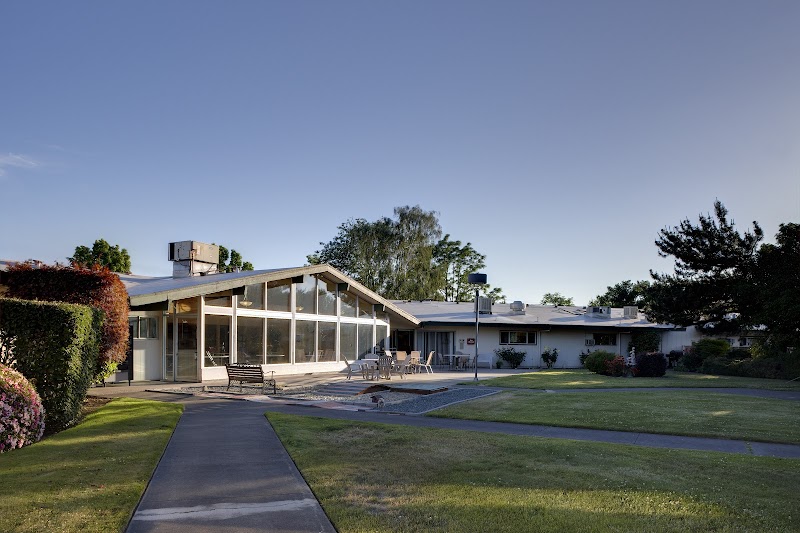
How is Avamere Health Services Of Rogue Valley Staffed?

CMS rates AVAMERE HEALTH SERVICES OF ROGUE VALLEY's staffing level at 4 out of 5 stars, which is above average compared to other nursing homes. Staff turnover is 29%, compared to the Oregon average of 46%. This relatively stable workforce can support continuity of care.

What Have Inspectors Found at Avamere Health Services Of Rogue Valley?

State health inspectors documented 66 deficiencies at AVAMERE HEALTH SERVICES OF ROGUE VALLEY during 2022 to 2025. These included: 2 Immediate Jeopardy (the most serious level, indicating potential for serious harm or death), 2 that caused actual resident harm, and 62 with potential for harm. Immediate Jeopardy findings are rare and represent the most serious regulatory concerns. They require immediate corrective action.
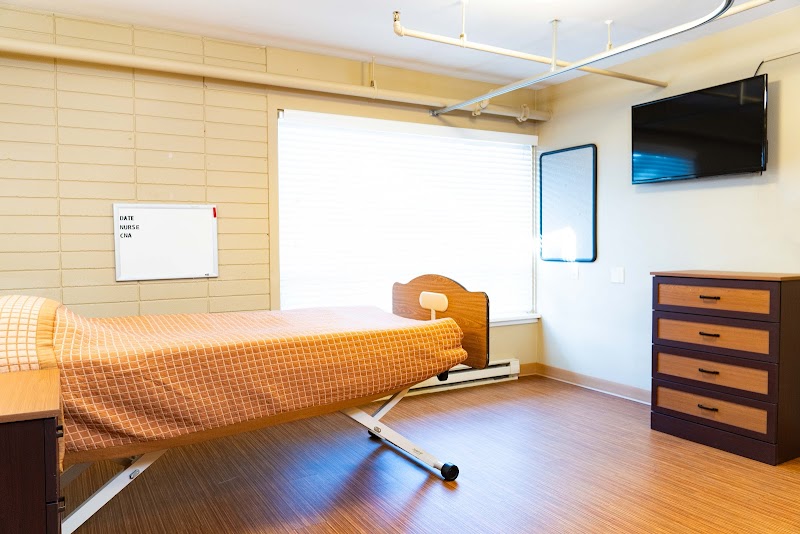
Who Owns and Operates Avamere Health Services Of Rogue Valley?

AVAMERE HEALTH SERVICES OF ROGUE VALLEY is owned by a for-profit company. For-profit facilities operate as businesses with obligations to shareholders or private owners. The facility is operated by AVAMERE, a chain that manages multiple nursing homes. With 91 certified beds and approximately 65 residents (about 71% occupancy), it is a smaller facility located in MEDFORD, Oregon.
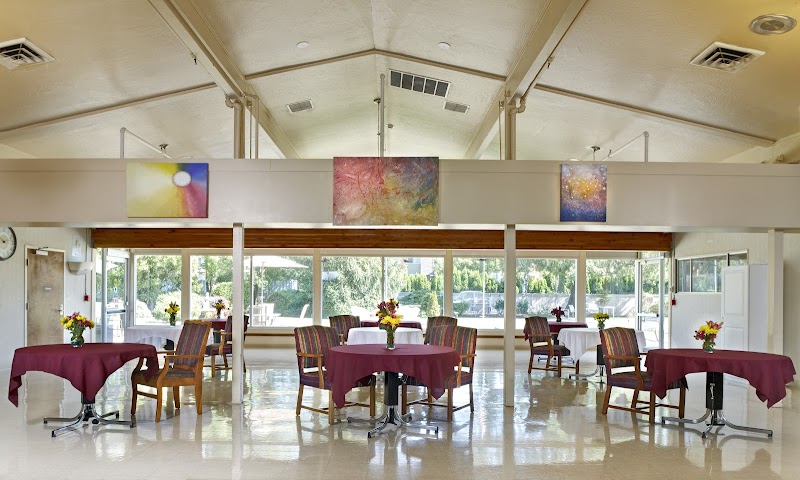
How Does Avamere Health Services Of Rogue Valley Compare to Other Oregon Nursing Homes?

Compared to the 100 nursing homes in Oregon, AVAMERE HEALTH SERVICES OF ROGUE VALLEY's overall rating (1 stars) is below the state average of 3.0, staff turnover (29%) is significantly lower than the state average of 46%, and health inspection rating (1 stars) is much below the national benchmark.

What Should Families Ask When Visiting Avamere Health Services Of Rogue Valley?

Based on this facility's data, families visiting should ask: "What changes have been made since the serious inspection findings, and how are you preventing similar issues?" "What safeguards and monitoring systems are in place to protect residents from abuse or neglect?" "Can I visit during a mealtime to observe dining assistance and food quality?" "How do you handle medical emergencies, and what is your hospital transfer rate?" These questions are particularly relevant given the facility's Immediate Jeopardy citations and the substantiated abuse finding on record.

Is Avamere Health Services Of Rogue Valley Safe?

Based on CMS inspection data, AVAMERE HEALTH SERVICES OF ROGUE VALLEY has documented safety concerns. The facility has 1 substantiated abuse finding (meaning confirmed case of resident harm by staff or other residents). Inspectors have issued 2 Immediate Jeopardy citations (the most serious violation level indicating risk of serious injury or death). The facility has a 1-star overall rating and ranks #100 of 100 nursing homes in Oregon. Families considering this facility should ask detailed questions about what corrective actions have been taken since these incidents.

Do Nurses at Avamere Health Services Of Rogue Valley Stick Around?

Staff at AVAMERE HEALTH SERVICES OF ROGUE VALLEY tend to stick around. With a turnover rate of 29%, the facility is 17 percentage points below the Oregon average of 46%. Low turnover is a positive sign. It means caregivers have time to learn each resident's needs, medications, and personal preferences. Consistent staff also notice subtle changes in a resident's condition more quickly.

Was Avamere Health Services Of Rogue Valley Ever Fined?

AVAMERE HEALTH SERVICES OF ROGUE VALLEY has been fined $38,350 across 1 penalty action. The Oregon average is $33,462. While any fine indicates a compliance issue, fines under $50,000 are relatively common and typically reflect isolated problems that were subsequently corrected. Families should ask what specific issues led to these fines and confirm they've been resolved.

Is Avamere Health Services Of Rogue Valley on Any Federal Watch List?

AVAMERE HEALTH SERVICES OF ROGUE VALLEY is not on any federal watch list. The most significant is the Special Focus Facility (SFF) program, which identifies the bottom 1% of nursing homes nationally based on persistent, serious quality problems. Not being on this list means the facility has avoided the pattern of deficiencies that triggers enhanced federal oversight. This is a positive indicator, though families should still review the facility's inspection history directly.