BEND TRANSITIONAL CARE
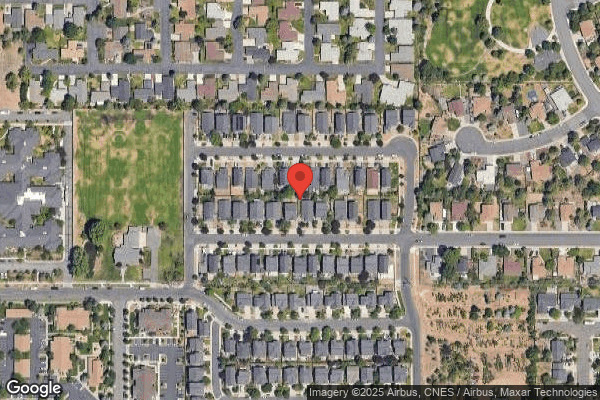
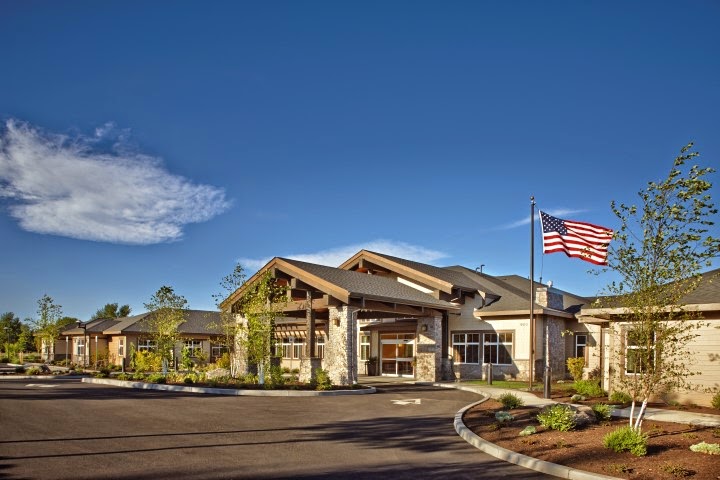
900 NE 27TH STREET, BEND, OR 97701 (541) 382-0479
For profit - Corporation 60 Beds AVAMERE Data: November 2025
Trust Grade
90/100
#5 of 127 in OR
Last Inspection: June 2025

Inspected within the last 6 months. Data reflects current conditions.

Overview

Bend Transitional Care in Bend, Oregon, has earned an impressive Trust Grade of A, indicating it is an excellent facility that is highly recommended. It ranks #5 out of 127 nursing homes in Oregon, placing it in the top half, and is the best option among the four facilities in Deschutes County. The facility is improving, with issues decreasing from 2 in 2024 to 1 in 2025, and has no fines on record, which is a positive sign. Staffing is a relative strength with a rating of 4 out of 5 stars, though turnover is slightly high at 48%, indicating some staff changes, but this is still below the state average. It should be noted that there have been concerns raised, including insufficient staffing to meet residents' care needs in several areas, which could lead to delayed care, and lapses in infection control practices that could expose residents to risks. While the facility excels in certain aspects, families should be aware of these weaknesses as they consider their options.

Trust Score
A
90/100
In Oregon
#5/127
Top 3%
Safety Record
Low Risk
No red flags
Inspections
Getting Better
2 → 1 violations
Staff Stability
⚠ Watch
48% turnover. Above average. Higher turnover means staff may not know residents' routines.
Penalties
✓ Good
No fines on record. Clean compliance history, better than most Oregon facilities.
Skilled Nurses
✓ Good
Each resident gets 79 minutes of Registered Nurse (RN) attention daily — more than 97% of Oregon nursing homes. RNs are the most trained staff who catch health problems before they become serious.
Violations
⚠ Watch
11 deficiencies on record. Higher than average. Multiple issues found across inspections.
★★★★★
5.0
Overall Rating
★★★★☆
4.0
Staff Levels
★★★★☆
4.0
Care Quality
★★★★★
5.0
Inspection Score
Stable
2024: 2 issues
2025: 1 issues

The Good

  • 4-Star Staffing Rating · Above-average nurse staffing levels
  • 4-Star Quality Measures · Strong clinical quality outcomes
  • Full Sprinkler Coverage · Fire safety systems throughout facility
  • No fines on record

Facility shows strength in staffing levels, quality measures, fire safety.

The Bad

Staff Turnover: 48%

Near Oregon avg (46%)

Higher turnover may affect care consistency

Chain: AVAMERE

Part of a multi-facility chain

Ask about local staffing decisions and management

The Ugly 11 deficiencies on record

Jun 2025 1 deficiency
CONCERN (E)

Potential for Harm - no one hurt, but risky conditions existed

Infection Control (Tag F0880)

Could have caused harm · This affected multiple residents

**NOTE- TERMS IN BRACKETS HAVE BEEN EDITED TO PROTECT CONFIDENTIALITY** Based on observation, interview and record review it was determined the facility failed to implement appropriate Enhanced Barrie...

Read full inspector narrative →
**NOTE- TERMS IN BRACKETS HAVE BEEN EDITED TO PROTECT CONFIDENTIALITY** Based on observation, interview and record review it was determined the facility failed to implement appropriate Enhanced Barrier Precautions (EBP) and Contact Precautions for 2 of 4 (#s 9 and 401) reviewed for infection control. This placed residents at risk for the spread of infection. Findings include: The CDC's 4/2/24 Implementation of Personal Protective Equipment (PPE) Use in Nursing Homes to Prevent Spread of Multidrug-Resistant Organisms (MDROs) included to don gown and gloves when high-contact activities were performed. The facility's undated Enhanced Barrier Precautions policy indicated the following: -Staff must clean hands with sanitizer when entering room and leaving room. -Staff must don gown and gloves before entering resident rooms during high contact resident care activities, including transferring (assisting residents to transfer/providing transfer assistance to residents). 1. Resident 401 was admitted to the facility on [DATE] with diagnoses including osteomyelitis (bone infection). A review of Resident 401's 6/20/25 Care Plan indicated EBP interventions. The facility's undated Enhanced Barrier Precautions policy indicated the following: -Staff must clean hands with sanitizer when entering room and leaving room. -Staff must donn gown and glove before entering resident rooms during high contact resident care activities, including transferring (assisting residents to transfer/providing transfer assistance to residents). On 6/24/25 at 3:24 PM, Staff 5 (CNA) and Staff 6 (CNA) were observed to enter Resident 401's room with gloves and mask but without gowns. They transferred the resident out of bed to the shower chair. On 6/24/25 from 3:27 PM to 3:35 PM, Staff 5 and Staff 6 stated they did not wear gowns to help Resident 401 transfer out of bed because they did not touch the resident's arm that had a PICC line (form of intravenous access to deliver medications directly into the bloodstream). Staff 5 and Staff 6 stated a staff nurse indicated donning gowns was not necessary. On 6/25/25 at 1:43pm, Staff 7 (CNA) stated she did not wear PPE when residents were assisted to the bathroom who were on enhanced barrier precautions related to having a PICC line as she was not near the resident's PICC line. On 6/27/25 at 9:10 AM, Staff 2 (Director Nursing Services) stated she expected staff to follow the CDC guidelines on enhanced-barrier and transmission-based precaution signs outside of resident rooms when high-contact activities were provided that included transferring. 2. Resident 9 was admitted to the facility on [DATE] with diagnoses including MRSA (bacterial infection that is resistant to several antibiotics). A review of Resident 9's 4/18/25 Care Plan indicated to implement Contact Precautions. On 6/24/25 at 8:42 AM, A Contact Precaution sign outside Resident's 9 door indicated residents, visitors, and staff must perform hand hygiene before entering and when leaving the resident's room. On 6/24/25 at 10:34 AM and 10:43 AM Resident 9 was observed to leave her/his room and not perform hand hygiene. Resident 9 stated she/he never used the hand sanitizer outside of her/his room. Resident 9 stated she/he was not aware about performing hand hygiene prior to leaving her/his room and stated the doctors thought she/he had MRSA but she/he never believed them. On 6/25/25 at 8:48 AM, Resident 9 was observed to leave her/his room and not perform hand hygiene. Resident 9 went to a table near the nurses station to complete her/his meal order. She/he used the staff's pen and returned it back to them after completing the form. No hand hygiene was completed by staff or the resident. On 6/26/25 at 12:46 PM, Staff 8 (Infection Preventionist) stated staff were expected to remind Resident 9 to perform hand hygiene prior to leaving her/his room. Staff 2 stated staff were expected to follow the Contact Precaution sign outside of Resident 9's room and to remind the resident to perform hand hygiene.
Mar 2024 2 deficiencies
CONCERN (D) 📢 Someone Reported This

A family member, employee, or ombudsman was alarmed enough to file a formal complaint

Potential for Harm - no one hurt, but risky conditions existed

Deficiency F0883 (Tag F0883)

Could have caused harm · This affected 1 resident

**NOTE- TERMS IN BRACKETS HAVE BEEN EDITED TO PROTECT CONFIDENTIALITY** Based on interview and record review it was determined the facility failed to accurately document immunization choices for 1 of ...

Read full inspector narrative →
**NOTE- TERMS IN BRACKETS HAVE BEEN EDITED TO PROTECT CONFIDENTIALITY** Based on interview and record review it was determined the facility failed to accurately document immunization choices for 1 of 5 sampled residents (#11) reviewed for immunizations. This placed residents at risk for resident vaccination choices not being followed. Findings include: The facility's 10/2019 Influenza Vaccine Policy revealed: -Employees hired and residents admitted between October 1st and March 31st shall be offered the vaccine within five (5) working days of the employee's job assignment or the resident's admission to the facility. -A resident's refusal of the vaccine shall be documented on the Informed Consent for Influenza Vaccine and placed in the resident's medical records. The facility's 10/2019 Pneumococcal Vaccine Policy revealed: -Prior to or upon admission, residents will be assessed for eligibility to receive the pneumococcal vaccine series, and when indicated, will be offered the vaccine series within thirty (30) days of admission to the facility unless medically contraindicated or the resident has already been vaccinated. -Assessments of pneumococcal vaccination status will be conducted within five (5) working days of the resident's admission if not conducted prior to admission. -Resident/representatives have the right to refuse vaccination. If refused, appropriate entries will be documented in each resident's medical records indicating the date of the refusal of the pneumococcal vaccination. Resident 11 was admitted to the facility in 11/2023 with diagnoses including COVID-19. A 12/1/23 admission MDS revealed Resident 11 had a BIMS score of 15, which indicated the resident was cognitively intact. Resident 11's admission MDS dated [DATE] indicated Resident 11 was not eligible for both influenza and pneumococcal vaccinations. Resident 11's Quarterly MDS dated [DATE] indicated Resident 11 was not eligible for both influenza and pneumococcal vaccinations. Resident 11's immunization records listed on 3/6/24 reported Resident 11 as not eligible for influenza and pneumococcal vaccinations. On 3/6/24 at 12:52 PM Staff 3 (Assistant DNS-Infection Preventionist) stated she recalled Resident 11 refused all immunizations and these immunization choices were not documented correctly. Staff 3 stated Resident 11's immunization records should have been updated to reflect Resident 11 refused influenza and pneumococcal vaccinations rather than not being eligible to receive vaccines. On 3/6/24 at 1:27 PM Staff 2 (DNS) confirmed Resident 11's immunization choices were not correctly documented.
CONCERN (E) 📢 Someone Reported This

A family member, employee, or ombudsman was alarmed enough to file a formal complaint

Potential for Harm - no one hurt, but risky conditions existed

Staffing Information (Tag F0732)

Could have caused harm · This affected multiple residents

Based on interview and record review it was determined the facility failed to ensure the daily staff posting was accurate for 19 out of 50 days reviewed for staffing. This placed residents, public and...

Read full inspector narrative →
Based on interview and record review it was determined the facility failed to ensure the daily staff posting was accurate for 19 out of 50 days reviewed for staffing. This placed residents, public and staff at risk for lack of accurate staffing information. Findings include: On 3/3/23 at 3:30 PM the Direct Care Staff Daily reports were provided from 10/7/23 through 11/10/23 and from 2/2/24 through 3/1/24. The forms revealed 19 instances when portions of the form were left blank or were incomplete. The incomplete information included census, number of staff working and number of hours worked. On 3/6/24 at 10:16 AM Staff 4 (CMA-Staffing Coordinator) and at 11:32 AM Staff 3 (RN-Assistant DNS) acknowledged the Direct Care Staff Daily reports forms were incomplete. On 3/7/24 at 9:56 AM Staff 1 (Administrator) acknowledged the Direct Care Staff Daily reports were incomplete for 19 out of 50 days.
Feb 2023 8 deficiencies
CONCERN (D)

Potential for Harm - no one hurt, but risky conditions existed

Deficiency F0578 (Tag F0578)

Could have caused harm · This affected 1 resident

**NOTE- TERMS IN BRACKETS HAVE BEEN EDITED TO PROTECT CONFIDENTIALITY** Based on interview and record review it was determined the facility failed to ensure residents were provided information related...

Read full inspector narrative →
**NOTE- TERMS IN BRACKETS HAVE BEEN EDITED TO PROTECT CONFIDENTIALITY** Based on interview and record review it was determined the facility failed to ensure residents were provided information related to the formulation of an Advance Directive for 1 of 3 sampled residents (#24) reviewed for Advance Directives. This placed residents at risk for not having their treatment decisions honored. Findings include: Resident 24 admitted to the facility on [DATE] with diagnoses including a below the knee amputation. Resident 24 was listed as her/his own responsible party. Resident 24's clinical record revealed no documentation to indicate the resident had an Advance Directive or was provided information concerning the right to formulate an Advance Directive prior to 2/6/23. On 2/7/23 at 10:36 AM Staff 12 (Social Services) confirmed Resident 24 was not informed or provided written information concerning her/his right to formulate an Advance Directive until the information was requested by the Surveyor on 2/6/23.
CONCERN (D)

Potential for Harm - no one hurt, but risky conditions existed

Assessment Accuracy (Tag F0641)

Could have caused harm · This affected 1 resident

**NOTE- TERMS IN BRACKETS HAVE BEEN EDITED TO PROTECT CONFIDENTIALITY** Based on interview and record review it was determined the facility failed to code the MDS accurately for 1 of 1 sampled residen...

Read full inspector narrative →
**NOTE- TERMS IN BRACKETS HAVE BEEN EDITED TO PROTECT CONFIDENTIALITY** Based on interview and record review it was determined the facility failed to code the MDS accurately for 1 of 1 sampled resident (#40) reviewed for hospitalization. This placed residents at risk for inaccurate assessments. Findings include: 1. Resident 40 was admitted to the facility on [DATE] with diagnoses including pneumonia and diabetes. The 1/14/23 Discharge Return Not Anticipated MDS indicated Resident 40 discharged to an acute hospital. The 1/14/23 progress note indicated Resident 40 elected to leave the facility AMA (against medical advice). The resident left the facility in stable condition via private vehicle. On 2/9/23 at 12:27 PM Staff 2 (DNS) acknowledged the MDS was coded to reflect the resident discharged to an acute hospital, she stated she/he left AMA. Staff 2 acknowledged the MDS was not accurately coded to reflect the resident discharging home.
CONCERN (D)

Potential for Harm - no one hurt, but risky conditions existed

Quality of Care (Tag F0684)

Could have caused harm · This affected 1 resident

**NOTE- TERMS IN BRACKETS HAVE BEEN EDITED TO PROTECT CONFIDENTIALITY** Based on interview and record review it was determined the facility failed to ensure physician orders were followed for 1 of 5 s...

Read full inspector narrative →
**NOTE- TERMS IN BRACKETS HAVE BEEN EDITED TO PROTECT CONFIDENTIALITY** Based on interview and record review it was determined the facility failed to ensure physician orders were followed for 1 of 5 sampled residents (#24) reviewed for medications. This placed residents at risk for adverse side effects. Findings include: Resident 24 admitted to the facility on [DATE] with diagnoses including diabetes. A 1/23/23 Physician Order indicated Resident 24 was to be administered Insulin Aspart Injection Solution (diabetic injection medication) and staff were to hold (not give) the medication for CBGs less than 120. The 2/2023 MAR indicated Resident 24 experienced CBGs outside parameters and was administered insulin on the following dates: -2/1/23: CBG 107. -2/6/23: CBG 104. Resident 24's clinical record did not indicate the resident experienced adverse outcomes due to receiving insulin on the identified dates. On 2/9/23 at 10:43 AM Staff 2 (DNS) stated physician orders were expected to be followed and acknowledged Resident 24 received Insulin Aspart when the resident's CBGs were outside of physician ordered parameters on the identified dates.
CONCERN (D)

Potential for Harm - no one hurt, but risky conditions existed

Pressure Ulcer Prevention (Tag F0686)

Could have caused harm · This affected 1 resident

**NOTE- TERMS IN BRACKETS HAVE BEEN EDITED TO PROTECT CONFIDENTIALITY** Based on observation, interview and record review it was determined the facility failed to ensure a resident's pressure ulcer wa...

Read full inspector narrative →
**NOTE- TERMS IN BRACKETS HAVE BEEN EDITED TO PROTECT CONFIDENTIALITY** Based on observation, interview and record review it was determined the facility failed to ensure a resident's pressure ulcer was assessed and monitored to prevent worsening for 1 of 2 sampled residents (#13) reviewed for pressure ulcers. This placed residents at risk for worsening pressure ulcers. Findings include: Resident 13 admitted to the facility on [DATE] with diagnoses including diabetes and COPD (chronic obstructive pulmonary disease) and utilized a BiPAP (bilevel positive airway pressure) machine. Resident 13's 1/16/23 admission MDS indicated the resident had no pressure ulcers upon admission. A 1/24/23 Physician's Progress Note indicated Resident 13 developed a pressure ulcer on the bridge of her/his nose from her/his BiPAP machine. A 1/24/23 Physician Order indicated staff were to place Duoderm (pressure ulcer dressing) on Resident 13's nasal bridge once daily to help with skin breakdown. The 1/2023 TAR indicated on 1/24/23 the Physician Order was implemented to place Duoderm on the resident's nasal bridge every night shift to help with skin breakdown and was completed as ordered. A 2/1/23 Physician's Progress Note indicated Resident 13's pressure ulcer appeared to be healing and the resident told the physician she/he had a friend who was planning to bring in a new mask for the resident's BiPAP machine. Prior to 2/7/23, there was no evidence in Resident 13's medical record to indicate the resident's pressure ulcer was assessed, measured, staged, and/or monitored after being identified by the physician on 1/24/23. On 2/5/23 at 3:14 PM Resident 13 was observed with a bandage on her/his nose. Resident 13 stated the wound was due to her/his BiPAP machine because she/he did not have any more masks in the correct size. On 2/7/23 at 8:16 AM Staff 6 (CNA) stated she worked with Resident 13 and believed the resident's nose wound was from the resident's BiPAP machine. On 2/7/23 at 8:50 AM Staff 5 (RN) stated it was her first time working with Resident 13 and she was unsure why the resident had a bandage on her/his nose. On 2/7/23 at 8:58 AM Staff 16 (CNA) told Staff 3 (RN) Resident 13's nose wound was from her/his BiPAP machine. On 2/7/23 the Surveyor requested all skin evaluations for Resident 13's pressure ulcer. A 2/7/23 Skin & Wound Evaluation indicated Resident 13 sustained a facility acquired, Stage II medical device pressure ulcer to her/his nose from the resident's BiPAP machine. The wound measured 0.2 cm x 0.7 cm x 0.5 cm with no reported pain. The evaluation indicated the wound was healing. On 2/7/23 at 2:06 PM Staff 2 (DNS) stated Staff 7 (RNCM) was aware of Resident 13's pressure ulcer on the resident's nose but did not complete an investigation prior to 2/7/23 and did not have documentation for monitoring healing. Staff 2 further stated the wound was a medical device pressure ulcer from the resident's BiPAP machine mask not being the correct fit.
CONCERN (D)

Potential for Harm - no one hurt, but risky conditions existed

Deficiency F0698 (Tag F0698)

Could have caused harm · This affected 1 resident

**NOTE- TERMS IN BRACKETS HAVE BEEN EDITED TO PROTECT CONFIDENTIALITY** Based on interview and record review it was determined the facility failed to ensure residents were assessed after dialysis trea...

Read full inspector narrative →
**NOTE- TERMS IN BRACKETS HAVE BEEN EDITED TO PROTECT CONFIDENTIALITY** Based on interview and record review it was determined the facility failed to ensure residents were assessed after dialysis treatments for 1 of 1 sampled resident (#17) reviewed for dialysis. This placed residents at risk for dialysis complications. Findings include: The Facility's 2020 Living Care of the Dialysis Resident policy indicated nursing staff were to complete the post dialysis assessment upon the resident's return to the facility. Resident 17 admitted to the facility on [DATE] with diagnoses including renal dialysis. Resident 17's 1/23/23 Care Plan indicated the resident went to dialysis three days a week on Monday, Wednesday, and Friday. Review of Resident 17's 2/2023 Dialysis Communication forms indicated on 2/1/23, 2/3/23 and 2/6/23 the post-dialysis assessments were not completed. On 2/7/23 at 8:54 AM Staff 7 (RNCM) acknowledged Resident 17's post dialysis assessments were not completed for the identified dates.
CONCERN (D)

Potential for Harm - no one hurt, but risky conditions existed

Pharmacy Services (Tag F0755)

Could have caused harm · This affected 1 resident

**NOTE- TERMS IN BRACKETS HAVE BEEN EDITED TO PROTECT CONFIDENTIALITY** Based on interview and record review it was determined the facility failed to provide prescribed medications for 1 of 5 sampled ...

Read full inspector narrative →
**NOTE- TERMS IN BRACKETS HAVE BEEN EDITED TO PROTECT CONFIDENTIALITY** Based on interview and record review it was determined the facility failed to provide prescribed medications for 1 of 5 sampled residents (#24) reviewed for medications. This placed residents at risk for medication-related adverse consequences. Findings include: Resident 24 admitted to the facility on [DATE] with diagnoses including diabetes and hyperlipidemia (high cholesterol). Resident 24 had physician orders for the following: -1/18/23: simvastatin oral tablet (cholesterol medication) to be administered once daily. -1/24/23: Phos-NaK oral packet (medication to treat low phosphorus levels) to be administered twice daily. A review of Resident 24's 1/2023 and 2/2023 MARs revealed the following medications were not administered because they were not available: -Phos-NaK Oral Packet from 1/25/23 through 1/28/23. -simvastatin from 2/5/23 through 2/6/23. Resident 24's Progress Notes reviewed from 1/25/23 through 2/6/23 indicated the following: -1/25/23 at 5:13 PM: Note indicated med not in cart regarding Phos-NaK. There was no follow-up notes. -1/26/23 at 8:07 AM and 3:55 PM: Notes indicated med not in cart and OUT OF MED WILL CONTACT PHARMACY regarding the resident's Phos-NaK. -1/27/23 at 8:48 AM and 4:39 PM: Notes indicated have not received will call pharmacy and pharmacy contacted regarding the resident's missed Phos-NaK. -2/5/23: The resident's dose of simvastatin on 2/5/23 was unavailable and was ordered from the pharmacy on 2/5/23 and the provider was notified. There was no follow-up notes regarding the resident missing simvastatin on 2/6/23. On 2/9/23 at 10:43 AM Staff 2 (DNS) acknowledged the medications were not administered due to not being available and the expectation was for staff to re-order medication prior to running out. Staff 2 stated if the issue was related to the pharmacy, staff were expected to let the physician know of the missed medication.
CONCERN (E)

Potential for Harm - no one hurt, but risky conditions existed

Comprehensive Assessments (Tag F0636)

Could have caused harm · This affected multiple residents

**NOTE- TERMS IN BRACKETS HAVE BEEN EDITED TO PROTECT CONFIDENTIALITY** Based on interview and record review it was determined the facility failed to ensure MDS assessments were comprehensive for 3 of...

Read full inspector narrative →
**NOTE- TERMS IN BRACKETS HAVE BEEN EDITED TO PROTECT CONFIDENTIALITY** Based on interview and record review it was determined the facility failed to ensure MDS assessments were comprehensive for 3 of 9 sampled residents (#s 8, 13 and 15) reviewed for skin, medications, and staffing. This placed residents at risk for inaccurate assessments. Findings include: 1. Resident 13 admitted to the facility in 1/2023 with diagnoses including diabetes. Review of the resident's progress notes indicated the resident was alert and oriented. Resident 13's 1/16/23 admission MDS, Section C (cognitive assessment) indicated the BIMS was to be conducted. The subsequent assessment questions were marked not assessed. On 2/9/23 at 8:45 AM Staff 2 (DNS) acknowledged Section C was not completed as part of Resident 13's admission MDS. 2. Resident 15 admitted to the facility in 1/2023 with diagnoses including Parkinson's disease. Review of the resident's progress notes indicated the resident was alert and oriented. The 1/12/23 admission MDS, Section C (cognitive assessment) indicated the BIMS was to be conducted. The subsequent assessment questions were marked not assessed. On 2/9/23 at 8:45 AM Staff 2 (DNS) acknowledged Section C was not completed as part of Resident 15's admission MDS. 3. Resident 8 was admitted to the facility on [DATE] with diagnoses including paraplegia. Review of the resident's progress notes indicated the resident was alert and oriented. Resident 18's 1/14/23 admission MDS, Section C (cognitive assessment) indicated a Brief Interview for Mental Status (BIMS) was to be conducted. The subsequent assessment questions indicated not assessed. On 2/9/23 at 8:45 AM Staff 2 (DNS) acknowledged Section C was not completed as part of Resident 18's admission MDS.
CONCERN (F)

Potential for Harm - no one hurt, but risky conditions existed

Deficiency F0725 (Tag F0725)

Could have caused harm · This affected most or all residents

**NOTE- TERMS IN BRACKETS HAVE BEEN EDITED TO PROTECT CONFIDENTIALITY** Based on observation, interview, and record review it was determined the facility failed to ensure sufficient staffing to meet r...

Read full inspector narrative →
**NOTE- TERMS IN BRACKETS HAVE BEEN EDITED TO PROTECT CONFIDENTIALITY** Based on observation, interview, and record review it was determined the facility failed to ensure sufficient staffing to meet resident care needs for 4 of 5 halls (A, C, D, and E) reviewed for staffing. This placed residents at risk for delayed and unmet care needs. Findings include: On 2/6/23 and 2/9/23 the facility provided lists of residents who: -Required assistance with eating: 2. -Required two-person assistance or a mechanical lift with transfers: 11. -Required one or two-person assistance with dressing and toileting: 43. -Were fully dependent on staff for toileting and dressing: 2. - Required one or two-person assistance with bathing: 45. -Were fully dependent on staff for bathing: 2. -Had behavioral healthcare needs: 5. Resident Council Notes were reviewed for 1/2023 and indicated residents requested more staff and more shower times and days. Residents indicated there were not enough staff to meet resident needs and residents did not always receive their scheduled showers or receive them timely. A review of the facility Direct Care Staff Daily Reports from 1/6/23 through 2/6/23 revealed the facility had insufficient CNA staff for one or more shifts on the following dates: -1/6/23: Day and Evening Shift. -1/7/23: Day Shift. -1/8/23: Day and Evening Shift. -1/14/23: Day Shift. -1/22/23: Evening Shift. -2/5/23: Day Shift. Interviews with residents revealed the following concerns: On 2/5/23 at 2:50 PM Resident 17 stated she/he had an accident from having to wait so long for toileting assistance. On 2/6/23 at 9:24 AM Resident 196 stated she/he felt the facility was understaffed and had to wait a long time to get toileting assistance. On 2/6/23 at 9:56 AM Resident 24 stated staffing could be good and then bad. Resident 24 stated at times she/he waited 15-20 minutes for her/his call light to be answered to use the restroom. On 2/6/23 at 10:29 AM Resident 143 stated she/he waited 20 minutes for her/his call light to be answered to use the restroom and there were not enough staff at night. On 2/6/23 at 10:56 AM Resident 192 stated she/he thought the facility needed more staff and waited up to 30 minutes for toileting assistance. Resident 192 stated she/he had incontinence episodes from waiting a long time for assistance. On 2/6/23 at 12:10 PM Resident 32 stated she/he wanted more showers and was told she/he could only receive them twice a week due to staffing shortages. Resident 32 further stated she/he sometimes waited a long time for her/his call light to be answered and staff were good but stretched thin. Interviews with staff revealed the following concerns: On 2/6/23 at 9:20 AM Staff 18 (CNA) stated the facility did not have enough staff, showers were difficult to complete for residents, and the facility was down two CNAs on 2/5/23. Staff 18 stated weekends were short staffed. On 2/7/23 at 8:13 AM Staff 6 (CNA) stated the facility was short staffed on weekends and Mondays. Staff 6 stated when the facility was short staffed, weights and showers were more difficult to complete for residents. On 2/8/23 at 6:03 PM Staff 19 (CNA) stated it was difficult to answer call lights on evening shift due to serving dinner and the facility was always short staffed on evening shifts. Staff 19 stated residents waited a long time for their call lights to be answered during evening shift. On 2/8/23 at 6:07 PM Staff 21 (CNA) stated between 4:00 PM and 7:00 PM it could be chaos working on evening shift. Staff 21 stated staff were busy getting residents ready for dinner and there was only one CNA per each hall (five halls total). On 2/8/23 at 6:14 PM Staff 20 (CNA) stated evening shifts were often short staffed and it was difficult to answer resident call lights due to multiple new admissions, serving dinner, and having to complete resident showers. Staff 20 stated there were times showers were unable to be completed and residents were unable to be toileted timely and had accidents due to staffing shortages. On 2/10/23 at 8:56 AM Staff 1 (Administrator) acknowledged the staffing concerns and stated the facility was working on staffing as it was their biggest issue. 2. Resident 32 admitted to the facility on [DATE] with diagnoses including a stroke. Resident 32's 12/15/22 admission MDS indicated the resident was cognitively intact. Resident 32's ADL Shower Task Sheet indicated Resident 32 received showers Mondays and Fridays. On 1/30/23 (Monday) the shower sheet completed by Staff 20 (CNA) indicated Resident 32 did not receive her/his shower due to the resident's refusal. On 2/6/23 at 12:10 PM Resident 32 stated she/he wanted more showers and was told she/he could only receive them twice a week due to staffing shortages. Resident 32 further stated staff were good but stretched thin. On 2/8/23 at 6:14 PM Staff 20 stated there were days residents did not receive showers due to staffing shortages. Staff 20 stated he was unable to provide Resident 32 a shower last week due to not enough staff and had marked resident refused because there was no other option to mark on the shower task sheet. On 2/9/23 at 10:32 AM Staff 2 (DNS) stated the expectation was if staff could not provide a resident a shower to report it to the next shift and offer the resident a shower the next day. Staff 2 acknowledged there was no indication the resident was re-offered a shower the next day (1/31/23). Staff 2 stated staff were not to document refused if the resident did not refuse their shower. Staff 2 further acknowledged staffing concerns related to providing residents with showers. 3. Resident 15 admitted to the facility in 1/2023 with diagnoses including Parkinson's disease. Resident 15's 1/12/23 admission MDS indicated the resident required extensive, one-person assistance with dressing. On 2/8/23 at 6:00 PM Resident 15's call light was observed to be initiated for 16 minutes per the call log at the nurses' station. Resident 15 was observed in bed and stated she/he had been waiting awhile for assistance with toileting and getting into her/his pajamas prior to dinner. When asked if call lights often took a long time to be answered by staff, Resident 15 stated it occurred enough. On 2/8/23 at 6:01 PM Staff 19 (CNA) was observed to deliver Resident 15's dinner meal tray and asked Staff 20 (CNA) to assist her with pulling the resident up in bed. Resident 15's call light was turned off. On 2/8/23 at 6:03 PM Staff 19 (CNA) stated staff were unable to assist Resident 15 with toileting/dressing due to passing meal trays down another hall but would come back. Staff 19 confirmed Resident 15 had been waiting 17 minutes and did not receive assistance. Staff 19 stated residents waited a long time for assistance from staff but was unable to state any outcomes to residents due to long call light times. On 2/8/23 at 6:10 PM Resident 15 was observed eating her/his meal in the same clothes as prior and stated she/he wanted to get into her/his pajamas. Resident 15 stated she/he did not need to use the restroom. Resident 15 stated staff did not tell her/him why she/he could not be changed prior to dinner and just turned off her/his call light. When asked if staff often turned off the call light prior to assisting the resident, the resident stated it occured enough. On 2/8/23 at 6:14 PM Staff 20 (CNA) stated staff were unable to assist Resident 15 as staff were busy passing the dinner meal and there were three new admission residents, which made it difficult to answer call lights. On 2/10/23 at 8:56 AM Staff 1 (Administrator) acknowledged the staffing concerns and stated the facility was working on staffing as it was their biggest issue. 4. Resident 24 admitted to the facility on [DATE] with diagnoses including a leg amputation. On 2/6/23 at 9:56 AM Resident 24 stated staffing could be good and then bad. Resident 24 stated at times she/he waited 15-20 minutes for her/his call light to be answered to use the restroom. Call Light Logs were reviewed for Resident 24 from 1/21/23 through 2/7/23 and indicated four instances when the resident waited 15 minutes or longer for her/his call light to be answered by staff: -1/21/23, 16 minutes. -2/1/23, 15 minutes. -2/2/23, 16 minutes. -2/4/23, 29 minutes. On 2/10/23 at 8:56 AM Staff 1 (Administrator) acknowledged the identified long call light wait times. 5. Resident 192 admitted to the facility on [DATE] with diagnoses including a UTI and a hip fracture. Resident 192's 1/28/23 admission MDS indicated the resident was cognitively intact. On 2/6/23 at 10:56 AM Resident 192 stated she/he thought the facility needed more staff and waited up to 30 minutes for toileting assistance. Resident 192 stated she/he had incontinence episodes from waiting a long time for toileting assistance. Call Light Logs Were Reviewed for Resident 192 from 1/24/23 through 2/7/23 and indicated four instances when the resident waited over 15 minutes for her/his call light to be answered by staff: -1/29/23, 16 minutes, 18 minutes, and 30 minutes. -2/5/23, 24 minutes. On 2/10/23 at 8:56 AM Staff 1 (Administrator) acknowledged the identified long call light wait times. 6. Resident 143 admitted to the facility on [DATE] with diagnoses including sepsis. Resident 143's 2/2/23 admission MDS indicated Resident 143 was cognitively intact. On 2/6/23 at 10:29 AM Resident 143 stated she/he waited 20 minutes for her/his call light to be answered to use the restroom and there were not enough staff at night. Call Light Logs Were Reviewed for Resident 143 from 1/31/23 through 2/7/23 and indicated two instances when the resident waited over 15 minutes for her/his call light to be answered: -2/3/23, 16 minutes. -2/4/23, 26 minutes. On 2/10/23 at 8:56 AM Staff 1 (Administrator) acknowledged the identified long call light wait times.
Understanding Severity Codes (click to expand)
Life-Threatening (Immediate Jeopardy)
J - Isolated K - Pattern L - Widespread
Actual Harm
G - Isolated H - Pattern I - Widespread
Potential for Harm
D - Isolated E - Pattern F - Widespread
No Harm (Minor)
A - Isolated B - Pattern C - Widespread

Questions to Ask on Your Visit

  • "Can I speak with families of current residents?"
  • "What's your RN coverage like on weekends and overnight?"

Our Honest Assessment

Strengths
  • • Grade A (90/100). Above average facility, better than most options in Oregon.
  • • No major safety red flags. No abuse findings, life-threatening violations, or SFF status.
  • • No fines on record. Clean compliance history, better than most Oregon facilities.
Concerns
  • • 11 deficiencies on record. Higher than average. Multiple issues found across inspections.
Bottom line: Generally positive indicators. Standard due diligence and a personal visit recommended.

About This Facility

What is Bend Transitional Care's CMS Rating?

CMS assigns BEND TRANSITIONAL CARE an overall rating of 5 out of 5 stars, which is considered much above average nationally. Within Oregon, this rating places the facility higher than 99% of the state's 100 nursing homes. This rating reflects solid performance across the metrics CMS uses to evaluate nursing home quality.

How is Bend Transitional Care Staffed?

CMS rates BEND TRANSITIONAL CARE's staffing level at 4 out of 5 stars, which is above average compared to other nursing homes. Staff turnover is 48%, compared to the Oregon average of 46%.

What Have Inspectors Found at Bend Transitional Care?

State health inspectors documented 11 deficiencies at BEND TRANSITIONAL CARE during 2023 to 2025. These included: 11 with potential for harm.
Who Owns and Operates Bend Transitional Care?

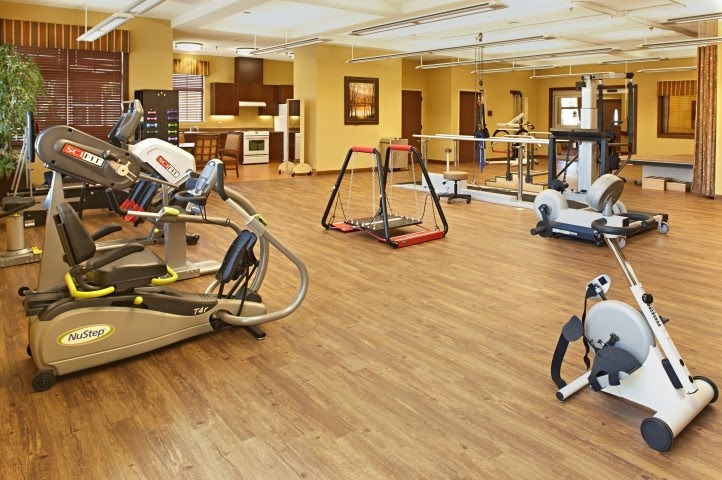
BEND TRANSITIONAL CARE is owned by a for-profit company. For-profit facilities operate as businesses with obligations to shareholders or private owners. The facility is operated by AVAMERE, a chain that manages multiple nursing homes. With 60 certified beds and approximately 55 residents (about 92% occupancy), it is a smaller facility located in BEND, Oregon.
How Does Bend Transitional Care Compare to Other Oregon Nursing Homes?

Compared to the 100 nursing homes in Oregon, BEND TRANSITIONAL CARE's overall rating (5 stars) is above the state average of 3.0, staff turnover (48%) is near the state average of 46%, and health inspection rating (5 stars) is much above the national benchmark.

What Should Families Ask When Visiting Bend Transitional Care?

Based on this facility's data, families visiting should ask: "Can I visit during a mealtime to observe dining assistance and food quality?" "How do you handle medical emergencies, and what is your hospital transfer rate?" "Can I speak with family members of current residents about their experience?"

Is Bend Transitional Care Safe?

Based on CMS inspection data, BEND TRANSITIONAL CARE has a clean safety record: no substantiated abuse findings (meaning no confirmed cases of resident harm), no Immediate Jeopardy citations (the most serious violation level indicating risk of serious injury or death), and is not on the Special Focus Facility watch list (a federal program monitoring the lowest-performing 1% of nursing homes). The facility has a 5-star overall rating and ranks #1 of 100 nursing homes in Oregon. While no facility is perfect, families should still ask about staff-to-resident ratios and recent inspection results during their visit.

Do Nurses at Bend Transitional Care Stick Around?

BEND TRANSITIONAL CARE has a staff turnover rate of 48%, which is about average for Oregon nursing homes (state average: 46%). Moderate turnover is common in nursing homes, but families should still ask about staff tenure and how the facility maintains care continuity when employees leave.

Was Bend Transitional Care Ever Fined?

BEND TRANSITIONAL CARE has no federal fines on record. CMS issues fines when nursing homes fail to meet care standards or don't correct problems found during inspections. The absence of fines suggests the facility has either maintained compliance or corrected any issues before penalties were assessed. This is a positive indicator, though families should still review recent inspection reports for the full picture.

Is Bend Transitional Care on Any Federal Watch List?

BEND TRANSITIONAL CARE is not on any federal watch list. The most significant is the Special Focus Facility (SFF) program, which identifies the bottom 1% of nursing homes nationally based on persistent, serious quality problems. Not being on this list means the facility has avoided the pattern of deficiencies that triggers enhanced federal oversight. This is a positive indicator, though families should still review the facility's inspection history directly.