FOREST GROVE POST ACUTE

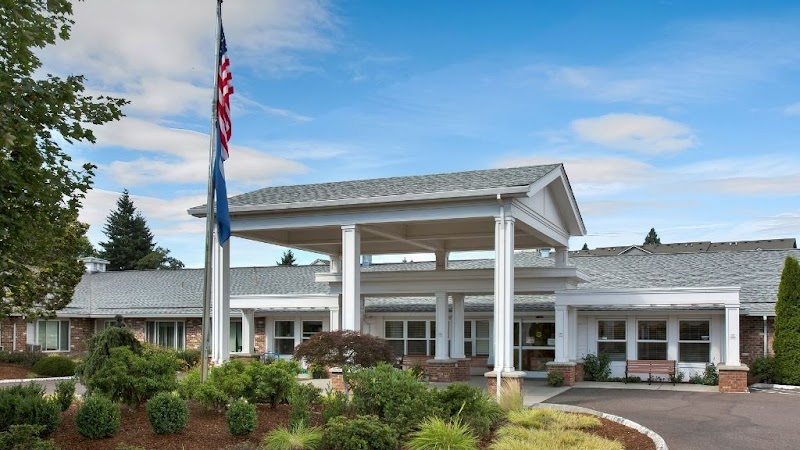
3900 PACIFIC AVENUE, FOREST GROVE, OR 97116 (503) 359-0449
For profit - Corporation 114 Beds PACS GROUP Data: November 2025 1 Immediate Jeopardy citation
Trust Grade
43/100
#35 of 127 in OR
Last Inspection: July 2025

Inspected within the last 6 months. Data reflects current conditions.

Overview

Forest Grove Post Acute has a Trust Grade of D, which indicates below-average quality and raises some concerns about care. It ranks #35 out of 127 facilities in Oregon, putting it in the top half, and #3 out of 9 in Washington County, meaning there are only two better local options. The facility is on an improving trend, reducing issues from 8 in 2024 to just 2 in 2025. Staffing received an average rating of 3 out of 5 stars, with a turnover rate of 33%, which is better than the state average, suggesting a stable workforce. However, it has less RN coverage than 87% of Oregon facilities, which is concerning, as RNs are crucial for spotting potential health issues. In terms of fines, the facility has no fines on record, which is a positive sign. Specific incidents noted in inspections include a critical failure to provide sufficient supervision for a resident at risk of self-harm, leading to hospitalization. Additionally, there was a serious issue where wound care was not adequately followed up for a resident, resulting in a worsening condition. While the facility has some strengths, such as good overall and health inspection star ratings, these serious findings highlight important areas for improvement in resident care.

Trust Score
D
43/100
In Oregon
#35/127
Top 27%
Safety Record
High Risk
Review needed
Inspections
Getting Better
8 → 2 violations
Staff Stability
○ Average
33% turnover. Near Oregon's 48% average. Typical for the industry.
Penalties
✓ Good
No fines on record. Clean compliance history, better than most Oregon facilities.
Skilled Nurses
⚠ Watch
Each resident gets only 21 minutes of Registered Nurse (RN) attention daily — below average for Oregon. Fewer RN minutes means fewer trained eyes watching for problems.
Violations
⚠ Watch
21 deficiencies on record. Higher than average. Multiple issues found across inspections.
★★★★☆
4.0
Overall Rating
★★★☆☆
3.0
Staff Levels
★★★★☆
4.0
Care Quality
★★★★☆
4.0
Inspection Score
Stable
2024: 8 issues
2025: 2 issues

The Good

  • 4-Star Quality Measures · Strong clinical quality outcomes
  • Full Sprinkler Coverage · Fire safety systems throughout facility
  • No fines on record
  • Staff turnover below average (33%)

    15 points below Oregon average of 48%

Facility shows strength in quality measures, fire safety.

The Bad

Staff Turnover: 33%

13pts below Oregon avg (46%)

Typical for the industry

Chain: PACS GROUP

Part of a multi-facility chain

Ask about local staffing decisions and management

The Ugly 21 deficiencies on record

1 life-threatening 3 actual harm
Jul 2025 2 deficiencies
CONCERN (D)

Potential for Harm - no one hurt, but risky conditions existed

Deficiency F0605 (Tag F0605)

Could have caused harm · This affected 1 resident

Based on interview and record review it was determined the facility failed to ensure PRN psychotropic medication orders were discontinued after 14 days for 1 of 5 sampled residents (#20) reviewed for ...

Read full inspector narrative →
Based on interview and record review it was determined the facility failed to ensure PRN psychotropic medication orders were discontinued after 14 days for 1 of 5 sampled residents (#20) reviewed for unnecessary medications. This placed residents at risk for receiving unnecessary psychotropic medication and adverse side effects of psychotropic medication. Findings include:Resident 20 was admitted to the facility in 6/2025 with diagnoses including dementia and depression. A 6/11/25 physician order indicated Resident 20 was prescribed the following PRN psychotropic medications:-Quetiapine Fumarate 25 MG Oral Tablet an antipsychotic indicated for agitation.-Prochlorperazine Maleate 5 MG Oral Tablet an antipsychotic indicated for nausea.-Hydroxyzine HCl 10 MG Oral Tablet an anxiolytic indicated for anxiety or insomnia. There was no evidence found in Resident 20's medical record to indicate her/his physician documented a rationale for extended use of the PRN psychotropic medications past 14 days, or evaluated her/his PRN psychotropics since admission to the facility. A 7/11/25 pharmacy review of Resident 20's medications recommended the facility discontinue her/his PRN psychotropic medications for non use. The PRN psychotropic medications were discontinued on 7/22/25. On 7/4/25 at 1:21 PM Staff 3 stated she was unaware that PRN psychotropics were limited to 14 days. Staff 3 acknowledged Resident 20's PRN psychotropic medication orders went beyond 14 days without a documented rationale for extended use, or evaluation by a physician.
CONCERN (D)

Potential for Harm - no one hurt, but risky conditions existed

Accident Prevention (Tag F0689)

Could have caused harm · This affected 1 resident

Based on observation, interview, and record review it was determined the facility failed to assess residents for smoking safety and provide supervision for smoking residents for 2 of 3 sampled residen...

Read full inspector narrative →
Based on observation, interview, and record review it was determined the facility failed to assess residents for smoking safety and provide supervision for smoking residents for 2 of 3 sampled residents (#s 57 and 78) reviewed for accidents. This placed residents at risk for smoking related accidents. Findings include: 1. The facility’s 8/2024 Smoking Policy for Independent and Supervised states residents who wished to smoke were to have a smoking evaluation upon admission or at the time they decided to smoke, to evaluate their ability to smoke safely. Resident 57 was admitted to the facility in 10/2024 with diagnoses including Chronic Obstructive Pulmonary Disease (a lung and airway disease that restricts breathing). Resident 57’s 10/20/24 Baseline Care Plan stated she/he was an independent and safe smoker. The 5/7/25 Quarterly MDS indicated Resident 57 was cognitively intact. A review of Resident 57’s clinical record revealed no indication a smoking assessment was completed. On 7/21/25 the facility provided a list of residents who smoked independently, and Resident 57 was included on the list. On 7/21/25 at 12:36 PM Resident 57 was observed disposing of her/his cigarette on a bucket lid and not in the designated receptacle. On 7/22/25 at 1:33 PM Resident 57 stated she/he was an active smoker and smoked independently since admitting to the facility. Resident 57 expressed she/he was never assessed or observed for smoking safety, and she/he was provided the facility smoking policy for her/his review and signature about two weeks ago. On 7/22/25 at 12:52 PM Staff 3 (LPN Resident Care Manager) stated, per facility policy, residents were assessed for smoking safety upon admission. Staff 3 acknowledged resident 57 smoked independently and the resident’s care plan indicated she/he smoked independently, but there was no evidence in the clinical record to indicate an assessment was completed. 2. The facility's 3/2020 Smoking Policy and Procedure stated, “Residents who do not meet the established criteria to smoke independently are provided assistance/supervision during all smoking activities.” Resident 78 was admitted to the facility in 5/2022 with diagnoses including vascular dementia. Resident 78’s 5/21/22 Smoking Care Plan revealed the following: -The resident was allowed to smoke with supervision. -The resident's smoking supplies were to be stored in the medication room. On 7/21/25 at 11:30 AM Resident 78 was observed in her/his room with a pack of cigarettes stored inside her/his crossbody bag. On 7/21/25 at 12:29 PM Resident 78 was observed independently entering the smoking area with smoking supplies. Resident 78 proceeded to smoke a cigarette, which was lit by another resident in the smoking area. No staff were observed in the smoking area with Resident 78 while she/he smoked. On 7/21/25 at 3:37 PM Staff 13 (CNA) stated supervised smokers were required to keep their supplies “locked up at the nurses station.” On 7/21/25 at 4:03 PM Staff 14 (LPN) stated Resident 78 required supervision for smoking. Staff 14 further stated staff assigned to residents were care planned for supervised smoking were to conduct the following process: -Obtain the resident’s smoking supplies from the assigned nurse and accompany her/him to the smoking area. -Light the resident’s cigarette for her/him and provide one to one supervision from within the smoking area. On 7/21/25 at 4:34 PM Staff 3 (LPN Resident Care Manager) acknowledged Resident 19 was supposed to receive supervision with smoking and was not to have cigarettes stored in her/his room.
Dec 2024 1 deficiency
CONCERN (E) 📢 Someone Reported This

A family member, employee, or ombudsman was alarmed enough to file a formal complaint

Potential for Harm - no one hurt, but risky conditions existed

Respiratory Care (Tag F0695)

Could have caused harm · This affected multiple residents

Based on observation, interview and record review it was determined the facility failed to follow physician's orders related to oxygen administration for 5 of 7 sampled residents (#s 13, 15, 16, 17 an...

Read full inspector narrative →
Based on observation, interview and record review it was determined the facility failed to follow physician's orders related to oxygen administration for 5 of 7 sampled residents (#s 13, 15, 16, 17 and 19) reviewed for respiratory care. This placed residents at risk for respiratory complications. Findings include: 1. Resident 13 was admitted to the facility in 9/2024, with diagnoses including chronic respiratory failure with hypoxia (lack of oxygen) and heart failure. Resident 13's 9/20/24 Physician's Orders indicated staff was to administer oxygen continuously at 1 liter per minute via nasal cannula. Resident 13's 12/2024 TAR revealed staff documented the resident was on oxygen continuously at 1 liter per minute via nasal cannula. On 12/17/24 at 10:48 AM, observations of Resident 13's oxygen concentrator with Staff 3 (LPN/RCM) revealed Resident 13's oxygen was set at 2 L/min. Staff 3 acknowledged the resident's physician orders were not followed. On 12/17/24 at 2:15 PM, Staff 1 (Administrator) and Staff 2 (DNS) acknowledged physician orders were not followed and expected staff to follow physician orders. 2. Resident 15 was admitted to the facility in 11/2024, with diagnoses including chronic obstructive pulmonary disease (COPD) and emphysema (chronic lung disease). Resident 15's 12/11/24 Physician's Orders indicated staff was to administer oxygen continuously at 2 liters per minute via nasal cannula. Resident 15's Weights and Vitals Summary from 12/1/24 through 12/19/24 revealed 12 entries which revealed the resident was on room air (no oxygen was administered). On 12/17/24 at 10:55 AM, observations of Resident 15's oxygen concentrator with Staff 3 (LPN/RCM) revealed Resident 15's oxygen was set at 1.5 liters per minute. Staff 3 acknowledged the physician orders were not followed. On 12/17/24 at 2:15 PM Staff 1 (Administrator) and Staff 2 (DNS) acknowledged physician orders were not followed and expected staff to follow physician orders. 3. Resident 16 was re-admitted to the facility in 12/2024, with diagnoses including acute respiratory failure with hypoxia (lack of oxygen) and transient cerebral ischemic attack (stroke). Resident 16's 12/6/24 Physician's Orders indicated staff were to administer continuous oxygen at 1 liter per minute per nasal cannula. Resident 16's 12/2024 TAR revealed staff were monitoring the resident's oxygen levels, but were not documenting the amount of liters per minute of oxygen the resident was receiving. On 12/17/24 at 10:58 AM, observations of Resident 16's oxygen concentrator with Staff 3 (LPN/RCM) revealed Resident 16's oxygen was set at 1.5 liters per minute. Staff 3 acknowledged the physician orders were not followed. On 12/17/24 at 2:15 PM, Staff 1 (Administrator) and Staff 2 (DNS) acknowledged physician orders were not followed and expected staff to follow physician orders. 4. Resident 17 was admitted to the facility in 12/2024, with diagnoses including congestive heart failure and acute respiratory failure with hypoxia (low oxygen). Resident 17's 12/13/24 Physician's Orders revealed no orders for oxygen. Resident 17's 12/16/24 Daily Skilled Charting Form revealed the resident continued with oxygen via nasal cannula. On 12/17/2024 at 10:51 AM, observations of Resident 17's oxygen concentrator with Staff 3 (LPN/RCM) revealed Resident 17's oxygen was set at 2.5 liters per minute. Staff 3 acknowledged the physician orders were not followed. On 12/17/24 at 2:15 PM Staff 1 (Administrator) and Staff 2 (DNS) acknowledged physician orders were not followed and expected staff to follow physician orders. 5. Resident 19 was admitted to the facility in 9/2024, with diagnoses including chronic obstructive pulmonary disease and dysphagia (difficulty swallowing) following cerebrovascular disease (stroke). Resident 19's 12/17/24 physicians order revealed staff were to administer oxygen continuously at 2 liters per minute via nasal cannula. Resident 19's 12/2024 TAR revealed staff administered oxygen at 2 liters per minute nasal cannula. On 12/17/2024 at 10:50 AM, observations of Resident 19's oxygen concentrator with Staff 3 (LPN/RCM) revealed Resident 19's oxygen was set at 1.5 liters per minute. Staff 3 acknowledged the physician orders were not followed. On 12/17/24 at 2:15 PM Staff 1 (Administrator) and Staff 2 (DNS) acknowledged physician orders were not followed and expected staff to follow physician orders.
Jun 2024 7 deficiencies 1 Harm
SERIOUS (G) 📢 Someone Reported This

A family member, employee, or ombudsman was alarmed enough to file a formal complaint

Actual Harm - a resident was hurt due to facility failures

Pressure Ulcer Prevention (Tag F0686)

A resident was harmed · This affected 1 resident

Based on interview and record review it was determined the facility failed to ensure a resident received pressure ulcer treatments for 1 of 1 sampled resident (#4) reviewed for pressure ulcers. This f...

Read full inspector narrative →
Based on interview and record review it was determined the facility failed to ensure a resident received pressure ulcer treatments for 1 of 1 sampled resident (#4) reviewed for pressure ulcers. This failure resulted in Resident 4's pressure ulcer worsening. Findings include: Resident 4 admitted to the facility in 2017 with diagnoses including hypertension and diabetes. The undated facility Event Summary Report indicated the following: -Resident 4 had a dressing in place dated 12/27/23 to her/his right ankle. -On 12/27/23 Staff 8 (LPN) measured Resident 4's wound on the right ankle and measurements were given to the Staff 12 (Former DNS) as requested. There was a dressing in place on the right ankle and Staff 8 measured the wounds and replaced the old bandage with a new one. -On 12/27/23 the wound measured 1.8 cm x 1.2 cm. -On 1/3/24 at approximately 1:30 PM Staff 11 (RNCM) and Staff 10 (LPN Resident Care Manager) completed wound rounds with the outside wound care provider. -On 1/3/24 the dressing was removed and revealed a Stage 3 pressure ulcer that measured 2 cm x 2.5 cm x 0.3 cm revealing a deterioration of the wound. On 6/12/24 at 10:53 AM Staff 11 stated on 1/3/24 she completed wound rounds with Staff 10 and the outside wound care provider. Staff 11 stated Staff 8 measured the wound on 12/27/23 and provided the measurements to Staff 12. Staff 11 stated she did not recall the observation of the dressing and wound from 1/3/24. On 6/12/24 at 11:14 AM Staff 10 stated on 1/3/24 she completed wound rounds with Staff 11 and the outside wound care provider and Resident 4 had a dressing on her/his right ankle initialed by Staff 8 and dated 12/27/23. Staff 11 stated the dressing was saturated when it was removed, and the information was reported to Staff 12. Staff 10 further stated Staff 8 measured the wound on 12/27/23 and reported the measurements to Staff 12. On 6/12/24 at 11:22 AM Staff 8 stated she worked on 12/27/23 and Resident 4 had a dressing on her/his ankle. Staff 8 stated she removed the dressing and took measurements of the wound and provided the measurements to Staff 12. Staff 8 stated she did not remember if she put a new dressing on the wound after measuring it. On 6/14/24 at 11:17 AM Staff 12 stated she was working as the DNS on 12/27/23 and Staff 8 provided Resident 4's right ankle wound measurement. Staff 12 stated she emailed the measurements to a resident care manager, there was no follow up notification to the physician and no orders were put in place for the pressure ulcer. Staff 12 acknowledged she did not follow up on the wound and wound care was not implemented. Staff 12 stated on 1/3/24 the facility staff and wound care provider identified there were no treatments in place for the wound from 12/27/23 through 1/3/24. Staff 12 stated in-services were provided regarding pressure ulcer assessments and wound care on 1/3/24. On 6/14/24 at 11:33 AM Staff 2 acknowledged Resident 4's pressure ulcer to the right ankle measured 1.8 cm x 1.2 cm on 12/27/23, treatments were not put in place and physician orders were not obtained until 1/3/24. Staff 2 acknowledged the wound worsened and on 1/3/24 the wound measured 2 cm x 2.5 cm x 0.3 cm. Staff 2 stated an in-service was provided on 1/3/24. On 6/14/24 at 10:54 AM the facility provided information to indicate education and an in-service was provided to nursing staff related to the identified incident. The deficient practice was determined to be past non-compliance, corrected on 1/3/24.
CONCERN (D) 📢 Someone Reported This

A family member, employee, or ombudsman was alarmed enough to file a formal complaint

Potential for Harm - no one hurt, but risky conditions existed

Resident Rights (Tag F0550)

Could have caused harm · This affected 1 resident

Based on interview and record review, it was determined the facility failed to treat residents with dignity and respect for 1 of 2 sampled residents (#32) reviewed for dignity. This placed residents a...

Read full inspector narrative →
Based on interview and record review, it was determined the facility failed to treat residents with dignity and respect for 1 of 2 sampled residents (#32) reviewed for dignity. This placed residents at risk for lack of dignity. Findings include: Resident 32 was admitted to the facility in 2/2021 with diagnoses including ventricular tachycardia (irregular heartbeat) and chronic obstructive pulmonary disease (a disease that causes obstructed airflow from the lungs). Resident 32's 2/13/24 Annual MDS indicated she/he was cognitively intact. A facility investigation created and signed by Staff 2 (Interim Administrator) on 4/11/24 indicated Staff 8 (LPN) lifted Resident 32's left arm to remove her/his jacket, obtain her/his blood pressure and apply a lidocaine patch. Per the investigation, Staff 8 did not stop when Resident 32 told her the action caused her/him increased pain in her/his left shoulder. This action resulted in Staff 8 being placed on administrative leave while the facility completed an internal investigation. On 6/10/24 at 12:52 PM Resident 32 stated she/he told staff about her/his shoulder pain prior to the incident because, I didn't want people to pull on it. She/he also stated, When she was lifting my arm I told her to stop because it hurt so bad. Resident 32 said she/he thought Staff 8 was in a hurry and needed to get it done. On 6/11/24 at 3:15 PM Staff 8 stated she forgot Resident 32 had pain in her/his left shoulder when she started to help her/him remove her/his jacket on 4/11/24. She said she apologized to Resident 32 and told her/him I forgot you had pain in your shoulder. A review of Resident 32's care plan initiated 3/1/24 revealed staff were advised to allow 'no' to be a response, follow through with what you say you will do, give choices whenever possible, avoid rushing cares, maintain calm demeanor and provide active listening. On 6/11/24 at 4:22 PM Staff 2 stated [Staff 8] no longer worked in the facility and was in a hurry and did not slow down when lifting Resident 32's arm. He added, She should have been more patient and listened to the resident. Staff 2 confirmed Resident 32 was already receiving a lidocaine patch for shoulder pain and acknowledged Staff 8, should have taken her time and not caused [Resident 32] more pain.
CONCERN (D) 📢 Someone Reported This

A family member, employee, or ombudsman was alarmed enough to file a formal complaint

Potential for Harm - no one hurt, but risky conditions existed

Deficiency F0582 (Tag F0582)

Could have caused harm · This affected 1 resident

Based on interview and record review it was determined the facility failed to provide a written Skilled Nursing Facility Advanced Beneficiary Notice of Non-Coverage (SNF ABN) in a timely fashion for 1...

Read full inspector narrative →
Based on interview and record review it was determined the facility failed to provide a written Skilled Nursing Facility Advanced Beneficiary Notice of Non-Coverage (SNF ABN) in a timely fashion for 1 of 3 sampled residents (#29) reviewed for Beneficiary Protection Notification. This placed residents at risk for unknown financial liabilities. Findings include: Resident 29 was admitted to the facility in 2/2024 with diagnoses including metabolic encephalopathy (a problem in the brain caused by chemical imbalances in the blood) and chronic obstructive pulmonary disease (a disease that causes obstructed airflow from the lungs). Resident 29's admission Record indicated she/he was her/his own responsible party and her/his 2/27/24 admission MDS revealed she/he was cognitively intact. A review or Resident 29's health record revealed her/his last covered day of Medicare Part A Service was 4/22/24. No evidence was found in Resident 29's medical record to indicate the facility provided her/him with a SNF ABN, Form CMS-10055. On 6/11/24 at 12:33 PM Staff 9 (Social Services Director) confirmed Resident 29's last covered day of Medicare Part A services was 4/22/24 and stated she issued it to the resident on 6/11/24. Staff 9 acknowledged she issued it late and stated it should have been issued to Resident 29 on or before her/his last covered day under Medicare Part A Service. On 5/3/24 at 10:37 AM Staff 1 (Administrator) stated, We should be giving residents 48 hour notice so they are aware of the change.
CONCERN (D) 📢 Someone Reported This

A family member, employee, or ombudsman was alarmed enough to file a formal complaint

Potential for Harm - no one hurt, but risky conditions existed

ADL Care (Tag F0677)

Could have caused harm · This affected 1 resident

2. Resident 56 was admitted to the facility on 3/2024 with diagnoses including hepatic encephalopathy (a decline in brain function that occurs as a result of severe liver disease). Resident 56's Care ...

Read full inspector narrative →
2. Resident 56 was admitted to the facility on 3/2024 with diagnoses including hepatic encephalopathy (a decline in brain function that occurs as a result of severe liver disease). Resident 56's Care Plan dated 3/27/24 indicated the resident required two-person extensive assistance with toileting, one-to-two-person assistance with bed mobility and mechanical lift assistance with transfers out of bed. On 6/10/24 at 11:15 AM Resident 56 stated on 6/7/24 approximately 8:00 AM she/he pressed the call light for toileting assistance. Resident 56 stated about 15 minutes later, Staff 13 (CNA) came into her/his room to deliver the breakfast tray. Resident 56 informed Staff 13 she/he had a bowel movement and needed to be changed. Staff 13 stated she would return after delivering the trays but did not return. Resident 56 stated she/he waited over 90 minutes before calling the front receptionist to ask for assistance. On 6/12/24 at 10:25 AM Staff 14 (CNA) stated she was the CNA hall partner with Staff 13 who was assigned to Resident 56 on 6/7/24. Staff 14 stated she noticed Resident 56 had her/his call light on for a long time and she answered the resident's call light after completing all her morning ADL cares for her residents. Staff 14 stated Resident 56 was crying and very upset that she/he was left in her/his soiled brief for almost two hours. On 6/12/24 at 11:37 AM Staff 17 (Receptionist) stated she answered a phone call from Resident 56 who stated she/he had been waiting for nursing assistance for two hours. Staff 17 stated she walked down to the nurses' station to get assistance for Resident 56. On 6/12/24 at 12:10 PM Staff 13 stated she was assigned to Resident 56 on 6/7/24 and did not provide incontinence care in a timely manner. Staff 13 stated there was confusion on the room assignments and she was not aware she was assigned to Resident 56 until Staff 14 provided the incontinence care for the resident. On 6/13/24 at 11:44 AM Staff 2 (Interim Administrator) stated he expected that resident care would be provided in a timely manner and staff answered all the call lights regardless of room assignments. Based on interview and record review it was determined the facility failed to provide assistance with incontinence care in a timely manner for 2 of 3 residents (#s 30 and 56) reviewed for ADLs. This placed residents at risk of delayed assistance with personal hygiene and increased risk of skin impairment. Findings include: 1. Resident 30 was admitted to the facility in 7/2023 with diagnoses including acute systolic (congestive) heart failure (a type of heart failure that occurs in the heart's left ventricle) and type two diabetes mellitus (a disease that occurs when blood sugar is too high). Resident 30's 7/17/23 admission MDS indicated she/he was cognitively intact, frequently incontinent of bowel and bladder and she/he required extensive physical assistance from two persons to use the toilet. Resident 30's 7/17/23 Care Plan revealed staff were directed to offer and assist [Resident 30] with using the toilet upon awakening; after meals; before rest/HS; NOC rounds and as [she/he] asks. On 6/10/24 at 10:17 AM Witness 1 (Case Manager) reported during an in-person visit with Resident 30 on 2/1/24, she observed her/him use her/his call light to request incontinence care. She stated three CNAs entered Resident 30's room at different times but did not provide her/him with incontinence care. She stated a fourth CNA arrived and provided Resident 30 with incontinence care. Witness 1 reported Resident 30 told her it was typical for her/him to wait approximately two hours for care to be provided after pressing her/his call button. On 6/12/24 at 12:56 PM Staff 27 (LPN) stated there are times where Resident 30 told her she/he had to wait a long time for caregivers to provide care. On 6/12/24 at 5:15 PM Staff 1 (Administrator) stated he was aware of complaints regarding long call light response times for incontinence care. He said he expected staff to respond to call lights in a timely fashion. He added, We will re-emphasize that again with them.
CONCERN (E) 📢 Someone Reported This

A family member, employee, or ombudsman was alarmed enough to file a formal complaint

Potential for Harm - no one hurt, but risky conditions existed

Staffing Information (Tag F0732)

Could have caused harm · This affected multiple residents

Based on interview and record review it was determined the facility failed to ensure the daily staff posting was accurate for 7 out of 30 days reviewed for staffing. This placed residents, the public ...

Read full inspector narrative →
Based on interview and record review it was determined the facility failed to ensure the daily staff posting was accurate for 7 out of 30 days reviewed for staffing. This placed residents, the public and staff at risk for lack of accurate staffing information. Findings include: On 6/10/24 at 3:51 PM the Direct Care Staff Daily reports were provided from 5/7/24 through 6/10/24. The forms revealed seven instances where portions of the form were left blank or were incomplete. The incomplete information included census, number of staff working and number of hours worked. On 6/14/24 at 10:21 AM Staff 1 (Administrator) and Staff 22 (Corporate Consultant) acknowledged the Direct Care Staff Daily reports were incomplete for 7 out of 30 days. Staff 1 stated it was her expectation staff completed the daily staffing sheets at the beginning of each shift every day.
CONCERN (E) 📢 Someone Reported This

A family member, employee, or ombudsman was alarmed enough to file a formal complaint

Potential for Harm - no one hurt, but risky conditions existed

Deficiency F0761 (Tag F0761)

Could have caused harm · This affected multiple residents

Based on observation, interview, and record review it was determined the facility failed to ensure appropriate medication storage temperatures were logged and maintained for 1 of 1 medication storage ...

Read full inspector narrative →
Based on observation, interview, and record review it was determined the facility failed to ensure appropriate medication storage temperatures were logged and maintained for 1 of 1 medication storage refrigerator reviewed for safe medication storage. This placed residents at risk for receiving medications with reduced efficacy. Findings include: On 6/13/24 at the medication refrigerator temperature logs were observed to be blank on the following dates: -5/3/24 -5/10/24 -5/11/24 -5/12/24 -5/13/24 -5/18/24 -5/19/24 -5/20/24 -5/21/24 -5/26/24 -5/27/24 -5/28/24 -5/31/24 -6/1/24 -6/2/24 -6/3/24 -6/4/24 -6/9/24 On 6/13/24 at 11:37 AM Staff 2 (DNS) acknowledged the blank temperature logs for the identified dates for the medication refrigerator and stated the expectation was for the nurse to complete the temperature logs.
CONCERN (F) 📢 Someone Reported This

A family member, employee, or ombudsman was alarmed enough to file a formal complaint

Potential for Harm - no one hurt, but risky conditions existed

Deficiency F0730 (Tag F0730)

Could have caused harm · This affected most or all residents

Based on Interview and record review was determined the facility failed to ensure CNAs received annual performance reviews for 5 of 5 randomly selected CNAs (#14, 18, 19, 20 and 21) reviewed for staff...

Read full inspector narrative →
Based on Interview and record review was determined the facility failed to ensure CNAs received annual performance reviews for 5 of 5 randomly selected CNAs (#14, 18, 19, 20 and 21) reviewed for staff performance reviews. This placed residents at risk for lack of care by competent staff. Findings include: On 6/14/24 at 11:06 AM a review of facility personnel records with Staff 2 (Interim Administrator) indicated the following: - Staff 14 (CNA) was hired on 8/20/20; no annual performance review was completed. - Staff 18 (CNA) was hired on 8/20/04; no annual performance reviews were completed. - Staff 19 (CNA) was hired on 11/12/10; no annual performance reviews were completed. - Staff 20 (CNA) was hired on 6/14/18; no annual performance reviews were completed. -Staff 21 (CNA) was hired on 11/5/21; no annual performance reviews were completed. On 6/14/24 at 11:43 AM Staff 2 confirmed the annual performance reviews were not completed for Staff 14, Staff 18, Staff 19, Staff 20, or Staff 21. Staff 2 stated it was his expectation the annual performance reviews were completed annually.
Oct 2023 1 deficiency
CONCERN (D) 📢 Someone Reported This

A family member, employee, or ombudsman was alarmed enough to file a formal complaint

Potential for Harm - no one hurt, but risky conditions existed

Deficiency F0624 (Tag F0624)

Could have caused harm · This affected 1 resident

**NOTE- TERMS IN BRACKETS HAVE BEEN EDITED TO PROTECT CONFIDENTIALITY** Based on interview and record review it was determined the facility failed to order home health and in home care giving service ...

Read full inspector narrative →
**NOTE- TERMS IN BRACKETS HAVE BEEN EDITED TO PROTECT CONFIDENTIALITY** Based on interview and record review it was determined the facility failed to order home health and in home care giving service to ensure a safe discharge for 1 of 2 sampled residents (#4) reviewed for discharge. This placed residents at risk for unsafe discharge. Findings include. Resident 4 was admitted to the facility in 2022 with diagnoses including elevated white blood cell count and muscle weakness. Resident discharged to the community on 9/1/23. A 7/15/23 admission MDS revealed Resident 4 with a BIMS of 15 out of 15 which indicated no cognitive impairment. A 9/28/23 Hospital Discharge Summary revealed Resident 4 presented to the emergency department on 9/7/23 due to generalized weakness caused by the resident's inability to get up from her/his recliner. Additional hospital notes revealed Resident 4 was a resident of the facility six days prior to hospital admission and was not set up with in home health and caregiving services prior to discharge. On 10/5/23 at 1:05 PM Staff 3 (SSD) indicated she could not verify and confirm the date of service for in home health care and caregiving services prior to residents discharge. On 10/5/23 at 1:18 PM Staff 4 (PT) stated Resident 4 was recommended to a higher level of care due to the resident level of function related to transfers prior to discharge on [DATE]. Staff 4 indicated the Resident 4 had poor capacity to recognize safety concerns which presented as a challenge for at home discharge. On 10/5/23 at 10:01 AM Staff 1 (Administrator) confirmed findings and provided no additional information.
Jul 2019 10 deficiencies 1 IJ
CRITICAL (J)

Immediate Jeopardy (IJ) - the most serious Medicare violation

Deficiency F0741 (Tag F0741)

Someone could have died · This affected 1 resident

Based on observation, interview and record review it was determined the facility failed to have sufficient staff for residents who required one to one supervision for 1 of 1 sampled resident (#11) rev...

Read full inspector narrative →
Based on observation, interview and record review it was determined the facility failed to have sufficient staff for residents who required one to one supervision for 1 of 1 sampled resident (#11) reviewed for behavioral health. This failure resulted in an immediate jeopardy situation in which Resident 11 was able to self-harm and was hospitalized . Findings include: Resident 11 admitted to a locked behavioral health unit (Unit) located within the facility in 6/2018 with diagnoses including unspecified psychosis, bipolar disorder, major depression and post-traumatic stress disorder. Resident 11's 8/11/18 Care Plan for behavioral symptoms indicated the resident had a history of expressing thoughts of self harm and had attempted to harm her/himself throughout her/his life. Interventions included to follow facility protocol if she/he displayed suicidal ideation. Review of Resident 11's behavior monitoring from 9/2018 through 11/15/18 revealed the following: * In 9/2018 the resident had documented behaviors two days out of the month, with one documented episode of suicidal ideation. * In 10/2018 the resident had documented behaviors four days out of the month, with no documented episodes of suicidal ideation. * From 11/1/18 through 11/15/18 the resident had documented behaviors on five days and the resident reported she/he heard voices and had suicidal ideations on five days. The 11/12/18 In Room Care Plan directed staff to keep glass and sharp objects away from the resident and to dispose of these items when found. It further stated the resident also used her/his own fingernails to cut her/himself. Review of progress notes from 11/1/18 through 11/15/18 revealed the following: * On 11/12/18 Resident 11 indicated she/he was currently experiencing suicidal ideation and stated [she/he] wanted to jump out of a window or overdose on [her/his] medication. The note further indicated the resident was placed on one to one supervision (1:1). * On 11/14/18 Resident 11 stated she/he was still sad and she/he did not want to feel like this anymore. The resident remained on one to one supervision. * On 11/15/18 at 6:25 PM the resident was documented to cut her/his wrists bilaterally using broken glass. The note indicated the resident had a current one on one staff person with her/him, who got the current resident care manager and a charge nurse who were immediately outside locked doors. The resident was noted to be transferred out to the emergency department after she/he was de-escalated and her/his wounds were cleaned and dressed. The 11/15/18 Incident Investigation indicated the following: * On 11/15/18 at 6:30 PM Resident 11 sustained bilateral superficial self-inflicted cuts bilaterally on her/his arms. The investigation indicated the resident was able to self-harm while she/he was on one on one supervision. The root cause analysis of the investigation indicated the resident had actively experienced auditory hallucinations and at the time of the incident had active visual hallucinations. The resident had hidden a picture frame with glass in it and at that time had evaded [her/his] [one to one supervision] by 'slamming' the door on her and gaining enough time to cut self with broken glass that [she/he] had hidden from staff. De-escalation techniques were used, the glass was removed from the resident, and she/he was sent out for a psychiatric evaluation. Mental health program director and facility staff were noted to have completed a sweep of the resident's room before she/he returned to the facility. Glass and potentially unsafe items were noted to be removed from the resident's room. Witness interviews indicated Staff 6 (CNA) was assigned as the one to one supervision for the resident at the time of the incident. The interview with Staff 6 indicated one CNA staff had left for a lunch break at 6:15 PM and the other CNA on duty left to use the restroom about five minutes later. Staff 6 stated when the second and only other CNA on the floor left to use the restroom, Staff 9 (RN) was in and out of the Unit and was unable to indicate if the charge nurse was in fact on the Unit at the time of the incident because she was too busy watching Resident 11. A review of staffing schedules in the Unit revealed at the time of the 11/15/18 incident, Staff 7 was assigned as Resident 11's one to one, along with Staff 6 and Witness 5 (former CNA) on the Unit. On 7/8/19 at 2:45 PM and 2:47 PM Staff 7 (CNA) and Staff 28 (CNA) stated when a Unit resident was placed on one to one supervision, they were to have a separate staff person assigned to supervise them while the CNAs working the floor provided care. On 7/10/19 at 1:55 PM Staff 7 acknowledged she was the one to one supervision for Resident 11 on the evening shift of 11/15/18. She stated she went to her lunch break and asked Witness 5 (Former CNA) on the floor to cover the one on one supervision for Resident 11. She further stated Witness 5 stepped out of the Unit to use the bathroom a few minutes after she went to lunch, which left Staff 6 (CNA) alone in the Unit. On 7/10/19 at 3:09 PM Staff 6 acknowledged she was working alone in the Unit on the evening shift of 11/15/18 while Resident 11 was on one to one supervision and was able to perform an act of self harm. Staff 6 stated as the resident continued to self-harm and sifted through broken glass to find sharper pieces of glass, Staff 6 left the resident's room and went to the entrance to the Unit to call for additional staff to come. On 7/10/19 at 6:06 PM Staff 1 (Administrator) was informed the incident on 11/15/18 constituted an immediate jeopardy situation. Due to the facility's identification of the deficient practice as well as implemented and sustained corrections the immediate jeopardy was determined to be past non-compliance and the immediate jeopardy was determined to be removed as of 11/29/18. As a result of the incident on 11/15/18 the facility instituted the following: - A policy on 1:1 precautions was developed which included prohibition of staff on the Unit from being utilized to cover for 1:1 staff during breaks. - In-service training for Unit staff on the 1:1 precautions policy. - Additional in-service trainings for Unit staff on 12/27/18, 2/7/19, 2/22/19, 2/26/19 and 3/2/19 regarding resident safety and 1:1 precautions. - Audits to ensure staff providing 1:1 supervision were trained on the facility's 1:1 precautions policy. A review of Resident 11's clinical record revealed the resident was placed on 1:1 in 3/2019. No evidence was found to indicate deficient practice occurred related to the resident's 1:1 precaution status in 3/2019. Observations of the Unit during survey from 7/8/19 through 7/12/19 revealed no concerns related to staffing and no residents were currently on 1:1 precautions. During interviews with staff on the Unit from 7/8/19 through 7/12/19 the staff indicated awareness of the 1:1 precautions policy and appropriate coverage for staff during breaks.
SERIOUS (G)

Actual Harm - a resident was hurt due to facility failures

Deficiency F0658 (Tag F0658)

A resident was harmed · This affected 1 resident

**NOTE- TERMS IN BRACKETS HAVE BEEN EDITED TO PROTECT CONFIDENTIALITY** Based on observation, interview and record review the facility failed to ensure Staff 9 (RN), Staff 10 (LPN), Staff 17 (LPN), St...

Read full inspector narrative →
**NOTE- TERMS IN BRACKETS HAVE BEEN EDITED TO PROTECT CONFIDENTIALITY** Based on observation, interview and record review the facility failed to ensure Staff 9 (RN), Staff 10 (LPN), Staff 17 (LPN), Staff 19 (RN) Staff 29 (LPN) and Staff 30 (RN) adhered to professional standards related to provision and documentation of treatments for 2 of 7 sampled residents (#s 23 and 225) reviewed for pressure ulcers and skin conditions. This failure resulted in Resident 23 experiencing a worsening pressure ulcer and placed other residents at risk for worsening skin conditions. Findings include: Oregon Administrative Rule [PHONE NUMBER] Conduct Derogatory to the Standards of Nursing Defined includes: Conduct that adversely affects the health, safety, and welfare of the public, fails to conform to legal nursing standards, or fails to conform to accepted standards of the nursing profession, is conduct derogatory to the standards of nursing. Such conduct includes, but is not limited to: (1) Conduct related to general fitness to practice nursing: (b) Demonstrated incidents of dishonesty, misrepresentation, or fraud. (3) Conduct related to the client's safety and integrity: (c) Failing to develop, implement or modify the plan of care; (4) Conduct related to communication: (a) Failure to accurately document nursing interventions and nursing practice implementation; (c) Entering inaccurate, incomplete, falsified or altered documentation into a health record or agency records. This includes but is not limited to: (A) Documenting nursing practice implementation that did not occur; (B) Documenting the provision of services that were not provided; 1. Resident 23 admitted to the facility in 2017 with diagnoses including multiple sclerosis (a neurodegenerative disease) and paraplegia (paralysis of half the body). A current order initiated 6/14/19, indicated Resident 23 had a Stage 3 (full thickness skin damage) pressure ulcer to the right lateral calf and staff were to complete the following treatment: -Cleanse the area, pat dry, apply medihoney treatment, skin prep the surrounding tissue, cover with border or foam gauze and secure with tape daily and PRN until resolved. On 7/2/19 the Skin Grid indicated Resident 23's Stage 2 right lateral calf pressure ulcer measured 3.4 cm x 1.0 cm x 0.1 cm. Review of the 7/2019 TAR from 7/1/19 through 7/11/19, indicated treatments were completed as ordered on all dates including: -7/9/19, signed off by Staff 10 (LPN) -7/10/19, signed off by Staff 17 (LPN) On 7/11/19 at 1:47 PM Resident 23 was observed during wound care. Resident 23's dressing contained serosanguineous (blood and fluid) drainage and the dressing was dated as last changed on 7/8/19. Staff 2 (DNS) was present during wound care and confirmed the date of the dressing. The right lateral calf wound was observed to be a Stage 3 pressure ulcer and the wound bed measured 2.5 cm x 0.5 cm x 0.3 cm (an increase of 0.2 cm in depth since the previous assessment). On 7/12/19 at 8:30 AM Staff 17 wrote a statement acknowledging she signed the treatment as completed on the TAR on 7/10/19 but was unable to perform the ordered dressing change for Resident 23 because the resident was asleep and she did not want to wake her/him up. On 7/12/19 at 10:09 AM Staff 10 stated wound care was to be done daily for Resident 23. She acknowledged she signed the treatment as complete on the TAR for 7/9/19 before the treatment was done. She stated she did not complete the treatment due to becoming occupied with other resident care and forgot to go back and do the treatment. On 7/11/19 at 2:11 PM and 7/12/19 at 11:50 AM Staff 2 confirmed the dressing was dated 7/8/19 during the dressing change on 7/11/19 and confirmed two wound treatments were signed on the TAR by nursing staff but were not completed. She acknowledged the wound bed was assessed 7/2/19 and measured 0.1 cm in depth and then the wound was assessed on 7/11/19 and measured 0.3 in depth, indicating the wound worsened. Refer to F686. 2. Resident 225 admitted to the facility on [DATE] with diagnoses including leg fracture. On 7/8/19 at 2:19 PM Resident 225 was observed to have an ACE bandage wrapped around her/his lower left leg, with only the resident's toes exposed. The resident was observed to have several surgically implanted pins, which extended out from the resident's skin and attached to an external stabilizing cage on her/his lower left leg. The tops of the pins were visible, but the bottom of the pins, where the pins entered the skin, were not visible due to the bandage. None of the Resident 225's skin on the left lower leg was visible between her/his knee and toes due to the bandage. On 7/9/19 at 11:33 AM the same bandage was observed covering the resident's left lower leg. Resident 225 stated the bandage was present since her/his surgery prior to admission to the facility. Resident 225 stated staff did not monitor her/his skin and the incisions under the bandage. A review of the resident's 11/2019 TAR indicated the pin sites were to be monitored for signs of infection on each shift and the TAR noted the treatment was completed on each shift from 7/6/19 through 7/10/19. Staff 9 (RN), Staff 17 (LPN), Staff 19 (RN), Staff 29 (LPN) and Staff 30 (RN) all documented the treatment was completed. On 7/10/19 at 2:05 PM Staff 19 (RN) stated he monitored Resident 225's leg for infection the past few days but had not yet assessed the resident's skin that day. Staff 19 stated Resident 225's left lower leg was to be assessed on each shift. Staff 19 stated he was on his way to look at Resident 225's leg. The surveyor accompanied Staff 19 to Resident 225's room to observe the resident's leg. On 7/10/19 at 2:15 PM Staff 19 was observed to provide treatment to the resident's leg incision and pin sites. Asked again how often the resident's leg was to be monitored and treated Staff 19 stated wound care to the incision and pin sites was to be completed once per day. As the bandages were removed the resident expressed that the current time was the first time she/he saw the wounds since surgery. No signs of infection or skin deterioration were observed. It was noted that the same bandage previously observed on 7/8/19 and 7/9/19 was surrounding the resident's leg. On 7/10/19 at 2:28 PM Staff 2 (DNS) stated it was not possible for staff to assess the resident's pin sites for signs of infection without removing the bandage. On 7/10/19 at 2:31 PM Staff 17 acknowledged she documented monitoring of Resident 225's pin sites for infection. Staff 17 acknowledged she did not remove the bandage in order to assess the pin sites for infection. Staff 17 stated she looked at the skin adjacent to the bandage and determined there was no infection present. On 7/10/19 at 2:59 PM Staff 19 acknowledged he documented monitoring of Resident 225's pin sites for infection. Staff 19 acknowledged he did not remove the bandage in order to assess the pin sites for infection. Staff 19 stated he looked at the skin adjacent to the bandage and determined there was no infection present. Staff 19 acknowledged the bandage he removed from Resident 225 on that day was in place since the resident's admission to the facility. During an interview on 7/10/19 at 3:08 PM with Staff 2 and Staff 4 (Corporate RN) both staff acknowledged Staff 9, Staff 17, Staff 19, Staff 29 and Staff 30 all documented the resident's leg was monitored for infection, however the resident's leg was not monitored as the same dressing was in place since the resident's admission to the facility. Refer to F684.
SERIOUS (G)

Actual Harm - a resident was hurt due to facility failures

Pressure Ulcer Prevention (Tag F0686)

A resident was harmed · This affected 1 resident

**NOTE- TERMS IN BRACKETS HAVE BEEN EDITED TO PROTECT CONFIDENTIALITY** 2. Resident 268 was admitted to the facility on [DATE] with diagnoses including morbid obesity and lymphedema. The 7/6/19 admiss...

Read full inspector narrative →
**NOTE- TERMS IN BRACKETS HAVE BEEN EDITED TO PROTECT CONFIDENTIALITY** 2. Resident 268 was admitted to the facility on [DATE] with diagnoses including morbid obesity and lymphedema. The 7/6/19 admission nursing assessment indicated Resident 268 was dependent on staff for bed mobility and she/he had unblanchable redness to the coccyx. The 7/6/19 In Room Care Plan indicated Resident 268 required extensive 1-2 person assistance for bed mobility and skin care interventions including keep linen clean, dry and turn and reposition every two hours. Multiple observations of Resident 268 on 7/10/19 and 7/12/19 found the resident in bed on her/his back. On 7/10/19 at 11:20 AM Staff 14 (LPN Resident Care Manager) stated Resident 268 was difficult to turn and turning caused the resident pain. She also stated she assisted the resident with incontinent care on 7/8/19 and did not observe any pressure wounds. The coccyx area was red but blanchable. Staff 14 stated Resident 268 was high risk for skin integrity issues due to immobility. On 7/12/19 at 12:28 PM Staff 23 (CNA) stated Resident 268 had a lot of pain when turning and it was difficult to turn the resident when performing incontinent care. Staff 23 stated she was unable to turn Resident 268 for repositioning and acknowledged the resident remained on her/his back most of the time. She also stated if Resident 268 could not turn there was not much that could be done about it. On 7/12/19 at 10:30 AM Staff 14 stated the physician was not notified of Resident 268's inability to turn due to pain prior to 7/10/19 and no alternate interventions were care planned or implemented to reduce risk for pressure ulcer formation. On 7/12/19 at 1:00 PM Staff 2 (DNS) stated she was unable to meet with Resident 268 since admission to assess her/his needs and plan interventions because it was a busy week. Based on observation, interview, and record review it was determined the facility failed to implement interventions to prevent and treat pressure ulcers for 2 of 4 sampled residents (#s 23 and 268) reviewed for pressure ulcers. This resulted in Resident 23 experiencing a worsened pressure ulcer and placed residents at risk for the development of pressure ulcers. Findings include: 1. Resident 23 admitted to the facility in 2017 with diagnoses including multiple sclerosis (a neurodegenerative disease) and paraplegia (paralysis of half the body). a. A 1/4/19 admission nursing assessment indicated Resident 23 readmitted to the facility from the hospital and had a fluid filled blister on the back of her/his right heel. The 1/2019 TAR indicated weekly skin checks were to be completed on Tuesdays. On 1/8/19 there was no indication of new skin changes for Resident 23. A 1/10/19 Skin Incident Investigation indicated a CNA reported a new skin issue on Resident 23's right posterior lower leg. The wound was noted to have non-blanchable redness discoloration and measured 6 cm x 2 cm. Resident 23 preferred to lay in bed with legs elevated on pillows and was unable to move her/his legs independently. The investigation indicated Resident 23 was rehospitalized on [DATE] so the investigation was unable to be completed. A 1/10/19 physician order indicated staff were to monitor the resident's non-blanchable redness to the lower right posterior leg twice daily for signs of worsening. A 1/14/19 Hospital Wound, Ostomy and Skin Department Progress Note indicated Resident 23 had a 3 cm x 1 cm non-blanchable red area to the right posterior leg, source unknown. A 1/14/19 admission nursing assessment indicated Resident 23 readmitted to the facility with an abrasion to the right lower leg. No measurements were indicated. No indication of non-blanchable redness was noted. The 1/2019 TAR indicated no treatment was completed for Resident 23's right leg wound until 1/20/19, seven days after the resident readmitted . A 1/20/19 Skin Incident Investigation indicated new skin impairment on Resident 23's right lower calf. The wound measured 5 cm x 1 cm. The investigation noted the wound was present on admission per the 1/14/19 nursing assessment. A 1/20/19 physician order indicated staff were to cleanse the wound to the right calf, skin prep around the wound and cover it with a dressing daily. A 1/21/19 Skin Grid indicated Resident 23 had a Stage 2 pressure ulcer (partial-thickness skin loss) on the right lateral lower leg which measured 5.5 cm x 1.2 cm. The resident's current care plan, last updated 5/6/19, indicated on 1/14/19 Resident 23 had a pressure ulcer on the right lateral calf and was at risk for slow healing secondary to impaired mobility, disease process and a preference to support/elevate leg with pillows, which could increase the risk of pressure. On 7/11/19 at 2:11 PM and at 4:02 PM Staff 2 (DNS) confirmed the Stage 2 pressure ulcer was identified on 1/14/19 but treatment was not initiated until 1/20/19. She further acknowledged the 1/14/19 hospital record assessed the wound as 3 cm x 1 cm and the Skin Incident Investigation dated 1/20/19 assessed the wound as 5 cm x 1 cm, indicating the wound had increased in size. Staff 2 stated the heel blister, the non-blanchable redness and the skin abrasion were all the same wound; a pressure ulcer on the resident's right calf. b. Resident 23's current care plan, last revised 5/6/19, indicated Resident 23 was at risk for developing further skin breakdown and had a pressure ulcer on the right lateral calf and was at risk for slow healing secondary to impaired mobility, disease process and preference to support/elevate leg with pillows, which could increase the risk of pressure A 5/5/19 physician order indicated Resident 23 had a Stage 3 (full thickness skin loss) Pressure Ulcer to her/his right lateral calf and staff were to cleanse the area, pat dry, apply santyl to the wound, skin prep to surrounding tissue, cover with border or foam gauze and secure with tape. The 5/7/19 Skin Grid indicated Resident 23 had a Stage 2 (partial thickness skin loss) Pressure Ulcer to the right lower lateral calf and the wound bed measured 2.0 cm x 1.0 cm x 0.2 cm. A 5/28/19 admission nursing assessment indicated Resident 23 readmitted from the hospital with a right lower extremity sore measuring 3.8 cm x 1.9 cm x 0.2 cm. Treatment was initiated. The 6/4/19 Skin Grid indicated Resident 23 had a Stage 2 right lateral lower leg pressure ulcer measuring 3.2 cm x 1.0 cm x 0.2 cm. A current order initiated 6/14/19, indicated Resident 23 had a Stage 3 pressure ulcer to the right lateral calf and staff were to complete the following treatment: -Cleanse the area, pat dry, apply medihoney treatment, skin prep the surrounding tissue, cover with border or foam gauze and secure with tape daily and PRN until resolved. A 6/14/19 late entry wound note, completed 7/11/19 by Staff 2 (DNS), indicated Resident 23 readmitted to the facility from the hospital on 5/28/19 with a Stage 3 right lateral calf pressure ulcer. The note further indicated on 6/14/19 Staff 2 reassessed the resident's right lateral calf wound and the wound bed measured 3.4 x 1 cm x 0.1 cm with 50% yellow adherent slough (dead tissue). On 7/2/19 the Skin Grid indicated Resident 23's Stage 2 right lateral calf pressure ulcer measured 3.4 cm x 1.0 cm x 0.1 cm. Review of the 7/2019 TAR from 7/1/19 through 7/11/19, indicated treatments were completed as ordered on all dates including: -7/9/19, signed off by Staff 10 (LPN) -7/10/19, signed off by Staff 17 (LPN) On 7/11/19 at 1:47 PM Resident 23 was observed during wound care. Resident 23's dressing contained serosanguineous (blood and fluid) drainage and the dressing was dated as last changed on 7/8/19. Staff 2 was present during wound care and confirmed the date of the dressing. The right lateral calf wound was observed to be a Stage 3 pressure ulcer and the wound bed measured 2.5 cm x 0.5 cm x 0.3 cm (an increase of 0.2 cm in depth since the previous assessment). On 7/12/19 at 8:30 AM Staff 17 wrote a statement acknowledging she signed the treatment as completed on the TAR on 7/10/19 but was unable to perform the ordered dressing change for Resident 23 because the resident was asleep and she did not want to wake her/him up. On 7/12/19 at 10:09 AM Staff 10 stated wound care was to be done daily for Resident 23. She acknowledged she signed the treatment as complete on the TAR for 7/9/19 before the treatment was done. She stated she did not complete the treatment due to becoming occupied with other resident care and forgot to go back and do the treatment. On 7/11/19 at 2:11 PM and 7/12/19 at 11:50 AM Staff 2 acknowledged the discrepancies with the wound staging and condition. She confirmed the dressing was dated 7/8/19 during the dressing change on 7/11/19 and confirmed two wound treatments were signed on the TAR by nursing staff but were not completed. She acknowledged the wound bed was assessed 7/2/19 and measured 0.1 cm in depth and then the wound was assessed on 7/11/19 and measured 0.3 in depth, indicating the wound worsened.
CONCERN (D)

Potential for Harm - no one hurt, but risky conditions existed

Safe Environment (Tag F0584)

Could have caused harm · This affected 1 resident

Based on observation and interview it was determined the facility failed to keep a resident room in good repair for 1 of 1 sampled resident (#27) reviewed for environment. This placed residents at ris...

Read full inspector narrative →
Based on observation and interview it was determined the facility failed to keep a resident room in good repair for 1 of 1 sampled resident (#27) reviewed for environment. This placed residents at risk for lack of a homelike environment. Findings include: Resident 27 was admitted to the facility in 2018 with a diagnosis including dementia. The 5/1/19 Quarterly Nursing Assessment indicated Resident 27 was able to ambulate independently. On 7/8/19 at 11:02 AM the resident was observed to walk independently throughout her/his room. An observation of the resident's room revealed the following environmental repair issues: -A hole in the wall by the resident's bed measuring 4 x 2.75 inches. The hole contained a broken outlet cover inside. -A gouge on the wall with exposed sheetrock above the resident's bed measuring 3 x 1.5 inches. -A section of missing baseboard by the resident's heater measuring 22.75 x 6.25 inches. -Missing flooring by the resident's heater measuring 34 x 4 inches. On 7/12/19 at 11:20 AM Staff 15 (Maintenance) confirmed the missing baseboard and flooring in Resident 27's room. Staff 15 further acknowledged the wall hole and the gouge needed repair.
CONCERN (D)

Potential for Harm - no one hurt, but risky conditions existed

ADL Care (Tag F0677)

Could have caused harm · This affected 1 resident

**NOTE- TERMS IN BRACKETS HAVE BEEN EDITED TO PROTECT CONFIDENTIALITY** Based on observation, interview and record review it was determined the facility failed to ensure a resident who was unable to c...

Read full inspector narrative →
**NOTE- TERMS IN BRACKETS HAVE BEEN EDITED TO PROTECT CONFIDENTIALITY** Based on observation, interview and record review it was determined the facility failed to ensure a resident who was unable to carry out necessary ADLs received bathing to maintain personal hygiene for 1 of 1 sampled resident (#268) reviewed for ADL care. This placed residents at risk for a lack of hygiene. Findings include: Resident 268 was admitted to the facility on [DATE] with diagnoses including morbid obesity and lymphedema. Resident 268's admission Nursing Database indicated the resident was alert and oriented to person, place and time. Resident 268 was dependent upon staff for bathing. Resident 268's 7/6/19 baseline In Room Care Plan revealed the resident required one person assistance with bathing, by bed bath, on Monday and Thursday evenings. On 7/10/19 at 10:00 AM Resident 268 was observed in bed resting on her/his back. Resident 268's hair was uncombed and her/his beard was unkempt. On 7/10/19 at 10:00 AM Resident 268 stated she/he had not received a bath since admission to the facility on 7/6/19. Resident 268's Point of Care History from 7/6/19 through 7/9/19 revealed no indication the resident was bathed. On 7/12/19 at 12:28 PM Staff 23 (CNA) stated if a resident did not get a bath for any reason it was to be reported to the charge nurse. On 7/10/19 at 11:20 AM Staff 14 (LPN Resident Care Manager) confirmed Resident 268 had not received a bath since admission to the facility. The resident's bath was scheduled for Sundays and Thursdays. Staff 14 further stated the resident required incontinent care and Staff 14 could not explain why the resident was not bathed as there was no documentation with any detail, and no nursing notes about why the activity did not occur.
CONCERN (D)

Potential for Harm - no one hurt, but risky conditions existed

Deficiency F0742 (Tag F0742)

Could have caused harm · This affected 1 resident

Based on interview and record review it was determined the facility failed to ensure behavioral health plans were revised and to ensure behavior monitoring logs were complete for 2 of 2 sampled reside...

Read full inspector narrative →
Based on interview and record review it was determined the facility failed to ensure behavioral health plans were revised and to ensure behavior monitoring logs were complete for 2 of 2 sampled residents (#s 11 and 40) reviewed for mood and behavior. This placed residents at risk for a lack of complete assessment and care related to mental health needs 1. Resident 40 admitted to the facility in 2016 with diagnoses including bipolar disorder with psychotic features, and resided in the locked behavioral health unit (Unit). a. The 12/2/18 Behavioral Symptoms CAA indicated Resident 40 cycled with behaviors and often lashed out at staff. The CAA further indicated the resident could be difficult to redirect at these times. The 6/10/19 Behavior Symptoms comprehensive care plan indicated her/his behaviors included aggression and being mean to peers and staff, and to call people names and put down her/his peers. Interventions included to see the resident's Behavior Plan. The care plan indicated this intervention was to be implemented by staff from all disciplines. Review of Resident 40's record revealed she/he had a Behavior Plan with a creation date of 10/1/17 and no evidence was found to indicate the Behavior Plan was revised since 10/1/17. On 7/8/19 at 2:47 PM Witness 2 (Qualified Mental Health Associate) stated she started working on the Unit about one month prior. She further stated she used Behavior Plans to provide for residents' mental health needs. On 7/10/19 at 11:25 AM Staff 2 (DNS) confirmed Resident 40's Behavioral Plan was not revised since 10/1/17. b. Review of Resident 40's behavior monitoring for the months of 5/2019 through 7/2019 included multiple examples of the resident being verbally aggressive to other residents, resistive to care, and being accusatory and threatening to staff. There were multiple occasions in which interventions and therefore effectiveness of the interventions were not documented. On 7/10/19 at 11:08 AM Staff 26 (SS Coordinator) stated she checked the behavior monitor for residents each morning and used this as a tool to determine if behavioral interventions were successful or needed to be changed. On 7/10/19 at 11:26 AM Staff 2 (DNS) confirmed the behavior monitor sheets for the months of 5/2019 through 7/2019 were not consistently completed by staff to include interventions and if those interventions were effective. 2. Resident 11 admitted to the facility in 6/2018 with diagnoses including unspecified psychosis, bipolar disorder, major depression and post-traumatic stress disorder. Review of the resident's record revealed no Behavior Plan was in place. On 7/10/19 at 6:06 PM Staff 2 (DNS) acknowledged no Behavioral Plan was in place for Resident 11.
CONCERN (D)

Potential for Harm - no one hurt, but risky conditions existed

Medical Records (Tag F0842)

Could have caused harm · This affected 1 resident

Based on observation, interview and record review it was determined the facility failed to accurately document in the medical record for 1 of 4 sampled residents (#23) reviewed for pressure ulcers. Th...

Read full inspector narrative →
Based on observation, interview and record review it was determined the facility failed to accurately document in the medical record for 1 of 4 sampled residents (#23) reviewed for pressure ulcers. This placed residents at risk for inaccurate medical documents and unmet needs. Findings include: Resident 23 admitted to the facility in 2017 with diagnoses including multiple sclerosis (a neurodegenerative disease) and dementia. A 6/14/19 physician order indicated Resident 23 had a Stage 3 pressure ulcer (full thickness skin damage) and staff were to cleanse the area, pat dry, apply medihoney treatment, skin prep the surrounding tissue, cover with border or foam gauze and secure with tape daily and PRN until resolved. Review of the July 2019 TAR from 7/1/19 through 7/11/19, indicated treatments were completed as ordered on all dates including: -7/9/19, signed off by Staff 10 (LPN) -7/10/19, signed off by Staff 17 (LPN) On 7/11/19 at 1:47 PM Resident 23 was observed during wound care. Resident 23's dressing contained seosanguineous (blood and fluid) drainage and the dressing was dated as last changed on 7/8/19. Staff 2 (DNS) was present during wound care and confirmed the date of the dressing. On 7/12/19 at 8:30 AM Staff 17 wrote a statement acknowledging she signed the treatment as completed on the 7/10/19 TAR but was unable to perform the ordered dressing change for Resident 23 because the resident was asleep and she did not want to wake her/him up. On 7/12/19 at 10:09 AM Staff 10 stated wound care was to be done daily for Resident 23. She acknowledged she signed the treatment as completed the 7/9/19 TAR before the treatment was done. She stated she did not complete the treatment due to becoming occupied with other resident care and forgot to go back and do the treatment. On 7/11/19 at 2:11 PM and 7/12/19 at 11:50 AM Staff 2 (DNS) confirmed dressing changes for Resident 23 were to be completed daily and acknowledged the dressing change was last completed 7/8/19. She further confirmed Staff 10 and Staff 17 signed the TAR on 7/9/19 and 7/10/19 but did not complete the dressing changes for Resident 23 and the resident's record was inaccurate.
CONCERN (E)

Potential for Harm - no one hurt, but risky conditions existed

Quality of Care (Tag F0684)

Could have caused harm · This affected multiple residents

**NOTE- TERMS IN BRACKETS HAVE BEEN EDITED TO PROTECT CONFIDENTIALITY** 4. Resident 53 was admitted to the facility in 2016 with diagnoses including hemiplegia (paralysis on one side of the body). Th...

Read full inspector narrative →
**NOTE- TERMS IN BRACKETS HAVE BEEN EDITED TO PROTECT CONFIDENTIALITY** 4. Resident 53 was admitted to the facility in 2016 with diagnoses including hemiplegia (paralysis on one side of the body). The 2/2019 Facility Bowel Protocol indicated the following: -If a resident did not have a bowel movement in three days, Milk of Magnesia (MOM) was to be given. -If there was no bowel movement by the following shift, a Dulcolax suppository was to be given. -If the resident continued without a bowel movement by the next shift a Fleet enema was to be given. -If the resident exceeded four days without a bowel movement, the licensed nurse will complete an abdominal assessment and the physician will be notified for further orders. The 6/2019 MAR and TAR indicated Resident 53 was to receive the following: -MOM if no bowel movement on the third day. -PRN Ducolax Suppository if no bowel movement on the fourth day. Review of bowel records from 6/2019 revealed the following days Resident 53 went longer than three days without a bowel movement: -6/10/19 until 6/17/19 (seven days) -6/25/19 until 6/30/19 (five days) Review of the 6/2019 MAR and TAR revealed the following: -MOM was given on 6/15/19 and was not effective. -MOM was given again on 6/16/19 and the effectiveness was not documented. -MOM was given on 6/27/19 and the effectiveness was not documented. -MOM was given on 6/29/19 and was effective. -No suppository was given to Resident 53 during the month of 6/2019. On 7/12/19 at 8:41 AM Staff 2 (DNS) acknowledged the bowel care protocol was not followed for the identified dates. She further acknowledged the 6/2019 MAR indicated the MOM given on 6/29/19 was effective but the bowel record did not indicate Resident 53 had a bowel movement until 6/30/19. Based on observation, interview and record review it was determined the facility failed to ensure orders were in place to treat and monitor surgical sites and to provide bowel medication and treatment when indicated for 4 of 8 sampled residents (#s 28, 35, 53, and 225) reviewed for non-pressure skin conditions, constipation and unnecessary medication. This placed residents at risk for infection, worsening skin conditions and impacted bowels. Findings include: 1. Resident 225 admitted to the facility on [DATE] with diagnoses including leg fracture. On 7/8/19 at 2:19 PM Resident 225 was observed to have an ACE bandage wrapped around her/his lower left leg, with only the resident's toes exposed. The resident was observed to have several surgically implanted pins, which extended out from the resident's skin and attached to an external stabilizing cage on her/his lower left leg. The tops of the pins were visible, but the bottom of the pins, where the pins entered the skin, were not visible due to the bandage. On 7/9/19 at 11:33 AM the same bandage was observed covering the resident's left lower leg. Resident 225 stated the bandage was present since her/his surgery prior to admission to the facility. Resident 225 stated staff did not monitor her/his skin under the bandage where the pin sites and additional incisions were located. A review of the resident's 7/2019 TAR indicated the pin sites were to be monitored for signs of infection on each shift. Documentation on the TAR indicated various staff, including Staff 19 (RN) and Staff 17 (LPN), monitored the pin sites on each shift since the resident's admission. No evidence was found in the resident's clinical record to indicate any treatment for or monitoring of the resident's incisions. On 7/10/19 at 2:05 PM Staff 19 (RN) stated Resident 225's left lower leg was to be assessed on each shift. Staff 19 stated he had not yet seen Resident 225's leg on his shift, but he was on his way to look at it. On 7/10/19 at 2:15 PM Staff 19 was observed to provide treatment to the resident's leg incision and pin sites. Staff 19 stated wound care to the incision and pin sites was to be completed once per day. As the bandages were removed the resident expressed that was the first time she/he saw the wounds since surgery. No signs of infection or skin deterioration were observed. On 7/10/19 at 2:28 PM Staff 2 (DNS) acknowledged there was no order in place to provide treatment to the resident's incisions and pin sites. Staff 2 further acknowledged it was not possible for staff to assess the resident's pin sites or incisions for signs of infection without removing the bandage. On 7/10/19 at 2:31 PM Staff 17 acknowledged documentation indicated she monitored Resident 225's pin sites for infection. Staff 17 acknowledged she did not remove the bandage in order to assess the pin sites for infection. Staff 17 stated she looked at the skin adjacent to the bandage and determined there was no infection present. On 7/10/19 at 2:59 PM Staff 19 acknowledged documentation indicated he monitored Resident 225's pin sites for infection. Staff 19 acknowledged he did not remove the bandage in order to assess the pin sites for infection. Staff 19 stated he looked at the skin adjacent to the bandage and determined there was no infection present. Staff 19 acknowledged the bandage he removed from Resident 225 at 2:15 PM was in place since the resident's admission to the facility. During an interview on 7/10/19 at 3:08 PM with Staff 2 and Staff 4 (Corporate RN) both staff acknowledged the facility did not obtain orders for treatment of the pin sites and surgical incisions. Staff 2 stated she previously told one of the nurses on staff to obtain treatment orders but it was not done. 2. Resident 28 was admitted to the facility in 2018 with diagnoses including diabetes. The 2/2019 Facility Bowel Protocol indicated the following: -If a resident did not have a bowel movement in three days, Milk of Magnesia (MOM) was to be given. -If there was no bowel movement by the following shift, a Dulcolax suppository was to be given. -If the resident continued without a bowel movement by the next shift a Fleet enema was to be given. -If the resident exceeded four days without a bowel movement, the licensed nurse will complete an abdominal assessment and the physician will be notified for further orders. Resident 28's bowel records indicated she/he did not have a bowel movement on the following occasions: -6/14/19 through 6/17/19 (four days without a bowel movement) -6/25/19 through 7/4/19 (ten days without a bowel movement) The 6/2018 MAR indicated the resident did not receive MOM, did not receive a Dulcolax suppository, or a Fleets enema. There was no indication in Resident 28's medical record to indicate the resident was assessed by a nurse after the two identified instances when the resident did not have a bowel movement. On 7/11/19 at 11:22 AM Staff 5 (CNA) stated Resident 28 was incontinent of bowel and bowel movements were documented in the record. No evidence was found to indicate Resident 28 experienced an outcome related to the lack of bowel care. On 7/11/19 at 3:57 PM Staff 2 (DNS) acknowledged Resident 28 did not have a bowel movement on the identified days and bowel protocol interventions were not implemented. 3. Resident 35 was admitted to the facility in 2013 with a diagnosis including constipation. Review of the facility's 2/2019 Bowel Protocol indicated the following: -If a resident did not have a bowel movement in three days, Milk of Magnesia (MOM) was to be given. -If there was no bowel movement by the following shift, a Dulcolax suppository was to be given. -If the resident continued without a bowel movement by the next shift a Fleet enema was to be given. -If the resident exceeded four days without a bowel movement, the licensed nurse will complete an abdominal assessment and the physician will be notified for further orders. Review of the resident's physician orders indicated the following bowel care medications dated 12/20/13: -MOM after evening of third day of no bowel movement. -bisacodyl suppository if no bowel movement by morning of the fourth day. -Fleets enema in the afternoon of the fourth day of no bowel movement. Review of Resident 35's bowel record indicated she/he did not have a BM from 6/30/19 through 7/4/19 (five days). The July 2019 MAR indicated the only bowel care medication Resident 35 received was a bisacodyl suppository on 7/5/19, on the sixth day of no bowel movement. On 7/12/19 at 8:45 AM Staff 2 (DNS) confirmed Resident 35 did not receive bowel care medications as ordered.
CONCERN (F)

Potential for Harm - no one hurt, but risky conditions existed

Food Safety (Tag F0812)

Could have caused harm · This affected most or all residents

Based on observation and interview it was determined the facility failed to store and handle food in a sanitary manner and to maintain kitchen equipment in sanitary condition in 1 of 1 kitchen reviewe...

Read full inspector narrative →
Based on observation and interview it was determined the facility failed to store and handle food in a sanitary manner and to maintain kitchen equipment in sanitary condition in 1 of 1 kitchen reviewed. This placed residents at risk for food-borne illness. Findings include: 1. On 7/8/19 at 9:30 AM observation of the kitchen ice machine revealed the run off pipe from the ice maker was not secured and was resting in the floor drain grate. A small plastic kitchen bowl was in close proximity to the drain pipe. The floor was wet, and water was dripping from the water filter area of the water line. On 7/8/19 at 10:00 AM Staff 18 (Dietary Manager) stated she was unaware of the current condition of the pipe and acknowledged the ice machine drain was not supposed to rest on the floor. On 7/10/19 at 10:30 AM Staff 15 (Maintenance) stated he was not aware the drain pipe was resting on the floor drain grate. He acknowledged when it was reported to him he found the drain pipe leading from the ice maker to the floor drain was resting on the floor drain grate and it should have been mounted off of the floor. 2. On 7/10/19 at 7:45 AM during breakfast observations the serving table temperature log binder of temperatures was reviewed. The temperature logs for the 7/9/19 lunch were missing all temperatures. Review of the 7/9/19 lunch menu indicated the meal included fresh chicken. On 7/10/19 at 7:45 AM Staff 18 (Dietary Manager) stated temperatures on the serving line were always checked prior to serving and were logged in the temperature log binder. Staff 18 confirmed the previous day's lunch included chicken cooked from raw. Staff 18 acknowledged the temperatures were missing and stated she forgot to log them. Staff 18 stated she was the cook and server for the lunch meal on 7/9/19 and it was her responsibility to take and record the temperatures. 3. On 7/10/19 at 8:30 AM a large metal bowl of a fresh food mixture was observed in the food preparation area, uncovered and unattended. On 7/10/19 at 8:30 AM Staff 18 (Dietary Manager) stated she was preparing lunch and the mixture in the bowl was ham for lunch sandwiches. She further stated she started serving breakfast at 7:20 AM and left the ham filled bowl on the counter. Staff 18 acknowledged all perishable items were to be covered, dated and placed into the refrigerator but she forgot to do so.
CONCERN (F)

Potential for Harm - no one hurt, but risky conditions existed

Safe Environment (Tag F0921)

Could have caused harm · This affected most or all residents

Based on observation and interview it was determined the facility failed to ensure a safe kitchen environment for residents, staff and visitors in the facility for one kitchen reviewed. This placed re...

Read full inspector narrative →
Based on observation and interview it was determined the facility failed to ensure a safe kitchen environment for residents, staff and visitors in the facility for one kitchen reviewed. This placed residents at risk for unmet safety needs. Findings include: On 7/8/19 at 9:30 AM the kitchen's food prep sink garbage disposal was observed to leak. A metal baking pan was placed beneath the leak to catch the water leaking from the area. There was approximately one inch of water in the baking pan. The garbage disposal electrical cord, which was plugged into an electrical outlet, was draped through the water in the pan. On 7/8/19 at 10:00 AM Staff 18 (Dietary Manager) stated she was aware there was a leak under the sink, but she was not aware the electrical cord for the garbage disposal was hanging into the water collected in the baking pan. Staff 18 also stated she placed a work order for maintenance to fix the leak over a week ago. On 7/10/19 at 9:00 AM Staff 15 (Maintenance) stated he received a work order through the facility online communication system on 6/27/19 and the repair was completed on 7/8/19.
Understanding Severity Codes (click to expand)
Life-Threatening (Immediate Jeopardy)
J - Isolated K - Pattern L - Widespread
Actual Harm
G - Isolated H - Pattern I - Widespread
Potential for Harm
D - Isolated E - Pattern F - Widespread
No Harm (Minor)
A - Isolated B - Pattern C - Widespread

Questions to Ask on Your Visit

  • "What changes have you made since the serious inspection findings?"
  • "Can I speak with families of current residents?"
  • "What's your RN coverage like on weekends and overnight?"

Our Honest Assessment

Strengths
  • • No fines on record. Clean compliance history, better than most Oregon facilities.
  • • 33% turnover. Below Oregon's 48% average. Good staff retention means consistent care.
Concerns
  • • Multiple safety concerns identified: 1 life-threatening violation(s), 3 harm violation(s). Review inspection reports carefully.
  • • 21 deficiencies on record, including 1 critical (life-threatening) violation. These warrant careful review before choosing this facility.
  • • Grade D (43/100). Below average facility with significant concerns.
Bottom line: Trust Score of 43/100 indicates significant concerns. Thoroughly evaluate alternatives.

About This Facility

What is Forest Grove Post Acute's CMS Rating?

CMS assigns FOREST GROVE POST ACUTE an overall rating of 4 out of 5 stars, which is considered above average nationally. Within Oregon, this rating places the facility higher than 99% of the state's 100 nursing homes. This rating reflects solid performance across the metrics CMS uses to evaluate nursing home quality.
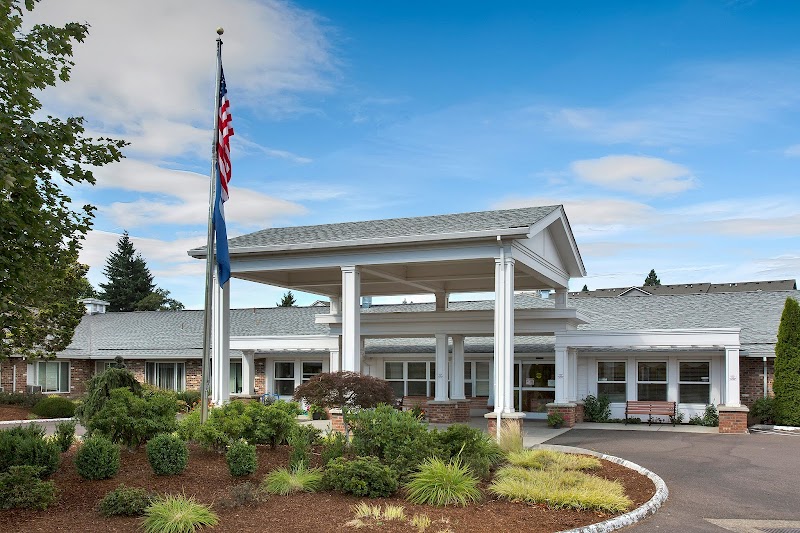
How is Forest Grove Post Acute Staffed?

CMS rates FOREST GROVE POST ACUTE's staffing level at 3 out of 5 stars, which is average compared to other nursing homes. Staff turnover is 33%, compared to the Oregon average of 46%. This relatively stable workforce can support continuity of care. RN turnover specifically is 56%, which is notably high. RNs provide skilled clinical oversight, so turnover in this role can affect medical care quality.

What Have Inspectors Found at Forest Grove Post Acute?

State health inspectors documented 21 deficiencies at FOREST GROVE POST ACUTE during 2019 to 2025. These included: 1 Immediate Jeopardy (the most serious level, indicating potential for serious harm or death), 3 that caused actual resident harm, and 17 with potential for harm. Immediate Jeopardy findings are rare and represent the most serious regulatory concerns. They require immediate corrective action.
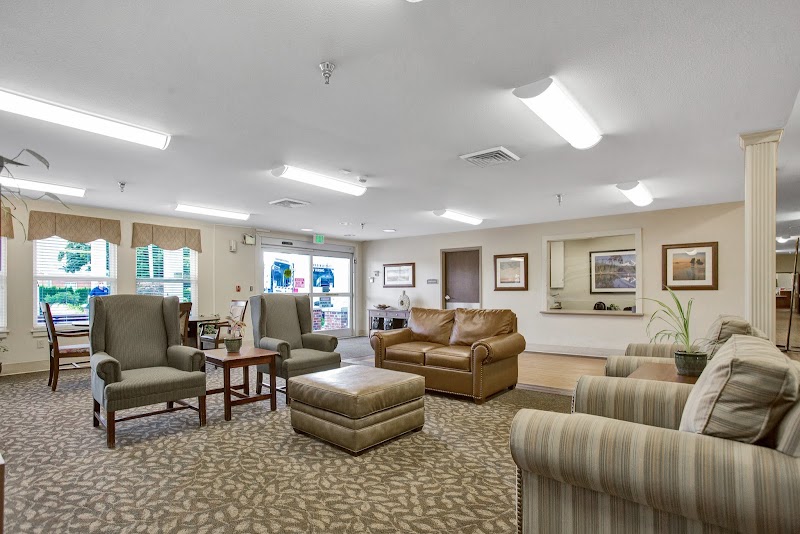
Who Owns and Operates Forest Grove Post Acute?

FOREST GROVE POST ACUTE is owned by a for-profit company. For-profit facilities operate as businesses with obligations to shareholders or private owners. The facility is operated by PACS GROUP, a chain that manages multiple nursing homes. With 114 certified beds and approximately 78 residents (about 68% occupancy), it is a mid-sized facility located in FOREST GROVE, Oregon.
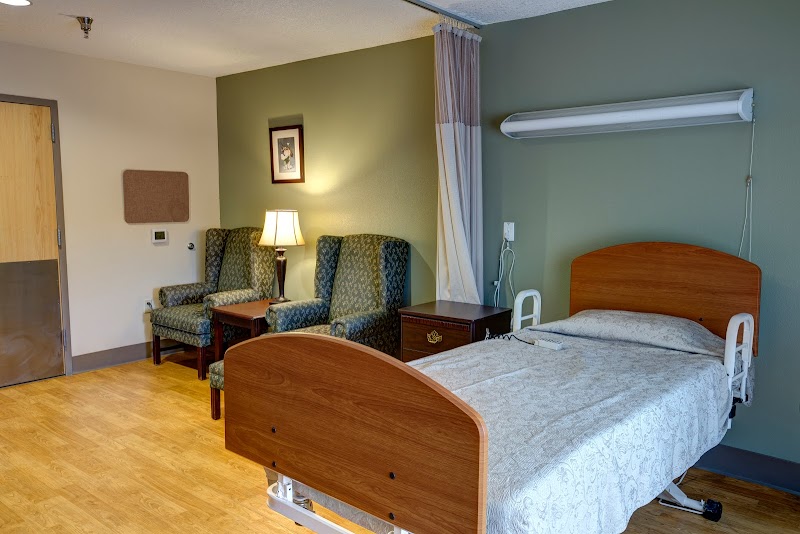
How Does Forest Grove Post Acute Compare to Other Oregon Nursing Homes?

Compared to the 100 nursing homes in Oregon, FOREST GROVE POST ACUTE's overall rating (4 stars) is above the state average of 3.0, staff turnover (33%) is significantly lower than the state average of 46%, and health inspection rating (4 stars) is above the national benchmark.

What Should Families Ask When Visiting Forest Grove Post Acute?

Based on this facility's data, families visiting should ask: "What changes have been made since the serious inspection findings, and how are you preventing similar issues?" "Can I visit during a mealtime to observe dining assistance and food quality?" "How do you handle medical emergencies, and what is your hospital transfer rate?" "Can I speak with family members of current residents about their experience?" These questions are particularly relevant given the facility's Immediate Jeopardy citations.

Is Forest Grove Post Acute Safe?

Based on CMS inspection data, FOREST GROVE POST ACUTE has documented safety concerns. Inspectors have issued 1 Immediate Jeopardy citation (the most serious violation level indicating risk of serious injury or death). The facility has a 4-star overall rating and ranks #1 of 100 nursing homes in Oregon. Families considering this facility should ask detailed questions about what corrective actions have been taken since these incidents.

Do Nurses at Forest Grove Post Acute Stick Around?

FOREST GROVE POST ACUTE has a staff turnover rate of 33%, which is about average for Oregon nursing homes (state average: 46%). Moderate turnover is common in nursing homes, but families should still ask about staff tenure and how the facility maintains care continuity when employees leave.

Was Forest Grove Post Acute Ever Fined?

FOREST GROVE POST ACUTE has no federal fines on record. CMS issues fines when nursing homes fail to meet care standards or don't correct problems found during inspections. The absence of fines suggests the facility has either maintained compliance or corrected any issues before penalties were assessed. This is a positive indicator, though families should still review recent inspection reports for the full picture.

Is Forest Grove Post Acute on Any Federal Watch List?

FOREST GROVE POST ACUTE is not on any federal watch list. The most significant is the Special Focus Facility (SFF) program, which identifies the bottom 1% of nursing homes nationally based on persistent, serious quality problems. Not being on this list means the facility has avoided the pattern of deficiencies that triggers enhanced federal oversight. This is a positive indicator, though families should still review the facility's inspection history directly.