HEARTHSTONE NURSING & REHABILITATION CENTER
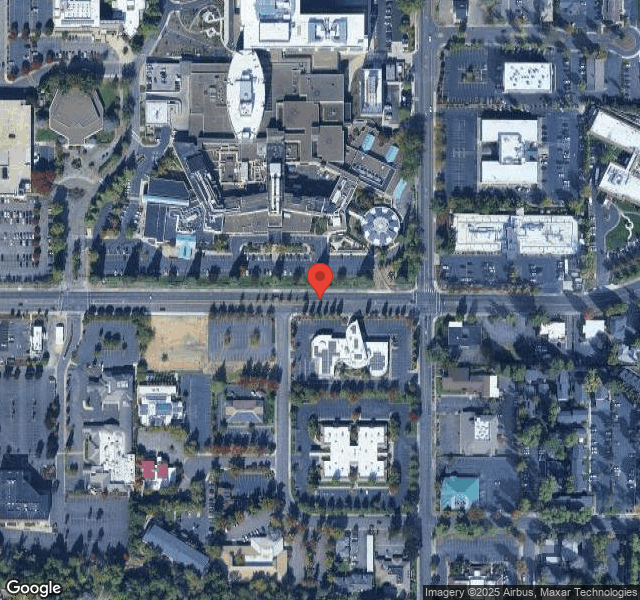
2901 E. BARNETT ROAD, MEDFORD, OR 97504 (541) 779-4221
For profit - Limited Liability company 87 Beds VOLARE HEALTH Data: November 2025 4 Immediate Jeopardy citations
Trust Grade
0/100
Last Inspection: May 2025

Inspected within the last 6 months. Data reflects current conditions.

Overview

Hearthstone Nursing & Rehabilitation Center received a Trust Grade of F, indicating poor performance and significant concerns in care quality. It ranks at the bottom in Oregon and Jackson County, meaning there are no other local facilities that are rated lower. Although the facility's trend is improving, going from 50 issues in 2024 to just 5 in 2025, the current state is still alarming. Staffing is a major concern with a 61% turnover rate, which is higher than the state average, and the facility has incurred $230,522 in fines, exceeding 97% of other Oregon facilities. Serious incidents reported include repeated non-consensual sexual activity among residents and failures in wound care management, raising significant alarms about resident safety and care quality.

Trust Score
F
0/100
In Oregon
#112/223
Top 50%
Safety Record
High Risk
Review needed
Inspections
Getting Better
50 → 5 violations
Staff Stability
⚠ Watch
61% turnover. Above average. Higher turnover means staff may not know residents' routines.
Penalties
✓ Good
$230,522 in fines. Lower than most Oregon facilities. Relatively clean record.
Skilled Nurses
○ Average
Each resident gets 41 minutes of Registered Nurse (RN) attention daily — about average for Oregon. RNs are the most trained staff who monitor for health changes.
Violations
⚠ Watch
71 deficiencies on record. Higher than average. Multiple issues found across inspections.
☆☆☆☆☆
0.0
Overall Rating
☆☆☆☆☆
0.0
Staff Levels
☆☆☆☆☆
0.0
Care Quality
☆☆☆☆☆
0.0
Inspection Score
Stable
2024: 50 issues
2025: 5 issues

The Good

  • Full Sprinkler Coverage · Fire safety systems throughout facility
  • No fines on record

Facility shows strength in fire safety.

The Bad

Staff Turnover: 61%

14pts above Oregon avg (46%)

Frequent staff changes - ask about care continuity

Federal Fines: $230,522

Well above median ($33,413)

Significant penalties indicating serious issues

Chain: VOLARE HEALTH

Part of a multi-facility chain

Ask about local staffing decisions and management

Staff turnover is elevated (61%)

13 points above Oregon average of 48%

The Ugly 71 deficiencies on record

4 life-threatening 2 actual harm
May 2025 5 deficiencies
CONCERN (D) 📢 Someone Reported This

A family member, employee, or ombudsman was alarmed enough to file a formal complaint

Potential for Harm - no one hurt, but risky conditions existed

Free from Abuse/Neglect (Tag F0600)

Could have caused harm · This affected 1 resident

Based on interview and record review, it was determined the facility failed to protect the resident's right to be free from abuse for 2 of 2 sampled residents (#s 32 & 208) reviewed for abuse. This pl...

Read full inspector narrative →
Based on interview and record review, it was determined the facility failed to protect the resident's right to be free from abuse for 2 of 2 sampled residents (#s 32 & 208) reviewed for abuse. This placed residents at risk for mental anguish and abuse. Findings include: Review of the facility's 3/2025 Freedom from Abuse, Neglect and Exploitation Policy and Procedures revealed: Definition of willful: The individual must have acted deliberately (not an inadvertent or accidental action), not that the individual must have intended to inflict injury or harm. 1. Resident 32 admitted to the facility in 2022 with diagnoses including stroke affecting dominant side and mood disorder. Resident 32's 3/15/25 Quarterly MDS indicated the resident was severely cogitatively impaired. 2. Resident 208 re-admitted to the facility in 3/2025 with diagnoses including dementia and agitation. Resident 208's 3/15/25 admission MDS indicated the resident was cognitively intact. On 4/3/25 at 8:30 PM, an Alleged Abuse incident report completed by Staff 1 (Administrator) revealed Staff 11 (RN) reported Staff 12 (CNA) and Staff 18 (CNA) witnessed Resident 208 touching Resident 32's breast at approximately 5:45 PM, in the dining room. On 4/3/25 Staff 12's (CNA) witness statement indicated around dinnertime, she observed Resident 208 attempting to touch Resident 32's chest. Staff 12 reported the incident to Staff 16 (RN) and was instructed to move Resident 208 away from Resident 32. Staff 12 informed Resident 208 that she/he needed to sit in a different location at which point Resident 208 became angry and attempted to approach Resident 32 again. On 4/3/25 Staff 16's (RN) witness statement indicated he was notified by a CNA about difficulty keeping Resident 208 out of the dining room and away from Resident 32. Staff reported Resident 208 had been re-directed and removed from the area several times but continued to return. Staff 16 instructed the CNAs to keep Resident 208 away from Resident 32, to continue to monitor both residents, and to notify him if Resident 208 attempted to approach Resident 32 again. On 4/3/25 Staff 17's (CNA) witness statement indicated she was trying to help move Resident 208 away from Resident 32. Resident 208 was saying do you want some of this? while pointing downward and looking towards Resident 32. Staff 17 stated Resident 208 was resistive at first then stopped trying to approach Resident 32. On 4/3/25 Staff 18's (CNA) witness statement indicated he witnessed Resident 208 touching Resident 32's breast in the dining room and Staff 12 moved Resident 208 away from Resident 32. On 4/11/2025 at 12:55 PM, a social services note indicated staff were called to Resident 208's room in response to reports of unruly behavior and verbal threats directed toward staff and other residents. The facility contacted the local police department and emergency medical transport (EMT) to facilitate a psychiatric evaluation at an emergency department. During the EMT's attempt to transport the resident, Resident 208 reportedly stated, If I get you alone, I'll knock your fucking teeth out. The resident's family was notified of the incident and informed that, due to the nature of the behavior, Resident 208 would not be readmitted to the facility following the evaluation. On 4/11/2025 at 3:09 PM, a social services note documented that Resident 208 underwent a psychiatric evaluation and was subsequently returned to the facility. On 4/17/2025 at 4:59 PM, an alert note documented Resident 208 was verbally aggressive toward staff and another resident. While staff were assisting another resident in the hallway, Resident 208 reportedly stated an aggressive remark. The other resident turned around in response to the verbal outburst, at which point Resident 208 directed the comment, Fuck you big guy, what are you going to do about it? toward the resident. Staff intervened however, removal of Resident 208 from the area was challenging due to continued aggression. On 5/21/25 at 2:31 PM, Staff 18 (CNA) confirmed he witnessed Resident 208 touch Resident 32's breast in the dining room. Staff 18 separated both residents and asked Staff 12 to tell the charge nurse while he kept the residents apart. On 5/22/25 at 1:51 PM, Staff 12 (CNA) stated when she brought another resident into the dining room for dinner she saw Resident 208 touch Resident 32's breast. Staff 12 stated when she tried to separate Resident 208 she/he tried to follow Resident 32 and became verbally aggressive. On 5/22/25 at 8:45 PM, Staff 11 (RN) stated on 4/3/25 at approximately 8:15 PM, Staff 12 and Staff 18 reported earlier that day they both witnessed Resident 208 touch Resident 32's breast in the dining room during dinner time. Staff 11 stated immediate safety interventions were put into place, residents' family and appropriate staff were notified. On 5/23/25 at 11:48 AM, Staff 1 (Administrator) acknowledged the sexual contact between Resident 32 and Resident 208. Staff 1 stated neither resident had the mental capacity to consent. Staff 1 stated he did not believe the resident's actions were willful and did not believe the facility could have prevented the resident's behavior or rule out abuse or neglect. Staff 1 acknowledged the facility had an obligation to ensure residents were free from abuse.
CONCERN (D) 📢 Someone Reported This

A family member, employee, or ombudsman was alarmed enough to file a formal complaint

Potential for Harm - no one hurt, but risky conditions existed

Report Alleged Abuse (Tag F0609)

Could have caused harm · This affected 1 resident

Based on interview and record review it was determined the facility failed to ensure alleged violations involving sexual abuse were reported immediately, but no later than two hours after the allegati...

Read full inspector narrative →
Based on interview and record review it was determined the facility failed to ensure alleged violations involving sexual abuse were reported immediately, but no later than two hours after the allegation is made for 2 of 2 sampled residents (#s 32 and 208) reviewed for abuse. This placed residents at risk for abuse. Findings include: 1. Resident 32 admitted to the facility in 2022 with a diagnoses including stroke affecting dominant side and mood disorder. Resident 32's 3/15/15 Quarterly MDS indicated the resident was (severely cognitively impaired). 2. Resident 208 re-admitted to the facility in 2025 with diagnoses including dementia and agitation. Resident 208's 3/15/25 admission MDS indicated she/he was (cognitively intact). Review of the incident investigation dated 4/3/25 indicated at approximately 5:45 PM, Staff 12 (CNA) and Staff 13 (CNA) witnessed Resident 208 touch Resident 32's breast in the dining. At approximately 8:15 PM, Staff 12 and Staff 13 notified Staff 11 (RN). A FRI was received on 4/3/25 at 9:23 PM, the report indicated staff witnessed Resident 208 touched Resident 32's breast at 5:45 PM. On 5/22/25 at 8:45 PM, Staff 11 (RN) stated on 4/3/25 at approximately 8:15 PM, Staff 12 and Staff 13 reported at approximately 5:30 PM, they both witnessed Resident 208 touch Resident 32's breast in the dining. Staff 11 stated she notified Staff 1 (Administrator) but did not submit the FRI. On 5/23/25 at 11:48 AM, Staff 1 (Administrator) acknowledged the facility failed to report alleged allegations of sexual abuse timely to the State Agency.
CONCERN (D)

Potential for Harm - no one hurt, but risky conditions existed

Comprehensive Assessments (Tag F0636)

Could have caused harm · This affected 1 resident

Based on interview and record review it was determined the facility failed to develop a comprehensive assessment for 1 of 3 residents (#31) reviewed for tube feeding. This placed residents at risk for...

Read full inspector narrative →
Based on interview and record review it was determined the facility failed to develop a comprehensive assessment for 1 of 3 residents (#31) reviewed for tube feeding. This placed residents at risk for unmet nutritional needs and weight loss. Resident 31 was admitted to the facility in 4/2025 with diagnoses including a feeding tube. The 5/3/25 admission Nutritional Status CAA indicated Resident 31 had nutritional problems or potential problem related to acute kidney failure, UTI, diabetes, severe septic shock, high blood pressure and Enteral feeding. (tube feeding.) The admission Nutritional CAA did not include Resident 31's eating pattern, communication problems, resident or family input, or care plan considerations. On 5/22/25 at 11:57 AM Staff 22 (MDS Coordinator) acknowledged the 5/22/25 admission MDS Nutritional CAA did not include Resident 31's current eating pattern, communication problems, resident or family input, or care plan considerations. Staff 22 acknowledged the 5/22/25 admission MDS Nutritional CAA needed more information and was not comprehensive. On 5/22/25 at 1:56 PM Staff 2 (DNS) acknowledged the 5/22/25 admission MDS Nutritional CAA did not include Resident 31's current eating pattern, communication problems, resident or family input, or care plan considerations. Staff 2 acknowledged the 5/22/25 admission MDS Nutritional CAA was not comprehensive and her expectation was for staff to make the CAA person centered for Resident 31.
CONCERN (D)

Potential for Harm - no one hurt, but risky conditions existed

Deficiency F0698 (Tag F0698)

Could have caused harm · This affected 1 resident

Based on observation, interview, and record review, it was determined the facility failed to ensure dialysis (a procedure which removes waste products and excess fluid from the blood when the kidneys ...

Read full inspector narrative →
Based on observation, interview, and record review, it was determined the facility failed to ensure dialysis (a procedure which removes waste products and excess fluid from the blood when the kidneys are no longer functioning properly) services were completed, including monitoring and communication with the dialysis provider for 1 of 1 sampled resident (#44) reviewed for dialysis. This placed residents at risk for delayed treatment and medical complications related to dialysis. Findings include: Resident 44 was admitted to the facility in 3/2025 with diagnoses including heart failure and end stage renal disease. The 3/11/25 admission MDS indicated Resident 44 had a BIMS score of 12 (moderate cognitive impairment), received a therapeutic diet, and was at risk for fluid overload due to end stage renal disease. a. A 3/10/25 physician order indicated nursing staff were to complete the post-dialysis form after Resident 44 returned from dialysis. Staff were to ensure the resident returned with the Pre-Dialysis Assessment and Communication Form completed and follow up as indicated with dialysis if the form was not returned with the resident every Monday, Wednesday, and Friday. A 4/8/25 revised care plan revealed Resident 44 received dialysis on Mondays, Wednesdays, and Fridays. A review of the 5/2025 Pre/Post Dialysis Assessment forms revealed on 5/12/25, 5/14/25, and 5/21/25 dialysis forms were either incomplete or contained inaccurate weights for the day of dialysis. On 5/22/25 at 8:38 AM, Resident 44 stated she/he took forms with her/him to dialysis and dialysis was to FAX the information back to the facility. On 5/22/25 at 8:42 AM, Staff 10 (LPN) stated he worked both night and day shifts. Staff 10 indicated the night nurse was responsible to ensure the post-dialysis information was received from dialysis by FAX and the dialysis assessment form was completed. Staff 10 stated the expectation was to obtain accurate weights and vitals on the day of dialysis from facility staff for pre-dialysis data. On 5/22/25 at 9:38 AM, Staff 6 (Unit Manger) stated it was difficult to get the dialysis forms returned from dialysis. Staff 6 stated nursing staff was expected to follow up with dialysis in order to accurately assess and monitor Resident 44. Staff 6 stated correct data on Resident 44 was needed for all dialysis assessments and the expectation for dialysis care for Resident 44 was not met. On 5/23/25 at 1:07 PM, Staff 2 (DNS) stated she expected staff to contact dialysis if the dialysis information was not received. Staff 2 acknowledged timely and complete dialysis assessments for Resident 44 were necessary. b. The 2021 facility's Diet and Nutrition Care Manual indicated a Liberalized Renal Diet for dairy products may be limited if phosphorous (a mineral) was a concern. A 3/10/25 Diet Profile indicated Resident 44 was to receive a renal diet (foods lower in sodium, potassium, and phosphorus), large portions, and disliked meat and eggs. A 5/5/25 Nutrition Communication from dialysis indicated Resident 44's phosphorus levels were elevated and a high-protein, mostly vegan diet was recommended with a note which indicated Resident 44 will consume small amounts of cottage cheese. Recommendations included a double portion of protein to include tofu and beans due to the resident's hunger. An acknowledgement note handwritten by Staff 3 (Assistant Director of Nursing) on the Nutrition Communication form indicated Resident 44 already received large portions and extra protein. A 5/19/25 Nursing Progress Note indicated Resident 44 returned from dialysis with a note which indicated the resident had excessive weight gain; the dialysis center was unable to remove all fluid and requested Resident 44 be placed on a low sodium diet. On 5/21/25, an undated Sack Lunches for Renal Diets list was observed on the snack refrigerator door located near the the dining room. The posted list included a list of items not appropriate for renal diets. Cottage cheese (a food high in sodium and phosphorus) was not on the list. On 5/20/25 at 5:00 PM, Resident 44 stated staff, from the dialysis center, indicated her/his diet needed more protein. Resident 44 stated she/he received few protein options with her/his meals. Review of Resident 44's 5/20/25 breakfast meal ticket revealed no protein was provided. On 5/21/25 at 8:55 AM, Staff 5 (Dietary Manager) stated there was a notebook in the dining room which included a list of all resident diets with diet education. Staff 5 indicated the notebook was available for everyone, including nursing staff. On 5/21/25 at 1:20 PM and 1:24 PM, Staff 8 (CNA) and Staff 9 (CNA) stated Resident 44 was often hungry and cottage cheese was routinely provided to Resident 44 as a snack because she/he did not like meat or eggs. Staff 9 and Staff 8 were unaware to limit cottage cheese for Resident 44 and had no knowledge of the resident diet list or notebook. On 5/22/25 at 11:13 AM, Staff 3 stated weekly meetings occurred with Staff 7 (RD) and Resident 44's diet was not updated timely. Staff 3 stated a faster process was needed to ensure diets were updated. On 5/22/25 at 12:02 PM, Staff 5 stated the communication of diet orders for Resident 44 was confusing. Staff 5 acknowledged improved renal diet information and diet training for nursing staff was needed. On 5/22/25 at 12:30 PM, Staff 7 acknowledged she was aware of the 5/5/25 dietary communication related to Resident 44's dietary needs, which was not yet fully addressed. Staff 7 stated some cottage cheese for Resident 44 was acceptable and more direct communication between dialysis staff and Staff 7 was expected to timely address the nutritional needs of Resident 44. On 5/23/25 at 1:07 PM, Staff 2 (DNS) acknowledged improved dietary information, direction, and training were necessary related to Resident 44 and renal diets.
CONCERN (D)

Potential for Harm - no one hurt, but risky conditions existed

Dental Services (Tag F0791)

Could have caused harm · This affected 1 resident

Based on interview and record review it was determined the facility failed to follow up on dental services for 1 of 1 sampled resident (#6) reviewed for dental services. This placed residents at risk ...

Read full inspector narrative →
Based on interview and record review it was determined the facility failed to follow up on dental services for 1 of 1 sampled resident (#6) reviewed for dental services. This placed residents at risk for unmet dental health needs. Findings include: A 3/2023 facility Dental Service policy indicated the facility was to assist the resident in making dental appointments if necessary or requested. Resident 6 was admitted to the facility in 5/2021 with diagnoses including bipolar disorder (mental health condition characterized by extreme moods) and chronic pain. A 12/5/24 IDT (Interdisciplinary Team) Care plan Conference/Welcome Meeting Form indicated Resident 6 requested follow-up appointments for dental work that began during the prior months. A 3/4/25 Quarterly MDS indicated Resident 6 had a BIMS score of 14 (cognitively intact) and had obvious or probably cavities or broken teeth. A 3/11/25 IDT Care Plan Conference/Welcome Meeting Form indicated Resident 6 required dental services, including routine cleaning. A 3/13/25 revised care plan indicated Resident 6 required one staff to set up or assist with oral care. On 5/19/25 at 1:54 PM, Resident 6 stated she/he requested dental work because of five areas in her/his mouth that needed attention. Resident 6 reported she/he continued to request assistance with dental appointments during care conferences, but no appointments occurred. On 5/20/25 at 4:17 PM, Staff 20 (CNA) stated Resident 6 had no dental pain. Staff 20 stated Resident 6 often remained in bed, the resident was able to perform her/his own dental care, and declined offers to set up her/his tooth brush and toothpaste when tired. On 5/21/25 at 10:51 AM, Staff 4 (Social Service Director) recalled Resident 6's requests for dental services during the 12/2025 and 3/2025 care conferences. Staff 4 stated Staff 14 (Receptionist) was responsible to schedule dental appointments for residents and was expected to update Staff 4 regarding Resident 6's dental appointment needs. Staff 4 stated she expected updates within two weeks of Resident 6's dental appointments and acknowledged the follow up was missed. On 5/21/25 at 12:02 PM, Staff 14 stated she was aware Resident 6 had a dental appointment on 1/22/25 and was to receive provider notes upon Resident 6's return. Staff 14 stated she did not contact the provider for notes when Resident 6 returned without documentation. On 5/23/25 at 1:00 PM, Staff 2 (DNS) stated the transportation company that transported Resident 6 to the 1/22/25 dental appointment reported Resident 6 had a fractured tooth. Staff 2 expected staff to follow-up on all resident appointments.
Dec 2024 10 deficiencies
CONCERN (D)

Potential for Harm - no one hurt, but risky conditions existed

Deficiency F0552 (Tag F0552)

Could have caused harm · This affected 1 resident

Based on interview and record review it was determined the facility failed to update a resident's POLST (physician orders for life sustaining treatment; end of life choices) for 1 of 4 sampled residen...

Read full inspector narrative →
Based on interview and record review it was determined the facility failed to update a resident's POLST (physician orders for life sustaining treatment; end of life choices) for 1 of 4 sampled residents (#36) reviewed for ADLs. This placed residents at risk for end-of-life choices not being honored. Findings include: Resident 36 admitted to the facility in 2/2024 with a diagnosis of a brain injury. A POLST dated 2/5/24 indicated Resident 36 was to be resuscitated if her/his heart and breathing stopped. A 3/1/24 admission MDS and 6/1/24 quarterly MDS revealed Resident 36 had moderate cognitive impairment, but was able to make her/his needs known. An 8/26/24 Interdisciplinary Care Conference Form revealed Resident 36 notified staff she/he wanted to change her/his code status (POLST) to a DNR (do not resuscitate) status. At this time of the survey Resident 36's record did not include an updated POLST. On 12/4/24 at 10:59 AM Staff 37 (Social Services) acknowledged during the 8/2024 care conference Resident 36 voiced her/his desire to change her/his POLST from full resuscitation to no resuscitation and it was not updated.
CONCERN (D)

Potential for Harm - no one hurt, but risky conditions existed

Transfer Notice (Tag F0623)

Could have caused harm · This affected 1 resident

**NOTE- TERMS IN BRACKETS HAVE BEEN EDITED TO PROTECT CONFIDENTIALITY** Based on interview and record review it was determined the facility failed to ensure transfer notices with appeal rights were pr...

Read full inspector narrative →
**NOTE- TERMS IN BRACKETS HAVE BEEN EDITED TO PROTECT CONFIDENTIALITY** Based on interview and record review it was determined the facility failed to ensure transfer notices with appeal rights were provided in writing to residents and their representatives, and to ensure the Office of the State Long-Term Care Ombudsman was notified of resident hospitalizations for 2 of 2 sampled resident (#s 4 and 36) reviewed for hospitalizations. This placed residents at risk of lack of access to an advocate to inform them of their options and rights, and a decreased quality of life. Findings include: Resident 4 admitted to the facility in 3/2021 with diagnoses including epilepsy. A review of Resident 4's nursing progress notes revealed she/he was discharged to the hospital on [DATE] due a seizure, and was readmitted to the facility on [DATE]. No evidence was found in Resident 4's clinical record to indicate a transfer notice with appeal rights was provided in writing to her/his representative or the Office of the State Long-Term Care Ombudsman was notified of the resident's transfer to the hospital. On 12/4/24 at 1:53 PM Staff 2 (DNS) stated the facility did not have a system in place to ensure representatives and the ombudsman were notified when a resident discharged from the facility as required. 2. Resident 36 admitted to the facility in 2/2024 with a diagnosis of a brain injury. A Progress Note dated 8/21/24 revealed Resident 36 was admitted to the hospital on [DATE]. Resident 36's record did not include documentation to indicate the ombudsman was notified of the transfer to the hospital. On 12/4/24 at 12:08 PM Staff 37 (Social Services) stated she was not aware who was responsible to notify the the ombudsman of resident transfers to the hospital. On 12/4/24 at 12:14 PM a request was made to Staff 2 (DNS) to provide documentation the ombudsman was notified of Resident 36's transfer to the hospital. No additional information was provided.
CONCERN (D)

Potential for Harm - no one hurt, but risky conditions existed

Deficiency F0625 (Tag F0625)

Could have caused harm · This affected 1 resident

**NOTE- TERMS IN BRACKETS HAVE BEEN EDITED TO PROTECT CONFIDENTIALITY** Based on interview and record review it was determined the facility failed to provide information regarding the facility's bed h...

Read full inspector narrative →
**NOTE- TERMS IN BRACKETS HAVE BEEN EDITED TO PROTECT CONFIDENTIALITY** Based on interview and record review it was determined the facility failed to provide information regarding the facility's bed hold policy for 2 of 2 sampled residents (#s 4 and 36) reviewed for hospitalization. This placed residents at risk for lack of knowledge regarding the right to return to the same bed within the facility. Findings include: Resident 4 admitted to the facility in 3/2021 with diagnoses including epilepsy. A review of Resident 4's nursing progress notes revealed she/he was discharged to the hospital on [DATE] due a seizure and was readmitted to the facility on [DATE]. No documentation was found in Resident 4's clinical record the facility's bed hold policy was reviewed with the resident or the resident's representative upon discharge to the hospital. On 12/4/24 at 1:53 PM Staff 2 (DNS) stated the facility did not have a system in place to ensure residents and representative were notified of the bed hold policy when discharged from the facility. 2. Resident 36 admitted to the facility in 2/2024 with a diagnosis of a stroke. Progress Notes dated 8/21/24 revealed Resident 36 was discharged to the hospital on 8/21/24. Resident 36's record did not include documentation to indicate Resident 36 or her/his representative were provided with a copy of the facility's bed hold policy. On 12/4/24 at 12:08 PM Staff 37 (Social Services) stated upon admission residents were provided the bed hold policy. Staff 37 stated she was not sure who provided one prior to hospitalization. On 12/4/24 at 12:11 PM Staff 34 (Agency RN) stated the nurse on duty provided the bed hold policy to the resident at the time of discharge to the hospital. If the policy was provided staff documented it in the resident's progress notes. On 12/4/24 at 12:14 PM a request was made to Staff 2 (DNS) to provide documentation Resident 36 or her/his representative were provided copy of the facility's bed hold policy on 8/21/24. No additional information was provided.
CONCERN (D)

Potential for Harm - no one hurt, but risky conditions existed

ADL Care (Tag F0677)

Could have caused harm · This affected 1 resident

Based on observation, interview, and record review it was determined the facility failed to assist residents with hygiene for 2 of 4 sampled residents (#s 8 and 36) reviewed for ADLs. This placed resi...

Read full inspector narrative →
Based on observation, interview, and record review it was determined the facility failed to assist residents with hygiene for 2 of 4 sampled residents (#s 8 and 36) reviewed for ADLs. This placed residents at risk for lack of dignity. Findings include: 1. Resident 8 admitted to the facility in 5/2021 with a diagnosis of Parkinson's disease. A 9/10/24 annual MDS revealed Resident 8 was cognitively intact, weak, and had an ADL impairment which required staff to assist with personal hygiene. A Shower form dated from 11/6/24 through 12/6/24 revealed Resident 8 had a shower or bed bath on multiple dates including 11/30/24 and 12/4/24. On 12/2/24 at 1:23 PM, 12/4/24 at 3:37 PM, and 12/5/24 at 11:15 AM Resident 8 was observed to have a mustache and a beard which was starting to grow in. Resident 8 stated she/he preferred to keep a mustache but otherwise liked to be clean shaved. Resident 8 also stated staff needed to help her/him and they usually helped about every two months. On 12/4/24 at 9:28 AM Staff 33 (CNA) stated it did not look like Resident 8 was shaved for awhile. On 12/5/24 at 12:52 PM Staff 6 (LPN Unit Manager) was notified Resident 8 was not shaved when provided bathing on 12/5/24 and Staff 6 indicated she would address Resident 8's shaving preference. 2. Resident 36 admitted to the facility in 2/2024 with a diagnosis of a brain injury. A 3/1/24 admission MDS and 12/2/24 quarterly MDS revealed Resident 36 had moderate cognitive impairment, was able to make needs known, and was dependent for ADL care including personal hygiene. A 11/5/24 through 12/5/24 Shower form revealed Resident 36 received bathing on Tuesday and Friday including 11/29/24 and 12/3/24. On 12/3/24 at 8:28 AM Resident 36 stated she/he liked having a mustache but preferred to not have a beard. Resident 36 stated staff had to help her/him shave. On 12/4/24 at 9:28 AM Staff 34 (Agency RN) stated Resident 36 received a bed bath on 12/3/24 and verified she/he was not shaved. On 12/5/24 at 12:52 PM Staff 6 (LPN Unit Manager) was notified Resident 36 was not shaved when provided bathing on 12/3/24 and Staff 6 indicated she would address Resident 36's shaving preference.
CONCERN (D)

Potential for Harm - no one hurt, but risky conditions existed

Quality of Care (Tag F0684)

Could have caused harm · This affected 1 resident

Based on interview and record review it was determined the facility failed to follow physician's orders and provide care and services to maintain the highest practicable level of well-being for 1 of 7...

Read full inspector narrative →
Based on interview and record review it was determined the facility failed to follow physician's orders and provide care and services to maintain the highest practicable level of well-being for 1 of 7 sampled residents (# 36) reviewed for hospitalization. Findings include: 1. Resident 36 admitted to the facility in 2/2024 with a diagnosis of brain injury. An 8/9/24 Encounter note by Staff 36 (Physician) revealed Resident 36 was referred to GI (gastrointestinal; specialty in digestive system issues) and the Referral is in place to GI for liver disease. An 8/16/24 Encounter note by Staff 36 revealed Resident 36 was assessed for a change in condition. At the time of the assessment Resident 36 was observed to be at her/his baseline. The encounter notes included Resident 36 had liver disease and new orders were provided which included a note Is there GI follow up please .? Resident 36's clinical record revealed no GI consult report. On 12/4/24 at 8:50 AM Staff 22 (LPN) stated if a physician note indicated a referral was to be made, Staff 35 (Reception) was notified, and she made the referrals. On 12/4/24 at 8:55 AM Staff 35 stated she made appointments and set up rides for residents. Staff 35 was asked if a GI appointment was made for Resident 36. No additional information was provided. On 12/4/24 at 11:24 AM Staff 30 (LPN Unit Manager) stated Staff 36 treated Resident 36's liver condition and the resident did not need to go to a GI specialist. Staff 30 acknowledged Staff 36 wrote the note for a GI consult. Staff 30 was asked to documentation indicating a GI consult was not required. No additional information was provided.
CONCERN (D) 📢 Someone Reported This

A family member, employee, or ombudsman was alarmed enough to file a formal complaint

Potential for Harm - no one hurt, but risky conditions existed

Accident Prevention (Tag F0689)

Could have caused harm · This affected 1 resident

Based on interview and record review it was determined the facility failed to ensure falls were evaluated timely and care plan interventions were updated, appropriate and followed for 2 of 2 sampled r...

Read full inspector narrative →
Based on interview and record review it was determined the facility failed to ensure falls were evaluated timely and care plan interventions were updated, appropriate and followed for 2 of 2 sampled resident (#s 12 and 32) reviewed for accidents. This placed residents at risk for accidents. Findings include: 1. Resident 12 admitted to the facility in 10/2024 with diagnoses including stroke and low blood pressure. An 10/9/24 Un-witnessed Fall investigation revealed Resident 12 crawled in her/his room to the doorway and slid herself/himself out of her/his chair. Resident 12 was reminded to use her/his call light and Zoloft (antidepressant medication) was added on 10/10/24 to assist with her/his impulsive behaviors. Investigation notes indicated the investigation was dated 10/30/24 (21 days after the incident) and the care plan was followed. An 10/11/24 at 7:30 AM Un-witnessed Fall investigation had no description of Resident 12's fall and the investigation notes were dated 10/30/24 (19 days after the incident). An 10/11/24 at 7:15 PM Un-witnessed Fall investigation revealed Resident 12 was found on the floor on her/his knees, bilateral fall mats were placed and the investigation notes were dated 10/30/24. The 10/2025 TAR indicated from 10/11/24 through 11/4/24 nurses were to ensure Resident 12 was not left unattended in her/his room with frequent safety checks. An 10/12/24 admission MDS revealed Resident 12 was moderately cognitively impaired, was frequently incontinent of bowel and bladder, and had two or more falls in the facility since admission. An 10/12/24 Nursing Note indicated a late entry for alert charting for Resident 12's falls and antidepressant medication. An 10/13/24 Un-witnessed Fall investigation revealed Resident 12 had a bad dream and was assisted back to bed with continued observation through the resident's open door. Resident 12's Zoloft was scheduled to increase on 10/15/24 to her/his previous home dose. No additional care plan interventions were found. The investigation notes were dated 10/30/24 (17 days after the incident). An 10/14/24 Un-witnessed Fall investigation revealed Resident 12 was found on the floor behind a chair in her/his room with one non-slip sock on, was incontinent of urine and the addition of a sleep aid was planned for the next provider visit on 10/17/24. No additional care plan interventions were found. The investigation notes were dated 10/30/24 (16 days after the incident). An 10/20/24 Un-witnessed Fall investigation revealed Resident 12 was found at her/his bedside and rolled out of bed when she/he tried to get something. Resident 12 was evaluated by the interdisciplinary team and it was decided to add a bolster mattress as fall prevention care. The investigation notes were dated 10/30/24 (10 days after the incident). A 11/13/24 revised care plan indicated on 10/11/24 bilateral fall mats were in place, on 10/20/24 the use of her/his low bed was documented and on 10/23/24 a bolster mattress and long handled reacher were implemented. On 12/6/24 at 12:49 PM Staff 6 (LPN-Unit Manager) stated she was unaware the nursing intervention to check and not leave Resident 12 unattended stopped on 11/4/24. Staff 6 acknowledged Resident 12's fall investigations were not thorough and completed timely which would ensure fall interventions were evaluated, in place and the care plan updated. 2. Resident 32 admitted to the facility in 10/2024 with diagnoses including dementia and pain in the right hip. The 10/20/24 admission MDS indicated Resident 32 was severely cognitively impaired and had falls prior to admission. The 10/23/24 Un-witnessed Fall investigation revealed Resident 32 was observed to walk behind her/his wheelchair without assistance and was observed with a hematoma (a collection of blood that pools in the tissue after an injury) to the left side of her/his forehead, which was consistent with the handle bars of her/his wheelchair. The investigation was completed on 11/21/24 (28 days after the incident) and indicated the incident was unavoidable due to Resident 32's lack of safety awareness. The investigation indicated staff performed hourly safety checks, monitored the resident for three hours, and kept Resident 32 visible when she/he was in her wheelchair to prevent further falls. The 10/28/24 Un-witnessed Fall investigation revealed Resident 32 was found on the floor after a fall, and indicated the resident attempted to walk to the bathroom and hit her/his head. The investigation was completed on 11/25/24 (28 days after the incident) and indicated to offer toileting to Resident 32 upon rising, after meals and before bed to prevent further falls. The 11/11/24 Un-witnessed Fall investigation revealed Resident 32 was found on her/his back in front of the bathroom, the resident was monitored, and the care plan was in process. A 11/25/24 (14 days after the incident) note indicated, due to the resident's cognition, Resident 32 did not understand how to use her/his call light and an easier to operate call light was put into place. A 11/11/24 revised care plan indicated Resident 32 relied on one staff to assist with toileting and was at risk for falls with interventions which included: to use push palm call light for the resident, ensure her/his call light was within reach, toilet the resident upon rising, after meals and before bed, provide reminders, reorientation and cueing as needed, and Resident 32 needed activities to provide distractions that minimized falls. The care plan did not indicated the use of bilateral fall mats next to her/his bed or to have her/his bed in the lowest position. On 12/2/24 at 11:57 AM Resident 32 was observed in her/his bed resting with bilateral fall mats and her/his bed in the lowest position. On 12/3/24 at 8:33 AM Staff 39 (Regional Director of Clinical) was unable to provided documentation Resident 32 was assessed for the use of her/his push palm call light. On 12/4/24 at 11:30 AM Staff 21 (CNA) stated there were fall interventions on Resident 32's care plan which were not applicable to the resident. Staff 21 stated Resident 32 used briefs and was unable to be toileted or use her/his push palm call light because of her/his cognition. On 12/4/24 at 12:20 PM Staff 32 (CNA) stated the utilization of falls mats and her/his bed in the lowest position were not in Resident 32's care plan, but were used as interventions by staff to prevent her/his falls. On 12/4/24 at 3:58 PM Staff 30 (LPN-Unit Manager) stated fall mats for Resident 32 should not be used since the mats were a trip hazard for the resident and the care plan should be updated to have her/his bed in the lowest position. Staff 30 stated toileting for Resident 32 was appropriate and the care plan should be followed. Staff 30 acknowledged the resident's fall investigations were not completed timely and resulted in attempts to reduce falls that were not applicable for Resident 32.
CONCERN (D)

Potential for Harm - no one hurt, but risky conditions existed

Pharmacy Services (Tag F0755)

Could have caused harm · This affected 1 resident

Based on interview and record review it was determined the facility failed to ensure residents received accurate provision of prescribed medications for 3 of 6 sampled residents (#s 2, 4 and 13) revie...

Read full inspector narrative →
Based on interview and record review it was determined the facility failed to ensure residents received accurate provision of prescribed medications for 3 of 6 sampled residents (#s 2, 4 and 13) reviewed for medications and hospitalizations. This placed residents at risk for not receiving medications as prescribed. Findings include: 1. Resident 2 was admitted to the facility in 12/2020 with diagnoses including heart failure. Review of the revised care plan dated 3/15/23 revealed Resident 2 had altered cardiovascular status due to hypotension with interventions which included to administer medications as ordered and monitor vital signs. Physician orders signed 11/17/24 instructed staff to administer metoprolol succinate (to treat chest pain, heart failure and high blood pressure) one time a day for hypertension, and to hold the medication if the resident's SPB (systolic blood pressure; the measure of force of blood against the artery walls while the heart beats) measured less than 100, or her/his DPB (diastolic blood pressure; the force of blood against the artery walls when the heart is relaxed and refilling with blood) measured less than 50, or her/his heart rate was less than 45 beats per minute. A review of the 11/2024 and 12/2024 MARs revealed staff were to administer metoprolol succinate one time a day for hypertension and to hold for SPB less than 100, DPB less than 50, or heart rate less than 45. A review of Resident 2's health record revealed on 12/2/24 at 7:17 AM Resident 2 was given metoprolol succinate when her/his blood pressure was documented as 96/57. A review of Resident 2's health record revealed on 12/2/24 at 4:00PM, Resident 13's blood pressure was documented as 174/70 and metoprolol succinate was administered. An interview on 12/7/24 at 9:31 AM with Staff 1 (Administrator) Staff 3 (Assistant Administrator), Staff 2 (DNS), Staff 9 (Vice President of Clinical), and Staff 31 (Senior Clinical Reimbursement), Staff 31 stated they expected the physician order to be followed. Resident 4 was admitted to the facility in 3/2021 with epilepsy. The 9/30/24 MDS indicated Resident 4 was rarely or never understood and was severely cognitively impaired. The 10/2024 MAR instructed staff to administer 25 milliliters lacosamide (an antiepileptic medication for seizures) two times a day for epilepsy with a start date of 1/22/24. The 10/26/24 8:00 AM and 8:00 PM MAR entries referred the reader to administration notes. Administration Notes revealed the following: -10/26/24 at 10:14 AM pharmacy was contacted, the order was refaxed, and the facility was waiting to receive the medication. -10/26/24 at 9:38 PM on order. A Nursing Note revealed the provider was notified on 10/28/24 that Resident 4 did not receive her/his lacosamide on 10/26/24. On 12/3/24 at 10:41 AM Staff 2 (DNS) and Staff 9 (Vice President) stated they expected staff to fax orders to the pharmacy the day the prescription was received. On 12/3/24 at 11:06 AM Witness 1 (Pharmacist) stated the physician would place an order to complete labs to check blood levels of the medication for a resident on lacosamide and the checks usually occurred during a change of dose. 3. Resident 13 admitted to the facility in 12/2021 with diagnoses including orthostatic hypotension (condition where blood pressure drops quickly when standing up after sitting or lying down). A review of the 12/2024 MAR revealed staff were to administer midodrine (to treat low blood pressure) three times a day for hypotension while awake, and to hold the medication if the resident's SPB (systolic blood pressure; the measure of force of blood against the artery walls while the heart beats) measured greater than 140. On 12/2/24 for the 4:00 PM Resident 13's blood pressure was 174/70 and the MAR revealed metoprolol succinate was administered. Physician orders signed 12/3/24 with a review period from 11/3/24 through 12/3/24 instructed staff to administer midodrine three times a day for hypotension with a start date of 6/24/24. In an interview on 12/7/24 at 9:33 AM with Staff 1 (Administrator), Staff 3 (Assistant Administrator), Staff 2 (DNS), Staff 9 (Vice President of Clinical), and Staff 31 (Senior Clinical Reimbursement), Staff 31 stated she expected the physician order to be followed.
CONCERN (D)

Potential for Harm - no one hurt, but risky conditions existed

Drug Regimen Review (Tag F0756)

Could have caused harm · This affected 1 resident

Based on interview and record review it was determined the facility failed to address pharmacy recommendations for 1 of 5 sampled residents (#13) reviewed for medications. This placed residents at ris...

Read full inspector narrative →
Based on interview and record review it was determined the facility failed to address pharmacy recommendations for 1 of 5 sampled residents (#13) reviewed for medications. This placed residents at risk for adverse medication reactions. Findings include: It was determined this citation met the criteria for Past Noncompliance based on the following: On 11/26/24 the Past Noncompliance was corrected when the facility completed an initial audit on 11/22/24 and identified the facility failed to ensure pharmacy recommendations were not addressed. The Plan of Correction included: -Completion of an audit to ensure provider followed up was completed and documented in the resident chart. -Nurse Managers were educated by the [NAME] President of Clinical regarding requirements related to pharmacy consultant recommendations. The DNS was educated on a pharmacy recommendations tracking system and would start the tracking system relative to the 11/2024 pharmacist recommendations to ensure timely follow-up. -Audits would be completed monthly for three months to ensure pharmacy recommendations were addressed and completed appropriately. Findings would be reviewed and reported to the QAPI Committee monthly for three months and ongoing as needed to ensure compliance was sustained. Resident 13 admitted to the facility in 12/2021 with diagnoses including orthostatic hypotension (condition where blood pressure drops quickly when standing up after sitting or lying down). A review of the 9/30/24 and 10/31/24 Recommendation Summary for Medical Director and DON reports revealed Resident 13 was scheduled to receive midodrine (to treat low blood pressure) at 8:00 AM, 12:00 PM and 8:00 PM, and the manufacture recommended to administer within four hours of lying down to sleep due to increased risk of supine hypertension (high blood pressure while lying down) as well as to assist with symptoms of hypotension during waking hours. A recommendation was made was to adjust administration times to four hours prior to Resident 13 lying down for bed, at 8:00 AM, 12:00 PM and 4:00 PM. An 10/2024 MAR instructed staff to administer midodrine three times a day for hypotension. The MAR indicated Resident 13 received midodrine at 8:00 AM, 12:00 PM and 8:00 PM through the month of 10/2024. A 11/2024 MAR instructed staff to administer midodrine three times a day for hypotension. The MAR indicated Resident 13 received midodrine from 11/1/24 through 11/14/24 at 8:00 AM, 12:00 PM and 8:00 PM. The pharmacy recommendation for administrations at 8:00 AM, 12:00 PM and 4:00 PM was not implemented until 11/15/24. An interview on 12/7/24 at 9:33 AM with Staff 1 (Administrator) Staff 3 (Assistant Administrator), Staff 2 (DNS), Staff 9 (Vice President of Clinical), and Staff 31 (Senior Clinical Reimbursement) revealed the facility identified the above concern and the facility did not always receive pharmacist reports.
CONCERN (D) 📢 Someone Reported This

A family member, employee, or ombudsman was alarmed enough to file a formal complaint

Potential for Harm - no one hurt, but risky conditions existed

Medication Errors (Tag F0758)

Could have caused harm · This affected 1 resident

Based on interview, and record review it was determined the facility failed to conduct a resident's psychotropic GDRs (Gradual Dose Reduction) for 1 of 5 sampled residents (#17) reviewed for medicatio...

Read full inspector narrative →
Based on interview, and record review it was determined the facility failed to conduct a resident's psychotropic GDRs (Gradual Dose Reduction) for 1 of 5 sampled residents (#17) reviewed for medications. This placed residents at risk for receiving unnecessary psychotropic medications. Findings include: Resident 17 was admitted to the facility in 2/2019 with diagnoses including a post-operative knee infection. A 2/22/23 Comprehensive (nursing) Summary (NSG) revealed Resident 17 was assessed to have mild depression. An 8/8/24 Patient Health Questionnaire revealed Resident 17 did not voice feeling down, depressed or hopeless. Resident 17's 9/18/24 Psychotropic Medication Review form revealed: Sertraline (antidepressant) was administered daily with a last GDR attempt on 6/15/22. The team agreed not to make changes at that time due to Resident 17's upcoming surgery and the medication review would be done the next quarter. Duloxetine (treats major depression and anxiety) was administered daily with the last GDR attempt on 6/15/22. The team agreed not to make changes at that time due to Resident 17's upcoming surgery and the medication review would be done the next quarter. Resident 17's record revealed no documented rationale for the lack of GDR per physician or pharmacy review. On 12/5/24 at 9:08 AM Staff 6 (LPN Unit Manager) stated Resident 17 did not have a negative mood or behavior. On 12/5/24 at 9:02 AM Staff 38 (CNA) stated Resident 17 was usually in a good mood. If Resident 17 was grumpy staff just had to find out the cause of what was bothering her/him and it would resolve the issue. On 12/5/24 at 9:29 AM Staff 40 (CNA) stated Resident 17 did not seem depressed. At times Resident 17 refused care but periodically all residents refused care. On 12/5/24 at 10:24 AM Staff 37 (Social Services) was asked to provide a rationale for not attempting a GDR of Resident 17's psychotropic medications since 2022. No additional information was provided.
CONCERN (E)

Potential for Harm - no one hurt, but risky conditions existed

Deficiency F0761 (Tag F0761)

Could have caused harm · This affected multiple residents

Based on observation and interview it was determined the facility failed to properly dispose of expired medications for 1 of 1 medical storage room, 2 of 3 medication carts, and 2 of 3 resident medica...

Read full inspector narrative →
Based on observation and interview it was determined the facility failed to properly dispose of expired medications for 1 of 1 medical storage room, 2 of 3 medication carts, and 2 of 3 resident medication storage refrigerators reviewed for medication storage. This placed residents at risk for lack of medication efficacy and adverse reactions from expired medications. Findings include: During a review of the medication storage room on 12/2/24 at 12:34 PM Staff 4 (RN) verified the following were found: - 11 bottles of alpha lipoic acid (a supplement) with an expiration date of 11/2024 - two bottles of naproxen 220 mg (a pain reliever) with an expiration date of 11/2024 - one bottle of Prosource No Carb (a supplement) with an expiration date of 12/1/24 - two bottles of Osmolyte 1.5 (a supplement) with an expiration date of 8/2024 - six bottles of Robitussin (a cough suppressant) with an expiration date of 11/2024 During a review of the 300-hall resident medication storage refrigerator on 12/2/24 at 12:58 PM Staff 5 (LPN) verified the following were found: - three bags of IV Vancomycin 900 mg (an antibiotic medication administered directly into the vein through a flexible tubing) were ordered for a resident who discharged on 10/20/24 with a use by date of 10/24/24 During a review of the 100-hall resident medication storage refrigerator on 12/2/24 at 1:25 PM Staff 6 (LPN/Unit Manager) verified the following was found: - a carton of moderately thickened water (water with an added thickening agent) with a best by date of 10/14/24 During a review of the 300-hall medication cart on 12/2/24 at 2:53 PM Staff 5 (LPN) verified the following were found: - two bottles of Robitussin with an expiration date of 11/2024 - one bottle of naproxen 220 mg with an expiration date of 11/2024 - one bottle of Fem Flora Probiotic (a supplement) with an expiration date of 4/2024 - one bottle of Active Liquid Protein (a supplement) opened 5/2024 with no expiration date - one bottle of nitroglycerin (a chest pain reliever) with an expiration date of 1/2022 During a review of the 100-hall medication cart on 12/2/24 at 5:04 PM Staff 7 (CMA) verified the following were found: - one bottle of Vitamin D 25 mcg (a supplement) with an expiration date of 11/2024 - one bottle of naproxen 220 mg with an expiration date of 11/2024 - one bottle of Robitussin with an expiration date of 11/2024 During an interview on 12/2/24 at 5:34 PM Staff 9 (Vice President of Clinical Services) stated the expectation was for all expired medications to be removed from medication storage areas and medication carts.
Nov 2024 1 deficiency
CONCERN (D) 📢 Someone Reported This

A family member, employee, or ombudsman was alarmed enough to file a formal complaint

Potential for Harm - no one hurt, but risky conditions existed

Deficiency F0602 (Tag F0602)

Could have caused harm · This affected 1 resident

Based on interview and record review it was determined the facility misappropriated narcotic medication for 1 of 3 sampled residents (#3) reviewed for abuse. This placed residents at risk for increase...

Read full inspector narrative →
Based on interview and record review it was determined the facility misappropriated narcotic medication for 1 of 3 sampled residents (#3) reviewed for abuse. This placed residents at risk for increased pain. Findings include: Resident 3 was admitted to the facility in May 2024, with diagnosis including arthritis of the joints. The resident was discharged on 7/14/24. Review of a narcotic receipt dated 7/7/24, revealed the facility received 30 pills of morphine and 16 pills remained unadministered. Review of a narcotic receipt dated 7/12/24, revealed the facility received 30 pills of hydrocodone/acetaminophen and 28 pills remained unadministered. Review of a Discharge Planning and Summary form dated 7/14/24, revealed no documentation the resident received any medications on discharge. The discharge paperwork included two paper prescriptions for hydrocodone/acetaminophen and morphine pills. Review of the facility's incident investigation dated 8/5/24, revealed on 7/24/24 at 2:30 PM the DNS was notified Resident 3's medication of(hydrocodone/acetaminophen 28 pills) was missing. Evening staff identified 16 pills of morphine extended release was also missing. The investigation indicated the resident was not given any medication upon discharge per physician orders. The investigation concluded the facility was unable to determine how the medications went missing. In an interview on 10/29/24 at 11:20 AM, Staff 1 (Administrator) acknowledged the resident's medications were not located and were misappropriated. On 8/21/24, the Past Noncompliance was corrected when the facility completed a root cause analysis of the incident and determined there was misappropriation of pain medications. The Plan of Correction included: 1. Staff educated on policy and procedures of pharmaceutical receipt, documentation, storage and destruction, 2. Auditing procedure and verification processes by DON and Administrator, and 3. Review of receipt and storage of medications and audits to be performed weekly and post-discharge for four weeks and then monthly for two months.
Jun 2024 17 deficiencies
CONCERN (D)

Potential for Harm - no one hurt, but risky conditions existed

Deficiency F0552 (Tag F0552)

Could have caused harm · This affected 1 resident

Based on observation, interview, and record review it was determined the facility failed to ensure a resident or resident's responsible part was involved with decisions related to care for 2 of 6 samp...

Read full inspector narrative →
Based on observation, interview, and record review it was determined the facility failed to ensure a resident or resident's responsible part was involved with decisions related to care for 2 of 6 sampled residents (#s 21 and 31) reviewed for medications and restraints. This placed residents at risk for lack of health care choices. Findings include: 1. Resident 21 admitted to the facility in 2021 with with a diagnosis of diabetes. An 4/6/24 significant change MDS revealed Resident 24 was cognitively impaired. A 5/29/24 Restraint vs (versus) Enabler Screen revealed Resident 21 had poor safety awareness and a scoop mattress (a mattress with raised edges) would allow the resident to move more safely. The screen did not indicate the risk and benefits of the scoop mattress were reviewed with Resident 21 or her/his responsible party. On 6/24/24 at 6:22 PM Resident 21was observed to have a scoop mattress. On 6/26/24 at 3:34 PM Staff 16 (RNCM) acknowledged the use of Resident 21's scoop mattress was not reviewed with Resident 21's responsible party. 2. Resident 31 admitted to the facility in 2022 with a diagnosis of depression. Resident 31's active physician orders revealed she/he was to be administered Zoloft (antidepressant). The start date was 1/27/24. Resident 31's clinical record did not include an informed consent for the use of Zoloft. On 6/26/24 at 3:58 PM Staff 16 (RNCM) acknowledged there was no consent for Resident 31's Zoloft.
CONCERN (D)

Potential for Harm - no one hurt, but risky conditions existed

Deficiency F0554 (Tag F0554)

Could have caused harm · This affected 1 resident

Based on observation, interview, and record review it was determined the facility failed to ensure a resident was assessed to self-administer medications for 1 of 4 sampled residents (#6) reviewed for...

Read full inspector narrative →
Based on observation, interview, and record review it was determined the facility failed to ensure a resident was assessed to self-administer medications for 1 of 4 sampled residents (#6) reviewed for accidents. This placed residents at risk for unnecessary medications. Findings include: Resident 6 admitted to the facility in 2019 with a diagnosis of heart failure. An 4/12/24 quarterly MDS revealed Resident 6 was cognitively impaired. On 6/24/24 at 5:37 PM a bottle of antacid was observed on Resident 6's bedside table. Resident 6's clinical record revealed she/he was not assessed to self-administer antacids. On 6/24/24 at 5:39 PM Staff 18 (LPN) verified Resident 6 had medications at her/his bedside. Resident 18 stated Resident 6 was confused and should not have medications at the bedside unless she/he was assessed to be safe to self-administer medications. Staff stated Resident 6 was not assessed to self-administer medications.
CONCERN (D)

Potential for Harm - no one hurt, but risky conditions existed

Deficiency F0578 (Tag F0578)

Could have caused harm · This affected 1 resident

Based on interview and record review it was determined the facility failed to ensure residents' advance directives were in the clinical record and residents were provided advance directive information...

Read full inspector narrative →
Based on interview and record review it was determined the facility failed to ensure residents' advance directives were in the clinical record and residents were provided advance directive information for 2 of 8 sampled residents (#s 3 and 24 ) reviewed for advance directives. This placed residents at risk for end of life choices not being honored. Findings include: 1. Resident 3 admitted to the facility in 2018 with a diagnosis of a stroke. A Resident Advance Directive Resident Information form revealed Resident 3's responsible party declined advance directive information. The form was signed 11/11/22. A care plan initiated in 2022 revealed Resident 3 declined advance directive information and staff would review Resident 3's end of life choices quarterly. The care plan also indicated Resident 3's advance directive was in Resident 3's clinical record. Resident 3's clinical record did not contain her/his advance directive. On 6/25/24 at 12:29 PM Staff 11 (Social Services) stated advance directive information was provided when a resident was admitted to the facility. During care conferences residents' advance directive status was to be reviewed. Staff 11 acknowledged Resident 3 was offered advance directive information in 2022 and not after that date. Staff 11 also stated the resident's record did not contain an advance directive. 2. Resident 24 readmitted to the facility in 2024 with a diagnosis of Parkinson's disease. A care plan initiated on 5/7/24 indicated Resident 24's desires and wishes would be followed according to her/his signed directive. The care plan was revised on the same day to indicate Resident 24 declined advance directive information. A 3/26/24 significant change MDS revealed Resident 24 was cognitively intact. Resident 24's clinical record did not include her/his advanced directive or information to indicate advance directive information was provided. On 6/25/24 at 12:23 PM Resident 24 stated a family member had a copy of her/his advance directive. On 6/26/24 at 8:06 AM Staff 18 (Social Services) stated Resident 24's advance directive was not in her/his clinical record.
CONCERN (D)

Potential for Harm - no one hurt, but risky conditions existed

Deficiency F0582 (Tag F0582)

Could have caused harm · This affected 1 resident

Based on interview and record review it was determined the facility failed to ensure a NOMNC (Notice of Medicare Non-Coverage) was provided to 1 of 3 sampled residents (#19) reviewed for beneficiary n...

Read full inspector narrative →
Based on interview and record review it was determined the facility failed to ensure a NOMNC (Notice of Medicare Non-Coverage) was provided to 1 of 3 sampled residents (#19) reviewed for beneficiary notices. This placed residents at risk for being uninformed regarding their appeal rights. Findings include: Resident 19 admitted to the facility in 2024 with a diagnosis of a leg fracture. A Beneficiary Protection Notification form revealed Resident 19's covered services ended 6/13/24. The resident signed the form one day prior on 6/12/24, which was less than 72 hours prior notice to services ending. On 6/26/24 at 8:03 AM Staff 10 (Social Services) stated a NOMNC was to be provided 72 hours before services ended. This provided the resident time to appeal the decision and he helped residents with the appeal process if needed. Staff 10 acknowledged the form was provided to Resident 19 one day prior to the end of her/his services. Staff 10 stated he would provide documentation for the reason the resident did not receive the notice within the required timeframe. No additional information was provided.
CONCERN (D)

Potential for Harm - no one hurt, but risky conditions existed

Accident Prevention (Tag F0689)

Could have caused harm · This affected 1 resident

Based on observation, interview and record review it was determined the facility failed to complete a thorough investigation for falls for 1 of 5 sampled residents (#27) reviewed for medications. This...

Read full inspector narrative →
Based on observation, interview and record review it was determined the facility failed to complete a thorough investigation for falls for 1 of 5 sampled residents (#27) reviewed for medications. This placed residents at risk for accidents. Findings include: Resident 27 admitted to the facility in 2022 with diagnoses including PTSD (post-traumatic stress disorder), depression and anxiety. An 8/27/23 Significant Change MDS indicated Resident 27 received psychotropic medication which included the following risk factors: increased falls and impaired balance. The assessment also indicated the care plan would be reviewed to monitor for the effectiveness of the psychotropic medication and any adverse side effects. A 6/6/24 care plan indicated Resident 27 required partial to moderate assistance for sit to stand and partial to moderate assistance for chair to bed and to chair. Resident 27 was at risk for falls related to impaired mobility, impaired cognition, incontinence, medication use, pain, poor safety awareness and impulsiveness. Staff were to attempt to keep the resident's room set-up for transfers in case she/he attempted to self-transfer. Interventions included: anticipate needs, bed in low position, review information on past falls and attempt to determine the cause of the falls, record root causes, remove causes if possible, educate the resident and caregivers and keep her/his wheelchair brakes locked next to bed. The 6/14/24 Fall Investigation document indicated the resident was found on her/his floor. Resident 27 stated she/he attempted to get into her/his wheelchair without help and fell. The report did not include when and what care was provided before the falls such as if staff visually observed the resident, provided toileting assistance, or if medication for pain or anxiety was administered. Additionally no interviews of staff were found. The 6/16/24 Fall Investigation document indicated the resident was found on her/his floor. Resident 27 stated she/he was unable to give a description of what happened. The report did not include when and what care was provided before the falls such as if staff visually observed the resident, provided toileting assistance, or if medication for pain or anxiety was administered. Additionally no interviews of staff were found. On 6/27/24 at 3:12 PM Staff 3 (Regional Director of Clinical) acknowledged there were no interviews of staff and the information for care provided prior to the 6/14/24 and 6/16/24 falls incidents was not completed. Staff 3 confirmed the fall investigations for Resident 27 were not thorough.
CONCERN (D)

Potential for Harm - no one hurt, but risky conditions existed

Respiratory Care (Tag F0695)

Could have caused harm · This affected 1 resident

Based on observation, interview, and record review it was determined the facility failed to ensure oxygen was in place as ordered for 1 of 1 sampled resident (#12) reviewed for respiratory care. This ...

Read full inspector narrative →
Based on observation, interview, and record review it was determined the facility failed to ensure oxygen was in place as ordered for 1 of 1 sampled resident (#12) reviewed for respiratory care. This placed residents at risk for impaired respiratory status. Findings include: Resident 12 admitted to the facility in 10/2022 with diagnoses including chronic obstructive pulmonary disease (a lung disease causing restricted airflow and breathing problems). A review of Resident 12's Physician Orders revealed a 6/4/24 order for continuous oxygen. On 6/24/24 at 12:31 PM Resident 12 was observed without oxygen. On 6/24/24 at 5:18 PM Resident 12 was observed without oxygen. Staff 31 (CNA) verified Resident 12 was not using oxygen and stated she/he usually used oxygen. On 6/27/24 at 7:31 AM Staff 26 (LPN Unit Manager) confirmed Resident 12 had orders for continuous oxygen and stated she expected staff to ensure Resident 12 was using oxygen per orders.
CONCERN (D)

Potential for Harm - no one hurt, but risky conditions existed

Deficiency F0730 (Tag F0730)

Could have caused harm · This affected 1 resident

Based on interview and record review it was determined the facility failed to ensure CNA staff annual performance reviews were completed for 3 of 5 sampled CNA staff (#s 4, 5, and 6) reviewed for staf...

Read full inspector narrative →
Based on interview and record review it was determined the facility failed to ensure CNA staff annual performance reviews were completed for 3 of 5 sampled CNA staff (#s 4, 5, and 6) reviewed for staffing. This placed residents at risk for a lack of competent staff. Findings include: A review of personnel records on 6/27/24 indicated the following employees did not receive their annual performance evaluations: - Staff 4 (CNA) was hired on 4/9/07 and the facility was unable to provide a performance review. - Staff 5 (CNA) was hired on 8/28/15 and the facility was unable to provide a performance review. - Staff 6 (CNA) was hired on 1/15/18 and the facility was unable to provide a performance review. On 6/27/24 at 7:15 AM Staff 1 (Administrator) stated he was unable to locate performance reviews for Staff 4, Staff 5, and Staff 6.
CONCERN (D)

Potential for Harm - no one hurt, but risky conditions existed

Deficiency F0757 (Tag F0757)

Could have caused harm · This affected 1 resident

Based on interview and record review it was determined the facility failed to monitor anticoagulants for 1 of 5 sampled resident (#20) reviewed for pain and ensure insulin was held for 1 of 5 sampled ...

Read full inspector narrative →
Based on interview and record review it was determined the facility failed to monitor anticoagulants for 1 of 5 sampled resident (#20) reviewed for pain and ensure insulin was held for 1 of 5 sampled resident (# 31) reviewed for medications. This placed residents at risk for adverse side effects of medications and low blood sugar levels. Findings include: 1. Resident 20 admitted to the facility in 2023 with diagnoses including PTSD (post- traumatic stress disorder) and pulmonary embolism (blood clot in the lungs). An 4/13/24 signed physician order indicated Resident 20 received Apixiban (anticoagulant medication used to treat and prevent blood clots). The 6/2024 Monitors document revealed the following from 6/5/24 through 6/25/24 for Resident 20: -The Monitor adverse reactions for the use of an anticoagulant section was completed using a checkmark instead of a specific numeric code. Adverse reaction monitoring for an anticoagulant included: monitoring for bleeding, bruising and shortness of breath. On 6/27/24 at 9:41 AM Staff 16 (RNCM) stated he was not notified by nursing staff the previous monitoring for Resident 20's anticoagulant medication was discontinued as of 6/4/24. Staff 16 acknowledged Resident 20 was not thoroughly assessed or monitored accurately. 2. Resident 31 admitted to the facility in 2022 with a diagnosis of diabetes. A 6/2024 MAR revealed staff were to hold Resident 31's insulin if the CBG result was less than 100. Three out of 12 times insulin was not held on 6/1/24, 6/6/24, and 6/8/24 when the CBG test result was less than 100. On 6/26/24 Staff 16 (RNCM) acknowledged the insulin was not held as ordered.
CONCERN (D)

Potential for Harm - no one hurt, but risky conditions existed

Medication Errors (Tag F0758)

Could have caused harm · This affected 1 resident

3. Resident 38 admitted to the facility in 2024 with diagnoses including depression and anxiety. An 4/12/24 signed Sedative Medication Informed Consent indicated Resident 38 received Trazadone (medic...

Read full inspector narrative →
3. Resident 38 admitted to the facility in 2024 with diagnoses including depression and anxiety. An 4/12/24 signed Sedative Medication Informed Consent indicated Resident 38 received Trazadone (medication which helps improve mood) for insomnia and depression. An 4/12/24 physician order indicated Resident 38 was to receive Buspar (anxiolytic medication) twice daily for anxiety. An 4/30/24 physician order indicated Resident 38 was to receive Aripripazole (antidepressant medication) at bedtime. A 6/5/24 physician signed Order Review History Report indicated the following: -Monitor for adverse reactions for the use of Aripripazole and Buspar. Record the adverse reaction and number of episodes every day shift. -Record behaviors and number of episodes every shift for Buspar and Aripripazole. -Monitor the number of hours of sleep every night shift. The 6/2024 Monitors document revealed the following from 6/5/24 through 6/25/24 for Resident 38: -Behaviors and and adverse reactions for the use of Aripripazole and Buspar were indicated by a checkmark rather than noting specific behaviors or number of episodes. -Sleep was indicated by a checkmark and not by the number of hours. On 6/27/24 at 8:14 AM Staff 16 (RNCM) stated he was not notified by nursing staff the previous monitoring system for Resident 38's medications was discontinued as of 6/5/24. Staff 16 confirmed the impact of Resident 38's medications including her/his behaviors and side effects were not thoroughly assessed or monitored after system changes were implemented. Based on interview and record review it was determined the facility failed to consistently monitor residents on psychotropic medications for 3 of 5 sampled residents (#s 20, 27 and 38) reviewed for psychotropic medications. This placed residents at risk for receiving unnecessary psychotropic medications. Findings include: 1. Resident 20 admitted to the facility in 2023 with diagnoses including PTSD (post-traumatic stress disorder) and depression. An 10/17/23 signed physician order indicated Resident 20 received Citalopram for depression. The 6/2024 Monitors document revealed the following from 6/5/24 through 6/25/24 for Resident 20: -The monitor adverse reactions for the use of an antidepressant section was completed using a checkmark instead specific numeric code related to the behavior and number of episodes. Adverse reactions included: the resident's behaviors, adverse side effects and interventions. -The monitor behavior code and number of episodes section was completed using a checkmark instead of a specific numeric code related to the behavior and number of episodes. -The record interventions and outcomes section was completed using a checkmark instead of a specific numeric code related to the behavior and number of episodes. On 6/27/24 at 9:41 AM Staff 16 (RNCM) stated he was not notified by nursing staff the previous monitoring for Resident 20's antidepressant medication was discontinued as of 6/4/24. Staff 16 acknowledged Resident 20's outcomes for behaviors were not thoroughly assessed or monitored accurately. 2. Resident 27 admitted to the facility in 2022 with diagnoses including PTSD (post-traumatic stress disorder), depression, and anxiety. Signed physician orders dated 5/26/23, 12/1/23 and 2/21/24 indicated Resident 27 received Diazepam (antianxiety medication), Zoloft (antidepressant medication), and Burpropion (antidepressant medication) respectively. The 6/2024 Monitors document revealed the following from 6/5/24 through 6/25/24 for Resident 27: -The adverse reactions for the use of antidepressants section was completed using a checkmark instead of a specific numeric code related to the behavior and number of episodes. -The monitor for adverse reactions for anxiolytic medication section was completed using a checkmark instead of a specific numeric code. -The behavior code and number of episodes section was completed using a checkmark instead of a specific numeric code. -The record interventions and outcomes section was completed using a checkmark instead of a specific numeric code related to the behavior and number of episodes. On 6/27/24 at 10:55 AM Staff 26 (LPN-Unit Manager) stated she was not notified by nursing staff the previous monitoring for Resident 27's antidepressant medications and anxiolytic medication were discontinued as of 6/4/24. Staff 26 acknowledged Resident 27's medication including her/his behaviors, adverse side effects and interventions and outcomes for behaviors were not monitored accurately.
CONCERN (D)

Potential for Harm - no one hurt, but risky conditions existed

Deficiency F0847 (Tag F0847)

Could have caused harm · This affected 1 resident

Based on interview and record review it was determined the facility failed to ensure a resident understood an arbitration agreement for 1 of 3 sampled residents (#38) reviewed for arbitration. This pl...

Read full inspector narrative →
Based on interview and record review it was determined the facility failed to ensure a resident understood an arbitration agreement for 1 of 3 sampled residents (#38) reviewed for arbitration. This placed residents at risk for loss of legal rights. Findings include: Resident 38 admitted to the facility in 2024 with a diagnosis of heart disease. An 4/29/24 admission MDS revealed Resident 38 was cognitively intact. A Patient and Facility Arbitration Agreement revealed Resident 38 signed the agreement on 4/27/24. On 6/26/24 at 11:17 AM Resident 38 stated she/he was in a coma when she/he arrived at the facility and did not recall the arbitration agreement. Resident 38 stated she/he recalled signing a large number of papers and the facility made it seem signing all the papers was urgent. On 6/27/24 at 7:50 AM Staff 59 (Admissions) stated residents signed approximately 13 forms upon admission. Staff stated she informed the resident if they agreed to the arbitration agreement they are giving away their right to trial. Staff 59 stated she told the residents if they agreed and signed, the resident was able to rescind the agreement within 30 days. Staff 59 stated she gave residents her business card if they had questions but did not go back to the residents to ensure they understood what they signed.
CONCERN (D)

Potential for Harm - no one hurt, but risky conditions existed

Deficiency F0947 (Tag F0947)

Could have caused harm · This affected 1 resident

Based on interview and record review it was determined the facility failed to have a system in place to ensure CNA staff received 12 hours of in-service training annually for 3 of 5 randomly selected ...

Read full inspector narrative →
Based on interview and record review it was determined the facility failed to have a system in place to ensure CNA staff received 12 hours of in-service training annually for 3 of 5 randomly selected staff members (#s 4, 6 and 8) reviewed for evidence of in-service training. This placed residents at risk for lack of competent staff. Findings include: A review of training records on 6/27/24 indicated the following employees did not receive 12 hours of annual in-service training: - Staff 4 (CNA) completed eight hours of in-service training. - Staff 6 (CNA) completed ten hours of in-service training. - Staff 8 (CNA) completed ten hours of in-service training. On 6/27/24 at 7:15 AM Staff 1 (Administrator) stated he would review records for additional hours. At 11:07 AM Staff 3 (Regional Director of Clinical) was informed the additional documentation did not meet the required annual 12 hours of in-service training for Staff 4, Staff 5, and Staff 8.
CONCERN (E)

Potential for Harm - no one hurt, but risky conditions existed

Resident Rights (Tag F0550)

Could have caused harm · This affected multiple residents

Based on observation, interview, and record review it was determine that facility failed to provide appropriate silverware for 1 of 1 dining room and 1 of 1 random resident (#4) reviewed for dining. T...

Read full inspector narrative →
Based on observation, interview, and record review it was determine that facility failed to provide appropriate silverware for 1 of 1 dining room and 1 of 1 random resident (#4) reviewed for dining. This placed residents at risk for lack of a dignified dining experience. Findings include: Resident 4 admitted to the facility in 2023 with diagnoses including anxiety and diabetes. A 5/30/24 Quarterly MDS indicated Resident 4 was cognitively intact. A 6/7/24 revised care plan revealed Resident 4 required set-up assistance with meals. On 6/24/24 at 12:44 PM Resident 4 stated she/he felt it was undignified for her/him to eat meals with large tablespoons instead of teaspoons. Resident 4 stated requests for teaspoons and not tablespoons with each meal was an ongoing challenge. On 6/24/23 at 12:46 PM Staff 9 (CNA) stated the facility served residents' meals with tablespoons and not teaspoons since 2/2024 and acknowledged Resident 4 communicated her/his request for teaspoons at each meal during the previous week. On 6/27/24 at 11:48 AM the facility dining room was observed with multiple residents seated at dining tables ready for lunch service. All place settings were set-up with tablespoons and not teaspoons. Staff 28 (Cook) stated Resident 4 often complained about the lack of available teaspoons for meal service and confirmed there were only two teaspoons available for resident use at that time. On 6/27/24 at 12:00 PM Staff 12 (Dietary Manager) stated he was not informed there was a lack of teaspoons for resident meals and acknowledged the use of tablespoons for meal service was improper for residents.
CONCERN (E)

Potential for Harm - no one hurt, but risky conditions existed

Safe Environment (Tag F0584)

Could have caused harm · This affected multiple residents

Based on observation, interview, and record review it was determined the facility failed to ensure the environment was free of loud noises for 1 of 2 halls reviewed. This placed residents at risk for ...

Read full inspector narrative →
Based on observation, interview, and record review it was determined the facility failed to ensure the environment was free of loud noises for 1 of 2 halls reviewed. This placed residents at risk for an uncomfortable environment. Findings include: The 2/15/24, 3/13/24, and 4/16/24 Resident Council meeting minutes revealed residents complained noise levels in the facility were loud on day, evening and night shifts and it was disruptive.The facility's response to the noise levels was to educate the staff. On 6/26/24 the following was observed: -At 2:30 PM multiple individuals in scrubs were in hall one near the nurse's station speaking loudly to each other. -At 4:30 PM staff in hall two yelled to each other down the hall. On 6/27/24 at 8:02 AM multiple staff talking loudly in both halls and the nurses station. On 6/27/24 at 4:45 PM this surveyor was in hall two away from the nurses station and heard multiple staff members who were laughing and talking loudly. On 6/24/24 at 3:08 PM Resident 27 stated she/he heard staff talk loud and yell down the hall all day and night. On 6/26/23 at 8:33 AM Resident 20 stated the facility was loud throughout the day, evening and night shifts. Resident 20 stated she/he had to keep her/his door closed but still heard staff yelling in the hall. On 6/26/24 at 2:31 PM Resident 3's family member stated when they visit Resident 3 on day or evening shifts the building was so loud they could not hear the resident speaking and the noise was disruptive. On 6/27/24 at 8:35 AM Staff 23 (CNA) and Staff 24 (CNA) stated multiple residents complained of the noise in the facility during all shifts. On 6/27/24 at 4:54 PM Staff 10 (Social Service Director) acknowledged residents complained multiple times regarding the noise levels and staff were provided education. On 6/27/24 at 5:00 PM Staff 1 (Administrator) and Staff 3 (Regional Director of Clinical) acknowledged noise levels were loud and stated the facility could do more to keep the noise down
CONCERN (E)

Potential for Harm - no one hurt, but risky conditions existed

Deficiency F0657 (Tag F0657)

Could have caused harm · This affected multiple residents

5. Resident 42 admitted to the facility in 2023 with diagnoses including diabetes and depression. A 2/23/23 initiated care plan indicated healthcare directives were to be reviewed with Resident 42 ea...

Read full inspector narrative →
5. Resident 42 admitted to the facility in 2023 with diagnoses including diabetes and depression. A 2/23/23 initiated care plan indicated healthcare directives were to be reviewed with Resident 42 each quarter to ensure her/his care plan needs had not changed. A review of Interdisciplinary Team Care Plan Conference and Welcome Meeting Forms for Resident 42 revealed no quarterly care conferences were provided after 6/5/23 until 6/12/24. On 6/25/24 at 3:47 PM Staff 10 (Social Services) confirmed quarterly care conferences were not offered or conducted with Resident 42 to address care plan needs as expected during the previous year. Based on observation, interview and record review it was determined the facility failed to ensure care conferences were conducted as required for 4 of 8 sampled residents (#s 3, 20, 24, and 42) reviewed for advance directives, and failed to revise care plans for 1 of 1 sampled resident (#1) reviewed for mobility. This placed residents at risk for lack of participation in care goals and unmet needs. Findings include: 1. Resident 1 admitted to the facility in 1998 with diagnoses including brain damage and paraplegia. Review of Resident 1's medical record revealed no information regarding the resident's ability to use the call light safely. The current care plan dated 5/24/24 instructed staff to monitor call light placement during rounds and as needed. On 6/25/24 at 8:52 AM Resident 1 was observed sitting in her/his wheelchair. The call light was on the floor by the head of the bed and out of the resident's reach. On 6/25/24 at 2:09 PM Resident 1 was observed lying in bed on her/his left side with the call light out of her/his reach. On 6/26/24 at 8:36 AM Resident 1 was observed sitting in her/his wheelchair with the call light under her/his bed and out of reach. On 6/26/24 at 8:44 AM Staff 21 (CNA) reported Resident 1's call light was intentionally kept out of reach because the resident did not know how to use the call light. On 6/27/24 at 8:25 AM Staff 24 (CNA) stated Resident 1 was not able to use the call light so it was not given to her/him. On 6/27/24 at 9:36 AM Staff 16 (RNCM) indicated Resident 1 was not assessed for appropriate use of a call light. 2. Resident 20 admitted to the facility in 2023 with diagnoses including PTSD (post- traumatic stress disorder) and depression. A review of the 12/22/23 Interdisciplinary Team Care Plan Conference and Welcome Meeting Form for Resident 20 revealed no quarterly care conferences were provided after 12/22/23. On 6/24/24 at 1:17 PM Resident 20 stated she/he had PTSD, did not participate in a care conference, and would like to discuss her/his care needs with staff. On 6/27/24 at 3:38 PM Staff 3 (Regional Director of Clinical) confirmed quarterly care conferences were not conducted with Resident 20 to address care plan needs quarterly. 3. Resident 3 admitted to the facility in 2023 with a diagnosis of a stroke. Resident 3's clinical record revealed a MDS assessment was completed on 3/30/24. Record review revealed no evidence a care conference was conducted after the 3/30/24 MDS assessment. On 6/25/24 at 12:29 PM Staff 15 (Social Services) acknowledged Resident 3 did not have a care conference after her/his most recent MDS assessment. 4. Resident 24 admitted to the facility in 2024 with a diagnosis of Parkinson's disease. Resident 24's clinical record revealed a significant change MDS was completed on 3/26/24, and indicated Resident 24 was cognitively intact. On 6/24/24 at 9:32 AM Resident 24 stated she/he did not participate in a care conference for a long time. On 6/26/24 3:39 PM Staff 16 (RNCM) stated care conferences were scheduled by social services and conducted after admission, after quarterly and significant change MDSs, and as needed. Staff 16 stated Resident 16 did not have a care conference after her/his latest assessment.
CONCERN (E) 📢 Someone Reported This

A family member, employee, or ombudsman was alarmed enough to file a formal complaint

Potential for Harm - no one hurt, but risky conditions existed

Pharmacy Services (Tag F0755)

Could have caused harm · This affected multiple residents

Based on observation, interview, and record review it was determined the facility failed to ensure narcotics were disposed timely for 3 of 4 medication carts (Wing 1, Wing 2, and Wing 3) reviewed for ...

Read full inspector narrative →
Based on observation, interview, and record review it was determined the facility failed to ensure narcotics were disposed timely for 3 of 4 medication carts (Wing 1, Wing 2, and Wing 3) reviewed for medication storage. Findings include: 1. Resident 108 admitted to the facility in 2024 after back surgery. Resident 108's clinical record revealed she/he was discharged on 5/28/24. A Disposal of Controlled Drugs form revealed 62 tablets of Resident 108's diazepam (anti-anxiety medication) was not destroyed until 6/27/24. On 6/27/24 at 10:54 AM Staff 2 (DNS) stated when a resident was discharged or a resident's narcotic medication was discontinued the controlled substance was to be removed from the medication cart and destroyed by two nurses or one nurse and one CMA. Staff should destroy the medication within one or two days. Staff 2 stated she was not aware the medication cart contained controlled substances which needed to be destroyed. 2. Resident 4 admitted to the facility in 2024 with a diagnosis of amputation. Resident 4's orders revealed her/his Norco (narcotic pain medication) was discontinued on 5/22/24. A Disposal of Controlled Drugs form revealed 15 tablets of Resident 4's Norco were not destroyed until 6/27/24. On 6/27/24 at 10:54 AM Staff 2 (DNS) stated when a resident was discharged or a resident's narcotic medication was discontinued the controlled substance was to be removed from the medication cart and destroyed by two nurses or one nurse and one CMA. Staff should destroy the medication within one or two days. Staff 2 stated she was not aware the medication cart contained controlled substances which needed to be destroyed. 3. Resident 109 admitted to the facility after surgery. Resident 109's clinical record revealed she/he was discharged on 5/23/24. A Disposal of Controlled Drugs form revealed 50 tablets of Resident 109's Tramadol (pain medication) was not destroyed until 6/27/24. On 6/27/24 at 10:54 AM Staff 2 (DNS) stated when a resident was discharged or a resident's narcotic medication was discontinued the controlled substance was to be removed from the medication cart and destroyed by two nurses or one nurse and one CMA. Staff should destroy the medication within one or two days. Staff 2 stated she was not aware the medication cart contained controlled substances which needed to be destroyed. 4. Resident 107 admitted to the facility in 2023 with a diagnosis of heart failure Resident 107's clinical record revealed she/he was discharged on 5/5/24. A Disposal of Controlled Drugs form revealed five mL of Morphine (liquid narcotic pain medication) was destroyed on 6/27/24. On 6/27/24 at 10:54 AM Staff 2 (DNS) stated when a resident was discharged or a resident's narcotic medication was discontinued the controlled substance was to be removed from the medication cart and destroyed by two nurses or one nurse and one CMA. Staff should destroy the medication within one or two days. Staff 2 stated she was not aware the medication cart contained controlled substances which needed to be destroyed. 5. Resident 13 admitted to the facility in 2024 with a diagnosis of chronic lung disease. Resident 13's clinical record revealed she/he was discharged on 6/21/24. A Disposal of Controlled Drugs form revealed 60 tablets of Resident 13's Tramadol (pain medication) was destroyed on 6/27/24. On 6/27/24 at 10:54 AM Staff 2 (DNS) stated when a resident was discharged or a resident's narcotic medication was discontinued the controlled substance was to be removed from the medication cart and destroyed by two nurses or one nurse and one CMA. Staff should destroy the medication within one or two days. Staff 2 stated she was not aware the medication cart contained controlled substances which needed to be destroyed. 6. Resident 204 admitted to the facility in 2024 with a diagnosis of pneumonia. Resident 204's clinical record revealed her/his morphine was discontinued 5/16/24. A Disposal of Controlled Drugs form revealed 46 tablets of Resident 204's morphine was destroyed on 6/27/24. On 6/27/24 at 10:54 AM Staff 2 (DNS) stated when a resident was discharged or a resident's narcotic medication was discontinued the controlled substance was to be removed from the medication cart and destroyed by two nurses or one nurse and one CMA. Staff should destroy the medication within one or two days. Staff 2 stated she was not aware the medication cart contained controlled substances which needed to be destroyed. 7. Resident 14 admitted to the facility in 2024 with a diagnosis of chronic lung disease. Resident 14's clinical record revealed she/he was discharged on 6/21/24. A Disposal of Controlled Drugs form revealed 60 tablets of Tramadol (pain medication) was destroyed on 6/27/24. On 6/27/24 at 10:54 AM Staff 2 (DNS) stated when a resident was discharged or a resident's narcotic medication was discontinued the controlled substance was to be removed from the medication cart and destroyed by two nurses or one nurse and one CMA. Staff should destroy the medication within one or two days. Staff 2 stated she was not aware the medication cart contained controlled substances which needed to be destroyed. 8. Resident 106 admitted to the facility in 2023 after surgery. Resident 106's record revealed she/he was discharged on 5/27/24. A Disposal of Controlled Drugs form revealed 33 tablets of Resident 106's Norco (narcotic pain medication) was destroyed on 6/27/24. On 6/27/24 at 10:54 AM Staff 2 (DNS) stated when a resident was discharged or a resident's narcotic medication was discontinued the controlled substance was to be removed from the medication cart and destroyed by two nurses or one nurse and one CMA. Staff should destroy the medication within one or two days. Staff 2 stated she was not aware the medication cart contained controlled substances which needed to be destroyed. 9. Resident 8 admitted to the facility in 2023 with a diagnosis of infection. Resident 8's clinical record revealed she/he was discharged on 6/18/24. A Disposal of Controlled Drugs form revealed 47 tablets of Resident 8's oxycodone (narcotic pain medication) was destroyed on 6/27/24. On 6/27/24 at 10:54 AM Staff 2 (DNS) stated when a resident was discharged or a resident's narcotic medication was discontinued the controlled substance was to be removed from the medication cart and destroyed by two nurses or one nurse and one CMA. Staff should destroy the medication within one or two days. Staff 2 stated she was not aware the medication cart contained controlled substances which needed to be destroyed. 10. Resident 110 admitted to the facility in 2023 with spinal injury. Resident 110's clinical record revealed she/he was discharged on 2/17/24. A Disposal of Controlled Drugs form revealed 20 mL of Resident 110's liquid morphine (pain medication) was destroyed on 6/27/24. On 6/27/24 at 10:54 AM Staff 2 (DNS) stated when a resident was discharged or a resident's narcotic medication was discontinued the controlled substance was to be removed from the medication cart and destroyed by two nurses or one nurse and one CMA. Staff should destroy the medication within one or two days. Staff 2 stated she was not aware the medication cart contained controlled substances which needed to be destroyed. 11. Resident 111 admitted to the facility in 2024 with a diagnosis of seizures. Resident 111's clinical record revealed she/he was discharged on 5/17/24. A Disposal of Controlled Drugs form revealed 180 mL of residents narcotic medication (name of drug not listed) was destroyed on 6/27/24. On 6/27/24 at 10:54 AM Staff 2 (DNS) stated when a resident was discharged or a resident's narcotic medication was discontinued the controlled substance was to be removed from the medication cart and destroyed by two nurses or one nurse and one CMA. Staff should destroy the medication within one or two days. Staff 2 stated she was not aware the medication cart contained controlled substances which needed to be destroyed. 12. Resident 19 admitted to the facility in 2024 with a diagnosis of fracture. Resident 19's clinical record revealed she/he was discharged on 6/14/24. A Disposal of Controlled Drugs form revealed nine tablets or Resident 19's Norco (narcotic pain medication) was destroyed on 6/27/24. On 6/27/24 at 10:54 AM Staff 2 (DNS) stated when a resident was discharged or a resident's narcotic medication was discontinued the controlled substance was to be removed from the medication cart and destroyed by two nurses or one nurse and one CMA. Staff should destroy the medication within one or two days. Staff 2 stated she was not aware the medication cart contained controlled substances which needed to be destroyed.
CONCERN (E)

Potential for Harm - no one hurt, but risky conditions existed

Infection Control (Tag F0880)

Could have caused harm · This affected multiple residents

2. On 6/24/24 at 12:12 PM Staff 33 (CNA) was observed in the main dining room during lunch assisting 2 residents without using hand sanitizer after wiping the mouths of each resident. On 6/25/24 at 1...

Read full inspector narrative →
2. On 6/24/24 at 12:12 PM Staff 33 (CNA) was observed in the main dining room during lunch assisting 2 residents without using hand sanitizer after wiping the mouths of each resident. On 6/25/24 at 12:15 PM Staff 32 (CNA) was observed in the main dining room during lunch assisting 2 residents without using hand sanitizer after wiping the mouths of each resident. On 6/27/24 at 1:03 PM Staff 27 (IP) stated staff should use hand hygiene in between each resident with whom they came in contact while providing meal assistance. Based on observation, interview and record review it was determined the facility failed to follow infection control standards for 1 of 5 sampled residents (#204) reviewed for medications and 1 of 1 dining room during random observations. This placed residents at risk for exposure and contraction of infectious diseases. Findings include. 1. Resident 204 admitted to the facility in 6/2024 a with diagnosis of pneumonitis (inflammation of lung tissue). On 6/26/24 at 7:19 AM Staff 29 (CNA) and Staff 30 (CMA) were in Resident 204's room. A contact precautions sign was posted and a PPE bin in place on the door. A mechanical transfer machine was in front of Resident 204 in her/his wheelchair. Staff 29 and Staff 30 did not have gowns on. At 7:21 AM Staff 29 was observed next to Resident 204's bed with no gown on. At 7:25 AM Staff 30 stated she stood by during Resident 204's transfer from wheelchair to bed and did not have contact with Resident 204. Staff 30 stated Staff 29 did not have a gown on during Resident 204's transfer. On 6/27/24 at 7:13 AM Staff 1 (Administrator) and Staff 3 (Regional Director of Clinical) stated the expectation of staff was to wear appropriate PPE for a resident on contact precautions during a transfer.
CONCERN (F)

Potential for Harm - no one hurt, but risky conditions existed

Food Safety (Tag F0812)

Could have caused harm · This affected most or all residents

Based on observation, interview and record review it was determined the facility failed to ensure adequate sanitation for 1 of 1 facility kitchen. This placed residents at risk for food-borne illnesse...

Read full inspector narrative →
Based on observation, interview and record review it was determined the facility failed to ensure adequate sanitation for 1 of 1 facility kitchen. This placed residents at risk for food-borne illnesses. Findings include: On 6/27/24 at approximately 11:00 AM and 11:35 AM Staff 28 (Cook) was observed to fill one of three sinks and a bucket for sanitizing with sanitizer solution as part of the pot washing process, and routine cleaning of kitchen surfaces. Staff 28 was observed to use a test strip to test the concentration of the sanitizer chemical. The test strip revealed the chemical concentration was at 150. Staff 28 confirmed, based on her observations earlier in the day, the sanitizer concentration was at the same level the morning of the same day when pot washing was completed. Staff 28 did not indicate there was any issue with the sanitizer concentration. On 6/27/24 at 11:31 AM Staff 12 (Dietary Manager) retested the sanitizer concentration level, indicated the sanitizer concentration level was at zero and not 150 and confirmed a measurement of sanitizer concentration at either zero or 150 was inadequate.
May 2024 8 deficiencies 4 IJ
CRITICAL (J) 📢 Someone Reported This

A family member, employee, or ombudsman was alarmed enough to file a formal complaint

Immediate Jeopardy (IJ) - the most serious Medicare violation

Free from Abuse/Neglect (Tag F0600)

Someone could have died · This affected 1 resident

Based on interview and record review it was determined the facility failed to ensure residents were free from sexual abuse for 2 of 5 sampled residents (#s 15 and 16) reviewed for abuse. This failure,...

Read full inspector narrative →
Based on interview and record review it was determined the facility failed to ensure residents were free from sexual abuse for 2 of 5 sampled residents (#s 15 and 16) reviewed for abuse. This failure, determined to be an immediate jeopardy situation, placed residents at risk for sexual abuse when staff witnessed repeated intimate nonconsensual sexual activity without completing assessments to determine ability to consent and without putting appropriate interventions in place. Findings include: The facility's 3/2023 facility Freedom from Abuse, Neglect and Exploitation policy indicated the following: - The facility will provide a safe resident environment and protect residents from abuse . this includes freedom from . sexual or physical abuse. - Sexual abuse is defined as non-consensual sexual contact of any type with a resident. - When abuse has been identified the facility is to take appropriate steps . to protect residents from additional abuse immediately which includes steps to prevent further potential abuse. - Report allegation to appropriate authorities within required timeframe's and conduct a thorough investigation. - Sexual abuse is indicated as non-consensual sexual contact of any type with a resident who appears to want the contact to occur but lacks the cognitive ability to consent. - Investigations of an allegation of sexual abuse will start with a determination of whether the sexual activity was consensual or not, taking into consideration the cognitive ability of the resident to consent. - Resident without cognitively ability to consent will not engage in sexual activity. - If a resident has a legal representative, the facility will ascertain which decisions the representative has the right to make, including consent for sexual activity. Resident 15 admitted to the facility in 2019, with diagnoses including cognitive communication deficit, vascular dementia and a stroke. Resident 15's 2/16/24 Quarterly MDS indicated severe cognitive impairment. Resident 15's clinical record indicated she/he was her/his own responsible party and Witness 2 (family friend) as the resident's responsible party and POA (Power of Attorney) of financial. Resident 16 admitted to the facility in 2022, with diagnoses including a stroke. Resident 16's 9/16/22 admission MDS indicated severe cognitive impairment. Resident 16's clinical record indicated she/he was her/his own responsible party and Witness 1 (family member) as first emergency contact. A review of Resident 15 and Resident 16's Progress Notes from 5/19/24 through 5/21/24 revealed the following: - 5/19/24 Staff 6 (PT) found Resident 15 in the common area touching Resident 16 inappropriately. Staff 6 reported the details to Staff 7 (RN). Both residents were separated. Using Google translate, Resident 16 was asked if she/he allowed Resident 15 to touch her/him and indicated, yes. Nursing staff contacted both the unit manager and administrator. The note further indicated the encounter was investigated by management and the interaction was consensual. - On 5/20/24 at 11:19 AM, Staff 7 found Resident 15 and Resident 16 in the dining room touching each other. Both residents were educated they could not do it there as it was a public place. The note indicated the administrator was aware. - On 5/20/24 at 5:50 PM, Staff 8 (LPN) witnessed Resident 15 and Resident 16 in the front lobby. Both residents had their hands under clothing and touching groin and chest areas, kissing. Both residents were separated. Resident 15 was asked about the touching and the resident was unable to recall and had no memory of the incident. The administrator was contacted. Staff 8 noted neither [resident] can consent, and it was not the first time the behavior was witnessed. - On 5/20/24 at 7:44 PM, Staff 8 indicated he spoke with Staff 1 (Administrator) and Staff 1 stated he investigated, and ruled out abuse. Staff 8 indicated Staff 1 asked him if it was reported to the State. Staff 8 contacted Witness 3 (Resident 15's family) and informed him the administrator investigated the 2 previous incidents and ruled out abuse, per [Staff 1's] request. - On 5/21/24 at 9:54 AM and 9:58 AM, Staff 15 (Social Services) spoke with Resident 15 and Resident 16 about the interactions. Resident 15 stated interaction was consensual. Resident 16 was asked via Google translate and she/he stated the touching was, ok. - On 5/21/24 at 4:49 PM, the physician was notified and after further review the touching was consensual. Resident 15's Care Plan updated 5/21/24 indicated the resident engaged in intimate behaviors with another resident. Interventions included to encourage the resident to refrain from intimate expressions in public areas and guide the resident and her/his partner to a private room when intimate activity was desired. Resident 16's Care Plan updated 5/21/24 indicated the resident had a history of flirtatious behavior toward men. Interventions included to encourage the resident to refrain from intimate expressions in public areas and guide the resident and her/his partner to a private room when intimate activity was desired. A review of Resident 15 and Resident 16's clinical record from 5/19/24 through 5/21/24 revealed the following: - A 5/21/24 cognitive evaluation for Resident 15 indicated moderate cognitive impairment. - No updated cognitive evaluation was completed for Resident 16. - Resident 15 and Resident 16's physician was not contacted until 5/21/24 and only indicated the one incident on 5/19/24 was reported. - Care Plan revisions did not reflect both residents' cognitive impairment and the ability to consent to sexual intimacy. - No monitoring was in place to protect the residents' from further incidents. - Resident 15's responsible party (Witness 2) was not notified of the incidents. - Resident 16's family (Witness 1) was not contacted until 5/21/24. - There was no investigation conducted related to the three incidents on 5/19/24 and 5/20/24. - No facility sexual consent assessment was found for Resident 15 and Resident 16. - The State Survey Agency was not contacted until 5/21/24 at 3:42 PM, which only indicated the one incident on 5/19/24. Interviews conducted with Resident 15, Resident 16 and Witnesses indicated the following: - On 5/22/24 at 1:23 PM Resident 15 stated she/he did not believe she/he was in a relationship with another resident. Resident 15 stated she/he did not go around kissing anybody, and was not aware of touching or being intimate with another resident. Resident 15 stated it would not be ok with her/him if she/he was kissing another resident even if she/he liked another resident. - On 5/22/24 at 2:12 PM Resident 16 was interviewed with the assistance of Witness 1 providing translation. Resident 16 stated she/he had a boyfriend and she/he touched and kissed her/him. Resident 16 was unable to state the other resident's name and laughed and giggled throughout the interview. - On 5/22/24 at 12:41 PM and 2:32 PM Witness 1 (Resident 16's family member) stated the facility contacted her on 5/21/24. Witness 1 stated she was told Resident 16 engaged in inappropriate behavior in the hallway with another resident. Witness 1 stated the facility used Goggle translate to communicate to Resident 16 and stated Google translate did not always translate correctly. Witness 1 stated ever since Resident 16 had a stroke, the resident's family made the decisions about her/his care. Witness 1 stated Resident 16 was not her/himself and was not able to state what she/he wanted and had difficultly communicating. Witness 1 stated Resident 16 was not capable of making decisions related to sexual intimate behaviors and it was common sense (resident was cognitively impaired). Witness 1 stated Resident 16 may have said, yes at the moment and laugh but was not able make any real decisions. Witness 1 stated she was shocked, and it was not culturally appropriate for Resident 16 to engage in intimate behaviors in public. Witness 1 stated the facility did not ask the family if they agreed with Resident 16 engaging in the intimate behaviors with another resident. Witness 1 stated the resident's family did not give permission for Resident 16 to engage in intimate behaviors. - On 5/22/24 at 12:21 PM, Witness 3 (Resident 15's family member) stated the facility contacted him for the first time on 5/21/24 regarding the identified incidents. Witness 3 stated he was informed the intimate acts with Resident 15 occurred a few times, and was taken aback. Witness 3 stated Resident 15's conduct was out of character and was not aware the incidents took place in public areas. Witness 3 stated the facility informed him the incidents were consensual and he was very surprised. Witness 3 stated he agreed it was appropriate to keep both residents separated. Witness 3 further stated Witness 2 should have been contacted as well as she was Resident 15's POA and responsible party. - On 5/22/24 at 3:13 PM, Witness 2 (Responsible party) stated she was the responsible party for Resident 15. Witness 2 stated Witness 3 was also involved with Resident 15's care. Witness 2 stated she was not aware nor contacted about any of the identified incidents between Resident 15 and Resident 16 and expected the facility to contact her about the incidents. Witness 2 stated she was surprised and could not imagine Resident 15 engaging in intimate acts. Witness 2 stated she did not believe Resident 15 was cognitively able to consent as Resident 15 had multiple strokes and seizures. Witness 2 stated due to Resident 15's cognitive impairments, she/he was extremely suggestible to others influences. Witness 2 stated Resident 15 was unable to make her/her own decisions and her/his, logic went away a long time ago. Witness 2 further stated the intimate acts Resident 15 engaged in was out of character and she did not approve of the behaviors. Interviews conducted with facility Staff revealed the following: - On 5/21/24 at 12:40 PM, Staff 12 (CMA) stated she was aware of Resident 15 and Resident 16 being found together two to three times. Staff 12 stated she believed Resident 15 was not cognitively able to consent and was not sure about Resident 16 due language barrier. - On 5/21/24 at 1:14 PM, Staff 14 (CNA) stated she regularly cared for Resident 15. Staff 14 stated Resident 15 was confused and Resident 16 seemed with it. Staff 14 stated she did not witness any of the incidents but was aware they were found together a few times. - On 5/21/22 at 1:46 PM, Staff 5 (LPN) stated on 5/19/24 a sexual incident between Resident 15 and Resident 16 was observed by Staff 6 (PT) and was reported to her. Staff 5 stated two more incidents between Resident 15 and Resident 16 occurred on the morning and evening of 5/21/24. Staff 5 stated Staff 8 (LPN) called Resident 15's family and was told by Staff 1 (Administrator) to not report the incident to the State. Staff 5 stated she was not aware of either resident's family being contacted prior to the third incident. Staff 5 stated Resident 15 was alert and oriented to self only and Resident 16 was difficult to assess due to being non-English speaking. Staff 5 stated on 5/20/24 Staff 1 told staff to not worry about keeping the residents separate and the behavior was ok. - On 5/21/24 at 3:47 PM, Staff 8 stated on the evening of 5/21/24 he was heading inside the facility and was able to see through the front window. Staff 8 stated he saw Resident 15 had her/hands under Resident 16's shirt and Resident 15 had her/his hand down Resident 16's pants, the residents were kissing. Staff 8 stated he asked staff what was going on and was told Staff 1 said it was ok for the behavior to occur. Staff 8 stated he spoke with Resident 15 about 10 minutes later after the incident and Resident 15 was unable to recall what happened. Staff 8 stated he believed it was best to keep the residents separated. Staff 8 stated he looked in the progress notes and read the same type of incident had occurred twice before. Staff 8 stated he contacted both Staff 1 and the unit manager. Staff 8 stated Staff 1 asked if he had reported the observed incident to the State. Staff 8 stated he told Staff 1 it was his responsibility to notify the State. Staff 8 stated he believed Resident 15 was not cognitively able to consent to sexual behaviors as the resident was not able to recall the incident that had just occurred. Staff 8 stated he was unsure if Resident 16 was able to consent due to the language barrier. Staff 8 stated he contact Resident 15's family and was told by Staff 1 to inform the family two investigations had been completed and no abuse was determined. Staff 8 stated he was not asked to write a statement regarding the incident he observed. - On 5/22/24 at 11:32 AM and 5/23/24 at 9:47 AM, Staff 7 (RN) stated on 5/19/24 she was informed by Staff 6 of a sexual incident between Resident 15 and Resident 16. Staff 7 stated on the morning of 5/21/24 she observed Resident 15 and Resident 16 in the dining room caressing each other. Staff 7 stated Resident 16 moved away once she called out the resident's name. Staff 7 stated she removed Resident 16 from the dining room. Staff 7 stated she was told by Staff 1 to direct the residents to a private area when the residents were observed engaging in intimate behaviors in public. Staff 7 stated Resident 16 was aware but confused about what she/he was doing. Staff 7 stated she was not sure if Resident 15 was able to consent. Staff 7 stated Resident 16's family made health-related decisions for her/him. Staff 7 stated she was not aware if the residents' families were contacted regarding the incidents. Staff 7 stated she was not asked to write a statement regarding the observed incident on the morning of 5/21/24 and was told to just make a progress note. Staff 7 stated nothing was in place regarding keeping Resident 15 and Resident 16 separated. - On 5/22/24 at 12:14 PM, Staff 6 (PT) stated on 5/19/24 she witnessed Resident 15 starting to lean into Resident 16 as if she/he was going to start kissing her/him. Staff 6 stated the residents were holding hands. Staff 6 stated Resident 16 had her/his right leg on the window seal with her/his legs open. Resident 15 had her/his other hand on Resident 16's groin area over the clothes. Staff 6 stated she wrote a statement, and it was given to administrative staff. Staff 6 stated she believed Resident 15 was able to understand to a certain extent. Staff 6 stated both residents kept seeking each other out. - On 5/21/24 at 12:40 PM and 5/22/24 at 12:59 PM, Staff 10 (CNA) stated she did not witness any of the incidents between Resident 15 and Resident 16 but was aware of the residents being caught together being intimate. Staff 10 stated she was not informed to keep both residents separated until Monday afternoon. - On 5/22/24 at 3:45 PM, Staff 15 (Social Services) stated he was not notified of the incidents between Resident 15 and Resident 16 until 5/21/24. Staff 15 stated it was initially the residents' holding hands, then kissing and touching. Staff 15 stated he spoke with Resident 15 and the resident indicated she/he was comfortable with the kissing, and it was ok. Staff 15 stated he spoke with Resident 16 using Google translate and the resident indicated she/he was also ok with the incidents. Staff 15 stated Resident 16's family was not contacted until 5/21/24 and was told the behavior had not been seen before to contact the family if it occurred again. Staff 15 stated he did not contact Resident 15's family but nursing staff did. Staff 15 stated he believed Resident 15 was her/his own responsible party and Witness 2 was power of attorney for financial only. Staff 15 stated if Resident 15 was able to let staff know when she/he had to use the bathroom she/he was then able to consent to the touching. Staff 15 further stated Resident 16 was cognitively able to consent but was just not able to communicate due language barrier. - On 5/22/24 at 4:31 PM, Staff 9 (RN) stated she was often the nurse for Resident 15. Staff 9 stated Resident 15 had dementia and was not able to consent to any relationship or sexual encounter. Staff 9 stated she did not directly see any of the sexual incidents occur but stated she overhead a conversation of administrative staff directing staff to put minimal information on the residents' progress notes regarding the incidents. - On 5/23/24 at 12:46, PM Staff 16 (LPN) stated she knew the incidents between Resident 15 and Resident 16 was sexual abuse. Staff 16 stated she informed Staff 1 that the incidents needed to be reported the state but was not. On 5/22/24 at 6:07 PM, Staff 1 (Administrator) and Staff 2 (Regional Director of Clinical) were notified of the Immediate Jeopardy (IJ) situation and provided a copy of the IJ template related to the facility's failure to implement policies and procedures to prevent sexual abuse resulting in witnessed repeated non-consensual sexual activity without appropriate assessments to determine consent and interventions in place. On 5/23/24 at 10:50 AM, an acceptable facility IJ removal plan was submitted by the facility. The plan indicated the facility would implement the following actions: *An investigation for the interaction between Resident 15 and Resident 16 was to be completed. *Staff 1 was provided education regarding abuse and reporting of abuse on 5/22/24. Staff 1 was removed as the abuse coordinator pending completion of the investigation. *Care Plans for Resident 15 and Resident 16 were updated to identify sexual behaviors and interventions to prevent ongoing sexual interactions. Interventions included monitoring of residents to ensure they do not engage in sexual behaviors including kissing and fondling, and redirection away if attempts at sexual behaviors are observed. Additional intervention included immediate notification of charge nurse. Who would notify the DON (Director of Nursing) and administrator. *DON was to complete baseline interview audit of all cognitively intact residents to ensure there are no additional residents who have experienced non-consensual sexual contact. *DON would complete an interview audit of 15 staff members from various shifts and departments to ensure there has been no observed abuse in the past three months with cognitively intact and cognitively impaired residents. *DON was to provide education on active staff regarding abuse and reporting abuse. *Facility staff would be provided with information regarding who to contact if there was a lack of perceived response to reports of abuse from management at the facility level. *Audits would be conducted by DNS or designee weekly until substantial compliance was reached, then monthly for two months with verification of sustained compliance. *Audit trends would be reported to the facility QAPI for three months for review and further recommendations. *The Plan of Correction would be completed by 5:00 PM on 5/23/24. The IJ was removed on 5/28/24 at 3:58 PM, as confirmed by onsite verification by the survey team.
CRITICAL (J) 📢 Someone Reported This

A family member, employee, or ombudsman was alarmed enough to file a formal complaint

Immediate Jeopardy (IJ) - the most serious Medicare violation

Abuse Prevention Policies (Tag F0607)

Someone could have died · This affected 1 resident

Based on interview and record review the facility administration failed to implement their abuse policy procedures in the areas of identification, investigation, protection, and reporting which result...

Read full inspector narrative →
Based on interview and record review the facility administration failed to implement their abuse policy procedures in the areas of identification, investigation, protection, and reporting which resulted in repeated incidents of sexual abuse for 2 of 5 sampled residents (#s 15 and 16) reviewed for abuse. This failure to implement their abuse policy and procedures resulted in Resident 15 and Resident 16 repeatedly engaging in intimate nonconsensual sexual activity. The facility's 3/2023 Freedom from Abuse, Neglect and Exploitation policy including the Abuse Reporting and Responsibilities of Covered Individuals indicated the following: - The facility will provide a safe resident environment and protect residents from abuse . this includes freedom from . sexual or physical abuse. - Report allegation to appropriate authorities within required timeframes and conduct a thorough investigation. - Investigations of an allegation of sexual abuse will start with a determination of whether the sexual activity was consensual or not, taking into consideration the cognitive ability of the resident to consent. - To ensure alleged violations involving abuse, neglect, exploitation or mistreatment, are reported and the results of the investigation of the allegations are reported within the prescribed timeframes. - The facility will report to the State Agency and law enforcement any reasonable suspicion of a crime against any individual who is a resident or who is receiving care from the facility within timeframes. - In response to allegations of abuse .the facility will report immediately but no later than 2 hours, all alleged violations involving abuse . - The facility will create an environment in which staff and others feel comfortable and safe in reporting potential violations or suspicions of potential violations. Resident 15 admitted to the facility in 2019, with diagnoses including dementia. Resident 15's 2/16/24 Quarterly MDS indicated severe cognitive impairment. A Cognitive Evaluation completed on 5/21/24 indicated Resident 15 had moderate cognitive impairment. Resident 16 admitted to the facility in 2022, with diagnoses including stroke. Resident 16's 9/16/22 admission MDS indicated severe cognitive impairment. A review of Resident 15 and Resident 16's progress notes from 5/19/24 through 5/20/24 revealed the following: - On 5/19/24 Staff 6 (PT) found Resident 15 in the common area touching Resident 16 inappropriately. Both the unit manager and administrator were notified. The note further indicated the encounter was investigated by management and the interaction was consensual. - On 5/20/24 at 11:19 AM Staff 7 (RN) found Resident 15 and Resident 16 in the dining room touching each other. Both residents were educated they could not do it there as it was a public place. The note indicated the administrator was aware. - On 5/20/24 at 5:50 PM Staff 8 (LPN) witnessed Resident 15 and Resident 16 in the front lobby. Both residents had their hands under clothing and touching groin and chest areas, kissing. The administrator was contacted. Staff 8 noted neither resident could not consent, and it was not the first time the behavior was witnessed. - On 5/20/24 at 7:44 PM Staff 8 indicated he spoke with Staff 1 (Administrator) and Staff 1 stated he investigated and ruled out abuse. Staff 8 indicated Staff 1 asked him if it was reported to the State. Staff 8 contacted Witness 3 (Resident 15's family) and informed him the administrator investigated the two previous incidents and ruled out abuse, per [Staff 1's] request. A review of Resident 15 and Resident 16's clinical record from 5/19/24 through 5/21/24 revealed the following: - No updated cognitive evaluation was completed for Resident 16. - Resident 15 and Resident 16's physician was not contacted until 5/21/24 and only indicated the one incident on 5/19/24. - No interventions were put in place to protect the residents from further incidents. - No thorough investigation was conducted related to the three incidents on 5/19/24 and 5/20/24. - No sexual consent assessment was completed for the residents. - No indication the State Survey Agency (SSA) was contacted until 5/21/24 at 3:42 PM, which only indicated the one incident on 5/19/24. Interviews conducted with facility staff revealed the following: - On 5/21/24 at 12:40 PM, Staff 12 (CMA) stated she was aware of Resident 15 and Resident 16 being found together two to three times. - On 5/21/24 at 1:14 PM, Staff 14 (CNA) stated she did not witness any of the incidents but was aware they were found together a few times. - On 5/21/22 at 1:46 PM, Staff 5 (LPN) stated on 5/19/24 a sexual incident between Resident 15 and Resident 16 was observed by Staff 6 (PT) and was reported to her. Staff 5 stated two more incidents between Resident 15 and Resident 16 occurred on the morning and evening of 5/21/24. Staff 5 stated Staff 8 (LPN) called Resident 15's family and was told by Staff 1 (Administrator) to not report the incident to the state. Staff 5 stated on 5/20/24 Staff 1 told staff to not worry about keeping the residents separate and the behavior was ok. - On 5/21/24 at 3:47 PM, Staff 8 stated on the evening of 5/21/24 he saw Resident 15 had her/hands under Resident 16's shirt and Resident 15 had her/his hand down Resident 16's pants, the residents were kissing. Staff 8 stated he asked staff what was going on and was told Staff 1 said it was ok for the behavior to occur. Staff 8 stated he looked in the progress notes and read the same type of incident had occurred twice before. Staff 8 stated he contacted both Staff 1 and the unit manager. Staff 8 stated Staff 1 asked if he had reported the observed incident to the state. Staff 8 stated he told Staff 1 it was his responsibility to notify the state. Staff 8 stated he contact Resident 15's family and was told by Staff 1 to inform the family two investigations had been completed and no abuse was determined. Staff 8 stated he was not asked to write a statement regarding the incident he observed. - On 5/22/24 at 11:32 AM and 5/23/24 9:47 AM, at Staff 7 (RN) stated on the morning of 5/21/24 she observed Resident 15 and Resident 16 in the dining room caressing each other. Staff 7 stated she was told by Staff 1 to direct the residents to a private area when the residents were observed engaging in intimate behaviors in public. Staff 7 stated she was not asked to write a statement regarding the observed incident on the morning of 5/21/24 and was told to just make a progress note. - On 5/22/24 at 12:14 PM, Staff 6 stated on 5/19/24 she witnessed Resident 15 starting to lean into Resident 16 as if she/he was going to start kissing her/him. Staff 6 stated the residents were holding hands. Staff 6 stated Resident 16 had her/his right leg on the window seal with her/his legs open. Resident 15 had her/his other hand on Resident 16's groin area over the clothes. Staff 6 stated she wrote a statement, and it was given to administrative staff. - On 5/21/24 at 12:40 PM and 5/22/24 at 12:59 PM, staff 10 (CNA) stated she did not witness any of the incidents between Resident 15 and Resident 16 but was aware of the residents being caught together being intimate. - On 5/22/24 at 3:45 PM, Staff 15 (Social Services) stated he was not notified of the incidents between Resident 15 and Resident 16 until 5/21/24. Staff 15 stated if Resident 15 was able to let staff know when she/he had to use the bathroom she/he was then able to consent to the touching. - On 5/22/24 at 4:31 PM, Staff 9 (RN) stated she was often the nurse for Resident 15. Staff 9 stated she did not directly see any of the sexual incidents occur but stated she overhead a conversation of administrative staff directing staff to put minimal information on the residents' progress notes regarding the incidents. - On 5/23/24 at 12:46 PM, Staff 16 (LPN) stated she knew the incidents between Resident 15 and Resident 16 was sexual abuse. Staff 16 stated she informed Staff 1 that the incidents needed to be reported the state but was not. - Staff 1 was not able to be interviewed due to being play on administrative leave pending facility investigation. - On 5/22/24 at 9:06 AM, Staff 2 (Regional Director of Clinical) acknowledged the sexual incidents between Resident 15 and Resident 16 was not reported to the State timely for the three identified incidents and stated she anticipated the citation. On 5/23/24 at 3:09 PM, Staff 17 (Regional Director of Clinical) was notified of the Immediate Jeopardy (IJ) situation and provided a copy of the IJ template related to the facility's failure to implement their abuse policy procedures in the areas of identification, investigation, protection, and reporting which resulted in repeated incidents of sexual abuse between Resident 15 and Resident 16. On 5/23/24 at 4:34 PM, an acceptable facility IJ removal plan was submitted by the facility. The plan indicated the facility would implement the following actions: *Investigation for interaction between Resident 15 and Resident 16 was to be completed. *The 5/19/24 contact between Resident 15 and Resident 16 was reported to DHS on 5/21/24. * The Facility administrator was provided education regarding abuse and reporting of abuse on 5/22/24 and has been removed as the abuse coordinator pending completion of the investigation. * The Care Plans for Resident 15 and Resident 16 would be updated to identify sexual behaviors and interventions to prevent ongoing sexual interactions. Initial interventions were to include monitoring of resident(s) to ensure that they did not engage in sexual behaviors including kissing and fondling, and re-direction away if attempts at sexual behaviors such as touching or fondling were observed. Additional intervention included immediate notification of charge nurse, who would subsequently notify the DON and administrator. *The DON (Director of Nursing)/Designee would complete a baseline interview audit of all cognitively intact residents to ensure there were no additional residents who had experienced non-consensual sexual contact. *The DON/Designee would complete an interview audit of 15 staff members from various shifts and departments to ensure that there were no observations of abuse in the past 3 months with cognitively intact or cognitively impaired residents. *The DON/Designee would provide education to all scheduled and PRN staff not currently on a leave of absence on abuse and guidelines for reporting abuse. *Facility staff would be provided with information regarding who to reach out to at a higher management level if there is a perceived lack of response to reports of abuse from management at the facility level. *Audits would be conducted by DON or designee weekly until substantial compliance is reached, then monthly for 2 months with verification of sustained compliance. *Audit trends would be reported to facility QAPI for 3 months for review and further recommendations. *The Plan of Correction would be completed by 10:00 AM on 5/24/24. The IJ was removed on 5/28/24 at 3:58 PM, as confirmed by onsite verification by the survey team.
CRITICAL (J) 📢 Someone Reported This

A family member, employee, or ombudsman was alarmed enough to file a formal complaint

Immediate Jeopardy (IJ) - the most serious Medicare violation

Quality of Care (Tag F0684)

Someone could have died · This affected 1 resident

**NOTE- TERMS IN BRACKETS HAVE BEEN EDITED TO PROTECT CONFIDENTIALITY** b. Resident 18 admitted to the facility in 2018 with diagnoses including non-pressure chronic ulcers. A 5/4/24 physician order ...

Read full inspector narrative →
**NOTE- TERMS IN BRACKETS HAVE BEEN EDITED TO PROTECT CONFIDENTIALITY** b. Resident 18 admitted to the facility in 2018 with diagnoses including non-pressure chronic ulcers. A 5/4/24 physician order indicated Resident 18 was to receive wound care to the left lower extremity. Abrasions were to be cleansed with wound cleanser, xerofoam (wound dressing) was to be applied to the open areas, covered with an ABD pad (a gauze dressing that absorbs liquid from large or heavily draining wounds) and wrapped with Kerlix every other day. The 5/2024 TAR indicated the treatment to the left lower extremity was checked as completed on 5/18/24 by Staff 4 (RN Unit Manager). A progress note dated 5/19/24 indicated the dressing on the Resident 18's left lower extremity was not completed on 5/18/24. On 5/22/24 at 11:32 AM, Staff 7 (RN) stated she wrote the progress note on 5/19/24. Staff 7 stated Resident 18 was to receive dressing treatments every other day. Staff 7 stated on 5/19/24 she noticed the dressing was not changed for Resident 18 as the dressing had the date of 5/16/24 with her initials. On 5/23/24 at 11:14 AM, Staff 4 (RN Unit Manager) stated he worked the floor on 5/18/24 and was assigned to Wing 1 as the nurse. Staff 4 stated his duties as the nurse included completing treatments. Staff 4 stated he, did not get to those [treatments] on 5/18/24 due to being busy. Staff 4 acknowledged he did not complete the treatment for Resident 18 on 5/18/24 but marked it on the TAR as being completed. c. Resident 19 admitted to the facility in 2022 with diagnoses including a non-pressure chronic ulcer. A 5/2/24 physician order indicated Resident 19 was to receive daily wound treatments to the left foot. The wound was to be cleansed with wound cleanser, pat dried with collagen and wound gel applied. The 5/2024 TAR indicated the treatment to Resident 19's left foot was not completed on 5/17/24 and checked as completed on 5/18/24 by Staff 4 (RN Unit Manager). A progress note dated 5/19/24 indicated Resident 19 reported to Staff 7 (RN) her/his dressing to the left foot was not completed on 5/17/24 and 5/18/24. On 5/22/24 at 11:32 AM Staff 7 (RN) stated she wrote the progress note on 5/19/24 for Resident 19. Staff 7 stated Resident 19 was to receive daily wound treatments to the left foot. Staff 7 stated Resident 19's dressing still had the date of 5/16/24 with her initials. Staff 7 stated Resident 19 also informed her treatment was not completed. On 5/22/24 at 7:14 PM Resident 19 stated her/his treatment to the left foot was to be completed daily. Resident 19 stated her/his treatment was not completed on 5/17/24 and 5/18/24. Resident 19 stated Staff 7 noticed the treatment was not completed, and she/he told Staff 7 it was not completed. On 5/23/24 at 11:14 AM Staff 4 (RN Unit Manager) stated he worked the floor on 5/18/24 and was assigned to Wing 1 as the nurse. Staff 4 stated his duties as the nurse included completing treatments. Staff 4 stated he did, did not get to those [treatments] on 5/18/24 due to being busy. Staff 4 acknowledged he did not complete the treatment for Resident 19 on 5/18/24 but marked it on the TAR as being completed. On 5/23/24 at 12:46 PM Staff 16 (LPN/MDS Coordinator) stated she worked the floor on 5/17/24 and was assigned to Wing 1. Staff 16 stated her duties as the nurse included completing treatments. Staff 16 stated she did not complete the wound treatment for Resident 19 because the resident was up, and she did not want to interrupt the resident's social interactions. Staff 16 stated the treatment on the TAR for Resident 19 was left blank to alert the next nurse the treatment needed to be completed. Staff 16 acknowledged the treatment for Resident 19 on 5/17/24 was not completed. Staff 9 was unable to be interviewed. 1. Based on interview and record review it was determined the facility failed to obtain treatment orders, failed to administer timely treatment, and failed to provided correct treatment for a surgical wound for 1 of 7 sampled residents (#6) reviewed for wounds. This failure, determined to be an immediate jeopardy situation, resulted in Resident 6 experiencing a delay in wound care treatment which resulted in the resident's wound to become infected and dehisced (separation of the wound due to improper healing). Resident 6 was re-hospitalized and required surgery for an above the knee amputation (AKA). Findings include: Resident 6 admitted to the facility on [DATE] with diagnoses of aftercare of the surgical right below the knee amputation and stroke. The 4/22/24 admission Orders revealed no wound care orders for the right below the knee amputation (BKA). The 4/22/24 Skin Evaluation revealed the surgical wound measured 9.32 cm x 2.19 cm and had 30 staples. The wound was covered with xeroform (wound dressing) and kerlix (gauze wrapping) and the dressing was clean, dry and intact. There was no evidence in the medical record any staff from the facility clarified with the physician the lack of wound care orders or requested wound care orders until 4/29/24, seven days after the resident's admission date. On 4/29/24 wound care orders were received to cleanse the right stump with wound cleanser, pat dry, apply xeroform and an ABD (a gauze dressing that absorbs liquid from large, heavily draining wounds) and then wrap with kerlix and then an ACE wrap. This was to be completed every day. The 4/30/24 Skin Evaluation revealed the surgical wound measured 11.07 cm x 2.51 cm and indicated that no treatment was in place. The 4/2024 TAR revealed wound care to the right BKA was initiated on 4/30/24; eight days after admission to the facility. The 5/1/24 Progress Note revealed Resident 6's surgical wound staples were removed and replaced with steri-strips (strips of surgical tape used to close up wounds) and the right stump was redressed per treatment orders. The 5/2/24 Wound Consultant Note revealed Resident 6's wound measured 11.0 cm x 3.0 cm and had a scant amount of serosangenous exudate (bloody and yellowish liquid drainage from a wound). The 5/4/24 Progress Notes revealed Resident 6's wound dressing was saturated and removed. There were no steri strips on the wound, the wound edges were no longer approximated (close together) and the wound opened about an inch and a half. The resident was transferred to the hospital to be evaluated by a physician. The 5/4/24 Hospital Records revealed Resident 6's wound dehisced and there was concern of infection. The wound was irrigated (washed out), debrided (unhealthy skin removed) and a Wound Vac (Vacuum-assisted closure, a method to decrease air pressure around a wound to assist the healing) was applied. The 5/15/24 Hospital Discharge Summary revealed Resident 6 underwent a surgical right AKA on 5/7/24, three days after the resident was admitted . On 5/22/24 at 11:50 AM, Staff 4 (Unit Manager) acknowledged Resident 6 admitted to the facility with no wound care orders and did not receive any wound treatments from 4/22/24 through 4/30/24. Staff 4 stated if a resident admitted with a wound and no wound care orders, the staff should clarify and obtain the needed wound care orders. Staff 4 verified Resident 6's wound got infected, dehisced, and the resident was transferred back to the hospital where she/he had a right AKA. On 5/22/24 at 11:53 AM and 5/26/24 at 1:55 PM, Staff 19 (LPN) stated when she admitted Resident 6 to the facility she asked another staff member to obtain wound treatment orders since Resident 6 did not admit with any. Staff 19 further stated the wound got infected due to lack of wound care the first week and because Staff 21 (Former LPN) put calcium alginate (wound packing dressing used to absorb heavy drainage) all over the wound which caused the wound to deteriorate. Staff 19 stated she reported the calcium alginate incident to Staff 3 (DNS). On 5/22/24 at 1:34 PM, Staff 3 stated she could not recall when she was notified of the calcium alginate incident or how she responded. Staff 21 was unable to be interviewed. On 5/22/24 at 3:25 PM, Staff 1 (Administrator) and Staff 2 (Regional Director of Clinical) were notified of the Immediate Jeopardy (IJ) situation and provided a copy of the IJ template related to the facility's failure to obtain wound treatment orders, provide timely treatment to a wound and administer incorrect treatment. On 5/23/24 at 8:38 AM, an acceptable facility IJ removal plan was submitted by the facility. The plan indicated the facility would implement the following actions: *Facility would verify wound treatments were in place for Resident 6. *A baseline audit of all residents to ensure there were no unidentified wound areas. *A baseline audit of residents with current wounds would be completed to ensure treatment orders were in place. *All licensed nurse staff would receive education regarding initiation of treatment orders for new admits with identified skim impairments and facility acquired skin impairments. *Weekly audits would be conducted for four weeks, then monthly for two months. *Audit trends would be reported to the facility QAPI for three months for review and further recommendations. *The Plan of Correction would be completed by 2:00 PM on 5/23/24. The IJ was removed on 5/28/24 at 3:58 PM, as confirmed by onsite verification by the survey team. 2. Based on interview and record review it was determined the facility failed to follow physician orders related to fluid restriction and wounds for 1 of 4 sampled residents (#20) reviewed for physician orders. This placed residents at risk for fluid overload. Findings include: a. Resident 20 admitted to the facility in 6/2022 with diagnoses including heart failure. The 4/12/24 Hospital re-admission Order's revealed an order to restrict fluids to 2,000 ml/day. The 4/21/24 through 5/20/24 Point of Care Fluid Intake documentation revealed Resident 20 exceeded her/his fluid restriction 21 of the 30 days reviewed. On 5/23/24 at 9:20 AM, Resident 20 declined to be interviewed. On 5/23/24 at 9:31 AM, Staff 22 (CNA) stated the resident did not follow the fluid restriction and consistently drank 1800 ml or more on day shift. Staff 22 stated she might remind the resident of the fluid restriction once a week. On 5/23/24 at 9:36 AM, Staff 20 (LPN) stated the resident was often not truthful about how much she/he drank and she did not report to the physician when she/he exceeded the fluid restriction. On 5/23/24 at 9:44 AM Staff 4 (Unit Manager) verified the facility did not follow the physician order for the 2,000 ml/day fluid restriction.
CRITICAL (J) 📢 Someone Reported This

A family member, employee, or ombudsman was alarmed enough to file a formal complaint

Immediate Jeopardy (IJ) - the most serious Medicare violation

Pressure Ulcer Prevention (Tag F0686)

Someone could have died · This affected 1 resident

**NOTE- TERMS IN BRACKETS HAVE BEEN EDITED TO PROTECT CONFIDENTIALITY** Based on interview and record review it was determined the facility failed to comprehensively assess, monitor, treat and follow ...

Read full inspector narrative →
**NOTE- TERMS IN BRACKETS HAVE BEEN EDITED TO PROTECT CONFIDENTIALITY** Based on interview and record review it was determined the facility failed to comprehensively assess, monitor, treat and follow physician orders for pressure ulcer treatment for 1 of 7 sampled residents (#4) reviewed for pressure ulcers. This failure, determined to be an immediate jeopardy situation, resulted in Resident 4's Stage 2 (partial thickness skin loss) pressure ulcer observed upon admission which worsened to an infected, unstageable (full thickness tissue loss where the depth of the wound is obscured by non-viable or dead tissue) pressure ulcer. Resident 4 was admitted to the hospital where she/he required surgical debridement (the removal of damaged tissue from the wound). Findings include: Resident 4 admitted to the facility on [DATE] with diagnoses including heart failure, hemiplegia and non-pressure chronic ulcer of skin of other sites with necrosis (tissue death) of muscle. The 2/26/24 admission Nursing Database indicated Resident 4 had multiple skin concerns including a pressure wound on the sacrum. The assessment further indicated the resident was confused and required extensive to total assistance by one to two staff members to turn and reposition in bed. The pressure ulcer assessment did not include measurements, staging, or characteristics of the wound. The 2/26/24 admission Orders for Resident 4's sacrum wound included: cleanse with normal saline, pat dry, apply calcium alginate (wound dressing) to the wound bed and cover with foam daily. The 2/27/24 Progress Note revealed Resident 4 had a pressure ulcer on her/his sacrum. The 2/2024 TAR revealed no treatments were completed for Resident 4's sacrum wound from 2/26/24 through 2/29/24. The 3/2024 TAR revealed no sacral treatments were completed for Resident 4 from 3/1/24 through 3/6/24, until new orders were initiated on 3/7/24. The 3/11/24 Progress Note revealed eschar (nonviable tissue) and slough (dead tissue) were present on the sacrum wound. The 3/14/24 Pressure Ulcer Care Plan incorrectly documented the pressure ulcer as an unstageable [NAME] (pressure ulcer that arises within hours/days of death) Ulcer. The 3/20/24 Skin/Wound Evaluation revealed Resident 4's sacrum wound measured 4.91 cm x 3.17 cm x 2 cm. The assessment indicated the wound had deteriorated, was infected and assessed to be an unstageable ulcer due to slough and/or eschar. This was the first comprehensive wound assessment to include wound measurements, staging and wound characteristics. The 3/24/24 Progress Note indicated the sacrum wound continued to decline and the on-call provider was notified. The 3/27/24 Physician Note revealed the resident was referred to the wound clinic. The 3/28/24 Skin/Wound Evaluation revealed the sacrum wound measured 5.36 cm x 3.26 cm x 2.2 cm. The wound had deteriorated and there was evidence of infection. There was redness and inflammation around the wound, and light exudate (drainage) with moderate odor. The physician was notified. The 4/2024 TAR revealed no sacrum wound treatments were completed. The 4/2/24 Wound Consultant notes indicated on initial exam Resident 4's sacrum wound deteriorated with severe worsening. The 4/3/24 Skin/Wound Evaluation revealed the resident's wound measured 6.98 cm x 6.42 cm x 3.4 cm. The wound bed was 60% slough, had moderate drainage and a strong odor. The wound had deteriorated and the provider was notified. The 4/3/24 Progress Note revealed the resident had a change of condition related to blood in the urine and low blood pressure; the resident was transferred to the hospital. The 4/22/24 Hospital Records indicated Resident 4 was transferred to the hospital on 4/3/24 for blood in her/his urine and signs of infection in the sacrum wound. Resident 4 was diagnosed with an urinary tract infection, pneumonia and an infected sacral pressure ulcer with osteomyelitis (bone infection) which resulted in surgical debridement. Per the hospital records, after the surgical debridement the ulcer was identified as a Stage IV (full thickness skin loss) pressure ulcer. On 5/21/24 at 11:44 AM, Witness 5 (Previous Facility-Care Manager) stated Resident 4 discharged from their facility on 2/26/24 with a Stage 2 pressure ulcer to her/his coccyx with wound treatment orders. On 5/22/24 at 11:35 AM, Staff 4 (Unit Manager) verified the facility did not follow the admission physician wound care orders, did not treat the wound until 3/7/24, did not monitor or assess the wound until 3/20/24 and stopped treatment on 4/1/24. Staff 4 verified the facility incorrectly identified Resident 4's pressure ulcer as a [NAME] Ulcer. On 5/22/24 at 11:55 AM, Staff 19 (LPN) stated Resident 4's pressure wound was fist sized and she could smell the wound when she entered the room on 4/3/24. Staff 19 stated Resident 4's wound was not a [NAME] Ulcer. On 5/22/24 at 3:25 PM, Staff 1 (Administrator) and Staff 2 (Regional Director of Clinical) were notified of the Immediate Jeopardy (IJ) situation and provided a copy of the IJ template related to the facility's failure to assess, monitor and treat Resident 4's Stage 2 pressure ulcer and as a result worsened to a Stage 4 pressure ulcer. On 5/23/24 at 8:38 AM, an acceptable facility IJ removal plan was submitted by the facility. The plan indicated the facility would implement the following actions: *Resident 4 was discharged . *A baseline audit of all residents would be completed to ensure there were no unidentified wounds. *A baseline audit of residents verified to have current wounds will be completed to ensure treatment orders are in place. *A baseline audit will be completed of residents with current wounds to ensure there is a wound evaluation in place. *A baseline audit will be completed to verify residents with current wounds have care plan for skin impairment risk in place and identify interventions to promote skin integrity and wound healing. *Licensed nurse staff will be provided education regarding completing thorough evaluation on admission to identify areas of skin impairment. Education would identify the need to initiate treatment orders for new admissions with identified skin impairments as well as any newly identified facility acquired skin impairments. *Unit managers will be educated regarding the admit review process to include review for identified areas of impaired skin integrity and to verify treatment orders were initiated, and care plans were initiated based on skin risk factors. *Unit Managers will be educated regarding the completion of weekly wound evaluations. The DON/Designee will ensure the wound evaluations are completed weekly for residents who are identified as having wounds. *Audits will be conducted by DON or designee weekly for four weeks then monthly for two months. *Audit trends will be reported to facility QAPI for three months for review and further recommendations. The IJ was removed on 5/28/24 at 3:58 PM, as confirmed by onsite verification by the survey team.
CONCERN (D) 📢 Someone Reported This

A family member, employee, or ombudsman was alarmed enough to file a formal complaint

Potential for Harm - no one hurt, but risky conditions existed

Resident Rights (Tag F0550)

Could have caused harm · This affected 1 resident

Based on interview and record review it was determined the facility failed to ensure residents were treated with respect and dignity for 1 of 3 residents (#22) reviewed for dignity. This placed reside...

Read full inspector narrative →
Based on interview and record review it was determined the facility failed to ensure residents were treated with respect and dignity for 1 of 3 residents (#22) reviewed for dignity. This placed residents at risk for being treated in an undignified manner. Findings include: Resident 22 admitted to the facility in 5/2024, with diagnoses including hemiplegia and adult failure to thrive. A 5/18/24 Late Entry Progress Note indicated Resident 22 worked with Staff 29 (Certified OT Assistant) in her/his room when bickering between them was observed because Resident 22 did not want to do the arm exercise. The resident indicated her/his arm hurt and persisted that she/he did not want to use the machine. The observing nurse entered the room to inform Staff 29 the resident was refusing and to disconnect the machine. The 5/18/24 Grievance Form indicated on 5/18/24 Resident 22 got upset with Staff 29 when Staff 29 did not want to stop the TENS (a battery-powered device with electrodes that deliver electrical impulses through the surface of our skin) unit because it hurt the resident. Staff 21 (Former LPN) intervened, told Staff 29 to stop and informed Staff 29 the resident had a right to stop the treatment. Later in the therapy session Resident 22 felt Staff 29 was rough with her/him and hurt her/him at least three times. Resident 22 stated Staff 29 needed to listen to her/him. The resident statement indicated at one time the resident told Staff 29 she/he would hit her if she hurt her/him. Staff 29 replied that would be assault and would press charges if she was hit. Staff 29 received education on the company ethics policy and utilizing clinical judgement appropriately during all treatment sessions. On 5/28/24 Resident 22 stated Staff 29's behavior was very unprofessional and rude and while she/he preferred not to work with her again, she would if she were the only therapist available. On 5/28/24 Staff 29 was unavailable to interview. On 5/28/24 at 12:10 PM, Staff 2 (Regional Director of Clinical) stated Staff 29 was suspended pending an investigation but then resigned. Staff 2 acknowledged Staff 29 did not treat Resident 22 with dignity and respect.
CONCERN (F) 📢 Someone Reported This

A family member, employee, or ombudsman was alarmed enough to file a formal complaint

Potential for Harm - no one hurt, but risky conditions existed

Deficiency F0725 (Tag F0725)

Could have caused harm · This affected most or all residents

Based on interview and record review it was determined the facility failed to ensure there was sufficient nursing staff available to provide the necessary care and services to meet residents' needs in...

Read full inspector narrative →
Based on interview and record review it was determined the facility failed to ensure there was sufficient nursing staff available to provide the necessary care and services to meet residents' needs in 1 of 1 facility and for 4 of 4 sampled residents (#s 11, 22, 23 and 24) reviewed for staffing. This placed residents at risk for unmet care needs. Findings include: On 5/18/24 and 5/20/24 public complaints were received by the State Survey Agency which alleged the facility did not staff at a level to ensure resident care needs were met. Residents had fallen, attempted to elope and many residents were left in urine soaked bed sheets at night. The 4/2024 Resident Council Notes revealed slow call light response times and care staff not returning when residents requested items. The facility's 4/2024 and 5/2024 Direct Care Staff Daily Report revealed the facility was understaffed for CNAs for 7 of 20 days reviewed for the State minimum staffing requirement. On 5/23/24 at 3:50 PM, Resident 11 stated she/he had waited over an hour for her/his call light to be answered. On 5/28/24 at 12:01 PM, Resident 22 stated it often took a long time for call lights to be answered. On 5/28/24 at 3:17 PM, Resident 23 stated long call light wait times were frequent and were worse at the end of the week and on evening and night shifts. Resident 23 stated wait times were over one hour. On 5/28/24 at 3:18 PM, Resident 24 stated call light wait times took over one hour, wait times were worse later in the week and the weekend, and especially on evening and night shifts. On 5/22/24 at 6:05 PM, Staff 8 (LPN), Staff 19 (LPN), and Staff 31 (LPN) all stated the facility does not staff with enough CNA's to meet the needs of the residents; especially on Friday, Saturday and Sunday and on evening and night shifts. Staff stated it was difficult to get all the medications and treatments done and when they needed to pick up an extra wing they were not able to provide everything the residents needed. Staff further stated they were informed the facility would be cutting CMA's to one CMA on day shift and cuts to the licensed nurse staff. On 5/23/24 at 9:19 AM, Staff 7 (RN) stated there was not enough nursing staff to take care of the residents and medications were often administered late after she left her shift. On 5/23/24 at 9:30 AM, Staff 16 (LPN) stated she currently was assigned two wings but would also need to assist on the third wing later that day. On 5/23/24 at 9:36 AM, Staff 20 (LPN) stated she worked over twenty hours one day, the residents did not get the care they deserved and the nurses could not get all the medications and treatments done in their shift let alone if anything else came up that needed nursing assistance. On 5/28/24 at 2:20 PM, Staff 7 (RN) was observed to be frustrated, stated she was scheduled off shift at 2:00 PM and could not find coverage to leave the facility. The nurse that was supposed to pick up her residents was too busy with a recent resident fall and Staff 7 stated the Unit Manager refused to assume care of the residents. On 5/28/24 at 12:40 PM, Staff 2 (Regional Director of Clinical) acknowledged the low staffing levels.
CONCERN (F) 📢 Someone Reported This

A family member, employee, or ombudsman was alarmed enough to file a formal complaint

Potential for Harm - no one hurt, but risky conditions existed

Deficiency F0726 (Tag F0726)

Could have caused harm · This affected most or all residents

Based on interview and record review it was determined the facility failed to ensure the facility had nursing staff with the appropriate wound care competencies and skills sets for 12 of 12 licensed n...

Read full inspector narrative →
Based on interview and record review it was determined the facility failed to ensure the facility had nursing staff with the appropriate wound care competencies and skills sets for 12 of 12 licensed nurse staff reviewed for nursing services. This placed residents at risk for unmet wound care needs. Findings include: A review of the facility's employee list revealed 12 LPNs and RNs worked at the facility. On 5/22/23 and 5/23/23 a request was made to review documentation to ensure the facility and contract agency licensed nurse staff had the required wound care skills and competencies. No documented proof was provided. On 5/22/24 at 11:53 AM, Staff 19 stated she found Resident 6 had calcium alginate (wound dressing) over her/his surgical wound. This dressing was not ordered so she removed the dressing and reported it to Staff 3 and the physician. On 5/22/24 at 6:05 PM, Staff 8 (LPN), Staff 19 (LPN), and Staff 31 (LPN) all stated the facility did not complete skills competencies to ensure the new staff knew what they were doing before they provided wound and nursing care to the residents. Staff 8 and 31 further stated most nurses were not comfortable providing wound care, had received no wound care training from the facility and they did the best they could. Staff 19 and 31 stated one facility nurse regularly ignored physician wound care orders because she felt xeroform (a fine mesh gauze) was a better option so used that on all residents. Staff 19 stated she discovered calcium alginate (wound dressing ) on Resident 7's surgical site. This dressing was not order. Staff 19 stated she removed the dressing and reported the treatment error to Staff 3 and Staff 4 (Unit Manager). On 5/23/24 at 9:36 AM, Staff 20 (LPN) verified staff did not get any wound care training and competencies were not checked by the facility prior to caring for the residents. On 5/28/24 at 12:40 PM, Staff 2 (Regional Director of Clinical) acknowledged the facility did not have any documentation showing staff competencies were checked. Refer to F684 and F686.
CONCERN (F) 📢 Someone Reported This

A family member, employee, or ombudsman was alarmed enough to file a formal complaint

Potential for Harm - no one hurt, but risky conditions existed

QAPI Program (Tag F0867)

Could have caused harm · This affected most or all residents

Based on interview and record review it was determined the facility failed to ensure effective systems were in place to identify problems, and take action to improve and monitor its performance for 1 ...

Read full inspector narrative →
Based on interview and record review it was determined the facility failed to ensure effective systems were in place to identify problems, and take action to improve and monitor its performance for 1 of 1 facility reviewed for quality assessment and assurance. This failure placed residents at risk for worsening care. Findings include: The facility's undated 2024 Quality Assurance and Performance Improvement (QAPI) Plan for Hearthstone Nursing and Rehabilitation Center included oversight of Administration, Clinical Care Services, Nutrition Services, Pharmacy Services, Quality of Life and Engagement, Maintenance Services, Housekeeping, and Training And Orientation. The plan included use of a QAPI Committee, Analytics, Core Processes, and Medical Oversight for purposes of Performance Improvement Projects, Systematic Analysis, Communication, QAPI Self-Assessment, as well as Feedback and Data Monitoring. A review of the facility's Quality Assessment and Assurance (QAA) records from 10/2023 through 5/28/24 revealed no evidence the facility enacted procedures related to problem identification, analysis, performance improvement, and monitoring. On 5/28/24 at 5:14 PM Staff 18 (Vice President of Operations) acknowledged the lack of evidence of an effective QAA program.
Feb 2024 7 deficiencies 1 Harm
SERIOUS (G) 📢 Someone Reported This

A family member, employee, or ombudsman was alarmed enough to file a formal complaint

Actual Harm - a resident was hurt due to facility failures

Free from Abuse/Neglect (Tag F0600)

A resident was harmed · This affected 1 resident

**NOTE- TERMS IN BRACKETS HAVE BEEN EDITED TO PROTECT CONFIDENTIALITY** Based on interviews and record review, it was determined the facility failed to ensure residents were free from verbal and physi...

Read full inspector narrative →
**NOTE- TERMS IN BRACKETS HAVE BEEN EDITED TO PROTECT CONFIDENTIALITY** Based on interviews and record review, it was determined the facility failed to ensure residents were free from verbal and physical abuse for 2 of 6 sampled residents (#s 13 and 17) reviewed for abuse. Resident 13 experienced psychosocial harm. Findings include: 1. Resident 13 admitted to the facility in 2023 with diagnoses including anxiety. A 1/11/24 Verbal aggression investigation indicated Staff 42 (Former CNA) was directed to shower Resident 13. Staff 42 escalated the volume of her voice yelling this is bullshit loudly which other residents could hear. Staff 42 stated to Resident 13 You're not taking forever to shower tonight. You get 15 minutes; I don't have time for this shit. Staff 40 (LPN) went to deescalate Staff 42 and remove her from the care of Resident 13. Staff 40 heard Resident 13 state You're hurting me. Staff 40 asked Staff 42 to leave and Staff 42 stated she would not leave and would be doing this fucking shower like you keep asking. Staff 42 started to quickly push Resident 13 toward the shower room in her/his wheelchair. Staff 42 was again directed to leave but she continued to push Resident 13 down the hallway and yell profanities. Resident 13 stated I don't know why you're so mad at me, I didn't do anything! Staff 42 told Resident 13 to knock it off while pushing the wheelchair to the shower room. Staff 42 continued to yell profanities and act irrationally. Resident 13's wheelchair then hit the wall when entering the shower room. Resident 13 yelled out you're hurting me. Staff 42 yelled I am not hurting you! aggressively to Resident 13. Staff 40 handed Staff 42 the phone to speak with the staffing coordinator and removed Resident 13 from Staff 42. Staff 40 closed the door to provide some sense of safety for Resident 13. Resident 13 was tearful and stated she/he did not know why Staff 42 was so mad taking her bad day out on her/him. Staff 42 then exited the shower room and was yelling as she entered multiple resident's rooms saying, this is the last time you will see me. This is my last day. I am sick of this shit. A 1/12/24 Alert Note indicated Resident 13 complained of lower back pain and requested an x-ray. No documentation was found in clinical records an x-ray was obtained for Resident 13's lower back pain. A 1/17/24 counseling Progress Note revealed Resident 13 was afraid and scared Staff 42 would return to the facility. Resident 13 reported she/he had to take pain medication to calm down and to stop hurting. Resident 13 reported she/he continued to think about the incident on several occasions, felt on edge, had intrusive memories, and was worried about being around other people. A 1/25/24 Nursing Note indicated Resident 13 requested her/his shower to be provided by Staff 44 (Unit Manager RCM). A 1/2024 Documentation Survey Report revealed Staff 44 provided Resident 13 a shower on 1/25/24 and 1/30/24. A 1/26/24 counseling Progress Note indicated Resident 13 reported having nightmares related to the incident and she/he was afraid to go past the shower room. A 2/1/24 counseling Progress Note indicated Resident 13 continued to experience fear and anxiety when she/he passed the shower room. On 2/15/24 at 12:19 PM Resident 13 stated Staff 42 (CNA) was angry because she could not take a her break and it was Resident 13's shower night. Resident 13 stated Staff 42 made all sorts of excuses and one of the nurses told her to give Resident 13 her/his shower. Staff 42 complained to Resident 13 she did not get her break and Resident 13 requested her to calm down because she/he felt Staff 42 was taking her anger out on her/him. Staff 42 told Resident 13 not to be so dramatic about it. Resident 13 stated Staff 42 pushed her/his wheelchair down the hall toward the shower room quickly. Resident 13 requested for Staff 42 to slow down, and she told her/him no she needed to get shit done. Staff 42 hit Resident 13's wheelchair into the wall in the shower stall and jolted Resident 13's back which hurt her/him. Resident 13 stated it felt like a semi-truck hit me. Resident 13 stated her/his back hurt for about a week and a half after the incident. On 2/15/24 at 2:24 PM Witness 4 (Complainant) stated Resident 13 continued to have acute stress response, fear, and anxiety about the shower room. On 2/21/24 at 10:34 AM Staff 42 indicated she pushed Resident 13 down the hall quickly and when they came to the shower room Resident 13 put her/his foot out and her/his foot hit the wall. Staff 42 stated Resident 13 started crying. Staff 42 stated she did not remember if she cussed but she did raise her voice. On 2/21/24 at 10:21 AM Staff 40 stated when she arrived at the facility and requested the plan for resident showers from the CNAs. Staff 42 stated I don't know if I have fucking time. Staff 40 requested Staff 42 to lower her voice in the hallway. When Staff 42 went to assist Resident 13 with her/his shower Staff 40 stated she heard Resident 13 state you're hurting me while in her/his room. Resident 13 was crying while being pushed down the hallway in her/his wheelchair. When Staff 42 turned the wheelchair into the shower room Staff 40 heard a bang and Resident 13 stated you're hurting me. Staff 42 stated I am not hurting [her/him]. After the incident Resident 13 complained of back pain. Staff 40 stated Resident 13's back pain lasted for a week or two and she/he was provided PRN pain medications. Resident 13 requested an x-ray, but no x-ray was completed. On 2/21/24 at 10:59 AM Staff 43 (Agency CNA) stated Resident 13 only allowed Staff 44 to complete her/his showers after 1/11/24. Staff 43 stated also after the incident she noticed Resident 13 did not sleep much and appeared sad. On 2/22/24 at 7:56 AM Staff 44 stated she continued to provide some showers for Resident 13 because she/he felt safe with Staff 44. Staff 44 stated abuse was not substantiated, but it was substantiated for lack of respect because the hitting the wall was accidental and the verbal aggression was toward staff members. On 2/22/24 at 10:10 AM Staff 1 (Administrator) stated the facility did substantiate for verbal abuse, Staff 42 was suspended during the investigation and was terminated when the investigation was completed. Refer to F699 2. Resident 17 admitted to the facility in 2023 with diagnoses including anxiety. Resident 18 admitted to the facility in 2023 with diagnoses including sepsis. A 11/24/23 Resident to Resident altercation investigation revealed Resident 18 was readmitted on [DATE] with sepsis and was aggressive to staff by trying to hit staff and was screaming at the nurses. Resident 17 observed Resident 18's bedside table was on her/his side of the privacy curtain and Resident 17 attempted to give Resident 18's bedside table back to her/him. Resident 18 grabbed Resident 17's right hand and slapped her/his hand three times. Resident 17 pulled back her/his hand and left the room to report to a staff member. On 2/15/24 at 1:34 PM Resident 17 confirmed the incident and reported no injuries or ongoing concerns from being slapped. On 2/21/24 at 10:07 AM Staff 30 (Former Social Services) reported Resident 18 readmitted to the facility on [DATE] and was hitting staff. Resident 17 reported to her on 11/24/23 when Resident 17 attempted to push Resident 18's bedside table back to her/him Resident 18 hit her/him three times and stated, get the fuck away from me. On 2/22/24 at 10:07 AM Staff 1 (Administrator) Stated she was not sure if the facility substantiated physical abuse or not. Staff 1 stated she would follow up. No additional information was provided.
CONCERN (D) 📢 Someone Reported This

A family member, employee, or ombudsman was alarmed enough to file a formal complaint

Potential for Harm - no one hurt, but risky conditions existed

Deficiency F0655 (Tag F0655)

Could have caused harm · This affected 1 resident

**NOTE- TERMS IN BRACKETS HAVE BEEN EDITED TO PROTECT CONFIDENTIALITY** Based on interview and record review it was determined the facility failed to complete and implement baseline care plans to ensu...

Read full inspector narrative →
**NOTE- TERMS IN BRACKETS HAVE BEEN EDITED TO PROTECT CONFIDENTIALITY** Based on interview and record review it was determined the facility failed to complete and implement baseline care plans to ensure resident safety for 1 of 1 sampled resident (#25) reviewed for behaviors. This placed residents at risk for unaddressed needs. Findings include: Resident 25 admitted to the facility on [DATE] with diagnoses including metabolic encephalopathy (metabolism caused brain dysfunction), cognitive communication deficit and anxiety. Resident 25's Baseline Care Plan did not address the resident's mental status or behaviors. Resident 25's Progress Notes revealed the following: -12/30/23: the resident thought she/he saw gnats in the room. -12/31/23: the resident was agitated, confused and hallucinations were noted. -1/1/24: the resident was confused at times, exhibited paranoia and stated people were coming after her/him; she/he heard a murder the previous evening and people watched her/him. The resident stated she/he saw floating bubbles in the room which would float down and clean the urine off the floor. -1/2/24: the resident was agitated when confused and had hallucinations and paranoia. The 1/2/24 Provider Encounter Note indicated the resident was paranoid and had visual hallucinations. The 1/3/24 Progress Note revealed on 1/2/24 at approximately 9:25 PM the resident wandered through the facility, became irate and was making irrational statements and was unable to be redirected. Local law enforcement came and were unable to help the resident. A short time later the resident attempted to open the locked front door, and when she/he could not exit, took an oxygen tank off the back of a wheelchair, used it to smash the front door glass and then went out through the door. On 2/15/24 at 9:15 AM Staff 3 (Regional Director of Operations) and Staff 44 (Unit Manager) verified the Baseline Care Plan did not address Resident 25's mental status and behaviors.
CONCERN (D) 📢 Someone Reported This

A family member, employee, or ombudsman was alarmed enough to file a formal complaint

Potential for Harm - no one hurt, but risky conditions existed

Deficiency F0699 (Tag F0699)

Could have caused harm · This affected 1 resident

Based on interview and record review it was determined the facility failed to ensure a resident who was a trauma survivor received trauma-informed care for 1 of 6 sampled residents (#13) reviewed for ...

Read full inspector narrative →
Based on interview and record review it was determined the facility failed to ensure a resident who was a trauma survivor received trauma-informed care for 1 of 6 sampled residents (#13) reviewed for abuse. This placed residents at risk for unmet trauma needs and a decreased quality of life. Findings include: Resident 13 admitted to the facility in 2023 with diagnoses including anxiety. A 9/14/23 care plan indicated Resident 13 had a diagnosis of PTSD (Post Traumatic Stress Disorder) with interventions including to discuss feelings regarding her/his trauma, encourage family to be involved and visit, be by herself/himself, and staff to avoid re-traumatizing by means of thoughtful approaches to care. Interventions also included to reassure, redirect, and monitor trauma triggers. Resident 13 folded her/his hands and placed on her/his chest when feeling stressed or uncomfortable; staff were to recognize signs of trauma and respond appropriately. No documentation in the care plan was found on what Resident 13's trauma triggers were. A 12/15/23 Intake Note for counseling indicated Resident 13 had a significant history of trauma. Care plan recommendations included staff were to explain clearly what they were going to do before doing the task, to not approach Resident 13 from behind, and ask Resident 13 to indicate the next steps of a task to ensure she/he felt safe. The above recommendations were not found updated in Resident 13's care plan. A 1/11/24 Verbal aggression investigation indicated Staff 42 (CNA) was directed to shower Resident 13. Staff 42 escalated the volume of her voice yelling this is bullshit loudly which other residents could hear. Staff 42 stated to Resident 13 You're not taking forever to shower tonight. You get 15 minutes; I don't have time for this shit. Staff 40 (LPN) went to deescalate Staff 42 and remove her from care of Resident 13. Staff 40 heard Resident 13 state You're hurting me. Staff 40 asked Staff 42 to leave and Staff 42 stated she would not leave and would be doing this fucking shower like you keep asking. Staff 42 started to quickly push Resident 13 toward the shower room in her/his wheelchair. Staff 42 was again directed to leave but she continued to push Resident 13 down the hallway and yell profanities. Resident 13 stated I don't know why you're so mad at me, I didn't do anything! Staff 42 told Resident 13 to knock it off while pushing the wheelchair to shower room. Staff 42 continued to yell profanities and acted irrationally. Resident 13's wheelchair then hit the wall when entering the shower room. Resident 13 yelled out you're hurting me. Staff 42 yelled I am not hurting you! aggressively to Resident 13. Staff 40 handed Staff 42 the phone to speak with staffing and removed Resident 13 from Staff 42. Staff 40 closed the door to provide some sense of safety for Resident 13. Resident 13 was tearful and stated she/he did not know why Staff 42 was so mad taking her bad day out on her/him. Staff 42 then exited shower room and was yelling as she entered multiple resident's rooms saying, this is the last time you will see me. This is my last day. I am sick of this shit. A 1/17/24 counseling Progress Note revealed Resident 13 was afraid and scared Staff 42 would return to the facility. Resident 13 reported she/he had to take pain medication to calm down and to stop hurting. Resident 13 reported she/he continued to think about the incident on several occasions, felt on edge, had intrusive memories and worried about being around other people. A 1/17/24 care plan indicated Resident 13 had a behavior issue of fabricating stories and claiming staff said or did things which were later found to be false. Interventions included to administer medications as ordered, caregivers to provide opportunity for positive interaction, and to pay attention and to stop and talk with Resident 13 when passing by. Staff were to provide care in pairs. A 1/26/24 Progress Note for counseling indicated Resident 13 reported having nightmares related to the incident and she/he was afraid to go past the shower room. A 2/1/24 Progress Note for counseling indicated Resident 13 continued to experience fear and anxiety when she/he passed the shower room. On 2/15/24 at 2:24 PM Witness 4 (Complainant) stated Resident 13 continued to have acute stress response, fear, and anxiety about the shower room. No documentation was found in Resident 13's care plan to address fear and anxiety of the shower room. On 2/22/24 at 7:56 AM Staff 44 (Unit Manager RCM) stated she continued to provide occasional showers for Resident 13 because she/he felt safe with Staff 44. Staff 44 stated she did not know anything about the recommendation of the counselor about not coming up behind Resident 13. Staff 44 stated there was an instance where Staff 5 (Former Infection Preventionist/DNS) came up behind Resident 13 and Resident 13 accused Staff 5 of being bitchy. On 2/22/24 at 8:15 AM Resident 13 stated her/his trauma triggers thet made her/him anxious included people coming up behind her/him and doors slamming. Resident 13 was comfortable with female caregivers only and liked Staff 44 to give her/him showers because she/he felt safe when Staff 44 assisted her/him. On 2/22/24 at 10:16 AM Staff 1 (Administrator) confirmed Resident 13's trauma triggers should be included in her/his care plan. Refer to F600.
CONCERN (D) 📢 Someone Reported This

A family member, employee, or ombudsman was alarmed enough to file a formal complaint

Potential for Harm - no one hurt, but risky conditions existed

Infection Control (Tag F0880)

Could have caused harm · This affected 1 resident

**NOTE- TERMS IN BRACKETS HAVE BEEN EDITED TO PROTECT CONFIDENTIALITY** Based on observation and interview it was determined the facility failed to maintain an infection control program and provide a ...

Read full inspector narrative →
**NOTE- TERMS IN BRACKETS HAVE BEEN EDITED TO PROTECT CONFIDENTIALITY** Based on observation and interview it was determined the facility failed to maintain an infection control program and provide a sanitary and comfortable environment for 1 of 1 random observation (room [ROOM NUMBER]) reviewed for infection control. This placed residents at risk for an unsanitary, non-homelike environment. Findings include: A public complaint was received on 12/4/23 which indicated staff routinely threw soiled linen in the corner, on the floor of her/his room, for the two weeks she/he resided at the facility. On 2/15/24 at 9:02 PM room [ROOM NUMBER] was observed to have a full trash bag laying on the floor in the doorway to the room and a soiled, cloth incontinence pad laying on floor in the corner of the room by the clothing closets. No staff was present in the room or hallway. On 2/15/24 at 9:03 PM Staff 16 (CNA) verified the trash bag and the soiled incontinence pad on the floor of room [ROOM NUMBER] and stated she put them there.
CONCERN (E) 📢 Someone Reported This

A family member, employee, or ombudsman was alarmed enough to file a formal complaint

Potential for Harm - no one hurt, but risky conditions existed

Deficiency F0725 (Tag F0725)

Could have caused harm · This affected multiple residents

Based on observation, interview and record review it was determined the facility failed to ensure there was sufficient nursing staff available to provide care and services to meeting the residents nee...

Read full inspector narrative →
Based on observation, interview and record review it was determined the facility failed to ensure there was sufficient nursing staff available to provide care and services to meeting the residents needs for 4 of 4 wings (Wings 1,2,3 and 4) reviewed for staffing. This placed residents at risk for unmet care needs. Findings include: A 1/3/24 Grievance revealed Resident 27 complained she/he asked for help three times with no follow-up. The 1/2024 Resident Council revealed residents requested more CNA staff so they could give good care to the residents. The 1/2024 and 2/2024 Direct Care Staff Daily Report revealed the faciltiy was understaffed for CNAs for seven of 32 days reviewed for the State minimum staffing requirment. On 2/15/24 at 8:44 PM Resident 13 was observed to have her/his call light on. Resident 13 stated the first time her/his call light was activated a staff member came into the room, stated her/his assigned CNA was on break and turned off the call light. Resident 13 stated she/he waited an hour before turning the call light back on 15 minutes ago. Resident 13 stated this was normal for the facility and it could be much worse. On 2/15/24 at 8:55 PM Resident 26 was observed to have her/his call light on. Resident 26 stated long call light wait times were normal and could be up to two hours if she/he wanted to get cleaned up or out of bed. On 2/15/24 at 8:37 PM Staff 7 (Medication Technician) stated she needed to stop administering medications to intervene and prevent resident falls or to provide CNA care because the assigned CNAs were not available to assist the residents. On 2/15/24 at 8:45 PM Staff 9 (CNA) stated staffing was a crap-shoot, there could or could not be enough staff on a given shift. Staff 9 stated only occasionally she/he was able to provide care to the residents per their care plan and would often skip over the little stuff and get the big stuff. Staff 9 stated the little stuff was putting lotion on a resident and other niceties in the care plan. On 2/15/24 at 8:57 PM Staff 15 (Agency LPN) stated the facility was usually short-staffed and residents had to wait a long time for care. Staff 15 stated she helped out whenever she could but it wasn't enough. On 2/15/24 at 9:02 PM Staff 16 (CNA) stated call light wait times could be as long as 45 minutes. On 2/27/24 at 12:07 PM Staff 1 (Administrator) stated the facility needed more staff to meet the resident acquity needs and she was actively working with their corporation.
CONCERN (E) 📢 Someone Reported This

A family member, employee, or ombudsman was alarmed enough to file a formal complaint

Potential for Harm - no one hurt, but risky conditions existed

Deficiency F0761 (Tag F0761)

Could have caused harm · This affected multiple residents

Based on observation and interview it was determined the facility failed to ensure medications were properly secured and only accessible to authorized personnel for 3 of 3 random observations reviewed...

Read full inspector narrative →
Based on observation and interview it was determined the facility failed to ensure medications were properly secured and only accessible to authorized personnel for 3 of 3 random observations reviewed for medication storage. This placed residents at risk for access to potentially harmful medications. Findings include. On 2/15/24 at 8:45 PM a treatment cart which contained diabetic medications was observed to be unlocked and unattended in the long-term care nursing unit. Staff 9 (CNA) verified the cart was unlocked and unattended. On 2/15/24 at 8:56 PM a medication cart was observed to be unlocked and unattended in the skilled hall. Staff 14 (CMA) verified the medication cart was unlocked and unattended. On 2/16/24 at 8:22 AM the treatment cart in the skilled hall near the nursing station, which stored insulin medication, was unlocked and unattended. Staff 17 (CNA) verified the treatment cart was unlocked and unattended.
CONCERN (F) 📢 Someone Reported This

A family member, employee, or ombudsman was alarmed enough to file a formal complaint

Potential for Harm - no one hurt, but risky conditions existed

Deficiency F0727 (Tag F0727)

Could have caused harm · This affected most or all residents

**NOTE- TERMS IN BRACKETS HAVE BEEN EDITED TO PROTECT CONFIDENTIALITY** Based on interview and record review it was determined the facility failed to ensure a RN served as the DNS on a full-time basis...

Read full inspector narrative →
**NOTE- TERMS IN BRACKETS HAVE BEEN EDITED TO PROTECT CONFIDENTIALITY** Based on interview and record review it was determined the facility failed to ensure a RN served as the DNS on a full-time basis for 1 of 1 facility reviewed for DNS staffing. This placed residents at risk for lack of nursing department oversight. Findings include: On 1/24/24 a public complaint was received which indicated Staff 5 (LPN Infection Preventionist - Former Interim Assistant DNS) acted as the DNS under the direction of Staff 8 (MDS Nurse RN). A 12/13/23 Change Request Form for Oregon CLIA Laboratories revealed Staff 8 was listed as the new Laboratory Director as of 12/13/23. Review of facility records including timecards revealed no evidence Staff 8 was the full-time DNS. On 2/15/24 at approximately 11:30 AM Staff 5 stated her position was the assistant interim DNS and Staff 8 was the DNS. Staff 5 stated her duties included completing incident reports with Staff 6 (Former Regional RN) and consulted with Staff 8 frequently about everything including staffing, staff discipline and documentation issues. Staff 5 stated the previous RN DNS left the faciity on [DATE] and the new DNS started on 2/1/24. On 2/15/24 at 12:58 PM Staff 8 stated he was the DNS on paper however Staff 5 addressed the vast majority of needs and anytime Staff 5 needed something she would consult with him. Staff 8 stated he would offer experience and guidance but did not work as the full-time DNS, only consulted on one admission, was not re-imbursed for any DNS duties and resigned the title on 1/2/24. Staff 8 stated he was in the facility 40 hours per week as the MDS RN which was his focus. Staff 8 further stated Staff 6 was consistently in the building and addressed issues with Staff 5. Staff 8 stated after he resigned the title of DNS, the facility did not have a DNS until 2/1/24. On 2/15/24 at 2:06 PM Staff 6 stated between 11/25/23 through 2/1/24 Staff 8 was technically the DNS. Staff 6 stated she was in the building three to four days per week and assisted with investigations, staffing and ensuring the required posting was up. Staff 6 verified she was not in the building 40 hours a week. Staff 6 stated Staff 5 received support in the Assistant DNS role and her duties included doing rounds, talking to staff and completing audits. Staff 6 stated the facility did the best they could. On 2/15/24 at approximately 2:15 PM Staff 3 (Regional Director of Operations) acknowledged Staff 5 completed many DNS responsibilities and Staff 8 was the full-time MDS Nurse with the additional DNS title from 11/25/23 through 1/2/24.
Feb 2024 7 deficiencies
CONCERN (D) 📢 Someone Reported This

A family member, employee, or ombudsman was alarmed enough to file a formal complaint

Potential for Harm - no one hurt, but risky conditions existed

Comprehensive Care Plan (Tag F0656)

Could have caused harm · This affected 1 resident

Based on interview and record review it was determined the facility failed to ensure care plans were developed for 1 of 3 sampled residents (#7) reviewed for pressure ulcers. This placed residents at ...

Read full inspector narrative →
Based on interview and record review it was determined the facility failed to ensure care plans were developed for 1 of 3 sampled residents (#7) reviewed for pressure ulcers. This placed residents at risk for worsening wounds. Findings include: Resident 7 was admitted to the facility in 2023 with a diagnosis of kidney disease. An 8/28/23 admission MDS and associated CAAs revealed Resident 7 had a pressure ulcer and was at risk for worsening pressure ulcer due to incontinence, immobility, poor cognition and poor nutrition. Resident 7's current record revealed the resident was provided ongoing treatments, assessments, wound consults, and RD evaluations related to a pressure ulcer. Resident 7's comprehensive care plan last revised 12/2023 revealed there was no focused area related to pressure ulcers with measurable objectives and timeframes to meet the resident's needs. On 1/26/24 at 9:25 AM with Resident 7's permission Staff 14 (LPN Wound Nurse) was observed to change the resident's pressure ulcer dressing. The resident was observed to have an unstageable pressure ulcer (wound bed covered with dead tissue, depth of wound unable to be determined). Resident 7 was observed to be on an air mattress. Witness 3 (Spouse) was also in the room and stated the ulcer improved. On 2/1/24 at 2:39 PM Staff 8 (Administrator) stated each area identified on the MDS should have a care plan and acknowledged Resident 7 did not have a care plan for her/his ongoing pressure ulcers
CONCERN (D) 📢 Someone Reported This

A family member, employee, or ombudsman was alarmed enough to file a formal complaint

Potential for Harm - no one hurt, but risky conditions existed

Deficiency F0657 (Tag F0657)

Could have caused harm · This affected 1 resident

Based on observation, interview and record review it was determined the facility failed to ensure care plans were revised for 2 of 4 sampled residents (#s 5 and 6) reviewed for adaptive equipment and ...

Read full inspector narrative →
Based on observation, interview and record review it was determined the facility failed to ensure care plans were revised for 2 of 4 sampled residents (#s 5 and 6) reviewed for adaptive equipment and medical devices. This placed residents at risk for lack of resident specific care. Findings include: 1. Resident 5 was admitted to the facility in 2023 with a diagnoses of traumatic brain injury. Review of Resident 5's 8/5/23 OT note revealed the resident was to use a cup with a sippy lid (detachable lid with a projecting hole). Resident 1's 7/12/23 revised care plan indicated the resident was at risk for fluid deficit and staff were to encourage fluids. The care plan did not indicate the resident was to have a sippy lid. On 1/24/24 at 1:25 PM Resident 5 was observed in bed. Resident 5 had cups with sippy lids. Resident 5 did not drink during the observation. On 1/24/24 at 2:20 PM Staff 2 (LPN Resident Care Manager) stated the kitchen provided the sippy lids and it was on the dietary cards but not on the care plan. On 1/25/24 at 1:03 PM Staff 10 (CNA) stated if a resident needed special equipment for eating it was on the care plan. 2. Resident 6 was admitted to the facility in 2006 with diagnosis of dementia. An 8/27/23 annual MDS and associated CAAs revealed Resident 6 was at risk for pressure ulcers. A care plan updated 1/25/23 revealed Resident 6 had fragile skin and staff were to apply heel protectors. On 1/24/24 at 1:39 PM Resident 6 was observed in bed, her/his heels were on the bed, and the resident did not wear heel protectors. On 1/24/24 at 1:42 PM Staff 10 (CNA) stated Resident 6 used to wear heel protectors but she did not see the resident wear them for months. On 1/24/24 at 2:13 PM Staff 2 (LPN Resident Care Manager) stated Resident 6 at times was resistive to care and did not always want to wear the heel protectors. Staff 6 looked for the heel protectors but was not able to find them in the resident's room. Staff 2 stated the care plan should indicate the heel protectors should be provided as the resident allowed. On 1/25/24 at 4:34 PM Staff 8 (Administrator) stated care plan interventions should be updated or deleted if not in use.
CONCERN (D) 📢 Someone Reported This

A family member, employee, or ombudsman was alarmed enough to file a formal complaint

Potential for Harm - no one hurt, but risky conditions existed

ADL Care (Tag F0677)

Could have caused harm · This affected 1 resident

Based on interview and record review it was determined the facility failed to ensure provision of ADL care for 2 of 6 sampled residents (#s 1 and 8) reviewed for eating and bathing assistance. This pl...

Read full inspector narrative →
Based on interview and record review it was determined the facility failed to ensure provision of ADL care for 2 of 6 sampled residents (#s 1 and 8) reviewed for eating and bathing assistance. This placed residents at risk for aspiration and poor hygiene. Findings include: 1. Resident 1 was admitted to the facility in 2023 with a diagnosis of arm tremor. A 9/16/23 admission MDS and associated CAAs revealed Resident 1 was alert, able to make her/his needs known, and was able to feed her/himself. A Care Plan initiated 9/10/23 revealed Resident 1 required one staff to set up her/his meal and was able to eat independently. On 1/24/24 at 1:03 PM Resident 1 was observed sitting in her/his wheelchair in her/his room. Resident 1's meal was on a bedside table in front of the resident. Resident 1 was observed to eat without difficulty. A piece of cake in a small bowl, covered with clear plastic wrap, was to the right of Resident 1's plate. At 1:15 PM Resident 1 was observed to have a tremor to the right hand/arm when she/he attempted to remove the clear plastic wrap from the cake bowl. Resident 1 attempted to use her/his right thumb to lift the edge of the plastic wrap from the cake bowl but was unsuccessful. At 1:17 PM Staff 1 (CNA) entered the room and Resident 1 requested Staff 1 to remove the plastic wrap. On 1/24/24 at 1:17 PM Staff 1 Stated she did not remove Resident 1's plastic wrap when she delivered the tray because she was not sure when the resident was going to eat the cake. Staff 1 stated at times Resident 1 was able to remove the wrap. On 1/24/24 at 2:48 PM Staff 2 (LPN Resident Care Manager) stated Resident 1 was able to eat independently after meal set up. Meal set up included opening packages and removing wrappers. Staff 2 stated at one time Resident 1's family reported Resident 1 was not able to unwrap the plastic wrap from sandwiches and consumed the plastic with a sandwich. Resident 1 did not have swallowing issues and staff did not observe this behavior. Staff 2 stated after she was notified, she educated the staff to unwrap the resident's food items when they delivered meals to the resident. 2. Resident 8 was admitted to the facility in 2023 with a diagnosis of diabetes. A 9/18/23 admission MDS and associated CAAs revealed Resident 8 had multiple medical diagnoses which caused the resident to be at risk for a decline in ADLs. A 9/12/23 care plan revealed Resident 8 was totally dependent on the assistance of one staff for bathing. The resident's care plan did not have identified concerns related to refusal of care. A 12/19/23 quarterly MDS indicated Resident 8 was cognitively intact. A bathing record from 12/27/23 through 1/25/24 revealed Resident 8 received a shower on 12/27/23, 1/5/24, and 1/13/24. The resident was documented to refuse bathing on 12/30/23, 1/3/24, 1/6/24, and 1/10/24. There was no documentation after 1/13/24. (The resident received three showers in 30 days). A Progress Note dated 1/16/24 revealed Staff 2 (LPN Resident Care Manager) communicated with Resident 8 about showers. Resident 8 indicated she/he wanted to change shower days to Wednesday and Saturday AM shift. The resident also indicated she/he at times refused showers weekly but continued to want to be offered showers two times a week. On 1/24/24 at 12:54 PM Resident 8 stated she/he was to be assisted with two showers a week but only received one shower a week. Resident 8 indicated she/he did not refuse to take showers. Resident 8 also stated she/he preferred to take showers in the evening if the staff did not come in too late. Resident 8 stated she/he liked evening showers because she/he enjoyed sleeping in a clean bed. On 1/24/24 at 2:38 PM Staff 2 stated she spoke to Resident 8 because the resident refused some showers. Resident 8 indicated she/he wanted to take one shower a week, but wanted to be offered two showers, and preferred to take showers during the day. If a resident refused to take a shower the CNAs were to reapproach the resident at least two more times that shift, document the refusals on a shower sheet, and then give the shower sheet to the nurse. The nurse was to communicate with the resident, encourage bathing, provide risks of not bathing and document the reason for the refusal in the progress notes. A request was made to Staff 2 to provide documentation Resident 8 was provided more than three showers in 30 days. No additional information was provided. On 1/24/24 at 3:34 PM Staff 6 (CNA) stated Resident 8 liked to take showers in the evening and usually did not refuse showers unless staff were late to offer the evening shower. If the resident did not receive a shower, staff were to provide a bed bath, or provide a shower the next evening. When a resident refused bathing the CNAs were to notify the nurse.
CONCERN (D) 📢 Someone Reported This

A family member, employee, or ombudsman was alarmed enough to file a formal complaint

Potential for Harm - no one hurt, but risky conditions existed

Quality of Care (Tag F0684)

Could have caused harm · This affected 1 resident

Based on interview and record review it was determined the facility failed to provide bowel care for 1 of 3 sampled residents (#1) reviewed for bowel care, failed to monitor residents after a fall for...

Read full inspector narrative →
Based on interview and record review it was determined the facility failed to provide bowel care for 1 of 3 sampled residents (#1) reviewed for bowel care, failed to monitor residents after a fall for 2 of 3 sampled residents (#s 6 and 9) reviewed for accidents, failed to provide a resident a compression boot for 1 of 3 sampled residents (#1) reviewed for medical equipment and failed to assist a resident with glasses for 1 of 3 sampled residents (#6) reviewed for glasses. This placed residents at risk for unidentified injuries and untreated medical conditions. Findings include: 1. Resident 1 was admitted to the facility in 2023 with diagnosis including obesity. A 12/17/23 quarterly MDS indicated Resident 1 was cognitively intact. a. Resident 1's 1/2024 Bowel Movement record revealed the resident did not have a bowel movement on 1/11/24, 1/12/24, 1/13/24, 1/14/24, 1/15/24, 1/16/24, 1/18/24, 1/19/24, 1/20/24, 1/21/24, 1/22/24, 1/23/24, 1/24/24 and 1/25/24. Resident 1's 1/2024 MAR revealed she/he was to be administered Milk of Magnesia (laxative) PRN if no bowel movement for three days and Miralax (laxative) PRN for constipation every 24 hours. Resident 1 was not administered Milk of Magnesia or Miralax as prescribed from 1/11/24 through 1/15/24 or 1/18/24 through 1/25/24. On 1/24/24 at 12:33 PM Resident 1 stated she/he was constipated and at times was provided Miralax but it did not work. On 1/24/24 at 3:24 PM Staff 2 (LPN Resident Care Manager) stated if a resident did not have a bowel movement, after the third day bowel care was started. The night shift was responsible for initiating bowel care according to the bowel list. On 1/25/24 at 3:30 PM a request was made to Staff 8 (Administrator) and Staff 9 (Corporate RN) to provide documentation bowel care was provided when the resident did not have a bowel movement for three days. No additional information was provided. b. An 10/11/23 Case Narrative Note revealed on 10/6/23 Resident 1's case manager met the resident at the facility to complete an assessment. Resident 1 reported she/he required a compression device for her/his leg swelling. Staff 12 (Social Services) was notified and Staff 12 indicated she/he would assist in the matter. A 12/15/23 Progress Note revealed Witness 1 (Family) informed Staff 2 (LPN Resident Care Manager) Resident 1 required a compression device for her/his left leg. The note indicated Staff 2 was not aware of the need of the device until 12/15/23. On 1/3/24 at 10:33 AM Witness 1 stated in 10/2023 she informed Staff 12 Resident 1 needed a compression device. The device was not obtained for multiple months. On 1/24/24 at 1:53 PM Staff 12 stated the compression device was discussed early in the resident's admission to the facility in 9/2023 or 10/2023. Staff 12 thought he communicated with Staff 2 and it should be documented in the record. Staff 12 reviewed the record and stated there was no documentation related to the resident's compression device until 12/2023. On 1/24/24 at 2:48 PM Staff 2 stated she was not notified in 10/2023 the resident needed a compression device. Staff 2 indicated in 12/2023, as soon as she was made aware of the resident's need, she communicated with the resident's physician to obtain orders, and the compression boot was obtained. 2. Resident 6 was admitted to the facility in 2022 with a diagnosis of dementia. a. Progress Notes revealed the following: -12/30/23 Resident 6 was found on the floor in her/his room. The resident was assessed and was found to have skin tears on her/his buttocks region. -1/5/24 staff documented a late note for 1/2/24 indicating the resident reported hip pain and felt like the surgical hardware in her/his hip was loose. Resident 6's physician assessed the resident and did not identify an injury. 12/30/23 Neurological Observation sheets revealed Resident 6 was to be monitored at scheduled intervals for 48 hours. The resident was monitored for five hours. On 1/25/24 at 9:32 AM Staff 11 (LPN) stated after a resident fell, staff were to assess the resident every shift for at least three days. If the fall was unwitnessed, neurological checks were also done according the the scheduled intervals. On 1/25/24 at 4:34 PM Staff 8 (Administrator) acknowledged Resident 6 was not monitored each shift for three days for latent injuries. b. An 8/27/23 significant change MDS and associated CAAs revealed Resident 6 had impaired vision and it affected her/his ADLs, nutrition, safety, and socialization. Staff were to monitor the resident for a decline in vision. A care plan last updated 7/3/23 revealed Resident 6 was blind in one eye, had glasses but chose not to wear them. Staff were to encourage the resident to wear glasses, ensure visual aids were available for participation in activities, and to ensure her/his glasses were clean. A 9/22/23 Interdisciplinary Care Conference form revealed Resident 6 reported her/his vision was poor. The form revealed the resident's spouse would bring in the resident's glasses. On 1/24/24 at 1:39 PM Resident 6 was observed in bed and she/he did not wear glasses. Eye glasses were not observed on the bedside table or night stand. On 1/24/24 at 1:42 PM Staff 10 (CNA) stated she never saw Resident 6 wear glasses. Staff 6 looked in the resident's room and did not find glasses. On 1/24/24 at 2:13 PM Staff 2 (LPN Resident Care Manager) stated she never saw the resident's glasses. Staff 2 stated maybe Staff 12 (Social Services) kept the glasses. On 1/25/24 at 8:48 AM and 1/25/24 8:58 AM Staff 12 stated in the last year he did not see Resident 6 wear glasses. Staff 6 stated he called Resident 6's spouse and she/he indicated she/he brought the resident's glasses to the facility. On 1/25/24 at 4:34 PM Staff 8 (Administrator) stated the staff were not able to follow the care plan if the glasses were not available. 3. Resident 9 was admitted to the facility in 2023 with a diagnosis of diabetes. Progress notes revealed the following: -1/9/24 Resident 9 was assisted to the floor two times during transfers to a wheelchair -1/10/24 there was no documentation -1/11/24 A skilled nursing assessment indicated the resident was alert, oriented and denied pain. The note did not address the resident's fall or if the resident had latent injuries related to the fall. -1/12/24 A skilled nursing assessment indicated the resident was alert, oriented and denied pain. The note did not address the resident's fall or if the resident had latent injuries related to the fall. On 1/25/24 at 9:32 AM Staff 11 (LPN) stated after a resident fell staff were to assess the resident every shift for at least three days. On 1/25/2024 at 4:02 PM Staff 8 (Administrator) and Staff 9 (Corporate RN) acknowledged Resident 9 was not monitored each shift for three days for latent injuries.
CONCERN (D) 📢 Someone Reported This

A family member, employee, or ombudsman was alarmed enough to file a formal complaint

Potential for Harm - no one hurt, but risky conditions existed

Accident Prevention (Tag F0689)

Could have caused harm · This affected 1 resident

Based on interview and record review it was determined the facility failed to ensure a resident's visitor was monitored to ensure safety for 1 of 3 sampled residents (#7) reviewed for supervision. Thi...

Read full inspector narrative →
Based on interview and record review it was determined the facility failed to ensure a resident's visitor was monitored to ensure safety for 1 of 3 sampled residents (#7) reviewed for supervision. This placed residents at risk for adverse medical events. Findings include: Resident 7 was admitted to the facility in 2023 with diagnoses including traumatic brain injury and end stage kidney disease. An 8/28/23 admission MDS revealed Resident 7 had lack of safety awareness and difficulty making needs known due to cognitive loss from her/his brain injury. Resident 7 had a tube feeding (surgically placed device in the stomach for nutrition) and facility staff were to manage the resident's nutritional needs and care for the device. Resident 7 was also assessed to be at risk for dehydration related to being on dialysis (procedure to remove waste products and excess fluids from the blood when the kidneys do not function properly), had frequent nausea and vomiting and was on a fluid restriction. A Care Plan initiated 8/22/23 revealed Resident 7 was totally dependent on staff for tube feedings and staff were to follow physician orders. The care plan also indicated Resident 7 was at risk for complications related to aspiration (something swallowed enters the lungs). An 10/20/23 Physician orders revealed Resident 7 was on a Fluid Restriction of 1330 milliliters each day which was 800 milliliters for nutrition and 530 milliliters for flushes (water used to clear the tubing when medications were administered). A Progress Note dated 11/2/23 by Staff 3 (RN) revealed on 11/1/23 Witness 3 (Spouse) reported to the nurse she/he was authorized, by Resident 7's physician, to provide any type of juice or nutrition through the resident's feeding tube. The note indicated Staff 3 informed Witness 3 the facility staff had to follow physician orders and would need to clarify Witness 3's statement with the physician. The note indicated on 11/1/23 at approximately 7:00 PM when this conversation took place Witness 3 administered Resident 7 250 milliliters of grape juice and 250 milliliters of water through the feeding tube. The note indicated on 11/2/23 Staff 3 reported the incident to the unit manager. On 1/24/24 at 4:54 PM Staff 3 stated on 11/1/23 she was at the mediation cart outside of Resident 7's room. Witness 3 approached her and asked for a marker to date an open container of grape juice. Witness 3 reported she/he administered Resident 7 250 milliliters of grape juice and 250 milliliters of water. Staff 3 stated she did not observe Witness 3 administer the fluids but saw the syringe in the port of the feeding tube. Staff 3 indicated she did not look at the care plan to see if Witness 3 was authorized to administer fluids via the resident's feeding tube. Prior to this incident, administrative staff were aware Witness 3 was providing fluids through the feeding tube and no one seemed to care. Staff 3 stated she reported the concern to the unit manager. A 11/23/23 Progress Note indicated a CNA reported Witness 3 allegedly was going to administer fluids through the resident's feeding tube. The note indicated Witness 3 denied the allegation. A 11/28/23 Progress Note revealed when Staff 5 (MDS Coordinator) assessed Resident 7 a soda was observed on the resident's bedside table. On 1/23/24 at 11:04 AM Staff 5 stated when she walked into Resident 7's room to assess her/him there was a cup with a straw on her/his bedside table. The resident was able to answer questions and indicated it was her/his soda. The resident's spouse was in the room prior to Staff 5 entering the room. Staff 5 stated she was not sure if the resident was administered any of the fluids but the soda was within reach of resident and the resident was able to hold a cup. Staff 5 stated she removed the cup from the room. On 1/24/24 at 2:48 PM Staff 2 (LPN Resident Care Manager) stated multiple staff heard Witness 3 provided Resident 7 fluids but it was not verified through observation. If it was verified, they would have put the resident on supervised visits to ensure Witness 3 followed Resident 7's fluid restrictions. A 12/7/23 Interdisciplinary Care Plan Conference form revealed staff reviewed with Witness 3 Resident 7 was nothing by mouth and was on a fluid restriction. Witness 3 was to put nothing in the resident's tube or mouth at any time. Witness 3 was informed she/he would have supervised visits with the door open (this was approximately one month after the first known incident of Witness 3 providing Resident 7 fluids through the feeding tube.) On 1/25/24 at 11:04 AM Witness 3 stated she/he provided Resident 7 fluids through the tube on multiple occasions before the supervised visitations and staff were aware. She/he told multiple staff including Staff 3. On 1/26/24 at 10:06 AM Staff 4 (Corporate Administrator) stated multiple staff reported Witness 3 verbalized she/he administered Resident 7 fluids. When administration investigated the incidents no one actually observed Witness 3 provide fluids. Staff 4 stated she did not realize on 11/1/23 Staff 3 observed the syringe in the resident's feeding port. If she would have been aware of an actual incident she would have implemented supervised visits before 12/7/23 to ensure the resident's plan of care was followed.
CONCERN (D) 📢 Someone Reported This

A family member, employee, or ombudsman was alarmed enough to file a formal complaint

Potential for Harm - no one hurt, but risky conditions existed

Deficiency F0773 (Tag F0773)

Could have caused harm · This affected 1 resident

Based on interview and record review it was determined the facility failed to ensure a UA was obtained and results reported timely for 1 of 2 sampled residents (#1) reviewed for UTI. This placed resid...

Read full inspector narrative →
Based on interview and record review it was determined the facility failed to ensure a UA was obtained and results reported timely for 1 of 2 sampled residents (#1) reviewed for UTI. This placed residents at risk for untreated infections. Findings include: Resident 1 was admitted to the facility in 2023 with a diagnosis of obesity. A 11/1/23 Progress Note indicated Resident 1 reported burning with urination and an order for a UA and culture was obtained. A 11/2/23 Laboratory report revealed Resident 1's UA was not performed because the sample was not collected in the correct specimen container. Progress Notes revealed the following: - On 11/2/23, 11/3/23, 11/4/23 and 11/6/23 the resident denied pain with urination - On 11/7/23 a urine sample was collected because the urine sample collected on 11/1/23 was not collected properly. Resident 1 denied urinary pain (the sample was collected five days after the sample was rejected). Resident 1's record indicated the physician was notified the urine sample was collected six days after the UA was ordered. A 11/7/23 Lab Requisition form revealed Resident 1's urine had the following characteristics which were not normal: cloudy, bloody, contained protein, contained white blood cells, and contained bacteria. Progress Notes revealed the following: -11/8/23 Resident 1's urine test results were received from the lab. Resident 1 reported no urinary complaints. -11/9/23 the urine test results were sent to the resident's physician. The note indicated the urine had white cells, blood, and was cloudy. Staff were unclear if the urine was cultured. The results of the urine test were forwarded to Resident 1's physician. -11/10/23 and 11/11/23 Resident 1 denied urinary symptoms and had no fever - A 11/14/23 doctor's note indicated the resident was assessed, was not in distress and Resident 1 denied urinary symptoms. The note indicated staff informed the physician they were not aware of a pending UA. -11/17/23 Resident 1 denied urinary symptoms. Resident 1's record contained no documentation indicating the physician reviewed the 11/7/23 UA results, or if a urine culture was requested or was processed. On 2/1/24 at 1:07 PM Staff 13 (IP) acknowledged there was a delay in staff resubmitting Resident 1's UA after the lab reported it was sent in the incorrect specimen container. Staff 13 also stated Resident 1's 11/2/23 UA results revealed abnormal findings and there was no indication the staff communicated with the physician or lab to determine if a culture would be processed.
CONCERN (D) 📢 Someone Reported This

A family member, employee, or ombudsman was alarmed enough to file a formal complaint

Potential for Harm - no one hurt, but risky conditions existed

Deficiency F0810 (Tag F0810)

Could have caused harm · This affected 1 resident

Based on observation, interview, and record review it was determined the facility failed to provide assistive devices for 1 of 3 sampled residents (#5) reviewed for care plans. This placed residents a...

Read full inspector narrative →
Based on observation, interview, and record review it was determined the facility failed to provide assistive devices for 1 of 3 sampled residents (#5) reviewed for care plans. This placed residents at risk for unmet needs. Findings include: Resident 5 was admitted to the facility in 2023 with a diagnosis of traumatic brain injury. A 3/3/24 care plan indicated Resident 5 had a potential nutritional problem. Interventions included assistive devices of weighted utensils and a sippy cup (reduces spills). On 4/8/24 at 11:55 AM and 12:41 PM Resident 5 was observed in bed with a two-handle cup on her/his bedside table with no sippy cup lid. Staff 6 (LPN) brought in Resident 5's lunch tray with a two-handle cup on the tray with no sippy cup lid. Staff 5 stated Resident 5 should have a sippy cup top and sometimes the kitchen forgot to put the lid on. Staff 6 provided Resident 5 the cup without the lid and informed her/him to be careful as there was no lid on the cup. On 4/9/24 at 7:55 AM Resident 5 was in bed and stated she/he was thirsty. A small plastic cup with no handles and no sippy lid was observed on Resident 5's bedside table on its side with clear liquid on the bedside table. Staff were notified of the resident's thirst. On 4/9/24 at 10:21 AM Staff 1 (Corporate Administrator), Staff 2 (DNS) and Staff 3 (Regional Director of Clinical) stated it was expected for the kitchen to have the sippy cup on Resident 5's meal ticket so the kitchen would provide the sippy cup top.
Nov 2023 11 deficiencies 1 Harm
SERIOUS (G) 📢 Someone Reported This

A family member, employee, or ombudsman was alarmed enough to file a formal complaint

Actual Harm - a resident was hurt due to facility failures

Deficiency F0697 (Tag F0697)

A resident was harmed · This affected 1 resident

3. Resident 59 admitted to the facility in 2/2023 with diagnoses including pain and depression. A review of Resident 59's care plan updated 3/3/23, revealed the resident had chronic pain. Intervention...

Read full inspector narrative →
3. Resident 59 admitted to the facility in 2/2023 with diagnoses including pain and depression. A review of Resident 59's care plan updated 3/3/23, revealed the resident had chronic pain. Interventions included to monitor and report complaints of pain or requests for pain treatments, and to notify the physician if interventions were unsuccessful or if a current complaint was a significant change from Resident 59's baseline. The medical record revealed a physician's order dated 8/1/23 for oxycodone (narcotic pain medication) 10 mg, one tablet every six hours for cancer and sciatic (nerve) pain. A Nursing Note dated 8/8/23 at 4:26 PM revealed Resident 59 did not receive her/his pain medication all day, and a valid peerscription was needed to receive treatment. A message was left with the on-call provider and the facility was awaiting a call back. The resident was offered Tylenol to alleviate pain. A review of the 8/8/23 MAR revealed Resident 59 did not receive her/his 12:00 PM, 6:00 PM or 12:00 AM dose (12 hours later) of oxycodone. A Nursing Note dated 8/9/23 at 12:34 AM revealed the on-call provider was contacted again due to phone lines being down in the facility and the provider would send a new perscription for oxycodone to the pharmacy. The resident was notified and staff were to contact the pharmacy around 4:30 AM to obtain a pull-code for the Cubex (a medication dispenser) to administer the oxycodone. A review of Resident 59's Physician Orders dated 9/2023, revealed an order dated 9/2/23 for oxycodone 15 mg, give 0.5 tablet every six hours for chronic stomach pain and right arm pain. A nursing note dated 9/3/23 at 11:15 PM revealed Resident 59 missed her/his 6:00 PM dose of oxycodone as it was not available. Resident 59 complained of pain rated eight out of 10 to her/his back, right arm and leg due to missing the dose. A review of the 9/3/23 MAR revealed Resident 59 did not receive her/his 6:00 PM dose of oxycodone and Resident 59's pain was a nine out of 10. Resident 59 did not receive her/his next dose until 9/4/23 at 12:00 AM (six hours later) and her/his pain was nine out of 10. On 10/30/23 at 1:24 PM Resident 59 stated her/his pain medications were not always given timely and could make her/him uncomfortable and frustrated. On 11/2/23 at 10:13 PM Staff 44 (RN) stated she was not aware of the 8/2023 incident but remembered the 9/3/23 incident and Resident 59 missed a dose of her/his oxycodone. Staff 44 stated Resident 59 had chronic pain and her/his pain level was typically around seven or eight out of 10 at baseline. Staff 44 stated the 9/3/23 incident occurred on a weekend and the facility struggled with ensuring medications and narcotic medications were re-ordered timely. Staff 44 stated she typically tried to request medications when the resident was down to five or seven narcotic pills. On 11/8/23 at 11:15 AM Staff 50 (Nurse Practitioner) stated the facility struggled with re-ordering pain medications and was an ongoing issue and concern of hers. Staff 50 stated staff waited too long to re-order or let the prescription expire. Staff 50 stated she had to write a new prescription which was sent to the pharmacy to be processed before the residents could receive their medications. On 11/8/23 at 12:05 PM Staff 2 (DNS) stated staff were expected to submit a request to the pharmacy when a resident's narcotic medication card had seven or eight pills remaining on the card. Staff 2 stated if a whole new prescription was needed the facility staff could reach out to the provider or the pharmacist. On 11/8/23 at 1:07 PM Staff 48 (Pharmacy Director) stated if the facility needed a new prescription or a prescription was soon to expire, the facility staff would need to request three or four days in advance to allow the pharmacist time to receive a new prescription from the provider in order to fill the new medication prescription. Based on interview and record review it was determined the facility failed to provide pain medications as ordered for 3 of 3 sampled residents (#s 9, 59, and 144) reviewed for pain management. Resident 9 and 144 experienced severe pain. Findings include: 1. Resident 9 was admitted to the facility in 2023 with diagnoses including chronic pain, pain in the left shoulder, and brain cancer. An 10/2023 MAR instructed staff to provide one tablet of oxycodone (to treat moderate to severe pain) every four hours as needed for pain. On 10/30/23 it was documented Resident 9's pain level was a seven on a zero to 10 pain scale, and her/his first administration of the day was received at 12:03 PM. On 11/1/23 at 9:51 PM Staff 11 (RN) stated the internet and electronic clinical records for residents stopped working often. Staff 11 stated it was difficult to administer medications on 10/30/23 because of the outages. On 11/6/23 at 11:05 AM Staff 21 (CNA-Medication Technician) stated the facility was having difficulty with the internet and electronic clinical records. Staff 21 stated she could not administer medications as she did not know the resident's medicating dosing without the clinical record. Staff 21 stated the facility did not have another way to record and provide residents' medication when the internet or electronic records did not work. Staff 21 stated recently the morning nurse did not complete the administaion of all the medications for her assigned residents, so Staff 21 completed the administration of the morning nurse's medications as well as her own assigned medications. On 11/7/23 the following interviews occurred: -7:53 AM Staff 22 (CNA) stated on 10/30/23 Resident 9 requested her/his PRN pain medication four times, and after the last time she stated, Give me my pain medication or give me a gun. Staff 22 stated she let Staff 11 know and Staff 25 (LPN Unit Manager). -8:14 AM Resident 9 confirmed she/he stated to give her/him a gun because of the pain she/he was in on 10/30/23. Resident 9 stated her/his pain level at the time was about an eight and a half out of 10 on a scale of zero to 10. On 11/8/23 at 10:38 PM Staff 1 (Interim Administrator), Staff 2 (DNS), and Staff 3 (Regional Nurse Consultant) stated when the internet or the clinical records were not working for a while they printed the MARs and TARs for staff to complete medications through paper charting. 2. Resident 144 was admitted to the facility in 2023 with diagnoses including cancer and chronic pain. An 10/25/23 admission Evaluation indicated Resident 144 was alert to person, place, time, and situation. An 10/27/23 Pain Evaluation indicated resident 144 could not verbalize pain. On 10/30/23 at 3:15 PM Witness 9 (Family Member) stated Resident 144 did not receive pain medication besides Tylenol since admission, which did not work for cancer pain. Witness 9 stated nursing was notified multiple times. Resident 144 was painful and in tears but the staff did not notify the physician for stronger pain medication. Witness 9 stated the resident was on hydrocodone (pain medication) in the hospital and it worked for her/his pain. On 10/31/23 at 4:43 PM Resident 144 was observed lying in bed grimacing. A physician order dated 10/31/23 included oxycodone (pain medication) as needed. This was ordered five days after resident 144 was admitted . On 11/1/23 at 10:33 AM Resident 144 was observed lying in bed grimacing. Resident 144 stated she/he had pain but did not receive pain medication. Resident 144 became teary-eyed. On 11/05/23 at 12:42 PM Resident 144 was observed lying in bed grimacing and stated she/he was painful. On 11/6/23 at 4:09 PM Staff 5 (LPN) acknowledged the pain assessment was not accurate so the resident did not receive the pain medication needed.
CONCERN (D) 📢 Someone Reported This

A family member, employee, or ombudsman was alarmed enough to file a formal complaint

Potential for Harm - no one hurt, but risky conditions existed

Deficiency F0552 (Tag F0552)

Could have caused harm · This affected 1 resident

Based on interview and record review it was determined the facility failed to provide risk and benefits for the use of antipsychotic medications to a resident/responsible party prior to administration...

Read full inspector narrative →
Based on interview and record review it was determined the facility failed to provide risk and benefits for the use of antipsychotic medications to a resident/responsible party prior to administration for 1 of 6 sampled resident (#73) reviewed for medications. This placed residents and responsible parties at risk for lack of informed consent. Findings include: Resident 73 was admitted to the facility in 2023 with diagnoses including depression, anxiety, and schizophrenia. A 3/17/23 care plan revealed Resident 73 used antipsychotics with interventions which included to monitor, document, report any adverse reactions of antipsychotic medications and complete labs as ordered. The 3/15/23 Transfer Discharge Report revealed Resident 73 had physician orders for the following: -olanzapine (an antipsychotic to treat severe agitation). -lamotrigine (to treat bipolar disorder). -amitriptyline (to treat mental and mood problems such as depression). -Abilify injection (used for a short-term treatment for agitation). A 3/21/23 admission MDS and Psychosocial CAA indicated Resident 73 was cognitively intact, alert and oriented. A 3/2023 MAR instructed staff to administer the following medications on the included start dates: -lamotrigine two tablets at bedtime, 3/17/23 through 3/22/23. Lamotrigine was increased to two tablets at bedtime and one tablet one time a day on 3/23/23. -amitriptyline, 3/16/23 -olanzapine one time a day, 3/16/23 increased to two times a day on 3/22/23. -lithium (to treat episodes of mania in people with bipolar disorder) administer one tablet two times a day on 3/23/23. No documentation was found in Resident 73's clinical record to indicate the resident or the responsible party was provided the risk and benefits for the use of olanzapine, lamotrigine, lithium and Abilify before starting administration. On 11/7/23 at 10:26 AM Staff 1 (Interim Administrator), Staff 2 (DNS), and Staff 3 (Regional Nurse Consultant) stated it was expected staff would have the resident or representative sign consents for psychotropic medications before administering.
CONCERN (D) 📢 Someone Reported This

A family member, employee, or ombudsman was alarmed enough to file a formal complaint

Potential for Harm - no one hurt, but risky conditions existed

Deficiency F0604 (Tag F0604)

Could have caused harm · This affected 1 resident

Based on interview and record review it was determined the facility failed to assess a resident for a seatbelt for 1 of 1 sampled resident (#58) reviewed for dialysis (the perification of blood throug...

Read full inspector narrative →
Based on interview and record review it was determined the facility failed to assess a resident for a seatbelt for 1 of 1 sampled resident (#58) reviewed for dialysis (the perification of blood through a machine). This placed residents at risk for being restrained. Findings include: Resident 58 was admitted to the facility in 8/2023 with diagnoses including end stage renal disease and obesity. A review of the medical record indicated there was no information related to Resident 58's using a seatbelt or who applied the seatbelt to Resident 58's wheelchair. Resident 58's care plan initiated on 8/22/23 revealed the resident required the assistance of two-people with use of a mechanical lift for transfers. On 11/1/23 at 10:15 AM Staff 47 (CNA) and Staff 28 (CNA) transferred Resident 58 into her/his electric wheelchair and were not sure if the resident was to have the seatbelt fastened or not. Staff 46 (CNA) entered the room at 10:25 AM and indicated the seatbelt was to be fastened whenever the resident was placed in the wheelchair for safety so she/he did not slip out of the electric wheelchair. When asked how long the resident had the electric wheelchair and seatbelt Staff 46 stated the resident had the electric wheelchair and seatbelt for a couple of weeks. On 11/7/23 at 3:07 PM Staff 25 (LPN Unit Manager) acknowledged Resident 58 was not assessed or care planned for the use of a seatbelt. On 11/8/23 at 11:13 AM Staff 1 (Interim Administrator) and Staff 2 (DNS) acknowledged an assessment of the seatbelt was not completed timely and was not reflected on Resident 58's care plan.
CONCERN (D) 📢 Someone Reported This

A family member, employee, or ombudsman was alarmed enough to file a formal complaint

Potential for Harm - no one hurt, but risky conditions existed

Pressure Ulcer Prevention (Tag F0686)

Could have caused harm · This affected 1 resident

Based on interview, and record review it was determined the facility failed to prevent and investigate pressure ulcers for 1 of 4 sampled residents (#73) reviewed for pressure ulcers. This placed resi...

Read full inspector narrative →
Based on interview, and record review it was determined the facility failed to prevent and investigate pressure ulcers for 1 of 4 sampled residents (#73) reviewed for pressure ulcers. This placed residents at risk for pressure ulcers. Findings include: Resident 73 was admitted to the facility in 2023 with diagnoses including depression, anxiety, and schizophrenia. A 3/21/23 admission MDS indicated Resident 73 was cognitively intact and was alert and oriented. Resident 73 did not have a pressure ulcer and was at risk for acquiring a pressure ulcer. An 4/10/23 Alert Note indicated Resident 73 was found to have a pressure injury to the coccyx area. An 4/11/23 care plan indicated Resident 73 had an unstageable pressure ulcer to the coccyx with interventions including turn resident every two hours and PRN. Resident 73 needed assistance to turn and reposition more often as needed or requested. An 4/12/23 Wound Evaluation indicated Resident 73 had an unstageable in-house acquired pressure ulcer. The location of the ulcer on the body was not documented, however the photograph of the ulcer in the record appeared to be at the sacrum (part of the spinal column that is directly connected with or forms a part of the pelvis) area. The wound bed, periwound, and treatment were all blank with no documentation. The evaluation was not signed or dated. In an interview on 11/8/23 at 10:29 PM Staff 1 (Interim Administrator), Staff 2 (DNS), and Staff 3 (Regional Nurse Consultant) stated it was expected for an investigation to be completed when a resident obtained a pressure ulcer in the facility.
CONCERN (D) 📢 Someone Reported This

A family member, employee, or ombudsman was alarmed enough to file a formal complaint

Potential for Harm - no one hurt, but risky conditions existed

Incontinence Care (Tag F0690)

Could have caused harm · This affected 1 resident

Based on interview, and record review it was determined the facility failed to ensure a resident was provided toileting assistance for 1 of 5 sampled residents (#72) reviewed for bowel and bladder. Th...

Read full inspector narrative →
Based on interview, and record review it was determined the facility failed to ensure a resident was provided toileting assistance for 1 of 5 sampled residents (#72) reviewed for bowel and bladder. This placed residents at risk for UTIs and lack of dignity. Findings include: Resident 72 was admitted to the facility in 2023 with diagnosis of a broken hip bone. A 9/7/23 care plan indicated Resident 72 required one staff for extensive assistance with toileting. A 9/7/23 through 9/27/23 Documentation Survey Report revealed Resident 72 was provided toileting assistance only once on 9/7/23, 9/9/23, 9/11/23, 9/12/23. 9/14/23 and, 9/22/23. A 9/13/23 admission MDS and CAA revealed Resident 72 was alert and oriented, frequently incontinent of bowel and bladder, and Resident 72 worked with therapy to meet goals to return home. A 9/20/23 IDT (interdisciplinary team) note indicated Resident 72 was able to walk 250 feet and required one person with maximum assistance for toileting. The 9/22/23 and 9/24/23 progress notes indicated Resident 72 was continent of urine and would let staff know when she/he needed to use the toilet. On 11/1/23 at 8:32 AM Witness 6 (Complainant) stated Resident 72 often waited 20 minutes for assistance to the bathroom after her/his call light was on. Resident 72 was able to identify the need to use the bathroom but after an extended wait for assistance one day when Witness 6 was present Resident 72 had to use her/his incontinent brief instead of the bathroom. Witness 6 expressed concerns due to Resident 72's recent UTI. On 11/2/23 at 2:32 PM Staff 59 (CNA) stated Resident 72 became stronger the longer she/he stayed at the facility but remained in incontinent pull-ups since it was possible her/his toileting care was delayed due to inconsistencies with staffing from day to day. On 11/3/23 at 9:26 AM Staff 51 (LPN) recalled an incident with Resident 72 when Witness 6 was present and there were only two CNAs assigned to the hall. Staff 51 stated the hall where Resident 72 resided had other residents with greater needs including many residents who required two staff for each resident transfer. Staff 51 explained to Witness 6 that Resident 72 needed to wait for care due to limited staff and confirmed the outcome for Resident 72 was a delay in care. On 11/6/23 at 12:03 PM Staff 52 (CNA) acknowledged he worked with Resident 72 routinely throughout her/his stay, Resident 72 used briefs and did not recall that he ever assisted Resident 72 to the toilet. On 11/7/23 at 11:32 AM Staff 5 (LPN Unit Manager) viewed the copy of the Documentation Survey Report for Resident 72's toileting and agreed the lack of CNA documentation of care could show a delay in toileting Resident 72. Staff 5 confirmed the combination of limited staff availability due to staffing ratios used in the hall where Resident 72 resided with high resident needs could result in a delay of care for Resident 72. Staff 5 also confirmed assistance to use the toilet for Resident 72 was reasonable since she/he was able to walk 250 feet after 9/22/23.
CONCERN (D) 📢 Someone Reported This

A family member, employee, or ombudsman was alarmed enough to file a formal complaint

Potential for Harm - no one hurt, but risky conditions existed

Respiratory Care (Tag F0695)

Could have caused harm · This affected 1 resident

Based on observation, interview, and record review it was determined the facility failed to ensure respiratory equipment filters were clean for 1 of 3 sampled residents (#8) reviewed for environment. ...

Read full inspector narrative →
Based on observation, interview, and record review it was determined the facility failed to ensure respiratory equipment filters were clean for 1 of 3 sampled residents (#8) reviewed for environment. This placed residents at risk for impaired respiratory health. Findings include: Resident 8 was admitted to the facility in 2018 with diagnoses including stroke and chronic lung disease. A 3/10/23 revised care plan indicated Resident 8 used oxygen therapy and to clean her/his oxygen concentrator filter as ordered. The 12/2023 TAR indicated staff cleaned Resident 8's oxygen concentrator filter every seven days with soap and water. The filter was last cleaned on 12/31/23. On 1/3/24 at 4:32 PM Resident 8 had oxygen in use and her/his black colored oxygen concentrator filter was observed covered with white debris. On 1/3/24 at 5:48 PM Staff 4 (Infection Preventionist) confirmed Resident 8's oxygen filter was not cleaned and was overlooked during recent environmental audits.
CONCERN (D) 📢 Someone Reported This

A family member, employee, or ombudsman was alarmed enough to file a formal complaint

Potential for Harm - no one hurt, but risky conditions existed

Medical Records (Tag F0842)

Could have caused harm · This affected 1 resident

Based on interview and record review it was determined the facility failed to ensure residents records were complete and accurate for 2 of 3 sampled residents (#s 7 and 73) reviewed for nutrition and ...

Read full inspector narrative →
Based on interview and record review it was determined the facility failed to ensure residents records were complete and accurate for 2 of 3 sampled residents (#s 7 and 73) reviewed for nutrition and change of condition. This placed residents at risk for weight loss and abnormal lab values. Findings include: 1. Resident 7 was admitted to the facility in 2019 with diagnosis of irritable bowel syndrome. The 11/2023 MAR instructed staff to administer nutritional supplement three times a day for Resident 7's weight loss. On 11/2/23 the following occurred: -10:03 AM Staff 16 (LPN) was observed to go into Resident 7's room with a small cup with what appeared to be applesauce, a pill in a pill cup and a spoon. Staff 16 was over heard to speak with Resident 7 during her/his medication administration. -10:09 AM The 11/2/23 MAR indicated Resident 7 was administered nutritional supplement. -11:12 AM Staff 16 stated the nutritional supplement was in supply room. Staff 16 stated Resident 7 always refused nutritional supplement. but documented the nutritional supplement as administered. Staff 16 stated she gets in the groove when administering medications and checked that it was administered. On 11/8/23 at 10:41 PM Staff 1 (Interim Administrator), Staff 2 (DNS), and Staff 3 (Regional Nurse Consultant) expected staff to document appropriately in clinical records. 2. Resident 73 was admitted to the facility in 2023 with diagnoses including depression, anxiety, and schizophrenia. A 3/2023 LAB (laboratory report) instructed staff to perform the following labs: -CBC with auto diff (complete blood count with automated differential is a blood test done to check the levels of cells in the blood). -CMP (a comprehensive metabolic panel fluid balance, levels of electrolytes and how well kidneys and liver are working.) -Lithium (test to check the lithium levels in the blood) level every night shift every Tuesday. It was documented completed on 3/28/23. No documentation was found in clinical records of Resident 73's results from the 3/2023 blood test. A 4/2023 LAB instructed staff to obtain blood for a CBC with auto diff, a CMP, and a lithium level every night shift every Tuesday. There was no documentation the lab test was completed on 4/4/23. It was documented as completed on 4/11/23, 4/18/23, and 4/25/23. No documentation was found in clinical records of Resident 73's results from 4/4/23, 4/11/23, and 4/18/23. On 11/8/23 at 10:28 PM with Staff 1 (Interim Administrator), Staff 2 (DNS), and Staff 3 (Regional Nurse Consultant) expected staff to complete physician ordered labs before documenting them completed in records. Refer to F684
CONCERN (E) 📢 Someone Reported This

A family member, employee, or ombudsman was alarmed enough to file a formal complaint

Potential for Harm - no one hurt, but risky conditions existed

Quality of Care (Tag F0684)

Could have caused harm · This affected multiple residents

3. Resident 58 was admitted to the facility in 8/2023 with diagnoses including end stage renal disease and obesity. A review of the facility's undated Standing Orders constipation protocol (suggest fo...

Read full inspector narrative →
3. Resident 58 was admitted to the facility in 8/2023 with diagnoses including end stage renal disease and obesity. A review of the facility's undated Standing Orders constipation protocol (suggest follow order sequentially): -Miralax (laxative) senna (laxative). -Bisacodyl (laxative). -Then add Fleets Enema PRN daily (not for dialysis patients). -Notify physician if greater than four days since last BM (bowel movement). The Standing Orders constipation protocol did not include any information as to when the protocol should be initiated. Resident 58's bowel records from 10/3/23 through 10/28/23 indicated the resident did not have a BM on the following dates: -10/18/23 through 10/25/23 (eight days). -10/22/23 at 3:22 PM Miralax was given and at 8:23 PM two tablets of senna were administered and both were ineffective. -10/26/23 at 1:31 PM two tablets of senna were administered and at 8:23 PM Miralax was given and both were ineffective. No evidence was found in the resident's clinical record to indicate the bowel protocol was followed accurately or the physician was notified. On 11/2/23 at 5:58 PM Staff 11 (RN) stated Resident 58 struggled with constipation and would be placed on the bowel list. Staff were expected to implement the standing bowel protocol orders and to contact the physician if no BM greater than four days. On 11/8/23 at 6:30 AM Staff 43 (CMA) stated Resident 58 struggled with constipation and if she/he did not have a BM by day three the facility would implement the bowel protocol. Staff 43 stated if Resident 58 did not have a BM after a suppository she would alert the charge nurse. On 11/8/23 at 12:17 PM Staff 1 (Interim Administrator) and Staff 2 (DNS) stated staff were expected to implement and follow the bowel care protocol. Staff 2 acknowledged the bowel care protocol was not implemented per physician orders for Resident 58. Based on observation, interview, and record review it was determined the facility failed to follow physician orders, provide resident positioning, and identify change of condition timely for 4 of 11 sampled residents (#s 9, 46, 58, and 73) reviewed for medications, change of condition, dialysis, and pain. This placed residents at risk for unmet needs. Findings include: 1. Resident 73 was readmitted to the facility in 2023 with diagnoses including depression, anxiety, and schizophrenia. a. A 3/16/23 Nursing Note revealed Resident 73 was alert, able to make her/his needs known, and was pleasant and cooperative. Resident 73 needed one-person assistance with transfers and repositioning. A 3/17/23 care plan revealed Resident 73 required limited assistance of one person for bed mobility, personal hygiene and was independent with eating The care plan also indicated Resident 73 was on antipsychotics with interventions which included labs as ordered. A 3/2023 lab report instructed staff to obtain a blood sample for the following: -CBC with auto diff (complete blood count with automated differential is a blood test done to check the levels of cells in the blood). -CMP (a comprehensive metabolic panel fluid balance, levels of electrolytes and how well kidneys and liver are working.) -lithium (test to check the lithium levels in the blood) level every night shift every Tuesday. It was documented completed on 3/28/23. No documentation was found in clinical records regarding Resident 73's 3/2023 blood test results. A 3/21/23 admission MDS indicated Resident 73 was cognitively intact and was alert and oriented with no behaviors during the seven day look back period. Resident 73 did not have a prognosis of six months or less to live, did not have a history of falls and did not fall in the last two to six months. A Documentation Survey Report from 3/17/23 through 3/31/23 revealed Resident 73 was transferred 12 times with one-person extensive assistance and nine times with limited assistance. Resident 73 was continent of bladder 31 times and incontinent 15 times. Resident 73 was eating 51 percent to 100 percent of her/his meals. On 3/31/23 Resident 73 ate 26 to 50 percent of her/his dinner meal and refused an alternative meal. A 3/26/23 Occupational Therapy Treatment Encounter Note revealed therapy was advocated for Resident 73 because she/he vomited and did not feel well. A Documentation Survey Report from 4/1/23 through 4/29/23 revealed after 4/5/23 Resident 73 always required two-person assistance for transfers. On 4/8/23 Resident 73 required total assistance with transfers with two-person assist. Resident 73 had one instance of continence of bladder and 77 instances of incontinence. On 4/18/23 Resident 73 required total assistance of one person with eating. From 4/13/23 to 4/29/23 it was documented Resident 73 required one-person physical assistance with eating 26 times. An 4/3/23 Psychotherapy Progress Note indicated Resident 73 was oriented to person, place and time, appearance and dress were appropriate, and speech was normal. Resident 73's affect was congruent; insight was fair, and attention and concentration were good. Resident 73 stated she/he was hopeful that therapy would start, and her/his depression was improving. Social services reported no inappropriate sexual behavior or psychosis. An 4/6/23 Nursing Note indicated Resident 73 was alert with confusion, easily frustrated but tried to adapt. Resident 73 used supplemental oxygen and needed reminders on placement of nasal cannual (oxygen tubing). Resident 73 was working with therapy. An 4/7/23 nurse practitioner visit note revealed Resident 73 was seen by the nurse practitioner on 4/7/23 and Resident 73's left, and right lower lobe sounds in her/his lungs were diminished (harder to hear). Resident 73's heart rate and rhythm were regular with diminished sound on right side. Resident 73's stomach and intestines were soft and tender and had sounds in all four quadrants. Resident 73 had a flat affect (lack of emotion to incidents or events which normally elicit emotion). An 4/8/23 Occupational Therapy Treatment Encounter Note revealed several attempts at therapy with Resident 73, the resident demonstrated possible confusion with multiple statements regarding bowel movements, showers and putting on pants before she/he could participate in therapy. Resident 73's behavior was communicated to nursing. An 4/2023 laboratory order instructed staff to check Resident 73's blood CBC with auto diff, a CMP, and a lithium level every night shift every Tuesday. There was no documentation the lab test was completed on 4/4/23. It was documented as completed on 4/11/23, 4/18/23, and 4/25/23. No documentation was found in clinical records regarding Resident 73's lab results from 4/4/23, 4/11/23 and 4/18/23. An 4/10/23 Nursing SBAR (Situation Background Assessment Recommendations) note indicated Resident 73 was a do not resuscitate (DNR) with limited treatment code status. Resident 73's last bowel movement was not documented; recent abnormal labs was documented as not applicable. The note indicated the current problem for Resident 73 seemed to be related to General, other problem (specify). No documentation was found in clinical records Resident 73's code status had changed from full code to DNR. On 4/13/23 the following occurred: -11:00 AM Nursing Note Resident 73 experienced an unwitnessed fall. Resident 73 stated she/he thought she/he saw her/his mother and attempted to get out of bed. -4:27 PM Nursing Note indicated amitriptyline was discontinued because Resident 73 was over-sedated, an electrocardiogram (EKG, to quickly detect heart problems) was ordered, neurological checks were to be completed every four hours overnight, and a swallow evaluation was to be completed. -7:30 PM Nursing Note Resident 73 experienced an unwitnessed fall and she/he was found on the floor next to the bed. On 4/14/23 the following occurred: -12:32 AM EKG STAT (immediately) to rule out abnormal heart rate awaiting mobile technician. -10:55 AM Alert Note indicated the results from the EKG were received and were abnormal. The nurse practitioner was texted and called. The note indicated the facility would call the nurse practitioner again in 15 minutes for further instructions. -2:21 PM Administration Note Haloperidol Lactate Concentrate (antipsychotic to treat certain mental mood disorders) administered 0.5 mg by mouth (not documented on the MAR) -9:19 PM the MAR instructed staff to administer Haloperidol Lactate concentrated 0.5 mg by mouth one time only for aggression until 4/15/23 at 11:59 PM and may repeat one time four hours later if aggressive with start date of 4/14/23; documented as administered. No documentation was found in clinical records for results of the EKG or the instructions from the nurse practitioner for further instructions. An 4/16/23 Occupational Therapy Treatment Encounter Note revealed therapy advocated for Resident 73 concerning increased confusion, shakiness, and inability to follow simple instructions. An 4/19/23 Nursing Note indicated Resident 73 sustained an unwitnessed fall and was found by therapy. An 4/19/23 nurse practitioner visit note indicated to continue current therapy, consider additional mobility if deep vein thrombosis (condition which blood clots form in veins deep inside body) was suspected, and consider an ultrasound. Resident 73 was to get out of bed for meals, PT and OT, elevate legs when in bed, and staff were to monitor for signs and symptoms of bleeding. An 4/20/23 Therapy Note indicated Staff 65 (Licensed Clinical Social Worker) attempted to meet with Resident 73 two instances and the first instance was unsuccessful. Documentation of the second attempt revealed It took a great deal of time for [the resident] to wake up enough to speak. Resident 73 had a difficult time keeping her/his eyes open and was lying in bed crooked without blankets and wearing a brief which was coming off. Resident 73 spoke in a quiet voice and had difficulty keeping her/his eyes open. Resident 73's general appearance was disheveled, and during the interview her/his behavior was withdrawn with a flat affect. Resident 73 stated she/he felt hopeless and did not receive the help she/he needed. Resident 73 stated The way I am being treated is criminal. An 4/21/23 Physical Therapy Treatment Encounter Note indicated Resident 73 had increased challenges with tasks, and reduced cognition with hallucinations. Resident 73 was asking for help but was not able to express what assistance was needed and she/he was very confused. An 4/22/23 General Diagnostic Results (lab results) indicated the following areas were abnormal: -Potassium (effects sodium and helps keep fluid levels within certain ranges) was lower than normal. -Glomerular filtration rate (measure of kidney function) was lower than normal. -Creatine (how well kidneys are working) was higher than normal. -Albumin (lower levels may indicate malnutrition, liver disease or an inflammatory disease) was lower than normal. -White blood cell count (high count can indicate inflammation, infection or other conditions) was higher than normal. -MCV (Mean Corpuscular Volume, results outside of normal range may indicate poisoning, vitamin deficiency and liver disease) was higher than normal. An 4/23/23 Occupational Therapy Treatment Encounter Note indicated Resident 73 was in bed and responded minimally. Therapy was unable to engage Resident 73 in a therapy session with multiple attempts throughout the day. An 4/24/23 Nursing Note revealed at 5:22 AM Resident 73 sustained an unwitnessed fall. On 4/25/23 the following occurred per Progress Notes: -5:45 PM a blood draw for BMP (Basic Metabolic Panel, blood test to gather information about sugar levels, calcium levels, fluid balance and kidney function) was completed. Staff were unable to complete a urinalysis as Resident 73 was combative. -10:36 PM a call was received to administer IV when supplies were received from the pharmacy. On 4/26/23 the following occurred per Progress Notes: -5:39 AM subcutaneous (placed under skin) IV infusion of fluids in the left thigh started at 5:00 AM at 25 milliliters per hour for 10 hours for dehydration. -9:24 AM the nurse practitioner was called and ordered to hold long-acting insulin and increase HDC (Hypodermoclysis, subcutaneous fluid infusions) rate to 50 milliliters per hour. -12:24 PM Resident 73's blood pressure was 122/68 with a pulse of 70, she/he was sleeping, and orders were received to add 250 milliliters of normal saline via HDC. -1:40 PM indicated a call was placed to Witness 7 (Family Member) who was next of kin to inquire about Resident 73's POLST status because of her/his change of condition. Witness 7 stated she knew Resident 73 would want comfort measures only at this point and gave verbal consent to change her/his POLST to do not resuscitate with comfort measures only. An 4/26/23 Change in Condition Evaluation indicated Resident 73 had an altered mental status, decrease in food and fluid intake, and a functional decline which started on 4/25/23. Resident 73 did not eat and slept. Resident 73 needed more assistance with ADLs, had general weakness and swallowing difficulty. The nurse practitioner was in the facility and stated she would do a hospice consult. An 4/27/23 General Diagnostic Results indicated the following results were out of normal range for Resident 73; all were higher than normal: sodium, chloride, glomerular filtration, BUN urea nitrogen, creatinine, glucose, and white and red blood cell counts. Lithium levels in the blood were at mid-toxicity range. An 4/28/23 Nursing Note indicated Resident 73 was admitted to hospice and was seen on 4/28/23 by hospice. An 4/29/23 Nursing Note indicated Resident 73 expired at 5:30 AM On 11/6/23 at 6:06 PM Staff 11 (RN) stated when Resident 73 had a change of condition the nurse practitioner placed her/him on an IV with normal saline and then on the same shift they put her/him on hospice. Staff 11 stated she panicked as she wanted to send Resident 73 out to the hospital, and she argued with staff and the nurse practitioner about sending Resident 73 to the hospital. Staff 11 stated the family member was called and Resident 73 was changed to DNR. At the nurses' station there was a book with all the POLST forms, and she did not see Resident 73's POLST so she/he was considered full code. Staff 11 stated the facility avoided sending residents out to the hospital. On 11/7/23 at 8:42 AM Staff 27 (CNA) stated Resident 73 was historically able to self-transfer from bed to her/his wheelchair. After a decline in her/his condition she/he slept all day and then needed assistance with eating. Resident 73 then stopped participating in therapy. On 11/7/23 at 9:26 AM Witness 7 (Family Member) stated Resident 73 always answered her/his phone and she/he normally called often. For approximately three weeks in 4/2023 Witness 7 had a difficult time hearing from Resident 73. On 11/7/23 at 12:27 PM Staff 12 (Social Services) stated Resident 73's move from her/his previous facility possibly triggered hallucinations and yelling out. Staff 12 stated Resident 73's medications were reviewed, and she/he was placed on three medications and she did not feel it was necessary and felt she/he was sedated. Staff 12 stated she called the nurse practitioner's supervisor as she did not feel it was right to have Resident 73 on so many medications and they were added so quickly. Staff 12 stated it shocked her that she/he was administered lithium and it was frustrating for her and she fought hard to get her/him off the medication. On 11/7/23 at 4:03 PM Staff 9 (CNA) stated she worked with Resident 73 in 3/2023 and 4/2023 and stated before her/his health decline she/he was sweet, and her/his behaviors were yelling to get staff instead of using her/his call light. Staff 9 stated Resident 73 went from functional and redirectable to falling, screaming, and throwing her/his call light and TV remote at the wall. Staff 9 stated in 3/2023 and 4/2023 there were concerns with residents not being sent to the hospital, not being tested and behaviors being ignored. On 11/8/23 at 7:07 AM Staff 6 (Previous Unit Manager LPN) stated during 3/2023 and 4/2023 if a resident had a change of condition, they had to get approval from the DNS before sending them out to the hospital. Staff 6 stated there were about four months where she was the only unit manager for the whole facility, and it was insane. Staff 6 stated it was a very scary time for her nursing career. On 4/8/23 at 7:40 AM Staff 10 (CNA) stated Resident 73 needed additional assistance toward the end of her/his stay and had a notable difference in her/his behavior. Resident 73 slept more, did not call out, and laid in bed quiet. Staff 10 was not sure if she spoke with the nurse about Resident 73's decline. On 11/7/23 at 1:13 PM and 11/8/23 at 10:29 PM Staff 1 (Interim Administrator), Staff 2 (DNS), and Staff 3 (Regional Nurse Consultant) confirmed physician ordered weekly lab work was not completed. See F552, F686, and F725. b. An 4/2023 MAR instructed staff to administer Lyrica (used to treat pain caused by nerve damage) two times a day for nerve pain with a start date of 3/16/23. From 4/1/23 through 4/5/23 the MAR directed the reader to review Administration Notes. A review of Administration Notes for Lyrica from 4/1/23 through 4/5/23 revealed the following: -4/1/23 on order. -4/2/23 Waiting for pharmacy to deliver and on order. -4/3/23 on order. -4/4/23 medication unavailable. -4/5/23 not in medication cart, called pharmacy, no answer, left message. not received. In an interview on 11/8/23 at 10:29 PM with Staff 1 (Interim Administrator), Staff 2 (DNS), and Staff 3 (Regional Nurse Consultant) indicated the pharmacy was in another city and at times the facility did not receive ordered medications the same day they were ordered. c. An 4/2023 MAR instructed staff to administer Amitriptyline (to treat mental and mood problems such as depression) one tablet by mouth at bedtime. From 4/3/23 through 4/5/23 the MAR referred the reader to administration notes. A review of Administration Notes for Amitriptyline from 4/3/23 through 4/5/23 revealed the following: -4/3/23 on order. -4/4/23 medication not available. -4/5/23 was not in medication cart, pharmacy called no answer, left message, medication not available. In an interview on 11/8/23 at 10:29 PM Staff 1 (Interim Administrator), Staff 2 (DNS), and Staff 3 (Regional Nurse Consultant) indicated the pharmacy was in another city and at times the facility did not receive ordered medications the same day they were ordered. 2. Resident 9 was admitted to the facility in 2023 with a diagnosis of brain cancer. An 10/2023 MAR instructed staff to administer dexamethasone (prevents the release of substances in the body which cause inflammation and can reduce the swelling and inflammation sometimes caused by a brain tumor) in the morning for seven days with a start date of 10/13/23. On 10/14/23 and 10/15/23 the MAR referred the reader to notes. An 10/14/23 Administration Note revealed the facility waited to receive dexamethasone from the pharmacy. An 10/15/23 Nursing Note revealed dexamethasone was not at the facility and the pharmacy was notified. On 11/8/23 at 10:47 PM Staff 1 (Interim Administrator), Staff 2 (DNS), and Staff 3 (Regional Nurse Consultant) stated their pharmacy was in a different city and at times they had to wait for certain medications. If the medication was urgent, they checked with a local pharmacy, but the local pharmacy did not always have the medications. 4. Resident 46 was readmitted to the facility in 2023 with diagnoses including heart failure and high blood pressure. a. Physician orders last signed 10/5/23 included the following orders to manage Resident 46's heart failure: -Daily weights before breakfast and after voiding, if weight increased by two pounds in one day or three pounds in five days, double morning dose of Lasix (medication to remove extra fluid in the body) and potassium unless outside of parameters. -Lasix 20 mg every 24 hours as needed for weight gain at 2:00 PM along with potassium and give one tablet every day, except if SBP (systolic blood pressure) was less than 110, or DBP (diastolic blood pressure) was less than 60, or heart rate of less than 45. -Potassium every 24 hours as needed for weight gain at 2:00 PM when extra Lasix is given and give one tablet daily. Weights reviewed for 10/2023 and 11/2023 indicated: -10/11/23 at 248.7 pounds and 10/12/23 at 250.8 pounds, a gain of 2.1 pounds. -10/17/23 at 244.6 pounds and 10/18/23 at 246.8 pounds, a gain of 2.2 pounds. -10/22/3 at 242.4 pounds and 10/23/23 at 244.7 pounds, a gain of 2.3 pounds. -10/29/23 at 240.7 pounds and 10/30/23 at 244.7 pounds, a gain of 4.7 pounds. -10/30/23 at 244.7 pounds and 10/31/23 at 247.8 pounds, a gain of 3.1 pounds. Missing daily weights were noted on 10/4/23, 10/9/23, 10/20/23, and 10/27/23. The weight for 10/28/23 was marked as refused. Records indicated Resident 46 received an extra dose of Lasix and potassium on 10/31/23. There were no additional doses of Lasix or potassium documented as administered per physician orders for the episodes of weight gain. On 11/6/23 at 3:33 PM Resident 46's medication omissions were discussed with Staff 2 (DNS). Staff 2 stated staff were expected to give medications as ordered by the provider. No additional information was provided. b. Physician orders last signed on 10/5/23 included: -amlodipine (medication for blood pressure) daily with parameters to hold for SBP less than 110 or DBP less than 60, and to notify the physician. -Lasix (diuretic used to remove excess fluids) daily with parameters to hold for SBP (systolic blood pressure) less than 110, or DBP (diastolic blood pressure) less than 60 or heart rate of less than 45 and to notify the physician. -Potassium to be given daily. A review of the 10/2023 MAR indicated Resident 46's blood pressure was 120/58. There was no evidence the amlodipine and Lasix were held as ordered. A review of the 11/2023 MAR indicated Resident 46's amlodipine and Lasix were held on 11/4/23 per orders. The 11/2023 MAR also indicated Resident 46's potassium was held on 11/4/23 which should not have been held based on the order. On 11/6/23 at 3:33 PM medication parameters for Resident 46 were discussed with Staff 2 (DNS). Staff 2 stated she expected medications should be given within the parameters ordered by the physician. No additional information was provided.
CONCERN (E) 📢 Someone Reported This

A family member, employee, or ombudsman was alarmed enough to file a formal complaint

Potential for Harm - no one hurt, but risky conditions existed

Deficiency F0725 (Tag F0725)

Could have caused harm · This affected multiple residents

**NOTE- TERMS IN BRACKETS HAVE BEEN EDITED TO PROTECT CONFIDENTIALITY** 4. Resident 72 admitted to the facility in 2023 with diagnosis of a broken hip. A 9/7/23 care plan indicated Resident 72 require...

Read full inspector narrative →
**NOTE- TERMS IN BRACKETS HAVE BEEN EDITED TO PROTECT CONFIDENTIALITY** 4. Resident 72 admitted to the facility in 2023 with diagnosis of a broken hip. A 9/7/23 care plan indicated Resident 72 required one staff for extensive assistance with toileting. A 9/7/23 through 9/27/23 Documentation Survey Report revealed Resident 72 was provided toileting assistance only once on 9/7/23, 9/9/23, 9/11/23, 9/12/23. 9/14/23, and 9/22/23. A 9/20/23 IDT (Interdisciplinary Team) note indicated Resident 72 was able to walk 250 feet and needed maximum assistance of one person for toileting. The 9/22/23 and 9/24/23 progress notes indicated Resident 72 was continent of bladder and would let staff know when she/he needed to use the toilet. On 11/1/23 at 8:32 AM Witness 6 (Complainant) stated Resident 72 often waited 20 minutes for assistance to the bathroom after her/his call light was on. Resident 72 was able to identify the need to use the bathroom but after an extended wait for assistance one day (when Witness 6 was present) Resident 72 had to use her/his incontinent brief instead of the bathroom. On 11/2/23 at 2:32 PM Staff 59 (CNA) stated Resident 72 became stronger the longer she/he stayed at the facility but remained in incontinent pull-ups since it was possible her/his toileting care was delayed due to inconsistencies with staffing from day to day. On 11/3/23 at 9:26 AM Staff 51 (LPN) recalled an incident with Resident 72 when Witness 6 was present and there were only two CNAs assigned to the hall. Staff 51 stated the hall where Resident 72 resided had other residents with greater needs including many residents who required two staff for each resident transfer. Staff 51 explained to Witness 6 that Resident 72 needed to wait for care due to limited staff and the outcome for Resident 72 was a delay in care. On 11/7/23 at 7:37 AM Staff 56 (Scheduler) acknowledged the needs of residents were not met based on current staffing and staff call-outs. Staff 56 stated there was no method to calculate staffing based on residents' needs except what was in her head. Staff 56 stated when extra staff were available there was push back to send CNAs home based on the staff ratio concept. On 11/7/23 at 9:04 AM Staff 1 (Interim Administrator) stated she was aware of general call light complaints through Resident Council, call light audits were needed to follow-up with call light concerns and Staff 1 expected call lights to be answered within seven minutes. On 11/7/23 at 11:32 AM Staff 5 (LPN Unit Manager) confirmed the combination of limited staff availability in the hall where Resident 72 resided with high resident needs could result in a delay of care for Resident 72. Refer to F690 5. On 10/30/23 at 6:13 PM a food cart arrived to Wing 3 and four CNAs distributed meal trays to residents on Wing 3. On 10/30/23 at 6:24 PM a second food cart was observed to be delivered to Wing 3 (and also contained the meal trays for Wing 2). Two unidentified CNAs leaned against the wall on Wing 2 while the original four CNAs continued to attend to resident meal service on Wing 3. Staff 69 (CNA) stated CNAs typically delivered trays in their own assigned wings, and assistance by other available staff was needed especially since meal trays were delivered late. On 10/30/23 at 6:27 PM one tray from the second meal cart was delivered to Wing 3 by a CNA and an unidentified nurse was observed to look up and down the hall from the copy room without any staff interaction. On 10/30/23 at 6:29 PM the second food cart with the remaining meal trays from Wing 3 was delivered to Wing 2. The two unidentified CNAs from Wing 2 began to deliver meal trays to residents in their assigned wing. On 10/30/23 at 6:47 PM Staff 56 (Scheduler) was observed to walk into Wing 2 to assist the unidentified CNAs in Wing 2 who continued to pass out meal trays. On 11/7/23 at 7:37 AM Staff 56 acknowledged the needs of resident were not met based on current staffing and staff call-outs. Staff 56 stated there was no method to calculate staffing based on residents' needs except what was in her head. Staff 56 stated when extra staff were available there was push back to send CNAs home based on the staff ratio concept. Staff 56 confirmed staff should assist each other to ensure timely meal service for residents especially when food carts were late. Refer to F804 Based on observation, interview, and record review it was determined the facility failed to provide sufficient staffing to meet the needs of residents in a timely manner for 3 of 24 sampled residents (#s 5, 72, and 73) and 4 of 4 wings (wings 1, 2, 3, and 4) reviewed for staffing and ADLs. This placed residents at risk for unmet needs. Findings include: The 3/23/23 Council Minutes revealed CNAs response to call lights took too long during the night. The 4/13/23 Council Minutes revealed on night shift it was almost impossible to get a CNA to come assist. Residents were getting out of bed late in the mornings. A 10/20/23 Resident Council Department Response Form revealed residents had concerns that meal trays were not delivered as soon as carts were delivered to the halls. 1. Review of the Direct Care Staff Daily Report sheets from 4/5/23 through 5/5/23, 9/29/23 through 10/29/23 revealed the facility did not meet minimum RN coverage for at least eight consecutive hours between the start of day shift and the end of evening shift on the following days: 4/17/23, 10/20/23 and 10/25/23. On 10/30/23 the following interviews were conducted: -12:56 PM Resident 9 stated one instance she was laying in her/his own feces for five hours waiting for staff to assist her/him. Resident 9 stated they did not answer the call lights timely. -12:56 PM Resident 222 stated call light wait times were 30 to 60 minutes to wait for water. -1:25 PM Resident 57 stated she/he call light wait times were long all days every shift. -1:35 PM Resident 134 stated the staff never answered the call lights timely. Resident 134 stated on one occasion her/his IV pump finished and the pump beeped for a long time before staff came in to turn it off. The sound also bothered her/his roommate. Resident 134 also stated call light wait times were long on all shifts. -1:44 PM Resident 59 stated call light wait times could take 30 minutes or longer. -3:59 PM Resident 62 stated she/he fell multiple times because the call light wait times were long and she/he injured her/his head. On 10/31/23 at 6:55 AM during a continuous observation room [ROOM NUMBER]'s call light was on at 7:12 AM. Staff 1 (Interim Administrator) requested staff to answer the call light 17-minute wait, staff went in the room to assist the resident. On 10/31/23 the following interviews were conducted: -10:49 AM Resident 123 stated call light wait times were 30-to-45-minute wait. Resident 123 stated she/he would go to the bathroom on her/his own when she/he should not, so she/he did not have an incontinent episode. -11:27 AM Resident 13 stated it was not uncommon for call light wait times to be 30-to-45-minute wait. If staff did not come in an hour, she/he would start yelling verbally for a nurse. Resident 13 stated she/he needed repositioned and have her/his ostomy bag emptied. One night it was not emptied, it exploded in the morning, then she/he waited another 45 minutes for assistance. -11:50 AM Resident 8 stated there was a lack of services in the dining room because of lack of staff to assist the residents. -12:34 PM Resident 139 stated she/he had to wait a long time for call lights to be answered. -1:10 PM Resident 61 stated the facility was always short staffed. Resident 61 stated call light wait times were at least 45 minutes on all shifts. -1:27 PM Resident 144 stated the facility was short staffed on all shifts and the call light wait times were long. On 11/2/23 at 9:48 AM during a continuous observation room [ROOM NUMBER]'s call light was on. At 10:01 AM a staff member went in and stated Staff 15 (CNA) would be in to assist her/him to reposition as Resident 7 stated she/he was hurting. At 10:06 AM Staff 15 went into the room to assist with repositioning an 18-minute wait for assistance. On 11/3/23 at 8:42 AM Staff 35 (Anonymous) stated she was concerned the residents were not getting the quality of care they need. Staff 35 stated staffing became worse after the previous scheduler left and it was unknown on each shift if there would be enough staff for the shift. On 11/6/23 the following interviews occurred: -11:05 AM Staff 21 (CNA-Medical Technician) stated when she worked two halls, she missed her breaks and lunches while trying to administer all the medications. Staff 21 stated the facility was short staffed often. Staff 21 also stated recently the morning nurse did not complete all of her medication administration so she attempted to complete her administrations and administer her required medications for residents. -5:11 PM Staff 53 (LPN) stated she must stay after her shift to complete all her daily tasks. She had a 12-hour shift and worked 14 to 16 hours to complete everything. Sometimes residents waited for their care. On 11/7/23 at 8:42 AM Staff 27 (CNA) stated she was assigned over seven residents on day shift around two times a week. Staff 27 would skip breaks and lunches to complete all her assigned tasks in a day. Residents complained of long call light wait times and waited one to two hours during the night for a staff member to assist. Staff 27 stated the resident in room [ROOM NUMBER] was considered a problem resident and some staff would not answer her/his call light. Staff 27 stated it depended on who was working the previous shift but there were instances when residents would have urine soaked beds when she came on her shift. On 11/8/23 the following interviews occurred: -7:07 AM Staff 6 (Previous Unit Manager LPN) stated in 3/2023 and 4/2023 there were a lot of staffing issues. The facility was short nurses, and CNAs. Staff 6 stated she worked her regular shift, night shift and on weekends. She would go home and sleep three hours and come back after her regular shift and do a night shift. Staff 6 stated even though the facility was short staffed they continued to accept new admissions. Staff 6 stated during 3/2023 and 4/2023 if a resident had a change of condition, they would have to get an okay from the DNS before sending them out to the hospital. Staff 6 stated there was about four months where she was the only unit manager for the whole facility, and it was insane. Staff 6 stated it was a very scary time for her nursing career. -7:40 AM Staff 10 (CNA) stated she did not have enough time to complete her assigned tasks each day. There were times when she was assigned four showers on her shift, and it was frustrating even if she completed them in 10 to 15 minutes. Staff 10 stated there were other staff who turned off her call light when she was on break and not aid the resident and then the resident yelled at her when she was back from her break or lunch. -10:29 PM Staff 1, Staff 2 (DNS), and Staff 3 (Regional Nurse Consultant) indicated call light wait times were expected to be no longer than seven minutes. Staff 1 stated the facility continued to be active at hiring staff and they continued to take in new admissions of residents. Staff 1 stated there were some concerns with scheduling. 2. Resident 5 was admitted to the facility in 2023 with diagnoses including heart failure. On 10/30/23 at 12:04 PM Resident 5 stated she/he sometimes wondered where all the staff were. Resident 5 stated multiple times a week every week call light wait times were long which occurred during shift change and generally in the mornings. On 11/3/23 during a continuous observation at 8:01 AM Resident 5's call light was activated. At 8:20 AM staff went in to assist Resident 5 after a 19-minute wait. On 11/8/23 at 10:29 PM Staff 1 (Interim Administrator), Staff 2 (DNS), and Staff 3 (Regional Nurse Consultant) indicated call light wait times were expected to be no longer than seven minutes. 3. Resident 73 was admitted to the facility in 2023 with diagnoses including depression, anxiety, and schizophrenia. A 3/17/23 care plan indicated Resident 73 was at risk for falls with interventions which included to be sure her/his call light was in reach and encourage her/him to use if for assistance. A 3/21/23 admission MDS indicated Resident 73 was cognitively intact. A 3/21/23 ACT My Ways assessment revealed it was important for CNAs to respond to call lights faster and to get her/his medications on time. A 3/24/23 Therapy Note indicated Resident 73 did not feel like staff wanted to provide care for her/him. Resident 73 reported she/he felt irritable and pissed off about people not responding to my call light. On 11/7/23 at 9:26 AM Witness 7 (Family Member) stated Resident 73 complained about her/his care often and long call light wait times. On 11/8/23 at 7:07 AM Staff 6 (Previous Unit Manager LPN) stated in 3/2023 and 4/2023 there were a lot of staffing issues. The facility was short nurses, and CNAs. Staff 6 stated she worked her regular shift, night shift and on weekends. She would go home and sleep three hours and come back after her regular shift and do a night shift. On 11/8/23 at 10:29 PM Staff 1 (Interim Administrator), Staff 2 (DNS), and Staff 3 (Regional Nurse Consultant) indicated call light wait times were expected to be no longer than seven minutes.
CONCERN (E) 📢 Someone Reported This

A family member, employee, or ombudsman was alarmed enough to file a formal complaint

Potential for Harm - no one hurt, but risky conditions existed

Deficiency F0727 (Tag F0727)

Could have caused harm · This affected multiple residents

Based on interview and record review it was determined the facility failed to staff a registered nurse for 8 consecutive hours per day 7 days per week for 2 out of 63 days reviewed for staffing. This ...

Read full inspector narrative →
Based on interview and record review it was determined the facility failed to staff a registered nurse for 8 consecutive hours per day 7 days per week for 2 out of 63 days reviewed for staffing. This placed residents at risk for unmet assessment needs. Findings include: Review of the Direct Care Staff Daily Report sheets from 4/5/23 through 5/5/23, 9/29/23 through 10/29/23 revealed the facility did not have RN coverage on all three shifts on the following days: 4/17/23, and 10/25/23. On 11/8/23 at 10:20 AM Staff 1 (Interim Administrator), Staff 2 (DNS), and Staff 3 (Regional Nurse Consultant) stated the facility continued to be active at hiring staff and they continued to take in new admissions of residents. Staff 1 stated there were some concerns with scheduling.
CONCERN (F) 📢 Someone Reported This

A family member, employee, or ombudsman was alarmed enough to file a formal complaint

Potential for Harm - no one hurt, but risky conditions existed

ADL Care (Tag F0677)

Could have caused harm · This affected most or all residents

Based on observation, interview, and record review it was determined the facility failed to ensure ADL assistance was provided for 7 of 7 sampled residents (#s 6, 7, 58, 63, 133, 144, and 222) reviewe...

Read full inspector narrative →
Based on observation, interview, and record review it was determined the facility failed to ensure ADL assistance was provided for 7 of 7 sampled residents (#s 6, 7, 58, 63, 133, 144, and 222) reviewed for ADLs. This placed residents at risk for poor hygiene. Findings include: 1. Resident 63 admitted to the facility in 2023 with diagnoses including diabetes and dementia. Resident 63's care plan revised on 6/26/23 revealed the resident required the set up assistance of one person for eating and the extensive assistance of one person for personal hygiene. Interventions included to keep fingernails short. On 10/30/23 observations from 12:00 PM through 3:30 PM, revealed Resident 63 was observed in bed and her/his right and left nails were approximately half-inch beyond her/his fingers and the resident's left hand had a dark brownish/black substance on top and under the fingernails. On 11/1/23 at 2:15 PM Resident 63 was observed in bed eating her/his lunch using her/his right hand and the resident's left hand had a dark brownish/black substance on top and under the fingernails. On 11/1/23 at 3:06 PM Staff 40 (CNA) stated Resident 63's nails were to be cleaned and trimmed on her/his scheduled showered days. Staff 40 entered Resident 63's room and confirmed her/his nails were long and the left hand had a dark brownish/black substance on top and under the fingernails. On 11/1/23 at 4:45 PM Staff 41 (LPN Infection Preventionist) stated CNAs were expected to clean and trim nails on scheduled shower days. On 11/8/23 at 11:49 AM Staff 1 (Interim Administrator) and Staff 2 (DNS) stated staff were expected to provide nail care on resident's scheduled shower days and staff were expected to provide appropriate hand hygiene prior to meal services. Staff 2 stated if residents' hands were visibly soiled staff were to utilize a basin with warm water, soap and a washcloth. 2. Resident 222 admitted to the facility in 2023 with diagnoses including arthritis of the right hip and a stroke. Resident 222's care plan initiated on 9/12/23 revealed the resident required the total assistance two-people for dressing and the total assistance of one-person for bathing. On 10/30/23 at 12:47 PM Resident 222 stated she/he was not given regular showers and when she/he requested a shower CNAs stated let me check but never returned. Observations from 10/30/23 through 11/1/23 revealed Resident 222 was in bed wearing a blue short sleeved shirt on that had food particles and white dander on the front of her/his chest and stomach area. A review of the CNA Shower Task form from 10/4/23 through 11/6/23 revealed Resident 222 was scheduled for evening showers on Wednesdays and Saturdays and revealed the following: -10/11/23 and 10/14/23 Resident 222 refused showers. -10/23/23, 10/30/23 and 11/6/23 were marked NA not applicable. There was no documentation found related to why Resident 222 refused showers, changing of her/his clothes, or whether additional showers were offered. On 11/1/23 at 3:57 PM Staff 45 (CNA) stated Resident 222 was scheduled for showers two days a week on evening shift (Wednesday and Saturday) and she/he refused showers at times. Staff 45 stated staff were to reapproach Resident 222 a couple of times and if she/he continued to refuse then staff should report to the charge nurse. Staff 45 stated weekends were a challenge to complete showers because they were short staffed. Staff 45 further stated she documented showers in the clinical record. Staff 45 acknowledged the resident was in the dirty blue shirt and CNAs did not always put dirty shirts in the dirty laundry basket and residents ended up in the same dirty shirt. On 11/6/23 at 12:18 PM Staff 25 (LPN Unit Manager) stated Resident 222 refused showers at times but staff were expected to reapproach at least three times then report to the charge nurse. Staff 25 stated she expected staff to document refusals and not applicable NA was not to be selected when CNAs completed their charting. Staff 25 stated she expected staff to ensure Resident 222 was provided a clean shirt daily. On 11/8/23 at 11:49 AM Staff 1 (Interim Administrator) and Staff 2 (DNS) stated residents were to be placed in clean clothing daily. Staff 2 stated she expected staff to complete shower sheets for every shower and if a resident refused to shower, have the resident sign the shower sheet regarding the refusal. 3. Resident 58 admitted to the facility in 8/2023 with diagnoses including end stage renal disease and obesity. Resident 58's care plan initiated on 8/22/23 revealed the resident required the total assistance two-people for bathing. A review of the 9/2023 and 10/2023 Document Survey Report form revealed Resident 58 was scheduled for evening showers on Wednesdays and Saturdays: -9/2/23, 9/9/23, 9/23/23 and 9/27/23 were left blank. -10/21/23 was marked NA not applicable. No documentation was found in Resident 58's clinical record to indicate refused showers or received any additional showers. On 10/31/23 at 9:23 AM Witness 2 (Family Member) indicated Resident 58 did not receive her/his regularly scheduled showers and she/he was not always clean. Witness 2 stated Resident 58 was often unclean when she/he arrived for dialysis (removes waste products and excess fluid from the blood when the kidneys stop working properly). Witness 2 stated she spoke with staff multiple times but nothing was done. On 11/1/23 at 10:15 AM Staff 47 (CNA) stated Resident 58 was showered two times weekly and when she completed Resident 58's shower she documented in the clinical record. Staff 47 stated staff were expected to complete a shower sheet and turn it into the charge nurse. Staff 47 stated she heard Resident 58 had missed showers due to lack of staffing and there were concerns regarding uncleanliness when being sent to dialysis. On 11/1/23 at 3:57 PM Staff 45 (CNA) stated Resident 58 was scheduled for showers two days a week on evening shift (Wednesdays and Saturdays). Staff 45 stated Resident 58 did not refuse showers and weekends were a challenge to complete showers because they were short staffed. On 11/2/23 at 11:53 AM Witness 5 (RN-Dialysis Center) stated Resident 58 arrived for dialysis on more than one occasion in 9/2023 and early 10/2023 unclean, with her/his eyelids matted with yellowish discharge in the corners and had vomit or mucus on the sides of her/his mouth. On 11/6/23 at 12:18 PM Staff 25 (LPN Unit Manager) stated Resident 58 was scheduled for showers two times a week and staff would provide more if requested. Staff 25 stated she expected staff to document when showers were completed in the clinical record. Staff 25 stated not applicable NA was not to be selected when CNAs completed their charting. On 11/8/23 at 11:49 AM Staff 1 (Interim Administrator) and Staff 2 (DNS) were present for an interview. Staff 2 stated she expected staff to document in the clinical record when a shower was completed and staff were expected to complete shower sheets for every shower. Staff 1 and Staff 2 expected staff to ensure residents were well groomed. 4. Resident 7 was admitted to the facility in 2019 with diagnoses including contractures of the left and right lower legs and PTSD (Post-Traumatic Stress Disorder). a. A 10/14/22 revised care plan revealed Resident had an ADL self-care performance deficit and would maintain her/his current level of ADL function through the review date. Interventions included the extensive assistance of one person for personal hygiene, and showering. A 10/2023 Documentation Survey Report revealed Resident 7 was to receive bathing on Sunday and Thursday evenings. From 10/13/23 through 10/31/23 Resident 7 did not receive any type of bathing. It was documented not applicable on 10/16/23, 10/23/23, and 10/30/23. A Documentation Survey Report from 11/1/23 through 11/7/23 revealed Resident 7 was to have bathing on Sunday and Thursday evenings. No documentation was completed on 11/2/23, or 11/5/23, and on 11/6/23 it was documented not applicable. Resident 7 did not receive any type of bathing for 25 days. On 11/8/23 at 10:37 PM Staff 1 (Interim Administrator), Staff 2 (DNS), and Staff 3 (Regional Nurse Consultant) stated they expected staff to provide residents with regular bathing. b. On 11/1/23 at 9:30 AM Resident 7's toenails were approximately an inch past her/his toes. Resident 7's fingernails were also approximately and inch past her/his fingers and she/he stated her/his nails were too long and needed to be clipped. An 10/2023 Documentation Survey Report indicated Resident 7 received nail care every Sunday and Thursday on evening shifts. Resident 7 received nail care on 10/1/23, 10/8/23 and 10/15/23. Three times it was documented resident did not receive nail care on 10/5/23, 10/19/23, and 10/29/23 two instances of no documentation on 10/22/23 and 10/26/23, and one time Resident 7 refused on 10/12/23. On 11/2/23 at 11:21 AM Staff 16 (LPN) stated Resident 7 could use a manicure and a pedicure. A 11/2023 Documentation Survey Report indicated Resident 7 received nail care every Sunday and Thursday on evening shifts. It was documented on 11/2/23 at 9:20 PM Resident 7 did not receive nail care. On 11/8/23 at 10:38 PM Staff 1 (Interim Administrator), Staff 2 (DNS), and Staff 3 (Regional Nurse Consultant) confirmed staff should provide nail care to Resident 7 on a regular basis. 5. Resident 6 was admitted to the facility in 2023 with diagnosis of dementia. A 6/21/23 care plan indicated Resident 6 had ADL self-care performance deficit with interventions including extensive assistance of two people for bathing. Resident 6 frequently refused bathing but no interventions were found for Resident 6's refusals of bathing. A 9/11/23 Quarterly MDS revealed Resident 6's bathing activity did not occur during the seven days look back period. A 9/2023 Documentation Survey Report revealed Resident 6 refused three instances from 9/3/23 through 9/15/23 (13 days without bathing) and from 9/19/23 through 9/30/23 Resident 6 refused two times. A 10/2023 Documentation Survey Report revealed Resident refused bathing from 10/1/23 through 10/9/23 two times. Resident 6 went 23 days without bathing. An 10/3/23 Alert Note indicated Resident 6 did not have her/his bathing completed as she/he refused her/his shower today. Will follow up and offer again in the morning. Resident 6 refused three times this shift. No documentation was found in Resident 6's clinical record she/he was offered bathing on 10/4/23. On 10/30/23 at 3:29 PM Resident 6 was observed with her/his hair visibly oily. On 11/8/23 at 11:57 AM Staff 1 (Interim Administrator), Staff 2 (DNS), and Staff 3 (Regional Nurse Consultant) stated was expected staff would provide bathing for Resident 8. 6. Resident 133 was admitted to the facility in 2023 with diagnoses including kidney failure and diabetes. A 10/26/23 Care Plan indicated Resident 133 required the extensive assist of one staff for bathing. On 10/31/23 at 12:00 PM Resident 133 was observed with greasy, uncombed hair, a dirty gown and long jagged nails with dark brown debris underneath. Resident 133 stated she/he had not received a shower or bed bath since her/his 10/25/23 admission and had asked staff for help. On 11/01/23 at 3:10 PM Resident 133 stated she/he received a bed bath, but staff had not cleaned or filed her/his nails and did not wash her/his hair. Resident 133 stated her/his nails were too long and she/he wanted them cut and cleaned. On 11/1/23 at 3:30 PM Staff 29 (LPN) confirmed Resident 133 had jagged nails with dark brown debris underneath and her/his hair appeared greasy. Staff 29 stated staff should have cleaned the resident's nails and washed her/his hair during the bed bath. On 11/6/23 at 11:21 AM Staff 2 (DNS) stated all resident's nails should be cleaned and trimmed if the resident wanted them trimmed. Staff 2 stated If the resident was diabetic staff needed to alert the nurse. 7. Resident 144 was admitted to the facility in 2023 with diagnoses including cancer and diabetes. On 10/31/23 at 12:48 PM Witness 9 stated Resident 144 had not had a bed bath since her/his 10/25/23 admission. Witness 9 stated Resident 144 had dirty hair, nails and body odor. On 10/31/23 at 1:16 PM Resident 144 was observed to have greasy hair, long jagged nails with yellow debris underneath and body odor. Resident 144 stated she/he needed a bed bath and did not receive one. On 11/2/23 at 11:25 AM Resident 144 stated she/he had a wipe down but staff did not wash her/his hair or clean and file her/his nails. Resident 144 stated she/he wanted her/his hair washed before an appointment but staff would not wash her/his hair. On 11/2/23 at 11:33 AM Staff 29 observed Resident 144's nails and hair. Staff 29 confirmed Resident 144's hair and nails were dirty and her/his nails needed to be trimmed.
Oct 2023 3 deficiencies
CONCERN (D) 📢 Someone Reported This

A family member, employee, or ombudsman was alarmed enough to file a formal complaint

Potential for Harm - no one hurt, but risky conditions existed

Investigate Abuse (Tag F0610)

Could have caused harm · This affected 1 resident

Based on interview and record review it was determined the facility failed to complete an investigation to rule out neglect within five working days for 1 of 2 sampled residents (#1) reviewed for elop...

Read full inspector narrative →
Based on interview and record review it was determined the facility failed to complete an investigation to rule out neglect within five working days for 1 of 2 sampled residents (#1) reviewed for elopement. This placed residents at risk for accidents. Findings include: Resident 1 was admitted to the facility in 9/2023 with diagnoses including vascular dementia. Review of a care plan dated 9/20/23 revealed the resident was at risk for elopement and was a wanderer. Interventions included the use of a wander guard (device used to alert staff if the resident attempted to exit the building) which was to be checked every shift. Review of an incident report dated 9/28/23 at 1:44 PM revealed staff went to check on the resident who could not be located. Staff initiated a search for the resident who was located outside the building. Resident was returned to the building safe. Review of an incident investigation undated and received on 10/12/23 revealed the resident exited the building through the activities back door to the garden. The resident was found outside the building uninjured and the wander guard system was functioning properly. In an interview on 10/16/23 at 12:00 PM Staff 2 (MDS Coordinator) said on 9/28/23 Staff 1 (DNS) was on vacation and he was interim DNS. Staff 2 said he was aware of Resident 1's elopement and the incident investigation should have been completed within five working days. Staff 2 said he did not complete the investigation and was not aware someone was not assigned the task. In an interview on 10/23/23 at 10:16 AM Staff 1 (DNS) said she completed the investigation regarding Resident 1's elopement on 10/10/23 and acknowledged the investigation was not completed within five working days.
CONCERN (D) 📢 Someone Reported This

A family member, employee, or ombudsman was alarmed enough to file a formal complaint

Potential for Harm - no one hurt, but risky conditions existed

Deficiency F0657 (Tag F0657)

Could have caused harm · This affected 1 resident

Based on interview and record review it was determined the facility failed to update the care plan after an elopement for 1 of 2 sampled residents (#1) reviewed for elopement. Findings include: Reside...

Read full inspector narrative →
Based on interview and record review it was determined the facility failed to update the care plan after an elopement for 1 of 2 sampled residents (#1) reviewed for elopement. Findings include: Resident 1 was admitted to the facility in 9/2023 with diagnoses including vascular dementia. Review of an incident report dated 9/28/23 at 1:44 PM revealed the resident could not be located in the facility and was found unaccompanied outside of the facility. The resident was returned safely to the facility. Review of a care plan on 10/9/23 dated 9/20/23 revealed the resident was at risk for elopement and wandering. Interventions included the use of a wander guard device to alert staff if the resident attempted to elope. The care did not include the resident recent elopement on 9/28/23 or any changes to the resident's elopement interventions. In an interview on 10/23/23 at 10:16 AM Staff 1 (DNS) acknowledged the resident care plan was not updated to reflect the resident recent elopement and any changes to the interventions.
CONCERN (E) 📢 Someone Reported This

A family member, employee, or ombudsman was alarmed enough to file a formal complaint

Potential for Harm - no one hurt, but risky conditions existed

Comprehensive Assessments (Tag F0636)

Could have caused harm · This affected multiple residents

**NOTE- TERMS IN BRACKETS HAVE BEEN EDITED TO PROTECT CONFIDENTIALITY** Based on interview and record review it was determined the facility failed to complete a comprehensive assessment within 14 days...

Read full inspector narrative →
**NOTE- TERMS IN BRACKETS HAVE BEEN EDITED TO PROTECT CONFIDENTIALITY** Based on interview and record review it was determined the facility failed to complete a comprehensive assessment within 14 days of admission for 5 of 6 sampled residents (#s 1, 3, 4, 5 and 6) reviewed for comprehensive assessments. This placed residents at risk for unmet needs. Findings include: 1. Resident 1 was admitted to the facility on [DATE] with diagnoses including vascular dementia. Review of the resident's MDS tracking record revealed the facility had initiated an Admission, 5-day and 14-day MDS assessments which were still in progress as of 10/16/23. The resident's electronic medical record indicated the assessments were 17 days overdue. 2. Resident 3 was admitted to the facility on [DATE] with diagnoses including post-op knee surgery. Review of the resident's MDS tracking record revealed the facility had initiated an admission MDS assessment which was still in progress as of 10/17/23. The resident's electronic medical record indicated the assessment was 26 days overdue. 3. Resident 4 was admitted to the facility on [DATE] with diagnoses including a stroke. Review of the resident's MDS tracking record revealed the facility had initiated an admission and 5-day MDS assessments which were still in progress as of 10/17/23. The resident's electronic medical record indicated the assessments were 19 days overdue. 4. Resident 5 was admitted to the facility on [DATE] and readmitted on [DATE] with a diagnoses including a urinary tract infection. Review of the resident's MDS tracking record revealed the facility had initiated an Admission, Discharge and 5-day MDS assessments which were still in progress as of 10/17/23. The resident's electronic medical record indicated the assessments were 12 days overdue. 5. Resident 6 was admitted to the facility on [DATE] with diagnoses including a femur fracture. Review of the resident's MDS tracking record revealed the facility had initiated an admission MDS assessment which was still in progress as of 10/17/23. The resident's electronic medical record indicated the assessment was 12 days overdue. 6. In an interview on 10/23/23 at 10:16 AM Staff 1 (DNS) acknowledged the MDS admission assessments for Resident 1, 3, 4, 5 and 6 had not been completed within 14 days.
Jun 2023 2 deficiencies
CONCERN (D) 📢 Someone Reported This

A family member, employee, or ombudsman was alarmed enough to file a formal complaint

Potential for Harm - no one hurt, but risky conditions existed

Deficiency F0557 (Tag F0557)

Could have caused harm · This affected 1 resident

Based on interview and record review it was determined the facility failed to treat residents with respect and dignity for 2 of 3 sampled residents (#s 7 and 25) reviewed for abuse. This placed reside...

Read full inspector narrative →
Based on interview and record review it was determined the facility failed to treat residents with respect and dignity for 2 of 3 sampled residents (#s 7 and 25) reviewed for abuse. This placed residents at risk for undignified care. Findings include: 1. Resident 25 was admitted to the facility in May 2023 with diagnoses including Diabetes. Review of a written statement dated 5/12/23 revealed Staff 13 (CNA) indicated Staff 12 (CNA) and herself provided incontinence care for Resident 25. Staff 13 said Staff 12 forced the resident to roll to one side when the resident was not ready and she/he ended up in an awkward position. Resident 25 told Staff 12 she/he was in pain several times. Staff 12 also removed a pillow between the resident's legs which caused the resident pain. The resident also told Staff 12 to stop yelling at her/him. Staff 13 indicated Resident 25 was upset and asked if Staff 12 was gone for good after Staff 12 left the room. Review of a written statement dated 5/12/23 revealed Staff 12 stated Resident 25 was the last resident to provide care for with help from Staff 13. Staff 12 indicated the resident needed incontinence care but the resident refused to roll to one side. Staff 12 rolled the resident to one side and the resident complained of pain. Staff 12 stated he just wanted to finish changing the resident. Review of an incident investigation dated 5/17/23 revealed on 5/12/23 Staff 12 and Staff 13 provided incontinence care for Resident 25. During care Staff 12 attempted to roll the resident to one side which caused the resident pain. The resident informed staff several times but staff continued to provide care. Staff 12 told the resident she/he could do it herself/himself. The investigation indicated the resident was upset because Staff 12 was angry and had a yelling tone. The investigation concluded Staff 12 was rough with cares and yelling at the resident due to frustration. Neglect was ruled out but mistreatment could not be ruled out. In an interview on 6/13/23 at 8:18 AM Staff 14 (CNA) said Staff 12 admitted he was frustrated when he attempted to provide care for Resident 25 and used a raised voice. In an interview on 6/14/23 at 2:15 PM Staff 1 (Administrator) acknowledged Staff 12 mistreated Resident 25 by not respecting the resident's right to refuse care and did not treat the resident in a dignified manner. 2. Resident 7 was admitted to the facility in September 2022 with diagnoses including a hip fracture. Review of a witness statement dated 2/2/23 revealed Staff 4 (Therapy Director) overheard a conversation between Resident 7 and Staff 17 (CNA). The statement indicated Staff 17 was talking to Resident 7 in an agitated tone and told the resident to be quiet and shut her/his mouth. The resident moved away from Staff 17 and was visibly upset. Review of a follow up investigation dated 2/7/23 revealed verbal abuse could not be ruled out and Staff 17 was no longer employed at the facility. In an interview on 6/12/23 at 11:30 AM Resident 7 said she/he did not remember the incident and was happy with care at the facility. In an interview on 6/13/23 at 9:06 AM Staff 4 acknowledged Staff 17 told Resident 7 to shut her/his mouth and the resident was viably upset at the time. In an interview on 6/15/23 at 9:41 AM Staff 17 acknowledged she told Resident 7 to learn to shut her/his mouth. Staff 17 said Resident 7 was yelling at her in the hallway.
CONCERN (D) 📢 Someone Reported This

A family member, employee, or ombudsman was alarmed enough to file a formal complaint

Potential for Harm - no one hurt, but risky conditions existed

Free from Abuse/Neglect (Tag F0600)

Could have caused harm · This affected 1 resident

Based on interview and record review it was determined the facility failed to ensure residents were free from physical and mental abuse for 2 of 3 sampled residents (#5 and 12) reviewed for abuse. Thi...

Read full inspector narrative →
Based on interview and record review it was determined the facility failed to ensure residents were free from physical and mental abuse for 2 of 3 sampled residents (#5 and 12) reviewed for abuse. This placed residents at risk for abuse. Findings include: The facility's 11/2017 Freedom from Abuse, Neglect and Exploitation Policy and Procedure indicated the following: Residents will be provided with a safe environment and protected from abuse which included freedom from verbal, mental, sexual, or physical abuse, corporal punishment, involuntary seclusion, physical or chemical restraints not required to treat resident medical symptoms. Resident to resident abuse was defined as altercations that included physical, sexual, or verbal aggression, talking, touching, rummaging through another's property, and wandering into another resident's space. 1. Resident 4 was admitted to the facility in 2021 with diagnoses including type 2 diabetes. A 5/2/23 Quarterly MDS assessment revealed Resident 4 had no cognitive impairment. Resident 5 was admitted to the facility in 2022 with diagnoses including congestive heart failure. A 3/29/23 Quarterly MDS assessment revealed Resident 5 had significant cognitive impairment. Resident 5's 11/29/22 Care Plan identified Resident 5 on hospice with limited physical mobility and impaired cognition. A 3/17/23 Facility Investigation Report revealed Resident 4 was found on top of Resident 5 pinning her/his arms down to the bed. Resident 4 stated at the time of the incident she/he reported Resident 5's television was too loud. On 6/14/23 at 10:13 AM Staff 11 (Nurse Unit Manager) indicated Resident 4 was found on top of Resident 5 pinning her/his arms to the bed. Staff 11 stated Resident 4 became upset at Resident 5's loud television volume which prompted her/him to climb on top of Resident 5 and pin Resident 5's arms to the bed. On 6/14/23 at 10:33 AM Staff 2 (DNS) stated she completed an incident report related to the event and confirmed Resident 4 climbed of Resident 5 and pinned her/his arms to the bed. On 6/12/23 at 11:21 AM Resident 4 indicated on 3/17/23 he/she went over to Resident 5's bed because her/his tv was too loud. Resident 4 acknowledged touching Resident 5's arms and did not hit or intend to hurt Resident 5. On 6/14/23 at 10:49 AM Staff 1 confirmed findings and provided no additional information related to the incident. 2. Resident 11 was admitted to the facility in 2019 with diagnoses including traumatic brain injury. A 11/29/22 assessment revealed Resident 11 had a BIMS of 7 which indicated severe cognitive impairment Resident 12 was admitted to the facility in 2022 with diagnoses including acquired absence of left leg below the knee (amputated limb). A 5/17/23 clinical assessment revealed Resident 12 was cognitively intact. Resident 12's 1/6/23 Care Plan identified Resident 12 at risk for psychosocial well-being concerns related to past threats of being choked to death while she/he was sleeping from Resident 11. A 1/6/23 Facility Investigation Report indicated Resident 11 stated to Resident 12 she/he was going to choke [her/him] to death. Resident 12 identified that she/he no longer felt safe in the room and was moved to a different room. The facility confirmed Resident 12 intended to choke Resident 11 while she/he slept due to her/his desire to not have a roommate. On 6/15/23 at 12:27 PM Staff 16 (Activities Assistant) confirmed the incident, Staff 16 stated Resident 12 had a history of violent tendencies that included punching televisions and walls. On 6/15/23 at 1:13 PM Staff 2 (DNS) confirmed findings and stated that Resident 11 was noted to have had a history of issues such as punching inanimate objects.
Understanding Severity Codes (click to expand)
Life-Threatening (Immediate Jeopardy)
J - Isolated K - Pattern L - Widespread
Actual Harm
G - Isolated H - Pattern I - Widespread
Potential for Harm
D - Isolated E - Pattern F - Widespread
No Harm (Minor)
A - Isolated B - Pattern C - Widespread

Questions to Ask on Your Visit

  • "What changes have you made since the serious inspection findings?"
  • "What safeguards are in place to prevent abuse and neglect?"
  • "Why is there high staff turnover? How do you retain staff?"
  • "Can I speak with families of current residents?"
  • "What's your RN coverage like on weekends and overnight?"

Our Honest Assessment

Strengths
  • • Licensed and certified facility. Meets minimum state requirements.
Concerns
  • • Multiple safety concerns identified: Federal abuse finding, 4 life-threatening violation(s), Special Focus Facility, 2 harm violation(s), $230,522 in fines, Payment denial on record. Review inspection reports carefully.
  • • 71 deficiencies on record, including 4 critical (life-threatening) violations. These warrant careful review before choosing this facility.
  • • $230,522 in fines. Extremely high, among the most fined facilities in Oregon. Major compliance failures.
  • • Grade F (0/100). Below average facility with significant concerns.
Bottom line: This facility has a substantiated abuse finding. Extreme caution advised. Explore alternatives.

About This Facility

What is Hearthstone Nursing & Rehabilitation Center's CMS Rating?

HEARTHSTONE NURSING & REHABILITATION CENTER does not currently have a CMS star rating on record.

How is Hearthstone Nursing & Rehabilitation Center Staffed?

Staff turnover is 61%, which is 14 percentage points above the Oregon average of 46%. High turnover can affect care consistency as new staff learn residents' individual needs. RN turnover specifically is 58%, which is notably high. RNs provide skilled clinical oversight, so turnover in this role can affect medical care quality.

What Have Inspectors Found at Hearthstone Nursing & Rehabilitation Center?

State health inspectors documented 71 deficiencies at HEARTHSTONE NURSING & REHABILITATION CENTER during 2023 to 2025. These included: 4 Immediate Jeopardy (the most serious level, indicating potential for serious harm or death), 2 that caused actual resident harm, and 65 with potential for harm. Immediate Jeopardy findings are rare and represent the most serious regulatory concerns. They require immediate corrective action.

Who Owns and Operates Hearthstone Nursing & Rehabilitation Center?

HEARTHSTONE NURSING & REHABILITATION CENTER is owned by a for-profit company. For-profit facilities operate as businesses with obligations to shareholders or private owners. The facility is operated by VOLARE HEALTH, a chain that manages multiple nursing homes. With 87 certified beds and approximately 55 residents (about 63% occupancy), it is a smaller facility located in MEDFORD, Oregon.

How Does Hearthstone Nursing & Rehabilitation Center Compare to Other Oregon Nursing Homes?

Compared to the 100 nursing homes in Oregon, HEARTHSTONE NURSING & REHABILITATION CENTER's staff turnover (61%) is significantly higher than the state average of 46%.

What Should Families Ask When Visiting Hearthstone Nursing & Rehabilitation Center?

Based on this facility's data, families visiting should ask: "What changes have been made since the serious inspection findings, and how are you preventing similar issues?" "What safeguards and monitoring systems are in place to protect residents from abuse or neglect?" "How do you ensure continuity of care given staff turnover, and what is your staff retention strategy?" "Can I visit during a mealtime to observe dining assistance and food quality?" These questions are particularly relevant given the facility's Immediate Jeopardy citations, the substantiated abuse finding on record, and the facility's high staff turnover rate.

Is Hearthstone Nursing & Rehabilitation Center Safe?

Based on CMS inspection data, HEARTHSTONE NURSING & REHABILITATION CENTER has documented safety concerns. The facility has 1 substantiated abuse finding (meaning confirmed case of resident harm by staff or other residents). Inspectors have issued 4 Immediate Jeopardy citations (the most serious violation level indicating risk of serious injury or death). The facility is currently on the Special Focus Facility watch list (a federal program monitoring the lowest-performing 1% of nursing homes nationwide). The facility has a 0-star overall rating and ranks #100 of 100 nursing homes in Oregon. Families considering this facility should ask detailed questions about what corrective actions have been taken since these incidents.

Do Nurses at Hearthstone Nursing & Rehabilitation Center Stick Around?

Staff turnover at HEARTHSTONE NURSING & REHABILITATION CENTER is high. At 61%, the facility is 14 percentage points above the Oregon average of 46%. Registered Nurse turnover is particularly concerning at 58%. RNs handle complex medical decisions and coordinate care — frequent RN changes can directly impact care quality. High turnover means new staff may not know residents' individual needs, medications, or preferences. It can also be disorienting for residents, especially those with dementia who rely on familiar faces. Families should ask: What is causing the turnover? What retention programs are in place? How do you ensure care continuity during staff transitions?

Was Hearthstone Nursing & Rehabilitation Center Ever Fined?

HEARTHSTONE NURSING & REHABILITATION CENTER has been fined $230,522 across 3 penalty actions. This is 6.5x the Oregon average of $35,384. Fines at this level are uncommon and typically indicate a pattern of serious deficiencies, repeated violations, or failure to correct problems promptly. CMS reserves penalties of this magnitude for facilities that pose significant, documented risk to resident health or safety. Families should request specific documentation of what issues led to these fines and what systemic changes have been implemented.

Is Hearthstone Nursing & Rehabilitation Center on Any Federal Watch List?

HEARTHSTONE NURSING & REHABILITATION CENTER is currently on the Special Focus Facility (SFF) watch list. This federal program identifies the roughly 1% of nursing homes nationally with the most serious and persistent quality problems. SFF facilities receive inspections roughly twice as often as typical nursing homes. Factors in this facility's record include 4 Immediate Jeopardy findings, a substantiated abuse finding, and $230,522 in federal fines. Facilities that fail to improve face escalating consequences, potentially including termination from Medicare and Medicaid. Families considering this facility should ask for documentation of recent improvements and what specific changes have been made since the designation.