BEAVER HEALTHCARE AND REHABILITATION CENTER
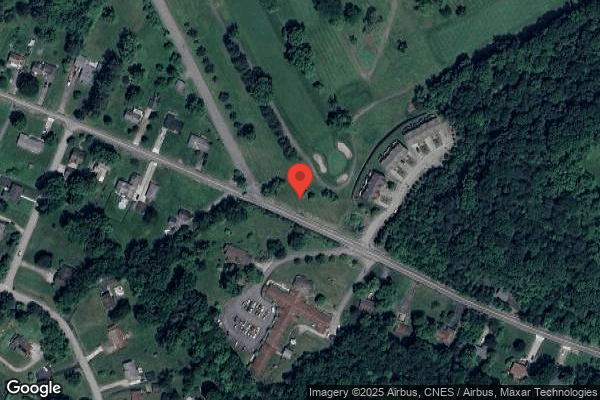
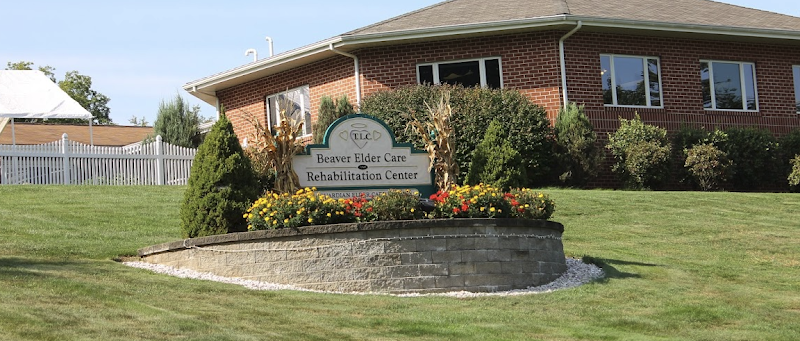
616 GOLF COURSE ROAD, ALIQUIPPA, PA 15001 (724) 375-0345
For profit - Limited Liability company 67 Beds BONAMOUR HEALTH GROUP Data: November 2025 3 Immediate Jeopardy citations
Trust Grade
0/100
#532 of 653 in PA
Last Inspection: May 2025

Inspected within the last 6 months. Data reflects current conditions.

Overview

Beaver Healthcare and Rehabilitation Center has received a Trust Grade of F, indicating significant concerns regarding the quality of care provided. Ranked #532 out of 653 in Pennsylvania, they fall into the bottom half of facilities statewide, and are #3 out of 5 in Beaver County, suggesting limited local options for better care. While the center's trend is improving, with issues decreasing from 32 in 2024 to 20 in 2025, the overall situation remains concerning, especially given the 82 deficiencies found during inspections, including critical issues like failure to pay staff on time, which jeopardized resident safety. Staffing is a mixed bag, with a below-average rating of 2/5 and a turnover rate of 50%, yet they do have more RN coverage than 94% of Pennsylvania facilities, which is a strength as RNs can catch potential problems. Notably, the facility has been fined $6,752, which is concerning but not excessively high, and critical findings included incidents of inadequate supervision leading to a resident eloping and insufficient training for staff to manage specialized medical equipment.

Trust Score
F
0/100
In Pennsylvania
#532/653
Bottom 19%
Safety Record
High Risk
Review needed
Inspections
Getting Better
32 → 20 violations
Staff Stability
⚠ Watch
50% turnover. Above average. Higher turnover means staff may not know residents' routines.
Penalties
✓ Good
$6,752 in fines. Lower than most Pennsylvania facilities. Relatively clean record.
Skilled Nurses
✓ Good
Each resident gets 52 minutes of Registered Nurse (RN) attention daily — more than average for Pennsylvania. RNs are trained to catch health problems early.
Violations
⚠ Watch
82 deficiencies on record. Higher than average. Multiple issues found across inspections.
★☆☆☆☆
1.0
Overall Rating
★★☆☆☆
2.0
Staff Levels
★★★★☆
4.0
Care Quality
★☆☆☆☆
1.0
Inspection Score
Stable
2024: 32 issues
2025: 20 issues

The Good

  • 4-Star Quality Measures · Strong clinical quality outcomes
  • Full Sprinkler Coverage · Fire safety systems throughout facility
  • No fines on record

Facility shows strength in quality measures, fire safety.

The Bad

1-Star Overall Rating

Below Pennsylvania average (3.0)

Significant quality concerns identified by CMS

Staff Turnover: 50%

Near Pennsylvania avg (46%)

Higher turnover may affect care consistency

Federal Fines: $6,752

Below median ($33,413)

Minor penalties assessed

Chain: BONAMOUR HEALTH GROUP

Part of a multi-facility chain

Ask about local staffing decisions and management

The Ugly 82 deficiencies on record

3 life-threatening
May 2025 19 deficiencies
CONCERN (D) 📢 Someone Reported This

A family member, employee, or ombudsman was alarmed enough to file a formal complaint

Potential for Harm - no one hurt, but risky conditions existed

Free from Abuse/Neglect (Tag F0600)

Could have caused harm · This affected 1 resident

**NOTE- TERMS IN BRACKETS HAVE BEEN EDITED TO PROTECT CONFIDENTIALITY** Based on review of the Code of Federal Regulations, facility provided documents, clinical records and staff interviews, it was d...

Read full inspector narrative →
**NOTE- TERMS IN BRACKETS HAVE BEEN EDITED TO PROTECT CONFIDENTIALITY** Based on review of the Code of Federal Regulations, facility provided documents, clinical records and staff interviews, it was determined that the facility failed to make certain residents were free from mental abuse, including abuse facilitated or enabled through the use of technology for two of four residents reviewed (Residents R13 and R21). Findings include: Review of the Code of Federal Regulations (CFR) §483.5 abuse is defined as the willful infliction of injury, unreasonable confinement, intimidation, or punishment with resulting physical harm, pain or mental anguish. Abuse also includes the deprivation by an individual, including a caretaker, of goods or services that are necessary to attain or maintain physical, mental, and psychosocial well-being. Instances of abuse of all residents, irrespective of any mental or physical condition, cause physical harm, pain or mental anguish. It includes verbal abuse, sexual abuse, physical abuse, and mental abuse including abuse facilitated or enabled through the use of technology. Review of admission record indicated Resident R13 was admitted to the facility on [DATE]. Review of Resident R13's Minimum Data Set (MDS - a periodic assessment of care needs) dated 2/11/25, indicated the diagnoses of coronary artery disease (damage or disease in the heart's major blood vessels), hypertension (the force of the blood against the artery walls is too high), and peripheral vascular disease (a condition in which narrowed blood vessels reduce blood flow to the limbs), and dementia (a general term for loss of memory, language, problem solving and other thinking abilities that are severe enough to interfere with daily life). Review of admission record indicated Resident R21 was admitted to the facility on [DATE]. Review of Resident R21's MDS dated [DATE], indicated the diagnoses of anemia (the blood doesn ' t have enough healthy red blood cells), hypertension, and diabetes (a long-term condition in which the body has trouble controlling blood sugar and using it for energy). Review of facility provided documentation dated 10/27/24, indicated a photo and video was taken of Resident R13 and Resident R21 without the residents' knowledge. The photo and video were taken by a facility staff member Activities Employee E5 and transmitted via text message to another facility staff member, Activities Employee E6. Activities Employee E6 then transmitted the photo and video via text message to another resident, Resident R25. Photo and video were taken due to allegation of Resident R13 and Resident R21 taking belongings that did not belong to them. Review of Activities Employee E5's witness statement dated 11/1/24, at 1:35 p.m. indicated on Sunday 10/27/24, around 4:20 p.m. there were residents in the dining room taking things off the back table that were left over from the Alzheimer sale and pictures and videos were taken of those residents, they were sent to a coworker, and the coworker who received the message sent the photo and video to another resident, Resident R25. Review of witness statement dated 11/1/24, at 1:34 p.m. indicated Activities Employee E6 was sent a video and pictures of Resident R13 and Resident R21 allegedly taking stuff. Activities Employee E6 indicated the photo and videos were transmitted to Resident R25's phone so resident could check on the items that were in the dining room at that time. Resident R25 hosts an event for Alzheimer's and wanted Activities Employee E6 to check on the items. Review of Resident R25's witness statement indicated Resident R25 received photo and videos via text message from staff member Activities Employee E6. Resident R25 showed the Nursing Home Administrator the photo and videos of Resident R13 and Resident R21 on the resident's phone that were sent by Activity Employee E6. Resident R25 deleted the photo and videos from the resident's phone and refused to give any further statements and did not want to be involved. Review of facility documentation of interview with the Nursing Home Administrator and Resident R13 on 10/30/24, indicated Resident R13 did not recall staff member Activity Employee E5 taking a photo or video and indicated Resident R13 gave no permission for photo or video to be taken. Review of Facility documentation of interview with the Nursing Home Administrator and Resident R21 on 10/30/24, indicated Resident R21 did not recall staff member Activity Employee E5 taking a photo or video while in the dining area. Resident R21 indicated Activities Employee E5 did not ask resident to take a photo. Resident R21 indicated being in the dining room looking at items left over from the Alzheimer's sale. Interview on 5/29/25, at 1:30 p.m. the Nursing Home Administrator and the Director of Nursing confirmed the facility failed to make certain residents were free from mental abuse, including abuse facilitated or enabled through the use of technology for two of four residents reviewed (Residents R13 and R21). 28 Pa. Code 201.18(b)(1)(2)(3) Management. 28 Pa. Code 201.29 Responsibility of licensee. 28 Pa. Code 211.10(a)(d) Resident care policies. 28 Pa. Code 211.12(d)(1)(2)(5) Nursing services.
CONCERN (D)

Potential for Harm - no one hurt, but risky conditions existed

Deficiency F0605 (Tag F0605)

Could have caused harm · This affected 1 resident

**NOTE- TERMS IN BRACKETS HAVE BEEN EDITED TO PROTECT CONFIDENTIALITY** Based on clinical record review, facility policy, and staff interview, it was determined that the facility failed to ensure that...

Read full inspector narrative →
**NOTE- TERMS IN BRACKETS HAVE BEEN EDITED TO PROTECT CONFIDENTIALITY** Based on clinical record review, facility policy, and staff interview, it was determined that the facility failed to ensure that residents medication regime was free from unnecessary psychotropic (substances that act on the brain to alter cognition, perception, and mood) medication for two of four residents (Resident R17, and R45). Findings include: Review of facility Psychotropic Medication Use dated 3/10/25, indicated that residents will not receive medications that are not clinically indicated to treat a specific condition. Drugs in the following categories are considered psychotropic medication and are subject to prescribing, monitoring, and review requirements: Anti-psychotics, Anti-depressants, Anti-anxiety, and Hypnotics. Psychotropic medications are not prescribed or given on a PRN (as needed) basis unless medication is necessary. PRN orders for psychotropic medications are limited to 14 days. Review of the clinical record indicated Resident R17 was admitted to the facility on [DATE]. Review of Resident R17's Minimum Data Set (MDS - a periodic assessment of care needs) dated 4/30/25, indicated diagnoses anxiety, hypokalemia (deficiency of potassium in the bloodstream), and spina bifida (a defect that occurs when the spinal cord and bones of the spine do not close completely during pregnancy). Review of Resident R17's physician order dated 4/23/25, indicated to administer Hydroxyzine (a psychotropic medication that can be used to treat anxiety), give 10 milligrams every four hours PRN for anxiety. Review of Resident R17's physician order failed to include a 14 day stop date and there was no documented rationale by the physician for the medication to extend past 14 days for Resident R17's Hydroxyzine. Review of the clinical record indicated Resident R45 was admitted to the facility on [DATE]. Review of Resident R45's MDS dated [DATE], indicated diagnoses anxiety, high blood pressure, and chronic obstructive pulmonary disease (COPD, a group of progressive lung disorders characterized by increasing breathlessness). Review of Resident R45's physician order dated 5/3/25, indicated to administer Hydroxyzine, give 10 milligrams every six hours PRN for anxiety. Review of Resident R45's physician order failed to include a 14 day stop date and there was no documented rationale by the physician for the medication to extend past 14 days for Resident R45's Hydroxyzine. During an interview on 5/2925, at 9:54 a.m. Director of Nursing confirmed that the facility failed to ensure that residents medication regime was free from unnecessary psychotropic medication for two of four residents (Resident R17, and R45). 28 Pa. Code 211.2(d)(3) Medical director 28 Pa. Code 211.10(a) Resident care policies
CONCERN (D) 📢 Someone Reported This

A family member, employee, or ombudsman was alarmed enough to file a formal complaint

Potential for Harm - no one hurt, but risky conditions existed

Abuse Prevention Policies (Tag F0607)

Could have caused harm · This affected 1 resident

Based on review of the Code of Federal Regulations, personnel records and staff interview, it was determined that the facility failed to conduct a criminal background check prior to working on the nur...

Read full inspector narrative →
Based on review of the Code of Federal Regulations, personnel records and staff interview, it was determined that the facility failed to conduct a criminal background check prior to working on the nursing unit for one out of five personnel records (Nurse Aide (NA) Employee E7). Findings include: Review of the Code of Federal Regulations §483.12(b) the facility must develop and implement policies and procedures that include the following component: Screening: The facility must have written procedures for screening potential employees for a history of abuse, neglect, exploitation, or misappropriation of resident property in order to prohibit abuse, neglect, and exploitation of resident property, and consistent with the applicable requirements at §483.12(a)(3). This includes attempting to obtain information from previous employers and/or current employers and checking with the appropriate licensing boards and registries. §483.12(b)(3) Include training as required. Review of NA Employee E7 personnel record on 5/29/25, indicated a start date of 3/17/25. The record indicated NA Employee E7 had a criminal background check ran on 5/28/25. During an interview on 5/30/25, at 9:25 a.m. the Nursing Home Administrator confirmed NA Employee E7's criminal background check was not conducted prior to the start date as required for one out of five personnel records (NA Employee E7). 28 Pa Code: 201.14(b) Responsibility of licensee 28 Pa Code: 201.19(8) Personnel policies and procedures 28 Pa Code: 201.29 Responsibility of licensee
CONCERN (D)

Potential for Harm - no one hurt, but risky conditions existed

Respiratory Care (Tag F0695)

Could have caused harm · This affected 1 resident

**NOTE- TERMS IN BRACKETS HAVE BEEN EDITED TO PROTECT CONFIDENTIALITY** Based on review of facility policy, observations, staff interviews, and clinical record review, it was determined that the facil...

Read full inspector narrative →
**NOTE- TERMS IN BRACKETS HAVE BEEN EDITED TO PROTECT CONFIDENTIALITY** Based on review of facility policy, observations, staff interviews, and clinical record review, it was determined that the facility failed to provide appropriate respiratory care for two of three residents (Resident R3 and R42). Findings include: Review of facility policy Oxygen Administration last reviewed 3/10/25, indicated the purpose of this procedure is to provide guidelines for safe oxygen administration. Steps include but not inclusive to: Check the mask, tank, humidifying jar, etc., to be sure they are in good working order. Periodically re-check water in humidifying jar. Review of facility policy Departmental (Respiratory Therapy) Prevention of Infection last reviewed, 3/10/25, indicated the purpose of this procedure is to guide prevention of infection associated with respiratory therapy tasks and equipment. Infection control considerations related to oxygen administration include but not inclusive to: Check water level of any prefilled reservoir every forty-eight hours. Change pre-filled humidifier when the water level becomes low. Change the oxygen cannula and tubing every seven days, or as needed. Review of the clinical record indicated Resident R3 was admitted to the facility on [DATE]. Review of Resident R3's Minimum Data Set (MDS - a periodic assessment of care needs) dated 5/5/25, indicated diagnoses of heart failure (heart can ' t pump blood the way it should), coronary artery disease (CAD- buildup of plaque in the arteries that block blood supply to heart), and anxiety. Review of a physician order dated 8/1/24, indicated to start oxygen at 3 liters per minute (lpm) for shortness of breath. The orders failed to include instructions for oxygen maintenance. During an observation and interview completed on 5/27/25, at 1:10 p.m. Resident R3 was sitting in her room, an oxygen concentrator was sitting behind Resident R3 not in use. Upon asking Resident R3 concerning oxygen use, Resident R3 replied I use it when I need it further observation revealed the humidifier was labeled with the date of 3/9/25, and the oxygen tubing failed to be labeled with a date. During an interview completed on 5/27/25, at 1:13 p.m. Licensed Practical Nurse (LPN) Employee E8 confirmed the humidifier was labeled with the date of 3/9/25, and the oxygen tubing failed to be labeled with a date as required. Review of the clinical record indicates Resident R42 was admitted to the facility on [DATE]. Review of Resident R42's MDS dated [DATE], indicated the diagnosis of chronic obstructive pulmonary disease (COPD-lung condition caused by damage to the airways that restricts breathing), anemia (low iron in the blood), and hypertension (high blood pressure). Review of Resident R42's physician orders dated 3/13/25, indicated oxygen at 2 to 4 lpm, via nasal cannula (thin flexible tubing used to deliver oxygen) as needed for shortness of breath, keep oxygen saturation above 92 percent. Check oxygen saturation each shift. Review of Resident R42's physician orders dated 3/16/25, indicated to change oxygen tubing and cannister every Sunday on the night shift. During an observation completed on 5/27/25, at 1:32 p.m. Resident R42 was sitting in the dining room her oxygen was on via nasal cannula, the oxygen tubing failed to be labeled with a date. During an interview completed on 5/27/25, at 1:33 p.m. Registered Nurse (RN) Employee E9 confirmed that the oxygen tubing failed to be labeled with a date as required. During an interview completed on 5/28/25, at 2:50 p.m. the Nursing Home Administrator confirmed that the facility failed to provide appropriate respiratory care for two of three residents (Resident R3 and R42). 28 Pa. Code: 201.14(a) Responsibility of licensee. 28 Pa. Code: 211.12(d)(1)(2)(3)(5) Nursing services
CONCERN (D)

Potential for Harm - no one hurt, but risky conditions existed

Drug Regimen Review (Tag F0756)

Could have caused harm · This affected 1 resident

**NOTE- TERMS IN BRACKETS HAVE BEEN EDITED TO PROTECT CONFIDENTIALITY** Based on clinical record review, facility policy review, and staff interviews, it was determined that the facility failed to ens...

Read full inspector narrative →
**NOTE- TERMS IN BRACKETS HAVE BEEN EDITED TO PROTECT CONFIDENTIALITY** Based on clinical record review, facility policy review, and staff interviews, it was determined that the facility failed to ensure Medication Regimen Reviews (MRR) were completed and documented by the consultant pharmacist for one of four residents (Resident R44). Findings include: The facility policy Consultant Pharmacist Provider Requirements reviewed 3/10/25, indicated the consultant pharmacist will establish a system whereby observations and recommendations regarding resident drug therapy are communicated to those with authority to implement or respond to the recommendations in an appropriate and timely fashion. Reviewing the medication drug regimen of each resident at least monthly and documenting the review and findings in the resident ' s medical record. Review of Resident R44's admission record indicated resident was admitted to the facility on [DATE]. Review of Resident R44's MDS assessment (Minimum Data Set assessment: MDS -a periodic assessment of resident care needs) dated 4/9/25, indicated the diagnoses of high blood pressure, coronary artery disease (damage or disease in the heart's major blood vessels), and diabetes (a metabolic disorder in which the body has high sugar levels for prolonged periods of time). Review of Resident R44's clinical record on 5/29/25, at 10:45 a.m. failed to have monthly medication review documentation in the medical record completed by the consult pharmacist for Resident R44 monthly from April 2024, through May 2025. Review of Resident R44's clinical record on 5/29/25, at 11:04 a.m. indicated the following: April 2024 - facility failed to provide the MRR May 2024- facility failed to provide the MRR June 2024- facility failed to provide the MRR August 2024- facility failed to provide the MRR September 2024- facility failed to provide the MRR October 2024 - facility failed to provide the MRR November 2024- facility failed to provide the MRR December 2024- facility failed to provide the MRR April 2025- facility failed to provide the MRR During an interview on 5/29/25, at 12:47 p.m. the Director of Nursing (DON) stated, The reason why there is no pharmacist documentation in the medical record is because they don't have computer access and I can't find any MRR's for the above dates. During an interview on 5/29/25, at 1:05 p.m. the DON confirmed that the facility failed to ensure Medication Regimen Reviews were completed and documented by the consultant pharmacist for one of four residents (Resident R44). 28 Pa Code: 201.14 (a) Responsibility of licensee. 28 Pa. Code 211.5(f) Clinical records. 28 Pa. Code 211.9 (k) Pharmacy services.
CONCERN (D)

Potential for Harm - no one hurt, but risky conditions existed

Deficiency F0761 (Tag F0761)

Could have caused harm · This affected 1 resident

Based on review of facility policies, observations, and staff interviews, it was determined that the facility failed to store all drugs and biologicals in a safe, secure, and orderly manner for one of...

Read full inspector narrative →
Based on review of facility policies, observations, and staff interviews, it was determined that the facility failed to store all drugs and biologicals in a safe, secure, and orderly manner for one of two medication rooms (back hall medication room). Findings include: Review of the facility policy Medication Labeling and Storage last reviewed 3/10/25, indicated medications and biologicals dispensed by the pharmacy is consistent with applicable federal and state requirements and currently accepted pharmaceutical practices. The nursing staff is responsible for maintaining medication storage and preparation areas in a clean, safe, and sanitary manner. The medication label includes, at a minimum: the medication name, prescribed dose, strength, expiration date, residents name, route of administration and appropriate instructions and precautions. If medications containers have missing, incomplete, improper or incorrect labels, contact the dispensing pharmacy for instructions regarding returning or destroying these items. During an observation on 05/27/25, at 5:46 p.m. the back hall medication room contained the following: The medication room counter contained: 1. A blue tote bag sitting on counter that contained a personal cell phone and food items. 2. A green backpack The area under the sink contained an unlocked green tackle box with the following medications: 2 Benadryl injectable 50 milligram (mg) 1 cubic centimeter (cc) syringes (used to treat life threatening reactions) with the expiration date of 3/25. 2 Glucagon injectable 1 mg unit (used to trat low blood sugar) with the expiration date 4/25. 4 Lasix injectable 2 ml vials (treats fluid retention) with the expiration date of 8/24. 1 Narcan 1mg syringe (used to treat an opioid overdose) with the expiration date of 2/25. 1 bottle nitroglycerin 1/150 grain (gr) tablets (used to treat chest pain) with the expiration date of 2/25. 1 bag of lock out tags. The shelf above the sink contained a brown paper bag with unlabeled medication samples that included: 16 boxes of vrayler (antipsychotic used to treat bipolar disorder (causes extreme mood swings), schizophrenia (affects thinking, behaviors, and feelings), and major depressive disorder (persistent low or depressed mood) 4.5 milligram capsules with 7 capsules per box. 3 boxes of vrayler 6mg capsules with 7 capsules per box. 3 boxes of nuplazid (antipsychotic medication for hallucinations and delusions in Parkinson's disease (movement disorder) psychosis 34 mg capsules 7 capsules per box. During an interview completed on 5/27/25, at 5:55 p.m. Licensed Practical Nurse (LPN) Employee E8 confirmed the above observations and stated the blue tote bag and green back pack belonged to a staff member The green tackle box was to be sent back to the old pharmacy and the brown bag of medications samples were sent with a resident upon return from hospital by the psychiatrist for utilization until insurance authorization was obtained and that the facility failed to store all drugs and biologicals in a safe, secure, and orderly manner for one of two medication rooms (back hall medication room). 28 Pa. Code: 211.10(c)(d) Resident care policies. 28 Pa. Code: 211.12(d)(1)(5) Nursing services.
CONCERN (D)

Potential for Harm - no one hurt, but risky conditions existed

Deficiency F0849 (Tag F0849)

Could have caused harm · This affected 1 resident

**NOTE- TERMS IN BRACKETS HAVE BEEN EDITED TO PROTECT CONFIDENTIALITY** Based on review of resident clinical records, facility policy, and staff interviews, it was determined the facility failed to ob...

Read full inspector narrative →
**NOTE- TERMS IN BRACKETS HAVE BEEN EDITED TO PROTECT CONFIDENTIALITY** Based on review of resident clinical records, facility policy, and staff interviews, it was determined the facility failed to obtain a physician order for hospice services and failed to ensure the coordination of hospice services (supportive services for end stage terminal illness) with facility services to meet the needs of each resident for end-of-life care for two of four residents (Resident R22, and R31). Findings include: Review of the facility policy Hospice Program dated 3/10/25, indicated that hospice services are available to residents at the end of life. Upon admission and periodically during their stay, residents are informed of hospice services. The facility collaborates with hospice in care planning process for residents receiving services. Ensures the facility communicates with the resident ' s attending physician. Review of the clinical record revealed that Resident R22 was admitted to the facility on [DATE]. Review of Resident R22's MDS (Minimum Data Set- periodic assessment of resident care needs) dated 5/15/25, indicated diagnoses of heart failure (a progressive heart disease that affects pumping action of the heart muscles), depression, and dementia (a group of symptoms that affects memory, thinking and interferes with daily life). Section O special treatments: K1. Hospice care, indicated Resident R31 received hospice services while a resident. Review of Resident R22's clinical record failed to reveal a physician order that resident is under hospice services and failed to include a diagnosis related to the need of hospice services. Review of Resident R22's current comprehensive care plan failed to indicate a plan of care by the facility that displayed the coordination of hospice services by failing to include contact information for the hospice agency and how to access the hospice's 24 hour on-call system, a diagnosis related to the need of hospice services and failed to include the name of the hospice agency being used. Review of the clinical record revealed that Resident R31 was admitted to the facility on [DATE]. Review of Resident R31's MDS dated [DATE], indicated the diagnosis of heart failure (heart doesn't pump blood the way it should), coronary artery disease (CAD- buildup of plaque in the arteries that block blood supply to heart), and anxiety. Section O special treatments: K1. Hospice care, indicated Resident R31 received hospice services while a resident. Review of Resident R31's physician orders revision dated 8/1/24, indicated Resident R31 was admitted to hospice on 6/28/24. Review of Resident R31's current comprehensive care plan failed to indicate a plan of care by the facility that displayed the coordination of hospice services by failing to include contact information for the hospice agency and how to access the hospice's 24 hour on-call system. During an interview on 5/29/25, at 9:59 a.m. the Director of Nursing (DON) confirmed the facility failed to obtain a physician order for hospice services and failed to ensure the coordination of hospice services with facility services to meet the needs of each resident for end-of-life care for two of four residents (Resident R22, and R31). 28 Pa. Code: 201.14(a) Responsibilities of licensee 28 Pa. Code: 201.18(a)(b)(1)(3) Management 28 Pa. Code: 201.20(a)(b)(d) Staff development 28 Pa. Code: 211.10(c)(d) Resident care policies
CONCERN (D)

Potential for Harm - no one hurt, but risky conditions existed

Deficiency F0941 (Tag F0941)

Could have caused harm · This affected 1 resident

Based on review of facility policy and documents, and staff interview, it was determined that the facility failed to provide training on effective communication for two of five staff members (Nurse Ai...

Read full inspector narrative →
Based on review of facility policy and documents, and staff interview, it was determined that the facility failed to provide training on effective communication for two of five staff members (Nurse Aide (NA) Employees NA E11, and NA E12). Findings include: Review of the policy In-service Training, Nurse Aide dated 3/10/25, indicated all personnel are required to participate in regular in-service education. Required training topics for all staff (including Nurse aides) include communication, resident rights and facility responsibilities, abuse, neglect and exploitation of residents, quality assurance and performance improvement (QAPI), infection control, compliance and ethics, and behavioral health. Review of facility provided documents and training records for NA Employees E11 and NA Employee E12, revealed the following staff members did not have documented training on effective communication. NA Employee E11 had a hire date of 8/27/1989, failed to have effective communication in-service education between 2/8/24, and 2/8/25. NA Employee E12 had a hire date of 8/19/21, failed to have effective communication in-service education between 2/8/24, and 2/8/25. Interview on 5/30/25, at approximately 11:30 a.m. the Director of Nursing confirmed that the facility failed to provide training on effective communication for two of five staff members (Nurse Aide (NA) Employees NA E11, and NA E12). 28 Pa Code: 201.14 (a) Responsibility of licensee. 28 Pa Code: 201.18 (b)(1) Management. 28 Pa Code: 201.20 (a)(6)(d) Staff development.
CONCERN (D)

Potential for Harm - no one hurt, but risky conditions existed

Deficiency F0949 (Tag F0949)

Could have caused harm · This affected 1 resident

Based on review of facility policy and documents, and staff interview, it was determined that the facility failed to provide behavioral health training as determined by the Facility Assessment for two...

Read full inspector narrative →
Based on review of facility policy and documents, and staff interview, it was determined that the facility failed to provide behavioral health training as determined by the Facility Assessment for two of five staff members (Employees E8, and E10). Findings include: Review of the Facility Assessment dated 3/10/25, indicated facility staff will complete annual mandatory training on behavioral health. Licensed Practical Nurse (LPN) Employee E8 had a hire date of 6/7/06, failed to have behavioral health in-service education between 2/6/24, and 2/6/25. Nurse Aide (NA) Employee E10 had a hire date of 4/11/18, failed to have behavioral health in-service education between 3/15/24, and 3/15/25. Interview on 5/30/25, at approximately 11:30 a.m. the Director of Nursing confirmed that the facility failed to provide training on behavioral health for two of five employees (Employees E8, and E10). 28 Pa Code: 201.14 (a) Responsibility of licensee. 28 Pa Code: 201.18 (b)(1) Management. 28 Pa Code: 201.20 (a)(6)(d) Staff development.
CONCERN (E)

Potential for Harm - no one hurt, but risky conditions existed

Deficiency F0620 (Tag F0620)

Could have caused harm · This affected multiple residents

**NOTE- TERMS IN BRACKETS HAVE BEEN EDITED TO PROTECT CONFIDENTIALITY** Based on review of resident records, admission documentation and staff interview, it was determined that the facility failed to ...

Read full inspector narrative →
**NOTE- TERMS IN BRACKETS HAVE BEEN EDITED TO PROTECT CONFIDENTIALITY** Based on review of resident records, admission documentation and staff interview, it was determined that the facility failed to maintain timely documentation of the admission agreement for four of four residents (Resident R2, Resident R12, R33, and R56) and failed to ensure residents had the capacity to understand the terms of the admission agreement for three of four residents (Residents R12, R33, and R56). Findings include: Review of the facility policy admission Agreement dated 3/10/25, indicated all residents have a signed and dated admission agreement on file. At the time of admission, the resident (or their representative) must sign an admission agreement (contract). Review of the Resident Assessment Instrument 3.0 User's Manual effective October 2024, indicated that a Brief Interview for Mental Status (BIMS) is a screening test that aides in detecting cognitive impairment. The BIMS total score suggests the following distributions: 13-15: cognitively intact 8-12: moderately impaired 0-7: severe impairment Review of Resident R2's admission record indicated and admission date of 12/24/21. Review of Resident R2's Minimum Data Set (MDS - a periodic assessment of care needs) dated 2/16/25, indicated the diagnoses of anemia (the blood doesn ' t have enough healthy red blood cells), multiple sclerosis (immune system eats away at protective covering of nerve cells), and hypertension (the force of the blood against the artery walls is too high). Section C0500 BIMS score of 15. Review of Resident R2's admission agreement indicated a completion date of 5/29/25. Interview with the Nursing Home Administrator on 5/29/25, at 12:29 p.m. indicated Resident R2 did not have an admission agreement completed on admission, so the facility had it completed with Resident R2 today (5/29/25). Review of Resident R12's admission record indicated and admission date of 9/16/24. Review of Resident R12's MDS dated [DATE], indicated the diagnoses of dementia (a general term for loss of memory, language, problem solving and other thinking abilities that are severe enough to interfere with daily life), hypertension, and depression. Section C0500 BIMS score of five - severe impairment. Review of the admission agreement indicated a completion date of 1/28/25, signed by Resident R12. Interview with the Nursing Home Administrator on 5/29/25, at 1:32 p.m. indicated Resident R12 did not have an admission agreement completed on admission date of 9/16/24, and that Resident R12 did not have the capacity to understand the terms of the admission agreement. Review of Resident R33's admission record indicated and admission date of 4/9/25. Review of Resident R33's MDS dated [DATE], indicated the diagnoses of dementia, hypertension, and depression. Section C0500 BIMS score of five - severe impairment. Review of the admission agreement indicated a completion date of 3/31/23, signed by Resident R33. Review of Resident R33's census report indicated the following admission and discharge date s: Admit 3/31/23, with discharge 4/8/23. Admit 10/19/23, with discharge 10/23/23. Admit 3/22/24, with discharge 3/31/24. Admit 7/19/24, with discharge 7/30/24. Admit 11/16/24, with discharge 11/22/24. Admit 3/21/25, with discharge 3/26/25. Admit 4/9/25, with discharge 4/20/25. Admit 5/1/25, with discharge 5/5/25. Admit 5/16/25. Interview with the Nursing Home Administrator on 5/29/25, at 1:34 p.m. indicated the facility failed to complete an admission agreement with each admission to the facility and that Resident R33 did not have the capacity to understand the terms of the admission agreement. Review of Resident R56's admission record indicated and admission date of 5/8/25. Review of Resident R56's MDS dated [DATE], indicated the diagnoses of anemia, hypertension, and stroke (damage to the brain from an interruption of blood supply). Section C0500 BIMS score of eleven - moderately impaired. Review of the admission agreement indicated a completion date of 5/21/25, signed by Resident R56. Interview with the Nursing Home Administrator on 5/29/25, at 1:32 p.m. indicated Resident R12 did not have an admission agreement completed on admission date of 5/8/25, and that Resident R56 did not have the capacity to understand the terms of the admission agreement. Interview on 5/29/25, at 3:00 p.m. the Nursing Home Administrator confirmed the facility failed to maintain timely documentation of the admission agreement for four of four residents (Resident R2, Resident R12, R33, and R56) and failed to ensure residents had the capacity to understand the terms of the admission agreement for three of four residents (Residents R12, R33, and R56). 28 Pa Code: 201.18(b)(1)(3)Management. 28 Pa Code: 201.24(a) admission policy. 28 Pa Code: 201.29(a)(b) Resident Rights
CONCERN (E)

Potential for Harm - no one hurt, but risky conditions existed

Deficiency F0730 (Tag F0730)

Could have caused harm · This affected multiple residents

Based on review of facility policy, personnel records, and staff interview it was determined that the facility failed to complete annual performance evaluations for three out of three nurse aide perso...

Read full inspector narrative →
Based on review of facility policy, personnel records, and staff interview it was determined that the facility failed to complete annual performance evaluations for three out of three nurse aide personnel records (Nurse Aides (NA) Employee E10, NA Employee E11, and NA Employee E12). Findings include: Review of facility policy In-Service Training, Nurse Aide dated 3/10/25, indicated the facility completes a performance review of nurse aides at least every 12 months. Review of NA Employee E10's personnel record indicated a hire date of 4/11/18. Review of NA Employee E11's personnel record indicated a hire date of 8/27/89. Review of NA Employee E12's personnel record indicated a hire date of 9/17/17. Review of personnel records did not include annual performance evaluations based on the date of hire for NA Employee E10, NA Employee E11, and NA Employee E12. Interview on 5/28/25, at 3:00 p.m. the Nursing Home Administrator confirmed that the facility failed to complete annual performance evaluations based on date of hire for NA Employee E10, NA Employee E11, and NA Employee E12. 28 Pa Code: 201.18 (b)(1)(3) Management 28 Pa Code: 201.19(2) Personnel policies and procedures.
CONCERN (E)

Potential for Harm - no one hurt, but risky conditions existed

Deficiency F0847 (Tag F0847)

Could have caused harm · This affected multiple residents

**NOTE- TERMS IN BRACKETS HAVE BEEN EDITED TO PROTECT CONFIDENTIALITY** Based on review of facility policy, facility documents, resident clinical records and staff interviews it was determined that th...

Read full inspector narrative →
**NOTE- TERMS IN BRACKETS HAVE BEEN EDITED TO PROTECT CONFIDENTIALITY** Based on review of facility policy, facility documents, resident clinical records and staff interviews it was determined that the facility failed to ensure residents had the capacity to understand the terms of a binding arbitration agreement (A binding agreement by the parties to submit to arbitration all or certain disputes which have arisen or may arise between them in respect of a defined legal relationship, whether contractual or not.) for three of five residents (Resident R12, R33, and R56). Findings include: Review of the facility policy Binding Arbitration Agreements dated 3/10/25, indicated the terms and conditions of a binding arbitration agreement are explained to the resident (or representative) in a way that ensures his or her understanding of the agreement, including that the resident may be giving up his or her right to have a dispute decided in a court proceeding (i.e. litigation). Review of Resident R12's admission record indicated and admission date of 9/16/24. Review of Resident R12's MDS dated [DATE], indicated the diagnoses of dementia (a general term for loss of memory, language, problem solving and other thinking abilities that are severe enough to interfere with daily life), hypertension, and depression. Section C0500 BIMS score of five - severe impairment. Review of the Grievance Procedure and Voluntary Arbitration Agreement indicated a completion date of 1/28/25, signed by Resident R12. Interview with the Nursing Home Administrator on 5/29/25, at 1:32 p.m. indicated Resident R12 did not have the capacity to understand the terms of the Grievance Procedure and Voluntary Arbitration Agreement. Review of Resident R33's admission record indicated and admission date of 4/9/25. Review of Resident R33's MDS dated [DATE], indicated the diagnoses of dementia, hypertension, and depression. Section C0500 BIMS score of five - severe impairment. Review of the Grievance Procedure and Voluntary Arbitration Agreement indicated a completion date of 3/31/23, signed by Resident R33. Interview with the Nursing Home Administrator on 5/29/25, at 1:34 p.m. indicated Resident R33 did not have the capacity to understand the terms of the Grievance Procedure and Voluntary Arbitration Agreement. Review of Resident R56's admission record indicated and admission date of 5/8/25. Review of Resident R56's MDS dated [DATE], indicated the diagnoses of anemia, hypertension, and stroke (damage to the brain from an interruption of blood supply). Section C0500 BIMS score of eleven - moderately impaired. Review of the Grievance Procedure and Voluntary Arbitration Agreement indicated a completion date of 5/21/25, signed by Resident R56. Interview with the Nursing Home Administrator on 5/29/25, at 1:32 p.m. indicated Resident R56 did not have the capacity to understand the terms of the Grievance Procedure and Voluntary Arbitration Agreement. Interview on 5/29/25, at 3:00 p.m. the Nursing Home Administrator confirmed the facility failed to ensure residents had the capacity to understand the terms of a binding arbitration agreement for three of five residents (Resident R12, R33, and R56). 28 Pa Code: 201.18(b)(1)(3)Management. 28 Pa Code: 201.24(a) admission policy.
CONCERN (E)

Potential for Harm - no one hurt, but risky conditions existed

Room Equipment (Tag F0908)

Could have caused harm · This affected multiple residents

**NOTE- TERMS IN BRACKETS HAVE BEEN EDITED TO PROTECT CONFIDENTIALITY** Based on observations, review of facility documentation, and staff interviews, it was determined that the facility failed to mak...

Read full inspector narrative →
**NOTE- TERMS IN BRACKETS HAVE BEEN EDITED TO PROTECT CONFIDENTIALITY** Based on observations, review of facility documentation, and staff interviews, it was determined that the facility failed to make certain that equipment was in safe operating condition for two of two crash carts (Front and Back hallways). Findings include: Review of facility policy Emergency Crash Cart and Automated External Defibrillators (AED's) dated [DATE], indicated it is the policy of the facility to ensure that the facility will maintain at least one emergency cart per nursing care floor in case of the need for basic life support. To ensure that all supplies critical to basic life support are readily available on the emergency cart. The emergency crash cart is checked every 24-hours and after every use. Missing or expired items are replaced, when applicable. During an observation of the Back hallway crash cart (a cart maintained with equipment used in cardiac emergencies) on [DATE], at 2:15 p.m. revealed a binder Crash Cart Checklist. Review of the binder failed to include a checklist for [DATE]. Interview on [DATE], at 2:15 p.m. Licensed Practical Nurse (LPN) Employee E8 verified the binder did not have a check list initiated for the current month of [DATE]. During an observation of the Front hallway/Dining room crash cart on [DATE], at 2:20 p.m. revealed a binder Crash Cart Checklist. Review of the binder indicated that 14 days failed to include documentation that the cart was checked for emergency readiness as required. The following dates failed to include documentation: [DATE], [DATE], [DATE], [DATE], [DATE], [DATE], [DATE], [DATE], [DATE], [DATE], [DATE], [DATE], [DATE], and [DATE]. Interview on [DATE], at 2:20 p.m. Registered Nurse (RN) Employee E9 verified the Crash Cart Checklist failed to include documentation on 14 days. During an interview on [DATE], at 2:35 p.m. the Director of Nursing confirmed that the facility failed to make certain that equipment was in safe operating condition for two of two crash carts (Front and Back hallways). 28 Pa Code: 201.14(a) Responsibility of licensee.
CONCERN (E)

Potential for Harm - no one hurt, but risky conditions existed

Deficiency F0944 (Tag F0944)

Could have caused harm · This affected multiple residents

Based on review of facility documents and staff interview, it was determined that the facility failed to provide training on QAPI (Quality Assurance and Performance Improvement) for four of five emplo...

Read full inspector narrative →
Based on review of facility documents and staff interview, it was determined that the facility failed to provide training on QAPI (Quality Assurance and Performance Improvement) for four of five employees (Nurse Aide (NA) Employees E10, E11, E12, and Licensed Practical Nurse (LPN) Employee E8). Findings include: Review of the Facility Assessment dated 3/10/25, indicated staff training/education and competencies will be completed during general orientation upon hire, annually, and as needed. Educations listed included: -Communication, resident rights and facility responsibilities, abuse, neglect and exploitation of residents, quality assurance and performance improvement (QAPI), infection control, compliance and ethics, and behavioral health. NA Employee E10 had a hire date of 4/11/18, failed to have QAPI in-service education between 3/15/24, and 3/15/25. NA Employee E11 had a hire date of 8/27/1989, failed to have QAPI in-service education between 2/8/24, and 2/8/25. NA Employee E12 had a hire date of 8/19/21, failed to have QAPI in-service education between 2/8/24, and 2/8/25. LPN Employee E8 had a hire date of 6/7/06, failed to have QAPI in-service education between 2/6/24, and 2/6/25. Interview on 5/30/25, at approximately 11:30 a.m. the Director of Nursing confirmed that the facility failed to provide training on QAPI for four of five employees (Nurse Aide (NA) Employees E10, E11, E12, and Licensed Practical Nurse (LPN) Employee E8). 28 Pa Code: 201.14 (a) Responsibility of licensee. 28 Pa Code: 201.18 (b)(1) Management. 28 Pa Code: 201.20 (a)(6)(d) Staff development.
CONCERN (E)

Potential for Harm - no one hurt, but risky conditions existed

Deficiency F0946 (Tag F0946)

Could have caused harm · This affected multiple residents

Based on review of facility policy and documents, and staff interview, it was determined that the facility failed to provide compliance and ethics training for four of five staff members (Nurse Aide (...

Read full inspector narrative →
Based on review of facility policy and documents, and staff interview, it was determined that the facility failed to provide compliance and ethics training for four of five staff members (Nurse Aide (NA) Employees E10, E11, E12, and Licensed Practical Nurse (LPN) Employee E8). Findings include: Review of the Facility Assessment dated 3/10/25, indicated facility staff will complete annual mandatory training on compliance and ethics. Review of the policy In-service Training, Nurse Aide dated 3/10/25, indicated all personnel are required to participate in regular in-service education. Required training topics for all staff (including Nurse aides) include: Communication, resident rights and facility responsibilities, abuse, neglect and exploitation of residents, quality assurance and performance improvement (QAPI), infection control, compliance and ethics, and behavioral health. NA Employee E10 had a hire date of 4/11/18, failed to have compliance and ethics in-service education between 3/15/24, and 3/15/25. NA Employee E11 had a hire date of 8/27/1989, failed to have compliance and ethics in-service education between 2/8/24, and 2/8/25. NA Employee E12 had a hire date of 8/19/21, failed to have compliance and ethics in-service education between 2/8/24, and 2/8/25. LPN Employee E8 had a hire date of 6/7/06, failed to have compliance and ethics in-service education between 2/6/24, and 2/6/25. Interview on 5/30/25, at approximately 11:30 a.m. the Director of Nursing confirmed that the facility failed to provide training on compliance and ethics for four of five employees (Nurse Aide (NA) Employees E10, E11, E12, and Licensed Practical Nurse (LPN) Employee E8). 28 Pa Code: 201.14 (a) Responsibility of licensee. 28 Pa Code: 201.18 (b)(1) Management. 28 Pa Code: 201.20 (a)(6)(d) Staff development.
CONCERN (F)

Potential for Harm - no one hurt, but risky conditions existed

Menu Adequacy (Tag F0803)

Could have caused harm · This affected most or all residents

Based on observations, facility menu, resident interviews, and staff interviews it was determined that the facility failed to follow the displayed menu for one of three observed meals on 5/27/25, (Din...

Read full inspector narrative →
Based on observations, facility menu, resident interviews, and staff interviews it was determined that the facility failed to follow the displayed menu for one of three observed meals on 5/27/25, (Dinner Meal). Findings include: The facility policy Menus reviewed 3/10/25, indicated menus are developed and prepared to meet resident choices including religious, cultural, and ethnic needs while following established national guidelines for nutritional adequacy. The dietician reviews and approves all menus. During a dining observation on 5/27/25, at 5:07 p.m. the resident's dinner meals failed to match the approved facility menu for dinner on this date. On 5/27/25, the facility menu was approved by the Registered Dietician (RD) as follow: - Minestrone Soup - Whole wheat crackers - Tuna salad plate - Carrot raisin salad - Mandarin oranges - Coffee, tea, milk On 5/27/25, the facility served residents the following: - Beef vegetable or chicken noodle soup - Whole wheat crackers - Tuna salad plate - 3 bean salad - Mandarin oranges - Coffee, tea, milk During an interview on 5/27/25, at 5:47 p.m. [NAME] Employee E14 stated, We didn't have any Minestrone soup, so I made beef vegetable and chicken noodle soup, and We didn't have any carrot raisin salad, so I served 3 bean salad instead. [NAME] Employee E14 stated, We don't have a lot of stuff on the menu. During an interview on 5/27/25, at 6:01 p.m. Dietary Manager Employee E1 stated, The company makes the menus, the RD approves the menus and then we change it around sometimes. I don't get the RD to review the changes and sign off on it. During an interview on 5/27/25, at 6:05 p.m. Dietary Manager Employee E1 confirmed that the facility failed to follow the displayed menu for one of three observed meals on 5/27/25, (Dinner Meal). Pa Code: 211.6(a) Dietary services.
CONCERN (F)

Potential for Harm - no one hurt, but risky conditions existed

Food Safety (Tag F0812)

Could have caused harm · This affected most or all residents

Based on a review of facility policies, observations, and staff interviews, it was determined that the facility failed to properly monitor food expiration dates in the Main Kitchen, failed to maintain...

Read full inspector narrative →
Based on a review of facility policies, observations, and staff interviews, it was determined that the facility failed to properly monitor food expiration dates in the Main Kitchen, failed to maintain food equipment in a clean, sanitary condition, failed to properly restrain beards, failed to maintain sanitary conditions during tray line which created the potential for cross contamination, and failed to verify the sanitizing temperature of the dish machine in the Main Kitchen (Main Kitchen), which created the potential for food borne illness. Findings include: Review of facility policy Date Marking for Food Safety, dated 3/10/25, indicated the facility adheres to a date marking system to ensure the safety of ready-to-eat, time/temperature control for safety food. The food shall be clearly marked to indicate the date or day by which the food shall be consumed or discarded. The individual opening or preparing a food shall be responsible for date marking the food the time the food is opened or prepared. The head cook or designee shall be responsible for checking the refrigerator daily for food items that are expiring and shall discard accordingly. Review of facility policy Food Preparation and Service, dated 3/10/25, indicated food and nutrition service employees prepare, distribute and serve food in a manner that complies with safe food handling practices. Identification of potential hazards in the food preparation process and adhering to critical control points can reduce the risk of food contamination and thereby minimize the risk of foodborne illnesses. Food preparation staff adhere to proper hygiene and sanitary practices to prevent the spread of foodborne illness. Food and nutrition services staff wear hair restraints (hair net, beard net) so that hair does not contact food. Refrigerated foods are stored in such a way that promotes adequate air circulation around food storage containers. Review of facility policy Dishwasher Temperature, dated 3/10/25, indicated the facility will ensure dishes and utensils are cleaned under sanitary conditions through adequate dishwasher temperatures. During an observation on 5/27/25, at 1:15 p.m. in the freezer storage area of the Main Kitchen, the following were observed to be opened and without a date: - Half a bag of bacon pieces, no dates noted During an observation on 5/27/25, at 1:20 p.m. in the walk in cooler area and refrigerator of the Main Kitchen, the following were observed to be opened and without a date or expired: - Ham slices, open date 5/20/25 and expiration date of 5/25/25. - Container of sour cream, opened with no expiration date. - Pineapple salad made 5/19/25 and expiration date of 5/22/25. - Mayonnaise dated 5/18/25 and expiration date of 5/24/25. - Mixed fruit, expiration date of 5/22/25. During an interview on 5/27/25, at 1:25 p.m. Dietary Manager Employee E1 confirmed the above findings, and confirmed that the facility failed to monitor food expiration dates. During an observation on 5/27/25, at 1:27 p.m. the walk-in cooler fans, ceiling and walls had grim built up on them and the five vents on the ceiling in the main kitchen area had grim built up around them. During an interview on 5/27/25, at 1:45 p.m. Dietary Manager Employee E1 confirmed the above observations and stated, I will get them cleaned right away. During tray line observation on 5/28/25, at 11:45 a.m., [NAME] Employee E3 and [NAME] Employee E4 was noted to have a beard and did not have on a beard net. During an interview on 5/28/25, at 1:45 p.m. Dietary Manager Employee E1 confirmed the above observations and stated, I will get some ordered, we don ' t have any. During tray line observation on 5/28/25, at 11:48 a.m. seven lids that cover resident plates fell off a cart onto the floor. [NAME] Employee E3 picked up the lid covers and proceeded to use them. State Agency surveyor intervened and stopped the staff member from using on resident meals. During an interview on 5/28/25, at 1:45 p.m. Dietary Manager Employee E1 confirmed the above observation. During an observation in the Main Kitchen dish room, on 5/30/25, at 9:30 a.m. it was revealed that the facility does not verify the final rinse temperature of the dish machine by running a temperature test strip through the dish machine to verify the operating condition of the dish machine. During an interview on 5/30/25, at 9:40 a.m. Dietary Manager Employee E1 stated, We don't check the temperature with temperature test strips. I will get a log together and order new strips because I don ' t know how old the current ones are. During an interview on 5/30/25, at 12:02 p.m., Nursing Home Administrator confirmed that the facility failed to properly monitor food expiration dates in the Main Kitchen, failed to maintain food equipment in a clean, sanitary condition, failed to properly restrain beards, failed to maintain sanitary conditions during tray line which created the potential for cross contamination, and failed to verify the sanitizing temperature of the dish machine in the Main Kitchen (Main Kitchen), which created the potential for food borne illness. 28 Pa. Code: 201.14(a) Responsibility of licensee 28 Pa. Code: 201.18(b)(1) Management.
CONCERN (F)

Potential for Harm - no one hurt, but risky conditions existed

Infection Control (Tag F0880)

Could have caused harm · This affected most or all residents

Based on facility policy, clinical record review, observation, and staff interview, it was determined the facility failed to implement an infection control program that included a system of surveillan...

Read full inspector narrative →
Based on facility policy, clinical record review, observation, and staff interview, it was determined the facility failed to implement an infection control program that included a system of surveillance to identify possible communicable diseases or infections for 12 of 12 months (April 2024, - April 2025). Findings include: Review of facility policy Infection Prevention and Control Plan dated 3/10/25, indicated an infection prevention and control program is established to maintain and provide a safe, sanitary and comfortable environment and to help prevent the development and transmission of communicable diseases and infections. Surveillance tools are used for identifying the occurrence of infections, recording their numbers and frequency, detecting outbreaks and epidemics, monitoring employee infection, monitoring adherence to infection prevention and control practices, and detecting unusual pathogens with infection control implications. Review of the facility's monthly tracking of surveillance on 5/28/25, failed to include floor mapping for twelve of twelve months April 2024, - April 2025. Interview on 5/28/25, at 12:09 p.m. Infection Preventionist Employee E13 confirmed the facility failed to implement an effective infection control plan as required for the months of April 2024, - April 2025 and was unable to produce the documents with surveillance including floor mapping. 28 Pa. code: 201.14 Responsibility of licensee. 28 Pa. Code: 201.18 (b)(1)(e)(1) Management. 28 Pa. Code: 211.10(a)(d) Resident care policies. 28 Pa. Code: 211.12 (d)(1)(2)(5) Nursing services.
CONCERN (F)

Potential for Harm - no one hurt, but risky conditions existed

Deficiency F0925 (Tag F0925)

Could have caused harm · This affected most or all residents

Based on facility policy, pest control log, observations, and staff interviews it was determined the facility failed to maintain an effective pest control program related to gnats in the kitchen (Main...

Read full inspector narrative →
Based on facility policy, pest control log, observations, and staff interviews it was determined the facility failed to maintain an effective pest control program related to gnats in the kitchen (Main Kitchen). Findings include: Review of the facility Pest Control policy dated 3/10/25, indicated that the facility shall maintain an effective pest control program. This facility maintains an on-going pest control program to ensure that the building is kept free of insects and rodents. During a kitchen tour on 5/27/25, at 1:00 p.m. an observation of the storage room where dry foods are stored had an abundance number of gnats on the boxes/cans of goods or were flying around in the area. During an observation on 5/27/25, at 1:10 p.m. gnats were observed flying around the main kitchen area above the prep table and around the dish machine. During an observation on 5/27/25, at 1:30 p.m. mounted bug lights were observed hanging on the wall by the door and in the back storage area where the ice machine is kept. During an interview on 5/27/25, at 1:33 p.m. Dietary Manager Employee E1 stated, I've been here for three months and have been trying to fix the gnat problem, and confirmed the above observations. During an observation on 5/28/25, at 11:30 a.m. gnats were flying throughout the kitchen while staff were working. An observation of approximately 40 gnats on the wall beside the microwave were observed. During an interview on 5/28/25, at 11:45 a.m. [NAME] Employee E3 stated, These gnats are terrible. They are everywhere. During an interview on 5/28/25, at 11:50 a.m. [NAME] Employee E4 stated We had a problem with water damage and parts of the ceiling came down last year. I don't think it is fixed properly. The gnats are coming from the moisture, and they have been here for a while. Review of facility provided documentation included pest-control log dated 5/6/25. Inspection report indicated: - Fungus gnats observed in dry food storage (live) - Fungus gnats observed in kitchen (live) - Certain service areas not available for inspection/treatment: Please arrange to have the identified are accessible for inspection or treatment on the next service visit. - Actions Taken: Fungus gnats. Inspected and previous conditions still exist. - Findings: Repair or dry out walls or wood that has been damaged by water During an interview on 5/28/25, at 1:45 p.m. Dietary Manager confirmed that the facility failed to maintain an effective pest control program related to gnats in the kitchen (Main Kitchen). 28 Pa. Code 201.14(a) Responsibility of licensee 28 Pa. Code 201.18(b)(3) Management
Mar 2025 1 deficiency
CONCERN (D) 📢 Someone Reported This

A family member, employee, or ombudsman was alarmed enough to file a formal complaint

Potential for Harm - no one hurt, but risky conditions existed

Deficiency F0554 (Tag F0554)

Could have caused harm · This affected 1 resident

**NOTE- TERMS IN BRACKETS HAVE BEEN EDITED TO PROTECT CONFIDENTIALITY** Based on observations, resident, and staff interviews, it was determined that the facility failed to obtain physician orders and...

Read full inspector narrative →
**NOTE- TERMS IN BRACKETS HAVE BEEN EDITED TO PROTECT CONFIDENTIALITY** Based on observations, resident, and staff interviews, it was determined that the facility failed to obtain physician orders and failed to care plan interventions for medication self-administration for one of three residents (Residents R1). Findings include: Review of the facility policy Administering Medications last reviewed 8/19/24, indicates residents may self-administer their own medications only if the attending physician, in conjunction with the interdisciplinary care planning team, has determined that they have the decision-making capacity to do so safely. Review of the clinical record indicated Resident R1 was admitted to the facility on [DATE], with the diagnosis of diabetes (high sugar in the blood), atrial fibrillation (heart does not pump as it should) and high blood pressure. During an observation completed on 3/26/25, at 10:35 a.m. Resident R1 was sitting in her chair she was holding a medication cup that contained one pink pill, one yellow pill, one white pill, and one salmon colored pill. Review of Resident R1's physician orders on 3/26/25, failed to include an order for medication self-administration. Review of Resident R1's care plan on 3/26/25, failed to include interventions for medication self-administration. During an interview completed on 3/26/25, at 10:49 a.m. Registered Nurse (RN) Employee E5, stated I just left there, I put them in her hand, I thought she took them and confirmed the medications were left at the bedside and there was not an order for Resident R1 to self-administer medications. During an interview completed on 3/26/25, at 11:05 the Nursing Home Administrator (NHA) approached this surveyor while walking down the hallway and stated she just came down and told us about the medications. During an interview completed on 3/26/25, at 1:03 p.m. the NHA confirmed Resident R1's medications were at bedsideand that the facility failed to obtain physician orders and failed to care plan interventions for medication self-administration for one of three residents (Residents R1). 28 Pa. Code 201.14(a) Responsibility of Licensee. 28 Pa. Code: 211.10(c)(d) Resident care policies. 28 Pa. Code: 211.12(d)(1)(5) Nursing services. 28 Pa. Code: 211.9(a)(1) Pharmacy services.
Sept 2024 3 deficiencies
CONCERN (D) 📢 Someone Reported This

A family member, employee, or ombudsman was alarmed enough to file a formal complaint

Potential for Harm - no one hurt, but risky conditions existed

Infection Control (Tag F0880)

Could have caused harm · This affected 1 resident

**NOTE- TERMS IN BRACKETS HAVE BEEN EDITED TO PROTECT CONFIDENTIALITY** Based on review of facility policy, resident clinical records, observation, and staff interviews, it was determined that the fa...

Read full inspector narrative →
**NOTE- TERMS IN BRACKETS HAVE BEEN EDITED TO PROTECT CONFIDENTIALITY** Based on review of facility policy, resident clinical records, observation, and staff interviews, it was determined that the facility failed to implement infection prevention and control monitoring policies for COVID-19 for ten out of ten residents (Resident R1, R2, R3, R4, R5, R6, R7, R8, R9 and Resident R10), and failed to use Personal Protective Equipment (PPE) appropriately, which created the potential for the cross-contamination and the spread of diseases and infections on 3 out of 10 COVID-19 positive rooms. Finding include: Review of facility policy Covid-19 Testing and Exposure Management dated 4/15/24, indicated the facility is dedicated to detecting and preventing the transmission of COVID-19. Review of facility policy Coronavirus Disease (COVID-19) - Using Personal Protective Equipment dated 4/15/24, indicated all staff will follow standard precautions and transmission-based precautions if required based on resident ' s condition. When caring for a resident with suspected or confirmed SARS-CoV-2 infection (Covid), personnel who enter the room of the resident will adhere to precautions and use an approved N95(a special mask), gown, gloves, and eye protection. N95 -Is donned (put on) before entry into the resident ' s room before entry, dispose of after exiting the resident's room and closing resident's door. Eye Protection -Is applied upon entry to the resident ' s room, Eye protection is removed after leaving the resident room. Gowns -A clean isolation gown is donned upon entry into the resident ' s room, the gown is removed and discarded in a container for waste before leaving resident's room. Gloves -gloves are applied upon entering the resident's room, gloves are removed and discarded before leaving resident room. During an observation on 9/4/24, at 11:40 a.m. Licensed Practical Nurse (LPN) Employee E1was observed putting on an isolation gown that was hanging on the side of his medication cart, put gloves on and walked into a positive covid room. Upon exiting, LPN Employee E1 took off his gown and one glove (hand not holding his gown) and started to walk away from room up the hall. When asked where he was going with the dirty gown, LPN Employee E1 stated, I ' ll probably throw it away at the nurse ' s station because there is no garbage can here. During an interview on 9/4/24, at 11:45 a.m. LPN Employee E1 confirmed that he did not wear a face shield into the room, did not take off the N95 and replace it with a new one upon exiting room, and did not dispose of the gown properly which could cross contaminate and spread COVID-19 virus. During an observation during a tour of the nursing units on 9/4/24, at 1:34 p.m. along with Regional Director of Nursing (DON) revealed the following: - Resident R1 had no isolation sign indicating what kind of isolation to follow. - Resident R2 had an Enhanced Barrier Precaution (EBP) sign (wrong kind of isolation). - Resident R3 had no isolation signage on door. - Resident R4 had an EBP sign (wrong kind of isolation). - Resident R5 had no isolation sign indicating what kind of isolation to follow. - Resident R6 had no isolation signage on door. - Resident R7 had no isolation signage on door. - Resident R8 had an EBP sign (wrong kind of isolation). - Resident R9 had an EBP sign (wrong kind of isolation). - Resident R10 had an EBP sign (wrong kind of isolation). During an interview on 9/4/24, at 1:55 p.m. Regional DON confirmed the above findings and stated, They should have orders and are not in the correct type of isolation. Review of the admission record indicated Resident R3 was admitted [DATE]. Review of Resident R3's MDS assessment (Minimum Data Set assessment: MDS -a periodic assessment of resident care needs) dated 8/21/24, indicated diagnoses that included high blood pressure, atrial fibrillation (disease of the heart characterized by irregular and often faster heartbeat), and COVID-19 infection. Review of Resident R3's physician orders printed 9/4/24, failed to include an order for Covid infection and droplet isolation requirements to manage the contagious infection as required. Review of Resident R3's Treatment Administration Record (TAR) dated September 2024 failed to include documentation of droplet isolation precautions being maintained. Review of the admission record indicated Resident R6 was admitted [DATE]. Review of Resident R6's MDS assessment dated [DATE], indicated diagnoses that included muscle weakness, Alzheimer's disease (a type of brain disorder that causes problems with memory, thinking and behavior), and COVID-19 infection. Review of Resident R6's physician orders printed 9/4/24, failed to include an order for Covid infection and droplet isolation requirements to manage the contagious infection as required. Review of Resident R6's Treatment Administration Record (TAR) dated September 2024 failed to include documentation of droplet isolation precautions being maintained. Review of the admission record indicated Resident R7 was admitted [DATE]. Review of Resident R7's MDS assessment dated [DATE], indicated diagnoses that included high blood pressure, pneumonia, and atrial fibrillation. Review of Resident R7's physician orders printed 9/4/24, failed to include an order for Covid infection and droplet isolation requirements to manage the contagious infection as required. Review of Resident R7's Treatment Administration Record (TAR) dated September 2024 failed to include documentation of droplet isolation precautions being maintained. Review of Resident R1, R2, R3, R4, R5, R6, R7, R8, R9, and R10 clinical records on 9/4/24, indicated to monitor respiratory symptoms and fever for 3 days. During an interview on 9/4/24, at 4:45 p.m. Infection Preventionist (IP) Employee E2 confirmed that residents only had an order to monitor respiratory symptoms for 3 days and should be monitored throughout the COVID outbreak. IP Employee E2 stated, all residents should continue to be monitored and I will fix that today. During an interview on 9/4/24, at 5:04 p.m. IP Employee E2 failed to produce facility tracking of residents who were exposed to COVID 19 residents. IP stated, I have them all wrote down on pieces of paper but was going to work at doing a line list today. During an interview on 9/4/24, at 5:07 p.m. Regional DON confirmed that the facility failed to track residents who were exposed to COVID19. During an observation on 9/4/24, at 5:25 p.m. Nursing Assistant (NA) Employee E3 entered a COVID positive room with a meal tray without putting on any isolation equipment (gown, gloves, face shield). Employee E3 came out of the room and failed to change her mask. During an observation on 9/4/24, at 5:28 p.m. NA Employee E4 entered a COVID positive room with a meal tray without putting on any isolation equipment (gown, gloves, face shield). Employee E4 came out of the room and failed to change her mask. During an interview on 9/4/24, at 5:30 p.m. NA Employee E3 and E4 stated they did not wear proper protection to go into the room and did not change their masks when exiting. During an interview on 9/4/24, at 5:35 p.m. Registered Nurse (RN) Employee E5 confirmed that both NA Employee 3 and 4 entered room without proper isolation equipment on and did not change their masks upon exiting. RN Employee E5 stated, I seen them going into the rooms and coming out when I was walking down the hall this way. During an interview on 9/4/24, at 6:05 p.m. Regional DON confirmed that the facility failed to implement infection prevention and control monitoring policies for COVID-19 for ten out of ten residents (Resident R1, R2, R3, R4, R5, R6, R7, R8, R9 and Resident R10), and failed to use personal protective equipment (PPE) appropriately, which created the potential for the cross-contamination and the spread of diseases and infections on 3 out of 10 COVID-19 positive rooms. 28 Pa. Code: 201.14(a) Responsibility of licensee. 28 Pa. Code 211.12(d)(1)(2)(5) Nursing services 28 Pa. Code: 211.12(d)(3) Nursing services.
CONCERN (D) 📢 Someone Reported This

A family member, employee, or ombudsman was alarmed enough to file a formal complaint

Potential for Harm - no one hurt, but risky conditions existed

Deficiency F0883 (Tag F0883)

Could have caused harm · This affected 1 resident

**NOTE- TERMS IN BRACKETS HAVE BEEN EDITED TO PROTECT CONFIDENTIALITY** Based on facility policy, clinical record review and staff interview, it was determined that the facility failed to complete inf...

Read full inspector narrative →
**NOTE- TERMS IN BRACKETS HAVE BEEN EDITED TO PROTECT CONFIDENTIALITY** Based on facility policy, clinical record review and staff interview, it was determined that the facility failed to complete influenza vaccination consent for one of five residents (Resident R4), failed to make certain that influenza vaccination was administered in a timely fashion for one of five residents (Resident R5), and failed to complete pneumococcal vaccine consent for two of five residents (Resident R4 and R5). Findings include: Review of the facility policy Pneumococcal Vaccine dated 4/15/24, indicated all residents are offered pneumococcal vaccines to aid in preventing pneumonia-pneumococcal infections. Prior to or upon admission, residents are assessed for eligibility to receive the pneumococcal vaccine series. The resident receives information and education regarding the benefits and potential side effects of the vaccine. Residents have the right to refuse vaccination. If refused, appropriate information is documented in the resident ' s medical record. Review of facility policy Influenza Vaccine dated 4/15/24, indicated all residents and employees will be offered the influenza vaccine. Between October 1st and March 31st each year, the influenza vaccine shall be offered. The resident or employee will be provided information and education regarding the benefits and potential side effects. Education shall be documented in the residents or employee's medical record. Review of the admission record indicated that Resident R4 was admitted to the facility on [DATE]. Review of R4's Minimum Data Set (MDS-periodic assessment of care needs) dated 8/6/24, included diagnoses of high blood pressure, anemia (too little iron in the body causing fatigue), and atrial fibrillation (disease of the heart characterized by irregular and often faster heartbeat). MDS Section O0250 Influenza marked 4 - offered but declined. MDS Section O0300 Pneumococcal Vaccine marked 2 - offered but declined. Review of Resident R4's immunization record indicated resident declined the Influenza vaccine. The consent had written declined on the document but failed to have Resident R4's signature and failed to have education provided documented. Review of Resident R4's immunization record indicated resident declined the Pneumococcal vaccine. The consent had written declined on the document but failed to have Resident R4's signature and failed to have education provided documented. Review of the admission record indicated that Resident R5 was admitted to the facility on [DATE]. Review of R5's MDS's dated 6/25/24, included diagnoses of high blood pressure, diabetes (a metabolic disorder in which the body has high sugar levels for prolonged periods of time), and depression. MDS Section O0250 Influenza marked 0-No, given outside facility. MDS Section O0300 Pneumococcal Vaccine indicated Resident R5 is not up to date with vaccine. Review of Resident R5's immunization record indicated resident gave consent on 1/11/24 for the Influenza vaccine. Review of Resident R5's clinical record on 9/4/24, at 1:35 p.m. failed to indicate resident received the Influenza vaccine. Review of Resident R5's immunization record indicated resident already had Pneumococcal vaccine but failed to have documentation in clinical record of the vaccine. During an interview on 9/4/24, at 5:45 p.m. Regional Director of Nursing confirmed that the facility failed to complete Influenza vaccination consent for one of five residents (Resident R4), failed to make certain that Influenza vaccination was administered in a timely fashion for one of five residents (Resident R5), and failed to complete Pneumococcal vaccine consent for two of five residents (Resident R4 and R5). 28 Pa. Code 211.5(f) Clinical records
CONCERN (D) 📢 Someone Reported This

A family member, employee, or ombudsman was alarmed enough to file a formal complaint

Potential for Harm - no one hurt, but risky conditions existed

Deficiency F0887 (Tag F0887)

Could have caused harm · This affected 1 resident

**NOTE- TERMS IN BRACKETS HAVE BEEN EDITED TO PROTECT CONFIDENTIALITY** Based on facility policy, clinical record review and staff interview, it was determined that the facility failed to provide accu...

Read full inspector narrative →
**NOTE- TERMS IN BRACKETS HAVE BEEN EDITED TO PROTECT CONFIDENTIALITY** Based on facility policy, clinical record review and staff interview, it was determined that the facility failed to provide accurate and timely documentation related to offering the COVID-19 vaccine and providing education for two of five residents reviewed for immunizations (Resident R1 and R5), and failed to offer staff COVID-19 vaccines for 7 of 7 employees interviewed. (E4, E5, E6, E7, E8, E9, and E10) Findings include: Review of the Centers for Disease Control (CDC) Staying Up to Date with COVID-19 Vaccines dated 7/3/24, indicated the CDC recommends the 2023-2024 updated COVID-19 vaccines-Pfizer-BioNTech, Moderna, or Novavax-to protect against serious illness from COVID-19. People aged 65 years and older who received 1 dose of any updated 2023-2024 COVID-19 vaccine (Pfizer-BioNTech, Moderna or Novavax) should receive 1 additional dose of an updated COVID-19 vaccine at least 4 months after the previous updated dose. Review of facility policy Coronavirus Disease (COVID-19)- Vaccination of Residents dated 4/15/24, indicated resident is offered COVID-19 vaccine unless contraindicated or the resident is fully vaccinated. COVID-19 vaccine education, documentation, and reporting are overseen by designee. Resident is educated regarding the benefits, risks, and potential side effects. Review of the admission Record indicated that Resident R1 was admitted to the facility on [DATE]. Review of Resident R1's Minimum Data Set (MDS-periodic assessment of care needs) dated 7/26/24, included diagnoses of a seizure disorder, coronary artery disease (damage or disease in the heart's major blood vessels), and high blood pressure. Review of Resident R1's clinical record failed to include documentation of that the COVID vaccination booster was offered, and education was provided to Resident R1. Review of the admission Record indicated that Resident R5 was admitted to the facility on [DATE]. Review of Resident R5's MDS dated [DATE], included diagnoses of high blood pressure, depression, and diabetes (a metabolic disorder in which the body has high sugar levels for prolonged periods of time). Review of Resident R5's clinical record indicated he already had COVID-19 vaccine, but clinical records failed to provide documented evidence of the COVID vaccination. During an interview on 9/4/24, at 5:27 p.m. Regional Director of Nursing (DON) confirmed that facility failed to provide accurate and timely documentation related to offering the COVID-19 vaccine and providing education for two of five residents reviewed for immunizations (Resident R1 and R5). During interviews with staff on 9/4/24, at 4:28 p.m. staff where asked, Has the facility offered you COVID-19 vaccines or booster vaccines? Findings include: - Nursing Assistant (NA) Employee E4 stated, They did not offer me a booster. - Registered Nurse (RN) Employee E5 stated, No. - Licensed Practical Nurse (LPN) Employee E6 stated, No. - NA Employee E7 stated, When COVID first started a couple years ago, the pharmacy came in. - NA Employee E8 stated, No. - RN Employee E9 stated, No. - NA Employee E10 stated, A couple years ago, I haven ' t seen any signage or offers. During an interview on 9/4/24, at 5:45 p.m. Regional Director of Nursing confirmed that the facility failed to offer staff COVID-19 vaccines for 7 of 7 employees interviewed (E4, E5, E6, E7, E8, E9, and E10). 28 Pa. Code 211.5(f) Clinical records
Aug 2024 1 deficiency
CONCERN (D) 📢 Someone Reported This

A family member, employee, or ombudsman was alarmed enough to file a formal complaint

Potential for Harm - no one hurt, but risky conditions existed

Transfer Requirements (Tag F0622)

Could have caused harm · This affected 1 resident

**NOTE- TERMS IN BRACKETS HAVE BEEN EDITED TO PROTECT CONFIDENTIALITY** Based on review of facility policies, closed resident records and staff interview, it was determined that the facility failed to...

Read full inspector narrative →
**NOTE- TERMS IN BRACKETS HAVE BEEN EDITED TO PROTECT CONFIDENTIALITY** Based on review of facility policies, closed resident records and staff interview, it was determined that the facility failed to acquire and document a physician's discharge order and acquire and document physician orders for medications for one out of two closed resident records (Closed Resident Record CR1). Finding include: The facility Discharge Medications policy dated 5/28/24, indicated that a physician must be contacted for an order to discharge a resident with medications before they will be dispensed, the charge nurse shall verify that the medications are labeled consistent with current physician orders. Review of Closed Resident Record CR1's admission record indicated she was admitted on [DATE], with diagnoses that included nondisplaced fracture of ankle left leg, hypertension (high blood pressure) and diabetes (high sugar in the blood). Review of Closed Resident Record CR1's clinical nurse note dated 7/22/24, indicated that resident and daughter requested discharge to home today. Review of Closed Resident Record CR1's census report indicated that she discharged on 7/22/23. Review of Closed Resident Record CR1's clinical record did not include a physician's order to discharge home from the facility. Review of Closed Resident Record CR1's progress note indicated discharge instructions were given to daughter and resident. Medications were provided and all inhalers were provided. Review of Closed Resident Record CR1's physician orders did not include orders for any inhalers. During an interview on 8/8/24, at 1:45 p.m. the Nursing Home Administrator confirmed that the facility failed to acquire and document a physician's discharge order and obtain orders for medications for Closed Resident Record CR1 as required. 28 Pa Code: 201.29 (f)(g) Resident rights.
Jun 2024 2 deficiencies
CONCERN (D) 📢 Someone Reported This

A family member, employee, or ombudsman was alarmed enough to file a formal complaint

Potential for Harm - no one hurt, but risky conditions existed

Deficiency F0559 (Tag F0559)

Could have caused harm · This affected 1 resident

**NOTE- TERMS IN BRACKETS HAVE BEEN EDITED TO PROTECT CONFIDENTIALITY** Based on review of facility policies, clinical record reviews and staff interviews it was determined that the facility failed to...

Read full inspector narrative →
**NOTE- TERMS IN BRACKETS HAVE BEEN EDITED TO PROTECT CONFIDENTIALITY** Based on review of facility policies, clinical record reviews and staff interviews it was determined that the facility failed to provide written notice, including reason for the change, prior to moving a resident to another room, for two of four residents reviewed (Residents R1, and R2). Findings include: Review of facility policy, Transfer, Room to Room , last reviewed 5/28/24, indicated that the following information should be recorded in the resident's medical record: · The date and time the room transfer was made. · The name and title of the individual(s) who assisted with the move. · All assessment data obtained during the move. · How the resident tolerated the move. · If the resident refused the move, the reason(s) why and the intervention taken. · The signature and title of the person recording the data. Review of the clinical record revealed that Resident R1 was admitted to the facility on [DATE]. Review of Resident 1's MDS (Minimum Data Set, periodic assessment of resident care needs) dated 3/12/24, indicated diagnoses of high blood pressure, muscle weakness, and pain. Review of Resident R1's census information revealed that on 3/2/24, the Resident R1 was moved from room [ROOM NUMBER]-1 to room [ROOM NUMBER]-2. Review of Resident R1's clinical record revealed no documented evidence of the reason for the room changes, if the resident was notified prior to the room changes or if the resident was agreeable or given the opportunity to refuse the room changes. Review of the clinical record revealed that Resident R2 was admitted to the facility on [DATE]. Review of Resident 2's medical record indicated diagnoses of diabetes, dementia (a group of symptoms that affects memory, thinking and interferes with daily life), and high blood pressure. Review of Resident R2's census information revealed that on 6/4/24, the Resident R2 was moved from room [ROOM NUMBER]-2 to room [ROOM NUMBER]-2. Review of Resident R2's clinical record revealed no documented evidence of the reason for the room changes, if the resident was notified prior to the room changes or if the resident was agreeable or given the opportunity to refuse the room changes. During an interview on 6/6/24, at 11:56 a.m. Nursing Home Administrator confirmed that the facility failed to provide documentation regarding written notice, including reason for the change prior to moving residents to another room. 28 Pa. Code 201.14(a) Responsibility of licensee 29 Pa. Code 201.29(d)(j) Resident rights
CONCERN (D) 📢 Someone Reported This

A family member, employee, or ombudsman was alarmed enough to file a formal complaint

Potential for Harm - no one hurt, but risky conditions existed

Deficiency F0620 (Tag F0620)

Could have caused harm · This affected 1 resident

**NOTE- TERMS IN BRACKETS HAVE BEEN EDITED TO PROTECT CONFIDENTIALITY** Based on review of facility policy, resident records, admissions documentation and staff interview it was determined that the fa...

Read full inspector narrative →
**NOTE- TERMS IN BRACKETS HAVE BEEN EDITED TO PROTECT CONFIDENTIALITY** Based on review of facility policy, resident records, admissions documentation and staff interview it was determined that the facility failed to provide a comprehensive review of resident admission rights and maintain admission documentation for one of four sampled records (Resident R3). Finding include: The facility policy Admissions Orientation last reviewed 5/28/24, indicated that the facility shall provide each resident with a facility tour and an orientation of the facility's policies, programs, and services which includes but is not limited to residents rights and responsibilities. Review of Resident R3 admission record indicated she was admitted on [DATE]. Review of Resident R3's MDS assessment (Minimum Data Set assessment: MDS -a periodic assessment of resident care needs) dated 5/12/24, indicated diagnoses of anorexia nervosa (an eating disorder causing patients to obsess about weight and what they eat), low potassium, and muscle weakness. Review of Resident R3's admission packet (no date) did not indicate a signature from Resident R3 or a representative's signature, a date for review of the admission packet, or indicate that Resident R3 resident rights were reviewed. Review of Resident R3s clinical nurse notes and admission documents did not indicate that Resident R4 or her representative reviewed resident rights and the admission packet. During an interview on 6/6/24, at 11:45 a.m. Nursing Home Administrator confirmed that the facility failed to provide a comprehensive review of resident admission rights and maintain admission documentation for Resident R3 as required. 28 Pa Code: 201.18 (b)(2) Management. 28 Pa Code: 201.24 (a) admission policy. 28 Pa Code: 201.19 (i) Resident rights.
Mar 2024 25 deficiencies 3 IJ (1 facility-wide)
CRITICAL (J)

Immediate Jeopardy (IJ) - the most serious Medicare violation

Accident Prevention (Tag F0689)

Someone could have died · This affected 1 resident

**NOTE- TERMS IN BRACKETS HAVE BEEN EDITED TO PROTECT CONFIDENTIALITY** Based on review of facility policy, clinical records, facility documents, resident interview, and staff interview, it was determ...

Read full inspector narrative →
**NOTE- TERMS IN BRACKETS HAVE BEEN EDITED TO PROTECT CONFIDENTIALITY** Based on review of facility policy, clinical records, facility documents, resident interview, and staff interview, it was determined that the facility failed to provide adequate supervision resulting in an elopement (resident exits to an unsupervised or unauthorized area without the facility's knowledge). This failure created an immediate jeopardy situation for one of 50 residents (Resident R48). Findings include: The facility Wandering and elopements policy last reviewed 9/28/23, indicated that the facility will identify residents who are at risk of unsafe wandering and strive to prevent harm while maintaining the least restrictive environment. If an employee observes a resident leaving the premises, staff should attempt to prevent the resident from leaving, get help from other staff, and instruct another staff to inform the charge nurse. When the resident returns to the facility, the charge nurse shall examine the resident for injuries, contact the physician and report findings, notify the resident's legal representative, and complete and file an incident report. A review of the Resident Assessment Instrument 3.0 User's Manual effective October 2019, indicated that a Brief Interview for Mental Status (BIMS, a screening test that aides in detecting cognitive impairment). The BIMS total score suggests the following distributions: 13-15: cognitively intact 8-12: moderately impaired 0-7: severe impairment Review of Resident R48's admission record indicated she was admitted on [DATE], with diagnoses that included dementia (a chronic or persistent disorder of the mental processes caused by brain disease or injury and marked by memory disorders, personality changes, and impaired reasoning), Post-concussion syndrome (lingering symptoms such as headache or confusion after a concussion), depression, hypertension (a condition impacting blood circulation through the heart related to poor pressure), altered mental status (symptoms indicative of brain malfunction with symptoms such as forgetfulness, confusion and behavioral changes), and a history of falling. Review of Resident R48's MDS assessment (Minimum Data Set assessment: MDS -a periodic assessment of resident care needs) dated 1/18/24, indicated that the diagnoses were the most recent upon review. Review of Resident R48's MDS assessment dated [DATE], Section C0500-BIMS screening indicated a score of 5 revealing that Resident 48 was not alert and oriented, and had a severe cognitive impairment. Review of Resident R48's care plan dated 1/12/24, indicated resident was an elopement risk related to concussion symptoms and wandering behaviors, alarming bracelet in place, and nursing staff provide supervision. Review of Resident R48's elopement risk assessment dated [DATE], indicated that resident was cognitively impaired with poor decision making skills, was at risk for elopement, and exhibited wandering behaviors. Review of Resident R48's physician orders dated 1/16/24, indicated to provide alarming security bracelet. Review of facility submitted documentation dated 2/29/24, indicated on Tuesday, 2/27/24, at approximately 3:15 p.m. Resident R48 was observed by staff outside of the building walking in the parking lot of the facility. Staff members immediately went outside and walked her back into the building. There were no injuries and when asked Resident R48 stated, I'm just walking the dogs. It's such a beautiful day. Resident was last seen walking in hallway approximately 15-minutes prior to being seen in the parking lot. Resident R48 was unable to tell staff which door Resident R48 exited but it was assumed to be the main entrance as multiple staff were present at the back entrance and claim they would have seen her if she exited that door. Resident R48 had a wanderguard security device placed on admission, no alarm sounded when she exited the building, no staff observed her by an exit or actively exiting the building. Maintenance Supervisor Employee E7 was conducting a check of the fire alarm system at that time, which does unlock the doors, but stated the doors were only unlocked for three to five seconds. Review of Activity Aide Employee E10's incident/witness statement dated 2/27/24, indicated that Resident R48 was leaving behind the back nurses station when she witnessed Resident R48 outside. Activity Aide Employee E10 and other staff immediately went outside and redirected Resident R48 back inside. Review of Nurse Aide Employee E8 incident/witness statement dated 2/27/24, indicated that Activity Aide Employee E10 alerted staff that Resident R48 was outside. Staff ran outside and escorted her back into the building. Prior to seeing her, the fire alarm was being tested. Review of Nurse Aide Employee E9's incident/witness statement dated 2/28/24, indicated that she was gathering her things to leave when Activity Aide Employee E10 alerted staff that Resident R48 was outside. Review of Resident R48's clinical record after the elopement on 2/27/24 did not include a complete full body assessment immediately after the incident, an incident report regarding the elopement, or the implementation of 15-minute checks to ensure supervision of Resident R48. Review of Resident R48's clinical record after the elopement on 2/27/24, the Medication Administration Record (MAR) February for 2024 did not include 15-minute checks until 2/29/24. No other documentation of interventions was identified on Resident R48's record. During an interview on 2/29/24, at 10:20 a.m. the Director of Nursing (DON) stated: The wander guard did not go off and we do not know why. No one heard the alarm when she left the building. The wander guard was replaced and worked fine. I don't think an assessment was done immediately after the elopement. Activity Aide Employee E10 went and told Assistant Nursing Home Administrator/Director of Social Services Employee E1. Assistant Nursing Home Administrator/Director of Social Services Employee E1 was not certain Resident R48 was outside. During an interview on 2/29/24, at 12:38 p.m. Speech Therapists Employee E11 stated: I did not see Resident R48 leave the door. I left at 2:53 p.m. on 2/27/24 and I did not see her when I was leaving. During an interview on 2/29/24, at 1:06 p.m. Activity Aide Employee E10 stated the following: I was on break behind the nurse station. I looked up and saw Resident R48 go past the window. We went outside and redirected her back in. It was me, Nurse Aide Employee E8, Nurse Aide Employee E9, and Maintenance Supervisor Employee E7. They were by the back door. It was Tuesday, the weather was not bad. Resident R48 was not hurt/injured. You think the wander guard would of went off. Staff walked her to the front door. Resident R48 was talking normal. I'm not sure which door she exited. Incident occurred around 3:20 p.m. or 3:25 p.m. on 2/27/24. During an interview on 2/29/24, at 1:10 p.m. Nurse Aide Employee E8 stated the following: I was charting at the nurse station. I was about to leave. Activity Aide Employee E10 looked up and said Resident R48 was outside. Resident R48 was outside by herself with a coffee cup in her hand. She said resident was walking her dogs and it was a beautiful day. I walked with her and brought her into the building. It was nice outside. not cold. maybe 60 degrees. The incident occurred around 3:15 p.m. or 3:20 p.m. Nurse Aide Employee E8 was asked how does nursing staff account for residents, and she stated: they have the wander guard on, they cannot get in or out without the wander guard on. we check on the residents per hour. The nurse tells us which residents are wandering residents and residents are accounted for every hour. Maintenance Supervisor Employee E7 tested the fire alarm and from what I understood and the wander guard was not working. Resident R48 was not harmed or injured. There is no wander guard on the back door, only one at the front door. During an interview on 2/29/24, at 1:16 p.m. Nurse Aide Employee E9 stated the following: I came back and sat down at the back hall nurse station. I was close to leaving. Activity Aide Employee E10 stated that Resident R48 was outside. We ran to the backdoor, found Resident R48 in the parking lot and found her safe. Resident R48 kept saying she wanted to go for a walk. She was not harmed or injured. Resident R48 was wearing long sleeves and pants. The time was close to 3:23 p.m. that is when I punch out to leave. Residents are accounted by staff and we do rounds. That is done per shift at the start of the shift. Nurses tell us who are the wandering residents. I did not hear an alarm. There is no alarm at the back door. They changed her bracelet. During an interview on 2/29/24, at 1:22 p.m. Maintenance Supervisor Employee E7 stated the following: I was standing by room [ROOM NUMBER] and heard someone say that Resident R48 was outside. I looked out the window and saw Resident R48 walking in the parking lot. I saw an aide escort her back in. I have no idea how she got out. The back door does not have a wander guard alarm. Someone will come in on Monday to give us a quote for an alarm. During an interview on 2/29/24, at 2:05 p.m. the Director of Nursing (DON), Regional Clinical consultant Employee E12, and Assistant Nursing Home Administrator/Director of Social Services Employee E1 were notified that Immediate Jeopardy (IJ) was called due to the elopement on 2/27/24, and facility staff were provided an Immediate Jeopardy (IJ) template at that time, and a corrective action plan was requested. On 2/29/24, at 5:14 p.m. an immediate action plan was received and accepted which included the following interventions: 1. Elopement reassessment of all residents. 2. Resident R48 placed on q-15 minute checks. 3. Resident R48 care plan updated. 4. Resident R48 wander guard replaced and tested. 5. Resident R48 body assessment to rule out injury. 6. Update to Elopement policy to add q-15 minute checks after an elopement incident. 7. Complete whole house education with all staff on elopement policy/procedure, elopement binder, and appropriate supervision by 12:15 p.m. on 3/1/24. 8. Elopement book will be maintained, updated regularly, and staff educated on location of elopement book. 9. Reassess all current residents with wander guards to ensure function, completed by Maintenance Supervisor Employee E7. On 3/1/24, at 9:12 a.m. all residents assessments for elopement risk were observed and found to be completed. The elopement policy was updated, and documentation verifying all current residents with wander guards function correctly, and careplans were review and updated if needed. During interviews of staff working on 3/1/24, between 12:15 p.m. and 1:40 p.m. staff (22 out of 80 staff persons) confirmed they were trained on the updated elopement policy, what to do during an elopement, the elopement book at the nurse's station and appropriate resident supervision. Verification of the facility's Corrective Action Plan revealed all elements of plan were substantially completed and the Immediate Jeopardy was lifted on at 1:55 p.m. on 3/1/24. During an interview on 3/1/24, at 2:38 p.m. the Nursing Home Administrator (NHA) confirmed that the facility failed to provide adequate supervision resulting in Resident R48's elopement. This failure created an immediate jeopardy situation for Resident R48 and potentially put her at risk of harm or injury. 28 Pa. Code 201.18 (e)(1)(3) Management. 28 Pa. Code 207.2(a)Administrators Responsibility 28 Pa. Code 211.12(a)(c)(d)(3)(5) Nursing services.
CRITICAL (J)

Immediate Jeopardy (IJ) - the most serious Medicare violation

Deficiency F0726 (Tag F0726)

Someone could have died · This affected 1 resident

**NOTE- TERMS IN BRACKETS HAVE BEEN EDITED TO PROTECT CONFIDENTIALITY** Based on manufacturer's instructions, clinical record review, and staff interview it was determined that the facility failed to ...

Read full inspector narrative →
**NOTE- TERMS IN BRACKETS HAVE BEEN EDITED TO PROTECT CONFIDENTIALITY** Based on manufacturer's instructions, clinical record review, and staff interview it was determined that the facility failed to ensure that nursing staff have the specific competencies and skill sets necessary to provide care for a resident with a Life Vest (a wearable defibrillator designed to protect residents from sudden cardiac death), and placed one resident (Resident R37) in immediate jeopardy in which health and safety were impacted. Findings include: Review of the [NAME] Life Vest Patient Manual updated 2023, indicated the following: · Wear all day and all night · Life Vest slides on and off like a backpack. · If the garment fits loosely, call [NAME] (manufacturer). The garment should be snug against the skin. · Remove Life Vest to bathe, shower, or change the garment, · Turn on Life Vest by inserting the battery. Always have the garment on before inserting the battery. · Every 24 hours, change and recharge the batteries. · There are two batteries. Always charge one while using the other. · Place the charger in a safe place where it can be plugged in. · Battery should slide in easily. Do not force the battery into the monitor. · Practice changing the battery. · Act quickly for siren alerts. Press the response buttons. · This alert signals that Life Vest has detected a life threatening rapid heart rhythm. · Only the patient should press the response button. · If a treatment is received by the Life Vest, leave the Life Vest on and call the doctor. Call [NAME] for a new electrode belt, and check display for any messages and take action. · Read the display for gong alerts and follow the instructions on the screen. · When connecting and disconnecting the electrode belt be careful not to bend the pins. · Remove the battery from the monitor before you remove the garment. · Remove the electrode belt from the garment and insert it into a clean garment. · Make sure the silver sides of the therapy pads (with the green label) face the mesh of the pocket. Snap the pockets closed. · Position and secure the vibration box to the garment. · Attach the round electrodes to the garment. Match the colors on the backs of the electrodes to the colors on the garment. · Electrodes and therapy pads should press against bare skin. The mesh fabric pockets and silver side of the therapy pads (with green labels) MUST TOUCH BODY for the device to work properly. · Do not put the monitor, electrode belt, battery or charger in water; do not get components wet. · Call [NAME] immediately if a Call for Service- Message Code 102 appears on the Life Vest screen. A replacement device will be provided within 24 hours from your notification to [NAME]. · Wash the garment every 1-2 days. Do not use bleach or fabric softener. · If prompted to download data, follow the instructions to do so. Review of the clinical record revealed that Resident R37 was admitted to the facility on [DATE]. Review of Resident 37's MDS (Minimum Data Set, periodic assessment of resident care needs) dated 1/31/24, indicated diagnoses of dilated cardiomyopathy (a condition in which the heart's main pumping chamber is enlarged. And becomes weaker as it grows larger), Multiple Sclerosis (a disease that affects the central nervous system), and acute respiratory failure (occurs suddenly and interferes with the ability of the lungs to deliver oxygen). Review of Resident R37's Nursing admission evaluation dated 1/24/24, stated Life Vest noted. Review of Resident R37's physician orders revealed an order written on 1/29/24, that indicated, Life Vest. Change and charge battery QD (daily) one time a day related to other cardiomyopathies (heart muscle disease). Review of Resident R37's physician orders revealed an order written on 1/29/24 that indicated Life Vest Check placement, function, skin integrity every shift related to other cardiomyopathies. During an interview on 2/28/24, at 1:45 p.m. MDS Coordinator Employee E13 stated that education was not provided to staff on the care and operation of the Life Vest, but it probably should have. During an interview on 3/1/24, at 9:34 a.m. LPN Employee E6 stated that she had not received any training on the Life Vest for Resident R37. LPN Employee E6 stated that she had a resident in the past that had a Life Vest, and that the facility brought in someone from the manufacturer to educate the staff prior to the resident's arrival, but not for Resident R37. During an interview on 3/1/24, at 10:05 a.m. LPN Employee E14 also verified that she had not received training for Resident R37. During an interview on 3/1/24, at 1:10 p.m. Nurse Aide Employee E15 was asked what she knew about Life Vests and she replied I don't know anything about it or how to operate it. They don't involve the aides. Review of Resident R37's care plan conducted on 3/1/24, revealed no instructions for care and operation of Resident R37's Life Vest. On 3/1/24, at 3:54 p.m., the Nursing Home Administrator (NHA) was made aware that Immediate Jeopardy (IJ) existed, NHA was provided the IJ Template, that placed one resident (Resident R37) in immediate jeopardy in which health and safety were impacted, and a corrective action plan was requested. On 3/1/24, at 6:36 p.m., an acceptable Corrective Action Plan was received which included the following interventions: Immediate Action: · NHA spoke with [NAME] representative who will be sending educational information overnight to the facility that will pertain all [NAME] Life Vests that may remain in the facility for current and future use. · Resident R37's son had package from [NAME] that included instructions, and extra supplies, and was asked to return them to the facility. Residents: · Resident R37's physician's orders and care plan were updated System Correction: · All present licensed nursing and aide staff will be educated on the [NAME] Life Vest on 3/1/2024 via [NAME] online education by Registered Nurse Supervisor. · All licensed nursing and aide staff will be re-educated on the [NAME] Life Vest prior to their shift on their next shift by Director of Nursing/Designee via [NAME] online education. All education will be completed by 3/4/2024. · Policy and Procedure for new admissions requiring the use of wearable cardioverter defibrillators now includes in servicing of all licensed nurses and aides upon admission and prior to care. Monitoring: · Director of Nursing/Designee will audit all new admissions to ensure current staff has appropriate education for wearable cardioverter defibrillators and/or any other non-standard medical equipment. Tracking and trending will be taken through Quality Assurance Committee for tracking and trending purposes. During an interview on 3/2/24, at 9:35 a.m. Assistant Nursing Home Administrator (ANHA) informed that 11 employees out of 37 had been educated on the Life Vest by watching a video that was on [NAME]'s website and that they were still waiting for the overnight package from [NAME] that would contain education materials. During an interview on 3/3/24, at 11:35 a.m. NHA was asked if the overnight package from [NAME] had arrived, to which she replied No. Overnight does not mean overnight. A link was also requested to the video that staff was watching for education. During an interview on 3/4/24, at 1:30 p.m. ANHA, and NHA informed that 23 out of 37 employees had received Life Vest education via the link on [NAME]'s website. ANHA, and NHA were asked again for a link to this education, to which ANHA replied she cannot figure out how to send the link. State Agency requested a step by step instruction on how to find the particular education that the facility staff was using. State Agency reviewed the educational video on line on 3/4/24, at 1:35 p.m. and found that the education was geared towards 'First Responders, and did not include most of the above education, but provided details on how to use a defibrillator in conjunction with the Life Vest. During an interview on 3/4/24, at 1:45 p.m. NHA was informed that the video that staff was instructed to view as part of Life Vest education did not include appropriate information for daily care. During an interview on 3/4/24, at 1:50 p.m. NHA was asked if the overnight package containing education materials from [NAME] had arrived. NHA then got up and walked down the hall to look and see if it had arrived. During an observation on 3/4/24, at 1:52 p.m. NHA walked into conference room with the package from [NAME] that contained the education materials. Review of these educational materials revealed them to be appropriate. During an interview on 3/5/24, at 12:18 a.m. NA Employee E15 confirmed that she received education on the Life Vest which included information about the different alarms. NA Employee E15 added First of all, I didn't know that it could be washed. I learned a lot. The first education didn't include anything useful for an aide. During an interview on 3/5/24, at 12:40 p.m. NA Employee E26 confirmed that she received education on the Life Vest, and replied This is the first time I ever worked with one. I didn't know anything about them. During an interview on 3/5/24, at 12:55 p.m. NA Employee E32 confirmed that she had received education on the Life Vest and recapped that she learned about the different alarms and that the vest could be removed for showers. NA Employee E32 added At least I know now. During an interview on 35/24, at 1:26 p.m. NA Employee E33 confirmed that she had received education on the Life Vest and stated I was glad I got the education because I have taken care of people before (with a Life Vest) and I never had a good understanding of it. During an interview on 3/5/24, at 2:00 p.m. RN Employee E25 also confirmed that he had received education on the Life Vest, and added he learned new things regarding the risk of shock. The Immediate Jeopardy was lifted on 3/5/24, at 2:43 p.m. when the action plan was verified. During an interview on 3/5/24, at 4:15 p.m. the ANHA confirmed that the facility failed to ensure that nursing staff have the specific competencies and skill sets necessary to provide care for a resident with a Life Vest which created a situation that placed one resident (Resident R37) in immediate jeopardy in which health and safety were impacted. 28 Pa. Code 211.11(d) Resident care plan
CRITICAL (L) 📢 Someone Reported This

A family member, employee, or ombudsman was alarmed enough to file a formal complaint

Immediate Jeopardy (IJ) - the most serious Medicare violation

Deficiency F0836 (Tag F0836)

Someone could have died · This affected most or all residents

⚠️ Facility-wide issue

**NOTE- TERMS IN BRACKETS HAVE BEEN EDITED TO PROTECT CONFIDENTIALITY** Based on review of facility documents, interviews with residents, and staff, it was determined that the facility failed to pay s...

Read full inspector narrative →
**NOTE- TERMS IN BRACKETS HAVE BEEN EDITED TO PROTECT CONFIDENTIALITY** Based on review of facility documents, interviews with residents, and staff, it was determined that the facility failed to pay staff in a timely manner as scheduled. This resulted in kitchen staff and multiple nurse aides not reporting to work, which created a situation that placed 50 out of 50 residents in immediate jeopardy in which health and safety were impacted due to a potential interruption of proper food, supplies and services. Findings include: 28 PA Code Commonwealth of Pennsylvania Long Term Care Licensure Regulations, subsection 201.14(g), dated July 1, 2023, indicated that a facility owner shall pay in a timely manner bills incurred in the operation of a facility that are not in dispute and that are for services without which the residents' health and safety are jeopardized. Review of facility staffing schedules revealed the following: Friday 2/23/24, two out of five Nurse Aides (NA) called off on daylight shift, and three out of five NA called off on evening shift. Saturday 2/24/24, one out of four NA called off on daylight shift, and two out of three NA called off on evening shift. Six out of six dietary employees called off. Sunday 2/25/24, one out of three NA employees called off on evening shift, and one out of four NA called off on night shift. Five out of five dietary employees called off. Monday 2/26/24, four out of five NA called off on daylight shift, three out of four NA called off on evening shift, and one out of three NA called off on night shift. During an interview on 2/28/24, at 9:23 a.m. NA Employee E22 stated that staff did not get paid as scheduled on Friday, (2/24/24), but did get paid on Monday (2/26/24). NA Employee E22 stated that she was scheduled off that weekend but was aware that many employees called off that weekend due to not receiving their paychecks on Friday. We never had an issue with paychecks with the previous owners. During an interview on 2/28/24. at 9:25 a.m. NA Employee E15 confirmed that staff did not receive their paychecks as scheduled and Never, ever had these problems before. During an interview on 2/28/24, at 9:53 a.m. Assistant Nursing Home Administrator (ANHA) confirmed that the staff did not receive their scheduled paychecks on 2/23/24, and that they had a lot of call offs that weekend. During an interview on 2/28/24, at 12:01 p.m. MDS (minimum data set- periodic assessment of resident care needs) Coordinator Employee E13 stated Lately we've had no agency (nursing staff). I think it's because they weren't being paid. We were pretty good there for a while until we didn't get paid the second time. During a group interview on 2/28/24 at 1:31 p.m. the following was stated: · One out of 11 residents stated On Friday, Saturday, Sunday, and Monday ( 2/23/24, 2/24/24, 2/25/24, and 2/26/24), staff did not get paid and did not show up. · One out of 11 residents stated They asked us to stay in bed the day that they did not get paid. · One out of 11 residents stated There was no kitchen staff. We had two donuts from Dunkin' Donuts and lunch was pizza, That was on Saturday (2/24/24). · 11 out of 11 residents stated that there were no nurse aides on Saturday (2/24/24). · One out of 11 residents stated We did not see any management at the home (on Saturday 2/24/24). During an interview on 2/28/24, at 2:01 p.m. Nurse Aide (NA) Employee E4 stated that she called off on Saturday 2/24/24 Because I was mad. They didn't pay us on Friday. They have had issues with not paying us in the past and we are sick of it. During an interview on 2/28/24 at 2:30 p.m. the Dietary Director Employee E5 confirmed that dietary staff failed to show up for work on 2/24/24, and 2/25/24, due to not receiving their paychecks on 2/23/24 as scheduled. During an interview on 2/29/24, at 10:05 a.m. Licensed Practical Nurse (LPN) Employee E6 confirmed that she also did not get paid on 2/23/24, as scheduled but did show up to work on 2/24/24. LPN Employee E6 stated that no one showed up to work in the kitchen on 2/24/24, so the Director of Nursing (DON) had to work in the kitchen and ordered donuts for the residents for breakfast, and that the ANHA called in from home and had pizza delivered to the residents for lunch. LPN Employee E6 also stated that no other management or administrator was in facility on 2/24/24, during the time she worked which was from 7:00 a.m. to 4:30 p.m. During an interview on 2/29/24, at 12:31 p.m. DON stated that beautician quit in October because she was not getting paid and have not had anyone in this role since then. DON also confirmed that staff had called off on Saturday (2/24/24), when they had not yet received their scheduled paychecks on 2/23/24. DON further explained that she had been woken up at 4:30 a.m. on 2/24/24 via multiple text messages and phone calls about staff calling off. DON stated that she came into the facility on 2/24/24, and ordered donuts for the residents for breakfast, and that pizza was ordered for lunch. DON stated that for dinner on 2/24/24, they had kitchen staff from a sister facility come in to prepare food, as well as for all meals on Sunday, 2/25/24. On 2/29/24, at 1:30 p.m., the ANHA was made aware that Immediate Jeopardy (IJ) existed, NHA was provided the IJ Template, for 50 out of 50 residents in which health and safety were impacted due to a potential interruption of proper food, supplies and services., and a corrective action plan was requested. On 2/29/24, at 5:14 p.m., an acceptable Corrective Action Plan was received which included the following interventions: Immediate Action: · Facility staff were paid on 2/26/24. · Facility instituted an employee fund for any monetary needs until payroll processed. Funds were made available via Cash App, [NAME], and Quick Pay. · Facility implemented bonus program for shift pick up and sign-on bonuses for new hires. Residents: · Secured contract with Ready Shift Staffing to provide staff for facility if there are any call offs. · Management staff will be on-site to assist with patient care needs as suited to qualifications. System Correction: · Facility has changed scheduling and payroll companies to consolidate into one and are now splitting facility payrolls to improve cash flow week to week. · All facilities will be paid 3/8/24 · Payroll will then be split into a new payroll cycle. · BHG, [NAME] Hills, Scottdale, and [NAME] with first pay on 3/15/24. · Lakeview, Ridgeview, and [NAME] with first pay on 3/22/24. · Payroll is submitted the Wednesday of payroll week. Once submitted, email is sent to company controller with amount of funds that will need to be transferred. The company controller will email facility NHA when wire funds have been transmitted. Monitoring: · Facility NHA, DON, and Scheduler will review staffing daily for a seven day rolling period to ensure staffing meets PPD and ratios. During an interview on 3/2/24, at 1:40 p.m. NA Employee E23 confirmed that she did not get paid on 2/23/24, as scheduled but got paid on 2/26/24. NA Employee E23 stated that the previous payday on 2/9/24, they received their paychecks late. We are supposed to get them at midnight as soon as it becomes Friday, but they didn't give them to us until 5:00 p.m. They also paid us one time in October, and then took the money out of our accounts a few days later. We are scared for next payday. During an interview on 3/3/24, at 11:35 a.m. Housekeeper Employee E24 stated We work hard and we expect to be paid. Without workers what would you have?. During an interview on 3/3/24, at 11:40 a.m. NA Employee E15 stated I don't think we are going to get paid (regarding the upcoming payday on 3/8/24). It's scary. If they would just be honest with us. If I'm not paid I would probably not come in on Monday and I've never called off. During an interview on 3/3/24, at 11:50 a.m. an anonymous employee confirmed that she also did not receive a paycheck as scheduled on 2/23/24, and added First time ever my car payment was late. When anonymous employee was asked if she would come into work if this happens on the next scheduled payday (3/8/24), she replied, I won't come to work. The writing is on the wall. If I don't get paid on Friday I'm not coming back. I think they did this on purpose- squeeze out every penny and then bankrupt them . During an interview on 3/3/24, at 11:59 a.m. LPN Employee E25 stated After seeing what happened with [NAME] (facility owned by the same company that closed earlier in the week as employees had not gotten paid and many stopped coming to work), if we are not paid on Friday, I will l probably not be here Monday. It's just a matter of when to jump ship. The owners must not be afraid to lose a part of their souls. During an interview on 3/3/34, at 12:10 p.m. NA Employee E23 stated that she called off on the weekend and on Monday To apply for other jobs, as she had not received her paycheck, and I will not be here if the paychecks are not here. During an interview on 3/3/24, at 12:20 p.m. NA Employee E21 stated that If I don't get paid Friday, I will not be here. I got another job. During an interview on 3/3/24, at 12:21 p.m. NA Employee E22 stated If we don't get paid Friday (3/8/24), I'm not coming to work until we do. During an interview on 3/3/24, at 12:25 p.m. LPN Employee E14 expressed concern regarding not receiving last paycheck on time. When asked if she would come in to work if not paid on payday, she replied, The right thing to do is come. But honestly, I may not come. Pay stability is not there. During an group interview on 3/3/24, at 12:35 p.m. with Dietary Employees the following was stated: · Dietary Aide Employee E27 stated I've never been at a place that you don't get paid on payday. I come on time and do the job to the best of my ability and expect a pay. · [NAME] Employee E28 stated that if he does not get paid on Friday (3/8/24), I won't be coming to work on Saturday or Sunday (3/9/24, and 3/10/24). · Dietary Aide Employee E29 stated that he works every weekend and called off the weekend of 2/24/24, and 2/25/24 due to not receiving his paycheck, and if he does not receive his paycheck on 3/8/24, he is Not coming Saturday or Sunday (3/9/24, and 3/10/24). · Dietary Aide Employee E30 stated If they don't pay again this will be the fifth time we haven't gotten paid or pay was messed up. Dietary Aide Employee E30 indicated that he works every weekend and will not report to work again if he does not receive his paycheck, and added that the company is Not trustworthy to even get paid. · [NAME] Employee E31 stated she will not be coming to work if they do not get paid. During an interview on 3/3/24, at 2:00 p.m. Resident R25 stated that kitchen staff had not come in the previous weekend due to not getting paid. It was pretty bad. I'm diabetic and I got donuts for breakfast and I don't like pizza. I've heard the employees are getting out of here. It's sad. I love these people and I feel bad for them if they don't have money. I don't have anywhere else to go. The Immediate Jeopardy was lifted on 3/4/24, at 4:24 p.m. when the action plan was verified. During an interview on 3/5/24, at 4:15 p.m. the ANHA confirmed that the facility failed to pay staff in a timely manner as scheduled, which resulted in kitchen staff and multiple nurse aides not reporting to work, which created a situation that placed 50 out of 50 residents in immediate jeopardy in which health and safety were impacted due to a potential interruption of proper food, supplies and services. 28 Pa. Code 201.14(g) Responsibility of licensee. 28 Pa. Code 201.18(e)(1)(2) Management.
CONCERN (D)

Potential for Harm - no one hurt, but risky conditions existed

Free from Abuse/Neglect (Tag F0600)

Could have caused harm · This affected 1 resident

**NOTE- TERMS IN BRACKETS HAVE BEEN EDITED TO PROTECT CONFIDENTIALITY** Based on review of facility policy, resident clinical record, resident interview and staff interview it was determined that the ...

Read full inspector narrative →
**NOTE- TERMS IN BRACKETS HAVE BEEN EDITED TO PROTECT CONFIDENTIALITY** Based on review of facility policy, resident clinical record, resident interview and staff interview it was determined that the facility failed to provide goods and services resulting in neglect for one of two residents (Resident R104). Findings include: The facility Identifying types of abuse policy last reviewed 9/28/23, indicated neglect is defined as the failure of the facility, its employees or service providers to provide goods and services that a resident requires, but the facility fails to provide them. And this results in physical harm, pain, mental anguish or emotional distress. Review of Resident R104's admission record indicated she was admitted on [DATE], with diagnoses that included Polycythemia vera (an increase in blood cells creating the potential of blood clotting and blood that is thicker than normal), hypothyroidism (decrease in production of thyroid hormone), and major depressive disorder (a constant feeling of sadness and loss of interest). Review of Resident R104's MDS assessment (Minimum Data Set: MDS - a periodic assessment of resident care needs) dated 2/29/24, indicated that the diagnoses were current upon review. Review of Resident R104's care plan dated 2/22/24, indicated to provide assistance with toileting or provide incontinent care as needed. During an interview on 2/27/24, at 11:34 a.m. Resident R104 stated: I had to go bathroom and I waited one and a half hours. I ended up pissing in my diaper. Resident R104 stated that she had her call bell on the whole time but was uncertain which day that this occurred. During an interview on 2/27/24, at 11:47 a.m. Resident R104's allegation of neglect was reported to the Nursing Home Administrator (NHA) During an interview on 3/2/24, at 11:20 a.m. the Assistant Nursing Home/Administrator/Director of Social Services Employee E1 confirmed that the facility failed to the facility failed to provide goods and services resulting in neglect . 28 Pa Code 201.14(a) Responsibility of licensee. 28 Pa Code 201.18(b)(1)(e)(1) Management. 28 Pa Code 201.29(a)(j) Resident rights. 28 Pa Code 211.12(d)(1)(3)(5) Nursing services.
CONCERN (D) 📢 Someone Reported This

A family member, employee, or ombudsman was alarmed enough to file a formal complaint

Potential for Harm - no one hurt, but risky conditions existed

Report Alleged Abuse (Tag F0609)

Could have caused harm · This affected 1 resident

**NOTE- TERMS IN BRACKETS HAVE BEEN EDITED TO PROTECT CONFIDENTIALITY** Based on review of facility policy, resident clinical record, reports submitted to the State, resident interview and staff inter...

Read full inspector narrative →
**NOTE- TERMS IN BRACKETS HAVE BEEN EDITED TO PROTECT CONFIDENTIALITY** Based on review of facility policy, resident clinical record, reports submitted to the State, resident interview and staff interview it was determined that the facility failed to report an allegation of neglect within 24 hours to the local state field office for one of two residents (Resident R104). Findings include: The facility Identifying types of abuse policy last reviewed 9/28/23, indicated neglect is defined as the failure of the facility, its employees or service providers to provide goods and services that a resident requires, but the facility fails to provide them. And this results in physical harm, pain, mental anguish or emotional distress. The facility Abuse, neglect, exploitation, or misappropriation--reporting and investigating policy last reviewed 9/28/23, indicated that all reports of resident abuse, neglect, exploitation, or misappropriation of resident property are reported to local, state and federal agencies. The administrator immediately reports his or her suspicion to the state licensing agency, local state ombudsman, resident representative, and adult protective services. Immediately means within 24 hours of an allegation that does not involve abuse or result in serious bodily injury. Review of Resident R104's admission record indicated she was admitted on [DATE], with diagnoses that included Polycythemia vera (an increase in blood cells creating the potential of blood clotting and blood that is thicker than normal), hypothyroidism (decrease in production of thyroid hormone), and major depressive disorder (a constant feeling of sadness and loss of interest). Review of Resident R104's MDS assessment (Minimum Data Set: MDS - a periodic assessment of resident care needs) dated 2/29/24, indicated that the diagnoses were current upon review. Review of Resident R104's care plan dated 2/22/24, indicated to provide assistance with toileting or provide incontinent care as needed. During an interview on 2/27/24, at 11:34 a.m. Resident R104 stated: I had to go bathroom and I waited one and a half hours. I ended up pissing in my diaper. Resident R104 stated that she had her call bell on the whole time but was uncertain which day that this occurred. During an interview on 2/27/24, at 11:47 a.m. Resident R104's allegation of neglect was reported to the Nursing Home Administrator (NHA). Review of reports submitted to the local state field office from 2/28/24 to 3/2/24 did not include Resident R104 allegation of neglect. During an interview on 3/2/24, at 11:20 a.m. the Assistant Nursing Home/Administrator/Director of Social Services Employee E1 confirmed that the facility failed to report Resident R104's allegation of neglect within 24 hours to the local state field office as required. 28 Pa Code: 201.14(a )(c )(e ) Responsibility of licensee 28 Pa Code: 201.18 (b)(1)(e )(1) Management
CONCERN (D)

Potential for Harm - no one hurt, but risky conditions existed

Comprehensive Care Plan (Tag F0656)

Could have caused harm · This affected 1 resident

**NOTE- TERMS IN BRACKETS HAVE BEEN EDITED TO PROTECT CONFIDENTIALITY** Based on a review of clinical records, and staff interviews, it was determined that the facility failed to ensure that a compreh...

Read full inspector narrative →
**NOTE- TERMS IN BRACKETS HAVE BEEN EDITED TO PROTECT CONFIDENTIALITY** Based on a review of clinical records, and staff interviews, it was determined that the facility failed to ensure that a comprehensive resident care plan was implemented to meet resident care needs for one of six residents reviewed (Resident R37) to address care needs related to a Life Vest (a wearable defibrillator designed to protect residents from sudden cardiac death). Findings include: Review of the clinical record revealed that Resident R37 was admitted to the facility on [DATE]. Review of Resident 37's MDS (Minimum Data Set, periodic assessment of resident care needs) dated 1/31/24, indicated diagnoses of dilated cardiomyopathy (a condition in which the heart's main pumping chamber is enlarged. And becomes weaker as it grows larger), Multiple Sclerosis (a disease that affects the central nervous system), and acute respiratory failure (occurs suddenly and interferes with the ability of the lungs to deliver oxygen). Review of Resident R37's Nursing admission evaluation dated 1/24/24, stated Life Vest noted. Review of Resident R37's physician orders revealed an order written on 1/29/24, that indicated, Life Vest. Change and charge battery QD (daily) one time a day related to other cardiomyopathies (heart muscle disease). Review of Resident R37's physician orders revealed an order written on 1/29/24 that indicated Life Vest Check placement, function, skin integrity every shift related to other cardiomyopathies. Review of Resident R37's care plan conducted on 3/1/24, revealed no instructions for the care and operation of Resident R37's Life Vest. During an interview on 3/1/23, at 11:49 a.m. the Nursing Home Administrator confirmed that the facility failed to implement a comprehensive care plan for Resident R80 to address care needs for her Life Vest. 28 Pa. Code: 211.11(a) Resident care plan.
CONCERN (D)

Potential for Harm - no one hurt, but risky conditions existed

Deficiency F0658 (Tag F0658)

Could have caused harm · This affected 1 resident

**NOTE- TERMS IN BRACKETS HAVE BEEN EDITED TO PROTECT CONFIDENTIALITY** Based on review of facility policies and clinical records, and staff interviews, it was determined that the facility failed to a...

Read full inspector narrative →
**NOTE- TERMS IN BRACKETS HAVE BEEN EDITED TO PROTECT CONFIDENTIALITY** Based on review of facility policies and clinical records, and staff interviews, it was determined that the facility failed to adhere to acceptable standards of practice related to participation in interdisciplinary meetings and monitoring of Food Service operations Findings include: The Pennsylvania Code, Title 49, Chapter 21, Professional and Vocational Standards: Responsibilities of the Licensed Dietitian/ Nutritionist Section 21.711 Professional Conduct indicated that the Licensed Dietitian/ Nutritionist shall provide information which will enable patients to make their own informed decisions regarding nutrition and dietetic therapy, including the reasonable expectations of the professional relationship. Review of Facility assessment dated [DATE] states that the facility will have a full time Dietitian on staff. During an interview on 2/27/24 at 12:33 p.m. Dietary Manager Employee E5 stated he does not talk to resident's regarding their food preferences. During an interview on 3/2/24 at 11:30 a.m. Registered Dietitian Employee E17 stated she has not come into the building since October 2023 and that she comes into the facility per resident needs. She also confirmed she does not do resident food preferences or interview residents as part of their admission nutrtion assessement. 28 Pa. Code: 201.14(a) Responsibility of Licensee. 28 Pa. Code: 211.12(d)(1) Nursing Services.
CONCERN (D) 📢 Someone Reported This

A family member, employee, or ombudsman was alarmed enough to file a formal complaint

Potential for Harm - no one hurt, but risky conditions existed

ADL Care (Tag F0677)

Could have caused harm · This affected 1 resident

**NOTE- TERMS IN BRACKETS HAVE BEEN EDITED TO PROTECT CONFIDENTIALITY** Based on policy and clinical record review and resident, family, and staff interviews, it was determined that the facility faile...

Read full inspector narrative →
**NOTE- TERMS IN BRACKETS HAVE BEEN EDITED TO PROTECT CONFIDENTIALITY** Based on policy and clinical record review and resident, family, and staff interviews, it was determined that the facility failed to make certain that showers and assistance for activities of daily living were consistently provided for one of five residents (Resident R46). Findings include: Review of the facility policy Activities of Daily Living, Supporting last reviewed 9/28/23, indicated that residents who are unable to carry out activities of daily living independently will receive the services necessary to maintain good nutrition, grooming and personal and oral hygiene. Supervision is defined as oversight, encouragement or cueing provided three or more times during the last seven days. Review of the clinical record revealed that Resident R46 was admitted to the facility on [DATE]. Review of Resident R46's MDS (Minimum Data Set, periodic assessment of resident care needs) dated 11/29/23, indicated diagnoses of stroke, hemiplegia (paralysis of one side of the body), and unsteadiness on feet. Section GG0130 indicated that Resident R46 requires supervision with bathing and showering. During an observation on 2/27/24, at 11:27 a.m. Resident R46 was noted to have hair past his shoulders. During an interview on 2/27/24, at 11:27 a.m. Resident R46 stated I need a haircut. I'm not young anymore. When asked if he had been offered a haircut. Resident R46 stated I haven't gotten a haircut since I have been here. During an interview on 2/29/24, at 11:05 a.m. Resident R46 stated I was just thinking that it's been a while since I got a shower. When Resident R46 was asked how he normally knows when he is supposed to get a shower he replied They come in and say 'Get your stuff. Let's go.', and they take me to the shower and stand there while I shower. Review of clinical record reveals that Resident R46 is to receive showers every Tuesday and Friday evening. Review of clinical record revealed that Resident R46 did not receive showers on 2/9/24, 2/13/24, 2/20/24, and 2/23/24 as scheduled. During an interview on 2/29/24, at 12:31 p.m., the Director of Nursing (DON) confirmed that beautician quit in October and have not had anyone in this role since then. During an interview on 3/4/24, at 11:00 a.m. the DON confirmed that the facility failed to provide assistant for showers for Resident R46 as ordered. 28 Pa. Code: 211.12(1) Nursing services. 28 Pa. Code: 211.10(d) Resident care policies. 28 Pa. Code: 211.12 (2)(5) Nursing services.
CONCERN (D)

Potential for Harm - no one hurt, but risky conditions existed

Quality of Care (Tag F0684)

Could have caused harm · This affected 1 resident

**NOTE- TERMS IN BRACKETS HAVE BEEN EDITED TO PROTECT CONFIDENTIALITY** Based on review of clinical records and staff interview, it was determined that the facility failed to make certain that residen...

Read full inspector narrative →
**NOTE- TERMS IN BRACKETS HAVE BEEN EDITED TO PROTECT CONFIDENTIALITY** Based on review of clinical records and staff interview, it was determined that the facility failed to make certain that residents were provided appropriate treatment and services for one of three residents (Resident R37) to address care needs related to Life Vest (wearable defibrillator designed to protect residents from sudden cardiac death). Findings include: Review of the clinical record revealed that Resident R37 was admitted to the facility on [DATE]. Review of Resident 37's MDS (Minimum Data Set, periodic assessment of resident care needs) dated 1/31/24, indicated diagnoses of dilated cardiomyopathy (condition in which the heart's main pumping chamber is enlarged. And becomes weaker as it grows larger), Multiple Sclerosis (a disease that affects the central nervous system), and acute respiratory failure (occurs suddenly and interferes with the ability of the lungs to deliver oxygen). Review of Resident R37's Nursing admission Evaluation dated 1/24/24, stated Life Vest noted. Review of Resident R37's physician orders revealed an order written on 1/29/24, that indicated, Life Vest. Change and charge battery QD (daily) one time a day related to other cardiomyopathies (heart muscle disease). Review of Resident R37's physician orders revealed an order written on 1/29/24 that indicated Life Vest Check placement, function, skin integrity every shift related to other cardiomyopathies. During an interview on 3/1/23, at 11:49 a.m. the Nursing Home Administrator confirmed that the facility failed to have appropriate orders for Resident R37's Life Vest upon admission to ensure appropriate treatment and services. 28 Pa. Code 201.14(a) Responsibility of Licensee. 28 Pa. Code 201.29(a) Resident rights. 28 Pa. Code 211.10(c)(d) Resident care policies 28 Pa Code 211.12(d)(1)(5) Nursing services.
CONCERN (D)

Potential for Harm - no one hurt, but risky conditions existed

Pressure Ulcer Prevention (Tag F0686)

Could have caused harm · This affected 1 resident

**NOTE- TERMS IN BRACKETS HAVE BEEN EDITED TO PROTECT CONFIDENTIALITY** Based on review of facility policy, clinical records, and staff interviews, it was determined that the facility failed to make c...

Read full inspector narrative →
**NOTE- TERMS IN BRACKETS HAVE BEEN EDITED TO PROTECT CONFIDENTIALITY** Based on review of facility policy, clinical records, and staff interviews, it was determined that the facility failed to make certain that residents were monitored, assessed, and received the necessary services to prevent pressure ulcers from developing or worsening for one of three residents (Resident R10). Findings include: Review of facility policy Pressure Ulcers/Skin Breakdown - Clinical Protocol dated 9/28/23, indicated the staff and practitioner will examine the skin of newly admitted residents for evidence of existing pressure ulcers or other skin conditions. Review of the clinical record indicated Resident R10 was admitted to the facility on [DATE]. Review of resident R10's Minimum Data Set (MDS - a periodic assessment of care needs) dated 2/27/24, indicated diagnoses of high blood pressure, peripheral vascular disease (circulatory condition in which narrowed blood vessels reduce blood flow to the limbs), and malnutrition (lack of sufficient nutrients in the body). Review of a physician's order dated 10/16/23, indicated to complete weekly body audits every day shift on Fridays. This order was discontinued on 11/28/23. Review of Resident R10's Weekly Body Audit documentation revealed the following: - 10/17/23: right heel re-opened area unstageable, resident states he scraped it on the wood of the bottom of the bed - 10/18/23: no new skin alteration identified - 10/20/23: no new skin alteration identified - 11/29/23: no new skin alteration identified - 12/9/23: right buttock stage II discovered, approximately 5 centimeters (cm) x 3 cm, scant bleeding, wound bed red/dark pink - 12/9/23: left buttock superficial shearing, scattered - 12/15/23: no new skin alteration identified Review of the clinical record failed to reveal a Weekly Body Audit completed on 10/27/23, 11/3/23, 11/10/23, 11/17/23, and 11/24/23. During an interview on 3/4/24, at 10:53 a.m. the Director of Nursing (DON) confirmed that the Weekly Body Audits were not completed by the facility on the dates listed above as ordered. Review of Resident R10's admission Wound Assessment Report dated 10/23/23, indicated Resident R10 admitted to the facility with an unstageable pressure ulcer (obscured full-thickness skin and tissue loss) to the right posterior (back) heel. Review of Resident R10's Wound Assessment Report revealed the following: - 12/11/23: Stage 2 pressure ulcer (partial-thickness skin loss with exposed tissue) to the right buttock measuring length (L) 3 cm x Width (W) 1.5 cm x Depth (D) 0.10 cm, with a wound status of new - 12/27/23: Stage 2 pressure ulcer to the right buttock measuring L 2.5 cm x W 3.5 cm x D 0.10 cm, with a wound status of improving with delayed wound closure - 1/3/24: Unstageable pressure ulcer to the right buttock measuring L 8 cm x W 2 cm x D 0.10 cm, with a wound status of worsening - 1/3/24: Unstageable pressure ulcer to the right lateral (outer edge) foot measuring L 2 cm x W 2 cm x D 0.2 cm, with a wound status of new Review of Resident R10's Wound Assessment Report dated 1/15/24, indicated that the pressure ulcer to Resident R10's right posterior heel was resolved on this date. Review of the most current Wound Assessment Report dated 3/4/24, revealed the following: - Stage 3 (full thickness tissue loss) pressure ulcer to the right buttock measuring L 5 cm x W 2 cm x D 0.10 cm with a wound status of worsening - Stage 3 pressure ulcer to the right lateral foot measuring L 1.7 cm x W 1.4 cm x D 0.10 cm, with a wound status of improving with delayed wound closure Review of a Nursing Note dated 3/3/24, completed by MDS Coordinator Employee E13 stated, Per hospital referral report, uploaded 10/17/2023, did admit with stage 3 pressure ulcer right buttocks, and a nonhealing surgical wound on his right lateral foot. During an interview on 3/4/23 at 10:53 a.m. the DON stated, That's not true, he got those wounds while he was here. His buttocks wound got better for a while and then it got worse. We're going to attempt to reposition him with a wedge starting today and I told the staff that they must start documenting if he refuses the wedge or to be repositioned. That note sounds like someone trying to cover something up that was possibly missed. During an interview on 3/4/24, at 10:53 a.m. the DON confirmed that the facility failed to make certain that residents were monitored, assessed, and received the necessary services to prevent pressure ulcers from developing or worsening for one of three residents (Resident R10). 28 Pa. Code:211.10(a)(c)(d) Resident care policies. 28 Pa. Code: 211.12(d)(1)(2)(3)(5) Nursing services.
CONCERN (D)

Potential for Harm - no one hurt, but risky conditions existed

Deficiency F0740 (Tag F0740)

Could have caused harm · This affected 1 resident

**NOTE- TERMS IN BRACKETS HAVE BEEN EDITED TO PROTECT CONFIDENTIALITY** Based on review of facility policy, clinical record review, and staff interview it was determined that the facility failed to pr...

Read full inspector narrative →
**NOTE- TERMS IN BRACKETS HAVE BEEN EDITED TO PROTECT CONFIDENTIALITY** Based on review of facility policy, clinical record review, and staff interview it was determined that the facility failed to provide a resident with necessary behavioral non-pharmacological interventions to maintain the highest practicable mental and psychosocial well-being for one out of four sampled resident records (Resident R3). Findings include: Review of facility policy Psychotropic Medication Use dated 9/28/23, indicated that a psychotropic medication is any medication that affects brain activity associated with mental processes and behavior. Psychotropic medication management includes indications for use, dose, duration, adequate monitoring for efficacy and adverse consequences and preventing, identifying, and responding to adverse consequences. Review of Resident R3's admission record indicated Resident R3 was admitted on [DATE]. Review of Resident R3's MDS assessment (Minimum Data Set Assessment: A periodic assessment of resident care needs) dated 1/3/24, indicated she was admitted with the following diagnoses that included Depression, Dementia (a group of symptoms that affects memory, thinking and interferes with daily life), and coronary artery disease (damage or disease in the heart's major blood vessels). Resident R3's MDS assessment section C0200 Brief Interview for Mental Status (BIMS, a screening test that aides in detecting cognitive impairment). The BIMS total score suggests the following distributions: 13-15: cognitively intact, 8-12: moderately impaired, 0-7: severe impairment. Resident R3's BIMS score was a 13 indicating Resident R3 was cognitively intact. Review of Resident R3's MDS assessment, dated 1/3/24, section D0150 Resident Mood Interview indicated that R3 answered no to the assessment questions. The questions include, Do you have little interest or pleasure in doing things? and Are you feeling down, depressed, or hopeless? Review of Resident R3's care plan dated 6/13/23, indicated to evaluate effectiveness and side effects of medication for possible decrease/elimination of psychotropic drugs. Review of Resident R3's care plan dated 7/12/23, indicated to consult psychiatrist (a medical practitioner specializing in the diagnosis and treatment of mental illnesses) and follow up as needed. Review of Residents R3's physician orders indicated she was prescribed the following medications: -Ordered on 9/25/23, Trazodone 50 mg at bedtime for insomnia (unable to sleep) -Ordered on 10/3/23, Olanzapine 20 mg at bedtime for bipolar -Ordered on 10/3/23, Olanzapine 10 mg in the evening for bipolar -Ordered on 10/4/23, Olanzapine 5 mg in the morning for bipolar (a disorder associated with episodes of mood swings ranging from depressive lows to manic highs) -Ordered on 12/3/23, Alprazolam (Xanax) 0.5 mg every eight hours as needed for anxiety (a feeling of worry) Review of Resident R3's clinical record indicate that she was given Xanax, as needed, on 6/27/23, 6/28/23, 9/6/23, 10/3/23, 11/14/23, 12/3/23, 12/8/23, and 12/9/23. Review of Resident R3's clinical record indicated no tracking or documentation of her behaviors prior to administrating any psychotropic medications. Review of Resident R3's clinical record failed to reveal documentation that the facility had attempted to reduce, taper, or discontinue the antipsychotic medications prescribed for Resident R3. During an interview on 3/2/24, at 2:58 p.m. the Director of Nursing confirmed that the facility failed to provide residents with necessary behavioral healthcare, to maintain the highest practicable mental and psychosocial well-being for Resident R3 as required. 28 Pa. Code: 201.14 (a) Responsibility of licensee. 28 Pa. Code: 211.10 (a)(d) Resident care policies. 28 Pa. Code: 211.12 (d)(3)(5) Nursing Services.
CONCERN (D)

Potential for Harm - no one hurt, but risky conditions existed

Medication Errors (Tag F0758)

Could have caused harm · This affected 1 resident

**NOTE- TERMS IN BRACKETS HAVE BEEN EDITED TO PROTECT CONFIDENTIALITY** Based on facility policies, clinical record review, and staff interview, it was determined that the facility failed to make cert...

Read full inspector narrative →
**NOTE- TERMS IN BRACKETS HAVE BEEN EDITED TO PROTECT CONFIDENTIALITY** Based on facility policies, clinical record review, and staff interview, it was determined that the facility failed to make certain resident medication regimens were free from potentially unnecessary medications for two of four residents (Resident R3 and R8). Findings include: Review of facility policy Antipsychotic Medication Use dated 9/28/23, indicated antipsychotic medications will be prescribed at the lowest possible dosage for the shortest period of time and are subject to gradual dose reduction and re-review. Residents who are admitted from the community or transferred from a hospital who are already receiving antipsychotic medications will be evaluated for the appropriateness and indications for use. The interdisciplinary team will re-evaluate the use of the antipsychotic medication at the time of admissions and/or within two weeks (at the initial MDS assessment) to consider whether or not the medication can be reduced, tapered, or discontinued. PRN (as needed) orders for antipsychotic medications will not be renewed beyond 14 days unless the healthcare practitioner has evaluated the resident for the appropriateness of that medication and documented the rationale for continued use. The duration of the PRN order will be indicated in the order. Review of facility policy Medication Utilization and Prescribing - Clinical Protocol dated 9/28/23, indicated that the consultant pharmacist should use the monthly and interim drug regimen review to help identify potentially problematic medications, including medication regimens that are not supported based on clinical signs or symptoms. The staff and practitioners in collaboration with the consultant pharmacist will take into account medication related issues and drug interactions. Review of the clinical record indicated Resident R3 was admitted to the facility on [DATE]. Review of Resident R3's Minimum Data Set (MDS - a periodic assessment of care needs) dated 1/3/24, indicated diagnoses of coronary artery disease (damage or disease in the heart's major blood vessels), depression (a constant feeling of sadness and loss of interest), and dementia (a group of symptoms that affects memory, thinking and interferes with daily life). Review of Resident R3's care plan dated 6/13/23, indicated to evaluate effectiveness and side effects of medication for possible decrease/elimination of psychotropic drugs. Review of Residents R3's physician orders indicated she was prescribed the following medications: - Ordered on 12/3/23, Alprazolam 0.5 milligrams (mg) every eight hours as needed for anxiety (a feeling of worry) - Ordered on 10/4/23, Olanzapine 5 mg in the morning for bipolar (a disorder associated with episodes of mood swings ranging from depressive lows to manic highs) - Ordered on 10/3/23, Olanzapine 10 mg in the evening for bipolar - Ordered on 10/3/23, Olanzapine 20 mg at bedtime for bipolar - Ordered on 9/25/23, Trazodone 50 mg at bedtime for insomnia (unable to sleep) Review of Resident R3's clinical record did not include a medication regimen review from a certified pharmacist or pharmacist consultant for October 2023, November 2023, December 2023, January 2024, and February 2024. Review of Resident R3's clinical record failed to reveal documentation that the facility had attempted to reduce, taper, or discontinue the antipsychotic medications prescribed for Resident R3. Review of the clinical record indicated Resident R8 was admitted to the facility on [DATE]. Review of Resident R8's MDS dated [DATE], indicated diagnoses of high blood pressure, anxiety (a feeling of worry, nervousness, or unease), and depression. Review of Resident R8's care plan dated 1/12/24, indicated to evaluate effectiveness and side effects of medications for possible decrease/elimination of psychotropic drugs and dose reduction attempts as appropriate. Review of Resident R8's physician orders dated 1/12/24, indicated she was prescribed the following medications: - Abilify 15 mg at bed time for depression - Bupropion 300 mg once a day for depression - Venlafaxine 300 mg once a day for depression - Klonopin 1 mg two times a day for anxiety Review of Resident R8's clinical record did not include a medication regimen review from a certified pharmacist or pharmacist consultant for January 2024, and February 2024. Review of Resident R8's clinical record failed to reveal documentation that the facility had attempted to reduce, taper, or discontinue the antipsychotic medications prescribed for Resident R8. During an interview on 2/28/24, at 10:32 a.m. the Director of Nursing (DON) stated, We do not get a pharmacy review document from the pharmacist. I get emails from the pharmacy saying if there is a specialty medication change. During an interview on 2/29/24, at 9:35 a.m. the DON confirmed that the facility was unable to locate medication regimen reviews for Residents R3, R8, R11, R17, and R49. During an interview on 2/29/24, at 9:41 a.m. the DON stated, We do not have any pharmacy review records or medication regimen reviews from October 2023 to now. The pharmacy consultant quit in October 2023 and we didn't realize that we have to hire another one, the pharmacy does not supply one automatically. We now have one starting in March. During an interview on 2/29/24, at 9:41 a.m. the DON confirmed that the facility failed to make certain resident medication regimens were free from potentially unnecessary medications for two of four residents (Resident R3 and R8). 28 Pa. Code: 201.14(a) responsibility of licensee. 28 Pa. Code 211.9(a)(1) Pharmacy services. 28 Pa. Code 211.12(d)(1)(5) Nursing services.
CONCERN (D)

Potential for Harm - no one hurt, but risky conditions existed

Deficiency F0761 (Tag F0761)

Could have caused harm · This affected 1 resident

Based on review of facility policies, observations, and staff interviews, it was determined that the facility failed to properly and safely store medications under appropriate temperatures in one of t...

Read full inspector narrative →
Based on review of facility policies, observations, and staff interviews, it was determined that the facility failed to properly and safely store medications under appropriate temperatures in one of two medication rooms (Front medication room). Finding include: The facility Medication: labeling and storage policy last reviewed on 9/28/23, indicated that the facility stores all medications and biologicals under proper temperature, humidity, and light controls. During observations on 2/27/24, at 10:24 a.m. observations of medication room/ front medication room with MDS coordinator RN Employee E13 found the following: medication room refrigerator observed with a temperature reading 50°F The Refrigerator temperature log indicated that refrigerator temperatures must fall between 36°F and 46°F. During an interview, on 2/27/24, at 10:27 a.m. MDS coordinator RN Employee E13 confirmed that the facility failed to properly and safely store medications under appropriate temperatures 28 Pa. Code: 211.9(a)(1)(h)(k)(l)(1) Pharmacy services. 28 Pa. Code:211.12(d)(1)(2)(3)(5) Nursing services.
CONCERN (D)

Potential for Harm - no one hurt, but risky conditions existed

Deficiency F0838 (Tag F0838)

Could have caused harm · This affected 1 resident

**NOTE- TERMS IN BRACKETS HAVE BEEN EDITED TO PROTECT CONFIDENTIALITY** Based on clinical record review, staff interviews and a review of the facility's assessment it was determined that the facility ...

Read full inspector narrative →
**NOTE- TERMS IN BRACKETS HAVE BEEN EDITED TO PROTECT CONFIDENTIALITY** Based on clinical record review, staff interviews and a review of the facility's assessment it was determined that the facility failed to implement and document a complete facility wide assessment, which identified the specific resources necessary to care for its specific resident population. Findings include: Review of the clinical record revealed that Resident R37 was admitted to the facility on [DATE]. Review of Resident 37's MDS (Minimum Data Set, periodic assessment of resident care needs) dated 1/31/24, indicated diagnoses of dilated cardiomyopathy (a condition in which the heart's main pumping chamber is enlarged. And becomes weaker as it grows larger), Multiple Sclerosis (a disease that affects the central nervous system), and acute respiratory failure (occurs suddenly and interferes with the ability of the lungs to deliver oxygen). Review of Resident R37's Nursing admission evaluation dated 1/24/24, stated Life Vest noted. Review of Resident R37's physician orders revealed an order written on 1/29/24, that indicated, Life Vest. Change and charge battery QD (daily)one time a day related to other cardiomyopathies (heart muscle disease). Review of Resident R37s physician orders revealed an order written on 1/29/24 that indicated Life Vest Check placement, function, skin integrity every shift related to other cardiomyopathies. Review of the Facility assessment dated [DATE], failed to include the use of a Life Vest as a condition that requires complex medical care and management routinely cared for in the facility. Interview on 3/5/24, at 3:30 p.m. the Assistant Nursing Home Administrator confirmed the facility failed to implement and document a complete facility wide assessment, which identified the specific resources necessary to care for its specific resident population. 28 Pa. Code: 207.2(a) Administrator's responsibility.
CONCERN (E) 📢 Someone Reported This

A family member, employee, or ombudsman was alarmed enough to file a formal complaint

Potential for Harm - no one hurt, but risky conditions existed

Deficiency F0565 (Tag F0565)

Could have caused harm · This affected multiple residents

Based on review of facility policy, resident council documents, resident council group interview, resident interview, and staff interview it was determined that the facility failed to respond to conce...

Read full inspector narrative →
Based on review of facility policy, resident council documents, resident council group interview, resident interview, and staff interview it was determined that the facility failed to respond to concerns from resident council and failed to respond to concerns in a timely manner for three out of nine months (December 2023, January 2024, and February 2024). Findings include: The facility Resident council policy dated 9/28/23, indicated that the facility supports resident rights' to organize and participate in a resident council. The purpose of the resident council is for residents to have input in the operation of the facility, discussion of concerns for improvement, and communication between residents and facility staff. Review of Resident council minutes dated December 2023 and February 2024 identified a request from council to obtain a new beautician. The documentation did not indicate follow-up actions or communication from nursing home administration to obtain a new professional beautician. During an interview on 2/27/24, at 11:27 a.m. Resident R46 stated: I need a haircut! During a resident council group interview on 2/28/24, at 1:31 p.m. 11 of 11 residents voiced a concern with the facility administration not resolving their request for a new hair dresser. During an interview on 2/29/24, at 10:53 a.m. the Assistant Nursing Home Administrator/Director of Social Services Employee E1 confirmed that the facility failed to respond to concerns from resident council and failed to respond to concerns/requests in a timely manner for three months. 28 Pa. Code 201.18(b)(1) Management
CONCERN (E) 📢 Someone Reported This

A family member, employee, or ombudsman was alarmed enough to file a formal complaint

Potential for Harm - no one hurt, but risky conditions existed

Grievances (Tag F0585)

Could have caused harm · This affected multiple residents

Based on review of facility policy, tour of the facility, and staff interview it was determined that the facility failed to make certain that a posted grievance policy and procedure was met federal gu...

Read full inspector narrative →
Based on review of facility policy, tour of the facility, and staff interview it was determined that the facility failed to make certain that a posted grievance policy and procedure was met federal guidelines for two out of two nursing units (Front hall nursing unit and back hall nursing unit). Findings include: The facility Grievance procedure policy dated 9/28/23, indicated that the facility encourages residents and their family members to make known to the facility any concerns. The facility has developed grievance procedure that will address all such concerns. The grievance official will be responsible for overseeing the grievance process. During a tour on 2/27/24, at 9:25 a.m. observations of the facility did not find a posted grievance policy, grievance official e-mail and business address. During a tour on 2/28/24, at 9:13 a.m. observations of the facility did not find a posted grievance policy, grievance official e-mail and business address. During a tour on 2/28/24, at 11:45 a.m. observations with Assistant Nursing Home Administrator/Director of Social Services Employee E1 did not find a posted grievance policy, grievance official e-mail and business address. During an interview on 2/28/24, at 11:47 a.m. the Assistant Nursing Home Administrator/Director of Social Services Employee E1 confirmed that the facility failed to make certain that a posted grievance policy and procedure was met federal guidelines as required. 28 Pa. Code 201.29(1) Resident rights 28 Pa. Code 201.18(e)(4) Management
CONCERN (E)

Potential for Harm - no one hurt, but risky conditions existed

Deficiency F0730 (Tag F0730)

Could have caused harm · This affected multiple residents

Based on review of personnel records, and staff interview it was determined that the facility failed to complete annual performance evaluations for four out of five nurse aides (NA Employee E4, E19, E...

Read full inspector narrative →
Based on review of personnel records, and staff interview it was determined that the facility failed to complete annual performance evaluations for four out of five nurse aides (NA Employee E4, E19, E20, and E21). Findings include: Review of personnel files revealed that Nurse Aide Employee E4 start date was 9/4/18, last performance evaluation was completed 8/14/19. Review of personnel files revealed that Nurse Aide Employee E19 start date was 8/8/13, last performance evaluation was completed 10/30/19. Review of personnel files revealed that Nurse Aide Employee E20 start date was 6/2/11, last performance evaluation was completed 5/15/20. Review of personnel files reviewed that Nurse Aide Employee E21 start date was 10/21/20, last performance evaluation was completed 10/21/21. During an interview on 2/28/24, at 12:30 p.m. the Human Resource Employee E18 confirmed that the facility does not have up to date performance reviews completed on NA Employee E4, E19, E10 and E21. 28 Pa Code: 201.20 (a)(b)(c)(d) Staff development. 28 Pa Code: 201.14 (a) Responsibility of licensee.
CONCERN (E)

Potential for Harm - no one hurt, but risky conditions existed

Deficiency F0801 (Tag F0801)

Could have caused harm · This affected multiple residents

Based on staff interviews it was determined that the facility failed to employ a qualified Dietary Manager and Registered Dietitian since October 2023. Findings include: During a kitchen tour on 2/27/...

Read full inspector narrative →
Based on staff interviews it was determined that the facility failed to employ a qualified Dietary Manager and Registered Dietitian since October 2023. Findings include: During a kitchen tour on 2/27/24 at 9:30 a.m. Dietary Manager Employee E5 stated that he started his position October 2023 and he is not a CDM (Certified Dietary Manager) and he has catering experience. Review of personnel file revealed Employee E5 hire date 10/23. Personnel file confirmed no certification. Interview on 2/29/24 at 1:30 p.m. Director of Nursing confirmed Dietary Manager was not qualified as required. During an interview 3/2/24, 11:30 a.m. Registered Dietitian Employee E17 confirmed there hasn't been an Registered Dietitian at the facility since October 2023. She has been PRN (per resident needs) and she has since resigned from the company effective 3/11/24. 28 Pa. Code 201.18(e)(1)(6)Management. 28 Pa. Code 211.6(c) Dietary services.
CONCERN (E) 📢 Someone Reported This

A family member, employee, or ombudsman was alarmed enough to file a formal complaint

Potential for Harm - no one hurt, but risky conditions existed

Menu Adequacy (Tag F0803)

Could have caused harm · This affected multiple residents

Based on menu, resident council group interview and staff interviews, it was determined that the facility failed to follow the menu for two of two meals (Breakfast and Lunch meal Saturday 2/24/24). Fi...

Read full inspector narrative →
Based on menu, resident council group interview and staff interviews, it was determined that the facility failed to follow the menu for two of two meals (Breakfast and Lunch meal Saturday 2/24/24). Findings include: A review of the menu indicated that the menu for breakfast was as follows: Cereal of Choice Pancakes Banana Coffee Milk of Choice, 8 oz Syrup/Margarine A review of the menu indicated that the menu for lunch was as follows: Chicken Sweet & Sour Fluffy Steamed Rice Broccoli Cuts Pears Beverage of Choice Pepper During a resident council group interview on 2/28/24, at 1:31 p.m. three out of 11 residents stated they were not served the correct breakfast and lunch on 2/24/24. During an interview on 2/28/24, at 2:30 p.m. Dietary Manager Employee E5 confirmed that on 2/24/24 the posted menu was not served because of dietary staff call off's. During an interview on 3/1/24, at 11:40 a.m. the Director of Nursing confirmed that the facility served donuts and oatmeal for breakfast, pizza and salad for lunch on 2/24/24. 28 Pa. Code: 211.6(a)(b) Dietary services.
CONCERN (E)

Potential for Harm - no one hurt, but risky conditions existed

Deficiency F0868 (Tag F0868)

Could have caused harm · This affected multiple residents

Based on review of facility documents, and staff interview, it was determined that the facility failed to ensure that all required staff persons were in attendance at quarterly Quality Assurance Proce...

Read full inspector narrative →
Based on review of facility documents, and staff interview, it was determined that the facility failed to ensure that all required staff persons were in attendance at quarterly Quality Assurance Process Improvement (QAPI) Committee meetings for two of three quarters reviewed (second quarter April-June 2023, and third quarter July-September 2023). Findings include: Review of the CFR (Code of Federal Regulations) §483.75(g) Quality assessment and assurance. §483.75(g)(1) A facility must maintain a quality assessment and assurance committee consisting at a minimum of: (i) The director of nursing services; (ii) The Medical Director or his/her designee; (iii) At least three other members of the facility's staff, at least one of who must be the administrator, owner, a board member or other individual in a leadership role; and (iv) The infection Preventionist. (i) Meet at least quarterly and as needed to coordinate and evaluate activities under the QAPI program, such as identifying issues with respect to which quality assessment and assurance activities, including performance improvement projects required under the QAPI program, are necessary. A review of Quality Assurance/Performance Improvement (QAPI) Committee meeting sign-in sheets for the period of June 2023 through February 2024, failed to reveal any sign in signs from second quarter April -June 2023, and third quarter July-September 2023. During an interview on 2/29/24, at 9:42 a.m. the Nursing Home Administrator (NHA) confirmed that the facility failed to ensure that all required staff persons were in attendance at quarterly Quality Assurance Process Improvement (QAPI) Committee meetings for two of three quarters reviewed (second quarter, April - June 2023, and third quarter July- September 2023). 28 Pa. Code 201.18(e)(1)(2)(3) Management.
CONCERN (E)

Potential for Harm - no one hurt, but risky conditions existed

Infection Control (Tag F0880)

Could have caused harm · This affected multiple residents

**NOTE- TERMS IN BRACKETS HAVE BEEN EDITED TO PROTECT CONFIDENTIALITY** Based on facility policy, clinical record review, observation, and staff interview, it was determined the facility failed to imp...

Read full inspector narrative →
**NOTE- TERMS IN BRACKETS HAVE BEEN EDITED TO PROTECT CONFIDENTIALITY** Based on facility policy, clinical record review, observation, and staff interview, it was determined the facility failed to implement measures to prevent the potential for cross contamination during a dressing change for one of three residents (Resident R10) and the facility failed to implement an infection control program that included a system of surveillance to identify possible communicable diseases or infections for three of nine months (October 2023, November 2023, and December 2023). Findings include: Review of facility policy Infection Prevention and Control Program dated 9/28/23, indicated an infection prevention and control program is established to maintain and provide a safe, sanitary and comfortable environment and to help prevent the development and transmission of communicable diseases and infections. Surveillance tools are used for recognizing the occurrence of infections, recording their numbers and frequency, detecting outbreaks and epidemics, monitoring employee infection, monitoring adherence to infection prevention and control practices, and detecting unusual pathogens with infection control implications. Review of facility policy Wound Care dated 9/28/23, indicated to remove the old dressing and pull a glove over the dressing and discard into an appropriate receptacle. Wash and dry hands thoroughly. Once the dressing change is completed, use a clean field saturated with alcohol to wipe the overbed table used during the dressing change. Review of facility policy Handwashing/Hand Hygiene dated 9/28/23, indicated hand hygiene is indicated immediately before touching a resident, before performing an aseptic (prevent infection) task, after contact with blood, body fluids, or contaminated surfaces, and after touching a resident. Review of the facility's Infection Control documentation for the previous nine months (June 2023 - February 2024), failed to reveal surveillance for tracking infections for residents for three of nine (October 2023, November 2023, and December 2023). During an interview on 2/29/24, at 10:42 a.m. the Director of Nursing (DON) confirmed that the facility was unable to locate and provide documentation to indicate that surveillance for tracking infections was performed during October 2023, November 2023, and December 2023. Review of the clinical record indicated Resident R10 was admitted to the facility on [DATE]. Review of resident R10's Minimum Data Set (MDS - a periodic assessment of care needs) dated 2/27/24, indicated diagnoses of high blood pressure, peripheral vascular disease (circulatory condition in which narrowed blood vessels reduce blood flow to the limbs), and malnutrition (lack of sufficient nutrients in the body). Review of a physician's order dated 2/27/24, indicated to cleanse right buttock with normal sterile saline, apply medihoney (a wound gel) with calcium alginate (a highly absorbent dressing that maintains a moist wound environment) and border gauze (foam dressing) every day shift. During a dressing change observation on 2/29/24, at 10:48 a.m. Registered Nurse (RN) Employee E2 provided incontinence care for Resident R10, removed her gloves, did not perform hand hygiene, donned a clean pair of gloves, and cleansed Resident R10's right buttock wound with normal sterile saline soaked gauze. RN Employee E2 then removed her gloves, did not perform hand hygiene, donned a new pair of gloves, and applied Medihoney to a piece of Calcium Alginate and applied it to Resident R10's right buttock wound and covered the wound with a border dressing. RN Employee E2 removed all dressing supplies from Resident R10's overbed table and placed Resident R10's personal belongings back on the overbed table without cleansing the table. During an interview on 2/29/24, at 11:03 a.m. RN Employee E2 confirmed that she did not perform hand hygiene between donning and doffing clean gloves and did not cleanse Resident R10's overbed table after completing the dressing change. During an interview on 2/29/24, at 11:03 a.m. the DON confirmed that the facility failed to implement measures to prevent the potential for cross contamination during a dressing change for one of three residents (Resident R10). 28 Pa. code: 201.14 (a) Responsibility of licensee. 28 Pa. Code: 201.18 (b) (1) (e) (1) Management. 28 Pa. Code: 211.10 (d) Resident care policies. 28 Pa. Code: 211.12 (d) (1) (2) (5) Nursing services.
CONCERN (E)

Potential for Harm - no one hurt, but risky conditions existed

Antibiotic Stewardship (Tag F0881)

Could have caused harm · This affected multiple residents

Based on review of the facility's infection control policies and procedures and staff interview, it was determined that the facility failed to implement an antibiotic stewardship program for three of ...

Read full inspector narrative →
Based on review of the facility's infection control policies and procedures and staff interview, it was determined that the facility failed to implement an antibiotic stewardship program for three of nine months (October 2023, November 2023, and December 2023). Findings include: Review of facility policy Antibiotic Stewardship - Review and Surveillance of Antibiotic Use and Outcomes dated 9/28/23, indicated as part of the facility antibiotic stewardship program, all clinical infections treated with antibiotics will undergo review by the infection preventionist or designee. All resident antibiotic regimens will be documented on the facility-approved antibiotic surveillance tracking form. Review of the facility's Infection Control surveillance for June 2023 through February 2024, failed to include documentation to indicate that antibiotic monitoring was completed for October 2023, November 2023, and December 2023. During an interview on 2/29/24, at 10:42 a.m. the Director of Nursing (DON) confirmed that the facility was unable to locate and provide documentation to indicate that antibiotic monitoring was completed for October 2023, November 2023, and December 2023. During an interview on 2/29/24, at 10:42 a.m. the DON confirmed that the facility failed to implement an antibiotic stewardship program for three of twelve months (October 2023, November 2023, and December 2023). 28 Pa. Code: 211.10(c)(d) Resident care policies. 28 Pa. Code: 211.12(d)(1)(2)(3)(5) Nursing services.
CONCERN (F) 📢 Someone Reported This

A family member, employee, or ombudsman was alarmed enough to file a formal complaint

Potential for Harm - no one hurt, but risky conditions existed

Deficiency F0725 (Tag F0725)

Could have caused harm · This affected most or all residents

**NOTE- TERMS IN BRACKETS HAVE BEEN EDITED TO PROTECT CONFIDENTIALITY** Based on resident observations, resident interviews, staff interviews, clinical record review, and grievance review, it was dete...

Read full inspector narrative →
**NOTE- TERMS IN BRACKETS HAVE BEEN EDITED TO PROTECT CONFIDENTIALITY** Based on resident observations, resident interviews, staff interviews, clinical record review, and grievance review, it was determined that the facility failed to have sufficient nursing staff to provide nursing and related services to attain or maintain the highest practicable physical, mental, and psychosocial well-being of three of ten residents (Resident R35, R46, and R104). Findings Include: Review of a resident grievance dated 10/25/23, Resident R 35 stated concern over response time to call bells being answered. During an interview on 2/28/24, at 12:01 p.m. MDS (minimum data set- periodic assessment of resident care needs) Coordinator Employee E13 stated Lately we've had no agency (nursing staff). I think it ' s because they weren't being paid. We were pretty good there for a while until we didn ' t get paid the second time. During a group interview on 2/28/24 at 1:31 p.m. the following was stated: 11 out of 11 residents stated that there is not enough staff 2 out of 11 residents clarified that evening shift is short staffed. Review of the clinical record revealed that Resident R46 was admitted to the facility on [DATE]. Review of Resident 46's MDS (Minimum Data Set, periodic assessment of resident care needs) dated 11/29/23, indicated diagnoses of stroke, hemiplegia (paralysis of one side of the body), and unsteadiness on feet. Section GG0130 indicated that Resident R46 requires supervision with bathing and showering. During an interview on 2/29/24, at 11:05 a.m. Resident R46 stated I was just thinking that it's been a while since I got a shower. When Resident R46 was asked how he normally knows when he is supposed to get a shower he replied They come in and say 'Get your stuff. Let's go.', and they take me to the shower and stand there while I shower. Review of clinical record reveals that Resident R46 is to receive showers every Tuesday and Friday evening. Review of clinical record revealed that Resident R46 did not receive showers on 2/9/24, 2/13/24, 2/20/24, and 2/23/24 as scheduled. Review of Resident R104's admission record indicated she was admitted on [DATE], with diagnoses that included Polycythemia vera (an increase in blood cells creating the potential of blood clotting and blood that is thicker than normal), hypothyroidism (decrease in production of thyroid hormone), and major depressive disorder (a constant feeling of sadness and loss of interest). Review of Resident R104's MDS assessment (Minimum Data Set: MDS - a periodic assessment of resident care needs) dated 2/29/24, indicated that the diagnoses were current upon review. Review of Resident R104's care plan dated 2/22/24, indicated to provide assistance with toileting or provide incontinent care as needed. During an interview on 2/27/24, at 11:34 a.m. Resident R104 stated: I had to go bathroom and I waited one and a half hours. I ended up pissing in my diaper. Resident R104 stated that she had her call bell on the whole time but was uncertain which day that this occurred. During an interview on 3/4/24 , at 11:00 a.m. the DON confirmed that the facility failed to provide timely assistance to answer call bells for Resident R35, and R104, and failed to assist with showers for Resident R46 and failed to have sufficient nursing staff and to provide nursing and related services to attain or maintain the highest practicable physical, mental, and psychosocial well-being of three of seven residents. During an interview on 3/5/24, at 12:40 p.m. Nurse Aide Employee E26 stated We work short a lot, and have to try to help each other to get stuff done, but sometimes you just can't get finished. 28 Pa. Code: 201.14(a) Responsibility of licensee. 28 Pa. Code 201.18(e)(6) Management. 28 Pa. Code: 201.20(a) Staff development. 28 Pa. Code: 211.12(a)(c)(d)(1)(2)(3)(4) Nursing services.
CONCERN (F)

Potential for Harm - no one hurt, but risky conditions existed

Drug Regimen Review (Tag F0756)

Could have caused harm · This affected most or all residents

**NOTE- TERMS IN BRACKETS HAVE BEEN EDITED TO PROTECT CONFIDENTIALITY** Based on a review of clinical records and facility documentation, and staff interviews, it was determined the facility failed to...

Read full inspector narrative →
**NOTE- TERMS IN BRACKETS HAVE BEEN EDITED TO PROTECT CONFIDENTIALITY** Based on a review of clinical records and facility documentation, and staff interviews, it was determined the facility failed to implement a complete drug regimen review process for five months for five out of five sampled residents (Resident R3, R8, R11, R17, and R49). Findings include: The facility Medication utilization and prescribing-clinical protocol policy dated 9/28/23, indicated that the consultant pharmacist should us the monthly and interim drug regimen review to help identify potentially problematic medications, including medication regimens that are not supported based on clinical signs or symptoms. The staff and practitioners in collaboration with the consultant pharmacist will take into account medication related issues and drug interactions. Review of the clinical record indicated Resident R3 was admitted to the facility on [DATE]. Review of Resident R3's Minimum Data Set (MDS - a periodic assessment of care needs) dated 1/3/24, indicated diagnoses of coronary artery disease (damage or disease in the heart's major blood vessels), depression (a constant feeling of sadness and loss of interest), and dementia (a group of symptoms that affects memory, thinking and interferes with daily life). Review of Resident R3's care plan dated 6/13/23, indicated to evaluate effectiveness and side effects of medication for possible decrease/elimination of psychotropic drugs. Review of Residents R3's physician orders indicated she was prescribed the following medications: - Ordered on 12/3/23, Alprazolam 0.5 milligrams (mg) every eight hours as needed for anxiety (a feeling of worry) - Ordered on 10/4/23, Olanzapine 5 mg in the morning for bipolar (a disorder associated with episodes of mood swings ranging from depressive lows to manic highs) - Ordered on 10/3/23, Olanzapine 10 mg in the evening for bipolar - Ordered on 10/3/23, Olanzapine 20 mg at bedtime for bipolar - Ordered on 9/25/23, Trazodone 50 mg at bedtime for insomnia (unable to sleep) Review of Resident R3's clinical record did not include a medication regimen review from a certified pharmacist or pharmacist consultant for October 2023, November 2023, December 2023, January 2024, and February 2024. Review of the clinical record indicated Resident R8 was admitted to the facility on [DATE]. Review of Resident R8's MDS dated [DATE], indicated diagnoses of high blood pressure, anxiety (a feeling of worry, nervousness, or unease), and depression. Review of Resident R8's care plan dated 1/12/24, indicated to evaluate effectiveness and side effects of medications for possible decrease/elimination of psychotropic drugs and dose reduction attempts as appropriate. Review of Resident R8's physician orders dated 1/12/24, indicated she was prescribed the following medications: - Abilify 15 mg at bed time for depression - Bupropion 300 mg once a day for depression - Venlafaxine 300 mg once a day for depression - Klonopin 1 mg two times a day for anxiety Review of Resident R8's clinical record did not include a medication regimen review from a certified pharmacist or pharmacist consultant for January 2024, and February 2024. Review of the clinical record indicated R11 was admitted to the facility on [DATE]. Review of R11's MDS dated [DATE], indicated diagnoses of schizophrenia (a mental disorder characterized by delusions, hallucinations, disorganized speech and behavior), diabetes (a metabolic disorder in which the body has high sugar levels for prolonged periods of time), and depression. Review of R11's care plan dated 1/24/24, indicated to evaluate effectiveness and side effects of medication for possible decrease/elimination of psychotropic drug. Dose reduction attempts as appropriate. Review of Residents R11's physician orders, indicated he was prescribed the following medications: - Ordered on 10/9/23, Buspirone 20 mg three times a day for depression - Ordered on 10/10/23, Lexapro 10 mg daily for depression - Ordered on 10/9/23, Doxepin 150 mg at bedtime for depression - Ordered on 1/11/24, Risperdal 4 mg at bedtime for schizophrenia Review of Resident R11's clinical record did not include a medication regimen review from a certified pharmacist or pharmacist consultant for October 2023, November 2023, December 2023, January 2024, and February 2024. Review of Resident R17's admission record indicated she was originally admitted on [DATE]. Review of Resident R17's MDS assessment dated [DATE], indicated she had diagnoses that included dementia (a condition characterized by memory loss and progressive or persistent loss of intellectual functioning), peripheral vascular disease (PVD, circulatory condition in which narrowed blood vessels reduce blood flow to the limbs) , anxiety disorder (a medical condition creating a sense of acute fear, restlessness, and worry) and hypertension (a condition impacting blood circulation through the heart related to poor pressure). Review of Resident R17's care plan dated 8/31/18, indicated to evaluate effectiveness and side effects of medications for possible decrease/elimination of psychotropic drugs and Monitor Pharmacist's drug regimen for identification of potential drug interactions and side effects. Review of Resident R17's physician orders dated 12/5/23, indicated she was on the following medications: Abilify 20mg for psychosis Trintellix 5mg for depression Nortriptyline 50mg for depression Review of Resident R17's did not include a medication regimen review from a certified Pharmacist or Pharmacist consultant for October 2023, November 2023, December 2023, January 2024 and February 2024. Review of Resident R49's admission record indicated he was originally admitted [DATE]. Review of Resident R49's MDS assessment dated [DATE], indicated that his medical diagnoses included vascular dementia, Benign Prostatic Hyperplasia (flow of urine is blocked from enlarged prostate), and hyperlipidemia (elevated lipid levels within the blood). Review of Resident R49's care plan dated 2/6/24, indicated that Resident R49 was at risk for adverse effects related to use of anti-depression medication and use of antipsychotic medication. Review of Resident R49's physician orders dated 2/8/24, indicated he was on the following psychiatric medication: Depakote 500 mg for vascular dementia. Review of Resident R49's clinical record did not include a medication regimen review from a certified Pharmacist or Pharmacist consultant for October 2023, November 2023, December 2023, January 2024 and February 2024. During an interview on 2/29/24, at 9:35 a.m. the DON confirmed that the facility was unable to locate medication regimen reviews for Residents R3, R8, R11, R17, and R49. During an interview on 2/29/24, at 9:41 a.m. the DON stated, We do not have any pharmacy review records or medication regimen reviews from October 2023 to now. The pharmacy consultant quit in October 2023 and we didn't realize that we have to hire another one, the pharmacy does not supply one automatically. We now have one starting in March. 28 Pa. Code 211.2(a) Physician services 28 Pa. Code 211.5(f) Clinical records 28 Pa. Code 211.10(c) Resident care policies
CONCERN (F)

Potential for Harm - no one hurt, but risky conditions existed

Food Safety (Tag F0812)

Could have caused harm · This affected most or all residents

Based on observation and staff interview it was determined that the facility failed to maintain sanitary conditions in the main kitchen and dining room creating the potential for unsafe condition and ...

Read full inspector narrative →
Based on observation and staff interview it was determined that the facility failed to maintain sanitary conditions in the main kitchen and dining room creating the potential for unsafe condition and cross contamination. Findings include: During an observation of the main designated kitchen on 2/27/24 at 9:15 a.m., the following was observed: -ice machine in the main kitchen contained a brown like substance. Cleaning chart hanging beside the ice machine noted that last cleaning was November 2023 -chemicals were directly on the floor: grease cutter, pot sheen, kex-plus, booster and eco-rinse -bases and lids for the resident trays were being stores right side up inside of upside down -6 packages of hot dog buns not dated -1 bag of sugar was open and not dated -chemicals in a spray bottle on the prep table in the main kitchen while food was being prepared During an observation of tray line in the designated main dining room on 2/27/24 at 11:59 a.m., it was revealed [NAME] Employee E28's coat was covering the clean plates and serving utensils for lunch service. During an interview on 2/27/24 with Dietary Manager E5 confirmed the facility failed to maintain properly sanitary condition's, dating food properly and storage that could lead to potentially unsafe condition and cross contamination. 28 Pa. Code: 201.18(b)(1) Management. 28 Pa. Code: 211.6(c) Dietary services. 28 Pa. Code: 201.14(a) Responsibility of licensee.
Jan 2024 1 deficiency
CONCERN (D) 📢 Someone Reported This

A family member, employee, or ombudsman was alarmed enough to file a formal complaint

Potential for Harm - no one hurt, but risky conditions existed

Food Safety (Tag F0812)

Could have caused harm · This affected 1 resident

Based on a review of facility policy, observations, and staff interview, it was determined the facility failed to store food items in accordance with professional standards for food service safety in ...

Read full inspector narrative →
Based on a review of facility policy, observations, and staff interview, it was determined the facility failed to store food items in accordance with professional standards for food service safety in one of two food service areas (Main Kitchen.) Findings include: Review of facility policy titled Food Storage last reviewed on 9/28/23, informed food is stored, prepared, and transported at an appropriate temperature and by methods designed to prevent cross contamination. Procedures include to re-wrap packages of frozen food which have been opened. This prevents freezer burns and spoilage. During an observation on 1/24/24 at 1:45 p.m. the freezer in the main kitchen contained the following: - 14 pre-made omelets were not sealed after opening. - 35 pre-made egg patties were not sealed when open, and were not dated when opened. During an interview on 1/24/24, at 1:50 p.m. the Dietary Manager Employee E3 confirmed the facility failed to store food items in accordance with professional standards for food service safety. 28 Pa. Code: 211.6(c) Dietary services.
Oct 2023 1 deficiency
CONCERN (D) 📢 Someone Reported This

A family member, employee, or ombudsman was alarmed enough to file a formal complaint

Potential for Harm - no one hurt, but risky conditions existed

Deficiency F0761 (Tag F0761)

Could have caused harm · This affected 1 resident

Based on a review of facility policies, observations and staff interviews it was determined that the facility failed to properly label, date and store medications in two of three medication carts. (Me...

Read full inspector narrative →
Based on a review of facility policies, observations and staff interviews it was determined that the facility failed to properly label, date and store medications in two of three medication carts. (Med Cart 1-9, and Med Cart Long Hall) Findings include: A review of facility policy Labeling of Medication Containers dated 9/28/23, indicated that all medication maintained in the facility are properly labeled in accordance with state and federal guidelines and regulations. A review of facility policy Storage of Medications dated 9/28/23, indicated that drugs and biologicals are stored in a safe, secure and orderly manner. During an observation on 10/17/23, at 10:30 am it was revealed that in medication cart 1-9 the top drawer contained an unlabeled and undated plastic cup of orange pills and in medication cart long hall the top drawer contained three unlabeled and undated cups of a white pills. During an interview on 10/17/23, at 10:55 am Licensed Practical Nurse (LPN) Employee E1 confirmed that Medication Cart long hall contained improperly stored containers of medication or biologicals. During an interview on 10/17/23, at 11:00 am LPN Employee E2 confirmed that Medication Cart 1-9 contained an improperly stored container of medication or biologicals. PA Code: 211.9(a)(1)(2)(g)(l) Pharmacy services
Jul 2023 4 deficiencies
CONCERN (D) 📢 Someone Reported This

A family member, employee, or ombudsman was alarmed enough to file a formal complaint

Potential for Harm - no one hurt, but risky conditions existed

Notification of Changes (Tag F0580)

Could have caused harm · This affected 1 resident

**NOTE- TERMS IN BRACKETS HAVE BEEN EDITED TO PROTECT CONFIDENTIALITY** Based on review of clinical records and staff interview, it was determined that the facility failed to notify a medical provider...

Read full inspector narrative →
**NOTE- TERMS IN BRACKETS HAVE BEEN EDITED TO PROTECT CONFIDENTIALITY** Based on review of clinical records and staff interview, it was determined that the facility failed to notify a medical provider and the family or responsible party for a change in condition for one of four residents (Resident R1). Findings included: Review of the facility policy Prevention of Pressure Injuries dated 9/22/22, indicated that facility staff will evaluate, report, and document potential changes in the skin. Review of the Resident Assessment Instrument 3.0 User's Manual effective October 2019, indicated that a Brief Interview for Mental Status (BIMS, a screening test that aides in detecting cognitive impairment) total score suggests the following distributions: 13-15: cognitively intact 8-12: moderately impaired 0-7: severe impairment Review of the clinical record indicated that Resident R1 was admitted to the facility on [DATE]. Review of the Minimum Data Sent (MDS, periodic assessment of resident care needs) dated 5/5/23, included diagnoses of coronary artery disease (damage of disease in the heart's major blood vessels), neurogenic bladder (bladder problems due to disease or injury of the nervous system involved in the control of urination), and high blood pressure. Review of Section C: Cognitive Patterns, Questions C0500 BIMS Summary Score revealed Resident R1's score to be 12. Review of Resident R1's demographic information in the clinical record indicated three emergency contacts, one of which was designated as the responsible party. Review of Resident R1's skin assessment on 6/14/23, indicated no new skin areas. Review of a physician order dated 6/28/23, indicated to clean open area on bottom of right foot with normal saline solution, pat dry, apply triple antibiotic ointment, and cover with a dry dressing. Review of both the electronic medical record and the paper chart failed to indicate notification of a medical provider, if a medical provider assessed Resident R1's foot, when that assessment was completed, and what type of wound was diagnosed. No documentation was revealed to indicate when the resident representative was notified. Review of a wound consultation completed on 7/10/23, by Nurse Practitioner Employee E4 revealed the presence of a newly acquired (6/27/23) Stage III pressure ulcer (full-thickness loss of skin, in which fat is visible in the ulcer and granulation tissue Slough and/or eschar may be visible) of the right heel, with new treatment orders provided. Further review of the clinical record revealed that the resident representative was not notified of this change in condition until 7/11/23. During a follow-up electronic communication on 7/17/23, at 11:42 a.m. the Nursing Administrator confirmed that a medical provider was not notified when the wound was discovered. During an interview on 7/14/23, at 12:00 p.m. the Nursing Home Administrator confirmed that the facility failed to notify a medical provider and the family or responsible party for a change in condition for one of four residents. 28 Pa. Code 201.14(a) Responsibility of Licensee.
CONCERN (D) 📢 Someone Reported This

A family member, employee, or ombudsman was alarmed enough to file a formal complaint

Potential for Harm - no one hurt, but risky conditions existed

Pressure Ulcer Prevention (Tag F0686)

Could have caused harm · This affected 1 resident

**NOTE- TERMS IN BRACKETS HAVE BEEN EDITED TO PROTECT CONFIDENTIALITY** Based on review of facility policy and records, and staff interviews, it was determined that the facility failed failed to asses...

Read full inspector narrative →
**NOTE- TERMS IN BRACKETS HAVE BEEN EDITED TO PROTECT CONFIDENTIALITY** Based on review of facility policy and records, and staff interviews, it was determined that the facility failed failed to assess a resident for risk and development of wounds, failed to request an order of treament from a medical provider timely, and failed to provide prescribed treatment and services, consistent with professional standards of practice, to prevent the development and worsening of pressure injuries as required, resulting in a facility acquired pressure injury, for one of six residents (Resident R1). Review of the facility policy Pressure Ulcer/Skin Breakdown - Clinical Protocol dated 9/22/22, indicated the physician will assist the staff to identify the type and characteristics of an ulcer and will order pertinent wound treatments. Review of the clinical record indicated that Resident R1 was admitted to the facility on [DATE]. Review of the Minimum Data Sent (MDS, periodic assessment of resident care needs) dated 5/5/23, included diagnoses of coronary artery disease (damage of disease in the heart's major blood vessels), neurogenic bladder (bladder problems due to disease or injury of the nervous system involved in the control of urination), and high blood pressure. Section M: Skin Conditions indicated Resident R1 was at risk for pressure ulcer development. Review of the most recent Braden Scale (tool used by health professionals assess a patient's risk of developing a pressure ulcer) completed on 1/6/22, indicated Resident R1 was at high risk for pressure ulcer development. Confirmation was provided on 7/14/23, at 1:41 p.m. by the Nursing Home Administrator that the Braden Scale assessment completed on 1/6/22, was the most recent. Review of R1's plan of care for skin integrity most recently updated 6/29/23, indicated to administer preventive skin treatment per physician orders, to encourage to assist to reposition, and to observe for changes in in skin integrity and report abnormalities. Review of a still active physician order initiated 11/24/21, indicated a body audit is to be completed weekly. Review of a still active physician order initiated 1/6/23, indicated to float Resident R1's heels (elevate the legs under the ankle to allow heels to be free of contact from the bed) on pillows to decrease risk of skin breakdown. Review of Resident R1's Weekly Body Audit assessments from 6/9/23, through 7/9/23, included only one audit completed on 6/14/23. This audit indicated no new skin alterations. Review of a physician order dated 6/28/23, indicated to clean open area on bottom of right foot with normal saline solution, pat dry, apply triple antibiotic ointment, and cover with a dry dressing. Review of a statement written by Licensed Practical Nurse (LPN) Employee E6 indicated that she was notified by nurse aides of the wound, and put in a verbal order for the wound. Confirmation was provided on 7/17/23, at 11:42 a.m. by the Nursing Home Administrator that no medical provider was notified of the wound or authorized the verbal order, and that the wound was not assessed by a medical provider until 7/10/23. During observations on 7/8/23, at 11:00 a.m., 12:30 p.m., 1:15 p.m., and 2:45 p.m., each time Resident R1 was observed laying on her back, with her feet and heels directly on a pillow. Resident R1 had a large band-aid on her right heel, partially falling off. During an interview on 7/8/23, at 2:45 p.m. Nurse Aides (NA) Employee E1 and E2 confirmed that they were unaware that Resident R1's heels were elevated incorrectly, and unaware how to position Resident R1's heels correctly. During an interview 7/8/23, at 3:15 p.m. Registered Nurse (RN) Employee E2 confirmed that she had changed the band-aid and confirmed that there had been Xeroform (a non-adhering dressing that maintains a moist environment) under the band-aid. RN Employee E2 confirmed that this was not the dressing that was ordered. When asked if she knew what type of wound, RN Employee E2 stated she thought it possibly to be a diabetic ulcer. Review of Resident R1's clinical record indicated Resident R1 was not diagnosed with diabetes (metabolic disorder in which the body has high sugar levels for prolonged periods of time). Further review of both the electronic medical record and the paper chart failed to indicate who assessed Resident R1's foot, when that assessment was completed, and what type of wound was diagnosed. Review of Resident R1's TAR (treatment administration record) from 6/28/23, through 7/9/23, failed to reveal documentation of treatments provided for the right heel on 7/4/23, 7/5/23, and 7/6/23. During an interview on 7/8/23, at 3:30 p.m. the Nursing Home Administrator confirmed that the clinical record did not include information on the development and type of wound Resident R1 had. Review of an initial wound assessment completed by Nurse Practitioner (NP) Employee E4 on 7/10/23, at 1:51 p.m. indicated that staff communicated to him that Resident R1 ' s right heel wound was found on a routine skin assessment on 6/27/23. NP Employee E4 documented the wound as a Stage III pressure ulcer (full-thickness loss of skin, in which fat is visible in the ulcer and granulation tissue Slough and/or eschar may be visible) of the right heel, with measurements (in centimeters, cm) of 2.0 x 1.5 x 0.1 cm. The report included that NP Employee E4 discussed with staff the importance of treatments and frequency of treatments/dressing changes. Review of a physician orders dated 7/10/23, indicated to cleanse affected area with normal saline solution or wound cleanser, apply medical honey and calcium alginate (absorbent dressing) to wound base, and cover with ABD pad (high absorbency gauze pad) and kling (stretchable gauze) daily and as needed. To monitor to the wound and off-load pressure to affected areas/heel offloading with pillows. During an interview on 7/17/23, at 12:42 p.m. the Nursing Home Administrator confirmed that the facility failed to assess a resident for risk and development of wounds, failed to request an order of treament from a medical provider timely, and failed to provide prescribed treatment and services, consistent with professional standards of practice, to prevent the development and worsening of pressure injuries as required, resulting in a facility acquired pressure injury, for one of six residents. 28 Pa. Code 201.14(a)Responsibility of licensee. 28 Pa. Code 201.18(b)(1)(e)(1) Management. 28 Pa. Code 201.29(a) Resident rights. 28 Pa. Code 211.10 (c)(d) Resident care policies. 28 Pa. Code 211.11(a) Resident care plan. 28 Pa. Code 211.12(d)(1)(5) Nursing services.
CONCERN (E) 📢 Someone Reported This

A family member, employee, or ombudsman was alarmed enough to file a formal complaint

Potential for Harm - no one hurt, but risky conditions existed

ADL Care (Tag F0677)

Could have caused harm · This affected multiple residents

Based on review of facility policy and staff and resident interviews, it was determined that the facility failed to provide Activity of Daily Living (ADL) assistance for five of seven residents (R1, R...

Read full inspector narrative →
Based on review of facility policy and staff and resident interviews, it was determined that the facility failed to provide Activity of Daily Living (ADL) assistance for five of seven residents (R1, R2, R3, R4, and R5). Findings include: Review of the facility policy Supporting Activities of Daily Living dated 9/22/22, indicated residents will be provided with care, treatment, and services as appropriate to maintain or improve their ability to carry out activities of daily living. During an interview on 7/8/23, at 10:58 a.m. Resident R1 stated she only had a few showers since she has been in the facility. Resident R1 stated she is only given bed baths but would like to have a shower. Review of Resident R1's bathing record from 6/10/23, through 7/10/23, indicated that she is to be provided with a shower on Mondays, Wednesdays, and as needed. During that time period, three bed bathes were documented, with no showers and no refusals. During an interview on 7/8/23, at 11:15 a.m. Resident R2 stated, when asked about call light response, Sometimes it takes a long time. During an interview on 7/8/23, at 11:20 a.m. Resident R3, when asked about call light response, Resident R3 stated The other night I asked to be pulled up on three to eleven, and I didn't get pulled up until day shift the next day. Sometimes my urinal gets full, and they don't empty it. Review of Resident R3's bathing record from 6/10/23, through 7/10/23, did not include scheduled shower days, only as needed. During that time period, no full bathing of any type was documented. During an interview on 7/8/23, at 11:45 a.m. the family member for Resident R4 stated that he didn't feel there is enough staff, and he had concerns for his family member not getting showers and developing wounds due to not being gotten out of bed. The family member indicated that Resident R4 had the same hair bun thing in place for four days. Review of Resident R4's bathing record from 6/10/23, through 7/10/23, indicated that she is to be provided with a shower on Wednesdays, Saturdays, and as needed. During that time period, six bed baths were documented, with no showers and no refusals. During an interview on 7/8/23, at 12:20 p.m. Resident R5 stated that meals are passed out late and she would like a shower but does not get them. During an interview on 7/8/23, at 4:00 p.m. the Nursing Home Administrator confirmed the facility failed to provide Activity of Daily Living (ADL) assistance for five of seven residents. 28 Pa. Code 201.14(a)Responsibility of licensee. 28 Pa. Code 201.18(b)(1)(e)(1) Management. 28 Pa. Code 201.29(a) Resident rights. 28 Pa. Code 211.10 (c)(d) Resident care policies. 28 Pa. Code 211.11(a) Resident care plan. 28 Pa. Code 211.12(d)(1)(5) Nursing services.
CONCERN (E) 📢 Someone Reported This

A family member, employee, or ombudsman was alarmed enough to file a formal complaint

Potential for Harm - no one hurt, but risky conditions existed

Deficiency F0725 (Tag F0725)

Could have caused harm · This affected multiple residents

Based on facility policy and staff and resident interviews, it was determined that the facility failed to have sufficient nursing staff to provide nursing and related services to attain or maintain th...

Read full inspector narrative →
Based on facility policy and staff and resident interviews, it was determined that the facility failed to have sufficient nursing staff to provide nursing and related services to attain or maintain the highest practicable physical, mental, and psychosocial well-being of seven of seven residents (Resident R1, R2, R3, R4, R5, R6, and R7). Review of the facility policy Staffing, Sufficient and Competent Nursing dated 9/22/22, indicated that the facility provided sufficent numbes of nursing staff with the appropriate skills and compdtency necessary to provide nursing and related care serivces for all residents in accordance with resident care plans and the facility assessment. During an interview on 7/8/23, at 10:32 a.m. Licensed Practical Nurse (LPN) Employee, when asked if there was enough staff, responded Not enough LPNs. During an interview on 7/8/23, at 10:58 a.m. Resident R1, when asked if there was enough staff, responded No there's not. During an interview on 7/8/23, at 11:02 a.m. Nurse Aide (NA) Employee E1, when asked if there was enough staff, responded There's never enough. People have to stay over all the time. During an interview on 7/8/23, at 11:03 a.m. NA Employee E2, when asked if there was enough staff, responded Nope. During an interview on 7/8/23, at 11:15 a.m. Resident R2, when asked if there was enough staff, responded It could be faster. These people are all overworked. When asked about call light response, Resident R2 stated Sometimes it takes a long time. During an interview on 7/8/23, at 11:20 a.m. Resident R3, when asked if there was enough staff, responded They need more people. Especially on three to eleven, and eleven to seven. When asked about call light response, Resident R3 stated The other night I asked to be pulled up on three to eleven, and I didn't get pulled up until day shift the next day. Observation at this time revealed Resident R3's hands had a dark substance under his fingernails. During an interview on 7/8/23, at 11:45 a.m. the family member for Resident R4 stated that he didn't feel there is enough staff, and he had concerns for his family member not getting showers and developing wounds due to not being gotten out of bed. Observation at this time revealed a Resident R4's hair to be unbrushed, with a pink elastic headband holding a ponytail in place with hair tangled around it. Additionally, the family member indicated that Resident R4 had long fingernails. During an interview on 7/8/23, at 12:20 p.m. Resident R5, when asked if there was enough staff, responded Definitely not. Resident R5 stated that meals are passed out late and she would like a shower but does not get them. Observation, at this time, revealed Resident R5's hair to be unbrushed. During an interview on 7/8/23, at 3:22 p.m. Resident R6, when asked if there was enough staff, responded No. They work too hard. During an interview on 7/8/23, at 3:28 p.m. Resident R7, when asked if there was enough staff, responded There is not enough people. During an interview on 7/8/2, at 4:00 p.m. the Nursing Home Administrator confirmed the facility failed to have sufficient nursing staff to provide nursing and related services to attain or maintain the highest practicable physical, mental, and psychosocial well-being of seven of seven residents.
Jun 2023 11 deficiencies
CONCERN (D)

Potential for Harm - no one hurt, but risky conditions existed

Report Alleged Abuse (Tag F0609)

Could have caused harm · This affected 1 resident

**NOTE- TERMS IN BRACKETS HAVE BEEN EDITED TO PROTECT CONFIDENTIALITY** Based on review of facility policy, resident clinical record, Resident Council meeting, the facility grievance logs form Septemb...

Read full inspector narrative →
**NOTE- TERMS IN BRACKETS HAVE BEEN EDITED TO PROTECT CONFIDENTIALITY** Based on review of facility policy, resident clinical record, Resident Council meeting, the facility grievance logs form September 2022, through June 2023, reports submitted to the State, and staff interview it was determined that the facility failed to report an allegation of neglect for three of four residents (Resident R8, R27 and R29). Findings include: Review of the facility policy Abuse Policy last reviewed on 9/22/22, indicated that the facility's goal is to achieve and maintain an abuse-free environment. The facility monitors staff on all shifts to identify inappropriate behaviors toward residents, rough handling of residents, ignoring residents,etc. The facility protects individuals from abuse during the investigation of any allegation of abuse. The facility ensures that any incidents of substantiated abuse are reported in accordance with applicable local,state and federal law. Review of the clinical record indicated that Resident R8 was admitted to the facility on [DATE], with a readmission date of 12/29/21, with diagnoses which included cerebral aneurysm, left sided hemiplegia, drug induced subacute dyskinesia (long term use of neuroleptic drugs used to treat psychiatric conditions), paranoid schizophrenia and seizures. A MDS(Minimum Data Set- a periodic assessment of resident care needs) dated 6/15/23, indicated the diagnoses remained current. During the Resident Council meeting on 6/7/23, at 1:30 p.m., Resident R8 indicated that he had a period of times when he did not receive his showers. He indicated that he told the staff. During a review of the grievance log on two occasions of 10/12/22 and 10/20/22, Resident R8 had communicated to the Activity Director during the council meeting that he had not had showers. At that time two grievances were documented by the Activity Director. Review of the Documentation Survey Report(identified as where the Nurse Aides document care provided) dated October 2022, indicated that on 10/12/23 had no documented care provided and on 10/20/22, a bed bath was only provided. Review of the State submitted reports dated 9/1/22, through 6/5/23, did not include the allegations of neglect for Resident R8. Review of the clinical record indicated that Resident R27 was admitted to the facility on [DATE], with a re-admission date of 7/31/20, with diagnoses which included lung disease, insomnia, heart disease and osteoarthritis. A MDS dated [DATE], indicated that diagnoses remained current. During the Resident Council meeting on 6/7/23, at 1:30 p.m., Resident R27 had indicated that she had an incident with the kitchen staff and had gone to the Director of Nursing. A grievance dated 11/9/22, had been completed. Documentation on the Grievance form indicated the verbal abuse was substantiated and the employee was terminated. Review of the State submitted reports dated 9/1/22, through 6/5/23, did not include the allegations of neglect for Resident R27. Review of the clinical record indicated that Resident R29 was admitted to the facility on [DATE], with diagnoses which included Parkinson's disease(disease affecting the nervous system affecting movement and causing tremors), dementia, psychotic disorder and mood disorder. A MDS dated [DATE], indicated the diagnoses remained current. Review of the grievance log identified that on 1/18/23, the Activity Director had documented a grievance for Resident R29 after a Resident Council meeting indicating that Resident R29 had not been being assisted with her meals. Review of Resident R29's MDS dated Section G0110 indicated that Resident R29 required extensive assistance of one staff for eating. Review of the State submitted reports dated 9/1/22, through 6/5/23, did not include the allegations of neglect for Resident R29. During an interview on 6/9/23, the Nursing Home Administrator confirmed that the facility failed to report the allegations of neglect and abuse to the State Survey Agency and adult protective services where state law provides for jurisdiction in long-term care facilities) in accordance with State law through established procedures. 28 Pa. Code: 201.14(a) Responsibility of licensee. 28 Pa. Code: 201.18(e)(1) Management.
CONCERN (D)

Potential for Harm - no one hurt, but risky conditions existed

Investigate Abuse (Tag F0610)

Could have caused harm · This affected 1 resident

**NOTE- TERMS IN BRACKETS HAVE BEEN EDITED TO PROTECT CONFIDENTIALITY** Based on facility policies, clinical record reviews and staff interview, it was determined that the facility failed to initiate ...

Read full inspector narrative →
**NOTE- TERMS IN BRACKETS HAVE BEEN EDITED TO PROTECT CONFIDENTIALITY** Based on facility policies, clinical record reviews and staff interview, it was determined that the facility failed to initiate a thorough investigation including assessments of the residents, statements from the witnesses and/or statements from the residents of abuse/neglect allegations for four of five residents(Residents R8, R27, R29 and R43). Findings include: Review of the facility policy Abuse Policy last reviewed on 9/22/22, indicated that the facility's goal is to achieve and maintain an abuse-free environment. The facility protects individuals from abuse during the investigation of any allegation of abuse. Investigation will be initiated immediately, The facility ensures that any incidents of substantiated abuse are reported in accordance with applicable local,state and federal law. Review of the clinical record indicated that Resident R8 was admitted to the facility on [DATE], with a readmission date of 12/29/21, with diagnoses which included cerebral aneurysm, left sided hemiplegia, drug induced subacute dyskinesia (long term use of neuroleptic drugs used to treat psychiatric conditions), paranoid schizophrenia and seizures. A MDS(Minimum Data Set- a periodic assessment of resident care needs) dated 6/15/23, indicated the diagnoses remained current. During the Resident Council meeting on 6/7/23, at 1:30 p.m., Resident R8 indicated that he had a period of times when he did not receive his showers. He indicated that he told the Activity Director. During a review of the grievance log on two occasions of 10/12/22 and 10/20/22, Resident R8 had communicated to the Activity Director during the council meeting that he had not had showers. At that time two grievances were documented by the Activity Director. Review of the Documentation Survey Report (identified as the documentation of care completed by the Nurse Aides) dated October 2022, indicated that on 10/12/23, had no documented care provided and on 10/20/22, a bed bath was only provided. During an interview on 6/9/23, at 8:12 a.m., the Nursing Home Administrator(NHA) confirmed that a thorough investigation had not been documented including statements from the resident, staff and or any witnesses was not provided. Review of the clinical record indicated that Resident R27 was admitted to the facility on [DATE], with a re-admission date of 7/31/20, with diagnoses which included lung disease, insomnia, heart disease and osteoarthritis. A MDS dated [DATE], indicated that diagnoses remained current. During the Resident Council meeting on 6/7/23, at 1:30 p.m., Resident R27 had indicated that she had an incident with the kitchen staff and had gone to the Director of Nursing. Review of a grievance dated 11/9/22, had been completed. Documentation on the Grievance form indicated the verbal abuse was substantiated and the employee was terminated. Documentation of the investigation including statements from the resident staff and or witnesses was not included. During an interview on 6/9/23, at 8:12 a.m., the NHA confirmed that a thorough investigation had not been documented including statements from the resident, staff and or any witnesses was not provided. Review of the clinical record indicated that Resident R29 was admitted to the facility on [DATE], with diagnoses which included Parkinson's disease(disease affecting the nervous system affecting movement and causing tremors), dementia, psychotic disorder and mood disorder. A MDS dated [DATE], indicated the diagnoses remained current. Review of the grievance log identified that on 1/18/23, the Activity Director had documented a grievance for Resident R29 after a Resident Council meeting indicating that Resident R29 had not been being assisted with her meals. Review of Resident R29's MDS dated Section G0110 indicated that Resident R29 required extensive assistance of one staff for eating. During an interview on 6/9/23, at 8:12 a.m., the NHA confirmed that a thorough investigation had not been documented including statements from the resident, staff and or any witnesses was not provided. During an interview on 6/9/23, at 8:12 a.m., the Nursing Home Administrator confirmed that the facility failed to complete a thorough investigation including assessments of the residents, statements from the witnesses and/or statements from the residents of abuse/neglect allegations. Review of the clinical record indicated that Resident R43 was admitted to the facility on [DATE], with diagnoses which included dementia with agitation, artificial right hip, anxiety disorder. Review of a Social Services note dated 5/8/23, indicated that Resident R43 is a long term resident with wandering behaviors and dementia. Resident is identified as a fall risk, requires total care, and requires re-directing and cueing. Review of a Social Services Note dated 5/9/23, indicated a care conference was held and identified that the facility was recommending a secured dementia unit for long term care of Resident R43 due to her dementia and wandering behaviors. Review of a Nursing Note dated 5/11/23, at 5:58 p.m., Resident R43 was in the Therapy room and had fallen from her wheelchair, Resident R43 was unable to describe what happened but had facial grimacing. The note indicated that Resident R43 grimaced in pain with range of motion of her right lower extremity, The physician was notified and ordered an xray of her right hip. The xray was completed on 5/12/23, and was negative for fracture. Review of the facility Incident Report dated 5/11/23, did not include witnesses. Review of Resident R43's current plan of care did not include interventions for wandering and associated behaviors for Resident R43. During an interview on 6/9/23, at 8:12 a.m., the Nursing Home Administrator confirmed that the facility failed to complete a thorough investigation including assessments of the residents, statements from the witnesses and/or statements from the residents of abuse/neglect allegations. 28 Pa. Code: 201.14(a) Responsibility of licensee. 28 Pa. Code: 201.18(e)(1) Management.
CONCERN (D)

Potential for Harm - no one hurt, but risky conditions existed

Incontinence Care (Tag F0690)

Could have caused harm · This affected 1 resident

**NOTE- TERMS IN BRACKETS HAVE BEEN EDITED TO PROTECT CONFIDENTIALITY** Based on review of facility policy and clinical records and staff interview, it was determined that the facility failed to obtai...

Read full inspector narrative →
**NOTE- TERMS IN BRACKETS HAVE BEEN EDITED TO PROTECT CONFIDENTIALITY** Based on review of facility policy and clinical records and staff interview, it was determined that the facility failed to obtain physician order, a valid medical diagnosis and catheter size for a urinary catheter (insertion of a tube into the bladder to remove urine) for one of two residents (Resident R44). Findings include: The facility policy entitled Indwelling (Foley) Catheter dated 9/22/22, indicated to verify that there is a physician's order. A review of Resident R44 admission record indicates he was admitted on [DATE]. A review of the Minimum Data Set (MDS- periodic assessment of care needs) dated 5/21/23, indicated that Resident R44 had diagnoses that included coronary artery disease (plaque buildup in the wall of the arteries that supply blood to the heart), heart failure and urine retention. Review of Resident R44 Section HO100A (Bladder and Bowel-appliances) indicated a X for the use of an indwelling catheter. A review of a physicians orders dated 5/15/23, indicated Resident R44 order's did not include the catheter, balloon size or the valid medical diagnosis for the catheter. During an interview on 5/15/23, at 11:50 a.m. the Nursing Home Administrator confirmed that the physician order for Resident R44's urinary catheter did not include an order, valid medical diagnosis or size as required. 28 Pa. Code 211.12(d)(1)(5) Nursing services.
CONCERN (D)

Potential for Harm - no one hurt, but risky conditions existed

Menu Adequacy (Tag F0803)

Could have caused harm · This affected 1 resident

Based on menu, observations, and staff interviews, it was determined that the facility failed to follow the menu for one of one lunch meal (lunch meal Thursday 6/8/23). Findings include: A review of t...

Read full inspector narrative →
Based on menu, observations, and staff interviews, it was determined that the facility failed to follow the menu for one of one lunch meal (lunch meal Thursday 6/8/23). Findings include: A review of the menu indicated that the menu for lunch was as follows: Ham Baked Sweet Potatoes Brussel Sprouts Dinner Roll Gingerbread Cake w/whipped topping During an observation of lunch meal service in the main dining room on 6/8/23, at 12:15 p.m., and test tray, it was revealed that all of the residents (15) had the following instead: Ham Baked Scalloped Potatoes Broccoli Dinner Roll Jello During an interview on 6/9/23, at 10:59 a.m. Dietary [NAME] Employee E5 confirmed a different lunch menu. She stated We did not have the sweet potatoes or Brussel sprouts and the cake was never made, that's why we had jello. During an interview on 6/09/23, at 11:40 a.m. the Nursing Home Administrator confirmed that the facility failed to serve what was on the menu and to reflect menu changes. 28 Pa. Code: 211.6(a)(b) Dietary services
CONCERN (D)

Potential for Harm - no one hurt, but risky conditions existed

Deficiency F0825 (Tag F0825)

Could have caused harm · This affected 1 resident

Based on a Resident Council meeting, clinical records, and staff interviews, it was determined that the facility failed to follow physician orders and failed to provide recommended services/treatments...

Read full inspector narrative →
Based on a Resident Council meeting, clinical records, and staff interviews, it was determined that the facility failed to follow physician orders and failed to provide recommended services/treatments for six of 14 residents (Residents R2, R3, R14, R15, R24 and R27). Findings include: During the Resident Council meeting on 6/7/23, at 1:30 p.m. the resident consensus indicated that when the facility changed owners, the therapy equipment 'all disappeared and there was no equipment for residents to get their therapy. During an interview on 6/8/23 at 1:20 p.m., the Regional Therapy Manager Employee E7 stated that he had to give the company back its equipment as this owner did not want to pay the high prices for rentals. The Regional Manager E7 stated that he put in a bid to the current owners for the Diathermy (Warm moist therapy), Bike, and Electric Stimulation(E-stim) equipment in March and has not received the authorization for purchase. During review of the CMS 672, it was indicated that 20 residents had contractures, 10 of which had developed at the facility. When five of the 20 residents therapies were reviewed, Physical Therapist Employee E8 and Occupational Therapist Employee E9 identified six residents (Residents R2, R3, R14, R15, R24 and R27) that would benefit from either Diathermy and / E-Stim treatments but that equipment was not available for these residents. Further investigation identified that Residemts R2 and R14 had orders for diathermy treatments but were not receiving them as the equipment was not available. During an interview on 6/9/23, at 1:28 p.m. The Nursing Home Administrator confirmed that the facility failed to provide specialized therapy recommended services/treatments for Residents R2, R3, R14, R15, R24 and R27. 28 Pa. Code: 201.18(e)(1) Management. 28 Pa. Code: 211.10(c)(d) Resident care policies.
CONCERN (E)

Potential for Harm - no one hurt, but risky conditions existed

Deficiency F0565 (Tag F0565)

Could have caused harm · This affected multiple residents

Based on review of facility policy, resident council meeting minutes, group and staff interview, it was determined that the facility failed to response to resident concern and grievances identified du...

Read full inspector narrative →
Based on review of facility policy, resident council meeting minutes, group and staff interview, it was determined that the facility failed to response to resident concern and grievances identified during Resident Council Meeting for ten of ten months(September 2022 through June 2023). Findings include: Review of the facility policy Grievances/Complaints Filing, last reviewed on 9/22/22, indicated that residents and their representatives have a right to file grievances either orally or in writing. The administrator and staff will make prompt efforts to resolve grievances to the satisfaction of the resident and/or representative. The resident and/or representative will be informed verbally and in writing of the findings and actions taken to correct the identified issue. During the Resident Council Meeting on 6/7/23, at 1:30 p.m., the group consensus indicated that they did not know how to file a grievance anonymously and had did not know where to obtain the form or where to return forms for an anonymous concern. The consensus also indicated that the facility had not provided any feedback when concerns were brought to their attention from Resident Council meetings. During an interview on 6/9/23, at 8:12 a.m. the Nursing Home Administrator confirmed that the facility failed to response to resident concern and grievances identified during Resident Council Meeting for ten of ten months(September 2022 through June 2023). 28 Pa. Code: 201.18(e)(4) Management.
CONCERN (E)

Potential for Harm - no one hurt, but risky conditions existed

Grievances (Tag F0585)

Could have caused harm · This affected multiple residents

Based on the facility policy, observation, Resident Council meeting, review of the grievance log for September 2022 through June 2023 and staff interview, it was determined that the facility failed to...

Read full inspector narrative →
Based on the facility policy, observation, Resident Council meeting, review of the grievance log for September 2022 through June 2023 and staff interview, it was determined that the facility failed to provide residents access to grievance forms, failed to provide the right to file grievances anonymously, and failed to post the name of the Grievance Official for residents to file a grievance. Findings include: Review of the facility policy Grievances/Complaints Filing, last reviewed on 9/22/22, indicated that residents and their representatives have a right to file grievances either orally or in writing. The administrator and staff will make prompt efforts to resolve grievances to the satisfaction of the resident and/or representative. The resident and/or representative will be informed verbally and in writing of the findings and actions taken to correct the identified issue. The policy did not include a current staff member identified as the Grievance Officer. During an observation on 6/7/23, at 9:15 a.m., the posted Grievance Policy identified an Administrator that is no longer employed at the facility as the Grievance Officer. During the Resident Council Meeting on 6/7/23, at 1:30 p.m., the group consensus indicated that they did not know how to file a grievance anonymously and had no idea where to get the form or where to put it if anonymous. The consensus also indicated that they felt the facility had not provided any feedback when concerns were brought to their attention from Resident Council meetings held. During a review of the grievance log and the forms that had been completed and given to the facility from September 2022 through June 2023, did not inlcuded indications that grievances had been reviewed with any resident or representative when addressed. During an interview on 6/9/23, at 8:12 a.m. the Nursing Home Administrator confirmed that the facility failed to demonstrate their response to resident concern and grievances for ten of ten months (September 2022 through June 2023). 28 Pa. Code: 201.29(j) Resident rights. 28 Pa. Code:201.18(e)(4) Management.
CONCERN (E)

Potential for Harm - no one hurt, but risky conditions existed

Deficiency F0680 (Tag F0680)

Could have caused harm · This affected multiple residents

Based on Resident Council meeting, Human Resources documentation and staff interview, it was determined that the facility failed to ensure that the Activities department had a qualified director to ov...

Read full inspector narrative →
Based on Resident Council meeting, Human Resources documentation and staff interview, it was determined that the facility failed to ensure that the Activities department had a qualified director to oversee the Activities Program for 3.5 months(February, March, April and May 1st through May 15, 2023). Findings include: During the Resident Council meeting on 6/7/23, a 1:30 p.m., the resident consensus indicated that the facility failed to have an Activity Director for months and the assistant was the only activity person. During a review of documentation provided by the facility Human Resources staff, the previous Activity Director had been terminated on January 27, 2023, and the current Activity Director was not hired until May 15, 2023. During an interview on 6/8/23, at 2:15 p.m. the Nursing Home Administrator confirmed the facility failed to have a qualified Activity Director for 3.5 months. 28 Pa. Code: 201.18(b)(3) Management.
CONCERN (E)

Potential for Harm - no one hurt, but risky conditions existed

Deficiency F0761 (Tag F0761)

Could have caused harm · This affected multiple residents

Based on review of facility policy, observation and staff interview, it was determined that the facility failed to make certain that outdated biologicals were discarded in two of two medication rooms ...

Read full inspector narrative →
Based on review of facility policy, observation and staff interview, it was determined that the facility failed to make certain that outdated biologicals were discarded in two of two medication rooms (Front Hall and Back Hall medication rooms) and failed to maintain documentation of medication refrigerator temperatures in one of two medication rooms(Front Hall medication refrigerator). Findings include: Review of the facility policy Medication Labeling and Storage last reviewed on 9/22/22, indicated that medications and biologicals are stored under proper temperature. If the facility has outdated, discontinued and deteriorated medications or biologicals, the pharmacy is contacted and the items are returned or destroyed. During an observation on 6/7/23, at 10:30 through 10:42 a.m., of the Back medication room the following was identified: 2 tubes of Santyl ointment (wound debriding agent) had expiration dates of 3/23 and 4/23. Labeled for a resident who had been discharged . 1 1000 cc intravenous bag of Dextrose solution dated October 2021 2 Dressing change kits dated 5/31/22 and 11/30/22 During an observation on 6/7/23, from 10:44 a.m. through 10:56 a.m., of the Front medication room the following was identified: The medication refrigerator had ice build up in the freezer area. The refrigerator logs indicated multiple dates in the last six months (January 2023 through June 2023) when temperatures were not documented. There was an unlocked medication refrigerator identified as the previous pharmacy's and not to be used in the medication room. Medications did not include narcotics. The cabinet contained 7 vacuum vials used for blood dated 5/31. During an interview on 6/7/23, at 10:56 a.m. the Director of Nursing confirmed that the facility failed to failed to make certain that outdated biologicals were discarded in two of two medication rooms (Front Hall and Back Hall medication rooms) and failed to maintain documentation of medication refrigerator temperatures in one of two medication rooms(Front Hall medication refrigerator). 28 Pa. Code: 211.9(a)(1)(2)(g)(h)(k) Pharmacy services.
CONCERN (E)

Potential for Harm - no one hurt, but risky conditions existed

Infection Control (Tag F0880)

Could have caused harm · This affected multiple residents

Based on review of facility policies, observation, review of Centers for Disease Control(CDC) guidelines for Legionella Control, the facility's infection control tracking logs for water management and...

Read full inspector narrative →
Based on review of facility policies, observation, review of Centers for Disease Control(CDC) guidelines for Legionella Control, the facility's infection control tracking logs for water management and staff interviews, it was determined that the facility failed to prevent the potential for cross contamination during a dressing change for one of one residents (Resident R46) and failed to maintain a comprehensive program for water management to monitor the the potential development and spread of Legionella within the facility. Findings include: Review of the facility policy Dressings, Dry/Clean, last reviewed on 9/22/23, indicated that the procedure will include cleaning of the bedside table and establish a clean field to place equipment on, positioning of the resident to provide access to affected area. During an interview on 6/8/23, at 12:52 p,m, the Director of Nursing stated that the facility does not currently have a Water Management Plan, the Maintenance Director only checks chlorine levels. Review of the CDC Legionella Control Toolkit dated 1/13/21, indicated that PH levels, water temperatures and Chlorine levels must be monitored if the facility is not performing actual Legionnaire's water testing. During an observation on 6/9/23, from 10:53 a.m., through 11:15 a.m., of wound care for Resident R46 the following occurred: Registered Nurse(RN) Employee E6 placed dressing care items on the top of Resident R46's dresser without cleaning an area. RN Employee E6 turned Resident R46 onto his side, however, Resident R46 was unable to maintain this position and kept rolling back onto the wound. RN Employee E6 cleansed wound with saline soaked sponge placed in Resident R46's garbage can, removed gloves but did not cleanse hands, donned clean gloves, reached into her pocket for her marker, dated dressing opened tube of honey and applied to clean dressing , turned Resdent R46 back to his side and placed dressing. During a review of the Water Management Plan Recording Sheets dated September 22 through January 2023, indicated residual chlorine readings with no reference to indicate levels of chlorine that are acceptable as not requiring additional monitoring or management. Testing after January 2023, was not included in the documentation. During an interview on 6/9/23, at 11:25 a.m. the Nursing Home Administrator confirmed that the facility failed to prevent the potential for cross contamination during a dressing change for Resident R46 and confirmed that the facility failed to perform all the necessary requirements and failed to maintain a comprehensive program for water management to monitor the potential development and spread of Legionella within the facility. 28 Pa. Code: 201.14(a) Responsibility of licensee. 28 Pa. Code:201.18(b)(1)(e)(1) Management. 28 Pa. Code: 201.20(c) Staff developement. 28 Pa. Code: 211.10(d) Resident care policies. 28 Pa. Code: 211.12(d)(1)(2)(3)(5) Nursing services.
CONCERN (F)

Potential for Harm - no one hurt, but risky conditions existed

Food Safety (Tag F0812)

Could have caused harm · This affected most or all residents

Based on a review of facility policy, observations and staff interview, it was determined that the facility failed to properly label and date food products in the dry storage, walk in cooler & freezer...

Read full inspector narrative →
Based on a review of facility policy, observations and staff interview, it was determined that the facility failed to properly label and date food products in the dry storage, walk in cooler & freezer and failed to properly maintain kitchen cleanliness in a sanitary condition creating the potential for cross contamination in the designated main kitchen. Findings include: A review of the facility Food Storage policy dated 9/22/22, indicated food is stored at appropriate temperature and by methods designed to prevent cross contamination. During an observation of the main designated kitchen on 6/7/23, at 9:05 a.m. the following was observed: - 1 bag of bread crumbs- no label or date - 4 bags of corn flakes cereal-no label or date - 1 package of spaghetti noodles- no date - 1 bag of coleslaw mix-no date - 1 bag mozzarella cheese, shredded-no label or date - 1 package of lunch meat- no label - 1 package of American cheese- no date - 2 packages of eggo waffles-no label or date - 37 cartons of Mighty Shakes-Expired 6/6/23 During an observation of the main designated kitchen on 6/7/23, at 9:30 a.m. the following was observed: -Brown fuzzy debris on and around vent fan above clean side of dishwasher. -Food debris on wall beside reach in cooler and clean side of dishwasher. During an interview on 6/8/23 at 10:15 a.m., Nursing Home Administrator & Director of Nursing confirmed that the facility failed to properly label and date food products and maintain sanitary condition's which created the potential for cross contamination. 28 Pa. Code: 201.18(b)(1) Management. 28 Pa. Code: 211.6(c) Dietary services. 28 Pa. Code: 201.14(a) Responsibility of licensee.
Mar 2023 4 deficiencies
CONCERN (D) 📢 Someone Reported This

A family member, employee, or ombudsman was alarmed enough to file a formal complaint

Potential for Harm - no one hurt, but risky conditions existed

Comprehensive Assessments (Tag F0636)

Could have caused harm · This affected 1 resident

**NOTE- TERMS IN BRACKETS HAVE BEEN EDITED TO PROTECT CONFIDENTIALITY** Based on facility job description, clinical record review, and staff interview, it was determined that the facility failed to co...

Read full inspector narrative →
**NOTE- TERMS IN BRACKETS HAVE BEEN EDITED TO PROTECT CONFIDENTIALITY** Based on facility job description, clinical record review, and staff interview, it was determined that the facility failed to complete admission activites evaluation for four of five residents as required. (Residents R1, R2, R3 and R4) Findings include: Review of the facility Director of Activities Job Description, indicated resident's will be evaluated to assure spiritual development, emotional, recreational and social needs are met and maintained on an individual basis. During a review of clinical record indicated that Resident R4 was admitted [DATE]. During a review of clinical record clinical assessment summary indicated Resident R4 admission Activities Evaluation due date was 2/19/23, and it was not completed and overdue. During a review of clinical record indicated that Resident R2 was admitted [DATE]. During a review of clinical record clinical assessment summary indicated Resident R1 admission Activities Evaluation due date was 3/6/23, and it was not completed and overdue. During a review of clinical record indicated that Resident R1 was admitted [DATE]. During a review of clinical record clinical assessment summary indicated Resident R1 admission Activities Evaluation due date was 3/7/23, and it was not completed and overdue. During a review of clinical record indicated that Resident R3 was admitted [DATE]. During a review of clinical record clinical assessment summary indicated Resident R3 admission Activities Evaluation due date was 3/14/23, and it was not completed and overdue. During an interview on 3/22/23, at 1:30 p.m., Nursing Home Administrator confirmed the that admission Activities Evaluation's were not completed as required. 28 Pa. Code: 211.10(d) Resident care policies.
CONCERN (D) 📢 Someone Reported This

A family member, employee, or ombudsman was alarmed enough to file a formal complaint

Potential for Harm - no one hurt, but risky conditions existed

Deficiency F0801 (Tag F0801)

Could have caused harm · This affected 1 resident

Based on a review of facility job description and staff interviews it was determined that the facility failed to employ a full-time director of food service for the past one of one month (March 2023)....

Read full inspector narrative →
Based on a review of facility job description and staff interviews it was determined that the facility failed to employ a full-time director of food service for the past one of one month (March 2023). Findings include: The facility job description for Director of Food Service, indicated the director must be able to demonstrate the ability to organize, develop and direct the overall operation of the Food Service Department in accordance with currant state and local standards. During a kitchen tour on 3/22/23 at 12:15 p.m. Dietary [NAME] Employee E1 stated the kitchen has not had a manager for about a month. During an interview on 3/22/23 at 1:30 p.m. the Nursing Home Administrator confirmed that the facility has not had a Dietary Manager since 3/3/23 as required and the Registered Dietitian is here two to three days per week. 28 Pa. Code 201. 18(e)(1)(6)Management 28 Pa. Code 211. 6(c) Dietary services
CONCERN (D) 📢 Someone Reported This

A family member, employee, or ombudsman was alarmed enough to file a formal complaint

Potential for Harm - no one hurt, but risky conditions existed

Menu Adequacy (Tag F0803)

Could have caused harm · This affected 1 resident

Based on menu, observations, and staff interviews, it was determined that the facility failed to follow the menu for one of one lunch meal (Lunch meal Wednesday 3/22/23). Findings include: A review of...

Read full inspector narrative →
Based on menu, observations, and staff interviews, it was determined that the facility failed to follow the menu for one of one lunch meal (Lunch meal Wednesday 3/22/23). Findings include: A review of the menu indicated that the menu for lunch was as follows: Ravioli Tossed Salad w/Dressing Bread Sticks Fruit Cocktail During an observation of lunch meal service in the main dining room on 3/22/23, at 12:05 p.m., it was revealed that 12 residents were served the following: Ham baked Scalloped Potatoes Carrots Fruit Cocktail During an interview on 3/22/23, at 12:15 p.m. Dietary [NAME] Employee E1 confirmed that the food that was served was different than posted on the menu. He stated we didn't have tomato sauce for the ravioli, that's why we didn't have them. During an interview on 3/22/23, at 1:15 p.m. the Nursing Home Administrator confirmed that the facility failed to serve what was on the menu because of lack of product and confirmed the menu failed to reflect the planned menu and menu changes. 28 Pa. Code: 211.6(a)(b) Dietary services
CONCERN (F) 📢 Someone Reported This

A family member, employee, or ombudsman was alarmed enough to file a formal complaint

Potential for Harm - no one hurt, but risky conditions existed

Food Safety (Tag F0812)

Could have caused harm · This affected most or all residents

Based on a review of policy, observation and staff interview, it was determined that the facility failed to properly label and date creating the potential for cross contamination in the main kitchen o...

Read full inspector narrative →
Based on a review of policy, observation and staff interview, it was determined that the facility failed to properly label and date creating the potential for cross contamination in the main kitchen of the facility. Findings include: A review of facility Food Receiving and Storage policy, indicated foods shall be received and stored in a manner that complies with safe food handling practices. During an observation made on 3/22/23, at 12:15 p.m., in the designated main kitchen the following was observed not labelled or dated in the walk in cooler: bologna (1) unsecured package (no label/date) potato salad (no label/date), taken out of original container peaches, sliced (no label/date), taken out of original container coleslaw mix (2) (no label/date), taken out of original container American cheese (1 block)(no date) chicken base (15) (no date) During an observation made on 3/22/23, at 12:30 p.m., in the designated main kitchen the walk in cooler had a brown liquid substance on the floor. During an interview on 3/22/23, at 12:35 p.m., Dietary [NAME] E1 confirmed the above items no labelled or dated and the brown liquid on the cooler floor, creating the potential for cross contamination in the Main Kitchen. 28 Pa. Code: 201.18(b)(1) Management. 28 Pa. Code: 211.6(c) Dietary services. 28 Pa. Code: 201.14(a) Responsibility of licensee.
Mar 2023 1 deficiency
CONCERN (F) 📢 Someone Reported This

A family member, employee, or ombudsman was alarmed enough to file a formal complaint

Potential for Harm - no one hurt, but risky conditions existed

Deficiency F0836 (Tag F0836)

Could have caused harm · This affected most or all residents

Based on review of facility financial documents, interviews with vendors and staff, it was determined that the facility failed to pay bills in a timely manner for services without which the residents'...

Read full inspector narrative →
Based on review of facility financial documents, interviews with vendors and staff, it was determined that the facility failed to pay bills in a timely manner for services without which the residents' health and safety are impacted. Findings include: 28 PA Code Commonwealth of Pennsylvania Long Term Care Licensure Regulations subsection 201.14(g), dated July 24, 1999, revealed that a facility owner shall pay in a timely manner bills incurred in the operation of a facility that are not in dispute and that are for services without which the residents' health and safety are jeopardized. During an interview on 3/10/23, at 9:25 a.m., Nursing Home Administrator (NHA), stated that she is unaware of any outstanding bills as all bills are paid at the corporate level. Review of the facility's Accounts Payable Ledger dated 3/9/23, included names of vendors but did not include updated balance information. State agency contacted multiple vendors by telephone to determine if the facility was in good standing with payment or in jeopardy of losing services due to nonpayment. Below is a partial sample of the vendors that had outstanding balances. During an interview with the facility's staffing agency vendor on 3/10/23, at 12:30 p.m., it was revealed that the facility had been carrying an outstanding balance but has recently been placed on a payment plan. The staffing agency vendor was unwilling to provide any further information. During an interview with the facility's water vendor on 3/10/23, at 12:45 a.m., it was revealed that the facility had an outstanding balance but would not disclose the amount that was due. The facility's water vendor stated that payment was due on 3/8/23, and that if payment was not received that a termination notice may be issued next week. The facility produced a receipt of payment with the amount of $7,916.30 made on 3/10/23, at 1:54 p.m. During an interview on 3/10/23, at 2:45 p.m. NHA confirmed that the facility's failure to pay bills timely placed residents in a position where necessary services could have been terminated, creating the potential for residents ' health and safety to be impacted. 28 Pa. Code 201.14 (g) Responsibility of licensee. 28 Pa. Code 201.18 (e)(1) Management.
Jan 2023 2 deficiencies
CONCERN (F) 📢 Someone Reported This

A family member, employee, or ombudsman was alarmed enough to file a formal complaint

Potential for Harm - no one hurt, but risky conditions existed

Deficiency F0727 (Tag F0727)

Could have caused harm · This affected most or all residents

**NOTE- TERMS IN BRACKETS HAVE BEEN EDITED TO PROTECT CONFIDENTIALITY** Based on staff interview, the facility failed to have a designated Director of Nursing (DON) working full-time in the building f...

Read full inspector narrative →
**NOTE- TERMS IN BRACKETS HAVE BEEN EDITED TO PROTECT CONFIDENTIALITY** Based on staff interview, the facility failed to have a designated Director of Nursing (DON) working full-time in the building for the periods from [DATE]-[DATE]. Findings include: During a review of the Pennsylvania Department of State professional licensure verification website revealed that the listed Director of Nursing's professional license as a Registered Nurse identified the license as expired. During an interview on [DATE], at 4:06 p.m. the Nursing Home Administrator (NHA) confirmed that the Director of Nursing (DON) had failed to successfully renew the Professional Nursing License which expired on [DATE], or designate an alternate licensed DON during the period from [DATE]-[DATE]. 28 Pa. Code: 201.14(a) Responsibility of licensee. 28 Pa. Code 201.18(a) Management 28 Pa. Code: 211.12(b) Nursing services.
CONCERN (F) 📢 Someone Reported This

A family member, employee, or ombudsman was alarmed enough to file a formal complaint

Potential for Harm - no one hurt, but risky conditions existed

Infection Control (Tag F0880)

Could have caused harm · This affected most or all residents

**NOTE- TERMS IN BRACKETS HAVE BEEN EDITED TO PROTECT CONFIDENTIALITY** Based on observations, a review of clinical records, select facility policy, current CDC (Centers for Disease Control and Preven...

Read full inspector narrative →
**NOTE- TERMS IN BRACKETS HAVE BEEN EDITED TO PROTECT CONFIDENTIALITY** Based on observations, a review of clinical records, select facility policy, current CDC (Centers for Disease Control and Prevention) and PAHAN (Pennsylvania Health Alert Network) infection control guidance and staff interview, it was determined that the facility failed to implement infection control precautions necessary to deter the spread of the COVID-19 virus in the facility for one of six residents reviewed (Resident R1), and failed to properly store resident care supplies in an appropriate manner to prevent cross contamination in 4 of 4 areas (Zone1, Zone 2, Zone 3, and Central supply). Findings include: A review of the Pennsylvania Department of Health 2022 - PAHAN - 663 - 10-04-UPD dated October 4, 2022, subject: UPDATE: Interim Infection Prevention and Control Recommendations for Healthcare Settings during the COVID-19 Pandemic. This HAN Update provides comprehensive information regarding infection prevention and control for COVID-19 in healthcare settings based on changes made by CDC on September 23, 2022. Isolation for residents: The term isolations refer to the implementation of measures for a resident with COVID-19 infection during their infectious period, to prevent transmission to other residents, health care professionals, or visitors. Isolation in long term care facility residents includes the use of standard and transmission-based precautions for COVID-19 and a private room with a private bathroom or another resident with laboratory confirmed COVID-19, preferably in a COVID Care Unit and restrict the resident to their room with the door closed. (In some circumstances keeping the door closed may pose resident safety risks and the door might need to remain open. If the door remains open, work with facility engineers to implement strategies to minimize airflow into the hallway). An outbreak is considered one or more COVID-19 cases in a facility. A review of the facility's policy COVID-19 Quarantine and Transmission Precautions dated 10/10/2022, stated, If at any time, a resident has a positive test result, they should immediately be relocated to the facility red zone. This facility's infection control policy dated 9/21/22, stated practices are intended to facilitate maintaining a safe, sanitary and comfortable environment and to help prevent and manage transmission of diseases and infections. Review of the clinical record revealed that R1 was admitted to the facility on [DATE]. The Minimum Data Set (MDS- a periodic assessment of care needs) dated 10/18/22, included diagnoses of heart failure, Diabetes Mellitus and depression. Review of the clinical record revealed that R2 was admitted to the facility on [DATE]. The MDS dated [DATE], included diagnoses of hypertension (high blood pressure) and Cerebrovascular accident (stroke). Review of the facility infection control logs indicate the facility experienced an outbreak of COVID-19 beginning on 12/31/22. Review of the facility records indicated that during facility-wide COVID-19 outbreak testing on 1/8/23, Resident R2 tested positive for COVID-19. Review of the facility records indicate that Resident R2 was left to shelter in place sharing a room with Resident R1 who had tested negative for COVID-19. During an interview on 10/10/23, at 2:22 p.m. the Interim Director of Nursing reported she was not sure why Resident R1 and R2 remained cohorted when Resident R2 tested positive for COVID-19, and confirmed that the residents should have been separated. During an observation on 1/10/23, at 11:32 a.m. of the facility central supply room, the following was observed: To the right of entry, five boxes of miscellaneous supplies sitting directly on the floor. A used hair dryer with dust/lint on it sitting a shelf with clean supplies. Two lids from the medication cart trash bins, with a powdery substance on the undersides of both and a and a tan colored stain on one, inside of an opened box of packaged medical single use supplies. Nine boxes of supplies, including cups, wound care supplies, suction tubing, and other miscellaneous supplies opened sitting directly on the floors. A bagged resident care spirometer (respiratory treatment) sitting directly on the floor. During an interview at that time, Licensed Practical Nurse Employee E2 confirmed the above observations and that the items were not being stored in a sanitary manner. During an observation on 1/10/23, at 11:44 a.m. in the Zone 4 supply closet, a case of supplies and two packs of resident briefs were noted to be sitting directly on the floor. During an interview at that time, Central Supply Clerk Employee E3 confirmed the items were not being stored in a sanitary manner. During an observation on 1/10/23, at 11:51 a.m. in the Zone 5 supply closet, five packages of resident briefs were noted to be sitting directly on the floor. During an interview at that time, Central Supply Clerk Employee E3 confirmed the items were not being stored in a sanitary manner. During an observation on 1/10/23, at 11:54 a.m. in the Zone 6 supply closet, five packages of resident briefs were noted to be sitting directly on the floor. During an interview at that time, the Nursing Home Administrator (NHA) confirmed that the items were not being stored in a sanitary manner. During an interview on 1/10/23, at 4:01 p.m. the NHA, Interim Director of Nursing, and Employee E1 confirmed that the facility failed to properly cohort Residents R1 and R2 to prevent the spread of COVID-19, and confirmed the facility failed to store supplies in a sanitary manner.
Nov 2022 7 deficiencies
CONCERN (D) 📢 Someone Reported This

A family member, employee, or ombudsman was alarmed enough to file a formal complaint

Potential for Harm - no one hurt, but risky conditions existed

Deficiency F0809 (Tag F0809)

Could have caused harm · This affected 1 resident

Based on review of facility policy, meal delivery documentation, observations, resident and staff interviews it was determined that the facility failed to make certain that meals were served at regula...

Read full inspector narrative →
Based on review of facility policy, meal delivery documentation, observations, resident and staff interviews it was determined that the facility failed to make certain that meals were served at regularly scheduled times for three of three nursing zones and the main dining room and failed to make certain evening snacks were provided for residents Findings include: Review of the facility policy Frequency of Meals last reviewed on 9/22/22, indicated that residents shall receive meals at time comparable as in the community. Meals are delivered 4-6 hours apart. A schedule shall be posted. Observation of the posted meal delivery indicated: Breakfast 7:05 a.m. Lunch 11:45 a.m. Dinner 4:45 p.m. During an observation on 11/21/22, at 12:15 p.m. the dining room was full of residents with only two residents received their food. Three carts were sitting outside of the dining room with resident trays. During an interview on 11/21/22, at 12:18 p.m., the Certified Dietary Manager Employee E4 confirmed that the lunch service was not provided timely as per the posted timeframe. During an interview on 11/21/22, at 9:57 a.m., Resident R2 stated he does ot receive snacks at bedtime. During an interview on 11/21/22, at 10:15 a.m. Resident R3 stated that she does not get snacks at bedtime unless she tells staff she wants one, then usually have to wait or they forget. During an interview on 11/21/22, at 12:30 p.m. Resident R5 stated she doesn't get snacks an has told the facility about it before but nothing changes. During an interview on 11/21/22, at 2:30 p.m., the Director of Nursing confirmed that there may be times staff don't get snacks out to residents. 28 Pa. Code: 211.6(b)(c) Dietary services.
CONCERN (E) 📢 Someone Reported This

A family member, employee, or ombudsman was alarmed enough to file a formal complaint

Potential for Harm - no one hurt, but risky conditions existed

Deficiency F0577 (Tag F0577)

Could have caused harm · This affected multiple residents

Based on observations and resident and staff interviews, it was determined that the facility failed to make survey results readily accessible to all interested residents and family members on three of...

Read full inspector narrative →
Based on observations and resident and staff interviews, it was determined that the facility failed to make survey results readily accessible to all interested residents and family members on three of three nursing unit zones (Zone 1, Zone 2, and Zone 3). Findings include: During an observation on 11/21/22 at 12:00 p.m., a sign was identified at the entrance to the facility indicating that survey results were on the wall in a bin at the door of the business office. During an observation on 11/21/22 , at 12:02 p.m. of the doorway of the business office, survey bin was not identified. During an observation of the bin where the survey results were found, in a lounge identified the last survey results that had been put into the binder were from May 2022. Results from the past two surveys from August 2022 and September 2022 were not in the binder. During an interview on 11/21/22, at 12:08 p.m, the Director of Nursing confirmed that the survey results were not in a readily accessible area and not updated with current results for all interested residents and family members. 28 Pa. Code: 201.13(g) Issuance of license.
CONCERN (E) 📢 Someone Reported This

A family member, employee, or ombudsman was alarmed enough to file a formal complaint

Potential for Harm - no one hurt, but risky conditions existed

ADL Care (Tag F0677)

Could have caused harm · This affected multiple residents

Based on review of facility policy and facility grievance records, resident interview and observations, clinical record review, and staff interview it was determined that the facility failed to provid...

Read full inspector narrative →
Based on review of facility policy and facility grievance records, resident interview and observations, clinical record review, and staff interview it was determined that the facility failed to provide Activity of Daily Living (ADL) assistance for three of eight residents (Residents R1, R2 and R3). Findings include: Review of the facility policy Activities of Daily Living (ADL) last reviewed on 9/22/22, indicated that residents will be provided with care, treatment and services as appropriate to maintain or improve their ability to carry out activities of daily living. Residents will be assisted with hygiene, mobility, elimination and dining in accordance with their assessed needs and plan of care. During review of the Grievance log dated October 2022, one of four grievances indicated showers were not being provided for Resident R1. During the review of Resident R1's tasks, the shower documentation indicated that he had not received showers for 3 weeks only provided bed baths. During a clinical record review from 10/21/22, through 11/21/22, Resident R2 tasks, shower documentation indicated that he had not had any showers and only one bed bath for the last thirty days. His hair was greasy and matted to his head. His teeth appeared to need cleaned as they had food debris and thick white substance on them. During an interview on 11/21/22, at 10:12 a.m., Resident R2 stated he has not had a shower. During an observation on 11/21/22, at 10:12 a.m., of Resident R2's wound care showed Resident R2 in bed with a saturated, very soiled incontinence pad, dried stool on his back and bed linens saturated with urine and stool. During an interview on 11/21/22, at 10:12 a.m., Registered Nurse Employee E1 stated she had not known when Resident R2 was last changed and or showered. During a clinical record review from 10/21/22 through 11/21/22, Resident R3's tasks, shower documentation indicated that she had not had any showers. During an observation on 11/21/22, at 10:32 a.m., of Resident R3's wound care, dried stool was observed on Resident R3's back. Her hair was greasy and matted to her head. During an interview on 11/21/22, at 10:45 a.m., Resident R3 stated she was told she could not get a shower because she had a pressure ulcer. A physician order was not identified indicating Resident R3 could not shower. During an interview on 11/21/22, at 2:30 p.m., the Nursing Home Administrator and Director of Nursing confirmed the facility failed to provide assistance with ADL care for Resident R1, R2 and R3. 28 Pa. Code: 211.10(a)(c)(d) Resident care policies. 28 Pa. Code: 211.12(d)(1)(2)(3)(5) Nursing services.
CONCERN (E) 📢 Someone Reported This

A family member, employee, or ombudsman was alarmed enough to file a formal complaint

Potential for Harm - no one hurt, but risky conditions existed

Deficiency F0679 (Tag F0679)

Could have caused harm · This affected multiple residents

Based on review of facility policies, staff and resident group interviews, it was determined that the facility failed to provide sufficient activities on weekdays and weekends. Findings include: Revi...

Read full inspector narrative →
Based on review of facility policies, staff and resident group interviews, it was determined that the facility failed to provide sufficient activities on weekdays and weekends. Findings include: Review of the facility policy Activity Evaluation last reviewed on 9/22/22, indicated that the activity director is responsible for completing, directing and/or delegating the activities that meet the needs and preferences of each individual resident according to their interests. During an observation on 11/21/22, at 10: 20 a.m. there were seven residents sitting in the main dining room with cups in front of them, two were sleeping at the tables. No activity staff were present in the dining room. During an observation of the Activity Schedule for November indicated chronicle and coffee at 10:00 a.m. During observations throughout the rest of the survey time, residents were wandering through the halls one male resident was pacing up and down the halls, two residents were in wheelchairs at the nurses station near Zone 2 and Zone 3. During an observation on 11/21/22, at 11:12 a.m., Activity Director Employee E2 was observed carrying her dog from outside and talked to two residents who petted the dog, then went back to her office and closed the door. During an observation of the Activity Calendar for November, manicures was indicated for 11:00 a.m. During an interview on 11/21/22, at 11:42 a.m. the Activity Director Employee E2 confirmed that the facility failed to provide sufficient activities on weekdays and weekends, she indicated that she only has two part time staff and cannot schedule activities in the evenings and she cannot provide activities for all residents by herself. 28 Pa. Code: 211.10(d) Resident care policies.
CONCERN (E) 📢 Someone Reported This

A family member, employee, or ombudsman was alarmed enough to file a formal complaint

Potential for Harm - no one hurt, but risky conditions existed

Pressure Ulcer Prevention (Tag F0686)

Could have caused harm · This affected multiple residents

**NOTE- TERMS IN BRACKETS HAVE BEEN EDITED TO PROTECT CONFIDENTIALITY** Based on review of facility policy, clinical record, resident and staff interviews it was determined that the facility failed to...

Read full inspector narrative →
**NOTE- TERMS IN BRACKETS HAVE BEEN EDITED TO PROTECT CONFIDENTIALITY** Based on review of facility policy, clinical record, resident and staff interviews it was determined that the facility failed to provide a treatment as per physician's order for three of seven residents with wounds (Resident R2, R3 and R4). Findings include: Review of the facility policy Pressure Ulcers last reviewed on 9/22/22, indicated that the physician will order pertinent wound treatments, including wound cleansing and debridement approaches, dressings and application of topical agents. Documentation of the treatments completion should include the date and time the dressing was changed, wound appearance, the name of individual doing treatment, the type of dressing used, all assessment data, and any wound changes or concerns. Any wound changes should be reported to the supervisor including any refusal of treatment by the resident and in accordance with facility policy and professional standards of practice. During an interview on 11/21/22, at 9:50 a.m., the Wound Nurse Practitioner (NP) Employee E3 stated that he had three residents requiring twice a day treatments because of the wound conditions and needed to be cleaned that often. He indicated that the wound on Resident R2 was not healing but not worsening and was not sure why if the treatments were being done as ordered. He indicated that the other two residents wound are in similar situations but are not as bad as Resident R2. Review of the clinical record indicated that Resident R2 was admitted to the facility on [DATE], with diagnoses which included osteomyelitis of the left ankle and foot, dementia, stroke and irregular heart beat. A MDS (Minimum Data Set- a periodic assessment of care needs) dated 9/8/22, indicated the diagnoses remained current. Review of Resident R2's admission assessment indicated he was also admitted with a stage IV pressure ulcer of his coccyx with bone exposure. During an observation of Resident R2's wound assessment being provided by the Wound NP Employee E3 showed a wound with dried stool and packing saturated with brown, black, and green drainage falling out of wound bed. The incontinence pad was soaked with stool and urine and bed linens had dried urine and stool stains and were also saturated through. Review of Resident R2's physician orders dated 9/29/22, indicated cleanse sacral wound with 1/4 strength Dakin's solution (mixture of sodium hydrochloride and boric acid to clean infected wounds), pat dry BID (twice a day), apply lidocaine (numbing agent) 1% to wound base then loosely pack 1/4 strength Dakin's soultion soaked kerlix strips into wound base and undermining BID and cover with border gauze or foam dressing. During an interview on 11/21/22, at 10:10 a.m., Wound NP Employee E3 stated that after measuring Resident R2's wound it does not appear to have worsened, however, the condition of the area when observed would cause concern for surrounding tissue breakdown if the dressings are not being done. Review of Resident R2's Treatment Record (TAR) dated November 2022, indicated that the treatment for his sacral wound was not documented as being completed on two of eight opportunities for second shift. The treatment for his wound also was to be turned and positioned which had not been documented as completed on five of twenty opportunities on the second shift , and two of twenty on the third shift. The treatment for his left foot was not completed on one of ten opportunities on the second shift. Review of the clinical record indicated that Resident R3 was admitted to the facility on [DATE], with diagnoses which included Stage IV sacral pressure ulcer and neuropathic heredofamilial amyloidosis(autonomic dysfunction of nerves and nervous system disease which affects the nerves, heart and kidneys). During an observation of Resident R3's wound assessment completed by the Wound NP Employee E3 showed a clean wound, the dressing had been placed on this day however, Resident R3's skin around the dressing had dried stool debris. Review of Resident R3's Physician order dated 11/7/22, indicated sacral wound cleanse and irrigate with sterile syringe with 1/4 strength Dakin's solution, place collagen powder or collagen sheet to entire wound base and pack loosely with 1/4 strength Dakin's soaked gauze to entire wound base and apply dry dressing BID. Review of Resident R3's TAR dated November 2022, indicated that the treatment for Resident R3's sacral wound was not completed on six of 16 opportunities on the second shift and three of 17 opportunities on the third shift. Review of the clinical record indicated that Resident R4 was admitted to the facility on [DATE], with diagnoses which included Non-Hodgkin lymphoma, colon cancer, diabetes and pancreatic disease. Resident R4 was admitted with multiple vascular and pressure areas of his feet which required treatments to be done twice a day. Review of Resident R4's TAR indicated that the left foot treatment was not documented as completed for five of 14 opportunities on second shift and for his right foot not documented for five of nineteen opportunities as being completed. During an interview on 11/21/22, at 11:00 a.m., Resident R4 stated that his treatments are not done twice a day as ordered, often. Review of Resident R4's physician orders dated 10/5/22 through 11/14/22, indicated for left foot cleanse multiple wounds of left foot with saline solution and apply betadine then and ADB (large thick pa) and wrap with kling every other day. Review of Resident R4's physician orders dated 10/5/22, indicated for right foor cleanse multiple wounds of right foot with saline, apply betadine to all areas, apply ABD and wrap with kling every day and evening shift. Review of Resident R4's physician order for left foot changed on 11/15/22, to cleanse left foot wound with saline, apply Dermacol AG (treatment used for chronic non healing wounds) to entire heel wound base, then apply ABD and wrap with kling. During an interview on 11/21/22, at 2:30 p.m., the Director of Nursing and Nursing Home Administrator confirmed that treatments shoud be documented when completed and if there is no documentation it would be considered not done, as per physician order. 28 Pa. Code: 211.10(a)(c)(d) Resident care policies. 28 Pa. Code 211.12(d)(1)(2)(5) Nursing Services.
CONCERN (E) 📢 Someone Reported This

A family member, employee, or ombudsman was alarmed enough to file a formal complaint

Potential for Harm - no one hurt, but risky conditions existed

Deficiency F0810 (Tag F0810)

Could have caused harm · This affected multiple residents

Based on review of facility policy, clinical record reviews, observations, and staff interviews, it was determined that the facility failed to provide necessary assistive devices for eating as ordered...

Read full inspector narrative →
Based on review of facility policy, clinical record reviews, observations, and staff interviews, it was determined that the facility failed to provide necessary assistive devices for eating as ordered by the physician for three of seven residents reviewed (Residents R6, R7 and R8). Findings include: Review of the facility policy Assistance with Meals last reviewed on 9/22/22, indicated that residents will be provided with assistive devices who need or request them. During an interview on 11/21/22, at 12:25 p.m., the Certified Dietary Manager (CDM) Employee E4 provided a list of residents requiring assistive devices for eating and the type of device ordered. During an observation from 12:25 p.m. through 1:15 p.m. Resident's R6, R7 and R8 were not provided a two handled cup with a lid. During an interview on 12/21/22, at 1:15 p.m. the CDM Employee E4 stated that the facility failed to provide the necessary assistive devices for Residents R6, R7 and R8. 28 Pa. Code: 211.10 Dietary services.
CONCERN (E) 📢 Someone Reported This

A family member, employee, or ombudsman was alarmed enough to file a formal complaint

Potential for Harm - no one hurt, but risky conditions existed

Deficiency F0865 (Tag F0865)

Could have caused harm · This affected multiple residents

Based on review of the facility's plans of correction for previous surveys, and the results of the current survey, it was determined that the facility's Quality Assurance Performance Improvement (QAPI...

Read full inspector narrative →
Based on review of the facility's plans of correction for previous surveys, and the results of the current survey, it was determined that the facility's Quality Assurance Performance Improvement (QAPI) committee failed to correct quality deficiencies and make certain that plans to improve the delivery of care and services effectively addressed recurring deficiencies. Findings include: During review of the facility's plan of correction from their previous survey of 8/8/22, indicated the facility will review Physician's orders, clinical records and treatment records to ensure that required assessments/audits are current and treatments are administered per physician's order. Results of audits will be reviewed by the Quality Assurance Process Improvement Committee. During the survey process observations, documentation and interviews determined that the facility failed implement their plan to promote the healing of and potential worsening of pressure ulcers. During the exit interview on 11/21/22, at 2:30 p.m., the NHA and DON were made aware that according to their Plan of Correction from their previous Standard Survey conducted on 8/8/22, their Quality Assurance Performance Improvement Plan had failed to correct quality deficiencies to make certain plans effectively addressed recurring deficiencies. 28 Pa. Code 201.18(e)(1) Management. 28 Pa. Code 201.18(e)(2)(3)(4) Management.
Understanding Severity Codes (click to expand)
Life-Threatening (Immediate Jeopardy)
J - Isolated K - Pattern L - Widespread
Actual Harm
G - Isolated H - Pattern I - Widespread
Potential for Harm
D - Isolated E - Pattern F - Widespread
No Harm (Minor)
A - Isolated B - Pattern C - Widespread

Questions to Ask on Your Visit

  • "What changes have you made since the serious inspection findings?"
  • "What safeguards are in place to prevent abuse and neglect?"
  • "Can I speak with families of current residents?"
  • "What's your RN coverage like on weekends and overnight?"

Our Honest Assessment

Strengths
  • • Licensed and certified facility. Meets minimum state requirements.
Concerns
  • • Multiple safety concerns identified: Federal abuse finding, 3 life-threatening violation(s). Review inspection reports carefully.
  • • 82 deficiencies on record, including 3 critical (life-threatening) violations. These warrant careful review before choosing this facility.
  • • Grade F (0/100). Below average facility with significant concerns.
Bottom line: This facility has a substantiated abuse finding. Extreme caution advised. Explore alternatives.

About This Facility

What is Beaver Healthcare And Rehabilitation Center's CMS Rating?

CMS assigns BEAVER HEALTHCARE AND REHABILITATION CENTER an overall rating of 1 out of 5 stars, which is considered much below average nationally. Within Pennsylvania, this rating places the facility higher than 0% of the state's 100 nursing homes. A rating at this level reflects concerns identified through health inspections, staffing assessments, or quality measures that families should carefully consider.
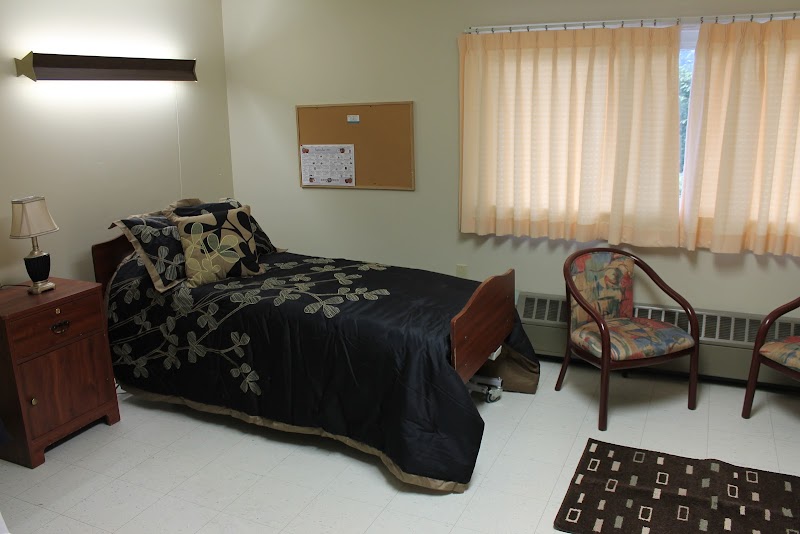
How is Beaver Healthcare And Rehabilitation Center Staffed?

CMS rates BEAVER HEALTHCARE AND REHABILITATION CENTER's staffing level at 2 out of 5 stars, which is below average compared to other nursing homes. Staff turnover is 50%, compared to the Pennsylvania average of 46%. RN turnover specifically is 60%, which is notably high. RNs provide skilled clinical oversight, so turnover in this role can affect medical care quality.

What Have Inspectors Found at Beaver Healthcare And Rehabilitation Center?

State health inspectors documented 82 deficiencies at BEAVER HEALTHCARE AND REHABILITATION CENTER during 2022 to 2025. These included: 3 Immediate Jeopardy (the most serious level, indicating potential for serious harm or death) and 79 with potential for harm. Immediate Jeopardy findings are rare and represent the most serious regulatory concerns. They require immediate corrective action.
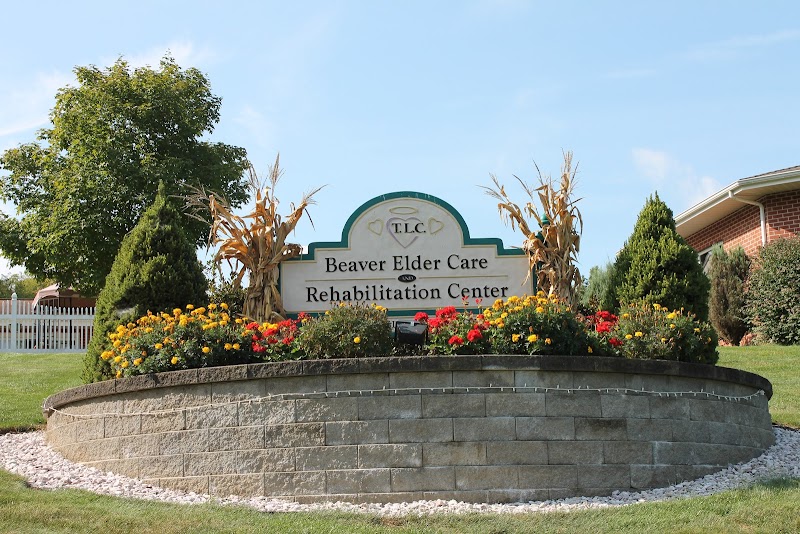
Who Owns and Operates Beaver Healthcare And Rehabilitation Center?

BEAVER HEALTHCARE AND REHABILITATION CENTER is owned by a for-profit company. For-profit facilities operate as businesses with obligations to shareholders or private owners. The facility is operated by BONAMOUR HEALTH GROUP, a chain that manages multiple nursing homes. With 67 certified beds and approximately 53 residents (about 79% occupancy), it is a smaller facility located in ALIQUIPPA, Pennsylvania.

How Does Beaver Healthcare And Rehabilitation Center Compare to Other Pennsylvania Nursing Homes?

Compared to the 100 nursing homes in Pennsylvania, BEAVER HEALTHCARE AND REHABILITATION CENTER's overall rating (1 stars) is below the state average of 3.0, staff turnover (50%) is near the state average of 46%, and health inspection rating (1 stars) is much below the national benchmark.

What Should Families Ask When Visiting Beaver Healthcare And Rehabilitation Center?

Based on this facility's data, families visiting should ask: "What changes have been made since the serious inspection findings, and how are you preventing similar issues?" "What safeguards and monitoring systems are in place to protect residents from abuse or neglect?" "Can you walk me through typical staffing levels on day, evening, and night shifts?" "Can I visit during a mealtime to observe dining assistance and food quality?" These questions are particularly relevant given the facility's Immediate Jeopardy citations, the substantiated abuse finding on record, and the below-average staffing rating.

Is Beaver Healthcare And Rehabilitation Center Safe?

Based on CMS inspection data, BEAVER HEALTHCARE AND REHABILITATION CENTER has documented safety concerns. The facility has 1 substantiated abuse finding (meaning confirmed case of resident harm by staff or other residents). Inspectors have issued 3 Immediate Jeopardy citations (the most serious violation level indicating risk of serious injury or death). The facility has a 1-star overall rating and ranks #100 of 100 nursing homes in Pennsylvania. Families considering this facility should ask detailed questions about what corrective actions have been taken since these incidents.

Do Nurses at Beaver Healthcare And Rehabilitation Center Stick Around?

BEAVER HEALTHCARE AND REHABILITATION CENTER has a staff turnover rate of 50%, which is about average for Pennsylvania nursing homes (state average: 46%). Moderate turnover is common in nursing homes, but families should still ask about staff tenure and how the facility maintains care continuity when employees leave.

Was Beaver Healthcare And Rehabilitation Center Ever Fined?

BEAVER HEALTHCARE AND REHABILITATION CENTER has been fined $6,752 across 1 penalty action. This is below the Pennsylvania average of $33,146. While any fine indicates a compliance issue, fines under $50,000 are relatively common and typically reflect isolated problems that were subsequently corrected. Families should ask what specific issues led to these fines and confirm they've been resolved.

Is Beaver Healthcare And Rehabilitation Center on Any Federal Watch List?

BEAVER HEALTHCARE AND REHABILITATION CENTER is not on any federal watch list. The most significant is the Special Focus Facility (SFF) program, which identifies the bottom 1% of nursing homes nationally based on persistent, serious quality problems. Not being on this list means the facility has avoided the pattern of deficiencies that triggers enhanced federal oversight. This is a positive indicator, though families should still review the facility's inspection history directly.