BEAVER VALLEY REHABILITATION AND HEALTHCARE CENTER
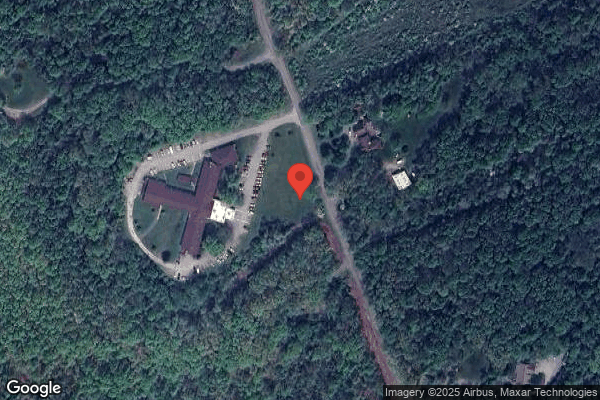
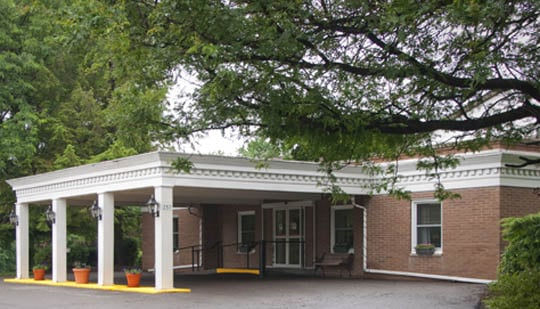
257 GEORGETOWN ROAD, BEAVER FALLS, PA 15010 (724) 846-8200
For profit - Corporation 120 Beds Independent Data: November 2025 1 Immediate Jeopardy citation
Trust Grade
31/100
#385 of 653 in PA
Last Inspection: September 2024

Within standard 12-15 month inspection cycle. Federal law requires annual inspections.

Overview

Beaver Valley Rehabilitation and Healthcare Center has received a Trust Grade of F, indicating significant concerns about the quality of care provided, which is poor overall. It ranks #385 out of 653 facilities in Pennsylvania, placing it in the bottom half, but it is the top option in Beaver County. The facility is showing improvement, having reduced its issues from 14 in 2024 to just 2 in 2025. However, staffing is a weak point, with a rating of 2 out of 5 stars and a high turnover rate of 62%, which is concerning compared to the state average of 46%. Additionally, there have been critical incidents, including a resident sustaining a head injury after wandering unsupervised, and issues with unsanitary conditions in the kitchen and inadequate ventilation in shower rooms, highlighting both strengths and weaknesses in the care environment.

Trust Score
F
31/100
In Pennsylvania
#385/653
Bottom 42%
Safety Record
High Risk
Review needed
Inspections
Getting Better
14 → 2 violations
Staff Stability
⚠ Watch
62% turnover. Above average. Higher turnover means staff may not know residents' routines.
Penalties
✓ Good
$13,397 in fines. Lower than most Pennsylvania facilities. Relatively clean record.
Skilled Nurses
○ Average
Each resident gets 35 minutes of Registered Nurse (RN) attention daily — about average for Pennsylvania. RNs are the most trained staff who monitor for health changes.
Violations
⚠ Watch
30 deficiencies on record. Higher than average. Multiple issues found across inspections.
★★☆☆☆
2.0
Overall Rating
★★☆☆☆
2.0
Staff Levels
★★★★☆
4.0
Care Quality
★★☆☆☆
2.0
Inspection Score
Stable
2024: 14 issues
2025: 2 issues

The Good

  • 4-Star Quality Measures · Strong clinical quality outcomes
  • Full Sprinkler Coverage · Fire safety systems throughout facility
  • No fines on record

Facility shows strength in quality measures, fire safety.

The Bad

2-Star Overall Rating

Below Pennsylvania average (3.0)

Below average - review inspection findings carefully

Staff Turnover: 62%

16pts above Pennsylvania avg (46%)

Frequent staff changes - ask about care continuity

Federal Fines: $13,397

Below median ($33,413)

Minor penalties assessed

Staff turnover is elevated (62%)

14 points above Pennsylvania average of 48%

The Ugly 30 deficiencies on record

1 life-threatening
Mar 2025 2 deficiencies
CONCERN (D) 📢 Someone Reported This

A family member, employee, or ombudsman was alarmed enough to file a formal complaint

Potential for Harm - no one hurt, but risky conditions existed

Report Alleged Abuse (Tag F0609)

Could have caused harm · This affected 1 resident

**NOTE- TERMS IN BRACKETS HAVE BEEN EDITED TO PROTECT CONFIDENTIALITY** Based on review of facility policy, closed resident clinical records, facility documents, staff interviews, it was determined th...

Read full inspector narrative →
**NOTE- TERMS IN BRACKETS HAVE BEEN EDITED TO PROTECT CONFIDENTIALITY** Based on review of facility policy, closed resident clinical records, facility documents, staff interviews, it was determined that the facility failed to report an allegation of sexual abuse for one of five sampled residents (Closed Resident Record CR1). Findings include: The facility Abuse investigation and reporting policy last reviewed on 8/1/24, indicated that all reports of resident abuse, neglect , exploitation, and misappropriation of resident property shall be promptly reported to the local, state and federal agencies and thoroughly investigated by facility management. If an incident or suspected incident of resident abuse is reported, Administration will assign the investigation to an appropriate individual. The Administrator will provide any supporting documentation, will keep the resident or resident representative informed, and will ensure any further abuse is prevented. The assigned investigator will record the results of the investigation. An alleged violation of abuse will be reported. Review of Closed Resident Record CR1's admission record indicated she was admitted on [DATE]. Review of Closed Resident Record CR1's MDS assessment (Minimum Data Set assessment: MDS -a periodic assessment of resident care needs) dated 12/3/24, indicated that she had diagnoses that included an injury to the right achilles tendon, diabetes (a metabolic disorder impacting organ function related to glucose levels in the human body), hypothyroidism (decrease in production of thyroid hormone), and congestive heart failure (a progressive heart disease affecting pumping action of the heart muscles impacting circulation, swelling and shortness of breath). These were the most recent diagnoses upon review. Review of Closed Resident Record CR1's care plan dated 1/6/25, indicated to observed for changes in mood. Review of Closed Resident Record CR1's CRNP clinical progress note dated 1/9/25, indicated the following: earlier this week, another male resident with dementia reportedly entered her room and fondled her breast. She was very upset and she denied physical injury, or breast pain. Incident being investigated by Administration. Review of Closed Resident Record CR1's clinical nurse progress notes, social services notes, or additional physician documents did not include any evidence of an abuse investigation or abuse report. The facility abuse investigation documents, from December 2024 to March 2025, did not include: -a report to the local State field office about Closed Resident Record CR1's allegation -a notification to the local police department -a notification to the Department of Aging During an interview on 3/26/25, at 10:27 a.m. the Certified Registered Nurse Practitioner (CRNP) Employee E1 stated the following: Closed Resident Record CR1 claimed another resident came into her room and touched her breast area. She spoke to Administration and nursing administration was aware and investigating it further. During an interview on 3/26/25, at 11:18 a.m. the Facility social worker Employee E2 stated the following: Closed Resident Record CR1 did discuss being touched with one of the nurses and the administrator. She did not go into full detail. I let her know she could speak with me. I believe I put a note in. If an allegation turns into a reportable incident, the DON or administrator work on that. During an interview on 3/26/25, at 12:35 p.m. information disseminated to the Director of Nursing (DON) that the facility failed to report an allegation of sexual abuse for Closed Resident Record CR1 as required. 28 Pa Code: 201.14 (a)(c )(e) Responsibility of management. 28 Pa Code: 201.18 (b)(1)(e)(1) Management.
CONCERN (D) 📢 Someone Reported This

A family member, employee, or ombudsman was alarmed enough to file a formal complaint

Potential for Harm - no one hurt, but risky conditions existed

Investigate Abuse (Tag F0610)

Could have caused harm · This affected 1 resident

**NOTE- TERMS IN BRACKETS HAVE BEEN EDITED TO PROTECT CONFIDENTIALITY** Based on review of facility policy, closed clinical records and staff interviews, it was determined that the facility failed to ...

Read full inspector narrative →
**NOTE- TERMS IN BRACKETS HAVE BEEN EDITED TO PROTECT CONFIDENTIALITY** Based on review of facility policy, closed clinical records and staff interviews, it was determined that the facility failed to make certain allegations of abuse are thoroughly investigated for one of five sampled residents (Closed Resident Record CR1). Findings include: The facility Abuse investigation and reporting policy last reviewed on 8/1/24, indicated that all reports of resident abuse, neglect , exploitation, and misappropriation of resident property shall be promptly reported to the local, state and federal agencies and thoroughly investigated by facility management. If an incident or suspected incident of resident abuse is reported, Administration will assign the investigation to an appropriate individual. The Administrator will provide any supporting documentation, will keep the resident or resident representative informed, and will ensure any further abuse is prevented. The assigned investigator will record the results of the investigation. An alleged violation of abuse will be reported. Review of Closed Resident Record CR1's admission record indicated she was admitted on [DATE]. Review of Closed Resident Record CR1's MDS assessment (Minimum Data Set assessment: MDS -a periodic assessment of resident care needs) dated 12/3/24, indicated that she had diagnoses that included an injury to the right achilles tendon, diabetes (a metabolic disorder impacting organ function related to glucose levels in the human body), hypothyroidism (decrease in production of thyroid hormone), and congestive heart failure (a progressive heart disease affecting pumping action of the heart muscles impacting circulation, swelling and shortness of breath). These were the most recent diagnoses upon review. Review of Closed Resident Record CR1's care plan dated 1/6/25, indicated to observed for changes in mood. Review of Closed Resident Record CR1's CRNP clinical progress note dated 1/9/25, indicated the following: earlier this week, another male resident with dementia reportedly entered her room and fondled her breast, she was very upset and she denied physical injury, or breast pain. Incident being investigated by Administration. Review of Closed Resident Record CR1's clinical nurse progress notes, social services notes, or additional physician documents did not include any evidence of an abuse investigation or abuse report. The facility abuse investigation documents, from December 2024 to March 2025, did not include: -a signed statement from Closed Resident Record CR1 about this allegation -identifying the other resident that touched Closed Resident Record CR1 -signed statements from facility staff -actions to prevent re-occurrence with this and other residents -specific actions to ensure resident safety -interviews with additional residents to ensure their safety -assessment of the other resident to determine root cause During an interview on 3/26/25, at 10:27 a.m. the Certified Registered Nurse Practitioner (CRNP) Employee E1 stated the following: Closed Resident Record CR1 claimed another resident came into her room and touched her breast area. She spoke to Administration and nursing administration was aware and investigating it further. During an interview on 3/26/25, at 11:18 a.m. the Facility social worker Employee E2 stated the following: Closed Resident Record CR1 did discuss being touched with one of the nurses and the administrator. She did not go into full detail. I let her know she could speak with me. I believe I put a note in. If an allegation turns into a reportable incident, the DON or administrator work on that. During an interview on 3/26/25, at 12:35 p.m. information disseminated to the Director of Nursing (DON) that the facility failed to make certain allegations of abuse are thoroughly investigated for Closed Resident Record CR1 as required. 28 Pa. Code: 201.14 (a)(c)(e) Responsibility of licensee. 28 Pa. Code: 201.18 (e) (1) Management. 28 Pa. Code: 201.20 (b) Staff development.
Sept 2024 11 deficiencies
CONCERN (D)

Potential for Harm - no one hurt, but risky conditions existed

Deficiency F0554 (Tag F0554)

Could have caused harm · This affected 1 resident

**NOTE- TERMS IN BRACKETS HAVE BEEN EDITED TO PROTECT CONFIDENTIALITY** Based on observations, resident, and staff interviews, it was determined that the facility failed to determine the ability to se...

Read full inspector narrative →
**NOTE- TERMS IN BRACKETS HAVE BEEN EDITED TO PROTECT CONFIDENTIALITY** Based on observations, resident, and staff interviews, it was determined that the facility failed to determine the ability to self-administer medications for one of three residents (Residents R96). Findings include: Review of the facility policy Self-Administration of Medication dated 8/1/24, indicated residents have the right to self-administer medications if the interdisciplinary team has determined that it is clinically appropriate and safe for the resident to do so. Self-administered medications must be stored in a safe and secure place. Review of the admission record indicated Resident R96 was admitted to the facility on [DATE], with diagnosis that include acute kidney failure (kidneys suddenly can't filter waste), anemia (low iron in the blood), and hypertension (high blood pressure). Observation on 9/3/24, at 10:26 a.m. Resident R96 was sitting on the edge of bed. A box of Ivizia eye drops (used for dry eyes) were noted to her bedside stand. During an interview on 9/3/24 at 10:43 a.m. Licensed Practical Nurse (LPN) E4 stated those should not be in here removed the Ivizia eye drops and confirmed Resident R96 did not have orders for medication self-administration. 28. Pa. Code 211.12(d)(1)(2) Nursing services.
CONCERN (D)

Potential for Harm - no one hurt, but risky conditions existed

Transfer Requirements (Tag F0622)

Could have caused harm · This affected 1 resident

**NOTE- TERMS IN BRACKETS HAVE BEEN EDITED TO PROTECT CONFIDENTIALITY** Based on review of facility policies, resident records and staff interview, the facility failed to make certain that the necessa...

Read full inspector narrative →
**NOTE- TERMS IN BRACKETS HAVE BEEN EDITED TO PROTECT CONFIDENTIALITY** Based on review of facility policies, resident records and staff interview, the facility failed to make certain that the necessary resident information was communicated to the receiving health care provider for two out of two residents sampled with facility-initiated transfers (Resident R21 and R60). Finding include: Review of the facility policy Transfer or Discharge Documentation dated 8/1/24, indicated when a resident is transferred or discharged , details of the transfer or discharge will be documented in the medical record and appropriate information will be communicated to the receiving health care facility or provided. When a resident is transferred or discharged from the facility, the following information will be documented in the medical record: ·The basis for transfer or discharge ·Disposition of medication ·Summary of the resident's overall medical, physical, and mental condition ·That an appropriate notice was provided to the resident and /or legal representative ·All special instructions or precautions for ongoing care, as appropriate ·Comprehensive care plan goals ·All other necessary information including a copy of the resident's discharge summary, and any other documentation, as applicable, to ensure a safe and effective transition of care. Review of Resident R21's admission record indicated she was admitted [DATE], with diagnosis that included anxiety, weakness, and high blood pressure. Review of Resident R21's Minimum Data Set (MDS - a periodic assessment of care needs) dated 12/20/23, indicated that the resident was sent to the hospital and admitted . Review of Resident R21's progress note dated 3/10/24, indicated the resident complained of shortness of breath, feeling tired, and weakness. The resident was sent to the hospital and admitted . Review of Resident R21's clinical record revealed no documented evidence that the facility had communicated specific information to the receiving health care provider for the residents transferred and expected to return, which included the resident's care plan goals, advanced directive information, specific instructions for ongoing care, resident representative information, and all information necessary to meet the resident's specific needs at the receiving facility. Review of the clinical record indicated Resident R60 was admitted to the facility on [DATE]. Review of Resident R60's MDS dated [DATE], indicated diagnoses of high blood pressure, Alzheimer ' s disease (a type of brain disorder that causes problems with memory, thinking and behavior), and dependence on wheelchair. Review of Resident R60's clinical record revealed that the resident was transferred to the hospital on 6/2/24, and returned to the facility on 6/2/24. Review of Resident R60's clinical record revealed no documented evidence that the facility had communicated specific information to the receiving health care provider for the residents transferred and expected to return, which included the resident's care plan goals, advanced directive information, specific instructions for ongoing care, resident representative information, and all information necessary to meet the resident's specific needs at the receiving facility. During an interview on 9/5/24, at 1:14 p.m. the Nursing Home Administrator confirmed that there was no evidence that the necessary information was communicated to the receiving health care institution or provider upon transfer for two out of two residents sampled with facility-initiated transfers (Residents R21 and R60). 28 Pa. Code 201.29 (a)(c.3)(2) Resident rights.
CONCERN (D)

Potential for Harm - no one hurt, but risky conditions existed

Deficiency F0625 (Tag F0625)

Could have caused harm · This affected 1 resident

**NOTE- TERMS IN BRACKETS HAVE BEEN EDITED TO PROTECT CONFIDENTIALITY** Based on review of facility policy, clinical records, and staff interviews it was determined that the facility failed to provide...

Read full inspector narrative →
**NOTE- TERMS IN BRACKETS HAVE BEEN EDITED TO PROTECT CONFIDENTIALITY** Based on review of facility policy, clinical records, and staff interviews it was determined that the facility failed to provide the resident and/or resident representative with a written notice of the facility bed-hold policy (explanation of how long a bed can be held during a leave of absence and the cost per day) upon or within twenty-four hours of transfer for two of two residents (Residents R21 and R60). Findings include: Review of the facility policy Bed Hold, dated 8/1/24, indicated that the facility is required to notify responsible party of the Bed Hold options and associated financial liability: 1) At the time of admission to ensure that the Resident/Responsible Party is aware of the procedure to be followed to guarantee a bed upon returning from a future leave. 2) Each time a resident will be absent from the facility for hospitalization or other medical or therapeutic leave so that the Resident and/or Responsible Party may make a choice to either hold the bed or discharge from the facility for the current leave days. Proper documentation of the leave/bed hold days must be maintained in compliance with current Federal; and/or State specific regulation. Review of Resident R21's admission record indicated she was admitted [DATE], with diagnosis that included anxiety, weakness, and high blood pressure. Review of Resident R21's Minimum Data Set (MDS - a periodic assessment of care needs) dated 12/20/23, indicated that the resident was sent to the hospital and admitted . Review of Resident R21's clinical physician progress note dated 3/10/24, indicated the resident was admitted to the hospital. Review of Resident R21's clinical record failed to include documented evidence that the resident or the resident's representative were provided with written information about the facility's bed hold policy at the time of the transfer to the hospital on 3/10/24. Review of the clinical record indicated Resident R60 was admitted to the facility on [DATE]. Review of Resident R60's MDS dated [DATE], indicated diagnoses of high blood pressure, Alzheimer ' s disease (a type of brain disorder that causes problems with memory, thinking and behavior), and dependence on wheelchair. Review of Resident R60's clinical record revealed that the resident was transferred to the hospital on 6/2/24. Review of Resident R60's clinical record failed to include documented evidence that the resident or the resident's representative were provided with written information about the facility's bed hold policy at the time of the transfer to the hospital on 6/2/24. During an interview on 9/5/24, at 1:14 p.m. the Nursing Home Administrator stated the facility was not completing bed hold notifications, and confirmed that there was no evidence that a written notification of the facility bed hold policy was provided to the resident/agent upon transfer to the hospital for Resident R21, and R60 28 Pa. Code 201.18(e)(1) Management 28 Pa. Code 201.29(f) Resident rights
CONCERN (D)

Potential for Harm - no one hurt, but risky conditions existed

Comprehensive Care Plan (Tag F0656)

Could have caused harm · This affected 1 resident

Based on review of facility policy, resident observations, clinical record review and staff interviews, it was determined that the facility failed to develop a plan of care to include a focus and inte...

Read full inspector narrative →
Based on review of facility policy, resident observations, clinical record review and staff interviews, it was determined that the facility failed to develop a plan of care to include a focus and interventions to maintain a resident's highest practicable physical well-being as required for one of three residents. (Resident R28) Findings include: Review of the facility Care Plans, Comprehensive Person Centered policy dated 8/1/24, indicates a comprehensive, person-centered care plan that includes measurable objectives and timetables to meet the resident's physical, psychosocial and functional needs is developed and implemented for each resident. Review of Resident R28's Minimum Data Set (MDS-periodic assessment of care needs) dated 7/23/24, indicated a re-entry to facility on 10/17/22, with diagnoses of heart failure (heart doesn't pump as well as it should), hypertension (high blood pressure), and diabetes (high sugar in the blood). Observation 9/3/24, at 10:40 a.m. resident R28 was sitting next to his bed and was noted to have bilateral skin sleeves on. A review of Resident R28's care plan did not include interventions for skin sleeves. During an interview on 9/5/24, at 12:10 p.m. the Director of Nursing (DON) confirmed the facility failed to develop a care plan to include goals and interventions for Resident R28's skin sleeves. 28 Pa. Code: 201.18(b)(1)(e)(1) Management. 28 Pa. Code: §211.10(c) Resident care policies
CONCERN (D)

Potential for Harm - no one hurt, but risky conditions existed

Quality of Care (Tag F0684)

Could have caused harm · This affected 1 resident

**NOTE- TERMS IN BRACKETS HAVE BEEN EDITED TO PROTECT CONFIDENTIALITY** Based on review of facility policy, clinical record review, observations, and staff interviews, it was determined that the facil...

Read full inspector narrative →
**NOTE- TERMS IN BRACKETS HAVE BEEN EDITED TO PROTECT CONFIDENTIALITY** Based on review of facility policy, clinical record review, observations, and staff interviews, it was determined that the facility failed to ensure a resident had a physician order for treatment residents were receiving for two of five residents (Resident R28 and 260). Findings include: Review of facility policy Therapeutic Diets dated 8/1/24, indicated therapeutic diets are prescribed by the attending physician to support the resident's treatment and plan of care and in accordance with the resident's goals and preferences. Diet order should match the terminology used by the food and nutrition services department. Review of the facility policy Medication and Treatment Orders dated 8/1/24, indicates orders for medications and treatments will be consistent with principles of safe and effective order writing. Drugs and biologicals orders must be recorded on the Physicians orders sheet. Review of Resident R28's Minimum Data Set (MDS-periodic assessment of care needs) dated 7/23/24, indicated a re-entry to facility on 10/17/22, with diagnoses of heart failure (heart doesn't pump as well as it should), hypertension (high blood pressure), and diabetes (high sugar in the blood). Observation 9/3/24, at 10:40 a.m. Resident R28 was sitting next to his bed and was noted to have bilateral skin sleeves on. A review of Resident R28's physician orders on 9/3/24, at 10:42 a.m. failed to contain current orders for bilateral skin sleeves. During an interview on 9/5/24, at 12:10 p.m. the Director of Nursing (DON) confirmed the facility failed to obtain physician orders for Resident R28's skin sleeves. Review of the clinical record indicated Resident R260 was admitted to the facility on [DATE], with diagnoses of dementia (a group of symptoms affecting memory, thinking and social abilities), heart failure (occurs when the heart muscle doesn't pump blood as well as it should), and dysphagia (difficulty swallowing). Review of Resident R260's Nutrition Evaluation dated 8/30/24, indicated the resident's diet order was NPO-Nothing by mouth. It was indicated the resident was observed choking on water while in the emergency room and failed multiple swallow studies. Review of Resident R260's physician order on 9/3/24, at 10:52 a.m. failed to include an order for nothing by mouth. During an interview on 9/3/24, at 1:00 p.m. Nurse Aide, Employee E8 confirmed Resident R260 does not take anything by mouth. During an interview on 9/3/24, at 1:03 p.m. Licensed Practical Nurse, Employee E5 confirmed Resident R260 does not take anything by mouth. During an interview on 9/3/24, at 1:04 p.m. the Director of Nursing confirmed Resident R260 failed to have a physician order for nothing by mouth. The DON confirmed the facility failed to provide care and services needed for a resident to maintain the highest practicable physical well-being for one of five residents (Resident R260). 28 Pa. Code 201.18 (b)(1) Management 28 Pa. Code 201.29(d) Resident Rights 28 Pa. Code 211.10 (c)(d) Resident Care policies 28 Pa. Code 211.12 (d)(1)(2)(3)(5) Nursing services
CONCERN (D)

Potential for Harm - no one hurt, but risky conditions existed

Incontinence Care (Tag F0690)

Could have caused harm · This affected 1 resident

**NOTE- TERMS IN BRACKETS HAVE BEEN EDITED TO PROTECT CONFIDENTIALITY** Based on review of clinical records, and staff interviews, it was determined that the facility failed to make certain that appro...

Read full inspector narrative →
**NOTE- TERMS IN BRACKETS HAVE BEEN EDITED TO PROTECT CONFIDENTIALITY** Based on review of clinical records, and staff interviews, it was determined that the facility failed to make certain that appropriate treatment and services were ordered and/or provided for two of three residents with a urinary catheter (Resident R37 and R260). Findings include: Review of the facility policy Medication and Treatment Orders dated 8/1/24, indicates orders for medications and treatments will be consistent with principles of safe and effective order writing. Review of the facility policy Catheter Care, Urinary last reviewed 8/1/24, indicate check the resident frequently to be sure he or she is not lying on the catheter and to keep the catheter tubing free of kinks, the drainage bag must be held or positioned lower that the bladder at all times. Review of the facility policy Resident Rights last reviewed 8/1/24, these rights include the residents right to a dignified existence, to be treated with respect, kindness, and dignity. Review of Resident R37's Minimum Data Set (MDS - a periodic assessment of care needs) dated 5/29/24, indicated re-admission date of 4/16/24, with diagnoses of hypertension (high blood pressure), neurogenic bladder (lack of bladder control) and orthostatic hypotension (a person's blood pressure drops when standing up). Review of Resident R37's physician orders dated 6/8/24, indicate foley catheter size eighteen french with 10cc balloon to straight bag gravity drainage. Observation 9/3/24, at 10:21 a.m. Resident R37 was sitting in his bed his foley catheter bag was observed hanging from the bedframe the bag failed to have a dignity/privacy cover. Interview 9/3/24, at 10:24 a.m. Licensed Practical Nurse (LPN) Employee E4 confirmed the foley catheter bag failed to have a dignity/privacy cover. Review of the clinical record indicated Resident R260 was admitted to the facility on [DATE], with diagnoses of dementia (a group of symptoms affecting memory, thinking and social abilities), heart failure (occurs when the heart muscle doesn't pump blood as well as it should), and dysphagia (difficulty swallowing). Review of Resident R260's progress note dated 8/30/24, indicated a foley catheter was inserted. During an observation on 9/3/24, at 12:14 p.m. Resident R260 was observed with a foley catheter. Review of Resident R260's physician order on 9/4/24, at 12:02 p.m. failed to include an order for Resident R260's catheter. During an interview on 9/4/24, at 12:14 p.m. Licensed Practical Nurse, Employee E5 confirmed Resident R260 failed to have a physician order for a foley catheter. 28 Pa Code: 201.14 (a) Responsibility of licensee. 28 Pa code: 211.10 (c)(d) Resident care policies. 28 Pa. Code 211.12(d)(1)(3)(5) Nursing services.
CONCERN (D)

Potential for Harm - no one hurt, but risky conditions existed

Respiratory Care (Tag F0695)

Could have caused harm · This affected 1 resident

**NOTE- TERMS IN BRACKETS HAVE BEEN EDITED TO PROTECT CONFIDENTIALITY** Based on facility policy review, observations, and staff interviews, it was determined that the facility failed to maintain sani...

Read full inspector narrative →
**NOTE- TERMS IN BRACKETS HAVE BEEN EDITED TO PROTECT CONFIDENTIALITY** Based on facility policy review, observations, and staff interviews, it was determined that the facility failed to maintain sanitary conditions of respiratory equipment for one of three residents reviewed (Resident R51). Findings include: Review of the facility policy Oxygen Administration dated 8/1/24, indicates the purpose of this procedure is to provide guidelines for safe oxygen administration. Steps in procedure include but not limited to: -Be sure there is water in the humidifying jar and the water level is high enough that the water bubbles as oxygen flows. -Periodically re-check water in humidifying jar. Review of the facility policy Administering Medications through a Small Volume (handheld) Nebulizer dated 8/1/24, indicates the purpose of the procedure is to administer particles of medication safely and aseptically into the resident's airway. Steps in procedure include but not limited to: -When treatment is completed, turn off nebulizer and disconnect T-piece, mouthpiece, and medication cup. -Rinse and disinfect the nebulizer equipment according to facility protocol. -When equipment is completely dry, store in a plastic bag with the resident's name and date on it. Review of the admission record indicated Resident R51 was admitted to the facility on [DATE]. Review of Resident R51's Minimum Data Set (MDS- a periodic assessment of care needs) dated 5/16/24, indicated the diagnoses of anemia (the blood doesn't have enough healthy red blood cells), hypertension (high blood pressure), and chronic bronchitis (long term inflammation of the breathing tubes) Review of Resident R51's physician order on 10/31/21, indicated Ipratropium-Albuterol Solution Nebulization Solution (a medication that is inhaled like a mist to assist in breathing) every four hours as needed for wheezing. Review of Resident R51's physician order dated 10/31/21, indicated oxygen at two liters per minute (lpm) via nasal canula. Review of Resident R51's physician order dated 11/02/21, indicated change oxygen tubing and canister every Tuesday night shift. Observation of Resident R51 on 9/3/24, at 9:13 a.m. resident was in bed, a nebulization machine was sitting on the bedside stand not in a bag, not labeled with the date. The humidifying jar on the oxygen concentrator was void of water. Interview on 9/3/24, at 10:42 a.m. Licensed Practical Nurse (LPN) Employee E4 confirmed the nebulizer was not in a bag, not labeled with date and time and the humidifying jar on the oxygen concentrator was void of water for Resident R51. 28 Pa. Code: 211.12 (d)(1)(2)(3)(5) Nursing Services. 28 Pa. Code: 201.14(a) Responsibility of licensee.
CONCERN (D)

Potential for Harm - no one hurt, but risky conditions existed

Deficiency F0699 (Tag F0699)

Could have caused harm · This affected 1 resident

**NOTE- TERMS IN BRACKETS HAVE BEEN EDITED TO PROTECT CONFIDENTIALITY** Based on review of facility policy, resident record review, and staff interviews, it was determined that the facility failed to ...

Read full inspector narrative →
**NOTE- TERMS IN BRACKETS HAVE BEEN EDITED TO PROTECT CONFIDENTIALITY** Based on review of facility policy, resident record review, and staff interviews, it was determined that the facility failed to provide a trauma survivor with trauma informed care to eliminate or mitigate triggers that may cause re-traumatization of the resident for two of two residents (Resident R36, and R84). Findings include: Review of facility policy Trauma Informed Care dated 8/1/24, indicated that trauma-informed care is an approach to delivering care that involves understanding, recognizing and responding to the effects of all types of trauma. A trauma-informed approach to care delivery recognizes the widespread impact and signs and symptoms of trauma in residents, and incorporates knowledge about trauma into care plans, policies, procedures and practices to avoid re-traumatization. Review of the clinical record indicated Resident R36 was admitted to the facility on [DATE]. Review of Resident R36's Minimum Data Set (MDS - a periodic assessment of care needs) dated 7/26/24, indicated diagnoses of Post Traumatic Stress Disorder (PTSD- a disorder that develops when a person has experienced or witnessed a scary, shocking, terrifying, or dangerous event), high blood pressure, and chronic pain. Review of Resident R36's care plan indicated that resident had PTSD but failed to identify what the triggers were and how to avoid them. Review of the clinical record indicated Resident R84 was admitted to the facility on [DATE]. Review of Resident R84's MDS dated [DATE], indicated diagnoses of PTSD, muscle weakness, and difficulty in walking. Review of Resident R84's care plan indicated that resident had PTSD but failed to identify what the triggers were and how to avoid them. During an interview on 9/5/24, at 11:09 a.m. Social Service Director Employee E3 confirmed that the facility failed to identify PTSD triggers for Resident 36, and R84 in order to eliminate or mitigate any triggers that may cause re-traumatization for these residents. 28 Pa. Code: 201.14(a) Responsibility of licensee. 28 Pa. Code: 201.18(b)(1) Management.
CONCERN (D)

Potential for Harm - no one hurt, but risky conditions existed

Deficiency F0700 (Tag F0700)

Could have caused harm · This affected 1 resident

**NOTE- TERMS IN BRACKETS HAVE BEEN EDITED TO PROTECT CONFIDENTIALITY** Based on observations, review of facility policy, clinical record review, and staff interview, it was determined that the facili...

Read full inspector narrative →
**NOTE- TERMS IN BRACKETS HAVE BEEN EDITED TO PROTECT CONFIDENTIALITY** Based on observations, review of facility policy, clinical record review, and staff interview, it was determined that the facility failed to conduct ongoing assessments to ensure that bed rails were used to meet residents' needs and the risks associated with bed rail usage for two of five residents (Residents R51 and R79). Findings include: Review of Title 42 Code of Federal Regulations (CFR) §483.25(n) - Bed Rails states that the facility must assess the resident for risk of entrapment from bed rails prior to installation. Additionally, there should be evidence in the resident's records that the facility performed ongoing assessments to assure that the bed rail is used to meet the resident's needs and that there is an ongoing evaluation of risks associated with bed rail usage. Review of the facility policy Proper Use of Side Rails dated 8/1/24, indicated the resident will be checked re-evaluated relative to side rail use quarterly, annually and with a change in condition. Review of the admission record indicated Resident R51 was admitted to the facility on [DATE]. Review of Resident R51's Minimum Data Set (MDS- a periodic assessment of care needs) dated 5/16/24, indicated the diagnoses of anemia (the blood doesn't have enough healthy red blood cells), hypertension (high blood pressure), and chronic bronchitis (long term inflammation of the breathing tubes) Review of Resident R51's physician order dated 8/6/22, indicate bilateral grab bars to promote bed mobility. Review of Resident R51's care plan dated 8/18/22, indicate bilateral grab (enabler) bars for positioning and transferring. Review of Resident R51's clinical record revealed the most current Enabler/Assist Rail/Device Evaluation dated 3/12/24, indicated assist rails were in use. Interview on 9/4/24, at 2:00 p.m. the Director of Nursing (DON) confirmed the facility failed to conduct ongoing assessments to ensure that bed rails were used to meet residents' needs and the risks associated with bed rail usage for Resident R51. Review of the clinical record indicated that Resident R79 was admitted to the facility on [DATE], with the diagnosis of parkinsonism (a brain condition that causes slowed movements, rigidity, and tremors), diabetes (high sugar in the blood) and overactive bladder. Review of Resident R79's physician order dated 8/7/23, indicate enabler bars to both sides of bed for positioning and participation in care. Review of Resident R79's care plan dated 8/7/23, indicate enabler bars to both sides of bed for positioning and participation in care. Review of Resident R79's clinical record revealed the most current Enabler/Assist Rail/Device Evaluation dated 3/12/24, indicated assist rails were in use. Interview on 9/5/24, at 1:30 p.m. the Nursing Home Administrator (NHA) confirmed the facility failed to conduct ongoing assessments to ensure that bed rails were used to meet residents' needs and the risks associated with bed rail usage for Resident R79. 28 Pa. Code 201.14(a) Responsibility of Licensee. 28 Pa. Code: 211.10(c)(d) Resident care policies. 28 Pa. Code: 211.12(d)(1)(5) Nursing services.
CONCERN (D)

Potential for Harm - no one hurt, but risky conditions existed

Deficiency F0761 (Tag F0761)

Could have caused harm · This affected 1 resident

Based on review of facility policies, observations, and staff interviews, it was determined that the facility failed to store medications and biologicals properly and securely in one of three medicati...

Read full inspector narrative →
Based on review of facility policies, observations, and staff interviews, it was determined that the facility failed to store medications and biologicals properly and securely in one of three medications carts (one [NAME] medication cart). Findings include: Review of the facility policy Medication Storage in the Facility last reviewed 8/1/24, indicated medications and biologicals are stored safely, securely, and properly, following manufactures recommendations or those of the supplier. During an observation on 9/4/24, at 9:18 a.m. it was revealed that the one [NAME] medication cart contained: . One vial of artificial tears, that failed to have name or date opened. . One vial fluticasone nasal spray that failed to have date opened. . One bottle lactulose solution that failed to have date opened. . One anora ellipta inhaler that failed to have date opened. . One bottle of opened pure leaf tea. . Two cans of Arizona herbal tonic energy drink. . One medicine cup labeled with the initial H that contained: . One brown capsule . Four white tablets . One beige tablet . One tan gel filled tablet. . One purple tablet During an interview on 9/4/24, at 10:12 a.m. Registered Nurse (RN) Employee E7 confirmed the above observations and stated, the medicine cup belongs to a resident who was sleeping, I didn't want to wake up to give them and the drinks are my personal drinks. 28 Pa. Code: 211.9(a)(1)(h)(k)(l)(1) Pharmacy services. 28 Pa. Code:211.12(d)(1)(2)(3)(5) Nursing services.
CONCERN (D)

Potential for Harm - no one hurt, but risky conditions existed

Infection Control (Tag F0880)

Could have caused harm · This affected 1 resident

**NOTE- TERMS IN BRACKETS HAVE BEEN EDITED TO PROTECT CONFIDENTIALITY** Based on review of facility policy, resident clinical records, observation, and staff interviews, it was determined that the fac...

Read full inspector narrative →
**NOTE- TERMS IN BRACKETS HAVE BEEN EDITED TO PROTECT CONFIDENTIALITY** Based on review of facility policy, resident clinical records, observation, and staff interviews, it was determined that the facility failed to implement infection control monitoring and management during a COVID-19 outbreak for one out of two residents (Resident R6) and failed to prevent cross contamination during a dressing change for one of three residents (Resident R13). Finding include: Review of facility policy SARS-CoV-2 Management dated 8/1/24, indicated the facility follows current guidelines and recommendations for managing COVID-19 in the facility. Anyone with even mild symptoms of COVID-19 (fatigue, headache, sore throat, fever, chills, etc.), regardless of vaccination status, should receive a viral test as soon as possible. It was indicated as part of the broad-based approach during an outbreak, testing should continue on affected units or facility-wide every 3-7 days until there are no new cases for 14 days. Testing should be performed for all residents and staff identified as close contacts or on the affected units if using a broad-based approach. The duration of isolation precautions for residents with COVID with mild to moderate illness who are not moderately to severely immunocompromised at least 10 days have passed since symptoms first appeared, at least 24 hours have passed since last fever without the use of fever-reducing medications, and symptoms have improved. Review of facility policy Wound Care dated 8/1/24 indicated the purpose of this procedure is to provide guidelines for the care of wounds to promote healing. Steps including but not limited to: 1. Use disposable cloth to establish clean field on residents overbed table. Place all items to be used during procedure on the clean field. 2. Wash and dry hands thoroughly. 3. Position the resident. Place disposable cloth next to resident (under the wound) to serve as a barrier to protect the bed linen and other body sites. 4. Use no touch technique. Use sterile tongue blades and applicators to remove ointments and creams from their containers. 5. Discard disposable items into the designated container. Discard all soiled laundry, linen, towels, and wash clothes into the soiled laundry container. 6. Take only the disposable supplies that are necessary for the treatment into the room. Disposable supplies cannot be returned to cart. Review of the clinical record indicated Resident R6 was admitted to the facility on [DATE]. Review of Resident R6's physician order dated 7/5/24, indicated to test for COVID as needed. Review of Resident R6's Minimum Data Set (MDS - a periodic assessment of care needs) dated 12/20/23, indicated diagnoses of arthritis (the swelling and tenderness of one or more joints), atrial fibrillation (an irregular and often very rapid heart rhythm) and muscle weakness. Review of Resident R6's follow-up visit dated 8/19/24, entered by Certified Registered Nurse Practitioner (CRNP), Employee E1 indicated over the weekend the resident was complaining of a frontal headache and a sore throat. It was stated Resident R6 started having symptoms after a leave of absence with her family and concerned she may have picked up an illness. Review of Resident R6's follow-up visit dated 8/26/24, entered by Certified Registered Nurse Practitioner (CRNP), Employee E1 indicated the resident was out with family on a leave of absence and developed a sore throat and right earache. It was indicated the resident had some coughing and sputum. A rapid COVID test was ordered. Review of Resident R6's progress note dated 8/26/24, indicated the resident had a positive rapid covid test after reporting cold like symptoms to the provider. It was indicated isolation precaution was initiated per policy. Review of Resident R6's physician order dated 8/26/24, indicated to implement contact and droplet precautions: Masks (N95), gloves, gowns, and eye shields, every shift. Seven days after Resident R6 displayed symptoms. Review of Resident R6's progress note dated 9/1/24, indicated the Resident's isolation precautions were discontinued due to negative covid test. During an observation on 9/3/24, at 9:08 a.m. no signage was posted at the entrance that indicated the facility was in an active COVID outbreak. During an interview on 9/3/24, at 9:31 a.m. the Nursing Home Administrator stated the facility is not in an active COVID outbreak. During an interview on 9/5/24, at 11:14 a.m. Infection Preventionist, Employee E9 stated residents are tested immediately for COVID if symptomatic. It was indicated all residents have a standing order to test for covid as needed. During an outbreak test are completed on Day 1, 3, and 5. IP, Employee E9 confirmed Resident R6 should have been tested on [DATE], when she displayed symptoms. IP, Employee E9 indicated as a response to the outbreak, the facility was monitoring for symptoms, and anyone that develops symptoms was tested. IP, Employee E9 stated the duration of isolation precautions for a resident with COVID depends on their test results. It was indicated if a resident has two negative tests within 48 hours or after 10 days, the isolation precautions are discontinued. IP, Employee E9 indicated after 10 days of the last positive test, the facility is no longer considered in an outbreak. During an interview on 9/5/24, at 11:39 a.m. the Nursing Home Administrator confirmed the facility failed to implement infection prevention, monitoring, and management for COVID-19 during an outbreak for one of two residents (Resident R6). During an observation of Resident R13's dressing change on 9/5/24, at 11:11 a.m. Licensed Practical Nurse (LPN) Employee E5 made the following cross contamination and hand hygiene opportunities. LPN Employee E5 placed a washable lift pad onto Resident R13's bed next to her right leg and proceeded to place dressing supplies onto the lift pad that included a box of gloves 4x4's, calcium alginate and bordered gauze. LPN Employee E5 opened supplies and placed onto washable lift pad. Resident R13 requested to turn towards the right, LPN Employee E5 slid the lift pad over the resident to the left side of the bed. LPN employee E5 failed to place a clean barrier under the resident prior to completing dressing change. After cleansing the wound LPN Employee E5 removed gloves and applied new gloves. LPN Employee E5 used gloved finger and dipped into jar of Silvadene, continued to apply the Silvadene to the wound with gloved finger, covered with the alginate and dry dressing, placed lid onto Silvadene container. LPN Employee E5 placed all used supplies into a bag for disposable except the lift pad and box of gloves and jar of Silvadene which were placed in said order onto the floor. Resident R13 requested to be repositioned. LPN Employee E5 picked up the lift pad and gloves from the floor and placed to another area onto floor. The Silvadene was given to LPN Employee E6 who was assisting with the treatment and stated she would put it back. After repositioning the resident, LPN Employee E5 picked up the lift pad and gloves from the floor, placed the gloves onto Resident 13's overside bed table and placed the washable lift pad into a bag. Removed gown and gloves and washed hands. He then picked up the gloves from the table and placed under his left arm, picked up the bag containing the lift pad and the bag of soiled supplies and placed into proper receptacles. Walked down the hallway and placed the box of gloves into left the compartment of medication cart. During an interview on 09/05/24, 11:37 a.m. LPN Employee E5 confirmed he failed to implement infection control practices to prevent cross contamination during a dressing change, failed to set up a clean barrier field and treat the wound without contaminating the wound bed and returned used supplies to the medication cart for Resident R13. 28 Pa. Code: 201.14(a) Responsibility of licensee. 28 Pa. Code 211.12(d)(1)(2)(5) Nursing services 28 Pa. Code: 211.12(d)(3) Nursing services.
Jul 2024 2 deficiencies
CONCERN (D) 📢 Someone Reported This

A family member, employee, or ombudsman was alarmed enough to file a formal complaint

Potential for Harm - no one hurt, but risky conditions existed

Transfer Notice (Tag F0623)

Could have caused harm · This affected 1 resident

**NOTE- TERMS IN BRACKETS HAVE BEEN EDITED TO PROTECT CONFIDENTIALITY** Based on review of resident clinical records, and staff interviews, it was determined that the facility failed to provide a tran...

Read full inspector narrative →
**NOTE- TERMS IN BRACKETS HAVE BEEN EDITED TO PROTECT CONFIDENTIALITY** Based on review of resident clinical records, and staff interviews, it was determined that the facility failed to provide a transfer notice to a representative of the Office of the Long-Term Care Ombudsman Division for two of three residents (Resident R1, and R9). Findings Include: A review of the facility policy Transfer and discharge- 30 day last reviewed 7/9/24, indicated a resident/representative will be notified in writing the reason for the transfer or discharge using the notice of transfer or discharge form, this includes sending a copy to the Office of the Long-Term Care Ombudsman A review of Resident R1's clinical record indicates admission date of 7/12/24, with the diagnoses of Vascular Dementia with agitation (decline in thinking skills caused by reduced blood flow), Urinary tract infection (infection in the urinary system), and Hypertension (high blood pressure). A review of Resident R1's clinical record revealed that the resident was transferred to the hospital on 7/15/24, and has not returned to facility. A review of Resident R1's clinical record indicated the facility failed to include documented evidence that the facility provided a written transportation notification to the Office of Long-Term Care Ombudsman for the hospitalization on 7/15/24. A review of Resident R9's clinical record indicated the resident was admitted to the facility on [DATE], with the diagnosis of end stage renal disease (kidneys permanently fail to work), anemia (low iron in the blood), diabetes (high sugar in the blood). A review of Resident R9's clinical record revealed that the resident was transferred to the hospital on 7/24/24, and has not returned to facility. A review of Resident R9's clinical record indicated the facility failed to include documented evidence that the facility provided a written transportation notification to the Office of Long-Term Care Ombudsman for the hospitalization on 7/24/24. During an interview on 7/31/24, at 10:54 a.m. Social Service Director Employee E1 stated I do not notify the ombudsman of a transfer to the hospital, I didn't know that they needed to be notified. During an interview on 7/31/24, at 2:10 p.m. the Director of Nursing (DON) stated, We do not send anything to the Ombudsman's Office and confirmed that the facility failed to provide a transfer notice to a representative of the Office of the Long-Term Care Ombudsman Division for two of three residents. 28 Pa. Code 201.29 (a) (c.3) (2) Resident rights.
CONCERN (D) 📢 Someone Reported This

A family member, employee, or ombudsman was alarmed enough to file a formal complaint

Potential for Harm - no one hurt, but risky conditions existed

Safe Transfer (Tag F0626)

Could have caused harm · This affected 1 resident

**NOTE- TERMS IN BRACKETS HAVE BEEN EDITED TO PROTECT CONFIDENTIALITY** Based on clinical record reviews and staff interviews, it was determined that the facility failed to permit the readmission of a...

Read full inspector narrative →
**NOTE- TERMS IN BRACKETS HAVE BEEN EDITED TO PROTECT CONFIDENTIALITY** Based on clinical record reviews and staff interviews, it was determined that the facility failed to permit the readmission of a hospitalized resident without providing evidence that the facility was not able to meet the resident's needs for one of three residents reviewed (Resident R1). A review of the facility policy Transfer and discharge- 30 day last reviewed 7/9/24, indicated a resident and/or his or her representative (sponsor), will be given a thirty-day advanced notice of an impending transfer or discharge from facility. Under the following circumstances, the notice will be given as soon as it is practicable but before the transfer or discharge. The transfer is necessary for the resident ' s welfare and the resident ' s needs cannot be met in the facility. A review of Resident R1's clinical record indicates admission date of 7/12/24, with the diagnoses of Vascular Dementia with agitation (decline in thinking skills caused by reduced blood flow), Urinary tract infection (infection in the urinary system), and Hypertension (high blood pressure). A review of progress note 7/12/24, 12:23 p.m indicates resident arrived around 3:00 p.m., accompanied with family. Wander guard put on left leg. Family signed DNR. No complaints of pain at this time. Alert and Oriented x1 with confusion. Has been exit seeking throughout shift. Aide attempted to redirect resident, and resident yelled and tried to hit aide. Staff closed double doors, and resident did not attempt again this shift. Also, put resident on q 15 min checks. Has had increase behaviors, and attempted to do initial assessment, but resident refused. Stated please don't touch me. Attempted three times throughout shift. Resident refused each time. Resident has been finding empty rooms and lays down for about 30 minutes at a time throughout shift. Orders verified and transcribed . Oriented to room, call light, and staff. A review of progress note 7/13/24, 4:21 p.m. Resident has had increased behaviors this shift. Attempting to exit seek, redirecting resident back to hall. Resident keeps stating that she needs to have surgery. Reassuring resident no surgery will be performed. Resident requested to speak to family. Resident spoke with [NAME] and has had seem to relax a little more. Resident standing at nursing station at this time. Will continue q15 min checks and noted in physician binder about increased behaviors. A review of progress note 7/15/24 5:28 p.m. Resident complained of shortness of breath, nausea, chest pain during activities. Escorted resident back to her room and obtained Vital Signs. Blood pressure 152/82, Heart rate-80, Temperature -98.1, Respirations-20, Oxygen saturation 97% on Room Air. Call made to sister to have permission to send to ER for eval. Physician notified. Medic Rescue on their way. A review of progress note 7/15/24, 6:08 p.m. resident left with Medic Rescue via stretcher at this time. A review of progress notes did not indicate that family/resident was not notified of Resident R1 requiring a secure unit or transfer to another facility or that that Resident R1 would not be returning to facility upon hospital transfer. During an interview 7/31/24, 10:15 a.m. with admission coordinator Employee E4 stated from my understanding Resident R1 was not a fit for our building she was exit seeking and wandering, was not safe for her to be here, she needed a locked down unit. During an interview 7/31/24, at 10:54 a.m. Social service director stated, my normal process for a transfer would be to contact the family and work on a transfer to a memory care facility . During an interview 7/31/24, at 2:10 pm. The Nursing Home Administrator stated, no formal notice of discharge was given to the family, the hospital was told the facility was not taking Resident R1 back at the time of transfer and confirmed the facility failed to permit the readmission of a hospitalized resident without providing evidence that the facility was not able to meet the resident's needs for one of three residents reviewed. 28 Pa. Code 201.14(a) Responsibility of Licensee. 28 Pa. Code 201.18(b)(1)(3) Management.
Jul 2024 1 deficiency
CONCERN (E) 📢 Someone Reported This

A family member, employee, or ombudsman was alarmed enough to file a formal complaint

Potential for Harm - no one hurt, but risky conditions existed

Deficiency F0725 (Tag F0725)

Could have caused harm · This affected multiple residents

Based on review of facility policy and resident interviews and observations, it was determined that the facility failed to ensure sufficient staffing to meet resident need for eight of twelve resident...

Read full inspector narrative →
Based on review of facility policy and resident interviews and observations, it was determined that the facility failed to ensure sufficient staffing to meet resident need for eight of twelve residents (Resident R1, R2, R3, R4, R5, R6, R7, and R8). Findings include: Review of the facility policy, Answering the Call Light dated 7/13/23, indicated the facility will provide timely responses to the resident's requests and needs. During an interview on 7/15/24, at 10:22 a.m. Resident R1, when asked if she felt the facility had sufficient staff stated, probably not. Observation at this time revealed Resident R1 to have unbrushed, greasy appearing hair. Review of Resident R1's shower record from 6/17/24, through 7/17/24, revealed two showers provided (7/12/24, and 7/17/24). No bed baths were documented, and no refusals of bathing were documented. Review of census information revealed Resident R1 was present in the facility during the review dates. During an interview and observation on 7/15/24, at 10:27 a.m. Resident R2 was noted to be wearing a hospital gown. When asked if she preferred to still be in a nightgown, Resident R2 responded that she would like to be dressed. During an interview on 7/15/24, at 10:29 a.m. Resident R3, when asked if she felt the facility had sufficient staff stated, Sometimes there ' s not enough, it takes forever to get back to bed. Resident R3 further confirmed that call light response takes a long time, stating, Yesterday I waited over an hour. Resident R3 was noted to be wearing a nightgown. When asked if she preferred to still be in a nightgown, Resident R3 responded that she hadn ' t been assisted with personal hygiene yet. During an interview and observation on 7/15/24, at 10:27 a.m. Resident R4, when asked about call light response stated that call light response is long and that staff tell him they will be back to assist him but do not return, She ' s always telling me that. When asked if he preferred to still be in a hospital gown, Resident R4 responded, I will be dressed after a while. During an interview on 7/15/24, at 10:35 a.m. Resident R5, when asked if he felt the facility had sufficient staff stated, No, I would like to see more aides. Resident R5 further confirmed that call light response takes a long time, stating, Sometimes I wait a long time for care, for call lights. Resident R5 stated the he only receives one shower per week, stating, I want more, but I was told I can ' t bet another because there is not enough staff. Observation at this time revealed Resident R5 to have unkempt hair. Review of Resident R5's shower record from 6/17/24, through 7/17/24, revealed two showers were documented each week, all occurring from approximately midnight through 6:00 a.m. During an interview on 7/15/24, at 10:43 a.m. Resident R6, when about call light response stated, I have to wait a long time to go to the bathroom. Resident R6 confirmed that she has been told that there is not sufficient staff to assist her out of bed. Resident R6 was noted to be wearing a nightgown. When asked if she preferred to still be in a nightgown, Resident R6 responded, I would like to be dressed. During an interview on 7/15/24, at 11:17 a.m. Resident R6, when asked if she felt the facility had sufficient staff stated, I don ' t think they have enough. During an observation on 7/15/24, at 11:20 a.m. Resident R7 was noted to have greasy appearing, unkempt hair. Review of Resident R7 ' s shower record from 6/17/24, through 7/17/24, revealed Resident R7 is scheduled showers on Monday and Thursday evening. Documentation revealed two showers provided (7/4/24, and 7/8/24), one bad bath (6/20/24), and one refusal (6/24/24). No documentation was revealed for the missing dates of 6/17/24, 6/27/24, 7/1/24, 7/11/24, and 7/15/24. During an interview on 7/15/24, at 11:25 a.m. Resident R8, when asked if they felt the facility had sufficient staff stated, They don ' t have enough help. The agency staff say I ' ll get to it but you never see them again. The other day the pee bottle sat there all day long, it was still full at night when I wanted to go to bed. It took an hour and fifteen minutes to get someone to empty it before bed, so I could use it during the night. They are slow to react. Resident R5 further stated, Today was supposed to be shower day, but we didn ' t get no showers. I was told they were understaffed. I like to get two showers a week in the summer. Review of Resident R8's shower record from revealed that the interview date of 7/15/24, was his scheduled shower day. No documentation was present for 7/15/24. During an interview on 7/15/24, at approximately 12:00 p.m. the Nursing Home Administrator confirmed that the facility failed to ensure sufficient staffing to meet resident need for eight of twelve residents. 28 Pa. Code 201.14(a) Responsibility of licensee. 28 Pa. Code 211.12(d)(1)(3)(5) Nursing services.
Sept 2023 6 deficiencies
CONCERN (D)

Potential for Harm - no one hurt, but risky conditions existed

Deficiency F0698 (Tag F0698)

Could have caused harm · This affected 1 resident

**NOTE- TERMS IN BRACKETS HAVE BEEN EDITED TO PROTECT CONFIDENTIALITY** Based on review of facility policy and clinical record and staff interview it was determined that the facility failed to make ce...

Read full inspector narrative →
**NOTE- TERMS IN BRACKETS HAVE BEEN EDITED TO PROTECT CONFIDENTIALITY** Based on review of facility policy and clinical record and staff interview it was determined that the facility failed to make certain consistent dialysis communication was maintained for two of four dialysis residents. (Resident R58 and R61). Findings include: Review of CMS guidelines, 483.25(1) states the facility assures that each resident receives care and services for the provision of dialysis (a machine filters wastes, salts and fluid from your blood when your kidneys are no longer healthy enough to do this work adequately) including the ongoing assessment of the resident's condition and monitoring for complications before and after dialysis treatments. Review of the admission record indicated Resident R58 was admitted to the facility on [DATE]. Review of Resident R58's Minimum Data Set (MDS - a periodic assessment of care needs) dated 8/11/23, indicated the diagnoses of anemia (the blood doesn't have enough healthy red blood cells), high blood pressure, and renal failure (condition where the kidneys lose the ability to remove waste and balance fluids) with dialysis. Review of R58's physician order dated 9/15/23, indicated that Resident R58 goes to dialysis on Monday, Wednesday and Friday. Review of Resident R58's care plan dated 7/17/23, indicated dialysis: Monday, Wednesday, and Friday to be picked up at 12:00 p.m. for 12:30 p.m. chair time. Review of the clinical record did not include complete communication forms on twelve occasions from the period of 7/21/23 -9/15/23 (7/21/23, 8/21/23, 8/23/23, 8/25/23, 8/28/23, 8/30/23, 9/1/23, 9/4/23, 9/8/23, 9/11/23, 9/13/23, and 9/15/23). Interview on 9/28/23, at 1:00 p.m. the Director of Nursing confirmed the above dates did not include complete communication forms as required for Resident R61. Review of the admission record indicated Resident R61 was admitted to the facility on [DATE]. Review of Resident R61's MDS dated [DATE], indicated the diagnoses of anemia, high blood pressure, and renal failure with dialysis. Review of R61's physician order dated 9/15/23, indicated that Resident R61 goes to dialysis on Monday, Wednesday and Friday. Review of Resident R61's care plan dated 7/17/23, indicated dialysis: Monday, Wednesday, and Friday to be picked up at 5:30 a.m. for 6:00 a.m. Review of the clinical record did not include complete communication forms on twelve occasions from the period of 7/3/23 -9/18/23 (7/3/23, 7/5/23, 7/7/23, 7/10/23, 7/12/23, 7/14/23, 8/14/23, 8/25/23, 9/4/23, 9/6/23, 9/11/23, and 9/18/23). Interview on 9/28/23, at 1:00 p.m. the Director of Nursing confirmed the above dates did not include complete communication forms as required for Resident R61. Interview on 9/28/23, at 1:05 p.m. the Director of Nursing (DON) confirmed that the facility failed to make certain consistent dialysis communication was maintained for two of four dialysis residents. (Resident R58 and R61). 28 Pa. Code:211.12(d)(1)(3)(5) Nursing services. 28 Pa. Code:201.18(b)(1) Management.
CONCERN (D)

Potential for Harm - no one hurt, but risky conditions existed

Deficiency F0761 (Tag F0761)

Could have caused harm · This affected 1 resident

Based on review of facility policy, observations and staff interview it was determined that the facility failed to date opened medications and properly store medications in one of three medication car...

Read full inspector narrative →
Based on review of facility policy, observations and staff interview it was determined that the facility failed to date opened medications and properly store medications in one of three medication carts observed (North Hall second floor cart). Findings include: Review of facility policy Storage of Medications reviewed on 7/13/23, indicated resident medications are stored separately from each other to prevent the possibility of mixing medications between residents. Review of facility policy Medication Labeling and Storage reviewed on 7/13/23, indicated multi-dose vials that have been opened or accessed are dated and discarded within 28 days unless the manufacturer specifies a shorter or longer date for the open vial. Observation on 9/27/23, at 11:07 a.m. the second floor North Hall medication cart indicated the following medications stored in one compartment without individual packaging or separation from other residents medications: -Resident R73's Basaglar Pen (prefilled pen to inject long acting insulin under the skin) and vial of NovoLog (rapid acting insulin) not in a box or individual bag. -Resident R99's Lantus Pen (prefilled pen to inject long acting insulin under the skin) and Novolog Pen (prefilled pen to inject rapid-acting insulin under the skin) not in a box or individual bag. -Resident R93's Lantus pen and Basaglar pen not in a box or individual bag. -Resident R88's Levemir Pen (prefilled pen to inject long acting insulin under the skin) not in a box or individual bag. Continued observation indicated the following medications not dated upon opening: -Resident R53 Lantus pen, no date opened. -Resident R73 Albuterol (medication inhaled for better breathing) and Ellipta (inhaler for breathing) no date opened. -Resident R35 Albuterol no date opened. -Resident R46 Albuterol no date opened. -Resident R12 Ipratropium (broncho dilater to make breathing easier) and Latanoprost eye drops no date opened. Interview on 9/27/23, at 11:15 a.m. Licensed Practical Nurse (LPN) Employee E10 verified the findings noted above. Interview on 9/27/23, at 12:06 p.m. the Director of Nursing confirmed that the facility failed to date opened insulin pens and properly store medications in one of three medication carts observed (North Hall second floor cart). 28 Pa. Code 211.9(a)(1) Pharmacy services. 28 Pa. Code 211.12(d)(1)(5) Nursing services.
CONCERN (E)

Potential for Harm - no one hurt, but risky conditions existed

Deficiency F0700 (Tag F0700)

Could have caused harm · This affected multiple residents

**NOTE- TERMS IN BRACKETS HAVE BEEN EDITED TO PROTECT CONFIDENTIALITY** Based on observations, review of federal regulations, facility policy, clinical record review, and staff interview, it was deter...

Read full inspector narrative →
**NOTE- TERMS IN BRACKETS HAVE BEEN EDITED TO PROTECT CONFIDENTIALITY** Based on observations, review of federal regulations, facility policy, clinical record review, and staff interview, it was determined that the facility failed to conduct ongoing accurate assessments to ensure that bedrails were used to meet residents' needs and the risks associated with bedrail usage for four of four residents (Residents R4, R13, R20, and R69). Findings include: Review of Title 42 Code of Federal Regulations (CFR) §483.25(n) - Bed Rails states that the facility must assess the resident for risk of entrapment from bed rails prior to installation. Additionally, there should be evidence in the resident's records that the facility performed ongoing assessments to assure that the bed rail is used to meet the resident's needs and that there is an ongoing evaluation of risks associated with bed rail usage. Review of facility policy Bed Safety dated 3/1/22, and 7/13/23, indicated side rails may be used if assessment and consultation with the Attending Physician has determined that they are needed to help manage and medical symptom or condition, or to help the resident reposition or move in bed and transfer, and no other reasonable alternatives can be identified. When using side rails for any reason, the staff shall take measures to reduce related risks. Review of the clinical record indicated Resident R4 was admitted to the facility on [DATE]. Review of Resident R4's Minimum Data Set (MDS - a periodic assessment of care needs) dated 8/1/23, indicated diagnoses of hemiplegia (paralysis on one side of the body), hypertension (high blood pressure in the arteries), and diabetes (too much sugar in the blood). Review of Resident R4's MDS dated [DATE], Section G: Functional Status, Question G0110 indicated that Resident R4 required extensive assistance with resident involved in activity and staff to provide weight-bearing support of one to perform bed mobility. Review R4's physician order dated 9/15/23, indicated to apply enabler bars to promote bed mobility. Review of Resident R4's clinical record revealed the most current In Bed Positioning/Side Rail Evaluation was completed on 11/30/21, and indicated bilateral bed rails were to be applied to allow the resident to contribute to bed mobility. An observation on 9/28/23, at 11:49 a.m. revealed side rails on both sides of Resident R4's bed. Review of the clinical record indicated Resident R13 was admitted to the facility on [DATE]. Review of Resident R13's MDS dated [DATE], indicated diagnoses of hemiplegia (paralysis on one side of the body), hypertension (high blood pressure in the arteries), and muscle weakness. Review of Resident 13's MDS dated [DATE], Section G: Functional Status, Question G0110 indicated that Resident R13 required extensive assistance with resident involved in activity and staff to provide weight-bearing support of two to perform bed mobility. Review of a physician order dated 9/15/23, indicated to apply enabler bars to promote bed mobility. Review of Resident R13's clinical record revealed the most current In Bed Positioning/Side Rail Evaluation was completed on 12/2/22, and indicated bilateral bed rails were to be applied to allow the resident to contribute to bed mobility. An observation on 9/28/23, at 11:40 a.m. revealed side rails on both sides of Resident R13's bed. Review of the clinical record indicated Resident R20 was admitted to the facility on [DATE]. Review of Resident R20's MDS dated [DATE], indicated diagnoses of hypertension, Parkinson's Disease (a neuromuscular disorder causing tremors and difficulty walking), and muscle weakness. Review of Resident 20's MDS dated [DATE], Section G: Functional Status, Question G0110 indicated that Resident R20 required extensive assistance with resident involved in activity and staff to provide weight-bearing support of two to perform bed mobility. Review of a physician order dated 9/15/23, indicated to apply enabler bars to promote bed mobility. Review of Resident R20's clinical record revealed the most current In Bed Positioning/Side Rail Evaluation was completed on 8/19/22, and indicated bilateral bed rails were to be applied to allow the resident to contribute to bed mobility. An observation on 9/28/23, at 11:45 a.m. revealed side rails on both sides of Resident R20's bed. During an interview on 9/28/23, at 11:47 a.m. Licensed Practical Nurse (LPN) Employee E5 confirmed that bilateral (both sides) side rails were applied to Resident R13 and R20's beds. Review of the clinical record indicated Resident R69 was admitted to the facility on [DATE]. Review of Resident R69's MDS dated [DATE], indicated diagnoses of anemia (the blood doesn ' t have enough healthy red blood cells), diabetes, and obstructive uropathy (urinary tract disorder that occurs due to obstructed urinary flow). Review of Resident 69's MDS dated [DATE], Section G: Functional Status, Question G0110 indicated that Resident R69 required extensive assistance with resident involved in activity and staff to provide weight-bearing support of two to perform bed mobility. Review of a physician order dated 9/15/23, indicated to apply enabler bars to promote bed mobility. Review of Resident R69's clinical record revealed the most current In Bed Positioning/Side Rail Evaluation was completed on 2/2/22, and indicated bilateral bed rails were to be applied to allow the resident to contribute to bed mobility. An observation on 9/28/23, at 11:50 a.m. revealed side rails on both sides of Resident R69's bed. Interview on 9/28/23, at 11:55 a.m. Registered Nurse (RN) Employee E1 confirmed that bilateral (both sides) side rails were applied to Resident R4 and R69's beds and that the most recent In Bed/Positioning/Side Rail Evaluation was completed for R4 on 11/20/21 and Resident R69 on 2/2/22. During an interview on 9/28/23, at 12:36 p.m. the Director of Nursing (DON) confirmed the most recent In Bed Positioning/Side Rail Evaluation was completed for Resident R13 on 12/2/22, and for Resident R20 on 8/3/22 and that the facility failed to conduct ongoing accurate assessments to ensure that bedrails were used to meet residents' needs and the risks associated with bedrail usage. 28 Pa. Code: 201.14 (a) Responsibility of licensee. 28 Pa. Code: 211.12 (d) (1) Nursing services.
CONCERN (E)

Potential for Harm - no one hurt, but risky conditions existed

Deficiency F0730 (Tag F0730)

Could have caused harm · This affected multiple residents

**NOTE- TERMS IN BRACKETS HAVE BEEN EDITED TO PROTECT CONFIDENTIALITY** Based on review of facility policy, personnel records and staff interview it was determined that the facility failed to complete...

Read full inspector narrative →
**NOTE- TERMS IN BRACKETS HAVE BEEN EDITED TO PROTECT CONFIDENTIALITY** Based on review of facility policy, personnel records and staff interview it was determined that the facility failed to complete annual performance evaluations for three out of five nurse aide personnel records (Nurse aides (NA) Employee E2, NA Employee E3, and NA Employee E4). Findings include: The facility Performance evaluations policy last reviewed on 7/13/23, indicated that the job performance of each employee shall be reviewed and evaluated at least annually. Review of Nurse Aide (NA) Employee E2's personnel record indicated she was hired to the facility on [DATE]. Review of Nurse Aide (NA) Employee E3's personnel record indicated she was hired to the facility on [DATE]. Review of Nurse Aide (NA) Employee E4's personnel record indicated she was hired to the facility on 7/3/06. Review of personnel records did not include an annual performance evaluations based on the date of hire for Nurse Aide (NA) Employee E2, Nurse Aide (NA) Employee E3, and Nurse Aide (NA) Employee E4. During an interview on 9/27/23, at 1:12 p.m. the Nursing Home Administrator (NHA) confirmed that the facility failed to complete annual performance evaluations for Nurse aides (NA) Employee E2, Nurse aide (NA) Employee E3, and Nurse aide (NA) Employee E4 as required. 28 Pa Code: 201.20 (a)(b)(c)(d) Staff development.
CONCERN (F)

Potential for Harm - no one hurt, but risky conditions existed

Food Safety (Tag F0812)

Could have caused harm · This affected most or all residents

Based on a review of policy, observation and staff interview, it was determined that the facility failed to properly maintain kitchen equipment in a sanitary condition creating the potential for cross...

Read full inspector narrative →
Based on a review of policy, observation and staff interview, it was determined that the facility failed to properly maintain kitchen equipment in a sanitary condition creating the potential for cross contamination in the main kitchen of the facility (Main Kitchen). Findings include: A review of facility policy Sanitization dated 7/13/23, indicated that the food service area is maintained in a clean and sanitary manner. All equipment, food contact surfaces and utensils are cleaned and sanitized using heat or chemical sanitizing solution. During an observation conducted on 9/25/23, at 10:40 a.m., of the walk-in cooler in the designated main kitchen of the facility revealed that cold air condenser fan covers and the ceiling immediately forward of these cooler fans had a build-up of dust, grime, and debris. During an interview conducted on 9/25/23, at 10:41 a.m., Food Service Manager (FSM) Employee E11 confirmed that the walk-in cooler fan covers and the ceiling immediately forward of the cooler fans had a built-up of dust, grime, and debris as observed with surveyor. During an interview conducted on 9/25/23, at 10:42 a.m., Food Service Manager (FSM) Employee E11 confirmed that the facility failed to maintain clean and sanitary equipment creating the potential for cross contamination in the Main Kitchen. 28 Pa. Code: 201.14(a) Responsibility of licensee. 28 Pa. Code: 201.18(b)(1) Management.
CONCERN (F)

Potential for Harm - no one hurt, but risky conditions existed

Deficiency F0923 (Tag F0923)

Could have caused harm · This affected most or all residents

Based on review of facility policy, a resident council group interview, observations and staff interview it was determined that the facility failed to maintain proper ventilation for two out of two Re...

Read full inspector narrative →
Based on review of facility policy, a resident council group interview, observations and staff interview it was determined that the facility failed to maintain proper ventilation for two out of two Resident Central Shower Rooms (First and Second Floors). Findings include: The facility Resident rights policy, last reviewed on 7/13/23, indicated that the residents have the right to a comfortable environment. The resident council group interview on 9/26/23, at 11:00 a.m. indicated two of the eleven residents present stated that they can't breathe easily in the shower rooms on the first and second floor due to the lack of ventilation and air circulation. Observations on 9/26/23, at 1:00 p.m. of the second floor shower room indicated three shower stalls with three separate vents at the ceiling level. The vents were not on. Observations on 9/28/23, at 11:00 a.m. of the first floor shower room indicated three shower stalls with three separate vents at the ceiling level. The vents were not on. Interview on 9/28/23, at 11:35 a.m. Nursing Assistant (NA) Employee E6 indicated the vents haven't worked since the construction several months ago and it's hard to breathe in the Central Shower room on second floor while assisting residents. Interview on 9/28/23, at 11:38 a.m. Housekeeping Employee E7 indicated the central shower rooms are stuffy and there is no air circulation when residents are showering or during cleaning of the room. Interview on 9/28/23, at 11:45 a.m. Licensed Practical Nurse (LPN) Employee E8 indicated the shower rooms are hot and the fans haven't worked in months. Observation and interview on 9/28/23, at 12:00 p.m. of the first floor shower room, the Regional Nurse Employee E9 indicated the three vents at ceiling level, they were not on and there was not a switch to turn them on. Interview on 9/28/23, at 12:10 p.m. the Nursing Home Administrator indicated that two of two shower rooms were without working fans. She indicated that the motors were removed for repair and have not yet been re-installed. They have not been working since the construction and that the facility failed to maintain proper ventilation for two out of two Resident Central Shower Rooms (First and Second Floors). 28 Pa. Code 207.2(a) Administrator's responsibility 28 Pa Code: 201.18 (e)(1)(2) Management 28 Pa Code: 201.29 (a )(c)(d) Resident Rights 28 Pa. Code: 201.14(a) Responsibility of Licensee
Mar 2023 3 deficiencies 1 IJ
CRITICAL (J) 📢 Someone Reported This

A family member, employee, or ombudsman was alarmed enough to file a formal complaint

Immediate Jeopardy (IJ) - the most serious Medicare violation

Accident Prevention (Tag F0689)

Someone could have died · This affected 1 resident

**NOTE- TERMS IN BRACKETS HAVE BEEN EDITED TO PROTECT CONFIDENTIALITY** Based on review of facility documentation, clinical record, and staff interview it was determined that the facility failed to im...

Read full inspector narrative →
**NOTE- TERMS IN BRACKETS HAVE BEEN EDITED TO PROTECT CONFIDENTIALITY** Based on review of facility documentation, clinical record, and staff interview it was determined that the facility failed to implement measures and plan of care, provide adequate supervision and effective safety measures to prevent elopement (unauthorized leave from a safe area) of a resident with wandering behaviors and history of elopement behaviors. This enabled the resident to open a door which alarmed for 15 sec prior to unlocking and allowing access to an unsupervised stairwell which resulted in a fall down the stairs, resulting in an immediate jeopardy situation for one of three residents reviewed (Resident R1). Resident R1 sustained a head injury and was sent to a local hospital and then required further treatment at a Trauma Center of two staples for a laceration. Findings include: Review of facility policy Wandering and Elopements dated 2/10/23, indicated that The facility will identify residents who are at risk of unsafe wandering and strive to prevent harm while maintaining the least restrictive environment for residents. If identified as at risk for wandering, elopement, or other safety issues, the resident ' s care plan will include strategies and interventions to maintain the resident ' s safety. Elopement risk screenings will be completed on residents upon admission re-admission, quarterly, significant change in status, and as need. When a resident is identified to be at risk for elopement, this is will be care planned along with interventions identified to reduce the resident's risk for elopement. If a resident presents with increased unsuccessful elopement attempts or increased verbalizations to elope, the IDT team will re-evaluate the resident and current care plan. Resident R1 was admitted to the facility on [DATE], with the following diagnosis of chronic kidney disease, major depressive disorder (persistently depressed mood or loss of interest in activities, causing significant impairment in daily life), and Alzheimer's disease (progressive disease that destroys memory) all of which remained current as of the MDS (minimum data set - a periodic assessment of resident needs) dated 2/10/23. Review of clinical documentation progress note nurses note dated 12/13/22, Resident R1 refused medications, extremely agitated, going from one exit to another and in unlocked offices. Review of facility provided documentation, dated 2/11/23, indicated the following: Resident R1 was propelling self in wheelchair around the unit, staff heard alarm sounding from the staircase exit door on South wing. When staff opened the door they observed Resident R1 at the bottom of the staircase landing. Review of clinical documentation progress notes nurses notes dated 2/11/23, indicated the following: Resident R1 was wandering up and down hallways for the duration of the morning shift looking for her parents and baby. Resident R1 approached the fire door and began pushing on it. The nurse heard the alarm and shouted for Resident R1 to stop. Resident R1 did not comply and continued pushing on door, which opened. Door slammed shut behind Resident R1 as Resident R1 entered the stairwell. Nurse opened door and observed Resident R1 at bottom of first flight of steps on landing - positioned on left side with left shoulder underneath as if in a kneeling position. Wheelchair was to the left behind the resident on the stairs. Resident R1 stated to staff I hurt and please get me up. Review of the elopement/wandering risk assessment dated [DATE], indicated that Resident R1 was not an elopement risk. Review of the facility investigation witness statements indicated the following: Employee E1: Resident R1 was going up and down hall. Resident R1 behavior of wondering up and down hall looking for room, Mom and Dad or way out. Employee E2: Resident R1 was roaming was roaming the halls since the beginning of the shift looking for a baby. Resident confused with dementia at baseline. Has a history of wandering up and down halls looking for husband, parents, etc. Employee E3: Resident R1 was rolling around the halls in wheelchair saying he/she needed to get home. Employee E4: Resident R1 came down hall in wheelchair looking for the babies and wanting to get out of here. Employee E5: Resident R1 was wheeling herself in her wheelchair. Resident R1 roams hallway at time's wants to go home. During a phone interview on 2/28/23 at 1:59 p.m. Resident R1 family member stated that Resident R1 is still able to read. During an interview on 3/1/23, at 12:46 p.m. Employee E1 indicated that Resident R1 wandered the hallways, on a frequent basis and Employee E1 stated that they would tell Resident R1 that if they touched the door (fire door) that the fireman would come, this would deter Resident R1. During an interview on 3/1/23, at 2:04 p.m. Employee E4 stated that Resident R1 was roaming the halls and asked for a way out saying that he/she needs to leave. During an interview on 3/1/23, at 1:03 p.m. Employee E5 indicated that Resident R1 liked to get in wheelchair shuffle through halls. During an interview on 3/2/23 at 2:05 p.m. the Director of Nursing (DON) and Nursing Home Administrator (NHA) confirmed that Resident R1 was in the hallway and pressed the doorway to release the fire alarm on the doorway, wheeled self through doorway and went down the stairs in his/her wheelchair. During the interview the corporate consultant confirmed that the resident went through the fire door and down the stairs in his/her wheelchair. The facility refused to confirm that this behavior put Resident R1 at risk for elopement. The DON and NHA was made aware that an Immediate Jeopardy situation existed for residents on 3/2/23, at 2:05 p.m. and an immediate action plan was requested. On 3/2/23, at 2:07 p.m. the Immediate Jeopardy template was provided to the facility administration. On 3/2/23, at 10:37 p.m. an acceptable Corrective Action Plan was received which included the following interventions: 1. Resident R1 room was moved to the first floor. 2. Resident R1 had a trial with a wander guard for two weeks. 3. Facility purchased a baby doll for Resident R1. 4. Resident R1 was assessed for elopement risk on 2/14/23 and determined not to be an elopement risk by the facility. 5. All secured doors were immediately assessed by maintenance on 2/11/23, and the alarm company on 2/14/23. 6. Residents in the facility were assessed for elopement to include new admissions by 3/2/23. 7. Staff were educated prior to working by 3/3/23. 8. Audits for new admissions or change in condition of exhibiting exit seeking behaviors utilizing the elopement risk form and plan of care will be reviewed during morning clinical meeting for four weeks - with results reported to monthly QAPI. 9. Exit doors will be checked five times weekly by four weeks to ensure doors and alarms are functioning properly. During an observation on 3/2/23, at 9:50 p.m. (approximately), it was noted that a surveyor walking at a brisk pace from the nurses station to the fire door exit elapsed time (timed walk) was 31 seconds. During an interview on 3/3/23, at 10:47 a.m. Nurse Aide (NA) Employee E10 confirmed that they received education on behavior assessment intervention and monitoring to include implementing measures, and plan of care provide adequate safety measures prevent elopement. Wandering and Elopement and verbalized the education back during the interview. During an interview on 3/3/23, at 10:49 a.m. NA Employee E11 confirmed that they received education on behavior assessment intervention and monitoring to include implementing measures, and plan of care provide adequate safety measures prevent elopement. Wandering and Elopement and verbalized the education back during the interview. During an interview on 3/3/23, at 10:53 a.m. Registered Nurse Employee E12 confirmed that they received education on behavior assessment intervention and monitoring to include implementing measures, and plan of care provide adequate safety measures prevent elopement. Wandering and Elopement and verbalized the education back during the interview. During an interview on 3/3/23, at 10:55 a.m. Registered Nurse Employee E13 confirmed that they received education on behavior assessment intervention and monitoring to include implementing measures, and plan of care provide adequate safety measures prevent elopement. Wandering and Elopement and verbalized the education back during the interview. During an interview on 3/3/23, at 10:56 a.m. Housekeeper Employee E14 confirmed that they received education on behavior assessment intervention and monitoring to include implementing measures, and plan of care provide adequate safety measures prevent elopement. Wandering and Elopement and verbalized the education back during the interview. During an interview on 3/3/23, at 10:58 a.m. Licensed Practical Nurse Employee E15 confirmed that they received education on behavior assessment intervention and monitoring to include implementing measures, and plan of care provide adequate safety measures prevent elopement. Wandering and Elopement and verbalized the education back during the interview. During an interview on 3/3/23, at 11:00 a.m. NA Employee E16 confirmed that they received education on behavior assessment intervention and monitoring to include implementing measures, and plan of care provide adequate safety measures prevent elopement. Wandering and Elopement and verbalized the education back during the interview. During an interview on 3/3/23, at 11:03 a.m. NA Employee E17 confirmed that they received education on behavior assessment intervention and monitoring to include implementing measures, and plan of care provide adequate safety measures prevent elopement. Wandering and Elopement. During an interview on 3/3/23, at 11:09 a.m. LPN Employee E18 confirmed that they received education on behavior assessment intervention and monitoring to include implementing measures, and plan of care provide adequate safety measures prevent elopement. Wandering and Elopement and verbalized the education back during the interview. During an interview on 3/3/23, at 11:11 a.m. NA Employee E19 confirmed that they received education on behavior assessment intervention and monitoring to include implementing measures, and plan of care provide adequate safety measures prevent elopement. Wandering and Elopement and verbalized the education back during the interview. The review of the documentation received from the facility on 3/3/23, at 1:04 p.m. revealed all elements of the Corrective Action Plan were substantially completed per the facility's action plan. Verification of the facility's plan was completed, and the Immediate Jeopardy was lifted on March 3, 2023, at 1:22 p.m. 483.25 (d)(1)(2) Free of Accidents Hazards/Supervision Devices. 28 Pa. Code 201.18 e (1)(3) Management 28 Pa. Code 207.2(a) Administrators Responsibility 28 Pa. Code 211.12 (a)c (d)(3)(5) Nursing services.
CONCERN (D) 📢 Someone Reported This

A family member, employee, or ombudsman was alarmed enough to file a formal complaint

Potential for Harm - no one hurt, but risky conditions existed

Comprehensive Care Plan (Tag F0656)

Could have caused harm · This affected 1 resident

**NOTE- TERMS IN BRACKETS HAVE BEEN EDITED TO PROTECT CONFIDENTIALITY** Based on review of facility policy, clinical records and staff interview it was determined that the facility failed to develop a...

Read full inspector narrative →
**NOTE- TERMS IN BRACKETS HAVE BEEN EDITED TO PROTECT CONFIDENTIALITY** Based on review of facility policy, clinical records and staff interview it was determined that the facility failed to develop and implement a comprehensive care plan to address the resident's needs for wandering and elopement for one of three residents reviewed (Resident R1). Findings include: Review of facility policy Goals and Objectives, Care Plans dated 2/10/23, indicated that care plans shall incorporate goals and objectives that lead to the resident's highest obtainable level of independence. Care plan goals and objectives are defined as the desired outcome for a specific resident problem. Care plan goals and objectives are derived from information contained it in the resident's comprehensive assessment and: Are resident oriented; Are behaviorally stated; Are measurable ;and Contain timetables to meet the resident's needs in accordance with the comprehensive assessment. Resident R1 was admitted to the facility on [DATE], with the following diagnosis of chronic kidney disease, major depressive disorder(persistently depressed mood or loss of interest in activities, causing significant impairment in daily life), and alzheimer's disease (progressive disease that destroys memory). All of which remained current as of the MDS (minimum data set - a periodic assessment of resident needs) dated 2/10/23. Review of Resident R1 clinical record indicated the following progress note dated 12/13/22: Resident R1 refused medications extremely agitated, going from one exit to another and in and out of unlocked offices. Review of Resident R1 care plans indicated the following: for care plan section of Focus At risk for falls due to low back pain, spinal stenosis and use of anti-hypertensive medication, wandering behaviors - with no goal that included any information about wandering. Interventions: offer diversional activities when increased behaviors are identified. Review of Resident R1 clinical record failed to show what diversional activities staff were to offer, what preferences Resident R1 may have, what the comprehensive assessment may indicate as a resource for diversional activities. Review of Resident R1 clinical record failed to show additional information regarding wandering behaviors. Review of facility provide information, dated 2/11/23, indicated the following: Resident R1 was propelling self in wheelchair around the unit, staff heard alarm sounding from the staircase exit door on South wing. When staff opened the door they observed Resident R1 at the bottom of the staircase landing. Review of clinical documentation progress notes nurses notes dated 2/11/23, indicated the following: Resident R1 was wandering up and down hallways for the duration of the morning shift looking for her parents and baby. Resident R1 approached the fire door and began pushing on it. The nurse heard the alarm and shouted for Resident R1 to stop. Resident R1 did not comply and continued pushing on door, which opened. Door slammed shut behind Resident R1 entered the stairwell. Nurse opened door and observed Resident R1 at bottom of first flight of steps on landing - positioned on left side with left shoulder underneath as if in a kneeling position. Wheelchair was to the left behind the resident on the stairs. Resident R1 stated to staff I hurt and please get me up to get away from the door. Review of the elopement/wandering risk assessment dated [DATE], indicated that Resident R1 was not an elopement risk. During an interview on 3/2/23, at 8:45 p.m. the Director of Nursing confirmed that the facility failed to implement a comprehensive care plan for wandering and potential elopement for Resident R1 - who received an injury from going out an alarmed fire door. 28 Pa. Code 211.12(d)(1)(5) Nursing services.
CONCERN (D) 📢 Someone Reported This

A family member, employee, or ombudsman was alarmed enough to file a formal complaint

Potential for Harm - no one hurt, but risky conditions existed

Quality of Care (Tag F0684)

Could have caused harm · This affected 1 resident

**NOTE- TERMS IN BRACKETS HAVE BEEN EDITED TO PROTECT CONFIDENTIALITY** Based on review of facility and clinical documentation and staff interview it was determined that the facility failed to proved ...

Read full inspector narrative →
**NOTE- TERMS IN BRACKETS HAVE BEEN EDITED TO PROTECT CONFIDENTIALITY** Based on review of facility and clinical documentation and staff interview it was determined that the facility failed to proved appropriate treatment for a recognized behavior for one of three residents reviewed (Resident R1). Findings: Resident R1 was admitted to the facility on [DATE], with the following diagnosis of chronic kidney disease (involves a gradual loss of kidney function), major depressive disorder (persistently depressed mood or loss of interest in activities- causing significant impairment in daily life), and alzheimer's disease (progressive disease that destroys memory). All of which remained current as of the MDS ( minimum data set - a periodic assessment of resident needs) dated 2/10/23. Review of facility documentation submitted to the State Survey Agency, dated 2/11/23, indicated the following: Resident R1 was propelling self in wheelchair around the unit, staff heard alarm sounding from the staircase exit door ( fire door with timed release and signage on how to operate door in-case of emergency) on South wing. When staff opened the door they observed Resident R1 at the bottom of the staircase landing. Review of clinical documentation progress notes nurses notes dated 2/11/23, indicated the following: Resident R1 was wandering up and down hallways for the duration of the morning shift looking for her parents and baby. Resident R1 approached the fire door and began pushing on it. The nurse heard the alarm and shouted for Resident R1 to stop. Resident R1 did not comply and continued pushing on door, which opened. Door slammed shut behind Resident R1 entered the stairwell. Nurse opened door and observed Resident R1 at bottom of first flight of steps on landing - positioned on left side with left shoulder underneath as if in a kneeling position. Wheelchair was to the left behind the resident on the stairs. Resident R1 stated to staff I hurt and please get me up to get away from the door. Review of the elopement/wandering risk assessment dated [DATE], indicated that Resident R1 was not an elopement risk. Review of additional clinical documentation MDS dated [DATE], Section E Wandering Presence and Frequency E0900 - asked if resident had wandered in the lookback period ( fourteen days prior ) and the answer was yes - one to three times during the lookback period. Review of additional clinical documentation failed to identify a comprehensive care plan, or include any documented behaviors for Resident R1 and wandering with the exception of one progress note in December 2022. Review of Resident R1 clinical record indicated the following progress note dated 12/13/22: Resident R1 refused medications extremely agitated, going from one exit to another and in and out of unlocked offices. Review of Resident R1 care plans indicated the following: for care plan Falls with the section of Focus At risk for falls due to low back pain, spinal stenosis and use of anti-hypertensive medication, wandering behaviors. Interventions: offer diversional activities when increased behaviors are identified. Review of Resident R1 clinical record failed to include a specific plan and or interventions for behaviors during wandering. In addition to directing staff on how care was to be provided, what interventions would be used to re-direct Resident R1. Review of Resident R1 clinical record failed to show additional information regarding wandering behaviors. During an interview on 3/2/23, at 11:00 a.m. approximately Social Worker Employee E6 confirmed that the MDS section for wandering was accurate and Resident R1 did wander during the look back period. Review of the facility investigation witness statements indicated the following: Employee E1: Resident R1 was going up and down hall. Resident R1 behavior of wondering up and down hall looking for room, Mom and Dad or way out. Employee E2: Resident R1 was roaming was roaming the halls since the beginning of the shift looking for a baby. Resident confused with dementia at baseline. Has a history of wandering up and down halls looking for husband, parents, etc. Employee E3: Resident R1 was rolling around the halls in wheelchair saying he/she needed to get home. Employee E4: Resident R1 came down hall in wheel chair looking for the babies and wanting to get out of here. Employee E5: Resident R1 was wheeling herself in her wheelchair. Resident R1 roams hallway at time's wants to go home. During a phone interview on 2/28/23, at 1:59 p.m. Resident R1 family member stated that Resident R1 is still able to read. During an interview on 3/1/23, at 12:46 p.m. Employee E1 indicated that Resident R1 wandered the hallways, on a frequent basis and Employee E1 stated that they would tell Resident R1 that if they touched the door (fire door) that the fireman would come, this would deter Resident R1. During an interview on 3/1/23, at 2:04 p.m. Employee E4 stated that Resident R1 was roaming the halls and asked for a way out saying that he/she needs to leave. During an interview on 3/1/23, at 1:03 p.m. Employee E5 indicated that Resident R1 liked to get in wheelchair shuffle through halls. During a review of clinical documentation elopement risk dated 2/14/23, it indicated that Resident R1 was not an elopment risk. During an interview on 3/2/23, at 2:05 p.m. the Director of Nursing (DON) and Nursing Home Administrator (NHA) confirmed that Resident R1 was in the hallway and pressed the doorway to release the fire alarm on the door way, wheeled self through doorway and went down the stairs in his/her wheelchair. During the interview the corporate consultant confirmed that the resident went through the fire door and down the stairs in his/her wheelchair. During an interview on 3/2/23, at 8:45 p.m. the facility acknowledged that Resident R1 was wandering in the hallway, and that Resident R1 pressed on the fire door until the alarm released, Resident R1 then went into the stair well unsupervised as Nursing staff attempted to tell Resident R1 to get away form the door. The facility refused to confirm that this behavior put Resident R1 at risk for elopment. The facility failed to provide appropriate treatment for a recognized behavior for Resident R1. 28 Pa. Code: 201.14(c)(d)(e)Responsibility of licensee.
Jan 2023 1 deficiency
CONCERN (D) 📢 Someone Reported This

A family member, employee, or ombudsman was alarmed enough to file a formal complaint

Potential for Harm - no one hurt, but risky conditions existed

Deficiency F0678 (Tag F0678)

Could have caused harm · This affected 1 resident

**NOTE- TERMS IN BRACKETS HAVE BEEN EDITED TO PROTECT CONFIDENTIALITY** Based on review of facility policies, clinical record, and staff interview, it was determined that the facility failed to provid...

Read full inspector narrative →
**NOTE- TERMS IN BRACKETS HAVE BEEN EDITED TO PROTECT CONFIDENTIALITY** Based on review of facility policies, clinical record, and staff interview, it was determined that the facility failed to provide requested end of life care for one of six residents (Resident R1). Findings include: A review of the facility policy Do Not Resuscitate Order dated [DATE], indicated the facility will not use cardiopulmonary resuscitation and related emergency measures to maintain life functions on a resident when there is a Do Not Resuscitate Order in effect. A review of the clinical record indicated Resident R1 was admitted to the facility on [DATE]. A review of the Minimum Data Set (mandated assessment of a resident's abilities and care needs) dated [DATE], included diagnoses of cancer (disease in which abnormal cells divide uncontrollably and destroy body tissue) and diabetes (a metabolic disorder in which the body has high sugar levels. A review of Resident R1's POLST dated [DATE], and signed by the resident's representative, indicated if Resident R1 has no pulse and is not breathing, to not attempt resuscitation, allow natural death. A review of information received from the resident representative dated [DATE], indicated that on [DATE], at 8:30 p.m. a nurse called the resident representative what Resident R1's code was because he wasn't responding. The resident representative stated Resident R1 was a DNR. The nurse on the phone shouted to other staff, DNR, stop the CPR. The resident representative stated that he advised Registered Nurse (RN) Employee E1 that he had filled out the DNR paperwork the prior day, and had been told it would be entered into the system. Review of a progress note written by RN Employee E1 dated [DATE], at 9:41 p.m. indicated Resident R1 ceased to breathe on [DATE], at 9:00 p.m. During a telephone interview on [DATE], at 2:12 p.m. RN Employee E1 stated when Resident R1 was found to be unresponsive, she was unable to locate a physician's order for the code status, the electronic medical record did not have a code status documented, and a POLST was unable to be located in the paper chart. During an interview on [DATE] , at 2:30 p.m. the Nursing Home Administrator and the Director of Nursing confirmed the facility failed to provide requested end of life care for one of six residents. 28 Pa. Code 211.12(d)(1) Nursing services. 28 Pa. Code 211.12(d)(5) Nursing services.
Jan 2023 2 deficiencies
CONCERN (D) 📢 Someone Reported This

A family member, employee, or ombudsman was alarmed enough to file a formal complaint

Potential for Harm - no one hurt, but risky conditions existed

Safe Environment (Tag F0584)

Could have caused harm · This affected 1 resident

**NOTE- TERMS IN BRACKETS HAVE BEEN EDITED TO PROTECT CONFIDENTIALITY** Based on review of facility policy, observations and staff interviews it was determined that the facility failed to provide a cl...

Read full inspector narrative →
**NOTE- TERMS IN BRACKETS HAVE BEEN EDITED TO PROTECT CONFIDENTIALITY** Based on review of facility policy, observations and staff interviews it was determined that the facility failed to provide a clean, safe, comfortable, and homelike environment for two of two resident areas Visitor Lounge and front lobby. Findings include: The facility Homelike environment policy last reviewed on 11/10/22, indicated that residents are provided with a safe, clean, comfortable, and homelike environment. The facility management and staff maximize the characteristics of the facility, these characteristics include a clean, sanitary and orderly environment. Observation on 1/3/23, at 9:00 a.m. of front entrance and lobby indicated vendors painting in the front doorway, vendors back was facing the lobby and a vendor in the left corner of the lobby by the Director of Nursing office, also painting with back to remainder of front lobby. The right corner of the lobby and immediately past the front doorway entrance were multiple cans of paint, open paint in reservoir with rollers, tools and supplies out of vendors eyesight. Observation on 1/3/23, at 10:03 a.m. of Resident/Visitor Lounge across from room [ROOM NUMBER] indicated ten to twelve containers of paint, chemicals, wall paper paste remover, interior acrylic and painting tools. The doorway had a key pad; however, was propped open at the time of observation. Interview with Housekeeping Employee E1 on 1/3/23, at 10:06 a.m. confirmed the door was propped open and had multiple chemicals and tools unattended and that the door should have been locked. During an interview on 1/3/23, at 2:50 p.m. the Nursing Home Administrator confirmed that the facility failed to provide a clean, comfortable homelike environment for two of two resident areas Visitor Lounge and front lobby/doorway. 28 Pa Code: 201.18 (e)(1)(2) Management 28 Pa Code: 201.29 (a )(c)(d) Resident Rights
CONCERN (D) 📢 Someone Reported This

A family member, employee, or ombudsman was alarmed enough to file a formal complaint

Potential for Harm - no one hurt, but risky conditions existed

Deficiency F0761 (Tag F0761)

Could have caused harm · This affected 1 resident

**NOTE- TERMS IN BRACKETS HAVE BEEN EDITED TO PROTECT CONFIDENTIALITY** Based on review of facility policies, observations and staff interview it was determined that the facility failed to store all d...

Read full inspector narrative →
**NOTE- TERMS IN BRACKETS HAVE BEEN EDITED TO PROTECT CONFIDENTIALITY** Based on review of facility policies, observations and staff interview it was determined that the facility failed to store all drugs and biologicals in a safe, secure and orderly manner for four of four residents. (Resident R1, R2, R3 and R4). Findings include: A review of the facility policy Administration of Medications dated 11/10/22, indicated medications will be administered in a safe manner and in accordance to standards of practice. Review of admission record indicated Resident R1 was admitted to the facility on [DATE]. Review of Resident R1's Minimum Data Set (MDS - a periodic assessment of care needs) dated 12/20/22, indicated the diagnoses of high blood pressure, cerebral palsy (a disorder of movement, muscle tone or posture), and stroke. Review of Resident R1's physician orders dated 11/14/22, indicated Zinc: Clotrimazole: Silvadene: Lidocaine: 1:1:1:1 (equal parts) treatment to left buttocks: cleanse with normal sterile saline (NSS - used to clean wounds), pat dry, apply cream, cover with foam dressing. Observation of Resident R1's nightstand on 1/3/23, at 9:41 a.m. indicated a container labeled Zinc: Clotrimazole: Silvadene: Lidocaine (compound used to treat inflamed fungal skin infections), unlocked and unattended. Review of admission record indicated Resident R2 was admitted to the facility on [DATE]. Review of Resident R2's MDS, dated [DATE], indicated diagnoses of high blood pressure, asthma, and muscle weakness. Review of Resident R2's physician orders dated 5/16/22, indicated Refresh Liquigel Gel 1 % (hydration for eyes) one drop to eyes at nighttime. Physician orders did not include an order for artificial tears. Observation of Resident R2's nightstand on 1/3/23, at 9:47 a.m. indicated a bottle of Refresh Liquigel 1% and a bottle of artificial tears, unlocked and unattended. Review of admission record indicated Resident R3 was admitted to the facility on [DATE]. Review of Resident R3's MDS dated [DATE], indicated diagnoses of high blood pressure, heart failure (a condition where the heart doesn't pump blood as well as it should), and diabetes. Review of Resident R3's physician orders on 1/4/23, at 9:53 a.m., indicated the facility failed to have a physician order for Zeasorb powder (powder used to prevent excessive moisture). Observation of Resident R3's nightstand on 1/3/23, at 9:53 a.m. indicated a bottle of Zeasorb powder, unlocked and unattended. Review of admission record indicated Resident R4 was admitted to the facility on [DATE]. Review of Resident R4's MDS dated [DATE], indicated diagnoses of heart failure, wounds, and diabetes. Review of Resident R4's physician orders dated 3/24/22, indicated Zinc: Silvadene: Clotrimazole: Lidocaine every shift to bilateral buttocks and as needed, order dated 11/1/22, indicated treatment to Coccyx: cleanse with Dakins quarter strength (a cleanser to prevent infection of wounds), pat dry, apply puracol (a collagen dressing) cover with foam dressing. Physician orders reviewed 1/3/23, at 11:00 a.m. did not include orders for lidocaine spray. Observation of Resident R4's window sill on 1/3/23, at 10:09 a.m. indicated a bottle of Dakins solution, lidocaine spray, lidocaine ointment, Opti foam dressing (used to treat wounds), and bandages, unlocked and unattended. During an interview 1/2/23, at 11:06 a.m. the Director of Nursing confirmed above observations and that the facility failed to store all drugs and biologicals in a safe, secure and orderly manner for four of four residents. (Resident R1, R2, R3, and R4). 28 Pa Code 211.10 (d) Resident care policies 28 Pa Code: 211.12 (a)(c)(d)(1)(3)(5) Nursing services
Sept 2022 2 deficiencies
CONCERN (D)

Potential for Harm - no one hurt, but risky conditions existed

Report Alleged Abuse (Tag F0609)

Could have caused harm · This affected 1 resident

**NOTE- TERMS IN BRACKETS HAVE BEEN EDITED TO PROTECT CONFIDENTIALITY** Based on review of facility policy, resident records, grievance documentation, incidents submitted to the local State field offi...

Read full inspector narrative →
**NOTE- TERMS IN BRACKETS HAVE BEEN EDITED TO PROTECT CONFIDENTIALITY** Based on review of facility policy, resident records, grievance documentation, incidents submitted to the local State field office and staff interviews it was determined that the facility failed to submit a report of an allegation of abuse to the local State field office for one of four sampled residents (Resident R87). Findings include: The facility Abuse Policy last reviewed on 3/1/22, indicated that abuse is the willful infliction of injury, unreasonable confinement, intimidation or punishment with resulting physical harm, pain, or mental anguish. Abuse include the deprivation by an individual, including a caretaker of good or services that are necessary to attain or maintain physical, mental and psychosocial well-being. The facility ensures that any incidents of substantial abuse are reported and analyzed in accordance with applicable local, state or federal law. Employees must immediately report any abuse or incidents of abuse to the Director of Nursing services. An individual observing an incident of abuse must report the name of the resident, date and time, where the incident took place, witnesses, and the type of abuse committed. Upon receiving reports of physical abuse, a nurse or a physician shall examine the resident, record the examination in the medical record, and provide emotional support. A completed copy of the written statements from witnesses must be provided to the Administrator. Report the results of the investigation in accordance with State law within five working days of the incident. Review of Resident R87's admission record indicated that she was admitted on [DATE], with diagnoses that included diabetes (metabolic disorder impacting organ function related to glucose levels in the human body), hyperlipidemia , chronic kidney disease (loss of kidney function resulting in the swelling of feet, fatigue, high blood pressure and changes in urination), and dementia (a chronic or persistent disorder of the mental processes caused by brain disease or injury and marked by memory disorders, personality changes, and impaired reasoning). Review of Resident R87's MDS assessments (MDS-Minimum Data Set assessment: periodic assessment of resident care needs) dated 2/2/22 and 9/6/22, indicated that the diagnoses remained current. Review of Resident R87's careplan dated 7/15/20, indicated that she had wandering behaviors and a history of physical aggression. Review of Resident R87's nurse progress notes dated 5/8/22, indicated that she entered Resident R8 room and picked up Resident R8's water. Resident R87 then dumped the water all over the bed of Resident R8, exited the room, and then reentered Resident R8's room. Resident R8 told Resident R87 not to steal anything from them , Resident R8 then grabbed Resident R87 by the arm and was verbally aggressive and threatened her with bodily harm. The nurse entered room after another resident came out in hall and told the nurse of the incident. The nurse entered room and removed Resident R87 from room. Resident R87 continues to be more agitated with staff and other residents. Review of Resident R87's nurse progress notes and physician progress documentation did not include a report to Administration about the allegation of abuse. Review of abuse investigations between May 2022 to September 2022 did not include a report to the local State field office related to the allegation of abuse. During an interview on 9/27/22, at 1:54 p.m. Licensed Practical Nurse (LPN) Employee E1 stated that she was the nurse working the evening of 5/8/22. She stated that she recalled that incident and was relaying what the resident told her. The resident was Resident R8 . Licensed Practical Nurse (LPN) Employee E1 stated she spoke to the RN supervisor. Resident R87 does wanders in to different residents rooms often and staff directs her the other way. Resident R8 was trying to tell her to go, but Resident R87 became verbally aggressive. Resident R8 actually threw water at Resident R87. Licensed Practical Nurse (LPN) Employee E1 heard Resident R8 yelling from the nurse station for Resident R87 to get out of the room and Resident R8 grabbed Resident R87 by the arm in defense. During an interview on 9/27/22, at 2:08 p.m. the Nursing Home Administrator (NHA) confirmed that the facility failed to report an allegation of abuse to the local State field office for Resident R87 as required. 28 Pa Code: 201.18 (e)(1)(2) Management 28 Pa Code: 201.29 (a )(c)(d) Resident Rights 28 Pa Code: 211.12 (a)(c)(d)(1)(3)(5) Nursing services
CONCERN (D)

Potential for Harm - no one hurt, but risky conditions existed

Investigate Abuse (Tag F0610)

Could have caused harm · This affected 1 resident

**NOTE- TERMS IN BRACKETS HAVE BEEN EDITED TO PROTECT CONFIDENTIALITY** Based on review of facility policy, resident clinical record, personnel record, and staff interview it was determined that the f...

Read full inspector narrative →
**NOTE- TERMS IN BRACKETS HAVE BEEN EDITED TO PROTECT CONFIDENTIALITY** Based on review of facility policy, resident clinical record, personnel record, and staff interview it was determined that the facility failed fully investigate an allegation of abuse for one of four sampled residents (Resident R87). Findings include: The facility Abuse Policy last reviewed on 3/1/22, indicated that abuse is the willful infliction of injury, unreasonable confinement, intimidation or punishment with resulting physical harm, pain, or mental anguish. Abuse include the deprivation by an individual, including a caretaker of good or services that are necessary to attain or maintain physical, mental and psychosocial well-being. The facility ensures that any incidents of substantial abuse are reported and analyzed in accordance with applicable local, state or federal law. Employees must immediately report any abuse or incidents of abuse to the Director of Nursing services. An individual observing an incident of abuse must report the name of the resident, date and time, where the incident took place, witnesses, and the type of abuse committed. Upon receiving reports of physical abuse, a nurse or a physician shall examine the resident, record the examination in the medical record, and provide emotional support. A completed copy of the written statements from witnesses must be provided to the Administrator. Report the results of the investigation in accordance with State law within five working days of the incident. Review of Resident R87's admission record indicated that she was admitted on [DATE], with diagnoses that included diabetes (metabolic disorder impacting organ function related to glucose levels in the human body), hyperlipidemia , chronic kidney disease (loss of kidney function resulting in the swelling of feet, fatigue, high blood pressure and changes in urination), and dementia (a chronic or persistent disorder of the mental processes caused by brain disease or injury and marked by memory disorders, personality changes, and impaired reasoning). Review of Resident R87's MDS assessments (MDS-Minimum Data Set assessment: periodic assessment of resident care needs) dated 2/2/22 and 9/6/22, indicated that the diagnoses remained current. Review of Resident R87's careplan dated 7/15/20, indicated that she had wandering behaviors and a history of physical aggression. Review of Resident R87's nurse progress notes dated 5/8/22, indicated that she entered Resident R8 room and picked up Resident R8's water. Resident R87 then dumped the water all over the bed of Resident R8, exited the room, and then reentered Resident R8's room. Resident R8 told Resident R87 not to steal anything from them , Resident R8 then grabbed Resident R87 by the arm and was verbally aggressive and threatened her with bodily harm. The nurse entered room after another resident came out in hall and told the nurse of the incident. The nurse entered room and removed Resident R87 from room. Resident R87 continues to be more agitated with staff and other residents. Review of Resident R87's nurse progress notes and physician progress documentation did not include an assessment related to the allegation of abuse. Review of abuse investigations between May 2022 to September 2022 did not include an investigation (witness statements, resident statements, resident assessments, and incident reports) or a report to the local State field office related to the allegation of abuse. During an interview on 9/27/22, at 1:54 p.m. Licensed Practical Nurse (LPN) Employee E1 stated that she was the nurse working the evening of 5/8/22. She stated that she recalled that incident and was relaying what the resident told her. The resident was Resident R8 . Licensed Practical Nurse (LPN) Employee E1 stated she spoke to the RN supervisor. Resident R87 does wanders in to different residents rooms often and staff directs her the other way. Resident R8 was trying to tell her to go, but Resident R87 became verbally aggressive. Resident R8 actually threw water at Resident R87. Licensed Practical Nurse (LPN) Employee E1 heard Resident R8 yelling from the nurse station for Resident R87 to get out of the room and Resident R8 grabbed Resident R87 by the arm in defense. During an interview on 9/27/22, at 2:28 p.m. the Nursing Home Administrator (NHA) confirmed that the facility failed to fully investigate an allegation of abuse for Resident R87 as required. 28 Pa Code 201.18 (e)(1) Management 28 Pa Code 211.10 (d) Resident care policies 28 Pa Code: 201.29 (d) Resident rights
Understanding Severity Codes (click to expand)
Life-Threatening (Immediate Jeopardy)
J - Isolated K - Pattern L - Widespread
Actual Harm
G - Isolated H - Pattern I - Widespread
Potential for Harm
D - Isolated E - Pattern F - Widespread
No Harm (Minor)
A - Isolated B - Pattern C - Widespread

Questions to Ask on Your Visit

  • "What changes have you made since the serious inspection findings?"
  • "Why is there high staff turnover? How do you retain staff?"
  • "Can I speak with families of current residents?"
  • "What's your RN coverage like on weekends and overnight?"

Our Honest Assessment

Strengths
  • • Licensed and certified facility. Meets minimum state requirements.
Concerns
  • • Multiple safety concerns identified: 1 life-threatening violation(s). Review inspection reports carefully.
  • • 30 deficiencies on record, including 1 critical (life-threatening) violation. These warrant careful review before choosing this facility.
  • • $13,397 in fines. Above average for Pennsylvania. Some compliance problems on record.
  • • Grade F (31/100). Below average facility with significant concerns.
Bottom line: Trust Score of 31/100 indicates significant concerns. Thoroughly evaluate alternatives.

About This Facility

What is Beaver Valley Rehabilitation And Healthcare Center's CMS Rating?

CMS assigns BEAVER VALLEY REHABILITATION AND HEALTHCARE CENTER an overall rating of 2 out of 5 stars, which is considered below average nationally. Within Pennsylvania, this rating places the facility higher than 0% of the state's 100 nursing homes. A rating at this level reflects concerns identified through health inspections, staffing assessments, or quality measures that families should carefully consider.
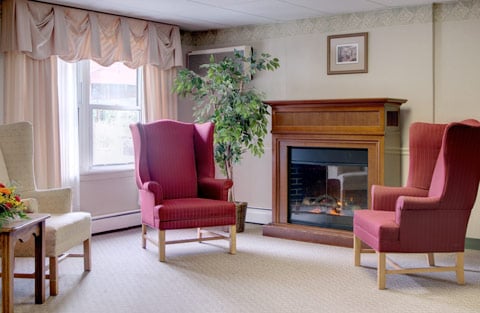
How is Beaver Valley Rehabilitation And Healthcare Center Staffed?

CMS rates BEAVER VALLEY REHABILITATION AND HEALTHCARE CENTER's staffing level at 2 out of 5 stars, which is below average compared to other nursing homes. Staff turnover is 62%, which is 16 percentage points above the Pennsylvania average of 46%. High turnover can affect care consistency as new staff learn residents' individual needs. RN turnover specifically is 56%, which is notably high. RNs provide skilled clinical oversight, so turnover in this role can affect medical care quality.

What Have Inspectors Found at Beaver Valley Rehabilitation And Healthcare Center?

State health inspectors documented 30 deficiencies at BEAVER VALLEY REHABILITATION AND HEALTHCARE CENTER during 2022 to 2025. These included: 1 Immediate Jeopardy (the most serious level, indicating potential for serious harm or death) and 29 with potential for harm. Immediate Jeopardy findings are rare and represent the most serious regulatory concerns. They require immediate corrective action.
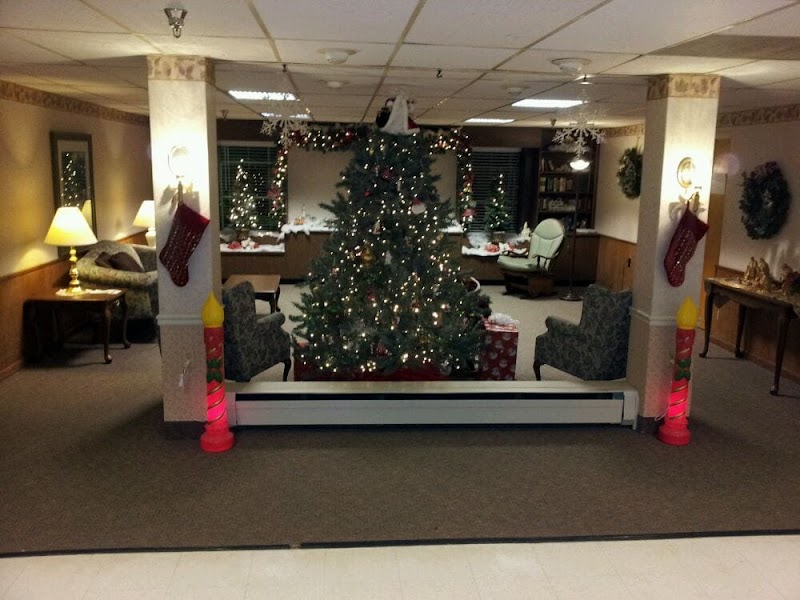
Who Owns and Operates Beaver Valley Rehabilitation And Healthcare Center?

BEAVER VALLEY REHABILITATION AND HEALTHCARE CENTER is owned by a for-profit company. For-profit facilities operate as businesses with obligations to shareholders or private owners. The facility operates independently rather than as part of a larger chain. With 120 certified beds and approximately 95 residents (about 79% occupancy), it is a mid-sized facility located in BEAVER FALLS, Pennsylvania.

How Does Beaver Valley Rehabilitation And Healthcare Center Compare to Other Pennsylvania Nursing Homes?

Compared to the 100 nursing homes in Pennsylvania, BEAVER VALLEY REHABILITATION AND HEALTHCARE CENTER's overall rating (2 stars) is below the state average of 3.0, staff turnover (62%) is significantly higher than the state average of 46%, and health inspection rating (2 stars) is below the national benchmark.

What Should Families Ask When Visiting Beaver Valley Rehabilitation And Healthcare Center?

Based on this facility's data, families visiting should ask: "What changes have been made since the serious inspection findings, and how are you preventing similar issues?" "How do you ensure continuity of care given staff turnover, and what is your staff retention strategy?" "Can you walk me through typical staffing levels on day, evening, and night shifts?" "Can I visit during a mealtime to observe dining assistance and food quality?" These questions are particularly relevant given the facility's Immediate Jeopardy citations, the facility's high staff turnover rate, and the below-average staffing rating.

Is Beaver Valley Rehabilitation And Healthcare Center Safe?

Based on CMS inspection data, BEAVER VALLEY REHABILITATION AND HEALTHCARE CENTER has documented safety concerns. Inspectors have issued 1 Immediate Jeopardy citation (the most serious violation level indicating risk of serious injury or death). The facility has a 2-star overall rating and ranks #100 of 100 nursing homes in Pennsylvania. Families considering this facility should ask detailed questions about what corrective actions have been taken since these incidents.

Do Nurses at Beaver Valley Rehabilitation And Healthcare Center Stick Around?

Staff turnover at BEAVER VALLEY REHABILITATION AND HEALTHCARE CENTER is high. At 62%, the facility is 16 percentage points above the Pennsylvania average of 46%. Registered Nurse turnover is particularly concerning at 56%. RNs handle complex medical decisions and coordinate care — frequent RN changes can directly impact care quality. High turnover means new staff may not know residents' individual needs, medications, or preferences. It can also be disorienting for residents, especially those with dementia who rely on familiar faces. Families should ask: What is causing the turnover? What retention programs are in place? How do you ensure care continuity during staff transitions?

Was Beaver Valley Rehabilitation And Healthcare Center Ever Fined?

BEAVER VALLEY REHABILITATION AND HEALTHCARE CENTER has been fined $13,397 across 1 penalty action. This is below the Pennsylvania average of $33,213. While any fine indicates a compliance issue, fines under $50,000 are relatively common and typically reflect isolated problems that were subsequently corrected. Families should ask what specific issues led to these fines and confirm they've been resolved.

Is Beaver Valley Rehabilitation And Healthcare Center on Any Federal Watch List?

BEAVER VALLEY REHABILITATION AND HEALTHCARE CENTER is not on any federal watch list. The most significant is the Special Focus Facility (SFF) program, which identifies the bottom 1% of nursing homes nationally based on persistent, serious quality problems. Not being on this list means the facility has avoided the pattern of deficiencies that triggers enhanced federal oversight. This is a positive indicator, though families should still review the facility's inspection history directly.