CONCORDIA AT VILLA ST JOSEPH
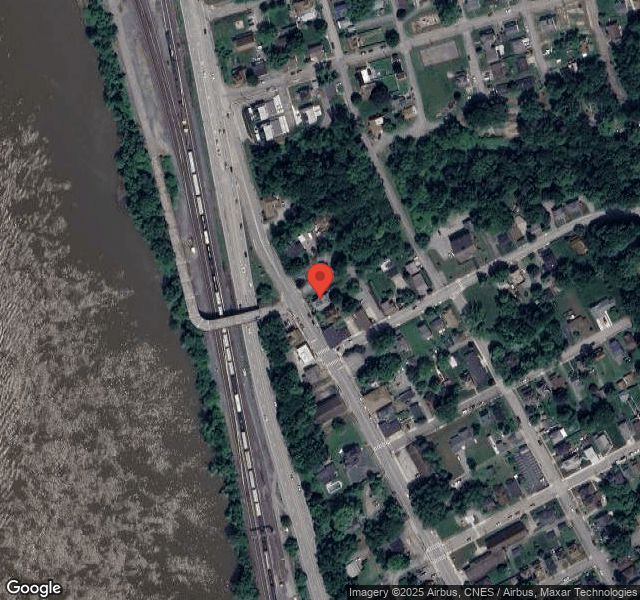
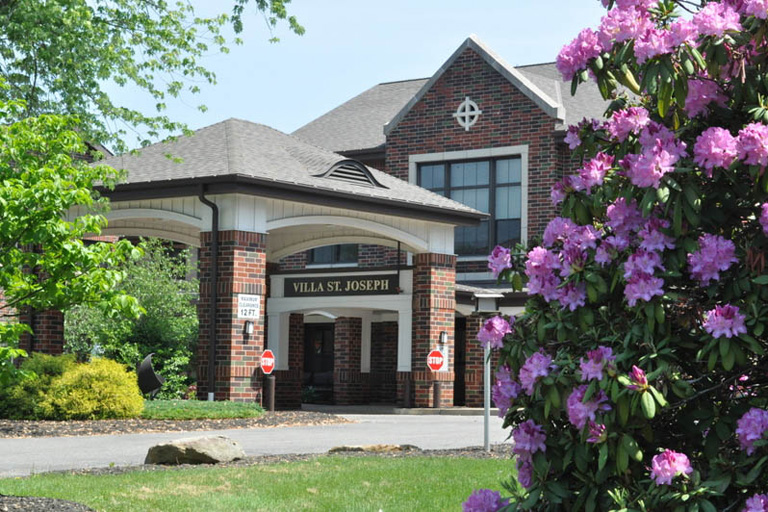
1030 STATE STREET, BADEN, PA 15005 (724) 869-6300
For profit - Corporation 120 Beds CONCORDIA LUTHERAN MINISTRIES Data: November 2025 1 Immediate Jeopardy citation
Trust Grade
23/100
#401 of 653 in PA
Last Inspection: February 2025

Within standard 12-15 month inspection cycle. Federal law requires annual inspections.

Overview

Concordia at Villa St. Joseph has received a Trust Grade of F, indicating significant concerns about the quality of care provided. Ranking #401 out of 653 facilities in Pennsylvania places it in the bottom half, while it ranks #2 out of 5 in Beaver County, meaning only one local option is better. Unfortunately, the facility is worsening, with the number of reported issues increasing from 6 in 2024 to 19 in 2025. Staffing is a relative strength, with a rating of 4 out of 5 stars and a turnover rate of 38%, which is below the state average; however, the facility issued fines of $31,788, which is concerning as it is higher than 79% of Pennsylvania facilities. Specific incidents of concern include a failure to properly train staff in the use of a Life Vest for residents with cardiac issues, and neglect in providing appropriate assistance during resident transport, which resulted in actual harm for one resident. Overall, while there are some positive aspects in staffing, the facility has significant weaknesses that families should carefully consider.

Trust Score
F
23/100
In Pennsylvania
#401/653
Bottom 39%
Safety Record
High Risk
Review needed
Inspections
Getting Worse
6 → 19 violations
Staff Stability
○ Average
38% turnover. Near Pennsylvania's 48% average. Typical for the industry.
Penalties
⚠ Watch
$31,788 in fines. Higher than 88% of Pennsylvania facilities, suggesting repeated compliance issues.
Skilled Nurses
✓ Good
Each resident gets 51 minutes of Registered Nurse (RN) attention daily — more than average for Pennsylvania. RNs are trained to catch health problems early.
Violations
⚠ Watch
33 deficiencies on record. Higher than average. Multiple issues found across inspections.
★★☆☆☆
2.0
Overall Rating
★★★★☆
4.0
Staff Levels
★★★☆☆
3.0
Care Quality
★★☆☆☆
2.0
Inspection Score
Stable
2024: 6 issues
2025: 19 issues

The Good

  • 4-Star Staffing Rating · Above-average nurse staffing levels
  • Full Sprinkler Coverage · Fire safety systems throughout facility
  • No fines on record
  • Staff turnover below average (38%)

    10 points below Pennsylvania average of 48%

Facility shows strength in staffing levels, fire safety.

The Bad

2-Star Overall Rating

Below Pennsylvania average (3.0)

Below average - review inspection findings carefully

Staff Turnover: 38%

Near Pennsylvania avg (46%)

Typical for the industry

Federal Fines: $31,788

Below median ($33,413)

Moderate penalties - review what triggered them

Chain: CONCORDIA LUTHERAN MINISTRIES

Part of a multi-facility chain

Ask about local staffing decisions and management

The Ugly 33 deficiencies on record

1 life-threatening 2 actual harm
Feb 2025 19 deficiencies 1 IJ
CRITICAL (J)

Immediate Jeopardy (IJ) - the most serious Medicare violation

Deficiency F0726 (Tag F0726)

Someone could have died · This affected 1 resident

**NOTE- TERMS IN BRACKETS HAVE BEEN EDITED TO PROTECT CONFIDENTIALITY** Based on manufacturer's instructions, clinical record reviews, and staff interviews it was determined that the facility failed t...

Read full inspector narrative →
**NOTE- TERMS IN BRACKETS HAVE BEEN EDITED TO PROTECT CONFIDENTIALITY** Based on manufacturer's instructions, clinical record reviews, and staff interviews it was determined that the facility failed to ensure that nursing staff had the specific competencies and skill sets necessary to provide care for a resident with a Life Vest (a wearable defibrillator designed to protect residents from sudden cardiac death), and placed two of two residents in immediate jeopardy in which health and safety were impacted (Resident R314, and R49). Findings include: Review of the [NAME] Life Vest Patient Manual updated 2021, indicated the following: · Wear all day and all night · Life Vest slides on and off like a backpack. · If the garment fits loosely, call [NAME] (manufacturer). The garment should be snug against the skin. · Remove Life Vest to bathe, shower, or change the garment, · Turn on Life Vest by inserting the battery. Always have the garment on before inserting the battery. · Every 24 hours, change and recharge the batteries. · There are two batteries. Always charge one while using the other. · Place the charger in a safe place where it can be plugged in. · Battery should slide in easily. Do not force the battery into the monitor. · Practice changing the battery. · Act quickly for siren alerts. Press the response buttons. · This alert signals that Life Vest has detected a life -threatening rapid heart rhythm. · Only the patient should press the response button. · If a treatment is received by the Life Vest, leave the Life Vest on and call the doctor. Call [NAME] for a new electrode belt, and check display for any messages and take action. · Read the display for gong alerts and follow the instructions on the screen. · When connecting and disconnecting the electrode belt be careful not to bend the pins. · Remove the battery from the monitor before you remove the garment. · Remove the electrode belt from the garment and insert it into a clean garment. · Make sure the silver sides of the therapy pads (with the green label) face the mesh of the pocket. Snap the pockets closed. · Position and secure the vibration box to the garment. · Attach the round electrodes to the garment. Match the colors on the backs of the electrodes to the colors on the garment. · Electrodes and therapy pads should press against bare skin. The mesh fabric pockets, and silver side of the therapy pads (with green labels) MUST TOUCH BODY for the device to work properly. · Do not put the monitor, electrode belt, battery or charger in water; do not get components wet. · Call [NAME] immediately if a Call for Service- Message Code 102 appears on the Life Vest screen. A replacement device will be provided within 24 hours from your notification to [NAME]. · Wash the garment every 1-2 days. Do not use bleach or fabric softener. · If prompted to download data, follow the instructions to do so. Review of Resident R314's clinical record revealed a Printable Discharge Form dated 2/12/25, that included correspondence between the facility and the discharging hospital, in which the hospital had documented, I was just told the patient has a life vest, she has it here. Will that be, okay? On 2/12/25, at 10:53 a.m. the facility responded, that is fine. Resident was accepted to facility and admitted later that day. Review of the clinical record indicated Resident R314 was admitted to the facility on [DATE]. Review of Resident R314's Minimum Data Set (MDS - a periodic assessment of care needs) dated 2/19/25, indicated diagnoses of heart failure (a progressive heart disease that affects pumping action of the heart muscles), diabetes (a metabolic disorder in which the body has high sugar levels for prolonged periods of time), and high blood pressure. During Resident R314's interview on 2/24/25, at 11:15 a.m. a charging station for Life Vest batteries was observed on the window ledge and resident confirmed that she was wearing a Life Vest. During an interview on 2/24/25, at 12:10 p.m. Nurse Aide (NA) Employee E3 stated, I'm not sure what a Life Vest is. If I'd see it maybe I'd know. During an interview on 2/24/25, at 12:15 p.m. NA Employee E4 stated, She came with it. The resident educated me on it. During an interview on 2/24/25, at 12:30 p.m. Licensed Practical Nurse (LPN) Employee E5 stated, This is the first time I've worked in this hallway. I've taken care of them before in the past. Nobody has educated me about Resident R314's Life Vest. We usually don't take Life Vest residents but sometimes they sneak in. During an interview on 2/24/25, at 12:45 p.m. Registered Nurse (RN) Employee E6 stated, What I recall is that you just have to keep the battery charged up, I think daily. When asked what the alarms on the Life Vest meant, RN Employee E6 stated, What alarms, I don't know. When asked if the NA are allowed to shower the resident, RN Employee E6 stated, I don't think so. When asked if staff are allowed to turn off the alarms, RN Employee E6 stated, I believe you can, you just have to go back and see what its saying. Review of Resident R314's care plan on 2/24/25, at 12:50 p.m. failed to reveal instructions for care and operation of Resident R314's Life Vest. Review of Resident R314's current orders on 2/24/25, at 12:55 p.m. failed to reveal a physician order for a Life Vest. Review of Resident R49's clinical record revealed a Printable Discharge Form dated 2/6/25, that included correspondence between the facility and the discharging hospital, that stated that Resident R49 will be getting a Life Vest on discharge. Review of the clinical record revealed that Resident R49 was admitted to the facility on [DATE]. Review of Resident R49's MDS dated [DATE], indicated diagnoses of high blood pressure, septicemia (an infection of the blood), and heart failure. Review of Resident R49's clinical record revealed a Nursing Progress note dated 2/10/25, that stated Life Vest intact. Review of Resident R49's clinical record conducted on 2/24/25, at 12:59 p.m. did not include orders, or care plan for a Life Vest. During an observation and interview on 2/24/25, at 2:03 p.m. in Resident R49's room, a charging station for Life Vest batteries was noted to be on the window ledge, which Resident R49 confirmed, and that he was indeed wearing a Life Vest which he had upon admission to the facility. During an interview on 2/24/25, at 2:11 p.m. NA Employee E10 stated that she has been educated on Life Vests before But not here. At my other job. During an interview on 2/24/25, at 2:13 p.m. RN Employee E11 stated that she did not receive any type of education on the safety and operation of the Life Vest. During an interview on 2/24/25, at 2:17 p.m. LPN Employee E12 stated that she had not received education on the Life Vest for Resident R49. During an interview on 2/24/25, at 2:20 p.m. NA Employee E13 stated that she was assigned to Resident R49 that day. When State Agency (SA) asked NA Employee E13 if she was aware that Resident R49 had a Life Vest, she replied A what?, and indicated that she was unaware of what that meant. When SA asked her if she was aware if Resident R49 could remove the Life Vest she replied That's information I wouldn't know. That would go to the nurses, not me. On 2/24/25, at 3:42 p.m. the Nursing Home Administrator (NHA) was made aware that Immediate Jeopardy (IJ) existed, NHA was provided the IJ Template, that placed two residents (Resident R314, and R49) in immediate jeopardy in which health and safety were impacted, and a corrective action plan was requested. During an interview on 2/24/25, at 3:42 p.m. the Director of Nursing (DON) stated We identified a second Life Vest that we didn't even know we had. The hospital just sends them to us and doesn't notify us. On 2/24/25, at 5:49 p.m. an acceptable Corrective Action Plan was received which included the following interventions: Immediate Action: - Clinical staff will complete education on the care and operation of Life Vests by 2/25/25, at 12:00 p.m. and before they work their next shift, that includes but is not limited to what the different alarms mean, the dangers of electrical shock, the care of the batteries, the care of the garment for laundering, and special needs for bathing. - The facility will demonstrate competency of all clinical staff through completion of a test following the education. Testing will be completed by 2/25/25, at 12:00 p.m. and before staff work their next shift. - A resident centered comprehensive care plan outlining the care of Resident R314, and R49 related to the Life Vest has been completed. - A care plan addressing the Life Vest, and the management of the Life Vest has been completed for Resident R314, and R49. - The facility obtained physician orders for the implementation of the Life Vest. - Clinical staff will be educated on the policies and procedures related to the use of the Life Vest and education will be confirmed by 2/25/25, at 12:00 p.m. and prior to staff working their next shift. Residents: - Resident R314's physician's orders and care plan were updated. - Resident R49's physician's orders and care plan were updated. System Correction: - The facility will produce a policy related to the Life Vest and will provide in an education to staff by 2/25/25, at 12:00 p.m. and prior to the start of their next shift. - The facility will provide a policy/procedure related to the admission of residents with anticipated equipment needs that will be provided to clinical staff and admissions team by 2/25/25, at 12:00 p.m. and prior to the start of their next shift. Monitoring: - Audits will be conducted of five clinical staff for one day beginning 2/25/25 to demonstrate competency of caring for a resident with a Life Vest. - Audits will continue to include five staff weekly to demonstrate competency of caring for a resident with a Life Vest for 2 weeks or until substantial compliance is achieved. - Education and initial audit results will be reviewed with the Quality Assurance and Quality Improvement Committee for analysis and further recommendation in a meeting conducted on 2/25/25. During an interview on 2/25/25, at 10:10 a.m. NA Employee E21 verified that she had received education on the Life Vest and stated, I never worked with one before, so it was helpful. During an interview on 2/25/25, at 10:12 a.m. RN Employee E22 also verified that she had received education on the Life Vest and stated that it was her first time that the facility had educated her on the topic. During an interview on 2/25/25, at 10:16 a.m. NA Employee E23 verified that she received education on the Life Vest and added Life Vest is all new to me. During an interview on 2/25/25, at 10:17 a.m. NA Employee E13 verified that she had received education on the Life Vest and stated I didn't know anything about it (prior to receiving the education). These are things that we should know. During a clinical record review on 2/25/25, at 10:45 a.m. Resident R314, and R49 had physician orders and care plans for Life Vest. Review of facility documents on 2/25/25, revealed that the facility had 136 clinical employees and that 131 had received Life Vest education. The remaining employees were to receive their education prior to the start of their next shift. 124 employees had received education on Life Vest and had been administered a written test to verify their knowledge. The remaining employees will take the test prior to the start of their next shift. During employee interviews on 2/25/25, from 10:05 a.m. through 1:30 p.m. 29 employees confirmed they had received education on the safe care, operation, and policies of the Life Vest as stated above. 26 of these employees had also completed a written test on Life Vest prior to the start of their next shift. Three employees verified that they had received the education at home but were to take the written test when they came into the facility prior to the start of their next shift. Review of facility documents on 2/25/25, verified that a policy was produced for Life Vest and that policy was reviewed for the admission process of residents with anticipated equipment needs. Review of facility documents on 2/25/25, verified that audits were conducted for five clinical staff members to demonstrate competency of caring for a resident with a Life Vest. The Immediate Jeopardy was lifted on 2/25/25, at 1:49 p.m. when the action plan was verified. During an interview on 2/25/25, at 1:50 p.m. the NHA confirmed that the facility failed to ensure that nursing staff have the specific competencies, and skill sets necessary to provide care for a resident with a Life Vest, and placed two residents in immediate jeopardy in which health and safety were impacted (Resident R314, and R49). 28 Pa Code 201.14(a) Responsibility of licensee. 28 Pa Code 201.18(a)(b)(1)(e)(1) Management. 28 Pa Code 201.29(a)Resident rights. 28 Pa Code 211.5(f) Clinical records. 28 Pa. Code: 211.10 (c)(d) Resident care policies. 28 Pa Code 211.12(c)(d)(1)(2)(5) Nursing services.
CONCERN (D)

Potential for Harm - no one hurt, but risky conditions existed

Deficiency F0655 (Tag F0655)

Could have caused harm · This affected 1 resident

**NOTE- TERMS IN BRACKETS HAVE BEEN EDITED TO PROTECT CONFIDENTIALITY** Based on review of clinical record, and staff interview, it was determined that the facility failed to develop a baseline care p...

Read full inspector narrative →
**NOTE- TERMS IN BRACKETS HAVE BEEN EDITED TO PROTECT CONFIDENTIALITY** Based on review of clinical record, and staff interview, it was determined that the facility failed to develop a baseline care plan that included Life Vest (a wearable defibrillator designed to protect residents from sudden cardiac death) interventions needed to provide effective and person-centered care for two of ten residents (Resident R49 and R314). Findings include: Review of the clinical record revealed that Resident R49 was admitted to the facility on [DATE]. Review of Resident R49's MDS (Minimum Data Set, periodic assessment of resident care needs) dated 2/16/25, indicated diagnoses of high blood pressure, septicemia (an infection of the blood), heart failure (a progressive heart disease that affects pumping action of the heart muscles). Review of Resident R49's baseline care plan dated 2/9/25, failed to include that the resident had a Life Vest. Review of the clinical record indicated Resident R314 was admitted to the facility on [DATE]. Review of Resident R314's MDS dated [DATE], indicated diagnoses of heart failure, diabetes (a metabolic disorder in which the body has high sugar levels for prolonged periods of time), and high blood pressure. Review of Resident R314's baseline care plan completed on 2/13/25, indicated the resident had a Life Vest, Heart Failure. The baseline care plan failed to provide person-centered initial goals necessary to properly care for resident upon admission and failed to address resident specific health and safety concerns to prevent decline or injury with a Life Vest. During an interview on 2/28/25, at 10:06 a.m. the Corporate Clinical Coordinator Employee E7 confirmed that the facility failed to develop a baseline care plan that included Life Vest interventions needed to provide effective and person-centered care for two of ten residents (Resident R49, and R314). 28 Pa. Code 211.12 (d)(1)(5) Nursing services.
CONCERN (D)

Potential for Harm - no one hurt, but risky conditions existed

Deficiency F0657 (Tag F0657)

Could have caused harm · This affected 1 resident

**NOTE- TERMS IN BRACKETS HAVE BEEN EDITED TO PROTECT CONFIDENTIALITY** Based on clinical records and staff interview, it was determined that the facility failed to revise a care plan for two of seven...

Read full inspector narrative →
**NOTE- TERMS IN BRACKETS HAVE BEEN EDITED TO PROTECT CONFIDENTIALITY** Based on clinical records and staff interview, it was determined that the facility failed to revise a care plan for two of seven residents (Resident R70 and R90) to accurately reflect the current status of the resident. Findings include: Review of clinical record indicated Resident R70 was admitted [DATE], with diagnoses which included sepsis (condition that occurs when the body's immune system overreacts to an infection), bacterial pneumonia and dysphagia (swallowing difficulties). A review of Resident R70's Minimum Data Set (MDS-a periodic assessment of resident care needs) dated 2/3/25, indicated diagnoses remained current. Review of Resident R70's physician orders dated 1/23/25 indicated 1500cc fluid restriction, allergic to fish/shellfish. Review of Resident R70's Resident Care Plan dated 2/3/25, was not updated to include fluid restriction or allergy. During an interview on 2/26/25, at 11:15 a.m. Registered Dietetic Technician Employee E14 confirmed the facility failed to revise care plan for Resident R70 as required. Review of the clinical record revealed that Resident R90 was admitted to the facility on [DATE]. Review of Resident R90s MDS dated [DATE], indicated diagnoses of difficulty swallowing, malnutrition (lack of nutrients to the body), and aphonia (complete or partial loss of voice). Section K0520B indicated that a feeding tube was present. Review of Resident R90's clinical record revealed a physician's order for Glucerna 1.2 (a nutritional formula that is administered through a feeding tube and designed to help control blood glucose levels) at 50 milliliters (ml) per hour from 4:00 p.m. through 10:00 a.m. with 100 ml water flush every 4 hours. Review of Resident R90's care plan dated 12/20/24, failed to reveal a person-centered care plan that included her current tube feed and flush orders. During an interview on 2/27/25, at 9:35 a.m. Registered Dietitian Employee E24 confirmed that the facility failed to revise the care plan and failed to include resident specific details. 28 Pa. Code 211.12(d)(5) Nursing Services.
CONCERN (D)

Potential for Harm - no one hurt, but risky conditions existed

Quality of Care (Tag F0684)

Could have caused harm · This affected 1 resident

**NOTE- TERMS IN BRACKETS HAVE BEEN EDITED TO PROTECT CONFIDENTIALITY** Based on observation, clinical record review and staff interview it was determined that the facility failed to clarify a physici...

Read full inspector narrative →
**NOTE- TERMS IN BRACKETS HAVE BEEN EDITED TO PROTECT CONFIDENTIALITY** Based on observation, clinical record review and staff interview it was determined that the facility failed to clarify a physician's order for four of seven sampled residents (Resident R49, R57, R70, and R314). Findings include: Review of clinical record revealed a Printable Discharge Form dated 2/6/25, that included correspondence between the facility and the discharging hospital, that stated that Resident R49 will be getting a Life Vest (a wearable defibrillator designed to protect from sudden cardiac death) on discharge. Review of the clinical record revealed that Resident R49 was admitted to the facility on [DATE]. Review of Resident R49s MDS (Minimum Data Set, periodic assessment of resident care needs) dated 2/16/25, indicated diagnoses of high blood pressure, septicemia (an infection of the blood), heart failure (a progressive heart disease that affects pumping action of the heart muscles). Review of Resident R49's clinical record revealed a Nursing Progress note dated 2/10/25, that stated Life Vest intact. During an observation and interview on 2/24/25, at 2:03 p.m. in Resident R49's room, a charging station for Life Vest batteries was noted to be on the window ledge, which Resident R49 confirmed, and that he was indeed wearing a Life Vest which he had upon admission to the facility. Review of Resident R49's clinical record conducted on 2/24/25, at 12:59 p.m. did not include orders for a Life Vest. During an interview on 2/24/25, at 3:42 p.m. the Nursing Home Administrator (NHA) confirmed that the facility failed to obtain orders for care of a Life Vest for Resident R49. Review of clinical record indicated Resident R70 was admitted [DATE], with diagnoses which included sepsis (condition that occurs when the body's immune system overreacts to an infection), bacterial pneumonia and dysphagia (swallowing difficulties). A review of Resident R70's MDS dated [DATE], indicated diagnoses remained current. Review of Resident R70's physician orders dated 1/23/25 indicated 1500cc fluid restriction. Physician order did not indicate what fluid nursing or dietary provided. Review of Resident R57's admission record indicated he was originally admitted on [DATE], with diagnoses that included protein calorie malnutrition, diabetes mellitus (chronic metabolic disease characterized by high blood sugar (glucose) levels) and dysphagia (difficulty swallowing). A review of Resident R57's MDS dated [DATE], indicated that the diagnoses remained current. Review of Resident R57's physician orders dated 2/10/25 indicated enteral feed, Nepro, 45 ml/hr. Physician order did not indicate the administration route and what the tube is providing. During an interview on 2/26/25, at 11:00 a.m. the Dietetic Technician Employee E14 confirmed that the failed to clarify physician orders as required. Review of Resident R314's clinical record revealed a Printable Discharge Form dated 2/12/25, that included correspondence between the facility and the discharging hospital, in which the hospital had documented, I was just told the patient has a life vest, she has it here. Will that be, okay? On 2/12/25, at 10:53 a.m. the facility responded, that is fine. Resident was accepted to facility and admitted later that day. Review of the clinical record indicated Resident R314 was admitted to the facility on [DATE]. Review of Resident R314's MDS dated [DATE], indicated diagnoses of heart failure, diabetes (a metabolic disorder in which the body has high sugar levels for prolonged periods of time), and high blood pressure. During Resident R314's interview on 2/24/25, at 11:15 a.m. a charging station for Life Vest batteries was observed on the window ledge and resident confirmed that she was wearing a Life Vest. Review of Resident R314's current orders on 2/24/25, at 12:55 p.m. failed to reveal a physician order for a Life Vest. During an interview on 2/24/25, at 3:42 p.m. the NHA confirmed that the facility failed to obtain orders for care of a Life Vest for Resident R314. 28 Pa Code: 201.14(a) Responsibility of licensee. 28 Pa. Code: 201.20(a)(6) Staff development. 28 Pa Code 201.29(a) Resident rights. 28 Pa. Code: 211.12(d)(1)(2)(3)(5) Nursing services.
CONCERN (D) 📢 Someone Reported This

A family member, employee, or ombudsman was alarmed enough to file a formal complaint

Potential for Harm - no one hurt, but risky conditions existed

Pressure Ulcer Prevention (Tag F0686)

Could have caused harm · This affected 1 resident

**NOTE- TERMS IN BRACKETS HAVE BEEN EDITED TO PROTECT CONFIDENTIALITY** Based on review of facility policy, clinical records, observation, and interviews with staff, it was determined that the facilit...

Read full inspector narrative →
**NOTE- TERMS IN BRACKETS HAVE BEEN EDITED TO PROTECT CONFIDENTIALITY** Based on review of facility policy, clinical records, observation, and interviews with staff, it was determined that the facility failed to make certain residents were provided necessary treatment and services, consistent with professional standards of practice, for a pressure ulcer (PU/PIs- injuries to skin and underlying tissue resulting from prolonged pressure on the skin) for two of four residents (Resident R35, and Closed Resident Record CR265). Findings include: Review of the facility policy Wound Treatment Management last reviewed 1/2/25, indicated that wound treatments will be provided in accordance with physician orders, including the cleansing method, type of dressing, and frequency of dressing change. Review of facility policy Pressure Injury Prevention Guidelines dated 1/2/25, indicated interventions will be documented in the care plan and communicated to all relevant staff. Review of the clinical record revealed that Resident R35 was admitted to the facility on [DATE]. Review of Resident 35's MDS (Minimum Data Set, periodic assessment of resident care needs) dated 2/11/25, indicated diagnoses of high blood pressure, diabetes (a metabolic disorder in which the body has high sugar levels for prolonged periods of time), and heart failure (a progressive heart disease that affects pumping action of the heart muscles). Section M0300 indicated that stage 3 pressure areas (pressure injury that have burrowed past the second layer of the skin and reached fat layers beneath) are present. Review of Pressure Ulcer list provided by the facility, dated 2/25/25, indicated that Resident R35 had stage three pressure ulcer on left and right ischium (the curved bone forming the base of each half of the pelvis). Review of Resident R35's clinical record revealed a physician's order dated 2/12/25, to cleanse right and left ischium wounds with normal saline solution (a solution of water and salt), apply Medihoney (a wound gel) and calcium alginate (a highly absorptive dressing that creates a protective gel and maintains a moist wound environment) cover with Island dressing (a bandage with and absorbent center and an adhesive border) daily and as needed for soilage/dislodgment. Review of Resident R35's Treatment Administration Record (TAR) indicated that she did not receive the above treatment as ordered on 2/12/25, 2/13/25, 2/19/25, and 2/24/25. During an interview on 2/27/25, at 1:57 p.m. the Director of Nursing confirmed the facility failed to make certain that Resident R35 was provided necessary treatment and services for her pressure ulcer/injury. Review of the clinical record indicated Closed Resident Record CR265 was admitted to the facility on [DATE]. Review of Closed Resident Record CR265's MDS dated [DATE], indicated diagnoses of high blood pressure, Peripheral Vascular Disease (PVD - circulatory condition in which narrowed blood vessels reduce blood flow to the limbs), and fusion of spine, lumbar region. Review of a Wound Evaluation & Management Summary dated 1/7/25, indicated Closed Resident Record CR265 had the following wounds: - Stage 4 Pressure Wound (full-thickness skin and tissue loss with exposed or directly palpable fascia, muscle, tendon, ligament, cartilage or bone in the ulcer) to the sacrum; duration > 69 days - Unstageable DTI (Deep Tissue Injury - intact skin with localized area of persistent non-blanchable deep red, maroon, purple discoloration due to damage of underlying soft tissue) of the right posterior and medial heel; duration > 48 days - Stage 3 Pressure Wound of the left lateral foot; duration > 34 days - Stage 4 Pressure Wound of the right lateral foot; duration > 27 days - Unstageable DTI of the right medial foot; duration > 6 days - Unstageable DTI of the right medial ankle; duration > 6 days - Unstageable DTI of the right medial shin; duration > 6 days Review of Closed Resident Record CR265's care plan failed to reveal goals and interventions related to the care of his pressure wounds and deep tissue injuries. During an interview on 2/28/25, at 11:29 a.m. Corporate Clinical Coordinator Employee E7 confirmed that the facility failed to develop a plan of a care including goals and interventions related to the care of Closed Resident Record CR265's pressure wounds and deep tissue injuries. 28 Pa. Code: 201.29(a) Resident Rights. 28 Pa. Code 211.10(c)(d) Resident Care Policies. 28 Pa. Code 211.12(d)(1)(3)(5) Nursing services.
CONCERN (D)

Potential for Harm - no one hurt, but risky conditions existed

Tube Feeding (Tag F0693)

Could have caused harm · This affected 1 resident

**NOTE- TERMS IN BRACKETS HAVE BEEN EDITED TO PROTECT CONFIDENTIALITY** Based on review of facility policy, clinical record review, and staff interview, it was determined that the facility failed to e...

Read full inspector narrative →
**NOTE- TERMS IN BRACKETS HAVE BEEN EDITED TO PROTECT CONFIDENTIALITY** Based on review of facility policy, clinical record review, and staff interview, it was determined that the facility failed to ensure that residents with an enteral feeding tube (a tube inserted in the stomach through the abdomen) received appropriate treatment and services to prevent potential complications for one of two residents (Residents R90). Findings include: Review of facility policy Enteral Feeding dated 1/2/25, indicated enteral feedings may be prescribed who are physically or psychologically unable to take food by mouth in amounts that will support adequate nutrition. Review of Resident R90's clinical record indicated the resident was admitted to the facility on [DATE]. Review of Resident R90's Minimum Data Set (MDS - a periodic assessment of care needs) dated 2/11/25, indicated diagnoses of high blood pressure, cancer (uncontrolled growth and spread of abnormal cells), and diabetes (a metabolic disorder in which the body has high sugar levels for prolonged periods of time). MDS section K-Swallowing/Nutritional Status K0520 indicated a feeding tube. Review of current physician orders indicated Resident R90 is NPO (nothing by mouth). Review of current physician orders indicated the following: - Amoxicillin-Pot Clavulante tablet (antibiotic used to treat infections). Give one tab by mouth in the morning for tumor drainage. - Levsin Oral Tab (used to dry up secretions). Give 0.125 mg (milligram) by mouth every four hours as needed for secretions. - Synthroid (used to treat Thyroid disorders). Give 100 mcg (micrograms) by mouth in the afternoon. During an interview on 2/27/25, at 1:19 p.m. the Director of Nursing confirmed that the resident was ordered medication to be taken by mouth and the facility failed to ensure that residents with an enteral feeding tube received appropriate treatment and services to prevent potential complications for one of two residents (Resident R90). 28 Pa. Code: 201.18(b)(1) Management. 28 Pa. Code: 211.10(c) Resident care policies. 28 Pa. Code: 211.12(d)(1)(5) Nursing services.
CONCERN (D)

Potential for Harm - no one hurt, but risky conditions existed

Respiratory Care (Tag F0695)

Could have caused harm · This affected 1 resident

**NOTE- TERMS IN BRACKETS HAVE BEEN EDITED TO PROTECT CONFIDENTIALITY** Based on review of facility policy, clinical record review, and staff interviews, it was determined that the facility failed to ...

Read full inspector narrative →
**NOTE- TERMS IN BRACKETS HAVE BEEN EDITED TO PROTECT CONFIDENTIALITY** Based on review of facility policy, clinical record review, and staff interviews, it was determined that the facility failed to obtain a complete order for a resident with a tracheostomy (an opening surgically created through the neck into the trachea (windpipe) to allow direct access to the breathing tube), failed to obtain a physician order for use of a CPAP machine (a form of non-invasive ventilation (NIV) therapy used to facilitate breathing), and failed to develop a plan of care for two of five residents (Resident R90 and Closed Resident Record CR264). Findings include: Review of facility policy Noninvasive Ventilation (CPAP, BiPAP, Trilogy) dated 1/2/25, indicated the facility will obtain an order for the use of a CPAP, BiPAP or Trilogy device and settings from the practitioner. Review of Resident R90's clinical record indicated the resident was admitted to the facility on [DATE]. Review of Resident R90's Minimum Data Set (MDS - a periodic assessment of care needs) dated 2/11/25, indicated diagnoses of high blood pressure, cancer (uncontrolled growth and spread of abnormal cells), and diabetes (a metabolic disorder in which the body has high sugar levels for prolonged periods of time). Review of Section O: Special Treatments, Procedures, and Programs O100E1 Tracheostomy care is marked while a resident. Review of Resident R90's physician's orders, indicated tracheostomy care with inner cannula every shift. Keep resident upright at least 30 degrees during care. Take inner cannula out for cleansing. Apply new drain sponge around trach site. Review of Resident R90's care plan dated 12/23/24, indicated resident has a tracheostomy. Tube Out Procedure: Keep extra trach tube and obturator at bedside. If tube is coughed out, open stoma with hemostat (a medical device). If tube cannot be reinserted, obtain medical help. During an interview on 2/27/25, at 1:10 p.m. Director of Nursing (DON) confirmed that Resident R90's physician orders and care plan failed to identify the correct kind and size of tracheostomy tube used for resident and failed to provide appropriate respiratory care for Resident R90. Review of the clinical record indicated Closed Resident Record CR264 was admitted to the facility on [DATE]. Review of Closed Resident Record CR264's MDS dated [DATE], indicated diagnoses of high blood pressure, respiratory failure (a condition where the lungs cannot get enough oxygen into the blood), and obstructive sleep apnea (disorder that causes breathing to repeatedly stop and start during sleep). Review of a Health Status Note dated 5/8/24, at 12:3 a.m. stated, Upon putting on CPAP head strap was missing. When asked about it she [Closed Resident Record CR264] stated I probably ate it, strap was located behind night stand. CPAP applied and in place and functioning. Review of Closed Resident Record CR264's clinical record failed to reveal a physician order for CPAP settings or usage. Review of Closed Resident Record CR264's care plan failed to reveal the development of goals and interventions related to the resident's CPAP usage. During an interview on 2/28/25, at 10:12 a.m. Corporate Clinical Coordinator Employee E7 confirmed that the facility failed to obtain a physician order for use of a CPAP machine and failed to develop a plan of care related to CPAP usage for Closed Resident Record CR264. 28 Pa. Code: 201.14(a) Responsibility of licensee. 28 Pa. Code: 211.10(c)(d) Resident care policies. 28 Pa. Code 211.12(d)(1)(2)(3)(5) Nursing services.
CONCERN (D)

Potential for Harm - no one hurt, but risky conditions existed

Deficiency F0698 (Tag F0698)

Could have caused harm · This affected 1 resident

Based on review of resident clinical records and staff interview, it was determined the facility failed to provide consistent and complete communication with the dialysis (treatment that helps body re...

Read full inspector narrative →
Based on review of resident clinical records and staff interview, it was determined the facility failed to provide consistent and complete communication with the dialysis (treatment that helps body remove extra fluid and waste products) center for one of one resident receiving hemodialysis (Resident R165) for two of four days. Findings include: A review of Resident R165's MDS (MDS-a periodic assessment of resident care needs) dated 2/14/25, with the diagnosis of end stage renal disease (permanent condition in which the kidneys can no longer filter the blood), diabetes mellitus and abnormalities of gait and mobility. A review of Resident R165 physician orders last revised on 2/10/25, indicate dialysis Mondays, Wednesdays and Fridays. A review of Resident R165's dialysis binder indicated dialysis sheets completed on 2/10/25 and 2/17/25, incomplete 2/19/25 and 2/24/25. During an interview on 2/26/25, Registered Nurse Employee E15 confirmed the dialysis communication forms were incomplete for two of four days. 28 Pa. Code: 201.14(a) Responsibility of licensee. 28 Pa. Code 201.18(b)(1)(e)(1) Management. 28 Pa. Code: 211.5(f) Clinical records. 28 Pa. Code: 211.10(c) Resident care policies. 28 Pa. Code 211.12(c)(d)(1)(3)(5) Nursing services.
CONCERN (D)

Potential for Harm - no one hurt, but risky conditions existed

Drug Regimen Review (Tag F0756)

Could have caused harm · This affected 1 resident

**NOTE- TERMS IN BRACKETS HAVE BEEN EDITED TO PROTECT CONFIDENTIALITY** Based upon review of facility policy, clinical record review, and staff interview, it was determined that the facility failed to...

Read full inspector narrative →
**NOTE- TERMS IN BRACKETS HAVE BEEN EDITED TO PROTECT CONFIDENTIALITY** Based upon review of facility policy, clinical record review, and staff interview, it was determined that the facility failed to ensure that any irregularities submitted in the medication regimen reviews (MRR) by pharmacy were acted upon timely for one out of three residents (Resident R75). Findings include: Review of facility policy Medication Monitoring dated 1/2/25, indicated comments and recommendations concern drug therapy are communicated in a timely fashion. A summary of all recommendations is provided to the Director of Nursing and Facility Medical Director every month. The timing of these recommendations should enable a response prior to the next drug regimen review. The consultant pharmacist and the facility follows up on his/her recommendations to verify that appropriate action has been taken. Review of the clinical record indicated Resident R75 was admitted to the facility on [DATE]. Review of Resident R75's Minimum Data Set (MDS - a periodic assessment of care needs) dated 2/4/25, indicated diagnoses of high blood pressure, Gastroesophageal Reflux Disease (GERD - when stomach acid frequently flows back into the esophagus), and hyperlipidemia (high levels of fat in the blood). Review of a physician order dated 2/28/24, indicated to administer Omeprazole (Prilosec) 40 mg (milligrams) by mouth one time a day for GERD. This order was discontinued on 12/23/24 and re-ordered on 1/7/25. During a review of Resident R75's clinical record on 2/25/25, the above order was active. Review of a MRR dated 4/25/24 indicated the following recommendations from the pharmacist to the physician: - Resident is currently receiving Clopidogrel (Plavix - a medication that prevents blood from clotting) and Prilosec. An FDA (The Food and Drug Administration) safety alert warns about a potential drug interaction between Clopidogrel and Prilosec, which may lead to decreased effectives ness of Plavix. Consider changing Prilosec 40 mg daily to Protonix 40 mg daily, which does not appear to interact with Plavix. Review of the MRR dated 4/25/24, indicated the physician agreed with the pharmacist's recommendation on 5/1/24. Review of a MRR dated 8/14/24, indicated the following recommendations from the pharmacist to the physician: - Resident is currently receiving Clopidogrel (Plavix - a medication that prevents blood from clotting) and Prilosec. An FDA safety alert warns about a potential drug interaction between Clopidogrel and Prilosec, which may lead to decreased effectives ness of Plavix. Consider changing Prilosec 40 mg daily to Protonix 40 mg daily, which does not appear to interact with Plavix. This recommendation was agreed to in April but no changes were made in the EMR (electronic medical record). Review of the MRR dated 8/14/24 revealed no response from the physician. The letter L was written below the signature line and no date was present. Review of a MRR dated 9/26/24, indicated the following recommendations from the pharmacist to the physician: - The Beer's Criteria (a set of evidence-based guidelines designed to help healthcare professionals identify and avoid potentially inappropriate medications in older adults) includes Proton Pump Inhibitors used for greater than 8 weeks as a potentially inappropriate medication except for high risk patients (e.g., chronic NSAID use), erosive esophagitis, Barrett's esophagitis, pathologic hypersecretory conditions, or a demonstrated need for maintenance therapy, due to an increased risk of C. difficile infection and bone loss fractures. This resident has been on Omeprazole 40 mg one time a day since 2/29/24. Considering tapering and discontinuing Omeprazole at this time or document the continued need based on the criteria listed above. Review of the MMR dated 9/26/24, indicated the physician agreed with the pharmacist's recommendation on 11/3/24. Review of a MRR dated 11/26/24, indicated the following recommendations from the pharmacist to the physician: - The Beer's Criteria includes Proton Pump Inhibitors used for greater than 8 weeks as a potentially inappropriate medication except for high risk patients (e.g., chronic NSAID use), erosive esophagitis, Barrett's esophagitis, pathologic hypersecretory conditions, or a demonstrated need for maintenance therapy, due to an increased risk of C. difficile infection and bone loss fractures. This resident has been on Omeprazole 40 mg one time a day since 2/29/24. Considering tapering and discontinuing Omeprazole at this time or document the continued need based on the criteria listed above. This recommendation was agreed to previously but no action was taken. Review of the MRR dated 11/26/24, indicated the physician agreed with the pharmacist's recommendation on 12/4/24. During an interview on 2/28/25, at 10:12 a.m. Corporate Clinical Coordinator Employee E7 stated, It looks like the physician agreed with the pharmacist's recommendations and just never wrote an order. During this interview Corporate Clinical Coordinator Employee E7 confirmed that the facility failed to ensure that any irregularities submitted in the medication regimen reviews by pharmacy were acted upon timely as required. 28 Pa Code: 201.14 (a) Responsibility of licensee. 28 Pa. Code 211.5(f) Clinical records. 28 Pa. Code 211.9(a)(1) Pharmacy services. 28 Pa. Code 211.12(c)(d)(1)(2)(5) Nursing services.
CONCERN (D)

Potential for Harm - no one hurt, but risky conditions existed

Deficiency F0761 (Tag F0761)

Could have caused harm · This affected 1 resident

**NOTE- TERMS IN BRACKETS HAVE BEEN EDITED TO PROTECT CONFIDENTIALITY** Based on review of facility policy, observations, and staff interviews, it was determined that the facility failed to properly s...

Read full inspector narrative →
**NOTE- TERMS IN BRACKETS HAVE BEEN EDITED TO PROTECT CONFIDENTIALITY** Based on review of facility policy, observations, and staff interviews, it was determined that the facility failed to properly store medical supplies in one of three medication carts (Ebensburg Second Hall Med Cart). Findings: Review of facility Medication Storage in facility policy dated [DATE], indicated that medications and biologicals are stored safely, securely, and properly, following manufacturer ' s recommendations or those of the supplier. Narcotics are stored in a separate area under double lock. Expiration dates included: Humalog and Glargine Insulin expires 28 days after opened. During a medication cart review on [DATE], at 9:51 a.m. the narcotic lock box on the Ebensburg Second Hall medication cart was not locked. The medication cart also included: - Humalog Insulin Pen (used to treat diabetes - a metabolic disorder in which the body has high sugar levels for prolonged periods of time) that was expired. - Insulin Glargine Pen (used to treat diabetes) that did not have an opened date on it. During an interview on [DATE], at 9:53 a.m. Registered Nurse (RN) Employee E1 confirmed that the narcotic drawer was not locked and there was expired and undated insulin pens on the cart. During an interview on [DATE], at 3:00 p.m. the Director of Nursing confirmed that the facility failed to properly store medical supplies one of three medication carts (Ebensburg Second Hall Med Cart). 28 Pa Code: 211.9 (a)(1)(2) Pharmacy services. 28 Pa code: 211.12 (d)(1)(5) Nursing services.
CONCERN (D)

Potential for Harm - no one hurt, but risky conditions existed

Administration (Tag F0835)

Could have caused harm · This affected 1 resident

Based on review of job descriptions, clinical records and staff interviews, it was determined that the Nursing Home Administrator (NHA) and the Director of Nursing (DON) failed to ensure that nursing ...

Read full inspector narrative →
Based on review of job descriptions, clinical records and staff interviews, it was determined that the Nursing Home Administrator (NHA) and the Director of Nursing (DON) failed to ensure that nursing staff had the specific competencies and skill set necessary to provide care for residents with a Life Vest (a wearable defibrillator designed to protect residents from sudden cardiac death). Findings include: The signed job description for Nursing Home Administrator dated 1/31/19, indicated that this position leads a team of professionals and directs the daily operations of the facility in all departments to assure the provision of high-quality care/services making sure that the medical, physical, social, and emotional needs and general welfare of residents are met. The signed job description for Director of Nursing dated 1/2/19, indicated the purpose of this position is to plan, organize, develop, and direct the overall operation of the Nursing Service Department in accordance with current Federal, State, and local standards, guidelines, and regulations that govern the facility to assure the highest degree of quality care can be maintained at all times. Based on the findings in this report that identified that the facility failed to make certain that staff was adequately trained and had specific competencies and skill set necessary to provide quality care to residents who wear issued Life Vests. This failure created an immediate jeopardy situation for two of two residents (Resident R49 and R314). During an interview on 2/24/25, at 3:42 p.m. the NHA and DON confirmed they failed to effectively manage the facility to ensure that nursing staff had the specific competencies and skill set necessary to provide care for residents with a Life Vest. 28 Pa. Code 201.14(a) Responsibility of licensee. 28 Pa. Code 201.18(b)(1)(3)(e)(1) Management. 28 Pa. Code 211.12(d)(1)(2)(3)(5) Nursing services.
CONCERN (D)

Potential for Harm - no one hurt, but risky conditions existed

Deficiency F0838 (Tag F0838)

Could have caused harm · This affected 1 resident

**NOTE- TERMS IN BRACKETS HAVE BEEN EDITED TO PROTECT CONFIDENTIALITY** Based on clinical record review, staff interviews and a review of the facility's assessment it was determined that the facility ...

Read full inspector narrative →
**NOTE- TERMS IN BRACKETS HAVE BEEN EDITED TO PROTECT CONFIDENTIALITY** Based on clinical record review, staff interviews and a review of the facility's assessment it was determined that the facility failed to implement and document a complete facility wide assessment, which identified the specific resources necessary to care for its specific resident population. Findings include: Review of the facility policy Facility Assessment, dated 1/2/25, indicated that the facility conducts and documents a facility-wide assessment to determine what resources are necessary to care for residents competently during both day-to-day operation and emergencies. The facility's resident population, including but not limited to the staff competencies that are necessary to provide the level and types of care needed for the resident population. Review of clinical record revealed a Printable Discharge Form dated 2/6/25, that included correspondence between the facility and the discharging hospital, that stated that Resident R49 will be getting a Life Vest (a wearable defibrillator designed to protect from sudden cardiac death) on discharge. Review of the clinical record revealed that Resident R49 was admitted to the facility on [DATE]. Review of Resident R49s MDS (Minimum Data Set, periodic assessment of resident care needs) dated 2/16/25, indicated diagnoses of high blood pressure, septicemia (an infection of the blood), heart failure (a progressive heart disease that affects pumping action of the heart muscles). Review of Resident R49's clinical record revealed a Nursing Progress note dated 2/10/25, that stated Life Vest intact. During an observation and interview on 2/24/25, at 2:03 p.m. in Resident R49's room, a charging station for Life Vest batteries was noted to be on the window ledge, which Resident R49 confirmed, and that he was indeed wearing a Life Vest which he had upon admission to the facility. Review of Resident R314's clinical record revealed a Printable Discharge Form dated 2/12/25, that included correspondence between the facility and the discharging hospital, in which the hospital had documented, I was just told the patient has a life vest, she has it here. Will that be, okay? On 2/12/25, at 10:53 a.m. the facility responded, that is fine. Resident was accepted to facility and admitted later that day. Review of the clinical record indicated Resident R314 was admitted to the facility on [DATE]. Review of Resident R314's MDS dated [DATE], indicated diagnoses of heart failure, diabetes (a metabolic disorder in which the body has high sugar levels for prolonged periods of time), and high blood pressure. During Resident R314's interview on 2/24/25, at 11:15 a.m. a charging station for Life Vest batteries was observed on the window ledge and resident confirmed that she was wearing a Life Vest. Review of the Facility assessment dated [DATE], failed to include the use of a Life Vest as a condition that requires complex medical care and management routinely cared for in the facility. Interview on 2/25/25, at 12:06 p.m. the Nursing Home Administrator confirmed the facility failed to implement and document a complete facility wide assessment, which identified the specific resources necessary to care for its specific resident population. 201.14(a) Responsibility of Licensee. 201.18(b)(1) Management.
CONCERN (D)

Potential for Harm - no one hurt, but risky conditions existed

Deficiency F0849 (Tag F0849)

Could have caused harm · This affected 1 resident

**NOTE- TERMS IN BRACKETS HAVE BEEN EDITED TO PROTECT CONFIDENTIALITY** Based on a review of facility policy, resident clinical records, and staff interview, it was determined the facility failed to i...

Read full inspector narrative →
**NOTE- TERMS IN BRACKETS HAVE BEEN EDITED TO PROTECT CONFIDENTIALITY** Based on a review of facility policy, resident clinical records, and staff interview, it was determined the facility failed to identify a hospice provider in physician orders and failed to ensure the coordination of hospice services with facility services to meet the needs of each resident for end-of-life care for two of three residents (Residents R59 and R90). Finding include: Review of facility policy Hospice Services Facility Agreement dated 1/2/25, indicated a facility designee will work with the hospice representative and is responsible for obtaining physician certification and recertification of the terminal illness specific to each resident and instructions on how to access the hospice's 24-hour on-call system. The facility will, under a written agreement, ensure that each resident's written plan of care includes both the most recent hospice plan of care and a description of the services furnished by the facility to attain or maintain the resident's highest practicable physical, mental, and psychosocial well-being. Review of the clinical record indicated Resident R59 was admitted to the facility on [DATE]. Review of Resident R59's Minimum Data Set (MDS - a periodic assessment of care needs) dated 12/17/24, indicated diagnoses of Alzheimer's Disease (a progressive disease that destroys memory and other important mental functions), malnutrition (lack of sufficient nutrients in the body), and depression (a constant feeling of sadness and loss of interest). Review of Section O, Question O0110K1 indicated the resident received hospice care while in the facility. Review of a physician order dated 8/3/23, indicated to admit the resident to hospice services with a diagnosis of Alzheimer's Disease. Review of Resident R59's comprehensive care plan on 2/27/25, failed to indicate a plan of care by the facility that displayed the coordination of hospice services by failing to include contact information for the hospice agency and how to access the hospice's 24 hour on-call system. During an interview on 2/28/25, at 10:12 a.m. Corporate Clinical Coordinator Employee E7 confirmed that the facility failed to ensure the coordination of hospice services with the facility services to meet the needs of Resident R59. Review of the clinical record indicated Resident R90 was admitted to the facility on [DATE]. Review of Resident R90's MDS dated [DATE], indicated diagnoses of cancer (uncontrolled growth and spread of abnormal cells), high blood pressure, and diabetes (a metabolic disorder in which the body has high sugar levels for prolonged periods of time). Review of Section O, Question O0110K1 indicated the resident received hospice care while in the facility. Review of a physician order, indicated to consult hospice and hospice diagnoses of malignant neoplasm of bone and face (cancer). Physician orders failed to identify a hospice provider. Review of Resident R90's comprehensive care plan on 2/27/25, failed to indicate a plan of care by the facility that displayed the coordination of hospice services by failing to include contact information for the hospice agency and how to access the hospice's 24 hour on-call system. During an interview on 2/27/25, at 9:46 a.m. Director of Nursing confirmed that the facility failed to identify a hospice provider in physician orders and failed to ensure the coordination of hospice services with the facility services to meet the needs of Resident R90. 28 Pa. Code 211.12 (c)(d)(1)(3)(5) Nursing services
CONCERN (D)

Potential for Harm - no one hurt, but risky conditions existed

Infection Control (Tag F0880)

Could have caused harm · This affected 1 resident

**NOTE- TERMS IN BRACKETS HAVE BEEN EDITED TO PROTECT CONFIDENTIALITY** Based on review of facility policy, observations, and staff interviews, it was determined that the facility failed to implement ...

Read full inspector narrative →
**NOTE- TERMS IN BRACKETS HAVE BEEN EDITED TO PROTECT CONFIDENTIALITY** Based on review of facility policy, observations, and staff interviews, it was determined that the facility failed to implement infection control practices to prevent cross contamination during a dressing change for one of two residents (Resident R8). Findings include: The Centers for Disease Control defines Enhanced Barrier Precautions (EBP) as: an infection control intervention designed to reduce transmission of multidrug-resistant organisms (MDROs) in nursing homes. EBP involve gown and gloves during high-contact resident care activities for residents known to be colonized or infected with MDRO as well as those at increased risk of MDRO acquisition (e.g., residents with wounds or indwelling medical devices). Review of the facility policy Enhanced Barrier Precautions Procedure dated 1/2/25, indicated the facility to implement enhanced barrier precautions for the prevention of transmission of multidrug-resistant organisms. EBP refer to the use of gown and gloves for use during high-contact resident care activities for residents for example residents with wounds or indwelling medical devices. Review of the facility policy Wound Treatment Management dated 1/2/25, indicated to promote wound healing of various types of wounds, it is the policy of this facility to provide evidence-based treatments in accordance with current standards of practice and physician orders. Review of the clinical record indicated Resident R8 was admitted to the facility on [DATE]. Review of Resident R8's Minimum Data Set (MDS - a periodic assessment of care needs) dated 12/11/24, indicated diagnoses of coronary artery disease (CAD- arteries can't deliver enough oxygen to the heart), diabetes (a metabolic disorder in which the body has high sugar levels for prolonged periods of time), and Alzheimer ' s disease (a type of brain disorder that causes problems with memory, thinking and behavior). Review of Section M0210 Unhealed pressure ulcer/injury is coded as a 1, yes. Review of a physician order dated 2/19/25, indicated to cleanse right heel with normal saline solution (a solution of water and salt), apply Santyl (a chemical agent for removing dead skin cells) nickel thick with Mesalt (a medicated piece of gauze), apply calcium alginate (a soft medicated piece of gauze), cover with ABD pad (a gauze pad), wrap with Kerlix (a gauze bandage roll), and secure with tape every day and as needed. Review of a physician order dated 1/15/25, indicated EBP ordered every shift. During a wound care observation on 2/26/25, at 1:28 p.m. Licensed Practical Nurse (LPN) Employee E2 washed her hands, put gloves on, cleaned the surface of a stand at the foot of the bed, washed hands, laid a clean barrier on a stand at the foot of the bed, washed hands, put gloves on, placed barrier under foot, washed hands, put gloves on, opened supplies onto the barrier, removed wound scissors from package and cut bandage off residents foot, washed hands, put gloves on, cleansed area of wound, washed hands, put gloves on, applied the wound care, washed hands, put gloves on, wrapped the foot and placed tape to secure dressing, tape dated and initialed prior to putting on dressing, gathered supplies and disposed of appropriately, washed hands. During an interview completed on 2/26/25, at 2:05 p.m. LPN Employee E2 confirmed she failed to implement infection control practices to prevent cross contamination during a dressing change for Resident R8 by completing the wound care without the use of a gown and not cleaning the surface of the stand used after dressing was completed. 28 Pa. Code 201.14(a) Responsibility of licensee. 28 Pa. Code 201.18(b)(1)(3)(d)(e)(1) Management. 28 Pa. Code 211.10(d) Resident care policies. 28 Pa. Code 211.12(d)(1)(5) Nursing services.
CONCERN (E)

Potential for Harm - no one hurt, but risky conditions existed

Resident Rights (Tag F0550)

Could have caused harm · This affected multiple residents

**NOTE- TERMS IN BRACKETS HAVE BEEN EDITED TO PROTECT CONFIDENTIALITY** Based on review of observations and staff interview, it was determined that the facility failed to provide a dignified dining ex...

Read full inspector narrative →
**NOTE- TERMS IN BRACKETS HAVE BEEN EDITED TO PROTECT CONFIDENTIALITY** Based on review of observations and staff interview, it was determined that the facility failed to provide a dignified dining experience for one of three unit dining rooms observed. (Carondelet Resident R14), and failed to protect and value residents' private space ([NAME] Resident R110, R215, and Fontbonne Resident R8) Findings include: Review of the facility policy Resident Rights dated 1/2/25, indicated that residents have the right to be treated with respect and dignity. During an observation of the Carondelet dining room on 2/24/25, at 11:54 p.m. it was revealed that Resident R14 was being assisted with lunch. Employee E19 was standing beside Resident R14 while feeding her. During an interview on 2/24/25, at 12:25 p.m. Employee E19 confirmed the facility failed to provide a dignified dining experience for Resident R14. During an observation on [NAME] Unit on 2/24/25, at 12:09 p.m. Nurse Aide (NA) Employee E20 was seen entering Resident 110's room without knocking or requesting permission to enter. During an observation on [NAME] Unit on 2/24/25, at 12:11 p.m. NA Employee E20 was seen entering Resident 215's room without knocking or requesting permission to enter. During an interview on 2/24/25, at 12:11 p.m. NA Employee E20 confirmed that she failed to knock prior to entering Resident R110, and R215's rooms which failed to protect and value the residents' private space. During an observation on Fontbonne Unit on 2/26/25, at 1:28 p.m. Licensed Practical Nurse (LPN) Employee E2 was performing a wound dressing change and failed to close the door for privacy for Resident R8. During an interview on 2/26/25, at 2:05 p.m. LPN Employee E2 confirmed that she failed to close the door to provide privacy during a wound dressing change for Resident R8. 28 Pa. Code: 201.14(a) Responsibility of licensee. 28 Pa. Code: 201.18(b)(1)(e)(1) Management. 28 Pa. Code: 201.29(a)Resident Rights.
CONCERN (E)

Potential for Harm - no one hurt, but risky conditions existed

Transfer Requirements (Tag F0622)

Could have caused harm · This affected multiple residents

**NOTE- TERMS IN BRACKETS HAVE BEEN EDITED TO PROTECT CONFIDENTIALITY** Based on review of facility policy, clinical record review, and staff interview, it was determined that the facility failed to m...

Read full inspector narrative →
**NOTE- TERMS IN BRACKETS HAVE BEEN EDITED TO PROTECT CONFIDENTIALITY** Based on review of facility policy, clinical record review, and staff interview, it was determined that the facility failed to make certain that the necessary resident information was communicated to the receiving health care provider for five of five residents sampled with facility-initiated transfers (Residents R29, R70, R75, Closed Resident Record CR265, and Closed Resident Record CR266). Findings include: Review of facility policy Transfer and Discharge (Including AMA) dated 1/2/25, indicated for a transfer to another provider, for any reason, the following must be provided to the receiving provider: contact information of the practitioner who was responsible for the care of the resident, resident representative information, advance directive information, all other information necessary to meet the resident's needs, all special instructions and/or precautions for ongoing care, the resident's comprehensive care plan, and all other information necessary to meet the resident's needs. Review of the clinical record indicated Resident R29 was admitted to the facility on [DATE]. Review of Resident R29's Minimum Data Set (MDS - a periodic assessment of care needs) dated 2/26/25, indicated diagnoses of atrial fibrillation (condition where the upper chambers of the heart (atria) beat irregularly and rapidly, urinary tract infection and bacteremia (bacteria in your blood). Review of Resident R29's clinical record indicated that the resident was transferred to the hospital on 2/14/25. Review of Resident R29's clinical record revealed no documented evidence that the facility had communicated specific information to the receiving health care provider for the residents transferred and expected to return, which included the resident's care plan goals, advanced directive information, specific instructions for ongoing care, resident representative information, and all information necessary to meet the resident's specific needs at the receiving facility. Review of the clinical record indicated Resident R70 was admitted to the facility on [DATE]. Review of Resident R70's MDS dated [DATE], indicated diagnoses which included sepsis (condition that occurs when the body's immune system overreacts to an infection), bacterial pneumonia and dysphagia (swallowing difficulties). Review of Resident R70's clinical record indicated that the resident was transferred to the hospital on [DATE]. Review of Resident R70's clinical record revealed no documented evidence that the facility had communicated specific information to the receiving health care provider for the residents transferred and expected to return, which included the resident's care plan goals, advanced directive information, specific instructions for ongoing care, resident representative information, and all information necessary to meet the resident's specific needs at the receiving facility. Review of the clinical record indicated Resident R75 was admitted to the facility on [DATE]. Review of Resident R75's MDS dated [DATE], indicated diagnoses of high blood pressure, Gastroesophageal Reflux Disease (GERD - when stomach acid frequently flows back into the esophagus), and hyperlipidemia (high levels of fat in the blood). Review of Resident R75's clinical record indicated that the resident was transferred to the hospital on 1/13/25. Review of Resident R75's clinical record revealed no documented evidence that the facility had communicated specific information to the receiving health care provider for the residents transferred and expected to return, which included the resident's care plan goals, advanced directive information, specific instructions for ongoing care, resident representative information, and all information necessary to meet the resident's specific needs at the receiving facility. Review of the clinical record indicated Closed Resident Record CR265 was admitted to the facility on [DATE]. Review of Closed Resident Record CR265's MDS dated [DATE], indicated diagnoses of high blood pressure, Peripheral Vascular Disease (PVD - circulatory condition in which narrowed blood vessels reduce blood flow to the limbs), and fusion of spine, lumbar region. Review of Closed Resident Record CR265's clinical record indicated that the resident was transferred to the hospital on 1/9/25. Review of Closed Resident Record CR265's clinical record revealed no documented evidence that the facility had communicated specific information to the receiving health care provider for the residents transferred and expected to return, which included the resident's care plan goals, advanced directive information, specific instructions for ongoing care, resident representative information, and all information necessary to meet the resident's specific needs at the receiving facility. Review of the clinical record indicated Closed Resident Record CR266 was admitted to the facility on [DATE]. Review of Closed Resident Record CR266's MDS dated [DATE], indicated diagnoses of Peripheral Vascular Disease, diabetes (a metabolic disorder in which the body has high sugar levels for prolonged periods of time), and hyperlipidemia (high levels of fat in the blood). Review of Closed Resident Record CR266's clinical record indicated that the resident was transferred to the hospital on [DATE]. Review of Closed Resident Record CR266's clinical record revealed no documented evidence that the facility had communicated specific information to the receiving health care provider for the residents transferred and expected to return, which included the resident's care plan goals, advanced directive information, specific instructions for ongoing care, resident representative information, and all information necessary to meet the resident's specific needs at the receiving facility. During an interview on 2/28/25, at 11:23 a.m. Corporate Clinical Coordinator Employee E7 confirmed that the facility failed to make certain that the necessary resident information was communicated to the receiving health care provider for five of five residents as required. 28 Pa. Code 201.29 (a) (c.3) (2) Resident rights.
CONCERN (E)

Potential for Harm - no one hurt, but risky conditions existed

Deficiency F0625 (Tag F0625)

Could have caused harm · This affected multiple residents

**NOTE- TERMS IN BRACKETS HAVE BEEN EDITED TO PROTECT CONFIDENTIALITY** Based on review of facility policy, clinical record review, and staff interviews, it was determined that the facility failed to ...

Read full inspector narrative →
**NOTE- TERMS IN BRACKETS HAVE BEEN EDITED TO PROTECT CONFIDENTIALITY** Based on review of facility policy, clinical record review, and staff interviews, it was determined that the facility failed to notify the resident or resident's representative of the facility bed-hold policy (an agreement for the facility to hold a bed for an agreed upon rate during a hospitalization) for five of five resident hospital transfers (Residents R29, R70, R75, Closed Resident Record CR265 and Closed Resident Record CR266). Findings include: Review of facility policy Bed Hold Policy dated 1/2/25, indicated the facility will have a process in place to ensure residents and/or their representatives are made aware of the facility's bed-hold policy and reserve bed payment policy well in advance of being transferred to the hospital or when taking therapeutic leave of absence from the facility. In the event of an emergency transfer of a resident, the facility will provide within 24 hours written notice of the facility's bed-hold policies, as stipulated in the State's plan. Review of the clinical record indicated Resident R29 was admitted to the facility on [DATE]. Review of Resident R29's Minimum Data Set (MDS - a periodic assessment of care needs) dated 2/26/25, indicated diagnoses of atrial fibrillation (condition where the upper chambers of the heart (atria) beat irregularly and rapidly, urinary tract infection, and bacteremia (bacteria in your blood). Review of Resident R29's clinical record indicated that the resident was transferred to the hospital on 2/14/25 and returned to the facility on 2/21/25. Review of Resident R29's clinical record failed to include documented evidence that the resident or the resident's representative were provided with written information about the facility's bed hold policy at the time of the transfer to the hospital on 2/14/25. Review of the clinical record indicated Resident R70 was admitted to the facility on [DATE]. Review of Resident R70's MDS dated [DATE], indicated diagnoses which included sepsis (condition that occurs when the body's immune system overreacts to an infection), bacterial pneumonia and dysphagia (swallowing difficulties). Review of Resident R70's clinical record indicated that the resident was transferred to the hospital on [DATE] and returned to the facility on 1/13/25. Review of Resident R70's clinical record failed to include documented evidence that the resident or the resident's representative were provided with written information about the facility's bed hold policy at the time of the transfer to the hospital on [DATE]. Review of the clinical record indicated Resident R75 was admitted to the facility on [DATE]. Review of Resident R75's MDS dated [DATE], indicated diagnoses of high blood pressure, Gastroesophageal Reflux Disease (GERD - when stomach acid frequently flows back into the esophagus), and hyperlipidemia (high levels of fat in the blood). Review of Resident R75's clinical record indicated that the resident was transferred to the hospital on 1/13/25 and returned to the facility on 1/21/25. Review of Resident R75's clinical record failed to include documented evidence that the resident or the resident's representative were provided with written information about the facility's bed hold policy at the time of the transfer to the hospital on 1/13/25. Review of the clinical record indicated Closed Resident Record CR265 was admitted to the facility on [DATE]. Review of Closed Resident Record CR265's MDS dated [DATE], indicated diagnoses of high blood pressure, Peripheral Vascular Disease (PVD - circulatory condition in which narrowed blood vessels reduce blood flow to the limbs), and fusion of spine, lumbar region. Review of Closed Resident Record CR265's clinical record indicated that the resident was transferred to the hospital on 1/9/25 and did not return to the facility. Review of Closed Resident Record CR265's clinical record failed to include documented evidence that the resident or the resident's representative were provided with written information about the facility's bed hold policy at the time of the transfer to the hospital on 1/9/25. Review of the clinical record indicated Closed Resident Record CR266 was admitted to the facility on [DATE]. Review of Closed Resident Record CR266's MDS dated [DATE], indicated diagnoses of Peripheral Vascular Disease, diabetes (a metabolic disorder in which the body has high sugar levels for prolonged periods of time), and hyperlipidemia (high levels of fat in the blood). Review of Closed Resident Record CR266's clinical record indicated that the resident was transferred to the hospital on [DATE] and returned to the facility on [DATE]. Review of Closed Resident Record CR266's clinical record failed to include documented evidence that the resident or the resident's representative were provided with written information about the facility's bed hold policy at the time of the transfer to the hospital on [DATE]. During an interview on 2/28/25, at 11:23 a.m. Corporate Clinical Coordinator Employee E7 confirmed that the facility failed to notify the resident or resident's representative of the facility bed-hold policy for five of five resident hospital transfers as required. 28 Pa. Code 201.29 (a) (c.3) (2) Resident rights.
CONCERN (E)

Potential for Harm - no one hurt, but risky conditions existed

Comprehensive Care Plan (Tag F0656)

Could have caused harm · This affected multiple residents

**NOTE- TERMS IN BRACKETS HAVE BEEN EDITED TO PROTECT CONFIDENTIALITY** Based on a review of facility policy, clinical records, and staff interview, it was determined that the facility failed to devel...

Read full inspector narrative →
**NOTE- TERMS IN BRACKETS HAVE BEEN EDITED TO PROTECT CONFIDENTIALITY** Based on a review of facility policy, clinical records, and staff interview, it was determined that the facility failed to develop care plans that included instructions to provide person centered care for three of ten residents (Resident R49, R228, and R314). Findings include: Review of facility's policy Care Plan Revisions Upon Status Change dated 1/2/25, indicated the facility is to provide a process for reviewing and revising the care plan. Care plans may be modified as needed by a staff member. The care plan will be updated with the new or modified interventions. Review of the clinical record revealed that Resident R49 was admitted to the facility on [DATE]. Review of Resident R49's MDS (Minimum Data Set, periodic assessment of resident care needs) dated 2/16/25, indicated diagnoses of high blood pressure, septicemia (an infection of the blood), heart failure (a progressive heart disease that affects pumping action of the heart muscles). Review of Resident R49's care plan dated 2/9/25, failed to reveal a care plan with goals and interventions for a Life Vest. During an interview on 2/24/25, at 3:42 p.m. the Nursing Home Administrator confirmed that the facility failed to ensure that a comprehensive resident care plan was complete for resident care needs for Resident R49. Review of the clinical record revealed that Resident R228 was admitted to the facility on [DATE]. Review of Resident R228's MDS dated [DATE], indicated diagnoses of fractured knee joint, fractured shin, and history of falling. Review of resident R228's clinical record revealed a physician's order dated 2/16/25, for gluten (a protein found in wheat, rye, and barley) free, and lactose (a natural sugar found in cows' milk) restricted diet. Review of Resident R228's care plan dated 2/16/25, failed to reveal a person-centered care plan that contained the above diet order. During an interview on 2/27/25, at 9:38 a.m. Registered Dietitian Employee E24 confirmed that the facility failed to develop a person-centered care plan for Resident R228's diet order. Review of the clinical record indicated Resident R314 was admitted to the facility on [DATE]. Review of Resident R314's MDS dated [DATE], indicated diagnoses of heart failure, diabetes (a metabolic disorder in which the body has high sugar levels for prolonged periods of time), and high blood pressure. During Resident R314's interview on 2/24/25, at 11:15 a.m. a charging station for Life Vest batteries was observed on the window ledge and resident confirmed that she was wearing a Life Vest. Review of Resident R314's care plan, dated on 2/12/25, failed to reveal a care plan with goals and interventions for a Life Vest. During an interview on 2/24/25, at 3:42 p.m. the Nursing Home Administrator confirmed that the facility failed to ensure that a comprehensive resident care plan was complete for resident care needs for Resident R314. 28 Pa. Code 211.12(d)(5) Nursing Services.
CONCERN (E)

Potential for Harm - no one hurt, but risky conditions existed

Room Equipment (Tag F0908)

Could have caused harm · This affected multiple residents

Based on observations, review of facility documentation, and staff interviews, it was determined that the facility failed to make certain that equipment was in safe operating condition for three of th...

Read full inspector narrative →
Based on observations, review of facility documentation, and staff interviews, it was determined that the facility failed to make certain that equipment was in safe operating condition for three of three crash carts. Findings include: During an observation of the Ebensburg crash cart (a cart maintained with equipment used in cardiac emergencies) on 2/27/25, at 9:58 a.m. revealed a clipboard on the crash cart containing a Crash Cart Check List for February 2025. Review of the check list sheet documentation failed to reveal that the cart was checked on 2/11/25, and 2/15/25. During an interview on 2/27/25, Licensed Practical Nurse (LPN) Employee E9 confirmed the above observation. During an observation of the Fontbonne crash cart on 2/27/25, at 10:09 a.m. revealed a clipboard on the crash cart containing a Crash Cart Check List for February 2025. Review of the check list sheet documentation failed to reveal that the cart was checked on 2/5/25, 2/6/25, and 2/19/25. During an interview on 2/27/25, at 10:11 a.m. Registered Nurse (RN) Employee E8 confirmed the above observation. During an observation of the Carondelet crash cart on 2/27/25, at 10:15 a.m. revealed a clipboard on the crash cart containing a Crash Cart Check List for February 2025. Review of the check list sheet documentation failed to reveal that the cart was checked on 2/18/25, 2/23/25, and 2/24/25. Further review of the cart revealed a bag valve mask (a handheld device that delivers ventilation to patients who are not breathing) with an expiration date of 11/13/23. During an interview on 2/27/25, at 10:17 a.m. LPN Employee E9 confirmed the above observations. During an interview on 2/27/25, at 2:55 p.m. the Nursing Home Administrator confirmed that the facility failed to make certain that equipment was in safe operating condition for three of three crash carts as required. 28 Pa Code: 201.14(a) Responsibility of licensee.
Mar 2024 6 deficiencies
CONCERN (D)

Potential for Harm - no one hurt, but risky conditions existed

Free from Abuse/Neglect (Tag F0600)

Could have caused harm · This affected 1 resident

**NOTE- TERMS IN BRACKETS HAVE BEEN EDITED TO PROTECT CONFIDENTIALITY** Based on review of facility policy, facility documentation, clinical record review, and staff interview, it was determined that ...

Read full inspector narrative →
**NOTE- TERMS IN BRACKETS HAVE BEEN EDITED TO PROTECT CONFIDENTIALITY** Based on review of facility policy, facility documentation, clinical record review, and staff interview, it was determined that the facility failed to make certain that residents were free from verbal abuse for one of three residents (Resident R50). Findings include: Review of facility policy Abuse, Neglect, and Exploitation dated 1/5/24, indicated verbal abuse means the use of oral, written, or gestured communication or sounds that willfully includes disparaging and derogatory terms to residents or their families, or within hearing distance regardless of their age, ability to comprehend, or disability. Review of the clinical record indicated Resident R50 was admitted to the facility on [DATE]. Review of Resident R50's Minimum Data Set (MDS - a periodic assessment of care needs) dated 12/13/23, indicated diagnoses of high blood pressure, hemiplegia (paralysis on one side of the body), and Multiple Sclerosis (a disease that affects the central nervous system). Review of a Health Status Note dated 3/7/24, written by Registered Nurse (RN) Employee E4 stated, This nurse reported signs/symptoms of fearfulness to the unit nurse manager and facility administrator for follow up. A witness statement completed by the Nursing Home Administrator (NHA) indicated that Resident R50 was interviewed on 3/7/24, and stated Nurse Aide (NA) Employee E5 yelled at her while providing care on 3/6/24. Resident R50 denied physical harm but indicated that her feelings were hurt by the interaction. Resident R50 stated, She came in and started changing me and just seemed mad at the world. She was telling me to turn over and I told her I couldn't. She said something using the f-word. Review of NA Employee E5's witness statement dated 3/7/24, indicated a verbal statement was obtained by the NHA and Unit Manger RN Employee E6 via a telephone interview. NA Employee E5 indicated the incident occurred during last rounds at 5:30 a.m. on 3/6/24. NA Employee E5 stated, It happened during last rounds at 5:30 a.m. on 3/6/24. Resident R50 pushed back at me when I was changing her and it hurt my back and I yelled at her. I said something like, You gotta roll over you frickin' hurt my back. I was having a bad night and I didn't mean to take it out on her like that but when she pushed back on me and it hurt my back I yelled at her and I shouldn't have. During an interview on 3/11/24, at 10:38 a.m. Resident R50 stated, Things are lousy here, the staff are crappy. During this interview, Resident R50 stated that the NHA interviewed her about her interaction with NA Employee E5 and she has not seen NA Employee E5 since the interaction. During an interview on 3/14/24, at 12:39 p.m. RN Employee E4 stated, I went in to care for Resident R50 at 9:40 p.m. on 3/6 and that is when she informed me that NA Employee E5 yelled at her. I made sure that she felt safe and was not in immediate danger. After that I immediately notified Unit Manger RN Employee E6. Resident R50 didn't look like herself, I could tell something was wrong. During an interview on 3/13/24, at 1:04 p.m. the Director of Nursing confirmed that the facility failed to make certain that residents were free from verbal abuse for one of three residents (Resident R50). 28 Pa Code: 201.18 (e)(1)(2) Management 28 Pa Code: 201.29 (a )(c)(d) Resident Rights 28 Pa Code: 211.12 (a)(c)(d)(1)(3)(5) Nursing services
CONCERN (D)

Potential for Harm - no one hurt, but risky conditions existed

Comprehensive Care Plan (Tag F0656)

Could have caused harm · This affected 1 resident

**NOTE- TERMS IN BRACKETS HAVE BEEN EDITED TO PROTECT CONFIDENTIALITY** Based on review of Resident Assessment Instrument (RAI) User's Manual, clinical records, and staff interviews, it was determined...

Read full inspector narrative →
**NOTE- TERMS IN BRACKETS HAVE BEEN EDITED TO PROTECT CONFIDENTIALITY** Based on review of Resident Assessment Instrument (RAI) User's Manual, clinical records, and staff interviews, it was determined that the facility failed to develop comprehensive care plans to meet resident care needs for two out of five sampled resident records (Residents R76 and R80). Findings include: The Resident Assessment Instrument (RAI) User's Manual, which gives instructions for completing Minimum Data Set (MDS) assessments (mandated assessments of a resident's abilities and care needs), dated October 2023, indicated the following instructions for Section V Care Area Assessment (CAA) Summary, Questions V0200: For each triggered Care Area, indicate whether a new care plan, care plan revision, or continuation of current care plan is necessary to address the problem(s) identified in your assessment of the care area. The Care Planning Decision column must be completed within 7 days of completing the RAI (MDS and CAA(s)). Check column B if the triggered care area is addressed in the care plan. Review of Resident R76's admission record indicated that he was admitted to the facility on [DATE]. Review of MDS dated [DATE], included diagnoses of dementia (a group of symptoms that affects memory, thinking and interferes with daily life), obstructive uropathy (a condition of excess urine accumulation in the kidney(s) that causes swelling of kidneys), and renal insufficiency (poor function of the kidney due to a reduction in blood-flow caused by renal artery disease). Review of Resident R76's MDS dated [DATE], Section V Care Area Assessment (CAA) Summary, Question V0200 revealed the Urinary Incontinence and Indwelling Catheter care area was triggered, and the care decision was made to include it on Resident R76's care plan. Review of active physician order dated 1/28/24, indicated Foley Catheter: (16 Fr [French = catheter size] and 10 ml [millimeter=balloon capacity]) (retention) every shift, and Foley catheter care every shift. Review of the Resident R76's care plan dated 1/16/24, failed to include goals and interventions related to catheter care. During an interview conducted on 3/14/24, at 10:02 a.m., Licensed Practical Nurse Assessment Coordinator (LPNAC) Employee E11 confirmed that the facility failed to implement a care plan addressing goals and interventions for Resident R76 being prescribed a catheter. Further review of Resident R76's MDS dated [DATE], Section V Care Area Assessment (CAA) Summary, Question V0200 revealed the Cognitive Loss/Dementia care area was triggered, and the care decision was made to include it on Resident R76's care plan. Review of the Resident R76's care plan dated 1/16/24, failed to include goals and interventions related to dementia. Review of Resident R80's admission record indicated she was admitted to the facility 9/23/23. Review of MDS dated [DATE], included diagnoses of dementia (a group of symptoms that affects memory, thinking and interferes with daily life), and high blood pressure. Further review of Resident R80's MDS dated [DATE], Section V Care Area Assessment (CAA) Summary, Question V0200 revealed the Cognitive Loss/Dementia care area was triggered, and the care decision was made to include it on Resident R76's care plan. Review of the Resident R80's care plan initiated 9/22/23, revision dated 1/26/24, failed to include goals and interventions related to dementia. During an interview conducted on 3/14/24, at 9:20 a.m., Registered Nurse Assessment Coordinator (RNAC) Employee E12 confirmed that the facility failed to implement a care plan addressing goals and interventions for Resident R76 and Resident R80's dementia care. During an interview conducted on 3/14/24, at 1:00 p.m., the Director of Nursing (DON) confirmed that the facility failed to develop comprehensive care plans to meet resident care needs for two out of five sampled resident records (Residents R76 and R80).
CONCERN (D) 📢 Someone Reported This

A family member, employee, or ombudsman was alarmed enough to file a formal complaint

Potential for Harm - no one hurt, but risky conditions existed

Incontinence Care (Tag F0690)

Could have caused harm · This affected 1 resident

**NOTE- TERMS IN BRACKETS HAVE BEEN EDITED TO PROTECT CONFIDENTIALITY** Based on review of facility policy, clinical record review, and staff interview, it was determined that the facility failed to e...

Read full inspector narrative →
**NOTE- TERMS IN BRACKETS HAVE BEEN EDITED TO PROTECT CONFIDENTIALITY** Based on review of facility policy, clinical record review, and staff interview, it was determined that the facility failed to ensure appropriate treatment and services were provided for one of four residents (Resident R2) with an indwelling catheter (a tube inserted in the bladder to drain urine). Findings include: Review of facility policy Catheter Care dated 1/5/24, indicated residents with indwelling catheters receive appropriate catheter care and maintain their dignity and privacy when indwelling catheters are in use. Review of the clinical record indicated Resident R2 was admitted to the facility on [DATE]. Review of Resident R2's Minimum Data Set (MDS - a periodic assessment of care needs) dated 2/19/24, indicated diagnoses of urinary tract infection, retention of urine, and diabetes (too much sugar in the blood). Review of a physician's order dated 2/12/24, indicated to change catheter and catheter bag as needed for leakage or blockage. Review of a Health Status Note dated 2/19/24, Registered Nurse Employee E1 stated, No output noted from foley catheter, flushed with approximately 200 milliliters (ml) sterile water with return of thick, cloudy, blood tinged urine with mucous noted. During an interview on 3/13/24, at 1:28 p.m. RN Employee E1 stated, Resident R2 stated she felt like she needed to pee, I straightened out her catheter tubing and a small amount of urine drained into the bag. An hour later I noticed that her foley had not drained any more urine into the bag. Resident R2 stated again that it still felt like she needed to pee so I flushed her catheter with 60 ml of sterile water and I got a few clots back. Resident R2 still stated that it felt like she had to pee, so I flushed her catheter wither another 60 ml of sterile water. I flushed it a few times with 60 ml of sterile water, I flushed it with 200 ml of sterile water in total. During this interview, RN Employee E1 confirmed that she did not verify if Resident R2 had a physician order indicated to flush the catheter. RN Employee E1 stated that she notified the Certified Registered Nurse Practitioner (CRNP) that she had flushed Resident R2's catheter at a later time. RN Employee E1 stated that she was not sure if it was facility policy to flush a resident's catheter if the catheter was not draining urine and may be blocked. During an interview on 3/14/24, at 8:57 a.m. RN Employee E2 stated, If a catheter wasn't draining, I would check to see if there is a physician order to flush it. If there was no order, I would get an order to flush the catheter or I would change the catheter entirely. During an interview on 3/14/24, at 11:57 a.m. the Director of Nursing confirmed that the facility failed to ensure appropriate treatment and services were provided for one of four residents (Resident R2) with an indwelling catheter. 28 Pa. Code 201.14(a) Responsibility of Licensee. 28 Pa. Code 201.29(a)(c)(d)(j) Resident Rights. 28 Pa. Code 211.10(c)(d) Resident Care Policies. 28 Pa. Code 211.12(d)(1)(3)(5) Nursing services.
CONCERN (D)

Potential for Harm - no one hurt, but risky conditions existed

Respiratory Care (Tag F0695)

Could have caused harm · This affected 1 resident

**NOTE- TERMS IN BRACKETS HAVE BEEN EDITED TO PROTECT CONFIDENTIALITY** Based on facility policy review, observations, and staff interviews, it was determined that the facility failed to maintain sani...

Read full inspector narrative →
**NOTE- TERMS IN BRACKETS HAVE BEEN EDITED TO PROTECT CONFIDENTIALITY** Based on facility policy review, observations, and staff interviews, it was determined that the facility failed to maintain sanitary conditions of respiratory equipment for two of five residents reviewed (Resident R2 and R315). Findings include: Review of the facility policy Oxygen Concentrator dated 10/17/22, last reviewed on 1/5/24, indicated change oxygen tubing mask/cannula weekly and as needed if it becomes soiled or contaminated. If applicable, change the nebulizer tubing and delivery device every seventy-two hours or as recommended by the manufacture. Review of Resident R2's Minimum Data Set (MDS - a periodic assessment of care needs) dated 2/19/24, indicated reentry to facility on 2/12/24, with the diagnoses of anemia (the blood doesn't have enough healthy red blood cells), heart failure (heart doesn't pump blood as well as it should), chronic obstructive pulmonary disease (COPD - makes breathing hard). Review of Resident R2's physician order dated 6/30/23, indicated Arformoterol Tartrate Inhalation Nebulization Solution 15 micrograms (mcg) /2milliliter (ml) (medication that helps with breathing), 2ml inhaled every morning and at bedtime. Review of residents R2's physician order dated 9/29/23, indicate Budesonide 0.5 milligram (mg)/2ml, (medication that helps with breathing) inhale 2ml two times a day. Review of residents R2's physician order dated 2/12/2024, indicate Ipratropium -Albuterol Solution 0.5-2.5 mg/3ml vial (medication that helps with breathing) inhale one vial four times a day. Observation of Resident R2 on 3/11/24, at 10:58 a.m. indicated a nebulizer machine (machine that creates a mist to deliver medication into the lungs), sitting on top of an unlabeled bag on top of a dresser. The nebulizer failed to be labeled with a date. Interview 03/11/24, 10:58 a.m. Registered Nurse (RN) Employee E9 confirmed the nebulizer was not in a bag and was not dated. Review of the admission record indicated Resident R315 was admitted to the facility on [DATE], with the diagnosis of traumatic subarachnoid hemorrhage (bleeding in the brain), hypertension (high blood pressure), multiple fractures of ribs, Review of Resident R315's orders dated 3/9/24, indicate oxygen at 3 liters per minute (lpm) every shift, night nurse to check every week on Saturday, if oxygen used, to make sure filter is cleaned and oxygen tubing and humidifier has been changed. Observation of Resident R315 on 3/11/24, at 10:03 a.m. indicated use of oxygen via nasal cannula. The cannula failed to be labeled with a date. Interview on 3/11/24, at 10:38 a.m. Registered Nurse (RN) Employee E8 confirmed Resident R315's nasal cannula failed to be labeled with a date. 28 Pa. Code: 211.10(c)(d) Resident care policies. 28 Pa. Code: 211.12(d)(1)(2)(3)(5) Nursing services.
CONCERN (D)

Potential for Harm - no one hurt, but risky conditions existed

Deficiency F0761 (Tag F0761)

Could have caused harm · This affected 1 resident

**NOTE- TERMS IN BRACKETS HAVE BEEN EDITED TO PROTECT CONFIDENTIALITY** Based on review of facility policy, observation, and staff interviews, it was determined that the facility failed to properly st...

Read full inspector narrative →
**NOTE- TERMS IN BRACKETS HAVE BEEN EDITED TO PROTECT CONFIDENTIALITY** Based on review of facility policy, observation, and staff interviews, it was determined that the facility failed to properly store medical supplies and biologicals in one of three medication carts and failed to properly secure medications and/or biologicals for two of six residents. Findings include: Review of the facility policy Medication Storage dated 10/17/22, last reviewed 1/5/24, indicates compliance guidelines including but not limited to: - During a medication pass, medications must be under the direct observation of the person administering medications or locked in the medication storage area/cart. - External products: disinfectants and drugs for external use are stored separately from internal and injectable medications. Findings include: Review of Resident R329's medical record indicated an admission date of 3/1/24, with diagnosis of chronic obstructive pulmonary disease (COPD-difficulty breathing), diabetes (high blood sugar), hypertension (high blood pressure). Review of Resident R329's physician orders 3/1/24, cleanse peri area and apply Z-guard (zinc-oxide paste to treat and prevent skin irritation) every shift. Observation 3/11/24, 10:33 a.m. a tube of unlabeled Z- guard and peri-body cleanser noted sitting on overbed table. Resident R329 was in bed resting. Interview 3/11/24, 10:33 a.m. Registered Nurse (RN) Employee E8 confirmed the Z-guard and per-body cleanser was on Resident R329's bedside table and removed it. Review of Resident R90's clinical record indicated admission date of 2/15/24, with the diagnosis COPD, hypertension, and diabetes. Review of Resident R90's physician order dated 3/11/24, indicated Trelegy Ellipta Inhalation Aerosol Powder (helps with breathing) Breath Activated 100-62.5-25 micrograms (mcg)/activated (act) one puff orally in the morning. Observation on 3/11/24, 10:09 a.m. Trelegy Ellipta inhaler was sitting next to resident on window sill. Resident R90 stated I use it myself once a day. Interview 03/11/24, 10:37 a.m. with Registered Nurse Employee E8 confirmed the Trelegy Ellipta inhaler was in the room and removed it. Observation 3/22/24, 12:43 p.m. Hall 2 [NAME] unit medication carts bottom drawer contained an unlabeled open tube of ciclopirox olamine cream (antifungal cream). Interview 03/11/24, 12:44 p.m. Registered Nurse (RN) Employee E9 confirmed unlabeled open tube of ciclopirox olamine cream in the bottom drawer of the medication cart did not contain any type of identification on it and did not belong on the medication cart and removed it. 28 Pa. Code: 211.10(c) Resident care policies. 28 Pa. Code: 211.12(d)(1)(2)(5) Nursing services.
CONCERN (D)

Potential for Harm - no one hurt, but risky conditions existed

Infection Control (Tag F0880)

Could have caused harm · This affected 1 resident

**NOTE- TERMS IN BRACKETS HAVE BEEN EDITED TO PROTECT CONFIDENTIALITY** Based on review of facility policy, observations, and staff interviews, it was determined that the facility failed to properly d...

Read full inspector narrative →
**NOTE- TERMS IN BRACKETS HAVE BEEN EDITED TO PROTECT CONFIDENTIALITY** Based on review of facility policy, observations, and staff interviews, it was determined that the facility failed to properly disinfect reusable equipment between residents for one of four nursing units observed ([NAME] Unit) and failed to implement infection control practices to prevent cross contamination during a dressing change for one of three residents (Resident R85). Findings include: Review of facility policy Glucometer Disinfection indicated the facility will ensure blood glucometers (a device used to check blood sugar levels) will be cleaned and disinfected after each use and according to manufacturer's instructions for multi-resident use. The glucometers will be a wipe pre-saturated with an EPA (Environmental Protection Agency) registered healthcare disinfectant that is effective against HIV (Human Immunodeficiency Virus), Hepatitis C and Hepatitis B virus. Review of the EvenCare G3 Blood Glucose Monitoring System manual indicated the following approved products for cleaning and disinfecting the EvenCare G3 Meter: - Dispatch Hospital Cleaner Disinfectant Towels with Bleach - Medline Micro-Kill+ Disinfecting, Deodorizing, Cleaning Wipes with Alcohol - Clorox Healthcare Bleach Germicidal and Disinfectant Wipes - Medline Micro-Kill Bleach Germicidal Bleach Wipes Review of the facility policy Clean Dressing Change dated 10/17/22, last reviewed 1/5/24, indicated it is the policy of this facility to provide wound care in a manner to decrease potential for infection and/or cross contamination. Policy explanation and compliance include but not limited to: Set up clean field on overbed table with needed supplies for wound cleansing and dressing application. Place only the supplies to be used per wound on the clean field at one time (include wound cleanser, gauze for cleansing, disposable measuring guide and pen/pencil, skin protectant products as indicated, dressings, tape. Loosen and remove the existing dressing. Remove gloves, pulling inside over the dressing. Discard into appropriate receptacle. Wash hands and put on clean gloves. Cleanse the wound as ordered, taking care to not contaminate other skin surfaces or other surfaces of the wound (i.e. clean outward from the center of the wound). Wash hands and put on clean gloves. Apply topical ointments or creams and dress the wound as ordered. Secure dressing. [NAME] with initials and date. Review of the facility policy Hand Hygiene dated 10/17/22, last reviewed 1/5/24, indicated all staff will perform hand hygiene procedures to prevent the spread of infection to other personal, residents, and visitors. Hand hygiene table indicates but not limited to cleansing: After handling contaminated objects Before and after handling clean or soiled dressings, linens, etc. After handling items potentially contaminated with blood, body fluids, secretions, or excretions. During an observation on the [NAME] Unit on 3/13/24, from 11:28 a.m. through 12:05 p.m. Registered Nurse RN Employee E3 was observed cleaning the glucometer machine (equipment used to monitor blood sugars) with an alcohol prep pad (gauze swab alcohol solution). Registered Nurse RN Employee E3 was observed obtaining a blood sample with a shared glucometer machine on Resident R321, wiping with an alcohol prep pad. Then with the same glucometer machine obtained a blood sample from Resident R320, wiping with an alcohol prep pad and then went to Resident R314 and obtained a blood sample. Then wiped glucometer machine with an alcohol prep pad. During an interview on 3/13/24, at 2:10 p.m. RN Employee E3 confirmed that she did not clean the glucometer machine with the approved disinfectant per facility policy and manufacturer guidelines. RN Employee E3 stated, I used the alcohol prep pad because that was how I was trained by the facility. During an interview on 3/14/24, at 8:46 a.m. RN Employee E10 stated, Glucometers are cleaned with Clorox wipes and left to dry for two the three minutes. The glucometers are cleaned prior to and after use and between residents. During an interview on 3/14/24, at 8:48 a.m. RN Employee E2 stated, We clean the glucometers with bleach, you clean for two minutes and then let it sit and dry for 5 minutes. They are cleaned between every resident use and after every use. During an interview on 3/13/24, at 1:04 p.m. the Director of Nursing (DON) confirmed that the facility failed to properly disinfect reusable equipment between residents for one of four nursing units ([NAME] Unit). Review of R85's Minimum Data Set (MDS-periodic assessment of care needs) dated 1/10/24, indicated admission date of 1/3/24, with the diagnosis of heart failure (heart doesn't work as it should), hypertension (high blood pressure), gastroesophageal reflux disease (GERD-stomach contents move back up the esophagus). Section M1040 coded D, open lesion(s) other than ulcers, rashes, cuts. Review of Resident R85's physician order dated 1/17/24, Right Shin - cleanse with vashe wound cleaner, apply silver alginate (absorbent antimicrobial dressing) cut to fit, cover with border gauze. Change 3times weekly and PRN if soiled or dislodged. Review of Resident R85's care plan dated 1/9/24, with revision on 2/29/24, indicates skin impairment related to wounds present on admission, chronic wound to right shin, interventions are in place. Observation of Resident R85's dressing change on 3/13/24, at 11:00 a.m. Licensed Practical Nurse (LPN) Employee E7 failed to clean bedside table prior to placing clean barrier field and supplies: 4x4's times three packages, one package silver alginate, one package border gauze and scissors. LPN Employee E7 proceeded to remove a pen from her scrub top pocket and placed on clean barrier field. She opened her supplies writing the date/time/initial on the border gauze, applied the vashe wash to the 4x4's, picked up scissors cut and handled the silver alginate. She then removed her gloves, sanitized her hands, and applied new gloves. LPN Employee E7 removed soiled dressing and discarded into garbage can, dabbed the wound two times using the 4x4's with one 4x4, then with two 4x4's placed together. She then continued to apply the silver alginate and covered the wound with the border gauze. During an interview on 3/13/23, at 11:16 a.m. LPN Employee E7 confirmed she failed to implement infection control practices to prevent cross contamination during a dressing change, failed to set up a clean barrier field and treat the wound without contaminating the wound bed for resident R85. 28 Pa. code: 201.14 (a) Responsibility of licensee. 28 Pa. Code: 201.18 (b) (1) (e) (1) Management. 28 Pa. Code: 211.10 (d) Resident care policies. 28 Pa. Code: 211.12 (d) (1) (2) (5) Nursing services.
Oct 2023 3 deficiencies 2 Harm
SERIOUS (G) 📢 Someone Reported This

A family member, employee, or ombudsman was alarmed enough to file a formal complaint

Actual Harm - a resident was hurt due to facility failures

Free from Abuse/Neglect (Tag F0600)

A resident was harmed · This affected 1 resident

**NOTE- TERMS IN BRACKETS HAVE BEEN EDITED TO PROTECT CONFIDENTIALITY** Based on a review of clinical records, facility documents, and resident and staff interviews, it was determined that the facilit...

Read full inspector narrative →
**NOTE- TERMS IN BRACKETS HAVE BEEN EDITED TO PROTECT CONFIDENTIALITY** Based on a review of clinical records, facility documents, and resident and staff interviews, it was determined that the facility neglected to provide the appropriate device to prevent a fall while staff was transporting a resident in a wheelchair, that resulted in actual harm of a head injury for one of four residents (Resident R1). Findings include: Review of the facility Abuse, Neglect, and Exploitation policy dated 10/17/22, indicated it is the facility policy to provide protections for the health, welfare, and rights of each resident by developing and implementing written policies and procedures that prohibit and prevent abuse, neglect, exploitation, and misappropriation of resident property. Review of the facility Safe resident handling/Transfers policy dated 10/17/22, last reviewed 12/31/22, indicated it is the facility policy to ensure that residents are handled and transferred safely to prevent or minimize risks for injury and provide and promote a safe, secure, and comfortable experience for the residents. Review of the Nurse Aide (NA) Job Description undated, indicated the certified nurse aide assists by providing direct resident care related to activities of daily living, including ambulating, transferring, and turning and reposition. Review of the Neighborhood Assistant job description dated 9/22/21, indicated the neighborhood assistant provides dining assistance and performs activities with residents, outside of mealtimes, and appropriately documents resident's participation. It was indicated the neighborhood assistant commits to ethical standards and complies with code of conduct, state and federal regulations, accreditation standards, and the facility's policies and procedures. Review of the clinical record indicated Resident R1 was admitted to the facility on [DATE]. Review of the Minimum Data Set (MDS - periodic assessment of resident's care needs) dated 9/15/23, revealed diagnoses of dementia (a group of symptoms that affects memory, thinking and interferes with daily life), high blood pressure, and anemia (a deficiency of healthy red blood cells in blood.). Section G: Functional Status indicated Resident R1 utilized a wheelchair for mobility. Review of the SBAR Event facility documentation dated 10/12/23, at 6:15 p.m. entered by RN, Employee E6 indicated Neighborhood Assistant, Employee E1 assisted Resident R1 in her wheelchair without leg rests. Resident R1 was unable to hold her foot up and her leg went under the wheelchair, and she fell forward and hit her head on the floor face first. It was documented that possible and/or actual contributing factors include unsafe transfer techniques. It was indicated the resident sustained a hematoma to the left side of her head. Recommendations included to reeducate staff about leg rest use. Review of the facility's incident report dated 10/12/23, for Resident R1 indicated the resident sustained a hematoma (solid swelling of clotted blood within the tissues) to the top of her scalp from being pushed in wheelchair without leg rests. Review of a physician's note signed 10/12/23, at 5:40 p.m. indicated Resident R1 was evaluated via video call for a fall with injury. The note stated, the resident had a fall with injury and had a small hematoma on the left side of scalp. The note further indicated to monitor with neurological checks (assess an individual's neurological functions, motor and sensory response, and level of consciousness) per protocol and notify the physician of any changes in condition. Review of a physician's order dated 10/12/23, indicated to transfer Resident R1 to the hospital for evaluation from fall for evaluation. Review of Neighborhood Assistant, Employee E5's witness statement dated 10/13/23, indicated the DON and NHA called Employee E5 at home to obtain a statement. It was indicated Neighborhood Assistant Employee E5 noticed Resident R1's call light cord was out of the wall and noticed Resident R1 was wheeling toward the door with the call light tangled around her wheelchair. It was indicated that Resident R1 asked Neighborhood Assistant, Employee E5 to take her to an activity. As she pushed her, Resident R1 fell forward in the chair. When the DON asked Neighborhood Assistant, Employee E5 was she aware she was not supposed to push people in wheelchairs, she responded, yes. When the DON asked Neighborhood Assistant, Employee E5 if she was aware that she shouldn't transport people without leg rests, she responded yes. Review of Resident R1's witness statement dated 10/13/23, stated she had the call light wrapped and tangled in her wheelchair and couldn't get out of the room. It was indicated Neighborhood Assistant, Employee E5 helped her get the call light untangled from her wheelchair and she asked her to push her. She stated as Neighborhood Assistant, Employee E5 was pushing her down the hall and she fell out of the chair. She stated her leg got caught under the chair. She stated she felt fine at first, but later got a headache and was sent to the hospital. Review of NA, Employee E7's witness statement dated 10/13/23, stated Neighborhood Assistant, Employee E5 was in the nutrition center and indicated that the call light system was pulled from the wall in Resident R1's room. It was indicated Neighborhood Assistant, Employee E5 went to untangle the call light from the resident and assisted her out of the room to activities. It was stated she was pushing her without leg rests and the resident was witnessed to throw her body forward out of chair. NA, Employee E7 indicated she witnessed the resident fall face forward onto the floor. The resident was transported back to bed and later in the shift the resident was transported to the hospital. Review of RN, Employee E6's witness statement dated 10/13/23, stated Resident R1 was in her room preparing to attend activities on the unit. It was indicated the resident was on the far side of room and had call light wrapped around wheelchair causing the call light to unplug from the wall. Neighborhood Assistant, Employee E5 untangled the call light from the wheelchair and proceeded to assist resident to activities. The resident was pushed without leg rests. The resident was holding her legs up at first and then her leg got trapped underneath of the wheelchair causing the resident to catapult out of chair. RN, Employee E6 witnessed the resident fall face forward onto the floor and stated she was unable to prevent fall, and at time of the fall the resident was noted to have been leaning on the right side of the chair and slightly forward. The resident was immediately assessed for injury and a small hematoma (a solid swelling of clotted blood within the tissues) was noted to the left side of her head. The physician was contacted, and a video call was completed. Orders for neurological checks and a physical therapy and occupational consult for wheelchair positioning were obtained. Later the resident complained of a headache and was sent out for further evaluation. Review of Resident R1's census report indicated the resident was on a hospital leave on 10/12/23 and returned to the facility on [DATE]. Review of Resident R1's hospital discharge record dated 10/12/23, indicated Resident R1 sustained a left lateral scalp soft tissue swelling and hematoma following a fall. No new orders were received, the resident was to follow-up with her physician. During an interview on 10/26/23, at 10:44 a.m. Registered Nurse (RN), Employee E1 stated leg rests must always be applied when transporting a resident on and off the unit. It was indicated if a resident can self-propel in the wheelchair, leg rests are not needed. RN, Employee E1 stated if the leg rests were removed, they must be placed back on prior to moving the resident. It was stated everyone knows that leg rests are always needed when pushing someone around, and we also educate families on use of leg rests. During an interview on 10/26/23, at 10:49 a.m. Nurse Aide (NA), Employee E2 stated leg rests are used anytime a resident is transported in a wheelchair. If leg rests are not on the wheelchair, it was stated staff should assess the room, however they are typically kept on the back of the chair in a pouch. During an interview on 10/26/23, at 10:59 a.m. NA, Employee E3 stated legs rest must be on at all times when a resident is pushed in a wheelchair. During an interview on 10/26/23, at 11:01 a.m. RN, Employee E4 stated legs rests must be applied to a resident's wheelchair before they are moved. During an interview on 10/26/23, at 11:07 a.m. Neighborhood Assistant, Employee E5 stated the call alert system was beeping and it indicated Resident R1's call bell cord was out of the wall. When Neighborhood Assistant, Employee E5 went to see what was going on, she indicated Resident R1 was sitting in the doorway in her wheelchair trying to get out. She stated she didn't realize the call bell was wrapped around her wheelchair, so she unwrapped it and plugged it back in the wall. It was indicated Resident R1 asked Neighborhood Assistant, Employee E5 to take her down the hallway. Neighborhood assistant, Employee E5 stated she forgot to look down, I just assumed, I didn't even think to look down and as she was pushing her down the hallway, Resident R1 fell out of the chair and hit her face on the floor. Neighborhood Assistant, Employee E5 stated she was active on the Nurse Aide Registry and sometime in September, she was told she had to either become Certified Nurse Aide or shower aide. During an interview on 10/26/23, at 11:45 a.m. RN, Employee E6 stated she seen Neighborhood Assistant, Employee E1 was pushing Resident R1 down the hall without leg rests. It was indicated the resident was holding her legs ups, then one of her legs dropped and she fell forward hitting her face first. RN, Employee E6 stated she immediately went to assess the resident and called a physician on video call. She stated the resident sustained a hematoma to the left side of her head and originally had no complaints. It was indicated the doctor ordered the resident to stay in the facility and to perform neurological checks as protocol and contact a physician if Resident R1 had a change in condition. RN, Employee E6 stated shortly after the resident complained of increased head pain and was sent to the emergency room for further evaluation. Review of Neighborhood Assistant, Employee E5 employee file indicated, Neighborhood Assistant, Employee E5 was hired as a Neighborhood Assistant on 9/22/21. The job description for a Neighborhood Assistant was signed on 9/22/21. A further review of the employee's file failed to reveal a Nurse Aide job description signed and dated. During an interview on 10/26/23, at 11:20 a.m. with the Nursing Home Administrator (NHA) and Assistant Director of Nursing (ADON), it was indicated Neighborhood Assistant, Employee E5 should have not pushed Resident R1 in her wheelchair because she is light duty. The NHA confirmed Neighborhood Assistant, Employee E1 pushed Resident R1 without leg rests which caused the resident to fall forward and sustain a head injury and had to be sent to the hospital for further evaluation. The NHA stated Neighborhood Assistant, Employee E5 had an active nurse aide license and assisted staff by helping shower residents. It was stated if a resident could walk to the shower, Neighborhood Assistant, Employee E5 may walk with them, however if they were in a wheelchair, she had to have another staff member transport. During an interview on 10/26/23, at 1:30 p.m. the Nursing Home Administrator and Assistant Director of Nursing confirmed that the facility neglected to provide leg rest for Resident R1 to prevent a fall while staff was transporting in a wheelchair, which resulted in actual harm of a head injury to Resident R1. 28 Pa Code: 201.18 (e)(1)(2) Management 28 Pa Code: 201.29 (a )(c)(d) Resident Rights 28 Pa Code: 211.12 (a)(c)(d)(1)(3)(5) Nursing services
SERIOUS (G) 📢 Someone Reported This

A family member, employee, or ombudsman was alarmed enough to file a formal complaint

Actual Harm - a resident was hurt due to facility failures

Accident Prevention (Tag F0689)

A resident was harmed · This affected 1 resident

**NOTE- TERMS IN BRACKETS HAVE BEEN EDITED TO PROTECT CONFIDENTIALITY** Based on a review of clinical records, facility documents, and resident and staff interviews, it was determined that the facilit...

Read full inspector narrative →
**NOTE- TERMS IN BRACKETS HAVE BEEN EDITED TO PROTECT CONFIDENTIALITY** Based on a review of clinical records, facility documents, and resident and staff interviews, it was determined that the facility failed to provide appropriate assistance to prevent falls, resulting in actual harm of a head injury for one of four residents reviewed (Resident R1). Findings include: Review of the facility Safe resident handling/Transfers policy dated 10/17/22, last reviewed 12/31/22, indicated it is the facility policy to ensure that residents are handled and transferred safely to prevent or minimize risks for injury and provide and promote a safe, secure, and comfortable experience for the residents. Review of the Nurse Aide (NA) Job Description undated, indicated the certified nurse aide assists by providing direct resident care related to activities of daily living, including ambulating, transferring, and turning and reposition. Review of the Neighborhood Assistant job description dated 9/22/21, indicated the neighborhood assistant provides dining assistance and performs activities with residents, outside of mealtimes, and appropriately documents resident's participation. It was indicated the neighborhood assistant commits to ethical standards and complies with code of conduct, state and federal regulations, accreditation standards, and the facility's policies and procedures. Review of the clinical record indicated Resident R1 was admitted to the facility on [DATE]. Review of the Minimum Data Set (MDS - periodic assessment of resident's care needs) dated 9/15/23, revealed diagnoses of dementia (a group of symptoms that affects memory, thinking and interferes with daily life), high blood pressure, and anemia (a deficiency of healthy red blood cells in blood.). Section G: Functional Status indicated Resident R1 utilized a wheelchair for mobility. Review of the SBAR Event facility documentation dated 10/12/23, at 6:15 p.m. entered by RN, Employee E6 indicated Neighborhood Assistant, Employee E1 assisted Resident R1 in her wheelchair without leg rests. Resident R1 was unable to hold her foot up and her leg went under the wheelchair, and she fell forward and hit her head on the floor face first. It was documented that possible and/or actual contributing factors include unsafe transfer techniques. It was indicated the resident sustained a hematoma to the left side of her head. Recommendations included to reeducate staff about leg rest use. Review of the facility's incident report dated 10/12/23, for Resident R1 indicated the resident sustained a hematoma (a solid swelling of clotted blood within the tissues) to the top of her scalp from being pushed in wheelchair without leg rests. Review of a physician's note dated 10/12/23, at 5:40 p.m. indicated Resident R1 was evaluated via video call for a fall with injury. The note stated, the resident had a fall with injury and had a small hematoma on the left side of scalp. The note further indicated to monitor with neurological checks (assess an individual ' s neurological functions, motor and sensory response, and level of consciousness) per protocol and notify the physician of any changes in condition. Review of a physician's order dated 10/12/23, at 7:11 p.m. indicated to transfer Resident R1 to the hospital for evaluation from a fall. A review of the resident's clinical record failed to include documentation of the change in condition that occurred. Review of Resident R1's witness statement dated 10/13/23, stated she had the call light wrapped and tangled in her wheelchair and couldn't get out of the room. It was indicated Neighborhood Assistant, Employee E5 helped her get the call light untangled from her wheelchair and she asked her to push her. She stated as Neighborhood Assistant, Employee E5 was pushing her down the hall, she fell out of the chair. She stated her leg got caught under the chair. She stated she felt fine at first, but later got a headache and was sent to the hospital. Review of NA, Employee E7's witness statement dated 10/13/23, stated Neighborhood Assistant, Employee E5 was in the nutrition center and indicated that the call light system was pulled from the wall in Resident R1's room. It was indicated Neighborhood Assistant, Employee E5 went to untangle the call light from the resident and assisted her out of the room to activities. It was stated she was pushing her without leg rests and the resident was witnessed to throw her body forward out of chair. NA, Employee E7 indicated she witnessed the resident fall face forward onto the floor. The resident was transported back to bed and later in the shift the resident was transported to the hospital. Review of RN, Employee E6's witness statement dated 10/13/23, stated Resident R1 was in her room preparing to attend activities on the unit. It was indicated the resident was on the far side of room and had call light wrapped around wheelchair causing the call light to unplug from the wall. Neighborhood Assistant, Employee E5 untangled the call light from the wheelchair and proceeded to assist resident to activities. The resident was pushed without leg rests. The resident was holding her legs up at first and then her leg got trapped underneath of the wheelchair causing the resident to catapult out of chair. RN, Employee E6 witnessed the resident fall face forward onto the floor and stated she was unable to prevent fall, and at time of the fall the resident was noted to have been leaning on the right side of the chair and slightly forward. The resident was immediately assessed for injury and a small hematoma (a solid swelling of clotted blood within the tissues) was noted to the left side of her head. The physician was contacted, and a video call was completed. Orders for neurological checks and a physical therapy and occupational consult for wheelchair positioning were obtained. Later the resident complained of a headache and was sent out for further evaluation. Review of Resident R1's investigation report dated 10/13/23, indicated the Nursing Home Administrator (NHA) and Director of Nursing (DON) had a discussion with Neighborhood Assistant, Employee E5 regarding the incident that occurred with Resident R1 on 10/12/23. It was documented that Neighborhood Assistant, Employee E5 entered Resident R1's room and found her wheeling toward the door in her wheelchair with the call light on her wheelchair and pulled out of the wall. It was indicated Resident R1 wanted to go to an activity, so Neighborhood Assistant, Employee E5 pushed her in her wheelchair toward the activity and she didn't know what happened, but Resident R1 went forward out of the chair. The witness statement was typed and signed by the NHA. Review of Resident R1's census report indicated the resident was on a hospital leave on 10/12/23 and returned to the facility on [DATE]. Review of Resident R1's hospital discharge record dated 10/12/23, indicated Resident R1 had left lateral scalp soft tissue swelling and hematoma following a fall. No new orders were received, the resident was to follow up with her physician. During an interview on 10/26/23, at 10:44 a.m. Registered Nurse (RN), Employee E1 stated leg rests must always be applied when transporting a resident on and off the unit. It was indicated if a resident can self-propel in the wheelchair, leg rests are not needed. RN, Employee E1 stated if the leg rests were removed, they must be placed back on prior to moving the resident. It was stated everyone knows that leg rests are always needed when pushing someone around, and we also educate families on use of leg rests. During an interview on 10/26/23, at 10:49 a.m. Nurse Aide (NA), Employee E2 stated leg rests are used anytime a resident is transported in a wheelchair. If leg rests are not on the wheelchair, it was stated staff should assess the room, however they are typically kept on the back of the chair in a pouch. During an interview on 10/26/23, at 10:59 a.m. NA, Employee E3 stated legs rest must be on at all times when a resident is pushed in a wheelchair. During an interview on 10/26/23, at 11:01 a.m. RN, Employee E4 stated legs rests must be applied to a resident's wheelchair before they are moved. During an interview on 10/26/23, at 11:07 a.m. Neighborhood Assistant, Employee E5 stated the call alert system was beeping and it indicated Resident R1's call bell cord was out of the wall. When Neighborhood Assistant, Employee E5 went to see what was going on, she indicated Resident R1 was sitting in the doorway in her wheelchair trying to get out. She stated she didn't realize the call bell was wrapped around her wheelchair, so she unwrapped it and plugged it back in the wall. It was indicated Resident R1 asked Neighborhood Assistant, Employee E5 to take her down the hallway. Neighborhood assistant, Employee E5 stated she forgot to look down, I just assumed, I didn't even think to look down and as she was pushing her down the hallway she fell out of the chair and hit her face on the floor. Neighborhood Assistant, Employee E5 stated she was active on the Nurse Aide registry, and sometime in September, she was told she had to either become Certified Nurse Aide or shower aide, however she did not complete any retraining. During an interview on 10/26/23, at 11:45 a.m. RN, Employee E6 stated she seen Neighborhood Assistant, Employee E1 was pushing Resident R1 down the hall without leg rests. It was indicated the resident was holding her legs ups, then one of her legs dropped and she fell forward hitting her face first. RN, Employee E6 stated she immediately went to assess the resident and called a physician on video call. She stated the resident sustained a hematoma to the left side of her head and originally had no complaints. It was indicated the doctor ordered the resident to stay in the facility and to perform neurological checks as protocol and contact a physician if Resident R1 had a change in condition. RN, Employee E6 stated shortly after the resident complained of increased head pain and was sent to the emergency room for further evaluation. Review of Neighborhood Assistant, Employee E5 employee file indicated, Neighborhood Assistant, Employee E5 was hired as a Neighborhood Assistant on 9/22/21. The job description for a Neighborhood Assistant was signed on 9/22/21. A further review of the employee's file failed to reveal a Nurse Aide job description signed and dated. During an interview on 10/26/23, at 11:20 a.m. the Nursing Home Administrator (NHA) and Assistant Director of Nursing (ADON), Employee E8 indicated Neighborhood Assistant, Employee E5 should have not pushed Resident R1 in her wheelchair because she is light duty. The NHA confirmed Neighborhood Assistant, Employee E1 pushed Resident R1 without leg rests which caused the resident to fall forward and sustain a head injury and had to be sent to the hospital for further evaluation. The NHA stated Neighborhood Assistant, Employee E5 had an active nurse aide license and assisted staff by helping shower residents. It was stated if a resident could walk to the shower, Neighborhood Assistant, Employee E5 may walk with them, however if they were in a wheelchair, she had to have another staff member do it. During an interview on 10/26/23, at 1:30 p.m. the Nursing Home Administrator and Assistant Director of Nursing confirmed that the facility failed to provide appropriate supervision and devices to prevent falls, resulting in actual harm of a head injury for Resident R1. 28 Pa. Code 201.18(e)(1) Management 28 Pa. Code 201.20(a)(b) Staff development 28 Pa. Code 201.29(a)(c)(d) Resident rights
CONCERN (D) 📢 Someone Reported This

A family member, employee, or ombudsman was alarmed enough to file a formal complaint

Potential for Harm - no one hurt, but risky conditions existed

Investigate Abuse (Tag F0610)

Could have caused harm · This affected 1 resident

**NOTE- TERMS IN BRACKETS HAVE BEEN EDITED TO PROTECT CONFIDENTIALITY** Based on review of facility policy, clinical records, facility documents, and staff interview, it was determined that the facili...

Read full inspector narrative →
**NOTE- TERMS IN BRACKETS HAVE BEEN EDITED TO PROTECT CONFIDENTIALITY** Based on review of facility policy, clinical records, facility documents, and staff interview, it was determined that the facility failed to fully investigate injuries of unknown origin for one of four residents reviewed (Resident CR1). Findings include: A review of the facility's Abuse, Neglect, and Exploitation policy dated 10/17/22, last reviewed 12/31/22 indicated an immediate investigation is warranted when suspicion of abuse, neglect, or exploitation, or reports of abuse, neglect, or exploitation occur. It states physical injury of a resident of unknown source is a possible indicator of abuse. It was indicated the facility must identify and interview all persons, including alleged victim, alleged perpetrator, witnesses and other who might have knowledge of the allegations. It was indicated complete and thorough documentation of the investigation must be provided. Review of the facility's Incidents and Accidents policy dated 10/17/22, last reviewed 12/31/22, indicated it is the facility's policy to utilize the risk management module to report, investigate, and review any accidents or incidents that occur, on facility property and may involve or allegedly involve a resident. It stated if an incident/accident was witnessed by other people the supervisor or designee will obtain written documentation of the event by those that witnessed it and submit that documentation to the Director and/or Administrator. Review of the facility Dementia Care policy, dated 10/17/22, last reviewed 12/31/22, indicated it is the facility policy to provide the appropriate treatment and services to every resident who displays signs of or is diagnosed with dementia, to meet his or her highest practical physical, mental, and psychosocial well-being. Review of the clinical record revealed that Resident CR1 was admitted to the facility on [DATE], with diagnoses that included dementia (a group of symptoms that affects memory, thinking and interferes with daily life), high blood pressure, and anxiety. The resident was discharged on 10/23/23. Review of the facility incident and accident list dated 10/26/23, indicated Resident CR1 had an injury on 10/18/23. Review of Resident CR1's incident report dated 10/18/23, indicated the resident had a bruise to the left side of the abdomen. It was indicated the Director of Nursing and wound care nurse, and administration were notified. It stated the resident wasn't aware of bruise on abdomen. In the notes section it was documented that the resident was taken to bathroom and a large bruise was noticed to her left side of her abdomen. The resident was interviewed and stated she didn ' t know how she got it. A further review of Resident CR1's investigation report failed to include witness statements signed from the resident, staff member who took resident to the bathroom and identified the bruise, and any other possible witnesses who had contact with the resident during the period of the alleged incident. During an interview on 10/26/23, at 11:20 a.m., the Nursing Home Administrator and Assistant Director of nursing confirmed that the facility failed to fully investigate injuries of unknown origin for Resident CR1. 28 Pa. Code: 201.14 (a) Responsibility of licensee. 28 Pa. Code: 201.14 (c)(e) Responsibility of licensee. 28 Pa. Code: 201.18 (e)(1) Management.
May 2023 5 deficiencies
CONCERN (D)

Potential for Harm - no one hurt, but risky conditions existed

Pressure Ulcer Prevention (Tag F0686)

Could have caused harm · This affected 1 resident

**NOTE- TERMS IN BRACKETS HAVE BEEN EDITED TO PROTECT CONFIDENTIALITY** Based on review of facility policy and records, and staff interviews, it was determined that the facility failed to timely ident...

Read full inspector narrative →
**NOTE- TERMS IN BRACKETS HAVE BEEN EDITED TO PROTECT CONFIDENTIALITY** Based on review of facility policy and records, and staff interviews, it was determined that the facility failed to timely identify and address declines in skin integrity which resulted in worsened pressure ulcer (injury to skin and underlying tissue resulting from prolonged pressure or friction on the skin) to the right and left heels for one of four residents reviewed (Resident R39) resulting in an unstageable pressure sores that required surgical debridement (procedure to remove debris or infected/dead tissue from a wound). Findings include: A review of the facility policy Skin Assessment, reviewed 1/13/22 and 12/31/22, indicated the facility policy is to perform a full body head to toe skin assessment on admission, re-admission, and weekly thereafter for pressure ulcer prevention and management. Documentation of skin assessment includes the date, time, observations, type and description of wound. A review of the facility policy Wound Treatment Management reviewed 1/13/22 and 12/31/22, indicated wound treatments will be provided in accordance with physician orders, the effectiveness of treatments will be monitored through ongoing assessment of the wound, considerations for needed modifications include lack of progression towards healing and changes in the characteristics of the wound. The Long-Term Care Facility Resident Assessment Instrument (RAI) User's Manual, which provides instructions and guidelines for completing required Minimum Data Set (MDS) assessments (mandated assessments of a resident's abilities and care needs), dated October 2019, indicated that a BIMS (Brief Interview of Mental Status) is a brief screener that aids in detecting cognitive impairment. Scores from a BIMS assessment suggests the following distributions: 13 - 15: cognitively intact 8 - 12: moderately impaired 0 - 7: severe impairment Review of the clinical record indicated Resident R39 was admitted to the facility on [DATE], with diagnoses that included peripheral vascular disease (common condition in which narrowed arteries reduce blood flow to the arms or legs), chronic myeloproliferative disease (a group of diseases in which the bone marrow makes too many red blood cells, white blood cells, or platelets), and high blood pressure. Review of Resident R1's MDS dated [DATE], indicated the diagnoses remain current. Review of the MDS dated [DATE], revealed a BIMS score of 11, indicating moderate impairment. Review of a Skin Observation Tool assessment dated [DATE], indicated Resident R39 was admitted to the facility with a right bottom foot callus. Review of a progress note dated 11/10/22, at 6:26 a.m. indicated the right foot callus was previously treated at a wound center, was healed, and family was concerned it would reopen. This information was placed on the wound board to notify the wound nurse of potential skin issues. Review of a physician order dated 11/22/22, indicated to apply skin prep (a liquid that when applied to the skin forms a protective film or barrier) to both heels every shift, shoes were not to be worn unless walking, and heels off of bed when in bed every shift. Review of a physical therapy treatment note dated 11/22/22, indicated therapy was aware of Resident R39's bilateral blisters, and recommended not to wear shoes unless walking. Review of a Skin Observation Tool assessment dated [DATE], indicated Resident R39 obtained blisters to his right and left heels. Review of a progress note dated 11/24/22, at 1:32 a.m. indicated blisters were present on bilateral heels, and the wound team was notified of an open area on Resident R39's right buttock. Review of a progress note dated 11/29/22, at 2:16 a.m. indicated Resident R39's heels were elevated off the bed. Review of a progress note dated 11/30/22, at 12:21 a.m. indicated skin prep was applied to Resident R39 ' s heels and the heels were elevated off the bed. Review of a Skin Observation Tool assessment dated [DATE], indicated bilateral heel blisters with treatment of skin prep and keeping heels off bed. The assessment failed to provide measurements of the blistered area for continued evaluations. Review of a Skin Observation Tool assessment dated [DATE], indicated no changes noted. Review of a Skin Observation Tool assessment dated [DATE], indicated bilateral necrotic (dead or dying cells in your body tissue) heels. Treatment ordered. The assessment failed to provide measurements of the wound area. Review of the physician orders failed to reveal a change for the treatment of the heel wounds. Review of a Skin Observation Tool assessment dated [DATE], indicated the skin was intact. The assessment failed to describe the wound areas. Review of a Skin Observation Tool assessment dated [DATE], indicated no new skin issues on review. The assessment failed to describe the wound areas. Review of a progress note dated 1/2/23, at 10:21 p.m. indicated blackened areas to both heels, measuring 4.0 cm x 5.0 cm on the right heel, and 3.8 cm x 3.0 cm on the left heel. Wound team was notified and supervisor was made aware. Review of the Skin Observation Tool assessment dated [DATE], indicated the wounds are being followed by the wound nurse. Review of the Treatment Administration Record (TAR) for November 2022, December 2022, and January 2023, indicated the staff were applying skin prep each shift as ordered. Review of a Wound Evaluation note dated 1/5/23, indicated Resident R39's left heel was a Stage 3 pressure wound (wounds that have progressed to the third stage have broken completely through the top two layers of the skin and into the fatty tissue below) measuring 2.0 cm x 1.7 cm x 0.1 cm and the right heel measured 4.0 cm x 5.0 cm and was unstageable due to necrosis. Both wounds required surgical debridement. Review of the care plan dated 11/9/22, indicated to complete weekly skin assessment to assess for skin breakdown. During an interview on 5/3/23, at 2:04 p.m. Registered Nurse (RN) Wound Nurse Employee E7 stated she was not notified of Resident R39's wounds until 1/2/23. RN Wound Nurse Employee E7 stated she was not notified of any changes to the wounds and stated that she should have been notified sooner of any changes that were noted, and confirmed that measurements should have been completed with every skin assessment. During an interview on 5/4/23, at 10:30 a.m. Licensed Practical Nurse (LPN) Employee E8 stated skin assessments are completed head to toe, clothing and socks are removed, if any skin issue if found or changed she would report it to the physician, wound nurse, and Nurse Practitioner and document in the chart. During an interview on 5/4/23, at 10:35 a.m. LPN Employee E9 stated skin assessments are completed head to toe, clothing and socks are removed, if any skin issue if found or changed, would be documented in the chart and reported to the physician, and wound nurse. During an interview on 5/4/23, at 10:40 a.m. RN Employee E10 stated she would ask the resident permission to complete the assessment, and start head to toe, looking behind the ears, the buttocks, and all bony prominence's. Resident clothing is looked under or removed, including socks or any bandages. If any skin issue is noted, she would document it in the chart, notify the wound nurse and doctor, and pass the information on to the next shift in report. During an interview on 5/4/23, at 10:50 a.m. LPN Employee E11 stated she would go in the room with a nurse aide for assistance in rolling the resident if needed and would look under or remove all clothing including the socks. If any skin issue, new or changed, would be measured, documented, an incident report would be completed, and the doctor, wound nurse, and family would be notified. During an interview on 5/4/23, at 10:55 a.m. RN admission Coordinator Employee E12 stated that she sometimes works on the floor caring for residents. She would ask a nurse aide to go in the room with her for assistance, assess the skin head to toe looking under or removing the clothing and socks. Any concerns or changes would be reported to the wound nurse and doctor. During and interview on 5/4/23, at 11:00 a.m. RN Employee E13 stated weekly skin assessments are triggered in the computer charting. Skin assessments are completed head to toe and clothing is looked under or removed including socks, any new skin concerns or changes in known skin issues would be reported to the wound nurse and doctor. During a telephone interview on 5/4/23, at 1:10 p.m. LPN Employee E20 stated the heels were bruising, and I accidentally charted it as necrotic. I used the wrong term; I don't want to say accidental. I remember that it was discolored, and I put skin prep on it, I would have used betadine instead of skin prep if it was necrotic. I can't remember if I notified the wound nurse or not. I documented it in the skin observation assessment, not the progress notes. LPN Employee E20 stated that any change in the wound appearance should have been reported to the wound nurse and physician. During an interview on 5/4/23, at 1:27 p.m. the Assistant Director of Nursing confirmed the facility failed to report any change in wound status including color changes to the wound nurse and physician For Resident R39. During an interview on 5/4/23, at 1:32 p.m. RN Wound Nurse Employee E7 stated that blisters are not reported to her until the skin becomes open, closed blisters are not followed by the wound team unless there is another open wound that the resident is being seen for. She confirmed that any changes in appearance or size should have been reported to the wound team. 28 Pa. Code 201.14(a) Responsibility of licensee. 28 Pa. Code 201.18(b)(1)(e)(1) Management. 28 Pa. Code 211.10(c)(d) Resident care policies.
CONCERN (D)

Potential for Harm - no one hurt, but risky conditions existed

Accident Prevention (Tag F0689)

Could have caused harm · This affected 1 resident

**NOTE- TERMS IN BRACKETS HAVE BEEN EDITED TO PROTECT CONFIDENTIALITY** Based on review of manufacturer's instructions, clinical records, facility documents, and staff interview, it was determined tha...

Read full inspector narrative →
**NOTE- TERMS IN BRACKETS HAVE BEEN EDITED TO PROTECT CONFIDENTIALITY** Based on review of manufacturer's instructions, clinical records, facility documents, and staff interview, it was determined that the facility failed to provide adequate supervision during a resident transfer for one of six residents (Resident R42). Findings include: Review of the manufacturer's instructions for the BestMove Standing Transfer Aide (Spryte lift) dated 6/17/13, indicated that all operators should have received or read and understood the instructions for safe and proper operation of the BestMove standing transfer aid. Review of the clinical record revealed that Resident R42 was admitted to the facility on [DATE]. Review of the Minimum Data Set assessments (MDS - periodic assessment of care needs) dated 3/31/23, included diagnoses of dementia (a group of symptoms that affects memory, thinking and interferes with daily life), wound infection, and the need for assistance with personal care. Review of Section G - Functional Status, Questions G0110A, ADL Assistance for Transfers, indicated that Resident R42 required extensive assistance of two or more staff members. Review of a physician order dated 1/2/23, at 12:55 p.m. indicated that Resident R42 is required Transfer/Mobility: Spryte x 2. This order was discontinued by Occupational Therapist Employee E16 on 2/22/23, at 12:32 p.m. Review of Resident R42's plan of care for ADL Self Care Performance Deficit, initiated 12/30/22, failed to indicate Resident R42's required level of transfer assistance. Review of the POC (Point of Care) charting system utilized by nurse aides indicated that from 1/2/23, through 2/22/23, the task was documented as Transferring - spryte x2. Review of Resident R42's [NAME] Report (document that outlines the patients' ADLs, continence levels, and behaviors, as well as physician, advanced directives, diet, and allergies) dated as of 2/22/23, indicated that Resident R42 as Two+ person physical assist. Review of a progress note written by Licensed Practical Nurse (LPN) Employee E18 dated 2/22/23, at 5:46 a.m. indicated at 4:30 a.m. nurse aide alerted me or (of) resident receiving large laceration to Right Lateral calf during transfer from wheelchair to bed. nurse aide stated that she believes that resident caught let on leg rest of wheelchair. supervisor made aware. son notified via phone call. (Provider) called and viewed wound with camera. ordered resident to be transferred to hospital as family request. Review of a progress note dated 2/22/23, at 2:27 p.m. indicated that Resident R42 returned to the facility after receiving a laceration on her right lower leg. Review of a facility provided a handwritten incident statement written by Nurse Aide (NA)Employee E17 revealed that when asked what could have been prevented the incident, NA Employee E17 answered, Leg rest completely removed or two-person transfer. Review of a facility provided a handwritten incident statement written by LPN Employee E18 revealed that when asked what could have been prevented the incident, LPN Employee E18 answered, Proper transfer of resident. During an interview on 5/3/23, at 9:44 a.m. the Assistant Director of Nursing Employee E1 confirmed that the facility failed to provide adequate supervision during a transfer. 28 Pa. Code 201.14(a) Responsibility of Licensee. 28 Pa. Code 201.18(b)(1)(3) Management. Pa. Code 201.29(a)(c)(d) Resident Rights. 28 Pa. Code 201.29(j) Resident Rights. 28 Pa. Code 211.10(c)(d) Resident Care Policies. 28 Pa. Code 211.12(d)(1)(3)(5) Nursing services.
CONCERN (D)

Potential for Harm - no one hurt, but risky conditions existed

Deficiency F0761 (Tag F0761)

Could have caused harm · This affected 1 resident

Based on review of facility policies, observations, and staff interviews, it was determined that the facility failed to properly and securely store medications in one of three medications carts (Fontb...

Read full inspector narrative →
Based on review of facility policies, observations, and staff interviews, it was determined that the facility failed to properly and securely store medications in one of three medications carts (Fontbonne medication cart). Findings include: Review of the facility policy Medication Storage in the Facility last reviewed 12/31/22, indicated ophthalmic medications (eye drops) expire 28 days from date opened, liquid medications. Observation on 4/30/23, at 9:44 a.m. of Fontbonne medication cart revealed the following medications without a date of opening; Travatan Z (eye drops) Timolol (eye drops) Robitussin cough syrup Preservation tablets Two bottles of TUMS (stomach acid relief) Two bottles of Keppra (medication for seizures) Mylanta (stomach acid relief) Interview on 4/30/23, at 9:44 a.m. Licensed Practical Nurse (LPN) Employee E15 confirmed the medications should have been dated when opened and the facility failed to properly and securely store medications. 28 Pa. Code: 211.9(a)1) Pharmacy services. 28 Pa. Code: 211.12(d)(1)(5) Nursing services.
CONCERN (D)

Potential for Harm - no one hurt, but risky conditions existed

Infection Control (Tag F0880)

Could have caused harm · This affected 1 resident

Based on facility policy, observation, and staff interview, it was determined that the facility failed to maintain infection control practices during medication administration to one of four residents...

Read full inspector narrative →
Based on facility policy, observation, and staff interview, it was determined that the facility failed to maintain infection control practices during medication administration to one of four residents observed. (Resident R305). Findings include: Review of facility policy Specific Medication Administration Procedures dated 12/31/22, indicated to cleanse hands before handling medication and before contact with the resident. Review of facility policy Hand Hygiene dated 12/31/22, indicated the use of gloves does not replace hand hygiene. If the task requires gloves, perform hand hygiene prior to donning gloves, and immediately after removing gloves. Observation of Resident R305's medication administration on 4/30/23, at 9:17 a.m. Registered Nurse (RN) Employee E19 gloved her hands without washing them or using alcohol based hand sanitizer (ABHR) and proceeded to pour Resident R305's medications. -prepared intravenous Meropenem (antibiotic to treat infection) -Osmolyte enteral feeding (supplement given through a tube in the stomach for nutrition) -amiodarone (heart medication) Breo Ellipta (breathing medication) -Neurontin (nerve medication) -losartan (blood pressure mediation) -Protonix (stomach acid medication) -Zoloft (medication for depression) With the same pair of gloves still on RN Employee E19 placed each pill in a separate medication cup and proceeded to crush the pills individually to administer through the G-tube (a tube in the stomach for nutrition) . Observations in R305's room indicated RN Employee E19 flushing the peripheral IV (intravenous) site in left wrist area, checking blood return (technique to ensue catheter is in vein) and connected the tubing from the IV pump. She discarded her gloves and did not perform hand hygiene Continued observation indicated a new pair of gloves put on without perform hand hygiene and administered several medications individually via the G-tube and finally administered the Breo Ellipta inhaler to Resident R305. Return to the medication cart, nurse removed her gloves and proceeded to document medications in the computer failing to perform hand hygiene. Interview on 4/30/23, at 9:31 a.m. RN Employee E19 confirmed she failing to perform hand hygiene and gloving technique during medication administration and that the facility failed to maintain infection control practices during medication administration to one of four residents observed. (Resident R305). 28 Pa. Code: 211.12(d)(1)(5) Nursing services.
CONCERN (E)

Potential for Harm - no one hurt, but risky conditions existed

Quality of Care (Tag F0684)

Could have caused harm · This affected multiple residents

**NOTE- TERMS IN BRACKETS HAVE BEEN EDITED TO PROTECT CONFIDENTIALITY** Based on review of facility policy, clinical records, and staff interviews, it was determined that the facility failed to notify...

Read full inspector narrative →
**NOTE- TERMS IN BRACKETS HAVE BEEN EDITED TO PROTECT CONFIDENTIALITY** Based on review of facility policy, clinical records, and staff interviews, it was determined that the facility failed to notify physicians of increased and decreased Capillary Blood Glucose (CBG) levels and failed to assess residents for hyperglycemia (high blood glucose) and hypoglycemia (low blood glucose), for six of 11 Residents (Residents R54, R63, R166, R167, R423, and R425). Findings include: The Centers for Disease Control defines diabetes as: Diabetes Mellitus is a chronic (long-lasting) health condition that affects how your body turns food into energy. Most of the food you eat is broken down into sugar (also called glucose) and released into your bloodstream. When your blood sugar goes up, it signals your pancreas to release insulin. Insulin acts like a key to let the blood sugar into your body's cells for use as energy. If you have diabetes, your body either doesn't make enough insulin or can't use the insulin it makes as well as it should. When there isn't enough insulin or cells stop responding to insulin, too much blood sugar stays in your bloodstream. Over time, that can cause serious health problems, such as heart disease, vision loss, and kidney disease. Hypoglycemia is a condition that occurs when blood glucose is lower than normal, usually below 70 milligrams per deciliter (mg/dl). If left untreated, hypoglycemia may lead to weakness, confusion, unconsciousness, arrhythmias and even death. People with Diabetes Mellitus may be prescribed injectable insulin to assist in maintaining acceptable levels of CBG's. Hyperglycemia, or high blood glucose, occurs when there is too much sugar in the blood. This happens when your body has too little insulin. Hyperglycemia is blood glucose greater than 125 mg/dL while fasting (not eating for at least eight hours, or a blood glucose greater than 180 mg/dL one to two hours after eating. If you have hyperglycemia and it ' s untreated for long periods of time, you can damage your nerves, blood vessels, tissues and organs. Damage to blood vessels can increase your risk of heart attack and stroke, and nerve damage may also lead to eye damage, kidney damage and non-healing wounds. Review of the facility policy Blood Glucose Monitoring last reviewed 1/13/22 and 12/31/22, indicated the facility will perform blood glucose monitoring as per physician ' s order, the nurse will verify the physicians order, will report critical test results to the physician timely, and to document the procedure. Review of the medical record indicated Resident R54 was admitted to the facility on [DATE], with diagnoses that included diabetes, multiple sclerosis (a potentially disabling disease of the brain and spinal cord), and hemiplegia (paralysis of one side of the body). Review of Resident R54's Minimum Data Set (MDS - a mandated assessment of a resident's abilities and care needs) dated 3/21/23, indicated the diagnoses remain current. Review of a physician order dated 3/27/23, indicated to check CBG before meals and at bedtime. Further review of a physician order failed to reveal parameters for notifying the physician of hyper-/hypoglycemia. Review of the clinical record electronic Medication Administration Record (eMAR) revealed that the resident's CBG's were as follows: On 4/6/23, at 4:43 p.m., CBG was noted to be 430. On 4/6/23, at 11:24 a.m., CBG was noted to be 431. On 4/5/23, at 9:16 p.m., CBG was noted to be 413. On 4/1/23, at 9:33 p.m., CBG was noted to be 401. Review of Resident R54's eMAR and clinical progress notes indicated the resident was not assessed for hyperglycemia, and the physician was not notified of abnormal results on the above listed dates. Review of the care plan dated 9/20/22, indicated to give diabetes medication as ordered by doctor, monitor/document side effects and effectiveness, and monitor/document/report as needed compliance with diet and document any problems. Review of a clinical record indicated Resident R63 was admitted to the facility on [DATE], with diagnoses that included diabetes, syncope (fainting resulting from certain stressful triggers which lead to sudden drop in blood pressure and heart rate), and dementia (group of symptoms that affects memory, thinking and interferes with daily life). Review of Resident R63's MDS dated [DATE], indicated the diagnoses remain current. Review of a physician order failed to reveal an order for glucose monitoring parameters of when to notify the physician of hyper-/hypoglycemia. Review of Resident R63's eMAR revealed that the resident's CBG's were as follows: On 4/24/23, at 11:37 a.m., CBG was noted to be 59. Review of Resident R63's eMAR and clinical progress notes indicated the resident was not assessed for hypoglycemia, interventions were not documented, blood sugar was not rechecked, and the physician was not notified of abnormal results on the above listed date. Review of Resident R63's care plan dated 4/24/23, indicated to give diabetes medication as ordered by doctor, and Monitor/document for side effects and effectiveness. Review of the care plan indicated interventions were not in place at the time of hypoglycemic episodes. Review of a clinical record indicated Resident R166 was re-admitted to the facility on [DATE], with diagnoses that included acute kidney failure (occurs when your kidneys suddenly become unable to filter waste products from your blood), hypoglycemia, and high blood pressure. Review of a physician order dated 7/27/22, indicated to check Accucheck (CBG) one time a day for diabetes. A review of a physician order dated 7/20/22, indicated to inject 10 units of Humulin N insulin (an intermediate-acting insulin that can last throughout the day) in the evening for diabetes. A review of a physician order dated 7/21/22, indicated to inject 20 units of Humulin N in the morning for diabetes. Review of the physician orders failed to reveal an order for glucose monitoring parameters of when to notify the physician of hyper-/hypoglycemia. Review of Resident R63's eMAR revealed that the resident's CBG's were as follows: On 8/2/22, at 7:56 p.m., CBG was noted to be 449. On 8/3/22, at 7:37 p.m., CBG was noted to be 445 and confirmed on re-check at 7:41 p.m. On 8/4/22, at 7:42 a.m., CBG was noted to be 416 and confirmed on re-check at 7:44 a.m. On 8/5/22, at 5:03 p.m., CBG was noted to be 406. On 8/5/22, at 8:21 p.m., CBG was noted to be 503 and confirmed on re-check at 8:26 p.m. On 8/6/22, at 7:42 a.m., CBG was noted to be 411. A review of Resident R166's eMAR and clinical progress notes indicated the resident was not assessed for hyperglycemia, interventions were not documented, and the physician was not notified of abnormal results on the above listed date. A review of the physician order dated 8/6/22, indicated the resident was discharged from the facility to home. Resident R166 was re-admitted to the facility on [DATE]. A review of a progress note dated 8/6/23, at 1:44 p.m. indicated the resident was discharged to home at 1:36 p.m. via wheelchair transport. The facility was unable to provide a care plan from the previous admission due to revisions made on re-admission. Review of a clinical record indicated Resident R167 was admitted to the facility on [DATE], with diagnoses that included diabetes, high blood pressure, and congestive heart failure (a lifelong condition in which the heart muscle can't pump enough blood to meet the body ' s needs for blood and oxygen). Review of a physician order dated 4/7/23, indicated to inject Humalog insulin (a fast-acting insulin that starts to work about 15 minutes after injection, peaks in about 1 hour, and keeps working for 2 to 4 hours) per a sliding scale, and to give 9 units and notify the physician for CBG over 301, and follow hypoglycemic protocol is CBG was less than 70. Review of Resident R167's eMAR revealed that the resident's CBG's were as follows: On 4/30/23, at 4:15 p.m., CBG was noted to be 322. On 4/29/23, at 8:48 p.m., CBG was noted to be 306. On 4/28/23, at 4:24 p.m., CBG was noted to be 370. On 4/26/23, at 3:58 p.m., CBG was noted to be 334. On 4/26/23, at 12:08 p.m., CBG was noted to be 341. On 4/25/23, at 4:22 p.m., CBG was noted to be 310. On 4/25/23, at 12:19 p.m., CBG was noted to be 402. On 4/25/23, at 7:32 a.m., CBG was noted to be 63. On 4/24/23, at 3:34 p.m., CBG was noted to be 400. On 4/24/23, at 12:51 p.m., CBG was noted to be 421. On 4/23/23, at 12:05 p.m., CBG was noted to be 326. On 4/23/23, at 8:28 a.m., CBG was noted to be 330. On 4/18/23, at 11:53 a.m., CBG was noted to be 381. On 4/17/23, at 3:37 p.m., CBG was noted to be 335. On 4/15/23, at 11:43 a.m., CBG was noted to be 304. On 4/14/23, at 5:24 p.m., CBG was noted to be 304. On 4/14/23, at 11:59 a.m., CBG was noted to be 328. On 4/9/23, at 7:42 p.m., CBG was noted to be 344. On 4/9/23, at 6:04 p.m, CBG was noted to be 350. On 4/9/23, at 4:14 a,m., CBG was noted to be 344. On 4/8/23, at 7:21 p.m., CBG was noted to be 328. On 4/8/23, at 12:21 p.m., CBG was noted to be 347. A review of Resident R167's eMAR and clinical progress notes indicated the resident was not assessed for hyper-/hypoglycemia, interventions were not documented, blood sugar was not rechecked, and the physician was not notified of abnormal results on the above listed date. A review of Resident R167's care plan dated 4/24/23, indicated to give diabetes medication as ordered by doctor, and Monitor/document for side effects and effectiveness. Review of the care plan indicated interventions were not in place at the time of hyper-/hypoglycemic episodes. Review of a clinical record indicated Resident R423 was admitted to the facility on [DATE], with diagnoses that included diabetes, high blood pressure, and difficulty swallowing. Review of a physician order dated 4/16/23, indicated to inject Lispro insulin (a short-acting form of insulin) via sliding scale, and to give 10 units and notify the physician if CBG was over 351. Review of Resident R423's eMAR revealed that the resident's CBG's were as follows: On 4/20/23, at 4:11 p.m., CBG was noted to be 400. A review of Resident R423's eMAR and clinical progress notes failed to reveal the resident was assessed for hyperglycemia, interventions were not documented, blood sugar was not rechecked, and the physician was not notified of abnormal results on the above listed date. A review of Resident R423's care plan dated 4/17/23, indicated to give diabetes medication as ordered by doctor, and monitor/document for side effects and effectiveness. Review of a clinical record indicated Resident R425 was re-admitted to the facility on [DATE], with diagnoses that included diabetes, high blood pressure, and history of falling. Review of a physician order failed to reveal parameters for notifying the physician of hyper-/hypoglycemia. Review of Resident R425's eMAR revealed that the resident's CBG's were as follows: On 4/29/23, at 12:13 p.m., CBG was noted to be 405. A review of Resident R425's eMAR and clinical progress notes failed to reveal the resident was assessed for hyperglycemia, interventions were not documented, blood sugar was not rechecked, and the physician was not notified of abnormal results on the above listed date. A review of Resident R425's care plan dated 4/23/23, indicated to give diabetes medication as ordered by doctor, and monitor/document for side effects and effectiveness. During an interview on 5/1/23, at 2:06 p.m. Licensed Practical Nurse (LPN) Employee E3 stated for residents with hyper-/hypoglycemia she would follow protocol, assess the resident, notify the physician, document in the residents ' chart, and if the resident does not have specific parameters ordered by the doctor she would call to notify of CBG over 350. During an interview on 5/2/23, at 11:29 a.m. Registered Nurse (RN) Employee E4 stated for residents with hyper-/hypoglycemia she would follow protocol, assess the resident, give the prescribed dose of insulin, re-check the blood glucose, notify the doctor if the insulin was not working, document in the residents ' chart, and is the resident does not have specific parameters ordered by the doctor she would call to notify of CBG over 400. During an interview on 5/2/23, at 11:30 a.m. LPN Employee E5 stated for residents with hyper-/hypoglycemia she would follow protocol, assess the resident, notify the physician, document in the residents ' chart, and if the resident does not have specific parameters ordered by the doctor she would call to notify of CBG over 300 or 350. During an interview on 5/2/23, at 11:33 a.m. LPN Employee E6 stated for residents with hyper-/hypoglycemia she would follow protocol, assess the resident, notify the physician, document in the residents ' chart, and if the resident does not have specific parameters ordered by the doctor she would call to notify of CBG over 300. During an interview on 5/2/23, at 11:37 a.m. RN Employee E7 stated for residents with hyper-/hypoglycemia she would follow protocol, assess the resident, notify the physician, document in the residents ' chart, and if the resident does not have specific parameters ordered by the doctor she would call to notify of CBG over 300. During an interview on 5/4/23, at 10:40 a.m. RN Employee E10 stated if a resident does not have physician ordered parameters she would notify the doctor of CBG over 300, if it was over 400 she would definitely call the doctor, document in the chart and recheck the CBG in 30 minutes. During an interview on 5/4/23, at 11:00 a.m. RN Employee E13 state she would notify the doctor if CBG was under 80 or over 250 if the resident did not have ordered parameters, and she would document in the chart. During an interview on 5/4/23, at 11:05 a.m. Medical Director Employee E14 stated he would expect to be notified of CBG's over 250 or 300 if the resident was not ordered parameters and a re-check should be completed in 30 minutes. After 6:00 p.m. the on-call company is called, uploads a progress note to the chart, and sends a monthly report to track the calls received. The incidents should be documented in the progress notes by the nurses. During an interview on 5/2/23, at 11:56 a.m., the Assistant Director of Nursing confirmed the facility failed to document hypo/hyperglycemic episodes, failed to follow hypoglycemic protocols, and failed to notify the MD of changes in condition for Residents R54, R63, R166, R167, R423, and R425. 28 Pa. Code 201.18 (b)(1) Management 28 Pa. Code 201.29(d) Resident Rights 28 Pa. Code 211.10 (c) Resident Care policies 28 Pa. Code 211.10(d) Resident Care Policies
Understanding Severity Codes (click to expand)
Life-Threatening (Immediate Jeopardy)
J - Isolated K - Pattern L - Widespread
Actual Harm
G - Isolated H - Pattern I - Widespread
Potential for Harm
D - Isolated E - Pattern F - Widespread
No Harm (Minor)
A - Isolated B - Pattern C - Widespread

Questions to Ask on Your Visit

  • "What changes have you made since the serious inspection findings?"
  • "Can I speak with families of current residents?"
  • "What's your RN coverage like on weekends and overnight?"

Our Honest Assessment

Strengths
  • • 38% turnover. Below Pennsylvania's 48% average. Good staff retention means consistent care.
Concerns
  • • Multiple safety concerns identified: 1 life-threatening violation(s), 2 harm violation(s), $31,788 in fines. Review inspection reports carefully.
  • • 33 deficiencies on record, including 1 critical (life-threatening) violation. These warrant careful review before choosing this facility.
  • • $31,788 in fines. Higher than 94% of Pennsylvania facilities, suggesting repeated compliance issues.
  • • Grade F (23/100). Below average facility with significant concerns.
Bottom line: Trust Score of 23/100 indicates significant concerns. Thoroughly evaluate alternatives.

About This Facility

What is Concordia At Villa St Joseph's CMS Rating?

CMS assigns CONCORDIA AT VILLA ST JOSEPH an overall rating of 2 out of 5 stars, which is considered below average nationally. Within Pennsylvania, this rating places the facility higher than 0% of the state's 100 nursing homes. A rating at this level reflects concerns identified through health inspections, staffing assessments, or quality measures that families should carefully consider.
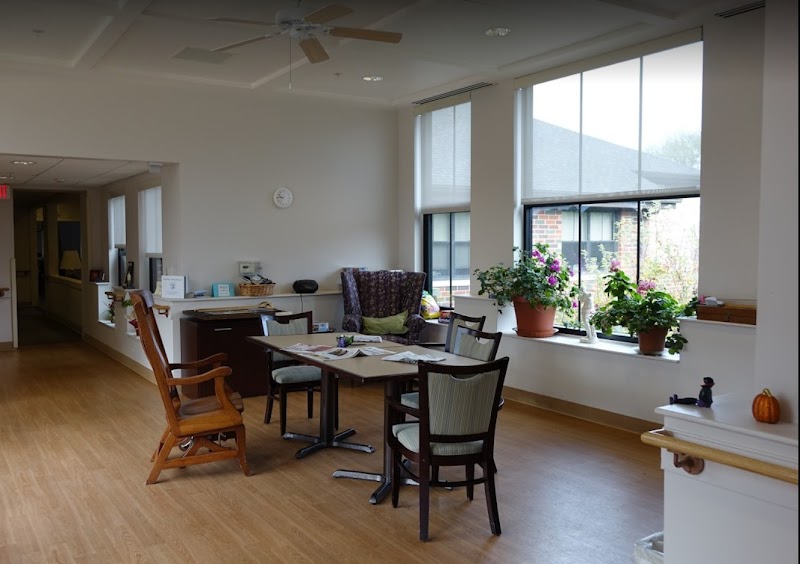
How is Concordia At Villa St Joseph Staffed?

CMS rates CONCORDIA AT VILLA ST JOSEPH's staffing level at 4 out of 5 stars, which is above average compared to other nursing homes. Staff turnover is 38%, compared to the Pennsylvania average of 46%. This relatively stable workforce can support continuity of care.

What Have Inspectors Found at Concordia At Villa St Joseph?

State health inspectors documented 33 deficiencies at CONCORDIA AT VILLA ST JOSEPH during 2023 to 2025. These included: 1 Immediate Jeopardy (the most serious level, indicating potential for serious harm or death), 2 that caused actual resident harm, and 30 with potential for harm. Immediate Jeopardy findings are rare and represent the most serious regulatory concerns. They require immediate corrective action.
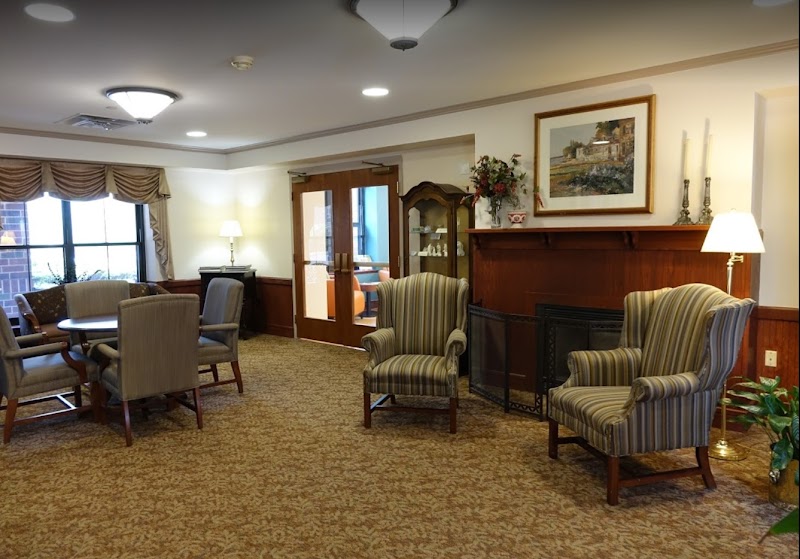
Who Owns and Operates Concordia At Villa St Joseph?

CONCORDIA AT VILLA ST JOSEPH is owned by a for-profit company. For-profit facilities operate as businesses with obligations to shareholders or private owners. The facility is operated by CONCORDIA LUTHERAN MINISTRIES, a chain that manages multiple nursing homes. With 120 certified beds and approximately 111 residents (about 92% occupancy), it is a mid-sized facility located in BADEN, Pennsylvania.
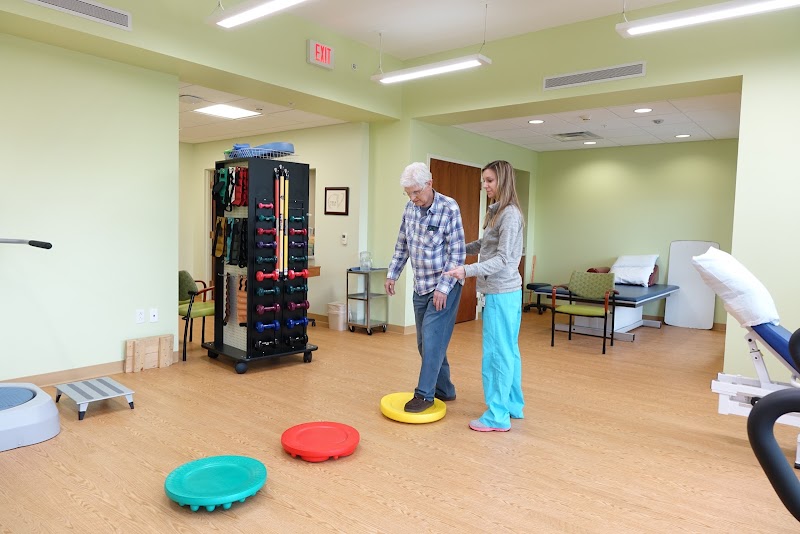
How Does Concordia At Villa St Joseph Compare to Other Pennsylvania Nursing Homes?

Compared to the 100 nursing homes in Pennsylvania, CONCORDIA AT VILLA ST JOSEPH's overall rating (2 stars) is below the state average of 3.0, staff turnover (38%) is near the state average of 46%, and health inspection rating (2 stars) is below the national benchmark.

What Should Families Ask When Visiting Concordia At Villa St Joseph?

Based on this facility's data, families visiting should ask: "What changes have been made since the serious inspection findings, and how are you preventing similar issues?" "Can I visit during a mealtime to observe dining assistance and food quality?" "How do you handle medical emergencies, and what is your hospital transfer rate?" "Can I speak with family members of current residents about their experience?" These questions are particularly relevant given the facility's Immediate Jeopardy citations.

Is Concordia At Villa St Joseph Safe?

Based on CMS inspection data, CONCORDIA AT VILLA ST JOSEPH has documented safety concerns. Inspectors have issued 1 Immediate Jeopardy citation (the most serious violation level indicating risk of serious injury or death). The facility has a 2-star overall rating and ranks #100 of 100 nursing homes in Pennsylvania. Families considering this facility should ask detailed questions about what corrective actions have been taken since these incidents.

Do Nurses at Concordia At Villa St Joseph Stick Around?

CONCORDIA AT VILLA ST JOSEPH has a staff turnover rate of 38%, which is about average for Pennsylvania nursing homes (state average: 46%). Moderate turnover is common in nursing homes, but families should still ask about staff tenure and how the facility maintains care continuity when employees leave.

Was Concordia At Villa St Joseph Ever Fined?

CONCORDIA AT VILLA ST JOSEPH has been fined $31,788 across 3 penalty actions. This is below the Pennsylvania average of $33,397. While any fine indicates a compliance issue, fines under $50,000 are relatively common and typically reflect isolated problems that were subsequently corrected. Families should ask what specific issues led to these fines and confirm they've been resolved.

Is Concordia At Villa St Joseph on Any Federal Watch List?

CONCORDIA AT VILLA ST JOSEPH is not on any federal watch list. The most significant is the Special Focus Facility (SFF) program, which identifies the bottom 1% of nursing homes nationally based on persistent, serious quality problems. Not being on this list means the facility has avoided the pattern of deficiencies that triggers enhanced federal oversight. This is a positive indicator, though families should still review the facility's inspection history directly.