HILLTOP HEALTHCARE AND REHABILITATION CENTER
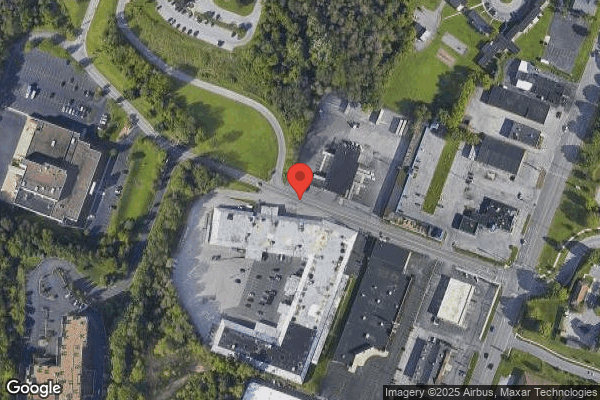

700 S. CAYUGA AVENUE, ALTOONA, PA 16602 (814) 946-0471
For profit - Corporation 133 Beds ABRAHAM SMILOW Data: November 2025
Trust Grade
53/100
#439 of 653 in PA
Last Inspection: January 2025

Within standard 12-15 month inspection cycle. Federal law requires annual inspections.

Overview

Hilltop Healthcare and Rehabilitation Center has a Trust Grade of C, which means it is average-neither great nor terrible. It ranks #439 out of 653 facilities in Pennsylvania, placing it in the bottom half, and #6 out of 9 in Blair County, indicating that there are only a few local options that are better. The facility's trends are stable, with 15 issues reported in both 2024 and 2025, and while it has good staffing ratings with a turnover rate of 30%, it does have some concerning deficiencies. Notably, there were incidents where outdated food was found, including moldy strawberries, and residents were not provided with necessary condiments and utensils during meals. Despite having no fines on record, which is a positive aspect, families should be aware of these issues as they consider care options for their loved ones.

Trust Score
C
53/100
In Pennsylvania
#439/653
Bottom 33%
Safety Record
Low Risk
No red flags
Inspections
Holding Steady
15 → 15 violations
Staff Stability
✓ Good
30% annual turnover. Excellent stability, 18 points below Pennsylvania's 48% average. Staff who stay learn residents' needs.
Penalties
✓ Good
No fines on record. Clean compliance history, better than most Pennsylvania facilities.
Skilled Nurses
✓ Good
Each resident gets 43 minutes of Registered Nurse (RN) attention daily — more than average for Pennsylvania. RNs are trained to catch health problems early.
Violations
⚠ Watch
40 deficiencies on record. Higher than average. Multiple issues found across inspections.
★★☆☆☆
2.0
Overall Rating
★★★★☆
4.0
Staff Levels
★★★★☆
4.0
Care Quality
★★☆☆☆
2.0
Inspection Score
Stable
2024: 15 issues
2025: 15 issues

The Good

  • 4-Star Staffing Rating · Above-average nurse staffing levels
  • 4-Star Quality Measures · Strong clinical quality outcomes
  • Low Staff Turnover (30%) · Staff stability means consistent care
  • Full Sprinkler Coverage · Fire safety systems throughout facility
  • No fines on record
  • Staff turnover is low (30%)

    18 points below Pennsylvania average of 48%

Facility shows strength in staffing levels, quality measures, staff retention, fire safety.

The Bad

2-Star Overall Rating

Below Pennsylvania average (3.0)

Below average - review inspection findings carefully

Chain: ABRAHAM SMILOW

Part of a multi-facility chain

Ask about local staffing decisions and management

The Ugly 40 deficiencies on record

Aug 2025 1 deficiency
CONCERN (D) 📢 Someone Reported This

A family member, employee, or ombudsman was alarmed enough to file a formal complaint

Potential for Harm - no one hurt, but risky conditions existed

Quality of Care (Tag F0684)

Could have caused harm · This affected 1 resident

Based on review of facility policies and clinical records, as well as staff interviews, it was determined that the facility failed to ensure that physician orders were written and followed for one of ...

Read full inspector narrative →
Based on review of facility policies and clinical records, as well as staff interviews, it was determined that the facility failed to ensure that physician orders were written and followed for one of six residents reviewed (Resident 2).Findings include:A facility policy for physician's orders, dated July 31, 2025, revealed that verbal orders are given to the nurse by the physician in person or by telephone; however, they are not written by the physician in the medical record. Verbal orders are to be followed through by making appropriate notification.An admission Minimum Data Set (MDS) assessment (a mandated assessment of a resident's abilities and care needs) for Resident 2, dated June 16, 2025, revealed that the resident was understood and could understand others, was cognitively intact and required assistance with daily care needs.A pharmacist recommendation for Resident 2, dated June 18 2025, reviewed and signed by the physician on June 19, 2025, revealed that aspirin and famotidine were to be discontinued.There was no documented evidence in Resident 2's clinical record to indicate that the aspirin and famotidine were discontinued as ordered.Interview with the Director of Nursing on August 26, 2025, at 12:57 p.m. revealed that Resident 2's orders for aspirin and famotidine were not discontinued and they should have been.
Apr 2025 1 deficiency
CONCERN (D) 📢 Someone Reported This

A family member, employee, or ombudsman was alarmed enough to file a formal complaint

Potential for Harm - no one hurt, but risky conditions existed

Food Safety (Tag F0812)

Could have caused harm · This affected 1 resident

Based on review of policies, as well as observations and staff interviews, it was determined that the facility failed to maintain a clean and sanitary environment in the main kitchen dishroom. Finding...

Read full inspector narrative →
Based on review of policies, as well as observations and staff interviews, it was determined that the facility failed to maintain a clean and sanitary environment in the main kitchen dishroom. Findings include: The facility's policy regarding food preparation and service, dated February 13, 2025, indicated that areas for cleaning dishes and utensils are kept and maintained in a sanitary environment. Observations in the main kitchen dish room on April 1, 2025, at 12:06 p.m. revealed that there was a large, round, upright fan blowing directly on the dish dry rack. The dry rack contained several pots and pans. Those pans were put away and newly cleaned dishes were placed in the dry rack. The fan was noted to have a very heavy amount of visible dirt and debris accumulated on the blade cover. There were several half-inch tendrils of dirt/debris flowing from the fan cover as the fan was blowing toward the clean pots/pans and dishes. Interview with the Dietary Manager on April 1, 2025, at 12:10 p.m. confirmed that a large, upright, dirty fan was blowing directly on the drying rack that held recently washed pots and pans. She turned off the fan and commented that she did not know why it was there anyway. Interview with the Nursing Home Administrator on April 1, 2025, at 2:15 p.m. confirmed that the kitchen fan was dirty and blowing on clean dishes, and it should not have been. 28 Pa. Code 211.6(f) Dietary Services. 28 Pa. Code 207.2(a) Administrator's Responsibility.
Jan 2025 13 deficiencies
CONCERN (D)

Potential for Harm - no one hurt, but risky conditions existed

Safe Environment (Tag F0584)

Could have caused harm · This affected 1 resident

Based on review of facility policies, as well as observations and staff interviews, it was determined that the facility failed to provide a clean and homelike environment in residents' rooms for one o...

Read full inspector narrative →
Based on review of facility policies, as well as observations and staff interviews, it was determined that the facility failed to provide a clean and homelike environment in residents' rooms for one of 54 residents reviewed (Resident 8). Findings include: The facility's policy regarding homelike environment, dated November 26, 2024, indicated that the purpose was to provide a safe, clean, and sanitary living environment for the residents. A quarterly Minimum Data Set (MDS) assessment (a mandated assessment of a resident's abilities and care needs) for Resident 8, dated November 26, 2024, indicated that the resident was cognitively intact, was usually understood and usually able to understand others, was dependent on staff for all care needs, and had diagnoses that included quadriplegia (paralysis or weakness to both side of the body due to brain injury) and depression. Observations of Resident 8's room on January 17, 2025, at 10:39 a.m. revealed that there was an area of broken dry wall, approximately 12 inches by 12 inches near the closet and another area of damaged dry wall that was approximately four inches by one and a half inches near the bathroom entrance. Interview with Licensed Practical Nurse 1 at the time of the observations revealed that she had reported it to the maintenance department, but he has since resigned. Interview with Resident 8 on January 17, 2025, at 10:40 a.m. revealed that he has an electric wheelchair and staff forget to put the foot rest up, and when they park the wheelchair in that area of the room the foot rest ends up hitting and scraping through the dry wall. Interview with Maintenance Employee 2 on January 17, 2025, at 12:59 p.m. confirmed that both areas of dry wall were in need of repair and that the area was not homelike. There was no work order that he was aware of in the system, and the former director recently resigned last week. 28 Pa. Code 207.2(a) Administrator's Responsibility.
CONCERN (D)

Potential for Harm - no one hurt, but risky conditions existed

Deficiency F0638 (Tag F0638)

Could have caused harm · This affected 1 resident

Based on review of the Resident Assessment Instrument Manual and clinical records, as well as staff interviews, it was determined that the facility failed to ensure that quarterly Minimum Data Set ass...

Read full inspector narrative →
Based on review of the Resident Assessment Instrument Manual and clinical records, as well as staff interviews, it was determined that the facility failed to ensure that quarterly Minimum Data Set assessments were completed within the required time frame for one of 54 residents reviewed (Resident 81). Findings include: The Long-Term Care Facility Resident Assessment Instrument (RAI) User's Manual, which provides instructions and guidelines for completing required Minimum Data Set (MDS) assessments (mandated assessments of a resident's abilities and care needs), dated October 2024, indicated that the assessment reference date (ARD - the last day of the assessment's look-back period) of a quarterly MDS assessment must be no more than 92 days after the ARD of the most recent assessment of any type, and the assessment was to have a completion date (Section Z0500B) that was no later than the ARD plus 14 calendar days. A quarterly MDS assessment for Resident 81 had an ARD of December 13, 2024, which was 116 days after the previous annual MDS assessment with an ARD of August 19, 2024. An interview with the Director of Nursing on January 17, 2025, at 11:40 a.m. confirmed that the above referenced quarterly MDS assessment was not completed within the required time frame. 28 Pa. Code 211.5(f) Clinical Records.
CONCERN (D)

Potential for Harm - no one hurt, but risky conditions existed

Deficiency F0657 (Tag F0657)

Could have caused harm · This affected 1 resident

Based on review of clinical records, as well as staff interviews, it was determined that the facility failed to ensure that a resident's care plan was updated/revised to reflect the resident's specifi...

Read full inspector narrative →
Based on review of clinical records, as well as staff interviews, it was determined that the facility failed to ensure that a resident's care plan was updated/revised to reflect the resident's specific care needs for two of 54 residents reviewed (Residents 7, 11). Findings include: An annual Minimum Data Set (MDS) assessment (a mandated assessment of a resident's abilities and care needs) for Resident 7, dated December 6, 2024, indicated that the resident was cognitively impaired and required assistance with care needs, was taking an anticoagulant (medication that thins the blood), had an indwelling catheter (a thin, flexible tube inserted into the bladder to drain urine from the bladder), and had diagnoses that included coronary artery disease (a disease that limits blood flow to the heart caused by plaque buildup in the arteries) and neurogenic bladder (bladder lacks control due to nerve or muscle problems). An anticoagulant care plan for Resident 7, dated January 23, 2023, indicated that the resident was on Coumadin (an anticoagulant) therapy related to the presence of a cardiac pacemaker (a surgically-implanted small battery-powered device to manage irregular heartbeats or heart failure). A care plan for Resident 7, dated January 22, 2024, indicated that the resident had an indwelling catheter. Physician's orders for Resident 7, dated December 8, 2024, included an order for the resident to receive 5 milligrams (mg) of Apixaban (an anticoagulant) twice daily. Review of Resident 7's clinical record revealed that his Coumadin was discontinued on December 6, 2024. Interview with the Director of Nursing on January 15, 2025, at 10:11 a.m. confirmed that Resident 7's care plan was not revised to reflect that the Coumadin was discontinued and that his anticoagulation therapy was changed to Apixaban. Physician's orders for Resident 7, dated January 8, 2025, included an order for the resident to have a 16 French (size) urinary (foley) catheter (an indwelling catheter), with a 30 cubic centimeters (cc) balloon (located on the bladder end of the catheter and filled with sterile water to hold the tube in place) for neurogenic bladder. Observations of Resident 7 on January 15, 2025, at 2:13 p.m. revealed that the resident had a foley catheter leg bag (a urine collection bag used to help maintain mobility and comfort) visible under his pants to the right thigh area. Interview with Nurse Aide 3 at that time indicated that it was the resident's preference to have the leg bag for dignity, as he did not want the catheter bag visible to anyone. There was no documented evidence in Resident 7's care plan that indicated he used a foley catheter leg bag and that he preferred to use the leg bag for dignity. Interview with the Director of Nursing on January 17, 2025, at 11:40 a.m. confirmed that Resident 7's care plan should have been revised to reflect his use of the foley catheter leg bag and that it was his preference to use the leg bag for dignity. A quarterly MDS assessment for Resident 11, dated November 13, 2024, revealed that the resident was cognitively intact, required assistance with personal care needs, had an indwelling urinary catheter (a thin tube inserted into the bladder to drain urine), and had diagnoses that included intervertebral disc disorder with radiculopathy, lumbar region (conditions that affect the nerve roots in the lower back and can cause pain, numbness, and weakness in the legs) and diabetes. Review of Resident 11's care plan, dated September 9, 2024, revealed that the resident had actual skin impairment to both of his palms, identified as surgical incisions. A skin and wound note for Resident 11, dated September 10, 2024, at 1:17 p.m., revealed that the resident was seen for an initial weekly skin assessment because he was a new admission to the facility, and that the bilateral hands surgical that was identified on admission were scars from a previous surgery, and the resident did not need weekly assessments from the wound nurse. An interview with the Director of Nursing on January 17, 2025, at 12:55 p.m. revealed that the surgical wounds identified in Resident 11's care plan were actually scars from previous surgeries, and his care plan should have been revised when that was identified. 28 Pa. Code 211.12(d)(5) Nursing Services.
CONCERN (D)

Potential for Harm - no one hurt, but risky conditions existed

ADL Care (Tag F0677)

Could have caused harm · This affected 1 resident

Based on clinical record reviews, as well as staff and resident interviews, it was determined that the facility failed to ensure that residents were provided with showers as scheduled for one of 54 re...

Read full inspector narrative →
Based on clinical record reviews, as well as staff and resident interviews, it was determined that the facility failed to ensure that residents were provided with showers as scheduled for one of 54 residents reviewed (Resident 24). Findings include: A quarterly Minimum Data Set (MDS) assessment (a mandated assessment of a resident's abilities and care needs) for Resident 24, dated November 4, 2024, indicated that the resident was cognitively intact, was dependent on staff for bathing/showering, and had diagnosis that included chronic congestive heart failure (a long-term condition where the heart cannot pump enough blood to the body) and diabetes. Review of Resident 24's active task list, initiated on July 31, 2024, revealed that the resident had a bathing preference for showers, and showers were scheduled to be provided every Wednesday and Sunday on dayshift. Review of Resident 24's Bath/Shower record, dated October 2024 through December 2024, revealed that a bed bath was provided instead of a shower on October 2, 9, 13, 16, 27, and 30. Only bed baths were provided to the resident during the month of November, and bed baths were provided instead of a shower on December 4, 8, and 15. Interview with Resident 24 on January 13, 2025, at approximately 10:15 a.m. revealed that the resident was not getting her showers as preferred because staff provided excuses for not being able to provide a shower, like no hot water was available or the shower room was too cold. Interview with the Director of Nursing on January 15, 2025, at 3:03 p.m. revealed that there was no documented evidence that the resident was offered or refused to have a shower on her scheduled shower days when bed baths were provided instead of showers. 28 Pa. Code 211.12(d)(5) Nursing Services.
CONCERN (D)

Potential for Harm - no one hurt, but risky conditions existed

Quality of Care (Tag F0684)

Could have caused harm · This affected 1 resident

Based on clinical record reviews and staff interviews, it was determined that the facility failed to ensure that physician's orders regarding treatment administration were followed for one of 54 resid...

Read full inspector narrative →
Based on clinical record reviews and staff interviews, it was determined that the facility failed to ensure that physician's orders regarding treatment administration were followed for one of 54 residents reviewed (Resident 9). Findings include: A quarterly Minimum Data Set (MDS) assessment (a mandated assessment of a resident's abilities and care needs) for Resident 9, dated October 16, 2024, revealed that the resident was cognitively intact, required assistance with personal care needs, and had diagnoses that included Parkinson's Disease (a brain disorder that causes unintended or uncontrollable movements). Physician's orders for Resident 9, dated March 29, 2025, included an order for the resident to receive 2.5 milligrams (mg) of Midodine Hydrochloride (used to treat low blood pressure) twice a day and to hold the medication if the resident's systolic blood pressure (SBP-the top number in a blood pressure reading) is greater than 120. Review of the Medication Administration Record (MAR) for Resident 9, dated October 2024, revealed that 2.5 mg of Midodrine Hydrochloride was administered on October 6 at 5:00 p.m. when the resident's SBP was 124, on October 10 at 5:00 p.m. when the resident's SBP was 127, and on October 26 at 5:00 p.m. when the resident's SBP was 124. Review of the resident's MAR, dated November 2024, revealed that 2.5 mg of Midodrine Hydrochloride was administered on November 10 at 5:00 p.m. when the resident's SBP was 122, on November 22 at 8:00 a.m. when the resident's SBP was 140, and on November 24 at 5:00 p.m. when the resident's SBP was 122. Review of the resident's MAR, dated December 2024, revealed that 2.5 mg of Midodrine Hydrochloride was administered on December 12 at 5:00 p.m. when the resident's SBP was 142, on December 15 at 8:00 a.m. when the resident's SBP was 150, on December 30 at 8:00 a.m. when the resident's SBP was 126, and on December 30 at 5:00 p.m. when the resident's SBP was 127. Review of the resident's MAR, dated January 2025, revealed that 2.5 mg of Midodrine Hydrochloride was administered on January 1 at 8:00 a.m. when the resident's SBP was 129, on January 6 at 5:00 p.m. when the resident's SBP was 128, and on January 12 at 5:00 p.m. when the resident's SBP was 132. Interview with the Director of Nursing on January 14, 2025, at 1:55 p.m. confirmed that Midodrine Hydrochloride was administered to Resident 9 on the above mentioned dates and times when is should have been held per physician's orders when the resident's SBP was greater than 120. 28 Pa. Code 211.12(d)(1)(5) Nursing Services.
CONCERN (D)

Potential for Harm - no one hurt, but risky conditions existed

Tube Feeding (Tag F0693)

Could have caused harm · This affected 1 resident

Based on review of policies and clinical records, as well as staff interviews, it was determined that the facility failed to ensure that tube feeding residual amounts were documented per the facility'...

Read full inspector narrative →
Based on review of policies and clinical records, as well as staff interviews, it was determined that the facility failed to ensure that tube feeding residual amounts were documented per the facility's policy for one of 54 residents reviewed (Resident 70). Findings include: The facility's policy regarding checking gastric residual volume (GRV - the amount of fluid remaining in the stomach at a point in time during enteral nutritional feeding), dated November 26, 2024, indicated that the purpose of this procedure is to assess tolerance of enteral feeding and minimize the potential for aspiration. Staff were to aspirate the stomach contents and if the GRV was greater than 250 milliliters (mL), the physician was to be notified, and staff were to asses the resident for feeding intolerance. The person performing the procedure was to record the amount of, if any, gastric residual in the resident's medical record. A quarterly Minimum Data Set (MDS) assessment (a mandated assessment of a resident's abilities and care needs) for Resident 70, dated December 3, 2024, indicated that the resident was cognitively impaired and had an enteral feeding tube. Physician's orders for Resident 70, dated January 9, 2025, included an order for the resident to receive feedings of Glucerna 1.2 (a tube feeding formula that contains 1.2 calories in every milliliter) at 75 cubic centimeters (cc's) per hour, and physician's orders, dated January 15, 2025, included an order for the resident to receive feedings of Glucerna 1.5 at 65 cc's per hour. Both orders included that staff were to check the residual volume every shift and if there was more than 250 mL of GRV, staff were to withhold further feedings and recheck in one hour. The physician was to be notified if the GRV was more than 250 mL on the second check. If the GRV was greater than 500 mL, staff were to withhold the feeding and notify the physician. A review of Resident 70's clinical record for January 1 through January 17, 2025, revealed that there was no documented evidence of the amount of gastric residuals that were checked every shift per the facility policy. Interviews with the Director of Nursing on January 17, 2025, at 1:37 p.m. confirmed that there was no documented evidence that the amount of residuals checked every shift was recorded in the resident's clinical record per the facility policy. 28 Pa. Code 211.12(d)(3)(5) Nursing Services.
CONCERN (D)

Potential for Harm - no one hurt, but risky conditions existed

QAPI Program (Tag F0867)

Could have caused harm · This affected 1 resident

Based on review of the facility's plans of correction and the results of the current survey, it was determined that the facility's Quality Assurance Performance Improvement (QAPI) committee failed to ...

Read full inspector narrative →
Based on review of the facility's plans of correction and the results of the current survey, it was determined that the facility's Quality Assurance Performance Improvement (QAPI) committee failed to correct quality deficiencies and ensure that plans to improve the delivery of care and services effectively addressed recurring deficiencies. Findings include: The facility's deficiencies and plans of corrections for State Survey and Certification (Department of Health) survey ending February 1, 2024, revealed that the facility developed plans of correction that included quality assurance systems to ensure that the facility maintained compliance with cited nursing home regulations. The results of the current survey, ending January 17, 2025, identified repeated deficiencies related to failure to maintain a homelike environment, failure to maintain accuracy of assessments, failure to update/revise care plans, failure to provide quality of care, failure to ensure food was palatable and had proper serving temperatures, and failed to ensure the food was stored, prepared/served under sanitary conditions and that utensils and dishes were cleaned and stored in sanitary conditions. The facility's plan of correction for a deficiency regarding safe/clean/comfortable/homelike environment, cited during the survey ending February 1, 2024, revealed that the facility developed a plan of correction that included completing audits and reporting the results of the audits to the QAPI committee for review. The results of the current survey, cited under F584, revealed that the facility's QAPI failed to successfully implement their plan to ensure ongoing compliance with regulations regarding homelike environment. The facility's plan of correction for a deficiency regarding the accuracy of assessment, cited during the survey ending February 1, 2024, revealed that facility developed a plan of correction that included completing audits and reporting the results of the audits to the QAPI committee for review. The results of the current survey, cited under F641, revealed that the facility's QAPI committee failed to successfully implement their plan to ensure ongoing compliance with regulations regarding accuracy of assessments. The facility's plan of correction for a deficiency regarding a failure to update/revise residents' care plans, cited during the survey ending February 1, 2024, revealed that the facility developed a plan of correction that included completing audits and reporting the results of the audits to the QAPI committee for review. The results of the current survey, cited under F657, revealed that the facility's QAPI committee failed to successfully implement their plan to ensure ongoing compliance with regulations regarding updating/revising residents' care plans. The facility's plan of correction for a deficiency regarding quality of care, cited during the survey ending February 1, 2024, revealed that the facility developed a plan of correction that included completing audits and reporting the results of the audits to the QAPI committee for review. The results of the current survey, cited under F684, revealed that the facility's QAPI committee failed to successfully implement their plan to ensure ongoing compliance with regulations regarding quality of care. The facility's plans of correction for deficiencies regarding ensuring that food was palatable and at proper serving temperatures, cited during the survey ending on February 1, 2024, revealed that the facility developed a plan of correction that included completing audits and reporting the results of the audits to the QAPI committee for review. The results of the current survey, cited under F804, revealed that the facility's QAPI committee failed to successfully implement their plan to ensure ongoing compliance with regulations regarding ensuring the food was palatable and had proper serving temperatures. The facility's plan of correction for a deficiency regarding appropriate food preparation/storage/serving, cited during the survey ending February 1, 2024, revealed that the facility developed a plan of correction that included completing audits and reporting the results of the audits to the QAPI committee for review. The results of the current survey, cited under F812, revealed that the facility's QAPI committee failed to successfully implement their plan to ensure ongoing compliance with regulations regarding food preparation/storage/serving and storage and cleaning of dishes/utensils. Refer to F584, F641, F657, F684, F804, F812. 28 Pa. Code 201.14(a) Responsibility of Licensee. 28 Pa. Code 201.18(e)(1) Management.
CONCERN (E)

Potential for Harm - no one hurt, but risky conditions existed

Deficiency F0578 (Tag F0578)

Could have caused harm · This affected multiple residents

Based on review of facility policies and clinical records, as well as staff interviews, it was determined that the facility failed to ensure that the resident and/or resident representative had an opp...

Read full inspector narrative →
Based on review of facility policies and clinical records, as well as staff interviews, it was determined that the facility failed to ensure that the resident and/or resident representative had an opportunity to formulate an advance directive (instructions regarding the provision of health care when the resident is incapacitated) or assist in formulating an advance directive for six of 54 residents reviewed (Residents 37, 62, 81, 88, 90, 100). Findings include: The facility policy regarding advance directives, dated November 26, 2024, indicated that on admission the facility will determine if the resident has executed an advance directive, and if not, determine whether the resident would like to formulate an advance directive. The facility will provide the resident or resident representative information, in a manner that is easy to understand, about the right to refuse medical or surgical treatment and formulate an advance directive. Any decision making regarding the resident's choices will be documented in the resident's medical record and communicated to the interdisciplinary team and staff responsible for the resident's care. A quarterly Minimum Data Set (MDS) assessment (a mandated assessment of a resident's abilities and care needs) for Resident 37, dated December 18, 2024, indicated that the resident had mild cognitive impairment, was understood and able to understand others, required supervision to moderate assistance with care needs, and had diagnoses that included hemiplegia (paralysis or weakness to one side of the body due to brain injury) following a cerebral infarction (lack of blood supply to the brain resulting in brain death to parts of the brain), depression, and anxiety. A quarterly MDS assessment for Resident 62, dated November 1, 2024, revealed that the resident was cognitively impaired, was usually understood and able to usually understand others, required supervision to moderate assistance with care needs, and had a diagnosis of dementia. A quarterly MDS assessment for Resident 81, dated December 13, 2024, revealed that the resident was cognitively impaired, was understood and able to understand others, required assistance with some care needs, and had diagnoses that included dementia and hemiplegia/hemiparesis following a cerebral infarction. An annual MDS assessment for Resident 88, dated November 7, 2024, revealed that the resident was cognitively impaired, was understood and able to understand others, required supervision to minimal assistance with care needs, and had a diagnosis of dementia. A quarterly MDS assessment for Resident 90, dated December 6, 2024, revealed that the resident was cognitively impaired, was understood and able to understand others, required moderate assistance with care needs, and had a diagnosis of dementia. An annual MDS assessment for Resident 100, dated December 25, 2024, revealed that the resident was cognitively intact, was understood and able to understand others, required minimal to substantial assistance with care needs, and had a diagnosis of polyneuropathy (peripheral nerves damage throughout the body causing weakness, numbness, burning pain, and difficulty moving or feeling). Review of the clinical records for Residents 37, 62, 81, 88, 90 and 100 revealed no documented evidence that the residents and/or their representatives were given the opportunity to formulate an advance directive, were offered assistance in formulating an advance directive, or their decision regarding an advance directive. Interview with the Director of Nursing on January 15, 2025, at 1:31 p.m. confirmed that there was no documented evidence in Resident 37's, 62's, 81's, 88's, 90's or 100's medical records to indicate that the residents and/or resident representatives were given the opportunity to formulate an advance directive, were offered assistance in formulating an advance directive, or their decision regarding an advance directive. 28 Pa. Code 201.29(a)(d) Resident Rights.
CONCERN (E)

Potential for Harm - no one hurt, but risky conditions existed

Menu Adequacy (Tag F0803)

Could have caused harm · This affected multiple residents

Based on a review of facility policies and written menus, as well as observations and interviews with residents and staff, it was determined that the facility failed to follow their planned menu. Fin...

Read full inspector narrative →
Based on a review of facility policies and written menus, as well as observations and interviews with residents and staff, it was determined that the facility failed to follow their planned menu. Findings include: A facility policy, dated November 25, 2024, indicated that service staff will inspect food trays to ensure that the correct meal was provided to each resident. Observations on January 13, 2025, at 11:38 a.m. of Resident 100 in her room during lunch revealed that her tray did not have margarine on it for her roll. Interview with the resident at that time revealed that she did not want to eat a dry roll. She stated that she eats in her room and her meal trays routinely come without sugar packets, condiments, napkins, or flatware. Interview with Nurse Aide 4 on January 13, 2025, at 1:09 p.m. confirmed that there was no margarine on any of the trays on A wing, and she called the kitchen, but there was none available. During an interview with a group of residents on January 14, 2025, at 10:26 a.m. the residents indicated that they do not receive the correct menu or they are missing items on their trays. The facility's written and printed menu for the lunch meal on January 13, 2025, indicated that the residents were to receive beef meatloaf with glaze, green beans, scalloped potatoes, dinner roll buttered, margarine, pound cake, and choice of beverage. Interview with the Dietary Manager on January 13, 2025, at 2:54 p.m. confirmed that the kitchen does have margarine available. The facility does not have individual packets, but they would provide small lidded cups of margarine; however, the kitchen staff did not put it on the trays.
CONCERN (E)

Potential for Harm - no one hurt, but risky conditions existed

Deficiency F0804 (Tag F0804)

Could have caused harm · This affected multiple residents

Based on review of policies, as well as observations and resident and staff interviews, it was determined that the facility failed to serve palatable food that was at appropriate temperatures. Findin...

Read full inspector narrative →
Based on review of policies, as well as observations and resident and staff interviews, it was determined that the facility failed to serve palatable food that was at appropriate temperatures. Findings include: The facility's policy regarding food service temperatures, dated November 26, 2024, revealed that meal service temperatures for hot foods were to be 140 degrees Fahrenheit (F) or above, and cold foods were to be 40 degrees F or below. Interview with Resident 77, who was alert and oriented and able to make her needs known, on January 13, 2025, at 12:07 p.m. revealed that she eats in her room, her meal trays were served cold, and foods are overcooked and not palatable. She also does not receive all of the items on her meal ticket. Interview with Resident 100, who was alert and oriented and able to make her needs known, on January 13, 2025, at 11:38 a.m. revealed that she eats in her room and that her meal trays are served cold and without sugar packets, condiments, napkins, or flatware. During an interview with a group of residents on January 14, 2025, at 10:26 a.m. the residents indicated that the hot foods were not always hot when served. Observations in the kitchen on January 15, 2025, at 12:47 p.m. revealed that a test tray was placed on the lunch meal cart going to the A wing. The cart arrived on the unit at 12:47 p.m., and the last resident was served and eating at 1:06 p.m. At 1:06 p.m. the temperature of the mashed potatoes was 129.0 degrees Fahrenheit (F) and the temperature of the mixed vegetables was 122.0 degrees F. The items were lukewarm and not hot to taste, and were not palatable at those temperatures. The temperature of the milk was 51 degrees F and not cold to taste. Interview with the Dietary Manager on January 15, 2025, at 1:10 p.m. confirmed that foods were not served at the proper temperatures. 28 Pa. Code 201.18(b)(1) Management. 28 Pa. Code 211.6(f) Dietary Services.
CONCERN (E)

Potential for Harm - no one hurt, but risky conditions existed

Food Safety (Tag F0812)

Could have caused harm · This affected multiple residents

Based on review of facility policies, as well as observations and staff interviews, it was determined that the facility failed to store food in accordance with professional standards for food service ...

Read full inspector narrative →
Based on review of facility policies, as well as observations and staff interviews, it was determined that the facility failed to store food in accordance with professional standards for food service safety by failing to store food under sanitary conditions, failing to ensure that food was served under sanitary conditions, and failing to ensure that ice was made and stored in sanitary ice machines for one of one ice machines (kitchen). Findings include: The facility's policy regarding food labeling and dating, dated November 26, 2024, revealed that upon receipt, all items must have a received date and an expiration date, and upon opening, all items must have an open date and a use-by date. The facility's policy regarding ice machines and ice storage, dated November 26, 2024, revealed that ice machines and ice storage/distribution containers would be used and maintained to ensure a safe and sanitary supply of ice. The facility's procedure for washing pots and pans, undated, revealed that the staff were to check the chemical sanitizer strength and record the parts per million, and check and record the wash sink and rinse sink temperatures for each meal. Observations in the walk-in freezer on January 13, 2025, at 8:52 a.m. and 8:58 a.m. revealed that a plastic bag of pizza crusts contained no labels or dates, and a large build up of ice was located on the outside of the freezer's condenser. A ceiling vent above the tray line in the kitchen had a large accumulation of black debris and dust on the cover, and the ice machine had a pink, removable build up on the top plastic piece and was dripping water onto the ice. Observations in the kitchen on January 17, 2025, at 9:17 a.m. revealed that the ceiling vent above the tray line still had a large accumulation of black debris and dust on the cover. The three-compartment sink contained water, and there were utensils and pans drying on the counter; however, the sanitizer log, dated January 2025, revealed that there was no documentation of the sanitizer strength for each meal January 1 through January 17, 2025. Interview with the Dietary Manager on January 15, 2025, at 8:52 a.m. and 8:58 a.m. and on January 17, 2025, at 9:17 a.m. confirmed that the plastic bag of pizza crusts was not labeled or dated and should have been, the build up of ice on the condenser needed taken care of, the ice machine and ceiling vent needed cleaned, and staff were not documenting the sanitizer strength when using the three-compartment sink. 28 Pa. Code 211.6(f) Dietary Services.
CONCERN (E)

Potential for Harm - no one hurt, but risky conditions existed

Infection Control (Tag F0880)

Could have caused harm · This affected multiple residents

Based on review of established infection control guidelines, facility policy, and residents' clinical records, as well as observations and staff interviews, it was determined that the facility failed ...

Read full inspector narrative →
Based on review of established infection control guidelines, facility policy, and residents' clinical records, as well as observations and staff interviews, it was determined that the facility failed to follow infection control guidelines from the Centers for Medicare/Medicaid Services (CMS) and the Centers for Disease Control (CDC) to reduce the spread of infections and prevent cross-contamination for eight of 54 residents reviewed (Residents 7, 8, 11, 12, 34 63, 70, 80). Findings include: CDC guidance on isolation precautions and Implementation of Personal Protective Equipment (PPE) use in Nursing Homes to Prevent Spread of Multidrug-Resistant Organisms (MDRO's - bacteria that have become resistant to certain antibiotics, and these antibiotics can no longer be used to control or kill the bacteria), dated July 12, 2022, indicates that MDRO transmission is common in skilled nursing facilities, contributing to substantial resident morbidity and mortality and increased healthcare costs. Enhanced Barrier Precautions (EBP) are an infection control intervention designed to reduce transmission of resistant organisms that employs targeted gown and glove use during high contact resident care activities. CMS updated its infection prevention and control guidance effective April 1, 2024. The recommendations now include the use of EBP during high-contact care activities for residents with chronic wounds or indwelling medical devices, regardless of their MDRO status, in addition to residents who have an infection or colonization with a CDC-targeted or other epidemiologically important MDRO when contact precautions do not apply. The facility's policy regarding EBP, dated November 26, 2024, indicated that EBP's referred to the use of gown and gloves for the use during high contact resident care activities for residents known to be colonized or infected with a MDRO as well as those at increased risk of MDRO acquisition (e.g., residents with wounds or indwelling medical devices). An order for EBP's will be obtained for residents with any of the following: 1) Wounds (e.g., chronic wounds such as pressure ulcers, diabetic foot ulcers, unhealed surgical wounds, and chronic venous stasis ulcers), and/or indwelling medical devices (e.g., central lines, hemodialysis catheters, urinary catheters, feeding tubes, tracheostomy/ventilator tubes) even if the resident is not known to be infected or colonized with a MDRO and 2) Infection or colonization with any resistant organisms targeted by the CDC and epidemiologically important MDRO when contact precautions do not apply. Clear signage will be posted on the door or wall outside of the resident room indicating the type of precautions, required personal protective equipment (PPE), and the high contact resident care activities that require the use of gloves and gowns. The facility's policy regarding hand hygiene, dated November 26, 2024, indicated that hand hygiene was the primary means to prevent the spread of infections and staff were to use an alcohol based hand rub of at 62 percent alcohol or use soap and water following after contact with blood and bodily fluids and removing gloves. An annual Minimum Data Set (MDS) assessment (a mandated assessment of a resident's abilities and care needs) for Resident 7, dated December 6, 2024, indicated that the resident was cognitively impaired requires assistance with care needs, had an indwelling catheter (a thin, flexible tube inserted into the bladder to drain urine from the bladder), and had a diagnosis of neurogenic bladder (bladder lacks control due to nerve or muscle problems). Physician's orders for Resident 7, dated January 8, 2025, included an order for the resident to have a urinary (foley) catheter (an indwelling catheter) for neurogenic bladder. A care plan for Resident 7, dated January 22, 2024, revealed that the resident had an indwelling foley catheter for neurogenic bladder. A care plan for Resident 7, dated February 27, 2024, revealed that the resident had an MDRO related to a history of Extended-spectrum beta-lactamases (ESBL-a bacteria resistant to antibiotics) in the urine with an intervention for EBP, dated November 27, 2024. There was no documented evidence that EBP were implemented for Resident 7 until November 27, 2024. A quarterly Minimum Data Set (MDS) assessment (a mandated assessment of a resident's abilities and care needs) for Resident 8, dated November 26, 2024, indicated that the resident was cognitive intact, was usually understood and usually able to understand others, was dependent on staff for all care needs, and had diagnoses that included quadriplegia (paralysis or weakness to both side of the body due to brain injury) and had pressure ulcers (wound caused by pressure). Physician's orders for Resident 8, dated January 3, 2025, included an order to cleanse the right ischium (hip) with Dakin's solution 0.25 percent (wound treatment) and dry, apply collagen particles, pack with Dakins moistened gauze, and cover with bordered gauze; cleanse the right nephrostomy site (nephro - a tube placed into the bladder through the skin to drain urine) and dry, and apply a transparent film; and cleanse the left ischium and dry, apply collagen particles and cover with bordered gauze. Observations of wound care for Resident 8 on January 17, 2025, at 10:47 a.m. revealed that Licensed Practical Nurse 5 while wearing gloves provided incontinence care to the resident after he had a bowel movement. Licensed Practical Nurse 5 changed her gloves without performing hand hygiene and using gauze cleaned the feces from this pressure ulcer on the right ischium, then cleaned the the wound with Dakin's solution and gauze, applied collagen, and applied the Dakin soaked gauze. Then Licensed Practical Nurse 5 changed her gloves at 10:48 a.m. and used saline to clean the nephro tube on the right side and applied the dressing. The resident had another bowel movement, and incontinence care was provided. Licensed Practical Nurse 5 removed all her PPE and left the room to get more supplies. Licensed Practical Nurse 5 cleaned the left buttocks with towels and water to remove the remaining feces, changed her gloves, cleaned the second pressure ulcer, applied collagen, and applied the dressing. Before leaving the room Licensed Practical Nurse 5 washed her hands with soap and water. Interview with Licensed Practical Nurse 5 on January 17, 2025, at 12:59 p.m. revealed that she did not perform hand hygiene between glove changes and dirty and clean tasks. Interview with the Infection Preventionist on January 17, 2025, at 1:55 p.m. confirmed that hand hygiene should have been completed between glove changes and dirty and clean tasks. A quarterly MDS assessment for Resident 11, dated November 13, 2024, revealed that the resident was cognitively intact, required assistance with personal care needs, had an indwelling urinary catheter (a thin tube inserted into the bladder to drain urine), and had diagnosis that included intervertebral disc disorder with radiculopathy, lumbar region (conditions that affect the nerve roots in the lower back and can cause pain, numbness, and weakness in the legs) and diabetes. Physician's orders for Resident 11 dated September 19, 2024, included for the resident to have a foley catheter for urine retention (a condition that makes it difficult or impossible to empty the bladder). There was no documented evidence that EBP were implemented for Resident 11 until November 27, 2024. An admission MDS assessment for Resident 12, dated September 2, 2024, indicated that the resident was cognitively impaired and had a suprapubic catheter (a thin, flexible tube inserted through a small incision in the lower abdomen (pubic area) directly into the bladder). A physician's order for Resident 12, dated October 17, 2024, included an order for the resident to have a suprapubic catheter due to neurogenic bladder (a condition where the nerves that control the bladder are damaged, leading to abnormal bladder function). There was no documented evidence that EBP were implemented for Resident 12 until November 27, 2024. A quarterly MDS assessment for Resident 34, dated December 15, 2024, revealed that the resident was cognitively intact, required assistance with personal care needs, had an infection in her foot, and had reconstructive surgery following medical procedure and diabetes. Observations and interview with Resident 34 on January 13, 2025, at 10:14 p.m. revealed that there was no PPE or signage posted outside of the room indicating that the resident was on transmission based precautions. Resident 34 indicated that she had methicillin-resistant staphylococcus aureus (MRSA infection that has been resistant to antibiotics), was on intravenous (IV - medication and fluids that are injected directly into a vein) antibiotic medication, and had surgery on her foot. Resident 34 currently had a wound vacuum (negative pressure wound therapy type to help wounds heal) in use. Physician's orders for Resident 34, dated December 9, 2024, included an order for the resident to have contact isolation related to the MRSA to the right heel and staff are to ensure the wound vac was functioning and in place every shift. Current physician orders, dated January 13, 2025, included an order for the resident to have one gram of Vancomycin (antibiotic medication) intravenously one time a day for osteomyelitis (infection in the bone) Interview with Registered Nurse 7 on January 13, 2025, at 12:28 p.m. indicated that the resident was on contact precautions and the signage and PPE supplies should have been available outside of the room. She remembers that they were there but were removed. Interview with the Infection Preventionist on January 17, 2025, at 1:54 p.m. confirmed that Resident 34 was on transmission-based precautions, the signs should have been posted, and the PPE should have been available outside of the room, but it was removed by someone. A quarterly MDS assessment for Resident 63, dated November 6, 2024, revealed that the resident had moderate cognitive impairment, required assistance from staff with personal care needs, had diagnoses that included diabetes, and had one unstageable pressure ulcer. Review of a skin and wound note for Resident 63, dated January 14, 2025, at 2:23 p.m. revealed that the resident was seen for follow up skin and wound care, and that the resident developed a wound to her right lateral (on the side) foot that was found on October 16, 2024. There was no documented evidence that EBP were implemented for Resident 11 until November 27, 2024. An annual MDS assessment for Resident 70, dated September 2, 2024, indicated that the resident was cognitively impaired, had a feeding tube, and had diagnoses that included Parkinson's disease (a chronic and progressive neurological disorder that affects movement, balance, and coordination). Physician's orders for Resident 70, dated August 29, 2024, included an order for the resident to receive Jevity 1.5 (feeding formula) at 55 cubic centimeter's (cm's) per hour every shift. There was no documented evidence that EBP were implemented for Resident 70 until November 27, 2024. A quarterly MDS assessment for Resident 80, dated June 30, 2024, indicated that the resident was cognitively impaired and had an indwelling urinary catheter (a flexible tube inserted and held in the bladder to drain urine). A care plan, initiated September 22, 2023, revealed the resident had an indwelling urinary catheter. Physician's orders for Resident 80, dated December 14, 2023, included an order for the resident to have an indwelling urinary catheter and to have it changed every 30 days. There was no documented evidence that EBP were implemented until November 27, 2024. Interview with the Director of Nursing on January 15, 2025, at 1:29 p.m. confirmed that the facility did not start to implement EBP until November 27, 2024. 28 Pa. Code 201.14(a) Responsibility of Licensee. 28 Pa. Code 201.18(e)(1) Management. 28 Pa. Code 211.12(d)(1)(5) Nursing Services.
MINOR (B)

Minor Issue - procedural, no safety impact

Assessment Accuracy (Tag F0641)

Minor procedural issue · This affected multiple residents

**NOTE- TERMS IN BRACKETS HAVE BEEN EDITED TO PROTECT CONFIDENTIALITY** Based on a review of the Resident Assessment Instrument User's Manual and clinical records, as well as staff interviews, it was ...

Read full inspector narrative →
**NOTE- TERMS IN BRACKETS HAVE BEEN EDITED TO PROTECT CONFIDENTIALITY** Based on a review of the Resident Assessment Instrument User's Manual and clinical records, as well as staff interviews, it was determined that the facility failed to complete accurate Minimum Data Set assessments for four of 54 residents reviewed (Residents 7, 63, 75, 85). Findings include: The Long-Term Care Facility Resident Assessment Instrument (RAI) User's Manual, which provides guidance and instructions for the completion of Minimum Data Set (MDS) assessments (mandated assessments of a resident's abilities and care needs), dated October 2024, revealed that Sections H0100 through H0300 were to gather information on the use of bowel and bladder appliances and urinary and bowel continence. Section H0100 was to be coded for each appliance that was used at any time in the past seven days. Select none of the above if none of the appliances A-D were used in the past seven days. Section H0400 was to be coded nine (9), not rated if during the seven-day look-back period the resident had an ostomy (a hole/stoma in the abdominal wall which allows waste to leave the body) or did not have a bowel movement for the entire seven days. Physician's orders for Resident 7, dated February 26, 2024, included an order to change the resident's ostomy wafer every seven days on the 3-11 shift. An annual Minimum Data Set (MDS) assessment (a mandated assessment of a resident's abilities and care needs) for Resident 7, dated December 6, 2024, revealed that Section H0100C was coded indicating that the resident had an ostomy. Section H0400 was coded (0) indicating that the resident was always continent of bowel function. Interview with the Director of Nursing on January 17, 2025, at 12:52 p.m. confirmed that Section H0400 was coded inaccurately for Resident 7, who had an ostomy and should have been coded (9), not rated due to the resident having an ostomy. The RAI User's Manual, dated October 2024, indicated that the intent of Section M was to document the risk, presence, appearance, and change of pressure ulcers/injuries. This section also notes other skin ulcers, wounds, or lesions. Section M0300D was used to record the number of Stage 4 pressure ulcers the resident had. Section M0300F was to record the number of unstageable (cannot be staged due to coverage of the wound bed by slough and/or eschar) pressure ulcers that resident had. Section M1040B was to be checked if the resident had a diabetic foot ulcer. A quarterly MDS assessment for Resident 63, dated November 6, 2024, revealed that the resident had zero Stage 4 pressure ulcers, one unstageable pressure ulcer, and had a diabetic foot ulcer. Review of a skin and wound note for Resident 63, dated November 5, 2024, revealed that the resident had one Stage 4 pressure ulcer. Interview with the Director of Nursing on January 17, 2025, at 11:41 a.m. confirmed that Resident 63's MDS, dated [DATE], was not accurately coded to reflect the resident's skin condition during the seven-day look-back assessment period. The RAI User's Manual, dated October 2024, indicated that the intent of Section N was to record the number of days during the seven days of the assessment period that any type of injection, insulin, and/or select medications were received by the resident. Section N0415C Anti-depressant medications was to be coded if the resident took the medication during the seven-day look-back period. Physician's orders for Resident 75, dated December 23, 2024, included an order for the resident to receive 50 milligrams (mg) of Trazadone (a depression pill) at bedtime. The resident's Medication Administration Record (MAR) for December 2024 revealed that the resident received Trazadone at bedtime from December 23 to 31, 2024. An admission MDS assessment for Resident 75, dated December 29, 2024, revealed that Section N0410C indicated that the resident did not receive an antidepressant medication during the assessment period. Interview with the Director of Nursing on January 15, 2025, at 2:32 p.m. confirmed that Section N0415C was coded inaccurately for Resident 75, who received Trazadone during the seven-day lookback period. The RAI User's Manual, dated October 2024, indicated that the intent of Section N was to record the number of days during the seven days of the assessment period that any type of injection, insulin, and/or select medications were received by the resident. Section N0450D Anti-psychotic Medication Review was to be coded if the resident had a physician documented GDR as clinically contraindicated, (0) if a GDR has not been documented by a physician as clinically contraindicated or (1) a GDR has been documented by a physician as clinically contraindicated. Physician's orders for Resident 85, dated October 23, 2023, included orders for the resident to receive 25 mg of Seroquel (an antipsychotic medication) twice a day and 12.5 mg of Seroquel in the afternoon for dementia with agitation and aggressive behaviors. A pharmacy recommendation, dated June 10, 2024, questioned whether a GDR could be done at this time. The physician disagreed and indicated that the resident was stable, had a diagnosis of dementia with agitation, and no changes were to be made. A quarterly MDS assessment for Resident 85, dated November 25, 2024, revealed that Section N0450D was coded (0), indicating that the resident did not have a GDR documented by a physician as clinically contraindicated. Interview with the Director of Nursing on January 15, 2025, at 2:32 p.m. confirmed that Section N0450D was coded inaccurately for Resident 85. 28 Pa. Code 211.5(f) Clinical Records.
Sept 2024 1 deficiency
CONCERN (D) 📢 Someone Reported This

A family member, employee, or ombudsman was alarmed enough to file a formal complaint

Potential for Harm - no one hurt, but risky conditions existed

Pharmacy Services (Tag F0755)

Could have caused harm · This affected 1 resident

Based on review of policies and clinical records, as well as staff interviews, it was determined that the facility failed to ensure the accountability of controlled medications (drugs with the potenti...

Read full inspector narrative →
Based on review of policies and clinical records, as well as staff interviews, it was determined that the facility failed to ensure the accountability of controlled medications (drugs with the potential to be abused) for two of four residents reviewed (Residents 3, 4). Findings include: A facility policy for controlled substances, dated August 27, 2024, indicated that the charge nurse on duty maintains the keys to controlled substance containers. Controlled medications are to be wasted or disposed of in the presence of the nurse and a witness who also signs the disposition sheet. A quarterly Minimum Data Set (MDS) assessment (a mandated assessment of a resident's abilities and care needs) for Resident 3, dated August 9, 2024, revealed that the resident was cognitively impaired, had pain, and received an opioid (a controlled pain medication). Current physician's orders for Resident 3, included an order for the resident to receive 5 milligrams (mg) of oxycodone every eight hours as needed for pain rated between 5-10 (a numeric scale with 0 representing no pain and 10 representing the worst pain possible). Review of the controlled drug record (a form that accounts for each tablet/pill/dose of a controlled drug) for Resident 3 for August and September 2024 revealed that staff signed out a dose of oxycodone for administration to the resident on August 23, 2024, at 3:00 p.m. and September 21, 2024, at 11:40 p.m. However, there was no documented evidence in the resident's Medication Administration Record (MAR) or clinical record to indicate that the oxycodone was administered to the resident on the above listed dates and times. A quarterly Minimum Data Set (MDS) assessment (a mandated assessment of a resident's abilities and care needs) for Resident 4, dated August 9, 2024, revealed that the resident was cognitively impaired, had pain, and received an opioid. Physician's orders for Resident 4, dated August 17, 2024, included an order for the resident to receive 5 mg of oxycodone every 4 hours as need for pain that was rated between 5-10. Review of the controlled drug record for Resident 3 for August 2024 revealed that staff signed out a dose of oxycodone 10 mg for administration to the resident on August 23, 2024, at 8:12 a.m., 12:37 p.m., and 4:54 p.m. However, there was no documented evidence in the resident's MAR or clinical record to indicate that the 5 mg of oxycodone was administered as ordered and the other 5 mg was wasted by two licensed nurses. Interview with the Director of Nursing on September 12, 2024, at 12:15 p.m. confirmed that there was no documented evidence in Resident 3's and 4's clinical records to indicate that the signed-out doses of oxycodone were administered as ordered to the residents on the above-mentioned dates and times. 28 Pa. Code 211.9(a)(1) Pharmacy Services. 28 Pa. Code 211.12(d)(1)(3)(5) Nursing Services.
Feb 2024 12 deficiencies
CONCERN (D)

Potential for Harm - no one hurt, but risky conditions existed

Abuse Prevention Policies (Tag F0607)

Could have caused harm · This affected 1 resident

Based on review of policies, clinical records, and investigation documents, as well as staff interviews, it was determined that the facility failed to ensure that staff followed the facility's policy ...

Read full inspector narrative →
Based on review of policies, clinical records, and investigation documents, as well as staff interviews, it was determined that the facility failed to ensure that staff followed the facility's policy regarding reporting an allegation of physical abuse in a timely manner for one of 48 residents reviewed (Resident 65). Findings include: The facility's policy regarding abuse, dated November 30, 2023, indicated that employees, facility consultants and/or attending physicians must immediately report any suspected abuse or incidents of abuse to the Director of Nursing. In the absence of the Director of Nursing such reports may be made to the nurse supervisor on duty. Any individual observing an incident of resident abuse or suspecting resident abuse must immediately report such incident to the Nursing Home Administrator, Director of Nursing, or charge nurse. A quarterly Minimum Data Set (MDS) assessment (a mandated assessment of a resident's abilities and care needs) for Resident 65, dated December 5, 2023, revealed that the resident was was cognitively impaired and had a diagnosis which included Parkinson's disease, and Post Traumatic Stress Disorder (PTSD a disorder that develops when a person has experienced or witnessed a scary, shocking, terrifying, or dangerous event). Facility investigation documents, dated January 22, 2024, revealed that Nurse Aide 3 reported to staff that yesterday January 21, 2024, at approximately 5:30 p.m. to 6:00 p.m. she witnessed Nurse Aide 4 punch Resident 65 in the stomach. The resident is unable to give a description. A witness statement completed by Nurse Aide 3, dated January 22, 2024, revealed that on January 21, 2024, at approximately 5:00 p.m. Nurse Aide 4 asked her to assist with toileting Resident 65. Nurse Aide 3 pushed the resident into the bathroom in his wheelchair and while Nurse Aide 4 was getting his clothes the resident reached for grab bar and attempted to stand up to get on the toilet, but the resident sat back down in the wheelchair. She said to Nurse Aide 4 to just give the resident a minute, and Nurse Aide 4 stated just let me do it, it will be faster. Nurse Aide 4 stood in front of the resident, lifted him around the waist, and pulled his pants down. She then directed the resident to the toilet. Nurse Aide 4 wiped his face off and the resident swatted at Nurse Aide 4. Nurse Aide 4 pushed the resident back on the toilet with an open hand to his left shoulder. Nurse Aide 3 then grabbed Nurse Aide 4 and told her to stop. Nurse Aide 4 placed a gown on the resident and the resident attempted to punch Nurse Aide 4. Nurse Aide 4 then punched the resident in the stomach with a closed fist and stated, Don't even think you can hit me. The resident appeared startled and did not appear in pain. Nurse Aide 3 then separated Nurse Aide 4 from the resident and Nurse Aide 4 stated whatever, and she left the resident's bathroom. Nurse Aide 3 then assisted the resident with care, assisted him back into his wheelchair, and took him out into the hall where he always sits. Nurse Aide 3 did not report this immediately because she did not want to tell the wrong person that would spread gossip. She indicated that she thought about it all night and knows she should have reported it immediately. An interdisciplinary team (IDT) note, dated, January 23, 2024, revealed that the incident was reviewed by IDT. Nurse Aide 3 reported that she witnessed Nurse Aide 4 punch Resident 65 in the stomach. The resident is confused and unable to confirm or deny that this occurred. Interviews were completed with both nurse aides, other nursing staff assigned on that unit when the alleged incident occurred, and the resident's roommate who is alert and oriented. The alleged incident was not substantiated by any witness or other residents. Corrective action was completed with Nurse Aide 3 for not reporting the allegation of abuse timely, and education was completed with Nurse Aide 4 regarding dealing with resident behaviors and dementia. Interview with the Director of Nursing on January 30, 2024, at 2:30 p.m. confirmed that Nurse Aide 3 did not report the alleged allegation of abuse immediately as per the facility's policy. She indicated that they provided education to Nurse Aide 3 and Nurse Aide 4, as well as to the whole facility. 28 Pa. Code 201.18(e)(1) Management. 28 Pa. Code 211.12(d)(5) Nursing Services.
CONCERN (D)

Potential for Harm - no one hurt, but risky conditions existed

Deficiency F0655 (Tag F0655)

Could have caused harm · This affected 1 resident

Based on clinical record reviews, observations, and staff interviews, it was determined that the facility failed to ensure that a baseline care plan was developed for one of 48 residents reviewed (Res...

Read full inspector narrative →
Based on clinical record reviews, observations, and staff interviews, it was determined that the facility failed to ensure that a baseline care plan was developed for one of 48 residents reviewed (Resident 94) who was a recent admission. Findings include: A nursing note for Resident 94, dated January 23, 2024, revealed that the resident was admitted from a hospital setting and was alert and oriented to person, place and time. Physician's orders for Resident 94, dated January 23, 2024, included an order for the resident to receive four liters of oxygen via nasal cannula (a tube that is inserted into the nares to delivery oxygen). Observations and an interview with Resident 94 on January 29, 2024, at 12:02 p.m. revealed that the resident was sitting in his wheelchair watching television and was receiving oxygen by nasal canula. The resident was admitted for a short-term stay to receive therapy services. He said he was admitted from the hospital after being in another facility for respite care. The baseline care plan for Resident 94, initiated on January 23, 2024, was incomplete and not signed off in the electronic record. An interview with Director of Nursing on February 1, 2024, at 12:10 p.m. confirmed that the baseline care plan was incomplete, and there was no documented evidence that a copy of the baseline care plan was given to the resident.
CONCERN (D)

Potential for Harm - no one hurt, but risky conditions existed

Deficiency F0657 (Tag F0657)

Could have caused harm · This affected 1 resident

Based on review of clinical records, as well as staff interviews, it was determined that the facility failed to ensure that a resident's care plan was updated/revised to reflect the resident's specifi...

Read full inspector narrative →
Based on review of clinical records, as well as staff interviews, it was determined that the facility failed to ensure that a resident's care plan was updated/revised to reflect the resident's specific care needs for two of 48 residents reviewed (Residents 3, 26). Findings include: A significant change Minimum Data Set (MDS) assessment (a mandated assessment of a resident's abilities and care needs) for Resident 3, dated November 16, 2023, indicated that the resident was cognitively impaired, required assistance from staff for daily care needs, and had diagnoses that included high blood pressure and dementia. A care plan, dated January 26, 2023, revealed that the resident and her family preferred that she receive showers twice a week. A review of the December 2023 and January 2024 shower record revealed that the resident was receiving bed baths. A nursing note, dated January 30, 2024, revealed that the nurse spoke with the resident's daughter, and she stated she told staff to bed bath the resident whenever they needed to. An interview with Director of Nursing on January 30, 2024, at 9:05 a.m. confirmed that the care plan developed for Resident 3 was incorrect and should have included a plan of care for a preference on bathing. A quarterly MDS for Resident 26, dated November 22, 2023, indicated that the resident was cognitively impaired, required assistance from staff for daily care needs, and had diagnoses that included stroke. A care plan, dated September 26, 2022, revealed that the resident had a nutritional concern with dysphagia (difficulty swallowing food and liquids) management, and the facility was to provide a controlled-carbohydrate pureed diet with thin liquids. Physician's orders for Resident 26, dated January 8, 2024, included an order for the resident to receive a controlled- carbohydrate mechanical soft, ground texture diet with thin liquids. Observations of Resident 26's lunch meal on February 1, 2024, at 12:30 p.m. revealed that she received ground turkey with pureed vegetables, mashed potatoes, gravy, and pureed cake. Interview with the Director of Nursing on February 1, 2024, at 1:04 p.m. revealed that Resident 26's care plan was not updated to reflect her current ordered diet. 28 Pa. Code 211.12(d)(5) Nursing Services.
CONCERN (D)

Potential for Harm - no one hurt, but risky conditions existed

Quality of Care (Tag F0684)

Could have caused harm · This affected 1 resident

Based on review of clinical records, as well as staff interviews, it was determined that the facility failed to ensure that residents received care and treatment in accordance with professional standa...

Read full inspector narrative →
Based on review of clinical records, as well as staff interviews, it was determined that the facility failed to ensure that residents received care and treatment in accordance with professional standards of practice by failing to ensure that physician's orders were followed for two of 48 residents reviewed (Residents 23, 83). Findings include: A quarterly Minimum Data Set (MDS) assessment (a mandated assessment of a resident's abilities and care needs) for Resident 23, dated November 30, 2023, revealed that the resident was cognitively impaired, was dependent on staff for toileting hygiene, was always incontinent of bowel, and had diagnoses that included dementia. A care plan for Resident 23, dated July 29, 2022, revealed that the resident was to receive incontinent care every two to three hours and as needed. Physician's orders for Resident 23, dated April 2, 2021, included orders for the resident to receive 30 milliliters (ml) of Milk of Magnesia (MOM - an oral laxative) as needed for constipation if no bowel movement by the third day (9 shifts); one Dulcolax suppository (a laxative inserted rectally) as needed if no bowel movement within 24 hours after administration of Milk of Magnesia; and one Fleets enema (a liquid inserted rectally to stimulate a bowel movement) as needed for constipation if no bowel movement by the end of the following shift after administration of the suppository, and the physician was to be notified if it was ineffective. Resident 23's bowel records for December 2023 revealed that the resident had a bowel movement on December 24, 2023, and did not have a bowel movement from December 25 through December 28, 2023. The Medication Administration Records (MAR's) for December 2023 revealed that staff did not administer Milk of Magnesia on December 27, 2023, as ordered, which was the third day without a bowel movement. The resident's MAR revealed that there was no laxative administered on December 28, 2023, which would have been the fourth day without a bowel movement. Resident 23's bowel records for January 2024 revealed that the resident had a bowel movement on January 7, 2024, and did not have a bowel movement from January 8 through January 11, 2024. The Medication Administration Records (MAR's) for January 2024 revealed that staff did not administer Milk of Magnesia on January 10, 2024, as ordered, which was the third day without a bowel movement. The resident's MAR revealed that there was no laxative administered on January 11, 2024, which would have been the fourth day without a bowel movement. Interview with Registered Nurse 5 on February 1, 2024, at 3:09 p.m. confirmed that Resident 23's physician's orders for constipation were not followed on the above days. An admission MDS assessment for Resident 83, dated December 8, 2023, revealed that the resident was cognitively impaired, had diagnoses that included diabetes, and received insulin (medication that lowers blood sugar levels). Physician's orders for Resident 83, dated December 11, 2023, included an order for the resident's blood sugar to be checked before meals and at bedtime. If the resident's blood sugar was less than 70 milligrams/deciliter (mg/dL) or greater than 400 mg/dL the physician or registered nurse supervisor was to be notified. Resident 83's Medication Administration Record (MAR's) for December 2023 revealed that the resident's blood sugar result on December 24, 2023, was 499 mg/dL at 8:00 p.m. There was no documented evidence that the physician or registered nurse supervisor was notified that the resident's blood sugar was greater than 400 mg/dL. Interview with the Director of Nursing on February 1, 2024, at 12:28 p.m. confirmed that there was no documented evidence that Resident 83's physician or the registered nurse supervisor was notified of the high blood sugar on December 24, 2023, at 8:00 p.m. as ordered. 28 Pa. Code 211.12(d)(1)(5) Nursing Services.
CONCERN (E)

Potential for Harm - no one hurt, but risky conditions existed

Safe Environment (Tag F0584)

Could have caused harm · This affected multiple residents

Based on observations and staff interviews, it was determined that the facility failed to ensure that the resident environment was maintained in a homelike manner in two of four resident lounge/activi...

Read full inspector narrative →
Based on observations and staff interviews, it was determined that the facility failed to ensure that the resident environment was maintained in a homelike manner in two of four resident lounge/activity/dining areas (B and C Hall lounge/activity/dining areas). Findings include: Observations in the B Hall resident lounge/activity/dining area on January 29, 2024, at 12:10 p.m. revealed that there were three residents being fed by staff, and there were 10 wheelchairs and two rollators stored in the corner by the windows. Observations on January 30, 2024, at 12:15 p.m. revealed that there were five residents in the dining area eating lunch, and there were six wheelchairs and two rollators stored in the corner by the windows. Interview with Licensed Practical Nurse 1 on January 30, 2024, at 12:30 p.m. confirmed the wheelchairs and rollators were stored in the dining room and the staff did not know where else to store them when not in use. Observations in the C Hall resident lounge/activity/dining area on January 29, 2024, at 12:07 p.m. revealed that there were three residents in the room watching TV, and there were six wheelchairs stored in the corner by the windows. There was also a set of wheelchair leg rests stored on a wooden chair. At 12:40 p.m there were five residents in the room waiting to receive their lunch meal and the wheelchairs in the corner by the windows and the set of wheelchair leg rests stored on a wooden chair were still there. Observations on January 30, 2024, at 12:40 p.m. revealed that there were four wheelchairs stored in the corner by the windows and one stored under the TV. There was also a set of wheelchair leg rests stored on a wooden chair. There were five residents in the room waiting to receive their lunch meal. Observations on January 31, 2024, at 10:07 a.m. revealed that there was four wheelchairs stored in the corner by the windows and one stored under the TV. There was also a set of wheelchair leg rests stored on a wooden chair. There was one resident in the room at that time. Interview with Licensed Practical Nurse 2 on January 31, 2024, 10:07 a.m. confirmed that the wheelchairs and wheelchair leg rests were stored in the C Hall resident lounge/activity/dining area and were wheelchairs that belonged to residents who were not out of bed yet. Interview with the Nursing Home Administrator on January 31, 2024, at 3:38 p.m. revealed that staff store the resident's wheelchairs in those areas when they are in bed because there is not a lot of room in their rooms to keep their wheelchairs. 28 Pa. Code 201.18(e)(1) Management. 28 Pa. Code 207.2(a) Administrator's Responsibility.
CONCERN (E)

Potential for Harm - no one hurt, but risky conditions existed

Assessment Accuracy (Tag F0641)

Could have caused harm · This affected multiple residents

**NOTE- TERMS IN BRACKETS HAVE BEEN EDITED TO PROTECT CONFIDENTIALITY** Based on review of the Resident Assessment Instrument User's Manual and clinical records, as well as staff interviews, it was de...

Read full inspector narrative →
**NOTE- TERMS IN BRACKETS HAVE BEEN EDITED TO PROTECT CONFIDENTIALITY** Based on review of the Resident Assessment Instrument User's Manual and clinical records, as well as staff interviews, it was determined that the facility failed to complete accurate comprehensive Minimum Data Set assessments for nine of 48 residents reviewed (Residents 23, 31, 56, 63, 65, 80, 83, 84, 86). Findings include: The Long-Term Care Facility Resident Assessment Instrument (RAI) User's Manual, which gives instructions for completing Minimum Data Set (MDS) assessments (mandated assessments of a resident's abilities and care needs), dated October 2023, revealed that Section O0110K (b) (Hospice Care) was to be coded if hospice services were provided while a resident of the facility and within the last 14 days. Physician's orders for Resident 23, dated August 20, 2021, included an order for the resident to receive hospice Care Services. A current care plan for Resident 23 included a plan of care to provide hospice care to the resident. A quarterly MDS assessment for Resident 23, dated November 30, 2023, revealed that Section O0110K (b) was coded (0), indicating that the resident did not receive any hospice care within the last 14 days of the assessment period. Interview with the Registered Nurse Assessment Coordinator (RNAC) on January 31, 2024, at 3:28 p.m. confirmed that Section O0110K(b) was coded incorrectly on Resident 23's quarterly MDS assessment dated [DATE]. The RAI User's Manual, dated October 2023, revealed that section H0300 should be coded (0), always continent when the resident has been continent of urine, without any episodes of incontinence during the seven-day look-back period. A quarterly MDS assessment for Resident 31, dated December 23, 2023, revealed that the resident was cognitively intact, required moderate assist with toileting and transfers, and was always continent of bladder. A care plan for Resident 31, dated August 7, 2023, revealed that she was incontinent of urine due to impaired mobility. A nurse aide documentation report for December 2023 revealed that Resident 31 was incontinent of bladder six times during the seven-day look back period. Interview with the RNAC on February 1, 2024, at 10:05 a.m. confirmed that Resident 31's MDS Section H0300 for bladder continence was coded inaccurately. The RAI User's Manual, dated October 2023, revealed that Section N0415E Anticoagulant (a blood thinning medication) was to be coded if the resident took the medication during the seven-day look-back period. Physician's orders for Resident 56, dated October 26, 2023, included an order for the resident to receive 5 milligrams of Apixaban (anticoagulant medication) twice a day for a pulmonary embolus (blood clot in the lung). Resident 56's Medication Administration Record for October 2023 revealed that the resident was administered Apixaban during the seven-day look-back assessment period. An admission MDS assessment for Resident 56, dated November 1, 2023, revealed that N0415E was not coded, indicating he did not receive an anticoagulant medication during the seven-day look-back assessment period. Interview with the RNAC on February 1, 2024, at 4:04 p.m. confirmed that Resident 56's MDS section N0415E for anticoagulant medication was coded inaccurately. The RAI Manual, dated October 2023, revealed that Section H0100A was to be checked if the resident had an indwelling urinary catheter (a tube held in the bladder for the continuous drainage of urine) any time during the seven-day assessment period. If the resident had an indwelling catheter in use during the entire seven-day assessment period, then Section H0300 (Urinary Continence) was to be coded nine (9), indicating that the resident's urinary continence was not rated due to the presence of the catheter. Physician's orders for Resident 63, dated January 16, 2024, included an order for staff to connect the urostomy (a surgically-created opening in the abdominal wall through which urine passes) to the foley drainage bag every shift and to change the urostomy bag every day shift and as needed. A quarterly MDS assessment, dated December 6, 2023, revealed that Section H0100A was checked, indicating that the resident had an indwelling urinary catheter, and Section H0100C was checked, indicating that the resident had an ostomy (is surgery to create an opening from an area inside the body to the outside); however, Section H0300 (Urinary Continence) was coded with a zero (0), indicating that the resident was always continent of urine. Interview with the RNAC on January 31, 2024, at 2:05 p.m. confirmed that Section H0300 was coded incorrectly on Resident 63's quarterly MDS assessment dated [DATE]. The RAI User's Manual, dated October 2023, revealed that if the influenza (flu) vaccine was not received, Section O0250C (influenza vaccine) was to be coded with the reason the flu vaccine was not received. The section was to be coded with a one (1) if the resident was not in the facility during this year's influenza vaccination season; two (2) if the resident received the vaccination outside of the facility; three (3) if the resident was not eligible for the vaccine due to a medical contraindication; (4) if the vaccine was offered and declined; or (5) if the vaccine was not offered. Review of Resident 65's Immunization record revealed that the resident received the influenza vaccination on September 29, 2023. A quarterly MDS assessment for Resident 65, dated December 5, 2023, revealed that Section O0250A was coded with no, indicating that the resident did not receive the influenza vaccination in the facility for this year's influenza vaccination season, and Section O0250C was coded with a five (5), indicating that the influenza vaccine was not offered to the resident. Interview with the RNAC on January 31, 2024, at 2:05 p.m. confirmed that Section O0250A and Section O0250C were coded incorrectly on Resident 65's quarterly MDS assessment dated [DATE]. The RAI User's Manual, dated October 2023, revealed that Section N0415J hypoglycemic medication (lowers blood sugar - including insulin) was to be coded if the resident took the medication during the seven-day look-back period. Physician's orders for Resident 80, dated November 1, 2023, included an order for the resident to receive 6.25 mg (milligrams) of alogliptin benzoate (a hypoglycemic medication) daily for diabetes. The resident's Medication Administration Record (MAR) for November 2023 revealed that the resident received alogliptin benzoate daily during the seven-day look-back assessment period. An admission MDS assessment for Resident 80, dated November 7, 2023, revealed that Sections N0415J was not coded, indicating that the resident did not receive a hypoglycemic medication during the seven-day look-back assessment period. Interview with the RNAC on January 31, 2024, at 3:28 p.m. confirmed that Section N0415J was coded incorrectly on Resident 80's admission MDS assessment dated [DATE]. The RAI User's Manual, dated October, 2023, revealed that if a wander/elopement alarm was used, then Section P0200E was to be coded as (0) not used, (1) used less than daily, or (2) used daily. Physician's orders for Resident 83, dated December 4, 2023, included orders for the resident to use a Wanderguard (device that alarms when close to exit doors) and to check the placement/function every shift. The resident's Treatment Administration Record (TAR) for December 2023 revealed that the resident used a Wanderguard from December 4 through December 8, 2023. An admission MDS assessment for Resident 83, dated December 8, 2023, revealed that Section P0200E was coded with a (0), indicating that the resident did not use a wander/elopement alarm. Interview with the RNAC on February 1, 2024, at 4:05 p.m. confirmed that Section P0200E of Resident 83's December 8, 2023, MDS assessment should have been coded (2) for daily use of a wander/elopement alarm. The RAI Manual, dated October 2023, revealed that Section H0100A was to be checked if the resident had an indwelling urinary catheter (a tube held in the bladder for the continuous drainage of urine) any time during the seven-day assessment period. If the resident had an indwelling catheter in use during the entire seven-day assessment period, then Section H0300 (Urinary Continence) was to be coded nine (9), indicating that the resident's urinary continence was not rated due to the presence of the catheter. Section N0415F Antibiotic (medication used for infection) and Section N0415I Antiplatelet (a medication used to prevent clots) was to be coded if the resident took the medication during the seven-day look-back period. Physician's orders for Resident 84, dated January 5, 2024, included an order for the resident to have an indwelling foley catheter (a tube inserted into the bladder for urine), to receive 125 mg (milligrams) of Vancomycin (an antibiotic medication) four times a day, and to receive 81 mg of aspirin (an antiplatelet medication) every day. The resident's Medication Administration Record (MAR) for January 2024 revealed that the resident received Vancomycin and aspirin daily during the seven-day look-back assessment period. An admission MDS assessment for Resident 84, dated January 10, 2024, revealed that Section H0300 was coded with a zero (0), indicating that the resident was always continent of urine. Sections N0401F and N0401I was not coded, indicating that the resident did not receive an antibiotic and antiplatelet medication during the seven-day look-back assessment period. Interview with the RNAC on January 31, 2024, at 12:58 p.m. confirmed that Sections H0300, N0401F and N0401I on Resident 84's admission MDS were coded inaccurately. The RAI User's Manual, dated October 2023, indicated that the intent of Section A was to record the discharge status of the resident. Section A2105 was to be coded with the location of the resident's discharge. A nursing note for Resident 86, dated November 6, 2023, indicated that the resident was discharged to home on that date. However, a discharge tracking MDS for Resident 86, dated November 6, 2023, indicated that Resident 86 was discharged to the hospital. An interview with the Registered Nurse Assessment Coordinator on February 1, 2024, at 10:05 a.m. confirmed that Resident 86's discharge tracking MDS was coded incorrectly. 28 Pa. Code 211.5(f) Clinical Records.
CONCERN (E)

Potential for Harm - no one hurt, but risky conditions existed

Comprehensive Care Plan (Tag F0656)

Could have caused harm · This affected multiple residents

Based on review of policies and clinical records, as well as staff interviews, it was determined that the facility failed to develop comprehensive care plans that included specific and individualized ...

Read full inspector narrative →
Based on review of policies and clinical records, as well as staff interviews, it was determined that the facility failed to develop comprehensive care plans that included specific and individualized interventions to address resident care needs for four of 48 residents reviewed (Residents 61, 65, 80, 84). Findings include: The facility's policy regarding care plans, dated November 30, 2023, revealed that a comprehensive care plan for each resident will be developed within seven days of completion of the MDS and be individualized to the resident's care needs. A nursing note, dated September 14, 2023, at 1:50 p.m. revealed that Resident 61 was admitted from the hospital and had a pacemaker (a small medical device implanted under the skin that delivers electrical impulses to the heart to help control abnormal heart rhythms) inserted. A quarterly Minimum Data Set (MDS) assessment (a mandated assessment of a resident's abilities and care needs) for Resident 61, dated January 6, 2024, revealed that the resident was cognitively impaired and had a pacemaker. As of February 1, 2024, there was no documented evidence that Resident 61's care plan included any information or interventions related to the pacemaker. Interview with Director of Nursing 1 on February 1, 2024, at 3:46 p.m. confirmed that there was no care plan developed to address Resident 61's pacemaker. The facility policy regarding informed trauma care, dated November 30, 2023, revealed that the facility would develop individualized care plans that address past trauma in collaboration with the resident and family as appropriate. The facility would identify and decrease exposure to triggers that may re-traumatize the resident. A quarterly Minimum Data Set (MDS) assessment (a mandated assessment of a resident's abilities and care needs) for Resident 65, dated December 5, 2023, revealed that the resident was cognitively impaired and had a diagnosis which included Parkinson's disease and Post Traumatic Stress Disorder (PTSD a disorder that develops when a person has experienced or witnessed a scary, shocking, terrifying, or dangerous event). A care plan for the resident, dated September 19, 2023, revealed that the resident has a mood problem related to depression/anxiety and PTSD. However, there was no documented evidence the facility developed individualized interventions to identify and/or prevent specific triggers that could re-traumatize the resident. An admission MDS assessment for Resident 80, dated November 7, 2023, revealed that the resident was cognitively impaired and had a diagnosis of dementia. A care plan, dated November 3, 2023, revealed that the resident had a past traumatic event or exposure to combat or warzone. A psychiatry note for Resident 80, dated December 16, 2023, revealed that Resident 80 had a history of dementia and severe PTSD in which he was followed by psychiatry for management. There was no documented evidence that the facility developed individualized interventions to identify and/or prevent specific triggers that could re-traumatize the resident. An admission MDS assessment for Resident 84, dated January 10, 2024, indicated that the resident was cognitively intact, required assistance from staff for daily care needs, and had diagnoses that included heart failure, diabetes and PTSD. A review of Resident 84's plan of care revealed that there was no documented evidence that a care plan was developed to address Resident 84's triggers related to PTSD. Interview with the Director of Social Services on January 30, 2024, at 11:53 a.m. confirmed that she is responsible for behavior care plans and also confirmed that Residents 65, 80, and 84 do not have individualized care plans for PTSD triggers. Interview with the Director of Nursing on January 30, 2024, at 11:46 a.m. confirmed that Resident 65's, 80's, and 84's care plans should have included triggers related to their diagnosis of PTSD. 28 Pa. Code 211.12(d)(5) Nursing Services.
CONCERN (E)

Potential for Harm - no one hurt, but risky conditions existed

Deficiency F0699 (Tag F0699)

Could have caused harm · This affected multiple residents

Based on review of facility policies and clinical records, as well as staff interview, it was determined that the facility failed to ensure that residents were assessed and received trauma-informed ca...

Read full inspector narrative →
Based on review of facility policies and clinical records, as well as staff interview, it was determined that the facility failed to ensure that residents were assessed and received trauma-informed care to eliminate or mitigate triggers for residents with the diagnosis of Post Traumatic Stress Disorder (PTSD - a mental and behavioral disorder that develops related to a terrifying event) for three of 48 residents reviewed (Residents 65, 80, 84) Findings include: The facility's policy regarding Trauma Informed Care, dated November 30, 2023, revealed the facility will complete an assessment that involves an in-depth process of evaluating the presence of symptoms, their relationship to trauma, as well as the identification of triggers. A quarterly Minimum Data Set (MDS) assessment (a mandated assessment of a resident's abilities and care needs) for Resident 65, dated December 5, 2023, revealed that the resident was was cognitively impaired and had a diagnosis which included Parkinson's disease and Post Traumatic Stress Disorder (PTSD a real disorder that develops when a person has experienced or witnessed a scary, shocking, terrifying, or dangerous event). A care plan for the resident, dated September 19, 2023, revealed that the resident has a mood problem related to depression/anxiety and PTSD. However, there was no documented evidence the facility completed an assessment for a history of trauma for Resident 65 to identify specific triggers that could re-traumatize the resident. An admission MDS assessment for Resident 80, dated November 7, 2023, revealed that the resident was cognitively impaired and had a diagnosis which included dementia. A care plan, dated November 3, 2023, revealed that the resident had a past traumatic event of exposure to combat or warzone. A psychiatry note, dated December 16, 2023, revealed that Resident 80 had a history of dementia and severe PTSD in which he was followed by psychiatry for management. However, there was no documented evidence the facility completed an assessment for a history of trauma for Resident 80 to identify specific triggers that could re-traumatize the resident. An admission MDS assessment for Resident 84, dated January 10, 2024, indicated that the resident was cognitively intact, required assistance from staff for daily care needs, and had diagnosis that included heart failure, diabetes, and PTSD. There was no documented evidence the facility completed an assessment for a history of trauma for Resident 84 to identify specific triggers that could re-traumatize the resident. Interview with the Director of Nursing on January 30, 2024, at 11:46 a.m. confirmed that there was no documented evidence of an assessment for a history of trauma being completed for Residents 65, 80, and 84. 28 Pa. Code 211.12(a)(d)(3)(5) Nursing Services. 28 Pa. Code 211.16(a) Social Services.
CONCERN (E)

Potential for Harm - no one hurt, but risky conditions existed

Deficiency F0804 (Tag F0804)

Could have caused harm · This affected multiple residents

Based on review of facility policies and observations, as well as resident and staff interviews, it was determined that the facility failed to serve food items at palatable temperatures. Findings incl...

Read full inspector narrative →
Based on review of facility policies and observations, as well as resident and staff interviews, it was determined that the facility failed to serve food items at palatable temperatures. Findings include: The facility's policy regarding hot foods, dated November 30, 2023, revealed that dietary staff will serve all hot foods at 135 degrees Fahrenheit (F) or above and ensure that the food is palatable. An interview with a group of residents on January 30, 2024, at 3:30 p.m. revealed that the food served by the facility was sometimes bland and was sometimes served cold. Observations of the lunch meal service in the main kitchen on February 1, 2024, revealed that the C-Wing cart containing a test tray left the main kitchen at 12:36 p.m. and arrived on C-Wing at 12:38 p.m. Trays were passed to the residents that were in their rooms and in the common area at the end of the hall. The last resident was served at 12:56 a.m. The test tray was removed from the cart at 12:56 a.m. and the temperature of the milk was 45.1 degrees F, the coffee was 140 degrees F, the zucchini was 129.3 degrees F, the stuffing was 134 degrees F, the turkey was 128.6 degrees F. The Zucchini and milk were lukewarm and not at a palatable or appetizing temperature. Interview with the Dietary Director on February 1, 2024, at 12:56 p.m. confirmed that the food on the test tray was not at an appetizing temperature. 28 Pa. Code 201.18(b)(1)(2)(e) Management. 28 Pa. Code 211.6(c) Dietary services.
CONCERN (E)

Potential for Harm - no one hurt, but risky conditions existed

Medical Records (Tag F0842)

Could have caused harm · This affected multiple residents

Based on clinical record reviews and staff interviews, it was determined that the facility failed to ensure that residents' clinical records were complete and accurately documented for one of 48 resid...

Read full inspector narrative →
Based on clinical record reviews and staff interviews, it was determined that the facility failed to ensure that residents' clinical records were complete and accurately documented for one of 48 residents reviewed (Resident 71). Findings include: Physician's orders for Resident 71, dated January 4, 2024, included an order for the resident to receive one 10 milligram (mg) tablet of Midodrine (used to treat low blood pressure) three times per day for hypotension (low blood pressure) and staff was to hold the medication if the systolic blood pressure (the top number of the blood pressure) was greater than 120 millimeters of mercury (mmHg). Medication Administration Records (MAR's) for Resident 71, dated January 2024, revealed that Licensed Practical Nurse 7 documented as administering the 10 mg of Midodrine to the resident on January 12, 2024, at 8:00 a.m. for a blood pressure reading of 138/72 mmHg, and at 1:00 p.m. for a blood pressure reading of 138/78 mmHg; on January 15, 2024, at 1:00 p.m. for a blood pressure reading of 126/62 mmHg; on Janaury 24, 2024, at 1:00 p.m. for a blood pressure reading of 122/64 mmHg; and on January 26, 2024, at 1:00 p.m. for a blood pressure reading of 142/78 mmHg. Interview with Licensed Practical Nurse 7 on February 1, 2024, at 3:10 p.m. confirmed that Resident 71's MAR's revealed that she documented as administering the 10 mg of Midodrine to the resident on the above dates and times. She indicated that she did not administer the 10 mg of Midodrine to the resident on the above dates and times because the blood pressures were above the physician-ordered parameter. She indicated that when this was brought to her attention the registered nurse supervisor showed her how to chart that the medication was not administered in a supplemental charting area on the MARs. 28 Pa. Code 211.5(f) Clinical Records. 28 Pa. Code 211.12(d)(5) Nursing Services.
CONCERN (E)

Potential for Harm - no one hurt, but risky conditions existed

QAPI Program (Tag F0867)

Could have caused harm · This affected multiple residents

Based on review of the facility's plans of correction for previous surveys, and the results of the current survey, it was determined that the facility's Quality Assurance Performance Improvement (QAPI...

Read full inspector narrative →
Based on review of the facility's plans of correction for previous surveys, and the results of the current survey, it was determined that the facility's Quality Assurance Performance Improvement (QAPI) committee failed to maintain compliance with nursing home regulations and ensure that plans to improve the delivery of care and services effectively addressed recurring deficiencies. Findings include: The facility's deficiencies and plans of correction for the State Survey and Certification (Department of Health) survey ending February 24, 2023, revealed that the facility developed plans of corrections that included quality assurance systems to ensure that the facility maintained compliance with cited nursing home regulations. The results of the current survey, ending February 1, 2024, identified repeated deficiencies related to a failure to complete Minimum Data Set (MDS) assessments (mandated assessments of residents' abilities and care needs) accurately, to develop comprehensive care plans, following physician's orders, and to prepare and store food under sanitary conditions. The facility's plan of correction for a deficiency regarding completing accurate MDS assessments, cited during the survey ending February 24, 2023, revealed that the facility would complete audits and report the results of the audits to the QAPI committee for review. The results of the current survey, cited under F641, revealed that the facility's QAPI committee failed to successfully implement their plan to ensure ongoing compliance with regulations regarding completing accurate MDS assessments. The facility's plan of correction for a deficiency regarding developing comprehensive care plans, cited during the survey ending February 24, 2023, revealed that the facility developed a plan of correction that included completing audits and reporting the results of the audits to the QAPI committee for review. The results of the current survey, cited under F656, revealed that the facility's QAPI committee failed to successfully implement their plan to ensure ongoing compliance with regulations regarding the development of comprehensive care plans. The facility's plan of correction for a deficiency regarding a failure to follow physician's orders, cited during the survey ending on February 24, 2023, revealed that audits would be conducted, and the results of the audits would be brought before the QAPI committee for further monitoring. The results of the current survey, cited under F684, revealed that the QAPI committee was ineffective in correcting deficient practices related to following physician's orders. The facility's plan of correction for a deficiency regarding labeling and storing food under sanitary conditions, cited during the survey ending February 24, 2023, revealed that the facility developed a plan of correction that included completing audits and reporting the results of the audits to the QAPI committee for review. The results of the current survey, cited under F812, revealed that the QAPI committee failed to successfully implement their plan to ensure ongoing compliance with regulations regarding preparing and storing food under sanitary conditions. Refer to F641, F656, F684, F812. 28 Pa. Code 201.14(a) Responsibility of Licensee. 28 Pa. Code 201.18(e)(1) Management.
CONCERN (F)

Potential for Harm - no one hurt, but risky conditions existed

Food Safety (Tag F0812)

Could have caused harm · This affected most or all residents

Based on review of policies, as well as observations and staff interviews, it was determined that the facility failed to serve and store food in accordance with professional standards for food service...

Read full inspector narrative →
Based on review of policies, as well as observations and staff interviews, it was determined that the facility failed to serve and store food in accordance with professional standards for food service safety by failing to ensure that outdated or expired food was removed from the refrigerator and failing to ensure that dietary staff wore hair coverings that completely covered their hair during food handling. Findings include: Observations in the main cooler on January 29, 2024, at 9:09 a.m. revealed a container of strawberries with a white substance (mold) all over them. Interview with the Dietary Director on January 29, 2024, at 9:09 a.m. confirmed that the strawberries had white mold all over them and then removed them from the cooler. The facility's dietary policy regarding personal hygiene, dated November 30, 2023, revealed that staff members will have their hair off the shoulders, confined in a hair net or cap, and facial hair properly restrained. Observations in the kitchen on February 1, 2024, at 12:21 p.m. revealed dietary staff preparing meal trays for delivery to the units for the resident's lunch. Cook/Server 6 had hair exposed on both sides of her face as well as the back of her head. Interview with the Dietary Director on February 1, 2024, at 1:45 p.m. confirmed that Cook/Server 6 did not have all her hair covered with a restraint and that she should have. 28 Pa. Code 211.6(f) Dietary services.
Jan 2024 2 deficiencies
CONCERN (D) 📢 Someone Reported This

A family member, employee, or ombudsman was alarmed enough to file a formal complaint

Potential for Harm - no one hurt, but risky conditions existed

Assessment Accuracy (Tag F0641)

Could have caused harm · This affected 1 resident

Based on review of the Resident Assessment Instrument User's Manual and clinical records, as well as staff interviews, it was determined that the facility failed to complete accurate Minimum Data Set ...

Read full inspector narrative →
Based on review of the Resident Assessment Instrument User's Manual and clinical records, as well as staff interviews, it was determined that the facility failed to complete accurate Minimum Data Set assessments for one of four residents reviewed (Resident 2). Findings include: The Resident Assessment Instrument (RAI) User's Manual, which gives instructions for completing Minimum Data Set (MDS) assessments (mandated assessments of a resident's abilities and care needs), dated October 2023, revealed that if a wander/elopement alarm was used, then Section P0200E was to be coded as (0) not used, (1) used less than daily, or (2) used daily. A physician's order and care plan for Resident 2, dated November 2, 2023, included orders for the resident to use a Wanderguard (device that alarms when close to exit doors) and to check the placement/function and skin integrity every shift. The resident's Treatment Administration Record (TAR) for November and December 2023 revealed that the resident used a Wanderguard from November 2 throiugh December 31, 2023. A quarterly MDS assessment for Resident 2, dated December 5, 2023, revealed that Section P0200E was coded with a (0), indicating that the resident did not use a wander/elopement alarm. Interview with the Director of Nursing on January 25, 2024, at 3:44 p.m. confirmed that Section P0200E of Resident 2's MDS assessment of December 5, 2023, should have been coded (2) for daily use of a wander/elopement alarm. 28 Pa. Code 211.5(f) Clinical Records.
CONCERN (D) 📢 Someone Reported This

A family member, employee, or ombudsman was alarmed enough to file a formal complaint

Potential for Harm - no one hurt, but risky conditions existed

Medical Records (Tag F0842)

Could have caused harm · This affected 1 resident

Based on review of facility policies and clinical records, as well as staff interviews, it was determined that the facility failed to ensure that residents' clinical records were complete and accurate...

Read full inspector narrative →
Based on review of facility policies and clinical records, as well as staff interviews, it was determined that the facility failed to ensure that residents' clinical records were complete and accurately documented for one of four residents reviewed (Resident 1). Findings include: The facility's policy for Charting and Documentation, dated November 30, 2023, indicated that all services provided to the resident would be documented in the resident's medical record. An admission Minimum Data Set (MDS) assessment (a mandated assessment of a resident's abilities and care needs) for Resident 1, dated January 13, 2024, revealed that the resident was cognitively intact. An interview with Resident 1 on January 25, 2024, at 10:30 a.m. revealed that while she was a resident she was able to leave the building without staff knowing in an attempt to go home. She stated that she observed staff exiting the building and knew just what to do in order to get out the door without it alarming. She then exited the door on the unit and walked around the building until staff found her and returned her to the building. An interview with the Social Services Director on January 25, 2024, at 12:01 p.m. revealed that she learned that Resident 1 had left the building during the morning meeting on January 22, 2024, and that she did not see anything in the resident's clinical chart to indicate that the incident occurred. An interview with Registered Nurse 2 on January 25, 2024, at 2:32 p.m. revealed that while she was feeding medications to a resident on the B wing on Sunday, January 21, 2024, she caught somebody going out the door in the solarium. She stated that she did not see who it was, just that someone had exited that door. She called for the nurse aides to go see who went through the door while she was finishing to help the resident ingest his medications. Once she was finished she had the nurse aides go out the door while she called a code green (elopement call). She stated that the nurse aides then returned inside the building with the resident and returned her to her own unit. An interview with Nurse Aide 3 on January 25, 2024, at 2:00 p.m. revealed that she heard the registered nurse yell that someone had went out the door in the solarium so she and another aide went out the door. They saw that Resident 1 was outside and they returned her to the building. She stated that the resident may have been outside the building for a few minutes at the most. There was no documented evidence in Resident 1's clinical record that she was able to get outside of the building or that she was assessed upon her return into the building. Interview with the Nursing Home Administrator and the Director of Nursing on January 25, 2024, at 4:36 p.m. revealed that there was nothing in Resident 1's clinical record indicating that she was able to get out of the building and that there should have been. 28 Pa. Code 211.5(f) Clinical Records. 28 Pa. Code 211.12(d)(5) Nursing Services.
Feb 2023 10 deficiencies
CONCERN (D)

Potential for Harm - no one hurt, but risky conditions existed

Comprehensive Care Plan (Tag F0656)

Could have caused harm · This affected 1 resident

Based on review of policies and clinical records, as well as staff interviews, it was determined that the facility failed to develop an individualized care plan for two of 31 residents reviewed (Resid...

Read full inspector narrative →
Based on review of policies and clinical records, as well as staff interviews, it was determined that the facility failed to develop an individualized care plan for two of 31 residents reviewed (Residents 25, 76). Findings include: The facility's policy regarding care plans, dated August 29, 2022, revealed that a comprehensive care plan for each resident will be developed within seven days of completion of the MDS. A quarterly Minimum Data Set (MDS) assessment (a mandated assessment of a resident's abilities and care needs) for Resident 25, dated November 29, 2022, revealed that the resident had diagnoses that included traumatic brain injury and dementia, and received antipsychotic medication during the assessment period. Physician's orders for Resident 25, dated December 8, 2021, included orders for the resident to receive 10 milligrams (mg) of Zyprexa (antipsychotic medication) at bedtime related to unspecified dementia without behavioral disturbance. Physician's orders for Resident 25, dated December 8, 2021, included orders for the resident to receive 5 mg of Zyprexa once daily related to intracranial injury and unspecified dementia without behavioral disturbance. As of February 23, 2023, there was no documented evidence that a care plan regarding antipsychotic medication was developed for Resident 25. Interview with the Registered Nurse Assessment Coordinator (RNAC) on February 23, 2023, at 1:24 p.m. confirmed that a care plan to address antipsychotic medication was not developed and that there should be one in place. Interview with the Director of Nursing on February 23, 2023, at 1:56 p.m. confirmed that a care plan to address Resident 25's antipsychotic medication use and treatment was not developed. A quarterly MDS for Resident 76, dated December 15, 2022, revealed the resident was able to understand and make self understood, required extensive assist for daily care needs, had a diagnosis that include chronic respiratory failure and was receiving pain medication as needed. Physician's orders for Resident 76, dated December 13, 2022, included an order for the resident to receive 5 milligrams (mg) of Buspirone (antianxiety medication) three times a day for anxiety. Physician's orders for Resident 76, dated January 31, 2023, included an order for the resident to receive 25 mg of Sertraline (an antidepressant) one time a day for depression. Physician's orders for Resident 76, dated December 9, 2022, included an order for the resident to receive 150 mg of Pradaxa (an anticoagulant) two times a day. A review of the clinical record for Resident 76 revealed that as of February 22, 2023, plans of care for the use of antianxiety medication, antidepressant medication or anticoagulant medications had not been developed. An interview with the Director of Nursing on February 24, 2023, at 9:26 a.m. confirmed that care plans for the use of antianxiety, anticoagulants or psychotropic medications were not developed and should have been. 28 Pa. Code 211.11(d) Resident care plan. 28 Pa. Code 211.12(d)(5) Nursing services.
CONCERN (D)

Potential for Harm - no one hurt, but risky conditions existed

Deficiency F0688 (Tag F0688)

Could have caused harm · This affected 1 resident

Based on clinical record reviews and staff interviews, it was determined that the facility failed to ensure that passive range of motion was provided for one of 31 residents reviewed (Resident 12). Fi...

Read full inspector narrative →
Based on clinical record reviews and staff interviews, it was determined that the facility failed to ensure that passive range of motion was provided for one of 31 residents reviewed (Resident 12). Findings include: The facility policy for restorative nursing services, dated August 29, 2022, indicated that the resident would receive restorative nursing care as needed to help promote optimal safety and independence. The restorative goals and objectives are to be individualized and resident centered. The diagnosis record for Resident 12, dated March 30, 2021, included quadriplegia (paralysis), muscle contractures (shortening and/or hardening of muscles and/or tendons, leading to deformity and rigid joints) of multiple sites, including right and left elbow. A quarterly minimum data set (MDS) assessment (mandated to assess the resident abilities and care needs) for Resident 12, dated February 13, 2023, indicated that he was alert and oriented, required extensive assistance of two for bed mobility and transfers, was not ambulatory, required total dependence of two for personal hygiene, and had impairment of range of motion (mobility) of both upper and lower extremities. A restorative referral form for Resident 12, dated September 22, 2020, indicated that he was to be provided Passive Range of Motion (PROM-when someone assists with the movement of a joint) to his bilateral lower extremities (BLE) to help maintain circulation, range of motion and to prevent bilateral lower extremity stiffness, and it was to be completed two times daily. The plan of care for Resident 12, dated October 6, 2020, indicated that he was to be provided a restorative nursing program for PROM. Staff were to perform PROM to BLE's, hips, knees, and ankles two times a day, seven days a week for a minimum of 15 minutes in 24 hours, do two sets of 10 repetitions. The occupational therapy discharge recommendation for Resident 12, dated August 1, 2022, indicated that he was to be provided a program for PROM to bilateral upper extremities (shoulder, elbow wrist) two times a day, seven days a week for a minimum of 15 minutes in 24 hours, do two sets of 10 repetitions. Nurse aide documentation for Resident 12's PROM to BLE's from January 25, 2023, to February 22, 2023, indicated that on February 7, 10, 13, 17 and 21, 2023, the resident was only provided PROM on the day shift (one time per day) and on February 1 and 12, 2023, he was not provided PROM. Documentation indicated that the PROM was not applicable on these dates and times. Nurse aide documentation for Resident 12's PROM to bilateral upper extremities indicated that it was entered to be done as needed, and there was no documented evidence that PROM was provided from August 2022 through February 22, 2023. Interview with the Therapy Manager on February 23, 2023, at 12:47 p.m. indicated that the PROM to Resident 12's upper extremities should have been provided twice a day routinely and not as needed. Interview with Registered Nurse Assessment Coordinator (RNAC) 4 on February 23, 2023, at 1:06 p.m. confirmed that the PROM should have been routine and not as needed and that she was not aware why it was entered as as needed. Interview with the Nursing Home Administrator on February 23, 2023, at 2:41 p.m. indicated that she was not aware of why the staff were documenting NA( not applicable) and that there was no evidence as to why it was not provided as planned. 28 Pa. Code 211.12(d)(3)(5) Nursing services.
CONCERN (D)

Potential for Harm - no one hurt, but risky conditions existed

Deficiency F0698 (Tag F0698)

Could have caused harm · This affected 1 resident

Based on review of clinical records, as well as staff interviews, it was determined that the facility failed to develop interventions to protect a resident's dialysis fistula (a connection of a vein a...

Read full inspector narrative →
Based on review of clinical records, as well as staff interviews, it was determined that the facility failed to develop interventions to protect a resident's dialysis fistula (a connection of a vein and an artery in the arm used for dialysis) for one of 31 residents reviewed (Resident 2). Findings include: A Quarterly Minimum Data Set (MDS) assessment (a mandated assessment of a resident's abilities and care needs) for Resident 2, dated December 5, 2022, revealed that the resident was cognitively intact, required extensive assist for daily care needs and was receiving dialysis services (treatment that removes waste and excess fluid from the blood). Physician's orders for Resident 2, dated November 15, 2022, included an order to maintain dialysis precautions, which included no blood pressures were to be taken from the right arm. A review of the dialysis care plan for Resident 2 revealed an intervention, dated March 1, 2022, to not take blood pressures in the right arm. An observation and interview with Resident 2 on February 23, 2023, at 12:03 p.m. revealed there was nothing on the resident or in his room to alert staff not to take a blood pressure in the resident's right arm. An interview with Licensed Practical Nurse 2 on February 23, 2023, at 12:06 p.m. revealed that the resident should have a bracelet on or a sign in his room to alert staff that the right arm should not be used to obtain blood pressures. A review of blood pressure records for Resident 2 revealed documentation of blood pressures being taken in the resident's right arm on November 11, 2022, at 1:11 p.m.; November 2, 2022, at 12:54 p.m.; November 4, 2022, at 2:53 p.m.; November 6, 2022, at 1:18 p.m.; November 11, 2022, at 1:39 p.m.; November 12, 2022, at 3:08 p.m.; November 13, 2022, at 12:34 p.m.; November 16, 2022, at 1:49 p.m.; November 21, 2022, and December 2, 2022, at 2:20 p.m. An interview with the Director of Nursing on February 24, 2023, at 9:37 a.m. confirmed that there was no process in place for staff to be alerted that they should not obtain blood pressures in the resident's right arm. 28 Pa. Code 211.12(d)(5) Nursing services.
CONCERN (D)

Potential for Harm - no one hurt, but risky conditions existed

Pharmacy Services (Tag F0755)

Could have caused harm · This affected 1 resident

Based on clinical record reviews and staff interviews, it was determined that the facility failed to maintain a complete and accurate accounting of controlled medications (medications with the potenti...

Read full inspector narrative →
Based on clinical record reviews and staff interviews, it was determined that the facility failed to maintain a complete and accurate accounting of controlled medications (medications with the potential to be abused) for two of 31 residents reviewed (Residents 12, 76). Findings include: The facility's policy for administering medications, dated August 29, 2022, indicated that the individual administering the medication will initial the medication administration record (MAR) after giving each medication. A diagnosis record for Resident 12, dated March 30, 2021, included quadriplegia (paralysis), low back pain, and multiple contractures of the muscles, which included the right and left elbows. A quarterly Minimum Data Set (MDS) assessment (mandated to determine the resident abilities and care needs) for Resident 12, dated February 13, 2023, indicated that he was alert and oriented, he frequently had pain, and that he used routine and as needed medication for his pain. Current physician's orders for Resident 12 included an order for 5 milligrams (mg) of oxycodone, one tablet by mouth every six hours as needed for pain. The controlled medication record for Resident 12 for January and February 2023 indicated that one dose of oxycodone was signed out for administration to the resident on January 3 at 8:30 a.m. and 2:30 p.m., January 6 at 5:30 p.m., January 13 at 12:26 p.m., January 15 at 8:35 a.m., January 23 at 6:06 a.m., February 10 at 12:05 p.m., and February 13 at 6:10 p.m. (a total of 8 times). However, the resident's clinical record, including the Medication Administration Records (MAR's) and nursing notes, contained no documented evidence that the signed-out doses of oxycodone were administered to the resident on these dates and times. Interview with the Director of Nursing on February 23, 2023, at 12:16 p.m. confirmed that there was no documented evidence that the medication was provided after being removed for provison to the resident and that staff should document on the MAR when a medication is provided. A quarterly MDS for Resident 76, dated December 15, 2022, revealed that the resident was able to understand, was understood, required extensive assist for daily care needs, had a diagnosis of chronic respiratory failure, and was receiving pain medication as needed. Physician's orders for Resident 76, dated December 2, 2022; December 9, 2022; and January 30, 2023, included orders for the resident to receive 50 milligrams (mg) of Tramadol (pain medication) every 12 hours as needed for pain. Resident 76's controlled medication record for December 2022, January 2023, and February 2023, indicated that one dose of Tramadol was signed-out for administration to the resident on December 20, 2022, at 9:00 a.m.; December 23, 2022, at 9:15 a.m.; December 23, 2022, at 7:15 p.m.; December 24, 2022, at 7:30 a.m.; December 28, 2022, at 8:00 a.m.; December 30, 2022, at 7:15 a.m.; January 15, 2023 at 10:00 p.m.; and February 19, 2023, at 4:00 p.m. However, the resident's clinical record, including the Medication Administration Records (MAR's) and nursing notes, contained no documented evidence that the signed-out doses of Tramadol were administered to the resident on these dates and times. An interview with Director of Clinical Operations on February 24, 2023, at 2:20 p.m. confirmed that there was no documentation of Tramadol being administered to Resident 76 on the mentioned dates and times as indicated on the controlled medication record. 28 Pa. Code 211.12(d)(1)(5) Nursing services.
CONCERN (D)

Potential for Harm - no one hurt, but risky conditions existed

Deficiency F0761 (Tag F0761)

Could have caused harm · This affected 1 resident

Based on observations and staff interviews, it was determined that the facility failed to securely store medications in one of two medication carts reviewed (B wing), and failed to ensure that medicat...

Read full inspector narrative →
Based on observations and staff interviews, it was determined that the facility failed to securely store medications in one of two medication carts reviewed (B wing), and failed to ensure that medications were properly labeled in one of two medication rooms reviewed (C wing). Findings include: The facility's policy on storage of medication, dated August 29, 2022, indicated that that drugs and biologicals are stored in the packaging containers or other dispensing system in which they were received. The nursing staff were responsible to maintain medication storage and preparation areas in a clean, safe, and sanitary manner. Discontinued, outdated, or deteriorated drugs or biologicals were to be returned to the dispensing pharmacy. Observations in the B wing medication cart on February 24, 2023, at 10:48 a.m. revealed that there was a total of three loose, unsecured and unpackaged pills found in the bottom of the second drawer. Interview with Licensed Practical Nurse 6 on February 24, 2023, at 10:48 a.m. identified the loose pills as lisinopril (used to treat high blood pressure), Seroquel (antipsychotic), and zofran (used to treat nausea) and confirmed that the pills were loose in the drawers of the medication cart and should not have been there. Interview with the Director of Clinical Operations on February 25, 2023, at 3:30 p.m. confirmed that medications should not be loose in the drawers of the medication carts. Observations in the C wing medication room's refrigerator on February 24, 2023, at 11:02 a.m. revealed a box that was labeled Tuberculin Aplisol 5TU/0.1 milliliter 1 (ml) with two opened and used vials in it. Both vials were not dated when opened. The box had written instructions that once entered, the vial should be discarded after 30 days. Interview with Licensed Practical Nurse 5 on February 24, 2023, at 11:06 a.m. confirmed that the vials were opened and undated, and should have been dated when opened. Interview with the Assistant Director of Nursing on February 24, 2023, at 11:37 a.m. confirmed that the vials should have been dated when they were opened. 28 Pa. Code 211.9(a)(1) Pharmacy services.
CONCERN (D)

Potential for Harm - no one hurt, but risky conditions existed

QAPI Program (Tag F0867)

Could have caused harm · This affected 1 resident

Based on review of the facility's plans of correction for previous surveys, and the results of the current survey, it was determined that the facility's Quality Assurance Performance Improvement (QAPI...

Read full inspector narrative →
Based on review of the facility's plans of correction for previous surveys, and the results of the current survey, it was determined that the facility's Quality Assurance Performance Improvement (QAPI) committee failed to correct and maintain compliance with quality deficiencies and ensure that plans to improve the delivery of care and services effectively addressed recurring deficiencies related to infection control. Findings include: The facility's deficiencies and plans of corrections for State Survey and Certification (Department of Health) survey ending March 24, 2022, revealed that the facility developed plans of correction that included quality assurance systems with audits to ensure that the facility maintained compliance with cited nursing home regulations. The results of the audits were to be reported to the QAPI committee for review. The results of the current survey, ending February 24, 2023, identified a repeated deficiency regarding MDS inaccuracy, cited under F641, and distributing and serving food under sanitary conditions, cited under F812 which revealed that the facility's QAPI committee was ineffective in maintaining compliance with the regulation regarding infection control. Refer to F641 and F812. 28 Pa. Code 201.14(a) Responsibility of licensee. 28 Pa. Code 201.18(e)(1) Management.
CONCERN (D)

Potential for Harm - no one hurt, but risky conditions existed

Infection Control (Tag F0880)

Could have caused harm · This affected 1 resident

**NOTE- TERMS IN BRACKETS HAVE BEEN EDITED TO PROTECT CONFIDENTIALITY** Based on review of facility policies, as well as observations and staff interviews, it was determined that the facility failed t...

Read full inspector narrative →
**NOTE- TERMS IN BRACKETS HAVE BEEN EDITED TO PROTECT CONFIDENTIALITY** Based on review of facility policies, as well as observations and staff interviews, it was determined that the facility failed to follow infection control standards to reduce the spread of infection and prevent cross-contamination during the COVID-19 pandemic. Findings include: The facility's policy regarding SARS-CoV-2 (virus that causes COVID-19) management, dated August 29, 2022, indicated that the facility follows current guidelines and recommendations for managing COVID-19 in the facility. By providing education and training to staff about recommended practices to prevent spread of SARS-CoV-2, and ensure everyone was aware of recommended IPC practices in the facility, by visual posts at the entrance and in strategic places with instructions about current IPC recommendations to ensure people know current recommendations. When community levels are high, source control is recommended for everyone. Source control options for staff include a NIOSH-approved particulate respirator with N95 filters or higher, a well fitting facemask, or a barrier face covering that meets ASTM F3502-21 requirements. When used solely as source control, any of the options could be used for an entire shift unless they become soiled, damaged, or hard to breathe through. Interview with the Nursing Home Adminstrator on February 21, 2023, during the entrance conference, indicated that all staff were to wear a N95 mask and eye protection. An email regarding community transmission levels by county, dated February 13, 2023, indicated that the [NAME] County was in substantial transmission. Observations of kitchen staff during tray line on February 23, 2023, at 11:22 a.m. revealed that [NAME] 7 was filling carafe's with coffee with a N95 mask positioned on her forehead and Kitchen Aide 8 was working in the kitchen with no visible mask. [NAME] 7 adjusted her mask to the proper position covering her mouth and nose after a few minutes. At 11:50 Kitchen Aide 8 brought over a new pan of lasagna with no visible mask. [NAME] 7 asked Kitchen Aide 8 where his mask was and he replied the mask was in his pocket. Observations of kitchen staff on February 24, 2023, at 10:56 a.m. revealed [NAME] 7 with a N95 mask on but positioned on her forehead and Kitchen Aide 9 with a medical mask around her neck. Interview with the Certified Dietary Manager at that time indicated that kitchen staff should have masks on in the kitchen. [NAME] 7 said she was just cooking on the grill. Interview with the Licenced Practical Nurse/Infection Preventionist on February 24, 2023, at 10:43 a.m. revealed that the expectation for dietary staff would be to have a surgical mask at the very least, while in the kitchen. Dietary staff would need to wear a N95 mask and eye protection in resident areas. Interview with the Director of Nursing on February 24, 2023, at 1:17 p.m. confirmed that masks should be worn appropriately by all staff in the facility because of the current county transmission levels. 28 Pa. Code 211.12(d)(1) Nursing services.
CONCERN (E)

Potential for Harm - no one hurt, but risky conditions existed

Assessment Accuracy (Tag F0641)

Could have caused harm · This affected multiple residents

Based on review of the Resident Assessment Instrument User's Manual and clinical records, as well as staff interviews, it was determined that the facility failed to complete accurate Minimum Data Set ...

Read full inspector narrative →
Based on review of the Resident Assessment Instrument User's Manual and clinical records, as well as staff interviews, it was determined that the facility failed to complete accurate Minimum Data Set assessments for three of 31 residents reviewed (Residents 2, 20, 73). Findings include: The Resident Assessment Instrument (RAI) User's Manual, which provides guidance and instructions for the completion of Minimum Data Set (MDS) assessments (mandated assessments of residents' abilities and care needs), dated October 2019, revealed that Section O0100C (Oxygen Therapy) was to be coded with the number of days the resident received a supplemental oxygen during the seven-day assessment period. An annual MDS assessment for Resident 2, dated December 5, 2022, revealed that Section O0100C was coded no, indicating that the resident did not receive any supplemental oxygen during the seven days of the assessment period. Physician's orders for Resident 2, dated November 29, 2022, included an order for the resident to receive oxygen at 2 liters/min (L/min) every shift. A review of the Treatment Administration Records (TAR) for Resident 2 for November and December 2022 revealed that the resident received supplemental oxygen for seven days of the look-back period. A care plan for Resident 2, related to cardiac disease, dated September 25, 2021, indicated that the resident was to receive oxygen per physician's orders. A nursing note for Resident 2, dated December 1, 2022, at 12:23 p.m. revealed that the resident was receiving oxygen at 2 L/m. The RAI User's Manual, dated October 2019, revealed that Section N0350B (orders for insulin) was to be coded with the number of days the resident received insulin orders during the seven-day assessment period. A quarterly MDS for Resident 20, dated February 1, 2023, revealed that section N0350B was coded (1) indicating that the resident received insulin orders one time during the look-back period. A review of physician's orders for January and February 2023 revealed that there were no insulin orders obtained during the seven-day look-back period. The Long-Term Care Facility Resident Assessment Instrument (RAI) User's Manual, which provides guidance and instructions for the completion of Minimum Data Set (MDS) assessments (mandated assessments of residents' abilities and care needs), dated October 2019, indicated that Section C0100 was to be coded No (0) or Yes (1) depending on whether a Brief Interview for Mental Status (BIMS) should be attempted with the resident and coded in Sections C0200 through C0500. The instructions for determining if a BIMS interview should be attempted indicated that if the resident was at least sometimes understood (verbally or in writing) then the BIMS interview was to be attempted with the resident. If the resident was rarely/never understood or did not answer the questions, then the BIMS interview was not to be attempted and a Staff Assessment of Mental Status was to be completed instead and coded in Sections C0600 through C1000. A quarterly Minimum Data Set (MDS) assessment (a mandated assessment of a resident's abilities and care needs) for Resident 73, dated January 15, 2023, revealed diagnoses that included a stroke with dysphagia (difficulty chewing and swallowing) requiring a feeding tube for his nutritional needs. Resident 73's speech was unclear, he was sometimes understood, and could usually understand. Section C0200 through C0400 (Resident Assessment) was coded (0) and C0500 was coded (99). C0600 was coded (1) indicating that a staff assessment should be conducted; however, C0700 through C1000 (Staff Assessment) was blank. Interview with the Registered Nurse Assessment Coordinator (RNAC) on February 24, 2023, at 12:38 p.m. confirmed that Resident 2's annual MDS of December 5, 2022, and Resident 20's quarterly MDS of February 1, 2023 were coded incorrectly, and Resident 73's quarterly MDS of January 15, 2023, was coded incorrectly and that the staff assessment should have been completed. 28 Pa. Code 211.5(f) Clinical records.
CONCERN (E)

Potential for Harm - no one hurt, but risky conditions existed

Quality of Care (Tag F0684)

Could have caused harm · This affected multiple residents

Based on review of clinical records, as well as staff interviews, it was determined that the facility failed to ensure that physician's orders were followed related to notifying the physician of abnor...

Read full inspector narrative →
Based on review of clinical records, as well as staff interviews, it was determined that the facility failed to ensure that physician's orders were followed related to notifying the physician of abnormal blood sugar results for two of 31 residents reviewed (Residents 11, 20). Findings include: The facility's policy for the management of hypoglycemia (low blood sugar), dated August 29, 2022, indicated that Level One hypoglycemia was a blood sugar of less than 70, but greater that 54 milligram per deciliter (mg/dL) and Level Two hypoglycemia was a blood sugar of less than 54 mg/dL. For a Level One result (54-70 mg/dL), staff were to give the resident an oral form of rapidly absorbed glucose (15-20 grams), notify the provider immedicately, remain with the resident, and recheck the blood glucose in 15 minutes. For a Level Two result (less than 54 mg/dL), staff were to administer Glucagon, notify the provider immediately, remain with resident, monitor vital signs, and recheck blood glucose in 15 minutes. An annual MDS assessment (MDS - a mandated assessment of a resident's abilities and care needs) for Resident 11, dated January 11, 2023, revealed that the resident was severly cognitively impaired, required extensive assist with daily care needs, had diagnoses that included diabetes, and received insulin. A diabetes care plan for Resident 11, dated June 16, 2021, included interventions to administer medications per physician's orders, obtain labs as ordered, and notify the physician of results Physician's orders for Resident 11, dated December 14, 2022, included an order to check the resident's blood sugar at 6:00 a.m. and 4:30 p.m., and to call the physician if the blood sugar was less than 80 mg/dl. A review of Medication Administration Record (MAR) for Resident 11 for December 2022, January 2023, and February 2023 revealed that the resident's blood sugar at 6:30 a.m. on December 1, 2022, was 71 mg/dl; on December 3, 2022, was 63 mg/dl; on December 5, 2022, was 68 mg/dl; on December 8, 2022, was 71 mg/dl; on January 15, 2023, was 60 mg/dl; on January 16, 2023, was 53 mg/dl; on January 19, 2023, was 61 mg/dl; on February 2, 2023, was 50 mg/dl; on February 11, 2023, was 50 mg/dl; on February 12, 2023, was 63 mg/dl; and on February 13, 2023, was 63 mg/dl. There was no documented evidence that the physician was notified of these low blood sugars as ordered. An interview with the Director of Clinical Operations on February 24, 2023, at 9:03 a.m. confirmed that the physician was not notified as ordered about Resident 11's low blood sugars on the dates and times mentioned above, and should have been. A Quarterly MDS assessment for Resident 20, dated February 3, 2022, revealed that the resident was cognitively impaired, required extensive assist with daily care needs, had a diagnosis of diabetes, and received insulin. Physician's orders for Resident 20, dated December 21, 2021, included an order to check the resident's blood sugar before meals and at bedtime, administer insulin as ordered, and to call the physician if the blood sugar is greater than 340 mg/dl. A care plan for insulin dependent diabetes for Resident 20, dated February 28, 2019, indicated to obtain blood sugar readings and report abnormalities as ordered. A review of the MARs for Resident 20 for January 2023 and February 2023 revealed that on January 25, 2023, at 4:00 p.m. the resident's blood sugar was 342 mg/dl; on January 26, 2023, at 4:00 p.m. the resident's blood sugar was 342 mg/dl; on February 9, 2023, at 11:00 a.m. the resident's blood sugar was 342 mg/dl; on February 11, 2023, at 4:00 p.m. the resident's blood sugar was 341 mg/dl; on February 15, 2023, at 11:00 a.m. the resident's blood sugar was 342 mg/dl; and on February 15, 2023, at 9:00 p.m. the resident's blood sugar was 342 mg/dl. There was no documented evidence that the physician was notified about these elevated blood sugars as ordered. An interview with the Director of Clinical Operations on February 24, 2023, at 9:03 a.m. confirmed that the physician was not notified of Resident 20's elevated blood sugars mentioned above, and he should have been. 28 Pa. Code 211.12(d)(1)(5) Nursing services.
CONCERN (E)

Potential for Harm - no one hurt, but risky conditions existed

Food Safety (Tag F0812)

Could have caused harm · This affected multiple residents

Based on review of policies, as well as observations and staff interviews, it was determined that the facility failed to ensure that food was served to residents in a sanitary manner for five of 32 re...

Read full inspector narrative →
Based on review of policies, as well as observations and staff interviews, it was determined that the facility failed to ensure that food was served to residents in a sanitary manner for five of 32 residents reviewed (Residents 8, 25, 49, 54, 68). Findings include: The facility's policy regarding food preparation and storage, dated August 29, 2022 revealed that bare-hand contact with food is prohibited. Gloves were to be worn when handling food directly and changed between tasks. Disposable gloves are single-use items and are discarded after each use. Observations of the lunch meal on February 21, 2023, at 12:25 p.m. revealed that Nurse Aide 3 provided assistance to set up the lunch meal for residents in the memory unit dining room and lounge area. Nurse Aide 3 removed the roll out of the plastic bag, split the roll open using her fingers, used the knife to butter the roll, and put the roll on the plate for Residents 8, 68, and 54. Nurse Aide 3 removed a roll out of the plastic bag, split the roll open using her fingers, and put the roll on the Resident 25's plate. Observations of Activity Staff 4 assisting Resident 49 revealed that the staff picked up the baked potato with bare hands and used a knife to cut the potato to separate the potato skin. Interview with Nurse Aide 3 and Activity Staff 4 on February 21, 2023, at 12:26 p.m. confirmed that they should have been wearing gloves and not touching food with their bare hands, but indicated that they used alcohol-based hand rub between each tray set up. Interview with the Certified Dietary Manager on February 23, 2023, at 11:32 a.m. revealed that all staff should have worn gloves to set up trays and not used bare hands to touch food. 28 Pa. Code 211.6(f) Dietary services.
Understanding Severity Codes (click to expand)
Life-Threatening (Immediate Jeopardy)
J - Isolated K - Pattern L - Widespread
Actual Harm
G - Isolated H - Pattern I - Widespread
Potential for Harm
D - Isolated E - Pattern F - Widespread
No Harm (Minor)
A - Isolated B - Pattern C - Widespread

Questions to Ask on Your Visit

  • "Can I speak with families of current residents?"
  • "What's your RN coverage like on weekends and overnight?"

Our Honest Assessment

Strengths
  • • No major safety red flags. No abuse findings, life-threatening violations, or SFF status.
  • • No fines on record. Clean compliance history, better than most Pennsylvania facilities.
  • • 30% annual turnover. Excellent stability, 18 points below Pennsylvania's 48% average. Staff who stay learn residents' needs.
Concerns
  • • 40 deficiencies on record. Higher than average. Multiple issues found across inspections.
  • • Grade C (53/100). Below average facility with significant concerns.
Bottom line: Mixed indicators with Trust Score of 53/100. Visit in person and ask pointed questions.

About This Facility

What is Hilltop Healthcare And Rehabilitation Center's CMS Rating?

CMS assigns HILLTOP HEALTHCARE AND REHABILITATION CENTER an overall rating of 2 out of 5 stars, which is considered below average nationally. Within Pennsylvania, this rating places the facility higher than 0% of the state's 100 nursing homes. A rating at this level reflects concerns identified through health inspections, staffing assessments, or quality measures that families should carefully consider.

How is Hilltop Healthcare And Rehabilitation Center Staffed?

CMS rates HILLTOP HEALTHCARE AND REHABILITATION CENTER's staffing level at 4 out of 5 stars, which is above average compared to other nursing homes. Staff turnover is 30%, compared to the Pennsylvania average of 46%. This relatively stable workforce can support continuity of care.

What Have Inspectors Found at Hilltop Healthcare And Rehabilitation Center?

State health inspectors documented 40 deficiencies at HILLTOP HEALTHCARE AND REHABILITATION CENTER during 2023 to 2025. These included: 39 with potential for harm and 1 minor or isolated issues.
Who Owns and Operates Hilltop Healthcare And Rehabilitation Center?

HILLTOP HEALTHCARE AND REHABILITATION CENTER is owned by a for-profit company. For-profit facilities operate as businesses with obligations to shareholders or private owners. The facility is operated by ABRAHAM SMILOW, a chain that manages multiple nursing homes. With 133 certified beds and approximately 105 residents (about 79% occupancy), it is a mid-sized facility located in ALTOONA, Pennsylvania.
How Does Hilltop Healthcare And Rehabilitation Center Compare to Other Pennsylvania Nursing Homes?

Compared to the 100 nursing homes in Pennsylvania, HILLTOP HEALTHCARE AND REHABILITATION CENTER's overall rating (2 stars) is below the state average of 3.0, staff turnover (30%) is significantly lower than the state average of 46%, and health inspection rating (2 stars) is below the national benchmark.

What Should Families Ask When Visiting Hilltop Healthcare And Rehabilitation Center?

Based on this facility's data, families visiting should ask: "Can I visit during a mealtime to observe dining assistance and food quality?" "How do you handle medical emergencies, and what is your hospital transfer rate?" "Can I speak with family members of current residents about their experience?"

Is Hilltop Healthcare And Rehabilitation Center Safe?

Based on CMS inspection data, HILLTOP HEALTHCARE AND REHABILITATION CENTER has a clean safety record: no substantiated abuse findings (meaning no confirmed cases of resident harm), no Immediate Jeopardy citations (the most serious violation level indicating risk of serious injury or death), and is not on the Special Focus Facility watch list (a federal program monitoring the lowest-performing 1% of nursing homes). The facility has a 2-star overall rating and ranks #100 of 100 nursing homes in Pennsylvania. While no facility is perfect, families should still ask about staff-to-resident ratios and recent inspection results during their visit.

Do Nurses at Hilltop Healthcare And Rehabilitation Center Stick Around?

Staff at HILLTOP HEALTHCARE AND REHABILITATION CENTER tend to stick around. With a turnover rate of 30%, the facility is 16 percentage points below the Pennsylvania average of 46%. Low turnover is a positive sign. It means caregivers have time to learn each resident's needs, medications, and personal preferences. Consistent staff also notice subtle changes in a resident's condition more quickly.

Was Hilltop Healthcare And Rehabilitation Center Ever Fined?

HILLTOP HEALTHCARE AND REHABILITATION CENTER has no federal fines on record. CMS issues fines when nursing homes fail to meet care standards or don't correct problems found during inspections. The absence of fines suggests the facility has either maintained compliance or corrected any issues before penalties were assessed. This is a positive indicator, though families should still review recent inspection reports for the full picture.

Is Hilltop Healthcare And Rehabilitation Center on Any Federal Watch List?

HILLTOP HEALTHCARE AND REHABILITATION CENTER is not on any federal watch list. The most significant is the Special Focus Facility (SFF) program, which identifies the bottom 1% of nursing homes nationally based on persistent, serious quality problems. Not being on this list means the facility has avoided the pattern of deficiencies that triggers enhanced federal oversight. This is a positive indicator, though families should still review the facility's inspection history directly.