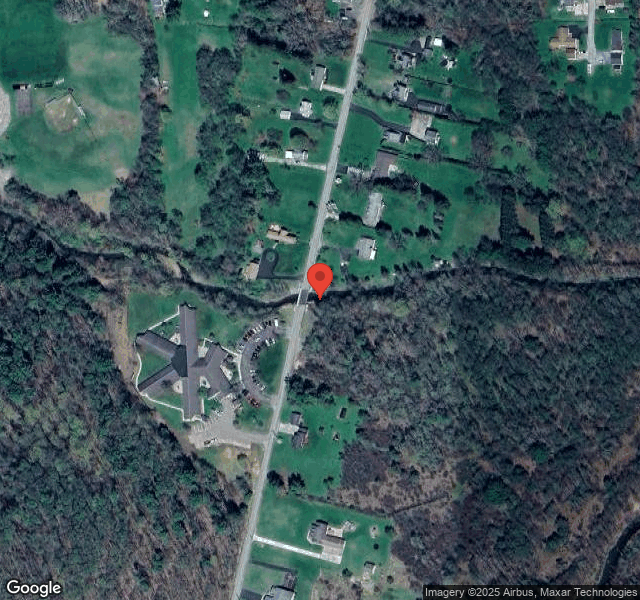
BRADFORD MANOR

50 LANG MAID LANE, BRADFORD, PA 16701 (814) 362-6090
For profit - Corporation 115 Beds HCF MANAGEMENT Data: November 2025
Trust Grade
75/100
#158 of 653 in PA
Last Inspection: July 2025

Inspected within the last 6 months. Data reflects current conditions.

Overview

Bradford Manor has a Trust Grade of B, which means it is a good option for families considering care for their loved ones. It ranks #158 out of 653 facilities in Pennsylvania, placing it in the top half, and #3 out of 6 in McKean County, indicating only two local options are better. The facility is improving, with issues decreasing from 6 in 2024 to 5 in 2025. However, staffing is a point of concern, rated at 2 out of 5 stars with a staff turnover of 46%, which is average for Pennsylvania. Notably, there were incidents where proper infection control practices were not followed for residents with feeding tubes and catheters, as well as a failure to provide appropriate behavioral health services for one resident, highlighting areas where improvements are needed despite the facility having no fines on record and a solid RN coverage level.

Trust Score
B
75/100
In Pennsylvania
#158/653
Top 24%
Safety Record
Low Risk
No red flags
Inspections
Getting Better
6 → 5 violations
Staff Stability
⚠ Watch
46% turnover. Above average. Higher turnover means staff may not know residents' routines.
Penalties
✓ Good
No fines on record. Clean compliance history, better than most Pennsylvania facilities.
Skilled Nurses
○ Average
Each resident gets 40 minutes of Registered Nurse (RN) attention daily — about average for Pennsylvania. RNs are the most trained staff who monitor for health changes.
Violations
⚠ Watch
17 deficiencies on record. Higher than average. Multiple issues found across inspections.
★★★★☆
4.0
Overall Rating
★★☆☆☆
2.0
Staff Levels
★★★☆☆
3.0
Care Quality
★★★★☆
4.0
Inspection Score
Stable
2024: 6 issues
2025: 5 issues

The Good

  • Full Sprinkler Coverage · Fire safety systems throughout facility
  • No fines on record

Facility shows strength in fire safety.

The Bad

Staff Turnover: 46%

Near Pennsylvania avg (46%)

Higher turnover may affect care consistency

Chain: HCF MANAGEMENT

Part of a multi-facility chain

Ask about local staffing decisions and management

The Ugly 17 deficiencies on record

Jul 2025 5 deficiencies
CONCERN (D)

Potential for Harm - no one hurt, but risky conditions existed

Deficiency F0628 (Tag F0628)

Could have caused harm · This affected 1 resident

Based on review of facility policy, clinical records, and staff interview, it was determined that the facility failed to make certain that the necessary resident information was communicated to the re...

Read full inspector narrative →
Based on review of facility policy, clinical records, and staff interview, it was determined that the facility failed to make certain that the necessary resident information was communicated to the receiving health care provider upon transfer to the hospital for three of four residents reviewed (Residents R2, R6, and R84). Findings include: Review of facility policy entitled Admission, Transfer, Discharge and Room Change Policy dated 12/8/24, indicated The Manor is required to provide sufficient Preparation. to ensure safe and orderly transfer. and transfers. are documented in the residents clinical record. Review of Resident R2's clinical record revealed an admission date of 7/23/23, with diagnoses that included diabetes (a health condition that is caused by the body's inability to produce enough insulin), and chronic obstructive pulmonary disease (COPD-when your lungs do not have adequate air flow). Resident R2's clinical record revealed a progress note dated 4/16/25, at 8:31p.m. indicating a transfer to the hospital. The clinical record lacked evidence that his/her necessary clinical information was communicated to the receiving health care provider. Review of Resident R6's clinical record revealed an admission date of 10/18/23, with diagnoses that included peripheral vascular disease (a condition in the circulatory system which reduces blood flow to the limbs due to narrowing vessels), hyperlipidemia (high cholesterol), and hypertension (high blood pressure). Resident R6's clinical record revealed progress notes dated 6/5/25, at 6:20 a.m. and 6/28/25, at 6:06 p.m. indicating transfers to the hospital. The clinical record lacked evidence that his/her necessary clinical information was communicated to the receiving health care provider. Review of Resident R84's clinical record revealed an admission date of 11/10/23, with diagnoses that included COPD, hypertension, and heart failure (the inability of the heart to maintain an adequate supply of blood to organs and tissues). Resident R84's clinical record revealed a progress note dated 6/24/25, at 1:12p.m. indicating transfer to the hospital. The clinical record lacked evidence that his/her necessary clinical information was communicated to the receiving health care provider. During an interview on 7/30/25, at 1:30 p.m. the Director of Nursing confirmed that the clinical records for Residents R2, R6 and R84 lacked evidence that the necessary clinical information was provided to the receiving healthcare provider upon transfer and when transfers occur clinical information should be provided to the receiving healthcare provider. 28 Pa. Code 201.18(e)(1) Management 28 Pa. Code 201.29(c.3) (2) Resident rights
CONCERN (D)

Potential for Harm - no one hurt, but risky conditions existed

Comprehensive Care Plan (Tag F0656)

Could have caused harm · This affected 1 resident

Based on review of facility policy and clinical records, and staff interviews, it was determined that the facility failed to develop comprehensive person-centered care plans for a resident with Post T...

Read full inspector narrative →
Based on review of facility policy and clinical records, and staff interviews, it was determined that the facility failed to develop comprehensive person-centered care plans for a resident with Post Traumatic Stress Disorder (PTSD), and for a resident requiring oxygen therapy that included measurable objectives and timetables to meet a resident's needs for two of 20 residents reviewed (Residents R8 and R84). Findings include: A facility policy entitled, Care Plan, dated 12/08/24, indicated the facility will develop a comprehensive person centered care plan for each resident that includes measurable objective and timetables to meet a resident's medical, nursing, and mental and psychosocial needs that are identified in the comprehensive assessment, and include: services that are to be furnished to attain or maintain the resident's highest practicable physical, mental and psychosocial well-being; be developed within seven days after the completion of the comprehensive assessment, prepared by the interdisciplinary team, be periodically reviewed and revised by a team of qualified personal after each assessment, and provide services that meet professional standards of quality. Review of Resident R8's clinical record revealed an admission date of 4/08/25, with diagnoses that included Parkinson’s disease, PTSD, anxiety, and depression. Review of Resident R8's person centered plans of care lacked evidence that a plan of care for PTSD was developed. During an interview on 7/30/25, at 11:45 a.m. the Nursing Home Administrator confirmed that a PTSD care plan was not developed for Resident R8. Review of Resident R84’s clinical record revealed an admission date of 11/10/23, with diagnoses that include chronic obstructive pulmonary disease (when your lungs do not have adequate air flow), hypertension (high blood pressure), and heart failure (the inability of the heart to maintain an adequate supply of blood to organs and tissues). Review of Resident R84’s person centered plans of care lacked evidence that a plan of care for respiratory care with use of oxygen was developed. During an interview on 7/30/25, at 1:30 p.m. the Director of Nursing (DON) confirmed that a plan of care for respiratory care with use of oxygen was not developed for Resident R84. He/she also confirmed that a respiratory plan of care with use of oxygen should have been developed. 28 Pa. Code 201.14 (a) Responsibility of Licensee 28 Pa. Code 201.18 (b)(1)(3) Management 28 Pa. Code 211.12(d)(1)(3)(5) Nursing services
CONCERN (D)

Potential for Harm - no one hurt, but risky conditions existed

Deficiency F0657 (Tag F0657)

Could have caused harm · This affected 1 resident

Based on review of facility policy, clinical records, and staff interview, it was determined that the facility failed to review and revise comprehensive care plans by the target date and to reflect th...

Read full inspector narrative →
Based on review of facility policy, clinical records, and staff interview, it was determined that the facility failed to review and revise comprehensive care plans by the target date and to reflect the current necessary care and services for four of 20 residents reviewed (Resident R4, R11, R78, and R84).Findings include: Review of facility policy entitled Care Plan Policy dated 12/8/24, indicated The Manor will develop a comprehensive person centered care plan for each resident. and Periodically reviewed and revised. Review of Resident R4's clinical record revealed an admission date of 6/10/25, with diagnoses that included chronic obstructive pulmonary disease (COPD-when your lungs do not have adequate air flow), and hypertension (high blood pressure). Review of Resident R4's person centered care plans revealed a care plan for catheter with a target date (a date on which the care plan should have been revised) of 6/30/25. Review of Resident R11's clinical record revealed an admission date of 12/17/24, with diagnoses that included hyperlipidemia (high cholesterol) and hypothyroidism (a condition when the thyroid produces low amounts of thyroid hormones). Review of Resident R11's person centered care plans revealed all his/her care plans with a target date of 6/26/25. Review of Resident R78's clinical record revealed an admission date of 6/7/24, with diagnoses that included COPD, hyperlipidemia, and type II diabetes (the pancreas does not make enough insulin to control blood sugar levels). Review of Resident R78's person centered care plans revealed all his/her care plans with a target date of 7/17/25. Review of Resident R84's clinical record revealed an admission date of 11/10/23, with diagnoses that included COPD, hypertension (high blood pressure), and heart failure (the inability of the heart to maintain an adequate supply of blood to organs and tissues). Review of Resident R84's person centered care plans revealed all his/her care plans with a target date of 7/10/25. During an interview on 7/30/25, at 1:30 p.m. the Director of Nursing confirmed that Residents R4, R11, R78, and R84's care plans were beyond their target dates and that the care plans should have been updated by the target dates. 28 Pa. Code 211.10(c)(d) Resident care policies 28 Pa. Code 211.12(d)(1)(5) Nursing services
CONCERN (D)

Potential for Harm - no one hurt, but risky conditions existed

Respiratory Care (Tag F0695)

Could have caused harm · This affected 1 resident

Based on review of facility policy and clinical records, observations, and staff interview, it was determined that the facility failed to provide oxygen and change/date oxygen tubing and humidifier bo...

Read full inspector narrative →
Based on review of facility policy and clinical records, observations, and staff interview, it was determined that the facility failed to provide oxygen and change/date oxygen tubing and humidifier bottle according to physician's orders for one of two residents reviewed for respiratory services (Resident R84).Findings include: Review of facility policy entitled Respiratory Services dated 12/8/24, indicated oxygen cannulas [oxygen tubing that has prongs that go into the nostrils and loops around the ears to secure in place to ensure adequate oxygen delivery] frequency of change weekly or PRN (as needed), prefilled humidifier bottles frequency of change weekly or PRN when empty. Review of Resident R84's clinical record revealed an admission date of 11/10/23, with diagnoses that included chronic obstructive pulmonary disease (when your lungs do not have adequate air flow), hypertension (high blood pressure), and heart failure (the inability of the heart to maintain an adequate supply of blood to organs and tissues). Review of Resident R84's physician's orders revealed orders for oxygen at two liters per minute per nasal cannula as needed and oxygen maintenance change O2 [oxygen] tubing and supply bag weekly. change water jug weekly. Review of Resident R84's vital sign records revealed that he/she used his/her oxygen 21 times between 6/23/25, and 7/29/25. Observations on 7/28/25, at 2:00 p.m. revealed a nasal cannula attached to an oxygen tank on the back of Resident R84's wheelchair with no date and a humidifier water bottle attached to an oxygen concentrator that was dated 6/23/25. Further observations on 7/29/25, at 8:30 a.m., 9:28 a.m., and again at 12:25 p.m. revealed the nasal cannula remained attached to the oxygen tank with no date and the humidifier water bottle attached to the concentrator remained dated 6/23/25. During an interview on 7/29/25, at 12:25 p.m. Licensed Practical Nurse Employee E2 confirmed that Resident R84's nasal cannula lacked a date, and the humidifier water bottle was dated 6/23/25. He/she also confirmed that the nasal cannula and the humidifier water bottle should have been changed. 28 Pa. Code 211.10(c) Resident care policies 28 Pa. Code 211.12(d)(1)(5) Nursing services
CONCERN (D)

Potential for Harm - no one hurt, but risky conditions existed

Infection Control (Tag F0880)

Could have caused harm · This affected 1 resident

Based on review of facility policies and clinical records, observations, and staff interviews, it was determined that the facility failed to follow acceptable infection control practices regarding enh...

Read full inspector narrative →
Based on review of facility policies and clinical records, observations, and staff interviews, it was determined that the facility failed to follow acceptable infection control practices regarding enhanced barrier precautions (EBP) during wound care for one of three residents that require EBP's (Resident R9) and failed to provide appropriate infection control measures regarding a urinary catheter (a tube placed and held in the bladder to drain urine) for one of three residents reviewed with a catheter (Resident R4).Findings include: Review of the facility policy entitled, Enhanced Barrier Precautions, dated 12/08/24, are used as an infection prevention and control intervention to reduce the spread of multi-drug resistant organisms (MDRO). It also indicated that gloves and gown are to be applied prior to performing the high contact resident care activities, which includes wound care. Review of facility policy entitled Infection Control dated 12/8/24, indicated implementation of control measures, the prevention and spread of health care associated infections are accomplished using standard precautions and other barriers, and staff and resident education focuses on risk of infection and practices to decrease this risk. Review of Resident R9's clinical record revealed an admission date of 3/16/23, with diagnoses that included diabetes mellitus (condition where the body doesn't produce enough insulin to control blood sugar levels), diabetic neuropathy, diabetic foot ulcer. and chronic kidney disease. Review of Resident R9's physician's orders dated 6/16/25, included an order to cleanse the right heel diabetic ulcer and apply Dakins solution gauze to the wound and cover with dry dressing. Observation of wound care on 7/29/25, at 12:20 p.m. revealed that Licensed Practical Nurse (LPN) Employee E1 entered Resident R9's room without donning (putting on) a gown. Resident R9's room had a sign above the bed indicating EBP's and gloves and gowns were available in the resident's room. During an interview on 7/29/25, at 12:25 p.m. LPN Employee E1 confirmed he/she did not don a gown prior to entering Resident R9's room. Review of Resident R4's clinical record revealed an admission date of 6/10/25, with diagnoses that included Benign prostatic hyperplasia (a noncancerous condition that causes the prostate gland to become enlarged and cause difficulty urinating) chronic obstructive pulmonary disease (when your lungs do not have adequate air flow), and hypertension (high blood pressure). Review of Resident R4's Minimum Data Set (MDS-a mandated assessment of a resident's abilities and care needs) assessment, dated 7/4/25, revealed that Resident R4 had an indwelling urinary catheter. Observations on 7/29/25, at 8:35 a.m., 9:30 a.m., and again at 12:10 p.m. revealed Resident R4's urinary drainage bag lying flat on the floor with the drainage spout (the part of the urinary bag that opens to empty urine from the bag) facing down and touching the floor. During an interview on 7/29/25, at 12:26 p.m. LPN Employee E2 confirmed that the urinary drainage bag was lying on the floor face down and also confirmed that the urinary drainage bag should not be on the floor. 28 Pa. Code 201.18 (b)(1) Management 28 Pa. Code 211.10(d) Resident care policies 28 Pa. Code 211.12(d)(1)(2)(5) Nursing services
Aug 2024 6 deficiencies
CONCERN (D)

Potential for Harm - no one hurt, but risky conditions existed

Deficiency F0578 (Tag F0578)

Could have caused harm · This affected 1 resident

**NOTE- TERMS IN BRACKETS HAVE BEEN EDITED TO PROTECT CONFIDENTIALITY** Based on review of facility policy, clinical records, and staff interview, it was determined that the facility failed to assure ...

Read full inspector narrative →
**NOTE- TERMS IN BRACKETS HAVE BEEN EDITED TO PROTECT CONFIDENTIALITY** Based on review of facility policy, clinical records, and staff interview, it was determined that the facility failed to assure physician's orders, resident's Pennsylvania Order for Life Sustaining Treatment (POLST- a legal document specifying the resident/responsible party choices regarding life-sustaining treatments), and paper charts were consistent for one of 18 residents reviewed (Resident R41). Findings include: The facility policy entitled Pennsylvania Orders for Life-Sustaining Treatment (POLST) dated [DATE], indicated that if a person is admitted with an existing POLST, it will be honored. If a person does not have one on admission, one will be completed with the person or surrogate. Resident R41's clinical record revealed an admission date of [DATE], with diagnoses including end stage renal disease, Parkinson's disease and adult failure to thrive. Resident R41's physician's orders dated [DATE], revealed an order for Do Not Resuscitate (Allow Natural Death) - DNR. Resident R41's clinical record revealed a POLST dated [DATE], that identified Resident R41 requested Cardiopulmonary Resuscitation (CPR-measures performed to help sustain life), Comfort Measures Only. Resident R41's care plan dated [DATE], with a revision date of [DATE], indicated the Code Status as DNR. During an interview on [DATE], at 1:55 p.m. the Nursing Home Administrator confirmed Resident R41 physician's orders, POLST, and care plan were not consistent with each other. 28 Pa. Code 201.18 (b)(1) Management 28 Pa. Code 201.18(e)(1) Management 28 Pa. Code 201.29(a) Resident rights 28 Pa. Code 211.10(c) Resident care policies
CONCERN (D)

Potential for Harm - no one hurt, but risky conditions existed

Assessment Accuracy (Tag F0641)

Could have caused harm · This affected 1 resident

**NOTE- TERMS IN BRACKETS HAVE BEEN EDITED TO PROTECT CONFIDENTIALITY** Based on review of clinical records and facility documentation, and staff interview, it was determined that the facility failed ...

Read full inspector narrative →
**NOTE- TERMS IN BRACKETS HAVE BEEN EDITED TO PROTECT CONFIDENTIALITY** Based on review of clinical records and facility documentation, and staff interview, it was determined that the facility failed to complete the Minimum Data Set (MDS-periodic assessment of resident care needs) to accurately reflect the resident's status at the time of the assessment for one of 18 residents reviewed (Resident R15). Findings include: Review of Resident R15's clinical record revealed an admission date of 7/12/23, with diagnoses that included hemiplegia and hemiparesis following cerebral infarction (paralysis and muscle weakness or partial paralysis from a stroke), depression, heart failure and high blood pressure. Review of the Quarterly MDS dated [DATE], Health Conditions Section J1900 C. Number of Falls since admission or Prior assessment- Major Injury, indicated one. Review of Resident R15's progress notes revealed that on 6/30/24, Resident R15 was observed on the floor in his/her room, resident was assessed and noted to have a bruise to the mid back, Resident R15 did not go to the hospital for treatment. During an interview on 8/29/24, at 10:45 a.m. the Nursing Home Administrator confirmed that Section J1900 of the Quarterly MDS dated [DATE], was incorrectly coded for Resident R15 regarding a fall with major injury. 28 Pa. Code 211.5(f)(ix) Medical records 28 Pa. Code 211.12(d)(1) Nursing services
CONCERN (D)

Potential for Harm - no one hurt, but risky conditions existed

Deficiency F0688 (Tag F0688)

Could have caused harm · This affected 1 resident

Based on review of facility policy and clinical records, observations, and staff interview, it was determined that the facility failed to ensure that a resident with limited range of motion received p...

Read full inspector narrative →
Based on review of facility policy and clinical records, observations, and staff interview, it was determined that the facility failed to ensure that a resident with limited range of motion received physician ordered treatment and services to prevent further decrease in range of motion for one of 18 residents reviewed (Resident R59). Findings include: Review of facility policy entitled Specialized Rehabilitative/Restorative Services dated 12/7/23, indicated Assisting residents ., to use their prosthetic devices . and Review of facility Skills Competency/Orientation Checklist for facility staff under competency performance criteria revealed Splint/Prosthesis and Demonstrates ability to read and implement a restorative plan of care. Review of Resident R59's clinical record revealed an admission date of 12/28/23, with diagnoses that included hemiplegia (a condition where a person is paralyzed and unable to move one side of their body), hypertension (high blood pressure), and hyperlipidemia (high cholesterol). Review of Resident R59's clinical record revealed a physician's order dated 12/28/23, that identified an order for hand splint to left hand may remove for hygiene. Further review of clinical record revealed a care plan for Activities of Daily Living (ADL) with an intervention of left hand splint for contracture management. Observation on 8/28/24, at 8:20 a.m. revealed resident in his/he bed with left hand splint laying on the nightstand. Observation on 8/28/24, at 10:35 a.m. revealed resident in his/he bed with left hand splint laying on the nightstand. Observation on 8/29/24, at 8:40 a.m. revealed resident in his/he bed with left hand splint laying on the nightstand. During an interview on 8/29/24, at 8:45 a.m. Licensed Practical Nurse (LPN) Employee E2 confirmed that Resident R59's left hand splint was laying on the nightstand. LPN Employee E2 also confirmed that the resident's left hand splint should be on resident's left hand except during hygiene. 28 Pa. Code 201.18 (b)(1) Management 28 Pa. Code 211.10 (d) Resident care policies 28 Pa. Code 211.12 (d)(1)(3)(5) Nursing services
CONCERN (D)

Potential for Harm - no one hurt, but risky conditions existed

Respiratory Care (Tag F0695)

Could have caused harm · This affected 1 resident

Based on review of facility policy and clinical records, observations, and staff interview, it was determined that the facility failed to provide oxygen according to physician's orders for one of one ...

Read full inspector narrative →
Based on review of facility policy and clinical records, observations, and staff interview, it was determined that the facility failed to provide oxygen according to physician's orders for one of one residents reviewed for respiratory services (Resident R65). Findings include: Review of facility policy dated 12/7/23, entitled Nursing Services indicated that the Registered Nurse Assures that nursing care personal are following the residents care plan. Resident R65's clinical record revealed an admission date of 8/7/24, with diagnoses that included pneumonia (an infection in the lungs), anxiety (a condition that causes a person to be nervous, uneasy, or worried about something or someone), chronic obstructive pulmonary disease (when your lungs do not have adequate air flow) and chronic respiratory failure (a condition where your lungs don't exchange air properly). Review of Resident R65's Care Plan revealed a care plan for oxygen therapy with an intervention of oxygen 3 liters per minute (lpm) via nasal cannula (tubing with small prongs that fit into the nostrils to deliver oxygen) per physician's orders. Review of Resident R65's clinical record revealed a physician's order dated 7/24/24, for Oxygen via Nasal Cannula 3 lpm as needed (PRN). Observation on 8/27/24, at 1:00 p.m. revealed Resident R65 sitting in his/her wheelchair with supplemental oxygen in place and the oxygen concentrator liter flow set at 4 lpm. Observation on 8/29/24, at 8:15 a.m. revealed Resident R65 sitting on his/her bed with supplemental oxygen in place and the oxygen concentrator liter flow set at 4 lpm. Observation on 8/29/24, at 8:40 a.m. revealed Resident R65 laying in his/her bed with supplemental oxygen in place and the oxygen concentrator liter flow set at 4 lpm. During an interview on 8/29/24, at 8:45 a.m. Licensed Practical Nurse Employee E2 confirmed that Resident R65's oxygen concentrator was on and set at 4 lpm and was not in accordance with the physician's order dated 7/24/24, for oxygen at 3 lpm PRN. 28 Pa. Code 211.10(c) Resident care policies 28 Pa. Code 211.12(d)(1)(5) Nursing services
CONCERN (D)

Potential for Harm - no one hurt, but risky conditions existed

Medication Errors (Tag F0758)

Could have caused harm · This affected 1 resident

Based on review of clinical records, and staff interviews, it was determined that the facility failed to provide a clinical rationale and duration for the continued use of a PRN (as needed) psychotrop...

Read full inspector narrative →
Based on review of clinical records, and staff interviews, it was determined that the facility failed to provide a clinical rationale and duration for the continued use of a PRN (as needed) psychotropic (affecting the mind) medication beyond 14 days for one of six residents reviewed for psychotropic medications (Resident R65). Findings include: Resident R65's clinical record revealed an admission date of 8/7/24, with diagnoses that included pneumonia (an infection in the lungs), anxiety (a condition that causes a person to be nervous, uneasy, or worried about something or someone), chronic obstructive pulmonary disease (when your lungs do not have adequate air flow) and chronic respiratory failure (a condition where your lungs don't exchange air properly). Review of Resident R65's medication orders revealed a physician's order dated 8/21/24, to administer Hydroxyzine (anti-anxiety) 25 milligrams (mg) by mouth every 12 hours as needed for anxiety. The medication order lacked the required stop date within 14 days or a clinical rational for continuing beyond 14 days. During an interview on 8/29/24, at 11:35 a.m. with the Registered Nurse Employee E1 he/she confirmed that Resident R65's Hydroxyzine order lacked the required stop date within 14 days and a clinical rationale for continued use beyond 14 days. He/she also confirmed that the medication should have a clinical rationale and duration to continue beyond 14 days. 28 Pa. Code 211.12(d)(1)(3)(5) Nursing services
CONCERN (E)

Potential for Harm - no one hurt, but risky conditions existed

Infection Control (Tag F0880)

Could have caused harm · This affected multiple residents

Based on review of facility policy, observations, and staff interview, it was determined that the facility failed to implement infection control practices regarding Enhanced Barrier Precautions (EBPs-...

Read full inspector narrative →
Based on review of facility policy, observations, and staff interview, it was determined that the facility failed to implement infection control practices regarding Enhanced Barrier Precautions (EBPs-additional infection control precautions put in place during high contact care activities for individuals who have an increased risk of multi-drug resident organisms [MDROs] or who are colonized/infected with MDROs) for residents with a gastric feeding tube (a medical device used to provide nutrition and/or medications when a person cannot swallow or take anything by mouth) and for residents with indwelling urinary catheters (tubing inserted into the bladder to drain urine into a bag) for six of six residents reviewed (Residents R170, R59, R37, R41, R19, and R58). Findings include: Review of the facility policy entitled Enhanced Barrier Precautions dated 12/7/23, revealed, Enhanced barrier precautions may be considered for the following situations: Wounds and/or indwelling medical devices (e.g., central line, urinary catheter, feeding tube, tracheostomy/ventilator) regardless of MDRO colonization status: High contact care activities: Device care or use: central line, urinary catheter, feeding tube, tracheostomy/ventilator. Resident R170's clinical record revealed an admission date of 8/23/24, with diagnoses that included sepsis (a life threatening complication of an infection), hypertension (high blood pressure), and chronic kidney disease. Review of Resident R170's clinical record revealed a physician's order dated 8/23/24, for nursing staff to complete gastric tube site care every day on daylight shift. This order is considered a high contact care activity. Resident R59's clinical record revealed an admission date of 12/28/23, with diagnoses that included hemiplegia/hemiparesis (complete paralysis and partial weakness on non-dominant side), hyperlipidemia (high cholesterol), and hypertension (high blood pressure). Review of Resident R59's clinical record revealed a physician's order dated 12/28/23, for nursing staff to cleanse the gastric tube site with wound cleanser, pat dry, and apply a T-Sponge (dressing used to absorb drainage) every day on daylight shift. This order is considered a high contact care activity. Resident R37's clinical record revealed an admission date of 12/8/21, with diagnoses that included neuromuscular dysfunction of the bladder (nerves and muscles of the bladder do not work properly) and chronic kidney disease. Review of Resident R37's clinical record revealed a physician's order dated 11/1/23, for nursing staff to provide indwelling catheter care every shift. This order is considered a high contact care activity. Resident R41's clinical record revealed an admission date of 3/25/24, with diagnoses that included overactive bladder, hypertension, and end stage renal disease (a condition in which the kidneys are no longer able to remove waste and balance fluids). Review of Resident R41's clinical record revealed a physician's order dated 3/31/24, for nursing staff to provide indwelling catheter care every shift. This order is considered a high contact care activity. Resident R19's clinical record revealed an admission date of 3/17/17, with diagnoses that included neuromuscular dysfunction of the bladder (nerves and muscles of the bladder do not work properly), multiple sclerosis (a disease in which the body attacks the protective covering of the nerves), and anxiety. Review of Resident R19's clinical record revealed a physician's order dated 11/15/22, for nursing staff to provide indwelling catheter care every shift. This order is considered a high contact care activity. Resident R58's clinical record revealed an admission date of 12/27/23, with diagnoses that included neuromuscular dysfunction of the bladder, hypertension, and chronic kidney disease. Review of Resident R58's clinical record revealed a physician's order dated 12/27/23, for nursing staff to provide indwelling catheter care every shift. This order is considered a high contact care activity. Observations made on 8/28/24, at approximately 10:25 a.m. revealed that there were not any EBPs in place for any residents listed above who have an indwelling medical device and require high contact care activities to be completed by nursing staff. During an interview at that time, the Director of Nursing confirmed that EBPs were not in place for all residents listed above, and employees should be wearing gloves and gowns during high contact care activities with indwelling medical devices such as gastric feeding tubes and indwelling urinary catheters. 28 Pa. Code 211.10(c) Resident care policies 28 Pa. Code 211.12(d)(1)(5) Nursing services
Sept 2023 6 deficiencies
CONCERN (D)

Potential for Harm - no one hurt, but risky conditions existed

Deficiency F0657 (Tag F0657)

Could have caused harm · This affected 1 resident

Based on review of facility policy and clinical records and staff interview, it was determined that the facility failed to review and revise comprehensive care plans to reflect the current necessary c...

Read full inspector narrative →
Based on review of facility policy and clinical records and staff interview, it was determined that the facility failed to review and revise comprehensive care plans to reflect the current necessary care and services for one of 17 residents reviewed (Resident R2). Findings include: Review of a facility policy entitled Comprehensive Care Plan dated 12/13/22, indicated that services are to be furnished to attain or maintain the resident's highest practicable physical, mental, and psychosocial well-being, and will be periodically reviewed and revised by a team of qualified persons after each assessment, and that services provided or arranged by the manor will meet professional standards of quality. Review of Resident R2's clinical record revealed an admission date of 5/12/19, with diagnoses that included left-sided weakness related to stroke, obesity, depression, anxiety, high blood pressure, and Type 2 Diabetes (condition that affects how the body uses glucose [sugar]). The clinical record also revealed a care plan entitled, potential to demonstrate physical/verbal behaviors related to anger dated 10/21/19. The care plan had not been updated with new interventions since 9/14/20, and a care plan entitled, depression and dated 2/24/21, indicated that it had not been updated with new interventions since 4/06/22. Review of Resident R2's Behavior Monitoring and Intervention Report from 9/01/23, to 9/21/23 (20 days), revealed nine incidents of displaying targeted behaviors and the attempted interventions were ineffective (9/03/23, 9/13/23 twice, 9/14/23, 9/15/23, 9/16/23, 9/17/23, 9/19/23, and 9/20/23). Review of facility documents provided on 9/21/23, from the Behavior Committee Meeting Minutes revealed: that on 5/11/23, Resident R2 exhibited behaviors 34 times in a 14-day lookback and the recommendation was to respond timely, communicate and educate; on 7/18/23, Resident R2 exhibited behaviors 52 times in a 30-day lookback and the recommendation was to have night staff get music and football on his/her TV. Review of contracted psychological staff evaluation of Resident R2 dated 5/20/23, revealed that Resident R2 had reported significant symptoms related to depression, and to follow-up in one month or sooner if needed. There was no evidence that Resident R2 was evaluated as per the evaluation. During an interview on 9/22/23, at 11:55 a.m. the Regional Clinical Specialist confirmed that Resident R2's behavior and depression care plans were not updated when interventions were not effective. 28 Pa. Code 211.10(c)(d) Resident care policies 28 Pa. Code 211.12(d)(1)(5) Nursing services
CONCERN (D)

Potential for Harm - no one hurt, but risky conditions existed

Medical Records (Tag F0842)

Could have caused harm · This affected 1 resident

Based on review of facility policy and clinical records and staff interview, it was determined that facility staff failed to maintain complete and accurate clinical records for one of 17 residents rev...

Read full inspector narrative →
Based on review of facility policy and clinical records and staff interview, it was determined that facility staff failed to maintain complete and accurate clinical records for one of 17 residents reviewed (Resident R54). Findings include: Review of facility policy Documentation Policy, dated 12/13/22, indicated that the facility will provide a complete account of the resident's care, treatment, response to the care, signs, symptoms, etc It also indicated there would be the appropriate information to assist the physician in ordering medications, treatments and diet. Review of Resident R54's clinical record revealed an admission date of 8/18/23, with diagnoses that included pneumonia, diabetes, esophagus cancer and adult failure to thrive. Review of a Nursing admission Screener for Resident R54 dated 8/19/23, revealed a coccyx (small triangular bone forming the lower extremity of the spinal column) pressure area that measured 4.6 centimeters (cm) x 3.0 cm x 1.6 cm Stage III (Full-thickness tissue loss). Review of the Nursing Wound Documentation records for Resident R54 after the admission screener revealed the following: 8/22/23, revealed Resident R54 had an Unstageable (an ulcer that has full-thickness tissue loss but is either covered by extensive necrotic [dead] tissue or by an eschar [hard crust or scab]) sacrum (a large, triangular bone at the base of the spine that forms by the fusing of the sacral vertebrae) pressure area measuring 7.0 cm x 7.5 cm x 0.1 cm 8/29/23, revealed Resident R54's sacrum pressure area measuring 4.0 cm x 2.0 cm x 0.1 cm. Unstageable 9/05/23, revealed Resident R54's sacrum pressure area measuring 4.2 cm x 2.5 cm x 0.1 cm Unstageable 9/12/23, revealed Resident R54's sacrum pressure area measuring 3.5 cm x 2.0 cm x 0.1 cm Stage III 9/19/23, revealed Resident R54's coccyx pressure area measuring 3.5 cm x 1.0 cm x 0.1 cm Stage III Observation of Resident R54's pressure ulcer area on 9/21/23, at 1:30 p.m revealed the sacrum to have a Stage III ulcer. During an interview on 9/21/23, at 11:00 a.m. the Regional Clinical Specialist confirmed that the clinical record lacked consistent documentation regarding Resident R54's sacrum wound regarding measurements and location of the wound 28 Pa. Code 211.5 (f) Clinical records 28 Pa. Code 211.12(d)(1)(3) Nursing services
CONCERN (D)

Potential for Harm - no one hurt, but risky conditions existed

Infection Control (Tag F0880)

Could have caused harm · This affected 1 resident

Based on review of clinical records and facility staff education documents, observations and staff interviews, it was determined that the facility failed to prevent the potential of cross-contaminatio...

Read full inspector narrative →
Based on review of clinical records and facility staff education documents, observations and staff interviews, it was determined that the facility failed to prevent the potential of cross-contamination for one of 17 residents (Resident 28). Findings include: Review of Resident R28's clinical record revealed an admission date of 4/21/2017, with diagnoses that included Dementia (a disease of the brain that is characterized by impairment of judgment and memory loss), Depression, Diabetes Mellitus (condition that affects how the body uses glucose [sugar]), and history of a Traumatic Brain Injury. Review of facility staff education entitled, Skills Demonstration/Evaluation-Insulin Pens dated 11/2013, stated Steps in the Performance Criteria 1. Washes hands and applies gloves. 2. Attaching the needle. 3. Removing the needle cap. 4. Checking the flow of delivery device (air shot). 5. Select the dose prescribed. 6. 2-unit PRIME every time. 7. Push the needle so hub touches skin at a 90-degree angle. 8. Inject dose. 9. Press the push button all the way down-dial will read zero. 10. Hold needle in place for 6 seconds. 11. Withdraw the need from the skin. 12. Recognize the safety lock mechanism has activated automatically. 13. After the injection, remove the needle from the device without replacing the cap. 14. Dispose of needle in a sharp's container. 15. Remove gloves and washes hands. 16. Label prefilled insulin pen with resident's name and date opened and store in appropriate place. During an observation of medication administration on 9/20/23, at 11:00 a.m. Licensed Practical Nurse (LPN) Employee E1 did not apply gloves prior to the administration of insulin for Resident R28. During an interview on 9/20/23, at 11:05 p.m. LPN Employee E1 confirmed that he/she failed to apply gloves prior to the administration of insulin for Resident R28. During an interview on 9/20/23, at approximately 2:15 p.m. the Director of Nursing confirmed that LPN Employee E1 should have applied gloves for insulin administration to prevent the potential of cross-contamination. 28 Pa. Code 211.10(d) Resident care policies 28 Pa Code 21.12 (d)(1)(5) Nursing services
CONCERN (E)

Potential for Harm - no one hurt, but risky conditions existed

Deficiency F0740 (Tag F0740)

Could have caused harm · This affected multiple residents

Based on review of clinical records and facility documents, and resident and staff interviews, it was determined that the facility failed to provide appropriate behavioral health services/intervention...

Read full inspector narrative →
Based on review of clinical records and facility documents, and resident and staff interviews, it was determined that the facility failed to provide appropriate behavioral health services/interventions to address behaviors for one of 17 residents (Resident R2). Findings include: Review of the facility's Skilled Nursing Facility Resident Handbook dated 3/2017, reviewed 12/13/22, Code of Conduct section indicated that all residents, family members and visitors should act and behave in a manner that is both respectful of and courteous towards the other residents living in the home as well as towards the staff members who provide care and services to such residents on a daily basis. Review of Resident R2's clinical record revealed an admission date of 5/12/19, with diagnoses including left-sided weakness related to stroke, obesity, depression, anxiety, high blood pressure, and Type 2 Diabetes (condition that affects how the body uses glucose [sugar]). The clinical record revealed that Resident R2 received his/her Skilled Nursing Facility Handbook on 5/13/19. Review of Resident R2's most recent Minimum Data Set (MDS- periodic evaluation of resident health and mental status) dated 8/07/23, Section C0500 Cognitive Patterns revealed that his/her Brief Interview for Mental Status (BIMS) scored a 13 (cognitively intact), Section E0100 revealed no hallucinations or delusions, and Section E0200 verbal symptoms directed towards others and not directed toward others occurred one to three days in a seven day lookback period. Further review of Resident R2's clinical record revealed a care plan entitled, potential to demonstrate physical/verbal behaviors related to anger and dated 10/21/19. Review of Interdisciplinary Meeting documentation dated 7/27/23, and 8/09/23, revealed that Resident R2 was in attendance and that the Code of Conduct was reviewed. Review of Resident R2's Behavior Monitoring and Intervention Report from 9/01/23, to 9/21/23 (20 days), revealed nine incidents of displaying targeted behaviors and the attempted interventions were ineffective (9/03/23, 9/13/23 twice, 9/14/23, 9/15/23, 9/16/23, 9/17/23, 9/19/23, and 9/20/23). Review of facility documents provided on 9/21/23, from the Behavior Committee Meeting Minutes revealed: that on 5/11/23, Resident R2 exhibited behaviors 34 times in a 14-day lookback and the recommendation was to respond timely, communicate and educate; on 7/18/23, Resident R2 exhibited behaviors 52 times in a 30-day lookback and the recommendation was to have night staff get music and football on his/her TV. Review of a contracted psychological staff evaluation of Resident R2 dated 5/20/23, revealed that Resident R2 had reported significant symptoms related to depression, and to follow-up in one month or sooner if needed. There was no evidence that Resident R2 was evaluated as ordered. Review of Resident R2's clinical record revealed the following sample of departmental progress notes: -7/24/23, 2:01 p.m. yelling out with repetitive commands fix my TV, change the channel, find me a football game, 'empty my urinal, continued to yell out while repeatedly pushing his call bell. -8/02/23, 7:46 p.m. yelling out help several times, provided call light, urinal, and TV remote. Resident continued to yell at staff calling them names, refusing medications stating, I don't want that s*** and threatened to call the state when staff was going to leave the room. -8/02/23, 8:11 p.m. yelling shut the f****** light off, you people are stupid, I am turning you guys in tomorrow fat f****** cow, stupid b******. -8/02/23, 8:15 p.m. yelling you mother f****** liars, you stupid b******, and surrounding residents are upset and yelling at him/her to shut up, Resident R2 responding you shut the f*** up a*******. -8/02/23, 8:17 p.m. yelling die b******, go to hell now, f******die, get outta here you f****** liar. -8/04/23, 9:20 a.m. yelling for additional regular sugar for his/her cereal after having received two packets, when educated on diagnosis of Diabetes, Resident R2 stated I know. I don't care. Yelling out again after breakfast for staff to remove the tray, provided the call bell and continued to yell out for staff assistance. -8/19/23. 10:18 p.m. yelling and pushing call light continuously, getting very angry about not being able to watch football, peanut butter and jelly sandwiches. -8/22/23, 9:47 a.m. yelling out for the spoon, more sugar, straw, cutting up meat, moving the cup, stated understanding to use call bell but continued to yell. -9/16/23, 6:24 a.m. yelling at staff fat m*****f*****. Interviews between 9/19/23, and 9/21/23, with six alert and oriented residents with rooms near to Resident R2 confirmed the following: -As long as staff stops what they are doing and get to him/her quick enough there is a chance that the yelling and swearing will stop. -There have been times they stop getting me ready to go to him/her. If not he/she will yell and swear all evening. -It's embarrassing and offensive when he/she yells like that. -I just feel so bad for the staff, they take the brunt of it. -I don't talk like that, and don't feel I should hear others talk like that, especially screaming it in the hallways. -The administration has not done anything to stop the vulgar language from him/her. Staff are verbally abused daily. -I am hard of hearing, but I can hear that he/she is upset often and screams loudly in the hallway and from his/her room at staff and other residents. During an interview on 9/21/23, at 2:30 p.m. the Director of Nursing confirmed that this is who the resident is, staff are doing better about getting to him/her quicker, there's nothing they can do about him/her, staff do attempt the interventions, and that there is nowhere to turn when they fail, and that they all realize this is just the way he/she is and there is no behavior management program in place. 28 Pa. Code 201.18 (b)(1)(2) Management 28 Pa. Code 211.10(c)(d) Resident care policies 28 Pa. Code 211.12(d)(1)(5) Nursing services
CONCERN (E)

Potential for Harm - no one hurt, but risky conditions existed

Food Safety (Tag F0812)

Could have caused harm · This affected multiple residents

Based on review of a facility policy, observations, and staff interviews, it was determined that the facility failed to ensure that food was stored in accordance with standards for food safety in one ...

Read full inspector narrative →
Based on review of a facility policy, observations, and staff interviews, it was determined that the facility failed to ensure that food was stored in accordance with standards for food safety in one of two refrigerators reviewed (Resident Pantry at main nurse's station, B hall). Findings include: Review of the facility policy entitled Food Brought by Family/Visitors dated 12/13/22, indicated all food requiring refrigeration must be dated and labeled with the resident's name. Review of the facility policy entitled Infection Control/Food Safety dated 12/13/22, indicated only resident food items are stored in nutrition services refrigerators. Observation on 9/19/23, at 5:56 p.m. revealed a refrigerator in the resident pantry at the main nurse's station that contained a bottle of cola that was half empty without a name or date. Observation on 9/19/23, at 5:56 p.m. revealed a freezer in the resident pantry at the main nurse's station containing ice packs that were used for treatments on resident body parts and also ice cream in the same freezer. During an interview at the time of observation with Licensed Practical Nurse Employee E2 he/she confirmed that items in the resident pantry refrigerator should have names and dates on them and that ice packs used on resident's body parts should not be stored in the resident pantry freezer. 28 Pa. Code 211.10(d) Resident care policies 28 Pa. Code 201.14(a) Responsibility of licensee
MINOR (C)

Minor Issue - procedural, no safety impact

Deficiency F0575 (Tag F0575)

Minor procedural issue · This affected most or all residents

Based on observations and staff interview, it was determined that the facility failed to display the Department of Health (DOH) Hotline (toll-free telephone number) number in a prominent/accessible lo...

Read full inspector narrative →
Based on observations and staff interview, it was determined that the facility failed to display the Department of Health (DOH) Hotline (toll-free telephone number) number in a prominent/accessible location for residents, resident representatives, and other visitors to observe and access in the facility. Findings include: Observations throughout the facility between 9/19/23, and 9/22/23, revealed that the DOH Hotline phone number was not posted for residents, resident representatives, and other visitors. During an interview on 9/22/23, at 10:20 a.m. the Regional Clinical Specialist confirmed the facility failed to display the DOH Hotline phone number for residents, resident representatives, and other visitors. 28 Pa. Code 201.14(a) Responsibility of licensee 28 Pa. Code 201.18(e) (2.1) Management
Understanding Severity Codes (click to expand)
Life-Threatening (Immediate Jeopardy)
J - Isolated K - Pattern L - Widespread
Actual Harm
G - Isolated H - Pattern I - Widespread
Potential for Harm
D - Isolated E - Pattern F - Widespread
No Harm (Minor)
A - Isolated B - Pattern C - Widespread

Questions to Ask on Your Visit

  • "Can I speak with families of current residents?"
  • "What's your RN coverage like on weekends and overnight?"

Our Honest Assessment

Strengths
  • • No major safety red flags. No abuse findings, life-threatening violations, or SFF status.
  • • No fines on record. Clean compliance history, better than most Pennsylvania facilities.
Concerns
  • • 17 deficiencies on record. Higher than average. Multiple issues found across inspections.
Bottom line: Generally positive indicators. Standard due diligence and a personal visit recommended.

About This Facility

What is Bradford Manor's CMS Rating?

CMS assigns BRADFORD MANOR an overall rating of 4 out of 5 stars, which is considered above average nationally. Within Pennsylvania, this rating places the facility higher than 99% of the state's 100 nursing homes. This rating reflects solid performance across the metrics CMS uses to evaluate nursing home quality.

How is Bradford Manor Staffed?

CMS rates BRADFORD MANOR's staffing level at 2 out of 5 stars, which is below average compared to other nursing homes. Staff turnover is 46%, compared to the Pennsylvania average of 46%.

What Have Inspectors Found at Bradford Manor?

State health inspectors documented 17 deficiencies at BRADFORD MANOR during 2023 to 2025. These included: 16 with potential for harm and 1 minor or isolated issues.

Who Owns and Operates Bradford Manor?

BRADFORD MANOR is owned by a for-profit company. For-profit facilities operate as businesses with obligations to shareholders or private owners. The facility is operated by HCF MANAGEMENT, a chain that manages multiple nursing homes. With 115 certified beds and approximately 78 residents (about 68% occupancy), it is a mid-sized facility located in BRADFORD, Pennsylvania.

How Does Bradford Manor Compare to Other Pennsylvania Nursing Homes?

Compared to the 100 nursing homes in Pennsylvania, BRADFORD MANOR's overall rating (4 stars) is above the state average of 3.0, staff turnover (46%) is near the state average of 46%, and health inspection rating (4 stars) is above the national benchmark.

What Should Families Ask When Visiting Bradford Manor?

Based on this facility's data, families visiting should ask: "Can you walk me through typical staffing levels on day, evening, and night shifts?" "Can I visit during a mealtime to observe dining assistance and food quality?" "How do you handle medical emergencies, and what is your hospital transfer rate?" "Can I speak with family members of current residents about their experience?" These questions are particularly relevant given the below-average staffing rating.

Is Bradford Manor Safe?

Based on CMS inspection data, BRADFORD MANOR has a clean safety record: no substantiated abuse findings (meaning no confirmed cases of resident harm), no Immediate Jeopardy citations (the most serious violation level indicating risk of serious injury or death), and is not on the Special Focus Facility watch list (a federal program monitoring the lowest-performing 1% of nursing homes). The facility has a 4-star overall rating and ranks #1 of 100 nursing homes in Pennsylvania. While no facility is perfect, families should still ask about staff-to-resident ratios and recent inspection results during their visit.

Do Nurses at Bradford Manor Stick Around?

BRADFORD MANOR has a staff turnover rate of 46%, which is about average for Pennsylvania nursing homes (state average: 46%). Moderate turnover is common in nursing homes, but families should still ask about staff tenure and how the facility maintains care continuity when employees leave.

Was Bradford Manor Ever Fined?

BRADFORD MANOR has no federal fines on record. CMS issues fines when nursing homes fail to meet care standards or don't correct problems found during inspections. The absence of fines suggests the facility has either maintained compliance or corrected any issues before penalties were assessed. This is a positive indicator, though families should still review recent inspection reports for the full picture.

Is Bradford Manor on Any Federal Watch List?

BRADFORD MANOR is not on any federal watch list. The most significant is the Special Focus Facility (SFF) program, which identifies the bottom 1% of nursing homes nationally based on persistent, serious quality problems. Not being on this list means the facility has avoided the pattern of deficiencies that triggers enhanced federal oversight. This is a positive indicator, though families should still review the facility's inspection history directly.