ROSEWOOD GARDENS REHABILITATION AND NURSING CENTER
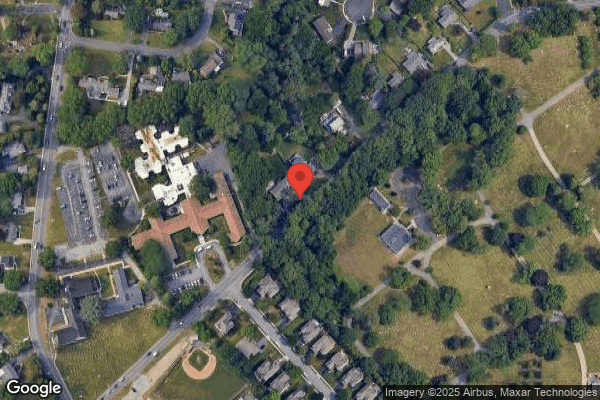

146 MARPLE ROAD, BROOMALL, PA 19008 (610) 356-0100
For profit - Corporation 146 Beds PRESTIGE HEALTHCARE ADMINISTRATIVE SERVICES Data: November 2025
Trust Grade
93/100
#113 of 653 in PA
Last Inspection: November 2024

Within standard 12-15 month inspection cycle. Federal law requires annual inspections.

Overview

Rosewood Gardens Rehabilitation and Nursing Center has earned an A trust grade, indicating it is excellent and highly recommended for families considering care options. It ranks #113 out of 653 facilities in Pennsylvania, placing it in the top half, and #7 out of 28 in Delaware County, suggesting limited local competition. The facility's performance has been stable, with three reported issues in both 2023 and 2024. Staffing is a strong point, with a turnover rate of 28%, well below the state average, though RN coverage is average. While there have been no fines, which is positive, the facility did have concerns noted in inspections, such as failing to complete accurate Minimum Data Set assessments for residents and not providing a complete discharge summary, which could affect residents’ care transitions.

Trust Score
A
93/100
In Pennsylvania
#113/653
Top 17%
Safety Record
Low Risk
No red flags
Inspections
Holding Steady
3 → 3 violations
Staff Stability
✓ Good
28% annual turnover. Excellent stability, 20 points below Pennsylvania's 48% average. Staff who stay learn residents' needs.
Penalties
✓ Good
No fines on record. Clean compliance history, better than most Pennsylvania facilities.
Skilled Nurses
○ Average
Each resident gets 40 minutes of Registered Nurse (RN) attention daily — about average for Pennsylvania. RNs are the most trained staff who monitor for health changes.
Violations
○ Average
6 deficiencies on record. Average for a facility this size. Mostly minor or procedural issues.
★★★★★
5.0
Overall Rating
★★★★☆
4.0
Staff Levels
★★★★★
5.0
Care Quality
★★★★☆
4.0
Inspection Score
Stable
2023: 3 issues
2024: 3 issues

The Good

  • 4-Star Staffing Rating · Above-average nurse staffing levels
  • 5-Star Quality Measures · Strong clinical quality outcomes
  • Low Staff Turnover (28%) · Staff stability means consistent care
  • Full Sprinkler Coverage · Fire safety systems throughout facility
  • No fines on record
  • Staff turnover is low (28%)

    20 points below Pennsylvania average of 48%

Facility shows strength in staffing levels, quality measures, staff retention, fire safety.

The Bad

Chain: PRESTIGE HEALTHCARE ADMINISTRATIVE

Part of a multi-facility chain

Ask about local staffing decisions and management

The Ugly 6 deficiencies on record

Nov 2024 3 deficiencies
CONCERN (D)

Potential for Harm - no one hurt, but risky conditions existed

Assessment Accuracy (Tag F0641)

Could have caused harm · This affected 1 resident

Based upon clinical record review, it was determined the facility failed to ensure Minimum Data Set Assessments were completed accurately for two of 28 residents reviewed (Resident 46 and 106 Resident...

Read full inspector narrative →
Based upon clinical record review, it was determined the facility failed to ensure Minimum Data Set Assessments were completed accurately for two of 28 residents reviewed (Resident 46 and 106 Resident). Findings include: Review of Resident 46's Quarterly Minimum Data Set (MDS - periodic assessment of resident needs) dated September 4, 2024, revealed Resident 46 had a right foot pressure ulcer (opening of the skin caused by prolong pressure applied to an area). Review of Resident 46's clinical record revealed Resident 46 had a right foot wound as a result of an injury. Further review of Resident 46's clinical record failed to reveal evidence of a right foot pressure ulcer. Interview with the Director of Nursing on November 24, 2024 at 8:50 a.m. confirmed the MDS was inaccurately completed and further confirmed Resident 46 did not have a right foot pressure ulcer. A review of Resident 106's Annual Minimum Data Set (MDS- A standardized assessment tool that measures health status in long-term care residents) dated September 15, 2024, revealed resident was taking an Antipsychotic medication (Are prescription medications that treat certain disorders by changing how the brain works). A review of Resident 106's September 2024, Medication Administration Records revealed resident were on Lexapro and Remeron (A medication used for depression) and Lorazepam (A medication for anxiety). Clinical records failed to reveal that Resident was on Antipsychotic medication. An interview with licensed nurse Employee E3 was conducted on November 21, 2024, at 11:57 a.m. Employee E3 confirmed Resident 106 was not taking Antipsychotic mediation and that MDS was coded in error. The facility failed to ensure residents' assessments were completed accurately. 28 PA Code 211.5(a)(b)(f) Clinical Records
CONCERN (D)

Potential for Harm - no one hurt, but risky conditions existed

Deficiency F0661 (Tag F0661)

Could have caused harm · This affected 1 resident

**NOTE- TERMS IN BRACKETS HAVE BEEN EDITED TO PROTECT CONFIDENTIALITY** Based on a review of the clinical record and staff interview, it was determined that the facility failed to ensure that a comple...

Read full inspector narrative →
**NOTE- TERMS IN BRACKETS HAVE BEEN EDITED TO PROTECT CONFIDENTIALITY** Based on a review of the clinical record and staff interview, it was determined that the facility failed to ensure that a complete discharge summary was done for one of one residents reviewed (Resident 12). Findings include: Review of Resident 12's clinical record revealed that the resident was admitted to the facility on [DATE]. Review of progress notes revealed that the resident had a planned discharge on [DATE]. Further review of the clinical record revealed no documented evidence that the physician completed a discharge summary with a recapitulation of the resident's stay at the facility. Interview with the Nursing Home Administrator and Director of Nursing on November 22, 2024, at 11:30 a.m. confirmed that the recapitulation was not completed prior to discharge. 28 Pa Code 211.5 (f) Clinical records
CONCERN (D)

Potential for Harm - no one hurt, but risky conditions existed

Medical Records (Tag F0842)

Could have caused harm · This affected 1 resident

Based upon clinical record review, it was determined the facility failed to ensure resident records contained accurate documentation for one of 28 residents reviewed (Resident 46). Findings include: R...

Read full inspector narrative →
Based upon clinical record review, it was determined the facility failed to ensure resident records contained accurate documentation for one of 28 residents reviewed (Resident 46). Findings include: Review of Resident 46's Quarterly Minimum Data Set (MDS - periodic assessment of resident needs) dated September 4, 2024, revealed Resident 46 had a right foot pressure ulcer (opening of the skin caused by prolong pressure applied to an area). Review of Resident 46's clinical record revealed Resident 46 had a right foot wound as a result of an injury that occurred on July 3, 2024. Further review of Resident 46's clinical record failed to reveal evidence of a right foot pressure ulcer. Review of wound tracking documentation completed by the wound nurse from July 2024 through September 2024, revealed Resident 46 had a right foot pressure ulcer. Review of progress notes completed by the Nurse Practitioner from July 2024, through September 2024, further revealed Resident 46 had a right foot pressure ulcer. Interview with the Director of Nursing on November 24, 2024, at 8:50 a.m. confirmed Resident 46 did not have a right foot pressure ulcer and further confirmed that documentation in Resident 46's clinical record was inaccurate as Resident 46 did not have a right foot pressure ulcer. 28 PA Code 211.5(a)(b)(f) Clinical Records
Feb 2023 3 deficiencies
CONCERN (D)

Potential for Harm - no one hurt, but risky conditions existed

Accident Prevention (Tag F0689)

Could have caused harm · This affected 1 resident

Based on clinical record review and review of facility documentation, it was determined that the facility failed to ensure adequate supervision during a transfer for one of three residents reviewed fo...

Read full inspector narrative →
Based on clinical record review and review of facility documentation, it was determined that the facility failed to ensure adequate supervision during a transfer for one of three residents reviewed for falls (Resident 86). Findings include: Review of Resident 86's clinical record revealed diagnoses including hemiplegia (paralysis on one side of the body) and hemiparesis (weakness or inability to move on one side of the body) following cerebral infarction (stroke) affecting the resident's left non-dominant side and generalized muscle weakness. Review of Resident 86's quarterly Minimum Data Set (MDS - periodic assessment of resident care needs) dated September 17, 2022, revealed the resident required extensive assistance of two staff persons for transfers during the lookback period. Review of Resident 86's care plan revealed a care plan initiated on September 30, 2020, identifying the resident as having a performance deficit in activities of daily living. An intervention was added the same date that the resident required extensive assistance of two staff persons for transfers. Review of Resident 86's progress notes revealed a nurse's note dated October 29, 2022, which stated: [nurse aide Employee E3] Called the nurse to the resident room .nurse found resident on the floor lying on his back. [Employee E3] stated when she was transferring the resident from bed to wheelchair. he slide on the floor. Found two skin tear on left arm 0.5x0.5cm. Review of facility documentation revealed a witness statement from nurse aide Employee E3 which revealed: When I try to transfer [him] from the bed to the wheelchair, he slide down on the floor. Interview with the Nursing Home Administrator and Director of Nursing on February 27, 2023 at 10:50 a.m. confirmed the above findings. 28 Pa. Code 201.29(c) Resident rights 28 Pa. Code 211.10(d) Resident care policies 28 Pa. Code 211.12 (c)(d)(1)(3) Nursing services
CONCERN (D)

Potential for Harm - no one hurt, but risky conditions existed

Incontinence Care (Tag F0690)

Could have caused harm · This affected 1 resident

Based on clinical record review, staff and resident interview, and facility policy and procedure review it was determined the facility failed to provide services for residents to maintain and restore ...

Read full inspector narrative →
Based on clinical record review, staff and resident interview, and facility policy and procedure review it was determined the facility failed to provide services for residents to maintain and restore bladder and bowel continence to the extent possible for one of two residents reviewed. (Resident 70) Findings Include: Review of facility policy and procedure titled Urinary and Bowel Incontinence- Evaluation and Management, effective January 2023, revealed Resident shall have their continence status evaluated within five days of admission, re-admission and re-evaluated at least quarterly by a licensed nurse as part of the comprehensive assessment and care planning process. As part of the initial and ongoing assessments, the nursing staff will initially screen for information related to urinary and bowel continence utilizing the Bowel and Bladder evaluation. Upon completion of the Bowel and Bladder Evaluation, should the bowel or bladder history indicate anything other than continent, a voiding diary will be implemented for admission/readmission. Upon evaluation of the data collection from the voiding diary, a decision will be made to determine if a toileting program is appropriate for the individual resident. Interview with Resident 70 on February 27, 2023, at 9:30 a.m. revealed they are alert and oriented and incontinent of bowel and bladder and wear incontinence briefs. Resident 70 also stated they can go to the bathroom with out the assistance of staff. Review of Resident 70's Quarterly Minimum Data Sets (MDS-periodic assessment of resident needs), dated October 31, 2022, and January 31, 2023, revealed the resident is occasionally incontinent of bladder and frequently incontinent of bowel. Review of Resident 70's Quarterly Bowel and Bladder Evaluations, dated November 11, 2022, and February 21, 2023, revealed the resident is continent of both bowel and bladder. Review of Resident 70's bladder continence task from January 24, 2023, to February 23, 2023, revealed the resident had incontinence episodes on 15 shifts. Review of Resident 70's bowel continence task from January 24, 2023, to February 23, 2023, revealed the resident had incontinence episodes on 8 shifts. Review of Resident 70's clinical record revealed there was no voiding diary completed after the quarterly assessments of November 11, 2023, and February 21, 2023. Review of Resident 70's care plan revealed there was no care plan for bowel incontinence and the bladder care plan did not include intervention for the resident to maintain or improve their bowel and bladder continence. Interview with the Director of Nursing and the Nursing Home Administrator on February 27, 2023, at 10:30 a.m. confirmed the Quarterly Bowel and Bladder Evaluations, dated November 11, 2022, and February 21, 2023, were incorrect and there was no voiding diary completed per policy and there were no interventions develop to help Resident 70 maintain or improve their bowel and bladder incontinence. 28 Pa. Code 211.5 (f) Clinical record 28 Pa. Code 211.10 (d) Resident care policies 28 Pa. Code 211.12 (c)(d)(1)(3) Nursing services
CONCERN (D)

Potential for Harm - no one hurt, but risky conditions existed

Infection Control (Tag F0880)

Could have caused harm · This affected 1 resident

Based on the facility's policy review, CDC (Centers for Disease Control and Prevention) guidelines review, observation, and staff interview, it was determined that the facility failed to ensure infect...

Read full inspector narrative →
Based on the facility's policy review, CDC (Centers for Disease Control and Prevention) guidelines review, observation, and staff interview, it was determined that the facility failed to ensure infection control and prevention was implemented on one of three units observed (A Wing Unit). Findings include: Review of the facility's policy titled Clostridium Difficille (C-Diff- A bacterium that causes an infection of the large intestine) dated March 9, 2022, revealed that residents with diarrhea and suspected C-diff infection are placed on Contact Precaution (Refer to measures that are intended to prevent transmission of infectious agents which are spread by direct or indirect contact with the resident or the resident ' s environment). The same policy also revealed that when caring for residents with C-diff infection, the staff is to maintain vigilant hand hygiene. Hand washing with soap and water is superior to (ABHR-Alcohol-based hand rub) for the mechanical removal of C-diff spores from hands. Review of the CDC guidelines titled C-Diff dated July 20, 2021, revealed C-diff can live on people's skin. People who touch an infected person's skin can pick up the germs on their hands. Washing with soap and water is the best way to prevent the spread from person to person. Review of Resident 15's Minimum Data Set (MDS- A standardized assessment tool that measures health status in long-term care residents) dated January 13, 2023, revealed resident had severe cognitive impairment. The same MDS also revealed that the resident was always incontinent of both bowel and bladder. Review of the nursing progress notes dated February 6, 2023, revealed resident's stool result was positive for C-diff, and an order of Vancomycin (antibiotic) 125mg four times daily was made by the physician. Review of the physician's order dated February 6, 2023, revealed an order for a contact precaution every shift related to C-diff. Review of the nursing progress notes dated February 22, 2023, at 10:55 p.m., revealed resident was on Vancomycin for C-diff, afebrile, and one loose stool this shift. Observation of medication administration conducted on February 23, 2023, with licensed nurse Employee E4 in Resident 15's room on the A-wing unit. During observation, a sign posted on the resident's door revealed the following: STOP, contact precautions, everyone must clean their hands, including before entering and when leaving the room. The sign also revealed that providers and staff must put on gloves and gown before room entry and discard before room exit. After preparing the resident's medication, Employee E4 entered Resident 15's room at 9:10 a.m., without wearing gloves and a gown. Employee E4 was observed placing a cup of water into the resident 's hand and guiding the resident's hands to drink the water after administering each pill. At 9:17 a.m., after the resident had taken the medications, Employee E4 took the resident's eaten breakfast meal tray and left the room without washing her/his hands. Employee E4 opened the tray truck and placed the tray inside. Employee E4 returned to the medication cart, cleaned her/his hand with a sanitizer then proceeded to prepare and administer medication to another resident. Interview with the Infection Preventionist, licensed nurse Employee E5 was conducted on February 27, 2023, at 10:45 a.m. Employee E5 confirmed that a contact precaution includes putting on gloves and a gown when entering the resident's room and disposing before leaving the room and washing hands with soap and water. The above information was conveyed to the Director of Nursing on February 27, 2023, at 10:47 a.m. The facility failed to ensure infection control and prevention was implemented on a resident with C-diff infection. 28 Pa. Code 211.5(f) Clinical Records Previously cited 2/11/22 28 Pa. Code 211.10(c) Resident Care Policies Previously cited 2/11/22 28 Pa. Code 211.12(d)(1)(3)(5) Nursing Services Previously cited 2/11/22
Understanding Severity Codes (click to expand)
Life-Threatening (Immediate Jeopardy)
J - Isolated K - Pattern L - Widespread
Actual Harm
G - Isolated H - Pattern I - Widespread
Potential for Harm
D - Isolated E - Pattern F - Widespread
No Harm (Minor)
A - Isolated B - Pattern C - Widespread

Questions to Ask on Your Visit

  • "Can I speak with families of current residents?"
  • "What's your RN coverage like on weekends and overnight?"

Our Honest Assessment

Strengths
  • • Grade A (93/100). Above average facility, better than most options in Pennsylvania.
  • • No major safety red flags. No abuse findings, life-threatening violations, or SFF status.
  • • No fines on record. Clean compliance history, better than most Pennsylvania facilities.
  • • 28% annual turnover. Excellent stability, 20 points below Pennsylvania's 48% average. Staff who stay learn residents' needs.
Concerns
  • • No significant concerns identified. This facility shows no red flags across CMS ratings, staff turnover, or federal penalties.
Bottom line: Generally positive indicators. Standard due diligence and a personal visit recommended.

About This Facility

What is Rosewood Gardens Rehabilitation And Nursing Center's CMS Rating?

CMS assigns ROSEWOOD GARDENS REHABILITATION AND NURSING CENTER an overall rating of 5 out of 5 stars, which is considered much above average nationally. Within Pennsylvania, this rating places the facility higher than 99% of the state's 100 nursing homes. This rating reflects solid performance across the metrics CMS uses to evaluate nursing home quality.

How is Rosewood Gardens Rehabilitation And Nursing Center Staffed?

CMS rates ROSEWOOD GARDENS REHABILITATION AND NURSING CENTER's staffing level at 4 out of 5 stars, which is above average compared to other nursing homes. Staff turnover is 28%, compared to the Pennsylvania average of 46%. This relatively stable workforce can support continuity of care.

What Have Inspectors Found at Rosewood Gardens Rehabilitation And Nursing Center?

State health inspectors documented 6 deficiencies at ROSEWOOD GARDENS REHABILITATION AND NURSING CENTER during 2023 to 2024. These included: 6 with potential for harm.

Who Owns and Operates Rosewood Gardens Rehabilitation And Nursing Center?

ROSEWOOD GARDENS REHABILITATION AND NURSING CENTER is owned by a for-profit company. For-profit facilities operate as businesses with obligations to shareholders or private owners. The facility is operated by PRESTIGE HEALTHCARE ADMINISTRATIVE SERVICES, a chain that manages multiple nursing homes. With 146 certified beds and approximately 138 residents (about 95% occupancy), it is a mid-sized facility located in BROOMALL, Pennsylvania.

How Does Rosewood Gardens Rehabilitation And Nursing Center Compare to Other Pennsylvania Nursing Homes?

Compared to the 100 nursing homes in Pennsylvania, ROSEWOOD GARDENS REHABILITATION AND NURSING CENTER's overall rating (5 stars) is above the state average of 3.0, staff turnover (28%) is significantly lower than the state average of 46%, and health inspection rating (4 stars) is above the national benchmark.

What Should Families Ask When Visiting Rosewood Gardens Rehabilitation And Nursing Center?

Based on this facility's data, families visiting should ask: "Can I visit during a mealtime to observe dining assistance and food quality?" "How do you handle medical emergencies, and what is your hospital transfer rate?" "Can I speak with family members of current residents about their experience?"

Is Rosewood Gardens Rehabilitation And Nursing Center Safe?

Based on CMS inspection data, ROSEWOOD GARDENS REHABILITATION AND NURSING CENTER has a clean safety record: no substantiated abuse findings (meaning no confirmed cases of resident harm), no Immediate Jeopardy citations (the most serious violation level indicating risk of serious injury or death), and is not on the Special Focus Facility watch list (a federal program monitoring the lowest-performing 1% of nursing homes). The facility has a 5-star overall rating and ranks #1 of 100 nursing homes in Pennsylvania. While no facility is perfect, families should still ask about staff-to-resident ratios and recent inspection results during their visit.

Do Nurses at Rosewood Gardens Rehabilitation And Nursing Center Stick Around?

Staff at ROSEWOOD GARDENS REHABILITATION AND NURSING CENTER tend to stick around. With a turnover rate of 28%, the facility is 18 percentage points below the Pennsylvania average of 46%. Low turnover is a positive sign. It means caregivers have time to learn each resident's needs, medications, and personal preferences. Consistent staff also notice subtle changes in a resident's condition more quickly. Registered Nurse turnover is also low at 29%, meaning experienced RNs are available to handle complex medical needs.

Was Rosewood Gardens Rehabilitation And Nursing Center Ever Fined?

ROSEWOOD GARDENS REHABILITATION AND NURSING CENTER has no federal fines on record. CMS issues fines when nursing homes fail to meet care standards or don't correct problems found during inspections. The absence of fines suggests the facility has either maintained compliance or corrected any issues before penalties were assessed. This is a positive indicator, though families should still review recent inspection reports for the full picture.

Is Rosewood Gardens Rehabilitation And Nursing Center on Any Federal Watch List?

ROSEWOOD GARDENS REHABILITATION AND NURSING CENTER is not on any federal watch list. The most significant is the Special Focus Facility (SFF) program, which identifies the bottom 1% of nursing homes nationally based on persistent, serious quality problems. Not being on this list means the facility has avoided the pattern of deficiencies that triggers enhanced federal oversight. This is a positive indicator, though families should still review the facility's inspection history directly.