CONCORDIA LUTHERAN HEALTH AND HUMAN CARE
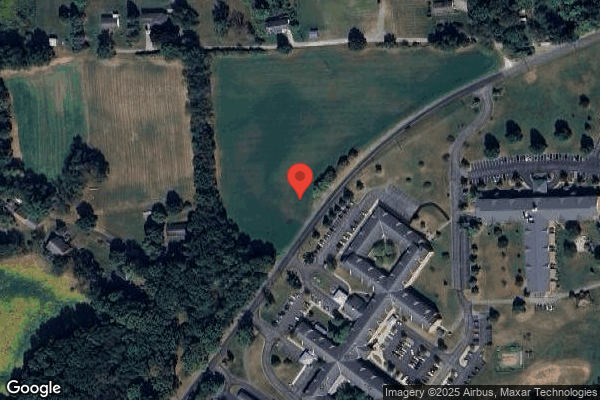
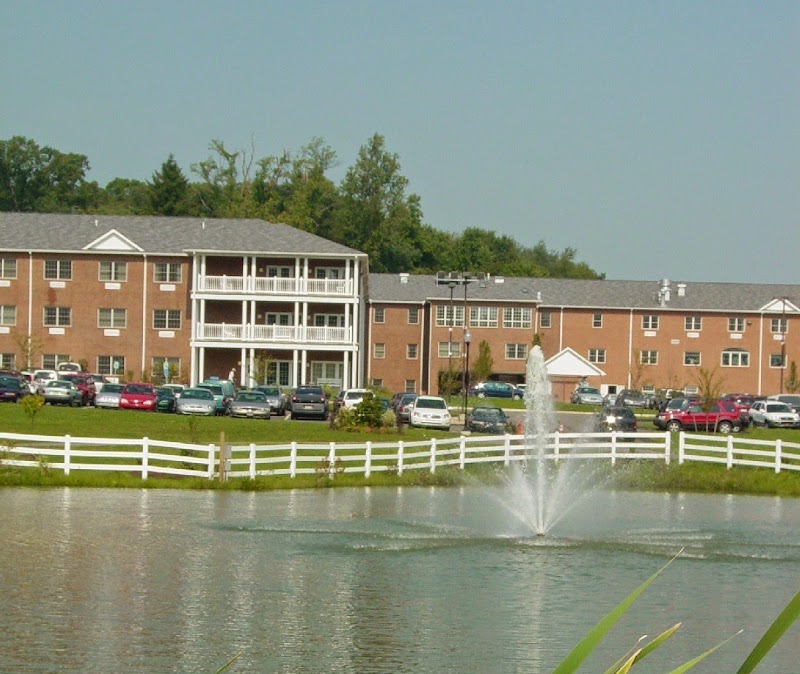
134 MARWOOD ROAD, CABOT, PA 16023 (724) 352-1571
Non profit - Corporation 142 Beds CONCORDIA LUTHERAN MINISTRIES Data: November 2025
Trust Grade
48/100
#402 of 653 in PA
Last Inspection: August 2025

Inspected within the last 6 months. Data reflects current conditions.

Overview

Concordia Lutheran Health and Human Care has received a Trust Grade of D, indicating below-average performance with some significant concerns. Ranking #402 out of 653 facilities in Pennsylvania places it in the bottom half of the state, but it is #5 out of 11 in Butler County, meaning there are only four local options that are rated better. Unfortunately, the facility is worsening, with the number of issues increasing from 11 in 2024 to 12 in 2025. On a positive note, staffing is a strength, rated 4 out of 5 stars with a turnover rate of 30%, which is much lower than the state average. However, the facility has faced $8,021 in fines, which is concerning as it indicates some compliance issues. Additionally, RN coverage is average, which means residents might not have the best oversight compared to facilities with higher RN staffing. Specific incidents of concern include failures to maintain sanitary conditions in the kitchen, such as unlabelled food products and a dirty dish room, which could lead to cross-contamination and foodborne illness. Overall, while there are some strengths in staffing, the facility has significant areas that need improvement.

Trust Score
D
48/100
In Pennsylvania
#402/653
Bottom 39%
Safety Record
Low Risk
No red flags
Inspections
Getting Worse
11 → 12 violations
Staff Stability
○ Average
30% turnover. Near Pennsylvania's 48% average. Typical for the industry.
Penalties
○ Average
$8,021 in fines. Higher than 59% of Pennsylvania facilities. Some compliance issues.
Skilled Nurses
✓ Good
Each resident gets 43 minutes of Registered Nurse (RN) attention daily — more than average for Pennsylvania. RNs are trained to catch health problems early.
Violations
⚠ Watch
33 deficiencies on record. Higher than average. Multiple issues found across inspections.
★★☆☆☆
2.0
Overall Rating
★★★★☆
4.0
Staff Levels
★★★★☆
4.0
Care Quality
★★☆☆☆
2.0
Inspection Score
Stable
2024: 11 issues
2025: 12 issues

The Good

  • 4-Star Staffing Rating · Above-average nurse staffing levels
  • 4-Star Quality Measures · Strong clinical quality outcomes
  • Full Sprinkler Coverage · Fire safety systems throughout facility
  • No fines on record
  • Staff turnover below average (30%)

    18 points below Pennsylvania average of 48%

Facility shows strength in staffing levels, quality measures, fire safety.

The Bad

2-Star Overall Rating

Below Pennsylvania average (3.0)

Below average - review inspection findings carefully

Staff Turnover: 30%

15pts below Pennsylvania avg (46%)

Typical for the industry

Federal Fines: $8,021

Below median ($33,413)

Minor penalties assessed

Chain: CONCORDIA LUTHERAN MINISTRIES

Part of a multi-facility chain

Ask about local staffing decisions and management

The Ugly 33 deficiencies on record

Aug 2025 12 deficiencies
CONCERN (D)

Potential for Harm - no one hurt, but risky conditions existed

Resident Rights (Tag F0550)

Could have caused harm · This affected 1 resident

Based on review of facility policy, resident and staff interviews it was determined that the facility failed to offer residents the opportunity to vote for the May 2025 election. Findings include: Bas...

Read full inspector narrative →
Based on review of facility policy, resident and staff interviews it was determined that the facility failed to offer residents the opportunity to vote for the May 2025 election. Findings include: Based on review of facility policy, resident and staff interviews it was determined that the facility failed to offer residents the opportunity to vote for the May 2025 election. Findings include: Review of policy Resident Rights dated 1/7/25, indicated: Exercise of rights The resident has the right to exercise his or her as a resident of the facility and as a citizen of the United States. Review of resident council minutes for three months failed to include information of the facility asking residents about voting. During a resident group on 8/6/25, residents indicated they were not offered the opportunity to vote for the May 2025 election. During an interview on 8/8/25, at 10:57 a.m. Director of Activities Employee E10, confirmed that the facility failed to offer resident the opportunity to vote for the May 2025 election. 28 Pa. Code 201.29(a) Resident rights
CONCERN (D)

Potential for Harm - no one hurt, but risky conditions existed

Deficiency F0558 (Tag F0558)

Could have caused harm · This affected 1 resident

**NOTE- TERMS IN BRACKETS HAVE BEEN EDITED TO PROTECT CONFIDENTIALITY** Based on review of facility policy, observations, and staff interview, it was determined that the facility failed to accommodate...

Read full inspector narrative →
**NOTE- TERMS IN BRACKETS HAVE BEEN EDITED TO PROTECT CONFIDENTIALITY** Based on review of facility policy, observations, and staff interview, it was determined that the facility failed to accommodate the call bell needs for one of five residents (Resident R80).Findings include: Review of facility policy Call Lights: Accessibility and Timely Response dated 1/7/25, indicated staff will ensure the call light is within reach of resident and secured, as needed. Review of the clinical record indicated Resident R80 was admitted to the facility on [DATE]. Review of Resident R80's Minimum Data Set (MDS - a periodic assessment of care needs) dated 5/2/25, indicated diagnoses of high blood pressure, reduced mobility, and repeated falls. During an observation on 8/4/25, at 11:05 a.m. Resident R80 was sitting in a recliner in their room. The call bell was placed on Resident R80's bed, out of the resident's reach. During an interview on 8/4/25, at 11:25 a.m. Licensed Practical Nurse Employee E1 confirmed Resident R80's call bell was not accessible and unavailable for use to the resident and that the facility failed to accommodate Resident R80's call bell needs. 28 Pa. Code: 201.14(a) Responsibility of licensee.28 Pa. Code: 211.10(d) Resident care policies.28 Pa. Code: 211.12(d)(1)(5) Nursing services.
CONCERN (D)

Potential for Harm - no one hurt, but risky conditions existed

Deficiency F0575 (Tag F0575)

Could have caused harm · This affected 1 resident

Based on observations and staff interview it was determined that the facility failed to have complete contact information for the State Long Care Ombudsman program posted at the facility.Findings incl...

Read full inspector narrative →
Based on observations and staff interview it was determined that the facility failed to have complete contact information for the State Long Care Ombudsman program posted at the facility.Findings include: During an observation on 8/8/25, from 10:07 a.m. to 10:38 a.m. poster were noted on bulletin boards in three places for the ombudsman but they did not have the name, address and correct email listed. During an interview on 8/8/25, at 11:25 a.m. the NHA was informed that the ombudsman postings failed to have complete contact information State Long Care Ombudsman program. 28 Pa. Code 201.14(a) Responsibility of licensee28 Pa. Code 201.18(b)(3) Management
CONCERN (D)

Potential for Harm - no one hurt, but risky conditions existed

Deficiency F0605 (Tag F0605)

Could have caused harm · This affected 1 resident

**NOTE- TERMS IN BRACKETS HAVE BEEN EDITED TO PROTECT CONFIDENTIALITY** Based on facility policy, clinical record review and staff interviews, it was determined that the facility failed to ensure that...

Read full inspector narrative →
**NOTE- TERMS IN BRACKETS HAVE BEEN EDITED TO PROTECT CONFIDENTIALITY** Based on facility policy, clinical record review and staff interviews, it was determined that the facility failed to ensure that residents medication regime was free from unnecessary psychotropic medication for one of four residents (Resident R10).Review of facility policy Use of Psychotropic Medication(s) date 1/3/25, indicated that residents only receive psychotropic medications when other nonpharmacological interventions are clinically ineffective. Additionally, these medications should only be used to treat the resident's medical symptoms and not used to discipline or staff convenience, which would deem it a chemical restraint. A psychotropic drug is any drug that affects brain activities associated with mental processes and behaviors. Psychotropic medications are the be used only when a practioner determines that the medication(s) is appropriate to treat a resident's specific, diagnosed, and documented condition and the medication(s) is beneficial to the resident, as demonstrated by monitoring and documentation of the resident's response to medication(s).Review of the clinical record indicated Resident R10 was admitted to the facility on [DATE].Review of Resident R10's Minimum Data Set (MDS - a periodic assessment of care needs) dated 6/26/25, indicated diagnoses of humerus (upper arm) fracture, protein-calorie malnutrition, and diabetes mellitus (group of diseases that affect how the body used blood sugar (glucose)).Review of Resident R10's Medication Administration Record (MAR) for July 2025, indicated Lorazepam oral tablet (a psychotropic medication used to treat anxiety) 1 milligram, give 1 tablet by mouth every four hours as needed for severe anxiety, initiated 6/5/25, and discontinued 7/16/25.Review of Resident R10's current physician order dated 7/16/25, indicated to administer Lorazepam tablet (a psychotropic medication used to treat anxiety) 0.5 milligram, give 0.5 milligram by mouth every eight hours as needed (PRN) for anxiety.Review of Resident R10's current care plan indicated use of psychotropic medication for anxiety and depression, with interventions to monitor for side effects and effectiveness every shift; Monitor/document/report as needed any adverse reactions of psychotropic medications.Review of Resident R10's MAR dated July 2025 through August 2025, indicated that resident received Lorazepam PRN (as needed) 10 times per order.Review of Resident R10's current physician order dated 5/16/25, indicated to administer Duloxetine HCl Capsule Delayed Release Particles (a psychotropic medication used to treat anxiety and nerve pain) 60 milligrams, give 1 capsule by mouth in the morning for neuropathy.Review of Resident R10's clinical record failed to indicate any documented non-pharmacological interventions used by staff prior to administering Resident R10's Lorazepam PRN. Further review of Resident R10's clinical record revealed no evidence that the facility had implement side effect or behavior monitoring for psychotropic medication use.During an interview on 8/7/25, at approximately 1:05 p.m., the Director of Nursing (DON) confirmed that the facility did not have documentation of non-pharmacological interventions used prior to administering of as needed psychotropic medication. DON also confirmed that the facility did not have side effect monitoring nor behavior monitoring in place for the safe and effective use of Resident 10's psychotropic medication use.28 Pa Code: 201.14(a) Responsibility of licensee.28 Pa. Code 211.5(f) Medical records.28 Pa. Code 211.12(d)(1)(3)(5) Nursing services.
CONCERN (D)

Potential for Harm - no one hurt, but risky conditions existed

Comprehensive Care Plan (Tag F0656)

Could have caused harm · This affected 1 resident

**NOTE- TERMS IN BRACKETS HAVE BEEN EDITED TO PROTECT CONFIDENTIALITY** Based on review of policies and clinical records, as well as observations and staff interviews, it was determined that the facil...

Read full inspector narrative →
**NOTE- TERMS IN BRACKETS HAVE BEEN EDITED TO PROTECT CONFIDENTIALITY** Based on review of policies and clinical records, as well as observations and staff interviews, it was determined that the facility failed to develop comprehensive care plans that included specific and individualized interventions to address the care needs of residents for one of two residents reviewed (Resident R84), relating to visual impairment.Findings include: Review of the facility policy Comprehensive Care Plans dated 1/7/25, indicated that the comprehensive, person-centered care plan included measurable objectives and time frames, to meet a resident's medical, nursing, and mental and psychosocial needs and all services that are identified to meet the resident's needs. Review of the clinical record revealed that Resident R84 was admitted to the facility on [DATE]. Review of Resident R84's MDS (Minimum Data Set, periodic assessment of care needs) dated 7/20/25, indicated diagnoses of hip fracture, depression, and migraine. Section B1000. Vision revealed the resident's ability to see in adequate light was highly impaired. Review of Resident R84's progress note dated 8/1/25, stated the resident was legally blind-staff to assist in belongings within reach. Review of Resident R84's care plan on 8/5/25, failed to include a care plan for the resident's visual impairment. During an interview on 8/6/25, at 12:45 p.m. Licensed Practical Nurse (LPN), Employee E5 confirmed Resident R84 failed to have a care plan for the resident's visual impairment. Interview with the Director of Nursing and the Nursing Home Administrator on 8/6/25, at 12:49 p.m. confirmed the facility failed to develop comprehensive care plans that included specific and individualized interventions to address the care needs of residents for one of two residents reviewed (Resident R84), relating to visual impairment. 28 Pa. Code: 211.10(d) Resident care policies.28 Pa. Code: 211.12 (d)(5) Nursing Services.
CONCERN (D) 📢 Someone Reported This

A family member, employee, or ombudsman was alarmed enough to file a formal complaint

Potential for Harm - no one hurt, but risky conditions existed

Pressure Ulcer Prevention (Tag F0686)

Could have caused harm · This affected 1 resident

**NOTE- TERMS IN BRACKETS HAVE BEEN EDITED TO PROTECT CONFIDENTIALITY** Based on review of facility policy, clinical records, and staff interview, it was determined that the facility failed to make ce...

Read full inspector narrative →
**NOTE- TERMS IN BRACKETS HAVE BEEN EDITED TO PROTECT CONFIDENTIALITY** Based on review of facility policy, clinical records, and staff interview, it was determined that the facility failed to make certain that residents received proper treatment for pressure ulcers for one of five residents (Resident R5). Findings include: Review of facility policy Wound Treatment Management dated 1/7/25, indicated to promote wound healing of various types of wounds, it is the policy of this facility to provide evidence based - treatments in accordance with current standards of practice and physician orders. Treatments will be documented on the Treatment Administration Record (TAR). Review of the clinical record indicated Resident R5 was admitted to the facility on [DATE]. Review of Resident R5's Minimum Data Set (MDS - a periodic assessment of care needs) dated 7/11/25, indicated diagnoses of high blood pressure, hemiplegia (paralysis on one side of the body), and hyperlipidemia (high levels of fat in the blood). Review of a physician order dated 7/1/25, indicated to cleanse coccyx (tailbone) wound with NSS (normal sterile saline), apply collagen particles (used to promote new tissues growth) to wound bed followed by medical grade honey (a gel used to promote wound healing), place calcium alginate (a highly absorbent dressing) in wound bed over the honey and cover wound with a large bordered gauze every day shift for wound. Review of Resident R5's July 2025 TAR indicated the treatment was not documented as completed during the day shift on 7/6/25. Review of a physician order dated 7/16/25, indicated to cleanse coccyx wound with NSS, apply calcium alginate, collagen particles, medical grade honey, house antifungal ointment to peri (surrounding) wound every day. Cover with a bordered gauze dressing every day shift for wound. Review of Resident R5's July 2025 TAR indicated the treatment was not documented as completed during the day shift on 7/24/25. During an interview on 8/8/25, at 1:12 p.m. Licensed Practical Nurse (LPN) Wound Nurse Employee E3 confirmed that the facility failed to make certain Resident R5 received proper treatment for a pressure ulcer as required. 28 Pa. Code 201.18 (b)(1) Management.28 Pa. Code 211.10 (c)(d) Resident care policies.28 Pa. Code 211.12 (d)(1)(2)(5) Nursing services.
CONCERN (D)

Potential for Harm - no one hurt, but risky conditions existed

Accident Prevention (Tag F0689)

Could have caused harm · This affected 1 resident

**NOTE- TERMS IN BRACKETS HAVE BEEN EDITED TO PROTECT CONFIDENTIALITY** Based on review of facility policy, review of facility documentation, review of clinical records, and staff interview, it was de...

Read full inspector narrative →
**NOTE- TERMS IN BRACKETS HAVE BEEN EDITED TO PROTECT CONFIDENTIALITY** Based on review of facility policy, review of facility documentation, review of clinical records, and staff interview, it was determined that the facility failed to identify and assess a resident for smoking safety in a timely manner for one of two residents (Resident R89).Findings include: Review of the facility policy Resident Smoking dated 1/7/25, indicated that all residents will be asked about tobacco use during the admission process, and during each quarterly or comprehensive MDS (Minimum Data Set- periodic assessment of resident care needs) assessment process. Residents who smoke will be further assesses, using a smoking assessment tool designated by the facility, to determine whether or not supervision is required for smoking, or of the resident is safe to smoke at all. Review of Resident R89's clinical record revealed documentation from the hospital dated 2/3/25, that resident is a smoker and smokes one pack of cigarettes per day, and has been smoking for the past 40 years. Review of clinical record revealed that Resident R89 was admitted to the facility on [DATE]. Review of clinical record revealed a history and physical completed by the physician on 2/18/25, that indicated that Resident R89 uses tobacco products at least daily and smokes 1 pack of cigarettes per day. Review of Resident R89's MDS dated [DATE], indicated diagnoses of high blood pressure, peripheral vascular disease (PVD, circulatory condition in which narrowed blood vessels reduce blood flow to the limbs), and chronic obstructive pulmonary disease (COPD, a group of progressive lung disorders characterized by increasing breathlessness). Section J1300 stated yes to current tobacco use. Review of Resident R89's clinical record revealed that a Smoking- Safety Screen was completed on 3/24/25, and indicated that resident would like to smoke two to five cigarettes per day in the mornings, and evenings, and that resident requires supervision to smoke. Review of Resident R89's plan of care revealed interventions for smoking were initiated on 4/2/25. During an interview on 8/7/25 at 10:29 a.m. the Nursing Home Administrator (NHA) confirmed that the facility does allow smoking. The NHA confirmed that Resident R89's Smoking - Safety Screen was not completed in a timely manner, as it was completed on 3/24/25, five weeks after her 2/17/25 admission, and that care plan interventions were not implemented un 4/2/25. During an interview on 8/8/25 at 11:45 a.m. the Nursing Home Administrator confirmed that the facility failed to properly identify Resident R89 as a smoker upon admission, and that the facility failed to timely assess and care plan Resident R89 for smoking safety. 28 Pa. Code 201.14(a) Responsibility of licensee. 28 Pa. Code 201.18(b)(1)(e)(1) Management. 28 Pa. Code 211.12(d)(1)(5) Nursing services.
CONCERN (D)

Potential for Harm - no one hurt, but risky conditions existed

Infection Control (Tag F0880)

Could have caused harm · This affected 1 resident

**NOTE- TERMS IN BRACKETS HAVE BEEN EDITED TO PROTECT CONFIDENTIALITY** Based on review of facility policies and clinical records, observations, and staff interviews, it was determined that the facili...

Read full inspector narrative →
**NOTE- TERMS IN BRACKETS HAVE BEEN EDITED TO PROTECT CONFIDENTIALITY** Based on review of facility policies and clinical records, observations, and staff interviews, it was determined that the facility failed to properly monitor resident's personal refrigerators to ensure that food is properly stored and maintained for two of two residents (Residents R5 and R143), and failed to ensure enhanced barrier precautions (EBP) were implemented for two of three residents (Resident R10 and R40). Findings include: Review of facility policy Enhanced Barrier Precautions dated 1/3/25, indicated the facility will implement enhanced barrier precautions for the prevention of transmission of multidrug-resistant organisms (MDRO). Enhanced barrier precautions may be implemented for residents with any of the following: Wounds and/or indwelling medical devices even if the resident is not known to be infected or colonized with a MDRO. During an observation on 8/4/25, at 10:50 a.m. Resident R5 had a small personal refrigerator in their room. The temperature log had data recorded for 8/1/25, but no documented temperatures for 8/2/25, and 8/3/25. During an observation on 8/4/25, at 10:56 a.m. Resident R143 had a small personal refrigerator in their room. The temperature log had data recorded for 8/1/25, but no documented temperature for 8/2/25, and 8/3/25. During an interview on 8/4/24, at 10:58 a.m. Licensed Practical Nurse (LPN) Employee E1 stated, The temperatures are supposed to be done on the day shift and usually the next shift will get them if it's missed. During an interview on 8/4/25, at 11:33 a.m. LPN Employee E1 confirmed that the facility failed to properly monitor a resident's personal refrigerator to ensure that food is properly stored and maintained for Residents R5 and R143. Review of the clinical record indicated Resident R10 was admitted to the facility on [DATE]. Review of Resident R10's Minimum Data Set (MDS - a periodic assessment of care needs) dated 6/26/25, indicated diagnoses of humerus (upper arm) fracture, protein-calorie malnutrition, and diabetes mellitus (group of diseases that affect how the body used blood sugar (glucose)). Section M0210, Unhealed Pressure Ulcers/Injuries was coded 1, indicating current number of unhealed pressure ulcer/injuries. Review of Resident R10's Skin and Wound Evaluation dated 7/28/25, revealed that a Stage III (full-thickness skin loss) pressure ulcer was developed in-house on 6/11/25 to Resident R10's coccyx (commonly known as the tailbone - small, triangular bone located at the bottom of the vertebral column); current measurements - length 1.3 centimeters, width 0.7 centimeters, and depth 0.1 centimeters. Review of Resident R10's current physician order dated 7/7/25, indicated to cleanse: coccyx wound with NSS (normal saline solution), apply Santyl (prescription medicine that removes dead tissue from wounds) nickel thick layer to wound bed followed by calcium alginate (wound care treatment for the management of highly draining wounds). Apply Magic Mix (Lidocaine gel 3%, Triamcinolone 0.25%, Nystatin cream, Zinc oxide 40%, 1:1:1:2) to peri wound (skin around the wound that is affected by the wound). Cover with a bordered foam, every day shift for wound. Review of Resident R10's clinical record and direct observation of Resident R10's room on 8/6/25, revealed no evidence that the facility implemented Enhanced Barrier Precautions (EBP) for Resident R10 due to current pressure ulcer. During an interview on 8/6/25, at 10:00 a.m., Infection Preventionist (IP) Employee E4 confirmed that the facility failed to implement EBP's for Resident R10. Review of the admission record indicated Resident R40 was admitted to the facility on [DATE]. Review of R40's MDS dated [DATE], included diagnoses of anemia (the blood doesn't have enough healthy red blood cells), malnutrition, and muscle wasting. Review of Resident R40's physician order dated 8/2/25, indicated to implement contact isolation precautions due to ESBL (E. Coli) of the urine. During an observation on 8/6/25, at 8:16 a.m. contact isolation signage was posted at the entrance of Resident R40's door. Licensed Practical Nurse Employee E7 entered Resident R40's room without a gown and failed to wash their hands. LPN Employee E7 administered Resident R40's medication without any PPE (personal protective equipment). During an interview on 8/6/25, at 8:43 a.m. the IP Employee E4 confirmed the facility failed to enter the correct order for isolation and implement isolation precautions for Resident R40. IP Employee E4 confirmed Resident R40's order for isolation should have been enhanced barrier precautions. 28 Pa. Code: 201.14 (a) Responsibility of licensee.28 Pa. Code: 201.18 (b)(1)(e)(1) Management.28 Pa. Code: 211.10 (d) Resident care policies.28 Pa. Code: 211.12 (d)(1)(2)(5) Nursing services.
CONCERN (D)

Potential for Harm - no one hurt, but risky conditions existed

Deficiency F0883 (Tag F0883)

Could have caused harm · This affected 1 resident

**NOTE- TERMS IN BRACKETS HAVE BEEN EDITED TO PROTECT CONFIDENTIALITY** Based on facility policy, clinical record review and staff interview, it was determined that the facility failed to complete Inf...

Read full inspector narrative →
**NOTE- TERMS IN BRACKETS HAVE BEEN EDITED TO PROTECT CONFIDENTIALITY** Based on facility policy, clinical record review and staff interview, it was determined that the facility failed to complete Influenza vaccination consent and administer the Influenza vaccination in a timely manner for one of five residents (Resident R3).Findings include: Review of facility policy Infection Prevention and Control Program dated 4/28/25, indicated all residents and employees will be offered the influenza vaccine. Between October 1st and March 31st each year, the influenza vaccine shall be offered. The resident or employee will be provided information and education regarding the benefits and potential side effects. Education shall be documented in the residents or employee's medical record. Review of the admission record indicated that Resident R3 was admitted to the facility on [DATE]. Review of R3's Minimum Data Set (MDS-periodic assessment of care needs) dated 1/7/25, included diagnoses of high blood pressure, anemia (too little iron in the body causing fatigue), and atrial fibrillation (disease of the heart characterized by irregular and often faster heartbeat). Review of Resident R3's immunization record failed to include evidence the resident was offered and received the influenza vaccination for the 2024-2025 flu season. During an interview on 8/7/25, at 10:30 a.m. the Director of Nursing confirmed that the facility failed to complete Influenza vaccination consent and administer the Influenza vaccination in a timely manner for one of five residents (Resident R3). 28 Pa. Code 211.5(f) Clinical records
CONCERN (E)

Potential for Harm - no one hurt, but risky conditions existed

Deficiency F0628 (Tag F0628)

Could have caused harm · This affected multiple residents

**NOTE- TERMS IN BRACKETS HAVE BEEN EDITED TO PROTECT CONFIDENTIALITY** Based on review of facility policy, clinical record review, and staff interview, it was determined that the facility failed to m...

Read full inspector narrative →
**NOTE- TERMS IN BRACKETS HAVE BEEN EDITED TO PROTECT CONFIDENTIALITY** Based on review of facility policy, clinical record review, and staff interview, it was determined that the facility failed to make certain that the necessary resident information was communicated to the receiving health care provider for four of six residents sampled with facility-initiated transfers (Residents R11, R42, R143, and R201), and failed to notify the resident or resident's representative of the facility bed-hold policy (an agreement for the facility to hold a bed for an agreed upon rate during a hospitalization) for three of six resident hospital transfers (Residents R4, R11, and R143).Findings include: Review of facility policy Transfer and Discharge (including AMA) dated 1/7/25, indicated for a transfer to another provider, for any reason, the following information must be provided to the receiving provider: Contact information of the practitioner who was responsible for care of the resident; Resident representative information, including contact information; Advance directive information; All other information necessary to meet the resident's needs, which includes, but may not be limited to: resident status, diagnoses and allergies, medications (including when last received), and most recent relevant labs, other diagnostic test, and recent immunizations All special instructions and/or precautions for ongoing care, as appropriate; The resident's comprehensive care plan goals Document assessment findings and other relevant information regarding the transfer in the medical record. Review of facility policy Bed Hold Notice dated 1/7/25, indicated in the event of an emergency transfer of a resident, the facility will provide written notice of the facility's bed-hold policies to the resident and/or the resident representative within 24 hours. Review of the clinical record indicated Resident R4 was admitted to the facility on [DATE]. Review of Resident R4's Minimum Data Set (MDS - a periodic assessment of care needs) dated 5/19/25, indicated diagnoses of muscle wasting, constipation, and dependence on supplemental oxygen. Review of the clinical record indicated Resident R4 was transferred to the hospital on 7/9/25, and did not return to the facility. Review of Resident R4's clinical record failed to include documented evidence that the resident or the resident's representative were provided with written information about the facility's bed hold policy at the time of the transfer to the hospital on 7/9/25. Review of the clinical record indicated Resident R11 was admitted to the facility on [DATE]. Review of Resident R11's MDS dated [DATE], indicated diagnoses of reduced mobility, constipation, and chronic pain. Review of the clinical record indicated Resident R11 was transferred to the hospital on 5/27/25, and returned to the facility on 6/2/25. Review of Resident R11's clinical record revealed no documented evidence that the facility had communicated specific information to the receiving health care provider for the residents transferred and expected to return, which included the resident's care plan goals, advanced directive information, specific instructions for ongoing care, resident representative information, and all information necessary to meet the resident's specific needs at the receiving facility. Review of Resident R11's clinical record failed to include documented evidence that the resident or the resident's representative were provided with written information about the facility's bed hold policy at the time of the transfer to the hospital on 5/27/25. Review of the clinical record indicated Resident R42 was admitted to the facility on [DATE], and readmitted on [DATE]. Review of Resident R42's MDS dated [DATE], indicated diagnoses of dementia (a group of symptoms that affects memory, thinking and interferes with daily life), anemia (too little iron in the body causing fatigue), and anxiety (a feeling of worry, nervousness, or unease). Review of the clinical record indicated Resident R42 was transferred to the hospital on 2/21/25, and returned to the facility on 2/26/25. Review of Resident R42's clinical record revealed no documented evidence that the facility had communicated specific information to the receiving health care provider for the residents transferred and expected to return, which included the resident's care plan goals, advanced directive information, specific instructions for ongoing care, resident representative information, and all information necessary to meet the resident's specific needs at the receiving facility. During an interview on 8/8/25, at 9:19 a.m. the Director of Nursing (DON) confirmed that the facility failed to make certain that the necessary resident information was communicated to the receiving health care provider for Resident R42. Review of the clinical record indicated Resident R143 was admitted to the facility on [DATE]. Review of Resident R143's MDS dated [DATE], indicated diagnoses of anemia (too little iron in the blood), muscle wasting, and need for assistance with personal care. Review of the clinical record indicated Resident R143 was transferred to the hospital on 3/21/25, and returned to the facility on 3/24/25. Review of Resident R143's clinical record revealed no documented evidence that the facility had communicated specific information to the receiving health care provider for the residents transferred and expected to return, which included the resident's care plan goals, advanced directive information, specific instructions for ongoing care, resident representative information, and all information necessary to meet the resident's specific needs at the receiving facility. Review of Resident R143's clinical record failed to include documented evidence that the resident or the resident's representative were provided with written information about the facility's bed hold policy at the time of the transfer to the hospital on 3/21/25. Review of the clinical record indicated Resident R201 was admitted to the facility on [DATE]. Review of the clinical record indicated Resident R201 was transferred to the hospital on 8/6/25. Review of Resident R201's clinical record revealed no documented evidence that the facility had communicated specific information to the receiving health care provider for the residents transferred and expected to return, which included the resident's care plan goals, specific instructions for ongoing care, and all information necessary to meet the resident's specific needs at the receiving facility including a list of current medications. During an interview on 8/7/25, at 2:14 p.m. the Nursing Home Administrator confirmed that the facility failed to notify the resident or resident's representative of the facility bed-hold policy for three of six resident hospital transfers (Residents R4, R11, and R143). During an interview on 8/7/25, at 2:51 p.m. the DON confirmed that the facility failed to make certain that the necessary resident information was communicated to the receiving health care provider for Residents R5, R11, and R201. 28 Pa. Code: 201.29 (a)(c.3)(2) Resident rights.
CONCERN (E)

Potential for Harm - no one hurt, but risky conditions existed

Deficiency F0761 (Tag F0761)

Could have caused harm · This affected multiple residents

**NOTE- TERMS IN BRACKETS HAVE BEEN EDITED TO PROTECT CONFIDENTIALITY** Based on review of facility policies, observations, and staff interviews, it was determined that the facility failed to properly...

Read full inspector narrative →
**NOTE- TERMS IN BRACKETS HAVE BEEN EDITED TO PROTECT CONFIDENTIALITY** Based on review of facility policies, observations, and staff interviews, it was determined that the facility failed to properly store medications for one of four residents (Resident R171) the pharmacy driver left medications unattended and unsecured during a delivery during one observation. Findings include: Review of the facility Medication Storage in the Facility policy dated 1/7/25, stated medications and biologicals are stored safely, securely, and properly following manufactures recommendations or those of the supplier. The medication supply is only accessible to licensed nursing personal, pharmacy personnel, or staff members lawfully authorized to administer medications. Review of Resident R171's admission record indicated she was admitted [DATE], with diagnosis that included pulmonary hypertension, atrial fibrillation (irregular heartbeat), and polycythemia vera (rare type of blood cancer). During an observation on 8/4/25, at 1:12 p.m. the following was observed on Resident' R171's bedside dresser.-(1) tube of Muscle Rub-Methyl salicylate/menthol-(1) bottle Nystatin-100,000 units per gram, 30 gram bottle -(1) bottle Deep Sea Premium Saline bottle During an interview on 8/4/25, at 1:15 p.m. Registered Nurse, Employee E8 confirmed the above observations and that the facility failed to properly store medications for Resident R171. During an observation on 8/7/25, at 12:05 p.m. three bins of unsecured medications from pharmacy were observed left on a utility cart in the hallway. A total of 333 resident medication cards were observed throughout the three bins. During an interview on 8/7/25, at 12:09 p.m. Pharmacy Driver, Employee E9 indicated they were in the middle of restocking medication carts. Pharmacy Driver, Employee E9 confirmed three bins of medications were left unsecure in the hallway. During an interview on 8/7/25, at 12:11 p.m. the Director of Nursing confirmed the facility failed to properly store medications for one of four residents (Resident R171) and the pharmacy driver left medications unattended and unsecured during a delivery during one observation. 28 Pa. Code: 201(a) Responsibility of licensee.28 Pa. Code: 211.9(a)(1)(k) Pharmacy services.28 Pa. Code: 211.12(d)(1)(2)(3)(5) Nursing services.
CONCERN (F)

Potential for Harm - no one hurt, but risky conditions existed

Food Safety (Tag F0812)

Could have caused harm · This affected most or all residents

Based on a review of policy, observation and staff interview, it was determined that the facility failed to properly maintain kitchen equipment in a sanitary condition creating the potential for cross...

Read full inspector narrative →
Based on a review of policy, observation and staff interview, it was determined that the facility failed to properly maintain kitchen equipment in a sanitary condition creating the potential for cross contamination in the main kitchen of the facility.A review of facility policy Food Safety and Sanitation dated 1/3/25, indicated all local, state and federal standards and regulations are followed in order to assure a safe and sanitary food service department. During an observation on 8/4/25, at 10:55 a.m., of the walk-in cooler in the main kitchen, conducted with Dietary Supervisor (DS) Employee E2, revealed that the cold air condenser unit had a build-up of dust, grime, and dark colored debris around the fan covers and the area of the condenser immediately around the fans. DS Employee E2 confirmed observation by surveyor when viewed. During an interview on 8/4/25, at 10:57 a.m., DS Employee E2 confirmed that the facility failed to properly maintain kitchen equipment, walk-in cooler, in a sanitary condition creating the potential for cross contamination in the main kitchen of the facility. 28 Pa. Code: 201.14(a) Responsibility of licensee.28 Pa. Code: 201.18(b)(1) Management.
Sept 2024 1 deficiency
MINOR (C) 📢 Someone Reported This

A family member, employee, or ombudsman was alarmed enough to file a formal complaint

Minor Issue - procedural, no safety impact

Deficiency F0658 (Tag F0658)

Minor procedural issue · This affected most or all residents

**NOTE- TERMS IN BRACKETS HAVE BEEN EDITED TO PROTECT CONFIDENTIALITY** Based on review of clinical records and staff interview it was determined that the facility failed to provide care and services ...

Read full inspector narrative →
**NOTE- TERMS IN BRACKETS HAVE BEEN EDITED TO PROTECT CONFIDENTIALITY** Based on review of clinical records and staff interview it was determined that the facility failed to provide care and services according to accepted standards of clinical practice in the identification of a resident's transfer destination prior to disposition of a body for two of three residents (Resident CRR1 and CRR2). Findings include: A review of the facility policy Postmortem Care last reviewed [DATE], indicated it is the procedure of this facility to perform postmortem care for a resident who has deceased in the facility to include but not inclusive to: . The family will be contacted and follow up and/or confirmation of the disposition of the body will be determined. . Notify the designated disposition location of a resident's death and fill out any postmortem paperwork as per facility policy. Review of Resident CRR1's clinical record indicate admission date of [DATE], with diagnosis of malignant neoplasm of the lung (lung cancer), hypertension (high blood pressure) and chronic obstructive pulmonary disease (constriction of the airways and difficulty or discomfort in breathing). Review of Resident CRR1's clinical progress dated [DATE], indicated Resident CRR1 ceased to breath (CTB) at 2:32 a.m. Further review indicated communication with family and funeral home of choice was [NAME] W. Trenz Funeral home. Review of CRR1's clinical progress note dated [DATE], indicate funeral home picked up body at 4:52 a.m. Review of Resident CRR1's Transfer/discharge report dated [DATE], indicated a signature for the transfer, however failed to identify funeral home name. Review of Resident CRR2's clinical record indicates an admission date of [DATE], with diagnosis of malignant neoplasm of cervix (cervical cancer), anxiety and hypertension. Review of Resident CRR2's clinical progress notes dated [DATE] indicate Resident CRR2 CTB [DATE], 1:55 a.m. son came into facility, Skirpan Funeral Home notified. Review of Resident CRR2's transfer/discharge report dated [DATE], indicated signature of transfer to Trenz Funeral home. A review of facility investigation indicated the facility that took possession of Resident CRR2, went to start services, and realized the face sheet was not the same name as the individual who was expected. Family confirmed not their family member. Facility was notified and contacted Skirpan funeral home who inspected body in possession and confirmed via face sheet the individual was resident CRR1 not Resident CRR2. Facility immediately planned for transfer to correct facility. Resident CRR1's family was notified. Transfer to correct facilities was completed. During an interview on [DATE] at 1:25 p.m. the Nursing home administrator confirmed that the transfer form completed for Resident CRR2 indicated Trenz funeral home took possession of deceased not Skirpan funeral home and that the Licensed Practical Nurse on duty failed to verify the correct funeral home and that the facility failed to provide care and services according to accepted standards of clinical practice in the identification of residents transfer destination prior to disposition of a body for two of three residents (Resident CRR1 and CRR2). 28 Pa. Code 201.29(d) Resident rights. 28 Pa. Code 211.12(d)(1)(3)(5) Nursing services.
Aug 2024 10 deficiencies
CONCERN (D)

Potential for Harm - no one hurt, but risky conditions existed

Deficiency F0657 (Tag F0657)

Could have caused harm · This affected 1 resident

Based on review of facility policy, clinical records, and staff interview, it was determined that the facility failed to revise/update care plans for two of seven residents to accurately reflect the c...

Read full inspector narrative →
Based on review of facility policy, clinical records, and staff interview, it was determined that the facility failed to revise/update care plans for two of seven residents to accurately reflect the current status of the resident (Resident R54 and R86). Findings include: A review of the facility policy Care Plan Revision Upon Status Change dated 1/16/24, indicated the comprehensive care plan will be reviewed, and revised as necessary, when a resident experiences a status change. Review of Residents R54's clinical record indicates an admission date of 6/15/23. Review of Resident R54's Minimum Data Set (MDS - a periodic assessment of care needs) dated 5/28/24, indicated diagnosis of hypertension (high blood pressure), coronary artery disease (common type of heart disease) and diabetes (high sugar in the blood). Review of Resident R54's physician orders dated 7/17/23, indicate tubigrips bilateral lower extremities on in the a.m. off in the p.m. Review of Resident R54's Treatment administered record for August 2024 indicate tubigrips applied as ordered. Review of Resident R54's care plan failed to include interventions for tubigrips. Review of Residents R86's clinical record indicates an admission date of 6/11/24. Review of Resident R86's Minimum Data Set (MDS - a periodic assessment of care needs) dated 6/18/24, indicated diagnosis of congestive heart failure (inefficient myocardial performance, resulting in compromised blood supply to the body), left artificial hip joint and chronic kidney disease. Review of Resident R86's physician orders dated 8/8/24 indicate wanderguard every shift. Review of Resident R86's care plan failed to include interventions for wanderguard. During an interview on 8/28/24, at 10:10 a.m. the Nursing Home Administrator (NHA) confirmed the facility failed to revise/update Resident R54's care plan to include interventions for tubigrips and Residents R86's interventions for wanderguard. 28 Pa. Code 211.12(d)(1)(3)(5) Nursing services
CONCERN (D)

Potential for Harm - no one hurt, but risky conditions existed

Quality of Care (Tag F0684)

Could have caused harm · This affected 1 resident

**NOTE- TERMS IN BRACKETS HAVE BEEN EDITED TO PROTECT CONFIDENTIALITY** Based on observation, facility procedure review, clinical record review, and staff interview, it was determined that the facilit...

Read full inspector narrative →
**NOTE- TERMS IN BRACKETS HAVE BEEN EDITED TO PROTECT CONFIDENTIALITY** Based on observation, facility procedure review, clinical record review, and staff interview, it was determined that the facility failed to make certain that residents were provided appropriate treatment and care of a medical device for one of four residents (Resident R283). Findings include: Review of the facility procedure Closed Suction Drain with Bulb: Management dated 1/16/24, indicated to assess the closed suction drain and tube for proper functioning. Ensure patency, airtight connections, and presence of any leaks or kinks in the drainage system. Secure the drain to the patient's clothing with a safety pin. Ensure the suction device is below the level of the wound and does not pull at the insertion site. Review of the clinical record indicated Resident R283 admitted to the facility on [DATE], with the diagnoses of rib fractures, atrial fibrillation (irregular heart rhythm), heart failure (heart doesn ' t pump blood as well as it should), s/p cholecystitis with possible perforation (gallbladder inflammation and possible rupture), and placement of a percutaneous drain (a plastic tube placed into the body, usually the abdomen, to drain infected fluids). Review of Resident R283's physician order dated 8/21/24, indicated JP Drain (Jackson Pratt a plastic tube placed into the body): Empty drain every shift and document drainage (right abdomen). Review of Resident R283's care plan dated 8/22/24, indicated JP drainage catheter will be free of complications through next review. Review of Resident R283's progress note dated 8/26/24, indicated JP drain output was 30cc (cubic centimeters) of dark green bile (a fluid produced by the liver that helps digest fats). Observation on 8/25/24, at 1:35 p.m. Resident R283 was out of bed in a stationary, recliner chair and the JP drain was dangling over the right-side arm of the chair. Observation on 8/27/24, at 10:04 a.m. Resident R283 was out of bed in wheelchair and the JP drain was dangling to the right side down in the wheelchair. Interview on 8/27/24, at 10:04 a.m. Resident R283 indicated it's sore and it's pulling on her skin. Interview on 8/27/24, at 10:08 a.m. Registered Nurse (RN) Employee E5 indicated he would look for a pin to anchor the drain to Resident R283's clothing. Interview on 8/27/24, at 11:00 a.m. the Director of Nursing confirmed the facility failed to make certain that residents were provided appropriate treatment and care of a medical device for one of four residents (Resident R283). 28 Pa. Code 211.10(c)(d) Resident Care Policies. 28 Pa. Code: 211.12 (d)(1)(3)(5) Nursing Services.
CONCERN (D)

Potential for Harm - no one hurt, but risky conditions existed

Pressure Ulcer Prevention (Tag F0686)

Could have caused harm · This affected 1 resident

**NOTE- TERMS IN BRACKETS HAVE BEEN EDITED TO PROTECT CONFIDENTIALITY** Based on review of facility policy and clinical records, and staff interview, it was determined that the facility failed to ensu...

Read full inspector narrative →
**NOTE- TERMS IN BRACKETS HAVE BEEN EDITED TO PROTECT CONFIDENTIALITY** Based on review of facility policy and clinical records, and staff interview, it was determined that the facility failed to ensure that residents received treatment and care in accordance with standards of practice and obtain physician orders regarding the dressing displacement for one of three residents (Resident R100). Findings include: Review of the facility policy Negative Pressure Wound Therapy (NPWT-wound vac- used to draw out fluid and infection from a wound to help it heal) dated 1/16/24, indicated to avoid leaving the NPWT device off for more than two hours. If this occurs, remove the old dressing and initiate an NPWT dressing or apply an alternative absorptive dressing as prescribed by the practitioner. Review of the clinical record indicated Resident R100 admitted to the facility on [DATE], with the diagnosis of sepsis (extreme response to an infection), depression, and pressure ulcer of the sacral region (a triangular bone that connects the spine with the hip and pelvic cavity. Review of Resident R100's physician orders dated 8/8/24, indicate wound vac to sacrum, setting 125 millimeters of mercury (mm/hg) continuous. Review of Resident R100's physician orders failed to include orders for displacement of the wound vac device. During an interview on 8/28/24, at 2:05 p.m. Licensed Practical Nurse (LPN) Employee E4 confirmed the facility failed to follow standards of practice and obtain physician treatment orders for dressing displacement for one of three residents (Resident R100). 28 Pa. Code 211.10(c)(d) Resident Care Policies. 28 Pa. Code 211.12(d)(1)(3)(5) Nursing services.
CONCERN (D)

Potential for Harm - no one hurt, but risky conditions existed

Respiratory Care (Tag F0695)

Could have caused harm · This affected 1 resident

**NOTE- TERMS IN BRACKETS HAVE BEEN EDITED TO PROTECT CONFIDENTIALITY** Based on facility policy review, observations, and staff interviews, it was determined that the facility failed to maintain sani...

Read full inspector narrative →
**NOTE- TERMS IN BRACKETS HAVE BEEN EDITED TO PROTECT CONFIDENTIALITY** Based on facility policy review, observations, and staff interviews, it was determined that the facility failed to maintain sanitary conditions of respiratory equipment for two of eight residents reviewed (Residents R38 and R281), and failed to care plan use and management of respiratory equipment for two of three residents (Resident R5 and R6). Findings include: Review of facility policy Oxygen Concentrator dated 1/16/24, indicated that oxygen is administered under orders of the attending physician, except in the case of an emergency. Review of Resident R5's clinical record indicated admission to the facility on 3/14/24, with the diagnoses of heart failure (heart doesn't pump blood as well as it should), Parkinson's Disease (disorder of the nervous system that results in tremors), and diabetes (a long-term condition in which the body has trouble controlling blood sugar and using it for energy). Review of Resident R5's physician orders dated 5/11/24, indicated: -Change CPAP/BIPAP (a continuous positive airway pressure machine used to keep airways open while you sleep/a positive airway pressure machine when breathing in and breathing out) mask and filter every night shift every three months. -Check and ensure CPAP/BIPAP mask and water chamber is cleaned daily. Machine is wiped down with damp cloth every day. -Check CPAP/BIPAP headgear and tubing are cleaned every day shift. Review of Resident R5's progress note dated 8/26/24, indicated resident currently resting in bed, CPAP on per orders. Review of Resident's care plan dated 6/27/24, failed to include interventions and goals for use and management of the CPAP/BIPAP machine. Interview on 8/27/24, at 2:30 p.m. the Director of Nursing confirmed Resident R5's care plan failed to include use and management of the CPAP/BIPAP machine. Review of the clinical record indicated Resident R6 was admitted to the facility 1/10/18, with the diagnoses of cerebral infarction (occurs when a blood vessel in the brain is blocked, leading to inadequate blood supply and oxygen to brain cells), major depressive disorder, and dementia (loss of cognitive functioning which interferes with a person's daily life and activities). Review of Resident R6's current physician orders dated 8/23/24, indicated Albuterol Sulfate Nebulization Solution (2.5 MG/3ML) 0.083% 3 milliliter inhale orally via nebulizer two times a day for sob (shortness of breath) for 2 Weeks, and Albuterol Sulfate Nebulization Solution (2.5 MG/3ML) 0.083% 3 milliliter inhale orally via nebulizer every 4 hours as needed for Shortness of Breath. Further review of current physician orders indicated for respiratory status to be monitored every shift, initiated 7/27/22. Review of Resident R6's recapitalization of physician orders dated 4/24/24, indicated Albuterol Sulfate Nebulization Solution (2.5 MG/3ML) 0.083% 3 milliliter inhale orally via nebulizer every 6 hours as needed for Shortness of Breath and 3 milliliter inhale orally via nebulizer at bedtime for sob (shortness of breath), which was discontinued 8/23/24. Review of Resident R6's care plan dated 3/26/24, failed to include interventions and goals for use and management of respiratory breathing treatments. During an interview on 8/28/24, at 1:50 p.m., Resident Nurse Assessment Coordinator (RNAC) Employee R11 confirmed that Resident R6's care plan failed to include use and management of nebulization breathing treatments. Review of the clinical record indicated Resident R281 was admitted to the facility on [DATE], with the diagnoses of chronic obstructive pulmonary disease (COPD- a group of diseases that block airflow and make it hard to breathe), asthma, and bronchitis. Review of Resident 281's physician order dated 8/14/24, indicated night nurse to check every week if oxygen used, to make sure filter is cleaned and oxygen tubing and humidifier has been changed every night shift. Oxygen at four liters per minute. Review of Resident R281's progress note dated 8/21/24, indicated no respiratory complications noted with oxygen on via nasal cannula. Observation on 8/25/24, at 12:09 p.m., Resident R281 was noted to have oxygen via nasal cannula on, the concentrator flow rate indicated three liters per minute and the oxygen tubing or humidification was not dated as required. Interview on 8/25/24, at 12:10 p.m. Licensed Practical Nurse (LPN) Employee E6 confirmed the concentrator was on the incorrect flow rate of three, instead of four as ordered, and that there were not dates on the oxygen tubing or humidification as required. Review of the clinical record indicate Resident R38 was re-admitted to facility on 8/23/24, with the diagnosis of heart failure (heart doesn't pump the way it should), atrial fibrillation (abnormal heartbeat), and diabetes (high sugar in the blood). Review of Resident R38's physician orders dated 8/23/24, indicate oxygen at 3 liters per minute. Review of physician orders dated 8/16/24, indicated night nurse to check every week on (Fridays), if oxygen used, to make sure filter is cleaned and oxygen tubing and humidifier has been changed. every night shift every 7 days. Review of progress notes dated 8/23/2024, 9:44 p.m., respirations easy and nonlabored on oxygen via nasal canula. Observation on 08/25/24, at 12:00 p.m. Resident R38 was noted to have oxygen on per nasal canula the oxygen tubing failed to be labeled with a date. During an interview on 8/25/24, Licensed Practical Nurse (LPN) Employee E1 confirmed Resident R38's oxygen tubing was not labeled with a date as required. Interview on 8/29/24, at 1:30 p.m. the Nursing Home Administrator (NHA) Director of Nursing (DON) confirmed the facility failed to maintain sanitary conditions of respiratory equipment for two of eight residents reviewed (Residents R38 and R281), and failed to care plan use and management of respiratory equipment for two of three residents (Resident R5 and R6). 28. Pa. Code 211.12(d)(1)(2) Nursing services.
CONCERN (D)

Potential for Harm - no one hurt, but risky conditions existed

Deficiency F0760 (Tag F0760)

Could have caused harm · This affected 1 resident

Based on review of facility policy, clinical records, and staff interview, it was determined that the facility failed to make certain medications were administered as ordered by the physician and fail...

Read full inspector narrative →
Based on review of facility policy, clinical records, and staff interview, it was determined that the facility failed to make certain medications were administered as ordered by the physician and failed to notify the physician of missed medications for one of four residents (Residents R335). Findings include: Review of the facility policy Unavailable Medications dated 1/16/24 indicated the facility maintains a contract with a pharmacy provider to supply the facility with routine, as needed (PRN), and emergency medications. A supply of commonly used medications is maintained in house for timely initiation of medications. Medications may be unavailable for a number of reasons. Staff shall take immediate action when it is known that the medication is unavailable, notify physician of inability to obtain medication upon notification or awareness that the medication is unavailable. Obtain alternative treatment orders and/or specific order for monitoring resident while medication is on hold. Review of the clinical record indicated Resident R335 was a new admission to the facility on 8/24/24, with the diagnosis of restless leg syndrome (nervous system disorder that causes a severe urge to move legs), cellulitis (infection of skin), and lymphedema (tissue swelling). During an interview on 8/25/24 at 12:25 p.m. Resident R355 stated he did not receive his medication for his legs for two nights. Review of Resident R335 physician orders dated 8/24/24, indicate ropinirole oral tablet extended release give 12 mg by mouth at bedtime for restless leg syndrome (RLS) in addition to 6mg tablet. Review of Resident R335's medication administration record dated 8/24/24, and 8/25/24, indicates ropinirole marked as 9 (9 is code for other/see nursing notes). Review of Resident R355's nursing notes dated 8/24/24, at 11:44 p.m. indicate medication not available. Review of Resident R355's nursing notes dated 8/25/24, at 8:20 p.m. indicate medication not available. Review of Resident R355's clinical record failed to reveal the physician was notified that Resident R355 did not receive his ropinirole medication on 8/24/24 and 8/25/25. A review of the facility current emergency medication current contents indicates ropinirole 0.5mg twenty doses available. During an interview 8/27/24, at 11:48 a.m. the Director of Nursing (DON) confirmed the facility failed to follow physician orders for medication administration and to notify the physician of missed medication for one of four residents reviewed (Resident R355). 28 Pa. Code 211.10(c)(d) Resident Care Policies. 28 Pa. Code 211.12 (c)(1)(3) Nursing Services.
CONCERN (D)

Potential for Harm - no one hurt, but risky conditions existed

Deficiency F0761 (Tag F0761)

Could have caused harm · This affected 1 resident

Based on review of facility policy, observation, and staff interviews, it was determined that the facility failed to properly store medical supplies and biologicals in one of four medication rooms (Bl...

Read full inspector narrative →
Based on review of facility policy, observation, and staff interviews, it was determined that the facility failed to properly store medical supplies and biologicals in one of four medication rooms (Blankenbuehler medication room). Findings include: A review of the facility policy Medication Storage in the Facility last reviewed 1/16/24, indicates medications are to be stored safely, securely, and properly. A review of the facility policy Date Marking for Food Safety last reviewed 1/16/24, indicates the individual opening or preparing a food shall be responsible for date marking the food at the time the food is opened or prepared. During an observation on 8/26/24, at 11:08 a.m. of the Blankenbuehler Medication Room the following was observed under the sink: . One container of Micro-kill bleach wipes . One gallon of distilled water During an observation on 8/26/24, at 11:08 a.m. of the Blankenbuehler Medication Room, the following was observed in the resident pantry refrigerator: . One opened bag of cheddar cheese cubes, not marked with date/time opened. . Two box of AA batteries . One box of 9 Volt batteries . One box of AAA batteries During an interview on 08/26/24, at 11:14 a.m. Registered Nurse (RN) Employee E3 confirmed the above observations. 28. Pa. Code: 211.10 (c) Resident care policies. 28. Pa. Code: 211.12 (d)(1)(2)(5) Nursing services.
CONCERN (D)

Potential for Harm - no one hurt, but risky conditions existed

Infection Control (Tag F0880)

Could have caused harm · This affected 1 resident

**NOTE- TERMS IN BRACKETS HAVE BEEN EDITED TO PROTECT CONFIDENTIALITY** Based on facility policy, Centers for Disease Control (CDC) documents, clinical record review, observation, and staff interview,...

Read full inspector narrative →
**NOTE- TERMS IN BRACKETS HAVE BEEN EDITED TO PROTECT CONFIDENTIALITY** Based on facility policy, Centers for Disease Control (CDC) documents, clinical record review, observation, and staff interview, it was determined that the facility failed to follow enhanced barrier precautions for one of two residents with an enteral feeding (Resident R96), and failed to prevent the potential for cross contamination during a dressing change for one of three residents (Resident R93). Findings include: Review of the facility policy Enhanced Barrier Precautions (EBP) dated 1/16/24, indicated EBP - conditions to address with precautions includes wounds, indwelling medical devices (central lines, dialysis catheters feeding tubes, and tracheostomy/ventilator tubes), even if the resident is not known to be infected or colonized with a multi drug resistant organism (MDRO). Gowns and gloves are to be worn during high contact activities such as device care or use: central lines, urinary catheters, feeding tubes, tracheostomy/ventilator tubes. Review of the CDC's Frequently asked Questions about Enhanced Barrier Precautions in Nursing Homes document dated 6/28/24, indicated the safest practice would be to wear a gown and gloves for any care (e.g., dressing changes) or use (e.g., injecting, or infusing medications or tube feeds) of the indwelling medical device. It may be acceptable to use gloves, alone, for some uses of a medical device that involve only limited physical contact between the healthcare worker and the resident (e.g., passing medications through a feeding tube). This is only appropriate if the activity is not bundled together with other high-contact care activities and there is no evidence of ongoing transmission in the facility. Review of the CDC signage for EBP, that the facility is currently using, indicated wear gloves and a gown for the following high contact resident care activities: Device care or use: central line, urinary catheter, feeding tube, tracheotomy. Review of the facility policy Wound Treatment Management dated 1/16/24, indicated to promote wound healing of various types of wounds, it is the policy of this facility to provide evidence-based treatments in accordance with current standards of practice and physician orders. Review of the clinical record indicated Resident R96 was admitted to the facility on [DATE]. Review of Resident R96's's Minimum Data Set (MDS - a periodic assessment of care needs) dated 7/18/24, indicated the diagnoses of Parkinson ' s Disease (disorder of the nervous system that results in tremors), anxiety (intense, excessive, and persistent worry and fear about everyday situations), and high blood pressure. Review of Resident R96's physician orders dated 7/11/24, enhanced barrier precautions due to tube, and physician order dated 7/18/24, indicated to cleanse Gastro tube (the creation of an artificial external opening into the stomach for nutritional support) site with normal saline and apply gauze dressing daily. Review of Resident R96's care plan dated 8/8/24, indicated the resident is at risk for infection related to tube. Maintain EBP. Observation on 8/25/24, at 11:08 a.m. Resident R96's door was adorned with a EBP sign indicating wear gloves and a gown for the following high contact resident care activities: Device care or use: central line, urinary catheter, feeding tube, tracheotomy. Observation on 8/25/24, at 11:09 a.m. during medication observation with Licensed Practical Nurse (LPN) Employee E6, Resident R96 received Sinemet (Parkinson's medication) via tube per order. LPN Employee E6 failed to don a gown as per EBP safest standards according to the CDC. Interview on 8/25/24, at 11:12 a.m. LPN Employee E6 confirmed she did not don a gown according to EBP standards for tube feed care and use. Observation on 8/26/24, at 10:15 a.m., Registered Nurse (RN) Employee E9 was observed sitting on Resident R96's bed on top of used linens, leaning towards window side of the bed where Resident R96 was sitting out of the bed in a chair, holding the tube and irrigation syringe. RN Employee E9 failed to don a gown as per EBP safest standards according to the CDC. Interview on 8/26/24, at 10:18 a.m. RN Employee E9 confirmed she did not don a gown according to EBP standards for tube feed care and administration of resident's feeding bolus as she thought a gown was only required for changing or bathing residents. Interview on 8/26/24, at 2:00 p.m. the RN Infection Preventionist Employee E8 refused to confirm a gown needed donned for care and use of the tube, despite the safest practices stated by the CDC and the fact that the RN Employee E9 thought EBP was only for changing and bathing residents and was found sitting leaning on top of soiled linens of Resident R96's bed while administering the feeding. Interview on 8/26/24, at 2:00 p.m. the Nursing Home Administrator was informed that the facility failed to follow enhanced barrier precautions for one of two residents with an enteral feeding (Resident R96). Review of the clinical record indicated Resident R93 was admitted to the facility on [DATE], with the diagnosis of sepsis (extreme response to an infection), pressure ulcer of the sacral region (a triangular bone that connects the spine with the hip and pelvic cavity) and atrial fibrillation (abnormal heartbeat). Review of a physician's order dated 7/2/24, indicated to cleanse sacral wound site with Dakins (1/4 strength) external solution, then pack wound gently with moisten kerlix gauze with Dakins (1/4 strength) external solution, cover with ABD pad and secure with medfix dressing retention tape only, apply Z guard barrier to surrounding tissues, complete on day and evening shift, and PRN Displacement or Saturated. During a dressing change observation on 8/27/24 at 12:58 p.m., Licensed Practical Nurse (LPN) Employee E2 removed Residents R93's soiled dressing, cleansed the wound, and packed the wound without changing gloves and performing hand hygiene. During an interview on 8/27/24, at 1:38 p.m. LPN Employee E2 confirmed that he did remove Residents R93's soiled dressing, cleansed wound, and packed the wound without changing gloves and performing hand hygiene. 28 Pa. Code 201.14(a) Responsibility of licensee 28 Pa. Code 201.18(b)(1) Management 28. Pa. Code 211.12(d)(1)(2) Nursing services.
CONCERN (E)

Potential for Harm - no one hurt, but risky conditions existed

Deficiency F0554 (Tag F0554)

Could have caused harm · This affected multiple residents

**NOTE- TERMS IN BRACKETS HAVE BEEN EDITED TO PROTECT CONFIDENTIALITY** Based on observations, resident, and staff interviews, it was determined that the facility failed to determine the ability to se...

Read full inspector narrative →
**NOTE- TERMS IN BRACKETS HAVE BEEN EDITED TO PROTECT CONFIDENTIALITY** Based on observations, resident, and staff interviews, it was determined that the facility failed to determine the ability to self-administer medications for three of six residents (Residents R24, R77, and R281). Findings include: Review of the facility policy Resident Self-Administration of Medication dated 1/16/24, indicated it is the policy of the facility to support each resident's right to self-administer medication. A resident may only self-administer medications after the facility's interdisciplinary team has determined which medications may be self-administered safely. The care plan must reflect resident self-administration. Review of the admission record indicated Resident R77 was admitted to the facility on [DATE]. Review of Resident R77's Minimum Data Set (MDS- a periodic assessment of care needs) dated 7/18/24, indicated the diagnoses of renal insufficiency (condition where the kidneys lose the ability to remove waste and balance fluids), atrial fibrillation (irregular heart rhythm), and high blood pressure. Review of Resident R77's current physician orders on 8/25/24, failed to include an order for Preparation H (a medication for hemorrhoids), an order for roll on muscle relaxant, and any order indicating self-administration of these medications. Review of Resident R77's care plan on 8/25/24, failed to include use of the medications or a plan to manage/determine self-administration practices. Review of the clinical record on 8/25/24, failed to include that the facility's interdisciplinary team had determined which medications may be self-administered safely. Observation on 8/25/24, at 11:00 a.m. Resident R77 was in bed resting. A bottle of Preparation H and a bottle of roll-on muscle relaxant were noted on the bedside stand. Interview on 8/25/24, at 11:05 a.m. Registered Nurse (RN) Employee E7 confirmed the two medications at bedside and that the resident did not have an order for the medications, or any documentation that it was safe for the resident to do so. Review of the clinical record indicated Resident R281 was admitted to the facility on [DATE], with the diagnoses of chronic obstructive pulmonary disease (COPD- a group of diseases that block airflow and make it hard to breathe), asthma, and bronchitis. Review of Resident R281's physician order dated 8/14/24, indicated Trelegy inhaler (inhaled medication to make breathing easier) one puff in the morning. The order did not indicate self-administration of the medication. Review of Resident R281's care plan on 8/25/24, failed to include a plan to manage/determine self-administration practices. Review of the clinical record on 8/25/24, failed to include that the facility's interdisciplinary team had determined which medications may be self-administered safely. Observation on 8/25/24, at 12:09 p.m. Resident R281 was in his recliner chair. A Trelegy inhaler was noted on the bedside stand. Interview on 8/25/24, at 12:11 p.m. Licensed Practical Nurse (LPN) Employee E6 indicated, Yeah he gives it to himself in the morning, so I just leave it in there. Review of Resident R24's clinical record indicate admission date of 8/19/24 with the diagnosis of chronic obstructive pulmonary disease (difficulty breathing), anemia (low iron in the blood) and dysphagia (difficulty swallowing). Review of Resident R24's physician order dated 8/14/24, indicated Trelegy inhaler (inhaled medication to make breathing easier) one inhalation in the morning. The order did not indicate self-administration of the medication. Review of Resident R24's care plan on 8/25/24, failed to include a plan to manage/determine self-administration practices. Review of Resident R24's clinical record on 8/25/24, failed to include that the facility's interdisciplinary team had determined which medications may be self-administered safely. Observation on 08/25/24, at 12:20 p.m. resident was sitting in her chair, the Trelegy inhaler was sitting on the bedside stand. During an interview on 08/25/24, at 12:26 p.m. Licensed Practical Nurse (LPN) Employee E1 confirmed the Trelegy inhaler was on the bedside stand and Resident R24 did not have an order for self-administration. Interview on 8/25/24, at 2:00 p.m. the Director of Nursing confirmed the facility failed to determine the ability to self-administer medications for three of six residents (Residents R24, R77, and R281). 28. Pa. Code 211.12(d)(1)(2) Nursing services.
CONCERN (E)

Potential for Harm - no one hurt, but risky conditions existed

Incontinence Care (Tag F0690)

Could have caused harm · This affected multiple residents

**NOTE- TERMS IN BRACKETS HAVE BEEN EDITED TO PROTECT CONFIDENTIALITY** Based on review of facility policy, clinical record review, observations, and staff interview, it was determined that the facili...

Read full inspector narrative →
**NOTE- TERMS IN BRACKETS HAVE BEEN EDITED TO PROTECT CONFIDENTIALITY** Based on review of facility policy, clinical record review, observations, and staff interview, it was determined that the facility failed to ensure that appropriate treatment and services were provided for five of seven residents with a urinary catheter (a hollow, flexible tube that collects urine from the bladder and leads to a drainage bag) (Resident R38, R63, R78, R93 and R99). Findings include: Review of facility policy Indwelling Catheter Use and Removal dated 1/16/24, indicated if an indwelling catheter is in use, the facility will provide appropriate care for the catheter in accordance with current professional standards and practice of resident care policies and procedures that include but are not limited to: . Keeping the catheter anchored to prevent excessive tension on the catheter. . Securement of the catheter to facilitate flow of urine, prevention of kinks in the tubing and positioning below the level of the bladder. Review of Resident R38's clinical record indicate re-admission to facility on 8/23/24, with the diagnosis of heart failure (heart doesn't pump the way it should), atrial fibrillation (abnormal heartbeat), and diabetes (high sugar in the blood) Review of Resident R38's physician orders dated 8/10/24, indicate urinary catheter. Observation on 08/25/24, at 12:00 p.m. Resident R38's urinary drainage bag did not have a dignity/privacy cover. During an interview on 8/25/24, Licensed Practical Nurse (LPN) Employee E 1 confirmed Resident R38's urinary drainage bag did not have a dignity/privacy cover. Review of Resident R63's clinical record indicate an admission date of 9/4/19. Review of Resident R63's Minimum Data Set (MDS - a periodic assessment of care needs) dated 6/12/24, indicated diagnoses of hypertension (high blood pressure), Parkinson's disease (long term degenerative neurological disorder), and neurogenic bladder (bladder dysfunction). Review of Resident R63's physician orders dated 5/10/24, indicate urinary catheter. During an observation on 8/25/24, Resident R63 was in bed with her urinary drainage bag in a wash basin on the floor. During an interview on 8/25/24, at 11:37 a.m. LPN Employee E2 confirmed Resident R63's urinary drainage bag was in a wash basin on the floor. Review of Resident R78's clinical record indicate an admission date of 7/11/24. Review of Resident R78's MDS dated [DATE], indicated diagnoses of cancer, Hypertension (high blood pressure), and obstructive uropathy (blockage of urinary flow). Review of Resident R78's physician orders dated 8/5/24, indicate urinary catheter. During an observation on 8/26/24, resident R78 was sitting in his chair in the common area, his urinary drainage bag was sitting in his lap. During an interview on 8/26/24, Registered Nurse (RN) Employee E3 confirmed Resident R78's urinary drainage bag was in his lap and moved it to below his bladder. Review of Resident R 93's clinical record indicate admission date of 7/2/24, with the diagnosis of atrial fibrillation (abnormal heartbeat), obstructive uropathy (blockage of urinary flow), and anemia (low iron in the blood. Review of resident R93's physician orders dated 8/5/24, indicate urinary catheter. During an observation on 8/25/24, at 11:10 a.m. Resident R93 was sitting in his chair, his urinary drainage bag did not have a dignity/privacy cover. During an interview on 8/25/24, at 11:35 a.m. LPN Employee E2 confirmed Resident R93's urinary drainage bag did not have a dignity/privacy cover. Review of Resident R99's clinical record indicate an admission date of 11/24/22. Review of Resident R99's MDS dated [DATE], indicated diagnoses of anemia (low iron in the blood), obstructive uropathy (blockage of urinary flow), and hypertension (high blood pressure) Review of Resident R99's physician orders dated 6/20/24, indicate urinary catheter. During an observation on 8/5/24, at 11:29 a.m. Resident R99 was in his bed, his urinary drainage bag did not have a dignity/privacy cover. During an interview on 08/25/24, at 11:37 a.m. LPN Employee E2 confirmed that Resident R99's urinary drainage bag did not have a dignity/privacy cover. 28 Pa. Code 211.10(c)(d) Resident Care Policies 28 Pa. Code 211.12 (d)(2) Nursing Services 28 Pa. Code 211.12(d)(1)(5) Nursing Services
CONCERN (F)

Potential for Harm - no one hurt, but risky conditions existed

Food Safety (Tag F0812)

Could have caused harm · This affected most or all residents

**NOTE- TERMS IN BRACKETS HAVE BEEN EDITED TO PROTECT CONFIDENTIALITY** Based on policy, observations and staff interview, it was determined that the facility failed to properly label food products in...

Read full inspector narrative →
**NOTE- TERMS IN BRACKETS HAVE BEEN EDITED TO PROTECT CONFIDENTIALITY** Based on policy, observations and staff interview, it was determined that the facility failed to properly label food products in the dry storage area and maintain sanitary conditions in the dish room and kitchen which created the potential for cross contamination in the designated main kitchen. Findings include: Review of the facility policy Date Marking for Food Safety dated 1/16/24, indicated the facility adheres to date marking system to ensure the safety of ready-to-eat, time/temperature control for food safety. During an observation of the main designated kitchen on 8/25/24 at 10:00 a.m, at the following was observed: - 1 bag of life cereal- no label or date - 2 boxes of pineapple juice- no dates - 1 bag of elbow pasta-no date - 2 boxes of [NAME] Buddy-no date - 1 box of Oatmeal Cream Pie- no date - 1 box of Fudge Rounds-no date Walk in Freezer-(1) bag of meat- no label or date Walk in cooler-(3)crates of drinks, stored on the floor During an observation of the main designated kitchen on 8/25/24, at 10:15 a.m. the following was observed: (1) Wall fan's above clean side of dishwasher, brown debris (1) Floor fan clean side of dishwasher, brown debris During an interview on 8/25/24 at 10:25 a.m., Dietary Supervisor Employee E10 confirmed that the facility failed to properly label and date food products and maintain sanitary conditions which created the potential for food borne illness. 28 Pa. Code: 201.18(b)(1) Management. 28 Pa. Code: 211.6(c) Dietary services. 28 Pa. Code: 201.14(a) Responsibility of license
Oct 2023 8 deficiencies
CONCERN (D)

Potential for Harm - no one hurt, but risky conditions existed

Assessment Accuracy (Tag F0641)

Could have caused harm · This affected 1 resident

**NOTE- TERMS IN BRACKETS HAVE BEEN EDITED TO PROTECT CONFIDENTIALITY** Based on clinical record review and staff interview, it was determined that the facility failed to ensure complete and accurate ...

Read full inspector narrative →
**NOTE- TERMS IN BRACKETS HAVE BEEN EDITED TO PROTECT CONFIDENTIALITY** Based on clinical record review and staff interview, it was determined that the facility failed to ensure complete and accurate Minimum Data Set (MDS) assessments for two of two residents reviewed (Residents R134 and R136). Findings include: Review of Resident R134's Minimum Data Set Assessment (MDS, a form completed at specific intervals to determine care needs) dated 9/25/23, indicated the resident was admitted to the facility on [DATE]. It was indicated the resident was discharged on 9/25/23, to the hospital. Review of Resident R134's progress note dated 9/25/23, indicated the resident was discharged to a personal care home. Review of Resident R136's MDS dated [DATE], indicated the resident was admitted to the facility on [DATE]. It was indicated the resident was discharged on 8/7/23, to the community. Review of Resident R136's progress note dated 8/7/23, indicated the resident sent to the emergency room. It was stated it was unclear if he will be discharged home from there our back to the facility. Review of Resident R136's progress note dated 8/7/23, indicated the resident was admitted to the hospital. During an interview on 10/18/23 at 12:53 p.m., Registered Nurse Assessment Coordinator (RNAC), Employee E1 confirmed the facility failed to ensure complete and accurate MDS assessments were completed for two of three residents reviewed (Residents R134 and R136). 28 Pa. Code 211.5(f) Clinical records 28 Pa. Code 211.12(d)(5) Nursing services
CONCERN (D)

Potential for Harm - no one hurt, but risky conditions existed

Comprehensive Care Plan (Tag F0656)

Could have caused harm · This affected 1 resident

**NOTE- TERMS IN BRACKETS HAVE BEEN EDITED TO PROTECT CONFIDENTIALITY** Based on review of facility policy, resident observations, clinical record review and staff interviews, it was determined that t...

Read full inspector narrative →
**NOTE- TERMS IN BRACKETS HAVE BEEN EDITED TO PROTECT CONFIDENTIALITY** Based on review of facility policy, resident observations, clinical record review and staff interviews, it was determined that the facility failed to develop a plan of care to include a focus and interventions to for a resident's tube feed in order to maintain a resident's highest practicable physical well-being as required for one of six residents reviewed. (Resident R114) Findings include: Review of Resident R114's Minimum Data Set (MDS-periodic assessment of care needs) dated 9/26/23 indicated Resident R144 was admitted to the facility on [DATE] with diagnosis of malnutrition, dysphagia (difficulty swallowing), and high blood pressure. Review of Resident R114's physician order dated 9/15/23, indicated to check tube placement prior to medication, feedings, and flushes and document the amount of formula and water provided every eight hours. Review of Resident R114's physician order dated 10/5/23, indicated to administer Osmolite 1.2 (a type of tube feeding supplement) via jejunostomy tube (J-tube is a soft, plastic tube placed through the skin of the abdomen into the midsection of the small intestine) at a rate of 45cc/hour for 20 hours from 6 p.m. until 2 p.m. Review of Resident R114's clinical record on 10/18/23, failed to reveal a resident-centered plan of care with goals and interventions related to her tube feed. During an interview on 10/18/23 at 10:30 a.m., Registered Nurse Assessment Coordinator (RNAC), Employee E1 confirmed the facility failed to develop a care plan to include a focus and interventions for Resident R114's tube feed. 28 Pa. Code: 201.18(b)(1)(e)(1) Management. 28 Pa. Code: §211.10(c) Resident care policies
CONCERN (D)

Potential for Harm - no one hurt, but risky conditions existed

Quality of Care (Tag F0684)

Could have caused harm · This affected 1 resident

**NOTE- TERMS IN BRACKETS HAVE BEEN EDITED TO PROTECT CONFIDENTIALITY** Based on review of facility policy, clinical records and staff interview, it was determined that the facility failed to follow a...

Read full inspector narrative →
**NOTE- TERMS IN BRACKETS HAVE BEEN EDITED TO PROTECT CONFIDENTIALITY** Based on review of facility policy, clinical records and staff interview, it was determined that the facility failed to follow a order as prescribed by the physician for one of four residents (Resident R66). Findings include: A review of the facility policy, Consulting Physician/Practitioner Orders dated 10/17/22, last reviewed 1/6/23, indicated for consulting physician/practitioner orders received in writing or via fax, the nurse in a timely manner will call the attending physician to verify the order, document the verification order by entering the order and the time, date, and signature in the electronic health record, and follow facility procedures for verbal or telephone orders including, nothing the order, submitting to pharmacy, and transcribing medication or treatment admiration record. A review of the clinical record indicated Resident R66 was admitted to the facility on [DATE], with diagnoses that included hemiplegia and hemiparesis following cerebral infraction, muscle weakness and dysphagia. A review of Resident R66's quarterly MDS assessment(minimum data assessment)- periodic assessment of resident care needs) dated 9/29/23, indicated the diagnosis remained current. A review of clinical physician orders last order review 10/17/23, indicated to record intake and output every shift. A review of Resident R66 indicated no output was recorded 9/5/23-9/10/23. During an interview on 10/20/23, at 10:23 a.m. the Director of Nursing confirmed the above findings and the facility failed to follow physician's orders for Resident's R66. 28 Pa. Code: 211.12 (d)(1)(3)(5) Nursing Services.
CONCERN (D)

Potential for Harm - no one hurt, but risky conditions existed

Incontinence Care (Tag F0690)

Could have caused harm · This affected 1 resident

**NOTE- TERMS IN BRACKETS HAVE BEEN EDITED TO PROTECT CONFIDENTIALITY** Based on review of facility policy and the clinical record and interview with staff, it was determined that the facility failed ...

Read full inspector narrative →
**NOTE- TERMS IN BRACKETS HAVE BEEN EDITED TO PROTECT CONFIDENTIALITY** Based on review of facility policy and the clinical record and interview with staff, it was determined that the facility failed to provide care and treatment as ordered for two of four residents with foley catheters reviewed (Resident R66, R106). Findings include: A review of the facility policy, Consulting Physician/Practitioner Orders dated 10/17/22, last reviewed 1/6/23, indicated for consulting physician/practitioner orders received in writing or via fax, the nurse in a timely manner will call the attending physician to verify the order, document the verification order by entering the order and the time, date, and signature in the electronic health record, and follow facility procedures for verbal or telephone orders including, nothing the order, submitting to pharmacy, and transcribing medication or treatment admiration record. A review of the facility policy, Indwelling Catheter Use and Removal dated 10/17/22, last reviewed 1/6/23, indicated it is the policy of the facility to ensure that indwelling urinary catheters that are inserted or remain in place are justified or removed according to regulations and current standards of practice. A review of the clinical record indicated Resident R66 was admitted to the facility on [DATE], with diagnoses that included hemiparesis following cerebral infraction (partial weakness secondary to an area of brain that dies due to lack of blood flow, muscle weakness and dysphagia (difficulty swallowing). A review of Resident R66's quarterly MDS assessment(minimum data assessment)- periodic assessment of resident care needs) dated 9/29/23, indicated the diagnosis remained current. A review of clinical physician orders last order review 10/17/23, indicated to change supra pubic foley catheter every shift, no valid diagosis indicated on active physician order. During an interview on 10/20/23, at 10:23 a.m. the Director of Nursing confirmed the lack of valid diagosis for catheter on Resident's R66 physician's orders. A review Resident R106 Minimum Data Set (MDS, mandated assessments of a resident's abilities and care needs) dated 8/8/23 indicated he was admitted to the facility on [DATE], with diagnoses that included stroke (occurs when the supply of blood to the brain is reduced or blocked completely, which prevents brain tissue from getting oxygen and nutrients.), and Non-Alzheimer's Dementia (decline in cognitive abilities that impacts a person's ability to perform everyday activities.) Review of Resident R106's physician order dated 6/13/23, indicated the resident has a 18fr 10cc foley catheter for obstructive uropathy (a condition of excess urine accumulation in kidney(s) that causes swelling of kidneys. This causes pain during urination, nausea and vomiting.) The order failed to indicate when to change the resident's foley catheter. Review of Resident R106's care plan dated 9/27/23, indicated the resident will follow up with urology as ordered and staff will attempt voiding trail per order. It was indicated staff will observe resident for signs and symptoms of infections and report. Review of the Consultation Sheet dated 8/10/23, indicated Resident R106 foley was inserted on 7/19/23, and the doctor will speak with nursing staff at the facility to assess the patient's status to determine if an appointment for a repeat voiding trial is needed or to maintain the chronic foley. Review of the Independence Health System Urologic Associates faxed order dated 8/10/23, indicated to change the residents foley monthly starting 8/17/23. Review of Resident R106's physician orders failed to include an order to change the resident's foley on 8/17/23, then monthly. Review of Resident R106's August 2023 Treatment Administration Record (TAR) failed to include documentation that Resident R106's foley catheter was changed. Review of Resident R106's September 2023 TAR failed to include documentation that Resident R106's foley catheter was changed. Review of Resident R106's October 2023 TAR failed to include documentation that Resident R106's foley catheter was changed. During an observation on 10/18/23, at 11:13 a.m. Resident R106's foley catheter was observed to have sediment in tubing. Resident R106's visitor that was present, indicated the resident didn't have a great day at therapy and is usually able to complete the physical therapy exercises without any issues. During an interview on 10/18/23, at 11:16 a.m. Resident R106's daughter stated she was unsure when the last time her father's foley catheter was changed, however he last seen the Urologist in August. During an interview on 10/18/23, Licensed Practical Nurse (LPN), Employee E6 stated Resident R106 has had his foley in since admission and the last time urology attempted to remove the foley, the resident had difficulty urinating and the decision was made to leave it in. LPN, Employee E6 stated it is the nurses responsible for completing catheter changes. LPN, Employee E6 stated Resident R106 foley catheter should be changed monthly, then as needed if it is or leaking. During an interview on 10/18/23, at 12:13 p.m. the Director of Nursing (DON), confirmed the order that was faxed from Urology to change Resident R106's foley catheter on 8/17/23, and monthly for September and October was not completed or entered into the electronic medical record. During an interview on 10/18/23 at 12:48 p.m., the DON and Nursing Home Administrator (NHA) confirmed that the facility failed to provide care and treatment as ordered for two of four residents with foley catheters reviewed. (Resident R106). 28 Pa. Code 201.14(a) Responsibility of Licensee. 28 Pa. Code 201.29(a)(c)(d)(j) Resident Rights. 28 Pa. Code 211.10(c)(d) Resident Care Policies. 28 Pa. Code 211.12(d)(1)(3)(5) Nursing services.
CONCERN (D)

Potential for Harm - no one hurt, but risky conditions existed

Deficiency F0728 (Tag F0728)

Could have caused harm · This affected 1 resident

Based on review of personnel files and staff interview, it was determined that the facility failed to ensure nurse aides who failed to become certified within four months were not working in the facil...

Read full inspector narrative →
Based on review of personnel files and staff interview, it was determined that the facility failed to ensure nurse aides who failed to become certified within four months were not working in the facility for one of five Employees reviewed (Nurse Aide, Employee E5). Findings Include: Review of Nurse Aide (NA), Employee E5 personnel file indicated he was hired on 5/15/23, as a non-certified nursing assistant. Review of NA, Employee E5's personnel file indicated he completed the Nurse Aide Training program on 6/8/23. A further review indicated NA, Employee E5 failed the Nurse Aide Written exam on 10/5/23. Review of the facility Deployment Sheets dated 10/7/23, indicated NA, Employee E5 worked 2:00 p.m. until 10:30 p.m. Review of the facility Deployment Sheets dated 10/10/23, indicated NA, Employee E5 worked 10:00 p.m. until 6:30 a.m. Review of the facility Deployment Sheets dated 10/11/23, indicated NA, Employee E5 worked 10:00 p.m. until 2:00 a.m. During an interview on 10/20/23, at 9:01 a.m., the Nursing Home Administrator (NHA) stated NA, Employee E5 had until 10/6/23, 120 days from when he completed the Nurse Aide training course, to become a certified nursing assistant. During an interview on 10/20/23, at 11:51 a.m.,the NHA confirmed the facility failed to ensure the facility does not utilize nurse aides for more than four months for one of five Nurse Aides (NA, Employee E5). 28 Pa. Code 201.14(a)(c) Responsibility of Licensee 28 Pa. Code 201.18(e)(1) Management 28 Pa. Code 201.19 Personnel policies and procedures
CONCERN (D)

Potential for Harm - no one hurt, but risky conditions existed

Deficiency F0730 (Tag F0730)

Could have caused harm · This affected 1 resident

Based on review of facility policy, personnel files and staff interviews it was determined that the facility failed to complete annual performance evaluations for two out of five personnel files (Nurs...

Read full inspector narrative →
Based on review of facility policy, personnel files and staff interviews it was determined that the facility failed to complete annual performance evaluations for two out of five personnel files (Nurse Aide Employee E2 and E3). Findings include: Review of Nurse aide, Employee E2's personnel record indicated she was hired on 1/1/16. Review of Nurse aide, Employee E2's personnel record indicated an annual performance evaluation for the year 2022, was completed on 5/2/22. A further review of Nurse aide, Employee E2's personnel record indicated the facility failed to complete a performance evaluation within 12 months. Nurse aide, Employee E2 performance evaluation for the year 2023, was completed on 9/1/23. Review of Nurse aide Employee E3 personnel record indicated she was hired on 10/24/94. Review of Nurse aide, Employee E3's personnel record indicated an annual performance evaluation for the year 2022, was completed on 6/5/22. A further review of Nurse aide, Employee E3's personnel record indicated the facility failed to complete a performance evaluation within 12 months. Review of Nurse aide Employee E3's personnel record did not include an annual performance evaluation for the year 2023. During an interview on 10/20/23, at 11:51 a.m. the Nursing Home Administrator (NHA) confirmed that the facility failed to complete annual performance evaluations as required for Nurse aide Employee E2 and Nurse aide Employee E3. 28 Pa Code: 201.20 (a)(b)(c)(d) Staff development.
CONCERN (D)

Potential for Harm - no one hurt, but risky conditions existed

Deficiency F0947 (Tag F0947)

Could have caused harm · This affected 1 resident

Based on review of facility policy, personnel files and staff interview it was determined that the facility failed to ensure the minimum 12 hours of nurse aide training per year and annual training on...

Read full inspector narrative →
Based on review of facility policy, personnel files and staff interview it was determined that the facility failed to ensure the minimum 12 hours of nurse aide training per year and annual training on dementia management for one out of five nurse aide personnel files were completed (Nurse aide, Employee E4). Findings include: The facility Nurse Aide job description last reviewed 1/6/23, indicated that the nurse aide provides each assigned resident with routine individualized nursing care in accordance with state and federal regulations, and accreditation standards. Review of Nurse Aide, Employee E4's personnel record indicated he was hired on 8/15/11. Review of Nurse Aide, Employee E4's personnel record did not include an annual in-service training on dementia and abuse prevention training. A further reviewed of Nurse Aide, Employee E4's personnel record failed to include a minimum of 12 hours of nurse aide training per year as required under §483.95(g)(1). During an interview on 10/20/23, at 11:51 a.m. the Nursing Home Administrator (NHA) confirmed that the facility failed to ensure Nurse Aide, Employee E4 completed a minimum of 12 hours of nurse aide training per year and annual training on dementia management and abuse as required for one out of five nurse aide personnel files as required (Nurse Aide, Employee E4.) 28 Pa. Code 201.18(b)(1) Management 28 Pa. Code 201.20 (a) (c) Staff development 28 Pa. Code 201.29 (d) Resident rights
CONCERN (F)

Potential for Harm - no one hurt, but risky conditions existed

Food Safety (Tag F0812)

Could have caused harm · This affected most or all residents

Based on facility policy, observations and staff interviews it was determined that the facility failed to maintain sanitary conditions in the dish room which created the potential for cross contaminat...

Read full inspector narrative →
Based on facility policy, observations and staff interviews it was determined that the facility failed to maintain sanitary conditions in the dish room which created the potential for cross contamination. (Main Kitchen) Findings include: Review of facility policy Sanitation Inspection dated 1/6/23, indicated all food service areas shall be kept clean, sanitary, free from litter, rubbish and protected from rodents, roaches, flies and other insects. During an observation of dish room on 10/18/23, at 1:15 p.m. it was revealed area above clean side of dish machine area had a build up of a black substance, dirt and grime in the main kitchen. During an interview on 10/18/23, at 1:30 p.m. the Corporate Food Service Employee E7 confirmed the brown substance in dish room and it has not been confirming the potential for cross contamination and food borne illness. 28 Pa Code: 201.14(a) Responsibility of licensee.
Jul 2023 1 deficiency
CONCERN (D) 📢 Someone Reported This

A family member, employee, or ombudsman was alarmed enough to file a formal complaint

Potential for Harm - no one hurt, but risky conditions existed

Deficiency F0558 (Tag F0558)

Could have caused harm · This affected 1 resident

**NOTE- TERMS IN BRACKETS HAVE BEEN EDITED TO PROTECT CONFIDENTIALITY** Based on observations, resident and staff interviews it was determined that the facility failed to respond to resident call bell...

Read full inspector narrative →
**NOTE- TERMS IN BRACKETS HAVE BEEN EDITED TO PROTECT CONFIDENTIALITY** Based on observations, resident and staff interviews it was determined that the facility failed to respond to resident call bells in a timely manner for one of four call bells observed (Resident 1). Findings include: Review of facility policy Call Lights: Accessibility and Timely Response dated 1/6/23, indicated the purpose is to assure the facility is adequately equipped with a call light at each residents' bedside, toilet, and bathing facility to allow residents to call for assistance. Call lights will directly relay to a staff member or central location to ensure appropriate response. Review of admission record indicated Resident R1 admitted to the facility on [DATE]. Review of Resident R1's Minimum Data Set (MDS- a periodic assessment of care needs) dated 6/22/23, indicated the diagnoses of hip fracture, atrial fibrillation (irregular heart rhythm), and deep vein thrombosis (blood clot). Section G requires extensive assistance of two people for activities of daily living (hygiene, toileting, transferring). Review of Resident R1's care plan dated 6/23/23, indicated staff were to cue residents to call for assist with toileting as needed and keep call bell in reach. Interview on 7/13/23, at 8:40 a.m. Resident R1 indicated on more than one occasion she had to wait to go into or come out of the bathroom [ROOM NUMBER] minutes or longer for her call bell to be answered by staff. Observations on 7/13/23, at 10:32 a.m. Resident R1's bathroom call light was illuminated. Further observations showed Resident R1's bathroom call light continued for 16 minutes (10:48 a.m.). Interview on 7/13/23, at 10:33 a.m. Nursing Assistant Employee E1, who answered the light, stated I'm in here to help her. Interview on 7/13/23, at 10:33 a.m. Resident R1 stated I've been waiting so long, my rearend is stuck to the toilet. Observations on 7/13/23, at 1:16 p.m. Resident R1's bathroom call light was illuminated. Further observations showed Resident R1's bathroom call light continued for 16 minutes (1:32 p.m.). Interview on 7/13/23, at 9:54 a.m. Resident R2 indicated I have concerns with the number of staff, delays in giving and taking the bed pan (container used to collect urine or feces). I've waited as long as an hour. Interview on 7/13/23, at 9:59 a.m. Resident R3 indicated The staff are wonderful, but you have to wait as long as a half hour to get in the bathroom and another half hour to get back out. Interview on 7/13/23, at 10:05 a.m. Resident R4 indicated The weekends are the worst for waiting a long time. Interview on 7/13/23, at 2:30 p.m. Nursing Home Administrator and Director of Nursing confirmed that the facility failed to answer the call bells in a timely manner for one of four call bells observed (Resident 1). 28. Pa. Code 211.12(d)(1)(2) Nursing services.
Jan 2023 1 deficiency
CONCERN (D) 📢 Someone Reported This

A family member, employee, or ombudsman was alarmed enough to file a formal complaint

Potential for Harm - no one hurt, but risky conditions existed

Report Alleged Abuse (Tag F0609)

Could have caused harm · This affected 1 resident

Deficiency Text Not Available

Read full inspector narrative →
Deficiency Text Not Available
Understanding Severity Codes (click to expand)
Life-Threatening (Immediate Jeopardy)
J - Isolated K - Pattern L - Widespread
Actual Harm
G - Isolated H - Pattern I - Widespread
Potential for Harm
D - Isolated E - Pattern F - Widespread
No Harm (Minor)
A - Isolated B - Pattern C - Widespread

Questions to Ask on Your Visit

  • "Can I speak with families of current residents?"
  • "What's your RN coverage like on weekends and overnight?"

Our Honest Assessment

Strengths
  • • No major safety red flags. No abuse findings, life-threatening violations, or SFF status.
  • • 30% turnover. Below Pennsylvania's 48% average. Good staff retention means consistent care.
Concerns
  • • 33 deficiencies on record. Higher than average. Multiple issues found across inspections.
  • • Grade D (48/100). Below average facility with significant concerns.
Bottom line: Trust Score of 48/100 indicates significant concerns. Thoroughly evaluate alternatives.

About This Facility

What is Concordia Lutheran Health And Human Care's CMS Rating?

CMS assigns CONCORDIA LUTHERAN HEALTH AND HUMAN CARE an overall rating of 2 out of 5 stars, which is considered below average nationally. Within Pennsylvania, this rating places the facility higher than 0% of the state's 100 nursing homes. A rating at this level reflects concerns identified through health inspections, staffing assessments, or quality measures that families should carefully consider.
How is Concordia Lutheran Health And Human Care Staffed?

CMS rates CONCORDIA LUTHERAN HEALTH AND HUMAN CARE's staffing level at 4 out of 5 stars, which is above average compared to other nursing homes. Staff turnover is 30%, compared to the Pennsylvania average of 46%. This relatively stable workforce can support continuity of care.

What Have Inspectors Found at Concordia Lutheran Health And Human Care?

State health inspectors documented 33 deficiencies at CONCORDIA LUTHERAN HEALTH AND HUMAN CARE during 2023 to 2025. These included: 32 with potential for harm and 1 minor or isolated issues.
Who Owns and Operates Concordia Lutheran Health And Human Care?

CONCORDIA LUTHERAN HEALTH AND HUMAN CARE is owned by a non-profit organization. Non-profit facilities reinvest revenue into operations rather than distributing to shareholders. The facility is operated by CONCORDIA LUTHERAN MINISTRIES, a chain that manages multiple nursing homes. With 142 certified beds and approximately 137 residents (about 96% occupancy), it is a mid-sized facility located in CABOT, Pennsylvania.

How Does Concordia Lutheran Health And Human Care Compare to Other Pennsylvania Nursing Homes?

Compared to the 100 nursing homes in Pennsylvania, CONCORDIA LUTHERAN HEALTH AND HUMAN CARE's overall rating (2 stars) is below the state average of 3.0, staff turnover (30%) is significantly lower than the state average of 46%, and health inspection rating (2 stars) is below the national benchmark.

What Should Families Ask When Visiting Concordia Lutheran Health And Human Care?

Based on this facility's data, families visiting should ask: "Can I visit during a mealtime to observe dining assistance and food quality?" "How do you handle medical emergencies, and what is your hospital transfer rate?" "Can I speak with family members of current residents about their experience?"

Is Concordia Lutheran Health And Human Care Safe?

Based on CMS inspection data, CONCORDIA LUTHERAN HEALTH AND HUMAN CARE has a clean safety record: no substantiated abuse findings (meaning no confirmed cases of resident harm), no Immediate Jeopardy citations (the most serious violation level indicating risk of serious injury or death), and is not on the Special Focus Facility watch list (a federal program monitoring the lowest-performing 1% of nursing homes). The facility has a 2-star overall rating and ranks #100 of 100 nursing homes in Pennsylvania. While no facility is perfect, families should still ask about staff-to-resident ratios and recent inspection results during their visit.

Do Nurses at Concordia Lutheran Health And Human Care Stick Around?

CONCORDIA LUTHERAN HEALTH AND HUMAN CARE has a staff turnover rate of 30%, which is about average for Pennsylvania nursing homes (state average: 46%). Moderate turnover is common in nursing homes, but families should still ask about staff tenure and how the facility maintains care continuity when employees leave.

Was Concordia Lutheran Health And Human Care Ever Fined?

CONCORDIA LUTHERAN HEALTH AND HUMAN CARE has been fined $8,021 across 1 penalty action. This is below the Pennsylvania average of $33,159. While any fine indicates a compliance issue, fines under $50,000 are relatively common and typically reflect isolated problems that were subsequently corrected. Families should ask what specific issues led to these fines and confirm they've been resolved.

Is Concordia Lutheran Health And Human Care on Any Federal Watch List?

CONCORDIA LUTHERAN HEALTH AND HUMAN CARE is not on any federal watch list. The most significant is the Special Focus Facility (SFF) program, which identifies the bottom 1% of nursing homes nationally based on persistent, serious quality problems. Not being on this list means the facility has avoided the pattern of deficiencies that triggers enhanced federal oversight. This is a positive indicator, though families should still review the facility's inspection history directly.