QUALITY LIFE SERVICES - CHICORA
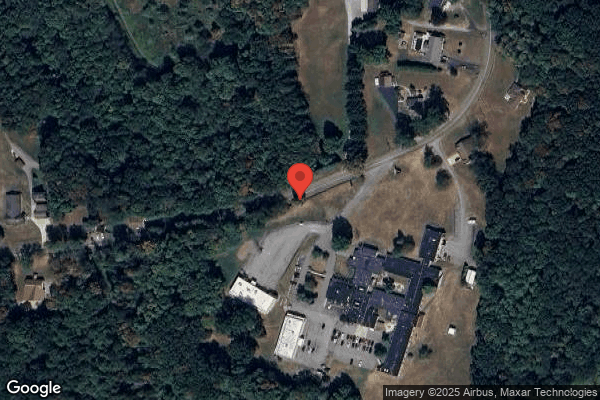
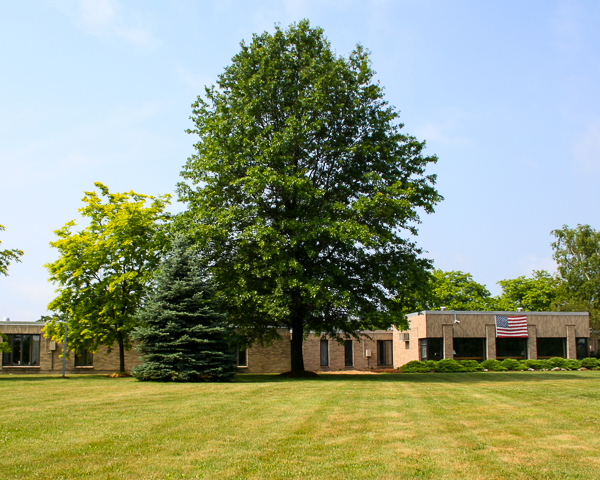
160 MEDICAL CENTER ROAD, CHICORA, PA 16025 (724) 445-2000
For profit - Partnership 114 Beds QUALITY LIFE SERVICES Data: November 2025
Trust Grade
45/100
#479 of 653 in PA
Last Inspection: November 2024

Within standard 12-15 month inspection cycle. Federal law requires annual inspections.

Overview

Quality Life Services in Chicora has a Trust Grade of D, which indicates below-average performance and some concerns. It ranks #479 out of 653 facilities in Pennsylvania, placing it in the bottom half overall, and #6 out of 11 in Butler County, meaning there are only five facilities in the area that are rated higher. However, the facility is showing improvement, reducing issues from 28 in 2024 to just 1 in 2025. Staffing levels are average with a 3 out of 5 rating, and turnover is at 56%, which is close to the state average. Notably, there have been no fines recorded, which is a positive sign. Despite these strengths, there are significant weaknesses to consider. Recent inspections revealed serious concerns, including improper food storage practices that could lead to foodborne illnesses and a failure to maintain sanitary conditions in the kitchen. Additionally, there were instances where important resident information was not communicated properly during transfers to other care providers, which raises concerns about coordination and resident safety. Overall, while there are areas of improvement, families should weigh these issues carefully when considering this facility.

Trust Score
D
45/100
In Pennsylvania
#479/653
Bottom 27%
Safety Record
Low Risk
No red flags
Inspections
Getting Better
28 → 1 violations
Staff Stability
⚠ Watch
56% turnover. Above average. Higher turnover means staff may not know residents' routines.
Penalties
✓ Good
No fines on record. Clean compliance history, better than most Pennsylvania facilities.
Skilled Nurses
✓ Good
Each resident gets 42 minutes of Registered Nurse (RN) attention daily — more than average for Pennsylvania. RNs are trained to catch health problems early.
Violations
⚠ Watch
40 deficiencies on record. Higher than average. Multiple issues found across inspections.
★★☆☆☆
2.0
Overall Rating
★★★☆☆
3.0
Staff Levels
★★★☆☆
3.0
Care Quality
★★☆☆☆
2.0
Inspection Score
Stable
2024: 28 issues
2025: 1 issues

The Good

  • Full Sprinkler Coverage · Fire safety systems throughout facility
  • No fines on record

Facility shows strength in fire safety.

The Bad

2-Star Overall Rating

Below Pennsylvania average (3.0)

Below average - review inspection findings carefully

Staff Turnover: 56%

Near Pennsylvania avg (46%)

Frequent staff changes - ask about care continuity

Chain: QUALITY LIFE SERVICES

Part of a multi-facility chain

Ask about local staffing decisions and management

Staff turnover is elevated (56%)

8 points above Pennsylvania average of 48%

The Ugly 40 deficiencies on record

Apr 2025 1 deficiency
CONCERN (D) 📢 Someone Reported This

A family member, employee, or ombudsman was alarmed enough to file a formal complaint

Potential for Harm - no one hurt, but risky conditions existed

Abuse Prevention Policies (Tag F0607)

Could have caused harm · This affected 1 resident

**NOTE- TERMS IN BRACKETS HAVE BEEN EDITED TO PROTECT CONFIDENTIALITY** Based on review of facility documents, facility policy, clinical records, and staff interviews, it was determined that the facil...

Read full inspector narrative →
**NOTE- TERMS IN BRACKETS HAVE BEEN EDITED TO PROTECT CONFIDENTIALITY** Based on review of facility documents, facility policy, clinical records, and staff interviews, it was determined that the facility failed to implement written policies and procedures to ensure a complete and thorough investigation of an allegation of sexual abuse was completed for one of four residents (Resident R1). Review of the facility policy Resident Protection from Abuse, Neglect, Mistreatment or Exploitation last reviewed 11/8/24, indicated Abuse is the willful infliction of injury, unreasonable confinement, intimidation, or punishment with resulting physical harm, pain, or mental anguish. Sexual abuse is defined as non-consensual sexual contact of any type with a resident and includes sexual harassment, sexual coercion or sexual assault. Reporting/Response includes but not inclusive to: The Nursing Home Administrator (NHA) or Director of Nursing (DON) must be notified immediately. The NHA or DON will notify the PA department of health within 24 hours of the incident and complete an on-line PB-22. The NHA or DON will contact the County Area Agency on Aging. All reports of abuse, neglect, exploitation or mistreatment will be investigated and documented. An internal investigation will be conducted. In the event of any case involving abuse, neglect, exploitation or mistreatment including injuries of unknown source, and misappropriation of the residents property, are reported immediately but no more than two hours if the event involve abuse or result in serious bodily injury. Training: Employed staff, upon hire and at least annually through in-service education, will receive training on issues related to abuse prohibition and prevention. At a minimum the following information will be included in the in-service training including but not inclusive to: How to report abuse, neglect, misappropriation of property and other mandatory reportable events. Review of Resident R1's clinical record indicates an admission date of 10/24/24. Review of Resident R1's Minimum Data Set (MDS - a periodic assessment of care needs) dated 2/21/25, indicates the diagnosis of heart failure (heart cant pump the way it should), anxiety and depression. During an interview completed on 4/22/25, at 11:30 a.m. Resident R1 was up, appeared well groomed and was sitting in her chair next to her bed. Upon asking how she is treated by the staff she replied fine so far and continued to state there was one girl who was very rough my care, my bum still hurts they are using cream on it. Upon asking if she could recall when this occurred she replied about three weeks ago, when I was on the lower floor. Resident began to get tearful and continued to express the event that occurred. Resident R1 stated I think her name was [NAME], I have never had anyone abuse me like that. Resident R1 continued to say she used a washcloth, it was like rape I have not have anyone ever treat me like that, she put it in my bum. There was another Nurse Aid (NA) in the room while this happened he told her to back up and get away from me Resident R1 further stated the police came in and took my statement. They had a doctor come in to see me, I'm real jumpy, I will never be ok again in my mind, the feelings inside me are not only physical but part of me is gone. Oh her name was NA Employee E6, she also did it to the lady across the hall from me. Resident was tearful when giving the information of this event, she stated It helps to talk about it I can let it all out Review of facility reported event (ERS-event reporting system) factual description indicated that on 4/7/25, the Director of Nursing (DON) was approached by two NA's to report concerns with Resident R1, staff reported that the resident was handled very roughly by another NA, they felt the action was inappropriate. Resident R1 reported to the DON and Social Worker that she had been hurt by the female NA who had been providing her care prior to her 3:00 p.m. smoke break. Resident reported that it felt like an ice scraper was being used on her buttocks to clean her bowel movement. Resident reported that she was screaming at the NA to stop, and that the NA seemed to be in a really bad mood and was swinging me around in the bed ResidentR1 felt this interaction was humiliating and very painful. Review of the facility reported follow up action in ERS indicated: NA suspended immediately pending investigation. Staff statements obtained. Resident assessed by the DON and Licensed Practical Nurse (LPN) for injury to buttocks /peri area. No redness or bruising identified, but resident complains of burning pain. Resident provided with stock barrier cream for comfort and was previously medicated with as needed pain medication. Verbal report made to local state police, awaiting state trooper arrival at facility to provide full report of incident. Resident will be followed by facility SW to monitor emotional wellbeing. PB-22 to be submitted. Review of Resident R1's behavior progress note dated 4/8/25, at 1:22 p.m. created by LPN Employee E3 indicates: Resident very tearful, asked to speak with her guardian. Resident states she was sexually abused yesterday and doesn't know what she did to deserve it. Resident says If something isn't done about her I'm going to call the policy and press charges. Resident also reports feeling unsafe and that she doesn't want to trust anyone to provide incontinence care on her. Staff on hall today permitted to provide care. During an interview completed on 4/22/24, at 11:02 a.m. upon asking LPN Employee E3, if she recalled the behavior note completed on 4/8/25, at 1:22 p.m. concerning Resident R1's concerns and if she reported the allegation of sexual abuse to anyone stated I don ' t remember who I told, it would have been on the daylight shift and was told just to watch her. During an interview completed on 4/22/25, at 12:30 p.m. The DON stated I was never made aware of that, I have not read that note and was never made aware of the sexual allegation, just the physical allegation that was in the investigation, the sexual allegation was not investigated. When I interviewed Resident R1 she did not make that accusation, she reported that the female NA hurt her, stating it felt like an ice scrapper was being dragged on her butt. If I was aware I would have offered addition services and confirmed that the facility failed to implement written policies and procedures to ensure a complete and thorough investigation of an allegation of sexual abuse for one of four residents (Resident R1). 28 Pa. Code 201.14(a) Responsibility of licensee 28 Pa. Code 201.18 (e)(1) Management 28 Pa. Code 201.29 (a)(c) Resident Rights 28 Pa. Code 211.12(c)(d)(5) Nursing Services
Nov 2024 15 deficiencies
CONCERN (D)

Potential for Harm - no one hurt, but risky conditions existed

Resident Rights (Tag F0550)

Could have caused harm · This affected 1 resident

**NOTE- TERMS IN BRACKETS HAVE BEEN EDITED TO PROTECT CONFIDENTIALITY** Based on review of facility policy, observation, and staff interview it was determined that the facility failed to provide a dig...

Read full inspector narrative →
**NOTE- TERMS IN BRACKETS HAVE BEEN EDITED TO PROTECT CONFIDENTIALITY** Based on review of facility policy, observation, and staff interview it was determined that the facility failed to provide a dignified dining experience by failing to provide assistance with meals timely for two of six residents (Resident R35 and R55). Findings include: Review of the facility Dysphagia Protocol policy dated 11/8/24, indicated residents who have swallowing difficulties will receive evaluation and treatment interventions to promote adequate nutrition and hydration. Review of the facility Resident Rights policy dated 11/8/24, indicated residents shall be treated with dignity and respect. Review of Resident R35's clinical record indicated the resident was admitted to the facility on [DATE]. Review of Resident R35's MDS (Minimum Data Set, periodic assessment of resident care needs) dated 9/2/24, indicated diagnoses of depression, malnutrition (lack of sufficient nutrients in the body), and Alzheimer's disease (a type of brain disorder that causes problems with memory, thinking and behavior). Section GG Functional Abilities GG0130 Eating was coded as a 2, indicating resident requires substantial maximal assistance and the helper does more than half the effort. During an observation on 11/12/24, at 11:45 a.m. four staff members were assisting other residents in the dining room to eat. During an observation on 11/12/24, at 11:50 a.m. Resident R35 was sitting in the dining room at a table with another resident, with her meal sitting in front of her without being assisted. Review of Resident R55's clinical record indicated the resident was admitted to the facility on [DATE]. Review of Resident R55's MDS) dated [DATE], indicated diagnoses of high blood pressure, diabetes (a metabolic disorder in which the body has high sugar levels for prolonged periods of time), and dementia (a group of symptoms that affects memory, thinking and interferes with daily life). Section GG Functional Abilities GG0130 Eating was coded as a 1, indicating resident is dependent and the helper does all the effort. During an observation on 11/12/24, at 11:46 a.m. four staff members were assisting other residents in the dining room to eat. During an observation on 11/12/24, at 11:53 a.m. Resident R55 was sitting in the dining room at a table with another resident, with her meal sitting in front of her without being assisted. During an interview on 11/12/24, at 11:55 a.m. Nursing Assistant (NA) Employee E13 stated, I would usually go tell someone that we need more staff to feed residents, but I have not done that yet. I will go tell them now. During an interview on 11/12/24, at 11:57 a.m. Assistant Director of Nursing Employee E2 confirmed that the facility failed to provide a dignified dining experience by failing to provide assistance with meals timely for two of six residents (Resident R35 and R55). 28 Pa Code: 201.29 (i) Resident rights.
CONCERN (D)

Potential for Harm - no one hurt, but risky conditions existed

Notification of Changes (Tag F0580)

Could have caused harm · This affected 1 resident

**NOTE- TERMS IN BRACKETS HAVE BEEN EDITED TO PROTECT CONFIDENTIALITY** Based on review of clinical records and staff interview it was determined that the facility failed to notify the physician of a ...

Read full inspector narrative →
**NOTE- TERMS IN BRACKETS HAVE BEEN EDITED TO PROTECT CONFIDENTIALITY** Based on review of clinical records and staff interview it was determined that the facility failed to notify the physician of a change in condition for one of seven residents (Resident R1). Findings include: Resident R1 was admitted to the facility on [DATE]. Review of the MDS (Minimum Data Set a periodic assessment of resident needs) dated 9/30/24, indicated diagnosis of hyperlipidemia (abnormal levels of fat in the blood), and depression (mood disorder that causes persistent feeling of sadness and loss of interest). Review of Resident R1's clinical record, progress notes dated 9/15/24, indicated, Aide notified writer that resident has scratches on right hip area non open, red raised, white heads on bumps, 3 small, raised patches on abdomen and right front side, yeast infection under left breast bright pink in color non open, odor, right breast small light pink rash starting, writer told aides to clean under breast, dry very well apply anti-fungal cream not powder under breast, apply orange tube barrier cream to bottom, anti-fungal cream to scratch area on right hip. RN (Registered Nurse) notified, writer showed RN areas, RN agreed with findings and also stated to apply the creams to the areas writer mentioned. Writer will monitor client skin. Review of Resident R1's clinical record progress notes failed to indicate notification to the physician. During an interview on 11/24/24, at 10:19 a.m. Director of Nursing confirmed that the facility failed to notify the physician of the change in condition and application of a cream for Resident R1. 28 Pa. Code 201.14(a)Responsibility of licensee. 28 Pa. Code 201.18(b)(1)(3)Management. 28 Pa. Code 211.12(d)(1)(3)(5)Nursing services.
CONCERN (D)

Potential for Harm - no one hurt, but risky conditions existed

Deficiency F0582 (Tag F0582)

Could have caused harm · This affected 1 resident

**NOTE- TERMS IN BRACKETS HAVE BEEN EDITED TO PROTECT CONFIDENTIALITY** Based on a review of facility admission documents and staff interview, it was determined that the facility failed to ensure resi...

Read full inspector narrative →
**NOTE- TERMS IN BRACKETS HAVE BEEN EDITED TO PROTECT CONFIDENTIALITY** Based on a review of facility admission documents and staff interview, it was determined that the facility failed to ensure resident rights to make informed decisions and choices about important aspects of residents' health, safety and welfare by making certain residents understand the Skilled Nursing Facility Advanced Beneficiary Notice of Non-coverage (SNF ABN) form and failed to ensure the agreement is explained to the resident and his or her representative in a form and manner that he or she understands for one of three residents (Resident R84). Findings include: Review of the Resident Assessment Instrument 3.0 User's Manual effective October 2019 indicated that a Brief Interview for Mental Status (BIMS), is a screening test that aides in detecting cognitive impairment. The BIMS total score suggests the following distributions: 13-15: cognitively intact 8-12: moderately impaired 0-7: severe impairment Review of the clinical record indicated Resident R84 was admitted to the facility on [DATE]. Review of Resident R84's Minimum Data Set (MDS - a periodic assessment of care needs) dated 9/11/24, indicated diagnoses of high blood pressure, anemia (too little iron in the body), and muscle weakness. Review of Section C: Cognitive Patterns, Questions C0500 BIMS Summary Score revealed CR Resident R84's score to be 8, moderately impaired. Review of the SNF ABN form dated 10/3/24, revealed that it was signed by Resident R84. During an interview on 11/13/24, at 2:01 p.m. Registered Nurse Assessment Coordinator (RNAC) Employee E1 stated that she would not have someone with a BIMS of 8 sign the SNF ABN form. During an interview on 11/13/24, at 2:01 p.m. RNAC Employee E1 confirmed that the facility failed to ensure the SNF ABN was explained to the resident and his or her representative in a form and manner that he or she understands for one of three residents as required. 28 Pa. Code 201.24 (b) admission Policy. 28 Pa. Code 201.14(a) Responsibility of Licensee. 28 Pa. Code 201.18(b)(2) Management. 28 Pa. Code 201.29(a)(j) Resident Rights.
CONCERN (D)

Potential for Harm - no one hurt, but risky conditions existed

Deficiency F0604 (Tag F0604)

Could have caused harm · This affected 1 resident

**NOTE- TERMS IN BRACKETS HAVE BEEN EDITED TO PROTECT CONFIDENTIALITY** Based on review of facility policy, observation clinical record review and staff interview it was determined that the facility f...

Read full inspector narrative →
**NOTE- TERMS IN BRACKETS HAVE BEEN EDITED TO PROTECT CONFIDENTIALITY** Based on review of facility policy, observation clinical record review and staff interview it was determined that the facility failed to obtain a physician order and develop a resident centered care plan for the placement of a bed against the wall for one of two residents (Resident R42). Review of the facility policy Physical Restraint dated 7/22/24, last reviewed 11/8/24, indicated each resident is to attain and maintain his/her highest practical well-being in an environment that prohibits the use of restraints for discipline or convenience and limits use of restraints use to circumstances in which the resident has medical symptoms that warrant the use of restraint, the use of restraint will be a last resort alternative intervention. Review of the facility Resident Rights dated 7/22/24, last reviewed 11/8/24, indicated a resident shall be free of restraints. Review of Resident R42's clinical record indicated an admission date of 6/7/24. Review of resident 42's MDS dated [DATE], indicated the diagnosis of coronary artery disease (CAD - affects that arteries that supply the heart with blood), hypertension (high blood pressure) and hyperlipidemia (high level of fat in the blood). During an observation and interview completed on 11/14/24, at 11:06 a.m. Nurse Assistant (NA) Employee E12 confirmed Resident R42's bed was pushed up against the wall. A review of the Physicians orders indicated the facility failed to obtain physician order for Resident R42's bed against the wall. Review of Resident's R42's care plan dated 4/16/24, with revision on 10/1/24, indicated he would be free of falls. The care plan did not include placing Resident R40's bed next to the wall. During an interview completed on 11/14/24, at 11:38 a.m. the Director of Nursing confirmed that the facility failed to obtain a physician order and develop a resident centered care plan for the placement of a bed against the wall for one of two residents (Resident R42). 28. Pa Code 201.14(a) Responsibility of licensee. 28 Pa. Code: 201. 18(e)(1) Management. 28 Pa. Code 211. 12(d)(5) Nursing Services.
CONCERN (D)

Potential for Harm - no one hurt, but risky conditions existed

Incontinence Care (Tag F0690)

Could have caused harm · This affected 1 resident

**NOTE- TERMS IN BRACKETS HAVE BEEN EDITED TO PROTECT CONFIDENTIALITY** Based on review of facility policy, clinical record review, and staff interview, it was determined that the facility failed to e...

Read full inspector narrative →
**NOTE- TERMS IN BRACKETS HAVE BEEN EDITED TO PROTECT CONFIDENTIALITY** Based on review of facility policy, clinical record review, and staff interview, it was determined that the facility failed to ensure appropriate treatment and services were provided for residents with an indwelling urinary catheter (a tube inserted in the bladder to drain urine) for one of four residents reviewed (Residents R88). Findings include: Review of facility policy Indwelling Urinary Catheter dated 7/22/24, and last reviewed 11/8/24, indicated that an indwelling catheter not medically justifies will be discontinued as soon as clinically warranted. The catheter bag should have a privacy cover applied at all times unless it has one built in by the manufacturer. Review of the clinical record indicated Resident R88 was admitted to the facility on [DATE]. Review of Resident R88's Minimum Data Set (MDS - a periodic assessment of care needs) dated 10/28/24, indicated the diagnosis of anemia (low iron in the blood), hypertension (high blood pressure), and neurogenic bladder (a bladder dysfunction caused by neurological damage). Review of R88's physician order dated 11/17/24, indicated the resident has an indwelling foley catheter (flexible tube that drains urine from the bladder through the urethra) size 16 French (standard measurement size for foley catheters) with a 10cc (cubic centimeter) balloon (holds catheter in place in the bladder). Review of Resident R88's care plan dated 10/24/24 indicates indwelling foley catheter 16 French/10cc balloon related to neurogenic bladder. Observation on 11/12/24 at 10:23 a.m. Resident R88's foley catheter bag was hanging on the bed frame and failed to have a privacy cover. During an interview on 11/12/24 at 10:23 a.m. Licensed Practical Nurse (LPN) Employee E3 confirmed that the foley catheter bag did not have a privacy cover and that the facility failed to ensure appropriate treatment and services were provided for residents with an indwelling urinary catheter. 28 Pa. Code 201.14(a) Responsibility of licensee. 28 Pa. Code 201.29(a)(c)(d)(j) Resident rights. 28 Pa. Code 211.10(c)(d) Resident care policies. 28 Pa. Code 211.12(d)(1)(3)(5) Nursing services
CONCERN (D)

Potential for Harm - no one hurt, but risky conditions existed

Deficiency F0698 (Tag F0698)

Could have caused harm · This affected 1 resident

**NOTE- TERMS IN BRACKETS HAVE BEEN EDITED TO PROTECT CONFIDENTIALITY** Based on review of facility policy, clinical records, and staff interviews, it was determined that facility staff failed to main...

Read full inspector narrative →
**NOTE- TERMS IN BRACKETS HAVE BEEN EDITED TO PROTECT CONFIDENTIALITY** Based on review of facility policy, clinical records, and staff interviews, it was determined that facility staff failed to maintain ongoing communication with the dialysis (a machine filters wastes, salts, and fluid from your blood when your kidneys are no longer healthy enough to do this work adequately) center for two of three residents reviewed (Resident R57, and R59). Findings include: Review of CMS guidelines, 483.25(1) states the facility assures that each resident receives care and services for the provision of dialysis (a machine filters wastes, salts, and fluid from your blood when your kidneys are no longer healthy enough to do this work adequately) including the ongoing assessment of the resident's condition and monitoring for complications before and after dialysis treatments. Review of the clinical record indicated that Resident R57 was admitted to the facility on [DATE]. Review of Resident R57's Minimum Data Set (MDS - periodic assessment of care needs) dated 9/6/24, indicated the diagnoses of anemia (low iron in the blood), hypertension (high blood pressure) and end stage renal disease (ESRD-kidneys permanently fail to work). Review of a physician's order dated 8/31/24, indicated Resident R57 was to receive dialysis three days a week on Monday, Wednesday, and Friday. Review of Resident R57's care plan dated 8/29/23, indicated to assess left upper arm AV fistula auscultate for bruit and palpate for thrill daily. Maintain communication with my dialysis clinic. Review of R57's dialysis communication sheets from 9/6/24 through 11/11/24 indicated two of 21 communication sheets not completed prior to dialysis. (9/6/24, 9/9/24, 9/11/24, 9/14/24, 9/16/24, 9/18/24, 9/20/24, 9/23/24, 9/27/24,10/4/24, 10/7/24, 10/16/24, 10/21/24, 10/23/24, 10/25/24, 10/28/24, 10/30/24, 11/1/24, 11/4/24, 11/8/24. 11/11/24). Review of the clinical record indicated that Resident R59 was admitted to the facility on [DATE]. Review of Resident R59 's Minimum Data Set (MDS - periodic assessment of care needs) dated 8/7/24, indicated the diagnosis of heart failure (heart can ' t pump blood the way it should), hypertension (high blood pressure and end stage renal disease (ESRD-kidneys permanently fail to work). Review of a physician's order dated 6/1/23, indicated Resident R59 was to receive dialysis three days a week on Monday, Wednesday, and Friday. Review of Resident R59's care plan dated 8/29/23, indicated to assess left upper arm AV fistula auscultate for bruit and palpate for thrill daily. Maintain communication with my dialysis clinic. Review of R59's the dialysis communication sheets from 9/6/24 through 11/11/24, indicated 18 of 20 communication sheets not completed prior to dialysis. (9/6/24, 9/9/24, 9/11/24, 9/16/24, 9/18/24, 9/20/24, 9/23/24, 9/27/24, 10/4/24, 10/7/24, 10/15/24, 10/21/24, 10/23/24, 10/25/24, 10/28/24, 10/30/24, 11/1/24, 11/8/24). During an observation and interview completed on 11/14/24 at 12:59 p.m. Licensed Practical Nurse (LPN) Employee E3 confirmed the dialysis sheets were not completed and stated, we don ' t normally fill the top portion out. During an interview on 11/14/24, at 1:06 p.m. Registered Nurse (RN) Employee E15 stated, the top portion needs to be filled out and we send the book and any order summaries. During an interview completed on 1/14/24 at 1:11 p.m. the Director of Nursing confirmed the dialysis books were incomplete and that the facility failed to maintain ongoing communication with the dialysis center for two of three residents reviewed (Resident R57, and R59). 28 Pa. Code: §211.5(g)(h) Clinical records. 28 Pa. Code: §201.14(a)(b)(e)(1)(3) Management. 28 Pa. Code: §211.10(c) Resident care policies. 28 Pa. Code: §211.12(c)(d)(1)(3)(5) Nursing services.
CONCERN (D)

Potential for Harm - no one hurt, but risky conditions existed

Deficiency F0760 (Tag F0760)

Could have caused harm · This affected 1 resident

**NOTE- TERMS IN BRACKETS HAVE BEEN EDITED TO PROTECT CONFIDENTIALITY** Based on review of facility policy, clinical record review, and interviews with staff, it was determined that the facility faile...

Read full inspector narrative →
**NOTE- TERMS IN BRACKETS HAVE BEEN EDITED TO PROTECT CONFIDENTIALITY** Based on review of facility policy, clinical record review, and interviews with staff, it was determined that the facility failed to ensure that residents are free of significant medication errors for one of five residents reviewed (Resident R1). Findings include: Review of facility policy Physician Orders dated 7/22/24, and last reviewed 11/8/24, indicated physician orders are followed in accordance with good nursing principles and practices and are transcribed and carried out by persons legally authorized to do so. Medications and treatments will be administered and signed off per physician orders. If dose is missed, take dose as scheduled; do not double dose. Review of Davis's Drug Guide for Nurses, 19th Edition, dated 2024, indicated Mercaptopurine is a medication used to treat Crohn's disease (a long-time disease that causes inflammation and irritation in the digestive tract) by reducing irritation and inflammation in the intestines. Review of the clinical record indicated Resident R1 was admitted to the facility on [DATE]. Review of Resident R1's Minimum Data Set (MDS - a periodic assessment of care needs) dated 9/30/24, indicated diagnoses of anemia (too little iron in the blood), anxiety (a feeling of worry, nervousness, or unease), and Crohn's disease. Review of a physician order indicated to administer Mercaptopurine 50 milligrams, give two tablets by mouth in the morning. Review of Resident R1's Medication Administration Record (MAR) dated April 2024 indicated the resident did not receive the scheduled Mercaptopurine on 4/19/24, and 4/20/24, due to the medication not being available. Review of Resident R1's clinical record failed to reveal that the physician was notified of Resident R1's missed doses of Mercaptopurine on 4/19/24, and 4/20/24. During an interview on 11/15/24, at 10:00 a.m. the Director of Nursing confirmed that the facility failed to ensure that residents are free of significant medication errors for one of five residents as required. 28 Pa. Code: 211.12(d)(1)(3)(5)Nursing services. 28 Pa. Code: 201.29(b)(d)(j) Resident rights. 28 Pa. Code 211.10(c)(d) Resident care policies. 28 Pa. Code 211.9 (k)(l)(1)(2) Pharmacy services.
CONCERN (D)

Potential for Harm - no one hurt, but risky conditions existed

Deficiency F0868 (Tag F0868)

Could have caused harm · This affected 1 resident

Based on review of facility policy, Quality Assurance attendance records, and staff interview, it was determined that the facility failed to conduct Quality Assessment and Assurance (QAA) meetings at ...

Read full inspector narrative →
Based on review of facility policy, Quality Assurance attendance records, and staff interview, it was determined that the facility failed to conduct Quality Assessment and Assurance (QAA) meetings at least quarterly with all of the required committee members for one of three quarters (January 2024 through March 2024). Findings include: Review of facility policy Quality Assurance Performance Improvement (QAPI) Structure, Scope and Plan dated 7/22/24, and last reviewed 11/8/24, indicated a QAPI Committee shall be established to administer the QAPI Plan as it pertains to that home. Members of the homes' QAPI Committee will consist of at least the following: Nursing Home Administrator, Director of Nursing, Medical Director, Personal Care Administrator, Consultant Pharmacist, Direct Care Team Member, Medical Records representative, Laundry/Housekeeping Director, Maintenance Director, Activities Director, Social Worker, Culinary Director, Human Resources Director, RNAC, at least one member of the Safety Committee, Laboratory representative, Community Member, and Representatives from any Performance Improvement Process (PIP) Teams. A review of the QAPI Committee meeting sign-in sheets from the period of January 2024 through March 2024, did not reveal that the Medical Director/designee or Infection Preventionist were in attendance. During an interview on 11/15/24, at 10:05 a.m. the Nursing Home Administrator confirmed that the facility failed to conduct QAA meetings at least quarterly with all of the required committee members as required. 28 Pa Code: 201.18(e )(1)(2)(3)(4) Management.
CONCERN (D)

Potential for Harm - no one hurt, but risky conditions existed

Deficiency F0941 (Tag F0941)

Could have caused harm · This affected 1 resident

Based on review of facility policy and documents, and staff interview, it was determined that the facility failed to provide training on effective communication for one of five staff members (Nurse Ai...

Read full inspector narrative →
Based on review of facility policy and documents, and staff interview, it was determined that the facility failed to provide training on effective communication for one of five staff members (Nurse Aide (NA) Employee E9). Findings include: Review of the facility's Employee Handbook indicated as required by the Commonwealth of Pennsylvania and in order to maintain the high degree of skill and ability necessary to ensure superior resident care, all employees are required to participate in mandatory or approved meetings, in-service training programs and online courses. Review of NA Employee E9's personnel file indicated a hire date of 3/12/18, and failed to include effective communication training between 11/14/23, and 11/14/24. During an interview on 11/14/24, at 2:00 p.m. the Director of Nursing confirmed that the facility failed to provide training on effective communication for one of five staff members as required. 28 Pa. Code: 201.14(a) Responsibility of Licensee. 28 Pa. Code: 201.20(c) Staff Development.
CONCERN (E)

Potential for Harm - no one hurt, but risky conditions existed

Transfer Requirements (Tag F0622)

Could have caused harm · This affected multiple residents

**NOTE- TERMS IN BRACKETS HAVE BEEN EDITED TO PROTECT CONFIDENTIALITY** Based on review of facility policy, clinical record review, and staff interview, it was determined that the facility failed to m...

Read full inspector narrative →
**NOTE- TERMS IN BRACKETS HAVE BEEN EDITED TO PROTECT CONFIDENTIALITY** Based on review of facility policy, clinical record review, and staff interview, it was determined that the facility failed to make certain that the necessary resident information was communicated to the receiving health care provider for five of six residents sampled with facility-initiated transfers (Residents R2, R13, R82, R83, and R88). Findings include: Review of facility policy Medical Emergency dated 7/22/24, and last reviewed 11/8/24, indicated if transfer is required complete transfer form and send appropriate documentation with the resident. Review of the clinical record indicated Resident R2 was admitted to the facility on [DATE]. Review of Resident R2's MDS (Minimum Data Set, periodic assessment of resident care needs) dated 11/4/24, indicated diagnoses of high blood pressure, Alzheimer ' s disease (a type of brain disorder that causes problems with memory, thinking and behavior), and diabetes (a metabolic disorder in which the body has high sugar levels for prolonged periods of time). Review of the clinical record indicated Resident R2 was transferred to hospital on 8/11/24 and returned to the facility on 8/12/24. Review of Resident R2's clinical record revealed no documented evidence that the facility had communicated specific information to the receiving health care provider for the residents transferred and expected to return, which included the resident's care plan goals, advanced directive information, specific instructions for ongoing care, resident representative information, and all information necessary to meet the resident's specific needs at the receiving facility. Review of the clinical record indicated Resident R13 was admitted to the facility on [DATE]. Review of Resident R13's MDS dated [DATE], indicated diagnoses of muscle weakness, depression, and anemia (too little iron in the body causing fatigue). Review of the clinical record indicated Resident R13 was transferred to hospital on [DATE] and returned to the facility on [DATE]. Review of Resident R13's clinical record revealed no documented evidence that the facility had communicated specific information to the receiving health care provider for the residents transferred and expected to return, which included the resident's care plan goals, advanced directive information, specific instructions for ongoing care, resident representative information, and all information necessary to meet the resident's specific needs at the receiving facility. Review of the clinical record indicated Resident R82 was admitted to the facility on [DATE]. Review of Resident R82's MDS dated [DATE], indicated diagnoses of high blood pressure, dementia (a group of symptoms that affects memory, thinking and interferes with daily life), and coronary artery disease (damage or disease in the heart's major blood vessels). Review of the clinical record indicated Resident R82 was transferred to hospital on [DATE] and returned to the facility on [DATE]. Review of Resident R82's clinical record revealed no documented evidence that the facility had communicated specific information to the receiving health care provider for the residents transferred and expected to return, which included the resident's care plan goals, advanced directive information, specific instructions for ongoing care, resident representative information, and all information necessary to meet the resident's specific needs at the receiving facility. Review of the clinical record indicated Resident R83 was admitted to the facility on [DATE]. Review of Resident R83's MDS dated [DATE], indicated diagnoses of high blood pressure, Alzheimer's disease , and muscle weakness. Review of the clinical record indicated Resident R83 was transferred to hospital on 9/7/24 and returned to the facility on 9/11/24. Review of Resident R83's clinical record revealed no documented evidence that the facility had communicated specific information to the receiving health care provider for the residents transferred and expected to return, which included the resident's care plan goals, advanced directive information, specific instructions for ongoing care, resident representative information, and all information necessary to meet the resident's specific needs at the receiving facility. Review of the clinical record indicated Resident R88 was admitted to the facility on [DATE]. Review of Resident R88's MDS dated [DATE], indicated diagnoses of high blood pressure, hyponatremia (too little sodium in the blood), and muscle weakness. Review of the clinical record indicated Resident R88 was transferred to hospital on [DATE] and returned to the facility on [DATE]. Review of Resident R88's clinical record revealed no documented evidence that the facility had communicated specific information to the receiving health care provider for the residents transferred and expected to return, which included the resident's care plan goals, advanced directive information, specific instructions for ongoing care, resident representative information, and all information necessary to meet the resident's specific needs at the receiving facility. During an interview on 11/15/24, at 10:00 a.m. the Director of Nursing confirmed that the facility failed to make certain that the necessary resident information was communicated to the receiving health care provider for five of six residents as required. 28 Pa. Code 201.29 (a) (c.3) (2) Resident rights.
CONCERN (E)

Potential for Harm - no one hurt, but risky conditions existed

Deficiency F0625 (Tag F0625)

Could have caused harm · This affected multiple residents

**NOTE- TERMS IN BRACKETS HAVE BEEN EDITED TO PROTECT CONFIDENTIALITY** Based on review of facility policy, clinical records, and staff interviews, it was determined that the facility failed to notify...

Read full inspector narrative →
**NOTE- TERMS IN BRACKETS HAVE BEEN EDITED TO PROTECT CONFIDENTIALITY** Based on review of facility policy, clinical records, and staff interviews, it was determined that the facility failed to notify the resident or resident's representative of the facility bed-hold policy (an agreement for the facility to hold a bed for an agreed upon rate during a hospitalization) for four of six resident hospital transfers or therapeutic leave of absence (Resident R2, R69, R82, and R83). Findings Include: Review of the facility policy Notice of Bed Hold Policy at Time of Transfer Due to Hospitalization or Therapeutic Leave indicated that the bed hold policy will be provided to residents at the time of transfer of a resident for hospitalization or therapeutic leave. Review of the clinical record indicated Resident R2 was admitted to the facility on [DATE]. Review of Resident R2's MDS (Minimum Data Set, periodic assessment of resident care needs) dated 11/4/24, indicated diagnoses of high blood pressure, Alzheimer ' s disease (a type of brain disorder that causes problems with memory, thinking and behavior), and diabetes (a metabolic disorder in which the body has high sugar levels for prolonged periods of time). Review of the clinical record indicated Resident R2 was transferred to hospital on 8/11/24 and returned to the facility on 8/12/24. Review of Resident R2's clinical record failed to include documented evidence that the resident or the resident's representative were provided with written information about the facility's bed hold policy at the time of the transfer to the hospital on 8/11/24. Review of the clinical record revealed that Resident R69 was admitted to the facility on [DATE]. Review of Resident R69's MDS dated [DATE], indicated diagnoses of dementia (neuro-cognitive disorder impacting reasoning, judgment, and memory), high blood pressure, and muscle weakness. Review of Resident R69's clinical record revealed that the resident left the facility for a therapeutic leave of absence on 9/13/24, and returned to the facility on 9/14/24. Review of Resident R69's clinical record failed to include documented evidence that the resident or the resident's representative were provided with written information about the facility's bed hold policy at the time of her therapeutic leave of absence on 9/13/24. Review of the clinical record indicated Resident R82 was admitted to the facility on [DATE]. Review of Resident R82's MDS dated [DATE], indicated diagnoses of high blood pressure, dementia, and coronary artery disease (damage or disease in the heart's major blood vessels). Review of the clinical record indicated Resident R82 was transferred to hospital on [DATE] and returned to the facility on [DATE]. Review of Resident R82's clinical record failed to include documented evidence that the resident or the resident's representative were provided with written information about the facility's bed hold policy at the time of the transfer to the hospital on [DATE]. Review of the clinical record indicated Resident R83 was admitted to the facility on [DATE]. Review of Resident R83's MDS dated [DATE], indicated diagnoses of high blood pressure, Alzheimer's disease, and muscle weakness. Review of the clinical record indicated Resident R83 was transferred to hospital on 9/7/24 and returned to the facility on 9/11/24. Review of Resident R83's clinical record failed to include documented evidence that the resident or the resident's representative were provided with written information about the facility's bed hold policy at the time of the transfer to the hospital on 9/7/24. During an interview on 11/15/24, at 9:57 a.m. the Director of Nursing confirmed that the facility failed to notify the resident or resident's representative of the facility bed-hold policy for Resident R2, R69, R82, and R83. 28 Pa. Code: 201.29(b)(d)(j) Resident rights.
CONCERN (E)

Potential for Harm - no one hurt, but risky conditions existed

Accident Prevention (Tag F0689)

Could have caused harm · This affected multiple residents

**NOTE- TERMS IN BRACKETS HAVE BEEN EDITED TO PROTECT CONFIDENTIALITY** Based on review of facility documents, facility policy, clinical records, and staff interviews, it was determined that the facil...

Read full inspector narrative →
**NOTE- TERMS IN BRACKETS HAVE BEEN EDITED TO PROTECT CONFIDENTIALITY** Based on review of facility documents, facility policy, clinical records, and staff interviews, it was determined that the facility failed to assess a resident for safe smoking for one of two residents (Resident R42), and failed to make certain each resident received adequate monitoring of elopement (leaving an area without permission) prevention devices for three out of three residents (Residents R67, R69, and R72), Findings include: Review of the facility policy Smoking dated 11/8/24, and previously dated 7/22/24, indicated that a Smoking Assessment will be completed upon move-in, quarterly, and as needed if there is a decline in the residents Activities of Daily Living. Review of the facility policy Elopement Prevention dated 11/8/24, and previously reviewed 7/22/24, indicated that if a resident's behavior warrants elopement prevention measures, a comprehensive elopement prevention plan will be documented as part of the plan of care. Staff observations will be noted during the resident's stay and modifications will be made to the care plan and prevention techniques. Review of the facility policy Physician Orders dated 11/8/24, and previously dated 7/224, indicated that physician orders are followed in accordance with good nursing principles and practices and are transcribed and carried out by persons legally authorized to do so. Review of Resident R42's clinical record indicated an admission date of 6/7/24. Review of resident 42's MDS (Minimum Data Set- a periodic assessment of resident care needs) dated 9/3/24, indicated the diagnosis of coronary artery disease (CAD - affects that arteries that supply the heart with blood), hypertension (high blood pressure) and hyperlipidemia (high level of fat in the blood). Review of resident R42's care plan dated 5/24/24 indicated I use tobacco/nicotine products: tobacco smoking (history of smoking 3 packs/day). I will have a smoking evaluation completed upon admission, re-admission, annually and as needed for decline in activities of daily living (ADLS). Review of Resident R42's Nursing review dated 6/10/24, section I smoking indicated yes, the resident uses tobacco products or vaping device. No further assessment was found to be completed. During an interview completed on 11/15/24, at 11:07 a.m. the Director of Nursing confirmed the last smoking assessment completed for resident R42 was 6/10/24, no further assessments were completed as required and that the facility failed to assess a resident for safe smoking for one of two residents (Resident R42). Review of the clinical record revealed that Resident R67 was admitted to the facility on [DATE]. Review of Resident R67's MDS dated [DATE], indicated diagnoses of dementia (neuro-cognitive disorder impacting reasoning, judgment, and memory), anxiety, and muscle weakness. Review of Resident R67's clinical record revealed a physician's order dated 9/1/24, to check Wanderguard (a device applied to the resident that alerts staff when they leave a safe area) battery percentage weekly. Replace Wanderguard when battery percentage is below ten percent. Review of Resident R67's clinical record revealed a physician's order dated 8/29/24, for Wanderguard to be on at all times. Check placement, function and skin integrity every shift. Review of Resident R67's treatment record revealed that Wanderguard battery function was not completed as ordered on 9/8/24, 9/29/24, 10/13/24, and 11/10/24. Review of Resident R67's treatment record revealed that Wanderguard placement, function and skin integrity was not completed on 9/5/24, during the day shift, 9/11/24, on the day shift, 9/20/24, on the evening and night shift, 10/10/24, on the night shift, 10/16/24, on the night shift, and 10/18/24, on the night shift. Review of the clinical record revealed that Resident R69 was admitted to the facility on [DATE]. Review of Resident R69's MDS dated [DATE], indicated diagnoses of dementia, high blood pressure, and muscle weakness. Review of Resident R69's clinical record revealed a physician's order dated 8/29/24, to check Wanderguard battery percentage weekly. Replace Wanderguard when battery percentage is below ten percent. Review of Resident R69's clinical record revealed a physician's order dated 8/29/24, for Wanderguard to be on at all times. Check placement, function and skin integrity every shift. Review of Resident R69's treatment record revealed that Wanderguard battery function was not completed as ordered on 9/29/24, and 10/13/24. Review of Resident R69's treatment record revealed that Wanderguard placement, function and skin integrity was not completed on 9/5/24, during the day shift, 9/13/24, during the evening shift and night shift, 9/29/24, during the night shift, 10/10/24, during the day shift, 10/13/24, during the night shift, and 11/4/24, during the evening shift. Review of the clinical record revealed that Resident R72 was admitted to the facility on [DATE]. Review of Resident 72's MDS dated [DATE], indicated diagnoses of Huntington's disease (an inherited condition in which nerve cells in the brain break down over time resulting in progressive movement, thinking and psychiatric symptoms), dementia, and malnutrition (lack of proper nutrition). Review of Resident R72's clinical record revealed a physician's order dated 8/29/24, to check Wanderguard battery percentage weekly. Replace Wanderguard when battery percentage is below ten percent. Review of Resident R72's clinical record revealed a physician's order dated 8/29/24, and reordered on 9/23/24, for Wanderguard to be on at all times. Check placement, function and skin integrity every shift. Review of Resident R72's treatment record revealed that Wanderguard battery function was not completed as ordered on 9/15/24, and 9/29/24. Review of Resident R72's treatment record revealed that Wanderguard placement, function and skin integrity was not completed on 9/4/24, during the evening shift or the night shift, 9/13/24, during the day shift, 9/15/24, during the night shift, 9/29/24, during the night shift, 10/10/24, during the day shift, and 11/4/24, during the evening shift. During an interview on 11/14/24, at 10:36 a.m. the Director of Nursing confirmed that the facility failed to properly monitor the function of elopement devices as ordered for three of three residents (Resident R67, R69, and R72). 28 Pa. Code 201.14(a) Responsibility of licensee. 28 Pa. Code 201.18(b)(1)(3) Management. 28 Pa. Code 211.12(d)(1)(3)(5) Nursing services.
CONCERN (E)

Potential for Harm - no one hurt, but risky conditions existed

Deficiency F0761 (Tag F0761)

Could have caused harm · This affected multiple residents

**NOTE- TERMS IN BRACKETS HAVE BEEN EDITED TO PROTECT CONFIDENTIALITY** Based on review of facility policy, observation and staff interview, it was determined that the facility failed to make certain ...

Read full inspector narrative →
**NOTE- TERMS IN BRACKETS HAVE BEEN EDITED TO PROTECT CONFIDENTIALITY** Based on review of facility policy, observation and staff interview, it was determined that the facility failed to make certain a medication room refrigerator containing narcotics was properly locked and that open medications stored in the medication room refrigerator were labeled with a dated upon opening for one of two medication rooms ([NAME] Crossings Medication Room), failed to store medications and treatments for residents properly to prevent cross contamination for two of four medication carts ([NAME] Crossing Medication Cart and Settlers Cart 6), and failed to label medications upon opening and ensure medication was in pharmacy labeled medication bag for two of four medication carts ([NAME] Crossing Medication Cart and Settlers Cart 6). Review of facility Management of Controlled Drugs dated [DATE] last reviewed [DATE], indicated that all controlled substances are stored under double lock separate from other medication. Review of facility Storage of Medications dated [DATE], last reviewed [DATE], indicated that medications and biologicals are stored safely, securely, and properly. Orally administered medications are kept separate from externally used medications and treatments. When the original seal of a manufactures container or vial is initially broken, the container or vial will be dated. During an observation the [NAME] Crossings Mediation Room on [DATE], at 9:29 a.m. the refrigerator was found unlocked and the top shelf contained three opened boxes of Lorazepam (a medication used to treat anxiety). A vial of Tubersol solution (used to diagnose tuberculosis) was also stored in the medication room storage refrigerator, however the vial failed to have a date of which it was opened. During an interview on [DATE], at 9:29 a .m. Licensed Practical Nurse (LPN) Employee E5 confirmed that the medication room refrigerator was found unlocked and contained three boxes of Lorazepam, the vial of Tubersol was opened and undated, and that the facility failed to make certain a medication room refrigerator containing narcotics was properly locked and that open medications stored in the medication room refrigerator were labeled with a dated opened for one of two medication rooms ([NAME] Crossings Medication Room). During a medication cart review on [DATE], at 9:20 a.m. it was observed that there were two opened tubes of Biofreeze gel (for muscle or joint pain) on the medication cart and an Albuterol inhaler (a medication used to help with breathing) that was opened and failed to be labeled with a date. During an interview on [DATE], at 9:24 am LPN Employee E5 confirmed the Biofreeze gel was stored in the medication cart and stated, those should be on the treatment cart. LPN Employee E5 confirmed that an Albuterol inhaler was not labeled with an opened date, and confirmed that the facility failed to store treatments for residents properly to prevent cross contamination and failed to label medications upon opening for one of two medication carts ([NAME] Crossing medication cart). During a medication cart review (Settlers Cart 6) on [DATE], at 9:25 a.m. the following were observed: - Humalog (an insulin used to treat high blood sugars) expired on [DATE]. - Admelog (an insulin used to treat high blood sugars) expired [DATE]. - Novolog (an insulin used to treat high blood sugars) expired [DATE]. - Lantus (an insulin used to treat high blood sugars) expired [DATE]. - Enoxaparin (a medication used to prevent blood clots) was not in a pharmacy labeled bag and had no name or date on it. - Breo Ellipta (a medication used to treat a breathing condition) was not in a pharmacy labeled bag and had no open or expiration date. During an interview on [DATE], at 9:27 a.m. LPN Employee E14 stated, I didn't realize these medications were expired, I will get new vials of medications to replace them. During an interview on [DATE], at 9:30 a.m. LPN Employee E14 confirmed that the facility failed to store medications appropriately, and failed to store medications in a pharmacy labeled bag for one of two medication carts (Settlers Cart 6) as required. 28 Pa. Code: 211.9(a)(1)(k) Pharmacy services. 28 Pa. Code: 211.10(c) Resident care policies. 28 Pa. Code 211.12(d)(1)(5) Nursing services.
CONCERN (E)

Potential for Harm - no one hurt, but risky conditions existed

Infection Control (Tag F0880)

Could have caused harm · This affected multiple residents

**NOTE- TERMS IN BRACKETS HAVE BEEN EDITED TO PROTECT CONFIDENTIALITY** Based on review of facility policy, observations, and staff interviews, it was determined that the facility failed to properly m...

Read full inspector narrative →
**NOTE- TERMS IN BRACKETS HAVE BEEN EDITED TO PROTECT CONFIDENTIALITY** Based on review of facility policy, observations, and staff interviews, it was determined that the facility failed to properly monitor resident's personal refrigerators to ensure that food is properly stored and maintained for two of four residents (Residents R16 and R68), failed to implement infection control practices to prevent cross contamination during a dressing change for one of three residents (Resident R46), failed to review annual infection control policies for ten out of ten years (2014 through 2024), and failed to notify residents or resident representatives of two out of two outbreaks ( COVID and Norovirus (a virus causing nausea, vomiting, and diarrhea)). Review of facility policy Food Brought in from Outside Source dated 7/22/24, last reviewed 11/8/24, indicated the purpose of this policy is to have procedures in place for the safe and sanitary storage, handling and consumption of food including food and fluids purchased through third party vendors and brought in by family members and other visitors. Refrigerators will be maintained at or below 41 degrees freezers will be kept at 0 degrees and below, facility staff will monitor and document the temperature daily. Review of the facility policy Wound Dressing Change dated 7/22/24, last reviewed 11/8/24, indicated all wound care will be performed under medical aseptic technique. The procedure includes but not inclusive to: - Gather equipment. - Individual resident supplies may be placed on the over bed table after it has been disinfected and a protective barrier has been placed. - Open dressings to be used without touching the dressing. Keep the dressing in the open packet and place it directly on top of the barrier. - Expose area to be treated and protect privacy. - Cleanse your hands apply clean gloves. - Cleanse wounds remove the soiled gloves, cleanse hands apply clean gloves. - Apply treatment as ordered. - Apply clean dressing, secure the dressing with tape, press edges into place. During an interview and observation on 11/12/24, at 9:54 a.m. Resident R16 had a small personal refrigerator in his room there was no thermometer inside, and no temperature log that included daily monitoring for Resident R16's personal refrigerator. During an interview completed on 11/12/24 at 9:54 a.m. Licensed Practical Nurse (LPN) Employee E3 confirmed Resident R16's refrigerator did not contain a thermometer or temperature log. During an observation completed on 11/12/24 at 9:56 a.m. Resident R68 had a small personal refrigerator in his room there was no thermometer inside, and no temperature log that included daily monitoring for Resident R68's personal refrigerator. During an interview completed on 11/12/24 at 10:04 a.m. LPN Employee E3 confirmed Resident R68's refrigerator did not contain a thermometer or temperature log and that the facility failed to properly monitor resident's personal refrigerators to ensure that food is properly stored and maintained for two of four residents (Residents R16 and R68). Review of the clinical record indicated Resident R46 was admitted to the facility on [DATE], with the diagnosis of paraplegia (impairment in motor or sensory function of the lower extremities), diabetes (high sugar in the blood) and depression. Review of physician order dated 11/6/24, indicated wound treatment: right ischium, left ischium and coccyx wounds: cleanse with dakins, pat dry apply silver alginate cover with optilock super absorbent dressing and then cover with abdominal pad change daily and as needed. During an observation on 11/13/24, at 10:25 a.m. LPN Employee E4, had dressing supplies in a pink basin, she placed the basin on the bedside stand, opened dressings and placed on stand, she continued to place a barrier under Resident R46 without using gloves, applied gloves removed dressings, applied new gloves cleansed the wounds and continued to apply the ordered treatment. She removed one glove to retrieve more tape and applied more tape to secure the dressing using one hand. During an interview completed on 11/13/24, at 10:42 a.m. LPN Employee E4 confirmed she did not clean the bedside stand or place a barrier prior to placing dressings. Using ungloved hands placed a barrier under the resident, did not completing hand hygiene after cleansing the wound and placing new dressings, removing one glove to retrieve more tape with ungloved hand holding the tape and using the gloved hand to apply tape to secure dressing and that the facility failed to implement infection control practices to prevent cross contamination during a dressing change for one of three residents (Resident R46). During a review of the Infection Control manual on 11/14/24, at 10:30 a.m. revealed a policy last review date of 1/12/14. During an interview on 11/14/24, at 10:39 a.m. the Infection Preventionist (IP) Employee E2 confirmed that the facility failed to review the Infection Control policies annually. During a resident group on 11/13/24, at 10:40 a.m. the resident group stated that they were unaware of the facility having a norovirus outbreak. The group said they were not notified of a norovirus outbreak, recently or in the past. During a review of facility provided documents on 11/14/24, at 1:30 p.m. revealed that the facility failed to notify residents or the resident representative for a COVID-19 (a respiratory infection) outbreak from 8/21/24 and a Norovirus outbreak from 10/10/24. During an interview on 11/14/24, at 1:45 p.m. Director of Nursing confirmed that the facility failed to notify residents or the resident representative of two out of two infectious outbreaks. 28 Pa. code: 201.14 (a) Responsibility of licensee. 28 Pa. Code: 201.18 (b) (1) (e) (1) Management. 28 Pa. Code: 211.10 (d) Resident care policies. 28 Pa. Code: 211.12 (d) (1) (2) (5) Nursing services.
CONCERN (F)

Potential for Harm - no one hurt, but risky conditions existed

Food Safety (Tag F0812)

Could have caused harm · This affected most or all residents

Based on review of facility policies, observations, and staff interviews, it was determined the facility failed to properly date and store food products, and failed to maintain clean equipment in a ma...

Read full inspector narrative →
Based on review of facility policies, observations, and staff interviews, it was determined the facility failed to properly date and store food products, and failed to maintain clean equipment in a manner to prevent foodborne illness in the Main Kitchen. Findings include: Review of facility policy Food Storage dated 11/8/24, and previously dated 7/22/24, indicated all foods should be covered, labeled, and dated. Food should be dated as it is placed on the shelves. Review of facility policy Cleaning and Sanitation dated 11/8/24, and previously dated 7/22/24, indicated that food service staff will maintain the cleanliness and sanitation of the dining and food service areas through compliance with a written, comprehensive cleaning schedule. During an observation in the Baker's Refrigerator on 11/12/24, at 9:55 a.m. three packages of whipped topping were not dated. During an observation in the Stand- Up Freezer on 11/12/24, at 10:00 a.m. three lemon meringue pies were not dated. During an observation in the Walk-in Refrigerator on 11/12/24, at 10:05 a.m. an opened package of sliced turkey was not labeled and dated. During an interview on 11/12/24, at 10:06 a.m. Dietary Supervisor confirmed that the facility failed to properly label and date food to prevent foodborne illness. During an observation and interview on 11/14/24, at 1:36 a.m. Registered Dietitian Employee E7 confirmed that a fan that was pointed towards the clean dishes coming out of the dish machine, was covered in a gray, fuzzy substance, and that the facility failed to maintain clean equipment to prevent foodborne illness. 28 Pa. Code: 201.14(a) Responsibility of licensee 28 Pa. Code: 201.18(b)(1) Management. 28 Pa. Code: 211.6(c) Dietary services.
Jul 2024 1 deficiency
CONCERN (D) 📢 Someone Reported This

A family member, employee, or ombudsman was alarmed enough to file a formal complaint

Potential for Harm - no one hurt, but risky conditions existed

Safe Environment (Tag F0584)

Could have caused harm · This affected 1 resident

Based on a review of facility policies, observations and staff interviews it was determined that the facility failed to provide a clean safe homelike environment in one of five shower rooms (Miller's ...

Read full inspector narrative →
Based on a review of facility policies, observations and staff interviews it was determined that the facility failed to provide a clean safe homelike environment in one of five shower rooms (Miller's Crossing Nursing Unit Shower room). Findings include: A review of facility Housekeeping Services policy date 2/9/24. indicated that housekeeping service promote a safe and sanitary environment. A review of facility Maintenance Department policy date 2/9/24, indicated that the department conducts on-going monitoring of the facility for areas needing repair. During an observation on 7/19/24, at approximately 10:00 am it was revealed that the shower stall in the Miller's Crossing Nursing Unit shower room contained a brown substance on the back wall, the flooring contained a build up of debris and grime along the baseboard and corners and the facility failed to safely secure the baseboard to prevent possible resident injury. During an interview on 7/19/24, at 10:15 the Nursing Home Administrator confirmed that the shower stall in Miller's Crossing Nursing Unit had a brown substance along the back wall, the flooring contained a build up of debris and grime and that the baseboard needed to be properly secured. PA Code: 207.2(a) Administrator's responsibility
Mar 2024 5 deficiencies
CONCERN (D) 📢 Someone Reported This

A family member, employee, or ombudsman was alarmed enough to file a formal complaint

Potential for Harm - no one hurt, but risky conditions existed

Free from Abuse/Neglect (Tag F0600)

Could have caused harm · This affected 1 resident

**NOTE- TERMS IN BRACKETS HAVE BEEN EDITED TO PROTECT CONFIDENTIALITY** Based on review of facility documents, facility policy, clinical records, and staff interviews, it was determined that the facil...

Read full inspector narrative →
**NOTE- TERMS IN BRACKETS HAVE BEEN EDITED TO PROTECT CONFIDENTIALITY** Based on review of facility documents, facility policy, clinical records, and staff interviews, it was determined that the facility failed to ensure that residents were free from neglect by not providing adequate supervision for one of three residents (Resident R1) resulting in an elopement (resident exits to an unsupervised or unauthorized area without the facility's knowledge) from the facility. Findings include: Review of facility policy Resident Protection From Abuse, Neglect, Mistreatment or Exploitation dated 2/9/24, indicated neglect is the failure of the facility, its employees or services providers to provide goods and services to a resident that are necessary to avoid physical harm, pain, mental anguish, or emotional distress. Neglect occurs when the facility is aware of, or should have been aware of, goods or services that a resident requires but the facility fails to provide the to the resident, that has resulted in or may result in physical harm, pain, mental anguish, or emotional distress. Review of the clinical record indicated Resident R1 was admitted to the facility on [DATE]. Review of Resident R1's Minimum Data Set (MDS - a periodic assessment of care needs) dated 2/29/24, indicated diagnoses of high blood pressure, dementia (a group of symptoms that affects memory, thinking, and interferes with daily life), and muscle weakness. A review of the Resident Assessment Instrument 3.0 User's Manual effective October 2019, indicated that a Brief Interview for Mental Status (BIMS, a screening test that aides in detecting cognitive impairment). The BIMS total score suggests the following distributions: 13-15: cognitively intact 8-12: moderately impaired 0-7: severe impairment Review of Resident R1's MDS assessment dated [DATE], Section C0500-BIMS screening indicated a score of 5 revealing that Resident R1 had severe cognitive impairment. Review of a Health Status Note dated 3/11/24, at 3:49 p.m. stated, Patient continues to be confused, keeping patient near nurses station for increased supervision. Patient was found by Personal Care staff this morning after he wheeled through the cafeteria and into Personal Care, he believed he that he saw his wife. Review of a witness statement completed by Registered Nurse (RN) Employee E2 dated 3/11/24, stated, Resident R1 was brought back to Fairgrounds Unit by Personal Care Director. Unsure of how patient go to Personal Care. Patient remains at nurses station on Fairgrounds for increased supervision related to fall risk when patient in room alone. Review of incidents submitted to the State indicated, Resident R1 was found to be in the Personal Care building (attached to Skilled Facility) on the facility campus following lunch. Resident does not have an order for Leave of Absence (LOA) while admitted under his skilled stay. He exited through the Settlers dining room into the Vista Royale Personal Care building. Personal Care staff immediately returned resident back to Skilled Facility. During an interview on 3/20/24, at 11:44 a.m. the Director of Nursing (DON) stated, The RN Supervisor is responsible for completing the post-elopement assessment and completing a risk management form, where the staff can enter statements. The RN Supervisor would be able to complete a new Wandering Risk Assessment as part of the nursing assessment. We were not made aware that Resident R1 eloped from the facility until the following day, 3/12/24. It was a breakdown in communication, the RN Supervisor did not complete an incident report. We are not sure when exactly Resident R1 eloped from the facility and we are not sure how long Resident R1 was gone from the facility. During an interview on 3/20/24, at 11:44 a.m. the DON confirmed that the facility did not complete an incident report and did not obtain witness statements form staff on duty at the time of Resident R1's elopement. During a telephonic interview on 3/20/24, at 12:32 p.m. RN Supervisor Employee E1 stated, I can't recall who was working that day, I was the supervisor until 6 p.m. I overhead someone saying that Resident R1 was found over in Personal Care. I can't recall the exact time of the day that I heard it. I asked if he was hurt and I was told he was fine, so I didn't do anything because he wasn't harmed. I said there should be a security bracelet on him. He didn't make it outside, so I didn't think it was an elopement. After a resident elopes I know to do an assessment, call the physician, complete an incident report, and update the care plan. I did not assess Resident R1 after he was brought back and I did not complete an incident report. During a tour of the facility on 3/20/24, at 12:52 p.m. State Agency was able to exit the Fairgrounds Village Unit through the Settlers Dining Room and enter the Personal Care Home (PCH) without restricted access, walk through the entire PCH, and exit to the parking lot without having any encounter with PCH staff. During an interview on 3/20/24, at 2:45 p.m. the Nursing Home Administrator and DON confirmed that the facility failed to ensure that residents were free from neglect by not providing adequate supervision for one of three residents (Resident R1) resulting in an elopement from the facility. 28. Pa Code 201.14(a) Responsibility of licensee. 28. Pa Code 201.18(b)(1)(e )(1) Management. 28. Pa. Code 211.12(d)(1)(5) Nursing services.
CONCERN (D) 📢 Someone Reported This

A family member, employee, or ombudsman was alarmed enough to file a formal complaint

Potential for Harm - no one hurt, but risky conditions existed

Abuse Prevention Policies (Tag F0607)

Could have caused harm · This affected 1 resident

**NOTE- TERMS IN BRACKETS HAVE BEEN EDITED TO PROTECT CONFIDENTIALITY** Based on review of facility documents, facility policy, clinical records, and staff interviews, it was determined that the facil...

Read full inspector narrative →
**NOTE- TERMS IN BRACKETS HAVE BEEN EDITED TO PROTECT CONFIDENTIALITY** Based on review of facility documents, facility policy, clinical records, and staff interviews, it was determined that the facility failed to failed to implement written policies and procedures to ensure a complete and thorough investigation of an incident involving the potential for neglect for one of three residents (Resident R1) resulting in an elopement (resident exits to an unsupervised or unauthorized area without the facility's knowledge) from the facility. Findings include: Review of facility policy Resident Protection From Abuse, Neglect, Mistreatment or Exploitation dated 2/9/24, indicated neglect is the failure of the facility, its employees or services providers to provide goods and services to a resident that are necessary to avoid physical harm, pain, mental anguish, or emotional distress. Neglect occurs when the facility is aware of, or should have been aware of, goods or services that a resident requires but the facility fails to provide the to the resident, that has resulted in or may result in physical harm, pain, mental anguish, or emotional distress. All reports of abuse, neglect, exploitation, or mistreatment including injuries of unknown source, and misappropriation or resident property will be investigated and documented. Review of the clinical record indicated Resident R1 was admitted to the facility on [DATE]. Review of Resident R1's Minimum Data Set (MDS - a periodic assessment of care needs) dated 2/29/24, indicated diagnoses of high blood pressure, dementia (a group of symptoms that affects memory, thinking, and interferes with daily life), and muscle weakness. A review of the Resident Assessment Instrument 3.0 User's Manual effective October 2019, indicated that a Brief Interview for Mental Status (BIMS, a screening test that aides in detecting cognitive impairment). The BIMS total score suggests the following distributions: 13-15: cognitively intact 8-12: moderately impaired 0-7: severe impairment Review of Resident R1's MDS assessment dated [DATE], Section C0500-BIMS screening indicated a score of 5 revealing that Resident R1 had severe cognitive impairment. Review of a Health Status Note dated 3/11/24, at 3:49 p.m. stated, Patient continues to be confused, keeping patient near nurses station for increased supervision. Patient was found by Personal Care staff this morning after he wheeled through the cafeteria and into Personal Care, he believed he that he saw his wife. Review of a witness statement completed by Registered Nurse (RN) Employee E2 dated 3/11/24, stated, Resident R1 was brought back to Fairgrounds Unit by Personal Care Director. Unsure of how patient go to Personal Care. Patient remains at nurses station on Fairgrounds for increased supervision related to fall risk when patient in room alone. During an interview on 3/20/24, at 11:44 a.m. the Director of Nursing (DON) stated, The RN Supervisor is responsible for completing the post-elopement assessment and completing a risk management form, where the staff can enter statements. The RN Supervisor would be able to complete a new Wandering Risk Assessment as part of the nursing assessment. We were not made aware that Resident R1 eloped from the facility until the following day, 3/12/24. It was a breakdown in communication, the RN Supervisor did not complete an incident report. We are not sure when exactly Resident R1 eloped from the facility and we are not sure how long Resident R1 was gone from the facility. During an interview on 3/20/24, at 11:44 a.m. the DON confirmed that the facility did not complete an incident report and did not obtain witness statements form staff on duty at the time of Resident R1's elopement. During a telephonic interview on 3/20/24, at 12:32 p.m. RN Supervisor Employee E1 stated, I can't recall who was working that day, I was the supervisor until 6 p.m. I overhead someone saying that Resident R1 was found over in Personal Care. I can't recall the exact time of the day that I heard it. I asked if he was hurt and I was told he was fine, so I didn't do anything because he wasn't harmed. I said there should be a security bracelet on him. He didn't make it outside, so I didn't think it was an elopement. After a resident elopes I know to do an assessment, call the physician, complete an incident report, and update the care plan. I did not assess Resident R1 after he was brought back and I did not complete an incident report. During an interview on 3/20/24, at 2:45 p.m. the Nursing Home Administrator and DON confirmed that the facility failed to failed to implement written policies and procedures to ensure a complete and thorough investigation of an incident involving the potential for neglect for one of three residents (Resident R1) resulting in an elopement from the facility. 28 Pa. Code 201.14(a) Responsibility of licensee. 28 Pa. Code 201.18(e)(1) Management.
CONCERN (D) 📢 Someone Reported This

A family member, employee, or ombudsman was alarmed enough to file a formal complaint

Potential for Harm - no one hurt, but risky conditions existed

Investigate Abuse (Tag F0610)

Could have caused harm · This affected 1 resident

**NOTE- TERMS IN BRACKETS HAVE BEEN EDITED TO PROTECT CONFIDENTIALITY** Based on review of facility documents, facility policy, clinical records, and staff interview, it was determined that the facili...

Read full inspector narrative →
**NOTE- TERMS IN BRACKETS HAVE BEEN EDITED TO PROTECT CONFIDENTIALITY** Based on review of facility documents, facility policy, clinical records, and staff interview, it was determined that the facility failed to conduct a thorough investigation of an elopement (resident exits to an unsupervised or unauthorized area without the facility's knowledge) to rule out neglect for one of three residents (Resident R1). Findings include: Review of facility policy Resident Protection From Abuse, Neglect, Mistreatment or Exploitation dated 2/9/24, indicated neglect is the failure of the facility, its employees or services providers to provide goods and services to a resident that are necessary to avoid physical harm, pain, mental anguish, or emotional distress. Neglect occurs when the facility is aware of, or should have been aware of, goods or services that a resident requires but the facility fails to provide the to the resident, that has resulted in or may result in physical harm, pain, mental anguish, or emotional distress. All reports of abuse, neglect, exploitation, or mistreatment including injuries of unknown source, and misappropriation or resident property will be investigated and documented. Review of facility policy Elopement Prevention dated 2/9/24, indicated the facility will properly assess residents and plan their care to prevent accidents related to wandering behavior or elopement. Upon admission, readmission, quarterly and as necessary, nurses will complete a Wandering Risk Assessment. Should the resident's behavior warrant elopement prevention measures, a comprehensive elopement prevention plan will be documented as part of the care plan. Staff observations will be noted during the resident's stay and modifications will be made to the care plan and prevention techniques. Review of the clinical record indicated Resident R1 was admitted to the facility on [DATE]. Review of Resident R1's Minimum Data Set (MDS - a periodic assessment of care needs) dated 2/29/24, indicated diagnoses of high blood pressure, dementia (a group of symptoms that affects memory, thinking, and interferes with daily life), and muscle weakness. A review of the Resident Assessment Instrument 3.0 User's Manual effective October 2019, indicated that a Brief Interview for Mental Status (BIMS, a screening test that aides in detecting cognitive impairment). The BIMS total score suggests the following distributions: 13-15: cognitively intact 8-12: moderately impaired 0-7: severe impairment Review of Resident R1's MDS assessment dated [DATE], Section C0500-BIMS screening indicated a score of 5 revealing that Resident R1 had severe cognitive impairment. Review of a Health Status Note dated 3/11/24, at 3:49 p.m. stated, Patient continues to be confused, keeping patient near nurses station for increased supervision. Patient was found by Personal Care staff this morning after he wheeled through the cafeteria and into Personal Care, he believed he that he saw his wife. Review of a witness statement completed by Registered Nurse (RN) Employee E2 dated 3/11/24, stated, Resident R1 was brought back to Fairgrounds Unit by Personal Care Director. Unsure of how patient go to Personal Care. Patient remains at nurses station on Fairgrounds for increased supervision related to fall risk when patient in room alone. Review of the clinical record failed to indicate a physical assessment, vital signs, and a Wandering Risk Assessment were completely after Resident R1 was returned to the facility by Personal Care staff. Review of incidents submitted to the State indicated, Resident R1 was found to be in the Personal Care building (attached to Skilled Facility) on the facility campus following lunch. Resident does not have an order for Leave of Absence (LOA) while admitted under his skilled stay. He exited through the Settlers dining room into the Vista Royale Personal Care building. Personal Care staff immediately returned resident back to Skilled Facility. During an interview on 3/20/24, at 11:44 a.m. the Director of Nursing (DON) stated, The RN Supervisor is responsible for completing the post-elopement assessment and completing a risk management form, where the staff can enter statements. The RN Supervisor would be able to complete a new Wandering Risk Assessment as part of the nursing assessment. We were not made aware that Resident R1 eloped from the facility until the following day, 3/12/24. It was a breakdown in communication, the RN Supervisor did not complete an incident report. We are not sure when exactly Resident R1 eloped from the facility and we are not sure how long Resident R1 was gone from the facility. During an interview on 3/20/24, at 11:44 a.m. the DON confirmed that the facility did not complete an incident report and did not obtain witness statements form staff on duty at the time of Resident R1's elopement. During a telephonic interview on 3/20/24, at 12:32 p.m. RN Supervisor Employee E1 stated, I can't recall who was working that day, I was the supervisor until 6 p.m. I overhead someone saying that Resident R1 was found over in Personal Care. I can't recall the exact time of the day that I heard it. I asked if he was hurt and I was told he was fine, so I didn't do anything because he wasn't harmed. I said there should be a security bracelet on him. He didn't make it outside, so I didn't think it was an elopement. After a resident elopes I know to do an assessment, call the physician, complete an incident report, and update the care plan. I did not assess Resident R1 after he was brought back and I did not complete an incident report. During an interview on 3/20/24, at 2:45 p.m. the Nursing Home Administrator and DON confirmed that the facility failed to conduct a thorough investigation of an elopement to rule out neglect for one of three residents (Resident R1). 28 Pa Code: 201.18 (e)(1)(2) Management 28 Pa Code: 201.29 (a )(c)(d) Resident Rights 28 Pa Code: 211.12 (a)(c)(d)(1)(3)(5) Nursing services
CONCERN (D) 📢 Someone Reported This

A family member, employee, or ombudsman was alarmed enough to file a formal complaint

Potential for Harm - no one hurt, but risky conditions existed

Deficiency F0657 (Tag F0657)

Could have caused harm · This affected 1 resident

**NOTE- TERMS IN BRACKETS HAVE BEEN EDITED TO PROTECT CONFIDENTIALITY** Based on review of facility documents, facility policy, clinical records, and staff interviews, it was determined that the facil...

Read full inspector narrative →
**NOTE- TERMS IN BRACKETS HAVE BEEN EDITED TO PROTECT CONFIDENTIALITY** Based on review of facility documents, facility policy, clinical records, and staff interviews, it was determined that the facility failed to ensure that a resident's care plan was updated and revised to reflect the resident's specific care needs after a resident eloped (resident exits to an unsupervised or unauthorized area without the facility's knowledge) from the facility for one of three residents (Resident R1). Findings include: Review of facility policy Elopement Prevention dated 2/9/24, indicated the facility will properly assess residents and plan their care to prevent accidents related to wandering behavior or elopement. Upon admission, readmission, quarterly and as necessary, nurses will complete a Wandering Risk Assessment. Should the resident's behavior warrant elopement prevention measures, a comprehensive elopement prevention plan will be documented as part of the care plan. Staff observations will be noted during the resident's stay and modifications will be made to the care plan and prevention techniques. Review of facility policy Care Plan and Interdisciplinary Care Conferences dated 2/9/24, indicated the care plan is reviewed and updated at least quarterly, and is based on ongoing assessment and evaluation of resident needs. It may be specifically reviewed up and updated as the resident's condition changes, when there are resident/family concerns, when there are newly identified risk factors, because of a resident's response to current interventions. Review of the clinical record indicated Resident R1 was admitted to the facility on [DATE]. Review of Resident R1's Minimum Data Set (MDS - a periodic assessment of care needs) dated 2/29/24, indicated diagnoses of high blood pressure, dementia (a group of symptoms that affects memory, thinking, and interferes with daily life), and muscle weakness. A review of the Resident Assessment Instrument 3.0 User's Manual effective October 2019, indicated that a Brief Interview for Mental Status (BIMS, a screening test that aides in detecting cognitive impairment). The BIMS total score suggests the following distributions: 13-15: cognitively intact 8-12: moderately impaired 0-7: severe impairment Review of Resident R1's MDS assessment dated [DATE], Section C0500-BIMS screening indicated a score of 5 revealing that Resident R1 had severe cognitive impairment. Review of a Health Status Note dated 3/11/24, at 3:49 p.m. stated, Patient continues to be confused, keeping patient near nurses station for increased supervision. Patient was found by Personal Care staff this morning after he wheeled through the cafeteria and into Personal Care, he believed he that he saw his wife. Review of a witness statement completed by Registered Nurse (RN) Employee E2 dated 3/11/24, stated, Resident R1 was brought back to Fairgrounds Unit by Personal Care Director. Unsure of how patient go to Personal Care. Patient remains at nurses station on Fairgrounds for increased supervision related to fall risk when patient in room alone. A review of Resident R1's care plan on 3/20/24, failed to include goals and interventions related to Resident R1's elopement on 3/11/24. During a telephonic interview on 3/20/24, at 12:32 p.m. RN Supervisor Employee E1 stated, I can't recall who was working that day, I was the supervisor until 6 p.m. I overhead someone saying that Resident R1 was found over in Personal Care. I can't recall the exact time of the day that I heard it. I asked if he was hurt and I was told he was fine, so I didn't do anything because he wasn't harmed. I said there should be a security bracelet on him. He didn't make it outside, so I didn't think it was an elopement. After a resident elopes I know to do an assessment, call the physician, complete an incident report, and update the care plan. I did not assess Resident R1 after he was brought back and I did not complete an incident report. During an interview on 3/20/24, at 1:30 p.m. the Director of Nursing confirmed that the facility failed to ensure that a resident's care plan was updated and revised to reflect the resident's specific care needs after a resident eloped from the facility for one of three residents (Resident R1). 28 Pa. Code 211.11(d) Resident care plan 28 Pa. Code 211.12(d)(3) Nursing services
CONCERN (D) 📢 Someone Reported This

A family member, employee, or ombudsman was alarmed enough to file a formal complaint

Potential for Harm - no one hurt, but risky conditions existed

Accident Prevention (Tag F0689)

Could have caused harm · This affected 1 resident

**NOTE- TERMS IN BRACKETS HAVE BEEN EDITED TO PROTECT CONFIDENTIALITY** Based on review of facility documents, facility policy, clinical records, and staff interviews, it was determined that the facil...

Read full inspector narrative →
**NOTE- TERMS IN BRACKETS HAVE BEEN EDITED TO PROTECT CONFIDENTIALITY** Based on review of facility documents, facility policy, clinical records, and staff interviews, it was determined that the facility failed to make certain each resident received adequate supervision that resulted in an elopement (resident exits to an unsupervised or unauthorized area without the facility's knowledge) for one of three residents (Resident R1). Findings include: Based on facility policy Elopement Prevention dated 2/9/24, indicated the facility will properly assess residents and plan their care to prevent accidents related to wandering behavior or elopement. Upon admission, readmission, quarterly and as necessary, nurses will complete a Wandering Risk Assessment. Should the resident's behavior warrant elopement prevention measures, a comprehensive elopement prevention plan will be documented as part of the care plan. Staff observations will be noted during the resident's stay and modifications will be made to the care plan and prevention techniques. Review of facility policy Accidents and Incidents dated 2/9/24, indicated an accident/incident is any happening, which is not consistent with routine operations or the routine care of the particular resident. When a resident incident/accident occurs, the resident will be assessed by a Registered Nurse (RN). The Charge Nurse or designee will complete a risk management report noting witnesses, if applicable, and notes of any corrective action, and that the family and physician were notified. The licensed nurse responsible for the resident will update resident's plan of care as necessary related to the incident/accident. Review of the facility Registered Nurse job description indicated the RN is to ensure accurate documentation of all incidents/accidents occurring during the shift and report problems to the Director of Nursing (DON) and assist in developing and implementing corrective actions. Review of the clinical record indicated Resident R1 was admitted to the facility on [DATE]. Review of Resident R1's Minimum Data Set (MDS - a periodic assessment of care needs) dated 2/29/24, indicated diagnoses of high blood pressure, dementia (a group of symptoms that affects memory, thinking, and interferes with daily life), and muscle weakness. A review of the Resident Assessment Instrument 3.0 User's Manual effective October 2019, indicated that a Brief Interview for Mental Status (BIMS, a screening test that aides in detecting cognitive impairment). The BIMS total score suggests the following distributions: 13-15: cognitively intact 8-12: moderately impaired 0-7: severe impairment Review of Resident R1's MDS assessment dated [DATE], Section C0500-BIMS screening indicated a score of 5 revealing that Resident R1 had severe cognitive impairment. Review of a Health Status Note dated 3/11/24, at 3:49 p.m. stated, Patient continues to be confused, keeping patient near nurses station for increased supervision. Patient was found by Personal Care staff this morning after he wheeled through the cafeteria and into Personal Care, he believed he that he saw his wife. Review of a witness statement completed by RN Employee E2 dated 3/11/24, stated, Resident R1 was brought back to Fairgrounds Unit by Personal Care Director. Unsure of how patient go to Personal Care. Patient remains at nurses station on Fairgrounds for increased supervision related to fall risk when patient in room alone. Review of the clinical record failed to indicate a physical assessment, vital signs, and a Wandering Risk Assessment were completed after Resident R1 was returned to the facility by Personal Care staff. Review of incidents submitted to the State indicated, Resident R1 was found to be in the Personal Care building (attached to Skilled Facility) on the facility campus following lunch. Resident does not have an order for Leave of Absence (LOA) while admitted under his skilled stay. He exited through the Settlers dining room into the Vista Royale Personal Care building. Personal Care staff immediately returned resident back to Skilled Facility. During an interview on 3/20/24, at 11:44 a.m. the DON stated, The RN Supervisor is responsible for completing the post-elopement assessment and completing a risk management form, where the staff can enter statements. The RN Supervisor would be able to complete a new Wandering Risk Assessment as part of the nursing assessment. We were not made aware that Resident R1 eloped from the facility until the following day, 3/12/24. It was a breakdown in communication, the RN Supervisor did not complete an incident report. We are not sure when exactly Resident R1 eloped from the facility and we are not sure how long Resident R1 was gone from the facility. During an interview on 3/20/24, at 11:44 a.m. the DON confirmed that the facility did not complete an incident report and did not obtain witness statements form staff on duty at the time of Resident R1's elopement. During a telephonic interview on 3/20/24, at 12:32 p.m. RN Supervisor Employee E1 stated, I can't recall who was working that day, I was the supervisor until 6 p.m. I overhead someone saying that Resident R1 was found over in Personal Care. I can't recall the exact time of the day that I heard it. I asked if he was hurt and I was told he was fine, so I didn't do anything because he wasn't harmed. I said there should be a security bracelet on him. He didn't make it outside, so I didn't think it was an elopement. After a resident elopes I know to do an assessment, call the physician, complete an incident report, and update the care plan. I did not assess Resident R1 after he was brought back and I did not complete an incident report. During a tour of the facility on 3/20/24, at 12:52 p.m. State Agency was able to exit the Fairgrounds Village Unit through the Settlers Dining Room and enter the Personal Care Home (PCH) without restricted access, walk through the entire PCH, and exit to the parking lot without having any encounter with PCH staff. During an interview on 3/20/24, at 2:45 p.m. the Nursing Home Administrator (NHA) and DON confirmed that the facility failed to make certain each resident receives adequate supervision that resulted in an elopement for one of three residents (Resident R1). 28 Pa. Code 201.14(a) Responsibility of licensee. 28 Pa. Code 201.18(b)(1)(3) Management. 28 Pa. Code 211.12(d)(1)(3)(5) Nursing services.
Jan 2024 7 deficiencies
CONCERN (D) 📢 Someone Reported This

A family member, employee, or ombudsman was alarmed enough to file a formal complaint

Potential for Harm - no one hurt, but risky conditions existed

Safe Environment (Tag F0584)

Could have caused harm · This affected 1 resident

Based on review of facility policy, observations, and staff interviews, it was determined that the facility failed to maintain a clean, safe, homelike environment for one out of four nursing units (Mi...

Read full inspector narrative →
Based on review of facility policy, observations, and staff interviews, it was determined that the facility failed to maintain a clean, safe, homelike environment for one out of four nursing units (Miller's Crossing). Findings include: The facility Protocol: Value of Appearance policy dated 1/6/23, indicated it is the facility policy to maintain a welcoming, clean, safe, and attractive home-like environment. During a tour of the facility's nursing stations and shower rooms, the following was observed: -At 12:41 p.m. on 1/18/24, during an observation of the nursing station on Miller's Crossing the ceiling tile was observed to be damaged with pieces of the ceiling observed on the floor. -At 12:51 p.m. on 1/18/24, during an observation of the shower room on Miller's Crossing the ceiling was observed to be damaged with a piece of drywall screwed into the ceiling. During an interview on 1/18/24, at 12:52 p.m. Nurse Aide, Employee E1 stated that there was a leak at the Miller's Crossing's nursing station and stated there was a hole in the ceiling in Miller's Crossing shower room that needs repaired. Review of the facility's Work History Report dated 1/18/24, indicated regular maintenance and a safety inspection was completed on the roof by the Director of Maintenance, Employee E3. During an interview on 1/18/24, at 1:35 p.m. the Director of Maintenance, Employee E3 confirmed the ceiling tile was damaged from a leak in the Miller's Crossing nursing station and shower room. During an interview on 1/18/24, at 1:36 p.m. the Nursing Home Administrator indicated the facility is currently in the process of getting a new roof. It was indicated the leaking worsened in the last year. During an interview on 1/18/24, at 1:40 p.m. the Nursing Home Administrator confirmed that the facility failed to maintain a clean, safe, homelike environment for one out of four nursing units (Miller's Crossing). 28 Pa. Code:207.2(a) Administrator's responsibility. 28 Pa. Code: 201.29(j) Resident rights.
CONCERN (D)

Potential for Harm - no one hurt, but risky conditions existed

Deficiency F0657 (Tag F0657)

Could have caused harm · This affected 1 resident

**NOTE- TERMS IN BRACKETS HAVE BEEN EDITED TO PROTECT CONFIDENTIALITY** Based on facility policy and clinical record reviews and interview with staff, it was determined that the facility failed to imp...

Read full inspector narrative →
**NOTE- TERMS IN BRACKETS HAVE BEEN EDITED TO PROTECT CONFIDENTIALITY** Based on facility policy and clinical record reviews and interview with staff, it was determined that the facility failed to implement, review, and revise a care plan after a fall for one of six residents (Resident R95). Findings include: A review of the facility policy Care Plan and Interdisciplinary Care Conferences dated 1/6/23, indicated the care plan is a working tool that is reviewed and revised at specific intervals and as needed to reflect response to care and changing needs and goals. It was indicated it's purpose is to structure and guide therapeutic interventions to meet resident's needs and achieve expected. The care plan is reviewed and updated at least quarterly and is based on ongoing assessment and evaluation of resident needs. It may be specifically reviewed and updated as the resident's condition changes. A review of the clinical record indicated Resident R95 was admitted to the facility on [DATE], with diagnoses that included hypertension (high blood pressure), hyperlipidemia (high level of fat in the blood), Alzheimer ' s disease (brain disorder that causes memory loss, thinking problems, behavior changes). A review of resident R95's progress notes 1/12/24, entered at 1:38 a.m. stated Resident came walking down hallway with no clothes on as aide came out of a room and noticed blood on his fingers. Upon closer observation aide informed writer resident has blood coming from head. Writer assessed resident to noticed a small cut on residents right side of his head. Writer cleaned up the area and applied pressure until bleeding stopped. After further assessing resident writer observed an abrasion on residents lower right side. Resident did state that it hurt when touched. A review of Resident R95's care dated 1/19/24, failed to include fall interventions. During an interview on 1/22/24, at 10:54 a.m. the Director of Nursing confirmed the facility failed to implement, review, and revise a care plan after a fall for one of six residents. (Resident R95) 28 Pa. Code 211.11(d) Resident Care Plans. 28 Pa. Code 211.11(d) Resident care plan 28 Pa. Code 211.12(d)(3) Nursing services
CONCERN (D)

Potential for Harm - no one hurt, but risky conditions existed

Quality of Care (Tag F0684)

Could have caused harm · This affected 1 resident

**NOTE- TERMS IN BRACKETS HAVE BEEN EDITED TO PROTECT CONFIDENTIALITY** Based on review of clinical records and staff interview, it was determined that the facility failed to administer medications as...

Read full inspector narrative →
**NOTE- TERMS IN BRACKETS HAVE BEEN EDITED TO PROTECT CONFIDENTIALITY** Based on review of clinical records and staff interview, it was determined that the facility failed to administer medications as prescribed by the physician for two of two residents (Resident R68 and R71) and failed to complete a Registered Nurse assessment on one of five residents following an injury (Resident R95). Findings include: Review of the facility's policy Accidents and Incidents dated 1/6/23, indicates when a resident incident/accident occurs the resident will be assessed by a Registered Nurse (RN). Review of an undated Registered Nurse (RN) job description titled Registered Nurse Position Responsibilities indicated it is the RN's duty to ensure accurate documentation of all incidents/occurrences during the shift. Assist in assessing physical, mental psychosocial status of all residents. A review of the clinical record indicated Resident R68 was admitted to the facility on [DATE], with diagnoses that included type 2 diabetes mellitus (metabolic disorder impacting organ function related to glucose levels in the human body), end stage renal disease and dependence on renal dialysis. A review of Resident R68's quarterly MDS assessment(minimum data assessment: a periodic assessment of resident care needs) dated 12/8/23, indicated the diagnosis remained current. A review of Resident R68's physician orders dated 11/21/23, indicated HumaLOG Injection Solution 100 UNIT/ML (Insulin Lispro) Inject as per sliding scale: if 151 - 200 = 1 unit; 201 - 250 = 2 unit; 251 - 300 = 3 units; 301 - 350 = 4 units; 351 - 400 = 5 units; 401 - 999 = 6 units, subcutaneously four times a day for Type 2 Diabetes Mellitus. A review of resident R68's medication administration record (MAR) dated November and December 2023, indicated a 1 on the following dates: 11/24/23, 11/29/23,12/1/23, 12/8/23, 12/22/23. A review of progress notes on the above dates, indicated no issues. During an interview on 1/22/24, at 10:55 a.m. the Director of Nursing (DON) confirmed the Resident R68 was out to dialysis, it was improper documentation. A review of the clinical record indicated Resident R71 was admitted to the facility on [DATE], with diagnoses that included type 2 diabetes mellitus (metabolic disorder impacting organ function related to glucose levels in the human body), muscle weakness and abnormal bait and mobility. A review of Resident R71's physician orders dated 12/6//23, indicated Admelog Injection Solution 100 UNIT/ML (Insulin Lispro) Inject as per sliding scale: if 141 - 180 = 1 unit; 181 - 220 = 2 units; 221 - 260 = 3 units; 261 - 300 = 4 units; 301 - 340 = 5 units; 341 - 999 = 6 units subcutaneously three times a day for type 2 diabetes mellitus A review of resident R71's medication administration record (MAR) dated December 2023, indicated a 1 on the following dates: 12/6/23, 12/8/23, 12/13/23, 12/15/23, 12/18/23, 12/20/23, 12/29/23. A review of progress notes on the above dates, indicated no provider notification. During an interview on 1/22/24, at 10:55 a.m. the Director of Nursing confirmed the above findings and the facility failed to follow physician's orders for Resident's R68 and R71. A review of the clinical record indicated Resident R95 was admitted to the facility on [DATE], with diagnoses that included hypertension (high blood pressure), hyperlipidemia (high level of fat in the blood), Alzheimer' s disease (brain disorder that causes memory loss, thinking problems, behavior changes). A review of Resident' R95's progress notedated 1/12/24, entered at 1:38 a.m. stated Resident came walking down hallway with no clothes on as aide came out of a room and noticed blood on his fingers. Upon closer observation aide informed writer resident has blood coming from head. Writer assessed resident to noticed a small cut on residents right side of his head. Writer cleaned up the area and applied pressure until bleeding stopped. After further assessing resident writer observed an abrasion on residents lower right side. Resident did state that it hurt when touched. A review of Resident R95's progress note dated 1/12/24, failed to include an assessment completed by a RN. During an interview on 1/22/24, at 10:54 a.m. the DON confirmed the above findings and the facility failed to complete an assessment/documentation by a RN of incident/occurrence for one of five residents following an injury (Resident R95). 28 Pa. Code: 211.12 (d)(1)(3)(5) Nursing services. 28 Pa. Code 201.18(b)(1) Management 28 Pa. Code: 211.10(c)(d) Resident care policies
CONCERN (D)

Potential for Harm - no one hurt, but risky conditions existed

Incontinence Care (Tag F0690)

Could have caused harm · This affected 1 resident

**NOTE- TERMS IN BRACKETS HAVE BEEN EDITED TO PROTECT CONFIDENTIALITY** Based on review of clinical records, and staff interviews, it was determined that the facility failed to make certain that appro...

Read full inspector narrative →
**NOTE- TERMS IN BRACKETS HAVE BEEN EDITED TO PROTECT CONFIDENTIALITY** Based on review of clinical records, and staff interviews, it was determined that the facility failed to make certain that appropriate treatments and services were provided for the removal of a urinary catheter as required for one of five residents (Resident R51). Findings include: Review of the facility Cather: Use of-NU 10.11 policy dated 1/6/23, indicated in select situations, the use of an indwelling catheter (hollow tube inserted through the urethra or suprapubically into the bladder to drain urine) may be appropriate. This method of continence management will be provided when medically indicated by a physician order. Review of the clinical record indicated that Resident R51 was admitted to the facility on [DATE], and readmitted on [DATE], with diagnoses that included muscle weakness, obstructive uropathy (blockage of urinary flow), and anemia (deficiency of healthy red blood cells in blood). A review of Resident R51's Minimum Data Set Assessment (MDS, periodic assessment of resident care needs) dated 11/9/23, indicated the diagnosis were current. A review of Resident R51's physician order dated 12/17/23, through 1/22/24, indicated the resident had a 16 fr 10cc indwelling foley catheter. A review of Resident R51's physician order dated 12/17/23, through 1/22/24, indicated to change catheter as needed for pulling or clogging. A review of Resident R51's progress note dated 1/9/24, stated the resident returned from a urology appointment and the foley catheter was left out. It was recommended to hydrate and monitor. During an observation on 1/17/24, at 12:40 p.m. Resident R51 did not have a foley catheter present. A review of Resident R51's physician orders dated 1/9/24, through 1/19/24, failed to indicate an order to monitor urinary output. A review of Resident R51's [NAME] dated 1/22/24, indicated the resident was continent of bladder. During an interview on 1/22/24, at 8:55 a.m. Registered Nurse (RN), Employee E4 confirmed the facility failed to discontinue Resident R51's physician order for an indwelling foley catheter, and failed to update the clinical record to monitor the resident's urinary output. RN, Employee E4 confirmed the facility failed to make certain that appropriate treatments and services were provided for the removal of a urinary catheter as required for one of five residents (Resident R51). 28 Pa Code: 201.14 (a) Responsibility of licensee. 28 Pa code: 211.10 (c)(d) Resident care policies. 28 Pa. Code 211.12(d)(1)(3)(5) Nursing services.
CONCERN (D)

Potential for Harm - no one hurt, but risky conditions existed

Deficiency F0691 (Tag F0691)

Could have caused harm · This affected 1 resident

**NOTE- TERMS IN BRACKETS HAVE BEEN EDITED TO PROTECT CONFIDENTIALITY** Based on facility policy, clinical record review, resident, and staff interviews, it was determined that the facility failed to ...

Read full inspector narrative →
**NOTE- TERMS IN BRACKETS HAVE BEEN EDITED TO PROTECT CONFIDENTIALITY** Based on facility policy, clinical record review, resident, and staff interviews, it was determined that the facility failed to provide colostomy care and services consistent with professional standards of practice for one of two residents reviewed (Resident R17). Findings include: Review of facility policy Ostomy Care dated 1/6/23, indicated that supplies needed for ostomy (an artificial opening in an organ of the body, created during an operation) care included ostomy appliance, with appropriate size and type, and drainage pouch. Review of the admission record indicated Resident R17 was admitted to the facility on [DATE], and readmitted on [DATE]. Review of Residents R17's Minimum Data Set (MDS - a periodic assessment of care needs) dated 12/21/23, indicated the diagnoses of COPD, (chronic obstructive pulmonary disease- a group of progressive lung disorders characterized by increasing breathlessness), high blood pressure and muscle weakness. Section H0100 indicated Resident R17 had an ostomy while a resident. During an interview on 1/17/24, at 11:24 a.m. Resident R17 indicated that he had a recent operation where he received a colostomy (a surgical process that diverts bowel through an artificial opening in the abdomen wall). Review of Resident R17's physician orders on 1/22/24, did not include an order that colostomy was to be changed, or how often it was to be changed, or the products required to change the colostomy device. Review of Resident R17's care plan dated 12/15/23, failed to include the type of appliance, size of the appliance or wafer, and type of collection bag required for colostomy maintenance. During an Interview on 1/22/24, at 11:06 a.m. the Clinical Service Specialist Employee E2 confirmed the facility failed to provide colostomy care and services consistent with professional standards of practice for one of two residents reviewed (Resident R17). 28 Pa. Code: 211.11 (a)(c)(d) Resident care plan 28 Pa. Code: 211.10(c) Resident care policies. 28 Pa. Code:211.12(d)(1) Nursing services.
CONCERN (D)

Potential for Harm - no one hurt, but risky conditions existed

Respiratory Care (Tag F0695)

Could have caused harm · This affected 1 resident

**NOTE- TERMS IN BRACKETS HAVE BEEN EDITED TO PROTECT CONFIDENTIALITY** Based on review of facility policy, observations, interviews, and clinical record review, it was determined that the facility fa...

Read full inspector narrative →
**NOTE- TERMS IN BRACKETS HAVE BEEN EDITED TO PROTECT CONFIDENTIALITY** Based on review of facility policy, observations, interviews, and clinical record review, it was determined that the facility failed to provide appropriate respiratory care for one of three residents (Residents R58). Findings include: Review of facility policy Oxygen Concentrator dated 1/6/23, indicated that water bottles used for oxygen concentrators should be labeled and dated, and changed weekly. Review of facility policy Oxygen Therapy Via Nasal Cannula, dated 1/6/23, indicated that nasal canula (a lightweight tube placed in the nostrils to deliver oxygen) should be labeled with resident's name and date. Nasal cannula should be replaced every seven days, dated, and store in plastic bag when not in use. Review of the clinical record indicated that Resident R58 was admitted to the facility on [DATE]. Review of Residents R58's Minimum Data Set (MDS - a periodic assessment of care needs) dated 10/10/23, indicated the diagnoses of respiratory failure (not enough oxygen in the blood), COPD, (chronic obstructive pulmonary disease- a group of progressive lung disorders characterized by increasing breathlessness), shortness of breath. Section O0100 indicated Resident R58 used oxygen while a resident. Review of a physician's order dated 5/12/23, indicated oxygen at 3 lpm (liter per minute) via nasal cannula continuously. Review of physician's order dated 5/12/23, indicated to change oxygen tubing weekly. Review of a physician's order dated 5/13/23, indicated to administer Albuterol Sulfate (an inhaled medication used to prevent wheezing and difficulty breathing) Solution 0.63 per three milliliters every three times per day for COPD via nebulizer. During an observation on 1/11/24, at 2:10 p.m. Resident R58 was lying in bed with nasal cannula in place. It was noted that a nebulizer machine was present on a side table next to Resident R58 with the face mask and medication cup assembled while not in use. No name or date was noted on the tubing or facemask of the nebulizer setup and not in plastic bag. No name or date was noted on the nasal canula or the water bottle used for the oxygen concentrator. During an interview on 1/11/24, at 2:20 p.m. Registered Nurse (RN) Employee E6 confirmed that no name or date was present on the nebulizer set up and that the supplies were not stored in plastic bag while not in use, and that the nasal cannula and water bottle used for the oxygen concentrator also had no date. During an interview on 1/11/24, at 2: 40 p.m. the Director of Nursing confirmed that the facility failed to provide appropriate respiratory care for one of three residents. 28 Pa. Code: 201.14(a) Responsibility of licensee. 28 Pa. Code 211.12(d)(1)(2)(5) Nursing services 28 Pa. Code: 211.12(d)(3) Nursing services.
CONCERN (F)

Potential for Harm - no one hurt, but risky conditions existed

Food Safety (Tag F0812)

Could have caused harm · This affected most or all residents

Based on observations, facility policy and staff interviews it was determined that the facility failed to maintain sanitary conditions in the Main Kitchen and one out of four unit refrigerators (Memor...

Read full inspector narrative →
Based on observations, facility policy and staff interviews it was determined that the facility failed to maintain sanitary conditions in the Main Kitchen and one out of four unit refrigerators (Memory Lane) which created the potential for cross contamination and food-bourne illness. Findings include: During an observation on 1/17/24, at 9:30 a.m. it was revealed one ice machine in the main kitchen contained a brown substance inside the machine. Review of work history report dated September 2023-July 2024, it was revealed the ice machine was last serviced 12/18/23. Review of facility policy Unit Nourishment Centers-CU3.17. Dated 1/6/23, indicated that food service staff will rotate stock and remove outdated items. Check the temperatures of the refrigerators/freezers in the units daily, document temperatures, and actions taken for any inappropriate temperatures. During an observation on 1/18/24 at 10:10 a.m. the Memory Lane refrigerator revealed a jar of relish with open date of 4/15 no year or name fuzzy whitish substance growing on top. The freezer revealed two large plastic containers of vanilla ice cream no date opened. One large plastic container with sherbet no open date. One white paper container marked with a store type label as vanilla ice cream no name or date on it. One single Bargs root beer float tube with expiration of April 3, 2023. One unopened box of Bargs root beer float tubes with expiration date of April 3, 2023. No refrigerator temperatures recorded for dates of 1/5/23, 1/6/23, 1/7/23, 1/8/23. During an interview on 1/17/24, at 9:50 a.m. the Dietary Manager Employee E7 confirmed the brown substance in ice machine creating the potential for cross contamination. During an interview on 1/18/24, 10:15 a.m., LPN Employee E5 confirmed that the facility failed to properly monitor food expiration date and confirmed that the facility failed to properly monitor food temperatures, and food expiration dates creating the potential for food-borne illness. 28 Pa. Code: 201.14(a) Responsibility of licensee. 28 Pa. Code: 201.18(b)(1) Management. 28 Pa. Code: 211.6(c) Dietary services.
Jan 2023 9 deficiencies
CONCERN (D)

Potential for Harm - no one hurt, but risky conditions existed

Resident Rights (Tag F0550)

Could have caused harm · This affected 1 resident

Based on observations, resident and staff interview it was determined that the facility failed to allow for a dignified resident group experience for one of six residents (Resident R47). Findings incl...

Read full inspector narrative →
Based on observations, resident and staff interview it was determined that the facility failed to allow for a dignified resident group experience for one of six residents (Resident R47). Findings include: During a group interview on 1/9/23, at 2:25 p.m. Resident R47 was being brought into the chapel area where the group interview was taking place. While trying to roll through the door way the inner wheel of Resident R47 wheelchair got stuck in the doorway and he/she was unable to get through the doorway. During an interview on 1/9/23, at 2:30 p.m. Resident R47 stated that this has happened before, eye exams were completed in the chapel area and they could not get Resident R47 through the doorway. Resident R47 stated they had to complete the exam in the hallway. During a secondary interview on 1/9/23, at 4:00 p.m. Resident R47 indicated that this happened before when he/she was trying to get an eye exam completed, they had to complete the eye exam in the hallway due to not being able to fit through the doorway. Resident R47 confirmed that he/she wanted to attend the resident group interview with their peers, and was frustrated and embarrassed that they could not do so. During an interview on 1/13/23, at 1:23 p.m. the Director of Nursing confirmed that the facility failed to give a dignified resident group experience by failing to allow Resident R47 to attend the group. 28 Pa. Code 201.1(j)Resident rights.
CONCERN (D)

Potential for Harm - no one hurt, but risky conditions existed

Deficiency F0558 (Tag F0558)

Could have caused harm · This affected 1 resident

Based on observations, and resident and staff interview it was determined that the faiclity failed to accomodate resident needs by failing to have a resident designated area accessible to all resident...

Read full inspector narrative →
Based on observations, and resident and staff interview it was determined that the faiclity failed to accomodate resident needs by failing to have a resident designated area accessible to all residents for one of seven residents (Resident R47). Findings include: During an interview on 1/10/23, at 10:00 a.m. Resident R21 resident council president was interviewed and decided where the residents group would be held and had input into who would attend the residents group. During an observation on 1/10/23, at 2:15 p.m. Resident R47 was observed being brought into the resident group. Resident R47's wheelchair was unable to fit through the doorway of the chapel. During an interview on 1/10/23, at 2:20 p.m. Resident R47, revealed that he/she is not able to attend activities in the chapel area, due to the wheelchair not fitting through the doorway (inside of wheelchair wheel gets stuck on the inside part of the door jam). During an observation on 1/13/23, at 12:52 p.m. Director of Maintenance Employee E20 measured the door jam of the chapel and the wheelchair of Resident R47 and confirmed that the doorway is smaller than the inner part of the wheelchair (which protrudes past the larger portion of the wheel). During an interview on 1/13/23, at 12:55 p.m. Director of Maintenance Employee E20 confirmed that the facility failed to accomodate the needs of Resident R47 by allowing accessibility to all resident areas of the faiclity. 28 Pa. Code 201.18(b)(e)Management
CONCERN (D)

Potential for Harm - no one hurt, but risky conditions existed

Report Alleged Abuse (Tag F0609)

Could have caused harm · This affected 1 resident

**NOTE- TERMS IN BRACKETS HAVE BEEN EDITED TO PROTECT CONFIDENTIALITY** Based on review of facility documents, resident records, and staff interview, it was determined that the facility failed to subm...

Read full inspector narrative →
**NOTE- TERMS IN BRACKETS HAVE BEEN EDITED TO PROTECT CONFIDENTIALITY** Based on review of facility documents, resident records, and staff interview, it was determined that the facility failed to submit a report of elopement to the local State Agency for one of three residents (Resident R88). Findings include: Review of clinical record indicated Resident R88 was admitted to the facility on [DATE], with diagnoses that included Huntington's disease (an inherited condition in which nerve cells in the brain break down over time resulting in progressive movement, thinking and psychiatric symptoms), dementia (neuro-cognitive disorder impacting reasoning, judgment, and memory), and malnutrition (lack of proper nutrition). A review of the MDS dated [DATE], indicated that the above diagnoses remain current. Review of clinical record revealed that on 9/20/22, Resident R88 was found outside at the pharmacy with another resident from the Personal Care Home (PCH). Resident R88's staff was unaware that she had left the building. During a review of facility provided documents and an interview on 1/13/2023, at 11:36 p.m. Nursing Home Administrator confirmed that the facility failed to submit a report of elopement to the local State Agency for Resident R88 as required. 28 Pa Code: 201.18 (e)(1)(2) Management 28 Pa Code: 201.29 (a )(c)(d) Resident Rights 28 Pa Code: 211.12 (a)(c)(d)(1)(3)(5) Nursing services
CONCERN (D)

Potential for Harm - no one hurt, but risky conditions existed

Comprehensive Care Plan (Tag F0656)

Could have caused harm · This affected 1 resident

**NOTE- TERMS IN BRACKETS HAVE BEEN EDITED TO PROTECT CONFIDENTIALITY** Based on review of facility documents, facility policy, clinical records, observation, tour of facility, resident interview, and...

Read full inspector narrative →
**NOTE- TERMS IN BRACKETS HAVE BEEN EDITED TO PROTECT CONFIDENTIALITY** Based on review of facility documents, facility policy, clinical records, observation, tour of facility, resident interview, and staff interviews, it was determined that the facility failed to develop/implement a comprehensive care plan to address the personalized needs for one of seven residents (Resident R88). Findings include: Review of facility policy Care Plan and Interdisciplinary Care Conferences last reviewed 3/3/22, indicated the care plan is reviewed and updated at least quarterly, and is based on ongoing assessment and evaluation of resident needs. It may be specifically reviewed and updated as the resident's condition changes. For example, but not limited to change in resident's mood, behavior, activities of daily living Review of facility policy Elopement Prevention last reviewed 3/3/22, indicated the facility will properly assess residents and plan their care to prevent accidents related to wandering behavior or elopement. Should the resident's warrant elopement prevention measures, a comprehensive elopement prevention plan will be documented as part of the care plan. Staff observations will be noted during the resident's stay and modifications will be made to the care plan and prevention techniques. Review of clinical record indicated Resident R88 was admitted to the facility on [DATE], with diagnoses that included Huntington's disease (an inherited condition in which nerve cells in the brain break down over time resulting in progressive movement, thinking and psychiatric symptoms), dementia (neuro-cognitive disorder impacting reasoning, judgment, and memory), and malnutrition (lack of proper nutrition). A review of the MDS dated [DATE], indicated that the above diagnoses remain current. Review of clinical record revealed that on 9/20/22, Resident R88 was found outside at the pharmacy with another resident from the Personal Care Home (PCH). Resident R88's staff was unaware that she had left the building. Review of clinical record revealed a Neuropsychological Status Report dated 10/22/22, that stated that Resident R88 has been sexually active for the past several years since her divorce. She also stated that she wants to continue sexual relationship with male resident (from PCH), with whom she has been acquainted for many years. And has capacity to make an informed decision to engage in an intimate relationship with male resident with whom she reports having been acquainted for many years. Such a relationship would not represent a significant departure from her premorbid lifestyle. During a tour of the facility on 1/9/23, multiple tours of the Fairgrounds Village Unit resulted in not being able to locate Resident R88. During an interview on 1/9/23, at 1:45 p.m., Registered Nurse (RN) Employee E2, confirmed that Resident R88 resided on the Fairgrounds Village Unit, however resident is ambulatory and often leaves the unit. It was explained that Resident R88 had a boyfriend in the PCH that adjoins the facility and that she would often leave to visit him. RN Employee E2 could not confirm that Resident R88 was currently in the PCH, but did confirm that she was not currently on the Fairgrounds Village Unit. RN Employee E2 confirmed that resident is not required to sign out when leaving the facility. During an interview on 1/10/23, at 9:08 a.m., Resident R88 confirmed that she had a boyfriend in the PCH and often left to see him. She also confirmed that she was not required to sign out when leaving the facility. During an interview on 1/11/23, at 11:15 a.m. with PCH Employee E3, it was revealed that Resident R88 often comes to PCH to visit her boyfriend but is not required to sign in. PCH Employee E3 could not confirm if Resident R88 was currently in the PCH. During a tour of the facility on 1/11/23, at 11:25 a.m., Resident R88 was unable to be located on the Fairgrounds Village Unit. During an interview with Licensed Practical Nurse (LPN) Employee E1 and RN Employee E2 on 1/11/23, at 11:27 a.m., it was confirmed that Resident R88 did not appear to be on the Fairgrounds Village Unit. When asked if Resident R88's whereabouts were known, LPN Employee E1 stated she is very mobile and goes all over. During a tour of the facility on 1/11/23, at 11:26 a.m., State Agency was able to exit the Fairgrounds Village Unit and enter the PCH without restricted access. During an interview with PCH Employee E3 on 1/11/23, at 11:27 a.m., it was confirmed that Resident R88 was in her boyfriend's room with the door closed, as PCH Employee E3 was just in that room. PCH Employee E3 then knocked on the door and Resident R88 was found to be in the room with her boyfriend. During an interview with Nursing Home Administrator (NHA) on 1/11/23, at 11:40 a.m., it was confirmed that Resident R88 often left the facility to go to PCH as she had a sexual relationship with her boyfriend that resided there. Review of Resident R88's clinical record did not reveal any development or implementation of care plan that addressed elopement or sexual activity. During an interview on 1/13/23, at 11:36 p.m. NHA confirmed that the facility failed to develop or implement a comprehensive acre plan that addressed elopement or sexual activity for Resident R88. 28 Pa. Code: 201.14(a) Responsibility of licensee. 28 Pa. Code: 211.12(d)(1)(2)(3)(5) Nursing services.
CONCERN (D)

Potential for Harm - no one hurt, but risky conditions existed

Accident Prevention (Tag F0689)

Could have caused harm · This affected 1 resident

**NOTE- TERMS IN BRACKETS HAVE BEEN EDITED TO PROTECT CONFIDENTIALITY** Based on review of facility documents, facility policy, clinical records, observation, tour of facility, resident interview, and...

Read full inspector narrative →
**NOTE- TERMS IN BRACKETS HAVE BEEN EDITED TO PROTECT CONFIDENTIALITY** Based on review of facility documents, facility policy, clinical records, observation, tour of facility, resident interview, and staff interviews, it was determined that the facility failed to make certain each resident received adequate supervision that resulted in an elopement for one of three residents (Resident R88). Findings include: Review of facility policy Elopement Prevention last reviewed 3/7/22, indicated the facility will properly assess residents and plan their care to prevent accidents related to wandering behavior or elopement. Should the resident's warrant elopement prevention measures, a comprehensive elopement prevention plan will be documented as part of the care plan. Staff observations will be noted during the resident's stay and modifications will be made to the care plan and prevention techniques. Review of clinical record indicated Resident R88 was admitted to the facility on [DATE], with diagnoses that included Huntington's disease (an inherited condition in which nerve cells in the brain break down over time resulting in progressive movement, thinking and psychiatric symptoms), dementia (neuro-cognitive disorder impacting reasoning, judgment, and memory), and malnutrition (lack of proper nutrition). A review of the MDS dated [DATE], indicated that the above diagnoses remain current. Review of clinical record revealed that on 9/20/22, Resident R88 was found outside at the pharmacy with another resident from the Personal Care Home (PCH). Resident R88's staff was unaware that she had left the building. During a tour of the facility on 1/9/23, multiple tours of the Fairgrounds Village Unit resulted in not being able to locate Resident R88. During an interview on 1/9/23, at 1:45 p.m. with Registered Nurse (RN) Employee E2, it was confirmed that Resident R88 resided on the Fairgrounds Village Unit, however resident is ambulatory and often leaves the unit. It was explained that Resident R88 had a boyfriend in the PCH that adjoins the facility and that she would often leave to visit him. RN Employee E2 could not confirm that Resident R88 was currently in the PCH, but did confirm that she was not currently on the Fairgrounds Village Unit. RN Employee E2 confirmed that resident is not required to sign out when leaving the facility. During an interview on 1/10/23, at 9:08 a.m., Resident R88 confirmed that she had a boyfriend in the PCH and often left to see him. She also confirmed that she was not required to sign out when leaving the facility. During an interview on 1/11/23, at 11:15 a.m. with PCH Employee E3, it was revealed that Resident R88 often comes to PCH to visit her boyfriend but is not required to sign in. PCH Employee E3 could not confirm if Resident R88 was currently in the PCH. During a tour of the facility on 1/11/23, at 11:25 a.m., Resident R88 was unable to be located on the Fairgrounds Village Unit. During an interview with Licensed Practical Nurse (LPN) Employee E1 and RN Employee E2 on 1/11/23, at 11:27 a.m., it was confirmed that Resident R88 did not appear to be on the Fairgrounds Village Unit. When asked if Resident R88's whereabouts were known, LPN Employee E1 stated she is very mobile and goes all over. During a tour of the facility on 1/11/23, at 11:26 a.m., State Agency was able to exit the Fairgrounds Village Unit and enter the PCH without restricted access. During an interview with PCH Employee E3 on 1/11/23, at 11:27 a.m., it was confirmed that Resident R88 was in her boyfriend's room with the door closed, as PCH Employee E3 was just in that room. PCH Employee E3 then knocked on the door and Resident R88 was found to be in the room with her boyfriend. During an interview with Nursing Home Administrator (NHA) on 1/11/23, at 11:40 a.m., it was confirmed that Resident R88 often left the facility to go to PCH as she had a sexual relationship with her boyfriend that resided there. During an additional tour on 1/13/23, at 10:08 a.m., State Agency was able to exit Fairgrounds Village Unit and enter PCH without restricted access, walk through the entire PCH, and exit to the parking lot without having any encounter with PCH staff. During an interview on 1/13/223, at 11:36 p.m. NHA confirmed that the facility failed to provide adequate supervision that resulted in an elopement on more than one occasion. 28 Pa. Code 201.14(a) Responsibility of licensee. 28 Pa. Code 201.18(b)(1)(3) Management. 28 Pa. Code 211.12(d)(1)(3)(5) Nursing services.
CONCERN (D)

Potential for Harm - no one hurt, but risky conditions existed

Food Safety (Tag F0812)

Could have caused harm · This affected 1 resident

Based on a review of facility policies, observations and staff interviews, it was determined that the facility failed to properly monitor refrigerator temperatures, and food expiration dates on three ...

Read full inspector narrative →
Based on a review of facility policies, observations and staff interviews, it was determined that the facility failed to properly monitor refrigerator temperatures, and food expiration dates on three of four nursing unit food pantries (Miller's Crossing Unit, Fairgrounds Village Unit, and Memory Lane Unit) creating the potential for food-borne illness. Findings include: A review of facility policy Food Brought in From Outside Sources, dated 3/3/22, indicated that refrigerators will be maintained at or below 41 ° F (degrees Fahrenheit) and facility staff will monitor and document the temperature daily. Foods are to be labeled with resident's name and the date it was prepared. Foods are to be kept for five days following the date of preparation, the day of preparation is day one. During an observation on 1/12/23, at 10:20 a.m., the Memory Lane Unit refrigerator failed to reveal a temperature log for the refrigerator. It also revealed a waffle with no name or date, mandarin oranges that were uncovered and revealed no name or date. During an Interview on 1/12/23, at 10:20 a.m. Licensed Practical Nurse (LPN) Employee E4 confirmed that the facility failed to have a temperature log for the refrigerator and to ensure that foods were covered, labeled, and dated. During an observation on 1/13/23, at 11:05 a.m., Fairgrounds Village Unit refrigerator revealed an opened container of thickened cranberry juice with no date, a container of thickened orange juice with no date, and two plastic bags of cookies with no date. During an interview with Nurse Aide Employee E5 on 1/13/23, at 11:06 a.m. , it was confirmed that the facility failed to ensure that foods were properly dated. During an observation 1/13/23, at 11:10 a.m., the Miller's Crossing Unit refrigerator revealed a salad with no name or date, and chocolate pudding dated 1/4/23. During an interview on 1/13/23, at 11:11 a.m., Culinary Manger Employee E6 confirmed that the facility failed to ensure that foods were properly labeled and dated, and to ensure the disposal of expired foods. During an interview on 1/13/23, at 12:50 p.m. Clinical Services Specialist Employee E7 confirmed that the facility failed to monitor refrigerator temperatures and ensure that foods were labeled and not expired for three of four nursing unit pantries creating a potential for food-borne illness. 28 Pa. Code: 201.14(a) Responsibility of licensee 28 Pa. Code: 201.18(b)(1) Management. 28 Pa. Code: 211.6(c) Dietary services.
CONCERN (D)

Potential for Harm - no one hurt, but risky conditions existed

Deficiency F0882 (Tag F0882)

Could have caused harm · This affected 1 resident

Based on facility documentation, and staff interviews it was determined that the facility failed to ensure that the facility had a designated Infection Preventionist who was qualified with the special...

Read full inspector narrative →
Based on facility documentation, and staff interviews it was determined that the facility failed to ensure that the facility had a designated Infection Preventionist who was qualified with the specialized training in infection prevention and control. Findings include: During an interview on 1/10/23, at 11:00 a.m., information was requested to determine who was acting as the Infection Preventionist and if the Infection Preventionist was qualified for the position. During an interview on 1/10/23, at 11:39 a.m. Nursing Home Administrator and Director of Nursing confirmed that the Infection Preventionist left in November of 2022, and currently there is not staff, except the DON, who have the specialized training, and that the facility failed to have a designated Infection Preventionist in place. 28 Pa. Code 201.14(a) Responsibility of licensee. 28 Pa. Code 201.18 (a) Management.
CONCERN (E)

Potential for Harm - no one hurt, but risky conditions existed

Deficiency F0761 (Tag F0761)

Could have caused harm · This affected multiple residents

**NOTE- TERMS IN BRACKETS HAVE BEEN EDITED TO PROTECT CONFIDENTIALITY** Based on review of facility policy, observations and staff interview it was determined that the facility failed to store medicat...

Read full inspector narrative →
**NOTE- TERMS IN BRACKETS HAVE BEEN EDITED TO PROTECT CONFIDENTIALITY** Based on review of facility policy, observations and staff interview it was determined that the facility failed to store medications at proper temperature for two of two medication refrigerators (Fairgrounds and Chicora nursing units). Findings include: The facility policy Storage of Medications last reviewed 3/3/22, indicated medications requiring refrigeration are kept in a refrigerator at temperatures between 36 and 46 degrees Fahrenheit (F). During an observation on 1/12/22, at 9:30 a.m. of the Fairgrounds medication room refrigerator thermometer indicated the temperature was 32 degrees F, stored inside the refrigerator were: One Purified Protein Derivatives (tests for presence of tuberculosis) multi dose vail. Two Shingrix (helps to prevent reoccurrence of shingles a viral infection that cause a painful rash) vail kits. One Humalog (fast acting insulin) multi dose vial. One Lantus (long acting insulin) multi dose vial. During an observation on 1/12/22, at 9:45 a.m. of the Chicora medication room refrigerator indicated the temperature was 28 degrees F, store inside were: One Purified Protein Derivatives multi dose vail. 35 plastic packets of Fluzone (influenza vaccine) containing two injectors in each packet. 6 boxes of Fluzone containing 5 injectors in each box. One Engerix (hepatitis B - vaccine) single use syringe. One Latanoprost (treat glaucoma) multi dose vial. Two Lantus (long acting insulin) multi dose [NAME]. One Trulicity (helps to control blood sugar for people with diabetes) injector pen. One Humalog multi dose vial. One Humulin (combination of long and short actin insulin) multi dose vial. One Levemir (long acting insulin last 24 hours) multi dose vial. One Novolin Regular (last three hours) multi dose vial. One Novolog (fast acting insulin) multi dose vial. During an interview on 1/12/22, at 11:40 a.m. the Nursing Home Administrator and Director of Nursing confirmed the above observation and that the facility failed to ensure were stored at proper temperatures. 28 Pa. Code 211.9(a)(1) Pharmacy services. 28 Pa. Code 211.12(d)(1)(5) Nursing services.
CONCERN (E)

Potential for Harm - no one hurt, but risky conditions existed

Infection Control (Tag F0880)

Could have caused harm · This affected multiple residents

Based on observations, facility documentation, and staff interviews it was determined that the facility failed to follow the infection control guidelines from the Pennsylvania Department of Health to ...

Read full inspector narrative →
Based on observations, facility documentation, and staff interviews it was determined that the facility failed to follow the infection control guidelines from the Pennsylvania Department of Health to prevent the possibility of cross-contamination during the COVID-19 pandemic for 5 of 19 Residents (Residents R38, R48, R70, R82, and R93). Findings include: Pennsylvania Health Alert Network (PA-HAN) - 663, Interim Infection Prevention and Control Recommendations for Healthcare Settings during the COVID19 Pandemic (a contagious viral disease that can cause a variety of symptoms, including breathing problems, fever, and cough) dated 10/4/22, Section 1C indicated when Severe Acute Respiratory Syndrome Coronavirus 2 (SARS-CoV-2 - strain of coronavirus that causes COVID-19) Community Transmission levels (measures of the presence and spread of SARS-CoV-2) are high source control (refers to use of respirators or well fitting facemask or cloths masks to cover a persons mouth and nose to prevent spread of respiratory secretions when they are breathing, talking, sneezing or coughing) are recommended for everyone staff, patient, visitors. Section 2C Patient Placement indicated to place a patient with suspected or confirmed SARS-CoV-2 infection should be placed in a single person room with the door closed. Section 2G Duration of Transmission Based Precautions (use of source control measures such as masks) with SARS-CoV2 infection indicated residents patients who are asymptomatic throughout their infection should continue to wear source control measures until they meet the criteria to end at least until ten days have passed since their first viral test. Review of the facility supplied list of current COVID-19 positive residents dated 1/9/23, indicated Resident R38, R48, R70 and R93 were in isolation for COVID-19. During an observation on 1/9/23, at 11:24 a.m. Resident R93 diagnosed nine day previously was outside of his isolation room in the restorative dining room without a mask talking on his cell phone. During an observation on 1/10/23, at 8:19 a.m. the following resident's room doors were open: Resident R38 diagnosed five days previous. Resident R48 diagnosed five days previous. Resident R70 diagnosed five days previous. Resident R82 diagnosed five days previous. During an interview on 1/10/23, at 8:45 a.m. Registered Nurse Employee E8 confirmed that Resident's 38, 48 and 70 were in isolation for COVID19, and their doors were left open and she then shut their doors. During an interviews on 1/10/23, at 12:30 p.m. The Director of Nursing confirmed that current community transmission levels are high and PA-HAN 663 indicated R38, R48 and R70 doors should be shut and Resident R70 left his isolation room and was in the restorative dining room without a mask. During an interview on 1/12/23, at 11:41 a.m. the Nursing Home Administrator and Director of Nursing confirmed that the facility failed to follow the infection control guidelines from the Pennsylvania Department of Health to prevent the possibility of cross-contamination during the COVID-19 pandemic for Resident's R38, R48, R70 and R93. 28 Pa. Code: 201.14(a) Responsibility of licensee. 28 Pa. Code 201.18(b)(1) Management. 28 Pa. Code: 211.12(d) Nursing Services (d)(1)(2)(4)(5)
Dec 2022 1 deficiency
CONCERN (D) 📢 Someone Reported This

A family member, employee, or ombudsman was alarmed enough to file a formal complaint

Potential for Harm - no one hurt, but risky conditions existed

Quality of Care (Tag F0684)

Could have caused harm · This affected 1 resident

**NOTE- TERMS IN BRACKETS HAVE BEEN EDITED TO PROTECT CONFIDENTIALITY** Based on review of facility policies and clinical records and resident and staff interviews, it was determined that facility sta...

Read full inspector narrative →
**NOTE- TERMS IN BRACKETS HAVE BEEN EDITED TO PROTECT CONFIDENTIALITY** Based on review of facility policies and clinical records and resident and staff interviews, it was determined that facility staff failed to make certain physician orders were followed for two of four residents (Resident CR1 and R5). Findings include: A review of the clinical record indicated that Resident CR1 was recently readmitted to the facility on [DATE], with diagnoses that included anxiety, high blood pressure, and a malignant neoplasm of brain stem (a tumor that occurs in the brain due to an abnormal growth or division of cells). A review of Resident CR1's physician order dated 10/27/22 indicated insert one 650 mg acetaminophen suppository, rectally, every six hours, as needed for elevated temperature greater than or equal to 101 degrees Fahrenheit. A review of Resident CR1's November 2022 electronic Medication Administration Record (eMAR) indicated Resident R1's temperature was 100.7 and Registered Nurse, Employee E1 administered the above-mentioned medication outside of parameters. A review of the facility policy Treatments dated 3/3/22 indicates a licensed nurse will perform ordered treatments and accepted standard practices will be followed. The treatment order must be verified on the electronic Treatment Administration Record (eTAR). A review of the facility policy Wound Dressing Change dated 3/3/22 indicates that a physician order must be verified prior to performing wound care. A review of Resident R5's clinical record indicated that she was admitted to the facility on [DATE], with diagnoses that included urinary tract infection, high blood pressure, and muscle weakness. A review of Resident R5's physician order dated 11/11/22, indicated inject one gram ceftriaxone intramuscularly, once, for one day, for a urinary tract infection. A review of Resident R5's November 2022 eMAR did not include documentation that the above-mentioned medication was administered on 11/11/22. During an interview with Resident R5 on 12/11/22 at 8:40 a.m., a loosely fitted dressing was observed on Resident R5's right calf and right dorsal foot. A review of Resident R5's physician orders failed to include an order for wound care. During an interview on 12/11/22, at 9:23 a.m. the Director of Nursing confirmed that blanks in the documentation indicated that the treatments were not completed as ordered and confirmed that the facility failed to make certain physician orders were followed for Resident CR1 and R5. 28 Pa. Code: 211.10(c) Resident care policies. 28 Pa. Code: 211.12(d) (1(5) Nursing services.
Nov 2022 1 deficiency
CONCERN (D) 📢 Someone Reported This

A family member, employee, or ombudsman was alarmed enough to file a formal complaint

Potential for Harm - no one hurt, but risky conditions existed

Accident Prevention (Tag F0689)

Could have caused harm · This affected 1 resident

Based on review of facility policy, facility submitted documentation, clinical records and staff interviews it was determined that the facility failed to complete and document a resident assessment af...

Read full inspector narrative →
Based on review of facility policy, facility submitted documentation, clinical records and staff interviews it was determined that the facility failed to complete and document a resident assessment after a fall for one out of five sampled residents (Resident R1). Findings include: The facility Falls policy last reviewed on 3/3/22, indicated that a Registered nurse must assess a resident after a fall, notify family and attending physician, complete a fall investigation, and initiate a 72 hour post fall observation document. Review of Reports facility submitted documentation indicated that on 11/14/22, Resident R1 was found with a large bruise to his leg. An investigation took place. Resident R1 was sent to the hospital per physician orders. Review of Resident R1's admission record indicated his most recent admission was on 5/29/22, with diagnoses that included hypertension (condition impacting blood circulation through the heart related to poor pressure), spinal stenosis (narrowing and compression of the spinal column causing pain and discomfort), general muscle weakness, and anxiety disorder (medical condition creating a sense of acute fear, restlessness, and worry). Review of Resident R1's MDS assessment (MDS-Minimum Data Set assessment: periodic assessment of resident care needs) dated 9/3/22, indicated that the diagnoses were current upon review. Review of Resident R1's care plan, indicated that Resident R1 was at increased risk for falls, monitor and document for side effects of medications, observe for agitation, restlessness and falls. Review of Resident R1's clinical nurse notes from August 2022 to November 2022, indicated only one fall with a post fall assessment of the resident dated 8/22/22. Review of Nurse Aide (NA) Employee E1's incident statement indicated that on 11/9/22, NA Employee E1 was taking out the trash. She walked past Resident R1's room and noticed he was sitting on the floor next to his bed. She went and got an aide and Registered Nurse (RN) Supervisor Employee E4. The staff came and assisted Resident R1 back into his bed. During an interview on 11/18/22, at 8:26 a.m. NA Employee E2 stated she took care of Resident R1 the night of 11/13/22, and he never experienced a fall. NA Employee E2 also stated that he had no bruising or indications of an injury, and had no information about a fall prior to 11/13/22. During an interview on 11/18/22, at 8:40 a.m. RN Supervisor Employee E3 stated that Resident R1 had no documented incidents of any falls prior to her starting her shift on 11/14/22. During an interview on 11/18/22, at 12:35 p.m. Agency RN Supervisor Employee E4 stated that on 11/9/22, she observed Resident R1 sitting on the floor with his back against the bed. It appeared as though he slid out of his bed. The bed was in low position. His right leg was bent at the knee and tucked under his left leg. He told us his bed was wet. Resident R1 was observed with no visible injuries upon assessments, no deformities, no indication of pain. Agency RN Supervisor Employee E4 stated she should have documented the fall. During an interview on 11/18/22, at 3:01 p.m. the Nursing Home Administrator (NHA) confirmed that the facility failed to complete and document a resident assessment after a fall for Resident R1 as required. 28 Pa. Code: 201.14(a) Responsibility of licensee. 28 Pa. Code: 201.18(e)(1) Management. 28 Pa. Code: 207.2(a) Administrator's responsibility. 28 Pa. Code: 211.10(d) Resident care policies. 28 Pa. Code: 211.12(d)(1)(2)(3)(5) Nursing services. Previously cited 1/21/22.
Understanding Severity Codes (click to expand)
Life-Threatening (Immediate Jeopardy)
J - Isolated K - Pattern L - Widespread
Actual Harm
G - Isolated H - Pattern I - Widespread
Potential for Harm
D - Isolated E - Pattern F - Widespread
No Harm (Minor)
A - Isolated B - Pattern C - Widespread

Questions to Ask on Your Visit

  • "Why is there high staff turnover? How do you retain staff?"
  • "Can I speak with families of current residents?"
  • "What's your RN coverage like on weekends and overnight?"

Our Honest Assessment

Strengths
  • • No major safety red flags. No abuse findings, life-threatening violations, or SFF status.
  • • No fines on record. Clean compliance history, better than most Pennsylvania facilities.
Concerns
  • • 40 deficiencies on record. Higher than average. Multiple issues found across inspections.
  • • Grade D (45/100). Below average facility with significant concerns.
  • • 56% turnover. Above average. Higher turnover means staff may not know residents' routines.
Bottom line: Trust Score of 45/100 indicates significant concerns. Thoroughly evaluate alternatives.

About This Facility

What is Quality Life Services - Chicora's CMS Rating?

CMS assigns QUALITY LIFE SERVICES - CHICORA an overall rating of 2 out of 5 stars, which is considered below average nationally. Within Pennsylvania, this rating places the facility higher than 0% of the state's 100 nursing homes. A rating at this level reflects concerns identified through health inspections, staffing assessments, or quality measures that families should carefully consider.
How is Quality Life Services - Chicora Staffed?

CMS rates QUALITY LIFE SERVICES - CHICORA's staffing level at 3 out of 5 stars, which is average compared to other nursing homes. Staff turnover is 56%, which is 10 percentage points above the Pennsylvania average of 46%. High turnover can affect care consistency as new staff learn residents' individual needs.

What Have Inspectors Found at Quality Life Services - Chicora?

State health inspectors documented 40 deficiencies at QUALITY LIFE SERVICES - CHICORA during 2022 to 2025. These included: 40 with potential for harm.
Who Owns and Operates Quality Life Services - Chicora?

QUALITY LIFE SERVICES - CHICORA is owned by a for-profit company. For-profit facilities operate as businesses with obligations to shareholders or private owners. The facility is operated by QUALITY LIFE SERVICES, a chain that manages multiple nursing homes. With 114 certified beds and approximately 98 residents (about 86% occupancy), it is a mid-sized facility located in CHICORA, Pennsylvania.
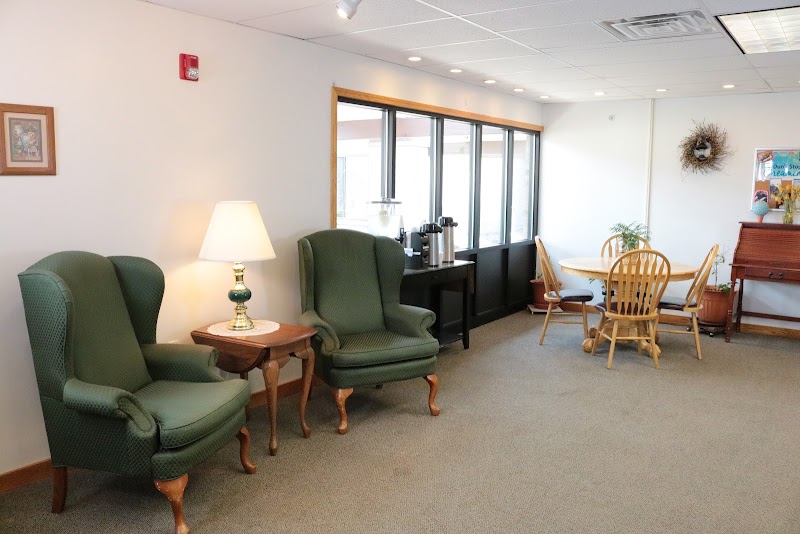
How Does Quality Life Services - Chicora Compare to Other Pennsylvania Nursing Homes?

Compared to the 100 nursing homes in Pennsylvania, QUALITY LIFE SERVICES - CHICORA's overall rating (2 stars) is below the state average of 3.0, staff turnover (56%) is near the state average of 46%, and health inspection rating (2 stars) is below the national benchmark.

What Should Families Ask When Visiting Quality Life Services - Chicora?

Based on this facility's data, families visiting should ask: "How do you ensure continuity of care given staff turnover, and what is your staff retention strategy?" "Can I visit during a mealtime to observe dining assistance and food quality?" "How do you handle medical emergencies, and what is your hospital transfer rate?" "Can I speak with family members of current residents about their experience?" These questions are particularly relevant given the facility's high staff turnover rate.

Is Quality Life Services - Chicora Safe?

Based on CMS inspection data, QUALITY LIFE SERVICES - CHICORA has a clean safety record: no substantiated abuse findings (meaning no confirmed cases of resident harm), no Immediate Jeopardy citations (the most serious violation level indicating risk of serious injury or death), and is not on the Special Focus Facility watch list (a federal program monitoring the lowest-performing 1% of nursing homes). The facility has a 2-star overall rating and ranks #100 of 100 nursing homes in Pennsylvania. While no facility is perfect, families should still ask about staff-to-resident ratios and recent inspection results during their visit.

Do Nurses at Quality Life Services - Chicora Stick Around?

Staff turnover at QUALITY LIFE SERVICES - CHICORA is high. At 56%, the facility is 10 percentage points above the Pennsylvania average of 46%. High turnover means new staff may not know residents' individual needs, medications, or preferences. It can also be disorienting for residents, especially those with dementia who rely on familiar faces. Families should ask: What is causing the turnover? What retention programs are in place? How do you ensure care continuity during staff transitions?

Was Quality Life Services - Chicora Ever Fined?

QUALITY LIFE SERVICES - CHICORA has no federal fines on record. CMS issues fines when nursing homes fail to meet care standards or don't correct problems found during inspections. The absence of fines suggests the facility has either maintained compliance or corrected any issues before penalties were assessed. This is a positive indicator, though families should still review recent inspection reports for the full picture.

Is Quality Life Services - Chicora on Any Federal Watch List?

QUALITY LIFE SERVICES - CHICORA is not on any federal watch list. The most significant is the Special Focus Facility (SFF) program, which identifies the bottom 1% of nursing homes nationally based on persistent, serious quality problems. Not being on this list means the facility has avoided the pattern of deficiencies that triggers enhanced federal oversight. This is a positive indicator, though families should still review the facility's inspection history directly.