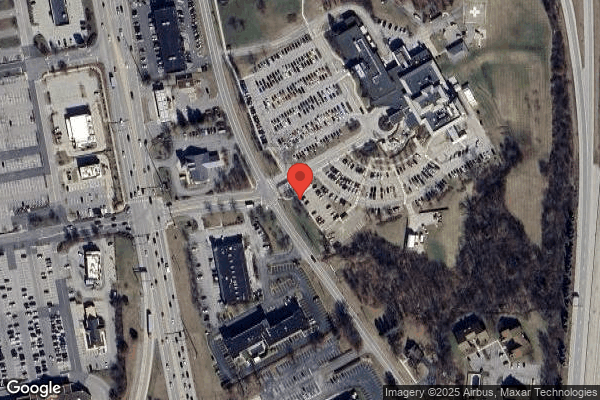
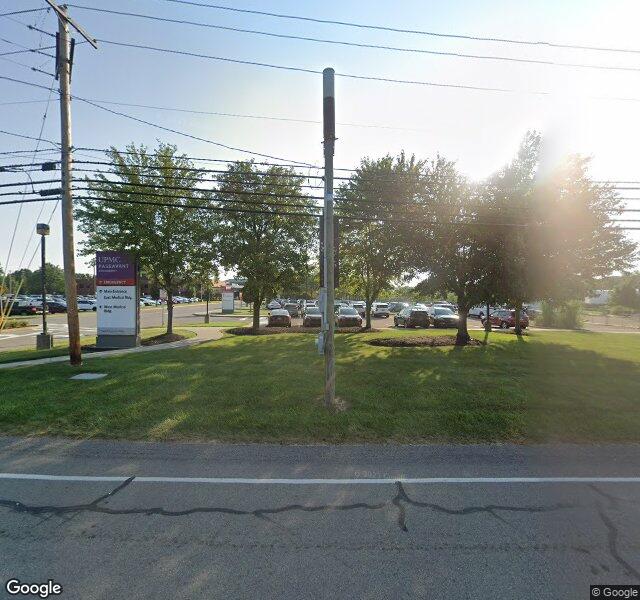
CRANBERRY PLACE

5 SAINT FRANCIS WAY, CRANBERRY TOWNSHIP, PA 16066 (724) 772-5350
Non profit - Corporation 150 Beds UPMC SENIOR COMMUNITIES Data: November 2025
Trust Grade
20/100
#547 of 653 in PA
Last Inspection: January 2025

Within standard 12-15 month inspection cycle. Federal law requires annual inspections.

Overview

Cranberry Place in Cranberry Township, Pennsylvania has received an F trust grade, indicating significant concerns about the facility's overall care and management. Ranking #547 out of 653 facilities in the state places it in the bottom half, and #8 out of 11 in Butler County means there are only a few local options that are better. The situation appears to be worsening, with issues doubling from 15 in 2024 to 30 in 2025. While the facility does have more RN coverage than 93% of Pennsylvania facilities, which is a positive aspect as RNs can catch issues that other staff may miss, staffing overall is a concern with a high turnover rate of 75%. Additionally, the facility has incurred $60,484 in fines, indicating repeated compliance problems. Specific incidents include failing to communicate critical health information during resident transfers and not properly storing food to prevent foodborne illnesses, highlighting serious operational weaknesses. Overall, while there are some strengths, the significant issues and recent trends are worrying for families considering this nursing home.

Trust Score
F
20/100
In Pennsylvania
#547/653
Bottom 17%
Safety Record
Moderate
Needs review
Inspections
Getting Worse
15 → 30 violations
Staff Stability
⚠ Watch
75% turnover. Very high, 27 points above average. Constant new faces learning your loved one's needs.
Penalties
⚠ Watch
$60,484 in fines. Higher than 76% of Pennsylvania facilities, suggesting repeated compliance issues.
Skilled Nurses
✓ Good
Each resident gets 75 minutes of Registered Nurse (RN) attention daily — more than 97% of Pennsylvania nursing homes. RNs are the most trained staff who catch health problems before they become serious.
Violations
⚠ Watch
50 deficiencies on record. Higher than average. Multiple issues found across inspections.
★☆☆☆☆
1.0
Overall Rating
★★☆☆☆
2.0
Staff Levels
★★★☆☆
3.0
Care Quality
★☆☆☆☆
1.0
Inspection Score
Stable
2024: 15 issues
2025: 30 issues

The Good

  • Full Sprinkler Coverage · Fire safety systems throughout facility
  • No fines on record

Facility shows strength in fire safety.

The Bad

1-Star Overall Rating

Below Pennsylvania average (3.0)

Significant quality concerns identified by CMS

Staff Turnover: 75%

29pts above Pennsylvania avg (46%)

Frequent staff changes - ask about care continuity

Federal Fines: $60,484

Above median ($33,413)

Moderate penalties - review what triggered them

Chain: UPMC SENIOR COMMUNITIES

Part of a multi-facility chain

Ask about local staffing decisions and management

Staff turnover is very high (75%)

27 points above Pennsylvania average of 48%

The Ugly 50 deficiencies on record

Aug 2025 1 deficiency
CONCERN (D) 📢 Someone Reported This

A family member, employee, or ombudsman was alarmed enough to file a formal complaint

Potential for Harm - no one hurt, but risky conditions existed

Free from Abuse/Neglect (Tag F0600)

Could have caused harm · This affected 1 resident

**NOTE- TERMS IN BRACKETS HAVE BEEN EDITED TO PROTECT CONFIDENTIALITY** Based on review of facility documents, facility policy, clinical records, and staff interviews, it was determined that the facil...

Read full inspector narrative →
**NOTE- TERMS IN BRACKETS HAVE BEEN EDITED TO PROTECT CONFIDENTIALITY** Based on review of facility documents, facility policy, clinical records, and staff interviews, it was determined that the facility failed to ensure that residents were free from abuse for one of three residents reviewed (Resident R3).Findings include: Review of the facility Abuse and Neglect - Clinical Protocol policy last reviewed 6/2025, indicated the nurse will assess the individual and document related findings; Abuse, is defined at S483.5 as the willful infliction of injury, unreasonable confinement, intimidation, or punishment with resulting physical harm, pain or mental anguish. Abuse also includes the deprivation by an individual, including a caretaker, of goods or services that are necessary to attain or maintain physical, mental, and psychosocial well-being. Instances of abuse of all residents, irrespective of any mental or physical condition, cause physical harm, pain or mental anguish. It includes verbal abuse, sexual abuse, physical abuse, and mental abuse including abuse facilitated or enabled through the use of technology. Review of the facility Resident Rights: policy last reviewed 6/2025, indicated employees shall treat all residents with kindness, respect, and dignity. Federal and state laws guarantee certain basic rights to all residents of this facility, these rights include but not inclusive to being treated with respect, kindness and dignity, to be free from corporal punishment. Review of the clinical record indicated Resident R3 was admitted to the facility on [DATE]. Review of Resident R3's Minimum Data Set (MDS - a periodic assessment of care needs) dated 5/16/25, indicated diagnoses of hypertension (high blood pressure), aphasia (affects ability to speak, understand, read, or write) and hemiplegia (one sided paralysis) right dominant side. Section C- cognitive patters coded resident is rarely/never understood). During a review of documentation provided by the facility on 8/12/25, at 1:50 p.m. indicated on 8/5/25, a nurse alerted facility leadership that an aide hit Resident R3 during care multiple times. The nurse immediately stepped between the aide and resident and escorted the aide out of the resident's rooms. During an interview completed on 8/12/25, at 1:50 p.m. the Director of nursing confirmed the allegation of physical abuse was substantiated and Nurse Aid perpetrator Employee E9 was terminated and that the facility failed to ensure that residents were free from abuse for one of three residents reviewed (Resident R3). 28 Pa. Code 201.14(a) Responsibility of licensee.28 Pa. Code 201.18(b)(d)(1)(3)(e)(1) Management.
Jul 2025 2 deficiencies
CONCERN (D) 📢 Someone Reported This

A family member, employee, or ombudsman was alarmed enough to file a formal complaint

Potential for Harm - no one hurt, but risky conditions existed

Pressure Ulcer Prevention (Tag F0686)

Could have caused harm · This affected 1 resident

**NOTE- TERMS IN BRACKETS HAVE BEEN EDITED TO PROTECT CONFIDENTIALITY** Based on review of facility policy, resident clinical records, and staff interview, it was determined that the facility failed t...

Read full inspector narrative →
**NOTE- TERMS IN BRACKETS HAVE BEEN EDITED TO PROTECT CONFIDENTIALITY** Based on review of facility policy, resident clinical records, and staff interview, it was determined that the facility failed to complete comprehensive wound assessments weekly for one out of seven sampled residents (Resident R1). Findings include: The facility Wound care policy last reviewed 6/1/25, indicated that the following information should be recorded in the resident's medical record: all assessments data (wound's color, size, drainage) obtained when inspecting the wound. The facility Skin care and wound management guidelines dated 8/11/23 and last reviewed 6/1/25, indicated that wound assessments are required at a minimum weekly and when there is a change. Review of Resident R1's admission record indicated he was originally admitted on [DATE], and re-admitted [DATE]. Review of Resident R1's Minimum Data Set (MDS - a periodic assessment of resident care needs) date 6/18/25, indicated he had diagnoses that included diabetes (metabolic disorder impacting organ function related to glucose levels in the human body), chronic obstructive pulmonary disease (COPD: a disease characterized by persistent respiratory symptoms involving breathlessness, coughing, and obstructed airflow to the lungs), hyperlipidemia (elevated lipid levels within the blood), and spinal stenosis (a narrowing of the spaces within the spine, which causes pain and weakness). Review of Resident R1's care plans dated 5/14/25, indicated he had a cancerous lesion, monitor ulcer for signs of infection and provide wound care. Review of Resident R1's physician orders dated 5/15/25, indicated to monitor the wound for changes and every evening shift, cleanse back with saline. Review of Resident R1's wound consultant assessment dated [DATE], indicated that the last time the wound consultant assessed the lesion/wound was on 12/19/24. Review of Resident R1's clinical records and wound assessments did not include comprehensive wound assessments (wound's color, size, smell, and drainage) on the following weeks: Week of 3/9/25 Week of 3/16/25 Week of 3/23/25 Week of 3/30/25 Week of 4/6/25 Week of 4/13/25 Week of 4/20/25 Week of 4/27/25 Week of 5/4/25 During an exit interview on 7/7/25, at 10:34 a.m. Licensed Practical Nurse (LPN) Employee E2 stated: wound assessments are in the computer. Registered Nurse (RN) Employee E3 is the wound nurse. During an exit interview on 7/7/25, at 11:29 a.m. Registered Nurse (RN) Employee E3 reviewed Resident R1 wound assessments and confirmed that the facility failed to complete comprehensive wound assessments weekly for Resident R1. During an exit interview on 7/7/25, at 2:31 p.m. information was disseminated to the Nursing Home Administrator (NHA) that the facility failed to complete weekly comprehensive wound assessments for Resident R1 as required. 28 Pa. Code: 211.10(a)(c)(d) Resident care policies. 28 Pa. Code 211.12(d)(1)(2)(5) Nursing Services.
CONCERN (F) 📢 Someone Reported This

A family member, employee, or ombudsman was alarmed enough to file a formal complaint

Potential for Harm - no one hurt, but risky conditions existed

Food Safety (Tag F0812)

Could have caused harm · This affected most or all residents

Based on review of facility policies, observations in the main kitchen, and staff interview, it was determined the facility failed to properly date and store food products in a manner to prevent foodb...

Read full inspector narrative →
Based on review of facility policies, observations in the main kitchen, and staff interview, it was determined the facility failed to properly date and store food products in a manner to prevent foodborne illness in the main kitchen (Main Kitchen). Findings include: The facility Food safety program: standard operating procedures policy last reviewed 6/1/25, indicated that the foodservice director will be responsible for monitoring the overall performance of operating procedures. Food safety checklist includes all food stored or prepared in the facility from approved sources. All food is properly wrapped, labeled and dated. During observations of the main kitchen on 7/7/25, the following was observed: -At 9:08 a.m. a refrigerator/cooler by tray line was observed with turkey breast lunch meat, ham lunch meat, provolone sliced cheese, and Swiss sliced cheese. Each was observed open and without an open date. -At 9:17 a.m. observations of the dry storage room found four bags of open pasta and one container of graham cracker crumbs open and without an open date. During an exit interview on 7/7/25, at 2:31 p.m. information was disseminated to the Nursing Home Administrator (NHA) that the facility failed to properly date and store food products in a manner to prevent foodborne illness in the main kitchen (Main Kitchen) as required. 28 Pa. Code: 201.14(a) Responsibility of licensee. 28 Pa. Code: 201.18(b)(1) Management. 28 Pa. Code: 211.6(c) Dietary services.
May 2025 2 deficiencies
CONCERN (D) 📢 Someone Reported This

A family member, employee, or ombudsman was alarmed enough to file a formal complaint

Potential for Harm - no one hurt, but risky conditions existed

Quality of Care (Tag F0684)

Could have caused harm · This affected 1 resident

**NOTE- TERMS IN BRACKETS HAVE BEEN EDITED TO PROTECT CONFIDENTIALITY** Based on a review of facility policy, clinical record, and staff interview, it was determined that the facility staff failed to ...

Read full inspector narrative →
**NOTE- TERMS IN BRACKETS HAVE BEEN EDITED TO PROTECT CONFIDENTIALITY** Based on a review of facility policy, clinical record, and staff interview, it was determined that the facility staff failed to provide medications and treatments as ordered by the physician for two of 6 residents (Resident R1 and Resident R2). Findings include: Review of facility policy Administering Medications, reviewed August 2024, indicated medications are administered in a safe and timely manner, and as prescribed. Only persons licensed or permitted to prepare, administer and document the administration of medications may do so. Medications are administered in accordance with prescriber orders, including required time frame. Review of facility policy Medication and Treatment Order, reviewed August 2024, indicated orders for medications and treatments will be consistent with principles of safe and effective order writing. All drug and biological orders shall be written, dated, and signed by the person lawfully authorized to such an order. Drugs and biologicals that are required to be refilled must be reordered from the issuing pharmacy not less than three days prior to the last dosage being administered to ensure that the refills are readily available. Review of facility policy Wound Care, reviewed August 2024, indicated the procedure is to provide guidelines for the care of wounds to promote healing. The following information should be recorded in the resident's medical record: 1. The type of wound care given. 2. The date and time the wound care was given. 3. The position in which the resident was placed. 4. The name and title of the individual performing the wound care 5. Any changes in the resident's condition. 6. All assessment data (i.e., wound bed color, size, drainage, etc.) obtained when inspecting the wound. 7. How the resident tolerated the procedure. 8. Any problem or complaints made by the resident related to the procedure. 9. In the resident refused the treatment and the reason(s) why. 10. The signature and title of the person recording the data. Review of the clinical record indicated Resident R1 was admitted to the facility on [DATE]. Review of Resident R1's Minimum Data Set (MDS - a periodic assessment of care needs) dated 3/23/25, indicated diagnoses of rectal cancer, muscle wasting, and diabetes mellitus (group of disease that affect how the body uses blood sugar). Section M1040: Other Ulcers, Wounds, and Skin problems indicated that Surgical wound(s) was marked with and X. Section N0415: High Risk Drug Classes indicated that antidepressant medication was being used and indication for use noted. Review of Resident R1's physician order dated 4/30/25, and discontinued 5/14/25, indicated the wash buttocks with mild soap and water, rinse and pat dry. Lightly pack wound with 1/4 in (inch) plain packing soaked in 1/4 strength Dakins (broad/spectrum antimicrobial cleanser used for wound care) making sure to reach end of wound. Leave tail on outside to ensure complete removal. Apply Calmoseptine (topical ointment used to treat and prevent minor skin irritations) to peri wound. Covered with silicone bordered foam dressing. Change dressing twice daily every day and evening shift for wound care. Review of Resident R1's Treatment Administration Record (TAR) for May 2025, indicated five occurrences of twice daily physician ordered wound treatment was not provided on 5/2/25, 5/3/25, 5/9/25, 5/12/25, and 5/14/25. Review of Resident R1's current physician order dated 5/15/25, indicated Wound care: buttocks every day and evening shift, wash buttocks with mild soap and water, and pat dry. Lightly pack wound with 1/4-inch plain packing soaked in 1/4 strength Dakins making sure to reach end of wound. Leave tail on outside to ensure complete removal. Apply Calmoseptine. Review of Resident R1's Treatment Administration Record (TAR) for May 2025, indicated five occurrences of twice daily physician ordered wound treatment was not provided on 5/18/25, and 5/23/25. During an interview on 5/28/25, at 10:10 a.m., Wound Care Nurse (WCN) Employee E1 confirmed that Resident R1's wound treatments were not provided consistently per physician orders in May 2025. Review of Resident R1's physician order dated 3/20/25, and discontinued 5/22/25, indicated Fluoxetine HCl (antidepressant also known as Prozac) oral tablet 10 mg (milligram), give 30 mg by mouth at bedtime for depression. Review of Resident R1's Medication Administration Record (MAR) for May 2025, indicated seven occurrences documented MP (medication pending delivery) on 5/13/25, 5/15/25, 5/16/25, 5/17/25, 5/18/25, 5/19/25, and 5/20/25, in which medication was not administered. During an interview on 5/28/25, at 1:34 p.m., the Director of Nursing (DON) confirmed that Resident R1's medication was not administered per physician order on 5/13/25, 5/15/25, 5/16/25, 5/17/25, 5/18/25, 5/19/25, and 5/20/25. Review of the clinical record indicated Resident R2 was admitted to the facility on [DATE]. Review of Resident R2's MDS dated [DATE], indicated diagnoses of high blood pressure, low back pain, and arthritis due to bacteria of the left knee. Review of Resident R2's physician order dated 4/25/25, indicated to provide wound care to left knee every day shift. Make sure wound remains free from drainage and steri strips (adhesive bandages) stay in place until they fall off. Notify wound care of any changes or signs and symptoms of infection. Review of Resident R2's May 2025 TAR indicated that wound treatments were not provided on 5/11/25, and 5/23/25, as ordered. During an interview on 5/28/25, at 12:55 p.m. the DON confirmed that Resident R2's wound treatments were not provided on 5/11/25, and 5/23/25, as ordered. During an interview on 5/28/25, at 2:45 p.m., the DON confirmed that the facility staff failed to provide medications and treatments as ordered by the physician for two of 6 residents (Resident R1 and Resident R2). 28 Pa. Code: 201.18(b)(1) Management. 28 Pa. Code: 211.10(c)(d) Resident care policies. 28 Pa. Code: 211.12(d)(1)(3)(5) Nursing services.
CONCERN (D) 📢 Someone Reported This

A family member, employee, or ombudsman was alarmed enough to file a formal complaint

Potential for Harm - no one hurt, but risky conditions existed

Deficiency F0760 (Tag F0760)

Could have caused harm · This affected 1 resident

**NOTE- TERMS IN BRACKETS HAVE BEEN EDITED TO PROTECT CONFIDENTIALITY** Based on review of facility policy, clinical record review, and interviews with staff, it was determined that the facility faile...

Read full inspector narrative →
**NOTE- TERMS IN BRACKETS HAVE BEEN EDITED TO PROTECT CONFIDENTIALITY** Based on review of facility policy, clinical record review, and interviews with staff, it was determined that the facility failed to ensure that residents are free of significant medication errors for one of five residents reviewed (Resident R1). Findings include: Review of facility policy Administering Medications dated August 2024, indicated that the individual administering the medication records in the resident medical records the following information: · The date and time the medication was administered. · The dosage · The route of administration. · The injection site (if applicable). · Any complaints or symptoms for which the drug was administered. · Any results achieved and when those results were observed: and · The signature and title of the person administering the drug. Review of facility policy Medication and Treatment Orders dated August 2024, indicated that drugs and biologicals that are required to be refilled must be reordered from the issuing pharmacy not less than three days prior to the last dosage being administered to ensure that refills are readily available. Review of the clinical record indicated Resident R1 was admitted to the facility on [DATE]. Review of Resident R1's Minimum Data Set (MDS - a periodic assessment of care needs) dated 3/23/25, indicated diagnoses of high blood pressure, cancer, and pain in left knee. Review of a physician order dated 3/20/25, indicated to inject 10 milligrams of Fondaparinux Sodium (a blood thinner used to prevent blood clots) subcutaneously (under the skin) one time a day. Review of Resident R1's May 2025 Medication Administration Record revealed the scheduled medication was not administered on the following dates: - 5/22/25 Morning medication pass, the documented reason was Medication pending delivery. - 5/23/25 Morning medication pass, the documented reason was Medication pending delivery. During an interview on 5/28/25, at 1:34 p.m. the Director of Nursing confirmed that the facility failed to ensure that Resident R1 received his medication as ordered and that residents were free of significant medication errors for one of three residents reviewed (Resident R1) as required. 28 Pa. Code: 201.14(a) Responsibility of licensee. 28 Pa. Code: 201.18 (b)(1) Management. 28 Pa. Code: 211.10 (c)(d) Resident Care policies. 28 Pa. Code: 211.12 (d)(1)(2)(3)(5) Nursing services.
Feb 2025 1 deficiency
CONCERN (D) 📢 Someone Reported This

A family member, employee, or ombudsman was alarmed enough to file a formal complaint

Potential for Harm - no one hurt, but risky conditions existed

Deficiency F0760 (Tag F0760)

Could have caused harm · This affected 1 resident

**NOTE- TERMS IN BRACKETS HAVE BEEN EDITED TO PROTECT CONFIDENTIALITY** Based on review of facility policy, clinical record review, and staff interviews it was determined that the facility failed to ...

Read full inspector narrative →
**NOTE- TERMS IN BRACKETS HAVE BEEN EDITED TO PROTECT CONFIDENTIALITY** Based on review of facility policy, clinical record review, and staff interviews it was determined that the facility failed to make certain that residents are free from significant medication errors for one of three residents (Resident R1). Findings include: Review of facility policy Administering Medication dated 8/1/24, indicated that medications are administered in a safe and timely manner, and as prescribed. Review of facility policy Resident Rights dated 8/1/24, indicated that all residents shall be treated with kindness, respect, and dignity. Resident will be informed of his or her medical condition and of any changes in his or her condition. Review of Resident R1's admission record indicated resident was admitted on [DATE], and discharged home on 2/7/25. Review of Resident R1's MDS assessment (minimum data set - a periodic assessment of resident care needs) dated 1/28/25, indicated diagnoses that included chronic obstructive pulmonary disease (COPD: a disease characterized by persistent respiratory symptoms involving breathlessness, coughing, and obstructed airflow to the lungs), high blood pressure, and Parkinson's disease (neuromuscular disorder causing tremors and difficulty walking). Review of Resident R1's care plan dated 1/22/25, indicated to give medications as ordered by the physician. Review of Resident R1's discharge orders from acute hospital stay dated 1/22/25, indicated to provide the following medication: Carbidopa-Levodopa (medication used to threat Parkinson ' s Disease) 25/250mg two tablets by mouth three times a day. Review of Resident R1's Physician orders and Medication Administration Record (MAR) dated 1/22/25 through 2/7/25 indicated the following: Carbidopa-Levodopa 25/250 mg one tablet by mouth three times a day. During a review of pharmacy recommendations completed on 2/6/25, indicated that the pharmacy requested clarification of Carbidopa-Levodopa dosage to be given. Documentation provided by facility indicated Carbidopa-Levodopa 25/250 mg- order on discharge papers was taking 2 tablets three times a day. This was entered in Resident R1's physician orders as Carbidopa-Levodopa take 1 tab three times a day. During an interview on 2/20/25, at 11:20 a.m. Certified Registered Nurse Practitioner (CRNP) Employee E1 stated I am usually here when a new admission comes. I sign off on the orders from the discharging facility and then the nurse puts the orders into the computer. I only see that Resident R1 only took one pill of his Carbidopa-Levodopa three times a day during his stay. He was only given half his dose while at the facility. CRNP Employee E1 confirmed that the facility failed to input the correct medication dosage into Resident R1's physician orders. During an interview on 2/20/25, at 11:50 a.m. Director of Nursing (DON) stated that Resident R1 was only getting half of his Parkinson ' s medication during his stay at the facility, which totaled 17 days. DON stated that multiple checks should have been completed and this medication error should have been caught and corrected at admission. During an interview on 2/20/25, at 12:01 p.m. the DON confirmed that the facility failed to make certain that Resident R1's medication regimen was free from significant medication errors. 28 Pa. Code 201.14(a) Responsibility of Licensee 28 Pa. Code 201.18(b)(1)(e)(1) Management 28 Pa. Code 211.12 (d) (5) Nursing Services
Jan 2025 24 deficiencies
CONCERN (D)

Potential for Harm - no one hurt, but risky conditions existed

Resident Rights (Tag F0550)

Could have caused harm · This affected 1 resident

**NOTE- TERMS IN BRACKETS HAVE BEEN EDITED TO PROTECT CONFIDENTIALITY** Based on review of residents clinical record, resident and staff interview it was determined that the facility failed to meet re...

Read full inspector narrative →
**NOTE- TERMS IN BRACKETS HAVE BEEN EDITED TO PROTECT CONFIDENTIALITY** Based on review of residents clinical record, resident and staff interview it was determined that the facility failed to meet resident rights for one of 10 residents reviewed (Resident R94). Findings include: Resident R94 was admitted on [DATE]. Resident R94 MDS (minimum data set - a periodic assessment of resident needs) dated 11/13/24, indicated diagnoses diabetes mellitus (a group of diseases that result in too much sugar in the blood), anxiety (a mental health disorder characterized by feelings of worry, anxiety, or fear that are strong enough to interfere with one's daily activities), and depression (mood disorder that causes a persistent feeling of sadness and loss of interest and can interfere with one's daily life). During an interview on 1/23/25, Resident R94 indicated that they were interested in switching beds from the door bed, to the window bed (which was empty due to roommate being discharged ). Resident R94 indicated that they spoke with staff about it and the facility was going to switch Resident R94 to the window bed. During an interview on 1/23/25, at 11:16 a.m. Director of Social Services Employee E2, confirmed that the facility was aware of the request and was going to honor the request. During an observation on 1/24/25, at 9:00 a.m. Resident R94 indicated that the switch to the window bed did not take place as the facility indicated, and they got a new roommate who was in the window bed. During an interview on 1/24/25, at Nursing Home Administrator confirmed that the facility failed to move Resident R94 to the window bed. 28 Pa. Code 201.29 (j) Resident rights. 28 Pa. Code 201.18 (e ) (1)(2)(3)(6)Management.
CONCERN (D)

Potential for Harm - no one hurt, but risky conditions existed

Deficiency F0578 (Tag F0578)

Could have caused harm · This affected 1 resident

**NOTE- TERMS IN BRACKETS HAVE BEEN EDITED TO PROTECT CONFIDENTIALITY** Based on review of facility policy, clinical records, and staff interview, it was determined that the facility failed to provide...

Read full inspector narrative →
**NOTE- TERMS IN BRACKETS HAVE BEEN EDITED TO PROTECT CONFIDENTIALITY** Based on review of facility policy, clinical records, and staff interview, it was determined that the facility failed to provide documentation of advanced directives or given the opportunity to formulate an advance directive (a written instruction such as a living will or durable power of attorney for health care for when the individual is incapacitated) for two of four residents reviewed (Resident R70, and R77). Findings include: A review of the facility policy Advanced Directives last reviewed 8/24, indicated that the resident has the right to formulate an advanced directive, including the right to accept or refuse medical or surgical treatment. Advanced directives are honored in accordance with state law and facility policy. The resident or representative is provided with written information concerning the right to formulate an advanced directive in a manner that is easily understood. Review of Resident R70's clinical record indicated the resident was admitted to the facility on [DATE]. Review of Resident R70's MDS dated [DATE], indicated diagnoses of cancer, depression, and peripheral vascular disease (PVD, circulatory condition in which narrowed blood vessels reduce blood flow to the limbs). A review of the clinical record failed to reveal an advanced directive or documentation that Resident R70 was given the opportunity to formulate an Advanced Directive. Review of Resident R77's clinical record indicated the resident was admitted to the facility on [DATE]. Review of Resident R77's MDS dated [DATE], indicated diagnoses of cancer, high blood pressure, and diabetes (a metabolic disorder in which the body has high sugar levels for prolonged periods of time). A review of the clinical record failed to reveal a copy of Resident R77's Advanced Directives. During an interview on 1/24/25 at 12:05 p.m. Registered Nursed Employee E1 stated, I looked in both residents ' charts and could not find Advanced Directives or documentation that the opportunity was given to formulate them. During an interview on 1/24/25, at 3:00 p.m. the Director of Nursing confirmed that the facility failed to provide documentation of advanced directives or given the opportunity to formulate an advance directive for two of four residents reviewed (Resident R70, and R77). 28 Pa. Code: 201.29(b)(d)(j) Resident rights.
CONCERN (D)

Potential for Harm - no one hurt, but risky conditions existed

Notification of Changes (Tag F0580)

Could have caused harm · This affected 1 resident

**NOTE- TERMS IN BRACKETS HAVE BEEN EDITED TO PROTECT CONFIDENTIALITY** Based on review of facility policy, clinical records and staff interview, it was determined that the facility failed to notify t...

Read full inspector narrative →
**NOTE- TERMS IN BRACKETS HAVE BEEN EDITED TO PROTECT CONFIDENTIALITY** Based on review of facility policy, clinical records and staff interview, it was determined that the facility failed to notify the physician of a resident's refusal of tube feedings for one of four residents (Resident R50). Findings include: Review of the facility policy Guidelines for Notifying Physicians of Clinical Problems last reviewed 8/24, indicated medical care problems are communicated to the medical staff in a timely efficient and effective manner. Review of the facility policy Enteral Tube Feeding via Continuous Pump last reviewed 8/24, indicates to report negative consequences of tube use (e.g., agitation, depression, self-extubating, infections etc.) to the supervisor and attending physician. Review of the facility policy Enteral Feedings-Safety Precautions last reviewed 8/24, indicates report unusual findings and/or signs of complications to the physician. Review of the clinical record indicated that Resident R50 was admitted to the facility on [DATE], with the diagnosis of quadriplegia (paralysis that affects all limbs and body from the neck down) depression, and anxiety. Review of Resident R50's medication administration record (MAR) dated 1/25, indicates enteral feed order Nutren 2.0 (formula for those who need high calories), 265 cubic centimeter (cc-unit of volume) intermittent feeding four times a day via pump start day 12/27/24. Discontinued 1/10/25. Review of Resident R50's MAR dated 1/25, indicates eternal feed order Nutren 2.0, 250cc intermittent feeding four times a day via pump start date 1/10/25. Review of Resident R50's MAR for 1/25, indicated the following dates marked with the number two (2) indicating refused: 1/1/25, at 8:00 a.m., 1/4/25, at 8:00 a.m., 1/5/25, at 8:00 a.m., 1/7/25, at 8:00 a.m., 1/8/25, at 5:00 p.m. and 9:00 p.m., 1/10/25, at 9:00 p.m., 1/11/25, 9:00 p.m., 1/12/25, at 5:00 p.m., 1/14/25, at 8:00 a.m. and 5:00 pm., 1/16/25, at 9:00 p.m., 1/18/25, at 4:00 p.m., 1/19/24 at 8:00 a.m. Review of Resident R50's nursing progress notes failed to include physician notification of the refusal of above enteral tube feedings. During an interview completed on 1/23/25, at 2:44 p.m. the Director of Nursing (DON) confirmed the facility failed to notify the physician of a resident's refusal of tube feedings for Resident R50. 28. Pa. Code: 211.10(a)(c)(d) Resident care policies. 28 Pa. Code: 211.12(d)(1)(2)(3)(5) Nursing services. 28 Pa. Code: 201.14(a)(c)(d)(e) Responsibility of licensee. 28 Pa. Code: 201.29(a)(b)(c)(d)(j)(m) Resident rights.
CONCERN (D)

Potential for Harm - no one hurt, but risky conditions existed

Deficiency F0582 (Tag F0582)

Could have caused harm · This affected 1 resident

Based on a review of facility admission documents and staff interview, it was determined that the facility failed to ensure resident rights to make informed decisions and choices about important aspec...

Read full inspector narrative →
Based on a review of facility admission documents and staff interview, it was determined that the facility failed to ensure resident rights to make informed decisions and choices about important aspects of residents' health, safety and welfare by making certain residents understand the Notice of Medicare Non-Coverage (NOMNC) and Skilled Nursing Facility Advanced Beneficiary Notice of Non-coverage (SNF ABN) forms and failed to ensure the agreement is explained to the resident and his or her representative in a form and manner that he or she understands for one of three residents (Resident R27). Findings include: Review of the Resident Assessment Instrument 3.0 User's Manual effective October 2024 indicated that a Brief Interview for Mental Status (BIMS), is a screening test that aides in detecting cognitive impairment. The BIMS total score suggests the following distributions: 13-15: cognitively intact 8-12: moderately impaired 0-7: severe impairment Review of Resident R27's admission record indicated the resident was admitted to the facility 7/15/24. Review of Resident R27's demographic information available in the electronic medical record indicated that Resident R27's daughter was her responsible party. Review of the Minimum Data Set (MDS - periodic assessment of care needs) dated 7/17/24, included diagnoses of chronic obstructive pulmonary disease, myopathy (disease of the muscle), and diabetes mellitus (disease that affects how the body uses blood sugar). Review of Section C: Cognitive Patterns, Questions C0500 BIMS Summary Score revealed Resident R27's score to be 11, moderately impairment. Review of the NOMNC and SNF ABN form dated 8/16/24, revealed that it was signed by Resident R27. During an interview on 1/24/25, at 8:33 a.m., the Nursing Home Administrator (NHA) confirmed the facility failed to ensure the NOMNC and SNF ABN forms are explained to the resident and his or her representative in a form and manner that he or she understands for one of three residents (Resident R27). 28 Pa. Code 201.14(a) Responsibility of Licensee. 28 Pa. Code 201.18(b)(2) Management. 28 Pa. Code 201.29(a) Resident Rights.
CONCERN (D)

Potential for Harm - no one hurt, but risky conditions existed

Grievances (Tag F0585)

Could have caused harm · This affected 1 resident

Based on review of facility policy, observations, resident and staff interviews it was determined that the facility failed to make certain that a posted grievance policy and procedure met federal guid...

Read full inspector narrative →
Based on review of facility policy, observations, resident and staff interviews it was determined that the facility failed to make certain that a posted grievance policy and procedure met federal guidelines for three of three nursing units and common areas. Findings include: The facility Grievance Program (Concern and Comment) dated 8/20/24, indicated To help guide our communities in the grievance process and ensure that a thorough, complete, and accurate investigation has been completed to the best of our knowledge in accordance with F585 483.10(j)(1)(2)( 3) and (4). Resident group interview on 1/22/25, at 3:00 p.m. resident indicated they were unaware of the grievance policy, and procedure how they could file anonymously. During a tour on 1/23/25, at 9:57 a.m. on 3 nursing units and common areas to include the main dining room, nursing unit lounge areas, failed to have a complete grievance policy and procedure posted and failed to have a posting with the grievance officer address included on the posting, failed to include how to file anonymously, failed to include the process (time frame to get response to grievance). During observations on 1/23/25, at 10:08 a.m. with Director of Social Service Employee E2, confirmed that there was not information nor a place to file anonymously, that the process for grievances was not posted, facility failed to make certain that a posted grievance policy and procedure met federal guidelines for three of three nursing units and common areas. 28 Pa. Code 201.29(1) Resident rights. 28 Pa. Code 201.19( e)(1)Management.
CONCERN (D)

Potential for Harm - no one hurt, but risky conditions existed

Safe Transfer (Tag F0626)

Could have caused harm · This affected 1 resident

**NOTE- TERMS IN BRACKETS HAVE BEEN EDITED TO PROTECT CONFIDENTIALITY** Based on clinical and facility record review, facility provided documents and staff interviews, it was determined that the facil...

Read full inspector narrative →
**NOTE- TERMS IN BRACKETS HAVE BEEN EDITED TO PROTECT CONFIDENTIALITY** Based on clinical and facility record review, facility provided documents and staff interviews, it was determined that the facility failed to permit one of three residents who transferred to the hospital with the expectation of returning to the facility, return to the facility in a timely manner. (Resident R50) Findings include: Review of the facility policy Bed-Holds and Returns dated August 2024, indicates residents and/or representatives are informed (in writing) of the facility and state (if applicable) bed hold policies. The written information regarding bed-holds provided to the residents/representatives explains in detail: a. The duration of a state bed-hold policy, if any, during which the resident is permitted to return and resume residence in the facility. b. The reserve bed payment as indicated by the state plan. c. The facility policies regarding bed-hold periods. d. The facility per diem rate required to hold a bed (for a non-Medicaid residents), or to hold a bed beyond the state bed hold period (for Medicaid residents) and e. The return policy. The resident will be permitted to return to an available bed in the location of the facility that he or she previously resided. If there is not an available bed in that part, the resident will be given the option to take an available bed in another distinct part of the facility and return to the previous distinct part when a bed becomes available. Review of the clinical record indicates resident R50 was admitted to the facility on [DATE]. Review of Resident R50's MDS dated [DATE], indicated the diagnosis of anemia (low iron in the blood), hypertension (high blood pressure), and quadriplegia (paralysis that affects all limbs and body parts from the neck down). Review of Health Status Note dated 1/21/25, at 8:47 p.m. indicates Resident is febrile (high temperature), blood pressure low, heart rate elevated, I did call physician (on-call) reviewed Resident R50's clinical stats, and he agrees he needs to be sent out. Review of Health Status Note dated 1/21/25, at 9:01 p.m. indicates call to 911 to pick Resident R50 up and called to his mother, updated her on clinical status and the plan to send him out, she requested his board, charger and board stand go with him. Review of Social Service progress note dated 1/22/25, at 1:08 p.m. indicate social worker (SW) contacted Resident's mother to inform her that we will not be able to take Resident back a resident at this facility because we can no longer meet his needs. SW stated if she had any further questions or to inquire where he would be going, she could reach out to SW at the hospital. The mother responded with, You got to be kidding me. Mother stated did not want facility to give away his stuff and she would be in to pick it up. SW stated that facility would not give his belongings away and would pack it up for her. Mother stated she did not want facility to touch his belongings. SW stated that respiratory was already willing to assist with packing his belongings. The phone then went silent. Mother hung up on SW. During an interview completed on 1/23/25, at 11:57 a.m. upon asking Social Service Director Employee E2 why Resident R50 is not being permitted to return to the facility she replied, because Resident R50 is refusing all medications, all tube feedings, all care is being refused, we can't care for him. During an interview completed on 1/23/24, at 12:40 p.m. upon asking the Director of Nursing why Resident R50 is not being permitted to return to the facility she replied, cause his mom wants to continue giving things by mouth and he wants things by mouth, resident is an aspiration risk, and he is choosing to go against physician orders. During an interview completed on 1/24/25, at 9:00 a.m. the Nursing Home Administrator confirmed that Resident R50 will not be permitted to return to the facility and that the facility failed to permit one of three residents who transferred to the hospital with the expectation of returning to the facility, return to the facility in a timely manner. (Resident R50) 28 PA. Code 201.14(a)(b) Responsibility of licensee 28 PA. Code 201.29(c.3) (4) Resident rights 28 PA. Code 211.12(d)(1) Nursing services
CONCERN (D)

Potential for Harm - no one hurt, but risky conditions existed

Deficiency F0657 (Tag F0657)

Could have caused harm · This affected 1 resident

**NOTE- TERMS IN BRACKETS HAVE BEEN EDITED TO PROTECT CONFIDENTIALITY** Based on review of facility policy, clinical records, and staff interview, it was determined the facility failed to update a car...

Read full inspector narrative →
**NOTE- TERMS IN BRACKETS HAVE BEEN EDITED TO PROTECT CONFIDENTIALITY** Based on review of facility policy, clinical records, and staff interview, it was determined the facility failed to update a care plan for three of ten residents (Residents R1, R50, and R115) to accurately reflect the current status of the resident and care needs. Findings include: Review of the facility policy Care Plans, Comprehensive Person-Centered dated August 2024, indicated the facility must develop a comprehensive Person-Centered Care Plan for each resident that includes measurable objectives and timeframes and describes the services that are to be furnished to attain or maintain the resident's highest practicable physical, mental, and psychosocial well-being. Care plans are revised as information about the residents and residents' condition change. The interdisciplinary team reviews and updated the care plan: a. when there has been a significant change in resident's condition; b. when the desired outcome is not met: c. when the resident has been readmitted to the facility from a hospital stay; and d. at least quarterly, in conjunction with the required quarterly MDS assessment. Review of Resident R1's clinical record indicated the resident was admitted to the facility on [DATE]. Review of Resident R1's Minimum Data Set (MDS - a periodic assessment of care needs) dated 11/6/24, indicated diagnoses of peripheral vascular disease (progressive disorder that causes narrowing or blocking of the blood vessels outside of the heart), heart failure, and dependance on renal dialysis (blood purifying treatment given when kidney function is not optimal). MDS section K0520 is coded for therapeutic and mechanically altered diet while a resident; MDS section M0300 is coded a 1 for number of stage 3 pressure ulcers; and MDS section O0110 is coded for dialysis while a resident. Review of Resident R1's Nutrition/Dietary note dated 1/23/25, at 9:52 a.m., indicated that resident has chronic stage IV (pressure ulcer staging which extends below the subcutaneous fat into deep tissue, including muscle, tendon, and ligaments) left antecubital fossa, requires a therapeutic diet, and ongoing communication with dialysis dietitian. Review of Resident R1's current potential for malnutrition plan of care, initiated 8/26/24, updated 11/19/24, failed to identify focused nutritional problems, goals, and interventions specific to chronic pressure ulcer, therapeutic diet, and dialysis. During an interview on 1/24/25, at 9:00 a.m., Registered Dietitian (RD) Employee E12 confirmed that Resident R1's care plan failed to be updated and identify focused nutritional problems, goals, and interventions specific to resident's nutritional current plan of care. Review of the clinical record indicates resident R50 was admitted to the facility on [DATE]. Review of Resident R50's MDS dated [DATE], indicated the diagnosis of anemia (low iron in the blood), hypertension (high blood pressure) and quadriplegia (paralysis that affects all limbs and body parts from the neck down). Review of nursing progress note dated 1/9/25, indicates resident continues to refuse feedings this am. Review of nursing progress notes date 1/11/25 indicates resident vehemently refused his dinner feeding and flush. Review of Resident R50's MAR for January 2025, indicated the following dates marked with the number 2, indicating refused for tube feedings: 1/1/25, at 8:00 a.m., 1/4/25, at 8:00 a.m., 1/5/25, at 8:00 a.m., 1/7/25, at 8:00 a.m., 1/8/25, at 5:00 p.m., and 9:00 p.m., 1/10/25, at 9:00 p.m., 1/11/25, at 9:00 p.m., 1/12/25, at 5:00 p.m., 1/14/25, at 8:00 a.m., and 5:00 pm., 1/16/25, at 9:00 p.m., 1/18/25, at 4:00 p.m., 1/19/24 at 8:00 a.m. Review of Resident R50's care plan on 1/22/25, at 9:47 a.m. did not include interventions for Resident R50's refusal of tube feedings. During an interview completed on 1/24/25, at 9:00 a.m. the Nursing Home Administrator confirmed Resident R50's care plan did not include interventions for refusal of tube feedings. Review of the clinical record indicated Resident R115 was admitted to the facility on [DATE], with the diagnoses of renal insufficiency (condition where the kidneys lose the ability to remove waste and balance fluids), atrial fibrillation (irregular heart rhythm), and heart failure (heart doesn't pump blood as well as it should). Review of physician order dated 10/24/24, indicated change valved PICC (peripherally inserted central catheter - a thin tube placed in a large vein near the heart to deliver fluids, blood and medications) to deliver needless connector and transparent dressing 24 hours after insertion, or on admission, and weekly. Document upper arm circumference (the distance around the widest part of a round object) in centimeters (cm) and external catheter length in cm with each dressing change. Compare to previous measurements. Notify physician if the length has changed since the last measurement. Review of Resident R115's progress notes dated, 10/26/24, at 8:35 p.m. indicated resident refused his bedtime medication pass. Review of Resident R115's progress notes dated 10/27/24, at 1:13 a.m. indicated resident was pushing all the buttons on his intravenous pump (IV pump used to deliver infusions). Review of Resident R115's current care plan on 1/24/25, at 9:50 a.m. failed to include a problem, goal, or interventions for the PICC line, and failed to address resident's refusal of medications and care. Interview on 1/24/25, at 10:00 a.m. the Nursing Home Administrator confirmed R115's care plan lacked care of the PICC line, and refusal of medications and care. During an interview on 1/24/25, at 3:15 p.m., the Director of Nursing (DON) confirmed that the facility failed to update a care plan for three of ten residents (Residents R1, R50, and R115) to accurately reflect the current status of the resident and care needs. 28 Pa. Code: 211.12(d)(1)(5) Nursing services.
CONCERN (D) 📢 Someone Reported This

A family member, employee, or ombudsman was alarmed enough to file a formal complaint

Potential for Harm - no one hurt, but risky conditions existed

Accident Prevention (Tag F0689)

Could have caused harm · This affected 1 resident

**NOTE- TERMS IN BRACKETS HAVE BEEN EDITED TO PROTECT CONFIDENTIALITY** Based on clinical and facility record review, facility provided documents and staff interviews, it was determined that the facil...

Read full inspector narrative →
**NOTE- TERMS IN BRACKETS HAVE BEEN EDITED TO PROTECT CONFIDENTIALITY** Based on clinical and facility record review, facility provided documents and staff interviews, it was determined that the facility failed to provide adequate supervision for two residents resulting in elopement (resident exited to an unsupervised or unauthorized location without staff's knowledge) for two of two residents (Residents R42, and R114), and failed to follow a prescribed diet order for one of three residents (Resident R50). Findings include: Review of the facility policy Wandering and Elopements dated August 2024, indicated the facility will identify residents who are at risk of unsafe wandering and strive to prevent harm. Review of the facility policy Assistance with meals dated August 2024, indicates residents shall receive assistance with meals in a manner that meets the individual need of each resident. Residents with feeding tubes, nursing staff will provide feedings to tube feed residents. Review of the facility policy Therapeutic Diets dated August 2024, indicated therapeutic diets are prescribed by the attending physician to support a residents treatment and plan of care. Review of the clinical record revealed that Resident R42 was admitted to the facility on [DATE]. Review of Resident R42's MDS (Minimum Data Set, periodic assessment of resident care needs) dated 12/6/24, indicated diagnoses of high blood pressure, dementia (a group of symptoms that affects memory, thinking and interferes with daily life), and Parkinson's disease (neuromuscular disorder causing tremors and difficulty walking). Review of Resident R42's MDS assessment section C0200 Brief Interview for Mental Status (BIMS, a screening test that aides in detecting cognitive impairment). The BIMS total score suggests the following distributions: 13-15: cognitively intact, 8-12: moderately impaired, 0-7: severe impairment. Resident R42's BIMS score was a 3 indicating Resident R42 was severely impaired. Review of Resident R42's care plan dated 8/14/24, at 9:02 a.m. revealed that outside facility patio needs - supervised. During review of Resident R42's clinical record indicated a nurse's progress note on 12/21/24, at 1:42 p.m. that stated while this nurse was at lunch resident went outside in the snow. Brought back in by Registered Nurse (RN). Asked concierge to lock both doors in the dining room for safety. She checked and locked both doors, but resident went out dining room door due to it not being securely locked. This nurse and RN was bringing resident back in. He was swinging, scratching and trying to punch staff. Got male nurse assistant to help and was brought back to his room, notified residents father. The facility failed to document an assessment upon returning resident into the facility and failed to notify the physician. During review of Resident R42's clinical record indicated a nurse's progress note on 12/23/24, at 2:19 p.m. that stated resident outside in the snow. Witnessed by social services who brought him inside. Notified resident's father. The facility failed to document an assessment upon returning resident into the facility and failed to notify the physician. During an interview on 1/22/25, at 2:05 p.m. the Director of Nursing stated We did not treat him going outside to the patio as an elopement because they have the right to go into the courtyard. We encourage them. The Nursing Home Administrator (NHA) and I saw him go outside. The facility failed to provide documentation of Resident R42 being seen going outside by himself, unsupervised. During an interview on 1/22/25, at 2:31 p.m. Licensed Practical Nurse (LPN) Employee E8 stated, He was not wearing a coat on both days, he was not cold, and I did do an assessment but didn't document it. He likes to be outside and stated he wanted to stay out in the snow. During an interview on 1/23/25, at 10:13 a.m. NHA confirmed that the facility failed to recognize the above incidents as elopement and will notify the appropriate agency of the events. Review of the clinical record indicates resident R50 was admitted to the facility on [DATE]. Review of Resident R50's MDS dated [DATE], indicated the diagnosis of anemia (low iron in the blood), hypertension (high blood pressure) and quadriplegia (paralysis that affects all limbs and body parts from the neck down). Review of Resident R50's physician orders dated 8/1/24, indicated Diet nothing by mouth (NPO). Review of Resident R50's physician orders dated 10/29/24, indicated NPO diet. Review of progress note dated 1/9/25, indicates Resident R50 has been followed by speech at facility throughout stay. Speech recommendations are that Resident R50 remains NPO for severe aspiration risk. Further review of progress note indicates that the resident has been consuming large amounts of fluids. Review of physician progress note dated 1/10/25, indicates staff has expressed aspiration concerns. Resident has a documented history of aspiration and requires enteral feeds. Made aware today that the resident has been consuming significant quantities of fluids and soups provided by mother, including weekly supplies of mountain dew and power aid. Review of progress note dated 1/10/25, this Director of Nursing (DON) discussed oral fluid intake by resident with attending physician. Physician has agreed to not allow staff to administer oral fluids due to safety risk at this time. Review of Resident R50's [NAME] dated 1/13/25, interventions included aspiration precautions. Eating/Nutrition indicated aspiration precautions, g-tube, NPO. During an interview on 1/23/25, at 12:40 p.m. the DON confirmed that Resident R50 was given liquids by staff members despite having orders for a NPO diet and the facility failed to follow a prescribed diet order for one of three residents (Resident R50). Review of the admission Record indicated Resident R114 was admitted to the facility on [DATE], with the diagnoses of alcoholic cirrhosis (A late stage of liver disease. Occurs when scar tissue replaces health liver tissue due to long term alcohol consumption), anxiety disorder (intense, excessive, and persistent worry and fear about everyday situations), and chronic obstructive pulmonary disease (COPD- a group of diseases that block airflow and make it hard to breathe). Review of Resident R114's progress noted dated 11/17/24, at 4:09 p.m. the Director of Nursing received notification that resident wanted to be discharged against medical advice (AMA). Discussions regarding inability to set up home care services/outpatient appointments, and not receiving some or all of his medications if he was to leave AMA. Resident R114 and his family member were willing to remain at the facility until physician and care team were available to assess discharge needs on Monday morning. Review of Resident R114's progress notes dated 1/18/24, at 4:00 a.m. indicated at around 1:00 a.m. when staff went to check in on resident, he was not in his room or bathroom. After a thorough search staff realized he was no longer in his room. Attempts to call resident's phone and sister's phone without success. Resident had previously expressed interest in leaving the facility. Review of Resident R114's progress note dated 11/18/24, at 8:30 a.m. indicated resident left the facility in the middle of the night at 11:12 p.m. on 11/17/24, via Uber (ride service). Resident left AMA. Review of Resident R114's discharge summary note dated 11/18/24, at 10:13 a.m. indicated was just notified that resident eloped and subsequently will be considered AMA. Interview with the Nursing Home Administrator on 1/23/25, at 3:30 p.m. indicated the facility was not aware Resident R114 was not in the facility, and that the facility did not recognize this as an elopement and called it an AMA discharge. Interview on 1/24/25, at 3:15 p.m. the Director of Nursing confirmed the facility failed to provide adequate supervision for two residents resulting in elopement for two of two residents (Residents R42, and R114), and failed to follow a prescribed diet order for one of three residents (Resident R50). 28 Pa. Code: 201.14(a) Responsibility of licensee. 28 Pa. Code: 201.18(a)(b)(3) Management. 28 Pa. Code: 211.12 (d)(1)(3)(5) Nursing services.
CONCERN (D)

Potential for Harm - no one hurt, but risky conditions existed

Incontinence Care (Tag F0690)

Could have caused harm · This affected 1 resident

**NOTE- TERMS IN BRACKETS HAVE BEEN EDITED TO PROTECT CONFIDENTIALITY** Based on review facility polices, observations, clinical records, and staff interviews it was determined that the facility faile...

Read full inspector narrative →
**NOTE- TERMS IN BRACKETS HAVE BEEN EDITED TO PROTECT CONFIDENTIALITY** Based on review facility polices, observations, clinical records, and staff interviews it was determined that the facility failed to make certain that appropriate treatments and services were provided for the use of a urinary catheter as required for three of six residents (Resident R3, R62 and R317) and failed to update a care plan for one of three residents (R317) to accurately reflect the current status of the resident and care needs. Findings include: Review of facility policy Dignity dated 8/24, indicated that each resident shall be cared for in a manner that promotes and enhances his or her sense of well-being, level of satisfaction with life, and feelings of self-worth and self-esteem. Review of Resident R3's clinical record indicated the resident was admitted to the facility on [DATE]. Review of Resident R3's MDS (Minimum Data Set, periodic assessment of resident care needs) dated 12/8/24, indicated diagnoses of high blood pressure, dementia (a group of symptoms that affects memory, thinking and interferes with daily life), and multiple sclerosis (a disease that affects central nervous system). Review of the clinical record revealed that Resident R3 had a physician's order dated 10/4/24, for suprapubic catheter for neurogenic bladder (urinary bladder problem due to disease or injury of central nervous system or nerves in the control of urination). Apply dignity bag. Check placement every shift. During an observation on 1/21/25, at 10:55 a.m. Resident R3 was observed lying in bed with her urinary catheter bag hanging from bed frame without a privacy-dignity bag. During an interview on 1/21/25, at 11:02 a.m. Registered Nurse Employee E4 confirmed that Resident R3 did not have a privacy-dignity bag on her catheter drainage bag. Review of Resident R62's clinical record indicated the resident was admitted to the facility on [DATE]. Review of Resident 62's MDS dated [DATE], indicates the diagnosis of anemia (low iron in the blood), neurogenic bladder (causes a loss of control of urination) and quadriplegia (paralysis that affects all limbs and body parts from the neck down). Review of Resident R62's physician orders dated 10/2/24, indicates condom catheter (external noninvasive urinary catheter that fits like a condom over the penis) every day, apply dignity bag, check for placement each shift. During an observation on 1/21/25, at 10:15 a.m. Resident R62 was in bed his catheter bag was attached to the bed frame facing the door and failed to have a privacy- dignity cover. During an interview on 1/21/25, at 10:17 a.m. Registered Nurse (RN) Employee E10 confirmed Resident R62's catheter bag did not have a privacy- dignity cover. A review of Resident R317's clinical record indicate an admission date of 1/16/25, with the diagnosis of aphasia (language disorder that affects speech), hyperlipidemia (high fat in the blood) and respiratory failure with hypoxia (low levels of oxygen in the body tissues). Review of Resident R317's physician orders dated 1/21/25, indicate monitor indwelling catheter document size and urinary output size 18 french (fr) the order failed to include the fluid amount needed for the catheter balloon (holds the catheter in place in the bladder) securement. Review of Resident R317's care plan dated 1/21/25, did not include the size of catheter or the amount of fluid needed for the catheter balloon. During an interview completed on 1/23/24, at 11:40 a.m. RN Employee E7 confirmed the catheter order failed to include the amount of fluid needed for the balloon and the care plan failed to include the size of the catheter or the amount of fluid needed for balloon. During an interview on 1/21/25, at 3:00 p.m. the Director of Nursing confirmed that the facility failed to make certain that appropriate treatments and services were provided for the use of a urinary catheter as required for three of six residents (Resident R3, R62, and R317). 28 Pa Code: 201.14 (a) Responsibility of licensee. 28 Pa code: 211.10 (c)(d) Resident care policies. 28 Pa. Code 211.12(d)(1)(3)(5) Nursing services.
CONCERN (D)

Potential for Harm - no one hurt, but risky conditions existed

Deficiency F0698 (Tag F0698)

Could have caused harm · This affected 1 resident

**NOTE- TERMS IN BRACKETS HAVE BEEN EDITED TO PROTECT CONFIDENTIALITY** Based on review of facility policy and clinical record and staff interview it was determined that the facility failed to make ce...

Read full inspector narrative →
**NOTE- TERMS IN BRACKETS HAVE BEEN EDITED TO PROTECT CONFIDENTIALITY** Based on review of facility policy and clinical record and staff interview it was determined that the facility failed to make certain consistent dialysis communication was maintained for one of two dialysis residents (Resident R1). Findings include: Review of the facility policy End-Stage Renal Disease, Care of a Resident with dated August 2024, indicated residents with end-stage renal disease (ESRD) will be cared for according to currently recognized standards of care. Agreements between the facility and the contracted ESRD facility will include how communication between the dialysis provider and facility staff will occur. Review of Resident R1's clinical record indicated the resident was admitted to the facility on [DATE]. Review of Resident R1's Minimum Data Set (MDS - a periodic assessment of care needs) dated 11/6/24, indicated diagnoses of peripheral vascular disease (progressive disorder that causes narrowing or blocking of the blood vessels outside of the heart), heart failure, and dependence on renal dialysis (blood purifying treatment given when kidney function is not optimal). Review of current physician orders on 1/24/25, indicated Resident R1 attends dialysis on Tuesday, Thursday, and Saturday each week. Further review of physician orders indicated to complete pre and post dialysis UDA (User-Defined Assessment) every day and night shift every Tuesday, Thursday, and Saturday. A review of the clinical record did not include complete communication documentation of User-Defined Assessments for the month of January 2025. There were five missing communication documentation assessments post dialysis for the following dates: 1/4/25, 1/7/25, 1/11/25, 1/14/25, and 1/18/25; and there were two missing communication documentation assessments for pre and post dialysis for the following dates: 1/2/25, and 1/9/25. During an interview on 1/24/25, at 9:44 a.m., Registered Nurse (RN) Employee E5 confirmed that the above dates did not include completed communication documentation as required. 28 Pa. Code: 201.14(a) Responsibility of licensee. 28 Pa. Code: 201.18 (b)(1)(e)(1) Management. 28 Pa. Code: 211.10(d) Resident care policies. 28 Pa. Code: 211.12 (d)(1)(2)(5) Nursing services.
CONCERN (D)

Potential for Harm - no one hurt, but risky conditions existed

Deficiency F0742 (Tag F0742)

Could have caused harm · This affected 1 resident

**NOTE- TERMS IN BRACKETS HAVE BEEN EDITED TO PROTECT CONFIDENTIALITY** Based on review of facility policy, resident and staff interview and clinical record review the facility failed to maintain the ...

Read full inspector narrative →
**NOTE- TERMS IN BRACKETS HAVE BEEN EDITED TO PROTECT CONFIDENTIALITY** Based on review of facility policy, resident and staff interview and clinical record review the facility failed to maintain the highest practicable mental and psychosocial well-being for one of three residents (Resident R94). Findings include: Review of the facility policy Social Services dated 8/20/24, indicated: Our facility provides medially-related social services to assure that each resident can attain or maintain his/her highest practicable physical, mental, or psychosocial well-being. The social worker/social services staff are responsible for: making referrals and obtaining needed services from outside entities Resident R94 was admitted on [DATE]. Resident R94 MDS (minimum data set - a periodic assessment of resident needs) dated 11/13/24, indicated diagnoses diabetes mellitus (a group of diseases that result in too much sugar in the blood), anxiety (a mental health disorder characterized by feelings of worry, anxiety, or fear that are strong enough to interfere with one's daily activities), and depression (mood disorder that causes a persistent feeling of sadness and loss of interest and can interfere with one's daily life). Review of Resident R94 clinical record indicated the following : Care plans indicated Resident R94 has a mood problem related to depression anxiety: behavioral health consults as needed. Monitor/record/report to physician, as needed acute episode feelings or sadness; loss of pleasure and interest in activities; feelings of worthlessness or guilt; change in appetite/eating habits; change in sleep patterns; diminished ability to concentrate; change in psychomotor skills. Review of the clinical record failed to include any behavioral health consult. During an interview on 1/23/25, at 10:59 a.m. Social Service Director Employee E2 confirmed the facility had not sent any referrals for behavioral health services and the facility failed to maintain the highest practicable mental and psychosocial well-being for Resident R94. 28 Pa. Code: 201.14(a) Responsibility of licensee. 28 Pa. Code: 201.18(b)(1)( e) (1) Management. 28 Pa. Code: 211.10(d)Resident care policies. 28 Pa. Code: 211.12(d)(1)(2)(5) Nursing services.
CONCERN (D)

Potential for Harm - no one hurt, but risky conditions existed

Pharmacy Services (Tag F0755)

Could have caused harm · This affected 1 resident

**NOTE- TERMS IN BRACKETS HAVE BEEN EDITED TO PROTECT CONFIDENTIALITY** Based on review of facility policy, observation and staff interview it was determined the facility failed to dispose or reconcil...

Read full inspector narrative →
**NOTE- TERMS IN BRACKETS HAVE BEEN EDITED TO PROTECT CONFIDENTIALITY** Based on review of facility policy, observation and staff interview it was determined the facility failed to dispose or reconcile discontinued medication in a timely manner for one of two medication rooms reviewed (West Medication Room). Findings: Review of facility Storage of Medications policy dated 8/24, indicated that the facility stores all drugs and biologicals in a safe, secure, and orderly manner. Drugs and biologicals used in the facility are stored in locked compartments under proper temperature, light and humidity control. Only persons authorized to prepare and administer medications have access to locked medications. Discontinued, outdated, or deteriorated drugs or biologicals are returned to the dispensing pharmacy or destroyed. Review of facility Discarding and Destroying Medication policy dated 8/24, indicated that medications will be disposed of in accordance with federal, state, and local regulations governing management of non-hazardous pharmaceuticals, hazardous [NAME], and controlled substances. Completed medication disposition records shall be kept on file in the facility. The medication disposition record will contain the following information: - The residents name - Date medication disposed - The name and strength of the medication - The quantity disposed - Method of disposition - Reason for disposition - Signature of witnesses During a medication room review on 1/22/25, at 11:30 a.m. one grey plastic basin with medications was observed sitting on the counter, unsecured and unaccounted for. The medications observed were: - Neurontin (used to treat seizures or pain ) 274 pills - Levemir Vial (used to manage diabetes - a metabolic disorder in which the body has high sugar levels for prolonged periods of time) 1 vial - Lantus Pen ( used to manage diabetes) 1 pen - Amlodipine (used to treat high blood pressure) 12 pills - Ibprofen (used to treat pain) 8 pills - Coumadin (used to treat heart conditions or blood clots) 15 pills - Eliquis (used to treat heart conditions or blood clots)1 pill - Tylenol (used to treat pain) 120 pills - Motrin (used to treat pain) 49 pills - Zyrtec (used to treat allergies) 30 pills - Senna (used to treat constipation) 29 pills - Lipitor (used to treat high fat levels in the blood) 21 pills - Remeron (used to treat depression) 21 pills - Metoprolol (used to treat high blood pressure) 18 pills - Prednisone (used to treat inflammation) 3 pills - Mucinex (used for congestion) 20 pills - Ezetimibe (used to treat high fat levels in blood) 19 pills - Keflex (used to treat an infection) 10 pills - Nitroglycerin (used for heart conditions) 7 patches and 1 bottle - Lopressor (used to treat high blood pressure 16 pills - Cymbalta (used to treat depression) 24 pills - Simethicone (used to treat gas) 100 pills - Rochepin (used to treat infection) 1 bag - Miralax (used for constipation) 5 bottles - Milk of Magnesia ( used for constipation) 9 bottles - Ertapenem (used to treat infection) 3 bags - Lispro vial (used to treat diabetes) 1 vial - Humalog (used to treat diabetes ) 1 pen - Voltaren Gel (cream used for pain) 1 tube - Delsym (used for coughing) 1 bottle During an interview on 1/22/25, at 11:25 p.m. Director of Nursing (DON) stated, These are medications that get sent back to pharmacy. They pick up maybe once a week. We don't have any paperwork to fill out. The nurses discontinue the medication in the computer, pull it from their carts and put them in this bin. We don't have any accountability or disposition forms to fill out. During an interview on 1/22/25, at 11:30 a.m. the DON confirmed that the facility failed to dispose or reconcile discontinued medication in a timely manner for one of two medication rooms reviewed (West Medication Room). 28 Pa. Code211.12(d)(1)(3)(5) Nursing services.
CONCERN (D)

Potential for Harm - no one hurt, but risky conditions existed

Medication Errors (Tag F0758)

Could have caused harm · This affected 1 resident

**NOTE- TERMS IN BRACKETS HAVE BEEN EDITED TO PROTECT CONFIDENTIALITY** Based on facility policy review and clinical record review, and staff interview, it was determined that the facility failed to m...

Read full inspector narrative →
**NOTE- TERMS IN BRACKETS HAVE BEEN EDITED TO PROTECT CONFIDENTIALITY** Based on facility policy review and clinical record review, and staff interview, it was determined that the facility failed to make certain that residents receiving psychotropic medications have adequate indication for use for one of five sampled residents (Resident R108). Findings include: Review of the facility policy Medication and Treatment Orders dated August 2024, indicated orders for medications must include name and strength of the drug, number of doses, dosage and frequency of administration, route, clinical condition for which the medication is prescribed. Review of the admission record indicated Resident R108 was admitted to the facility on [DATE]. Review of Resident R108's Minimum Data Set (MDS- a periodic assessment of care needs) dated 1/5/25, indicated the diagnoses of atrial fibrillation (irregular heart rhythm), heart failure (heart doesn't pump blood as well as it should), high blood pressure, and anxiety disorder. Review of Resident R108's physician orders dated 12/30/24, indicated quetiapine (an antipsychotic medication) 25 mg (milligrams) twice daily for anxiety. Review of Resident R108's Medication Administration Record (MAR) dated January 2025, indicated resident was receiving the medication as prescribed. Interview on 1/24/25, at 1:00 p.m. the Nursing Home Administrator confirmed the facility failed to have an appropriate diagnosis for the use of the antipsychotic medication quetiapine. Interview on 1/24/25, at 3:15 p.m. the Director of Nursing confirmed the facility failed to make certain that residents receiving psychotropic medications have adequate indication for use for one of five sampled residents (Resident R108). 28 Pa. Code: 201.14(a) Responsibility of licensee. 28 Pa. Code: 201.18(a)(b)(3) Management. 28 Pa. Code: 211.12 (d)(1)(3)(5) Nursing services.
CONCERN (D)

Potential for Harm - no one hurt, but risky conditions existed

Deficiency F0761 (Tag F0761)

Could have caused harm · This affected 1 resident

**NOTE- TERMS IN BRACKETS HAVE BEEN EDITED TO PROTECT CONFIDENTIALITY** Based on review of facility policy, observations, and staff interviews, it was determined that the facility failed to properly s...

Read full inspector narrative →
**NOTE- TERMS IN BRACKETS HAVE BEEN EDITED TO PROTECT CONFIDENTIALITY** Based on review of facility policy, observations, and staff interviews, it was determined that the facility failed to properly store medical supplies in two of four medication carts (North Front Med Cart, and [NAME] Med Cart) and failed to properly store medical supplies and biologicals in one of two medication rooms (North medication room). Findings: Review of facility Storage of Medications policy dated 8/24, indicated that the facility stores all drugs and biologicals in a safe, secure, and orderly manner. Drugs and biologicals used in the facility are stored in locked compartments under proper temperature, light and humidity control. Only persons authorized to prepare and administer medications have access to locked medications. Discontinued, outdated, or deteriorated drugs or biologicals are returned to the dispensing pharmacy or destroyed. Insulin pens are clearly labeled with the resident's name. During a medication cart review on [DATE], at 9:45 a.m. the narcotic lock box on the North Front medication cart was not locked and there was an expired insulin Lispro (used to treat diabetes - a metabolic disorder in which the body has high sugar levels for prolonged periods of time) pen stored on the cart. During an interview on [DATE], at 9:45 a.m. Registered Nurse (RN) Employee E5 confirmed that the narcotic drawer was not locked and there was an expired insulin pen on the cart. During a medication cart review on [DATE], at 11:00 a.m. it was observed on the [NAME] medicine cart that there was one insulin Lantus (used to treat diabetes) pen on the cart that had the name blackened out and unable to determine whose medication it belonged to. During an interview on [DATE], at 11:02 a.m. Licensed Practical Nurse (LPN) Employee E13 confirmed that the insulin pen did not have a legible residents name on. During an observation completed on [DATE], at 10:32 a.m. the North Hall medication rooms refrigerator contained an opened bottle of [NAME] sweet peach wine. The wine failed to be labeled with a name or date opened. During an interview completed on [DATE], at 10:34 a.m. LPN Employee E8 confirmed the wine stored in the refrigerator was not labeled with a name or date opened and that the facility failed to properly store medical supplies and biologicals in one of two medication rooms (North medication room). During an interview on [DATE], at 3:00 p.m. the Director of Nursing confirmed that the facility failed to properly store medical supplies in two of four medication carts (North Front Med Cart, and [NAME] Med Cart). 28 Pa Code: 211.9 (a) Pharmacy services. 28 Pa code: 211.12 (d) (1) (5) Nursing services.
CONCERN (D)

Potential for Harm - no one hurt, but risky conditions existed

Deficiency F0805 (Tag F0805)

Could have caused harm · This affected 1 resident

**NOTE- TERMS IN BRACKETS HAVE BEEN EDITED TO PROTECT CONFIDENTIALITY** Based on facility policy, observation, and staff interviews, it was determined that the facility failed to provide food in a for...

Read full inspector narrative →
**NOTE- TERMS IN BRACKETS HAVE BEEN EDITED TO PROTECT CONFIDENTIALITY** Based on facility policy, observation, and staff interviews, it was determined that the facility failed to provide food in a form to meet individuals' needs in one of three residents ordered a soft and bite size diet (Resident R42). Findings include: Review of the facility policy Therapeutic Diets dated 8/24, indicated that therapeutic diets are prescribed by the attending physician to support the resident's treatment and plan of care and in accordance with his or her goals and preferences. A therapeutic diet is considered a diet ordered as part of treatment for a disease or clinical condition, to modify specific nutrients in the diet, or to alter the texture of a diet. Review of the clinical record revealed that Resident R42 was admitted to the facility on [DATE]. Review of Resident R42's MDS (Minimum Data Set, periodic assessment of resident care needs) dated 12/6/24, indicated diagnoses of high blood pressure, dementia (a group of symptoms that affects memory, thinking and interferes with daily life), and Parkinson's disease (neuromuscular disorder causing tremors and difficulty walking). Review of Resident R42's physician's orders on 1/16/25, indicated that resident was ordered a soft and bite size diet. During an observation on 1/21/25, at 12:43 p.m. Resident R42 was observed in the dining room with a lunch tray that was pureed food (soup like) consistency. Resident R42's meal ticket stated he should have received a soft and bite size food consistency diet for lunch. Resident R42 was also missing his milk on his tray. During an interview on 1/21/25, at 12:47 Nursing Assistant Employee E6 stated that Resident R42's tray looked like it was pureed food consistency, did not match what he was ordered, and stated I should have called the kitchen to tell them to bring him another lunch tray. During an interview on 1/21/25, at 12:55 p.m. the Dietary Manager Employee E3 confirmed that the facility failed to provide food in a form to meet individuals' needs in one of three residents ordered a soft and bite size diet (Resident R42). 28 Pa. Code: 211.6(d) Dietary services.
CONCERN (D)

Potential for Harm - no one hurt, but risky conditions existed

Deficiency F0809 (Tag F0809)

Could have caused harm · This affected 1 resident

Based on review of facility meal delivery times, observations and staff interview, it was determined that the facility failed to deliver meals in a timely manner for one of two meal observations (West...

Read full inspector narrative →
Based on review of facility meal delivery times, observations and staff interview, it was determined that the facility failed to deliver meals in a timely manner for one of two meal observations (West Rooms 374-387). Findings include: Review of the facility provided tray schedule, indicated lunch start time is at 11:00 a.m. More specifically, [NAME] 2 (Rooms 374-387) cart number 8 is 12:05 p.m. During dining/meal observations on 1/21/25, at 12:00 p.m. of the [NAME] Hallway Rooms 374-387, it was revealed that the lunch trays did not arrive until 12:32 p.m. Trays arrived 27 minutes late. Interview on 1/21/25, at 12:33 p.m. Nurse Aide (NA) Employee E20 confirmed the time of tray arrival to be 12:32 p.m. Interview on 1/21/25, at 12:40 p.m. Registered Nurse (RN) Employee E21 indicated tray arrival time varies since the change in management, and the loss of multiple dietary personnel. During an interview on 1/24/25, at 3:15 p.m. the Director of Nursing confirmed the facility failed to deliver meals in a timely manner for one of two meal observations (West Rooms 374-387). 28 Pa. Code: 201.18(e)(4) Management 28 Pa. Code: 201.29(i) Resident Rights
CONCERN (D)

Potential for Harm - no one hurt, but risky conditions existed

Deficiency F0810 (Tag F0810)

Could have caused harm · This affected 1 resident

**NOTE- TERMS IN BRACKETS HAVE BEEN EDITED TO PROTECT CONFIDENTIALITY** Based on observations, and staff interviews it was determined that the facility failed to provide adaptive feeding devices for o...

Read full inspector narrative →
**NOTE- TERMS IN BRACKETS HAVE BEEN EDITED TO PROTECT CONFIDENTIALITY** Based on observations, and staff interviews it was determined that the facility failed to provide adaptive feeding devices for one of three residents (Resident R42). Findings include: Review of the admission record indicated Resident R42 admitted to the facility on [DATE]. Review of Resident R42's Minimum Data Set (MDS- a periodic assessment of care needs) dated 12/6/24, indicated diagnoses of high blood pressure, dementia (a group of symptoms that affects memory, thinking and interferes with daily life), and Parkinson's disease (neuromuscular disorder causing tremors and difficulty walking). Review of Resident R42's current physician orders indicated a soft and bite size diet with thin liquids. Review of Resident R42's care plan dated 1/20/25, indicated to use a two handled sippy cup with spout, sippy lid. During an observation on 1/22/25, at 12:15 p.m. Resident R42 was in the dining room set up for lunch and was eating. The meal ticket indicated spouted cup. During an interview and observation on 1/22/25, at 12:17 p.m. Dietary Director Employee E3 indicated a spouted cup was not served as ordered on the tray, one regular cup was present. During an interview on 1/22/25, at 3:00 p.m. the Director of Nursing confirmed the facility failed to provide adaptive feeding devices for one of three residents (Resident R42). 28 Pa. Code: 211.6(a) Dietary services. 28 Pa Code: 201.29 (d) Resident rights.
CONCERN (D)

Potential for Harm - no one hurt, but risky conditions existed

Infection Control (Tag F0880)

Could have caused harm · This affected 1 resident

**NOTE- TERMS IN BRACKETS HAVE BEEN EDITED TO PROTECT CONFIDENTIALITY** Based on review of facility policy, observations, and staff interviews, it was determined that the facility failed to maintain p...

Read full inspector narrative →
**NOTE- TERMS IN BRACKETS HAVE BEEN EDITED TO PROTECT CONFIDENTIALITY** Based on review of facility policy, observations, and staff interviews, it was determined that the facility failed to maintain proper infection control practices related to care of indwelling urinary catheters (tube inserted in the bladder to drain urine) for one of three residents reviewed (Residents R53), failed to prevent cross contamination during a dressing change for one of three residents (Resident R54) and failed to follow enhanced barrier precautions for one of five residents (Resident R54). Findings include: Review of facility policy Catheter Care, Urinary, dated August 2024, indicated this procedure is to prevent catheter-associated complications, including urinary tract infections. Be sure the catheter tubing and drainage bag are kept off the floor. Review of the facility policy Dressings, Dry/Clean, dated August 2024, indicates the purpose of this procedure is to provide guidelines for the application of dry, clean dressings. Steps in the procedure (1 thru 24) include but not inclusive to: Step number 1 is to clean bedside stand. Establish a clean field. Step number 22 is to clean the bedside stand. Review of the facility policy Enhanced Barrier Precautions, dated August 2024, indicate enhanced barrier precautions (EBP's) are utilized to prevent the spread of multi-drug resistant organism (MDROs). EBP's are indicated for residents with wounds and indwelling medical devices. EBP's remain in place for the duration of the residents stay or until resolution of the wound. Review of Resident R53's clinical record indicated he was admitted to the facility on [DATE]. Review of Resident R53's Minimum Data Set (MDS - a periodic assessment of care needs) dated 12/20/24, indicated diagnoses of quadriplegia (a symptom of paralysis that effects all limbs and body from the neck down), chronic pulmonary disease, and anxiety disorder. MDS section H0100 is coded that an indwelling catheter appliance is used. Review of a physician order dated 10/30/24, indicated Resident R53 has a foley catheter for neurogenic bladder. During an observation on 1/21/25, at 12:49 p.m., Resident R53's catheter collection bag, contained within a dignity cover, was observed lying on the floor on the left side of resident's bed. During an interview on 1/21/25, at 12:51 p.m., Registered Nurse (RN) Employee E5 confirmed Resident R53's catheter collection bag was lying on the floor on the left side of resident's bed. Review of Resident R54's clinical record indicates an admission date of 11/10/22. Review of Resident R54's MDS dated [DATE], indicates the diagnosis of anemia (low iron in the blood), coronary artery disease (CAD- buildup of plaque in the hearts arteries), and hypertension (high blood pressure). Review of Resident R54's physician orders dated 1/21/25, indicate wound care right buttocks every day shift. Cleanse with NSS (normal sterile saline) and pat dry. Apply Medi honey (medical grade honey used to treat wounds) and cover with dry dressings. Resident R54's physician orders failed to include orders for enhanced precautions. Observation on 1/22/25, at 10:39 a.m. Licensed Practical Nurse (LPN) Employee E8 entered resident R54's room along with Nurse Aid (NA) Employee E14 to complete dressing change. The room did not have any signage up indicating the need to stop and see nurse before entering or the need to utilize personal protective equipment (PPE). LPN Employee E8 and NA E14 continued to complete the dressing change. Upon completion of dressing change LPN Employee E8 and NA Employee E14 exited the room. LPN Employee E8 failed to clean the bedside stand. Upon inquiring about enhanced precaution Employee E8 confirmed there was no sign on the door or orders to indicate the use of enhanced precautions for Resident R54 and she was not aware of the need to utilize enhanced precautions for Resident R54's wound care. During an interview completed on 1/22/25 at 10:54 a.m. LPN Employee E8 confirmed not cleansing the bedside stand after completion of the dressing change and not utilizing enhanced barrier precautions during the dressing change and that the facility failed to prevent cross contamination during a dressing change for one of three residents and failed to follow enhanced barrier precautions for one of five residents (Resident R54). During an interview completed on 1/22/25 at 11:28 Registered Nurse Infection Preventionist Employee E11 stated that enhanced precautions were not ordered for Resident R54, and that the facility failed to follow enhanced barrier precautions for one of five residents (Resident R54). 28 Pa. code: 201.14 (a) Responsibility of licensee. 28 Pa. Code: 201.18 (b) (1) (e) (1) Management. 28 Pa. Code: 211.10 (d) Resident care policies. 28 Pa. Code: 211.12 (d) (1) (2) (5) Nursing services.
CONCERN (E)

Potential for Harm - no one hurt, but risky conditions existed

Transfer Requirements (Tag F0622)

Could have caused harm · This affected multiple residents

**NOTE- TERMS IN BRACKETS HAVE BEEN EDITED TO PROTECT CONFIDENTIALITY** Based on review of clinical records and staff interviews, it was determined that the facility failed to make certain that the ne...

Read full inspector narrative →
**NOTE- TERMS IN BRACKETS HAVE BEEN EDITED TO PROTECT CONFIDENTIALITY** Based on review of clinical records and staff interviews, it was determined that the facility failed to make certain that the necessary resident information was communicated to the receiving health care provider for three of four residents sampled with facility-initiated transfers (Residents R70, R76, and R115). Findings include: Review of the clinical record indicated Resident R70 was admitted to the facility on [DATE]. Review of Resident R70's Minimum Data Set (MDS - a periodic assessment of care needs) dated 11/9/24, indicated diagnoses of cancer (abnormal cells form tumors in healthy tissue), depression, and peripheral vascular disease (PVD, circulatory condition in which narrowed blood vessels reduce blood flow to the limbs). Review of Resident R70's clinical record revealed that the resident was transferred to the hospital on [DATE]. Review of Resident R70's clinical record revealed no documented evidence that the facility had communicated specific information to the receiving health care provider for the residents transfer, which included the resident's care plan goals, advanced directive information, specific instructions for ongoing care, resident representative information, and all information necessary to meet the resident's specific needs at the receiving facility. Review of the clinical record indicated Resident R76 was admitted to the facility on [DATE]. Review of Resident R76's MDS dated [DATE], indicated diagnoses of high blood pressure, depression, and diabetes (a metabolic disorder in which the body has high sugar levels for prolonged periods of time). Review of Resident 76's clinical record revealed that the resident was transferred to the hospital on 8/25/24. Review of Resident R76's clinical record revealed no documented evidence that the facility had communicated specific information to the receiving health care provider for the residents transfer, which included the resident's care plan goals, advanced directive information, specific instructions for ongoing care, resident representative information, and all information necessary to meet the resident's specific needs at the receiving facility. Review of the clinical record indicated Resident R115 was admitted to the facility on [DATE], with the diagnoses of renal insufficiency (condition where the kidneys lose the ability to remove waste and balance fluids), atrial fibrillation (irregular heart rhythm), and heart failure (heart doesn't pump blood as well as it should). Review of the clinical record indicated Resident R115 was transferred to the hospital on [DATE]. Review of Resident R115's clinical record revealed no documented evidence that the facility had communicated specific information to the receiving health care provider for the residents transfer, which included the resident's care plan goals, advanced directive information, specific instructions for ongoing care, resident representative information, and all information necessary to meet the resident's specific needs at the receiving facility. During an interview on 1/24/25, at 9:40 a.m. the Nursing Home Administrator stated, We send the paperwork with the resident but as far as documentation to prove what was sent, that we don't have. During an interview on 1/24/25, at 3:00p.m. the Director of Nursing confirmed that the facility failed to make certain that the necessary resident information was communicated to the receiving health care provider for three of four residents sampled with facility-initiated transfers (Residents R70, R76, and R115). 28 Pa. Code: 201.14(a) Responsibility of licensee. 28 Pa. Code: 201.18(a)(b)(3) Management. 28 Pa. Code: 201.29(b)(d)(j) Resident rights. 28 Pa. Code: 211.12 (d)(1)(3)(5) Nursing services.
CONCERN (E)

Potential for Harm - no one hurt, but risky conditions existed

Deficiency F0625 (Tag F0625)

Could have caused harm · This affected multiple residents

**NOTE- TERMS IN BRACKETS HAVE BEEN EDITED TO PROTECT CONFIDENTIALITY** Based on review of facility policy, clinical records, and resident and staff interview, it was determined that the facility fail...

Read full inspector narrative →
**NOTE- TERMS IN BRACKETS HAVE BEEN EDITED TO PROTECT CONFIDENTIALITY** Based on review of facility policy, clinical records, and resident and staff interview, it was determined that the facility failed to notify the resident or resident's representative of the facility bed-hold policy (an agreement for the facility to hold a bed for an agreed upon rate during a hospitalization) for three of four resident hospital transfers (Residents R70, R76, and R115). Findings Include: Review of the facility policy Bed-Holds and Returns dated August 2024, indicated all residents/representatives are provided written information regarding the facility bed-hold policies, which address holding or reserving a resident's bed during periods of absence (hospital or therapeutic leave). Residents are provided written information about these policies at least twice: well in advance of any transfer (e.g., in the admission packet); and at the time of transfer (or, if the transfer was an emergency, within 24 hours.) Review of the clinical record indicated Resident R70 was admitted to the facility on [DATE]. Review of Resident R70's Minimum Data Set (MDS - a periodic assessment of care needs) dated 11/9/24, indicated diagnoses of cancer (abnormal cells form tumors in healthy tissue), depression, and peripheral vascular disease (PVD, circulatory condition in which narrowed blood vessels reduce blood flow to the limbs). Review of Resident R70's clinical record revealed that the resident was transferred to the hospital on [DATE], and returned on 1/7/25. Review of Resident R70's clinical record failed to include documented evidence that the resident or the resident's representative were provided with written information about the facility's bed hold policy at the time of the transfer to the hospital on [DATE]. Review of the clinical record indicated Resident R76 was admitted to the facility on [DATE]. Review of Resident R76's MDS dated [DATE], indicated diagnoses of high blood pressure, depression, and diabetes (a metabolic disorder in which the body has high sugar levels for prolonged periods of time). Review of Resident R76's clinical record revealed that the resident was transferred to the hospital on 8/25/24, and returned on 8/29/24. Review of Resident R76's clinical record failed to include documented evidence that the resident or the resident's representative were provided with written information about the facility's bed hold policy at the time of the transfer to the hospital on 8/25/24. Review of the clinical record indicated Resident R115 was admitted to the facility on [DATE], with the diagnoses of renal insufficiency (condition where the kidneys lose the ability to remove waste and balance fluids), atrial fibrillation (irregular heart rhythm), and heart failure (heart doesn ' t pump blood as well as it should). Review of the clinical record indicated Resident R115 was transferred to the hospital on [DATE]. Review of Resident R115's clinical record failed to include documented evidence that the resident or the resident's representative were provided with written information about the facility's bed hold policy at the time of the transfer to the hospital on [DATE]. During an interview on 1/24/25, at 9:40 a.m. the Nursing Home Administrator confirmed the resident or resident's representative were not informed of the facility bed-hold policy at the time of transfer. Interview on 1/24/25, at 3:00 p.m. the Director of Nursing confirmed the facility failed to notify the resident or resident's representative of the facility bed-hold policy (an agreement for the facility to hold a bed for an agreed upon rate during a hospitalization) for three of four resident hospital transfers (Residents R70, R76, and R115). 28 Pa. Code: 201.14(a) Responsibility of licensee. 28 Pa. Code: 201.18(a)(b)(3) Management. 28 Pa. Code: 201.29(b)(d)(j) Resident rights. 28 Pa. Code: 211.12 (d)(1)(3)(5) Nursing services.
CONCERN (E)

Potential for Harm - no one hurt, but risky conditions existed

Quality of Care (Tag F0684)

Could have caused harm · This affected multiple residents

**NOTE- TERMS IN BRACKETS HAVE BEEN EDITED TO PROTECT CONFIDENTIALITY** Based on review of facility policy, clinical records, and staff interview it was determined that the facility failed to notify a...

Read full inspector narrative →
**NOTE- TERMS IN BRACKETS HAVE BEEN EDITED TO PROTECT CONFIDENTIALITY** Based on review of facility policy, clinical records, and staff interview it was determined that the facility failed to notify a physician of abnormal glucose readings and lab results as per order for three of six residents (Residents R67, R77, and R167) and failed to follow a physician order for two of five residents (Resdient R67, and Resident R115). Findings include: Review of the facility policy Medication and Treatment Orders dated August 2024, indicated orders for medications and treatments will be consistent with principles of safe and effective order writing. Review of facility policy Management of Hypoglycemia dated 8/24, indicated the purpose is to provide guidelines for managing hypoglycmia (low blood sugar) to insulin therapy or therapy with oral hypoglycemic agents in the diabetic resident. Symptoms of hypoglycemia (low blood sugar level) may include: - Weakness, dizziness, or fainting - Restlessness and/or muscle twitching - Increased heart rat - Pale, cool, moist skin - Excessive sweating - Irritability or bizarre changes in behavior - Blurred or impaired vision - Headaches - Numbness of the tongue and the lips/thick speech More severe symptoms include: - Stupor (a state of near-unconsciousness), unconsciousness and/or convulsions (sudden uncontrolled electrical disturbances in the brain which can cause changes in behavior, movements, feelings, and consciousness) - Coma (a state of prolonged unconsciousness where the patient cannot respond to external stimuli). Classification of hypoglycemia: - Level 1 hypoglycemia: blood glucose less than 70 mg/dL (milligrams per deciliter) but greater than 54 mg/dL; - Level 2 hypoglycemia: blood glucose is less than 54 mg/dL and; - Level 3 hypoglycemia: altered mental status and/or physician status requiring assistance for treatment of hypoglycemia Treatments for hypoglycemia levels include: - For Level 1 hypoglycemia, give the resident an oral form of rapidly absorbed glucose (15-20 grams), notify the provider immediately, remain with the resident, and recheck blood glucose in 15 minutes. - For Level 2 hypoglycemia, administer glucagon (intranasal [via the nose], intramuscular [into a muscle], or as provided), notify the provider immediately, remain with the resident, place resident in a comfortable and safe place, monitor vital signs, and recheck blood glucose in 15 minutes. - For Level 3 hypoglycemia and is unresponsive, call 911, administer glucagon (a medication used to increase blood sugar levels) (intranasal, intramuscular, or as provided), notify the provider immediately, remain with the resident, place the resident in a safe place, and monitor vital signs. Review of the clinical record indicated Resident R67 was admitted on [DATE]. Review of the MDS (minimum data set a periodic assessment of resident needs) dated 12/24/24, atrial fibrillation (a-fib- irregular heart rhythm), heart failure (heart doesn't pump blood as well as it should) and CAD- coronary artery disease (narrowing or blockage of the arteries - a heart disease). Review of Resident R67 current physician record indicated to check residents blood sugar level. If blood sugar is less than 70 call MD, If blood sugar level is over 400 call MD. Review of clinical record MAR (medication administration record), blood sugar indicated the following: 1/6/25 - 403 at 5:00 p.m. physician not made aware. 1/11/25 - 429 at 5:00 p.m. physician not made aware. Review of Resident R67 clinical record progress notes indicated the following: 9/29/24: Called by nurse for PT/INR (lab result) results. INR supratherapeutic at 4.1. Advised nurse that Resident R67 with LVAD (left ventricle assist device) and follows with LVAD clinic who manages his Coumadin (blood thinner). Per order in the chart, every shift Call/fax PT/INR results to Hospital Anticoagulation Team. Nurse to call LVAD team for further direction. Review of Resident R67 clinical record failed to include notification to LVAD team of PT/INR results. During an interview on 1/24/25, at 10:55 .m. Director of Nursing (DON ) confirmed that the facility failed to notify the physician for Resident R67 high blood sugar level as ordered by the physician, and failed to notify the LVAD team of the high PT/INR and the facility failed to meet Resident R67 care needs. Review of the clinical record indicated Resident R77 was admitted to the facility on [DATE]. Review of Resident R77's Minimum Data Set (MDS - a periodic assessment of care needs) dated 12/2/24, indicated diagnoses of high blood pressure, diabetes (a metabolic disorder in which the body has high sugar levels for prolonged periods of time), and cancer (abnormal cells that can cause tumors in healthy tissue). Review of Resident R77's current physician orders indicated to check residents blood sugar level. If blood sugar is less than 70, repeat in 15 minutes and notify the physician immediately. Glucose (sugar gel) oral gel, give 15 grams orally as needed for diabetes. Recheck blood sugar in 15 minutes. Glucose oral gel, give 30 grams (two tubes) as needed, recheck blood sugar in 15 minutes. GlucGen Injection one mg (milligram) intramuscularly as needed. The medications above failed to have set parameters as to when to give the medication during a hypoglycemic incident. Review of Resident R77's blood sugar readings were the following: 12/4/24 - 68 at 11:57 a.m. Physician not made aware. No interventions documented. 12/8/24 - 59 at 5:39 p.m. Physician not made aware. No interventions documented. 12/13/24 - 55 at 4:50 p.m. Physician not made aware. No interventions documented. 12/15/24 - 66 at 12:02 p.m. Physician not made aware. No interventions documented. 12/26/24 - 67 at 6:17 p.m. Physician not made aware. No interventions documented. 1/6/25 - 66 at 12:12 p.m. No interventions documented. 1/10/25 - 38 at 5:02 p.m. No interventions documented. 1/15/25 - 62 at 6:02 a.m. No interventions documented. 1/22/15 - 68 at 11:57 a.m. No interventions documented. During an interview on 1/23/25, at 2:52 p.m. Director of Nursing stated, I don't see any parameters on the medications, I don't see that anyone notified the doctor, and no documentation to follow up on the low blood sugars. Review of the clinical record indicated Resident R115 was admitted to the facility on [DATE], with the diagnoses of renal insufficiency (condition where the kidneys lose the ability to remove waste and balance fluids), atrial fibrillation (irregular heart rhythm), and heart failure (heart doesn't pump blood as well as it should). Review of Resident R115's admission orders dated 10/24/24, indicated Bumex (a medication that increases urine production, helping the body get rid of excess fluid and salt) 2 mg (milligrams) give one tablet daily for congestive heart failure. Review of Resident R115's hospital discharge Final Medication List dated 10/24/24, indicated bumex 2mg tablet give two tablets daily. Review of Physician Employee E15's progress noted dated 10/27/24, indicated Questioned about bumex it was 2mg. Resident stated it was supposed to be 4mg. Checked records and resident is to get 4mg daily. Recommended nursing to correct. Interview on 1/24/25, at 1:24 p.m. the Nursing Home Administrator confirmed the bumex was transcribed incorrectly on admission. Interview on 1/24/25, at 3:00 p.m. the Director of Nursing confirmed the facility failed to notify a physician of abnormal glucose readings and lab results as per order for three of six residents (Residents R67, R77, and R167) and failed to follow a physician order for one of five residents (Resident R115). 28 Pa. Code: 201.14(a) Responsibility of licensee. 28 Pa. Code: 201.18(a)(b)(3) Management. 28 Pa. Code: 211.12 (d)(1)(3)(5) Nursing services.
CONCERN (E)

Potential for Harm - no one hurt, but risky conditions existed

Tube Feeding (Tag F0693)

Could have caused harm · This affected multiple residents

**NOTE- TERMS IN BRACKETS HAVE BEEN EDITED TO PROTECT CONFIDENTIALITY** Based on review of facility policy, clinical record review, observation, and staff interview, it was determined that the facilit...

Read full inspector narrative →
**NOTE- TERMS IN BRACKETS HAVE BEEN EDITED TO PROTECT CONFIDENTIALITY** Based on review of facility policy, clinical record review, observation, and staff interview, it was determined that the facility failed to ensure that residents with an enteral feeding tube (a tube inserted in the stomach through the abdomen) received appropriate treatment and services to prevent potential complications for four of five residents (Residents R40, R53, R70, and R103). Findings include: Review of facility policy Enteral Tube Feeding via Continuous Pump dated 8/24, indicated the purpose of this procedure is to provide a guideline for the use of a pump for enteral feedings. Check the enteral nutrition label against the order before administration. Check the following information: - Residents name, ID, and room number - Type of formula - Date and time formula was prepared - Rate of administration Review of Resident R40's clinical record indicated the resident was admitted to the facility on [DATE]. Review of Resident R40's Minimum Data Set (MDS - a periodic assessment of care needs) dated 1/1/25, indicated diagnoses of difficulty walking, cancer (a disease that occurs when cells grown and divide uncontrollably, forming tumors that can invade and destroy healthy tissue), and hyperlipidemia (high levels of fat in the blood). MDS section K0520 is coded feeding tube while a resident. Review of current physician order indicated Jevity 1.5 (a type of feeding that will supply a person with nutrients and minerals) to be administered continual over 20 hours. Flush tube with 125 ml (milliliters) of warm water every four hours. Change feeding bag and tubing daily. During a tour of unit on 1/21/25, at 10:45 a.m. Resident R40's enteral feeding was observed hanging at bedside with the date 1/21/25, written on the bag. Water flush bag failed to have a date written on the bag. During an interview on 1/21/25, at 11:02 a.m. Registered Nurse Employee E4 confirmed she did not see a date on the water flush bag and wrote the date on it. Review of Resident R53's clinical record indicated he was admitted to the facility on [DATE]. Review of Resident R53's Minimum Data Set (MDS - a periodic assessment of care needs) dated 12/20/24, indicated diagnoses of quadriplegia (a symptom of paralysis that effects all limbs and body from the neck down), chronic pulmonary disease, and anxiety disorder. MDS section K0520 is coded feeding tube while a resident. Review of current physician orders indicated [NAME] Farms Peptide 1.5, 256 cc (cubic centimeter) intermittent feeding via pump QID (four times per day) to run over 2 hours each time; flush tube with 150 ml (milliliters) every four hours for hydration. During a tour of unit on 1/21/25, at 12:45 p.m., Resident R53's enteral feeding was observed hanging at bedside with the date 1/21/25, written on the bag. Water flush bag failed to have a date written on the bag. During an interview on 1/21/25, at 12:51 p.m., Registered Nurse Employee E5 confirmed she did not see a date on the water flush bag. Review of Resident R70's clinical record indicated the resident was admitted to the facility on [DATE]. Review of Resident R70's MDS dated [DATE], indicated diagnoses of cancer, depression, and peripheral vascular disease (PVD, circulatory condition in which narrowed blood vessels reduce blood flow to the limbs). MDS section K0520 is coded feeding tube while a resident. Review of current physician order indicated Osmolite 1.5 (a type of feeding that will supply a person with nutrients and minerals) to be administered continual over 20 hours. Flush tube with 200 ml of warm water every six hours. Change feeding bag and tubing every night shift. During a tour of unit on 1/21/25, at 10:55 a.m. Resident R70's enteral feeding was observed hanging at bedside without a date written on the bag, and water flush bag failed to have a date written on the bag. During an interview on 1/21/25, at 11:07 a.m. Registered Nurse (RN) Employee E4 confirmed she did not see a date on the tube feed and water flush bag and wrote the date on it. A review of Resident R103's clinical record indicates an admission date of 11/29/24. A review of Resident R103's MDS dated [DATE] indicates the diagnosis of coronary artery disease (CAD- narrowing or blockage of arteries), heart failure (heart doesn't pump the way it should), and hypertension (high blood pressure). A review of Resident R103's physician orders dated 1/15/25, indicates enteral feed order every evening and night shift [NAME] farms peptide 1.5 (plant-based formula) 75 milliliter (ml) per hour for six hours per day (on at 9:00 p.m. off at 3:00 a.m.). During an observation 01/21/25, at 9:48 a.m. Resident R103's formula bag and water flush bag were hanging at the bedside without a date written on the formula bag, the water flush bag also failed to be labeled with the date. During an interview completed on 1/21/25, at 9:53 a.m. RN Employee E7 confirmed Resident R103's formula bag and water flush bag were hanging at bedside without a date written on them as required. During an interview on 1/21/25, at 3:00 p.m. the Director of Nursing confirmed that the facility failed to ensure that residents with an enteral feeding tube received appropriate treatment and services to prevent potential complications for four of five residents (Residents R40, R53, R70, and R130). 28 Pa. Code: 201.18(b)(1) Management. 28 Pa. Code: 211.10(c) Resident care policies. 28 Pa. Code: 211.12(d)(1) Nursing services.
CONCERN (E)

Potential for Harm - no one hurt, but risky conditions existed

Respiratory Care (Tag F0695)

Could have caused harm · This affected multiple residents

**NOTE- TERMS IN BRACKETS HAVE BEEN EDITED TO PROTECT CONFIDENTIALITY** Based on review of facility policy, clinical records, observations and staff interviews, it was determined that the facility fai...

Read full inspector narrative →
**NOTE- TERMS IN BRACKETS HAVE BEEN EDITED TO PROTECT CONFIDENTIALITY** Based on review of facility policy, clinical records, observations and staff interviews, it was determined that the facility failed to provide appropriate respiratory care and maintain oxygen equipment for five of six residents (Residents R2, R70, R77, R103, and R317). Findings include: A review of the facility policy Respiratory Therapy last reviewed on 8/24, indicates to guide prevention of infection associated with respiratory therapy task and equipment, including ventilators, among residents and staff. Steps in the procedure include but not inclusive to: . Change the oxygen cannula and tubing every 7 days or as needed. . Wash filters from oxygen concentrators every 7 days with soap and water. Rinse and squeeze dry. . Store the circuit in plastic bag, marked with date and residents name, between uses. A review of Resident R2's clinical record indicate an admission date of 7/6/23. A review of R2's Minimum Data Set (MDS-periodic assessment of care needs) dated 11/7/24, indicate the diagnosis of anemia (low iron in the blood), hypertension (high blood pressure), and hypoxemia (low concentration of oxygen in the blood). A review of Resident R2's physician orders dated 7/31/24, indicate Oxygen (02) - specify liters per minute (lpm) and delivery method in notes every shift. 4-6 lpm via nasal canula (NC) maintain respiratory comfort and failed to include the percentage of oxygen saturation parameter to maintain comfort. A review of Resident R2's physician orders dated 7/31/24, indicate titrate oxygen to maintain oxygen saturation as needed to maintain comfort, and failed to include the percentage of oxygen saturation parameter to maintain comfort. During an interview completed on 1/23/24, at 11:37 a.m. Registered Nurse (RN) Employee E7 confirmed the orders for Resident R2's oxygen did not contain the oxygen saturation level, just states comfort and stated I just spoke to the hospice practitioner and received a new order to maintain a level of 92% (percent), I will put the order in. Review of Resident R70's clinical record indicated the resident was admitted to the facility on [DATE]. Review of Resident R70's MDS dated [DATE], indicated diagnoses of depression, cancer (a disease that occurs when cells grow and divide uncontrollably, forming tumors that can invade and destroy healthy tissue), and peripheral vascular disease (PVD, circulatory condition in which narrowed blood vessels reduce blood flow to the limbs). Review of the clinical record revealed that Resident R70 had current physician order for oxygen and to change and date oxygen tubing every Tuesday night. During an observation on 1/21/25, at 10:55 a.m. Resident R70 was observed sitting in his wheelchair with oxygen on per physician order and failed to have a date on his oxygen tubing. During an interview on 1/21/25, at 11:02 a.m. Registered Nurse (RN) Employee E4 confirmed that Resident R70's oxygen tubing was not dated. Review of Resident R77's clinical record indicated the resident was admitted to the facility on [DATE]. Review of Resident R77's MDS dated [DATE], indicated diagnoses of high blood pressure, cancer, and diabetes (a metabolic disorder in which the body has high sugar levels for prolonged periods of time). Review of the clinical record revealed that Resident R77 had current physician orders for Ipratropium-Albuterol (medication inhaled to treat shortness of breath and wheezing) three times a day. During an observation on 1/21/25, at 10:58 a.m. Resident R77 was observed lying in bed with her nebulizer (machine used to administer medication) tubing and mask on her bedside dresser, unlabeled and not in a bag. During an interview on 1/21/25, at 11:02 a.m. RN Employee E4 stated, I don't see a date on the tubing and its not in a bag and confirmed the above findings. Review of Resident R103's clinical record indicates an admission date of 11/29/24. Review of Resident R103's MDS dated [DATE], indicates the diagnosis of coronary artery disease (CAD- narrowing or blockage of arteries), heart failure (heart doesn't pump the way it should), and hypertension (high blood pressure) A review of Resident R103's physician orders dated 11/29/24, indicates ipratropium albuterol solution 0.5-2.5 (3) milligrams(mg) 3 milliliters (ml) 3 ml inhale orally every 4 hours as needed for shortness of breath or wheezing via nebulizer. During an observation 01/21/25, at 9:48 a.m. Resident R 103's nebulizer was sitting on top of dresser not stored in a bag. During an interview completed on 1/21/25, at 9:53 a.m. RN Employee E7 confirmed the nebulizer was not stored in a bag as required Review of Resident R317's clinical record indicate an admission date of 1/16/25, with the diagnosis of aphasia (language disorder that affects speech), hyperlipidemia (high fat in the blood), and respiratory failure with hypoxia (low levels of oxygen in the body tissues). Review of Resident R317's physician orders dated 1/16/25, indicate oxygen at 2 liters per minute (lpm) via nasal cannula (thin flexible tube used to deliver oxygen) every shift. During an observation on 1/21/25, at 10:01 a.m. Resident R317 was resting in his bed with his oxygen on. The oxygen tubing and humidifier bottle (prevents airways from becoming dry) failed to be labeled with a date. During an interview completed on 1/21/25 at 10:06 a.m. Licensed Practical Nurse (LPN) Employee E9 confirmed Resident R317's oxygen tubing and humidifier bottle failed to be labeled with a date. Interview with the Director of Nursing on 1/124/25, at 3:00 p.m. confirmed the facility failed to provide appropriate respiratory care and maintain oxygen equipment for five of six residents (Residents R2, R70, R77, R103, and R317). 28 Pa. Code: 211.10(c)(d) Resident care policies. 28 Pa. Code: 211.12(d)(1)(2)(3)(5) Nursing services.
CONCERN (E) 📢 Someone Reported This

A family member, employee, or ombudsman was alarmed enough to file a formal complaint

Potential for Harm - no one hurt, but risky conditions existed

Deficiency F0730 (Tag F0730)

Could have caused harm · This affected multiple residents

Based on review of personnel records and staff interview it was determined that the facility failed to complete annual performance evaluations for four out of four nurse aide personnel records (Nurse ...

Read full inspector narrative →
Based on review of personnel records and staff interview it was determined that the facility failed to complete annual performance evaluations for four out of four nurse aide personnel records (Nurse Aides (NA) Employee E16, NA Employee E17, NA Employee E18, and NA Employee E19). Findings include: Review of facility policy In-Service Training, Nurse Aide dated August 2024, indicated the facility completes a performance review of nurse aides at least every 12 months. Review of NA Employee E16's personnel record indicated a hire date of 2/6/23. Review of NA Employee E17's personnel record indicated a hire date of 7/25/22. Review of NA Employee E18's personnel record indicated a hire date of 7/30/12. Review of NA Employee E19's personnel record indicated a hire date of 2/7/22. Review of personnel records did not include annual performance evaluations based on the date of hire for NA Employee E16, NA Employee E17, and NA Employee E18, and NA Employee E19. Interview on 1/23/25, at 2:21 p.m. the Nursing Home Administrator confirmed that the facility failed to complete annual performance evaluations based on date of hire for NA Employee E16, NA Employee E17, NA Employee E18, and NA Employee E19. 28 Pa Code: 201.14 (a ) Responsibility of licensee 28 Pa Code: 201.18 (b)(1)(3) Management
Feb 2024 15 deficiencies
CONCERN (D)

Potential for Harm - no one hurt, but risky conditions existed

Deficiency F0565 (Tag F0565)

Could have caused harm · This affected 1 resident

Based on review of facility policy, Resident Group interviews, Resident Council meeting minutes, grievances, and staff interview it was determined the facility failed to consider the views of a reside...

Read full inspector narrative →
Based on review of facility policy, Resident Group interviews, Resident Council meeting minutes, grievances, and staff interview it was determined the facility failed to consider the views of a resident and/or family and act promptly on grievances and recommendations concerning issues of resident care and life in the facility for nine of twelve months (January, February, March, April, May, June, July, August and September 2023). Findings include: Review of facility policy titled Resident Rights-Grievance, last reviewed 1/2/24, indicated prompt efforts to resolve grievances. The intent of the grievance process is to support each resident's right to voice grievances and to assure that after receiving a complaint/grievance the facility actively seeks a resolution and keeps the resident appropriately apprised of its process toward a resolution. During a Resident Group meeting held on 1/30/24, eight of eleven members voiced concerns over not receiving resolutions to their concerns during resident council meetings. Review of Resident Council meeting minutes on the following dates revealed facility concerns 1/12/23, 2/9/23, 3/9/23, 4/13/23, 5/11/23, 6/8/23, 7/13/23, 8/10/23, 9/14/23, 10/12/23, 11/9/23, 12/14/23. Review of the facility concern log revealed that January 2023-September 2023, did not have corresponding concern forms. The facility could not provide documentation that the facility investigated and provided a resolution to the Resident Council concerns January- September 2023. Interview with Resident R503 1/31/24, at 2:24 p.m. stated she never received any follow up concern form resolutions. During an interview on 1/31/24, at 11:00 a.m. the Director of Nursing confirmed the facility did not follow up on the resident council concerns for months January-September 2023 . 28 Pa. Code: 201.18(e)(4) Management 28 Pa. Code: 201.29(i) Resident Rights 28 Pa. Code: 211.12(d)(3) Nursing Services
CONCERN (D)

Potential for Harm - no one hurt, but risky conditions existed

Deficiency F0583 (Tag F0583)

Could have caused harm · This affected 1 resident

**NOTE- TERMS IN BRACKETS HAVE BEEN EDITED TO PROTECT CONFIDENTIALITY** Based on clinical record review, staff interview and observations it was determined the facility failed to ensure the privacy of...

Read full inspector narrative →
**NOTE- TERMS IN BRACKETS HAVE BEEN EDITED TO PROTECT CONFIDENTIALITY** Based on clinical record review, staff interview and observations it was determined the facility failed to ensure the privacy of the resident while providing care for two of four residents observed (Resident R26, and R108). Findings Include: Review of facility policy Personal Care and Privacy dated 1/2/24, indicated to maintain privacy and dignity during personal hygiene and/or procedures. Review of the admission record indicated Resident R26 was admitted to the facility on [DATE]. Review of Resident R26's Minimum Data Set (MDS- a periodic assessment of care needs) dated 11/8/23, indicated the diagnoses of diabetes (too much sugar), high blood pressure, and coronary artery disease (narrow arteries decreasing blood flow to the heart). Review of Resident R26's physician order dated 1/5/24, indicated to inject Lantus insulin (medication shot to regulate sugar) every morning. Observation on 1/31/24, at 8:25 a.m. Resident R26 was lying in bed in a night gown. Registered Nurse (RN) Employee E2 pulled up the residents gown and gave the shot in the abdomen without pulling the privacy curtain or shutting the door allowing any passerby to view her exposed. Review of the admission record indicated Resident R108 was admitted to the facility on [DATE]. Review of Resident R108's MDS dated [DATE], indicated the diagnoses of rectal cancer, anxiety, and hyperlipidemia (high levels of fat in the blood). Review of Resident R108's physician order dated 1/28/24, indicated to inject octreotide (medication shot that treats diarrhea in certain types of cancer) three times a day. Observation on 1/31/24, at 8:40 a.m. Resident R108 was lying in bed in a night gown and pair of shorts. RN Employee E2 lifted her gown and gave the shot in the left upper arm without pulling the privacy curtain or shutting the door allowing any passerby to view her exposed. Interview on 1/31/24, at 8:45 a.m. with RN Employee E2 confirmed the privacy curtain was not pulled and the door was not shut for Residents R26 and Resident R108 during care. Interview own 2/1/24, at 1:00 p.m. the Nursing Home Administrator confirmed the facility failed to ensure the privacy of the resident while providing care for two of four residents observed (Resident R26, and R108). 28 Pa. Code: 211.12(d)(1)(3)(5)Nursing services. 28 Pa. Code: 201.29(b)(d)(j) Resident rights. 28 Pa. Code 211.10(c)(d) Resident care policies.
CONCERN (D)

Potential for Harm - no one hurt, but risky conditions existed

Abuse Prevention Policies (Tag F0607)

Could have caused harm · This affected 1 resident

**NOTE- TERMS IN BRACKETS HAVE BEEN EDITED TO PROTECT CONFIDENTIALITY** Based on review of facility policy, clinical record review, and staff interviews, it was determined that the facility failed to ...

Read full inspector narrative →
**NOTE- TERMS IN BRACKETS HAVE BEEN EDITED TO PROTECT CONFIDENTIALITY** Based on review of facility policy, clinical record review, and staff interviews, it was determined that the facility failed to implement the facility abuse policy for one of three abuse allegations (Resident R62). Findings include: Based on review of facility policy, clinical record review, reports submitted to the State, and staff interview, it was determined that the facility failed to report an allegation of verbal abuse in the required timeframe for one of three residents (Resident R62). Findings include: Review of facility policy Abuse Neglect Exploitation dated 1/2/24, indicated the facility shall provide a safe environment where residents are protected from all forms of abuse and strive to achieve a culture that treats every resident with dignity and respect. Through seven major elements of screening, training, prevention, identification, investigation, protection, and reporting, the facilities act to prevent abuse. In the event an incident that meets or has the potential to meet one of the definitions stated in the policy on abuse or neglect of a resident is reported to the Administrator or designee, an investigation of the incident will be commenced immediately. The Administrator and/or Director of Nursing will ensure that all alleged or suspected violations involving mistreatment, neglect, or abuse, including injuries of unknown origin and misappropriation of elder property are investigated and reported immediately, via that Pennsylvania Department of Health (PA DOH) Electronic Reporting System (ERS). Review of Title 42 Code of Federal Regulations (CFR) §483.12(c) states in response to allegations of abuse, neglect, exploitation, or mistreatment, the facility must ensure that all alleged violations involving abuse, neglect, exploitation or mistreatment, including injuries of unknown source and misappropriation of resident property, are reported immediately, but not later than 2 hours after the allegation is made, if the events that cause the allegation involve abuse or result in serious bodily injury, or not later than 24 hours if the events that cause the allegation do not involve abuse and do not result in serious bodily injury, to the administrator of the facility and to other officials (including to the State Survey Agency and adult protective services where state law provides for jurisdiction in long-term care facilities) in accordance with State law through established procedures. Review of the clinical record indicated Resident R62 was admitted to the facility on [DATE]. Review of Resident R62's Minimum Data Set (MDS - a periodic assessment of care needs) dated 1/25/24, indicated diagnoses of high blood pressure, heart failure (a progressive heart disease that affects pumping action of the heart muscles), and depression (a constant feeling of sadness and loss of interest). During an interview on 1/29/24, at 11:24 a.m. Resident R62 stated, I don't feel safe here. I don't like having to share a bathroom with a roommate. I asked someone what am I supposed to do if I have to use the bathroom and my roommate is in there? They told me to just shit my pants. I think it was an aide. I told the person in charge here that someone said that to me. During an interview on 1/29/24, at 11:59 a.m. the Nursing Home Administrator (NHA) and Director of Nursing (DON) were made aware by the state surveyor of the allegation of verbal abuse that Resident R62 had made during an interview on 1/29/24, at 11:24 a.m. A review of incidents submitted to the State on 1/30/24, at 12:45 p.m. did not include the verbal abuse allegation involving Resident R62. During an interview on 1/30/24, at 1:06 p.m. the NHA stated, We did not do an investigation into the allegation, we are starting an investigation now and will look back a week. During an interview on 1/31/24, at 1:24 p.m. the DON stated, A report was submitted yesterday by the Unit Manager, we are obtaining statements from staff who worked on the 24th through the 30th, the investigation is ongoing. During an interview on 1/31/24, at 1:24 p.m. the DON confirmed that the facility failed to report an allegation of verbal abuse in the required timeframe and failed to implement the facility abuse policy for one of three abuse allegations (Resident R62). 28 Pa Code: 201.14 (a) Responsibility of Management 28 Pa Code: 201.18 (e )(1) Management.
CONCERN (D)

Potential for Harm - no one hurt, but risky conditions existed

Report Alleged Abuse (Tag F0609)

Could have caused harm · This affected 1 resident

**NOTE- TERMS IN BRACKETS HAVE BEEN EDITED TO PROTECT CONFIDENTIALITY** Based on review of facility policy, clinical record review, reports submitted to the State, and staff interview, it was determin...

Read full inspector narrative →
**NOTE- TERMS IN BRACKETS HAVE BEEN EDITED TO PROTECT CONFIDENTIALITY** Based on review of facility policy, clinical record review, reports submitted to the State, and staff interview, it was determined that the facility failed to report an allegation of verbal abuse in the required timeframe for one of three residents (Resident R62). Findings include: Review of facility policy Abuse Neglect Exploitation dated 1/2/24, indicated the facility shall immediately report all alleged violations to the Administrator, state agency, adult protective services and to all other required agencies within specified timeframes. In the event an incident that meets or has the potential to meet one of the definitions stated in the policy on abuse or neglect of a resident is reported to the Administrator or designee, an investigation of the incident will be commenced immediately. The Administrator and/or Director of Nursing will ensure that all alleged or suspected violations involving mistreatment, neglect, or abuse, including injuries of unknown origin and misappropriation of elder property are investigated and reported immediately, via that Pennsylvania Department of Health (PA DOH) Electronic Reporting System (ERS). Review of Title 42 Code of Federal Regulations (CFR) §483.12(c) states in response to allegations of abuse, neglect, exploitation, or mistreatment, the facility must ensure that all alleged violations involving abuse, neglect, exploitation or mistreatment, including injuries of unknown source and misappropriation of resident property, are reported immediately, but not later than 2 hours after the allegation is made, if the events that cause the allegation involve abuse or result in serious bodily injury, or not later than 24 hours if the events that cause the allegation do not involve abuse and do not result in serious bodily injury, to the administrator of the facility and to other officials (including to the State Survey Agency and adult protective services where state law provides for jurisdiction in long-term care facilities) in accordance with State law through established procedures. Review of the clinical record indicated Resident R62 was admitted to the facility on [DATE]. Review of Resident R62's Minimum Data Set (MDS - a periodic assessment of care needs) dated 1/25/24, indicated diagnoses of high blood pressure, heart failure (a progressive heart disease that affects pumping action of the heart muscles), and depression (a constant feeling of sadness and loss of interest). During an interview on 1/29/24, at 11:24 a.m. Resident R62 stated, I don't feel safe here. I don't like having to share a bathroom with a roommate. I asked someone what am I supposed to do if I have to use the bathroom and my roommate is in there? They told me to just shit my pants. I think it was an aide. I told the person in charge here that someone said that to me. During an interview on 1/29/24, at 11:59 a.m. the Nursing Home Administrator (NHA) and Director of Nursing (DON) were made aware by the state surveyor of the allegation of verbal abuse that Resident R62 had made during an interview on 1/29/24, at 11:24 a.m. A review of incidents submitted to the State on 1/30/24, at 12:45 p.m. did not include the verbal abuse allegation involving Resident R62. During an interview on 1/30/24, at 1:06 p.m. the NHA stated, We did not do an investigation into the allegation, we are starting an investigation now and will look back a week. During an interview on 1/31/24, at 1:24 p.m. the DON stated, A report was submitted yesterday by the Unit Manager, we are obtaining statements from staff who worked on the 24th through the 30th, the investigation is ongoing. During an interview on 1/31/24, at 1:24 p.m. the DON confirmed that the facility failed to report an allegation of verbal abuse in the required timeframe for one of three residents (Resident R62). 28 Pa Code: 201.14 (a) Responsibility of Management 28 Pa Code: 201.18 (e )(1) Management.
CONCERN (D)

Potential for Harm - no one hurt, but risky conditions existed

Investigate Abuse (Tag F0610)

Could have caused harm · This affected 1 resident

**NOTE- TERMS IN BRACKETS HAVE BEEN EDITED TO PROTECT CONFIDENTIALITY** Based on review of facility policy, clinical record review, investigation documentations, and staff interviews, it was determine...

Read full inspector narrative →
**NOTE- TERMS IN BRACKETS HAVE BEEN EDITED TO PROTECT CONFIDENTIALITY** Based on review of facility policy, clinical record review, investigation documentations, and staff interviews, it was determined that the facility failed to conduct a thorough investigation to rule out neglect for one of three residents (Resident R46). Findings include: Review of facility policy Accidents and Incidents dated 1/2/24, indicated all accidents and incidents involving residents will be reported and investigated as indicated. When a resident incident/accident occurs the resident will be assessed by a Nurse. The Charge Nurse or designee will complete an assessment noting witnesses, if applicable, and that the family and physician were notified. Review of facility policy Abuse Neglect Exploitation dated 1/2/24, indicated incidents in which a resident has been injured or had the potential for injury and the cause of the incident is unknown should be promptly investigated. The following individuals may be considered when interviewing/investigating: the person making the report, individuals alleged to have been involved in the incident, the resident, if able and willing to be interviewed, staff on duty working on the unit during the time of the alleged incidents, and staff on duty working on the unit during the time of the alleged incidents. Review of the clinical record indicated Resident R46 was admitted to the facility on [DATE]. Review of Resident R46's Minimum Data Set (MDS - a period assessment of care needs) dated 1/11/24, indicated diagnoses of high blood pressure, end stage renal disease (ESRD - an inability of the kidneys to filter the blood), and hip fracture. Review of a progress note completed by a Licensed Practical Nurse on 1/15/24, at 7:00 a.m. stated, Resident told nighttime aide that the evening aides that were taking care of him was trying to transfer him to his wheelchair, and they lost their footing and fell with him falling on his bed and the aides falling to the floor. Resident stated he did not get injured but wanted to make it a point to tell staff and dialysis nurse. Resident was not exactly positive as to what time incident occurred. Appropriate parties notified and resident is his own POA (power of attorney). Review of the clinical record failed to reveal a progress note from the 1/14/24, 3 p.m. to 11 p.m. evening shift detailing the incident or documented vital signs after the incident. Review of the facility Incident/Accident Follow-Up documentation dated 1/16/24, indicated that the incident occurred on 1/14/24, at 9:00 p.m. No vital signs were documented on the incident report. Review of a witness statement completed by Nurse Aide (NA) Employee E4, dated 1/16/24, stated, When cleaning up Resident R46 this morning for dialysis he stated that the evening aides both lifted him up and they tripped landing him on the bed and they fell to the floor. He said he was afraid because he almost got his head whacked against the footboard on his bed and almost landed on the floor. During an interview on 2/1/24, at 11:29 a.m. the Director of Nursing (DON) confirmed that the statement obtained from the nightshift NA on 1/14/24, was the only statement that was obtained for the incident investigation. During an interview on 2/1/24, at 12:26 p.m. the DON confirmed the clinical record did not indicate that Resident R46 was assessed by a licensed nurse after the fall, vital signs were obtained after the fall, and a progress note was completed after the fall. The DON also confirmed that the facility did not identify or obtain statements from the staff members who were on duty at the time of the fall. During an interview on 2/1/24, at 12:26 p.m. the Nursing Home Administrator and DON confirmed that the facility failed to conduct a thorough investigation to rule out neglect for one of three residents (Resident R46). 28 Pa. Code: 201.14 (a) Responsibility of licensee. 28 Pa. Code: 201.14 (c)(e) Responsibility of licensee. 28 Pa. Code: 201.18 (e)(1) Management.
CONCERN (D)

Potential for Harm - no one hurt, but risky conditions existed

Comprehensive Care Plan (Tag F0656)

Could have caused harm · This affected 1 resident

**NOTE- TERMS IN BRACKETS HAVE BEEN EDITED TO PROTECT CONFIDENTIALITY** Based on review of facility policy, clinical record review, and staff interviews, it was determined that the facility failed to ...

Read full inspector narrative →
**NOTE- TERMS IN BRACKETS HAVE BEEN EDITED TO PROTECT CONFIDENTIALITY** Based on review of facility policy, clinical record review, and staff interviews, it was determined that the facility failed to develop a plan of care to include a focus and interventions for one of three residents' tube feeding (R102), and one of two residents' (R108) parenteral feeding in order to maintain a resident's highest practicable physical well-being as required. Findings include: Review of facility policy Resident Centered Care Plan, dated 1/2/24, indicated that the care plan process defines clinical care goals and expectations for each resident, including identification of specific programs appropriate for the resident such as restorative or rehabilitation care. The care plan will be individualized for each resident based upon all available resident specific information including, but not limited to identified clinical and functional goals, approaches and interventions, and physician's orders Review of the clinical record revealed that Resident R102 was admitted to the facility on [DATE]. Review of Resident 102's MDS (Minimum Data Set, periodic assessment of resident care needs) dated 11/21/23, indicated diagnoses of intracranial hemorrhage (brain bleed), high blood pressure, and dysphagia (difficulty swallowing). Section K0520B indicated that resident received nutrition through a feeding tube (a device use to provide nutrition to people who cannot obtain nutrition by mouth) while a resident. Section K0710A indicated that resident received 51% or more of total calories through the tube feeding. Review of Resident R102's physician order dated 11/14/23, indicated to check feeding tube placement, and residuals (the volume of fluid remaining in the stomach at a point in time during the feeding) three times per day. Review of Resident R102's physician order dated 12/5/23, indicated to provide 325 milliliters (ml) of Osmolite 1.5 (a type of tube feeding supplement) four times a day (12:00 a.m., 6:00 a.m., 12:00 p.m., and 6:00 p.m.) with 125 ml of free water flush before and after each feeding. Review of Resident R102's clinical record on 2/1/24, failed to reveal a resident centered plan of care with goals and interventions related to her tube feed. Review of the clinical record revealed that Resident R108 was admitted to the facility on [DATE], and readmitted on [DATE]. Review of Resident 108's MDS dated [DATE], indicated diagnoses of cancer of the rectum (part of the large intestine), intestinal fistula (an abnormal connection between two body parts), and malnutrition (lack of sufficient nutrients in the body) . Section K0520A indicated that resident received parenteral feeding (receiving nutrition in the veins (IV) to bypass the intestine) on admission, while a resident, and while not a resident. Section K0710A indicated that resident received 51% or more of total calories through the parenteral feeding. Review of Resident R108's physician order dated 1/22/24, indicated to provide TPN (total parenteral nutrition- a feeding supplement that is entered into the veins) at 1900 mls (milliliters) per day for 16 hours per day, and flush IV with ten mls of normal saline (a solution of water and electrolytes) before and after TPN administration. Review of Resident R108's clinical record on 2/1/24, failed to reveal a resident centered plan of care with goals and interventions related to her parenteral feeding. During an interview on 2/1/24, at 11:16 a.m., Registered Nurse Assessment Coordinator (RNAC), Employee E3 confirmed the facility failed to develop a care plan to include a focus and interventions for Resident R102's tube feeding, and R108's parenteral feeding. 28 Pa. Code: 201.18(b)(1)(e)(1) Management. 28 Pa. Code: §211.10(c) Resident care policies.
CONCERN (D)

Potential for Harm - no one hurt, but risky conditions existed

Quality of Care (Tag F0684)

Could have caused harm · This affected 1 resident

**NOTE- TERMS IN BRACKETS HAVE BEEN EDITED TO PROTECT CONFIDENTIALITY** Based on review of facility policy, clinical record review, and staff interviews, it was determined that the facility staff fail...

Read full inspector narrative →
**NOTE- TERMS IN BRACKETS HAVE BEEN EDITED TO PROTECT CONFIDENTIALITY** Based on review of facility policy, clinical record review, and staff interviews, it was determined that the facility staff failed to follow physician's orders for one of two residents (Resident R62) with a ventricular assist device (VAD - a device that provides support for cardiac circulation, either partially or completely replacing the function of a failing heart). Findings include: Review of facility policy Care of Resident with Ventricular Assist Device dated 1/2/24, indicated care of the patient may include details such as assessment of the patient cardiac status by obtaining a blood pressure with a doppler, respirations, temperature, edema, weight, redness, draining, or foul odor at the driveline site (insertion site of the device into the body), pain and anxiety. Monitor Device Flows (Cardiac Output). Upon admission, follow all basic care protocols as ordered for residents with a VAD. Review of the clinical record indicated Resident R62 was admitted to the facility on [DATE]. Review of Resident R62's Minimum Data Set (MDS - a periodic assessment of care needs) dated 1/25/24, indicated diagnoses of high blood pressure, heart failure (a progressive heart disease that affects pumping action of the heart muscles), and depression (a constant feeling of sadness and loss of interest). Review of an active physician's order dated 10/27/23, indicated to obtain vital signs twice a day during the day and evening shifts. Notify the physician if blood pressure is greater than 90 mmHg (millimeters of mercury) or less than 70 for three consecutive days. Review of an active physician's order dated 10/27/23, indicated to chart VAD controller parameters three times daily during the day, evening, and night shifts. Review of Resident R62's December 2023 Treatment Administration Record (TAR) indicated that vital signs were not documented during the day shift on 12/16/23, the day shift on 12/17/23, and the evening shift on 12/20/23. Review of Resident R62's January 2024 TAR indicated that vital signs were not documented during the day shift on 1/1/24, and VAD controller parameters were not documented during the night shift on 1/10/24, and the evening shift on 1/21/24. During an interview on 1/31/24, at 1:24 p.m. the Director of Nursing confirmed that the facility staff failed to follow physician's orders for one of two residents (Resident R62) with a ventricular assist device. 28 Pa. Code: 201.14(a) Responsibility of licensee. 28 Pa. Code: 201.18(a)(b)(3) Management. 28 Pa. Code: 211.12 (d)(1)(3)(5) Nursing services.
CONCERN (D)

Potential for Harm - no one hurt, but risky conditions existed

Accident Prevention (Tag F0689)

Could have caused harm · This affected 1 resident

**NOTE- TERMS IN BRACKETS HAVE BEEN EDITED TO PROTECT CONFIDENTIALITY** Based on review of facility policy, clinical record review, and staff interview, it was determined that the facility failed to p...

Read full inspector narrative →
**NOTE- TERMS IN BRACKETS HAVE BEEN EDITED TO PROTECT CONFIDENTIALITY** Based on review of facility policy, clinical record review, and staff interview, it was determined that the facility failed to provide a safe environment resulting in a fall during a transfer for one of three residents (Resident R46). Findings include: Review of facility policy Accidents and Incidents dated 1/2/24, indicated all accidents and incidents involving residents will be reported and investigated as indicated. The purpose is to promote a safe environment for all residents, report occurrences appropriately and review and analyze for the opportunity for preventive measures. When a resident incident/accident occurs the resident will be assessed by a Nurse. The Charge Nurse or designee will complete an assessment noting witnesses, if applicable, and that the family and physician were notified. Review of the clinical record indicated Resident R46 was admitted to the facility on [DATE]. Review of Resident R46's Minimum Data Set (MDS - a period assessment of care needs) dated 1/11/24, indicated diagnoses of high blood pressure, end stage renal disease (ESRD - an inability of the kidneys to filter the blood), and hip fracture. Review of a progress note completed by a Licensed Practical Nurse on 1/15/24, at 7:00 a.m. stated, Resident told nighttime aide that the evening aides that were taking care of him was trying to transfer him to his wheelchair, and they lost their footing and fell with him falling on his bed and the aides falling to the floor. Resident stated he did not get injured but wanted to make it a point to tell staff and dialysis nurse. Resident was not exactly positive as to what time incident occurred. Appropriate parties notified and resident is his own POA (power of attorney). Review of the facility Incident/Accident Follow-Up documentation dated 1/16/24, indicated that the incident occurred on 1/14/24, at 9:00 p.m. The incident report failed to include Resident R46's transfer status at the time of the fall and any indication of the facility staff members involved. Review of a witness statement completed by Nurse Aide (NA) Employee E4, dated 1/16/24, stated, When cleaning up Resident R46 this morning for dialysis he stated that the evening aides both lifted him up and they tripped landing him on the bed and they fell to the floor. He said he was afraid because he almost got his head whacked against the footboard on his bed and almost landed on the floor. During an interview on 2/1/24, at 11:29 a.m. the Director of Nursing (DON) confirmed that the statement obtained from the nightshift NA on 1/14/24, was the only statement that was obtained for the incident investigation. During an interview on 2/1/24, at 12:11 p.m. Physical Therapist Employee E5 stated Resident R46 required moderate staff assistance of one with a wheeled walker at the time of the fall on 1/14/24. During an interview on 2/1/24, at 12:26 p.m. the DON confirmed that the facility did not identify or obtain statements from the staff members who were on duty at the time of the fall. During an interview on 2/1/24, at 12:26 p.m. the DON confirmed that the facility failed to provide a safe environment resulting in a fall during a transfer for one of three residents (Resident R46). 28 Pa. Code 201.14(a) Responsibility of licensee. 28 Pa. Code 201.18(b)(1)(e)(1) Management. 28 Pa. Code 211.11(d) Resident care policies. 28 Pa. Code 211.12(d)(1)(5) Nursing services.
CONCERN (D)

Potential for Harm - no one hurt, but risky conditions existed

Deficiency F0726 (Tag F0726)

Could have caused harm · This affected 1 resident

**NOTE- TERMS IN BRACKETS HAVE BEEN EDITED TO PROTECT CONFIDENTIALITY** Based on a review of facility policy, clinical record review, and staff interview, it was determined that the facility failed to...

Read full inspector narrative →
**NOTE- TERMS IN BRACKETS HAVE BEEN EDITED TO PROTECT CONFIDENTIALITY** Based on a review of facility policy, clinical record review, and staff interview, it was determined that the facility failed to assure that licensed nurses displayed the appropriate competencies and skills necessary to provide care to two of two residents (Resident R62 and R81) with a ventricular assist device (VAD - a device that provides support for cardiac circulation, either partially or completely replacing the function of a failing heart). Findings include: Review of facility policy Care of Resident With Ventricular Assist Device dated 1/12/24, indicated for each resident with a VAD, coordination with the Artificial Heart Program is required and includes facility staff education, specifics of resident's care and equipment, specifics for notification of Artificial Health Team, including contact numbers, and additional information specific to resident and/or device. Care of the patient may include details such as assessment of the patient cardiac status by obtaining a blood pressure with a doppler, respirations, temperature, edema, weight, redness, draining, or foul odor at the driveline site (insertion site of the device into the body), pain and anxiety. Upon referral for admission of resident with a VAD, assure that facility can meeting requirements for acceptance: arrange for staff education, as indicated. Review of the clinical record indicated Resident R62 was admitted to the facility on [DATE]. Review of Resident R62's Minimum Data Set (MDS - a periodic assessment of care needs) dated 1/25/24, indicated diagnoses of high blood pressure, heart failure (a progressive heart disease that affects pumping action of the heart muscles), and depression (a constant feeling of sadness and loss of interest). During an interview on 1/29/24, at 11:27 a.m. Resident R62 stated, I don't feel safe here, no one knows how to take care of my LVAD (left ventricular assist device). I went a whole week without having my blood pressure checked. None of the nurses know how to take my blood pressure with a doppler, I have to show them how to do it. My driveline dressing was falling off and no one knew how to change it. They had to go find someone, I think they pulled someone off of the street to do it. Review of the clinical record indicated Resident R81 was admitted to the facility on [DATE]. Review of Resident R81's MDS dated [DATE], indicated diagnoses of heart failure, diabetes mellitus (too much sugar in the blood), and presence of heart assist device. During an interview on 1/29/24, at 1:09 p.m. Resident R81 stated, The staff do pretty good with my LVAD, most are getting LVAD trained. During an interview on 1/29/24, at 1:03 p.m. the Director of Nursing (DON) provided the survey team with copies of certificates for facility staff members who had taken and passed the specialty skilled competency class. The DON confirmed at this time that these certificates were the only ones that the facility was able to locate. During an interview on 1/29/24, at 2:00 p.m. Licensed Practical Nurse (LPN) Employee E7 stated that she has not taken the VAD class yet but has been assigned to take care of residents who have a VAD in the facility. LPN Employee E7 stated that she asks someone who is certified for help. During an interview on 1/29/24, at 3:14 p.m. Registered Nurse (RN) Employee E8 stated that she has taken the VAD class and feels comfortable taking care of residents with a VAD, is able to troubleshoot alarms, and knows how to take a blood pressure with a doppler. RN Employee E8 stated, If a nurse is taking care of a VAD resident and isn't properly trained, they know to reference the VAD binder at the desk. There is also a number that they can call to ask the VAD Team at the hospital if they are unsure of something. A review of the staffing deployment sheet for 1/29/24, indicated that RN Employee E8 was scheduled to work 7 a.m. to 5 p.m. and RN Employee E11 was scheduled to work 11 p.m. to 7 a.m. on 1/29/24, into 1/30/24. Review of the 1/29/24, deployment sheet for the 3 p.m. to 11 p.m. shift revealed RN Employee E8 was the only staff member schedule who had taken and passed the VAD class. No staff members scheduled to work from 5 p.m. to 11 p.m. on 1/29/24, had taken and passed the VAD class. During an interview on 1/29/24, at 3:05 p.m. the Nursing Home Administrator and DON confirmed that no staff members that had taken and passed the VAD class were scheduled to work from 5 p.m. to 11 p.m. on 1/29/24. During an interview on 1/29/24, at 3:20 p.m. the DON stated that Staff Educator RN Employee E12 would be staying and working until RN Employee E11 arrived at 11 p.m. Review of the daily staffing deployment sheets for 1/17/24, through 1/30/24, revealed no staff members who had taken and passed the VAD class were scheduled to work on 1/20/24, from 7 p.m. to 11 p.m. During an interview on 2/1/24, at 12:06 p.m. the NHA confirmed no VAD competent licensed nurses were scheduled to work on 1/20/24, from 7 p.m. to 11 p.m. and that that the facility failed to assure that licensed nurses displayed the appropriate competencies and skills necessary to provide care to two of two residents (Resident R62 and R81) with a ventricular assist device. 28 Pa. Code: 201.14(1) Responsibility of licensee. 28 Pa. Code: 201.18(a)(3) Management.
CONCERN (D)

Potential for Harm - no one hurt, but risky conditions existed

Deficiency F0760 (Tag F0760)

Could have caused harm · This affected 1 resident

**NOTE- TERMS IN BRACKETS HAVE BEEN EDITED TO PROTECT CONFIDENTIALITY** Based on review of facility policy, observation, clinical record and staff interview, it was determined that the facility failed...

Read full inspector narrative →
**NOTE- TERMS IN BRACKETS HAVE BEEN EDITED TO PROTECT CONFIDENTIALITY** Based on review of facility policy, observation, clinical record and staff interview, it was determined that the facility failed to make certain that residents are free of significant medication errors for one of four residents (Resident R108). Findings include: Review of the policy SRC-Pharmacy-12.8 Medication Administration: General dated 1/2/24, indicated the facility will provide a safe, effective medication administration process and verify the medication order for the right resident, right drug, right dose, right route, and right time. Review of the policy SRC-Pharmacy-12.10 Medication Administration: Injectables dated 1/2/24, indicated to administer an IM (intra-muscular) injection, the deltoid muscle may be used for a small volume injection two milliliters or less. Position the syringe at a 90 degree angle to the skin surface with the needle a couple inches from the skin. Quickly and firmly thrust the needle through the skin deep into the muscle. Pull back the plunger slightly to check for blood return. Review of the admission record indicated Resident R108 was admitted to the facility on [DATE]. Review of Resident R108's Minimum Data Set (MDS - a periodic assessment of care needs) dated 1/28/24, indicated the diagnoses of rectal cancer, anxiety, and hyperlipidemia (high levels of fat in the blood). Review of Resident R108's physician order dated 1/28/24, indicated to inject octreotide one milliliter (medication shot that treats diarrhea in certain types of cancer) IM three times a day. Observation on 1/31/24, at 8:40 a.m. of Resident R108's medication administration, Registered Nurse (RN) Employee E2 prepared the injection with an intradermal needle (for injections only one eighth of an inch below the skin). RN Employee E2 was prepared to enter the resident's room. Survey Agency (SA) questioned RN Employee E2, outside the resident room and asked if the needle was large enough to reach Resident R108's muscle. Interview on 1/31/24, at 8:41 a.m. RN Employee E2 indicated the needle was not large enough for an IM injection and selected an appropriate IM needle prior to administering the medication. During the observation RN Employee E2 chose the left deltoid for the injection site. Quickly thrusted the needle through the skin deep into the muscle. RN Employee E2 failed to pull back the plunger slightly to check for blood return as required. Interview on 1/31/24, at 1:00 p.m. the Nursing Home Administrator confirmed that the facility failed to make certain that residents are free of significant medication errors for one of four residents (Resident R108). 28 Pa. Code: 211.12(d)(1)(3)(5)Nursing services. 28 Pa. Code: 201.29(b)(d)(j) Resident rights. 28 Pa. Code 211.10(c)(d) Resident care policies.
CONCERN (D)

Potential for Harm - no one hurt, but risky conditions existed

Deficiency F0761 (Tag F0761)

Could have caused harm · This affected 1 resident

Based on review of facility policy, observation, and staff interviews, it was determined that the facility failed to label open medications with a date in one of four medication carts (West Back Hall)...

Read full inspector narrative →
Based on review of facility policy, observation, and staff interviews, it was determined that the facility failed to label open medications with a date in one of four medication carts (West Back Hall). Findings include: Review of facility policy Medication Storage dated 1/2/24, indicated all medications are maintained under strict conditions according to accepted standards of practice. An observation on 1/31/24, at 9:02 a.m. of the [NAME] Back Hall medication cart revealed the following medications not dated upon opening: - Resident R12's Advair (inhaled medication used to treat shortness of breath) inhaler. - Resident R14's Combivent (inhaled medication used to treat shortness of breath) inhaler. - Resident R15's NovoLog pen (prefilled pen to inject rapid-acting insulin under the skin). - Resident R15's Tresiba pen (prefilled pen to inject long-acting insulin under the skin). - Resident R81's Lantus pen (prefilled pen to inject long-acting insulin under the skin). During an interview on 1/31/24, at 9:08 a.m. Registered Nurse Employee E1 confirmed the findings noted above. During an interview on 1/31/24, at 3:00 p.m. the Nursing Home Administrator and Director of Nursing confirmed that the facility failed to label open medications with a date in one of four medication carts (West Back Hall). 28 Pa. Code: 211.9(a)(1)(h)(k)(l)(1) Pharmacy services. 28 Pa. Code:211.12(d)(1)(2)(3)(5) Nursing services.
CONCERN (D)

Potential for Harm - no one hurt, but risky conditions existed

Deficiency F0838 (Tag F0838)

Could have caused harm · This affected 1 resident

**NOTE- TERMS IN BRACKETS HAVE BEEN EDITED TO PROTECT CONFIDENTIALITY** Based on staff interviews and a review of the facility's assessment and resident census and condition it was determined that the...

Read full inspector narrative →
**NOTE- TERMS IN BRACKETS HAVE BEEN EDITED TO PROTECT CONFIDENTIALITY** Based on staff interviews and a review of the facility's assessment and resident census and condition it was determined that the facility failed to implement and document a complete facility wide assessment, which identified the specific resources necessary to care for its specific resident population. Findings include: Review of the policy SRC-Administration-Facility Assessment dated 1/2/24, indicated the facility assessment must address or include: - The care required by the resident population considering the types of diseases, conditions, physical and cognitive disabilities, overall acuity, and other pertinent facts that are present within that population. -The physical environment, equipment, services, and other physical plant considerations that are necessary to care for this population. Review of the admission record indicated Resident R91 was admitted to the facility on [DATE]. Review of Resident R91's Minimum Data Set (MDS - a periodic assessment of care needs) dated 12/24/23, indicated the diagnoses of cardiomyopathy (a disease of the heart muscle), congestive heart failure (the heart doesn ' t pump blood as well as it should), and renal insufficiency (condition where the kidneys lose the ability to remove waste and balance fluids). Review of Resident R91's physician orders dated 5/4/23, indicated the following: -Remove battery from Life Vest (a wearable defibrillator for residents at risk of sudden cardiac death)v to turn it off while showering on scheduled shower days. Replace battery after showering. Staff member to stay with resident while showering. -Transmission. Make sure Life Vest phone is attached to the charger in order to transmit information each night during the night shift. Must be after 12:01 a.m. -Change Life Vest garment every three days and wash old garment. Lay out flat to dry or in dryer. Avoid hanging to dry as this will stretch the garment. Do not use bleach due to silver in pockets. Take battery out to turn off vest while changing garment. -Change Life Vest battery daily. Place old battery on the charger. Observation on 1/29/24, at 10:00 a.m. indicated Resident R91 walking in the hallway with a Life Vest on. Interview with Resident R91 on 1/29/24, at 10:00 a.m. indicated he had the Life Vest for heart failure. Review of the Facility assessment dated [DATE], failed to include the use of a Life Vest as a condition that requires complex medical care and management routinely cared for in the facility. Interview on 1/30/24, at 1:00 p.m. the Nursing Home Administrator confirmed the facility failed to implement and document a complete facility wide assessment, which identified the specific resources necessary to care for its specific resident population. 28 Pa. Code: 207.2(a) Administrator's responsibility.
CONCERN (D)

Potential for Harm - no one hurt, but risky conditions existed

QAPI Program (Tag F0867)

Could have caused harm · This affected 1 resident

Based on a review of facility policy, plans of correction and the results of the current and former surveys, it was determined that the facility's Quality Assurance Performance Improvement (QAPI) comm...

Read full inspector narrative →
Based on a review of facility policy, plans of correction and the results of the current and former surveys, it was determined that the facility's Quality Assurance Performance Improvement (QAPI) committee failed to correct quality deficiencies and make certain that plans to improve the delivery of care and services effectively addressed recurring deficiencies. Findings include: Review of the facility policy Quality Assessment/Performance Improvement, dated 1/2/24, indicated that the facility will utilize a QAPI program to comprehensively address systems of care and management practices to provide safe and high quality care utilizing data and the best available evidence to define and measure goals. QAPI activities are designed to systematically monitor and evaluate the quality and appropriateness of resident care and services. The QAPI committee is responsible for making recommendations for improvement when negative trends or problems are identified. The facility implements systems to monitor care and services from multiple sources including clinical outcome results, input from staff, residents, families, and others, performance indicators used to monitor a wide range of care processes and outcomes, reviewing findings against benchmarks established for performance, e.g. CMS (Center for Medicare and Medicaid Services) quality measures. The facility's deficiencies and plans of correction for State Survey and Certification (Department of Health) survey ending 2/2/23, revealed that the facility would maintain compliance with cited nursing home regulations. The facility's deficiencies and plans of correction for State Survey and Certification (Department of Health) survey ending 2/2/23, identified a deficiency related to not maintaining ongoing communicating with the dialysis (a machine that filters waste, salts, and fluid from the blood when kidneys can no longer do this work adequately) center. The facility's plan of correction for the survey ending 2/2/23, indicated that it would implement a binder that will be used to place communication notes by either the facility or dialysis provider. It also indicated that staff would be educated on the process and that audits will be completed and reviewed in quarterly Quality Assurance meetings. The results of the current survey ending 2/1/24, identified repeated deficiency related to not maintaining ongoing communication with the dialysis center. During an interview on 2/1/24, at 1:10 p.m. the Nursing Home Administrator confirmed the facility failed to correct quality deficiencies and make certain that plans to improve the delivery of care and services effectively addressed recurring deficiencies 28 Pa. Code: 201.14(a) Responsibility of licensee. 28 Pa. Code 201.18(e)(1) Management.
CONCERN (E)

Potential for Harm - no one hurt, but risky conditions existed

Safe Environment (Tag F0584)

Could have caused harm · This affected multiple residents

Based on facility policy, observations, and resident and staff interviews, it was determined that the facility failed to provide a homelike environment for three of three nursing units (North Wing, Ea...

Read full inspector narrative →
Based on facility policy, observations, and resident and staff interviews, it was determined that the facility failed to provide a homelike environment for three of three nursing units (North Wing, East Wing, and South Wing). Findings include: Review of facility policy Resident Rights, reviewed 1/2/24, indicated that residents have the right to a safe, clean, comfortable and homelike environment. During a group interview on 1/30/24, at 1:10 p.m., it was noted that the Dining Room has not been open for residents to eat in since COVID 19 started in 2020. During an observation at lunchtime on 1/29/24, 1/30/24, 1/31/24, and 2/1/24, no residents were present in the Dining Room. During an interview on 1/31/24 at 2:40 pm. Nursing Home Administrator (NHA) confirmed that the facility had one Dining Room that was to accomodate residents from all three unit, but had not been open regularly since COVID 19 and that it was only open briefly in 2023 for a very short time. NHA confirmed that the facility failed to provide a homelike environment for residents in three of three nursing units (North Wing, East Wing, South Wing). 28 Pa. Code: 207.2(a) Administrator's responsibility.
CONCERN (E)

Potential for Harm - no one hurt, but risky conditions existed

Deficiency F0698 (Tag F0698)

Could have caused harm · This affected multiple residents

**NOTE- TERMS IN BRACKETS HAVE BEEN EDITED TO PROTECT CONFIDENTIALITY** Based on review of facility policy, clinical record review, and staff interviews, it was determined that the facility failed to ...

Read full inspector narrative →
**NOTE- TERMS IN BRACKETS HAVE BEEN EDITED TO PROTECT CONFIDENTIALITY** Based on review of facility policy, clinical record review, and staff interviews, it was determined that the facility failed to maintain ongoing communication with the dialysis (a machine filters wastes, salts, and fluid from your blood when your kidneys are no longer healthy enough to do this work adequately) center for three of three residents receiving dialysis (Resident R46, R216, and R218). Findings include: Review of facility policy Hemodialysis Coordination of Care dated 1/2/24, indicated the facility staff are responsible for communicating resident's medical condition and pretreatment vital signs to the dialysis center staff before treatment as ordered. Review of the clinical record indicated Resident R46 was admitted to the facility on [DATE]. Review of Resident R46's Minimum Data Set (MDS - a period assessment of care needs) dated 1/11/24, indicated diagnoses of high blood pressure, end stage renal disease (ESRD - an inability of the kidneys to filter the blood), and hip fracture. Section O, Question O0110 indicated Resident R46 received dialysis while a resident. Review of a physician's order dated 1/5/24, indicated Resident R46 received dialysis treatments three times a week on Monday, Wednesday, and Friday. Review of Resident R46's Dialysis Communication Forms failed to reveal facility staff provided communication to the dialysis facility for 11 of 11 days on 1/8/24, 1/10/24, 1/12/24, 1/15/24, 1/17/24, 1/19/24, 1/22/24, 1/24/24, 1/26/24, 1/29/24, and 1/31/24. Review of clinical record indicated Resident R216 was admitted to the facility on [DATE]. Review of Resident R216's MDS dated [DATE], indicated diagnoses of high blood pressure, ESRD , and muscle wasting. Section O, Question O0110 indicated Resident R216 received dialysis while a resident. Review of a physician's order dated 1/19/24, indicated Resident R216 received dialysis treatments three times a week on Monday, Wednesday, and Friday. Review of Resident R216's Dialysis Communication Forms failed to reveal facility staff provided communication to the dialysis facility for three of three days on 1/22/24, 1/24/24, and 1/29/24. Review of clinical record indicated Resident R218 was admitted to the facility on [DATE]. Review of Resident R218's MDS dated [DATE], indicated diagnoses of high blood pressure, ESRD , and diabetes. Review of a physician's order dated 1/26/24, indicated Resident R218 received dialysis treatments three times a week on Monday, Wednesday, and Friday. Review of Resident R218's Dialysis Communication Forms failed to reveal facility staff provided communication to the dialysis facility for two of two days on 1/29/24, and 1/31/24. During an interview on 2/1/24, at 9:31 a.m. the Director of Nursing (DON) stated that the Dialysis Communication Forms are filled out by the dialysis clinic staff and that the facility staff do not complete the forms. During an interview on 2/1/24, at 9:41 a.m. the DON stated, The Regional Director of Nursing said that we do not do pre and post dialysis assessments. During an interview on 2/1/24, at 9:41 a.m. the DON confirmed that the facility failed to maintain ongoing communication with the dialysis center for three of three residents receiving dialysis (Resident R46, R216, and R218). 28 Pa. Code 211.10(c)(d) Resident Care Policies 28 Pa. Code 211.12 (d)(2) Nursing Services 28 Pa. Code 211.12(d)(1)(5) Nursing Services 28 Pa. Code: 201.14(a) Responsibility of licensee. 28 Pa. Code: 201.18(b)(1) Management.
Dec 2023 1 deficiency
CONCERN (E) 📢 Someone Reported This

A family member, employee, or ombudsman was alarmed enough to file a formal complaint

Potential for Harm - no one hurt, but risky conditions existed

Quality of Care (Tag F0684)

Could have caused harm · This affected multiple residents

**NOTE- TERMS IN BRACKETS HAVE BEEN EDITED TO PROTECT CONFIDENTIALITY** Based on review of facility policy, clinical records, and resident and staff interviews, it was determined that the facility fai...

Read full inspector narrative →
**NOTE- TERMS IN BRACKETS HAVE BEEN EDITED TO PROTECT CONFIDENTIALITY** Based on review of facility policy, clinical records, and resident and staff interviews, it was determined that the facility failed to make certain that residents were provided appropriate treatment and care for seven of thirteen residents: three of three residents ordered daily weights (Resident R1, R2, and R3), two of five residents with dressing change orders (Resident R4 and R5), and three of six residents with orders for TED hose (specially designed stockings that help prevent blood clots and swelling in the legs) (R4, R6, and R7). Findings include: Review of the facility policy, Skin Integrity and Wound Management dated January 2023, indicated the facility will provide safe and effective skin and wound care, to provide the development of wounds or any insult to skin integrity, to manage safe and appropriate treatment, and to promote healing. Review of the clinical record indicated that Resident R1 was admitted to the facility on [DATE]. Review of the Minimum Data Set (MDS, periodic assessment of resident care needs) dated 10/12/23, included diagnoses of heart failure (a progressive heart disease that affects pumping action of the heart muscles) and diabetes (a metabolic disorder in which the body has high sugar levels for prolonged periods of time). Review of Section C: Cognitive Patterns indicated that Resident R1 is cognitively intact. Review of Resident R1's plan of care dated 10/5/23, for cardiovascular status related to heart failure, congestive heart failure indicated to Weigh every. No frequency was provided in the care plan, or instruction on for physician notification or actions to take for unexpected weight changes. Review of Resident R1's physician's orders failed to reveal a weight order placed until 10/11/23. On 10/11/23, a physician's order was written for daily weights to be completed. This order was rewritten on 10/28/23, for daily weights to be completed before breakfast. No parameters were included in either order for physician notification or actions to take for unexpected weight changes. Review of Resident R1's weight record indicated no weights were recorded from 10/6/23, through 10/11/23, 10/13/23, 10/17/23. 10/19/21, 10/20/23, 10/26/23, and 10/28/23. The weight obtained on 10/27/23, was greater than 90 pounds different than the weight two days prior, with no recheck. The weight obtained was not consistent with having used kilograms rather than pounds. Review of the clinical record indicated that Resident R2 was admitted to the facility on [DATE]. Review of the MDS dated [DATE], included diagnoses of heart failure and peripheral vascular disease (PVD, circulatory condition in which narrowed blood vessels reduce blood flow to the limbs). Review of Section C: Cognitive Patterns indicated that Resident R2 is cognitively intact. Review of Resident R2's plan of care initiated 4/27/23, for cardiovascular status related to heart failure, congestive heart failure indicated to Monitor weights and vital signs per physician order. No frequency was provided in the care plan, or instruction for physician notification or actions to take for unexpected weight changes. Review of a physician's order dated 6/22/23, was written for daily weights to be completed. No parameters were included in the order for physician notification or actions to take for unexpected weight changes. Review of Resident R2's weight record indicated: 11/12/23, weight of 166.4. 11/13/23, weight of 169.1. This is an increase of 2.7 pounds in one day. 11/18/23, weight of 166.4. 11/19/23, weight of 169.1. This is an increase of 2.7 pounds in one day. 11/29/23, weight of 165.5. 11/30/23, weight of 171.2. This is an increase of 5.7 pounds in one day. Review of the clinical record failed to reveal any actions taken on the unexpected weight gains. Review of the clinical record indicated that Resident R3 was admitted to the facility on [DATE]. Review of the Resident R3's admitting diagnosis list included diagnoses of heart failure and respiratory failure with hypoxia (condition where the body doesn't have enough oxygen in the tissues). Review of Resident R3's plan of care dated 11/30/23 for cardiovascular status related to heart failure, congestive heart failure indicated to Monitor weights and vital signs per physician order. No frequency was provided in the care plan, or instruction on for physician notification or actions to take for unexpected weight changes. Review of a physician's order dated 11/30/23, was written for daily weights to be completed. No parameters were included in the order for physician notification or actions to take for unexpected weight changes. Review of Resident R3's weight record indicated: 12/2/23, weight of 240.0. 12/3/23, weight of 243.3. This is an increase of 3.3 pounds in approximately 20 hours. 12/5/23, weight of 234.4. 12/5/23, weight of 237.0. This is an increase of 2.6 pounds in one day. Review of the clinical record failed to reveal any actions taken on the unexpected weight gains. Review of the clinical record indicated that Resident R4 was admitted to the facility on [DATE]. Review of the MDS dated [DATE], included diagnoses of peripheral vascular disease and chronic obstructive pulmonary disease (COPD, a group of progressive lung disorders characterized by increasing breathlessness). Review of Section C: Cognitive Patterns indicated that Resident R4 is cognitively intact. Review of Resident R4's plan of care initiated 3/27/20, for skin integrity failed to include goals and interventions related to actual skin impairment. No care plan was present for the use of TED hose. Review of a physician's order dated 11/20/23, indicated Wash left lower leg with normal saline solution then apply Fibracol (collagen based wound dressing) then cover with silicone bordered dressing (foam dressing with adhesive on all four sides of the portion that covers the wound), every three days. Review of a physician's order dated 9/25/23, indicated that Resident R4 is to have knee high TED hose applied in the morning and removed in the evening. During an observation on 12/7/23, at 11:35 a.m. Resident R4's left lower leg wound was observed. The date 12/5 was written directly on the Fibracol dressing, and no silicon bordered dressing was applied. Resident R4 did not have TED hose applied to either leg. During an interview on 12/7/23, at 1:37 p.m. Licensed Practical Nurse (LPN) Employee E3 confirmed no silicon bordered dressing was applied and confirmed the lack of TED hose. Review of the clinical record indicated that Resident R5 was admitted to the facility on [DATE]. Review of the MDS dated [DATE], included diagnoses of heart failure and coronary artery disease (damage or disease in the heart's major blood vessels). Review of Section C: Cognitive Patterns indicated that Resident R5 is cognitively intact. Review of Resident R5's plan of care initiated 5/30/23, for skin integrity indicated to Observe site and surrounding skin for redness, odor, drainage, tunneling, healing. Review of a physician's order dated 10/3/23, indicated for Resident R5 to wear bunny boots (heel cushion protector booties) to left and right foot while in bed. Review of a physician's order dated 10/3/23, indicated for staff to cleanse left foot with soap and water twice daily. During an observation on 12/7/23, at 2:20 p.m. Resident R5's feet were observed. No bunny boots were applied to either foot. Resident R5's left foot dressing was dated 12/6, had blood seeping from dressing, and multiples places on the bed linen were wet with blood. During an interview on 12/7/23, at 2:35 p.m. LPN Employee E2 confirmed the above observations. During an interview on 12/7/23, at 2:39 p.m. LPN Employee E3 confirmed that it was almost the end of the shift, and she had not completed the dressing change. Review of the clinical record indicated that Resident R6 was admitted to the facility on [DATE]. Review of the MDS dated [DATE], included diagnoses of atrial fibrillation (disease of the heart characterized by irregular and often faster heartbeat) and edema (swelling caused by too much fluid trapped in the body's tissues). Review of Section C: Cognitive Patterns indicated that Resident R6 is cognitively intact. Review of Resident R6's plan of care for cardiovascular status initiated 7/6/23, indicated for staff to assess and monitor for edema. No care plan was present for the use of TED hose. Review of a physician's order dated 9/18/23, indicated that Resident R6 is to have knee high TED hose applied in the morning and removed in the evening. During an observation on 12/7/23, at 11:55 a.m. Resident R6 was noted not to have TED hose applied to either leg. During an interview and observation on 12/7/23, at 2:15 p.m. Resident R6 confirmed that she did not have TED hose applied to either leg at any point during the day. During this interview, Resident R6 was observed to be in a wheelchair, with her legs dependent. Review of the clinical record indicated that Resident R7 was admitted to the facility on [DATE]. Review of the MDS dated [DATE], included diagnoses of heart failure and arthritis (inflammation of one or more joints, causing pain and stiffness). Review of Section C: Cognitive Patterns indicated that Resident R7 is cognitively intact. Review of Resident R7's plan of care for cardiovascular status initiated 11/24/23, indicated for staff to assess and monitor for edema. No care plan was present for the use of TED hose. Review of a physician's order dated 12/5/23, indicated that Resident R7 is to have knee high TED hose applied in the morning and removed in the evening. During an observation on 12/7/23, at 11:44 a.m. Resident R7 was noted not to have TED hose applied to either leg, to have swelling above the level of her socks, with the top band of her socks leaving visible indentations. During an interview and observation on 12/7/23, at 11:45 a.m. Resident R7 confirmed that facility staff had not offered to apply her TED hose. During an interview on 12/7/23, at 2:30 p.m. the Nursing Home Administrator and the Director of Nursing confirmed that the facility failed to make certain that residents were provided appropriate treatment and care for seven of thirteen residents: Three of three residents ordered daily weights, two of five residents with dressing change orders, and three of six residents with orders for TED hose. 28 Pa. Code 201.14(a) Responsibility of Licensee. 28 Pa. Code 201.18(b)(1)(3) Management. 28 Pa. Code 201.29(a)(c)(d)(j) Resident Rights. 28 Pa. Code 211.10(c)(d) Resident Care Policies. 28 Pa. Code 211.12(d)(1)(3)(5) Nursing services.
Oct 2023 1 deficiency
CONCERN (D) 📢 Someone Reported This

A family member, employee, or ombudsman was alarmed enough to file a formal complaint

Potential for Harm - no one hurt, but risky conditions existed

Notification of Changes (Tag F0580)

Could have caused harm · This affected 1 resident

**NOTE- TERMS IN BRACKETS HAVE BEEN EDITED TO PROTECT CONFIDENTIALITY** Based on review of clinical records, and staff interview it was determined that the facility failed to notify the resident's rep...

Read full inspector narrative →
**NOTE- TERMS IN BRACKETS HAVE BEEN EDITED TO PROTECT CONFIDENTIALITY** Based on review of clinical records, and staff interview it was determined that the facility failed to notify the resident's representative of a change in prescribed medication treatments for one of five resident records (Closed Resident Record CR1). Findings include: Review of Closed Resident Record CR1's was admitted on [DATE], with diagnoses that included encephalopathy (a broad term for any brain disease that alters brain function or structure), cellulitis (bacterial infection of the skin causing redness, aches, and swelling), hyponatremia (low concentration of sodium in the blood), anxiety disorder (a medical condition creating a sense of acute fear, restlessness, and worry) urinary tract infection (infection in any part of the kidneys, bladder or urethra), diabetes (metabolic disorder impacting organ function related to glucose levels in the human body); protein-calorie malnutrition (lack of sufficient nutrients in the body), and hypertension (a condition impacting blood circulation through the heart related to poor pressure). Review of Closed Resident Record CR1's MDS assessment (Minimum Data Set assessment: MDS -a periodic assessment of resident care needs) dated 5/20/23, indicated that the diagnoses were the most recent upon review. Review of Closed Resident Record CR1's care plan dated 5/17/23, indicated to instruct caregiver in measures to manager adverse behaviors and different treatment options. Review of Closed Resident Record CR1's clinical nurse notes indicated the following: On 5/17/23, Closed Resident Record CR1 was screaming out since admission for help. She was disturbing her roommate and other residents. Closed Resident Record CR1's Doctor was called for one time dose of Ativan 0.5mg. On 5/27/23, Closed Resident Record CR1 was yelling out all shift. At midnight, attempted to provided dose of crushed Ativan. On 6/1/23, Closed Resident Record CR1 yelling out throughout the night. Redirection ineffective. Ativan given one time. On 6/13/23, Closed Resident Record CR1 was continuously yelling and screaming. After providing fluids and one to one, Closed Resident Record CR1 took PRN Ativan. PRN Ativan appeared effective. On 6/15/23 Closed Resident Record CR1 was yelling out since start of shift, given Ativan with no effect. On 6/18/23 Closed Resident Record CR1 was grabbing her legs due to pain. On 6/20/23 Closed Resident Record CR1 prn Ativan and oxycodone was administered. Review of Closed Resident Record CR1's physician orders indicated the following orders: On 5/18/23, Ativan 0.5mg tablet provided every four hours as needed. On 6/14/23, Ativan 2mg/ml concentrated provided every six hours as needed. On 6/15/23, Oxycodone 5mg tablets every eight hours as needed. Review of the June Medication Administration Record (MAR), Closed Resident Record CR1 received Ativan tablet for Anxiety disorder on the following dates: 6/1/23, 6/3/23, 6/4/23, 6/5/23, 6/6/23, 6/7/23, 6/8/23, 6/10/23, 6/12/23, 6/15/23, 6/16/23, and 6/17/23. Review of the June Medication Administration Record (MAR), Closed Resident Record CR1 received Oxycodone prn for pain on the following dates: 6/15/23, 6/16/23, 6/18/23, 6/19/23, 6/20/23, and 6/21/23. Review of Closed Resident Record CR1's clinical record, clinical notes did not include a notification to the family member/responsible party for the use of psychotropic medications and narcotics for pain. During an interview on 10/17/23, at 2:25 p.m. the Director of Nursing (DON) confirmed that the facility failed to notify the resident's representative of a change in prescribed medications for Closed Resident Record CR1. 28 Pa. Code 201.18(b)(1) Management 28 Pa. Code 201.29 (a) Resident rights.
Feb 2023 3 deficiencies
CONCERN (D)

Potential for Harm - no one hurt, but risky conditions existed

Deficiency F0698 (Tag F0698)

Could have caused harm · This affected 1 resident

**NOTE- TERMS IN BRACKETS HAVE BEEN EDITED TO PROTECT CONFIDENTIALITY** Based on review of clinical records and staff interviews, it was determined that facility staff failed to maintain ongoing commu...

Read full inspector narrative →
**NOTE- TERMS IN BRACKETS HAVE BEEN EDITED TO PROTECT CONFIDENTIALITY** Based on review of clinical records and staff interviews, it was determined that facility staff failed to maintain ongoing communication with the dialysis (a machine filters wastes, salts, and fluid from your blood when your kidneys are no longer healthy enough to do this work adequately) center for one of two residents receiving dialysis (Resident R21). Findings include: A review of the facility policy Hemodialysis, Coordination of Care last reviewed 1/1/23, indicated the facility staff are responsible for reporting status to and receiving report from the dialysis center staff, communicating resident's medical condition and pretreatment vital signs to the dialysis center staff before treatment using the facility's Dialysis Treatment/Communication Record. A review of the clinical record revealed Resident R21 was admitted to the facility on [DATE], with diagnoses that included depression, high blood pressure, and dependence on renal dialysis. Review of the clinical record indicated that Resident R21 attended dialysis three times weekly. A review of the clinical record from 1/1/22 to 2/2/23, revealed no dialysis communication forms to or from the dialysis clinic for the following dates of service: 1/2/23, 1/4/23, 1/6/23, 1/9/23, 1/11/23, 1/13/23, 1/16/23, 1/18/23, 1/23/23, 1/27/23, 1/30/23, and 2/1/23. During an interview on 2/3/23, at 1:36 p.m. Unit Manager Employee E10 confirmed that the facility has a procedure in place to send a form with residents to dialysis for communication purposes but had no documented communications between the facility and the dialysis treatment center for the dates listed above. 28 Pa. Code: 211.12(d)(1)(3)(5)Nursing services.
CONCERN (E)

Potential for Harm - no one hurt, but risky conditions existed

Quality of Care (Tag F0684)

Could have caused harm · This affected multiple residents

**NOTE- TERMS IN BRACKETS HAVE BEEN EDITED TO PROTECT CONFIDENTIALITY** Based on review of facility policy, clinical record review and staff interview, it was determined that the facility failed to as...

Read full inspector narrative →
**NOTE- TERMS IN BRACKETS HAVE BEEN EDITED TO PROTECT CONFIDENTIALITY** Based on review of facility policy, clinical record review and staff interview, it was determined that the facility failed to assess a resident for signs and symptoms of hypoglycemia and notify a physician of a change in condition for two of three residents with high glucose (blood sugar) levels (Residents R69 and R85). Findings include: Review of the facility Physician Notification policy dated 1/14/22, indicated the facility will Upon identification of a resident who has clinical changes, change in condition, or abnormal lab values, a licensed nurse will perform appropriate clinical observations and data collection and report to the physician as indicated. Review of the clinical record revealed that Resident R85 was admitted to the facility on [DATE]. The Minimum Data Set (MDS-a periodic assessment of care needs) dated 1/31/23, included diagnoses of diabetes mellitus (a chronic condition that affects the way the body processes blood sugars), heart failure and renal insufficiency. Review of Resident R85's physician orders dated 9/29/22, indicated that R85 was to receive Lispro Solution (insulin) as per sliding scale (blood sugar levels) four times daily: Less than 70= Hypoglycemic protocol 70-140= 0 units 141-180= 1 unit 181-220=2 units 221-260=3 units 261-300=4 units 301-340=5 units Greater than 340= 6 units and CALL MD. Review of Resident R85's care plan revised reviewed on 9/29/22, states to assess and monitor hypoglycemia (low blood sugar)/hyperglycemia(high blood sugar) and signs/symptoms of complications and to Assess and monitor blood glucose log and report to MD of outside of prescribed parameter. Review of Resident R85's vitals summary for blood sugars found the following: 2/1/23 at 4:00 p.m.=340 1/28/23 at 9:00 p.m.= 418 1/22/23 at 4:00 p.m. =414 12/26/22 at 9:00 p.m. =500 12/25/22 at 4:00 p.m. =364 Review of Resident R85's clinical records from 12/25/22-2/1/23, did not include a notification to the physician pertaining to high blood sugars for the dates/times noted above. A review of the clinical record revealed that Resident R69 was admitted to the facility on [DATE]. The Minimum Data Set (MDS-a periodic assessment of care needs) dated 11/13/22 included diagnoses of diabetes mellitus (a chronic condition that affects the way the body processes blood sugars), coronary heart disease and hypertension. Review of Resident R69's physician orders dated 12/26/22, indicated that R69 was to receive Humulin R Solution (insulin) as per sliding scale (blood sugar levels) three times daily: Less than 70= Hypoglycemic protocol 70-140= 0 units 141-180= 2 units 221-260=6 units 261-300=8 units 301-340=10 units Greater than 340= 12 units and CALL MD. Review of Resident R69's care plan dated 12/20/22, states to assess and monitor hypoglycemia (low blood sugar)/hyperglycemia(high blood sugar) and signs/symptoms of complications and to Assess and monitor blood glucose log and report to MD of outside of prescribed parameter and monitor blood sugars, notify the physician per orders, administer insulin as ordered and to report signs or symptoms of hyperglycemia. Review of Resident R69's vitals summary for blood sugars found the following: 12/26/22 at 10:29 a.m. =391 12/28/22 at 5:53 a.m. = 381 12/29/22 at 6:03 a.m. = 369 12/29/22 at 9:37 a.m.= 370 12/29/22 at 1:36 p.m. = 460 12/31/22 at 5:46 p.m. = 383 1/2/23 at 5:22 a.m. = 399 1/2/23 at 8:19 a.m. = 399 1/2/23 at 11:33 a.m. = 386 1/4/23 at 6:18 a.m. = 357 1/4/23 at 8:23 a.m. = 357 1/4/23 at 11:54 a.m. = 347 1/4/23 at 5:16 p.m. = 373 1/5/23 at 4:20 p.m. = 450 Review of Resident R69's clinical records from 12/26/22-1/5/23, did not include a notification to the physician pertaining to high blood sugars for the dates/times noted above. During an interview on 2/3/23, at 1:36 p.m. Registered Nurse Employee E11 reported that generally blood sugars under 70 and above 400 should receive a physician phone call or according to physician orders as written. During an interview on 2/3/23, at 1:40 p.m. Licensed Practical Nurse (LPN) Employee E12 reported that generally under 70 and above 400 should receive a physician phone call unless parameters state otherwise. Upon inquiry of the lack of documentation on Resident R69's elevated blood sugars, LPN Employee E12 stated there may be a note in the notifications to the telemedicine group notes. Upon inquiry, LPN Employee E12 displayed the physician notification book and explained the process for physician notification and telemedicine notifications. During further discussion of the missing physician notifications for Resident R69's blood sugars, LPN Employee E12 upon questioning Is the staff notifying the physician as ordered? stated, I'd like to think so and then confirmed I guess not. During an interview on 2/3/22, at 3:35 p.m. the Director of Nursing confirmed that the staff failed to follow the physician orders as written by notifying the physician. 28 Pa. Code 201.14(a) Responsibility of Licensee. 28 Pa. Code 201.29(a) Resident rights. 28 Pa. Code 211.10(c)(d) Resident care policies. 28 Pa. Code:211.12(d)(1)(5) Nursing services.
CONCERN (E)

Potential for Harm - no one hurt, but risky conditions existed

Deficiency F0761 (Tag F0761)

Could have caused harm · This affected multiple residents

Based on facility policy, the facility failed to maintain medication refrigerator temperature logs for two of three medication rooms (North and East halls). Review of the facility policy Medication an...

Read full inspector narrative →
Based on facility policy, the facility failed to maintain medication refrigerator temperature logs for two of three medication rooms (North and East halls). Review of the facility policy Medication and Biological Storage, reviewed on 1/14/22, indicated that all medications and biologicals are stored and maintained under strict conditions according to accepted standards of practice. Pharmaceuticals requiring refrigeration are kept in a refrigerator as indicated. During a review of the North Hall refrigerator temperature logs on 1/31/23, at 9:25 a.m. identified no documented temperatures on the following dates: 12/24/22, 12/25/22, 12/26/22, 1/3/23, 1/4/23, 1/6/23, 1/10/23, 1/12/23, 1/18/23, 1/19/23, 1/20/23, 1/21/23, 1/22/23, 1/23/23, 1/24/23, 1/25/23, 1/26/23, 1/27/23, and 1/29/23. During an interview on 1/31/23, at 9:28 a.m., Unit Manager Employee E2 confirmed the facility failed to maintain accurate temperatures for the North Hall medication refrigerator on the dates listed above. During a review of the East Hall refrigerator temperature logs on 1/31/23, at 9:42 a.m. identified no documented temperatures on the following dates: 11/1/22, 11/2/22, 11/4/22, 11/13/22, 11/16/22, 12/4/22, 12/4/22, 12/17/22, 12/18/22, 12/20/22, and 12/21/22. During an interview on 1/31/23, at 9:45 a.m., Unit Manager Employee E10 confirmed that the facility failed to maintain accurate temperatures for the East Hall medication refrigerator on the dates listed above. 28 Pa. Code 211.9(a)(1) Pharmacy Services. 28 Pa. Code 211.12 (d)(1)(5) Nursing Services.
Understanding Severity Codes (click to expand)
Life-Threatening (Immediate Jeopardy)
J - Isolated K - Pattern L - Widespread
Actual Harm
G - Isolated H - Pattern I - Widespread
Potential for Harm
D - Isolated E - Pattern F - Widespread
No Harm (Minor)
A - Isolated B - Pattern C - Widespread

Questions to Ask on Your Visit

  • "Why is there high staff turnover? How do you retain staff?"
  • "Can I speak with families of current residents?"
  • "What's your RN coverage like on weekends and overnight?"

Our Honest Assessment

Strengths
  • • Licensed and certified facility. Meets minimum state requirements.
Concerns
  • • 50 deficiencies on record. Higher than average. Multiple issues found across inspections.
  • • $60,484 in fines. Extremely high, among the most fined facilities in Pennsylvania. Major compliance failures.
  • • Grade F (20/100). Below average facility with significant concerns.
  • • 75% turnover. Very high, 27 points above average. Constant new faces learning your loved one's needs.
Bottom line: Trust Score of 20/100 indicates significant concerns. Thoroughly evaluate alternatives.

About This Facility

What is Cranberry Place's CMS Rating?

CMS assigns CRANBERRY PLACE an overall rating of 1 out of 5 stars, which is considered much below average nationally. Within Pennsylvania, this rating places the facility higher than 0% of the state's 100 nursing homes. A rating at this level reflects concerns identified through health inspections, staffing assessments, or quality measures that families should carefully consider.

How is Cranberry Place Staffed?

CMS rates CRANBERRY PLACE's staffing level at 2 out of 5 stars, which is below average compared to other nursing homes. Staff turnover is 75%, which is 29 percentage points above the Pennsylvania average of 46%. High turnover can affect care consistency as new staff learn residents' individual needs. RN turnover specifically is 66%, which is notably high. RNs provide skilled clinical oversight, so turnover in this role can affect medical care quality.

What Have Inspectors Found at Cranberry Place?

State health inspectors documented 50 deficiencies at CRANBERRY PLACE during 2023 to 2025. These included: 50 with potential for harm.

Who Owns and Operates Cranberry Place?

CRANBERRY PLACE is owned by a non-profit organization. Non-profit facilities reinvest revenue into operations rather than distributing to shareholders. The facility is operated by UPMC SENIOR COMMUNITIES, a chain that manages multiple nursing homes. With 150 certified beds and approximately 116 residents (about 77% occupancy), it is a mid-sized facility located in CRANBERRY TOWNSHIP, Pennsylvania.

How Does Cranberry Place Compare to Other Pennsylvania Nursing Homes?

Compared to the 100 nursing homes in Pennsylvania, CRANBERRY PLACE's overall rating (1 stars) is below the state average of 3.0, staff turnover (75%) is significantly higher than the state average of 46%, and health inspection rating (1 stars) is much below the national benchmark.

What Should Families Ask When Visiting Cranberry Place?

Based on this facility's data, families visiting should ask: "How do you ensure continuity of care given staff turnover, and what is your staff retention strategy?" "Can you walk me through typical staffing levels on day, evening, and night shifts?" "Can I visit during a mealtime to observe dining assistance and food quality?" "How do you handle medical emergencies, and what is your hospital transfer rate?" These questions are particularly relevant given the facility's high staff turnover rate and the below-average staffing rating.

Is Cranberry Place Safe?

Based on CMS inspection data, CRANBERRY PLACE has a clean safety record: no substantiated abuse findings (meaning no confirmed cases of resident harm), no Immediate Jeopardy citations (the most serious violation level indicating risk of serious injury or death), and is not on the Special Focus Facility watch list (a federal program monitoring the lowest-performing 1% of nursing homes). The facility has a 1-star overall rating and ranks #100 of 100 nursing homes in Pennsylvania. While no facility is perfect, families should still ask about staff-to-resident ratios and recent inspection results during their visit.

Do Nurses at Cranberry Place Stick Around?

Staff turnover at CRANBERRY PLACE is high. At 75%, the facility is 29 percentage points above the Pennsylvania average of 46%. Registered Nurse turnover is particularly concerning at 66%. RNs handle complex medical decisions and coordinate care — frequent RN changes can directly impact care quality. High turnover means new staff may not know residents' individual needs, medications, or preferences. It can also be disorienting for residents, especially those with dementia who rely on familiar faces. Families should ask: What is causing the turnover? What retention programs are in place? How do you ensure care continuity during staff transitions?

Was Cranberry Place Ever Fined?

CRANBERRY PLACE has been fined $60,484 across 2 penalty actions. This is above the Pennsylvania average of $33,684. Fines in this range indicate compliance issues significant enough for CMS to impose meaningful financial consequences. Common causes include delayed correction of deficiencies, repeat violations, or care failures affecting resident safety. Families should ask facility leadership what changes have been made since these penalties.

Is Cranberry Place on Any Federal Watch List?

CRANBERRY PLACE is not on any federal watch list. The most significant is the Special Focus Facility (SFF) program, which identifies the bottom 1% of nursing homes nationally based on persistent, serious quality problems. Not being on this list means the facility has avoided the pattern of deficiencies that triggers enhanced federal oversight. This is a positive indicator, though families should still review the facility's inspection history directly.