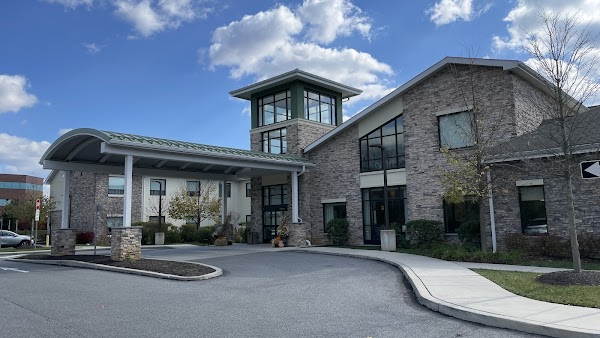

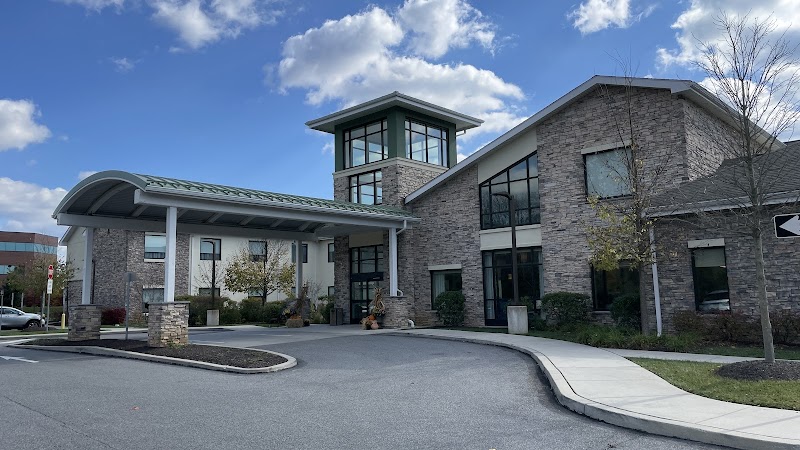
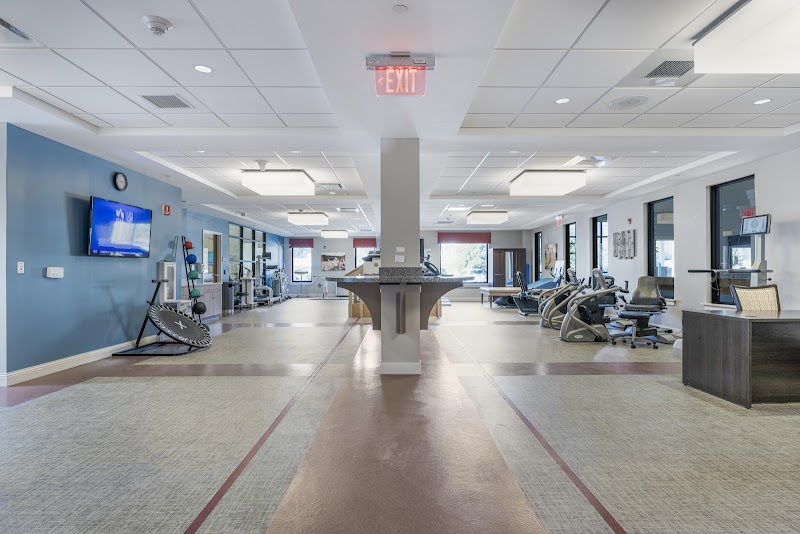
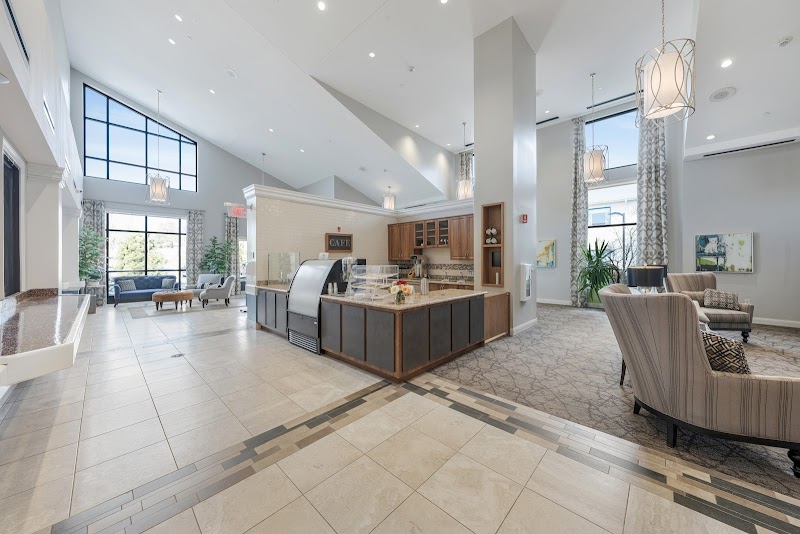
EXTON POST ACUTE

501 THOMAS JONES WAY, EXTON, PA 19341 (610) 423-8600
For profit - Limited Liability company 120 Beds MARQUIS HEALTH SERVICES Data: November 2025
Trust Grade
23/100
#285 of 653 in PA
Last Inspection: June 2025

Inspected within the last 6 months. Data reflects current conditions.

Overview

Exton Post Acute has received a Trust Grade of F, indicating significant concerns about care quality. Ranked #285 out of 653 facilities in Pennsylvania, they are in the top half but have room for improvement, especially as they are #14 out of 20 in Chester County, meaning only one local option is better. The facility is on an improving trend, reducing issues from 16 in 2024 to 11 in 2025. However, staffing is a weakness, with a low rating of 2 out of 5 stars and a high turnover rate of 65%, which is concerning compared to the state average of 46%. On the positive side, they have good RN coverage, exceeding 82% of state facilities. There have been serious incidents noted in recent inspections, including failures to arrange transportation for a resident with multiple orthopedic appointments, leading to hospitalization due to a wound deterioration, and inadequate supervision that resulted in a fall and further complications for another resident. Additionally, a lack of proper skin assessments led to a stage 3 pressure ulcer for one resident, highlighting potential gaps in care. While there are some strengths, such as RN coverage, families should carefully consider these serious issues when evaluating this facility for their loved ones.

Trust Score
F
23/100
In Pennsylvania
#285/653
Top 43%
Safety Record
High Risk
Review needed
Inspections
Getting Better
16 → 11 violations
Staff Stability
⚠ Watch
65% turnover. Above average. Higher turnover means staff may not know residents' routines.
Penalties
⚠ Watch
$24,244 in fines. Higher than 98% of Pennsylvania facilities. Major compliance failures.
Skilled Nurses
✓ Good
Each resident gets 67 minutes of Registered Nurse (RN) attention daily — more than 97% of Pennsylvania nursing homes. RNs are the most trained staff who catch health problems before they become serious.
Violations
⚠ Watch
29 deficiencies on record. Higher than average. Multiple issues found across inspections.
★★★☆☆
3.0
Overall Rating
★★☆☆☆
2.0
Staff Levels
★★☆☆☆
2.0
Care Quality
★★★☆☆
3.0
Inspection Score
Stable
2024: 16 issues
2025: 11 issues

The Good

  • Full Sprinkler Coverage · Fire safety systems throughout facility
  • No fines on record

Facility shows strength in fire safety.

The Bad

3-Star Overall Rating

Near Pennsylvania average (3.0)

Meets federal standards, typical of most facilities

Staff Turnover: 65%

19pts above Pennsylvania avg (46%)

Frequent staff changes - ask about care continuity

Federal Fines: $24,244

Below median ($33,413)

Minor penalties assessed

Chain: MARQUIS HEALTH SERVICES

Part of a multi-facility chain

Ask about local staffing decisions and management

Staff turnover is elevated (65%)

17 points above Pennsylvania average of 48%

The Ugly 29 deficiencies on record

6 actual harm
Jun 2025 1 deficiency
CONCERN (D)

Potential for Harm - no one hurt, but risky conditions existed

Employment Screening (Tag F0606)

Could have caused harm · This affected 1 resident

Based on a review of facility policy, review of personnel files and interviews with staff, it was determined that the facility failed to implement their policy to screen employees according to the Old...

Read full inspector narrative →
Based on a review of facility policy, review of personnel files and interviews with staff, it was determined that the facility failed to implement their policy to screen employees according to the Older Adults Protective Services Act for one of five employees (Employee E3). Findings include: Review of facility policy, Abuse, Neglect, Exploitation and Misappropriation Prevention Program, revised April 2021, revealed that employee background checks would be completed. Review of Employee E3's personnel record revealed that the employee was hired on April 7, 2025. Further review of the personnel record revealed that the employee had not been a resident of Pennsylvania for the two years immediately preceding the date of application. There was no documented evidence that a federal criminal background check application had been completed. Interview with Employee E3 on June 25, 2025, at 12:00 p.m. confirmed that a federal criminal background check application had not been completed. Interview with Employee E4 on June 25, 2025, at 12:05 p.m. also confirmed that the federal criminal background check had not been completed for Employee E3. 483.13 - Resident Behavior and Facility Practices, 10-1-1998 edition 28 Pa. Code: 201.18 (b)(1)(e)(1) Management 28 Pa. Code: 211.10(d) Resident care policies Previously cited 1/16/25, 8/22/24
Jan 2025 10 deficiencies 2 Harm
SERIOUS (G)

Actual Harm - a resident was hurt due to facility failures

Quality of Care (Tag F0684)

A resident was harmed · This affected 1 resident

**NOTE- TERMS IN BRACKETS HAVE BEEN EDITED TO PROTECT CONFIDENTIALITY** Based on clinical record review and staff interview, it was determined the facility failed to assist one of one (Resident 43) re...

Read full inspector narrative →
**NOTE- TERMS IN BRACKETS HAVE BEEN EDITED TO PROTECT CONFIDENTIALITY** Based on clinical record review and staff interview, it was determined the facility failed to assist one of one (Resident 43) residents in making transportation arrangements to and from multiple orthopedic surgery appointments resulting in actual harm by causing a deterioration of the wound and being admitted to a hospital for wound washing, and failure to follow a medication order from the physician for one out 19 residents reviewed (Resident 30). Findings include: Review of Resident 43's admission Minimum Data Set (MDS) assessment (mandated assessment of a resident's abilities and care needs), dated November 29, 2024, revealed the resident was admitted on [DATE], was understood, could understand others, was cognitively intact, dependent on staff for care needs, and had a fracture of lower end of right femur (thigh bone), fracture of T9-T10 vertebra (spinal cord), fracture of ribs, fracture of lower end of left radius (forearm), displaced [NAME] fracture of left tibia (lower leg), other fracture of upper and lower end of left fibula (calf bone), displaced bicondylar fracture with nonunion (knee joint), and displaced bicondylar fracture of right tibia. Review of Resident 43's physician follow-up note dated January 10, 2025, at 2:33 p.m. revealed Resident 43 was evaluated due to nursing concerns over worsening right lower extremity (RLE) wound. Further review of the follow-up note revealed Resident 43 was not able to attend (his/her) orthopedic surgery appointment on January 6, 2025, due to not being able to cover the out-of-pocket expense. Review of wound care progress note dated January 10, 2024, revealed Patient has follow-up appointment with surgeon on January 13 regarding worsening right leg surgical repair, Transportation scheduled, and payment has been confirmed by husband. Nurse Practitioner (NP) aware of same. Review of Resident 43's physician follow-up note dated January 13, 2024, revealed Resident 43 was seen for a worsening right lower extremity (RLE) wound and concern for missed orthopedic surgery appointments and an order for Bactrim [double strength] tablet 800-160 milligrams, give 1 tablet by mouth every 12 hours for bacterial infection/worsening leg wound for 7 days and oxycodone [hydrochloride] oral tablet 5 milligrams, give one tablet by mouth every 4 hours as needed for moderate to severe pain. Further review revealed [Resident 43] wished the facility worked with a different service and was also upset that (he/she) was having to do follow ups and schedule them (him/herself). Interview conducted with Resident 43 on January 13, 2024, at 10:02 a.m. reported that (he/she) has missed multiple orthopedic surgery appointments (January 13, 2025, and January 6, 2025) due to not being able to cover the out-of-pocket expense to use [medical transportation services]. Resident 43 reported [medical transportation service] is the only transportation service the facility uses. Resident 43 reported each use of [medical transportation service] cost's a minimum of $1,300. Subsequent interview with Resident 43 revealed resident is worried that (he/she) will miss additional orthopedic surgery appointments due to not being able to cover the cost. Resident 43 also reported the pain from her right lower extremity wound is intensifying, requiring staff to administer her oxycodone pain medication. Review of Resident 43's clinical record revealed a progress note dated January 15, 2025, at 5:30 p.m. indicating Per NP, patient's surgeon requesting patient be sent to [Hospital] for washout of RLE surgical wound. [Medical transportation company] transport arranged and patient left facility via ambulance. Husband and daughter updated. Interview with the Social Worker, Employee E13 on January 16, 2025, at 11:55 a.m. revealed, (he/she) was aware Resident 43 had missed multiple appointments due to the inability to cover the out-of-pocket expenses. Social Worker, Employee E13 acknowledged, (he/she) had not attempted to arrange alternative transportation options or provided Resident 43 with resources to secure (his/her) own transportation. Interview with the Director of Nursing (DON) on January 16, 2025, at 1:15 p.m. revealed the facility did not follow up with [medical transport company] to determine why Resident 43 was not transported to her orthopedic surgery appointment on January 13, 2025. A follow-up interview with the Director of Nursing (DON) on January 16, 2025, at 1:59 p.m. revealed she had contacted [medical transport company] to inquire why Resident 43 was not transported to medical appointment. The DON reported the [medical transport company] did not provide transportation due to Resident 43 inability to cover the out-of-pocket expense. She further stated that she was unaware Resident 43 could not cover this expense and that the facility will attempt to schedule virtual appointments with the resident's orthopedic surgeon in the future. The Director of Nursing (DON) confirmed the previous statements and acknowledged the facility should have assisted Resident 43 in arranging alternative transportation to resident's orthopedic surgeon appointments. The DON reported Resident 43 was admitted to the Hospital for wound treatment and did not know when Resident 43 would be returning to the facility and did not have access to Resident 43's hospital records. The facility failed to ensure Resident 43 attended the orthopedic surgical follow-up appointments by not providing alternative modes of transportation or scheduling virtual appointments causing actual harm to Resident 43 when the surgical wound deteriorated and Resident 43 needed to be hospitalized for care to the worsening wound. Review of Resident 30's diagnosis list includes Acute Respiratory Failure (life-threatening condition where the lungs cannot adequately exchange oxygen and carbon dioxide, leading to low blood oxygen levels) and a history of Pulmonary Embolism (blood clot that blocks and stops blood flow to an artery in the lung). Review of Resident 30's physician order dated December 17, 2024, revealed an order for Enoxaparin Sodium Injection 80 mg/0.8 ml. Inject 0.8 ml (milliliter) subcutaneously (shot given into the fatty layer of tissue beneath the skin) every 12 hours for DVT (Deep Vein Thrombosis- clot in the deep vein). The medication was ordered to be administered at 9:00 a.m., and 9:00 p.m. Review of Resident 30's January 2025, Medication Administration Record revealed from January 7, 2025, until January 15, 2025, Resident 30 was not administered the medication on the following dates and times: January 7, 2025, at 9:00 a.m., January 8, 2025, at 9:00 p.m., January 9, 2025, at 9:00 a.m., and 9:00 p.m. Review of the nursing progress notes dated January 7, 2025, at 12:36 a.m., revealed medication on order, NP aware. Review of Resident 30's nursing progress notes dated January 8, 2025, at 8:29 p.m., and January 9, 2025, at 8:20 p.m., each note revealed medication was on order with the pharmacy. Review of Resident 30's clinical records failed to reveal the physician was notified of the missed medications on the evening of January 8, 2025, and the morning and evening dose on January 9, 2025. Review of the pharmacy documentation revealed Enoxaparin medication was available in the facility for emergency use. An interview with the Director of Nursing conducted on January 16, 2024, at 10:00 a.m., failed to provide an explanation why the medication was not administered to the resident despite being available in the facility. The facility failed to ensure Resident 30's physician's medication order was followed. 28 Pa. Code 201.14(a) Responsibility of licensee Previously cited 8/22/24, 4/25/24, 3/15/24, 12/19/23, 5/18/23 28 Pa. Code 201.18(b)(1)(3)(e)(1) Management Previously cited 8/22/24, 4/25/24, 3/15/24, 1/27/24, 12/19/23, 11/1/23, 5/18/23 28 Pa. Code 211.5(f) Clinical records Previously cited 8/22/24, 6/10/24, 4/25/24, 3/15/24, 1/27/24, 5/18/23 28 Pa. Code 211.12(c)(d)(1)(3)(5) Nursing service Previously cited 8/22/24, 6/10/24, 4/25/24, 3/15/24, 1/27/24, 12/19/23, 11/1/23, 5/18/23
SERIOUS (G)

Actual Harm - a resident was hurt due to facility failures

Accident Prevention (Tag F0689)

A resident was harmed · This affected 1 resident

**NOTE- TERMS IN BRACKETS HAVE BEEN EDITED TO PROTECT CONFIDENTIALITY** Based on review of clinical records, hospital records, and interviews with resident and staff, it was determined that the facili...

Read full inspector narrative →
**NOTE- TERMS IN BRACKETS HAVE BEEN EDITED TO PROTECT CONFIDENTIALITY** Based on review of clinical records, hospital records, and interviews with resident and staff, it was determined that the facility failed to provide adequate supervision and assistance, resulting in harm from a fall which led to hospitalization and further surgical procedures and treatments for one of the 19 residents reviewed (Resident 20). Findings include: Clinical records review revealed Resident 20 was admitted to the facility on [DATE], with a diagnosis of post-right below knee amputation, Osteomyelitis (bone infection), and left trans metatarsal (foot bone) amputation. Review of Resident 20's admission Minimum Data Set (MDS-standardized assessment tool that measures health status in long-term care residents) dated October 21, 2024, revealed the resident was cognitively intact. The same MDS assessment revealed that the resident required partial/moderate assistance with toilet transfers. Review of Resident 20's care plan developed on October 18, 2024, revealed an ADL (activities of daily living) care plan for the resident requiring assistance/dependent for ADL care with bathing, grooming, dressing, bed mobility, transfer, and toileting. An intervention initiated on October 18, 2024, revealed: Provide two persons assist with toilet transfer and toileting hygiene. Review of the nursing progress notes dated October 21, 2024, at 5:23 p.m., revealed Resident 20 was sent to the hospital post-fall. The same note revealed Resident 20 was transferring over to the toilet with the NA (nurse assistant) when he/she fell and hit the right leg causing surgical incision to open. The same note revealed There was a copious amount of bleeding, a pressure dressing applied, and then sent to the hospital for evaluation. Review of the physician's progress notes dated October 21, 2024, revealed resident was seen for an acute visit regarding a witnessed fall reported with an NA. The same note revealed the Resident stated that he/she was still having a hard time coping with the new right BKA (Below Knee Amputation) and did attempt to use the right leg with the transfer, causing him/her to land on his/her new BKA incision. The right BKA incision split open with profuse bright red blood present and actively bleeding. Pressure dressing was applied immediately and they advised nursing to send the resident to the emergency room for evaluation and repair of the open incision. Review of the hospital record section titled, History and Physical, dated October 21, 2024, revealed patient with post-BKA on October 15, 2024, was sent back to the ED (Emergency Department) after sustaining a fall during transfer from the commode, resulting in right BKA stump injury. The same note revealed, usually he/she has two staff members helping him/her but today it was only one. The BKA surgical site was reported to be open and bleeding at the rehab. The diagnosis was right BKA wound dehiscence with bleeding secondary to mechanical trauma. Review of Resident 20's hospital records, including Details of Hospital Stay dated October 29, 2024, revealed the patient was admitted and vascular surgery was consulted. The patient was sent to the OR (operating room) for BKA washout and wound vac (wound treatment that uses suction to help wounds heal) placement on October 23, 2024. Post-op, the patient had to be transfused with 1 unit of PRBC (pack red blood cell) due to a drop of the Hgb. He/she experienced acute urinary retention postoperatively requiring multiple straight catheters (A procedure that uses a flexible tube to drain urine from the bladder). The patient developed bleeding from the wound vac so he/she was given another unit of PRBC. Interview conducted with Resident 20 on January 13, 2025, at 10:30 a.m., revealed a few days after he/she was admitted to the facility, a male staff assisted him/her from the wheelchair to the toilet commode. Resident 20 reported it was always two people assisting with transfers but at that moment there was only one. The resident stated He/she thought he/she could handle me by him/herself. The resident further reported he/she lost balance during the transfer and fell hitting the right knee. Interview with the Director of Nursing (DON) conducted on January 15, 2025, at 1:00 p.m., confirmed there was only one person that transferred the resident during the fall. The facility failed to provide Resident 20 with adequate supervision and assistance during toilet transfers resulting in harm from falling including hospitalization, and undergoing additional surgical treatment complications post-surgical procedure. 28 Pa. Code 201.14(a) Responsibility of licensee Previously cited 8/22/24, 4/25/24, 3/15/24, 12/19/23, 5/18/23 28 Pa. Code 201.18(b)(1)(3)(e)(1) Management Previously cited 8/22/24, 4/25/24, 3/15/24, 1/27/24, 12/19/23, 11/1/23, 5/18/23 28 Pa. Code 211.5(f) Clinical records Previously cited 8/22/24, 6/10/24, 4/25/24, 3/15/24, 1/27/24, 5/18/23 28 Pa. Code 211.12(c)(d)(1)(3)(5) Nursing service Previously cited 8/22/24, 6/10/24, 4/25/24, 3/15/24, 1/27/24, 12/19/23, 11/1/23, 5/18/23
CONCERN (D)

Potential for Harm - no one hurt, but risky conditions existed

Report Alleged Abuse (Tag F0609)

Could have caused harm · This affected 1 resident

**NOTE- TERMS IN BRACKETS HAVE BEEN EDITED TO PROTECT CONFIDENTIALITY** Based on review of facility's policy, clinical records and hospital record review, and interview with resident and staff, it was...

Read full inspector narrative →
**NOTE- TERMS IN BRACKETS HAVE BEEN EDITED TO PROTECT CONFIDENTIALITY** Based on review of facility's policy, clinical records and hospital record review, and interview with resident and staff, it was determined the facility failed to report a fall to the state agency for one of 19 residents reviewed (Resident 20). Findings include: Review of facility's policy titled Abuse, Neglect, Exploitation or Misappropriation-Reporting and Investigating, revised in September 2022, revealed that if resident abuse, neglect, exploitation, or theft/misappropriation is suspected, the suspicion must be reported immediately to the administrator and to other officials according to state law. The administrator or the individual making the allegation immediately reports his or her suspicion to the following person or agencies: The state licensing /certification agency responsible for surveying /licensing the facility; the local state ombudsman; the resident's representative; Adult protective services; Law enforcement officials; The resident's attending physician and facility director. Immediately is defined within two hours of an allegation involving abuse or result in serious bodily injury; or within 24 hours of an allegation that does not involve abuse or result in serious bodily injury. Review of Resident 20's admission Minimum Data Set (MDS-a standardized assessment tool that measures health status in long-term care residents) dated October 21, 2024, revealed that the resident was cognitively intact. The same MDS revealed that the resident required partial/moderate assistance with toilet transfers. A review of Resident 20's nursing progress notes dated October 21, 2024, at 5:23 p.m., revealed that the Resident was sent to the hospital post-fall. The same note revealed Resident 20 was being transfered to the toilet with assistance from the NA (nurse assistant) when Resident 20 fell and hit their right leg causing the surgical incision to reopen. A review of Resdient 20's physician's progress notes dated October 21, 2024, revealed resident was seen for an acute visit regarding a witnessed fall reported with a NA. The same note revealed that Resident 20 stated that they were still having a hard time coping with the new right BKA and did attempt to use the right leg with the transfer, causing Resdient 20 to land right into their BKA incision. The right BKA incision split open with profuse bright red blood present and actively bleeding. Pressure dressing was applied immediately and they advised nursing to send the resident to the emergency room for evaluation and repair of the open incision. Hospital record review dated October 29, 2024, revealed resident was admitted to the hospital on [DATE], with diagnosis of right BKA wound dehiscence (a surgical complication in which a wound ruptures along a surgical incision) with bleeding secondary to mechanical trauma. An interview with Resident 20 conducted on January 13, 2025, at 10:30 a.m., revealed that a few days after they were admitted to the facility, a male staff assisted them from the wheelchair to the toilet commode. Resident 20 reported that it was always two people assisting with transfers but at that moment it was only one. The resident stated He/she taught he/she could handle me by him/herself The resident further reported that he lost balance during the transfer and fell hitting the right knee. A review of Resident 20's care plan developed on October 18, 2024, revealed an ADL (activities of daily living) care plan for the resident requiring assistance/dependent for ADL care with bathing, grooming, dressing, bed mobility, transfer, and toileting. An intervention initiated on October 18, 2024, revealed: Provide two persons assist with toilet transfer and toileting hygiene. An interview with the DON on January 16, 2025, at 10:00 a.m., confirmed that the incident was not reported to the state agency until January 14, 2025, after surveyor requested for the investigation of the incident. The facility failed to ensure Resident 20's fall due to failure to provide adequate assistance and supervision which led to hospitalization was reported to the state agency. 28 Pa. Code 211.10(d) Resident Care Policies Previously cited 8/22/24, 3/15/24, 5/18/23 28 Pa. Code 201.14(a) Responsibility of licensee Previously cited 8/22/24, 4/25/24, 3/15/24, 12/19/23, 5/18/23 28 Pa. Code 201.18(b)(1)(3)(e)(1) Management Previously cited 8/22/24, 4/25/24, 3/15/24, 1/27/24, 12/19/23, 11/1/23, 5/18/23 28 Pa. Code 211.5(f) Clinical records Previously cited 8/22/24, 6/10/24, 4/25/24, 3/15/24, 1/27/24, 5/18/23 28 Pa. Code 211.12(c)(d)(1)(3)(5) Nursing service Previously cited 8/22/24, 6/10/24, 4/25/24, 3/15/24, 1/27/24, 12/19/23, 11/1/23, 5/18/23
CONCERN (D)

Potential for Harm - no one hurt, but risky conditions existed

Investigate Abuse (Tag F0610)

Could have caused harm · This affected 1 resident

**NOTE- TERMS IN BRACKETS HAVE BEEN EDITED TO PROTECT CONFIDENTIALITY** Based on review of facility policy, clinical record review, hospital record review, and interviews with resident and staff, it w...

Read full inspector narrative →
**NOTE- TERMS IN BRACKETS HAVE BEEN EDITED TO PROTECT CONFIDENTIALITY** Based on review of facility policy, clinical record review, hospital record review, and interviews with resident and staff, it was determined the facility failed to investigate a fall for one of 19 residents reviewed (Resident 20). Findings include: A review of facility's policy titled Abuse, Neglect, Exploitation or Misappropriation-Reporting and Investigating, revised in September 2022, revealed that all reports of resident abuse, neglect, exploitation, or theft/misappropriation of resident property are reported to local, state, and federal agencies and thoroughly investigated. The administrator initiates investigations. Upon conclusion of the investigation, the investigator records the findings of the investigation on approved documentation form. A review of Resident 20's clinical record revealed the resident was admitted to the facility on [DATE], with a diagnosis of post-right below knee amputation, Osteomyelitis (bone infection), and left trans metatarsal (foot bone)amputation. A review of Resident 20's admission Minimum Data Set (MDS-a standardized assessment tool that measures health status in long-term care residents) dated October 21, 2024, revealed that the resident was cognitively intact. The same MDS revealed that the resident required partial/moderate assistance with toilet transfers. An interview with Resident 20 conducted on January 13, 2025, at 10:30 a.m., revealed that a few days after Resdient 20 was admitted to the facility, a male staff assisted them from the wheelchair to the toilet commode. Resident 20 reported that it was always two people assisting with transfers but at that moment it was only one. The resident stated He/she taught he/she could handle me by him/herself. Resdient 20 further reported that he lost balance during the transfer and fell hitting the right knee. Resdient 20 reported that their surgical incision opened after the fall and was sent to the hospital. A review of Resident 20's care plan developed on October 18, 2024, revealed an ADL (activities of daily living) care plan for the resident requiring assistance/dependent for ADL care with bathing, grooming, dressing, bed mobility, transfer, and toileting. An intervention initiated on October 18, 2024, revealed: Provide two persons assist with toilet transfer and toileting hygiene. A review of the nursing progress notes dated October 21, 2024, at 5:23 p.m., revealed that the Resident was sent to the hospital post-fall. The same note revealed Resident was being transfered to the toilet by the NA (nurse assistant) when Resident 20 fell and hit their right leg causing the surgical incision to open. A review of the physician's progress notes dated October 21, 2024, revealed Resdient 20 was seen for an acute visit regarding a witnessed fall reported with an NA (Nursing Assistant). The same note revealed that Resident 20 stated that they were still having a hard time coping with the new right BKA (Below Knee Amputation) and did attempt to use the right leg with the transfer, causing Resident 20 to land right into their BKA incision. The right BKA incision split open with profuse bright red blood present and actively bleeding. Pressure dressing was applied immediately and then advised nursing to send the resident to the emergency room for evaluation and repair of the open incision. Review of hospital records dated October 29, 2024, revealed Resident 20 was admitted to the hospital on [DATE], with diagnosis of right BKA wound dehiscence (a surgical complication in which a wound ruptures along a surgical incision) with bleeding secondary to mechanical trauma. A review of the facility's documentation revealed an incident report of Resident 20's fall that occurred on October 21, 2024, at 5:00 p.m., completed by the Director of Nursing (DON). No further investigation documents were provided to the surveyor. An interview with the DON on January 16, 2025, at 10:00 a.m., confirmed that the incident report of Resident 20's fall that occurred on October 21, 2024, was just completed on January 14, 2025, after the surveyor asked for it. The DON confirmed that the incident was not investigated, and that the perpetrator was not identified. The facility failed to ensure Resident 20's fall due to failure to provide adequate assistance and supervision which led to hospitalization was investigated. 28 Pa. Code 211.10(d) Resident Care Policies Previously cited 8/22/24, 3/15/24, 5/18/23 28 Pa. Code 201.14(a) Responsibility of licensee Previously cited 8/22/24, 4/25/24, 3/15/24, 12/19/23, 5/18/23 28 Pa. Code 201.18(b)(1)(3)(e)(1) Management Previously cited 8/22/24, 4/25/24, 3/15/24, 1/27/24, 12/19/23, 11/1/23, 5/18/23 28 Pa. Code 211.5(f) Clinical records Previously cited 8/22/24, 6/10/24, 4/25/24, 3/15/24, 1/27/24, 5/18/23 28 Pa. Code 211.12(c)(d)(1)(3)(5) Nursing service Previously cited 8/22/24, 6/10/24, 4/25/24, 3/15/24, 1/27/24, 12/19/23, 11/1/23, 5/18/23
CONCERN (D)

Potential for Harm - no one hurt, but risky conditions existed

Pressure Ulcer Prevention (Tag F0686)

Could have caused harm · This affected 1 resident

**NOTE- TERMS IN BRACKETS HAVE BEEN EDITED TO PROTECT CONFIDENTIALITY** Based on clinical records review and staff interviews, it was determined that the facility failed to follow the wound treatment ...

Read full inspector narrative →
**NOTE- TERMS IN BRACKETS HAVE BEEN EDITED TO PROTECT CONFIDENTIALITY** Based on clinical records review and staff interviews, it was determined that the facility failed to follow the wound treatment recommended by the wound specialist in a timely manner for one of the 11 residents reviewed (Resident 28). Findings include: Clinical record review revealed Resident 28 was admitted to the facility on [DATE], with a Stage 3 Pressure Ulcer (full thickness skin loss) to the midback. The physician's order dated December 9, 2024, revealed an order to cleanse the wound with normal saline solution, apply Hydrogel (a wound dressing that keeps the wound moist and closed), and cover with Optifoam dressing every morning shift every other day. A review of the wound physician consult dated December 11, 2024, revealed that the midback remained a stage three wound measuring 0.9 x 0.9 x 0.1 cm. An order to cleanse the wound with normal saline solution, apply Hydrogel, and cover with a bordered dressing daily was made. A review of the December 2024, Treatment Administration Record (TAR) revealed that the new order was not followed until December 18, 2024. Resident 28's midback wound was treated every other day instead of the ordered daily treatment from December 11, 2024, until December 18, 2024, missing four days of wound treatment. An interview was conducted with the wound nurse, Employee E6 on January 15, 2025, at 1:00 p.m. Employee E6 reported that the conduct wound rounds with the wound physician weekly. Employee E6 reported that the primary physician automatically approves the wound physician's recommendations. Employee E6 reported that they were responsible for placing the order into the system. When asked for the reason why the order was not changed until December 18, 2024, seven days after it was ordered, Employee E6 responded that it was missed. Clinical record review failed to reveal that the physician was notified of the missed wound treatments. A review of the wound physician consult dated January 1, 2025, revealed an Unstageable Pressure Ulcer (Obscured full-thickness skin and tissue loss) to midback with measurements of 1.7 x 1.0 x 0.1 cm., with 60% slough (non-viable yellow, tan, gray, green or brown tissue; usually moist, can be soft, stringy, and mucinous in texture. Slough may be adherent to the base of the wound or present in clumps throughout the wound bed). Wound physician ordered to cleanse the wound with normal saline and apply Santyl (A topical medication used for removing damaged or burned skin to allow for wound healing and growth of healthy skin) to calcium alginate (used to ensure a wound remains moist), place to the wound bed, cover with bordered dressing daily. A review of December 2024, TAR revealed Santyl wound treatment ordered on January 1, 2024, was not implemented until January 10, 2025, ten days after the order was made. An interview with Employee E6 on January 15, 2025, at 1:00 p.m., was conducted. Employee E6 failed to explain as to why Santyl's order was not implemented timely. The above was conveyed to the Director of Nursing on January 16, 2025, at 10:00 a.m. The facility failed to ensure Resident 28's wound treatment order was implemented timely. 28 Pa. Code 211.5(f) Clinical records Previously cited 8/22/24, 6/10/24, 4/25/24, 3/15/24, 1/27/24 28 Pa. Code 211.12(c)(d)(1)(3)(5) Nursing service Previously cited 8/22/24, 6/10/24, 4/25/24, 3/15/24, 1/27/24
CONCERN (D)

Potential for Harm - no one hurt, but risky conditions existed

Deficiency F0692 (Tag F0692)

Could have caused harm · This affected 1 resident

**NOTE- TERMS IN BRACKETS HAVE BEEN EDITED TO PROTECT CONFIDENTIALITY** Based on a review of the facility's policy, clinical records review, and staff interviews, it was determined that the facility f...

Read full inspector narrative →
**NOTE- TERMS IN BRACKETS HAVE BEEN EDITED TO PROTECT CONFIDENTIALITY** Based on a review of the facility's policy, clinical records review, and staff interviews, it was determined that the facility failed to obtain baseline weight and re-weight for significant weight change for two of the 19 residents reviewed (Resident 28 and 105). Findings include: A review of the facility's policy titled Weight Assessment and Intervention, revised in March 2022, revealed that residents are weighed upon admission and at intervals established by the interdisciplinary team. Any weight change of 5% or more since the last weight assessment is retaken the next day for confirmation. A review of Resident 28 clinical records revealed resident was admitted to the facility on [DATE]. The diagnosis list includes acute respiratory failure (a life-threatening condition where the lungs cannot adequately exchange oxygen and carbon dioxide, leading to low blood oxygen levels), dysphagia (difficulty in swallowing), and moderate protein-calorie malnutrition. Hospital records review dated December 2, 2024, revealed a weight of 115 pounds. A review of Resident 28's weights revealed a baseline admission weight of 152 pounds taken on December 8, 2024, but was struck out by the dietitian, licensed Employee E3. An interview with Employee E3 on January 15, 2025, at 1:00 p.m., revealed the baseline weight was struck out due to discrepancy since the recorded hospital weight was 115 pounds, a re-weight was requested. Clinical records review revealed that re-weight was not done until December 11, 2024, three days after the discrepancy was noted. Resident 28's re-weigh was 140.2 pounds, (7.76%) loss from the baseline weight. The weight result was struck out by Employee E3. Interview with Employee E3 on January 15, 2025, at 1:00 p.m. revealed Employee E3 provided no reason why the re-weight was struck out, re-weight was not done. A review of Resident 28's weight dated December 18, 2024, revealed a weight of 101.8 pounds, an 11.48% weight loss from the hospital. The resident was ordered a magic cup (fortified ice cream). An interview with Employee E3 conducted on January 15, 2025, at 1:00 p.m., confirmed that the resident's re-weights for confirmation were not done timely which delayed interventions to prevent further weight loss. A review of Resident 105's clinical records revealed resident was admitted to the facility on [DATE], with a diagnosis of Cerebral Vascular Accident (CVA- An interruption in the flow of blood to cells in the brain), dysphagia, and presence of Gastrostomy tube (GT- A medical device used to provide nutrition to people who cannot obtain nutrition by mouth). A review of Resident 105's weight and vitals revealed a baseline weight of 77 pounds hospital. A review of Employee E3's nutritional assessment dated [DATE], revealed weight per hospital was 77 pounds. The resident was frail with moderate-severe muscle wasting at the clavicles, temples, and shoulder. The resident was NPO (nothing per mouth). The same note revealed resident was severely underweight. The enteral feed of Nutren 2.0 30ml/hr x 24 hours for a total volume of 720 ml was made. A review of Resident 105's January 2025, Medication Administration Record, revealed that from January 7, 2025, until January 13, 2025, Nutren 2.0 was administered but failed to reveal if the resident was able to receive the total volume of 720 cc of feeding for 24 hours. An interview with Employee E3 conducted on January 15, 2025, at 1:00 p.m., confirmed that hospital weight should have not been used as the resident's baseline. Employee E6 was unable to provide an answer as to why Resident 105's baseline weight was not taken when admitted on [DATE]. Employee E3 also confirmed that the total volume of feed received should have been documented to determine if the resident was able to get appropriate nutrition. The facility failed to ensure re-weight was timely done for Resident 28, and baseline weight was done for Resident 105 for appropriate and timely nutritional interventions, monitoring, and treatments. 28 Pa. Code 211.10(d) Resident Care Policies Previously cited 8/22/24, 3/15/24 28 Pa. Code 201.14(a) Responsibility of licensee Previously cited 8/22/24, 4/25/24, 3/15/24 28 Pa. Code 211.5(f) Clinical records Previously cited 8/22/24, 6/10/24, 4/25/24, 3/15/24, 1/27/24 28 Pa. Code 211.12(c)(d)(1)(3)(5) Nursing service Previously cited 8/22/24, 6/10/24, 4/25/24, 3/15/24, 1/27/24
CONCERN (D)

Potential for Harm - no one hurt, but risky conditions existed

Deficiency F0730 (Tag F0730)

Could have caused harm · This affected 1 resident

Based upon review of staffing records and performance reviews it was determined the facility failed to ensure performance reviews were completed for five of five staffing records reviewed, (E8, E9, E1...

Read full inspector narrative →
Based upon review of staffing records and performance reviews it was determined the facility failed to ensure performance reviews were completed for five of five staffing records reviewed, (E8, E9, E10, E11, E12). Findings include: Review of staffing records and performance reviews revealed five staff members, E8, E9, E10 E11 and E12, did not have annual performance reviews performed within the appropriate timeframe. Interview with the DON on January 17, 2025, at 2:27 p.m. confirmed staff performance reviews were not completed timely. 28 Pa. Code 201.20(a)(c) Staff Development Previously sited 3/15/24
CONCERN (D)

Potential for Harm - no one hurt, but risky conditions existed

Medication Errors (Tag F0758)

Could have caused harm · This affected 1 resident

Based on clinical record review and staff interview, it was determined that the facility failed to provide appropriate indication and consistently attempt a non-pharmacological intervention before adm...

Read full inspector narrative →
Based on clinical record review and staff interview, it was determined that the facility failed to provide appropriate indication and consistently attempt a non-pharmacological intervention before administering anti-anxiety medication for one of five residents reviewed (Resident 46). Findings include: A review of Resident 46's diagnosis list includes traumatic brain injury (an injury to the brain caused by an external physical force, such as a blow, bump, fall, or hit to the head), anxiety disorder, and depression. A review of Resident 46 physician order dated December 10, 2024, revealed an order of Clonazepam (An anti-anxiety medication) 1 mg (milligram), give one tablet every eight hours as needed for anxiety. A review of Resident 46's December 2024, Medication Administration Record (MAR) revealed that from December 10, 2024, until December 31, 2024, Resident 46 was administered with as-needed Clonazepam 27 times for anxiety. Further review of the same MAR revealed that out of 27 times, as needed Clonazepam was administered 27 times with no appropriate indication except for anxiety. MAR also revealed that medication was administered 19 times without attempts to provide a non-pharmacological intervention before giving the medication. The above was discussed with the Director of Nursing on January 16, 2025, at 1:00 p.m. The facility failed to ensure Resident 46 was provided with appropriate indication and non-pharmacological interventions before administering an anti-anxiety medication. 28 Pa. Code 211.5(f) Clinical records Previously cited 8/22/24, 6/10/24, 4/25/24, 3/15/24, 1/27/24 28 Pa. Code 211.12(c)(d)(1)(3)(5) Nursing service Previously cited 8/22/24, 6/10/24, 4/25/24, 3/15/24, 1/27/24
CONCERN (D)

Potential for Harm - no one hurt, but risky conditions existed

Deficiency F0761 (Tag F0761)

Could have caused harm · This affected 1 resident

Based on a review of the facility's policy, and drug manufacturer's recommendations, observations, and staff interviews, it was determined that the facility failed to ensure medications were properly ...

Read full inspector narrative →
Based on a review of the facility's policy, and drug manufacturer's recommendations, observations, and staff interviews, it was determined that the facility failed to ensure medications were properly stored and labeled for two of four medication carts reviewed (1 East medication cart 1 and 2). Findings include: A review of the facility policy titled Medication Labeling and Storage, revised in February 2023, revealed that medications and biologicals are stored in the packaging, containers, or other dispensing systems in which they are received. Only the issuing pharmacy is authorized to transfer medications between containers. The same policy indicated that multi-dose vials that have been opened or accessed are dated and discarded within 28 days unless the manufacturer specifies a shorter or longer date for the open vial. A review of the manufacturer's storage guidelines for Insulin Lispro (Humalog-fast-acting insulin), revealed that the medication must be stored at room temperature and must be discarded within 28 days after opening. A review of the manufacturer's storage guidelines for Insulin Aspart (Novolog-fast-acting insulin), revealed that the medication must be stored at room temperature and must be discarded within 28 days after opening. A review of the manufacturer's storage guidelines for Insulin Degludec (A long-acting insulin), revealed that after first use, insulin can be stored at room temperature or in the refrigerator without the needle attached for a maximum of eight weeks. An observation of the 1East medication cart 1 was conducted on January 14, 2025, at 9:21 a.m., in the presence of licensed nurse Employee E4. The following were observed: 18 long white tablets in a medication cup; 72 Mucinex tablets (A cough medication); 24 Simethicone medication (A medication that treats symptoms of gas, like feeling full, pressure, and bloating); 17 Imodium (Anti-diarrhea medication); and nine Bisacodyl suppositories (A medication to treat constipation). All mentioned medications were observed on the top drawer of the medication cart without their original container/package. Further observation revealed two Lispro insulin pens, opened and used but undated. An interview with Employee E4 conducted on January 14, 2025, at 9:30 a.m., confirmed that medications should be in their original container. Employee E4 also confirmed that insulin pens should have been dated once opened. Employee E4 further reported that the long white tablets in a medication cup were Tylenol (A medication to treat mild pain) as reported by the outgoing shift nurse. An observation of the 1East medication cart 2 was conducted on January 14, 2025, at 9:35 a.m., in the presence of licensed nurse Employee E5. The following were observed: five loose Xarelto tablets (An ant-coagulant medication), 15 tablets of Mucinex; and five Bisacodyl suppositories. The medications were not in their original containers/packages. Also observed were three Degludec insulin pens, opened and undated; one Lispro insulin pen, opened and undated; one Aspart insulin pen, opened and undated, and one Lispro insulin vial, opened and undated. Interview with Employee E5 conducted on January 14, 2025, at 9:40 a.m., confirmed medications should be on their original container/package and insulins should have been dated when opened. The above was discussed with the Director of Nursing on January 16, 2025, at 10:00 a.m. The facility failed to ensure medications on 1East medication carts 1 and 2 were properly stored and labeled. 28 Pa. Code 201.14(a) Responsibility of licensee Previously cited 8/22/24, 4/25/24, 3/15/24 28 Pa. Code 201.18(b)(1)(3)(e)(1) Management Previously cited 8/22/24, 4/25/24, 3/15/24, 1/27/24 28 Pa. Code 211.12(c)(d)(1)(3)(5) Nursing service Previously cited 8/22/24, 6/10/24, 4/25/24, 3/15/24, 1/27/24
CONCERN (E)

Potential for Harm - no one hurt, but risky conditions existed

Infection Control (Tag F0880)

Could have caused harm · This affected multiple residents

**NOTE- TERMS IN BRACKETS HAVE BEEN EDITED TO PROTECT CONFIDENTIALITY** Based on review of facility's policy, observations and staff interviews, it was determined the facility failed to ensure infecti...

Read full inspector narrative →
**NOTE- TERMS IN BRACKETS HAVE BEEN EDITED TO PROTECT CONFIDENTIALITY** Based on review of facility's policy, observations and staff interviews, it was determined the facility failed to ensure infection control was practiced for a resident with COVID and Enhanced Barrier Precautions (infection control prevention designed to reduce transmission of MDRO-multidrug-resistant organisms in nursing homes) were in place for residents requiring enhanced barrier precautions for seven of seven residents reviewed (Resident 8, 13, 20, 21, 30, 46, and 105). Findings include: Review of the facility's current Enhanced Barrier Precautions policy as revised by the facility dated March 2024, revealed for residents for whom EBP are indicated, EBP is employed when performing high contact resident care activities. This includes the use of gown and gloves for the use of accessing wound care (any skin opening requiring a dressing). Review of Resident 8's clinical record revealed, Resident was admitted on [DATE], with a diagnosis of Partial Traumatic Amputation of Right Foot, Level Unspecified, Subsequent Encounter (part of the foot has been severed due to an injury or trauma but not the entire foot) and Type 2 Diabetes with Diabetic Peripheral Angiopathy with Gangrene (condition that occurs with type 2 diabetes that develops peripheral arterial disease that leads to gangrene) Observation of Resident 8 on January 13, 2025 @ 09:41 am revealed bilateral (left and right) feet wrapped in gauze with toes open to air and post-op boots in place. Observation of Resident 8's room on all four days of the survey failed to reveal evidence of EBP signage or PPE. Review of Resident 13's clinical record revealed, Resident was admitted on [DATE], with a diagnosis of Pressure Ulcer of Sacral Region, Unspecified Stage and Unspecified Open Wound of Lower Back and Pelvis Without Penetration into Retroperitoneum, Initial Encounter (a pressure sore located on the tailbone where the exact stage of the wound is unknown, along with an open wound on the lower back and pelvis that does not extend deep enough to reach the tissue behind the abdominal lining). Interview with licensed staff Employee E7 on January 14, 2025, revealed that Resident 13 Stage 3 sacral wound had primarily healed and that dressing changes were no longer required however per clinical record wound treatment continued daily and PRN (as the need arises). Observation of Resident 13's room on all four days of the survey failed to reveal evidence of EBP signage or PPE. Clinical records review revealed Resident 20 has surgical wound to the right leg post below knee amputations. Observations conducted on January 13, 2025, at 10:00 a.m., revealed a dressing to Resident 20's right knee. Additional observation revealed absence of EBP signage/communication. There was no PPE available outside of the resident's room. Review of Resident 21's clinical record revealed, Resident was admitted on [DATE], with a diagnosis of Encounter for Other Orthopedic Aftercare (routine follow-up care by a healthcare provider after orthopedic surgery on a joint or bone) and Type 2 Diabetes Mellitus with Unspecified Complications (a diagnosis of type 2 diabetes where the specific complications are not yet identified), Resident 21 is receiving treatment for an arterial wound to second digit left foot. Observation of Resident 21 on January 13, 2025 @ 10:00 am revealed resident in bed with bilateral foam boots and left foot wrapped with Kling (stretchy -gauze material that is wrapped around a wound or injury). Observation of Resident 21's room on all four days of the survey failed to reveal evidence of EBP signage or PPE. Clinical records review revealed Resident 30 has a Gastrostomy tube (GT- A medical device used to provide nutrition to people who cannot obtain nutrition by mouth). Observation conducted on January 13, 2025, at 10:15 a.m., revealed absence of EBP signage/communication. There was no PPE available outside of the resident's room Clinical records review revealed Resident 46 has a GT. Observation conducted on January 13, 2025, at 10:30 a.m., revealed absence of EBP signage/communication. There was no PPE available outside of the resident's room. Observation of Resident 8, 13 And 21's room on all four days of the survey failed to reveal personal protective equipment located outside the room or signage indicating Resident 8,13, and 21 were on Enhanced Barrier Precautions. Interview with the Director of Nursing on January 16, 2024, at 12:30 pm confirmed that Resident 8, 13 & 21were not on Enhanced Barrier Precautions at the time of the survey despite meeting the above criteria. Clinical records review revealed Resident 105 was on transmission-based precaution for diagnosis of COVID (An infectious disease caused by SARS-CoV-2). An observation conducted on Resident 105's room on January 14, 2025, at 12:48 p.m., in the presence of licensed employee E5 revealed absence of bin/container for used PPE (personal protective equipment). Observations also revealed the following: one yellow gown on the bathroom floor, one yellow gown hanged on the toilet handrail; used glove on the bathroom floor, and two used gloves on top of the drawer. The above was discussed with the Director of Nursing on January 16, 2025, at 10:00 a.m. 28 Pa. Code 201.14(a) Responsibility of licensee Previously cited 8/22/24, 4/25/24, 3/15/24 28 Pa. Code 201.18(b)(1)(3)(e)(1) Management Previously cited 8/22/24, 4/25/24, 3/15/24, 1/27/24 28 Pa. Code 211.5(f) Clinical records Previously cited 8/22/24, 6/10/24, 4/25/24, 3/15/24, 1/27/24 28 Pa. Code 211.12(c)(d)(1)(3)(5) Nursing service Previously cited 8/22/24, 6/10/24, 4/25/24, 3/15/24, 1/27/24
Aug 2024 2 deficiencies 1 Harm
SERIOUS (G) 📢 Someone Reported This

A family member, employee, or ombudsman was alarmed enough to file a formal complaint

Actual Harm - a resident was hurt due to facility failures

Pressure Ulcer Prevention (Tag F0686)

A resident was harmed · This affected 1 resident

**NOTE- TERMS IN BRACKETS HAVE BEEN EDITED TO PROTECT CONFIDENTIALITY** Based on facility policy and procedure review, staff interview and resident record review it was determined the facility failed ...

Read full inspector narrative →
**NOTE- TERMS IN BRACKETS HAVE BEEN EDITED TO PROTECT CONFIDENTIALITY** Based on facility policy and procedure review, staff interview and resident record review it was determined the facility failed to complete skin assessments to monitor skin conditions and prevent pressure ulcers for one of six residents reviewed causing actual harm to Resident 1 when they developed a stage 3 pressure ulcer to the sacrum(Resident 1). Findings Include: Review of facility policy and procedure titled Skin Integrity and Wound Management revealed under practice standards the following Complete risk evaluation on admission/readmission, weekly for the first month, quarterly, and with significant change in condition. Identify patient's skin integrity status and need or prevention or treatment interventions through review of all appropriate assessment information. Review of Resident 1's face sheet revealed the resident was admitted to the facility on [DATE] with diagnoses of a fracture of unspecified part of neck of left femur, Lewy Bodies Dementia (affects chemicals in the brain whose changes, in turn, can lead to problems with thinking, movement, behavior, and mood), and Parkinson's disease (brain disorder that causes unintended or uncontrollable movements, such as shaking, stiffness, and difficulty with balance and coordination). Review of Resident 1's admission Minimum Data Set (MDS-periodic assessment of resident needs) dated May 9, 2024, revealed the resident was at risk for developing a pressure ulcer. Review of Resident 1's admission Braden Assessment completed on May 10, 2024, revealed the resident was at high risk for developing pressure ulcers. Review of Resident 1's baseline care plan on admission, dated May 10, 2024, revealed there was a care plan for the risk of developing pressure ulcers with an intervention of observe skin conditions with ADL care daily; report abnormalities with a date initiated of May 10, 2024. Review of Resident 1's clinical record revealed skin assessments were not completed from May 11, 2024, until June 6, 2024. Further review of the clinical record failed to reveal any progress notes of skin assessments being completed or the development of a stage 3 pressure ulcer (wound that has progressed to the third stage have broken completely through the top two layers of the skin and into the fatty tissue below). Review of Resident 1's Initial Wound Care Consult Note completed by the wound specialist, dated June 12, 2024, revealed Resident 1 had developed two DTIs (Deep Tissue Injury- localized area of discolored intact skin or blood-filled blister due to damage of underlying soft tissue from pressure) and one stage 3 pressure ulcer of sacral region (bottom of the spine). Interview conducted with the Wound Specialist on August 19, 2024, at 2:05 p.m. stated the facility had not completed multiple skin assessments on Resident 1 which led to the resident developing an avoidable stage 3 pressure ulcer on her sacral. Interview conducted with the Director of Nursing on August 19, 2024, at 2:15 p.m. confirmed the above information. The facility failed to monitor Resident 1's skin resulting in Resident 1 developing a stage 3 pressure ulcer to her sacral. 28 Pa. Code 201.14(a) Responsibility of licensee 28 Pa. Code 201.18(b)(1)(3)(e)(1) Management 28 Pa. Code 211.5(f) Clinical records 28 Pa. Code 211.10(d) Resident Care Policies 28 Pa. Code 211.12(c)(d)(1)(3)(5) Nursing service
CONCERN (D) 📢 Someone Reported This

A family member, employee, or ombudsman was alarmed enough to file a formal complaint

Potential for Harm - no one hurt, but risky conditions existed

Pharmacy Services (Tag F0755)

Could have caused harm · This affected 1 resident

Based on a clinical records review and staff interview, it was determined that the facility failed to ensure that the medications ordered by the physician were available for one of the three residents...

Read full inspector narrative →
Based on a clinical records review and staff interview, it was determined that the facility failed to ensure that the medications ordered by the physician were available for one of the three residents reviewed (Resident CL1). Findings include: Review of Resident CL1's physician's order dated July 24, 2024, revealed that Alpha-Lipoic oral tablet Give one tablet one time a day for Neuropathy (general term for nerve damage that causes weakness, numbness, and pain). Review of Resident CL1's July and August 2024 Medication Administration Record revealed medication for the resident's Neuropathy was not administered from July 24, 2024, until August 3, 2024. Review of the nursing progress notes dated July 30, 2024, at 12:46 p.m., revealed Alpha-Lipoic medication, awaiting delivery. Interview with the Director of Nursing on August 19, 2024, at 1:00 p.m., revealed that the Alpha Lipoic medication was not administered to Resident CL1 on the above-mentioned dates because the pharmacy did not have it and therefore no delivery was done. Review of Resident CL1's physician's order dated July 26, 2024, revealed Medrol (A medication to treat inflammation and pain) Oral tablet therapy pack 4 mg (titration order). Review of Resident CL1's July 2024, MAR revealed Medrol was not administered on July 26, 2024, at 5:00 p.m., July 27, 2024, at 9:00 a.m., and July 27, 2024, at 5:00 p.m. Interview with the DON conducted on August 19, 2024, revealed that Medrol medication was not administered to Resident CL1 on the above-mentioned dates/time due to the pharmacy not delivering it timely. The facility failed to ensure Resident CL1's ordered medication was made available and administered. 28 Pa. Code 211.12(c)(d)(1)(3)(5) Nursing service
Jun 2024 2 deficiencies
CONCERN (D) 📢 Someone Reported This

A family member, employee, or ombudsman was alarmed enough to file a formal complaint

Potential for Harm - no one hurt, but risky conditions existed

Deficiency F0692 (Tag F0692)

Could have caused harm · This affected 1 resident

**NOTE- TERMS IN BRACKETS HAVE BEEN EDITED TO PROTECT CONFIDENTIALITY** Based on clinical record reviews and staff interviews, it was determined that the facility failed to ensure initial weight was a...

Read full inspector narrative →
**NOTE- TERMS IN BRACKETS HAVE BEEN EDITED TO PROTECT CONFIDENTIALITY** Based on clinical record reviews and staff interviews, it was determined that the facility failed to ensure initial weight was accurately taken for baseline, and reweighting was timely done to address a significant weight change for one of two residents reviewed (Resident CL1). Findings include: Review of Resident CL1's clinical record revealed Resident CL1 was admitted to the facility on [DATE], for skilled rehab. The resident was receiving a GT (Gastrostomy Tube - medical device used to provide nutrition to people who cannot obtain nutrition by mouth) feeding. Review of Resident CL1's weights and vitals revealed an admission weight of 230 pounds taken with a bed scale on April 2, 2024. On April 3, 2024, the resident's weight was 230 pounds also taken with a bed scale. On April 17, 2024, the resident's weight was 234 sitting, on April 24, 2024, the weight was 233.4 pounds taken with a mechanical lift. On April 25, 2024, Resident CL1's weight was 199.8 pounds sitting, a 33.5 (14.40) weight loss in one day. A reweight was not done until May 1, 2024, six days after a significant weight change was identified and revealed a weight of 201.8 which was still a significant weight loss. Review of Resident CL1's Dietitian's note dated April 25, 2024, at 2:45 p.m., revealed resident noted a significant weight change, weight on April 25, 2024, is likely incorrect, reweight requested. Interview with the Registered Dietitian was conducted on June 10, 2024, at 11:00 a.m. The dietitian reported that the 33.5 weight loss in a day was identified but believed that the weight was done incorrectly so a reweight was requested. The dietitian reported that nursing does re-weight and must be done within 24 hours after a significant change was identified. The dietitian was unable to explain a 33.5 pounds weight loss in one day. Interview with the licensed nurse Employee E2, conducted on June 10, 2024, at 11:30 a.m., revealed that the facility does not have a bed scale, a weighing scale used to obtain Resident CL1's baseline weight on April 2, and 3, 2024. Employee E2 also confirmed that re-weigh should have been done within 24 hours when a significant weight change was identified. The above informatio was conveyed to the Nursing Home Administrator on June 10, 2024, at 1:00 p.m. 28 Pa. Code 211.5 (f) Clinical records 28 Pa. Code 211.12(c)(d)(1)(5) Nursing services
CONCERN (D) 📢 Someone Reported This

A family member, employee, or ombudsman was alarmed enough to file a formal complaint

Potential for Harm - no one hurt, but risky conditions existed

Food Safety (Tag F0812)

Could have caused harm · This affected 1 resident

Based on a review of the facility's policy, observations, and staff interviews, it was determined that the facility failed to ensure safe and sanitary food preparation and storage in the main kitchen....

Read full inspector narrative →
Based on a review of the facility's policy, observations, and staff interviews, it was determined that the facility failed to ensure safe and sanitary food preparation and storage in the main kitchen. Findings include: Review of the facility policy titled Food and Nutrition Services Policies and Procedures, dated May 1, 2023, revealed food is stored, prepared, and served in a safe and sanitary manner to prevent bacterial contamination and the possible spread of infection. Foods that are prepared and not placed into service are considered unused portions. Unused portions that have been properly handled, refrigerated, covered, labeled, and dated with use by dates or frozen can be served by the use by date. Observation conducted on June 10, 2024, at 9:47 a.m., revealed kitchen Employee E4 preparing food without wearing a hair and beard restraint. Observation of the kitchen walk-in refrigerator revealed the following: A barbeque sauce on a large container half consumed with an open date of April 19. 2024, with no discard date; Picante sauce on a 138-ounce container with a discard date of May 6, 2024; Grape Jelly 48 ounce with a used-by date of April 22, 2024; Dijon mustard 48 ounce with a discard date of May 29, 2024; Thousand island dressing one galloon, half consumed, no open and discard date; Marinated chicken on a big plastic container with no preparation date and used by date; and cut beans with clear liquids on a large plastic container with no preparation and used by date. Interview was conducted with the Food Service Director, Employee E5 on June 10, 2024, at 10:10 a.m. Employee E5 confirmed that Employee E4 should have a hair and beard restraint when preparing food. When asked about the marinated chicken and beans, Employee E5 reported that she/he was off on the weekend and was unable to say when the chicken and beans were prepared. The above informtion was discussed with the Nursing Home Administrator on June 10, 2024, at 11:00 a.m. 28 Pa. Code 201.14(a)(b) Responsibility of licensee 28 Pa. Code 201.18. Management.
Apr 2024 2 deficiencies
CONCERN (D) 📢 Someone Reported This

A family member, employee, or ombudsman was alarmed enough to file a formal complaint

Potential for Harm - no one hurt, but risky conditions existed

Pharmacy Services (Tag F0755)

Could have caused harm · This affected 1 resident

**NOTE- TERMS IN BRACKETS HAVE BEEN EDITED TO PROTECT CONFIDENTIALITY** Based on clinical record review and staff interview it was determined the facility failed to provide pharmacy services for one o...

Read full inspector narrative →
**NOTE- TERMS IN BRACKETS HAVE BEEN EDITED TO PROTECT CONFIDENTIALITY** Based on clinical record review and staff interview it was determined the facility failed to provide pharmacy services for one of ten residents reviewed. (Resident 2) Findings include: Review of Resident 2's clinical record revealed the resident was admitted to the facility on [DATE]. Review of Resident 2's physician orders revealed admission orders for Symbicort (inhaler) inhalation to be given two times a day at 9 p.m. and 9 a.m. and an order for Adderall (treats attention deficit hyperactivity disorder - ADHD) three times a day at 8 a.m., 12 noon, and 4 p.m. Review of Resident 2's Medication Administration Record (MAR) for March 2024 revealed the resident was not administered the Symbicort from admission until discharge the afternoon of March 24, 2024. Review of Resident 2's progress notes revealed a MAR note on March 23, 2024 at 10:11 p.m. stating the Symbicort was not administer and was on order from the hospital. Further review of Resident 2's progress notes revealed a MAR note on March 24, 2024 at 9:21 a.m. stating Symbicort was not administered and was awaiting deliver from the pharmacy. Further review of Resident 2's MAR revealed the resident was not administered the Adderall from admission until discharge. Review of Resident 2's progress notes revealed a MAR not on March 24, 2024 at 9:20 a.m. stating Medication not available in facility omnicell (emergency medication storage system) spoke with pharmacy to verify medication to be sent with delivery. Interview with the Director of Nursing on April 25, 2024 at 10:30 a.m. confirmed the medications were not administered as ordered by the physician because they were not delivered from the pharmacy timely. 28 Pa. Code 211.9(a)(1) Pharmacy Services 28 Pa. Code 211.12(3)(5) Nursing Services 28 Pa. Code 201.14(a)(b) Responsibility of licensee 28 Pa. Code 201.18. Management.
CONCERN (E) 📢 Someone Reported This

A family member, employee, or ombudsman was alarmed enough to file a formal complaint

Potential for Harm - no one hurt, but risky conditions existed

ADL Care (Tag F0677)

Could have caused harm · This affected multiple residents

**NOTE- TERMS IN BRACKETS HAVE BEEN EDITED TO PROTECT CONFIDENTIALITY** Based on clinical record review and staff and family interviews it was determined the facility failed to provide ADL care to dep...

Read full inspector narrative →
**NOTE- TERMS IN BRACKETS HAVE BEEN EDITED TO PROTECT CONFIDENTIALITY** Based on clinical record review and staff and family interviews it was determined the facility failed to provide ADL care to dependent resident for 2 of ten residents reviewed. (Residents 1 and 5) Findings Include: Interview with Resident 1's Power of Attorney on April 24, 2024 at 10:30 a.m. revealed the resident has not had a shower since admission. Review of Resident 1's clinical record revealed the resident was admitted to the facility on [DATE]. Review of Resident 1's Plan of Care response history for bathing revealed the resident was not documented as having received a shower since admission. Review of Resident 5's Clinical record revealed the resident was admitted to the facility on [DATE] and discharged on April 2, 2024. Review of an allegation reported to the state agency from Resident 5's family member on April 2, 2024 revealed the resident had only been showered one while at the facility. Review of Resident 5's Documentation Survey Report, for March and April 2024 revealed the resident was documented as only receiving one shower on evening shift of March 21, 2024. Interview with the Director of Nursing on April 25, 2024 at 10:30 a.m. revealed that each resident was assigned shower days and should be showered at least twice a week. Resident 1 and Resident 5 had no documented evidence that showers were provided as scheduled. 28 Pa. Code 211.5 (f) Clinical records 28 Pa. Code 211.12(c)(d)(1)(5) Nursing services
Mar 2024 9 deficiencies 2 Harm
SERIOUS (G)

Actual Harm - a resident was hurt due to facility failures

Quality of Care (Tag F0684)

A resident was harmed · This affected 1 resident

Based on review of facility policy, clinical record, and facility documentation, it was determined that the facility failed to timely assess, monitor, and treat for suspected laundry detergent poisoni...

Read full inspector narrative →
Based on review of facility policy, clinical record, and facility documentation, it was determined that the facility failed to timely assess, monitor, and treat for suspected laundry detergent poisoning of Resident 222, resulting in actual harm of vomiting and diarrhea with a subsequent hospitalization to the Intensive Care Unit (ICU) for one of 22 residents reviewed. Findings include: Review of facility policy, Poisoning, effective December 1, 2006, revealed: Upon discovery of suspected poisoning, call for help and instruct staff to call 911. Review of Resident 222's clinical record revealed a diagnosis of Dementia (loss of cognitive functioning that interferes with daily life and activities) with behavioral disturbances. Review of Resident 222's July 2023 admission MDS (Minimum Data Set - periodic assessment of resident care needs) revealed a BIMS (Brief Interview of Mental Status) was unable to be completed due to the resident's cognitive impairment. Review of Resident 222's nursing progress notes revealed a nursing note from Licensed Nurse Employee 12 dated November 17, 2023, at 1:44 a.m., indicating: Previous nurse [(Licensed Nurse Employee 11)] reported that resident was found with laundry pods around 1530 [(3:30 p.m.)] opened in his room. Nurse reported he seemed fine. About 2030 [(8:30 p.m.)] an aide needed assistance with incontinent care for resident. When I entered the room, resident was sitting on [the bed] with vomit and feces noted around him. Resident was alert. Resident was given a shower assessed and vitals were taken. Resident was able to follow commands during assessment. On call was contacted and spoke with [provider] who gave order to send resident out. Contacted [hospital] who reported patient is currently admitted to ICU with vomiting from ingesting toxic chemical (Gain laundry pods). Daughter was contacted and notified. Review of facility documentation revealed a witness statement from nurse aide Employee 13 dated November 17, 2023, indicating: I was rounding went into [Resident 222's] room at 1530 found [laundry detergent] pods on bedside cabinet ripped open. I suspected that the patient ripped the bag open. I found 1-2 open on the floor. [Licensed Nurse Employee 11] brought [Resident 222] out to nurses station. He seemed ok. Around dinner time he started having loose stools. I went to get towels to clean it up. [Licensed Nurse Employee 11] was at nurses station. She kept sitting there even though she knew [Resident 222] was having loose stools. I had to get [another nurse aide] to help me. We cleaned him up and put him in bed. At 7:30 he sat up - he had vomited. I got [Licensed Nurse Employee 12] & I showered him again. I asked [Licensed Nurse Employee 12] if we need to call poison control. She said she was calling [provider.] [Emergency Medical Services] arrived about 9pm. Further review of nurse aide Employee 13's witness statement revealed: I reported the findings of the ripped open bag of pods to nurse @1550. I reported the diarrhea at dinner time. Further review of facility documentation revealed a witness statement from Licensed Nurse Employee 11, undated, which revealed: Nurse made aware by [nurse aide] at 6pm that patient had an opened bag of laundry pads [pods] in his room. Patient was found sitting in the chair in his room. [Vital signs stable.] No signs of distress or pain noted. Visualized [his] mouth and mucous membranes pink and moist. No abnormal smell noted. No residue around mouth or on his hands was noted. Inspected room, no signs that pods was used or tampered with. Patient brung out to the nurses station. Patient sat and flipped through a book. Snack was given. Consumed 100%. Report given to oncoming nurse. Review of Resident 222's clinical record failed to reveal documented evidence that the resident was assessed or vital signs were obtained following Nurse Aide Employee 13's witnessed account from 3:30 p.m. on November 16, 2023. Review of Resident 222's clinical record failed to reveal documented evidence the physician was notified at the time Resident 222's was found with an open laundry detergent pod. Review of Resident 222's clinical record and facility documentation revealed resident was unable to articulate if he/she ingested the contents of the laundry detergent pod due to impaired cognition and poor safety awareness. Review of Resident 222's clinical record and facility documentation failed to reveal evidence of staff contacting Poison Control or researching signs/symptoms of laundry detergent poisoning at the time Resident 222 was observed with open laundry deteregent pod and possible ingestion of the contents. Review of Resident 222's emergency room notes revealed: Reported to be found by staff at 1500 today with an open bag of laundry detergent pods next to him [Patient] reported to be vomiting and having diarrhea-unknown time of onset EMS dispatched at 2113 for a poisoning- arrived at 2123 to find [patient] 78% on Room air [(normal is 95-100%] , sitting up in a recliner slumped over. [Patient] arrives on nebulizer, slumped forward, emesis [(vomit)] bag with bright orange emesis with odor of detergent. Review of Resident 222's discharge summary from the hospital on November 29, 2023, revealed the resident was admitted to the ICU on high flow nasal cannula oxygen, placed on IV fluids and IV antibiotics, had a chest x-ray that showed aspiration (when fluids or stomach contents are breathed into the lungs), placed on bronchodilators (medications that relax the muscles around your airways and help clear mucus from your lungs) every 4 hours, and required frequent suctioning. Interview with the Interim Nursing Home Administrator and Corporate Nurse on March 15, 2024, at 9:35 a.m. confirmed the (nursing agency) staff failed to timely assess, monitor, and treat Resident 222 for suspected laundry detergent poisoning. 28 Pa. Code 211.12(d)(1)(3)(5) Nursing services 28 Pa Code 211.5(f) Clinical Records 28 PA Code 211.10(a) Resident care policies
SERIOUS (G)

Actual Harm - a resident was hurt due to facility failures

Accident Prevention (Tag F0689)

A resident was harmed · This affected 1 resident

Based on review of facility policy, clinical record, and facility documentation, it was determined that the facility failed to ensure a cognitively impaired resident's (Resident 222) environment was f...

Read full inspector narrative →
Based on review of facility policy, clinical record, and facility documentation, it was determined that the facility failed to ensure a cognitively impaired resident's (Resident 222) environment was free from known environmental hazards including laundry detergent pods resulting in actual harm of suspected poisoning and subsequent hospitalization to the Intensive Care Unit (ICU) for one of 22 residents reviewed. Findings include: Review of facility policy, Poisoning, effective December 1, 2006, revealed: Upon discovery of suspected poisoning, call for help and instruct staff to call 911. Review of Resident 222's clinical record revealed a diagnosis of Dementia (loss of cognitive functioning that interferes with daily life and activities) with behavioral disturbances. Review of Resident 222's July 2023 admission MDS (Minimum Data Set - periodic assessment of resident care needs) revealed a BIMS (Brief Interview of Mental Status) was unable to be completed due to the resident's cognitive impairment. Review of Resident 222's clinical record revealed a nursing progress note dated November 13, 2023 (15:49 aka 3:49 p.m) indicating pt [patient] AAOx1 [Awake/Alert/Oriented x1] w/ hx [with history] of adv [advanced] dementia. steady gait, able to ambulate independently. impulsive, often wanders and tries to enter other patients' rooms. no s/s [signs/symptoms] of respiratory distress or sob [shortness of breath]. no c/o [complaints of] pain or discomfort. [resident] accepted [his/her] medications crushed with applesauce this morning. pt often refuses care. pt is grossly incontinent and often refuses incontinence care. becomes combative and agitated w/ at times. [Resident] is unable to make [resident] needs known. needs anticipated. call bell within reach. Review of Resident 222's nursing progress notes revealed a nursing note from Licensed Nurse Employee E12 dated November 17, 2023, at 1:44 a.m., indicating: Previous nurse [(Licensed Nurse Employee 11)] reported that resident was found with laundry pods around 1530 [(3:30 p.m.)] opened in his room. Nurse reported he seemed fine. About 2030 [(8:30 p.m.)] an aide needed assistance with incontinent care for resident. When I entered the room, resident was sitting on [the bed] with vomit and feces noted around him. Resident was alert. Resident was given a shower assessed and vitals were taken. Resident was able to follow commands during assessment. On call was contacted and spoke with [provider] who gave order to send resident out. Contacted [hospital] who reported patient is currently admitted to ICU with vomiting from ingesting toxic chemical (Gain laundry pods). Daughter was contacted and notified. Review of facility documentation revealed a witness statement from nurse aide Employee 13 dated November 17, 2023, indicating: I was rounding went into [Resident 222's] room at 1530 found [laundry detergent] pods on bedside cabinet ripped open. I suspected that the patient ripped the bag open. I found 1-2 open on the floor. [Licensed Nurse Employee 11] brought [Resident 222] out to nurses station. He seemed ok. Around dinner time he started having loose stools. I went to get towels to clean it up. [Licensed Nurse Employee 11] was at nurses station. She kept sitting there even though she knew [Resident 222] was having loose stools. I had to get [another nurse aide] to help me. We cleaned him up and put him in bed. At 7:30 he sat up - he had vomited. I got [Licensed Nurse Employee 12] & I showered him again. I asked [Licensed Nurse Employee 12] if we need to call poison control. She said she was calling [provider.] [Emergency Medical Services] arrived about 9pm. Further review of nurse aide Employee 13's witness statement revealed: I reported the findings of the ripped open bag of pods to nurse @1550. I reported the diarrhea at dinner time. Further review of facility documentation revealed a witness statement from Licensed Nurse Employee 11, undated, which revealed: Nurse made aware by [nurse aide] at 6pm that patient had an opened bag of laundry pads [pods] in his room. Patient was found sitting in the chair in his room. [Vital signs stable.] No signs of distress or pain noted. Visualized [his] mouth and mucous membranes pink and moist. No abnormal smell noted. No residue around mouth or on his hands was noted. Inspected room, no signs that pods was used or tampered with. Patient brung out to the nurses station. Patient sat and flipped through a book. Snack was given. Consumed 100%. Report given to oncoming nurse. Review of Resident 222's clinical record failed to reveal documented evidence that the resident was assessed or vital signs were obtained following Nurse Aide Employee 13's witnessed account from 3:30 p.m. on November 16, 2023. Review of Resident 222's clinical record failed to reveal documented evidence the physician was notified at the time Resident 222 was found with an open laundry detergent pod. Review of Resident 222's clinical record and facility documentation failed to reveal evidence of staff contacting Poison Control or researching signs/symptoms of laundry detergent poisoning at the time of Resident 222's suspected ingestion of the laundry detergent pod contents. Review of Resident 222's emergency room notes revealed: Reported to be found by staff at 1500 today with an open bag of laundry detergent pods next to him [Patient] reported to be vomiting and having diarrhea-unknown time of onset EMS dispatched at 2113 for a poisoning- arrived at 2123 to find [patient] 78% on Room air [(normal is 95-100%] , sitting up in a recliner slumped over. [Patient] arrives on nebulizer, slumped forward, emesis [(vomit)] bag with bright orange emesis with odor of detergent. Review of Resident 222's discharge summary from the hospital on November 29, 2023, revealed the resident was admitted to the ICU on high flow nasal cannula oxygen, placed on IV fluids and IV antibiotics, had a chest x-ray that showed aspiration (when fluids or stomach contents are breathed into the lungs), placed on bronchodilators (medications that relax the muscles around your airways and help clear mucus from your lungs) every 4 hours, and required frequent suctioning. Interview with the Interim Nursing Home Administrator and Corporate Nurse on March 15, 2024, at 9:35 a.m. when the above information was presented for staff failed to ensure a safe environment for cognitively impaired Resident 222 from ingesting laundry pod contents and timely assess, monitor, and treat suspected poisoning. 28 Pa. Code 211.12(d)(1)(3)(5) Nursing services 28 Pa Code 211.5(f) Clinical Records 28 PA Code 211.10(a) Resident care policies
CONCERN (D)

Potential for Harm - no one hurt, but risky conditions existed

Notification of Changes (Tag F0580)

Could have caused harm · This affected 1 resident

**NOTE- TERMS IN BRACKETS HAVE BEEN EDITED TO PROTECT CONFIDENTIALITY** Based on clinical records review and staff interview, it was determined that the facility failed to notify the physician of a si...

Read full inspector narrative →
**NOTE- TERMS IN BRACKETS HAVE BEEN EDITED TO PROTECT CONFIDENTIALITY** Based on clinical records review and staff interview, it was determined that the facility failed to notify the physician of a significant weight change for one of the 22 residents reviewed (Resident 39). Findings include: Review of Resident 39's clinical records revealed resident was admitted to the facility on [DATE], after brain surgery for a tumor resection. Further review of Resident 39's clinical record revealed additional diagnoses of Diabetes (group of metabolic disorders characterized by a high blood sugar level over a prolonged period), and Chronic Kidney Disease (CKD). Review of Resident 39's weights and vitals revealed an admission weight of 297. 1 pound on February 16, 2024. The resident was again weighed on February 17, 2024, with the result of 296.9 lbs. Review of Resident 39's weights and vitals dated February 21, 2024, revealed a weight of 353.2 lbs. A re-weight conducted on February 22, 2024, revealed a weight of 362 lbs., a 65.1-pound (17.98%) weight gain in five days. Review of dietitian's progress notes dated February 22, 2024, revealed that the significant weight change was identified and is likely related to scale variance. The note revealed that the admission weight was taken from the hospital record and no new interventions were warranted at this time. Review of Resident 39's clinical record failed to reveal the physician was notified of Resident 39's significant weight gain identified on February 22, 2024. Review of the physician's progress notes dated March 5, 2024, revealed Resident 39 reported a concern about his/her weight change/discrepancy. Interview with the Dietitian, Employee E5, was conducted on March 16, 2024, at 11:00 a.m. Employee E5 confirmed that Resident 39's baseline weight was from the hospital record. Employee E5 confirmed that the physician was not notified of the significant weight change until mentioned by the resident as documented on March 5, 2024. Interview with Employee E3 conducted on March 16, 2024, at 1:00 p.m., confirmed Resident 39's significant weight change was not reported timely to the physician. The facility failed to ensure physician was notified of the significant weight change of Resident 39. 28 Pa. Code 211.5(f) Clinical Records 28 Pa. Code 211.12(d)(1)(5) Nursing Services
CONCERN (D)

Potential for Harm - no one hurt, but risky conditions existed

Deficiency F0655 (Tag F0655)

Could have caused harm · This affected 1 resident

**NOTE- TERMS IN BRACKETS HAVE BEEN EDITED TO PROTECT CONFIDENTIALITY** Based on review of the facility's policy, clinical records, and staff interview, it was determined that the facility failed to e...

Read full inspector narrative →
**NOTE- TERMS IN BRACKETS HAVE BEEN EDITED TO PROTECT CONFIDENTIALITY** Based on review of the facility's policy, clinical records, and staff interview, it was determined that the facility failed to ensure a baseline care plan was developed for one of the 22 residents reviewed (Resident 67). Findings include: Review of the facility's policy titled Person-Centered Care Plan, dated October 24, 2022, revealed the facility must develop and implement a baseline person-centered care plan within 48 hours of admission, readmission for each resident that includes the instructions needed to provide effective and person-centered care that meet professional standards of quality care. Review of Resident 67' clinical record revealed Resident 67 was readmitted to the facility on [DATE], with a diagnosis of Osteomyelitis (bone infection) to the sacrum (tail bone). Review of Resident 67's physician's order sheet dated January 26, 2024, revealed an order for Piperacillin Sod-Tazobactam (Antibiotic) Intravenous Solution 3.375 gm intravenously every six hours for wound infection. Review of Resident 67 ' s care plan failed to reveal that a baseline care plan was developed for residents receiving IV (intravenous - medication administered in the vein) antibiotics for wound infection. Interview with Employee E3 conducted on March 15, 2024, at 1:00 p.m. confirmed Resident 67's care plan for IV antibiotics for wound infection was not developed. The facility failed to ensure Resident 67's baseline care plan for IV antibiotics was developed. 28 Pa. Code 211.5(f) Clinical Records 28 Pa. Code 211.12(d)(1)(5) Nursing Services 28 Pa Code: 211.10(c) Resident care policies
CONCERN (D)

Potential for Harm - no one hurt, but risky conditions existed

Deficiency F0692 (Tag F0692)

Could have caused harm · This affected 1 resident

**NOTE- TERMS IN BRACKETS HAVE BEEN EDITED TO PROTECT CONFIDENTIALITY** Based on review of the facility's policy, clinical records, and staff interview, it was determined that the facility failed to e...

Read full inspector narrative →
**NOTE- TERMS IN BRACKETS HAVE BEEN EDITED TO PROTECT CONFIDENTIALITY** Based on review of the facility's policy, clinical records, and staff interview, it was determined that the facility failed to ensure the resident's weights were appropriately monitored and significant weight loss was timely addressed for two of 22 residents reviewed (Resident 3 and 67). Findings include: Review of the facility's policy titled Weights and Heights, dated June 15, 2022, revealed patients are weighed upon admission and/or re-admission, then weekly for four weeks and monthly thereafter. Hospital weights will not serve as admission or re-admission weight. Review of Resident 3's clinical record revealed the resident was admitted to the facility on [DATE]. Further review of Resident 3's clinical record failed to reveal any weights obtained from the time of admission through the duration of the survey (March 15, 2024.) Review of Resident 3's progress notes revealed a nutrition note dated February 26, 2024, which stated: admission weight pending, Most recent hospital weigh of 156 [pounds.] Interview with Dietitian, Employee 5 on March 15, 2024, at 11:20 a.m. confirmed the facility should have obtained an admission weight, then weekly weights on Resident 3, and using the hospital weight was not acceptable. Review of Resident 67's clinical record revealed Resident 67 was admitted to the facility on [DATE], with a diagnosis of Sepsis (Infection in the blood). Review of the weights and vitals revealed an initial weight of 225 pounds taken on November 21, 2023. The resident weight taken on November 22, 2024, revealed a weight of 225 pounds. On November 30, 2023, the resident's weight was 184.7 pounds, a 40.4 pounds (17.91%) significant weight loss in eight days. Review of Resident 67's clinical record failed to reveal that Resident 67's weight was re-checked after a significant change was identified on November 30, 2023. The records also failed to reveal that the physician was notified of the significant weight loss. Review of Resident 67's clinical record revealed Resident 67's significant weight loss identified on November 30, 2023, was not addressed by the dietitian until December 13, 2023. A dietary note dated December 13, 2023, revealed resident intake was documented at 100% but the patient stated that he only eats about 50%. Ensure Supplement three times daily was recommended. Interview conducted with Employee E3 on March 15, 2024, at 1:00 p.m., confirmed Resident 67's significant weight change identified on November 30, 2023, was not addressed until 13 days after. 28 Pa. Code 211.5(f) Clinical Records 28 Pa. Code 211.12(d)(1)(5) Nursing Services 28 Pa Code: 211.10(c) Resident care policies
CONCERN (D) 📢 Someone Reported This

A family member, employee, or ombudsman was alarmed enough to file a formal complaint

Potential for Harm - no one hurt, but risky conditions existed

Laboratory Services (Tag F0770)

Could have caused harm · This affected 1 resident

Based on clinical record and laboratory documentation reviews, and staff interview, it was determined that the facility failed to ensure blood work ordered by the physician was completed for one of th...

Read full inspector narrative →
Based on clinical record and laboratory documentation reviews, and staff interview, it was determined that the facility failed to ensure blood work ordered by the physician was completed for one of the 22 residents reviewed (Resident 257). Findings include: Review of Resident 257's clinical record revealed Resident 257's diagnosis list including Alzheimer's disease (irreversible, progressive degenerative disease of the brain, resulting in loss of reality contact and functioning ability), Parkinson's Disease (disorder of the central nervous system that affects movement, often include tremors), and weakness. Review of Resident 257's physician's notes dated February 7, 2024, revealed the resident was seen due to the wife's concern about the resident's increased lethargy and inability to participate in therapy. The resident was evaluated, and would momentarily respond to verbal stimuli then fall back to sleep. An order to decrease the psychotropic medication was ordered, a Neurology consult and to do blood work on February 8, 2024 Review of Resident 257's physician order sheet (POS) dated February 7, 2024, at 12:16 p.m., revealed an order for CBC (Complete Blood Count), and BMP (Basic Metabolic Panel) on February 8, 2024, for altered mental status. Review of Resident 257's laboratory documentation revealed the facility placed the request to the laboratory for the blood work to be completed on February 8, 2024. Review of Resident 257's clinical record failed to reveal the blood work ordered by the physician was completed on February 8, 2024. Further review of the clinical record also failed to reveal the physician was notified of the missed blood work. Interview with the Corporate Nurse, Employee E3 conducted on March 15, 2024, at 10:00 a.m., confirmed the laboratory did not come to the facility to take the resident's blood and therefore blood work order was not completed. The facility failed to ensure Resident 257 had physician ordered ordered laboratory blood work completed. 28 Pa. Code 211.5(f) Clinical Records 28 Pa. Code 211.12(d)(1)(5) Nursing Services
CONCERN (E)

Potential for Harm - no one hurt, but risky conditions existed

Deficiency F0730 (Tag F0730)

Could have caused harm · This affected multiple residents

Based upon review of staffing records and performance reviews it was determined the facility failed to ensure performance reviews were completed for five of five staffing records reviewed, (E6, E7, E8...

Read full inspector narrative →
Based upon review of staffing records and performance reviews it was determined the facility failed to ensure performance reviews were completed for five of five staffing records reviewed, (E6, E7, E8, E9, E10). Findings include: Review of staffing records and performance reviews revealed five staff members, E6, E7, E8, E9 and E10, did not have annual performance reviews performed within the appropriate timeframe. Interview with the Corporate Nurse on March 15, 2024, at 2:27 p.m. confirmed staff performance reviews were not completed timely. Further interview with Corporate Nurse a performance plan has been made to catch up on past due staff performance reviews. 28 Pa. Code 201.20(a)(c) Staff Development
CONCERN (E)

Potential for Harm - no one hurt, but risky conditions existed

Deficiency F0760 (Tag F0760)

Could have caused harm · This affected multiple residents

**NOTE- TERMS IN BRACKETS HAVE BEEN EDITED TO PROTECT CONFIDENTIALITY** Based on clinical record and pharmacy record reviews, and staff interview, it was determined that the facility failed to ensure ...

Read full inspector narrative →
**NOTE- TERMS IN BRACKETS HAVE BEEN EDITED TO PROTECT CONFIDENTIALITY** Based on clinical record and pharmacy record reviews, and staff interview, it was determined that the facility failed to ensure residents were free from significant medication error for three of the 22 residents reviewed (Residents 3, 67, and 81). Findings include: Review of Resident 3's clinical record revealed a diagnosis of seizure disorder (a sudden, uncontrolled burst of electrical activity in the brain that can affect behavior, movements, feelings and consciousness.) Review of Resident 3's physician orders from admission revealed an order for Phenytoin (medication used to control and prevent seizures) 100 milligrams (mg) once daily in the morning and 200 mg at bedtime. Review of Resident 3's March 2024 Medication Administration Record (MAR) and progress notes revealed the resident missed Phenytoin doses due to awaiting pharmacy delivery on the following dates: March 10, 2024, 100 mg in the morning March 11, 2024, 100 mg in the morning and 200mg at bedtime March 13, 2024, 100 mg in the morning March 14, 2024, 100 mg in the morning March 15, 2024, 100 mg in the morning Review of the pharmacy documentation revealed Phenytoin was available on the facility's automated dispensing machine (Omnicell). Interview with the Director of Nursing on March 15, 2024, at 2:30 p.m. confirmed Resident 3 should have received the abovementioned doses of Phenytoin. Review of Resident 67's clinical record revealed Resident 67 was re-admitted on [DATE], with Osteomyelitis (Infection to the bone) on the sacrum (tailbone). Review of Resident 67's physician's order sheet (POS) dated January 26, 2024, at 7:38 p.m., revealed an order for Piperacillin Sod-Tazobactam (Antibiotic) Intravenous Solution 3.375 gm intravenously every six hours for wound infection. The medication administration was scheduled every 6:00 a.m., 12 noon, 6:00 p.m., and 12:00 a.m. Review of Resident 67's January 2024 Medication Administration Record (MAR) revealed Resident 67 was not administered the ordered medication until January 28, 2024, at 6:00 p.m. The MAR revealed Resident 67 missed seven doses of the ordered Piperacillin (January 27, 2024, at 12:00 a.m., 6:00 a.m., 12 noon, 6:00 p.m., January 28, 2024, at 12:00 a.m., 6:00 a.m., and 12 noon). Review of Resident 67's pharmacy documentation revealed medication Piperacillin was available on the facility's automated dispensing machine (Omnicell). Review of Resident 67's clinical record failed to reveal the reason why medication was not administered. Interview with Employee E3 was conducted on March 15, 2023, at 1:00 p.m. Employee E3 was not able to provide a reason as to why medication Piperacillin was missed seven times. The facility failed to ensure Resident 67's medication to treat wound infection was administered as ordered. Review of Resident 81's clinical record revealed Resident 81 was admitted to the facility on [DATE], with an infected surgical wound to the mid-upper back. The resident had an order for Intravenous (Medication administered into a vein) Vancomycin (antibiotic) and Vancomycin trough (a Vancomycin check at least eight hours after the last dose). Review of Resident 81's physician order revealed an order for Vancomycin HCL intravenously two times a day, scheduled at 9:00 a.m., and 9:00 p.m. Review of Resident 81's laboratory results dated [DATE], reported at 8:24 p.m., revealed a critical Vancomycin trough result of 27.7 (normal range 10-20). Review of Resident 81's nursing progress notes dated March 1, 2024, at 3:22 a.m., revealed on call NP (nurse practitioner) was notified of the critical Vancomycin trough result and ordered to hold the IV Vancomycin, recheck Vancomycin level in the morning before next administration and have the in-house physician/NP see the resident and review blood work in the morning. Review of Resident 81's NP's telehealth notes dated March 1, 2024, at 6:07 a.m., revealed laboratory result was reviewed, the Vancomycin trough was 27.7, recommended holding Vancomycin, repeating the Vancomycin trough, and checking the result before the next dose. Review of Resident 81's physician order dated March 1, 2024, at 3:48 a.m., revealed an order for Vancomycin through, check result before IV administration. Review of Residente 81's March 2024, Medication Administration Record (MAR) revealed Resident 81's IV Vancomycin was not administered on March 1, 2024, at 9:00 a.m., but was administered on March 1, 2024, at 9:00 p.m. Review of Resident 81's clinical record failed to reveal a Vancomycin trough level was done/checked before administering the IV Vancomycin on March 1, 2024, at 9:00 p.m. Review of the NP's progress notes dated March 2, 2024, at 4:29 p.m., revealed a Medication Error, The resident's Vancomycin trough was 27.7 on February 29, 2024, the note stated to hold Vancomycin and ordered Vancomycin trough. Per the nurse, it was not held, Vancomycin was given, and laboratory was not done. Interview with Employee E3 on March 15, 2024, at 1:00 p.m., confirmed that Vancomycin was administered as documented in MAR. There was no incident report/statements completed for the medication error incident, the nurse involved no longer works in the facility. The facility failed to ensure Resident 81's Vancomycin medication was administered as ordered. 28 Pa. Code 211.5(f) Clinical Records 28 Pa. Code 211.12(d)(1)(5) Nursing Services
CONCERN (E)

Potential for Harm - no one hurt, but risky conditions existed

Deficiency F0947 (Tag F0947)

Could have caused harm · This affected multiple residents

Based on review of staffing records and interviews with staff, it was determined the facility failed to perform the minimal 12 hours of annual training for five of five staffing records reviewed, (Emp...

Read full inspector narrative →
Based on review of staffing records and interviews with staff, it was determined the facility failed to perform the minimal 12 hours of annual training for five of five staffing records reviewed, (Employees E6, E7, E8, E9 and Employee E10). Findings include: Review of staffing records failed to reveal the minimal 12 hours of annual training for five staff members reviewed, Employees E6, E7, E8, E9 and Employee E10. Interview with the Corporate Nurse (E3) on March 15, 2024, at 2:27 p.m. confirmed staff did not receive the minimal 12 hours of annual training. Further interview with Corporate Nurse E3 confirmed a performance plan has been made to catch up on past due staff training. 28 Pa. Code 201.20(a)(c) Staff Development
Jan 2024 1 deficiency
CONCERN (D) 📢 Someone Reported This

A family member, employee, or ombudsman was alarmed enough to file a formal complaint

Potential for Harm - no one hurt, but risky conditions existed

Quality of Care (Tag F0684)

Could have caused harm · This affected 1 resident

**NOTE- TERMS IN BRACKETS HAVE BEEN EDITED TO PROTECT CONFIDENTIALITY** Based on clinical record review and staff interview it was determined that the facility failed to follow physician orders for po...

Read full inspector narrative →
**NOTE- TERMS IN BRACKETS HAVE BEEN EDITED TO PROTECT CONFIDENTIALITY** Based on clinical record review and staff interview it was determined that the facility failed to follow physician orders for podiatry consult and/or treatment for one of one residents reviewed (Resident R1). Findings include: Review of Resident R1's clinical record revealed the resident was admitted to the facility on [DATE]. Review of Resident R1's clinical record revealed diagnoses including but not limited to following: Hypertension (High pressure in the arteries/blood vessels that carry blood from the heart to the rest of the body) and Rheumatoid Arthritis (autoimmune disease that causes pain, inflammation and damage to the joints and other body parts). Review of Resident R1's clinical record revealed a Physiatry progress note dated December 5, 2023 (14:15) indicating, .[Resident] toenails are so long, they are curling over and they are longer than they should be. Review of Resident R1's physician orders revealed an order dated December 5, 2023 consult podiatrist asap (as soon as possible), use first available appointment please. Review of Resident R1's clinical record failed to reveal a podiatry appointment or documentation that an appointment was scheduled or podiatry observed Resident R1's feet. 28 Pa. Code 201.18(b)(1) Management 28 Pa. 211.12(d)(1)(3)(5) Nursing services 28 Pa. Code 211.5(f) Clinical records Interview on January 26, 2024 at approximately 1:33 p.m. with the Nursing Home Administrator and Director of Nursing confirmed that a podiatry appointment for Resident R1 was not completed per physician orders.
Dec 2023 1 deficiency 1 Harm
SERIOUS (G) 📢 Someone Reported This

A family member, employee, or ombudsman was alarmed enough to file a formal complaint

Actual Harm - a resident was hurt due to facility failures

Accident Prevention (Tag F0689)

A resident was harmed · This affected 1 resident

Based on facility's policy, clinical records, facility investigation reviews; and staff interviews, it was determined that the facility failed to follow policy and procedures for hot beverages for one...

Read full inspector narrative →
Based on facility's policy, clinical records, facility investigation reviews; and staff interviews, it was determined that the facility failed to follow policy and procedures for hot beverages for one resident resulting in harm of a third-degree burn (injury that involves the outer layer of the skin and part of the inner layer of the skin) for one resident reviewed (Resident 1). Findings include: Review of the facility's policy titled Guidelines for Hot Beverages, with a revision date of August 1, 2008, revealed, when serving hot liquids to patients/residents, the following should be considered: Beverages should be dispensed in a plastic or China mug; no Styrofoam cups. Observations conducted on December 18, 2023 and December 19, 2023 revealed the facility had a beverage center located on the unit, where dietary staff place carafes of coffee. Review of Resident 1's clinical record revealed diagnoses including but not limited to difficulty in walking, Hypertension (high blood pressure), type 2 Diabetes Mellitus (metabolic disorder in which the body has high sugar levels for prolonged periods of time) with hyperglycemia, Major Depressive (mood disorder that causes a persistent feeling of sadness and loss of interest) disorder, Chronic Obstructive Pulmonary Disease (COPD - progressive lung disease characterized by long-term respiratory symptoms and airflow limitation), and Hypothyroidism (thyroid gland doesn't make enough thyroid hormone which may cause fatigue, weight gain, and depression). Review of Resident 1's clinical record including Medicare 5-day MDS (Minimum Data Set - assessment of resident clinical needs), dated November 9, 2023, revealed resident identified with a BIMS (Brief Interview of Mental Status) of 12 indicating resident has (mild/moderate) cognitive impairment. Review of information dated December 4, 2023, submitted by the facility on December 4, 2023, revealed that on December 1, 2023, Resident 1 requested coffee from the speech therapist, and while holding the cup, Resident 1's hand shook causing the coffee to spill on Resident 1's lap, which caused redness to [resident]'s right thigh. This event was witnessed by the speech therapist, who notified the nurse and the medical provider. The provider examined Resident 1 and applied ice to the area. Review of witness statement written by Employee E4 Speech Therapist, revealed that Resident 1 requested coffee prior to completing speech therapy exercise. Resident 1 was on a thin liquid diet. Resident 1 was observed with hot coffee via cup sips previously with no overt signs or symptoms of aspiration. The coffee was retrieved from a carafe on the unit. The coffee was served directly to Resident 1 in a Styrofoam cup which did not have a lid. When Resident 1 attempted to place the coffee cup on her table, Resident 1's hand jerked causing the coffee to spill on Resident 1's right hip and leg. Resident 1's pants were promptly removed. Resident 1 was then examined by a licensed nurse. Interview with Resident 1 on December 18, 2023 revealed, R1 stated that after he/she took a sip of his/her coffee he/she went to place the cup on his/her bedside table, resident missed the table and the coffee spilled on his/her lap, burning the leg. Review of the Wound Evaluation report dated December 14, 2023, revealed the third-degree burn to the front right trochanter (hip), was acquired in-house, and had a measurement of 6.6 x 15.4 cm (centimeters) with a total area of 67.9 cm. The wound was treated with Silvadene cream (an anti-microbial medication used to treat and prevent wound infection in patients with burns). Interview with Dietary Aide Employee E3, on December 18, 2023, at 10:58 a.m., revealed that at the time of the incident the facility did not have plastic lids for the beverage cup, therefore dietary staff used plastic wrap instead. Interview with interim Nursing Home Administrator on December 18, 2023, at 10:45 a.m., indicated the facility records food and beverage temperatures prior to service at the point of dispensation (in the kitchen). The Nursing Home Administrator indicated that the hot water used to make coffee come from a dispensing machine. The machine indicates temperature of brewing which was 190 degrees. The dietary staff add water and coffee crystals to a carafe for continue the process. Dietary staff allow the hot beverage to steep and cool before dispensing into serving cups. Further interview with Nursing Home Administrator on December 18, 2023, indicated that the dispensing machine brewing temperature was lowered to 160 degrees after the incident. Interview with Interim Nursing Home Administrator on December 18, 2023, at 12:50 p.m., confirmed the resident received a third degree burn after spilling coffee on thigh. Further interview with NHA revealed the employee who provided Resident 1 with the hot coffee was an agency employee, who will be required to complete the hot beverage training before working with residents at the facility in the future. Interview conducted with Employee E1, dietary staff on December 19, 2023, at 10:28 AM revealed food and beverage temperatures are recorded, reviewed and then are shredded at the end of the month. Further interview with Employee E1 revealed on the day of the incident, lids for Styrofoam cups could not be located. 42 CFR 483.25(d)(1)(2) Free of Accident Hazards/Supervision/Devices 28 Pa. Code 201.14(a) Responsibility of licensee 28 Pa. Code 201.18(b)(1)(3)(e)(1) Management 28 Pa. Code 201.18(e)(3) Management 28 Pa. Code 211.12(c)(d)(1)(3)(5) Nursing services
Nov 2023 1 deficiency
CONCERN (D) 📢 Someone Reported This

A family member, employee, or ombudsman was alarmed enough to file a formal complaint

Potential for Harm - no one hurt, but risky conditions existed

Pressure Ulcer Prevention (Tag F0686)

Could have caused harm · This affected 1 resident

**NOTE- TERMS IN BRACKETS HAVE BEEN EDITED TO PROTECT CONFIDENTIALITY** Based on observation, clinical records review and interview with staff, it was determined that the facility failed to ensure app...

Read full inspector narrative →
**NOTE- TERMS IN BRACKETS HAVE BEEN EDITED TO PROTECT CONFIDENTIALITY** Based on observation, clinical records review and interview with staff, it was determined that the facility failed to ensure appropriate monitoring and treatment was provided to a newly identified Stage 2 (partial thickness loss of dermis or an intact or open/ruptured serum-filled blister) wound for one of two residents reviewed (Resident 1). Findings include: Review of Resident 1's clinical records revealed resident was admitted to the facility on [DATE], for an infected right hip after surgery. Review of the resident's admission skin assessment dated [DATE], revealed no evidence of a skin impairment to Resident 1's coccyx (tail bone)/left buttock area. Review of Resident 1's skin assessment dated [DATE], revealed an in-house acquired blister wound to the coccyx measuring 0.4 cm x 0.2 cm. Review of Resident 1's clinical record failed to reveal that the physician was notified of the newly identified wound. The records also failed to reveal that a wound treatment was provided to the coccyx wound. Interview with the Director of Nursing (DON) was conducted on November 1, 2023, at 1:00 p.m. The DON reported that after the nurse identified a wound to Resident 1's coccyx, instead of calling the on-call physician, the nurse just sent an email to the NP (Nurse Pracitioner) and therefore no treatment order was made. Review of the Nurse Practitioner's note dated October 24, 2023, revealed Resident with a blister to the left buttock measuring 0.42cm x 0.22 cm. NP documented a treatment of Medihoney (A dressing that aids and support debridement and a moist wound healing environment in acute and chronic wounds and burn) and an Opti foam dressing daily and as needed. Review of Resident 1's clinical record failed to reveal a wound treatment order on October 24, 2023. Further review of clinical record including Treatment Administration Record (TAR) revealed that Resident 1's coccyx wound treatment was not initiated until October 31, 2023. Interview with the NP on November 1, 2023, at 1:00 p.m., was conducted. The NP reported not being informed of the resident's coccyx wound on October 15, 2023. The NP reported that she/he was made aware of the resident's coccyx/left buttock by the family during a visit to the resident on October 24, 2023. The area was assessed, and a wound treatment was documented on the progress notes but was not transcribed as an order. The NP was unable to remember if she/he had made a verbal order or might have forgotten to enter the order into the resident's Electronic Medical Record (EMR). The wound order was not placed until October 31, 2023, 16 days after coccyx/left buttock wound was identified. Observation of the wound was conducted on November 1, 2023, in the presence of the Director of Nursing. Observation revealed a pea sized dried blister wound to the left upper buttock, no drainage and no signs of any infection. The Director of Nursing confirmed the facility failed to timely notify the physician, timely provide treatment, and monitor Resident 1's newly identified coccyx/left buttock wound. 28 Pa. Code 201.18 (b)(1) Management 28 Pa. Code 211.12(d)(1)(3)(5) Nursing services
Understanding Severity Codes (click to expand)
Life-Threatening (Immediate Jeopardy)
J - Isolated K - Pattern L - Widespread
Actual Harm
G - Isolated H - Pattern I - Widespread
Potential for Harm
D - Isolated E - Pattern F - Widespread
No Harm (Minor)
A - Isolated B - Pattern C - Widespread

Questions to Ask on Your Visit

  • "Why is there high staff turnover? How do you retain staff?"
  • "Can I speak with families of current residents?"
  • "What's your RN coverage like on weekends and overnight?"

Our Honest Assessment

Strengths
  • • Licensed and certified facility. Meets minimum state requirements.
Concerns
  • • Multiple safety concerns identified: 6 harm violation(s). Review inspection reports carefully.
  • • 29 deficiencies on record, including 6 serious (caused harm) violations. Ask about corrective actions taken.
  • • $24,244 in fines. Higher than 94% of Pennsylvania facilities, suggesting repeated compliance issues.
  • • Grade F (23/100). Below average facility with significant concerns.
Bottom line: Trust Score of 23/100 indicates significant concerns. Thoroughly evaluate alternatives.

About This Facility

What is Exton Post Acute's CMS Rating?

CMS assigns EXTON POST ACUTE an overall rating of 3 out of 5 stars, which is considered average nationally. Within Pennsylvania, this rating places the facility higher than 0% of the state's 100 nursing homes. This mid-range rating indicates the facility meets federal standards but may have areas for improvement.

How is Exton Post Acute Staffed?

CMS rates EXTON POST ACUTE's staffing level at 2 out of 5 stars, which is below average compared to other nursing homes. Staff turnover is 65%, which is 19 percentage points above the Pennsylvania average of 46%. High turnover can affect care consistency as new staff learn residents' individual needs. RN turnover specifically is 76%, which is notably high. RNs provide skilled clinical oversight, so turnover in this role can affect medical care quality.

What Have Inspectors Found at Exton Post Acute?

State health inspectors documented 29 deficiencies at EXTON POST ACUTE during 2023 to 2025. These included: 6 that caused actual resident harm and 23 with potential for harm. Deficiencies causing actual harm indicate documented cases where residents experienced negative health consequences.

Who Owns and Operates Exton Post Acute?

EXTON POST ACUTE is owned by a for-profit company. For-profit facilities operate as businesses with obligations to shareholders or private owners. The facility is operated by MARQUIS HEALTH SERVICES, a chain that manages multiple nursing homes. With 120 certified beds and approximately 70 residents (about 58% occupancy), it is a mid-sized facility located in EXTON, Pennsylvania.

How Does Exton Post Acute Compare to Other Pennsylvania Nursing Homes?

Compared to the 100 nursing homes in Pennsylvania, EXTON POST ACUTE's overall rating (3 stars) matches the state average, staff turnover (65%) is significantly higher than the state average of 46%, and health inspection rating (3 stars) is at the national benchmark.

What Should Families Ask When Visiting Exton Post Acute?

Based on this facility's data, families visiting should ask: "How do you ensure continuity of care given staff turnover, and what is your staff retention strategy?" "Can you walk me through typical staffing levels on day, evening, and night shifts?" "Can I visit during a mealtime to observe dining assistance and food quality?" "How do you handle medical emergencies, and what is your hospital transfer rate?" These questions are particularly relevant given the facility's high staff turnover rate and the below-average staffing rating.

Is Exton Post Acute Safe?

Based on CMS inspection data, EXTON POST ACUTE has a clean safety record: no substantiated abuse findings (meaning no confirmed cases of resident harm), no Immediate Jeopardy citations (the most serious violation level indicating risk of serious injury or death), and is not on the Special Focus Facility watch list (a federal program monitoring the lowest-performing 1% of nursing homes). The facility has a 3-star overall rating and ranks #1 of 100 nursing homes in Pennsylvania. While no facility is perfect, families should still ask about staff-to-resident ratios and recent inspection results during their visit.

Do Nurses at Exton Post Acute Stick Around?

Staff turnover at EXTON POST ACUTE is high. At 65%, the facility is 19 percentage points above the Pennsylvania average of 46%. Registered Nurse turnover is particularly concerning at 76%. RNs handle complex medical decisions and coordinate care — frequent RN changes can directly impact care quality. High turnover means new staff may not know residents' individual needs, medications, or preferences. It can also be disorienting for residents, especially those with dementia who rely on familiar faces. Families should ask: What is causing the turnover? What retention programs are in place? How do you ensure care continuity during staff transitions?

Was Exton Post Acute Ever Fined?

EXTON POST ACUTE has been fined $24,244 across 3 penalty actions. This is below the Pennsylvania average of $33,321. While any fine indicates a compliance issue, fines under $50,000 are relatively common and typically reflect isolated problems that were subsequently corrected. Families should ask what specific issues led to these fines and confirm they've been resolved.

Is Exton Post Acute on Any Federal Watch List?

EXTON POST ACUTE is not on any federal watch list. The most significant is the Special Focus Facility (SFF) program, which identifies the bottom 1% of nursing homes nationally based on persistent, serious quality problems. Not being on this list means the facility has avoided the pattern of deficiencies that triggers enhanced federal oversight. This is a positive indicator, though families should still review the facility's inspection history directly.