COMPLETE CARE AT HARSTON HALL LLC
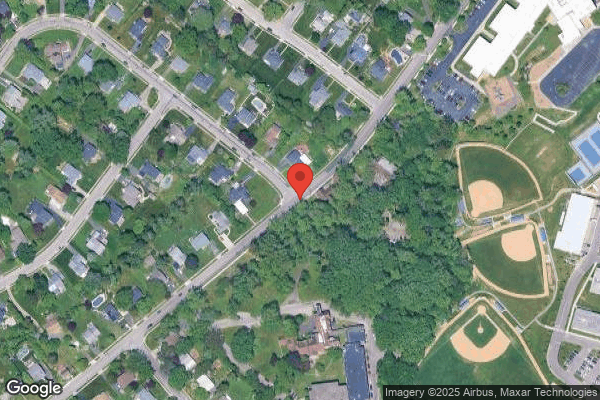
350 HAWS LANE, FLOURTOWN, PA 19031 (215) 233-0700
For profit - Corporation 120 Beds COMPLETE CARE Data: November 2025
Trust Grade
38/100
#545 of 653 in PA
Last Inspection: April 2025

Within standard 12-15 month inspection cycle. Federal law requires annual inspections.

Overview

Complete Care at Harston Hall LLC has received a Trust Grade of F, indicating poor performance with significant concerns. It ranks #545 out of 653 nursing homes in Pennsylvania, placing it in the bottom half, and #52 out of 58 in Montgomery County, suggesting that only a few local options are better. The facility is trending worse, as issues increased from 21 in 2024 to 26 in 2025. Staffing is rated average with a 3/5 star rating and a turnover rate of 52%, which is close to the state average. However, the home has some troubling incidents, such as failing to store food safely, leading to potential health risks, and not maintaining a clean environment, evidenced by significant odors and unaddressed personal belongings in resident rooms. On the positive side, their quality measures score is 4/5, indicating decent care outcomes.

Trust Score
F
38/100
In Pennsylvania
#545/653
Bottom 17%
Safety Record
Low Risk
No red flags
Inspections
Getting Worse
21 → 26 violations
Staff Stability
⚠ Watch
52% turnover. Above average. Higher turnover means staff may not know residents' routines.
Penalties
○ Average
$17,113 in fines. Higher than 70% of Pennsylvania facilities. Some compliance issues.
Skilled Nurses
○ Average
Each resident gets 33 minutes of Registered Nurse (RN) attention daily — about average for Pennsylvania. RNs are the most trained staff who monitor for health changes.
Violations
⚠ Watch
84 deficiencies on record. Higher than average. Multiple issues found across inspections.
★☆☆☆☆
1.0
Overall Rating
★★★☆☆
3.0
Staff Levels
★★★★☆
4.0
Care Quality
★☆☆☆☆
1.0
Inspection Score
Stable
2024: 21 issues
2025: 26 issues

The Good

  • 4-Star Quality Measures · Strong clinical quality outcomes
  • Full Sprinkler Coverage · Fire safety systems throughout facility
  • No fines on record

Facility shows strength in quality measures, fire safety.

The Bad

1-Star Overall Rating

Below Pennsylvania average (3.0)

Significant quality concerns identified by CMS

Staff Turnover: 52%

Near Pennsylvania avg (46%)

Higher turnover may affect care consistency

Federal Fines: $17,113

Below median ($33,413)

Minor penalties assessed

Chain: COMPLETE CARE

Part of a multi-facility chain

Ask about local staffing decisions and management

The Ugly 84 deficiencies on record

Sept 2025 2 deficiencies
CONCERN (D) 📢 Someone Reported This

A family member, employee, or ombudsman was alarmed enough to file a formal complaint

Potential for Harm - no one hurt, but risky conditions existed

Deficiency F0557 (Tag F0557)

Could have caused harm · This affected 1 resident

Based on review of clinical records, observations, review of facility policy and interviews with residents, it was determined that the facility failed to ensure a resident was treated with dignity and...

Read full inspector narrative →
Based on review of clinical records, observations, review of facility policy and interviews with residents, it was determined that the facility failed to ensure a resident was treated with dignity and respect during wound care for one of 12 residents reviewed (Resident R1). Findings include: Review of Facility policy titled Clean dressing change, date implemented September 1, 2024, under Policy explanation and Compliance Guidelines, step 1 states Explain the procedure to the resident and screen for privacy. Review of Resident R1's clinical record revealed resident was admitted to facility on August 13, 2025, with the diagnosis of Sepsis (infection in the blood stream), Paraplegia (paralysis on the lower half of the body), and Pressure Ulcer of Left Buttocks. Review of Resident R1's Minimum Data Set (MDS) assessment (a mandated assessment of a resident's abilities and care needs) dated September 11, 2025, revealed that the resident has a BIMS (Brief interview for Mental Status) score of 15 indicating that resident cognitively intact. Observation of Resident R1's wound care with Employee E4, Licensed Practical Nurse on September 17, 2025, at 12:30pm revealed resident left with exposed buttocks after perineal care, for approximately 2 minutes, while staff prepared for dressing change. Observed multiple unnamed staff members entering and exiting room without introduction or providing the resident with privacy.Interview with Resident R1 on September 17, 2025 at 12:45pm, revealed that this experience happens often when care is being provided and it makes him feel very uncomfortable. People come and go while I am getting care, I don't know who they are, they do not introduce themselves, sometimes it someone dropping off a tray, other times it is housekeeping. It's uncomfortable when I am exposed and have no privacy and it doesn't seem like anyone cares. 28 Pa. Code: 201.18(b)(2) Management.28 Pa. Code: 201.29(j) Resident's rights.
CONCERN (D) 📢 Someone Reported This

A family member, employee, or ombudsman was alarmed enough to file a formal complaint

Potential for Harm - no one hurt, but risky conditions existed

Investigate Abuse (Tag F0610)

Could have caused harm · This affected 1 resident

**NOTE- TERMS IN BRACKETS HAVE BEEN EDITED TO PROTECT CONFIDENTIALITY** Based on a review of facility policies, facility documentation, review of clinical records and interviews with residents and sta...

Read full inspector narrative →
**NOTE- TERMS IN BRACKETS HAVE BEEN EDITED TO PROTECT CONFIDENTIALITY** Based on a review of facility policies, facility documentation, review of clinical records and interviews with residents and staff, it was determined that the facility failed to conduct a thorough investigation related to potential resident abuse and/or neglect related to a grievance for one of 12 residents reviewed. (Resident R2)Findings include:Review of facility policy titled Abuse, Neglect and Exploitation, implemented on September 1, 2025, revealed It is the policy of this facility to provide protections for the health, welfare and rights of each resident by developing and implementing written policies and procedures that prohibit and prevent abuse, neglect, exploitation and misappropriation of resident property. Further review revealed definition of Mental Abuse includes, but is not limited to, humiliation, harassment, threat of punishment or deprivation. Mental abuse also includes abuse that is facilitated or caused by nursing home staff taking or using photographs or recording in any manner that would demean or humiliate a resident(s). Mistreatment- means inappropriate treatment or exploitation of a resident Verbal abuse- means the use of oral, written or gestured communication or sounds that willfully includes disparaging and derogatory terms to residents or their families, or within their hearing distance regardless of their age, ability to comprehend, or disability. Further review revealed, under section V. Investigation of alleged Abuse, Neglect and Exploitation, An immediate investigation is warranted when suspicion of abuse, neglect or exploitation, or reports of abuse, neglect or exploitation occur. Written procedures for investigation include: Identifying staff responsible for the investigation; Exercising caution in handling evidence that could be used in a criminal investigation (e.g., not tampering or destroying evidence); Investigating different typers of alleged violations; Identifying and Interviewing all involved persons, including the alleged victims, alleged perpetrator, witnesses, and others who might have knowledge of the allegations; Focusing the investigation on determining if abuse, neglect, exploitation, and/or mistreatment has occurred, the extent and cause; and providing complete and thorough documentation of the investigation. Review of Resident R2's clinical record revealed that resident was admitted to the facility on [DATE], with the diagnosis of End Stage Renal Disease. Review of Resident R2's Minimum Data Set (MDS) assessment (a mandated assessment of a resident's abilities and care needs) dated August 20, 2025, revealed that the resident has a BIMS (Brief interview for Mental Status) score of 15 indicating that resident was cognitively intact. Review of facility grievance revealed concern form dated August 26, 2025 with letter attached signed by Resident R2's family. Letter revealed At approximately 8:50pm, I received a call from my mother, [Resident R2]. She was very upset. She told me that an aide/orderly had treated her poorly and she was very hurt. She asked the aide to help her get in the chair so that she could use the bathroom. The aide told her no and that she had to get in the bed. She asked again and was told the same thing. Shortly after being put in the bed, my mom had an accident. When the aide returned and found that she had soiled herself, her tone was demeaning and she said, This is just a mess! (In a mean tone). My mom also said that she was very forceful while changing her. This is unacceptable. My Mom said that she felt hurt and embarrassed. She should not be made to feel this way and my family would like to know what the consequence will be for this behavior. We need to know that she is safe and cared for while in this facility, we are officially requesting an apology from this worker and assurance that this will not happen again. Sincerely, The family of [Resident R2] Request for incident investigation on September 17, 2025 at 1:30pm revealed no documented evidence of investigation completed. Further review of grievance form dated August 26, 2025, revealed that Employee E5 Nurse Aide (CNA) was identified. Employee E5 was provided education on customer service and perineal care on August 28, 2025. Interview with Employee E2, Director of Nursing confirmed no documented evidence of investigation completed regarding the concern of abuse and neglect. 28 Pa. Code 201.14(a) Responsibility of licensee28 Pa. Code 201.29 (a) Resident rights
Apr 2025 23 deficiencies
CONCERN (D) 📢 Someone Reported This

A family member, employee, or ombudsman was alarmed enough to file a formal complaint

Potential for Harm - no one hurt, but risky conditions existed

Resident Rights (Tag F0550)

Could have caused harm · This affected 1 resident

**NOTE- TERMS IN BRACKETS HAVE BEEN EDITED TO PROTECT CONFIDENTIALITY** Based on observations, review of facility policy and interviews with residents, it was determined that the facility failed to pr...

Read full inspector narrative →
**NOTE- TERMS IN BRACKETS HAVE BEEN EDITED TO PROTECT CONFIDENTIALITY** Based on observations, review of facility policy and interviews with residents, it was determined that the facility failed to promote and maintain dignity and respect for two of 24 residents reviewed (Resident R100 and R40). Findings include: Review of facility policy Promoting/ Maintaining Resident Dignity, implemented on September 1, 2024, revealed it is the practice of this facility to protect and promote resident rights and treat each resident with respect and dignity as well as care for each resident in a manner and in an environment, that maintains or enhances resident's quality of life by recognizing each resident's individuality. Under Compliance guidelines, all staff members are involved in providing care to residents to promote and maintain resident dignity and respect resident rights. Review of Resident R100's clinical record revealed that Resident R100 was admitted to the facility on [DATE] with diagnoses of, but not limited to, Parkinson's Disease (movement disorder that affects the nervous system and worsens over time) and Type 2 Diabetes (failure of the body to produce insulin). Review of Resident R100's Minimum Data Set (MDS- assessment of resident care needs) revealed that Resident R11 had a BIMS (Brief interview for mental status) of 13, which indicated that the resident was cognitively intact. Interview with Resident R100 on April 22, 2025 at 11:32 am revealed resident felt staff was constantly disrespectful, refused to give their names or showed their identification upon request. The resident felt staff was mean to him and gave him a hard time when he asked for assistance. Review of Resident R40 's clinical record revealed that Resident R40 was admitted to the facility on [DATE] with diagnosis of, but not limited to, left femur fracture, Type 2 diabetes, heart disease. Review of Resident R40 's MDS revealed that the resident has a BIMS of 12, indicating resident was cognitively intact. Interview with Resident R40 on April 22, 2025 at 11:40am revealed resident felt that staff was disrespectful. Staff woke resident up in the middle of the night without explanation, did not answer questions when asked, talked down to the resident. Resident stated that there was no way to identify staff, they did not wear name tags, if you ask the name of a staff member, they become very defensive and hostile and refuse to give their name. Staff told resident If you want the name you have to talk to administration. Observation of staff on April 23, 2025 at 09:45 am, revealed Licensed nurse, Employee E10, identification badge not clearly displayed (badge hidden behind other cards). Observation of Staff on April 24, 2025 at 09:23 am revealed Licnesed nurse, Employee E9 not wearing identification badge. Observation of Staff on April 24, 2025 09:26 am revealed Licensed nurse, Employee E5, identification badge not clearly displayed (Badge on lanyard behind multiple other cards). 28 Pa. Code 201.18 (b)(1) Management 28 Pa. Code 201.29 (j ) Resident rights
CONCERN (D) 📢 Someone Reported This

A family member, employee, or ombudsman was alarmed enough to file a formal complaint

Potential for Harm - no one hurt, but risky conditions existed

Abuse Prevention Policies (Tag F0607)

Could have caused harm · This affected 1 resident

Based on a review of facility policies and procedures, employee personnel records, and staff interviews, it was determined that the facility failed to develop and implement an abuse prohibition policy...

Read full inspector narrative →
Based on a review of facility policies and procedures, employee personnel records, and staff interviews, it was determined that the facility failed to develop and implement an abuse prohibition policy that required a thorough investigation of prospective employees' employment history for two of six newly hired employees reviewed. (Employees E26 and E29) Findings include: A review of the Facility Policy titled Abuse revised on June 30, 2023, revealed Centers prohibit abuse, mistreatment, neglect, misappropriation of resident/ patient (hereinafter patient), and exploitation for all patients. The center will implement an abuse prohibition program through the following: Screening of potential hires: training of employees (both new employees and ongoing training for all employees. A review of the Licensed Practical Nurse (LPN), Employee E26's personnel file revealed that Employee E26 was hired on March 1, 2025, and criminal background was done April 1, 2025. Register nurse (RN), Employee E29 was hired on January 1, 2025, and had her criminal background done on January 8, 2025. An interview was conducted with Human Resources, staff, Employee E30 on April 25, 2025, sat 1:42 p.m., it was confirmed both LPN, Employee E26 and RN, Employee E29 had their criminal background done after their hire date. 28 Pa. Code 201.18(b)(3) Management 28 Pa. Code 201.19 Personnel policies and procedures
CONCERN (D) 📢 Someone Reported This

A family member, employee, or ombudsman was alarmed enough to file a formal complaint

Potential for Harm - no one hurt, but risky conditions existed

Investigate Abuse (Tag F0610)

Could have caused harm · This affected 1 resident

**NOTE- TERMS IN BRACKETS HAVE BEEN EDITED TO PROTECT CONFIDENTIALITY** Based on review of clinical records, facility policies and interviews with staff, it was determined that the facility failed to ...

Read full inspector narrative →
**NOTE- TERMS IN BRACKETS HAVE BEEN EDITED TO PROTECT CONFIDENTIALITY** Based on review of clinical records, facility policies and interviews with staff, it was determined that the facility failed to conduct a complete and thorough investigation of one incident related to the provision of incontinence care for one of 23 residents reviewed. (Resident R 30). Findings include: Reviewed the facility policy title Abuse date on June 30, 2023 stated Centers prohibit abuse, mistreatment, neglect, misappropriation of resident/ patient ( hereinafter patient) property, and exploitation for a patients. Neglect is the failure of the facility, its employees or service providers to provide goods and service to a resident that are necessary to avoid physical harm, pain, mental anguish, or emotional distress. Review of Resident R30's clinical record revealed that the resident was admitted to the facility on [DATE], with a BIMS (Brief interview for mental status) of 8 and diagnosies of Alzheimer's Disease (progressive degenerative disease of the brain), encephalopathy (disease that affects the brain function or structure), Parkinson's disease (progressive disease of the central nervous system), and Angina (chest pain). Review of the facility investigation report revealed that Resident R30 had his call bell on approximately at 1:45 pm on June 11, 2024, nurse manger entered room to answer call bell and found the resident with wet sheets. The resident stated that he had not been changed, there were darker stains on the sheet. Resident R30 stated he did not know when he was changed last. The nurse manager asked resident's roommate if he was cared for, he stated he was changed but did not remember what time. Furthermore, after review of interview with staff, time of incident was between 1:00-2:00 PM on June 11, 2024 after multiple discussion with staff on the unit 7-3 on June 6, 2025, it was determined that nurse aide Employee E31 did infact did not complete the 2 hour round and check and change of Resident R30 who was assigned to her. Review the investigation it was revealed that investigation was incomplete. It only had one statement from the nurse Employee E14. The incident had more staff and residents interviewed but the investigation didn't have any other witness statements from nursing aides, other staff and residents. An interview was held with director of nursing employee E2 on April 23, 2025, at 2:33 p.m., and it was confirmed that the investigation was incomplete due to missing witness statements from other staff and residents. 28 Pa. Code 201.18(b)(1) Management 28 Pa. Code 211.10(d) Resident care policies 28 Pa. Code 211.12(d)(1) Nursing services
CONCERN (D) 📢 Someone Reported This

A family member, employee, or ombudsman was alarmed enough to file a formal complaint

Potential for Harm - no one hurt, but risky conditions existed

Comprehensive Care Plan (Tag F0656)

Could have caused harm · This affected 1 resident

**NOTE- TERMS IN BRACKETS HAVE BEEN EDITED TO PROTECT CONFIDENTIALITY** Based on review of facility policies and clinical records, and staff interviews, it was determined that the facility failed to d...

Read full inspector narrative →
**NOTE- TERMS IN BRACKETS HAVE BEEN EDITED TO PROTECT CONFIDENTIALITY** Based on review of facility policies and clinical records, and staff interviews, it was determined that the facility failed to develop comprehensive care plans for oxygen therapy (Resident 10), a safety device and elopement (Resident R73) and a repositioning program (Resident R82) for three of 23 residents reviewed (Resident R10, R73, R82). Findings include: A review of the policy titled Comprehensive Care Plans dated February 25, 2025 revealed It is the policy of this facility to develop and implement a comprehensive person-centered care plan or each resident, consistent with resident rights, that includes measurable objectives and timeframes to meet a resident's medical, nursing and mental and psychosocial needs and ALL services that are identified in the resident's comprehensive assessment and meet professional standards of quality. Review of Resident R10's clinical record revealed that the resident was initially admitted to the facility on [DATE]; diagnosed with emphysema (chronic lung condition), dyspnea (shortness of breath). Review of clinical record indicated that Resident R10 was ordered, dated March 25, 2025, oxygen at 2 Liters/Min, via nasal cannula, as needed for diagnosis of dyspnea (shortness of breath). Review of Resident R10's care plan with Registered nurse, Employee E5 confirmed that there was no care plan plan developed for the resident receiving oxygen therapy. A review of the clinical record for Resident R73 revealed that she/he was admitted to the facility on [DATE], and was at risk for elopement. The physician order dated March 18, 2025, revealed a safety device (wander guard) to left ankle -check placement. On April 23, 2025, at approximately 2:37 p.m. an interview with the Directive of Nursing, Employee E2, confirmed that Resident R73 did not have a care plan for the safety device and/or for being at risk for elopment. Review of facility policy Turning and repositioning, implemented on September 1, 2024, revealed all residents at risk of, or with existing pressure injuries, will be turned and repositioned, unless it is contraindicated due to medical condition. The frequency of turning and repositioning will be documented in the resident's plan of care. Review of Resident R82 's clinical record revealed that Resident R82 was admitted to the facility on [DATE] with diagnoses of, but not limited to, Dementia (progressive degenerative disease of the brain), Heart failure, Type 2 Diabetes (failure of the body to produce insulin) and Acute Kidney failure. Review of Resident R82' s MDS (Minimum Data Set- resident assessment of care needs) revealed that resident had a BIMS (Brief interview for mental status) of 6, indicating resident was not cognitively intact. Review of Resident R82's clinical record revealed Resident R82 has a Stage III (ulcer involving full thickness of skin loss) pressure ulcer on right buttocks that initially presented on March 10, 2025 as a DTI (deep tissue injury) and a Stage III pressure ulcer on sacrum that initially presented on March 3, 2025 as a MASD (Moisture associated skin damage). Interview with Rehab Director, Employee E11 on April 23, 2025 at 1:45 pm revealed that Resident R82 needed to be prompted to be repositioned, otherwise the resident would not be able to do it himself. Review of Resident R82 's care plan revealed Resident R82 had the potential impairment to skin integrity related to fragile skin, decrease mobility, aging, incontinence, history of weight loss. No documented evidence of care plan for resident to be turned and repositioned. Interview with Director of Nursing, Employee E2 on April 23, 2025 at 2:00 pm revealed no care plan in place for turning and positioning for Resident R82. 28 Pa. Code 211.12(d)(1)(5) Nursing services 28 Pa. Code 211.10(c)(d) Resident care policies
CONCERN (D) 📢 Someone Reported This

A family member, employee, or ombudsman was alarmed enough to file a formal complaint

Potential for Harm - no one hurt, but risky conditions existed

ADL Care (Tag F0677)

Could have caused harm · This affected 1 resident

Based on review of facility policies and clinical records, and staff interviews, it was determined that the facility failed to provide activities of daily living (ADL) assistance necessary to maintain...

Read full inspector narrative →
Based on review of facility policies and clinical records, and staff interviews, it was determined that the facility failed to provide activities of daily living (ADL) assistance necessary to maintaining good grooming for one out of 4 residents reviewed. ( Resident 24) Findings include: A review of the clinical record of Resident R24 revealed admission date of August 31, 2022, with diagnosis of chronic atrial fibrillation (irregular rapid heart beat), osteoarthritis, adult failure to thrive, low back pain. Review of Resident R24's quarterly MDS (Minimum Data Set - a mandatory periodic resident assessment tool), dated March 7, 2025, revealed a Brief Interview for Mental Status (BIMS- is a screening test that aides in detecting cognitive impairment) indicated a score of 13 which revealed that the resident was cognitively intact. The section of Functional Abilities indicated that Resident R24 requires maximum assist with personal hygiene. On April 22, 2025, at 12:00 p.m., an observation conducted with Licensed Nurse Employee E12 confirmed that Resident R24 had long and dirty fingernails. Resident R24 expressed a desire to have his fingernails trimmed. On April 23, 2025, at 12:39 p.m., a second observation with Licensed Nurse Employee E12 revealed that Resident R24's right thumbnail remained untrimmed and dirty. Employee E12 stated she was unsure why all the resident's nails had not been cut. 28 Pa Code 211.12(d)(5) Nursing services
CONCERN (D) 📢 Someone Reported This

A family member, employee, or ombudsman was alarmed enough to file a formal complaint

Potential for Harm - no one hurt, but risky conditions existed

Pressure Ulcer Prevention (Tag F0686)

Could have caused harm · This affected 1 resident

**NOTE- TERMS IN BRACKETS HAVE BEEN EDITED TO PROTECT CONFIDENTIALITY** Based on review of facility policy, review of clinical record, and staff interview, it was determined that the facility failed t...

Read full inspector narrative →
**NOTE- TERMS IN BRACKETS HAVE BEEN EDITED TO PROTECT CONFIDENTIALITY** Based on review of facility policy, review of clinical record, and staff interview, it was determined that the facility failed to provide pressure ulcer treatment, consistent with professional standards of practice, for one of two residents reviewed for pressure ulcers (Resident R106). Findings Include: Review of facility policy Pressure Ulcer Prevention dated July 1, 2024, revealed to prevent the formation of avoidable pressure injuries and to promote healing of existing pressure injuries, it is the policy of this facility to implement evidence-based interventions for all residents who are assessed at risk or who have a pressure injury present. Review of Resident R106 's clinical record revealed that Resident R106 was admitted to the facility on [DATE]. Resident R106 has right heel Stage 3 (ulcer involving full thickness of skin loss). Review of Resident R106's comprehensive care plan revised on February 4, 2025, revealed Resident R106 has impaired tissues integrity with a right heel wound and interventions included to offload heel when in bed and heel protectors while in bed to offload. Observation on April 25, 2025, at 11:25 a.m. of Resident R106 revelaed that the resident was in bed sleeping, there was no heel boot on the resident's right foot and the right heel was not offload. Interview with Nurse aide, Employee E22 on April 25, 2025, at 11:10 a.m. reported that resident had a boot in his closet and the boot was only applied at nighttime. Nurse aide, Employee E22 confirmed that the right heel was not offload when Resident R106 was observed in bed. Interview with the Nurse unit manager, Employee E3 on April 25, 2025, at 11:15 a.m. confirmed that Resident R106 rigth heel was not offloaded. 28 Pa. Code 211.12 (d)(5) Nursing services 28 Pa. Code 211.10(c)(d) Resident care policies
CONCERN (D) 📢 Someone Reported This

A family member, employee, or ombudsman was alarmed enough to file a formal complaint

Potential for Harm - no one hurt, but risky conditions existed

Deficiency F0692 (Tag F0692)

Could have caused harm · This affected 1 resident

**NOTE- TERMS IN BRACKETS HAVE BEEN EDITED TO PROTECT CONFIDENTIALITY** Based on clinical record review, interviews with staff and policy and procedure review, it was determined that the facility fail...

Read full inspector narrative →
**NOTE- TERMS IN BRACKETS HAVE BEEN EDITED TO PROTECT CONFIDENTIALITY** Based on clinical record review, interviews with staff and policy and procedure review, it was determined that the facility failed to implement nutritional interventions for one of three residents at nutritional risk related to pressure sore development and deteriation of wounds. (Resident R82) Findings include: A review of the policy titled nutritional management dated September 1, 2025 revealed that it was the responsibility of the facility to provide care and services to ensure that each resident maintained acceptable parameters of nutritional status related to his/her medical condition. The policy also indicated that the facility was responsible for revising ntritional interventions based on identification and routine assessment of resident's care needs. A review of the undated policy titled weight assessment and intervention revealed that it was the multidisciplinary teams' responsibility to prevent monitor and intervene for unplanned weight loss for the residents. The policy indicated that weekly weights would be obtained at the discretion of the interdisciplinary team. The policy indicated that the physician and dietitian would be notified of unplanned changes in weight. The policy indicated that the dietitian was responsible for making recommendations to the physician for the management of the weight change. Care planning for weight loss or impaired nutrition would identify the root cause of the weight loss. A review of the undated policy titled charting and documentation revealed that all care planning and changes to the medical, physical, functional or psychosocial condition of the resident shall be documented in the medical record. The facility staff were responsible for documention all care specific details for each resident including: treatment provided and date, assessment data, unusual findings, intolerances, and notification of the physician and the family as needed. Clinical record review revealed a quarterly comprehensive assessment dated [DATE] for Resident R82 that indicated this resident was cognitively impaired. The assessment indicated that Resident R82 had diagnoses that included: dementia, anemia, malnutrition and swallowing disorder. The assessment also indicated that this resident was seventy-four inches in height and was ordered a mechanically altered diet. The assessment said that Resident R82 was at high risk for pressure ulcer development and this resident had unhealed unstageable pressure ulcers. Clinical record review revealed a wound specialist progress note dated March 10, 2025. The progress note indicated that Resident R82 was evaluated with a scrotal surgical wound, left plantar foot deep tissue injury, and a newly identified sacral maceration and right ischial deep tissue injury. Interview with the wound specialist, Employee E17, at 1:30 p.m., on March 23, 2025 confirmed the status of the alterations in skin intergrity for Resident R82. Clinical record review revealed a dietitian assessment dated [DATE] that indicated Resident R82 was prescribed the 8 ounces of the house supplement (ensure plus or two calorie HN) once a day, to promote weight gain and skin healing. The nursing staff were responsible for the administration of the house supplement (Ensure plus or two calorie HN) once a day, to promote weight gain and skin healing. Clinical record review revealed on February 1, 2025 Resident R82 weighed 172 pounds. On March 25, 2025 Resident R82 weighed 162 pounds. This was a significant 5 % weight loss over one month. Resident R82's usual body weight was recorded at 170 pounds. Resident R82's ideal body weight was recorded at 190 pounds +/- 10%. There was no documentation to indicate that the nursing staff notified the dietitian of the significant weekly weight loss from March 19, 2025 (a weight was recorded at 165 pounds for resident R82) through March 25, 2025 (a weight was recorded at 162 pounds ). There was also no documentation to reflect that a nutritional assessment had been completed for Resident R82 on or after March 25, 2025. Clinical record review revealed a wound specialist progress note dated April 14, 2025 that indicated Resident R82 was being evaluated for the sacral wound that had evolved to a Stage III (ulcer involving full thickness of skin loss) pressure ulcer and a stage III pressure ulcer of the right ischial area. The physician indicated that Resident R82 was at risk for wound development and deterioration of skin with diagnoses of poor nutritional status and protein calorie malnutrition. Interview with the wound care specialist, Employee E17, at 1:30 p.m., on April 23, 2025 confirmed the progression of the skin brealdown for Resident R82. Clinical record documentation review revealed that the nursing staff were not administering the house supplement as care planned by the dietitian during the months of March and April, 2025. Interview with the dietitian, Employee E16, at 1:00 p.m., on April 24, 2025 confirmed that the house supplement was not being administered during March or April, 2025 as care planned to meet the nutritional needs of Resident R82. During the interview with the dietitian, it was also confirmed that diagnostic data related to nutritional assessment and care planning was not available for review during the month of April, 2025. 28 Pa. Code 211.10(a)(b)(c)(d) Resident care policies 28 Pa. Code 211.12(d)(1)(2)(3)(5) Nursing services 28 Pa. Code 201.14(a) Responsibility of licensee 28 Pa. Code 201.18(b)(1)(3)(e)(1) Management 28 PA. Code 211.5(f)((i)(ii)(iii)(iv)(vii)(viii)(ix)(x) Medical records
CONCERN (D) 📢 Someone Reported This

A family member, employee, or ombudsman was alarmed enough to file a formal complaint

Potential for Harm - no one hurt, but risky conditions existed

Respiratory Care (Tag F0695)

Could have caused harm · This affected 1 resident

**NOTE- TERMS IN BRACKETS HAVE BEEN EDITED TO PROTECT CONFIDENTIALITY** Based on observation, clinical record review, review of facility policy and staff interview, it was determined that the facility...

Read full inspector narrative →
**NOTE- TERMS IN BRACKETS HAVE BEEN EDITED TO PROTECT CONFIDENTIALITY** Based on observation, clinical record review, review of facility policy and staff interview, it was determined that the facility failed to provide appropriate respiratory, tracheostomy and tracheal suctioning care and services for four of 23 residents reviewed (Resident R1, R10, R72, R51). Findings include: Review of the Facility Policy titled Oxygen Administration last revised July 1, 2024, indicated that The purpose of this procedure is to provide guidelines for safe oxygen administration. It further stated under Preparation verify that there is a physician's order. Review of Resident R10's clinical record revealed that the resident was initially admitted to the facility on [DATE]; diagnosed with emphysema (chronic lung condition), and dyspnea (shortness of breath). Review of clinical record indicated that Resident R10 was ordered, dated March 25, 2025, oxygen at 2 Liters/Min, via nasal cannula, as needed for diagnosis of dyspnea. On April 22, 2025, at 12:22 p.m. an observation with Registered nurse, Employee E5 confirmed that Resident's R10 oxygen level was at 5-liter, oxygen tubing was not labeled. Employee E5 reported that her oxygen level was changed yesterday, and she did not change the order in the clinical record. It was further confirmed there was no order to change the oxygen tubing on weekly bases. Review of Resident R72's clinical record revealed that the resident was initially admitted to the facility on [DATE]; diagnosed with acute respiratory failure with hypoxia, chronic obstructive pulmonary disease. Review of clinical record indicated that Resident R72 was ordered, dated April 8, 2025, oxygen tubing changed weekly, label each component with date and initials, every shift every Sunday label each component with date and initials. On April 22, 2025, at 12:24 p.m. observation with Registered nurse, Employee E5 confirmed that Resident's R72 tubing was not labeled with date or initials. Review of facility policy Tracheostomy Care, implemented on September 1, 2024, revealed Tracheostomy care will be provided according to the physician's orders, comprehensive assessment and individualized care plan such as monitoring for resident specific risks for possible complications, psychosocial needs as well as suctioning as appropriate. General considerations include: a. provide tracheotomy care at least twice a day, b. maintain a suction machine, a supply of suction catheters, correctly sized cannulas and an Ambu bag easily accessible for immediate emergency care. Review of facility policy Tracheostomy Care- Suctioning, implemented on September 1, 2024, revealed the facility will ensure that residents who need respiratory care, including tracheal suctioning, are provided such care consistent with professional standards of practice, the comprehensive person- centered care plan and resident goals and preferences. Tracheal suctioning is performed by a licensed nurse to clear the throat and upper respiratory tract of secretions that may block airway. Review of Resident R1 s clinical record revealed that Resident R1 was admitted to the facility with diagnoses of, but not limited to, Acute Respiratory Failure, Pneumonia, COPD (Chronic Obstructive Pulmonary Disease), Tracheostomy ( allows air to pass into windpipe to help with breathing). Review of Resident R1's MDS (Minimum Data Set) on April 25, 2025 revealed that resident has a BIMS (Brief interview for mental status) of 7, indicating resident was not cognitively intact. Review of Resident R1's comprehensive care plan on April 25, 2025 revealed that resident has a tracheostomy related to impaired breathing mechanics. Intervention includes to suction the resident as needed. Review of Resident R1's clinical record revealed a physician order date April 9, 2025 to change disposable inner cannula. Further review of the clinical record revealed a physician order dated March 14, 2025 for Trach Care every day and night shift and Trach/ oral suction every day and night shift. Observation of Trach Care for Resident R1 on April 25, 2025 at 9:30 a.m. revealed that suctioning equipment was not at bedside. During trach care, Resident R1 was observed to be coughing and de-sating after inner cannula was replace. Licensed Nurse, Employee E20 left resident's bedside to retrieve suction cannula and tubing from medication room. Interview with Director of Nursing, Employee E2 on April 25, 2025 at 11:00 a.m. confirmed suction supplies should be at bedside at all times for a resident with a tracheostomy. Clinical record review for Resident R51 revealed a quarterly comprehensive assessment dated [DATE] that indicated that this resident was cognitively impaired. The assessment also indicated that this resident had pulmonary diagnoses of respiratory failure and chronic obstructive pulmonary disease. Clinical record review revealed that Resident R51 was hospitalized on [DATE] for sygns and symptoms of shortness of breath. The nursing staff noted that the resident's pulse oximeter reading was 80-88%, before transfer to the emergency medical team. Clinical record review for Resident R51 revealed a physician's order dated April 8, 2025 for the use of oxygen therapy. The physician order indicated that the nursing staff were to administered oxygen at 2 liters per minute via nasal cannula continuously The physician also gave orders for the licensed nursing staff to monitor pulse oximeter readings every day shift. Resident R51 was observed at 10:30 a.m., on April 25, 2025 seated in the wheel chair in the dining room, with no staff members in attendance. The resident was observed with an empty oxygen tank attached to the wheel chair and the tubing placed inside the resident's nostrils. The licensed practical nurse, Employee E19, confirmed that the resident was placed in the dining room without adequate oxygen therapy. 28 Pa Code 211.12(d)(5) Nursing services
CONCERN (D) 📢 Someone Reported This

A family member, employee, or ombudsman was alarmed enough to file a formal complaint

Potential for Harm - no one hurt, but risky conditions existed

Deficiency F0697 (Tag F0697)

Could have caused harm · This affected 1 resident

**NOTE- TERMS IN BRACKETS HAVE BEEN EDITED TO PROTECT CONFIDENTIALITY** Based on review of facility policy, review of clinical records and interviews with residents and staff, it was determined that t...

Read full inspector narrative →
**NOTE- TERMS IN BRACKETS HAVE BEEN EDITED TO PROTECT CONFIDENTIALITY** Based on review of facility policy, review of clinical records and interviews with residents and staff, it was determined that the facility did not ensure proper pain management interventions were provided for one of 23 residents reviewed (Resident R48). Findings include: Review of facility policy Pain Management, last reviewed on March 6, 2025, revealed the facility must ensure that pain management is provided to residents who require such services, consistent with professional standards of practice, the comprehensive person-centered care plan, and the residents' goals and preferences. Review of Resident R48's clinical record revealed that Resident R48 was admitted to the facility on [DATE] with diagnoses of, but not limited to, COPD (Chronic obstructive pulmonary disease), contracture of left knee, osteoarthritis of right shoulder. Review of Resident R48's comprehensive care plan on April 22, 2025 revealed that resident exhibited or was at risk for alterations in functional mobility related to contracture deformity. There was no documented evidence of care plan for pain management. Review of Resident R48's quarterly MDS (Minimum Data Set) dated February 28, 2025, revealed that resident has a BIMS (Brief interview for mental status) of 12, indicating resident is cognitively intact. Interview with Resident R48 on April 22, 2025 at 10:45am revealed that ResidentR48 had a lot of pain when rolled to his right side and reported telling multiple staff members every time they change me not to turn to right side however they do not listen and do it anyway and it causes a great deal of pain and discomfort. Interview with Clinical Regional Nurse, Employee E13, on April 23, 2025 at 10:00am revealed that resident expresses pain related contracture on right side and pain is increased when rolled to that side. Confirmed no care plan in place to prevent rolling the resident on his right side. Review of Resident R48 s clinical record on April 23, 2025, revealed a task for resident to be rolled Left and Right every 2-3 hours. Interview with Clinical Regional Nurse, Employee E13, on April 23, 2025 at 10:00 am confirmed task in place to roll resident to right and left side. 28 Pa Code 211.10(c) Resident care policies 28 Pa Code 211.12(d)(1) Nursing services
CONCERN (D)

Potential for Harm - no one hurt, but risky conditions existed

Deficiency F0726 (Tag F0726)

Could have caused harm · This affected 1 resident

Based on obervations, review of facility policy, review of employee personnel files and interviews with staff, it was determined that the facility did not ensure staff was qualified and competent to p...

Read full inspector narrative →
Based on obervations, review of facility policy, review of employee personnel files and interviews with staff, it was determined that the facility did not ensure staff was qualified and competent to perform tracheostomy care and suctioning care for one of one resident reviewed (Resident R1). Findings Include: Review of facility policy Orientation, implemented on September 1, 2024, revealed it is the policy of this facility to develop, implement and maintain an effective orientation process for all new staff, individuals providing services under a contractual arrangement and volunteers, consistent with their expected roles. Further review of section Policy Explanation and Compliance Guidelines part 6., Competency evaluation form process: section e., the completed form represents initial competency in skills needed to care for residents and perform job functions. Review of facility policy Tracheostomy Care- Suctioning, implemented on September 1, 2024, revealed the facility will ensure that residents who need respiratory care, including tracheal suctioning, are provided such care consistent with professional standards of practice, the comprehensive person- centered care plan and resident goals and preferences. Tracheal suctioning is performed by a licensed nurse to clear the throat and upper respiratory tract of secretions that may block airway. Review of Resident R1's clinical record revealed that Resident R1 was admitted to the facility with diagnoses of, but not limited to, Acute Respiratory Failure, Pneumonia (an infection of the aire sacs), COPD (Chronic Obstructive Pulmonary Disease), and Tracheostomy (allows air to pass into windpipe to help with breathing). Review of Resident R1's clinical record revealed a physician order date April 9, 2025 to change disposable inner cannula. Further review of the clinical record revealed a physician order dated March 14, 2025 for Trach Care every day and night shift and Trach/oral suction every day and night shift. Observation of Trach Care for Resident R1 on April 25, 2025 at 9:30 a.m. revealed that suctioning equipment was not at bedside. During trach care, Resident R1 was observed to be coughing and de-sating after inner cannula was replace. Licensed Practical Nurse, Employee E20 left resident's bedside to retrieve suction cannula and tubing from medication room. Interview with Director of Nursing, Employee E2 on April 25, 2025 at 11:00 a.m. confirmed suction supplies should be at bedside at all times for a resident with a tracheostomy. Interview with Licensed Practical Nurse, Employee E20 on April 25, 2025 at 11:30am revealed staff receives no training or in-service from facility to confirm competency in Tracheostomy Care or Suctioning. Interview with Directory of Nursing, Employee E2 on April 25, 2025 at 12:30pm confirmed no documented evidence of Tracheostomy Care or suctioning competencies for Licensed Practical Nurse, Employee E20. Further Review of Facility's employee personnel files on April 25, 2025 at 12:30 p.m revealed no documented evidence of Tracheostomy Care or suctioning competencies completed by any licensed nursing staff in facility. Interview with Director of Nursing, Employee E2 on April 25, 2025 at 1:00pm confirmed no documented evidence of completed Tracheostomy care or suctioning competencies for any licnesed nursing staff in facility. 28 Pa Code 201.19(6)(7) Personnel policies and procedures 28 Pa Code 201.20(b)(d) Staff development 28 Pa. Code 211.12(d)(1) Nursing services
CONCERN (D) 📢 Someone Reported This

A family member, employee, or ombudsman was alarmed enough to file a formal complaint

Potential for Harm - no one hurt, but risky conditions existed

Pharmacy Services (Tag F0755)

Could have caused harm · This affected 1 resident

Based on review of facility records and staff interviews, it was determined that facility did not ensure that the narcotic reconciliation record was complete related to missing signatures and initials...

Read full inspector narrative →
Based on review of facility records and staff interviews, it was determined that facility did not ensure that the narcotic reconciliation record was complete related to missing signatures and initials on the narcotic count sheet for three of three medication carts reviewed. (2nd Floor Medication Cart, and two medication carts on 3rd Floor) Findings include: Review of Facility In-service Shift to Shift count, implemented in October 2024, revealed nursing staff must count controlled medications at the end of each shift. The nurse coming on duty and the nurse going off duty must make the count together. Observation of Medication Cart on 2nd Floor on April 24, 2025 at 2:20 p.m., revealed multiple missing signatures during the month of April 2025 for oncoming and outgoing nurses on Narcotic Reconcilation Sheet. Licensed Practical Nurse, Employee E9. confirmed at the time of the observation that the narcotic reconcilation sheet was missing signatures from oncoming and outgoingt nurses confirming the narcotic count. Observation of Medication Cart on 3rd Floor on April 24, 2025 at 2:33 p.m., revealed multiple missing signatures during the month of April 2025 for oncoming and outgoing nurses on Narcotic Reconcilation Sheet. It was confirmed on April 24, 2025 at 2:33 p.m. by Licensed Practical Nurse, Employee E10. Observation of a second Medication Cart on 3rd Floor on April 24, 2025 at 2:45 p.m., revealed multiple missing signatures during the month of April 2025 for oncoming and outgoing nurses on Narcotic Reconcilation Sheet. It was confirmed on April 24, 2025 at 2:45pm by Licensed Practical Nurse, Employee E20. Interview with Clinical Regional Nurse, Employee E13 on April 25, 2025 at 10:00am, confirmed missing signatures and missing initials on the narcotic reconciliation sheets. 28 Pa Code 211.9(a)(1) Pharmacy services 28 Pa Code 211.12(d)(5) Nursing services
CONCERN (D) 📢 Someone Reported This

A family member, employee, or ombudsman was alarmed enough to file a formal complaint

Potential for Harm - no one hurt, but risky conditions existed

Deficiency F0761 (Tag F0761)

Could have caused harm · This affected 1 resident

Based observations and staff interviews, it was determined that facility did not ensure that opened medications were properly labeled with the date that the medication was opened for two of three medi...

Read full inspector narrative →
Based observations and staff interviews, it was determined that facility did not ensure that opened medications were properly labeled with the date that the medication was opened for two of three medication carts reviewed and one of one medication room reviewed. (2nd floor medication cart, 3rd floor medication cart and 2nd floor medication room). Findings include: Observation of Medication cart on 2nd floor on April 24, 2025 at 2:20 pm revealed 5 opened bottles of medication, including B12, Cranberry, Vitamin D, Ferrous Sulfate and B1, not labeled with an open date. Interview with Licensed nurse, Employee E9 on April 24, 2025 at 2:21pm confirmed 5 opened bottles of medication not labeled with an open date. Observation of Medication Cart on 3rd floor on April 24, 2025 at 2:33pm revealed 1 opened bottle of medication, including Vitamin D 1250mg, not labeled with an open date. Interview with Employee E10 on April 24, 2025 at 2:35 pm confirmed 1 open bottle of Vitamin D, no label with open date. Observation in 2nd Floor Med Room on April 24, 2025 at 2:25pm revealed open bottle of Tuberculin with no open date labeled. Interview with Employee E9 on April 24, 2025 at 2:26pm confirmed open bottle of Tuberculin with no open date labeled. 28 Pa. Code 211.12 (d)(1) Nursing services.
CONCERN (D)

Potential for Harm - no one hurt, but risky conditions existed

Medical Records (Tag F0842)

Could have caused harm · This affected 1 resident

**NOTE- TERMS IN BRACKETS HAVE BEEN EDITED TO PROTECT CONFIDENTIALITY** Based on clinical records review, staff interview and review of facility policy, it was determined that the facility failed to e...

Read full inspector narrative →
**NOTE- TERMS IN BRACKETS HAVE BEEN EDITED TO PROTECT CONFIDENTIALITY** Based on clinical records review, staff interview and review of facility policy, it was determined that the facility failed to ensure that clinical records wer completed for one of 23 clinical records reviewed. (Resident R82) Findings include: Review of facility policy Turning and repositioning, implemented on September 1, 2024, revealed all residents at risk of, or with existing pressure injuries, will be turned and repositioned, unless it is contraindicated due to medical condition. The frequency of turning and repositioning will be documented in the resident's plan of care. Review of Resident R82 's clinical record revealed that Resident R82 was admitted to the facility on [DATE] with diagnoses of, but not limited to, Dementia (progressive degenerative disease of the brain), Heart failure, Type 2 Diabetes (failure of the body to produce insulin) and Acute Kidney failure. Review of Resident R82' s MDS (Minimum Data Set- resident assessment of care needs) revealed that resident had a BIMS (Brief interview for mental status) of 6, indicating resident was not cognitively intact. Review of Resident R82's clinical record revealed Resident R82 has a Stage III (ulcer involving full thickness of skin loss) pressure ulcer on right buttocks that initially presented on March 10, 2025 as a DTI (deep tissue injury) and a Stage III pressure ulcer on sacrum that initially presented on March 3, 2025 as a MASD (Moisture associated skin damage). Interview with Rehab Director, Employee E11 on April 23, 2025 at 1:45 pm revealed that Resident R82 needed to be prompted to be repositioned, otherwise the resident would not be able to do it himself. Review of Resident R82 s clinical record revealed task in place for resident to be turned and reposition every 2-3 hours side to side while in bed. No documented evidence that task was completed. Interview with the Director of Nursing, Employee E2 on April 23, 2025 at 2:00pm confirmed no documented evidence of task to turn and reposition resident every 2- 3 hours side to side while in bed was completed. 28 Pa. Code 211.12(d)(1) Nursing services
CONCERN (D) 📢 Someone Reported This

A family member, employee, or ombudsman was alarmed enough to file a formal complaint

Potential for Harm - no one hurt, but risky conditions existed

Room Equipment (Tag F0908)

Could have caused harm · This affected 1 resident

Based on observations and interviews with dietary and administrative staff, it was determined that essential food service equipment was not maintained in safe operating condition. Findings include: O...

Read full inspector narrative →
Based on observations and interviews with dietary and administrative staff, it was determined that essential food service equipment was not maintained in safe operating condition. Findings include: Observations on March 22, 2025 of the main kitchen where foods and beverages were stored, prepared and assembled for distribution and service to the residents revealed several pieces of equipment that were not fully functioning. Observations of the dish machine revealed that it was not being maintained according to manufacturer's recommendations. The low temperature dish machine was not fully functioning since March 14, 2025. The director of dietary service could not demonstrate with the use of litmus test strip that the hypochlorite was registering an acceptable 50 ppm (parts per million) to effectively sanitize the dishes, utencils, pots, pans, cups, bowls, plates and trays for resident and dietary staff use. Interview with the director of dietary services, Employee E15 revealed that the main kitchen food service operation had been waiting on a customized part (squeeze tube and rinse assembly metal connector) to effectively and safely operate the dish machine, since March 14, 2025. Observations of the tray line assembly area in the main kitchen on April 22 and April 23, 2025, where foods are prepared for delivery to the nursing units, revealed that cold food items (sandwiches: cheese, turkey and cheese and turkey salad platters) were not being held cold. These time and temperature sensitive food items were placed on an open cart in the middle of the main kitchen and held throughout the meal trayline preparation and then delivery to the nursing units. Interview with the director of dietary services, Employee E15 at 11:30 a.m., on April 23, 2025 revealed that since the food service equipment was broken (reach-in refrigerator unit and reach-in freezer unit); dietary staff have not been able to hold the prepared cold food items under refrigeration on the assembly line or quick chill in the freezer on the assembly line. Observations of the lowerator (heated pellet drop in dispenser unit) at 11:30 a.m., on April 23, 2025 revealed that this piece of food service epuipment was not fully functioning. One of the drop in dispenser units was not warm. The pellets were cool to touch. Dietary staff were lifting the pellets without hand protection. The other two dispensers were not hot; meaning the pellets were lifted out of the dispensers with out using the handle that was designed for lifting hot pellets with ease. The internal temperature of the heated pellet drop in dispenser unit ranges from 250 to 290 degrees Fahrenheit when fully operational. Dietary staff were required according to manufacturer's recommendations to use gloves or a handle to lift the pellet and place it in the pellet holder on the residents' meal trays during tray line and assembly of foods and drinks. Observations on April 22, 2025 of the steam table located in the main kitchen of the dietary services department revealed that it was not fully operational. The dietary staff had to have a large bucket to catch and contain the constant leaking of the water from the steam table well. According to manufacturer's recommendations water added to the the wells of the unit. The dietary cooks documented hot food holding temperatures of 145 degrees Fahrenheit for foods. Observations on April 23, 2025 of the built in steam table unit located in the bistro on the first floor of the building revealed that two of the four wells in that unit were not fully functioning. The bistro was part of the dietary services that were operated by the food and nutrition services department. Interview with the administrator, Employee E1, at 11:00 a.m., on April 24, 2025 confirmed the lack maintenance to ensure that essential food service equipment ( dish machine, lowerator, reach-in refrigerator, reach-in freezer unit and steam tables) was in safe mechanical and electrical condition to operate the food and nutrition services department. 28 PA. Code 201.14(a) Responsibility of licensee 28 PA. Code 201.18(b)(3) Management
CONCERN (D) 📢 Someone Reported This

A family member, employee, or ombudsman was alarmed enough to file a formal complaint

Potential for Harm - no one hurt, but risky conditions existed

Deficiency F0925 (Tag F0925)

Could have caused harm · This affected 1 resident

**NOTE- TERMS IN BRACKETS HAVE BEEN EDITED TO PROTECT CONFIDENTIALITY** Based on observations, resident and staff interviews, review of the pest control logs and the pest control operator's management...

Read full inspector narrative →
**NOTE- TERMS IN BRACKETS HAVE BEEN EDITED TO PROTECT CONFIDENTIALITY** Based on observations, resident and staff interviews, review of the pest control logs and the pest control operator's management program, review of policies and documentation, it was determined that the facility failed to maintain an effective pest control program in the kitchen and one of two nursing units. (3rd Floor Nursing Unit and Kitchen) Findings include: A review of facility Pest Control policy revised July 1, 2024, states that It is the policy of this facility to maintain an effective pest control program that eradicates and contains common household pest and rodents. On April 22, 2025, at 12:00 p.m., an observation conducted with Licensed Nurse Employee E12 confirmed that Resident R24 had gnat flies in his room. Employee E12 further stated that always had gnat flies' issues. On April 24, 2025, at 9:45 a.m., an interview was conducted with the Maintenance Director, Employee E8, who reported that the facility receives pest control treatments on a weekly basis. However, a review of pest control invoices for the past three months revealed that treatments were actually conducted twice a month. Invoices reviewed included service dates of January 10 and 29, 2025; February 7 and 21, 2025; March 7 and 21, 2025; and April 4 and 18, 2025. There was no documentation supporting weekly pest control visits. A review of the facility's pest control logbooks from January 24, 2025- April 18, 2025, did not reveal any documentation for the gnat flies in room [ROOM NUMBER]. Review of the pest control invoices from January 10, 2025, through April 18, 2025, there was no treatment conducted in room [ROOM NUMBER] for gnats. The only gnat activity documented was in the following reports of March 7 and 21, 2025. Review of pest invoice on March 7, 2025, revealed Inspected and treated through lobby, nursing stations, kitchen, laundry room, employee break room, office personnel's physical therapy and lounges for general pest. Inspected and treated 2nd floor and 3rd floor staff restrooms for roach activity. Battled and placed monitors. Nursing staff on 3rd floor verbally reported heavy gnat activity in room [ROOM NUMBER]. Recommend to utilized logbooks. No reports written in other logbooks. Review of the pest invoice on March 21, 2025, revealed inspected and treated 3rd floor room [ROOM NUMBER] for gnat and fly activity. Spoke with Admin. Observations of the food and nutrition services department on April 22, 2025 revealed that the flooring directly underneath the dish machine was heavily soiled with food debris, dirt and sludge There were areas of pooling water and food debris in the gaps/grooves between the ceramic tiled flooring throughout the dish machine area. The floor in this area was surrounded by deep grooves from water damage. Many of the ceramic tiles were missing or broken. The adjacent alcove contained a wall area with holes and a dampened, loose wall board. This was noted with the constant dripping of water on to the floor. The piping dripping the water was not aligned with the floor drain. The lack of housekeeping and maintenance of the dish room provided places for pests and rodents to live and breed. The drop ceiling tiles above the dish machine contained dried food splatter across the front of the panels. The ceiling tiles above the hot food preparation area contained a film of cooking grease that was covering the panels. The lack of housekeeping provided food for pests to live and breed. The preparation sink in the main kitchen was leaking water onto the flooring while it was in use. The steam table in the main kitchen was leaking water onto the floor; unless dietary staff used a bin to capture the water. The lack of maintenance of equipment allowed easy access to food for pests and rodents. A review of the pest control operators reports for the months of January, February, March and April, 2025 revealed that the main kitchen was being treated for common household pests and rodents (roaches and mice). The consulting pest control operator documented active roach observations in January, 2025, for the main kitchen. The consulting pest control operator documented active mice observations in April, 2025, for the main kitchen. 28 Pa. Code 201.14(a) Responsibility of licensee 28 Pa. Code 201.18(b)(1)(3)(e)(1)(2.1) Management
CONCERN (D) 📢 Someone Reported This

A family member, employee, or ombudsman was alarmed enough to file a formal complaint

Potential for Harm - no one hurt, but risky conditions existed

Deficiency F0943 (Tag F0943)

Could have caused harm · This affected 1 resident

Based on personnel record review, and staff interview, it was determined that the facility failed to provide abuse, neglect and exploitation training at the time of hire for four of six staff reviewed...

Read full inspector narrative →
Based on personnel record review, and staff interview, it was determined that the facility failed to provide abuse, neglect and exploitation training at the time of hire for four of six staff reviewed (Employee E26, E27, E28, and E29). Findings: A review of the Facility Policy titled Abuse revised on June 30, 2023, revealed Centers prohibit abuse, mistreatment, neglect, misappropriation of resident/ patient (hereinafter patient), and exploitation for all patients. The center will implement an abuse prohibition program through the following: Screening of potential hires: training of employees (both new employees and ongoing training for all employees. Reviewed six new hires employee records revealed the following: -Licensed practical nurse, Employees E26 hired on March 1, 2025, abuse training was not completed until April 2, 2025, -Register nurse,Employee E27 was hired on February 10, 2025, abuse training was completed until March 14, 2025. -Nurse aide, Employee E28 was hired on March 1, 2025, abuse training was completed until on April 11, 2025. -Register nurse, Employee E29 was hire on January 1, 2025, there was no documented evidence that abuse training was completed. An interview was conducted with Human Resources staff, Employee E30 on April 25, 2025, sat 1:42 p.m., it was confirmed that the employees above had late abuse training done, and one register nurse didn't have the abuse training done. 28 Pa. Code 201.18(b)(1)(e)(1) Management 28 Pa. Code 201.19(8) Personnel policies and procedures
CONCERN (E) 📢 Someone Reported This

A family member, employee, or ombudsman was alarmed enough to file a formal complaint

Potential for Harm - no one hurt, but risky conditions existed

Safe Environment (Tag F0584)

Could have caused harm · This affected multiple residents

**NOTE- TERMS IN BRACKETS HAVE BEEN EDITED TO PROTECT CONFIDENTIALITY** Based on facility policy and observations, it was determined that the facility failed to provide a sanitary, clean, comfortable,...

Read full inspector narrative →
**NOTE- TERMS IN BRACKETS HAVE BEEN EDITED TO PROTECT CONFIDENTIALITY** Based on facility policy and observations, it was determined that the facility failed to provide a sanitary, clean, comfortable, homelike environment for one out the two units observed. (Third floor nursing unit). Findings include: A review of the policy titled Home Environment revised on July 1, 2024, under the Policy Guidelines #3 Housekeeping and maintenance services will be provided as necessary to maintain a sanitary, orderly and comfortable environment. On April 22, 2025, at 12:51 p.m. observation of room [ROOM NUMBER]B had a significant urine smell. On April 24, 2025, an observation of room [ROOM NUMBER]A revealed that Resident R10, who had passed away on April 22, 2025, had not had her room cleaned or cleared. Her personal belongings remained in place, including her reclining chair, which, according to Licensed Nurse Employee E6, was broken and being used to store random items. The items included ankle protectors and uncovered pillows. Both bedside dressers were covered with a noticeable layer of dust. Resident R10 had two dressers, and behind one of them, a broken television was stored alongside additional ankle protectors. Dried-out flowers were also present, contributing to dirt and debris on the floor and on top of the television stand. Observations conducted of room [ROOM NUMBER], revealed that four bedside dressers were dusty, tray tables had visible food spills, and the windowsills were also dusty and had not been cleaned. These findings were confirmed by Licensed Nurse Employee E6. On April 25, 2025, at approximately 10:30 a.m., a meeting with the Administrator, Employee E1, it was confirmed that housekeeping staff are not consistently maintaining resident rooms, including regularly dusting dressers and wiping tray tables. On April 25, 2025, at 2:30 p.m., a second observation was conducted with the Housekeeping Supervisor, Employee E4, who confirmed that room [ROOM NUMBER]A had not been cleaned or sanitized since the passing of Resident R10 on April 22, 2025. 28 Pa. Code 201.18(b)(1) Management
CONCERN (E) 📢 Someone Reported This

A family member, employee, or ombudsman was alarmed enough to file a formal complaint

Potential for Harm - no one hurt, but risky conditions existed

Deficiency F0602 (Tag F0602)

Could have caused harm · This affected multiple residents

**NOTE- TERMS IN BRACKETS HAVE BEEN EDITED TO PROTECT CONFIDENTIALITY** Based on review of clinical records, and interviews with staff and residents, it was determined that the facility did not ensure...

Read full inspector narrative →
**NOTE- TERMS IN BRACKETS HAVE BEEN EDITED TO PROTECT CONFIDENTIALITY** Based on review of clinical records, and interviews with staff and residents, it was determined that the facility did not ensure that residents were free of misappropriation of resident property related to diversion of narcotic medication for two of 24 residents records reviewed (residents R69 and R262). Findings include: Review of clinical documentation for Resident R69 revealed that she was admitted to the facility on [DATE], and had diagnoses including of dementia (progressive degenerative disease of the brain), chronic pain and arthritis (join inflamation). Conintued review of the resident's clinical record revealed that the resident signed on to receive hospice care in February 2024. Review of Resident R69's [DATE] physican orders revealed an order obatined dated [DATE], for Morphine sulphate .20MG (milligrams)/ML .give 0.25 ml by mouth every four hours as needed for pain. Review of her most recent MDS (Minimum Data Set, a periodic assessment of resident care needs) section C, Cognitive Patterns, dated [DATE], revealed that the resident had a BIMS (Brief Interview for Mental Status, an assessment of orientation and memory recall) score of 9 out of 15, indicating moderate impairment. Review of clinical documentation for Resident R262 revealed that she was admitted to the facility on [DATE], and had diagnoses including, but not limited to, dementia, chronic pain and arthritis. Further review showed that she signed on for hospice care on [DATE]. A physician order, dated [DATE], was noted which stated, Morphine sulphate .20MG/ML .give 0.25 ml by mouth every 6 hours as needed for SOB (shortness of breath)/pain. Review of records also revealed that the resident had died on [DATE]. Review of a facility reported incident from [DATE], revealed that on that date, licensed nurse Employee E32, upon administering a dose of morphine to resident R262, noted that the color of the liquid in the bottle was a paler blue than usual. She also noted a mint-like smell to the liquid, and that the bottle cap was incorrect. On further investigation, it was noted by the facility that the color, smell, and bottle cap were all consistent with the facility house stock mouthwash. An investigation was initiated, and all liquid morphine in the facility was reviewed for signs of tampering. The morphine bottle for resident R69 was also found to be altered in color and to have a minty smell. No other morphines were noted to appear to be tampered with. An email dated [DATE], stated that independent laboratory testing confirmed that the concentration of the morphine for resident R262 was 3.88 MG/ML, confirming that it had been diluted. Interview with Resident R69 on [DATE], at 1:15 p.m. revealed that she felt that her pain management had been adequate and that she did not suffer an increase in pain related to the morphine diversion. At the time of the interview, the resident was alert and oriented. Interview with the Nursing Home Administrator, Employee E1, and the Director of Nursing, Employee E2, on [DATE], at 2:30 p.m. confirmed that the Morphine for Residents R69 and R262 had been misappropriated. Employee E1 stated that all nurses with access to the medication had been tested for opiates; all nurses tested negative. He further stated that the local police department had been contacted but had declined to investigate the matter. 28 Pa. Code 201.14(a)(b) Responsibility of licensee 28 Pa. Code 201.18(b)(1)(2)(3) Management 28 Pa. Code 201.29(a) Resident rights
CONCERN (E) 📢 Someone Reported This

A family member, employee, or ombudsman was alarmed enough to file a formal complaint

Potential for Harm - no one hurt, but risky conditions existed

Deficiency F0725 (Tag F0725)

Could have caused harm · This affected multiple residents

Based on observations and staff interview, it was determined that the facility failed to address the care needs of a resident when answering call bells for one of 23 residents reviewed (Resident R29),...

Read full inspector narrative →
Based on observations and staff interview, it was determined that the facility failed to address the care needs of a resident when answering call bells for one of 23 residents reviewed (Resident R29), and did not ensure sufficient staffing was maintained on a daily basis for all nursing units. (2nd and 3rd floors) Findings include: During a resident council meeting on April 24, 2025, at 10:00 a.m. with six residents, (Residents R37, R36, R81, R84, R89, and R31) who were identified as being alert and oriented, reported that call bells were not answered in a timely manner and staff were coming in and turn off the call bells without providing assistance. On April 24, 2025, at 11:07 a.m., an observation was made of Resident R29 lying flat in bed. The resident, who is non-verbal and communicates using head nods and facial expressions, clearly indicated a desire to be transferred into her wheelchair. The surveyor recommended the use of the call bell, and Resident R29 pressed it at 11:08 a.m. On April 24, 2025, at 11:11 a.m., Licensed Nurse, Employee E6 responded to the call. Upon entering the room, Licensed Nurse, Employee E6 asked the resident what she needed. Resident R29 pointed to her wheelchair, indicating she wanted to be transferred. Licensed Nurse, Employee E6 informed her that she had been changed and that her assigned nurse aide would be in to assist with the transferring the resident out of bed. Licensed Nurse, Employee E6 then turned off the call bell and exited the room. On April 24, 2025, at 11:22 a.m., the surveyor observed Nurse aide, Employee E24 walking through the hallway and asked whether she had been notified of Resident R29's need for a transfer. Nurse aide, Employee E24 reported that she had not been informed and stated her role was to provide transport and respond to call bells. Interview with Nurse aide, Employee E25, who was also present in the hallway near the room where Resident R29 lived stated that she had not been informed of the resident's need and that Resident R29 was not part of her caseload. The surveyor proceeded to the nursing station, where approximately four staff members were seen conversing. Licensed Nurse E6 was observed working at the computer. Employee E6 explained that the nurse aid assigned to Resident R29 was occupied with cleaning another room and stated, she's unable to do everything. Shortly thereafter, Employee E25 volunteered to assist and called upon Employee E24 to help. Resident R29 was transferred to her wheelchair at 11:26 a.m. Since the call bell was turned off by Employee E6 and there was no further indication that Resident R29 needed help. On April 24, 2025, at 2:55 p.m. an interview was conducted with the Administrator, Employee E1 who confirmed that staff members should not be turning off the call bells without ensuring that the resident's needs are addressed. Review of nursing care staffing levels revealed that the facility failed to meet the state required minimum number of 3.2 care hours per patient per day (PPD) on five of 21 days reviewed (February 9, 14 and 15, 2025, and April 20 and 22, 2025), and did not meet the state required minimum Nurse Aide staffing ratios on 13 of 21 days reviewed (February 9-15, 2025, and April 18-20, and 22-24, 2025). In an interview with the staffing coordinator, employee E33, on April 24, 2025, at 2:30 p.m., she confirmed that the staffing levels did not meet state minimum requirements and stated that the facility was always understaffed. 28 Pa Code 211.12(d)(4) Nursing services 28 Pa Code 211.12(f.1)(3)(4) Nursing services 28 Pa Code 211.12(i)(2) Nursing services 28 Pa Code 201.14(a) Responsibility of licensee 28 Pa Code 201.18(a)(3) management
CONCERN (E) 📢 Someone Reported This

A family member, employee, or ombudsman was alarmed enough to file a formal complaint

Potential for Harm - no one hurt, but risky conditions existed

Deficiency F0730 (Tag F0730)

Could have caused harm · This affected multiple residents

Based on review of facility provided documentation and interview with staff, it was determined that facility did not ensure annual performance evaluation was completed for three nurse aides out of thr...

Read full inspector narrative →
Based on review of facility provided documentation and interview with staff, it was determined that facility did not ensure annual performance evaluation was completed for three nurse aides out of three nurse aides' trainings reviewed (Employee E21, E22 and E23) Findings include: Review of facility policy titled Required Training Certification and Continuing Education on Nurse Aides, revised in 2024, indicates that the facility will provide at least 12 hours of in-service training annually, based on the employment date, not calendar year. Review of facility provided performance evaluations on Thursday, April 25, 2025, revealed that nurse aides, Employees E21, E22 and E23 did not have any 12 hours of in-service training. Interview with Development Coordinator on April 25, 2025, at 1:40 p.m, confirmed that there was no 12 hours of in-service training annually. 28 Pa Code 201.19(2) Personnel policies and procedures
CONCERN (E) 📢 Someone Reported This

A family member, employee, or ombudsman was alarmed enough to file a formal complaint

Potential for Harm - no one hurt, but risky conditions existed

Deficiency F0804 (Tag F0804)

Could have caused harm · This affected multiple residents

Based on observations of the food and nutrition services department, reviews of policies and procedures and interviews with staff and residents, it was determined that the facility failed to ensure th...

Read full inspector narrative →
Based on observations of the food and nutrition services department, reviews of policies and procedures and interviews with staff and residents, it was determined that the facility failed to ensure that foods and drinks were being served palatable, attractive and at safe and appetizing temperatures during meal times for the residents. (Third floor, noon meal) Resident council (Residents R37, R36, R81, R84, R89, and R31) Findings include: A review of the facility's policy titled resident test tray assessment dated April, 2025 indicated that hot food entrees and vegetables were to be served at a temperature of 130 degrees Fahrenheit and all cold foods and beverages were to served at 45 degrees Fahrenheit. The temperatures were established to ensure safety and resident satisfaction at point of service, with the foods and fluids prepared by the food service department. On April 22, 2025, at 12:54 p.m., an interview was conducted with Resident R15, who stated that the food at the facility is terrible. Observation of the resident's plate revealed that only a piece of bread, juice, and ice cream had been consumed from the lunch tray. Observations of the tray line assembly area in the main kitchen , where foods are prepared for delivery to the nursing unit revealed that cold food items (sandwiches: cheese, turkey and cheese and turkey salad platters) were not being held cold. The time and temperature sensative food items were placed on an open cart in the middle of the main kitchen and held throughout the meal trayline preparation for delivery to the nursing units. Interview with the director of dietary services, Employee E15 at 11:30 a.m., on April 23, 2025 revealed that since the food service equipment was broken (reach-in refrigerator unit); we have not been able to hold the prepared cold food items under refrigeration. Observations of the lowerator (heated pellet drop in dispenser unit) at 11:30 a.m., on April 23, 2025 revealed that this piece of food service epuipment was not fully functioning. One of the drop in dispenser units was not warm. The pellets were cool to touch. The other two dispensers were not hot; that was the pellets were lifted out of the dispensers with out using the handle that was designed for lifting hot pellets with ease. The internal temperature of the heated pellet drop in dispenser unit ranges from 250 to 290 degrees Fahrenheit when fully operational. Dietary staff were required to use gloves or a handle to lift the pellet and place it in the pellet holder on the residents' meal trays during tray line and assembly of foods and drinks. Observations of the steam table located in the main kitchen of the dietary services department revealed that it was not fully operational. The dietary staff had to have a large bucket to catch and contain the constant leaking of the water place inside the wells of the unit. The dietary cooks were documenting hot food holding temperatures of 145 degrees Fahrenheit for hot foods. Observations of the built in steam table located in the bistro part of the dietary services department on the first floor of the facility revealed that two of the four wells in that unit were not fully functioning. A test tray evaluation was completed on the Third floor nursing unit with the director of dietary service, Employee E15, during the noon meal service for the residents on April 23, 2025. Observations of the noon meal service on the third floor nursing unit revealed that hot food and cold fodd items were not being served to the residents at appetizing temperatures. A test tray was evaluation on the April 23, 2025 during the noon meal service on the third floor revaled a glazed ham glazed 3 ounces was planned on the menu however only a two ounce potion was given. The temperature of the glazed ham at point of service was 115 degrees Fahrenheit. The vegeatables planned on the menu were steamed cabbage and baked sweet potatoes. The temperature of the foods tested at 116 degrees Fahrenheit. The dessert planned on the menu was a cranberry crunch bar. The residents were served angel food cake with cranberry sauce. The angel food cake and cranberry sauce was slanted side ways and attempted to be portioned in a small bowl. The director of dietary services said that the dietary staff ran out of small cake plates. The drinks were coffee milk and fruit punch. The time temperature sensative milk was served at 60 to 67 degrees Fahrenheit. The foods and fluids served on April 23, 2025 were not appetizing, attractive, portion specific or at safe satisfying temperatures for the residents. The facility policy for point of service temperatures were have hot food served at 130 degrees Fahrenheit and cold foods to be served at 45 degrees Fahrenheit. During a resident council meeting on April 24, 2025, at 10 a.m. on the second floor with six residents, (Residents R37, R36, R81, R84, R89, and R31) who were identified as being alert and oriented, reported that food is served cold, uncooked meat, overcooked vegetables, fish served very smells and not getting night snacks. 28 Pa. Code 201.14(a) Responsibility of licensee 28 Pa. Code 201.18(b)(3) Management
CONCERN (E) 📢 Someone Reported This

A family member, employee, or ombudsman was alarmed enough to file a formal complaint

Potential for Harm - no one hurt, but risky conditions existed

Infection Control (Tag F0880)

Could have caused harm · This affected multiple residents

Based on a review of facility policies, observations, and staff interviews, it was determined that the facility failed to store bed linens in a sanitary environment, increasing the risk of infection a...

Read full inspector narrative →
Based on a review of facility policies, observations, and staff interviews, it was determined that the facility failed to store bed linens in a sanitary environment, increasing the risk of infection and contamination. (Laundry room) Findings: A review of the policy titled 'Laundry Services revised July 1, 2024, it revealed the facility lauders and delivers linens and clothing in accordance with current CDC guidelines to prevent transmission of pathogens. On April 22, 2025, at 1:23 p.m., a tour of the laundry area located in the basement was conducted with the housekeeping supervisor, Employee E4, where laundry operations occur. During the tour, it was observed and confirmed that new linens were unfolded and placed directly on the bare floor inside the extra linen closet. These linens were neither boxed nor covered, leaving them exposed to potential contamination. Additionally, an inspection of the second-floor linen closet revealed that clean pillows, although sealed in plastic bags, were stored directly on the floor. Extra pads use for a mechanic lifts, were not sealed or protected, were also found stored on the floor. 28 Pa. Code 201.18(b)(3) Mangement
CONCERN (F) 📢 Someone Reported This

A family member, employee, or ombudsman was alarmed enough to file a formal complaint

Potential for Harm - no one hurt, but risky conditions existed

Food Safety (Tag F0812)

Could have caused harm · This affected most or all residents

Based on observations of the food and nutrition services department, it was determined that foods were not being stored, prepared, distributed and served in accordance with professional standards for ...

Read full inspector narrative →
Based on observations of the food and nutrition services department, it was determined that foods were not being stored, prepared, distributed and served in accordance with professional standards for food service safety. Findings include: Observations on March 22, 2025 of the main kitchen where foods and beverages were stored, prepared and assembled for distribution and service to the residents revealed that the low temperature dish machine was not fully functioning since March 14, 2025. The director of dietary service could not demonstrate with the use of litmus test strip that the hypochlorite was registering an acceptable 50 ppm (parts per million) to effectively sanitize the dishes, utencils, pots, pans, cups, bowls, plates and trays for resident and dietary staff use. Interview with the Director of Dietary Services, Employee E15 revealed that the main kitchen operation had been waiting on a customized part (squeeze tube and rinse assembly metal connector) for the mechanics of the dish machine, since March 14, 2025. All of the dome lids and plate holders contained a white film like substance, which the Director of Dietary Services reported was calcium and magnesium deposits from the hard water (water high in mineral content) usage. The Director of Dietary Services reported that there was no water softener in operation inside the food and nutrition services department. The flooring in the dish room area was water damaged and in need of repair. The grouting surrounding the floor drain and throughout the dish room was warn away leaving the grooves between the ceramic floor tiles with constant stagnant water and food debris. Ceramic floor tiles were missing and broken that were near the floor drain. The flooring in the dish room underneath the dish machine contained a build up of food debris, sludge and moist dirt. The basic white drop ceiling tiles above the dish machine area contained dried food debris that was splattered across the ceiling. The white drop ceiling tiles above the hot food cooking (gas stove, grill and oven) and preparation area contained a film of grease. The tiles were observed to be light yellow instead of white there original color. The wall area behind the dish machine across the lip of the flight type dish machine and its' attachment to the wall, contained a black substance resembling mold. Observations on March 22, 2025 of the alcove that was adjacent to the dish machine and ice machine revealed that there was piping in this area that was not funneled to the floor drain. A constant flowing of water was noted on the floor in this area along with a white green and black tinged film. The wall area where the pipe was attached was water damaged. The plaster board was damp and cracking. The walk-in refrigerator unit was heavily soiled. The walls and floors of this refrigerator contained a build-up of dirt, food spillage and white film-like substances. The air circulation fan screens were soiled with dust, dirt. The large metal food storage racks were soiled with sticky food pieces. The shelving was also soiled with dirt and rust. The lighting inside this walk-in refrigerator unit was dull; making the refrigerator not easily cleanable. The reach-in refrigerator and reach-in freezer units were not function. The Director of Dietary Services, Employee E15, reported that it has been for several months without the use of the reach-in refrigerator or freezer units. The preparation sink was leaking water onto the flooring while dietary staff were using it to prepare foods. The steam table was leaking water onto the flooring tray line assembly. Dietary staff were using bins to collect the water as it leaked from the sinks and steam table unit inside the main kitchen. 28 Pa. Code 201.14(a) Responsibility of licensee 28 Pa. Code 201.18(b)(3)(e)(1)(2.1)(3) Management
Jan 2025 1 deficiency
CONCERN (D) 📢 Someone Reported This

A family member, employee, or ombudsman was alarmed enough to file a formal complaint

Potential for Harm - no one hurt, but risky conditions existed

Quality of Care (Tag F0684)

Could have caused harm · This affected 1 resident

**NOTE- TERMS IN BRACKETS HAVE BEEN EDITED TO PROTECT CONFIDENTIALITY** Based on review of clinical records, staff interview, and review of the facility policy, it was determined the facility failed t...

Read full inspector narrative →
**NOTE- TERMS IN BRACKETS HAVE BEEN EDITED TO PROTECT CONFIDENTIALITY** Based on review of clinical records, staff interview, and review of the facility policy, it was determined the facility failed to ensure physician orders were followed for one of the three residents reviewed (Resident CL1). Findings include: Review of facility policy titled Administering Medication updated October 2022 revealed Medication shall be administered in a safe and timely manner and as prescribed. Under policy interpretation bullet #2 it further stated Medication must be administered in accordance with the order including any required time frames. Review of Resident CL1's clinical record revealed that the resident was admitted to the facility on [DATE], at approximately 12:38 p.m. with a diagnosis of hospice care. Review of Resident CL1's physician order dated January 6, 2025, revealed an order of -Morphine Sulfate (concentrate) Oral Solution 20 MG/ML give 0.25 ml by mouth every 2 hours as needed for moderate pain, scale 4-6. - Morphine Sulfate (concentrate) Oral Solution 20 MG/ML give 0.5 ml by mouth every 2 hours as needed for severe pain, scale 7-10. Interview conducted on January 21, 2025, at 10:30 a.m., with Unit Manager, Employee E3, revealed that per Resident CL1's Medication Administration Record (MAR) Morphine Sulfate (Concentrate) Oral Solution 20 mg/mL, 0.25 mL by mouth, was administered to Resident CL1 on January 6, 2025, at 9:08 p.m. for a reported pain level of 3. Review of the resident's controlled medication sheet with the Unit Manager, Employee E3, revealed the administration of Morphine Sulfate (Concentrate) Oral Solution 20 mg/mL. The records indicated that a 0.25 mL dose was given on January 6, 2025, at 3:00 p.m. and 7:30 p.m. However, no pain level was documented for either administration. Review of clinical record of Resident CL1 Medication Administration Record revealed on January 7, 2025, Resident CL1 was given 0.5 ml by mouth that Morphine Sulfate for pain level 5 at 4:51 a.m. then pain level 6 at 11:32 a.m. Then on January 8, 2025, pain level 6 at 5:31 p.m. Continued review of Resident CL1's MAR revealed on January 7, 2025, Resident CL1 was given 0.25 ml by mouth that Morphine Sulfate for pain level 3 on January 6, 2025, at 9:08 and on January 8, 2025, at 11:19 for pain level 3. The pain levels were outside the parameters specified in the physician's order. On January 21, 2025, at 1:36 p.m. an interview with the Infection Control and Training license nurse, Employee E2 confirmed that facility did not follow the physician orders. On January 21, 2025, at 2:00 p.m., an interview with the Administrator, Employee E1, confirmed that the facility failed to follow the physician's orders by not documenting the pain level for dosages on January 6, 2025, and by not administering the correct medication dosage within the appropriate pain level parameters. 28 Pa. Code 211.12 (c)(d)(1)(3)(5) Nursing services
Nov 2024 1 deficiency
MINOR (B) 📢 Someone Reported This

A family member, employee, or ombudsman was alarmed enough to file a formal complaint

Minor Issue - procedural, no safety impact

Transfer Notice (Tag F0623)

Minor procedural issue · This affected multiple residents

Based on clinical record review and interview with staff, it was determined that the facility did not ensure that appropriate discharge notices were provided to the State office of the long-term care ...

Read full inspector narrative →
Based on clinical record review and interview with staff, it was determined that the facility did not ensure that appropriate discharge notices were provided to the State office of the long-term care ombudsman for six of six months reviewed (April, May, June, July, August, and September 2024). Findings include: On November 5, 2024, at 12:30 p.m., a request was made to Employee E1, the Nursing Home Administrator to provide evidence that discharge notifications had been sent to the State office of the long-term care ombudsman for the months of April through September, 2024. During an interview with Employee E1 on November 5, 2024 at 1:20 p.m., he stated that he could not provide the requested documents, as the notifications for the requested months had not been sent to the State ombudsman's office as required. He confirmed that is it the expectation of the facility that the notifications be sent in a timely manner. 28 Pa. Code 201.18(b)(3) Management
Jun 2024 20 deficiencies
CONCERN (D)

Potential for Harm - no one hurt, but risky conditions existed

Deficiency F0554 (Tag F0554)

Could have caused harm · This affected 1 resident

Based on observation and staff interview, it was determined that the facility failed to ensure that one of 24 residents reviewed was assessed for self administration of an inhaler medication. (Residen...

Read full inspector narrative →
Based on observation and staff interview, it was determined that the facility failed to ensure that one of 24 residents reviewed was assessed for self administration of an inhaler medication. (Resident R47) Findings include: Observation of the Resident R47's and Resident R20's room on June 17, 2024 at 10:21 a.m. revealed that on the dresser near to Resident R20, there was an inhaler which was purple in color. Interview with Employee E14 on June 17, 2024 at 10:24 a.m. stated she gave the inhaler to Resident R47. Review of MDS (Minimum Data Set- Assessment of resident care needs) dated May 4, 2024 for Resident R47 with a BIMS (Brief Interview for Mental Status) score of 10, which indicated that the resident's cognitive status was moderately impaired. Review of care plan for Resident R47 dated June 6, 2024, revealed no evidence that the resident was care planned for self administration of medication or safe use of medication independently. Interview with the Assistant Director of Nursing, Employee E2, on June 21, 2024, at 11:00 a.m. confirmed that the nurse leaving the medication in resident room was in appropriate without proper self administration of medication evaluation. 28 Pa Code 211.12(d)(1) Nursing services
CONCERN (D)

Potential for Harm - no one hurt, but risky conditions existed

Deficiency F0679 (Tag F0679)

Could have caused harm · This affected 1 resident

**NOTE- TERMS IN BRACKETS HAVE BEEN EDITED TO PROTECT CONFIDENTIALITY** Based on observations, review of the activities calendar and staff interview, it was determined that the facility failed to meet...

Read full inspector narrative →
**NOTE- TERMS IN BRACKETS HAVE BEEN EDITED TO PROTECT CONFIDENTIALITY** Based on observations, review of the activities calendar and staff interview, it was determined that the facility failed to meet the recreational needs of one of 24 residents reviewed. (Resident 13) Findings include: Review of Resident R13's clinical record revealed that Resident R13 was admitted to the facility on [DATE], and interview preferences was conducted on February 12, 2024, which indicated that going outside to get a fresh air was very important for Resident R13. Review of Resident R13's Minimum Data Set (MDS A periodic assessment of resident care needs) dated March 30 , 2024, revealed a brief interview for mental status (BIMS) with a score of 2 (measured 0-7 severely impaired cognition). On June 17, 2024, at approximately 11:30 a.m. Resident R13 was observed being in bed and License nurse, Employee E4 came into the room to take Resident R13 into the dining room to eat lunch. On June 18, 2024, at 12:19 p.m. a telephone interview was held with Resident's R13's family member who reported the importance for Resident R13 to go outside and Resident R13 required assistance to go outside. The family had requested the facility to take the resident outside multiple times a week. Observations throughout the survey on June 17, 2024, at 2:20 p.m. June 18, 2024, at 3:30 p.m. June 20, 2024, at 2:45 p.m. and June 21, 2024, 1:30 p.m. did not show any evidence that resident was taken outside for fresh airtime. On June 21, 2024, at 10:24 a.m. interview was held with Activity Director, Employee E11 who reported that there was no structure outside fresh air days for dependent residents. Only if activity staff are available and done with their responsibility then it's a possibility to take depended residents outside. Employee E11 confirmed that Resident R13 was possibly taken outside few weeks ago. 28 Pa. Code:201.18(b)(3)Management. 28 Pa. Code:207.2(a)Administrators Responsibility.
CONCERN (D)

Potential for Harm - no one hurt, but risky conditions existed

Deficiency F0685 (Tag F0685)

Could have caused harm · This affected 1 resident

**NOTE- TERMS IN BRACKETS HAVE BEEN EDITED TO PROTECT CONFIDENTIALITY** Based on clinical record review, observation, and resident and staff interview, it was determined that the facility failed to en...

Read full inspector narrative →
**NOTE- TERMS IN BRACKETS HAVE BEEN EDITED TO PROTECT CONFIDENTIALITY** Based on clinical record review, observation, and resident and staff interview, it was determined that the facility failed to ensure each resident received timely treatment and services to maintain visual abilities for one of one sampled residents. (Resident 16) Findings include: Clinical record review revealed that Resident 16 diagnoses included congestive heart failure (excessive body/lung fluid caused by a weakened heart muscle) and hypertension (high blood pressure). Review of the Minimum Data Set assessment dated [DATE], revealed that the resident required corrective lenses. On June 17, 2024, at 10:23 a.m., Resident 16 stated she had vision problem and was using glasses. She stated she admitted to the facility almost two years ago and did not see an eye doctor since her admission. A request for ophthalmology evaluation for Resident R16 was requested on June 18, 19 and 20, 2024. Facility did not provide evidence of ophthalmology evaluation for Resident R16 as requested. There was no evidence in the clinical record that Resident 16 was seen by an eye doctor or scheduled to be seen an eye doctor. Interview with the Director of Nursing, Employee E2, on June 21, 2024, at 11:00 a.m. stated resident should see an eye doctor at least annually. 28 Pa. Code 211.12(d)(1)(3)(5) Nursing services
CONCERN (D)

Potential for Harm - no one hurt, but risky conditions existed

Deficiency F0688 (Tag F0688)

Could have caused harm · This affected 1 resident

Based on the observations, review of clinical records, facility policies, and interview with staff, it was determined that the facility failed to ensure that a resident with limited range of motion, r...

Read full inspector narrative →
Based on the observations, review of clinical records, facility policies, and interview with staff, it was determined that the facility failed to ensure that a resident with limited range of motion, received appropriate services to prevent further decline in range of motion and maintain appropriate positioning for one of 24 resident s reviewed. (Resident R1). Finding Include: Observation of Resident R1 on June17, 2024, at 10:05 a.m. revealed that the resident was laying in the bed. It was observed that both of the resident's hand's appeared to be contracted. The resident was not using any positioning devices or splints. There were 2 hand splints observed laying on top of the dresser. Observation of Resident R1 on June18, 2024, at 12:59 p.m. revealed that the resident was laying in the bed. Residents was not using any positioning devices or splints to the hands. There were 2 hand splints observed on top of the dresser. Interview with Employee E16, Licensed Practical Nurse, on June18, 2024, at 1:20 p.m., confirmed that the resident should be wearing a splint and a gauze roll to bilateral hands. Review of care plan for Resident R1 dated June 7, 2024, revealed that the resident was on restorative nursing program and required assistance with bracing right hand with gauze at all times, remove for care and exercising. Left hand roll for six hours. Review of restorative documentation for Resident R1 for June 17, 2024, and June 18, 2024 revealed no documented evidence that the resident refused the splint and gauze application. Interview with Employee E17, Rehab director, on June 10, 2024, at 10:58 a.m. stated the resident had contracture bilateral hand and required gauze roll to right hand at all times and left hand roll for six hours. 28 Pa. Code 211.12 (d)(1)(3)(5) Nursing services 28 Pa. Code: 201.18 (b)(2) Management 28 Pa. Code: 211.10 (d) Resident care policies
CONCERN (D)

Potential for Harm - no one hurt, but risky conditions existed

Deficiency F0699 (Tag F0699)

Could have caused harm · This affected 1 resident

Based on review of clinical records, staff and resident interviews, it was determined that the facility failed to provide culturally competent, trauma care in accordance with professional standards of...

Read full inspector narrative →
Based on review of clinical records, staff and resident interviews, it was determined that the facility failed to provide culturally competent, trauma care in accordance with professional standards of practice, accounting for the resident's past experiences and preferences in order to eliminate and/or mitigate triggers that may cause re-traumatization of the resident for two of two residents sampled (Resident R57 and R63). Findings include: Review of facility policy Trauma Informed Care dated June 24, 2023, revealed that It is the policy of this facility to provide care and services which, in addition to meeting professional standards, are delivered using approaches which are culturally-competent, account for experiences and preferences, and address the needs of trauma survivors by minimizing triggers and/or re-traumatization. Definitions: Trauma results from an event, series of events, or set of circumstances that is experienced by an individual as physically or emotionally harmful or life threatening and that has lasting adverse effects on the individual's functioning and mental, physical, social, emotional, or spiritual well-being. Common sources of trauma may include, but are not limited to: a. Natural and human caused disasters b. Accidents c. War d. Physical, sexual, mental, and/or emotional abuse (past or present) e. Rape f. Violent crime g. History of imprisonment h. History of homelessness i. Traumatic life events (death of a loved one, personal illness, etc.) Trauma-Informed Care is an approach to delivering care that involves understanding, recognizing and responding to the effects of all types of trauma. A trauma-informed approach to care delivery recognizes the widespread impact and signs and symptoms of trauma in residents, and incorporates knowledge about trauma into care plans, policies, procedures and practices to avoid re-traumatization. 6. The facility will identify triggers which may re-traumatize residents with a history of trauma. Trigger- specific interventions will identify ways to decrease the resident's exposure to triggers which re- traumatize the resident, as well as identify ways to mitigate or decrease the effect of the trigger on the resident, and will be added to the residents care plan. While most triggers are highly individualized, some common triggers may include, but are not limited to: a. Experiencing a lack of privacy or confinement in a crowded or small space. b. Exposure to loud noises, or bright/flashing lights. c. Certain sights, such as objects that are associated with their abuser. d. Sounds, smells, and physical touch. Trauma-specific care plan interventions will recognize the interrelation between trauma and symptoms of trauma such as substance abuse, eating disorders, depression, and anxiety. These interventions will also recognize the survivor's need to be respected, informed, connected, and hopeful regarding their own recovery. A review of the clinical record revealed that Resident R57 was admitted to the facility, with diagnoses to include delusional disorder, right above knee amputation and post-traumatic stress disorder (PTSD) A quarterly Minimum Data Set assessment (MDS- a federally mandated standardized assessment process conducted at specific intervals to plan resident care) for Resident R57 dated March 19, 2024, Section I, Active Diagnoses, Psychiatric/Mood Disorder, question I6100, indicated the resident has post-traumatic stress disorder (PTSD). Resident R57's current care plan-initiated August 20, 2023, revealed a care plan for PTSD. Further review of the care plan did not address resident's actual diagnoses/condition of PTSD, identifying the resident's past experiences and possible triggers that may cause re-traumatization. A review of the clinical record revealed that Resident R63 was admitted to the facility, with diagnoses to include dementia, altered mental status, major depressive disorder, insomnia, and post-traumatic stress disorder (PTSD) A quarterly Minimum Data Set assessment (MDS- a federally mandated standardized assessment process conducted at specific intervals to plan resident care) for Resident R63 dated June 13, 2024, Section I, Active Diagnoses, Psychiatric/Mood Disorder, question I6100, indicated the resident has post-traumatic stress disorder (PTSD). Resident R63's current care plan-initiated August 17, 2023, revealed a care plan for PTSD. Care plan intervention included an intervention to include the family to identify PTSD triggers, Further review of the care plan did not address resident's actual diagnoses/condition of PTSD, identifying the resident's past experiences and possible triggers that may cause re-traumatization. Interview with the Assistant Director of Nursing, Employee E2, on June 21, 2024, at 11:00 a.m. confirmed that Resident R57 R63's care plan for PTSD did not include resident's actual diagnoses/condition of PTSD, identifying the resident's past experiences and possible triggers that may cause re-traumatization. 28 Pa. Code 211.12(c)(d)(3)(5) Nursing services
CONCERN (D)

Potential for Harm - no one hurt, but risky conditions existed

Deficiency F0806 (Tag F0806)

Could have caused harm · This affected 1 resident

Based on observations, review of facility policy and staff interviews, it was determined that the facility failed to provide food products based on the resident's food preference and intolerance for o...

Read full inspector narrative →
Based on observations, review of facility policy and staff interviews, it was determined that the facility failed to provide food products based on the resident's food preference and intolerance for one of 24 residents (Resident R66). Findings include: Review of facility policy Dining and Food Preferences, last revised October 2022, indicates Individual dining, food and beverage preferences are identified for all residents/patients. The Diet Requisition form will notify dining services department of food allergies, upon admission and prior to any meals served. Dining Services Director or designee, will interview the resident or resident representative to complete a Food Preferences Interview within 72 hours of admission. The purpose of this interview ill be to identify individual preferences for dining location, meal times including times outside of the routine schedule food, beverage preferences. A review of the Food Committee Meeting notes dated May 24, 2024 indicated a concerns brought by the resident council group that there is never any lactose milk. On June 18, 2024, at 9:39 a.m. Resident R66 was eating his breakfast. Reported that he has not received Lactaid milk in months. Resident's R66 preference ticket indicated Lactaid milk all meals. There was no Lactaid milk observed on the resident's breakfast tray. On June 18, 2024, at 9:45 a.m. Dietary Service Director, Employee E12 reported that facility was out of the Lactaid milk as of last Friday June 14, 2024, and it was ordered today and will be delivered on Thursday June 20, 2023. A request was made to provide a record of the last order of Lactaid milk and it was not provided to see when the facility last ordered Lactaid milk. On June 18, 2024, at 12:43 p. m. observation was made in the Resident R66's room of his lunch tray and Resident R66 did not receive his lunch tray. A confirmation was confirmed by the unit manager, Employee E3 that Resident R66 lunch was not delivered while the all resident's on the second floor received their lunch. Employee E3 asked the license nurse, Employee E7 to go into the kitchen to get a tray lunch for Resident R66. During a resident council meeting on June 20, 2024, at 10:12 a.m. with eight residents, (Residents R87, R37, R69, R47, R85, R107, and R35) who were identified as being alert and oriented, revealed that some resident's do not get their trays and get missed occasionally. Resident R107 reported that yesterday June 19, 2024, he/she did not get his dinner. Resident R66 revealed I felt embarrassed, and my daughter called to check on me I told her that I have cookies and will be able to survive until morning. Then my daughter had to call the facility and two aides came in and were upset that my daughter called the facility. I did get a dinner tray eventually. On June 21, 2024, at 10:30 a.m. an interview and observation was conducted with Dietary Service Director, Employee E12 who reported that facility only has one resident (Resident R66) who requires Lactaid milk and she was not able to provide when the last Lactaid milk was ordered. 28 Pa Code 201.14(a) Responsibility of licensee 28 Pa Code 211.6(a) Dietary services
CONCERN (D)

Potential for Harm - no one hurt, but risky conditions existed

Medical Records (Tag F0842)

Could have caused harm · This affected 1 resident

**NOTE- TERMS IN BRACKETS HAVE BEEN EDITED TO PROTECT CONFIDENTIALITY** Based on clinical record review and interview with staff, it was determined that the facility did not maintain complete and accu...

Read full inspector narrative →
**NOTE- TERMS IN BRACKETS HAVE BEEN EDITED TO PROTECT CONFIDENTIALITY** Based on clinical record review and interview with staff, it was determined that the facility did not maintain complete and accurate medical records for one of 24 records reviewed (Resident R11). Findings include: Review of clinical documentation revealed that Resident R11 was admitted to the facility on [DATE], and had diagnoses of calculus of the kidney (commonly referred to as kidney stones), presence of urogenital implants (the resident had a suprapubic catheter, a tube inserted into the bladder through the abdominal wall), retention of urine, calculus of the ureter (stones present in the tubes connecting the kidneys to the bladder), acute pyelonephritis (inflammation of the kidney as a result of bacterial infection), hydronephrosis (swelling of the kidneys), encounter for attention to other artificial openings of the urinary tract (referring to the suprapubic catheter), and obstructive and reflux uropathy (a condition which interferes with the normal functioning of the bladder). Further review of the resident's record revealed a physician order obtained on April 24, 2024, for Hiprex Oral Tablet 1 GM (gram). Give one tablet by mouth two times a day for [sic] Hiprex is an antibiotic used to control bacteria in the urinary tract. The order had no end date. No diagnosis was documented in the order to justify use long-term use of an antibiotic. Interview with Employee E2, Director of Nursing on June 21, 2024, at 2:45 p.m. confirmed that the order was missing a diagnosis, and that a diagnosis was required in order to be complete. 28 Pa. Code 211.12(c) Nursing service 28 Pa. Code 211.12(d)(1) Nursing service 28 Pa. Code 211.12(d)(2) Nursing service 28 Pa. Code 211.12 (d)(5) Nursing service
CONCERN (E)

Potential for Harm - no one hurt, but risky conditions existed

Resident Rights (Tag F0550)

Could have caused harm · This affected multiple residents

**NOTE- TERMS IN BRACKETS HAVE BEEN EDITED TO PROTECT CONFIDENTIALITY** Based on interview with residents and staff and review of facility documentation, it was determined that facility failed to prom...

Read full inspector narrative →
**NOTE- TERMS IN BRACKETS HAVE BEEN EDITED TO PROTECT CONFIDENTIALITY** Based on interview with residents and staff and review of facility documentation, it was determined that facility failed to promote an environment that enhancement residents quality of life related to fresh air brakes to be free from residents who smoke for eight of 24 residents reviewed (Residents R87, R37, R69, R47, R85, R107, and R35). The facility failed to ensure that each resident was treated with respect and dignity and care for each resident in a manner and in an environment that promotes maintenance or enhancement of his or her quality of life, recognizing each resident's individuality. (Resident R2) Findings include: June 17, 2024, at approximately 9:00 a.m. observation was conducted of one resident smoking in his wheelchair outside. June 18, 2024, at 9:32 a.m. Resident R90 was observed outside on the front porch and there was another resident who was observed smoking. The cigarette smell was strong. On June 17, 2024, at 10:07 a.m. an entrance meeting was conducted with the Administrator, Employee E1 who reported that facility is a non-smoking facility; however, he does have 9 residents who are independent and non-compliant with smoking policy. Those residents are care planned for non-compliant behaviors. Per the Administrator, Employee E1, facility does not have a designated times as smoking breaks and 9 smoking residents are able to smoke at any times at the front porch. In an interview on June 18, 2024, at 12:43 p.m., Resident R11 stated that she always smells cigarette smoke come through her window when residents and staff smoke outside. On June 18, 2024, at 3:00 p.m. observation was conducted on the facility's front porch with about 7-9 residents being outside participating in outside activity, table was set up with music playing in the background. There was smell of smoke coming from the side of the left side of the building. Then at approximately 30 feet away going towards the parking lot Director of Nursing, Employee E2 with another staff smoking cigarettes. On June 20, 2024, at approximately 9:30 a.m. another observation was completed of Director of Nursing, Employee E2 smoking on the bench approximately 30 feet from the entrance front porch. On June 20, 2024, at 11:50 a.m. another resident was observed smoking on the front entrance porch while a transportation van dropped off another resident. During a resident council meeting on June 20, 2024, at 10:12 a.m. with eight residents, (Residents R87, R37, R69, R47, R85, R107, and R35) who were identified as being alert and oriented, revealed that the dependent residents who are able to go outside on their own for fresh air always interfere with smoking residents who are also outside smoking. Facility does not have designated smoking times nor fresh air times. Residents reported that facility is a non-smoking facility but there were several residents who smoke at their desired times. Facility only has one front porch where resident can get their fresh air and smokers also could come at any moment for a smoke break. Resident's have notified the administration; however, nonsmoking policy is not getting enforced. On June 20, 2024, at 11:34 an interview was held with the Activity Director, Employee E11 who reported that resident who desire fresh airtime are able to go outside at any time they desire. Smoker also able to go outside and there are no designated times for smokers. It was confirmed non-smoking policy is not being implemented. Review of an undated facility policy Abuse, revealed that Mental Abuse includes, but is not limited to humiliation, harassment, and threats of punishment or deprivation. Mental abuse may occur through either verbal or nonverbal conduct which causes or has the potential to cause the patient to experience humiliation, intimidation, fear, shame, agitation, or degradation. Examples of verbal or nonverbal conduct that can cause mental abuse, include but are not limited to, staff taking photographs or recordings of patients that are demeaning or humiliating using any type of equipment (e.g., cameras, smart phones, and other electronic devices) and keeping or distributing them through multimedia messages or on social media networks. Verbal Abuse is any use of oral, written, or gestured language that willfully includes disparaging and derogatory terms to patients or their families, or within their hearing distance, regardless of their age, ability to comprehend, or disability. Examples of verbal abuse include, but are not limited to: threats of harm; saying things to frighten a patient, such as telling a patient that he/she will never be able to see his/her family again. Review of facility document dated November 29, 2023, revealed that Resident R2 reported to Unit manager, that during early morning care prior to dialysis, Nurse Aide, Employee E15 came in to assist her to get washed and ready for dialysis. resident stated the aide, was complaining to her stating, I washed your back why can't you wash yourself, why do I have to take you down to dialysis, resident stated, aid washed half of her back and when resident asked if she could do the other half employee stated I did that already. then refused to empty her colostomy bag and was very argumentative. Further review of the document revealed, statements obtained by social service and DON, were consistent. Resident R2 also stated the aide did have an attitude during care, did not complete rounds as directed, Q 2 hours. After a complete investigation of employee records, and resident statements, the allegation of verbal abuse and neglect have been substantiated. Review of a statement by Resident R2 obtained by the Director of Nursing dated December 1, 2023, revealed that DON met with Resident R2, asked her if there were any concerns or issues with her stay, how employees were treating her and did she feel comfortable. Resident R2 stated that Employee E15 came to her room approx. 4:00 AM on November 29, 2023. Resident R2had put her call bell on to be assisted to get washed and ready for Dialysis. She stated Employee E15 came into room and was verbally out loud saying theses rooms are too small, not enough room, resident stated just complaining, the resident asked to be set up to get washed and stated she could herself wash face to knees in front. Employee E15 put a wash basin down, closed the curtain and walked out. Resident R2 put call bell back on, when Employee E15 entered, resident stated she said, Oh what do you need now, Resident stated you didn't give me soap, Employee E15 stated you should have told me that the first time. Resident stated, she will call when she is finished doing what she could, Employee E15, then went to room mate and was cleaning her, at same time resident stated she was ready. Resident then stated when Employee E15 came back to her, the resident asked if she could wash her lower body and back, she States Employee E15 stated what, you can't wash your toes? , resident stated no. resident states [NAME] was kind of moaning the whole time why she could not do more for herself, then resident stated she need her colostomy bag emptied, Employee E15, stated, No I am not doing that, I can but I am not, that's the nurse's job, nurses don't do my job and I don't do theirs. Resident stated she knew by this time, she was not going to engage with aid, because she knew it would get out of control. Employee E15 then was responsible for taking resident to the in-house dialysis center, as they entered the elevator, Employee E15 again started to complain why she must take resident to dialysis, why doesn't dialysis come and get her. Interview with the Director of Nursing, Employee E2, on June 21, 2024, at 11:00 a.m. confirmed that the verbal abuse allegation was substantiated based on facility investigation. 28 Pa. Code 201.29(d) Resident rights
CONCERN (E)

Potential for Harm - no one hurt, but risky conditions existed

Deficiency F0565 (Tag F0565)

Could have caused harm · This affected multiple residents

Based on review of facility policy, resident council minutes, group interview, resident interviews, and staff interviews, it was determined that the facility failed failed to demonstrate a response to...

Read full inspector narrative →
Based on review of facility policy, resident council minutes, group interview, resident interviews, and staff interviews, it was determined that the facility failed failed to demonstrate a response to residents' concerns for resident group meeting and to meet privately for seven and seven residents reviewed. (Residents R87, R37, R69, R47, R85, R107, and R35) Findings include: A review of facility policy and procedure titled, Grievance Policy and Procedure revised June 24, 2023, indicated All residents, responsible parties, interested family members and staff of Complete Care have the right to voice grievances that are free form interference, coercion, discrimination, and reprisal concerning. Further under procedures it states Concerns can be filed verbally, or in writing and grievances may also be filed anonymously in receptacle boxes located in the facility. All information regarding in regard to the grievance will remain anonymous. Review of the Resident Council minute notes over the past three months from March 2024-June 21, 2024, revealed on going concerns with nursing staff not answering calls bells at night, nursing aides continuing to drop gloves and leaving food trays. During a resident council meeting on June 20, 2024, at 10:12 a.m. with eight residents, (Residents R87, R37, R69, R47, R85, R107, and R35) who were identified as being alert and oriented, shared concerns when concerns are discussed at the resident council they are not resolved. For example, nurse aides not answering call bells during the night shift, being disrespectful by lacking professionalism, discussing resident's concern in the hallway, not saying good morning when residents' greed them, some staff do not speak English. Concerns about food being cold, over cooked. Residents have also begun participating in the Pennsylvania Empowered Expert Residents Program (PEER), an initiative designed to empower long-term care residents to advocate for themselves and enhance their quality of life in care facilities which is provided through the ombudsman office. However, the facility did not allow residents to meet independently. During their most recent virtual meeting, the activity director was present, which contradicts the program's guidelines that stipulate no facility staff should be present. On June 20, 2024, at 11:23 a.m. an interview was held with the Activity Director, Employee E11 who did confirm that residents always met with an Employee E11 during the resident council meeting. Employee E11did attend the PEER program to provide technical assistance and residents did not meet privately. 28 Pa. Code 201.14 (a) Responsibility of licensee 28 Pa. Code 201.18 (e)(1)(4) Management 28 Pa. Code 201.29(a) Resident rights
CONCERN (E)

Potential for Harm - no one hurt, but risky conditions existed

Safe Environment (Tag F0584)

Could have caused harm · This affected multiple residents

**NOTE- TERMS IN BRACKETS HAVE BEEN EDITED TO PROTECT CONFIDENTIALITY** Based on observations, interviews with staff and residents, it was determined that the facility failed to maintain a safe, clean...

Read full inspector narrative →
**NOTE- TERMS IN BRACKETS HAVE BEEN EDITED TO PROTECT CONFIDENTIALITY** Based on observations, interviews with staff and residents, it was determined that the facility failed to maintain a safe, clean, homelike environment for two of two nursing units reviewed. (Second Floor Unit and Third Floor Unit). Findings include: Observations conducted of the made Third floor (unit two) between 10:02 a.m. - 11:00 a.m. revealed the following: room [ROOM NUMBER] bed A's trash can was dirty and had no trash can liner in it. Behind the head of the bed along the wall the floor was soiled with a brown spilled liquid and food crumbs. Observation of room [ROOM NUMBER] bed B revealed a trash can full of trash with no trash can liner. The resident's left side bedrail was soiled. Observation of room [ROOM NUMBER] revealed the resident in A bed had a lot of items that were not stored appropriately. The resident had peanuts, cereal, bread, honey, peanut butter stored in numerous places in his room including on top of his bed. The resident had a bariatric bed which did not have a sheet to cover the mattress. There was trash observed on the floor including food particles and paper trash. The resident had two trash cans in the room, both were full of trash. The resident also had a tray table next to the bed which was dirty with white and brown dried liquid. Observation of room [ROOM NUMBER] revealed the resident in B bed had grab bars that were soiled. The trash can was full and overflowing with dirty soiled linens. Observation of room [ROOM NUMBER] revealed the resident in A bed had paper trash and food particles on the floor under and around the bed. Observation of room [ROOM NUMBER] B bed revealed the resident had sheets on the bed that were dirty with brown stains. Observation room [ROOM NUMBER] A bed revealed the resident had a lot of food items in the room including empty soda cans on the bed and on the floor under the bed. There was trash on the floor under and around the bed including paper, empty soda cans, and food particles. The resident had a bottle dish soap bedside on her tray table. The resident had an excess of items on, around, and under her bed. On June 17, 2024, at 11:14 a.m. room [ROOM NUMBER] had privacy curtain which was green color had white dirty spots all over from top to bottom. Unit manager, Employee E3 confirmed the observation. Observation on June 17, 2024 at 11:10 a.m. revealed room [ROOM NUMBER] B bed had a trash can has no trash liner with trash in it including medicine cups and used medical gloves. On June 17, 2024, at 11:28 a.m. observation with Unit Manager, Employee E3 confirmed a scrapped up wall with a small hole between the baseboard and the wall. Resident R94 had no sheets on his bed. room [ROOM NUMBER] had a strong urine and feces odor. There was a sheet on the floor dirty with feces. The bathroom toilet seat had brown spots all over the toilet seat. On June 17, 2024, R 1:10 p.m. observation with the unit manager, Employee E3 was conducted in the shower room on the second floor which revealed a shower chair had blood stains. 28 Pa. Code 201.14(a) Responsibility of licensee 28 Pa Code 211.18 (b)(1) Management
CONCERN (E)

Potential for Harm - no one hurt, but risky conditions existed

Grievances (Tag F0585)

Could have caused harm · This affected multiple residents

Based on a resident group interview, resident interview, review of facility policy and procedures, and staff interview, it was determined that the facility failed to ensure that the grievance forms we...

Read full inspector narrative →
Based on a resident group interview, resident interview, review of facility policy and procedures, and staff interview, it was determined that the facility failed to ensure that the grievance forms were available and accessible to residents on the nursing units for 7 of 24 residents (Residents R87, R37, R69, R47, R85, R107, and R35). Findings include: A review of facility policy and procedure titled, Grievance Policy and Procedure revised June 24, 2023, indicated All residents, responsible parties, interested family members and staff of Complete Care have the right to voice grievances that are free form interference, coercion, discrimination, and reprisal concerning. Further under procedures it states Concerns can be filed verbally, or in writing and grievances may also be filed anonymously in receptacle boxes located in the facility. All information regarding in regard to the grievance will remain anonymous. On June 17, 2024, at 2:20 p.m. an tour was conducted with the Social Worker Director, who was also a Grievance Officer, Employee E5 which revealed no grievance forms available on the First floor of the building. On the Second-floor nursing unit the grievance forms were stored at the nursing station in the filing cabinet and the Third-floor nursing unit the grievance forms were stored at the nursing station high up in a sleeve not accessible to residents. The residents did not have access to grievance forms, nor could they file a grievance anonymously. All three floors did not have any drop-off box available for residents to file an anonymous grievance. During a resident council meeting on June 20, 2024, at 10:12 a.m. with eight residents, (Residents R87, R37, R69, R47, R85, R107, and R35) who were identified as being alert and oriented, revealed that the residents were unaware of the identity of the grievance officer, the grievance procedure and where the grievance forms were located. The residents were unaware of any location of grievance/concern submission boxes to submit an anonymous grievance. During the meeting Resident R69 reported that his shoes were missing and his watch. R69 stated that there has not been a resolution to the missing items. On June 20, 2024, at 12:45 p.m. an interview was held with Social Worker Director, Employee E5 about Resident's R69 missing shoes and watch. Employee E5 reported that facility replaced the shoes, but she did not follow up about the watch as it was an issue for about 2 years. Employee E5 confirmed that she was aware about the watch missing but no action was taken to locate it. 28 Pa. Code 201.14(a)Responsibility of licensee 28 Pa. Code 201.18(b)(3) Management 28 Pa. Code 201.18(e)(1) Management 28 Pa. Code 201.29(a)(d)(i) Resident rights
CONCERN (E)

Potential for Harm - no one hurt, but risky conditions existed

Respiratory Care (Tag F0695)

Could have caused harm · This affected multiple residents

**NOTE- TERMS IN BRACKETS HAVE BEEN EDITED TO PROTECT CONFIDENTIALITY** Based on clinical record review and interviews with staff, it was determined that the facility failed to ensure that appropriate...

Read full inspector narrative →
**NOTE- TERMS IN BRACKETS HAVE BEEN EDITED TO PROTECT CONFIDENTIALITY** Based on clinical record review and interviews with staff, it was determined that the facility failed to ensure that appropriate respiratory care was provided related to oxygen therapy for four of four residents receiving respiratory therapy. (Residents R1, R16, R31 and R52 ) Findings include: Review of facility provided policy, titled Oxygen Administration, dated June 24, 2023, revealed that Verify that there is a physician's order for this procedure. Review the physician's orders or facility protocol for oxygen administrations. Observation of Resident R1 on June 17, 2024, at 10:04 a.m. revealed that the resident was on tracheostomy. Resident had a tracheostomy collar and trach tie dated June 4, 2024. Observation of Resident R1 on June 18, 2024, at 1:20 p.m. revealed that the resident was on tracheostomy. Resident had a tracheostomy collar and trach tie dated June 4, 2024. This observation was confirmed by Employee E16, Licensed Practical Nurse. Employee E16 stated the trach ties get changed twice weekly. Review of physician order for Resident R1 dated October 12, 2023, revealed an order to change trach ties after bath/shower. Review of shower schedule revealed that Resident R1 received shower on every Wednesdays and Saturdays. Further review of the shower documentation and physician order revealed that the resident's trach tie was not changed on June 5, 8, 12 and 15, 2024. Interview with Resident R16 on June 17, 2024, at 10:24 a.m. stated her BiPAP (a type of noninvasive ventilator that can help people breathe.) filter was not changed since she received the BiPAP a year and half ago. Observation of Resident R16's BiPAP machine on June 18, 2024, at 1: 24 p.m. revealed that there was thick layer of dust next to the machine. Observation of Resident R16' s oxygen concentrator on June 18, 2024, at 1:24 p.m. revealed that there was no filter for the oxygen concentrator. The above observations were confirmed by Employee E16, Licensed Practical Nurse. Employee E16 stated the trach ties get changed twice weekly. Review of clinical record Resident R31 was admitted to the facility on [DATE], with the diagnosis of end stage renal disease, dependence on renal dialysis, diabetes mellitus with diabetic neuropathy, cerebrovascular diseases, atherosclerotic heart diseases of native coronary artery without angina pectoris, restlessness and agitation. Review of Resident R31's June 2024 physician order revealed that there was no physician order for Resident's R31 oxygen therapy. On June 17, 2024, at 12:13 p.m., Resident R31's was observed receiving 5 liters and not 3 liters as order by the physician and the oxygen tubing was not labeled. License nurse, Employee E4 confirmed the observation and reported that Resident R31 should be on liter 3. Then Employee E4 then says to Resident R31 did you increased the oxygen level Resident R31 responded see she's placing words into my mouth. A review of a clinical record Resident R52 was admitted to the facility on [DATE], with the diagnosis of acute respiratory failure with hypoxia (low levels of oxygen), pulmonary hypertension (high blood pressure). Review of Resident R52's physician order dated April 19, 2024 revealed that Resident R52 was on oxygen at 3L (liters) NC (nasal canula) continuously. On June 17, 2024, at 12:34 an observation with the license nurse, Employee E4 confirmed that Resident R52 had an oxygen level at 4.5 liter and had no labeling on his oxygen tubing. Further review indicated a physician order for oxygen at 2 L/min via nasal cannula (PRN) which was obtained on on June 17, 2024, at 12:42 p.m. On June 20, 2024, at 9:39 a.m. an interview was held with the license unit manager nurse, Employee E3 who confirm that Resident R31 was administered oxygen at level 5 liter with no physician order prior to administration. 28 Pa. Code 201.14(a) Responsibility of licensee 28 Pa. Code 201.18(b)(1) Management 28 Pa. Code 211.12(d)(5) Nursing services
CONCERN (E)

Potential for Harm - no one hurt, but risky conditions existed

Deficiency F0730 (Tag F0730)

Could have caused harm · This affected multiple residents

Based on clinical record review and interview with staff, it was determined that the facility did not ensure that nurse aides received a minimum of 12-hour annual training to ensure continuing compete...

Read full inspector narrative →
Based on clinical record review and interview with staff, it was determined that the facility did not ensure that nurse aides received a minimum of 12-hour annual training to ensure continuing competence as required. Findings include: A request for evidence of annual inservice training for nurse aides was made on June 20, 2024, at 2:30 p.m., to Employees E1, the Nursing Home Administrator, and Employee E2, the Director of Nursing, requested to be provided the following day. Multiple attempts were made on June 21, 2024, to obtain the information. At 1:00 p.m. on June 21, 2024, Employee E1 stated if we can't find it, we probably don't have it. The facility was unable to provided documented evidence that nurse aides received a minimum of 12 hours annual training. 28 Pa. Code 201.18(b)(1)(3) Management 28 Pa. 211.12(c) Nursing services
CONCERN (E)

Potential for Harm - no one hurt, but risky conditions existed

Staffing Information (Tag F0732)

Could have caused harm · This affected multiple residents

Based on observation and staff interview, it was determined that the facility failed to accurately display facility daily nurse staff hours as required. Findings include: Observation in the entrance o...

Read full inspector narrative →
Based on observation and staff interview, it was determined that the facility failed to accurately display facility daily nurse staff hours as required. Findings include: Observation in the entrance of the facility on June 17, 2024, at 2:00 p.m., revealed that posted nurse staffing numbers were for June 10, 2024. Employee E1, Nursing Home Administrator confirmed that the posted information was not accurate and timely for the current day. 28 Pa. Code 201.18(b)(1)(3) Management 28 Pa. 211.12(c) Nursing services
CONCERN (E)

Potential for Harm - no one hurt, but risky conditions existed

Drug Regimen Review (Tag F0756)

Could have caused harm · This affected multiple residents

Based on review of clinical records and staff interviews, it was determined that the facility failed to ensure a response to the consultant pharmacist's recommendation related to the potentially unnec...

Read full inspector narrative →
Based on review of clinical records and staff interviews, it was determined that the facility failed to ensure a response to the consultant pharmacist's recommendation related to the potentially unnecessary medications for two of five residents reviewed. (Resident R63 and Resident R8). Findings include: Review of pharmacy's consultant report for February 1, 2024, revealed a pharmacy consultant recommendation for Resident R63 which stated, Currently with 2 active orders for PRN (as needed) Guaifenesin liq which have not been used in over 30 days Please evaluate current need and discontinue these orders, if appropriate. Further review of the report revealed that the physician agreed to the recommendation and signed on February 1, 2024. Review of pharmacy's consultant report for June 4, 2024, revealed a pharmacy consultant recommendation for Resident R63 which stated, Currently with 2 active orders for PRN (as needed) Guaifenesin liq which have not been used in over 30 days Please evaluate current need and discontinue these orders, if appropriate. Further review of the report revealed that the physician agreed to the recommendation and signed on June 19, 2024 after the request for medication regimen review for Resident R63 was made on June 18, 2024. Review of a discontinued physician order for Resident R63 dated September 19, 2023 revealed an order for Guaifenesin liq, Give 5 ml by mouth every 4 hours as needed for Cough and give 5 ml by mouth every 4 hours as needed for cough. This order was only discontinued on June 6, 2024. Interview with the Assistant Director of Nursing, Employee E2, on June 21, 2024, at 11:00 a.m. confirmed that the pharmacy consultant recommendation made in the month of February 2024 was not addressed by the facility in a timely manner. Review of resident regimen reviews completed for Resident R8 revealed there were no regimen reviews completed for the months of January 2024 and April 2024. Review of pharmacy ' s consultant report from February 1, 2024, revealed the pharmacy consultant recommendation for Resident R8 stated, Currently receiving Nicotine patch 14mg over 2 weeks. Please evaluate for current dose and taper to Nicotine patch 7mg for 2 weeks, then discontinue, if appropriate. Further review of the report revealed to physician agreed to the recommendation and signed off on February 1, 2024. Interview held on June 21, 2024 at 1:11 p.m. with the Director of Nursing, Employee 2 confirmed that the pharmacy consultant recommendation made for the month of February 2024 was not addressed in a timely manner. The Director of Nursing, Employee E2 did state that the Nicotine patch should not be used for more than fourteen days typically. The Director of Nursing, Employee E2 stated that the physician actually did not agree to the recommendation due to the physician not wanting the resident to attempt to go outside to smoke. Review of Resident R8 ' s clinical record and Medication Administration Record revealed the resident has been receiving the Nicotine Transdermal Patch 14mg transdermally one time a day for smoking cessation since February 1, 2024. 28 Pa. Code 211.9(k)Pharmacy services 28 Pa. Code 211.12(d)(3) Nursing services
CONCERN (E)

Potential for Harm - no one hurt, but risky conditions existed

Menu Adequacy (Tag F0803)

Could have caused harm · This affected multiple residents

Based on observations, review of the facility policy, review of planned written menus, and staff interviews, it was determined that the facility failed to follow approved emergency menus for two of tw...

Read full inspector narrative →
Based on observations, review of the facility policy, review of planned written menus, and staff interviews, it was determined that the facility failed to follow approved emergency menus for two of two nursing units. (Second-floor and Third-floor). Findings Include: The facility Emergency Food Policy was reviewed, and the policy stated, Emergency Menu Guide for No Electricity, No Gas, Day one lunch menu was listed as eight ounces Beef Stew, half a cup of carrots, six crackers, half a cup of peaches, two cookies, eight ounces of milk (reconstituted), and four ounces of water. Observation during the kitchen tour on June 17, 2024 at 9:41 a.m. revealed that there was a gas leak outside of the facility by the dumpster area. Due to the leak the facility gas was turned off for the day at 9:30 a.m. Observation of the lunch meal on the Third floor in the dining room on June 17, 2024 at 12:27 p.m. revealed most resident were being served a cold sandwich, pasta salad, and a fruit cup for lunch. The residents were not served the items from the Emergency Menu due to the facility not having the food items available. 28 Pa. Code 211.6 (a) Dietary services. 28 Pa. Code 201.18 (e)(2)(3) Management
CONCERN (E)

Potential for Harm - no one hurt, but risky conditions existed

Food Safety (Tag F0812)

Could have caused harm · This affected multiple residents

**NOTE- TERMS IN BRACKETS HAVE BEEN EDITED TO PROTECT CONFIDENTIALITY** Based on observation, review of facility policy, and interviews with staff, it was determined the facility failed to store food ...

Read full inspector narrative →
**NOTE- TERMS IN BRACKETS HAVE BEEN EDITED TO PROTECT CONFIDENTIALITY** Based on observation, review of facility policy, and interviews with staff, it was determined the facility failed to store food according to food service standards and failed to performed proper hand hygiene during the dining in one of two nursing units. (Second floor dining) Findings Include: Review of the facility policy titled Food Storage: Cold Folds dated February 2023 states, All Time/Temperature Control for Safety (TCS) foods, frozen and refrigerated, will be appropriately stored in accordance with guidelines of the FDA Food Code. Under procedures the policy states, 5. All foods will be stored wrapped or in covered containers, labeled and dated and arranged in a manner to prevent cross contamination. Review of the policy titled Food Storage: Dry Goods dated February 2023, states All dry goods will be appropriately stored in accordance with the FDA Food Code. Under procedures the policy states, 6. Storage areas will be neat, arranged for easy identification, and date marked as appropriate. An initial kitchen tour was conducted on June 17, 2024 at 9:20 a.m. with kitchen manager, Employee E12. During the kitchen tour observation was made of the dry storage area on the First-floor and the stock in dry foods was observed to be of limited quantity. Kitchen manager Employee E12 stated that this was true, and she had an order coming in on Wednesday June 19, 2024. Observation of the walk-in freezer revealed a package of chicken breasts in a cardboard box unwrapped and exposed to the air making it prone to freezer burn. In the walk-in freezer there was a container of sausage gravy dated June 5, 2024. When asked if this should still be good, the kitchen manager Employee E12 stated it should have been throw out after seven days. There was a large bag of green beans unwrapped and exposed to the air making it prone to freezer burn. There were 3 packages of wrapped broccoli that were unlabeled and undated. The bottom of the walk in freezer had food particles and cups of ice cream underneath the racks. Observation of the walk-in refrigerator revealed a case of Thick and Easy supplements with an expiration of April 19, 2024. Observation of the emergency food storage revealed four large cans of butterscotch pudding with an expiration date of January 2024. Four large green beans cans with an expiration date of January 2024. Two large can of beef stew with an expiration January 2024. Four large cans of tuna with a received date of September 28, 2022 with no expiration date. Four large cans of beef ravioli cans with an expiration date of January 17, 2024. Further observation of the emergency food supply revealed a very limited quantity of food available in case of an emergency. There were four boxes of boost breeze shakes. Six cans of corned beef good until August of 2024. Six cans of green beans good until August of 2025 The Third-floor dining area was observed on June 17, 2024, at 12:00 p.m. The side pantry in the dining room was observed and there were two bottles of opened ketchup with no expiration. In the same cabinet at the ketchup there were toiletries being stored. There was a small plastic bag of chips that was not labeled and not dated. Under the sink there was a dark substance resembling mold in the bottom left of the cabinet. In a drawer there was A&D ointment and gloves stored with sugar packets. There was trash in drawers. In a bottom cabinet there was a foul smelled which was a Styrofoam cup that contained molded coffee grounds that were in a plastic bag. Observation of the Second dining room on the Third floor where the resident storage refrigerator was located there were several food items that were expired, undated, or unlabeled. Observation on June 17, 2024 at 12:31 p.m. revealed the freezer had two ice cream cartons that were open unlabeled and undated. One carton of ice cream with a resident's name that was undated. The freezer also contained a an orange drink in freezer unlabeled and undated. The freezer had a frozen food in a bag in a plastic container unlabeled and undated. Observation of the refrigerator revealed spills of liquid on the bottom surface of the refrigerator. There was a [NAME] jar of an unidentifiable item that was unlabeled and undated. There was a grape jelly with an expiration of April 28, 2024, unlabeled. There was a plastic container of peeled garlic with no expiration date that was moldy, unlabeled, and undated. There was a container of spicy ranch dressing unlabeled. There was pasta in a plastic container unlabeled and undated. There was another plastic container with food in that was unlabeled and undated. The storage refrigerator on the third floor had no temperature log. In the dining room area, there were three food trays containing breakfast that were sitting on one of the tables. The storage refrigerator on the Third floor had no temperature log. Observation made of the Second-floor resident storage refrigerator on June 18, 2024 at 11:55 a.m. In the freezer there were six frozen meals for the resident in room [ROOM NUMBER]A with no date labeled. There was a frozen drink unlabeled and undated. There was a frozen iced tea drink unlabeled and undated. In the refrigerator there was a plastic cup of coffee half full unlabeled and undated. A vanilla yogurt with an expiration date of June 16, 2024. A vanilla yogurt with an expiration date of May 19, 2024. There was a hoagie sandwich and chips in a bag and the hoagie was very soft and molding. There were five prepared meals that were unlabeled and undated. Interview with the Unit manager, Employee E3 confirmed the food items were expired and stated that the unit manager and housekeeping were supposed to clean it the refrigerator out once a week. Observation of the Second-floor dining room on June 18, 2024 at 12:05 p.m. revealed a black substance resembling mold under the sink. In the pantry drawer there were thick and easy honey packets with an expiration of January 14, 2024. In a cabinet in the pantry there were a pack of Raisinets undated and unlabeled. In the cabinet in the pantry there was a pack of roman noodles undated and unlabeled. On June 18, 2024, at 9:45 a.m. Dietary Service Director, Employee E12 was observed making tuna salad without a hair net. When questioned why she did not wear a hair net, Employee E12 reported I forgot. A review of the facility policy titled Infection Prevention at Meal Services dated June 23, 2023, revealed to prevent the spread of bacteria that may cause foodborne illnesses. During tray/meal pass employees shall use hand hygiene if coming in direct contact with resident. After hands have touched anything unsanitary, i.e., garbage, soiled utensils/equipment , dirty dishes, etc. After coughing, sneezing, or blowing your nose, using [NAME] products, eating or drinking. After engaging in any activity that may contaminate the hands. Observations conducted on June 18, 2024, at 12:34 p.m. of the Second floor dining room revealed that the lunch food cart arrived. There was 5 nurse aides (NA) including NA, Employees E8 and E9 started to unload the dining cart and deliver the lunch tray to residents who were sitting in the dining room. Nursing aides did not complete hand hygiene before or during the delivery of lunch trays. NA's were observed assisting resident with opened drinks, fruit cups and using resident's utensils to cut food. There was no available and accessible sanitizer for NA's to use. The four sanitizers which were build in the wall in the hallway were all out of sanitizer. This observation was confirmed by the Unit manager, Employee E3. On June 18, 2024, at 1:05 p.m. an interview was conducted with Resident R103 and recreational aide, Employee E10 arrived with a cart of delivery of outside meal from Chick Fil A and Walmart. Employee E10 observed opening the Chick- Fil- A sauces, chicken strips box and getting fries out of the bag without performing hand hygiene before or after providing the resident with the meal. 28 Pa Code: 201.14(a) Responsibility of licensee 28 Pa. Code 201.18(b)(1)(3) Management 28 Pa. Code 211.10(d) Resident care policies 28 Pa. Code 211.12(d)(1)(5) Nursing services
CONCERN (E)

Potential for Harm - no one hurt, but risky conditions existed

Antibiotic Stewardship (Tag F0881)

Could have caused harm · This affected multiple residents

Based on a review of facility documentation, facility policies, Centers for Disease Control and Prevention (CDC) guidelines and staff interview, it was determined that the facility failed to maintain ...

Read full inspector narrative →
Based on a review of facility documentation, facility policies, Centers for Disease Control and Prevention (CDC) guidelines and staff interview, it was determined that the facility failed to maintain an effective antibiotic stewardship program that includes a system to effectively monitor antibiotic usage for two of two months of antibiotic stewardship program data reviewed. (April 2024 and May 2024). Findings include: A review of CDC (Centers for Disease Control and Prevention) guidelines, The core element of Antibiotic Stewardship for Nursing Homes, revealed that Improving the use of antibiotics in healthcare to protect patients and reduce the threat of antibiotic resistance is a national priority. 1. Antibiotic stewardship refers to a set of commitments and actions designed to optimize the treatment of infections while reducing the adverse events associated with antibiotic use.2 The Centers for Disease Control and Prevention (CDC) recommends that all acute care hospitals implement an antibiotic stewardship program (ASP) and outlined the seven core elements which are necessary for implementing successful ASPs.2 CDC also recommends that all nursing homes take steps to improve antibiotic prescribing practices and reduce inappropriate use. Nursing homes monitor both antibiotic use practices and outcomes related to antibiotics in order to guide practice changes and track the impact of new interventions. Data on adherence to antibiotic prescribing policies and antibiotic use are shared with clinicians and nurses to maintain awareness about the progress being made in antibiotic stewardship. Clinician response to antibiotic use feedback (e.g., acceptance) may help determine whether feedback is effective in changing prescribing behaviors. Integrate the dispensing and consultant pharmacists into the clinical care team as key partners in supporting antibiotic stewardship in nursing homes. Pharmacists can provide assistance in ensuring antibiotics are ordered appropriately, reviewing culture data, and developing antibiotic monitoring and infection management guidance in collaboration with nursing and clinical leaders. Identify clinical situations which may be driving inappropriate courses of antibiotics such as asymptomatic bacteriuria or urinary tract infection prophylaxis and implement specific interventions to improve use Perform reviews on resident medical records for new antibiotic starts to determine whether the clinical assessment, prescription documentation and antibiotic selection were in accordance with facility antibiotic use policies and practices. When conducted over time, monitoring process measures can assess whether antibiotic prescribing policies are being followed by staff and clinicians. Track the amount of antibiotic used in your nursing home to review patterns of use and determine the impact of new stewardship interventions. Some antibiotic use measures (e.g., prevalence surveys) provide a snap-shot of information; while others, like nursing home initiated antibiotic starts and days of therapy (DOT) are calculated and tracked on an ongoing basis. Selecting which antibiotic use measure to track should be based on the type of practice intervention being implemented. Interventions designed to shorten the duration of antibiotic courses, or discontinue antibiotics based on post-prescription review (i.e., antibiotic time-out), may not necessarily change the rate of antibiotic starts, but would decrease the antibiotic DOT. Review of facility policy Antibiotic Stewardship Program Quick Reference, dated October 19, 20 16, revealed Utilize the CDC Core Elements of Antibiotic Stewardship for Nursing Homes checklist to monitor center implementation-report results to QAPI, Further review of the policy revealed Front Line Staff: Empower nurses, algorithms easily and readily available, use antibiogram. Communicate patient status to providers in a timely manner utilizing SBAR PCC Change in Condition E- Interact. Discuss with providers if the patient meets criteria for antibiotic use or if alternative measures for treatment are warranted (i.e., watchful waiting, increased hydration) Document in the medical record education regarding antibiotic use and antibiotic stewardship provided to the patient and their patient representative. Contact providers for reassessment (time-out) of the ongoing need for and choice of an antibiotic once more data is available including clinical response, additional diagnostic information, alternate explanations for the status change which prompted the antibiotic start. Consultant Pharmacist: During monthly Medication Regimen Review (MRR): Reviews antibiotic courses for appropriateness of administration and/or indication. Reviews microbiology culture data to assess and guide antibiotic selection for patient Monitors for adverse drug events from antibiotics All pharmacist recommendations must be addressed by the prescriber. Assists with monitoring provider compliance with proper documentation of antibiotic orders - dose, Juration and indication (in order and pharmacy label), and antibiotic use algorithms remove italics. May provide education to nurses on provider considerations when selecting antibiotics (i.e.; for UTI, IV vs PO). Participates in quarterly QAPI - reporting on center's antibiotic utilization. Laboratory: Compares with center antibiogram to look for commonalities. Provides antibiograms to Centers. Alerts center if certain antibiotic resistant organisms are identified (i.e. CRE). Provides education, as needed, about laboratory testing and proper specimen collection. Monitoring outcomes of antibiotic use. Monitor rates of C. difficile infection through use of line listings and Monthly Infection Control Report Monitor rates of antibiotic-resistant organisms through use of Monthly Infection Control Report and MDRO specific line listings. F. new MDROs, drill down as to which specific MDRO, compare with antibiogram, location on units, types of patients. Monitor rates of adverse drug events due to antibiotics through use of RMS. Continued review of the policy revealed Algorithm for antibiotic use with UTI for patient without catheter, Respiratory tract infections, sepsis, Bacterial Pneumonia, UTI with an indwelling catheter, acute bronchitis, cellulitis and soft tissue infections. Review of facility antibiotic tracking log from April 1, 2024, to May 28, 2024, revealed that there were 38 infections that were treated with antibiotics. It was documented that 22 of the prescribed antibiotics did not meet the criteria. Continued review of the facility antibiotic stewardship documents revealed no documented evidence that the facility utilized the Algorithms for antibiotic use for any of the antibiotics ordered. Facility records did not include consultant pharmacists reports and laboratory reports according to the facility antibiotic stewardship program. Facility did not provide any other information related to the antibiotic stewardship program during the survey. During an interview with Infection Preventionist, on June 20, 2024, at 11:53 a.m. confirmed that the facility antibiotic stewardship program did not include reports or data from pharmacist and/or laboratory. Employee also confirmed that the facility did not utilize the Algorithms for antibiotic use for any of the antibiotics ordered. 28 Pa. Code 211.12 (a)(c)(d)(1)(3)(5) Nursing services 28 Pa. Code 211.10(a) Resident care policies
CONCERN (E)

Potential for Harm - no one hurt, but risky conditions existed

Safe Environment (Tag F0921)

Could have caused harm · This affected multiple residents

Based on the review of facility policy, observations, and staff interviews, it was determined that the facility failed to ensure a safe and sanitary environment related to hand sanitizers for two of t...

Read full inspector narrative →
Based on the review of facility policy, observations, and staff interviews, it was determined that the facility failed to ensure a safe and sanitary environment related to hand sanitizers for two of two nursing units reviewed. (Second Floor and Third Floor) Findings Include: Review of the facility policy titled Hand Hygiene undated states, Purpose: Cleaning your hands is one of the most effective ways to prevent the spread of germs. The policy states hand hygiene should be completed, Before and after contact with the resident, Before performing an aseptic task, After contact with blood, body fluids, visibly contaminated surfaces or after, contact with objects in the resident's room, After removing personal protective equipment (e.g., gloves, gown, facemask), After using the restroom, Observation of June 17, 2024 of the third floor at 10:15 a.m. revealed six wall hand sanitizers in a row on one side of the wall were not working. Observation of three of the six wall hand sanitizer revealed the sanitizer had a black x placed on them. Interview on June 17, 2024 at 9:50 a.m. confirmed the wall hand sanitizers on the nursing floor were broken. Observation on June 20, 2024 at 9:29 a.m. of the second floor revealed that there were six hand sanitizers at the end of the hall were broken. Four of the six hand sanitizers had a black x on them. An interview was held on June 20, 2024 at 9:32 a.m. with nurse aide employee E13 who was asked how long the wall hand sanitizers had been broken. Nurse aide Employee E13 stated, it has been weeks and half the time the wall hand sanitizers in the resident rooms are empty too, we have to go to the bathroom to wash our hands. Observation on June 21, 2024, at 12:09 p.m. on the first floor by the resident's dining bistro the wall sanitizer box was out of sanitizer liquid. 28 Pa. Code. 207.2(a) Administrator's responsibility.
MINOR (C)

Minor Issue - procedural, no safety impact

Deficiency F0577 (Tag F0577)

Minor procedural issue · This affected most or all residents

Based on review of admission packet and facility documents, observations, and resident and staff interviews, it was determined that the facility failed to post the results of the most recent survey re...

Read full inspector narrative →
Based on review of admission packet and facility documents, observations, and resident and staff interviews, it was determined that the facility failed to post the results of the most recent survey results in a place readily accessible to residents on two out of two nursing units (Second Floor Nursing Unit and Third Floor Nursing Units). Findings include: On June 17, 2024, at 2:20 p.m. facility tour was conducted with Social Worker, Employee E5 which revealed there was no survey results binder that was accessible to residents, nursing staff or public on the First floor. Then, Administrator Employee E1 tried looking in different drawers of the cabinets and after several attempts located the binder in one of the drawers and confirmed that survey results binder was not available. On June 17, 2024, at 2:29 p.m. facility tour was conducted with Social Worker, Employee E5 on the Second and Third floor the survey results binders were located behind the nursing station in one of the drawers. Employee E5 confirmed that survey binders were not accessible to residents, and representatives as it was stored behind the nursing station. 28 Pa. Code 201.14(a) Responsibility of licensee 28 Pa. Code 201.18(a) Management
Sept 2023 35 deficiencies
CONCERN (D)

Potential for Harm - no one hurt, but risky conditions existed

Deficiency F0552 (Tag F0552)

Could have caused harm · This affected 1 resident

Based on clinical record reviews and interviews with staff, it was determined that the facility failed to ensure that residents and their representatives were informed of and allowed to participate in...

Read full inspector narrative →
Based on clinical record reviews and interviews with staff, it was determined that the facility failed to ensure that residents and their representatives were informed of and allowed to participate in decisions regarding medication changes for two of 32 residents reviewed (Residents R71 and R94). Findings include: Clinical record review for Resident R71 revealed a psychiatry (mental health) note, dated May 16, 2023, which indicated that the resident had a history of anxiety disorder (intense, excessive, persistent worry or fear) and depression (mood disorder characterized by low mood, a feeling of sadness, and a general loss of interest in things). Resident R71 was noted by the psychiatrist to be aphasic (loss of ability to understand or express speech, caused by brain damage) and that during the visit the resident opened her eyes, tracked briefly, but did not answer any questions. The psychiatrist noted that the resident was currently taking Lexapro (antidepressant medication) 10 mg. (milligrams) daily. The psychiatrist recommended to increase Resident R71's dose of Lexapro to 15 mg. daily. Review of progress notes for Resident R71 revealed a note, dated May 22, 2023, at 4:58 p.m. which indicated that the psychiatry consult and recommendations were reviewed by the attending nurse practitioner and transcribed. Further review of progress notes revealed no indication that Resident R71 or her representative were informed or agreeable to the increase in the resident's antidepressant medication. Clinical record review for Resident R94 revealed a psychiatry note, dated August 8, 2023, which indicated that the resident had a history of progressive dementia (decline in memory or other thinking skills severe enough to reduce a person's ability to perform everyday activities) with disturbances including psychosis (a mental disorder characterized by a disconnection from reality), bipolar disorder (also known as manic depression, is a mental illness that brings severe high and low moods and changes in sleep, energy, thinking, and behavior) and anxiety. The note also indicated that the resident's primary language was Spanish. The psychiatrist noted that the resident was currently taking Seroquel (an antipsychotic medication) 12.5 mg. daily. The psychiatrist noted that Resident R94's behaviors have been stable for several months and recommended a gradual dose reduction and to decrease the resident's Seroquel to 12.5 mg. every other day. Continued review for Resident R94 revealed another psychiatry note, dated August 22, 2023, which again recommended the gradual dose reduction and to decrease the resident's Seroquel to 12.5 mg. every other day. The psychiatrist requested documentation if the recommendations were declined. Review of progress notes for Resident R94 revealed no indication that the psychiatry recommendations from August 8, 2023, were ever reviewed. Continued review revealed a general progress note, dated August 25, 2023. At 5:53 p.m. which indicated that the gradual dose reduction for Resident R94's Seroquel was noted, verified and transcribed. Further review of progress notes revealed no indication that Resident R94 or her representative were informed or agreeable to the decrease in the resident's antipsychotic medication. Interview on September 20, 2023, at 9:34 a.m. the Director of Nursing was unable to explain and had no comment as to why Residents R71 and R94 or their representatives were not informed of or provided the opportunity to make decisions regarding the residents' medication changes. 28 Pa Code 201.29(a) Resident rights
CONCERN (D)

Potential for Harm - no one hurt, but risky conditions existed

Deficiency F0553 (Tag F0553)

Could have caused harm · This affected 1 resident

Based on clinical record reviews and interviews with residents and staff, it was determined that the facility failed to ensure that residents and their representatives were involved in their care plan...

Read full inspector narrative →
Based on clinical record reviews and interviews with residents and staff, it was determined that the facility failed to ensure that residents and their representatives were involved in their care planning process for three of 32 residents reviewed (Residents R43, R71 and R94). Findings include: Interview on September 18, 2023, at 10:40 a.m. Resident R43 stated that she was unhappy because no one at the facility ever discussed her care with her or provided her with the opportunity to make decisions regarding her care planning process. Clinical record review for Resident R43 revealed that the most recent care plan meeting note was dated October 27, 2022, almost one year ago. Clinical record review for Resident R71 revealed that the most recent care plan meeting note was dated August 17, 2022, over one year ago. Review of facility documentation submitted to the Pennsylvania Department of Health on June 2, 2023, at 10:19 p.m. by the Director of Nursing revealed that on June 2, 2023, at approximately 10:00 a.m., it was brought to the facility's attention that [Resident R71's] family is alleging neglect by the facility. The family alleged that the resident's hair was not well groomed and that she had wet clothing on during their visit. Continued review of progress notes for Resident R71 revealed a note, dated June 6, 2023, at 3:39 p.m. which indicated that a care conference was scheduled for June 7, 2023, and that the conference was cancelled by the resident's family. Further review of progress notes for Resident R71 revealed no indication of any attempts to reschedule the care conference meeting or that any care planning meetings occurred. Clinical record review for Resident R94 revealed that the most recent care plan meeting note was dated March 7, 2023, over six months ago. Interview on September 20, 2023, at 9:34 a.m. the Director of Nursing stated that all care conference meetings should be documented in residents' progress notes and was unable to explain why Residents R43, R71 and R94 have not had any recent care planning meetings. 28 Pa. Code 201.29(a) Resident rights 28 Pa. Code 211.12(d0(5) Nursing services
CONCERN (D)

Potential for Harm - no one hurt, but risky conditions existed

Deficiency F0561 (Tag F0561)

Could have caused harm · This affected 1 resident

**NOTE- TERMS IN BRACKETS HAVE BEEN EDITED TO PROTECT CONFIDENTIALITY** Based on clinical record review and interviews with staff and facility policies, it was determined that the facility failed to a...

Read full inspector narrative →
**NOTE- TERMS IN BRACKETS HAVE BEEN EDITED TO PROTECT CONFIDENTIALITY** Based on clinical record review and interviews with staff and facility policies, it was determined that the facility failed to accommodate a resident's preference for showering for one of 23 resident records reviewed (Resident R62). Findings include: Review of the facility Resident Rights policy and procedure states the purpose is to ensure the preservation of every resident's right to a dignified existence, self-determination, and communication with and access to persons and services inside and outside the facility The right to reside and receive reasonable accommodations of residents' needs. Review of Resident R62's clinical record revealed that the resident was admitted [DATE] with the diagnoses of Parkinson's disease (a brain disease that causes uncontrollable movements), dysphagia,(difficulty swallowing) difficulty walking with a history of falling and presence of neurostimulator (uses electric pulses to reduce symptoms of tremors). Review of Resident R62 June 14, 2023, quarterly MDS (Minimum Data Set an assessment of residents' needs) , revealed the resident was awake, alert, and oriented and required total dependance with bathing of one person assist. Review of Resident R62's care plan meeting on June 29, 2023 indicated Resident R62 would prefer showers three days a week. Further review of Resident R62's clinical record revealed on July 13, 2023 nursing progress note stated, Resident continues to insist on receiving shower. Resident educated that because of the room change, new shower days are Wednesday and Saturday. All charge nurses and care nurses are aware and are on the same page upon decision. Interview with the Nursing Home Administrator and the Director of Nursing confirmed on September 20, 2023 at 10:30 a.m. that the faciltiy failed to accommodate Resident R62's preferences. 28 Pa. Code 211.12(d)(1)(2) Nursing Services
CONCERN (D) 📢 Someone Reported This

A family member, employee, or ombudsman was alarmed enough to file a formal complaint

Potential for Harm - no one hurt, but risky conditions existed

Deficiency F0565 (Tag F0565)

Could have caused harm · This affected 1 resident

Based on observation and interviews with resident and review of resident council minutes and facility policies determined with facility failed to provide a private space during the resident council me...

Read full inspector narrative →
Based on observation and interviews with resident and review of resident council minutes and facility policies determined with facility failed to provide a private space during the resident council meeting, failed to respond to concerns/requests from group meetings, failed to respond to concerns/requests in a timely manner, and failed to demonstrate their response and rationale for such concerns/requests for six of six residents attending resident council interviews and group meeting (Residents R8, R41, R43, R62, R75, and R90). Findings include: Review of the facility Resident Rights policy and procedure states the purpose is to ensure the preservation of every resident's right to a dignified existence, self-determination, and communication with and access to persons and services inside and outside the facility The right to reside and receive reasonable accommodations of residents' needs. Each resident has the right to organize and participate in a resident or family groups in the facility. The facility shall provide a resident a private space and take reasonable steps to make residents and family members aware. The facility shall provide a designated staff person who is approved by the residents who is responsible for providing assistance and responding to written requests that result from group meetings. The facility must be able to demonstrate a response and rationale for such response. Each resident has the right to a safe clean comfortable and homelike environment. Clean bed and bath linens that are in good condition and comfortable sound levels. A group meeting was held on September 19, 2023 at 1:00 p.m. with Residents R8, R41, R43, R62, R75, and R90 who regularly attend the monthly group council meetings. Review of past resident council minutes revealed on June 28, 2023 minutes had a question directed towards the residents that asked What are you grateful for about living her? What would make living here even better? The documented response was concerns and issues are being addressed quicker. Resident R8, R41, R43, R62, R75, and R90 disagreed with that response. Resident R43 and R90 indicated coming to resident council is a waste of time and pointless because they facility does not do anything about the concerns to group meetings. Further review of June 28, 2023, resident council minutes revealed a nursing concerns that nursing staff were not changing the bed sheets. This concern was later documented on the minutes that the Director of Nursing addressed this concern with the nursing staff (undated). Residents R8, R41, R43, R62, R75, and R90 disagreed that this was addressed with the nursing staff. All residents agreed they still do not receive clean sheets on a weekly basis and all make their beds because the aides (nursing assistants) do not. Further review of previous resident council minutes revealed on July 24, 2023 the group continued to complaint about the sheet. The facility response, not dated, Nursing staff was educated. Residents R8, R41, R43, R62, R75, and R90 all agreed they complained to the Director of Nursing a couple weeks ago about the noise the night shift nursing staff makes. The surveyor asked what kind of noise and they agreed it sounds like a war going on. The staff on night shift fight with each other, and the supervisors. Resident R62 said she had to change her room to get away from the nurses' station because that's where they all hang at night. At approximately 2:00 p.m. the Activity Director (who assists/coordinate monthly meetings, documents group minutes and responds to requests resulting from the meetings) interrupted the meeting by bringing outside residents in the room. Before the group meeting had to abruptly end the State surveyor asked the activities director how he knows the residents' concerns are being corrected. The activity director responded by saying he goes to the department heads and they tell him. For clarification the surveyor asked the Activity Director if he also asks the residents if their concerns are rectified. The activity director responded by stating , If the department heads say it's taken care of , it is. Interview with the Director of Nursing (DON) on September 19, 2023 at 3:00 p.m stated the meeting was meant to be private and spoke to the staff related to linens and the noise on night shift. During that interview the DON could not show documented evidence theses concerns were addressed with the nursing staff, nor evidence the DON ensured these concerns were rectified nor any correspondence with the residents at the conclusion. 28 Pa. Code 201.18(b)(1) Management
CONCERN (D)

Potential for Harm - no one hurt, but risky conditions existed

Deficiency F0567 (Tag F0567)

Could have caused harm · This affected 1 resident

**NOTE- TERMS IN BRACKETS HAVE BEEN EDITED TO PROTECT CONFIDENTIALITY** Based on interview with resident and staff, review of facility documents and review of facility policy, it was determined that t...

Read full inspector narrative →
**NOTE- TERMS IN BRACKETS HAVE BEEN EDITED TO PROTECT CONFIDENTIALITY** Based on interview with resident and staff, review of facility documents and review of facility policy, it was determined that the failed to allow residents to effectively manage their personal funds for one of 32 residents reviewed (Resident R81). Findings include: Review of facility policy on Resident's Funds revealed that under section Purpose it was indicted to ensure that residents at the facility have access to and are able to manage their personal funds. Section Policy stated that each one of the facility's residents has the right to manage his or her financial affairs including the right to know in advance what charges the facility may impose against a resident's personal funds. The facility does not require residents to deposit their personal funds with the facility. If the resident chooses to deposit their personal funds with the facility, upon written authorization of the resident, the facility shall act as the fiduciary of the resident's fund and hold, safeguard, manage and account for the personal funds the resident deposited with the facility as specified in this policy. Under section Procedure III (Access to Funds) B. Resident requests access to their funds will be honored by facility staff as soon as possible but no later than: #a. the same day for amounts less than $100.00 amounts less then $50 for Medicaid residents, #b. three (3) banking days for mounts of $100 or $50 for Medicaid residents or more if the request was made for a check. Review of Resident R81's clinical rerecord revealed that Resident R81 was admitted to the facility on [DATE]. Continued review of Resident R81's clinical record revealed the diagnoses of Alzheimer's Disease (is a brain disorder that slowly destroys memory and thinking skills and, eventually, the ability to carry out the simplest tasks), Polyneuropathy (multiple nerve disorder), pain on the right knee, Hypertrophic Osteoarthropathy (is a rare condition that affects bones, joints, and skin). Review of Resident R81's Quarterly MDS (Minimum Data Set-a federally required resident assessment completed at a specific interval) Section C0500 Brief Interview for Mental Status dated August 1, 2023 revealed a score of 8 suggesting that Resident R55 had moderately impaired cognition Interview with Resident R81 conducted on September 19, 2023, at 11:29 a.m. revealed that Resident R81 gets $45 from the facility every month but has not received her $45 monthly stipend for two months now. Further, Resident R81 revealed that she called had the facility finance department to find out why she hasn't gotten her money and to request for her $45, but nobody got back to her. Follow-up interview with Resident R81 conducted on September 19, 2023, at 1:34 p.m. revealed that she got her money but that she only received $35.00. Further Resident R81 revealed that would like to all $45 of her money. Resident R81 also revealed that the finance person informed her that they don't have enough cash to give her that is why she only received $35. Review of Resident R81's Resident Fund Statement from July 2023 to September 19, 2023, revealed that $45 was taken out of Resident R81's account on July 20, 2023. and $35 on September 19, 2023. As of September 19, 2023, Resident R81's account balance was $3,205.00. Review of Resident R81's Resident Fund Statement from April 1, 2023, to June 30, 2023, revealed that $45.00 was taken out of her account on April 12, 2023, and $45 on May 2, 2023. No money was taken out of Resident R81's account from July 21, 2023, to September 18, 2023. Interview with Business Office Manager, Employee E13, conducted on September 19, 2023, at 3:36 p.m., revealed that quarterly statements are mailed out to residents who have an account with the facility. Further interview with Employee E13 confirmed that Resident R81 received $35 earlier in the morning and she also confirmed that Resident R81 did not receive her $45 for two months. Further, Employee E13 revealed residents who are unable to go down to her office would call her to request for money and she goes to them to hand deliver the money and they sign a receipt. Further interview with Employee E13 also confirmed that she gave Resident R81 $35. Further, Employee E13 revealed that she only gave Resident R13 because Resident R81 did not specify how much she wants. Further, Employee E13 also revealed that based on Resident R81's spending history she figured that that $35 was enough to cover Resident R81's needs for the month without confirming with Resident R81 how much her money she needs. Employee 13 stated that she will make sure to give Resident R81's remaining $5. 28 Pa. Code 201.18 (e)(1) Management
CONCERN (D)

Potential for Harm - no one hurt, but risky conditions existed

Notification of Changes (Tag F0580)

Could have caused harm · This affected 1 resident

Based on review of facility policies, clinical record review and interviews with staff, it was determined that the facility failed to ensure that a resident's representative was notified in a timely m...

Read full inspector narrative →
Based on review of facility policies, clinical record review and interviews with staff, it was determined that the facility failed to ensure that a resident's representative was notified in a timely manner of a resident's falls and transfer to the hospital for one of 32 residents reviewed (Resident R98). Findings include: Review of an untitled facility policy related to notification when accidents occur, dated reviewed February 2023, revealed that the facility must consult with the resident and notify the resident's physician and designated representative immediately when there is a decision to transfer or discharge the resident from the facility. In addition, the nurse manager ensures physician and designated representative is promptly notified of all falls regardless of severity. The facility policy defines immediately as as soon as possible and defines promptly as as soon as possible, but no longer than 24 hours. Clinical record review for Resident R98 revealed a progress note, dated August 22, 2023, at 8:50 a.m. which stated, Resident had witnessed fall. Continued review for Resident R98 revealed a change in condition note, dated August 25, 2023, at 9:11 a.m. which indicated that the resident had altered mental status and was sent to the hospital for evaluation. There was no indication that the resident's representative was notified at the time of the decision to transfer Resident R98 to the hospital. Further review of progress notes for Resident R98 revealed a general note, dated August 28, 2023, at 2:42 p.m. which indicated that the facility spoke with the resident's representative about the resident's hospitalization, fall and bruising that was sustained as a result of the falls. Interview on September 21, 2023, at 9:53 a.m. the Director of Nursing had no comment and was unable to explain why Resident R98's representative was not notified of his fall and transfer to the hospital in a timely manner. 28 Pa. Code 201.29(a) Resident rights 28 Pa. Code 211.12(d)(1) Nursing services
CONCERN (D)

Potential for Harm - no one hurt, but risky conditions existed

Deficiency F0583 (Tag F0583)

Could have caused harm · This affected 1 resident

**NOTE- TERMS IN BRACKETS HAVE BEEN EDITED TO PROTECT CONFIDENTIALITY** Based on observation, review of facility policy and interview with staff, it was determined that the facility did not ensure tha...

Read full inspector narrative →
**NOTE- TERMS IN BRACKETS HAVE BEEN EDITED TO PROTECT CONFIDENTIALITY** Based on observation, review of facility policy and interview with staff, it was determined that the facility did not ensure that confidentiality of resident's medical electronic records related to wound care was maintained for one of 32 residents observed (Resident R100). Findings include: Review of Facility Protected Health Information Policy revealed that under section Policy revealed that: Protected health information (PHI) is individually identifiable health information that is transmitted or maintained by electronic media or any other form or medium. PHI will be used and disclosed in accordance with the Health Insurance Portability and Accountability Act (HIPAA) privacy standards and other applicable laws. Under section: Procedure #I, PHI includes oral, written, or otherwise recorded information that is created or received by Complete Care at [NAME] Hall. #II, PHI may relate to a resident's physical or mental health, payment or health care services provided to a resident. #III, PHI may pertain to a health condition or payment in the past, present, or future, and the resident who is the subject of the information may be alive or deceased . #IV, PHI will be protected in any form, including but not limited to, telephone conversation and voice mail, paper records, computers, transmissions over the internet, dial-up lines, private networks, fax machines, electronic memory chips, magnetic take, magnetic tape, magnetic disk, external hard drive Observation of the third floor conducted on [DATE], at 11:39 a.m. revealed that an unattended medication cart was in the hallway across the nurse's station against the wall with the lap top open and the screen facing the hallway. Further, Resident R100's medical information was open and visible. Further observation revealed that licensed nurse, Employee E6 was further down and across the hall. Interview with licensed nurse, Employee E6 conducted at the time of the observation revealed that she was the one who was using the laptop. Further Employee E6 confirmed that the laptop was open and Resident R100's medical information was open. Employee E6 also revealed that she left the cart to prepare the dressing supplies for Resident R100. 28 Pa. Code 211.29(a) Resident rights
CONCERN (D)

Potential for Harm - no one hurt, but risky conditions existed

Grievances (Tag F0585)

Could have caused harm · This affected 1 resident

**NOTE- TERMS IN BRACKETS HAVE BEEN EDITED TO PROTECT CONFIDENTIALITY** Based on interview with resident and staff, and review of facility policy, it was determined that the facility failed to initiat...

Read full inspector narrative →
**NOTE- TERMS IN BRACKETS HAVE BEEN EDITED TO PROTECT CONFIDENTIALITY** Based on interview with resident and staff, and review of facility policy, it was determined that the facility failed to initiate a grievance process and did conduct a proper investigation related to the resident's lost of personal property for one of 32 residents reviewed (Resident R55). Findings include: Review of the facility policy on Personal Property with review date of March 2023 revealed that under section Policy Statement, Residents are permitted to retain and use personal possessions and personal clothing as space permits. Under section Policy Interpretation and Implementation: #1. Each resident's room is equipped with private closet that permits easy access to resident's clothing. #2. Residents are encouraged to maintain his/her room in a home-like environment by bringing personal items. #4. A representative in the admitting office will advise the resident prior to or upon admission as to the types and amount of personal possession that the resident may keep in his or her room. #5. The resident's personal belongings and clothing shall be inventoried upon, admission or as such items are replenished. #6. The facility will promptly investigate any complaints of misappropriation or mistreatment of resident property. Review of Resident R55's clinical rerecord revealed that Resident R55 was admitted to the facility on [DATE]. Resident R55's diagnoses include were but not limited to contractures of the right hand, neuralgia and neuritis, Acute embolism and thrombosis, contracture of left and right knee. Review of Resident R55's quarterly MDS (Minimum Data Set-a federally required resident assessment completed at a specific interval) Section C0500 Brief Interview for Mental Status dated June 20, 2023, revealed a score of 14 suggesting that Resident R55's cognition was intact. Interview with Resident R55 conducted on September 18., 2023 at 12:28 p.m. revealed that she had a box of clothing worth $5,000.00 in boxes which was stored in her closet. Further, Resident R55 revealed that she reported the lost items to the facility and that she also reported her lost of property to the previous Nursing Home Administrator, but nothing came of it. Further Resident R55 also revealed that she had given the facility a list of the items stolen from her. Further Resident R55 revealed that she called the police and that the police told her that the facility has to do an investigation on the missing box of clothing. Interview with Director of Nursing (DON), Employee E2 conducted on September 21, 2023, at 10:32 a.m. revealed that she was aware that Resident R55 claimed that she lost personal property. Further, Employee E2 stated that no able to remember when the resident made the complaint and that the previous Nursing Home Administrator was handling the investigation, but the previous administrator did not tell her what items were missing nor the monetary value of Resident R55's missing personal property. Further Employee E2 revealed that the previous Nursing Home Administrator told her to call Resident R55's nephew to inquire about Resident R55's missing personal properties, but when she called the nephew, he didn't want to get involved. Further interview with Employee E2 revealed that she wasn't aware of what the previous Nursing Home Administrator did to investigate the claim of missing property and that it was the responsibility of the administrator to initiate investigation and to resolve issues regarding lost items. Employee E2 confirmed that there was no documented evidence of investigation, findings, or corrective action for Resident R55's missing personal belongings. Further, Employee E2 also revealed that the case was not endorsed to her when the previous administrator left. Interview with current Facility Administrator Employee E1 revealed that he was not aware of the complaint of lost property until surveyor inquired of it on September 18, 2023. Interview with Social Worker, Employee E4 conducted on September 21, 2023, at 1:00 p.m., revealed that she was not aware of Resident R55's complaints of lost personal property. Further Employee E4 revealed that she started investigation Resident R55's complaint as of yesterday. 28 Pa. Code 201.14(a) Administrator's responsibility 28 Pa. Code 201.18(b)(3) Management
CONCERN (D)

Potential for Harm - no one hurt, but risky conditions existed

Free from Abuse/Neglect (Tag F0600)

Could have caused harm · This affected 1 resident

**NOTE- TERMS IN BRACKETS HAVE BEEN EDITED TO PROTECT CONFIDENTIALITY** Based on review of facility policies and documentation, clinical record reviews and interviews with staff, it was determined tha...

Read full inspector narrative →
**NOTE- TERMS IN BRACKETS HAVE BEEN EDITED TO PROTECT CONFIDENTIALITY** Based on review of facility policies and documentation, clinical record reviews and interviews with staff, it was determined that the facility failed to ensure that residents were free from neglect for four of 32 residents reviewed (Residents R71, R73, R87 and R16). Findings include: Review of facility policy, Abuse, Neglect, Exploitation and Misappropriation Prevention Program dated last reviewed May 2023, revealed, Residents have the right to be free from abuse, neglect, misappropriation of resident property and exploitation. Continued review revealed, Implement measures to address factors that may lead to abusive situations, for example: adequately prepare staff for caregiving responsibilities; provide staff with opportunities to express challenges related to their job and work environment without reprimand or retaliation; instruct staff regarding appropriate ways to address interpersonal conflicts. Further review revealed, Identify and investigate all possible incidents of abuse, neglect, mistreatment, or misappropriation of resident property. Investigate and report any allegations within timeframes required by federal requirements. Review of Resident R71's Annual MDS (Minimum Data Set - a mandatory periodic resident assessment tool), dated February 1, 2023, revealed that the resident was admitted to the facility on [DATE], and had diagnoses including cancer, cerebrovascular accident (damage to the brain from interruption of its blood supply), hemiplegia (paralysis) and aphasia (loss of ability to understand or express speech, caused by brain damage). Continued review revealed that the resident had a BIMS (Brief Interview for Mental Status) of zero, indicating that the resident was severely cognitively impaired. Further review revealed that the resident required extensive assistance from two or more staff persons for bed mobility and extensive assistance with assistance from one staff person for transfers, dressing, toileting and hygiene. Review of Resident R71's care plan, dated initiated March 19, 2023, revealed that the resident was at risk for falls related to deconditioning, cerebrovascular accident and immobility. Continued review of Resident R71's care plan revealed that no care plan was developed related to the resident's need for assistance with activities of daily living, such as bed mobility, transfers, dressing, toileting and hygiene. Review of facility documentation submitted to the Pennsylvania Department of Health on April 5, 2023, at 11:37 a.m. by the Director of Nursing revealed that Resident R71 sustained a witnessed fall. Review of progress notes for Resident R71 revealed a note, dated April 4, 2023, at 1:20 p.m. which stated, Resident was being repositioned by care nurse and slid to the floor .Unable to assess ROM [range of motion] and neurochecks due to aphasia. Resident sent to [hospital emergency department] via stretcher. Continued review of facility documentation related to Resident R71's fall on April 4, 2023, revealed a written statement from Employee E17, nurse aide, dated April 4, 2023, which stated, Washing patient had her turned to the side she was holding on black railing and shifted her weight over the bed. Once she fell over the nurse helped me put patient back in the bed. Interview on September 20, 2023, at 11:20 a.m. the Director of Nursing stated that Employee E17, nurse aide, was an agency staff and that she was no longer allowed to work at the facility after the incident. The Director of Nursing stated that Resident R71 required assistance from two staff persons for bed mobility and transfers and that when the fall occurred Employee E17, nurse aide, was providing care to the resident by herself, without assistance from other staff. The Director of Nursing stated that Employee E17, nurse aide, turned the resident away from her during care, resulting in the fall. The Director of Nursing insisted that Employee E17, nurse aide, would have been aware that the resident required two person assistance because that information is reviewed during report at the beginning of the shift. Continued review of progress notes for Resident R71 revealed a note, dated August 3, 2023, at 6:17 a.m. written by Employee E19, licensed nurse, which stated, Resident unable to receive total care during shift. RN [registered nurse] supervisor and DON [Director of Nursing] made aware with no effective resolution in place. CNA [nurse aide] assigned refused to complete assignment. Interview on September 19, 2023, at 11:19 a.m. the Director of Nursing stated that she was completely unaware of the above note. Clinical record review for Resident R16 revealed a note, dated August 3, 2023, at 6:21 a.m. written by Employee E19, licensed nurse, which stated, Resident unable to receive total care during shift. RN [registered nurse] supervisor and DON [Director of Nursing] made aware with no effective resolution in place. CNA [nurse aide] assigned refused to complete assignment. Review of Resident R16's care plan, dated initiated February 21, 2013, revealed that the resident was dependent for activities of daily living care in bathing, grooming, dressing, bed mobility, transfers, locomotion and toileting due to cognitive loss and chronic disease compromising functional ability. Clinical record review for Resident R73 revealed a note, dated August 3, 2023, at 6:23 a.m. written by Employee E19, licensed nurse, which stated, Resident unable to receive total care during shift. RN [registered nurse] supervisor and DON [Director of Nursing] made aware with no effective resolution in place. CNA [nurse aide] assigned refused to complete assignment. Review of Resident R73's care plan, dated initiated November 3, 2022, revealed that no care plan was developed related to the resident's need for assistance with care and activities of daily living, such as bed mobility, transfers, dressing, toileting and hygiene. Review of Resident R73's Quarterly MDS, dated [DATE], revealed that the resident required extensive assistance with bed mobility, transfers, eating, toileting, hygiene and bathing. Clinical record review for Resident R87 revealed a note, dated August 3, 2023, at 6:24 a.m. written by Employee E19, licensed nurse, which stated, Resident unable to receive total care during shift. RN [registered nurse] supervisor and DON [Director of Nursing] made aware with no effective resolution in place. CNA [nurse aide] assigned refused to complete assignment. Review of Resident R87's care plan, dated initiated May 31, 2022, revealed that the resident has an activities of daily living self-care performance deficit. Review of Resident R87's Quarterly MDS, dated [DATE], revealed that the resident required extensive assistance with bed mobility, transfers, dressing, eating, toileting, hygiene and that the resident was totally dependent for bathing. During a follow-up interview on September 19, 2023, at 4:59 a.m. the Director of Nursing stated that she was completely unaware of the above notes for Residents R16, R73 and R87. Staff assignment sheets for the overnight shift of August 2 into August 3, 2023, were reviewed with Employee E14, licensed nurse, on September 20, 2023, at 12:20 p.m. The staff assignment sheet revealed that Employee E19 was the assigned licensed nurse on that shift for Residents R71, R16, R73 and R87. Continued review revealed that Employee E15 was the assigned nurse aide on that shift for Residents R71, R16, R73 and R87. Continued review revealed that Employee E15, nurse aide, was also assigned to provide one-to-one care to another resident on the farthest opposite side of the unit until 4:00 a.m. Further review revealed that two additional licensed nurses and two additional nurse aides were on duty on that unit on that shift. Review of staffing schedules for the overnight shift of August 2 into August 3, 2023, revealed a total of five licensed nurses and seven nurse aides were on duty. Review of nurse aide documentation for the overnight shift of August 2 into August 3, 2023, revealed that no care was documented for that shift for Residents R71, R16, R73 and R87. Interview on September 20, 2023, at 4:37 p.m. Employee E16, Regional Director, confirmed that no care was documented by nurse aide staff for the overnight shift of August 2 into August 3, 2023, for Residents R71, R16, R73 and R87. During another follow-up interview on September 20, 2023, at 4:48 p.m. the Director of Nursing revealed that she had not initiated any investigations at that time for Residents R71, R16, R73 and R87 in regards to the above notes indicating that the residents did not receive any care during the shift due to a nurse aide refusing to complete her assignment. Further interview revealed that the Director of Nursing was unaware that an investigation related to neglect needed to be done. 28 Pa. Code 201.14(a) Responsibility of licensee 28 Pa. Code 201.18(b)(1) Management 28 Pa. Code 201.18(b)(2) Management 28 Pa. Code 201.18(e)(1) Management 28 Pa. Code 201.29(c) Resident rights
CONCERN (D)

Potential for Harm - no one hurt, but risky conditions existed

Deficiency F0602 (Tag F0602)

Could have caused harm · This affected 1 resident

Based on review of facility policies, clinical record review, facility documentation and staff interviews, determined the facility failed to prevent the misappropriation of medication for one of 32 re...

Read full inspector narrative →
Based on review of facility policies, clinical record review, facility documentation and staff interviews, determined the facility failed to prevent the misappropriation of medication for one of 32 residents reviewed. (Residents 109) Findings include: Review of the facility Abuse policy updated on 1/2023 indicated residents have the right to be free from misappropriation of resident property and exploitation. It protects the resident by anyone including facility staff, and staff from other agencies and/or any other individual. Review of Resident R109's physician orders dated June 24, 2023, revealed an order for Oxycodone HCI 5 milligram (mg) tablets (a controlled opioid pain medication) to be given every six hours as needed for moderate to severe pain. Review of information submitted by the facility to the State Survey Agency, dated July 25, 2023, revealed a narcotic diversion of Resident R109's pain medication, Oxycodone. Statement obtained from staff who was interviewed revealed that a licensed nurse stated that she came into work on July 24, 2023 and counted the narcotic by reading out loud the numbers on the narcotic book and looking for the correct number of narcotic on the narcotic book. On July 25, 2023 after doing the narcotic count around 7:20 am patient was up in chair at door and asked for PRN (as needed) pain meds. Went into cart and realized that there was no PRN pain meds (Oxy) Another nurse was standing out my cart waiting for me to count .with her, who then started to check. The facility concluded that narcotic count discrepancy did occur and the missing medications could not be located. The facility was able to identified a licensed nurse, Employee E82 as the primary nurse responsible for the narcotics on the shift. Subsequently the facility terminated the employee. Refer to F755 28 Pa. Code 201.18(b)(1) Management 28 Pa. Code 211.12(c) Nursing services 28 Pa. Code 211.12(d)(5) Nursing services
CONCERN (D)

Potential for Harm - no one hurt, but risky conditions existed

Employment Screening (Tag F0606)

Could have caused harm · This affected 1 resident

Based on review facility policies, review of personnel files and interviews with staff, it was determined that the facility failed to obtain a federal criminal background check as required for one of ...

Read full inspector narrative →
Based on review facility policies, review of personnel files and interviews with staff, it was determined that the facility failed to obtain a federal criminal background check as required for one of five personnel files reviewed related to background checks (Employee E20). Findings include: Review of facility policy, Background screening Investigations dated reviewed March 2023, revealed, the Personnel/Human Resources Director, or other designee, will conduct background checks, reference checks and criminal conviction checks (including fingerprinting as may be required by state law) on all potential employees and contract personnel . Such investigation will be initiated within two days of an offer of employment or contract agreement. Review of Employee E20's personnel file revealed that she was hired by the facility as a nurse aide on May 30, 2023. Continued review revealed Background Check - Applicant Information; The information below is needed to perform a background check as required for employment by our facility. The employee listed dates of residency at a Pennsylvania address from July 16, 2022, to May 16, 2023 (date of the application). Continued review revealed that Employee E20, nurse aide, provided an out-of-state photo identification card that was issued on May 13, 2022. Further review of Employee E20's personnel file revealed no evidence that the employee was an established resident within the state of Pennsylvania for at least two years. Interview on September 20, 2023, at 2:40 p.m. the Nursing Home Administrator confirmed that a federal criminal background check had not been obtained for Employee E20, nurse aide. The Nursing Home Administrator did not provide any additional evidence to verify that Employee E20 was an established resident within the state of Pennsylvania for at least two years. 28 Pa. Code 201.14(a) Responsibility of licensee 28 Pa. Code 201.18(e)(1) Management 28 Pa. Code 201.19(8) Personnel policies and procedures
CONCERN (D)

Potential for Harm - no one hurt, but risky conditions existed

Transfer Requirements (Tag F0622)

Could have caused harm · This affected 1 resident

**NOTE- TERMS IN BRACKETS HAVE BEEN EDITED TO PROTECT CONFIDENTIALITY** Based on review of facility policies, clinical record reviews and interviews with staff, it was determined that the facility fai...

Read full inspector narrative →
**NOTE- TERMS IN BRACKETS HAVE BEEN EDITED TO PROTECT CONFIDENTIALITY** Based on review of facility policies, clinical record reviews and interviews with staff, it was determined that the facility failed to maintain sufficient documentation regarding the basis for the discharges, for one of 3 closed records reviewed (Residents R88). Findings include: Review of the facility's policy for Transfers/Discharges revised on 2/2023 revealed except in a medical emergency, the facility must consult with the resident immediately if the resident is competent and notify the resident's physician and designated representative when there is a decision to transfer the resident. Resident R88 was admitted to the facility on [DATE], diagnosed with, congestive heart failure with pulmonary edema (heart does not pump sufficiently and blood and fluid then collect in the lungs causing pulmonary edema) and acute respiratory failure with hypoxia (lacks oxygen). Review of Resident R88's change in condition assessment dated [DATE], at 11:14 a.m. from Licensed nurse, Employee E10 revealed Noticed resident with congestion while giving morning medication. Licensed nurse, Empployee E10 documented Head of bed elevated, arousal to tactile and verbal simulation noting Resident R88's vital signs at 9:56 a.m. stable, SpO2 (oxygen saturation is the amount of oxygen in your blood) was 97% via nasal canula. The Nurse Practioner was notified, and a new order was obtained for Guaifenesin 600 milligrams, to help with the resident's congestion. Continue review of Resident R88's clinical record did not reveal additional assessments nor progress notes noting any abnormal vital signs or symptoms. Progress notes from Licensed nurse, Employee E10 , three hours later at 2:33 p.m. documents the resident as being transferred to the emergency room. Interview with Licensed nurse, Employee E10, on September 20, 2023, at 11:00 a.m. stated on the morning of September 17, 2023, Resident R88 was Using his accessory muscles (muscles other than the diaphragm and intercostal muscles) to breathe and his SpO2 was dropping steadily (low levels of oxygen in the blood). Further review of Resident R88's hospital transfer form, documented that the resident vital signs obtained were stable earlier in the day at 9:56 a.m, did not use the current date, but used the date of resident's previous hospital transfer, did not include additional transfer documentation, nor was documented evidence of Resident R88's drop in SpO2. Interview with the Director of Nursing on September 20, 2023 at 2:06 pm confirmed the change in condition failed to have the appropriate information communicated to the receiving healthcare institution, It did not paint an accurate picture of the resident's status. 28 Pa. Code 211.10. (c) Resident care policies 28 Pa. Code 211.12(c)(d)(1) Nursing services
CONCERN (D)

Potential for Harm - no one hurt, but risky conditions existed

Deficiency F0655 (Tag F0655)

Could have caused harm · This affected 1 resident

**NOTE- TERMS IN BRACKETS HAVE BEEN EDITED TO PROTECT CONFIDENTIALITY** Based on clinical record reviews and interviews with staff, it was determined that the facility failed to develop a baseline car...

Read full inspector narrative →
**NOTE- TERMS IN BRACKETS HAVE BEEN EDITED TO PROTECT CONFIDENTIALITY** Based on clinical record reviews and interviews with staff, it was determined that the facility failed to develop a baseline care plan within 48 hours of a resident's admission related to pressure ulcers for one of five residents with pressure ulcers reviewed (Resident R213). Findings include: Clinical record review for Resident R213 revealed an admission Nursing Assessment, which indicated that the resident was admitted to the facility on [DATE], from the hospital. Continued review revealed that the resident was noted to have a scar on her sacrum. Review of progress notes for Resident R213 revealed a general note, dated September 2, 2023, at 1:08 a.m. which indicated that the resident had a stage one pressure ulcer to her sacrum (a stage one pressure ulcer is an area of intact skin with non-blanchable redness of a localized area). Review of treatment records for Resident R213 revealed a physician's order, dated September 2, 2023, for Pressure ulcer over sacrum: cleanse wound with wound cleanser and apply sureprep to periwound skin and adhesive contact area. Apply hydrogel impregnated gauze and cover with bordered gauze every day shift. The treatment was documented as administered on September 2, 3, and 4, 2023. Review of a wound consultant note for Resident R213, dated September 6, 2023, revealed that the resident had a stage three pressure ulcer (a stage three pressure ulcer is full thickness tissue loss) to her sacrum that measured 2.2 c.m. (centimeters) length by 2 c.m. width by 0.2 c.m. depth. The wound was noted to have 90% granulation tissue (new connective tissue that forms on a wound during the healing process) and 10% slough tissue (dead skin cells). Review of Resident R213's care plan revealed that a care plan was not developed until September 4, 2023, related to the resident's risk for impairment to skin integrity. Further review revealed that a care plan specific to Resident R213's sacral wound was not developed until September 5, 223. Interview on September 20, 2023, at 9:34 a.m. the Director of Nursing was unable to explain why Resident R213's baseline care plan was not developed within 48 hours as required. 28 Pa Code 201.14(a) Responsibility of licensee 28 Pa Code 211.12(d)(1) Nursing services 28 Pa Code 211.12(d)(5) Nursing services
CONCERN (D)

Potential for Harm - no one hurt, but risky conditions existed

Comprehensive Care Plan (Tag F0656)

Could have caused harm · This affected 1 resident

**NOTE- TERMS IN BRACKETS HAVE BEEN EDITED TO PROTECT CONFIDENTIALITY** Based on observations, interviews with staff and review of clinical records, it was determined the facility failed to develop an...

Read full inspector narrative →
**NOTE- TERMS IN BRACKETS HAVE BEEN EDITED TO PROTECT CONFIDENTIALITY** Based on observations, interviews with staff and review of clinical records, it was determined the facility failed to develop and implement a comprehensive person-centered care plan, that includes measurable objectives and timeframes to meet a resident's medical, nursing, and mental and psychosocial needs for 6 of 23 resident records reviewed (Resident R10, R39, R62, R64, R71, and R94). Findings include: Review of Resident R39 clinical record revealed an admission date of January 13.2023 diagnosed with encephalopathy (disease of the brain), Parkinson's disease (brain disease causing uncontrollable movements), Alzheimer's disease (brain disease causing decreased function) dysphagia, (difficulties swallowing), used a gastrostomy to provide daily nutrients. Review of Resident R39's quarterly MDS (Minimum Data Set, an assessment of residents; needs) dated June 14, 2023 revealed the resident needed extensive assistants for bed mobility, transfers, dressing eating toileting, personal hygiene, and was completely dependent on staff for bathing. On September 18, 2023, at 12:00 p.m. during lunch, Resident R39 was observed in bed with his hands at his side staring at his untouched lunch tray. The resident stated he couldn't eat and needed someone to help him. Surveyor asked Licensed Nurse, Employee E80 if the resident receives assistance with meals and Employee E80 replied she did not believe he did. During that time, Speech Therapist, Employee E 74 stated he did need assistants he cannot eat by himself. Review of Resident R39's speech therapy evaluation and plan of care starting on July 12, 2023, indicated Resident R39 needed assistance with meals. Further review of Resident R39's clinical records revealed the resident's care plan did not specify the type of assistants he needed with everyday activities of daily living including meals. The above findings were confirmed with the Director of Nursing on September 18, 2023, at 2:00 pm. Resident R62 was admitted [DATE] diagnosed with Parkinson's disease (a brain disease that causes uncontrollable movements), dysphagia, (difficulty swallowing), and used a neurostimulators (a deep brain stimulator (DBS) that uses electrical pulses to reduce symptoms of tremors, stiffness and walking caused by Parkinson's disease. Review of Resident R62 June 14, 2023, quarterly MDS dated [DATE], revealed the resident required extensive assistance for bed mobility, transfers, toileting, limited assistance with dressing and supervision with meals. Review of Resident R62's physician orders dated December 12, 2022, instructed to charge neuro-stimulator in left chest wall at least 20 minutes a day, every day, one time a day for keeping stimulator charged, place on resident's neurostimulator charge DBS (Deep Brain Stimulator) at least 20 minutes every shift. Physician orders dated July 28, 2023, instructed to remind and assist resident in setting up her device (Deep Brain Stimulator) to charge on 3 days of the week, every day shift, every Wednesday, Friday and Sunday. Review of Resident R62's care plan revealed the resident was not care planned for the neurostimulators nor the necessary charging needed for proper function. This was confirmed with the Director of Nursing on September 20, 2023, at 3:30 p.m. Review of Resident R71's Annual MDS, dated [DATE], revealed that the resident was admitted to the facility on [DATE], and had diagnoses including cancer, cerebrovascular accident (damage to the brain from interruption of its blood supply), hemiplegia (paralysis) and aphasia (loss of ability to understand or express speech, caused by brain damage). Continued review revealed that the resident had a BIMS (Brief Interview for Mental Status) of zero, indicating that the resident was severely cognitively impaired. Further review revealed that the resident required extensive assistance from two or more staff persons for bed mobility and extensive assistance with assistance from one staff person for transfers, dressing, toileting and hygiene. Review of Resident R71's care plan, dated initiated March 19, 2023, revealed that the resident was at risk for falls related to deconditioning, cerebrovascular accident and immobility. Continued review of Resident R71's care plan revealed that no care plan was developed related to the resident's need for assistance with activities of daily living, such as bed mobility, transfers, dressing, toileting and hygiene. Review of facility documentation submitted to the State survey Agency on April 5, 2023, at 11:37 a.m. by the Director of Nursing revealed that Resident R71 sustained a witnessed fall. Review of progress notes for Resident R71 revealed a note, dated April 4, 2023, at 1:20 p.m. which stated, Resident was being repositioned by care nurse and slid to the floor .Unable to assess ROM [range of motion] and neurochecks due to aphasia. Resident sent to [hospital emergency department] via stretcher. Continued review of facility documentation related to Resident R71's fall on April 4, 2023, revealed a written statement from Employee E17, nurse aide, dated April 4, 2023, which stated, Washing patient had her turned to the side she was holding on black railing and shifted her weight over the bed. Once she fell over the nurse helped me put patient back in the bed. Interview on September 20, 2023, at 11:20 a.m. the Director of Nursing stated that Employee E17, nurse aide, was an agency staff and that she was no longer allowed to work at the facility after the incident. The Director of Nursing stated that Resident R71 required assistance from two staff persons for bed mobility and transfers and that when the fall occurred Employee E17, nurse aide, was providing care to the resident by herself, without assistance from other staff. The Director of Nursing stated that Employee E17, nurse aide, turned the resident away from her during care, resulting in the fall. The Director of Nursing insisted that Employee E17, nurse aide, would have been aware that the resident required two person assistance because that information is reviewed during report at the beginning of the shift. Further interview with the Director of Nursing confirmed that no care plan was developed for Resident R71 related to the resident's need for assistance with activities of daily living, such as bed mobility, transfers, dressing, toileting and hygiene. Review of Resident R94's Annual MDS, dated [DATE], revealed that the resident required a language interpreter to communicate with health care staff and that the resident's preferred language was Spanish. Review of Resident R94's care plan, dated initiated June 29, 2022, revealed that the resident has a communication problem related to language barrier (Spanish speaking) with interventions including language line posted in room and Spanish speaking staff to be assigned when available. Observation on September 19, 2023, at 11:36 a.m. revealed Resident R94 in her room watching television in Spanish. Interview was attempted with the resident, however, Resident R94 only spoke in Spanish. No communication devices for language translation were observed or available in Resident R94's room to facilitate communication. Interview on September 19, 2023, at 11:42 a.m. Employee E14, licensed nurse, confirmed that no language line information or communication board was available in Resident R94's room. Employee E14, licensed nurse, stated that she did not know where to find the language line information and that she uses a translation app on her personal cell phone to communicate with the resident. Interview on September 20, 2023, at 9:34 a.m. the Nursing Home Administrator and Director of Nursing were both unaware if the facility had a language line and were unable to provide any information regarding language translation services. Observation of Resident R64 conducted on September 18, 2023, at 10:29 during tour of the Third-floor unit revealed that Resident R64's was sleeping with both hands in a fisted position. Further Resident R64 was not wearing hand splints. Review of Resident R64's clinical record revealed that Resident R64 was admitted to the facility on [DATE]. Resident R64's diagnoses include were but not limited to Contracture Unspecified Joint, Paraplegia, Muscle Spasm, Age related Osteoporosis, Polyneuropathy. Review of Resident R64's quarterly MDS dated [DATE], Section C0500 BIMS (Brief Interview for Mental Status) revealed that Resident R64's BIMS score was 15, suggesting that Resident R64 was cognitively intact, section 0400 (Functional Limitation of range of Motion revealed that) A (Upper extremity-shoulder, elbow, wrist, hand) was coded was coded 2 (impairment on both sides). and 0400 B (Lower extremity (hip, knee, ankle, foot) was coded 2 (impairment on both sides). Review of Resident R64's September 2023 physician's orders revealed that resident had an order for Patient to wear finger splints (3 & 4) 2 times/day for 2 HRs (after breakfast and after lunch). nursing to perform skin checks throughout day. Review of Resident R64's clinical record revealed that there was no care plan addressing resident's limitation in his hands and the use of finger splints. Interview with the Director of Nusing, Employee E2 September 20, 2023 at 10:53 p.m. revealed that she has never seen resident with a splint and also confirmed that there was no care plan addressing resident's use of splint. 28 Pa. Code 211.12(c)(d) Resident care policies 28 Pa. Code 211.12(d)(1)(2)(5) Nursing Services
CONCERN (D)

Potential for Harm - no one hurt, but risky conditions existed

Deficiency F0657 (Tag F0657)

Could have caused harm · This affected 1 resident

Based on clinical record review and interviews with staff, it was determined that the facility failed to update a resident's care plan after changes were made to the residents code status for one of 3...

Read full inspector narrative →
Based on clinical record review and interviews with staff, it was determined that the facility failed to update a resident's care plan after changes were made to the residents code status for one of 32 residents reviewed (Resident R16). Findings include: Review of Resident R16's care plan, dated revised on August 27, 2023, revealed that the resident's code status was full code (allows for all interventions needed to restore breathing or heart functioning, including chest compressions, a defibrillator and insertion of a breathing tube). Review of progress notes for Resident R16 revealed a nurse practitioner note, dated September 4, 2023, at 3:28 p.m. which indicated, Discussed code status and goals of care. Member expressed his desire to change code status to DNR/DNI [do not resuscitate - do not perform lifesaving interventions in the event the resident has no pulse and had stopped breathing; do not intubate - do not perform the placement of a flexible plastic tube into the trachea to maintain an open airway]. New POLST form signed and placed in chart. Review of Resident R16's POLST form (Pennsylvania Orders for Life-Sustaining Treatment) dated September 4, 2023, revealed that it was signed by the nurse practitioner as well as the resident and indicated that the resident wanted DNR and DNI status. Interview on September 20, 2023, at 2:40 p.m. the Nursing Home Administrator confirmed that Resident R16's care plan was not updated to reflect the resident's change in code status. 28 Pa. Code 201.29(a) Resident rights 28 Pa. Code 211.12(d)(1) Nursing services 28 Pa. Code 211.12(d)(3) Nursing services 28 Pa. Code 211.12(d)(5) Nursing services
CONCERN (D)

Potential for Harm - no one hurt, but risky conditions existed

ADL Care (Tag F0677)

Could have caused harm · This affected 1 resident

Based on observation, review of resident records and interviews with facility staff and review of facility policy determined the facility failed to provide the necessary assistants with meals for one ...

Read full inspector narrative →
Based on observation, review of resident records and interviews with facility staff and review of facility policy determined the facility failed to provide the necessary assistants with meals for one resident dependent on staff for eating of 23 resident records reviewed (Resident R39). Findings include: Review of the facility Resident Rights policy and procedure states the purpose is to ensure the preservation of every resident's right to a dignified existence, and self-determination, and the right to reside and receive reasonable accommodations of residents' needs. Review of Resident R39's clinical record revealed taht the resident was admitted to the facility of January 13, 2023 diagnosed with encephalopathy (disease of the brain), Parkinson's disease (brain disease causing uncontrollable movements), Alzheimer's disease (brain disease causing decreased function), and dysphagia, (difficulties swallowing). The resident used a gastrostomy to provide daily nutrients, and on June 7, 2023, was placed on palliative care. Review of Resident R39's quarterly MDS (minimum data set, an assessment of residents' needs) dated June 14, 2023, revealed the resident needed extensive assistants for bed mobility, transfers, dressing, eating, toileting, personal hygiene, and was completely dependent on staff for bathing. On September 18, 2023, during lunch at noon Resident R39 was observed in bed with his hands at his side staring at his untouched lunch tray. The resident stated he couldn't eat and needed someone to help him. Surveyor asked Licensed Nurse (LPN), Employee E80 if the resident receives assistance with meals and Employee E80 replied she did not believe he did. During that time, Speech Therapist, Employee E74 stated he did need assistants that the resident could not eat by himself. Review of Resident R39's speech therapy evaluation and plan of care starting on July 12, 2023, indicated Resident R39 needed assistance with meals but was not indicated in his clinical records. This was confirmed with the Director of Nursing on September 18, 2023, at 2:00 pm. 28 Pa. Code 211.12(d)(1)(2) Nursing Services.
CONCERN (D)

Potential for Harm - no one hurt, but risky conditions existed

Pressure Ulcer Prevention (Tag F0686)

Could have caused harm · This affected 1 resident

**NOTE- TERMS IN BRACKETS HAVE BEEN EDITED TO PROTECT CONFIDENTIALITY** Based on clinical record reviews and interviews with staff, it was determined that the facility failed to properly assess and mo...

Read full inspector narrative →
**NOTE- TERMS IN BRACKETS HAVE BEEN EDITED TO PROTECT CONFIDENTIALITY** Based on clinical record reviews and interviews with staff, it was determined that the facility failed to properly assess and monitor a pressure ulcer, for one of five residents with pressure ulcers reviewed (Resident R213). Findings include: Clinical record review for Resident R213 revealed an admission Nursing Assessment, which indicated that the resident was admitted to the facility on [DATE], from the hospital. Continued review revealed that the resident was noted to have a scar on her sacrum. Review of progress notes for Resident R213 revealed a general note, dated September 2, 2023, at 1:08 a.m. which indicated that the resident had a stage one pressure ulcer to her sacrum (a stage one pressure ulcer is an area of intact skin with non-blanchable redness of a localized area). Review of treatment records for Resident R213 revealed a physician's order, dated September 2, 2023, for Pressure ulcer over sacrum: cleanse wound with wound cleanser and apply sureprep to periwound skin and adhesive contact area. Apply hydrogel impregnated gauze and cover with bordered gauze every day shift. The treatment was documented as administered on September 2, 3, and 4, 2023. Review of a wound consultant note for Resident R213, dated September 6, 2023, revealed that the resident had a stage three pressure ulcer (a stage three pressure ulcer is full thickness tissue loss) to her sacrum that measured 2.2 c.m. (centimeters) length by 2 c.m. width by 0.2 c.m. depth. The wound was noted to have 90% granulation tissue (new connective tissue that forms on a wound during the healing process) and 10% slough tissue (dead skin cells). Further record review for Resident R213 revealed no indication that the resident had any open wounds upon her admission or when her sacral pressure ulcer opened and advanced from a stage one to a stage three wound. There were no measurements of Resident R231's wound until the wound consultant's assessment, five days after the resident's admission to the facility. Interview on September 20, 2023, at 9:34 a.m. the Director of Nursing stated that Resident R213 was admitted to the facility with an open wound. The Director of Nursing stated that the resident's wound, including measurements, should have been documented on the admission assessment. Resident R213's admission assessment and notes describing the resident as having a stage one pressure ulcer upon admission were reviewed with the Director of Nursing. The Director of Nursing was unable to explain her discrepancy, unable to explain why the resident's wound was not properly assessed upon admission and had no further comments. 28 Pa. Code 211.12(d)(1) Nursing services 28 Pa. Code 211.12(d)(5) Nursing services
CONCERN (D)

Potential for Harm - no one hurt, but risky conditions existed

Deficiency F0688 (Tag F0688)

Could have caused harm · This affected 1 resident

**NOTE- TERMS IN BRACKETS HAVE BEEN EDITED TO PROTECT CONFIDENTIALITY** Based on clinical record review, Interview with staff and resident, it was determined that the facility failed to ensure that re...

Read full inspector narrative →
**NOTE- TERMS IN BRACKETS HAVE BEEN EDITED TO PROTECT CONFIDENTIALITY** Based on clinical record review, Interview with staff and resident, it was determined that the facility failed to ensure that residents receive care and services to prevent deterioration in mobility for one of 32 residents observed (Resident R64) Findings include: Observation of Resident R64 conducted on September 18, 2023, at 10:29 during tour of the Third-floor unit revealed that Resident R64's was sleeping with both hands in a fisted position. Further Resident R64 was not wearing hand splints. Review of Resident R64's clinical record revealed that Resident R64 was admitted to the facility on [DATE]. Resident R64's diagnoses include were but not limited to Contracture Unspecified Joint, Paraplegia, Muscle Spasm, Age related Osteoporosis, Polyneuropathy Review of Resident R64's quarterly MDS dated [DATE], Section C0500 BIMS (Brief Interview for Mental Status) revealed that Resident R64's BIMS score was 15, suggesting that Resident R64 was cognitively intact, section 0400 (Functional Limitation of range of Motion revealed that) A (Upper extremity-shoulder, elbow, wrist, hand) was coded was coded 2 (impairment on both sides) and 0400 B (Lower extremity (hip, knee, ankle, foot) was coded 2 (impairment on both sides). Review of Resident R64's physician's orders revealed that resident had an order for Patient to wear finger splints (3 & 4) 2x/day for 2 HRs (after breakfast and after lunch). nursing to perform skin checks throughout day. Review of Resident R64's September 2023, Treatment Administration Record revealed that there was no treatment for Patient to wear finger splints (3 & 4) 2x/day for 2 HRs (after breakfast and after lunch) and nursing to perform skin checks throughout day. Further review of clinical record revealed no documented evidence of the donning and doffing of the finger splints and skin checks. Interview with Rehab Director, Employee E 5 conducted on September 20, 2023, at 10:53 a.m. confirmed that finger splints are provided to the resident. Further Employee E 5 revealed that resident was screened quarterly. Interview with Director of Nursing, Employee E2 revealed that she has never seen resident with a splint. Further Employee E2 also confirmed that the donning and doffing of Resident R64's finger splint was not in the Treatment Administration Record. 28 Pa. Code 211.10(d) Resident care policy 28 Pa. Code 211.10(b) Resident care plans 28 Pa. Code 211.12(d)(1)(3)(5) Nursing services
CONCERN (D)

Potential for Harm - no one hurt, but risky conditions existed

Respiratory Care (Tag F0695)

Could have caused harm · This affected 1 resident

**NOTE- TERMS IN BRACKETS HAVE BEEN EDITED TO PROTECT CONFIDENTIALITY** Based on clinical record reviews and interviews with staff, it was determined that the facility failed to ensure that respirator...

Read full inspector narrative →
**NOTE- TERMS IN BRACKETS HAVE BEEN EDITED TO PROTECT CONFIDENTIALITY** Based on clinical record reviews and interviews with staff, it was determined that the facility failed to ensure that respiratory services, including BiPAP machines, were provided for one of five residents reviewed related to respiratory services (Resident R112). Findings include: Review of Resident R112's care plan revealed that he was admitted to the facility on [DATE]. Continued review revealed that a care plan was developed March 10, 2023, for altered respiratory status and difficulty breathing related to sleep apnea and acute respiratory failure. Interventions included for BiPAP to be provided at bedtime with settings of 12/5 cmH2O (centimeters of water, measurement of pressure). Review of Medication Administration Records (MARs) revealed a physician's order, dated March 10, 2023, for BiPAP 12/5 cmH2O apply at bedtime and remove in AM. Continued review revealed that the BiPAP was not administered on March 10, 11 or 12, 2023 due to Other/See Nurse Notes. Review of progress notes for Resident R112 revealed an eMAR note, dated March 10, 2023, at 10:20 p.m. which indicated that the BiPAP was not administered due to Not on hand. Reordered by supervisor. Awaiting delivery. Continued review of progress notes for Resident R112 revealed another eMAR note, dated March 11, 2023, at 5:18 a.m. which indicated that the BiPAP was not administered due to not on hand. Continued review of progress notes for Resident R112 revealed another eMAR note, dated March 12, 2023, at 5:18 a.m. which indicated that the BiPAP was not administered due to No BiPAP. Continued review of progress notes for Resident R112 revealed another eMAR note, dated March 12, 2023, at 6:34 a.m. which indicated that the BiPAP was not administered due to No BiPAP located. Review of Resident R112's nursing notes from March 10, 11, and 12, 2023 revealed no documented evidence that the resident's physician was notified regarding the BiPAP machine not being available for administration. During a follow-up interview, on September 21, 2023, at 4:57 p.m. Employee E31, licensed nurse, confirmed that Resident R112 did not have a BiPAP machine as prescribed by the physician for the duration of his stay at the facility. 28 Pa. Code 211.12(d)(1) Nursing services 28 Pa. Code 211.12(d)(3) Nursing services 28 Pa. Code 211.12(d)(5) Nursing services
CONCERN (D)

Potential for Harm - no one hurt, but risky conditions existed

Staffing Information (Tag F0732)

Could have caused harm · This affected 1 resident

Based on observations and interviews with staff, it was determined that the facility failed to post nurse staffing data on a daily basis in a prominent place as required. Findings include: Observation...

Read full inspector narrative →
Based on observations and interviews with staff, it was determined that the facility failed to post nurse staffing data on a daily basis in a prominent place as required. Findings include: Observation on September 21, 2023, at 8:48 a.m. of the main lobby area revealed no evidence of any required staffing data postings. Interview, at the time of the observation, the Nursing Home Administrator confirmed that no staffing data was posted and stated that he does not know where the information is usually posted. Observation on September 21, 2023, at 8:50 a.m. of the second floor nursing unit revealed no evidence of any required staffing data postings. Interview, at the time of the observation, Employee E25, licensed nurse, confirmed that no staffing data was posted on the unit. Observation on September 21, 2023, at 8:57 a.m. of the third floor nursing unit revealed no evidence of any required staffing data postings. Interview, at the time of the observation, Employee E6, licensed nurse, confirmed that no staffing data was posted on the unit. Employee E6 stated that nothing like that is ever posted on the unit. 28 Pa. Code 201.14(a) Responsibility of licensee
CONCERN (D)

Potential for Harm - no one hurt, but risky conditions existed

Pharmacy Services (Tag F0755)

Could have caused harm · This affected 1 resident

Based review of facility documents, review of facility policy and procedures, observation, and interviews with staff, it was determined that the facility failed to implement a system of records of rec...

Read full inspector narrative →
Based review of facility documents, review of facility policy and procedures, observation, and interviews with staff, it was determined that the facility failed to implement a system of records of receipt of controlled drugs between shifts to enable accurate reconciliation, accountability for three medication carts and one discontinued narcotic accountability book. Fining include: Review of the facility policy on Controlled Substances revealed tat under section Policy Statement: The facility shall comply with all laws and regulations, and other requirements related to handling, storage, disposal, and documentation of schedule II and other controlled substances. Under Policy Interpretation and Implementation: #9. Nursing staff must count controlled medications at the end of each shift. The nurse coming on duty and the nurse going off duty must make the count together. They must document and report any discrepancies to the director of nursing. Review of the facility shift to shift log revealed an instruction stating: Sign below acknowledges that you have counted the controlled drugs on hand and have found that the quantity of each medication counted in agreements with the quantity stated on the controlled drug records. Write total number of narcotic cards, boxes/patches, and liquid bottles received at the beginning of the shift; add in whatever controlled additional meds and subtract empty containers in presence of the accepting nurse. Further, the shift-to-shift log had a section for the date followed by four columns for the counts and signatures of licensed nurse. Column one and column two falls under the 7am to 7 pm shift and column three and column four falls under 7pm to 7am. Review of the Third-floor's Narcotic Book conducted on September 19, 2023, at 9:23 a.m. revealed that the section for the outgoing nurse on the shift-to-shift log for September 19, 2023, was signed. Review of the section for the incoming nurse on the shift to shift log for September 19, 2023, did not have any signature, further the section for the count of the number of blister pack was blank (no number entered) , the section count for the count of the number of bottles was blank (no number entered). Interview with licensed nurse licensed nurse Employee E68 revealed that the outgoing nurse counts the controlled substances in the narcotic box together the incoming nurse and that the outgoing nurse signs the Narcotic Book, and the incoming nurse signs the narcotic book if the count is correct. When licensed nurse Employee E68 was alerted of the missing signature by the incoming nurse for September 19, 2023, Employee E 68 immediately took the book and signed, dated, and entered the number of bottles and number of blister packs. Interview with Licensed nurse, Employee E6 confirmed that she didn't sign the shift-to-shift log and didn't enter the number of cards, number of bottles. Review of the Third floor's back hall (West Hall) Narcotic Book revealed that the shift to shift log for August 2, 2023 did not have any signature. Further, the section for the count of the number of blister pack was blank (no number entered) , the section count for the count of the number of bottles was blank (no number entered) for the outgoing nurse the for the 7am-7pm shift (second column) Further, the shift to shift log for August 6, 2023 did not have any signature, for the outgoing nurse the for the 7pm-7am shift (fourth column) Review of the Second-floor's shift to shift accountability form located in the narcotic book for the third floor west hall revealed the following: September 2, 2023, 7am to 7 pm incoming and outgoing shifts did not have an entry for Packs, September 8, 2023, 7pm to 7 am shift, signature for the outgoing nurse was scribbled over. Further, the section for the incoming nurse did not have any entry for number of cards, packs, and bottles, further, there was no signature by the licensed incoming nurse. Interview with Licensed nurse, Employee E 2 conducted at the time of the review confirmed that there were missing entries and signatures in the shift-to-shift log Review of the discontinued controlled substance accountability book revealed that each page of the book was numbered. Further each set of controlled drugs in the narcotic bin would have a corresponding page in the book where the name of the resident, name of the narcotic, dosage, and the count balance was documented. Further, the signature of the nurses attesting to the accuracy of the count was also on the same page. Further observation of the discounted narcotic accountability book revealed that page 78 and page 79 was torn off from the book. Interview with Director of Nursing (DON), Employee E2 conducted on September 21, 2023, at 3:48 p.m. revealed that the nurses counting the narcotics were supposed to be checking controlled drug blister packs against their corresponding page and that the nurses are supposed to be checking the pages of the book during the count. Further interview with DON, Employee E2 revealed that there was an incident of narcotic diversion back in August. Further, Employee E2 revealed that the missing pages were torn by the nurse who took the narcotics. Further, DON revealed that the Narcotic book has been replaced with the current accountability system. Further interview with DON, Employee E2 confirmed that the reason the missing pages were not discovered in a timely manner was because the nurses were not looking at the page number when accounting for the narcotics, so the nurses never realized that pages 78 and page 79 were missing together with their corresponding sets of controlled drugs. 28 Pa. Code 211.9(a)(1)(k) Pharmacy services 28 Pa. Code 211.12(d)(1)(3)(5) Nursing services
CONCERN (D)

Potential for Harm - no one hurt, but risky conditions existed

Drug Regimen Review (Tag F0756)

Could have caused harm · This affected 1 resident

Based on review of facility policies, clinical record reviews and interviews with staff, it was determined that the facility failed to review and implement pharmacy recommendations in a timely manner ...

Read full inspector narrative →
Based on review of facility policies, clinical record reviews and interviews with staff, it was determined that the facility failed to review and implement pharmacy recommendations in a timely manner for three of five residents reviewed related to medication regimen reviews (Residents R98, R55 and R94). Findings include: Review of facility policy, Consultant Pharmacist Services dated reviewed January 2023, revealed that the consultant pharmacist will provide the facility with written or electronic repots and recommendations related to all aspects of medication and pharmaceutical review. Review of progress notes for Resident R94 revealed a pharmacy consultant note, dated March 3, 2023, at 12:56 p.m. which indicated, Medication Regimen Reviewed. Recommendations Made to Prescriber: See Medication Regimen Review report. Review of Resident R94's Medication Regimen Review report, dated March 3, 2023, revealed that the pharmacist was unable to find the resident's psych (mental health) consult and requested for the physician to consider ordering one. Continued review revealed that there was no indication if the attending physician had reviewed the report or the request from the pharmacist, nor any signature or date from the attending physician. Review of progress notes for Resident R98 revealed a pharmacy consultant note, dated August 1, 2023, at 1:55 p.m. which indicated, Medication Regimen Reviewed. Recommendations made to prescriber: See Medication Regimen Review Report. Review of Resident R98's Medication Regimen Review report, dated August 1, 2023, revealed that the pharmacist recommended increasing the resident's Spiriva inhaler (medication used to treat chronic lung diseases) dose from one puff to two puffs for optimal efficacy per the medications recommended prescribing information. The attending physician signed the recommendations on August 7, 2023, and noted that they agreed with the recommendation. Review of Resident R98's medication orders for Spiriva revealed that the current order still indicated only one puff and that the medication dose had never been adjusted in accordance with the agreed upon pharmacist recommendations. Interview on September 21, 2023, at 1:18 p.m. the Director of Nursing had no comment on why Resident R98's Spiriva dose had not been adjusted. During a follow-up interview on September 21, 2023, at 1:57 p.m. the Director of Nursing confirmed that there was no indication that Resident R94's Medication Regimen Review report was reviewed or addressed by the attending physician. Review of Resident R55's Pharmacy progress note dated March 17, 2023, revealed that Medication Regimen Reviewed. Recommendations Made: See Medication Regimen Review Report. Review of Monthly Medication Review provided by the facility revealed that there was no Monthly Pharmacy review for Resident R55 for March 17, 2023. Interview with Director of Nursing, Employee E2 conducted on September 21, 2023, at 5:30 p.m. confirmed that there was no record of the Pharmacy Monthly Review for March 15, 2023 28 Pa Code 211.12(d)(1) Nursing services 28 Pa Code 211.12(d)(3) Nursing services 28 Pa Code 211.12(d)(5) Nursing services
CONCERN (D)

Potential for Harm - no one hurt, but risky conditions existed

Deficiency F0761 (Tag F0761)

Could have caused harm · This affected 1 resident

Based on observation, staff interviews, review of facility documentation, and review of facility policy, it was determined that the facility failed to ensure that all drugs and biologicals used in the...

Read full inspector narrative →
Based on observation, staff interviews, review of facility documentation, and review of facility policy, it was determined that the facility failed to ensure that all drugs and biologicals used in the facility were labelled in accordance with professional standards, for two of three medication carts observed. Findings include: Review of the facility policy on Medication Storage with a reviewed date of May 2023, revealed that under section Policy: The facility stores all drugs and biologicals in a safe, and orderly manner. Under section Policy Interpretation and Implementation: #2. Drugs and biologicals are stored in the packaging, containers, or other dispensing systems in which they are received. #3. The nursing staff is responsible for maintaining medication storage and preparation areas in a clean, safe, and sanitary manner. #4. Drug containers that have missing, incomplete, improper, or incorrect labels are returned to the pharmacy for proper labeling before storing. Discontinued, outdated, or deteriorated drugs or biologicals are returned to the dispensing pharmacy or destroyed. Observation of the Third-floor's [NAME] hall medication cart conducted on September 19, 2023, at 8:58 a.m. with Licensed nurse, nurse Employee E9 revealed one opened bottle of Bromidine 0.2% for Resident R7 without open date affixed to it and one opened Artificial tears bottle for Resident R60 without open date affixed to it. Interview with licensed nurse, Employee E9 conducted at the time of the observation confirmed that one opened bottle of Bromidine 0.2% for Resident R7 without open date affixed to it and one opened Artificial tears bottle for Resident R60 without open date affixed to it were in the medication cart. Observation of the Third-floor's middle hall medication cart conducted on September 19, 2023, at 9:12 a.m. with Licensed nurse, Employee E10 revealed thirteen tablets in a small cup. Further, the cup had a handwritten label of Famotidine 10 on the cup. Interview with Licensed nurse, Employee E 10 conducted at the time of the observation confirmed that there were thirteen tablets in a small cup. Further, the cup had a handwritten label of Famotidine 10 on the cup. 28 Pa. Code 211.12(c) Nursing services 28 Pa. Code 211.12(d)(1) Nursing services
CONCERN (D) 📢 Someone Reported This

A family member, employee, or ombudsman was alarmed enough to file a formal complaint

Potential for Harm - no one hurt, but risky conditions existed

Deficiency F0808 (Tag F0808)

Could have caused harm · This affected 1 resident

**NOTE- TERMS IN BRACKETS HAVE BEEN EDITED TO PROTECT CONFIDENTIALITY** Based on review of facility policy, review of clinical records, observations, review of diet manual and staff interview, it was ...

Read full inspector narrative →
**NOTE- TERMS IN BRACKETS HAVE BEEN EDITED TO PROTECT CONFIDENTIALITY** Based on review of facility policy, review of clinical records, observations, review of diet manual and staff interview, it was determined that the facility failed to ensure therapeutic diets were served per physician orders for 2 of 23 residents observed during mealtime (Resident R39, and R162) Findings include: Review of the facility diet manual titled, National Dysphasia Level 3 Advanced diet by the Academy of Nutrition and Dietetics, undated, revealed easy to cut meats fruits and vegetables. Review of Resident R39's clinical record revealed that the resident was admitted to the facility January 13, 2023, with the diagnoses of encephalopathy (disease of the brain), Parkinson's disease (brain disease causing uncontrollable movements), Alzheimer's disease (brain disease causing decreased function) and dysphagia, (difficulties swallowing). Resident R39's July 2023 physician orders instructed Dysphagia Advanced diet dated July 25, 2023. Review of Resident R39's care plan revealed offering a dysphagia advanced lunch, and dysphagia advanced snack 2 times a day dated July 25, 2023. On September 18, 2023, at approximately 12:00 p.m., of Resident R39 revealed that the resident was observed in bed with his lunch tray. The meal ticket indicated ½ cup of chopped broccoli florets were to be served. Observed were two stalks of hard broccoli, not fork tender. The resident indicated, I can't eat that. Review of Resident R162's clinical record revealed the resident was admitted on [DATE], with the diagnosis of congestive heart failure (heart disease). Review of Resident R162's September 2023 physician orders revealed a diet order for dysphagia mechanical soft textured diet. During lunch on September 18, 2023, at 12:35 p.m. Resident R162's meal ticket indicated ½ cup of chopped broccoli florets were to be served. Observation of Resident R162's tray revealed two stalks of uncut hard broccoli, not fork tender were served. The resident complained she could not eat it because it was too hard to eat. The two above observations were confirmed with the Director of Nursing on September 18, 2023, at 2:30 p.m. 28 Pa. Code 201.18(b)(1) Management
CONCERN (D)

Potential for Harm - no one hurt, but risky conditions existed

Administration (Tag F0835)

Could have caused harm · This affected 1 resident

**NOTE- TERMS IN BRACKETS HAVE BEEN EDITED TO PROTECT CONFIDENTIALITY** Based on review of clinical records, facility documentation and interviews with residents and staff, it was determined that the ...

Read full inspector narrative →
**NOTE- TERMS IN BRACKETS HAVE BEEN EDITED TO PROTECT CONFIDENTIALITY** Based on review of clinical records, facility documentation and interviews with residents and staff, it was determined that the facility was not effectively managed as it submitted inaccurate documentation related to neglect investigations, neurological monitoring and training records to the State Survey Agency during a Federally mandated survey. Findings include: Review of facility policy, Abuse, Neglect, Exploitation or Misappropriation Reporting and Investigating dated reviewed May 2023, revealed, All reports of resident abuse, neglect, exploitation, or theft/misappropriation of resident property are reported to local, state and federal agencies (as required by current regulations) and thoroughly investigated by facility management. Findings of all investigations are documented and reported. Continued review revealed, If resident abuse, neglect, exploitation, misappropriation of resident property or injury of unknown source is suspected, the suspicion must be reported immediately to the administrator and to other officials according to state law. Further review revealed, The follow-up investigation report will provide sufficient information to describe the results of the investigation, and indicate any corrective actions taken if the allegation was verified. Review of Resident R71's Annual MDS (Minimum Data Set - a mandatory periodic resident assessment tool), dated February 1, 2023, revealed that the resident was admitted to the facility on [DATE], and had diagnoses including cancer, cerebrovascular accident (damage to the brain from interruption of its blood supply), hemiplegia (paralysis) and aphasia (loss of ability to understand or express speech, caused by brain damage). Continued review revealed that the resident had a BIMS (Brief Interview for Mental Status) of zero, indicating that the resident was severely cognitively impaired. Further review revealed that the resident required extensive assistance from two or more staff persons for bed mobility and extensive assistance with assistance from one staff person for transfers, dressing, toileting and hygiene. Review of Resident R71's care plan, dated initiated March 19, 2023, revealed that the resident was at risk for falls related to deconditioning, cerebrovascular accident and immobility. Continued review of Resident R71's care plan revealed that no care plan was developed related to the resident's need for assistance with activities of daily living, such as bed mobility, transfers, dressing, toileting and hygiene. Review of facility documentation submitted to the Pennsylvania Department of Health on April 5, 2023, at 11:37 a.m. by the Director of Nursing revealed that Resident R71 sustained a witnessed fall. Continued review revealed that the incident was reported as a Transfer/admission to Hospital Because of Injury/Accident. Further review revealed that after the fall, the resident was evaluated at the hospital, negative for injury, and returned to the facility. Review of progress notes for Resident R71 revealed a note, dated April 4, 2023, at 1:20 p.m. which stated, Resident was being repositioned by care nurse and slid to the floor .Unable to assess ROM [range of motion] and neurochecks due to aphasia. Resident sent to [hospital emergency department] via stretcher. Continued review of facility documentation related to Resident R71's fall on April 4, 2023, revealed a written statement from Employee E17, nurse aide, dated April 4, 2023, which stated, Washing patient had her turned to the side she was holding on black railing and shifted her weight over the bed. Once she fell over the nurse helped me put patient back in the bed. Interview on September 20, 2023, at 11:20 a.m. the Director of Nursing stated that Employee E17, nurse aide, was an agency staff and that she was no longer allowed to work at the facility after the incident. The Director of Nursing stated that Resident R71 required assistance from two staff persons for bed mobility and transfers and that when the fall occurred Employee E17, nurse aide, was providing care to the resident by herself, without assistance from other staff. The Director of Nursing stated that Employee E17, nurse aide, turned the resident away from her during care, resulting in the fall. The Director of Nursing insisted that Employee E17, nurse aide, would have been aware that the resident required two person assistance because that information is reviewed during report at the beginning of the shift. Further interview with the Director of Nursing revealed that she had no comments to explain why the incident was not reported or investigated as an allegation of neglect. There was no information provided in the facility's report of the incident to the State Survey Agency to indicate that the fall occurred as the result of improper care provided by a nurse aide. Review of facility policy, Neurological Assessment dated reviewed March 2023, revealed, Neurological assessments are indicated: Upon physician order; following an unwitnessed fall; following a fall or other accident/injury involving head trauma; or when indicated by resident's condition. Clinical record review for Resident R98 revealed a progress note, dated August 23, 2023, at 7:58 a.m. which indicated, Resident observed lying on the floor on his back . noted small skin tear to right elbow . Neuro checks initiated. Continued record review for Resident R98 revealed a change in condition note, dated August 25, 2023, at 9:11 a.m. which indicated that the resident had a change in their mental status and that the resident would be transferred to the hospital for evaluation. Continued review revealed a progress note, dated August 25, 2023, at 12:52 p.m. which indicated, Attempted several times to obtain resident's admitting diagnosis from [local hospital] . will reattempt. Further review revealed another progress note, dated August 25, 2023, at 4:24 p.m. which indicated, Spoke with [local hospital] nurse . Resident was admitted with PNA [pneumonia]. Review of neurological assessments for Resident R98 revealed that the assessments were initiated on August 23, 2023, at 5:59 a.m. and included assessment of the resident's level of consciousness, movement, hand grasps, pupil size, pupil reaction, speech, blood pressure, pulse, respirations, and temperature. Continued review revealed that neurological assessments continued to be documented on August 25, 2023, at 9:30 a.m., 1:30 p.m., 5:30 p.m., 9:30 p.m. and on August 26, 2023, at 1:30 a.m., after the resident had been transferred to the hospital. Interview on September 21, 2023, at 11:35 a.m. the Director of Nursing was unable to explain why neurological assessments were documented on August 25, 2023, at 9:30 a.m., 1:30 p.m., 5:30 p.m., 9:30 p.m. and on August 26, 2023, at 1:30 a.m. for Resident R98 and confirmed that the resident was not at the facility at that time due to being transferred to the hospital. Resident R62's clinical record revealed the resident was admitted to the facility in December 2021 with the diagnoses of Parkinson's disease (a brain disease that causes uncontrollable movements), dysphagia (difficulty swallowing), difficulty walking with history of falling and presence of neurostimulator (uses electric pulses to reduce symptoms of tremors). Review of Resident R62's quarterly MDS (a Minimum Data Set- an assessment of residents' needs) dated June 14, 2023, revealed the resident was awake, alert, and oriented required extensive assistance for bed mobility, transfers, toileting, limited assistance with dressing and required supervision with meals. Review of Resident R62's incident note, late entry, dated August 28, 2023, from the Director of Nursing (DON) indicated during mealtime the resident verbalized that her dentures became loose while she was eating. I had a problem swallowing what I was eating. During IDT meeting meals were downgraded at the time following incident. Speech was consulted for evaluation and denture glue was provided. Interview with Speech and language pathologist (SLP) Employee E74 on September 20, 2023, at 9:05 a.m. indicated Resident R62 choked in the lounge during a weekend and was evaluated. E74 further stated, Apparently, she choked, and they failed to notify the state (Department of Health) so they wanted me to change the work Choke to something else, but I said absolutely not! Review of SLP E74's evaluation dated August 29, 2023, stated, The resident was referred by nursing due to reported choking incident. Patient reported choking on a piece of porkchop. Nursing staff striked the resident on the upper back between the shoulders which successfully dislodged the porkchop. The SLP indicated Resident R62's diet was upgraded back to a regular diet after the evaluation. Review of Resident R62's incident report prepared by Licensed Nurse, Employee E75 described, During mealtime the resident verbalized that her dentures became loose and was not able to swallow what she was eating. Resident was assisted and slapped on the back as she coughed, and the dentures came outs. The report also indicated that meat dislodged by C.N.A. (nursing assistant). Interview conducated with Licensed nurse, Employee E75 on September 21, 2023, at 8:16 a.m. revealed Never in my years of nursing did I have to lie. The facility wanted me to take out the word choking because they did not see the incident until it was too late to tell the Department of Health. On September 21, 2023, at 8:26 a.m. with nurse aide,(NA) Employee E77 stated, I was in the dining room to use the bathroom and saw Resident R62 choking. I screamed for help and smacked the residents back. She was holding her neck making the choking sign. If I didn't have to use the bathroom, I don't know what would have happened. The NA stated, I refused to lie about it on the witness statement because they didn't want me to use choking, 28 Pa. Code 201.14(a) Responsibility of licensee 28 Pa. Code 201.18(b)(3) Management 28 Pa. Code 201.18(d) Management
CONCERN (D)

Potential for Harm - no one hurt, but risky conditions existed

Infection Control (Tag F0880)

Could have caused harm · This affected 1 resident

Based on review of facility documentation and interviews with staff, it was determined that the facility failed to implement a system for the identification of and control measures for Legionella (bac...

Read full inspector narrative →
Based on review of facility documentation and interviews with staff, it was determined that the facility failed to implement a system for the identification of and control measures for Legionella (bacteria that causes disease found in contaminated water) as required. Findings include: Interview on September 18, 2023, at 2:10 p.m. evidence of the facility's water management plan was requested from the Nursing Home Administrator. Interview on September 21, 2023, at 4:11 p.m. the facility's water management plan was again requested from the Nursing Home Administrator. Review of the facility's Water Management Plan, dated reviewed September 2023, revealed that control measures to monitor for and prevent the growth of Legionella and other water borne illnesses include the following: Cleaning of ice machines on a quarterly basis; changing air filters in ice machines monthly; changing water filters in ice machines annually; flushing of less frequently used rooms weekly; disinfecting of water coolers daily; cleaning of respiratory therapy equipment weekly; replacing respiratory tubing weekly; replacing HVAC-PTAC unit filters monthly; cleaning condenser coils annually; treating condensation pans every three months; disinfecting of juice machines daily; cleaning of juice machines weekly; flushing eyewash stations weekly; flushing of the hot water heater pressure valve quarterly; inspection of hot water heater monthly; disinfection of faucet aerators and shower heads every six months. Interview on September 21, 2023, at 4:50 p.m. the facility's water management plan was reviewed with the Nursing Home Administrator and evidence, such as maintenance logs, of the above control measures to monitor for and prevent the growth of Legionella and other water borne illnesses was requested. During a follow-up interview on September 21, 2023, at 5:14 p.m. the Nursing Home Administrator stated that the maintenance director was off today and the he was unable to access any maintenance logs. During exit conference on September 21, 2023, at 11:46 p.m. no evidence of any Legionella testing, maintenance logs or evidence of implemented control measures to monitor for water borne illnesses were provided to State Agents as requested. 28 Pa. Code 201.14(a) Responsibility of licensee 28 Pa. Code 201.18(b)(1) Management
CONCERN (D)

Potential for Harm - no one hurt, but risky conditions existed

Deficiency F0925 (Tag F0925)

Could have caused harm · This affected 1 resident

Based on observation and staff interview, it was determined that the facility did not ensure to maintain an effective pest management program in the Dietary department Findings include: Observation o...

Read full inspector narrative →
Based on observation and staff interview, it was determined that the facility did not ensure to maintain an effective pest management program in the Dietary department Findings include: Observation of the kitchen conducted with Kitchen Manager, Employee E7, revealed that door leading to the outside of the of the food and nutrition department (Kitchen) was propped open with a piece of brick-shaped, gray colored stone-like material and not sealed to prevent the entry of common household pests (roaches, flies, mice, mosquitos etc.). Further observation revealed that there were small insects flying around inside the kitchen around the area of the open exit door. Interview with the Kitchen Manager, Employee E7, confirmed that the kitchen exit door was propped open with a piece of brick-shaped, gray colored stone-like material. Further Employee E7 proceeded to remove the brick-shaped, gray colored stone-like material and closed the door. Further interview with Kitchen Manager, Employee E7 also confirmed that there were small insects flying around inside the kitchen around the area of the open exit door. Further Employee E7 revealed that the insects that were flying around the opened exit door were gnats. 28 Pa. Code 201.18(b)(1) Management
CONCERN (D)

Potential for Harm - no one hurt, but risky conditions existed

Deficiency F0940 (Tag F0940)

Could have caused harm · This affected 1 resident

Based on review of facility documentation and interviews with staff, it was determined that the facility failed to develop, implement, and maintain and effective training program, for four of four per...

Read full inspector narrative →
Based on review of facility documentation and interviews with staff, it was determined that the facility failed to develop, implement, and maintain and effective training program, for four of four personnel files reviewed related to annual training records reviewed (Employees E12, E15, E18 and E19). Findings include: Review of the Facility Assessment Tool, dated September 4, 2023, revealed that the facility utilizes paper training for staff to complete mandatory education. The Nurse Educator offers a variety of methods for staff to complete these topics. Interview on September 18, 2023, at 2:10 p.m. evidence of the facility's annual staff education program was requested from Employee E3, nurse educator. A binder full of paper signature attendance records was provided by the facility. Review of the binder on September 20, 2023, at 1:16 p.m. with Employee E3, nurse educator, revealed that there was no tracking mechanism or ability to determine if staff had completed required trainings. A record of trainings completed by Employee E12, licensed nurse; Employee E15, nurse aide; Employee E18, nurse aide; and Employee E19, licensed nurse; were requested. Employee E3, nurse educator, highlighted completed trainings since April 2023 for the above requested staff and confirmed the following: No trainings had been completed for Employee E19, licensed nurse; One training had been completed by Employee E15, nurse aide, that pertained to resident rights; Four trainings had been completed by Employee E12, licensed nurse, that pertained to behavioral health, abuse prevention, human trafficking and resident rights; Four trainings had been completed by Employee E18, nurse aide, that pertained to fire safety, abuse prevention, human trafficking and resident rights. Continued interview with Employee E3, nurse educator, revealed that she was not able to verify any trainings completed by staff prior to April 2023. Further interview revealed that Employee E3, nurse educator, was not able to create any type of tracking mechanism for staff education because she has been unable to get a list of all staff employed by the facility and stated that she has been asking for a list of staff from the human resources department for months. Employee E3, nurse educator, confirmed that the facility has not provided her with the essential tools and information she needs to effectively complete annual staff education requirements. 28 Pa. Code 201.19(7) Personnel policies and procedures 28 Pa. Code 201.20(a) Staff development
CONCERN (D)

Potential for Harm - no one hurt, but risky conditions existed

Deficiency F0943 (Tag F0943)

Could have caused harm · This affected 1 resident

Based on review of facility documentation and interviews with staff, it was determined that the facility failed to maintain an annual abuse prevention training program, for two of four personnel files...

Read full inspector narrative →
Based on review of facility documentation and interviews with staff, it was determined that the facility failed to maintain an annual abuse prevention training program, for two of four personnel files reviewed (Employees E15 and E19). Findings include: Review of the Facility Assessment Tool, dated September 4, 2023, revealed that the facility utilizes paper training for staff to complete mandatory education. The Nurse Educator offers a variety of methods for staff to complete these topics. Interview on September 18, 2023, at 2:10 p.m. evidence of the facility's annual abuse prevention education program was requested from Employee E3, nurse educator. A binder full of paper signature attendance records was provided by the facility. Review of the binder on September 20, 2023, at 1:16 p.m. with Employee E3, nurse educator, revealed that there was no tracking mechanism or ability to determine if staff had completed required trainings. A record of trainings completed Employee E15, nurse aide and Employee E19, licensed nurse; were requested. Employee E3, nurse educator, highlighted completed trainings since April 2023 for the above requested staff and confirmed the following: No trainings had been completed for Employee 19, licensed nurse; One training had been completed by Employee E15, nurse aide, that pertained to resident rights. Continued interview with Employee E3, nurse educator revealed that she was not able to verify any trainings completed by staff prior to April 2023 and confirmed that Employees E15 and E19 did not have any evidence of annual abuse training. Further interview revealed that Employee E3, nurse educator, was not able to create any type of tracking mechanism for staff education because she has been unable to get a list of all staff employed by the facility and stated that she has been asking for a list of staff from the human resources department for months. Employee E3, nurse educator, confirmed that the facility has not provided her with the essential tools and information she needs to effectively complete annual staff education requirements related to abuse prevention. Review of the copy of facility attendance record on the abuse in-service revealed that there were fifteen names on the in-service attendance sheet, further Employee E60 was the last to sign on the attendance sheet. Further review of the attendance sheet revealed that there was no type of in-service indicated on the sheet, no date the in-services was provided and the time the in-service was conducted. Further observation revealed that the top portion of the sheet was a blank space with some illegible writings, and some faded out illegible writings on some parts of the top of the sheet Interview with the Director of Nursing, Employee E2 conducted at the time of the observation confirmed that the attendance sheet did not have the type of in-service, date of in-service and time of in-service provided. Surveyor request to see the original in-service attendance sheet to ascertain the type of in-service provided and the date it was provided to the staff. In-service nurse, Employee E3 provided the original copy of the facility in-service attendance record on September 21, 2023, at 9:55 a.m. Review of the original attendance record revealed that the top portion of the sheet was covered in white-out (white corrective fluid). Further Resident's Rights and Abuse Neglect was handwritten over the white-out which was not present in the copy of the said in-service attendance sheet provided by the facility earlier. Further, there was no date and time written on the sheet. Further inspection of the in-service attendance record revealed that under the white-out, very visible when held against the light, revealed the following writing: June/July, HIPAA Heat Emergency, Blood Borne Illness, Weather Emergency and Corporate Compliance . Interview with the in-service nurse, Employee E3 at the time of the observation confirmed that she had initially whited out the writings on top part of the original in-service sheet but did not write anything on it. Further, she revealed that she made a copy and gave the copy to surveyor. Further interview with Employee E3 confirmed that she wrote the words Resident's Rights and Abuse Neglect on top of the whited-out section of original in-service attendance record before showing the original to the surveyor. Further interview with the Nurse educator revealed that she couldn't remember the date and time the in-service but stated that it must have been done on June 9, 2023, because she just checked Employee E60 schedule and he worked on June 9, 2023. Further Nurse Educator did not know when the other staff on the attendance were in-serviced. 28 Pa Code 201.19(7) Personnel policies and procedures 28 Pa Code 201.20(a) Staff development
CONCERN (E)

Potential for Harm - no one hurt, but risky conditions existed

Report Alleged Abuse (Tag F0609)

Could have caused harm · This affected multiple residents

Based on review of facility policies and documentation, clinical record reviews and interviews with staff, it was determined that the facility failed to report allegations of neglect within required t...

Read full inspector narrative →
Based on review of facility policies and documentation, clinical record reviews and interviews with staff, it was determined that the facility failed to report allegations of neglect within required time frames for four of 32 residents reviewed (Residents R71, R73, R87 and R16). Findings include: Review of facility policy, Abuse, Neglect, Exploitation or Misappropriation Reporting and Investigating dated reviewed May 2023, revealed, If resident abuse, neglect, exploitation, misappropriation of resident property or injury of unknown source is suspected, the suspicion must be reported immediately to the administrator and to other officials according to state law. Continued review revealed, The administrator or the individual making the allegation immediately reports his or her suspicion to the following persons or agencies: The state licensing/certification agency responsible for surveying/licensing the facility. Further review revealed, 'Immediately' is defined as within two hours of an allegation involving abuse or result in serious bodily injury; or within 24 hours of an allegation that does not involve abuse or result in serious bodily injury. Review of progress notes for Resident R71 revealed a note, dated August 3, 2023, at 6:17 a.m. written by Employee E19, licensed nurse, which stated, Resident unable to receive total care during shift. RN [registered nurse] supervisor and DON [Director of Nursing] made aware with no effective resolution in place. CNA [nurse aide] assigned refused to complete assignment. Interview on September 19, 2023, at 11:19 a.m. the Director of Nursing stated that she was completely unaware of the above note. Clinical record review for Resident R16 revealed a note, dated August 3, 2023, at 6:21 a.m. written by Employee E19, licensed nurse, which stated, Resident unable to receive total care during shift. RN [registered nurse] supervisor and DON [Director of Nursing] made aware with no effective resolution in place. CNA [nurse aide] assigned refused to complete assignment. Clinical record review for Resident R73 revealed a note, dated August 3, 2023, at 6:23 a.m. written by Employee E19, licensed nurse, which stated, Resident unable to receive total care during shift. RN [registered nurse] supervisor and DON [Director of Nursing] made aware with no effective resolution in place. CNA [nurse aide] assigned refused to complete assignment. Clinical record review for Resident R87 revealed a note, dated August 3, 2023, at 6:24 a.m. written by Employee E19, licensed nurse, which stated, Resident unable to receive total care during shift. RN [registered nurse] supervisor and DON [Director of Nursing] made aware with no effective resolution in place. CNA [nurse aide] assigned refused to complete assignment. During a follow-up interview on September 19, 2023, at 4:59 a.m. the Director of Nursing stated that she was completely unaware of the above notes for Residents R16, R73 and R87. Staff assignment sheets for the overnight shift of August 2 into August 3, 2023, were reviewed with Employee E14, licensed nurse, on September 20, 2023, at 12:20 p.m. The staff assignment sheet revealed that Employee E19 was the assigned licensed nurse on that shift for Residents R71, R16, R73 and R87. Continued review revealed that Employee E15 was the assigned nurse aide on that shift for Residents R71, R16, R73 and R87. Review of nurse aide documentation for the overnight shift of August 2 into August 3, 2023, revealed that no care was documented for that shift for Residents R71, R16, R73 and R87. Interview on September 20, 2023, at 4:37 p.m. Employee E16, Regional Director, confirmed that no care was documented by nurse aide staff for the overnight shift of August 2 into August 3, 2023, for Residents R71, R16, R73 and R87. During another follow-up interview on September 20, 2023, at 4:48 p.m. the Director of Nursing revealed that she had not reported or initiated any investigations at that time for Residents R71, R16, R73 and R87 in regards to the above notes indicating that the residents did not receive any care during the shift due to a nurse aide refusing to complete her assignment. Continued interview revealed that the Director of Nursing was unaware that an investigation related to neglect needed to be done. Upon further interview, the Director of Nursing demonstrated that she reviewed the above notes written by Employee E19, licensed nurse, from August 3, 2023, and stated that it was not her fault that she did not know about the notes because Employee E19 wrote the notes incorrectly. 28 Pa Code 201.14(a) Responsibility of licensee 28 Pa Code 201.18(b)(1) Management 28 Pa Code 201.18(e)(1) Management
CONCERN (E)

Potential for Harm - no one hurt, but risky conditions existed

Investigate Abuse (Tag F0610)

Could have caused harm · This affected multiple residents

**NOTE- TERMS IN BRACKETS HAVE BEEN EDITED TO PROTECT CONFIDENTIALITY** Based on review of facility policies and documentation, clinical record review and interviews with staff, it was determined that...

Read full inspector narrative →
**NOTE- TERMS IN BRACKETS HAVE BEEN EDITED TO PROTECT CONFIDENTIALITY** Based on review of facility policies and documentation, clinical record review and interviews with staff, it was determined that the facility failed to thoroughly investigate all allegations of neglect for six of 32 residents reviewed (Residents R98, R62, R71, R73, R87 and R16). Findings include: Review of facility policy, Abuse, Neglect, Exploitation or Misappropriation Reporting and Investigating dated reviewed May 2023, revealed, The individual conducting the investigation as a minimum: reviews the documentation and evidence; reviews the resident's medical record to determine the resident's physical and cognitive status at the time of the incident and since the incident; observes the alleged victim, including his or her interactions with staff and other residents; interviews the person(s) reporting the incident; interviews any witnesses to the incident; interviews the resident; interviews the resident's attending physician to determine the resident's condition; interviews staff members (on all shifts) who have had contact with the resident during the period of the alleged incident; interviews the resident's roommate, family members and visitors; interviews other residents to whom the accused employee provides care or services; reviews all events leading up to the alleged incident; and documents the investigation completely and thoroughly. Resident R62 was admitted [DATE] diagnosed with Parkinson's disease (a brain disease that causes uncontrollable movements), dysphagia,(difficulty swallowing) difficulty walking, a history of falling and presence of neurostimulator (uses electric pulses to reduce symptoms of tremors). Review of Resident R62's quarterly MDS (Minimum Data Set an assessment of residents' needs) dated June 14, 2023, revealed the resident was awake, alert, and oriented. The resident required extensive assistance for bed mobility, transfers, toileting, limited assistance with dressing and required supervision with meals. Review of Resident R62's progress notes revealed a late entry note created on August 30, 2023, linked to an incident that occurred on August 27, 2023, with the note's effective date of August 28, 2023 from the Director of Nursing that indicated Speech Therapy was consulted to evaluate Resident R62 for swallowing problems that occurred during mealtime. Review of the facility's incident report titled Choking (not part of Resident R62's medical records) dated August 27, 2023 prepared by Licensed Practical Nurse (LPN) Employee E75 discribes the incident Was in lounge and seen choking on a piece of meat. Meat was dislodged by striking on upper back between shoulder and further documented that a nursing assistant was present, disloged the meat. Further review of the choking incident failed to include Nurse aide, Employee E77's witness statement. On September 20, 2023, at 11:30 a.m. the Director of Nursing stated a witness statement was not obtained from Nursing assistant, Employee E77 confirming the facility did not complete a thourough investigation by failing to obtain the witness statements from NA Employee E77 who was present when Resident R62 choked during mealtime. Review of facility documentation submitted to the State Survey Agency on June 2, 2023, at 10:19 p.m. by the Director of Nursing revealed that on June 2, 2023, at approximately 10:00 a.m., it was brought to the facility's attention that [Resident R71's] family is alleging neglect by the facility. The family alleged that the resident's hair was not well groomed and that she had wet clothing on during their visit. Continued review of the submitted documentation revealed, The allegations were promptly addressed. The top clothing was immediately changed. Her hair brushed and hairdresser appointment was made. There was no indication of whether the allegation was determined to be substantiated or not by the facility or if a perpetrator was identified. Review of facility documentation related to the above allegation revealed written witness statements provided by Employee E14, licensed nurse, Employee E32, nurse aide, and Employee E63, nurse aide. Interview on September 20, 2023, at 12:20 p.m. Employee E14, licensed nurse, confirmed that she provided that written statement for Resident R71 which stated, I am the charge nurse on the front hall. Resident is always well groomed and receives total care. Upon further interview, Employee E14, licensed nurse, was not aware of the specific incident or allegations of neglect. Employee E14, licensed nurse, stated that she frequently works with Resident R71 and in general the nurse aides provide her with good care. Staffing assignment sheets for June 2, 2023, for the day shift, were reviewed with Employee E14, licensed nurse. Employee E14, licensed nurse, confirmed that Employee E18 was the nurse aide assigned to care for Resident R71. Review of Medication Administration Records for June 2, 2023, revealed that Employee E12 was the licensed nurse who provided medications to Resident R71 during the day shift on June 2, 2023. Review of progress notes for Resident R71 revealed that there were no notes written by any staff during the day or evening shifts on June 2, 2023. Further review of facility documentation related to the reported neglect allegations revealed that no witness statements were obtained from Employee E18, nurse aide, or Employee E12, licensed nurse. No observations or assessments of Resident R71's condition were recorded. There were no documented communications with the attending physician regarding the neglect allegations. There were no interviews with other residents who received care from Employee E18, nurse aide, or Employee E12, licensed nurse. Interview on September 20, 2023, at 12:05 p.m. the Director of Nursing stated that she did not know who the assigned staff were for Resident R71 on June 2, 2023, during the day shift. The Director of Nursing stated that the date and time of the alleged neglect were not identified and that a perpetrator was not identified. The documentation that was submitted by her to the State Survey Agency was reviewed with her; the documentation stated that on June 2, 2023, at approximately 10:00 a.m. that the facility was made aware of the neglect allegations and that immediate actions, including changing the resident's wet clothing and brushing her hair, were taken at that time. The Director of Nursing was unable to explain her own discrepancies and had no further comments. Review of progress notes for Resident R98 revealed a note written by Employee E26, licensed nurse, on August 22, 2023, created at 3:50 a.m. which stated, Noted resident had witnessed fall. Resident assessed prior to returning back to bed via mechanical device. No complaints of pain or discomfort. Resident states that he feels fine. The incident report and facility investigation related to Resident R98's witnessed fall on August 22, 2023, was requested from the Director of Nursing and Nursing Home Administrator on September 20, 2023, at 9:34 a.m. The documents were requested again September 20, 2023, at 3:46 p.m. and 4:48 p.m. and September 21, 2023, at 9:45 a.m. Interview on September 21, 2023, at 9:53 a.m. the Director of Nursing stated that no incident report or investigation was completed for Resident R98 at the time of his fall. Interview on September 21, 2023, at 10:39 a.m. Employee E26, licensed nurse, stated that she was notified by two nurse aides that Resident R98 had a fall. Employee E26, licensed nurse, stated that she did not witness the fall, that she does not know how the resident fell and did not ask the nurse aides how the resident fell. Employee E26, licensed nurse, stated that she went into the resident's room and saw the resident sitting on the floor next to his bed. Employee E26, licensed nurse, stated that the nurse supervisor on duty at the time, Employee E31, licensed nurse, responded to the fall. Interview on September 21, 2023, at 11:39 a.m. Employee E31, licensed nurse, stated that she was just asked yesterday to write a statement about Resident R98's fall from August 22, 2023. Employee E31, licensed nurse, stated that Resident R98 was already back in bed when she went to assess him, that she did not ask what happened or who put the resident back into bed and that she did not complete an incident report or collect any witness statements. Interview on September 21, 2023, at 3:18 p.m. Employee E27, nurse aide, stated that her and another aide heard a sound, went to check on Resident R98 and found him on the floor. Employee E27, nurse aide, stated that she does not know what happened and that she did not witness the fall. Employee E27, nurse aide, stated that she does not want to get into trouble over this incident because she needs her job and had no further comments. Review of progress notes for Resident R71 revealed a note, dated August 3, 2023, at 6:17 a.m. written by Employee E19, licensed nurse, which stated, Resident unable to receive total care during shift. RN [registered nurse] supervisor and DON [Director of Nursing] made aware with no effective resolution in place. CNA [nurse aide] assigned refused to complete assignment. Interview on September 19, 2023, at 11:19 a.m. the Director of Nursing stated that she was completely unaware of the above note. Clinical record review for Resident R16 revealed a note, dated August 3, 2023, at 6:21 a.m. written by Employee E19, licensed nurse, which stated, Resident unable to receive total care during shift. RN [registered nurse] supervisor and DON [Director of Nursing] made aware with no effective resolution in place. CNA [nurse aide] assigned refused to complete assignment. Clinical record review for Resident R73 revealed a note, dated August 3, 2023, at 6:23 a.m. written by Employee E19, licensed nurse, which stated, Resident unable to receive total care during shift. RN [registered nurse] supervisor and DON [Director of Nursing] made aware with no effective resolution in place. CNA [nurse aide] assigned refused to complete assignment. Clinical record review for Resident R87 revealed a note, dated August 3, 2023, at 6:24 a.m. written by Employee E19, licensed nurse, which stated, Resident unable to receive total care during shift. RN [registered nurse] supervisor and DON [Director of Nursing] made aware with no effective resolution in place. CNA [nurse aide] assigned refused to complete assignment. During a follow-up interview on September 19, 2023, at 4:59 a.m. the Director of Nursing stated that she was completely unaware of the above notes for Residents R16, R73 and R87. Staff assignment sheets for the overnight shift of August 2 into August 3, 2023, were reviewed with Employee E14, licensed nurse, on September 20, 2023, at 12:20 p.m. The staff assignment sheet revealed that Employee E19 was the assigned licensed nurse on that shift for Residents R71, R16, R73 and R87. Continued review revealed that Employee E15 was the assigned nurse aide on that shift for Residents R71, R16, R73 and R87. Review of nurse aide documentation for the overnight shift of August 2 into August 3, 2023, revealed that no care was documented for that shift for Residents R71, R16, R73 and R87. Interview on September 20, 2023, at 4:37 p.m. Employee E16, Regional Director, confirmed that no care was documented by nurse aide staff for the overnight shift of August 2 into August 3, 2023, for Residents R71, R16, R73 and R87. During another follow-up interview on September 20, 2023, at 4:48 p.m. the Director of Nursing revealed that she had not reported or initiated any investigations at that time for Residents R71, R16, R73 and R87 in regards to the above notes indicating that the residents did not receive any care during the shift due to a nurse aide refusing to complete her assignment. Continued interview revealed that the Director of Nursing was unaware that an investigation related to neglect needed to be done. 28 Pa. Code 201.14(a) Responsibility of licensee 28 Pa. Code 201.18(b)(1) Management 28 Pa. Code 201.18(e)(1) Management
CONCERN (E)

Potential for Harm - no one hurt, but risky conditions existed

Quality of Care (Tag F0684)

Could have caused harm · This affected multiple residents

**NOTE- TERMS IN BRACKETS HAVE BEEN EDITED TO PROTECT CONFIDENTIALITY** Based on review of clinical records and facility policies and interviews with residents and staff, it was determined the facilit...

Read full inspector narrative →
**NOTE- TERMS IN BRACKETS HAVE BEEN EDITED TO PROTECT CONFIDENTIALITY** Based on review of clinical records and facility policies and interviews with residents and staff, it was determined the facility failed to ensure residents received treatment and care in accordance with professional standards of practice related to follow the parameters for one resident's blood sugar levels, obtain a treatment order for a resident's wound, failing to assess a resident after a fall, and failing to ensure a resident's medical devise was properly functioning for four of 23 resident records reviewed (Resident R8, R10, R62, and R88). Findings include: Interview on September 18, 2023, at 11:24 a.m. Resident R8 stated that he has been having a difficult time managing his blood sugar levels and that sometimes they are too high or too low. Review of Resident R8's blood sugar logs revealed that on July 29, 2023, at 9:37 p.m. his blood sugar level was 486 mg/dL (milligrams per deciliter). Continued review revealed that on June 13, 2023, Resident R8's blood sugar level was 57 mg/dL. Review of physician's orders for Resident R8 revealed an order from February 10, 2023, and discontinued on June 30, 2023, for sliding scale insulin (medication used to lower blood sugar levels) to notify the physician for any blood sugar levels less than 60 mg/dL. Continued review of physician's orders for Resident R8 revealed another order from July 1, 2023 and discontinued on August 8, 2023, for sliding scale insulin and to notify the physician for any blood sugar levels greater than 450 mg/dL. Further review of Resident R8's clinical record revealed no indication that the physician was notified of the resident's high and low blood sugar levels. Review of Resident R10's clinical record revealed that Resident R10 was originally admitted to the facility on [DATE], was discharged to a local hospital on August 1, 2023, and was readmitted on [DATE]. Resident R10's diagnoses include were but not limited to Squamous Cell Carcinoma of face, Pressure Ulcer of Left Buttocks and Pressure Ulcer of Right Buttocks. Review of Resident R10's Quarterly MDS (Minimum Data Set-a federally required resident assessment completed at a specific interval) dated July 1, 2023, Section C0500 Brief Interview for Mental Status revealed a BIMS score of 14 suggesting that Resident R55 was cognitively intact, Section M1200 (Skin Ulcer/Injury Treatment was coded yes, indicating that Resident R10 was receiving treatments for skin lesion. Observation of Resident R10 conducted on September 18, 2023, at 1:09 p.m. during tour of the Third-floor unit revealed that resident had a large bandage on his right face and skin lesion on his left face. Review of Resident 10's wound note dated September 18, 2023, revealed that Resident R10 had a right face full thickness lesion 0.5 x 0.5 x 0.1cm in size with small amount of serous drainage. Further, treatment plans were as follow: Cleanse wound with normal saline apply triple antibiotic ointment, dressing change. Review of Resident R10's September 2023 physician order revealed no order for right face treatment. Review of Resident R10's Treatment Administration Record revealed that there was no treatment for right face lesion. There was no documented evidence that treatments were completed to the right side of the resident's face. Further review of clinical record revealed that resident was sent to the hospital on August 1, 2023, and returned on August 5, 2023. Review of Resident R10's discontinued orders revealed an order to Cleanse Rt (right) side of face with NSS (normal saline solution) apply TAB (Triple Antibiotic Treatment) and leave open to air daily every day shift for wound healing, ordered on July 11, 2023 and discontinued on August 4, 2023. Further review of the physician's orders revealed no orders for treatment to Resident R10' right cheek after the treatment was discontinued on August 4, 2023. Review of Resident R10's clinical record revealed a care plan August 11, 2023, addressing Squamous Cell Carcinoma on the right and left side of the face. Interview with DON Employee E2 conducted on September 20, 2023, at 1:52 p.m. confirmed that Resident R10 has been getting triple antibiotic and dressing on his right face. Further Employee E2 confirmed that there was no physician's order for the right face dressing and that the Treatment Administration Record for Resident R10 did not include any treatment to Resident R10's right face. No explanation as to why Resident R10 was receiving triple antibiotic on his face without a physician's order was provided during the interview. Interview with Resident R10 conducted on September 21, 2023, at 2:24 p.m. confirmed that the nurses applied medicine on his face and covered it with dressing. Interview with Licensed nurse, Employee E6 conducted on September 21, 2023, at 2:33 p.m. confirmed that Resident R10 is getting triple antibiotic on his right face and that the site is covered with dressing, Further Employee E6 also revealed that Resident R10 has always been getting Triple Antibiotic to his right face even before he went to the hospital (August 1, 2023). Review of Resident R10's physician orders with licensed Nurse Employee E6 revealed an order dated July 11, 2023, to Cleanse Rt side of face with NSS apply TAB (Triple Antibiotic) and leave open to air daily every day shift for wound healing. Further review of the order revealed that it was discontinued on August 4, 2023. Further review of Resident R10's physician's orders revealed that there were no physician's orders for treatment to Resident R10' right cheek after the treatment was discontinued on August 4, 2023. Further interview with Employee E6 revealed that the order must have been missed when Resident R10 was readmitted on [DATE]. Resident R62 was admitted [DATE] diagnosed with Parkinson's disease (a brain disease that causes uncontrollable movements), dysphagia, (difficulty swallowing), and used a neurostimulators (a deep brain stimulator (DBS) that uses electrical pulses to reduce symptoms of tremors, stiffness and walking caused by Parkinson's disease. Review of Resident R62 June 14, 2023, quarterly MDS dated [DATE], revealed the resident required extensive assistance for bed mobility, transfers, toileting, limited assistance with dressing and supervision with meals. Review of Resident R62's physician orders dated December 12, 2022, instructed to charge the neuro-stimulator in the resident's left chest wall at least 20 min a day every day, one time a day for keeping the stimulator charged and placing on residents neurostimulators charge DBS at least 20 min q shift. The same orders instructed to remind and assist resident in setting up her device (Deep Brain Stimulator) to charge 3 days of the week. every day shift, every Wednesday, Friday and Sunday dated July 28, 2023. Physician note dated September 18, 2023 stated, to continue charging DBS 3 days a week-assisted to get device charged today. Staff aware that patient needs help with this. Physician note dated September 15, 2023, stated to continue charging DBS 3 days a week. Assisted to get device charged today. Staff aware that patient needs help with this. Physician note dated September 9, 2023, indicated the Chief Complaint was DBS low charge. Patient seen in bed looked tired stated she did not sleep. DBS reads low charge. Assisted patient to charge DBS. Continue charging DBS 3 days a week-assisted to get device charged today. Staff aware that patient needs help with this. The facility failed to follow the physician orders to assist Resident R62 with her neurostimulators. This was confirmed with the Director of Nursing on September 20, 2023, at 3:30 p.m. Review of the facility policy titled Neurological Assessment revised `10/2019 stated to obtain the post fall assessment which includes vital signs and a neurological assessment every 15 minutes for the first hour, every 30 minutes for one hour, every one hour for four hours and every four hour for twenty four hours. Resident R88 was admitted to the facility on [DATE] ,diagnosed with, congestive heart failure with acute pulmonary edema (the heart does not pump sufficiently and blood and fluid collect in the lungs causing the pulmonary edema) and acute respiratory failure with hypoxia ( lacks oxygen). Review of Resident R88's care plan revealed he was a fall risk due to improper gait and balance with interventions to anticipate and meet the resident's needs dated June 4, 2023, Review of Resident R88 change in condition note from nursing dated September 14, 2023, revealed the resident was found on the floor, assessed with a laceration on his left eyebrow and skin tear to the elbow. Nursing note indicated neurological checks were imitated. Post fall assessment note by the physician dated, September 15 2023, instructed to continue with the neurological checks. Further review of Resident R88's clinical revealed orders for vital signs and neurological checks were not completed as ordered. This was confirmed with the Director of Nursing on September 20, 2023, at 3:30 p.m. 28 Pa. Code 211.12(c) Resident care policies 28 Pa. Code 211.12(c) Nursing services 28 Pa. Code 211.12(d)(1)(2) Nursing services
CONCERN (E)

Potential for Harm - no one hurt, but risky conditions existed

Deficiency F0726 (Tag F0726)

Could have caused harm · This affected multiple residents

Based on review of personnel files, facility documentation and interviews with staff, it was determined that the facility failed to ensure that nursing staff possessed the required skills to properly ...

Read full inspector narrative →
Based on review of personnel files, facility documentation and interviews with staff, it was determined that the facility failed to ensure that nursing staff possessed the required skills to properly care for residents' needs for five of seven personnel files reviewed related to skills competencies evaluations (Employees E22, E23, E28, E29 and E30). Findings include: Review of the Facility Assessment Tool, dated September 4, 2023, revealed, All newly hired licensed nurses complete training in which center communication processes, patient related processes, care delivery processes, infection control, physician related processes, medication/pharmacy processes and nursing care processes are covered. During this nurse orientation competency and skills validation are completed .Nursing assistants attend a one day orientation in which certain competencies are completed. Review of facility documentation on September 18, 2023, related to the census and condition of current residents, revealed that two residents currently resided at the facility who required tracheostomy (a surgically created hole in your trachea that allows for breathing) care. Review of Employee E22's personnel file revealed that the employee was hired by the facility on August 7, 2023, as a licensed nurse. Review of Employee E22's skills competency evaluations revealed that there was no documentation of skills verification related to medication administration or tracheostomy care (such as suctioning, trach tube changes and emergency airway management). Review of Employee E23's personnel file revealed that the employee was hired by the facility on June 26, 2023, as a licensed nurse. Review of Employee E23's skills competency evaluations revealed that there was no documentation of skills verification related to medication administration or tracheostomy care (such as suctioning, trach tube changes and emergency airway management). Review of Employee E28's personnel file revealed that the employee was an agency nurse aide. Continued review revealed no documentation of any skills competencies verifications. Review of Employee E29's personnel file revealed that the employee was an agency nurse aide. Continued review revealed no documentation of any skills competencies verifications. Review of Employee E28's personnel file revealed that the employee was an agency licensed nurse. Continued review revealed no documentation of any skills competencies verifications. Interview on September 20, 2023, at 3:12 p.m. Employee E3, Nurse Educator, confirmed that there was no documented evidence of skills verification for Employees E22 and E23 related to medication administration or tracheostomy care. Employee E3, nurse educator, confirmed that two residents in the building required ongoing tracheostomy care and that all residents would require licensed nurses to administer their medications. Continued interview with Employee E3, Nurse Educator, revealed that she does not do any skills trainings or evaluations of agency staff. Employee E3, Nurse Educator, stated that the agency and human resources staff are responsible for verifying skills and trainings of agency staff. 28 Pa. Code 201.19(7) Personnel policies and procedures 28 Pa. Code 201.20(a) Staff development
CONCERN (E)

Potential for Harm - no one hurt, but risky conditions existed

Deficiency F0730 (Tag F0730)

Could have caused harm · This affected multiple residents

Based on review of personnel records and interviews with staff, it was determined that the facility failed to complete annual performance reviews for nurse aide staff as required for 22 of 22 nurse ai...

Read full inspector narrative →
Based on review of personnel records and interviews with staff, it was determined that the facility failed to complete annual performance reviews for nurse aide staff as required for 22 of 22 nurse aide personnel files reviewed (Employees E18, E32, E35, E36, E38, E39, E43, E44, E45, E47, E48, E49, E51, E52, E53, E54, E55, E56, E57, E58, E59 and E61). Findings include: Interview on September 18, 2023, at 2:10 p.m. evidence of the facility's annual performance review process was requested from Employee E3, nurse educator. During follow-up interviews on September 20, 2023, at 12:33 p.m. and 1:16 p.m. annual performance reviews for staff were again requested from Employee E3, nurse educator. In addition, a list of all staff who have been employed for greater than one year was requested. On September 21, 2023, at 9:27 a.m. performance reviews for the following staff were requested from the Nursing Home Administrator: Employee E18, nurse aide, hire date 12/15/21; E32, nurse aide, hire date 2/16/22; E35, nurse aide, hire date 1/5/22; E36, nurse aide, hire date 6/15/21; E38, nurse aide, hire date 3/16/22; E39, nurse aide, hire date 1/5/22; E43, nurse aide, hire date 4/18/21; E44, nurse aide, hire date 4/18/21; E45, nurse aide, hire date 2/1/22; E47, nurse aide, hire date 3/23/22; E48, nurse aide, hire date 4/18/21; E49, nurse aide, hire date 4/18/21; E51, nurse aide, hire date 4/18/21; E52, nurse aide, hire date 12/15/21; E53, nurse aide, hire date 12/19/21; E54, nurse aide, hire date 11/22/21; E55, nurse aide, hire date 4/6/22; E56, nurse aide, hire date 4/2/22; E57, nurse aide, hire date 3/1/22; E58, nurse aide, hire date 4/18/21; E59, nurse aide, hire date 3/30/22; E61, nurse aide, hire date 3/1/22. During a follow-up interview on September 21, 2023, at 12:36 p.m. performance reviews were again requested from the Nursing Home Administrator. During exit conference on September 21, 2023, at 11:46 p.m. no evidence of any performance reviews were provided to State Agents as requested. 28 Pa. Code 201.19(2) Personnel policies and procedures
CONCERN (F)

Potential for Harm - no one hurt, but risky conditions existed

Food Safety (Tag F0812)

Could have caused harm · This affected most or all residents

Based on review of facility policy, observation, and interview with staff, it was determined that the facility did not ensure that food was stored, in accordance with professional standards for food s...

Read full inspector narrative →
Based on review of facility policy, observation, and interview with staff, it was determined that the facility did not ensure that food was stored, in accordance with professional standards for food service safety. Findings include: Review of facility policy on food storage revealed that under section Policy Statement: All time/Temperature Control for safety (TCS) foods, frozen and refrigerated, will be appropriately stored in accordance with the guidelines of the FDA (Food and Drug Administration) Food Code. Under section Procedures: #2. All perishable food will be maintained at a temperature of 41 degrees Fahrenheit or below, except during necessary periods of preparation and service. #4. An accurate thermometer will be kept in each refrigerator and freezer. A written record of daily temperature will be recorded. Observation of the reach in-refrigerator conducted on September 18, 2023, at 9:32 a.m. during tour of the kitchen with Kitchen Manager, Employee E7 revealed that the built in thermometer located outside of the refrigerator had a reading of 51 degrees Fahrenheit. Observation of the thermometer inside the reach-in refrigerator revealed a reading of 44 degrees Fahrenheit. Observation of the content of reach in refrigerator revealed that the reach-in refrigerator contains juices and jellos and dairy product. Interview with the Kitchen Manager, Employee E7 conducted at the time of the observation. confirmed that the thermometer reading inside the refrigerator was 44 degrees Fahrenheit. Further, Employee E7 also confirmed that the contents of the refrigerator were juices, jellos and dairy products. Follow-up observation of the reach-in refrigerator conducted on September 19, 2023, at 2:31 p.m. with the Kitchen Manager, Employee E7 revealed that the thermometer inside the reach-in refrigerator had a reading of 44 degrees Fahrenheit. Interview with Employee E7 conducted at the time of observation confirmed that the reading of the thermometer inside the refrigerator was 44 degrees Fahrenheit. Follow-up observation of the reach-in refrigerator conducted with the Kitchen Manager, Employee E7 on September 18, 2023, at 2:34 p.m. revealed that the thermometer inside the reach-in refrigerator still had a reading of 44 degrees Fahrenheit. Further the built in thermometer located outside the refrigerator revealed a reading of 52 degrees Fahrenheit. Interview with the Kitchen Manager, Employee E7 conducted at the time of observation confirmed that the reading of the thermometer inside the refrigerator was 44 degrees Fahrenheit and the built in thermometer reading was 52 degrees Fahrenheit. Employee7 stated that she will have the refrigerator serviced. 28 Pa. Code 201.14(a) Responsibility of licensee 28 Pa. Code 201.18(b)(1) Management
Jan 2023 1 deficiency
CONCERN (D) 📢 Someone Reported This

A family member, employee, or ombudsman was alarmed enough to file a formal complaint

Potential for Harm - no one hurt, but risky conditions existed

Deficiency F0657 (Tag F0657)

Could have caused harm · This affected 1 resident

**NOTE- TERMS IN BRACKETS HAVE BEEN EDITED TO PROTECT CONFIDENTIALITY** Based on a review of clinical records, review of facility documentation, review of facility policy and interviews with staff, it...

Read full inspector narrative →
**NOTE- TERMS IN BRACKETS HAVE BEEN EDITED TO PROTECT CONFIDENTIALITY** Based on a review of clinical records, review of facility documentation, review of facility policy and interviews with staff, it was determined that the facility failed to review and revise the comprehensive person-centered plan of care in a timely manner, for one of four resident records reviewed (Residents R3). Findings include: Review of facilities Fall's - Clinical Protocol updated October 2019, revealed staff and physician will monitor and document individual's response to interventions intended to reduce falling; If interventions have been successful in fall prevention, staff will continue current approaches; if the individual continues to fall, staff and physician will reevaluate . and also reconsider the current interventions. Review of facilities policy, Care Plans, Comprehensive Person-Centered, updated October 2019, revealed that The interdisciplinary team must review and update the care plan when there has been a significant change in the resident's condition, when the desired outcome is not met, when the resident is readmitted from a hospital stay and at least quarterly. Review of the clinical record for Resident R3 revealed the resident was admitted to the facility on [DATE], with diagnoses of syncope and collapse (the medical term for fainting) and multiple fracture of ribs. Review of admission progress note dated October 16, 2022, reveals resident has a history of sepsis (infection of the blood stream), seizures and falls. Review of the facility generated fall incident reports dated January 20, 2023, revealed Resident R3 had falls on five dates in November 2022 including the 4th, 7th, 8th, 16th and 22nd and a fall on December 20, 2022. A review of the incident investigation reports for all six falls indicate that the resident was found on the floor next to his bed, and was assessed with no injuries, was lifted back into bed using a mechanical lift and was not taken to the hospital for further evaluation. A review of Resident R3's Progress Notes for November 4, 2022, written by Licensed Nurse, Employee E9, revealed a change in condition (CIC) evaluation was being conducted related to falls. A November 8, 2022, progress note written by Licensed Nurse, Employee E10 indicating a CIC for falls was being conducted. November 16, 2022, progress note written by Licensed Nurse, Employee E10 indicating a CIC for falls was being conducted. And a November 23, 2022, progress note written by Licensed Nurse, Employee E12 indicating a CIC for was being conducted related to falls. A review of Resident R3's Care Plan, revealed an October 17, 2022, care plan stating the resident was at moderate risk for falls related to confusion and being unaware of safety needs. The goals initiated on October 17, 2022, included for the resident to be free of falls, and not sustaining serious injury. Further review of the care plan revealed six interventions for avoiding falls, all dated an October 17, 2022. Interview with the Director of Nursing on January 20, 2023, at 1:30 p.m. confirmed that Resident R3's goals and interventions for the focus area of falls had not been updated after any of the six falls in November and December 2022. 28 Pa. Code 211.11(b)(c) Resident care plan 28 Pa. Code 211.12(d)(1)(3)(5) Nursing services
Nov 2022 1 deficiency
CONCERN (D) 📢 Someone Reported This

A family member, employee, or ombudsman was alarmed enough to file a formal complaint

Potential for Harm - no one hurt, but risky conditions existed

Deficiency F0740 (Tag F0740)

Could have caused harm · This affected 1 resident

Based on staff interviews and the review of clinical records, it was determined that the facility failed to ensure that appropriate treatment and services were provided to address the resident's behav...

Read full inspector narrative →
Based on staff interviews and the review of clinical records, it was determined that the facility failed to ensure that appropriate treatment and services were provided to address the resident's behavior health care needs for 1 out of 28 residents reviewed (Resident R102). Findings include: Review of Resident R102's November 2022 clinical record revealed the diagnoses of hypertension, obesity, diabetes (a disease in which the body does not control the amount of glucose (a type of sugar) in the blood), edema (swelling), depression (a mental health disorder characterized by persistently depressed mood or loss of interest in activities). Review of Resident R102's physician notes dated August 3, 2020, indicated that staff reported that resident stopped bathing and had become more resistant to care, as well as observed yelling aggressively at roommates. Review a nursing note dated August 10, 2022, at 11:16 a.m. stated that Resident R102 was being verbally abusive to staff and his roommate, and during the exchange, the resident asked the nursing assistant for a gun so that he could shoot himself. Nursing staff went to speak with resident regarding this, the resident stated he was stating this as a figure of speech due to him being frustrated at his roommate. Continued review of nursing note dated August 30, 2022 at 11:23 p.m. indicated that the resident refused dinner and stated that he was better off next to his wife. The licensed nurse went to speak with resident regarding this and Resident R102 told the nurse that he was upset that someone took his apple juice off the table. The resident also stated that he was stuck at the facility with a bunch of hopeless people, and that all they do is eat and sleep. The resident also verbalized the difficulty of finding people at the facility that he can have a meaningful conversation with. Review of a nursing note dated September 9, 2022, at 5:13 a.m. stated that Resident R102 stated that he was going to hit another resident because the resident's television was loud. The resident also stated that he got rid of the other troublemakers in his room and now they are afraid of him. The resident was informed that the police would be called if he hit the resident and Resident R102 stated, Call them, I don't care if I get arrested. Review of a nursing note dated September 12, 2022, at 6:32 a.m. stated that Resident R102 was observed slamming the bedroom door closed of another resident. The resident was asked why he slammed the resident's door, and he stated that he was tired of listening to other people's television. Review of a note by the facility's psychiatrist on September 12, 2022, at 3:28 p.m. stated that the resident had some passive death wishes, and misses his wife who passed away 15 years ago. Review of a nursing note on October 5, 2022, at 9:00 p.m. stated that Resident R102 was very angry and stated that he wanted to beat someone up. The resident stated get me a gun. I want to shoot myself. I want a room to myself. I'm not taking any medications at all. Review of a nursing note on October 6, 2022, at 4:42 a.m. stated that the resident told the nurse that rang the bell yesterday at 4:30 p.m. for Tylenol. The resident explained that the nurse never came down to give him the medication and that he did not want to take anymore medications. Resident R102 asked the writer of the note if she had a gun so he could shoot himself. The resident told the nurse, it has nothing to do with you. During an interview with the resident on November 21, 2022 at approximately 12:05 p.m. Resident R102 discussed his physical ailments and diagnosis, and stated, If I had the proper way to do it, I'd commit suicide. The Director of Nursing (DON) and the social worker walked into the room, were informed the statement that Resident R102. During this time, the resident also reiterated to the DON and the social worker the statement of committing suicide if he had the proper way to do it. Review of the resident's clinical record did not show evidence that the resident's was provided with or referred to counseling to address concerns related to Resident R106's aggressive behaviors, verbalizing wanting to harm himself, and other residents, in addition to grief related to the death of his wife. 28 Pa. Code 211.10(d) Resident care policies 28 Pa. Code 211.12(c) Nursing services 28 Pa. Code 211.12(d)(1) Nursing services 28 Pa. Code 211.12(d)(5) Nursing services
Understanding Severity Codes (click to expand)
Life-Threatening (Immediate Jeopardy)
J - Isolated K - Pattern L - Widespread
Actual Harm
G - Isolated H - Pattern I - Widespread
Potential for Harm
D - Isolated E - Pattern F - Widespread
No Harm (Minor)
A - Isolated B - Pattern C - Widespread

Questions to Ask on Your Visit

  • "Can I speak with families of current residents?"
  • "What's your RN coverage like on weekends and overnight?"

Our Honest Assessment

Strengths
  • • No major safety red flags. No abuse findings, life-threatening violations, or SFF status.
Concerns
  • • 84 deficiencies on record. Higher than average. Multiple issues found across inspections.
  • • $17,113 in fines. Above average for Pennsylvania. Some compliance problems on record.
  • • Grade F (38/100). Below average facility with significant concerns.
Bottom line: Trust Score of 38/100 indicates significant concerns. Thoroughly evaluate alternatives.

About This Facility

What is Complete Care At Harston Hall Llc's CMS Rating?

CMS assigns COMPLETE CARE AT HARSTON HALL LLC an overall rating of 1 out of 5 stars, which is considered much below average nationally. Within Pennsylvania, this rating places the facility higher than 0% of the state's 100 nursing homes. A rating at this level reflects concerns identified through health inspections, staffing assessments, or quality measures that families should carefully consider.
How is Complete Care At Harston Hall Llc Staffed?

CMS rates COMPLETE CARE AT HARSTON HALL LLC's staffing level at 3 out of 5 stars, which is average compared to other nursing homes. Staff turnover is 52%, compared to the Pennsylvania average of 46%. RN turnover specifically is 62%, which is notably high. RNs provide skilled clinical oversight, so turnover in this role can affect medical care quality.

What Have Inspectors Found at Complete Care At Harston Hall Llc?

State health inspectors documented 84 deficiencies at COMPLETE CARE AT HARSTON HALL LLC during 2022 to 2025. These included: 82 with potential for harm and 2 minor or isolated issues. While no single deficiency reached the most serious levels, the total volume warrants attention from prospective families.
Who Owns and Operates Complete Care At Harston Hall Llc?

COMPLETE CARE AT HARSTON HALL LLC is owned by a for-profit company. For-profit facilities operate as businesses with obligations to shareholders or private owners. The facility is operated by COMPLETE CARE, a chain that manages multiple nursing homes. With 120 certified beds and approximately 106 residents (about 88% occupancy), it is a mid-sized facility located in FLOURTOWN, Pennsylvania.
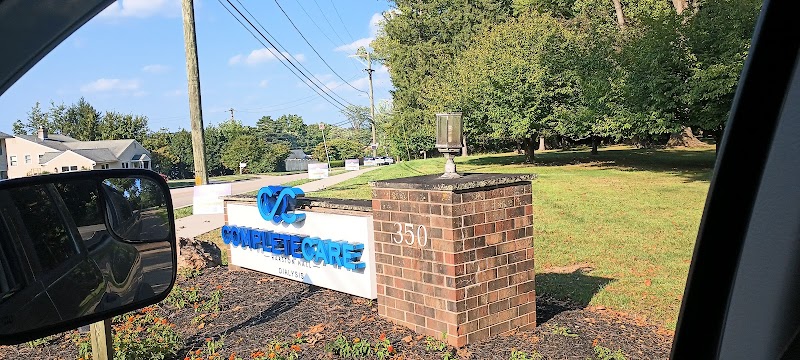
How Does Complete Care At Harston Hall Llc Compare to Other Pennsylvania Nursing Homes?

Compared to the 100 nursing homes in Pennsylvania, COMPLETE CARE AT HARSTON HALL LLC's overall rating (1 stars) is below the state average of 3.0, staff turnover (52%) is near the state average of 46%, and health inspection rating (1 stars) is much below the national benchmark.

What Should Families Ask When Visiting Complete Care At Harston Hall Llc?

Based on this facility's data, families visiting should ask: "Can I visit during a mealtime to observe dining assistance and food quality?" "How do you handle medical emergencies, and what is your hospital transfer rate?" "Can I speak with family members of current residents about their experience?"

Is Complete Care At Harston Hall Llc Safe?

Based on CMS inspection data, COMPLETE CARE AT HARSTON HALL LLC has a clean safety record: no substantiated abuse findings (meaning no confirmed cases of resident harm), no Immediate Jeopardy citations (the most serious violation level indicating risk of serious injury or death), and is not on the Special Focus Facility watch list (a federal program monitoring the lowest-performing 1% of nursing homes). The facility has a 1-star overall rating and ranks #100 of 100 nursing homes in Pennsylvania. While no facility is perfect, families should still ask about staff-to-resident ratios and recent inspection results during their visit.

Do Nurses at Complete Care At Harston Hall Llc Stick Around?

COMPLETE CARE AT HARSTON HALL LLC has a staff turnover rate of 52%, which is 6 percentage points above the Pennsylvania average of 46%. Moderate turnover is common in nursing homes, but families should still ask about staff tenure and how the facility maintains care continuity when employees leave.

Was Complete Care At Harston Hall Llc Ever Fined?

COMPLETE CARE AT HARSTON HALL LLC has been fined $17,113 across 2 penalty actions. This is below the Pennsylvania average of $33,250. While any fine indicates a compliance issue, fines under $50,000 are relatively common and typically reflect isolated problems that were subsequently corrected. Families should ask what specific issues led to these fines and confirm they've been resolved.

Is Complete Care At Harston Hall Llc on Any Federal Watch List?

COMPLETE CARE AT HARSTON HALL LLC is not on any federal watch list. The most significant is the Special Focus Facility (SFF) program, which identifies the bottom 1% of nursing homes nationally based on persistent, serious quality problems. Not being on this list means the facility has avoided the pattern of deficiencies that triggers enhanced federal oversight. This is a positive indicator, though families should still review the facility's inspection history directly.