GWYNEDD HEALTHCARE AND REHABILITATION CENTER
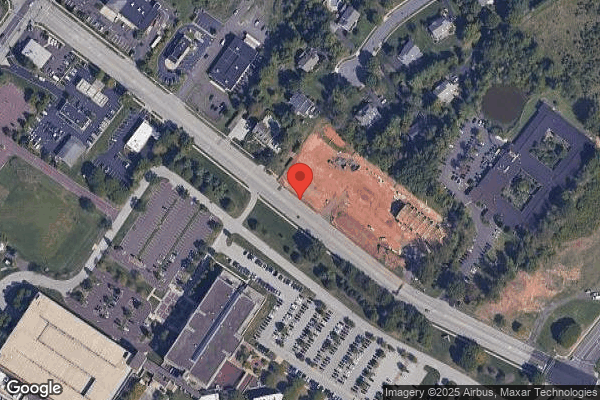

773 SUMNEYTOWN PIKE, LANSDALE, PA 19446 (215) 699-5000
For profit - Corporation 181 Beds COLEV GESTETNER Data: November 2025
Trust Grade
78/100
#47 of 653 in PA
Last Inspection: November 2024

Within standard 12-15 month inspection cycle. Federal law requires annual inspections.

Overview

Gwynedd Healthcare and Rehabilitation Center has a Trust Grade of B, indicating it is a good but not exceptional choice for nursing care. It ranks #47 out of 653 facilities in Pennsylvania, placing it in the top half, and #7 out of 58 in Montgomery County, meaning there are only six local options better. Unfortunately, the facility's trend is worsening, as it increased from 5 issues in 2023 to 12 in 2024. While staffing is rated at 4 out of 5 stars, indicating a good level of care, the turnover rate of 48% is concerning as it is near the state average. Additionally, the facility has faced $24,065 in fines, which is average but may suggest some compliance issues. Recent inspector findings raised serious concerns, including a serious incident where a resident suffered a head injury and subsequent death due to inadequate assistance during incontinence care. Other issues include unsanitary food preparation practices and complaints from residents about cold meals being served. While the facility has strengths, such as excellent overall and quality measure ratings, these significant weaknesses highlight the need for families to weigh their options carefully.

Trust Score
B
78/100
In Pennsylvania
#47/653
Top 7%
Safety Record
Moderate
Needs review
Inspections
Getting Worse
5 → 12 violations
Staff Stability
⚠ Watch
48% turnover. Above average. Higher turnover means staff may not know residents' routines.
Penalties
✓ Good
$24,065 in fines. Lower than most Pennsylvania facilities. Relatively clean record.
Skilled Nurses
○ Average
Each resident gets 30 minutes of Registered Nurse (RN) attention daily — about average for Pennsylvania. RNs are the most trained staff who monitor for health changes.
Violations
⚠ Watch
17 deficiencies on record. Higher than average. Multiple issues found across inspections.
★★★★★
5.0
Overall Rating
★★★★☆
4.0
Staff Levels
★★★★★
5.0
Care Quality
★★★★☆
4.0
Inspection Score
Stable
2023: 5 issues
2024: 12 issues

The Good

  • 4-Star Staffing Rating · Above-average nurse staffing levels
  • 5-Star Quality Measures · Strong clinical quality outcomes
  • Full Sprinkler Coverage · Fire safety systems throughout facility
  • No fines on record

Facility shows strength in staffing levels, quality measures, fire safety.

The Bad

Staff Turnover: 48%

Near Pennsylvania avg (46%)

Higher turnover may affect care consistency

Federal Fines: $24,065

Below median ($33,413)

Minor penalties assessed

Chain: COLEV GESTETNER

Part of a multi-facility chain

Ask about local staffing decisions and management

The Ugly 17 deficiencies on record

1 actual harm
Nov 2024 3 deficiencies
CONCERN (D)

Potential for Harm - no one hurt, but risky conditions existed

Investigate Abuse (Tag F0610)

Could have caused harm · This affected 1 resident

Based on a review of facility policies, facility documentation, review of clinical records and interviews with residents and staff, it was determined that the facility failed to conduct a thorough inv...

Read full inspector narrative →
Based on a review of facility policies, facility documentation, review of clinical records and interviews with residents and staff, it was determined that the facility failed to conduct a thorough investigation related to potential resident abuse and/or neglect related to an injury during resident care for one of eight residents reviewed. (resident R 121) Findings include: Review of facility policy titled Reporting and Investigating Resident Accident/ Incident Policy and Procedure reviewed November 2018 revealed that all occurrences which are not consistent with the routine operation of the facility and care of residents that have or may cause physical injury or harm will be reported, reviewed, and investigated. All accidents/ incidents must be reported the supervisor must immediately examine the resident, the appropriate accident incident and investigation report must be completed, the resident's representative and attending physician will be notified, all accidents slash incidents will have an investigation conducted by the supervisor, upon completion of the investigation report it must be determined if there is reasonable cause to believe that abuse has occurred. Reasonable cause is defined as meeting that upon review of the circumstances, there is sufficient evidence for a prudent person to believe that physical abuse, mistreatment, or neglect has occurred. If there is reasonable cause, a resident abuse report must be completed. The unit manager must review the report for completeness and assure all notifications have been made, the complete report will be reviewed and discussed by the interdisciplinary team, a completed report includes revision of the resident's care plans to confirm interventions implemented as a result of the incident and for prevention of further incidents. Review of facility policy titled Abuse of Residents revised October 27, 2022, revealed It is a policy of the facility that acts of physical verbal psychological and financial abuse directed against residents are absolutely prohibited. Resident has the right to be free from verbal sexual physical and mental abuse, corporal punishment, involuntary seclusion, mistreatment, neglect, exploitation, and misappropriation of property. Residents shall not be subjected to abuse by anyone included but not limited to staff other residents' consultants, volunteers, staff from other agencies, family members or legal guardians, friends or other individuals. Further review of this policy revealed the definition of neglect is defined as the failure of the facility its employees or service providers to provide goods and services to a resident that are necessary to avoid harm pain mental anguish or emotional distress. Neglect occurs when the facility is aware of or should have been aware of goods or services that a resident requires but the facility fails to provide them to the resident, that has resulted in or may result in physical harm, ping, mental anguish, or emotional distress. Neglect includes cases where the facilities indifference or disregard for resident care comfort or safety resulted in or could have resulted in physical harm pain, mental anguish, or emotional distress. Neglect may be the result of a pattern of failures or maybe the result of one or more failures involving one resident and one staff person. Abuse prevention components include screening of new employee for any history of abuse, training employees receive education related to abuse neglect exploitation and misappropriation of resident property upon higher as part of orientation and annually, and identification as an ongoing assessment and care planning for appropriate interventions and monitoring of residents with needs and behaviors which might lead to a conflict or neglect. Upon receiving an incident or suspected incident of resident abuse or neglect the administrator, director of nursing, and or designee will conduct an investigation to include but not limited to the following; complete designate report form for investigation, interview the person's reporting the incident, interview any witnesses to the incident, Interview the resident's roommates, family members and visitors, interview other residents to which the accused employee provides care services, and review all circumstances surrounding the incident . Review of Resident R121's clinical record revealed that this resident entered the facility January 28, 2022 with diagnosis's including cerebral infarction (stroke) and Hemispheres (a condition that causes weakness or inability to move one side of the body). Resident R121 possessed right sided dominant impairment requiring use of a wheelchair and moderate assistance for activities of daily living (ADL) as well as standing and transfers. Further review of Resident R 121's clinical record revealed that Resident R121 was assessed to possess a Brief Interview of mental status (BIMS a standardized assessment tool to evaluate a patient cognitive functioning), score of fourteen indicating this resident's cognition is intact. Review of physical therapy notes dated April 8, 2024 revealed that Resident R121that the resident's functional status for transfers was sit to stand requiring partial moderate assistance (pull to stand inside bars). Review of facility documentation reported to the State Agency dated April 9, 2024, approximately at 9:15 p.m. Resident R121 was standing with assistance from nursing aide, Employee E7 when she became weak and fell back. The nurse aide, Employee E7 was unable to catch the resident to prevent the resident from falling. Resident R121 sustained a laceration to her right eyebrow which required seven sutures. Review of facility investigation revealed statement written by nurse iade, Employee E7, stated that the resident got up and held on to the bed frame while the nursing assistant was providing care. She fell back into my arms and fell to the floor. Further review of the investigation revealed Resident R121' s statement I was in my wheelchair, and she was going to change my diaper. She pushed my wheelchair to the end of the bed I stood up and she pulled down my pants and took off my diaper. I started to fall backwards. Did not have time to catch me. Continued review of this investigation included statements from other staff members that have provided care to Resident R 121. Statement from Licensed nurse, Employee E8 revealed that this resident was an assist of one with incontinence care. Stands at the bar in the bathroom to have care provided. Statement written from Licensed nurse, Employee E9 completed a statement that the mechaical lift and two persons assist all times for transfer. Resident only stands from the wheelchair in the bathroom or hallway normally when she holds on to the rail or grabs the bar in the bathroom with a warm person assist. Statement written from nurse aide, Employee E10, revealed I changed her brief in the bathroom she stands with one assist holding onto the rail with her wheelchair directly behind her. Review of statement provided from nurse aide, Employee E6 revealed that he was called to the room for help and observed that Resident R121 had fallen. Statement provided by Social worker, Employee E5 on April 10, 2024, confirmed that Resident R121 was knowledgeable that she should be changed in the bathroom or shower room, but this interview revealed she preferred to change at bedside. The facility failed to conduct a through investigation including length of time the resident was standing, where her wheelchair was located at time of fall, interview with two other roommates in the room at time of incident, and interview with maintenance to determine the structure of bedframe. 28 Pa. Code 201.14(a) Responsibility of licensee 28 Pa. Code 201.29 (a) Resident rights
CONCERN (D)

Potential for Harm - no one hurt, but risky conditions existed

Comprehensive Care Plan (Tag F0656)

Could have caused harm · This affected 1 resident

Based on review of facility policies, clinical record reviews, and interviews with staff, it was determined that the facility failed to develop and implement a comprehensive person centered care plan ...

Read full inspector narrative →
Based on review of facility policies, clinical record reviews, and interviews with staff, it was determined that the facility failed to develop and implement a comprehensive person centered care plan related to incontinent care for one of eight residents reviewed.( resident R121) Findings include: Review of facility policy titled Care plans, comprehensive person centered Revealed a comprehensive, persons and our care plan that includes measurable objectives and timetables to meet the resident's physical, psychosocial and functional needs is developed and implemented for each resident. The care planned interventions are derived from a thorough analysis of the information gathered is a part of the comprehensive assessment. The comprehensive persons care plan includes measurable objectives and time frames, describes the services that are to be furnished to attain them or maintain the residents highest practical physical mental and psychosocial well-being, includes the residents' dated goals, builds on the resident strengths, and reflects currently recognized standards of practice for problem areas and conditions. Care plan interventions are chosen only after data gathering, proper sequencing of events, careful consideration of the relationship between the resident's problem areas and their causes, and relevant clinical decision making. Assessments of the residents are ongoing and care plans are revised as information about residents and the residents' conditions changes. Review of facility policy titled Reporting and Investigating Resident Accident/ Incident Policy and Procedure reviewed November 2018 revealed that all occurrences which are not consistent with the routine operation of the facility and care of residents that have or may cause physical injury or harm will be reported, reviewed, and investigated. All accidents/ incidents must be reported the supervisor must immediately examine the resident, the appropriate accident incident and investigation report must be completed, the resident's representative and attending physician will be notified, all accidents slash incidents will have an investigation conducted by the supervisor, upon completion of the investigation report it must be determined if there is reasonable cause to believe that abuse has occurred. Reasonable cause is defined as meeting that upon review of the circumstances, there is sufficient evidence for a prudent person to believe that physical abuse, mistreatment, or neglect has occurred. If there is reasonable cause, a resident abuse report must be completed. The unit manager must review the report for completeness and assure all notifications have been made, the complete report will be reviewed and discussed by the interdisciplinary team, a completed report includes revision of the resident's care plans to confirm interventions implemented as a result of the incident and for prevention of further incidents. Review of Resident R121's clinical record revealed that this resident entered the facility January 28, 2022 with diagnoses including cerebral infarction (stroke) hemiplegia (a condition that causes partial or complete paralysis to one side of the body), and Hemispheres (a condition that causes weakness or inability to move one side of the body). Resident R121 possessed right sided dominant impairment requiring use of a wheelchair and moderate assistance for activities of daily living (ADL) as well as standing and transfers. Continued review of Resident R121's clinical record revealed that Resident R121 was assessed to possess a Brief Interview of Mental status (BIMS a standardized assessment tool to evaluate a patient cognitive functioning), score of 14 indicating this resident's cognition is intact. Continued review of Resident R121's clinical record revealed that Resident R121 sustained an injury on April 9, 2024, while receiving toileting care at bedside. Resident R121 was using the bedframe/ foot board as a grab bar for support. The investigation concluded that is was within Resident R121, resident rights to choose to be toileted at bedside. Review of Resident R121's care plan revealed The resident has decreased stability during mobility decreased strength balance and activity tolerance data initiated October 1, 2024 with interventions to include patient will be reminded to Donn and Doff gloves while performing wheelchair mobility, Resident R 121 has potential alteration and bowel and bladder elimination related to incontinence data initiated April 1, 2023, interventions include call light within reach, and encourage resident consume all fluids monitor from redness and skin breakdown, and provide skin care after each incontinent episode and implied a moisture barrier. Continued review of Resident R121's care plan revealed that Resident R 121 has potential for falls related to decreased mobility dated April 1, 2023, interventions include anticipate and meet the residents needs, monitor for toileting needs, place residents call light within reach, provide a safe environment, provide resident and caregiver education for safe techniques, provide verbal cues for proper pacing and energy conservation techniques, therapy screen and evaluation as needed. Resident R121 demonstrates decreased ability to perform ADL's (activities of daily living) due to muscle weakness and deconditioning interventions include resident is a two person assist with bed mobility initiated November 17, 2023 with interventions including; resident is a two person assist with transfers dated November 17, 2023, resident requires one assist with standing holding on to the rail in the bathroom or shower room initiated April 10, 2024 and the resident requires assistance from staff for transfers initiated April, 2023. Interview with NHA Employee E 1, on November 14, 2024 confirmed that Resident R 121's care plan has not been updated with resident preferences and proper safe instruction regarding toileting needs which included to be toilet at at bedside. 28 Pa. Code 211.11(d) Resident Care Plan 28 Pa. Code 211.12(d)(3)(5)Nursing Services
CONCERN (D)

Potential for Harm - no one hurt, but risky conditions existed

Food Safety (Tag F0812)

Could have caused harm · This affected 1 resident

Based on observations, review of facility policies and interviews with staff, it was determined that the facility failed to store, food in accordance with professional standards for food service safet...

Read full inspector narrative →
Based on observations, review of facility policies and interviews with staff, it was determined that the facility failed to store, food in accordance with professional standards for food service safety. Findings include: Review of facility policy on Receiving revealed that under section Policy Statement, Safe food handling procedures for time and temperature control will be practiced in the transportation, delivery and subsequent storage of all food. Under section Procedures #5 All food items will be appropriately labelled and dated either through manufacturer packaging or staff notation. #8. The Dining Services Director is responsible for following distributor instructions for all applicable products Observation of the kitchen conducted on November 12, 2024, at 9:09 am with the Director of Dietary, Employee E3 revealed the following: One plastic bag containing hamburger buns had a sticker with date delivered of 10/13. Further best by date was not written on the sticker. One plastic bag containing hamburger buns was not labelled with date delivered and was not labelled with best by date. One plastic bag containing hamburger buns was not labelled with date delivered and was not labelled with best by date. Further observation of the plastic bag revealed that four of the hamburger buns in the plastic bag had grayish green powdery matter at the bottom of the hamburger buns. One plastic bag containing hotdog buns was not labelled with date delivered and was not labelled with best by date. Interview with Director of Dietary, Employee E3 conducted at the time of the investigation confirmed the above observations. Further, Director of Dietary, Employee E3 removed the four bags and Employee E3 revealed that he discarded the four bags. Director of Dietary, Employee E3 also revealed that all bags should have been labelled with the delivery date and best by date 28 Pa Code 201.14(a) Responsibility of licensee 28 Pa. Code 201.18(b)(3) Management
Jun 2024 1 deficiency
CONCERN (D) 📢 Someone Reported This

A family member, employee, or ombudsman was alarmed enough to file a formal complaint

Potential for Harm - no one hurt, but risky conditions existed

Safe Transfer (Tag F0626)

Could have caused harm · This affected 1 resident

Based on clinical record reviews, interviews with staff, reviews of hospital records and facility policies and procedures, it was determined that the facility failed to permit one of four residents to...

Read full inspector narrative →
Based on clinical record reviews, interviews with staff, reviews of hospital records and facility policies and procedures, it was determined that the facility failed to permit one of four residents to return to the facility after they were hospitalized . (Resident R1) Findings include: Review of the undated policy titled readmission to the facility revealed that it was the responsibility of the administrator and the director of nursing to ensure that all residents who have been discharge from the facility would be readmitted to the facility regardless of race, color, creed, national origin or payment source. Review of the undated policy titled Coronavirus Disease-identification and management revealed that it was the responsibility of the facility to follow the Centers for Disease Control and Prevention guidelines for screening, monitoring, rapid identification and management of this virus. The policy indicated that information about residents being transferred to the facility with suspected or confirmed cases of SARS-CoV-2 infection would be clearly communicated to the facility by the outside personnel before the transfer into the facility. The policy also indicated that residents with suspected or confirmed SARS-CoV-2 infection would be accepted for admission and were to be placed in a single person room or with another who was COVID-19 postive. Empiric Transmission- Based Precautions would be followed at the facility for this new admission/readmission. Clinical record review for Resident R1 revealed that this resident was admitted from home to the facility on May 16, 2024 with diagnoses of anxiety, dementia (a group of symptoms that affects memory, thinking ability and interferes with daily life as a result of a decline in mental capacity, diabetes mellitus (a metabolic disorder in which the body has high blood glucose levels for prolonged periods of time), hypertension (high blood pressure) and depression. The nusing note dated May 16, 2024 indicated that Resident R1 was of Korean decent. The nurse indicated that the resident met with other Korean (relating to North or South Korea or its' people or language) residents and staff at the facility. The physician note dated May 16, 2024 indicated that the physician spoke with Resident R1's son and that care planning for Resident R1 was for long term care. The social worker indicated on May 17, 2024 that Resident R1 was care planned for long term care because the resident needed more supervision and assistance; than the family could provide at home. Clinical record review revealed that Resident R1 was transferred to the hospital for evaluation and treatment for a change in mental status on May 21, 2024. Hospital record review revealed that on May 22, 2024, the physician treated and evaluated Resident R1. The physician indicated that Resident R1 had diagnoses of dementia with behavioral disorder, depression and anxiety. The physician adjusted medications for better efficacy for Resident R1. The physican indicated that he wanted to start Seroquel (an anti-psychotic medication used to treat certain mental/mood disorders such as schizophrenia, bipolar disorder, sudden episodes of mania or depression associated with bipolar disorder) and continue evening dose of Trazodone a medication used to treat depression. The physician also indicated that the resident was testing positive for Cov-19 infection; however had not had any signs and symptoms of the virus. Clinical record review for Resident R1 indicated that there was no documentation to indicate that the facility staff contacted the Resident R1's responsible party related to readmission plans, to return to the facility, during Resident R1's entire hospital stay. Resident R1 and her responsible party were not permitted to return to the facility post hospital stay. Interview with the Nursing Home Administrator, Employee E1, the Director of Nursing, Employee E2 and the Admissions Director, Employee E5 between 9:30 a.m, and 11: 00 a.m., on June 4, 2024 confirmed that the facility failed to document in the clinical record any communication with the responsible party for Resident R1 after the hospitalization on May 22, 2024. Interview with the administrator, Employee E1 between 9:30 a.m., and 11: 00 a.m., on June 4, 2024 confirmed that the facility had available beds and the resident's previous bed room available to occupy on May 22 through June 4, 2024. 28 PA. Code 201.14(a)(b) Responsibility of licensee 28 PA. Code 201.29(a)(4) Resident rights 28 PA. Code 211.5(f)(vi)(ix)(x) Medical records 28 PA. Code 211.12(d)(1)(3) Nursing services
Jan 2024 8 deficiencies 1 Harm
SERIOUS (G)

Actual Harm - a resident was hurt due to facility failures

Accident Prevention (Tag F0689)

A resident was harmed · This affected 1 resident

**NOTE- TERMS IN BRACKETS HAVE BEEN EDITED TO PROTECT CONFIDENTIALITY** Based on review of professional literature, review of facility documentation, clinical record reviews and interviews with staff,...

Read full inspector narrative →
**NOTE- TERMS IN BRACKETS HAVE BEEN EDITED TO PROTECT CONFIDENTIALITY** Based on review of professional literature, review of facility documentation, clinical record reviews and interviews with staff, it was determined that the facility failed to provide appropriate assistance while providing incontinence care to a resident, resulting in actual harm to Resident R215 who rolled off the bed and sustained head injuries, including an acute right subdural hemorrhage, left diffuse subdural hematoma, right-to-left midline shift and right uncal herniation and subsequence death for one of six residents reviewed. This deficiency was cited as past-noncompliance. (Resident R215) Findings include: Review of professional literature, published by the American Congress of Rehabilitation Medicine and the Archives of Physical Medicine and Rehabilitation, Caregiver Guide and Instructions for Safe Bed Mobility article 2017;98:1907-10, revealed, The term bed mobility refers to activities such as scooting in bed, rolling (turning from lying on one's back to side-lying), side-lying to sitting, and sitting to lying down. Continued review revealed, The patient should always roll toward you not away from you. Review of Resident R215's Quarterly MDS (Minimum Data Set - a mandatory periodic resident assessment tool), dated [DATE], revealed that the resident was admitted to the facility on [DATE], with diagnoses including heart failure (a chronic condition in which the heart doesn't pump blood as well as it should), Parkinson's Disease (a progressive disorder of the nervous system that affects movement) and hydrocephalus (a build-up of fluid in the brain). Continued review revealed that the resident was severely cognitively impaired and that the resident was dependent for rolling left and right. Review of Resident R215's care plan, dated initiated [DATE], revealed that the resident had decreased ability to perform activities of daily living due to immobility and Parkinson's disease. Interventions included 2 person assist that was initiated on February 23, 2022, as well as The resident requires assistance with positioning in bed that was initiated on [DATE]. Review of Medication Administration Records (MARs) for Resident R215 for [DATE], revealed a physician's order, dated [DATE], for an air mattress to the resident's bed. The MARs indicated that the air mattress was checked by licensed nursing staff every shift for proper function and setting. Review of progress notes for Resident R215 revealed a note, dated [DATE], at 8:42 p.m. which stated, While CNA [nurse aide] was performing care resident rolled oob [out of bed] and sustained laceration to back of head. The resident was subsequently transferred to a local hospital emergency department for further evaluation. Continued review of progress notes for Resident R215 revealed a note, dated [DATE], at 4:21 a.m. which indicated that the resident was admitted to the hospital with a diagnosis of intracranial hemorrhage (brain bleed). Further review of progress notes for Resident R215 revealed a note, dated [DATE], at 12:27 p.m. which indicated that the facility received a call from the hospital that the resident passed away at 11:47 a.m. Review of hospital records for Resident R215 revealed a CT scan (diagnostic testing) study result, dated [DATE], at 10:51 p.m. which indicated, There is an acute subdural hemorrhage (bleeding between the skull and the surface of the brain) over the right temporoparietal and occipital (back of the brain) regions. This measures up to 4 mm (millimeters) in thickness. No significant mass-effect (shifting of brain tissue) is noted. There is also a linear area of high density in the right sylvian fissure (divides the temporal [left and right sides of the brain] from the parietal [midbrain] and frontal [font of the brain] lobes of the brain) consistent with subarachnoid hemorrhage (bleeding in the space between the brain and the tissue covering the brain) .There is a ventriculoperitoneal shunt (drains excess fluid in the brain, used to treat hydrocephalus) in the right posterior region .no hydrocephalus. Continued review of hospital records for Resident R215 revealed another CT scan study result, dated [DATE], at 2:38 a.m. which indicated, Significant increase in right subdural hematoma that measures up to 2.8 cm (centimeters) from previous 5 mm. New diffuse left subdural hematoma that measures up to 5 mm. Right-to-left midline shift (displacement of brain tissue across the center line of the brain) by 6.5 mm. New right uncal herniation (parts of the brain move from one intracranial compartment to another, it is a life-threatening neurological emergency). Increase in right frontal temporal subdural hemorrhage . Stable intraventricular shunt. Further review of hospital records revealed a neurosurgery (medical specialist related to brain disorders) note, dated [DATE], at 9:47 a.m. which stated, Nursing home patient with advanced dementia and limited function. Reportedly to have fallen at living facility. Initial CT head showed nonsurgical small right-sided subdural hematoma. Repeat imaging with significant expansion. Goals of care clarified with family in early morning regarding baseline status. Family chose not to pursue surgical options through the night although patient remained full code. Patient coded and expired. Non salvageable and expanding acute subdural hematoma with significant mass effect and shift. Review of facility documentation submitted to the Pennsylvania Department of Health on [DATE], at 1:59 p.m. revealed that Resident R215 had a fall out of bed during incontinence care. Continued review of facility documentation revealed a written statement by Employee E20, occupational therapist, which stated, Resident was seen for skilled occupational therapy from [DATE]-[DATE]. At the time of discharge, [Resident R215] was an assist of 1 [one person] for rolling side to side. Continued review of facility documentation revealed a written statement by Employee E9, agency nurse aide, which stated, I was changing [Resident R215] when I was putting the clean bed chuck under her, she rolled over as I was tucking the chuck under her and briefly moved to fix that's when she rolled to floor. I tried to catch her but I didn't have enough reach to do so. Interview on [DATE], at 12:38 p.m. with the Director of Nursing (DON) and Employee E21, licensed nurse, revealed that the facility investigated the incident and did a re-enactment with the Employee E9, agency nurse aide. Employee E21, licensed nurse, stated that Employee E9, agency nurse aide, pulled Resident R215 closer to her, then turned the resident on her side. Employee E21, licensed nurse, confirmed that Employee E9, agency nurse aide, turned Resident R215 away from her while turning the resident in the bed. Resident R215 subsequently rolled off the side of the bed. The DON stated that it is the policy of the facility to always turn a resident towards you when turning a resident in bed. Employee E21, licensed nurse, stated that she was not sure what type of training agency staff received and stated that she gives nurse aides verbal reports at the beginning of their shift. The DON stated that she would have to ask the facility's nurse educator to explain what type of training agency staff receive. Interview on [DATE], at 12:53 p.m. Employee E22, nurse educator, stated that according to the facility's training regarding safe patient bed mobility, residents should always be rolled toward the caregiver when turning them in bed. In addition, Employee E22, nurse educator, stated that she does not do any type of skills trainings or skills competency evaluations for agency staff. Employee E22, nurse educator, subsequently provided facility document, ADLs [Activities of Daily Living]: Turn and Reposition/Bed Mobility undated, which states under procedure, Resident is turned towards staff member if 1-person assist. Review of Employee E9, agency nurse aide, personnel file, revealed that she was employed as an agency nurse aide by the facility. Continued review revealed that no skills competency evaluations were available for review at the time of the survey. Interview on [DATE], at 1:13 p.m. Employee E22, nurse educator, confirmed that there were no skills competency evaluations for Employee E9, agency nurse aide. Interview on [DATE], at 2:25 p.m. Employee E9, agency nurse aide, stated that she recalled Resident R215 and the incident that occurred. She stated that it was a horrible incident and that the resident had no perimeter mattress, no siderails, nothing along the edges of the air mattress to keep the resident from rolling off. Employee E9, agency nurse aide, stated that while she was tucking the chuck during incontinence care for Resident R215 that she moved the resident away from her, the resident moved and rolled off the bed. Employee E9, agency nurse aide, stated that more could have been done to prevent the fall from occurring, such as having bedrails, a perimeter mattress or a wedge in place. Employee E9, agency nurse aide, stated that she already provided a written statement, as well as performed a re-enactment of the event, and to refer to those documents for this investigation. Interview on [DATE], at 4:42 p.m. with Employee E19, Medical Director, revealed that Resident R215's ventriculoperitoneal shunt was functioning appropriately according to the hospital CT scans and agreed that the scans showed acute injuries that were caused by the resident's fall. This deficiency was identified as actual harm past non-compliance for failure to provide appropriate assistance while providing incontinence care to Resident R215, resulting in the resident rolling off the bed and sustaining serious head injuries. On [DATE], at 1:12 p.m. the Nursing Home Administrator presented documentation, indicating that the facility initiated a plan of correction on [DATE], to address the failure to provide appropriate assistance during incontinence care, which resulted in Resident R215 falling off the bed and sustaining serious head injuries which lead to the resident's death. Facility plan of correction included the following: [DATE] Resident fall occurred statements obtained. Resident sent to emergency department for evaluation. The investigation immediately began. [DATE]-[DATE] DON and Administrator reviewed statements obtained, more questions were needed from employees involved. Event report submitted to Department of Health. [DATE] DON reviewed residents on nurse aide's assignment to review if any significant incidents had occurred. None were identified. [DATE] Nurse taking care of resident brought in to look at room and demonstrate how resident was positioned on the floor. Regional Nurse and DON were present for the demonstration. [DATE] Facility completed review of residents who are an assist of one for bed mobility with nursing and therapy, if changes were identified as being needed, care plans were updated. Residents who were on air mattresses were care planned for an assist of two for bed mobility. Nurse aide providing care to resident was brought in to reenact what took place and contracted employee provided care according to resident's care card. [DATE] Incidents were reviewed for dates nurse aide worked between [DATE] - [DATE], no residents on nurse aide's assignment on dates worked in that timeframe had any incident. Education and competencies were completed between [DATE] - [DATE] with staff and agency staff on Turn/ADL/Bed Mobility. Medical Director reviewed case and gave input. Event report updated and accepted. The facility alleged compliance with their plan of correction as of [DATE]. Review of facility documentation revealed that the corrective action plan was initiated on [DATE]. Residents on nurse aide's assignment were reviewed and no other incidents were noted. Dates that nurse aide worked were reviewed with no incidents noted. A full house audit of resident care plans for bed mobility status was completed. Competency evaluations related to bed mobility were completed [DATE] through 22, 2023. Interviews with nursing staff confirmed that they were knowledgeable of the facility's bed mobility practices. Falls were reviewed during morning meeting to ensure that appropriate assistance was provided. Thirty-day review of falls was completed and appropriate assistance was provided. Care plan audit completed with interventions in place to ensure appropriate bed mobility assistance. 28 Pa Code 201.14(a)Responsibility of licensee 28 Pa Code 201.18(b)(1) Management 28 Pa Code 211.12(d)(1) Nursing services 28 Pa Code 211.12(d)(5) Nursing services
CONCERN (D)

Potential for Harm - no one hurt, but risky conditions existed

Deficiency F0558 (Tag F0558)

Could have caused harm · This affected 1 resident

**NOTE- TERMS IN BRACKETS HAVE BEEN EDITED TO PROTECT CONFIDENTIALITY** Based on observations, staff interview, and review of clinical records, it was determined tha the facility failed to accommodate...

Read full inspector narrative →
**NOTE- TERMS IN BRACKETS HAVE BEEN EDITED TO PROTECT CONFIDENTIALITY** Based on observations, staff interview, and review of clinical records, it was determined tha the facility failed to accommodate the call bell needs of one of 34 residents reviewed (Resident R140). Findings include: Resident R140 was admitted to the facility on [DATE],with the diagnosis of hemiplegia (one sided paralysis) following cerebral infarction (stroke) affecting the left-dominant side and heart failure (heart does not pump sufficiently). Review of Resident R140's care plan revealed pain and general discomfort dated July 11, 2023, interventions included to assist the resident to a position or comfort using pillows or appropriate positioning devices and to place the resident's call bell within resident's reach. On January 22, 2023, at 1:15 p.m. during an interview Resident R140 stated he was very uncomfortable and his whole body hurt. He wanted to recline his head back in bed but couldn't. The television was too loud but could not reach the remote. He explained that his left side didn't work anymore because of a stroke. He pointed out that his call bell bed and TV remote were on his left side and couldn't reach it nor call for assistants. Interview with Licensed Nurse, Employee E10 confirmed on January 22, 2023 at 1:38 p.m., that Resident R140's call bell and remote control were not accessible to his reach, and indicated the staff forgets he has no use of his left arm and the bedside table and controls should be on his right. 28 Pa. Code 211.12(d)(1) Nursing services 28 Pa. Code 211.12(d)(5) Nursing services
CONCERN (D)

Potential for Harm - no one hurt, but risky conditions existed

Comprehensive Care Plan (Tag F0656)

Could have caused harm · This affected 1 resident

**NOTE- TERMS IN BRACKETS HAVE BEEN EDITED TO PROTECT CONFIDENTIALITY** Based on clinical record review and interviews with staff, it was determined that the facility failed to develop a comprehensive...

Read full inspector narrative →
**NOTE- TERMS IN BRACKETS HAVE BEEN EDITED TO PROTECT CONFIDENTIALITY** Based on clinical record review and interviews with staff, it was determined that the facility failed to develop a comprehensive care plan for edema for one of 34 residents reviewed (Resident R140). Findings include: Resident R140 was admitted to the facility on [DATE], witht the diagnoses of hemiplegia (one sided paralysis) following cerebral infarction (stroke) affecting the left-dominant side and heart failure (heart does not pump sufficiently). Review of Resident R140's care plan revealed pain and general discomfort dated July 11, 2023, interventions included to assist the resident to a position or comfort using pillows or appropriate positioning devices and to place the resident's call bell within resident's reach. On January 22, 2023, at 1:15 p.m. during an interview Resident R140 stated he was very uncomfortable and his whole body hurt. He explained that his left side didn't work anymore because of a stroke. Part of his left lower arm was wrapped in gauze and the rest of his arm was swollen and red resting on a thin pad to collect drainage. The pad had scant tracings of yellowish stain mixed with what appeared to be blood. The resident indicated that they (staff) started wrapping his left arm because it was swollen and now the top of his arm looked worse and was painful. He couldn't adjust his arm himself and wanted staff assistants but his call bell was out of his reach. Review of Resident R140's physician orders dated January 11, 2023 Wound care treatment instructed to apply an ABD pad to left arm two times a day for seeping and as needed. Interview with Licensed Nurse, Employee E10 on January 22, 2023, at 1:38 a.m. stated Resident R140's left arm should be wrapped and elevated on pillows due to his edema. This was confirmed with the Assistant Director of Nursing on January 22, 2024 at 3;00 p.m. that the facility failed to develop a care plan for Resident R140's left arm edema related to the fluid imbalance due to heart disease with interventions to elevate and wrap left arm. 28 Pa. Code 211.12(d)(1) Nursing services 28 Pa. Code 211.12(d)(5) Nursing services
CONCERN (D)

Potential for Harm - no one hurt, but risky conditions existed

Pressure Ulcer Prevention (Tag F0686)

Could have caused harm · This affected 1 resident

**NOTE- TERMS IN BRACKETS HAVE BEEN EDITED TO PROTECT CONFIDENTIALITY** Based on observation, review of resident's clinical records, review of facility policies and interviews with staff, it was deter...

Read full inspector narrative →
**NOTE- TERMS IN BRACKETS HAVE BEEN EDITED TO PROTECT CONFIDENTIALITY** Based on observation, review of resident's clinical records, review of facility policies and interviews with staff, it was determined that the facility failed to ensure physician's wound care recommendations to prevent pressure injuries were followed for one of four residents reviewed with pressure ulcers (Resident R150). Findings include: Review of the facility's policy titled Wound Prevention and Management, not dated, stated that each resident receives the care and services necessary to retain or regain optimal skin integrity. Residents identified as a risk for development of pressure ulcers will have a plan and interventions included in the care plan to address risk factors for development of pressure ulcers. Orders/changes to the treatment will be documented and the care plan will be updated to aide in healing and prevent further breakdown based upon the co-morbidities and the risk factors associated with the resident. Implementation of relevant treatment and preventative measures will be implemented should impaired skin be discovered per provider recommendation. Review of Resident R150's clinical record revealed that the resident was admitted to the facility on [DATE], with the diagnosis of with cerebral infarction (stroke) and hemiplegia (paralysis on one side of the body). Review of Resident R150 admission MDS (minimum Data Set-an assessment of resident's needs) dated September 22, 2023, indicated the resident had severe cognitive impairment, incontinent of urine and bowel, used a wheelchair for ambulating and needed extensive assistance of two people with bed mobility, transfers, personal hygiene, and toileting. Review of R150's initial wound consult, dated September 19, 2023, assessed the resident for a callous (thickened skin caused by friction) on her left foot, present on admission. The specialist noted the resident with weakness, left sided hemiplegia and a history of a sacral pressure ulcer (stage not indicated). The wound specialist assessment determined the resident was a high risk for pressure injury due to the resident's decreased mobility, the severe contractures on the lower left extremity, incontinence and a previous history of a pressure ulcer. The specialist stated, If found to have poor bed mobility, would recommend the use of a low air loss mattress (the mattress keeps pressure off of bony areas in patients unable to reposition themselves to prevent pressure ulceration). Nursing progress note dated September 20, 2023 from the Assistant Director of Nursing, (ADON), indicated Resident R150 was seen by the wound specialist treatment orders in place. Further review of Resident R150 clinical record revealed the facility failed to follow the wound specialist recommendation and a low air loss mattress was not provided to Resident R150. Review of Resident R150's care plan, dated September 15, 2023, revealed the resident was not able to perform her activities of daily living due to her left sided weakness and immobility. Interventions included two people assisting with transfers, a staff member to assist the resident with bed and wheelchair positioning, and toileting. Further review of the care plan revealed the resident was at risk for pressure injuries, due to her limited mobility, pain, weight loss and impaired skin dated September 18, 2023 and was a fall risk due to her decreased mobility, and safety awareness, dated September 19, 2023. On November 30, 2023 facility documentation revealed an open area was found on Resident R150's left buttock measuring 3.0 cm x 3.0 cm. Orders for the low air loss alternating mattress for wound prevention originally recommended by the wound specialist on September 19, 2023, was now placed on December 1, 2023, for wound healing. Review of the wound specialist note dated, December 7, 2023, assessed Resident R150's wound as a Stage Three Pressure Ulcer (Full thickness tissue loss with subcutaneous fat or slough present), on the resident's left ischium with 50% slough (dead tissue) and serosanguineous drainage (clear fluid mixed with blood). The wound specialist determined that the wounds were unavoidable due to the interventions already in place. Observation of Resident R150's wound care was conducted on January 24, 2023, at 11:44 a.m. with Registered Nurse (RN) Employee E5 and RN Employee E21. Resident R151's lower extremities was observed contracted, while RN, Employee E21 positioned and held the resident in bed for wound care. Wound dressing was observed with thick greenish/ milky white drainage. Wound note from the wound specialist dated January 23, 2023, noted the wound measurement 4 cm x 3.8 cm x 2 cm deep with 3 cm undermining at 12 o'clock and 3 o'clock. Interview with the Assistant Director of Nursing (ADON) on January 26, 2024, at 2:15 p.m., confirmed the wound consultant was not aware the air mattress was not in place during the December 7, 2023, wound assessment. The ADON stated that on admission felt Resident R150 did not have poor bed mobility and the air mattress was not needed. Indicated the interventions on admission included a barrier cream (the facility's standard topical treatment) for wound prevention while in bed and a cushion on the wheelchair. Review of the Physical Therapy (PT) notes revealed on admission the resident was Dependent on staff for bed mobility dated September 16, 2023 and September 27, 2023, PT noted the resident required Substantial/maximal assistance. Furthermore the resident's care plan was revised on December 7, 2023 to include turning and repositioning the resident every two hours in bed. 28 Pa. Code 211.12(d)(1) Nursing services 28 Pa. Code 211.12(d)(5) Nursing services
CONCERN (D)

Potential for Harm - no one hurt, but risky conditions existed

Administration (Tag F0835)

Could have caused harm · This affected 1 resident

**NOTE- TERMS IN BRACKETS HAVE BEEN EDITED TO PROTECT CONFIDENTIALITY** Based on a review of clinical records, facility documentation and interviews with staff, it was determined that the Nursing Home...

Read full inspector narrative →
**NOTE- TERMS IN BRACKETS HAVE BEEN EDITED TO PROTECT CONFIDENTIALITY** Based on a review of clinical records, facility documentation and interviews with staff, it was determined that the Nursing Home Administrator and the Director of Nursing failed to effectively manage the facility related to the failure to provide appropriate assistance during incontinence care to Resident R215, resulting in the resident rolling off the bed and sustaining serious head injuries, which resulted in an Immediate Jeopardy situation. Findings include: Review of the job description for the Nursing Home Administrator revealed, The Nursing Home Administrator (NHA) assumes full-time administrative authority, responsibility and accountability for the operations and for the financial viability of the nursing facility. Manages facility employees in the provision of care and services rendered in accord with professional standards, and in compliance with state and federal laws and regulations. Review of the job description for the Director of Nursing revealed that the primary purpose of the position, is to plan, organize, develop and direct the overall operation of our Nursing Service Department in accordance with current federal, state, and local standards, guidelines, and regulations that govern our Center . to ensure that the highest degree of quality care is maintained at all times. Review of Resident R215's Quarterly MDS (Minimum Data Set - a mandatory periodic resident assessment tool), dated [DATE], revealed that the resident was admitted to the facility on [DATE], with diagnoses including heart failure (a chronic condition in which the heart doesn't pump blood as well as it should), Parkinson's Disease (a progressive disorder of the nervous system that affects movement) and hydrocephalus (a build-up of fluid in the brain). Continued review revealed that the resident was severely cognitively impaired and that the resident was dependent for rolling left and right. Review of Resident R215's care plan, dated initiated [DATE], revealed that the resident had decreased ability to perform activities of daily living due to immobility and Parkinson's disease. Interventions included 2 person assist that was initiated on February 23, 2022, as well as The resident requires assistance with positioning in bed that was initiated on [DATE]. Review of Medication Administration Records (MARs) for Resident R215 for [DATE] revealed a physician's order, dated [DATE], for an air mattress to the resident's bed. The MARs indicated that the air mattress was checked by licensed nursing staff every shift for proper function and setting. Review of progress notes for Resident R215 revealed a note, dated [DATE], at 8:42 p.m. which stated, While CNA [nurse aide] was performing care resident rolled oob [out of bed] and sustained laceration to back of head. The resident was subsequently transferred to a local hospital emergency department for further evaluation. Continued review of progress notes for Resident R215 revealed a note, dated [DATE], at 4:21 a.m. which indicated that the resident was admitted to the hospital with a diagnosis of intracranial hemorrhage (brain bleed). Further review of progress notes for Resident R215 revealed a note, dated [DATE], at 12:27 p.m. which indicated that the facility received a call from the hospital that the resident passed away at 11:47 a.m. Review of hospital records for Resident R215 revealed a CT scan (diagnostic testing) study result, dated [DATE], at 10:51 p.m. which indicated, There is an acute subdural hemorrhage (bleeding between the skull and the surface of the brain) over the right temporoparietal and occipital (back of the brain) regions. This measures up to 4 mm (millimeters) in thickness. No significant mass-effect (shifting of brain tissue) is noted. There is also a linear area of high density in the right sylvian fissure (divides the temporal [left and right sides of the brain] from the parietal [midbrain] and frontal [font of the brain] lobes of the brain) consistent with subarachnoid hemorrhage (bleeding in the space between the brain and the tissue covering the brain) .There is a ventriculoperitoneal shunt (drains excess fluid in the brain, used to treat hydrocephalus) in the right posterior region .no hydrocephalus. Continued review of hospital records for Resident R215 revealed another CT scan study result, dated [DATE], at 2:38 a.m. which indicated, Significant increase in right subdural hematoma that measures up to 2.8 cm (centimeters) from previous 5 mm. New diffuse left subdural hematoma that measures up to 5 mm. Right-to-left midline shift (displacement of brain tissue across the center line of the brain) by 6.5 mm. New right uncal herniation (parts of the brain move from one intracranial compartment to another, it is a life-threatening neurological emergency). Increase in right frontal temporal subdural hemorrhage . Stable intraventricular shunt. Further review of hospital records revealed a neurosurgery (medical specialist related to brain disorders) note, dated [DATE], at 9:47 a.m. which stated, Nursing home patient with advanced dementia and limited function. Reportedly to have fallen at living facility. Initial CT head showed nonsurgical small right-sided subdural hematoma. Repeat imaging with significant expansion. Goals of care clarified with family in early morning regarding baseline status. Family chose not to pursue surgical options through the night although patient remained full code. Patient coded and expired. Non salvageable and expanding acute subdural hematoma with significant mass effect and shift. Review of facility documentation submitted to the Pennsylvania Department of Health on [DATE], at 1:59 p.m. revealed that Resident R215 had a fall out of bed during incontinence care. Continued review of facility documentation revealed a written statement by Employee E9, agency nurse aide, which stated, I was changing [Resident R215] when I was putting the clean bed chuck under her, she rolled over as I was tucking the chuck under her and briefly moved to fix that's when she rolled to floor. I tried to catch her but I didn't have enough reach to do so. Interview on [DATE], at 12:38 p.m. with the Director of Nursing (DON) and Employee E21, licensed nurse, revealed that the facility investigated the incident and did a reenactment with the Employee E9, agency nurse aide. Employee E21, licensed nurse, stated that Employee E9, agency nurse aide, pulled Resident R215 closer to her, then turned the resident on her side. Employee E21, licensed nurse, confirmed that Employee E9, agency nurse aide, turned Resident R215 away from her while turning the resident in the bed. Resident R215 subsequently rolled off the side of the bed. The DON stated that it is the policy of the facility to always turn a resident towards you when turning a resident in bed. Interview on [DATE], at 2:25 p.m. Employee E9, agency nurse aide, stated that she recalled Resident R215 and the incident that occurred. She stated that it was a horrible incident and that the resident had no perimeter mattress, no siderails, nothing along the edges of the air mattress to keep the resident from rolling off. Employee E9, agency nurse aide, stated that while she was tucking the chuck during incontinence care for Resident R215 that she moved the resident away from her, the resident moved and rolled off the bed. Employee E9, agency nurse aide, stated that more could have been done to prevent the fall from occurring, such as having bedrails, a perimeter mattress or a wedge in place. Employee E9, agency nurse aide, stated that she already provided a written statement, as well as performed a reenactment of the event, and to refer to those documents for this investigation. Interview on [DATE], at 4:42 p.m. with Employee E19, medical director, revealed that Resident R215's ventriculoperitoneal shunt was functioning appropriately according to the hospital CT scans and agreed that the scans showed acute injuries that were caused by the resident's fall. Based on the deficiencies identified in this report, the Nursing Home Administrator and Director of Nursing failed to fulfill essential duties and responsibilities of their position, contributing to the Immediate jeopardy situation. Refer to F689. 28 Pa Code 201.14(a) Responsibility of licensee 28 Pa Code 201.18(b)(1) Management 28 Pa Code 201.18(b)(3) Management 28 Pa Code 201.18(e)(1) Management
CONCERN (D)

Potential for Harm - no one hurt, but risky conditions existed

Deficiency F0925 (Tag F0925)

Could have caused harm · This affected 1 resident

Based on reviews of facility policies and procedures, observations of the main kitchen of the food and nutrition department, the garbage and refuse area and the pest control operators reports, it was ...

Read full inspector narrative →
Based on reviews of facility policies and procedures, observations of the main kitchen of the food and nutrition department, the garbage and refuse area and the pest control operators reports, it was determined that the facility failed to maintain an effective pest control program so that the interior of the building was pest free. Findings include: A review of the policy titled Pest Control dated May, 2008 revealed that it was the responsibility of the facility to ensure that the facility was free of insects and rodents by having an effective pest control program. The policy also indicated that garbage was not permitted to accumulate on the premises. Observations of the hall way outside the food and nutrition department revealed that the threshold of the double doors, upon closing were not sealed properly. When opened, the doors lead directly outside the building, onto the loading dock. Observations at the threshold of the double doors upon closing evidenced a two inch gap. This opening located at the bottom of the doors allowed easy access into the building for common household pests and rodents. Further observations of the loading/receiving dock revealed that adjacent to this area was the dumpster and trash and refuse compactor. Placed directly on the driveway and below the loading and receiving dock were ten plastic bags full of trash and refuse. The ten bags of trash and refuse were not contained in garbage recepticles with lids to prevent pest and rodent harborage, nesting and breeding. Observations of the trash and refuse area revealed that eight used wooden pallets were propped against the side of the dumpster/compactor unit. Providing a place for pests to live and breed. The pest control operators reports were reviewed for November, 2023 December, 2023 and January, 2024. The pest control reports revealed that the kitchen was being treated for common house hold pests(mice, roaches) during these three months. Interview with the Nursing Home Administrator, at 10:00 a.m., on January 23, 2024 confirmed the lack of effective pest control for the facility during the months of November, 2023, December , 2023 and January, 2024. 28 Pa. Code 201.18(b)(3) Management
CONCERN (E)

Potential for Harm - no one hurt, but risky conditions existed

Deficiency F0804 (Tag F0804)

Could have caused harm · This affected multiple residents

Based on interviews with residents and staff and observations of the food and nutrition services, a meal tray evaluation and reviews of facility policies and procedures, it was determined that the fac...

Read full inspector narrative →
Based on interviews with residents and staff and observations of the food and nutrition services, a meal tray evaluation and reviews of facility policies and procedures, it was determined that the facility failed to ensure that foods were served palatable and at proper temperature (Residents R6, R14 and R98). Findings include: Areview of the facility policy titled Test Tray Evaluation dated January, 2023 revealed that the acceptable temperature for the foods at point of service to the residents was 135 degrees Fahrenheit. Interview on January 22, 2024, at 10:58 a.m. Resident R14 stated that sometimes the food was served cold. Interview on January 22, 2024, at 11:08 a.m. Resident R98 stated that foods and coffee were served too cold. Observation during the luncheon meal on January 22, 2024, at 12:52 p.m. Resident R98 stated that his lunch tray was cold and that it could be served warmer. During a group meeting with residents on January 24, 2024, at 10:30 a.m. Resident R6 stated that her breakfast was served cold. Obsservations inside the main kitchen on January 23, 2024, of the preparation of foods and beverages for delivery to the nursing units revealed that an essential piece of food service equipment was not functioning. The plate warmer was cold to touch. The malfunctioning plate warming device was confirmed with the director of dietary services, Employee E4, at 11:30 a.m., on January 23, 2024. A meal tray evaluation completed with the director of dietary services, Employee E4, during the noon meal service on the C Wing nursing unit on January 24, 2024. The menu indicated that stuffed shells with sauce, broccoli florets, garlic bread, whole milk, cookies, and a beverage of coffee was served. The test tray evaluation was done during the point of service, of the foods and fluids for the residents. The stuffed shells were served below 135 degrees Fahrenheit at 116 degrees Fahrenheit, coffee was tested at 116 degrees Fahrenheit, which was below the established hot beverage serving temperature of 135 degrees Fahrenheit. Broccoli florets were served at 102 degrees Fahrenheit, which was below the temperature for hot foods that was 135 degrees Fahrenheit. The stuffed shells lacked sauce. The menu called for two ounces of sauce. The garlic bread was two slices of white bread with margarine and garlic powder. The recipe called for Italian bread. The two chocolate chip cookies were boxed, not homemade or baked at the facility. 28 PA. Code 201.18(b)(1)(3) Management 28 PA. Code 211.10(a)(c)(d) Resident care policies
CONCERN (F)

Potential for Harm - no one hurt, but risky conditions existed

Food Safety (Tag F0812)

Could have caused harm · This affected most or all residents

Based on observations of the Food and Nutrition Services Department, reviews of policies and procedures and interviews with staff, it was determined that foods and fluids were not being stored, prepar...

Read full inspector narrative →
Based on observations of the Food and Nutrition Services Department, reviews of policies and procedures and interviews with staff, it was determined that foods and fluids were not being stored, prepared, delivered and served under sanitary conditions to meet professional standards of food service safety. Findings include: A review of the policies titled sanitizing food surfaces and equipment cleaning dated October 2022, revealed that it was the responsibility of the dietary staff to ensure that food contact surfaces were maintained clean and sanitary in the main kitchen. The policies also indicated that dietary staff were also responsible for maintaining all food service equipment clean and sanitary to prevent a food safety hazard. Observations made between 9:00 a.m. and 12:30 p.m., on January 22, 2024, of the main kitchen, of the food and nutrition department, where foods and beverages are stored, prepared and served for the residents revealed that procedures were not being followed in the food preparation and servining process to reduce, eliminate or prevent the possiblity of a food safety hazard. Observations at 9:00 a.m., on Janaury 22, 2024 with the director of dietary services, Employee E4 and the registered dietitian, Employee E3 revealed that the flooring throughout the main kitchen had been removed leaving a heavy accumulation of dirt, dust, cement, food debris, food spillage, discarded paper and mud in the the hot and cold food preparation and cooking areas. Dietary staff were observed preparing and assembling foods and beverages on the tray line to transport to the nursing units for the residents. Observations revealed a section of the main kitchen that contained new ceramic floor tiles; however there was no grouting placed to complete and seal the installation. In this area, a heavy accumulation of dirt and food debris was noted in the deep gaps surrounding the ceramic tiles. Observations in the dish room and three compartment sink area revealed a continuation of dirt and food debris build-up, with an additional sink leaking water surrounding the three compartment sink. The director of dietary reported that a new three compartment sink was slated to be installed after the flooring was replaced. The director of dietary services also reported that the working mechaniasms underneath the sink were rusted and worn away giving way to the pooling of water throughout the dish room area. Sludge and oil droplets were evident on the flooring in the area. Dietary staff were noted washing dishes, utensils, pots, pans, cups, mugs, then placing the cleaned food service equipment onto open racks, carts and mobile units in the dish room and three compartment sink area; where the flooring had been demolished. Interview with the Nursing Home Administrator at 1:00 p.m., on January 22, 2024 confirmed that the destruction of the kitchen flooring had begun on January 15, 2024. Further interview with the administrator confirmed the lack of dietary staff, following professional standards for food service safety and preventing the contamination of foods and beverages; while the flooring was being constructed throughout the main kitchen. Observations of the main kitchen with the director of dietary services on January 23, 2023 revealed that ceiling light fixtures were missing light bulbs and that lighting was dull throughout the dietary department. The dish room and three compartment sink area contained a black substance resembling mold, that was noted behind the sinks, wall area and ceiling. The the three compartment sinks faucets were constantly leaking and spraying water on the wall area inside the dish room. The mechanics underneath the three compartment sink were rusted and water damaged not allowing proper operation. The sinks were not consistantly holding water, leaking onto the floor. The walk-in refrigerator shelving, walls and floors contained a build-up of food spillage and debris. The threshold of the doors leading directly out onto the loading dock was not sealing properly. There was a two inch gap at the bottom of the door allowing easy access into the building for pests and rodents. 28 Pa. Code 201.18(b)(3) Management 28 Pa. Code 205.13(b) Floors
Apr 2023 4 deficiencies
CONCERN (D)

Potential for Harm - no one hurt, but risky conditions existed

Deficiency F0561 (Tag F0561)

Could have caused harm · This affected 1 resident

Based on observations, and interviews with staff, it was determined that the facility failed to provide timely assistance during meal service for one of two dining rooms observed. (Lake Lounge dining ...

Read full inspector narrative →
Based on observations, and interviews with staff, it was determined that the facility failed to provide timely assistance during meal service for one of two dining rooms observed. (Lake Lounge dining room). Finding include: Observation of Lake lounge dining room on April 3, 2023, at 12.23 p.m. revealed that there were five residents sitting at a dining table for lunch. There was a total of 11 residents sitting in the dinning room for meal service. It was observed that at 12:27 p.m. all residents were provided meal trays in front of the residents. At 12:33 p.m. four of five residents were provided feeding assistance by the staff. Resident R69 was observed sitting in front of the lunch tray awaiting staff assistance. It was not until 12:59 p.m. that Employee E14, Nursing Assistant started feeding Resident R69. Resident R69 waited 33 minutes after delivery of the lunch tray to be fed and waited 27 minutes while other residents were eating lunch on the same table. Review of Resident R69's Quarterly Minimum Data Set (MDS- Assessment of resident care needs) for Resident R69 dated January 12, 2023, revealed that the resident had a cognitive impairment and was totally dependent on staff for eating with the assistance of one person. Interview with Employee E14 stated all residents in that dining room required assistance from the staff and Resident R69 was only provided feeding assistance after employees completed feeding with other residents. Employee E69 confirmed that Resident R69 was not provided feeding assistance with the other residents. 28 Pa.Code 201.29(j) Resident rights. 28 Pa. Code 211.12 (d)(1)(5) Nursing services.
CONCERN (D)

Potential for Harm - no one hurt, but risky conditions existed

Deficiency F0692 (Tag F0692)

Could have caused harm · This affected 1 resident

**NOTE- TERMS IN BRACKETS HAVE BEEN EDITED TO PROTECT CONFIDENTIALITY** Based on review of facility policy, review of clinical records, and staff interviews, it was determined that the facility failed...

Read full inspector narrative →
**NOTE- TERMS IN BRACKETS HAVE BEEN EDITED TO PROTECT CONFIDENTIALITY** Based on review of facility policy, review of clinical records, and staff interviews, it was determined that the facility failed to assess and implement interventions to ensure acceptable parameters of nutritional status for 2 of residents 32 residents reviewed. (R114, R132) Findings Include: Review of Resident R132's clinical record revealed current physician order for monthly weights to be completed on the first of each month with a start date of March 1st, 2023. Upon review of the record summary no weight was recorded for March 1, 2023 or April 1, 2023. Review of clinical records revealed after admission on [DATE], resident was put on weekly weights per facility Resident Weight and Weight Management Policy. Resident had a weight of 148.3 pounds of February 7th, 2023 and a weight of 126 pounds on February 14th, 2023. Upon review of clinical record there was no re-weight within 72 hours due to loss of 5 pounds or more after the weight taken on February 14th, 2023. No documentation was provided or able to be located regarding attempts to re-weigh the resident or refusals by the resident. Review of clinical record for Resident R132 revealed no documented evidence that the physician was made aware of the significant weight loss on or after February 14, 2023. Continued review of Resident R132's clinician nutrition documentation revealed he resident was consuming 25% and 50% of supplements during the months of March and April. Upon review of the care plan, no additional interventions were implemented by Employee E6 to increase calorie intake. Review of BRADEN Scale completed on February 19th, 2023 revealed Nutrition as: Probably Inadequate: Rarely eats a complete meal and generally eats only about 1/2 of any food offered. Protein intake includes only 3 servings of meat or dairy products per day. Occasionally will take a dietary supplement OR receives less than optimum amount of liquid diet or tube feeding. No dietician intervention identified at this time. Interview with Dietician E6 on April 6th, 2023 11:12 AM confirmed that she had not completed a nutrition assessment after the weight loss on February 14, 2023. Confirmed procedure 5 of the facility Resident Weight and Weight Change Management Policy was not followed. Review of the care plan for Resident R114 revealed the following diagnosis: nutritional risk r/t dx heart disease, Chronic Kidney Disease, GERD, Hyperlipidemia (high levels of cholesterol in the blood) and Dementia. Review of clinical record for Resident R114 revealed the resident was ordered on March 31st, 2023 to be put on daily weights starting April 1, 2023. Review of physician order states: Daily weights. Notify MD of weight gain of 3lbs overnight or 5lbs in one week. Review of weight summary on April 4, 2023 at 11:00AM, revealed no daily weights were taken on April 1, April 2, or April 3, 2023. Interview with RN, Employee E8, stated she was unsure why they were not in the chart but stated she knows that they were taken. No further paper documentation of weights was given by RN, Employee E8. Review of weight summary revealed weights were added for the dates of April 3 and April 4 late into the weight summary. The facility failed to follow procedure 4 of the facility policy Resident Weight and Weight Change Management: All weights (daily, weekly, monthly) are to be documented in the electronic medical record. Inaccurate weights/errors will be struck out the electronic medical record once the accuracy of the weight has been verified. Interview with LPN, Employee E13 on April 5, 2023, at 12:34 PM revealed the employee worked on Saturday, April 1, 2023, and admitted to not weighing Resident R114. Employee E13 stated it was not an excuse but she was on a double shift and tired. 28 Pa Code 201.29(a)(l)(2) Resident rights. 28 Pa Code 211.6(c)(d) Dietary services. 28 Pa Code 211.10 (a)(c)(d) Resident care policies. 28 Pa Code 211.12 (a)(c)(d)(3)(5) Nursing services.
CONCERN (D)

Potential for Harm - no one hurt, but risky conditions existed

Respiratory Care (Tag F0695)

Could have caused harm · This affected 1 resident

**NOTE- TERMS IN BRACKETS HAVE BEEN EDITED TO PROTECT CONFIDENTIALITY** Based of review of clinical records and review of facility policy, it was determined that the facility did not ensure that appro...

Read full inspector narrative →
**NOTE- TERMS IN BRACKETS HAVE BEEN EDITED TO PROTECT CONFIDENTIALITY** Based of review of clinical records and review of facility policy, it was determined that the facility did not ensure that appropriate respiratory treatment was provided for one of six residents reviewed (Resident R12) Findings include: Review of facility policy titled Oxygen Therapy revised, February 10, 2010, revealed it is the policy of this facility that oxygen therapy is administered per physician's order or as an emergency measure until a physician's order can be obtained. Review of R12's clinical record revealed the diagnosis of hypertensive heart disease with heart failure, pleural effusion (build up of fluid between tissues that line the lungs), anemia (condition where blood doesn't have enough healthy red blood cells). Review of Resident R12's clinical record revealed the resident was admitted to the hospital on [DATE], for shortness of breath and re-admitted to the facility on [DATE], with oxygen treatment at 4 liters via nasal cannula. Review of nursing documentation dated March 12, 2023, at 10:00 a.m. noted that the resident received 4 liters of oxygen via nasal cannula. Nursing note from March 13, 2023 at 1:00 p.m. revealed the resident was on supplemental oxygen by nasal cannula with plan to con't (continue) supplemental O2 (oxygen). Nursing note from March 14, 2023, at 6:32 p.m. revealed respiratory status at 95% via nasal cannula. Nursing notes from March 15, 2023, at 6:42 a.m. revealed Resident R12 was on 4L (liters) of O2 via n/c. Review of Resident R12's March 2023 physician's orders revealed that it was not until March 28, 2023 that an order for continuous oxygen therapy at 3 liters per hour for shortness of breath was obtained. Further, review of Resident R12's care plan revealed no evidence of interventions regarding oxygen therapy for the order obtained on March 28, 2023. 28 Pa Code 201.14(a)Responsibility of licensee 28 Pa Code 201.18(b)(1) Management 28 Pa Code 211.12(d)(5) Nursing services
CONCERN (D)

Potential for Harm - no one hurt, but risky conditions existed

Deficiency F0757 (Tag F0757)

Could have caused harm · This affected 1 resident

Based on clinical record review and staff interview, it was determined that the facility failed to ensure psychotropic medications were administered as indicated and with adequate monitoring for two o...

Read full inspector narrative →
Based on clinical record review and staff interview, it was determined that the facility failed to ensure psychotropic medications were administered as indicated and with adequate monitoring for two of five resident reviewed (Resident R50 and Resident R99). Findings include: Review of Resident R50's February 2023 physician orders revealed a physician's order dated June 26, 2022, for Risperidone 0.25 milligrams give 1 tablet by mouth at bedtime for agitation. Review of Resident R50's pharmacy consultant recommendation dated September 14, 2023, revealed that This resident is receiving the antipsychotic agent, Risperdal, but lacks an allowable diagnosis to support its use. The following DSM-IV (Classification found in the Diagnostics and Statistical Manual of Mental Disorders) are considered appropriate diagnoses/conditions: - Schizophrenia - Schizo- affective disorder - Delusional disorder - Mania, bipolar disorder, depression with psychotic features, treatment - refractory major depression - Schizophreniform disorder - Psychosis NOS - Atypical psychosis - Brief psychotic disorder - Dementing illnesses with associated behavioral symptoms - Medical illnesses/delirium with manic/psychotic symptoms/treatment - related psychosis/mania Please select from above list and add diagnosis to Risperdal order or consider dicontinuing medication at this time Review of pharmacy consultant recommendation for Resident R50 dated February 24, 2023, revealed a recommendation to add dementia with behavioral disturbance and psychosis diagnosis to the Risperdal order. It further noted that agitation was not sufficient diagnosis to justify antipsychotic drug use. There was no documented evidence that the recommendation made by the pharmacist was addressed by the resident's physician. Further review of Resident R50's clinical record revealed no evidence that the facility consistently monitored and documented side effects and/or adverse consequences for the use of anti-psychotic medication. Review of Resident R99's March 2023 physician order revealed an order dated March 7, 2023, for Aripiprazole Tablet 2 milligrams (antipsychotic medication-primarily used in the treatment of schizophrenia and bipolar disorder) give 0.5 tablet by mouth one time a day for Major depressive disorder with psychosis 1mg dose. Review of clinical record for Resident R99 revealed no documented evidence that the facility consistently monitored and documented side effects and/or adverse consequences for the use of anti-psychotic medication. 28 Pa. Code 211.12(d)(1)(3) (5) Nursing services
Jan 2023 1 deficiency
CONCERN (D) 📢 Someone Reported This

A family member, employee, or ombudsman was alarmed enough to file a formal complaint

Potential for Harm - no one hurt, but risky conditions existed

Quality of Care (Tag F0684)

Could have caused harm · This affected 1 resident

**NOTE- TERMS IN BRACKETS HAVE BEEN EDITED TO PROTECT CONFIDENTIALITY** Based on clinical record review, and interviews with staff, it was determined that the facility failed to follow physician order...

Read full inspector narrative →
**NOTE- TERMS IN BRACKETS HAVE BEEN EDITED TO PROTECT CONFIDENTIALITY** Based on clinical record review, and interviews with staff, it was determined that the facility failed to follow physician orders for one of three records reviewed (Resident R1). Findings include: Review of the undated facility policy, Administering Medications revealed that medication must be administered according to the orders, and that the individual administering the medication must check the label three times to verify the right resident, right medication, right dosage, right time and right method (route) of administration before giving the medication. Review of Resident R1's closed clinical record revealed the resident was admitted on [DATE], with diagnosis including cerebellar ataxia (sudden, uncoordinated movement of muscle due to disease or injury to the cerebellum). Review of Resident R1's closed clinical record revealed a November 28, 2022, physician order for the antiseizure medication Clonazepam. Further review revealed that the Clonazepam was discontinued on November 29, 2022. Review of a medication error incident report for Resident R1 revealed that on December 6, 2022, at 9:00 p.m., Clonazepam was administered by a Licensed nurse, Employee E8, who was on duty and stated that she did not realize the medication had been discontinued. Interview on January 10, 2023, at 1:30 p.m. with the Administrator and Director of Nursing confirmed that Clonazepam had been administered to Resident R1 after it had been discontinued a week earlier. 28 Pa. Code 211.12(d)(1)(5) Nursing services
Understanding Severity Codes (click to expand)
Life-Threatening (Immediate Jeopardy)
J - Isolated K - Pattern L - Widespread
Actual Harm
G - Isolated H - Pattern I - Widespread
Potential for Harm
D - Isolated E - Pattern F - Widespread
No Harm (Minor)
A - Isolated B - Pattern C - Widespread

Questions to Ask on Your Visit

  • "Can I speak with families of current residents?"
  • "What's your RN coverage like on weekends and overnight?"

Our Honest Assessment

Strengths
  • • Licensed and certified facility. Meets minimum state requirements.
Concerns
  • • 17 deficiencies on record, including 1 serious (caused harm) violation. Ask about corrective actions taken.
  • • $24,065 in fines. Higher than 94% of Pennsylvania facilities, suggesting repeated compliance issues.
Bottom line: Generally positive indicators. Standard due diligence and a personal visit recommended.

About This Facility

What is Gwynedd Healthcare And Rehabilitation Center's CMS Rating?

CMS assigns GWYNEDD HEALTHCARE AND REHABILITATION CENTER an overall rating of 5 out of 5 stars, which is considered much above average nationally. Within Pennsylvania, this rating places the facility higher than 99% of the state's 100 nursing homes. This rating reflects solid performance across the metrics CMS uses to evaluate nursing home quality.
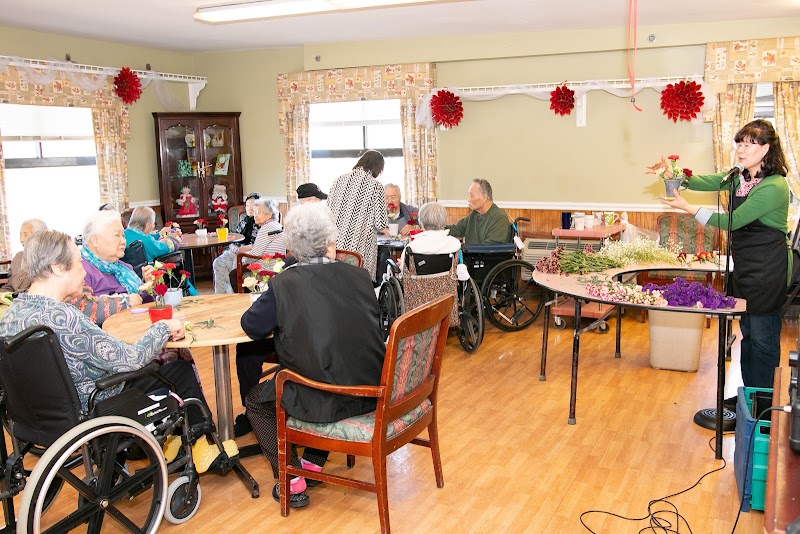
How is Gwynedd Healthcare And Rehabilitation Center Staffed?

CMS rates GWYNEDD HEALTHCARE AND REHABILITATION CENTER's staffing level at 4 out of 5 stars, which is above average compared to other nursing homes. Staff turnover is 48%, compared to the Pennsylvania average of 46%.

What Have Inspectors Found at Gwynedd Healthcare And Rehabilitation Center?

State health inspectors documented 17 deficiencies at GWYNEDD HEALTHCARE AND REHABILITATION CENTER during 2023 to 2024. These included: 1 that caused actual resident harm and 16 with potential for harm. Deficiencies causing actual harm indicate documented cases where residents experienced negative health consequences.
Who Owns and Operates Gwynedd Healthcare And Rehabilitation Center?

GWYNEDD HEALTHCARE AND REHABILITATION CENTER is owned by a for-profit company. For-profit facilities operate as businesses with obligations to shareholders or private owners. The facility is operated by COLEV GESTETNER, a chain that manages multiple nursing homes. With 181 certified beds and approximately 171 residents (about 94% occupancy), it is a mid-sized facility located in LANSDALE, Pennsylvania.
How Does Gwynedd Healthcare And Rehabilitation Center Compare to Other Pennsylvania Nursing Homes?

Compared to the 100 nursing homes in Pennsylvania, GWYNEDD HEALTHCARE AND REHABILITATION CENTER's overall rating (5 stars) is above the state average of 3.0, staff turnover (48%) is near the state average of 46%, and health inspection rating (4 stars) is above the national benchmark.

What Should Families Ask When Visiting Gwynedd Healthcare And Rehabilitation Center?

Based on this facility's data, families visiting should ask: "Can I visit during a mealtime to observe dining assistance and food quality?" "How do you handle medical emergencies, and what is your hospital transfer rate?" "Can I speak with family members of current residents about their experience?"

Is Gwynedd Healthcare And Rehabilitation Center Safe?

Based on CMS inspection data, GWYNEDD HEALTHCARE AND REHABILITATION CENTER has a clean safety record: no substantiated abuse findings (meaning no confirmed cases of resident harm), no Immediate Jeopardy citations (the most serious violation level indicating risk of serious injury or death), and is not on the Special Focus Facility watch list (a federal program monitoring the lowest-performing 1% of nursing homes). The facility has a 5-star overall rating and ranks #1 of 100 nursing homes in Pennsylvania. While no facility is perfect, families should still ask about staff-to-resident ratios and recent inspection results during their visit.

Do Nurses at Gwynedd Healthcare And Rehabilitation Center Stick Around?

GWYNEDD HEALTHCARE AND REHABILITATION CENTER has a staff turnover rate of 48%, which is about average for Pennsylvania nursing homes (state average: 46%). Moderate turnover is common in nursing homes, but families should still ask about staff tenure and how the facility maintains care continuity when employees leave.

Was Gwynedd Healthcare And Rehabilitation Center Ever Fined?

GWYNEDD HEALTHCARE AND REHABILITATION CENTER has been fined $24,065 across 1 penalty action. This is below the Pennsylvania average of $33,320. While any fine indicates a compliance issue, fines under $50,000 are relatively common and typically reflect isolated problems that were subsequently corrected. Families should ask what specific issues led to these fines and confirm they've been resolved.

Is Gwynedd Healthcare And Rehabilitation Center on Any Federal Watch List?

GWYNEDD HEALTHCARE AND REHABILITATION CENTER is not on any federal watch list. The most significant is the Special Focus Facility (SFF) program, which identifies the bottom 1% of nursing homes nationally based on persistent, serious quality problems. Not being on this list means the facility has avoided the pattern of deficiencies that triggers enhanced federal oversight. This is a positive indicator, though families should still review the facility's inspection history directly.