DRESHER HILL HEALTH & REHABILITATION CENTER
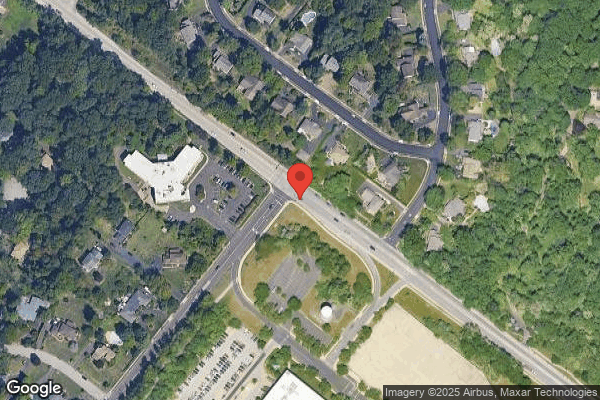
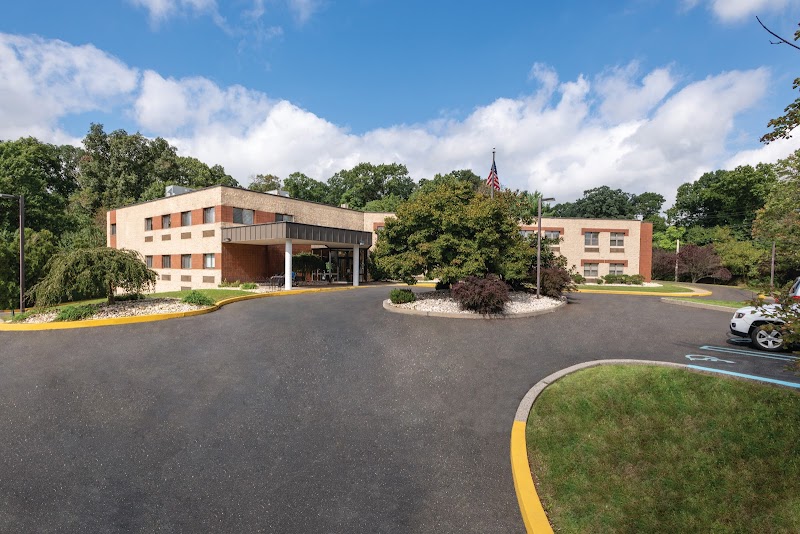
1390 CAMP HILL ROAD, FORT WASHINGTON, PA 19034 (215) 628-3800
For profit - Corporation 118 Beds SABER HEALTHCARE GROUP Data: November 2025
Trust Grade
83/100
#30 of 653 in PA
Last Inspection: January 2024

Within standard 12-15 month inspection cycle. Federal law requires annual inspections.

Overview

Dresher Hill Health & Rehabilitation Center has a Trust Grade of B+, indicating it is above average and recommended for care. It ranks #30 out of 653 facilities in Pennsylvania, placing it in the top half, and #3 out of 58 in Montgomery County, suggesting only two local facilities are better. The center is improving, with issues decreasing from 4 in 2023 to just 1 in 2024. Staffing is rated 4 out of 5 stars, with a turnover rate of 42%, which is below the state average, indicating that staff members tend to stay longer and build relationships with residents. However, the facility has had some concerns, including failing to administer medications correctly for some residents and not monitoring the effects of psychotropic medications, which could potentially harm residents. Additionally, there is less RN coverage than 78% of facilities in Pennsylvania, raising concerns about adequate oversight in resident care.

Trust Score
B+
83/100
In Pennsylvania
#30/653
Top 4%
Safety Record
Low Risk
No red flags
Inspections
Getting Better
4 → 1 violations
Staff Stability
○ Average
42% turnover. Near Pennsylvania's 48% average. Typical for the industry.
Penalties
✓ Good
$11,915 in fines. Lower than most Pennsylvania facilities. Relatively clean record.
Skilled Nurses
⚠ Watch
Each resident gets only 28 minutes of Registered Nurse (RN) attention daily — below average for Pennsylvania. Fewer RN minutes means fewer trained eyes watching for problems.
Violations
⚠ Watch
14 deficiencies on record. Higher than average. Multiple issues found across inspections.
★★★★★
5.0
Overall Rating
★★★★☆
4.0
Staff Levels
★★★★★
5.0
Care Quality
★★★★☆
4.0
Inspection Score
Stable
2023: 4 issues
2024: 1 issues

The Good

  • 4-Star Staffing Rating · Above-average nurse staffing levels
  • 5-Star Quality Measures · Strong clinical quality outcomes
  • Full Sprinkler Coverage · Fire safety systems throughout facility
  • No fines on record
  • Staff turnover below average (42%)

    6 points below Pennsylvania average of 48%

Facility shows strength in staffing levels, quality measures, fire safety.

The Bad

Staff Turnover: 42%

Near Pennsylvania avg (46%)

Typical for the industry

Federal Fines: $11,915

Below median ($33,413)

Minor penalties assessed

Chain: SABER HEALTHCARE GROUP

Part of a multi-facility chain

Ask about local staffing decisions and management

The Ugly 14 deficiencies on record

Jan 2024 1 deficiency
CONCERN (D)

Potential for Harm - no one hurt, but risky conditions existed

Deficiency F0757 (Tag F0757)

Could have caused harm · This affected 1 resident

**NOTE- TERMS IN BRACKETS HAVE BEEN EDITED TO PROTECT CONFIDENTIALITY** Based on clinical record review, pharmacy literature review, and staff interview, it was determined that the facility failed to ...

Read full inspector narrative →
**NOTE- TERMS IN BRACKETS HAVE BEEN EDITED TO PROTECT CONFIDENTIALITY** Based on clinical record review, pharmacy literature review, and staff interview, it was determined that the facility failed to ensure a resident's drug regimen was free from drugs used in an excessive dose for one of 21 sampled residents. (Resident 33) Findings include: Clinical record review revealed that Resident 33 was admitted to the facility on [DATE], and had diagnoses of a pressure ulcer and surgical incision site infection. A physician's order dated December 8, 2023, directed staff to administer 650 milligrams (mg) of a pain medication (acetaminophen) every four hours as needed for pain. A physician's order dated December 9, 2023, directed staff to administer 1,000 mg of the same pain medication (acetaminophen) every six hours for mild to moderate pain. A review of the medication packing information on the administration of acetaminophen revealed the maximum dose an adult should take in 24 hours should not exceed 4,000 mg. A review of the medication administration records revealed that Resident 33 received acetaminophen 1,000 mg four times and 650 mg one time, for a total of 4,650 mg within a 24-hour period on December 15 and 17, 2023. In an interview on January 5, 2024, at 10:10 a.m., the Director of Nursing confirmed that Resident 33 received over 4,000 mg of acetaminophen on December 15 and 17, 2023. 28 Pa. Code 211.12(d)(1)(5) Nursing services.
Jan 2023 4 deficiencies
CONCERN (D)

Potential for Harm - no one hurt, but risky conditions existed

Safe Environment (Tag F0584)

Could have caused harm · This affected 1 resident

Based on clinical record review, observation, and resident interview, it was determined that the facility failed to ensure that a homelike environment was maintained for one of 22 sampled residents. (...

Read full inspector narrative →
Based on clinical record review, observation, and resident interview, it was determined that the facility failed to ensure that a homelike environment was maintained for one of 22 sampled residents. (Resident 60) Findings include: Clinical record review revealed that Resident 60 had diagnoses that included rheumatoid arthritis, pressure ulcers, and chronic pain. Review of the Minimum Data Set assessment, dated December 7,2022, revealed Resident 60 had no cognitive impairment and required extensive assistance from staff with activities of daily living. On January 24, 2023, from 10:48 a.m. until 12:39 p.m., and on January 25, 2023, at 11:40 a.m., Resident 60's pillow was observed bloodstained. In an interview on January 24, 2023, at 10:48 a.m., Resident 60 stated he asked staff to change his pillow case but was told there were none available. 28 Pa. Code 207.2(a) Administrator's responsibility.
CONCERN (D)

Potential for Harm - no one hurt, but risky conditions existed

Assessment Accuracy (Tag F0641)

Could have caused harm · This affected 1 resident

**NOTE- TERMS IN BRACKETS HAVE BEEN EDITED TO PROTECT CONFIDENTIALITY** Based on clinical record review and staff interview, it was determined that the facility failed to ensure that the Minimum Data ...

Read full inspector narrative →
**NOTE- TERMS IN BRACKETS HAVE BEEN EDITED TO PROTECT CONFIDENTIALITY** Based on clinical record review and staff interview, it was determined that the facility failed to ensure that the Minimum Data Set (MDS) assessment was completed to accurately reflect the resident's current status for one of 22 sampled residents. (Resident 60) Findings include: Clinical record review revealed that Resident 60 was admitted to the facility on [DATE], with diagnoses that included rheumatoid arthritis, pressure ulcers, and chronic pain. Review of the hospital Discharge summary dated [DATE], revealed that the resident had a history of upper and lower extremity contractures (a fixed tightening of muscles, tendons, ligaments, or skin which prevents normal movement). The MDS admission assessment dated [DATE], did not identify the resident as having upper and lower extremity impairment in functional range of motion on both sides under section G, Functional Status. In an interview on January 27, 2023, at 12:15 p.m., the Director of Nursing stated that the admission assessment did not identify the upper and lower extremity impairments and that the MDS was not coded to accurately reflect the resident's current status. CFR 483.20(g) Accuracy of Assessments. Previously cited 02/18/2022. 28 Pa. Code 211.5(f) Clinical records.
CONCERN (E)

Potential for Harm - no one hurt, but risky conditions existed

Quality of Care (Tag F0684)

Could have caused harm · This affected multiple residents

**NOTE- TERMS IN BRACKETS HAVE BEEN EDITED TO PROTECT CONFIDENTIALITY** Based on facility policy review, clinical record review, observation, and staff interview, it was determined that the facility f...

Read full inspector narrative →
**NOTE- TERMS IN BRACKETS HAVE BEEN EDITED TO PROTECT CONFIDENTIALITY** Based on facility policy review, clinical record review, observation, and staff interview, it was determined that the facility failed to administer medications in accordance with physician's orders for two of 22 sampled residents. (Residents 17, 56) Findings include: Review of the facility policy entitled, General Dose Preparation and Medication Administration, last reviewed December 28, 2022, revealed that facility staff should verify each time a medication was administered, that it was at the correct time, and that medications should be administered within timeframes. Clinical record review revealed Resident 17 was admitted to the facility on [DATE], with diagnoses that included heart failure and end-stage kidney disease. On December 8, 2022, the physician ordered midodrine hydrochloride three times a day to treat the resident's hypotension (low blood pressure). Staff was not to give the medication if the resident had a systolic blood pressure (the first number, the measurement of pressure in the arteries when the heart beats) of 110 millimeters of mercury (mm/Hg) or more. A review of the December 2022, and January 2023, Medication Administration Records (MARs), revealed that staff administered the medication when the resident's systolic blood pressure was over the established parameter 13 times in December, and 28 times in January. In an interview on January 27, 2023 at 11:05 a.m., the Director of Nursing confirmed that documentation indicated Resident 17 received the midodrine hydrochloride when the systolic blood pressure was above 110 mm/Hg. Clinical record review revealed Resident 56 was admitted to the facility on [DATE], with diagnoses that included psychosis, schizophrenia, and dementia. On December 2, 2022, the physician ordered divalproex sodium (an anticonvulsant medication) be given every eight hours at 6:00 a.m., 2:00 p.m., and 10:00 p.m. On December 14, 2022, the physician ordered quetiapine (an antipsychotic medication) be given to Resident 56 three times a day at 9:00 a.m., 1:00 p.m., and 5:00 p.m. Review of the MAR documentation for January 2023, revealed that the 1:00 p.m. dose of quetiapine and the 2:00 p.m. dose of divalproex Sodium were documented between 7:54 a.m. and 9:22 a.m. on January 1, 2, 4, 7, 9, 10, 12, 14, 15, 18, 19, 20, 23, 2023, outside of the administration time. Observations on January 26, 2023 at 10:02 a.m., revealed the 1:00 p.m. dose of quetiapine and the 2:00 p.m. dose of divalproex sodium were already signed out as refused for the day. In at interview on January 27, 2023 at 11:13 a.m., the Director of Nursing confirmed the medications were not administered within the ordered timeframes. CFR 483.25 Quality of Care Previously cited 02/18/2022. 28 Pa. Code 211.12(d)(1)(5) Nursing services.
CONCERN (E)

Potential for Harm - no one hurt, but risky conditions existed

Medication Errors (Tag F0758)

Could have caused harm · This affected multiple residents

**NOTE- TERMS IN BRACKETS HAVE BEEN EDITED TO PROTECT CONFIDENTIALITY** Based on facility policy review, clinical record review, and staff interview, it was determined that the facility failed to moni...

Read full inspector narrative →
**NOTE- TERMS IN BRACKETS HAVE BEEN EDITED TO PROTECT CONFIDENTIALITY** Based on facility policy review, clinical record review, and staff interview, it was determined that the facility failed to monitor or provide behavioral interventions for the use of psychotropic medications for two of 22 sampled residents. (Residents 82, 86) Findings include: Review of the facility policy entitled, Psychoactive Medication Policy, last reviewed December 28, 2022, revealed that residents receiving psychoactive medication would have their behaviors and effectiveness of pharmacological and non-pharmacological interventions monitored and documented. On each shift, nurses were to document the number of behavior episodes, behavioral interventions, and any side-effects observed. Clinical record review revealed that Resident 82 was admitted to the facility on [DATE], and had diagnoses that included dementia with other behavioral disturbance, anxiety disorder, and depression. Review of physician's orders and Medication Administration Records (MARs) revealed that the resident received antidepressant medications (sertraline hydrochloride and trazodone hydrochloride) daily August 2 through December 9, 2022, anti-anxiety medication (Ativan) daily August 9 through December 9, 2022, and antipsychotic medications (olanzapine) daily August 9 through November 11, 2022 and (Seroquel) daily August 23 through December 9, 2022. There was no documentation to support that Resident 82 had been monitored for possible side-effects from the use of psychoactive medications August 2022, through November 17, 2022. During an interview on January 27, 2023, at 12:38 p.m., the Director of Nursing confirmed that side-effects had not been monitored for the use of psychoactive medications prior to November 17, 2022, for Resident 82. Clinical record review revealed that Resident 86 was admitted to the facility on [DATE], and had diagnoses that included schizophrenia, stroke, and aphasia (difficulty speaking). The Minimum Data Set assessment dated [DATE], indicated that the resident was cognitively impaired. A physician's order dated December 29, 2022, directed staff to administer an anti-anxiety medication (lorazepam) as needed for anxiety. Review of the MAR revealed that staff administered the lorazepam on three occasions in December 2022, and 17 occasions in January 2023. There was no documentation to support that staff offered non-pharmacological interventions prior to the administration of the as needed psychoactive medication. In an interview on January 27, 2023 at 11:05 a.m., the Director of Nursing confirmed that there was no evidence of attempts to offer non-pharmacological interventions prior to administration of lorazepam. 28 Pa. Code 211.12(d)(1)(5) Nursing services.
Feb 2022 9 deficiencies
CONCERN (D)

Potential for Harm - no one hurt, but risky conditions existed

Deficiency F0558 (Tag F0558)

Could have caused harm · This affected 1 resident

Based on observation, clinical record review and staff interview, it was determined that the facility failed to ensure that call bells were accessible for five of 24 sampled residents. (Resident 24, 3...

Read full inspector narrative →
Based on observation, clinical record review and staff interview, it was determined that the facility failed to ensure that call bells were accessible for five of 24 sampled residents. (Resident 24, 33, 49, 50, 82) Findings include: Clinical record review revealed that Resident 24 had diagnoses that included cerebral infarction (stroke), hemiplegia and hemiparesis (lack of control and inability to move on one side of the body), diabetes and anxiety. The Minimum Data Set (MDS) assessment, dated November 29, 2021, reflected that the resident was able to communicate needs to staff and required extensive assistance from staff for mobility and activities of daily living such as toilet use, grooming, and hygiene. On February 15, 2022, at 10:40 a.m., the resident was observed in bed. The resident was heard asking for help and was unaware where his call bell was. The call bell was located on the floor out of the resident's reach. Clinical record review revealed that Resident 33 had diagnoses that included Alzheimer's Disease and diabetes. The MDS assessment, dated November 20, 2021, reflected that the resident was able to communicate needs to staff and required extensive assistance from staff for mobility and activities of daily living such as toilet use, grooming, and hygiene. On February 15, 2022, at 11:27 a.m., and 1:12 p.m., and February 16, 2022, at 10:46 a.m., the resident was observed in a reclining chair watching television. The call bell was located draped over the corner end of the overbed light, out of the resident's reach . Clinical record review revealed that Resident 49 had diagnoses that included Bipolar disorder (a mental condition marked by alternating periods of elation and depression), muscle weakness, lack of coordination. The MDS assessment, dated January 21, 2022, reflected that the resident was able to communicate needs to staff and required assistance from staff for activities of daily living such as, toileting, grooming, and hygiene. On February 15, 2022, at 11:05 a.m., and 12:30 p.m., and February 16, 2022, at 10:00 a.m., the resident was observed in bed watching television. The call bell was located draped over the corner end of the overbed light, out of the resident's reach. Clinical record review revealed that Resident 50 had diagnoses that included cirrhosis of the liver, dysphagia (a problem swallowing), and muscle weakness. The MDS assessment, dated January 27, 2022, reflected that the resident was able to communicate needs to staff and required assistance from staff for activities of daily living such as toileting, grooming, and hygiene. On February 15, 2022, at 11:05 a.m., and 12:30 p.m., and February 16, 2022, at 10:00 a.m., the resident was observed in bed and the call bell was located on the floor under the head of the bed, out of the resident's reach. Clinical record review revealed that Resident 82 had diagnoses that included Parkinson's disease, vertigo (dizziness), and anxiety. The MDS assessment, dated December 23, 2021, reflected that the resident was able to communicate needs to staff and required extensive assistance from staff for mobility and activities of daily living such as toilet use, grooming, and hygiene. On February 16, 2022, at 10:22 a.m., the resident was observed laying in bed. The call bell was located on the floor under the bed, out of the resident's reach. 28 Pa. Code 211.12(d)(1) Nursing services. 28 Pa. Code 211.12(d)(1)(5) Nursing services. Previously cited 3/2/21
CONCERN (D)

Potential for Harm - no one hurt, but risky conditions existed

MDS Data Transmission (Tag F0640)

Could have caused harm · This affected 1 resident

Based on clinical record review and staff interview, it was determined that the facility failed to electronically transmit encoded complete Minimum Data Set (MDS) data to the Centers for Medicare & Me...

Read full inspector narrative →
Based on clinical record review and staff interview, it was determined that the facility failed to electronically transmit encoded complete Minimum Data Set (MDS) data to the Centers for Medicare & Medicaid Services (CMS) within 14 days after the facility completed the resident assessment for one of 24 sampled residents. (Resident 1) Findings include: Clinical record review revealed that there was a quarterly MDS assessment completed on January 24, 2022, for Resident 1; however, the record reflected that the MDS had not been exported until surveyor notification on February 16, 2022. The facility failed to electronically transmit encoded accurate and complete MDS data to the CMS system within 14 days after the quarterly assessment had been completed. In an interview on February 17, 2022, at 12:00 p.m., the Administrator stated that the MDS assessment had not been electronically transmitted in a timely manner. 28 Pa. Code 211.5(f) Clinical records.
CONCERN (D)

Potential for Harm - no one hurt, but risky conditions existed

Assessment Accuracy (Tag F0641)

Could have caused harm · This affected 1 resident

**NOTE- TERMS IN BRACKETS HAVE BEEN EDITED TO PROTECT CONFIDENTIALITY** Based on clinical record review and staff interview, it was determined that the facility failed to ensure that the Minimum Data ...

Read full inspector narrative →
**NOTE- TERMS IN BRACKETS HAVE BEEN EDITED TO PROTECT CONFIDENTIALITY** Based on clinical record review and staff interview, it was determined that the facility failed to ensure that the Minimum Data Set (MDS) assessment was completed to accurately reflect the resident's current status for two of 24 sampled residents. (Residents 84, 88) Findings include: Clinical record review revealed that Resident 84 had a diagnosis of atrial fibrillation. On July 23, 2021, a physician ordered for the resident to be administered an anti-coagulant medication (Plavix) which was discontinued on December 16, 2021. Review of the MDS assessment dated [DATE], indicated that the resident had been administered an anti-coagulant medication in the last seven days. The MDS inaccurately reflected the use of an anti-coagulant medication, as the Plavix had been discontinued on December 16, 2021. Clinical record review revealed that Resident 88 was admitted on [DATE]. Review of the admission MDS assessment dated [DATE], indicated that the resident had received insulin over the last seven days since admission. Review of the Medication Administration Record for December 2021, revealed that there was no documented evidence that the resident had been ordered or received insulin in December 2021. In addition, the resident did not have a diagnosis of diabetes mellitus. The MDS inaccurately reflected the use of insulin. In an interview on February 17, 2022, at 12:00 p.m., the Administrator stated that the MDS assessments for the aforementioned residents had been inaccurately coded for the anti-coagulant medication and the insulin. 28 Pa. Code 211.5(f) Clinical records.
CONCERN (D)

Potential for Harm - no one hurt, but risky conditions existed

Comprehensive Care Plan (Tag F0656)

Could have caused harm · This affected 1 resident

**NOTE- TERMS IN BRACKETS HAVE BEEN EDITED TO PROTECT CONFIDENTIALITY** Based on clinical record review and staff interview, it was determined that the facility failed to ensure that a care plan and i...

Read full inspector narrative →
**NOTE- TERMS IN BRACKETS HAVE BEEN EDITED TO PROTECT CONFIDENTIALITY** Based on clinical record review and staff interview, it was determined that the facility failed to ensure that a care plan and interventions were developed for three of 24 sampled residents. (Residents 24, 33, 100) Findings include: Clinical record review revealed that Resident 24 had a diagnoses that included a history of a stroke and depressive episodes. The Minimum Data Set (MDS) assessment dated [DATE], indicated that staff had administered anti-coagulant (a blood thinning medication) and an anti-depressant over the last seven days to the resident. Review of the current physician's orders revealed that the staff was to administer apixaban (an anti-coagulant medication) every day due to the history of a stroke and duloxetine hydrochloride for depression. There was no care plan developed to address the use of the anti-coagulant medication and the anti-depressant medication. Clinical record review revealed that Resident 33 had a diagnosis of Alzheimer's disease. The MDS assessment dated [DATE], indicated that staff had administered an anti-psychotic over the last seven days and an anti-depressant medication over the last six days to the resident. Review of the current physician's orders revealed that staff was to administer olanzapine (an anti-psychotic medication) every day due to the resident's poor impulse control and the anti-depressant every day for his depressive symptoms. There was no care plan developed with interventions to address the use of the anti-psychotic and anti-depressant medication. Clinical record review revealed that Resident 100 had a diagnosis of diabetes. The MDS assessment dated [DATE], indicated that staff had administered insulin to the resident over the last seven days. Review of the current physician's orders revealed that staff was to administer the insulin Lispro as needed on a sliding scale and the insulin Glargine every day for glucose control. There was no care plan developed with interventions to address the use of the insulin medications. In an interview on February 17, 2022, at 11:45 a.m., the Nursing Home Administrator stated that the care plans had not been developed to address the use of the anti-coagulant medication, anti-psychotic medication, anti-depressant medications or insulin medication. 28 Pa. Code 211.12(d)(5) Nursing services.
CONCERN (D)

Potential for Harm - no one hurt, but risky conditions existed

ADL Care (Tag F0677)

Could have caused harm · This affected 1 resident

**NOTE- TERMS IN BRACKETS HAVE BEEN EDITED TO PROTECT CONFIDENTIALITY** Based on clinical record review and observation, it was determined the facility failed to ensure that showers were provided to r...

Read full inspector narrative →
**NOTE- TERMS IN BRACKETS HAVE BEEN EDITED TO PROTECT CONFIDENTIALITY** Based on clinical record review and observation, it was determined the facility failed to ensure that showers were provided to residents requiring assistance with grooming and personal hygiene for one of 24 sampled residents. (50) Findings include: Clinical record review revealed that Resident 50 had diagnoses that included dementia, muscle weakness. The Minimum Data Set (MDS) assessment dated [DATE], revealed that the resident required limited staff assistance with personal hygiene and bathing. Review of the current care plan revealed that the resident had activities of daily living self-care deficits and required staff to offer a shower twice a week. During an interview on February 15, 2022, at 11:06 a.m., the resident stated that he did not know when he last had a shower and that he wanted one. The resident was observed to be disheveled. The resident's shower days were Monday and Thursday during day shift. Review of the clinical record revealed that the resident had not been offered bathing on eight occasions out of nine in the past 30 days. During an interview on February 17, 2022, at 9:45 a.m., the Nursing Home Administrator stated that he had no documentation to support that Resident 50 was offered a shower. 28 Pa. code 211.12(d)(1)(5) Nursing services.
CONCERN (D)

Potential for Harm - no one hurt, but risky conditions existed

Quality of Care (Tag F0684)

Could have caused harm · This affected 1 resident

Based on clinical record review and staff interview it was determined that the facility failed to ensure that staff implemented physician's orders for one of 24 sampled residents. (Resident 82) Findin...

Read full inspector narrative →
Based on clinical record review and staff interview it was determined that the facility failed to ensure that staff implemented physician's orders for one of 24 sampled residents. (Resident 82) Findings include: Clinical record review revealed that Resident 82 had diagnoses that included peripheral vertigo and heart failure. On December 15, 2021, a physician order directed staff to administer a medication (midodrine hydrochloride) three times a day to treat the resident's hypotension (low blood pressure). Staff was not to give the medication if the resident had a systolic blood pressure (the first measurement of blood pressure when the heart beats, and the pressure is at it's highest) of 120 or more. A review of the January and February 2022, Medication Administration Records, revealed that staff administered the medication when the resident's systolic blood pressure was over the established parameter 28 times in January, and 11 times in February. During an interview on February 17, 2022, at 9:45 a.m., the Nursing Home Administrator confirmed that the documentation indicated that Resident 82 received the midodrine hydrochloride when her systolic blood pressure was above 120. 28 Pa. Code 211.12(d)(1)(5) Nursing services.
CONCERN (D)

Potential for Harm - no one hurt, but risky conditions existed

Deficiency F0688 (Tag F0688)

Could have caused harm · This affected 1 resident

**NOTE- TERMS IN BRACKETS HAVE BEEN EDITED TO PROTECT CONFIDENTIALITY** Based on clinical record review, observations, and staff interview, it was determined that the facility failed to ensure that st...

Read full inspector narrative →
**NOTE- TERMS IN BRACKETS HAVE BEEN EDITED TO PROTECT CONFIDENTIALITY** Based on clinical record review, observations, and staff interview, it was determined that the facility failed to ensure that staff provided appropriate services to prevent further decrease in range of motion for one of two sampled residents with limited range of motion. (Resident 12) Findings include: Clinical record review revealed that Resident 12 had diagnoses that included dementia and hemiplegia (paralysis) affecting right dominant side. The Minimum Data Set assessment dated [DATE], indicated the resident was unable to communicate and had functional limitation in range of motion of her arm and leg on one side of her body. The MDS also reflected that the resident required extensive assistance from staff for most activities of daily living. An Occupational Therapy Discharge summary dated [DATE], revealed that Resident 12 was to wear a right hand splint to minimize risk for contractures (a condition of shortening and hardening of muscles, tendons, or other tissue) to her hand. There was a care plan intervention for the resident to wear the right resting hand splint that staff was to apply during AM care and remove after PM care. Observations on February 15, 2022, at 1:40 p.m., and February 16, 2022, at 10:08 a.m., revealed the resident was in bed and was not wearing the right resting hand splint. In an interview on February 17, 2022, at 11:45 a.m., the Director of Rehabilitation confirmed that the resident needed the right resting hand splint and should have been wearing it during the day. CFR 483.25 (c) (2) Mobility Previously cited 3/2/21 28 Pa. Code 216.12 ) (d) (1) (5) Nursing Services
CONCERN (D)

Potential for Harm - no one hurt, but risky conditions existed

Deficiency F0698 (Tag F0698)

Could have caused harm · This affected 1 resident

**NOTE- TERMS IN BRACKETS HAVE BEEN EDITED TO PROTECT CONFIDENTIALITY** Based on policy review, clinical record review, observation, and interview it was determined that the facility failed to ensure ...

Read full inspector narrative →
**NOTE- TERMS IN BRACKETS HAVE BEEN EDITED TO PROTECT CONFIDENTIALITY** Based on policy review, clinical record review, observation, and interview it was determined that the facility failed to ensure that staff provided services consistent with professional standards of practice for two of two dialysis residents sampled. (Residents 22, 58) Findings include: Review of the facility policy entitled, Hemodialysis Care Policy, dated November 5, 2021, revealed that for residents who had a fistula or graft ( a graft or fistula is a vascular access point for a hemodialysis patient) staff was not to take a blood pressure on the arm where the fistula or graft was present. Clinical record review revealed that Resident 22 had diagnoses that included diabetes mellitus and dependence of renal dialysis. The care plan dated November 18, 2020, relected that due to the resident's fistula/graft in the left upper arm, staff was not to take a blood pressure in that arm. Review of Resident 22's blood pressure summary revealed that from December 16, 2021, to February 16, 2022, nursing staff had taken the resident's blood pressure in her left arm 15 out of 36 times. In an interview conducted on February 17, 2022, at 10:22 a.m., the Director of Nursing confirmed that staff should have used the resident's right arm (and not the left) to check the blood pressure, in accordance with facility policy. Clinical record revealed that the Resident 58 was admitted to the facility on [DATE], with diagnoses that included end stage renal disease, permacath (tunneled catheter inserted into the blood vessel in the neck or upper chest under the collarbone and into the right side of the heart for dialysis), and that the resident receiving dialysis (a process of removing waste products and excess fluid from the body when the kidneys are not able to adequately filter the blood). Review of the facility policy entitled Hemodialysis Care Policy dated November 5,2021, a smooth clamp should be kept at the bedside of residents with a dialysis catheter in place. Review of the resident's current care plan initiated July 15, 2021, revealed an intervention for a smooth clamp to be at bedside in the event the permacath was cut or torn. Observation on February 15, 2022, at 11:33 a.m., revealed there was no smooth clamp available in the resident's room as noted on the care plan. In an interview on February 16, 2022, at 9:51 a.m., Resident 58 stated that he never saw a clamp at his bedside. In an interview on February 17, 2022, at 9:25 a.m., The Nursing Home Administrator confirmed that the facility failed to ensure the ready availability of necessary emergency supplies at the resident's bedside. 28 Pa. Code 211.12(c)(d)(1)(2) Nursing Services.
CONCERN (D)

Potential for Harm - no one hurt, but risky conditions existed

Food Safety (Tag F0812)

Could have caused harm · This affected 1 resident

Based on policy review, observations, and staff interview, it was determined that the facility failed to ensure that staff stored food items properly and maintained sanitary conditions in the dietary ...

Read full inspector narrative →
Based on policy review, observations, and staff interview, it was determined that the facility failed to ensure that staff stored food items properly and maintained sanitary conditions in the dietary department. Findings include: Review of the facility policy entitled, Freezer and Refrigerator Policy, dated November 5, 2021, revealed that all refrigerated and frozen food were to be dated and that the freezers were to be kept clean and free of debris. During the tour of the dietary department on February 15, 2022, at 9:47 a.m., there were seven boxes of pies and an opened bag of burritos inside the ice cream box. None of these items were dated and all had been removed from their original containers. There was frozen food debris at the bottom of the freezer. In the walk-in cooler there was an opened bag of hard cooked eggs, a metal pan containing several plain plastic wrapped packs of lunch meat and cheese and a bin of 20 sandwiches. None of these food items were dated. There was one case of liquid egg product stored directly on the floor. In the walk in freezer there were opened bags of English muffins, breaded chicken patties, Tater tots, and french fries. All were separated from their original containers and not dated. Two boxes of lasagna were stored directly on the floor. In the dry food storage area there was a box of dry coffee cake mix and a large box of juice stored directly on the floor. There was a bin that contained a white powder that was not dated or labelled that Employee 1 identified as flour. There was an apron and set of goggles placed on top of a metal pole directly adjacent to trayline. Employee 1 indicated that she did not know why these items had been placed next to the trayline. This was not sanitary because this was a food serving area. In an interview on February 15, 2022 at 10:30 a.m., Employee 1 confirmed that the identified items in the dietary department should have been dated in accordance with facility policy. CFR 483.60 (i) Food Safety Requirement Previously cited 3/2/21 28 Pa. Code 201.14 (a) Responsibility of Licensee 28 Pa. Code 211.6 (c) Dietary Services
Understanding Severity Codes (click to expand)
Life-Threatening (Immediate Jeopardy)
J - Isolated K - Pattern L - Widespread
Actual Harm
G - Isolated H - Pattern I - Widespread
Potential for Harm
D - Isolated E - Pattern F - Widespread
No Harm (Minor)
A - Isolated B - Pattern C - Widespread

Questions to Ask on Your Visit

  • "Can I speak with families of current residents?"
  • "What's your RN coverage like on weekends and overnight?"

Our Honest Assessment

Strengths
  • • Grade B+ (83/100). Above average facility, better than most options in Pennsylvania.
  • • No major safety red flags. No abuse findings, life-threatening violations, or SFF status.
  • • 42% turnover. Below Pennsylvania's 48% average. Good staff retention means consistent care.
Concerns
  • • 14 deficiencies on record. Higher than average. Multiple issues found across inspections.
  • • $11,915 in fines. Above average for Pennsylvania. Some compliance problems on record.
Bottom line: Generally positive indicators. Standard due diligence and a personal visit recommended.

About This Facility

What is Dresher Hill Health & Rehabilitation Center's CMS Rating?

CMS assigns DRESHER HILL HEALTH & REHABILITATION CENTER an overall rating of 5 out of 5 stars, which is considered much above average nationally. Within Pennsylvania, this rating places the facility higher than 99% of the state's 100 nursing homes. This rating reflects solid performance across the metrics CMS uses to evaluate nursing home quality.
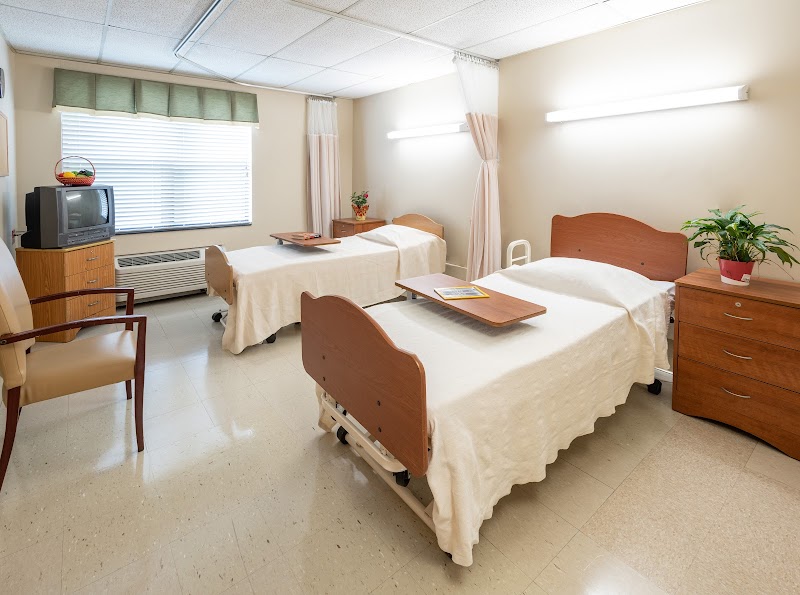
How is Dresher Hill Health & Rehabilitation Center Staffed?

CMS rates DRESHER HILL HEALTH & REHABILITATION CENTER's staffing level at 4 out of 5 stars, which is above average compared to other nursing homes. Staff turnover is 42%, compared to the Pennsylvania average of 46%. This relatively stable workforce can support continuity of care.

What Have Inspectors Found at Dresher Hill Health & Rehabilitation Center?

State health inspectors documented 14 deficiencies at DRESHER HILL HEALTH & REHABILITATION CENTER during 2022 to 2024. These included: 14 with potential for harm.

Who Owns and Operates Dresher Hill Health & Rehabilitation Center?

DRESHER HILL HEALTH & REHABILITATION CENTER is owned by a for-profit company. For-profit facilities operate as businesses with obligations to shareholders or private owners. The facility is operated by SABER HEALTHCARE GROUP, a chain that manages multiple nursing homes. With 118 certified beds and approximately 109 residents (about 92% occupancy), it is a mid-sized facility located in FORT WASHINGTON, Pennsylvania.
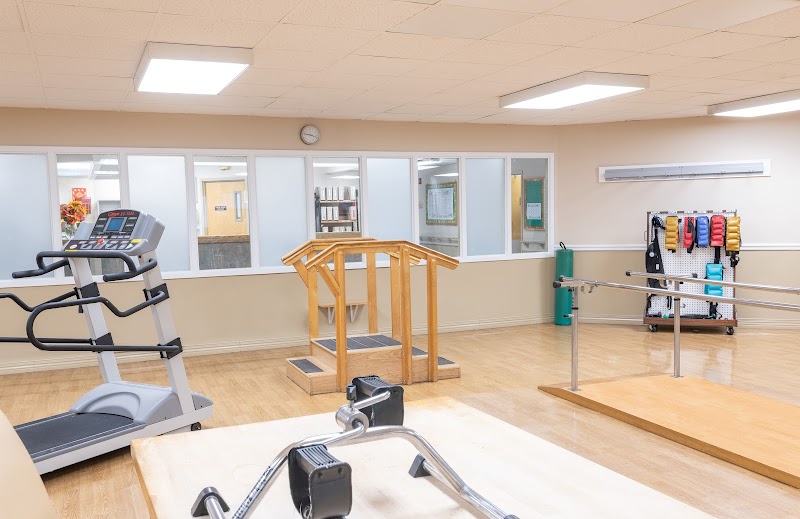
How Does Dresher Hill Health & Rehabilitation Center Compare to Other Pennsylvania Nursing Homes?

Compared to the 100 nursing homes in Pennsylvania, DRESHER HILL HEALTH & REHABILITATION CENTER's overall rating (5 stars) is above the state average of 3.0, staff turnover (42%) is near the state average of 46%, and health inspection rating (4 stars) is above the national benchmark.

What Should Families Ask When Visiting Dresher Hill Health & Rehabilitation Center?

Based on this facility's data, families visiting should ask: "Can I visit during a mealtime to observe dining assistance and food quality?" "How do you handle medical emergencies, and what is your hospital transfer rate?" "Can I speak with family members of current residents about their experience?"

Is Dresher Hill Health & Rehabilitation Center Safe?

Based on CMS inspection data, DRESHER HILL HEALTH & REHABILITATION CENTER has a clean safety record: no substantiated abuse findings (meaning no confirmed cases of resident harm), no Immediate Jeopardy citations (the most serious violation level indicating risk of serious injury or death), and is not on the Special Focus Facility watch list (a federal program monitoring the lowest-performing 1% of nursing homes). The facility has a 5-star overall rating and ranks #1 of 100 nursing homes in Pennsylvania. While no facility is perfect, families should still ask about staff-to-resident ratios and recent inspection results during their visit.

Do Nurses at Dresher Hill Health & Rehabilitation Center Stick Around?

DRESHER HILL HEALTH & REHABILITATION CENTER has a staff turnover rate of 42%, which is about average for Pennsylvania nursing homes (state average: 46%). Moderate turnover is common in nursing homes, but families should still ask about staff tenure and how the facility maintains care continuity when employees leave.

Was Dresher Hill Health & Rehabilitation Center Ever Fined?

DRESHER HILL HEALTH & REHABILITATION CENTER has been fined $11,915 across 1 penalty action. This is below the Pennsylvania average of $33,198. While any fine indicates a compliance issue, fines under $50,000 are relatively common and typically reflect isolated problems that were subsequently corrected. Families should ask what specific issues led to these fines and confirm they've been resolved.

Is Dresher Hill Health & Rehabilitation Center on Any Federal Watch List?

DRESHER HILL HEALTH & REHABILITATION CENTER is not on any federal watch list. The most significant is the Special Focus Facility (SFF) program, which identifies the bottom 1% of nursing homes nationally based on persistent, serious quality problems. Not being on this list means the facility has avoided the pattern of deficiencies that triggers enhanced federal oversight. This is a positive indicator, though families should still review the facility's inspection history directly.