BROAD MOUNTAIN HEALTH AND REHABILITATION CENTER
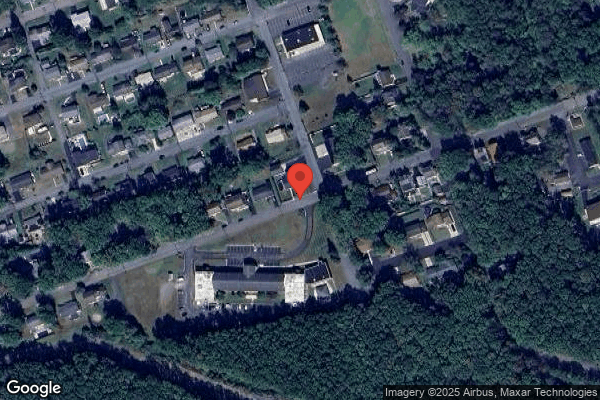
500 WEST LAUREL STREET, FRACKVILLE, PA 17931 (570) 570-8740
For profit - Corporation 117 Beds SABER HEALTHCARE GROUP Data: November 2025
Trust Grade
28/100
#264 of 653 in PA
Last Inspection: April 2025

Within standard 12-15 month inspection cycle. Federal law requires annual inspections.

Overview

Broad Mountain Health and Rehabilitation Center has received a Trust Grade of F, indicating significant concerns and poor quality of care. It ranks #264 out of 653 nursing homes in Pennsylvania, placing it in the top half of facilities in the state, but this is offset by serious issues. The facility is worsening, with the number of health and safety issues increasing from 11 in 2024 to 13 in 2025. Staffing is a relative strength, with a turnover rate of 29%, well below the Pennsylvania average, but the facility has incurred $40,918 in fines, which is higher than 82% of facilities in the state, suggesting ongoing compliance problems. Specific incidents include a failure to protect a resident from sexual abuse by another resident and not providing necessary nutritional support for a resident, both of which could have serious health consequences.

Trust Score
F
28/100
In Pennsylvania
#264/653
Top 40%
Safety Record
High Risk
Review needed
Inspections
Getting Worse
11 → 13 violations
Staff Stability
✓ Good
29% annual turnover. Excellent stability, 19 points below Pennsylvania's 48% average. Staff who stay learn residents' needs.
Penalties
✓ Good
$40,918 in fines. Lower than most Pennsylvania facilities. Relatively clean record.
Skilled Nurses
⚠ Watch
Each resident gets only 28 minutes of Registered Nurse (RN) attention daily — below average for Pennsylvania. Fewer RN minutes means fewer trained eyes watching for problems.
Violations
⚠ Watch
41 deficiencies on record. Higher than average. Multiple issues found across inspections.
★★★☆☆
3.0
Overall Rating
★★★☆☆
3.0
Staff Levels
★★★★★
5.0
Care Quality
★★☆☆☆
2.0
Inspection Score
Stable
2024: 11 issues
2025: 13 issues

The Good

  • 5-Star Quality Measures · Strong clinical quality outcomes
  • Low Staff Turnover (29%) · Staff stability means consistent care
  • Full Sprinkler Coverage · Fire safety systems throughout facility
  • No fines on record
  • Staff turnover is low (29%)

    19 points below Pennsylvania average of 48%

Facility shows strength in quality measures, staff retention, fire safety.

The Bad

3-Star Overall Rating

Near Pennsylvania average (3.0)

Meets federal standards, typical of most facilities

Federal Fines: $40,918

Above median ($33,413)

Moderate penalties - review what triggered them

Chain: SABER HEALTHCARE GROUP

Part of a multi-facility chain

Ask about local staffing decisions and management

The Ugly 41 deficiencies on record

3 actual harm
Sept 2025 1 deficiency
CONCERN (D) 📢 Someone Reported This

A family member, employee, or ombudsman was alarmed enough to file a formal complaint

Potential for Harm - no one hurt, but risky conditions existed

Free from Abuse/Neglect (Tag F0600)

Could have caused harm · This affected 1 resident

**NOTE- TERMS IN BRACKETS HAVE BEEN EDITED TO PROTECT CONFIDENTIALITY** Based on review of the facility's abuse prohibition policy, clinical records, information submitted by the facility, and select ...

Read full inspector narrative →
**NOTE- TERMS IN BRACKETS HAVE BEEN EDITED TO PROTECT CONFIDENTIALITY** Based on review of the facility's abuse prohibition policy, clinical records, information submitted by the facility, and select investigative reports and staff interview, it was determined the facility failed to assure that three residents (Residents 2,3, and 4) out of 3 sampled were free from physical abuse perpetrated by another resident (Resident 1). Findings include: A review of facility policy titled Pennsylvania Resident Abuse: Abuse, Neglect, and Exploitation last reviewed by the facility on May 2025, revealed it is the policy of the facility not to tolerate abuse, neglect, mistreatment, exploitation of residents, or misappropriation of resident property by anyone. The policy defines abuse as the willful infliction of injury, unreasonable confinement, intimidation, or punishment resulting physical harm, pain, or mental anguish. Willful, as used in this definition of abuse, means the individual must have acted deliberately, not that the individual must have intended to inflict injury or harm. A separate facility policy titled Resident Observation last reviewed May 2025, indicated the policy objective is to provide enhanced observation as a temporary safety mechanism during an acute episode where a resident is endangered. The procedure specifies that the Director of Nursing (DON) will assign a staff member to complete appropriate observation interventions, which may include 15- or 30-minute checks or one-to-one (1:1) monitoring. The policy requires that staff assigned to 1:1 monitoring remain with the resident at all times and document monitoring at designated intervals. Clinical record review revealed that Resident 1's was admitted to the facility on [DATE], with diagnoses which included Huntington's disease (a progressive neurological disease that causes nerve cells to decay over time. The disease affects a person's movements, thinking ability and mental health). A review of the resident's Quarterly Minimum Data Set Assessment (MDS-a federally mandated standardized assessment conducted at specific intervals to plan resident care) dated June 4, 2025, indicated the resident was moderately cognitively impaired with a BIMS score of 3 (Brief Interview for Mental Status-a tool to assess cognition, a score of 0-7 indicates severe cognitive impairment), exhibited physical and verbal behaviors towards others, exhibited wandering behaviors and required the assistance of staff for ambulation.Clinical record review revealed that Resident 2 was admitted to the facility on [DATE], with diagnosis to include dementia and was severely, cognitively impaired with a BIMS score of 1. Review of Resident 1's plan of care dated February 28, 2025, for psychosocial well-being with interventions to include education to the resident on treatments and expectations on outcomes, behavioral health consults, document symptoms, encourage the resident to express feelings and administer medications as ordered. Nursing documentation dated from the time of admission to the facility the resident exhibited aggressive violent impulsive behaviors towards staff and other residents. She made verbal threats. She would attempt to stand and ambulate unassisted, often running from the east wing to the west wing nursing units. She would not sleep in her bed but would sleep in a chair in the dining room. A review of nursing documentation dated April 14, at 8:04 P.M. revealed, at 2:30 P.M. Resident 1 ran from the east unit to the west unit, proceeded to go into the dining room and sit in a chair and began screaming. Attempts were made to redirect the resident. At 5:05 P.M., Resident 1 got out of the chair, jumped on top of a resident (facility could not identify resident) lying in a recliner chair and laid on top of her. Attempts to redirect the resident were unsuccessful. The resident was physically lifted off the other resident. Resident 1 became combative, punching and kicking staff with full contact. Attempts were made to calm her, she continued to punch and kick staff. Attempts were made to medicate the resident with an antianxiety medication, Ativan. The resident refused. A telephone call made to the attending Physician with orders to send her to the emergency department for Psychiatry evaluation.The resident was sent to the hospital for an emergency commitment hospitalization (302 involuntary commitment to the hospital). The resident was evaluated, and the hospital refused the emergency commitment and ordered her to be returned to the facility. The resident was readmitted to the facility on [DATE], at 10:00 P.M. Nursing documentation continued to note her physical and verbal aggressive behaviors, often running from one nursing unit to the other located on the opposite side of the building. Despite repeated behaviors, supervision and interventions remained inconsistent. Nursing documentation dated July 27, 2025, at 11:29 A.M., revealed Resident 1 became agitated with another peer (facility could not identify resident) who had entered her personal space. Resident 1 was removed from the common area. Resident 1 proceeded to follow the resident stating she was going to spank her, raising her arm and making gestures of hitting toward the other resident. Staff intervened. A review of nursing documentation dated July 31, 2025, at 11:58 A.M. revealed that Resident 1 was observed ambulating through the east wing dining room and pushing the wheelchair of another female resident (facility could not identify this resident). Resident 1 stated, I don't like her, so I pushed her away. Staff attempted to educate Resident 1 about wheelchair safety; however, Resident 1 replied, I would do it again, I don't like her, I would push her away again. The other resident was relocated for her personal safety. A review of facility investigative documentation and nursing documentation dated August 8, 2025, at 8:40 A.M. revealed Resident 1 hit Resident 2 on the left side of her head and then grabbed her arms while in the east wing dining room. This incident was witnessed by the facility's physical therapist shortly after breakfast. Staff immediately separated the residents. As an intervention, the facility initiated every 15-minute checks, instructed staff to monitor Resident 1's behaviors, and planned for reassessment after 72 hours (August 11, 2025). Staff were also instructed to redirect the resident with alternative activities. A review of a written witness statement dated August 8, 2025 (no time indicated) by Employee 1, Physical Therapist, documented that at approximately 8:20 A.M., Resident 1 was seen hitting Resident 2 on the left side of her head near the temple and then grabbing Resident 2's arms. The incident occurred in the east wing dining room while the therapist was assisting another resident with a transfer. Resident 2 was seated in a wheelchair, and Resident 1 was standing. There was no evidence that the 15-minute checks were completed after the August 8, 2025, incident. During an interview on September 10, 2025, at 11:00 A.M., the Director of Nursing confirmed the required 15-minute checks had not been carried out. A review of facility investigative documentation dated August 11, 2025, at 4:05 P.M. revealed that Resident 1 was observed pulling Resident 3's hair in the east wing dining room. This incident was witnessed by nursing staff. The residents were separated, and the incident was reported to state agencies as well as the local police. A new intervention was initiated requiring one-to-one (1:1) supervision for Resident 1. A review of the Interdisciplinary Team (IDT) documentation dated August 12, 2025, at 9:27 A.M. revealed the team met to discuss the August 11, 2025, incident. The IDT note documented that Resident 1 was not to pull Resident 3's hair and was placed on 1:1 supervision until she could be evaluated by psychiatric services. Resident 1 was counseled about the incident but demonstrated no remorse, stating, I don't care, I don't care. The IDT documentation did not reference the prior August 8, 2025, incident or the intervention requiring 15-minute checks. The note instead indicated that 15-minute checks would continue until the reassessment 72 hours later. A review of a psychiatric consultation notes dated August 12, 2025, at 2:15 P.M. revealed that Resident 1 was seen seated in the dining room where she pulled another resident's hair (Resident 3). The note did not reference Resident 1's earlier incidents of aggression, including the August 8, 2025, and August 11, 2025, resident-to-resident altercations. The psychiatric note also failed to mention that Resident 1 had been placed on 1:1 supervision by the facility. A review of facility investigative documentation dated August 27, 2025, at 11:30 A.M. revealed Resident 1 stood from her chair in the east wing dining room and approached Resident 3. The staff member assigned to provide 1:1 supervision followed closely and attempted to intervene by standing between the residents and raising her hand to block Resident 1. Resident 1 reached around the staff member and pulled Resident 3's hair. The residents were immediately separated. The incident occurred prior to lunch in the dining room, which was described as a noisy and highly stimulating environment. Staff were instructed to redirect Resident 1 to quieter areas and to continue 1:1 supervision. Clinical record review revealed that Resident 3 was admitted to the facility October 4, 2023, with diagnosis to include dementia and was severely, cognitively impaired with a BIMS score of 1. A review of facility investigative documentation dated September 8, 2025, at 8:25 P.M. revealed that Resident 1 stood up from her chair in the east wing dining room, walked over to Resident 4, and struck her on the back. The resident was redirected out of the dining room by staff. Documentation indicated Resident 1 had stated beforehand, I'm going to spank her. The intervention at that time was to continue 1:1 supervision, and nursing staff were reeducated to remain within arm's reach of the resident during 1:1 observation. A review of a witness statement dated September 8, 2025 (no time indicated), from Employee 2 (NA), Nurse Aide, revealed Resident 1 was seated near a window in the dining room and appeared to be asleep. Employee 2 (NA) was three chairs away, looking at personal phone messages, when Resident 1 suddenly stood up, approached Resident 4 (seated in her wheelchair), and struck her on the shoulder with an open hand. Employee 2 (NA) then redirected Resident 1 using her gait belt and escorted her to the meditation room (off the unit). Clinical record review revealed Resident 4 was admitted on [DATE], with diagnoses including dementia. Resident 4 was severely cognitively impaired with a BIMS score of 1. Nursing documentation revealed Resident 4 wandered frequently throughout the unit, entered other residents' rooms, and displayed disruptive vocalizations such as continuous shouting. The noted intervention for August 8, 2025, resident to resident incident was to implement every 15-minute staff monitoring. There was no evidence at the time of the survey that this intervention was implemented to prevent future incidents of resident abuse. Review of interventions revealed that following the August 8, 2025, incident, every-15-minute monitoring was ordered but not implemented. Following the August 11, 2025, incident, 1:1 monitoring was ordered. A review of 1:1 monitoring records dated August 11, 2025, through the date of survey revealed multiple gaps in documentation, including but not limited to: August 11, 15, 19, 20, 23, 25, 26, 27, 28, 29, 31; September 1, 2, 3, 4, 6, 7, and 8, 2025. Despite Resident 1's documented pattern of aggressive and intrusive behaviors, the facility failed to ensure consistent supervision and monitoring. As a result, Residents 2, 3, and 4, all severely cognitively impaired residents, were subjected to repeated physical abuse including hitting and hair-pulling. During an interview with the Nursing Home Administrator and the Director of Nursing on September 10, 2025, at 2:00 P.M., both confirmed the facility failed to prevent Resident 1 from physically abusing (hitting and pulling hair) Residents 2, 3, and 4. The facility failed to implement sufficient supervision and monitoring measures to address Resident 1's known history of aggression, resulting in physical abuse of three residents. 28 Pa. Code 201.14(a) Responsibility of licensee 28 Pa. Code 201.18(b)(1) Management 28 Pa. Code 201.29(a)(c) Resident Rights28 Pa. Code 211.10(d) Resident care policies. 28 Pa. Code 211.12(c)(d)(5) Nursing Services
Apr 2025 12 deficiencies
CONCERN (D)

Potential for Harm - no one hurt, but risky conditions existed

Assessment Accuracy (Tag F0641)

Could have caused harm · This affected 1 resident

**NOTE- TERMS IN BRACKETS HAVE BEEN EDITED TO PROTECT CONFIDENTIALITY** Based on a review of clinical records, the Resident Assessment Instrument (RAI), and staff interview, it was determined the faci...

Read full inspector narrative →
**NOTE- TERMS IN BRACKETS HAVE BEEN EDITED TO PROTECT CONFIDENTIALITY** Based on a review of clinical records, the Resident Assessment Instrument (RAI), and staff interview, it was determined the facility failed to ensure the Minimum Data Set Assessments accurately reflected the status of one resident out of 30 sampled (Resident 106). Findings include: According to the Resident Assessment Instrument (RAI) User's Manual (an assessment tool utilized to gather definitive information on a resident's strengths and needs, which must be addressed in an individualized care plan, and the RAI also assists staff to evaluate goal achievement and revise care plans accordingly by enabling the facility to track changes in the resident's status) dated October 2024, Section A2105: Discharge Status indicates to review the medical record, including the discharge plan and discharge orders, for documentation of discharge location. A clinical record review revealed Resident 106 was admitted to the facility on [DATE], and discharged on January 22, 2025. A review of the discharge return not anticipated minimum data set (MDS) assessment, dated January 22, 2025, Section A Identification Information; Subsection A2105 Discharge Status indicated Resident 106 was discharged to a short-term general hospital (acute hospital). A progress note dated January 22, 2025, at 10:15 AM revealed Resident 106 was discharged to another long-term care nursing facility. During an interview on April 10, 2025, at approximately 12:30 PM, the Nursing Home Administrator (NHA) confirmed Resident 106's discharge return-not-anticipated MDS assessment dated [DATE], was not accurate. The NHA confirmed Resident 106 was discharged to a long-term care facility and not transferred to a community hospital. 28 Pa. Code 211.12(d)(3) Nursing services.
CONCERN (D)

Potential for Harm - no one hurt, but risky conditions existed

Deficiency F0657 (Tag F0657)

Could have caused harm · This affected 1 resident

**NOTE- TERMS IN BRACKETS HAVE BEEN EDITED TO PROTECT CONFIDENTIALITY** Based on clinical record review and staff interview, it was determined the facility failed to ensure that a resident's comprehen...

Read full inspector narrative →
**NOTE- TERMS IN BRACKETS HAVE BEEN EDITED TO PROTECT CONFIDENTIALITY** Based on clinical record review and staff interview, it was determined the facility failed to ensure that a resident's comprehensive care plan was reviewed and revised as needed to accurately reflect their current needs and services required by one of 30 residents sampled (Resident 101). Findings include: A clinical record review revealed Resident 101 was admitted to the facility on [DATE], with diagnoses to include bipolar disorder (a condition characterized by periodic, intense emotional states affecting a person's mood) and diabetes (a chronic disease that occurs either when the pancreas does not produce enough insulin or when the body cannot effectively use the insulin it produces). A review of Resident 101's psychiatric consult dated March 18, 2025, at 1:22 PM indicated the assessment and plan included monitoring and documenting any signs of depression, anxiety, mood swings, paranoia, hallucinations, delusions, irritability, lack of motivation, and changes in sleep or appetite. A review of Resident 101's comprehensive plan of care, last revised on March 26, 2025, failed to reflect any assessment, goals, or interventions for bipolar disorder including the monitoring of behavioral symptoms. A review of the facility policy entitled Comprehensive Care Planning last reviewed on March 20, 2025, revealed the facility will develop a comprehensive person-centered care plan for each resident that includes measurable goals and timetables to meet the resident's medical, nursing, mental, and psychosocial needs identified in the comprehensive assessment. An interview with the Director of Nursing on April 10, 2025, at approximately 11:00 AM, confirmed the facility failed to review and revise Resident's 101 care plan to accurately reflect their current mental health status, risks, and required interventions. 28 Pa. Code 211.12(d)(3)(5) Nursing services
CONCERN (D)

Potential for Harm - no one hurt, but risky conditions existed

Deficiency F0660 (Tag F0660)

Could have caused harm · This affected 1 resident

**NOTE- TERMS IN BRACKETS HAVE BEEN EDITED TO PROTECT CONFIDENTIALITY** Based on a review of clinical records, select facility policy, and resident and staff interviews, it was determined the facility...

Read full inspector narrative →
**NOTE- TERMS IN BRACKETS HAVE BEEN EDITED TO PROTECT CONFIDENTIALITY** Based on a review of clinical records, select facility policy, and resident and staff interviews, it was determined the facility failed to develop and implement an effective discharge planning process that focuses on the resident's discharge goals for one out of the 30 residents sampled (Resident 36). Findings include: A review of the facility policy titled Discharge Planning Process, reviewed by the facility on March 20, 2025, revealed it is the facility's policy that when a resident's discharge is anticipated, the facility will develop and implement a discharge plan that focuses on the resident's discharge goals, the preparation of residents to be active partners and effectively transition them to post-discharge, and the reduction of factors leading to preventable readmissions. The policy indicates if the resident is interested in returning to the community, then the facility will document any referrals to local contact agencies or other appropriate entities made for this purpose. If the discharge to the community is determined to not be feasible, the facility will document who made the determination and why. A clinical record review revealed Resident 36 was admitted to the facility on [DATE], with diagnoses that included systemic lupus erythematosus (a chronic autoimmune disease where the body's immune system attacks its own healthy tissues and organs, causing inflammation and potential damage) and poly-osteoarthritis (a condition where cartilage, the tissue that cushions the ends of bones in joints, wears down, causing pain, stiffness, and limited movement). A care plan indicating Resident 36 plans to return to the community was initiated on June 10, 2024. Interventions to assist Resident 36's safe transition back to the community include periodically reevaluating the resident's capabilities to return to the community and involving specialized home care agencies and appropriate community support services. A progress note dated November 13, 2024, at 2:11 PM indicated social services met with the resident regarding an application sent to the housing authority and the nursing home transition program. The note indicated Resident 36 would like to return to the community, and social services will assist as needed. Further clinical record review revealed no subsequent documented evidence regarding Resident 36's discharge planning process. A review of a quarterly Minimum Data Set assessment (MDS-a federally mandated standardized assessment process conducted periodically to plan resident care) dated February 4, 2025, revealed that Resident 36 is cognitively intact with a BIMS score of 15 (Brief Interview for Mental Status- a tool within the Cognitive Section of the MDS that is used to assess the resident's attention, orientation, and ability to register and recall new information; a score of 13-15 indicates cognition is intact). During an interview on April 8, 2025, at 10:45 AM, Resident 36 indicated that her plan is to be discharged home. She explained the facility has not assisted her with the discharge process. During an interview on April 10, 2025, at approximately 12:30 PM, the Nursing Home Administrator (NHA) was unable to provide documented evidence of discharge planning for Resident 36 after November 13, 2024. The NHA confirmed there was no documented evidence indicating if Resident 36's return to the community is feasible. The NHA confirmed it is the facility's responsibility to develop and implement effective discharge planning processes that focuses on residents' individualized discharge goals. 28 Pa. Code 201.29(a) Resident rights.
CONCERN (D)

Potential for Harm - no one hurt, but risky conditions existed

Deficiency F0757 (Tag F0757)

Could have caused harm · This affected 1 resident

**NOTE- TERMS IN BRACKETS HAVE BEEN EDITED TO PROTECT CONFIDENTIALITY** Based on a review of clinical records and staff interviews it was determined the facility failed to ensure a resident's drug reg...

Read full inspector narrative →
**NOTE- TERMS IN BRACKETS HAVE BEEN EDITED TO PROTECT CONFIDENTIALITY** Based on a review of clinical records and staff interviews it was determined the facility failed to ensure a resident's drug regimen was free of unnecessary antibiotic drugs for one out of 30 residents sampled (Resident 105). Findings include: A review of the clinical record revealed Resident 105 was admitted to the facility on [DATE], with diagnoses to include multiple sclerosis (disease in which the immune system eats away at the protective covering of the nerves), chronic obstructive pulmonary disease (COPD- group of lung diseases that block airflow and make it difficult to breathe), and dementia (chronic or persistent disorder of the mental processes caused by brain disease or injury and marked by memory disorders, personality changes, and impaired reasoning). A review of a nurse's note dated February 22, 2025, at 8:35 AM, indicated Resident 105 was assessed following staff reports of labored breathing. The note documented the resident was lethargic, responsive to verbal stimuli but quickly fell back asleep. The resident's pupils were equal and reactive to light. The note further indicated the resident exhibited increased respiratory rate, use of accessory muscles to breathe, and was diaphoretic (excessively sweating). Lung sounds were diminished, and the respiratory rate was documented as 40 breaths per minute. Additional documented vital signs were as follows: blood pressure 118/62, heart rate 136 beats per minute, temperature 99.2°F, oxygen saturation (SpO2) 93% on room air, and blood glucose 383 mg/dL. The abdomen was noted to be soft, non-distended, with positive bowel sounds in all four quadrants, and no edema was observed. The nurse's note indicated the certified registered nurse practitioner (CRNP) was notified of the assessment findings. New physician orders were received to obtain vital signs every shift; a stat complete blood count (CBC) with differential, basic metabolic panel (BMP), and respiratory panel; a stat chest x-ray; and to administer Ceftriaxone (Rocephin, an antibiotic) 1 gram intramuscularly (IM) as a one-time dose. A voice message was left for the resident's representative. A review of the physician order dated February 22, 2025, confirmed an order for Ceftriaxone 1 gram IM (intramuscular- medication given by needle into the muscle) one time only. However, the order did not include a documented diagnosis or clinical indication for the initiation of the antibiotic. Review of Resident 105's February 2025 Medication Administration Record revealed that Resident 105 received one dose of Ceftriaxone on February 22, 2025. Further review of Resident 105's clinical record did not contain any documentation from the physician or CRNP outlining the clinical rationale for initiating the antibiotic therapy prior to receiving the results of the stat laboratory tests and chest x-ray. During an interview on April 10, 2025, at approximately 11:00 AM, the Director of Nursing confirmed that the facility did not have any documentation from the practitioner providing the clinical justification for the use of the antibiotic for Resident 105. 28 Pa. Code 211.2 (3) Medical Director 28 Pa. Code 211.9 (k) Pharmacy Services 28 Pa. Code 211.5 (f)(ii)(ix) Medical records
CONCERN (D)

Potential for Harm - no one hurt, but risky conditions existed

Deficiency F0773 (Tag F0773)

Could have caused harm · This affected 1 resident

**NOTE- TERMS IN BRACKETS HAVE BEEN EDITED TO PROTECT CONFIDENTIALITY** Based on a review of select facility policy, clinical records and staff interviews it was determined the facility failed to time...

Read full inspector narrative →
**NOTE- TERMS IN BRACKETS HAVE BEEN EDITED TO PROTECT CONFIDENTIALITY** Based on a review of select facility policy, clinical records and staff interviews it was determined the facility failed to timely notify the physician of abnormal lab results for one resident out of 30 sampled (Resident 96). Findings included: A review of facility policy entitled Resident Change in Condition Policy, last reviewed on March 20, 2025, indicated that nursing will recognize and intervene in the event of a change in resident condition and the physician and family/responsible party will be notified as soon as the nurse has identified the change in condition, including the most recent labs. A review of the clinical record revealed that Resident 96 was admitted to the facility on [DATE], and had diagnoses that include diabetes (a chronic disease that occurs either when the pancreas does not produce enough insulin or when the body cannot effectively use the insulin it produces) and malignant neoplasm of the brain (a cancerous growth in the brain that typically grows rapidly, invades surrounding brain tissue, and can spread to other parts of the brain or the body). A review of a quarterly Minimum Data Set assessment (MDS-a federally mandated standardized assessment process conducted periodically to plan resident care) dated February 25 2025, revealed that Resident 96 had moderately impaired cognition with a BIMS score of 11 (Brief Interview for Mental Status-a tool within the Cognitive Section of the MDS that is used to assess the resident's attention, orientation, and ability to register and recall new information; a score of 8-12 indicates cognition is moderately impaired). A review of a physician's order dated February 6, 2025, revealed a laboratory order for CBC with differential, comprehensive metabolic panel (CMP), urinalysis (UA), and C & S (culture and sensitivity) every 2 weeks from February 9, 2025, until April 25, 2025. A review of the nursing progress notes dated April 8, 2025, at 7:05 PM, revealed the physician had reviewed laboratory results for Resident 96, including a complete blood count (CBC) with differential, comprehensive metabolic panel (CMP), and urinalysis (UA). A review of the final urine culture (C&S) results dated April 9, 2025, identified abnormal findings of greater than 100,000 colonies per milliliter of Enterococcus faecalis (a bacterium normally found in the intestines that can cause urinary tract infections, especially in individuals with compromised immune systems). Resident 96 was documented as being immunocompromised due to a brain tumor diagnosis and was receiving chemotherapy (a treatment that destroys rapidly dividing cancer cells, thereby also reducing immune function). A review of additional nursing progress notes revealed that the abnormal C&S result from April 9, 2025, was not communicated to the physician by staff, until April 11, 2025, at 12:51 PM-two days after the result was available and only after surveyor inquiry. There was no documentation to support earlier physician notification. During an interview on April 11, 2025, at approximately 1:15 PM, the Nursing Home Administrator (NHA) and Employee 4, a Registered Nurse Unit Manager, confirmed that laboratory results are sent to the nursing department, and it is the responsibility of nursing staff to notify the physician of any abnormal results. Employee 4 acknowledged that abnormal lab results should be communicated to the physician on the same day they are received and confirmed that the urine culture results were not relayed to the physician in a timely manner for Resident 96. Additionally, the Nursing Home Administrator (NHA) was unable to provide documentation that a urinalysis or culture and sensitivity test had been completed for Resident 96 during the month of February 2025, despite physician orders. 28 Pa. Code 211.12 (d)(3)(5) Nursing services
CONCERN (D)

Potential for Harm - no one hurt, but risky conditions existed

Dental Services (Tag F0791)

Could have caused harm · This affected 1 resident

**NOTE- TERMS IN BRACKETS HAVE BEEN EDITED TO PROTECT CONFIDENTIALITY** Based on observation, clinical record review, payor source data, and resident and staff interview, it was determined the facilit...

Read full inspector narrative →
**NOTE- TERMS IN BRACKETS HAVE BEEN EDITED TO PROTECT CONFIDENTIALITY** Based on observation, clinical record review, payor source data, and resident and staff interview, it was determined the facility failed to provide timely and necessary dental services for one resident who is a Medicaid recipient (Resident 35) out of 30 residents reviewed. Findings included: A review of Resident 35's clinical record revealed the resident was admitted to the facility on [DATE], with diagnoses to include cerebral infarction (a stroke caused by a blockage of blood flow to the brain, leading to tissue damage and potential cell death), and type 2 diabetes (trouble controlling blood sugar and using it for energy) with diabetic neuropathy (nerve damage caused by long-term high blood sugar levels). A quarterly Minimum Data Set Assessment (MDS a federally mandated standardized assessment conducted at specific intervals to plan resident care) dated February 2, 2025, indicated the resident was cognitively intact with a BIMS score of 15 (brief interview for mental status, a tool to assess the residents' attention, orientation, and ability to register and recall new information, a score of 13-15 indicates the resident is cognitively intact). During an interview with Resident 35 on April 8, 2025, at 10:55 AM he expressed concern the facility had not scheduled a dental appointment for him to have his teeth extracted. He reported during his last dental appointment, the dentist told him he needed to have his remaining teeth removed to avoid a major infection. Review of Resident 35's Dental Consult Sheet dated January 15, 2025, revealed the resident was seen by the dentist for a full mouth x-ray. Review of Resident 35's Dental Treatment Plan Recommendation dated January 15, 2025, revealed the following treatment plan recommendations based on the doctor's visit of January 15, 2025: Impression for full upper denture, impression for full lower denture, extraction of tooth # 21, #23, #24, #25, and #26. The Treatment Plan Recommendation also stated the following Consider having treatments performed as soon as possible to prevent possible complications. Recommendations: Extractions are removal of teeth that could be infected, loose or decayed. Infection may spread throughout the body if not extracted. Full dentures are needed to fill the void of all missing teeth on the jaw so the patient can eat and not lose weight . During an interview on April 11, 2025, at approximately 11:00 AM the Nursing Home Administrator (NHA) was unable to produce documentation to demonstrate that timely and appropriate dental services were provided following Resident 35's dental report and recommendations on January 15, 2025. The NHA could not explain the delay in the dental referral or the prolonged timeline for dental services. 28 Pa Code 211.12 (c)(d)(3)(5) Nursing services
CONCERN (E)

Potential for Harm - no one hurt, but risky conditions existed

Deficiency F0558 (Tag F0558)

Could have caused harm · This affected multiple residents

Based on observations, a review of clinical records, and resident and staff interviews, it was determined the facility failed to reasonably accommodate residents' need for call bell accessibility for ...

Read full inspector narrative →
Based on observations, a review of clinical records, and resident and staff interviews, it was determined the facility failed to reasonably accommodate residents' need for call bell accessibility for four out of 30 residents sampled (Residents 35, 77, 75, and 83) and to ensure the accessibility of resident room display boards as expressed by 2 out of 6 residents during a resident group interview (Residents 24 and 45). Findings include: Observation on April 8, 2025, at 10:41 AM in resident room revealed that Resident 77 and Resident 75 were in their respective beds and unable to reach or access their call bells to summon staff assistance if needed. The call bells for both residents were observed on the floor, behind the head of the bed, and out of the residents' reach. Observation on April 8, 2025, at 10:50 AM revealed Resident 35 seated in a wheelchair along the right side of his bed in his room. The resident's call bell was on the floor on the left side of the bed, behind the headboard, and out of the resident's reach. During an interview at the time of the observation, Resident 35 stated the call bell is frequently on the floor and out of reach. He stated that if he required staff assistance, he would need to find another means to get the staff's attention, as the call bell was inaccessible in the current location behind the headboard. Observation on April 8, 2025, at 11:19 AM revealed Resident 83 awake and lying in bed. The resident's call bell was on the floor behind the resident's headboard and out of the resident's reach. An interview with Employee 3 (nurse aide) on April 8, 2025, at 11:40 AM confirmed the observation that Residents 77, 75, 35, and 83 did not have access to a call bell to summon staff assistance if needed. An interview with the Director of Nursing on April 10, 2025, at approximately 10:00 AM verified that call bells are to be placed within reach of each resident at all times. During a group interview with alert and oriented residents on April 9, 2025, at 10:30 AM, Residents 24 and 45 indicated the facility installed room display boards for their activity calendars. The residents explained the display boards were placed too high for them to access while seated in their wheelchairs. An observation on April 9, 2025, at 12:30 PM of the resident's room confirmed the display board was eye level at approximately 6 ft. At the time of the observation, Resident 45 confirmed the board was placed too high for her to access or read. An observation on April 9, 2025, at 12:35 PM of the resident's room confirmed the display board was just below eye level while standing at approximately 5 ft. At the time of the observation, Resident 24 confirmed the board was placed too high for her to access or read. During an interview on April 10, 2025, at approximately 12:30 PM, the Nursing Home Administrator (NHA) confirmed it is the facility's responsibility to ensure the facility makes reasonable accommodations to meet the needs of the residents. The NHA confirmed the corkboards were to be lowered in Resident 45 and Resident 24's rooms to ensure residents' accessibility. 28 Pa. Code 211.12 (d)(5) Nursing Services 28 Pa. Code 201.29 (a) Resident Rights
CONCERN (E) 📢 Someone Reported This

A family member, employee, or ombudsman was alarmed enough to file a formal complaint

Potential for Harm - no one hurt, but risky conditions existed

ADL Care (Tag F0677)

Could have caused harm · This affected multiple residents

**NOTE- TERMS IN BRACKETS HAVE BEEN EDITED TO PROTECT CONFIDENTIALITY** Based on a review of clinical records and select facility policy, observations, and resident and staff interview it was determin...

Read full inspector narrative →
**NOTE- TERMS IN BRACKETS HAVE BEEN EDITED TO PROTECT CONFIDENTIALITY** Based on a review of clinical records and select facility policy, observations, and resident and staff interview it was determined the facility failed to ensure that a resident dependent on staff for assistance with activities of daily living (ADLs) consistently was provided showers as planned to maintain good personal hygiene and failed to provide a resident dependent on staff for ADLs, the necessary services to maintain good nutrition for two residents out of 30 sampled (Residents 35 and 103). Findings include: A review of Resident 35's clinical record revealed the resident was admitted to the facility on [DATE], with diagnoses to include cerebral infarction (a stroke caused by a blockage of blood flow to the brain, leading to tissue damage and potential cell death), and type 2 diabetes (trouble controlling blood sugar and using it for energy) with diabetic neuropathy (nerve damage caused by long-term high blood sugar levels). A quarterly Minimum Data Set Assessment (MDS - a federally mandated standardized assessment conducted at specific intervals to plan resident care) dated February 2, 2025, indicated the resident required moderate assistance from staff for showering/bathing. The resident was cognitively intact with a BIMS score of 15 (brief interview for mental status, a tool to assess the residents' attention, orientation, and ability to register and recall new information, a score of 13-15 indicates the resident is cognitively intact). During an interview with Resident 35 on April 8, 2025, at 10:50 AM, he reported that staff are not consistent with providing him a shower on his scheduled shower days. He stated, last month there were quite a few days I didn't get a shower. A review of the Resident 35's physician's order dated October 8, 2024, revealed the resident was scheduled to be showered on Wednesdays and Saturdays on the evening shift. A review of the March 2025 shower logs for Resident 35 revealed the resident did not receive a shower on Saturday March 1, 2025, Saturday March 15, 2025, and Wednesday, March 26, 2025. The resident also did not receive a shower but instead received a bed bath on Wednesday, March 5, 2025, Saturday March 8, 2025, and Wednesday, March 12, 2025. There was no documented evidence the resident refused a shower. There was no documented evidence the resident preferred a bed bath instead of a shower. There was no documented evidence the facility showered the resident twice each week as planned. During an interview with the Nursing Home Administrator (NHA) on April 10, 2025, at approximately 1:00 PM the NHA confirmed that Resident 35 should have been showered as scheduled and was unable to state why showers were not provided as scheduled and desired. A review of Resident 103's clinical record revealed the resident was admitted to the facility on [DATE], with diagnoses to include diffuse large B-cell lymphoma (aggressive, fast growing form of non-Hodgkin's lymphoma cancer of the lymphatic system) that affects B-cells, (a type of white blood cell that produces antibodies), and dysphagia (difficulty swallowing food or liquid). An admission MDS dated [DATE], indicated the resident was severely cognitively impaired with a BIMS score of 6 (0-7 represents severe cognitive impairment) and the resident performed eating tasks (the ability to use suitable utensils to bring food and/or liquid to the mouth and swallow food and/or liquid once the meal is placed before the resident) with supervision. Observation conducted on April 8, 2025, at 11:47 AM in the 2nd floor East dining room revealed Resident 103 seated upright in a Geri lounger (large padded cushioned reclining chair with a wheeled base designed to assist residents with limited mobility) at a table with a blanket on his lap. At 11:49 AM staff placed Resident 103's lunch tray on the table in front of him, which consisted of meatloaf, mashed potatoes with gravy, green beans and fruited gelatin. Staff provided setup assistance (cut meat, removed lid from dessert bowl, and removed lids from beverage cups) and walked away to continue to deliver lunch trays to other residents in the dining room. Continued observation of Resident 103 during lunch in the dining room revealed the resident grabbed the blanket on his lap and placed it in his mouth. The resident continued to put the blanket into his mouth and chew on the blanket for the next 24 minutes. At 12:13 PM the resident pulled the blanket out of his mouth and placed it on top of his food. At 12:14 PM, 25 minutes after his tray was setup in front of him, a staff member approached Resident 103 and offered to assist him with eating. The resident made no attempts to initiate or engage in self-feeding and allowed the staff member to feed him. A review of Resident 103's care plan dated March 24, 2025, identified a problem area related the resident's ADL functional status/rehabilitation potential with interventions to include: transfers with assist of two with a rolling walker (walker with front wheels); do not rush the resident, allow extra time to complete ADLs; follow PT/OT/ST recommendations; have consistent approach amongst caregivers; monitor for presence of pain/intolerance during self-care; provide adequate rest periods between activities; provide assistance as needed; and report any further deterioration in status to the physician. The current care plan, in effect at the time of the survey ending April 11, 2025, failed to identify Resident 103's functional ability to participate in activities of daily living such as eating, grooming, oral hygiene and dressing, and the staff assistance required to safely and successfully engage in these daily tasks. Review of nurse documentation dated April 1, 2025, at 12:00 PM revealed that Resident 103 was sent to the emergency room due to abnormal laboratory values. Nursing documentation dated April 4, 2025, at 6:18 PM revealed Resident 103 was readmitted to the facility. Review of the Occupational Therapy Evaluation dated April 6, 2025, revealed the resident's self-feeding ability was assessed as total dependence (level of support where a person requires constant and complete assistance from another to complete a task- the resident is unable to perform the task while the caregiver performs 100% of the task). Interview with the Nursing Home Administrator on April 10, 2025, at 10:30 AM revealed the residents' self-feeding ability is documented in the care plan, Point of Care History and the CNA huddle binder located at each nursing station. Review of the facility's Point of Care History (care tasks completed for the resident) for Resident 103 failed to identify the level of staff assistance required for the resident to safely perform self-feeding tasks. Interview with Employee 2 (Registered Nurse Supervisor) on April 10, 2025, at 1:45 PM revealed the residents' functional statuses (ability to self-feed, bathe, transfer, ambulate) are communicated to the nursing staff via a CNA huddle binder. Employee 2 explained that the huddle binder contains a document for each resident indicating the level of staff assistance required to perform activities of daily living. Review of the CNA huddle binder revealed that Resident 103 did not have a current file in the huddle binder. Employee 2 confirmed that based upon the current huddle binder information, staff would not know the functional status, or the level of staff assistance required, to safely and appropriately feed Resident 103. Review of an Occupational Therapy treatment encounter note dated April 10, 2025, revealed nursing staff requested re-assessment of self-feeding and beverage management. Resident with intermittent alertness but demonstrated no functional ability to grasp utensils or cups despite simple cueing and hand over hand assistance from therapist. Resident demonstrated no functional ability to load utensils in prep for placement of food item on utensil. Resident with periods of inattention and confusion noted throughout AM breakfast meal with inability to follow 1-step commands for utensil management or beverage management. Reviewed with primary caregivers for need of supportive feeding and beverage management. Interview with Employee 1 (Occupational Therapist) on April 11, 2025, at 8:50 AM indicated Resident 103 exhibited a significant decline in his functional status since returning from the hospital on April 4, 2025. She noted that Occupational Therapy did not establish self-feeding goals because therapy was asked to establish safe in and out of bed positioning so that staff could safely feed the resident. She reported that when a decline in functional status is noted by therapy, the Director of Rehab notifies the IDT team (interdisciplinary team) who then notifies the charge nurse, unit managers and primary caregivers. The physician orders and care plan would then be updated to reflect the resident's status. The facility was unable to provide documented evidence the facility communicated Resident 103's decline in self-feeding ability and the required staff assistance to the IDT team, nursing staff and his primary caregivers. The facility failed to effectively communicate Resident 103's functional decline and increased need for staff assistance for self-feeding. Interview with the Nursing Home Administrator on April 11, 2025, at approximately 11:30 AM confirmed the facility failed to document Resident 103's self-feeding status and the level of staff assistance required in the resident's care plan, physician orders and CNA huddle binder to provide the necessary services to maintain good nutrition for Resident 103. 28 Pa. Code 211.12 (c)(d)(5) Nursing services.
CONCERN (E)

Potential for Harm - no one hurt, but risky conditions existed

Deficiency F0680 (Tag F0680)

Could have caused harm · This affected multiple residents

Based on staff interview and a review of employee personnel records it was determined the facility failed to ensure the qualified part-time professional activities director responsibilities included d...

Read full inspector narrative →
Based on staff interview and a review of employee personnel records it was determined the facility failed to ensure the qualified part-time professional activities director responsibilities included directing the development, implementation, supervision and ongoing evaluation of the activities program, which includes the completion and/or directing/delegating the completion of the activities component of the comprehensive assessment; and contributing to and/or directing/delegating the contribution to the comprehensive care plan goals and approaches that are individualized to match the skills, abilities, and interests/preferences of each resident. Findings include: Interview with the administrator on April 11, 2025, at approximately 10:00 AM revealed that the previous full-time qualified activities director resigned on September 20, 2024. The administrator stated that a qualified activities director from a sister facility was assisting with coverage until December 6, 2024. Since December 6, 2024, Employee 5 (activities director) has been the activity director with remote oversight from Employee 6 (vice president of life enrichment) who was a qualified activities professional. Review of Employee 5's (activity director) personnel file confirmed that Employee 5 (activity director) was hired as the activity director on December 5, 2024, and that employment was contingent on receiving certification as an activities professional. The facility has enrolled Employee 5 in a program which will begin on June 10, 2025, to obtain the required activities professional certificate. Interview with the administrator on April 11, 2025, at approximately 11:00 AM confirmed that Employee 6's (vice president of life enrichment) role at the facility was limited and failed to include directing/delegating the completion of the activities component of the comprehensive assessment; and contributing to and/or directing/delegating the contribution to the comprehensive care plan goals and approaches that are individualized to match the skills, abilities, and interests/preferences of each resident. 28 Pa. Code 201.3 Definitions. 28 Pa. Code 201.18(b)(3) (e)(6) Management 28 Pa. Code 201.19 (3) Personnel policies and procedures
CONCERN (E)

Potential for Harm - no one hurt, but risky conditions existed

Quality of Care (Tag F0684)

Could have caused harm · This affected multiple residents

**NOTE- TERMS IN BRACKETS HAVE BEEN EDITED TO PROTECT CONFIDENTIALITY** Based on clinical record review, select facility policy, and resident and staff interviews, it was determined the facility faile...

Read full inspector narrative →
**NOTE- TERMS IN BRACKETS HAVE BEEN EDITED TO PROTECT CONFIDENTIALITY** Based on clinical record review, select facility policy, and resident and staff interviews, it was determined the facility failed to provide person-centered care for diabetes management and professional standards of practice for one resident out of 30 sampled (Resident 45). Findings include: A review of facility policy entitled Diabetic Protocol, last reviewed on March 20, 2025, indicated the provider and staff will work together to give appropriate treatment to manage diabetes, and for residents who have or are suspected to have diabetes, the provider will order pertinent testing. A review of the clinical record revealed Resident 45 was admitted to the facility on [DATE], with diagnoses to include diabetes (a disease in which the body's ability to produce or respond to the hormone insulin is impaired, resulting in abnormal metabolism of carbohydrates and elevated levels of sugar in the blood and urine) and end-stage renal disease dependent on dialysis (the process of removing waste products and excess fluid from the body when the kidneys are not able to adequately filter the blood). A review of a quarterly Minimum Data Set assessment (MDS-a federally mandated standardized assessment process conducted periodically to plan resident care) dated February 25, 2025, revealed that Resident 45 is cognitively intact with a BIMS score of 15 (Brief Interview for Mental Status-a tool within the Cognitive Section of the MDS that is used to assess the resident's attention, orientation, and ability to register and recall new information; a score of 13-15 indicates cognition is intact). A review of Resident 45's clinical record revealed a laboratory report dated April 25, 2023, of a hemoglobin A1C (HgbA1c) result of 6.0% (a blood test that measures your average blood sugar levels over the past two to three months) of 6.0 and indicated that it was high. A review of a physician order dated April 4, 2024, revealed the resident had an order for Trulicity 3 mg/0.5 ml (milliliter) subcutaneous (under the skin) weekly for diabetes. A review of a physician order dated April 5, 2024, revealed the resident had an order for Lantus 8 units subcutaneous (under the skin injection) once a day at bedtime for diabetes. A review of the resident's physician orders to the skilled nursing facility revealed blood glucose (sugar) monitoring was not ordered by the resident's attending physician at the skilled nursing facility. A review of a May 2024 Consultant Pharmacist Medication Regimen Review revealed the consultant pharmacist indicated the resident had diabetes and did not have routine blood glucose monitoring documented in the medical record and recommended monitoring fingerstick blood glucose levels. A review of a physician's order dated June 2, 2024, revealed an order to obtain fingerstick blood glucose levels twice a day for two weeks and to notify the physician if less than 60 mg/dl or greater than 250 mg/dl, to start June 3, 2024, and end on June 17, 2024, in response to the consultant pharmacist recommendation. A clinical record review of Resident 45's fingerstick blood glucose monitoring revealed elevated glucose levels of greater than 250 mg/dl on several dates, which included, June 3, 2024, at 12:35 PM - glucose 288 mg/dl June 3, 2024, at 9:41 PM - glucose 309 mg/dl June 9, 2024, at 10:46 AM - glucose 273 mg/dl June 11, 2024, at 9:44 PM - glucose 260 mg/dl June 12, 2024, at 8:18 PM - glucose 277 mg/dl June 15, 2024, at 8:45 PM - glucose 299 mg/dl A review of a progress notes dated June 3, 2024, at 10:06 PM, revealed the nurse had made the physician aware of a fingerstick blood glucose of 309 mg/dl on June 3, 2024, at 9:41 PM. There was no documentation that nursing staff had informed the physician of the remaining elevated blood glucose levels as ordered by the physician to notify of any glucose over 250 mg/dl between June 3, 2024, and June 17, 2024. There was no documentation that nursing staff had consulted the physician regarding the resident's diabetes management needs at the skilled nursing facility. A review of resident 45's care plan for the problem of diabetes, dated June 3, 2024, revealed the resident was at risk for unstable blood sugars due to diabetes and to administer medications as ordered and evaluate, record, and report effectiveness. An interview with Resident 45 on April 8, 2025, at 12:40 PM, revealed she would like the facility to monitor her blood glucose levels more frequently. Resident 45 stated she could not remember the last time she had her blood glucose levels monitored. Further review of the clinical record revealed Resident 45's last documented blood glucose was on June 17, 2024, at 8:55 PM. Following inquiries made during the week of the survey regarding Resident 45's diabetes management and resident requests for more frequent monitoring of her diabetes, a physician's order dated April 9, 2025, revealed a laboratory order for hemoglobin A1C to be obtained on April 10, 2025. A review of a laboratory report dated April 10, 2025, revealed hemoglobin A1C result of 7.9% and indicated it was high, and referenced per the American Diabetes Association (ADA) target for diabetic control should be under 7%. Furthermore, a review of a physician's order dated April 10, 2025, revealed an order for a fingerstick blood glucose once every other day. An interview with the Director of Nursing on April 10, 2025, at 2:00 PM, confirmed the physician was not made aware of Resident 45's elevated blood sugars between June 3, 2024, and June 17, 2024, and confirmed there was no documented evidence of a person-centered care plan developed to address adequate diabetes management. 28 Pa Code 211.12 (c)(d)(1)(3)(5) Nursing services
CONCERN (E)

Potential for Harm - no one hurt, but risky conditions existed

Deficiency F0697 (Tag F0697)

Could have caused harm · This affected multiple residents

**NOTE- TERMS IN BRACKETS HAVE BEEN EDITED TO PROTECT CONFIDENTIALITY** Based on a review of clinical records, select facility policy, and resident and staff interviews, it was determined the facility...

Read full inspector narrative →
**NOTE- TERMS IN BRACKETS HAVE BEEN EDITED TO PROTECT CONFIDENTIALITY** Based on a review of clinical records, select facility policy, and resident and staff interviews, it was determined the facility failed to ensure that pain management is provided to residents consistent with professional standards of practice, the comprehensive person-centered care plan, and the residents' goals and preferences for one resident out of 30 sampled (Resident 36). Findings include: A review of the facility policy titled Pain Management Policy, last reviewed by the facility on March 20, 2025, revealed it is the facility policy to ensure any resident admitted to the facility is assessed for pain and potential for pain in order for the resident to reach and maintain his or her highest practicable level of physical, mental, and psychosocial well-being in accordance with the comprehensive assessment and plan of care. The policy indicated a pain evaluation will occur with an onset of new pain. The evaluation will include the presence of indicators of pain or active pain, including type, intensity, characteristics, and frequency. The evaluation of the presence or severity of pain will occur using the appropriate pain scale for each resident: numeric pain rating scale, faces rating scale, or verbal descriptor rating scale. A clinical record review revealed Resident 36 was admitted to the facility on [DATE], with diagnoses that included systemic lupus erythematosus (a chronic autoimmune disease where the body's immune system attacks its own healthy tissues and organs, causing inflammation and potential damage) and poly-osteoarthritis (a condition where cartilage, the tissue that cushions the ends of bones in joints, wears down, causing pain, stiffness, and limited movement). A review of Resident 36's current plan of care identified acute and chronic pain, and potential for pain related to lupus and polyosteoarthritis. The plan of care indicated that the resident was on a regimen of pain medications and was assessed to be able to tolerate a pain level of 8 out of 10. Interventions listed in the care plan to address the resident's pain included: providing education to the resident and family regarding pain and available options for pain management; implementing non-pharmacological interventions to assist in reducing pain; assessing for both verbal and nonverbal signs and symptoms of pain; administering pharmacological interventions as ordered by the physician; and monitoring the effectiveness of the medication. A review of the clinical record revealed that a physician's order for acetaminophen (a non-opioid analgesic medication) 325 mg tablets, with instructions to administer two tablets (650 mg total) by mouth every six hours as needed for pain rated 1 to 3 on a pain scale of 0 to 10, was initiated on September 23, 2024. A review of the clinical record revealed a physician's order for oxycodone (an opioid analgesic) 5 mg tablets, with instructions to administer one tablet by mouth every four hours as needed, was initiated on April 5, 2024. A review of a quarterly Minimum Data Set assessment (MDS-a federally mandated standardized assessment process conducted periodically to plan resident care) dated February 4, 2025, revealed that Resident 36 is cognitively intact with a BIMS score of 15 (Brief Interview for Mental Status- a tool within the Cognitive Section of the MDS that is used to assess the resident's attention, orientation, and ability to register and recall new information; a score of 13-15 indicates cognition is intact). A nursing progress note dated January 24, 2025, at 6:33 AM indicated Resident 36 reported pressure in her lower left side, was tearful, and had a low-grade fever. The note documented that acetaminophen was administered for fever and that the nursing supervisor and physician were notified. No documentation was observed to indicate a comprehensive pain assessment was completed at that time. A progress note dated January 24, 2025, at 10:52 AM documented that Resident 36 continued to complain of lower back pain and had been assessed by nursing staff. The note indicated that the resident was alert and oriented and that acetaminophen was administered in accordance with the physician's order. It was also noted that the resident was afebrile and not in visible distress. The physician and resident representative were notified. The note did not include a numerical pain scale rating or further characterization of the pain such as duration, location, or exacerbating/relieving factors. A progress note dated January 24, 2025, at 2:39 PM indicated that Resident 36 was transported to the emergency department per her request. The note stated that the physician was notified. A review of the Medication Administration Record (MAR) for January 2025 indicated that Resident 36 received acetaminophen 325 mg, two tablets (650 mg), on January 24, 2025, at 4:57 AM for a fever of 100.4°F. The MAR also documented that Resident 36 received oxycodone 5 mg at 12:00 AM, 4:00 AM, 8:00 AM, 12:00 PM, and 4:00 PM on the same day. A review of documented vital signs for January 24, 2025, revealed two recorded pain assessments. At 7:04 AM, the pain level was recorded as 0 out of 10, and at 1:49 PM, the pain level was again recorded as 0 out of 10. These assessments did not correspond with the multiple documented complaints of pain on that date or the administration of five doses of oxycodone. There was no accompanying documentation found to indicate whether the resident's pain was assessed prior to or following administration of the oxycodone on January 24, 2025, nor was there documentation of the effectiveness of the medication administered. During an interview conducted on April 8, 2025, at 10:45 AM, Resident 36 stated that she had been experiencing low back pain for approximately two weeks prior to her hospitalization in January 2025. She reported the pain had been mild initially but became extreme during the early morning hours of January 24, 2025. Resident 36 indicated that she experiences pain daily and described the pain on the morning of January 24 as very extreme. She stated that although nursing staff administered acetaminophen, they did not appear to understand the severity of her pain. During an interview conducted on April 10, 2025, at approximately 1:30 PM, the Nursing Home Administrator (NHA) acknowledged that the clinical record indicated Resident 36 was tearful and had documented complaints of lower back pain. The NHA confirmed that the clinical record lacked documentation of a comprehensive pain assessment on January 24, 2025, including a pain scale rating, intensity, frequency, or description of the pain. The NHA also confirmed that it is the facility's responsibility to ensure pain management is provided in accordance with professional standards of practice, including ongoing evaluation and monitoring of pain. 28 Pa. Code 211.10 (c) Resident care policies. 28 Pa. Code 211.12 (d)(1)(3)(5) Nursing services.
CONCERN (E)

Potential for Harm - no one hurt, but risky conditions existed

Smoking Policies (Tag F0926)

Could have caused harm · This affected multiple residents

**NOTE- TERMS IN BRACKETS HAVE BEEN EDITED TO PROTECT CONFIDENTIALITY** Based on a review of clinical records and select facility policy and staff interviews, it was determined the facility failed to ...

Read full inspector narrative →
**NOTE- TERMS IN BRACKETS HAVE BEEN EDITED TO PROTECT CONFIDENTIALITY** Based on a review of clinical records and select facility policy and staff interviews, it was determined the facility failed to implement procedures for smoking safety, as evidenced by three out of the three residents sampled for smoking.(Residents 45, 51, and 79). Findings include: A review of the facility policy titled Resident Smoking Policy, last reviewed by the facility on March 20, 2025, revealed it is the facility policy to establish resident smoking processes that take into account both smoking and non-smoking residents and that comply with applicable federal, state, and local laws and regulations regarding smoking, smoking areas, and smoking safety. The policy indicated any resident that chooses to smoke will be further assessed for smoking safety awareness and the need for reasonable physical or safety accommodations. The assessment is completed thereafter on readmission, quarterly, and with any significant change in the resident's condition. A clinical record review of Resident 45 revealed the resident was admitted to the facility on [DATE], with diagnoses to include diabetes (a chronic disease that occurs either when the pancreas does not produce enough insulin or when the body cannot effectively use the insulin it produces) and depression (a mental health condition characterized by low mood or loss of pleasure or interest in activities for long periods of time). A clinical record review revealed a care plan indicating Resident 45 currently uses tobacco, initiated on May 20, 2024. Interventions in place to assist Resident 45 to safely smoke include staff supervision while smoking. A smoking risk observation report dated November 22, 2024, revealed Resident 45 is considered a safe smoker and can follow the facility policy for safe smoking. Further clinical record review for Resident 45 revealed no subsequent smoking risk observation reports or assessments for safe smoking. Following surveyor inquiry, a smoking safety assessment was completed on April 9, 2025, confirming the resident remained a safe smoker. This assessment occurred 138 days after the prior evaluation, exceeding the 90-day quarterly requirement established by the facility's policy A clinical record review revealed Resident 51 was admitted to the facility on [DATE], with diagnoses that included chronic pulmonary edema (a condition where fluid builds up in the lungs over a prolonged period, leading to difficulty breathing). A clinical record review revealed a care plan indicating Resident 51 currently used tobacco, initiated on April 18, 2024. Interventions in place to assist Resident 51 to safely smoke include staff supervision while smoking and staff assistance to and from the resident's room to the smoking area. A smoking risk observation report dated November 3, 2024, revealed Resident 51 is considered a safe smoker and can follow the facility policy for safe smoking. Further clinical record review revealed no subsequent smoking risk observation reports or assessments for safe smoking. The resident was reassessed on April 9, 2025-158 days after the last evaluation-following inquiries made during the survey. A clinical record review revealed Resident 79 was admitted to the facility on [DATE], with diagnoses that included end stage renal disease (condition in which the kidneys lose the ability to remove waste and balance fluids). A smoking risk observation report dated December 29, 2024, revealed Resident 79 is considered a safe smoker and can follow the facility policy for safe smoking. Review of the resident's care plan initially dated December 29, 2024, failed to address that Resident 79 was a smoker. The care plan failed to address interventions which were to be implemented to ensure safe smoking for the resident. No updated smoking safety assessments were found in the clinical record prior to a reassessment completed on April 9, 2025-100 days after the initial assessment-following surveyor inquiry. During an interview on April 9, 2025, at approximately 12:30 PM, the Director of Nursing (DON) confirmed it is the facility's policy to assess residents' ability to safely smoke at least quarterly (90 days). The DON confirmed resident 45 had not been assessed to safely smoke for over 138 days. The DON confirmed resident 51 had not been assessed to safely smoke for over 158 days. The DON confirmed that Resident 79 had not been assessed to safely smoke for 100 days. The DON confirmed that Resident 79's care plan failed to address safe smoking. The DON confirmed it is the facility's responsibility to implement procedures to ensure residents are assessed and monitored for smoking safety. 28 Pa. Code 201.18(b)(1)(e)(1) Management 28 Pa. Code 209.3 (a) Smoking
May 2024 11 deficiencies 2 Harm
SERIOUS (G)

Actual Harm - a resident was hurt due to facility failures

Free from Abuse/Neglect (Tag F0600)

A resident was harmed · This affected 1 resident

**NOTE- TERMS IN BRACKETS HAVE BEEN EDITED TO PROTECT CONFIDENTIALITY** Based on a review of the facility's abuse prohibition policy, select incident reports and clinical records, and staff interviews...

Read full inspector narrative →
**NOTE- TERMS IN BRACKETS HAVE BEEN EDITED TO PROTECT CONFIDENTIALITY** Based on a review of the facility's abuse prohibition policy, select incident reports and clinical records, and staff interviews, it was determined that the facility failed to ensure that one resident (Resident 25) out of 20 sampled residents was free from sexual abuse perpetrated by another resident (Resident 46). Findings include: A review of facility policy titled Pennsylvania Resident Abuse, last reviewed by the facility on March 24, 2024, revealed the facility will not tolerate abuse of residents by anyone. The policy defines sexual abuse as includes, but is not limited to, non-consensual sexual contact of any type, sexual harassment, sexual coercion, or sexual assault. A review of the clinical record revealed Resident 46 was admitted to the facility on [DATE], with diagnoses that include cerebral infarction (brain damage that results from a lack of blood), major depressive disorder (a mental health disorder characterized by a persistently low or depressed mood, decreased interest in pleasurable activities, feelings of worthlessness, lack of energy, poor concentration, appetite changes, sleep disturbances, or suicidal thoughts), and dementia (a condition characterized by the loss of cognitive functioning such as thinking, remembering, and reasoning, to such an extent that it interferes with a person's daily life and activities). A review of a quarterly Minimum Data Set assessment (MDS - a federally mandated standardized assessment process conducted periodically to plan resident care) dated March 27, 2024, revealed that Resident 46 was moderately cognitively impaired with a BIMS score of 12 (Brief Interview for Mental Status- a tool within the Cognitive Section of the MDS that is used to assess the resident's attention, orientation, and ability to register and recall new information; a score of 8-12 indicates moderate cognitive impairment). Resident 46's care plan, initiated March 21, 2023, revealed that the resident displayed behaviors of threatening to punch staff, alleged perpetrator of sexual abuse towards roommate, and verbal {aggression} with staff. Planned interventions were noted as approaching calmly, speaking in a calm voice, discussing with him that either doing an act of violence towards others or making threats may result in police involvement, remaining with the resident when anxiety is high, and protecting others from injury by removing other residents if needed. A clinical record review revealed Resident 25 was admitted to the facility on [DATE], with diagnoses that included Alzheimer's disease (a brain disorder that slowly destroys memory and thinking skills and, eventually, the ability to carry out the simplest tasks ). A review of an annual MDS assessment dated [DATE], revealed that Resident 25 was severely cognitively impaired with a BIMS score of 6 (a score of 0-7 indicates severe cognitive impairment). Resident 25's care plan, initiated November 11, 2020, revealed that Resident 25 can become hyper-fixated on male residents and the planned approach was for staff to redirect at these times with an activity of preference, and consult a medication management provider. An incident report dated January 3, 2024, at 3:25 PM indicated that Resident 25 and Resident 46 were observed kissing in the east lounge. The incident report indicated that Resident 46 was observed with his hand up Resident 25's shirt with his hand touching her breast. A witness statement dated January 3, 2024, provided by Employee 1, Licensed Practical Nurse (LPN), indicated that around 1:45 PM she observed Resident 46 and Resident 25 kissing in the East resident lounge. Employee 1, LPN, explained that Resident 46's hand was on Resident 25's breast. A witness statement dated January 3, 2024, provided by Employee 2, LPN, indicated that she observed Resident 25 and 46 kissing in the dining room. Employee 2, LPN, indicated that Resident 46's hand was inside Resident 25's shirt as he touched her breasts. Employee 2, LPN, indicated that the residents were immediately separated. A witness statement dated January 3, 2024, at 4:15 PM revealed that Employee 3, Social Worker (SW), met with Resident 46 to discuss the incident. Resident 46 indicated that Resident 25 kissed him, and he did not touch her inappropriately or in any way. Resident 46 indicated Resident 25 kissed him because he looked good today. A witness statement dated January 3, 2024, at 4:15 PM revealed that Employee 3, SW, met with Resident 25 to discuss the incident. Resident 25 indicated that nothing happened and that she feels safe in her surroundings. The Assessment of Older Adults with Diminished Capacity: A Handbook for Psychologists- American Bar Association Commission on Law and Aging- American Psychological Association indicates that the most widely accepted criteria, which are consistent with those applied to consent to treatment, are: (1) knowledge of relevant information, including risks and benefits; (2) understanding or rational reasoning that reveals a decision that is consistent with the individual's values (competence); and (3) voluntariness (a stated choice without coercion). A clinical record review failed to find evidence that the facility assessed Resident 25 or 46's capacity to consent to a sexual relationship. Applying the reasonable person concept, in the case of Resident 25, who was unable to recall the incident, and the assessment of how most people would react to the situation of being sexually abused by Resident 46, Resident 25 would have suffered psychosocial harm and humiliation. A nursing evaluation form dated January 3, 2024, at 4:21 PM revealed that Resident 25 was assessed to be disoriented, pleasant, and without indications of pain or complaints of pain. A nursing evaluation form dated January 3, 2024, at 4:42 PM revealed that Resident 46 was assessed to be disoriented, pleasant, and without indications of pain or complaints of pain. Resident 46 declined to be interviewed during the week of the survey, ending on May 10, 2024. During an interview on May 10, 2024, at approximately 11:00 AM, the Director of Nursing (DON) and Nursing Home Administrator (NHA) verified that the facility had no evidence that Residents 25 or 46 were assessed to determine if they had the cognitive capacity to consent to a sexual relationship. The NHA and DON confirmed that the facility failed to ensure that Resident 25 was free from sexual abuse perpetrated by another resident. This deficiency is cited as past non-compliance. The facility's corrective action plan was to assess Residents 25 and 46 for physical injuries or harm, provide both residents with emotional support, and notify the resident's physician and representatives. The facility's corrective action plan was to identify residents who had the potential to be affected. The DON or designee reviewed residents with past sexual behavior to ensure appropriate personalized interventions were in place. The social worker or designee interviewed residents with BIMS scores 12-15 (BIMS score of 13-15 indicates the resident is cognitively intact) to ensure they were not inappropriately touched and felt safe. Licensed nursing staff completed skin evaluations on incapable residents with BIMS 99-11 to ensure there were no signs or symptoms of abuse. The residents' evaluations and interviews revealed no additional findings of sexual abuse. To prevent this from reoccurring, the Assistant Director of Nursing (ADON) will educate current staff on the abuse prevention policy. The ADON will educate licensed nurses and the interdisciplinary team to ensure all care plans are individualized and related to residents' sexual behaviors. To monitor and maintain ongoing compliance, the DON or designee reviewed residents with sexual behaviors weekly x 4 then monthly x 2 to ensure appropriate personalized interventions were in place. To monitor and maintain ongoing compliance, the social worker or designee will interview five cognitively intact residents (BIMS 12-15) weekly x 4 then monthly x 2 to ensure they are not touched inappropriately and feel safe. To monitor and maintain ongoing compliance, the ADON or designee will complete skin evaluations on five incapable residents (BIMS 99-11) weekly x 4 then monthly x 2 to ensure there are no signs or symptoms of abuse. The facility's corrections were completed on January 5, 2024, which was verified during the survey of May 10, 2024. 28 Pa. Code 201.18(e)(1) Management 28 Pa. Code 201.29(a) Resident Rights 28 Pa. Code 211.12 (d)(3)(5) Nursing Services
SERIOUS (G)

Actual Harm - a resident was hurt due to facility failures

Deficiency F0692 (Tag F0692)

A resident was harmed · This affected 1 resident

**NOTE- TERMS IN BRACKETS HAVE BEEN EDITED TO PROTECT CONFIDENTIALITY** Based on a review of clinical records and staff interviews, it was determined that the facility failed to provide enteral feedin...

Read full inspector narrative →
**NOTE- TERMS IN BRACKETS HAVE BEEN EDITED TO PROTECT CONFIDENTIALITY** Based on a review of clinical records and staff interviews, it was determined that the facility failed to provide enteral feedings as ordered to maintain acceptable nutritional parameters and prevent a significant unplanned weight loss for one resident out of 20 residents sampled (Resident 83). Findings include: A clinical record review revealed that Resident 83 was admitted to the facility on [DATE], with diagnoses that included intracranial injury (brain dysfunction caused by an outside force) and cognitive communication deficit (brain damage that results in language and cognition impairment). A review of a quarterly Minimum Data Set assessment (MDS - a federally mandated standardized assessment process conducted periodically to plan resident care) dated February 12, 2024 revealed that Resident 83 was severely cognitively impaired with a BIMS score of 03 (Brief Interview for Mental Status- a tool within the Cognitive Section of the MDS that is used to assess the resident's attention, orientation, and ability to register and recall new information; a score of 01-07 indicates severe cognitive impairment). Resident 83's care plan initiated May 15, 2023, revealed that the resident had self-care deficits related to a motor vehicle accident resulting in traumatic brain injury and was dependent on staff assistance for toileting, dressing, bed mobility, and eating. Resident 83's care plan, initiated May 14, 2023, indicated that the resident require a feeding tube and will maintain adequate nutrition and hydration via feeding tube with planned interventions to administer feeding and hydration by way of feeding tube as ordered. A physician's order was noted October 31, 2023, for Resident 83 to receive Isosource 1.5 at 78 ml/hr for 16 hours (an enteral feeding formula providing a total of 1,248 ml, providing 1,872 kcal, 84 grams of protein, and 953 ml of water) three times a day for dysphagia. This order was discontinued on December 21, 2023. A physician's order was initiated on December 21, 2023, for Resident 83 to receive Isosource 1.5 enteral feeding, as needed, for a diet related to an injury to the small intestine with instructions to administer 240 bolus via PEG tube (a tube that is inserted through the wall of the abdomen directly into the stomach that can be used to provide medication, liquids, and liquid food) if 50% or less of the meal is consumed. A nutrition progress note dated December 21, 2023, at 1:09 PM noted that the interdisciplinary team discussed transitioning Resident 83 to bolus tube feeding to allow for increased oral intake of foods and fluids. The entry indicated that the resident depends on staff for feeding, with 50% of meals or more consumed per documentation. His most recent weight on December 4, 2023, was 154.8 lbs. It ws noted that with a steady feeding regimen, the resident had experienced a slow, necessary, and anticipated weight gain since admission. The note indicated that Resident 83's care plan will be updated to indicate that enteral feeding {Isosource 1.5 at 78 ml/hr} will be discontinued and the resident will receive Isosource 1.5 240 ml bolus feeding via PEG tube if he consumes 50% or less of his meal. A documentation survey report and Medication Administration Record (MAR) for the months of December 2023 and January 2024 revealed that: On December 23, 2023, the resident consumed 26-50% of his breakfast but there was no documented evidence on the December 2023 MAR that the facility administered a 240-ml bolus via PEG tube following the breakfast meal. On December 23, 2023, the resident consumed 26-50% of his lunch, but there was no documented on the December 2023 MAR that the facility administered a 240-ml bolus via PEG tube following the lunch meal. On December 25, 2023, the resident consumed 0-25% of his breakfast and there was no documented evidence on the Resident 83's MAR for December 2023 that staff administered a 240-ml bolus via PEG tube following the breakfast meal. On December 25, 2023, the resident consumed 0-25% of his lunch but there was no documented evidenced on Resident 83's December 2023 MAR that staff administered a 240-ml bolus via PEG tube following the lunch meal. On December 27, 2023, the resident consumed 26-50% of his dinner but there was no documented evidence on the resident's December 2023 that staff administered the 240-ml bolus via PEG tube following the dinner meal. On December 29, 2023, the resident consumed 26-50% of his dinner but there was no documentation on Resident 83's MAR for December 2023 that staff 240-ml bolus via PEG tube following the dinner meal. On December 30, 2023, the resident consumed 26-50% of his breakfast but there was no documentation on the resident's December 2023 MAR to indicate that staff administered a 240-ml bolus via PEG tube following the breakfast meal. According to the resident's clinical record the Resident 83 weighed 157.9 lbs on October 4, 2023, 155.2 lbs on November 7, 2023, and 154.8 lbs on December 4, 2023. On December 28, 2023, Resident 83's weight had decreased to 112.0 lbs, indicating a 27.6% loss in weight in 24 days. There was no documented evidence that the resident's nutritional status was assessed by the registered dietitian at that time. On January 1, 2024, the resident consumed 0-25% of his dinner but Resident 83's MAR for January 2024 revealed no evidence that staff administered a 240-ml bolus enteral feeding via PEG tube following the dinner meal. A physician's order was initiated on January 2, 2024, at 2:47 PM for Resident 83 to receive 240 ml bolus enteral feeding with House 2.0 Med Pass supplement (a nutritional supplement drink) if meal completion less than 75%. The order was discontinued on January 3, 2024, at 10:09 AM. On January 2, 2024, the resident consumed 26-50% of his dinner but there was no documented evidence on Resident 83's Janaury 2024 MAR that staff administered a 240-ml of the House 2.0 Med pass supplement by means of a bolus enteral feeding via PEG tube following the dinner meal. A nursing progress note dated January 2, 2024, at 10:00 PM revealed that Resident 83's feeding tube was pulled out and the physician was notified. The physician requested a consult with the dietitian. There was no documented evidence that the facility had timely identified and acted upon the resident's progressive weight loss. It was not until January 3, 2024, six days after the weight loss was noted on December 28, 2023, that the facility's registered dietitian had assessed the resident's nutritional status and parameters, and adequacy of the resident's current nutritional support regimen, in response to the physician ordered consult requested on January 2, 2024. A nutrition progress note dated January 3, 2024, at 9:39 AM revealed that Resident 83's most recent weight was 112 lbs. The note indicated that the weight was questionable because the resident was receiving steady nutrition via his PEG tube. There was no documented evidence that the dietitian identified that the facility had not been consistently providing the bolus enteral feedings to the resident when the resident consumed 50% or less at meals from December 23, 2023, through January 1, 2024, and 75% or less on January 2, 2024. A nursing progress note dated January 3, 2024 at 2:16 PM indicated that Resident 83 was sent to the emergency department for PEG tube reinsertion. Clinical record documentation revealed that Resident 83 weighed 109.8 pounds on January 4, 2024, indicating a 29.1% weight loss in 31 days. There was no documented evidence that the facility had consistently provided the resident with bolus enteral feedings when the resident's oral intake was 50% or below at meals as ordered during the month of December 2023, resulting in the resident's significant progressive weight loss. During an interview on May 10, 2024, at approximately 11:15 AM, the Director of Nursing (DON) and Nursing Home Administrator (NHA) were unable to provide evidence that the facility consistently provided the bolus enteral tube feedings, when the resident's oral intake was 50% or below at each meal, as ordered by the physician, to meet Resident 83's nutritional and daily caloric needs to prevent significant weight loss. The NHA and DON were unable to explain the six day delay in evaluating the resident's signifcant weight loss once identified, and confirmed that it is the facility's responsibility to ensure that the resident was provided the nutritional support feedings to maintain nutritional parameters. 28 Pa. Code 211.5 (f) Medical records 28 Pa Code 211.12 (d)(3)(5) Nursing Services
CONCERN (D)

Potential for Harm - no one hurt, but risky conditions existed

Deficiency F0645 (Tag F0645)

Could have caused harm · This affected 1 resident

**NOTE- TERMS IN BRACKETS HAVE BEEN EDITED TO PROTECT CONFIDENTIALITY** Based on clinical record review and staff interview, it was determined that the facility failed to accurately complete the PASRR...

Read full inspector narrative →
**NOTE- TERMS IN BRACKETS HAVE BEEN EDITED TO PROTECT CONFIDENTIALITY** Based on clinical record review and staff interview, it was determined that the facility failed to accurately complete the PASRR (Preadmission Screening and Resident Review) according to the resident assessment for one of six residents reviewed related to PASRR assessments (Resident 58). Findings include: The PASRR (Preadmission Screening Resident Review) was created in 1987 through language in the Omnibus Budget Reconciliation Act (OBRA) and it has three goals: to identify individuals with mental illness and/or intellectual disability, to ensure they are placed appropriately, whether in the community or in a nursing facility, and to ensure they receive the services they require for their mental illness or intellectual disability. The PASRR Level 1 must be completed on all persons who are considering admission to a Medicaid certified nursing facility. A Level II PASRR evaluation must be completed if the Level 1 PASRR determined that the person is a targeted person with mental illness or an intellectual disability. The Level II PASRR would determine if placement or continued stay in the requested or current nursing facility is appropriate. Review of the clinical record revealed that Resident 58 was admitted to the facility on [DATE], with diagnoses which included depression and anxiety. Review of Resident 58's Level I PASRR dated September 2, 2022, indicated the resident had a negative screen for serious mental illness. Further review of clinical record revealed that Resident 58 was discharged from the facility on January 17, 2023, and admitted to a behavioral unit. The resident was readmitted to the facility on [DATE]. Review of Resident 58's PASRR Level I assessment, dated February 2, 2023, indicated that the resident had a mental health condition, with diagnoses of bipolar disorder (disorder associated with episodes of mood swings ranging from depressive lows to manic highs), depression, and anxiety. The assessment indicated that the resident was 302'ed (involuntary admission for psychiatric care) based on threats to kill herself and mess up her arms. During further assessments, resident denied having suicidal ideation. The screening outcome indicated the resident was noted to have a positive screen for serious mental illness and requires a further PASRR Level II evaluation. Further review of Resident 58's clinical record revealed no documented evidence that a Level II PASRR evaluation had been completed. Interview with the social services director on May 10, 2024, at 11:30 AM confirmed that there was no documented evidence available for review at the time of the survey that a Level II PASRR evaluation was completed for Resident 58. 28 Pa. Code 201.14 (a) Responsibility of Licensee
CONCERN (D)

Potential for Harm - no one hurt, but risky conditions existed

Deficiency F0699 (Tag F0699)

Could have caused harm · This affected 1 resident

**NOTE- TERMS IN BRACKETS HAVE BEEN EDITED TO PROTECT CONFIDENTIALITY** Based on a review of clinical records and staff interview, it was determined that the facility failed to develop and implement a...

Read full inspector narrative →
**NOTE- TERMS IN BRACKETS HAVE BEEN EDITED TO PROTECT CONFIDENTIALITY** Based on a review of clinical records and staff interview, it was determined that the facility failed to develop and implement an individualized person-centered plan to render trauma informed care to a resident with a diagnosis of Post-Traumatic Stress Disorder for one out of 20 residents reviewed (Resident 58). Findings include: A review of the clinical record revealed that Resident 58 was admitted to the facility on [DATE], with diagnoses that included Post Traumatic Stress Disorder (PTSD). The resident's current care plan, in effect at the time of review on May 10, 2024, did not identify the resident's PTSD symptoms or triggers related to this diagnosis and resident specific interventions to meet the resident's needs for minimizing triggers and/or re-traumatization. The facility failed to develop and implement an individualized person-centered plan to address, this resident's diagnosis of PTSD according to standards of practice to promote the resident's emotional well-being and safety. Interview with the Nursing Home Administrator on May 10, 2024, at 10:00 AM confirmed the facility was unable to demonstrate that the facility provided culturally competent, trauma-informed care in accordance with professional standards of practice and accounting for resident's experiences and preferences to eliminate or mitigate triggers that may cause re-traumatization of the resident. 28 Pa Code 211.12 (d)(3)(5) Nursing services
CONCERN (E)

Potential for Harm - no one hurt, but risky conditions existed

Deficiency F0565 (Tag F0565)

Could have caused harm · This affected multiple residents

Based on a review of Food Committee Minutes (completed in addition to Resident Council meetings) and resident and staff interviews, it was determined that the facility failed to put forth sufficient e...

Read full inspector narrative →
Based on a review of Food Committee Minutes (completed in addition to Resident Council meetings) and resident and staff interviews, it was determined that the facility failed to put forth sufficient efforts to promptly resolve continued resident complaints and grievances expressed during resident group meetings, including those voiced by three of the six residents interviewed during a group interview (Residents 32, 62, and 69) and one resident out of the 20 sampled (Resident 54). Findings include: A review of minutes from Food Committee meeting dated March 20, 2024, with 12 residents in attendance, revealed that residents brought up a concern that they were not being provided snacks prepared by the baker and a choice or variety of snacks were not being provided by the facility. A review of minutes from Food Committee meeting dated April 22, 2024, with 7 residents in attendance, revealed that residents brought up a concern that nighttime were not being offered. During a resident group interview on May 8, 2024, at 10:00 AM, three of the six residents in attendance (Residents 32, 62, and 69) stated that they still have concerns with the variety of snacks the facility offers. Resident 32 stated that she would like to have fresh fruit, like bananas or oranges, as a regular snack option. Resident 69 stated that sometimes there are no choices available for evening snacks, explaining that the only choice is ice cream. Residents 32, 62, and 69 stated that they have raised this concern regarding snack variety with the facility in the past but explained that the facility has not addressed their preferences for snacks. During an interview on May 8, 2024, at 10:10 AM Resident 54 stated that bedtime snacks are offered but that there is not enough variety of snacks to choose from. Resident 54 stated that it is mostly the same flavor cookie or same flavor of ice cream over and over again. Resident 54 confirmed that she had requested more variety of snacks including fresh fruit in the past but nothing has been done yet to increase the variety available to residents. The facility was unable to provide documented evidence that the facility had determined if the residents' felt that their complaints or grievances had been resolved through any efforts taken by the facility in response to the residents' expressed concerns regarding the variety of snacks being offered. During an interview with the Nursing Home Administrator (NHA) on May 9, 2024, at approximately 10:00 AM, the NHA was unable to provide documented evidence that the facility had followed up with the residents to ascertain the effectiveness of the facility's efforts in resolving their concerns regarding the variety of snacks being offered. 28 Pa. Code 201.18 (e)(1)(3)(4) Management 28 Pa. Code 201.29 (a) Resident Rights
CONCERN (E)

Potential for Harm - no one hurt, but risky conditions existed

Assessment Accuracy (Tag F0641)

Could have caused harm · This affected multiple residents

Based on a review of clinical records and the Resident Assessment Instrument and staff interviews, it was determined that the facility failed to ensure the Minimum Data Set Assessments (MDS - a federa...

Read full inspector narrative →
Based on a review of clinical records and the Resident Assessment Instrument and staff interviews, it was determined that the facility failed to ensure the Minimum Data Set Assessments (MDS - a federally mandated standardized assessment conducted at specific intervals to plan resident care) accurately reflected the status of two residents out of 20 sampled (Residents 7 and 13). Findings include: According to the RAI User's Manual dated October 2023, Section A 1500 Preadmission Screening and Resident Review (PASRR) is to be completed if the type of assessment is an admission assessment, significant change, or annual assessment. The annual MDS Assessment of Resident 7 dated October 1, 2023, revealed Section A 1500 was coded as 0, indicating that the resident was not considered by the state to require a Level II PASRR process, to have serious mental illness, and/or intellectual disability, mental retardation, or a related condition. A review of Resident 7's clinical record revealed that a Level I PASRR was completed on March 7, 2018, indicating that the resident met the criteria for a Level II PASRR. A further review of the resident's clinical record, revealed a letter of determination dated April 11, 2018, indicating the resident met the criteria for specialized services. An interview with the Social Services Director on May 8, 2024, at approximately 1:35 PM confirmed that Resident 7's annual MDS Assessment Section A 1500 related to the PASRR, dated October 1, 2023, was inaccurate. The annual MDS Assessment of Resident 13 dated February 6, 2024 revealed Section A 1500 was coded as 0, indicating that the resident was not considered by the state to require a Level II PASRR process, to have serious mental illness, and/or intellectual disability, mental retardation, or a related condition. A clinical record review revealed a Level II PASRR letter of determination dated August 5, 2016, indicating that Resident 13 met the criteria for specialized services related to a mental health condition. An interview with the Social Services Director on May 8, 2024, at approximately 1:35 PM confirmed that Resident 13's annual MDS Assessment Section A 1500 related to the PASRR, dated February 6, 2024, was inaccurate.
CONCERN (E)

Potential for Harm - no one hurt, but risky conditions existed

Quality of Care (Tag F0684)

Could have caused harm · This affected multiple residents

**NOTE- TERMS IN BRACKETS HAVE BEEN EDITED TO PROTECT CONFIDENTIALITY** Based on a review of select facility policy and clinical records and staff interview it was determined that the facility failed ...

Read full inspector narrative →
**NOTE- TERMS IN BRACKETS HAVE BEEN EDITED TO PROTECT CONFIDENTIALITY** Based on a review of select facility policy and clinical records and staff interview it was determined that the facility failed to provide services consistent with professional standards of practice by failing to follow physician orders for bowel protocol for two residents out 20 sampled (Residents 89 and 50) to promote normal bowel activity to the extent possible Findings include: According to the American Academy of Family Physicians {The American Academy of Family Physicians is one of the largest medical organizations in the US founded to promote the science and art of family medicine} the primary goal of constipation management should be symptom improvement, and the secondary goal should be the passage of soft, formed stool without straining at least three times per week). The facility policy titled Bowel Tracking Protocol, last reviewed by the facility, March 24, 2024, indicated the facility will record and monitor bowel activity of residents each shift and address issues identified. In the absence of resident specific orders, the facility will follow the suggested protocol as outlined below. If the resident has not had a bowel movement (BM) for 3 full days (72 hours), the nurse will determine if laxatives are indicated based on the resident's bowel habits and patterns: Step 1: Milk of Magnesia (MOM) 30 ml at bedtime the evening after 72 hours without a bowel movement. Step 2: If no BM by 10 am the following day, give bisacodyl suppository 10 mg PR. Step 3: If no BM within by next morning, contact provider for further orders. A review of the clinical record indicated Resident 89 was admitted to the facility on [DATE], with diagnosis to include diabetes, adult failure to thrive, cerebral infarction (stroke), and chronic kidney disease. A review of the clinical record revealed that Resident 89 had physician orders dated February 7, 2024, for the following bowel regimen: - Milk of Magnesia (MOM) Suspension 400 mg/5 ml (Magnesium Hydroxide), give 30 ml by mouth as needed for no BM X 3 days, give for no bowel movement in 3 days, start 3-11 shift. - Dulcolax Suppository 10 MG (Bisacodyl), insert 1 suppository rectally every 72 hours as needed for no BM, give if no BM from milk of magnesia on 7-3 shift. -Fleet Enema 7-19 gm/118 ml (Sodium Phosphates) insert 1 applicator rectally as needed for no BM. On 3-11 shift, give if no BM from suppository. A nursing progress note dated February 13, 2024, at 1401 (2:01 PM) revealed that the resident had not had a bowel movement since admission to the facility (on February 7, 2024). Nursing spoke with the physician and obtained a new order for MOM, to start at the beginning of our facility bowel protocol. The resident had physician orders upon admission for a bowel protocol and there was no documented evidence that nursing staff had administered the protocol as ordered in the seven days without a bowel movement from the time of the resident's admission on [DATE], until February 13, 2024, when nursing staff obtained another physician order to start at the beginning of the bowel protocol. Resident 89's bowel activity noted on the Documentation Survey Report v2 for February 2024, revealed that the resident did not have a bowel movement on February 7, 8, 9, 10, 11, 12, 13, and 14, 2024, (8 days). Review of Resident's Medication Administration Record (MAR) for February 2024, revealed that MOM was administered on February 13, 2024, at 1848 (6:48 PM), on day 7 without a BM (February 7, to February 13, 2024). A continued review of Resident 89's bowel activity for February 2024, revealed that he did not have a bowel movement on February 17, 18, 19, and 20, 2024, (4 days). Review of Resident's (MAR) for February 2024, revealed no documented evidence that nursing administered the prescribed bowel protocol during the time period of February 17, 18, 19, and 20, 2024, without a bowel movement to promote bowel activity. A review of the clinical record indicated Resident 50 was admitted to the facility on [DATE], with diagnosis to include diabetes, end stage renal disease, and constipation. A review of the clinical record revealed that Resident 50 had physician orders dated April 21, 2023, for the following bowel regimen: - MiraLAX Oral Powder 17 GM/scoop (Polyethylene Glycol), give 1 scoop by mouth as needed for PRN if no BM in 3 days. - Dulcolax Suppository 10 MG (Bisacodyl), insert 1 suppository rectally as needed for no BM, give if no BM day #4 on 7-3 shift. Resident 50's bowel activity noted on the Documentation Survey Report v2 for March 2024, revealed that she did not have a bowel movement on March 2, 3, 4, and 5, 2024, (4 days). Review of Resident 50's Medication Administration Record (MAR) for March 2024, revealed no documented evidence that nursing administered the prescribed bowel protocol during the time period of March 2, 3, 4, and 5, 2024, without a bowel movement to promote bowel activity. During an interview with the Director of Nursing (DON) on May 10, 2024, at approximately 9:20 AM, confirmed that staff failed to consistently carry out physician orders for the bowel regimen prescribed for Resident 89, and 50 to prevent constipation and promote normal bowel activity, nor that the physician was timely notified of the extended time periods without bowel activity. 28 Pa. Code 211.12 (d)(3)(5) Nursing services 28 Pa. Code 211.5 (f) Medical records
CONCERN (E)

Potential for Harm - no one hurt, but risky conditions existed

Deficiency F0745 (Tag F0745)

Could have caused harm · This affected multiple residents

**NOTE- TERMS IN BRACKETS HAVE BEEN EDITED TO PROTECT CONFIDENTIALITY** Based on clinical record review and resident and staff interviews, it was determined the facility failed to provide therapeutic ...

Read full inspector narrative →
**NOTE- TERMS IN BRACKETS HAVE BEEN EDITED TO PROTECT CONFIDENTIALITY** Based on clinical record review and resident and staff interviews, it was determined the facility failed to provide therapeutic social services to promote the highest practicable mental and psychosocial well-being of two of the 20 residents reviewed (Residents 46 and 54). Findings include: According to regulatory guidance under §483.40(d) Medically-related social services means services provided by the facility's staff to assist residents in attaining or maintaining their mental and psychosocial health, which include providing or arranging for needed mental and psychosocial counseling services and identifying and promoting individualized, non-pharmacological approaches to care that meet the mental and psychosocial needs of each resident. A clinical record review revealed Resident 46 was admitted to the facility on [DATE], with diagnoses that include cerebral infarction (brain damage that results from a lack of blood), major depressive disorder (a mental health disorder characterized by a persistently low or depressed mood, decreased interest in pleasurable activities, feelings of worthlessness, lack of energy, poor concentration, appetite changes, sleep disturbances, or suicidal thoughts), and dementia (a condition characterized by the loss of cognitive functioning such as thinking, remembering, and reasoning, to such an extent that it interferes with a person's daily life and activities). A review of a quarterly Minimum Data Set assessment (MDS - a federally mandated standardized assessment process conducted periodically to plan resident care) dated March 27, 2024, revealed that Resident 46 has moderate cognitive impairment with a BIMS score of 12 (Brief Interview for Mental Status- a tool within the Cognitive Section of the MDS that is used to assess the resident's attention, orientation, and ability to register and recall new information; a score of 8-12 indicates moderate cognitive impairment). Resident 46's care plan, initiated March 21, 2023, revealed that the resident displayed behaviors of threatening to punch staff, alleged perpetrator of sexual abuse towards roommate, verbal {aggression} with staff, and kissing and touching a female resident inappropriately. Planned interventions were approaching calmly, speaking in a calm voice, discussing with him that either doing an act of violence towards others or making threats may result in police involvement, remaining with the resident when anxiety is high, and protecting others from injury by removing other residents if needed. A progress note dated November 12, 2023, at 2:52 PM that staff found sharp pieces of glass in the resident's bed. Resident 46 stated that he did not know where the glass came from, but noted a broken picture frame was found in his room. A progress note dated November 23, 2023, at 9:36 AM indicated that Resident 46 was attempting to leave the facility, get to his niece's car, and pick her up. The resident became belligerent with staff when redirected back to his nursing unit. A progress note dated November 27, 2023, at 8:10 PM indicated that Resident 46 removed his code alert bracelet (the code alert bracelet signals the facility if a resident attempts to elope). A progress note dated November 28, 2023, at 1:13 PM indicated that Resident 46 was refusing his medication, swinging at facility staff, and becoming belligerent. A progress note dated December 2, 2023, at 11:32 AM indicated Resident 46 was refusing all medications and using foul language at staff. A progress note dated December 7, 2023, at 12:56 PM indicated that staff found a large bowel movement in Resident 46's closet. A progress note dated January 3, 2024, at 4:39 PM indicated that Resident 46 was seen kissing and inappropriately touching a female resident's breast under her clothing, leading to immediate separation, an increased level of supervision, and notification of law enforcement authorities. A progress note dated January 4, 2024, at 1:13 PM indicated Resident 46 punched a female nurse aide's arm. A medication management note dated January 12, 2024 revealed that Resident 46 was receiving services for behaviors that included inappropriate defecation and urination, sexual behaviors towards a peer, and aggression towards a nurse aide. The provider discharged Resident 46 from medication management consultation for consistently refusing medication over a significant period of time. A progress note dated January 21, 2024, at 10:53 PM indicated Resident 46 was verbally and physically aggressive towards nursing staff. A progress note dated February 5, 2024, at 10:01 AM indicated a scratched area and bruise were found on Resident 46's buttocks. The resident refused nail care despite being educated on the associated risks. A progress note dated February 11, 2024, at 7:07 AM indicated that Resident 46 urinated on his floor (in his room) and bed, and hit staff when attempting to help him with hygiene care. A progress note dated February 20, 2024, at 11:29 PM indicated that Resident 46 soiled himself in a common area and became physically aggressive with staff. A progress note dated February 24, 2024, at 04:25 indicated that a bowel movement was found in a water cup in the resident's bedroom. Resident 46 denied responsibility and refused incontinent care despite repeated attempts from staff. A progress note dated February 25, 2024, at 1:59 AM indicated Resident 46 had voided on his call bell. A progress note dated February 25, 2024, at 1:54 PM indicated that Resident 46 refused medication and care, and was smearing and throwing his feces. He became agitated and used profanity towards staff when approached. A progress note dated February 28, 2024, at 10:45 PM indicated that the resident soiled his bed, but refused to allow staff to change the linens despite staff providing education on risks and benefits. A progress note dated March 9, 2024, at 18:06 indicated Resident 46 was throwing large pieces of feces on the floor. A progress note dated March 13, 2024, at 05:31 observed Resident 46 continuing to throw feces, despite denial and blaming it on his ex-wife. A progress note dated March 13, 2024, at 10:53 PM indicated Resident 46 called 911 emergency services and reported that his Jeep was stolen. The note indicated that facility staff assured the resident that he did not have a Jeep at the facility. A progress note dated March 15, 2024, at 9:31 PM indicated that Resident 46 was requesting staff call 911 emergency services to report his green bronco had been stolen. A progress note dated April 6, 2024, at 2:35 PM indicated that Resident 46's family visited and encouraged the resident to allow staff to provide him care. The note indicated that the resident continued to refuse care and became agitated. A progress note dated April 8, 2024, at 6:49 PM indicated that Resident 46 was lying naked on his bed, with soiled clothing on the floor. The note also indicated that the resident refused care. An observation on May 8, 2024, at 11:37 AM revealed Resident 46 lying on his bed. His sheets were stained with yellow urine-like and brown fecal-like stains. Resident 46 declined to participate in an interview with the surveyor. A clinical record review revealed a current physician's orders for amlodipine 10 mg for hypertension once a day, clonidine 0.1 mg/24-hour patch for hypertension once a day, hydralazine 100 mg tablet for hypertension three times a day, and metoprolol succinate 50 mg for hypertension once a day. A medication administration record from April 11, 2024, through May 9, 2024, revealed that Resident 46 refused amlodipine 10 mg tablet six times and clonidine 0.1 mg/24-hour patch one time, hydralazine 100 mg tablet 14 times, and metoprolol succinate 50 mg tablet six times. During an interview on May 10, 2024, at approximately 11:15 AM, the Nursing Home Administration (NHA) and Director of Nursing (DON) confirmed that it is the facility's responsibility to provide therapeutic social services to promote residents' highest practicable mental and psychosocial well-being. The DON and NHA were unable to provide evidence that Resident 46 was assessed as a danger to himself with continual refusals of medications and care, since being evaluated by his medication management provider on January 12, 2024. The NHA and DON were unable to provide evidence that any additional behavioral health consultations were arranged for Resident 46 following his discharge from behavioral medication management, despite ongoing behavioral issues he was displaying. Clinical record review revealed that Resident 54 had diagnoses which included depression and PTSD (post-traumatic stress disorder- a psychiatric disorder that may occur in people who have experienced or witnessed a traumatic event, series of events, or set of circumstances). A review of Resident 54's annual MDS assessment dated [DATE], indicated the resident was cognitively intact with a BIMS score of 15 (a score of 13-15 indicates cognitively intact). During interview on May 8, 2024, at 10:45 AM Resident 54 stated that at times she does feel sad and would like to have a therapist or someone to talk to about her feelings. Review of a medication management note dated April 10, 2024, indicated that Resident 54 has had recent medical issues and depression concerns. Close monitoring of mood by nursing was recommended. Further review of the clinical record revealed no documented evidence that further supportive social service interventions were implemented to assist the resident with her medical issues and depression concerns. Interview with the director of nursing on May 10, 2024, confirmed that based on the resident's medical issues and depression diagnosis there was no documented evidence that medically-related social services were being provided to Resident 54 to meet the residents' mental, and psychosocial needs. 28 Pa. Code 211.5(f) Medical records 28 Pa. Code 211.16 (a) Social Services.
CONCERN (E)

Potential for Harm - no one hurt, but risky conditions existed

Deficiency F0761 (Tag F0761)

Could have caused harm · This affected multiple residents

Based on observation, a review of select facility policy and clinical records, and staff interviews, it was determined that the facility failed to adhere to acceptable storage and use by dates for mul...

Read full inspector narrative →
Based on observation, a review of select facility policy and clinical records, and staff interviews, it was determined that the facility failed to adhere to acceptable storage and use by dates for multi-dose medication and herbal supplements on one of three medication carts and one of three medication storage rooms observed (west short cart, first floor storage room - Residents 9, and 77). Findings include: The facility policy Storage and Expiration Dating of Medications, Biologicals, with a policy review date March 24, 2024, indicated that facility staff should record the date opened on the primary medication container (vial, bottle, inhaler) when the medication has a shortened expiration date once opened or opened. If a multi-dose vial of an injectable medication has been opened or accessed (e.g., needle punctured), the vial should be dated and discarded within 28 days unless the manufacturer specifies a different (shorter or longer) date for that opened vial. Observation of [NAME] Short medication cart at approximately 9:13 AM, on May 7, 2024, in the presence of Employee 4, Licensed Practical Nurse (LPN) revealed the following opened multi-dose medications: one (1) Insulin Aspart flex pen (medication used for diabetes), belonging to Resident 9, was observed to be opened and available for use and dated March 24, 2024, when initially opened. One (1) Insulin Aspart flex pen, belonging to Resident 77, was observed to be opened and available for use and dated March 24, 2024, when initially opened and a second Insulin Aspart flex pen, belonging to Resident 77, was observed to be opened and available for use and dated February 20, 2024, when initially opened. Employee 4, (LPN), confirmed the medications belonged to Resident 9 and 77, and that the insulins were beyond the manufacturer recommended use by date (28 days), and had not been discarded within 28 days of opening. An observation of the first-floor medication storage room on May 8, 2024, at 1:04 PM, in the presence of Employee 5 (licensed practical nurse), revealed that stored within the medication refrigerator there was a multi-dose bottle of Tuberculin (solution used for screening for tuberculosis) that had been opened, available for use, and dated March 29, 2024, when initially opened. Employee 5 confirmed that the March 29, 2024, date was beyond the manufacturer's recommended use-by date to be discarded 30 days after opening. Continued observation of the first-floor medication storage room revealed an opened bottle of Saw Palmetto 160 mg (herbal supplement) with an expiration date of July 2022. Interview with the Director of Nursing (DON) on May 8, 2024, at approximately 1:50 PM, confirmed the facility failed to adhere to acceptable storage and use by dates for multi-dose medications and expiration date for the supplement. 28 Pa. Code 211.9 (a)(1)(k) Pharmacy Services 28 Pa. Code 211.12 (d)(3)(5) Nursing services
CONCERN (E)

Potential for Harm - no one hurt, but risky conditions existed

Smoking Policies (Tag F0926)

Could have caused harm · This affected multiple residents

**NOTE- TERMS IN BRACKETS HAVE BEEN EDITED TO PROTECT CONFIDENTIALITY** Based on a review of clinical records and the facility's smoking policy and staff interview, it was determined that the facility...

Read full inspector narrative →
**NOTE- TERMS IN BRACKETS HAVE BEEN EDITED TO PROTECT CONFIDENTIALITY** Based on a review of clinical records and the facility's smoking policy and staff interview, it was determined that the facility failed to implement established procedures to accurately assess residents for safe smoking ability for three residents out of three identified as a current smoker (Resident 50, 54, and 58). Findings include: A review of the facility's policy titled Resident Smoking Policy last reviewed by the facility March 24, 2024, indicated that a smoking assessment would be completed with readmission, quarterly and with any significant change in resident's condition. During entrance conference meeting on May 7, 2024, at 9:18 AM the Nursing Home Administrator (NHA) provided a list of residents at the facility that currently smoke, which included three residents, Resident 50, 54, and 58. Review of Resident 50's clinical record revealed that the resident was admitted to the facility on [DATE], with diagnoses to include diabetes and depression. The most recently completed quarterly smoking assessment was dated August 3, 2023. There was no documented evidence that a quarterly resident smoking assessment was completed since August 3, 2023. The facility failed to assess the resident's current ability to safely smoke according to facility policy. Review of Resident 54's clinical record revealed the resident was admitted to the facility on [DATE], with diagnoses to include diabetes and depression. The most recently completed quarterly smoking assessment was completed on August 11, 2022. There was no documented evidence that a quarterly resident smoking assessment was completed since August 11, 2022. The facility failed to assess the resident's current ability to safely smoke according to facility policy. Review of Resident 58's clinical record revealed the resident was admitted to the facility on [DATE], with diagnoses to include depression and anxiety. The most recently completed quarterly smoking assessment was completed on October 1, 2023. There was no documented evidence that a quarterly resident smoking assessment was completed since October 1, 2023. The facility failed to assess the resident's current ability to safely smoke according to facility policy. Interview with the NHA on May 9, 2024, at 10:42 AM indicated that all current smokers should have had a quarterly smoking assessment. The NHA confirmed that the facility failed to timely complete a quarterly smoking assessment to ensure that smoking privileges remain safe and appropriate for the residents. 28 Pa. Code 209.3 (a)(c) Smoking.
MINOR (B)

Minor Issue - procedural, no safety impact

Deficiency F0582 (Tag F0582)

Minor procedural issue · This affected multiple residents

Based on a review of clinical records and facility documentation and staff interview, it was determined that the facility failed to provide the required advance notice, a Notice of Medicare Non-Covera...

Read full inspector narrative →
Based on a review of clinical records and facility documentation and staff interview, it was determined that the facility failed to provide the required advance notice, a Notice of Medicare Non-Coverage (CMS 10123-NOMNC), regarding the termination of Medicare services for one of the three residents sampled (Resident 241). Findings include: A review of the Centers for Medicare and Medicaid Services Form Instructions for the Notice of Medicare Non-Coverage (NOMNC) CMS-10123 revealed that the NOMNC must be delivered at least two calendar days before Medicare-covered services end or on the second to last day of service if care is not being provided daily. A clinical record review revealed that the facility provided Resident 241 with a Notice of Medicare Non-Coverage (CMS 10123-NOMNC) letter dated April 24, 2024. The notice indicated that Medicare would likely not pay for the resident's skilled services after April 26, 2024. Further clinical record review revealed that Resident 241's effective date for current skilled nursing facility services ended on March 26, 2024, not April 26, 2024. During an interview on May 9, 2024, at approximately 11:30 AM, the Nursing Home Administrator confirmed that the facility provided Resident 241 with inaccurate dates for Medicare non-coverage and failed to provide the required advance notice to Resident 241 regarding non-coverage of Medicare services. 28 Pa. Code 201.18 (e)(1) Management 28 Pa. Code 201.29 (a) Resident rights.
Oct 2023 3 deficiencies
CONCERN (E) 📢 Someone Reported This

A family member, employee, or ombudsman was alarmed enough to file a formal complaint

Potential for Harm - no one hurt, but risky conditions existed

Resident Rights (Tag F0550)

Could have caused harm · This affected multiple residents

Based on review clinical records and resident and staff interviews it was determined that the facility failed to provide care in a manner and environment, which promotes each resident's quality of lif...

Read full inspector narrative →
Based on review clinical records and resident and staff interviews it was determined that the facility failed to provide care in a manner and environment, which promotes each resident's quality of life by failing to respond timely to residents' request for assistance as evidenced by experiences reported by seven residents out of 15 interviewed (Residents 8, 21, 22, 23, 73, 74, and 102). Findings include: A review of resident clinical record and a facility provided BIMS (brief interview mental status - a tool that assesses cognitive status) report and random interviews conducted on October 17, 2023, with 15 alert and oriented residents, to include 8 residents residing on the 100 unit, and 7 residents residing on the 300 unit, revealed that 7 residents' interviews voiced concerns regarding staff's failure to respond to their requests for assistance and provide needed care and services in a timely manner. During interviews, the residents relayed that they feel the facility is not adequately staffed because they wait extended periods of time for staff to respond to their requests for assistance, including untimely responses to their requests via the nurse call bell system. Of those residents interviewed on October 17, 2023, 4 of 8 residents residing on the 100 unit, and 3 of 7 residents residing on the 300 unit, expressed similar concerns as described above. Interview with Resident 23 on October 17, 2023, at approximately 9:09 AM, revealed that he feels that short staffing is a problem in the facility because he waits up to 45 minutes to an hour for staff to answer his call bell. The resident stated that these waits occur mostly on 2nd shift (evening shift) of nursing duty, and that there have been times he has soiled himself while waiting for the call bell to be answered. Interview with Resident 22 on October 17, 2023, at approximately 9:14 AM, revealed he waits up to 45 minutes for staff to answer his call bell. The resident stated that these waits occur mostly on 2nd shift (evening shift) of nursing duty, and believes the facility could use more help. He further stated that there have been times he has soiled himself while waiting for the call bell to be answered. Interview with Resident 21 on October 17, 2023, at approximately 9:20 AM, revealed that the resident stated that she waits 30 minutes for staff to answer her call bell, and these waits occur on all shifts of nursing duty. Interview with Resident 8 on October 17, 2023, at approximately 10:08 AM, revealed that she waits 30 minutes for staff to answer her call bell. The resident stated that these waits occur mostly on 1st shift (dayshift), and 2nd shift (evening shift) of nursing duty. She further stated she feels that short staffing is a problem in the facility that creates these long waits for residents to receive personal assistance when requested. Interview with Resident 73 on October 17, 2023, at approximately 10:10 AM, revealed that she waits 30 minutes or longer for staff to answer her call bell and that she has observed wait times exceeding one hour for her roommate's call bell to be answered. She also expressed concern that staff do not have time to answer call bells while passing out or picking up meal trays because they are short staffed. Interview with Resident 74 on October 17, 2023, at approximately 10:20 AM, revealed that she has waited two hours for staff to answer her call bell and has soiled herself while waiting. She reported this has happened on numerous occasions. She also reported that, since she needs a sit to stand mechanical lift for transfers, which required the assistance of two staff members, she had to wait to use the bathroom or get out of bed because two staff members were not available to assist at the time of her request for assistance. Interview with Resident 102 on October 17, 2023, at approximately 10:45 AM, revealed that the resident has soiled himself two days in a row because he needed to use the bathroom while staff were passing meal trays. He stated, when they're passing trays, you can't get any help-you could be hanging by your neck or falling out of bed, and you won't' get any help. He further stated that he frequently waits 45 minutes or longer for his call bell to be answered because they don't have enough staff. He continued to report that he has asked his roommate to push his wheelchair into the bathroom so he could toilet himself because he just could not wait any longer. According to the resident's clinical record, Res 102 requires extensive assist of two staff members to safely perform transfers. Interview on October 17, 2023, at approximately 3:15 PM with the Nursing Home Administrator (NHA) verified that it is her expectation that all residents be treated with dignity and respect. The NHA was unable to explain why multiple residents are reporting untimely staff response times, resulting in the residents' feelings that the facility is not adequately staffed, which was negatively affecting the residents' quality of life in the facility. 28 Pa. Code 201.29 (a) Resident Rights 28 Pa. Code 201.18 (e)(1) Management
CONCERN (E) 📢 Someone Reported This

A family member, employee, or ombudsman was alarmed enough to file a formal complaint

Potential for Harm - no one hurt, but risky conditions existed

Safe Environment (Tag F0584)

Could have caused harm · This affected multiple residents

**NOTE- TERMS IN BRACKETS HAVE BEEN EDITED TO PROTECT CONFIDENTIALITY** Based on observation, resident and staff interviews, it was determined that the facility failed to provide housekeeping and main...

Read full inspector narrative →
**NOTE- TERMS IN BRACKETS HAVE BEEN EDITED TO PROTECT CONFIDENTIALITY** Based on observation, resident and staff interviews, it was determined that the facility failed to provide housekeeping and maintenance services to maintain a clean and orderly environment on three of the three nursing units (Nursing Units 1, 2 and 3). Findings include: During an environmental tour of the facility on October 17, 2023, at approximately 2:35 PM, the front face panel of the heating unit located in resident room [ROOM NUMBER] was off the unit and on the floor, resting against the unit, exposing the inner workings, coils with surrounding aluminum fins and electrical wiring. Interview with Employee 1, Licensed Practical Nurse (LPN), on October 17, 2023, at approximately 2:40 PM, stated that the panel came off in the recent past, and is known to happen. Employee 1 stated that resident passes by the heating unit with her wheelchair and hits the unit and the face panel falls off. Staff then notifies maintenance staff to reapply the face panel to the unit. An observation on October 17, 2023, at 9:10 AM in resident room [ROOM NUMBER] revealed large yellow urine-like circular stains and multiple brown feces-like substance stains and residue on the white fitted sheets on the window-side bed. Multiple brown stains were observed on the bed pillow. Small and large flies were observed, flying about the resident's room and observed on the television, walls, and bed in resident room [ROOM NUMBER]. A brown fecal like substance was observed on the floor below the window in resident room [ROOM NUMBER]. The walls to the left of the resident's bathroom in resident room [ROOM NUMBER] revealed over 25 white unfinished plaster patches. The floor in resident room room [ROOM NUMBER] was observed was sticky and an audible sound heard when lifting feet from the floor. Brown stains were observed on privacy curtains surrounding the window-side bed in resident rooom 215. During an additional observation of resident room [ROOM NUMBER] on 12:25 PM on October 17, 2023, the conditions remained the same, with flying insects, fecal and urine-like stains on the linens and privacy curtains, and the floor remained sticky. An observation on October 17, 2023, at 8:50 AM revealed a strong smell of urine outside resident room [ROOM NUMBER] and near the Unit 2 Nursing Station. An additional observation on the same date at 12:10 PM revealed the strong smell of urine remained outside of resident room [ROOM NUMBER] and the Unit 2 Nursing Station. An observation on October 17, 2023, at 9:00 AM of the bathroom in resident room [ROOM NUMBER] revealed gray discolorations and rusted and bent panels on the heating unit. An observation on October 17, 2023, at 9:30 AM of resident room [ROOM NUMBER] revealed dirt and debris on the floor near the door-side bed, gray stains on the wall of the door-side bed, and flies flying near the window. An observation on October 17, 2023, at 9:40 AM of resident room [ROOM NUMBER] revealed heating unit in the resident bathroom was missing a face plate cover, exposing metal fins, and several white, unfinished plaster marks on the wall above the heating unit. An observation on October 17, 2023, at 9:45 AM of resident room [ROOM NUMBER] revealed the heating unit in the bathroom was missing a face plate cover, exposing the metal fins. An interview with the Nursing Home Administrator (NHA) on October 17, 2023, at approximately 3:10 PM confirmed the resident environment was to be maintained in a clean, safe, and orderly manner. Refer to F925 28 Pa. Code 201.18 (e)(2.1) Management
CONCERN (E) 📢 Someone Reported This

A family member, employee, or ombudsman was alarmed enough to file a formal complaint

Potential for Harm - no one hurt, but risky conditions existed

Deficiency F0925 (Tag F0925)

Could have caused harm · This affected multiple residents

**NOTE- TERMS IN BRACKETS HAVE BEEN EDITED TO PROTECT CONFIDENTIALITY** Based on observations, facility provided documents and staff interview, it was determined that the facility failed to maintain a...

Read full inspector narrative →
**NOTE- TERMS IN BRACKETS HAVE BEEN EDITED TO PROTECT CONFIDENTIALITY** Based on observations, facility provided documents and staff interview, it was determined that the facility failed to maintain an effective pest control program. Findings include: An observation on October 17, 2023, at 9:00 AM in resident room [ROOM NUMBER] revealed flying insects on the side wall of the resident bathroom and flying about the room. An observation on October 17, 2023, at 9:10 AM in resident room [ROOM NUMBER] revealed a cylindrical standing fly trap with several flies attached and free-flying insects flying around the trap. Flies were also observed on the window-side bed, on the resident privacy curtains, on the window-side wall, and on the resident's television. An observation on October 17, 2023, at 9:30 AM of resident room [ROOM NUMBER] revealed a white fly trap with flies adhered inside. Flies were observed on the windowsill and flying about the room. An observation on October 17, 2023, at 11:00 AM revealed flies in the Unit 1 hallway outside of the facility conference room. A review of monthly pest management service records dated for services provided from August 2022 through August 2023 recommended that the trees and vegetation touching the building be trimmed in order to prevent pest entry to the facility. An observation on October 17, 2023, at 11:50 AM of the facility exterior revealed a large conifer tree growing near the kitchen exterior exit doors. The tree branches had multiple points of contact with the building. A review of the pest management service records revealed that on September 18, 2023, miscellaneous fly activity was identified in the building's main common areas. The records indicated that 82 flies were removed from common areas and 167 flies were removed from the kitchen. During an interview on October 17, at approximately 2:30 PM, the Nursing Home Administrator failed to provide evidence that the facility promptly addressed the recommendations documented in the pest management services records and that its current pest control program failed to effectively manage the insect activity at the facility. 28 Pa. Code 201.18 (e)(2.1) Management
Sept 2023 1 deficiency
CONCERN (E) 📢 Someone Reported This

A family member, employee, or ombudsman was alarmed enough to file a formal complaint

Potential for Harm - no one hurt, but risky conditions existed

Deficiency F0804 (Tag F0804)

Could have caused harm · This affected multiple residents

Based on test tray results and resident and staff interview, it was determined that the facility failed to serve foods at palatable temperatures. Findings include: According to the federal regulation ...

Read full inspector narrative →
Based on test tray results and resident and staff interview, it was determined that the facility failed to serve foods at palatable temperatures. Findings include: According to the federal regulation 483.60(i)-(2) Food safety requirements - the definition of Danger Zone, found under the Definitions section, is food temperatures above 41 degrees Fahrenheit and below 135 degrees Fahrenheit that allow rapid growth of pathogenic microorganisms that can cause foodborne illness. Random interviews with residents during the survey of September 8, 2023, revealed that six cognitively intact residents, (Residents 10, 43, 60, 68, 94, and 98) voiced concerns that the food is not served at palatable temperatures. Resident 10 stated that cold foods are served warm and hot foods are served cold. Resident 43 stated that hot foods are served cold, stating soup is always cold, coffee is cold. Resident 60 stated that the hot food is served cold. Resident 68 relayed that hot food is served cold and the cold food is warm. The resident stated that the milk for cereal is warm, jello was liquid. Resident 94 stated that the meal tray delivery cart sits in hall and by the time they pass the trays, it's cold. Resident 98 stated that more often recently the hot food is served cold. Observation on September 8, 2023, revealed that the meal tray cart was delivered to the resident unit approximately 11:50 a.m. At the time the last tray was served to the resident, and the resident began eating, at approximately 12:05 p.m., the temperatures of the test tray food items were obtained by the facility's dietary manager, and observed by the surveyor, revealed the following food and beverage temperatures: The baked herb fish was 127.9 degrees Fahrenheit - cool The broccoli and rice casserole was 138.3 degrees Fahrenheit - luke warm The chilled pears was 67.8 degrees Fahrenheit - warm The milk was 52.1 degrees Fahrenheit - luke warm Interview with the dietary manager on September 8, 2023 at 12:50 p.m. confirmed the above temperatures were not palatable.
Aug 2023 5 deficiencies
CONCERN (D) 📢 Someone Reported This

A family member, employee, or ombudsman was alarmed enough to file a formal complaint

Potential for Harm - no one hurt, but risky conditions existed

Comprehensive Care Plan (Tag F0656)

Could have caused harm · This affected 1 resident

Based on clinical record and select incident report review and staff interview, it was determined the facility failed to implement interventions planned on the comprehensive care plan for preferred di...

Read full inspector narrative →
Based on clinical record and select incident report review and staff interview, it was determined the facility failed to implement interventions planned on the comprehensive care plan for preferred diversional activities to promote resident safety and deter falls for one resident out of four sampled (Resident 1). Findings include: A review of the clinical record of Resident 1 revealed admission to the facility on March 31, 2023, with diagnoses, which included abnormality of gait (manner of walking) and mobility, lack of coordination, and dementia (the loss of cognitive functioning {thinking, remembering, and reasoning} to such an extent that it interferes with a person's daily life and activities). An admission Minimum Data Set assessment (MDS - a federally mandated standardized assessment process conducted at specific intervals to plan resident care) dated April 5, 2023, revealed that the resident was severely cognitively impaired. A nurses note dated April 2, 2023, at 1:19 PM revealed that the resident was trashing his room. Nursing noted that the resident was opening, and closing drawers to his bedside stand and thrashing at his curtains. He was redirected multiple times. The resident then threw himself on the floor according to nursing documentation. A review of an incident and accident investigation dated April 2, 2023, revealed that the resident was found on the floor in his room, lying next to his bed, on his left side. The investigation noted that the resident had a need for activity and the planned to provide diversional activities to prevent further falls. A review of a Post Fall Huddle Form indicated that the resident had a fall in his room. The form noted that the root cause of the resident's fall was because the resident was confused, restless, and bored due to lack of activities, and the facility needed to learn the resident's likes and dislikes (for activity preferences). A review of the resident's plan of care initially dated April 4, 2023, revealed the resident has limited concentration and decreased orientation. The care plan indicated that activities are needed to promote a pleasant environment. A care planned intervention was noted for an interactive cat to be provided and the cat was to remain with the resident due to the resident enjoying and petting the interactive cat. No other diversional activities were noted in the resident's plan of care. A review of a nurses note dated April 14, 2023, at 8:42 PM, indicated that the resident was found on the floor in the dining room. The resident had an unwitnessed fall and was found on the floor in front of where he had been seated. A review of an incident and accident report dated April 14, 2023, revealed the resident was found on the floor lying on his left side. The resident was bleeding from his nose and blood was noted on his face arms, clothing, and floor. 911 was called and the resident was transferred to the hospital. A witness statement from Employee 1, a nurse aide, dated April 14, 2023, indicated that the employee was coming back from break when she saw the resident lying on the floor in a puddle of blood. The resident had been seated in the dining room with a call bell and the Resident was on 15 minute checks due to his non-compliance with remaining seating and being very restless. A witness statement from Employee 2, a nurse aide, dated April 14, 2023, indicated that the employee was coming down the hall after giving another resident ice. When the employee reached the dining room, she saw the resident lying on the floor bleeding from his nose. The employee stated the the resident was alone in the dining room at the time of the fall. A review of a Post Fall Huddle Form revealed that the resident had a fall in the dining room. According to this form, not all current interventions were in place, at the time of the fall. At the time of the resident's fall, he did not have his interactive cat. The root cause of the resident's fall was caused by the resident being restless, confused, having no stimulation, having no activities provided due to staff being unaware of the need to keep the resident busy. Interview with the Director of Nursing and Nursing Home Administrator on August 3, 2023, at approximately 2:00 PM confirmed that Resident 1's comprehensive care plan was not implemented to meet the resident's needs for activities and stimulation and preferred diversional activity of the interactive cat. 28 Pa Code 211.12 (d)(3)(5) Nursing services
CONCERN (D) 📢 Someone Reported This

A family member, employee, or ombudsman was alarmed enough to file a formal complaint

Potential for Harm - no one hurt, but risky conditions existed

Deficiency F0697 (Tag F0697)

Could have caused harm · This affected 1 resident

**NOTE- TERMS IN BRACKETS HAVE BEEN EDITED TO PROTECT CONFIDENTIALITY** Based on review of clinical records and staff interviews it was determined that the facility failed to develop and implement ind...

Read full inspector narrative →
**NOTE- TERMS IN BRACKETS HAVE BEEN EDITED TO PROTECT CONFIDENTIALITY** Based on review of clinical records and staff interviews it was determined that the facility failed to develop and implement individualized pain management programs, consistent with professional standards of practice and follow physician orders when administering pain medication for one of four residents reviewed (Resident 1). Findings include: According to the US Department of Health and Human Services, Interagency Task Force, Executive Summary Final Report May 6, 2021, for Pain Management Best Practices the development of an effective pain treatment plan after proper evaluation to establish a diagnosis with measurable outcomes that focus on improvements including quality of life (QOL), improved functionality, and Activities of Daily Living (ADLs). Achieving excellence in acute and chronic pain care depends on the following: · An emphasis on an individualized patient-centered approach for diagnosis and treatment of pain is essential to establishing a therapeutic alliance between patient and clinician. · Acute pain can be caused by a variety of different conditions such as trauma, burn, musculoskeletal injury, neural injury, as well as pain due to surgery/procedures in the perioperative period. A multi-modal approach that includes medications, nerve blocks, physical therapy and other modalities should be considered for acute pain conditions. · A multidisciplinary approach for chronic pain across various disciplines, utilizing one or more treatment modalities, is encouraged when clinically indicated to improve outcomes. These include the following five broad treatment categories -Medications: Various classes of medications, including non-opioids and opioids, should be considered for use. The choice of medication should be based on the pain diagnosis, the mechanisms of pain, and related co-morbidities following a thorough history, physical exam, other relevant diagnostic procedures, and a risk-benefit assessment that demonstrates the benefits of a medication outweighs the risks. The goal is to limit adverse outcomes while ensuring that patients have access to medication-based treatment that can enable a better quality of life and function. Ensuring safe medication storage and appropriate disposal of excess medications is important to ensure best clinical outcomes and to protect the public health. o Restorative Therapies including those implemented by physical therapists and occupational therapists (e.g., physiotherapy, therapeutic exercise, and other movement modalities) are valuable components of multidisciplinary, multimodal acute and chronic pain care. o Interventional Approaches including image-guided and minimally invasive procedures are available as diagnostic and therapeutic treatment modalities for acute, acute on chronic, and chronic pain when clinically indicated. A list of various types of procedures including trigger point injections, radiofrequency ablation, cryoneuroablation, neuro-modulation and other procedures are reviewed. o Behavioral Health Approaches for psychological, cognitive, emotional, behavioral, and social aspects of pain can have a significant impact on treatment outcomes. Patients with pain and behavioral health comorbidities face challenges that can exacerbate painful conditions as well as function, QOL, and ADLs. o Complementary and Integrative Health, including treatment modalities such as acupuncture, massage, movement therapies (e.g., yoga, tai chi), spirituality, among others, should be considered when clinically indicated. · Effective multidisciplinary management of the potentially complex aspects of acute and chronic pain should be based Resident 1 was admitted to the facility on [DATE], with diagnoses of a compression fracture of the lumbar vertebrae. Hospital records, from the resident's hospitalization prior to admission to the long term care facility, revealed that the resident was receiving Acetaminophen 650 mg, Lidocaine patch, and Voltaren gel for pain management. An admission pain assessment dated [DATE], indicated that the resident denied being in any pain and his current pain level is 0 on the pain scale at the time of admission to the skilled nursing facility. Physician orders initially dated March 31, 2023, included Acetaminophen Oral Tablet 325 MG give 2 tablet via G-Tube every six hours for pain control, Acetaminophen 160 MG/5 ML give 20 ml via G-Tube every six hours as needed for pain level 1 to 3, Voltaren gel 1% topical cream apply to affected area four times a day for pain, and Lidocaine External Patch 5% apply to effected area topically in the morning for pain control. A review of pain monitoring every shift From March 31, 2023, through April 2, 2023, revealed the resident was not experiencing any pain. A review of the resident's March 2023 and April 2023 MAR (medication administration record) revealed that from March 31, 2023, through April 2, 2023. The resident did not request any, as needed, pain medication. A nurse's note dated April 2, 2023, at 1:19 PM revealed that the resident was trashing his room, opening, and closing drawers to his bedside stand, thrashing at his curtains. He was redirected multiple times. The resident then threw himself on the floor according to nursing documentation. An incident and accident investigation dated April 2, 2023, revealed that the resident was found on the floor in his room lying next to his bed on his left side. A physician medication review was being requested to help aid with the resident's restlessness and possible pain management although the resident was not experiencing any pain. Physician orders dated April 3, 2023, before the resident's next pain assessment, were noted for Acetaminophen 160 MG/5ML give 20 ml via G-Tube every 6 hours as needed for pain 1 to 3 on the pain scale, 20 ml(640 mg), Acetaminophen 160 MG/5ML give 30 ml via G-Tube every 6 hours as needed for pain 4 to 10 on the pain scale, 30 ml (800 mg), and Oxycodone HCl (narcotic opioid medication) tablet 5 MG give 1 tablet via G-Tube every 4 hours as needed for pain 4 to 10 on the pain scale for 14 Days. A review of a pain evaluation dated April 4, 2023, now indicated that the resident has back pain due to history of fractures in his back. The resident's pain level was rated a level 1 (on a scale of 0-10, with 0 being no pain and 10 being the most severe). The resident's goal for pain management was for his pain to be maintained on the pain scale of 0 to 2. The resident was noted as currently satisfied with his current level of pain control. There was no documented evidence that the physician had assessed the resident's pain prior to increasing the resident's pain medications and adding an opioid pain medication, oxycodone. There was no indication that the resident was experiencing increased or severe pain. A review of the resident's April 2023 MAR revealed that staff administered oxycodone to the resident on April 5, 2023, at 4:36 PM, for a pain level of 6 and at 10:35 PM for pain level of 8. On April 6, 2023, the resident received oxycodone at 4:56 PM for pain level of 8 and at 10:51 PM for pain level of 7. On April 7, 2023, the resident received oxycodone at 4:59 AM for pain level of 7 at 4:00 PM for pain level 6 and at 9:52 PM for pain level 6. On April 8, 2023, the resident received oxycodone at 8:00 AM for pain level of zero. On April 9, 2023, the resident received oxycodone at 3:30 AM for pain level of 8. On April 10, 2023, the resident received oxycodone at 12:05 AM for pain level of 5 at 5:37 AM for pain level of five and at 1:15 PM for pain level of 7. On April 11, 2023, the resident received oxycodone at 4:00 AM for pain level 8 at 5:00 PM for pain level 7 and at 10:30 PM for a level of 5. On April 12, 2023, the resident received oxycodone at 11:30 PM for a pain level of 9. On April 13, 2023, resident received oxycodone at 3:30 AM for a pain level of 0. According to the April 2023 MAR revealed all the doses of the opioid pain medication administered above were effective for the resident's pain management. A review of the controlled medication record accounting for the resident's Oxycodone medication revealed that on April 4, 2023, at 11:30 PM, April 5, 2023, at 4:00 AM, April 6, 2023, at 2:30 AM and 6:30 AM, April 8, 2023, at 11:30 PM, and April 14, 2023, at 12:00 AM and 4:00 AM nursing signed out a dose of the resident's supply of Oxycodone 5 mg. However, the administration of the controlled drug to the resident was not recorded on the resident's Medication Administration Record on those dates and times. Further the resident's clinical record did not indicate that the resident was experiencing any pain at the time those doses were signed out in the controlled medication record. The facility staff failed to follow physician orders by administering the pain medication for a level zero outside the ordered parameters for the medication. Staff failed to attempt to administer the non-narcotic pain medication Acetaminophen 160 MG/5 ML give 30 ml via G-Tube every 6 hours as needed for pain 4 to 10 on the pain scale as ordered by the physician to determine if the resident's pain could be effectively managed without the opioid pain medication. The clinical record did not identify that the resident specifically requested the narcotic opioid pain medication for pain management. A review of a head to toe evaluation note dated April 7, 2023, at 6:05 AM revealed the note was entered as a follow up to an unwitnessed fall. No documentation was found in the record as to when the resident had incurred another fall. The entry noted that the resident was anxious, continuously attempting to stand, and throwing things. The resident was exhibiting behavioral symptoms overnight. The resident was continuously attempting to stand, walk, and move items around in the dining room. The resident was noted with moments of anger and frustration. A physician's order dated April 7, 2023, was noted to apply a fentanyl patch (synthetic opioid analgesic) 25 MCG/hour. Apply one patch transdermal in the morning every 3 days in addition to the opioid pain medication oxycodone. There was no documented evidence that the resident had increased pain or that the resident's current pain management regimen, which also included another opioid drug, was ineffective in managing the resident's pain. There was no documented evidence that the physician had assessed the resident's pain or the noted clinical justification for the addition of the fentanyl patch. A review of the resident's plan of care, initially dated April 2, 2023, did not identify that the resident was receiving two opioid pain medications and interventions for monitor for signs and symptoms of potential increased side effects of the concurrent administration of two opioid pain medications. It was noted on April 10, 2023, that the resident's medications were adjusted due to restlessness. There was no evidence that the facility attempted other forms of intervention to address the resident's restlessness (i.e., diversional activities, frequent contact with others, supervision) to address the resident's behaviors prior to adding the additional opioid drug. An interview the Director of Nursing (DON) on August 3, 2023, at approximately 2:00 PM confirmed that the facility failed to follow physician's orders and implement a pain management program designed to promote the resident's comfort and meet the goals for effective pain relief consistent with current standards of practice. 28 Pa. Code 211.12 (c)(d)(3)(5) Nursing services. 28 Pa. Code 211.5 (f) Medical records. 28 Pa. Code 211.2 (d)(3) Medical director
CONCERN (D) 📢 Someone Reported This

A family member, employee, or ombudsman was alarmed enough to file a formal complaint

Potential for Harm - no one hurt, but risky conditions existed

Pharmacy Services (Tag F0755)

Could have caused harm · This affected 1 resident

**NOTE- TERMS IN BRACKETS HAVE BEEN EDITED TO PROTECT CONFIDENTIALITY** Based on a review of clinical records and controlled drug medication sheets, and staff interview, it was determined that the fac...

Read full inspector narrative →
**NOTE- TERMS IN BRACKETS HAVE BEEN EDITED TO PROTECT CONFIDENTIALITY** Based on a review of clinical records and controlled drug medication sheets, and staff interview, it was determined that the facility failed to implement procedures to promote accurate accounting of controlled medications for one of four residents sampled (Resident 1). Findings include: A review of the clinical record revealed Resident 1 was admitted to the facility on [DATE], with a compression fracture of the lumbar vertebrae. Resident 1 had a physician order initially dated April 4,2023 for Oxycodone HCL (a narcotic opioid pain medication) 5 mg tablet every 4 hours as needed for pain level 4 to 10. A review of the controlled medication record accounting for the above narcotic medication revealed that on April 4, 2023, at 11:30 PM, April 5, 2023, at 4:00 AM, April 6, 2023, at 2:30 AM and 6:30 AM, April 8, 2023, at 11:30 PM, and April 14, 2023, at 12:00 AM and 4:00 AM nursing signed out a dose of the resident's supply of Oxycodone 5 mg. However, the administration of the controlled drug to the resident was not recorded on the resident's Medication Administration Record on those dates and times. An interview on August 3, 2023, at approximately 2:00 PM the Director of Nursing confirmed the inconsistencies in the accounting and administration of the opioid pain medications for Resident 1. 28 Pa Code 211.12 (c)(d)(1)(3)(5) Nursing service 28 Pa Code 211. (c)(k) Pharmacy services 28 Pa Code 211.5(f) Clinical records
CONCERN (D) 📢 Someone Reported This

A family member, employee, or ombudsman was alarmed enough to file a formal complaint

Potential for Harm - no one hurt, but risky conditions existed

Deficiency F0761 (Tag F0761)

Could have caused harm · This affected 1 resident

**NOTE- TERMS IN BRACKETS HAVE BEEN EDITED TO PROTECT CONFIDENTIALITY** Based on observation, clinical record review, and staff interview, it was determined that the facility failed to ensure that med...

Read full inspector narrative →
**NOTE- TERMS IN BRACKETS HAVE BEEN EDITED TO PROTECT CONFIDENTIALITY** Based on observation, clinical record review, and staff interview, it was determined that the facility failed to ensure that medications were labeled according to accepted labeling requirements for two of five residents sampled (Resident 54, and 95). Findings include: A review of Resident 54's clinical record revealed she was most recently admitted to the facility on [DATE], with diagnoses of non-traumatic intracerebral hemorrhage, diabetes, protein-calorie malnutrition, and gastro-esophageal reflux disease (GERD). A physician order dated [DATE], was noted Oxycodone - Acetaminophen (an opioid pain medication) 5-325 milligram (mg), give 1 tablet by mouth two times a day for pain, and give 1 tablet by mouth every 6 hours as needed for break through pain, severe 7-10, for 14 days. A controlled medication utilization record was labeled with Resident 54's name, and the medication Oxycodone - Acetaminophen 5-325 mg, dated [DATE], noting one tablet by mouth three times daily**routine** chronic pain. A line was drawn through the above label directions (1 tablet by mouth three times daily), with a handwritten note of Q 6 PRN indicating as needed every 6 hours. The second page of the controlled medication utilization record, also revealed a label with Resident 54's name, and the medication Oxycodone - Acetaminophen 5-325 mg, dated [DATE], noting 1 tablet by mouth every 6 hours as needed for pain (7-10) and handwritten below noting a change in direction (for medication administration). Observation of Resident 54's medication blister pack containing the Oxycodone - Acetaminophen 5-325 mg, revealed a label dated [DATE], stating take 1 tablet by mouth every 6 hours as needed for pain (7-10). Interview with Employee 1 (Registered Nurse - Unit Manager), on [DATE], at approximately 1:05 PM, indicated there is no additional medication blister pack for resident 54, for the medication Oxycodone - Acetaminophen 5-325 mg, and that there is no current pharmacy label that indicates the current order for the straight dose of Oxycodone - Acetaminophen 5-325 mg, to give 1 tablet by mouth two times a day for pain. A review of Resident 95's clinical record revealed she was admitted to the facility on [DATE], with diagnoses to include chronic obstructive pulmonary disease (COPD), diabetes, and gastro-esophageal reflux disease (GERD). A physician order dated [DATE], was noted for Morphine Sulfate (narcotic pain medication) oral solution 20 mg/ml, give 0.25 ml by mouth every 1 hour as needed for restlessness/SOB (shortness of breath) for 14 days, and give 0.25 ml by mouth every 4 hours for pain/SOB. The controlled medication utilization record, revealed a label Resident 95's name, and the medication Morphine Sulfate solution 20 mg/1ml, dated [DATE], indicating to take 0.25 ml (5 mg total) by mouth every hour as needed (pain, restlessness, SOB) max daily amount: 120 mg. The label also revealed a handwritten note that read also straight order every 4 hours. A review of the resident's Medication Administration Record (MAR), for [DATE], revealed the order Morphine Sulfate oral solution 20 mg/ml, give 0.25 ml by mouth every 1 hour as needed for restlessness/SOB (shortness of breath), ended [DATE], without any usage shown. Observation on [DATE], at approximately 2:00 PM, of Resident 95's medication box containing the Morphine Sulfate oral solution 20 mg/ml, revealed a label with the original date [DATE], noting to take 0.25 ml (5 mg total) by mouth every hour as needed (pain, restlessness, SOB) max daily amount: 120 mg. The physician order supporting corresponding to this label, take every hour as needed, had expired on [DATE]. Interview with the Director of Nursing (DON), on [DATE], at approximately 2:15 PM, confirmed that the physician order for the PRN, as needed usage, for the Morphine Sulfate was in effect for 14 days, and then discontinued. The DON confirmed that the label on the medication box containing the Morphine Sulfate did not presently match the current physician order. Refer F 755, F867 28 Pa. Code 211.9 (a)(1)(k) Pharmacy Services 28 Pa. Code 211.12 (c)(d)(3)(5) Nursing services
CONCERN (D) 📢 Someone Reported This

A family member, employee, or ombudsman was alarmed enough to file a formal complaint

Potential for Harm - no one hurt, but risky conditions existed

QAPI Program (Tag F0867)

Could have caused harm · This affected 1 resident

Based on a review of clinical records and the facility's plan of correction from the survey ending September 8, 2023, and the outcome of the activities of the facility's quality assurance committee it...

Read full inspector narrative →
Based on a review of clinical records and the facility's plan of correction from the survey ending September 8, 2023, and the outcome of the activities of the facility's quality assurance committee it was determined that the facility failed to develop and implement a quality assurance plan, which was able to identify and correct ongoing quality deficiencies related implementing procedures to promote accurate accounting of controlled medications for one of five residents sampled (Resident 54). Findings include: As a result of the deficiencies cited under the requirements related to pharmacy procedures - records, during the survey of September 8, 2023, the facility developed a plan of correction to serve as their allegation of compliance, which included a quality assurance monitoring component to ensure that solutions were sustained. This corrective plan was to be completed and functional by September 20, 2023. However, during the survey ending September 27, 2023, continuing deficient facility practice was identified with this same requirement. According to the facility's plan of correction for the deficiency cited on September 8, 2023, relating to procedures to promote accurate accounting of controlled medications (pharmacy procedures - records), the nurse who made identified documentation errors for the identified resident's was given 1:1 education regarding procedures to promote accurate accounting of controlled medications. To identify like residents that have the potential to be affected, a facility wide baseline audit was completed of all controlled substance sheets vs Medication Administration Records (MARs) and all controlled substance MARs vs sheets to ensure that controlled substance counts were accurate and correct and there were no documentation errors. If discrepancy noted an investigation will be completed to investigate for misappropriation. To prevent this from reoccurring, the Director of Nursing/Designee will educate all licensed nursing staff on medication administration, signing out of controlled substances on the MAR and controlled substance sheet appropriately at the time the medication is given. This education will be completed with all new and agency staff prior to them starting on the nursing unit. To monitor and maintain ongoing compliance, the Assistant Director of Nursing/Designee will audit controlled substance sheets versus Medication Administration Records and medication administration records versus controlled substance sheets 5 days per week for 4 weeks then monthly for 2 months to ensure there is no discrepancies with narcotic administration and documentation. Results will be forwarded to the facility Quality Assurance Improvement Program for further review. At the time survey ending September 27, 2023, a discrepancy was noted between the controlled substance sheet and MAR, on September 23, 2023, pertaining to Resident 54's use of Oxycodone - Acetaminophen (an opioid pain medication). A review of facility provided document, investigation log, for September 2023, failed to identify the discrepancy, investigation, as stated in the facility's plan of correction, that all controlled substance MARs vs sheets are accurate and correct and there were no documentation errors, and if discrepancy noted an investigation will be completed. During the survey ending September 27, 2023, the facility provided a document entitled In - Service, dated September 27, 2023, titled Medication Documentation, The Five Rights of Medication Administration, indicating that staff must ensure that both the narcotic sheet and EMAR match, controlled substance counts must match at all times. Facility failed to reconcile the discrepancy noted between the controlled substance sheet and MAR, thus failing to implement procedures to promote accurate administration, and or documentation of controlled substance medication, to deter the potential drug diversion. An interview with the Nursing Home Administrator (NHA), on September 27, 2023, at approximately 1:40 PM, indicated that her expectation is that the narcotic sheets and EMAR match, and confirmed the facility's quality assurance plan was ineffective in identifying, investigating, these continuing areas of deficient practice and its corrective plan failed to prevent recurrence of similar quality deficiencies in the areas of procedures to promote accurate accounting of controlled medications, pharmacy procedures - records. Refer F755 28 Pa. Code 211.12 (c)(d)(3) Nursing services 28 Pa. Code 201.18(e)(1) Management.
Jul 2023 8 deficiencies 1 Harm
SERIOUS (G)

Actual Harm - a resident was hurt due to facility failures

Deficiency F0760 (Tag F0760)

A resident was harmed · This affected 1 resident

**NOTE- TERMS IN BRACKETS HAVE BEEN EDITED TO PROTECT CONFIDENTIALITY** Based on review of clinical records, information submitted by the facility and select facility incident reports, and staff inter...

Read full inspector narrative →
**NOTE- TERMS IN BRACKETS HAVE BEEN EDITED TO PROTECT CONFIDENTIALITY** Based on review of clinical records, information submitted by the facility and select facility incident reports, and staff interview it was determined that the facility failed to assure that two residents of six sampled (Resident 8 and 93) were free from a significant medication errors that compromised one resident's clinical condition and health (Resident 8). Findings include: Clinical record review revealed that Resident 8 had diagnoses which included unspecified convulsions. A physician order dated May 16, 2022 for Phenytoin Sodium Extended capsule (an anticonvulsant medication) 100 mg every 8 hours for a diagnosis of unspecified convulsions. Lab results dated May 5, 2023, revealed that the resident's Phenytoin level was low at 5.6 (normal range is 10.0 -20.0). A nurses note dated May 6, 2023, indicated that certified registered nurse practitioner on-call was notified of the abnormal lab results with no new orders at this time, medication changes to be made by physician on Monday (May 8, 2023) should they deem it necessary. Orders faxed to physician for review. Further review of the resident's clinical record revealed no documented physician evaluation of Resident 8's low phenytoin level or changes in medication ordered following CRNP notification on May 6, 2023, deferring orders to the physician after review on Monday May 8, 2023. A nurses note dated June 14, 2023, at 11:50 AM indicated that nursing was called to assist with the resident having seizures and nursing staff to promote safety and maintain airway. The resident's skin was pale & cool, SPO2 (pulse oximetry - oxygen saturation level) was 72 (low) on room air. Nasal oxygen 2 liters/minute was initiated and as needed Ativan administered per order, the resident was sluggish to verbal and tactile stimuli. The physician was made aware and an order to send the resident to emergency room was received. The resident's responsible party and certified nurse practitioner were also make aware. Review of the emergency room report dated June 14, 2023, indicated that the resident presented with seizures and intubation was required to protect airway. The resident was transferred from the emergency room to a neurointensive care unit. Resident 8 was readmitted to the facility on [DATE], with diagnoses, which included status epilepticus (a seizure with 5 minutes or more of continuous clinical and/or electrographic seizure activity or recurrent seizure activity without recovery between seizures), grand mal seizure (type of seizure that involves a loss of consciousness and violent muscle contractions). Review of Resident 8's May 2023 and June 2023 Medication Administration Records from May 1 through hospitalization of June 14, 2023, revealed that Phenytoin Sodium Extended capsule (an anticonvulsant medication) 100 mg every 8 hours for a diagnosis of unspecified convulsions was documented as administered by licensed staff as ordered by the physician daily. Review of information dated June 14, 2023, submitted by the facility indicated that Resident 8 presented with intractable seizures (drug resistant seizures). The facility noted that a review of Resident 8's May 2023 and June 2023 Medication Administration Records revealed that the physician prescribed anticonvulsant medication was signed out by licensed nursing staff as administered to the resident as ordered. However, extra doses were found in the medication cart. Per pharmacy record 90 pills were delivered on May 1, 2023, and 90 tabs were delivered on May 31, 2023. There were 96 tablets remaining in the cart on June 14, 2023. The physician, responsible party, and pharmacy were made aware. There were no documented resident refusals to account for the extra pills. The facility concluded that nursing staff had not administered Phenytoin Sodium Extended capsule (an anticonvulsant medication) 100 mg every 8 hours for a diagnosis of unspecified convulsions to Resident 8 as ordered by the physician. Interview with the resident's attending physician on July 13, 2023 at 2:00 PM revealed that the physician did not recall being notified about Resident 8's low phenytoin level in May 2023 and if notified he would have adjusted the resident's seizure medication. Interview with the Director of Nursing on July 14, 2023 at 1:30 PM failed to provide documented evidence that Resident 8 was free from a significant medication error contributing to the resident's seizure activity requiring hospitalization. This deficiency is cited as past non-compliance. The facility's corrective action plan included the following. The facility's corrective action plan was to transfer Resident 8 to the emergency room due to seizure activity. The physician and responsible party were aware. To identify like residents that have the potential to be affected the director of nursing (DON)/designee will review labs drawn in the last 14 days to ensure physician notification and follow-up if indicated, responsible party notification if applicable, and documentation in the electronic medical record. To identify like residents that have the potential to be affected the regional director clinical services/designee will review six months of labs related to Dilantin, Keppra, Depakote, Tegretol, and Lamictal related to seizures to ensure lab was drawn and follow-up completed. To identify like residents that have the potential to be affected the DON/designee will review residents that are on Dilantin, Keppra, Depakote, Tegretol, and Lamictal for seizure disorder to ensure medications are ordered and administered appropriately. A three month time frame will be reviewed. To identify like residents that have the potential to be affected the social worker/designee will interview capable residents to see if medications are being received. To identify like residents that have the potential to be affected the assistant director of nursing (ADON)/ SDC (staff development coordinator)/designee will complete med competencies with licensed staff to ensure competency of nurses for medication pass. To prevent this from happening again the DON/SDC/designee will educate licensed nurses on receiving labs and appropriate follow-up and documentation in the medical record with the physician. To prevent this from happening again the RDCS educated the NHA/DON/ADON/SDC on the CMM (comprehensive medication management) process and ensuring lab book is brought to CMM to ensure appropriate follow-up. To prevent this from happening again the SDC/designee will educate licensed nurses on the importance of adherence to medication regimen to prevent seizures. To monitor and maintain ongoing compliance the ADON/designee will audit labs drawn 5 days a week times 4 weeks then monthly times two to ensure labs drawn that have physician notification and follow-up if indicated, responsible party notification if applicable, and documentation in the electronic medical record. To monitor and maintain ongoing compliance the ADON/designee will review residents that are on Dilantin, Keppra, Depakote, Tegretol, and Lamictal for seizure disorder weekly times 4 then monthly times 2 to ensure medications are ordered and administered appropriately. To monitor and maintain ongoing compliance the social worker/designee will interview five capable residents weekly times 4 then monthly times 2 to ensure medications are being received. To monitor and maintain ongoing compliance the SDC/designee will complete three med competencies with licensed staff weekly times 4 then monthly times 2 to ensure competency of licensed staff. To monitor and maintain ongoing compliance the RDCS/RVPO (regional vice president of operations)/designee will attend CMM weekly times 4 then monthly time 2 to observe CMM process and ensuring lab book is brought to CMM to ensure appropriate follow-up. Attendance can be remotely via TEAMS. The facility's completion date was June 18, 2023. Clinical record review revealed that Resident 93 had a physician orders dated May 12, 2023, for Apixaban (used to prevent serious blood clots from forming due to a certain irregular heartbeat (atrial fibrillation) or after hip/knee replacement surgery) 2.5 milligrams (mg) two times daily. Review of a facility investigation dated July 6, 2023 at 3:00 p.m. revealed that Pharmacy sent 2 cards, each containing 14 pills, of Apixaban 5 mg to the facility on June 29, 2023, instead of 2.5 mg ordered. The investigation found that pharmacy delivered 28 pills of 5 mg and nurses began administrating the increased dose of the medication on June 30, 2023, and administered 13 incorrect doses of the medication. Review of the Medication Administration Record (MAR) for June 2023 and July 2023 indicated that the Apixaban 2.5 mg was administered from June 30, 2023 to July 6, 2023 at 9:00 a.m. but the only medication the facility had in the medication cart was the Apixaban 5 mg and that was administered from June 30, 2023 to July 6, 2023 at 9:00 a.m. Interview with the Director of Nursing on July 12, 2023 at 1:00 p.m. she confirmed that 13 doses of Apixaban 5 mg were given to Resident 93 from June 30, 2023 to July 6, 2023 at 9:00 a.m. instead of the Apixaban 2.5 mg that the physician had ordered. This deficiency is cited as past non-compliance. The facility's corrective action plan was to assess Resident 93 for potential side effects. None were found at the time. A body audit was completed and no new areas were noted. Resident 93's vital signs were stable. Apixaban 5 mg was removed from the medication cart. Pharmacy was made aware and the correct order was sent to the pharmacy. Apixaban 2.5 mg was received for the evening dose on July 6, 2023. To identify other residents with the potential to be affected, the Director of Nursing /designee completed an audit for all residents on Apixaban. Current order in Point Click Care was compared to current medication on hand to ensure they match. Medications in the medication carts matched orders for all other residents on Apixaban. To prevent this from happening again the Director of Nursing /designee completed one on one education with the nurses that administered the Apixaban 5 mg dose on the 5 rights of medication administration and proper verification of physician's orders to current medications on hand. To prevent this from happening again the Director of Nursing /designee completed education on the 5 rights of medication administration to all licensed nurses. To monitor and maintain ongoing compliance the Assistant Director of Nursing /Designee will audit residents on Apixaban to ensure correct medication is on hand weekly times 4, monthly times 2, or until compliance is reached. To monitor and maintain ongoing compliance the Assistant Director of Nursing /Designee will audit to ensure the 5 rights of medication administration is being followed by nurses on the medication carts, 2 nurses per shift times 1 week, 5 nurses a week times 4 weeks, monthly times 2, or until compliance is reached. The facility's completion date was July 10, 2023. 483.45 (f)(2) Residents are free of any significant medication errors 28 Pa. Code 211.12(c)(d)(1)(5) Nursing services.
CONCERN (D)

Potential for Harm - no one hurt, but risky conditions existed

Assessment Accuracy (Tag F0641)

Could have caused harm · This affected 1 resident

**NOTE- TERMS IN BRACKETS HAVE BEEN EDITED TO PROTECT CONFIDENTIALITY** Based on a review of clinical records and the Resident Assessment Instrument and staff interviews, it was determined the facilit...

Read full inspector narrative →
**NOTE- TERMS IN BRACKETS HAVE BEEN EDITED TO PROTECT CONFIDENTIALITY** Based on a review of clinical records and the Resident Assessment Instrument and staff interviews, it was determined the facility failed to ensure the Minimum Data Set Assessments (MDS - a federally mandated standardized assessment conducted at specific intervals to plan resident care) accurately reflected the status of one resident out of 20 sampled (Resident 85). Findings include: A review of Resident 85's admission MDS assessment dated [DATE], revealed that Section A 1500 was coded as 0 indicating that the resident was not considered by the State to require a Level II PASARR process, to have serious mental illness, and/or intellectual disability or mental retardation or a related condition. Resident 85's clinical record revealed a PASARR Level I (federally required assessment to help ensure that all individuals with serious mental disorders and/or intellectual disabilities are not inappropriately placed in nursing homes for long term care) dated October 3, 2022, with the following outcome: Individual has a positive screen for Serious Mental Illness, Intellectual Disability, and/or Other Related Condition; requires further evaluation (Level II). A PASARR Level II determination letter dated October 14, 2022, from the the Pennsylvania Department of Human Services, Office of Mental Health and Substance Abuse Services indicated that, the resident has been determined eligible for the level of services provided by a nursing facility and the resident may be admitted or continue to reside in a nursing facility enrolled in the Department's Medicaid (MA) Program. An interview with the Director of Nursing on July 13, 2023 at 10:00 a.m. confirmed that Resident 85's admission MDS assessment dated [DATE], was inaccurate, with respect to completion of Section A 1500 related to the PASARR.
CONCERN (D)

Potential for Harm - no one hurt, but risky conditions existed

PASARR Coordination (Tag F0644)

Could have caused harm · This affected 1 resident

Based on clinical record review and staff interview, it was determined that the facility failed to incorporate the recommendations from the Pre-admission Screening and Resident Review (PASARR) level I...

Read full inspector narrative →
Based on clinical record review and staff interview, it was determined that the facility failed to incorporate the recommendations from the Pre-admission Screening and Resident Review (PASARR) level II determination and the PASRR evaluation report into a resident's assessment, care planning, and transitions of care for one of four residents reviewed (Resident 85). Findings include: Review of clinical record of Resident 85 revealed diagnoses to include Bipolar disorder (a mental health condition that causes extreme mood swings that include emotional highs [mania or hypomania] and lows [depression]). Further review of Resident 85's clinical record revealed a PASARR Level I (federally required assessment to help ensure that all individuals with serious mental disorders and/or intellectual disabilities are not inappropriately placed in nursing homes for long term care) dated October 3, 2022, with the following outcome: Individual has a positive screen for Serious Mental Illness, Intellectual Disability, and/or Other Related Condition; requires further evaluation (Level II). A PASARR Level II determination letter dated October 14, 2022, indicated that, the resident had been determined eligible for the level of services provided by a nursing facility and may be admitted or continue to reside in a nursing facility enrolled in the Department's Medicaid (MA) Program. The nursing facility must provide or arrange for provision of mental health services for any resident with mental illness who needs such services. Such services include: preperation of systematic plans which are designed to facilitate appropriate behavior, drug therapy and monitoring for effectiveness and side effects, structured social activities, the teaching of daily living skills to enhance self-determination and independence, Individual/group/family therapy, and/or personal support networks and formal behavior modification programs as determined by and provided by qualified personnel. Review of Resident 85's current care plan conducted during the survey ending July 14, 2023, revealed no care plan developed in relationship to the PASARR II determination. The care plan failed to identify the individual and specific services recommended and/or provided to the resident as the result of the resident's mental health and PASARR II. An interview with the Director of Nursing on July 13, 2023 at 10:00 a.m. confirmed that the PA-PASARR II form completed had identified Resident 85 as a target resident and were unable to provide evidence of coordination of services including care planning. There was no evidence at the time of the survey that the facility had timely identified and coordinated the provision of specialized services for Resident 85. 28 Pa. Code 211.12 (c)(d)(3)(5) Nursing services 28 Pa. Code 211.5(f) Clinical Records
CONCERN (D)

Potential for Harm - no one hurt, but risky conditions existed

Quality of Care (Tag F0684)

Could have caused harm · This affected 1 resident

Based on observations, a review of clinical records and resident and staff interviews, it was determined that the facility failed to provide person centered care by failing to follow physician's order...

Read full inspector narrative →
Based on observations, a review of clinical records and resident and staff interviews, it was determined that the facility failed to provide person centered care by failing to follow physician's orders for the consistent application of a prescribed therapeutic measure, compression stockings, for one resident of 20 reviewed (Resident 33). Findings include: A review of Resident 33's clinical record revealed a physician's order dated March 24, 2023, for Wrap bilat (both) LE (lower extremities) from bilat feet to knees q AM (every morning) and remove q HS (every night or hours of sleep), skin checks prior to application and upon removal every day and evening shift for Bilat LE swelling. Skin checks prior to applying and upon removing. An additional physician order dated July 12, 2023, was noted for compression stocking on QD (once a day) and off every evening bilateral lower legs. The order dated July 12, 2023, use of compression stockings was in effect concurrently with the order dated March 24, 2023, for the wrapping of the bilateral lower extremities. The original order for wrapping the the resident's lower extremities had not been discontinued. Wrapping the resident's lower extremities and the use of compression stocking were noted as two separate therapeutic treatments for the resident's edema (swelling). Observation of Resident 33 in his room on July 11, 2023, at 1:30 PM, July 12, 2023, at 12:00 PM, July 13, 2023, at 11:04 AM and July 14, 2023, at 9:30 AM revealed that the resident was not wearing wraps or compression stockings on his bilateral lower extremities as ordered at the time of each observation. Interview with Resident 33 and the resident's wife, with whom he shares a room, on July 13, 2023, at 11:04 AM revealed that the resident stated that staff put on his wraps maybe once a week if she comes around, which was confirmed by the resident's wife. Resident 33 also stated that no compression stockings have been applied. Interview with Employee 1, LPN, on July 14, 2023, at 9:50 AM confirmed that the resident had two separate active physician's orders for treatment of lower extremity edema. Employee 1 confirmed Resident 33 was not wearing ace wraps or compression stockings at the time observed. Employee 1 also confirmed that there were no compression stockings present in the resident's room or nurses' treatment cart for the resident's use. During an interview on July 14, 2023, at approximately 12:15 PM, the Nursing Home Administrator confirmed that the physician order was not updated appropriately, creating confusion as to the proper therapeutic measure to apply to treat Resident 33's lower extremity edema. The NHA confirmed that the staff had not followed the physician order for the application and removal of the physician prescribed wraps and/or compression stockings. 28 Pa. Code 211.5(f) Clinical records 28 Pa. Code 211.12(c)(d)(3)(5) Nursing Services
CONCERN (D)

Potential for Harm - no one hurt, but risky conditions existed

Accident Prevention (Tag F0689)

Could have caused harm · This affected 1 resident

**NOTE- TERMS IN BRACKETS HAVE BEEN EDITED TO PROTECT CONFIDENTIALITY** Based on a review of clinical records and information submitted by the facility and staff interview it was determined that the f...

Read full inspector narrative →
**NOTE- TERMS IN BRACKETS HAVE BEEN EDITED TO PROTECT CONFIDENTIALITY** Based on a review of clinical records and information submitted by the facility and staff interview it was determined that the facility failed to provide adequate supervision to prevent a fall for one resident identified as a high fall risk out of three sampled (Resident 5). Findings include: Review of Resident 5's clinical record revealed that the resident had diagnoses, which included heart failure and adult failure to thrive (syndrome of weight loss, decreased appetite, poor nutrition, and inactivity), and muscle weakness. Review of Resident 5's admission Minimum Data Set [(MDS) is a federally mandated standardized assessment process completed periodically to plan resident care), dated May 23, 2023, indicated the resident was severely cognitively impaired with a BIMS (Brief Interview for Mental Status a tool that assesses cognition) score of 4 (a score of 0-7 indicates severe cognitive impairment) and required extensive staff assistance for transfers and toileting. Review of Resident 5's Fall Risk assessment dated [DATE], revealed that the resident was identified as a High Fall Risk. The resident's initial care plan for the problem of fall risk initiated on October 30, 2020, revealed that the resident was at risk for falls. The identified goal was to minimize risks for falls and injuries related to falls. An intervention dated April 25, 2022, indicated that staff was in-serviced regarding not allowing the resident to be in bathroom unsupervised. A review of information dated June 19, 2023, submitted by the facility revealed that on June 19, 2023, at 5:20 PM staff transferred Resident 5 to the toilet in the resident's bathroom and left the resident unattended to provide privacy and stood outside the door. Upon re-entering the bathroom, staff observed Resident 5 on the floor in front of the toilet lying on her right side. Resident 5 was transferred to the emergency room and returned within 24 hours with a diagnosis of head injury. Review of Resident 5's [NAME] (reference separate from the resident's chart which gives an overview of each resident with planned interventions for resident care) at the time of the fall did not reflect an intervention for the resident to not be left unsupervised in the bathroom as care planned on April 25, 2022. The facility failed to ensure the Resident 5's [NAME] reflected the planned intervention for the resident to not be left unsupervised in the bathroom. Interview with the director of nursing on July 13, 2023, at 1:45 PM, confirmed that the facility failed to update the resident's [NAME] to ensure adequate supervision of Resident 5 in the bathroom. This deficiency is cited as past non-compliance. The facility's corrective action plan included the following: Resident 5 was assessed by a registered nurse. Physician and responsible party made aware. First aide was rendered. New order to transfer to the emergency room for evaluation. To identify like residents that have the potential to be affected the assisted director of nursing (ADON)/designee will review fall care plans to ensure interventions for safety have a K on them so the nurse aides can review the safety interventions. Any changes made will be communicated via an education to the nursing staff. To prevent this from happening again the ADON/designee will educate the registered nurse assessment coordinator (RNAC). The RNAC was educated on ensuring when updating care plans a K is placed for all safety interventions. To prevent this from happening again the ADON/designee will educate the licensed nursing staff to ensure that when a safety intervention is put into place on the fall care plan it is updated and a K added so nurse aides are able to see the intervention. To prevent this from happening again nursing staff will be educated to ensure that residents that need supervision in the bathroom are not left unsupervised. To monitor and maintain ongoing compliance the director of nursing (DON)/designee will review 10 random fall care plans weekly x 4 and monthly x two to ensure all safety items related to falls have a K on the care plan so they flow to the [NAME] and nurse aides are able to see this information. To monitor and maintain ongoing compliance the ADON/designee will complete 10 random observation audits weekly x 4 then monthly x 2 to ensure residents that are not to be left unsupervised have assistance while in the bathroom. The results of the audit will be forwarded to the facility QAPI committee for further review and recommendations. The facility's completion date was June 24, 2023. 28 Pa. Code 211.12 (c)(d)(3)(5) Nursing services
CONCERN (D)

Potential for Harm - no one hurt, but risky conditions existed

Deficiency F0698 (Tag F0698)

Could have caused harm · This affected 1 resident

Based on observations, clinical record review and staff interview it was determined that the facility failed to ensure the ready availability of necessary emergency supplies for a resident receiving h...

Read full inspector narrative →
Based on observations, clinical record review and staff interview it was determined that the facility failed to ensure the ready availability of necessary emergency supplies for a resident receiving hemodialysis for one of 20 residents sampled. (Resident 83) Findings include: According to the National Kidney Foundation patients receiving hemodialysis should keep emergency care supplies on hand. A review of Resident 83's clinical record revealed that the resident was admitted to the facility was on March 29, 2023, with diagnoses that included end stage renal disease and was receiving dialysis. Review of the Resident 83's current plan of care initiated March 29, 2023, revealed that the resident requires hemodialysis related to end stage renal disease. An intervention put in place on March 29, 2023, indicated that an Ensure E-kit available at bedside, taped to the wall behind the headboard at all times. Observations conducted on July 13, 2023, at 11:20 AM revealed there was no emergency supplies available in the resident's room as care planned. Interview with the Director of Nursing on November 20, 2022, at approximately 2:15 PM confirmed the facility failed to ensure the ready availability of necessary emergency supplies at the resident's bedside. 28 Pa. Code 211.12 (c)(d)(1)(3)(5) Nursing Services
CONCERN (D)

Potential for Harm - no one hurt, but risky conditions existed

Deficiency F0699 (Tag F0699)

Could have caused harm · This affected 1 resident

**NOTE- TERMS IN BRACKETS HAVE BEEN EDITED TO PROTECT CONFIDENTIALITY** Based on a review of clinical records and staff interview, it was determined that the facility failed to develop and implement a...

Read full inspector narrative →
**NOTE- TERMS IN BRACKETS HAVE BEEN EDITED TO PROTECT CONFIDENTIALITY** Based on a review of clinical records and staff interview, it was determined that the facility failed to develop and implement an individualized person-centered plan to provide trauma informed care to a resident with a diagnosis of Post-Traumatic Stress Disorder for one out of 20 residents reviewed (Resident 60). Findings include: A review of the clinical record revealed that Resident 60 was admitted to the facility on [DATE], with diagnoses that included Post Traumatic Stress Disorder (PTSD). The resident's current care plan, in effect at the time of review ending July 14, 2023, did not identify the resident PTSD symptoms or triggers related to this diagnosis and resident specific interventions to meet the resident's needs for minimizing triggers and/or re-traumatization. The facility failed to develop and implement an individualized person-centered plan to address, this resident's diagnosis of PTSD according to standards of practice to promote the resident's emotional well-being and safety. Interview with the Nursing Home Administrator on July 13, 2023, at approximately 1:30 PM, confirmed the facility was unable to demonstrate that the facility provided culturally competent, trauma-informed care in accordance with professional standards of practice and accounting for resident's experiences and preferences to eliminate or mitigate triggers that may cause re-traumatization of the resident. 28 Pa Code 211.12 (d)(3)(5) Nursing services
CONCERN (E)

Potential for Harm - no one hurt, but risky conditions existed

Deficiency F0688 (Tag F0688)

Could have caused harm · This affected multiple residents

Based on clinical record review, staff, resident and family interviews, it was determined that the facility failed to provide restorative nursing services as prescribed to maintain the functional abil...

Read full inspector narrative →
Based on clinical record review, staff, resident and family interviews, it was determined that the facility failed to provide restorative nursing services as prescribed to maintain the functional abilities of three of eight sampled residents (Resident 29, 32, and 33). Findings include: A review of Resident 29's clinical record revealed that since November 2019, the resident had a physician order for restorative nursing services. The resident's restorative program was to include ambulation up to 50 ft in corridor with front wheeled walker and one staff assist; wheelchair and oxygen follow and use of 1 liter of oxygen as needed. Interview with Resident 29 on June 13, 2023, at 10:48 AM revealed that nursing staff does not provide her restorative nursing services. She stated that she has not been walked in over two months. The resident stated that staff tell her they do not have time and that there are only two girls on the floor, and we can't do it. She stated that she feels she is getting weaker from not walking. A review of Resident 32's clinical record revealed that since December 2020, the resident had a physician order for restorative nursing services. The resident's restorative program was to include ambulation up to 100 ft with small base quad cane and SBA (stand-by assistance) of one with verbal cues for sequencing with adaptive device (cane) and normalizing gait pattern. Interview with Resident 32 on July 13, 2023, at 11:10 AM, revealed that the nursing staff do not engage the resident in the restorative nursing program (RNP) as prescribed. The resident stated, they don't walk me, and I'm supposed to go everyday. The resident also stated the staff tell her they are too busy and don't have the time. A review of Resident's 33 clinical record revealed that since June 2023, the resident had a physician order for restorative nursing services. The resident's restorative program was to include ambulation up to 100 ft with single point cane and assist of 1. Staff to provide verbal cues to stay on task; watch for fatigue and SOB (shortness of breath). Interview with Resident 33 and his wife on July 13, 2023, at 11:20 AM, revealed that the resident stated that nursing staff do not provide restorative nursing services to him. The resident stated maybe once a month-when she comes around. His wife, who is also a resident and Resident 33's roommate, confirmed that staff do not walk Resident 33 regularly. She stated that he walks in the hallway by himself, without staff supervision or assistance. She reported that he is not supposed to go by himself, but staff never come to walk him. A review of restorative nursing documentation for the months of April 2023, through the date of the survey ending July 14, 2023, revealed staff documentation indicating the above residents were receiving the restorative nursing programs as prescribed and at the prescribed frequency. The Nursing Home Administrator and Director of Nursing, during interview on June 13, 2023, at 1:45 PM, were unable to explain why staff documentation indicated that these residents were receiving their restorative nursing services, but Residents 29, 32, and 33 stated that nursing staff were not consistently providing the services as planned for each resident. 28 Pa. Code: 211.5(f) Clinical records 28 Pa Code 211.12 (c)(d)(5) Nursing services
Understanding Severity Codes (click to expand)
Life-Threatening (Immediate Jeopardy)
J - Isolated K - Pattern L - Widespread
Actual Harm
G - Isolated H - Pattern I - Widespread
Potential for Harm
D - Isolated E - Pattern F - Widespread
No Harm (Minor)
A - Isolated B - Pattern C - Widespread

Questions to Ask on Your Visit

  • "What safeguards are in place to prevent abuse and neglect?"
  • "Can I speak with families of current residents?"
  • "What's your RN coverage like on weekends and overnight?"

Our Honest Assessment

Strengths
  • • 29% annual turnover. Excellent stability, 19 points below Pennsylvania's 48% average. Staff who stay learn residents' needs.
Concerns
  • • Multiple safety concerns identified: Federal abuse finding, 3 harm violation(s), $40,918 in fines, Payment denial on record. Review inspection reports carefully.
  • • 41 deficiencies on record, including 3 serious (caused harm) violations. Ask about corrective actions taken.
  • • $40,918 in fines. Higher than 94% of Pennsylvania facilities, suggesting repeated compliance issues.
  • • Grade F (28/100). Below average facility with significant concerns.
Bottom line: This facility has a substantiated abuse finding. Extreme caution advised. Explore alternatives.

About This Facility

What is Broad Mountain Center's CMS Rating?

CMS assigns BROAD MOUNTAIN HEALTH AND REHABILITATION CENTER an overall rating of 3 out of 5 stars, which is considered average nationally. Within Pennsylvania, this rating places the facility higher than 0% of the state's 100 nursing homes. This mid-range rating indicates the facility meets federal standards but may have areas for improvement.
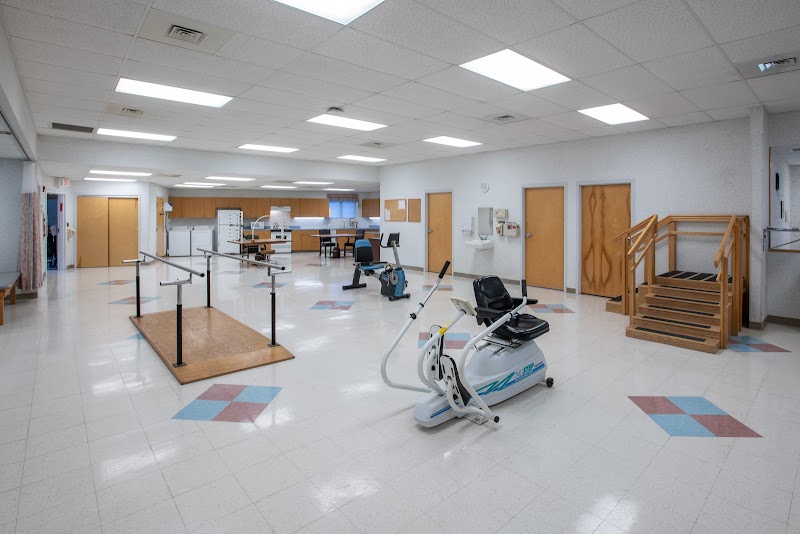
How is Broad Mountain Center Staffed?

CMS rates BROAD MOUNTAIN HEALTH AND REHABILITATION CENTER's staffing level at 3 out of 5 stars, which is average compared to other nursing homes. Staff turnover is 29%, compared to the Pennsylvania average of 46%. This relatively stable workforce can support continuity of care.

What Have Inspectors Found at Broad Mountain Center?

State health inspectors documented 41 deficiencies at BROAD MOUNTAIN HEALTH AND REHABILITATION CENTER during 2023 to 2025. These included: 3 that caused actual resident harm, 37 with potential for harm, and 1 minor or isolated issues. Deficiencies causing actual harm indicate documented cases where residents experienced negative health consequences.
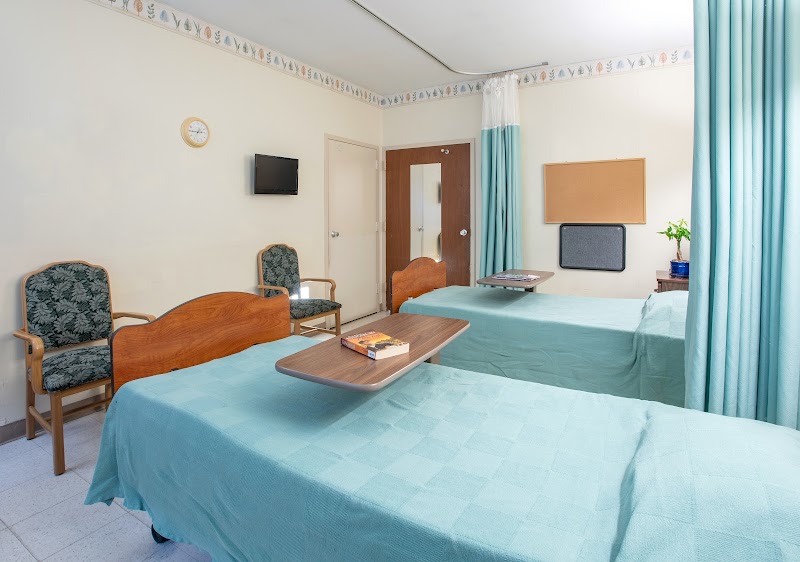
Who Owns and Operates Broad Mountain Center?

BROAD MOUNTAIN HEALTH AND REHABILITATION CENTER is owned by a for-profit company. For-profit facilities operate as businesses with obligations to shareholders or private owners. The facility is operated by SABER HEALTHCARE GROUP, a chain that manages multiple nursing homes. With 117 certified beds and approximately 107 residents (about 91% occupancy), it is a mid-sized facility located in FRACKVILLE, Pennsylvania.
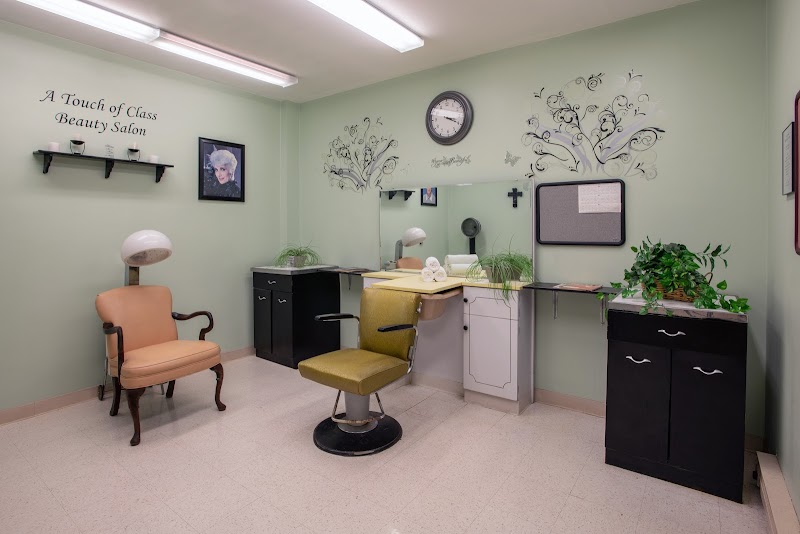
How Does Broad Mountain Center Compare to Other Pennsylvania Nursing Homes?

Compared to the 100 nursing homes in Pennsylvania, BROAD MOUNTAIN HEALTH AND REHABILITATION CENTER's overall rating (3 stars) matches the state average, staff turnover (29%) is significantly lower than the state average of 46%, and health inspection rating (2 stars) is below the national benchmark.

What Should Families Ask When Visiting Broad Mountain Center?

Based on this facility's data, families visiting should ask: "What safeguards and monitoring systems are in place to protect residents from abuse or neglect?" "Can I visit during a mealtime to observe dining assistance and food quality?" "How do you handle medical emergencies, and what is your hospital transfer rate?" "Can I speak with family members of current residents about their experience?" These questions are particularly relevant given the substantiated abuse finding on record.

Is Broad Mountain Center Safe?

Based on CMS inspection data, BROAD MOUNTAIN HEALTH AND REHABILITATION CENTER has documented safety concerns. The facility has 1 substantiated abuse finding (meaning confirmed case of resident harm by staff or other residents). The facility has a 3-star overall rating and ranks #1 of 100 nursing homes in Pennsylvania. Families considering this facility should ask detailed questions about what corrective actions have been taken since these incidents.

Do Nurses at Broad Mountain Center Stick Around?

Staff at BROAD MOUNTAIN HEALTH AND REHABILITATION CENTER tend to stick around. With a turnover rate of 29%, the facility is 17 percentage points below the Pennsylvania average of 46%. Low turnover is a positive sign. It means caregivers have time to learn each resident's needs, medications, and personal preferences. Consistent staff also notice subtle changes in a resident's condition more quickly.

Was Broad Mountain Center Ever Fined?

BROAD MOUNTAIN HEALTH AND REHABILITATION CENTER has been fined $40,918 across 2 penalty actions. The Pennsylvania average is $33,488. While any fine indicates a compliance issue, fines under $50,000 are relatively common and typically reflect isolated problems that were subsequently corrected. Families should ask what specific issues led to these fines and confirm they've been resolved.

Is Broad Mountain Center on Any Federal Watch List?

BROAD MOUNTAIN HEALTH AND REHABILITATION CENTER is not on any federal watch list. The most significant is the Special Focus Facility (SFF) program, which identifies the bottom 1% of nursing homes nationally based on persistent, serious quality problems. Not being on this list means the facility has avoided the pattern of deficiencies that triggers enhanced federal oversight. This is a positive indicator, though families should still review the facility's inspection history directly.