ACCELA REHAB AND CARE CENTER AT SPRINGFIELD
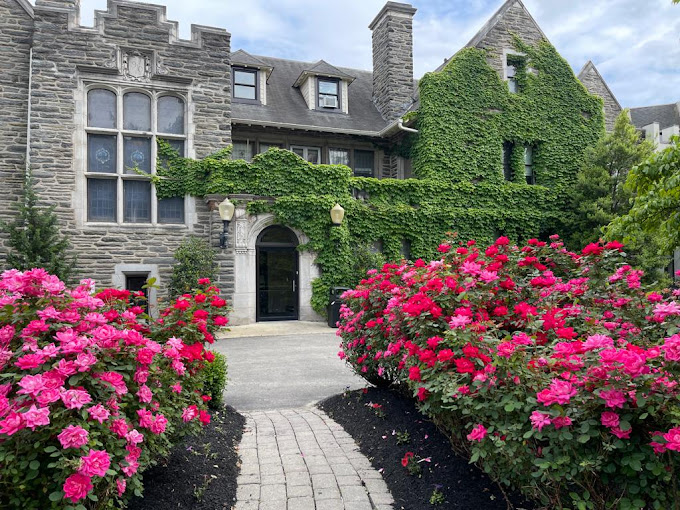
850 PAPERMILL ROAD, GLENSIDE, PA 19038 (215) 233-0920
For profit - Corporation 129 Beds ACCELA HEALTHCARE Data: November 2025 2 Immediate Jeopardy citations
Trust Grade
0/100
#521 of 653 in PA
Last Inspection: March 2025

Within standard 12-15 month inspection cycle. Federal law requires annual inspections.

Overview

Accela Rehab and Care Center at Springfield has received a Trust Grade of F, indicating poor performance with significant concerns about resident care. The facility ranks #521 out of 653 in Pennsylvania and #50 out of 58 in Montgomery County, placing it in the bottom half of all local options. Unfortunately, the facility is experiencing a worsening trend, with issues increasing from 43 in 2024 to 46 in 2025. Staffing is a major concern, with a low rating of 1 out of 5 stars and a troubling turnover rate of 82%, which is much higher than the state average of 46%. Additionally, the facility has accumulated $69,735 in fines, which is higher than 86% of Pennsylvania facilities, reflecting ongoing compliance problems. There is also less RN coverage than 98% of state facilities, meaning that residents may not receive the monitoring they need. Specific incidents reported include cases of sexual abuse where two residents were not adequately protected, and a serious failure to follow medical standards when a catheter was inserted without a physician's order, resulting in hospitalization for one resident. Overall, while there are some average quality measures, the numerous critical and serious deficiencies raise significant concerns about the care provided at this facility.

Trust Score
F
0/100
In Pennsylvania
#521/653
Bottom 21%
Safety Record
High Risk
Review needed
Inspections
Getting Worse
43 → 46 violations
Staff Stability
⚠ Watch
82% turnover. Very high, 34 points above average. Constant new faces learning your loved one's needs.
Penalties
✓ Good
$69,735 in fines. Lower than most Pennsylvania facilities. Relatively clean record.
Skilled Nurses
⚠ Watch
Each resident gets only 18 minutes of Registered Nurse (RN) attention daily — below average for Pennsylvania. Fewer RN minutes means fewer trained eyes watching for problems.
Violations
⚠ Watch
122 deficiencies on record. Higher than average. Multiple issues found across inspections.
★☆☆☆☆
1.0
Overall Rating
★☆☆☆☆
1.0
Staff Levels
★★★☆☆
3.0
Care Quality
★☆☆☆☆
1.0
Inspection Score
Stable
2024: 43 issues
2025: 46 issues

The Good

  • Full Sprinkler Coverage · Fire safety systems throughout facility
  • No fines on record

Facility shows strength in fire safety.

The Bad

1-Star Overall Rating

Below Pennsylvania average (3.0)

Significant quality concerns identified by CMS

Staff Turnover: 82%

35pts above Pennsylvania avg (46%)

Frequent staff changes - ask about care continuity

Federal Fines: $69,735

Well above median ($33,413)

Moderate penalties - review what triggered them

Chain: ACCELA HEALTHCARE

Part of a multi-facility chain

Ask about local staffing decisions and management

Staff turnover is very high (82%)

34 points above Pennsylvania average of 48%

The Ugly 122 deficiencies on record

2 life-threatening 2 actual harm
Aug 2025 2 deficiencies
CONCERN (E) 📢 Someone Reported This

A family member, employee, or ombudsman was alarmed enough to file a formal complaint

Potential for Harm - no one hurt, but risky conditions existed

Deficiency F0804 (Tag F0804)

Could have caused harm · This affected multiple residents

Based on review of facility documentation, observations, and resident and staff interviews, it was determined that the facility failed to provide food and drink that was palatable and served at the pr...

Read full inspector narrative →
Based on review of facility documentation, observations, and resident and staff interviews, it was determined that the facility failed to provide food and drink that was palatable and served at the proper temperature. Findings include:Review of facility policy titled, Food Temperatures, undated, revealed that Foods sent to the units for distribution (such as meals, snacks, nourishments, oral supplements) will be transported and delivered to unit storage areas to maintain temperatures at or below 41 Fahrenheit (F) for cold foods and at or above 135 F for hot foods. Interview with Resident R2 on August 14, 2025, at 12:00 p.m. revealed that food is not good. Interview with Resident R4 on August 14, 2025, at 11:00 a.m. revealed food temperatures are often cold. Observations during a test tray conducted with the Food Service Director, Employee E3, on August 14, 2025, at 12:28 a.m. revealed that milk registered at 59.9 degrees Fahrenheit (F); tangerines registered 70.8 degrees F; and apple juice registered 58.6 degrees F. Follow-up interview with the Food Service Director, at 12:33 p.m. confirmed that the tested food items were too warm to be palatable. 28 Pa. Code 201.14(a) Responsibility of licensee 28 Pa. Code 201.18(b)(3) Management 28 Pa. Code 201.14(a) Responsibility of licensee 28 Pa. Code 201.18(b)(3) Management 28 Pa. Code 211.6(f) Dietary services
CONCERN (E) 📢 Someone Reported This

A family member, employee, or ombudsman was alarmed enough to file a formal complaint

Potential for Harm - no one hurt, but risky conditions existed

Food Safety (Tag F0812)

Could have caused harm · This affected multiple residents

Based on observation and staff interviews, the facility failed to ensure that moist, ready-to-eat food items were protected from contamination during transportation to residents. Findings Include:On A...

Read full inspector narrative →
Based on observation and staff interviews, the facility failed to ensure that moist, ready-to-eat food items were protected from contamination during transportation to residents. Findings Include:On August 14, 2025, at approximately 12:00 p.m. during observation of the lunch meal delivery to the first-floor unit, the surveyor observed a dietary staff member transporting meal tray in a mobile tray cart with doors. Upon inspection of the trays, it was observed that each tray included a serving of canned fruit, pears and tangerines, placed in a small bowl without a cover or lid. In an interview conducted on August 14, 2025, at 12:15 p.m., with the Food Service Manager, Employee E3, confirmed that there are no coverings available for all nursing units. The facility served uncovered canned fruit in open bowls, placing residents at risk for foodborne illness due to potential cross-contamination. 28 Pa. Code 201.14(a) Responsibility of licensee
Jul 2025 3 deficiencies
CONCERN (D) 📢 Someone Reported This

A family member, employee, or ombudsman was alarmed enough to file a formal complaint

Potential for Harm - no one hurt, but risky conditions existed

Deficiency F0628 (Tag F0628)

Could have caused harm · This affected 1 resident

Based on facility policy reviews, clinical record review, and staff interview, it was determined that the facility failed to ensure the written discharge notice included the location to which the resi...

Read full inspector narrative →
Based on facility policy reviews, clinical record review, and staff interview, it was determined that the facility failed to ensure the written discharge notice included the location to which the resident is transferred or discharged for one of seven residents reviewed. (Resident R2) Findings Include:Review of Resident R2's clinical record revealed the resident received a discharge notice dated, June 19, 2025, which indicated that the facility initiated the transfer due to, the safety or health of individuals in the facility would be endangered by the patient being here. Continued review failed to reveal the location to which the resident is transferred or discharged . Interview with the facility Social Worker, Employee E3, conducted on July 21, 2025, at approximately 1:00 p.m. confirmed that the discharge notification did not include the location to which the resident is to be discharged . Continued interview revealed that, the facility was unaware of this requirement. 28 Pa. Code 201.14(a) Responsibility of licensee
CONCERN (D) 📢 Someone Reported This

A family member, employee, or ombudsman was alarmed enough to file a formal complaint

Potential for Harm - no one hurt, but risky conditions existed

Deficiency F0741 (Tag F0741)

Could have caused harm · This affected 1 resident

Based on the review of clinical records, observations, review of employee records, and staff interviews, it was determined that the facility failed to ensure that there was sufficient staff, with the ...

Read full inspector narrative →
Based on the review of clinical records, observations, review of employee records, and staff interviews, it was determined that the facility failed to ensure that there was sufficient staff, with the appropriate competencies and skills sets which included knowledge of and appropriate training and supervision for care for residents with mental and psychosocial disorders, to provide direct services to residents to assure resident safety for four of four employee records reviewed. (Employee E4, E5, E6 and E7).Review of facility documentation dated July 5, 2025, revealed Resident R1 who was alert and oriented to self only, was noted to be off of the unit by nurse during 3pm-llpm shift. Search initiated by nurse, staff on unit notified and participated. Once it was determined Resident R1 was not on unit, nurse left unit to notify supervisor. It was at that point that nurse encountered supervisor returning Resident R1 to the unit. Resident R1 was returned back to the facility by local police. Police reported resident found around the corner at neighbor's house, resident had rang bell and neighbor contacted police when she came to door. Resident returned to facility at 6:38 p.m. Time resident was out of facility is estimated around 30 minutes. Interview with Nursing Home Administrator, Employee E1, on July 21, 2025, at 1:30 p.m. stated facility investigation revealed that the resident left through the back exit door of the facility which only could access by staff. The door was locked with a number keypad which was functioning properly after the incident. Nursing Home Administrator stated resident might have followed a staff member who opened the door with the code and walked through the hallway to the last exit door which could only open by staff without alarming. Administrator stated the door was not alarming after the elopement which indicated that a code was used to open the door. Administrator stated resident did not appear in any of the facility stair or elevator camera which confirmed that the resident used back door to exit the facility. Administrator stated all the staff worked on the unit for the shift was new agency staff (3 Nurse Aides and 1 Licensed Practical Nurses). Review of care plan for Resident R1 dated March 2, 2025, revealed that the resident was at risk for elopement related to impaired safety awareness. Interventions included staff to distract the resident from wandering by offering pleasant diversions, structured activities, food, conversation, television, book. Identify pattern of wandering and provide structured activities: toileting, walking inside and outside, reorientation strategies including signs, pictures and memory boxes. Observation of the facility camera dated July 5, 2025, revealed that from 5:30 p.m. to 5:52 p.m., Resident R1 was wandering aimlessly in the dementia unit. All three nurse aides were sitting in the common area room in the dementia unit with limited interaction with residents. One staff was using the cell phone while sitting there. Administrator confirmed during the observation that all staff were new agency staff who did not have any prior knowledge of the resident and the unit. Administrator stated there was other facility staff working during the same time but was not assigned to the dementia unit. A request for staff training and competency records for dementia and caring of residents with behavioral health needs were requested to the Nursing Home Administrator for Employee E4, Nurse Aide, Employee E5, Nurse Aide, Employee E6, Nurse Aide, and Employee E7, Licensed Practical Nurse. Review of training records for Employees E4, E5, E6 and E7 did not reveal any evidence that the staff did not have any facility training and competency on dementia and caring residents with behavioral health needs. 28 Pa Code: 211.12 (d)(4) Nursing services 28 Pa Code: 201.14(a) Responsibility of licensee 28 Pa Code:201.18(b)(3) Management.
CONCERN (D) 📢 Someone Reported This

A family member, employee, or ombudsman was alarmed enough to file a formal complaint

Potential for Harm - no one hurt, but risky conditions existed

Deficiency F0744 (Tag F0744)

Could have caused harm · This affected 1 resident

Based on review of clinical records, facility policy, and staff interviews, it was determined that the facility failed to ensure that a resident with a diagnosis of dementia (a syndrome characterized ...

Read full inspector narrative →
Based on review of clinical records, facility policy, and staff interviews, it was determined that the facility failed to ensure that a resident with a diagnosis of dementia (a syndrome characterized by a progressive decline in cognitive abilities, such as memory, thinking, reasoning, and judgment, that interfere with daily functioning and social relationships), received appropriate treatment and services resulting in the resident eloping from the facility for one of seven residents reviewed. (Resident R1) Findings include: Review of undated facility policy Wandering and Elopements, revised March 2019, revealed that The facility will identify residents who are at risk of unsafe wandering and strive to prevent harm while maintaining the least restrictive environment for residents.l. If identified as at risk for wandering, elopement, or other safety issues, the resident's care plan will include strategies and interventions to maintain the resident's safety.2. If an employee observes a resident leaving the premises, he/she should:a. attempt to prevent the resident from leaving in a courteous manner.b. get help from other staff members in the immediate vicinity, if necessary; andc. instructs another staff member to inform the charge nurse or director of nursing services that a resident is attempting to leave or has left the premises. Review of clinical record revealed that the resident had diagnosis including dementia with psychotic disturbance, abnormalities of gait and mobility and anxiety. Observation conducted at the facility on July 21, 2025, revealed that Resident R1 was located in a secured (locked) unit designed to prevent the elopement of residents such as residents diagnosed with dementia and other mental health diagnosis. Review of facility documentation dated July 5, 2025, revealed Resident R1 who was alert and oriented to self only, was noted to be off of the unit by nurse during 3pm-llpm shift. Search initiated by nurse, staff on unit notified and participated. Once it was determined Resident R1 was not on unit, nurse left unit to notify supervisor. It was at that point that nurse encountered supervisor returning Resident R1 to the unit. Resident R1 was returned back to the facility by local police. Police reported resident found around the corner at neighbor's house, resident had rang bell and neighbor contacted police when she came to door. Resident returned to facility at 6:38 p.m. Time resident was out of facility is estimated around 30 minutes. Continued review of facility documentation revealed that both doors determined to be functioning. Staff did not note alarms going off. Daughter of resident stated mother has tendencies to follow people, potentially managed to leave behind staff leaving unit unnoticed. No staff interviewed noted anyone leaving behind them.Review of care plan for Resident R1 dated March 2, 2025, revealed that the resident was at risk for elopement related to impaired safety awareness. Care plan also revealed that the resident had impaired thought process related to dementia. Interventions included staff to distract the resident from wandering by offering pleasant diversions, structured activities, food, conversation, television, book. Identify pattern of wandering and provide structured activities: toileting, walking inside and outside, reorientation strategies including signs, pictures and memory boxes. Interview with Administrator, Employee E1, on July 21, 2025, at 1:30 p.m. stated facility investigation revealed that the resident left through the back exit door of the facility which only could access by staff. The door was locked with a number keypad which was functioning properly after the incident. Administrator stated resident might have followed a staff member who opened the door with the code and walked through the hallway to the last exit door which could only open by staff without alarming. Administrator stated the door was not alarming after the elopement which indicated that a code was used to open the door. Administrator stated resident did not appear in any of the facility stair or elevator camera which confirmed that the resident used back door to exit the facility. Administrator stated all the staff worked on the unit for the shift was new agency staff (3 Nurse Aides and 1 Licensed Practical Nurses) Observation of the facility camera dated July 5, 2025, revealed that from 5:30 p.m. to 5:52 p.m, the resident was wandering aimlessly in the unit. All three nurse aides were sitting in the common area room with limited interaction with residents. One staff was using cell phone while sitting there. Administrator confirmed during the observation that all staff were new agency staff who did not have any prior knowledge of the resident and the unit. Interview with Administrator, Employee E1, on July 21, 2025, at 1:30 p.m. confirmed that Resident R1 was in a locked unit for residents with dementia and did not receive appropriate supervision and redirection according to the plan of care which led to the elopement of Resident R1. 28 Pa. Code 201.14(a) Responsibility of licensee 28 Pa. Code 201.18(b)(1) Management28 Pa. Code 201.18(e)(1) Management28 Pa. Code 211.10(d) Resident care policies28 Pa. Code 211.12(d)(1) Nursing services28 Pa. Code 211.12(d)(5) Nursing services.
Jun 2025 2 deficiencies
CONCERN (D) 📢 Someone Reported This

A family member, employee, or ombudsman was alarmed enough to file a formal complaint

Potential for Harm - no one hurt, but risky conditions existed

Investigate Abuse (Tag F0610)

Could have caused harm · This affected 1 resident

**NOTE- TERMS IN BRACKETS HAVE BEEN EDITED TO PROTECT CONFIDENTIALITY** Based upon review of facility policies and procedures, review of clinical records and facility documentation and interviews with...

Read full inspector narrative →
**NOTE- TERMS IN BRACKETS HAVE BEEN EDITED TO PROTECT CONFIDENTIALITY** Based upon review of facility policies and procedures, review of clinical records and facility documentation and interviews with staff, it was determined that the facility did not ensure that a complete and thorough investigation was completed to rule out neglect for one of four fall investigations reviewed (Residents R1). Findings include: Review of the facility's policy revised April 2021, titled, Abuse, Neglect, Exploitation or Misappropriation - Reporting and Investigating, which states, The individual conducting the investigation as a minimum: a. reviews the documentation and evidence; b. reviews the resident's medical record to determine the resident's physical and cognitive status at the time of the incident and since the incident; c. observes the alleged victim, including his or her interactions with staff and other residents; d. interviews the person(s) reporting the incident; e. interviews any witnesses to the incident; f. interviews the resident (as medically appropriate) or the resident's representative; g. interviews the resident's attending physician as needed to determine the resident's condition; h. interviews staff members (on all shifts) who have had contact with the resident during the period of the alleged incident; i. interviews the resident's roommate, family members, and visitors; j. interviews other residents to whom the accused employee provides care or services; k. reviews all events leading up to the alleged incident; and l. documents the investigation completely and thoroughly. Review of Resident R1's admission assessment revealed that she was admitted on [DATE], with diagnosis of dementia (group of symptoms affecting memory, thinking and social abilities). Further review revealed that she has severe cognitive impairment. Review of Resident R1's fall incident report revealed that the resident had an unwitnessed fall at 6:30 p.m. on April 18, 2025, according to the witness statement from the nurse aide, Employee E6, written the next day on April 19, 2025. Her statement indicated that the resident was found face down on the floor in front of her bed, and that she went to get the charge nurse. The charge nurse, Employee E7, who wrote a progress note thirteen days later on May 1, 2025, which indicated he alerted the nurse supervisor, Employee E8, on April 18, 2025, and both nurses proceeded to assess the resident and get two nurse aides to use the mechanical lift to pick the resident off the floor and place the resident back into bed. The charge nurse's note indicated that the supervisor was to notify the responsible party and the physician. The facility did not get the statement from the nurse responsible for Resident R1 for almost two weeks. Further review of Resident R1's fall investigation revealed that the nurse supervisor on duty when Resident R1 fell wrote a note the next day on April 19, 2025, at 11:47 a.m. which indicated that after the resident was put back to bed on April 18, 2025, she notified the physician about the fall. The next progress note in Resident R1's record was from the day shift supervisor, Employee E9, written at 11:08 a.m. on April 19, 2025. The note indicated that Resident R1's daughter came to the nursing office that morning asking for her mother to be sent to the emergency room due to signs of a clinical urinary tract infection (UTI) including increased confusion and agitation. He indicated that the physician was aware and the resident was transferred to the emergency room. There was no mention of the note referring to Resident R1's fall, the bruising on her forehead or her swollen right foot. There was no documentation in Resident R1's electronic clinical record between the fall on April 18, 2025, and when the resident was sent out by Employee E9, the morning supervisor, on April 19, 2025. Employee E9 was not interviewed as part of the investigation to rule out neglect related to Resident R1's fall until April 28, 2025, or ten days after the incident. Further review of the incident report for Resident R1's fall on April 18, 2025, revealed no witness statements from the overnight nurse of nurse aide on April 18, 2025, into April 19, 2025, indicating that they checked up on Resident R1 and what her condition was and if neglect was ruled out. The overnight supervisor, Employee E11, was not interviewed until April 30, 2025, or twelve days after the incident. The was no documented statement from the nurse aide who gave morning care to Resident R1 and delivered her breakfast tray and set her up to eat that would indicate the residents condition. Interview with the Director of Nursing on June 12, 2025, at 9:05 a.m. confirmed that the policy is to get statements from all shifts, and that there were no statements obtained from the caregivers (nurse and nurse aide) on the overnight shift on April 18, 2025, into April 19, 2025. Also that the interviews and statements for some of the key staff involved were not done until ten to thirteen days after the incident, and that this investigation was not complete, thorough or timely. 28 Pa. Code 201.14(a) Responsibility of licensee 28 Pa. Code 201.18(b)(1) Management 28 Pa. Code 201.18(e)(1) Management 28 Pa. Code 211.12(d)(5) Nursing services
CONCERN (D) 📢 Someone Reported This

A family member, employee, or ombudsman was alarmed enough to file a formal complaint

Potential for Harm - no one hurt, but risky conditions existed

Quality of Care (Tag F0684)

Could have caused harm · This affected 1 resident

**NOTE- TERMS IN BRACKETS HAVE BEEN EDITED TO PROTECT CONFIDENTIALITY** Based on clinical record review and interviews with staff, it was determined the facility failed to ensure a resident was provid...

Read full inspector narrative →
**NOTE- TERMS IN BRACKETS HAVE BEEN EDITED TO PROTECT CONFIDENTIALITY** Based on clinical record review and interviews with staff, it was determined the facility failed to ensure a resident was provided necessary care and services related to follow up care including neurological assessment after an unwitnessed fall with head injury for one of four resident records reviewed (Resident R1). Findings include: Review of facility policy, titled, Falls - Clinical Protocol, revised March 2018, revealed the nurse shall assess and document/report the following: a. Vital signs; b. Recent injury, especially fracture or head injury; c. Musculoskeletal function, observing for change in normal range of motion, weight bearing, etc.; d. Change in cognition or level of consciousness; e. Neurological status; f. Pain; Review of Resident R1's admission assessment revealed he/she was admitted on [DATE], with diagnosis of Dementia (group of symptoms affecting memory, thinking and social abilities). Review of the Brief Interview for Mental Status completed on April 14, 2025 revealed a score of 5, which indicated the resident had severe cognitive impairment. Review of Resident R1's fall incident report revealed a witness statement from the nurse aide, Employee E6, written on April 19, 2025, indicating the resident had an unwitnessed fall on April 18, 2025 at 6:30 p.m. The statement indicated the resident was found face down on the floor in front of (his/her) bed, and Employee E6 went to get the charge nurse. The charge nurse, Employee E7, who document via a nursing note thirteen days later on May 1, 2025, indicated he alerted the nurse supervisor, Employee E8, on April 18, 2025, and both nurses proceeded to assess the resident. Full body, pain, and skin assessments were performed. Patient skin is intact, no noted injuries, no c/o (complaint/of) of pain. Resident was asked how'd [resident] fall. [Resident] stated [he/she] was reaching for bed side table. The hoyer lift was used along w/ (with) two nursing assistants to help resident to bed. Review of a written statement from nurse aide, Employee E17 who was assigned to Resident R1 during the 3-11 shift on March 18, 2025 revealed that Resident R1's roommate rang the call bell and when Employee E17 responded she heard screaming coming form the room. Employee E17 observed Resident R1 lying on the floor in front of the bed face down. Employee E17 immediately went and reported it to the charge nurse who then went to the nursing supervisor to report the incident. Resident R1 was assisted of the floor. The nurse supervisor wrote a note the next day on April 19, 2025, at 11:47 a.m. which indicated that after the resident was put back to bed on April 18, 2025, she notified the physician about the fall. Review of nursing notes from April 18, 2025 and April 19, 2025 revealed no documented evidence of neurological assessments or assess for change in condition through the evening of April 18, 2025, overnight through the 11:00 pm.-7:00a.m. shift (April 18-19, 2025) or morning shift after the unwitnessed fall. Further review of Resident R1's clinical record revealed additional nursing note from the day shift supervisor, Employee E9 written at 11:08 a.m. on April 19, 2025. The note indicated, Resident R1's daughter came to the nursing office that morning asking for [resident] to be sent to the emergency room due to signs of a clinical urinary tract infection (UTI) including increased confusion and agitation. Employee E9 indicated that the physician was aware and order for the resident to be transferred to the emergency room. There was no documentation provided in this note in reference to the fall sustained by the resident or any bruising on the resident's forehead or right foot. Telephone interview with Resident R1's daughter and responsible party on June 5, 2025, at 11:05 a.m. revealed, when she visited resident on April 19, 2025, at 9:00 a.m. she entered the room to see resident sitting up in bed with (his/her) tray in front, crying. She said that resident's roommate had told her the resident had fallen out of bed the night before. The daughter said she observed dark colored bruising all across resident's forehead, which was worse on the right side. She went on to talk to the nurse supervisor, Employee E9, who indicated, he did not know anything about resident falling. She said that he went through the computer looking at the nursing notes and said that nothing was charted about the fall. The daughter asked the supervisor to have resident sent out to the emergency room to have him/her evaluated for the fall. She said he was hesitant to call to have resident sent out, and she said she kept asking him to come and see resident's bruising across the forehead for himself. She said the conversation included having resident reassessed for a urinary track infection (UTI) that resident had been treated for to help persuade the supervisor to send resident to the hospital. She said that the supervisor sent a nurse and a nurse aide to check resident R1's vital signs and get resident ready to transport. The daughter said that when she was helping the aide get resident dressed is when she noticed that his/her right foot was swollen and sore. The daughter said that the therapy director, Employee E10, came to see if resident was ready for therapy, and that he also checked to see if there was any documentation about the fall in the computer and could not find anything. She also said that when the ambulance attendant (EMT) came he said that they were taking resident to the local community hospital, and when the daughter questioned this, he said it is only for a routine UTI. The daughter said look at resident's forehead and foot, and then she (daughter) said the EMT said that because this is trauma, they need to take resident to a medical center. The daughter again said that she did not understand how no one questioned resident's condition since the time of the fall. She said that the person who got resident up that morning and gave resident a breakfast tray must have noticed the bruising across Resident R1's forehead, and did nothing. Interview conducted with Resident R1's physician, Employee E18 on June 12, 2025, at 9:10 a.m. revealed that the resident was sent out for a UTI, she was stable, resident sent out because the daughter had concerns related to a UTI. Review of the hospital records from Resident R1's April 19, 2025, admission revealed findings that include a large left frontal scalp hematoma near the vertex (highest point on the head) and oblique nondisplaced fracture (diagonal break across the bone that does not result in the bone fragments being misaligned) of the mid first proximal phalanx (toe bone closest to the leg) with surrounding soft tissue swelling. Interview with the Director of Nursing on June 4, 2025, at 3:00 p.m. confirmed there were no monitoring or neuro checks (systematic assessments used to evaluate a patient's neurological status, cranial nerve function (providing sensory, motor, and autonomic control of structures in the head, neck, and trunk), motor response (checking the patient's ability to move and respond to stimuli) and sensory function (testing the patient's ability to feel sensations) documented for Resident R1 after possible fall until resident was sent out to the emergency room. 28 Pa. Code:201.18(a)(b)(1)(3) Management. 28 Pa. Code:211.12(d)(1)(5) Nursing services.
May 2025 5 deficiencies
CONCERN (D) 📢 Someone Reported This

A family member, employee, or ombudsman was alarmed enough to file a formal complaint

Potential for Harm - no one hurt, but risky conditions existed

Deficiency F0627 (Tag F0627)

Could have caused harm · This affected 1 resident

**NOTE- TERMS IN BRACKETS HAVE BEEN EDITED TO PROTECT CONFIDENTIALITY** Based on clinical record reviews, interviews with staff and hospital staff, reviews of hospital records, electronic communicatio...

Read full inspector narrative →
**NOTE- TERMS IN BRACKETS HAVE BEEN EDITED TO PROTECT CONFIDENTIALITY** Based on clinical record reviews, interviews with staff and hospital staff, reviews of hospital records, electronic communication records and facility policies and procedures, it was determined that the facility failed to permit one of one resident reviewed to return to the facility after hospitalization. (Resident R12) Findings include: Review of the policy titled Bed Holds and Returns revised March 2022 revealed that Residents and/or representatives are informed (in writing) of the facility and state (if applicable) bed-hold politicizes. All residents/representatives are provided written information regarding the facility bed-hold policies, which address holding or reserving a resident's bed during periods of absence (hospitalization ortherapeutic leave). Residents are provided written information about these policies at least twice: a. well in advance of any transfer (e.g., in the admission packet); and b. at the time of transfer (or, if the transfer was an emergency, within 24 hours). 2. Reissuance of the notice is provided if there are changes made to the bed-hold policy under the state plan or facility policy. 3. The written information regarding bed-holds provided to the residents/representatives explains in detail: a. the duration of the state bed-hold policy, if any, during which the resident is permitted to return and resume residence in the facility; b. the reserve bed payment policy as indicated by the state plan (for Medicaid residents); c. the facility policies regarding bed-hold periods; d. the facility per diem rate required to hold a bed (for non-Medicaid residents), or to hold a bed beyond the state bed-hold period (for Medicaid residents); and e. the return policy. 4. Medicaid residents who exceed the state's bed-hold limit and/or non-Medicaid residents who request a bed-hold are responsible for the facility's basic per diem rate while his or her bed is held. 5. If a Medicaid resident exceeds the state bed-hold period, he or she will be permitted to return to the facility, to his or her previous room (if available) or immediately upon the first availability of a bed in a semi-private room provided that the resident requires the services of the facility and is eligible for Medicare skilled nursing services or Medicaid nursing services. 6. If the resident is transferred with the expectation that he or she will return, but it is determined that the resident cannot return, that resident will be formally discharged . 7. The resident will be permitted to return to an available bed in the location of the facility that he or she previously resided. If there is not an available bed in that part, the resident will be given the option to take an available bed in another distinct part of the facility and return to the previous distinct part when a bed becomes available. Review of Resident R12's clinical record revealed that Resident R12 was admitted to the facility on [DATE], with diagnosis of schizoaffective disorder (mental condition that combines symptoms of schizohrenia and mood disorders), depression (major loss of interest in pleasurable activities), bipolar disorder (condition in which a person has periods of depressiona nd periods of being extremely happy), post-traumatic stress disorder (PTSD- mental condition that developes after experiencing a traumatic event). The nursing note dated May 13, 2025, at 3:29 p.m. indicated, that due to patient physical/verbal aggression towards staff and residents and unpredictability of patient's behavior, patient refusal to take anti-psych medication, patient transferred to local hospital via 302 (involuntary admission) with police present in facility at time of transfer. The nursing note dated May 13, 2025, at 9:31 p.m. indicated, that with the resident was transferred to the local hospital. Patient not expected to return to facility on 5/13/2025. Review of discharge Miniman Data Set (MDS- assessment of resident care needs) dated May 13, 2025, for Resident R12 revealed that the resident was discharged and return to the facility was anticipated. On May 28, 2025, at 11:42 a.m., an interview with the Director of Nursing, Employee E2, revealed that the local hospital notified the facility on May 15, 2025, that Resident R12 had been cleared for return. However, documentation shows that the facility did not permit the resident to return until May 20, 2025, resulting in a five-day delay. On May 28, 2025, at 1:40 p.m., an interview with the Administrator, Employee E1, revealed that on May 15, 2025, the local hospital contacted the facility to report that psychiatric findings had determined Resident R12 did not require admission to the psychiatric unit; therefore, did not meet the criteria and was ready to be returned to the facility. On May 16, 2025, the facility requested that the hospital continue to hold Resident R12 until Monday, May 19, 2025, in order to allow time to seek an alternative placement, as the resident had expressed a preference to transfer to a different facility while being at the hospital. On May 29, 2025, at 3:49 p.m., an interview was conducted with the Case Management Director at the hospital. The Case Manager stated that the facility had denied readmission for Resident R12. According to the hospital records, Resident R12 was medically cleared and ready to return to the facility on May 15, 2025. A call was placed to the facility's Director of Nursing, Employee E2, and the Administrator, Employee E1, who indicated they wanted to speak with the psychiatrist who had cleared the resident for return. A call was placed by the hospital to the treating psychiatist. A follow-up call was made by the hospital on May 15, 2025. During that call, the facility operator reportedly stated, I'm telling you, we're not taking him back. Hospital staff then requested a return call from either the Director of Nursing or the Administrator. Later that same day, the facility's Regional Director returned the call and asked the hospital to keep Resident R12 for few days, to allow the facility time to make staffing arrangements. On May 16, 2025, hospital staff informed Resident R12 that the facility was refusing to accept his return. At no point did Resident R12 refuse to return to the facility. The facility ultimately accepted Resident R12 back on May 20, 2025, resulting in a five-day delay from the date he was medically cleared for discharge. On May 28, 2025, at 2:25 p.m., the Administrator confirmed that the facility had received a notice of Resident R12's anticipated return on May 15, 2025. However, the facility did not permit the resident to return until May 20, 2025, resulting in a five-day delay. 28 PA. Code 201.14(a)(b) Responsibility of licensee 28 PA. Code 201.29(c.3)(4) Resident rights 28 PA. Code 211.12(d)(1) Nursing services
CONCERN (D) 📢 Someone Reported This

A family member, employee, or ombudsman was alarmed enough to file a formal complaint

Potential for Harm - no one hurt, but risky conditions existed

Deficiency F0806 (Tag F0806)

Could have caused harm · This affected 1 resident

Based on observations, and resident and staff interviews, it was determined that the facility failed to honor resident food and drink preferences by providing food that was requested by and acceptable...

Read full inspector narrative →
Based on observations, and resident and staff interviews, it was determined that the facility failed to honor resident food and drink preferences by providing food that was requested by and acceptable to the residents for 3 of 13 residents reviewed (Residents R10, R8, R13). Findings include: On May 28, 2025, at 9:20 a.m. during the initial tour of the 1st floor Pavilion nursing unit, it was observed that residents did not receive their coffee beverage. Residents' trays had juice on their trays, but there were no hot beverages. During a random room tour, it was observed that breakfast trays remained on bedside tray tables in Rooms 124 through 138. However, there was no evidence of hot beverage cups containing hot beverages on any of the trays. On May 28, 2025, at 9:33 a.m., an interview was conducted with Resident R13, who reported that her egg omelet was burned and that she was still hungry. She also stated that she prefers coffee as her morning hot beverage, but no coffee was provided on her breakfast tray. At the surveyor's request, the resident pressed the call bell. In response, Nursing Assistant Employee E9 entered the room and explained that she had already requested coffee from the kitchen an hour earlier, but it had not yet been delivered. Resident R13 informed Employee E9 that her omelet was burned and requested a new breakfast tray. Employee E9 responded by stating, All the omelets were burned, and they will not give you a new plate, but you will receive the same breakfast plate as you had. On May 28, 2025, at 9:39 a.m., Employee E9 reported that Resident R10 had not yet received his breakfast because his bed was broken and could not be adjusted to raise the head section. As a result, she needed to transfer the resident into a wheelchair before he could eat his now-cold breakfast. Employee E9 stated that she had ordered a new breakfast tray for Resident R10. On May 28, 2025, at 9:40 a.m., an interview was conducted with Resident R8, who reported that a staff member entered his room and removed his breakfast tray before he had finished eating. Resident R8 stated that he still needed to finish his Magic Cup supplement and Ensure drink. Scheduler Employee E7, who was assisting the nursing unit with tray collection, confirmed that Resident R8 is prescribed both Magic Cup and Ensure as dietary supplements. Further, Scheduler, Employee E7 confirmed that dietary aide brought two pitchers of coffee but there were not hot beverage cups available to pour them in. On May 28, 2025, at 10:01 a.m., a kitchen tour was conducted with Dietary Assistant Employee E6. Employee E6 confirmed that the omelets served that morning were burned due to sticking to the metal serving container, and that these were served to all residents. It was further revealed that the facility lacks adequate hot beverage cups to serve hot drinks. All six breakfast delivery trucks were returned from the nursing units; only six hot beverage cups were observed in total, despite a facility census of 120 residents. Employee E6 stated that the kitchen has approximately 20 hot beverage cups in total and that the Dietary Director has repeatedly requested that the facility order more. Additionally, a review of the dry storage area revealed small Styrofoam cups without lids. On May 28, 2025, at approximately 11:47 a.m., the Administrator, Employee E1, confirmed that the facility was out of hot beverage cups and that an order had been placed. However, when asked to provide documentation-such as receipts or the order date-to verify the purchase, the facility did not provide the requested information. 28 Pa. Code 201.14(a) Responsibility of licensee 28 Pa. Code 201.18(b)(3) Management
CONCERN (D) 📢 Someone Reported This

A family member, employee, or ombudsman was alarmed enough to file a formal complaint

Potential for Harm - no one hurt, but risky conditions existed

Infection Control (Tag F0880)

Could have caused harm · This affected 1 resident

**NOTE- TERMS IN BRACKETS HAVE BEEN EDITED TO PROTECT CONFIDENTIALITY** Based on review of facility policy, observations, and staff interviews, it was determined that the facility failed to implement ...

Read full inspector narrative →
**NOTE- TERMS IN BRACKETS HAVE BEEN EDITED TO PROTECT CONFIDENTIALITY** Based on review of facility policy, observations, and staff interviews, it was determined that the facility failed to implement enhanced barrier precautions for one of two residents reviewed who had a peripherally inserted central catheter (PICC) line. (Resident R12). Findings Include: Review of facility policy Isolation- Categories of Transmission -Based Precautions revised October 2018, revealed transmission-based precautions are initiated when a resident develops signs and symptoms of a transmissible infection; arrives for admission with symptoms of an infection; pr has a laboratory confirmed infection; and is at risk of transmitting the infection to other residents. Under bulletin #5. When a resident is placed on transmission-base precautions, appropriate notification is plced on the room entrance door and on the front of the chart so that personnel and visitors are aware of the need for and the type of precautions. The signage informs the staff of the type of CDC precautions, instruction for use of PPE, and/or instructions to see a nurse before entering the room. A review of Resident R12's clinical record revealed that the resident was admitted to the facility on [DATE] with diagnosis of hidradenitis suppurative (chronic inflammatory skin condition characterized by painful lumps that form under the skin), muscle weakness, abnormalities of gait and mobility, chronic pain, need for assistance with personal care, unspecified convulsions. Review of Resident R12's Medication Administration Report (MAR) for the month of May 2025 revealed a resident had a peripherally inserted central catheter PICC line dated May 5, 2025. Resident R12 also had multiple wound that were getting treated. A review of the comprehensive care plan created February 15, 2025, for enhanced barrier precautions related to right ad left buttock wounds. On May 28, 2025, at 12:13 p.m., an interview and observation with the Director of Nursing, Employee E2, confirmed that Resident R12 is on Enhanced Barrier Precautions due to a PICC line and the presence of wounds. However, there was no Enhanced Barrier Precaution signage on Resident R12's door, and no gowns were readily available outside the room. 28 Pa. Code 211.10 (d) Resident care policies. 28 Pa. Code 211.12 (d)(5) Nursing services.
CONCERN (D) 📢 Someone Reported This

A family member, employee, or ombudsman was alarmed enough to file a formal complaint

Potential for Harm - no one hurt, but risky conditions existed

Deficiency F0925 (Tag F0925)

Could have caused harm · This affected 1 resident

**NOTE- TERMS IN BRACKETS HAVE BEEN EDITED TO PROTECT CONFIDENTIALITY** Based on review of facility policy, observations, resident and staff interviews, review of the pest control logs and the pest co...

Read full inspector narrative →
**NOTE- TERMS IN BRACKETS HAVE BEEN EDITED TO PROTECT CONFIDENTIALITY** Based on review of facility policy, observations, resident and staff interviews, review of the pest control logs and the pest control reports and documentation, it was determined that the facility failed to maintain an effective pest control program for one of two nursing units and the kitchen area. (Second Floor Nursing Unit and Kitchen Area) Findings Include: A tour was taken on May 28, 2025 at 9:21 a.m. of Resident R2's room and the resident was visualed sleeping in bed. Observation was made of two bed side dressers for the resident. The resident had a small nightstand dresser to the right of his bed that had a broken bottom drawer. Upon opening the drawer there was a plastic bag with opened food including cookies and nuts. A review of Resident R2's clinical record revealed the resident was admitted to the facility on Feburary 4, 2025 with the following diagnsoses; Dementia with agitation, Anxiety Disorder, and Major Depressive Disorder. Further review of Resident R2's clinical record revealed a MDS (Minimum Data Set- assessment of resident's needs) completed on admission on [DATE] that listed the resident ability to make decisions regarding tasks of daily life as severly impaired. Further observation was made of one large size dresser next to the window in the room and the dresser did have mouse droppings in the top two drawers of the bedside table closest to the window. Licensed Nurse E4 came into the room at 9:32 a.m. and confirmed the above findings. Employee E4 stated that Resident R2's family member comes in to visit at times and brings food and they won't know about it. Review of facility grievance log revealed a grievance for Resident R2 on May 19, 2025 stating Summary of Grievance, States she was in her husbands drawer on his dresser where she keeps his snacks. States there was mouse droppings in drawer and all food bags were chewed through. Wife states, it's absolutely ridiculous and disgusting and [she will be reaching out to other outlets also]. Summary of Pertient Findings or Conclusion lists, Housekeeping Department personally cleaned room and nightstand furniture. The Summary box at the bottom of the grievance is mostly blank. The only portion that is filled in is checked off Issue Resolved. Review of Pest Control reports revealed dated April 23, 2025 revealed, Checked in with staff. Inspected and treated the kitchen for roaches. Treated drains, baited voids, underneath tables, carts and placed insect monitors. Excessive roaches observed coming in from the wall along the dishwasher machine. Poor sanitation throughout the kitchen. Recommend adding a roach clean out service. Also recommend deep cleaning the kitchen, appliances, behind the appliances, etc. please refer to pictures sent. Review of Pest Control reports revealed dated May 19, 2025 revealed, Checked logbooks, no reports. Inspected and treated lobby areas, nurse stations, and break room for occasional invaders. Inspected and treated kitchen areas for occasional invaders. Spoke with the cook who said after the big flood they have been experiencing roach activity. Treated heavily throughout the kitchen, baited as needed and updated monitors as needed. The current monitors throughout the kitchen had no roach acceptance. No activity seen during service. Review of pest control logs revealed the facility did have a recent concern with mice and roaches in the building, May 19, 2025, Mine-room [ROOM NUMBER]-2 main May 19. 2025, Mice-1 main May 24, 2025, Resident-212. For the three spots mentioned the location of application, pesticide used, and notes section are all left blank and not filled in to completion. A tour was taken of the kitchen and dumpster area on May 28, 2025 at 11:35 a.m. with Dietary staff, Employee E6 Interview held the Nursing Home Administrator Employee E1 on May 28, 2025 at 2:12 p.m. regarding the Pest Control schedule. When asked if the Pest Control company comes out bi-weekly Employee E1 stated, I believe that is correct, when asked to confirm that the Pest Control company has not been onsite since May 19, 2025 when mice were reported on the second floor Employee E1 stated, I need to confirm but yes I believe they have not. Review of Pest Control reports revealed the facility has had concerns with mice and roaches during the months of April 2025 and May 2025. Review ofthe Service Inspection Reports, the company has not been out to the facility to treat for pests since May 19, 2025. Further investigation of the dumpster area revealed there was trash around and in front of the dumpster area including paper trash, food, and dirt. 28 Pa Code 201.18(a)(b)(1) Management 28 Pa Code 201.14(a) Responsibility of licensee
CONCERN (E) 📢 Someone Reported This

A family member, employee, or ombudsman was alarmed enough to file a formal complaint

Potential for Harm - no one hurt, but risky conditions existed

Safe Environment (Tag F0584)

Could have caused harm · This affected multiple residents

**NOTE- TERMS IN BRACKETS HAVE BEEN EDITED TO PROTECT CONFIDENTIALITY** Based on review of facility policy, observations, interviews with residents and staff, it was determined that the facility did n...

Read full inspector narrative →
**NOTE- TERMS IN BRACKETS HAVE BEEN EDITED TO PROTECT CONFIDENTIALITY** Based on review of facility policy, observations, interviews with residents and staff, it was determined that the facility did not ensure a clean, comfortable, and homelike environment in resident care areas for two of two nursing units observed (First Floor and Second Floor). Findings Include: Review of the facility policy titled, Homelike Environment revised February 2021 states, Residents are provided with a safe, clean, comfortable and homelike environment and encouraged to use their personal belongings to the extent possible. Further review of the policy revealed 2. The facility staff and management maximizes, to the extent possible, the characteristics of the facility that reflect a personalized, homelike setting. These characteristics include: a. clean, sanitary and orderly environment; .e. clean bed and bath linens that are in good condition; f. pleasant, neutral scents. An initial tour was taken on May 28, 2025 at of the second-floor nursing unit at 9:21 a.m A tour was taken initially of the locked unit. After entering the unit there was black food debris scattered in the hallway on the floor. Observation of Resident R1's room at 9:23 a.m. revealed a bathroom that had a dirty soiled toilet and a shower stall that had paper trash and soiled sheets/towels in it. Resident R1's bed side dresser had a small piece of a blue/white pill. On the floor to the left of Resident R1's bed was white pill residue. Observation of Resident R2's room at 9:24 a.m. revealed a dresser drawer with mouse droppings in the top two drawers. Resident R2's floor had food debris and paper trash. There were two trash cans in the room with trash in them that had no plastic liners. These findings were confirmed by Licensed Nurse Employee E4 at 9:32 a.m. When asked if Resident R2 gets his medications crushed, Employee E4 stated that Resident R2's does not, he spits out his medications and needs to be watched to ensure he swallows them. Observation of Resident R3's room at 9:41 a.m. revealed the resident was in bed. The sheets on the bed were soiled with food stains and there was food debris on the bottom of the bed and on the floor around the bed. A tour was taken of the first floor nursing unit on May 28, 2025, at 9:45 a.m., an interview with Resident R8 revealed several concerns: the resident did not have a bedside dresser, the headboard was broken and lying on the floor, and there was a spill on the floor from a magic cup. Additionally, the resident's phone was found on the floor. The restroom in room [ROOM NUMBER] had a hole behind the toilet. room [ROOM NUMBER] had a strong odor of urine. These observations were confirmed by the facility Scheduler, Employee E7. Continued observations, at 12:13 p.m., a follow-up tour of the first floor nursing unit was conducted with the Director of Nursing, Employee E2. During this tour, the following issues were confirmed: - The bed in room [ROOM NUMBER]A was broken. - The headboard in room [ROOM NUMBER] was broken and on the floor. - In room [ROOM NUMBER], near the doorway, there were two boxes on the floor belonging to Resident R9. The boxes contained cleaning supplies, spices, and hygiene items. - There was no bedside dresser in the room, leaving the resident without a proper place to keep their telephone, which was found on the floor. Continued observation of the second floor nursing unit at 1:01 p.m. revealed Resident R5's room had paper trash and food debris scattered across the floor. Resident R5's trash can had no trash can liner and was nearly full with latex gloves, paper trash, and food debris that was disposed. On the floor next to the trash can were two used latex gloves. 28 Pa. Code 201.14 (a) Responsibility of licensee.
May 2025 5 deficiencies
CONCERN (D) 📢 Someone Reported This

A family member, employee, or ombudsman was alarmed enough to file a formal complaint

Potential for Harm - no one hurt, but risky conditions existed

Notification of Changes (Tag F0580)

Could have caused harm · This affected 1 resident

**NOTE- TERMS IN BRACKETS HAVE BEEN EDITED TO PROTECT CONFIDENTIALITY** Based on review of clinical records, family and staff interview, it was determined that the facility failed to ensure that the r...

Read full inspector narrative →
**NOTE- TERMS IN BRACKETS HAVE BEEN EDITED TO PROTECT CONFIDENTIALITY** Based on review of clinical records, family and staff interview, it was determined that the facility failed to ensure that the resident's representative was notified timely about a residents fall with injury for one of 18 residents reviewed (Residents R4). Findings include: A review of clinical records revealed that Resident R4 was admitted to the facility on [DATE], for short time rehabilitation after a fall at an assisted living facility. Further review revealed a nursing note written by licensed nurse, Employee E16, stating that on April 18, 2025, Resident R4 was found on the floor. The Hoyer lift (mechanical lift) was used along with two nurse aides to help the resident to bed. The registered nurse supervisor informed Employee E16 that she would make the follow up contact to the physician and the resident's responsible party. An interview with the Director of Nursing (DON) on May 7, 2025, at 11:20 a.m. confirmed that the nursing notes did not indicate that the daughter, who is Resident R4's responsible party, was notified of the resident's fall and that the note stated that the nurse supervisor was to call the responsible party. The DON further stated that the nurse supervisor was terminated after Resident R4's fall investigation for not notifying the responsible party. A telephone interview with Resident R27's daughter, and responsible party, on May 12, 2025, at 1:30 p.m. revealed that she was upset about not being notified when the resident fell out of bed. That the resident was not able to stand up and get back into bed by herself, so that they must have picked her up and put her back into bed and she was obviously injured. 28 Pa. Code 211.12(d)(5) Nursing services.
CONCERN (D) 📢 Someone Reported This

A family member, employee, or ombudsman was alarmed enough to file a formal complaint

Potential for Harm - no one hurt, but risky conditions existed

Safe Environment (Tag F0584)

Could have caused harm · This affected 1 resident

**NOTE- TERMS IN BRACKETS HAVE BEEN EDITED TO PROTECT CONFIDENTIALITY** Based on observations and resident and staff interviews, it was determined that the facility failed to maintain the facility in ...

Read full inspector narrative →
**NOTE- TERMS IN BRACKETS HAVE BEEN EDITED TO PROTECT CONFIDENTIALITY** Based on observations and resident and staff interviews, it was determined that the facility failed to maintain the facility in a clean, safe, comfortable and homelike condition in two of nursing floors (1st and 2nd floor). Findings include: Observations on May 6, 2025, at 9:50 a.m., on the first floor main near the nurse's station and room [ROOM NUMBER] revealed a strong odor of urine. Interview with the Director of Nursing (DON) on May 6, 2025, at 9:54 a.m., on the first floor main near the nurse's station confirmed that she smelled the heavy odor of urine. Interview with the Administrator (NHA) on May 6, 2025, at 10:05 a.m., during a tour of the first floor confirmed the smell of urine near the nurse station and room [ROOM NUMBER], and the door handle on the inside of the door to the stairwell was missing and the opening was sharp and the only way to open the door from the inside of the stairwell was to reach into the hole to hold the door. Observations on May 6, 2025, at 10:53 a.m., in the bathroom in room [ROOM NUMBER] revealed that the sink was off the wall and sitting on the floor, and that the floor in the walk-in shower was very dirty. A a soiled incontinent brief was observed in a wash basin sitting on the floor of the shower. The bathroom smelled of the dirty brief. Interview on May 6, 2025, at 10:55 a.m., with Employee F9, nurse aide assigned to room [ROOM NUMBER], confirmed the above findings in the bathroom of room [ROOM NUMBER] after a tour of the room. Interview on May 6, 2025, at 10:58 a.m., with Employee F10, Environmental Services Director, during a tour of room [ROOM NUMBER] confirmed the above findings in the bathroom and stated that he would talk to the maintenance department about the sink and drain cover. Employee E10 also stated that the walk-in shower should be closed off as the resident on this floor are confused and are not able to use the shower unsupervised and did not need to be wandering into this area. 28 Pa. Code 207.2(a) Administrator's responsibility
CONCERN (D) 📢 Someone Reported This

A family member, employee, or ombudsman was alarmed enough to file a formal complaint

Potential for Harm - no one hurt, but risky conditions existed

Pressure Ulcer Prevention (Tag F0686)

Could have caused harm · This affected 1 resident

**NOTE- TERMS IN BRACKETS HAVE BEEN EDITED TO PROTECT CONFIDENTIALITY** Based on clinical record review and resident and staff interviews, it was determined that the facility failed to ensure that wou...

Read full inspector narrative →
**NOTE- TERMS IN BRACKETS HAVE BEEN EDITED TO PROTECT CONFIDENTIALITY** Based on clinical record review and resident and staff interviews, it was determined that the facility failed to ensure that wound care was performed per physician orders for one of 18 residents reviewed (Resident R3). Findings include: Review of Resident R3's clinical records revealed that the resident was admitted on [DATE], with diagnosis including generalized weakness and abnormalities of gait and mobility (when a person walks differently due to injuries, conditions, or issues with the legs or feet). An admission Minimum Data Set (MDS) assessment (a mandated assessment of a resident's abilities and care needs) for Resident R3, dated April 1, 2025, revealed that the resident was understood and could understand. Review of Resident R3's physician order revealed a December 23, 2024, order to cleanse right and left buttock with Dyna-Hex4, apply triamcinolone cream to 6x6 foam dressing and apply to wound bed. And a December 23, 2024, order to cleanse groin with Dyna-Hex4, and a July 9, 2024, order to apply triamcinolone cream to groin and place an abdominal pad 8 to groin. Interview with Resident R3 on May 7, 2025, at 1:20 p.m. revealed that when the regular wound nurse is off, he does not usually get wound care. Resident R3 stated that they don't like him and so they don't even ask him if they can change his wounds. He said that is mostly agency and that they don't care. A review of Resident R3's Treatment Administration Report (TAR) for April 2025 revealed no documented evidence that special wound cleanser (Dyna-Hex4) was applied to both buttocks and groin, as well as medicated pad to the buttocks wounds and pad to the groin wound,on 4/20/2025; 4/22/2025; 4/23/2025; 4/24/ 2025, 4/29/2025 and 4/30/2025. Interview with the wound nurse, Employee E6, at 1:05 p.m. on May 6, 2025, revealed that she was on vacation during these days when Resident R3's would care was not completed. When she looked at the TAR for Resident R3 she said that the days that were empty would mean that the wound care treatment was not done. Interview with the Director of Nursing on May 7, 2025, at 10:15 a.m. confirmed that wound care was not performed on Resident R3 on six dates in April 2025 when the wound nurse was on vacation. 28 Pa. Code 211.12(d)(5) Nursing services.
CONCERN (D) 📢 Someone Reported This

A family member, employee, or ombudsman was alarmed enough to file a formal complaint

Potential for Harm - no one hurt, but risky conditions existed

Accident Prevention (Tag F0689)

Could have caused harm · This affected 1 resident

**NOTE- TERMS IN BRACKETS HAVE BEEN EDITED TO PROTECT CONFIDENTIALITY** Based on observations, review of facility policy and interviews with staff, it was determined that the facility failed to ensure...

Read full inspector narrative →
**NOTE- TERMS IN BRACKETS HAVE BEEN EDITED TO PROTECT CONFIDENTIALITY** Based on observations, review of facility policy and interviews with staff, it was determined that the facility failed to ensure that a safe environment was maintained related to exposed sharp edges, tripping hazards and a syringe being left unattended on a medication cart on two of four nursing units. (First floor and Second floor) Findings include: Review of the Administering Medications policy revised April 2019, revealed that during administration the cart must be closed and locked when out of sight of the medication nurse, and that no medications are kept on the top of the cart. Interview with the Administrator (NHA) on May 6, 2025, at 10:05 a.m., during a tour of the first floor confirmed that the door handle on the inside of the door to the stairwell was missing and the opening was sharp and the only way to open the door from the inside of the stairwell was to reach into the hole to hold the door, a potentially dangerous situation. Interview on May 6, 2025, at 10:58 a.m., with Employee F10, Environmental Services Director, during a tour of room [ROOM NUMBER] confirmed the potentially dangerous situation in the walk-in shower which has a lower shower floor, which may cause a confused resident on this locked unit to fall into the shower. The shower also in missing the cover to the drain revealing a sharp edge and an open pipe which the confuse residents were packing full of markers and debris. Employee E10 stated that the walk-in shower should be closed off as the resident on this floor are confused and are not able to use the shower unsupervised and did not need to be wandering into this area. Employee E10 also confirmed that the sink in room [ROOM NUMBER]'s bathroom was pulled off the wall and sitting on the floor causing a tripping hazard for the ambulatory residents in this room who are very confused. Observations on May 6, 2025, at 11:10 a.m., on the first floor main between the nurse's station and the stairwell revealed a hypodermic syringe sitting on top of a medication cart with no nurse within eyesight of the cart. Further observation revealed the Director of Nursing (DON) was around the corner on her cell phone. When asked what was wrong with the medication cart she confirmed that the insulin syringe should not have been left on top of the cart unattended. During the interview with DON, Employee E8, at the time of the above observation licensed nurse returned to her cart and the DON pointed out the syringe and told her to take a deep breath and collect herself and continue with medication pass paying closer attention. 28 Pa. Code 201.14(a) Responsibility of licensee 28 Pa. Code 201.18(b)(1) Management
CONCERN (E) 📢 Someone Reported This

A family member, employee, or ombudsman was alarmed enough to file a formal complaint

Potential for Harm - no one hurt, but risky conditions existed

Deficiency F0809 (Tag F0809)

Could have caused harm · This affected multiple residents

Based on observations, resident and staff interviews, and a review of facility documentation, it was determined that the facility has failed to provide meals at regular times each day. Findings inclu...

Read full inspector narrative →
Based on observations, resident and staff interviews, and a review of facility documentation, it was determined that the facility has failed to provide meals at regular times each day. Findings include: Interview with Administrator (NHA) on May 6, 2025, at 9:05 a.m. revealed that there was a sewage backup in the kitchen which caused the County Health Department to shut the kitchen down in the middle of preparing for lunch and all the food had to be discarded. This did cause the meal to be late until facility staff could arrange meals to purchase. Interview with the Food Service Director (FSD), Employee E11, on May 6, 2025, at 9:15 a.m. confirmed that the County Health Department made them destroy all the food that was to be served for lunch when the kitchen was contaminated with a sewage backup and that the lunch meal was hoagies from a local fast food place which was not delivered until at 3:45 p.m. Interview with Resident R11 at 10:30 a.m. on May 6, 2025, revealed that she was still waiting for breakfast, and that yesterday they waited all afternoon until 4 p.m. for lunch when they got a hoagie. Interview with Resident R12 at 10:33 a.m. on May 6, 2025, revealed that she and her roommate, who is a diabetic are still waiting for breakfast, and that at 10:30 a.m. she got a sandwich from the nurse for her roommate as really needs to have her meals on time to avoid passing out from low blood sugar. She said that yesterday her breakfast was late again and that she got cereal with no milk and she had to put water in it to eat it. She said that yesterday she did not get lunch until after 4:00 p.m. when she got a hoagie. Interview with Resident R13 at 10:40 a.m. on May 6, 2025, revealed that he had just received his breakfast, and that yesterday he got a hoagie for lunch around 4:00 p.m. Interview with Resident R14 at 10:42 a.m. on May 6, 2025, revealed that her breakfast was late today, and that yesterday she did not get lunch, just macaroni and cheese until after 4:00 p.m. Interview with Resident R15 at 10:44 a.m. on May 6, 2025, revealed that her breakfast was late today and all she got was cold cereal and no juice. She said they never check her menu and they cut the meals short. Resident R15 stated that yesterday was a mess, no lunch until after 4:00 p.m. Interview with the FSD at 12:30 p.m. on May 6, 2025, revealed that lunch was purchased at a restaurant supply company and was being prepared at a sister facility which is about a half hour drive away. She said that they were packing it up and that it should be leaving the facility in the next few minutes. Observations in the main kitchen on May 6, 2025, at 1:25 p.m. revealed that the food was not delivered yet. Interview with the [NAME] President of Operations for the food service management company, Employee E13, at 1:30 p.m. on May 6, 2025, confirmed that the food had just arrived at the facility. Observations in the main kitchen on May 6, 2025, at 1:33 p.m. revealed that the food was leaving the kitchen individually packed in brown paper bags in coolers for the floors. A review of the meal delivery times revealed that breakfast was to be served between 7:30 a.m. and 8:33 a.m. and lunch was to be served between noon and 12:45 p.m. depending on the nursing unit. Interview with Administrator (NHA) on May 7, 2025, at 2:05 p.m. confirmed that the facility did not serve lunch on May 6, 2025, or breakfast or lunch on May 7, 2025, within a reasonable time based on their meal schedule. 28 Pa. Code: 211.6(a) Dietary Services 28 Pa. Code: 201.18(b)(1) Management 28 Pa. Code: 201.14(a)(b) Responsibility of Licensee 28 Pa. Code: 201.29(a) Resident rights
Apr 2025 1 deficiency
CONCERN (E) 📢 Someone Reported This

A family member, employee, or ombudsman was alarmed enough to file a formal complaint

Potential for Harm - no one hurt, but risky conditions existed

Food Safety (Tag F0812)

Could have caused harm · This affected multiple residents

Based on observations, interviews with staff, and a review of facility procedures, it was determined that the facility failed to store food in accordance with professional standards for food service s...

Read full inspector narrative →
Based on observations, interviews with staff, and a review of facility procedures, it was determined that the facility failed to store food in accordance with professional standards for food service safety. Facility Policy: The review of the facility's policy titled Food Receiving and Storage, undated reported under bulletin #7. Dry foods that are stored in bins will be removed from original packaging, labeled and dated (use by date). Such foods will be rotated using a first in-first out system. On April 7, 2025, at 9:25 a.m., a kitchen tour was conducted with the Dietary Director, Employee E6, who confirmed the observation of three large bags of hamburger buns, 44 loaves of bread, and two bags of hot dog buns-all of which were unlabeled. Employee E6 reported that the facility received a shipment on Saturday, April 5, 2025, and that the weekend staff had failed to label the items. During the tour of the main walk-in refrigerator, a large salad bowl was observed containing lettuce with visibly discolored, pink edges and was also unlabeled. Additionally, cut vegetables such as tomatoes and green peppers were observed to be chopped in containers without labels. A bowl of watermelon and opened packages of salami and ham were also observed unlabeled. 28 Pa. Code: 201.14(a) Responsibility of licensee. 28 Pa. Code 201.18(b)(3) Management
Mar 2025 2 deficiencies
CONCERN (D) 📢 Someone Reported This

A family member, employee, or ombudsman was alarmed enough to file a formal complaint

Potential for Harm - no one hurt, but risky conditions existed

Deficiency F0557 (Tag F0557)

Could have caused harm · This affected 1 resident

**NOTE- TERMS IN BRACKETS HAVE BEEN EDITED TO PROTECT CONFIDENTIALITY** Based on observations and interviews with staff, it was determined that the facility failed to ensure that a care environment wa...

Read full inspector narrative →
**NOTE- TERMS IN BRACKETS HAVE BEEN EDITED TO PROTECT CONFIDENTIALITY** Based on observations and interviews with staff, it was determined that the facility failed to ensure that a care environment was maintained for one of eight residents reviewed that provided her with the privacy and dignity that she was entitled to. (resident R2) Findings include: An observation tour was conducted of the nursing care unit located on the second floor of the facility. During the tour Resident R2 was visited in her assigned room. Resident R2 is a female patient admitted to the facility on [DATE], for skilled nursing care. It was observed that Resident R2 shared a bathroom with the occupants of the adjacent room. The residents occupying the other room were both males. The entry doors on the bathrrom did not have a locking mechanism to ensure privacy. During interview at the time of the observation Licensed nurse, Employee E5 confirmed that the a common bathroom was shared by Resident R2, a female patient, and residents R4 & R5, two male patients. An interview was conducted with the facility administrator on March 27, 2025, at 2:00 p.m. The administrator stated that it was not facility policy to have female and male residents share a bathroom. 28 Pa. Code 211.10(c) Resident care policies 28 Pa. Code 211.12(d)(1) Nursing services
CONCERN (D) 📢 Someone Reported This

A family member, employee, or ombudsman was alarmed enough to file a formal complaint

Potential for Harm - no one hurt, but risky conditions existed

Room Equipment (Tag F0908)

Could have caused harm · This affected 1 resident

**NOTE- TERMS IN BRACKETS HAVE BEEN EDITED TO PROTECT CONFIDENTIALITY** Based on observations,and interviews with residents and staff, it was determined that the facility did not ensure to provide ade...

Read full inspector narrative →
**NOTE- TERMS IN BRACKETS HAVE BEEN EDITED TO PROTECT CONFIDENTIALITY** Based on observations,and interviews with residents and staff, it was determined that the facility did not ensure to provide adequate overbed lighting for one of eight residents. (Resident R2) Findings include: Observations on March 27, 2025, on the nursing care unit located on the second floor of the facility revealed that the overbed light in room [ROOM NUMBER], above the bed occupied by Resident R2 was not functioning. An interview was conducted with Licensed nurse, Employee E5, on March 27, 2025, at 11:00 a.m. confirmed that the overbed light above the bed occupied by Resident R2 was not operational. 28 Pa Code 201.18(a) Management 28 Pa Code 201.18(b)(1) Management 28 Pa Code 201.18(b)(3) Management 28 Pa Code 201.18(d) Management 28 Pa Code 201.29(a) Resident Rights
Mar 2025 21 deficiencies
CONCERN (D) 📢 Someone Reported This

A family member, employee, or ombudsman was alarmed enough to file a formal complaint

Potential for Harm - no one hurt, but risky conditions existed

Resident Rights (Tag F0550)

Could have caused harm · This affected 1 resident

**NOTE- TERMS IN BRACKETS HAVE BEEN EDITED TO PROTECT CONFIDENTIALITY** Based on review of clinical records, observation, review of facility policy and resident and staff interviews, it was determined...

Read full inspector narrative →
**NOTE- TERMS IN BRACKETS HAVE BEEN EDITED TO PROTECT CONFIDENTIALITY** Based on review of clinical records, observation, review of facility policy and resident and staff interviews, it was determined that the facility failed to maintain resident dignity related to appropriately sized gowns and linens being available for three of 21 residents reviewed. (Resident R 77, R31, R78) Findings: Review of facility assessment last reviewed February 28, 2025 revealed that the resident's physical environment has supplies readily available to this facility including bed frames, mattresses, specialty mattresses, bariatric equipment, housekeeping equipment, as well as non-medical supplies such as bed and bath linens. Review a facility policy titled Resident Rights dated February 2021, revealed Federal and state laws guarantee certain basic rights to all residents of this facility. These rights include the resident's rights to a dignified existence, to be treated with respect, kindness, and dignity to be free from abuse neglect misappropriation of property and exploitation. Review of facility policy titled Bariatric dated September 2024, revealed the facility is to treat each resident individually with the ultimate goal of optimizing each person's state of well being. The facility will care for its bariatric residence in a safe and dignified manner at all times. Residents will be reviewed on an individual basis with balance risks, needs and resources. Prior to admission, supplies needed such as bed frames mechanical lifts, adaptive equipment, will be attained prior to the admission to the facility. Review of Resident R77's Minimum Data Set (MDS- a federal mandated assessment tool for all residents) admission assessment dated [DATE], revealed this resident entered the facility December 21, 2024 with diagnoses including heart failure, arthritis (disease that causes pain and swelling in the joints), depression and schizophrenia (mental disorder the effects a person ability to think, feel, and behave clearly). Resident77 weight was 618 pounds with limited functional abilities for activities of daily living such as transferring, dressing, toileting which all require assistance. Resident 77 was wheelchair dependent which a BIMS (brief interview of mental status) score of 15, indicating the resident was cognitively intact. Observation on March 4, 2025 at 11:10 am on the first floor nursing unit hall revealed Resident R77 was witnessed being propelled in her wheelchair through the corridor by nursing aide, Employee E18. Resident R77 was seen undressed and exposed with only a top sheet covering her body minimally. Interview with Employee E18 on March 4, 2025 at 12:23p.m. revealed that she completed bathing Resident R77 and the resident did not want to put on her old clothes, therefore the employee only had a sheet available to cover the resident during transporting her back to her room. Employee E18, stated there there are no gowns available to appropiately fit this resident. Interview with Resident R 77 on March 6, 2025 at 10:55 a.m. revealed that the facility does not have enough sheets to properly fit her mattress, she must go without sheets on the bed. Review of Resident 31's Minimum Data Set (MDS a federal mandated assessment tool for all residents ) quarterly assessment dated [DATE], revealed this resident was admitted into the facility October 29, 2024 with diagnoses including peripheral vascular disease, depression and asthma (chronic disease that effects the airways in the lungs). Resident 31 weighted 401 pounds. This resident was dependent for toileting hygiene requiring partial or moderate assistance for bathing, assistance for dressing, and for transfers. Residents R31's BIMS (brief interview of mental status) score was 15 indicating the resident's cognition is intact. Observation of resident in her bed on March 5, 2025, at 11:05a.m. resident was observed without any clothes, only a blanket to cover her and without any sheets, lying on the plastic mattress. Interview with Resident R31 at time of the above observation, Resident R31 stated that she was very uncomfortable, her legs were itching from the plastic. She prefers no gown because it does not fit right. Interview with Licenced nurse, Employee E10 at time of the above observation confirmed that resident was in bed without any sheets. Employee asked the resident if she was provided care that morning. Resident replied yes, the aide could not find any sheets Review Resident R78' s quarterly Minimum Data Set, dated [DATE], revealed the resident entered the facility May 21, 2024 with diagnoses including include peripheral vascular disease (a circulatory condition in which narrowed blood vessels reduce blood flow), anxiety disorder and depression. The resident weighted 353 pounds with required maximal assistance for activities of daily living such as toileting, bathing, and transferring. Resident R78's BIMS score of 15 indicating that the resident's cognition was intact . Observation of resident on March 3, 2025 at 12:12 p.m. revealed resident lying in the bed without any clothes. Interview with resident at the time of the above observation revealed that she preferred no clothes. The gowns that were given to her were too small and uncomfortable. Resident R78 was asked if the facility provided her with an appropriately fitted gown, would she wear it, Resident R 78 replied yes. Interview with Environmental Service, Employee E5, on March 4, 2025 at 01:05 p.m. revealed that he has limited bariatric gowns, approximately one dozen. This employee stated that the bariatric population has increased and the supply order has not reflected that increase of needs. Asked why they are not on the nursing units and replied they have to ask for them. 28 Pa. Code 201.18 (b)(2)Management 28 Pa. Code 201.29 (j) Resident Rights 28 Pa. Code 211.12 (d)(1)Nursing Services
CONCERN (D) 📢 Someone Reported This

A family member, employee, or ombudsman was alarmed enough to file a formal complaint

Potential for Harm - no one hurt, but risky conditions existed

Deficiency F0583 (Tag F0583)

Could have caused harm · This affected 1 resident

Based on review of facility policy, observation, interview with staff, it was determined the facility failed to ensure that resident's confidentiality was protected related to staff using personal dev...

Read full inspector narrative →
Based on review of facility policy, observation, interview with staff, it was determined the facility failed to ensure that resident's confidentiality was protected related to staff using personal device to access resident protective health information (PHI ) for one of two nursing units (First floor nursing unit). Findings include: Review of facility policy titled Protected Health Information(PHI) safeguarding Electronic dated February 2014, revealed Electronic protected health information (e-PHI) is safeguarded by administrative, technical and physical means to prevent unauthorized access to protected health information. All business associates are required to comply with security standards established by our business associate agreement relative to e-PHILA cultural of society awareness and protection of PHI is reinforced among employees and staff through initial training, periodic training and information system security. Review of facility policy titled Protective Health Information (PHI) Common Management and Protection of dated April 2014 revealed the protected health information (PHI) shall not be used or disclosed except as permitted by current federal and state laws. It is the responsibility of all personnel who have access to resident and facility information to ensure that such information is managed and protected to prevent unauthorized release or disclosure. When using or disclosing PHI, or when requesting PHI from another entity, reasonable efforts must be made to limit the PHI used or disclosed to the minimum necessary to accomplish the purpose of the use or disclosure of such information. Review of facility Handbook (a document given to all employees) dated September 3rd 2024 revealed that the purpose of the handbook is to provide a general understanding of the personnel policies and rules of the center. The handbook included an outline of Use of Electronic Devices which provides facility regulations that are to ensure resident, family member, visitor and employee privacy and the protection of confidential information, the use of personal handheld electronic devices while on duty without advance approval by the Administrator is prohibited. Personal handheld electronic devices include, but are not limited to, cellular telephones, smart phones, tablets, pagers, cameras, personal music devices (iPods and other MP3 players) and other similar technology. During breaks, electronic devices may be used in non-resident care areas. Review of Review of US Department Health and Human Services policy Titled Health Information Privacy last reviewed March 2025 revealed The Standards for Privacy of Individually Identifiable Health Information (Privacy Rule) establishes, for the first time, a set of national standards for the protection of certain health information. The U.S. Department of Health and Human Services (HHS) issued the Privacy Rule to implement the requirement of the Health Insurance Portability and Accountability Act of 1996 (HIPAA).1 The Privacy Rule standards address the use and disclosure of individuals' health information-called protected health information by organizations subject to the Privacy Rule - called covered entities, as well as standards for individuals' privacy rights to understand and control how their health information is used. A central aspect of the Privacy Rule is the principle of minimum necessary use and disclosure. A covered entity must make reasonable efforts to use, disclose, and request only the minimum amount of protected health information needed to accomplish the intended purpose of the use, disclosure, or request.50 A covered entity must develop and implement policies and procedures to reasonably limit uses and disclosures to the minimum necessary. A covered entity must maintain reasonable and appropriate administrative, technical, and physical safeguards to prevent intentional or unintentional use or disclosure of protected health information in violation of the Privacy Rule and to limit its incidental use and disclosure pursuant to otherwise permitted or required use or disclosure.70 For example, such safeguards might include shredding documents containing protected health information before discarding them, securing medical records with lock and key or pass code, and limiting access to keys or pass codes. Observation on March 3, 2025, at 09:28 a.m. of Licensed nurse, Employee E17 on the first-floor nursing unit during medication pass, this employee was seen using her personal IPAD (A portable handheld device that communicates with personal phone and watch) this is a personal device without technical safeguards. Interview with Licensed nurse Employee E17 at time of above observation, employee was question what the computer she was working was, this employee responded that it was her personal IPAD which was easier tiowork with between residents. Employee E17 stated that she just was able to log into PCC (computer program with all resident personal information) from the website. Interview with Human Resources Director, Employee E21 on March 6, 2025, at 10:55a.m. revealed that all employees are provided with employee handbooks that contain all facility rules including personal phone/ device use while on the nursing units. Interview with Assistant Nursing Home Administrator, Employee E27 on Mach 6, 2015 at 09:40 a.m. revealed that the facility's computer system that is used for all resident personal health information has several layers of safeguarding to protect and secure all the information. This is provided to shield any information that could be subject to any data breech or online cyber-attack. More protection then a personal computer . 28 Pa. Code 201.29(i)Resident Rights 28 Pa. Code 211.12(d)(3) Nursing Services .
CONCERN (D)

Potential for Harm - no one hurt, but risky conditions existed

Free from Abuse/Neglect (Tag F0600)

Could have caused harm · This affected 1 resident

Based on observation and staff interview, it was determined that the facility failed to ensure that residents were free of neglect related to the provision of incontinence care for one of 21 residents...

Read full inspector narrative →
Based on observation and staff interview, it was determined that the facility failed to ensure that residents were free of neglect related to the provision of incontinence care for one of 21 residents reviewed. (Resident R31) Findings include: Observation on March 3, 2025, at 10:35 a.m. revealed nursing aide, Employee E15 completing routine care of Resident R31 in the resident's bed. This observation revealed that the resident was lying in saturated linens. All bed linens were soaked trough with urine and needed to be changed. Interview with Resident R31 at time of the observation revealed, the overnight aides never provide care, and this resident was left is urine-soaked briefs. Interview with nursing aide, Employee E 15 at time of above observation revealed that she was completing her morning tasks and found the resident was lying in urine-soaked lines from the previous evening. Employee E15 stated that the overnight aides are supposed to provide care through the night and in the morning before the end of shift. Interview with the Director of Nursing Employee E2, in resident 31's room on March 3, 2025 at 10:45 a.m. confirmed that resident had not been attended to through the evening and he was unaware of this until it was reported at that time. 28 Pa Code 211.10(d) Nursing care policies 28 Pa Code 211.12(d)(1) Nursing services
CONCERN (D) 📢 Someone Reported This

A family member, employee, or ombudsman was alarmed enough to file a formal complaint

Potential for Harm - no one hurt, but risky conditions existed

PASARR Coordination (Tag F0644)

Could have caused harm · This affected 1 resident

Based on review of clinical records, interview with staff and review of facility policy, it was revealed that the facility did not ensure revision were made to the PASRR (Pre-admission Screening and R...

Read full inspector narrative →
Based on review of clinical records, interview with staff and review of facility policy, it was revealed that the facility did not ensure revision were made to the PASRR (Pre-admission Screening and Resident Review) application to include mental health diagnoses for 3 out of 21 residents reviewed. (Resident R42 R37) Findings include: Review of the facility policy titled admission Criteria policy last revised March 2019 revealed under bulletin 9 All new admissions and readmissions are screened for mental disorders (MD), intellectual disability (ID) or related disorders (RD) per the Medicaid Pre-admission Screening and Resident Review (PASSARR). The facility a Level 1 PASARR screen for all potential admissions, regardless of payer sources, to determine if the individual meets the criteria for a MD, ID, or RD. Review of Resident R42's PASRR completed on October 15, 2019, indicated that Resident R62 did not have a mental health condition or suspected mental health condition. Review of R42's clinical record revealed admission date October 15, 2019. Clinical record review for Resident R42 revealed that the resident obtained a medical diagnosis post traumatic stress disorder as of June 12, 2023. Interview with the facility Social Worker, Employee E20 on March 5, 2025, at 10:09 a.m., confirmed that the PASSR forms for Residents: R42, had no documentation of the current mental health condition. Clinical record review for Resident R37 revealed that this resident had diagnoses that included major depressive disorder, post traumatic stress disorder and anxiety disorder. This resident also had a history of substance abuse disorder. The PASRR (Pennsylvania preadmission screening) resident review form dated June 20, 2019 indicated that this resident had a positive screen for serious mental illness; however there was no documentation to indicate that this resident was referred to the State Department of Human Services office of mental health and substance abuse services for a PASRR level II review to determination if Resident R37 was eligible for mental health services while residing in the nursing facility. Interview with the Social Worker, Employee E20, at 10:20 a.m., on March 5, 2025 confirmed that there was no documentation to indicate that Resident R37 was afforded screening with the PASRR level II process to determine eligibility for mental health services while residing in the nursing home. 28 PA Code 211.10 (c) Resident Care Policies 28 PA Code 211.5(f)(viii) Medical records
CONCERN (D) 📢 Someone Reported This

A family member, employee, or ombudsman was alarmed enough to file a formal complaint

Potential for Harm - no one hurt, but risky conditions existed

Comprehensive Care Plan (Tag F0656)

Could have caused harm · This affected 1 resident

**NOTE- TERMS IN BRACKETS HAVE BEEN EDITED TO PROTECT CONFIDENTIALITY** Based on review of facility policy, review of clinical records, observations, and staff interviews, it was determined that the f...

Read full inspector narrative →
**NOTE- TERMS IN BRACKETS HAVE BEEN EDITED TO PROTECT CONFIDENTIALITY** Based on review of facility policy, review of clinical records, observations, and staff interviews, it was determined that the facility failed to develop a comprehensive person-centered care plan for two of 21 Residents reviewed (R1, R84) . Findings include: Review of Resident R1's clinical record revealed that the resident was admitted to the facility on [DATE], with diagnoses that included Cerebral Palsy (a group of movement disorders that affect a person's ability to control their muscles, balance, and posture. It is caused by damage to the brain during or before birth or in the early years of life), Acute Respiratory Failure With Hypoxia (a condition where the lungs cannot effectively exchange oxygen and carbon dioxide, leading to a buildup of carbon dioxide and a deficiency of oxygen in the blood. Hypoxia specifically refers to a state where the body or a specific tissue does not have enough oxygen), and Chronic Obstructive Pulmonary Disease (a group of lung diseases that cause ongoing breathing problems. It is characterized by airflow obstruction and inflammation of the airways, leading to difficulty breathing, especially during physical activity). Review of physician order for Resident R1, dated January 1, 2025, indicated an order to administer Oxygen at 2 Liters/minute, via nasal canula, to keep Oxygen Saturation above 93%, every shift for Shortness of Breath. Review of the care plan for Resident R1, on March 4, 2025, at 10:01 a.m., revealed that there were no focus, interventions, and outcomes (goals) care- planned for oxygen administration. On March 6, 2025, at 10:26 a.m., interview with the Director of ursing (DON) confirmed the above findings. Review of Resident R84's clinical record revealed that the resident was admitted to the facility on [DATE], with diagnoses that included Laceration Without Foreign Body on Right Foot (a wound that results from tearing or splitting of the skin or underlying tissue), Peripheral Vascular Disease (a condition that affects the blood vessels outside the heart and brain. It occurs when the arteries or veins become narrowed or blocked, reducing blood flow to the extremities, typically the legs and arms), and Non-pressure Chronic Ulcer of left Heel and Midfoot. Review of updated physician order for Resident R84, dated March 4, 2025, indicated an order to Cleanse right dorsal foot with NSS, apply 1/4 Dakin (wet to moist, cut to wound size), followed by an ABD pad and Kling wrap, every dayshift for Wound care. Review of the care plan for Resident R84, on March 6, 2025, at 10:19 a.m., revealed that there were no focus, interventions, and outcomes (goals) care- planned for wound treatment dministration on right dorsal foot. On March 6, 2025, at 10:26 a.m., interview with the DON confirmed the above findings. 28 Pa Code 211.10 (c)(d) Resident care policies 28 Pa Code 211.12(d)(1)(3)(5) Nursing services
CONCERN (D) 📢 Someone Reported This

A family member, employee, or ombudsman was alarmed enough to file a formal complaint

Potential for Harm - no one hurt, but risky conditions existed

ADL Care (Tag F0677)

Could have caused harm · This affected 1 resident

**NOTE- TERMS IN BRACKETS HAVE BEEN EDITED TO PROTECT CONFIDENTIALITY** Based on review of facility policy, review of clinical records, and staff and resident interviews, it was determined that the fa...

Read full inspector narrative →
**NOTE- TERMS IN BRACKETS HAVE BEEN EDITED TO PROTECT CONFIDENTIALITY** Based on review of facility policy, review of clinical records, and staff and resident interviews, it was determined that the facility failed to provide necessary services to maintain adequate grooming for dependent residents for two of 21 residents reviewed (Resident R70, and R95) Findings include: A review of the Activities of Daily Living (ADL), Supporting) policy last updated May, 2018, indicated Residents will be provided with care, treatment and services as appropriate to maintain or improve their ability to carry out activities of daily living (ADLs). Residents who are unable to carry out activities of daily living independently will receive the services necessary to maintain good nutrition, grooming and personal and oral hygiene. Review of admission record indicated Resident R70 was admitted to the facility on [DATE], with a diagnosis of cerebral infarction due to embolism of left middle cerebral artery (stroke), open wound, right knee, muscle weakness, injury of right lower leg, and need for assistance with personal care. Review of Resident R70's admission Minimum Data Set (MDS - a periodic assessment of care needs) dated February 3, 2025 revealed the resident required assistance with personal hygiene with partial/moderate assistance. A review of Resident R70 s care plan dated November 08, 2024, revealed the resident is totally dependent on 1 staff to provide a bath/shower, repositioning and turning in bed, for dressing and for eating. Observations on March 3, 2025, at 10:28 a.m. revealed Resident R70 had long nails on right hand and Resident R70 wanted the nails to be cut. Right hand was contracted. When asked when the last time was, he had a shower, Resident R70 reported a month ago, I get bed baths, and it would be nice to get a shower. On March 3, 2025, at 10:37 a.m. a license nurse, Employee E3 confirmed the observation of long nails on right hand. It was revealed that Resident R70 receives showers on Wednesdays and Saturdays. On March 5, 2025, at 11:45 p.m. observation was made, and the nails were still long. License nurse, Employee E 25 confirmed the observation that all 5 fingernails had long nails on his right hand which was contracted. Observations of Resident R95 at 12:00 p.m., on March 3, 2025 and 11:30 a.m., on March 4, 2025 revealed that this resident was in laying upright in bed. The resident was observed with hair disheveled, uncombed and greasy. The resident was also observed with untrimmed, jagged and dirty fingernails. Clinical record review for Resident R95 revealed an admission comprehensive assessment MDS (an assessment of care needs) dated January 23, 2025. The assessment indicated that this resident was admitted to the facility on [DATE]. The resident was assessed as being cognitively intact. The resident was identified with functional limitation of the upper extremities. The assessment also said that Resident R95 was dependent on staff assistance to shower and bathe. Resident R95 required substantial/maximal assistance of one person to complete personal hygiene (combing hair, grooming). The assessment indicated that Resident R95 was dependent on staff to perform transfers bed to chair/chair to bed. Interview with Resident R95 at 11:45 a.m., revealed that the staff do not get her out of bed. The resident reported that she did not have a wheel chair to be transferred into. The resident said that she had not been taken to the shower. Resident R95 reported that she did receive a bed bath once a week. Interview with the licensed nurse, Employee R12, at 10:00 a.m., on February 3, 2025 revealed that this nurse was most familiar with the care needs of Resident R95. The nursing staff member reported that Resident R95 had not requested to get out of bed. The licensed nurse, Employee E12 reported that she planned to have Resident R95 added to the hair dresser list and services. The licensed nurse also said that plans were to have the activities department staff soak, trim, file and paint Resident R95's fingernails. Observations of the feet and wound care for Resident R95 revealed that in addition to the resident's right heel and left heel wounds it was obvious that the resident's lower extremities were extremely dry with peeling skin. 28 Pa. Code 211.12 (d)(1) (5) Nursing Services
CONCERN (D) 📢 Someone Reported This

A family member, employee, or ombudsman was alarmed enough to file a formal complaint

Potential for Harm - no one hurt, but risky conditions existed

Quality of Care (Tag F0684)

Could have caused harm · This affected 1 resident

**NOTE- TERMS IN BRACKETS HAVE BEEN EDITED TO PROTECT CONFIDENTIALITY** Based on review of facility policy, review of residents clinical records, observation and interview with staff, it was determine...

Read full inspector narrative →
**NOTE- TERMS IN BRACKETS HAVE BEEN EDITED TO PROTECT CONFIDENTIALITY** Based on review of facility policy, review of residents clinical records, observation and interview with staff, it was determined that facility failed to ensure that residents receive treatment and care in accordance with professional standards of practice related to physician orders of medication administration and weekly weights for two of 21 residents observed. (Resident 45 and Resident 100) Findings include: Resident R45 was admitted to the facility on [DATE], with the following diagnoses of atherosclerotic heart disease of native coronary artery with unstable angina pectoris (limit or blocks blood flow to various parts of your body, including your heart and brain), dementia, and epilepsy. Review of Resident R49's clinical record revealed a physician order for the Resident R45 to obtain weekly weights x 4 every day shift every Tuesday on January 28, 2025. A review of clinical record further revealed that weekly weights were taken on January 28, 2025, February 1,4,11, 2025. There were no weekly weights for the week of February 18, and 25, 2025. An interview with the unit manager, Employee E4 on March 5, 2025, at 11:25 a.m. confirmed that weekly weights were not obtained as ordered by the physician. An interview with the dietician, Employee E 26 confirmed that weekly weights were not obtained and there was 4.01% of weight loss from January 28, 2025 to March 4, 2025. Review of facility policy title Administering Medications revised April 2019 revealed Medications are administered in accordance with prescriber orders. The individual administering medication checks the label three times to verify right resident, right medication, right dosage, right time and right method root of administration before giving the medication. As required or indicated for a medication the individual administering the medication records in the residence medical record daytime medication was administered, dosage, root of administration. Review of Resident R100's admission Minimum Data Set (MDS- federal mandated tool for assessments of all residents) dated December 12, 2024, revealed that Resident R100 was admitted into the facility on December 6, 2024, with diagnoses' including aphasia (disorder that effects a person's ability to communicate), cerebrovascular accident(stroke- loss of blood flow to the brain), hemiplegia(paralysis or weakness on one side of the body), malnutrition(nutritional deficiency), anxiety and depression. Resident R100 was 106 ponds and requires nutrition through a feeding tube. This resident was assessed of being absent of speech and spoken words. She may respond adequately to simple direct communication and only sometimes understands. A brief interview for mental status (BIMS- cognition assessment) was unable to be conducted for Resident R100. Review of Resident 100's clinical physician orders revealed and order for Aspirin 81 oral tablet to be given via g-tube one time a day dated December 6, 2024. Further review of Resident R100' s physician orders revealed Magnesium Oxide 400 Oral Packet (Magnesium Oxide (Mg Supplement) to be given one packet via G-Tube one time a day dated December 19, 2024. Observation of medication pass one first floor nursing unit cart middle and low on March 4, 2025 at 09:32 a.m. with Licensed nurse, Employee E16 revealed this employee administering the medications; Magnesium Oxide 400, Aspirin 81 Oral Tablet, Buspirone HCl Oral Tablet 15 MG (milligrams) and Buprenorphine HCl-Naloxone HCl Sublingual Film 8-2 MG all given to Resident R100 orally. Interview with Employee E16 on March 4, 2025, at 09:40 confirmed she administered the medications to Resident R 100 orally, the employee stated that the resident no longer uses the g-tube. Interview with Employee E2, Director of Nursing revealed that the resident is currently on a trial for oral ingestion, she is now taking her medications orally and confirmed that the physican orders needed to be updated to reflect the resident current needs. 28 Pa. Code 211.10(c) Resident care policies 28 Pa. Code 211.12(c) Nursing services 28 Pa. Code 211.12(d)(1) Nursing services
CONCERN (D) 📢 Someone Reported This

A family member, employee, or ombudsman was alarmed enough to file a formal complaint

Potential for Harm - no one hurt, but risky conditions existed

Deficiency F0685 (Tag F0685)

Could have caused harm · This affected 1 resident

**NOTE- TERMS IN BRACKETS HAVE BEEN EDITED TO PROTECT CONFIDENTIALITY** Based on observations of care and services, clinical record reviews, interviews with staff and reviews of policies and procedure...

Read full inspector narrative →
**NOTE- TERMS IN BRACKETS HAVE BEEN EDITED TO PROTECT CONFIDENTIALITY** Based on observations of care and services, clinical record reviews, interviews with staff and reviews of policies and procedures, it was determined that the facility failed to assess and monitor one of two residents reviewed for sensory and communication needs, to ensure that treatment and assistive devices to maintain hearing abilities provided to each resident. (Resident R95) Findings include: A review of the facility policy titled sensory impairments dated March, 2018 revealed that it was the responsibility of the staff and physician to identify residents with hearing impairment. The policy indicated that the physician was responsible for ordering consultation with an audiologist to define causes and treatment options to address complications of the sensory impairment. Clinical record review revealed an admission comprehensive assessment dated [DATE] that indicated Resident R95 was cognitively intact. Observations of Resident R95 throughout all days of the survey ( March 3, 4, 5, and 6, 2025) revealed that this resident had moderate difficulty with hearing. The resident was observed alone in the bedroom with the television volume turned up loudly. Conversations with Resident R95 revealed that words had to be spoken with an increased volume and distinctly for the resident to comprehend the question. Interview with Resident R95 revealed that it was the resident's preference to have the television volume turned up so that she could hear and understand it. Clinical record review revealed a nursing admission assessment dated [DATE] that indicated Resident R95 was identified as having hearing deficit. Despite this admission assessment for Resident R95 there was no evaluation by a professional specializing in the provision of hearing assitive devices. Interview with licensed nursing staff Employee E12, at 10:30 a.m., on March 3, 2025 confirmed that Resident R95 had moderate hearing impairment. The nurse described getting close to the resident and speaking with her in a higher than normal tone of voice so that the resident could understand the conversation. 28 PA. Code 211.10(c) Resident care policies 28 PA. Code 211.12(d)(1)(3) Nursing services
CONCERN (D) 📢 Someone Reported This

A family member, employee, or ombudsman was alarmed enough to file a formal complaint

Potential for Harm - no one hurt, but risky conditions existed

Incontinence Care (Tag F0690)

Could have caused harm · This affected 1 resident

Based on review of clinical record review, and staff interview, it was determined that the facility failed to implement treatment and services for incontinence management for one of 21 residents revie...

Read full inspector narrative →
Based on review of clinical record review, and staff interview, it was determined that the facility failed to implement treatment and services for incontinence management for one of 21 residents reviewed.(Resident R1). Findings include: Review of physician order for Resident R1, dated January 29, 2025, indicated an order for Supra Pubic Catheter with size 16FR (french)/10 CC Balloon. On March 4, 2025, at 9:14 a.m., it was observed that Resident R1 had a Supra Pubic Catheter of 22 FR/10 CC Balloon, instead of 16FR/10 CC Balloon. At the time of the finding, confirmed the same with a Licensed Nurse, Employee E7. 28 Pa Code 211.12(d)(1) Nursing services 28 Pa Code 211.12(d)(5) Nursing services
CONCERN (D) 📢 Someone Reported This

A family member, employee, or ombudsman was alarmed enough to file a formal complaint

Potential for Harm - no one hurt, but risky conditions existed

Respiratory Care (Tag F0695)

Could have caused harm · This affected 1 resident

**NOTE- TERMS IN BRACKETS HAVE BEEN EDITED TO PROTECT CONFIDENTIALITY** Based on observation, clinical record review, review of facility policy and staff interview, it was determined that the facility...

Read full inspector narrative →
**NOTE- TERMS IN BRACKETS HAVE BEEN EDITED TO PROTECT CONFIDENTIALITY** Based on observation, clinical record review, review of facility policy and staff interview, it was determined that the facility failed to provide appropriate respiratory care and services for one of 21 residents reviewed (R1). Findings include: Review of Resident R1's clinical record revealed that the resident was admitted to the facility on [DATE], with diagnoses that included Cerebral Palsy (a group of movement disorders that affect a person's ability to control their muscles, balance, and posture. It is caused by damage to the brain during or before birth or in the early years of life), Acute Respiratory Failure With Hypoxia (a condition where the lungs cannot effectively exchange oxygen and carbon dioxide, leading to a buildup of carbon dioxide and a deficiency of oxygen in the blood. Hypoxia specifically refers to a state where the body or a specific tissue does not have enough oxygen), and Chronic Obstructive Pulmonary Disease (a group of lung diseases that cause ongoing breathing problems. It is characterized by airflow obstruction and inflammation of the airways, leading to difficulty breathing, especially during physical activity). Review of clinical record indicated that Resident R1 was ordered, dated January 30, 2025, with Oxygen at 2 Liters/Min, as needed, via Nasal Cannula, to keep Oxygen Saturation above 93%, every shift, for Shortness of Breath. On March 4, 2025, at 9:12 a. m., observed that Resident R1 was administered with Oxygen at 3 Liters/Min, via Nasal Canula., and not 2 Liters/Min, as ordered by the physician; and at the time of the finding the same was confirmed with a Licensed Nurse, Employee E7. 28 Pa Code 211.12(d)(5) Nursing services
CONCERN (D) 📢 Someone Reported This

A family member, employee, or ombudsman was alarmed enough to file a formal complaint

Potential for Harm - no one hurt, but risky conditions existed

Deficiency F0742 (Tag F0742)

Could have caused harm · This affected 1 resident

Based on clinical record reviews, interviews with staff and residents and reviews of policies and procedures, it was determined that the facility failed to ensure that treatment and services were atta...

Read full inspector narrative →
Based on clinical record reviews, interviews with staff and residents and reviews of policies and procedures, it was determined that the facility failed to ensure that treatment and services were attain for two of eleven resident reviewed related to mood, behavior and the use of psychotropic medications. (Residents R37 and R48) Findings include: A review of the facility's policies titled behavioral health service and behavioral assessment, intervention and monitoring dated February and March 2019, revealed that it was the facility's responsibility to provide each resident with behavioral health services as needed to attain or maintain their highest practicable physical, mental and psychosocial well-being. The policies indicated that the behavioral health services were to be provided by staff who were qualified and competent in behavioral health and trauma informed care. The policies said that the interdisciplinary team would evaluate the new or changing behavior to identify underlying causes and address the factors that are causing physical, emotional or functional impairments for each resident. Clinical record review revealed that Resident R37 had diagnoses of PTSD (post traumatic stress disorder), Major depressive disorder, anxiety disorder and history of alcohol and cocaine abuse. Clinical record review for Resident R37 revealed a quarterly comprehensive assessment that indicated this resident was cognitively intact. Clinical record review for Resident R37 revealed that he had not had an evaluation by a psychiatrist over the past six months. The resident had been prescribed escitalopram on August 20 2023 for anxiety disorder, trazodone HCL on August 19, 2023 and mirtazapine on October 15, 2024 for major depressive disorder. Interview with the social worker, Employee E20 at 9:00 a.m., on March 6, 2025 confirmed that Resident R37 had not received psychiatrist evaluation of his psychosocial or behavioral needs over the past six months. The social worker reported that Resident R37 had reported having trouble sleeping, anxiety, nightmares, flashbacks of men he lost and violence he witnessed. The social worker said that the resident would like to resume psychological services. Clinical record review for Resident R37 revealed that it was his desire to be transferred to another nursing facility since June 3, 2024. There was no documentation to indicate that plans were underway for this request from Resident R37. Clinical record review revealed that Resident R37 revealed that on January 29, 2025 the resident was found smoking cigarettes inside his bedroom. It was documented that the family visiting the resident had provided that smoking material and cigarettes for him. Interview with Resident R37 at 11:00 a.m., on March 6, 2025 revealed that this resident wanted to smoke cigarettes occasionally. The resident reported wanting to transfer to another facility, since he was a veteran of war in Vietnam; so that he could smoke cigarettes and be in the company of his comrades. Clinical record review for Resident R48 revealed a quarterly assessment MDS (an assessment of care needs) dated December 4, 2024 that indicated this resident was cognitively intact. The MDS also indicated that the resident's mood and behavior was feeling down, depressed and hopeless. The resident felt tired having little energy. The assessment indicated that Resident R48 used a manual wheel chair for locomotion and was prescribed antianxiety and antidepressant medications. Clinical record review for Resident R48 revealed that this resident had diagnoses that included schizophrenia, bipolar disorder, depression and anxiety disorder. Clinical record review and care plan review revealed that Resident R48 had a positive PASRR II level evaluation on March 4, 2020. Resident R48 was eligible for mental health services that include such services: preparation of systematic plans which are designed to facilitate appropriate behavior, drug therapy and monitoring for effectiveness and side effects, structured social activities, the teaching of daily living skills to enhance self-determination and independence, individual, group, family and personal support networks and formal behavioral modification programs. Clinical record and care plan review revealed that the social worker made a referral for the mental health services on September 30, 2024 to meet the behavioral needs of Resident R48. Interview with the facility's social worker, Employee E20, at 11:15 a.m., on March 6, 2025 revealed that Resident R48 had not been receiving any behavioral health programs since September 30, 2024; because the specialist or qualified personnel to render the care was not visiting the facility or the resident with any form of communication (electronic). Observations of Resident R48 throughout the days of the survey (March 3, 4, 5, 6, 2025) revealed that this resident was not engaging in social activities programs at the facility. Resident R48 was observed sitting outside his room in his wheel chair making aggressive and derogatory comments to staff, visitors and other residents. 28 PA. Code 211.10(a)(b)(c)(d) Resident care policies 28 PA. Code 211.12(c)(d)(1)(2)(3) Nursing services 28 PA. Code 211.5(f)(i)(ii)(iii)(vii)(viii)(ix) Medical records
CONCERN (D) 📢 Someone Reported This

A family member, employee, or ombudsman was alarmed enough to file a formal complaint

Potential for Harm - no one hurt, but risky conditions existed

Pharmacy Services (Tag F0755)

Could have caused harm · This affected 1 resident

Based on review of facility policy, review of clinical records, observation, and interviews with staff it was determined that the facility did not ensure that insulin was provided timely to a resident...

Read full inspector narrative →
Based on review of facility policy, review of clinical records, observation, and interviews with staff it was determined that the facility did not ensure that insulin was provided timely to a resident as needed, and did not ensure accurate narcotic reconciliation was completed for one of three residents reviewed. ( Resident R 37) Findings include: Review all facility policy Administering Medications dated April 2019 revealed only persons license or permitted by the state to prepare administer and document the administration of medications may do so. Director of nursing services supervises and directs all personnel who administer medications and have related functions. Insulin pens are clearly labeled with the resident's name or other identifying information prior to administrating insulin with an insulin pen the nurse verifies the correct pen is used for the resident. A drug that is withheld ,refused or given at a time other than the scheduled time the individual administrating the medication shall initial encircle the MAR space provided. Review of facility policy titled Storage of Medications dated November 2020, revealed drugs and biological use in the facility are stored in compartments under proper temperature, light, and humidity, only persons authorized to prepare administration of Medications have access to medications, and the nursing staff is responsible for maintaining medication storage and preparation area in a clean safe and sanitary manner. Review of resident R3.'s quarterly minimum data set (MDS- a federal mandated assessment tool for all residents) dated January 12, 2025, revealed Rresident R37 was admitted into the facility on August 19, 2023 with diagnoses including renal insufficiency(kidney failure), viral hepatitis(liver infection) and diabetes( a chronic disease characterized by high glucose levels in the blood, controlling the body main source of energy , which occurs when the pancreas does not produce enough insulin or the body cannot effectively use insulin). Review of resident R37's clinical record physician orders revealed an order for Humalog solution 100 unit/ml (insulin Lispro), inject 3 unit subcutaneously with meals for diabetes dated May 24, 2024. Observation of med pass with licensed nurse, Employee E17 on March 4, 2025, at 09:28 a.m.(after breakfast), first floor nursing unit high cart, this employee was seen preparing medication for Resident R37. Resident's blood sugar was noted as 195, requiring 3 units of insulin. Interview with Employee E 17 at time of above observation revealed that the medication cart first floor high cart did not contain Resident R 37 insulin. Employee E17 stated that when the medication is unavailable, she will need to notify the unit manager. Continued interview after Licensed nurse, Employee E 17 returned to the cart from reporting Resident R37 missing insulin, this employee confirmed that she notified the unit manager and was informed that the medication will be ordered. When questioned of timing for this medication delivery, Employee E 17 stated sometime today further delaying Resident R 37's ordered insulin to be given with meals. Interview with Employee E2 Director of Nursing on March 4, 2025, at 12:05 p.m. revealed that the insulin was in storage and resident had received it, Employee E17 was not informed that there was more insulin in storage. Employee E2 confirmed that miscommunication delayed the resident his medication. 28 Pa. Code 211.10(c) Resident care policies 28 Pa. Code 211.12 (d)(3) Nursing Services
CONCERN (D) 📢 Someone Reported This

A family member, employee, or ombudsman was alarmed enough to file a formal complaint

Potential for Harm - no one hurt, but risky conditions existed

Deficiency F0761 (Tag F0761)

Could have caused harm · This affected 1 resident

Based on observation and staff interview, it was determined that the facility failed to ensure all drugs and biologicals used in the facility were labeled in accordance with professional standards, an...

Read full inspector narrative →
Based on observation and staff interview, it was determined that the facility failed to ensure all drugs and biologicals used in the facility were labeled in accordance with professional standards, and to discard expired medications in accordance with professional standards, for one of three medication carts observed and reviewed (Medication cart of Second Floor, Front Hall). Findings include: Observation of the Medication Cart at the Second Floor, Front Hall, on March 6, 2025, at 10:57 a.m., revealed; an opened one Vial of Humalog Insulin Lispro, Injection, 100 Units per ML, with expiration date as September 30, 2027, which was opened, but with no opened date marked; and an opened one Vial of Insulin Aspart, Injection,100 Units per ML, with expiration date as April 30, 2027, which was opened, but with no opened date marked. Interview with a Licensed Nurse, Employee E17, at the time of the finding, confirmed that the insulin vials should have been discarded. 28 Pa Code 211.9(g)(h) Pharmacy services 28 Pa Code 211.12(c) Nursing services
CONCERN (D) 📢 Someone Reported This

A family member, employee, or ombudsman was alarmed enough to file a formal complaint

Potential for Harm - no one hurt, but risky conditions existed

Dental Services (Tag F0791)

Could have caused harm · This affected 1 resident

**NOTE- TERMS IN BRACKETS HAVE BEEN EDITED TO PROTECT CONFIDENTIALITY** Based on clinical record review, pertinent dental documents, interviews with staff and reviews of policies and procedures, it wa...

Read full inspector narrative →
**NOTE- TERMS IN BRACKETS HAVE BEEN EDITED TO PROTECT CONFIDENTIALITY** Based on clinical record review, pertinent dental documents, interviews with staff and reviews of policies and procedures, it was determined that the the facility failed to ensure that routine dental services were provided promptly to one of four residents reviewed for dental and nutritonal care. (Resident R38) Findings include: A review of the facility's policy titled dental examination, dated December, 2013 revealed that it was the facility's responsibility to ensure that each resident would be examined and assessed by a dentist. The policy also indicated that each resident would be given dental services as needed and any resident needing dental services will be promply assessed by a dentist. Clinical record review for Resident R38 revealed a quarterly assessment MDS (an assessment of care needs) dated January 7, 2025 that indicated that this resident was admitted to the facility on [DATE]. The assessment also indicated that this resident was cognitively intact. Clinical record documentation for Resident R38 revealed that on January 16, 2025, after Resident R38 complained of needed to see a dentist for a broken tooth, the nursing staff informed the dentist and requested that Resident R38's broken tooth be examined and addressed. The nursing staff also requested on behalf of Resident R38 that he wanted his teeth cleaned. The consulting dental services responded to the nurses request for Resident R38 to be seen and examined by the dental practice on January 17, 2025. The consulting dental practice indicated that Resident R38 was identified as requiring extractions and fillings in August, 2024. The dental practice indicated that they were able to schedule the appointment on January 17, 2025. Interview with the Director of Nursing, Employee E2, at 2:30 p.m., on March 6, 2025 confirmed that Resident R38 had not received dental care, since January 16, 2025. 28 Pa. Code 211.10(c) Resident care policies 28 Pa. Code 211.12(d)(1) Nursing services
CONCERN (D) 📢 Someone Reported This

A family member, employee, or ombudsman was alarmed enough to file a formal complaint

Potential for Harm - no one hurt, but risky conditions existed

Deficiency F0813 (Tag F0813)

Could have caused harm · This affected 1 resident

Based on observations, interviews with staff, and review of facility policy, it was determined that the facility failed to ensure safe and sanitary storage and handling of personal food products broug...

Read full inspector narrative →
Based on observations, interviews with staff, and review of facility policy, it was determined that the facility failed to ensure safe and sanitary storage and handling of personal food products brought in from outside sources for three of 21 residents. (R42, R80, R64). Findings Include: Review of Facility Policy: Foods Brought by Family/Visitors revised March 2021 states Food brought to the facility by visitors and family is permitted. Facility staff will strive to balance resident choice and homelike environment with the nutritional and safely needs or residents. Family members and visitors are requested to inform nursing staff or their desire to bring foods into the facility. Nursing staff will provide family/visitor who wish to bring foods to the facility with a copy of this policy. It further explains under bulletin 7 Food brought by family/visitors that is left with the resident to consume later will be labeled and stored in a manner that is a clearly distinguishable from facility-prepared food On March 3, 2025, at 11:16 a.m. observation revealed Resident R42 had two Ziplock bags of different bread not labeled with receipt nor expiration date. Soy sauce, blubbery jam, pancake syrup, that were opened but not stored nor refrigerated appropriately. A license nurse, Employee E3 confirmed these observations during tour of the room. On March 3, 2025, at 11:52 a.m. observation revealed Resident R80 had standing on the floor by his shoes, two containers of mayonnaise opened, a large 32 oz coffee creamer opened, 3 milk containers. During the same tour, Resident R80's roommate, Resident R64, was interviewed. Resident R64 revealed that there was chicken salad on his bedside, which had been brought by a family member. The salad had been opened the previous day, and 75% of it was remaining. He mentioned that he ate some of the salad yesterday but did not refrigerate it. Additionally, he had potatoes brought by a family member, which were not labeled and were also not refrigerated. On March 3, 2025, at 11:56 a.m., an interview was conducted with the unit manager, Employee E4, who confirmed that Resident R80 and Resident R64 had foods that were not appropriately stored. 28 Pa. Code 201.18(b)(1) Management
CONCERN (E) 📢 Someone Reported This

A family member, employee, or ombudsman was alarmed enough to file a formal complaint

Potential for Harm - no one hurt, but risky conditions existed

Deficiency F0577 (Tag F0577)

Could have caused harm · This affected multiple residents

Based on observation and an interview with staff, it was determined that the facility failed to ensure that the most recent Department of Health Survey results were in a place readily accessible to re...

Read full inspector narrative →
Based on observation and an interview with staff, it was determined that the facility failed to ensure that the most recent Department of Health Survey results were in a place readily accessible to residents and visitors for two or two nursing units. (First floor, Second Floor) Findings Include: Observations conducted on March 4, 2025, at 11:33 a.m. with the Nursing Home Administrator, Employee E1 to observe where the Department of Health Survey binder was in the facility. Upon observing the front lobby facilities, it was noted that the Department of Health survey results binder was placed behind the desk in the main lobby, making it inaccessible to residents and visitors without asking. A review of the binder showed that the information was outdated, with the last survey results recorded on September 1, 2022. The second-floor binder contained results from April 17, 2023, while the dining room binder, where residents gather for meals and activities, was last updated on April 26, 2023. The Administrator confirmed that this was an area they had identified for improvement but had not yet had the time to update the Department of Health Survey binders. 28 Pa. Code 201.14(a) Responsibility of licensee
CONCERN (E) 📢 Someone Reported This

A family member, employee, or ombudsman was alarmed enough to file a formal complaint

Potential for Harm - no one hurt, but risky conditions existed

Grievances (Tag F0585)

Could have caused harm · This affected multiple residents

Based on a resident group interview, resident interview, review of facility policy and procedures, and staff interview, it was determined that the facility failed to ensure that the grievance forms we...

Read full inspector narrative →
Based on a resident group interview, resident interview, review of facility policy and procedures, and staff interview, it was determined that the facility failed to ensure that the grievance forms were available and accessible to residents on the nursing units for 19 of 21 residents (Residents R14, R32, R75, R51, R79, R48, R50, R102, R63, R10, R57, R87, R90, R2, R12, R64, R18, R27, R101) Findings include: A review of facility policy titled Grievances/Complaints, Filing revised April 2017 stated residents and their representatives have the right to file grievances, either orally or in writing, to the facility staff or to the agency designated to hear grievances. It further stated under bulletin #5 Grievances and/or complaints may be submitted orally or in writing and may be filed anonymously. During a resident council meeting on March 4, 2025, at 10:30 a.m. with 19 residents, (Residents R14, R32, R75, R51, R79, R48, R50, R102, R63, R10, R57, R87, R90, R2, R12, R64, R18, R27, R101) who were identified as being alert and oriented, revealed that the residents were unaware of where the grievance forms were located. The residents were unaware of any location of grievance/concern submission boxes to submit an anonymous grievance. On March 4, 2025, at 11:33 a.m., a facility tour was conducted with the Nursing Home Administrator, Employee E1. During the tour, it was confirmed that grievance forms were not available on the first and second-floor main and pavilion nursing units. Nurses at the nursing stations indicated that grievance forms were typically kept in the filing cabinet behind the nursing station. However, when asked to locate a copy, no grievance forms were found, and they were not accessible to residents. 28 Pa. Code 201.14(a)Responsibility of licensee 28 Pa. Code 201.18(b)(3) Management 28 Pa. Code 201.18(e)(1) Management 28 Pa. Code 201.29(a)Resident rights
CONCERN (E) 📢 Someone Reported This

A family member, employee, or ombudsman was alarmed enough to file a formal complaint

Potential for Harm - no one hurt, but risky conditions existed

Unnecessary Medications (Tag F0759)

Could have caused harm · This affected multiple residents

Based on observations, review of clinical records, and interviews with facility staff, it was determined that the facility failed to ensure that it was free of medication error rate of five percent or...

Read full inspector narrative →
Based on observations, review of clinical records, and interviews with facility staff, it was determined that the facility failed to ensure that it was free of medication error rate of five percent or greater for one of four residents observed during medication administration (Residents R1, R68, R37 and R100). Findings include: On March 4, 2025, at 9:02 a.m., observed that Employee E7, a Licensed Nurse, administered to Resident R1, the medicine, Fluticasone Propionate HFA Inhalation Aerosol 110 MCG/ACT, two puffs to inhale orally, and it was noticed that R1 did not rinse his mouth after inhaling Fluticasone Propionate HFA Inhalation Aerosol 110 MCG/ACT. Review of physician order for Resident R1, revealed an order, dated January 29, 2025, to administer Fluticasone Propionate HFA Inhalation Aerosol 110 MCG/ACT, inhale one puff orally every 12 hours for Allergies, and rinse mouth with water, after use to reduce aftertaste. The Licensed Nurse, E7, did not follow the physician order to administer Fluticasone Propionate HFA Inhalation Aerosol 110 MCG/ACT, one puff inhale orally for Allergies; and rinse mouth of R1 with water after use to reduce aftertaste; the Resident R1 inhaled Fluticasone Propionate HFA Inhalation Aerosol 110 MCG/ACT, two puffs. Review of literature revealed that inhaled corticosteroids like Fluticasone can sometimes lead to a fungal infection in the mouth and throat, known as oral thrush or oropharyngeal candidiasis. Rinsing mouth with water after each dose helps remove any remaining medication from the mouth and throat, reducing the risk of this infection. At the time of the finding, during an interview with E7, confirmed the above findings. On March 4, 2025, at 9:23 a.m., observed that Employee E28, a Licensed Nurse, administered to Resident R68, the medicine, Advair Diskus Inhalation Aerosol Powder Breath Activated 250-50 MCG/ACT (Fluticasone-Salmeterol), one puff to inhale orally. But R68 did not rinse mouth after inhaling the Advair Diskus Inhalation. Review of physician order for Resident R68, revealed an order, dated December 6, 2024, to administer Advair Diskus Inhalation Aerosol Powder Breath Activated 250-50 MCG/ACT (Fluticasone-Salmeterol), one puff, inhale orally, for Shortness of Breath, and rinse mouth after each use. Review of literature revealed that Advair Diskus can cause serious side effects, including fungal infection in the mouth or throat (thrush);and rinsing the mouth with water without swallowing after using Advair Diskus help to reduce the chance of getting thrush. At the time of the finding, during an interview with E28, confirmed the above findings. Observation of med pass with Licensed nurse, Employee E17 on March 4, 2025, at 09:28 a.m.(after breakfast), first floor nursing unit high cart, this employee was seen preparing medication for Resident R37. Resident's blood sugar was noted as 195, requiring 3 units of insulin. Review of Resident R37's clinical record physician orders revealed an order for Humalog solution 100 unit/ml (insulin Lispro), inject 3 unit subcutaneously with meals for diabetes dated May 24, 2024. Interview with Employee E17 at time of above observation revealed that the medication cart first floor high cart did not contain Resident R37 insulin. Employee E17 stated that when the medication is unavailable, she will need to notify the unit manager. Observation of medication pass one first floor nursing unit cart middle and low cart on March 4,2025 at 09:32 a.m. with Licensed nurse, Employee E16 revealed this employee administering the medications; Magnesium Oxide 400, Aspirin 81 Oral Tablet, buspirone HCl Oral Tablet 15 MG and Buprenorphine HCl-Naloxone HCl Sublingual Film 8-2 MG all given to Resident R100 orally. Review of Resident 100's clinical record physician orders revealed and order for Aspirin 81 oral tablet to be given via g-tube one time a day dated December 6, 2024. Further review of resident R100' s physician orders revealed Magnesium Oxide 400 Oral Packet (Magnesium Oxide (Mg Supplement) to be given one packet via G-Tube one time a day dated December 19, 2024. Interview with Employee E16 on March 4, 2025, at 09:40 confirmed she administered the medications to Resident R100 orally, the employee stated that the resident no longer uses the g-tube. Interview with Employee E2 Director of Nursing revealed that the resident is currently on a trial for oral ingestion, she is now taking her medications orally and confirmed that the orders needed to be updated to reflect the resident current needs. The facility incurred a medication error rate of 14.81%. 28 Pa. Code 211.10(c) Resident care polices Pa Code 211.12(d)(1) Nursing Services.
CONCERN (E)

Potential for Harm - no one hurt, but risky conditions existed

Deficiency F0865 (Tag F0865)

Could have caused harm · This affected multiple residents

Based on review of facility documentation and interviews with staff, it was determined that the facility failed to maintain an effective, comprehensive, data-driven quality assurance and performance i...

Read full inspector narrative →
Based on review of facility documentation and interviews with staff, it was determined that the facility failed to maintain an effective, comprehensive, data-driven quality assurance and performance improvement program (QAPI) that focuses on indicators of the outcomes of care and quality of life as required. Findings include: Review facility policy on Quality Assurance and Performance Improvement, (QAPI) last revised on February 2020 reveal that This facility shall develop, implement and maintain and ongoing, facility-wide, data- driven QAPI program that is focused on indicators of the outcomes of care and quality of life for our residents. It furthers reveals under implementation section 2. The QAPI plan described the process for identifying and correction quality deficiencies. Key components of this process include tracking and measuring performance, establishing goals and threshold for performances measures, identifying and prioritizing quality deficiencies, systematically analyzing underlying causes of systemic quality deficiencies, developing and implementing corrective action or performance improvement activities and monitoring or evaluating the effectiveness of corrective action/performance improvement activities, and revising as needed. A review of facility QAPI documents revealed no documented evidence that deficient practices identified during previous State surveys where the plan of corrections included using the QAPI process to develop and implemented action plans to correct the identified quality deficiencies. Further there was no documented evidence that the previously identified quality deficiencies were resolved. On March 6, 2025, at 12:55 p.m. Nursing Home Administrator Employee E1 revealed that he could not find any QAPI documentation from the previous Administrator for any of the previously identified quality deficiencies. Further Employee E1 also revealed that there was no documentation available demonstrating the implementation and evaluation of corrective action or performance improvement activities. There was no documentation of meeting minutes for the all the previous months. 28 Pa. Code 201.14 (a) Responsibility of licensee 28 Pa. Code 201.18 (b)(1) Management
CONCERN (E)

Potential for Harm - no one hurt, but risky conditions existed

Deficiency F0883 (Tag F0883)

Could have caused harm · This affected multiple residents

**NOTE- TERMS IN BRACKETS HAVE BEEN EDITED TO PROTECT CONFIDENTIALITY** Based on review of clinical records and staff interview, it was determined that the facility failed to offer and/or provide the ...

Read full inspector narrative →
**NOTE- TERMS IN BRACKETS HAVE BEEN EDITED TO PROTECT CONFIDENTIALITY** Based on review of clinical records and staff interview, it was determined that the facility failed to offer and/or provide the influenza and pneumococcal immunization to four of five residents reviewed. (Residents R77, R100, R31, and R78) Findings include: Review of Resident R77's admission Minimum Data Set (MDS- a federal mandated assessment for all residents) dated December 27, 2024, revealed that this resident was admitted to the facility on [DATE], with diagnosis including heart failure and asthma (chronic condition that effects the lungs). Review of Resident R77's immunization record revealed no evidence that this resident received influenza or pneumococcal vaccine or that the facility offered the influenza vaccine or pneumococcal vaccine. Review of Resident R100 admission MDS dated [DATE], revealed that this resident was admitted into the facility on December 6, 2024 with diagnosis' including malnutrition (nutritional deficiency), cerebral vascular incident (stroke, lack of blood flow to the brain), and depression. Review of Resident R100's immunization record revealed revealed no evidence that this resident received influenza or pneumococcal vaccine or that the facility offered the influenza vaccine or pneumococcal vaccine. Review of Resident R31 quarterly MDS dated [DATE], revealed this resident was admitted to the facility on [DATE], with diagnoses of anemia (low levels of red blood cells), renal insufficiency (kidney failure), and asthma (chronic condition that effects the lungs). Review of Resident R31's, immunization record revealed no evidence that this resident received influenza or pneumococcal vaccine or that the facility offered the influenza vaccine or pneumococcal vaccine. Review of Resident R78 quarterly MDS dated [DATE] revealed this resident entered the facility on May 21, 2024 with diagnosis including hypertension (high blood pressure) and malnutrition. Review of resident R 78's, immunization record revealed no evidence that this resident received influenza or pneumococcal vaccine or that the facility offered the influenza vaccine or pneumococcal vaccine. Interview with Director of Nursing, Employee E2, confirmed that there is no documentation of these residents receiving the vaccines. 28 Pa. Code 210.14 (a) Responsibility of licensee 28 Pa. Code 201.18 (b)(1) Management 28 Pa. Code 211.12(c)(d)(10 Nursing services
CONCERN (F) 📢 Someone Reported This

A family member, employee, or ombudsman was alarmed enough to file a formal complaint

Potential for Harm - no one hurt, but risky conditions existed

Deficiency F0925 (Tag F0925)

Could have caused harm · This affected most or all residents

Based on environmental observations of the food and nutriton services department, interviews with residents and staff and reviews of the consulting pest control operator's reports, it was determined t...

Read full inspector narrative →
Based on environmental observations of the food and nutriton services department, interviews with residents and staff and reviews of the consulting pest control operator's reports, it was determined that the facility was not maintaining an effective pest control program. Findings include: During a resident council meeting on March 4, 2025, at 10:30 a.m. with 19 residents, (Residents R14, R32, R75, R51, R79, R48, R50, R102, R63, R10, R57, R87, R90, R2, R12, R64, R18, R27, R101) who were identified as being alert and oriented, reported that they are seeing mice in the facility and are reporting to staff for the pest control documentation and treatment. Reviews of the pest control operator's reports for the months of November and December, 2024, January and February, 2025 revealed that the main kitchen and certain resident rooms were being treated for common household pests and rodents. It was noted that the pest control operator was mentioning and documenting voids that need to be filled/addressed in the main kitchen and adjacent hallways and corridors, outside the main kitchen, to prevent pests and rodent entry into the building. Observations of the door adjacent to the main kitchen revealed that the door upon closing was not sealed properly. There was an obvious gap located at the threshold of the metal door. The gap was noted to be two inches by two inches in length and width, allowing easy access for pests and rodents to enter the building. The door adjacent to the main kitchen opened onto the load dock and receiving area of the facility. Situated next to the loading dock was the garbage and trash dumpster unit; where the facility stored its' rubbish for pick up and disposal services. Interview with the nursing home administrator, Employee E1, at 10:45 a.m., on March 6, 2025 confirmed the threshold of the doorway leading outside the building that contained a large void, allowing direct access to the building for pests and rodents. The administrator also confirmed the pest control operator's visits over November and December, 2024, January and February, 2025 that identifed and treated household pests (mice) that had entered the building. 28 Pa. Code 201.18(b)(1)(3)(5)(e)(1)(2.1) Management
Jan 2025 4 deficiencies
CONCERN (D) 📢 Someone Reported This

A family member, employee, or ombudsman was alarmed enough to file a formal complaint

Potential for Harm - no one hurt, but risky conditions existed

Deficiency F0645 (Tag F0645)

Could have caused harm · This affected 1 resident

**NOTE- TERMS IN BRACKETS HAVE BEEN EDITED TO PROTECT CONFIDENTIALITY** Based on review of facility policy, review of clinical records, and staff interview, it was determined that the facility failed ...

Read full inspector narrative →
**NOTE- TERMS IN BRACKETS HAVE BEEN EDITED TO PROTECT CONFIDENTIALITY** Based on review of facility policy, review of clinical records, and staff interview, it was determined that the facility failed to provide evidence of a Level 1 pre-screening for mental disorders/intellectual disabilities for one of two residents reviewed (Resident R1). Findings Include: Review of facility policy admission Criteria, revised March 2019, revealed the facility only allows admissions of residents who's medical and nursing care needs can be met. Continued review of facility policy admission Criteria revealed all new admissions and readmissions are screened for mental disorders (MD), intellectual disabilities (ID) or related disorders (RD) per the Medicaid Pre-admission Screening and Resident Review (PASARR) process. The facility conducts a Level I PASARR screen for all potential admissions, regardless of payer source, to determine if the individual meets the criteria for a MD, ID or RD. Review of Resident R1's quarterly Minimum Data Set (MDS - federally mandated resident assessment and care screening) dated January 5, 2025, revealed the resident was admitted to the facility on [DATE], and was cognitively intact. Further review of Resident R1's MDS dated [DATE], revealed the resident had diagnoses of post-traumatic stress disorder (PTSD - a mental and behavioral disorder that develops from experiencing a traumatic event), schizophrenia (mental disorder characterized by delusions, hallucinations, disorganized thoughts, speech and behavior), and depression (a mood disorder that causes persistent feelings of sadness). Review of Resident R1's clinical record revealed a physician order dated December 2, 2024, for Duloxetine 30 milligrams per day (mg/day) for antidepressant, and a physician order dated December 23, 2024, for Seroquel 50 mg/day for bipolar (serious mental illness characterized by extreme mood swings). Review of Resident R1's entire clinical record revealed no documented evidence the facility conducted a Level 1 PASARR screen for Resident R1. Interview on January 28, 2024, at 2:45 p.m. with the Nursing Home Administrator, Employee E1, confirmed the facility was unable to provide evidence of Resident R1's Level 1 PASARR screen. 28 Pa. Code 211.5 (f)(iv) Medical records. 28 Pa. Code 211.10 (c) Resident care policies.
CONCERN (D) 📢 Someone Reported This

A family member, employee, or ombudsman was alarmed enough to file a formal complaint

Potential for Harm - no one hurt, but risky conditions existed

Deficiency F0840 (Tag F0840)

Could have caused harm · This affected 1 resident

**NOTE- TERMS IN BRACKETS HAVE BEEN EDITED TO PROTECT CONFIDENTIALITY** Based on review of facility documentation, review of clinical records, and resident and staff interviews, it was determined that...

Read full inspector narrative →
**NOTE- TERMS IN BRACKETS HAVE BEEN EDITED TO PROTECT CONFIDENTIALITY** Based on review of facility documentation, review of clinical records, and resident and staff interviews, it was determined that the facility failed to maintain agreements pertaining to services furnished by outside resources. Findings Include: Review of Resident R1's quarterly Minimum Data Set (MDS - federally mandated resident assessment and care screening) dated January 5, 2025, revealed the resident was admitted to the facility on [DATE], and was cognitively intact. Further review of the MDS revealed Resident R1 had diagnoses of post-traumatic stress disorder (PTSD - a mental and behavioral disorder that develops from experiencing a traumatic event), schizophrenia (mental disorder characterized by delusions, hallucinations, disorganized thoughts, speech and behavior), and depression (a mood disorder that causes persistent feelings of sadness). Interview on January 25, 2025, at 9:35 a.m. Nursing Home Administrator, Employee E1, and Assistant Nursing Home Administrator, Employee E3, revealed that the facility utilized Uber services (web-based app that connects drivers (who utilize personal vehicles) and riders on demand for transportation services) to transport Resident R1 to and from appointments. Interview on January 28, 2025, at 11:40 a.m. Resident R1 expressed concerns regarding the use of Uber transportation for appointments. Resident R1 reported that the Uber does not drop him off or pick him up in the right locations causing Resident R1 to walk short distances. Resident R1 also reported having to wait long periods of time for the Uber to arrive after appointments. Phone interview on January 29. 2025, at 1:50 p.m. with the Nursing Home Administrator, Employee E1, revealed the facility is equipped with its own van and staffed van drivers to transport residents to and from appointments. Further interview revealed the facility also has an agreement in place with a contracted transport company to transport residents who require the use of a stretcher. Review of documentation provided by the Nursing Home Administrator, Employee E1, revealed a transport agreement with [Contracted Ambulance Service] for medical transportation services dated March 1, 2022. Review of the transport agreement revealed the agreement was signed by facility administration on February 24, 2022, however, was never signed by [Contracted Ambulance Service]. Phone interview on January 29, 2025, at 3:30 p.m. with the Nursing Home Administrator, Employee E1, also revealed the facility did not have a transport agreement with Uber. 28 Pa. Code 201.14 (a) Responsibility of licensee.
CONCERN (E) 📢 Someone Reported This

A family member, employee, or ombudsman was alarmed enough to file a formal complaint

Potential for Harm - no one hurt, but risky conditions existed

Report Alleged Abuse (Tag F0609)

Could have caused harm · This affected multiple residents

Based on review of facility policy, review of facility documentation, and staff interview, it was determined that the facility failed report the results of abuse, neglect, and misappropriation investi...

Read full inspector narrative →
Based on review of facility policy, review of facility documentation, and staff interview, it was determined that the facility failed report the results of abuse, neglect, and misappropriation investigations within 5 working days to the State Survey Agency, as required, for four of four residents reviewed (Resident R1, R2, R7, and R8). Findings Include: Review of facility policy Abuse and Neglect - Clinical Protocol, revised March 2018, revealed the management and staff, with physician support, will address situations of suspected or identified abuse and report them in a timely manner to appropriate agencies, consistent with applicable laws and regulations. Review of documentation submitted by the facility on September 30, 2024, to the State Survey Agency via the Event Reporting System (electronic database that collects reports of resident events from healthcare facilities), revealed on September 27, 2024, Resident R7 reported to facility staff that money was taken from his personal bag that was hanging on his wheelchair. The facility subsequently initiated an internal investigation to rule out misappropriation of resident property. Review of documentation submitted by the facility on October 2, 2024, to the State Survey Agency via the Event Reporting System, revealed on October 2, 2024, Resident R1 alleged getting into a verbal altercation with the facility van driver. The facility subsequently initiated an internal investigation to rule out resident abuse. Review of documentation submitted by the facility on October 28, 2024, to the State Survey Agency via the Event Reporting System, revealed on October 24, 2024, Resident R2 alleged neglect saying that he had not received showers or snacks. The facility subsequently initiated an internal investigation to rule out resident neglect. Review of documentation submitted by the facility on December 17, 2024, to the State Survey Agency via the Event Reporting System, revealed on December 16, 2024, Resident R8's family member alleged nurse aides were rough with Resident R8 when providing care. The facility subsequently initiated an internal investigation to rule out resident abuse. Per a thorough review of documentation submitted by the facility to Event Reporting System, revealed no documented evidence that the facility reported the results/outcomes for the above investigations to the State Survey Agency as required for Residents R1, R2, R7, and R8. 28 Pa. Code 201.14 (a) Responsibility of licensee.
CONCERN (E) 📢 Someone Reported This

A family member, employee, or ombudsman was alarmed enough to file a formal complaint

Potential for Harm - no one hurt, but risky conditions existed

Safe Environment (Tag F0921)

Could have caused harm · This affected multiple residents

**NOTE- TERMS IN BRACKETS HAVE BEEN EDITED TO PROTECT CONFIDENTIALITY** Based on observations, and resident and staff interviews, it was determined that the facility failed to maintain a safe, functio...

Read full inspector narrative →
**NOTE- TERMS IN BRACKETS HAVE BEEN EDITED TO PROTECT CONFIDENTIALITY** Based on observations, and resident and staff interviews, it was determined that the facility failed to maintain a safe, functional, sanitary, and comfortable environment for residents and staff for three of four nursing units toured (1 Pavilion, 2 Pavilion, and 2 Main). Findings Include: During an interview on January 28, 2025, at 9:25 a.m. with Resident R3 and R4, the residents reported the sink next door (room [ROOM NUMBER]) was clogged causing the sink to overflow and subsequently flood into their room (room [ROOM NUMBER]). Resident R3 and R4 reported it has happened 4-5 times over the last few weeks. Observations revealed rooms [ROOM NUMBERS] were conjoined by a shared bathroom. room [ROOM NUMBER] and room [ROOM NUMBER] were each equipped with its own sink in the room. Observations on January 28, 2025, at 9:30 a.m. confirmed the sink in room [ROOM NUMBER] was clogged. When surveyor turned on the sink in room [ROOM NUMBER], the sink quickly began to fill up with water. Observations of the clogged sink were confirmed by nurse aide, Employee E4. Interview on January 28, 2025, at 11:30 a.m. with Licensed Nurse, Employee E5, confirmed room [ROOM NUMBER] flooded multiple times, over the last couple weeks, due to the sink in room [ROOM NUMBER] being clogged. The Licensed Nurse, Employee E5, explained that a nurse turned on sink in room [ROOM NUMBER] and walked away, causing the sink to overflow and flood the room. A remaining tour of the facility was conducted on January 28, 2025, at 10:30 a.m. with the Assistant Administrator, Employee E3, which revealed the following: During a tour of the 1 Pavilion nursing unit, the overbed table in room [ROOM NUMBER] (B-Bed) was visibly soiled at the base of the table. Continued observations in room [ROOM NUMBER] revealed the bed enabler for the A-Bed was broken and hanging off the bed. Observations of the kitchenette on the 1 Pavilion nursing unit revealed one of the doors for the cabinets was missing. The toilet in the shower room on 1 Pavilion nursing unit was visibly soiled with brown stains. Observations in room [ROOM NUMBER] revealed the sink handle was missing, and the bathroom had no toilet paper holder. During a tour of the 2 Pavilion nursing unit revealed Resident R5 was sitting in the hallway using an overbed table that was visibly soiled at the base of the table. During a tour of the 2 Main nursing unit revealed Resident R6 was in bed, room [ROOM NUMBER]-D, and the foot board of the bed was broken and falling off. Observations in room [ROOM NUMBER] revealed the sink in bathroom was taken off the wall leaving a hole in the wall. Assistant Administrator, Employee E3, confirmed the facility had yet to replace the sink in the bathroom. The above observations were confirmed throughout the duration of the tour of the facility with Assistant Administrator, Employee E3. 28 Pa. Code 201.14 (a) Responsibility of licensee.
Jan 2025 1 deficiency
CONCERN (E) 📢 Someone Reported This

A family member, employee, or ombudsman was alarmed enough to file a formal complaint

Potential for Harm - no one hurt, but risky conditions existed

Safe Environment (Tag F0584)

Could have caused harm · This affected multiple residents

**NOTE- TERMS IN BRACKETS HAVE BEEN EDITED TO PROTECT CONFIDENTIALITY** Based on observations, and interview with residents and staff, it was determined that facility did not ensure to provide safe an...

Read full inspector narrative →
**NOTE- TERMS IN BRACKETS HAVE BEEN EDITED TO PROTECT CONFIDENTIALITY** Based on observations, and interview with residents and staff, it was determined that facility did not ensure to provide safe and comfortable temperature levels for 19 out of 55 rooms observed (Rooms 110, 109, 135, 136, 138, 102, 103, 116, 117, 119, 118, 120, 132, 135, 133, 136, 137, 238, and 225) Findings include: Review of facility policy 'Homelike Environment,' revised February 2021, indicates that the facility staff and management maximizes, to the extent possible, the characteristics of the facility that reflect a personalized, homelike setting. These characteristics include: comfortable and safe temperatures (71F - 81F) Review of facility policy 'Emergency Generator or Alternate Energy Source,' revised April 2019, indicates that temperature regulation for resident health, safety and comfort (between 71- and 81-degrees Fahrenheit), as well as to protect supplies and subsistence needs, will be maintained by the alternate power source. Observations of first floor unit, room [ROOM NUMBER], on January 21, 2025, at 10:39 am, revealed Resident R4 under multiple amounts of blankets, wearing gloves and hat. Further observations revealed cool air dispensing from a vent. Finding confirmed with facility's maintenance assistant, employee E5. Interview with R4 revealed that previously a portable heater was brought to her room, and it was taken away. Further interview with R4 revealed that she dialed 8869 to brig up concern regarding no heat in her room but no one was available to pick up the phone. Review of room temperature log completed by E5, on the morning of January 21, 2025, at 10:30 am, revealed the following temperatures: 64F in room [ROOM NUMBER], 68F in room [ROOM NUMBER], 63F in room [ROOM NUMBER], 63F in room [ROOM NUMBER], 65F in room [ROOM NUMBER], 63F in room [ROOM NUMBER], 61.3F in room [ROOM NUMBER]. Interview with Resident R2 on January 21, 2025, at 11:00 am, room [ROOM NUMBER], revealed that a portable heater was in her room last week, and was taken away. Interview with regional maintenance director, employee E4, revealed that decrease in temperature was caused by facility staff adjusting and decreasing temperature on thermostat on 2nd floor unit. Review of second temperature log completed on January 21, 2025, at 1:30 pm, revealed the following temperatures: 68.1F in room [ROOM NUMBER], 67.3F in room [ROOM NUMBER], 68F in room [ROOM NUMBER], 68.2F in room [ROOM NUMBER], 68.2F in room [ROOM NUMBER], 68.4F in room [ROOM NUMBER], 67.8F in room [ROOM NUMBER], 67.8F in room [ROOM NUMBER]. Completed temperature checks on first and second floor units with facility's assistant administrator, employee E1, at 3:00 pm, with following room temperatures: 66.7F in room [ROOM NUMBER], 69.2F in room [ROOM NUMBER], 69.2F in room [ROOM NUMBER], 67.1F in room [ROOM NUMBER], 68F in room [ROOM NUMBER]. 28 Pa Code 201.18(b)(1)(2)(3) Management 28 Pa Code 201.29(a) Resident Rights
Sept 2024 1 deficiency
MINOR (B) 📢 Someone Reported This

A family member, employee, or ombudsman was alarmed enough to file a formal complaint

Minor Issue - procedural, no safety impact

Transfer Notice (Tag F0623)

Minor procedural issue · This affected multiple residents

Based on clinical record reviews and interviews with staff, it was determined that the facility failed to notify the Office of the State Long-Term Care Ombudsman of facility-initiated emergency transf...

Read full inspector narrative →
Based on clinical record reviews and interviews with staff, it was determined that the facility failed to notify the Office of the State Long-Term Care Ombudsman of facility-initiated emergency transfers and discharges for five of six residents reviewed (Residents R1, R2, R4, R5 and R6). Findings include: Clinical record review for Resident R1 revealed a nurse's note, dated July 22, 2024, at 7:34 p.m. which indicated that the resident was transferred to a local hospital related to mental health issues and causing injuries to facility staff. Continued record review for Resident R1 revealed a nurse's note, dated August 31, 2024, at 8:42 p.m. which indicated that the resident was transferred to a local hospital via emergency medical services related to mental health issues and attempted self harm. Clinical record review for Resident R2 revealed a nurse's note, dated July 15, 2024, at 10:03 p.m. which indicated that the resident had worsening behaviors, would not follow commands and was a danger to himself and others. The physician was notified and ordered for the resident to be transferred to a local hospital for evaluation. Clinical record review for Resident R4 revealed a nurse's note, dated May 30, 2024, at 6:58 a.m. which indicated that the resident was sent to a local hospital related to swelling and blisters on his legs. There was no indication if the transfer was facility or resident initiated. The resident did not return and was ultimately discharged from the facility. Clinical record review for Resident R5 revealed nurse's notes, dated July 25, 2024, at 3:11 and 3:20 p.m. which indicated that the resident had swelling to both of her legs and was transferred to a local hospital for evaluation. There was no An unannounced onsite Abbreviated Survey was conducted September 24, 2024, at the facility. Observations were made of all resident care areas and interviews were conducted with residents and staff. Census 95. Upon entry to the facility, the lobby area was observed to be clean. No odors were observed. Furniture was clean; no stains, soilage or odors were observed. Continued observations of common areas throughout the facility revealed that shared furniture and equipment was clean; no stains, soilage or odors were observed. Observations of residents' rooms revealed that beds, furniture and curtains were clean. Resident was interviewed and stated that he was upset because a resident urinated on a chair in the lobby, that the chair would not be able to be disinfected and that the chair should be thrown away. Resident also reported that his bedside curtain was dirty and needed to be removed. Observation, at the time of the interview, revealed that there was a small smudge/discoloration along the edge of the resident's curtain. The curtain was otherwise clean and in good repair. Review of facility grievances revealed that no grievances were filed related to the above concerns. Other grievances related to cleanliness/housekeeping were reviewed and were addressed in a timely manner. Interview with the Director of Social Work revealed that she was unaware of any concerns related to the above allegations. Interview with the Director of Environmental Services revealed that common/shared areas in the building are cleaned and disinfected daily. The Director of Environmental Services stated that the facility uses RTU Oxivir, which is a ready-to-use disinfectant (bactericidal, fungicidal, tuberculocidal and meets bloodborne pathogen standards for decontaminating surfaces soiled with blood and body fluids). The RTU Oxivir is used daily for all common/shared areas, including furniture, chairs, cushions and equipment. The Director of Environmental Services stated that all common/shared areas are deep cleaned on weekends. All resident rooms are cleaned on a daily basis, during which curtains are checked and replaced if needed. Resident rooms undergo carbolization (deep cleaning) every other month which includes curtain cleaning and replacement as needed. This complaint was unsubstantiated with no deficient practices identified. 9/24/24 Spoke with resident during onsite survey.if the transfer was facility or resident initiated. The resident did not return and was ultimately discharged from the facility. Clinical record review for Resident R6 revealed a nurse's note, dated August 19, 2024, at 8:16 p.m. which indicated that the resident was transferred to a local hospital due to a hip fracture. There was no indication if the transfer was facility or resident initiated. Further record reviews for Residents R1, R2, R4, R5 and R6 revealed that no documentation was available for review at the time of the survey to indicate that the Office of the State Long-Term Care Ombudsman was notified of the facility-initiated emergency transfers and discharges. Interview on September 24, 2024, at 12:30 p.m. Employee E5, Director of Social Work, confirmed that no documentation was available for review to indicate that the Office of the State Long-Term Care Ombudsman was notified of the facility-initiated emergency transfers and discharges for Residents R1, R2, R4, R5 and R6. 28 Pa. Code 201.14(a) Responsibility of licensee 28 Pa. Code 201.18(b)(2) Management An unannounced onsite Abbreviated Survey was conducted September 24, 2024, at the facility. Observations were made of all resident care areas and interviews were conducted with residents and staff. Census 95. Upon entry to the facility, the lobby area was observed to be clean. No odors were observed. Furniture was clean; no stains, soilage or odors were observed. Continued observations of common areas throughout the facility revealed that shared furniture and equipment was clean; no stains, soilage or odors were observed. Observations of residents' rooms revealed that beds, furniture and curtains were clean. Resident was interviewed and stated that he was upset because a resident urinated on a chair in the lobby, that the chair would not be able to be disinfected and that the chair should be thrown away. Resident also reported that his bedside curtain was dirty and needed to be removed. Observation, at the time of the interview, revealed that there was a small smudge/discoloration along the edge of the resident's curtain. The curtain was otherwise clean and in good repair. Review of facility grievances revealed that no grievances were filed related to the above concerns. Other grievances related to cleanliness/housekeeping were reviewed and were addressed in a timely manner. Interview with the Director of Social Work revealed that she was unaware of any concerns related to the above allegations. Interview with the Director of Environmental Services revealed that common/shared areas in the building are cleaned and disinfected daily. The Director of Environmental Services stated that the facility uses RTU Oxivir, which is a ready-to-use disinfectant (bactericidal, fungicidal, tuberculocidal and meets bloodborne pathogen standards for decontaminating surfaces soiled with blood and body fluids). The RTU Oxivir is used daily for all common/shared areas, including furniture, chairs, cushions and equipment. The Director of Environmental Services stated that all common/shared areas are deep cleaned on weekends. All resident rooms are cleaned on a daily basis, during which curtains are checked and replaced if needed. Resident rooms undergo carbolization (deep cleaning) every other month which includes curtain cleaning and replacement as needed. This complaint was unsubstantiated with no deficient practices identified. 9/24/24 Spoke with resident during onsite survey.
Aug 2024 1 deficiency
CONCERN (D) 📢 Someone Reported This

A family member, employee, or ombudsman was alarmed enough to file a formal complaint

Potential for Harm - no one hurt, but risky conditions existed

Deficiency F0658 (Tag F0658)

Could have caused harm · This affected 1 resident

**NOTE- TERMS IN BRACKETS HAVE BEEN EDITED TO PROTECT CONFIDENTIALITY** Review of facility's police, clinical record review and interview with staff, it was determined that the facility failed to folo...

Read full inspector narrative →
**NOTE- TERMS IN BRACKETS HAVE BEEN EDITED TO PROTECT CONFIDENTIALITY** Review of facility's police, clinical record review and interview with staff, it was determined that the facility failed to folow professional standards of quality related to ensuring that medications were given according to physician's instructions for one of 10 residents reviewed. (Resident R1) Findings include: Review of facility's policy on Administering Medications revealed that under section Policy Statement, medications administered or administered in the state and family matter and as prescribed under section Policy Interpretation and implementation #1. #2. The Director of Receiving Services supervises and directs all personnel who administer medications and or have related functions. #3 Staffing schedules are arranged to ensure that medications are administered without unnecessary interruption. #4 Medications are administered in accordance with the Prescribers Order, including any required time frame. #5 Medication administration times are determined by resident needs and benefits, not staff convenience. Factors that are considered are a enhancing optimal therapeutic effect of medication. The preventing potential medication or food interactions and see honoring resident choices and preferences consistent with his or her care plan. #7 medications are administered within one hour of their prescribed time unless otherwise specified, for example, before and after meal orders. Review of Resident R1's clinical record revealed that Resident R1 was admitted to the facility on [DATE], with diagnoses of Malignant Neoplasm unspecified, Ovarian Cyst (one side), and Anxiety Disorder. Review of Resident R1's physician's orders revealed an order for Tagrisso Oral Tablet 80 MG (Osimertinib Mesylate) give 80 mg by mouth one time a day for Ca (cancer). LOCATED IN NARCOTIC BOX< KEEP IN NARCOTIC BOX -Start Date- 06/17/2024. Further review of Resident R1's physician's order revealed an order for Buspirone HCl Oral Tablet 5 MG (Buspirone HCl) give 1 tablet by mouth every 12 hours related to ANXIETY DISORDER, UNSPECIFIED -Start Date- 01/18/2024. Review of Resident R1's July 2024 Medication Administration Record (MAR) revealed that on July 28, 2024, and July 29, 2024, the MAR was coded 9. Review of the MAR's chart codes for the medication Tagrisso revealed that #9 was Other/ see progress notes. Review of Resident R1's progress notes for July 28, 2024, revealed a note Waiting for Pharmacy to deliver. Review of July 29, 2024, progress note reveled a note medication supplied by family. Resident and family aware to bring more supply. Further review of Resident's clinical record revealed no documented evidence that the physician was made aware that the resident did not have any medications available, there was no documented evidence that the medications were put on hold. Review of Medication Administration Audit Report revealed that on July 28, 2024, buspirone scheduled to be administered at 9am was administered at 11:02am (2 hours and two minutes late). Interview with DON (Director of Nursing) Employee E2, conducted on August 12, 2024, at 11:55 am revealed that the medication Tagrisso was supplied by the resident's family since the medication was provided from a pharmacy that was not contracted by the facility. Further during interview it was confirmed that nurses were supposed to administer medication one hour before to one hour after the scheduled time of administration. Further Employee E2 revealed that, she was aware of the problems and that they are in the process of implementing an expanded medication administration time to make sure that medications are administered within one hour before and one hour after the scheduled administration time. 28 Pa. Code 211.12(d)(5) Nursing services
Aug 2024 2 deficiencies
CONCERN (D) 📢 Someone Reported This

A family member, employee, or ombudsman was alarmed enough to file a formal complaint

Potential for Harm - no one hurt, but risky conditions existed

Report Alleged Abuse (Tag F0609)

Could have caused harm · This affected 1 resident

**NOTE- TERMS IN BRACKETS HAVE BEEN EDITED TO PROTECT CONFIDENTIALITY** Based on review of a police report and interview with staff, it was determined that the facility failed to report to the State S...

Read full inspector narrative →
**NOTE- TERMS IN BRACKETS HAVE BEEN EDITED TO PROTECT CONFIDENTIALITY** Based on review of a police report and interview with staff, it was determined that the facility failed to report to the State Survey Agency an elopment incident for one of two residents reviewed. (Resident R1) Findings include: Review of Resident R1's clinical record revealed that the resident was admitted to the facility on [DATE] with the diagnoses of schizophrenia, (A mental disorder characterized by delusions, hallucinations, disorganized thoughts, speech and behavior), paranoid personality disorder (characterized by paranoia, mistrust and suspiciousness of others) and unspecified psychosis (a condition of the mind,where there is a loss of reality) not due to a substance or known physiological condition. Review of a police report received on July 29, 2024, revealed at 3:34 a.m. Resident R1 was observed sitting on the sidewalk at an intersection near the facility. Resident R1 told police she was from the facility. The police attempted to call the facility to confirm this but no one at the facility answered the phone. The officer then drove Resident R1 to the facility where it was confirmed by staff that Resident R1 was a resident and that 'They did not know she had left and did not know how she left since the doors are supposed to be locked.' Interview on August 1, 2024, at 10:00 a.m. with the Nursing Home Administrator confirmed the facility was unaware Resident R1 left the facility. It was also confirmed the facility failed to report this incidence to the State Survey Agency. 28 Pa. Code 211.12(d)(5) Nursing service
CONCERN (D) 📢 Someone Reported This

A family member, employee, or ombudsman was alarmed enough to file a formal complaint

Potential for Harm - no one hurt, but risky conditions existed

Deficiency F0658 (Tag F0658)

Could have caused harm · This affected 1 resident

**NOTE- TERMS IN BRACKETS HAVE BEEN EDITED TO PROTECT CONFIDENTIALITY** Based on review of police file, review of clinical records, review of facility policy, review of Pennsylvania Code Title 49, Pro...

Read full inspector narrative →
**NOTE- TERMS IN BRACKETS HAVE BEEN EDITED TO PROTECT CONFIDENTIALITY** Based on review of police file, review of clinical records, review of facility policy, review of Pennsylvania Code Title 49, Professional and Vocational Standards Department of State and staff interview, it was determined that the facility failed to ensure one of two residents (Resident R1) received care and services in accordance with professional standards related to assessing a resident after an elopment and notifying the resident's physician of the elopment. Findings include: Pennsylvania Code Title 49, Professional and Vocational Standards Department of State, Chapter 21 State Board of Nursing, Chapter 21.11 Functions of the RN (Registered Nurse) requires the following: The registered nurse assesses human responses and plans, implements and evaluates nursing care for individuals or families for whom the nurse is responsible. 21.18 A registered nurse shall undertake a specific practice only if the registered nurse has the necessary knowledge, preparation, experience and competency to properly execute the practice. Review of facility policy titled, admission Assessment and Follow Up: Role pf the Nurse Up, revised September 2012, indicated the purpose is to gather information about the resident's physical, emotional, cognitive, psychosocial condition, The same policy states to Contact the attending Physician to communicate and review the finding. Review of Resident R1's clinical record revealed that the resident was admitted to the facility on [DATE] with the diagnosed with schizophrenia, (A mental disorder characterized by delusions, hallucinations, disorganized thoughts, speech, and behavior), paranoid personality disorder (characterized by paranoia, mistrust, and suspiciousness of others) and unspecified psychosis (a condition of the mind, a loss of reality) not due to a substance or known physiological condition. Review of a police report received on July 29, 2024, revealed at 3:34 a.m. Resident R1 was observed sitting on the sidewalk at an intersection near the facility. Resident R1 told police she was from the facility. The police attempted to call the facility to confirm this but no one at the facility answered the phone. The officer then drove Resident R1 to the facility where it was confirmed by staff that Resident R1 was a resident and that 'They did not know she had left and did not know how she left since the doors are supposed to be locked.' The police reported that when Resident R1 was transported back to the facility the resident walked, Unescorted, seemingly back to her room. Further review of Resident R1's clinical record revealed no documented evidence the resident was assessed by a Registered nurse nor was the physician made aware of the incident once the resident returned to the facility. Interview with the Director of Nursing on August 1, 2024, at 12:00 p.m. confirmed there was no documented evidence the nursing assessment was completed when Resident R1 returned to the facility on July 29, 2024. 28 Pa. Code 211.12(d)(5) Nursing service
Jul 2024 1 deficiency
CONCERN (D) 📢 Someone Reported This

A family member, employee, or ombudsman was alarmed enough to file a formal complaint

Potential for Harm - no one hurt, but risky conditions existed

Quality of Care (Tag F0684)

Could have caused harm · This affected 1 resident

Based on review of clinical records, and interview with resident and staff, it was determined that facility failed to administer medications timely for one of two residents reviewed (Resident R1) Find...

Read full inspector narrative →
Based on review of clinical records, and interview with resident and staff, it was determined that facility failed to administer medications timely for one of two residents reviewed (Resident R1) Findings include: Review of facility policy Administering Medications, revised April 2019, revealed that medications are administered in accordance with prescriber orders, including any required time frame, and Medications are administered within one hour of their prescribed time, unless otherwise specified. During interview with Resident R1 on July 16, 2024 at 1:00 p.m., resident expressed concern regarding her medications not being administered timely. Resident R1 received her anti-anxiety medication Buspar up to two hours after scheduled time and her medication for non-small-cell lung carcinoma. Medication Osimertinib (Tagrisso) was also administered more than an hour after scheduled time. Per Resident R1's statement, resident becomes stressed when she does not receive her ant-anxiety medication on time and is concerned that stress is contributing to her already deteriorating immune-compromised wellbeing. Review of medication administration audit report, for July 15, 2024, revealed that Buspirone 5 milligrams (mg) was scheduled to be administered at 9:00 a.m. but was not administered until 2:11 p.m. Tagrisso 80 mg was scheduled to be administered at 8:00 p.m. but was not administered until 10:29 p.m Review of medication administration audit report for June 18, 2024 revealed that Buspirone 5mg was scheduled to be administered at 9:00 a.m. but was not administered until 10:48 a.m. Review of medication administration audit report for June 29, 2024 revealed that Tagrisso 80 mg was scheduled to be administered at 8:00 p.m. but was administered until 9:23 p.m Buspirone 5mg was scheduled to be administered at 9:00 p.m. but was administered until 11:28 p.m Facility's director of nursing, administrator and assistant of director of nursing confirmed the findings on July 16, 2024. 28 Pa. Code 211.12(d)(1)(5) Nursing Services
Jun 2024 1 deficiency
CONCERN (E) 📢 Someone Reported This

A family member, employee, or ombudsman was alarmed enough to file a formal complaint

Potential for Harm - no one hurt, but risky conditions existed

Deficiency F0583 (Tag F0583)

Could have caused harm · This affected multiple residents

Based on observation, review of facility policy, review of clinical record and staff interview, it was determined that the facility failed to ensure that resident's privacy regarding the public exhibi...

Read full inspector narrative →
Based on observation, review of facility policy, review of clinical record and staff interview, it was determined that the facility failed to ensure that resident's privacy regarding the public exhibition of photographs was protected for seven of eleven residents observed. (Residents R1, R2, R3, R4, R5, R6, and R7) Findings include: Review facility policy regarding confidentiality of information and personal privacy the most recent revision date of October 2017, reveal that under section Policy Statement: The facility will protect and safeguard resident confidentiality and personal privacy. Under section Policy Interpretation and Implementation: #1. The facility will safeguard the personal privacy and confidentiality of all resident personal and medical records. #7. Release of information including video, audio or computer stored information will be handled in accordance with resident rights and privacy policies. #8. Residents may initiate a request to release information contained in the record and charge to themselves or anyone they wish. Such requests will be honored only upon the receipt of a written sign and dated request from the resident or representative. #9. Residents may refuse a request for the release of (and the facility must keep confidential) medical and personal records, unless the release is required by law or: #a. For treatment, payment, or healthcare operations. # b. For public health activities. #c. For reporting of abuse, neglect, or domestic violence. #d. For health oversight activities. #e. For judicial and administrative proceedings. #f. For law enforcement purposes. #g. For organ donation purposes. #h. for research purposes. #i. To coroners, medical examiners and funeral directors. #j. To avert a serious threat to health or safety. Observation of the lobby area of the facility conducted during entrance of the facility on June 6, 2024, at 8:45 a.m. revealed an electronic screen showing a slide show of images of staff and residents. Further observation revealed that the screen was also showing along with resident and staff images, facility advertisements on staff recruitment and other announcements. Interview with Director of Therapeutic Recreation, Employee E3 conducted over the telephone on June 6, 2024, at 10:23 a.m. confirmed that resident's photos were shown in the electronic screen located at the lobby area of the facility. Further Employee E3 also revealed that the resident consent for their photos to be used by the facility was in the admission packet. Interview with admission Department Personnel, Employee E4 conducted on June 6, 2024, at 10:56 a.m. identified 11 residents whose photos were shown in the electronic screen at the facility lobby area (Residents R1, R2, R3, R4, R5, R6, R7, R8, R9, R10, R11). Review of Resident R1's clinical record revealed that a consent for photograph did not have the resident signature on the form. Review of Resident R2's clinical record revealed that there was no consent for photograph. Review of Resident R3's clinical record revealed that there was no consent for photograph. Review of Resident R4's clinical record revealed that there was no consent for photograph. Review of Resident R5's clinical record revealed that there was no consent for photograph. Review of Resident R6's clinical record revealed that there was no consent for photograph. Review of Resident R7's clinical record revealed that there was no consent for photograph. Interview with Nursing Home Administrator, Employee E1 conducted on June 6, 2024, at 11:55 a.m. confirmed that there was no consent for residents whose photographs appear on the electronic screen located in the lobby of the facility. 28 Pa. Code 201.29(i) Resident rights 28 Pa. Code 211.12(d)(3) Nursing services
May 2024 36 deficiencies 2 IJ
CRITICAL (J) 📢 Someone Reported This

A family member, employee, or ombudsman was alarmed enough to file a formal complaint

Immediate Jeopardy (IJ) - the most serious Medicare violation

Free from Abuse/Neglect (Tag F0600)

Someone could have died · This affected 1 resident

**NOTE- TERMS IN BRACKETS HAVE BEEN EDITED TO PROTECT CONFIDENTIALITY** Based on review of facility policies, review of facility documentation, clinical record review and interviews with staff and res...

Read full inspector narrative →
**NOTE- TERMS IN BRACKETS HAVE BEEN EDITED TO PROTECT CONFIDENTIALITY** Based on review of facility policies, review of facility documentation, clinical record review and interviews with staff and residents, it was determined that the facility failed to ensure that residents were free from sexual abuse for two of 23 residents reviewed (Residents R5 and R36). This failure resulted in an Immediate Jeopardy situation for Residents R5 and R36 who were sexually abused by Resident R119. Findings include: Review of facility policy, Abuse, Neglect, Mistreatment and Misappropriation of Resident Property, undated, revealed that, each resident will be free from 'Abuse'. Abuse can include verbal, mental, sexual, or physical abuse, corporal punishment, or involuntary seclusion .Additionally, residents will be protected from abuse, neglect, and harm while they are residing at the center. No abuse or harm of any type will be tolerated. Continued review revealed that Instances of abuse of all residents, irrespective of any mental or physical condition, cause physical harm, pain or mental anguish. Abuse includes verbal abuse, sexual abuse, physical abuse, and mental abuse. Further review revealed that, Every resident is unique and may be subject to 'abuse' based on a variety of circumstances, including center physical plant, environment, the resident's health, behavior, or cognitive level .Before admission, prospective residents will be screened to help determine suitable placement within the center .Center population demographics, physical plant vulnerabilities, resident behaviors and specialty programming will be assessed to identify potential vulnerabilities affecting residents. Review of professional literature, Assessment of Older Adults with Diminished Capacity: A Handbook for Psychologists published in 2008 by the American Bar Association and the American Psychological Association, revealed, Long-term care facilities . have a legal obligation to protect its residents from unreasonable harm. Sexual consent is a complicated construct, with knowledge, capacity and voluntariness, intertwined. Continued review revealed, Knowledge . requires that an individual be able to demonstrate a basic knowledge of the sexual activities in question, potential risks and how to prevent them, the responsibilities of pregnancy and parenthood, illegal sexual activities, how to determine whether sexual activities are not desired by the partner, and appropriate times and places for sexual activities . Capacity . includes the ability to understand the options related to the sexual behavior, appreciate the consequences of various courses of action, and express a choice that is based on rational or logical consideration of relevant knowledge, including the personal benefits and risk of the sexual activity, and is consistent with the individual's values and preferences .Voluntariness . requires that an individual have the ability to make a decision regarding sexual activity that does not result from coercion, unfair persuasion or inducements. Review of Resident R36's comprehensive Minimun Data Set (MDS-an assessment of care needs) dated February 10, 2024, revealed that the resident had the diagnosis of schizophrenia (a mental disorder characterized by delusions, hallucinations, disorganized thoughts, speech and behavior. Schizophrenia is a serious mental disorder that effects how people interpret reality). The assessment also indicated that Resident R36 was prescribed and was ordered antipsychotic and antidepressant medications. Continued review of the MDS assessment revealed that Resident R36 often expressed the behavior of social isolation. Review of Resident R36's clinical record revealed that the resident was evaluated and assessed by the psychiatrist on February 17, 2024. The psychiatrist's assessment indicated that Resident R36 had a diagnosis of cystic fibrosis (genetic disorder of the lungs and digestive system, causing an accumulation of mucus), dyskinesia (uncontrolled movements of the face, arms or legs), paranoid (feeling of extreme nervousness and worry because they believe other people are trying to harm them) schizophrenia (mental desease characterized by los of reality and delusions). The psychiatrist said that Resident R36 was having active hallucinations and difficulty adjusting to the routine of the facility. The psychiatrist also noted that Resident R36 exhibited confusion and had difficulty engaging in conversation. The psychiatrist documented that Resident R36 was pacing in and out of the nursing unit, while talking to herself. The psychiatrist indicated that this behavior raised concerns about the resident's cognitive functioning abilities. The psychiatrist was not able to ask Resident R36 questions about her bodily systems, due her decreased level of cognition and medical status. The psychiatrist assessed Resident R36 as being oriented to person only. The psychiatrist advised the staff to give Resident R36 supportive care, reorient and redirect the resident daily. Review of the facility information submitted to the State Survey Agency dated February 22, 2024, indicated that female, Resident R36 was engaged in sexual contact with an alert and oriented male resident, Resident R119 at 9:00 p.m., on February 22, 2024. Review of nursing progress dated February 22, 2024, indicated that the nursing staff were monitoring Resident R36 for sexually inappropriate behavior. Nursing progress notes dated February 23, 2024, indicated that Resident R36 was interviewed by staff and the Police Department. Resident R36 reported that she received $5.00 dollars from Resident R119 for performing sexual activities. Resident R36 said that she performed oral sex for cigarette money. Review of Resident R36's clinical record revealed no documented evidence to indicate that the physician or psychiatrist were contacted related to Resident R36's inappropriate sexual behavior with Resident R119 on February 22, 2024. There was no documentation to indicate that the physician or psychiatrist evaluated Resident R36 and her capacity for consent to engage in a sexual relations with Resident R119. The nursing staff failed to notify the physician or psychiatrist for the case of sexual assault that had transpired on February 22, 2024, for Resident R36 that was convinced by a known sexual offender to perform sexual acts with him for money. The facility failed to protect Resident R36, who was cognitively impaired, required supportive nursing care, reorientation and redirection on a daily basis, from sexual abuse. Clinical record review revealed a psychiatrist progress not dated March 25, 2024, that indicated Resident R36 was oriented to person only. The resident exhibited signs and symptoms of delirium (a mental disturbance marked by confusion, incoherent speech and hallucinations). The psychiatrist indicated that Resident R36 requires redirection and reorientation routinely. The psychiatrist stated that Resident R36 was not able to respond to questions about bodily review of systems because of the resident's cognitive impairment and medical condition. Clinical record review on April 29, 2024, revealed a psychiatrist progress note dated April 29, 2024, that indicated Resident R36 had diagnoses of schizophrenia, paranoid personality disorder, agitation and depression. The psychiatrist assessed Resident R36 with cognitive loss, poor safety awareness, auditory and visual psychotic features. The psychiatrist indicated that Resident R36 did not always accept staff redirection. and the resident was verbally aggressive and physically aggressive toward staff and residents. The psychiatrist's assessment of Resident R36 revealed that this resident's thought process was illogical. The assessment also indicated that this resident's mood was angry. Observations of Resident R36 at 10:30 a.m., on May 7, 2024 revealed that this resident was living on a secured dementia nursing care unit within the facility. Interview at 10:00 a.m., on May 9, 2024, with a licensed nurse, Employee E8, who was famliar with Resident R36 reported that Resident R36 was not alert and cognitively intact. The nurse said that Resident R36 was not reliable for reporting accurate information due to her confusion and lack of safety awareness. The nurse said that resident R36 presented as agitiated, when approached. Employee E8 reported that Resident R36 will often refuse medications and tells her to go to hell. Interview with nursing assistant, Employee E12 at 1:45 p.m., on May 9, 2024 indicated that Resident R36 needed redirection from staff to maintain a safe environment and relationship with other residents and staff. The nursing assistant said that this resident was placed on the dementia care unit for close supervision. If the resident was not on the secure unit, the resident would attempt leaving the building to go home, that Resident R36 talks frequently about wanting to go home or leaving the facility. Employee E12 stated that it was not uncommon for Resident R36 to be seen pacing about the secure nursing unit and wandering into other resident rooms. That Resident R36 required reorientation and redirection on a daily basis due to her mental confusion. The nursing assistant, Employee E12 explained that Resident R36 can not focus enough to process information or be aware of her surroundings. Further Employee E12 indicated that she had escorted the resident on a shopping trip outside the facility on May 9, 2024. The nursing assistant said that Resident R36 was not responsible to handle money or purchase needed accessories without the direction of a nursing staff member. The nursing assistant reported that she was holding money for the resident to use. The resident was repeatedly asking for a puffer or a vaping device to smoke nicotene. While Employee E12 was out shopping with Resident R36 she purchased a vaping (smoking) device for her and she also purchased some new clothing. Interview with Resident R36 at 1:30 p.m., on May 9, 2024 revealed that the male residents are not nice at the facility. Resident R36 said that she did go into a male resident's room to get $5.00 dollars for cigarettes and soda. Resident R36 indicated that the male resident asked her to have sex with him. Resident R36 reported that she was forced to perform sexual acts. Resident R36 reported that the male resident pushed her head toward his penis. Resident R36 reported that the male resident told her, if she did not perform the sexual act, that he would kill her. Review of psychiatric notes for Resident R36 revealed a note, dated February 17, 2024, at 9:30 a.m. which indicated, During the visit, the patient appeared confused and faced difficulty engaging in conversation. Although they exhibited no acute distress, a noteworthy observation was the patients' pacing in and out of building while talking to themselves. This behavior raises concerns about the patient's cognitive functioning. The note further indicated that the resident was unable to respond to questions due to level of cognitive impairment and noted that Resident R36 was uncooperative, apathetic, difficult to engage, restless, psychomotor retardation noted, incoherent speech, dysphoric mood and affect, incongruent mood, visual and auditory hallucinations. Interview on May 9, 2024, at 9:39 a.m. with licensed nurse, Employee E8, revealed that Resident R36 was currently out of the building on a shopping trip with staff. Employee E8, licensed nurse, stated that Resident R36 did not engage in conversations with her, that the resident was not a reliable historian and that the resident told her this morning that she was going out to see her mother. An interview with Resident R36 was conducted on May 9, 2024, at 1:22 p.m. when asked if she had any difficulties with any male residents at the facility, Resident R36 replied that they were not nice, that one asked her to have sex with him and that I said no, I did not want to go to jail. Resident R36 was asked what happened and replied He forced me to suck his d*#*. He pushed my head. I didn't say I wanted to do it. I didn't want to for sexual favors. I never was a cheap slut. I did it by accident because I was afraid he would kill me. I asked to borrow money for cigarettes and soda. I didn't know what he had [meaning money]. He gave me a dollar a piece for the cigarettes. Resident R36 further stated that she wanted to go home, that she did not want to be in the facility and that I don't even know where I am. Interview on May 9, 2024, at 1:52 p.m. nurse aide, Employee E12, stated that she knew Resident R36 well and that she frequently took care of her. Employee E12, stated that Resident R36 frequently paces and walks up and down the hallways, talking to herself and her hallucinations. Employee E12 stated that Resident R36 was difficult to redirect and that she was not focused enough to be able to process what's going on around her to make decisions. Interview on May 9, 2024, at 9:06 a.m. with Resident R48 stated that Resident R119 manipulated Resident R36 to perform oral sex. Resident R48 stated that he was Resident R119's roommate at the time of the incident and described that on February 22, 2024, Resident R36 entered the room, approached Resident R119 and asked him for five dollars to buy cigarettes. Resident R48 stated that Resident R119 replied, Give me a blow job. Resident R48 stated that he heard sucking sounds. After a few minutes, Resident R48 stated that he heard Resident R36 state, I need five dollars to which Resident R119 replied, You're not done yet I didn't cum. Resident R48 stated that he again heard sucking sounds, then Resident R36 asked again for five dollars. Continued interview, Resident R48 stated that several weeks later he heard from another resident that Resident R119 was found on the second floor nursing unit with his fingers in the vagina of a patient that was lethargic but that he did not know the name of this resident. Interview on May 9, 2024, at 10:54 a.m. licensed nurse, Employee E10, stated that Resident R36 did not talk, but was able to communicate her needs. Employee E10, stated that Resident R5 was oriented to self only and usually goes to activities in a geri chair. Employee E10 stated that she was not ware of any resident-to-resident interactions involving Resident R5. Interview on May 9, 2024, at 10:12 a.m. Resident R67 stated that he was aware of an incident that occurred between Resident R119 and Resident R5. Resident R67 stated that he was walking past the second floor unit dining room when he observed Resident R119 sitting right next to Resident R5 who was in a geri chair. Resident R67 stated that Resident R119 was touching on her. Resident R67 stated that he did not witness Resident R119 put his hands in Resident R5's vagina, but stated that he heard about it later that day and that Resident R119 even told him that he did it. Resident R67 stated that Resident R119 told him, She had the look in her eyes that she wanted it and that there were no other residents or staff in the room at the time that the incident occurred. Interview on May 9, 2024, at 10:26 a.m. with Resident R5 was observed resting in a geri chair in the lounge area on the secured/locked part of the second floor nursing unit. Resident R5 was asked if she had any problems with any other residents at the facility. Resident R5 nodded her head yes. Resident R5 was then asked if she wanted to go back to her room to talk, and again Resident R5 responded by nodding her head yes. Upon further interview in her room, Resident R5 stated that she was unable to remember any incidents or events involving other residents. Review of Resident R5's Annual Minimun Data Set (MDS- assessment of resdient's care needs), dated March 7, 2024, revealed that the resident was admitted to the facility on [DATE], with the diagnoses of dementia (decline in memory or other thinking skills severe enough to reduce a person's ability to perform everyday activities), cerebrovascular accident (damage to the brain from interruption of its blood supply), aphasia (loss of ability to understand or express speech, caused by brain damage), hemiplegia (paralysis) and depression (mood disorder characterized by low mood, a feeling of sadness, and a general loss of interest in things). Continued review revealed a BIMS (Brief Interview for Mental Status) score of nine, indicating that the resident was moderately cognitively impaired. Review of Resident R5's care plan, dated initiated December 2, 2014, revealed that the resident was dependent for ADL (Activities of Daily Living) care in bathing, grooming, dressing, eating, bed mobility, transfer and toileting due to cognitive loss/dementia. Continued review of Resident R5's care plan revealed that she has impaired cognitive function related to dementia and anoxic brain damage. Continued review of Resident R5's care plan revealed that she has a communication problem unclear speech. Further review of Resident R5's care plan, dated initiated April 9, 2024, revealed, Documented Safety Concerns inappropriate resident to resident interaction. Review of nursing notes for Resident R5 revealed a note, dated April 9, 2024, at 11:00 a.m. which stated, Resident to resident inappropriate interaction witnessed in 2nd floor lounge. Review of facility documents related to the above note for Resident R5 revealed that the incident was witnessed by Employee E11, Central Supply. A written statement by Employee E11, Central Supply, dated April 9, 2024, revealed, As I was walking down 2P hallway, I was standing by the elevator wait for the elevator and saw [Resident R119] sitting next to [Resident R5]. I witnessed [Resident R119] put his hands down her pants. I immediately went in the room to separate them. [Resident R119] immediately withdraw his hand sniffed his fingers and exited on the elevator. I immediately told the Unit Manger, [Employee E10]. I went over and told the DON [Director of Nursing] and AA [Administration] about the situation. Interview on May 9, 2024, at 11:44 a.m. Employee E11, Central Supply, stated that he witnessed the incident between Residents R119 and R5. Employee E11, Central Supply, stated that he was delivering supplies to the second floor nursing unit, and while waiting for the elevator he saw Resident R119 sitting next to Resident R5 in the dining room with his left hand digging into her pants. Employee E11, Central Supply, stated to Resident R119, What are you doing? Employee E11, Central Supply, stated that Resident R119 then removed his hand, smelled and then tasted his hand. Employee E11, Central Supply, stated that he immediately reported the incident to the unit manager and administrative staff. Employee E11, Central Supply, stated that Resident R119 went down the elevator, was interviewed by the police and sat in the lobby waiting to be discharged . Review of Resident R119's Quarterly MDS assessment, dated March 1, 2024, revealed that the resident was admitted to the facility on [DATE], and had diagnoses including respiratory failure (not enough oxygen passes from your lungs to your blood), depression (mood disorder characterized by low mood, a feeling of sadness, and a general loss of interest in things) and generalized muscle weakness. Continued review revealed a BIMS (Brief Interview for Mental Status) score of fifteen (15), indicating that the resident was cognitively intact. Review of psychiatric notes for Resident R119 revealed a note, dated February 17, 2024, which indicated that the resident had a history of depression and did not express any new mental health concerns. The resident was oriented to person, place, time, date of birth , had good attention, intact abstract thinking and fair insight/judgement. Review of Megan's Law Public Report data (federal law that requires information about registered sex offenders to be available to the public) on May 9, 2024, revealed that Resident R119 was a Tier 1 offender. Continued review revealed that Resident R119 was convicted of the sexual offense of indecent assault on September 1, 2020. Review of Resident R 119's care plan, dated revised February 23, 2024, revealed that the resident has expressed wanting to have sexual relations with interventions including Education relating to safe consensual sex and practicing safe sex when needed. Offer talk therapy to work through feelings of sexual frustrations and be educated on legalities around propositioning individuals for sex is illegal. Review of nursing notes for Resident R119 revealed a note, dated February 23, 2024, at 12:01 a.m. which stated, Roommate reported [Resident R119] for paying another patient for sexual activities. Pt [patient] denied when interviewed by police. Continued review of nursing notes for Resident R119 revealed a note, dated February 23, 2024, at 7:20 a.m. which stated, No sexually inappropriate behaviors noted this shift. Further review of progress notes revealed that there was no documentation available for review at the time of the survey to indicate if Resident R119 received any additional monitoring or supervision after the incident with Resident R36 to ensure her safety as well as the safety of other residents to protect them from further potential abuse. Continued review of nursing notes for Resident R119 revealed a note, dated April 9, 2024, at 6:22 p.m. which stated, Pt [patient] discharged to shelter with remaining medications and personal belongings. Further review of progress notes revealed that there was no documentation available for review at the time of the survey to indicate if Resident R119 received increased supervision after the incident with Resident R5 to ensure her safety as well as the safety of other residents to protect them from further potential abuse. Interview on May 9, 2024, at 4:35 p.m. the Nursing Home Administrator confirmed that there was no documentation available in Resident R119's clinical record related to supervision after the incidents with Residents R36 and R5 to protect them from further abuse. Based on the above findings, an Immediate Jeopardy to the safety of the resident was identified for failure to ensure that residents were free from sexual abuse. An Immediate Jeopardy template (a document which included information necessary to establish each of the key components of immediate jeopardy) was provided to the Nursing Home Administrator on May 9, 2024, at 4:37 p.m. The facility initiated a plan of correction to address the failure of ensuring that a resident was free from sexual abuse. Facility plan of correction included the following: 1. Resident R119 has been discharged from the facility. 2. Residents R36 and R5 will be assessed and evaluated by SS/psych/designee for potential negative effects of abuse, and support services by 5/10/2024 3. All interviewable residents in the facility will be assessed and evaluated for potential negative effects of abuse and support services through a screening tool of questions by SS/Designee by 5/10/2024 4. All non-verbal or non-interviewable residents in the facility will have a skin assessment to ensure that the potential for negative effects of abuse are absent and completed by UM/Designee by 5/10/2024 5. All facility Staff will be tracked for education on recognizing, reporting, and preventing abuse before working on units by DON/Designee by 5/10/24 6. Agency staff will work on the units once educated on recognizing, reporting, and preventing abuse units by DON/designee by 5/10/2024 7. 100% compliance of training will be achieved for Accela staff by 5/14/2024 and all remaining staff will be trained prior to working on the units of the center by DON/Designee 8. A random audit of 5 interviewable residents will be conducted to ensure that a screening tool of questions are completed by SS/Designee weekly to assess and evaluate residents' potential for negative effects of abuse weekly for one month and monthly for three months and quarterly thereafter and reassessed by QAPI 9. A random audit of 5 nonverbal or non interviewable residents in the facility will have a skin assessment completed by UM/Designee weekly to assess and evaluate residents' potential for negative effects of abuse weekly for one month and monthly for three months and quarterly thereafter and reassessed by QAPI Review of facility documentation revealed that the corrective action plan was immediately initiated. Residents R5 and R36 were evaluated by the physician, and psychology consultations were scheduled. Audits were initiated to screen residents for abuse. Residents were interviewed by facility staff, and skin assessments were completed. Residents expressed no concerns and no further occurrences of abuse. Facility in-services for staff were promptly initiated and included abuse and neglect and reporting requirements. Topics of education included how to assess residents verbally and non-verbally for signs of abuse, what to do if abuse is witnessed or suspected, and who to report allegations of abuse to. Interviews were conducted on May 9, 2024, between 1:00 p.m. and 4:00 p.m. with staff from various departments. All staff reported that they received the in-service training. It was confirmed during the interviews that they were able to identify types of abuse, recognize signs of resident abuse including verbal and non-verbal cues, that they were knowledgeable on reporting resident abuse as well as their role in the abuse investigation process. Interviews conducted on May 9, 2024, between 11:00 a.m. and 1:45 p.m. with residents from all nursing units reported that they had no concerns related to sexual abuse or other forms of abuse. Residents denied any concerns of abuse and reported that they felt safe at the facility. The Immediate Jeopardy was lifted on May 9, 2024, at 6:17 p.m. 483.13 - Resident Behavior and Facility Practices, 10-1-1998 edition 28 Pa Code 201.14(a) Responsibility of Licensee 28 Pa Code 201.18(b)(1) Management 28 Pa Code 201.18(b)(2) Management 28 Pa Code 201.18(e)(1) Management 28 Pa Code 201.29 (c) Resident rights 28 Pa Code 211.12(d)(1) Nursing services 28 Pa Code 211.12(d)(5) Nursing services
CRITICAL (J) 📢 Someone Reported This

A family member, employee, or ombudsman was alarmed enough to file a formal complaint

Immediate Jeopardy (IJ) - the most serious Medicare violation

Investigate Abuse (Tag F0610)

Someone could have died · This affected 1 resident

Based on review of facility policies, review of facility documentation, clinical record review and interviews with staff, it was determined that the facility failed to thoroughly investigate sexual ab...

Read full inspector narrative →
Based on review of facility policies, review of facility documentation, clinical record review and interviews with staff, it was determined that the facility failed to thoroughly investigate sexual abuse for three residents of three residents reviewed for sexual abuse (Residents R5, R36 and R71). This failure resulted in an Immediate Jeopardy situation for Residents R5 and R36. Findings include: Review of facility policy, Abuse Investigation and Reporting, last reviewed October 2022, revealed that, All reports of resident abuse, neglect, exploitation, misappropriation of resident property, mistreatment and/or injuries of unknown source (abuse) shall be promptly reported to local, state, and federal agencies (as defined by current regulations) and thoroughly investigated by facility management. Findings of abuse investigations will also be reported. Continued review revealed that The individual conducting the investigation will, as a minimum: Review the completed documentation forms .Review the resident's medical record to determine events leading up to the incident .Interview the person(s) reporting the incident .Interview any witnesses to the incident .Interview the resident (as medically appropriate) .Interview the resident's Attending Physician as needed to determine the resident's current level of cognitive function and medical condition .Interview staff members (on all shifts) who have had contact with the resident during the period of the alleged incident . Interview the resident's roommate, family members, and visitors .Interview other residents to whom the accused employee provides care or services; and .Review all events leading up to the alleged incident. Reviews of facility reported incident submitted to the State Survey Agency dated February 22, 2024, revealed [Resident R36] engaged in consensual sex with another resident. [Resident R36] is awake alert and oriented. She is of sound mind and does have a mental health history. She and another alert and oriented x's 3 resident in the facility had engaged in a sexual encounter. [Resident R36] was educated on safe sex as was the other resident involved. MD and family notified Review of psychiatric notes for Resident R36 dated February 17, 2024, at 9:30 a.m. revealed During the visit, the patient appeared confused and faced difficulty engaging in conversation. Although they exhibited no acute distress, a noteworthy observation was the patients' pacing in and out of building while talking to themselves. This behavior raises concerns about the patient's cognitive functioning. The note further indicated that the resident was unable to respond to questions due to level of cognitive impairment and noted that Resident R36 was uncooperative, apathetic, difficult to engage, restless, psychomotor retardation noted, incoherent speech, dysphoric mood and affect, incongruent mood, visual and auditory hallucinations. Resident R36 was cognitively impaired and did not have the capacity to consent to a sexual relationship with Resident R119. An interview with Resident R36 was conducted on May 9, 2024, at 1:22 p.m. When asked if she had any difficulties with any male residents at the facility, Resident R36 replied that they were not nice, that one asked her to have sex with him and that I said no, I did not want to go to jail. Resident R36 was asked what happened and replied He forced me to suck his d*#*. He pushed my head. I didn't say I wanted to do it. I didn't want to for sexual favors. I never was a cheap slut. I did it by accident because I was afraid he would kill me. I asked to borrow money for cigarettes and soda. He gave me a dollar a piece for the cigarettes. Resident R36 further stated that she wanted to go home, that she did not want to be in the facility and that I don't even know where I am. Interview on May 9, 2024, at 9:06 a.m. Resident R48 stated that Resident R119 manipulated Resident R36 to perform oral sex. Resident R48 stated that he was Resident R119's roommate at the time of the incident and described that on February 22, 2024, Resident R36 entered the room, approached Resident R119 and asked him for five dollars to buy cigarettes. Resident R48 stated that Resident R119 replied, Give me a blow job. Resident R48 stated that he heard sucking sounds. After a few minutes, Resident R48 stated that he heard Resident R36 state, I need five dollars to which Resident R119 replied, You're not done yet I didn't cum. Resident R48 stated that he again heard sucking sounds, then Resident R36 asked again for five dollars. The facility failed to obtain a written statement from the perpatrator, Resident R119; who was alert and oriented. Clinical record documentation indicated that Resident R119 denied the allegation of sexual assault to Resident R36 saying that there was no sexual contact with this resident; when the local Police Department arrived at the facility for pending arrest of Resident R119. Review of facility documentation that was submitted to the State Survey Agency, dated February 22, 2024, revealed that Residents R36 and R119 were engaged in sexual relations. The facility's investigation into the incident included an incident report and two statements: an interview with Resident R36 and a statement from Resident R48, who was Resident R119's roommate at the time. There were no other resident interviews conducted at the time of this incident Interview on May 8, 2024, at 3:34 p.m. the Nursing Home Administrator revealed that the facility was not able to provide any additional documents at that time related to the facility's investigation. In addition, the Nursing Home Administrator was not able to provide any documentation that Resident R36 was assessed for her capacity to consent to sexual relations. Interview on May 8, 2024, at 3:52 p.m. Employee E7, Supervisor, confirmed that the facility had not obtained a statement from the alleged perpetrator, Resident R119. Interview on May 9, 2024, at 9:06 a.m. Resident R48 stated that stated that several weeks later he heard from another resident that Resident R119 was found on the second floor nursing unit with his fingers in the vagina of a patient that was lethargic but that he did not know the name of this resident. Interview on May 9, 2024, at 10:12 a.m. Resident R67 stated that he was aware of an incident that occurred between Resident R119 and Resident R5. Resident R67 stated that he was walking past the second floor unit dining room when he observed Resident R119 sitting right next to Resident R5 who was in a geri chair. Resident R67 stated that Resident R119 was touching on her. Resident R67 stated that he did not witness Resident R119 put his hands in Resident R5's vagina, but stated that he heard about it later that day and that Resident R119 even told him that he did it. Resident R67 stated that Resident R119 told him, She had the look in her eyes that she wanted it and that there were no other residents or staff in the room at the time that the incident occurred. Review of Resident R5's care plan, dated initiated April 9, 2024, revealed, Documented Safety Concerns inappropriate resident to resident interaction. Review of nursing notes for Resident R5 revealed a note, dated April 9, 2024, at 11:00 a.m. which stated, Resident to resident inappropriate interaction witnessed in 2nd floor lounge. Review of facility documents related to the above note for Resident R5 revealed that the incident was witnessed by Employee E11, Central Supply. A written statement by Employee E11, Central Supply, dated April 9, 2024, revealed, As I was walking down 2P hallway, I was standing by the elevator wait for the elevator and saw [Resident R119] sitting next to [Resident R5]. I witnessed [Resident R119] put his hands down her pants. I immediately went in the room to separate them. [Resident R119] immediately withdraw his hand sniffed his fingers and exited on the elevator. I immediately told the Unit Manger, [Employee E10]. I went over and told the DON [Director of Nursing] and AA [Administration] about the situation. Interview on May 9, 2024, at 11:44 a.m. Employee E11, Central Supply, stated that he witnessed the incident between Residents R119 and R5. Employee E11, Central Supply, stated that he was delivering supplies to the second floor nursing unit, and while waiting for the elevator he saw Resident R119 sitting next to Resident R5 in the dining room with his left hand digging into her pants. Employee E11, Central Supply, stated to Resident R119, What are you doing? Employee E11, Central Supply, stated that Resident R119 then removed his hand, smelled and then tasted his hand. Employee E11, Central Supply, stated that he immediately reported the incident to the unit manager and administrative staff. Employee E11, Central Supply, stated that Resident R119 went down the elevator, was interviewed by the police and sat in the lobby waiting to be discharged . Review of facility documentation related to the incident between Residents R119 and R5 on April 9, 2024, revealed that there were no additional witness statements or evidence of interviews with any other residents or staff available for review at the time of the survey. There was no evidence that the incident was reported to the State Agency Ombudsman and Adult Protective Services as required. Interview on May 9, 2024, at 4:35 p.m. the Nursing Home Administrator confirmed that there was no documentation available was unable to explain why the incident of sexual abuse involving Resident R5 was not reported to the State Agency as required. Futher interview the Nursing Home Administrator confirmed that the investigations into the incidents involving Residents R36 and R5 were not thoroughly investiged and lacked interviews from other residents and staff. Based on the above findings, an Immediate Jeopardy to the safety of the resident was identified for failure to ensure that potential sexual abuse was thoroughly investigated. An Immediate Jeopardy template (a document which included information necessary to establish each of the key components of immediate jeopardy) was provided to the Nursing Home Administrator on May 9, 2024, at 4:37 p.m. The facility initiated a plan of correction to address the failure of ensuring that sexual abuse was thoroughly investigated. Facility plan of correction included the following: 1. R5 and R36 incidents will be completed thoroughly and appropriately reported to the state survey agency by May 9, 2024. 2. NHA and DON/designee will receive education on allegations of abuse and thorough investigations per regulation by May 10, 2024, by RVP/designee. 3. All facility Staff will be tracked for education on recognizing, reporting, and investigating allegations of abuse or neglect before working on units by DON/designee by May 10, 2024. 4. Agency staff will work on units once educated on policy for investigating allegations of abuse and reporting by May 10, 2024. 5. 100% compliance of training will be achieved for Accela staff by May 14, 2024.and all remaining staff will be trained prior to working on the units of the center by DON/Designee. 6. An audit of the abuse reportables for the last 30 days will be conducted for thoroughness of investigation by RVP/NHA/DON. A weekly audit of abuse reportables will be conducted weekly for one month and monthly for three months and quarterly thereafter and reassessed by QAPI. Review of facility documentation revealed that the corrective action plan was immediately initiated. The incidents for Residents R5 was reported to the state survey agency. Audits were initiated to ensure that all applicable incidents were reported accurately to the State Survey Agency. Facility in-services for staff were promptly initiated and included abuse and neglect and reporting and investigation requirements. Topics of education included how to investigate allegations and possible incidents of abuse, who is responsible for the investigations, and how to appropriately report allegations and investigations to the state survey agency. Interviews were conducted on May 9, 2024, between 1:00 p.m. and 4:00 p.m. with staff from various departments. All staff reported that they received the in-service training. It was confirmed during the interviews that they were knowledgeable on reporting and investigating resident abuse as well as their role in the abuse investigation process. The Immediate Jeopardy was lifted on May 9, 2024, at 6:17 p.m. Review of the May 2024 physician orders for Resident R71 included the following diagnosis: obesity, lymphedema; diabetes and spinal stenosis (a condition in which the spaces in the spine narrow, compressing the spinal cord). Resident R71 also utilized a wheelchair for mobility. Review of the resident's quarterly Minimum Data Set Assessment (MDS-a periodic assessment of a resident's needs) dated August 20, 2023, indicated that the resident was assessed as being awake, alert and oriented. Review of reportable incident dated October 15, 2023 indicated that during the 3:00 p.m.-11:00 p.m. shift, Employee E39 (nurse aide) reported that the nurse aide (Employee E41) for Resident R71 from the previous shift (7:00 a.m. through 3:00 p.m.) informed Employee E39 while in Resident R71's room, that she (Employee E41) was going to wash Resident R71. Employee E39 informed Employee E41 that the resident is on paired care, so both employees provided care to the resident. Review of a statement obtained by Employee E39 dated October 16, 2023 reported that after care was provided, Employee E39 left the room, and came back approximately an hour later and observed Employee E41 touching Resident R71 by his open brief in an intimate fashion. Employee E39 also reported that during this observation, Resident R71 was masturbating. Continued review of Employee E39's statement indicated that Employee E39 stepped out of the resident's room, and notified the nursing supervisor of what he observed. Review of a statement provided by the nursing supervisor (Employee E40) who Employee E39 notified about his observation indicated that Employee E40 entered the resident's room after being notified, and noticed that the resident's privacy curtain was pulled halfway around the resident's bed. Continued review of Employee E40's statement indicated that Employee E40 witnessed Employee E41 pulling her hands away and the resident's lower half was exposed. Employee E40 reported in her statement that Resident R71 told her that he was fine when she asked him how he was upon her entering the resident's room. Continued review of the statement from Employee E40 indicated that she asked Employee E41 what she was doing in the resident's room, and Employee E41 reported that she was washing the resident. Employee E41 also reported that she was not friends with Resident R71 when Employee E40 asked her if she was. Continued review of Employee E40's statement indicated that Employee E41 confirmed that her shift ended at 3:00 p.m. when asked by Employee E40. Employee E40 then requested that she leave the building and informed Employee E41 that she was not working for the facility at the time of her presence, and that she cannot provide any care to residents after clocking out. Review of the investigation also indicated that Resident R71 refused to comment on the relationship that he had with Employee E41. The investigation also indicated that the resident denied being abused by Employee E41when he was asked during his interview. Review of the investigation indicated the facility unsubstantiated the investigation. After review of the statements and resident's denial of abuse, allegation is NOT SUBSTANTIATED. Continued review of the investigation did not show evidence that the facility conducted a complete and through investigation. Although the facility unsubstantiated the incident, there was no evidence of any additional interviews with any other residents who may have received care from Employee E41, including interviews with Resident R71's roommate(s). In addition, continued review of the investigation indicated that there was no evidence that the facility conducted any additional interviews with any other staff members who may have worked with Employee E41 on any of the shifts and may have witnessed something or heard something that may have provided additional information for the investigation. In addition, Employee E41 reported to the nursing supervisor that she was washing the resident when Employee E40 asked her what she was doing. There was no information in the investigation as to why Employee E41 would be washing the resident a 2nd by herself when Employee E41 washed the resident with Employee E39 just an hour prior to the alleged incident that Employee E39 observed, and reported to the nursing supervisor. During an interview with one of the facility's Assistant Director of Nursing (Employee E13) on May 13, 2024 at 3:05 p.m. it was discussed that the investigation was not a complete and thorough investigation to ensure that abuse was ruled out due to, but not limited to, the limited interviews conducted by the employees with employees and residents. Refere to F600 483.13 - Resident Behavior and Facility Practices, 10-1-1998 edition 28 Pa Code 201.14(a) Responsibility of Licensee 28 Pa Code 201.18(b)(1) Management 28 Pa Code 201.18(b)(2) Management 28 Pa Code 201.18(e)(1) Management 28 Pa Code 201.29 (c) Resident rights 28 Pa Code 211.12(d)(1) Nursing services 28 Pa Code 211.12(d)(5) Nursing services
CONCERN (D) 📢 Someone Reported This

A family member, employee, or ombudsman was alarmed enough to file a formal complaint

Potential for Harm - no one hurt, but risky conditions existed

Resident Rights (Tag F0550)

Could have caused harm · This affected 1 resident

Based on observations and interviews with residents, it was determined that the facility failed to ensure that residents dignity was maintained related to dining for one of three residents observed in...

Read full inspector narrative →
Based on observations and interviews with residents, it was determined that the facility failed to ensure that residents dignity was maintained related to dining for one of three residents observed in the Main dining room (Residenr R98). Findings include: Observation, on May 7, 2024, at 12:24 p.m. revealed three residents sitting at a table in the Main dining room, including Residents R8 and R98 and a third resident who did not want to identify himself. Resident R8 and the unidentified resident were both eating their meals, consisting of a chicken breast, mashed potatoes and steamed vegetable blend. Resident R8 stated that the chicken was hard and difficult to eat. Resident R98 was upset because he was hungry, but had not been served yet. Continued observation, at 12:39 p.m. Resident R8 and the unidentified resident had both finished eating their meals. Resident R98 became increasing upset because he still had not been served his meal. Resident R8 called out loudly to staff, in attempt to assist Resident R98. A dietary staff person approached the table; Resident R98 stated that he still had not received any lunch, and the dietary person asked Resident R98 what he wanted. Resident R98 was frustrated and stated that he had already placed his order. The dietary staff person offered to prepare a sandwich. Further observation, at 12:42 p.m. Resident R98 was served a lunch, consisting of two bologna sandwiches and two bags of chips. 28 Pa Code 201.14(a) Responsibility of licensee
CONCERN (D) 📢 Someone Reported This

A family member, employee, or ombudsman was alarmed enough to file a formal complaint

Potential for Harm - no one hurt, but risky conditions existed

Deficiency F0552 (Tag F0552)

Could have caused harm · This affected 1 resident

**NOTE- TERMS IN BRACKETS HAVE BEEN EDITED TO PROTECT CONFIDENTIALITY** Based on clinical record review and interview with staff and residents, it was determined that the facility did not ensure that ...

Read full inspector narrative →
**NOTE- TERMS IN BRACKETS HAVE BEEN EDITED TO PROTECT CONFIDENTIALITY** Based on clinical record review and interview with staff and residents, it was determined that the facility did not ensure that a resident was allowed to participate in decisions regarding his care and treatment for one of 23 records reviewed (Resident R48). Findings include: Review of Resident R48's clinical record review revealed that Resident R48 was admitted to the facility on [DATE], with diagnoses of hidradenitis suppurativa (HS; a chronic skin condition in which lesions develop as a result of inflammation and infection of sweat glands; the pea- to marble-sized lumps under the skin can be painful and tend to enlarge and drain pus), generalized muscle weakness, and need for assistance with personal care. Review of clinical documentation revealed orders for care for his HS, which included the following: Chlorhexidine Gluconate External Liquid 4% .Apply to affected areas topically every day shift for skin cleanser to groin buttock perianal areas unsupervised self-administration .apply wash and rinse in shower ordered on August 5, 2023. Hydrocortisone External Cream 2.5% .Apply to affected area every 12 hours for irritation resident may self-administer ordered on August 20, 2023. Triamcinolone Acetonide Ointment 0.1% Apply to groin topically two times a day for wound care self care ordered on August 24, 2023. Interview with Resident R48 on May 13, 2024, at 1:15 p.m. revealed that the resident did not wish to self-administer his treatments, stating that he was unable to see the affected areas, or to reach them without difficulty. The resident stated that he had told the facility multiple times that he wished for help from the nursing staff, but that nothing ever changes. Interview with the Nursing Home Administrator, Employee E1, on May 13, 2024, at 3:00 p.m. confirmed that the resident had a right to make choices regarding his care, and that the facility had not met his needs or honored his preferences. 28 Pa Code 201.18(b)(2) Management 28 Pa Code 211.12(d)(1) Nursing services
CONCERN (D) 📢 Someone Reported This

A family member, employee, or ombudsman was alarmed enough to file a formal complaint

Potential for Harm - no one hurt, but risky conditions existed

Deficiency F0553 (Tag F0553)

Could have caused harm · This affected 1 resident

**NOTE- TERMS IN BRACKETS HAVE BEEN EDITED TO PROTECT CONFIDENTIALITY** Based on clinical record reviews and interviews with residents and staff, it was determined that the facility failed to ensure t...

Read full inspector narrative →
**NOTE- TERMS IN BRACKETS HAVE BEEN EDITED TO PROTECT CONFIDENTIALITY** Based on clinical record reviews and interviews with residents and staff, it was determined that the facility failed to ensure that residents participated in their care planning process, including expected goals and outcomes of care, for one of two residents reviewed for care conferences (Resident R27). Findings include: Interview on May 7, 2024, at 11:09 a.m. Resident R27 stated that he was trying to leave the facility because he wanted to be closer to his family, but that there were no staff at the facility to assist him or get anything done. Resident R27 expressed that he was frustrated because he had been at the facility for over a year and missed his family. During a follow-up interview on May 8, 2024, at 11:39 a.m. Resident R27 stated that he wants to transfer to another nursing facility and provided the name of the facility that he wanted to go to. Review of Resident R27's Quarterly MDS (Minimum Data Set - a mandatory periodic resident assessment tool), dated February 12, 2024, revealed that the resident was admitted to the facility on [DATE], and had diagnoses including multiple sclerosis (a disease in which the immune system attacks nerve cells resulting in nerve damage that disrupts communication between the brain and the body), aphasia (loss of ability to understand or express speech, caused by brain damage), cerebrovascular accident (damage to the brain from interruption of its blood supply) and anxiety disorder (intense, excessive, persistent worry or fear). Continued review revealed a BIMS (Brief Interview for Mental Status) score of 15, indicating that the resident was cognitively intact. Review of Resident R27's social services assessment, dated November 14, 2023, revealed that the resident's overall goal was to discharge to another facility. Review of Resident R27's care conference notes, dated August 29, 2023, November 27, 2023, and February 12, 2024, revealed they were incomplete with no actual notes available for review at the time of the survey. Review of progress notes for Resident R27 revealed no evidence of any care conferences or care planning meetings with the resident. Interview on May 8, 2024, at 12:21 p.m. Employee E6, Guest Services, stated that it was part of her job responsibilities to assist with scheduling care conferences, as well as sending referrals and assisting with discharge planning. Interview on May 10, 2024, at 6:20 p.m. the Nursing Home Administrator was unable to explain why there were no care conference notes available for review for Resident R27. Follow-up interview on May 13, 2024, at 10:36 a.m. Employee E6, Guest Services, stated that she was unaware that Resident R27 wanted to transfer to another facility and stated that she would take care of that. Employee E6, Guest Services, did not have any comments on why there were no care conference notes available for review at the time of the survey for Resident R27. 28 Pa Code 201.14(a) Responsibility of licensee
CONCERN (D) 📢 Someone Reported This

A family member, employee, or ombudsman was alarmed enough to file a formal complaint

Potential for Harm - no one hurt, but risky conditions existed

Deficiency F0554 (Tag F0554)

Could have caused harm · This affected 1 resident

**NOTE- TERMS IN BRACKETS HAVE BEEN EDITED TO PROTECT CONFIDENTIALITY** Based on clinical record review and interview with staff and residents, it was determined that the facility did not ensure that ...

Read full inspector narrative →
**NOTE- TERMS IN BRACKETS HAVE BEEN EDITED TO PROTECT CONFIDENTIALITY** Based on clinical record review and interview with staff and residents, it was determined that the facility did not ensure that a resident was appropriately assessed for ability to self-administer medications for one of residents reviewed for one of 23 records reviewed (Resident R48). Findings include: Resident R48 was admitted to the facility on [DATE], with diagnoses of hidradenitis suppurativa (HS; a chronic skin condition in which lesions develop as a result of inflammation and infection of sweat glands; the pea- to marble-sized lumps under the skin can be painful and tend to enlarge and drain pus), generalized muscle weakness, and need for assistance with personal care. Review of clinical documentation revealed orders for care for his HS, which included the following: Chlorhexidine Gluconate External Liquid 4% .Apply to affected areas topically every day shift for skin cleanser to groin buttock perianal areas unsupervised self-administration .apply wash and rinse in shower ordered on August 5, 2023. Hydrocortisone External Cream 2.5% .Apply to affected area every 12 hours for irritation resident may self-administer ordered on August 20, 2023. Triamcinolone Acetonide Ointment 0.1% Apply to groin topically two times a day for wound care self care ordered on August 24, 2023. Further review of the clinical record for resident R48 revealed no assessments to determine the safety and appropriateness of self-administration of these treatments. Interview with the Nursing Home Administrator, Employee E1, on May 13, 2024, at 3:00 p.m. confirmed that no assessment had been completed for Resident R48 to ensure the appropriateness and safety of self-administration of his medicated treatments. 28 Pa. Code 211.12(d)(1)(3)(5) Nursing services 28 Pa. Code 211.9(a)(1) Pharmacy services
CONCERN (D) 📢 Someone Reported This

A family member, employee, or ombudsman was alarmed enough to file a formal complaint

Potential for Harm - no one hurt, but risky conditions existed

Deficiency F0578 (Tag F0578)

Could have caused harm · This affected 1 resident

**NOTE- TERMS IN BRACKETS HAVE BEEN EDITED TO PROTECT CONFIDENTIALITY** Based on observations, review of facility policies, clinical record reviews and interviews with residents and staff, it was dete...

Read full inspector narrative →
**NOTE- TERMS IN BRACKETS HAVE BEEN EDITED TO PROTECT CONFIDENTIALITY** Based on observations, review of facility policies, clinical record reviews and interviews with residents and staff, it was determined that the facility failed to ensure that residents were offered the opportunity to formulate an advanced directive for one of 29 residents reviewed (Resident R268). Findings include: Review of facility policy, admission Assessment and Follow Up: Role of the Nurse dated revised September 2012, revealed, The purpose of this procedure is to gather information about the resident ' s physical, emotional, cognitive, and psychosocial condition upon admission for the purposes of managing the resident, initiating the care plan, and completing required assessment instruments. Continued review revealed, Determine if the resident has existing advance directives. If so, initiate the process of obtaining a copy for the medical record. If not, provide the resident with information on his/her rights to have advance directives and initiate the process of establishing them. Observation on May 7, 2024, at 1:41 p.m. revealed Resident R268 sitting on his bedside with his hands on his head. Resident R268 appeared visibly upset, tearful and shaking. Upon interview, Resident R268 stated that he was mentally ill then began crying and was unable to continue the interview. Continued observation, on May 8, 2024, at 11:29 a.m. revealed that Resident R268 was again sitting on his bedside. Resident R268 stated that he wasn't supposed to be at the facility, that the hospital lied and that he wanted to go home. Review of census information for Resident R268 revealed that he was admitted to the facility on [DATE]. Review of physician's orders for Resident R268 revealed orders, dated May 6 and May 7, 2024, for Full Code status (allows for all interventions needed to restore breathing or heart functioning, including chest compressions, a defibrillator and insertion of a breathing tube). Review of progress notes revealed a BIMS (Brief Interview for Mental Status) note, dated May 7, 2024, at 9:35 a.m., which stated that the resident had a BIMS score of 15, indicating that the resident was cognitively intact. Continued review of progress notes revealed that there were no notes available for review at the time of the State survey to indicate if the resident was offered the opportunity to formulate an advanced directive or if the prescribed code status was discussed with the resident. Review of Resident R268's admission assessment, dated May 7, 2023, revealed that at the time of the State survey, the social services portion of the assessment had not been completed. Interview on May 13, 2024, at 12:52 p.m. Employee E13, Assistant Director of Nursing, confirmed that there were no notes available for review at the time of the survey to indicate that the resident was offered the opportunity to formulate an advanced directive or that the resident's prescribed code status was discussed with or agreed to by the resident. 28 Pa Code 201.14(a) Responsibility of licensee
CONCERN (D) 📢 Someone Reported This

A family member, employee, or ombudsman was alarmed enough to file a formal complaint

Potential for Harm - no one hurt, but risky conditions existed

Safe Environment (Tag F0584)

Could have caused harm · This affected 1 resident

**NOTE- TERMS IN BRACKETS HAVE BEEN EDITED TO PROTECT CONFIDENTIALITY** Based on observations and interviews with residents and staff, it was determined that the facility failed to maintain a safe, cl...

Read full inspector narrative →
**NOTE- TERMS IN BRACKETS HAVE BEEN EDITED TO PROTECT CONFIDENTIALITY** Based on observations and interviews with residents and staff, it was determined that the facility failed to maintain a safe, clean and homelike environment for three of four nursing units observed (1 Pavilion, 1 Main and 2 Main units). Findings include: Interview on May 7, 2024, at 10:34 a.m. Resident R108 stated that there was always trash under the beds and that the floor was always sticky in his room. Resident R70 stated that he was also worried about mice because the room was not kept clean. Resident R70 stated that he was blind and unable to clean or take out his trash. Observation, at the time of the interview, revealed that room [ROOM NUMBER] on the 1 Main unit was dirty, with trash under the beds, trash cans overflowing with garbage and sticky floors throughout the room. Observation on May 7, 2024, at 1:41 p.m. of room [ROOM NUMBER] on the 1 Main unit revealed that there were wires sticking out of the wall above the B bed. There was no light fixture above the bed and the wires were sticking out from where the light fixture should have been. In addition, one of the windows in the room did not have a screen and another window had a screen that was torn with large holes. The carpeting located on the 1 Main nursing unit was heavily soiled with permanent ground in dirt, fluid spills, food stains. The carpeting was located adjacent to the nurses station and in the hallway in front of resident rooms 104, 103 and 102. A female and male bathroom was also located along this hallway as well as a soiled utility room. The carpeting was apparent with malodorous smells. Observation on May 7 and May 9, 2024, between 8:54 a.m. and 10:30 a.m. on the 2 Main nursing unit revealed that the floors were soiled and sticky in the main dining area and hallways. The shoes of the nursing staff (Employees E21 and E22) were sticking to the floor area as they walked throughout the unit providing care to the residents. Observation on May 9, 2024, at 9:00 a.m. of room [ROOM NUMBER] on the 1 Pavilion unit revealed that the window screen was torn with several large holes and tears. Resident R48 stated that bees, hornets and/or yellow jacket type insects fly into his room because of the torn screen and that he was scared because he is allergic to them. Resident R88 was observed exiting the elevator on the ground floor of the facility at 9:30 a.m., on May 7, 2024. The resident's wheelchair caught onto the heavy plastic framing that was not secured to the wall area outside the elevator. Resident R88 reported that the framing was flexible and could it someone in the face if they were not careful exiting the elevator. A tour was conducted on May 10, 2023, at 1:23 p.m. with Employee E13, Assistant Director of Nursing, who confirmed the above findings. 28 Pa Code 201.14(a) Responsibility of licensee 28 Pa Code 204.15(a) Windows 28 Pa Code 205.67(c) Electric requirements for existing construction
CONCERN (D) 📢 Someone Reported This

A family member, employee, or ombudsman was alarmed enough to file a formal complaint

Potential for Harm - no one hurt, but risky conditions existed

Deficiency F0624 (Tag F0624)

Could have caused harm · This affected 1 resident

Based on a review of clinical records, it was determined that the faciltiy failed to document that a resident was provided with sufficient preparation for ensure an orderly and safe environememt for o...

Read full inspector narrative →
Based on a review of clinical records, it was determined that the faciltiy failed to document that a resident was provided with sufficient preparation for ensure an orderly and safe environememt for one of five closed records reviewed (Resident R115) Findings include: Review of Resident R115's clinical record revealed that this resident was discharged from the facility on February 15, 2024. The clinical record indicated that this resident was transferred to a veterans hospital located two hours away from the facility. There was no documented evidence to indicate that a safe and orderly discharge had transpired for Resident R115. There was no clinical record documentation to indicate what type of transportation the resident used to travel a distance of 100 miles to the transferring hospital destination. The was no clinical record documentation to indicate if the receiving facility received Resident R115, his medications and medical information for the continuum of health care for this resident. 28 Pa. Code 211.5( f)(iii)(vii)(xi) Medical records
CONCERN (D) 📢 Someone Reported This

A family member, employee, or ombudsman was alarmed enough to file a formal complaint

Potential for Harm - no one hurt, but risky conditions existed

Comprehensive Assessments (Tag F0636)

Could have caused harm · This affected 1 resident

**NOTE- TERMS IN BRACKETS HAVE BEEN EDITED TO PROTECT CONFIDENTIALITY** Based on clinical record reviews, interviews with staff and observations of residents, it was determined that for one of 23 resi...

Read full inspector narrative →
**NOTE- TERMS IN BRACKETS HAVE BEEN EDITED TO PROTECT CONFIDENTIALITY** Based on clinical record reviews, interviews with staff and observations of residents, it was determined that for one of 23 residents reviewed, it was determined that the facility failed to conduct an accurate comprehensive assessment. (Resident R3) Findings include: Clinical record review revealed a quarterly assessment MDS ( a minimum data set, which was part of the U.S. federally mandated process for clinical assessment of all residents in Medicare or Medicaid-certified nursing homes) dated April 24, 2024 that indicated Resident R3 was receiving dialysis care while at the facility. Clinical record review for Resident R3 revealed that this resident did not have orders from the physician to receive dialysis care. There was no documentation available for review to indicate that Resident R3 was receiving dialysis care. Interview with the registered nurse, Employee E24, at 10:30 a.m., on May 13, 2024 confirmed that Resident R3 had diagnoses of hypertension, peripheral vascular disease, dementia with senile degeneration of the brain. Further interview with the Registered nurse, Employee E24 on May 13, 2024 at 10:45 a.m., revealed that the facility had not completed an accurate assessment of the diagnoses and health conditions of Resident R3. The registered nurse reported that Resident R3 did not require dialysis care and services and that the quarterly assessment dated [DATE] for Resident R 3 was not complete and accurate. 28 Pa Code 211.12 (d)(1) Nursing services
CONCERN (D) 📢 Someone Reported This

A family member, employee, or ombudsman was alarmed enough to file a formal complaint

Potential for Harm - no one hurt, but risky conditions existed

Deficiency F0655 (Tag F0655)

Could have caused harm · This affected 1 resident

**NOTE- TERMS IN BRACKETS HAVE BEEN EDITED TO PROTECT CONFIDENTIALITY** Based on observations, clinical record reviews and interviews with residents and staff, it was determined that the facility fail...

Read full inspector narrative →
**NOTE- TERMS IN BRACKETS HAVE BEEN EDITED TO PROTECT CONFIDENTIALITY** Based on observations, clinical record reviews and interviews with residents and staff, it was determined that the facility failed to develop a baseline care plan within 48 hours of admission that includes the instructions needed to provide effective and person-centered care, related to behaviors, elopement risk and mental health needs, for one of 29 residents reviewed (Resident R268). Findings include: Observation on May 7, 2024, at 1:41 p.m. revealed Resident R268 sitting on his bedside with his hands on his head. Resident R268 appeared visibly upset, tearful and shaking. Upon interview, Resident R268 stated that he was mentally ill then began crying and was unable to continue the interview. Continued observation, on May 8, 2024, at 11:29 a.m. revealed that Resident R268 was again sitting on his bedside. Resident R268 stated that he wasn't supposed to be at the facility, that the hospital lied and that he wanted to go home. Interview, at the time of the observation, Employee E30, nurse aide, revealed that she was assigned to provide one-to-one (1:1) supervision for Resident R268 due to the resident expressing confusion, saying things like I'm in hell and Where am I and that the resident was crying a lot and putting his hands around his throat. Review of census information for Resident R268 revealed that he was admitted to the facility on [DATE]. Review of hospital documents, dated May 6, 2024, revealed that Resident R268 was admitted to the facility from a behavioral health hospital. The resident was hospitalized due to a 302 petition (involuntary emergency hospital admission due to mental illness) and a diagnosis of bipolar disorder (also known as manic depression, is a mental illness that brings severe high and low moods and changes in sleep, energy, thinking, and behavior). The hospital documents noted that Resident R268 tried to elope from the hospital and that he was treated for psychosis (a mental disorder characterized by a disconnection from reality). Review of progress notes for Resident R268 revealed a note, dated May 8, 2024, at 2:13 a.m. which stated, 1:1 supervision provided during shift. Resident monitored for suicidal ideation, none noted. Encouraged to verbalize feelings. Continued review of progress notes for Resident R268 revealed a note, dated May 9, 2024, at 3:04 p.m. which stated, Resident continues 1:1 supervision. No behaviors noted at this time. Continued review of progress notes for Resident R268 revealed a note, dated May 10, 2024, at 11:09 p.m. which stated, Resident noted to be crying silently and not able to be consoled. Resident verbally mumbling non coherent speech. Continued review of progress notes for Resident R268 revealed a note, dated May 11, 2024, at 7:08 a.m. which stated, Patient anxious and up most of night, restless . continues 1:1. Continued review of progress notes for Resident R268 revealed a note, dated May 12, 2024, at 4:58 a.m. which stated, Plan of care and 1:1 monitoring ongoing. Review of Resident R268's baseline care plan, dated initiated May 7, 2024, revealed that the resident was on psychotropic medications for management of anxiety disorder, bipolar disorder and major depression. Further review of Resident R268's baseline care plan revealed that there was no plan developed related to the resident's behaviors, suicidal ideation, need for one-to-one supervision, history of involuntary mental health hospitalization, history of psychosis or potential for elopement risk. Interview on May 13, 2024, at 12:52 p.m. Employee E13, Assistant Director of Nursing, confirmed that a baseline care plan had not been developed for Resident R268 related to his behaviors, suicidal ideation, need for one-to-one supervision and mental health needs. 28 Pa. Code 211.5(f)(viii) Medical records 28 Pa. Code 211.12(d)(5) Nursing services
CONCERN (D) 📢 Someone Reported This

A family member, employee, or ombudsman was alarmed enough to file a formal complaint

Potential for Harm - no one hurt, but risky conditions existed

Deficiency F0660 (Tag F0660)

Could have caused harm · This affected 1 resident

**NOTE- TERMS IN BRACKETS HAVE BEEN EDITED TO PROTECT CONFIDENTIALITY** Based on clinical record reviews and interviews with residents and staff, it was determined that the facility failed to implemen...

Read full inspector narrative →
**NOTE- TERMS IN BRACKETS HAVE BEEN EDITED TO PROTECT CONFIDENTIALITY** Based on clinical record reviews and interviews with residents and staff, it was determined that the facility failed to implement an effective discharge planning process that focuses on the residents' goals for two of 29 residents reviewed (Residents R38 and R108). Findings include: Interview on May 7, 2024, at 11:09 a.m. Resident R38 stated that he was discharged from therapy a month ago, that he wanted to go home and that no one has assisted him with discharge planning. Review of Resident R38's admission MDS, dated [DATE], revealed that he was admitted to the facility on [DATE], and that he received physical and occupational therapies. Review of Resident R38's admission Social Services Assessment, dated March 13, 2024, revealed that the resident was admitted to the facility for short-term rehabilitation services and that the resident's overall goal was to discharge to the community. Review of Resident R38's care conference note, dated March 19, 2024, revealed that the resident's expectation was to return home with family support. The care conference note was signed as completed by the Nursing Home Administrator. Review of Resident R38's Notice of Medicare Non-Coverage, signed by the resident on April 3, 2024, revealed that the resident's last covered day of skilled services was April 10, 2024. Review of progress notes for Resident R38 revealed that no documentation was available for review at the time of the State survey to indicate any discharge planning that was done for Resident R38 to assist him with his goal of going home. Interview on May 10, 2024, at 6:20 p.m. the Nursing Home Administrator was unable to explain why no discharge planning was done for Resident R38. Interview on May 7, 2024, at 10:34 a.m. Resident R108 stated that he had been discharged from therapy services and that he needed assistance with setting up community services so that he could discharge back to the community. Review of Resident R108's admission MDS, dated [DATE], revealed that he was admitted to the facility on [DATE], with diagnoses including left toes amputation, sepsis (infection) and mood disorder. Review of Resident R108's admission Social Services Assessment, dated March 23, 2024, revealed that the resident was experiencing homelessness prior to his admission to the facility and that the resident's overall goal was to discharge to the community. Review of a care conference note for Resident R108 dated April 11, 2024, revealed that the resident would like to return to the community upon completion of his IV (intravenous) medications and therapy. Resident needs resources for community housing. Review of Resident R108's Clinical Utilization Review, dated April 11, 2024, revealed that the resident's insurance last covered day was April 9, 2024. Review of progress notes revealed a nursing note, dated April 12, 2024, which indicated that the resident's intravenous line was removed per physician's order. Continued review of progress notes for Resident R108 revealed that no documentation was available for review at the time of the survey to indicate any discharge planning that was done for Resident R108 to assist him with his goal of obtaining resources so that he could return to the community. Interview on May 13, 2024, at 11:29 a.m. Employee E13, Assistant Director of Nursing, revealed that she thought the resident was staying at the facility for long term care. Employee E13, Assistant Director of Nursing, stated that she was not aware that Resident R108 wanted to discharge to the community and was unable to explain why no discharging planning was done. 28 Pa Code 201.14(a) Responsibility of licensee
CONCERN (D) 📢 Someone Reported This

A family member, employee, or ombudsman was alarmed enough to file a formal complaint

Potential for Harm - no one hurt, but risky conditions existed

Deficiency F0661 (Tag F0661)

Could have caused harm · This affected 1 resident

**NOTE- TERMS IN BRACKETS HAVE BEEN EDITED TO PROTECT CONFIDENTIALITY** Based on clinical record reviews and interviews with staff, it was determined that the facility failed to ensure that discharge ...

Read full inspector narrative →
**NOTE- TERMS IN BRACKETS HAVE BEEN EDITED TO PROTECT CONFIDENTIALITY** Based on clinical record reviews and interviews with staff, it was determined that the facility failed to ensure that discharge summaries provided all the necessary information, including a recapitulation of stay, a summary of the residents' status, medication reconciliation and a post-discharge plan of care, for one of five closed records reviewed (Resident R117). Findings include: Review of Resident R117's Annual MDS (Minimum Data Set - a mandatory periodic resident assessment tool), dated February 5, 2024, revealed that the resident was admitted to the facility on [DATE], and had diagnoses including diabetes (ability to produce or respond to the hormone insulin is impaired, resulting in abnormal metabolism of carbohydrates and elevated levels of glucose), renal failure (a condition in which the kidneys lose the ability to remove waste and balance fluids) and leg amputations. Review of Resident R117's care plan, dated initiated February 22, 2023, revealed that the resident has limited physical mobility related to bilateral lower leg amputation. Continued review revealed that the resident has diabetes and requires blood sugar monitoring and diabetes medications. Further review revealed that the resident has a language barrier and that his primary language is Russian. Review of progress notes for Resident R117 revealed a note, dated January 29, 2024, which indicated that the resident was planning to return to the community and was working on possible shelter placement versus returning home with a friend. Continued review of progress notes for Resident R117 revealed nursing note, dated March 2, 2024, at 3:39 p.m. which indicated that the resident told staff that he was leaving today to go home with a friend. Review of March 2024 Medication Administration Records revealed that Resident R117 was prescribed Nifedipine 60 milligrams daily for high blood pressure. Continued review revealed that Resident R117 was prescribed blood sugar monitoring three times per day as well as Lispro insulin 15 units twice per day for diabetes. Further review of progress notes revealed another nursing note, dated March 2, 2024, at 7:00 p.m. which indicated that Resident R117 left the facility with two friends at 6:30 p.m. The nurse noted that all medications on the cart were given to the resident and listed the name and number of medications provided. There was no indication in the note that the resident was provided with Nifedipine, Lispro insulin or a blood sugar monitoring device. Review of Resident R117's Discharge Instruction, dated March 2, 2024, revealed that the resident was not provided with any medication prescriptions upon his discharge. Continued review revealed that there was no indication on the discharge instructions of the resident's responsible party, primary physician, pharmacy, home care services, medical equipment arrangements, housing arrangements or address, disease management education, emergency education, medical history, any treatments or therapies, contact information for the nursing facility or medication list. Interview on May 13, 2024, at 6:45 p.m. the Nursing Home Administrator confirmed that Resident R117's discharge summary was not completed as required. 28 Pa Code 211.12(d)(5) Nursing services
CONCERN (D) 📢 Someone Reported This

A family member, employee, or ombudsman was alarmed enough to file a formal complaint

Potential for Harm - no one hurt, but risky conditions existed

ADL Care (Tag F0677)

Could have caused harm · This affected 1 resident

Based on observations, staff interviews, review of facility policy and the review of the clinical record, it was determined that the facility failed to ensure that residents were provided with appropr...

Read full inspector narrative →
Based on observations, staff interviews, review of facility policy and the review of the clinical record, it was determined that the facility failed to ensure that residents were provided with appropriate care and services related to nail care for one out of 29 residents reviewed (Resident R63). Findings include: Review of the facility policy, Activities of Daily Living (ADL), Supporting, with a revision date of March 2018, indicated that residents who are unable to carry out activities of daily living independently will receive the services necessary to maintain good nutrition, grooming and personal and oral hygiene. Review of the policy also indicated that appropriate care and services will be provided for residents who are unable to carry out ADLs such as bathing, toileting, grooming and oral care. Review of the May 2024 physician orders for Resident R63 included the following diagnoses: quadriplegia (a paralysis of all four limbs and the torso, usually caused by a spinal cord injury in the neck), paraplegia (paralysis of the legs and lower body, and the need for assistance with personal care. During an interview with Resident R63 on May 9, 2024 at 12:30 p.m. reported that her nails hurt and were uncomfortable and that she needed them cut. Resident R63 reported that he did not remember the last time she had them trimmed. Resident's nails were observed to be very long. Review of the resident's clinical record did not show evidence of any documentation of nail care being provided to Resident R63. During an interview with the Nursing Home Administrator (NHA) and one of the Assistant Directors of Nursing, Employee E13, (ADON) on May 13, 2024 at 3:55 p.m. the NHA reported that nail care is scheduled for Mondays of each week. The ADON reported that staff is supposed to document nail care for residents in the clinical record. 28 Pa. Code 211.10(d) Resident care policies 28 Pa Code 211.12(c) Nursing services 28 Pa. Code 211.12(d)(1) Nursing services 28 Pa. Code 211.12(5) Nursing services
CONCERN (D) 📢 Someone Reported This

A family member, employee, or ombudsman was alarmed enough to file a formal complaint

Potential for Harm - no one hurt, but risky conditions existed

Deficiency F0692 (Tag F0692)

Could have caused harm · This affected 1 resident

Based on clinical record review, review of facility policy and staff interviews, it was determined that the facility failed to ensure that weights, nutritional assessments and notification to the phys...

Read full inspector narrative →
Based on clinical record review, review of facility policy and staff interviews, it was determined that the facility failed to ensure that weights, nutritional assessments and notification to the physician of a signifcant weight loss were completed in a timely manner for one of 23 clinical record reviewed. (Resident R69) Findings include: Review of the facility policy, Weight Assessment and Intervention, with a revision date of March 2022 indicated that residents are weighed upon admission and intervals established by the interdisciplinary team. The policy also indicated that any weight change of 5% or more since the last weight assessment is retaken the next day for confirmation and if verified, nursing will immediately notify the dietician in writing of the weight change. Review of Resident R69's clinical record revealed a nursing note date February 7, 2024, at 9:23 p.m. which noted that the resident was sent out to the hospital for a change in condition and was admitted with RSV (Respiratory syncytial virus-common respiratory virus that usually causes mild, cold-like symptoms) and pneumonia (an infection involving one or both lungs causing cough, fever, chills, or difficulty breathing). Review of a nursing notes dated February 14, 2024 at 11:16 p.m. indicated that the resident was readmitted back into the facility for care. Review of the resident's Weight Summary Report, indicated that nursing staff recorded the resident's admission weight taken by nursing staff on February 15, 2024 as 147.0 pounds. On February 22, 2024, the resident's weight was recorded as 128.1 pounds, an 18.9-pound significant weight loss in 7 days. Continued review of the resident's Weight Summary Report, indicated that two days later, on February 24, 2024, Resident R69 was re-weighed by nursing staff and his weight was record as being 128 pounds. Review of the multidisciplinary notes did not document as to why the resident's re-weight was taken 2 days later and not sooner, to ensure that any issues with significant weight loss were addressed in a timely manner. Continued review of the resident's multidisciplinary notes notes did not include any documentation related to the 18.9-pound significant weight loss that the resident was documented to have had in 7 days. There was no documentation from the dietician, no documentation indicating that the physician was made aware of the weight loss, a possible reason for the weight loss, in addition to any other discussions regarding the weight loss, or any interventions put in place to address the resident's weight loss (e.g. possible labs and/or possible nutritional supplements) Review of a note from the dietician on dated March 1, 2024, at 10:54 a.m. (7 days later after the resident's weight was taken on February 22, 2024, showed a 18.9 pound weight loss) indicated that the dietician's March 1, 2004 note addressed the resident's weight loss, documented on February 22, 2024 and February 24, 2024. Continued review of the note also indicated that the dietician prescribed a supplement was added for the resident to drink twice a day. Review of the March 2024 physician orders for Resident R69 indicated an order for the resident to have an active liquid protein drink two times a day for weight loss and poor PO (intake by mouth) intake. The start date for the above referenced order was March 1, 2024. During an interview with the facility's dietician (Employee E23) on May 13, 2024, at 4:08 p.m. Resident R69's significant weight loss of 18.09 pounds was confirmed. It was also confirmed during this interview that the re-weight that was conducted on the resident on February 24, 2024, two days later after February 22, 2024, and not in a timely manner. Employee E23 confirmed that the re-weight should have been done within 24 hours of the weight that was taken on February 22, 2024. During the interview it was also confirmed that there was no documentation that the resident's weight loss was not addressed by the dietician (Employee E23) until March 1, 2024, when Employee E23 wrote a note regarding the weight loss, prescribed a supplement for the resident to take on that same date. It was also confirmed during the above interview with the dietician that there was no documentation in the clinical record that the physician was notified of the resident's weight loss. 28 Pa. Code 201.18 (b)(1) Management 28 Pa. Code 211.12(d)(1)(3) Nursing services
CONCERN (D) 📢 Someone Reported This

A family member, employee, or ombudsman was alarmed enough to file a formal complaint

Potential for Harm - no one hurt, but risky conditions existed

Deficiency F0697 (Tag F0697)

Could have caused harm · This affected 1 resident

**NOTE- TERMS IN BRACKETS HAVE BEEN EDITED TO PROTECT CONFIDENTIALITY** Based on review of facility policies and clinical records and interviews with residents and staff, it was determined that the fa...

Read full inspector narrative →
**NOTE- TERMS IN BRACKETS HAVE BEEN EDITED TO PROTECT CONFIDENTIALITY** Based on review of facility policies and clinical records and interviews with residents and staff, it was determined that the facility failed to ensure that pain management was provided that was consistent with professional standards of practice, for one of 29 residents reviewed (R108). Findings include: Review of facility policy, Administering Medications dated revised April 2019, revealed, Medications are administered with one (1) hour of their prescribed time. Interview on May 13, 2024, at 10:50 a.m. Resident R108 stated that his pain medications were recently changed, that he had not received them yet that morning and that he was in a lot of pain. Resident R108 was loud, irritable and yelling, I'm in so much pain right now. Review of Resident R108's admission MDS, dated [DATE], revealed that he was admitted to the facility on [DATE], with diagnoses including left toes amputation, sepsis (infection) and mood disorder. Review of progress notes for Resident R108 revealed a physician note, dated May 8, 2024, at 6:01 a.m. which indicated that pain management was discussed with the resident and his family members, that the risk versus benefits of opioids was reviewed, recommendations that opioids should not be used for chronic pain was reviewed, and that the resident and his family were in agreement to discontinue opioids and initiate Celebrex (non-steroidal anti-inflammatory medication used to treat pain). Review of Medication Administration Records (MARs) for Resident R108 for May 2024 revealed that the resident's Oxycodone (opioid medication used to treat pain) 10 m.g (milligram) tablets was discontinued on May 8, 2024. Resident R180 was prescribed Celebrex 200 m.g tablets daily on May 8, 2024. Resident R108 was also prescribed Tylenol 650 m.g two times per day for pain. Further review of the MAR revealed that Resident R108's Celebrex was prescribed to be administered daily at 8:00 a.m. and that it had not been administered yet on May 13, 2024. Resident R108's Tylenol was prescribed to be administered at 9:00 a.m. and that it also had not been administered yet on May 13, 2024 Interview on May 13, 2024, at 11:22 a.m. Employee E31, licensed nurse, confirmed that she had not administered Resident R108's Celebrex yet because she just hasn't gotten around to giving it yet. Employee E31, licensed nurse, confirmed that the Celebrex was due at 8:00 a.m. and that it was over three hours late. Interview on May 13, 2024, at 11:29 a.m. Employee E13, Assistant Director of Nursing, stated that Resident R108's pain medications should have been administered within an hour of the prescribed times and that she would address the resident's pain medication concerns. 28 Pa Code 211.12(d)(5) Nursing services
CONCERN (D) 📢 Someone Reported This

A family member, employee, or ombudsman was alarmed enough to file a formal complaint

Potential for Harm - no one hurt, but risky conditions existed

Deficiency F0742 (Tag F0742)

Could have caused harm · This affected 1 resident

**NOTE- TERMS IN BRACKETS HAVE BEEN EDITED TO PROTECT CONFIDENTIALITY** Based on observations, clinical record reviews and interviews with residents and staff, it was determined that the facility fail...

Read full inspector narrative →
**NOTE- TERMS IN BRACKETS HAVE BEEN EDITED TO PROTECT CONFIDENTIALITY** Based on observations, clinical record reviews and interviews with residents and staff, it was determined that the facility failed to ensure that residents who display or are diagnosed with a mental disorder receive appropriate treatment and services for one of 29 residents reviewed (Resident R268). Findings include: Observation on May 7, 2024, at 1:41 p.m. revealed Resident R268 sitting on his bedside with his hands on his head. Resident R268 appeared visibly upset, tearful and shaking. Upon interview, Resident R268 stated that he was mentally ill then began crying and was unable to continue the interview. Continued observation, on May 8, 2024, at 11:29 a.m. revealed that Resident R268 was again sitting on his bedside. Resident R268 stated that he wasn't supposed to be at the facility, that the hospital lied and that he wanted to go home. Interview, at the time of the observation, Employee E30, nurse aide, revealed that she was assigned to provide one-to-one (1:1) supervision for Resident R268 due to the resident expressing confusion, saying things like I'm in hell and where am I and that the resident was crying a lot and putting his hands around his throat. Review of census information for Resident R268 revealed that he was admitted to the facility on [DATE]. Review of hospital documents, dated May 6, 2024, revealed that Resident R268 was admitted to the facility from a behavioral health hospital. The resident was hospitalized due to a 302 petition (involuntary emergency hospital admission due to mental illness) and a diagnosis of bipolar disorder (also known as manic depression, is a mental illness that brings severe high and low moods and changes in sleep, energy, thinking, and behavior). The hospital documents noted that Resident R268 tried to elope from the hospital and that he was treated for psychosis (a mental disorder characterized by a disconnection from reality). Review of progress notes for Resident R268 revealed a note, dated May 8, 2024, at 2:13 a.m. which stated, 1:1 supervision provided during shift. Resident monitored for suicidal ideation, none noted. Encouraged to verbalize feelings. Continued review of progress notes for Resident R268 revealed a note, dated May 9, 2024, at 3:04 p.m. which stated, Resident continues 1:1 supervision. No behaviors noted at this time. Continued review of progress notes for Resident R268 revealed a note, dated May 10, 2024, at 11:09 p.m. which stated, Resident noted to be crying silently and not able to be consoled. Resident verbally mumbling non coherent speech. Continued review of progress notes for Resident R268 revealed a note, dated May 11, 2024, at 7:08 a.m. which stated, Patient anxious and up most of night, restless . continues 1:1. Continued review of progress notes for Resident R268 revealed a note, dated May 12, 2024, at 4:58 a.m. which stated, Plan of care and 1:1 monitoring ongoing. Further review of Resident R268's clinical record revealed that no documentation was available for review at the time of the survey to indicate if the resident was assessed or evaluated by a mental health professional to address the resident's behaviors, including crying, inconsolability, suicidal ideation, restlessness, anxiety and mental health diagnoses. Interview on May 13, 2024, at 12:52 p.m. Employee E13, Assistant Director of Nursing, confirmed that there were no psych (mental health provider) notes available for review in Resident R268's clinical record. 28 Pa. Code 201.18(b)(1) Management 28 Pa. Code 211.12(d)(3) Nursing services
CONCERN (D) 📢 Someone Reported This

A family member, employee, or ombudsman was alarmed enough to file a formal complaint

Potential for Harm - no one hurt, but risky conditions existed

Deficiency F0745 (Tag F0745)

Could have caused harm · This affected 1 resident

**NOTE- TERMS IN BRACKETS HAVE BEEN EDITED TO PROTECT CONFIDENTIALITY** Based on review of facility policies, clinical record reviews and interviews with staff, it was determined that the facility fai...

Read full inspector narrative →
**NOTE- TERMS IN BRACKETS HAVE BEEN EDITED TO PROTECT CONFIDENTIALITY** Based on review of facility policies, clinical record reviews and interviews with staff, it was determined that the facility failed to ensure that medically-related social services were provided as required for two of 29 residents reviewed (Residents R27 and R268). Findings include: Review of facility policy, admission Assessment and Follow Up: Role of the Nurse dated revised September 2012, revealed, The purpose of this procedure is to gather information about the resident's physical, emotional, cognitive, and psychosocial condition upon admission for the purposes of managing the resident, initiating the care plan, and completing required assessment instruments. Continued review revealed, Notify other disciplines and departments of the resident's admission, including . Social Services. Interview on May 7, 2024, at 11:09 a.m. Resident R27 stated that he was trying to leave the facility because he wanted to be closer to his family, but that there were no staff at the facility to assist him or get anything done. Resident R27 expressed that he was frustrated because he had been at the facility for over a year and missed his family. During a follow-up interview on May 8, 2024, at 11:39 a.m. Resident R27 stated that he wants to transfer to another nursing facility and provided the name of the facility that he wanted to go to. Review of Resident R27's Quarterly MDS (Minimum Data Set - a mandatory periodic resident assessment tool), dated February 12, 2024, revealed that the resident was admitted to the facility on [DATE], and had diagnoses including multiple sclerosis (a disease in which the immune system attacks nerve cells resulting in nerve damage that disrupts communication between the brain and the body), aphasia (loss of ability to understand or express speech, caused by brain damage), cerebrovascular accident (damage to the brain from interruption of its blood supply) and anxiety disorder (intense, excessive, persistent worry or fear). Continued review revealed a BIMS (Brief Interview for Mental Status) score of fifteen (15), indicating that the resident was cognitively intact. Review of Resident R27's social services assessment, dated November 14, 2023, revealed that the resident's overall goal was to discharge to another facility. Review of progress notes for Resident R27 revealed a note, dated February 28, 2024, that social services received a request from the resident to transfer to another facility. The note indicated that the social worker placed a call to the other facility, but was informed that they were not accepting admissions at that time due to a COVID-19 outbreak, but that they would possibly reopen on March 1, 2024. Continued review of progress notes for Resident R27 revealed that there were no further notes or follow-up from the social worker in regard to the resident's request to transfer to another facility. Further review of Resident R27's clinical record revealed that there was no documentation available for review that the resident received any other social services to assist him with his goal of transferring to another facility. Interview on May 8, 2024, at 12:21 p.m. Employee E6, Guest Services, revealed that the facility was temporarily without a social worker, and that she and the Nursing Home Administrator filled in to provide social services during that time. Employee E6, Guest Services stated that it was part of her job responsibilities to assist with scheduling care conferences, as well as sending referrals and assisting with discharge planning. Employee E6, Guest Services, stated that she was not a trained social worker and that she did not have any formal education or training as a social worker. Follow-up interview on May 13, 2024, at 10:36 a.m. Employee E6, Guest Services, stated that she was unaware that Resident R27 wanted to transfer to another facility and stated that she would take care of that. Observation on May 7, 2024, at 1:41 p.m. revealed Resident R268 sitting on his bedside with his hands on his head. Resident R268 appeared visibly upset, tearful and shaking. Upon interview, Resident R268 stated that he was mentally ill then began crying and was unable to continue the interview. Continued observation, on May 8, 2024, at 11:29 a.m. revealed that Resident R268 was again sitting on his bedside. Resident R268 stated that he wasn't supposed to be at the facility, that the hospital lied and that he wanted to go home. Interview, at the time of the observation, Employee E30, nurse aide, revealed that she was assigned to provide one-to-one (1:1) supervision for Resident R268 due to the resident expressing confusion, saying things like I'm in hell and where am I and that the resident was crying a lot and putting his hands around his throat. Review of census information for Resident R268 revealed that he was admitted to the facility on [DATE]. Review of hospital documents, dated May 6, 2024, revealed that Resident R268 was admitted to the facility from a behavioral health hospital. The resident was hospitalized due to a 302 petition (involuntary emergency hospital admission due to mental illness) and a diagnosis of bipolar disorder (also known as manic depression, is a mental illness that brings severe high and low moods and changes in sleep, energy, thinking, and behavior). The hospital documents noted that Resident R268 tried to elope from the hospital and that he was treated for psychosis (a mental disorder characterized by a disconnection from reality). Review of progress notes for Resident R268 revealed a note, dated May 8, 2024, at 2:13 a.m. which stated, 1:1 supervision provided during shift. Resident monitored for suicidal ideation, none noted. Encouraged to verbalize feelings. Continued review of progress notes for Resident R268 revealed a note, dated May 9, 2024, at 3:04 p.m. which stated, Resident continues 1:1 supervision. No behaviors noted at this time. Continued review of progress notes for Resident R268 revealed a note, dated May 10, 2024, at 11:09 p.m. which stated, Resident noted to be crying silently and not able to be consoled. Resident verbally mumbling non coherent speech. Continued review of progress notes for Resident R268 revealed a note, dated May 11, 2024, at 7:08 a.m. which stated, Patient anxious and up most of night, restless . continues 1:1. Continued review of progress notes for Resident R268 revealed a note, dated May 12, 2024, at 4:58 a.m. which stated, Plan of care and 1:1 monitoring ongoing. Further review of Resident R268's clinical record revealed that no documentation was available for review at the time of the survey to indicate that the resident was assessed by the facility's social worker upon his admission or at any time while at the facility. Interview on May 13, 2024, at 12:52 p.m. Employee E13, Assistant Director of Nursing, confirmed that the admission social work assessment for Resident R268 had not been completed. Interview on May 13, 2024, at 3:12 p.m. the Nursing Home Administration confirmed that the facility did not have a social worker from January 25, 2024, through January 31, 2024, and from March 7, 2024, through April 14, 2024. 28 Pa Code 201.14(a) Responsibility of licensee 28 Pa Code 211.12(d)(3) Nursing services 28 Pa Code 211.16(a) Social services
CONCERN (D) 📢 Someone Reported This

A family member, employee, or ombudsman was alarmed enough to file a formal complaint

Potential for Harm - no one hurt, but risky conditions existed

Pharmacy Services (Tag F0755)

Could have caused harm · This affected 1 resident

**NOTE- TERMS IN BRACKETS HAVE BEEN EDITED TO PROTECT CONFIDENTIALITY** Based on staff interviews and the review of clinical records, it was determined that the facility failed to ensure that medicati...

Read full inspector narrative →
**NOTE- TERMS IN BRACKETS HAVE BEEN EDITED TO PROTECT CONFIDENTIALITY** Based on staff interviews and the review of clinical records, it was determined that the facility failed to ensure that medications were obtained by pharmacy as ordered by the physician for two out of 29 residents reviewed (Resident R88 and R48). Findings include: Review of Resident R48's clinical record revealed that the resident was admitted to the facility on [DATE], with diagnoses of hidradenitis suppurativa (HS; a chronic skin condition in which lesions develop as a result of inflammation and infection of sweat glands; the pea- to marble-sized lumps under the skin can be painful and tend to enlarge and drain pus), generalized muscle weakness, and need for assistance with personal care. Review of clinical documentation revealed orders for care for his HS, which included the following: Chlorhexidine Gluconate External Liquid 4% .Apply to affected areas topically every day shift for skin cleanser to groin buttock perianal areas unsupervised self-administration .apply wash and rinse in shower, ordered on August 5, 2023. Hydrocortisone External Cream 2.5% .Apply to affected area every 12 hours for irritation resident may self-administer, ordered on August 20, 2023. Triamcinolone Acetonide Ointment 0.1% Apply to groin topically two times a day for wound care self care, ordered on August 24, 2023. Observations of Resident R48's room on May 13, 2024, at 1:15 p.m., revealed that the resident had his Triamcinolone and a bottle of Betadine on his over bed table; no hydrocortisone was noted. In an interview with the resident at this time, he stated that the facility did not provide him with his ordered Chlorhexidine antiseptic and provided him with the betadine as a substitute. He also stated that the staff had left the medications at his bedside so that he could perform his own wound care. Review of records revealed that no physician order was found for the substitution. Observation of the treatment cart conducted on May 13, 2024, at 1:35 p.m. in the presence of Licensed nurse, Employee E15 revealed that no triamcinolone, hydrocortisone, or chlorhexidine for Resident R48 was present in the cart. Interview with the Nursing Home Administrator, Employee E1, on May 13, 2024, at 3:00 p.m. confirmed that the facility did not obtained from pharmacy the appropriate medications as ordered by the physician. Review of Resident R88's May 2024 physician orders included the diagnoses of dysphagia (difficulty swallowing); schizophrenia (a mental disorder characterized by false beliefs that conflict with reality, in addition to an individual seeing, hearing, feeling or smelling something that does not exist, disorganized thoughts, speech and behavior); seizures, post-traumatic stress disorder (a mental health condition that's triggered by a terrifying event - either experiencing it or witnessing it, and anxiety (an emotion which is characterized by an unpleasant state of inner turmoil and includes feelings of dread over anticipated events). During an interview with Resident R88 on May 9, 2024 at 11:00 a.m. reported that she had real bad anxiety and the anxiety medication was not always ordered on time and that there were times she did not get the medication every day. Review of the resident's January 2024 physician order included an order dated January 11, 2024, and monthly thereafter, for the resident to be administered 1-0.5 milligram tablet by mouth every 8 hours (6:00 a.m., 2:00 p.m. and 10:00 p.m. of the medication, Lorazepam for the treatment of anxiety. Review of the resident's March 2024 Medication Administration Record (MAR-document utilized by licensed nurses to record the administration of medications) indicated that on the follow dates, Resident R88 missed 6 doses of Ativan due to the facility awaiting delivery for the medication from the outside pharmacy: March 22, 2024 at 2:00 p.m., March 23, 2024 at 2:00 p.m., March 23, 2024 at 10:00 p.m., March 24, 2024 at 6:00 a.m., March 24, 2024 at 2:00 p.m. and March 25, 2024 at 6:00 a.m. Review of the corresponding nursing notes for each of the above referenced dates indicated that the medication was not prescribed to the resident because the facility was waiting for the medication to be delivered by pharmacy. Continued review of the MAR for March 2024 indicated that on the resident's dose of Ativan schedule for administration on March 29, 2024, at 2:00 p.m. and on for March 31, 2024 at 2:00 p.m. was not recorded in the MAR by nursing staff as being administered to the resident, as the corresponding boxes for each date and time were blank. Review of corresponding nursing notes for the above referenced dates, provided no documentation as to why the resident was not administered Ativan for the above referenced dates, as prescribed. During an interview with one of the Assistant Directors of Nursing (Employee E13) on May 13, 2024 at 3:55 p.m., it was the resident's missed doses of Ativan were discussed. It was reported by Employee E13 that the resident's dose of Ativan that is prescribed by the physician is available in the facility's Pyxis Machine (a medication dispensing system in healthcare facilities such as hospitals and pharmacies that nurses can utilize to obtain a medication that has not been delivered by the facility's pharmacy to ensure that a resident's medication is administered as prescribed) for nurses to obtain and administer to the resident while awaiting the pharmacy delivery. 28 Pa Code 211.9(a)(1) Pharmacy services 28 Pa Code 211.9(f)(4) Pharmacy services 28 Pa Code 211.12(c) Nursing services 28 Pa Code 211.12(d)(5) Nursing services
CONCERN (D) 📢 Someone Reported This

A family member, employee, or ombudsman was alarmed enough to file a formal complaint

Potential for Harm - no one hurt, but risky conditions existed

Drug Regimen Review (Tag F0756)

Could have caused harm · This affected 1 resident

Based on review of facility policies, clinical record reviews and interviews with staff, it was determined that the facility failed to ensure that drug regime reviews were reviewed by the physician in...

Read full inspector narrative →
Based on review of facility policies, clinical record reviews and interviews with staff, it was determined that the facility failed to ensure that drug regime reviews were reviewed by the physician in a timely manner as required for one of five residents reviewed (Residents R70). Findings include: Review of facility policy, Pharmacy Services - Role of the Consultant Pharmacist dated revised April 2019, revealed, The consultant pharmacist will provide specific activities related to medication regimen review including: a documented review of the medication regimen of each resident at least monthly, . providing the facility with written or electronic reports and recommendation related to all aspects of medication and pharmaceutical services review. Review of progress notes for Resident R70 revealed that the consultant pharmacist conducted a medication review on February 21, 2024, April 10, 2024, and May 6, 2024. Review of the consultant pharmacist's report to the physician, dated February 21, 2024, for Resident R70 revealed that the pharmacist requested that the physician review the resident's use of Dronabinol (a man-made form of tetrahydrocannabinol, a psychoactive substance found in cannabis, used to treat loss of appetite in people with AIDs or cancer) for hiccups was considered off-label and requested that the physician document a clinical rationale for continued use. Continued review revealed that there was no evidence that the pharmacist's recommendation was reviewed or responded to by the physician. Continued clinical review revealed that no evidence of the pharmacist's report or recommendations for Resident R70 from April 10, 2024, was available for review at the time of the survey. Further clinical record review for Resident R70 revealed that there was no evidence of any consultant pharmacist services for March 2024. Interview on May 10, 2024, at 1:18 p.m. Employee E13, Assistant Director of Nursing, was unable to explain why there were no pharmacy reviews for Resident R70 for March 2024. Interview on May 13, 2024, at 11:29 a.m. the Director of Nursing was unable to explain why the pharmacist recommendations for Resident R70 from February 21, 2024, were not reviewed by the physician and was not able to provide any evidence of the pharmacist consultation from April 10, 2024. 28 Pa Code 211.2(d)(3) Medical director 28 Pa Code 211.9(k) Pharmacy services 28 Pa Code 211.12(d)(1) Nursing services
CONCERN (D) 📢 Someone Reported This

A family member, employee, or ombudsman was alarmed enough to file a formal complaint

Potential for Harm - no one hurt, but risky conditions existed

Menu Adequacy (Tag F0803)

Could have caused harm · This affected 1 resident

Based on observations and interviews with residents and staff, review of facility menus, resident council meeting minutes and policies and procedures, it was determined that the facility failed to ens...

Read full inspector narrative →
Based on observations and interviews with residents and staff, review of facility menus, resident council meeting minutes and policies and procedures, it was determined that the facility failed to ensure that menus were followed to meet the daily nutritional needs and preferences of the residents routinely and during an emergency. Findings include: Review of the facility policy titled emergency menu, dated 2029 it was indicated that it was the responsibility of the facility to have a seven day supply of foods and fluids inaccordance with an emergency menu planned by the registered dietitian for all therapeutic and regular diets. The policy also said that food and beverages was to be stored in an area not likely to be affected by an emergency in the building and also in an area separate from the regular menus. Interview on May 7, 2024, at 10:28 a.m. Resident R107 stated that the facility often serves bologna and cheese sandwiches for dinner and that the facility has not been serving foods as per the posted menus. Interview on May 7, 2024, at 10:34 a.m. Resident R108 stated that the food was not good, that the facility was not following the posted menus and that residents were served different meals due to the facility running out of food. Interview on May 7, 2024, at 12:01 p.m. Resident R7 stated that the foods were hard and difficult to chew and that the food was terrible. Observation of the 1 Main nursing unit on May 7, 2024, at 12:20 p.m. revealed that the food trucks were delivered to the unit and meals were served to residents. Continued observation, on May 7, 2024, at 12:22 p.m. Resident R51 was served a meal consisting of a ground brown substance, mashed potatoes, a cookie and a cup of red beverage. There was no indication on the resident's meal slip of what the meal was or supposed to be. Resident R51 appeared angry and stated The food does not taste good. Observation, on May 7, 2024, at 12:24 p.m. of the luncheon meal in the Main dining room, revealed that residents were served a meal consisting of a chicken breast, mashed potatoes and steamed vegetable blend. Resident R8 stated that the chicken was hard and difficult to eat. Continued observation, at 12:42 p.m. Resident R98 was served a lunch, consisting of two bologna sandwiches and two bags of chips. A review of the facility menus for May 7, 2024 revealed that a an opened faced hot turkey sandwich with gravy, mixed vegetables and mashed potatoes and a brownie for dessert was planned; however; residents did not receive the foods on the preplanned menus. The residents were given chicken breast no gravy, mashed potatoes and steamed vegetables and granulated sugar based red fruit punch was served to the residents instead. Interview with the director of dietary services, Employee E26, at 1:00 p.m., on May 7, 2024 revealed we had to make a change in the menus on May 7, 2024; because we did not have the foods in the main kitchen that were listed on the preplanned menus. Observations of the noon meal service on May 8, 2024 revealed that meatloaf, macaroni and cheese, green beans, bread and margarine was planned for the menus however; the bread and margarine were not served as planned. The granulated sugar based fruit punch was also served again and was not listed on the menu as a beverage. Review of the resident council meeting minutes for the months of February, March and April, 2024 revealed that the residents have been complaining about the menus. The February, 2024 resident council minutes related to dietary concerns indicated that the residents were finding differences in the menus posted and planned and the foods that were actually being served to them. The residents said that the menus were misleading. The March, 2024 resident council minutes related to dietary concerns indicated that the residents were finding poor quality of the foods that were being served to them. The residents also said that the meals were repetitious. The April, 2024 resident council meeting minutes related to dietary issues indicated that the dietary staff were not following residents food preferences. Interview with the director of dietary service, Employee E26, at 1:00 p.m., on May 8, 2024 revealed that what the residents mean by repetitious was that there was too much pork on the menu. There was no documentation available for review to indicate that menu planning was done with the residents so that there dietary foods and beverage choices reflected their preferences. Review of the facility's emergency menus revealed that the facility had a three-day menu plan for emergency preparedness. Observations of the facility's emergency food and fluid supplies revealed that the facility had no foods or fluids on hand and available for an emergency. The foods and fluids listed on the three-day emergency menu included: peanut butter, jelly, chili, beans, peaches, crackers, tuna, vanilla wafers, graham crackers, cold cereal, fruit mix, sausage gray, lemonade, punch, chicken, carrots, ravioli, wax bean, pears, cookies, beef stew, mandarin oranges. Interview with the director of dietary service, Employee E26, at 1:30 p.m., on May 7, 2024 confirmed that the facility had no food and fluids as planned on the emergency menus or in dry storage in the event of an emergency at the facility. 28 PA. Code 201.14(a) Responsibility of licensee 28 PA. Code 201.18(b)(3)(e)(1) Management 28 PA. Code 211.6(a) Dietary services
CONCERN (D) 📢 Someone Reported This

A family member, employee, or ombudsman was alarmed enough to file a formal complaint

Potential for Harm - no one hurt, but risky conditions existed

Administration (Tag F0835)

Could have caused harm · This affected 1 resident

**NOTE- TERMS IN BRACKETS HAVE BEEN EDITED TO PROTECT CONFIDENTIALITY** Based on a review of clinical records, facility documentation and interviews with residents and staff, it was determined that th...

Read full inspector narrative →
**NOTE- TERMS IN BRACKETS HAVE BEEN EDITED TO PROTECT CONFIDENTIALITY** Based on a review of clinical records, facility documentation and interviews with residents and staff, it was determined that the Nursing Home Administrator and the Director of Nursing failed to effectively manage the facility related to failing to ensure that two of 23 residents reviewed were protected from sexual abuse, and a failure to appropriately investigate the abuse. This failure resulted in an Immediate Jeopardy situation. (Residents R5 and R36) Findings include: Review of the job description for the Nursing Home Administrator revealed, The primary purpose of the job position is to manage the Facility in accordance with current applicable federal, state, and local standards, guidelines, and regulations that govern long-term care facilities. To follow all facility policies and apply them uniformly to all employees. To ensure the highest degree of quality care is provided to our residents at all times. Review of the job description for the Director of Nursing revealed, To plan, organize, develop and direct the overall operation of the Nursing Service Department in accordance with current federal, state, and local standards, guidelines, and regulations that govern the facility, and as may be directed by the Administrator and the Medical Director, to ensure that the highest degree of quality care is maintained at all times. Review of Resident R36's comprehensive Minimum Data Set (MDS-an assessment of care needs) dated February 10, 2024, revealed that the resident had the diagnosis of schizophrenia (a mental disorder characterized by delusions, hallucinations, disorganized thoughts, speech, and behavior. Schizophrenia is a serious mental disorder that effects how people interpret reality). The assessment also indicated that Resident R36 was prescribed and was ordered antipsychotic and antidepressant medications. Continued review of the MDS assessment revealed that Resident R36 often expressed the behavior of social isolation. Review of Resident R36's clinical record revealed that the resident was evaluated and assessed by the psychiatrist on February 17, 2024. The psychiatrist's assessment indicated that Resident R36 had a diagnosis of cystic fibrosis (genetic disorder of the lungs and digestive system, causing an accumulation of mucus), dyskinesia (uncontrolled movements of the face, arms, or legs), paranoid (feeling of extreme nervousness and worry because they believe other people are trying to harm them) schizophrenia (mental disease characterized by loss of reality and delusions). The psychiatrist said that Resident R36 was having active hallucinations and difficulty adjusting to the routine of the facility. The psychiatrist also noted that Resident R36 exhibited confusion and had difficulty engaging in conversation. The psychiatrist documented that Resident R36 was pacing in and out of the nursing unit, while talking to herself. The psychiatrist indicated that this behavior raised concerns about the resident's cognitive functioning abilities. The psychiatrist was not able to ask Resident R36 questions about her bodily systems, due her decreased level of cognition and medical status. The psychiatrist assessed Resident R36 as being oriented to person only. The psychiatrist advised the staff to give Resident R36 supportive care, reorient and redirect the resident daily. Review of the facility information submitted to the State Survey Agency dated February 22, 2024, indicated that female, Resident R36 was engaged in a con-sensual sexual contact with an alert and oriented male resident, Resident R119 at 9:00 p.m., on February 22, 2024. Review of nursing progress dated February 22, 2024, indicated that the nursing staff were monitoring Resident R36 for sexually inappropriate behavior. Nursing progress notes dated February 23, 2024, indicated that Resident R36 was interviewed by staff and the Police Department. Resident R36 reported that she received $5.00 dollars from Resident R119 for performing sexual activities. Resident R36 said that she performed oral sex for cigarette money. Review of Resident R36's clinical record revealed no documented evidence to indicate that the physician or psychiatrist were contacted related to Resident R36's inappropriate sexual behavior with Resident R119 on February 22, 2024. There was no documentation to indicate that the physician or psychiatrist evaluated Resident R36 and her capacity for consent to engage in a sexual relations with Resident R119. The nursing staff failed to notify the physician or psychiatrist for the case of sexual contact that had transpired on February 22, 2024, for Resident R36 that was asked to perform a sexual act with him for money. The facility failed to protect Resident R36, who was cognitively impaired, required supportive nursing care, reorientation and redirection on a daily basis, from sexual abuse. Clinical record review revealed a psychiatrist progress not dated March 25, 2024, that indicated Resident R36 was oriented to person only. The resident exhibited signs and symptoms of delirium (a mental disturbance marked by confusion, incoherent speech, and hallucinations). The psychiatrist indicated that Resident R36 requires redirection and reorientation routinely. The psychiatrist stated that Resident R36 was not able to respond to questions about bodily review of systems because of the resident's cognitive impairment and medical condition. Clinical record review on April 29, 2024, revealed a psychiatrist progress note dated April 29, 2024, that indicated Resident R36 had diagnoses of schizophrenia, paranoid personality disorder, agitation, and depression. The psychiatrist assessed Resident R36 with cognitive loss, poor safety awareness, auditory and visual psychotic features. The psychiatrist indicated that Resident R36 did not always accept staff redirection. and the resident was verbally aggressive and physically aggressive toward staff and residents. The psychiatrist's assessment of Resident R36 revealed that this resident's thought process was illogical. The assessment also indicated that this resident's mood was angry. Observations of Resident R36 at 10:30 a.m., on May 7, 2024, revealed that this resident was living on a secured dementia nursing care unit within the facility. Interview at 10:00 a.m., on May 9, 2024, with a licensed nurse, Employee E8, who was familiar with Resident R36 reported that Resident R36 was not alert and cognitively intact. The nurse said that Resident R36 was not reliable for reporting accurate information due to her confusion and lack of safety awareness. The nurse said that resident R36 presented as agitated, when approached. Employee E8 reported that Resident R36 will often refuse medications and tells her to go to hell. Interview with nursing assistant, Employee E12 at 1:45 p.m., on May 9, 2024, indicated that Resident R36 needed redirection from staff to maintain a safe environment and relationship with other residents and staff. The nursing assistant said that this resident was placed on the dementia care unit for close supervision. That Resident R36 required reorientation and redirection on a daily basis due to her mental confusion. Interview with Resident R36 at 1:30 p.m., on May 9, 2024, revealed that the male residents are not nice at the facility. Resident R36 said that she did go into a male resident's room to get $5.00 dollars for cigarettes and soda. Resident R36 indicated that the male resident asked her to have sex with him. Resident R36 reported that she was forced to perform sexual acts. Resident R36 reported that the male resident pushed her head toward his penis. Resident R36 reported that the male resident told her, if she did not perform the sexual act, that he would kill her. Review of psychiatric notes for Resident R36 revealed a note, dated February 17, 2024, at 9:30 a.m. which indicated, During the visit, the patient appeared confused and faced difficulty engaging in conversation. Although they exhibited no acute distress, a noteworthy observation was the patients' pacing in and out of building while talking to themselves. This behavior raises concerns about the patient's cognitive functioning. The note further indicated that the resident was unable to respond to questions due to level of cognitive impairment and noted that Resident R36 was uncooperative, apathetic, difficult to engage, restless, psychomotor retardation noted, incoherent speech, dysphoric mood and affect, incongruent mood, visual and auditory hallucinations. An interview with Resident R36 was conducted on May 9, 2024, at 1:22 p.m. when asked if she had any difficulties with any male residents at the facility, Resident R36 replied that they were not nice, that one asked her to have sex with him and that I said no, I did not want to go to jail. Resident R36 was asked what happened and replied He forced me to suck his d*#*. He pushed my head. I didn't say I wanted to do it. I didn't want to for sexual favors. I never was a cheap slut. I did it by accident because I was afraid he would kill me. I asked to borrow money for cigarettes and soda. I didn't know what he had [meaning money]. He gave me a dollar a piece for the cigarettes. Resident R36 further stated that she wanted to go home, that she did not want to be in the facility and that I don't even know where I am. Interview on May 9, 2024, at 9:06 a.m. with Resident R48 stated that Resident R119 manipulated Resident R36 to perform oral sex. Resident R48 stated that he was Resident R119's roommate at the time of the incident and described that on February 22, 2024, Resident R36 entered the room, approached Resident R119 and asked him for five dollars to buy cigarettes. Resident R48 stated that Resident R119 replied, Give me a blow job. Resident R48 stated that he heard sucking sounds. After a few minutes, Resident R48 stated that he heard Resident R36 state, I need five dollars to which Resident R119 replied, You're not done yet I didn't cum. Resident R48 stated that he again heard sucking sounds, then Resident R36 asked again for five dollars. Continued interview, Resident R48 stated that several weeks later he heard from another resident that Resident R119 was found on the second floor nursing unit with his fingers in the vagina of a patient that was lethargic but that he did not know the name of this resident. The facility failed to obtain a written statement from the perpetrator, Resident R119, who was alert and oriented. Clinical record documentation indicated that Resident R119 denied the allegation of sexual assault to Resident R36 saying that there was no sexual contact with this resident when the local Police Department arrived at the facility for pending arrest of Resident R119. Review of facility documentation that was submitted to the State Survey Agency, dated February 22, 2024, revealed that Residents R36 and R119 were engaged in sexual relations. The facility's investigation into the incident included an incident report and two statements: an interview with Resident R36 and a statement from Resident R48, who was Resident R119's roommate at the time. There were no other resident interviews conducted at the time of this incident Interview on May 8, 2024, at 3:34 p.m. the Nursing Home Administrator revealed that the facility was not able to provide any additional documents at that time related to the facility's investigation. In addition, the Nursing Home Administrator was not able to provide any documentation that Resident R36 was assessed for her capacity to consent to sexual relations. Interview on May 9, 2024, at 10:54 a.m. licensed nurse, Employee E10, stated that Resident R36 did not talk, but was able to communicate her needs. Employee E10, stated that Resident R5 was oriented to self only and usually goes to activities in a Geri chair. Employee E10 stated that she was not aware of any resident-to-resident interactions involving Resident R5. Interview on May 9, 2024, at 10:12 a.m. Resident R67 stated that he was aware of an incident that occurred between Resident R119 and Resident R5. Resident R67 stated that he was walking past the second floor unit dining room when he observed Resident R119 sitting right next to Resident R5 who was in a Geri chair. Resident R67 stated that Resident R119 was touching on her. Resident R67 stated that he did not witness Resident R119 put his hands in Resident R5's vagina but stated that he heard about it later that day and that Resident R119 even told him that he did it. Resident R67 stated that Resident R119 told him, She had the look in her eyes that she wanted it and that there were no other residents or staff in the room at the time that the incident occurred. Interview on May 9, 2024, at 10:26 a.m. with Resident R5 was observed resting in a Geri chair in the lounge area on the secured/locked part of the second floor nursing unit. Resident R5 was asked if she had any problems with any other residents at the facility. Resident R5 nodded her head yes. Resident R5 was then asked if she wanted to go back to her room to talk, and again Resident R5 responded by nodding her head yes. Upon further interview in her room, Resident R5 stated that she was unable to remember any incidents or events involving other residents. Review of Resident R5's Annual Minimum Data Set (MDS- assessment of residents' care needs), dated March 7, 2024, revealed that the resident was admitted to the facility on [DATE], with the diagnoses of dementia (decline in memory or other thinking skills severe enough to reduce a person's ability to perform everyday activities), cerebrovascular accident (damage to the brain from interruption of its blood supply), aphasia (loss of ability to understand or express speech, caused by brain damage), hemiplegia (paralysis) and depression (mood disorder characterized by low mood, a feeling of sadness, and a general loss of interest in things). Continued review revealed a BIMS (Brief Interview for Mental Status) score of nine, indicating that the resident was moderately cognitively impaired. Review of Resident R5's care plan, dated initiated December 2, 2014, revealed that she has impaired cognitive function related to dementia and anoxic brain damage. Continued review of Resident R5's care plan revealed that she has a communication problem unclear speech. Further review of Resident R5's care plan, dated initiated April 9, 2024, revealed, Documented Safety Concerns inappropriate resident to resident interaction. Review of nursing notes for Resident R5 revealed a note, dated April 9, 2024, at 11:00 a.m. which stated, Resident to resident inappropriate interaction witnessed in 2nd floor lounge. Review of facility documents related to the above note for Resident R5 revealed that the incident was witnessed by Employee E11, Central Supply. A written statement by Employee E11, Central Supply, dated April 9, 2024, revealed, As I was walking down 2P hallway, I was standing by the elevator wait for the elevator and saw [Resident R119] sitting next to [Resident R5]. I witnessed [Resident R119] put his hands down her pants. I immediately went in the room to separate them. [Resident R119] immediately withdraw his hand sniffed his fingers and exited on the elevator. I immediately told the Unit Manager, [Employee E10]. I went over and told the DON [Director of Nursing] and AA [Administration] about the situation. Interview on May 9, 2024, at 11:44 a.m. Employee E11, Central Supply, stated that he witnessed the incident between Residents R119 and R5. Employee E11, Central Supply, stated that he was delivering supplies to the second floor nursing unit, and while waiting for the elevator he saw Resident R119 sitting next to Resident R5 in the dining room with his left hand digging into her pants. Employee E11, Central Supply, stated to Resident R119, What are you doing? Employee E11, Central Supply, stated that Resident R119 then removed his hand, smelled and then tasted his hand. Employee E11, Central Supply, stated that he immediately reported the incident to the unit manager and administrative staff. Employee E11, Central Supply, stated that Resident R119 went down the elevator, was interviewed by the police and sat in the lobby waiting to be discharged . Review of facility documentation related to the incident between Residents R119 and R5 on April 9, 2024, revealed that there were no additional witness statements or evidence of interviews with any other residents or staff available for review at the time of the survey. There was no evidence that the incident was reported to the State Agency Ombudsman and Adult Protective Services as required. Review of Resident R119's Quarterly MDS assessment, dated March 1, 2024, revealed that the resident was admitted to the facility on [DATE], and had diagnoses including respiratory failure (not enough oxygen passes from your lungs to your blood), depression (mood disorder characterized by low mood, a feeling of sadness, and a general loss of interest in things) and generalized muscle weakness. Continued review revealed a BIMS (Brief Interview for Mental Status) score of fifteen (15), indicating that the resident was cognitively intact. Review of Resident R 119's care plan, dated revised February 23, 2024, revealed that the resident has expressed wanting to have sexual relations with interventions including Education relating to safe consensual sex and practicing safe sex when needed. Offer talk therapy to work through feelings of sexual frustrations and be educated on legalities around propositioning individuals for sex is illegal. Review of nursing notes for Resident R119 revealed a note, dated February 23, 2024, at 12:01 a.m. which stated, Roommate reported [Resident R119] for paying another patient for sexual activities. Pt [patient] denied when interviewed by police. Further review of progress notes revealed that there was no documentation available for review at the time of the survey to indicate if Resident R119 received any additional monitoring or supervision after the incident with Resident R36 to ensure her safety as well as the safety of other residents to protect them from further potential abuse. Continued review of nursing notes for Resident R119 revealed a note, dated April 9, 2024, at 6:22 p.m. which stated, Pt [patient] discharged to shelter with remaining medications and personal belongings. Further review of progress notes revealed that there was no documentation available for review at the time of the survey to indicate if Resident R119 received increased supervision after the incident with Resident R5 to ensure her safety as well as the safety of other residents to protect them from further potential abuse. Interview on May 9, 2024, at 4:35 p.m. the Nursing Home Administrator confirmed that there was no documentation available in Resident R119's clinical record related to supervision after the incidents with Residents R36 and R5 to protect them from further abuse. Based on the deficiencies identified in this report, the Nursing Home Administrator and Director of Nursing failed to fulfill essential duties and responsibilities of their position, contributing to the Immediate jeopardy situation. Refer to F600 and F610 28 Pa. Code 201.14(a) Responsibility of licensee 28 Pa Code 201.18(b)(1) Management 28 Pa. Code 201.18(b)(3) Management 28 Pa. Code 201.18(e)(1) Management
CONCERN (D) 📢 Someone Reported This

A family member, employee, or ombudsman was alarmed enough to file a formal complaint

Potential for Harm - no one hurt, but risky conditions existed

Deficiency F0840 (Tag F0840)

Could have caused harm · This affected 1 resident

**NOTE- TERMS IN BRACKETS HAVE BEEN EDITED TO PROTECT CONFIDENTIALITY** Based on clinical record reviews, interviews with staff and residents and reviews of policies and procedures, it was determined ...

Read full inspector narrative →
**NOTE- TERMS IN BRACKETS HAVE BEEN EDITED TO PROTECT CONFIDENTIALITY** Based on clinical record reviews, interviews with staff and residents and reviews of policies and procedures, it was determined that the facility failed to ensure that professional services were furnished and arranged at an outside resource, in a timely manner, for one of 23 residents, to meet orthopedic needs. (Residents R34) Findings include: Review of the facility policy dated December, 2009 titled consults indicated that it was the responsibility of the facility to assure that specific services not furnished by the facility were provided to the residents in accordance with professional standards of practice were provided for the residents. The personal providing these services would be employed on a consulting basis. The policy said that written signed and dated agreements were maintained for each consultant. The agreement indicated that the consultant was responsible for providing written documents of the consultation visit for the facility. The consultation reports contained the recommendations by the consultant, plans for implementation of care, findings and assessments of the resident during the consultation. Clinical record review for Resident R34 revealed a quarterly assessment dated [DATE] that indicated that this resident was cognitively intact and had a diagnosis of fracture of the hip. Clinical record review for Resident R34 revealed an orthopedic consult dated January 30, 2024 that indicated Resident R34 had edema of the right thigh, with a right femur fracture. The recommendations were to continue to use the immobilizer for the right leg. The orthopedic physician indicated that Resident R34 needs a new x-ray of the right knee and femur. The orthopedic physician requested to see this resident in two weeks. The orthopedic physician indicated o February 15, 2024 that an x-ray of the right leg was necessary to evaluate Resident R34. The orthopedic physician was requesting again for an x-ray of Resident R34's right leg comminuted fracture of the right femur. The orthopedic physician wanted to evaluate Resident R34 in four weeks. The orthopedic physician said to continue the right leg immobilizer. Clinical record review revealed that the physician assessed Resident R34 on April 29, 2024. The physician indicated that Resident R34 was complaining of continued pain in the right leg. The physician documented that Resident R34 had a fracture of the right femur and the plan was for this resident to continue to be evaluated and treated by the orthopedic physician. Clinical record review revealed no further assessment and evaluation with the orthopedic physician as requested and planned by this consulting physician. The lack of any further assessment and treatment for Resident R34's right femur fracture was confirmed during an interview at 10:30 a.m., on May 9, 2024 with the registered nurse, Employee E13. The nurse also confirmed that there were no x-rays as requested by the orthopedic physician documented or available for review. Interview with Resident R34, at 11:45 a.m., on May 7, 2024, who was alert and oriented revealed that she was tired of being in bed. She wants to try to stand and walk again. Interview with the physicial therapist, Employee E 25, at 11:30 a.m., on May 8, 2024 revealed that Resident R34 had been non weight being status since January 30, 2024. The therapist said that the therapy department was waiting for the orthopedic physician to remove the resident from the non weight bearing status before she could receive therapy for standing and walking again. Clinical record review revealed that physical therapy department had not evaluated and treated Resident R34 since March 2, 2024. On March 2, 2024 the physicial therapist indicated that this resident was totally dependent on staff for turning in bed, self propel of wheel chair and sitting at the edge of the bed. 28 PA. Code 201.21(c)(e) Use of outside resources 28 PA. Code 211.10(a)(c)(d) Resident care policies 28 PA. Code 211.12(d)(1)(3)(5) Nursing services 28 PA. Code 201.18(b)(1)(3) Management
CONCERN (D) 📢 Someone Reported This

A family member, employee, or ombudsman was alarmed enough to file a formal complaint

Potential for Harm - no one hurt, but risky conditions existed

Medical Records (Tag F0842)

Could have caused harm · This affected 1 resident

**NOTE- TERMS IN BRACKETS HAVE BEEN EDITED TO PROTECT CONFIDENTIALITY** Based on clinical record reviews, interviews with staff and review of facility policy, it was determined that the facility faile...

Read full inspector narrative →
**NOTE- TERMS IN BRACKETS HAVE BEEN EDITED TO PROTECT CONFIDENTIALITY** Based on clinical record reviews, interviews with staff and review of facility policy, it was determined that the facility failed to ensure complete and accurate documentation related to weight loss, tuberculosis screening, admission notes and diagnoses,vaping and safe smoking practices for four of 29 residents reviewed (Residents R34, R67, R48, R91, R115, and R268). Findings include: Review of the facility policy, Weight Assessment and Intervention, with a revision date of March 2022 indicated that residents are weighed upon admission and intervals established by the interdisciplinary team. The policy also indicated that any weight change of 5% or more since the last weight assessment is retaken the next day for confirmation and if verified, nursing will immediately notify the dietician in writing of the weight change. Clinical record review revealed that Resident R34 experienced a significant and continuous weight loss. Weights were recorded as January 8, 2024 a weight of 264 pounds, February 1, 2024 a weight of 263 pounds, March 7, 2024 a weight of 252 pounds, April 4, 2024 a weight of 231 pounds and May 5, 2024 a weight of 228 pounds. Review of dietitian notes dated April 5, 2024 and May 1, 2024 indicated that the care plan for Resident R34 was for the nursing staff to obtain weekly weights for nutritional assessment and monitoring purposes. There was no documentation to indicate that the weekly weights were taken and documented in the clinical record. Resident R34 experienced significant 7.5% weight loss over three months (March 7, 2024 a weight of 252 pounds and May 5, 2024 a weight of 228 pounds on May 5, 2024). There was no documentation to indicate that a reweight was taken and recorded by the nursing staff within 24 hours as indicated in the facility weight policy. Interview with the dietitian, Employee E23 and administrator, Employee E1 at 11:00 a.m., on May 10, 2024 confirmed that lack of complete and accurate clinical record documentation of weekly weights as requested by the dietitian and a reweight after significant weight loss for Resident R34. Review of clinical record revealed that Resident R48 was admitted to the facility on [DATE]. Review of the resident's diagnoses revealed the following: hidradenitis suppurativa (HS; a chronic skin condition in which lesions develop as a result of inflammation and infection of sweat glands; the pea- to marble-sized lumps under the skin can be painful and tend to enlarge and drain pus), generalized muscle weakness, need for assistance with personal care, chronic pain, iron deficiency anemia, schizoaffective disorder (a chronic mental health condition characterized primarily by symptoms of schizophrenia, such as hallucinations or delusions, and symptoms of a mood disorder, such as mania and depression), depression, post traumatic stress disorder, and orthostatic hypotension (a condition where blood pressure drops when moving from laying to sitting or sitting to standing). No other diagnoses were found. Further review of the clinical record revealed a consultation note from Resident R48's neurologist dated February 16, 2024, that read Visit Diagnosis .Chronic ischemic right MCA stroke (a type of stroke in which brain damage occurs due to disrupted blood flow in the middle cerebral artery) .Traumatic brain injury with loss of consciousness .Staring episodes. These diagnoses were not added to the resident's electronic health record. Interview with the Nursing Home Administrator, Employee E1, on May 13, 2024, at 3:00 p.m. confirmed that the diagnoses from the neurologist were not added to the clinical record as appropriate. Observation on May 7, 2024, at 1:41 p.m. revealed Resident R268 sitting on his bedside with his hands on his head. Resident R268 appeared visibly upset, tearful and shaking. Upon interview, Resident R268 stated that he was mentally ill then began crying and was unable to continue the interview. Continued observation, on May 8, 2024, at 11:29 a.m. revealed that Resident R268 was again sitting on his bedside. Resident R268 stated that he wasn't supposed to be at the facility, that the hospital lied and that he wanted to go home. Interview, at the time of the observation, Employee E30, nurse aide, revealed that she was assigned to provide one-to-one (1:1) supervision for Resident R268 due to the resident expressing confusion, saying things like I'm in hell and where am I and that the resident was crying a lot and putting his hands around his throat. Review of census information for Resident R268 revealed that he was admitted to the facility on [DATE]. Review of hospital documents, dated May 6, 2024, revealed that Resident R268 was admitted to the facility from a behavioral health hospital. The resident was hospitalized due to a 302 petition (involuntary emergency hospital admission due to mental illness) and a diagnosis of bipolar disorder (also known as manic depression, is a mental illness that brings severe high and low moods and changes in sleep, energy, thinking, and behavior). The hospital documents noted that Resident R268 tried to elope from the hospital and that he was treated for psychosis (a mental disorder characterized by a disconnection from reality). Review of Resident R268's admission Elopement Risk Assessment, dated May 7, 2024, revealed that the assessment indicated that resident did not have a history of elopement and was not verbalizing wanting to go home. Interview on May 13, 2024, at 12:27 p.m. the Director of Nursing was unable to explain why Resident R268's admission Elopement Assessment was not completed accurately. Review of Medication Administration (MARs) for Resident R268 revealed a physician's order, dated May 6, 2024, to administer Tubersol (a skin test to screen for tuberculosis) inject 0.1 milliliters intradermally for screening. The order was signed as administered on May 7, 2024, at 6:44 a.m. Continued review of MARs for Resident R268 revealed another physician's order, dated May 6, 2024, to read the results of the Tubersol screening test 48 hours after administration. The order was signed as completed on May 7, 2024, at 12:05 p.m., which was only five hours after the test was placed. Interview on May 13, 2024, at 12:52 p.m. Employee E13, Assistant Director of Nursing, confirmed that Resident R268's Tubersol screening test was not completed properly. Review of facility policy, Smokers and Vaping undated, revealed, Cigarette Smoking for Residents: Upon admission, the facility practice will be reviewed along with the sign in paperwork for residents to sign that they have been made aware of the practices at the facility. Those forms will be uploaded into miscellaneous with all admit sign in paperwork. An audit of all residents will be completed in clinical review 2/24 to ensure that smoking assessments are all up to date and that those residents id as smokers/vapers have careplans in place. All residents will be notified of the smoking practice for the center and will sign off. Interview on May 8, 2024, at 1:50 p.m. the Nursing Home Administrator stated that the facility in non-smoking and that the facility offers vaping once daily outside on the patio area for residents. The Nursing Home Administrator stated that if residents desire to smoke cigarettes, they are required to sign out on a leave of absence and go off of the property to smoke. Review of facility documentation revealed that the facility identified Residents R67, R48 and R91 as Smokers (vaping). Review of Resident R67's Smoking Safety Evaluation, dated July 26, 2023, revealed that the resident did not utilize tobacco. Review of Resident R67's care plan, dated initiated February 29, 2024, revealed that the resident was a smoker and was aware of the non-smoking policy at the facility. Listed interventions included that the resident requires supervision while smoking. Review of Resident R67's Smoking Agreement revealed that the resident refused to sign the facility's smoking/vaping agreement. There was no documentation available for review at the time of the survey to indicate if the resident chose to vape or safe vaping practices. Review of Resident R48's Smoking Safety Evaluation, dated December 22, 2023, revealed that the resident did use tobacco and that the resident did not have any safety concerns related to smoking. Review of Resident R48's care plan, dated initiated November 11, 2023, revealed that the resident was a smoker and was aware of the non-smoking policy at the facility. Listed interventions included that the resident should be instructed on the facility's smoking policy. Review of Resident R48's Smoking Agreement, dated February 24, 2024, revealed that the resident refused to sign the facility's smoking/vaping agreement and wrote on the agreement, I have never smoked in this facility. There was no documentation available for review at the time of the survey to indicate if the resident chose to vape or safe vaping practices. Review of Resident R91's Smoking Safety Evaluation, dated February 20, 2024, revealed that the resident did not utilize tobacco. Review of Resident R91's care plan, dated initiated February 29, 2024, revealed that the resident was a smoker and was aware of the non-smoking policy at the facility. Listed interventions included that the resident requires supervision while smoking. Review of Resident R91's Smoking Agreement, dated February 23, 2024, revealed that the resident signed the agreement and agreed not to smoke while in the facility. There was no documentation available for review at the time of the survey to indicate if the resident chose to vape or safe vaping practices. Follow-up interview on May 13, 2024, at 5:10 p.m. the Nursing Home Administrator stated that Residents R67, R48 and R91 did not vape, but instead would take a leave of absence off the property to smoke. The Nursing Home Administrator was unable to explain the discrepancies of the above smoking assessments, care plans and smoking agreements for Residents R67, R48 and R91. Further, the Nursing Home Administrator stated was unable to provide any additional policies regarding the facility's practice of allowing residents to go off the property to smoke. 28 Pa Code 201.18(b)(1) Management. 28 Pa Code 211.12(d)(5) Nursing services 28 Pa. Code 211.5(f)(ii)(iii)(iv)(ix)(x) Medical records
CONCERN (D) 📢 Someone Reported This

A family member, employee, or ombudsman was alarmed enough to file a formal complaint

Potential for Harm - no one hurt, but risky conditions existed

Infection Control (Tag F0880)

Could have caused harm · This affected 1 resident

Based on observations, review of facility policies and interviews with staff, it was determined that the facility failed to maintain proper infection control practices related to wound care for one of...

Read full inspector narrative →
Based on observations, review of facility policies and interviews with staff, it was determined that the facility failed to maintain proper infection control practices related to wound care for one of three residents reviewed for wounds (Resident R12). Findings include: Review of facility policy, Handwashing/Hand Hygiene dated revised August 2019, revealed that alcohol-based handrub or handwashing with soap and water shall be used: before handling clean or soiled dressings, gauze pads, etc.; before moving from a contaminated body site to a clean body site during resident care; after contact with blood or bodily fluids; after handling used dressings, contaminated equipment, etc.; after removing gloves. Review of wound consultant notes for Resident R12 revealed a note, dated May 2, 2024, which indicated that the resident has wounds on his right heel, right buttock, sacrum, right dorsal (top) foot, left dorsal foot and right ischium. The wound consultant recommended calcium alginate and foam silicone border dressings to the resident's right buttock, right ischium and sacral wounds. The wound consultant also recommended calcium alginate, betadine, ABD pad and gauze roll dressings to the resident's right heel, right dorsal foot and left dorsal foot. Review of wound consultant notes for Resident R12 revealed a note, dated May 7, 2024, which indicated that the resident has wounds on his right heel, right buttock, sacrum, right dorsal (top) foot, left dorsal foot, right ischium and a new wound on his right shin that was caused by lymphedema (swelling). The wound consultant recommended the same wound treatments as the week before, and added new recommendations for calcium alginate, ABD pad and gauze roll to the resident's right shin. Interview on May 8, 2024, at 10:28 a.m. Employee E5, licensed nurse, was preparing to perform wound care on Resident R12. Employee E5, licensed nurse, stated that she would be using quarter strength dakins solution, santyl ointment, calcium alginate and gauze for today's dressing changes. Observation on May 8, 2024, from 10:39 a.m. through 11:18 a.m. revealed the following: Employee E5, licensed nurse, placed the wound supplies directly on Resident R12's nightstand table without cleaning the table or placing a clean field; Employee E5, licensed nurse, assisted Resident R12 to lay down in bed, then took his used and dirty bed sheet and placed it under the resident's buttock and legs; Employee E5, licensed nurse, applied two pairs of gloves, and removed the dressings from Resident R12's right buttock, right ischium and left ischium areas; Employee E5, licensed nurse, removed her outer gloves, and without performing hygiene or removing the second pair of gloves, placed another pair of gloves over the gloves that she was still wearing; Employee E5, licensed nurse, cleaned Resident R12's right buttock, right ischium and left ischium areas at the same time with dakins solution; Employee E5, licensed nurse, applied calcium alginate and foam dressings to Resident R12's right buttock, right ischium and left ischium areas; Employee E5, licensed nurse, removed her outer gloves, and without performing hygiene or removing the second pair of gloves, placed another pair of gloves over the gloves that she was still wearing; Employee E5, licensed nurse, took a pair of scissors, and without sanitizing them, used them to cut the dressing off of Resident R12's right leg and foot, exposing the resident's right heel wound and placing the right heel wound directly on the resident's dirty bed sheet; Employee E5, licensed nurse, removed her outer gloves, and without performing hygiene or removing the second pair of gloves, placed another pair of gloves over the gloves that she was still wearing; Employee E5, licensed nurse, cleansed Resident R12's right heel, foot and shin wounds with dakins solution, then placed the resident's exposed heel wound back onto the dirty bed sheet; Employee E5, licensed nurse, applied santyl, calcium alginate, ABD pads and gauze wrap dressings to Resident R12's right heel, foot and shin wounds; Employee E5, licensed nurse, removed her outer gloves, and without performing hygiene or removing the second pair of gloves, placed another pair of gloves over the gloves that she was still wearing; Employee E5, licensed nurse, took the same pair of scissors, and without sanitizing them, used them to cut the dressing off of Resident R12's left leg and foot, exposing the left foot wound and placing it directly on the resident's dirty bed sheet; Employee E5, licensed nurse, removed her outer gloves, and without performing hygiene or removing the second pair of gloves, placed another pair of gloves over the gloves that she was still wearing; Employee E5, licensed nurse, cleansed Resident R12's left foot wound with dakins solution, then placed the resident's exposed foot wound back onto the dirty bed sheet; Employee E5, licensed nurse, then stated that she had run out of wound care supplies and left the resident to obtain more supplies from the treatment cart. Employee E5, licensed nurse, removed both sets of gloves, walked to the hall and opened up the treatment cart without performing any hand hygiene. Employee E5, licensed nurse, retrieved the needed supplies, and then placed two sets of gloves on her hands; Employee E5, licensed nurse, resumed performing wound care on Resident R12's left foot and applied calcium alginate, ABD pads, kling wrap and an ace bandage to the wound. Upon completion of the wound care, Employee E5, licensed nurse, assisted Resident R12 with transferring back into his wheelchair. Resident R12's bedsheet that was used during the wound care was thrown on the floor. Resident R12 stated that his wheelchair cushion was wet from his previous dressing drainage and asked the nurse for something to place over the cushion. Employee E5, licensed nurse, picked up the dirty bed sheet from off the floor, then placed it over Resident R12's wheelchair cushion. Resident R12 subsequently sat on the dirty bed sheet with his buttock and ischium wound dressings directly against the dirty bed sheet. Interview on May 8, 2024, at 11:20 a.m. Employee E5, licensed nurse, confirmed that she did not follow appropriate infection control practices related to hand hygiene, glove changes, sanitizing of equipment, maintaining a clean field and changing multiple wounds at the same time - all of which have the potential to contaminate the resident's wounds. Interview on May 10, 2024, at 1:15 p.m. Employee E13, Assistant Director of Nursing, confirmed that Employee E5, licensed nurse, did not follow appropriate infection control practices. 28 Pa Code 211.12(d)(1) Nursing services 28 Pa Code 211.12(d)(5) Nursing services
CONCERN (E) 📢 Someone Reported This

A family member, employee, or ombudsman was alarmed enough to file a formal complaint

Potential for Harm - no one hurt, but risky conditions existed

Comprehensive Care Plan (Tag F0656)

Could have caused harm · This affected multiple residents

**NOTE- TERMS IN BRACKETS HAVE BEEN EDITED TO PROTECT CONFIDENTIALITY** Based on observations, clinical record reviews and interviews with residents and staff, it was determined that the facility fail...

Read full inspector narrative →
**NOTE- TERMS IN BRACKETS HAVE BEEN EDITED TO PROTECT CONFIDENTIALITY** Based on observations, clinical record reviews and interviews with residents and staff, it was determined that the facility failed to develop and implement comprehensive person-centered care plans related to weight loss, discharge planning, foot care, pain management, wounds, anticoagulant medications and immunocompromised status for six of 29 residents reviewed (Residents R27, R38, R34, R108, R70 and R48). Findings include: Clinical record review revealed a comprehensive quarterly MDS (an assessment of care needs) dated April 8, 2024 for Resident R34 that revealed this resident was cognitively intact, had a diagnosis of a hip fracture, was 67 inches tall and was not on a physician-prescribed weight loss regimen. The resident's medication included diuretic therapy. Clinical record review for Resident R34 revealed that this resident experienced a significant weight loss over five months and three months. Resident R34's weights were recorded as follows: January, 2024 the weight was recorded at 264 pounds, February, 2024 the weight was recorded at 263 pounds, March, 2024 the weight was recorded at 252 pounds April, 2024 the weight was recorded at 231 pounds and May, 2024 the weight was recorded at 228 pounds. Clinical record review revealed a care plan dated January 5, 2024 that had not been developed related to resident R34's nutritional needs. The resident experienced a significant weight loss of 7.5% over three months. Resident R34 lost 24 pounds from March 7, 2024 through May 5, 2024. Resident R34 lost weight continuously since January 8, 2024. Interview with the dietitian, Employee E23, at 10:00 a.m., on May 10, 2024 confirmed that there was no care plan developed and implemented related to the nutritional needs and weight loss experienced by Resident R34. Interview with Resident R34 at 11:00 a.m., on May 7, 2024 revealed that she was not fond of all the foods being served during meal times and planned on the facility menus. The resident reported that pasta dishes were her favorite. Resident R34 was observed eating less than 50% of her noon meal on May 7, 2024. Resident R48 was admitted to the facility on [DATE], with diagnoses that include hidradenitis suppurativa (HS; a chronic skin condition in which lesions develop as a result of inflammation and infection of sweat glands; the pea- to marble-sized lumps under the skin can be painful and tend to enlarge and drain pus), generalized muscle weakness, and need for assistance with personal care. Review of clinical documentation revealed orders for care for his HS, which included the following: Chlorhexidine Gluconate External Liquid 4% .Apply to affected areas topically every day shift for skin cleanser to groin buttock perineal areas unsupervised self-administration .apply wash and rinse in shower, ordered on August 5, 2023. Hydrocortisone External Cream 2.5% .Apply to affected area every 12 hours for irritation resident may self-administer, ordered on August 20, 2023. Triamcinolone Acetonide Ointment 0.1% Apply to groin topically two times a day for wound care self care, ordered on August 24, 2023. Review of the care plan for the resident, initiated on July 12, 2023, and most recently revised on March 22, 2024, revealed the focus [Resident R48] has potential/actual impairment to skin integrity of the groin/scrotum [related to] Hidradenitis. This focus had a goal of [Resident R48] will have no complications [related to] hidradenitis through the review date. Interventions for this goal included Pressure relieving mattress, Pt. prefers to have wound care completed between 1pm-2pm daily, and Weekly treatment documentation to include measurement of each area of skin breakdown's width, length, depth, type of tissue and exudate and any other notable skin changes or observations. Interview with the resident on May 13, 2024, at 1:15 p.m. revealed that his HS related wounds also included the anal and perineal areas, which were not reflected in the care plan. Further review of the physician revealed that the resident was ordered the treatments for self-administration as stated above. The care planned intervention for Resident R48's to have wound care performed between 1:00 p.m. and 2:00 p.m. daily was not implemented. Interview with the Nursing Home Administrator, Employee E1, on May 13, 2024, at 3:00 p.m. confirmed that the resident was not being provided wound care as per his preferences as documented in his care plan. In addition, the care plan did not accurately reflect the status and extent of his HS related wounds. Interview on May 7, 2024, at 11:09 a.m. Resident R27 stated that he was trying to leave the facility because he wanted to be closer to his family, but that there were no staff at the facility to assist him or get anything done. Resident R27 expressed that he was frustrated because he had been at the facility for over a year and missed his family. During a follow-up interview on May 8, 2024, at 11:39 a.m. Resident R27 stated that he wants to transfer to another nursing facility and provided the name of the facility that he wanted to go to. Review of Resident R27's Quarterly MDS (Minimum Data Set - a mandatory periodic resident assessment tool), dated February 12, 2024, revealed that the resident was admitted to the facility on [DATE], and had diagnoses including multiple sclerosis (a disease in which the immune system attacks nerve cells resulting in nerve damage that disrupts communication between the brain and the body), aphasia (loss of ability to understand or express speech, caused by brain damage), cerebrovascular accident (damage to the brain from interruption of its blood supply) and anxiety disorder (intense, excessive, persistent worry or fear). Continued review revealed a BIMS (Brief Interview for Mental Status) score of fifteen (15), indicating that the resident was cognitively intact. Review of Resident R27's social services assessment, dated November 14, 2023, revealed that the resident's overall goal was to discharge to another facility. Review of Resident R27's care plan, dated initiate August 17, 2023, revealed that no care plan had been developed related to the resident's discharge planning needs or desire to transfer to another facility. Interview on May 7, 2024, at 11:09 a.m. Resident R38 stated that he was discharged from therapy a month ago, that he wanted to go home and that no one has assisted him with discharge planning. Review of Resident R38's admission MDS, dated [DATE], revealed that he was admitted to the facility on [DATE], and that he received physical and occupational therapies. Review of Resident R38's admission Social Services Assessment, dated March 13, 2024, revealed that the resident was admitted to the facility for short-term rehabilitation services and that the resident's overall goal was to discharge to the community. Review of Resident R38's Notice of Medicare Non-Coverage, signed by the resident on April 3, 2024, revealed that the resident's last covered day of skilled services was April 10, 2024. Review of Resident R38's care plan, dated initiated March 14, 2024, revealed that the resident was at the facility for rehab due to osteomyelitis (bone infection), with a goal to return to the community. Interventions listed included resident performance for bed mobility, dressing, hygiene and toileting. Further review revealed that no care plan had been developed to address the resident's actual needs related to the discharge planning process. Interview on May 10, 2024, at 6:20 p.m. the Nursing Home Administrator was unable to explain why a care plan had not been developed related to Resident R27 and R38's discharge planning needs. Interview on May 7, 2024, at 10:34 a.m. Resident R108 stated that he had been discharged from therapy services, that his foot was healed and that he needed assistance with setting up community services so that he could discharge back to the community. Observation, at the time of the interview, revealed that Resident R108 wore a special surgical boot on his left foot. Follow-up interview on May 13, 2024, at 10:50 a.m. Resident R108 stated that his pain medications were recently changed, that he had not received them yet that morning and that he was in a lot of pain. Resident R108 was irritable and stated, I'm in so much pain right now. Resident R108 stated that he continues to use his surgical boot when walking due to his recent foot amputation. Review of Resident R108's admission MDS, dated [DATE], revealed that he was admitted to the facility on [DATE], with diagnoses including left toes amputation, sepsis (infection) and mood disorder. Review of Resident R108's admission Social Services Assessment, dated March 23, 2024, revealed that the resident was experiencing homelessness prior to his admission to the facility and that the resident's overall goal was to discharge to the community. Review of a care conference note for Resident R108 dated April 11, 2024, revealed that the resident would like to return to the community upon completion of his IV (intravenous) medications and therapy. Resident needs resources for community housing. Review of Resident R108's Clinical Utilization Review, dated April 11, 2024, revealed that the resident's insurance last covered day was April 9, 2024. Review of progress notes revealed a nursing note, dated April 12, 2024, which indicated that the residents' intravenous line was removed per physician's order. Continued review of progress notes for Resident R108 revealed a physician note, dated May 8, 2024, at 6:01 a.m. which indicated that pain management was discussed with the resident and his family members, that the risk versus benefits of opioids was reviewed, recommendations that opioids should not be used for chronic pain was reviewed, and that the resident and his family were in agreement to discontinue opioids and initiate Celebrex (non-steroidal anti-inflammatory medication used to treat pain). Review of Resident R108's care plan, dated initiated April 17, 2024, revealed that no care plan had been developed related to the resident's toe amputation and use of a surgical foot boot, pain management needs and discharge planning needs. Interview on May 13, 2024, at 11:29 a.m. Employee E13, Assistant Director of Nursing, stated that she was not aware that Resident R108 wanted to discharge to the community and was unable to explain why no care plan had been developed related to the resident's use of a foot boot, pain management needs and discharge planning needs. Interview on May 7, 2024, at 10:34 a.m. Resident R70 stated that he has a large wound on his leg and requires assistance with wound care. Review of Resident R70's admission MDS, dated [DATE], revealed that he was admitted to the facility on [DATE], and that the resident was admitted with surgical wounds. Review of active physician orders for Resident R70 revealed that the resident required wound treatments to his left calf, left dorsal (top) foot and right shin. Continued review revealed that the resident required enhanced barrier precautions, anticoagulant (blood thinning) medication and antiretroviral medications (used to treat human immunodeficiency disease). Review of Resident R70's care plan, dated initiated February 20, 2024, revealed that the resident was at risk for impaired skin integrity. Continued review revealed that there was no indication that the resident had multiple actual wounds or required wound care. Further review revealed that no care plan had been developed related to the resident's need for enhanced barrier precautions, need for anticoagulant medications or immunocompromised status. Interview on May 10, 2024, at 1:15 p.m. Employee E13, Assistant Director of Nursing, confirmed that no care plan had been developed for Resident R70 related to his actual wounds, need for enhanced barrier precautions, need for anticoagulant medications or immunocompromised status. 28 Pa Code 211.12(d)(5) Nursing services 28 Pa. Code 211.6(a) Dietary services 28 Pa. Code 201.14(a) Responsibility of licensee
CONCERN (E) 📢 Someone Reported This

A family member, employee, or ombudsman was alarmed enough to file a formal complaint

Potential for Harm - no one hurt, but risky conditions existed

Quality of Care (Tag F0684)

Could have caused harm · This affected multiple residents

Based on observations, review of facility policies, clinical record reviews and interviews with residents and staff, it was determined that the facility failed to clarify physician orders related to m...

Read full inspector narrative →
Based on observations, review of facility policies, clinical record reviews and interviews with residents and staff, it was determined that the facility failed to clarify physician orders related to medications for six of 29 residents reviewed (Residents R63, R107, R105, R40, R107 and R117). Findings include: Review of the facility policy, Administering Medications, with a revised date of April 2019, indicated that medications are administered in accordance with prescribers orders, including any required time frame. The policy also indicated that if a dosage is believed to be inappropriate or excessive for a resident, or a medication has been identified as having potential adverse consequences for the resident or is suspected of being associated with adverse consequences, the person preparing or administering the medication will contact the prescriber, the resident's attending physician or the facility's medical director to discuss the concerns. Review of the facility policy also indicated that medications are administered in accordance with prescribers orders, including any required time frame. Continued review of the policy indicated that if a dosage is believed to be inappropriate or excessive for a resident, or a medication has been identified as having potential adverse consequences for the resident or is suspected of being associated with adverse consequences, the person preparing or administering the medication will contact the prescriber, the resident's attending physician or the facility's medical director to discuss the concerns. Review of the May 2024 physician orders for Resident R63 included the diagnoses of anxiety, depression, quadriplegia (a paralysis of all four limbs and the torso, usually caused by a spinal cord injury in the neck), paraplegia(paralysis of the legs and lower body; dysphagia (difficulty swallowing), and the need for assistance with personal care. Review of the October 2023 physician orders for Resident R63 included a physician's order for the resident to be administered Meropenem (an antibiotic that is administered intravenously to treat a variety of bacterial infections). Review of the resident's post discharge orders revealed that the resident was prescribed the medication for the treatment of osteomyelitis (an infection of bone), and that the resident was to continue the completion of her six weeks of treatment at the facility. Review of the October 2023 physician orders indicated that the resident should be administered 1 gram of the antibiotic every 8 hours at 12:00 a.m., 8:00 a.m. and 8:00 p.m. starting October 21, 2023 at 12:00 a.m. Review of the Medication Administration Record (MAR-a document where nurses include the administration and non-administration of a resident's medication) indicated that the medication was administered to the resident on October 21, 2023 at 12:00 a.m. through November 1, 2023 at 7:36 p.m. which was when the medication was discontinued. Review of the nursing note indicated that the medication was on hold for clarification (Medication on hold for clarification Crnp made aware) from November 1, 2023 at 7:36 p.m. through November 2, 2024 at 8:34 a.m. Review of the November 2023 MAR indicated that the resident did not receive the following doses of the medication due to the hold: November 1, 2023 at 8:00 p.m. and November 2, 2023 at 12:00 a.m. and 8:00 a.m. Review of a physician's order for November 2, 2023 included a physician's order to resume the administration of Meropenem starting on November 2, 2023 through November 6, 2023, with the first dose to be administered at 8:00 p.m. on November 2, 2023. Continued review of the MAR also indicated that there was no record of the resident being administered the medication on November 3, 2023 at 12:00 a.m. and November 5, 2023 at 8:00 p.m. despite the resident having an order for the administration of the medication. Review of the nursing notes did not show documentation as to why the resident was not administered the above referenced does of the antibiotic. Review of a nursing note on November 5, 2023 at 12:18 a.m. documented that the resident's Meropenem is scheduled to be administered until 8:00 p.m. on November 6, 2024, but that the resident complained to the nurse that she missed does of the antibiotic due to the medication not being delivered to the facility in a timely manner. The note indicated that the resident inquired about continuing the antibiotic for an additional day due to the above. Continued review of the resident's clinical record did not show evidence if the physician was notified to discuss if the resident's concern regarding her treatment time on the antibiotic was ever discussed with the physician. During an interview with one of the Assistant Directors of Nursing (Employee E13) on May 13, 2024 at 4:20 p.m. resident's concerns regarding the missed dosages, were discussed, and it was confirmed that there was no evidence to show that the resident's order was clarified with the physician to inquire about whether or not the resident's antibiotic treatment needed to be extended due to the missed dosages, and the holds that were put on administration of the medication. Observation of morning medication pass on May 8, 2024, at 9:08 a.m. revealed that Employee E3, licensed nurse, obtained vital signs for Resident R107, including a blood pressure of 107/56 and a heart rate of 72. Employee E3, licensed nurse, then returned to the cart to prepare medications for the resident. Employee E3, licensed nurse, stated that she was not going to administer the resident's prescribed Nifedipine andllisinopril due to the resident's blood pressure. Employee E3, licensed nurse, stated that she was aware that there were no parameters for the medications and that she would reach out to the physician later to clarify the orders. Employee E3, licensed nurse, then prepared a nicotine 14 m.g (milligram) patch and administered it to Resident R107. Review of physician orders for Resident R107 revealed an order, dated March 27, 2024, for nicotine transdermal patch, apply one patch transdermally one time per day for smoking cessation. Continued review revealed that no dose for the medication was specified in the order. Review of medication administration records for Resident R117 revealed that Lisinopril 10 milligrams (mg) and Nifedipine 30 mg extended release were both not administered and signed out as Other/See progress notes. Review of progress notes for Resident R117 revealed eMAR (electronic medication administration record) notes on May 8, 2024, at 10:47 a.m. indicating that the resident's Lisinopril and Nifedipine were not administered due to bp low [low blood pressure]. There was no indication that Employee E3, licensed nurse, notified the physician that the medications were held or that the order was clarified to obtain blood pressure parameters. Continued observation of morning medication pass on May 8, 2024, at 9:22 a.m. revealed that Employee E3, licensed nurse, prepared and administered iron 325 mg to Resident R40. Review of physician orders for Resident R40 revealed an order, dated April 15, 2024, for Ferrous Sulfate (iron) give one tablet by mouth one time a day for anemia. Continued review revealed that no dose for the medication was specified in the order. Continued observation of morning medication pass on May 8, 2024, at 9:50 a.m. revealed that Employee E4, licensed nurse, prepared Folic Acid 800 m.c.g. (micrograms, this is equal to 0.8 m.g) for Resident R105. At the time of the preparation, Employee E4, licensed nurse, stated that she was aware that the order for Folic Acid was for one mg but that the 800 m.c.g was all she had available in the cart. Employee E4, licensed nurse, finished preparing the medications and administered them to Resident R105. Review of physician orders for Resident R105 revealed an order, dated March 30, 2024, for folic acid 1 m.g one time a day for alcohol abuse. Review of progress notes for Resident R105 revealed no indication that Employee E4, licensed nurse, informed the physician of the medication error or that the order was clarified to accommodate for the available dose on hand. Interview on May 10, 2024, at 1:02 p.m. Employee E13, Assistant Director of Nursing, revealed that nurses are expected to call the physician to clarify medication orders and to write a note in the residents' records. 28 Pa Code 211.10(c) Resident care policies 28 Pa Code 211.12 (c)(d)(5) Nursing services
CONCERN (E) 📢 Someone Reported This

A family member, employee, or ombudsman was alarmed enough to file a formal complaint

Potential for Harm - no one hurt, but risky conditions existed

Pressure Ulcer Prevention (Tag F0686)

Could have caused harm · This affected multiple residents

Based on observations, clinical record reviews and interviews with residents and staff, it was determined that the facility failed to ensure that appropriate wound care was provided for two of three r...

Read full inspector narrative →
Based on observations, clinical record reviews and interviews with residents and staff, it was determined that the facility failed to ensure that appropriate wound care was provided for two of three residents with wounds reviewed (Residents R12 and R70). Findings include: Interview on May 7, 2024, at 10:34 a.m. Resident R70 stated that he has a large wound on his leg and that staff were not consistently changing his dressings. Review of wound consultant notes for Resident R70 revealed a note, dated May 7, 2024, which indicated that the resident has wounds on his left distal shin, left dorsal (top) foot, right shin and left calf. The wound consultant recommended skin prep to the resident's left dorsal foot; calcium alginate with ABD pad and gauze roll dressings to the resident's left calf and left distal shin, and recommended calcium alginate with ABD pad to the resident's right shin. Review of Treatment Administration Records (TARs) for May 2024 for Resident R70 revealed that the following wound treatments were signed out as being administered: Collagen cream apply topically daily; Cleanse left calf with quarter strength dakins, apply calcium alginate, cover with ABD pads and wrap with kling daily; Cleanse left dorsal foot with normal saline, apply collagen, and cover with dry dressing every Tuesday, Thursday and Saturday; Skin prep to right medial ankle. Further review of TARs for May 2024 for Resident R70 revealed that there were no treatments prescribed for the resident's left shin. Continued review of TARs for Resident R70 revealed that there was no evidence that wound care was provided to the resident's left calf and left dorsal foot on May 4, 2024. There was no evidence that wound care was provided to the resident's left calf on April 8, 11, 17, 20, and 25, 2024. There was no evidence that wound care was provided to the resident's left dorsal foot on April 20, 2024. Interview on May 7, 2024, at 11:38 a.m. Resident R12 stated that he has multiple wounds and that staff don't change his dressings every day and that wound care was very inconsistent. Review of wound consultant notes for Resident R12 revealed a note, dated May 2, 2024, which indicated that the resident has wounds on his right heel, right buttock, sacrum, right dorsal (top) foot, left dorsal foot and right ischium. The wound consultant recommended calcium alginate and foam silicone border dressings to the resident's right buttock, right ischium and sacral wounds. The wound consultant also recommended calcium alginate, betadine, ABD pad and gauze roll dressings to the resident's right heel, right dorsal foot and left dorsal foot. Review of wound consultant notes for Resident R12 revealed a note, dated May 7, 2024, which indicated that the resident has wounds on his right heel, right buttock, sacrum, right dorsal (top) foot, left dorsal foot, right ischium and a new wound on his right shin that was caused by lymphedema (swelling). The wound consultant recommended the same wound treatments as the week before, and added new recommendations for calcium alginate, ABD pad and gauze roll to the resident's right shin. Review of Treatment Administration Records (TARs) for May 2024 for Resident R12 revealed that the following wound treatments were signed out as being administered: Cleanse left buttock with normal saline, apply medi-honey, cover with dry dressing daily; Cleanse right buttock with normal saline, apply calcium alginate with silver to wound bed and cover with foam dressing daily; Cleanse right buttock and ischium with quarter strength dakins, apply calcium alginate and cover with foam dressing daily; Cleanse right heel, apply calcium alginate with santyl, apply calcium alginate to dorsal right foot and wrap with kling daily; Cleanse sacrum with normal saline, apply calcium alginate and cover with foam dressing daily; Santyl ointment (collagenase) apply to per additional directions topically. Further review of TARs for May 2024 for Resident R12 revealed that there were no treatments prescribed for the left dorsal foot. Review of TARs for April 2024 for Resident R12 revealed that there was no indication that wound care was provided to the resident's right buttock, left buttock, ischium, sacrum and left foot on April 11, 17, 19, 20, 21, 24, 25 and 27, 2024; and on March 13 and 17, 2024. Interview on May 8, 2024, at 10:10 a.m. with Employee E5, licensed nurse, revealed that she was an agency nurse that assists with wound care. Employee E5, licensed nurse, stated that she will do weekly wound rounds with the wound consultant physician, but that she does not oversee the facility's wound care program. Employee E5, licensed nurse, stated that when she does not do daily wound treatments for residents, that the regular medication nurses are supposed to do them. Employee E5, licensed nurse, stated that she was not sure who was responsible for entering orders for the wound consultant's recommendations and that she was not sure what the facility's process was. Employee E5, licensed nurse, stated that if Residents R12 and R70 are reporting that wound care was not provided, that it is most likely true and to believe what the residents are saying. Employee E5, licensed nurse, stated that nurses' workloads are very high and that sometimes the nurses do not have enough time to complete wound care. Continued interview on May 8, 2024, at 10:28 a.m. Employee E5, licensed nurse, was preparing to perform wound care on Resident R12. Employee E5, licensed nurse, confirmed that Resident R12 had multiple different orders for the same wounds and stated that some of the orders were old and needed to be cleaned up. Employee E5, licensed nurse, stated that she has not been using medi-honey or betadine for Resident R12's wounds and that she would be using dakins, santyl, calcium alginate and gauze for today's dressing changes. Observation on May 8, 2024, from 10:39 a.m. through 11:18 a.m. revealed that Employee E5, licensed nurse, cleaned Resident R12's right buttock, right ischium and left ischium wounds with dakins, then placed calcium alginate and a foam dressing. Employee E5, licensed nurse, cleansed Resident R12's right heel, foot and shin with dakins, then applied santyl, calcium alginate, an ABD pad and kling (roll gauze) to the wounds. Employee E5, licensed nurse, cleansed Resident R12's left foot with dakins, then applied calcium alginate, ABD pad, kling and an ace wrap to the wound. Interview on May 10, 2024, at 1:15 p.m. Employee E13, Assistant Director of Nursing, revealed that Employee E5, licensed nurse, was expected to oversee the facility's wound care program and that she was responsible for ensuring that the wound consultant's recommendations were reviewed, prescribed and followed. 28 Pa Code 211.12(d)(5) Nursing services
CONCERN (E) 📢 Someone Reported This

A family member, employee, or ombudsman was alarmed enough to file a formal complaint

Potential for Harm - no one hurt, but risky conditions existed

Deficiency F0726 (Tag F0726)

Could have caused harm · This affected multiple residents

Based on review of personnel files and interviews with staff, it was determined that the facility failed to ensure that skills competencies reviews were completed for four of five newly hired employee...

Read full inspector narrative →
Based on review of personnel files and interviews with staff, it was determined that the facility failed to ensure that skills competencies reviews were completed for four of five newly hired employees reviewed (Employees E19, E20, E32 and E33). Findings include: Review of the facility's job description for nurse aides revealed that duties include: transporting residents, assisting residents with dental and mouth care, bathing, hair care, nail care, shaving, bed linens, bowel and bladder functions, giving enemas, collecting specimens, lifting, turning, moving, positioning, restorative and rehabilitative procedures, changing dressings, bandages and binders, weigh, measure and record temperature, pulse and respirations, provide indwelling catheter care, range of motion exercises, serve meals and assist with feeding. Review of the facility's job description for staff nurse revealed that duties include: provide direct care to residents as needed, administer medications, oxygen, perform wound care, foley catheter care and changes, feeding tube care, colostomy care, intravenous care, trach care and blood transfusions. Review of Employee E19's personnel file revealed that she was hired by the facility on May 25, 2023, as a nurse aide. Continued review revealed that there was no documentation available for review at the time of the survey to indicate if skills competency evaluations were completed for the employee. Review of Employee E20's personnel file revealed that he was hired by the facility on February 16, 2024, as a nurse aide. Continued review revealed that there was no documentation available for review at the time of the survey to indicate if skills competency evaluations were completed for the employee. Review of Employee E32's personnel file revealed that she was hired by the facility on February 22, 2024, as a nurse aide. Continued review revealed that there was no documentation available for review at the time of the survey to indicate if skills competency evaluations were completed for the employee. Review of Employee E33's personnel file revealed that he was hired by the facility on March 26, 2024, as a registered nurse. Continued review revealed that there was no documentation available for review at the time of the survey to indicate if skills competency evaluations were completed for the employee. Interview on May 13, 2024, at 4:19 p.m. Employee E13, Assistant Director of Nursing, confirmed that no skills competencies were available for review for Employees E19, E20, E32 and E33. Interview on May 13, 2020, at 3:37 p.m. the Nursing Home Administrator confirmed that there was nothing in the facility assessment related to staff training needs or competencies. Refer to F838. 28 Pa Code 201.19(2) Personnel policies and procedures
CONCERN (E) 📢 Someone Reported This

A family member, employee, or ombudsman was alarmed enough to file a formal complaint

Potential for Harm - no one hurt, but risky conditions existed

Deficiency F0730 (Tag F0730)

Could have caused harm · This affected multiple residents

Based on review of personnel file and interviews with staff, it was determined that the facility failed to conduct performance evaluations as required for three of three nurse aides reviewed (Employee...

Read full inspector narrative →
Based on review of personnel file and interviews with staff, it was determined that the facility failed to conduct performance evaluations as required for three of three nurse aides reviewed (Employees E34, E35 and E36). Findings include: Review of facility documentation, Employee Roster revealed that Employee E34 was hired by the facility as a nurse aide on June 15, 2021; Employee E35 was hired by the facility as a nurse aide on August 15, 2019; and Employee E36 was hired by the facility as a nurse aide on June 1, 1998. Review of personnel files and training records for Employees E34, E34 and E36 revealed that no documentation was available for review at the time of the survey of any annual performance evaluations. Interview on May 13, 2024, at 1:42 p.m. Employee E17, Human Resources, stated that the facility does performance reviews verbally and that there was nothing available in writing for review for Employees E34, E34 and E36. Employee E17, Human Resources, provided a blank job description for nurse aides and stated that this was the template that the facility would use and confirmed that no actual performance reviews were available for review. Review of the facility's job description for nurse aides revealed that for the annual evaluation, employees will be scored by their supervisor to indicate level of understanding of each requirement. Scores will be totaled and used for possible merit raises after annual evaluation proceedings. 28 Pa Code 201.19(2) Personnel policies and procedures
CONCERN (F) 📢 Someone Reported This

A family member, employee, or ombudsman was alarmed enough to file a formal complaint

Potential for Harm - no one hurt, but risky conditions existed

Deficiency F0804 (Tag F0804)

Could have caused harm · This affected most or all residents

Based on observation and staff interviews, it was determined that the facility failed to ensure that snacks were served at safe and appetizing temperatures for residents on one of four nursing units o...

Read full inspector narrative →
Based on observation and staff interviews, it was determined that the facility failed to ensure that snacks were served at safe and appetizing temperatures for residents on one of four nursing units observed. (First floor) Findings include: During observation on May 8, 2024 at 9:30 a.m. on the first floor nursing station desk that sits next to the facility's main entrance was, a brown tray with 4 vanilla flavored Mighty Shakes (nutritional shakes made from dairy products); 1 sandwich labeled PBJ (peanut butter and jelly), and 2nd sandwich labeled deli sandwich made with a lunch meat and a piece of lettuce on top of it. In addition, there were 4-4 ounce containers of magic cups (an ice cream-like frozen dessert with a pudding consistency when thawed that is oftentimes provided to individuals with difficulty swallowing and/or individuals who may need additional calories and protein due to weight loss), and a bag of animal crackers. The food and beverage items had a label that included the resident's name, along with May 8, 2024 and the time, 10:00 a.m. All items described above were observed on the brown tray on the nursing station from 9:30 a.m. through 11:32 a.m. without being refrigerated and/or frozen prior to being distributed to the designated residents. During an observation at 11:32 a.m. Employee E3 (licensed nurse) was observed carrying the above-referenced tray of food items down a hall to pass out to residents. Employee E3 reported that the food items were being passed to the designated residents and was for their 10:00 a.m. snack. Employee E3 was notified that the tray of food items had been sitting out on the nursing station, at least since 9:30 a.m. Employee E3 responded, Well the CNA'S (nursing assistants) were supposed to pass these snacks out, while she continued to distribute the food products to the residents and proceeded to go to the next room to distribute the food items to more residents. When it was observed that Employee E3 was still going to continue passing the food items out to the residents, Employee E3 was informed that the tray that she had contained items that were to be kept either frozen or refrigerated, and that they may not be safe for her to give to the residents since it was sitting out since at least 9:30 a.m. that morning. During a discussion with the Nursing Home Administrator (NHA) on May 8, 2024, at 11:40 a.m. the NHA was notified regarding snacks for residents needing to be either refrigerated and frozen, and left out on the nursing station desk for least 2 hours prior to the nurse distributing them to the residents. During an interview with the Dietary Director (Employee E26) on May 13, 2024, at 4:56 p.m. the Dietary Director was reported that when dietary staff brings down the resident's snacks, they should be put in the refrigerator and/or freezer until they are ready to be served to the residents. The Dietary Director reported that the might shakes should be kept at a certain temperature until they are ready to be served to the resident. The Dietary Director reported that the might shakes should be kept at least 41 degrees Fahrenheit; sandwiches between 30-35 degrees Fahrenheit and milk kept at least 31 degrees Fahrenheit. The Dietary Director reported that the magic cups should be kept frozen. 28 Pa. Code 201.18 (b)(3) Management 28 Pa. Code 211.6 (c) Dietary Services
CONCERN (F) 📢 Someone Reported This

A family member, employee, or ombudsman was alarmed enough to file a formal complaint

Potential for Harm - no one hurt, but risky conditions existed

Garbage Disposal (Tag F0814)

Could have caused harm · This affected most or all residents

Based on observations of the food and nutrition department, reviews of policies and procedures and the loading and receiving area, it was determined that the facility was not disposing of garbage and ...

Read full inspector narrative →
Based on observations of the food and nutrition department, reviews of policies and procedures and the loading and receiving area, it was determined that the facility was not disposing of garbage and refuse properly. Findings include: The undated facility policy titled waste disposal indicated that garbage was to be disposed of as needed throughout the day. The policy indicated that priroe to disposal all waste was to be kept in leak-proof, non-absorbant, fire proof covered containers. The policy also said that all trash bags were to be sealed prior to removing them from the facility and placing them into the dumpster unit, located on the premises, for pick-up by an outside trash removal company. The policy indicated that each container (dumpster unit) was to be cleaned as needed by the maintenance department. Observations of the outdoor loading and receiving dock with the registered dietitian, Employee E23 and director of dietary services, Employee E26 at 11:10 a.m., on May 7, 2024 revealed that the garbage and refuse containing was not in good condition. The container was leaking garbage and rubbish onto the driveway, where it was being stored. The loading dock situated next to the dumpster unit that was holding garbage and rubbish emitted foul odors. The strong foul odors were attracting pests and rodents to the building. An infestation of household flies and other flying insects were nesting, harboring and feeding on the loading dock. It was confirmed at this time that the insect light zapper attached to the outside wall of the building was not functioning. The loading and receiving area (loading dock) was where the facility transported food deliveries into the main kitchen. The loading dock was the central area of the facility was where resident care equipment and supplies were received at least twice weely. 28 Pa. Code 201.14(a)(b)Responsibility of licensee 28 Pa. Code 201.18(b)(1)(3)(e)(2.1) Management
CONCERN (F) 📢 Someone Reported This

A family member, employee, or ombudsman was alarmed enough to file a formal complaint

Potential for Harm - no one hurt, but risky conditions existed

Deficiency F0838 (Tag F0838)

Could have caused harm · This affected most or all residents

Based on review of facility documents and interviews with staff, it was determined that the facility failed to conduct a facility-wide assessment that included the facility's resident population, the ...

Read full inspector narrative →
Based on review of facility documents and interviews with staff, it was determined that the facility failed to conduct a facility-wide assessment that included the facility's resident population, the care required by the resident population, staff competencies that are necessary to provide the level and types of care needed for the resident population, physical environment and equipment that are necessary to provide care required by the resident population, cultural factors, the facility's resources, equipment, services provided, all personnel including education, training and competency requirements, contracts with third parties and health information technology resources, as required. Findings include: Review of the facility assessment, dated April 8, 2024, revealed that the facility's census and acuity was listed, as well as general statements regarding the facility's religious denominations, recreation, social services and physical, occupational and speech therapy services. Continued review of the facility assessment revealed that there was no evidence of assessment of staff competencies that are necessary to provide the level and types of care needed for the resident population, physical environment and equipment that are necessary to provide care required by the resident population, the facility's resources, equipment, services provided, all personnel including education, training and competency requirements, contracts with third parties and health information technology resources. Interview on May 13, 2024, at 3:12 p.m. the Nursing Home Administrator confirmed that the facility assessment did not meet the regulatory requirements. The Nursing Home Administrator confirmed that staffing requirements as well as their training and competency needs were not included in the assessment. The Nursing Home Administrator agreed that the facility's population has a large number of residents who experience mental illness, behaviors, homelessness and substance use disorder and that there were no training programs at the facility to meet these needs. 28 Pa Code 201.14(a) Responsibility of licensee
CONCERN (F) 📢 Someone Reported This

A family member, employee, or ombudsman was alarmed enough to file a formal complaint

Potential for Harm - no one hurt, but risky conditions existed

Room Equipment (Tag F0908)

Could have caused harm · This affected most or all residents

Based on observations of the food and nutrition department, interviews with staff and reviews of the chemical manufacturers specifications, it was determined that the facility failed to ensure that es...

Read full inspector narrative →
Based on observations of the food and nutrition department, interviews with staff and reviews of the chemical manufacturers specifications, it was determined that the facility failed to ensure that essential mechanical dietary equipment was in safe operating condition. Findings include: Observations of the food service department at 11:00 a.m., on May 7, 2024 revealed that the plumbing inside the main kitchen was not functioning properly; since the essential dietary equipment (grease traps) located in the dish room were not fully functioning. The grease traps were not not filtering fat, grease, oil and solids during the dishwashing process. The grease traps were not allowing the disposal of the fat, oil, grease and solids in the collection tanks and receptacles. The floor draining inside the dish room area was spewing the unfiltered and not entrapped oil, grease, fat and solids onto the floor. Large volumes of rancid sewage and water were covering the floor in the main kitchen as the dietary staff were washing the dishes with the dish machine and three compartment sink. A rancid order was detected during the environmental tour of the main kitchen. Interviews with dietary staff , Employees E27, E28 and E29, working inside the main kitchen at 11:00 a.m., on May 7, 2024 revealed that the odor from the non-functioning grease trap was so bad it has made for an unpleasant work environment. The dietary aides said that they have been wearing masks so that they don't feel ill while they were working in the dish room. The mechanical mechanism (piping, levers for drain securing) located underneath the rinse sink attached to the dish machine was leaking water onto the floor area in the dish room. The three compartment sinks were in disrepair. The sinks were leaking water all over the floor during operation. Dietary staff, Employee E27, reported that the sinks require constant filling; because they leak water and sanitizer onto the floor during usage. It was verified during observations, that the sinks have to refilled; so that dietary staff could wash and clean the pots, pans and utencils properly. Observations of the dish machine revealed that the sodium hypochlorite (chemical for sanitizing tableware in low-temperature ware washing machines) was not being dispensed into the dishmachine as required for proper sanitizing of dishes, utencils, cups, bowls, mugs, pans, meal trays, dome lids and pellets. Additional observations revealed that the dietary staff were not able to check the chemical concentration of the chemical sanitizing (sodium hypochlorite) at the plate site because the dietary staff did not have the proper litmus paper test kit supplies available to ensure that the chlorite concentration did not fall below 50 ppm (part per million); which was the minimum requirement for safe operation of this essential piece of dietary equipment in the main kitchen. The final rinse temperature of the dishmachine was registering at 120 degrees Fahrenheit. Observations of the dish machine and testing of the hypochlorite concentration at 10:30 a.m., on May 8, 2024 revealed that the dietary staff was testing the chemical with the test kit and the chemical concentration was very high at 200 ppmv which was above the chemical manufacturers recommendations for effective sanitation of the dishes, utencils, cups, bowls, mugs, pans, meal trays, dome lids and pellets. The over use of the chemical (sodium hypochlorite), according to manufacturer guidance. Observations of the walk-in freezer unit at 11:15 a.m., on May 7, 2024 revealed that the freezer unit was not fully functioning according to manufactures' advise. The freezer unit contained a large amount of ice build-up on the floors, walls, shelves and fan screen inside the unit. The ice build-up was lending to a leakage inside the unit during the defrost cycle, according to an interview with the director of dietary service, Employee E26, at 11:15 a.m., on May 8, 2024. The temperature inside the unit was 20 degrees Fahrenheit, instead of 0 degrees Fahrenheit for safe operational condition. The thick build-up of ice inside the unit was unsafe for dietary staff who had to enter the unit to get food supplies. The ice build-up throughout the freezer unit caused the temperature to increase; it also causes the mechanical unit to run longer to bring the temperature down into a safe acceptable temperature range. 28 PA. Code 201.18(b)(1)(3)(e)(1)(2.1) Management 28 PA. Code 204.19 Plumbing, heating ventilation and air conditioning and electrical
CONCERN (F) 📢 Someone Reported This

A family member, employee, or ombudsman was alarmed enough to file a formal complaint

Potential for Harm - no one hurt, but risky conditions existed

Deficiency F0925 (Tag F0925)

Could have caused harm · This affected most or all residents

**NOTE- TERMS IN BRACKETS HAVE BEEN EDITED TO PROTECT CONFIDENTIALITY** Based on observations of the food and nutrition department and the first floor nursing unit, interviews with staff and reviews o...

Read full inspector narrative →
**NOTE- TERMS IN BRACKETS HAVE BEEN EDITED TO PROTECT CONFIDENTIALITY** Based on observations of the food and nutrition department and the first floor nursing unit, interviews with staff and reviews of the pest control operator's service reports, it was determined that the facility failed to maintain an effective pest control program. Findings include: Observations of the food and nutrition department on May 7 and May 8, 2024 revealed that the door sweep of the door leading directly onto the loading dock and outdoor delivery area was not sealed completely. There was a one inch gap located at the threshold of the door upon closing, allowing easy access to the building for common household pests and rodents. The dumpster unit stored at the facility's delivery and loading dock area contained a malordous leaking trash and refuse container. An infestation of household flies and other flying inserts were present at the loading dock area. The flying insect light used to zap and eliminate pests was not functioning. The dish room inside the food and nutrition department contained a grease, fat, oil and solid waste accumulation with water, when the dish machine was being operated. The floor drain was allowing water and sewage waster to back-up onto the floor area in the main kitchen. The grease, fat, oil and solid waste accumulation with water was rancid and foul smelling. The sink connected to the dish machine and the three compartment sink were in disrepair and the piping was leaking soiled water onto the floor while dietary staff were washing and cleaning food service equipment, dishes and utencils. The ceiling tiles above the hot food preparation area were covered with a film of grease, food splatter and dust. Many ceiling light bulbs were missing in the cold food and hot food preparation areas. The light screen fixtures above the hot food preparation area contained dirt and dead insects. Observations of the first floor stair well revealed a door leading directly outside to the patio and walkway at the side of the building. The door was not sealed completely. Upon closing the door a one inch gap was noted at the threshold of the door. Reviews of the pest control operator's service reports confirmed that the facility was being services for common house hold pests (mice, roaches and insects) for the months of February, March and April, 2024. On February 12, 2024 the pest control operator indicated that resident rooms [ROOM NUMBERS] were treated for mice. The kitchen was also treated for rodents. On February 26, 2024 the pest control operator noted that resident room [ROOM NUMBER] was treated for mice. The lobby area which was located on the first floor was also treated for mice. The main kitchen was also treated for rodents. On March 10, 2024 the pest control operator indicated that resident room [ROOM NUMBER] was treated for mice. The main kitchen offices were treated for mice. The dish room inside the main kitchen was treated for mice and roaches. On March 25, 2024 the pest control operator treated resident rooms [ROOM NUMBERS], lobby area of the first floor and dishroom area of the main kitchen for rodents. On April 2, 2024 the pest control operator recommended that the light system in the fly light in the main kitchen needed to be replaced to work effectively. On April 22, 2024 the pest control operator indicated that resident rooms 110, 117, 121 and 136 on the first floor nursing unit were treated for mice. The pest control operator recommended that voids be sealed inside the resident rooms to prevent mice from entering the building. The main kitchen was treated for rodents. Interview with the administrator, Employee E1, at 1:00 p.m., on May 8, 2024 confirmed the maintenance and housekeeping problems within the food and nutrition department first floor nursing unit and lobby area of the facility. The administrator confirmed that the ongoing lack of maintenance and housekeeping issues in the main kitchen have allowed the pest and rodent activity to continue in the main kitchen, first floor nursing unit and lobby area of the building. 28 PA. Code 201.14(a) Responsibility of licensee 28 PA. Code 201.18(b)(1)(3)(e)(2.1) Management
CONCERN (F) 📢 Someone Reported This

A family member, employee, or ombudsman was alarmed enough to file a formal complaint

Potential for Harm - no one hurt, but risky conditions existed

Deficiency F0940 (Tag F0940)

Could have caused harm · This affected most or all residents

Based on review of facility documentation and interviews with staff, it was determined that the facility failed to develop, implement, and maintain an effective training program, for five of five pers...

Read full inspector narrative →
Based on review of facility documentation and interviews with staff, it was determined that the facility failed to develop, implement, and maintain an effective training program, for five of five personnel files reviewed related to annual training records (Employees E34, E35, E36, E37 and E38). Findings include: Review of annual training records revealed the following: Employee E34 completed trainings related to: safe resident handling, hand hygiene, nail care, identification bracelets, customer service, personal protective equipment, antibiotic stewardship, range of motion, accidents/supervision, blood borne pathogens and environment. Employee E35 completed trainings related to: safe resident handling, hand hygiene, nail care, identification bracelets, customer service, personal protective equipment, antibiotic stewardship, range of motion, accidents/supervision, blood borne pathogens, environment, infection control linen handling and weights. Employee E36 completed trainings related to: safe resident handling, preventing workplace injuries, identification bracelets, antibiotic stewardship, accidents/supervision, environment and weights. Employee E37 completed trainings related to: respect, secured unit, identification bracelets, HIPAA, med cart management, code cart readiness, trach care, incentive spirometer, medication availability, infection control linen handling and activities of daily living. Employee E38 completed trainings related to: preventing workplace injuries, secured unit, identification bracelets, customer service, accidents/supervision, medication availability, environment, controlled substances inventory and safe handling. Further review of training records for Employees E34, E35, E36, E37 and E38 revealed that they had not received any annual trainings related to abuse prevention, behavioral health, dementia, fire safety, emergency preparedness, QAPI, and compliance/ethics training. Interview on May 13, 2020, at 3:37 p.m. the Nursing Home Administrator confirmed that there was no evidence of any annual trainings completed related to abuse prevention, behavioral health, dementia, fire safety, emergency preparedness, QAPI, and compliance/ethics training. In addition, the Nursing Home Administrator confirmed that there was nothing in the facility assessment related to staff training needs or competencies. Refer to F838. 28 Pa. Code 201.19(7) Personnel policies and procedures 28 Pa. Code 201.20(a) Staff development
Apr 2024 1 deficiency
CONCERN (D) 📢 Someone Reported This

A family member, employee, or ombudsman was alarmed enough to file a formal complaint

Potential for Harm - no one hurt, but risky conditions existed

Accident Prevention (Tag F0689)

Could have caused harm · This affected 1 resident

Based on observation, and interviews with staff, it was determined that the facility failed to maintain an environment free from hazards related to an unlocked syringe side box on the medication cart ...

Read full inspector narrative →
Based on observation, and interviews with staff, it was determined that the facility failed to maintain an environment free from hazards related to an unlocked syringe side box on the medication cart for one of two nursing units. (Pavilion 1) Findings include: On April 17, 2024, at 10:52 a.m. observations were made at the Pavilion 1's medication cart which was assigned to License nurse, Employee E4. This employee was also observed giving out medication and then left her cart. The medication cart syringe side box was observed left unlocked. On April 17, 2024, at 11:02 a.m. observation was made at the Pavilion 1's medication cart with the Director Of Nursing, Employee E2, who confirmed that the syringe side box was unlocked. Interview was held with the License nurse, Employee E4 on April 17, 2024, at 11:12 a.m. who reported that she did not check if the syringes side box if it was locked when she/he received the cart from the nurse that she/he was relieving. Interview was held with License nurse, Employee E3, on April 17, 2024, at 12:40 p.m. who also reported that she does not check if the syringes box has been secured from the nurse that she relieves. Interview was held with License nurse, Employee E5, on April 17, 2024, at 12:48 p.m. who also reported that she does not check if the syringes box has been secured from the nurse that she relieves. Interview was held with License nurse, Employee E6, on April 17, 2024, at 12:59 p.m. who also reported that she does not check if the syringes box has been secured from the nurse that she relieves. 28 Pa. Code 201.14 (a) Responsibility of license 28 Pa. Code 201.18 (b)(1)(3) Management
Nov 2023 2 deficiencies 2 Harm
SERIOUS (G) 📢 Someone Reported This

A family member, employee, or ombudsman was alarmed enough to file a formal complaint

Actual Harm - a resident was hurt due to facility failures

Quality of Care (Tag F0684)

A resident was harmed · This affected 1 resident

**NOTE- TERMS IN BRACKETS HAVE BEEN EDITED TO PROTECT CONFIDENTIALITY** Based on review of facility policy, review of clinical record, review of facility documents, interview with staff and resident, ...

Read full inspector narrative →
**NOTE- TERMS IN BRACKETS HAVE BEEN EDITED TO PROTECT CONFIDENTIALITY** Based on review of facility policy, review of clinical record, review of facility documents, interview with staff and resident, it was determined that the facility failed to ensure that a resident received treatment and care according to professional standards of practice, related to insertion of catheter without a physician's order for one of three residents reviewed (Resident R1). This failure resulted in actual harm to Resident R1, who experienced gross hematuria from the penis, required transfer to the hospital and admission into the intensive care unit. Findings include: Review of facility policy entitled Foley Catheter Insertion, Male Resident with revised date of October 2010, section Purpose, revealed that the purpose of this procedure is to provide guidance for the asceptic insertion of a urinary catheter. Section Preperation, #1 Verify that there is a physician's order for this procedure.#2 Review the resident's care plan to assess for any special needs for this resident. Section Documentation revealed that The following should be recorded in the resident's medical record: #1. The date and time the procedure was performed. #2. The name and title of the individual(s) who performed the procedure. #3. All assessment data (e.g. character, color, clarity etc.) obtained during the procedure.#4. The size of the foley catheter inserted and the amount of the fluid used to inflate the baloon. #5. How the resident tolerated the procedure, #7. The signature and title of the person taking the data. Section Reporting revealed that, #2. Notify the physician of any abnormalities (i.e. bleeding, obstruction, etc.) #3. Report other information in accordance with facility policy and professional standards of practice. Review of Resident R1's clinical record revealed that Resident R1 was admitted to the facility on [DATE]. Continued review of the clinical record revealed that Resident R1 was most recently hospitalized on [DATE], and was readmitted to the facility on [DATE]. Resident R1 diagnoses noted in the clinical record included multiple sclerosis (degenerative disease of the nervous system that can result in muscle weakness and trouble with coordination), bipolar disorder (a mental disorder that is characterized by periods of depression and periods of elevated mood), paraplegia (impairment of movement and sensation of the lower extremities) and benign prostatic hyperplasia (BPH-enlargement of the prostate gland) without Lower Urinary Tract Symptoms (Frequent urination during the day and night, a weak urine stream, leaking or dribbling or urine). Review of Resident R1's Annual MDS (Minimum Data Set-a federally required resident assessment completed at a specific interval) dated August 11, 2023, revealed a BIMS (Brief Interview for Mental Status) Summary Score of 15, suggesting that Resident R1 was cognitively intact. Review of Section titled Bowel and Bladder revealed that the resident was frequently incontinent of bladder. Review of Resident R1's care plan revealed a care plan for Urinary Incontinence revised August 7, 2023, review revealed a care plan for urinary incontinence which indicated the Resident R1 was incontinent of urine and was unable to cognitively or physically participate in a retraining program due to diagnosis. The care plan's goals were as follows: Resident will have incontinence care needs met by staff to maintain dignity and comfort and to prevent incontinence related complications. Interventions were as follows: assist with perineal care as needed, encourage resident to consume all fluids during meals. Offer/encourage fluids of choice, monitor for skin redness/irritation and report as indicated, provide privacy and comfort, use absorbent products as needed. Review of Resident R1's October 2023 physician's orders revealed no physician order to catheterize Resident R1. Continued review of Resident R1's physician orders revealed an order dated October 20, 2023 to please remove foley one time only. Review of Resident R1's Treatment Administration record for October 2023 revealed an entry to remove foley one with start date of October 20, 2023. The treatment administration record was initialed by nursing staff on October 20, 2023, indicating that the catheter was removed. Review of a nursing note dated October 20, 2023, at 6:00 p.m. revealed that Resident R1 was transferred at 5:00 p.m. to the local hospital for bleeding on his penis, and the family and physician were notified. Review of Resident R1's discharged record revealed that the resident was admitted to the Intensive Care Unit for gross hematuria, urosepsis and hypotension. The resident received 5 days of intravenous antibiotic. Interview with Licensed nurse, Employee E5 conducted on November 13, 2023, at 9:14 a.m. revealed that she worked 7 a.m.-7 p.m. on October 20, 2023. Further, Employee E5 confirmed that she inserted a Foley Catheter French 16 in Resident R1 on October 20, 2023, at the end of morning shift (7 a.m.-3 p.m. shift). Employee E5 revealed that she received the report from nurse (whom she could not remember who the nurse was) that Resident R1 was retaining urine and that Resident R1 needed to be catheterized. Licensed nurse, Employee E5 also confirmed that she got the information verbally to catheterize the resident and not from a physician's order. Employee E5 also confirmed that she did not speak with the physician after the foley was inserted and that she left the facility at approximately 8:30 p.m. Follow-up call with Licensed nurse, Employee E5 at 10:26 a.m. who worked on November 13, 2023, confirmed that she did not receive a verbal order from the physician, and she did not speak with the physician before and after the insertion for the catheter. Further she confirmed that she received the information to catheterize the resident from the outgoing nurse, but she was not able to recall who the nurse was. Interview with Resident R1 conducted on November 13, 2023, at 12:32 p.m. revealed that he remembered the day he was sent to the hospital due to bleeding from his penis after he was catheterized but wasn't sure of the date of the incident. Resident R1 stated it happened a few weeks ago. Further interview with Resident R1 revealed that on the day that he was sent to the hospital, he was voiding and that the nurse aide had to change his incontinence brief because he was wet. Further resident revealed that he did not have any discomfort on his belly on the day that he was catheterized. Further resident revealed that he asked the nurse why he had to be catheterized but the nurse never told him why. Interview with Licensed nurse, Employee E6 conducted on November 13, 2023, at 1:06 p.m. confirmed that she was assigned to Resident R1 on October 20, 2023, during the 7-3 shift (day shift). Further Employee E6, revealed that during the day shift (7 a.m. to 3 p.m.) of October 20, 2023, Resident R1 did not have any complaints of distension, did not complain that he couldn't urinate and did not have any complaints. Further, Employee E6 revealed that she did not notice any distress or changes in Resident R1's condition during the day shift of October 20, 2023, and that there was no report from the nurse aides that Resident R1 did not void during the 7 a.m. to 3p.m. shift of October 20, 2023. Licensed nurse, Employee E6 revealed that she did not call the physician and never received any telephone order from physician or nurse practitioner to catheterize Resident R1. Interview with Licensed nurse, Employee E7, conducted on November 13, 2023, at 3:10 p.m. confirmed that she worked October 20, 2023, during the 3-11 shift (evening shift). Further interview with Licensed nurse, Employee E7 revealed that during report at 3:30 p.m., it was reported to her that Resident R1, had a catheter in place and that there was blood on Resident R1's brief. Employee E7 further revealed that she went to check on Resident R1 and found that there was a lot of blood on his brief. Employee E7 then called Nurse Supervisor, Employee E8 who witnessed the bleeding. Employee E8 told her that Resident R1 had to be sent to the hospital. Interview with Nurse Supervisor, Employee E8 conducted on November 13, 2023, 1:25 p.m. revealed that she was not aware what was going on with Resident R1 until she was alerted by nurse. Further Employee E8 revealed that she was the one who called 911 (Emergency Medical Services). Interview with Physician's office personnel, Employee E9 conducted on November 13, 2023, at 1:17 p.m. revealed that Employee E9 was responsible for receiving call from the nursing homes and forwarding the calls to the designated providers (Physicians or Nurse Practitioners). Further interview with Employee E9 revealed that she did not receive any calls from the facility on October 19, 2023, and October 20, 2023. Interview with Nurse Practitioner, Employee E10 conducted on November 13, 2023, at 1:21 p.m. revealed that she did not recall getting a call from the nursing home during the daytime of October 20, 2023, and that she did not recall ordering catheterization for Resident R1 at all. Further interview with Nurse Practitioner, Employee E10 revealed that she only recalled getting a call on October 20, 2023, regarding Resident R1 having hematuria and ordered for the resident to be transfer to the hospital. The facility failed to ensure that there was a written physician order with the type of catheter and size to be used prior to the insertion of the catheter which resulted in actual harm to Resident R1. This failure resulted in Resident R1 experiencing gross hematuria from the penis, requiring transfer to the hospital and admission into the intensive care unit. Refer to F690 28 Pa. Code 211.3(a) Verbal and telephone orders 28 Pa. Code 211.3(d)(2) Verbal and telephone orders 28 Pa. Code 211.10(c) Resident care policies 28 Pa. Code 211.10(d) Resident care policies 28 Pa. Code 211.12(c) Nursing services 28 Pa. Code 211.12(d)(1) Nursing services 28 Pa. Code 211.12(d)(3) Nursing services
SERIOUS (G) 📢 Someone Reported This

A family member, employee, or ombudsman was alarmed enough to file a formal complaint

Actual Harm - a resident was hurt due to facility failures

Incontinence Care (Tag F0690)

A resident was harmed · This affected 1 resident

**NOTE- TERMS IN BRACKETS HAVE BEEN EDITED TO PROTECT CONFIDENTIALITY** Based on review of facility policy, review of clinical record, review of facility documentation, interview with staff and reside...

Read full inspector narrative →
**NOTE- TERMS IN BRACKETS HAVE BEEN EDITED TO PROTECT CONFIDENTIALITY** Based on review of facility policy, review of clinical record, review of facility documentation, interview with staff and resident, it was determined that the facility failed to ensure that an indwelling catheter was not used without a valid medical justification for catheterization. This failure resulted in actual harm to Resident R1 who experienced gross hematuria from the penis, required transfer to the hospital into the intensive care unit and intravenous antibiotics for one of three residents reviewed. (Resident R1). Findings include: Review of Resident R1's clinical record revealed that Resident R1 was admitted to the facility on [DATE]. Continued review of the resident's clinical record revealed that Resident R1 was most recently hospitalized on [DATE], and was readmitted to the facility on [DATE]. Resident R1 diagnoses included multiple sclerosis (degenerative disease of the nervous system that can result in muscle weakness and trouble with coordination), bipolar disorder (a mental disorder that is characterized by periods of depression and periods of elevated mood), paraplegia (impairment of movement and sensation of the lower extremities) and benign prostatic hyperplasia (BPH-enlargement of the prostate gland) without lower urinary tract symptoms (frequent urination during the day and night, a weak urine stream, leaking or dribbling or urine). Review of Resident R1's Annual MDS (Minimum Data Set-a federally required resident assessment completed at a specific interval) dated August 11, 2023, revealed a BIMS (Brief Interview for Mental Status) Summary Score of 15, suggesting that Resident R1 was cognitively intact. Review of Section title Bowel and Bladder revealed that the resident was frequently incontinent of bladder. Review of Resident R1's care plan revealed a care plan for Urinary Incontinence revised August 7, 2023. review revealed a care plan for urinary incontinence which indicated the resident R1 was incontinent of urine and was unable to cognitively or physically participate in a retraining program due to diagnosis. The care plan's goals were as follow: Resident will have incontinence care needs met by staff to maintain dignity and comfort and to prevent incontinence related complications. Interventions were as follow: assist with perineal care as needed, encourage resident to consume all fluids during meals. Offer/encourage fluids of choice, monitor for skin redness/irritation and report as indicated, provide privacy and comfort, use absorbent products as needed. Review of Resident R1's nurse aide tasks for Urinary Continence from October 15, 2023, to October 20, 2023, revealed that Resident R1 was consistently coded as incontinent. Further, the section for did not void was consistently left blank from October 10, 2023, to October 20, 2023, indicating that Resident R1 voided and was incontinent from October 10, 2023 to October 20, 2023. Interview with nurse aide, Employee E4 conducted on November 13, 2023, at 11:05 a.m revealed that when a resident had incontinent episode the nurse aide would know because they must check their assigned residents and they would have to change the resident's incontinent brief if wet. Further, if resident had no urine output during their shift, they would have to inform the charge nurse and an entry will be made in the resident's clinical record under the Urinary continence section that resident did not void. Further review of Resident R1's clinical record revealed no documented evidence that Resident R1 was evaluated for urinary retention and there was no documented evidence that Resident R1 had urinary retention on or before October 20, 2023. Review of Resident R1's October 2023 physician's orders revealed no physician order to catheterize Resident R1. Further review of Resident R1's October 2023, physician orders revealed an order dated October 20, 2023, to remove foley one time only. Review of Resident R1's Treatment Administration record for October 2023 revealed an entry to remove foley one with start date of October 20, 2023. The treatment administration record was initial by nursing staff on October 20, 2023, indicating that the catheter was removed. Review of Resident R1's entire clinical record revealed no documented evidence regarding the attending practitioner's valid clinical indication to support the use of an indwelling catheter. Review of Resident R1's clinical record revealed that there was no documentation from Licensed nurse, Employee E5 that she inserted the catheter on Resident R1 on October 20, 2023, there was no documented evidence that resident was assessed before and after the catheter insertion and there was no record of the amount of urine output from foley catheter, description of the urine or outcome of the catheter insertion. Review of nursing note dated October 20, 2023, at 6:00 p.m. revealed that Resident R1 was transfer to the local hospital at 5:00 p.m. for bleeding on his penis, and the resident's family and physician were notified. Review of Resident R1's discharged record confirmed that the resident was hospitalized from [DATE]-27, 2023. The resident was admitted to the Intensive Care Unit for gross hematuria, urosepsis and hypotension. The resident received 5 days of intravenous antibiotic. Continued review revealed. On arrival to the ED (Emergency Department) patient had active hemorrhage from this urethra, bright red blood .Patient presented to the ED without a foley catheter .Patient endorsed fatigue. Interview with Licensed nurse, Employee E5 conducted on November 13, 2023, at 9:14 a.m. revealed that she worked 7 a.m.-7 p.m. on October 20, 2023. Further Employee E5 revealed that she received the report from the outgoing nurse but was unable to recall who the nurse who told her that Resident R1 was retaining urine and that Resident R1 needed to be catheterized. Employee E5 stated that it was what the doctor wanted. Employee E5 confirmed that she got the information to catheterize the resident from the verbal report and not from a physician's order. Follow-up call with Employee E5 at 10:26 a.m. confirmed that she did not receive a verbal order from the physician, and she did not speak with the physician before and after the insertion for the catheter. Interview with Resident R1 conducted on November 13, 2023, at 12:32 p.m. revealed that he remembered the day he was sent to the hospital due to bleeding from his penis after he was catheterized but wasn't sure of the date of the incident. Resident R1 stated it happened a few weeks ago. Further interview with Resident R1 revealed that on the day that he was sent to the hospital, he was voiding and that the nurse aide had to change his diaper because he was wet. Further resident revealed that he did not have any discomfort on his belly on the day that he was catheterized. Further resident revealed that he asked the nurse why he had to be catheterized but the nurse never told him why. Further review of Resident R1's clinical record revealed that there was no documented evidence that Resident R1 was involved and informed of care and treatment including the potential use and indications for the need for a catheter and how long the catheter use is anticipated. Further, there was no documented evidence of information and education on Resident R1 on the identification of risks and benefits for the use of a catheter. Interview with Licensed nurse, Employee E6 conducted on November 13, 2023, at 1:06 p.m. confirmed that she was assigned to Resident R1 on October 20, 2023, during the 7-3 shift (day shift). Employee E6, revealed that during the day shift (7 a.m. to 3 p.m.) of October 20, 2023, Resident R1 did not have any complaints of distension, did not complaint that he couldn't urinate and did not have any complaints. Further, Employee E6 revealed that she did not notice any distress or changes in Resident R1's condition during the day shift of October 20, 2023, and that there was no report from the nurse aides that Resident R1 did not void during the 7 a.m. to 3 p.m. shift of October 20, 2023. Further interview with Employee E6 revealed that she did not call the physician never received any telephone order from physician or nurse practitioner to catheterize Resident R1. Interview with licensed nurse, Employee E7 conducted on November 13, 2023, at 3:10 pm confirmed that she worked October 20, 2023, during the 3-11 shift (evening shift). Employee E7 revealed that during report at 3:30 p.m. it was reported to her that Resident R1, had a catheter in place and that there was blood on Resident R1's brief. Employee E7 further revealed that she went to check on Resident R1 and found that there was a lot of blood on his diaper. Employee E7 then called Nurse Supervisor, Employee E8 to witness the bleeding. Employee E8 told her that the Resident R1 had to be sent to the hospital. Interview with Nurse Supervisor, Employee E8 conducted on November 13, 2023, at 1:25 p.m. revealed that she was not aware what was going on with Resident R1 until she was alerted by the nurse. Further Employee E8 revealed that she was the one who called 911 (Emergency Medical Services). Interview with Nurse Practitioner. Employee E10 conducted on November 13, 2023, at 1:21 p.m. revealed that she did not recall getting a call from the nursing home during the daytime of October 20, 2023, and that she did not recall ordering catheterization for Resident R1 at all. Employee E10 only recalled getting a call in the early evening of October 20, 2023, regarding Resident R1 having hematuria. The facility failed to ensure that an indwelling catheter was not used without a valid medical justification for catheterization. This failure resulted in actual harm to Resident R1 who experienced gross hematuria from the penis, required transfer to the hospital into the intensive care unit and intravenous antibiotics. 28 Pa. Code 211.3(a) Verbal and telephone orders 28 Pa. Code 211.3(d)(2) Verbal and telephone orders 28 Pa. Code 211.10(c) Resident care policies 28 Pa. Code 211.10(d) Resident care policies 28 Pa. Code 211.12(c) Nursing services 28 Pa. Code 211.12(d)(1) Nursing services 28 Pa. Code 211.12(d)(3) Nursing services
Jul 2023 8 deficiencies
CONCERN (D) 📢 Someone Reported This

A family member, employee, or ombudsman was alarmed enough to file a formal complaint

Potential for Harm - no one hurt, but risky conditions existed

Deficiency F0553 (Tag F0553)

Could have caused harm · This affected 1 resident

**NOTE- TERMS IN BRACKETS HAVE BEEN EDITED TO PROTECT CONFIDENTIALITY** Based on interviews, review of clinical records and facility documentation, it was determined that the facility failed to ensure...

Read full inspector narrative →
**NOTE- TERMS IN BRACKETS HAVE BEEN EDITED TO PROTECT CONFIDENTIALITY** Based on interviews, review of clinical records and facility documentation, it was determined that the facility failed to ensure that the resident was provided with the opportunity to participate in the care planning process for 3 out of 4 residents reviewed (Resident R1, R2 and R3): Findings include: Review of the July 2023 physician orders for Resident R1 indicated that the resident was admitted into the facility on June 30, 2023, and his diagnosis included the following: muscle weakness; anxiety (the mind and body's reaction to stressful, dangerous, or unfamiliar situation); hypertension (high blood pressure); alcohol dependence and cerebral infarction (a stroke). Review of the resident's admission Minimum Data Set Assessment (MDS-a periodic assessment of a resident's needs) completed on July 7, 2023, indicated that the resident was cognitively intact. During an interview with Resident R1 on July 24, 2023 at 12:15 p.m. resident reported that he did not receive any verbal or written notifications about a care plan meeting, has not participated in one, nor has he received a copy of his person centered plan of care. Review of the July 2023 physician orders for Resident R2 indicated that the resident was admitted into the facility on June 15, 2023, with the following diagnosis: Parkinson's disease (a progressive disorder that affects the nervous system and the parts of the body controlled by the nerves); dysphagia (difficulty swallowing) and chronic kidney disease (a gradual loss of kidney function). Review of the Resident R2's admission Minimum Data Set Assessment completed on June 22, 2023, indicated that the resident was cognitively intact. During an interview with Resident R2 on July 25, 2023 at 12:51 p.m. resident reported that he did not receive any verbal or written notifications about a care plan meeting, has not participated in one, nor has he received a copy of his person centered plan of care. Review of the July 2023 physician orders for Resident R3 indicated that the resident was admitted into the facility on May 17, 2023, with the following diagnosis: a surgical amputation; chronic kidney disease and peripheral vascular disease (any disorder that affects the blood vessels). Review of Resident R3's admission Minimum Data Set assessment dated [DATE], indicated that the resident was cognitively intact. During an interview with Resident R3 on July 25, 2023 at 1:00 p.m. resident reported that he did not receive any verbal or written notifications about a care plan meeting, has not participated in one, nor has he received a copy of his person centered plan of care. Review of the clinical record for Resident R1, Resident R2, and Resident R3 provided no evidence that the residents received written or verbal notification of the meeting by facility staff, and no evidence that he and/or their responsible party participated in one and were provided a copy of the plan to ensure that the resident and his/her responsible party were aware of the plan of care that was developed, participated in its development, and were included decisions related to their care, services, treatments, and discharge planning. During and interview with the Nursing Home Administrator (NHA) on July 25, 2023 at 1:54 p.m. no documentation could be produced to show evidence that the facility ensured that residents and/or their responsible party received notification of a care plan meeting, were provide with the opportunity to participate, and received a copy of their plan of care. 28 Pa. 211.5(f) Clinical ecords 28 Pa. Code 211.12(c) Nursing services 28 Pa. Code 211.12(d)(1)(5) Nursing services
CONCERN (D) 📢 Someone Reported This

A family member, employee, or ombudsman was alarmed enough to file a formal complaint

Potential for Harm - no one hurt, but risky conditions existed

Notification of Changes (Tag F0580)

Could have caused harm · This affected 1 resident

Based on the review of clinical records and interviews with staff, the facility failed to ensure that a physician was notified of a resident's change in condition for 1 out of 4 residents reviewed (Re...

Read full inspector narrative →
Based on the review of clinical records and interviews with staff, the facility failed to ensure that a physician was notified of a resident's change in condition for 1 out of 4 residents reviewed (Resident R1). Findings include: Review of the policy, Change in a Resident's Condition or Status, with a revision date of February 20121, indicated that the facility promptly notifies the resident, his or her attending physician, and the resident representative of changes in the resident's medical/mental condition and/or status (e.g., changes in level of care, billing/payments, resident rights, etc.). Continued review of the policy indicted that the nurse will notify the resident's attending physician or physician on call for the following matters that include, but not limited to: accidents or incidents involving the resident; the discovery of injuries of an unknown source; significant changes in the resident's physical/emotional/mental condition, and the need to transfer the resident to a hospital/treatment center. Review of Resident R1's July 2023 physician orders included the following the diagnoses of muscle weakness; anxiety (the mind and body's reaction to stressful, dangerous, or unfamiliar situation); hypertension (high blood pressure); alcohol dependence and cerebral infarction (a stroke), and diabetes (a group of diseases that affect how the body uses blood sugar. Review of the resident's hospital records and the resident's clinical records at the facility also indicated that the resident had a history of alcohol use. Review of information provided to the State Survey Agency on July 17, 2023 indicated that during the 3:00 p.m. through 11:00 a.m. nursing shift, Resident R1 was experiencing chest pains on the left side of his chest and was having difficulty breathing, and that the resident was not allowed to go out to the hospital for an evaluation per the resident's request and the request of his responsible party. Emergency Medical ervices were called and arrived at the facility. During an interview with Nurse manager, Employee E6 on July 25, 2023, at 10:52 a.m. the nurse reported that on July 17, 2023 during his 3:00 p.m. through 11:00 p.m. nursing shift, he was notified by the resident's assigned nurse that the resident was experiencing anxiety. Employee E6 stated that he went to the resident's room and noticed that he was breathing heavily. Employee E6 reported that he assessed the resident and decided that based on his assessment. Employee E6 stated that he did not fell that the resident needed go out to the hospital, and that conducted breathing exercises with the resident and the resident's medication nurse administered an Ativan pill to him (a medication for anxiety). Employee E6 stated that when the emergency medical personnel arrived at the facility that evening after he assessed the resident, he told the emergency medical personnel that the resident was not having a medical emergency, and that he did not need to be taken to the hospital. Review of the clinical record regarding referenced incident did not show evidence that the resident's physician was notified of the incident to ensure that the appropriate care and services, monitoring, assessments and interventions were provided to Resident R1 once notification of the incident was received by the physician. During an interview with Employee E6 on July 25, 2023, at 10:52 a.m. regarding the incident on July 17, 2023, Employee E6 confirmed that the did not notify the physician regarding the change in the resident's condition. 28 Pa. 211.5(f) Clinical ecords 28 Pa. Code 211.12(c) Nursing services 28 Pa. Code 211.12(d)(1)(5) Nursing services
CONCERN (D) 📢 Someone Reported This

A family member, employee, or ombudsman was alarmed enough to file a formal complaint

Potential for Harm - no one hurt, but risky conditions existed

Safe Environment (Tag F0584)

Could have caused harm · This affected 1 resident

Based on observations and staff interviews, it was determined that the facility failed to ensure that one resident had a right to a safe, clean, comfortable and homelike environment for 1 out of 4 res...

Read full inspector narrative →
Based on observations and staff interviews, it was determined that the facility failed to ensure that one resident had a right to a safe, clean, comfortable and homelike environment for 1 out of 4 residents reviewed (Resident R4). Findings include: Review of the July 2023 physician orders for Resident R5 included the following diagnosis: post-traumatic stress disorders (a mental health condition that develops following a traumatic event characterized by intrusive thoughts about the incident, recurrent distress/anxiety, flashback and avoidance of similar situations); anxiety (the mind and body's reaction to stressful, dangerous, or unfamiliar situation); seizures, and chronic obstructions pulmonary disorder (COPD- a chronic inflammatory lung disease that causes obstructed airflow from the lungs). Review of Resident R5's Quarterly Minimum Data Set Assessment (MDS-a periodic assessment of a resident's needs) completed on June 20, 2023 indicated that the resident was cognitively intact. During an observation on the 2nd floor nursing unit on July 25, 2023 at 3:40 p.m. with the Nursing Home Administrator (NHA) and the Director of Maintenance, upon entering the 2nd floor nursing unit, a stench could be detected in the hallway of the nursing unit that appeared to be coming from the carpets which were also observe to be dirty and poorly maintained. The odor from the carpets could be detected on the entire 2nd floor nursing unit. Continued observations on the 2nd floor nursing unit with the NHA and Director of Maintenance also revealed a wet carpet area that was outside of and to the left of Resident R5's room. Stained ceiling tiles outside of and to the left of Resident R5's room, and a wet floor sign were also observed in this referenced area. In addition, a musty odor could be detected outside of the referenced area, in addition to approximately 4-5 bugs observed flying around the referenced area. During an observation in Resident R5's room with the NHA and the Director of Maintenance, a musty smell could be detected upon entering. Upon entering the resident's bathroom, a ceiling tile was observed that had fallen was observed to be wet, broken, and in the resident's bathtub. Additional ceiling tiles in the resident's bathroom with a brown stains on them. One ceiling tile observed with brown staining and numerous black spots clustered on the brown stained area on the tile. Upon exiting the bathroom in Resident R5's room, the area where the resident's bed and television was a black bug was observed flying around the resident's room. To the left of the resident's bed (when facing the resident's bed) was a tile that had fallen from the ceiling, and observed on a cabinet/shelf area below it. During an interview with the NHA and the Director of Maintenance on July 25, 2023, 4:00 p.m. regarding the above referenced observations, it was stated that there was a leak from the air conditioning unit which was reported on July 15, 2023 and then on Sunday July 16, 2023, leaking from the air conditioning unit was also observed by staff inside the residents room. 28 Pa. Code 201.14(a) Responsibility of licensee
CONCERN (D) 📢 Someone Reported This

A family member, employee, or ombudsman was alarmed enough to file a formal complaint

Potential for Harm - no one hurt, but risky conditions existed

Quality of Care (Tag F0684)

Could have caused harm · This affected 1 resident

Based on staff interviews, review of facility policy and the review of clinical records, it was determined that the facility failed to ensure that tje resident's physician was notified of a resident's...

Read full inspector narrative →
Based on staff interviews, review of facility policy and the review of clinical records, it was determined that the facility failed to ensure that tje resident's physician was notified of a resident's significant weight loss, for one out four residents reviewed (Resident R1). Findings include: Review of the facility's policy, Weight Assessment and Intervention, with a revised date of March 2022 indicated that residents are weighed upon admission and at intervals established by the interdisciplinary team. Review of the policy indicated that any weight change of 5% or more since the last weight assessment, and has been verified, nursing will immediately notify the dietician in writing of the significant weight loss, and that the interdisciplinary team will evaluate the undesirable weight change of a resident, and the physician and multidisciplinary team will identify conditions and medications that may be contributing factors of the weights change. Review of the July 2023 physician orders indicated that Resident R1 was admitted into the facility on June 30, 2023 from the hospital with the diagnoses of muscle weakness; anxiety (the mind and body's reaction to stressful, dangerous, or unfamiliar situation); hypertension (high blood pressure); alcohol dependence and cerebral infarction (a stroke) and diabetes ( a group of diseases that affect how the body uses blood sugar). Review of the resident's hospital records and the resident's clinical records at the facility also indicated that the resident had a history of alcohol abuse. Review of the resident's admission Minimum Data Set Assessment (MDS-a periodic assessment of a resident's needs) completed on July 7, 2023, indicated that the resident was cognitively intact. Review of the resident's person centered plan of care dated July 3, 2023 documented a plan of care for the resident's nutritional problem or potential nutritional problems related to his history of severe alcohol use, and his diabetes diagnosis, in addition to his low body weight. The resident's goal for this identified focus area was for the resident to have a gradual weight gain of 1-2 pounds a month. Review of the resident's admission nutritional assessment completed by the Registered Dietician, Employee E7 on July 3, 2023 documented the resident's admission weight at 150 pounds, as documented by nursing staff on July 1, 2023. Continued review of the resident's weights indicated that on July 5, 2023 Resident R1's weight was taken and recorded by nursing staff as being 138 pounds. During an interview with the Registered Dietician, Employee E7 on July 24, 2023 at 2:30 p.m, the dietician confirmed that that resident had significant weight loss of 8.00%, that he loss a total of 12 pounds from July 1, 2023 through July 5, 2023. Review of the clinical record did not show evidence that the dietician or the physician were notified of the significant weight loss to ensure that monitoring and assessment of the resident continued, and proper interventions were in place for the resident to improve his nutritional status. During an interview with the Nursing Home Administrator (NHA) on July 24, 2023 at 3:00 p.m. regarding the resident's significant weight loss it was discussed that there was no evidence in the clinical record that the physician was notified of the significant weight loss that occurred between July 1, 2023 through July 5, 2023. 28 Pa. Code 211.12(c) Nursing services 28 Pa. Code 211.12(d)(1)(5) Nursing services
CONCERN (D) 📢 Someone Reported This

A family member, employee, or ombudsman was alarmed enough to file a formal complaint

Potential for Harm - no one hurt, but risky conditions existed

Deficiency F0710 (Tag F0710)

Could have caused harm · This affected 1 resident

Based on staff interviews, review of facility policy and the review of clinical records, it was determined that the facility failed to ensure that tje resident's physician was notified of a resident's...

Read full inspector narrative →
Based on staff interviews, review of facility policy and the review of clinical records, it was determined that the facility failed to ensure that tje resident's physician was notified of a resident's significant weight loss, for one out four residents reviewed (Resident R1). Findings include: Review of the facility's policy, Weight Assessment and Intervention, with a revised date of March 2022 indicated that residents are weighed upon admission and at intervals established by the interdisciplinary team. Review of the policy indicated that any weight change of 5% or more since the last weight assessment, and has been verified, nursing will immediately notify the dietician in writing of the significant weight loss, and that the interdisciplinary team will evaluate the undesirable weight change of a resident, and the physician and multidisciplinary team will identify conditions and medications that may be contributing factors of the weights change. Review of the July 2023 physician orders indicated that Resident R1 was admitted into the facility on June 30, 2023 from the hospital with the diagnoses of muscle weakness; anxiety (the mind and body's reaction to stressful, dangerous, or unfamiliar situation); hypertension (high blood pressure); alcohol dependence and cerebral infarction (a stroke) and diabetes ( a group of diseases that affect how the body uses blood sugar). Review of the resident's hospital records and the resident's clinical records at the facility also indicated that the resident had a history of alcohol abuse. Review of the resident's admission Minimum Data Set Assessment (MDS-a periodic assessment of a resident's needs) completed on July 7, 2023, indicated that the resident was cognitively intact. Review of the resident's person centered plan of care dated July 3, 2023 documented a plan of care for the resident's nutritional problem or potential nutritional problems related to his history of severe alcohol use, and his diabetes diagnosis, in addition to his low body weight. The resident's goal for this identified focus area was for the resident to have a gradual weight gain of 1-2 pounds a month. Review of the resident's admission nutritional assessment completed by the Registered Dietician, Employee E7 on July 3, 2023 documented the resident's admission weight at 150 pounds, as documented by nursing staff on July 1, 2023. Continued review of the resident's weights indicated that on July 5, 2023 Resident R1's weight was taken and recorded by nursing staff as being 138 pounds. During an interview with the Registered Dietician, Employee E7 on July 24, 2023 at 2:30 p.m, the dietician confirmed that that resident had significant weight loss of 8.00%, that he loss a total of 12 pounds from July 1, 2023 through July 5, 2023. Review of the clinical record did not show evidence that the dietician or the physician were notified of the significant weight loss to ensure that monitoring and assessment of the resident continued, and proper interventions were in place for the resident to improve his nutritional status. During an interview with the Nursing Home Administrator (NHA) on July 24, 2023 at 3:00 p.m. regarding the resident's significant weight loss it was discussed that there was no evidence in the clinical record that the physician was notified of the significant weight loss that occurred between July 1, 2023 through July 5, 2023. 28 Pa. Code 211.12(c) Nursing services 28 Pa. Code 211.12(d)(1)(5) Nursing services
CONCERN (D) 📢 Someone Reported This

A family member, employee, or ombudsman was alarmed enough to file a formal complaint

Potential for Harm - no one hurt, but risky conditions existed

Deficiency F0801 (Tag F0801)

Could have caused harm · This affected 1 resident

Based on staff interviews and a review of employee credentials, it was determined that the facility failed to employ a qualified director of food and nutritional services with the competencies and ski...

Read full inspector narrative →
Based on staff interviews and a review of employee credentials, it was determined that the facility failed to employ a qualified director of food and nutritional services with the competencies and skill sets to carry out food and nutrition services (Employee E5). Findings include: During an interview with Employee E5 on July 25, 2023, at 2:08 p.m. Employee E5 reported that he was the Food Service Director (FSD) and had been employed by the facility in this capacity since October 11, 2022. Employee E5 reported that he is currently working on the necessary qualifications needed for the statutory qualifications of a director of food and nutritional services. Further interview with the FSD confirmed that he was not currently a certified dietary manager (CDM); or a certified food manager (CFM); or had a national certification for food service management and safety from a national certifying body; or had an associate's or higher degree in food service management or hospitality from an accredited institution; and that he had not received frequently scheduled consultations from a qualified dietitian. During an interview with the Nursing Home Administrator (NHA) on July 25, 2023, at 1:54 p.m. the NHA stated that the dietician was at the facility between 1-2 days per a week and that she was not a full-time dietician. The NHA further explained that the full-time dietician left the faciity on June 2, 2023. During the above referenced interview, no documentation could be provided to show evidence that Employee E5 met the statutory qualifications of a director of food and nutrition services. 28 Pa. Code 211.6(c)(d) Dietary services 28 Pa Code 201.18(e)(1)(6) Management
CONCERN (D) 📢 Someone Reported This

A family member, employee, or ombudsman was alarmed enough to file a formal complaint

Potential for Harm - no one hurt, but risky conditions existed

Deficiency F0806 (Tag F0806)

Could have caused harm · This affected 1 resident

Based on staff interviews, review of facility policy and the review of clinical record, it was determined that the facility failed to ensure that food preferences were reviewed with a resident who had...

Read full inspector narrative →
Based on staff interviews, review of facility policy and the review of clinical record, it was determined that the facility failed to ensure that food preferences were reviewed with a resident who had significant weight loss for 1 out of 4 residents reviewed (Resident R1). Findings include: Review of the facility policy, Resident Food Preference, with a revision date of July 2017 indicated that individual food preferences will be assessed upon admission and communicate to the interdisciplinary team. The policy also stated that upon admission, the dietician or nursing staff will identify a resident's food preferences and document the resident's food preferences and eating preferences in the resident's care plan and that the dietician and nursing staff will identify any nutritional issues and dietary recommendations that might be in conflict with the resident's food preferences. Continued review of the policy indicated that the dietitian will discuss with the resident or the resident's representative the rationale of any prescribed therapeutic diet, and that both the physician and the dietician will communicate the risks and benefits of specialized therapeutic vs. liberalized diets. Review of the July 2023 physician orders indicated that Resident R1 was admitted into the facility on June 30, 2023 from the hospital with the diagnoses of muscle weakness; anxiety (the mind and body's reaction to stressful, dangerous, or unfamiliar situation); hypertension (high blood pressure); alcohol dependence and cerebral infarction (a stroke) and diabetes (a group of diseases that affect how the body uses blood sugar). Review of the resident's hospital records and the resident's clinical records at the facility also indicated that the resident has a history of alcohol abuse. Review of the resident's admission Minimum Data Set Assessment (MDS-a periodic assessment of a resident's needs) completed on July 7, 2023, indicated that the resident was cognitively intact. Review of the resident's person centered plan of care dated July 3, 2023 documented a plan of care for the resident's nutritional problem or potential nutritional problems related to his history of severe alcohol use, and his diabetes diagnosis, in addition to his low body weight. The resident's goal for this identified focus area was for the resident to have a gradual weight gain of 1-2 pounds a month. Review of the resident's clinical records and nutritional assessment completed by the clinical dietician on July 3, 2023 did not show evidence that the facility reviewed food preferences with Resident R1 to ensure that he was served foods and beverages of his preferences. During an interview with Resident R1 on July 24, 2023, at 12:15 p.m. Resident R1 was observed with his lunch meal plate in front of him, and reported, the food is not great, I eat if I like it. Resident was asked if anyone in the facility spoke with him about his food and beverage preferences, in references to his likes and dislikes, he responded, no. During an interview with the registered dietician on July 25, 2023, at 2:23 p.m. she reported that she did not review the resident's food preferences with Resident R1, and stated that she was not aware that the dietician had to review food preferences with the residents. 28 Pa. Code 211.10(c) Resident care policies
CONCERN (D) 📢 Someone Reported This

A family member, employee, or ombudsman was alarmed enough to file a formal complaint

Potential for Harm - no one hurt, but risky conditions existed

Medical Records (Tag F0842)

Could have caused harm · This affected 1 resident

Based on the review of clinical records, review of facility policy and interviews with staff, it was determined that the facility failed to ensure that complete and accurate clinical records were main...

Read full inspector narrative →
Based on the review of clinical records, review of facility policy and interviews with staff, it was determined that the facility failed to ensure that complete and accurate clinical records were maintained for one out of four residents reviewed (Resident R1). Findings include: Review of the facility's policy, Charting and Documentation, with a revision date of July 2017 indicated that all services provided to the resident, progress towards the care plan goals, or any changes in the resident's medical, physical, functional or psychosocial condition, shall be documented in the resident's medial record. The medical record should facilitate communication between the interdisciplinary team regarding the resident's condition and response to care. Review of the facility policy also indicated that information that should be documented in the resident's medical record should include objective observations, medications administered, treatments of services performed, incidents or accidents involving the resident, and changes in the resident's condition. Review of Resident R1's July 2023 physician orders included the diagnoses of muscle weakness; anxiety (the mind and body's reaction to stressful, dangerous, or unfamiliar situation); hypertension (high blood pressure); alcohol dependence and cerebral infarction (a stroke), and diabetes (a group of diseases that affect how the body uses blood sugar). Review of the resident's hospital records and the resident's clinical records at the facility also indicated that the resident has a history of alcohol use. Review of information provided to the State Survey Agency on July 17, 2023 indicated that during the 3:00 p.m. through 11:00 a.m. nursing shift, Resident R1 was experiencing chest pains on the left side of his chest and was having difficulty breathing and that the resident was not allowed to go out to the hospital for an evaluation per the resident's request and the request of the responsible party. Emergency services were called and arrived at the facility. During an interview with Nurse Manager, Employee E6 on July 25, 2023, at 10:52 a.m. the nurse reported that on July 17, 2023 during his 3:00 p.m. through 11:00 p.m. nursing shift, he was notified by the resident's assigned nurse that the resident was experiencing anxiety. Employee E6 stated that he went to the resident's room and noticed that he was breathing heavily. Employee E6 reported that he assessed the resident and decided that based on his assessment. Employee E6 stated that he did not fell that the resident needed go out to the hospital, and that conducted breathing exercises with the resident and the resident's medication nurse administered an Ativan pill to him (a medication for anxiety). Employee E6 stated that when the emergency medical personnel arrived at the facility that evening after he assessed the resident, he told the emergency medical personnel that the resident was not having a medical emergency, and that he did not need to be taken to the hospital. Review of the resident's clinical records provided no evidence of the incident occurring (e.g no documentation regarding any the incident, any assessments conducted, any symptoms that the resident was experiencing, how the symptoms were treated ) to ensure that all information available to members of the interdisciplinary team. During an interview with Nurse Manager Employee E6 on July 25, 2023, at 10:52 a.m. regarding the incident on July 17, 2023, Employee E6 confirmed that the did not document any information regarding the resident's condition/incident in the resident's clinical record. 28 Pa. Code 211.5 (f) Medical records 28 Pa. Code 211.12(c) Nursing services 28 Pa. Code 211.12(d)(1) Nursing services
Jun 2023 15 deficiencies
CONCERN (D)

Potential for Harm - no one hurt, but risky conditions existed

Deficiency F0561 (Tag F0561)

Could have caused harm · This affected 1 resident

Based on observations, review of facility policies and documentation, clinical record review and interviews with residents and staff, it was determined that the facility failed to honor a resident's r...

Read full inspector narrative →
Based on observations, review of facility policies and documentation, clinical record review and interviews with residents and staff, it was determined that the facility failed to honor a resident's right to smoke, for one of 15 residents reviewed (Resident R27). Findings include: Review of facility smoking policy not dated, revealed that it's the facility's policy is to establish and maintain safe resident smoking practices. Continue review revealed that upon admission residents shall be informed of facility smoking policy, including designated areas and the extent the facility can accommodate their smoking preferences. Further review revealed that smoking and electronic cigarette use is permitted in designated smoking areas. Interview on June 20, 2023, at 10:21 a.m. with Resident R27 stated that he was not allowed to go outside to smoke. Resident R27 admitted to being a smoker, stated that he used an electronic cigarette and that he would like to use the designated area outside to smoke. Observation of Resident R27 on June 20, 2023, during interview with Resident R27 , when asked how is he able to smoke?, Resident R27, pulled out a vape pen (an electronic device that heats a liquid containing flavoring or nicotine)and proceeded to inhale the pen. Resident R 27 confirmed that this is how he is able to smoke. Review of facility documentation,List of Smokers not dated, revealed that Resident R27 was not included on the list of smokers as identified by the facility. Clinical record review for Resident R27 revealed a Smoking Safety Screen dated February 20, 20219, which indicated that the resident smoked five to ten cigarettes per day and that the facility determined that the resident was safe to smoke with supervision. Continued record review revealed that no additional smoking assessments had been completed for Resident R27 since February 20, 2019. Interview on June 23, 2023 at 1:45 p.m. with the Nursing Home Administrator and Director of Nursing revealed that they were unaware that Resident R27 was a smoker or that he was to participate in the facility's smoking activities. 28 Pa. Code 201.29(a) Resident rights 28 Pa. Code 201.29(j) Resident rights 28 Pa. Code 209.3(a) Smoking
CONCERN (D)

Potential for Harm - no one hurt, but risky conditions existed

Deficiency F0574 (Tag F0574)

Could have caused harm · This affected 1 resident

Based on a resident council interview, observations of both nursing floors and interviews with staff, it was determined that the facility failed to display proper contact information for the State Sur...

Read full inspector narrative →
Based on a resident council interview, observations of both nursing floors and interviews with staff, it was determined that the facility failed to display proper contact information for the State Survey Agency, including the Hotline number on two nursing units. (1st and 2nd Floor) Findings include: During a Resident Council interview on June 22, 2023, at 11:00 a.m. with five alert and oriented residents Residents R58, R47, R2, R82 and R65 who regularly attend resident council meetings. When asked if they knew how to contact the Pennsylvania Department of Health with a complaint, Resident R65 stated she did not know where the Department of Health Hotline number was located. Resident R82 indicated that she did not know how to contact the State, or where to find the Hotline number. Observations of 1st and 2nd nursing units after the Resident Council meeting on June 22, 2023, at 11:45 a.m. with Activites Director Employee E14 at 11:50 a.m. revealed that the State Department of Health contact information was not posted as required. Interview with Employee E3, Assistant Director of Nursing, QA (Quality Assurance) Coordinator, on June 22, 2023, at 1:30 p.m. confirmed that the contact information was not posted as required. 28 Pa. Code 201.18(a) Management 28 Pa. Code 201.18(b)(1)(3) (e)(1) Management 28 Pa. Code 201.29(i) Resident rights
CONCERN (D)

Potential for Harm - no one hurt, but risky conditions existed

Deficiency F0655 (Tag F0655)

Could have caused harm · This affected 1 resident

Based on clinical record review, resident and staff interviews, it was determined that the facility failed to ensure that the baseline care plan was provided to the resident with preferences for smoki...

Read full inspector narrative →
Based on clinical record review, resident and staff interviews, it was determined that the facility failed to ensure that the baseline care plan was provided to the resident with preferences for smoking for one out of eight residents reviewed (Resident R27). Findings include: Interview conducted with Resident R27 on June 20, 2023 at 10:21 a.m., revealed that the resident was observed vaping (smoking an electronic cigarette) in his room with the door closed. Review of facility's smoking list not dated; indicated that Resident R 27 was not designated to that list. Review of Resident R27's initial smoking assessment, facility's document of smoking safety screen, dated February 20, 2019, revealed that Resident R27 was identified with being of smoking status. Review of Residents R27's care plan last revised May 9, 2023, revealed that Resident R 27's has not been care planned for his desire to smoking. Interview with Administrator and Director of Nursing, on June 23,2023, at 2:30 p.m., revealed; the facility staff were unaware that Resident R27 preferred smoking privileges, and they confirmed that the facility did not complete a care plan related with smoking preference of Resident R27. 28 Pa. Code 211.5(f) Medical records 28 Pa. Code 211.12(d)(1)(5) Nursing services
CONCERN (D)

Potential for Harm - no one hurt, but risky conditions existed

Deficiency F0657 (Tag F0657)

Could have caused harm · This affected 1 resident

Based on observations, clinical record review, facility documentation and staff interviews, it was determined that the facility failed to revise or update a care plan for nutritional services for one ...

Read full inspector narrative →
Based on observations, clinical record review, facility documentation and staff interviews, it was determined that the facility failed to revise or update a care plan for nutritional services for one out of 32 residents reviewed. (Resident R37) Findings include: Review of clinical records for Resident R37, indicated the diagnosis of Hypothyroidism (the thyroid gland does not produce enough thyroid hormones; an underactive thyroid gland can lead to weight gain, tiredness, and feeling cold constantly). Review of Nutrition/Dietary Note for Resident R37, dated February 7, 2023, indicated that the resident's weight was assessed during monthly weight review. [Resident R37] is triggering for significant weight loss (-11% x 4 months). Per resident's care plan, weight loss is desirable, and target goal was to reach weight of 200# and maintain +/- 3%. Target goal of 200# has been reached, current Body Mass Index is 27.1, with in normal limit for age. Will continue to monitor weight on a monthly basis and encourage adequate po (via mouth) intake to maintain weight. Continued review of Nutrition/Dietary Note for Resident R37, dated June 11, 2023, indicated; Weight Note; Weight (June 5, 2023): 193.7 Lbs, loss of 10.5% times six months. Weight stable since April 3, 2023. Diet: Regular diet, regular texture, thin liquids Resident is not meeting needs with current intake and notable occasional meal refusal. Registered Dietitian recommends to begin, snacks three times a day at this time to promote weight maintenance Monitor weights, labs, meds and po intake. Review of Resident R37's care plan initiated on December 20, 2022, and revised on February 1, 2023, revealed that a care plan was developed for nutritional risk related to history of weight gain and the care plan was not updated to reflect the current nutritional needs of Resident R37. On June 23, 2023, at 12:55 p.m., the Director of Nursing conducted an independent verification of the care plan and confirmed that the findings regarding the revision and updating of the care plan for Resident R37 were accurate. 28 Pa Code 211.5(f) Clinical records 28 Pa Code 211.11(d) Resident Care Plan 28 Pa Code 211.12(c)(d)(3) Nursing services 28 Pa Code 211.12(d)(1)(5) Nursing services
CONCERN (D)

Potential for Harm - no one hurt, but risky conditions existed

ADL Care (Tag F0677)

Could have caused harm · This affected 1 resident

**NOTE- TERMS IN BRACKETS HAVE BEEN EDITED TO PROTECT CONFIDENTIALITY** Based on clinical record review, resident and staff interviews, it was determined that the facility failed to provide appropriat...

Read full inspector narrative →
**NOTE- TERMS IN BRACKETS HAVE BEEN EDITED TO PROTECT CONFIDENTIALITY** Based on clinical record review, resident and staff interviews, it was determined that the facility failed to provide appropriate Activities of Daily Living (ADL) related to nail care for one of 11 residents reviewed who was unable to carryout ADL care independently. (Resident R13) Findings include: A review of Resident R92's clinical record revealed that he was admitted on [DATE], with a diagnosis of orthopedic aftercare following surgical amputation of right upper limb. Review of the admission MDS (Minimum Data Set-Assessment of resident care needs) for Resident R92 dated May 25, 2023, revealed that the resident required extensive assistance from one staff for toilet use and bed mobility and limited assistance from one staff for personal hygiene and dressing, and was totally dependent on assistance from one staff for bathing. The MDS also revealed that the resident had a BIMS (Brief Interview for Mental status) score of 15 which indicated that the resident's cognitive status for daily decision making was intact. Observations during the initial tour of the first floor on June 20, 2023, at 10:35 a.m. revealed Resident R92 who had had his right arm amputated above the elbow. Further observation of his left hand revealed that his fingernails were very long with dirt underneath. Interview with Resident R92 revealed that he could not do any care for this hand and was embarrassed to ask the staff to cut his nails for him. He indicated that no one had asked him if he wanted his nails trimmed. Interview with Licensed nurse, Employee E15, on June 20, 2023, at 11:45 a.m confirmed that the nurse aids should have offered to trim Resident R13's fingernails. 28 Pa. Code 201.29(j) Resident rights 28 Pa. Code 211.12(d)(5) Nursing services
CONCERN (D)

Potential for Harm - no one hurt, but risky conditions existed

Deficiency F0688 (Tag F0688)

Could have caused harm · This affected 1 resident

Based on review of clinical records, observations and interviews with staff, it was determined that the facility failed to ensure the application of a hand splint for one of one resident reviewed with...

Read full inspector narrative →
Based on review of clinical records, observations and interviews with staff, it was determined that the facility failed to ensure the application of a hand splint for one of one resident reviewed with hand splints. (Resident R38). Findings include: Review of Resident R38's physician orders dated June 3, 2021, revealed an order for Don rolled hand splint to Left Upper Extremity daily; patient able to tolerate about 8 hours of wear tolerance daily. Patient will need assistance in donning/doffing splint. Skin checks performed before/after utilizing splint one time a day. Observations of Resident R38, on June 21, 2023, at 1:56 p.m., revealed that there was no left upper extremity splint applied. Interview conducted with Resident R38 at the time of the observation confirmed that no left upper extremity splint had been applied. Interview with Licensed Nurse, Employee E6, at the time of the observation, revealed that Resident R38 had no left upper extremity splint applied as ordered by the physician. 28 Pa. Code 211.10(c) Resident care policies 28 Pa. Code 211.12(d)(1)(3) Nursing services
CONCERN (D)

Potential for Harm - no one hurt, but risky conditions existed

Accident Prevention (Tag F0689)

Could have caused harm · This affected 1 resident

Based on observation, review of the facility policy, review of facility policy and interview with staff, it was determined the facility failed to ensure a environment free of accidents and hazards rel...

Read full inspector narrative →
Based on observation, review of the facility policy, review of facility policy and interview with staff, it was determined the facility failed to ensure a environment free of accidents and hazards related to smoking inside the facility for one of eight residents reviewed (Resident R27). Findings include: Review of policy titled smoking policy, not dated, reveled; smoking and electronic cigarette use is permitted in designated smoking areas, which are located outside the building . Smoking is prohibited inside the facility under any circumstances. Review of facility's documentation of smoking assessment not dated, revealed that Resident R27 was a smoker. Further review of the initial assessment of smoking safety screen, dated February 20, 2019, revealed that Resident R27 was a smoker, admitted to smoking five to ten cigarettes a day, it was determined that Resident R27 safe to smoke with supervision. Resident R27 was offered a nicotine patch but refused. On June 20, 2023, at 10:21 a.m., during an interview with Resident R27, resident was observed vaping (smoking an electronic cigarette) in his room with the doors closed. Interview with Administrator and Director of Nursing, on June 23, 2023, at 2:30 p.m., revealed; the facility staff were unaware that Resident R27 preferred smoking privileges. 28 Pa. Code 209.3(c) Smoking 28 Pa. Code 211.12(d)(1) Nursing services
CONCERN (D)

Potential for Harm - no one hurt, but risky conditions existed

Deficiency F0692 (Tag F0692)

Could have caused harm · This affected 1 resident

**NOTE- TERMS IN BRACKETS HAVE BEEN EDITED TO PROTECT CONFIDENTIALITY** Based on clinical record, review of facility policy and interviews with staff, it was determined that the facility failed to mon...

Read full inspector narrative →
**NOTE- TERMS IN BRACKETS HAVE BEEN EDITED TO PROTECT CONFIDENTIALITY** Based on clinical record, review of facility policy and interviews with staff, it was determined that the facility failed to monitor and assess the nutritional needs of one of 24 residents reviewed. (Resident R 250) Findings include: Review of Facility policy titled, Nutrition Assessment, revised October 2017, revealed that the dietitian, in conjunction with the Nursing staff and healthcare practitioners will conduct nutritional assessment for each resident upon admission. Review of Resident 250's admission Minimum Data Set (MDS - federally mandated resident assessment and care screening) dated May 19, 2023, revealed Resident R 250 was admitted to the facility on [DATE], with diagnoses of Hypertension (high blood pressure), Arthritis (swelling and tenderness of one or more joints), and other Neurological Conditions (diseases of the brain, spine, and nerves that connect them). Review of Resident R250's admission Nutrition assessment dated , May 15, 2023, revealed an incomplete document. This Document was fully blank and unsigned. Review of Nutrition Progress Notes failed to reveal nutrition documentation notes for Resident R250. Interview with facility Nursing Home Administrator, Employee E1, on June 21, 2023, at 2:02 p.m. confirmed the above-mentioned finding. Interview with the Nursing Home Administrator, Employee E1; Director of Nursing, Employee E2; and Assistant Director of Nursing, Employee E3, on June 23, 2023, at approximately 10:02 a.m. revealed there was no documentation regarding Resident R250's nutrition evaluation upon admission. 28 Pa Code 211.6(d) Dietary Services
CONCERN (D)

Potential for Harm - no one hurt, but risky conditions existed

Deficiency F0697 (Tag F0697)

Could have caused harm · This affected 1 resident

**NOTE- TERMS IN BRACKETS HAVE BEEN EDITED TO PROTECT CONFIDENTIALITY** Based on clinical record review, review of facility policy, resident interview and staff interview, it was determined that the f...

Read full inspector narrative →
**NOTE- TERMS IN BRACKETS HAVE BEEN EDITED TO PROTECT CONFIDENTIALITY** Based on clinical record review, review of facility policy, resident interview and staff interview, it was determined that the facility failed to make certain the highest practicable level of pain management was maintained for one of 24 residents reviewed (Resident R12). Findings include: Review of facility policy Administering Medications revealed that Medications are administered within one hour of their prescribed time, unless otherwise specified. Review of Resident R12's clinical record revealed the resident was admitted to the facility on [DATE], with diagnosis of aftercare following joint replacement and chronic pain. Review of Resident R12's physician orders revealed an order obtained March 16, 2023, for MS Contin tablet 60 milligrams (mg) extended release give 60 mg by mouth twice a day for chronic pain. A review of Resident R1's current care plan revealed that the facility was to anticipate the resident's need for pain relief and respond immediately to any complaint of pain. Interview with Resident R12 on June 20, 2023, at 10:40 a.m. revealed that she had not yet received her 8:00 a.m. meds which included her pain pill. Review of Medication Administration Audit Report dated June 23, 2023, revealed that the MS Contin, and ten other medications were administered more than one hour late at 10:42 a.m. Interview on June 20, 2023, at 11:15 a.m. with agency Licensed nurse, Employee E16, confirmed that Resident R12's medications were administered late. Interview on June 23, 2023, at 10:30 a.m. with the Assistant Director of Nursing confirmed that Resident R12's morning medications were late and that the policy was that medications can be given one hour before or one hour after the prescribed time. 28 Pa Code:201.14(a) Responsibility of licensee 28 Pa. Code: 201.29(j) Resident rights 28 Pa. Code: 211.10(c)(d) Resident care policies 28 Pa. Code: 211.12(d)(1)(2)(3)(5) Nursing services
CONCERN (D)

Potential for Harm - no one hurt, but risky conditions existed

Pharmacy Services (Tag F0755)

Could have caused harm · This affected 1 resident

Based on the review of facility policy, review of clinical records and staff interviews, it was determined that the facility failed to ensure that an antipsychotic medication was obtained timely from ...

Read full inspector narrative →
Based on the review of facility policy, review of clinical records and staff interviews, it was determined that the facility failed to ensure that an antipsychotic medication was obtained timely from pharmacy and the an automated medication dispensing cabinet was functional for one of eight residents reviewed. (Resident R65) Findings include: Review of facility policy Medication Administration revised April 2023 reveals that medications are to be administered in a safe and timely manner, and as prescribed. Review of physician orders dated April 20,2023 for Resident R65, revealed the medication Clonazepam,(a controlled substance that can treat seizures, panic disorders, and anxiety) was ordered to be given, one tablet by mouth, two times daily, for anxiety. Review of Resident R65's Medication Administration Record (MAR), for the month of June, revealed that Clonazepam was not given on June 3, 2023; June 4, 2023; and June 5, 2023. The Medication Administration Record of Resident R65 also had noted #9 which indicated to refer to progress notes . Review of Resident R65's progress notes dated June 3, 2023; June 4, 2023; and June 5, 2023; revealed that Clonazepam was not available for Resident R65. Further review of progress notes revealed that the facility did not have Clonazepam for Resident R65 in the facility. Additional review of Resident R65's progress notes dated June 4, 2023, revealed that the pharmacy had not received the prescription. The pharmacy was asked for authorization to remove one from Omnicell (an automated medication dispensing cabinet), code was given; Omnicell machine was not working at that time, Resident R65 did not receive 4 doses of the medication . Interview with Director of Nursing, on June 22, 2023 1:35 p. m., confirmed that the medication Clonazepam had not been given, and that she was not aware that the Resident R65 had not received medication for three days or that the nurse was unable to open the Omnicell. 28 Pa. Code 201.14(a) Responsibility of licensee 28 Pa. Code 201.18(b)(3) Management 28 Pa. Code 211.9(d) Pharmacy services 28 Pa. Code 211.12(d)(1)(5) Nursing services
CONCERN (D)

Potential for Harm - no one hurt, but risky conditions existed

Garbage Disposal (Tag F0814)

Could have caused harm · This affected 1 resident

Based on observations and an interview with staff, it was determined that the facility did not ensure that garbage and refuse was disposed of properly. Findings Include: An initial tour of the Food ...

Read full inspector narrative →
Based on observations and an interview with staff, it was determined that the facility did not ensure that garbage and refuse was disposed of properly. Findings Include: An initial tour of the Food Service Department conducted on June 20, 2023, at 9:43 a.m. with Food Service Director (FSD), Employee E13, revealed oil debris leaking from the trash can. Oil debris produced a foul odor and was leaking unto the street. Interview with the Food Service Director, Employee E10, confirmed the above-mentioned findings. 28 Pa. Code 201.18(b)(3) Management
CONCERN (D)

Potential for Harm - no one hurt, but risky conditions existed

Infection Control (Tag F0880)

Could have caused harm · This affected 1 resident

**NOTE- TERMS IN BRACKETS HAVE BEEN EDITED TO PROTECT CONFIDENTIALITY** Based on observation, review of facility policy and procedure and interviews with staff, it was determined that the facility fai...

Read full inspector narrative →
**NOTE- TERMS IN BRACKETS HAVE BEEN EDITED TO PROTECT CONFIDENTIALITY** Based on observation, review of facility policy and procedure and interviews with staff, it was determined that the facility failed to maintain an effective infection control program related to linens and hand hygiene for one of one employee observed (Employee E17) and for two of two laundry staff observed (Employee E17 and Employee E18) Findings include: On June 21, 2023, at 9:39 a.m., during medication administration pass to Resident R75, Licensed Nurse, Employee E7, used the Glucometer (an instrument programmed to test the blood sugar level by using a single drop of blood), and pricked the finger tip of Resident R75 with the Lancet (Lancets are used to make punctures, such as a fingerstick, to obtain small blood specimens). Employee E7 did not protect her hands with the use of hand gloves, when the blood drop was collected to the diabetic test strips. Employee E7 was observed with a blood tainted finger. On June 21, 2023, at 9:44 a.m., the surveyor made Licensed nurse, Employee E7 aware that her finger was tainted with blood and Employee E7 proceed to use hand sanitizer. On June 21, 2023, at 11:18 a.m. while conducting the observational tour of the facility, it was observed near resident's room [ROOM NUMBER], that a Nursing Assistant, Employee E17, was carrying clean linen, that were coming into contact with the employee's uniform. At the time of the finding, it was confirmed with Employee E17. On June 22, 2023, at 10:04 a.m., while conducting the observational tour of the facility, it was observed near residents' rooms [ROOM NUMBERS], that a Nursing Assistant, Employee E18, was carrying clean linen, coming into contact with the employee's uniform. At the time of the finding, it was confirmed with Employee E18. 28 Pa. Code 211.12 (d)(1)(5) Nursing services
CONCERN (D) 📢 Someone Reported This

A family member, employee, or ombudsman was alarmed enough to file a formal complaint

Potential for Harm - no one hurt, but risky conditions existed

Safe Environment (Tag F0921)

Could have caused harm · This affected 1 resident

**NOTE- TERMS IN BRACKETS HAVE BEEN EDITED TO PROTECT CONFIDENTIALITY** Based on observation and interviews with staff, it was determined that the facility failed to maintain a safe, sanitary, and com...

Read full inspector narrative →
**NOTE- TERMS IN BRACKETS HAVE BEEN EDITED TO PROTECT CONFIDENTIALITY** Based on observation and interviews with staff, it was determined that the facility failed to maintain a safe, sanitary, and comfortable environment for residents in the facility on one of 2 nursing units. (2nd Floor) Findings include: During a tour of the facility on June 21, 2023, revealed the following observations: -Water leak from the toilet of Resident room [ROOM NUMBER]. -The caulking for the wall base at the entrance of the bathroom of Resident room [ROOM NUMBER] was peeling off. -Bathroom floor at the base of the toilet of Resident room [ROOM NUMBER] covered with dirty black substance. -The bathrooom floor of Resient R221 was unkept with scraps of soiled scraps and pieces of material. -The faucet piece of the water tap of bathroom of Resident room [ROOM NUMBER] fell down in the washing sink. -A vent portion piece (metal) was pulled off and left on the top of the toilet in Resident room [ROOM NUMBER]. -Near Resident room [ROOM NUMBER], the corner /edge of the wall covers peeled off. -Bathroom floor of Resident room [ROOM NUMBER] unkempt and covered with dirty black substance. -The footer of the bed of Resident room [ROOM NUMBER] (A), came out of the fixing screw. On June 21, 2023, at 2:34 p.m., during an interview, with the Nursing Home Administrator, the Director of Nursing, and the Director of Maintenance Services confirmed the above findings. 28 Pa Code 201.14(a) Responsibility of Licensee 28 Pa Code 201.18(b)(1)Management
CONCERN (E)

Potential for Harm - no one hurt, but risky conditions existed

Deficiency F0760 (Tag F0760)

Could have caused harm · This affected multiple residents

**NOTE- TERMS IN BRACKETS HAVE BEEN EDITED TO PROTECT CONFIDENTIALITY** Based on review of facility policy, review of clinical records, and staff and resident interviews, it was determined the facilit...

Read full inspector narrative →
**NOTE- TERMS IN BRACKETS HAVE BEEN EDITED TO PROTECT CONFIDENTIALITY** Based on review of facility policy, review of clinical records, and staff and resident interviews, it was determined the facility failed to ensure residents were free from significant medication error for two of four residents reviewed (Resident R36 and Resident R63) Findings include: Review of facility policy Medication Administration revised April 2023 revealed that medications are to be administered in a safe and timely manner, and as prescribed. Review of Resident R36's admission Sheet indicated that the resident was admitted to the facility on [DATE], with diagnoses of Bipolar Disorder (disease that causes serious shifts in mood, energy, thinking, and behavior-from the highs of mania on one extreme, to the lows of depression on the other), Chronic Obstructive Pulmonary Disease (A group of lung diseases that block airflow and make it difficult to breathe), and Opioid Abuse (continuing of the use of opioids- substances that are primarily used for pain relief- that causes clinically significant suffering or damage). Review of physician order dated April 7, 2023, for Resident R36, indicated that the physician ordered; Oxycodone HCL oral tablet 5 milligrams (mg), give 1 tablet by mouth every 4 hours, as needed for pain management. (Oxycodone HCL tablet is used to treat moderate to severe pain, generally in shorter-acting forms). Observation on June 21, 2023, at 9:08 a.m., revealed that Licensed Practical Nurse ( LPN), Employee E7, administered Oxycontin 10 mg. (Oxycontin is a controlled-release medication, which releases its active ingredient over time to allow for longer-lasting effects). During an interview on June 21, 2023, at 9:28 a.m., with Licensed Practical Nurse, Employee E7, confirmed that the Resident R36, was ordered for Oxycodone HCL oral tablet 5 mg; but Employee E7 administered, Oxycontin 10 mg. During an interview on June 22, 2023, at 10:45 a.m., Licensed nurse, Employee E6, confirmed that the Resident R36, was ordered for Oxycodone HCL oral tablet 5 mg; but Employee E7 administered, Oxycontin 10 mg, and that Employee E7 did not administer the medication in accordance with the physician order for Resident R36, resulting in a significant medication error. Review of Resident R63's quarterly Minimum Data Set (MDS - federally mandated resident assessment and care screening) dated May 16, 2023, revealed the resident was cognitively intact and admitted to the facility on [DATE]. Continued review of the MDS revealed the resident received Warfarin (an anticoagulant- commonly known as blood thinner) and had diagnoses of Hypertension (high blood pressure) and Hyperlipidemia (elevated level of fat particles (lipids) in the blood). Review of physician orders dated, June 5, 2023, revealed Resident R63 was ordered to receive a total Warfarin dose of 4.5 milligrams by mouth in the evening for high INR (International Normalized Ratio- a measure of how long it takes blood to clot). Interview with Resident R63 on June 23, 2023, at 11:48 a.m. revealed concerns related to not receiving Warfarin for three days. Review of Resident R63's medication administration record for June 2023 revealed a comment, see progress notes on June 16, June 17, and June 18. Interview with Assistant Director of Nursing, Employee E3, on June 23, at 11:49 a.m. revealed the comment, see progress notes, is defined as, medication was not given. Review of Resident R63's nursing notes dated, June 18, 2023, at 7:15 p.m. by Registered Nurse, Employee E17, revealed Warfarin Sodium Tablet medication not available. Pharmacy is sending out with midnight run. Interview with Registered Nurse, Employee E17, on June 22, 2023, at 1:54 p.m. confirmed that Warfarin medication was not available in the facility. Further interview revealed she did not have have the medication in the emergency storage medication room. Interview on June 23, 2023, at 12:18 p.m. with the Director of Nursing, Employee E2, confirmed this was a medication error and stated that an investigation was started on this matter. 28 Pa. Code 211.9(d) Pharmacy services 28 Pa. Code 211.12(d)(1)(5) Nursing services
CONCERN (E)

Potential for Harm - no one hurt, but risky conditions existed

Deficiency F0804 (Tag F0804)

Could have caused harm · This affected multiple residents

Based on observations of the operation and services of the Food and Nutrition Department, evaluation of a meal tray, interviews with staff and residents and review of weekly menus, it was determined t...

Read full inspector narrative →
Based on observations of the operation and services of the Food and Nutrition Department, evaluation of a meal tray, interviews with staff and residents and review of weekly menus, it was determined that the facility failed to provide foods and beverages that were palatable, attractive, and at safe and appetizing temperatures on one of three nursing units. (First Floor, Third Floor) Findings include: Review of undated Facility Policy titled, Food Temperatures, revealed all hot food items must be cooked to appropriate internal temperatures, held, and served at temperature of at least 13 degrees Fahrenheit (F). Hot food items may not fall below 135 degrees F after cooking. Food preparation and service areas will hold foods at or below 41 degrees F for cold foods and 135 degrees F for hot foods (to keep food out of the temperature danger zone). Interviews conducted on First Floor with alert and oriented Residents R78, R18, R63, and R61, revealed concerns regarding food provided unsatisfactory and unpalatable. Interview with Resident R78 on June 20, 2023, at 11:39 a.m. revealed, the food is terrible. We don't get much meat with our meals. Interview with R18 on June 20, 2023, at 11:29 a.m. revealed, we haven't been receiving hardly any protein with our meals. Interview with Resident R63 on June 20, 2023, at 12:00 p.m. revealed, our meals are very starchy, not much protein. Review of the 4-week cycle menu revealed that on June 21, 2023, lunch was rosemary pot roast, herb yukon potatoes, season broccoli, bread or roll, and butter and margarine. Observations of Resident R18's lunch meal on June 21, 2023, at 12:27 p.m. revealed burnt and dry potato wedges. Interview with the Food Service Director (FSD), Employee E11, confirmed this finding. Observation of lunch meal on Third Floor revealed the following: Food Truck arrived on the Third Floor at approximately 12:45 p.m. Resident R61's meal tray contained green beans, mashed potatoes, gravy with carrots, and no dietary protein (essential macronutrient needed to maintain muscle mass, strength, bone health, and other physiological functions. Examples include lean meats, poultry, seafood, soy, etc.). Resident R52's meal tray also contained green beans, mashed potatoes, gravy with carrots, and no dietary protein. Resident R61's meal tray also contained green beans, mashed potatoes, gravy with carrots, and no dietary protein. Interview with he FSD at 12:54 p.m. where the above was brought to his attention. FSD confirmed that Resident R61, R52, and R61 are missing the protein food group. Test Tray observations conducted on June 21, 2023, at 12:56 p.m. with Registered Dietitian (RD), Employee E13, revealed the following: Pot roast registered at 113.9 degrees F; potato wedges 109 degrees F; green beans 125 degrees F; hot water 109.7 degrees F; coffee 110.8 degrees F; and lemonade 53.9 degrees F. Taste test revealed the pot roast tasted very spicey. Licensed Nurse Practitioner on the unit, Employee E12, confirmed with taste test. Interview with FSD on June 21, 2023 at approximately 1:10 p.m. revealed that the facility had not established safe, preferrable, and appetizing point of service temperatures for hot foods and beverages for the residents. 28 Pa. Code 211.6(a)(b)(d) Dietary services
Apr 2023 4 deficiencies
CONCERN (D) 📢 Someone Reported This

A family member, employee, or ombudsman was alarmed enough to file a formal complaint

Potential for Harm - no one hurt, but risky conditions existed

Deficiency F0573 (Tag F0573)

Could have caused harm · This affected 1 resident

**NOTE- TERMS IN BRACKETS HAVE BEEN EDITED TO PROTECT CONFIDENTIALITY** Based on review of clinical records, review of facility documentation and staff interview, it was determined that the facility f...

Read full inspector narrative →
**NOTE- TERMS IN BRACKETS HAVE BEEN EDITED TO PROTECT CONFIDENTIALITY** Based on review of clinical records, review of facility documentation and staff interview, it was determined that the facility failed to provide clinical records as requested in a timely manner for one of two closed records reviewed (Resident R1). Findings Include: Review of Resident R1's clinical record revealed the resident was admitted to the facility on [DATE]. Further review of Resident R1's clinical record revealed the resident was discharged on September 29, 2022. Interview on April 26, 2023, at 10:10 a.m. with Medical Records, Employee E3, revealed the facility recently received a medical records request for Resident R1 on April 4, 2023. Review of documentation provided by the facility revealed a request for a copy of Resident R1's medical records from the resident's authorized representative. The letter for the medical records request was dated April 4, 2023, and indicated this was the 3rd Request. The letter was originally dated November 1, 2022, and again on December 29, 2022, as the 2nd Request. Continued interview at 10:15 a.m. with Medical Records, Employee E3 revealed they were unable to recall any requests from November or December 2022. Medical Records, Employee E3, confirmed the medical records request was still not fulfilled from medical records request received on April 4, 2023. 28 Pa Code 201.14(a) Responsibility of licensee
CONCERN (D) 📢 Someone Reported This

A family member, employee, or ombudsman was alarmed enough to file a formal complaint

Potential for Harm - no one hurt, but risky conditions existed

Deficiency F0740 (Tag F0740)

Could have caused harm · This affected 1 resident

Based on review of clinical records and staff interview, it was determined that the facility failed to provide behavioral health services in a timely manner for one of three residents prescribed psych...

Read full inspector narrative →
Based on review of clinical records and staff interview, it was determined that the facility failed to provide behavioral health services in a timely manner for one of three residents prescribed psychotropic medications reviewed (Resident R9). Findings Include: Review of Resident R9's Quarterly Minimum Data Set (federally mandated resident assessment and care screening) dated February 11, 2023, revealed the resident had diagnoses of depression (mood disorder that causes persistent feeling of sadness) and bipolar disease (mental disorder that causes extreme mood swings that include emotional highs and lows). Review of Resident R9's care plan revised September 28, 2020, revealed the resident exhibited sexually inappropriate behaviors and taking roommates belongings. Further review of Resident R9's care plan revised September 28, 2020, revealed the resident had history of trauma related to robbery with weapon and sudden expected death of family member. Continued review of Resident R9's care plan revised September 28, 2020, revealed the resident was on psychotropic medication (describes any drug that affects behavior, mood, thoughts, or perception) for management of bipolar and major depression. Intervention dated October 26, 2020, included psych consult as ordered. Review of Resident R9's physician order summary revealed a physician order dated August 9, 2021 for psych consult and treat as needed related to diagnosis of depression. Further review of Resident R9's physician order summary revealed the resident was prescribed medications Sertraline for depression, Tramadol as needed for pain, and Trazodone for insomnia. Review of Resident R9's Consultant Pharmacist Review Physician Report by consultant pharmacist, Employee E4, dated November 6, 2022, revealed recommendations to evaluate Tramadol, Sertraline, and Trazodone medications for serotonin effects. The report was signed by Registered Nurse, Employee E5, and indicated a verbal order was obtained that the physician agreed with recommendations and a note that the resident was to be followed by psych. Review of Resident R9's Consultant Pharmacist Review Physician Report by consultant pharmacist, Employee E4, dated December 6, 2022, revealed recommendations to evaluate if a gradual dose reduction could be considered for Trazodone. The report was signed by Registered Nurse, Employee E5, and indicated a verbal order was obtained that the physician disagreed with recommendation and a note to continue to follow up with psych. Review of Resident R9's psych consults provided by the facility revealed the resident was not seen for follow-up until April 13, 2023. Interview on April 26, 2023, at 5:30 p.m. with Nursing Home Administrator, Employee E1, and Director of Nursing, Employee E2, confirmed no further psych evaluations were available at this time. 28 Pa. Code 201.21 Use of outside resources 28 Pa. Code 201.18 (e)(6) Management
CONCERN (D) 📢 Someone Reported This

A family member, employee, or ombudsman was alarmed enough to file a formal complaint

Potential for Harm - no one hurt, but risky conditions existed

Medication Errors (Tag F0758)

Could have caused harm · This affected 1 resident

**NOTE- TERMS IN BRACKETS HAVE BEEN EDITED TO PROTECT CONFIDENTIALITY** Based on review of facility policy, review of clinical records, and staff interview, it was determined that the facility failed ...

Read full inspector narrative →
**NOTE- TERMS IN BRACKETS HAVE BEEN EDITED TO PROTECT CONFIDENTIALITY** Based on review of facility policy, review of clinical records, and staff interview, it was determined that the facility failed to ensure a resident was free from unnecessary psychotropic medications for one of three residents reviewed for use of psychotropic medications (Resident R2). Findings Include: Review of undated facility policy Tapering Medications and Gradual Drug Dose Reduction revealed residents who use psychotropic medications shall receive gradual dose reductions and behavioral interventions in efforts to discontinue these drugs. The staff and practitioner will determine whether continued use of a medication is benefiting the resident. Review of Resident R2's Significant Change Minimum Data Set (federally mandated resident assessment and care screening) dated February 23, 2023, revealed the resident was admitted to the facility on [DATE], and was cognitively intact. Further review of the MDS revealed the resident had a diagnosis of depression (mood disorder that causes persistent feeling of sadness). Further review of Resident R2's clinical record revealed the resident was discharged from the facility on March 27, 2023. Review of Resident R2's care plan revised April 5, 2023, revealed the resident was on psychotropic medication (describes any drug that affects behavior, mood, thoughts, or perception) for management of depression. Review of Resident R2's psych consult dated January 12, 2023, by Nurse Practitioner, Employee E6, revealed the resident was assessed for evaluation status post re-admission to facility post hospitalization to evaluate current mood, mental status, and effectiveness of current medication. Continued review of consult revealed Nurse Practitioner, Employee E6, reviewed Resident 2's chart which revealed the resident returned from the hospital on a low dose anti-psychotic medication (treats conditions that cause or involve psychosis) of Risperidone which indicated was for depression. Resident R2 was noted with no changes in mood or behaviors. Recommendations by Nurse Practitioner, Employee E6, included to discontinue Risperidone 0.25 milligrams (mg) daily in 14 days, on January 26, 2023. Review of Resident R2's clinical record revealed the resident's Risperidone was not discontinued as recommended by the Nurse Practitioner on January 26, 2023. Review of Resident R2's medication administration record revealed the resident was prescribed and received Risperidone at bedtime from January 11, 2023, through March 10, 2023. 28 Pa Code 201.14(a) Responsibility of licensee 28 Pa Code 201.18(b)(1) Management 28 Pa code 211.12 (d) (1) Nursing Services
CONCERN (D) 📢 Someone Reported This

A family member, employee, or ombudsman was alarmed enough to file a formal complaint

Potential for Harm - no one hurt, but risky conditions existed

Deficiency F0840 (Tag F0840)

Could have caused harm · This affected 1 resident

**NOTE- TERMS IN BRACKETS HAVE BEEN EDITED TO PROTECT CONFIDENTIALITY** Based on review of clinical records and staff interviews, it was determined that the facility failed to provide provision of pro...

Read full inspector narrative →
**NOTE- TERMS IN BRACKETS HAVE BEEN EDITED TO PROTECT CONFIDENTIALITY** Based on review of clinical records and staff interviews, it was determined that the facility failed to provide provision of professional services furnished by outside providers for one of ten residents reviewed (Resident R2). Findings Include: Review of Resident R2's Quarterly Minimum Data Set (federally mandated resident assessment and care screening) dated January 31, 2023, revealed the resident was admitted to the facility on [DATE], and was cognitively intact. Further review of the MDS revealed the resident had a diagnosis of cholecystitis (inflammation of gallbladder). Review of Resident R2's nursing progress note dated December 30, 2022, revealed the resident was sent to the hospital for evaluation related to complaints of abdominal pains and vomiting. Review of Resident R2's hospital discharge paperwork dated January 10, 2023, revealed a CT scan in the hospital showed a possible gallbladder infection. Surgery was consulted but deemed Resident R2 not a candidate for surgery and placed a tube in the resident's gallbladder to drain the fluid (known as a cholecystostomy tube). Review of a report of consultation dated February 13, 2023, revealed Resident R2 had a post discharge consult after placement of the cholecystostomy tube. Recommendations from the physician included to consult with upper gastroenterology and follow-up after consult completed. Review of Resident R2's entire clinical record revealed no documented evidence the facility scheduled an appointment with gastroenterology or subsequent follow-up for the cholecystostomy tube. Review of Resident R2's discharge paperwork dated March 27, 2023, revealed no documented evidence the facility had any scheduled appointments and tests for the resident upon discharge. Interview on April 26, 2023, at 4:45 p.m. with Director of Nursing, Employee E2, confirmed no documented evidence was available for follow-up appointments for Resident R2. 28 Pa. Code: 201.21(a) Use of Outside Resources 28 Pa. Code: 201.21(b) Use of Outside Resources 28 Pa. Code: 201.21 (c) Use of Outside Resources 28 Pa Code:201.18(b)(1) Management
Mar 2023 1 deficiency
CONCERN (D) 📢 Someone Reported This

A family member, employee, or ombudsman was alarmed enough to file a formal complaint

Potential for Harm - no one hurt, but risky conditions existed

Medical Records (Tag F0842)

Could have caused harm · This affected 1 resident

**NOTE- TERMS IN BRACKETS HAVE BEEN EDITED TO PROTECT CONFIDENTIALITY** Based on review of clinical record and staff interview, it was determined that the facility failed to maintain an accurately and...

Read full inspector narrative →
**NOTE- TERMS IN BRACKETS HAVE BEEN EDITED TO PROTECT CONFIDENTIALITY** Based on review of clinical record and staff interview, it was determined that the facility failed to maintain an accurately and complete clinical records related to medication administration and discharged assessments for four of five residents (Resident R1, R2, R3 and R4) Findings include: Review of Resident R1's medication administration record revealed that the following medications and treatments were no initialed as given by the medication nurse on March 3, 2023, during the evening shift: TED (Thrombo-Embolus Deterrent) stocking used to reduce the risk of developing Deep Vein Thrombosis) to bilateral extremities- on in am and off in evening, every day and evening shift for compression stocking. Nystatin External Cream 100000 UNIT/Gram, apply to neck topically every day and evening shift for rash. Amitriptyline HCl Oral Tablet 50 milligrams, give 1 tablet by mouth one time a day related to Major Depressive Disorder. (Scheduled to be administered at 9:00 p.m.) Atorvastatin Calcium Oral Tablet 40 MG, give 1 tablet by mouth at bedtime related to Hyperlipidemia (scheduled to be administered at 9:00 p.m.) Monitor Pain every Shift, Gabapentin Capsule 300 mg by mouth four times a day related to pain Review of resident R2's medication administration record revealed that the following medications and treatments were no initialed as given by the medication nurse on March 3, 2023, during the evening shift: Gabapentin oral capsule 300 milligram, give 300 milligrams by mouth at bedtime for neurological issues. Review of Resident R3's medication administration record revealed that the following medications and treatments were no initialed as given by the medication nurse on March 3, 2023, during the evening shift: Review of Resident R4's medication administration record revealed that the following medications and treatments were no initialed as given by the medication nurse on March 3, 2023, during the evening shift: Accu-check at bedtime notify MD if less than 60 or greater than 400 Atorvastatin tablet 80 milligrams, give one tablet at bedtime. Basaglar kwikpen 100 unit/milliliter solution, inject 45 units subcutaneously at bedtime. Flomax capsule 0.4 milligrams, give two capsules by mouth at bedtime Latanoprost solution 0.0005% instill one drop in both eyes at bedtime Mirtazapine Tablet 7.5 milligrams, give 15 milligrams by mouth at bedtime. Trazadone Hydrochloride tablet 150 milligrams, give one tablet by mouth at bedtime. Ammonium Lactate cream 12% apply to both feet twice a day Chlorhexidine Gluconate Solution give 15 ml by mouth twice a day Docusate Sodium 100 milligram, give one capsule two times a day Gabapentin Capsule 300 milligrams, give one capsule by mouth three times a day Insulin Lispro 100 unit/milliliter solution pen injector, inject 8 units subcutaneously three times a day Review of resident R4's medication administration record revealed that the following medications and treatments were no initialed as given by the medication nurse on March 3, 2023, during the evening shift: Insulin Glargine Solution 100 units/milliliters, inject 14 units subcutaneously at bedtime for Diabetes. Mirtazapine Tablet 7.5 milligrams, give one tablet by mouth at bedtime for depression. Xarelto oral tablet 15 mg. give one tablet by mouth in the evening for Atrial Fibrillation, Memantine Hydrochloride oral tablet, 10 milligrams, give two tablets by mouth twice a day for Alzheimer's. Tylenol Extra Strength oral tablet 500 milligrams, give two tablets by mouth twice a day for acute pain Accu-check before meals and bedtime. Interview with the Director of Nursing conducted on March 23, 2023, at 1:15 p.m. confirmed that nurse's initials were missing for evening shift of March 3, 2023, for Residents R1, R2, R3, and R4. Telephone interview with evening nurse supervisor. Employee E3 conducted on March 23, 2023, at 2:15 p.m. revealed that Employee E3 was the supervisor on duty on the second floor on the evening shift of March 3, 2023. Further Employee E3 revealed that there was staff on the second floor on March 3, 2023, during the evening shift and that she had to give medications on the second floor and covered the whole building as the supervisor. Further Employee E3 revealed that she was busy and did not initial the medication administration record but that she gave all residents all their due medications. Based on review of clinical record and staff interview, it was determined that the facility failed to complete a resident's assessment before a resident was transferred to another facility for one of five residents (R4). Review of Resident R4's clinical record revealed that Resident R4 was admitted to the facility on [DATE], with diagnoses of Fracture of unspecified part of the right clavicle (collarbone), history of fall, dementia (progressive degenerative disease of the brain), diabetes mellitus (failure of the body to produce insulin) and transient ischemic attack (stroke). Review of Resident R4's nursing notes dated March 17, 2023, revealed Resident R4 was discharged to another facility on March 17, 2023. Further review of resident R4's clinical record revealed no documented evidence that resident R4 was assessed on the day of her discharge on [DATE]. Further interview with Director of Nursing confirmed that there was no discharge assessment for Resident R4 when she was discharged on March 17, 2023. 28 Pa Code 211.5(f) Clinical records 28 Pa Code 211.12(d)(1) Nursing services
Nov 2022 3 deficiencies
CONCERN (D) 📢 Someone Reported This

A family member, employee, or ombudsman was alarmed enough to file a formal complaint

Potential for Harm - no one hurt, but risky conditions existed

Quality of Care (Tag F0684)

Could have caused harm · This affected 1 resident

Based on review of clinical record, reviews of policies and procedures and interviews with residents and staff, it was determined that the facility failed to obtained medical consultations as ordered ...

Read full inspector narrative →
Based on review of clinical record, reviews of policies and procedures and interviews with residents and staff, it was determined that the facility failed to obtained medical consultations as ordered by the physician for one of three residents reviewed (Resident R3) Findings include: A review of the policy titled Physican Services revealed that the licensed physician was responsible for the medical care of each resident. The physician was also responsible for ensuring that consultative services (community-based consultants or local hospital or medical centers) were available and used for each resident, as needed for timely medical assessments and interventions. Clinical record review for Resident R3 revealed that the resident had chronic pain that was diagnosed as idiopathic due to progressive neuropathy (when the nerve damage interferes with the functioning of the peripheral nervous system). The clinical record indicated that Resident R3 had diagnoses of cerebral vascular accident and craniotomy on the right side in 2019. Clinical record review for Resident R3 revealed a quarterly Minimum Data Set assessment (MDS-an assessment of care needs) dated November 4, 2022 that indicated that this resident was cognitively intact. Clinical record review revealed that Resident R3 was prescribed a medication (Zofran) an antiemetic for use to treat nausea and vomiting. The nursing progress notes indicated that this resident was administered this medication on September 1, October 10, 12, 16, 17, 22, 30, 2022. Clinical record review also indicated that Tums (an antiacid) was administered to Resident R3 on November 2, 2022. On October 16, 2022 an abdominal x-ray indicated that Resident R3 had a bowel gas pattern that was non-obstructive (a non bowel blockage; possible ileus). On October 26, 2022 the physician's progress note indicated that Resident R3 was constipated. Clinical record review revealed that on October 27, 2022 the physician ordered consultations (neurologist and gastroenterologist) for Resident R3. There was no documentation to indicate that the medical consultations were scheduled for this resident. Interviews with the Registered nurse, Employee E5, with the scheduling coordinator, Employee E6 and Nursing Home Administrator, Employee E1 on November 8, 2022 at 1:00 p.m. confirmed that the staff failed to schedule the consultations with the medical specialists (neurologist) and (gastroenterologist) for Resident R3. 28 Pa. Code 211.5(f) Clinical records 28 Pa. Code 211.10(a)(d) Resident care policies 28 Pa. Code 211.12(d)(1)(2)(3)(5) Nursing services
CONCERN (D) 📢 Someone Reported This

A family member, employee, or ombudsman was alarmed enough to file a formal complaint

Potential for Harm - no one hurt, but risky conditions existed

Laboratory Services (Tag F0770)

Could have caused harm · This affected 1 resident

Based on review of clinical record, reviews of policies and procedures and interviews with residents and staff, it was determined that the facility failed to timely obtain laboratory services as order...

Read full inspector narrative →
Based on review of clinical record, reviews of policies and procedures and interviews with residents and staff, it was determined that the facility failed to timely obtain laboratory services as order by the physician for one of three residents reviewed. (Resident R3) Findings include: A review of the policy titled Laboratory and Diagnostic Test Results revealed that the physician was responsible for ordering laboratory and diagnostic testing for each resident. The policy also indicated that facility staff were responsible for processing test requisitions and arranging for testing to be completed for each resident. This policy indicated that the nurse was responsible for reporting and documenting the results and implications of the laboratory or diagnostic test to the physician. The policy indicated that if nurse had concerns about how tests or diagnostics were handled; the nurse was to contact the director of nursing or the medical director. Clinical record review for Resident R3 revealed that the resident had chronic pain that was diagnosed as idiopathic due to progressive neuropathy (when the nerve damage interferes with the functioning of the peripheral nervous system). The clinical record indicated that Resident R3 had diagnoses of cerebral vascular accident (stroke) and craniotomy on the right side in 2019. Clinical record review for Resident R3 revealed a quarterly Minimum Data Set assessment (MDS-an assessment of care needs) dated November 4, 2022 that indicated that this resident was cognitively intact. Clinical record review revealed that Resident R3 was prescribed a medication (Zofran) an antiemetic for use to treat nausea and vomiting. The nursing progress notes indicated that this resident was administered this medication on September 1, October 10, 12, 16, 17, 22, 30, 2022. On October 16, 2022 an abdominal x-ray indicated that Resident R3 had a bowel gas pattern that was non-obstructive (a non bowel blockage; possible ileus). On October 26, 2022 the physician's progress note indicated that Resident R3 was constipated. The physician also directed the nursing staff on October 26, 2022 to obtain a hemoccult test of the stool to rule out gastrointestinal bleeding or colorectal cancer. Review of Resident R3's bowel records. The nursing staff were documenting bowel movements for Resident R3 on October 26, 27, 29, 30, 2022 and on November 2, 5, and 7, 2022. Review of Resident R3's clinical record revealed that the hemoccult testing for Resident R3 was not obtained until November 7, 2022; at which time the nursing staff documented that the test was positive for blood in the stool. Interview with the Licensed nurse, Employee E3, at 10:45 a.m., on November 8, 2022 confirmed that there was no documentation available for review that indicated that the physician had been notified of the delay in obtaining the hemoccult stool testing; despite Resident R3 having bowel movements in October and November, 2022. 28 Pa. Code 211.5(f) Clinical records 28 Pa. Code 211.10(a)(d) Resident care policies 28 Pa. Code 211.12(d)(1)(2)(3)(5) Nursing services
CONCERN (D) 📢 Someone Reported This

A family member, employee, or ombudsman was alarmed enough to file a formal complaint

Potential for Harm - no one hurt, but risky conditions existed

Deficiency F0773 (Tag F0773)

Could have caused harm · This affected 1 resident

Based on review of clinical record, reviews of policies and procedures and interviews with residents and staff, it was determined that the facility failed to notified the resident's physician of the r...

Read full inspector narrative →
Based on review of clinical record, reviews of policies and procedures and interviews with residents and staff, it was determined that the facility failed to notified the resident's physician of the result of the laboratory study for one of three residents reviewed. (Resident R3) Findings include: A review of the policy titled Laboratory and Diagnostic Test Results revealed that the physician was responsible for ordering laboratory and diagnostic testing for each resident. The policy also indicated that facility staff were responsible for processing test requisitions and arranging for testing to be completed for each resident. This policy indicated that the nurse was responsible for reporting and documenting the results and implications of the laboratory or diagnostic test to the physician. The policy indicated that if nurse had concerns about how tests or diagnostics were handled; the nurse was to contact the director of nursing or the medical director. Clinical record review for Resident R3 revealed that the resident had chronic pain that was diagnosed as idiopathic due to progressive neuropathy (when the nerve damage interferes with the functioning of the peripheral nervous system). The clinical record indicated that Resident R3 had diagnoses of cerebral vascular accident (stroke) and craniotomy on the right side in 2019. Clinical record review for Resident R3 revealed a quarterly Minimum Data Set assessment (MDS-an assessment of care needs) dated November 4, 2022 that indicated that this resident was cognitively intact. Clinical record review revealed that Resident R3 was prescribed a medication (Zofran) an antiemetic for use to treat nausea and vomiting. The nursing progress notes indicated that this resident was administered this medication on September 1, October 10, 12, 16, 17, 22, 30, 2022. On October 16, 2022 an abdominal x-ray indicated that Resident R3 had a bowel gas pattern that was non-obstructive (a non bowel blockage; possible ileus). On October 26, 2022 the physician's progress note indicated that Resident R3 was constipated. The physician also directed the nursing staff on October 26, 2022 to obtain a hemoccult test of the stool to rule out gastrointestinal bleeding or colorectal cancer. Review of Resident R3's bowel records. The nursing staff were documenting bowel movements for Resident R3 on October 26, 27, 29, 30, 2022 and on November 2, 5, and 7, 2022. Continued review of Resident R3's clinical record revealed that the hemoccult testing was completed on November 7, 2022; at which time the nursing staff documented that the test was positive for blood in the stool. There was documented evidence to indicate that the physician had been notified of the results of the hemoccult stool testing that was positive on November 7, 2022. Interview with the Licensed nurse, Employee E3, at 10:45 a.m., on November 8, 2022 confirmed that there was no documentation available for review that indicated that the physician had been notified of the result of a positive hemoccult test for Resident R3. 28 Pa. Code 211.5(f) Clinical records 28 Pa. Code 211.10(a)(d) Resident care policies 28 Pa. Code 211.12(d)(1)(2)(3)(5) Nursing services
Understanding Severity Codes (click to expand)
Life-Threatening (Immediate Jeopardy)
J - Isolated K - Pattern L - Widespread
Actual Harm
G - Isolated H - Pattern I - Widespread
Potential for Harm
D - Isolated E - Pattern F - Widespread
No Harm (Minor)
A - Isolated B - Pattern C - Widespread

Questions to Ask on Your Visit

  • "What changes have you made since the serious inspection findings?"
  • "What safeguards are in place to prevent abuse and neglect?"
  • "Why is there high staff turnover? How do you retain staff?"
  • "Can I speak with families of current residents?"
  • "What's your RN coverage like on weekends and overnight?"

Our Honest Assessment

Strengths
  • • Licensed and certified facility. Meets minimum state requirements.
Concerns
  • • Multiple safety concerns identified: Federal abuse finding, 2 life-threatening violation(s), Special Focus Facility, 2 harm violation(s), $69,735 in fines. Review inspection reports carefully.
  • • 122 deficiencies on record, including 2 critical (life-threatening) violations. These warrant careful review before choosing this facility.
  • • $69,735 in fines. Extremely high, among the most fined facilities in Pennsylvania. Major compliance failures.
  • • Grade F (0/100). Below average facility with significant concerns.
Bottom line: This facility has a substantiated abuse finding. Extreme caution advised. Explore alternatives.

About This Facility

What is Accela Rehab And At Springfield's CMS Rating?

CMS assigns ACCELA REHAB AND CARE CENTER AT SPRINGFIELD an overall rating of 1 out of 5 stars, which is considered much below average nationally. Within Pennsylvania, this rating places the facility higher than 0% of the state's 100 nursing homes. A rating at this level reflects concerns identified through health inspections, staffing assessments, or quality measures that families should carefully consider.
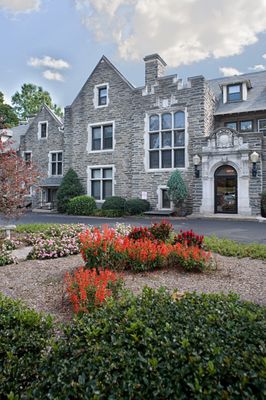
How is Accela Rehab And At Springfield Staffed?

CMS rates ACCELA REHAB AND CARE CENTER AT SPRINGFIELD's staffing level at 1 out of 5 stars, which is much below average compared to other nursing homes. Staff turnover is 82%, which is 35 percentage points above the Pennsylvania average of 46%. High turnover can affect care consistency as new staff learn residents' individual needs. RN turnover specifically is 69%, which is notably high. RNs provide skilled clinical oversight, so turnover in this role can affect medical care quality.

What Have Inspectors Found at Accela Rehab And At Springfield?

State health inspectors documented 122 deficiencies at ACCELA REHAB AND CARE CENTER AT SPRINGFIELD during 2022 to 2025. These included: 2 Immediate Jeopardy (the most serious level, indicating potential for serious harm or death), 2 that caused actual resident harm, 117 with potential for harm, and 1 minor or isolated issues. Immediate Jeopardy findings are rare and represent the most serious regulatory concerns. They require immediate corrective action.

Who Owns and Operates Accela Rehab And At Springfield?

ACCELA REHAB AND CARE CENTER AT SPRINGFIELD is owned by a for-profit company. For-profit facilities operate as businesses with obligations to shareholders or private owners. The facility is operated by ACCELA HEALTHCARE, a chain that manages multiple nursing homes. With 129 certified beds and approximately 105 residents (about 81% occupancy), it is a mid-sized facility located in GLENSIDE, Pennsylvania.
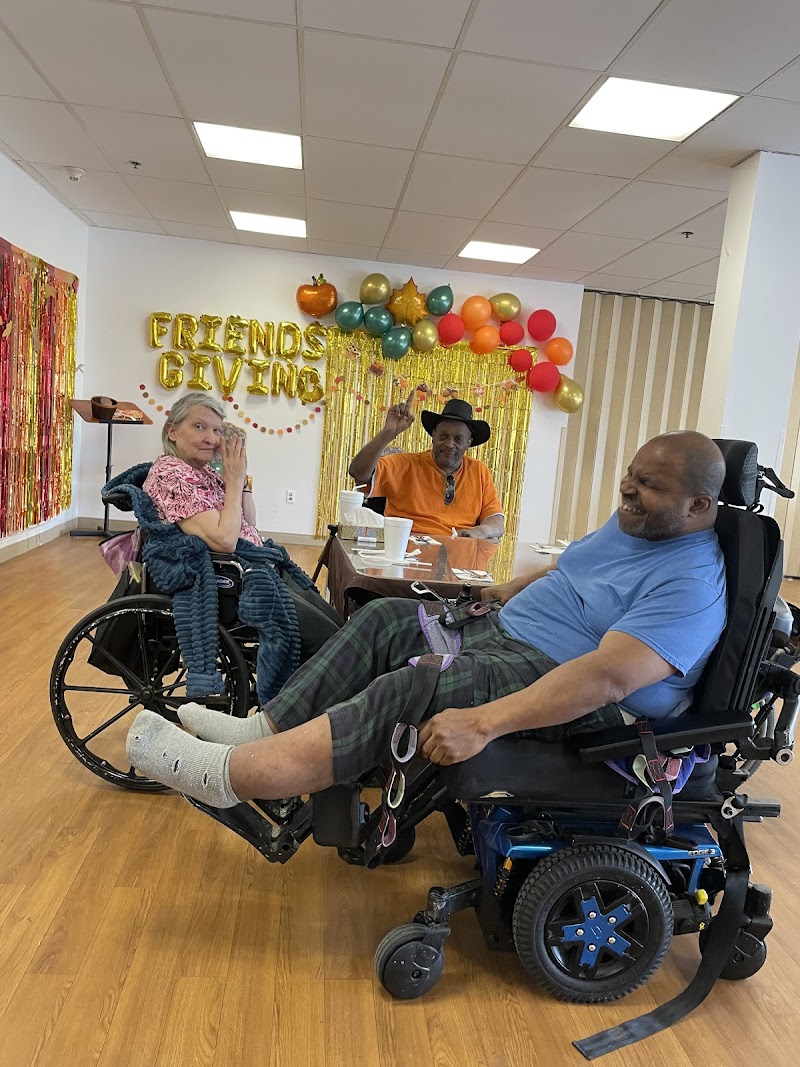
How Does Accela Rehab And At Springfield Compare to Other Pennsylvania Nursing Homes?

Compared to the 100 nursing homes in Pennsylvania, ACCELA REHAB AND CARE CENTER AT SPRINGFIELD's overall rating (1 stars) is below the state average of 3.0, staff turnover (82%) is significantly higher than the state average of 46%, and health inspection rating (1 stars) is much below the national benchmark.

What Should Families Ask When Visiting Accela Rehab And At Springfield?

Based on this facility's data, families visiting should ask: "What changes have been made since the serious inspection findings, and how are you preventing similar issues?" "What safeguards and monitoring systems are in place to protect residents from abuse or neglect?" "How do you ensure continuity of care given staff turnover, and what is your staff retention strategy?" "Can you walk me through typical staffing levels on day, evening, and night shifts?" These questions are particularly relevant given the facility's Immediate Jeopardy citations, the substantiated abuse finding on record, the facility's high staff turnover rate, and the below-average staffing rating.

Is Accela Rehab And At Springfield Safe?

Based on CMS inspection data, ACCELA REHAB AND CARE CENTER AT SPRINGFIELD has documented safety concerns. The facility has 1 substantiated abuse finding (meaning confirmed case of resident harm by staff or other residents). Inspectors have issued 2 Immediate Jeopardy citations (the most serious violation level indicating risk of serious injury or death). The facility is currently on the Special Focus Facility watch list (a federal program monitoring the lowest-performing 1% of nursing homes nationwide). The facility has a 1-star overall rating and ranks #100 of 100 nursing homes in Pennsylvania. Families considering this facility should ask detailed questions about what corrective actions have been taken since these incidents.

Do Nurses at Accela Rehab And At Springfield Stick Around?

Staff turnover at ACCELA REHAB AND CARE CENTER AT SPRINGFIELD is high. At 82%, the facility is 35 percentage points above the Pennsylvania average of 46%. Registered Nurse turnover is particularly concerning at 69%. RNs handle complex medical decisions and coordinate care — frequent RN changes can directly impact care quality. High turnover means new staff may not know residents' individual needs, medications, or preferences. It can also be disorienting for residents, especially those with dementia who rely on familiar faces. Families should ask: What is causing the turnover? What retention programs are in place? How do you ensure care continuity during staff transitions?

Was Accela Rehab And At Springfield Ever Fined?

ACCELA REHAB AND CARE CENTER AT SPRINGFIELD has been fined $69,735 across 7 penalty actions. This is above the Pennsylvania average of $33,776. Fines in this range indicate compliance issues significant enough for CMS to impose meaningful financial consequences. Common causes include delayed correction of deficiencies, repeat violations, or care failures affecting resident safety. Families should ask facility leadership what changes have been made since these penalties.

Is Accela Rehab And At Springfield on Any Federal Watch List?

ACCELA REHAB AND CARE CENTER AT SPRINGFIELD is currently an SFF Candidate, meaning CMS has identified it as potentially qualifying for the Special Focus Facility watch list. SFF Candidates have a history of serious deficiencies but haven't yet reached the threshold for full SFF designation. The facility is being monitored more closely — if problems continue, it may be added to the official watch list. Families should ask what the facility is doing to address the issues that led to this status.