EDGEHILL NURSING AND REHAB CEN
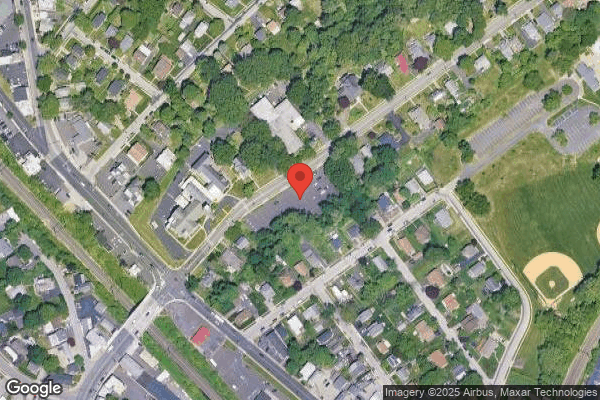

146 EDGEHILL ROAD, GLENSIDE, PA 19038 (215) 886-1043
Non profit - Other 60 Beds Independent Data: November 2025
Trust Grade
65/100
#278 of 653 in PA
Last Inspection: October 2024

Within standard 12-15 month inspection cycle. Federal law requires annual inspections.

Overview

Edgehill Nursing and Rehab Center has a Trust Grade of C+, which indicates it is slightly above average but not exceptional. Its state rank of #278 out of 653 places it in the top half of Pennsylvania facilities, while locally, it ranks #34 out of 58 in Montgomery County, meaning there are only a few better options nearby. Unfortunately, the facility is trending worse, with issues increasing from 5 in 2023 to 15 in 2024. Staffing is average, with a 3/5 rating and a turnover rate of 49%, which is close to the state average but could indicate instability. While the facility has not incurred any fines, which is a positive sign, recent inspections revealed concerning issues such as inadequate infection control measures, failure to monitor antibiotic use effectively, and not ensuring nurse aides received necessary training hours. Overall, while there are strengths in its ratings and absence of fines, the rising trend in deficiencies and specific concerns may raise flags for families considering this home.

Trust Score
C+
65/100
In Pennsylvania
#278/653
Top 42%
Safety Record
Low Risk
No red flags
Inspections
Getting Worse
5 → 15 violations
Staff Stability
⚠ Watch
49% turnover. Above average. Higher turnover means staff may not know residents' routines.
Penalties
✓ Good
No fines on record. Clean compliance history, better than most Pennsylvania facilities.
Skilled Nurses
○ Average
Each resident gets 34 minutes of Registered Nurse (RN) attention daily — about average for Pennsylvania. RNs are the most trained staff who monitor for health changes.
Violations
⚠ Watch
20 deficiencies on record. Higher than average. Multiple issues found across inspections.
★★★☆☆
3.0
Overall Rating
★★★☆☆
3.0
Staff Levels
★★★★☆
4.0
Care Quality
★★★☆☆
3.0
Inspection Score
Stable
2023: 5 issues
2024: 15 issues

The Good

  • 4-Star Quality Measures · Strong clinical quality outcomes
  • Full Sprinkler Coverage · Fire safety systems throughout facility
  • No fines on record

Facility shows strength in quality measures, fire safety.

The Bad

3-Star Overall Rating

Near Pennsylvania average (3.0)

Meets federal standards, typical of most facilities

Staff Turnover: 49%

Near Pennsylvania avg (46%)

Higher turnover may affect care consistency

The Ugly 20 deficiencies on record

Oct 2024 12 deficiencies
CONCERN (D)

Potential for Harm - no one hurt, but risky conditions existed

Pressure Ulcer Prevention (Tag F0686)

Could have caused harm · This affected 1 resident

Based on observation, review of clinical records and facility policies and interviews with staff, it was determined that the facility failed to provide necessary treatment and services, consistent wit...

Read full inspector narrative →
Based on observation, review of clinical records and facility policies and interviews with staff, it was determined that the facility failed to provide necessary treatment and services, consistent with professional standards of practice and physician orders, to promote healing of pressure ulcers for two of two residents reviewed for pressure ulcer. (Resident R39 and R32) Findings Include: Review of facility policy titled Pressure Injury Management Program Evaluating Risk, Prevention, Support Planning, Treatment, And Monitoring dated October 2021, revealed that Goal-Residents admitted with pressure ulcers receive the care and services necessary to promote healing. Interventions are multi-factorial. In the context of the resident's choices, clinical condition, and physician input, the resident's treatment and support plan should establish relevant goals and approaches to stabilize or improve underlying conditions. Interventions may include: Redistribute pressure (such as repositioning, protecting heels, etc.); Provide appropriate pressure-redistributing, support surfaces; Review of clinical record for Resident R39 revealed that the resident was admitted to the facility with diagnosis including dementia (a decline in mental abilities that affects a person's daily life) and Parkinson's disease (a brain disorder that causes movement problems, and can also affect mental health, sleep, and pain). Review of wound care providers documentation for Resident R39 dated September 12, 2024, revealed that the resident had open wounds to sacrum and heels ulcer with etiology of pressure injury/ulcer and peripheral vascular disease. Review of active physician orders for Resident R39 dated October 1, 2024, revealed that the resident was currently receiving treatment for pressure ulcer to the sacrum and heel. Review of physician order for Resident R39 dated September 12, 2024 revealed an order for heel suspension device to right and left foot while in bed and chair for DTI (deep tissue injury- a type of pressure ulcer) Review of care plan for Resident R39 dated August 29, 2024 revealed that the resident was skin impairment related to impaired cognition and incontinence: sacrum unstageable pressure ulcer; DTI to bilateral heels with interventions including, off load/float heels while in bed with heel suspension device. Observation of Resident R39 on October 7, 2024, at 10:28 a.m. revealed that the resident was lying in the bed. Resident's heels were touching against the mattress without any offloading measures. Observation of Resident R39 on October 7, 2024, at 12:40 p.m. revealed that the resident was lying in the bed. Resident's heels were touching against the mattress without any offloading measures. There were no heel boots/heel suspension devices available in resident's room. Observation of Resident R39 on October 8, 2024, at 10:45 a.m. revealed that the resident was sitting in the dining room a special wheelchair with footrest. Resident's heels were touching against the footrest without any offloading measures. Observation of Resident R39 on October 8, 2024, at 11:31 a.m. revealed that the resident was sitting in his room in a special wheelchair with footrest. Resident's heels were touching against the footrest without any offloading measures. Interview with Employee E16, Licensed Practical Nurse, on October 8, 2024, at 11:31 a.m. confirmed that resident's heel was pressing against the foot of the chair and there was no heel suspension device available in resident's room. Review of clinical record for Resident R32 revealed that the resident was admitted to the facility with diagnosis including dementia and chronic obstructive pulmonary disease(a common lung disease that makes it difficult to breath). Review of wound care providers documentation for Resident R32 dated September 5, 2024, revealed that the resident had open wounds to right heel with etiology of pressure injury. Review of active physician orders for Resident R32 dated September 30, 2024, revealed that the resident was currently receiving treatment for pressure ulcer to the right heel. Review of physician order for Resident R32 dated May 30, 2024, revealed an order for heel suspension device to right foot while in bed for DTI. Observation of Resident R32 on October 7, 2024, at 9:48 a.m. revealed that the resident was lying in the bed. Resident's heels were touching against the mattress without any offloading measures. There was one heel boot/heel suspension device next to resident's dresser. Observation of Resident R32 on October 9, 2024, at 12:30 p.m. revealed that the resident was the resident was lying in the bed. Resident's heels were touching against the mattress without any offloading measures. Interview with Employee E16, at the time of the observation confirmed that resident's heel was pressing against the mattress without any offloading measures. Employee also confirmed that there was no heel boot/heel suspension device in resident's room. 28 Pa. Code 211.10(c) Resident care policies 28 Pa. Code 211.12 (c)(d)(1)(3)(5) Nursing Services.
CONCERN (D)

Potential for Harm - no one hurt, but risky conditions existed

Deficiency F0692 (Tag F0692)

Could have caused harm · This affected 1 resident

**NOTE- TERMS IN BRACKETS HAVE BEEN EDITED TO PROTECT CONFIDENTIALITY** Based on review of facility policy, review of clinical records, and staff interview it was determined that the facility failed t...

Read full inspector narrative →
**NOTE- TERMS IN BRACKETS HAVE BEEN EDITED TO PROTECT CONFIDENTIALITY** Based on review of facility policy, review of clinical records, and staff interview it was determined that the facility failed to identify, implement, monitor, and modify interventions consistent with resident needs to maintain acceptable parameters of nutritional status for three of five residents reviewed for nutrition (Resident R2, R12, R39). Findings Include: Review of undated facility policy Weighing of Residents revealed the facility must monitor the resident's weight to detect significant weight loss or gain to ensure that the resident maintains acceptable parameters of nutritional status, taking into account the resident's clinical condition or other appropriate intervention, when there is a nutritional problem. Per the facility policy, residents should be weighed monthly and subsequently should be documented in the medical record. Review of care plan for Resident R12 dated October 19, 2021, revealed that the resident was at nutritional risk related to inconsistent intake and potential for weight loss related to holding food in her mouth, shoveling food in her mouth with potential for choking and behaviors that interfere. Care plan interventions included, weigh per schedule and alert dietitian and physician to any significant loss or gain. Report changes in nutritional status (changes in intake, ability to feed self, unplanned weight loss/gain, abnormal labs) and report to food and nutrition/physician as indicated. Review of weight documentation for Resident R12 revealed that on July 10, 2024, the resident weighed 96.5 lbs. On August 1, 2024, the resident weighed 87.8 pounds which is a -9.02 % loss. Review of dietary assessment dated [DATE], revealed that the dietician documented the reason for undesired weight loss as recent hospitalization. The BIM was less than 18.5, which indicated that the resident was under weight. It was revealed that no new dietary interventions were initiated from this assessment, and it was documented that the care plan was revised. Review of clinical record revealed that the weight loss of Resident R12 was from August 1, 2024, and the resident did not have any documented hospitalization in 2024 prior to the weight loss. Further review of the assessment revealed no documented evidence that the physician was notified and completed an assessment for the weight loss. Interview with Employee E3, Regional Nurse, on October 9, 2024, at 11:36 a.m. confirmed that the weight loss was not related to the hospitalization and the weight loss occurred while the resident was in the facility prior to the hospitalization. Review of weight documentation for Resident R39 revealed that on August 29, 2024, the resident weighed 130.2 lbs. On September 11, 2024, the resident weighed 117.2 lbs. which is a -9.98 % loss in a month. Review of care plan for Resident R39 dated October 19, 2021, revealed that Resident R39 is at nutrition risk related to involuntary weight loss >/=5% with in past month related to hospital admission and suspected inadequate intake. Care plan interventions included, weekly weight for 4 weeks, and alert dietitian and physician to any significant loss or gain. Review of dietary assessment dated [DATE], revealed that the resident was documented for significant weight loss of 5% or more in last 30 days, 7.5% or more in last 90 days and 10% or more in last 180 days and the resident was not on a weight loss regimen. Nutritional interventions included, provide 8oz lactose free nectar thick milk with meals, requested nursing to notify physician for new order for multivitamin with minerals supplement. Further review of the nutritional assessment revealed that the care plan was revised. Review of weight documentation for Resident R39 revealed that the weekly weight for Resident R39 was not completed. Review of Resident R2's quarterly Minimum Data Set (MDS - federally mandated resident assessment and care screening) dated August 2, 2024, revealed the resident was cognitively impaired and had a diagnosis of dementia (loss of cognitive functioning that interferes with daily life). Review of Resident R2's clinical record revealed a care plan meeting was held with Social Services and Registered nurse on April 10, 2024. Review of the care plan meeting note indicated that Resident R2 was taken off hospice services (specialized care that mainly aims to provide comfort and dignity to the patients) on March 13, 2024. Further review of the care plan meeting note revealed the Registered Dietitian was not apart of the care plan meeting. Review of Resident R2's clinical record revealed a comprehensive nutrition assessment dated [DATE], by Registered Dietitian, Employee E4, revealed Resident R2 was on hospice so monthly weights were not required to be completed. Further review of the assessment revealed no additional oral supplements were warranted at that time. Goals for Resident R2 included comfort measures due to hospice. Interview on October 9, 2024, at 9:45 a.m. with Social Services, Employee E15, confirmed Resident R2 was taken off hospice on March 13, 2024. Review of Resident R2's weight history revealed no documented monthly weight for May, July, September, or October 2024. Review of psychiatry progress note dated September 13, 2024, revealed Resident R2 has been eating poorly per the roommate's observations. Interview on October 9, 2024, at 10:30 a.m. with Registered Nurse, Employee E8, confirmed Resident R2 is not a big eater but does enjoy supplements and will consume 100%. Since Resident R2 was no longer on hospice services at the time of the nutrition assessment on July 31, 2024, the Registered Dietitian failed to accurately and consistently assess a resident's nutritional status based on current needs. Interview on October 9, 2024, at 10:20 a.m. with Registered Dietitian, Employee E5, confirmed Resident R2's nutrition assessment would determine different goals and interventions if Resident R2 was no longer on hospice services. 28 Pa. Code 211.10(c) Resident Care Policies 28 Pa. Code 211.12(d)(1)(3)(5) Nursing Services
CONCERN (D)

Potential for Harm - no one hurt, but risky conditions existed

Deficiency F0694 (Tag F0694)

Could have caused harm · This affected 1 resident

**NOTE- TERMS IN BRACKETS HAVE BEEN EDITED TO PROTECT CONFIDENTIALITY** Based on review of facility policy, review of clinical records, and staff interviews, it was determined that the facility failed...

Read full inspector narrative →
**NOTE- TERMS IN BRACKETS HAVE BEEN EDITED TO PROTECT CONFIDENTIALITY** Based on review of facility policy, review of clinical records, and staff interviews, it was determined that the facility failed to provide care and assessments consistent with professional standards of practice related to intravenous therapy for one of one resident reviewed (Resident R54). Findings Include: Review of facility policy Central Vascular Access Device (CVAD) Dressing Change revised January 15, 2004, revealed a CVAD includes peripherally inserted central catheter (PICC). The catheter insertion site is a potential entry site for bacteria that may cause a catheter-related infection. Assessment of the vascular access site is performed upon admission and during dressing changes, at least once every shift when not in use, and routinely for signs and symptoms of infusion related complications. The length of the external catheter is obtained upon admission and during dressing changes. Review of Resident R54's admission Minimum Data Set (MDS - federally mandated resident assessment and care screening) dated September 20, 2024, revealed the resident was admitted to the facility on [DATE], and had a diagnosis of urinary tract infection. Further review of Resident R54's admission MDS dated [DATE], revealed the resident was taking an antibiotic and intravenous (IV - administered into a vein) medications. Review of Resident R54's clinical record revealed a physician order with a start date of September 15, 2024, and discontinue date of September 20, 2024, for Ertapenem Sodium Solution Reconstituted (antibiotic used to prevent and treat a variety of bacterial infections) to be administered intravenously one time a day for UTI. Review of Resident R54's care plan revised September 28, 2024, revealed the resident had a peripherally inserted central line IV (PICC - a tube that is inserted through a vein in the arm and passed through to the larger veins near the heart) due to UTI and antibiotic therapy. Interviews included to flush IV and sterile dressing changes per policy and as needed. Review of Resident R54's medication and treatment administration record revealed that there were no orders or documentation of any IV line care or maintenance, such as dressing changes, or assessments. Review of progress notes revealed that there was no indication that the IV line was assessed or monitored each shift and/or with each infusion. Further review of Resident R54's entire clinical record revealed no documented evidence that the length of the external catheter was obtained upon admission. Interview on October 9, 2024, at 10:51 a.m. with Regional Nurse confirmed Resident R54 had a PICC line on admission. Further interview confirmed Resident R54 did not have orders for the care and management of the PICC line and that the external catheter length was not measured on admission. 28 Pa Code 211.12(1) Nursing services 28 Pa Code 211.12(d)(5) Nursing services
CONCERN (D)

Potential for Harm - no one hurt, but risky conditions existed

Deficiency F0710 (Tag F0710)

Could have caused harm · This affected 1 resident

**NOTE- TERMS IN BRACKETS HAVE BEEN EDITED TO PROTECT CONFIDENTIALITY** Based on clinical record review, facility policy and interviews with staff, it was determined that the facility did not ensure t...

Read full inspector narrative →
**NOTE- TERMS IN BRACKETS HAVE BEEN EDITED TO PROTECT CONFIDENTIALITY** Based on clinical record review, facility policy and interviews with staff, it was determined that the facility did not ensure that a physician assessment was completed related to unplanned weight loss for two of five residents reviewed for nutritional risk (Resident R12 and Resident R39). Findings include: Review of facility policy Weighing of Residents undated, revealed If the weight change falls into the significant category-5% in one month or 10% in 6 months, the RD completes an assessment to investigate the cause of the weight change. Examples of interventions are noted in this policy #6-10. The charge nurse will notify the RD, Doctor, Family, and RNAC of significant weight changes. The nurse will document the weight loss and notification of responsible party/MD, in the resident medical record. Review of care plan for Resident R12 dated October 19, 2021, revealed that the resident was at nutritional risk related to inconsistent intake and potential for weight loss related to holding food in her mouth, shoveling food in her mouth with potential for choking and behaviors that interfere. Care plan interventions included, weigh per schedule and alert dietitian and physician to any significant loss or gain. Report changes in nutritional status (changes in intake, ability to feed self, unplanned weight loss/gain, abnormal labs) and report to food and nutrition/physician as indicated. Review of weight documentation for Resident R12 revealed that on July 10, 2024, the resident weighed 96.5 lbs. On August 1, 2024, the resident weighed 87.8 pounds which is a -9.02 % loss. Review of dietary assessment dated [DATE], revealed that the dietician documented the reason for undesired weight loss as recent hospitalization. The BMI (Body Mass Index) was less than 18.5, which indicated that the resident was under weight. It was revealed that no new dietary interventions were initiated from this assessment, and it was documented that the care plan was revised. Review of the clinical record for Resident R12 revealed no documented evidence that the physician was notified and completed an assessment for the weight loss. Review of weight documentation for Resident R39 revealed that on August 29, 2024, the resident weighed 130.2 lbs. On September 11, 2024, the resident weighed 117.2 lbs. which is a -9.98 % loss in a month. Review of dietary assessment dated [DATE], revealed that the resident was documented for significant weight loss of 5% or more in last 30 days, 7.5% or more in last 90 days and 10% or more in last 180 days and the resident was not on a weight loss regimen. Review of care plan for Resident R39 dated October 19, 2021, revealed that Resident R39 is at nutrition risk related to involuntary weight loss >/=5% with in past month related to hospital admission and suspected inadequate intake. Care plan interventions included, weekly weight for 4 weeks, and alert dietitian and physician to any significant loss or gain. Review of the clinical record for Resident R12 revealed no documented evidence that the physician was notified and completed an assessment for the weight loss. Interview with Employee E3, Regional Nurse, on October 9, 2024, at 11:36 a.m. confirmed that there was no evidence that the physician was notified of Resident R12's and R39's weight loss according to the care plan and facility policy. 28 Pa. Code:211.12(d)(5) Nursing services. 28 Pa. Code:211.2(a) Physician services. 28 Pa. Code 211.5(f) Clinical records
CONCERN (D)

Potential for Harm - no one hurt, but risky conditions existed

Deficiency F0730 (Tag F0730)

Could have caused harm · This affected 1 resident

Based on clinical record review and interview with staff, it was determined that the facility failed to ensure required yearly performance reviews for two out of the four nurse aides reviewed. (Employ...

Read full inspector narrative →
Based on clinical record review and interview with staff, it was determined that the facility failed to ensure required yearly performance reviews for two out of the four nurse aides reviewed. (Employee E10 and E13). nurse aides. Findings Include: Review of facility records revealed nurse aide Employee E10 was hired on November 7, 2022 and did not have a yearly review completed in the year 2023. Review of facility records revealed nurse aide Employee E13 was hired on hire date March 5, 2009 and did not have a yearly review completed in the year 2023 or 2024. Interview held with Employee E9 from Human Resources on October 9, 2024 at 10:35 a.m. confirmed that two out of the four staff did not have yearly reviews. She stated they have been through several Director of Nursing which may be why she cannot find them. 28 Pa. Code: 211.12(d)(1) Nursing services 28 Pa. Code 211.12(d)(5) Nursing services
CONCERN (D)

Potential for Harm - no one hurt, but risky conditions existed

Drug Regimen Review (Tag F0756)

Could have caused harm · This affected 1 resident

Based on review of clinical records, and staff interviews, it was determined that the facility failed to ensure the identified pharmacy review irregularities were implemented for one of five residents...

Read full inspector narrative →
Based on review of clinical records, and staff interviews, it was determined that the facility failed to ensure the identified pharmacy review irregularities were implemented for one of five residents reviewed (Resident R32). Findings Include: Review of Resident R117's Consultant Pharmacist review report dated August 1, 2024, by consultant pharmacist, revealed a recommendation to increase resident's medication order Clindamycin (It can treat various types of infections, including skin and vaginal infections.) dose to increase 300 mg every 6 hours due to resident's . Further review of the consult revealed that the recommendation was approved by the physician. Review of Resident R32's medication administration record (MAR) revealed that the resident was ordered for Clindamycin 300 mg tablet three times daily on July 25, 2024, for 10 days. Further review of the MAR revealed that the dosage was not increased as recommended by the consultant pharmacist. Continued review of Resident R32's MAR revealed that the resident was ordered for Clindamycin 300 mg tablet three times daily on August 8, 2024, for 21 days. Further review of the MAR revealed that the dosage was not increased as recommended by the consultant pharmacist. Resident continued to receive clindamycin three times a day. 28 Pa. Code 211.9 (a)(1) Pharmacy services. 28 Pa Code 211.12 (d)(5) Nursing Services.
CONCERN (D)

Potential for Harm - no one hurt, but risky conditions existed

Deficiency F0801 (Tag F0801)

Could have caused harm · This affected 1 resident

Based on staff interviews and a review of employee personnel file, it was determined that the facility failed to employ a qualified director of food and nutrition services (Employee E6). Findings incl...

Read full inspector narrative →
Based on staff interviews and a review of employee personnel file, it was determined that the facility failed to employ a qualified director of food and nutrition services (Employee E6). Findings include: An interview on October 7, 2024, at approximately 9:45 a.m. with Food Service Director, Employee E6, revealed that job responsibilities included oversight of ordering, receiving, storing, preparation and service of food. Further interview revealed the Registered Dietitian only works part time at the building. Review of Food Service Directors, Employee E6, personnel file revealed the employee held the position of Director of Dining Services with a start date of October 3, 2024. Review of the Food Service Directors, Employee E6, personnel file confirmed the employee was not currently a certified dietary manager (CDM); or a certified food manager (CFM); or had a national certification for food service management and safety from a national certifying body; or had an associate's or higher degree in food service management or hospitality from an accredited institution. Interview on October 8, 2024, at approximately 1:00 p.m. with the Registered Dietitian Consultant, Employee E7, confirmed the Registered Dietitian only worked at the facility part time. Review of Food Service Directors, Employee E6's, credentials indicated that Employee E6 did not meet the statutory qualifications of a director of food and nutrition services. 201.14 (a) Responsibility of licensee.
CONCERN (D)

Potential for Harm - no one hurt, but risky conditions existed

QAPI Program (Tag F0867)

Could have caused harm · This affected 1 resident

Based on the review of Quality Improvement Program (QAPI) plan, review of facility policy, review of facility documentation, and interview with staff, it was determined that the facility failed to dem...

Read full inspector narrative →
Based on the review of Quality Improvement Program (QAPI) plan, review of facility policy, review of facility documentation, and interview with staff, it was determined that the facility failed to demonstrate and maintain an effective Quality Improvement Program with systems and reports demonstrating systematic identification, reporting, investigation, analysis, and prevention of adverse events and performance indicators. Findings include: Review of facility policy Quality Assurance/Performance Improvement (QAPI) Plan revised May 2023 revealed that part of developing the QAPI plan should include: describe the problem to be solved, specific/measurable goals, and a timeline for achieving the goal. Further review of facility policy revealed the QAPI plan should also include feedback, data, and monitoring, and systematic analysis and systematic action. Review of the facility QAPI Committee Meeting Records for July 2024, revealed the facility utilized the CASPER (Certification and Survey Provider Enhanced Reports - offers data that allows the facility to pinpoint areas where changes in care and operations are necessary to improve performance) to identify that the facility flagged in falls in the Quality Measure Report. Further review of the facility QAPI Committee Meeting Records for July 2024 revealed no documented evidence an action plan was implemented to improve the identified area and subsequently track performance to ensure improvements are realized and sustained. Review of the facility QAPI Committee Meeting Records for August 2024 revealed Falls were again listed on the meeting records, however no evidence how falls were monitored and evaluated. Further review of the QAPI Committee Meeting Records for August 2024 revealed there was no evidence that the committee had implemented ways to track medical errors and adverse events, analyze their causes, and implement preventive actions and mechanisms. Interview on October 9, 2024, at 12:20 p.m. with Regional Nurse Consultant, Employee E3, confirmed there was no documentation or tracking of events, data collection or analysis, no established performance indicators or goals, no monitoring of progress or any facility wide systems evaluation. Regional Nurse Consultant, Employee E3, confirmed documentation was poor, that the QAPI program needed to be improved, and that there was no further data to provide related to the facility's QAPI program. 28 Pa Code 201.14(a) Responsibility of licensee 28 Pa Code 201.18(e)(2) Management
CONCERN (D)

Potential for Harm - no one hurt, but risky conditions existed

Deficiency F0882 (Tag F0882)

Could have caused harm · This affected 1 resident

Based on review of facility policies and interviews with staff, it was determined that the facility failed to designate one or more individuals as the infection preventionist who work at least part ti...

Read full inspector narrative →
Based on review of facility policies and interviews with staff, it was determined that the facility failed to designate one or more individuals as the infection preventionist who work at least part time at the facility with specialized training infection prevention and control as required. Findings include: During an interview with Employee E3, Regional Nurse on October 8, 2024, at 12:00 p.m. stated that the infection preventionist did not complete specialized training infection prevention and control as required. Review of educational record for infection preventionist provided by on October 8, 2024, revealed that the facility infection preventionist was in the process of obtaining specialized training in infection prevention program offered by CDC-Centers for Disease Control and Prevention). However, the infection preventionist did not complete the program. 28 Pa. Code 201.18(e)(1) Management 28 Pa. Code 211.12(d)(1) Nursing Services
CONCERN (E)

Potential for Harm - no one hurt, but risky conditions existed

Infection Control (Tag F0880)

Could have caused harm · This affected multiple residents

**NOTE- TERMS IN BRACKETS HAVE BEEN EDITED TO PROTECT CONFIDENTIALITY** Based upon observations, interviews and review of clinical records and facility policy, it was determined the facility failed to...

Read full inspector narrative →
**NOTE- TERMS IN BRACKETS HAVE BEEN EDITED TO PROTECT CONFIDENTIALITY** Based upon observations, interviews and review of clinical records and facility policy, it was determined the facility failed to establish and maintain an infection prevention and control program to provide a safe, sanitary and comfortable environment and to help prevent the development and transmission of Multidrug-resistant organism (MDRO) transmission for one residents with indwelling medical devices (Resident R51) and two residents with wounds (Resident R32 and R39) of 14 residents records reviewed. Findings include: Review of the facility 's policy Infection Control Enhanced Barrier Precautions dated in March 2024, revealed that This facility strives to maintain a safe, sanitary and comfortable environment and to help prevent the development and transmission of communicable diseases and infections by utilizing the least restrictive precautions or isolation for the resident under certain circumstances. Enhanced barrier precautions (EBPs), in addition to Standard Precautions, are utilized to prevent the spread of multi-drug resistant organisms (MDROs) to residents. I.EBPs employ targeted gown and glove use during high contact resident care activities when contact precautions do not otherwise apply. a. Gloves and gown are applied prior to performing the high contact resident care activity (as opposed to before entering the room). b. Personal protective equipment (PPE) is changed before caring for another resident. c. Face protection may be used if there is also a risk of splash or spray. 2.Examples of high-contact resident care activities requiring the use of gown and gloves for EBPs include: a. dressing; b. bathing/showering; c. transferring; d. providing hygiene; e. changing linens; f. changing briefs or assisting with toileting; g. device care or use (central line, urinary catheter, feeding tube, tracheostomy/ventilator, etc.); and h. wound care (any skin opening requiring a dressing). 5. EBPs are indicated (when contact precautions do not otherwise apply) for residents with wounds and/or indwelling medical devices regardless of [NAME] colonization or infection status. a. Wounds are those that are chronic or longer healing. Shorter lasting wounds such as skin tears or breaks in skin that are covered with an adhesive bandage such as a band-aid do not require EBP. t. Examples of chronic wounds include, but are not limited to, pressure ulcers, diabetic foot ulcers, unhealed surgical wounds and venous stasis ulcers. b. Indwelling medical device examples include central lines, urinary catheters, feeding tubes, and tracheostomies. i. A peripheral intravenous line (not a peripherally inserted central catheter) is not considered an indwelling medical device for the purpose of EBP. EBPs remain in place for the duration of the resident's stay or until resolution of the wound or discontinuation of the indwelling medical device that places them at increased risk. Signs are posted on the door or wall outside the resident room indicating the high-contact resident care activities that require the use of gown and gloves. Review of the Resident R51's physician order dated July 24, 2024 revealed an order for Enhanced Barrier Precaution. Further review of the physician order dated April 24, 2024 revealed an order for indwelling foley catheter for the diagnosis (no diagnosis listed in the order) Observations on October 7, 2024, at 1:16 p.m. revealed that Resident R51's had a foley catheter. Further observation revealed no evidence of any enhanced barrier precautions supplies were available or no signs were posted outside the room to alert the staff and visitors about enhanced barrier precautions. Review of wound care providers documentation for Resident R39 dated September 12, 2024, revealed that the resident had open wounds to sacrum and heels ulcer with etiology of pressure injury/ulcer and peripheral vascular disease. Review of active physician orders for Resident R39 dated October 1, 2024, revealed that the resident was currently receiving treatment for pressure ulcer to the sacrum. Observations on October 7, 2024, at 10:28 a.m. revealed that Resident R39 was in the room. Further observation revealed no evidence of any enhanced barrier precautions supplies were available or no signs were posted outside the room to alert the staff and visitors about enhanced barrier precautions. Review of wound care providers documentation for Resident R32 dated September 5, 2024, revealed that the resident had open wounds to right heel with etiology of pressure injury. Review of active physician orders for Resident R32 dated September 30, 2024, revealed that the resident was currently receiving treatment for pressure ulcer to the right heel. Observations on October 7, 2024, at 9:48 a.m. revealed that Resident R32 was in the room. Further observation revealed no evidence of any enhanced barrier precautions supplies were available or no signs were posted outside the room to alert the staff and visitors about enhanced barrier precautions. Interview with Employee E3, Regional Nurse on October 8. 2024 at 12:00 p.m. stated facility did not implement enhanced barrier precautions and confirmed that residents with catheter and open wounds should be placed on enhanced barrier precautions. 28 Pa Code 211.12 (d)(1)(5) Nursing services 28 Pa Code 201.14(a) Responsibility of licensee
CONCERN (E)

Potential for Harm - no one hurt, but risky conditions existed

Antibiotic Stewardship (Tag F0881)

Could have caused harm · This affected multiple residents

Based on a review of facility documentation, facility policies and staff interviews, it was determined that the facility failed to maintain an effective antibiotic stewardship program that includes a ...

Read full inspector narrative →
Based on a review of facility documentation, facility policies and staff interviews, it was determined that the facility failed to maintain an effective antibiotic stewardship program that includes a system that includes antibiotic use protocols and a system to effectively monitor antibiotic usage for 10 of 10 months of antibiotic stewardship program data reviewed. (January 2024, February 2024, March 2024, April 2024, May 2024, June 2024, July 2024, August 2024 and September 2024). Findings Include: A review of CDC (Centers for Disease Control and Prevention) guidelines, The core element of Antibiotic Stewardship for Nursing Homes, revealed that Improving the use of antibiotics in healthcare to protect patients and reduce the threat of antibiotic resistance is a national priority. 1. Antibiotic stewardship refers to a set of commitments and actions designed to optimize the treatment of infections while reducing the adverse events associated with antibiotic use.2 The Centers for Disease Control and Prevention (CDC) recommends that all acute care hospitals implement an antibiotic stewardship program (ASP) and outlined the seven core elements which are necessary for implementing successful ASPs.2 CDC also recommends that all nursing homes take steps to improve antibiotic prescribing practices and reduce inappropriate use. Nursing homes monitor both antibiotic use practices and outcomes related to antibiotics in order to guide practice changes and track the impact of new interventions. Data on adherence to antibiotic prescribing policies and antibiotic use are shared with clinicians and nurses to maintain awareness about the progress being made in antibiotic stewardship. Clinician response to antibiotic use feedback (e.g., acceptance) may help determine whether feedback is effective in changing prescribing behaviors. Integrate the dispensing and consultant pharmacists into the clinical care team as key partners in supporting antibiotic stewardship in nursing homes. Pharmacists can provide assistance in ensuring antibiotics are ordered appropriately, reviewing culture data, and developing antibiotic monitoring and infection management guidance in collaboration with nursing and clinical leaders. Identify clinical situations which may be driving inappropriate courses of antibiotics such as asymptomatic bacteriuria or urinary tract infection prophylaxis and implement specific interventions to improve use. Perform reviews on resident medical records for new antibiotic starts to determine whether the clinical assessment, prescription documentation and antibiotic selection were in accordance with facility antibiotic use policies and practices. When conducted over time, monitoring process measures can assess whether antibiotic prescribing policies are being followed by staff and clinicians. Track the amount of antibiotic used in your nursing home to review patterns of use and determine the impact of new stewardship interventions. Some antibiotic use measures (e.g., prevalence surveys) provide a snap-shot of information; while others, like nursing home initiated antibiotic starts and days of therapy (DOT) are calculated and tracked on an ongoing basis. Selecting which antibiotic use measure to track should be based on the type of practice intervention being implemented. Interventions designed to shorten the duration of antibiotic courses, or discontinue antibiotics based on post-prescription review (i.e., antibiotic time-out), may not necessarily change the rate of antibiotic starts, but would decrease the antibiotic DOT. Review of facility antibiotic stewardship/surveillance data provided by the facility during the survey revealed that the facility was required to review each antibiotic order with the following information, Name of the resident, Location admission date Type of infection(origin) Name of antibiotic ordered. Start Date and End Date Days of therapy Indication Indication in detain(symptoms) Drug class Labs/Xray Infection Criteria-(McGees criteria Yes/No) Review of facility documentation from the month of January 2024 revealed that the facility had a total of 11 infections which were treated with antibiotic orders. It was revealed that the surveillance tool did not contain symptoms, any test ordered or a review to determine the appropriateness of the antibiotic orders for 3 antibiotic orders. Review of facility documentation from the month of February 2024 revealed that the facility had a total of 33 infections which were treated with antibiotic orders. It was revealed that the surveillance tool did not contain symptoms, any test ordered or a review to determine the appropriateness of the antibiotic orders for 33 antibiotic orders. Review of facility documentation from the month of March 2024 revealed that the facility had a total of 10 infections which were treated with antibiotic orders. It was revealed that the surveillance tool did not contain symptoms, any test ordered or a review to determine the appropriateness of the antibiotic orders for 10 antibiotic orders. Review of facility documentation from the month of April 2024 revealed that the facility had a total of 11 infections which were treated with antibiotic orders. It was revealed that the surveillance tool did not contain symptoms, any test ordered or a review to determine the appropriateness of the antibiotic orders for 11 antibiotic orders. Review of facility documentation from the month of May 2024 revealed that the facility had a total of 15 infections which were treated with antibiotic orders. It was revealed that the surveillance tool did not contain symptoms, any test ordered or a review to determine the appropriateness of the antibiotic orders for 15 antibiotic orders. Review of facility documentation from the month of June 2024 revealed that the facility had a total of 5 infections which were treated with antibiotic orders. It was revealed that the surveillance tool did not contain symptoms, any test ordered or a review to determine the appropriateness of the antibiotic orders for 5 antibiotic orders. Review of facility documentation from the month of July 2024 revealed that the facility had a total of 12 infections which were treated with antibiotic orders. It was revealed that the surveillance tool did not contain symptoms, any test ordered or a review to determine the appropriateness of the antibiotic orders for 12 antibiotic orders. Review of facility documentation from the month of August 2024 revealed that the facility had a total of 10 infections which were treated with antibiotic orders. It was revealed that the surveillance tool did not contain symptoms, any test ordered or a review to determine the appropriateness of the antibiotic orders for 10 antibiotic orders. Review of facility documentation from the month of September 2024 revealed that the facility had a total of 19 infections which were treated with antibiotic orders. It was revealed that the surveillance tool did not contain symptoms, any test ordered or a review to determine the appropriateness of the antibiotic orders for 19 antibiotic orders. Interview with Employee E3, Regional Nurse, on October 8, 2024, at 12:00 p.m., confirmed that the facility antibiotic stewardship program did not include use protocols for antibiotics, review of facility antibiotic orders to determine the appropriateness of the antibiotics and a system to effectively monitor antibiotic usage and a tracking of symptoms. 28 Pa. Code 211.10(d) Resident care policies. 28 Pa. Code 211.12(d)(1)(5) Nursing services
CONCERN (E)

Potential for Harm - no one hurt, but risky conditions existed

Deficiency F0947 (Tag F0947)

Could have caused harm · This affected multiple residents

Based on review of personnel files and staff interviews, it was determined that the facility failed to ensure that nurse aides received their at least 12 hours of continued education per year as requi...

Read full inspector narrative →
Based on review of personnel files and staff interviews, it was determined that the facility failed to ensure that nurse aides received their at least 12 hours of continued education per year as required for three of four personnel files reviewed. (Employee E10, E12, E13) Findings Include: Review of four nurse aide records revealed the facility did not ensure nurse aides completed their required twelve hours of training for the calendar year of 2023-2024. Nurse aide Employee E10's chart revealed the nurse aide was hired at the facility on November 7, 2022. Review of Employee E10's training records revealed only 10 hours of training was completed from October 10, 2023 to the current date. No other trainings were completed between March 1, 2024 to the current date. The nurse aide is short two hours of trainings for the calendar year 2023-2024 Nurse aide Employee E12 chart revealed the nurse aide was hired at the facility on October 8, 1999. Review of Employee E12's training records revealed only 10 hours of training was completed from October 10, 2023 to current to the current date. No other trainings were completed in the year of 2024. The nurse aide is short two hours of trainings for the calendar year 2023-2024. Nurse aide Employee E13 chart revealed the nurse aide was hired at the facility on March 5, 2009. Review of Employee E13's training records revealed only 7.5 hours completed on from October 10, 2023, to the current date. Interview with Employee E9 from Human Resources on October 9, 2024 at 11:13 a.m. confirmed that the above nurse aides did not receive the twelve hours of required trainings for the calendar year of 2023-2024. 28 Pa Code 201.19(7) Personnel policies and procedures 28 Pa Code 201.20(d) Staff development
Jul 2024 3 deficiencies
CONCERN (D) 📢 Someone Reported This

A family member, employee, or ombudsman was alarmed enough to file a formal complaint

Potential for Harm - no one hurt, but risky conditions existed

Comprehensive Care Plan (Tag F0656)

Could have caused harm · This affected 1 resident

Based on clinical record review and staff interview, it was determined that the facility failed to timely develop and implement a person-centered care plan to meet one resident's current needs for the...

Read full inspector narrative →
Based on clinical record review and staff interview, it was determined that the facility failed to timely develop and implement a person-centered care plan to meet one resident's current needs for the use of a colostomy for one of three resident records reviewed (Resident R1). Findings including. Review of Resident R1's quarterly MDS (minimum data set, an assessment of resident's needs) dated June 21, 2024, revealed the resident was diagnosed with coronary heart disease, dementia, depression, anxiety and Parkinson's Disease (a progressive brain disorder), was incontinent of urine and used a colostomy for bowel elimination. The same MDS indicated the resident was cognitively impaired and dependent (helper does all of the effort) for toileting bathing, dressing and personal hygiene. Review of physician note dated March 7, 2024, revealed Resident R1 was readmitted from hospital following treatment for perforated viscus (a bowel or intestinal perforation). The resident underwent exploratory laparotomy, (to examine the abdominal organs) and low anterior resection with colostomy (an opening formed by drawing the healthy end of the colon through an incision in the anterior abdominal wall). Further review of Resident R1's clinical record revealed the facility failed to develop a comprehensive plan of care related to colostomy care that included goals and interventions. During an interview with the Director of Nursing on July 26, 2024, at 1:00 p.m. it was confirmed the facility failed to develop a comprehensive care plan for the resident's colonoscopy. 28 Pa. Code 211.10(c0 Resident care policies 28 Pa Code 211.12 (d)(3)(5) Nursing Services
CONCERN (D) 📢 Someone Reported This

A family member, employee, or ombudsman was alarmed enough to file a formal complaint

Potential for Harm - no one hurt, but risky conditions existed

ADL Care (Tag F0677)

Could have caused harm · This affected 1 resident

Based on observations, interviews with resident and staff, review of clinical records and facility policy, it was determined that the facility failed to provide care to maintain grooming and personal ...

Read full inspector narrative →
Based on observations, interviews with resident and staff, review of clinical records and facility policy, it was determined that the facility failed to provide care to maintain grooming and personal hygiene for one of three residents reviewed (Resident R2). Findings include: Review of the facility's policy titled Incontinence Care states that the facility's policy is to observe the resident periodically throughout the day to provide the necessary incontinence care. The policy further states that the resident will be observed/check every 2-3 hours and/or individualized needs identified in the plan of care. Review of Resident R2's quarterly Minimun Data Set (MDS- resident's care assessemnt) dated May 7, 2024, revealed the resident was alert and oriented, diagnosed with multiple sclerosis (the immune system attacks and damages your brain and spinal cord), impaired on one side of the upper and both sides of the lower extremities. The same MDS identified the resident incontinent of urine and bowel and was dependent on staff for toileting, and bathing. An interview was conducted with Resident R2 on July 24 ,2024 at 11:00 a.m. regarding her inability to do her activities of daily living (ADL) anymore due to multiple sclerosis. The resident indicated that she likes showers but stated, The aides think it takes too long to get me ready for a shower. They use the Hoyer lift (a mechanical lift) to get me out of bed and they think it's faster to give me a bed bath instead. So, I don't get my showers twice a week and I don't know how long I go without getting my hair washed. The surveyor observed Resident R2 pointed out that her pants were soaked with urine. The resident stated she hadn't been changed since last shift which was approximately five hours ago. Review of Resident R2's plan of care revealed the resident's preference indicated that it was important that the resident have the opportunity to engage in daily routines that are meaningful relative to their preferences and important for the resident to choose between a tub bath, shower, bed bath or sponge bath and stated I prefer a shower dated April 22, 2024. The interventions developed regarding incontinence care were to establish voiding patterns and to check every two hours if incontinent and assist with changing briefs dated, April 9, 2024. On July 24, 2024, at 12:00 p.m. the Nursing Home Administrator confirmed Resident R2 did not have incontinence care since 6:00 a.m. 28 Pa. Code 201.29(j) Resident rights 28 PA Code 211.10(c)(d) Resident care policies 28 Pa. Code 211.12(d)(5) Nursing services
CONCERN (D) 📢 Someone Reported This

A family member, employee, or ombudsman was alarmed enough to file a formal complaint

Potential for Harm - no one hurt, but risky conditions existed

Quality of Care (Tag F0684)

Could have caused harm · This affected 1 resident

Based on review of clinical records and interviews with staff, it was determined that the facility failed to ensure that a resident received treatment and care in accordance with professional standard...

Read full inspector narrative →
Based on review of clinical records and interviews with staff, it was determined that the facility failed to ensure that a resident received treatment and care in accordance with professional standards of practice when a changed of condition occurred for one of three resident records reviewed (Resident R1) Findings include: Review of Resident R1's quarterly MDS (minimum data set, an assessment of resident's needs) dated February 1, 2024 revealed the resident was diagnosed with dementia (brain disease) and Parkinson's Disease (a progressive brain disorder) and indicated the resident needed partial to moderate assistance (helper does less than half of the effort) for toileting, bathing, dressing and all personal hygiene and was incontinent of bowel and bladder. The same MDS revealed the resident's Brief Interview for Mental Status (BIMS) was an 11, indicating moderate impairment. Review of Resident R1's nursing progress note, written on the 11-7 shift, dated February 26, 2024, indicated at 11:30 p.m. (the night of February 25, 2024) the resident was Awake and complained of pain 10.5/10, pain on her lower abdomen. Nurse noted the resident was confused, vital signs were obtained and Tylenol was given with positive results. Continue review of the nursing progress notes revealed the next note was written almost two days later, dated February 27, 2024, at 6:56 p.m., This noted the resident was sent to the emergency room when the physician was notified of Resident R1's complaint of chest pain and shortness of breath. Further review of Resident R1's clinical record revealed no further nursing assessment documenting the status of the resident during this two day review period, failing to surmise the occurrence that took place leading to hospitalization. Interview with the Director of Nursing on July 25, 2024, at 1:00 p.m. indicated the nursing notes lacked the timeline and assessments of what took place during this time period and confirmed nursing failed to assess and document complete and accurate nursing progress notes. 28 Pa. Code: 211.12(d)(1)(5) Nursing services
Dec 2023 2 deficiencies
CONCERN (D)

Potential for Harm - no one hurt, but risky conditions existed

Deficiency F0710 (Tag F0710)

Could have caused harm · This affected 1 resident

Based on clinical record review, facility policy and interviews with staff, it was determined that the facility did not ensure that a physician assessment was completed related to unplanned weight los...

Read full inspector narrative →
Based on clinical record review, facility policy and interviews with staff, it was determined that the facility did not ensure that a physician assessment was completed related to unplanned weight loss for one of 33 residents with weight loss reviewed (Resident R25). Findings include: Review of clinical documentation for Resident R25 revealed that that the resident was admitted to the facility September 13, 2023, with diagnoses of hyperlipemia (excessive amounts of fat and fatty substances in the blood), difficulty in walking and muscle weakness. Review of the resident's weight documentation revealed that on September 20, 2023, Resident R25 weighed 133.1 pounds and on December 19, 2023, the resident weighed 116.8 pounds which was unplanned weight loss of a -12.25% in three month, which met the criteria of a significant weight loss. On December 20, 2023 at 11:15 a.m. an interview with the Registered Dietician, Employee E4 revealed that dietician did evaluate Resided R25 and implemented weight gain interventions; however, clinical record had no evidence that the physician assessment was completed related to unplanned weight loss. Interview with the Nursing Home Administrator and the Director of Nursing on December 20, 2023, at 11:15 p.m. confirmed that there was no validating documentation from admission date of September 20, 2023 through December 20, 2023 that physician had assessed the resident in regards to weight loss. 28 Pa. Code:211.12(d)(5) Nursing services. 28 Pa. Code:211.2(a) Physician services. 28 Pa. Code 211.5(f) Clinical records
CONCERN (D)

Potential for Harm - no one hurt, but risky conditions existed

Infection Control (Tag F0880)

Could have caused harm · This affected 1 resident

Based on review of facility policy, review of clinical documentation, observation, and interviews with staff, it was determined that the facility failed to maintain proper infection control practices ...

Read full inspector narrative →
Based on review of facility policy, review of clinical documentation, observation, and interviews with staff, it was determined that the facility failed to maintain proper infection control practices related to medication administration for one of three residents reviewed (Resident R21). Findings include: Review of facility policy titled General Dose Preparation and Medication Administration, most recently revised January 1, 2022, revealed that Facility staff should not touch the medication, and if medication which is not in a protective container is dropped, Facility staff should discard it according to Facility policy. Review of facility policy titled Medication Administered through Certain Routes of Administration, dated January 1, 2022, revealed that for subcutaneous (under the skin) injections, before preparing the dose staff should Cleanse hands. Wear gloves. Review of clinical documentation revealed that Resident R21 was to receive the following medication by mouth during morning medication pass: Baclofen 10 milligrams (mg) tablet for muscle spasm, Colace 100 mg caplet for constipation, Famotidine 20 mg tablet for GERD (Gastroesophageal reflux disease), Allegra 180 mg tablet for allergies, Gabapentin 800 mg tablet for diabetic neuropathy, Lisinopril 40 mg tablet for hypertension, Loratadine 10 mg tablet for allergy symptoms, Omega 3 1000 mg caplet as a supplement, 2 Senna-S 8.6-50 mg tablets for constipation, and 2 Vitamin D3 1000 unit tablets for deficiency. The resident also was to receive 88 units of Levemir injected subcutaneously for type 2 diabetes. Observations conducted on December 20, 2023, at 9:50 a.m. revealed that during preparation of medication for Resident R21, Licensed Nurse, Employee E7 spilled the cup of pills onto the surface of the medication cart. Employee E7 then scooped the pills back into the cup with her hands and administered the medication. While drawing Levemir into the syringe in preparation for administration. Employee E7 then touched the side of the needle with an ungloved finger. Employee E7 then administered the injection without putting on gloves. Interview with Employee E7 at that time confirmed that the preparation and administration of medications for Resident R21 did not follow infection control standards. Interview with the Director of Nursing, Employee E2 on December 20, 2023, at 1:00 p.m. confirmed that the above observations were not in compliance with infection control standards or facility policy. 28 Pa Code 201.14(a) Responsibility of licensee 28 Pa. Code 211.01(d) Resident care policies 28 Pa. Code 211.12(d)(1)(5) Nursing services
Mar 2023 3 deficiencies
CONCERN (D)

Potential for Harm - no one hurt, but risky conditions existed

Deficiency F0657 (Tag F0657)

Could have caused harm · This affected 1 resident

**NOTE- TERMS IN BRACKETS HAVE BEEN EDITED TO PROTECT CONFIDENTIALITY** Based on a review of clinical records and facility documentation, and interviews with staff, it was determined that the facility...

Read full inspector narrative →
**NOTE- TERMS IN BRACKETS HAVE BEEN EDITED TO PROTECT CONFIDENTIALITY** Based on a review of clinical records and facility documentation, and interviews with staff, it was determined that the facility failed to review and revise the comprehensive person-centered plan of care in a timely manner, for one of twenty-four resident records reviewed (Residents R155). Findings include: Review of facilities policy, Edgehill Nursing and Rehabilitation Comprehensive Person-Centered Care Planning, dated October 2021, revealed that the goals are used by facility staff to monitor resident progress. The timetable is a date when the goal is expected to be achieved or progress reviewed. Review of the clinical record for Resident R155 revealed the resident was admitted to the facility on [DATE], with diagnoses including a history of falling and dementia (a range of conditions that affect the brain's ability to think, remember, and function normally). Further review of the clinical record for Resident R155 revealed a February 24, 2023, physician order for Hoyer lift with all transfers. A review of Resident R155's Care Plan, revealed February 23, 2023, care plan for ADL self care performance deficit related to confusion for Transfers stating that the resident requires one-person staff participation with transfers. Interview with the Director of Nursing on March 2, 2023, at 1:39 p.m. who confirmed that the care plan needed to be updated, that the resident has had issues with his blood pressure, that they changed his medication to alleviate this, however when therapy conducted an assessment they had ordered the lift for Resident R155's safety. 28 Pa. Code 211.11(b)(c) Resident care plan 28 Pa. Code 211.12(d)(1)(3)(5) Nursing services
CONCERN (D)

Potential for Harm - no one hurt, but risky conditions existed

Garbage Disposal (Tag F0814)

Could have caused harm · This affected 1 resident

Based on observations and an interview with staff it was determined that the facility did not ensure that garbage and old equipment was disposed of properly. Finding include: A tour of the Food Servic...

Read full inspector narrative →
Based on observations and an interview with staff it was determined that the facility did not ensure that garbage and old equipment was disposed of properly. Finding include: A tour of the Food Service Department conducted on February 28, 2023, at 10:00 a.m. with the Food Service Director, Employee E5, revealed the following concerns: Observation of the receiving area revealed a wooden pallet leaning against the wall and three others stacked on the ground, three empty five-gallon chemical containers, black equipment containing two large cylinders that had been removed from the dish machine, over a dozen wheel chairs and other wheeled resident chairs stacked against the exterior wall, and other old equipment and parts. An interview with the Food Service Director on February 28, 2023, at 10:15 a.m. confirmed the above findings, and stated that the pallets were to be removed by a company with the next delivery, and that the five-gallon pails were from the laundry and that they were to be discarded. Observation of the receiving area on March 2, 2023, at 1:15 p.m. revealed that the five-gallon containers, and some of the wheelchairs were gone, but still 9 wheeled chairs, black equipment and the pallets against the wall were still in receiving area. An interview with the Food Service Director March 2, 2023, at 1:20 p.m. confirmed the above findings, and stated that the pallet against the wall had to be broken down as it was from an equipment delivery and the other vendors would not take it. Observation of the receiving area on March 3, 2023, at 11:25 a.m. revealed that 9 wheeled chairs, the black equipment and the pallets against the wall were still in receiving area. An interview with the Administrator, Employee E1 and the Maintenance Director, Employee E10, on March 3, 2023, at 11:30 a.m. confirmed the above findings and that they were waiting for the dish machine repair company to pick up the black equipment. 28 Pa. Code 201.18(b)(3) Management 28 Pa. Code 207.2(a) Administrator's responsibility
CONCERN (E)

Potential for Harm - no one hurt, but risky conditions existed

Infection Control (Tag F0880)

Could have caused harm · This affected multiple residents

Based on observation, policy review, and staff interviews, it was determined that the facility failed to develop and implement an effective Water Management Program for the prevention, detection, and ...

Read full inspector narrative →
Based on observation, policy review, and staff interviews, it was determined that the facility failed to develop and implement an effective Water Management Program for the prevention, detection, and control of water-borne contaminants, such as Legionella (a bacteria that may cause Legionnaires' Disease (a serious type of pneumonia) which includes regular testing. Findings include: Review of Centers for Disease Control and Prevention (CDC) guidelines for Water Management in Healthcare Facilities revealed Legionella water management programs identify hazardous conditions and include taking steps to minimize the growth and spread of Legionella in building water systems. Having a water management program is now an industry standard for large buildings in the United States. Review of Department of Health and Human services, Centers for Medicare and Medicaid services (CMS) memo Requirement to Reduce Legionella Risk in Healthcare Facility Water Systems to Prevent Cases and Outbreaks of Legionnaires' Disease (LD) dated July 6, 2018, revealed, Facilities must develop and adhere to policies and procedures that inhibit microbial growth in building water systems that reduce the risk of growth and spread of Legionella and other opportunistic pathogens in water. This policy memorandum applies to Hospitals, Critical Access Hospitals (CAHs) and Long-Term Care (LTC). However, this policy memorandum is also intended to provide general awareness for all healthcare organizations. Facilities must have water management plans and documentation that, at a minimum, ensure each facility: o Conducts a facility risk assessment to identify where Legionella and other opportunistic waterborne pathogens (e.g. Pseudomonas, Acinetobacter, Burkholderia, Stenotrophomonas, nontuberculous mycobacteria, and fungi) could grow and spread in the facility water system. o Develops and implements a water management program that considers the ASHRAE industry standard and the CDC toolkit. o Specifies testing protocols and acceptable ranges for control measures and document the results of testing and corrective actions taken when control limits are not maintained. o Maintains compliance with other applicable Federal, State and local requirements. Review of the facility policy Legionella Water Management Plan, with a Review Date of November 1, 2022, revealed no plan for regular water testing. During interviews with the Director of Nursing (DON) and Nursing Home Administrator (NHA) on March 2, 2023, at 1:00 p.m., confirmed that the facility did not have regular testing of the facility waster to ensure that their policies and procedures are adequately protecting the facility from the risk of growth and spread of Legionella and other opportunistic pathogens in the water system at the facility. 28 Pa. Code 211.12(d)(1)(3)(5) Nursing services
Understanding Severity Codes (click to expand)
Life-Threatening (Immediate Jeopardy)
J - Isolated K - Pattern L - Widespread
Actual Harm
G - Isolated H - Pattern I - Widespread
Potential for Harm
D - Isolated E - Pattern F - Widespread
No Harm (Minor)
A - Isolated B - Pattern C - Widespread

Questions to Ask on Your Visit

  • "Can I speak with families of current residents?"
  • "What's your RN coverage like on weekends and overnight?"

Our Honest Assessment

Strengths
  • • No major safety red flags. No abuse findings, life-threatening violations, or SFF status.
  • • No fines on record. Clean compliance history, better than most Pennsylvania facilities.
Concerns
  • • 20 deficiencies on record. Higher than average. Multiple issues found across inspections.
Bottom line: Mixed indicators with Trust Score of 65/100. Visit in person and ask pointed questions.

About This Facility

What is Edgehill Nursing And Rehab Cen's CMS Rating?

CMS assigns EDGEHILL NURSING AND REHAB CEN an overall rating of 3 out of 5 stars, which is considered average nationally. Within Pennsylvania, this rating places the facility higher than 0% of the state's 100 nursing homes. This mid-range rating indicates the facility meets federal standards but may have areas for improvement.
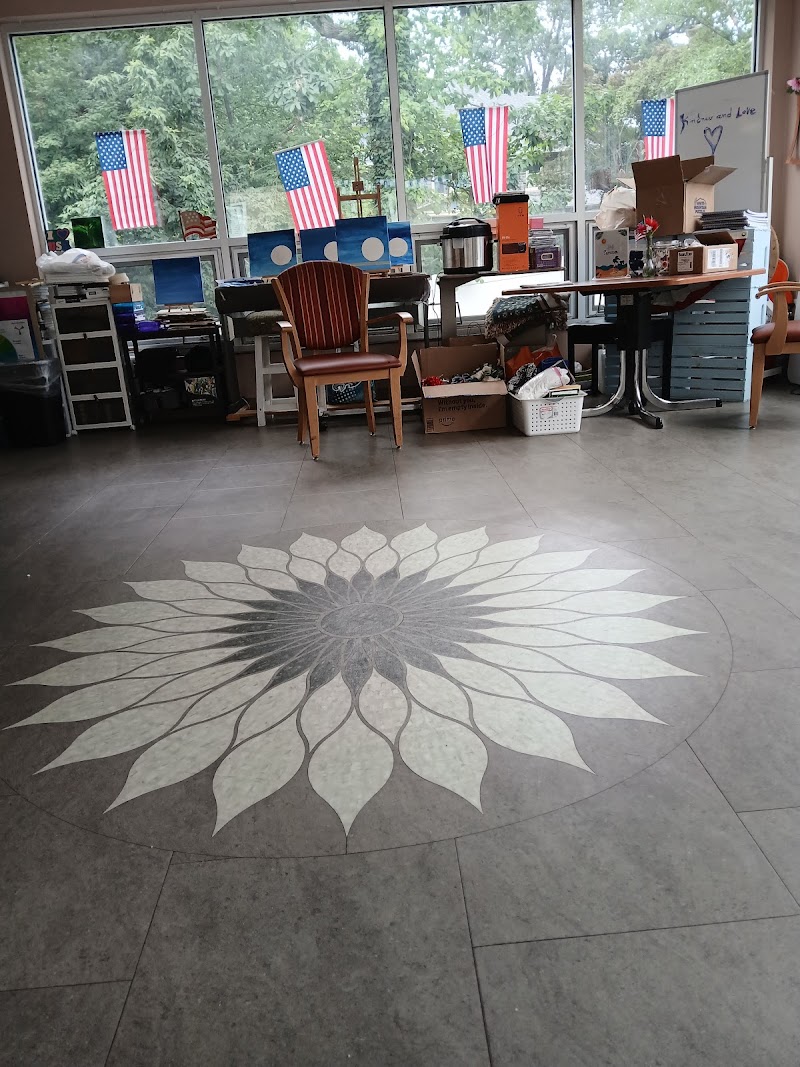
How is Edgehill Nursing And Rehab Cen Staffed?

CMS rates EDGEHILL NURSING AND REHAB CEN's staffing level at 3 out of 5 stars, which is average compared to other nursing homes. Staff turnover is 49%, compared to the Pennsylvania average of 46%. RN turnover specifically is 69%, which is notably high. RNs provide skilled clinical oversight, so turnover in this role can affect medical care quality.

What Have Inspectors Found at Edgehill Nursing And Rehab Cen?

State health inspectors documented 20 deficiencies at EDGEHILL NURSING AND REHAB CEN during 2023 to 2024. These included: 20 with potential for harm.

Who Owns and Operates Edgehill Nursing And Rehab Cen?

EDGEHILL NURSING AND REHAB CEN is owned by a non-profit organization. Non-profit facilities reinvest revenue into operations rather than distributing to shareholders. The facility operates independently rather than as part of a larger chain. With 60 certified beds and approximately 53 residents (about 88% occupancy), it is a smaller facility located in GLENSIDE, Pennsylvania.
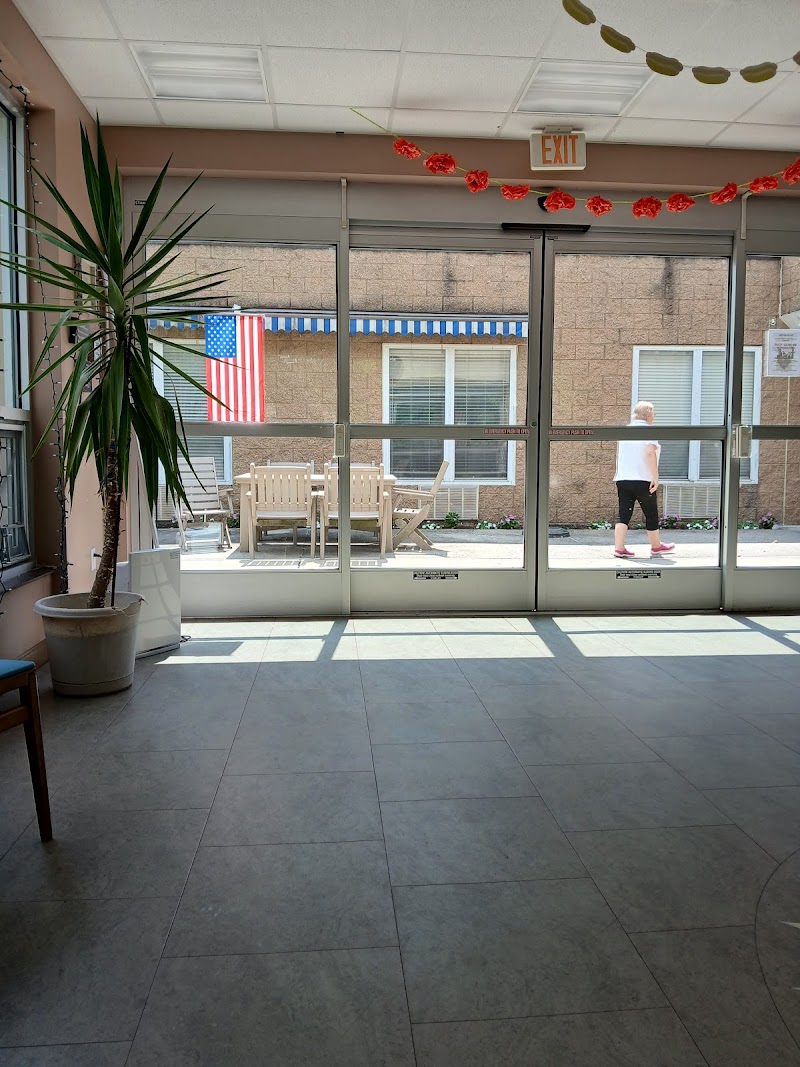
How Does Edgehill Nursing And Rehab Cen Compare to Other Pennsylvania Nursing Homes?

Compared to the 100 nursing homes in Pennsylvania, EDGEHILL NURSING AND REHAB CEN's overall rating (3 stars) matches the state average, staff turnover (49%) is near the state average of 46%, and health inspection rating (3 stars) is at the national benchmark.

What Should Families Ask When Visiting Edgehill Nursing And Rehab Cen?

Based on this facility's data, families visiting should ask: "Can I visit during a mealtime to observe dining assistance and food quality?" "How do you handle medical emergencies, and what is your hospital transfer rate?" "Can I speak with family members of current residents about their experience?"

Is Edgehill Nursing And Rehab Cen Safe?

Based on CMS inspection data, EDGEHILL NURSING AND REHAB CEN has a clean safety record: no substantiated abuse findings (meaning no confirmed cases of resident harm), no Immediate Jeopardy citations (the most serious violation level indicating risk of serious injury or death), and is not on the Special Focus Facility watch list (a federal program monitoring the lowest-performing 1% of nursing homes). The facility has a 3-star overall rating and ranks #1 of 100 nursing homes in Pennsylvania. While no facility is perfect, families should still ask about staff-to-resident ratios and recent inspection results during their visit.

Do Nurses at Edgehill Nursing And Rehab Cen Stick Around?

EDGEHILL NURSING AND REHAB CEN has a staff turnover rate of 49%, which is about average for Pennsylvania nursing homes (state average: 46%). Moderate turnover is common in nursing homes, but families should still ask about staff tenure and how the facility maintains care continuity when employees leave.

Was Edgehill Nursing And Rehab Cen Ever Fined?

EDGEHILL NURSING AND REHAB CEN has no federal fines on record. CMS issues fines when nursing homes fail to meet care standards or don't correct problems found during inspections. The absence of fines suggests the facility has either maintained compliance or corrected any issues before penalties were assessed. This is a positive indicator, though families should still review recent inspection reports for the full picture.

Is Edgehill Nursing And Rehab Cen on Any Federal Watch List?

EDGEHILL NURSING AND REHAB CEN is not on any federal watch list. The most significant is the Special Focus Facility (SFF) program, which identifies the bottom 1% of nursing homes nationally based on persistent, serious quality problems. Not being on this list means the facility has avoided the pattern of deficiencies that triggers enhanced federal oversight. This is a positive indicator, though families should still review the facility's inspection history directly.