HOMEWOOD LIVING PLUM CREEK, INC
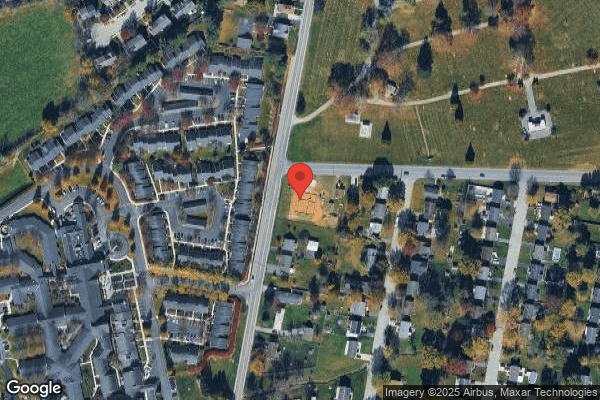
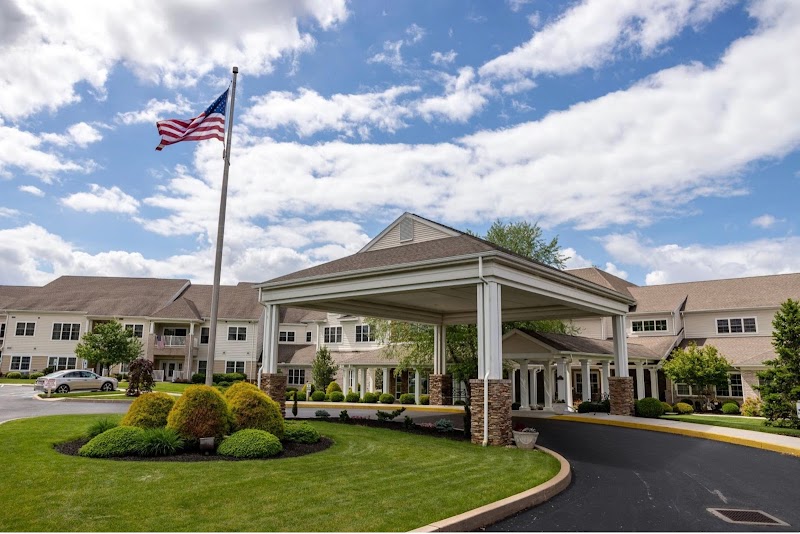
425 WESTMINSTER AVENUE, HANOVER, PA 17331 (717) 637-4166
Non profit - Corporation 120 Beds HOMEWOOD RETIREMENT CENTERS Data: November 2025
Trust Grade
91/100
#58 of 653 in PA
Last Inspection: January 2025

Within standard 12-15 month inspection cycle. Federal law requires annual inspections.

Overview

Homewood Living Plum Creek, Inc. in Hanover, Pennsylvania has received a Trust Grade of A, indicating it is highly recommended and performs excellently compared to other facilities. It ranks #58 out of 653 facilities statewide, placing it in the top half, and is the top facility among 14 in York County. However, the trend is worsening, with the number of issues increasing from 3 in 2024 to 5 in 2025. Staffing is a strength with a perfect 5/5 rating and a turnover rate of 29%, which is significantly lower than the state average, meaning staff are likely to be familiar with residents' needs. The facility has $7,443 in fines, which is average, but there have been concerning incidents, such as failing to implement proper infection control practices for residents on droplet precautions and not updating care plans to reflect current medical needs. Overall, while the home excels in several areas, families should be aware of the recent increase in concerns that need addressing.

Trust Score
A
91/100
In Pennsylvania
#58/653
Top 8%
Safety Record
Low Risk
No red flags
Inspections
Getting Worse
3 → 5 violations
Staff Stability
✓ Good
29% annual turnover. Excellent stability, 19 points below Pennsylvania's 48% average. Staff who stay learn residents' needs.
Penalties
⚠ Watch
$7,443 in fines. Higher than 81% of Pennsylvania facilities, suggesting repeated compliance issues.
Skilled Nurses
✓ Good
Each resident gets 45 minutes of Registered Nurse (RN) attention daily — more than average for Pennsylvania. RNs are trained to catch health problems early.
Violations
○ Average
10 deficiencies on record. Average for a facility this size. Mostly minor or procedural issues.
★★★★★
5.0
Overall Rating
★★★★★
5.0
Staff Levels
★★★★★
5.0
Care Quality
★★★★☆
4.0
Inspection Score
Stable
2024: 3 issues
2025: 5 issues

The Good

  • 5-Star Staffing Rating · Excellent nurse staffing levels
  • 5-Star Quality Measures · Strong clinical quality outcomes
  • Low Staff Turnover (29%) · Staff stability means consistent care
  • Full Sprinkler Coverage · Fire safety systems throughout facility
  • No fines on record
  • Staff turnover is low (29%)

    19 points below Pennsylvania average of 48%

Facility shows strength in staffing levels, quality measures, staff retention, fire safety.

The Bad

Federal Fines: $7,443

Below median ($33,413)

Minor penalties assessed

Chain: HOMEWOOD RETIREMENT CENTERS

Part of a multi-facility chain

Ask about local staffing decisions and management

The Ugly 10 deficiencies on record

Jan 2025 5 deficiencies
CONCERN (D)

Potential for Harm - no one hurt, but risky conditions existed

Deficiency F0558 (Tag F0558)

Could have caused harm · This affected 1 resident

Based on facility policy review, observations, clinical record review, and resident and staff interviews, it was determined that the facility failed to ensure the right to receive services with reason...

Read full inspector narrative →
Based on facility policy review, observations, clinical record review, and resident and staff interviews, it was determined that the facility failed to ensure the right to receive services with reasonable accommodation of resident needs for one of 22 residents reviewed (Resident 4), and failed to ensure that resident needs were accommodated regarding call bell accessibility for one of 22 residents reviewed (Residents 87). Findings include: Review of facility policy, titled Call Lights- Answering, last reviewed April 18, 2024, read, in part, Purpose: To identify and respond to the residents needs. Procedure: call bell will be answered timely. When leaving the room, check to see that the call signal will be within the resident's reach. Review of Resident 4's clinical record revealed diagnoses that included dementia (a chronic disorder of the mental processes caused by brain disease, marked by memory disorders, personality changes, and impaired reasoning), major depressive disorder (a mood disorder that causes a persistent feeling of sadness and loss of interest in things), and anxiety disorder (a persistent feeling of worry, nervousness, or unease). Observation of Resident 4's room on January 21, 2025, at 1:06 PM, revealed her call light was on above her room. Interview with Resident 4 on January 21, 2025, at 1:10 PM, revealed she needed to use the rest room. Observation in the hallway on January 21, 2025, at 1:14 PM, the surveyor observed Employee 1 (Registered Nurse) enter residents 4's room to administer a medication. The surveyor heard Resident 4 tell Employee 1 she needed to use the restroom, Employee 1 replied, I will let them know. Employee 1 turned off Resident 4's call light and exited the room. Observation on January 21, 2025, at 1:21 PM, the surveyor observed Employee 2 (Nurse Aide) walk past Resident 4's room and Employee 1 in the hallway. Employee 1 did not notify Employee 2 that Resident 4 needed to use the rest room. During an interview with Employee 1 on January 21, 2025, at 1:28 PM, the surveyor inquired if she was going to notify nurse aide staff that Resident 4 needed to use the restroom and if she had turned off Resident 4's call bell. Employee 1 replied that she did notify a nurse aide and turned off Resident 4's call bell. Observation on January 21, 2025, at 1:28 PM, Employee 1 called Employee 3 (Nurse Aide) to ask for assistance for Resident 4. Observation on January 21, 2025, at 1:29 PM, revealed Employee 3 was entering Resident 4's room to provide assistance. Interview with the Director of Nursing (DON) on January 23, 2025, at 10:18 AM, revealed Employee 1 notified Employee 3 that Resident 4 needed assistance after she left the room via their communication devices, but Employee 3 was busy with an emergent situation for another resident, so she was unable to assist Resident 4 at that time and was delayed in assisting her. During a follow-up interview with the DON on January 23, 2025, at 1:11 PM, the surveyor revealed the concern with Employee 1 turning off Resident 4's call bell before her needs were met and lack of prompt response until surveyor inquiry. No further information was provided. Review of Resident 87's clinical record revealed diagnoses that included macular degeneration (a vision impairment resulting from deterioration of the central part of retina, a thin layer at the back of the eye on the inner side), age related nuclear cataract (hardening and cloudy eye lens leading to vision changes), and hypertension (high blood pressure). Observation in Resident 87's room on January 21, 2025, at 10:32 AM, revealed she was in her bed eating breakfast and her call bell was out of reach, laying on her recliner. Review of Resident 87's care plan revealed a focus area of, I have had falls related to poor safety awareness, with a start date of January 17, 2025, with an intervention for please keep my frequently used items within reach, with a start date of January 17, 2025. Interview with the DON on January 23, 2025, at 1:09 PM, revealed she would expect Resident 87's call bell to be in reach. 28 Pa code 201.29(a) Resident Rights 28 Pa Code 211.12(d)(1) Nursing Services
CONCERN (D)

Potential for Harm - no one hurt, but risky conditions existed

Assessment Accuracy (Tag F0641)

Could have caused harm · This affected 1 resident

Based on clinical record review and staff interview, it was determined that the facility failed to ensure that the resident assessment accurately reflected the resident's status for one of 25 resident...

Read full inspector narrative →
Based on clinical record review and staff interview, it was determined that the facility failed to ensure that the resident assessment accurately reflected the resident's status for one of 25 residents reviewed (Resident 49). Findings Include: Review of Resident 49's clinical record revealed diagnoses that included cerebral infarction (occurs when blood flow to the brain is interrupted, causing brain tissue to die) and gastro-esophageal reflux disease (a chronic condition where stomach contents flow back up into the esophagus, causing irritation and various symptoms). Review of Resident 49's quarterly MDS (Minimum Data Set is part of federally mandated process for clinical assessment of all Medicare and Medicaid certified nursing homes) dated November 8, 2024, revealed in Section I6100. Post Traumatic Stress Disorder (PTSD), that Resident 49 has been treated for PTSD in the previous 7 days while a resident. Review of Resident 49's electronic medical record failed to reveal any treatment for PTSD. Review of Resident 49's care plan failed to reveal any care plan for PTSD. Interview with the Director of Nursing on January 22, 2025, at 9:58 AM, revealed that Resident 49's MDS completed on November 8, 2024, was marked in error and that Resident 49 does not have any history of PTSD and an MDS correction will be completed. 28 Pa Code 211.12 (d)(3)(5) Nursing Services
CONCERN (D)

Potential for Harm - no one hurt, but risky conditions existed

Quality of Care (Tag F0684)

Could have caused harm · This affected 1 resident

Based on observations, clinical record review, and resident and staff interviews, it was determined that the facility failed to implement resident-directed care and treatment consistent with the resid...

Read full inspector narrative →
Based on observations, clinical record review, and resident and staff interviews, it was determined that the facility failed to implement resident-directed care and treatment consistent with the resident's physician orders and care plan for one of 22 residents reviewed (Resident 41). Findings include: Review of Resident 41's clinical record revealed diagnoses that included congestive heart failure (CHF- a chronic condition in which the heart doesn't pump blood as well as it should), localized edema (swelling caused due to excess fluid accumulation), and muscle weakness. Interview with Resident 41 on January 21, 2025, at 10:17 AM, revealed he has had issues with fluid retention in his legs. Review of Resident 41's physician orders revealed an order for Tubi grips to bilateral lower extremities (BLE), on AM off HS (evening)- twice a day for edema, with a start date of September 20, 2024. Review of Resident 41's care plan revealed a focus area of, I require limited to extensive assistance with my bathing, grooming, dressing, supervision, and set up with mobility and eating related to CHF and unsteady gait, with an intervention for Tubi grips on AM off HS to BLE, with a start date of October 31, 2024. Observation of Resident 41 on January 21, 2025, at 12:18 PM, revealed he was in bed eating lunch, he had edema to his lower extremities, and his Tubi grips were not in place. Observation of Resident 41 on January 22, 2025, at 10:15 AM, revealed he was in his wheelchair, he had edema to his lower extremities, and his Tubi grips were not in place. Interview with Resident 41 on January 22, 2025, at 12:20 PM, revealed he has not worn Tubi grips to his legs in over a month since he has had a lot off weight loss and his edema has improved. Review of Resident 41's TAR (Treatment Administration Record- documentation for treatments/medication administered or monitored) revealed his physician order for Tubi grips was signed off that they were in place on January 21 and 22, 2025. During an interview with the Director of Nursing on January 23, 2025, at 10:33 AM, she revealed Resident 41 used to have a lot of edema but it has really gone down, so they changed his physician order on January 22, 2025, to be as needed. She further revealed she would expect the order not to be signed that the Tubi grips were in place when they were not. 28 Pa Code 211.12(d)(1)(3)(5) Nursing Services
CONCERN (D)

Potential for Harm - no one hurt, but risky conditions existed

Medication Errors (Tag F0758)

Could have caused harm · This affected 1 resident

Based on facility policy review, clinical record review, and staff interviews, it was determined that the facility failed to ensure PRN (as needed) orders for anti-psychotic drugs are limited to 14 da...

Read full inspector narrative →
Based on facility policy review, clinical record review, and staff interviews, it was determined that the facility failed to ensure PRN (as needed) orders for anti-psychotic drugs are limited to 14 days for one of five residents reviewed for unnecessary medications (Resident 4). Findings include: Review of facility policy, titled Antipsychotic Medication Use, last reviewed April 18, 2024, read, in part, Antipsychotic medications will be prescribed at the lowest possible dosage for the shortest period of time and are subject to gradual dose reduction and re-review. PRN orders for antipsychotic medications will not be renewed beyond 14 days unless the healthcare practitioner has evaluated the resident for the appropriateness of that medication and document the rationale for continued use. The duration of the PRN order will be indicated in the order. Review of Resident 4's clinical record revealed diagnoses that included dementia (a chronic disorder of the mental processes caused by brain disease, marked by memory disorders, personality changes, and impaired reasoning), major depressive disorder (a mood disorder that causes a persistent feeling of sadness and loss of interest in things), and anxiety disorder (a persistent feeling of worry, nervousness, or unease). Review of Resident 26's physician orders on January 21, 2025, revealed an order for Seroquel (antipsychotic medication) 25 mg tablet -12.5 mg by mouth twice daily as needed for hallucinations, with a start date of December 31, 2024, and no stop date. During an interview with the Director of Nursing (DON) on January 23, 2025, at 10:14 AM, she revealed Resident 4 was assessed by the practitioner on January 13, 2025, with a noted plan to continue medications as recommended by psych services, and that her next appointment with them was in February. The surveyor revealed the concern with the lack of a 14 day stop date on the PRN Seroquel order and lack of a new order past 14 days. Follow-up interview with the DON on January 23, 2025, at 1:06 PM, she revealed she would expect the facility to comply with the regulation for a stop date of 14 days for PRN antipsychotic medications without exception. 28 Pa code 211.9(a)(1) Pharmacy services 28 Pa code 211.12(d)(1)(3)(5) Nursing services
CONCERN (E)

Potential for Harm - no one hurt, but risky conditions existed

Infection Control (Tag F0880)

Could have caused harm · This affected multiple residents

Based on facility policy review, observations, clinical record review, and staff interview, it was determined that the facility failed to implement infection control practices to help prevent the deve...

Read full inspector narrative →
Based on facility policy review, observations, clinical record review, and staff interview, it was determined that the facility failed to implement infection control practices to help prevent the development and transmission of infectious diseases for two of two residents on droplet precautions (Resident 46 and 68). Findings include: Review of facility policy, titled Infection Control Policy, last reviewed April 18, 2024, read, in part, Purpose: The objectives of our infection control policies and procedures are to: Prevent and control the spread of communicable/contagious diseases. Establish guidelines to follow in the implementation of transmission-based precautions. It shall be the responsibility of the Administrator and Director of Nursing (DON) through the Quality Improvement committee, to assure that infection control policies and procedures are implemented and followed. Review of facility document, titled Droplet Precautions, posted outside of Resident 46 and 68's rooms, revealed Everyone must clean their hands before entering & leaving room. Make sure their eyes nose and mouth are fully covered before room entry. Remove face protection before room exit. Review of Resident 46's clinical record revealed diagnoses that included influenza (a disease caused by virus infecting the respiratory tract), congestive heart failure (a chronic condition in which the heart doesn't pump blood as well as it should), and chronic kidney disease (a condition characterized by a gradual loss of kidney function). Observation on January 21, 2025, at 12:16 PM, revealed Employee 4 (Nurse Aide) was bringing Resident 46's lunch tray into her room, he did not put on eye protection prior to room entry. Review of Resident 68's clinical record revealed diagnoses that included influenza, congestive heart failure, and muscle weakness. Observation on January 22, 2025, at 12:24 PM, revealed Employee 5 (Nurse Aide) was bringing Resident 68's lunch tray into his room. After leaving the room, she disposed of her face shield outside of the room in a trash bin outside of the room. During an interview with the DON on January 23, 2025, at 10:39 AM, she revealed the disposal bin for personal protective equipment (PPE) should have been stored inside Resident 68's room, and she would expect PPE to be worn appropriately by staff. 28 Pa Code 201.18(b)(1) Management. 28 Pa Code 211.12(d)(1)(5) Nursing Services.
Feb 2024 3 deficiencies
CONCERN (D)

Potential for Harm - no one hurt, but risky conditions existed

MDS Data Transmission (Tag F0640)

Could have caused harm · This affected 1 resident

Based on review of the Resident Assessment Instrument User Manual, clinical record review, and staff interviews, it was determined that the facility failed to complete required Minimum Data Set (MDS) ...

Read full inspector narrative →
Based on review of the Resident Assessment Instrument User Manual, clinical record review, and staff interviews, it was determined that the facility failed to complete required Minimum Data Set (MDS) assessments for three of 24 residents reviewed (Residents 9, 27, and 71). Findings include: Review of The Long-Term Care Facility Resident Assessment Instrument (RAI) User's Manual, which provides instructions and guidelines for completing Minimum Data Set (MDS) assessments (mandated assessments of a resident's abilities and care needs), dated October 2023, revealed that a discharge assessment must be completed when a resident is admitted to a hospital or other care setting. The manual also indicated that a Death in Facility tracking record must be completed when a resident dies in the facility. Further review revealed that the discharge assessment must be completed within 14 calendar days of discharge and the Death in Facility tracking record must be complete within seven calendar days of the death of the resident. Review of Resident 9's clinical record revealed that she passed away at the facility on November 24, 2023. Review of Resident 27's clinical record revealed that she passed away in the facility on November 12, 2023. Review of Resident 9 and 27's MDS completion and submission records on February 12, 2024, at 2:39 PM, revealed that to date no Death in Facility tracking records had been initiated, completed, or submitted for either Resident. During an interview with the Director of Nursing (DON) on February 14, 2024, at 9:15 AM, she confirmed that MDS assessments should have been completed after Residents 9 and 27 passed away. She also revealed that those submissions would be completed. Review of Resident 71's clinical record revealed that she was transferred out to the hospital on October 9, 2023, and was subsequently admitted . Review of Resident 71's MDS completion and submission records on February 12, 2024, at 2:39 PM, revealed that to date no discharge MDS related to the hospitalization had been initiated, completed, or submitted. During an interview with the DON on February 15, 2024, at 9:37 AM, she confirmed that a discharge MDS should have been completed when Resident 71 was admitted to the hospital. She also revealed that this was corrected. 28 Pa. Code 201.14(a) Responsibility of licensee 28 Pa. Code 201.18(b)(3) Management 28 Pa. Code 211.12(d)(1)(3)(5) Nursing services
CONCERN (D)

Potential for Harm - no one hurt, but risky conditions existed

Assessment Accuracy (Tag F0641)

Could have caused harm · This affected 1 resident

Based on clinical record review and staff interviews, it was determined that the facility failed to ensure that the resident assessment accurately reflected the resident's status for two of 23 residen...

Read full inspector narrative →
Based on clinical record review and staff interviews, it was determined that the facility failed to ensure that the resident assessment accurately reflected the resident's status for two of 23 residents reviewed (Residents 14 and 40). Findings include: Review of Resident 14's July 5, 2023 quarterly MDS (Minimum Data Set - an assessment tool to review all care areas specific to the resident such as a resident's physical, mental or psychosocial needs) revealed that the assessment was coded to indicate that Resident 14 experienced a fall with injury since the time the last assessment was completed. Review of Resident 14's clinical record for the indicated timeframe failed to reveal any evidence of a fall. During an interview with the Director of Nursing (DON) on February 14, 2024, at 9:15 AM, she confirmed that Resident 14 did not experience a fall during the timeframe in question and that Resident 14's July 5, 2023, MDS was coded incorrectly for a fall. Review of Resident 40's November 3, 2023, quarterly MDS assessment revealed that it was coded to indicate that she received antipsychotic medication (class of medication primarily used to manage psychosis [when someone loses touch with reality]), and that a dose reduction of this medication was last documented by the physician as being contraindicated on June 5, 2023. Review of geriatric psychiatry consult notes dated September 11, 2023, revealed that on this date the physician documented that a dose reduction of Resident 40's antipsychotic medications was contraindicated. During an interview with the DON on February 14, 2024, at 9:15 AM, she confirmed that Resident 40's November 3, 2023, was incorrectly coded and that a modification had been submitted. 28 Pa. Code 211.12(d)(1)(3)(5) Nursing services
CONCERN (D)

Potential for Harm - no one hurt, but risky conditions existed

Comprehensive Care Plan (Tag F0656)

Could have caused harm · This affected 1 resident

Based on observations, policy review, clinical record review, and staff interviews, it was determined that the facility failed to ensure that a comprehensive, person-centered care plan was developed f...

Read full inspector narrative →
Based on observations, policy review, clinical record review, and staff interviews, it was determined that the facility failed to ensure that a comprehensive, person-centered care plan was developed for two of 23 residents reviewed (Residents 18 and 51). Findings include: Review of facility policy, titled Care Planning-Interdisciplinary Team, revised September 2013, revealed, Our facility's care planning/interdisciplinary team is responsible for the development of and individualized comprehensive care plan for each resident. Review of Resident 18's clinical record revealed diagnoses that included muscle weakness (weakness of muscle movements) and fibromyalgia (a disorder that affects muscle and soft tissue characterized by chronic muscle pain, tenderness, fatigue, and sleep disturbances). Observation of Resident 18 on February 12, 2024, at 12:14 PM, revealed Resident 18 sitting in a recliner in her room wearing custom made orthotic shoes with built in AFO (an ankle foot orthosis controls the range of motion in your foot and ankle and helps to stabilize its position). Review of Resident 18's care plan on February 12, 2024, failed to reveal any guidance regarding Resident 18's use of orthotic shoes with AFO. Interview with the Director of Nursing (DON) on February 15, 2024, at 9:45 AM, revealed that Resident 18's care plan should have included the shoes with AFO brace. Review of Resident 51's clinical record on February 12, 2024, at approximately 12:00 PM, revealed diagnoses that included cerebral infarction (stroke - sudden loss of blood to a part of the brain which results in damage and death of cells) and dysphagia (difficulty swallowing). Observation of Resident 51 on February 12, 2024, at approximately 10:10 AM, revealed Resident 51 had a disposable tissue partially placed inside Resident 51's mouth. During an interview on February 12, 2024, at approximately 10:20 AM, Employee 1 stated that Resident 51 frequently utilized a tissue placed in his mouth to soak up salivary secretion. During the interview, Employee 1 stated that staff do check Resident 51's mouth during the day to ensure pieces of tissue and/or food are not left in Resident 51's mouth. Review of Resident 51's clinical record revealed Resident 51 was not care planned for placing a tissue in his mouth. During an interview on February 14, 2024, at approximately 1:30 PM, DON confirmed that Resident 51 was known to place tissues in his mouth. DON stated that the family has provided cloth handkerchiefs, but Resident 51 still utilizes disposable tissues at times. During an interview on February 15, 2024, at approximately 9:30 AM, DON provided an updated plan of care for Resident 51 which included the intervention of, I have excessive [secretions]. Staff will encourage me to use handkerchiefs that my family provides but I like to at times use tissues. Staff will monitor my tissue use for concerns. During the staff interview, DON confirmed that the care plan should have reflected Resident 51's use of cloth handkerchief or tissues placed inside the mouth for salivary secretions. 28 Pa. Code 211.12(d)(3) Nursing services 28 Pa. Code 211.12(d)(5) Nursing services
Mar 2023 2 deficiencies
CONCERN (D)

Potential for Harm - no one hurt, but risky conditions existed

Assessment Accuracy (Tag F0641)

Could have caused harm · This affected 1 resident

Based on clinical record review and staff interview, it was determined that the facility failed to ensure that the resident assessment accurately reflected the resident's status for two of 21 resident...

Read full inspector narrative →
Based on clinical record review and staff interview, it was determined that the facility failed to ensure that the resident assessment accurately reflected the resident's status for two of 21 residents reviewed (Residents 33 and 63). Findings include: Review of Resident 33's clinical record revealed diagnoses that included dementia (a condition characterized by progressive or persistent loss of intellectual functioning, especially with impairment of memory and abstract thinking, and often with personality change, resulting from organic disease of the brain) and Parkinson's disease (a progressive disease of the nervous system marked by tremor, muscular rigidity, and slow, imprecise movement, chiefly affecting middle-aged and elderly people). Review of the facility's form, titled Elopement Risk Assessment completed January 3, 2023, revealed the resident assessed to require a secure unit, wanderguard bracelet, frequent monitoring, activities programming and the addition of Resident 33's photo to the wander book/elopement book. Review of Resident's 33's interdisciplinary plan of care reveal a problem area with behavior that reads I have a wanderguard for safety. Also, I would like to remain safe during periods of wandering. Review of Resident 33's interdisciplinary progress notes revealed nursing staff documentation on January 7, 2023, that included wandering in hall . Peeking out the windows and doors. Also, regarding Resident 33's behavior, Wanders throughout unit exit seeking at times or entering other residents rooms . Review of Resident 33's admission Minimum Data Set (MDS-a tool used to assess all areas specific to the resident), with an Assessment Reference Date (ARD) of January 11, 2023, revealed under Section E: Behavior/0900 Wandering, staff documentation of wandering had not been coded to have occurred within the prior seven days of the ARD. An interview with Employee 1 (Registered Nurse Assessment Coordinator), as well as the Nursing Home Administrator, on March 15, 2023, at 2:26 PM, revealed that the facility staff had not been interviewed regarding the documentation in the interdisciplinary progress notes of Resident 33's episodes of wandering. The interview also revealed the wandering had not been coded as she believed Resident 33 had no purpose. The facility provided no additional explanation or documentation at the conclusion of the survey regarding the MDS coding for Resident 33. Review of Resident 63's clinical record revealed diagnoses that included Alzheimer's disease (brain disorder that gets worse over time characterized by decline in memory, thinking, behavior and social skills) and unspecified mood disorder (group of mental disorders where a disturbance in an individual's mood is the main underlying feature). Review of Resident 63's weight monitoring revealed that she weighed 146.6 pounds on August 1, 2022, and 129 pounds on February 1, 2023. This represented a 12.01% weight loss in six months. Review of Resident 63's February 9, 2023, comprehensive MDS (Minimum Data Set - an assessment tool to review all care areas specific to the resident such as a resident's physical, mental or psychosocial needs) revealed that the assessment was not coded to indicate that Resident 63 experienced a significant weight loss of more than 10% in the prior six months. During an interview with the Director of Nursing on March 15, 2023, at approximately 10:45 AM, she confirmed that Resident 63's February 9, 2023, MDS should have been coded for a significant weight loss. 28 Pa. Code 211.5(f) Clinical records 28 Pa. Code 211.12(d)(5) Nursing services
CONCERN (E)

Potential for Harm - no one hurt, but risky conditions existed

Deficiency F0657 (Tag F0657)

Could have caused harm · This affected multiple residents

Based on clinical record review and staff interview, it was determined that the facility failed to ensure that the resident care plan was reviewed and revised to reflect the resident's current status ...

Read full inspector narrative →
Based on clinical record review and staff interview, it was determined that the facility failed to ensure that the resident care plan was reviewed and revised to reflect the resident's current status for two of 21 residents reviewed (Residents 34 and 36). Findings include: Review of Resident 34's current physician's orders on March 16, 2023, revealed diagnoses of diabetes (A group of diseases that result in too much sugar in the blood [high blood glucose]) and heart failure (a chronic condition in which the heart doesn't pump blood as well as it should). Review of Resident 34's care plan provided by the facility on March 14, 2023, revealed a care plan problem of: I am Diabetic, with an intervention of: Administer medication per physician orders and monitor for side effects and notify physician as needed. I take Glimepiride and Metformin as ordered. Review of Resident 34's current physician's orders on March 14, 2023, failed to reveal a current physician's order for Glimepiride. Review of Resident 34's discontinued physician's orders on March 16, 2023, revealed a physician's order for Glimepiride 2 mg, with a stop date of June 6, 2022. Interview with the Director of Nursing (DON) on March 15, 2023, at 1:45 PM, revealed that she is aware that the Resident's use of Glimepiride ended on June 6, 2022, and the care plan is being changed to reflect that. Review of Resident 36's clinical record revealed diagnoses that included dementia (loss of memory, language, problem-solving, and other thinking abilities that are severe enough to interfere with daily life) and anxiety disorder (mental disorder characterized by feelings of worry about future events and/or fear in reaction to current events). Review of Resident 36's care plan for behavioral concerns noted that she was taking buspirone (medication used to treat anxiety). Review of Resident 36's current physician orders failed to reveal an active order for buspirone. Review of Resident 36's February 2022 MAR (Medication Administration Record - form used to document physician orders as well as when and how medications are administered to a resident) revealed that her order for buspirone was discontinued on March 23, 2022. During an interview with the DON on March 15, 2023, at 2:35 PM, she confirmed that the order for buspirone was discontinued and should not have been on Resident 36's care plan. 28 Pa. Code 211.5(f) Clinical records 28 Pa. Code 211.11(d) Resident care plan 28 Pa. Code 211.12(d)(5) Nursing services
Understanding Severity Codes (click to expand)
Life-Threatening (Immediate Jeopardy)
J - Isolated K - Pattern L - Widespread
Actual Harm
G - Isolated H - Pattern I - Widespread
Potential for Harm
D - Isolated E - Pattern F - Widespread
No Harm (Minor)
A - Isolated B - Pattern C - Widespread

Questions to Ask on Your Visit

  • "Can I speak with families of current residents?"
  • "What's your RN coverage like on weekends and overnight?"

Our Honest Assessment

Strengths
  • • Grade A (91/100). Above average facility, better than most options in Pennsylvania.
  • • No major safety red flags. No abuse findings, life-threatening violations, or SFF status.
  • • 29% annual turnover. Excellent stability, 19 points below Pennsylvania's 48% average. Staff who stay learn residents' needs.
Concerns
  • • No significant concerns identified. This facility shows no red flags across CMS ratings, staff turnover, or federal penalties.
Bottom line: Generally positive indicators. Standard due diligence and a personal visit recommended.

About This Facility

What is Homewood Living Plum Creek, Inc's CMS Rating?

CMS assigns HOMEWOOD LIVING PLUM CREEK, INC an overall rating of 5 out of 5 stars, which is considered much above average nationally. Within Pennsylvania, this rating places the facility higher than 99% of the state's 100 nursing homes. This rating reflects solid performance across the metrics CMS uses to evaluate nursing home quality.
How is Homewood Living Plum Creek, Inc Staffed?

CMS rates HOMEWOOD LIVING PLUM CREEK, INC's staffing level at 5 out of 5 stars, which is much above average compared to other nursing homes. Staff turnover is 29%, compared to the Pennsylvania average of 46%. This relatively stable workforce can support continuity of care.

What Have Inspectors Found at Homewood Living Plum Creek, Inc?

State health inspectors documented 10 deficiencies at HOMEWOOD LIVING PLUM CREEK, INC during 2023 to 2025. These included: 10 with potential for harm.

Who Owns and Operates Homewood Living Plum Creek, Inc?

HOMEWOOD LIVING PLUM CREEK, INC is owned by a non-profit organization. Non-profit facilities reinvest revenue into operations rather than distributing to shareholders. The facility is operated by HOMEWOOD RETIREMENT CENTERS, a chain that manages multiple nursing homes. With 120 certified beds and approximately 93 residents (about 78% occupancy), it is a mid-sized facility located in HANOVER, Pennsylvania.
How Does Homewood Living Plum Creek, Inc Compare to Other Pennsylvania Nursing Homes?

Compared to the 100 nursing homes in Pennsylvania, HOMEWOOD LIVING PLUM CREEK, INC's overall rating (5 stars) is above the state average of 3.0, staff turnover (29%) is significantly lower than the state average of 46%, and health inspection rating (4 stars) is above the national benchmark.

What Should Families Ask When Visiting Homewood Living Plum Creek, Inc?

Based on this facility's data, families visiting should ask: "Can I visit during a mealtime to observe dining assistance and food quality?" "How do you handle medical emergencies, and what is your hospital transfer rate?" "Can I speak with family members of current residents about their experience?"

Is Homewood Living Plum Creek, Inc Safe?

Based on CMS inspection data, HOMEWOOD LIVING PLUM CREEK, INC has a clean safety record: no substantiated abuse findings (meaning no confirmed cases of resident harm), no Immediate Jeopardy citations (the most serious violation level indicating risk of serious injury or death), and is not on the Special Focus Facility watch list (a federal program monitoring the lowest-performing 1% of nursing homes). The facility has a 5-star overall rating and ranks #1 of 100 nursing homes in Pennsylvania. While no facility is perfect, families should still ask about staff-to-resident ratios and recent inspection results during their visit.

Do Nurses at Homewood Living Plum Creek, Inc Stick Around?

Staff at HOMEWOOD LIVING PLUM CREEK, INC tend to stick around. With a turnover rate of 29%, the facility is 17 percentage points below the Pennsylvania average of 46%. Low turnover is a positive sign. It means caregivers have time to learn each resident's needs, medications, and personal preferences. Consistent staff also notice subtle changes in a resident's condition more quickly.

Was Homewood Living Plum Creek, Inc Ever Fined?

HOMEWOOD LIVING PLUM CREEK, INC has been fined $7,443 across 1 penalty action. This is below the Pennsylvania average of $33,153. While any fine indicates a compliance issue, fines under $50,000 are relatively common and typically reflect isolated problems that were subsequently corrected. Families should ask what specific issues led to these fines and confirm they've been resolved.

Is Homewood Living Plum Creek, Inc on Any Federal Watch List?

HOMEWOOD LIVING PLUM CREEK, INC is not on any federal watch list. The most significant is the Special Focus Facility (SFF) program, which identifies the bottom 1% of nursing homes nationally based on persistent, serious quality problems. Not being on this list means the facility has avoided the pattern of deficiencies that triggers enhanced federal oversight. This is a positive indicator, though families should still review the facility's inspection history directly.