SPIRITRUST LUTHERAN THE VILLAGE AT UTZ TERRACE

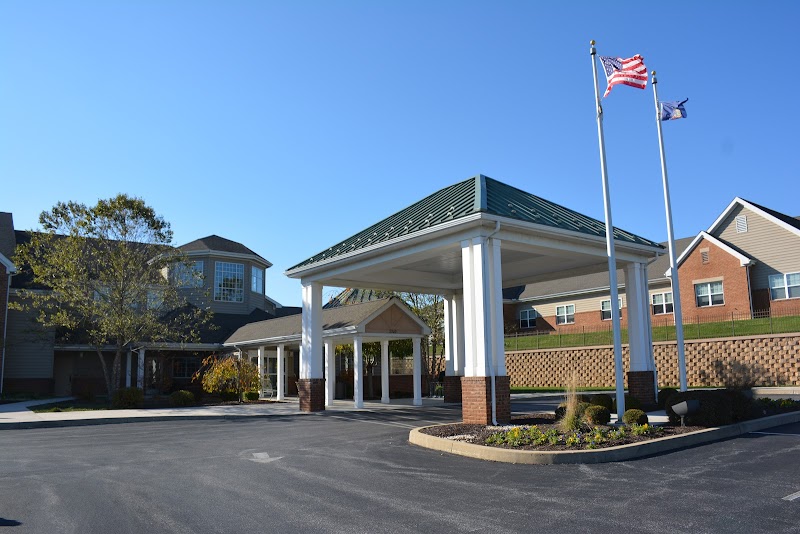
2100 UTZ TERRACE, HANOVER, PA 17331 (717) 637-0633
Non profit - Corporation 40 Beds Independent Data: November 2025
Trust Grade
90/100
#124 of 653 in PA
Last Inspection: April 2025

Within standard 12-15 month inspection cycle. Federal law requires annual inspections.

Overview

Spiritrust Lutheran The Village at Utz Terrace has received an "A" trust grade, indicating excellent quality and a highly recommended facility. It ranks #124 out of 653 nursing homes in Pennsylvania, placing it in the top half, and is #3 out of 14 in York County, meaning there are only two local options that are better. However, the trend is concerning as the number of issues identified has worsened, increasing from 2 in 2024 to 4 in 2025. Staffing is a strong point, with a 5/5 star rating and a turnover rate of 47%, which is slightly above the state average but still reflects a stable workforce. Notably, the facility has not incurred any fines, indicating compliance with regulations; however, recent inspections revealed that they lacked a qualified Infection Preventionist and failed to update care plans for some residents, which could pose potential risks.

Trust Score
A
90/100
In Pennsylvania
#124/653
Top 18%
Safety Record
Low Risk
No red flags
Inspections
Getting Worse
2 → 4 violations
Staff Stability
⚠ Watch
47% turnover. Above average. Higher turnover means staff may not know residents' routines.
Penalties
✓ Good
No fines on record. Clean compliance history, better than most Pennsylvania facilities.
Skilled Nurses
✓ Good
Each resident gets 67 minutes of Registered Nurse (RN) attention daily — more than 97% of Pennsylvania nursing homes. RNs are the most trained staff who catch health problems before they become serious.
Violations
⚠ Watch
11 deficiencies on record. Higher than average. Multiple issues found across inspections.
★★★★★
5.0
Overall Rating
★★★★★
5.0
Staff Levels
★★★★★
5.0
Care Quality
★★★★☆
4.0
Inspection Score
Stable
2024: 2 issues
2025: 4 issues

The Good

  • 5-Star Staffing Rating · Excellent nurse staffing levels
  • 5-Star Quality Measures · Strong clinical quality outcomes
  • Full Sprinkler Coverage · Fire safety systems throughout facility
  • No fines on record

Facility shows strength in staffing levels, quality measures, fire safety.

The Bad

Staff Turnover: 47%

Near Pennsylvania avg (46%)

Higher turnover may affect care consistency

The Ugly 11 deficiencies on record

Apr 2025 4 deficiencies
CONCERN (D)

Potential for Harm - no one hurt, but risky conditions existed

Deficiency F0657 (Tag F0657)

Could have caused harm · This affected 1 resident

Based on observation, clinical record review, and staff interviews, it was determined that the facility failed to ensure the care plan was reviewed and revised for two of 12 residents reviewed (Reside...

Read full inspector narrative →
Based on observation, clinical record review, and staff interviews, it was determined that the facility failed to ensure the care plan was reviewed and revised for two of 12 residents reviewed (Residents 14 and 26). Findings Include: Review of Resident 14's clinical record revealed diagnoses that included atrial fibrillation (a common heart rhythm disorder where the upper chambers of the heart [atria] beat irregularly and often too rapidly) and cardiomyopathy (a disease of the heart muscle that makes it harder for the heart to pump blood effectively). Review of Resident 14's physician orders revealed an order for Xarelto (anticoagulant medication) 15 mg in the morning for atrial fibrillation, with a start date of February 9, 2023. Review of Resident 14's care plan failed to reveal a care plan with a focus area related to anticoagulant medication. Interview with the Director of Nursing (DON) on April 29, 2025, at 10:55 AM, revealed they thought an adequate care plan had been enacted into Resident 14's care plan. Review of Resident 26's clinical record revealed diagnoses that included stage 3 pressure ulcer of the sacrum (a deep wound that extends through the skin into the fatty tissue below, but does not expose muscle or bone, located on the sacrum) and stage 3 pressure ulcer of the back (a stage 3 pressure ulcer located on the back). Review of a wound evaluation dated March 5, 2025, revealed the discovery of a stage 3 pressure wound on Resident 26's sacrum. Review of a wound evaluation dated April 9, 2025, revealed the discovery of a stage 3 pressure wound on Resident 26's left upper back, the evaluation also revealed that the stage 3 pressure wound on the sacrum was still present. Review of the most recently completed wound evaluation dated April 23, 2025, revealed that both stage 3 pressure wound on Resident 26's back and sacrum were still present. Observation of a dressing change on April 29, 2025, at 9:45 AM, revealed that Resident 26 still had stage 3 pressure wounds on their back and sacrum. Review of Resident 26's care plan failed to reveal a care plan with a focus area related to pressure wounds or skin care. Interview with the DON on April 30, 2025, at 10:30 AM, revealed that the care plan for Resident 26's ongoing skin care had been inadvertently removed. 28 Pa. Code 211.12(d)(5) Nursing services
CONCERN (D)

Potential for Harm - no one hurt, but risky conditions existed

Menu Adequacy (Tag F0803)

Could have caused harm · This affected 1 resident

Based on review of select food service committee meeting minutes, resident and staff interviews, and observations, it was determined that the facility failed to produce sufficient food to support resi...

Read full inspector narrative →
Based on review of select food service committee meeting minutes, resident and staff interviews, and observations, it was determined that the facility failed to produce sufficient food to support resident requests based on the posted menu for one meal observed. Findings include: Review of Skilled Care Food Committee Meeting minutes dated April 8th, 2025, residents revealed that food items run out and they don't get what is on the menu. During an interview with Resident 1 on April 28, 2025, 11:00 AM, the Resident revealed that she doesn't like the taste of the food and that she would complete a selection menu, but she does not always get what she selected because they ran out of food. Review of Resident 1's daughter's grievance/concern submitted to the facility on December 9, 2024, read, in part, that her mother doesn't receive the menu items she selects because the facility runs out of food, and the food she gets is frequently inedible. Observation of the posted menu outside of the dining room on April 29, 2025, at 12:00 PM, revealed the lunch menu was citrus roasted pork, baked sweet potato, broccoli, and butterscotch pudding, and the alternate entree was vegetable Alfredo. Additional observation on April 29, 2025, at 1:06 PM, revealed Employee 2 altered the resident menu selections on Residents' 14, 22, 24, 187, and 188's meal tickets. Employee 2 confirmed that they ran out of sweet potato, which was the starch on the posted menu and, therefore, they substituted mashed potatoes. During an interview with Employee 3 on April 29, 2025, at 1:20 PM, it was revealed that production sheets aren't utilized. It was also revealed that residents choose their menu selection at time of service. During an interview with the Nursing Home Administrator on April 29, 2025, at 2:00 PM, it was revealed that sufficient food should be prepared to serve the posted menu. Pa code 211.6 - Dietary Services
CONCERN (D)

Potential for Harm - no one hurt, but risky conditions existed

Deficiency F0804 (Tag F0804)

Could have caused harm · This affected 1 resident

**NOTE- TERMS IN BRACKETS HAVE BEEN EDITED TO PROTECT CONFIDENTIALITY** Based on resident interviews, observation, completion of one meal test tray, it was determined that the facility failed to provi...

Read full inspector narrative →
**NOTE- TERMS IN BRACKETS HAVE BEEN EDITED TO PROTECT CONFIDENTIALITY** Based on resident interviews, observation, completion of one meal test tray, it was determined that the facility failed to provide foods that are palatable, attractive, and at appetizing temperatures at one of one meal observed (April 29, 2025, lunch meal). Findings include: During an interview with Resident 1 on April 28, 2025, at 11:00 AM it was revealed that she doesn't like the taste of the food, and the hot food is often cold. Resident 1 stated that she usually eats in her room for breakfast and lunch and will go to the dining room for dinner. Review of Resident 1's daughter's grievance/concern submitted to the facility on December 9, 2024, read, in part, that her mother doesn't receive the menu items she selects because the facility runs out of food, and the food she gets is frequently inedible. During an interview with Resident 33 during the initial pool process on April 28, 2025, it was revealed he doesn't like the taste of the food, and the hot food it is often cold. Review of facility form, Tray Line Test Tray Audit, revised January 2020, read, in part, test tray standard for hot entree and vegetable is greater than or equal to 135 degrees Fahrenheit. Test tray is also evaluated for adequate flavor and texture of the food. A test tray completed on April 29, 2025, at 1:17 PM revealed adequate portions size, the vegetable alfredo wasn't palatable for taste it was bland, the texture of the broccoli was over cooked/very soft, and the vegetable alfredo and broccoli weren't palatable for temperature. The test tray was placed on a meal cart to be delivered with room trays; 18 minutes had elapsed between the time the test tray was prepared from the service line and presented for evaluation. Employee 3, [NAME] President of Operations for the consultant Food Service Company, took temperatures of the food items at the time the test tray was served for evaluation. The following were the recorded highest temperatures: Vegetable alfredo- 133 degrees Fahrenheit Baked sweet potato- 143 degrees Fahrenheit Broccoli- 139 degrees Fahrenheit Butterscotch pudding - room temp Iced tea- 46 degrees Fahrenheit Coffee- 137 degrees Fahrenheit During an interview with Employee 3, [NAME] President of Operations for the consultant Food Service Company, on April 29, 2025, at 1:20 PM it was revealed that the temperature of the vegetarian alfredo and the broccoli weren't to company standards. It was acknowledged that it took a while to assemble the room trays and therefore the tray sat longer than expected. During an interview with the Nursing Home Administrator on April 29, 2025, at 2:00 PM it was revealed that foods should be served at adequate temperatures and should be palatable. 28 Pa. Code 201.14. Responsibility of licensee 28 Pa code 211.6 - Dietary Services
CONCERN (D)

Potential for Harm - no one hurt, but risky conditions existed

Food Safety (Tag F0812)

Could have caused harm · This affected 1 resident

Based on observations, review of facility policy, and staff interviews, it was determined that the facility failed to store and serve food/beverages in accordance with professional standards for food ...

Read full inspector narrative →
Based on observations, review of facility policy, and staff interviews, it was determined that the facility failed to store and serve food/beverages in accordance with professional standards for food safety in the main kitchen walk-in freezer and in the kitchenette food temperature log. Findings include: Review of facility policy, Labeling and Dating, revised May 14, 2018, read, in part, all food items must be labeled with either a manufacturer label or handwritten label. Upon receipt all food items, must be dated with receiving date. Review of facility policy, Food Service Temperature Logs, last reviewed March 2010, read, in part, food temperatures must be recorded on all hot and cold foods prior to meal service using the Temperature and Meal Evaluation Form. Observation in the walk-in freezer in the main kitchen on April 28, 2025, at 9:32 AM, revealed there were three packages of naan bread out of the cardboard case and not date marked. During an interview with the Employee 4 (General Manager) on April 28, 2025, at 9:32 AM, it was revealed that the packages should've been date marked with a received date or left in the case which should be date marked. Observed of food temperature logs in the Kitchenette on April 28, 2025, at 9:44 AM, revealed eight dinner meals over the past 27 days that the food temperatures weren't recorded. During an interview with Employee 4 on April 28, 2025, at 9:44 AM, it was revealed that the temperature log should be completed for all meals. During an interview with the Nursing Home Administrator on April 29, 2025, at 2:00 PM, it was revealed that all items should be labeled with a received date, and that food temperatures should be recorded for each meal. 28 Pa code 211.6 - Dietary Services
May 2024 2 deficiencies
CONCERN (D)

Potential for Harm - no one hurt, but risky conditions existed

ADL Care (Tag F0677)

Could have caused harm · This affected 1 resident

Based on observation, clinical record review and staff interview it was determined that the facility failed to ensure a resident unable to carry out activities of daily living receives the necessary s...

Read full inspector narrative →
Based on observation, clinical record review and staff interview it was determined that the facility failed to ensure a resident unable to carry out activities of daily living receives the necessary services to maintain good grooming and personal hygiene for one of fifteen residents reviewed (Resident 12). Findings Include: Activities of Daily Living (ADL's- a term used to collectively describe fundamental skills required to independently care for oneself, such as eating, bathing, other personal hygiene and mobility). Review of Resident 12's clinical record revealed diagnoses that included hemiparesis (muscle weakness or partial paralysis on one side of the body that can affect the arms, legs, and facial muscles) and cerebral vascular accident (a stroke, also referred to as a cerebral vascular accident (CVA) or a brain attack, is an interruption in the flow of blood to cells in the brain). An observation and interview with Resident 12, on May 14, 2024, at 9:11 AM revealed the resident in the room and found to have significant facial hair. The facial hair was most prominently observed on the upper lip and chin areas. The interview with Resident 12 revealed feeling depressed regarding the amount of facial hair and stated she would accept staff assistance with removing the hair from her face. Review of Resident 12's interdisciplinary plan of care revealed impaired function with activities of daily living due to medical diagnoses. However, no documentation regarding Resident 12's refusal of personal hygiene care, including shaving. An interview with the Director of Nursing (DON), on May 14, 2024, at 10:01 AM revealed Resident 12 is believed to have a condition that promotes excessive hair growth. The interview also revealed Resident 12 is documented to have last been shaved by staff on April 28, 2024. An additional interview with the DON, on May 15, 2024, at 2:50 PM revealed Resident 12 was reapproached, and staff assisted the resident with shaving her facial hair. A final interview with the DON, on May 16, 2024, at approximately 11:30 AM revealed the facility had no additional information to provide regarding the prominent amount of facial hair found during the interview with Resident 12 on May 14, 2024. 28 Pa. Code 211.12 (d) (5) Nursing services
CONCERN (D)

Potential for Harm - no one hurt, but risky conditions existed

Respiratory Care (Tag F0695)

Could have caused harm · This affected 1 resident

Based on review observations, and staff interviews, it was determined that the facility failed to provide respiratory services for two of fifteen residents reviewed (Resident 10 and 28). Findings incl...

Read full inspector narrative →
Based on review observations, and staff interviews, it was determined that the facility failed to provide respiratory services for two of fifteen residents reviewed (Resident 10 and 28). Findings include: Review of facility provided policy titled, Oxygen Administration, reviewed March 2024, revealed that the humidifier bottle should be labeled with the date and time changed. Observation of Resident 10 on May 13, 2024, at 10:06 AM, revealed the resident sitting in their bed. On the side of the bed was an oxygen concentrator and the oxygen concentrator humidification bottle was labeled that it was put into use on May 3, 2024. Review of Resident 10's clinical record revealed diagnoses that include diabetes mellitus (a group of diseases that result in too much sugar in the blood (high blood glucose)) and respiratory failure (when the lungs can't release enough oxygen into your blood). Review of Resident 10's physician's orders on May 16, 2024, revealed an order to change oxygen equipment and clean the oxygen concentrator filter every week. Review of Resident 10's Medication Administration Record for the month of May 2024, revealed that this should have been completed on May 9, 2024. Observation of Resident 28 on May 13, 2024, at 10:34 AM, revealed the resident sitting in a lounge chair beside their bed. Beside the chair was an oxygen concentrator and the oxygen concentrator humidification bottle labeled that it was put into use on May 3, 2024. Review of Resident 28's clinical record revealed diagnoses that include atrial fibrillation (a type of heart arrhythmia that causes the upper chambers of the heart to beat irregularly and quickly) and congestive heart failure (is a complex clinical syndrome characterized by inefficient myocardial performance, resulting in compromised blood supply to the body). Review of Resident 28's physician's orders on May 14, 2024, revealed an order to change and date oxygen equipment (tubing and humidifier bottle) and clean the oxygen concentrator filter every week. Review of Resident 28's Medication Administration Record for the month of May 2024, revealed that this should have been completed on May 9, 2024. During an interview with the Director of Nursing on May 16, 2024, at 10:35 AM, revealed that Resident 10 and 28 required supplemental oxygen and their humidification bottles should have been changed weekly as ordered by the physician. 28 Pa. Code 211.12(d)(3) Nursing services. 28 Pa. Code 211.12(d)(5) Nursing services.
May 2023 4 deficiencies
CONCERN (D)

Potential for Harm - no one hurt, but risky conditions existed

Assessment Accuracy (Tag F0641)

Could have caused harm · This affected 1 resident

**NOTE- TERMS IN BRACKETS HAVE BEEN EDITED TO PROTECT CONFIDENTIALITY** Based on clinical record review and staff interview, it was determined that the facility failed to ensure that the resident asse...

Read full inspector narrative →
**NOTE- TERMS IN BRACKETS HAVE BEEN EDITED TO PROTECT CONFIDENTIALITY** Based on clinical record review and staff interview, it was determined that the facility failed to ensure that the resident assessment accurately reflected the resident's status for one of 13 residents reviewed (Resident 37). Findings Include: Review of Resident 37's clinical record revealed diagnosis that included chronic obstructive pulmonary disease (a group of lung diseases that block airflow and make it difficult to breathe) and congestive heart failure (a chronic condition in which the heart doesn't pump blood as well as it should). Review of Resident 37's MDS (Minimum Data Set is part of federally mandated process for clinical assessment of all Medicare and Medicaid certified nursing homes) dated April 20, 2023, revealed that Section O0100 Special Treatments, Procedures, and Programs, part K. Hospice care, was marked No, indicating that Resident 37 had not received Hospice services during the 14 day look back period. Review of physician's orders in Resident 37's electronic medical record revealed a physician's order from April 12, 2023, revealed that Resident 37 was discharged from Hospice services as of April 12, 2023. Interview with the Director of Nursing on May 24, 2023, at 10:00 AM, revealed that she agreed that Resident 37's status of receiving Hospice services should have been reflected on the MDS dated [DATE]. 28 Pa. Code 211.5(f) Clinical records 28 Pa Code 211.12 (d)(3)(5) Nursing Services
CONCERN (D)

Potential for Harm - no one hurt, but risky conditions existed

Drug Regimen Review (Tag F0756)

Could have caused harm · This affected 1 resident

Based on clinical record review, facility policy review, and staff interview, it was determined that the facility failed to ensure the attending physician or prescriber responded to medication regimen...

Read full inspector narrative →
Based on clinical record review, facility policy review, and staff interview, it was determined that the facility failed to ensure the attending physician or prescriber responded to medication regimen reviews, completed by a consultant pharmacist, in a timely manner for two of 13 residents reviewed (Residents 6 and 26). Findings include: Review of facility policy, titled Drug Regimen Review Monthly Admission/Readmission, revised February 2023, revealed in step 4. that when the Consultant Pharmacist's medication regimen review is completed, it is provided to the attending physician/prescriber- the physician must review and act or respond within 30 days. Review of Resident 6's clinical record revealed diagnoses that included chronic osteomyelitis (a bone infection that doesn't go away with treatments) and gastro-esophageal reflux disease (occurs when stomach acid repeatedly flows back into the tube connecting your mouth and stomach [esophagus]). Review of Medication Regiment Review form for Resident 6 dated December 12, 2022, revealed that a review was completed by the consultant pharmacist and recommendations were made. Further review revealed that no physician or prescriber responded to the report until February 23, 2023; 73 days later. Review of Resident 26's clinical record revealed diagnoses that included peripheral vascular disease (a slow and progressive circulation disorder) and diabetes (a metabolic disease, involving inappropriately elevated blood glucose levels). Review of Medication Regiment Review form for Resident 26 dated December 12, 2022, revealed that a review was completed by the consultant pharmacist and recommendations were made. Further review revealed that no physician or prescriber responded to the report until February 23, 2023; 73 days later. Interview with the Director of Nursing on May 24, 2023, at 1:30 PM, revealed that the physician did not respond to Resident 6's and 26's medication regiment reviews in a timely manner because there was a problem with the process, which they are working on fixing. 28 Pa. Code 211.2(a) Physician services 28 Pa. Code 211.5(f) Clinical records 28 Pa. Code 211.10(c) Resident care policies
CONCERN (E)

Potential for Harm - no one hurt, but risky conditions existed

Deficiency F0868 (Tag F0868)

Could have caused harm · This affected multiple residents

Based on document review and staff interview, it was determined that the facility failed to ensure the quality assessment and assurance committee consists of the minimum required members for three of ...

Read full inspector narrative →
Based on document review and staff interview, it was determined that the facility failed to ensure the quality assessment and assurance committee consists of the minimum required members for three of three quarterly meeting sign-in documents reviewed (October 2022, January 2023, and April 2023). Findings Include: Review of the facility's attendance record for the months of October 2022, January 2023, and April 2023 revealed no record of participation by the facility's Infection Preventionist. An interview with the Nursing Home Administrator on May 23, 2023, at 12:58 PM, revealed the facility had no qualified Infection Preventionist on staff at that time and during those meetings. 28 Pa. Code 201.14 (a) Responsibility of licensee
CONCERN (E)

Potential for Harm - no one hurt, but risky conditions existed

Deficiency F0882 (Tag F0882)

Could have caused harm · This affected multiple residents

Based on interviews, employee training documents, and regulations, it was determined that the facility failed to have an Infection Preventionist (IP) that completed the approved program for specialize...

Read full inspector narrative →
Based on interviews, employee training documents, and regulations, it was determined that the facility failed to have an Infection Preventionist (IP) that completed the approved program for specialized training in infection prevention and control to obtain final certificate with 19.3 CEU (continuing education units). Findings include: The Centers for Medicare and Medicaid Services regulation §483.80(b)(4) states, The facility must designate one or more individual(s) as the Infection Preventionist(s) (IP)(s) who are responsible for the facility's IPCP (Infection Prevention Control Program) that have completed specialized training in infection prevention and control. Completion of the Centers for Disease and Control (CDC) Train Program requires passing the examination and then eligibility to obtain the official certificate of completion with 19.3 CEUs being completed. Additionally, the individual must work a minimum of part-time within the facility. Employee 6 (Registered Nurse) assumed the role as IP at the facility on January 1, 2023. The previous IP resigned from the facility on September 9, 2022. During an interview with the Director of Nursing (DON) on May 22, 2023, at 1:50 PM, Employee 6's IP certificate of completion by CDC Train credentials were requested that showed the 19.3 CEUs were completed. The DON stated Employee 6 had a deadline of 30 days to repeat the test and complete the post-test evaluation, and that deadline was not met by Employee 6. During an interview with the Nursing Home Administrator (NHA) on April 13, 2023, NHA stated the current IP is unable to provide a certificate of completion of the program for specialized training in infection prevention and control as specified in the manual. The facility was also unable to provide proof that the program is supported by CDC or CMS as an approved program for IPs. 28 Pa. Code 201.18(b)(2) Management
Feb 2023 1 deficiency
CONCERN (D) 📢 Someone Reported This

A family member, employee, or ombudsman was alarmed enough to file a formal complaint

Potential for Harm - no one hurt, but risky conditions existed

Comprehensive Care Plan (Tag F0656)

Could have caused harm · This affected 1 resident

Based on interviews and record review, the facility failed to ensure that the care plan interventions were followed to have staff remain with the resident when toileting for one of three Resident's re...

Read full inspector narrative →
Based on interviews and record review, the facility failed to ensure that the care plan interventions were followed to have staff remain with the resident when toileting for one of three Resident's reviewed (Resident 1). Findings include: A review of the clinical record for Resident 1 on February 15, 2022, revealed diagnoses that included cerebral vascular accident (CVA) with left sided hemiparesis and hemiplegia (stroke caused by disrupted blood flow to the brain, resulting in residual effects of left sided weakness) and memory deficit following cerebral infarction. A care plan dated February 2023, indicates the Resident is at risk for falls due to history of CVA, left sided weakness, and balance problems. Intervention includes, but not limited to, call bell within reach; non-skid socks; and staff member must stay with Resident while on toilet. The intervention to remain with the Resident while on the toilet was initiated May 24, 2021, and revised to state the same on January 29, 2023. A review of the clinical record revealed that on January 27, 2023, at 4:20 PM, Resident 1 was on the toilet and rang the bell for assistance. During an interview with the Nursing Home Administrator (NHA) on February 15, 2023, the NHA stated that he responded to Resident 1's call bell on February 15, 2023, and he recalled it being close to 4:30 PM, when he knocked on the door Resident 1 stated, don't come in I'm on the commode. The NHA stated that he informed Resident 1 that he would leave the call bell on and inform the staff who were assisting another Resident with the Hoyer lift at that time. On January 27, 2023, at 4:30 PM, Resident 1 attempted to transfer herself from the bedside commode and was found in her room, lying on her right side. Resident 1 informed the staff that she was tired of waiting and decided to transfer herself. During an interview with the Director of Nursing (DON) on February 15, 2023, at approximately 12:00 PM, the DON stated that she and Employee 1 (Nursing Supervisor) had initially transferred Resident 1 to the bedside commode and after she provided assistance, she left the room. The DON interviewed Employee 1 after the fall, who admitted he was also called away from the room, leaving Resident 1 alone on the bedside commode. The DON reviewed the care plan herself, and reviewed the care plan with Employee 1 at that time. No injuries were sustained. During an interview with the NHA and DON on February 15, 2023, at approximately 1:00 PM, they both agreed the care plan interventions should have been followed, and staff should remain with the Resident when on the commode. 28 Pa. Code 211.11(d)Resident care plan
Understanding Severity Codes (click to expand)
Life-Threatening (Immediate Jeopardy)
J - Isolated K - Pattern L - Widespread
Actual Harm
G - Isolated H - Pattern I - Widespread
Potential for Harm
D - Isolated E - Pattern F - Widespread
No Harm (Minor)
A - Isolated B - Pattern C - Widespread

Questions to Ask on Your Visit

  • "Can I speak with families of current residents?"
  • "What's your RN coverage like on weekends and overnight?"

Our Honest Assessment

Strengths
  • • Grade A (90/100). Above average facility, better than most options in Pennsylvania.
  • • No major safety red flags. No abuse findings, life-threatening violations, or SFF status.
  • • No fines on record. Clean compliance history, better than most Pennsylvania facilities.
Concerns
  • • 11 deficiencies on record. Higher than average. Multiple issues found across inspections.
Bottom line: Generally positive indicators. Standard due diligence and a personal visit recommended.

About This Facility

What is Spiritrust Lutheran The Village At Utz Terrace's CMS Rating?

CMS assigns SPIRITRUST LUTHERAN THE VILLAGE AT UTZ TERRACE an overall rating of 5 out of 5 stars, which is considered much above average nationally. Within Pennsylvania, this rating places the facility higher than 99% of the state's 100 nursing homes. This rating reflects solid performance across the metrics CMS uses to evaluate nursing home quality.

How is Spiritrust Lutheran The Village At Utz Terrace Staffed?

CMS rates SPIRITRUST LUTHERAN THE VILLAGE AT UTZ TERRACE's staffing level at 5 out of 5 stars, which is much above average compared to other nursing homes. Staff turnover is 47%, compared to the Pennsylvania average of 46%.

What Have Inspectors Found at Spiritrust Lutheran The Village At Utz Terrace?

State health inspectors documented 11 deficiencies at SPIRITRUST LUTHERAN THE VILLAGE AT UTZ TERRACE during 2023 to 2025. These included: 11 with potential for harm.
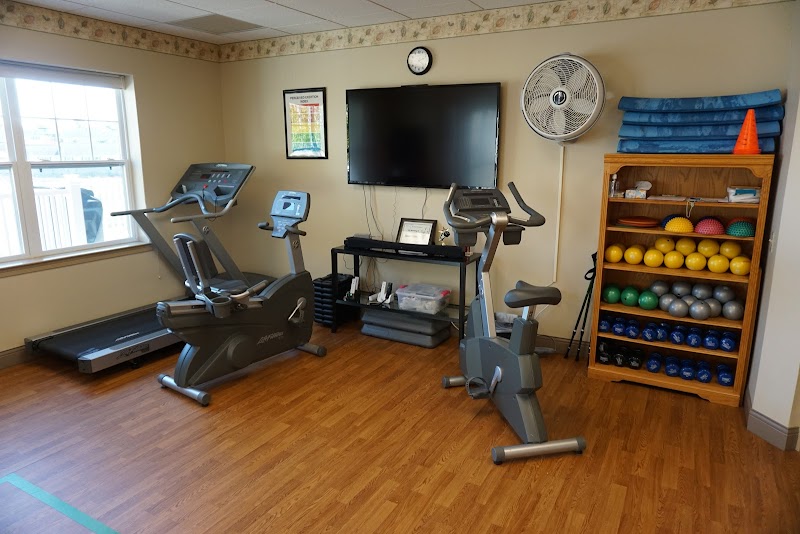
Who Owns and Operates Spiritrust Lutheran The Village At Utz Terrace?

SPIRITRUST LUTHERAN THE VILLAGE AT UTZ TERRACE is owned by a non-profit organization. Non-profit facilities reinvest revenue into operations rather than distributing to shareholders. The facility operates independently rather than as part of a larger chain. With 40 certified beds and approximately 33 residents (about 82% occupancy), it is a smaller facility located in HANOVER, Pennsylvania.
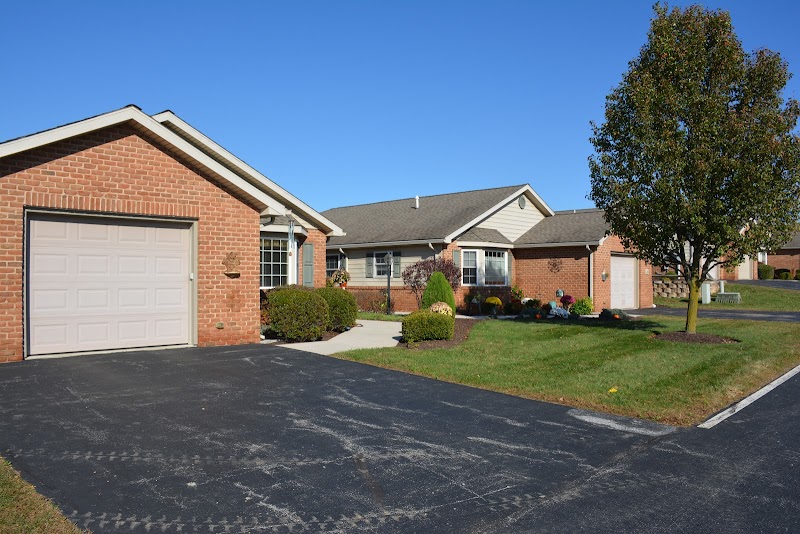
How Does Spiritrust Lutheran The Village At Utz Terrace Compare to Other Pennsylvania Nursing Homes?

Compared to the 100 nursing homes in Pennsylvania, SPIRITRUST LUTHERAN THE VILLAGE AT UTZ TERRACE's overall rating (5 stars) is above the state average of 3.0, staff turnover (47%) is near the state average of 46%, and health inspection rating (4 stars) is above the national benchmark.

What Should Families Ask When Visiting Spiritrust Lutheran The Village At Utz Terrace?

Based on this facility's data, families visiting should ask: "Can I visit during a mealtime to observe dining assistance and food quality?" "How do you handle medical emergencies, and what is your hospital transfer rate?" "Can I speak with family members of current residents about their experience?"

Is Spiritrust Lutheran The Village At Utz Terrace Safe?

Based on CMS inspection data, SPIRITRUST LUTHERAN THE VILLAGE AT UTZ TERRACE has a clean safety record: no substantiated abuse findings (meaning no confirmed cases of resident harm), no Immediate Jeopardy citations (the most serious violation level indicating risk of serious injury or death), and is not on the Special Focus Facility watch list (a federal program monitoring the lowest-performing 1% of nursing homes). The facility has a 5-star overall rating and ranks #1 of 100 nursing homes in Pennsylvania. While no facility is perfect, families should still ask about staff-to-resident ratios and recent inspection results during their visit.

Do Nurses at Spiritrust Lutheran The Village At Utz Terrace Stick Around?

SPIRITRUST LUTHERAN THE VILLAGE AT UTZ TERRACE has a staff turnover rate of 47%, which is about average for Pennsylvania nursing homes (state average: 46%). Moderate turnover is common in nursing homes, but families should still ask about staff tenure and how the facility maintains care continuity when employees leave.

Was Spiritrust Lutheran The Village At Utz Terrace Ever Fined?

SPIRITRUST LUTHERAN THE VILLAGE AT UTZ TERRACE has no federal fines on record. CMS issues fines when nursing homes fail to meet care standards or don't correct problems found during inspections. The absence of fines suggests the facility has either maintained compliance or corrected any issues before penalties were assessed. This is a positive indicator, though families should still review recent inspection reports for the full picture.

Is Spiritrust Lutheran The Village At Utz Terrace on Any Federal Watch List?

SPIRITRUST LUTHERAN THE VILLAGE AT UTZ TERRACE is not on any federal watch list. The most significant is the Special Focus Facility (SFF) program, which identifies the bottom 1% of nursing homes nationally based on persistent, serious quality problems. Not being on this list means the facility has avoided the pattern of deficiencies that triggers enhanced federal oversight. This is a positive indicator, though families should still review the facility's inspection history directly.