LUTHER WOODS NURSING AND REHABILITATION CENTER
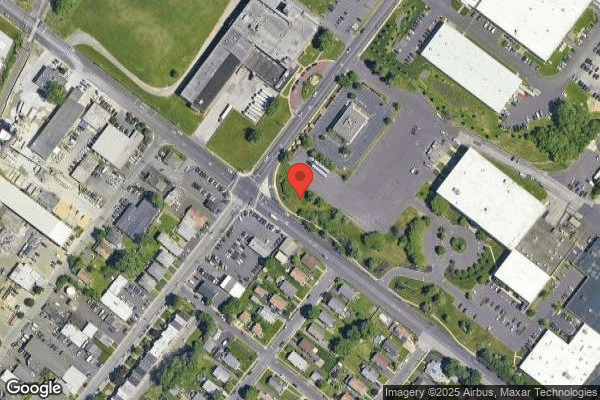
313 COUNTY LINE ROAD, HATBORO, PA 19040 (215) 675-5005
For profit - Limited Liability company 140 Beds LIFEWORKS REHAB Data: November 2025
Trust Grade
75/100
#197 of 653 in PA
Last Inspection: December 2024

Within standard 12-15 month inspection cycle. Federal law requires annual inspections.

Overview

Luther Woods Nursing and Rehabilitation Center has a Trust Grade of B, indicating it is a good option for families looking for care. It ranks #197 out of 653 facilities in Pennsylvania, placing it in the top half, and #23 out of 58 in Montgomery County, meaning there are only 22 local facilities that perform better. The facility is improving, as issues decreased from 9 in 2023 to 7 in 2024. Staffing is also a strength with a 4/5 star rating and a turnover rate of 39%, which is lower than the state average of 46%, suggesting that staff members tend to stay and build relationships with residents. However, there were some concerning incidents, including residents not being served meals at their dining tables and a failure to provide proper care for residents requiring oxygen therapy, indicating areas that need attention. Overall, while there are strengths, families should weigh the reported care gaps when considering this facility.

Trust Score
B
75/100
In Pennsylvania
#197/653
Top 30%
Safety Record
Low Risk
No red flags
Inspections
Getting Better
9 → 7 violations
Staff Stability
○ Average
39% turnover. Near Pennsylvania's 48% average. Typical for the industry.
Penalties
✓ Good
No fines on record. Clean compliance history, better than most Pennsylvania facilities.
Skilled Nurses
○ Average
Each resident gets 40 minutes of Registered Nurse (RN) attention daily — about average for Pennsylvania. RNs are the most trained staff who monitor for health changes.
Violations
⚠ Watch
16 deficiencies on record. Higher than average. Multiple issues found across inspections.
★★★★☆
4.0
Overall Rating
★★★★☆
4.0
Staff Levels
★★★★☆
4.0
Care Quality
★★★★☆
4.0
Inspection Score
Stable
2023: 9 issues
2024: 7 issues

The Good

  • 4-Star Staffing Rating · Above-average nurse staffing levels
  • 4-Star Quality Measures · Strong clinical quality outcomes
  • Full Sprinkler Coverage · Fire safety systems throughout facility
  • No fines on record
  • Staff turnover below average (39%)

    9 points below Pennsylvania average of 48%

Facility shows strength in staffing levels, quality measures, fire safety.

The Bad

Staff Turnover: 39%

Near Pennsylvania avg (46%)

Typical for the industry

Chain: LIFEWORKS REHAB

Part of a multi-facility chain

Ask about local staffing decisions and management

The Ugly 16 deficiencies on record

Dec 2024 2 deficiencies
CONCERN (D)

Potential for Harm - no one hurt, but risky conditions existed

Quality of Care (Tag F0684)

Could have caused harm · This affected 1 resident

Based on clinical record review, review of facility policy and interviews with residents and staff, it was determined that the facility did not ensure that physician's orders were obtained regarding o...

Read full inspector narrative →
Based on clinical record review, review of facility policy and interviews with residents and staff, it was determined that the facility did not ensure that physician's orders were obtained regarding oxygen therapy for one resident out of 26 residents reviewed. (Resident R45) Findings include: Review of facility policy, Respiratory Care and Oxygen Equipment, dated January 29, 2024, states, Oxygen therapy will be administered per provider's order according to standards of practice. Observations during the initial tour of Unit A on December 9, 2024, at 11:35 a.m. revealed Resident R45, in bed wearing a nasal cannula (a device that delivers extra oxygen through a tube and into your nose) connected to an oxygen concentrator (a medical device that pulls air from the room, separates and compresses oxygen from the air, while also removing nitrogen) running at 4 liters per minute. Interview with Resident R45 revealed that she had been on the oxygen since her recent hospitalization. Further observation of Resident R45 on December 10, 2024, at 9:21 a.m. and again on December 11, 2024, at 11:33 a.m. revealed that she was wearing the nasal cannula receiving oxygen at 4 liters per minute. Review of Resident R45's medical record revealed no physician's order for oxygen therapy. Interview with the Director of Nursing, DON, on December 11, 2024, at 12:56 p.m. confirmed that Resident R45 had returned from an emergency room visit on 4 liters of oxygen continuously that she was able to find on her hospital discharge summary. The DON confirmed that the nurse had not put the order in for the physician for the continuous oxygen therapy at 4 liters per minute for Resident R45. 28 Pa. Code:201.18(b)(1)(3) Management. 28 Pa. Code:211.12(d)(1)(5) Nursing services.
CONCERN (D)

Potential for Harm - no one hurt, but risky conditions existed

Deficiency F0761 (Tag F0761)

Could have caused harm · This affected 1 resident

Based on review of facility policy, observation, and staff interview, it was determined that the facility failed to ensure that controlled drugs subject to abuse are stored and labeled in accordance w...

Read full inspector narrative →
Based on review of facility policy, observation, and staff interview, it was determined that the facility failed to ensure that controlled drugs subject to abuse are stored and labeled in accordance with professional standards for one of two medication rooms observed (B wing medication room). Findings include: Review of Facility Policy on Policy: medication and biologicals are stored safely, securely, and properly, following manufacturer's recommendation or those of the supplier. The medication supply is accessible to licensed nursing personnel pharmacy personnel or staff members lawfully authorized to administer medications. Observation of the B wing Medication Storage room conducted on December 9, 2024, at 11:26 AM with Unit Manager Employee E8 revealed that the door to the medication room had a coded lock, further observation revealed that the code was written on the door jamb. Interview with unit manager Employee E8 conducted at the time of the observation confirmed that the pass code of the door lock was written on the door jamb. Observation of the medication refrigerator located inside the B wing medication room revealed that the medication refrigerator was not locked. Observation of the contents of the medication refrigerator revealed a transparent plastic box containing an opened bottle of Lorazepam 2m/ml with 30 ml of liquid inside. Further, the transparent plastic box containing an opened bottle of Lorazepam 2m/ml with 30 ml of liquid inside was not permanently affixed to the refrigerator. Interview with unit manager Employee E8 conducted at the time of the observation confirmed that the medication refrigerator door was not locked, and that the plastic box containing Lorazepam 2m/ml with 30 ml of liquid inside was not permanently affixed to the refrigerator. 28 Pa. Code 201.14(a) Responsibility of licensee 28 Pa. Code. 211.12(c) Nursing services 28 Pa. Code 211.12 (d)(1) Nursing services.
Aug 2024 1 deficiency
CONCERN (D) 📢 Someone Reported This

A family member, employee, or ombudsman was alarmed enough to file a formal complaint

Potential for Harm - no one hurt, but risky conditions existed

Safe Environment (Tag F0584)

Could have caused harm · This affected 1 resident

**NOTE- TERMS IN BRACKETS HAVE BEEN EDITED TO PROTECT CONFIDENTIALITY** Based on observation, staff and resident interview, it was determined that the facility failed to provide a safe, clean, comfort...

Read full inspector narrative →
**NOTE- TERMS IN BRACKETS HAVE BEEN EDITED TO PROTECT CONFIDENTIALITY** Based on observation, staff and resident interview, it was determined that the facility failed to provide a safe, clean, comfortable and homelike environment for residents on two of three nursing units. (B Unit and C Unit ). Findings include: On August 21, 2024, at 10:10 a.m. tour observation was conducted with the unit manager, Employee E1 which confirmed the following observations: B Unit, room [ROOM NUMBER]'s bathroom had two bedpans exposed, while room [ROOM NUMBER] had three empty basins and four bedpans stored behind the toilet. room [ROOM NUMBER] had the entire baseboard removed and stored underneath the sink. The floors were being redone, with tiles missing near the toilet. Additionally, dirty linen was found behind the toilet, and there was a strong odor of feces in the restroom. The hallway across from the activity room, leading into the C wing resident area, had an exposed electrical baseboard heater approximately 30 feet long that was not properly covered. An observation in C Wing confirmed that Shower 1, located before the nursing unit, was cluttered with various items. The sink was filled with random objects, including a dirty hairbrush with brown hair, multiple briefs, single-use packs of zinc cream, a box of gloves, scissors, random socks, bottles of Vitamin D & A and cream, personal nightgowns, a sweatshirt, razors in a bucket, shoes on the floor, and boxes of briefs. The entire shower room was scattered with these items. The second shower in C Wing was being used as a storage space. It contained a sink with pink and brown substance, a standard mattress, a bariatric wheelchair equipped with an air mattress and pump, a geri- chair, a commode, and a large plastic bag filled with clothing. The floor was cluttered with shoes, socks, and a large floor mattress. The shower was completely filled with these items, rendering it unusable as a functional shower. These observations were confirmed by the unit manager, Employee E1. On August 21, 2024, at 10:40 a.m., an interview was conducted with Maintenance staff member, Employee E3. They confirmed the observation in room [ROOM NUMBER] regarding the missing tiles and the completely stripped baseboard, stating that the work had been started but was forgotten and left incomplete. Additionally, the shower in B Wing was noted to have a chipped tile on the baseboard edge, which was partially taped with tape. On August. 21, 2024 1:45 p.m. an interview was held with the Resident R13 who is resigning in room [ROOM NUMBER] reported that his bathroom floor and baseboard was ripped about two months ago and never finished. 28 Pa. Code 201.18(b)(1)(3) Management
Mar 2024 4 deficiencies
CONCERN (D)

Potential for Harm - no one hurt, but risky conditions existed

Comprehensive Care Plan (Tag F0656)

Could have caused harm · This affected 1 resident

**NOTE- TERMS IN BRACKETS HAVE BEEN EDITED TO PROTECT CONFIDENTIALITY** Based on facility policy review, clinical record review, and staff interviews, it was determined the facility failed to develop ...

Read full inspector narrative →
**NOTE- TERMS IN BRACKETS HAVE BEEN EDITED TO PROTECT CONFIDENTIALITY** Based on facility policy review, clinical record review, and staff interviews, it was determined the facility failed to develop and implement a comprehensive person-centered care plan to attain or maintain the highest practicable level in reference to communication for one of 26 residents reviewed (Resident 75). Findings include: Review of facility policy, titled Resident Assessment & Care Planning, effective date November 1, 2019 read, A licensed nurse, in coordination with the interdisciplinary team, develops and implements an individualized care plan for each patient in order to provide effective, person-centered care, and the necessary health -related care and services to attain or maintain the highest practical physical, mental and psychosocial well-being of the patient. Review of Resident 75's clinical record revealed admission date of November 2, 2023 with the diagnoses of Corticobasal degeneration (CBD) (a rare neurodegenerative disorder characterized by a progressive loss of nerve cells (neurons) in certain areas of the brain), paralysis of the vocal cords and larynx, bilaterally, [NAME] disease (a rare and progressive neurological disorder that primarily affects the central nervous system, particularly the brain) Review of Resident 75's care plan revealed a focus on increase communication between resident/family/caregivers about care and living. Review of the Resident R75's quarterly Minimum Data Set Assessment (MDS- a periodic assessment of a resident's needs) dated February 11, 2024, indicated that the resident's BIMS (Brief Interview of Mental Status) is cognition intact. On March 20, 2024, at 9:34 a.m. an interview with the unit manager, Employee E3 reported that Resident R75 does communicate via paper and writing, but Resident R75 is nonverbal. On March 21, 2024, at 10:44 a.m. an interview with Resident R75 revealed that the resident prefered the use of paper and pen to communicate. On Resident's R75 tray a communication list was available and when surveyor tried to use it to communicate with Resident R75 became frustrated and started screaming noise. Nursing aide, Employee E8 came in and had to calm Resident R75 down by repeating that Resident R75 needs to write what she desires and not get frustrated. Employee E8 reported that Resident R75 only prefered to use paper and pen to write her needs and wants. Resident R75 did not like to use the communication board nor the ipad that a spouse obtained for her. On March 21, 2024 at 11:15 a.m. an interview was held with speech therapist, Employee E13 who concurred that Resident R75 exhibited a preference for communicating using traditional paper and pen rather than utilizing modern communication aids such as a communication board or an iPad. Despite efforts to provide alternative means of communication for quicker expression of needs, the resident remains resistant to these methods and continues to favor the use of paper and pen. On March 21, 2024, at 12:34 a.m. an interview with the unit manager, Employee E3 confirmed that Resident R75 has a strong preference to use paper and pen to communicate her needs and the comprehensive care plan did not provide any preference nor interventions to support the Resident R75 in the communication efforts. 28 Pa. Code 211.12(d)(1)(2)(5) Nursing services
CONCERN (D)

Potential for Harm - no one hurt, but risky conditions existed

Deficiency F0692 (Tag F0692)

Could have caused harm · This affected 1 resident

**NOTE- TERMS IN BRACKETS HAVE BEEN EDITED TO PROTECT CONFIDENTIALITY** Based on review of facility policy, review of clinical records, and interviews with residents and staff, it was determined that ...

Read full inspector narrative →
**NOTE- TERMS IN BRACKETS HAVE BEEN EDITED TO PROTECT CONFIDENTIALITY** Based on review of facility policy, review of clinical records, and interviews with residents and staff, it was determined that the facility failed to identify, implement, monitor, and modify interventions consistent with the resident's assessed needs to maintain acceptable parameters of nutritional status for two of two residents reviewed for weight loss (Resident R65 and R30). Findings include: Review of the facility policy titled Weight Monitoring and Tracking dated November 1, 2019, revealed the procedure for weight loss is as follows: the director of nursing is responsible for ensuring patients are weighed in a timely manner using proper techniques, an electronic system will be utilized for recording tracking and reporting weights and weight variances, weight will be verified within five days of a weight variance of five pounds since last weight or when a significant weight loss is identified , the significant weight loss will be identified and discussed by a interdisciplinary team, and the committee will investigate the possible causes of weight change, discuss interventions and document a progress note in the residents medical record. Review of Resident R65's clinical record revealed that Resident R65 was admitted to the facility on [DATE] with the diagnosis of schizoaffective disorder bipolar type (a mental health disorder that is marked by a combination of schizophrenia mood disorder of bipolar disorder), chronic respiratory failure (a condition where there is not enough oxygen or too much carbon dioxide in the body), COPD (Chronic obstructive pulmonary disease is a chronic disease that causes obstructed airflow from the lungs), type 2 diabetes (long term medical condition in which the body does not use insulin properly, resulting in unusual blood sugars), chronic kidney disease(also known as chronic kidney failure, a gradual loss of kidney function), chronic diastolic (congestive ) heart failure (a clinical syndrome of heart failure with a preserved left ventricular ejection fraction) peripheral vascular disease(a circulation disorder caused by narrowing, blockage or spasms in blood vessels), Major depressive disorder (a mood disorder that causes a persistent feeling of sadness) and as of February 6, 2024 an above the knee amputation of her right leg. Continued review of Resident R65's clincial record revealed a critical weight loss presented in the resident's documented history of vitals. Resident R65 had a documented weight loss begining on November 10, 2023, the resident's weight was documented as 190.2 pounds. The next weight documented for Resident R65 was December 6, 2023, which the significant loss was evident, the resident weight 164.4 pounds (a weight loss of 25.8 pounds in one month). The resident was re-weighed five days later and on December 11, 2023, and still exhibited weight loss at a weight documented of 163.8pounds. Resident R65 was not re-weighted until January 6, 2024 at that time, revealed a continued trend of weight loss, the resident weighed 155 pounds (a loss of 35.2 pounds). Resident R65 continued to show gradual weight loss as of March 4, 2024. Resident R65's documented weight was 141.0 pounds. Further review of Resident R65's dietary note dated December 20, 2023, two weeks after documented weight loss of twenty-five pounds, revealed that resident R65 was triggered for significant weight loss. The notation declared that Resident R65 weight loss was unplanned and unfavorable. It has been evident that Resident R65 has had decrease of intakes at meals. Likely contributing to the weight loss. The professional recommendation of this weight loss was to recommend adding magic cup 4oz three times a day (290kcal, 9g each) at meals to meet kcal needs. The goals of this dietary intervention were that the resident will maintain current weight without any significant changes and the Resident R65 will consume >75% of each meal without refusals. Interview with Register Dietician, Employee E6 and Regional Registered Dietician, Employee E5 on March 21, 2024 at 2:05 p.m., revealed that they were both aware of Resident R65 weight loss , it was believed to be contributed by the resident's leg amputation. Residents leg amputation was two months after the initial weight loss. Employee E6 was unable to comment to why this weight loss was not assessed and lack of any intervention in a timely manner. Review of Resident R30's quarterly Minimum Data Set (MDS - federally mandated resident assessment) dated February 4, 2024, revealed the resident had diagnoses of dementia (loss of cognitive functioning that interferes with daily life and activities) and dysphagia (swallowing difficulties). Review of Resident R30's comprehensive care plan revised March 19, 2024, revealed the resident was at risk for malnutrition (condition that develops when the body is deprived of vitamins, minerals and other nutrients it needs to maintain healthy tissues and organ function) related to dementia, dysphagia, and low BMI (body mass index - a measure of body fat based on height and weight). Review of Resident R30's weight history revealed a documented weight of 170.4 pounds on September 6, 2024. Review of Resident R30's clinical record revealed the resident was readmitted to the facility, from the hospital, on September 25, 2024. Review of Resident R30's nutrition assessment dated [DATE], completed by Employee E6, Registered Dietitian, revealed the readmission weight was pending and would further assess when available. Further review of the assessment revealed the resident was at risk for malnutrition and interventions included to monitor weekly weights as ordered. Review of Resident R30's physician order summary revealed weekly weights were ordered September 25, 2024. Review of Resident R30's clinical record revealed no documented evidence weekly weights were completed as ordered. Review of Resident R30's clinical record revealed the facility did not obtain a re-admission weight for the resident until October 2, 2024, seven days after readmission. readmission weight obtained on October 2, 2024, revealed the resident weighed 160.4 pounds, reflecting a significant weight loss of 10 pounds and 5.8% in one month. Continued review of Resident R30's clinical record revealed the Registered Dietitian did not reassess the resident and modify interventions consistent with the residents needs until October 18, 2024, sixteen days after the identified weight loss. Further review of Resident R30's clinical record revealed the resident had a documented weight of 143 pounds on January 8, 2024, reflecting a 10 pound and 6.5% significant weight loss in one month (in comparison to a documented weight of 153 pounds on December 5, 2023). Review of Resident R30's clinical record revealed nutrition note dated January 15, 2024, by Registered Dietitian, Employee E6. Review of the nutrition note revealed it did not address Resident R30's significant weight loss on January 8, 2024. Resident R30's nutritional status was not accurately assessed to identify and modify interventions consistent with the resident's needs to maintain acceptable parameters of nutritional status. Continued review of Resident R30's clinical record revealed the Registered Dietitian did not reassess the resident and modify interventions consistent with the residents needs until January 24, 2024, 16 days after the identified weight loss. Interview was conducted with the Registered Dietitian, Employee E6, on March 13, 2024, at 2:13 p.m. Registered Dietitian, Employee E6, was unable to explain why the weights and nutritional status were not being monitored or addressed in a timely manner. 28 Pa. Code 201.18 (b) Management 28 Pa. Code 211.10 (c) Care policies 28 Pa. Code 211.12 (d)(5) Nursing services
CONCERN (D)

Potential for Harm - no one hurt, but risky conditions existed

Pharmacy Services (Tag F0755)

Could have caused harm · This affected 1 resident

Based on review of facility policy, review of clinical records, and interview with staff, it was determined the facility failed to provide pharmaceutical services to meet resident's needs including ac...

Read full inspector narrative →
Based on review of facility policy, review of clinical records, and interview with staff, it was determined the facility failed to provide pharmaceutical services to meet resident's needs including acquiring, receiving, and administering medications for one of 26 residents reviewed (Resident R45). Findings Include: Review of facility policy Medication Management/Medication Unavailability dated 04/21/2022 revealed the pharmacy provides and maintains written contractual services and procedures that ensure safe and effective drug therapy, distribution, control and use within the facility. If medications are determined to be unavailable for administration, the licensed nurse will notify the provider of the unavailability and request an alternate treatment if possible. The licensed nurse will document notification to the provider of the unavailability in the medical record. If alternate treatment is not available, then licensed nurse will activate backup pharmacy process and procedures. Review of Resident R45's physician order summary revealed an order dated February 10, 2024, to administer Pregabalin 50 milligrams (mg) two times a day, in the morning and at night (medication used to treat pain caused by nerve damage). Review of Resident R45's medication administration record revealed the resident did not receive the medication on 2/29/2024 morning dose, 03/01/2024 morning and night dose, 03/03/2024 night dose, and 03/04/2024 morning dose. Review of Resident R45's clinical record revealed nursing notes on the above dates that the medication was not administered because it was unavailable and awaiting delivery from the pharmacy. Continued review of Resident R45's clinical record revealed no documented evidence that the physician was made aware of the missed doses or that an alternate treatment was requested. Further review of the clinical record revealed no documented evidence the licensed nurse activated backup pharmacy process and procedures to obtain and administer the medication. Interview with the Director of Nursing, Employee E2, on March 21, 2024, at 2:24 p.m. confirmed Resident R45 missed doses of his medication and confirmed nursing staff did not follow policy and procedure to acquire and administer medication. 28 Pa. Code 211.9 (a)(1) Pharmacy Services. 28 Pa. Code 211.9 (d) Pharmacy Services. 28 Pa. Code 211.12 (d)(1) Nursing Services.
CONCERN (D)

Potential for Harm - no one hurt, but risky conditions existed

Deficiency F0847 (Tag F0847)

Could have caused harm · This affected 1 resident

**NOTE- TERMS IN BRACKETS HAVE BEEN EDITED TO PROTECT CONFIDENTIALITY** Based on review of facility documents and resident clinical record reviews and staff and resident interviews, it was determined ...

Read full inspector narrative →
**NOTE- TERMS IN BRACKETS HAVE BEEN EDITED TO PROTECT CONFIDENTIALITY** Based on review of facility documents and resident clinical record reviews and staff and resident interviews, it was determined that the facility failed to ensure a resident and resident's representative had the capacity to understand the terms of a binding arbitration agreement for four of 4 residents reviewed (Resident R35, R48, R93, R113,). Findings include: A review of the facility policy Binding Arbitration part 17. Revealed The resident and the facility agree that, unless prohibited by applicable federal or Pennsylvania law and except solely for any claims by the Facility regarding the Resident's failure to timely pay all amounts owed to the Facility under this Agreement, for which claim the Facility shall have the right specified in Section 21 and 22 , above any dispute whatsoever between or among the Resident the Responsible Party or any other of the Resident's representatives, guardians, heirs, executors and/or administrations and the Facility and/or its agents shall be resolved by binding arbitration. In the event of a dispute, the Resident and the Facility shall each select an attorney, both of which attorneys shall mutually agree upon an arbitrator who must be an attorney with an office in . Pennsylvania. The arbitrator shall investigate the facts and may, in his/her discretion, hold hearings at which the Resident and/or the Responsible Party may present evidence and arguments, be represented by counsel and conduct cross examination . The arbitrator shall render a written decision on the dispute as soon as practicable after her/his appointment. The arbitrator's decision, which may include equitable relief, shall be final and binding on the parties and judgment upon the decision may be entered in any court of competent jurisdiction. Review of admission record indicated Resident R35 was admitted to the facility on [DATE]. Review of the quarterly Minimum Data Set (MDS- a periodic assessment of resident care needs ) dated February 15, 2024, indicated that a Brief Interview for Mental Status (BIMS) score of 15 - cognition intact. Review of Resident R35's Binding Arbitration Agreement (a binding agreement by the parties to submit to arbitration all or certain disputes which have arisen or may arise between them in respect of a defined legal relationship, whether contractual or not. The decision is final, can be enforced by a court, and can only be appealed on very narrow grounds) indicated she signed the document on admission on [DATE]. Review of admission record indicated Resident R48 was admitted to the facility on [DATE]. Review of the quarterly Minimum Data Set (MDS- a periodic assessment of resident care needs ) dated January 30, 2024, indicated that a Brief Interview for Mental Status (BIMS) score of 15 - cognition intact. Review of Resident R48's Binding Arbitration Agreement (a binding agreement by the parties to submit to arbitration all or certain disputes which have arisen or may arise between them in respect of a defined legal relationship, whether contractual or not. The decision is final, can be enforced by a court, and can only be appealed on very narrow grounds) indicated she signed the document on admission on [DATE] Review of admission record indicated Resident R93 was admitted to the facility on [DATE]. Review of the quarterly Minimum Data Set (MDS- a periodic assessment of resident care needs ) effective January 30, 2024, indicated that a Brief Interview for Mental Status (BIMS) score of 15 - cognition intact. Review of Resident R93's Binding Arbitration Agreement (a binding agreement by the parties to submit to arbitration all or certain disputes which have arisen or may arise between them in respect of a defined legal relationship, whether contractual or not. The decision is final, can be enforced by a court, and can only be appealed on very narrow grounds) indicated she signed the document on admission on [DATE]. Review of admission record indicated Resident R113 was admitted to the facility on [DATE]. Review of the Minimum Data Set (MDS- a periodic assessment of resident care needs ) effective February 21, 2024, indicated that a Brief Interview for Mental Status (BIMS) score indicated 15 - cognition intact. Review of Resident R35's Binding Arbitration Agreement a binding agreement by the parties to submit to arbitration all or certain disputes which have arisen or may arise between them in respect of a defined legal relationship, whether contractual or not. The decision is final, can be enforced by a court, and can only be appealed on very narrow grounds) indicated she signed the document on admission on [DATE]. On March 19, 2024, at 10:08 a.m. during entrance meeting Administrator, Employee E1 who reported that admission Director, Employee E9 is the Lead on the Arbitration process. On March 20, 2024, at 10:30 a.m. a Resident Council meeting was held with 13 alert and oriented Residents (R31, R4, R48, R93, R21, R27, R55, R113, R35, R78, R36, R72). Four residents (R35, R48, R93, R113,) reported facility did not explain in the language that they would understand; therefore, they would like to revoke their signature from the arbitration agreement. On March 21, 2024, at 9:59 a.m. an interview was held with admission Director, Employee E4, who confirmed that the arbitration agreement was missing the key elements of the arbitration it's not a condition of admission', the right to rescind the agreement within 30 calendar days of signing, and agreement may not contain any language that prohibits or discourages the resident or anyone else from communicating with federal, state, or local officials, including but not limited to federal and state surveyors, other federal or state health department employees, and representative of the Office of the State Long-Term Care ombudsman. Employee E4 also reported that she/he was not aware of the time frame to rescind the arbitration and Employee E4 would read the arbitration agreement to the Residents or Resident Representatives instead of to explain in the language that would they understand. 28 Pa. Code: 201.14(a)(c)(d)(e) Responsibility of licensee 28 Pa. Code: 201.18(e)(1) Management
May 2023 8 deficiencies
CONCERN (D)

Potential for Harm - no one hurt, but risky conditions existed

Deficiency F0583 (Tag F0583)

Could have caused harm · This affected 1 resident

**NOTE- TERMS IN BRACKETS HAVE BEEN EDITED TO PROTECT CONFIDENTIALITY** Based on observation and staff interview, it was determined that the facility failed to provide privacy to residents during woun...

Read full inspector narrative →
**NOTE- TERMS IN BRACKETS HAVE BEEN EDITED TO PROTECT CONFIDENTIALITY** Based on observation and staff interview, it was determined that the facility failed to provide privacy to residents during wound treatment for two of two residents with wounds observed. (Residents R42 and R92) Findings include: Wound care observation conducted on May 17, 2023, at 9:14 a.m. in room [ROOM NUMBER]-1 revealed that Licensed nurse, Employee E22 who was performing the wound treatment on Resident R92 pulled the privacy curtain around Resident R92's bed. Further observation revealed that the privacy curtain around Resident R92 bed was not wide enough to cover the entire parameter of Resident R92's bed. Further, Resident R92 was visible to anyone entering the room and visible from the vantage point of Resident R92's roommate's bed. Employee E22 then proceeded to perform the wound treatment to resident R92. Interview with Licensed Nurse, Employee E22 who was performing the wound treatment on Resident R92 conducted at the time of the observation confirmed that the privacy curtain for Resident R92 did not cover the entire parameter of Resident R92's bed. Wound care observation conducted on May 17, 2023, at 9:53 a.m. to Resident R42 revealed that Resident R42's bed was next to the door. Further observation revealed that Licensed nurse, Employee E8 did not close the privacy curtain before starting the wound treatment. Employee E8 then proceeded to turn the resident to her right side with Resident R42's back to the door. Employee E8 then removed Resident R42's incontince brief exposing Resident R42's buttocks. Employee E8 then proceeded to perform the wound dressing procedure on Resident R42. Further, while Licensed nurse, Employee E8 was performing the wound treatment, a staff member entered the room. Resident R42's uncovered buttocks and wound was in full view to the staff who entered the room. Further the Resident R42's exposed buttocks was also visible from the hallway when the door was opened. Interview with Licensed nurse, Employee E8 confirmed that she forgot to close the privacy curtain. 28 Pa. Code 201.29(i) Resident rights 28 Pa. Code 211.12(d)(1) Nursing services
CONCERN (D)

Potential for Harm - no one hurt, but risky conditions existed

Free from Abuse/Neglect (Tag F0600)

Could have caused harm · This affected 1 resident

**NOTE- TERMS IN BRACKETS HAVE BEEN EDITED TO PROTECT CONFIDENTIALITY** Based on clinical record review, interviews with staff, and review of facility documentation, it was determined that the facilit...

Read full inspector narrative →
**NOTE- TERMS IN BRACKETS HAVE BEEN EDITED TO PROTECT CONFIDENTIALITY** Based on clinical record review, interviews with staff, and review of facility documentation, it was determined that the facility did not ensure that residents were free from neglect related to continence care for two of two resident clinical records reviewed (Residents R22 and R279). Findings include: Review of facility documentation revealed that on September 29, 2022, at 7:15 a.m. a Nurse Aide reported to Employee E18 that Resident R22 and R279 had been found soiled .in urine and stool and presumed to not have been changed on 11-7 (the 11:00 p.m. to 7:00 a.m. duty shift) the prior night. Review of E18's documentation of the incident revealed that while investigating the allegation, R22 was found to be in bed, covered with a top sheet and blanket that were completely saturated in urine and stool. Upon further observation, resident was wearing a brief that was also saturated with urine and stool leaking out and being absorbed into the underpad. When first entering the room, the smell of urine was all that could be smelled. Continued review of the incident investigation revealed that Employee E118 found Resident R279 to be in bed with [a] brief on which was saturated with stool leaking out around the edges of the brief. After these evaluations, Residents were promptly provided incontinence care and skin evaluations [were] completed with no new skin breakdown observed. Witness statements were taken from Employees E24 and E25, in which they confirmed the state that Residents R22 and R279 had been found in that morning. Staff determined that the Nurse aide responsible for caring for Residents R22 and R279 on the night of September 28, 20222, was Employee E14. The employee was suspended during the facility investigation and terminated following the facility substantiation of the neglect allegation. Review of clinical documentation for Resident R22 revealed that he was admitted to the facility on [DATE], with diagnoses of dementia (a condition where there is progressive or persistent loss of intellectual functioning, especially of memory and abstract thinking), and unsteadiness on feet. The most recent comprehensive MDS assessment (Minimum Data Set, a periodic assessment of resident care needs) prior to the incident had been completed on July 25, 2022. Review of section G, Functional Status, revealed that the resident required extensive assistance from two or more staff to use the toilet and was totally dependent on at least one staff person for bathing. Review of Nurse Aide documentation for September 29, 2022, revealed staff reported at 1:41 a.m. that Resident R22 was totally dependent on staff for toileting assistance at that time. Review of clinical documentation for R279 revealed that she was admitted to the facility on [DATE], with diagnoses of spinal stenosis (a potentially painful condition where the spaces in the spine narrow and create pressure on the spinal cord and nerve root, and which can cause abnormal bowel or bladder function), and muscle weakness. The most recent comprehensive MDS assessment prior to the incident had been completed on July 4, 2022. Review of section G revealed that the resident was totally dependent on two or more staff to use the toilet as well as for bathing. Review of Nurse Aide documentation for September 29, 2022, revealed staff reported at 1:46 a.m. that R279 was totally dependent on staff for toileting assistance at that time. Review of the job description that Employee E14 was given when she began employment with the facility revealed that it was the responsibility of the Nurse Aides to assist patients with .incontinence care, and to make sure all patients are clean, dry and comfortable before going off duty. Review of training and education documentation for Employee E14 revealed that she had successfully completed training in Abuse Prevention in Persons with Dementia, and Abuse, Neglect, and Exploitation Prevention on May 19, 2022. Interview with the Nursing Home Administrator, on May 17, 2023, at 12:50 p.m. confirmed that the allegation of neglect against Employee E14 had been substantiated, and the employee terminated following the facility investigation. 28 Pa Code 201.18(b)(1) Management 28 Pa Code 201.29(d) Resident rights 28 Pa Code 201.29(j) Resident rights
CONCERN (D)

Potential for Harm - no one hurt, but risky conditions existed

Comprehensive Care Plan (Tag F0656)

Could have caused harm · This affected 1 resident

**NOTE- TERMS IN BRACKETS HAVE BEEN EDITED TO PROTECT CONFIDENTIALITY** Based on review of clinical record, review of the facility policy and staff interview, it was determined that the facility did n...

Read full inspector narrative →
**NOTE- TERMS IN BRACKETS HAVE BEEN EDITED TO PROTECT CONFIDENTIALITY** Based on review of clinical record, review of the facility policy and staff interview, it was determined that the facility did not develop a comprehensive care plan related to the use of oxygen and residents diagnosis for two of 25 residents reviewed (Resident R102, R39) Findings include: Review of facility policy titled, Care Planning, dated November 1, 2019, revealed the comprehensive assessment and plan will be completed within 7 days of the completion of the comprehensive assessment, but no later than day 21 following admission. The comprehensive assessment and plan will include, at minimum, input obtained from the attending physician, the nurse, and the nurse assistant who has responsibility for the patient, etc. Observation of Resident R39 conducted during the tour of unit B conducted on May 15, 2023 at 10:26 a.m. revealed that Resident R39 was in bed with oxygen at bedside. Review of Resident R39's clinical records revealed that Resident R39 was admitted to the facility on [DATE]. Further review of Resident R39's clinical record revealed that her current diagnoses were as follow: Obstructive Sleep Apnea, Acute Respiratory Failure with Hypoxia, Morbid Obesity with Alveolar Hypoventilation. Review of May 2023 physician's orders revealed an order for O2 (oxygen) at 2 liters/minute via nasal cannula continuous, maintain Pulse Ox% (measurement of oxygen in the blood) at 91% or greater. (use O2 2L with CPAP-continuous positive airway pressure) every shift for COPD (Chronic Obstructive Pulmonary Disease) dated April 30, 2023 Review of quarterly Minimum Data Set (MDS - a federally required resident assessment competed at a specific interval) dated May 2, 2023, Section O,0100,C revealed that resident received Oxygen during the last 14 days. Review of Resident R39's current care plan revealed that there was no care plan developed for the use of oxygen. Interview with the Assistant Director of Nursing, Employee E18 conducted on May 18, 2023, at 10:04 a.m. confirmed that there was no care plan developed for the use of oxygen for Resident R39. Interview with Resident R102 on May 15, 2023, at 12:51 p.m. revealed resident was wearing a hearing aid in left ear. Review of Physician Consultation Report, dated February 16, 2023, revealed Resident R102 has hearing loss and was ordered a new left full shell hearing aid. Review of Resident R102's care plan dated March 8, 2023, revealed no care plan developed with interventions related to Resident R102's hearing loss. 28 Pa Code 211.11(a)Resident care plan 28 Pa Code 201.14(a) Responsibility of licensee 28 Pa Code 211.12(d)(3)(5) Nursing services
CONCERN (D)

Potential for Harm - no one hurt, but risky conditions existed

Deficiency F0710 (Tag F0710)

Could have caused harm · This affected 1 resident

**NOTE- TERMS IN BRACKETS HAVE BEEN EDITED TO PROTECT CONFIDENTIALITY** Based on clinical record review and interviews with staff, it was determined that the facility did not ensure that a physician a...

Read full inspector narrative →
**NOTE- TERMS IN BRACKETS HAVE BEEN EDITED TO PROTECT CONFIDENTIALITY** Based on clinical record review and interviews with staff, it was determined that the facility did not ensure that a physician assessment was completed related to unplanned weight loss for one of three residents with weight loss reviewed (Resident R114). Findings include: Review of clinical documentation for Resident R114 revealed that that the resident was admitted to the facility on [DATE], with diagnoses of anemia (a condition where the blood is not able to carry sufficient amounts of oxygen to the body), dementia (a condition where there is progressive or persistent loss of intellectual functioning, especially of memory and abstract thinking), major depressive disorder, and muscle weakness. Review of the resident's weight documentation revealed that on October 2, 2022, Resident R114 weighed 146.1 pounds and on November 4, 2022, she weighed 122.8 pounds, which was an unplanned weight loss of 23.3 pounds, or 15.96%, in one month, which met the criteria of a significant weight loss. Continued review of her clinical documentation revealed a Significant Weight Change assessment note from the Registered Dietitian, Employee E12, dated November 14, 2022, which stated MD (physician) is made aware. Continued review of Resident R114's clinical record revealed no documented evidence that the resident's assessed and address the potential medical causes for the significant weight change. Interview with the Nursing Home Administrator and the Director of Nursing on May 17, 2023, at 12:50 p.m. confirmed the resident's significant weight change and that the Registered Dietitian and physician are to be made aware, and that they must assess the resident's weight change in order to determine a potential cause and implement interventions in order to prevent further unplanned weight change. Nursing Home Administrator and the Director of Nursing confirmed that while the dietitian had entered an assessment and interventions, the physician had not. During an interview with the Resident R114's physician, Employee E23, on May 18, 2023, at 10:30 a.m., he confirmed that he had not documented any assessment of the resident's significant weight loss. 28 Pa. Code:211.12(d)(5) Nursing services. 28 Pa. Code:211.2(a) Physician services. 28 Pa. Code 211.5(f) Clinical records
CONCERN (E)

Potential for Harm - no one hurt, but risky conditions existed

Resident Rights (Tag F0550)

Could have caused harm · This affected multiple residents

Based on observations and interviews with staff, it was determined that the facility failed to promote care for residents that maintains or enhances dignity and respect related to dining for eight of ...

Read full inspector narrative →
Based on observations and interviews with staff, it was determined that the facility failed to promote care for residents that maintains or enhances dignity and respect related to dining for eight of 16 dining tables observed. Findings include: Observations of the main dining room on May 15, 2023, at 12:15 p.m. revealed the following: Three tables with two residents seated at each table, only one of two residents was served a meal. Further observations revealed three tables with three residents seated at each table, two residents were served a meal and one was not. Follow-up observations of the main dining room on May 16, 2023, at 12:08 p.m. revealed the following: Four tables with two residents seated at each table, one resident was served a meal and one resident was not. Another table with three residents seated at each table, only one of two residents were served a meal. Interview with nursing staff Employees E19, E20, E9, E10 on May 17, 2023, at 12:08 p.m. confirmed the above-mentioned findings. Further interview revealed residents were being served meals this way for at least three weeks. 28 Pa. Code 201.29(d) Resident Rights
CONCERN (E)

Potential for Harm - no one hurt, but risky conditions existed

Safe Environment (Tag F0584)

Could have caused harm · This affected multiple residents

**NOTE- TERMS IN BRACKETS HAVE BEEN EDITED TO PROTECT CONFIDENTIALITY** Based on observations, staff and resident interviews, and facility documentation, it was determined that the facility did not pr...

Read full inspector narrative →
**NOTE- TERMS IN BRACKETS HAVE BEEN EDITED TO PROTECT CONFIDENTIALITY** Based on observations, staff and resident interviews, and facility documentation, it was determined that the facility did not provide a safe, clean, comfortable and homelike environment for two of 25 residents. (Residents R36 and R74) Findings include: A review of clinical record of Resident 74 revealed she was admitted to the facility on [DATE] with the diagnoses of unsteadiness on feet, muscle weakness and difficult in walking. Review of Resident R74's admission Minimum Data Set (MDS- a federally mandated standardized assessment process conducted at specific intervals to plan resident care) assessment dated , March 28, 2023, indicated that the resident's cognition was intact. Continued review of the MDS assessment revealed the resident was totally dependent of staff for bed mobility, transfer, dressing, personal hygiene, and toilet use with the assistance of two staff member. On May 15, 2023 at 11:02 a.m. and interview was held with Resident R74 who reported that the facility has a sit and stand Hoyer lift (mechanical device use to transfer a resident from one surface to another) which often are out of batteries. Resident R4 indicated that on May 14, 2023 the staff was using the standing lift and they got me on to stand, I told them the batteries will die and it did, they had 4-5 batteries to try that were not strong enough to keep me standing. Resident R74 further reported that she was not steady on her feet and the standing lift was not operating poorly as the batteries aren't strong enough. On May 17, 2023, at 9:46 a.m. an interview and observation conducted with Licensed nurse, Employee 4 who went to use the standing lift revealed that Employee 4 had to swap batteries as the battery that was on the lift wasn't working. Surveyor requested to test all standing and Hoyer and standing lift on B unit. The hoyer lift located in the B shower room was tested and did not work. Another unlabeled standing lift which was in the shower room was not working. Employee E4 had to go into the med storage room where they had batteries charging station to pull two batteries and see if this will get the standing lift to work. On May 17, 2023, at 7:58 a.m. an interview with Maintenance Director, Employee E13 reported that he ordered extra batteries and new replacing stations with 25 volts power and two weeks ago. It's a battery issues versus a lift issues. He brought a brand new battery to check the lifts that were not working and those started to work. On May 17, 2023, at 11:12 a.m. an interview was held with nursing assistant, Employee E26 who reported that there was rotation with charging B wing batteries. They established a protocol that shift from 11-7 will charge all the batteries after their use. Therefore when 7-3 morning shift comes in all batteries are ready to be used. However, night shift nurse aides who are agency staff and not always carry out the the protocol. Employee E26 stated that we have a total of 3 Hoyer and 2 standing lifts and when our shift is done we place batteries on the charging station; however, next shift which often is not regular staff the protocol might not be implemented. On May 15, 2023, at 12:01 p.m. observation was made of Resident R36 who was sitting in the wheelchair. The wheelchair was soiled with layer of grey dust around the wheels, Resident's R36 seat was rusted around the seat cushion When questioned Resident R38 if she has noticed that her wheelchair was extremely dirty with layers of grey disk and rusted seat Resident R36 replied that's what they gave me I don't like it but that's what I have. On May 17, 2023 at 12:10 p.m. an observation was made with Licensed staff, Employee E4 who confirmed the observation of Resident R36's chair was soiled with layers of grey dust and her seat was rusty. 28 Pa Code 201.18(b)(3) Management 28 Pa Code 207.2(a) Administrator's responsibility
CONCERN (E)

Potential for Harm - no one hurt, but risky conditions existed

Respiratory Care (Tag F0695)

Could have caused harm · This affected multiple residents

**NOTE- TERMS IN BRACKETS HAVE BEEN EDITED TO PROTECT CONFIDENTIALITY** Based on the review of clinical records, observations, and interviews with staff, it was determined that the facility failed to ...

Read full inspector narrative →
**NOTE- TERMS IN BRACKETS HAVE BEEN EDITED TO PROTECT CONFIDENTIALITY** Based on the review of clinical records, observations, and interviews with staff, it was determined that the facility failed to provide appropriate care and services for one resident needing continuous oxygen therapy for one of 25 resident records reviewed (Resident R52). Findings Include: Resident R52 was admitted on [DATE], with the diagnoses of chronic obstructive pulmonary disease with acute exacerbation (clinical diagnosis made when a patient with COPD experiences sustained increase in cough, sputum production and dyspnea), hypoxia (inadequate amount of oxygen), Covid 19 (viral disease) and muscle weakness. Review of Resident R52 physician orders dated December 7, 2022, revealed 2 liters of oxygen was to be continuously administered via nasal cannula for shortness of breath. Continued review of physician orders revealed an order dated April 24, 2023 to change O2 (oxygen) nasal cannula and tubing, and humidifier bottle if necessary, clean O2 machine filter weekly and p.m. on during the 11-7 shift Monday after midnight. Review of Resident R52's care plan dated June 23, 2023, revealed the resident had oxygen therapy related to ineffective air exchange. The resident will have no signs and symptoms of poor oxygen absorption. Interventions included to administer and maintain oxygen use as ordered. Observation conducted on May 15, 2023, at 10:34 a.m. revealed that the oxygen concentrator was set at 3.5 Liter and the oxygen tubing was last change on May 2, 2023, oxygen filter was also observed dirty with a layer of dust. On May 17, 2023, at 10:50 a.m. with nursing staff, Employee E4, and Director of Nursing confirmed that oxygen was set at 3 liters of oxygen and not at 3 liters as ordered by the physician and the oxygen tubing had a change date of May 16, 2023. It 28 Pa. Code 211.10(c) Resident care policies 28 Pa. Code 211.11 (d) Resident care plan
CONCERN (E)

Potential for Harm - no one hurt, but risky conditions existed

Garbage Disposal (Tag F0814)

Could have caused harm · This affected multiple residents

Based on observations and an interview with staff, it was determined that the facility did not ensure that garbage and refuse was disposed of properly. Findings Include: An initial tour of the Food ...

Read full inspector narrative →
Based on observations and an interview with staff, it was determined that the facility did not ensure that garbage and refuse was disposed of properly. Findings Include: An initial tour of the Food Service Department conducted on May 15, 2023, at 9:41 a.m. with Food Service Director (FSD), Employee E11, revealed the following concerns in the dumpster area: Observations revealed a broken bed frame; out of order laundry baskets; multiple stacked de-ice bags; ragged bed mattress; two open and damaged garbage cans exposing the trash inside to open air and possible pest infestation; a broken chair, defective housekeeping carts and oxygen tanks. Further observation revealed that the compactor was leaking. Follow-up observations and interview with FSD, Employee E11 on May 18, 2023, at 9:58 a.m. confirmed the above-mentioned findings. Further observation revealed the compactor leaking. 28 Pa. Code 201.18(b)(3) Management 28 Pa. Code 207.2(a) Administrator's responsibility
Mar 2023 1 deficiency
CONCERN (E) 📢 Someone Reported This

A family member, employee, or ombudsman was alarmed enough to file a formal complaint

Potential for Harm - no one hurt, but risky conditions existed

Safe Environment (Tag F0921)

Could have caused harm · This affected multiple residents

**NOTE- TERMS IN BRACKETS HAVE BEEN EDITED TO PROTECT CONFIDENTIALITY** Based on observation, staff interviews and facility policy, it was determined that the facility failed to maintain a functional,...

Read full inspector narrative →
**NOTE- TERMS IN BRACKETS HAVE BEEN EDITED TO PROTECT CONFIDENTIALITY** Based on observation, staff interviews and facility policy, it was determined that the facility failed to maintain a functional, sanitary and comfortable environment for residents in three of three nursing units. (A Unit, B Unit and C Unit ) Findings include: The facility policy titled, Daily Resident/Patient Room Cleaning policy not dated stated that the room cleaning task should be performed in the following order: 1. Straighten up the resident's room [ROOM NUMBER]. Dust all flat surfaces with a cloth and disinfectant, clean the air vent covers and spot clean all necessary areas 3. Dust mop the floor and sweep all trash and debris to the door and pick it up with the dustpan. Observations conducted during a tour of the B and C Unit on March 2, 2023, at approximately 12:55 a.m. with Employee E8, Housekeeping and Maintenance Director confirmed the following observations: A Unit, room [ROOM NUMBER] restroom had a hole by the baseboard in the bathroom behind the toilet. room [ROOM NUMBER]-restroom light was out. room [ROOM NUMBER] restroom had a hole in by the baseboard. room [ROOM NUMBER] restroom had a hole behind the toilet. B Unit, resident's restroom in room [ROOM NUMBER], had personal blankets in the bathtub. room [ROOM NUMBER] had a wall toilet paper holder broken off and a whole behind the sink. C Unit, nursing station had black floor stains around the sitting area, dust collected around the edges of the nursing station. Resident's restroom in room [ROOM NUMBER], 305, had a brown, yellow stains around toilet, wall paint was scrapped off. Clean personal residents' laundry clothing was in the hallway hanging on 5 racks and uncovered and exposed. 28 Pa. Code 201.18(b)(1)(3) Management 28 Pa. Code 207.2(a) Administrator's responsibility
Understanding Severity Codes (click to expand)
Life-Threatening (Immediate Jeopardy)
J - Isolated K - Pattern L - Widespread
Actual Harm
G - Isolated H - Pattern I - Widespread
Potential for Harm
D - Isolated E - Pattern F - Widespread
No Harm (Minor)
A - Isolated B - Pattern C - Widespread

Questions to Ask on Your Visit

  • "Can I speak with families of current residents?"
  • "What's your RN coverage like on weekends and overnight?"

Our Honest Assessment

Strengths
  • • No major safety red flags. No abuse findings, life-threatening violations, or SFF status.
  • • No fines on record. Clean compliance history, better than most Pennsylvania facilities.
  • • 39% turnover. Below Pennsylvania's 48% average. Good staff retention means consistent care.
Concerns
  • • 16 deficiencies on record. Higher than average. Multiple issues found across inspections.
Bottom line: Generally positive indicators. Standard due diligence and a personal visit recommended.

About This Facility

What is Luther Woods's CMS Rating?

CMS assigns LUTHER WOODS NURSING AND REHABILITATION CENTER an overall rating of 4 out of 5 stars, which is considered above average nationally. Within Pennsylvania, this rating places the facility higher than 99% of the state's 100 nursing homes. This rating reflects solid performance across the metrics CMS uses to evaluate nursing home quality.

How is Luther Woods Staffed?

CMS rates LUTHER WOODS NURSING AND REHABILITATION CENTER's staffing level at 4 out of 5 stars, which is above average compared to other nursing homes. Staff turnover is 39%, compared to the Pennsylvania average of 46%. This relatively stable workforce can support continuity of care.

What Have Inspectors Found at Luther Woods?

State health inspectors documented 16 deficiencies at LUTHER WOODS NURSING AND REHABILITATION CENTER during 2023 to 2024. These included: 16 with potential for harm.

Who Owns and Operates Luther Woods?

LUTHER WOODS NURSING AND REHABILITATION CENTER is owned by a for-profit company. For-profit facilities operate as businesses with obligations to shareholders or private owners. The facility is operated by LIFEWORKS REHAB, a chain that manages multiple nursing homes. With 140 certified beds and approximately 130 residents (about 93% occupancy), it is a mid-sized facility located in HATBORO, Pennsylvania.

How Does Luther Woods Compare to Other Pennsylvania Nursing Homes?

Compared to the 100 nursing homes in Pennsylvania, LUTHER WOODS NURSING AND REHABILITATION CENTER's overall rating (4 stars) is above the state average of 3.0, staff turnover (39%) is near the state average of 46%, and health inspection rating (4 stars) is above the national benchmark.

What Should Families Ask When Visiting Luther Woods?

Based on this facility's data, families visiting should ask: "Can I visit during a mealtime to observe dining assistance and food quality?" "How do you handle medical emergencies, and what is your hospital transfer rate?" "Can I speak with family members of current residents about their experience?"

Is Luther Woods Safe?

Based on CMS inspection data, LUTHER WOODS NURSING AND REHABILITATION CENTER has a clean safety record: no substantiated abuse findings (meaning no confirmed cases of resident harm), no Immediate Jeopardy citations (the most serious violation level indicating risk of serious injury or death), and is not on the Special Focus Facility watch list (a federal program monitoring the lowest-performing 1% of nursing homes). The facility has a 4-star overall rating and ranks #1 of 100 nursing homes in Pennsylvania. While no facility is perfect, families should still ask about staff-to-resident ratios and recent inspection results during their visit.

Do Nurses at Luther Woods Stick Around?

LUTHER WOODS NURSING AND REHABILITATION CENTER has a staff turnover rate of 39%, which is about average for Pennsylvania nursing homes (state average: 46%). Moderate turnover is common in nursing homes, but families should still ask about staff tenure and how the facility maintains care continuity when employees leave.

Was Luther Woods Ever Fined?

LUTHER WOODS NURSING AND REHABILITATION CENTER has no federal fines on record. CMS issues fines when nursing homes fail to meet care standards or don't correct problems found during inspections. The absence of fines suggests the facility has either maintained compliance or corrected any issues before penalties were assessed. This is a positive indicator, though families should still review recent inspection reports for the full picture.

Is Luther Woods on Any Federal Watch List?

LUTHER WOODS NURSING AND REHABILITATION CENTER is not on any federal watch list. The most significant is the Special Focus Facility (SFF) program, which identifies the bottom 1% of nursing homes nationally based on persistent, serious quality problems. Not being on this list means the facility has avoided the pattern of deficiencies that triggers enhanced federal oversight. This is a positive indicator, though families should still review the facility's inspection history directly.