WILLOW GROVE POST ACUTE
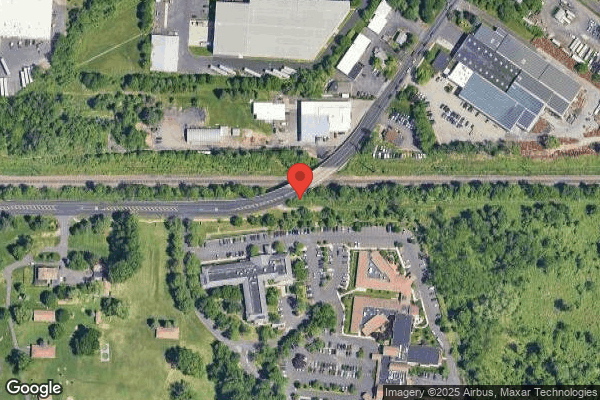

3485 DAVISVILLE ROAD, HATBORO, PA 19040 (215) 830-0400
For profit - Limited Liability company 109 Beds MARQUIS HEALTH SERVICES Data: November 2025
Trust Grade
45/100
#515 of 653 in PA
Last Inspection: May 2025

Inspected within the last 6 months. Data reflects current conditions.

Overview

Willow Grove Post Acute in Hatboro, Pennsylvania has a Trust Grade of D, indicating below-average quality and some concerns about care. It ranks #515 out of 653 facilities in Pennsylvania, placing it in the bottom half, and #49 out of 58 in Montgomery County, meaning there are only a handful of local options that are better. The facility is trending towards improvement, having reduced the number of issues from 26 in 2024 to 16 in 2025, but it still reported 56 concerns, all classified as potential harm. Staffing is a mixed bag; while they have a 3 out of 5-star rating and good RN coverage compared to most facilities, their turnover rate of 68% is concerning and much higher than the state average. There were also specific incidents, such as failing to post necessary health contact information, not updating care plans for residents in need, and not providing adequate care for residents with bowel and bladder incontinence, which raises further red flags about the quality of care provided. Overall, while there are strengths in some areas like RN coverage and an absence of fines, the facility has significant weaknesses that families should carefully consider.

Trust Score
D
45/100
In Pennsylvania
#515/653
Bottom 22%
Safety Record
Low Risk
No red flags
Inspections
Getting Better
26 → 16 violations
Staff Stability
⚠ Watch
68% turnover. Above average. Higher turnover means staff may not know residents' routines.
Penalties
✓ Good
No fines on record. Clean compliance history, better than most Pennsylvania facilities.
Skilled Nurses
✓ Good
Each resident gets 84 minutes of Registered Nurse (RN) attention daily — more than 97% of Pennsylvania nursing homes. RNs are the most trained staff who catch health problems before they become serious.
Violations
⚠ Watch
56 deficiencies on record. Higher than average. Multiple issues found across inspections.
★★☆☆☆
2.0
Overall Rating
★★★☆☆
3.0
Staff Levels
★★★★☆
4.0
Care Quality
★★☆☆☆
2.0
Inspection Score
Stable
2024: 26 issues
2025: 16 issues

The Good

  • 4-Star Quality Measures · Strong clinical quality outcomes
  • Full Sprinkler Coverage · Fire safety systems throughout facility
  • No fines on record

Facility shows strength in quality measures, fire safety.

The Bad

2-Star Overall Rating

Below Pennsylvania average (3.0)

Below average - review inspection findings carefully

Staff Turnover: 68%

22pts above Pennsylvania avg (46%)

Frequent staff changes - ask about care continuity

Chain: MARQUIS HEALTH SERVICES

Part of a multi-facility chain

Ask about local staffing decisions and management

Staff turnover is elevated (68%)

20 points above Pennsylvania average of 48%

The Ugly 56 deficiencies on record

May 2025 16 deficiencies
CONCERN (D)

Potential for Harm - no one hurt, but risky conditions existed

Notification of Changes (Tag F0580)

Could have caused harm · This affected 1 resident

**NOTE- TERMS IN BRACKETS HAVE BEEN EDITED TO PROTECT CONFIDENTIALITY** Based on review of clinical records, hospital records,and facility policies and procedures, interviews with staff and residents ...

Read full inspector narrative →
**NOTE- TERMS IN BRACKETS HAVE BEEN EDITED TO PROTECT CONFIDENTIALITY** Based on review of clinical records, hospital records,and facility policies and procedures, interviews with staff and residents and review of facility provided incident reports, it was determined that facility failed to ensure a complete evaluation of change in condition to address pain levels for one of 19 residents reviewed (Resident R62). Findings include: Review of facility policy 'Change in a Resident's Condition or Status,' revised February 2021, indicates that the nurse will notify the resident's attending physician or physician on call when there has been an accident or incident involving the resident; adverse reaction to medication; significant change in the resident's physical/emotional/ mental condition. The policy also indicated that a significant change in a resident's physicial, mental or psychosocial status was a deterioration in health, mental or psychocial status with clinical complications. The nursing staff and other professional staff were responsible to notify the physician with all pertinent information for the need to alter treatment significantly, begin a new form of treatment or a decision to transfer the resident for futher assessment and treatment. Hospital record review for Resident R62 revealed a hospitalization on March 6, 2025 for a fall while walking. The resident tripped on a rock and fell landing on the right hip. Hospital record review revealed a hospitalization for Resident R62 on March 16, 2025 where the resident slid out of bed and was unable to get up for about 30 minutes. The resident reported right hip and right knee pain post fall. Review for Resident R62's clinical record revealed an admission comprehensive assessment (MDS-an assessment of care needs) dated April 1, 2025 that indicated this resident was admitted to the facility on [DATE]. The assessment indicated that this resident was cognitively intact, used a walker, required maximum assistance of staff to perform the activity of sit to standx, required moderate assistance from staff for chair/bed to chair transfers and walking 10 feet was not attempted by the resident. The assessment also indicated that this resident had a fall history of falling in the last two to six months prior to admission. The resident was receiving occupational and physical therapy at the facility. Clinical record review for Resident R62 revealed an admission note dated March 27, 2025 that indicated this resident was admitted with hip, pelvis and knee pain from a fall. Clinical record review revealed a nursing note dated March 28, 2025 that indicated Resident R62 exhibited weakness with activities of daily living and Resident R62 was wearing a hard boot for immobilization to the right leg. Review of nursing note dated March 29, 2025 revealed that the resident exhibited unsteady gait impairment, balance and weakness with functional status. On April 4, 2025 the physician indicated that Resident R62 reported being in pain intermittently and that Tylenol was not addressing the pain. The physician indicated that the pain was in the right hip and knee. The pain level was moderate according to the resident. Clinical record review revealed an Occupational therapy progress note on March 27, 2025 indicated Resident R62 was verbalizing constant pain of the right lower extremity that was limiting functional activities. The therapist indicated that pain was exacerbated with standing for Resident R62. On April 9, 2025 the occupational therapist indicated that Resident R62 was only able to stand supported for 30 to 60 seconds. Clinical record review revealed a nursing note dated April 15, 2025 that indicated Tramadol (opiod used to treat pain) was indicated for knee pain and ambulatory dysfunction for Resident R62. Clinical record review revealed that the nursing staff failed to obtained a physician's order and discuss Resident R62's pain level and the need for Tramadol for knee pain and ambulatory dysfunction with resident's physician. Clinical record review revealed a physician's note dated April 21, 2025 that indicated Resident R62 complained of chronic pain in the right hip. The physician's progress note mentioned continue tramodol (opiod used to treat pain) for knee pain. Interview with the registered nurse, Employee E3, at 1:00 p.m., on May 15, 2025 confirmed that the nursing staff failed to notify the physician of a significant change in medical condition for Resident R62 on April 15, 2025. The registered nurse, Employee E3 also confirmed that there was no indication that Tramadol had been administered to Resident R62 on April 15, 2025 or April 21, 2025. Clinical record review revealed that the occupational therapist spoke to the responsible party for Resident R62 on April 21, 2025 and explained the lack of progress in therapy due to the resident's experience of pain in the right leg. The therapist documented that Resident R62 required moderate assist with transfers wheel chair to bed due to continually reporting severe pain with movement and weight baring in right lower extremity. Interview with Employee E38, occupational therapist, at 2:00 p.m., on May 15, 2025 confirmed that throughout therapy sessions March 27 through April 21, 2025 Resident R62 was limited in acheiving functional mobility goals due to concerns of pain upon movement. Interview with the registered nurse, Employee E3, at 2:30 p.m., on May 15, 2025 confirmed that there was a lack on monitoring of the onset, duration and severity of medical changes in Resident R62's right leg to inform the physician so that treatment was adjusted accordingly. Clinical record review revealed on April 25, 2025 Resident R62 was sent to the hospital with an injury of unknown origin. At the hospital Resident R62 was diagnosed with a deformed fracture of the right femur. Interview with Resident R62 at 10:00 a.m., on May 14, 2025 revealed that the resident had no falls at the facility. Resident R62 reported that he had two falls at home. 28 PA. Code 211.10(c)(d) Resident care policies 28 PA. Code 211.12(d)(5) Nursing services
CONCERN (D)

Potential for Harm - no one hurt, but risky conditions existed

Grievances (Tag F0585)

Could have caused harm · This affected 1 resident

Based on a review of facility policy and procedures, resident group interview, staff interview, and observations it was determined that the facility failed to ensure that the grievance forms were avai...

Read full inspector narrative →
Based on a review of facility policy and procedures, resident group interview, staff interview, and observations it was determined that the facility failed to ensure that the grievance forms were available and accessible to residents on two of two nursing units reviewed. (First Floor and Second Floor Units) Findings include: A review of facility policy titled Grievances/Complaints, Filing dated April 2017 states, Policy Statemen-Residents and their representatives have the right to file grievances, either orally or in writing, to the facility staff or to the agency designated to hear grievances (e.g., the State Ombudsman). 5. Grievances and/or complaints may be submitted orally or in writing and may be filed anonymously. 7. The administrator is the facility grievance officer. During a resident council meeting on May 14, 2025, at 10:15 a.m. held on the second floor with four alert and oriented residents reported that they were not aware how to file a grievance or where to find a grievance form at the facility. (Residents R17, R58, R61, R77) A review of a Grievance/Concern Form revealed there is no space to indicate the grievance is being filed anonymously. A tour was taken with the Director of Social Services, Employee E8 of the First Floor and Second Floor Nursing units with the Employee E8 on May 14, 2025 at 11:05 a.m. to look for required grievance forms. The tour revealed that there were no grievance forms accessible for residents, family, or advocates. There were also no labeled locked boxes for anonymous grievances to be turned in to. The Nursing Home Administrator, Employee E1 confirmed the above findings on May15, 2025 at 2:11 p.m. 28 Pa. Code 201.14(a)Responsibility of licensee 28 Pa. Code 201.18(b)(3) Management 28 Pa. Code 201.18(e)(1) Management 28 Pa. Code 201.29(a)Resident rights
CONCERN (D)

Potential for Harm - no one hurt, but risky conditions existed

Deficiency F0637 (Tag F0637)

Could have caused harm · This affected 1 resident

**NOTE- TERMS IN BRACKETS HAVE BEEN EDITED TO PROTECT CONFIDENTIALITY** Based on a review of clinical records and staff interviews, it was determined the facility failed to conduct a significant chang...

Read full inspector narrative →
**NOTE- TERMS IN BRACKETS HAVE BEEN EDITED TO PROTECT CONFIDENTIALITY** Based on a review of clinical records and staff interviews, it was determined the facility failed to conduct a significant change assessment for one of nineteen residents reviewed (Resident R28). Findings include: According to the Long-Term Care Facility Resident Assessment Instrument (RAI) User's Manual, which provides guidance and instructions for the completion of Minimum Data Set (MDS - a federally mandated standardized assessment process conducted at specific intervals to plan resident care) assessments dated October 2023, the facility must conduct a comprehensive assessment of a resident within 14 days after the facility determines or should have determined that there has been a significant change in the resident's physical or mental condition. The RAI Manual indicates a significant change is a major decline or improvement in a resident's status that: 1. Will not normally resolve itself without intervention by staff or by implementing standard disease-related clinical interventions, the decline is not considered self-limiting; 2. Impacts more than one area of the resident's health status; and 3. Requires interdisciplinary review and/or revision of the care plan. Review of Resident R28's clinical record revealed that the resident was admitted to the facility on [DATE] with diagnosis of dysphagia (problem swallowing), Muscle Wasting and Atrophy, Heart Failure, Hypertension (high blood pressure) and Dementia progressive degenerative disease of the brain). The resident had her weight taken upon admission on [DATE] which was 175.4 pounds. The resident was being weighed ongoing. Further review of Resident R28's weight record revealed the resident was weighed on January 14, 2025 and she weighed 155 pounds. Review of the resident's Weight Change Note from January 15, 2025 states, Resident now triggered for significant weight change. History of Dementia and confusion noted. Resident with poor intake and refuses some food and drinks. Her intakes are poor to fair per nursing documentation. Resident is on a regular, mechanical soft, nectar thick liquid diet which has been advanced this morning to thin liquids per speech. Resident was start on house shakes two times a day on January 13, 2025. She is Flu A positive which may be negatively affecting her appetite as well. If accurate, resident with 9.4%, 16-pound weight loss in 1 week. Writer questions the accuracy of weight change within this time frame. Suspect scale error versus inaccurate weight documentation. Current Body Weight was obtained on mechanical lift versus other weights obtained on sitting scale. Possible discrepancy. Will monitor reweigh and weight trends throughout admission. Please continue to encourage intakes and provide assistance at meal times. Offer snacks and favorite foods/food from home as able. Registered Dietician remains available and will follow up as needed. Review of Resident R28's clinical record revealed a Weight Change Note from February 5, 2025 stating, Resident reviewed for follow up for significant weight changes. Resident continues with poor appetite and poor to fair intakes per nursing. She is awake and oriented times two at her baseline. Resident tolerates a regular, mechanical soft diet with houseshakes twice a day. Resident does enjoy the chocolate house shakes and likes desserts and sweets but often does not eat her main meal. She complains the food tasting too salty to her and not feeling hungry. Suggest offer snacks/favorite foods as able. Weight Status: Body Mass Index: 30.9 Current Body Weight 2/3: 158.1# Review of Resident R28's clinical record revealed the resident did not have a MDS Change of Condition Evaluation completed in the month of January after the significant weight loss was identified by the facility dietician. 28 Pa. Code 211.12(c)(d)(3)(5) Nursing services
CONCERN (D)

Potential for Harm - no one hurt, but risky conditions existed

Deficiency F0692 (Tag F0692)

Could have caused harm · This affected 1 resident

Based on review of facility provided documentation and review of clinical record, it was determined facility did not ensure to maintain nutrition status according to professional standards of practice...

Read full inspector narrative →
Based on review of facility provided documentation and review of clinical record, it was determined facility did not ensure to maintain nutrition status according to professional standards of practice for a resident receiving total parenteral nutrition one of 19 residents reviewed. (Resident R71) Findings include: Review of facility policy 'Administering Medications,' revised April 2019, indicates that the individual administering medications verifies the resident's identity before giving the resident his/her medications. Methods of identifying the resident include: a. Checking identification band; b. Checking photograph attached to medical record; and c. If necessary, verifying resident identification with other facility personnel Review of Resident R71's clinical record revealed that the resident, was awake alert and oriented x 3 (people, place and time), with medical history of hypokalemia (disorder of low potassium), cardiac arrest, hypomagnesemia, tracheostomy (tube inserted through the neck to assist with breathing) status, diabetes type 2 (failure of the body to produce insulin), ileostomy, fistula of stomach and duodenum, abnormal findings of blood chemistry. Further review of R71's clinical record revealed that on April 8, 2025, licensed nurse, employee E28, administered R239's total parenteral nutrition (TPN- receives al nutrients through the vein)) to Resident R71; resulting in vomiting and low potassium level in blood. Review of facility provided incident report conclusion was that R71 was noted to have wrong TPN formula hanging by oncoming staff. TPN was removed, picc line flushed. Nurse practitioner and physician notified , orders for labs were given and completed. New TPN formula was placed . Further review of incident report revealed root cause of incident was TPN was not hung on the correct patient and the TPN policy was not followed to ensure the correct patient, formula and MD order and correct rate. Review of facility's infection preventionist statement revealed I came into the room to complete wound care with the wound care team in the am and noticed that the TPN bag hanging that was hanging had a different patients name on it. I immediately took it down and we notified the DON, NP, labs were ordered and correct TPN was re-placed. Statement from Resident R71 revealed that a nurse hung TPN at 2 am, couple of nights ago, but it was not hung up last night. Further review of facility provided information, revealed Resident R71 was administered Resident R239's TPN; R239 clinical record revealed she had an order for TPN consisting of amino acids 80g, dextrose 250g, lipids 20g, KCL 10mEq, Kacetate 10mEq, NaCl 120 mEq, NaAcet 80 mEq, NaPhos 20 mEq, MagSul 8 mEq, CaGluc 8 mEq, MVI w/K 10 ml, Tral 1 ml, folic acid 1 mg, ascorbic acid 500mg, zinc 10mg. Review of R71's clinical record revealed she had an order for TPN consisting of amino acids 15% 90g, dextrose 240g, lipids 20% 0g, sodium acetate 100meq, sodium phosphate 10mmole, KCL 60meq, mg sulfate 30 meq, Ca gluconate 15meq, MVI w/Vitamin K 10 ml, tralement4 1 ml, thiamine 60mg. Further review of facility provided incident report revealed that licensed nurse, Employee E28 was assigned to Resident R71 on Monday, April 8, 2025 night shift. Per Employee E28's statement had to hang a new bag of TPN early morning hours. I went into the med room and removed from the refrigerator once at room temperature, 9 went to patient's room and hung the TPN. I did not know someone else was on TPN and did not check the name on the label . I also did not take another nurse with me. Further review of statement taken from licensed nurse, employee E29, on April 9, 2025, revealed that she was assigned to patient last night, the TPN was infusing, I did not have to hang a new bag, I did not check to ensure the name was for the correct patient. Further review of statement taken from licensed nurse, Employee E30, on April 9, 2025, states I was assigned to patient on April 8, 2025, 7am to 7pm, her TPN was infusing the whole time, I did not have to hang a new bag. I did not check the bag to ensure the name, formula and rate were correct. 28 Pa Code 211.12(d)(1)(2)(3)(5) Nursing services 28 Pa Code 201.14(a) responsibility of licensee
CONCERN (D)

Potential for Harm - no one hurt, but risky conditions existed

Deficiency F0698 (Tag F0698)

Could have caused harm · This affected 1 resident

**NOTE- TERMS IN BRACKETS HAVE BEEN EDITED TO PROTECT CONFIDENTIALITY** Based on clinical record review, review of facility policy and interviews with staff, it was determined that the facility failed...

Read full inspector narrative →
**NOTE- TERMS IN BRACKETS HAVE BEEN EDITED TO PROTECT CONFIDENTIALITY** Based on clinical record review, review of facility policy and interviews with staff, it was determined that the facility failed to maintain effective communication with a dialysis provider for one of two residents reviewed. (Residents R74) Findings Include: Review of facility policy titled End-Stage Renal Disease, Care of a Resident with with a revision date of September 2010 states, 4. Agreements between this facility and the contracted ESRD facility include all aspects of how the resident's care will be managed, including: a. how the care plan will be developed and implemented: b. how information will be exchanged between the facilities. Review of Resident R74's quarterly MDS (Minimum Data Set - a mandatory periodic resident assessment tool) revealed that the resident was admitted to the facility on [DATE], with the diagnosis of End Stage Renal Disease. On May 15, 2025 at 2:02 p.m., Resident R74's dialysis communication with the facility was requested. A binder containing communication sheets with the resident's information and communication pages between the facility and the dialysis team was provided. Further review of the dialysis communication binder revealed there were several days that the communication sheets were not fully completed. Section 3: Completed by the facility upon return from Dialysis was not completed for the following dates: May 13, 2025, April 28, 2025, April 25, 2025, and April 21, 2025. 28 Pa. Code 211.(5)(f )Clinical records 28 Pa. Code code 211.12 (d)(1) Nursing services
CONCERN (D)

Potential for Harm - no one hurt, but risky conditions existed

Deficiency F0710 (Tag F0710)

Could have caused harm · This affected 1 resident

**NOTE- TERMS IN BRACKETS HAVE BEEN EDITED TO PROTECT CONFIDENTIALITY** Based on clinical record review and interviews with staff, it was determined that the facility did not ensure that a physician a...

Read full inspector narrative →
**NOTE- TERMS IN BRACKETS HAVE BEEN EDITED TO PROTECT CONFIDENTIALITY** Based on clinical record review and interviews with staff, it was determined that the facility did not ensure that a physician assessment was completed related to unplanned weight loss for one of nineteen residents reviewed (Resident R28). Findings include: Review of clinical documentation for Resident R28 revealed that she was re-admitted to the facility on [DATE] and had diagnoses of; Muscle Wasting and Atrophy, Dysphagia, and Dementia. Review of the resident's weight documentation revealed that on August 9, 2024, the resident weighed 175.4 pounds on November 19, 2024. The resident was weighed again on January 7, 2025, and weighed 171. The resident was weighed again a week later on January 14, 2025, and the resident weighed 155 pounds. Review of Resident R28's Weight Change Note from January 15, 2025 states, Resident now triggered for significant weight change. History of Dementia and confusion noted. Resident with poor intake and refuses some food and drinks. Her intakes are poor to fair per nursing documentation. Resident is on a regular, mechanical soft, nectar thick liquid diet which has been advanced this morning to thin liquids per speech. Resident was start on house shakes two times a day on January 13, 2025. She is Flu A positive which may be negatively affecting her appetite as well. If accurate, resident with 9.4%, 16-pound weight loss in 1 week. Writer questions the accuracy of weight change within this time frame. Suspect scale error versus inaccurate weight documentation. Current Body Weight was obtained on mechanical lift versus other weights obtained on sitting scale. Possible discrepancy. Will monitor reweight and weight trends throughout admission. Please continue to encourage itakes and provide assistance at meal times. Offer snacks and favorite foods/food from home as able. Registered Dietician remains available and will follow up as needed. Further review of Resident R28's clinical record revealed a Weight Change Note from March 18, 2025 stating, Resident reviewed for follow up for history of significant weight changes. Resident continues with decreased appetite and poor to fair intakes per nursing 3/1 Current Body Weight: 155.1# Resident with 9.3%, 13# weight loss in 2 months which is clinically significant weight loss. Review of Resident R28's clinical record revealed a Weight Change Note from February 5, 2025 stating, Resident reviewed for follow up for significant weight changes. Resident continues with poor appetite and poor to fair intakes per nursing. She is awake and oriented times two at her baseline. Resident tolerates a regular, mechanical soft diet with houseshakes twice a day. Resident does enjoy the chocolate house shakes and likes desserts and sweets but often does not eat her main meal. She complains the food tasting too salty to her and not feeling hungry. Suggest offer snacks/favorite foods as able. Weight Status: Body Mass Index: 30.9 Current Body Weight 2/3: 158.1# Final review of Resident R28's clinical record revealed the resident was recently weighed on May 8, 2025 and has a current body weight of only 157.1 pounds. There was no documentated evidence that the physician was notified about Resident R28's significant weight loss. There was no indication that a physician evaluated the residents significant weight loss. Interview with the Regional Director of Nursing, Employee E3 on May 16, 2024, at 1:05 p.m. confirmed the resident's physician had not been notified or did not document an assessment of the potential medical causes of Resident R28's recent significant weight loss. 28 Pa. Code: 211.12(d)(5) Nursing services. 28 Pa. Code: 211.2(a) Physician services. 28 Pa. Code: 211.5(f) Clinical records
CONCERN (D)

Potential for Harm - no one hurt, but risky conditions existed

Garbage Disposal (Tag F0814)

Could have caused harm · This affected 1 resident

Based on reviews of policies and procedures, observations of the outdoor loading and receiving area and interviews with staff, it was determined that the facility was not disposing of garbage and refu...

Read full inspector narrative →
Based on reviews of policies and procedures, observations of the outdoor loading and receiving area and interviews with staff, it was determined that the facility was not disposing of garbage and refuse properly. Findings include: A review of the policy titled cleaning and sanitizing of the food service areas, it was indicated that the food service director was responsible for devising a comprehensive cleaning schedule for dietary staff to complete daily. The director of dietary services was to determine all cleaning and sanitation tasks needed for the operation of the food and nutrition services department. frequency of cleaning as necessary. The director of dietary services was responsible for posting a cleaning schedule for all cleaning tasks, and staff will initial the tasks as completed. The policy indicated that staff will be held accountable for cleaning assignments. A review of the cleaning schedules and responsibilitites of the dietary staff to include the proper disposal of the kitchen garbage and trash revealed that there was no comprehensive cleaning schedule developed for this function of the dietary department. Interview with the director of dietary service, Employee E37, at 10:20 a.m., on May 13, 2025 confirmed that there was no documented dietary staff cleaning schedules posted or developed for the routine cleaning, sanitizing and storage of trash containers, cooking grease, garbage and trash accumulated by the dietary department. Observations at 10:15 a.m., on May 13, 2025 of the outdoor loading and receiving area that was located adjacent to the food and nutrition services department revealed that waste was not covered and contained with a lid on top of the dumpster/compactor unit. The driveway area surrounding the dumpster/compactor unit was not free of debris. Torn open plastic bags of garbage (soiled briefs, food debris, papers and plastic gloves) was observed on the ground. Foul odors and waste fat was evident on the loading dock. The dumpster/compactor was located directly infront of the loading and receiving area of the building and was the storage area for the garbage and trash for the entire facility. This area was not being maintained in a sanitary manner to prevent the harborage and feeding of pests and rodents. 28 PA. Code 211.10(a)(b)(c)(d) Resident care policies 28 PA. Code 201.14 (a) Responsibility of licensee 28 PA. Code 201.18(e)(1)(2.1) Management
CONCERN (D)

Potential for Harm - no one hurt, but risky conditions existed

Room Equipment (Tag F0908)

Could have caused harm · This affected 1 resident

Based on an environmental tour and observations of the food and nutrition services department, interviews with staff and reviews of equipment purchase orders, it was determined that the facility was n...

Read full inspector narrative →
Based on an environmental tour and observations of the food and nutrition services department, interviews with staff and reviews of equipment purchase orders, it was determined that the facility was not maintaining essential equipment for the dietary services department in safe operating condition. Findings include: Observations of the ice machine located in the food and nutrition department revealed that it was not functioning. Interviews with the maintenance director, Employee E26, at 10:30 a.m., on May 13, 2025 revealed that the ice machine inside the main kitchen of the food and nutrition services department had been out of service since, January, 2025. Interview with the director of dietary services, Employee E36 confirmed that the essential equipment (industrial-sized ice maker machine) had not been operational for months. A work order was placed in January, 2025 to repair the ice machine. The director of dietary services said that the dietary staff were forced to use the second floor nursing units' ice machine or have ice delivered in bags from an outside vender. A review of the purchase order requisition made by the dietary services department was dated May 6, 2025. The director of maintenance repoted that there was no delivery date for the ice machine to arrive at the facility. 28 PA. Code 201.18(b)(1)(3)(e)(1)(2.1) Management
CONCERN (D)

Potential for Harm - no one hurt, but risky conditions existed

Deficiency F0925 (Tag F0925)

Could have caused harm · This affected 1 resident

**NOTE- TERMS IN BRACKETS HAVE BEEN EDITED TO PROTECT CONFIDENTIALITY** Based on observations of the food and nutrition department, reviews of policies and procedures and interviews with staff, it was...

Read full inspector narrative →
**NOTE- TERMS IN BRACKETS HAVE BEEN EDITED TO PROTECT CONFIDENTIALITY** Based on observations of the food and nutrition department, reviews of policies and procedures and interviews with staff, it was determined that the facility failed to maintain an an effective pest control program in the dietary department. Findings include: A review of the undated facility policy titled pest control revealed that it was the responsibility of food service director to take appropriate action to eliminate pests in the main kitchen. The policy indicated that a pest control contractor would be contacted to complete preventative treatments at appointed times. The pest control operator would be contacted to visit the facility. The pest control contractor will document all visits along with actions taken. Pest traps and chemical treatments will be done by the certified pest control operator. Observations of the main kitchen at 10:00 a.m., on May 13, 2025 were made with Employee E37, the director of dietary services. The main kitchen of the food and nutrition service department was considered the foodservice operation; where all foods and beverages were prepared, distributed and served to the residents daily. The flooring of the entire perimeter of the main kitchen was heavily soiled with food debris, dirt and rodent droppings. The heaviest accumulation of food debris cooking grease dirt and rodent droppings was underneath [NAME] pieces of industrial-sized food service equipment (ovens, stoves, grills, prepartion tables, tray- line assembly area, refrigerators, juice machine and dry food storage shelves). The metal doors leading directly onto the loading and receiving area of the facility were not sealing completely. These doors were located adjacent to the food and nutrition services department. Upon closing these doors, the threshold of the doorway was not sealed; allowing easy access to the building for pests and rodents. It was also noted that upon closing the doors, an air gap existed between the doors This also allowed easy access into the building for common household pests and rodents. Upon opening the doors and walking out of the facility and onto the loading dock; a malorderous smell was present. The trash and refuse dumpster was opened to pests, rodents, birds and other mammals. Many plastic bags of trash (soiled briefs, food debris, papers and plastic gloves) and garbage were observed along side the dumpster unit. The plastic bags were torn open and scattered around the driveway located below the loading/receiving dock. Reviews of the pest control operators reports for the months of January 2025 through April, 2025 were noted with treatment for common household pests (rodents). The pest control operator noted the kitchen anf front lobby as places in the facility that required continuous treatment. 28 PA. Code 201.14(a) Responsibility of licensee 28 PA. Code 201.18(b)(1)(3)(e)(1)(2.1) Management
CONCERN (E)

Potential for Harm - no one hurt, but risky conditions existed

Deficiency F0574 (Tag F0574)

Could have caused harm · This affected multiple residents

Based on observations, resident interviews, and staff interviews, it was determined that the facility failed to post the State Survey Agency and the State Long-Term Care Ombudsman program phone number...

Read full inspector narrative →
Based on observations, resident interviews, and staff interviews, it was determined that the facility failed to post the State Survey Agency and the State Long-Term Care Ombudsman program phone number and contact information readily accessible on the two of two nursing floors. (1st Floor, and 2nd Nursing Units) Findings include: During an observation of First Floor nursing units on May 13, 2025 at 11:44 a.m. revealed there was no posting for the required Department of Health contact information or required postings for the State Long-Term Care Ombudsman. A tour of the lobby area revealed there was a standard size page for the contact information for the State Long-Term Ombudsman in the entry way between the two glass entry doorways. Resident Council meeting was held on May 14, 2025, at 10:15 a.m. held on the second floor with four alert and oriented residents reported that they were not aware how to contact the State Department of Health or Ombudsman Office and have not seen any postings in the building. (R17, R58, R61, R77) Observations during a tour with the Director of Social Services, Employee E8 of the Second Floor Nursing unit on May 14, 2025 at 11:05 a.m. revealed there were no postings for the required Department of Health or the State Long-Term Care Ombudsman. The Nursing Home Administrator Employee E1 on May 14, 2025, at 3:06 p.m. confirmed the posting of the Ombudsman contact information was only posted in the entry way between the two glass entry doorways. There was no posting of the State Department of Health and Ombudsman contact information readily available on the Second floor. There was no Department of Health information posted in the facility. 28 Pa. Code: 201.18(a)(e)(1) Management 28 Pa. Code: 201.18(b)(1) Management
CONCERN (E)

Potential for Harm - no one hurt, but risky conditions existed

Deficiency F0657 (Tag F0657)

Could have caused harm · This affected multiple residents

**NOTE- TERMS IN BRACKETS HAVE BEEN EDITED TO PROTECT CONFIDENTIALITY** Based on clinical record review and interview with staff, it was determined that the facility did not ensure that care plans wer...

Read full inspector narrative →
**NOTE- TERMS IN BRACKETS HAVE BEEN EDITED TO PROTECT CONFIDENTIALITY** Based on clinical record review and interview with staff, it was determined that the facility did not ensure that care plans were revised in a timely manner related to hopsice services, enternal feeding, and intravenous device for three of nineteen records reviewed (Resident R18, R36, and R80). Findings include: Review of facility policy titled, Care Plans, Comprehensive Person-Centered revised March 2022 states, Policy Statement- A comprehensive, person-centered care plan that includes measurable objectives and timetables to meet the resident's physical, psychosocial and functional needs is developed and implemented for each resident. 12. The interdisciplinary team reviews and updates the care plan: a. when there has been a significant change in the resident's condition; b. when the desired outcome is not met; c. when the resident has been readmitted to the facility from a hospital stay; and d. at least quarterly, in conjunction with the required quarterly MDS statement. Review of Resident R18's clinical record revealed the resident was admitted to the facility on [DATE] with the following diagnoses: Hyptertensive Heart Disease with Heart Failure, Aphasia (difficulty speaking), and Adult Failure to Thrive. Review of Resident R18's hospice records revealed the resident entered into hospice services on April 16, 2025. Review of Resident R18's care plan revealed the resident did not have a had a care plan in place to address the goals and/or interventions for hospice services. Review of Resident R36's clinical record revealed the resident was admitted to the facility on [DATE] with the following diagnoses: Dysphagia (inability to swallow), Dementia (progressive degenerative disease of the brain), Type 2 Diabetes (failure of the body to produce insulin) and gastrostomy (a surgical placed device used to give direct access to the stomach for supplemental feeding, hydration or medication). A tour was taken of the first floor nursing unit on May 13, 2025 at 10:30 a.m. After entering Resident R36's room it was noted that the Resident R36 had an enternal tube feed placed next to her bed that was engaged. Review of Resident R36's physician orders revealed a physician order from February 11, 2025 of Start Tube Feed at 2PM via PEG tube. Review of Resident R36's current care plan dated September 10, 2024 states, Resident has an enternal feeding tube to meet nutritional needs, Date Initiated: 08/20/2024 Cancelled Date: 09/10/2024 Review of Resident R36's current plan revealed there is no current goal or interventions for the residents enternal feeding. Review of Resident R80's clinical record revealedthat the resident was oriented to person, with medical history of severe intellectual disability, borderline personality disorder, anxiety disorder, cognitive communication deficit. Review of facility provided incident list for months of April 2025 and May 2025, revealed that Resident R80 had a 'medical device/tube dislodgment' three times for the month of April 2025; on April 23, 2025 at 9:42 p.m., April 23, 2025 at 6:30 a.m., and April 18, 2025 at 4:00 p.m Review of nursing notes, dated April 23, 2025 at 8:15 a.m., revealed that the resident had right hand peripheral intravenous line placed for IV (intravenous) fluids and received 600 ml out of 100 ml of normal saline solution before pulling out IV. Further review of nursing progress notes, dated April 24, 2025 at 1:49 a.m., revealed that at approximately 9:30 p.m., resident was found with disconnected IV tubing again. It was also noted that this resident flooded her bathroom into the hallway Further review of R80's nursing progress notes, dated April 18, 2025 at 1747, revealed that On 4/18/25, resident's IV dislodged, MD into visit received order to start hypodermoclysis (method of infusing fluids into the subcutaneous tissue to rehydrate a patient). Review of incident report completed on Friday, April 18, 2025 at 4:00 p.m., revealed that staff were warned prior to administration by case manager that resident may pull IV out as she has done so in the hosptal. Root cause for dislodgement was due to resident diagnosis of intellectual disabiity (IDD) and nonverbal and does not understand necessity of the ivf's. Review of incident report completed on April 23, 2025 at 0942, indicates peripheral IV line was dislodged again due to resident's behavior and related to IDD diagnosis and inability to understand need. Review of R80's care plan revealed no evidence of goals and interventions related to resident's mental status and non-compliance with intravenous line device. 28 Pa Code 211.10(d) resident care policies 28 Pa Code 211.12©(d)(1) nursing services
CONCERN (E)

Potential for Harm - no one hurt, but risky conditions existed

Incontinence Care (Tag F0690)

Could have caused harm · This affected multiple residents

**NOTE- TERMS IN BRACKETS HAVE BEEN EDITED TO PROTECT CONFIDENTIALITY** Based on clinical record reviews, interviews with residents and staff and reviews of policies and procedures and hospital record...

Read full inspector narrative →
**NOTE- TERMS IN BRACKETS HAVE BEEN EDITED TO PROTECT CONFIDENTIALITY** Based on clinical record reviews, interviews with residents and staff and reviews of policies and procedures and hospital records, it was determined that the facility failed to ensure that residents with bowel and bladder incontinence received care to maintain, restore or improve bowel and bladder function for two of five residents reviewed. (Residents R8 and R41) Findings include: Review of the facility policy titled urinary continence and incontinence assessment and management dated August 2022 revealed that it was the responsibility of the staff to screen for management of individuals with urinay incontinence. The policy indicated that staff will provide appropriate services and treatment to ensure residents restore or improve bladder function and prevent urinary tract infections to the extent possible. Hosptal record review indicated that Resident R41 was admitted to the hospital on [DATE] and was treated for nephrolitiasis (kidney stones). Clinical record review for Resident R41 revealed an admission comprehensive MDS (Minimun data Set- assessment of resident's needs) assessment dated [DATE] that indicated this resident was cognitively intact. The assessment also indicated that the resident was dependent for toileting (ability to maintain perineal hygiene after use of the bedpan, toilet, commode or toilet). The assessment also indicated that this resident was frequently incontinent of bladder and had no functional impairments of the upper and lower extremities. Interview with Resident R41 at 11:30 a.m., on May 13, 2025 revealed that the resident was tired of wearing the brief and wanted to try a toileting program. Clinical record review revealed that there was no documentation to indicated that a voiding study to determine voiding patterns or types of incontinence had been developed and implemented for Resident R41. Clinical record review revealed that there was no documentation to indicate that a toileting trial and its' results had been implemented for Resident R41's care needs for urinary incontinence Interview with registered nurse, Employee E31 at 10:30 a.m., on May 14, 2025 confirmed that Resident R41 was able to let staff know when he had to have assistance with toileting and toileting transfers. The registered nurse, Employee E31, also confirmed that Resident R41 was wearing a brief and was not trialed for a toileting program based on a documented voiding trial. Clinical record review for Resident R8 revealed an admission comprehensive assessment (MDS-an assessment of care needs) dated April 26, 2025 that indicated this resident was frequently incontinent of urine and at risk for pressure ulcer development, having a stage II (ulcer involving loss of the top layers of the skin) pressure ulcer. The assessment also indicated that Resident R8 was alert and oriented and had no upper or lower extremity impairments. The assessment also said that Resident R8 was toilet, chair/bed transfer dependent, non-ambulatory and dependent on staff to assist with a roll left to right while in bed. Interview with Resident R8 at 11:00 a.m., on May 16, 2025 revealed that the resident was able to left staff know when she needed toileting. The resident said that it comes quick and hard to hold her bladder. Resident R8 explained that she would be willing to try a bedpan for her toileting needs; instead of a brief. Clinical record review revealed that there was no documentation to indicated that a voiding study to determine voiding patterns or types of incontinence had been developed and implemented for Resident R8. Clinical record review revealed that there was no documentation to indicate that a toileting trial and its' results had been implemented for Resident R41's care needs for urinary incontinence. Interview with Resident R8's nursing assistant, Employee E25, at 11:10 a.m., on May 16, 2025 revealed that Resident R8 could hold the enabler side rail for turning in bed with staff assistance. The nursing assistant confirmed that Resident R8 was alert and oriented and able to let staff know about her toileting needs. 28 PA. Code 211.12(d)(1)(3)(5) Nursing services 28 PA. Code 211.10(a)(b)(c)(d) Resident care policies
CONCERN (E)

Potential for Harm - no one hurt, but risky conditions existed

Deficiency F0726 (Tag F0726)

Could have caused harm · This affected multiple residents

Based on reviews of the facility assessment, staff training and competency skill sets to provide care and services to assure residents' safety and ensure that each resident attained or maintained thei...

Read full inspector narrative →
Based on reviews of the facility assessment, staff training and competency skill sets to provide care and services to assure residents' safety and ensure that each resident attained or maintained their highest practicable well-being, it was determined that for two of two licensed nursing staff reviewed, the facility failed to have records of training and competencies available for review. (Employees E5 and E27) Findings include: A review of the facility assessment indicated that the residents at this facility were at risk for falls, required increased help with activities of daily living, had behavioral health needs, dementia and memory care needs, were prescribed psychoactive medications, had skin integrity issues, required tube feedings and pressure ulcer care. Employee E26, a registered nurse was hired on September 8, 2016. There was no annual training and competencies available for review for the resident care areas of medication administration, tube feeding administration and care, wound care assessment, monitoring and treatment and safe transfers during care. Employee E27, a registered nurse was hired on October 8, 2015. There was no annual training and competencies available for review for the resident care areas of medication administration, tube feeding administration and care, wound care assessment, monitoring and treatment and safe transfers during care. Interview with the designated nurse trainer/instructor/facilitator Employee E6, at 9:00 a.m., on May 16, 2025 confirmed that these necessary trainings and competency sets were not documented or available for review for nursing staff (Employees E5 and E27) selected for review. 28 PA. Code 201.20(a)(1)(2)(5)(6) Staff development 28 PA. Code 201.14(a) Responsibility of licensee 28 PA. Code 201.19(1)(3)(7) Personnel policies and procedures
CONCERN (E)

Potential for Harm - no one hurt, but risky conditions existed

Deficiency F0730 (Tag F0730)

Could have caused harm · This affected multiple residents

Based on review of facility provided documentation and interview with staff, it was determined that facility did not ensure annual performance evaluations were completed for four of four nurse aides r...

Read full inspector narrative →
Based on review of facility provided documentation and interview with staff, it was determined that facility did not ensure annual performance evaluations were completed for four of four nurse aides reviewed (Employees E24, E25 E26, and E27) Findings include: On May 14, 2025, annual performance reviews were requested from Staff Development, Employee E6 for Employees E24, E25, E26, E27. The facility did not provide the annual performance reviews requested for Employees E24, E25, E26, and E27 on May 16, 2025. Interview on May 16, 2025 at 11:26 a.m. with Staff Development, Employee E6 revealed that the facility had not completed any performance reviews for any staff for the current year (2025). Employee E6 stated that there were no record from the past year (2024), including Employees E24, E25, E26 and E27. Employee E6 stated that the old company took all of those records. When asked if the Staff Development, Employee E6 had completed any performance evaluations for the year of 2025, Employee E6 stated, No, they are not due till June so they told me to hold off on completing them. Nurse Aide Employee E24 was hired on May 12, 2024 and the facility was not able to provide a yearly review to show for the year of 2024 or 2025. Nurse Aide Employee E25 was hired on September 1, 2004 and the facility was not able to provide a yearly review to show for the year of 2024 or 2025. Licensed Nurse Employee E26 was hired on September 8, 2016 and the facility was not able to provide a yearly review to show for the year of 2024 or 2025. Licensed Nurse Employee E27 was hired on October 8, 2015 and the facility was not able to provide a yearly review to show for the year of 2024 or 2025. 28 Pa Code 201.19(2) Personnel Policies and Procedures
CONCERN (E)

Potential for Harm - no one hurt, but risky conditions existed

Deficiency F0943 (Tag F0943)

Could have caused harm · This affected multiple residents

Based on review of facility policy, review of employee files, and staff interviews, it was determined that the facility failed to provide training upon hire on activities that constitute abuse, neglec...

Read full inspector narrative →
Based on review of facility policy, review of employee files, and staff interviews, it was determined that the facility failed to provide training upon hire on activities that constitute abuse, neglect, exploitation, and misappropriation of resident property, procedures for reporting incidents of abuse, neglect, exploitation, or the misappropriation of resident property and prevention of resident abuse for thirteen of forty employees reviewed (E11, E12, E15, E16, E17, E18, E19, E20, E21, E31, E32, E33, E34) Findings Include: Review of facility policy titled, Abuse, Neglect, Exploitation and Misappropriation Prevention Program revised April 2021 states, Policy Interpretation and Implementation- The resident abuse, neglect and exploitation prevention program consists of a facility-wide commitment and resource allocation to support the following objectives: 1. Protect residents from abuse, neglect, exploitation or misappropriation of property by anyone including, but not necessarily limited to: a. facility staff; b. other residents; c. consultants; d. volunteers; e. staff from other agencies; f. family members; g. legal representatives; h. friends; i. visitors; and/or j. any other individual. Review of the Staff Development employee's job description revealed under Administrative Functions, Ensure that all personnel attend and participate in annual Center in-service training programs (e.g . Abuse Prevention .). Employee training records were requested for Employee E11, E12, E22, E23 on May 15, 2025 at 1:00 p.m. from the Nursing Home Administrator Employee E1 and Regional Director of Nursing Employee E3. A second request was made for Employees E11, E12, E22, and E23 on May 16, 2025. Employees E11, E12, E22, and E23 records were reviewed and none of them had abuse trainings records. Interview held with Scheduling/ Payroll staff, Employee E7 was asked to provided abuse training records and she stated, that would be the training department Staff Development, Employee E6. Interview with Staff Development Employee E6 on May 16, 2025 at 11:26 a.m. I would be responsible for making sure staff complete the trainings. Employee E6 was asked to pull up proof of Abuse training for Employees E22, E11, E12, and E23. Employee E6 pulled up each employee's online professional trainings individually and stated that there was nothing when each employee was pulled up individually and spelling of names were checked. When asked who was responsible for ensuring staff are training on abuse, neglect, and exploitation she said, I am but a lot of these people I don't see or I haven't seen. An additional request for abuse training records for all Employees hired since January 1, 2025 revealed serval staff not having documented evidence that the facility provided training for nine employees (E11, E12, E15, E16, E17, E18, E19, E20) on activities that constitute abuse, neglect, exploitation, and misappropriation of resident property, procedures for reporting incidents of abuse, neglect, exploitation, or the misappropriation of resident property and prevention of resident abuse evidence that the facility provided training on activities that constitute abuse, neglect, exploitation, and misappropriation of resident property, procedures for reporting incidents of abuse, neglect, exploitation, or the misappropriation of resident property and prevention of resident abuse. Review of facility training records revealed Central Supply, Employee E11 was hired March 4, 2025 and had no evidence of abuse training. Review of facility training records revealed Maintenance Employee E12 was hired on February 3, 2025 and had no evidence of abuse training. Review of facility training records revealed Licensed Nurse Employee E15 was hired on April 22, 2025 and had no evidence of abuse training. Review of facility training records revealed Licensed Nurse Employee E16 was hired on April 16, 2025 and had no evidence of abuse training. Review of facility training records revealed Licensed Nurse Employee E17 was hired on April 14, 2025 and had no evidence of abuse training. Review of facility training records revealed Nurse Aide Employee E18 was hired on March 11, 2025 and had no evidence of abuse training. Review of facility training records revealed Nurse Aide Employee E19 was hired on March 11, 2025 and had no evidence of abuse training. Review of facility training records revealed Nurse Aide Employee E20 was hired on March 4, 2025 and had no evidence of abuse training. Review of facility training records revealed Licensed Nurse E21 was hired on February 25, 2025 and had no evidence of abuse training. Further review of the new hire list since January 2025 revealed the following staff hired and not trained upon hire on a policy that includes abuse, neglect, exploitation, and misappropriation: Licensed Nurse Employee E31 was hired on April 8, 2025 and did not receive training until April 25, 2025. Nurse Aide Employee E32 was hired on March 18, 2025 and did not receive training until April 30, 2025. Nurse Aide Employee E33 was hired on March 4, 2025 and did not receive training until April 14, 2025. Maintenance Employee E12 was hired on February 2, 2025 and did not receive training until April 8, 2025. Licensed Nurse Employee E34 was hired on January 28, 2025 and did not receive training until April 2, 2025. Facility was provided additional time to submit documentation related to abuse training for the above employees, however no documentation was provided. 28 Pa Code 201.18(e)(1) Management.
CONCERN (E)

Potential for Harm - no one hurt, but risky conditions existed

Deficiency F0947 (Tag F0947)

Could have caused harm · This affected multiple residents

Based on reviews of staff training and competency sets for nursing assistants, reviews of the facility assessment and interviews with staff, it was determined that, the facility failed to ensure that ...

Read full inspector narrative →
Based on reviews of staff training and competency sets for nursing assistants, reviews of the facility assessment and interviews with staff, it was determined that, the facility failed to ensure that nursing assistants retained a required minimum of 12 hours of nursing training annually for two of four nurse aides record reviewed. (Employees E24 and E25). Findings include: A review of the facility assessment revealed that the residents at this facility were at risk for falls, required increased help with activities of daily living, had behavioral health needs, dementia and memory care needs, were prescribed psychoactive medications, had skin integrity issues, required tube feedings and pressure ulcer care. Employee E24, nursing assistant was hired on March 12, 2024. Annual training and competencies based on the needs of the residents (dementia care of the cognitively impaired, abuse prevention, accident prevention, restorative nursing techiques, emergency preparedness, resident rights, cultural competency) were not documented and available for review for this nursing assistant. Employee E25, nursing assistant was hired on September 1, 2004. Annual training and competencies based on the needs of the residents (dementia care of the cognitively impaired, abuse prevention, accident prevention, restorative nursing techiques, emergency preparedness, resident rights, cultural competency) were not documented and available for review for this nursing assistant. Interview with the designated nurse trainer/instructor/facilitator, Employee E6, at 9:00 a.m., on May 16, 2025 confirmed that the necessary trainings and competency sets for (dementia care of the cognitively impaired, abuse prevention, accident prevention, restorative nursing techiques, emergency preparedness, resident rights, cultural competency) were not documented or available for review for nursing staff (Employees E5 and E27) that were selected for review. 28 PA. Code 201.20(a)(1)(2)(5)(6) Staff development 28 PA. Code 201.14(a) Responsibility of licensee 28 PA. Code 201.19(1)(3)(7) Personnel policies and procedures
Dec 2024 2 deficiencies
CONCERN (D) 📢 Someone Reported This

A family member, employee, or ombudsman was alarmed enough to file a formal complaint

Potential for Harm - no one hurt, but risky conditions existed

Medical Records (Tag F0842)

Could have caused harm · This affected 1 resident

Based on review of clinical record and review of facility provided documentation, and interview with staff, it was determined facility failed to ensure complete documentation related to treatment admi...

Read full inspector narrative →
Based on review of clinical record and review of facility provided documentation, and interview with staff, it was determined facility failed to ensure complete documentation related to treatment administration for one of three clinical records reviewed. (Resident R1) Findings include: Review of faciltiy's policy 'Treatments,' revised on 06/01/2021, indicates that a licensed nurse or medical technician will perform treatment as ordered, and document administration on 'Treatment Administration Record' (TAR), patient's response, patient's refusal of treatment, and notification of physician. Review of Resident R1's clinical record revealed a physician order obtained on July 11, 2024 for Hydrocortisone External Cream 2% to be applied to upper chest and back topically two times a day for rash with start date of 07/11/2024 at 11:00 PM and discontinued date of 07/18/2024 at 10:18 AM. Review of Resident R1's TAR revealed no documented evidence of the administration of Hydrocortisone cream on July 12, 2024 morning and evening shift, July 13, 2024 evening shift, July 14, 2024 evening shift, July 16, 2024 evening shift, July 17, 2024 evening shift. Further review of Resident R1's clinical record revealed no evidence of documentation of Resident R1's refusal of treatment or any other reason for why treatment was not completed on dates mentioned above. 28 Pa. Code 211.10(c) Resident care policies 28 Pa. Code 211.12(d)(1) Nursing services
CONCERN (E) 📢 Someone Reported This

A family member, employee, or ombudsman was alarmed enough to file a formal complaint

Potential for Harm - no one hurt, but risky conditions existed

Deficiency F0919 (Tag F0919)

Could have caused harm · This affected multiple residents

Based on resident interviews and review of facility policy, it was deteremined that the facility failed to ensure that there was a routine process to ensure that the call bells systems was fincition a...

Read full inspector narrative →
Based on resident interviews and review of facility policy, it was deteremined that the facility failed to ensure that there was a routine process to ensure that the call bells systems was fincition and that call bells were answered in a timely manner during the weekends on two two nursing floors. (1st and 2nd Floor) Findings include: Review of facility's policy 'Call Lights,' revised on 06/01/2021, states that .patients will have a call light or alternative communication device within their reach at all times when unattended. Staff will respond to call lights and communication devices promptly. Interview with Residents R2 and R3 on Monday, December 9, 2024 at 10:00AM, on second floor unit, revealed complaints related to late responses from nursing staff when using call bells. Review of facility provided grievance log for months of November 2024 and December 2024 revealed a concern, dated November 11, 2024, related to long call bell wait times. Concern dated December 6, 2024 was related to call bells were on but nursing staff were on their phones. Review of facility provided call bell audits completed for months of November 2024 and December 2024 on the 1st and 2nd Floor revealed that five audits were completed during day shift and two audits completed during evening shift. Further review of facility provided call bell audits revealed that audits were excluded from being completed on weekends. 28 Pa. Code 201.18(b)(3) Management
Sept 2024 4 deficiencies
CONCERN (D) 📢 Someone Reported This

A family member, employee, or ombudsman was alarmed enough to file a formal complaint

Potential for Harm - no one hurt, but risky conditions existed

Deficiency F0552 (Tag F0552)

Could have caused harm · This affected 1 resident

Based on review of facility policy, clinical records reviewed, and staff interview, it was determined that the facility failed to inform a resident's representative in advance of the proposed care, in...

Read full inspector narrative →
Based on review of facility policy, clinical records reviewed, and staff interview, it was determined that the facility failed to inform a resident's representative in advance of the proposed care, including the risk and benefits of the prescribed medication for one out of three sampled residents (Resident R1). Findings include: Review of Resident R1's MDS assessment (MDS-Minimum Data Set assessment: periodic assessment of resident care needs) dated August 21, 2024, indicated the diagnose of cognitive impairment (a condition impacting decision making and memory), and dementia (a decline in cognitive abilities that can impact a person's ability to perform everyday tasks). Further review of the MDS indicated that the resident BIMS (Brief Interview for Mental Status) assessment was not completed due to poor cognitive status. Review of Resident R1's care plans dated August 15, 2024, indicated impaired/decline in cognitive function or impaired thought processes related to a condition other than delirium: Dementia. Review of physician progress note dated August 15, 2024, revealed that resident elected her daughter to make medical decisions on her behalf in the event she was unable to. Interview with Resident R1's daughter on August 15, 2024, stated facility started resident on Melatonin, a sleep aid, without consulting with her. Resident's daughter stated she believed the medication made the resident sleepy that she did not want to get out of bed for bathroom and other activities. Daughter stated she found out about the medication only last Friday when she asked the nurse what she was taking that make her sleepy. Review of Resident R1's physician progress notes dated August 27, 2024, revealed that a new order for Melatonin was ordered as sleep aide. Further review of the physician progress note revealed no evidence that the resident's daughter or other representatives was notified of the new order, discussed the advantage and disadvantage of medication and alternative options. Interview with the Director of Nursing, on September 9, 2024, at 12:50 p.m. the Director of Nursing (DON) confirmed that the facility did not inform a resident's representative in advance of the proposed care, including the risk and benefits of the prescribed medication for Resident R1 on August 27, 2024. 28 Pa. Code 201.29(j) Resident rights. 28 Pa. Code 211.12(d)(1) Nursing services.
CONCERN (D) 📢 Someone Reported This

A family member, employee, or ombudsman was alarmed enough to file a formal complaint

Potential for Harm - no one hurt, but risky conditions existed

Safe Environment (Tag F0584)

Could have caused harm · This affected 1 resident

**NOTE- TERMS IN BRACKETS HAVE BEEN EDITED TO PROTECT CONFIDENTIALITY** Based on observations, and resident and staff interviews, it was determined that the facility failed to maintain a safe, clean, ...

Read full inspector narrative →
**NOTE- TERMS IN BRACKETS HAVE BEEN EDITED TO PROTECT CONFIDENTIALITY** Based on observations, and resident and staff interviews, it was determined that the facility failed to maintain a safe, clean, homelike environment on two of two nursing units (First floor and Second floor). Findings include: An initial tour of the facility on September 9, 2024, 10:00 a.m. revealed the following observations. Observation of facility room [ROOM NUMBER] revealed there were strong odor of urine in the room, the commode was not emptied and cleaned, there were urine, feces, and bathroom tissue in the commode. Interview with the Resident R2 at the time of the observation stated it was from the night before. Observation of facility room [ROOM NUMBER] revealed there were trash on the floor, under the bed such as used medicine cups, alcohol wipes, gauze and tape with blood dripping to the floor, there was yellow stain on the sheet near the foot of the bed, used PICC line dressing cleaning materials, old foam coffee cup with dried stain outside appeared from the day before. Interview with the Employee E4, Registered Nurse at the time of the observation confirmed the findings. Observation of lower number room side of the second floor revealed there were strong odor of urine. Observation of facility room [ROOM NUMBER] revealed there were trash on the floor, gloves on the floor next to the bed, used gauze with tape on the floor. The window bed of the room had multiple cords tangled together which made it hard for the resident in the room to access that side of the bed. There was nebulizer mask on the nightstand without being bagged. Interview with the Employee E3, Guest Service Staff, at the time of the observation confirmed the findings. Observation of the corridor handrail revealed the following findings, There was loose/missing/broken handrail in the corridor next to room [ROOM NUMBER] (missing end piece), loose/broken next to 220, 219, 216, 213, 224, 221, 223, 228, 227, 116, 122, 123, 124 and first shower room. 28 Pa. Code: 201.29(j)(k) Resident rights. 28 Pa. Code: 207.2(a) Administrator's responsibility.
CONCERN (E) 📢 Someone Reported This

A family member, employee, or ombudsman was alarmed enough to file a formal complaint

Potential for Harm - no one hurt, but risky conditions existed

Deficiency F0761 (Tag F0761)

Could have caused harm · This affected multiple residents

Based on review of clinical records, review of facility policy, observation, and staff and resident interview, it was determined that the facility failed to ensure that all drugs and biologicals were ...

Read full inspector narrative →
Based on review of clinical records, review of facility policy, observation, and staff and resident interview, it was determined that the facility failed to ensure that all drugs and biologicals were safely stored for three of three residents reviewed (Resident R3, R4 and Resident R5). Findings include: Observation of the Resident R3's room conducted on September 9, 2024, at 10:49 a.m. during the tour revealed Fluticasone nasal spray on resident's bed side table. Review of clinical record for Resident R3 revealed no evidence that the facility conducted an assessment for Resident R3 for safe self administration of medication or care planned to store medication in his room. Observation of the Resident R4 room conducted on September 9, 2024, at 11:00 a.m. during the tour revealed 1 bottle of Nystatin antifungal powder and 2 Albuterol inhaler on resident's bed side table. Review of clinical record for Resident R4 revealed no evidence that the facility conducted an assessment for Resident R4 for safe self-administration of medication or care planned to store medication in her room. Interview with the Employee E4, Registered Nurse at the time of the observation confirmed the findings. Observation of the Resident R5 room conducted on September 9, 2024, at 11:19 a.m. during the tour revealed a bottle of Melatonin in her nightstand drawer. Interview with the Employee E3, Guest Service Staff, at the time of the observation confirmed the findings. Review of clinical record for Resident R5 revealed no evidence that the facility conducted an assessment for Resident R5 for safe self-administration of medication or care planned to store medication in her room. 28 Pa. Code 201.8(b)(l) Management 28 Pa. Code 211.12(d) Nursing services
CONCERN (E) 📢 Someone Reported This

A family member, employee, or ombudsman was alarmed enough to file a formal complaint

Potential for Harm - no one hurt, but risky conditions existed

Deficiency F0924 (Tag F0924)

Could have caused harm · This affected multiple residents

**NOTE- TERMS IN BRACKETS HAVE BEEN EDITED TO PROTECT CONFIDENTIALITY** Based on observation and interviews with staff, it was determined that the facility failed to equip corridors with safe handrail...

Read full inspector narrative →
**NOTE- TERMS IN BRACKETS HAVE BEEN EDITED TO PROTECT CONFIDENTIALITY** Based on observation and interviews with staff, it was determined that the facility failed to equip corridors with safe handrails on each side, for two of two nursing units observed (First and Second floor nursing units). Findings include: Observation of the corridor handrail revealed the following findings: There was loose/missing/broken handrail in the corridor next to room [ROOM NUMBER] (missing end piece). There were loose/broken handrail next to resident room [ROOM NUMBER], 219, 216, 213, 224, 221, 223, 228, 227, 116, 122, 123, 124 and first shower room. Interview on September 9, 2024, at 12:00 p.m. the Nursing Home Administrator confirmed that handrails were broken or missing, and she would have the maintenance correct the issue. 28 Pa Code 201.14(a) Responsibility of licensee
Aug 2024 16 deficiencies
CONCERN (D)

Potential for Harm - no one hurt, but risky conditions existed

Transfer Notice (Tag F0623)

Could have caused harm · This affected 1 resident

Based on review of facility documentation and interviews with staff, it was determined that the facility failed to notify the Office of the State Long-Term Care Ombudsman of facility-initiated emergen...

Read full inspector narrative →
Based on review of facility documentation and interviews with staff, it was determined that the facility failed to notify the Office of the State Long-Term Care Ombudsman of facility-initiated emergency transfers and discharges as required. Findings include: Documentation of notification to the Office of the State Long-Term Care Ombudsman of facility-initiated emergency transfers and discharges for the past three months was requested on August 15, 2024, at 12:45 p.m. from Employee E1, Nursing Home Administrator (NHA). Interview with NHA on August 15, 2024, at 1:50 p.m. confirmed that the facility did not send the notification to the Office of the State Long-Term Care Ombudsman of facility-initiated emergency transfers and discharges for the past three months. She indicated that this function will be done by the new social worker going forward. 28 Pa. Code 201.14(a) Responsibility of licensee 28 Pa. Code 201.18(b)(2) Management
CONCERN (D)

Potential for Harm - no one hurt, but risky conditions existed

Deficiency F0655 (Tag F0655)

Could have caused harm · This affected 1 resident

**NOTE- TERMS IN BRACKETS HAVE BEEN EDITED TO PROTECT CONFIDENTIALITY** Based on observations, review of facility policies, clinical record review and interviews with residents and staff, it was deter...

Read full inspector narrative →
**NOTE- TERMS IN BRACKETS HAVE BEEN EDITED TO PROTECT CONFIDENTIALITY** Based on observations, review of facility policies, clinical record review and interviews with residents and staff, it was determined that the facility failed to develop a baseline care plan that includes the instructions needed to provide effective and person-centered care within 48 hours of admission for two of four residents reviewed for intravenous therapy (therapy that delivers liquid substances directly into a vein) (Residents R5 and R58). Findings include: Review of facility policy, Person-Centered Care Plan dated last revised October 24, 2022, revealed, A baseline care plan must be developed within 48 hours and include the minimum healthcare information necessary to properly care for a patient. Observation, on August 12, 2024, at 11:15 a.m. revealed that Resident R5 had a PICC line (peripherally inserted central catheter - a thin soft tube inserted in a vein in the arm with the tip of the tube positioned in a large vein that carries blood to the heart) in his right upper arm. Interview, at the time of the observation, Resident R5 stated that he received antibiotic therapy daily through his PICC line. Review of Resident R5's admission MDS (Minimum Data Set - a mandatory periodic resident assessment tool), dated July 28, 2024, revealed that the resident was admitted to the facility on [DATE], and had diagnoses including osteomyelitis (bone infection) of the left ankle and foot. Continued review revealed that the resident had a surgical wound and was receiving IV medications and antibiotics. Review of progress notes for Resident R5 revealed a nursing note, dated July 21, 2024, at 8:59 p.m. which indicated that the resident had a PICC line in his right upper arm that was inserted prior to being admitted . Review of Medication Administration Records (MARs) for Resident R5 revealed a physician's order, dated July 22, 2024, for ceftriaxone (antibiotic medication) two grams, administer intravenously every 24 hours for infection until August 25, 2024. Continued review revealed that the medication was initiated on July 22, 2024, as prescribed and that the medication continued to be administered at the time of the survey. Review of Resident R5's care plan revealed that a care plan that includes instructions for the care and maintenance of the resident's PICC line was not initiated until August 12, 2024. Observation on August 13, 2024, at 8:55 a.m., revealed that Resident R58 had a PICC line in her right upper arm. Interview, at the time of the observation, Resident R58 stated that her PICC line was used for chemotherapy (treatment for cancer). Review of Resident R58's admission MDS, dated [DATE], revealed that the resident was admitted to the facility on [DATE], and had diagnoses including cancer and [NAME] Lymphoma (type of cancer that affects the immune system and white blood cells). Continued review revealed that the resident had IV access and received chemotherapy. Review of progress notes revealed a practitioner note, dated July 25, 2024, at 8:57 a.m., which indicated that Resident R58 had a double lumen PICC line to her right upper extremity and for nursing staff to maintain the PICC line for use at chemotherapy. Review of Resident R58's care plan revealed that a care plan that includes instructions for the care and maintenance of the resident's PICC line was not initiated until August 12, 2024. Interview on August 15, 2024, at 12:33 p.m. Employee E3, Regional Nurse, confirmed that baseline care plans were not developed within 48 hours of admission for Residents R5 and R58 related to their PICC lines. Pa Code 211.10(d) Resident care policies Pa Code 211.12(d)(5) Nursing services
CONCERN (D)

Potential for Harm - no one hurt, but risky conditions existed

Comprehensive Care Plan (Tag F0656)

Could have caused harm · This affected 1 resident

**NOTE- TERMS IN BRACKETS HAVE BEEN EDITED TO PROTECT CONFIDENTIALITY** Based on a review of clinical records, facility policies and documentation, and interviews with staff, it was determined that th...

Read full inspector narrative →
**NOTE- TERMS IN BRACKETS HAVE BEEN EDITED TO PROTECT CONFIDENTIALITY** Based on a review of clinical records, facility policies and documentation, and interviews with staff, it was determined that the facility failed to develop and implement comprehensive person-centered plans of care in a timely manner, for two of 21resident records reviewed (Residents R16 and R27). Findings include: Review of facilities policy, Person Centered Care Plan, revised October 24, 2022, revealed that a comprehensive, individualized care plan will be developed within seven days after completion of the comprehensive assessment (admission, annual or significant change) and review and revise the care plan after each assessment. Review of Resident R16's clinical record revealed that resident was admitted on [DATE]. Further review of Resident R16's admission MDS (Minimum Data Set- assessment of resident's needs) dated July 31, 2024, section title Health Conditions, revealed that Resident R16 had shortness of breath or trouble breathing when lying flat. Observation Resident R16 conducted on August 12, 2024, at 11:30 a.m. revealed that Resident R16 was wearing a nasal cannula connected to an oxygen concentrator. Resident R16 indicated that she usually has the oxygen on to help her breathe. Review of R16's physician's orders revealed an August 11, 2024, order to continue supplemental oxygen to maintain saturation greater than 92%. Interview on August 14, 2024, at 1:40 p.m. with Employee E10, Registered Nurse, confirmed that the resident was to receive continuous oxygen, and that she had just check her saturation level which was over 92%. Interview with the Director of Nursing (DON) on August 14, 2024, at 1:45 p.m. confirmed that the resident had an order for oxygen and was receiving oxygen but had no care plan developed for oxygen therapy. Review of Resident R27's clincial record revealed that resident was admitted on [DATE]. Review of R27's physician order, dated August 2, 2024, revealed the following treatment orders; Sacrum: Cleanse with wound cleanser, apply Medi-honey, cover with Border gauze, every day shift for pressure wound; left elbow: cleanse with wound cleanser, apply adaptic, cover with gauze, and wrap with kling., every day shift for abrasion; left forearm: cleanse with wound cleanser, apply adaptic, Calcium alginate, cover with gauze and wrap with kling., every day shift for skin tear; right forearm: cleanse with wound cleanser, apply adaptic and wrap with kling, every day shift for abrasion; right heel: cleanse with wound cleanser, apply Betadine, cover with gauze and wrap around with kling, every day shift for deep tissue injury (DTI). On August 14, 2024, at 9:47 a.m., observed that, a Licensed Nurse, E21, administered pressure wound treatment to the Sacrum of R27 as ordered. Reviewed Resident R27's clinical records revealed that there was no care plan developed for wound treatments for Resident R27. On August 14, 2024, at 10:20 a.m., interviewed the Unit Manager, Registered Nurse, E22, and confirmed the finding. 28 Pa. Code 211.12(d)(3) Nursing services 28 Pa. Code 211.12(d)(5) Nursing services
CONCERN (D) 📢 Someone Reported This

A family member, employee, or ombudsman was alarmed enough to file a formal complaint

Potential for Harm - no one hurt, but risky conditions existed

ADL Care (Tag F0677)

Could have caused harm · This affected 1 resident

Based on staff interviews, review of facility policy and the review of clinical records, it was determined that the facility failed to ensure that activities of daily living related to bathing was pro...

Read full inspector narrative →
Based on staff interviews, review of facility policy and the review of clinical records, it was determined that the facility failed to ensure that activities of daily living related to bathing was provided for one out of 26 residents reviewed (Resident R48). Findings include: Review of the facility policy, Activities of Daily Living, with a revision date of May 1, 2023, indicated that when patients are assessed upon admission, quarterly and with a significant change to identify their status of activities of daily living, their inability to perform activities of daily living, their risk of decline in any activity of daily living and the resident's ability to improve in the identified activity of daily living (e.g. bathing, showering, toileting, eating, walking, transferring). The policy also indicated that adl (activities of daily living) care will be recorded in the resident's medical record, is reflective of the care provided by nursing staff, will be documented as close to the time that the care was provided and documented on every shift by thee nursing assistant. Review of Resident R48's August 2024 physician orders indicated that the resident was admitted into the facility on June 3, 2024 with diagnoses of chronic kidney disease (the gradual loss of kidney function); hypertension (high blood pressure); chronic pain syndrome; cerebral infarction ( a stroke) and encephalopathy (a term used to describe damage or disease that affects that brain). During an interview with the resident's wife on August 15, 2024 at 10:30 a.m. the resident' wife reported that it took the facility 3 weeks to provide her husband a shower when he was admitted into the facility. Review of the residents shower record from July 25, 2024 through August 14, 2024 did not document that the resident was offered to take a shower or tub bath and if so, what his response was. Bed bath's were recorded on the following days for the year, 2024: 7/28 7/30 7/31; 8/4; 8/6 ;8/9; 8/13. During an interview with the Unit Manager (Employee E23)on August 15, 2024 at 3:34 p.m. Employee E23 reported that the resident is scheduled for showers on Wednesday and Saturdays. During the interview no additional evidence in the clinical record could be provided to show evidence that the resident had been offered showers on his assigned 2 shower days a week or any other days of the week. 28 Pa. Code 211,12(d)(1)(5) Nursing services
CONCERN (D)

Potential for Harm - no one hurt, but risky conditions existed

Quality of Care (Tag F0684)

Could have caused harm · This affected 1 resident

**NOTE- TERMS IN BRACKETS HAVE BEEN EDITED TO PROTECT CONFIDENTIALITY** Based on observations, review of facility policies, clinical record review and interviews with staff, it was determined that the...

Read full inspector narrative →
**NOTE- TERMS IN BRACKETS HAVE BEEN EDITED TO PROTECT CONFIDENTIALITY** Based on observations, review of facility policies, clinical record review and interviews with staff, it was determined that the facility failed to obtain and follow physician orders related to diet, urinary catheters and wound care for two of 26 residents reviewed (Residents R168 and R265). Findings include: Observation on August 12, 2024, at 10:17 a.m. revealed that Resident R265 had a dressing on her right knee; the dressing was dated August 9, 2024, at 8 p.m. Review of Resident R265's admission Assessment, dated August 7, 2024, at 3:00 p.m. revealed that the resident was admitted to the facility on [DATE], with a diagnosis of right knee septic arthritis (infection of the knee). Review of physician's orders for Resident R265, revealed an order, dated August 9, 2024, to cleanse right knee surgical incision with normal saline, pat dry, then apply clean dry dressing daily; monitor for any signs or symptoms of infection or drainage from suture site. Continued observation and interview on August 12, 2024, at 10:51 a.m. revealed that Employee E4, licensed nurse, confirmed that the dressing on Resident R265's right knee was dated August 9, 2024, at 8 p.m. and that the dressing was prescribed by the physician to be changed daily. Employee E4, licensed nurse, then proceeded to complete the dressing change for the resident. Review of the August 2024 physician orders for Resident R168 was admitted into the facility for respite care services with diagnosis that includes the following: cerebral vascular disease; malnutrition and dementia; and the need for mechanically altered diet/thickened liquids. Continued review of the resident' August 2024 physician ordered included a physician's order dated August 2024 for the resident to have a puree texture diet with thick liquids that are nectar consistency (a liquid consistency that is reserved for individuals who difficulty swallowing. The consistency is easily pourable and comparable to apricot nectar or thicker cream soups). During an observation in the resident's room on August 12, 2024 at 1:15 p.m. The resident was observed eating her lunch on her bedside table. Next to her lunch, a white styrophome cup was observed filled with water with a lid and a straw inserted. Employee E5 (licensed nurse) came to the room to remove the cup and confirmed that the resident should not have had the water served to her. 28 Pa Code 211.12(d)(1)(5) Nursing services
CONCERN (D)

Potential for Harm - no one hurt, but risky conditions existed

Deficiency F0698 (Tag F0698)

Could have caused harm · This affected 1 resident

**NOTE- TERMS IN BRACKETS HAVE BEEN EDITED TO PROTECT CONFIDENTIALITY** Based on staff interviews and the review of clinical records, it was determined that the facility failed to maintain complete an...

Read full inspector narrative →
**NOTE- TERMS IN BRACKETS HAVE BEEN EDITED TO PROTECT CONFIDENTIALITY** Based on staff interviews and the review of clinical records, it was determined that the facility failed to maintain complete and accurate records related to dialysis communication for one of one dialysis residents reviewed (Resident R48). Findings include: Review of Resident R48's clinical record revealed that the resident was admitted to the facility on [DATE], and that Resident R48 had diagnoses of End-Stage Renal Disease (a medical condition in which a person's kidneys cease functioning on a permanent basis leading to the need for a regular course of long-term dialysis or a kidney transplant to maintain life). Review of Resident R48's physician order, dated July 26, 2024, revealed that Resident R48 received dialysis treatment at an outpatient dialysis facility on Mondays, Wednesdays, and Fridays on 7/29/24; 8/5/24; and 8/7/24. Review of Resident R48's Hemodialysis Communication Record revealed that on July 29, 2024, and on August 5, 2024, it was lacking all the information to be completed by licensed nurse for dialysis patient prior to dialysis treatment, and all the information to be completed by licensed nurse for dialysis patient's post dialysis treatment. Resident R48's Hemodialysis Communication Record also revealed that on August 7, 2024, it was lacking all the information to be completed by licensed nurse for dialysis patient's post dialysis treatment. Interview with the licensed nurse of second floor, Employee E21, on August 13, 2024, at 11:10 a.m., confirmed lack of communication with dialysis center. 28 Pa Code 211.12(d)(1)(5) Nursing services 28 Pa Code 211.12(d)(3) Nursing services
CONCERN (D)

Potential for Harm - no one hurt, but risky conditions existed

Deficiency F0730 (Tag F0730)

Could have caused harm · This affected 1 resident

Based on a review of facility documentation and interviews with staff, it was determined that the facility failed to complete performance reviews for three of three nurse aides personnel files reviewe...

Read full inspector narrative →
Based on a review of facility documentation and interviews with staff, it was determined that the facility failed to complete performance reviews for three of three nurse aides personnel files reviewed related to performance reviews as required (Employees E16, E17 and E18). Findings include: Review of facility documentation pertaining to current employees, revealed that Employee E16 was hired by the facility as a nurse aide on July 8, 2002; Employee E17 was hired as a nurse aide on April 19, 2022; and Employee E18 was hired as a nurse aide on December 30, 2019. On August 13, 2024, at 11:54 a.m. annual performance reviews for Employees E16, E17 and E18 were requested from the Nursing Home Administrator and Director of Nursing. Interview on August 14, 2024, 10:06 a.m. the Nursing Home Administrator revealed that the facility had not completed any performance reviews for any staff, including Employees E16, E17 and E18. 28 Pa. Code 201.19(2) Personnel policies and procedures
CONCERN (D) 📢 Someone Reported This

A family member, employee, or ombudsman was alarmed enough to file a formal complaint

Potential for Harm - no one hurt, but risky conditions existed

Unnecessary Medications (Tag F0759)

Could have caused harm · This affected 1 resident

Based on observations, review of clinical records, and interviews with facility staff, it was determined that the facility failed to ensure that it was free of medication error rate of five percent or...

Read full inspector narrative →
Based on observations, review of clinical records, and interviews with facility staff, it was determined that the facility failed to ensure that it was free of medication error rate of five percent or greater for one of three residents observed during medication administration. (Resident R220) Findings include: Observations conducted of medication administration on August 12, 2024, 9:20 a.m., with Registered Nurse , Employee E9, revealed that Resident R220 ordered Metoprolol Tartrate Oral Tablet 25 MG (Metoprolol Tartrate), Give 1 tablet by mouth two times a day for Tachycardia; Rosuvastatin Calcium Oral Tablet 20 MG (Rosuvastatin Calcium), Give 1 tablet by mouth one time a day for HLD; Sertraline HCl Oral Tablet 100 MG (Sertraline HCl), Give 1 tablet by mouth one time a day for depression. Registered Nurse , Employee E9, did not administered the medications listed above to Resident R220. Employee E9 stated that the Metoprolol Tartrate Oral Tablet 25 MG, Rosuvastatin Calcium Oral Tablet 20 MG, and Sertraline HCl Oral Tablet 100 MG were not available at that time. (Metoprolol Tartrate is a beta blocker used to treat a variety of conditions, including high blood pressure, chest pain, and irregular heartbeats. Rosuvastatin is a class of medications called Statins, which works by slowing the production of cholesterol in the body to decrease the amount of cholesterol that may build up on the walls of the arteries and block blood flow to the heart, brain, and other parts of the body. Sertraline is an antidepressant used to treat major depressive disorder, obsessive-compulsive disorder, panic disorder, post-traumatic stress disorder, and social anxiety disorder). Review of nursing progress notes for R220, dated August 12, 2024, 11:24 a.m., related with the non-administration of Sertraline HCl Oral Tablet 100 MG indicated as follows: Sertraline HCl Oral Tablet 100 MG (Sertraline HCl), Give 1 tablet by mouth one time a day for depression, not available, pharmacy called and will be delivered at 1 p.m.- run. Review of nursing progress notes for R220, dated August 12, 2024, 11: 25 a.m., related with the non-administration of Rosuvastatin Calcium Oral Tablet 20 MG indicated as follows: ; Rosuvastatin Calcium Oral Tablet 20 MG (Rosuvastatin Calcium), Give 1 tablet by mouth one time a day for HLD, Meds not available, pharmacy called and will be delivered at 1 p.m.- run. Review of nursing progress notes for R220, dated August 12, 2024, 11: 29 a.m., related with the non-administration of Metoprolol Tartrate Oral Tablet 25 MG indicated as follows: Metoprolol Tartrate Oral Tablet 25 MG (Metoprolol Tartrate), Give 1 tablet by mouth two times a day for Tachycardia, not given, Meds not available, Nurse Practitioner notified, pharmacy called and will be delivered at 1 p.m.- run. Review of Medication Administration Record(MAR) of R 220, revealed that passing on of medications Sertraline HCl Oral Tablet 100 MG, Rosuvastatin Calcium Oral Tablet 20 MG, and Metoprolol Tartrate Oral Tablet 25 MG were scheduled for administration at 9:00 a.m. of the day. At the time of the observation, interviewed Employee E9, and confirmed the above findings. The facility incurred a medication error rate of 11.54%. 28 Pa Code 211.12(d)(1)(2)(5) Nursing Services
CONCERN (D)

Potential for Harm - no one hurt, but risky conditions existed

Deficiency F0883 (Tag F0883)

Could have caused harm · This affected 1 resident

**NOTE- TERMS IN BRACKETS HAVE BEEN EDITED TO PROTECT CONFIDENTIALITY** Based on clinical record reviews and interviews with staff, it was determined that the facility failed to offer pneumococcal vac...

Read full inspector narrative →
**NOTE- TERMS IN BRACKETS HAVE BEEN EDITED TO PROTECT CONFIDENTIALITY** Based on clinical record reviews and interviews with staff, it was determined that the facility failed to offer pneumococcal vaccines for two of five residents reviewed for vaccinations (Residents R46 and R37). Findings include: Facility polices for influenza and pneumococcal vaccines were requested from facility administrative staff on August 12, 2024, at 10:00 a.m. The policies were requested again on August 12, 2024, at 2:23 p.m.; August 13, 2024, at 12:21 p.m. and August 14, 2024, at 2:43 p.m. The policies were not provided for review at any the time during the survey. Clinical record review for Resident R46 revealed that the resident was admitted to the facility on [DATE]. Continued review revealed that there was no indication in Resident R46's clinical record that the resident was offered the pneumococcal vaccine. Review of hospital records, dated August 15, 2024, revealed that the resident was due for a pneumococcal vaccine but has never received one. Clinical record review for Resident R37 revealed that the resident was admitted to the facility on [DATE]. Continued review revealed that there was no indication in Resident R37's clinical record that the resident was offered the pneumococcal vaccine. Review of hospital records, dated August 15, 2024, revealed that the resident was due for a pneumococcal vaccine but has never received one. Documentation of pneumococcal vaccines for Residents R46 and R37 were requested from the Director of Nursing on August 13, 2024, at 1:16 p.m. During a follow-up interview at 1:57 p.m. the Director of Nursing confirmed that the information was not available for review. Interview on August 15, 2024, at 12:33 p.m. Employee E3, Regional Nurse, stated that vaccination status for Residents R46 and R37 were in their hospital records. Review of hospital records provided by the facility revealed no indication that either of the residents ever received the pneumococcal vaccine. 28 Pa Code 201.18(b)(1) Management 28 Pa Code 201.18(d) Management
CONCERN (D)

Potential for Harm - no one hurt, but risky conditions existed

Deficiency F0919 (Tag F0919)

Could have caused harm · This affected 1 resident

Based on observations and staff interviews, it was determined that the facility failed to ensure that resident bathrooms were equipped with the appropriate call bell system for 3 out of 25 residents r...

Read full inspector narrative →
Based on observations and staff interviews, it was determined that the facility failed to ensure that resident bathrooms were equipped with the appropriate call bell system for 3 out of 25 residents reviewed (Rooms 100,102 and 104) Findings include: During interview with the maintenance assistance, Employee E24 and the Nursing Home Administrator (NHA) on August 14, 2023 at 3:54 p.m. it was reported that the call bell system has been broken for the following rooms: 116, 100 102, 104, and 104. Rooms 100, 102 and 104 were confirmed to be currently occupied by residents. Continued interview with the maintenance assistance and the NHA revealed that all three residents were provided with a handheld call bell system with a lanyard attached so that they can wear it around their neck. During an observation in rooms 100 (Resident 315), 102 (Resident 26) and 104 (Resident R51) on August 14, 2024, at 11:00 a.m. the above referenced rooms were toured and the call bell system in the bathroom of each room also did not work to ensure that when the residents are utilizing that bathroom, they have a means to contact nursing staff for assistance should they not have their handheld call bell system with them or around their neck. During a discussion with the Nursing Home Administrator and the Regional Nurse on August 15, 2024, at 5:30 p.m. the need for a separate call bell system in the bathroom for residents was discussed. 28 Pa. Code 205.67(j) Electric requirements for existing construction
CONCERN (D)

Potential for Harm - no one hurt, but risky conditions existed

Deficiency F0940 (Tag F0940)

Could have caused harm · This affected 1 resident

Based on review of personnel files, facility documentation and interviews with staff, it was determined that the facility failed to ensure that an effective training program was maintained as required...

Read full inspector narrative →
Based on review of personnel files, facility documentation and interviews with staff, it was determined that the facility failed to ensure that an effective training program was maintained as required for five of ten staff reviewed related to training (Employees E20, E18, E11, E14 and E15). Findings include: Review of the Facility Assessment, dated reviewed July 1, 2024, revealed that, Staff training/education and competencies are necessary to provide support and care needed for the facility's short term resident population. Continued review revealed that required training topics include: effective communications; resident's rights; abuse, neglect and exploitation; infection control; and identification of resident changes in condition. Review of facility documentation pertaining to current employees, revealed that Employee E20 was hired by the facility as a licensed practical nurse on May 28, 2019, Employee E18 was hired as a nurse aide on December 30, 2019, Employee E11 was hired as a nurse aide on July 16, 2024, Employee E14 was hired as a nurse aide on July 2, 2024, and Employee E15 was hired as a registered nurse on May 21, 2024. Personnel records pertaining the trainings completed by Employees E20, E18, E11, E14 and E15 were requested from the Nursing Home Administrator and Director of Nursing on August 13, 2024, at 11:54 a.m. Review of Employee E20's personnel file revealed that no annual trainings had been completed by the employee between August 14, 2023, through August 13, 2024. Review of Employee E18's personnel file revealed that the employee had completed eight trainings between August 14, 2023, through August 13, 2024, that included: gait belt, hand hygiene, personal protective equipment, sliding board transfers, weighing patients, measuring patient height, protecting residents from assault and abuse, protecting resident's rights and dementia training. There was no documentation available for review at the time of the survey to indicate that the employee completed 12 hours of annual trainings or that training was completed on topics such as accident prevention, restorative nursing techniques, emergency preparedness, fire prevention, communication, QAPI (Quality Assurance Performance Improvement), ethics and behavioral health, as required. Review of Employee E11's personnel file revealed that no documentation was available for review at the time of the survey related to abuse training, as required. Review of Employee E14's personnel file revealed that no documentation was available for review at the time of the survey related to training for dementia, restorative nursing techniques, emergency preparedness, QAPI, ethics and behavioral health, as required. Review of Employee E15's personnel file revealed that no documentation was available for review at the time of the survey related to abuse training, as required. Interview on August 14, 2024, at 2:15 p.m. the Director of Nursing confirmed that the above items were not provided in the personnel files for Empoyees E20, E18, E11, E14 and E15. 28 Pa Code 201.19(7) Personnel policies and procedures 28 Pa Code 201.20(a)(1-6) Staff development 28 Pa Code 201.20(b) Staff development 28 Pa Code 201.20(d) Staff development
CONCERN (E)

Potential for Harm - no one hurt, but risky conditions existed

Deficiency F0694 (Tag F0694)

Could have caused harm · This affected multiple residents

**NOTE- TERMS IN BRACKETS HAVE BEEN EDITED TO PROTECT CONFIDENTIALITY** Based on observations, review of facility policies, clinical record reviews and interviews with residents and staff, it was dete...

Read full inspector narrative →
**NOTE- TERMS IN BRACKETS HAVE BEEN EDITED TO PROTECT CONFIDENTIALITY** Based on observations, review of facility policies, clinical record reviews and interviews with residents and staff, it was determined that the facility failed to provide care and assessments consistent with professional standards of practice related to intravenous therapy for three of four residents reviewed for intravenous therapy (Residents R5, R58 and R265). Findings include: Review of facility policy, Assessment of the Patient Receiving IV Therapy [intravenous therapy - therapy that delivers liquid substances directly into a vein] dated September 2022, revealed, Assess vascular access device function by aspirating for a blood return and flushing prior to each intermittent use (intermittent medication administration) and as clinically indicated with continuous infusions. Assess the catheter insertion site and surrounding area for redness, tenderness, swelling, and drainage by visual inspection and palpation through the intact dressing. Recommended minimum assessment of midlines and central venous access devices is once every 24 hours. Measure the external length of the midline or central venous access device and compare to the length documented at insertion, during each dressing change and when catheter dislodgement is suspected. Measure upper arm circumference when clinically indicated to assess the presence of edema and possible deep vein thrombosis. Measure 10 cm above the insertion site. Review of facility policy, Dressing Change for Vascular Access Devices dated August 2012, revealed, Central venous access devices . dressings are changed every 7 [seven] days and PRN [as needed]. Observation, on August 12, 2024, at 11:15 a.m. revealed that Resident R5 had a PICC line (peripherally inserted central catheter - a thin soft tube inserted in a vein in the arm with the tip of the tube positioned in a large vein that carries blood to the heart) in his right upper arm; the dressing was dated August 5, 2024. Interview, at the time of the observation, Resident R5 stated that he received antibiotic therapy daily through his PICC line and that the line was recently changed due to dislodgement. Review of Resident R5's admission MDS (Minimum Data Set - a mandatory periodic resident assessment tool), dated July 28, 2024, revealed that the resident was admitted to the facility on [DATE], and had diagnoses including osteomyelitis (bone infection) of the left ankle and foot. Continued review revealed that the resident had a surgical wound and was receiving IV medications and antibiotics. Review of progress notes for Resident R5 revealed a nursing note, dated July 21, 2024, at 8:59 p.m. which indicated that the resident had a PICC line in his right upper arm that was inserted prior to being admitted . Review of Medication Administration Records (MARs) for Resident R5 revealed a physician's order, dated July 22, 2024, for ceftriaxone (antibiotic medication) two grams, administer intravenously every 24 hours for infection until August 25, 2024. Continued review revealed that the medication was initiated on July 22, 2024, as prescribed and that the medication continued to be administered at the time of the survey. Continued review of progress notes for Resident R5 revealed a practitioner note, dated August 7, 2024, at 8:21 a.m. which indicated that the resident's PICC line was replaced on August 6, 2024, due to dislodgement. Further review of Resident R5's clinical record, including physician orders, progress notes and MARs revealed that there was no indication that the resident's PICC line dressing was changed at any time between July 21, 2024, through August 5, 2024, a period of over two weeks. There were no physician orders or MAR documentation to indicate if the PICC line was flushed or what type of flush solution should be used. There was no indication on the MARs or progress notes of any PICC line assessments measurements, such as arm circumference and external catheter length. Observation on August 13, 2024, at 8:55 a.m., revealed that Resident R58 had a PICC line in her right upper arm; the dressing was dated August 7, 2024. Interview, at the time of the observation, Resident R58 stated that her PICC line was used for chemotherapy (treatment for cancer) and that during her first week of admission to the facility, nursing staff did not flush her PICC line to maintain its's patency. Review of Resident R58's admission MDS, dated [DATE], revealed that the resident was admitted to the facility on [DATE], and had diagnoses including cancer and [NAME] Lymphoma (type of cancer that affects the immune system and white blood cells). Continued review revealed that the resident had IV access and received chemotherapy. Review of progress notes revealed a practitioner note, dated July 25, 2024, at 8:57 a.m., which indicated that Resident R58 had a double lumen PICC line to her right upper extremity and for nursing staff to maintain the PICC line for use at chemotherapy. Review of MAR's for Resident R58 revealed a physician's order, dated July 30, 2024, to flush the resident's PICC line with sodium chloride 0.9% solution, use ten milliters intravenously every twelve hours for patency. Continued review revealed that there no indication that the resident's PICC line was flushed between July 24 through July 29, 2024. Continued review of the MARs revealed that on July 30 and 31, 2024 at 8:00 p.m. that the flushes were not administered and to see nurses note. Review of eMAR (electronic MAR) notes, dated July 30, 2024, at 9:46 p.m. revealed that the flush was not administered due to Medication on order. Continued review revealed another eMAR note, dated July 31, 2024, at 9:26 p.m. which indicated that the flush was not administered due to On order. Continued review of MARs for Resident R58 revealed a physician's order, dated July 30, 2024, to change the resident's PICC dressing weekly. MARs indicated that the dressing was changed on July 30 and August 6, 2024. Review of eMAR notes, dated July 30, 2024, revealed that the PICC dressing was changed and that site remains unremarkable. Review of eMAR notes from August 7, 2024, at 8:54 a.m. revealed that PICC dressing was changed. There was no indication on the MARs or progress notes of any PICC line assessments measurements, such as arm circumference and external catheter length. Observation on August 12, 2024, at 10:17 a.m. revealed that Resident R265 had a PICC line in her right upper arm; the dressing was dated August 7, 2024. Review of Resident R265's admission Assessment, dated August 7, 2024, at 3:00 p.m. revealed that the resident was admitted to the facility on [DATE], with a diagnosis of right knee septic arthritis (infection of the knee), that she requires intravenous antibiotics and has a PICC line in her right upper arm. Review of progress notes for Resident R265 revealed a practitioner note, dated August 7, 2024, at 12:41 p.m. which indicated that the resident required intravenous cefazolin (antibiotic medication) every eight hours through September 12, 2024, related to right knee septic arthritis and for nursing to maintain PICC line. Review of Resident R265's MARs revealed physician's orders, dated August 7 and 13, 2024, for cefazolin (antibiotic medication) two grams, administer intravenously every eight hours for acute bacterial arthritis until September 12, 2024. Continued review revealed that the medication was initiated on August 7, 2024, as prescribed and that the medication continued to be administered at the time of the survey. Continued review of MARs and physician orders for Resident R265 revealed that there were no orders for PICC line flushes, PICC line dressing changes or PICC line assessments/measurements. Interview on August 15, 2024, at 12:33 p.m. Employee E3, Regional Nurse, confirmed that PICC line care was not provided in accordance with professional practice standards for Residents R5, R58 and R265. Pa Code 211.10(d) Resident care policies Pa Code 211.12(d)(1) Nursing services Pa Code 211.12(d)(5) Nursing services
CONCERN (E)

Potential for Harm - no one hurt, but risky conditions existed

Deficiency F0726 (Tag F0726)

Could have caused harm · This affected multiple residents

Based on observations, review of the Pennsylvania Nurse Practice Act, clinical record reviews, review of personnel files and interviews with residents and staff, it was determined that the facility fa...

Read full inspector narrative →
Based on observations, review of the Pennsylvania Nurse Practice Act, clinical record reviews, review of personnel files and interviews with residents and staff, it was determined that the facility failed to assure that nursing staff possess the competencies and skill sets necessary to provide nursing and related services to meet the residents' needs for five of five personnel files reviewed for competency evaluations (Employees E11, E12, E13, E14 and E15) and for four of four residents reviewed for intravenous therapy (Residents R5, R58, R265 and R266.) Findings include: Review of the Pennsylvania Nurse Practice Act for Registered Nurses (RNs), 49 Pa Code 21.12, revealed that, Performing venipuncture and administering and withdrawing intravenous fluids are functions regulated by this section, and these functions may not be performed unless: . (3) The registered nurse who administers parental fluids, drugs or blood has had instruction and supervised practice in administering parental fluids, blood or medications into the vein. Review of the Pennsylvania Nurse Practice Act for Licensed Practical Nurses (LPNs), 49 Pa Code 21.145, revealed that, An LPN may only perform the IV therapy functions for which the LPN possesses the knowledge, skill and ability to perform in a safe manner. Review of the Facility Assessment, dated reviewed July 1, 2024, revealed that, Staff training/education and competencies are necessary to provide support and care needed for the facility's short term resident population. Continued review revealed that required competencies include: activities of daily living, privacy, range of motion, transfers, mechanical lifts and infection control practices. Further review revealed that the facility provides resident care and services including: mobility and fall prevention, bowel and bladder programs, skin and wound care, mental health services, medication administration including administration of intravenous medications, pain management, management of medical conditions, nutrition services and psychosocial support. Review of Employee E11's personnel file revealed that the employee was hired by the facility on July 16, 2024, as a nurse aide. Review of Employee E12's personnel file revealed that the employee was hired by the facility on July 16, 2024, as a registered nurse. Review of Employee E13's personnel file revealed that the employee was hired by the facility on July 9, 2024, as a licensed practical nurse. Review of Employee E14's personnel file revealed that the employee was hired by the facility on July 2, 2024, as a nurse aide. Review of Employee E15's personnel file revealed that the employee was hired by the facility on May 21, 2024, as a registered nurse. Continued review of personnel files for Employees E11, E12, E13, E14 and E15 revealed no evidence that the employees received any skills competency evaluations to ensure competency of hands-on skills and techniques necessary to care for residents' needs. Observation, on August 12, 2024, at 11:15 a.m. revealed that Resident R5 had a PICC line (peripherally inserted central catheter - a thin soft tube inserted in a vein in the arm with the tip of the tube positioned in a large vein that carries blood to the heart) in his right upper arm. Interview, at the time of the observation, Resident R5 stated that he received antibiotic therapy daily through his PICC line. Review of Medication Administration Records (MARs) for Resident R5 revealed a physician's order, dated July 22, 2024, for ceftriaxone (antibiotic medication) two grams, administer intravenously every 24 hours for infection until August 25, 2024. Continued review revealed that the medication was initiated on July 22, 2024, as prescribed and that the medication continued to be administered at the time of the survey. Observation on August 13, 2024, at 8:55 a.m., revealed that Resident R58 had a PICC line in her right upper arm. Interview, at the time of the observation, Resident R58 stated that her PICC line was used for chemotherapy (treatment for cancer). Review of MAR's for Resident R58 revealed a physician's order, dated July 30, 2024, to flush the resident's PICC line with sodium chloride 0.9% solution, use ten milliters intravenously every twelve hours for patency. Observation on August 12, 2024, at 10:17 a.m. revealed that Resident R265 had a PICC line in her right upper arm. Review of Resident R265's MARs revealed physician's orders, dated August 7 and 13, 2024, for cefazolin (antibiotic medication) two grams, administer intravenously every eight hours for acute bacterial arthritis until September 12, 2024. Continued review revealed that the medication was initiated on August 7, 2024, as prescribed and that the medication continued to be administered at the time of the survey. Observation on August 13, 2024, at 9:10 a.m. Resident R266 had a PICC line in her right upper arm. Interview, at the time of the observation, Resident R266 stated that her PICC line was being used for antibiotic therapy. Review of Resident R266's MARs revealed physician's orders, dated August 7, 2024, for piperacillin-sod-tazobactam (antibiotic medication), administer intravenously every eight hours for osteomyelitis (bone infection) for 14 days. Continued review revealed that the medication was initiated on August 8, 2024, and that the medication continued to be administered at the time of the survey. Interview on August 14, 2024, at 2:15 p.m. the Director of Nursing confirmed that she was unable to provide any evidence of skills competency evaluations for Employees E11, E12, E13, E14 and E15. Continued interview revealed that she was unable to provide any evidence of IV skills trainings and competency evaluations for Employees E12, E13 and E15. Interview on August 15, 2024, at 12:33 p.m. Employee E3, Regional Nurse, revealed that the facility had four residents who required intravenous therapy at the time of the survey. Employee E3, Regional Nurse, was unable to provide any documentation at the time of the survey of skills competency evaluations to ensure competency of hands-on skills and techniques necessary to care for residents' needs for Employees E11, E12, E13, E14 and E15. 28 Pa. Code 201.19(7) Personnel policies and procedures 28 Pa. Code 201.20(d) Staff development
CONCERN (E)

Potential for Harm - no one hurt, but risky conditions existed

Drug Regimen Review (Tag F0756)

Could have caused harm · This affected multiple residents

**NOTE- TERMS IN BRACKETS HAVE BEEN EDITED TO PROTECT CONFIDENTIALITY** Based on a review of clinical records, review of facility policy and facility documentation, and staff interviews, it was determ...

Read full inspector narrative →
**NOTE- TERMS IN BRACKETS HAVE BEEN EDITED TO PROTECT CONFIDENTIALITY** Based on a review of clinical records, review of facility policy and facility documentation, and staff interviews, it was determined the facility failed to implement a complete drug regimen review process for three of three residents reviewed (Resident R16, R5 and R270). Findings Include: Review of the facility policy, Medication Monitoring, Medication Regimen Review (MRR) and Reporting revealed that the Drug Regimen Review is a thorough evaluation of the medication regiment of a resident. And that the resident-specific MRR recommendations and findings are documented and acted upon by the nursing care center and/or physician. Review of Resident R16's clinical record revealed that resident was admitted on [DATE], with diagnoses including glaucoma (condition where the eye's optic nerve, which provides information to the brain, is damaged with or without raised intraocular pressure. If untreated, this will cause gradual vision loss). A review of the July 31, 2024, pharmacy recommendation for Resident R16 revealed the following recommendation: Resident is currently receiving the following ophthalmic medications with their respective administration times: Latanoprost - 9:00 p.m. Rhopressa - 9:00 p.m. Brimonidine - 9:00 a.m., 5:00 p.m. Dorzolamide/Timolol - 1:00 p.m., 5:00 p.m. Artificial Tears - 9:00 a.m., 1:00 p.m., 5:00 p.m., 9:00 p.m. When ophthalmics are administered at the same time please be sure to separate administration of each ophthalmic agent by at least 5 minutes. Further review of Resident R16's physician orders did not reveal any changes in the timing of the ophthalmic agents prescribed or order to separate each agent by at least 5 minutes. Interview with the Director of Nursing (DON) on August 14, 2024, at 1:00 p.m. where these recommendations and current physician orders were reviewed, confirmed that the pharmacy recommendations were not implemented for Resident R16's opthalmic agents. Review of Resident R5's admission MDS (Minimum Data Set - a mandatory periodic resident assessment tool), dated July 28, 2024, revealed that the resident was admitted to the facility on [DATE], and had diagnoses including heart attack and coronary artery disease (damage in the heart's major blood vessels). Clinical record review for Resident R5 revealed a medication regimen review, dated July 24, 2024. The pharmacist recommended that the facility should monitor the resident for signs and symptoms of bleeding/bruising and thromboembolism (blood clot) due to the resident's use of Aspirin and Clopidogrel (blood thinning medications). The physician reviewed the recommendations on July 25, 2024, and noted that they agreed with the recommendation. Review of July 2024 and August 2024's physician orders for Resident R5 revealed that there were no orders added to reflect the pharmacist's recommendations. Review of physician orders for Resident R270 revealed that the resident was admitted to the facility on [DATE], and had diagnoses including anxiety disorder (intense, excessive, persistent worry or fear) and stroke accident (damage to the brain from interruption of its blood supply). Continued review revealed that the resident was prescribed Aspirin daily for coronary artery disease and Lorazepam every six hours as needed for anxiety. Clinical record review for Resident R270 revealed a medication regime review, dated August 8, 2024. The pharmacist recommended that the facility should monitor the resident for signs and symptoms of bleeding/bruising and thromboembolism due to the resident's use of Aspirin. The pharmacist also recommended that the facility should monitor the resident's behavior and side effects, as well as add a stop date, due to the resident's use of Lorazepam. The physician reviewed the recommendations on August 8, 2024, and noted that they agreed with the recommendations. Further review of August 2024 physician orders for Resident R270 revealed that there were no orders added to reflect the pharmacist's recommendations. Interview on August 14, 2024, at 1:47 p.m. the Director of Nursing confirmed that the pharmacist's recommendations for Residents R5 and R270 were not implemented. 28 Pa. Code 211.9 (k) Pharmacy services. 28 Pa. Code 211.12 (d)(1)(3)(5) Nursing services.
CONCERN (E)

Potential for Harm - no one hurt, but risky conditions existed

Infection Control (Tag F0880)

Could have caused harm · This affected multiple residents

**NOTE- TERMS IN BRACKETS HAVE BEEN EDITED TO PROTECT CONFIDENTIALITY** Based on observations, review of facility policies, review of facility documentation, clinical record reviews and interviews wit...

Read full inspector narrative →
**NOTE- TERMS IN BRACKETS HAVE BEEN EDITED TO PROTECT CONFIDENTIALITY** Based on observations, review of facility policies, review of facility documentation, clinical record reviews and interviews with residents and staff, it was determined that the facility failed to maintain an effective infection control program related to infection surveillance for three of five residents reviewed with infections (Residents R5, R16 and R56), infection data reporting and infection committee meetings as required. Findings include: Review of facility policy, Infection Control Outcome and Process Surveillance and Reporting, dated revised March 1, 2024, revealed, The Infection Preventionist will conduct regular outcome surveillance which consists of collecting/documenting data on individual cases and comparing collective data to standard, written definitions of infection. Observation, on August 12, 2024, at 11:15 a.m. revealed that Resident R5 had a PICC line (peripherally inserted central catheter - a thin soft tube inserted in a vein in the arm with the tip of the tube positioned in a large vein that carries blood to the heart) in his right upper arm. Interview, at the time of the observation, Resident R5 stated that he received antibiotic therapy daily through his PICC line. Review of Resident R5's admission MDS (Minimum Data Set - a mandatory periodic resident assessment tool), dated July 28, 2024, revealed that the resident was admitted to the facility on [DATE], and had diagnoses including osteomyelitis (bone infection) of the left ankle and foot. Continued review revealed that the resident had a surgical wound and was receiving IV medications and antibiotics. Review of Medication Administration Records (MARs) for Resident R5 revealed a physician's order, dated July 22, 2024, for ceftriaxone (antibiotic medication) two grams, administer intravenously every 24 hours for infection until August 25, 2024. Continued review revealed that the medication was initiated on July 22, 2024, as prescribed and that the medication continued to be administered at the time of the survey. Review of Resident R16's admission MDS, dated [DATE], revealed that the resident was admitted to the facility on [DATE], with diagnoses including legal blindness. Continued review reveled that the resident was receiving antibiotic medications. Review of July 2024 Medication Administration Records (MARs) for Resident R16 revealed a physician's order, dated July 24, 2024, for vancomycin (antibiotic medication) eye drops, instill one drop in right eye every two hours for vision loss until July 26, 2024. Continued review revealed a physician's order, dated July 24, 2024, for tobramycin (antibiotic medication) eye drops, instill one drop in right eye every two hours for vision loss until July 26, 2024. Review of August 2024 Medication Administration Records (MARs) for Resident R16 revealed a physician's order, dated August 12, 2024, for azithromycin (antibiotic medication), give one tablet by mouth one time only for bronchitis (infection in the lungs) until August 12, 2024. Continued review revealed another physician's order, dated August 13, 2024, for azithromycin, give one tablet by mouth one time a day for bronchitis for two days. Review of Resident R56's admission MDS, dated [DATE], revealed that the resident was admitted to the facility on [DATE], with diagnoses including urinary tract infection. Continued review reveled that the resident was receiving antibiotic medications. Review of MARs for Resident R56 revealed a physician's order, dated July 14, 2024, for Amoxicillin, give two capsules by mouth every eight hours for urinary tract infection for three days. Continued review revealed a physician's order, dated July 13, 2024, for methenamine Hippurate, give one tablet by mouth at bedtime for urinary antibiotic. The medication initiated on July 13, 2024, as prescribed and continued to be administered at the time of the survey. Review of facility documentation pertaining to infection surveillance tracking logs for June, July and August 2024, revealed that Residents R5, R16 and R56 were not listed on the logs. Interview on August 14, 2024, at 12:55 p.m. the Director of Nursing confirmed that infection surveillance and tracking had not been completed for Residents R5, R16 and R56. Act 52 of 2007 mandates that nursing homes develop and implement comprehensive infection control plans and reporting of healthcare-associated infections as serious events. The Pennsylvania Patient Safety Reporting System (PA-PSRS) was created as a system for facilities to submit the required information. During an interview on August 12, 2024, at 2:23 p.m. information pertaining to PA-PSRS utilization data and healthcare-associated infections reporting as well as infection committee meeting minutes and attendance was requested from the Nursing Home Administrator, Director of Nursing and Employee E3, Regional Nurse. During a follow-up interview on August 13, 2024, at 12:21 p.m., the Director of Nursing and Employee E3, Regional Nurse, revealed that no one at the facility had access to the PA-PSRS system and that they were unable to provide any utilization or infection reporting data. During a follow-up interview on August 15, 2024, at 12:55 p.m. the Nursing Home Administrator confirmed that she was unable to provide any current documentation at the time of the survey of infection committee meetings. Continued interview revealed that the last documented infection committee meeting was conducted in November 2023. 28 Pa Code 201.14(a) Responsibility of licensee 28 Pa Code 201.18(d) Management
CONCERN (E)

Potential for Harm - no one hurt, but risky conditions existed

Antibiotic Stewardship (Tag F0881)

Could have caused harm · This affected multiple residents

**NOTE- TERMS IN BRACKETS HAVE BEEN EDITED TO PROTECT CONFIDENTIALITY** Based on observations, review of facility policies, review of facility documentation, clinical record reviews and interviews wit...

Read full inspector narrative →
**NOTE- TERMS IN BRACKETS HAVE BEEN EDITED TO PROTECT CONFIDENTIALITY** Based on observations, review of facility policies, review of facility documentation, clinical record reviews and interviews with residents and staff, it was determined that the facility failed to maintain an effective antibiotic stewardship program for five of five of residents reviewed for antibiotics (Residents R5, R16, R56, R266 and R265). Findings include: Review of facility policy, Antibiotic Stewardship dated July 1, 2024, revealed, Centers will implement an Antibiotic Stewardship Program that include antibiotic use protocols and systems for monitoring antibiotic use. Observation, on August 12, 2024, at 11:15 a.m. revealed that Resident R5 had a PICC line (peripherally inserted central catheter - a thin soft tube inserted in a vein in the arm with the tip of the tube positioned in a large vein that carries blood to the heart) in his right upper arm. Interview, at the time of the observation, Resident R5 stated that he received antibiotic therapy daily through his PICC line. Review of Resident R5's admission MDS (Minimum Data Set - a mandatory periodic resident assessment tool), dated July 28, 2024, revealed that the resident was admitted to the facility on [DATE], and had diagnoses including osteomyelitis (bone infection) of the left ankle and foot. Continued review revealed that the resident had a surgical wound and was receiving IV medications and antibiotics. Review of Medication Administration Records (MARs) for Resident R5 revealed a physician's order, dated July 22, 2024, for ceftriaxone (antibiotic medication) two grams, administer intravenously every 24 hours for infection until August 25, 2024. Continued review revealed that the medication was initiated on July 22, 2024, as prescribed and that the medication continued to be administered at the time of the survey. Review of Resident R16's admission MDS, dated [DATE], revealed that the resident was admitted to the facility on [DATE], with diagnoses including legal blindness. Continued review reveled that the resident was receiving antibiotic medications. Review of July 2024 Medication Administration Records (MARs) for Resident R16 revealed a physician's order, dated July 24, 2024, for vancomycin (antibiotic medication) eye drops, instill one drop in right eye every two hours for vision loss until July 26, 2024. Continued review revealed a physician's order, dated July 24, 2024, for tobramycin (antibiotic medication) eye drops, instill one drop in right eye every two hours for vision loss until July 26, 2024. Review of progress notes for Resident R16 revealed a practitioner note, dated July 25, 2024, at 11:20 a.m. which indicated that the resident was admitted with orders for antibiotic eye drops to prevent infection until the resident has a surgical procedure to her eye. Review of August 2024 Medication Administration Records (MARs) for Resident R16 revealed a physician's order, dated August 12, 2024, for azithromycin (antibiotic medication), give one tablet by mouth one time only for bronchitis (infection in the lungs) until August 12, 2024. Continued review revealed another physician's order, dated August 13, 2024, for azithromycin, give one tablet by mouth one time a day for bronchitis for two days. Review of progress notes for Resident R16 revealed a practitioner note, dated August 12, 2024, at 8:52 a.m. which indicated that the resident was evaluated for shortness of breath. The practitioner noted that a chest xray was completed on August 11, 2024 and revealed no acute cardiopulmonary disease. The practitioner prescribed azithromycin for three days for suspected bronchitis. Review of Resident R56's admission MDS, dated [DATE], revealed that the resident was admitted to the facility on [DATE], with diagnoses including urinary tract infection. Continued review reveled that the resident was receiving antibiotic medications. Review of MARs for Resident R56 revealed a physician's order, dated July 14, 2024, for amoxicillin, give two capsules by mouth every eight hours for urinary tract infection for three days. Continued review revealed a physician's order, dated July 13, 2024, for methenamine Hippurate, give one tablet by mouth at bedtime for urinary antibiotic. The medication was initiated on July 13, 2024, as prescribed and continued to be administered at the time of the survey. Review of Resident R265's admission Assessment, dated August 7, 2024, at 3:00 p.m. revealed that the resident was admitted to the facility on [DATE], with a diagnosis of right knee septic arthritis (infection of the knee), that she requires intravenous antibiotics and has a PICC line in her right upper arm. Review of progress notes for Resident R265 revealed a practitioner note, dated August 7, 2024, at 12:41 p.m. which indicated that the resident required intravenous cefazolin (antibiotic medication) every eight hours through September 12, 2024, related to right knee septic arthritis. Review of Resident R265's MARs revealed physician's orders, dated August 7 and 13, 2024, for cefazolin (antibiotic medication) two grams, administer intravenously every eight hours for acute bacterial arthritis until September 12, 2024. Continued review revealed that the medication was initiated on August 7, 2024, as prescribed and that the medication continued to be administered at the time of the survey. Review of progress notes for Resident R266 revealed a practitioner's note, dated August 8, 2024, at 6:48 p.m. which indicated that the resident was admitted to the facility that day and required long term intravenous (IV) antibiotics for osteomyelitis to her chronic non-healing sacral wound. Review of Resident R266's MARs revealed a physician's order, dated August 7, 2024, for piperacillin-sod-tazobactam (antibiotic medication) 3-0.375 grams, administer intravenously every eight hours for IV therapy for 14 days. Continued review revealed that the medication was initiated on August 8, 2024, and that the medication continued to be administered at the time of the survey. Review of facility documentation pertaining to infection surveillance tracking logs for June, July and August 2024, revealed that Resident R265 had an unknown infection with an onset date of August 7, 2024. There were no listed antibiotics, infection site, organism, signs/symptoms or isolation precautions listed on the log. Continue review revealed that Resident R266 had an unknown infection with an onset date of August 7, 2024, located in a wound. There were no listed antibiotics, organism, signs/symptoms or isolation precautions listed on the log. Further review revealed that Residents R5, R16 and R56 were not listed on the infection surveillance tracking logs. Interview on August 13, 2024, at 12:21 p.m. the Director of Nursing revealed that the facility's process for Antibiotic Stewardship includes evaluating all infections to ensure that they meet minimum criteria for antibiotic use. Continued interview revealed that the facility uses an assessment tool that includes infection details, isolation requirements and treatments. Facility assessments for Residents R5, R16, R56, R266 and R265 were requested. Review of Resident R265's infection assessment revealed that the resident had an infection in her right knee. There was no indication of the infection type, organism, or antibiotic treatment. Review of Resident R266's infection assessment revealed that the resident had a bacterial infection in her wound. There was no indication of the organism or antibiotic treatment. Infection assessments for Residents R5, R16 and R56 were not available for review at the time of the survey. Interview on August 14, 2024, at 12:55 p.m. the Director of Nursing confirmed that infection and antibiotic assessments had not been completed for Residents R5, R16 and R56. Continued interview revealed that the antibiotics assessments for Residents R265 and R266 had not been completed properly and that no antibiotic review or stewardship practices had been completed for Residents R5, R16 and R56. 28 Pa Code 201.14(a) Responsibility of licensee 28 Pa Code 201.18(d) Management
Jun 2024 1 deficiency
CONCERN (D) 📢 Someone Reported This

A family member, employee, or ombudsman was alarmed enough to file a formal complaint

Potential for Harm - no one hurt, but risky conditions existed

Grievances (Tag F0585)

Could have caused harm · This affected 1 resident

Based on interviews, review of clinical records and review of resident grievances, it was determined that the facility failed to provide a summary of the pertinent findings or conclusions regarding th...

Read full inspector narrative →
Based on interviews, review of clinical records and review of resident grievances, it was determined that the facility failed to provide a summary of the pertinent findings or conclusions regarding the resident's concerns(s), a statement as to whether the grievance was confirmed or not confirmed, any corrective action taken or to be taken by the facility as a result of the grievance, the date the written decision was issued; and evidence that the resident was notified of the outcome of their grievance for 1 out of 3 residents reviewed (Resident R1): Findings include: Review of the facility policy, Grievance/Concern, with a revision date of January 8, 2024, indicated that the Nursing Home Administrator (NHA) will serve as the Grievance Officer who is responsible for overseeing the grievance process, receiving and tracking grievances through to their conclusion, leading any necessary investigations by the facility, and maintaining the confidentiality of all information associated with grievances. The policy also indicated that the NHA was responsible for issuing written grievance decisions to the resident and coordinating with state and federal agencies, as necessary regarding specific allegations. Continued review of the policy indicated that upon receipt of the Grievance/Concern Form, the NHA or designee will document the grievance/concern on the Grievance Concern Log, and when the grievance is logged, the NHA and appropriate department manager will be notified. Review of the policy also indicated that the department manager will contact the person filing the grievance to acknowledge receipt, investigate the grievance, and take corrective actions if needed. In addition, the policy stated that the department manager will also notify the person filing the grievance of resolution in a timely manner. The policy also indicated that if the grievance/concern is unable to be resolved satisfactory, the resident/representative will be referred to the facility's Market President for assistance. Review of the resident's May 2024 physician orders indicated that the resident was admitted into the facility from the hospital on May 10, 2024 for rehabilitation services with the following diagnosis: spinal stenosis; right foot drop; rotator cuff tear or rupture of left shoulder, and hypertension (high blood pressure). Review of a nursing note on May 22, 2024, at 2:10 p.m. indicated that the resident was discharged back to her home. Review of a Grievance/ Concern Form submitted by the resident dated May 13, 2024, indicated that Resident R1 reported the following: (1) Resident reported that on Friday night (May 10, 2024) a nurse aide was not very friendly. The resident explained that while helping her get changed, the nurse aide threw the resident's pants on her bed, instead of handing them to the resident. (2) Resident reported that it takes 45 minutes to answer her call bell (3) Resident reported that the a nurse aide scratched her when she was helping the resident put on her socks. The Grievance/Concern Form indicated that the concern was reported to Employee E3, a representative from the facility's Guest Services Department. Review of the Investigation section of the Grievance/Concern Form indicated that the following actions were taken to investigate the grievances/concerns: 1. customer service education. 2 call bell audit attached. did not take 45 minutes. 3. wound was cleaned let nursing supervisor know. Review of the May 13, 2024 Grievance Concern Form filed by the resident did not include information such as, but not limited to, the steps that the facility took to investigate the grievance, including, a summary of the pertinent findings or conclusions regarding the resident's concerns(s), or a statement as to whether the grievance was confirmed or not confirmed. If confirmed, there was no documentation to ensure that appropriate corrective action was taken regarding certain allegations of abuse and/or neglect is identified ( for example). Review of the grievances also did not include the date that the written decision was issued: Review of the call bell audit that was completed indicated that the audit was done on May 20, 2024, which was 7 days after Resident R1 filed the grievance. Continued review of the grievance did not include any information regarding who the nurse aide was, no documentation on any interviews conducted with the identified nurse aide or other nursing staff who worked Friday night regarding the resident's allegation against the nurse aide. The Findings/Conclusion of Investigation of the above referenced grievance was left blank. The Recommended Corrective Action section of the grievance stated, customer service education being done in June. The Resolution of Grievance/Concern, section that documents whether the grievance/concerns were resolved, was checked-marked yes. The section to indicate the method that was used to notify the resident and/or patient representative was left blank. The section asking for the name of the person who completed the grievance, and the date that the grievance was completed were both left blank. Review of a Grievance/ Concern Form submitted by the resident dated May 20, 2024, indicated that Resident R1 reported the following: (1) Resident reported that her neighbor next door yells at night and keeps her up. (2) Resident reported that it took 45 minutes to answer her call bell when she was in the bathroom and needed staff to open the bathroom door to help her out of the bathroom. (3) Resident reported that another resident came into her room sometime after lunch on May 18, 2024, cursed at her and told her (Resident R1) to get out of her room. Resident R1 felt that this resident was being aggressive. The Grievance/Concern Form indicated that the concern was reported to Employee E3, a representative from the facility's Guest Services Department. Review of the Investigation section of the Grievance/Concern Form indicated that the following actions were taken to investigate the grievances/concerns: (1) Patient discharged (2) Conduct call bell audit Review of the May 20, 2024 Grievance Concern Form filed by the resident did not include information such as, but not limited to, the steps that the facility took to investigate the grievance, including, a summary of the pertinent findings or conclusions regarding the resident's concerns(s), or a statement as to whether the grievance was confirmed or not confirmed. If confirmed, there was no documentation to ensure that appropriate corrective action was taken regarding certain allegations of abuse and/or neglect is identified ( for example). Review of the grievances also did not include the date that the written decision was issued: The Investigation section of the Grievance/Concern Form did not include, any evidence that any investigation was conducted regarding concerns that the resident had about her next door neighbor yelling at night and keeping her up. There was no information in the grievance indicating that resident's specific concern with call bells regarding staff not answering her call bell to assist her out of the bathroom was investigated (e.g. interviews with staff assigned to the resident on that particular shift). There was also no evidence that the resident's investigation regarding the incident of a 2nd resident who came in her room on May 18, 2024 that was listed on her grievance. The Findings/Conclusion of Investigation of the above referenced grievance stated (1) call bells answered timely (2) care plan updated to keep patient from room (3) neighbor discharged . The Recommended Corrective Action section of the grievance was left blank. The Resolution of Grievance/Concern section that documents whether the grievance/concerns were resolved was checked-marked yes. The section to indicate the method that was used to notify the resident and/or patient representative was left blank. The section asking for the name of the person who completed the grievance and the date that the grievance was completed were both left blank. Continued review of the Grievance /Concern Form, did not show evidence that the resident was contacted regarding the outcome of the grievance investigations. During an interview with Resident R1 on June 10, 2024, at 12:43 p.m. Resident R1 reported the concerns that she reported to Employee E3 on May 13, 2024, and May 20, 2024, regarding her concerns that are listed in the above-referenced grievances. Resident R1 reported that she filed a grievance but did not receive any information from the facility regarding the outcome of her written grievances. During an interview with the Director of Nursing (DON) and Employee E3 on June 10, 2024, at 2:02 p.m. a discussion about the missing information in the resident's grievance instigation was reviewed. It was confirmed during this time that there was no documentation to show evidence that the resident was notified of the outcome of her two grievances. 28 Pa. Code 201.18 (b)(1)(3)(2.1)(4) Management 28 Pa. Code 201.29 (a) Resident Rights
May 2024 1 deficiency
CONCERN (D) 📢 Someone Reported This

A family member, employee, or ombudsman was alarmed enough to file a formal complaint

Potential for Harm - no one hurt, but risky conditions existed

Deficiency F0660 (Tag F0660)

Could have caused harm · This affected 1 resident

**NOTE- TERMS IN BRACKETS HAVE BEEN EDITED TO PROTECT CONFIDENTIALITY** Based on clinical record review and interviews with staff, it was determined that the facility failed to ensure a safe and order...

Read full inspector narrative →
**NOTE- TERMS IN BRACKETS HAVE BEEN EDITED TO PROTECT CONFIDENTIALITY** Based on clinical record review and interviews with staff, it was determined that the facility failed to ensure a safe and orderly discharge planning process for five of seven discharge records reviewed. (Resident R1, R2, R3, R4 and R5) Findings include: Clinical record review for Resident R1 revealed that this resident was admitted to the facility on [DATE], from an acute care hospital for treatment and rehabilitation after recovering from pneumonia and respiratory failure. Review of Resident R1's electronic medical record revealed an April 18, 2024, progress note written by Licensed nurse, Employee E8, at 10:51 p.m. indicating that Resident R1 was discharged . Further review revealed a note written on April 19, 2024, at 5:15 p.m., a day after the resident was discharged , by Employee E9, Respiratory Therapist (RT), indicating that she spoke to the durable medical equipment (DME) supplier who informed me that they did not receive the original order for trach set up supplies other then her spare trach, inner cannula and suction. She also indicated that she informed Resident R1's daughter of this and later spoke with her again learning that the equipment sent was not correct, that the facility needed to fill out a tracheostomy form and fax it to the DME supplier, and that when the RT spoke with the DME she was told that the facility should not have discharged the resident until all the equipment and supplies were delivered. Review of Resident R1's Care Plan revealed an intervention written on March 26, 2024, to assess future placement setting to determine if resident's needs can be met. Interview with the Administrator and Director of Nursing on May 8, 2024, at 2:20 p.m. revealed that they had daily conversation with the resident's daughter, who was the POA (Power of Attorney), and that Resident R1's care was complicated, and that prior to discharge the supplies were put into a system called Parachute that gets DME suppliers who can deliver the needed supplies to the stated address. The Administrator confirmed that the discharge planning was not adequate and that there were many last minute concerns that complicated the discharge. Review of Resident R2's electronic medical record revealed that this resident was admitted to the facility on [DATE], from an acute care hospital for treatment and rehabilitation after a motorcycle accident. Review of Resident R2's electronic medical record revealed an April 26, 2024, progress note written by Employee E5, LPN, at 5:00 p.m. indicating that Resident R2 was discharged home that morning with mother, received meds, scripts and all personal belongings. Further review revealed a note written on April 27, 2024, at 12:55 p.m., a day after the resident was discharged , by Employee E10, RN, indicating that Resident R2 received a total of 47 tablets of immediate release Oxycodone 5mg to be sent home, approved by Employee E11, Nurse Practitioner (NP). Further review of Resident R2's clinical record revealed a note written on April 29, 2024, three days after the resident was discharged , by Employee E12, social services (SS), indicating DME was ordered and subsequently had to be reordered, and that the original referral for homecare was refused by that home care provider and that Resident R2 would have to contact insurance adjuster for possible agency referral. Interview with the Administrator and Director of Nursing on May 8, 2024, at 2:20 p.m. revealed that Resident R2 had encountered problems getting his prescriptions fill at his local pharmacy due to a name change by the provider who had been married over a year prior but that this was the first prescription that this pharmacy had with her new name causing the delay in medication delivery. The Administrator also confirmed that this discharge could have gone better. Clinical record review for Resident R3 revealed that this resident was admitted to the facility on [DATE], from an acute care hospital for treatment and rehabilitation after recovering from recent colostomy (an opening (stoma) in the large intestine (colon), or the surgical procedure that creates one. This opening, often in conjunction with an attached ostomy system, provides an alternative channel for feces to leave the body) with wound vac (negative-pressure wound therapy (NPWT), also known as a vacuum assisted closure (VAC), is a therapeutic technique using a suction pump, tubing, and a dressing to remove excess exudate and promote healing in acute or chronic wounds). Review of facility documentation revealed a Grievance/Concern form submitted by Resident R3's son and daughter indicating that they were not given enough colostomy bags at discharge, and that the resident was supposed to have a specific home health care agency, but that when they called they had not heard about their mother, and that due to these issues their mother's home health care was delayed. Facilities findings indicated that new insurance made it hard to get home care and a hospital bed. Facilities recommended corrective action was to have social work check to see of homecare accepts resident's insurance before discharge. Review of Resident R3's electronic medical record revealed a February 28, 2024, progress note written by Licensed nurse, Employee E13, at 10:52 a.m. indicating that the resident was discharged to an assisted living facility (ALF). Review of February 28, 2024, progress note written by Employee E12, Social Services (SS), at 2:18 p.m. indicating SS made multiple calls to various DME companies to find a company that accepts the insurance so a bed can be ordered and delivered. SS did not have success. SS spoke to a DME rep who offered renting the bed or purchasing an adjustable bed and mattress from a furniture store, which she suggested was the better and cheaper option. SS spoke with Resident R3's daughter and updated her on the situation and the family was concerned since patient discharged prior to her medical appointment today with the intention of going to the ALF after her appointment. SS suggested possible stay with a family member for a day or two until the bed can be delivered. Further review of Resident R3's record revealed a February 29, 2024, progress note written a day after the resident was discharged , by Employee E12, SS, at 12:13 p.m. indicating that SS received an email from home health care provider that they do not accept Resident R3's insurance and are declining services and that SS sent a referral to two other home health providers. Review of Resident R3's record revealed a March 4, 2024, progress note written five days after the resident was discharged , by Employee E12, SS, at 8:12 a.m. indicating that SS followed up with the unit managers to ensure the ostomy supplies and process was followed through and confirmed supplies were ordered/given to patient. Clinical record review for Resident R4 revealed that this resident was admitted to the facility on [DATE], from an acute care hospital for increased agitation and confusion, and was covid positive and started on Paxlovid, his condition improved and he was transferred to the facility for comprehensive rehabilitation and medical management. Review of Resident R4's electronic medical record revealed a February 7, 2024, progress note written by Liensed nurse, Employee E14, at 12:45 p.m. indicating that the resident was discharged to ALF (assisted living facility), with Home Care services, and all personal belonging packed and secured with resident at discharge, and DME company was to send a wheelchair sent directly to ALF., and that the family was unable to wait for discharge instructions. Review of facility documentation revealed a Grievance/Concern form submitted by Resident R4's representative on February 15, 2024, indicating that equipment was not ordered, that SS was not returning their calls, that on the day of the discharge no one knew he was discharging and that his paperwork was not ready. Investigation section indicated that SS ordered equipment, but it was currently late and that SS returned daughter's phone call, but not immediately. Review of email, from Employee E15, SS, dated February 15, 2024, at 13:25 p.m., indicated that DME order for wheelchair arrived at the ALF on February 9, 2024, and that SS apologized for the late delivery. SS also stated that the discharge paperwork was not completed by nursing who were busy that morning, and that the paperwork was not completed due to miscommunication and misunderstanding. Clinical record review for Resident R4 revealed that this resident was admitted to the facility on [DATE], for treatment and rehabilitation after recovering from an acute care hospital for a fall out of bed and laying for two days on floor. Review of Resident R5's electronic medical record revealed a February 16, 2024, progress note written by Licensed nurse, Employee E16, at 3:30 p.m. indicating resident was discharged home with discharge papers, medications, and all personal belongings. Review of facility documentation revealed a Grievance/Concern form submitted by Resident R5's representative on February 20, 2024, indicating that the facility was still waiting for home health care and a call back from SS. The investigating indicated that the home healthcare company denied Resident R5, and the SS was able to find another provider. Further review of Resident R5's record revealed a February 20, 2024, progress note written four days after the resident was discharged , by Employee E15, SS, at 12:39 p.m. indicating that SS will continue to follow up with the family and the patient regarding their skilled at home services. Patient was discharged on 2/16/2024 and a February 22, 2024, progress note written six days after the resident was discharged , by Employee E15, SS, at 12:39 p.m. indicating that a home healthcare provider had picked up the case on February 21, 2024, and that other providers were unable to pick up resident due to lack of staff and or not having a contract with the insurance company. Interview with the Administrator and Director of Nursing on May 8, 2024, at 2:20 p.m., when the Administrator confirmed that the discharge planning was not adequate for these five residents. 28 Pa. Code 201.25 Discharge policy 28 Pa. Code 211.5(f) Clinical records 28 Pa. Code 211.11(c)(d) Resident care plan
Apr 2024 1 deficiency
CONCERN (D) 📢 Someone Reported This

A family member, employee, or ombudsman was alarmed enough to file a formal complaint

Potential for Harm - no one hurt, but risky conditions existed

Deficiency F0692 (Tag F0692)

Could have caused harm · This affected 1 resident

**NOTE- TERMS IN BRACKETS HAVE BEEN EDITED TO PROTECT CONFIDENTIALITY** Based on reviews of policies and procedures, interviews with staff, review of clinical records and reviewss of hospital records,...

Read full inspector narrative →
**NOTE- TERMS IN BRACKETS HAVE BEEN EDITED TO PROTECT CONFIDENTIALITY** Based on reviews of policies and procedures, interviews with staff, review of clinical records and reviewss of hospital records, it was determined that for one of two residents reviewed for weight loss, the facility failed to ensure that each resident maintained acceptable parameters of nutritional status for usual body weight. (Resident R1) Findings include: A review of the facility's policies and procedures titled weights and heights dated June 15, 2022, it was revealed that each resident would be weighed by the nursing staff upon admission to the facility. The nursing staff were also responsible for obtaining weekly weights after the resident was admitted to the facility for one month. The weights were to be documented in each resident's clinical record. Clinical record review for Resident R1 indicated that this resident was admitted to the facility on [DATE]. There was no documentation to indicate that the nursing staff obtained a weight upon admission for Resident R1. Clinical record review revealed a nutrition progress note dated April 10, 2024 that indicated that a hospital weight was obtained and recorded as 154 pounds. The resident reported to the dietitian that her ususl body weight was 159 to 160 pounds. The dietitian also indicated that the nutritional goal was for the resident to maintain weight; without experiencing significant weight loss. The dietitian indicated that Resident R1's food and fluid intakes would be monitored to ensure adequate intakes during meals. The care plan goal was for Resident R1 to consume greater than 50% of foods and fluids during meals to attain usual body weight. Clinical record review indicated that the nursing staff failed to record daily intakes of food and fluids for April 9, 2024 through April 21, 2024. Interview with the director of nursing, Employee E2 and the registered dietitian, Employee E3 at 10:30 a.m., on April 25, 2024 confirmed the lack of documentation to indicated that percentage/amount of food and fluid intakes for Resident R1 were not being recorded by the nursing staff for breakfast, lunch and dinner meals for April 9, 2024 through April 21, 2024, as required. Clinical record review revealed an admission comprehensive assessment (MDS- an assessment of care needs) dated April 19, 2024 for Resident R1 that indicated this resident was 63 inches in height and weighed 134 pounds. This represented a significant weight loss of 20 pounds based on the only avaialble weight documented as a hospital weight of 154 pounds. There was no documentation to indicated that the nursing staff obtained an admission weight or weekly weight for Resident R1. 28 Pa. Code 211.10(a)(c)(d) Resident care policies 28 Pa. Code 211.12(d)(1)(2)(3)(5) Nursing services 28 Pa. Code 211.5(f)(ii)(iii)(v)(vii)(ix) Medical records 28 Pa. Code201.18(b)(1)(3) Management
Mar 2024 1 deficiency
CONCERN (D) 📢 Someone Reported This

A family member, employee, or ombudsman was alarmed enough to file a formal complaint

Potential for Harm - no one hurt, but risky conditions existed

Pharmacy Services (Tag F0755)

Could have caused harm · This affected 1 resident

Based on clinical record review, interviews with staff, reviews of the pharmacy delivery schedule, hospital record and policy and procedure reviews, it was determined that the facility failed to acqui...

Read full inspector narrative →
Based on clinical record review, interviews with staff, reviews of the pharmacy delivery schedule, hospital record and policy and procedure reviews, it was determined that the facility failed to acquire and dispense medications as ordered by the physician for one of three residents reviewed. (Resident R1) Findings include: A review of the policies titled Pharmacy Services dated Janaury 1, 2022 it was detailed that the licensed nurse receives orders for medications and treatments from the physician. The licensed nurse was responsible for verifying the orders for medications and treatments with the physician. The licensed nurse was responsible for reconciling orders for medications and treatments with the physician upon admission of the resident to the facility. Upon admission/readmission to the facility the licensed nurse was to communicate by sending the electronic prescriptions for medication and treatments to the pharmacy services. The policy also indicated that some complex orders such as titration orders, infusion therapy orders, wound care orders or alternating dosing orders would require licensed nursing staff to print or fax the orders to the pharmacy. This policy indicated that upon receipt of medications from the pharmacy, that have been electronically prescribed by the attending physician, the licensed nursing staff were expected to reconcile the medications received to the orders entered in the resident's clinical record. The licensed nursing staff were then responsible for notifying the physician prescribing the medications or treatments of any discrepancies with the electronically prescribed orders, medications and treatments received from the pharmacy services. A review of the pharmacy delivery schedule revealed that when the nursing staff communicated a medication or treatment order to the pharmacy by 9:00 p.m., Monday through Friday that the medication and treatment was scheduled for delivery at 12:30 a.m., the following morning. A review of the pharmacy delivery schedule for Saturdays and Sundays revealed that when the nursing staff communicated the medication or treatment order to the pharmacy by 4:00 p.m., that the pharmacy was scheduled to deliver the medication by 5:30 pm the same day. Clinical record review for Resident R1 revealed that this resident was admitted to the facility at 7:00 p.m., on February 20, 2024. According to the nursing admission assessment on February 20, 2024, Resident R1 was having pain in the left foot wound site after a transmetatarsal amputation (a surgical procedure involving removal of a portion of the foot). The physician's progress note dated February 21, 2024 indicated that Resident R1 was admitted for antibiotic therapy following consultation with an infectious disease specialist at the hospital. The physican indicated in this progress note that Resident R1 had a history of osteomyelitis (a bone infection caused by bacteria or fungi;the bone infection causes bone pain and recurring drainage) of the left foot. Clinical record documentation indicated that the physician ordered antibiotic medication for Resident R1 upon admission to the facility. The physician ordered Linezolid (antibiotic) 600 milligrams (mg) twice a day for osteomyelitis until March 8, 2024. The physician also ordered Meropenem (antibiotic) IV 200 mg three times a day for osteomyelitis until March 8, 2024. A review of the hospital record dated February 22 through February 24, 204 for Resident R1 revealed that this resident returned to the hospital on February 22, 2024. The hospital record indicated that Resident R1 returned to the hospital because the nursing home did not have the antibiotics that were ordered by the physician to be administered to Resident R1, upon admission to the facility on February 20, 2024. A review of the medication administration record for Resident R1 for the months of February, 2024 confirmed that six doses of Linezolid medication as ordered by the physician were omitted for Resident R1 on February 21, 2024 at 9:00 a.m., February 21, 2024 at 9:00 p.m., February 22, 2024 at 9:00 a.m., February 24, 2024 at 9:00 p.m., February 25, 2024 9:00 a.m., February 28, 2024 at 9:00 a.m., February 29, 2024 at 9:00 a.m. A review of the medication administration record for Resident R1 for the months of February, 2024 confirmed that six doses of Meropenem medication as ordered were omitted for Resident R1 on February 21, 2024 at 9:00 a.m., on February 21, 2024 at 5:00 p.m., on February 21, 2024 at 9:00 p.m., on February 22, 2024 at 9:00 a.m., on February 24 at 5:00 p.m., on February 24, 2024 at 9:00 p.m. Interview with the Director of Nursing, Employee E2, at 10:00 a.m., on March 6, 2024 confirmed that medications (antibiotics) were not administered according with physician's orders for Resident R1. Interview with the Licensed nursing staff, Employees E4, E5, E6 and E7 at 11:30 a.m., on March 6, 2024 revealed that the pharmacy service was not delivering medications to the facility regularly. The employees confirmed that the medications are frequently not available for administration to the resident, as ordered by their physician. The nursing staff said that due to the untimely delivery of medications to the facility the residents were missing doses of the medications. Interview with the Nursing Home Administrator, Employee E1 at 1:00 p.m., on March 6, 2024 confirmed the identified lack of timely delivery and professional services from the outside pharmacy group that was assigned to the facility. The administrator confirmed the lack of availability of antibiotic medications as ordered by the physican for administration to Resident R1 from February 20 through March 1, 2024 during the resident's stay at the facility. 28 Pa. Code 211.9(a)(1)(b)(c)(d)(4) Pharmacy services 28 Pa. Code 211.10(a)(c)(d) Resident care policies 28 Pa. Code 201.18(b)(1)(3)(e)(1)(3) Management 28 Pa. Code 211.12(d)(1)(3)(5) Nursing services
Nov 2023 12 deficiencies
CONCERN (D)

Potential for Harm - no one hurt, but risky conditions existed

Investigate Abuse (Tag F0610)

Could have caused harm · This affected 1 resident

**NOTE- TERMS IN BRACKETS HAVE BEEN EDITED TO PROTECT CONFIDENTIALITY** Based on review of clinical records, review of facility policy and interviews with staff, it was determined that the facility fa...

Read full inspector narrative →
**NOTE- TERMS IN BRACKETS HAVE BEEN EDITED TO PROTECT CONFIDENTIALITY** Based on review of clinical records, review of facility policy and interviews with staff, it was determined that the facility failed to investigate incidents to rule out neglect for one of 18 residents reviewed (Residents R40). Findings include: Review of the facility's policy titled, Abuse Prohibition revised on October 2022 states, Centers prohibit abuse, mistreatment, neglect .When an allegation of abuse is suspected, initiate an investigation. Review of Resident R40's clinical record revealed that the resident was admitted to the facility on [DATE], with a diagnoses of emphysema (a lung disease that makes it hard to breathe), chronic obstructive pulmonary disease (COPD), pulmonary nodule on her breast and dependent on supplemental oxygen for breathing. Review of Resident R40's nursing progress note dated October 4, 2023, noted the resident sustained a fall with a wound near the left eye. A physican order was obtained to send resident to hospital via 911 (Emergency Medical Services). Review of the hospital records dated October 4, 2023 revealed She was trying to get into her wheelchair with the assistance of an aide and noted she had a fall. She states that the 8 (sic) pushed her and fell on the floor. Interview with the Nursing Home Administrator on November 7, 2023. at 1:00 p.m. confirmed this allegation was not further investigated to rule out neglect or abuse. 28 Pa. Code 201.18(b)(1) Management 28 Pa. Code 211.10(d) Resident care policies 28 Pa. Code 211.12(d)(1) Nursing services
CONCERN (D)

Potential for Harm - no one hurt, but risky conditions existed

Assessment Accuracy (Tag F0641)

Could have caused harm · This affected 1 resident

**NOTE- TERMS IN BRACKETS HAVE BEEN EDITED TO PROTECT CONFIDENTIALITY** Based on review of the CMS (Centers for Medicare and Medicaid Services) RAI (Resident Assessment Instrument) Manual, review of c...

Read full inspector narrative →
**NOTE- TERMS IN BRACKETS HAVE BEEN EDITED TO PROTECT CONFIDENTIALITY** Based on review of the CMS (Centers for Medicare and Medicaid Services) RAI (Resident Assessment Instrument) Manual, review of clinical record and interview with staff, it was determined that the facility failed to accurately complete a resident assessment for two of 25 residents reviewed. (Resident R32 and Resident R6) Findings include: Review of the CMS RAI Manual section C: COGNITIVE PATTERNS Intent: The items in this section are intended to determine the resident's attention, orientation and ability to register and recall new information and whether the resident has signs and symptoms of delirium. These items are crucial factors in many care-planning decisions. Item Rationale Health-related Quality of Life o Most residents are able to attempt the Brief Interview for Mental Status (BIMS), a structured cognitive interview. o A structured cognitive test is more accurate and reliable than observation alone for observing cognitive performance. - Without an attempted structured cognitive interview, a resident might be mislabeled based on their appearance or assumed diagnosis. - Structured interviews will efficiently provide insight into the resident's current condition that will enhance good care. Planning for Care o Structured cognitive interviews assist in identifying needed supports. o The structured cognitive interview is helpful for identifying possible delirium behaviors C0200-C0500: Brief Interview for Mental Status (BIMS) (cont.) Item Rationale Health-related Quality of Life o Direct or performance-based testing of cognitive function decreases the chance of incorrect labeling of cognitive ability and improves detection of delirium. o Cognitively intact residents may appear to be cognitively impaired because of extreme frailty, hearing impairment or lack of interaction. o Some residents may appear to be more cognitively intact than they actually are. o If cognitive impairment is incorrectly diagnosed or missed, appropriate communication, worthwhile activities and therapies may not be offered. o The BIMS is an opportunity to observe residents for signs and symptoms of delirium. Planning for Care o Assessment of a resident's mental state provides a direct understanding of resident function that may: - enhance future communication and assistance and - direct nursing interventions to facilitate greater independence such as posting or providing reminders for self-care activities. o A resident's performance on cognitive tests can be compared over time. - An abrupt change in cognitive status may indicate delirium and may be the only indication of a potentially life-threatening illness. - If performance worsens, then an assessment for delirium and/or depression should be considered, as a decline in mental status may also be associated with a mood disorder. o Awareness of possible impairment may be important for maintaining a safe environment and providing safe discharge planning. Review of Resident R6's admission MDS (Minimum Data Set-a federally required resident assessment conducted at specific interval) dated October 20, 2023, revealed that section C0100. Should Brief Interview for Mental Status (C0200-C0500) be Conducted? was coded yes. Further review of the MDS revealed that section C0200 (Repetition of Three Words)-did not have any response entered, section C0300 (Temporal Orientation-orientation to year, month, and day)-did not have any response entered, section C0400 (Recall)-did not have any response entered, section C0500 (BIMS-Brief Interview for Mental Status) Summary Score had no response generated. Review of Resident R32's admission MDS (Minimum Data Set-a federally required resident assessment conducted at specific interval) dated October 24, 2023, revealed that section C0100 Should Brief Interview for Mental Status (C0200-C0500) be Conducted? was coded yes. Further review of the MDS revealed that section C0200 (Repetition of Three Words)-did not have any response entered, section C0300 (Temporal Orientation-orientation to year, month, and day)-did not have any response entered, section C0400 (Recall)-did not have any response entered, section C0500 (BIMS-Brief Interview for Mental Status) Summary Score had no response generated. Interview with RNAC (Registered Nurse Assessment Coordinator), Employee E5 conducted on November 7, 2023, at 1:11 p.m., revealed that the section C of the admission MDS dated [DATE], 2023, was not completed in a timely manner thus the MDS section C0200 to C0500 did not have any entry. Further, Employee E5 also revealed that the BIMS score (BIMS score provides information on a resident's cognitive status) because section C0200 to C0400 were not completed. Interview with Social Worker, Employee E6 conducted on November 7, 2023, at 2:38 p.m. confirmed that she was assigned to complete Section C of the MDS assessment. Further interview with Social Worker, Employee E6 confirmed that she did not completed Section C of Resident R6 admission MDS and R32's admission MDS. Further, Employee E6 also revealed that she also did not have any documentation regarding Resident R6 and R32's cognition documented in Resident R6 and R32's clinical record at the time of the of the MDS completion date. Further, Employee E5 revealed that Resident R32 was alert and oriented times three and was cognitively intact. 28 Pa. Code 201.14 (a) Responsibility of licensee 28 Pa. Code 211.5(f) Medical record
CONCERN (D)

Potential for Harm - no one hurt, but risky conditions existed

Comprehensive Care Plan (Tag F0656)

Could have caused harm · This affected 1 resident

**NOTE- TERMS IN BRACKETS HAVE BEEN EDITED TO PROTECT CONFIDENTIALITY** Based on clinical record review, it was determined that the facility failed to include the resident's diagnosis and risks in the...

Read full inspector narrative →
**NOTE- TERMS IN BRACKETS HAVE BEEN EDITED TO PROTECT CONFIDENTIALITY** Based on clinical record review, it was determined that the facility failed to include the resident's diagnosis and risks in the resident's comprehensive care plan for one of 18 resident records reviewed (Resident R6). Findings include: Resident R6 was admitted to the facility on [DATE], with a diagnoses of atrial fibrillation (irregular heartbeat) and orders dated October 26, 2023, to obtain resident's weight every other day for risk of fluid overload (may include diagnosis of pulmonary edema or receiving intravenous fluid therapy, symptoms may include weight gain). Further review of Resident R6's clinical record revealed a plan of care was not developed for Resident R6's diagnosis of atrial fibrillation nor the resident's risk for fluid volumne overload. 28 Pa. Code 211.10. (c) Resident care policies 28 Pa. Code 211.12(d)(1) Nursing services
CONCERN (D)

Potential for Harm - no one hurt, but risky conditions existed

Deficiency F0657 (Tag F0657)

Could have caused harm · This affected 1 resident

**NOTE- TERMS IN BRACKETS HAVE BEEN EDITED TO PROTECT CONFIDENTIALITY** Based on review of clinical records and interviews with staff, it was determined that the facility failed to revise/update a car...

Read full inspector narrative →
**NOTE- TERMS IN BRACKETS HAVE BEEN EDITED TO PROTECT CONFIDENTIALITY** Based on review of clinical records and interviews with staff, it was determined that the facility failed to revise/update a care plan with new interventions for one resident with a history of falls of 18 residents' records reviewed (Resident R109). Findings include: Review of Resident R109's clinical record revealed that the resident was admitted to the facility on [DATE], with the diagnoses of ataxia (loss or coordination and muscle control ) following a cerebral infarction (stroke) and was care planned a fall risk on admission. Review of nursing note, dated November 1, 2023, indicated, Patient stated that he slipped on water and knelt on the floor. Review of facility's incident documentation dated on November 1, 2023, revealed that Resident R109 was found kneeling on the bathroom floor when he slipped. At the time of the fall non-slip socks were not in use and the new intervention was to ensure they were in use. Review of the resident's care plan failed to include the intervention of the use of non-skid footwear for safety. Interview with the Nursing Home Administrator on November 7, 2023 at 2:00 p.m confirmed the above findings. 28 Pa. Code 211.10(d) Resident care policies 28 Pa. Code 211.12(d)(1) Nursing services
CONCERN (D)

Potential for Harm - no one hurt, but risky conditions existed

ADL Care (Tag F0677)

Could have caused harm · This affected 1 resident

**NOTE- TERMS IN BRACKETS HAVE BEEN EDITED TO PROTECT CONFIDENTIALITY** Based on interviews with residents' staff, review of facility policy and review of the clinical record, it was determined that t...

Read full inspector narrative →
**NOTE- TERMS IN BRACKETS HAVE BEEN EDITED TO PROTECT CONFIDENTIALITY** Based on interviews with residents' staff, review of facility policy and review of the clinical record, it was determined that the facility failed to ensure that one resident was provided with assistance with showers for one out of 25 residents reviewed (Resident R1) Findings include: Review of the facility policy, Activities of Daily Living (ADL), with a review date of May 1, 2023 indicated that patients are assessed up admission into the facility, quarterly, and with a significant change to identify their status in all areas of activities of daily living, inability to perform activities of daily living, and risk for decline in any activity of daily living, and ability to improve in identified activity of daily living. The policy also stated that the care plan should address the patient's adl needs and goals, including the provision of adls if the patient is unable to perform adl's. Continued review of the policy indicated that staff should encourage patients to perform adl's as much as they are able to. Review of the resident's admission Minimum Data Set assessment dated [DATE] (MDS-periodic assessment of a resident's needs) indicated that the resident required assistant from staff for showers. Review of the November 2023 physician orders indicated that the resident was admitted into the facility on October 13, 2023 from the hospital after a fall in her home with the following diagnosis: falls; hypertension (high blood pressure); diabetes (a group of diseases that affect how the body uses blood sugar) and anxiety disorder (a mental health condition that can cause intense, excessive, and persistent worry and fear about everyday situations) During an interview with the resident on November 3, 2023 at 10:25 a.m. the resident reported that since her admission into the facility, she had 1 shower. Resident R1 reported that everytime she asked to get a shower, staff tells her that they are too busy. Review of the resident's bathing task from October 14, 2023 through November 6, 2023, documented that the resident was provided with 1 shower on October 21, 2023. The remaining dates documented that the resident had a bed bath/sponge bath. During an interview with Employee E7 (Licensed nurse) on November 8, 2023 at 1:42 p.m. it was confirmed that Resident R1 only received 1 shower since her admission into the facility on October 13, 2023. 28 Pa. Code 211.10(d) Resident care policies 28 Pa Code 211.12(c) Nursing services 28 Pa. Code 211.12(d)(1) Nursing services 28 Pa. Code 211.12(5) Nursing services
CONCERN (D)

Potential for Harm - no one hurt, but risky conditions existed

Quality of Care (Tag F0684)

Could have caused harm · This affected 1 resident

**NOTE- TERMS IN BRACKETS HAVE BEEN EDITED TO PROTECT CONFIDENTIALITY** Based on review of clinical records, review of facility policies and interviews with staff, it was determined that the facility ...

Read full inspector narrative →
**NOTE- TERMS IN BRACKETS HAVE BEEN EDITED TO PROTECT CONFIDENTIALITY** Based on review of clinical records, review of facility policies and interviews with staff, it was determined that the facility did not ensure that residents receive treatment and care in accordance with professional standards of practice, related to following physician orders and the monitoring, assessment and notification of the physician of a change in resident's status for three of 25 resident records reviewed (Resident R6 and Resident R40, Resident R218). Findings include: Review of the facility policy for medication shortage and unavailable medication revised January 2022 indicates if the facility has an inadequate supply of a medication that caused or will cause residents' missed dosages of medications, they should contact the physician for further instructions and/or obtain a suitable therapeutic alternative. The policy further states that when a missed dose occurs the nurse should document the missed does and the explanation for such missed dose on the medication administration record (MAR) and in the nurse's note to include a description of the circumstances of the medication shortage, a description of pharmacy response upon notification and action(s) taken. Review of the facility policy, Change in Condition; Notification of, with a revision date of June 1, 2021 indicated that the purpose of the policy was to provide appropriate and timely information about changes relevant to the patient's condition. The policy also indicated that the facility must immediately inform the resident and consult with the patient's physician when there is an accident involving the resident which results in injury, and has the potential for requiring physician intervention, a need to significantly alter a resident's treatment, a decision to transfer a resident to the hospital, and a significant change in the patient's physical mental, or psychosocial status. Review of the November 2023 physician orders for Resident R218 indicated that the resident was admitted into the facility on April 7, 2023 with the following diagnosis: heart failure (a progressive heart disease that affects pumping action of the heart muscles, and causes fatigue and shortness of breath); diabetes (a group of diseases that affect how the body uses blood sugar); Guillain-Barre syndrome (a rare condition that causes sudden numbness and muscle weakness that can affect most of an individual's body), and anxiety disorder (a mental health condition that can cause intense, excessive, and persistent worry and fear about everyday situations). Review of a nursing note dated April 14, 2023 at 9:22 a.m. indicated that that the resident's daughter reported that the resident was having hallucinations/seeing people in her room all which occurs after she receives a little green pill that Resident R218 reported that she gets for anxiety. Review of the clinical after the documented incident provided no documentation of any further monitoring or assessment of Resident R218 by licensed nursing staff, who's daughter reported a documented change in the resident's health status as documented by the licensed nurse on April 14, 2023 at 9:22 a.m. Continued review of the clinical record regarding referenced concern did not show evidence that the resident's physician was notified of what the daughter reported to the license nurse on April 14, 2023 to ensure that the appropriate, monitoring and assessments were provided, if needed, to Resident R134. During an interview with Employee E7 (Licensed nurse) on November 8, 2023 at 1:58 confirmed that there was no documentation to show evidence that Resident R218 received assessment and monitoring by nursing staff after the daughter's report of resident seeing people after being administered medication. Further there was no documentation that the physician was notified of the change in the resident's medical status reported by the resident's daughter Review of Resident R6's clinical record revealed that the resident was admitted to the facility on [DATE], with the diagnoses of with malignant neoplasm of endometrium (lining of the uterus) zoster (acute infection) asthma, diabetes type II, atrial fibrillation (irregular heartbeat). Review of Resident R6's October 2023 physician's orders revealed an order for one gram of Valacyclovir HCI oral tablet, instructed to give one tablet by mouth three times a day for 7 days for the resident's diagnoses of herpes zoster virus (shingles). Review of Resident R6's October 2023 administration record revealed 2 doses were missed on October 17 and 18, 2023. There was no documented evidence that Resident's R6's physician was made aware of the missed orders. The resident received 19 of the 21 doses prescribed. Resident R6's physician orders dated October 26, 2023, instructed to obtain resident's weight every other day for risk of fluid overload (may include diagnosis of pulmonary edema or receiving intravenous fluid therapy, symptoms may include weight gain). Further review of Resident R6's clinical record revealed weights were not obtained as ordered on October 26, November 1,3,and 5, 2023. Review of Resident R40's clinical record revealed that the resident was admitted to the facility on [DATE] with he diagnosed with emphysema, chronic obstructive pulmonary disease (COPD), pulmonary nodule on her breast and dependent on supplemental oxygen for breathing. Review of Resident R40's July 2023 physician orders revealed an order for Theophylline Extended-Release oral capsule 200 mg taken once a day for COPD. Review of the resident July 2023's electronic medication administration record (eMAR) revealed the medication was not administered from July 8, 2023, through July 26, 2023. Nursing note stated the medication was on backorder but no evidence the physician was notified at the time that the medication was not available. The physician progress note dated July 26, 2023, stated, Patient seen following nursing notification that patient theophylline is back ordered, nursing does not believe patient has received medication since admission to facility. The order was immediately discontinued, and a new medication was ordered. 28 Pa. Code 211.10(c) Resident care policies 28 Pa. Code 211.12(d)(1) Nursing services 28 Pa. Code 211.12 (d)(2)(3) Nursing services
CONCERN (D) 📢 Someone Reported This

A family member, employee, or ombudsman was alarmed enough to file a formal complaint

Potential for Harm - no one hurt, but risky conditions existed

Pressure Ulcer Prevention (Tag F0686)

Could have caused harm · This affected 1 resident

**NOTE- TERMS IN BRACKETS HAVE BEEN EDITED TO PROTECT CONFIDENTIALITY** Based on review of clinical records and interview with staff, it was determined that the facility failed to provide resident wit...

Read full inspector narrative →
**NOTE- TERMS IN BRACKETS HAVE BEEN EDITED TO PROTECT CONFIDENTIALITY** Based on review of clinical records and interview with staff, it was determined that the facility failed to provide resident with measures to prevent the development of or worsening of pressure injury for one of 25 residents reviewed (Resident R59) Findings include: Review of clinical record revealed that Resident R59 was admitted to the facility on [DATE], with diagnoses of Cerebral Infarction, CVA (Cerebrovascular Accident) with left facial droop and left sided weakness upper and lower extremity. COPD (Chronic Obstructive Pulmonary Disease), Muscle Weakness and Cognitive Communication Deficit. Resident R59 was discharged to home on September 13, 2023. Review of nursing admission progress note dated August 22, 2023, revealed that Resident R59 was extensive assist with turning, bed mobility, and repositioning. Further, Resident R59 was incontinent of bowels had Foley indwelling cath. 18 French with a 10cc balloon that was intact and draining hematuria (blood in the urine). Review of Resident R59's admission MDS (Minimum Data Set- a federally required resident assessment completed at specific interval) dated August 24, 2023, Section G0110 A revealed that Resident R59 required extensive assistance with two person assist with bed mobility. Further, section M0100 revealed that he did not have a pressure ulcer. Section M0150 revealed that he was at risk for pressure ulcer, M0210 revealed that he had no unhealed pressure ulcer. Section M1200, C was left blank indicating that Resident R59 was not on turning and positioning program. Review of physician's order dated August 28, 2023, revealed an order for Wound Treatment: Cleanse Right and Left Buttocks with Wound Cleanser Cover with hydrogel and CDD (cover with dry dressing) every night shift and as needed. (Discontinued August 31, 2023). Further review of Resident R59's clinical record revealed no documented evidence that Resident R59 had any skin breakdown from admission until August 28, 2023. Further, there was no documented evidence that Resident R59, received measures to prevent the development of skin breakdown. Review of Resident R59's August 2023 TAR (Treatment Administration Record) Revealed that Resident R59 received the following wound treatment: Cleanse Right and Left Buttocks with Wound Cleanser, cover with hydrogel and CDD (cover with dry dressing) every night shift (started on August 28, 2023, and last treatment was on August 30, 2023) was discontinued on August 31, 2023. Further review of Resident R59's clinical record revealed that there was no documented reason for the discontinuation of the treatment. Review of provider encounter note dated September 1, 2023, revealed that under section Review of systems: Skin - MASD (Moisture Associated Skin Damage) to buttocks, but further review of the provider encounter notes also revealed that Patient would not turn for examination of buttocks. Review of wound assessment dated [DATE], revealed that Resident R59 had an inhouse acquired pressure ulcer stage 2 to right gluteus (medial) measuring 2cm by 0.9 cm (no depth recorded), no other wound description was documented. Further review of the wound note dated September 5, 2023, revealed that the facility did not know how long the wound been present. (Was coded unknown) Review of physician's orders dated September 5, 2023, revealed an order for Specialty Mattress / Air Mattress. For wound healing every shift Wound Care. Review of nurses note dated September 6, 2023, revealed that during this shift noted deterioration of Pressure Ulcer located on patient's sacrum, Left and Right buttocks. Nurse Practitioner was notified, and verbal order was obtained, and wound was dressed accordingly. Review of wound assessment dated [DATE], revealed that Resident R59 had an inhouse acquired pressure ulcer stage 3 to left gluteus measuring 8.5cm X 2.9 cm (no depth recorded), no other wound description was documented. Further review of the wound note dated September 5, 2023, revealed that the inhouse acquired pressure ulcer stage 3 to left gluteus was a new pressure ulcer. Review of nurses note dated September 7, 2023, revealed that patient was seen for wound rounds: Right buttocks wound 1.5 x 0.6 x 0.1 and Left buttocks wound 5x4.5 x 0.1 50% granulation 50% slough. foam and alginate ordered for buttock wounds. Review of physician's orders dated September 7, 2023, revealed an order for Sacrum, Left and Right buttocks: clean with NSS (normal saline solution), pat dry, apply alginate to wound bed and cover with foam daily every dayshift. Further review of Resident R59's clinical record revealed that there was no documented evidence that a wound assessment was conducted on Resident R59 until September 5, 2023. Further, Resident R59's clinical record revealed that Resident R59 did not receive treatment to his left and right buttocks skin breakdown from August 31, 2023, to September 7, 2023. 28 Pa. Code 211.5(f) Clinical records 28 Pa. Code 211.12(d)(1) Nursing services
CONCERN (D)

Potential for Harm - no one hurt, but risky conditions existed

Accident Prevention (Tag F0689)

Could have caused harm · This affected 1 resident

Based on observations, interviews with staff and residents, review of clinical records and facility documentation, it was determined that the facility failed to ensure adequate supervision during medi...

Read full inspector narrative →
Based on observations, interviews with staff and residents, review of clinical records and facility documentation, it was determined that the facility failed to ensure adequate supervision during medication administration for 1 out of 25 residents reviewed (Resident R1). Findings include: Review of the facility's policy, General Dose Preparation and Medication Administration, with a revision date of January 1, 2022 indicated that during medication administration, facility staff should take all measures required by facility policy and applicable law, including, but not limited to, administering medications within timeframes specified by facility policy or the manufacturers instructions, and observing the resident's consumption of the medication. Review of the November 2023 physician orders for Resident R1 indicated that the resident was admitted into the facility on October 13, 2023 from the hospital after a fall in her home with the following diagnosis: falls; hypertension (high blood pressure); diabetes (a group of diseases that affect how the body uses blood sugar) and anxiety disorder (a mental health condition that can cause intense, excessive, and persistent worry and fear about everyday situations). During an observation on November 3, 2023 at 10:25 a.m. Resident R1 was observed sitting on the side of her bed and stated that she was about to take her medications that the nurse left for me to take. There were 4 pink pills, 2 white pills and 1 light gold pill in a clear white plastic cup on the resident's bedside table. During an interview with Licensed nurse, Employee E8 on November 3, 2023, at 10:43 a.m. it was confirmed that she gave the resident to take the medications on her own, left the room after providing the medications to the resident, and did not ensure that the resident was supervised during the consumption of the medications. 28 Pa. Code 211.12 (d) Nursing services 28 Pa. Code 211.12(d)(1) Nursing services
CONCERN (D)

Potential for Harm - no one hurt, but risky conditions existed

Deficiency F0697 (Tag F0697)

Could have caused harm · This affected 1 resident

**NOTE- TERMS IN BRACKETS HAVE BEEN EDITED TO PROTECT CONFIDENTIALITY** Based on review of facility policy's, review of clinical records, observation and interview with resident and staff, it was dete...

Read full inspector narrative →
**NOTE- TERMS IN BRACKETS HAVE BEEN EDITED TO PROTECT CONFIDENTIALITY** Based on review of facility policy's, review of clinical records, observation and interview with resident and staff, it was determined that the facility failed to provide pain management, consistent with professional standards of practice, and the resident's goals and preferences for one of 25 residents (Resident R 32). Findings include: Review of facility policy on Pain Management with an effective date of January 1, 2004, and a review date of November 1, 2023, section POLICY revealed that Patients will be evaluated as part of the nursing assessment process for the presence of pain upon admission/re-admission, quarterly, with change in condition or change in pain status, and as required by state regulations. Staff will continually observe and monitor patients for comfort and presence of pain and will implement strategies in accordance with professional standards of practice, the patient-centered plan of care, and the patient's choices related to pain management. PURPOSE is to: To maintain the highest possible level of comfort for patients by providing a system to identify, assess, treat, and evaluate pain and to design a plan of care to achieve an optimal balance between pain relief and preservation of function, in accordance with patient directed goals and preferences. Review of Resident R32's clinical record revealed that Resident R32 was admitted to the facility on [DATE], with diagnoses of Radiculopathy of the Lumbar Region (a condition caused by a pinched nerve of the spine characterized by a radiating leg pain, abnormal sensations, and muscle weakness due to spinal nerve root compression), Low Back Pain, Migraine. Review of Resident R32's admission MDS (Minimum Data Set-a federally required resident assessment completed at a specific interval) dated October 24, 2023, revealed that C0100 Should Brief Interview for Mental Status (C0200-C0500) be conducted? was coded yes. Further review of the MDS revealed that C0200. Repetition of Three Words, C0300 Temporal Orientation (orientation to year, month, and day), C0400. Recall, C0500. BIMS Summary Score- no response generated. Further review of Resident R32's admission MDS dated [DATE], revealed that J0100. (Pain Management) A (Received scheduled pain medication regimen) was coded yes, B. Received PRN pain medications or was offered and declined was coded yes. Interview with Social Worker, Employee E6 conducted on November 7, 2023, at 2:38 p.m. revealed that Resident R32 was alert and oriented times three and was cognitively intact. Interview with Registered Nurse Assessment Coordinator, Employee E5 conducted on November 7, 2023 at 2:39 p.m. confirmed that Resident R32 was cognitively intact. Review of Resident R32's November 2023 physician's orders revealed an order for Oxycodone HCl Oral Tablet 7.5 milligrams (Oxycodone HCl), give 1 tablet by mouth every 6 hours as needed for mod-severe pain. Interview with Resident R32 conducted on November 3, 2023, at 11:03 a.m. during the tour of the first-floor unit revealed that Resident R32 was in pain and has requested for pain at 9:30 a.m. and has not received her pain medication as of the time of the interview. Further observation revealed that on November 3, 2023 at 11:04 a.m., Licensed nurse, Employee E4 came in to tell Resident R32 that Employee E4 was now administering Resident R32's pain medication. Employee E4 apologized to Resident R32 for being late with the pain medication. Interview with Licensed nurse, Employee E4 conducted at the time of the observation revealed that she was busy that was why Resident R32's pain medication was delayed. Resident R32 received 1 tab of 7.5 mg of Oxycodone tablet. Review of Resident R32's November MAR (Medication Administration Record) revealed that Resident R32 confirmed Oxycodone HCl Oral Tablet 7.5 MG Give 1 tablet by mouth on November 3, 2023, at 11:07 a.m. Review or resident R32's nurse's note dated November 3, 2023, at 11:07 am revealed that Oxycodone HCl Oral Tablet 7.5 milligrams, give 1 tablet by mouth every 6 hours as needed for mod-severe pain was given for 10/10 pain. 28 Pa. Code 211.10 (c) Resident care policies 29 Pa. Code 211.12 (d)(1) Nursing services
CONCERN (D)

Potential for Harm - no one hurt, but risky conditions existed

Pharmacy Services (Tag F0755)

Could have caused harm · This affected 1 resident

**NOTE- TERMS IN BRACKETS HAVE BEEN EDITED TO PROTECT CONFIDENTIALITY** Based on a review of observation, clinical records, interviews with staff and review of facility policy, it was determined that ...

Read full inspector narrative →
**NOTE- TERMS IN BRACKETS HAVE BEEN EDITED TO PROTECT CONFIDENTIALITY** Based on a review of observation, clinical records, interviews with staff and review of facility policy, it was determined that the facility failed to provide pharmacy services, routine drugs, and pharmaceuticals, to ensure timely medication administration as prescribed for three of 18 residents reviewed. (Residents R6, R40 and R45). The facility failed to properly disposed of a controlled substances to prevent diversion consistent state and federal requirements for one incident of medication destruction observed. Findings include: Review of facility policy for Unavailable Medications revised January 2022, states if the medication is unavailable from the pharmacy, the facility should obtain an alternate order from the physician as necessary. Review of Facility Policy on Management of Controlled Drugs with an effective date of August 1, 2005, and review date of April 1, 2022, section POLICY revealed that: All staff who administer medications will safeguard controlled substances. This policy applies to all medications listed in Schedules II through V of the Comprehensive Drug Abuse Control Act of 1970. Center staff will not store nor administer Schedule I Controlled Substances (e.g., medical marijuana). The management of controlled substances - including the ordering, receipt, storage, administration, ongoing inventory, and destruction - is conducted under the direction and ultimate responsibility of the Administrator and Director of Nursing and follows safe practice and federal/state regulations. Review of sub-section Destruction revealed that: Two licensed professionals are required to destroy and document destruction of controlled substances per state regulations. Review of Resident R6's clinical record revealed that the resident was admitted to the facility on [DATE], with the diagnoses of malignant neoplasm of endometrium (lining of the uterus) zoster (acute infection) asthma, diabetes type II, and atrial fibrillation (irregular heartbeat). Review of physician note dated October 17, 2023, indicated a rash consistent for herpes zoster (shingles) found on Resident R6, ordered one gram of Valacyclovir instructed to give three times a day for 1 week. Review of Resident R6's October 2023 Administration Record revealed the Valacyclovir HCI oral tablet was not given for two days. Review of nursing notes dated October 17, 2023, at 8:47 p.m. indicated the dose was not given because the new order was waiting delivery, and on October 18, 2023, at 3:41 p.m. indicated a Call to (pharmacy) for delivery. There was no documented evidence the physician had been made aware nor advised for further instructions. Review of Resident R40's clinical record revealed that the resident was admitted to the facility on [DATE] with the diagnoses of emphysema, chronic obstructive pulmonary disease (COPD), pulmonary nodule on her breast and dependent on supplemental oxygen for breathing. Review of Resident R40's physician orders revealed an order for Theophylline Extended-Release oral capsule 200 milligrams taken once a day for COPD. Review of Resident R40's electronic medication administration record (eMAR) revealed the medication was not administered from July 8, 2023, through July 26, 2023. The physician progress note dated July 26, 2023, stated, Patient seen following nursing notification that patient Theophylline is back ordered, nursing does not believe patient has received medication since admission to facility. The order was immediately discontinued, and a new medication was ordered. Medication administration observation conducted on November 6, 2023, at 8:27 am with Licensed nurse, Employee E4 revealed that while preparing the Clonazepam 0.5 milligrams (mg) for Resident R45, Employee E4 dropped the Clonopin 0.5 mg tab on top of the medication cart. Further observation revealed that Employee E4 proceeded to pick up the Clonopin 0.5 mg tablet, placed it in a cup and took the tablet to the Nurses station where Employee E4 took a large plastic jug with liquid inside. Further the outside of the large plastic jug had a label Drug Buster. Employee E4 then proceeded to drop the 1 tablet of Clonopin 0.5 mg into the large plastic jug. Further observation revealed that Employee E4 disposed of the Clonopin 0.5 mg alone without the presence of another licensed nurse. Interview with Licensed nurse, Employee E4 conducted at the time of the observation revealed that the Drug Buster was what they used if they had to waste or dispose of medications. Further, Employee E4 also revealed that the facility policy was that two nurses are required to be present during wasting or disposal of controlled substance but because she is working alone and there was no nurse to waste the medication with. 28 Pa. Code 211.9 (a)(b) Pharmacy services 28 Pa. Code 211.12 (d)(1)(3)(5) Nursing Services
CONCERN (D)

Potential for Harm - no one hurt, but risky conditions existed

Deficiency F0761 (Tag F0761)

Could have caused harm · This affected 1 resident

Based on review of facility policy, observation, and staff interview, it was determined that the facility failed to ensure that all drugs and biologicals used in the facility were stored and labeled i...

Read full inspector narrative →
Based on review of facility policy, observation, and staff interview, it was determined that the facility failed to ensure that all drugs and biologicals used in the facility were stored and labeled in accordance with professional standards for one of one medication rooms observed. (2nd floor) Findings include: Review of facility Policy on General Dose Preparation and Medication Administration with an effective date of December 1, 2007, and revision date of January 1, 2022, section PROCEDURE #3 Dose Preparation: Facility should take all measures required by Facility policy and Applicable Law, including, but not limited to the following: #3.12 Facility staff should enter the date opened on the label of medications with shortened expiration dates (e.g., insulins, irrigation solutions, etc.), 3.12.1 Facility staff may enter the expiration date based on date opened on the label of medications with shortened expiration dates. #6 After medication administration, Facility staff should take all measures required by Facility policy and Applicable Law, including, but not limited to the following: 6.1 Document necessary medication administration/treatment information (e.g., when medications are opened). Observation of the second-floor medication room conducted on November 6, 2023, at 10:03 a.m. in the presence of Unit Manager Employee E3, revealed that the refrigerator in the medication room had one 100 ml intravenous bag of Iso osmotic solution with Cefepime 2-gram injection. Further observation revealed that the expiry date of the 100 ml intravenous bag of Iso osmotic solution with Cefepime 2-gram injection was November 1, 2023. Interview with Unit Manager, Employee E3 conducted at the time of the observation confirmed that a 100 ml Iso osmotic IV solution with Cefepime 2-gram injection in the medication room refrigerator had an expiry date of November 1, 2023. Further observation of the second-floor medication room revealed that there were two opened boxes containing opened multi dose vial of Tuberculin Purified Protein. Further observation revealed that the two opened vials of Tuberculin Purified Protein, did not have a date opened affixed on the vials. Further, there were no date opened affixed on the two boxes containing the opened vials of Tuberculin Purified Protein Interview with Unit Manager, Employee E3 conducted at the time of the observation confirmed that there were two opened multi dose vial of tuberculin without date opened affixed on the bottles or the box in the medication room refrigerator. 28 Pa. Code 201.14(a) Responsibility of licensee 28 Pa. Code 201.18(b)(1) Management 28 Pa. Code 211.12(c) Nursing services 28 Pa. Code 211.12(d)(1) Nursing services
CONCERN (D)

Potential for Harm - no one hurt, but risky conditions existed

Deficiency F0943 (Tag F0943)

Could have caused harm · This affected 1 resident

Based on interviews with staff and the review of facility documentation, it was determined that the facility failed to maintain an effective abuse, neglect and exploitation program for staff and demen...

Read full inspector narrative →
Based on interviews with staff and the review of facility documentation, it was determined that the facility failed to maintain an effective abuse, neglect and exploitation program for staff and dementia management training for two of two employees reviewed. (Employee E9 and Employee E10) Findings include: Review of documentation from the facility indicated that Employee E9 (licensed nurse) and E10 (nurse aide) indicated that both started their employment at the facility on February 1, 2023 as contracted employees. Continued review of facility documentation did not show evidence that the facility ensured that both employees were educated on abuse training prior to the start of their shift on which they would be providing care and services to residents. During an interview with Employee E7 (licensed nurse) on November 8, 2023 at 3:30 p.m. it was confirmed that no evidence of abuse, neglect and exploitation training could be produced for Employee E9 and Employee E10. 28 Pa. Code 211.10(c)(d)Resident care policies 28 Pa. Code 211.12(c) Nursing services 28 Pa. Code 211.12(d)(1)(3)(5) Nursing services
Aug 2023 1 deficiency
CONCERN (D) 📢 Someone Reported This

A family member, employee, or ombudsman was alarmed enough to file a formal complaint

Potential for Harm - no one hurt, but risky conditions existed

Food Safety (Tag F0812)

Could have caused harm · This affected 1 resident

Based on facility poilicy, review of United States Food and Drug Administration (FDA) policy and interview with staff, it was determined that the facility failed to ensure the proper sanitation of the...

Read full inspector narrative →
Based on facility poilicy, review of United States Food and Drug Administration (FDA) policy and interview with staff, it was determined that the facility failed to ensure the proper sanitation of the kitchen related to a staff members pet confined into a office within the kitchen. Findings include: Review of the facility's policy titled Animal Visitation/Animal Facilitated Treatment revised August 7, 2023 revealed that the purpose was to provide a safe and organized animal visitation and/ or animal facilitated program. The policy states 2.6.1 Be prohibited from being present in food preparation or serving areas clean linen storage spaces. Review of the united Stated Food and Drug Administration Food Code Policy, U.S. Public Health Service dated 2017, Chapter 2-403, page 54 states (A) Except as specified in ¶ (B) of this section, food employees may not care for or handle animals that may be present such as patrol dogs, service animals, or pets that are allowed as specified in Subparagraphs 6-501.115(B)(2)-(5). Pf. Interview with Dietary Director, Employee E4 on August 25, 2023 at 10:05 a.m. revealed that this employee brought her family dog into work that day for pet therapy activities. Employee 4 stated that the dog was in her office for approximately fifteen minutes then was brought to another office. Employee E4's office is located with the facility kitchen. Interview with Nursing Home Administrator, revealed that the facility allows family pets to be brought in for pet therapy. The animals are confined to specific area and must be registered at the front deck with pet information, updated vaccines and routine veterinary evaluations. The Nursing Home Administrator confirmed that animals are not permitted into the kitchen. 28 Pa. Code 211.17(1) Pet therapy
Mar 2023 1 deficiency
CONCERN (E) 📢 Someone Reported This

A family member, employee, or ombudsman was alarmed enough to file a formal complaint

Potential for Harm - no one hurt, but risky conditions existed

Pressure Ulcer Prevention (Tag F0686)

Could have caused harm · This affected multiple residents

**NOTE- TERMS IN BRACKETS HAVE BEEN EDITED TO PROTECT CONFIDENTIALITY** Based on review of facility policy, review of clinical records, and staff interview, it was determined that the facility failed ...

Read full inspector narrative →
**NOTE- TERMS IN BRACKETS HAVE BEEN EDITED TO PROTECT CONFIDENTIALITY** Based on review of facility policy, review of clinical records, and staff interview, it was determined that the facility failed to monitor and provide preventative care, and treatments to an existing pressure ulcer consistent with professional standards of practice for three of four residents with a pressure ulcer reviewed (Resident R1, R3, and R4). Findings include: Review of facility policy Skin Integrity and Wound Management revised February 2023 revealed staff will continually observe and monitor patients for changes and implement revisions to the plan of care as needed. Further review of facility policy indicated the licensed nurse should document skin inspection on all new admissions and weekly thereafter. Staff should perform daily monitoring of wounds for presence of complications or declines. Review of Resident R1's nursing admission assessment dated [DATE], revealed the resident had skin integrity issues present described as two areas on the left buttocks with 100% granulation (tissue that forms over the bed of a wound during the healing process). Review of Resident R1's comprehensive Minimum Data Set (MDS - federally mandated resident assessment and care screening) dated December 6, 2022, revealed the resident was readmitted from the hospital on December 1, 2022, and had diagnoses of muscle weakness, chronic pain, contracture of muscle at multiple sites, Fournier gangrene (flesh-eating infection), and unspecified open wound of buttocks. Further review of the MDS revealed the resident had an unhealed, stage 2 pressure ulcer (partial thickness loss of skin presenting as a shallow open ulcer with a red or pink wound bed) that was present on admission. Review of Resident R1's clinical record revealed an assessment dated [DATE], by Nurse Practitioner, Employee E2, that confirmed resident had a stage 2 pressure ulcer on the left lower buttock with treatment orders to cleanse with normal saline solution (NSS), apply medihoney (wound gel with antibacterial and bacterial resistant properties), and cover with an adhesive foam dressing once daily. Review of Resident R1's clinical record revealed a nursing note dated December 20, 2022, by Registered Nurse, Employee E3, that the resident was seen for wound rounds and the stage 2 sacral wound was stable in appearance. Employee E3 indicated that the wound treatment was changed. Review of Resident R1's physician orders revealed a treatment order dated December 20, 2022, for wound care to sacrum, cleanse with NSS, and apply barrier cream every shift (day, evening, night shift). Further review of Resident R1's clinical record revealed no documented evidence of ongoing monitoring or assessment of the resident's left buttock stage 2 pressure ulcer. Continued review of Resident R1's clinical record revealed no documented evidence that weekly skin inspections were being completed. Review of Resident R1's February 2023 treatment administration record revealed the facility failed to document wound treatments as completed on the following days and shift: 02/02 (day and evening shift), 02/09 (evening shift), 02/14 (day shift), 02/20 (day shift), 02/21 (day shift), 02/23 (night shift). Review of Resident R1's March 2023 treatment administration record revealed the facility failed to document wound treatments as completed on the following days and shift: 03/10 (day shift), 03/14 (day shift), 03/16 (evening shift), 03/20 (day shift), 03/21 (day shift), 03/22 (evening and night shift), 03/24 (evening shift), 03/28 (day shift). Review of Resident R3's MDS dated [DATE], revealed the resident was readmitted from the hospital on February 10, 2023, and had unhealed, unstageable pressure ulcers (known but not stageable due to coverage of wound bed by slough and/or eschar) present on admission. Further review of the MDS revealed the resident was at risk of developing pressure ulcers. Interview on March 29, 2023, at 1:30 p.m. Director of Nursing, confirmed no documented evidence of ongoing assessments and monitoring for Resident R1's stage 2 pressure ulcer to the left lower buttock and confirmed no documented evidence weekly skin checks were being completed. Review of Resident R3's nursing admission assessment dated [DATE], revealed the resident had a right heel deep tissue injury (DTI), open area to right outer ankle, and a pressure injury to sacrum (stage not specified). Review of Resident R3's February 2023 treatment administration record revealed treatment orders for the resident's sacrum, right heel, and right outer ankle were not implemented until February 12, 2023. Review of Resident R3's physician order summary revealed treatment orders, start date February 15, 2023, for wound care to right heel and wound care to right plantar foot daily, and treatment orders, start date February 28, 2023, for wound care to stage two sacrum pressure ulcer daily. Review of Resident R3's February 2023 treatment administration record revealed the facility failed to document wound treatments to right heel and right outer ankle as completed on 2/20/2023. Review of Resident R3's March 2023 treatment administration record revealed the facility failed to document wound treatments to the right heel, right outer ankle, and sacrum as completed on the following days: 3/10, 3/16, and 3/20/2023. Review of Resident R4's admission MDS dated [DATE], revealed the resident was admitted to the facility on [DATE], and had unhealed, stage 1 (intact skin with non-blanchable redness of a localized area), and unstageable pressure ulcers on admission. Further review of the MDS revealed the resident was at risk of developing pressure ulcers. Review of Resident R4's treatment administration record revealed new interventions implemented on March 17, 2023, for heel protector boots at all times, every shift. Review of the treatment administration record revealed the facility failed to document heel protector boots as in place on the following days and shifts: 03/18 (day shift), 03/19 (evening shift), 03/24 (day shift), and 03/25 (day shift). 28 Pa. Code 211.5 (f) Clinical Records 28 Pa. Code 211.12 (d) (1) Nursing Services 28 Pa. Code 211.12 (d) (3) Nursing Services
Understanding Severity Codes (click to expand)
Life-Threatening (Immediate Jeopardy)
J - Isolated K - Pattern L - Widespread
Actual Harm
G - Isolated H - Pattern I - Widespread
Potential for Harm
D - Isolated E - Pattern F - Widespread
No Harm (Minor)
A - Isolated B - Pattern C - Widespread

Questions to Ask on Your Visit

  • "Why is there high staff turnover? How do you retain staff?"
  • "Can I speak with families of current residents?"
  • "What's your RN coverage like on weekends and overnight?"

Our Honest Assessment

Strengths
  • • No major safety red flags. No abuse findings, life-threatening violations, or SFF status.
  • • No fines on record. Clean compliance history, better than most Pennsylvania facilities.
Concerns
  • • 56 deficiencies on record. Higher than average. Multiple issues found across inspections.
  • • Grade D (45/100). Below average facility with significant concerns.
  • • 68% turnover. Above average. Higher turnover means staff may not know residents' routines.
Bottom line: Trust Score of 45/100 indicates significant concerns. Thoroughly evaluate alternatives.

About This Facility

What is Willow Grove Post Acute's CMS Rating?

CMS assigns WILLOW GROVE POST ACUTE an overall rating of 2 out of 5 stars, which is considered below average nationally. Within Pennsylvania, this rating places the facility higher than 0% of the state's 100 nursing homes. A rating at this level reflects concerns identified through health inspections, staffing assessments, or quality measures that families should carefully consider.

How is Willow Grove Post Acute Staffed?

CMS rates WILLOW GROVE POST ACUTE's staffing level at 3 out of 5 stars, which is average compared to other nursing homes. Staff turnover is 68%, which is 22 percentage points above the Pennsylvania average of 46%. High turnover can affect care consistency as new staff learn residents' individual needs. RN turnover specifically is 60%, which is notably high. RNs provide skilled clinical oversight, so turnover in this role can affect medical care quality.

What Have Inspectors Found at Willow Grove Post Acute?

State health inspectors documented 56 deficiencies at WILLOW GROVE POST ACUTE during 2023 to 2025. These included: 56 with potential for harm. While no single deficiency reached the most serious levels, the total volume warrants attention from prospective families.

Who Owns and Operates Willow Grove Post Acute?

WILLOW GROVE POST ACUTE is owned by a for-profit company. For-profit facilities operate as businesses with obligations to shareholders or private owners. The facility is operated by MARQUIS HEALTH SERVICES, a chain that manages multiple nursing homes. With 109 certified beds and approximately 79 residents (about 72% occupancy), it is a mid-sized facility located in HATBORO, Pennsylvania.

How Does Willow Grove Post Acute Compare to Other Pennsylvania Nursing Homes?

Compared to the 100 nursing homes in Pennsylvania, WILLOW GROVE POST ACUTE's overall rating (2 stars) is below the state average of 3.0, staff turnover (68%) is significantly higher than the state average of 46%, and health inspection rating (2 stars) is below the national benchmark.

What Should Families Ask When Visiting Willow Grove Post Acute?

Based on this facility's data, families visiting should ask: "How do you ensure continuity of care given staff turnover, and what is your staff retention strategy?" "Can I visit during a mealtime to observe dining assistance and food quality?" "How do you handle medical emergencies, and what is your hospital transfer rate?" "Can I speak with family members of current residents about their experience?" These questions are particularly relevant given the facility's high staff turnover rate.

Is Willow Grove Post Acute Safe?

Based on CMS inspection data, WILLOW GROVE POST ACUTE has a clean safety record: no substantiated abuse findings (meaning no confirmed cases of resident harm), no Immediate Jeopardy citations (the most serious violation level indicating risk of serious injury or death), and is not on the Special Focus Facility watch list (a federal program monitoring the lowest-performing 1% of nursing homes). The facility has a 2-star overall rating and ranks #100 of 100 nursing homes in Pennsylvania. While no facility is perfect, families should still ask about staff-to-resident ratios and recent inspection results during their visit.

Do Nurses at Willow Grove Post Acute Stick Around?

Staff turnover at WILLOW GROVE POST ACUTE is high. At 68%, the facility is 22 percentage points above the Pennsylvania average of 46%. Registered Nurse turnover is particularly concerning at 60%. RNs handle complex medical decisions and coordinate care — frequent RN changes can directly impact care quality. High turnover means new staff may not know residents' individual needs, medications, or preferences. It can also be disorienting for residents, especially those with dementia who rely on familiar faces. Families should ask: What is causing the turnover? What retention programs are in place? How do you ensure care continuity during staff transitions?

Was Willow Grove Post Acute Ever Fined?

WILLOW GROVE POST ACUTE has no federal fines on record. CMS issues fines when nursing homes fail to meet care standards or don't correct problems found during inspections. The absence of fines suggests the facility has either maintained compliance or corrected any issues before penalties were assessed. This is a positive indicator, though families should still review recent inspection reports for the full picture.

Is Willow Grove Post Acute on Any Federal Watch List?

WILLOW GROVE POST ACUTE is not on any federal watch list. The most significant is the Special Focus Facility (SFF) program, which identifies the bottom 1% of nursing homes nationally based on persistent, serious quality problems. Not being on this list means the facility has avoided the pattern of deficiencies that triggers enhanced federal oversight. This is a positive indicator, though families should still review the facility's inspection history directly.