HOLLIDAYSBURG VETERANS HOME
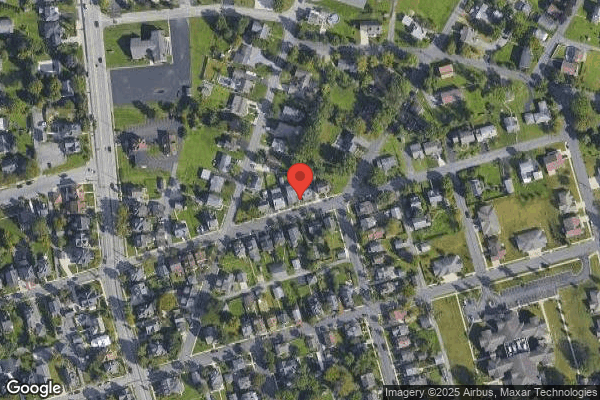
500 MUNICIPAL DR, HOLLIDAYSBURG, PA 16648 (814) 696-5356
Government - State 257 Beds Independent Data: November 2025
Trust Grade
60/100
#182 of 653 in PA
Last Inspection: June 2025

Inspected within the last 6 months. Data reflects current conditions.

Overview

Hollidaysburg Veterans Home has a Trust Grade of C+, which indicates it is slightly above average but not particularly exceptional. It ranks #182 out of 653 in Pennsylvania, placing it in the top half of facilities in the state, and #2 out of 9 in Blair County, meaning only one local option is better. The facility is showing an improving trend, with issues decreasing from 12 in 2024 to 11 in 2025. Staffing is a strong point, with a perfect 5/5 rating and only a 13% turnover, well below the state average, indicating that staff are experienced and familiar with the residents. While there have been no fines reported, there are some concerns, including a failure to properly monitor a resident after dialysis and issues with food safety and sanitation in the kitchen. Additionally, there were inaccuracies in clinical record documentation for some residents, which could affect care quality. Overall, while there are notable strengths in staffing and improvement trends, families should be aware of these weaknesses when considering this nursing home.

Trust Score
C+
60/100
In Pennsylvania
#182/653
Top 27%
Safety Record
High Risk
Review needed
Inspections
Getting Better
12 → 11 violations
Staff Stability
✓ Good
13% annual turnover. Excellent stability, 35 points below Pennsylvania's 48% average. Staff who stay learn residents' needs.
Penalties
✓ Good
No fines on record. Clean compliance history, better than most Pennsylvania facilities.
Skilled Nurses
✓ Good
Each resident gets 69 minutes of Registered Nurse (RN) attention daily — more than 97% of Pennsylvania nursing homes. RNs are the most trained staff who catch health problems before they become serious.
Violations
⚠ Watch
37 deficiencies on record. Higher than average. Multiple issues found across inspections.
★★★★☆
4.0
Overall Rating
★★★★★
5.0
Staff Levels
★★★★★
5.0
Care Quality
★★☆☆☆
2.0
Inspection Score
Stable
2024: 12 issues
2025: 11 issues

The Good

  • 5-Star Staffing Rating · Excellent nurse staffing levels
  • 5-Star Quality Measures · Strong clinical quality outcomes
  • Low Staff Turnover (13%) · Staff stability means consistent care
  • Full Sprinkler Coverage · Fire safety systems throughout facility
  • No fines on record
  • Staff turnover is low (13%)

    35 points below Pennsylvania average of 48%

Facility shows strength in staffing levels, quality measures, staff retention, fire safety.

The Bad

No Significant Concerns Identified

This facility shows no red flags. Among Pennsylvania's 100 nursing homes, only 1% achieve this.

The Ugly 37 deficiencies on record

Jun 2025 11 deficiencies
CONCERN (D)

Potential for Harm - no one hurt, but risky conditions existed

Deficiency F0583 (Tag F0583)

Could have caused harm · This affected 1 resident

**NOTE- TERMS IN BRACKETS HAVE BEEN EDITED TO PROTECT CONFIDENTIALITY** Based on review of policies, as well as observations and staff interviews, it was determined that the facility failed to maintai...

Read full inspector narrative →
**NOTE- TERMS IN BRACKETS HAVE BEEN EDITED TO PROTECT CONFIDENTIALITY** Based on review of policies, as well as observations and staff interviews, it was determined that the facility failed to maintain confidentiality of residents' personal health information during medication administration for one of 59 residents reviewed (Resident 78). Findings include: The facility policy regarding privacy of health information, dated July, 1 2024, indicated that the facility was to protect the confidentiality of a resident's health information. Observations of the [NAME] building's North Hall on June 11, 2025, at 12:21 p.m. revealed a medication cart at the end of the hallway, the computer on top of the medication cart was on, and Resident 78's personal information was visible on the screen. Interview with Licensed Practical Nurse 1 on June 11, 2025, at 12:27 p.m. confirmed that she should have covered Resident 78's personal information on the computer screen when leaving the medication cart. Interview with the Director of Nursing on June 11, 2025, at 1:41 p.m. confirmed that the computer screen with Resident 78's personal health information should have been covered when the nurse was not at the medication cart. 28 Pa. Code 211.5(b) Clinical Records.
CONCERN (D)

Potential for Harm - no one hurt, but risky conditions existed

Free from Abuse/Neglect (Tag F0600)

Could have caused harm · This affected 1 resident

Based on review of policies, clinical records, and investigation documents, as well as staff interviews, it was determined that the facility failed to ensure that residents were free from abuse for on...

Read full inspector narrative →
Based on review of policies, clinical records, and investigation documents, as well as staff interviews, it was determined that the facility failed to ensure that residents were free from abuse for one 59 residents reviewed (Resident 139). Findings include: The facility's abuse policy, dated July 1, 2024, indicated that each resident had the right to be free from abuse, neglect and misappropriation of resident property. Abuse is defined as, the willful infliction of injury, unreasonable confinement, intimidation or punishment with resulting physical harm, pain or mental anguish. Abuse also includes the deprivation by an individual, including a caretaker, of goods or services that are necessary to attain or maintain physical, mental, and psychosocial well being, which includes verbal, sexual, physical and mental abuse. A quarterly Minimum Data Set (MDS) assessment (a mandated assessment of a resident's abilities and care needs) for Resident 139, dated January 7, 2025, indicated that the resident was moderately cognitively impaired, required moderate assistance from staff with activities of daily living, and had diagnoses that included glaucoma (weakening of the eyesight) and Parkinson's disease (a brain disorder resulting in tremors and slowness of movement). Resident 139's urinary incontinence care plan, dated January 5, 2023, indicated that staff members were to assist the resident with toileting, perineal hygiene, and management of incontinence products/clothing upon resident request and as needed. A written statement from Nurse Aide 3, dated March 2, 2025, revealed that she saw Nurse Aide 2 go into the Resident 139's room and heard her say, Stop ringing your bell you're not going to get anyone else but me to help you. You can change your own underwear. She further indicated that Nurse Aide 2 left the room and the resident rang again. Nurse Aide 3 answered the call bell and he complained about Nurse Aide 2 and asked to speak to the supervisor. A written statement from Registered Nurse Supervisor 4, dated March 2, 2025, revealed Resident 139 reported that Nurse Aide 2 came into his room, turned his bell off, and walked out of his room several times. He reported that she told him to, Stop ringing your bell, and You can do it yourself. He also reported that she was mean to him, he was afraid of her, and wished for her not to care for him again. He stated that she argued with him about his vision. He told her that he was partially blind due to his glaucoma and she told him, You're not blind, you can see just fine. He indicated he was fearful of retaliation. Facility investigation documents, dated March 2, 2025, revealed that Nurse Aide 2 went into Resident 139's room and turned his call bell off and walked out of his room several times. The last time she answered his bell he asked the nurse aide for help and she replied, Stop ringing your call bell. You can do it yourself. A call bell report was run, which indicated that the resident had rung his call bell several times in a short time frame. A statement provided by Resident 139, dated March 7, 2025, indicated that Nurse Aide 2 refused to provide care for him saying we don't do that. For example, she will not make sure his private areas are clean and other areas like that. The resident stated this was not the first time this has happened with her, and that he gets the feeling she does not care. He also stated that he feels nervous when she answers his call bell, and that she sometimes just stands there and cocks her hips staring at him. Interview with the Assistant Director of Nursing 5 on June 12, 2025, at 2:03 p.m. confirmed that the facility substantiated neglect and mental abuse, and that Nurse Aide 2 was terminated. He further indicated that he would expect nursing staff to answer a resident's call bell and provide the care/assistance asked by the resident. An interview with the Nursing Home Administrator on June 12, 2025, at 16:50 p.m. confirmed that the facility substantiated abuse of Resident 139 by Nurse Aide 2. 28 Pa. Code 201.14(a) Responsibility of Licensee. 28 Pa. Code 201.18(b)(1)(e)(1) Management. 28 Pa. Code 201.29(j) Resident Rights.
CONCERN (D)

Potential for Harm - no one hurt, but risky conditions existed

Deficiency F0657 (Tag F0657)

Could have caused harm · This affected 1 resident

Based on review of clinical records, as well as staff interviews, it was determined that the facility failed to ensure that a resident's care plan was updated/revised to reflect the resident's specifi...

Read full inspector narrative →
Based on review of clinical records, as well as staff interviews, it was determined that the facility failed to ensure that a resident's care plan was updated/revised to reflect the resident's specific care needs for one of 59 residents reviewed (Resident 169). Findings include: A facility policy regarding interdisciplinary care plans, dated July 1, 2024, indicated that each resident has an individualized interdisciplinary care plan. Proper documentation was required in the care plan for discontinued or added interventions, changes in problems, goals, and interventions. A quarterly Minimum Data Set (MDS) assessment (a mandated assessment of a resident's abilities and care needs) for Resident 169, dated February 4, 2025, revealed that the resident was understood, could understand others, was moderately cognitively impaired, required supervision for showering and bathing, was independent with all other care needs, and had diagnoses that included heart failure and Alzheimer's disease. Nursing notes, dated February 16, 2025, indicated that Resident 169 fell at his daughter's home, was admitted to the hospital with a brain bleed, and had five sutures in the back of his head. A care plan regarding falls, dated May 5, 2024, indicated that the resident was at risk for falls related to antidepressant use. A care plan intervention for the resident, dated February 24, 2025, revealed that staff were to monitor staples to the head related to a fall while on a leave of absence. Staff were to notify the medical provider with worsening condition of the site. A nurse practitioner note for Resident 169, dated February 27, 2025, indicated that five staples were removed from the back of his head. Observations of Resident 169 on June 11, 2025, at 12:35 p.m. in the dining room revealed that he did not have any staples on the back of his head. Interview with Assistant Director of Nursing 6 on June 11, 2025, at 3:09 p.m. confirmed that Resident 169's care plan needed updated to discontinue staple care needs, as they were removed in February 2025. 28 Pa. Code 211.12(d)(5) Nursing Services.
CONCERN (D)

Potential for Harm - no one hurt, but risky conditions existed

Deficiency F0658 (Tag F0658)

Could have caused harm · This affected 1 resident

Based on review of policies and clinical records, as well as staff interviews, it was determined that the facility failed to clarify physician's orders for one of 59 residents reviewed (Resident 140)....

Read full inspector narrative →
Based on review of policies and clinical records, as well as staff interviews, it was determined that the facility failed to clarify physician's orders for one of 59 residents reviewed (Resident 140). Findings include: A significant change Minimum Data Set (MDS) assessment (a mandated assessment of a resident's abilities and care needs) for Resident 140, dated April 25, 2025, indicated that the resident was cognitively impaired and had diagnoses that included kidney failure and received dialysis. A care plan for nutritional status, dated January 26, 2024, revealed that the resident goes to dialysis at 6:00 a.m. on Tuesdays, Thursdays, and Saturdays. Physician's orders for Resident 140, dated January 26, 2024, included an order for the resident to receive at 9:00 a.m. 1 milligram (mg) of bumetanide (a medication to treat edema), 25 microgram (mcg) of vitamin D3, 2.5 mg of Eliquis (a blood thinner), one 50 mcg spray per nostril of Flonase (a medication to treat allergies), 0.5 mg of lorazepam (a medication to treat anxiety), 10 mg of midodrine, 75 mg of Plavix (a medication to help prevent blood clots from forming), 10 mg of Protonix (a medication to treat acid reflux), 800 mg of renvela (a medication to treat high phosphorus levels), 25 mg Vistaril (a medication to treat anxiety and itchiness). A review of Resident 140's Medication Administration Records (MAR) for May and June 2025 revealed that the resident received his medications at 9:00 a.m. on Tuesdays, Thursdays, and Saturdays; however, a review of the resident's clinical record revealed that the resident was at dialysis on those dates and time, and was unavailable to receive his medication. There was no documented evidence to indicate that the physician was notified for clarification of the orders for Resident 140's dialysis days. Nursing notes for Resident 140 on dialysis days for the months of May and June 2025 revealed that the resident received his 9:00 a.m. medication by the third shift licensed practical nurse before leaving for dialysis at 6:00 a.m. on dialysis days. Interview with the Director of Nursing on July 7, 2025, at 11:37 a.m. confirmed that Resident 140's orders for his 9:00 a.m. medication on dialysis days should have been clarified with the physician. 28 Pa. Code 211.12(d)(1)(3)(5) Nursing Services.
CONCERN (D)

Potential for Harm - no one hurt, but risky conditions existed

Accident Prevention (Tag F0689)

Could have caused harm · This affected 1 resident

Based on review of policies and clinical records, as well as observations and staff interviews, it was determined that the facility failed to ensure that fall interventions were in place for one of 59...

Read full inspector narrative →
Based on review of policies and clinical records, as well as observations and staff interviews, it was determined that the facility failed to ensure that fall interventions were in place for one of 59 residents reviewed (Resident 9) who had a history of a fall from his bed, and failed to lock the wheels on a hoyer lift during use per manufacturer's instructions for one of 59 residents reviewed (Resident 186). Findings include: A quarterly Minimum Data Set (MDS) assessment (a mandated assessment of a resident's abilities and care needs) for Resident 9, dated March 25, 2025, revealed that the resident was cognitively intact, was dependent for most daily care needs including bed mobility, and had a diagnoses that included hemiplegia and hemiparesis (paralysis or weakness to one side of the body due to brain injury) of the left side following a stroke. The current fall care plan for Resident 9 revealed that the resident was at risk for falls. Interventions for Resident 9 included the use of a long positioning wedge to the left side at all times when in bed. Physician's orders for Resident 9, dated December 24, 2024, included an order for the resident to use a long positioning wedge to his left lateral side at all times when in bed. Observations on June 11, 2025, at 2:38 p.m. and June 12, 2025, at 11:16 a.m. revealed that Resident 9 was lying in bed and he did not have his long positioning wedge in place to his left lateral side. Interview with Licensed Practical Nurse 7 on June 12, 2025, at 11:24 a.m. indicated that she was not sure if Resident 9 was to have a wedge to his left side when in bed, but she would check with the nurse aide to see if she recalled him having one and where it was at. Licensed Practical Nurse 7 verified the orders and confirmed that the resident was to have the long positioning wedge to his left lateral side when in bed and it was not in place. Interview with Nurse Aide 8 on June 12, 2025, at 11:28 a.m. indicated that she did recall Resident 9 having a left lateral wedge in bed but could not locate it in his room. Interview with the resident at that time indicated that he had a wedge to his left side but did not know when he had it last. Interview with the Assistant Director of Nursing 6 on June 12, 2025, at 3:09 p.m. confirmed that Resident 9's long positioning wedge to his left lateral side should have been in place and it was not. The facility's policy for using a lifting machine, dated July 1, 2024, revealed that staff must be competent in the use of mechanical lifts per manufacturer's instructions. Manufacturer's instructions for the Vikking Hoyer lift revealed that the breaks were to be engaged when lifting a patient from the floor to decrease the risk of the lift moving into the patient. A significant change Minimum Data Set (MDS) assessment (a mandated assessment of a resident's abilities and care needs) for Resident 186, dated April 2, 2025, revealed that the resident was cognitively impaired and required extensive assistance with daily care needs including transfers. A fall care plan, dated May 21, 2025, revealed that the resident was to be transferred by two staff using a Hoyer mechanical lift with the model 350 size medium sling. Observations of Nurse Aide 9 and Registered Nurse 10 on June 9, 2025, at 1:21 p.m. using the mechanical lift to transfer Resident 186 from the floor to his bed revealed that the brakes on the lift were not engaged during the transfer causing the lift to roll slightly. Interview with Nurse Aide 9 and Registered Nurse 10 on June 9, 2025, at 1:30 p.m. confirmed that they should have had the brakes on while raising Resident 186 from the floor and lowering him into the bed. Interview with the Director of Nursing on June 10, 2025, at 2:13 p.m. confirmed that the brakes should have been engaged when using the mechanical lift to transfer Resident 186 from the floor to his bed. 28 Pa. Code 211.12(d)(3)(5) Nursing Services.
CONCERN (D)

Potential for Harm - no one hurt, but risky conditions existed

Pharmacy Services (Tag F0755)

Could have caused harm · This affected 1 resident

Based on review of policies and clinical records, as well as staff interviews, it was determined that the facility failed to maintain a complete and accurate accounting of controlled medications (medi...

Read full inspector narrative →
Based on review of policies and clinical records, as well as staff interviews, it was determined that the facility failed to maintain a complete and accurate accounting of controlled medications (medications with the potential to be abused) for one of 59 residents reviewed (Resident 53). Findings include: The facility's policy regarding medication administration, dated July 1, 2025, indicated that staff were to document that medication was given on the appropriate line of the resident's Medication Administration Record (MAR). Physician's orders for Resident 53, dated April 9, 2025, included an order for the resident to receive 10 milligrams (mg) of Oxycontin (a controlled narcotic pain medication) every four hours as needed. Resident 53's controlled drug records for May 2025 revealed that a 10 mg dose of Oxycontin was signed-out for administration once on May 1, 2025, at 12:42 p.m.; May 13, 2025, at 6:00 p.m.; May 24, 2025 at 5:22 p.m.; and May 27, 2025 at 10:20 p.m. However, the resident's clinical record, including the MAR, contained no documented evidence that the Oxycontin was actually administered to the resident. Interview with Assistant Director of Nursing 6 on June 10 at 1:16 p.m. confirmed that there was no documented evidence that the dose of Oxycontin signed out by the nurse was actually administered to Resident 53 on the above dates and times. 28 Pa. Code 211.9(h) Pharmacy Services. 28 Pa. Code 211.12(d)(1)(5) Nursing Services.
CONCERN (D)

Potential for Harm - no one hurt, but risky conditions existed

Deficiency F0761 (Tag F0761)

Could have caused harm · This affected 1 resident

Based on review of policies, as well as observations and staff interviews, it was determined that the facility failed to ensure that medications were properly secured in the medication cart. Findings ...

Read full inspector narrative →
Based on review of policies, as well as observations and staff interviews, it was determined that the facility failed to ensure that medications were properly secured in the medication cart. Findings include: The facility's policy regarding medication storage, dated July 2, 2025, indicated that the nurse was to ensure the medication cart was securely locked at all times when out of the nurse's view. Observations on June 11, 2025, at 12:21 p.m. revealed that a medication cart in the hallway was unlocked and unattended by Licensed Practical Nurse 1 when she went to the nurse's station. Interview with Licensed Practical Nurse 1 on June 11, 2025, at 12:27 p.m. confirmed that her medication cart should have been locked when unattended. Interview with the Director of Nursing on June 11, 2025, at 2:06 p.m. confirmed that the medication cart should have been locked when unattended by Licensed Practical Nurse 1. 28 Pa. Code 211.9(a)(1)(k) Pharmacy Services. 28 Pa. Code 211.12(d)(1)(5) Nursing Services.
CONCERN (D)

Potential for Harm - no one hurt, but risky conditions existed

QAPI Program (Tag F0867)

Could have caused harm · This affected 1 resident

Based on review of the facility's plans of correction for previous surveys, and the results of the current survey, it was determined that the facility's Quality Assurance Performance Improvement (QAPI...

Read full inspector narrative →
Based on review of the facility's plans of correction for previous surveys, and the results of the current survey, it was determined that the facility's Quality Assurance Performance Improvement (QAPI) committee failed to correct quality deficiencies and ensure that plans to improve the delivery of care and services effectively addressed recurring deficiencies. Findings include: The facility's deficiencies and plan of corrections for an annual survey ending July 18, 2024, revealed that the facility developed plans of correction that included quality assurance systems to ensure that the facility maintained compliance with cited nursing home regulations. The results of the current survey, ending June 12, 2025, identified repeated deficiencies related to a failure to protect the residents from abuse/neglect, failure to have accountability for controlled medications, failure to ensure that food was stored and served properly, and failure to ensure that medical records were complete and accurate. The facility's plan of correction for a deficiency regarding abuse/neglect, cited during the survey ending July 18, 2024, revealed that the facility would complete audits and report the results of the audits to the QAPI committee for review. The results of the current survey, cited under F600, revealed that the facility's QAPI committee failed to successfully implement their plan to ensure that resident were free from abuse/neglect. The facility's plan of correction for a deficiency regarding accountability for controlled medications, cited during the survey ending July 18, 2024, revealed that the facility would complete audits and report the results of the audits to the QAPI committee for review. The results of the current survey, cited under F755, revealed that the facility's QAPI committee failed to successfully implement their plan to ensure that controlled medications were accounted for. The facility's plan of correction for a deficiency regarding proper food storage/serving, cited during the survey ending July 18, 2024, revealed that the facility would complete audits and report the results of the audits to the QAPI committee for review. The results of the current survey, cited under F812, revealed that the facility's QAPI committee failed to successfully implement their plan to ensure that food was stored and served properly. The facility's plan of correction for a deficiency regarding accurate medical records, cited during the survey ending July 18, 2024, revealed that the facility would complete audits and report the results of the audits to the QAPI committee for review. The results of the current survey, cited under F842, revealed that the facility's QAPI committee failed to successfully implement their plan to ensure that resident records were complete and accurate. Refer to F600, F755, F812, F842. 28 Pa. Code 201.14(a) Responsibility of Licensee. 28 Pa. Code 201.18(e)(1) Management.
CONCERN (E)

Potential for Harm - no one hurt, but risky conditions existed

Deficiency F0698 (Tag F0698)

Could have caused harm · This affected multiple residents

Based on review of policies and clinical records, as well as observations and resident and staff interviews, it was determined that the facility failed to follow facility policy for the care and monit...

Read full inspector narrative →
Based on review of policies and clinical records, as well as observations and resident and staff interviews, it was determined that the facility failed to follow facility policy for the care and monitoring of residents receiving dialysis for one of 59 residents reviewed (Resident 140). Findings include: Review of the facility's current dialysis policy, dated July 1, 2024, revealed that when the resident returns from dialysis the resident will be assessed by a registered nurse with a complete set of vital signs and the dialysis access permacath (a catheter used for dialysis access) or fistula (a surgically created access point for dialysis) would be assessed for bleeding every 15 minutes for two hours. A significant change Minimum Data Set (MDS) assessment (a mandated assessment of a resident's abilities and care needs) for Resident 140, dated April 25, 2025, indicated that the resident was cognitively impaired, had a diagnosis of kidney failure, and received dialysis. The current care plan revealed that Resident 140 goes to dialysis early in the morning on Tuesdays, Thursdays, and Saturdays. A review of Resident 140's clinical record for April, May, and June 2025 revealed no documented evidence that a registered nurse assessed the dialysis site for bleeding every 15 minutes for two hours on April 15 and 17, 2025; May 1, 17, 31, 2025; and June 7, 2025; and no documented evidence that vital signs were completed upon return from dialysis on April 5, 8, 10, 12, 24, 26, 2025; May 6 , 15, 24, 27, 29, 2025; and June 5 and 7, 2025. Interview with the Director of Nursing on June 11, 2025, at 9:53 a.m. confirmed that there was no documented evidence that the facility's policy for after dialysis assessment, care and monitoring was completed for Resident 140 on the above dates. 28 Pa. Code 211.12(d)(1)(3)(5) Nursing Services.
CONCERN (E)

Potential for Harm - no one hurt, but risky conditions existed

Food Safety (Tag F0812)

Could have caused harm · This affected multiple residents

Based on observations and staff interviews, it was determined that the facility failed to ensure that food was stored and prepared under sanitary conditions. Findings include: Observations in the main...

Read full inspector narrative →
Based on observations and staff interviews, it was determined that the facility failed to ensure that food was stored and prepared under sanitary conditions. Findings include: Observations in the main kitchen on June 9, 2025, at 9:20 a.m. revealed that the large plastic flour container, the large plastic sugar container, and the large plastic thickening powder container, located in the preparation area, was still in the original paper containers of flour, sugar, and powder thickener while stored inside each of the plastic containers. Interview with Dietary Manager on June 9, 2025, at 9:20 a.m. revealed that she was not aware of any reason that the original paper containers should not be inside the large plastic containers. 28 Pa. Code 211.6(f) Dietary Services.
CONCERN (E)

Potential for Harm - no one hurt, but risky conditions existed

Medical Records (Tag F0842)

Could have caused harm · This affected multiple residents

Based on review of clinical records, as well as staff interviews, it was determined that the facility failed to maintain clinical records that were accurately documented for three of 59 residents revi...

Read full inspector narrative →
Based on review of clinical records, as well as staff interviews, it was determined that the facility failed to maintain clinical records that were accurately documented for three of 59 residents reviewed (Residents 53, 136, 171). Findings include: A quarterly Minimum Data Set (MDS) assessment (a mandated assessment of a resident's abilities and care needs) for Resident 53, dated March 26, 2025, indicated that the resident was cognitively intact, was independent for care, and received enteral feeding. Physician's orders, dated April 9, 2025, included an order for the resident to receive Isosource 1.5 (a tube feeding formula) at 250 milliters (ml) per hour over one hour three times a day, provide 85 ml flush before and after feeding, and document the amount of feed and flush administered. A review of Resident 53's Medication Administration Record (MAR), dated April, May, June 2025, indicated that staff were not correctly documenting the amount of feeds and flushes. On April 10, 2025, at 9:00 a.m. 100 ml was documented, and there was do documented evidence if the resident received pre and post-administration flushes; 250 ml was documented on April 11, at 9:00 a.m. and 1:00 p.m.; April 12, at 9:00 a.m. and 6:00 p.m.; April 13, at 9:00 a.m. and 1:00 p.m.; April 14, at 9:00 a.m.; April 17, at 6:00 p.m.; April 19, at 1:00 p.m.; April 21, at 6:00 p.m.; April 23, at 6:00 p.m.; April 24, at 9:00 a.m.; April 25, at 9:00 a.m. and 1:00 p.m.; April 30, at 1:00 p.m.; and no documented evidence of pre and post-administration flushes; 335 ml was documented as administered on April 15, at 9:00 a.m., 1:00 p.m. and 6:00 p.m.; April 16, at 9:00 a.m. and 1:00 p.m.; April 18, at 9:00 a.m. and 1:00 p.m.; April 19, at 6:00 p.m.; April 20, at 9:00 a.m., 1:00 p.m., and 6:00 p.m.; April 27, at 9:00 a.m., 1:00 p.m., and 6:00 p.m.; 250 ml feeding and 85 ml flush was documented for May 2, at 6:00 p.m.; 250 ml was documented as administered on May 3, at 1:00 p.m.; May 4, at 9:00 a.m.; May 7, at 6:00 p.m.; May 10, at 1:00 p.m.; May 17, at 9:00 a.m.; May 20, at 9:00 a.m.; May 22, at 1:00 p.m. and 6:00 p.m.; May 23, at 1:00 p.m. and 6:00 p.m.; May 24, at 1:00 p.m.; May 26, at 2:50 p.m.; May 29, at 1:00 p.m. and 6:00 p.m.; May 30, at 9:00 a.m., 1:00 p.m., and 6:00 p.m.; May 31, at 1:00 p.m.; 390 ml was documented as administered on May 17, at 6:00 p.m.; 240 ml was documented as administered on May 11, at 1:00 p.m.; 157 ml was documented as administered on May 20, at 6:00 p.m.; 500 ml was documented as administered on May 26, at 1:00 p.m.; 247 ml was documented as administered on May 27, at 1:00 p.m.; 370 ml was documented as administered on May 28, at 6:00 p.m.; and 380 ml was documented as administered on May 31, at 6:00 p.m. The documentation did not indicate how much was feeding and how much was pre and post-flushes. Interview with the Director of Nursing on June 12, 2025, at 1:16 p.m. confirmed that the nurses were to follow the physician's orders for Resident 53's enteral feeding to document the correct amount of flush and Isosource administered at the time of administration. A quarterly MDS assessment for Resident 136, dated March 4, 2025, revealed that the resident was cognitively impaired, was independent with most care needs, and had a diagnosis of Post Traumatic Stress Disorder (PTSD - a mental and behavioral disorder that develops related to a terrifying event). A physician's progress note for Resident 136, dated April 23, 2025, at 1:41 p.m., indicated that the resident was seen for a 60-day assessment and had a diagnosis of ongoing chronic PTSD. Review of the resident's clinical records, including psychiatric progress notes, the resident's plan of care, and the trauma assessment revealed no documented evidence that the resident had a diagnosis of PTSD. Interview with the Social Service Director on June 12, 2025, at 2:20 p.m. indicated that she had reviewed Resident 136's clinical records dating back to his admission and that there was no prior documentation in the resident's clinical records that indicated he had a diagnosis of PTSD. She indicated that there was a psychiatric note that indicated he had no signs of PTSD, and she believed that the PTSD diagnoses may have been documented in error. She reached out to the Certified Registered Nurse Practitioner (CRNP) to clarify the PTSD diagnosis. She indicated that the resident was a civil war re-enactor and was care planned as such with no signs of PTSD. There was no active care plan for the resident related to PTSD. A physician's progress note for Resident 136, dated June 12, 2025, at 2:45 p.m., revealed that the resident's chart was reviewed secondary to his PTSD diagnosis. Upon review, there was no diagnosis of PTSD noted as per multiple psychiatrist documentation and follow up evaluations. The PTSD diagnosis was therefore not warranted based on their evaluations. Interview with the Social Service Director on June 12, 2025, at 3:07 p.m. confirmed that Resident 136 did not have a diagnosis of PTSD as confirmed by the CRNP per review of the resident's clinical record. A significant change MDS assessment for Resident 171, dated May 27, 2025, revealed that the resident was understood, could understand others, was independent with transfers, had a diagnosis of dementia, and had a history of falls. A nursing note for Resident 171, dated May 20, 2025, revealed that the resident had an unwitnessed fall. The resident sustained a 3 centimeter (cm) by 4 cm abrasion to the center of the neck. The CRNP was made aware and a new order was received to have the resident screened by speech therapy. A speech therapy note for Resident 171, dated May 20, 2025, indicated that the resident had a screening and it was recommended to have vocal rest due to recent trauma. Speech therapy would follow-up in a few days to assess voice further; however, there was no documented evidence in Resident 171's clinical record that speech therapy followed up as recommended. A late entry speech therapy note, recorded on June 11, 2025, for May 20, 2025, indicated that speech therapy followed up with Resident 171, who was improving, had a gargled voice, and recommended to continue with light vocal use and rest. Interview with the Speech Therapist on June 12, 2025, at 12:14 p.m. revealed that therapy screenings are documented in the medical record. She confirmed that she did follow up with Resident 171 but forgot to document it. She entered a late entry in the clinical record after she was made aware that there was no documentation. Interview with the Nursing Home Administrator on June 12, 2025, at 4:15 p.m. confirmed that Resident 171's clinic record should have been complete and accurate. 28 Pa. Code 211.5(f) Clinical Records. 28 Pa. Code 211.12(d)(5) Nursing Services.
Jul 2024 12 deficiencies
CONCERN (D)

Potential for Harm - no one hurt, but risky conditions existed

Resident Rights (Tag F0550)

Could have caused harm · This affected 1 resident

Based on review of facility policies, clinical records, and facility investigation reports, as well as staff interviews, it was determined that the facility failed to ensure that assistance with incon...

Read full inspector narrative →
Based on review of facility policies, clinical records, and facility investigation reports, as well as staff interviews, it was determined that the facility failed to ensure that assistance with incontinent care was provided in a manner to maintain dignity for one of 54 residents reviewed (Resident 106). Findings include: The facility's policy regarding resident rights, dignity, and respect, dated July 1, 2024, revealed that the staff, vendors, contractors, agencies, and anyone engaging in work for the facility shall display respect for the residents when speaking with, caring for, or talking about them, as constant affirmation of their individuality and dignity as human beings. All activities and interactions with residents by any staff, temporary agency staff or volunteers must focus on assisting the resident in maintaining and enhancing his or her self-esteem and self-worth and incorporating the resident's goals, preferences, and choices. When providing care and services, staff must respect each resident's individuality, as well as honor and value their input. A Significant Change in Status Minimum Data Set (MDS) assessment (a mandated assessment of a resident's abilities and care needs) for Resident 106, dated March 6, 2024, revealed that the resident was understood, could understand others, was frequently incontinent of bowel and bladder, and had a diagnosis which included Alzheimer's disease. A care plan for the resident, dated March 12, 2024, revealed that the resident had an alteration in elimination related to a cognitive impairment as evidenced by urinary incontinence and that the resident required assistance with toileting hygiene. A statement completed by Dental Hygienist 1, dated May 28, 2024, revealed that Resident 106 came in and was getting himself up off the chair and said, I am sorry I wet myself, she wouldn't let me get up and go. The resident was embarrassed. Dental Hygienist 1 told him it was okay and placed a disposable towel on his chair because his urine had gone through his pants onto his chair. After the resident had gotten back into his wheelchair and she had taken him out of the room, she brought in another resident to place in the chair. She explained to the resident that she had to wait for her to clean the area up, and the resident was pushy-like and huffy again. A statement completed by Nurse Aide 2, dated May 25, 2024, revealed that on May 24, 2024, at 2:30 p.m. the aide brought Resident 106 back to the floor after he was seen by the dentist, so Nurse Aide 2 pushed him back to his room. He said he needed to go to the bathroom. He then said, I told the aide I needed to go to the bathroom when I was down there. Nurse Aide 2 took him back to his room and took him to the bathroom. His wheelchair, ROHO cushion (a cushion that provides individuals with skin integrity issues an optimal environment to efficiently distribute pressure, minimize shear forces and prevent skin breakdown) was soaked and his pants were soaked. Nurse Aide 2 changed him and put him to bed. An incident summary for Resident 106, dated May 31, 2024, revealed that the resident was escorted down to the dental hygienist on May 24, 2024, by Nurse Aide 3. It was reported that the resident was incontinent while awaiting the dental visit and had soaked through his clothing onto the dental chair and onto the floor. Nurse Aide 3 reported that she had transported the resident down to the dentist and the resident had reported he had to use the bathroom and Nurse Aide 3 asked him if he could hold it, to which he replied yes. At no point was it reported that Nurse Aide 3 called the floor to check on the resident's transfer status or competence, and she stated that no profile sheet was given to her or obtained by her. Nurse Aide 3 then reported she went to get another resident and left the resident with the dentist,and the dentist reported that the resident self-transferred into the dental chair. Upon Nurse Aide 3's return to the dentist room, the resident was incontinent, and Nurse Aide 3 returned him to his unit and told staff he returned, and then left as it was the end of the shift, so she reported to second shift that they had to finish him up for her. Interview with Registered Nurse Supervisor 4 on July 16, 2024, at 2:25 p.m. revealed that the dental hygienist indicated that she heard Resident 106 outside the dental room but had a resident in the room. She indicated that Dental Hygienist 1 stated she knew what happened and that she should have done something because the resident was incontinent. So not to cause a big scene or make the resident feel worse, she placed a towel down on the chair and covered him with a towel instead of having someone provide incontinent care. 28 Pa. Code 201.29(j) Resident Rights.
CONCERN (D)

Potential for Harm - no one hurt, but risky conditions existed

Free from Abuse/Neglect (Tag F0600)

Could have caused harm · This affected 1 resident

Based on review of policies, investigative reports, and residents' clinical records, as well as staff interviews, it was determined that the facility failed to ensure that residents were free from neg...

Read full inspector narrative →
Based on review of policies, investigative reports, and residents' clinical records, as well as staff interviews, it was determined that the facility failed to ensure that residents were free from neglect caused by a failure to provide assistance with toileting for one of 54 residents reviewed (Resident 106), resulting in the resident being incontinent of bladder. Findings include: The facility's policy regarding abuse prevention, dated July 1, 2024, indicated that it is the process of the facility to provide protections for the health, safety, welfare, and rights of each resident residing in the facility by prohibiting and preventing abuse, neglect, exploitation, misappropriation of resident property, corporal punishment, involuntary seclusion, and any physical or chemical restraints to treat a resident's medical condition. The facility's policy regarding resident rights, dignity, and respect, dated July 1, 2024, revealed that the staff, vendors, contractors, agencies, and anyone engaging in work for the facility shall display respect for the residents when speaking with, caring for, or talking about them, as constant affirmation of their individuality and dignity as human beings. All activities and interactions with residents by any staff, temporary agency staff or volunteers must focus on assisting the resident in maintaining and enhancing his or her self-esteem and self-worth and incorporating the resident's goals, preferences, and choices. When providing care and services, staff must respect each resident's individuality, as well as honor and value their input. A Significant Change in Status Minimum Data Set (MDS) assessment (a mandated assessment of a resident's abilities and care needs) for Resident 106, dated March 6, 2024, revealed that the resident was understood, could understand others, was frequently incontinent of bowel and bladder, and had a diagnosis which included Alzheimer's disease. A care plan for the resident, dated March 12, 2024, revealed that the resident had an alteration in elimination related to a cognitive impairment as evidenced by urinary incontinence and that the resident required assistance with toileting hygiene. A statement completed by Dental Hygienist 1, dated May 28, 2024, revealed that Resident 106 came in and was getting himself up off the chair and said, I am sorry I wet myself, she wouldn't let me get up and go. The resident was embarrassed. Dental Hygienist 1 told him it was okay and placed a disposable towel on his chair because his urine had gone through his pants onto his chair. After the resident had gotten back into his wheelchair and she had taken him out of the room, she brought in another resident to place in the chair. She explained to the resident that she had to wait for her to clean the area up, and the resident was pushy-like and huffy again. A statement completed by Nurse Aide 2, dated May 25, 2024, revealed that on May 24, 2024, at 2:30 p.m. the aide brought Resident 106 back to the floor after he was seen by the dentist, so Nurse Aide 2 pushed him back to his room. He said he needed to go to the bathroom. He then said, I told the aide I needed to go to the bathroom when I was down there. Nurse Aide 2 took him back to his room and took him to the bathroom. His wheelchair, ROHO cushion (a cushion that provides individuals with skin integrity issues an optimal environment to efficiently distribute pressure, minimize shear forces and prevent skin breakdown) was soaked and his pants were soaked. Nurse Aide 2 changed him and put him to bed. An incident summary for Resident 106, dated May 31, 2024, revealed that the resident was escorted down to the dental hygienist on May 24, 2024, by Nurse Aide 3. It was reported that the resident was incontinent while awaiting the dental visit and had soaked through his clothing onto the dental chair and onto the floor. Nurse Aide 3 reported that she had transported the resident down to the dentist and the resident had reported he had to use the bathroom and Nurse Aide 3 asked him if he could hold it, to which he replied yes. At no point was it reported that Nurse Aide 3 called the floor to check on the resident's transfer status or competence, and she stated that no profile sheet was given to her or obtained by her. Nurse Aide 3 then reported she went to get another resident and left the resident with the dentist,and the dentist reported that the resident self-transferred into the dental chair. Upon Nurse Aide 3's return to the dentist room, the resident was incontinent, and Nurse Aide 3 returned him to his unit and told staff he returned, and then left as it was the end of the shift, so she reported to second shift that they had to finish him up for her. Interview with Registered Nurse Supervisor 4 on July 16, 2024, at 2:25 p.m. revealed that the dental hygienist indicated that she heard Resident 106 outside the dental room but had a resident in the room. She indicated that Dental Hygienist 1 stated she knew what happened and that she should have done something because the resident was incontinent. So not to cause a big scene or make the resident feel worse, she placed a towel down on the chair and covered him with a towel instead of having someone provide incontinent care. 28 Pa. Code 201.14(a) Responsibility of Licensee. 28 Pa. Code 201.18(b)(1)(e)(1) Management. 28 Pa. Code 211.12(d)(1)(5) Nursing Services.
CONCERN (D)

Potential for Harm - no one hurt, but risky conditions existed

Deficiency F0810 (Tag F0810)

Could have caused harm · This affected 1 resident

Based on review of clinical records, as well as observations and staff interviews, it was determined that the facility failed to ensure that staff provided assistive devices to eat in accordance with ...

Read full inspector narrative →
Based on review of clinical records, as well as observations and staff interviews, it was determined that the facility failed to ensure that staff provided assistive devices to eat in accordance with the resident's care plan for one of 54 residents reviewed (Resident 118). Findings include: A quarterly Minimum Data Set (MDS) assessment (a mandated assessment of a resident's abilities and care needs) for Resident 118, dated June 12, 2024, indicated that the resident was cognitively intact, was independent with personal hygiene needs and eating, and had diagnoses that included Waldenstrom macroglobulinemia (an uncommon blood cell cancer). Physician's orders for Resident 118, dated December 11, 2023, included an order for the resident to have built-up utensils for meals. A care plan for Resident 118, dated December 12, 2023, indicated that the resident had the potential for altered nutrition and that built-up utensils were to be used for meals. Observations of Resident 118 during the lunch meal on July 16, 2024, at 1:03 p.m. revealed that the resident was in his room eating his meal using regular utensil and did not have built-up utensils. Interview with the resident at that time revealed that he prefers to have the built-up utensils but did not receive them for lunch that day. He reported that he frequently gets meals without the built-up utensils. Interview with Registered Nurse 7 on July 16, 2024, at 1:03 p.m. confirmed that Resident 118 did not have built-up utensils for the lunch meal as ordered. Interview with Assistant Director of Nursing 8 on July 17, 2024, confirmed that Resident 118 should have had built-up utensils for his meals as ordered. 28 Pa. Code 211.12(d)(3)(5) Nursing Services.
CONCERN (D)

Potential for Harm - no one hurt, but risky conditions existed

Medical Records (Tag F0842)

Could have caused harm · This affected 1 resident

Based on review of facility policies and clinical records, as well as staff interviews, it was determined that the facility failed to ensure that residents' clinical records were complete and accurate...

Read full inspector narrative →
Based on review of facility policies and clinical records, as well as staff interviews, it was determined that the facility failed to ensure that residents' clinical records were complete and accurately documented for one of 54 residents reviewed (Resident 154). Findings include: The facility's policy for Medication Administration, dated July 1, 2024, indicated that after administering the narcotic, the medication nurse will record the date the narcotic was administered, sign their name, record the amount of the narcotic administered, record the time the narcotic was administered, and the remaining balance of the narcotic on the Narcotic Administration and Disposition Record. The specific time the narcotic was given will be reflected on the eMAR when the licensed nurse clicks Complete indicating that the narcotic was administered. An admission Minimum Data Set (MDS) assessment (a mandated assessment of a resident's abilities and care needs) for Resident 154, dated April 16, 2024, revealed that she was understood and understood others, was cognitively impaired, and received pain medication as needed. Physician's orders for Resident 154, dated April 9, 2024, included an order for the resident to receive 5-325 milligrams (mg) of NORCO (a medication used to treat pain) every 8 hours as needed. Resident 154's Medication Administration Record (MAR) dated May 8, 2024, revealed that the NORCO was administered at 8:45 p.m. Narcotic sign-out sheets for Resident 154, dated May 8, 2024, revealed that the narcotic was signed out for administration at 5:17 p.m. Resident 154's MAR, dated June 15, 2024, revealed that the NORCO was administered at 9:00 a.m. and 7:58 p.m. Narcotic sign-out sheets for Resident 154, dated June 15, 2024, revealed that the NORCO was signed out for administration at 9:00 a.m. and 6:00 p.m. Interview with the Director of Nursing on July 18, 2024, at 1:22 p.m. revealed that the NORCO should have been administered at the same time it was signed out on the narcotic sheet. 28 Pa. Code 211.5(f) Clinical Records. 28 Pa. Code 211.12(d)(5) Nursing Services.
CONCERN (D)

Potential for Harm - no one hurt, but risky conditions existed

Infection Control (Tag F0880)

Could have caused harm · This affected 1 resident

Based on review of established infection control guidelines, facility policy, and residents' clinical records, as well as observations and staff interviews, it was determined that the facility failed ...

Read full inspector narrative →
Based on review of established infection control guidelines, facility policy, and residents' clinical records, as well as observations and staff interviews, it was determined that the facility failed to follow infection control guidelines from the Centers for Medicare/Medicaid Services (CMS) and the Centers for Disease Control (CDC) to reduce the spread of infections and prevent cross-contamination for two of 54 residents reviewed (Residents 87, 128). Findings include: Facility policy for hand hygiene, dated July 1, 2024, indicated that hand hygiene is a general term for cleaning your hands by handwashing with soap and water or the use of an antiseptic hand rub, also known as alcohol-based hand rub. Hand hygiene must be performed before donning (put on) and after removing personal protective equipment, including gloves. A quarterly Minimum Data Set (MDS) assessment (a mandated assessment of a resident's abilities and care needs) for Resident 87, dated July 3, 2024, revealed that the resident was cognitively intact, was dependent on staff for care needs, was always incontinent of bowel and bladder, and had diagnoses that included chronic kidney disease. Observations of Resident 87 on July 16, 2024, at 12:48 p.m. revealed that Nurse Aide 11 was wearing gloves as she provided urinary incontinence care to the resident as she was lying in bed. The nurse aide used wipes to cleanse the urine off the resident's skin, removed the old brief, and applied a clean brief. She then removed her gloves and placed them in a garbage can and then proceeded to move the resident's bedside table around, touching personal items including adjusting a fan to blow on the resident. Nurse Aide 11 did not perform hand hygiene after removing her gloves and prior to touching the resident's personal belongings. Interview with Nurse Aide 11 immediately after the observation revealed that she thought she probably should have performed hand hygiene after removing her gloves and prior to touching the resident's personal belongings. Interview with Assistant Director of Nursing 8 confirmed that hand hygiene should be performed anytime gloves are removed. CDC guidance on isolation precautions and Implementation of Personal Protective Equipment (PPE) use in Nursing Homes to Prevent Spread of Multidrug-resistant Organisms (MDROs), dated July 12, 2022, indicates that multidrug-resistant organism (MDRO) transmission is common in skilled nursing facilities, contributing to substantial resident morbidity and mortality and increased healthcare costs. Enhanced Barrier Precautions (EBP) are an infection control intervention designed to reduce transmission of resistant organisms that employs targeted gown and glove use during high contact resident care activities. CMS updated its infection prevention and control guidance effective April 1, 2024. The recommendations now include the use of EBP during high-contact care activities for residents with chronic wounds or indwelling medical devices, regardless of their MDRO status, in addition to residents who have an infection or colonization with a CDC-targeted or other epidemiologically important MDRO when contact precautions do not apply. The facility's policy regarding Enhanced Barrier Precautions (EBP), dated July 1, 2024, indicated that gloves and a gown are used during high contact resident care, which includes device care or use including feeding tubes. A quarterly Minimum Data Set (MDS) assessment (a mandated assessment of a resident's abilities and care needs) for Resident 128, dated June 26, 2024, revealed that the resident was cognitively impaired, required extensive assistance from staff for daily care needs, and had a feeding tube (a soft, flexible plastic tube inserted in the gastrointestinal tract to provide nutrition). A care plan for Resident 128 regarding EBP, dated May 24, 2024, revealed that the resident had EBP in place due to feeding tube placement. Physician's orders for Resident 128, dated June 6, 2024, included an order for the resident to have EBP in place due to feeding tube placement every shift. Observations of Resident 128 on July 18, 204, at 12:16 p.m. revealed that the resident had signage at the entrance to his room to indicate that infection control measures for EBP were in place related to his feeding tube. Licensed Practical Nurse 12 and Registered Nurse 9 were wearing gloves while accessing the feeding tube; however, they were not wearing gowns. Interview with Licensed Practical Nurse 12 and Registered Nurse 9 on July 18, 2024, at 12:28 p.m. revealed that they did not wear a gown when accessing the feeding tube and they should have. Interview with the Director of Nursing on July 18, 2024, at 1:24 p.m. confirmed that Resident 128 had EBP, and staff should have been wearing a gown and gloves while accessing a feeding tube 28 Pa. Code 201.14(a) Responsibility of Licensee. 28 Pa. Code 201.18(e)(1) Management. 28 Pa. Code 211.12(d)(1)(5) Nursing Services.
CONCERN (E)

Potential for Harm - no one hurt, but risky conditions existed

Deficiency F0558 (Tag F0558)

Could have caused harm · This affected multiple residents

Based on a review of clinical records, as well as staff interviews, it was determined that the facility failed to accommodate a resident's preference for a shower for one of 54 residents reviewed (Res...

Read full inspector narrative →
Based on a review of clinical records, as well as staff interviews, it was determined that the facility failed to accommodate a resident's preference for a shower for one of 54 residents reviewed (Resident 57). Findings include: A quarterly admission Minimum Data Set (MDS) assessment (a mandated assessment of a resident's abilities and care needs) for Resident 57, dated June 19, 2024, revealed that the resident was understood, could understand others, and had diagnoses which included a stroke with hemiplegia (paralysis on one side of the body) and Chronic Obstructive Pulmonary Disease (COPD - a common lung disease causing restricted airflow and breathing problems). A care plan for the resident, dated October 18, 2022, revealed that the resident had a potential for Activities of Daily Living (ADL) self-care deficit related to the presence of mobility deficits to left upper extremity secondary to a stroke. Staff were to shower the resident two times per week on the 3:00 p.m. to 11:00 p.m. shift after supper on Mondays and Thursdays. Physician's orders for Resident 57, dated October 19, 2022, included an order for staff to shower the resident two times per week on the 3:00 p.m. to 11:00 p.m. per the resident's request on Mondays and Thursdays. Review of Resident 57's bathing records for May, June, and July 2024 revealed that the resident received a shower on Tuesday, May 7, 14, and 28, 2024; on Tuesday, June 4, 18, and 25, 2024, and on Tuesday, July 2, 9, and 16, 2024, and did not receive a shower on Mondays as he preferred and was ordered. Review of Resident 57's bathing records for May, June, and July 2024 revealed that the resident received a shower on Friday, May 3, and 17, 2024; on Friday, June 21, 2024; and on Friday, July 5, and 12, 2024, and did not receive a shower on Thursdays as he preferred and was ordered. Review of Resident 57's bathing records for May, June, and July 2024 revealed that the resident did not receive a shower on Monday, May 20, 2024, and Monday ,June 10, 2024, as he preferred and was ordered. Review of Resident 57's bathing records for May, June, and July 2024 revealed that the resident did not receive a shower on Thursday, May 23, 2024; on Thursday, May 30, 2024; on Thursday, June 6, 2024; on Thursday, June 13, 2024; and on Thursday, June 27, 2024, as he preferred and was ordered. Interview with Assistant Director of Nursing 5 on July 18, 2024, at 2:55 p.m. confirmed that there was no documented evidence of why Resident 57 was provided a shower on Tuesdays and Fridays instead of Mondays and Thursdays, as he preferred and was ordered. 28 Pa. Code 211.12(d)(5) Nursing Services.
CONCERN (E)

Potential for Harm - no one hurt, but risky conditions existed

Deficiency F0658 (Tag F0658)

Could have caused harm · This affected multiple residents

Based on a review of the Pennsylvania Nurse Practice Act, facility policies, and residents' clinical records, as well as staff interviews, it was determined that the facility failed to ensure that a r...

Read full inspector narrative →
Based on a review of the Pennsylvania Nurse Practice Act, facility policies, and residents' clinical records, as well as staff interviews, it was determined that the facility failed to ensure that a registered nurse provided care and services according to accepted standards of clinical practice for three of 54 residents reviewed (Residents 21, 100, 124) and the facility failed to ensure that physician's orders were clarified for one of 54 residents reviewed (Resident 118). Findings include: The Pennsylvania Code, Title 49, Professional and Vocational Standards, State Board of Nursing, 21.11 (a)(1)(2)(4) indicated that the registered nurse was to collect complete and ongoing data to determine nursing care needs, analyze the health status of individuals and compare the data with the norm when determining nursing care needs, and carry out nursing care actions that promote, maintain and restore the well-being of individuals. A facility policy regarding medication administration, dated July 1, 2024, indicated that after clearly identifying the resident via the name band and the resident's photo, the medication was to be administered to the resident and followed with a beverage. Staff were to remain with the resident until he/she has swallowed the medication. A quarterly (MDS) assessment (a mandated assessment of a resident's abilities and care needs) for Resident 21, dated May 29, 2024, revealed that Resident 21 was cognitively intact, required minimal assistance with his daily care needs, and had a diagnosis of chronic kidney disease (when the kidneys are damaged and cannot filter blood properly). Observation of medication administration in the dining room during the lunch meal on July 15, 2024, at 12:26 p.m. revealed that Licensed Practical Nurse 6 placed a medication cup with Resident 21's medications in it on the table where he was eating lunch and walked away. An annual MDS assessment for Resident 100, dated April 17, 2024, revealed that Resident 100 was cognitively intact, was independent with his daily care needs, and had a diagnosis of non-traumatic brain disfunction (damage to the brain that occurs after birth due to internal factors). Observation of medication administration in the dining room during the lunch meal on July 15, 2024, at 12:22 p.m. revealed that Licensed Practical Nurse 6 placed a medication cup with Resident 100's medications in it on the table where he was eating lunch and walked away. A annual MDS assessment for Resident 124, dated May, 20, 2024, revealed that Resident 124 was cognitively intact, was independent with his daily care needs, and had diagnoses of coronary artery disease (when the coronary arteries narrow or become blocked. Observation of medication administration in the dining room during the lunch meal on July 15, 2024, at 12:18 p.m. revealed that Licensed Practical Nurse 6 placed a medication cup with Resident 124's medications in it on the table where he was eating lunch and walked away. Interview with Licensed Practical Nurse 6 on July 15, 2024, at 12:28 p.m. confirmed that she placed the medication cups on the table for Resident's 21, 100 and 124 and walked away. Interview with the Director of Nursing on July 16, 2024, at 1:22 p.m. confirmed that Licensed Practical Nurse 6 should have observed Residents 21, 100 and 124 swallow the medication and she did not. A facility policy for venous access devices (devices that are inserted into the body through a vein to enable the administration of fluids, blood products, medication, and other therapies to the bloodstream) and intravenous therapy management, dated July 1, 2024, indicated that an implanted venous port that is not accessed should be flushed with 20 milliliters of saline followed by 500 units of heparin every 30 to 90 days based on physician's orders. A quarterly MDS assessment for Resident 118, dated June 12, 2024, indicated that the resident was cognitively intact, was independent with personal hygiene needs and eating, and had diagnoses that included Waldenstrom macroglobulinemia (an uncommon blood cell cancer). Physician's orders for Resident 118, dated December 11, 2023, included for staff to check his right upper chest port (a type of venous access device placed under the skin) every shift. The care plan for Resident 118, dated December 11, 2023, indicated that the resident had impaired skin integrity, a port to his right chest, and staff were to check the port to the right chest every shift. Review of the MAR and nursing notes for Resident 118, dated April 2024 through July 2024, revealed no documented evidence that physician's orders were obtained to flush the resident's right upper chest port every 30 to 90 days per facility policy. Interview with Assistant Director of Nursing 5 on July 18, 2024, at 3:11 p.m. confirmed that physician's orders for care and treatment of Resident 118's right upper chest port should have been clarified with the physician but were not. 28 Pa. Code 211.12(d)(1)(3)(5) Nursing Services.
CONCERN (E)

Potential for Harm - no one hurt, but risky conditions existed

Quality of Care (Tag F0684)

Could have caused harm · This affected multiple residents

Based on clinical record reviews and staff interviews, it was determined that the facility failed to ensure that physician's orders regarding medication administration were followed for two of 54 resi...

Read full inspector narrative →
Based on clinical record reviews and staff interviews, it was determined that the facility failed to ensure that physician's orders regarding medication administration were followed for two of 54 residents reviewed (Residents 118, 152). Findings include: The facility policy for bowel monitoring, dated July 1, 2024, indicated that if a resident has not had a bowel movement within the last nine shifts, an oral administration of a bowel stimulant should be administered. If the resident does not have a medium or large bowel movement within the next shift, a rectal administration of a bowel stimulant should be administered. If the resident does not have a medium or large bowel movement within the next shift after the rectal bowel stimulant, an enema should be administered. If the resident does not have a medium or large bowel movement after one hour of receiving the enema, an abdominal assessment should be completed, and the physician should be notified. A quarterly Minimum Data Set (MDS) assessment (a mandated assessment of a resident's abilities and care needs) for Resident 118, dated June 12, 2024, indicated that the resident was cognitively intact, was independent with personal hygiene needs and eating, and had diagnoses that included Waldenstrom macroglobulinemia (an uncommon blood cell cancer). Physician's orders for Resident 118, dated December 11, 2023, included orders for the resident to receive 30 milliliters (ml) of magnesium hydroxide (an oral bowel stimulant) as needed if no bowel movement for 72 hours, and one Dulcolax suppository (a bowel stimulant inserted rectally) as needed if no bowel movement within 24 hours after administration of magnesium hydroxide. Review of Resident 118's bowel records for April and May 2024 revealed that the resident had a bowel movement on April 28, 2024, and did not have a bowel movement from April 29 through May 2, 2024. Medication Administration Records (MARs) for Resident 118 for April and May 2024 revealed that staff did not administer magnesium hydroxide as ordered on May 1, 2024, which was 72 hours without a bowel movement. The bowel records revealed that the resident had a bowel movement on May 10, 2024, and did not have a bowel movement from May 11 through May 15, 2024. The MAR revealed that staff did not administer magnesium hydroxide on May 13, 14 or 15, which was 72, 96 and 120 hours with no bowel movement. The resident's bowel records, dated June 2024, revealed that the resident had a bowel movement on June 6, and did not have a bowel movement on June 7 through June 10, 2024. The MAR revealed that staff did not administer magnesium hydroxide on June 9 or 10, 2024, which was 72 and 96 hours with no bowel movement. Interview with Assistant Director of Nursing 5 on July 18, 2024, at 3:05 p.m. confirmed that Resident 118's physician's orders for constipation were not followed on the above days. An annual MDS assessment for Resident 152, dated May 8, 2024, revealed that the resident was sometimes understood, sometimes understood others, was cognitively impaired, required partial assistance with daily care needs, and had diagnoses that included atrial fibrillation (an irregular and often very rapid heart rhythm). Physician's orders for Resident 152, dated May 5, 2023, included an order for the resident to receive a 6.25 milligram (mg) tablet of Carvedilol (a medication to treat high blood pressure) every 12 hours at 9:00 a.m. and 9:00 p.m. and to hold medication if systolic blood pressure (first number in blood pressure) is less than 95 mmHg or if the heart rate is less than 55 beats per minute A review of Resident 152's MAR revealed that the resident received the medication twice a day from January 2024 to present. There was no documented evidence that a blood pressure or heart rate was taken prior to medication administration. Interview with Assistant Director of Nursing 5 on July 18, 2024, at 10:46 a.m. confirmed that Resident 152 did not have blood pressure or heart rate checked prior to medication administration and should have per physician's orders. 28 Pa. Code 211.12(d)(1)(5) Nursing Services.
CONCERN (E)

Potential for Harm - no one hurt, but risky conditions existed

Pharmacy Services (Tag F0755)

Could have caused harm · This affected multiple residents

Based on facility policies and clinical records, as well as staff interviews, it was determined that the facility failed to maintain accountability for controlled medications (drugs with the potential...

Read full inspector narrative →
Based on facility policies and clinical records, as well as staff interviews, it was determined that the facility failed to maintain accountability for controlled medications (drugs with the potential to be abused) for one of 54 residents reviewed (Residents 160). Findings include: A facility policy for medication administration, dated July 1, 2024, indicated that when administering a narcotic, the medication nurse will compare the amount of narcotic recorded on the narcotic administration and disposition record (a form that accounts for each tablet/pill/dose of a controlled drug) making sure amounts are correct in addition to clicking complete on the electronic Medication Administration Record (eMAR) following administration. A significant change Minimum Data Set (MDS) assessment (a mandated assessment of a resident's abilities and care needs) for Resident 160, dated May 8, 2024, indicated that the resident was cognitively impaired, required partial to moderate assistance for her daily care needs, and had diagnoses that included breast cancer. Physician's orders for Resident 160, dated May 13, 2024, included an order for the resident to receive 0.125 milliliters (ml) of Oxycodone concentrate (a liquid narcotic pain medication) (20 milligrams per ml) every six hours as needed for pain or shortness of breath. Physician's orders, dated June 3, 2024, included for the resident to receive 2.5 mg of Oxycodone concentrate 20 mg/ml every two hours as needed for pain or shortness of breath. Review of the narcotic administration and disposition records for Resident 160, dated November 27, 2023, and May 6, 2024, indicated that 2.5 mg of Oxycodone was signed out as administered on May 13, 2024, at 10:55 p.m.; June 15, 2024, at 5:40 p.m.; June 17, 2024, at 9:30 p.m.; and July 13, 2024, at 4:47 p.m. Review of the eMAR for Resident 160, dated May, June and July 2024, revealed no documented evidence that the signed-out doses of Oxycodone were administered on the above-mentioned dates and times. Interview with the Quality Assurance Coordinator on July 18, 2024, at 3:00 p.m. confirmed that there was no documented evidence that the signed-out doses of Oxycodone were administered to Resident 160 on the above-mentioned dates and times. 28 Pa. Code 211.9(h) Pharmacy Services. 28 Pa. Code 211.12(d)(1)(5) Nursing Services.
CONCERN (E)

Potential for Harm - no one hurt, but risky conditions existed

Food Safety (Tag F0812)

Could have caused harm · This affected multiple residents

**NOTE- TERMS IN BRACKETS HAVE BEEN EDITED TO PROTECT CONFIDENTIALITY** Based on review of policies, as well as observations and staff interviews, it was determined that the facility failed to ensure ...

Read full inspector narrative →
**NOTE- TERMS IN BRACKETS HAVE BEEN EDITED TO PROTECT CONFIDENTIALITY** Based on review of policies, as well as observations and staff interviews, it was determined that the facility failed to ensure that food was stored and prepared under sanitary conditions. Findings include: The facility's policies regarding food preparation and service, as well as sanitization, dated July 1, 2024, indicated that all refrigeration and storage areas must be well lit, clean and free from overhead leakage and dampness. All food items must be stored in properly-covered containers, labeled, dated upon opening, and stored at least six inches off the floor on acceptable shelving. Prepackaged foods will be discarded by dietary services on the expiration date. Food brought into residents by family will be labeled by nursing with resident's name and date and will be discarded by dietary services on the expiration date. Observations in the main kitchen on July 15, 2024, at 9:08 a.m. revealed that the refrigerator in had an opened and undated container of beef broth that was half full and an area of standing water approximately twelve inches by five inches and one centimeter deep on right side of refrigerator. Interview with Dietary Manager on July 15, 2024, at 9:15 a.m. confirmed that the beef broth should have been dated when opened and that there should not be a puddle of water in the refrigerator. Observations of the left kitchenette on the first floor of [NAME] on July 17, 2024, at 1:03 p.m. revealed a half full frozen coffee drink from [NAME] Donuts and a strawberry sundae from the Meadows in the freezer without a name or date on the containers. Interview with Registered Nurse 9 on July 17, 2024, at 1:05 p.m. confirmed that the coffee and ice cream sundae should have had a resident's name and date on it. Observations of the second floor left hall kitchenette on July 17, 2024, at 1:11 p.m. revealed two expired wildberry magic cups with an expiration date of February 2024. Interview with Licensed Practical Nurse 10 on July 17, 2024, at 1:11 p.m. confirmed that the magic cups were expired and should have been thrown away. Interview with the Dietary Manager on July 17, 2024, at 2:47 p.m. confirmed that the [NAME] Donuts coffee and strawberry sundae in the first floor kitchenette freezer should have had a resident's name and date on them, and the two expired wildberry magic cups found in the second floor left hallway kitchenette should have been discarded. 28 Pa. Code 211.6(f) Dietary Services.
CONCERN (E)

Potential for Harm - no one hurt, but risky conditions existed

Deficiency F0849 (Tag F0849)

Could have caused harm · This affected multiple residents

Based on clinical record reviews and staff interviews, it was determined that the facility failed to ensure that the designated interdisciplinary team member obtained the required information from the...

Read full inspector narrative →
Based on clinical record reviews and staff interviews, it was determined that the facility failed to ensure that the designated interdisciplinary team member obtained the required information from the contracted hospice provider for one of 54 residents reviewed who were receiving hospice services (Resident 160). Findings include: A significant change Minimum Data Set (MDS) assessment (a mandated assessment of a resident's abilities and care needs) for Resident 160, dated May 8, 2024, indicated that the resident was cognitively impaired, required partial to moderate assistance for her daily care needs, had diagnoses that included breast cancer, and was receiving hospice services. The care plan for Resident 160, dated May 6, 2024, included that the resident was receiving hospice services with UPMC family hospice and hospice staff were to give written and oral reports to the facility after each visit with the resident. A nurse's note for Resident 160, dated May 3, 2024, at 8:39 p.m., included that the resident returned from the hospital at 6:40 p.m. and the hospice nurse was at the facility to assess the resident. A nurse's note, dated May 6, 2024, included that the nurse spoke with a hospice representative to discuss the resident's consult for hospice and the resident was admitted to hospice on May 3, 2024. As of July 18, 2024, at 8:30 a.m. there was no documented evidence readily available in Resident 160's clinical record, or in the hospice provider's clinical record, that the facility obtained the hospice benefit of elections form, certification of terminal illness form, the resident's hospice plan of care, or the hospice registered nurse and nurse aide progress notes. Interview with Assistant Director of Nursing 5 and the Nursing Home Administrator on July 18, 2024, at 3:16 p.m. confirmed that hospice forms and communication should be part of the hospice provider's clinical record on the unit but were not. 28 Pa. Code 211.12(d)(3)(5) Nursing Services.
CONCERN (E)

Potential for Harm - no one hurt, but risky conditions existed

Room Equipment (Tag F0908)

Could have caused harm · This affected multiple residents

Based on observations and staff interviews, it was determined that the facility failed to ensure that the main kitchen walk-in freezer was maintained in good condition. Findings include: Observations...

Read full inspector narrative →
Based on observations and staff interviews, it was determined that the facility failed to ensure that the main kitchen walk-in freezer was maintained in good condition. Findings include: Observations in the walk-in freezer in the main kitchen on July 15, 2024, at 9:12 a.m. revealed that there was a large accumulation of ice on the fans. Interview with the Dietary Director on July 15, 2024, at 9:12 a.m. confirmed that there was a large accumulation of ice and that it should not be built up on the fans. 28 Pa. Code 207.2 (a) Administrator's Responsibility.
Aug 2023 12 deficiencies
CONCERN (D)

Potential for Harm - no one hurt, but risky conditions existed

Deficiency F0554 (Tag F0554)

Could have caused harm · This affected 1 resident

Based on review of policies and clinical records, as well as observations and staff interviews, it was determined that the facility failed to determine if residents were safe to self-administer medica...

Read full inspector narrative →
Based on review of policies and clinical records, as well as observations and staff interviews, it was determined that the facility failed to determine if residents were safe to self-administer medications for one of 51 residents reviewed (Resident 108). Findings include: The facility policy for self administration, dated January 1, 2023, indicated that self administration of medications by a resident is permitted only when specifically ordered by the physician and that the medications, regardless of whether ordered to be self administered, are to be kept in the locked medication or treatment cart and provided by the licensed nurse at the prescribed medication times. The diagnosis record for Resident 108, dated May 11, 2023, included chronic obstructive pulmonary disease (COPD) and malignant neoplasm (cancer) of the lung. A quarterly Minimum Data Set (MDS) assessment (mandated to assess the resident abilities and care needs) for Resident 108, dated July 4, 2023, indicated that he was alert and oriented and that he could understand and was understood. Physician's orders for Resident 108, dated August 14, 2023, included an order for two puffs of albuterol sulfate (inhaler) every six hours as needed for shortness of breath. Observations of Resident 108 while in bed on August 23, 2023, at 9:06 a.m. and August 24, 2023, at 8:11 a.m. revealed an albuterol inhaler on his bedside stand and within reach of the resident. Interview with the Registered Nurse 1 on August 24, 2023, at 8:15 a.m. confirmed that there was no order for the albuterol inhaler to be left at Resident 108's bedside for his use, and that the residents are to be assessed for self administration. Interview with the Assistant Director of Nursing 2 on August 24, 2023, at 12:02 p.m. confirmed that the inhaler should not have been on Resident 108's bedside stand for his use, that it should have been locked up, their process was to do a self administration evaluation, and there would be an order if he was capable of self administration. 28 Pa. Code 211.10(c) Resident care policies 28 Pa. Code 211.12(d)(1)(5) Nursing services.
CONCERN (D)

Potential for Harm - no one hurt, but risky conditions existed

Deficiency F0557 (Tag F0557)

Could have caused harm · This affected 1 resident

Based on clinical record reviews, observations, and staff interviews, it was determined that the facility failed to maintain the dignity of one of 51 residents reviewed (Resident 68) who had an indwel...

Read full inspector narrative →
Based on clinical record reviews, observations, and staff interviews, it was determined that the facility failed to maintain the dignity of one of 51 residents reviewed (Resident 68) who had an indwelling urinary catheter. Findings include: Physician's orders for Resident 68, dated June 24, 2023, included an order for the resident to have a suprapubic urinary catheter (a tube inserted through a hole in the stomach into the bladder to drain urine into a collection bag). A quarterly Minimum Data Set (MDS) assessment (a mandated assessment of a resident's abilities and care needs) for Resident 68, dated July 19, 2023, indicated that the resident was cognitively intact, independent with a wheelchair on the unit, and had diagnoses that included obstructive uropathy (a condition in which the flow of urine is blocked). Observations on August 21, 2023, at 2:48 p.m. revealed that the resident was self-propelling his wheelchair in hall B of the South 2 unit, passing one resident and several staff members. The resident's urinary catheter drainage bag was observed hanging from the bottom of the resident's wheelchair seat without a privacy cover. Observations on August 22, 2023, at 9:20 a.m. revealed that Resident 68 was seated in his wheelchair in the doorway to his room. The resident's urinary catheter drainage bag was observed hanging from the bottom of the resident's wheelchair seat without a privacy cover. Observations on August 22, 2023, at 11:04 a.m. revealed that Resident 68 was in his wheelchair self-propelling in hall C of the South 2 unit, passing two residents and several staff members. The resident's urinary catheter drainage bag was hanging from the bottom of the resident's wheelchair seat without a privacy cover. Interview with Nurse Aide 3 on August 22, 2023, at 11:10 a.m. revealed that Resident 68 recently returned from the hospital where he had a new catheter placed. She also confirmed that Resident 68's urinary catheter drainage bag did not have a cover or privacy bag on it, and that it should have. Interview with the Nursing Home Administrator on August 22, 2023, at 1:45 p.m. confirmed that Resident 68's urinary catheter drainage bag did not have a cover or privacy bag on it, and that it should have. 28 Pa. Code 201.29(j) Resident rights.
CONCERN (D)

Potential for Harm - no one hurt, but risky conditions existed

Abuse Prevention Policies (Tag F0607)

Could have caused harm · This affected 1 resident

Based on a review of facility policies and clinical records, as well as resident and staff interviews, it was determined that the facility failed to conduct an investigation of an incident to rule out...

Read full inspector narrative →
Based on a review of facility policies and clinical records, as well as resident and staff interviews, it was determined that the facility failed to conduct an investigation of an incident to rule out that abuse or neglect occurred for one of 51 residents reviewed (Resident 37). Findings include: The facility's policy for reportable incidents and events, dated January 1, 2023, indicated that all incidents/events will be investigated for a root cause. A diagnosis record for Resident 37, dated July 22, 2022, included osteoarthritis (inflammation of one or more joints), osteoporosis (condition where bone strength weakens and is susceptible to fracture), anxiety, depression, and fracture of the fifth cervical vertebrae. An annual Minimum Data Set (MDS) assessment (a mandated assessment of a resident abilities and care needs) for Resident 37, dated July 19, 2023, indicted that she was alert and oriented; required extensive assistance of two for bed mobility, transfers, dressing, toileting, and personal hygiene; was non-ambulatory; and used a wheelchair for mobility. Physician's orders for Resident 37, dated July 27, 2023, included an order for all transfers to be done with two assist and with a gait belt. A social service note, dated July 31, 2023, at 4:06 p.m. indicated that the social worker received an email from the Ombudsman stating that Resident 37 told her she had a foot issue as it was run over by a hoyer lift. The social worker passed on to nursing staff, who will evaluate the foot. There was no documented evidence of an assessment of the resident until August 1, 2023, at 8:23 a.m. related to the reported incident. A nursing note for the resident, dated August 1, 2023, at 8:24 a.m. included an addendum (update/clarification) to the previous assessment note at 8:23 a.m., which indicated that the resident stated, My foot was run over by a wheelchair. A therapy note for Resident 37, dated August 1, 2023, at 1:10 p.m. revealed that she had a therapy re-screen for safety with manual wheelchair self-propelling. During this screening the resident was asked if she had accidently ran over her left foot with her own wheelchair, and the resident stated no. There was no documented evidence of a follow up after the resident stated her foot was run over by a wheelchair, or an investigation after the incident was reported. When asked if she accidently ran over her own foot, Resident 37 responded no. Interview with Resident 32 on August 23, 2023, at 11:03 a.m. revealed that she had been concerned about her roommate on the day the female staff person ran over her foot with a wheelchair. She indicated that her roommate's curtain was pulled, but she heard the resident yell and the staff member commented I'm sorry. After the staff member left the room Resident 32 asked her roommate why she yelled and the roommate told her she ran over my foot. Interview with Resident 37 on August 24, 2023, at 9:28 a.m. indicated that a few weeks ago her foot was run over by a wheelchair and that she did not do it. She said it was a staff member who ran it over when she was helping the resident. There was no documented evidence of a thorough investigation of the alleged incident to rule out any abuse/neglect. Interview with the Assisstant Director of Nursing on August 24, 2023, at 2:33 p.m. confirmed that the resident should have been assessed at the time the incident was reported, and that there was no evidence of an assessment or that an investigation was done. 28 Pa. Code 201.14(a) Responsibility of licensee. 28 Pa. Code 201.18(e)(1) Management.
CONCERN (D)

Potential for Harm - no one hurt, but risky conditions existed

Deficiency F0657 (Tag F0657)

Could have caused harm · This affected 1 resident

Based on review of facility policy and clinical records, as well as staff interviews, it was determined that the facility failed to ensure that a resident's care plan was updated/revised to reflect th...

Read full inspector narrative →
Based on review of facility policy and clinical records, as well as staff interviews, it was determined that the facility failed to ensure that a resident's care plan was updated/revised to reflect the resident's specific care needs for three of 51 residents reviewed (Residents 96, 129, 142). Findings include: A facility policy for (Interdisciplinary) care plans, dated January 1, 2023, included that Registered Nurse Assessment Coordinators (RNAC), registered nurses, occupational therapists, physical therapists, speech therapists, dieticians, activities, and social services continually formulates, updates and discontinues care plans as needed. A quarterly Minimum Data Set (MDS) assessment (a mandated assessment of a resident's abilities and care needs) for Resident 96, dated June 6, 2023, revealed that the resident was able to make herself understood and usually understood others, required extensive assist for personal care needs, and had diagnoses that included Alzheimer's dementia. A nutrition note for Resident 96, dated July 27, 2023, indicated that the resident's menu was reviewed with staff and was updated to change chocolate protein pudding at lunch to Gelatin plus 20 gram protein. A care plan for Resident 96, dated January 6, 2022, indicated that the resident had the potential for altered nutrition and weight changes related to dementia. A care plan approach, dated December 28, 2022, included that the resident receive chocolate flavored protein pudding at lunch. Observations of Resident 96 on August 23, 2023, at 12:27 p.m. revealed her sitting in the dining room eating a lunch meal that included a cup of orange colored Gelatin plus and no chocolate flavor protein pudding. Interview with the Assistant Director of Nursing on August 24, 2023, at 8:53 a.m. confirmed that Resident 96's care plan was not revised to include the changes made when protein pudding orders were changed to Gelatin plus and should have been. A quarterly MDS for Resident 129, dated July 4, 2023, revealed that the resident could usually make himself understood and usually understood others, required extensive assistance for personal care needs, and had diagnoses that included dementia and anxiety. Physician's orders for Resident 129, dated August 1, 2023, include an order to discontinue the Ativan (an antianxiety medication). A care plan for Resident 129, dated December 29, 2022, indicated that the resident was at risk for adverse effects of psychotropic drug (used to stabilize or improve mood, mental status, or behavior) use and increased mood problems related to anxiety and depression. A care pan approach, dated July 12, 2023, indicated to administer Ativan as ordered for anxiety. Interview with the Assistant Director of Nursing on August 24, 2023, at 8:35 a.m. confirmed that Resident 129's care plan was not updated when the Ativan order was discontinued and should have been. A quarterly MDS for Resident 142, dated June 21, 2023, revealed that the resident could understand and was understood, required limited to extensive assistance for personal care needs, and had diagnoses that included Alzheimer's dementia and a psychotic disorder other than schizophrenia (disorder that affects the ability to think, feel, and behave clearly). A care plan for Resident 142, dated June 30, 2023, indicated that the resident exhibited behavioral symptoms such as paranoia, visual and auditory hallucinations related to schizophrenia, and has post traumatic stress disorder (PTSD). Interview with the Assistant Director of Nursing on August 24, 2023, at 3:26 p.m. confirmed that Resident 142's care plan should have been revised to reflect accurate information. The resident does not have a diagnosis of schizophrenia. 28 Pa. Code 211.11(d) Resident care plan. 28 Pa. Code 211.12(d)(5) Nursing services.
CONCERN (D)

Potential for Harm - no one hurt, but risky conditions existed

Deficiency F0658 (Tag F0658)

Could have caused harm · This affected 1 resident

Based on a review of the Pennsylvania Nursing Practice Act, facility policies, and clinical records, as well as staff interviews, it was determined that the facility failed to ensure that a registered...

Read full inspector narrative →
Based on a review of the Pennsylvania Nursing Practice Act, facility policies, and clinical records, as well as staff interviews, it was determined that the facility failed to ensure that a registered nurse completed a thorough assessment for a resident with a change in condition for one of 51 residents reviewed (Resident 16). Findings include: The Pennsylvania Code, Title 49, Professional and Vocational Standards, State Board of Nursing, 21.11 (a)(1)(2)(4) indicated that the registered nurse was to collect complete and ongoing data to determine nursing care needs, analyze the health status of individuals and compare the data with the norm when determining nursing care needs, and carry out nursing care actions that promote, maintain and restore the well-being of individuals. The facility's policy concerning notification of physician, resident, and responsible party of changes in condition, dated January 1, 2023, indicated that changes in condition both acute and chronic must be assessed and documented by the registered nurse. Changes in condition may include acute care transfers and any change from baseline. A nursing note, written by a licensed practical nurse (LPN), dated June 27, 2023, at 7:10 p.m. revealed that the LPN was called to the unit because Resident 16 was not acting right, was pale, had a severe headache, and staff were unable to obtain a blood pressure reading. Resident 16 was sent to the emergency room for evaluation of lethargy, severe headache, and low blood pressure. There was no documented evidence in Resident 16's clinical record of a registered nurse assessment prior to being sent to the hospital for a change in condition. Interview with the Nursing Home Administrator's Assistant on August 22, 2023, at 2:37 p.m. confirmed that there was no evidence that a registered nurse assessed Resident 16 prior to being sent to the hospital for a change in condition. 28 Pa. Code 211.12(d)(1)(5) Nursing services.
CONCERN (D)

Potential for Harm - no one hurt, but risky conditions existed

ADL Care (Tag F0677)

Could have caused harm · This affected 1 resident

Based on review of facility policies, clinical records, and shower schedules, as well as staff interviews, it was determined that the facility failed to ensure that residents were provided with bed ba...

Read full inspector narrative →
Based on review of facility policies, clinical records, and shower schedules, as well as staff interviews, it was determined that the facility failed to ensure that residents were provided with bed baths as scheduled for one of 51 residents reviewed (Resident 78). Findings include: A facility policy for Bathing Procedures (Litter Shower, Shower, Bath), dated January 1, 2023, included that bathing is provided for each resident according to established procedures and is taken into account each resident's individual needs and preferences. A significant change Minimum Data Set (MDS) assessment (a mandated assessment of a resident's abilities and care needs) for Resident 78, dated June 27, 2023, revealed that the resident was understood and could understand others, required extensive assistance from staff for his personal hygiene needs, was dependent on the assistance of two staff for bathing, and had diagnosis that included morbid obesity (being 100 pounds or more above a person's ideal body weight). Physician's orders for Resident 78, dated July 6, 2023, included that the resident receive a bed bath two times a week on the day shift and that all baths be completed as bed baths for the resident's safety due to concerns with the litter during showers. Care plan for Resident 78, dated March 31, 2023, revealed that he had a potential for impaired skin integrity related to impaired mobility and periods of incontinence. An approach, edited on June 27, 2023, included that all baths be completed as bed baths for the resident's safety due to concerns with the litter during showers. Review of the bath type detail report for Resident 78, dated May 26, 2023, through August 22, 2023, revealed that there was no documentation that the resident received a bed bath as ordered between July 18, 2023, and August 1, 2023, and he did not receive a bed bath as ordered between August 8, 2023, and August 18, 2023. There was no documented evidence that the resident refused a bed bath. Interview during initial rounds on August 21, 2023, with Resident 78 revealed that he gets a bed bath instead of a shower because he does not feel safe on the shower litter and that he sometimes goes two weeks without receiving a full bed bath. The resident reported that he never refused a bed bath. Interview with the Assistant Director of Nursing on August 24, 2023, at 2:46 p.m. confirmed that there was no documented evidence that Resident 78 received and/or refused bed baths two times a week as ordered during the months of July 2023 and August 2023. 28 Pa. Code 201.14(a) Responsibility of licensee. 28 Pa. Code 211.12(d)(5) Nursing services.
CONCERN (D)

Potential for Harm - no one hurt, but risky conditions existed

Accident Prevention (Tag F0689)

Could have caused harm · This affected 1 resident

Based on the review of the facility policies, review of the clinical record, as well as observations and staff interviews it was determined that the facility failed to follow the resident's orders for...

Read full inspector narrative →
Based on the review of the facility policies, review of the clinical record, as well as observations and staff interviews it was determined that the facility failed to follow the resident's orders for safe transfers for one of the 51 residents reviewed (Resident 37). Findings include: The facility's policy for gait belts, dated January 1, 2023, indicated that staff are to use a gait belt for residents requiring assistance with transfer or ambulation as per the resident recommendations and/or plan of care. A diagnosis record for Resident 37, dated July 22, 2022, included osteoarthritis, osteoporosis, anxiety, depression, and fracture of the fifth cervical vertebrae. An annual minimum data set (MDS) assessment (a mandated assessment of a resident's abilities and care needs) for Resident 37, dated July 18, 2023, indicated that she was alert and oriented, required extensive assistance of one for bed mobility and transfers, did not walk, and used a wheelchair for mobility. Physician's orders for Resident 37, dated July 27, 2023, included an order for the resident to be transferred with a gait belt and the assist of two staff at all times. Observations of Resident 37 on August 24, 2023, at 9:28 a.m. revealed that Nurse Aide 4 transferred the resident from her wheelchair into her bed with one assist. There was no gait belt used during this transfer. Interview with Nurse Aide 4 on August 24, 2023, at 9:35 a.m. and 10:15 a.m. revealed that she was not aware of the need to use a gait belt, that the resident was most recently changed back to one assist for transfers, and that she has the resident grab onto the bar on her bed, stand, and then sit her on the bed. Interview with Registered Nurse 1 on August 24, 2023, at 10:16 a.m. and Assistant Director of Nursing 2 at 11:59 a.m. confirmed that Resident 37 should have two staff and a gait bell with all transfers. 28 Pa. Code 211.12(d)(5) Nursing services.
CONCERN (D)

Potential for Harm - no one hurt, but risky conditions existed

Deficiency F0692 (Tag F0692)

Could have caused harm · This affected 1 resident

Based on clinical record reviews and staff interviews, it was determined that the facility failed to ensure that physician's orders for nutritional supplements to prevent weight loss were provided as ...

Read full inspector narrative →
Based on clinical record reviews and staff interviews, it was determined that the facility failed to ensure that physician's orders for nutritional supplements to prevent weight loss were provided as ordered for one of 51 residents reviewed (Resident 96). Findings include: A quarterly Minimum Data Set (MDS) assessment (a mandated assessment of a resident's abilities and care needs) for Resident 96, dated June 6, 2023, revealed that the resident was able to make herself understood and usually understood others, required extensive assist for personal care needs, and had diagnoses that included Alzheimer's dementia. Physician's orders for Resident 96, dated July 27, 2023, included an order for the resident to receive a health shake every day with lunch and supper. A nutrition note for Resident 96, dated July 27, 2023, included recommendations and a new order to change Ensure to a chocolate health shake with lunch and dinner. A care plan for Resident 96, dated January 6, 2022, indicated that the resident had the potential for altered nutrition and weight changes related to dementia. A care plan approach, dated July 27, 2023, revealed that the resident was to receive a chocolate health shake with lunch and supper. Observations of Resident 96 on August 23, 2023, at 12:27 p.m. revealed that she was sitting in the dining room eating a lunch meal. A meal ticket for the resident was observed sitting on the table in front of her that indicated she was to have a health shake with lunch. The resident did not have a health shake provided with her meal. Review of a Supplement by Percent log, dated August 3, 2023, through August 23, 2023, for Resident 96 revealed that only one health shake was provided on August 4 at 4:57 p.m., only one health shake was provided on August 6 at 4:17 p.m., only one health shake was provided on August 7 at 4:46 p.m., no health shakes were provided on August 8 and 9, only one health shake was provided on August 11 at 6:54 p.m., only one health shake was provided on August 12 at 3:29 p.m., only one health shake was provided on August 13 at 3:45 p.m., only one health shake was provided on August 14 at 6:30 p.m., only one health shake was provided on August 15 at 7:49 p.m., no health shakes were provided on August 16, only one health shake was provided on August 17 at 3:54 p.m., only one health shake was provided on August 18 at 8:54 p.m., only one health shake was provided on August 19 at 4:21 p.m., and no health shakes were provided on August 20 and August 21. There was no documented evidence that health shakes were provided daily with lunch and dinner as ordered and no documented evidence that health shakes were offered and refused. Interview with Registered Nurse 5 on August 23, 2023, at 12:39 p.m. confirmed that Resident 96 should have been provided a health shake with her lunch meal and was not. Interview with the Assistant Director of Nursing on August 24, 2023, at 8:53 a.m. revealed that there was no documented evidence that health shakes were provided to Resident 96 with lunch and dinner as ordered for the month of August 2023. 28 Pa. Code 211.12(d)(3) Nursing services. 28 Pa. Code 211.12(d)(5) Nursing services.
CONCERN (D)

Potential for Harm - no one hurt, but risky conditions existed

Deficiency F0699 (Tag F0699)

Could have caused harm · This affected 1 resident

Based on review of facility policies and clinical records, as well as staff interview, it was determined that the facility failed to ensure that residents were assessed and received trauma-informed ca...

Read full inspector narrative →
Based on review of facility policies and clinical records, as well as staff interview, it was determined that the facility failed to ensure that residents were assessed and received trauma-informed care to eliminate or mitigate triggers for residents with the diagnosis of Post Traumatic Stress Disorder (PTSD - a mental and behavioral disorder that develops related to a terrifying event) for one of 51 residents reviewed (Resident 172). Findings include: The facility's policy regarding Culturally Competent, Trauma Informed Care, dated January 1, 2023, revealed that the facility will screen each resident upon admission and annually for a history of trauma. The facility will use a multi-pronged approach to identify a resident's history of trauma, as well as his or her cultural preferences. This will include asking the resident about triggers that may be stressors or may prompt recall of a previous traumatic event, as well as screening and assessment tools such as the resident assessment instrument, admission assessment, the history and physical, the social history/assessment, and others. An admission Minimum Data Set (MDS) assessment (a mandated assessment of a resident's abilities and care needs) for Resident 172, dated April 5, 2023, and a Quarterly MDS assessment, dated June 28, 2023, indicated that the resident was understood, understands, required limited assistance from staff for his daily care needs, and had diagnoses that included depression and PTSD. Physician's orders for Resident 172, dated March 29, 2023, included an order for the resident to be admitted to the facility's skilled nursing unit with a diagnosis that included dementia, depression, and chronic PTSD. A social service note for Resident 172, dated March 29, 2023, revealed that the resident was admitted to the facility from his sister's home, the resident had a diagnoses which included a cognitive disorder and chronic PTSD, and the resident's sister is the resident's alternate healthcare power of attorney (POA) and the resident's son is his financial POA and healthcare POA. The social worker provided an overview of the Nursing Code of Conduct, vaccination form with vaccination education, a lock-box key form, dental, podiatry and optometry forms, electronic monitoring device policy, bed hold policy, voter registration opportunities, and a healthcare decision-making form. A resident handbook was provided. Code status was discussed and the resident's POA confirmed that the resident is a do not resuscitate (DNR) as well as an organ donor. Building liberty was reviewed with the resident and his family. Care plans were initiated for psychosocial well being, adjustment to placement, cognitive loss, and Long Term Care/Discharge. An initial psychosocial history to follow. A psychiatric evaluation note for Resident 172, dated April 5, 2023, revealed that the resident was admitted to the facility last week. The reason that the resident was being seen was for depression and anger. There is a report of PTSD but unable to get much information to clarify that diagnosis so far. However, there was no documented evidence the facility completed an initial admission screen for a history of trauma for Resident 172 to identify specific triggers that could re-traumatize the resident. Interview with the Director of Social Services on August 24, 2023, at 11:52 a.m. revealed that she has a note that the social worker spoke with Resident 172 but does not have any documented evidence of the initial admission screening for a history of trauma being completed. Interview with the Director of Nursing on August 24, 2023, at 3:40 p.m. confirmed that there was no documented evidence of the initial admission screening for a history of trauma being completed for Resident 172. 28 Pa. Code 211.12(a)(d)(3)(5) Nursing services. 28 Pa. Code 211.11(d) Resident care plan. 28 Pa. Code 211.16(a) Social services.
CONCERN (D)

Potential for Harm - no one hurt, but risky conditions existed

Deficiency F0761 (Tag F0761)

Could have caused harm · This affected 1 resident

**NOTE- TERMS IN BRACKETS HAVE BEEN EDITED TO PROTECT CONFIDENTIALITY** Based on a review of facility policies, manufacturer's instructions, and clinical records, as well as observations and staff int...

Read full inspector narrative →
**NOTE- TERMS IN BRACKETS HAVE BEEN EDITED TO PROTECT CONFIDENTIALITY** Based on a review of facility policies, manufacturer's instructions, and clinical records, as well as observations and staff interviews, it was determined that the facility failed to label multi-dose containers of medications with the date they were opened in two of four medication carts observed ([NAME] Hall East 2 and [NAME] Hall North 2 medication carts). Findings include: The facility's policy regarding auto-stop drug policy and procedures, dated January 1, 2023, revealed that the pharmacy places date-open stickers on rescue inhalers/multidose/as-needed inhalers. The pharmacy will check each inhaler during their monthly inspections and discard and re-issue any inhaler that will expire prior to the next month's inspection. Manufacturer's directions for use of Symbicort inhaler 160-4.5 microgram (mcg) (budesonide- formoterol used to prevent and decrease trouble breathing such as wheezing), dated July 2019, revealed that once the foil tray is opened it may be stored at room temperature for three months. Physician's orders for Resident 57, dated July 19, 2021, included an order for the resident to receive one puff from the Symbicort inhaler twice a day. Manufacturer's directions for use of Breo Ellipta Inhaler 200-25 mcg/inhale (IHN) (Fluticasone Furoate-Vilanterol-inhaler used to prevent and decrease trouble breathing such as wheezing), dated May 2023, revealed to throw away Breo Ellipta in the trash six weeks after you open the tray or when the counter reads 0, whichever comes first. The date the tray was opened was to be written on the label on the inhaler. Physician orders for Resident 153, dated May 3, 2023, included an order for the resident to receive one puff from the Breo Ellipta inhaler every day. Observations of the [NAME] Hall North 2 medication cart on August 23, 2023, at 12:40 p.m. revealed a Breo Ellipta inhaler for Resident 153 with directions on the medication box to discard after six weeks. The Breo Ellipta inhaler was opened and was not dated with the date that it was opened. Interview with Licensed Practical Nurse 6 at the time of observation confirmed that Resident 153's Breo Ellipta inhaler should have been dated with the dated that it was opened. Physician's orders for Resident 168, dated June 22, 2023, included an order for the resident to receive one puff from the Breo Ellipta inhaler every day. Observations of the [NAME] Hall East 2 medication cart on August 24, 2023, at 9:28 a.m. revealed a Symbicort Inhaler for Resident 57 and a Breo Ellipta inhaler for Resident 168 with directions on the medication box to discard after six weeks. The inhalers were opened and were not dated with the date they were opened. Interview with Licensed Practical Nurse 7 on August 24, 2023, at 9:28 a.m. confirmed that the inhalers for Residents 57 and 168 were opened and not dated with the date they were opened, and they should have been dated. Interview with the Assistant Director of Nursing on August 24, 2023, at 1:44 p.m. confirmed that multidose inhalers were to be labeled with the dates they were opened and discarded in accordance with the manufacturer's instructions. 28 Pa. Code 211.9(h) Pharmacy services. 28 Pa. Code 211.12(d)(1) Nursing services.
CONCERN (D)

Potential for Harm - no one hurt, but risky conditions existed

Food Safety (Tag F0812)

Could have caused harm · This affected 1 resident

Based on review of policies, as well as observations and staff interviews, it was determined that the facility failed to store, prepare, distribute and serve food in accordance with professional stand...

Read full inspector narrative →
Based on review of policies, as well as observations and staff interviews, it was determined that the facility failed to store, prepare, distribute and serve food in accordance with professional standards for food service safety by not labeling and dating opened food items and disposing of expired food products. Findings include: The facility's policy regarding labeling and dating, dated January 1, 2023, revealed that all food items must be labeled and dated upon opening to protect the quality of foods being stored. Observations in the walk-in freezer on August 21, 2023, at 11:52 a.m. revealed two loaves of white bread and Italian steak rolls that were opened and not dated. Observations in walk-in cooler one on August 21, 2023, at 12:05 p.m. revealed three 10-pound boxes of sliced roast beef with an expiration date of July 30, 2023, four 10-pound boxes of sliced top round with an expiration date of July 2, 2023, and eight 18.5-pound boxes of ham with an expiration date of August 16, 2023. Interview with the Dietary Manager on August 21, 2023, at 12:10 p.m. confirmed that the bread and Italian steak rolls should have been dated when they were opened and that the meat products mentioned above should have been removed from the walk-in cooler prior to the expiration date. 28 Pa. Code 211.6(f) Dietary services.
CONCERN (E)

Potential for Harm - no one hurt, but risky conditions existed

Deficiency F0804 (Tag F0804)

Could have caused harm · This affected multiple residents

**NOTE- TERMS IN BRACKETS HAVE BEEN EDITED TO PROTECT CONFIDENTIALITY** Based on review of facility policies, observations, and resident and staff interviews, it was determined that the facility faile...

Read full inspector narrative →
**NOTE- TERMS IN BRACKETS HAVE BEEN EDITED TO PROTECT CONFIDENTIALITY** Based on review of facility policies, observations, and resident and staff interviews, it was determined that the facility failed to serve food items that were palatable and at proper temperatures. Findings include: The facility's policy regarding food temperatures, dated January 1, 2023, indicated that hot foods should be served at a temperature of at least 135 degrees Fahrenheit (F) and cold food items should be served at a temperature of 41 degrees F or below. During an interview with a group of residents on August 22, 2023, at 9:39 a.m. residents indicated that hot foods were sometimes served cold from the dining rooms. A test tray for the lunch meal on the [NAME] Hall North 1 nursing unit on August 23, 2023, at 12:18 a.m. revealed that ham and carrots, which were served from a steam table in the dining room, were not palatable due to tasting cold and lukewarm. The temperature of the omelet was 97 degrees F, the pureed ham and mechanical soft ham was 112 degrees F, and the carrots were 111 degrees F. Interview with Food Service Worker 8 at that time indicated that once the food leaves the serving station with the heat lights, the temperature drops. Interviews with the Dietary Services Director on August 24, 2023, at 2:26 p.m. confirmed that the ham and carrots temperatures were low, and it has been a challenge to keep foods at proper temperature without overcooking and drying out the food. During an interview with a group of residents on August 22, 2023, at 11:03 a.m. the residents stated that the food was often served burnt and at a cold temperature, vegetables were mushy, and items received at mealtimes were not accurate to menu selections. Observations on [NAME] 2 wing dining area on August 24, 2023, at 7:15 a.m. revealed that a heated transportation cart arrived on the unit at 7:16 a.m. The temperature of the heating serving table was 177 degrees F and the food items were placed on the table at 7:18 a.m. The last resident was served at 7:44 a.m. At 7:47 a.m. a test tray revealed that the temperature of the egg beaters (egg white product) was 110 degrees F and tasted cold. The hash brown potato pattie was 108 degrees F and was hard in texture and tasted cold. Interview with the Dietary Director on August 24, 2023, at 9:45 a.m. confirmed that the egg beaters and hash brown potato patties were not served at proper temperatures. 28 Pa. Code 211.6(a) Dietary service. 28 Pa. Code 201.18(b)(1)(3) Management.
Apr 2023 2 deficiencies
CONCERN (D) 📢 Someone Reported This

A family member, employee, or ombudsman was alarmed enough to file a formal complaint

Potential for Harm - no one hurt, but risky conditions existed

Notification of Changes (Tag F0580)

Could have caused harm · This affected 1 resident

Based on clinical record reviews and staff interviews, it was determined that the facility failed to ensure that the resident's representative/interested family member was notified of a medical appoin...

Read full inspector narrative →
Based on clinical record reviews and staff interviews, it was determined that the facility failed to ensure that the resident's representative/interested family member was notified of a medical appointment for one of five residents reviewed (Resident 2). Findings include: A quarterly Minimum Data Set (MDS) assessment (a mandated assessment of a resident's abilities and care needs) for Resident 2, dated March 21, 2023, revealed that the resident was understood and could understand. The resident's clinical record revealed that Resident Family Member 1 was listed as the resident's emergency contact #1 and was the resident's legal health guardian. A care plan for the resident, dated September 23, 2022, revealed that the resident had an activities of daily living self-care deficit related to cognitive impairment. Staff was to place a call to the resident's healthcare guardian daily to provide a generalized updates on the resident's care. Physician's orders for Resident 2, dated February 1, 2023, included an order to place a call to the resident's healthcare guardian daily to provide a generalized updated on the resident's care. A nursing note for Resident 2, dated March 22, 2023, at 11:37 a.m. revealed that the resident was out to cardiology (a branch of medicine that deals with disorders of the heart and the cardiovascular system) at 9:05 a.m. and returned without incident at 11:10 a.m. A nursing note at 3:59 p.m. revealed that a call was placed to the resident's healthcare guardian to provide a generalized update. During this call the resident's healthcare guardian was updated regarding the resident's cardiology appointment on this date. The resident's healthcare guardian was upset regarding the cardiology appointment. The registered nurse supervisor and social worker were made aware so that her concerns could be addressed. A grievance for Resident 2, dated March 24, 2023, revealed that the resident's healthcare guardian presented a concern that she was not notified regarding the resident's cardiology appointment on March 22, 2023. She would have attended the appointment with the resident as she has done with past appointments. Investigation of the grievance substantiated that the resident's healthcare guardian was not notified of the resident's cardiology appointment prior to March 22, 2023. Interview with the Assistant Director of Nursing 1 on April 14, 2023, at 3:55 p.m. confirmed that through the grievance investigation that Resident 2's healthcare guardian presented, they were able to substantiate that she was not notified about the cardiology appointment prior to March 22, 2023, so that she could attend the appointment along with Resident 2. 28 Pa. Code 211.12(d)(5) Nursing services.
CONCERN (D) 📢 Someone Reported This

A family member, employee, or ombudsman was alarmed enough to file a formal complaint

Potential for Harm - no one hurt, but risky conditions existed

Medical Records (Tag F0842)

Could have caused harm · This affected 1 resident

Based on clinical record reviews and facility investigations, as well as staff interviews, it was determined that the facility failed to ensure that residents' clinical records were complete and accur...

Read full inspector narrative →
Based on clinical record reviews and facility investigations, as well as staff interviews, it was determined that the facility failed to ensure that residents' clinical records were complete and accurately documented for one of five residents reviewed (Resident 2). Findings include: A quarterly Minimum Data Set (MDS) assessment (a mandated assessment of a resident's abilities and care needs) for Resident 2, dated March 21, 2023, revealed that the resident was understood and could understand. Physician's orders for Resident 2, dated November 19, 2021, included an order for the resident to receive a 22.5 milligram (mg) injection of Eligard (a medication to treat prostate cancer) once a day on the 19th of February, May, August, and November. Medication Administration Records (MARS) for Resident 2, dated August 2022, revealed that staff administered the resident 22.5 mg injection of Eligard on August 19, 2022. A facility investigation for Resident 2, dated September 14, 2022, revealed that the facility received a call from the oncology (a branch of medicine that specializes in the diagnosis and treatment of cancer) infusion center to make sure that the resident received the Eligard injection. When double checking, it was identified that the Eligard that should have been given was in the medication refrigerator. This was verified to have been the only Eligard issued to that unit/resident via pharmacy. The investigation revealed that the medication, the unopened box of Eligard, was the only box that had been delivered there since the replacement was ordered in May 2022. The resident's MAR's indicated that the medication was administered by the licensed practical nurse on August 19, 2022. It is believed that that the licensed practical nurse had clicked the administration by accident on the MAR. The infusion clinic was called and made aware of the incident. Review of Resident 2's clinical record revealed no documented evidence that the above incident was a part of the resident's clinical record. Interview with the Director of Nursing on April 14, 2023, at 5:05 p.m. confirmed that the above incident was not part of Resident 2's clinical record. 28 Pa Code 211.5(f) Clinical records. 28 Pa. Code 211.12(d)(5) Nursing services.
Understanding Severity Codes (click to expand)
Life-Threatening (Immediate Jeopardy)
J - Isolated K - Pattern L - Widespread
Actual Harm
G - Isolated H - Pattern I - Widespread
Potential for Harm
D - Isolated E - Pattern F - Widespread
No Harm (Minor)
A - Isolated B - Pattern C - Widespread

Questions to Ask on Your Visit

  • "What safeguards are in place to prevent abuse and neglect?"
  • "Can I speak with families of current residents?"
  • "What's your RN coverage like on weekends and overnight?"

Our Honest Assessment

Strengths
  • • No fines on record. Clean compliance history, better than most Pennsylvania facilities.
  • • 13% annual turnover. Excellent stability, 35 points below Pennsylvania's 48% average. Staff who stay learn residents' needs.
Concerns
  • • Multiple safety concerns identified: Federal abuse finding. Review inspection reports carefully.
  • • 37 deficiencies on record. Higher than average. Multiple issues found across inspections.
Bottom line: This facility has a substantiated abuse finding. Extreme caution advised. Explore alternatives.

About This Facility

What is Hollidaysburg Veterans Home's CMS Rating?

CMS assigns HOLLIDAYSBURG VETERANS HOME an overall rating of 4 out of 5 stars, which is considered above average nationally. Within Pennsylvania, this rating places the facility higher than 99% of the state's 100 nursing homes. This rating reflects solid performance across the metrics CMS uses to evaluate nursing home quality.

How is Hollidaysburg Veterans Home Staffed?

CMS rates HOLLIDAYSBURG VETERANS HOME's staffing level at 5 out of 5 stars, which is much above average compared to other nursing homes. Staff turnover is 13%, compared to the Pennsylvania average of 46%. This relatively stable workforce can support continuity of care.

What Have Inspectors Found at Hollidaysburg Veterans Home?

State health inspectors documented 37 deficiencies at HOLLIDAYSBURG VETERANS HOME during 2023 to 2025. These included: 37 with potential for harm.

Who Owns and Operates Hollidaysburg Veterans Home?

HOLLIDAYSBURG VETERANS HOME is owned by a government entity. Government-operated facilities are typically run by state, county, or municipal agencies. The facility operates independently rather than as part of a larger chain. With 257 certified beds and approximately 192 residents (about 75% occupancy), it is a large facility located in HOLLIDAYSBURG, Pennsylvania.

How Does Hollidaysburg Veterans Home Compare to Other Pennsylvania Nursing Homes?

Compared to the 100 nursing homes in Pennsylvania, HOLLIDAYSBURG VETERANS HOME's overall rating (4 stars) is above the state average of 3.0, staff turnover (13%) is significantly lower than the state average of 46%, and health inspection rating (2 stars) is below the national benchmark.

What Should Families Ask When Visiting Hollidaysburg Veterans Home?

Based on this facility's data, families visiting should ask: "What safeguards and monitoring systems are in place to protect residents from abuse or neglect?" "Can I visit during a mealtime to observe dining assistance and food quality?" "How do you handle medical emergencies, and what is your hospital transfer rate?" "Can I speak with family members of current residents about their experience?" These questions are particularly relevant given the substantiated abuse finding on record.

Is Hollidaysburg Veterans Home Safe?

Based on CMS inspection data, HOLLIDAYSBURG VETERANS HOME has documented safety concerns. The facility has 1 substantiated abuse finding (meaning confirmed case of resident harm by staff or other residents). The facility has a 4-star overall rating and ranks #1 of 100 nursing homes in Pennsylvania. Families considering this facility should ask detailed questions about what corrective actions have been taken since these incidents.

Do Nurses at Hollidaysburg Veterans Home Stick Around?

Staff at HOLLIDAYSBURG VETERANS HOME tend to stick around. With a turnover rate of 13%, the facility is 33 percentage points below the Pennsylvania average of 46%. Low turnover is a positive sign. It means caregivers have time to learn each resident's needs, medications, and personal preferences. Consistent staff also notice subtle changes in a resident's condition more quickly. Registered Nurse turnover is also low at 4%, meaning experienced RNs are available to handle complex medical needs.

Was Hollidaysburg Veterans Home Ever Fined?

HOLLIDAYSBURG VETERANS HOME has no federal fines on record. CMS issues fines when nursing homes fail to meet care standards or don't correct problems found during inspections. The absence of fines suggests the facility has either maintained compliance or corrected any issues before penalties were assessed. This is a positive indicator, though families should still review recent inspection reports for the full picture.

Is Hollidaysburg Veterans Home on Any Federal Watch List?

HOLLIDAYSBURG VETERANS HOME is not on any federal watch list. The most significant is the Special Focus Facility (SFF) program, which identifies the bottom 1% of nursing homes nationally based on persistent, serious quality problems. Not being on this list means the facility has avoided the pattern of deficiencies that triggers enhanced federal oversight. This is a positive indicator, though families should still review the facility's inspection history directly.