Presbyterian Homes-Presby
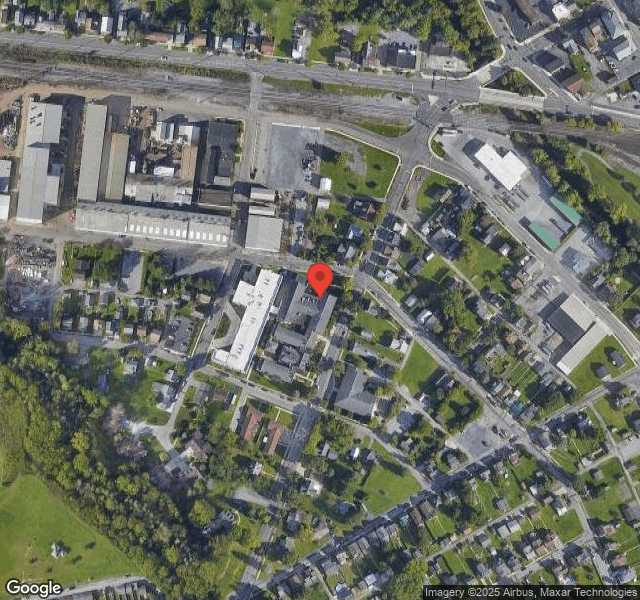
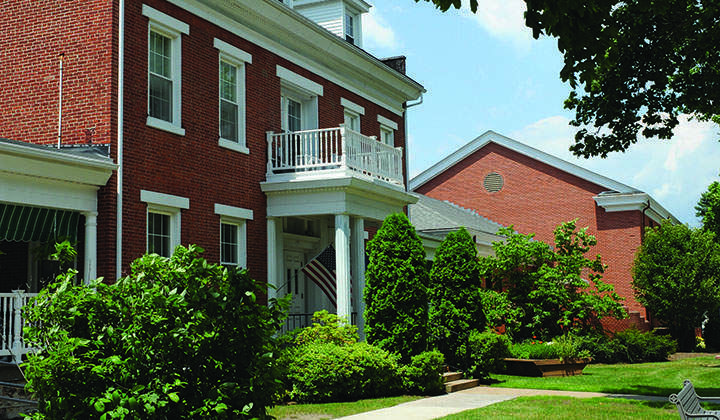
220 NEWRY STREET, HOLLIDAYSBURG, PA 16648 (814) 693-4000
Non profit - Corporation 67 Beds PRESBYTERIAN SENIOR LIVING Data: November 2025
Trust Grade
48/100
#338 of 653 in PA
Last Inspection: September 2024

Within standard 12-15 month inspection cycle. Federal law requires annual inspections.

Overview

Presbyterian Homes-Presby has a Trust Grade of D, which indicates below-average performance and raises some concerns about the quality of care. It ranks #338 out of 653 facilities in Pennsylvania, placing it in the bottom half, and #5 out of 9 in Blair County, meaning there are only a few local options that are better. The facility is improving, with issues decreasing from 11 in 2024 to 5 in 2025. Staffing is a strong point, receiving a 5-star rating and a turnover rate of 32%, significantly lower than the Pennsylvania average of 46%, which suggests that staff members are experienced and familiar with the residents. However, the facility has incurred $17,014 in fines, which is concerning as it is higher than 78% of Pennsylvania facilities, indicating potential compliance issues. There have been serious incidents reported, including a resident who experienced a fall with multiple fractures due to a failure to implement necessary assistance devices, and another resident who fell and suffered a hip fracture because care-planned interventions were not followed. Additionally, there were concerns about not adhering to physician orders regarding bowel management for several residents, which could affect their health. Overall, while there are strengths in staffing and a trend of improvement, the facility's trust grade and specific incidents highlight significant areas that need attention.

Trust Score
D
48/100
In Pennsylvania
#338/653
Bottom 49%
Safety Record
Moderate
Needs review
Inspections
Getting Better
11 → 5 violations
Staff Stability
○ Average
32% turnover. Near Pennsylvania's 48% average. Typical for the industry.
Penalties
✓ Good
$17,014 in fines. Lower than most Pennsylvania facilities. Relatively clean record.
Skilled Nurses
✓ Good
Each resident gets 53 minutes of Registered Nurse (RN) attention daily — more than average for Pennsylvania. RNs are trained to catch health problems early.
Violations
⚠ Watch
39 deficiencies on record. Higher than average. Multiple issues found across inspections.
★★★☆☆
3.0
Overall Rating
★★★★★
5.0
Staff Levels
★★★☆☆
3.0
Care Quality
★★☆☆☆
2.0
Inspection Score
Stable
2024: 11 issues
2025: 5 issues

The Good

  • 5-Star Staffing Rating · Excellent nurse staffing levels
  • Full Sprinkler Coverage · Fire safety systems throughout facility
  • No fines on record
  • Staff turnover below average (32%)

    16 points below Pennsylvania average of 48%

Facility shows strength in staffing levels, fire safety.

The Bad

3-Star Overall Rating

Near Pennsylvania average (3.0)

Meets federal standards, typical of most facilities

Staff Turnover: 32%

14pts below Pennsylvania avg (46%)

Typical for the industry

Federal Fines: $17,014

Below median ($33,413)

Minor penalties assessed

Chain: PRESBYTERIAN SENIOR LIVING

Part of a multi-facility chain

Ask about local staffing decisions and management

The Ugly 39 deficiencies on record

2 actual harm
Sept 2025 1 deficiency
CONCERN (D) 📢 Someone Reported This

A family member, employee, or ombudsman was alarmed enough to file a formal complaint

Potential for Harm - no one hurt, but risky conditions existed

Notification of Changes (Tag F0580)

Could have caused harm · This affected 1 resident

Based on review of policies and clinical records, as well as staff interviews, it was determined that the facility failed to ensure that the resident representative was notified timely about a change ...

Read full inspector narrative →
Based on review of policies and clinical records, as well as staff interviews, it was determined that the facility failed to ensure that the resident representative was notified timely about a change in condition for one of three residents reviewed (Resident 2).Findings include:The facility's policy regarding changes in condition, dated January 30, 2025, indicated that the facility would provide timely notification to families, resident representatives, powers of attorney, physicians, and staff of changes in resident medical conditions consistent with regulation and resident choice.A quarterly Minimum Data Set (MDS) assessment (a mandated assessment of a resident's abilities and care needs) for Resident 2, dated August 5, 2025, revealed that the resident was severely cognitively impaired, usually understood, could sometimes understand, required assistance with care needs, and had diagnoses that included dementia.A grievance filed by the resident representative on July 24, 2025, revealed that Resident 2's glasses were missing. The glasses were replaced by 360 care. The investigation determined that the resident representative was not notified of optometry visit in house or that new glasses were ordered. There was no process in place to notify families when residents are seen for new glasses by 360 (consult vision services). A skin/wound note dated July 16, 2025, for Resident 2, revealed that she was noted to have intact edema blister on left medial lower extremity, approximately three by four centimeters (cm) in diameter. Surrounding skin pink and warm to the touch with some weeping present. A skin/wound note dated July 24, 2025, for Resident 2, revealed that the blister was no longer intact and the medical director was aware. Physician's orders for Resident 2, dated July 24, 2025, included an order for the resident to receive 500 milligrams (mg) of Cephalexin (antibiotic medication) twice a day for cellulitis (bacterial infection of the skin) for seven days.There was no documented evidence that the resident's representative was notified about the Resident 2's appointment with a consult for vision services, changes in a skin alteration, or a new ordered antibiotic medication.Interview with Director of Nursing on September 10, 2025, at 4:45, 5:03, and 5:21 p.m. confirmed that there was no documented evidence of notification to the resident's representative about a new medication and confirmed that the family should have been notified of any consult appointments, but was not.28 Pa. Code 211.12(d)(1)(3)(5) Nursing Services.
Feb 2025 4 deficiencies 1 Harm
SERIOUS (G) 📢 Someone Reported This

A family member, employee, or ombudsman was alarmed enough to file a formal complaint

Actual Harm - a resident was hurt due to facility failures

Accident Prevention (Tag F0689)

A resident was harmed · This affected 1 resident

Based on review of facility policies, clinical records, and facility investigation reports, as well as staff interviews, it was determined that the facility failed to ensure that assistance devices to...

Read full inspector narrative →
Based on review of facility policies, clinical records, and facility investigation reports, as well as staff interviews, it was determined that the facility failed to ensure that assistance devices to prevent accidents or injury were in place as care planned for one of six residents reviewed (Resident 2) who was at risk for falls, resulting in a fall with multiple fractures. This deficiency was cited as past non-compliance. Findings include: The facility's fall management policy, dated January 30, 2025, indicated that the facility would provide each resident with appropriate assessment and interventions to prevent falls and to minimize complications if a fall occurred. The facility would ensure the resident environment remained as free of accident hazards as possible. When a resident sustained a fall, the assessment process would include an investigation using the Fall Investigation analysis sheet. The fall investigation would be used to evaluate probable causal factors, which may include environmental factors, resident medication condition, resident behavioral manifestations, and medical or assistance devices that may implicated in the fall. The investigation and appropriate interventions would be initiated at the time of the fall. Resident who sustained a fall would have a care plan developed or the existing care plan updated at the time the incident occurs that included the date of the new intervention. A quarterly Minimum Data Set (MDS) assessment (a mandated assessment of a resident's abilities and care needs) for Resident 2, dated October 22, 2024, revealed that the resident was cognitively impaired, was independent with ambulation, and had diagnoses that included dementia and seizures. An incident report, dated January 8, 2025, at 6:25 a.m. revealed that Resident 2 was observed on the floor lying on her left side. There was a large amount of blood on the floor around her head, and the nurse aide was holding a towel to the laceration on her head. The resident remained unresponsive for 15 to 20 minutes. The resident was transferred to the hospital for further evaluation. A fall investigation, dated January 8, 2025, at 9:23 a.m., revealed that on January 8, 2025, Resident 2 was observed on the floor lying on her left side. There was a large amount of blood on the floor around her head, and the nurse aide was holding a towel to the laceration on her head. The resident remained unresponsive for 15 to 20 minutes. Per staff interviews, the resident was ambulating at her baseline throughout the unit, she paused and stood still, stared blankly for a short period, and then fell backwards. The resident remained at the hospital for evaluation and treatment. A nursing note, dated January 8, 2025, at 12:04 p.m. revealed that the resident was admitted to the hospital due to having another seizure. A nursing note, dated January 10, 2025, at 3:51 p.m., revealed that Resident Family Member 1 called the facility and reported that Resident 2 would be returning to the facility the next day. Resident Family Member 1 was concerned that the resident was going to fall upon return to the facility and was agreeable to placing hipsters on Resident 2 upon her return and starting a prompted toileting program. Nursing notes, dated January 12, 2025, at 2:42 p.m. and January 17, 2025, at 8:54 p.m. revealed that Resident 2 had seizure activity and was transferred to the hospital for evaluation and returned to the facility on January 17, 2025. A care plan for Resident 2, dated January 17, 2024, included interventions for hipsters to be worn at all times unless performing personal hygiene, and to toilet the resident upon rising, before and after meals, and at bedtime. An incident report, dated January 18, 2025, at 11:05 p.m. revealed that Resident 2 had a fall in the hallway that was witnessed by another resident. Upon entering the hall, Resident 2 was noted to be lying on her right side with her legs bent and gripper socks on. She complained of left hip pain, and the resident who witnessed the fall stated the resident fell backwards and hit her head on railing on wall. She was transferred to the emergency room for evaluation. A fall investigation, dated January 20, 2025, at 10:07 a.m., revealed that on January 18, 2025, Resident 2 had a fall in the hallway that was witnessed by another resident and complained of left hip pain. She was transferred to the emergency room for evaluation. Hospital records revealed that she had an acute (broken bone from traumatic injury) left hip fracture and acute fracture of the seventh vertebrae of the thoracic spine (T7). The investigation found that Resident 2 did not have hipsters on at the time of the fall and that the care-planned intervention was not visible to Nurse Aide 1 due to a facility process error. A witness statement from Nurse Aide 1, date January 19, 2025, revealed that Resident Family Member 1 told her about the hipsters and said that they were not on. Nurse Aide 1 told Resident Family Member 1 that she would obtain the hipsters and apply them in a little bit when she put her in bed. Nurse Aide 1 reported that she did not apply the hipsters to the resident during the shift that evening and it was not showing in her care planned items for them to be applied. A witness statement from Registered Nurse Supervisor 2, dated January 19, 2025, revealed that when she completed her post-fall assessment, she took the resident's pants down and confirmed that the hipsters were not in place and were not present. An interview with the Assistant Director of Nursing and Nursing Home Administrator on February 5, 2025, at 3:04 p.m. confirmed that Resident 2 did not have hipsters on at the time of the fall on January 18, 2025, and should have had them on as care planned. Following the incident/investigation on January 18, 2025, the facility's corrective actions included: Resident 2 was sent to the hospital and her falls care plan would be reviewed and updated upon return. An audit was completed on fall care plans for all current residents. Education was provided to all nursing staff regarding the care plan policy and following the care plan. Education was completed with licensed staff and interdisciplinary team members who edit care plans on appropriate entering of interventions in the care plan and appropriate linkage to nurse aide charting. Audits to identify any issues with the care plans and fall interventions were started. The results of these audits will be brought to the Quality Assurance Performance Improvement committee for further analysis and corrective actions if necessary. Review of the facility's corrective actions and interviews completed with staff regarding their re-education revealed that they were in compliance with F689 on January 19, 2025. 28 Pa. Code 201.14(a) Responsibility of Licensee. 28 Pa. Code 201.18(b)(1)(e)(1) Management. 28 Pa. Code 211.12(d)(1)(3)(5) Nursing Services.
CONCERN (D) 📢 Someone Reported This

A family member, employee, or ombudsman was alarmed enough to file a formal complaint

Potential for Harm - no one hurt, but risky conditions existed

Deficiency F0657 (Tag F0657)

Could have caused harm · This affected 1 resident

Based on review of clinical records and staff interviews, it was determined that the facility failed to ensure that a resident's care plan was updated/revised to reflect the resident's specific care n...

Read full inspector narrative →
Based on review of clinical records and staff interviews, it was determined that the facility failed to ensure that a resident's care plan was updated/revised to reflect the resident's specific care needs for one of six residents reviewed (Resident 3). Findings include: An admission Minimum Data Set (MDS) assessment (a mandated assessment of a resident's abilities and care needs) for Resident 3, dated November 4, 2024, indicated that the resident was cognitively intact and had a history of falls. The care plan, dated December 22, 2024, through February 1, 2025, for Resident 3 revealed that the resident was non-compliant and at risk for falling and had the following interventions in place: provide environment free of clutter, keep call bell light in reach at all times, keep personal items and frequently used items within reach, kid cushion to the night stand, gripper socks on while in bed, reminder signs to ring for assistance, non-skid strips to the right side of the bed, bed height marked on the wall for bed height, anti-roll back devices to wheelchair, offer to lie down after breakfast and lunch, perimeter mattress to bed, reminder sign placed on bathroom door to remind resident of location, reminder sign on wall beside bed to remind resident to ring for assistance, reflective tape to wheelchair and walker, attempt to walk resident with front-wheeled walker if she appears restless, motion activated night light at foot of bed, walker at bedside, dycem (anti-slip material) to wheelchair cushion, offer to toilet if resident seems restless, family agreeable to soft helmet when it arrives, offer fidget dog, offer stuffed animal if resident seems restless, large face alarm clock when it arrives. A nursing note, dated February 2, 2025, at 9:00 p.m. revealed that Resident 3 had an unwitnessed fall in her room. Upon entering the room the resident was noted to be lying flat on her back with her legs extended straight in front of her. She had a bump noted on the back of her head that was painful to touch. She was transferred to the hospital for further evaluation and was admitted with a subdural hematoma (collection of blood on the brain). There was no documented evidence that the resident's care plan was updated to include the intervention of calling the resident's son when she was restless. A nursing note, dated February 2, 2025, at 7:45 p.m., revealed that Resident 3 had an unwitnessed fall in her room. Upon entering the room the resident was noted to be lying flat on her back with her legs extended straight in front of her, with her head towards the bed and legs toward the door. There were no injuries noted. A fall investigation, dated February 1, 2025, revealed that the resident was restless at the time of the fall and the care plan was followed. A witness statement from Licensed Practical Nurse 3, dated February 1, 2025, revealed that following the fall the resident's son was called and the resident was more relaxed. Interview with the Assistant Director of Nursing and the Nursing Home Administrator on February 5, 2025, at 5:50 p.m. revealed that staff were to call the resident's son and have the resident talk with him when she was restless to help prevent further falls, but the care plan was not updated following the fall of February 1, 2025. 28 Pa. Code 211.12(d)(5) Nursing Services.
CONCERN (D) 📢 Someone Reported This

A family member, employee, or ombudsman was alarmed enough to file a formal complaint

Potential for Harm - no one hurt, but risky conditions existed

Deficiency F0810 (Tag F0810)

Could have caused harm · This affected 1 resident

Based on clinical record reviews, observations, and staff interviews, it was determined that the facility failed to ensure that staff provided assistive devices to eat in accordance with the resident'...

Read full inspector narrative →
Based on clinical record reviews, observations, and staff interviews, it was determined that the facility failed to ensure that staff provided assistive devices to eat in accordance with the resident's care plan for one of six residents reviewed (Resident 1). Findings include: The facility's policy regarding adaptive feeding devices, dated January 30, 2025, indicated that the facility would provide the resident with the most independent and safe way of eating. A quarterly Minimum Data Set (MDS) assessment for Resident 1, dated November 9, 2024, indicated that the resident was severely cognitively impaired and was independent with eating after set up. The resident's care plan, dated November 27, 2024, and speech therapy clinical notes, dated December 21, 2024, indicated that her food was to be provided in bowls and given to her one at a time. Observations of Resident 1 during the lunch meal on February 5, 2025, at 11:50 p.m. revealed that the resident was at a dining room table eating her meal, and her pork, mashed potatoes and sauerkraut were served on a plate. The resident's meal ticket, dated February 5, 2025, indicated that the resident was to have her food served in separate bowls, one at a time. Interview with the Nursing Home Administrator on February 5, 2025, at 2:46 p.m. confirmed that Resident 1's food should have been served in separate bowls one bowl at a time, as care planned. 28 Pa. Code 211.12(d)(3)(5) Nursing Services.
CONCERN (E) 📢 Someone Reported This

A family member, employee, or ombudsman was alarmed enough to file a formal complaint

Potential for Harm - no one hurt, but risky conditions existed

Quality of Care (Tag F0684)

Could have caused harm · This affected multiple residents

Based on review of policies and clinical records, as well as staff interviews, it was determined that the facility failed to ensure that physician's orders for bowel protocols/medications were followe...

Read full inspector narrative →
Based on review of policies and clinical records, as well as staff interviews, it was determined that the facility failed to ensure that physician's orders for bowel protocols/medications were followed for three of six residents reviewed (Residents 1, 2, 3). Findings include: The facility's policy regarding bowel management, dated January 30, 2025, indicated that the facility would follow the facility-specific bowel protocol or physican orders. A quarterly MDS assessment for Resident 1, dated November 9, 2025, revealed that the resident was severely cognitively impaired, was continent of bowel, and had diagnoses that included kidney failure, anemia, and dementia. Physician's orders for Resident 1, dated July 10, 2024, included orders for the resident to receive 30 mL of Milk of Magnesia as needed for constipation if no bowel movement on day four, a 10 mg Dulcolax suppository as needed if the resident did not have a bowel movement on day five day, and a Fleets enema on day six with no bowel movement if the Dulcolax suppository was not effective. Review of Resident 1's bowel records for January 2025 revealed that there was no documented evidence that the resident had a bowel movement from January 18 through 24, 2025. Review of the MAR's for January 2024 for Resident 1 revealed that staff did not initiate or follow the bowel protocol as ordered by the physician. A quarterly MDS assessment for Resident 2, dated October 22, 2024, revealed that the resident was cognitively impaired, was continent of bowel, and had diagnoses that included dementia. Physician's orders for Resident 2, dated July 17, 2024, included orders for the resident to receive 30 mL of Milk of Magnesia as needed for constipation if no bowel movement on day four, a 10 mg Dulcolax suppository as needed if the resident did not have a bowel movement on day five day, and a Fleets enema on day six with no bowel movement if the Dulcolax suppository was not effective. Review of Resident 2's bowel records for November 2024 revealed that there was no documented evidence that the resident had a bowel movement from November 1 through 6, 2024. Review of the MAR's for November 2024 for Resident 2 revealed that staff did not initiate or follow the bowel protocol as ordered by the physician. An admission MDS assessment for Resident 3, dated November 4, 2024, revealed that the resident was cognitively intact and was occasionally incontinent of bowel. Current physician's orders for Resident 3 included orders for the resident to receive 30 mL of Milk of Magnesia as needed for constipation if no bowel movement on day four, a 10 mg Dulcolax suppository as needed if the resident did not have a bowel movement on day five day, and a Fleets enema on day six with no bowel movement if the Dulcolax suppository was not effective. Review of Resident 3's bowel records for January 2025 revealed that there was no documented evidence that the resident had a bowel movement from January 18 through 21 and January 24 through 27, 2025. Review of the MAR's for January 2025 for Resident 3 revealed that staff did not initiate or follow the bowel protocol as ordered by the physician. Interview with the Assistant Director of Nursing on February 5, 2025, at 3:56 p.m. confirmed that the bowel protocol was not followed for Residents 1, 2 and 3 on the above-mentioned dates. 28 Pa. Code 211.12(d)(3)(5) Nursing Services.
Nov 2024 1 deficiency
CONCERN (D) 📢 Someone Reported This

A family member, employee, or ombudsman was alarmed enough to file a formal complaint

Potential for Harm - no one hurt, but risky conditions existed

Deficiency F0658 (Tag F0658)

Could have caused harm · This affected 1 resident

Based on review of Pennsylvania's Nursing Practice Act and clinical records, as well as staff interviews, it was determined that the facility failed to transcribe physician's orders related to medicat...

Read full inspector narrative →
Based on review of Pennsylvania's Nursing Practice Act and clinical records, as well as staff interviews, it was determined that the facility failed to transcribe physician's orders related to medication changes for one of seven residents reviewed (Resident 1). Findings include: The Pennsylvania Code, Title 49, Professional and Vocational Standards, State Board of Nursing, 21.11 (a)(1)(2)(4) indicated that the registered nurse was to collect complete and ongoing data to determine nursing care needs, analyze the health status of individuals and compare the data with the norm when determining nursing care needs, and carry out nursing care actions that promote, maintain, and restore the well-being of individuals. A quarterly Minimum Data Set (MDS) assessment (a mandated assessment of a resident's abilities and care needs) for Resident 1, dated August 30, 2024, indicated that the resident was cognitively impaired, required partial/moderate assist for transfers, and had a diagnosis that included dementia. Review of clinical records for Resident 1 revealed diagnoses that included a history of falls, adjustment disorder with anxiety and depression, and generalized anxiety disorder. Progress notes for Resident 1, dated October 18, 2024, at 3:53 p.m. indicated that the social worker and the Certified Registered Nurse Practitioner (CRNP) with Psychogeriatric Services called the resident's daughter to review medications. The daughter indicated that she did not have any concerns with the medications that the resident was on, but felt adjustments needed to be made to help the resident get more rest at night. The CRNP discussed increasing the resident's trazodone (an antidepressant used to help with sleep) and melatonin (a medication used to help with sleep) if appropriate, and the daughter was in agreement. Psychogeriatric consult notes for Resident 1, dated October 18, 2024, indicated that the resident was increasingly anxious, depressed, and agitated after family visits and had difficulty sleeping at night. The CRNP recommended to increase the trazadone to 75 milligrams (mg) at bedtime and to increase the melatonin to 10 mg at bedtime. Documentation in the resident's clinical record revealed that the psychogeriatric consult notes and recommendations were reviewed and initialed by the nurse and by the resident's physician on October 22, 2024. Nurse's notes for Resident 1, dated October 25, 2024, at 10:38 a.m., indicated that the interdisciplinary team reviewed the resident after a fall that occurred on October 25, 2024, at 12:01 a.m., indicating that the resident's trazodone and melatonin were increased during the consult with psychogeriatric services. Psychogeriatric consult notes for Resident 1, dated November 1, 2024, indicated that the resident continued to have difficulty sleeping at night and that resident's current psychiatric medications at that time included trazadone 75 mg at bedtime and melatonin 10 mg at bedtime. Review of Resident 1's Medication Administration Record (MAR) for October and November 2024 revealed that the resident received 50 mg of trazadone daily at bedtime and received 3 mg of melatonin daily at bedtime. There was no documented evidence that the trazadone and melatonin were increased per the consult recommendations of October 18, 2024, and signed by the physician on October 22, 2024. Interview with the Director of Nursing on November 5, 2024, at 2:51 p.m. confirmed that Resident 1's physician had approved the increase in trazadone and melatonin as per the psychogeriatric consult recommendations and that the nurse failed to transcribe the recommendations into the physician's orders. 28 Pa. Code 211.12(d)(1)(3)(5) Nursing Services.
Sept 2024 9 deficiencies
CONCERN (D)

Potential for Harm - no one hurt, but risky conditions existed

Deficiency F0657 (Tag F0657)

Could have caused harm · This affected 1 resident

Based on review of policies and clinical records, as well as staff interviews, it was determined that the facility failed to ensure that care plans were updated to reflect changes in residents' care n...

Read full inspector narrative →
Based on review of policies and clinical records, as well as staff interviews, it was determined that the facility failed to ensure that care plans were updated to reflect changes in residents' care needs for two of 23 residents reviewed (Residents 4, 49). Findings include: The facility's policy regarding care plans, dated February 8, 2024, indicated that the facility would evaluate and re-evaluate a resident's need for service and develop a plan to promote their highest practicable level of functioning as set forth by their Mission Statement as well as State and Federal guidelines. A significant change Minimum Data Set (MDS) assessment (a mandated assessment of a resident's abilities and care needs) for Resident 4, dated June 21, 2024, revealed that she was cognitively intact, was dependent on staff for activities of daily living, and had a colostomy (a surgical procedure that brings one end of the large intestine out through the abdominal wall). A care plan for Resident 4, dated June 19, 2024, indicated that the resident was to have her colostomy emptied when the bag is one-third full and to have colostomy care completed by staff. Review of the Treatment Administration Record for Resident 4, dated August and September 2024, revealed no documented evidence that the resident had colostomy care completed by staff or had the colostomy bag emptied when it was one-third full. Interview with Resident 4 on September 4, 2024, at 2:09 p.m. revealed that the resident does all the care for her colostomy herself, and that she will also empty and change the bag as needed. Interview with Licensed Practical Nurse 1 on September 4, 2024, at 9:49 a.m. confirmed that Resident 4 does all care for the colostomy herself, including changing and emptying the bag. Interview with the Director of Nursing on September 4, 2024, at 2:34 p.m. revealed that Resident 4 was no longer requiring help from staff for her colostomy care, including changing and emptying her bag, and that her care plan should have been revised to reflect that. A significant change MDS assessment Resident 49, dated June 2, 2024, revealed that she was cognitively intact, was dependent on staff for activities of daily living, and had diagnoses that included having a heart failure, atrial fibrillation. (irregular heartbeat), and high blood pressure. A care plan for Resident 49, dated July 25, 2024, indicated that the resident was receiving Digoxin therapy for a diagnosis of atrial fibrillation. Review of the Medication Administration Record for Resident 49, dated September 2024, revealed no documented evidence that the resident received any Digoxin medication. Interview with the Assistant Director of Nursing on September 5, 2024, at 3:15 p.m. revealed that Resident 49 was no longer taking Digoxin and her care plan should have been revised to reflect that; however, it was not. 28 Pa. Code 201.24(e)(4) admission Policy. 28 Pa. Code 211.12(d)(5) Nursing Services.
CONCERN (D)

Potential for Harm - no one hurt, but risky conditions existed

Deficiency F0658 (Tag F0658)

Could have caused harm · This affected 1 resident

Based on review of facility policies and clinical records, as well as staff interviews, it was determined that the facility failed to ensure that physician's orders were obtained for the care and to m...

Read full inspector narrative →
Based on review of facility policies and clinical records, as well as staff interviews, it was determined that the facility failed to ensure that physician's orders were obtained for the care and to maintain the patency of an intravenous access device for one of 23 residents reviewed (Resident 4). Findings include: The facility's policy for intravenous device care, dated February 8, 2024, indicated that orders for flushing and care of intravenous device will be obtained to maintain device and prevent obstruction. An annual Minimum Data Set (MDS) assessment (a mandated assessment of a resident's abilities and care needs) for Resident 4, dated June 21, 2024, revealed that the resident was cognitively intact and required assistance from staff for his daily care needs. A nurse's note for Resident 4, dated July 24, 2024, at 7:53 p.m., revealed that the right port flush was completed and had a good blood return. The next port flush will be in three months. Observations on September 3, 2024, at 11:48 a.m. revealed that Resident 4 had a Mediport (intravenous access device that allows for long-term intravenous (IV) treatments and blood draws) in her right chest area. There was no documented evidence in Resident 4's clinical record to indicate that a physician's order was obtained for the care and maintenance of the Mediport per the facility's policy. Interview with the Director of Nursing on September 4, 2023, at 12:07 p.m. confirmed that a physician's order for a port flush to be completed every three months was not obtained and should have been. 28 Pa. Code 211.12(d)(1)(3)(5) Nursing Services.
CONCERN (D)

Potential for Harm - no one hurt, but risky conditions existed

Quality of Care (Tag F0684)

Could have caused harm · This affected 1 resident

Based on review of facility policy and clinical records, as well as staff interviews, it was determined that the facility failed to ensure that physician's orders were followed for one of 23 residents...

Read full inspector narrative →
Based on review of facility policy and clinical records, as well as staff interviews, it was determined that the facility failed to ensure that physician's orders were followed for one of 23 residents reviewed (Resident 38). Findings include: A facility policy for hyperglycemia (high blood sugar) and hypoglycemia (low blood sugar), dated February 8, 2024, revealed that if a resident had a blood glucose (sugar) reading of 350 mg/dL or greater, the physician would be notified. If the blood glucose was less than 70 mg/dL and the resident was able to swallow without symptoms, offer three to four glucose tablets or four to five saltine crackers and may repeat in 15 minutes if glucose remains low. A quarterly Minimum Data Set (MDS) assessment (a mandated assessment of a resident's abilities and care needs) for Resident 38, dated June 21, 2024, revealed that the resident was cognitively intact, was dependent on staff for daily care needs, and received insulin (medication that lowers blood sugar levels). Physician's orders for Resident 38, dated February 2, 2023, included an order for the resident to have her blood sugar checked four times a day and to notify the doctor if her blood sugar is above 350 mg/dL. Resident 38's Medication Administration Record (MAR) for July and August 2024 revealed that on July 11, 2024, at 8:00 p.m. the resident's blood sugar was 360 mg/dL; on August 15, 2024, at 8:00 p.m. it was 371 mg/dL; and on August 17, 2024, at 8:00 p.m. it was 361 mg/dL. There was no documented evidence that the physician was notified about the resident's blood sugar being above 360 mg/dL on these dates and times. Interview with the Director of nursing on September 5, 2024, at 10:44 a.m. confirmed that there was no documented evidence that the physician was notified about Resident 38's elevated blood sugars per physician's orders. Physician's orders for Resident 38, dated February 2, 2023, included an order for the resident to have hypoglycemia protocol initiated if resident had a blood sugar less than 70 mg/dL. A review of the MAR for Resident 38 for September 2024 revealed that on September 1, 2024, at 6:31 a.m. the resident's blood sugar level was 69 mg/dL. There was no documented evidence that the hypoglycemia protocol was initiated for the resident on the above date and time. 28 Pa. Code 211.12(d)(1)(3)(5) Nursing Services.
CONCERN (D)

Potential for Harm - no one hurt, but risky conditions existed

Respiratory Care (Tag F0695)

Could have caused harm · This affected 1 resident

Based on review of policies and clinical records, as well as observations and staff interviews, it was determined that the facility failed to ensure that oxygen therapy was provided as ordered for one...

Read full inspector narrative →
Based on review of policies and clinical records, as well as observations and staff interviews, it was determined that the facility failed to ensure that oxygen therapy was provided as ordered for one of 23 residents reviewed (Resident 38). Findings include: The facility's policy regarding oxygen administration, dated February 8, 2024, indicated that a physician's order for oxygen was to include the liter flow and method of administration. A quarterly Minimum Data Set (MDS) assessment (a mandated assessment of a resident's abilities and care needs) for Resident 38, dated June 8, 2024, revealed that the resident was cognitively intact, required substantial assistance with care needs, used supplemental oxygen, and had diagnoses that included respiratory failure. Physician's orders for Resident 38, dated August 31, 2024, included an order for the resident to receive continuous oxygen at a flow rate of 3 liters per minute via nasal canula (tubes that deliver oxygen into the nostrils) for hypoxia (low levels of oxygen in body tissues). Observations of Resident 38 in her room on September 3, 2024, at 9:08 a.m. and September 4, 2024, and at 10:57 a.m. revealed that the resident was receiving supplemental oxygen continuously at a flow rate of 4.5 liters per minute via nasal canula. Interview with Registered Nurse 2 on September 4, 2024, at 11:00 a.m. confirmed that Resident 38's oxygen was set at a flow rate of 4.5 liters per minute via nasal cannula. Interview with the Director of Nursing on September 4, 2024, at 12:58 p.m. confirmed that Resident 38's oxygen was not being administered at the correct flow rate. 28 Pa. Code 211.12(d)(3)(5) Nursing Services.
CONCERN (D)

Potential for Harm - no one hurt, but risky conditions existed

Pharmacy Services (Tag F0755)

Could have caused harm · This affected 1 resident

Based on review of policies and clinical records, as well as staff interviews, it was determined that the facility failed to ensure the accountability of controlled medications (drugs with the potenti...

Read full inspector narrative →
Based on review of policies and clinical records, as well as staff interviews, it was determined that the facility failed to ensure the accountability of controlled medications (drugs with the potential to be abused) for one of 23 residents reviewed (Resident 57). Findings include: The facility's policy regarding destroying medications, dated February 8, 2024, indicated that medications included in the Drug Enforcement Administration classification as controlled substances are subject to special handling, storage, disposal, and record keeping in the facility in accordance with federal and state laws and regulations. Physician's orders for Resident 57, dated July 1, 2024, included an order for the resident to receive 5 milligrams (mg) (0.25 milliliters) of morphine sulfate (a controlled narcotic pain medication) orally every 2 hours for pain, and 5 mg of Oxycodone (a controlled narcotic pain medication) orally every 6 hours for pain. A discharge summary for Resident 57, dated July 4, 2024, revealed that the resident ceased to breathe on that date; however, there was no documented evidence of the disposition of the morphine sulfate and oxycodone. Interview with the Assistant Director of Nursing on September 5, 2024, at 10:54 a.m. confirmed that there was no documented evidence that a disposition of Resident 57's morphine sulfate or Oxycodone was completed as required. 28 Pa. Code 211.9(h) Pharmacy Services. 28 Pa. Code 211.12(d)(1) Nursing Services.
CONCERN (D)

Potential for Harm - no one hurt, but risky conditions existed

Deficiency F0761 (Tag F0761)

Could have caused harm · This affected 1 resident

Based on review of policies, as well as observations and staff interviews, it was determined that the facility failed to label medications with the date they were opened in one of eight medication car...

Read full inspector narrative →
Based on review of policies, as well as observations and staff interviews, it was determined that the facility failed to label medications with the date they were opened in one of eight medication carts reviewed (split cart), and failed to ensure the narcotic box was permanently affixed inside the refrigerator. Findings include: The facility's policy regarding the storage of medications dated February 8, 2024, revealed that schedule (II-V) medications (medications with a greater potential to be abused) are to be stored in a permanently affixed and double locked compartment separate from all other medications. Observations in the 500 hall medication room refrigerator on September 4, 2024, at 9:40 a.m. revealed a clear, unlocked box containing an unopened 30 milliliter (ml) bottle of lorazepam 2 mg/ml (a schedule IV medication for anxiety). The box was secured to the shelf; however, the shelf was able to be removed. Interview with Licensed Practical Nurse 3 on September 4, 2024, at 9:43 a.m. confirmed that the narcotic box should have been locked and permanently affixed to the inside of the refrigerator. An interview with the Director of Nursing on September 4, 2024, at 12:07 p.m. confirmed that the narcotic box should have been locked and permanently affixed to the inside of the refrigerator. The facility's policy regarding the storage of medications, dated February 8, 2024, indicated that once opened, the nurse shall place a date opened sticker on the medication. An undated package insert for Lispro Insulin (used to treat diabetes) revealed that once entered/opened, the vial was to be discarded after 28 days. Observations in the split-cart Medication cart on September 4, 2024, at 9:53 a.m. revealed that an opened vial of Lispro Insulin was not properly labeled with the date it was opened. An interview with Licensed Practical Nurse 3 on September 4, 2024, at 9:53 a.m. confirmed that the opened vial of Lispro Insulin was not properly labeled with the date it was opened. An interview with the Director of Nursing on September 4, 2024, at 12:07 p.m. confirmed that the opened vial of Lispro Insulin was not properly labeled with the date it was opened, and it should have been. 28 Pa. Code 211.9(a)(1)(k) Pharmacy Services. 28 Pa. Code 211.12(d)(1)(5) Nursing Services.
CONCERN (D)

Potential for Harm - no one hurt, but risky conditions existed

QAPI Program (Tag F0867)

Could have caused harm · This affected 1 resident

Based on review of the facility's plans of correction for previous surveys, and the results of the current survey, it was determined that the facility's Quality Assurance Performance Improvement (QAPI...

Read full inspector narrative →
Based on review of the facility's plans of correction for previous surveys, and the results of the current survey, it was determined that the facility's Quality Assurance Performance Improvement (QAPI) committee failed to correct quality deficiencies and ensure that plans to improve the delivery of care and services effectively addressed recurring deficiencies. Findings include: The facility's deficiencies and plan of corrections for an annual survey ending November 1, 2023, revealed that the facility developed plans of correction that included quality assurance systems to ensure that the facility maintained compliance with cited nursing home regulations. The results of the current survey, ending September 5, 2024, identified repeated deficiencies related to a failure to revise care plans, failure to provide quality care, failure to have accountability for controlled medications, and failure to ensure that food was stored and served properly. The facility's plan of correction for a deficiency regarding revision of care plans, cited during the survey ending November 1, 2023, revealed that the facility would complete audits and report the results of the audits to the QAPI committee for review. The results of the current survey, cited under F657, revealed that the facility's QAPI committee failed to successfully implement their plan to ensure that resident's care plans were revised timely. The facility's plan of correction for a deficiency regarding providing quality care, cited during the survey ending November 1, 2023, revealed that the facility would complete audits and report the results of the audits to the QAPI committee for review. The results of the current survey, cited under F684, revealed that the facility's QAPI committee failed to successfully implement their plan to ensure that resident's received quality care. The facility's plan of correction for a deficiency regarding accountability of controlled medications, cited during the survey ending November 1, 2023, revealed that the facility would complete audits and report the results of the audits to the QAPI committee for review. The results of the current survey, cited under F755, revealed that the facility's QAPI committee failed to successfully implement their plan to ensure that controlled medications were accounted for. The facility's plan of correction for a deficiency regarding storing and serving food, cited during the survey ending November 1, 2023, revealed that the facility would complete audits and report the results of the audits to the QAPI committee for review. The results of the current survey, cited under F812, revealed that the facility's QAPI committee failed to successfully implement their plan to ensure that food was stored and served properly. Refer to F657, F684, F755, F812. 28 Pa. Code 201.14(a) Responsibility of Licensee. 28 Pa. Code 201.18(e)(1) Management.
CONCERN (E)

Potential for Harm - no one hurt, but risky conditions existed

Incontinence Care (Tag F0690)

Could have caused harm · This affected multiple residents

Based on a review of policies and clinical records, observations, and staff interviews, it was determined that the facility failed to ensure that residents received proper care for indwelling urinary ...

Read full inspector narrative →
Based on a review of policies and clinical records, observations, and staff interviews, it was determined that the facility failed to ensure that residents received proper care for indwelling urinary catheters for one of 23 residents reviewed (Resident 9). Findings include: The facility's policy regarding catheter care, dated February 8, 2024, indicated that catheter care will be performed with morning and evening care and as needed after incontinence or bowel movements. A quarterly Minimum Data Set (MDS) assessment (a mandated assessment of a resident's abilities and care needs) for Resident 9, dated July 10, 2024, revealed that the resident was cognitively impaired and required extensive assistance from staff for all care. A care plan for Resident 9, dated July 6, 2024, revealed that the resident had an indwelling foley 16 French, 10 cc balloon catheter (a thin flexible tube inserted into the bladder to drain urine). Observations of Resident 9 on September 4, 2024, at 11:35 a.m. revealed that the resident was in bed and the indwelling foley that was in place was a 16 French, 10 cc balloon catheter. There was no documented evidence in Resident 9's clinical record to indicate that staff provided care for the resident's indwelling urinary catheter from July 6, 2024, to September 4, 2024. Interview with the Director of Nursing on September 4, 2024, at 11:26 a.m. confirmed that there was no documented evidence that staff provided care for the resident's indwelling urinary catheter from July 6, 2024, until September 4, 2024. 28 Pa. Code 211.12(d)(3)(5) Nursing Services.
CONCERN (E)

Potential for Harm - no one hurt, but risky conditions existed

Food Safety (Tag F0812)

Could have caused harm · This affected multiple residents

Based on review of policies, as well as observations and staff interviews, it was determined that the facility failed to ensure that food was discarded after it was outdated. Findings include: The fa...

Read full inspector narrative →
Based on review of policies, as well as observations and staff interviews, it was determined that the facility failed to ensure that food was discarded after it was outdated. Findings include: The facility's policy regarding labeling and dating food, dated February 8, 2024, revealed that food was to be discarded past the use-by or expiration date. Observations in the kitchen on September 3, 2024, at 9:15 a.m. revealed three half-gallons of half and half creamer that were expired. Observations in the cooler revealed two large containers of expired sour cream and two large containers of expired ricotta cheese. Observations in the dry storage room revealed two cartons of expired apple juice and five cartons of apple juice with no manufacturer's expiration date. Interview with the Dietary Manager on September 3, 2024, at 9:43 a.m. confirmed that all items should be thrown out when they expire and should not be used. Observations in the first floor kitchenette on September 5, 2024, at 2:12 p.m. revealed a large container of cottage cheese, opened and in use, that had expired on September 2, 2024. There were also 10 cartons of frozen Nutrijuice in the freezer that were expired. Interview with Kitchen Aide 4 on September 5, 2024, at 2:12 p.m. confirmed that the expired items should have been thrown away and not used. 28 Pa. Code 211.6(f) Dietary Services.
Aug 2024 1 deficiency
CONCERN (D) 📢 Someone Reported This

A family member, employee, or ombudsman was alarmed enough to file a formal complaint

Potential for Harm - no one hurt, but risky conditions existed

Comprehensive Care Plan (Tag F0656)

Could have caused harm · This affected 1 resident

Based on review of facility policies and clinical records, as well as staff interviews, it was determined that the facility failed to develop a comprehensive care plan that included specific and indiv...

Read full inspector narrative →
Based on review of facility policies and clinical records, as well as staff interviews, it was determined that the facility failed to develop a comprehensive care plan that included specific and individualized interventions to address the care needs of residents for one of three residents reviewed (Resident 3). Findings include: The facility's policy regarding care planning, dated February 8, 2024, indicated that the facility will comprehensively evaluate and re-evaluate a resident's need for service and develop a plan to promote their highest practicable level of functioning as set forth by their Mission Statement as well as State and Federal guidelines. The overall care plan should be oriented towards involving the resident, the resident's family, and other resident representatives as appropriate. The facility's policy regarding change in medical condition, dated February 8, 2024, indicated that the facility must consult with a competent resident and notify the physician, appropriate facility staff, responsible party or designated person if applicable, significant other, and/or power of attorney (POA - a legal document that gives someone the authority to act on behalf of another person) following accidents/incidents involving the resident; when significant changes in the resident's physical, mental, or psycho-social status occurs; when there is a need to significantly alter treatment plans of the resident; and a decision to transfer or discharge the resident from the facility. A significant change in status Minimum Data Set (MDS) assessment (a mandated assessment of a resident's abilities and care needs) for Resident 3, dated May 19, 2024, revealed that the resident was understood, could understand others, and had a diagnoses that included aphasia (loss of ability to understand or express speech), stroke, and dementia. A care plan for the resident, dated May 15, 2024, revealed that the resident had impaired decision making related to dementia. A care plan, dated May 15, 2024, revealed that the resident had impaired functional status with her bed mobility, transfers, walking, toileting, locomotion, grooming, personal hygiene, and bathing. Staff were to call the resident's daughter when the resident refused her showers. A nursing note for Resident 3, dated May 11, 2024, revealed that the writer talked to the resident's son. He would like him and his sister to be made aware of any information regarding the resident. A nursing note for Resident 3, dated May 30, 2024, entered as a late entry for May 26, 2024, revealed that the resident's son called the Nursing Home Administrator and explained that he would like to give his sister POA and that he doesn't have time to deal with this anymore. A nursing note for Resident 3, dated May 27, 2024, revealed that the resident's daughter was the first contact person, and that if her mother ever had to go to the hospital, the facility was to call the local ambulance service as she was a member. There was no documented evidence that a care plan was developed to address Resident 3's individual care needs related to the resident's daughter being notified first when an accident/incident involved the resident; when significant changes in the resident's physical, mental, or psycho-social status occurred; when there was a need to significantly alter treatment plans of the resident; or a decision to transfer or discharge the resident from the facility. Interview with the Nursing Home Administrator on August 26, 2024, at 10:30 a.m. confirmed that a care plan to address Resident 3's daughter being notified first was not developed and should have been. 28 Pa. Code 211.12(d)(5) Nursing Services.
Nov 2023 11 deficiencies
CONCERN (D)

Potential for Harm - no one hurt, but risky conditions existed

Grievances (Tag F0585)

Could have caused harm · This affected 1 resident

Based on review of clinical records, as well as resident and staff interviews, it was determined that the facility failed to make ongoing efforts to resolve a grievance regarding serving food at a pal...

Read full inspector narrative →
Based on review of clinical records, as well as resident and staff interviews, it was determined that the facility failed to make ongoing efforts to resolve a grievance regarding serving food at a palatable and appropriate temperature. Findings include: The facility's policy regarding grievances, dated January 26, 2023, revealed that resolution of the grievance was desired within three to five working days from the date the concern was filed. Resident council meeting minutes, dated July 2023, indicated that the residents were frustrated with receiving melted ice cream on their meal trays. Resident council meeting minutes, dated August 2023, indicated that the food had been served cold and undercooked. A meeting with a group of residents on October 30, 2023, at 1:30 p.m. revealed that the residents were receiving food that was cold, unappetizing and unpalatable. A lunch tray on October 31, 2023, at 12:23 p.m. revealed that the coffee was 65 degrees Fahrenheit (F) and tasted cold, the mashed potatoes were 106 degrees F and tasted cold, the ground beef was 115 degrees F and tasted cold, and the Swedish meatballs were 114 degrees and tasted cold. Interview with the Assistant Director of Nursing on November 1, 2023, at 10:30 a.m. revealed that temperature audits were being done prior to plating and serving food to residents and no issues were revealed during the temperature audits; however, she stated that the residents' grievances regarding cold food should have been resolved to their satisfaction and they were not. 28 Pa. Code 201.29(i) Resident rights. 28 Pa. Code 211.12(d)(5) Nursing services.
CONCERN (D)

Potential for Harm - no one hurt, but risky conditions existed

Assessment Accuracy (Tag F0641)

Could have caused harm · This affected 1 resident

Based on review of the Resident Assessment Instrument User's Manual and residents' clinical records, as well as staff interviews, it was determined that the facility failed to complete accurate Minimu...

Read full inspector narrative →
Based on review of the Resident Assessment Instrument User's Manual and residents' clinical records, as well as staff interviews, it was determined that the facility failed to complete accurate Minimum Data Set assessments for two of 26 residents reviewed (Residents 32, 47). Findings include: The Resident Assessment Instrument (RAI) User's Manual, which gives instructions for completing Minimum Data Set (MDS) assessments (mandated assessments of a resident's abilities and care needs), dated October 2019, revealed that if the resident received hospice (end-of-life) services during the assessment period, then Section O0100K2 was to be checked. Physician's orders for Resident 32, dated June 1, 2023, included an order for the resident to receive hospice services. A care plan for Resident 32, dated September 6, 2023, revealed that the resident had chosen to receive Hospice services. A nursing note for Resident 32, dated June 5, 2023, revealed that the resident was admitted to Hospice services on June 3, 2023, with a diagnosis of Alzheimer's and dementia. A quarterly MDS assessment for Resident 32, dated September 7, 2023, revealed that Section O0100K2 was not checked, indicating that the resident did not receive hospice services. Interview with the Registered Nurse Assessment Coordinator (RNAC - a registered nurse who is responsible for the completion of MDS assessments) on October 31, 2023, at 2:25 p.m. confirmed that Resident 32's MDS assessment of September 7, 2023, was not accurate and should have been checked to indicate that the resident received hospice services. The (RAI) User's Manual, dated October 2019, revealed that Section N0410F (Antibiotic Medications - medications used to treat infections) was to be coded with the number of days the resident received an antibiotic medication during the seven-day assessment period. An admission MDS for Resident 47, dated September 20, 2023, revealed that section N0410F was coded (7), indicating that the resident received antibiotic medication for seven days during the look-back assessment period. Physician's orders for Resident 47, dated September 15, 2023, included an order for the resident to receive 100 milliliters (ml) of Meropenem (antibiotic) every eight hours for 84 doses. Resident 47's Medication Administration Record (MAR) for Resident 47 for September 2023 revealed that the resident received antibiotics on six of the seven days in the look-back period. Interview with the Assistant Director of Nursing on November 1, 2023, at 10:03 a.m. confirmed that Resident 47's MDS was coded incorrectly. 28 Pa. Code 211.5(f) Medical records.
CONCERN (D)

Potential for Harm - no one hurt, but risky conditions existed

Comprehensive Care Plan (Tag F0656)

Could have caused harm · This affected 1 resident

Based on review of facility policies and clinical records, as well as staff interviews, it was determined that the facility failed to develop and implement a comprehensive, person-centered care plan f...

Read full inspector narrative →
Based on review of facility policies and clinical records, as well as staff interviews, it was determined that the facility failed to develop and implement a comprehensive, person-centered care plan for each resident that included specific and individualized interventions for two of 26 residents reviewed (Residents 14, 52). Findings include: The facility's care plan policy, dated January 26, 2023, indicated that each resident's care plan was to be reviewed, updated and/or revised based on changing goals, preferences, and needs of the resident, in order to promote their highest level of functioning. The plan of care should meet the resident's medical, nursing, mental and psychosocial needs. A comprehensive MDS assessment for Resident 14, dated August 17, 2023, indicated that the resident was severely cognitively impaired, required extensive assistance for all care needs, and was not ambulatory. A diagnosis record for Resident 14, dated August 14, 2023, included anxiety, atrial fibrillation (irregular heart rhythm), and depression. Physician's orders for Resident 14, dated September 19, 2023, included an order for the resident to receive oxygen at 2 liters per minute continuously. There was no documented evidence in the resident's clinical record to indicate that a care plan was developed for the use of oxygen. Interview with the Nursing Home Administrator on October 31, 2023, at 12:30 p.m confirmed that a care plan for Resident 14's oxygen was not developed and that it should have been. A quarterly MDS assessment for Resident 52, dated March 30, 2023, indicated that the resident was severely cognitively impaired, required extensive assistance for all care, and was not ambulatory. A diagnosis record for Resident 52, dated June 14, 2023, included dementia, high blood pressure, and dysphagia (difficulty swallowing). A dietician note for Resident 52, dated October 24, 2023, indicated that she was on a regular diet with ground meats and thin liquids, and her appetite was fair. She requires assistance from staff with meals and will occasionally try to feed herself. Her husband, who lives in personal care, usually comes to lunch to help feed her. Observations in the second floor dining room on October 31, 2023, at 12:10 p.m. revealed Resident 52's husband attempting to assist his wife with her lunch. The resident was refusing to eat, and the husband stated he was going to smack her if she did not eat. He roughly wiped her face and continued to scold his wife for not eating. Interview with Licensed Practical Nurse 6 on October 31, 2023, at 12:15 p.m. revealed that her husband lives in the personal care unit, that he has confusion and can get upset with his wife for not eating. Interview with the Nursing Home Administrator on October 31, 2023, at 2:37 p.m. revealed that she has spoken to the husband in the past regarding his interactions/frustrations with his wife for not wanting to eat. Interview with Nurse Aide 7 on October 31, 2023, at 3:57 p.m. revealed that she has seen Resident 52's husband get upset with his wife when he is trying to help her and she does not cooperate. Interview with Licensed Practical Nurse 8 on October 31, 2023, at 4:00 p.m. revealed that he has heard Resident 52's husband become verbally gruff with his wife while he was attempting to help her with her meals. There was no documented evidence in Resident 52's clinical record to indicate that a care plan was developed regarding the husband's interactions toward his wife. Interview with the Nursing Home Administrator on November 1, 2022, at 11:45 a.m confirmed that there was no care plan in place to address the husband's current interactions toward his wife, and that it should have been developed. 28 Pa. Code 211.11(d) Resident care plan.
CONCERN (D)

Potential for Harm - no one hurt, but risky conditions existed

Deficiency F0657 (Tag F0657)

Could have caused harm · This affected 1 resident

Based on clinical records and interviews with staff, it was determined that the facility failed to ensure that a resident's care plan was updated for three of 26 residents reviewed (Resident 37) who r...

Read full inspector narrative →
Based on clinical records and interviews with staff, it was determined that the facility failed to ensure that a resident's care plan was updated for three of 26 residents reviewed (Resident 37) who refused care and who had anticoagulant medication discontinued (Residents 25, 26) . Findings: The facility policy for care planning, dated January 26, 2023, indicated that resident care plans are to be updated as needed and should include person-centered care needs. A quarterly Minimum Data Set (MDS) assessment (a mandated assessment of a resident's abilities and care needs) for Resident 25, dated August 12, 2023, indicated that the resident was cognitively impaired and that she required extensive assistance from staff for daily care needs. Physician's order's for Resident 25, dated January 19, 2022, included an order for the resident to receive 5 milligrams (mg) Eliquis (blood thinner) twice daily until it was discontinued on October 7, 2023. Resident 25's care plan, dated August 9, 2023, revealed that the resident was medicated with a blood thinner for history of a deep vein thrombosis (blood clot). A review of Resident 25's Medication Administration Record (MAR), dated October 2023, revealed that the resident's Eliquis was discontinued on October 7, 2023. An interview with the Assistant Director of Nursing on November 1, 2023, at 10:29 a.m. confirmed that Resident 25's care plan was not updated to reflect the discontinuation of the blood thinner. A significant change MDS for Resident 26, dated August 27, 2023, indicated that the resident was cognitively impaired and required extensive assistance from staff for daily care needs. Physician's order for Resident 26, dated August 24, 2023, was for the resident to receive 30 mg/0.3 milliliters (ml) Enoxaparin (blood thinner) daily for 21 days. Resident 26's care plan, dated August 24, 2023, revealed that the resident was receiving Enoxaparin for deep vein thrombosis prevention. Resident 26's MAR, dated September 2023, revealed that the Enoxaparin was discontinued on September 13, 2023. Interview with the Assistant Director of Nursing on November 1, 2023, at 12:43 p.m. revealed that Resident 26's care plan was not updated to reflect the discontinuation of the blood thinner. The diagnosis record for Resident 37, dated Febraury 3, 2023, upon admission included anxiety, polyneuropathy (pain associated with nerve damage), depression, morbid obesity, and muscle weakness. A quarterly minimum data set (MDS) assessment (mandated to assess the resident abilities and care needs), dated September 29,2023, indicated that she was alert and oriented; required extensive assistance of two for bed mobility, transfers, and hygiene; was non-ambulatory; and had no rejection of care. The plan of care for Resident 37, dated October 4, 2023, indicated that she required two assist with use of a full body mechanical lift for transfers and she was not ambulatory. The occupational therapy note for Resident 37, dated October 16, 2023, indicated that education was provided for the resident on the importance of being out of bed, with poor follow through. The physician progress notes, dated July 18, September 15, and October 17, 2023, indicated that the resident refused to get out of bed. The nurse aide documentation for the Resident 37's transfers for the month of October 2023 indicated that the activity did not occur for 14 of the 31 days. There was no documented evidence that Resident 37's care plan was revised to reflect that she refused to get out of bed. Interview with the Nursing Home Administrator and Director of Nursing on October 31, 2023 at 1:07 p.m. confirmed that the resident care plan was updated regarding her refusals to get out of bed and that staff just documented that the activity did not occur when a resident refuses. 28 Pa. Code 211.11(d) Resident care plan.
CONCERN (D)

Potential for Harm - no one hurt, but risky conditions existed

QAPI Program (Tag F0867)

Could have caused harm · This affected 1 resident

Based on review of the facility's plans of correction for previous surveys, and the results of the current survey, it was determined that the facility's Quality Assurance Performance Improvement (QAPI...

Read full inspector narrative →
Based on review of the facility's plans of correction for previous surveys, and the results of the current survey, it was determined that the facility's Quality Assurance Performance Improvement (QAPI) committee failed to correct quality deficiencies and ensure that plans to improve the delivery of care and services effectively addressed recurring deficiencies. Findings include: The facility's deficiencies and plans of correction for a State Survey and Certification (Department of Health) survey ending December 14, 2022, as well as a complaint survey ending July 28, 2023, revealed that the facility developed plans of correction that included development and implementation of care plans, quality of care, palatable food, and food procurement/storage/preperation under sanitary conditions. The results of the current survey, ending November 1, 2023, identified repeated deficiencies related to development and implementation of care plans, quality of care, palatable food, and food procurement/storage/preperation under sanitary conditions. The facility's plan of correction for a deficiency regarding development and implementation of care plans, cited during the survey ending December 14, 2022, revealed that the facility developed a plan of correction that included completing audits and reporting the results of the audits to the QAPI committee for review. The results of the current survey, cited under F656, revealed that the facility's QAPI committee failed to successfully implement their plan to ensure ongoing compliance with regulations regarding development and implementation of care plans. The facility's plan of correction for a deficiency regarding quality of care, cited during the survey ending December 14, 2022, revealed that the facility developed a plan of correction that included completing audits and reporting the results of the audits to the QAPI committee for review. The results of the current survey, cited under F684, revealed that the facility's QAPI committee failed to successfully implement their plan to ensure ongoing compliance with regulations regarding quality of care. The facility's plan of correction for a deficiency regarding palatable food, cited during the survey ending July 28, 2023, revealed that the facility developed a plan of correction that included completing audits and reporting the results of the audits to the QAPI committee for review. The results of the current survey, cited under F804, revealed that the facility's QAPI committee failed to successfully implement their plan to ensure ongoing compliance with regulations regarding palatable food. The facility's plan of correction for a deficiency regarding food procurement/storage/preperation under sanitary conditions, cited during the survey ending July 28, 2023, revealed that the facility developed a plan of correction that included completing audits and reporting the results of the audits to the QAPI committee for review. The results of the current survey, cited under F812, revealed that the facility's QAPI committee failed to successfully implement their plan to ensure ongoing compliance with regulations regarding food procurement/storage/preperation under sanitary conditions. Refer to F656, F684, F804, F812. 28 Pa. Code 201.14(a) Responsibility of licensee. 28 Pa. Code 201.18(e)(1) Management.
CONCERN (E)

Potential for Harm - no one hurt, but risky conditions existed

Resident Rights (Tag F0550)

Could have caused harm · This affected multiple residents

Based on review of policies and clinical records, as well as observations and staff interviews, it was determined that the facility failed to ensure that meals were served in a manner that maintained ...

Read full inspector narrative →
Based on review of policies and clinical records, as well as observations and staff interviews, it was determined that the facility failed to ensure that meals were served in a manner that maintained or enhanced each resident's dignity by feeding residents while standing for three of 26 residents reviewed (Residents 7, 32, 40). Findings include: The facility's policy regarding assisting resident meals, dated January 26, 2023, revealed that the residents may require different levels of assistance with meals based on their cognitive and/or physical needs. A basic guideline for assisting residents with meals included to sit at eye level with the residents. A significant change Minimum Data Set (MDS) assessment (a mandated assessment of a resident's abilities and care needs) for Resident 7, dated September 20, 2023, revealed that the resident was rarely/never understood, could rarely/never understand, required extensive assistance from staff for her daily care tasks including with eating, and had diagnoses that included Alzheimer's. A care plan, dated April 12, 2023, revealed that Resident 7 has impaired functional status with her bed mobility, transfers, walking, toileting, locomotion, eating, grooming/personal hygiene, and bathing; that the resident was totally dependent on staff with eating; and that the resident had a potential risk for altered nutritional status and/or weight loss and needed to be fed by staff. A quarterly MDS assessment for Resident 32, dated September 7, 2023, revealed that the resident was rarely/never understood, could rarely/never understand, required extensive assistance from staff for his daily care tasks, required limited assistance from staff for eating, and had diagnoses that included Alzheimer's and stroke. A care plan for the resident, dated September 6, 2023, revealed that the resident has impaired functional status with her bed mobility, transfers, walking, toileting, locomotion, eating, grooming/personal hygiene, and bathing, and required set-up assistance with eating. A significant change MDS assessment for Resident 40, dated September 12, 2023, revealed that the resident was usually understood, could usually understand, required extensive assistance from staff for her daily care tasks, including with eating, and had diagnoses that included dementia. A care plan for the resident, dated September 20, 2023, revealed that the resident has impaired functional status with bed mobility, transfers, toileting, locomotion, grooming/personal hygiene, and bathing, and required the assistance of one staff for eating. The resident's dietary needs are sufficient at this time related to stable intake and weight, and staff was to assist the resident with eating. Observations during the lunch meal on October 30, 2023, at 12:13 p.m. revealed that Residents 7, 32, and 40 were seated together at a dining table in the dining room on the second floor. Nurse Aide 1 was standing to the right of Resident 7 feeding the resident her lunch, Nurse Aide 2 was standing to the right of Resident 32 feeding the resident his lunch, and Nurse Aide 3 was standing to the right of Resident 40 feeding the resident her lunch. Interview with Nurse Aide 1 on October 30, 2023, at 12:39 p.m. confirmed that she was standing while feeding Resident 7 her lunch. She indicated that sometimes she will stand depending on how many people are at the table. Interview with Nurse Aide 2 on October 30, 2023, at 12:34 p.m. confirmed that she was standing while feeding Resident 32 his lunch. She indicated that she likes to stand and feed him and her preference is to stand because he leans forward, so it is easier to feed him while standing. Interview with Nurse Aide 3 on October 30, 2023, at 12:58 p.m. confirmed that she was standing while feeding Resident 40 her lunch. She indicated that she chooses to stand because it is easier since they are down so low. Interview with the Director of Nursing on October 31, 2023, at 11:33 a.m. confirmed that staff should not be standing when feeding residents their meals. 28 Pa. Code 201.29(j) Resident rights. 28 Pa. Code 211.12(d)(5) Nursing services.
CONCERN (E)

Potential for Harm - no one hurt, but risky conditions existed

Quality of Care (Tag F0684)

Could have caused harm · This affected multiple residents

Based on clinical record reviews and staff interviews, it was determined that the facility failed to ensure that physician's orders regarding obtaining laboratory samples were followed for one of 26 r...

Read full inspector narrative →
Based on clinical record reviews and staff interviews, it was determined that the facility failed to ensure that physician's orders regarding obtaining laboratory samples were followed for one of 26 residents reviewed (Resident 25) resulting in a delay of treatment. Findings include: A quarterly Minimum Data Set (MDS) assessment (a mandated assessment of a resident's abilities and care needs) for Resident 25, dated August 12, 2023, indicated that the resident was cognitively impaired, required extensive assistance from staff for daily care needs, and had a urinary catheter (a tube inserted directly into her bladder). Physician's orders for Resident 25, dated September 4, 2023, included an order for the resident have a urine sample obtained and tested for an infection. Nursing note for Resident 25, dated September 5, 2023, revealed that a urine sample was obtained and sent to the lab. A nursing note, dated September 6, 2023, revealed that the urine sample obtained from Resident 25 was never picked up by the lab courier, so a new sample was obtained on that date. A nursing note, dated September 8, 2023, revealed that the resident had a urinary tract infection and that the physician ordered an antibiotic for ten days. Interview with the Director of Nursing on October 31, 2023, at 11:43 a.m. confirmed that Resident 25's urine sample was not sent to the lab when it was ordered and that the failure to send the urine sample to the lab resulted in a delay in treatment for the resident. 28 Pa. Code 211.12(d)(1)(5) Nursing services.
CONCERN (E)

Potential for Harm - no one hurt, but risky conditions existed

Deficiency F0694 (Tag F0694)

Could have caused harm · This affected multiple residents

Based on review of policies and clinical records, as well as staff interviews, it was determined that the facility failed to ensure that central venous catheters were flushed per facility policy for o...

Read full inspector narrative →
Based on review of policies and clinical records, as well as staff interviews, it was determined that the facility failed to ensure that central venous catheters were flushed per facility policy for one of 26 residents reviewed (Resident 47). Findings include: The facility's policy regarding flushing central venous catheters (a thin tube inserted into a vein and used long-term for the administration of fluids and/or medications), dated January 26, 2023, indicated that the catheter was to be flushed before and after it was used to administer medication. An admission Minimum Data Set (MDS) assessment (a mandated assessment of a resident's abilities and care needs) for Resident 47, dated September 20, 2023, revealed that the resident was cognitively intact, needed limited assistance for daily care needs, and had a diabetic foot ulcer (a wound to the foot due to a complication of diabetes (a disease caused by high blood sugar levels). Physician's orders for Resident 47, dated September 15, 2023, included an order for the resident's peripherally-inserted central catheter (PICC - a type of central venous catheter) to receive 100 milliliters (ml) of Meropenem (an antibiotic medication) every eight hours for left foot infection. Physician's orders for Resident 47, dated August 1, 2023, included an order for the resident's PICC line to be flushed with 10 ml of Normal Saline Solution every eight hours before and after medication administration. There was no documented evidence in the clinical record that Resident 47's PICC line had been flushed per facility policy before and after the administration of IV Meropenem from October 17, 2023, through 12:00 a.m. and 8:00 a.m. on October 30, 2023. An interview with the Assistant Director of Nursing on October 31, 2023, at 1:50 p.m. confirmed that there was no documented evidence that Residents 47's PICC line was flushed as per facility policy. 28 Pa. Code 211.12(d)(1)(3)(5) Nursing services.
CONCERN (E)

Potential for Harm - no one hurt, but risky conditions existed

Pharmacy Services (Tag F0755)

Could have caused harm · This affected multiple residents

Based on clinical records reviews and staff interviews, it was determined that the facility failed to obtain the correct medication for one of 26 residents reviewed (Resident 25). Findings include: A ...

Read full inspector narrative →
Based on clinical records reviews and staff interviews, it was determined that the facility failed to obtain the correct medication for one of 26 residents reviewed (Resident 25). Findings include: A quarterly Minimum Data Set (MDS) assessment (a mandated assessment of a resident's abilities and care needs) for Resident 25, dated August 12, 2023, indicated that the resident was cognitively impaired, required extensive assistance from staff for daily care needs, and had a urinary catheter (a tube inserted directly into her bladder). Physician's order, dated February 16, 2022, included an order for the resident to receive AZO Cranberry (supplement used to reduce the risk of urinary tract infections), one tablet everyday. A nursing note for Resident 25, dated October 14, 2023, revealed that nursing staff noticed that the resident's urine was orange. When the nurse reviewed the resident's medications she noticed that the AZO Cranberry was not the correct medication. The resident was receiving AZO Cranberry with Pyridium (used to treat painful urination and turns the urine orange) instead of plain AZO Cranberry as ordered by the physician. A review of the pharmacy order history for Resident 25, undated, revealed that the resident's AZO Cranberry was filled on September 30, 2023, and on October 2, 2023, the resident received AZO Cranberry with Pyridium. Resident 25's Medication Administration Records (MAR's) for October 2023 revealed that the resident received the AZO Cranberry with Pyridium from October 5, 2023, through October 14, 2023, when the error was noticed. Interview with the Director of Nursing and Nursing Home Administrator on October 31, 2023, at 1:05 p.m. confirmed that Resident 25's AZO Cranberry was entered into the Electronic Health Record order system as AZO 99.5, instead of AZO 99, and therefore the pharmacy sent the AZO with Pyridium and the resident received the medication. The Director of Nursing stated that the medication was scanned into the system as the correct medication, so staff were not aware that they were giving Resident 25 the wrong medication until her urine changed color. 28 Pa. Code 211.12(d)(3)(5) Nursing services.
CONCERN (E)

Potential for Harm - no one hurt, but risky conditions existed

Deficiency F0804 (Tag F0804)

Could have caused harm · This affected multiple residents

Based on observations, as well as resident and staff interviews, it was determined that the facility failed to serve food items that were palatable and at an acceptable temperature. Findings include: ...

Read full inspector narrative →
Based on observations, as well as resident and staff interviews, it was determined that the facility failed to serve food items that were palatable and at an acceptable temperature. Findings include: An interview with Resident 1 on October 30, 2023, at 11:54 a.m. revealed that the food tasted awful, was cold, and that he did not like it. An interview with Resident 37 on October 30, 2023, at 12:50 p.m. revealed that the chicken was hard and the food was served cold. Observations in the kitchen on October 31, 2023, at 12:21 p.m. during the lunch meal service revealed that a test tray left the kitchen and arrived on the nursing unit at 12:21 p.m. The lunch meal on October 31, 2023, consisted of country fried steak, mashed potatoes, peas with mushrooms, Swedish meatballs, and an ambrosia salad. Trays were passed to the residents in their rooms and the last resident was served and eating at 12:23 p.m. The test tray on October 31, 2023, at 12:23 p.m. revealed that the coffee was 65 degrees Fahrenheit (F) and cold to taste, the mashed potatoes were 106 degrees F and cold to taste, the country fried steak was 115 degrees F and cold to taste, and the Swedish meatballs were 114 degrees F and cool to taste. Interview with the Dietary Manager on October 31, 2023, at 12:23 p.m. confirmed that the foods were not served at an acceptable temperature and were not palatable. 28 Pa. Code 201.18(b)(1)(2)(e) Management. 28 Pa. Code 211.6(c) Dietary services.
CONCERN (E)

Potential for Harm - no one hurt, but risky conditions existed

Food Safety (Tag F0812)

Could have caused harm · This affected multiple residents

Based on review of facility policies, as well as observations and staff interviews, it was determined that the facility failed to serve food in accordance with professional standards for food service ...

Read full inspector narrative →
Based on review of facility policies, as well as observations and staff interviews, it was determined that the facility failed to serve food in accordance with professional standards for food service safety, by failing to ensure that dietary staff wore hair coverings that completely covered their hair during food handling. Findings include: The facility's dietary policy regarding personal hygiene, dated January 26, 2023, revealed that staff were to wear a hat or hairnet and wear hair away from face. Observations in the kitchenette on the first floor on October 30, 2023, at 9:05 a.m. revealed dietary staff preparing meal trays for delivery to the units for the residents' breakfast. Breakfast was served from 7:30 a.m. to 9:30 a.m. The dietary aide was observed with approximately two to three inches of hair falling onto her forehead, not contained within her hairnet. Interview with the Dietary Director on October 30, 2023, at 9:25 a.m. confirmed that the dietary aide did not have all her hair covered with a restraint and that she should have. 28 Pa. Code 211.6(f) Dietary services.
Jul 2023 4 deficiencies 1 Harm
SERIOUS (G) 📢 Someone Reported This

A family member, employee, or ombudsman was alarmed enough to file a formal complaint

Actual Harm - a resident was hurt due to facility failures

Accident Prevention (Tag F0689)

A resident was harmed · This affected 1 resident

Based on review of clinical records and facility investigation reports, as well as staff interviews, it was determined that the facility failed to provide an environment that was free of accident haza...

Read full inspector narrative →
Based on review of clinical records and facility investigation reports, as well as staff interviews, it was determined that the facility failed to provide an environment that was free of accident hazards for residents who were at risk for falls by failing to follow care-planned interventions for one of three residents reviewed (Resident 1), resulting in a fall with a hip fracture. This deficiency was cited as past non-compliance. Findings include: An admission Minimum Data Set (MDS) assessment (a mandated assessment of a resident's abilities and care needs) for Resident 1, dated June 20, 2023, revealed that the resident was understood, could understand, required extensive assistance from staff for her daily care tasks including with her bed mobility and transfers, was not steady and only able to stabilize with staff assistance for surface-to-surface transfers, and had diagnoses that included dementia and repeated falls. A care plan for the resident, dated June 14, 2023, revealed that the resident was at risks for falling related to weakness and history of falls. The resident was to wear hipsters (padded hip underwear for preventing hip fractures in the elderly) at all times and that staff may take off for hygiene. A nursing note for Resident 1, dated June 15, 2023, revealed that an interdisciplinary team review of the resident's admission was completed. The resident's risk score is a 12, indicating that the resident was a high risk for falls. The resident was to have gripper socks on while in bed, a kid's cushion to her night stand and heater, anti-rollbacks to her wheelchair, and hipsters to be worn at all times, which staff may take off for hygiene. A nursing note for Resident 1, dated July 15, 2023, at 2:34 p.m. revealed that the writer was called to the second floor dining room for a report that the resident was found on the floor. The resident was lying flat on her back with her wheelchair behind her. The resident had slipper socks on, was fully dressed, and was clean and dry. Her right lower extremity was rotated with edema (swelling) noted to her hip. The resident yelled out in pain upon movement. There were no other injuries noted. The resident's son, daughter, and physician were notified. Orders were obtained to send the resident to the emergency room for evaluation and treatment. Emergency 9-1-1 was called and the resident was transported at 2:40 p.m. The resident was unable to explain how the fall happened. Another resident, who is alert and oriented, stated that the resident stood up and took a few steps, at which time he told her to sit back down. He stated that she turned and then fell on her right side. A nursing note at 5:41 p.m. revealed that the resident was being admitted with a right proximal femur (part of the bone of the thigh near the hip) fracture. The resident's physician and family were updated. A statement completed by the Director of Nursing, undated, revealed that after submitting the event for Resident 1 into the Department of Health's Event Reporting System on July 16, 2023, she began to question how the resident obtained a hip fracture if the resident had hipsters on. She then called the registered nurse who was present for the post-fall assessment of Resident 1 on July 15, 2023. The registered nurse reported that she did not see hipsters on the resident when she completed her assessment. She then questioned the nurse aide that was assigned to the resident on the day of the incident and asked if she had placed the hipsters on Resident 1. The nurse aide reported No, I didn't know she had them. A witness statement completed by Registered Nurse 1, dated July 16, 2023, revealed that she did not see hipsters on Resident 1 when she completed her post-fall assessment on July 15, 2023. A witness statement completed by Nurse Aide 2, dated July 16, 2023, revealed that she was not aware that Resident 1 was to be wearing hipster protective briefs during the days she provided care and that she was not aware she was acknowledging via electronic charting that this resident wore hip protective briefs. Interview with the Director of Nursing on July 28, 2023, at 1:15 p.m. confirmed that during the incident on July 15, 2023, Resident 1 was not wearing the hipsters as care planned. She indicated that through her investigation it was determined that there was a system failure in the way staff obtains resident care information. Once it was identified, the Director of Nursing began audits of all residents that were care planned for hipsters, as well as starting staff education on how and where to see/find the information when a resident is care planned for hipsters. Following the incident on July 15, 2023, the facility's corrective actions included: On July 16, 2023, a full facility audit of all residents that were care planned to wear hipsters was completed to ensure that the hipsters were care planned appropriately, as well as appropriately linked in the resident's care plan. Audits of the residents that were care planned to wear hipsters was started to ensure that the hipsters were present. Education was initiated on July 16, 2023, with facility care staff regarding how and where to see/find the information when a resident is care planned for hipsters. Education was completed on July 17, 2023. The results of the audits were to be discussed during the monthly QA meeting. The date of compliance was July 17, 2023. 28 Pa. Code 201.14(a) Responsibility of licensee. 28 Pa. Code 201.18(b)(1) Management. 28 Pa. Code 201.18(e)(1) Management. 28 Pa. Code 211.11(d) Resident care plan. 28 Pa. Code 211.12(d)(1)(5) Nursing services.
CONCERN (E) 📢 Someone Reported This

A family member, employee, or ombudsman was alarmed enough to file a formal complaint

Potential for Harm - no one hurt, but risky conditions existed

Deficiency F0557 (Tag F0557)

Could have caused harm · This affected multiple residents

Based on review of facility schedule meal times, as well as observations and staff interviews, it was determined that the facility failed to provide a dignified dining experience for residents who eat...

Read full inspector narrative →
Based on review of facility schedule meal times, as well as observations and staff interviews, it was determined that the facility failed to provide a dignified dining experience for residents who eat in the first and second floor dining rooms. Findings include: Information provided by the facility revealed that the facility's meal schedules were as follows: Breakfast 7:30 a.m. to 9:30 a.m., Lunch 11:00 a.m. to 1:00 p.m, and Supper 5:00 p.m. to 7:00 p.m. Observations during the breakfast meal in the second floor dining room on July 28, 2023, at 7:20 a.m. revealed that there were four female residents sitting in the dining room, and one male resident self propelling throughout the dining room. At 7:25 a.m. another resident presented to the dining room. At 7:29 a.m. another resident presented to the dining room. At 7:30 a.m. a dietary worked presented to the kitchenette. At 7:38 a.m. another resident was brought to the dining room by a staff member. At 7:40 a.m. the dietary staff member returned with another dietary staff member and a cart containing the prepared food from the main kitchen. At 7:45 a.m. the dietary worker removed the pans of food from the cart and placed them in the steam table. At 7:47 a.m. another resident presented to the dining room. At 7:57 a.m. another resident presented to the dining room. At 7:59 a.m. the first resident was served the breakfast meal (29 minutes after the designated serving time for breakfast). Observations during the lunch meal in the second floor dining room on July 28, 2023, at 11:25 a.m. there were 22 residents sitting at tables in dining room. Dietary staff were serving the residents their drinks. At 11:26 a.m. a cart arrived with food to be placed in steam table from the main kitchen. At 11:44 a.m. the first resident was served the lunch meal (44 minutes after the designated serving time for lunch). Observations during the breakfast meal in the first floor dining room on July 28, 2023, 7:59 a.m. revealed that there were seven residents in the dining room when the first resident tray was served. Interview with Nurse Aide 3 on July 28, 2023, at 7:59 a.m. indicated that tray line was to start at 7:30 a.m. Observations during the lunch meal on the first floor dining room on July 28, 2023, at 11:19 a.m. revealed that there were four residents in the dining room waiting on their meal. At 11:23 a.m. Dietary Aide 4 arrived at the country kitchen to begin the meal service. At 11:38 a.m. there was a total of seven residents in the dining room. The first resident was served their meal at 11:39 a.m. Interview with Dietary Aide 5 on July 28, 2023, at 11:50 a.m. confirmed that the lunch meal service time was to be started at 11:00 a.m. but they have to wait until it is ready from dietary. Interview with the Assistant Dietary Manager on July 28, 2023, at 12:10 p.m. confirmed that food should be on the unit prior to each scheduled meal time so residents can be served according to the meal schedules. 28 Pa. Code 201.29(j) Resident rights.
CONCERN (E) 📢 Someone Reported This

A family member, employee, or ombudsman was alarmed enough to file a formal complaint

Potential for Harm - no one hurt, but risky conditions existed

Deficiency F0804 (Tag F0804)

Could have caused harm · This affected multiple residents

Based on review of facility policies, as well as observations and interviews with staff, it was determined that the facility failed to serve food that was palatable and at proper temperatures. Finding...

Read full inspector narrative →
Based on review of facility policies, as well as observations and interviews with staff, it was determined that the facility failed to serve food that was palatable and at proper temperatures. Findings include: The facility's policy for food temperature logs, dated January 26, 2023, indicated that employees are responsible for notifying their supervisor of any food items that are not in the regulated safe acceptable service ranges. A test tray for the breakfast meal on the first floor nursing unit on July 28, 2023, revealed that the first resident meal was served from the country kitchen at 7:59 a.m. The test tray was tasted at 8:06 a.m. The oatmeal was 155 degrees Fahrenheit (F), the eggs were 125 degrees F and tasted bland, and the sausage was 108 degrees F and was not hot. Interview with the Assistant Dietary Manager on July 28, 2023, at 12:10 p.m. confirmed that hot foods were to be served between 135-140 degrees F. 28 Pa. Code 201.18(b)(1)(2)(e) Management. 28 Pa. Code 211.6(c) Dietary services.
CONCERN (E) 📢 Someone Reported This

A family member, employee, or ombudsman was alarmed enough to file a formal complaint

Potential for Harm - no one hurt, but risky conditions existed

Food Safety (Tag F0812)

Could have caused harm · This affected multiple residents

Based on review of policies, as well as observations and staff interviews, it was determined that the facility failed to ensure proper handwashing and serve food in a sanitary manner. Findings include...

Read full inspector narrative →
Based on review of policies, as well as observations and staff interviews, it was determined that the facility failed to ensure proper handwashing and serve food in a sanitary manner. Findings include: The facility policy for handwashing, dated January 26, 2023, indicated that when doing handwashing the hands are to be rinsed from the wrists downward, using a paper towel to dry the hands, and then turn the spigot off using a dry paper towel as a buffer to protect the hands from contamination. Observations during the lunch meal in the first floor country kitchen area revealed that Dietary Aide 4 left the kitchen area at 11:42 a.m. and returned at 11:48 a.m. Upon return to the country kitchen he washed his hands, turned off faucet with clean hands, dried his hands with a paper towel, and then donned gloves. Interview with Dietary Aide 4 on July 28, 2023, at 12;19 p.m. confirmed that he should have used a paper towel to turn off the faucet. Interview with the Assistant Dietary Manager on July 28, 2023, at 12:10 p.m. confirmed that after washing/rinsing their hands the employee should turn off the faucet with a paper towel. 28 Pa. Code 211.6(f) Dietary services.
Dec 2022 8 deficiencies
CONCERN (D)

Potential for Harm - no one hurt, but risky conditions existed

Deficiency F0557 (Tag F0557)

Could have caused harm · This affected 1 resident

Based on clinical record reviews, observations, and staff interviews, it was determined that the facility failed to maintain the dignity of one of 27 residents reviewed (Resident 26) who had an indwel...

Read full inspector narrative →
Based on clinical record reviews, observations, and staff interviews, it was determined that the facility failed to maintain the dignity of one of 27 residents reviewed (Resident 26) who had an indwelling urinary catheter. Findings include: The facility's policy regarding indwelling urinary/foley catheters (a tube inserted and held in the bladder to drain urine into a collection bag), dated January 11, 2022, indicated that foley catheter bags must be covered and placed below the bladder for proper drainage. Physician's orders for Resident 26, dated February 28, 2022, included an order for the resident to have an indwelling urinary catheter for a diagnosis of urinary retention (the inability to void urine independently, which results in urine remaining in the bladder). A comprehensive Minimum Data Set (MDS) assessment (a mandated assessment of a resident's abilities and care needs) for Resident 26, dated November 9, 2022, revealed that the resident has adequate hearing, vision and speech; is understood and understands; and requires extensive assistance for dressing, toilet use, and personal hygiene. Observations on December 12, 2022, at 2:43 p.m. revealed that the Resident 26 was sitting in her wheelchair in the second floor activity room. Her urinary catheter bag did not have a privacy cover and urine was visible in the bag. Observations on December 13, 2022, at 10:57 a.m. revealed that Resident 26 was sitting in her wheelchair in the dining room and her urinary catheter bag did not have a privacy cover and urine was visible in the bag. Observations on December 14, 2022, at 9:47 a.m. revealed that Resident 26 was sitting in the dining room and her urinary catheter bag did not have a privacy cover and urine was visible in the bag. Interview with Licensed Practical Nurse 2 on December 14, 2022, at 10:08 a.m. confirmed that Resident 26's urinary catheter bag should be covered. Interview with the Nursing Home Administrator and the Assistant Director of Nursing on December 14, 2022, at 11:35 a.m. confirmed that catheter drainage bags should have a privacy cover on them at all times. 28 Pa. Code 201.29(j) Resident rights. 28 Pa. Code 211.12(d)(5) Nursing services.
CONCERN (D)

Potential for Harm - no one hurt, but risky conditions existed

Comprehensive Care Plan (Tag F0656)

Could have caused harm · This affected 1 resident

Based on review of clinical records and staff interviews, it was determined that the facility failed to develop a comprehensive care plan that included specific and individualized interventions to add...

Read full inspector narrative →
Based on review of clinical records and staff interviews, it was determined that the facility failed to develop a comprehensive care plan that included specific and individualized interventions to address the care needs of residents for one of 27 residents reviewed (Resident 5). Findings include: A quarterly Minimum Data Set (MDS) assessment (a mandated assessment of a resident's abilities and care needs) for Resident 5, dated October 17, 2022, revealed that the resident was cognitively intact, required extensive assistance with daily care needs, and had diagnoses of cerebral palsy, seizure disorder, and fracture. Physician's orders for Resident 5, dated September 12, 2022, included an order to flush the resident's venous access port (an access point to the bloodstream through the veins to administer medication, fluid, parenteral nutrition and obtain blood samples) with normal saline and Heparin (medicine used as a blood thinner) every three months if the port is not being used. Physician's orders for Resident 5, dated September 12, 2022, included an order to flush the resident's venous access port with normal saline before and after using the port to obtain blood. There was no documented evidence that a care plan was developed to address Resident 5's individual care needs related to the use and care of a venous access port. An interview with the Nursing Home Administrator on December 13, 2022, at 1:03 p.m. confirmed that a care plan to address Resident 5's use and care of a venous access port was not developed and should have been. 28 Pa. Code 211.11(d) Resident care plan. 28 Pa. Code 211.12(d)(5) Nursing services.
CONCERN (D)

Potential for Harm - no one hurt, but risky conditions existed

Deficiency F0658 (Tag F0658)

Could have caused harm · This affected 1 resident

Based on review of Pennsylvania's Nursing Practice Act and clinical records, as well as staff interviews, it was determined that the facility failed to clarify a physician's order for one of 27 reside...

Read full inspector narrative →
Based on review of Pennsylvania's Nursing Practice Act and clinical records, as well as staff interviews, it was determined that the facility failed to clarify a physician's order for one of 27 residents reviewed (Resident 14). Findings include: The Pennsylvania Code, Title 49, Professional and Vocational Standards, State Board of Nursing, 21.11 (a)(1)(2)(4) indicated that the registered nurse was to collect complete and ongoing data to determine nursing care needs, analyze the health status of individuals and compare the data with the norm when determining nursing care needs, and carry out nursing care actions that promote, maintain and restore the well-being of individuals. A Comprehensive Minimum Data Set (MDS) assessment (a federally-mandated assessment of a resident's abilities and care needs) for Resident 14, dated September 19, 2022, revealed that the resident was able to understand others and able to make herself understood, required extensive assist from staff for daily care needs, had frequent bladder incontinence, and had diagnoses that included heart failure and respiratory failure. Physician's orders for Resident 14, dated November 25, 2022, included an order to perform a straight catheterization procedure (insertion of a plastic tube into the bladder to obtain urine) on the resident if her post void residual (PVR- amount of urine remaining in the bladder after normal urination) was greater than 300 cubic centimeters (cc). The order did not include how often the resident's PVR should be checked. There was no documented evidence that the physician was notified to clarify the order. An interview with the Director of Nursing on December 14, 2022, at 9:17 a.m. confirmed that the order to perform a straight catheterization procedure on the resident did not include when the PVR should be checked and that the order should have been clarified and was not. 28 Pa. Code 211.12(d)(3)(5) Nursing services.
CONCERN (D)

Potential for Harm - no one hurt, but risky conditions existed

Deficiency F0761 (Tag F0761)

Could have caused harm · This affected 1 resident

Based on a review of facility policy, manufacturer's instructions, and clinical records, as well as observations and staff interviews, it was determined that the facility failed to label multi-dose co...

Read full inspector narrative →
Based on a review of facility policy, manufacturer's instructions, and clinical records, as well as observations and staff interviews, it was determined that the facility failed to label multi-dose containers of medications with the date that they were opened in one of two medication carts reviewed (second floor primary medication cart). Findings include: The facility's policy regarding medication storage in the facility, dated January 11, 2022, indicated that all medications dispensed by the pharmacy are stored in the container with the pharmacy label and when the original seal of a manufacturer's container or vial is initially broken, the container or vial will be dated. Manufacturer's directions for use of Breo Inhaler 200-25 MCG/INH (Fluticasone Furoate-Vilanterol-inhaler used to prevent and decrease trouble breathing such as wheezing), dated January, 2019, revealed that once the foil tray is opened, it may be stored at room temperature for six weeks. Physician's orders for Resident 70, dated November 29, 2022, included an order for the resident to inhale one puff of Breo Inhaler 200-25 MCG/INH orally every morning. A comprehensive Minimum Data Set (MDS) assessment (a mandated assessment of a resident's abilities and care needs) for Resident 70, dated December 4, 2022, revealed that the resident has adequate hearing, speech and vision; is understood and can understand; and requires extensive assistance from staff with bed mobility, transfers, toileting, and personal hygiene. Observations of the Second Floor Primary Medication Cart on December 14, 2022, at 3:47 p.m. revealed a Breo Inhaler 200-25 MCG/INH for Resident 70 that was not labeled with the date that it was opened, a bottle of Gentamicin sulfate 0.3 percent (antibiotic) and a bottle of Nyamyc powder (antifungal) 100,000 usp per gram that did not have labels that included a resident's name or date that they were opened. Interview with Licensed Practical Nurse 1 confirmed that Resident 70's Breo Inhaler 200-25 MCG/INH was opened and not dated with the date it was opened and that a bottle of Gentamicin sulfate 0.3 percent and a bottle of Nyamyc powder 100,000 usp per gram did not have labels that included a resident's name or date that they were opened. Interview with the Assistant Director of Nursing on December 14, 2022, at 4:15 p.m. confirmed that Resident 70's Breo Inhaler 200-25 MCG/INH (Fluticasone Furoate-Vilanterol) should have been dated when it was opened and the bottles of Gentamicin sulfate 0.3 percent and Nyamyc powder 100,000 usp per gram should have been labeled with a name and date that they were opened. 28 Pa. Code 211.9(a)(1) Pharmacy services.
CONCERN (D)

Potential for Harm - no one hurt, but risky conditions existed

Medical Records (Tag F0842)

Could have caused harm · This affected 1 resident

Based on review of clinical records and facility investigation reports, as well as staff interviews, it was determined that the facility failed to ensure that residents' clinical records were complete...

Read full inspector narrative →
Based on review of clinical records and facility investigation reports, as well as staff interviews, it was determined that the facility failed to ensure that residents' clinical records were complete and accurately documented for one of 27 residents reviewed (Resident 362). Findings include: An annual Minimum Data Set (MDS) assessment (a mandated assessment of a resident's abilities and care needs) for Resident 362, dated May 26, 2022, revealed that she was understood and could usually understand, required supervision for eating, and required extensive assistance for all of her daily care needs. A nursing note for Resident 362, dated May 23, 2022, revealed that the resident's emergency contact was notified of a reported fall. A nursing note for Resident 362, dated May 23, 2022, revealed that the facility's Interdisciplinary Team reviewed the incident from May 22, 2022, at 9:45 p.m. of the resident being observed lying on the floor on her right side. Resident 362 stated, I fell out of bed. The resident was noted to be lying on her blankets on the floor. The resident was assessed for injuries and none were noted. The family and physician were made aware. An incident report (which is not a part of the resident's clinical record) for Resident 362, dated May 23, 2022, at 12:46 a.m., completed by the registered nurse, revealed that the resident was observed to be lying on her right side on her blankets on the floor to the right side of her bed. The resident was awake and alert with baseline confusion. The resident was unable to provide any details or information related to her being on the floor. There were no skin impairments or injuries. Her head, face, and body were assessed with no findings. The resident did not have any complaints and was able to move all extremities with no signs or symptoms of pain or discomfort. There was no shortening, abnormal rotation, or gross defects observed to her body. A neurological assessment was completed and the resident had no neurological injuries. Her pupils were equal, round, and reactive to light. She had equal bilateral hand grasps, her speech was clear, and respirations were regular and even with clear lung sounds. The resident did not have a cough, shortness of breath, or congestion, and her abdomen was soft and non-tender. The resident was assisted to a standing position with staff assistance without difficulty or complaints of pain and was assisted to bed. A review of Resident 362's clinical record revealed no documented evidence that the registered nurse's assessment was documented in the resident's clinical record. Interview with the Director of Nursing on December 14, 2022, at 2:10 p.m. confirmed that Resident 362's clinical record revealed no documented evidence that the registered nurse's assessment was documented in the resident's clinical record. She indicated that the registered nurse forgot to transfer it from the incident report to the resident's clinical record. 28 Pa Code 211.5(f) Clinical records. 28 Pa. Code 211.12(d)(5) Nursing services.
CONCERN (E)

Potential for Harm - no one hurt, but risky conditions existed

Quality of Care (Tag F0684)

Could have caused harm · This affected multiple residents

Based on clinical record reviews and staff interviews, it was determined that the facility failed to provide care and treatment in accordance with professional standards of practice, by failing to fol...

Read full inspector narrative →
Based on clinical record reviews and staff interviews, it was determined that the facility failed to provide care and treatment in accordance with professional standards of practice, by failing to follow physician's orders for one of 27 residents reviewed (Resident 53). Findings include: A quarterly Minimum Data Set (MDS) assessment (a mandated assessment of a resident's abilities and care needs) for Resident 53, dated November 30, 2022, revealed that the resident was cognitively impaired, required extensive assistance for daily care needs, and had a diagnosis of heart failure. Physician's orders for Resident 53, dated September 23, 2022, included an order for the resident to be restricted to 1500 cubic centimeters (cc) of fluid intake in every 24-hour period. A care plan for the potential risk of altered nutrition status and/or weight loss for Resident 53, dated August 24, 2022, included an approach to limit the residents' fluids to 1500 cc in every 24-hour period. A review of fluid intake records for Resident 53 for October, November and December 2022 revealed that the resident had the following fluid intakes: October 21, 2022, was 1950 cc's; October 26, 2022, was 1800 cc's; October 27, 2022, was 1560 cc's; October 31, 2022, was 1660 cc's; November 7, 2022, was 1620 cc's; November 8, 2022, was 1760 cc's; November 25, 2022, was 1940 cc's; November 26, 2022, was 1540 cc's; and on December 9, 2022, was 1620 cc's. Interview with the Director of Nursing on December 14, 2022, at 9:17 a.m. confirmed that Resident 53 received more fluids than were ordered by the physician on the above dates. 28 Pa. Code 211.12(d)(1)(5) Nursing services.
CONCERN (E)

Potential for Harm - no one hurt, but risky conditions existed

Tube Feeding (Tag F0693)

Could have caused harm · This affected multiple residents

Based on clinical record reviews and staff interviews, it was determined that the facility failed to ensure that physician's orders for enteral feeding (feeding through a tube inserted directly into t...

Read full inspector narrative →
Based on clinical record reviews and staff interviews, it was determined that the facility failed to ensure that physician's orders for enteral feeding (feeding through a tube inserted directly into the stomach) were followed for one of 27 residents reviewed (Resident 41). Findings include: A quarterly Minimum Data Set (MDS) assessment (a mandated assessment of a resident's abilities and care needs) for Resident 41, dated October 16, 2022, indicated that the resident was cognitively impaired, required maximum assistance from staff for care, and received enteral feeding. Physician's orders, dated July 13, 2022, included an order for the resident to receive Jevity 1.2 (a tube feeding formula) at 70 milliters (ml) per hour for 20 hours every day from 9:30 a.m. to 5:30 a.m., hold from 5:30 a.m. to 9:30 a.m. If gastric residual volume (amount of feed left in her stomach) is greater than 500 milliters at 9:30 a.m., hold the tube feed for two additional hours and record gastric residual volume in comments. A review of Resident 41's Medication Administration Record (MAR), dated November and December 2022, indicated that staff were not obtaining or documenting the gastric residual volume prior to restarting the resident's feeding at 9:30 a.m. Interview with the Director of Nursing on December 14, 2022, at 9:17 a.m. confirmed that the nurses were to follow the physician's orders for Resident 41's enteral feeding to obtain and record gastric residual volume and they were not. 28 Pa. Code 211.12(d)(3) Nursing services. 28 Pa. Code 211.12(d)(5) Nursing services.
CONCERN (E)

Potential for Harm - no one hurt, but risky conditions existed

Respiratory Care (Tag F0695)

Could have caused harm · This affected multiple residents

Based on review of clinical records, as well as observations and staff interviews, it was determined that the facility failed to ensure that a resident's respiratory status was properly monitored for ...

Read full inspector narrative →
Based on review of clinical records, as well as observations and staff interviews, it was determined that the facility failed to ensure that a resident's respiratory status was properly monitored for one of 27 residents reviewed (Resident 14) Findings include: A Comprehensive Minimum Data Set (MDS) assessment (a mandated assessment of a resident's abilities and care needs) for Resident 14, dated September 19, 2022, revealed that the resident was understood and could understand, required extensive assist from staff for daily care needs, used supplemental oxygen, and had diagnoses that included heart failure and respiratory failure. Physician's orders for Resident 14, dated November 23, 2022, included an order for the resident to receive oxygen at a flow rate of 2 to 4 liters per minute via nasal cannula (tubes placed in the nostrils to deliver oxygen) to keep the resident's oxygen saturation (the percentage of oxygen in the blood) greater than 90 percent. A care plan for oxygen use for Resident 14, dated December 8, 2022, indicated to monitor the resident's pulse oximetry (device used to measure the percentage of oxygen in the blood) every shift as ordered by the physician. A review of Resident 14's clinical record revealed no documented evidence that pulse oximetry readings were obtained to determine if the resident needed supplemental oxygen since November 26, 2022. An observation of Resident 14 on December 12, 2022, at 11:16 a.m. revealed that she was sitting in her wheelchair in her room, without the use of supplemental oxygen. An interview with the Director of Nursing on December 14, 2022, at 9:17 a.m. confirmed that there were no pulse oximetry readings documented for Resident 14 since November 26, 2022. She indicated that a pulse oximetry reading should have been completed every shift to determine if the resident required supplemental oxygen. 28 Pa. Code 211.12(d)(5) Nursing services.
Understanding Severity Codes (click to expand)
Life-Threatening (Immediate Jeopardy)
J - Isolated K - Pattern L - Widespread
Actual Harm
G - Isolated H - Pattern I - Widespread
Potential for Harm
D - Isolated E - Pattern F - Widespread
No Harm (Minor)
A - Isolated B - Pattern C - Widespread

Questions to Ask on Your Visit

  • "Can I speak with families of current residents?"
  • "What's your RN coverage like on weekends and overnight?"

Our Honest Assessment

Strengths
  • • 32% turnover. Below Pennsylvania's 48% average. Good staff retention means consistent care.
Concerns
  • • 39 deficiencies on record, including 2 serious (caused harm) violations. Ask about corrective actions taken.
  • • $17,014 in fines. Above average for Pennsylvania. Some compliance problems on record.
  • • Grade D (48/100). Below average facility with significant concerns.
Bottom line: Trust Score of 48/100 indicates significant concerns. Thoroughly evaluate alternatives.

About This Facility

What is Presbyterian Homes-Presby's CMS Rating?

CMS assigns Presbyterian Homes-Presby an overall rating of 3 out of 5 stars, which is considered average nationally. Within Pennsylvania, this rating places the facility higher than 0% of the state's 100 nursing homes. This mid-range rating indicates the facility meets federal standards but may have areas for improvement.
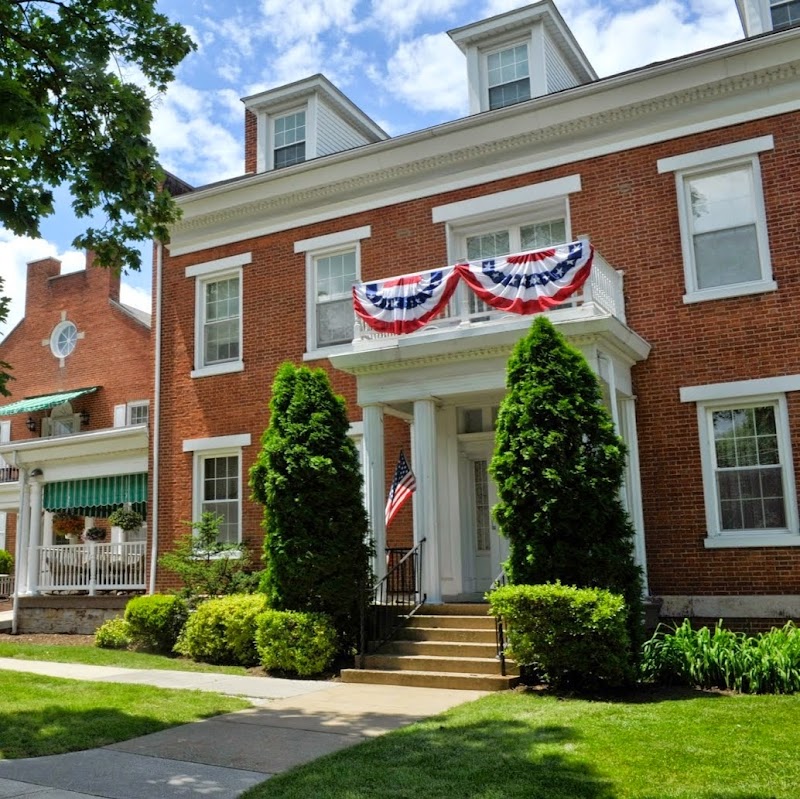
How is Presbyterian Homes-Presby Staffed?

CMS rates Presbyterian Homes-Presby's staffing level at 5 out of 5 stars, which is much above average compared to other nursing homes. Staff turnover is 32%, compared to the Pennsylvania average of 46%. This relatively stable workforce can support continuity of care.

What Have Inspectors Found at Presbyterian Homes-Presby?

State health inspectors documented 39 deficiencies at Presbyterian Homes-Presby during 2022 to 2025. These included: 2 that caused actual resident harm and 37 with potential for harm. Deficiencies causing actual harm indicate documented cases where residents experienced negative health consequences.

Who Owns and Operates Presbyterian Homes-Presby?

Presbyterian Homes-Presby is owned by a non-profit organization. Non-profit facilities reinvest revenue into operations rather than distributing to shareholders. The facility is operated by PRESBYTERIAN SENIOR LIVING, a chain that manages multiple nursing homes. With 67 certified beds and approximately 64 residents (about 96% occupancy), it is a smaller facility located in HOLLIDAYSBURG, Pennsylvania.

How Does Presbyterian Homes-Presby Compare to Other Pennsylvania Nursing Homes?

Compared to the 100 nursing homes in Pennsylvania, Presbyterian Homes-Presby's overall rating (3 stars) matches the state average, staff turnover (32%) is significantly lower than the state average of 46%, and health inspection rating (2 stars) is below the national benchmark.

What Should Families Ask When Visiting Presbyterian Homes-Presby?

Based on this facility's data, families visiting should ask: "Can I visit during a mealtime to observe dining assistance and food quality?" "How do you handle medical emergencies, and what is your hospital transfer rate?" "Can I speak with family members of current residents about their experience?"

Is Presbyterian Homes-Presby Safe?

Based on CMS inspection data, Presbyterian Homes-Presby has a clean safety record: no substantiated abuse findings (meaning no confirmed cases of resident harm), no Immediate Jeopardy citations (the most serious violation level indicating risk of serious injury or death), and is not on the Special Focus Facility watch list (a federal program monitoring the lowest-performing 1% of nursing homes). The facility has a 3-star overall rating and ranks #1 of 100 nursing homes in Pennsylvania. While no facility is perfect, families should still ask about staff-to-resident ratios and recent inspection results during their visit.

Do Nurses at Presbyterian Homes-Presby Stick Around?

Presbyterian Homes-Presby has a staff turnover rate of 32%, which is about average for Pennsylvania nursing homes (state average: 46%). Moderate turnover is common in nursing homes, but families should still ask about staff tenure and how the facility maintains care continuity when employees leave.

Was Presbyterian Homes-Presby Ever Fined?

Presbyterian Homes-Presby has been fined $17,014 across 2 penalty actions. This is below the Pennsylvania average of $33,249. While any fine indicates a compliance issue, fines under $50,000 are relatively common and typically reflect isolated problems that were subsequently corrected. Families should ask what specific issues led to these fines and confirm they've been resolved.

Is Presbyterian Homes-Presby on Any Federal Watch List?

Presbyterian Homes-Presby is not on any federal watch list. The most significant is the Special Focus Facility (SFF) program, which identifies the bottom 1% of nursing homes nationally based on persistent, serious quality problems. Not being on this list means the facility has avoided the pattern of deficiencies that triggers enhanced federal oversight. This is a positive indicator, though families should still review the facility's inspection history directly.