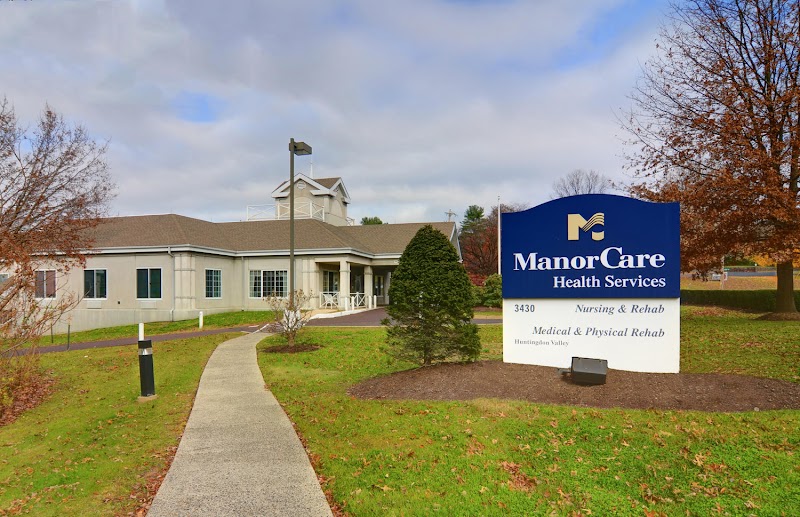
HUNTINGDON SKILLED NURSING AND REHABILITATION CENT
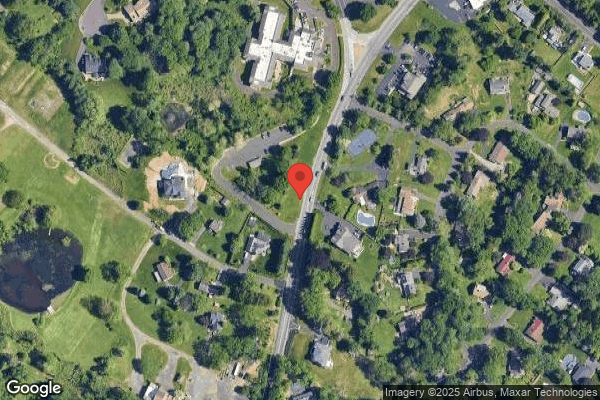
3430 HUNTINGDON PIKE, HUNTINGDON VALLEY, PA 19006 (215) 938-7171
For profit - Corporation 125 Beds GENESIS HEALTHCARE Data: November 2025
Trust Grade
65/100
#296 of 653 in PA
Last Inspection: July 2025

Inspected within the last 6 months. Data reflects current conditions.

Overview

Huntingdon Skilled Nursing and Rehabilitation Center has a Trust Grade of C+, indicating it is slightly above average but still has room for improvement. It ranks #296 out of 653 facilities in Pennsylvania, placing it in the top half, and #36 out of 58 in Montgomery County, meaning there are only a few local options better than this one. The facility is on an improving trend, as it reduced the number of issues from 5 in 2024 to 4 in 2025. However, staffing is a significant weakness, with a low rating of 1 out of 5 stars, despite a 0% turnover rate, which is well below the state average. Additionally, while there have been no fines, recent inspections revealed concerns about food storage and sanitation practices, such as improperly labeled food items and unclean kitchen equipment, which could pose risks to residents' health. Overall, while there are strengths in terms of turnover and health inspection ratings, families should carefully consider the weaknesses related to staffing and food safety practices.

Trust Score
C+
65/100
In Pennsylvania
#296/653
Top 45%
Safety Record
Low Risk
No red flags
Inspections
Getting Better
5 → 4 violations
Staff Stability
○ Average
Turnover data not reported for this facility.
Penalties
✓ Good
No fines on record. Clean compliance history, better than most Pennsylvania facilities.
Skilled Nurses
○ Average
RN staffing data not reported for this facility.
Violations
⚠ Watch
17 deficiencies on record. Higher than average. Multiple issues found across inspections.
★★★☆☆
3.0
Overall Rating
★☆☆☆☆
1.0
Staff Levels
★★★★☆
4.0
Care Quality
★★★★☆
4.0
Inspection Score
Stable
2024: 5 issues
2025: 4 issues

The Good

  • 4-Star Quality Measures · Strong clinical quality outcomes
  • Full Sprinkler Coverage · Fire safety systems throughout facility
  • No fines on record

Facility shows strength in quality measures, fire safety.

The Bad

3-Star Overall Rating

Near Pennsylvania average (3.0)

Meets federal standards, typical of most facilities

Chain: GENESIS HEALTHCARE

Part of a multi-facility chain

Ask about local staffing decisions and management

The Ugly 17 deficiencies on record

Jul 2025 4 deficiencies
CONCERN (D)

Potential for Harm - no one hurt, but risky conditions existed

Deficiency F0655 (Tag F0655)

Could have caused harm · This affected 1 resident

**NOTE- TERMS IN BRACKETS HAVE BEEN EDITED TO PROTECT CONFIDENTIALITY** Based on clinical record review, it was determined that the facility failed to develop and/or implement a baseline care plan tha...

Read full inspector narrative →
**NOTE- TERMS IN BRACKETS HAVE BEEN EDITED TO PROTECT CONFIDENTIALITY** Based on clinical record review, it was determined that the facility failed to develop and/or implement a baseline care plan that addressed individual resident needs for three of 20 sampled residents. (Residents 10, 13, 19)Findings include: Clinical record review revealed that Resident 10 was admitted to the facility on [DATE], with diagnoses that included diabetes, heart failure, and muscle weakness. The baseline care plan dated July 16, 2025, noted that the resident was incontinent of bowel. There was no evidence that the care plan included interventions and goals to address Resident 10’s incontinence. Clinical record review revealed that Resident 13 was admitted to the facility on [DATE], with diagnoses that included diabetes and dysphagia (difficulty swallowing). There was no documented evidence that the facility developed a baseline care plan following admission. Clinical record review revealed that Resident 19 was admitted to the facility on [DATE], with diagnoses that included depression and diabetes. On July 22, 2025, a nurse noted that the resident had a language barrier and had difficulty communicating. On July 23, 2025, the social worker documented that the resident's family was required to translate due to a language barrier. There was no documented evidence that the resident's language barrier was addressed in the baseline care plan. In an interview on July 28, 2025, at 4:15 p.m., the Director of Nursing confirmed there was no documented evidence that the care areas were addressed in the resident's baseline care plan. 28 Pa. Code 211.12(d)(1)(3)(5) Nursing services.
CONCERN (D)

Potential for Harm - no one hurt, but risky conditions existed

Comprehensive Care Plan (Tag F0656)

Could have caused harm · This affected 1 resident

**NOTE- TERMS IN BRACKETS HAVE BEEN EDITED TO PROTECT CONFIDENTIALITY** Based on clinical record review and staff interview, it was determined that the facility failed to develop a comprehensive care ...

Read full inspector narrative →
**NOTE- TERMS IN BRACKETS HAVE BEEN EDITED TO PROTECT CONFIDENTIALITY** Based on clinical record review and staff interview, it was determined that the facility failed to develop a comprehensive care plan that addressed individualv resident needs as identified in the comprehensive assessment for one of 20 sampled residents. (Resident 18) Findings include: Clinical record review revealed that Resident 18 was admitted to the facility on [DATE], and had diagnoses that included diabetes, heart failure, and dementia. The Minimum Data Set assessment and Care Area Assessment summary dated July 21, 2025, noted that the resident's urinary incontinence, dental care, self-care, mobility, and pressure ulcer were to be addressed in the care plan. There was no evidence that interventions to address Resident's 18 urinary incontinence, dental care, self-care, mobility, and pressure ulcer were included in the care plan. In an interview on July 28, 2025, at 4:00 p.m., the Director of Nursing confirmed there was no documented evidence that the care areas were addressed in the care plan. 28 Pa. Code 211.12(d)(1)(5) Nursing services.
CONCERN (D)

Potential for Harm - no one hurt, but risky conditions existed

Quality of Care (Tag F0684)

Could have caused harm · This affected 1 resident

**NOTE- TERMS IN BRACKETS HAVE BEEN EDITED TO PROTECT CONFIDENTIALITY** Based on facility policy review, clinical record review, and staff interview, it was determined that the facility failed to ensu...

Read full inspector narrative →
**NOTE- TERMS IN BRACKETS HAVE BEEN EDITED TO PROTECT CONFIDENTIALITY** Based on facility policy review, clinical record review, and staff interview, it was determined that the facility failed to ensure physician's orders were implemented for two of 20 sampled residents. (Residents 1, 16) Findings include: Review of the policy entitled, Medication Administration, last reviewed July 25, 2025, revealed staff were to obtain vital signs as necessary prior to medication administration and document physician indicated medication administration information. Clinical record review revealed that Resident 16 had diagnoses that included hypertension (high blood pressure), heart failure, anemia (blood disorder), and kidney disease. On July 18, 2025, the physician ordered staff to administer a blood pressure medicine (hydralazine HC1) twice a day and once at bedtime. Staff was not to administer the medication if the resident's systolic blood pressure (the first measurement of blood pressure when the heart beats and the pressure is at its highest) was less than 100 millimeters of mercury (mmHg). Review of Resident 16’s July 2025 Medication Administration Record revealed that staff administered the medication 28 out of 29 times with no documented evidence that the blood pressure was assessed prior to medication administration per the physician's order. Clinical record review revealed that Resident 1 was admitted to the facility on [DATE], with diagnoses that included hypertension (high blood pressure), atrial fibrillation (irregular heartbeat), and dysphagia (difficulty swallowing). On July 14, 2025, the physician ordered for staff to obtain the resident's weight daily. There was no documented evidence that staff obtained Resident 1's weight on July 16, 18, 25, or 26, 2025. In an interview on July 28, 2025, at 4:15 p.m., the Director of Nursing confirmed there was no documented evidence Resident 16's blood pressure was taken prior to medication administration, and that Resident's 1's weight was taken daily as per physician's order. 28 Pa. Code 211.12(d)(1)(5) Nursing services.
MINOR (C)

Minor Issue - procedural, no safety impact

Garbage Disposal (Tag F0814)

Minor procedural issue · This affected most or all residents

Based on observation, it was determined that the facility failed to dispose of trash and refuse properly. Findings include: Observation of the dumpster area on July 28, 2025, at 10:30 a.m., revealed t...

Read full inspector narrative →
Based on observation, it was determined that the facility failed to dispose of trash and refuse properly. Findings include: Observation of the dumpster area on July 28, 2025, at 10:30 a.m., revealed three full trash bags outside the dumpster and a used disposable glove on the ground. The top lid of the garbage dumpster was open and it was full of trash bags. 28 Pa Code 201.18(b)(3) Management.
Feb 2024 4 deficiencies
CONCERN (D)

Potential for Harm - no one hurt, but risky conditions existed

Quality of Care (Tag F0684)

Could have caused harm · This affected 1 resident

Based on clinical record review and staff interview, it was determined that the facility failed to ensure physician's orders were implemented for two of 20 sampled residents. (Residents 49 and 68) Cli...

Read full inspector narrative →
Based on clinical record review and staff interview, it was determined that the facility failed to ensure physician's orders were implemented for two of 20 sampled residents. (Residents 49 and 68) Clinical record review revealed that Resident 49 had diagnoses that included hypertension (high blood pressure). A physician's order dated November 8, 2023, directed staff to administer a medication (hydralazine) twice a day for hypertension. Staff was not to administer the medication if the resident's systolic blood pressure (SBP, the first measurement of blood pressure when the heart beats and the pressure is the highest) was less than 120 millimeters of mercury (mmHg). Review of Resident 49's medication administration record (MAR) revealed that staff documented that this medication was given six times in January 2024, and six times in February 2024, when the resident's SBP was less than 120 mmHg. In an interview on February 29, 2024, at 12:46 p.m., the Director of Nursing confirmed that the medication should have been held if the SBP was less than 120 mmHg as per physician's order. Clinical record review revealed that Resident 68 had diagnoses that included high blood pressure from chronic kidney disease and diabetes. On September 6, 2023, a physician ordered that staff administer 25 milligrams (mg) of a diuretic medication (hydrochlorothiazide) one time a day, and to hold the medication if the blood pressure reading was less than 110/65 mmHg. Review of Resident 68's MAR revealed that staff administered this medication twenty-nine times from February 1 to 29, 2024, with no documented blood pressures at the time of administration. In an interview on February 29, 2024, at 1:25 p.m., the DON confirmed that there were no documented blood pressure measurements when the medication was given. CFR 483.25 Quality of Care Previously cited 3/30/23 28 Pa. Code 211.12(d)(1)(5)Nursing services.
CONCERN (E)

Potential for Harm - no one hurt, but risky conditions existed

Comprehensive Care Plan (Tag F0656)

Could have caused harm · This affected multiple residents

Based on clinical record review and staff interview, it was determined that the facility failed to develop a comprehensive care plan that addressed individual resident needs as identified in the compr...

Read full inspector narrative →
Based on clinical record review and staff interview, it was determined that the facility failed to develop a comprehensive care plan that addressed individual resident needs as identified in the comprehensive assessment for five of 32 sampled residents. (Residents 29, 32, 57, 68, and 70) Findings include: Clinical record review revealed that Resident 29 had a Minimum Data Set (MDS) assessment completed on August 4, 2023. According to the assessment, the resident was occasionally incontinent of urine. According to the Care Area Assessment (CAA) summary from that assessment, the facility identified that urinary continence was a problem area for the resident and should have been included on the resident's comprehensive care plan. Review of the care plan revealed that the facility did not develop interventions to address this care area. Clinical record review revealed that Resident 32 had an MDS assessment completed on February 21, 2024. According to the assessment, the resident had impaired vision. According to the CAA summary from that assessment, the facility identified that vision impairment was a problem area for the resident and should have been included on the resident's comprehensive care plan. Review of the care plan revealed that the facility did not develop interventions to address this care area. Clinical record review revealed that Resident 57 had an MDS assessment completed on April 28, 2023. According to the assessment, the resident had a communication impairment. According to the CAA summary from that assessment, the facility identified that the communication impairment was a problem area for the resident and should have been included on the resident's comprehensive care plan. Review of the care plan revealed that the facility did not develop interventions to address this care area. Clinical record review revealed that Resident 68 had an MDS assessment completed on February 3, 2024. According to the assessment, the resident had impaired vision. According to the CAA summary from that assessment, the facility identified that vision impairment was a problem area for the resident and should have been included on the resident's comprehensive care plan. Review of the care plan revealed that the facility did not develop interventions to address this care area. Clinical record review revealed that Resident 70 had an MDS assessment completed on February 14, 2024. According to the assessment, the resident had cognitive impairment. According to the CAA summary from that assessment, the facility identified that cognitive impairment was a problem area for the resident and should have been included on the resident's comprehensive care plan. Review of the care plan revealed that the facility did not develop interventions to address this care area. In an interview on February 29, 2024, at 1:00 p.m., the Director of Nursing confirmed that the care plans did not include the areas of potential concern identified in the comprehensive assessments. 28 Pa. Code 211.12(d)(5) Nursing services.
CONCERN (F)

Potential for Harm - no one hurt, but risky conditions existed

Food Safety (Tag F0812)

Could have caused harm · This affected most or all residents

Based on facility policy review, observation, and staff interview, it was determined that the facility failed to properly store food and maintain sanitary conditions in the dietary department. Findin...

Read full inspector narrative →
Based on facility policy review, observation, and staff interview, it was determined that the facility failed to properly store food and maintain sanitary conditions in the dietary department. Findings include: Review of the facility's policy entitled, Use-By Dating Guidelines, last reviewed May 1, 2023, revealed that prepared foods should be discarded within 72 hours. Review of the facility's policy entitled, Refrigerated/Frozen Storage, last reviewed May 1, 2023, revealed that all foods were to be labelled with a use-by date once opened, refrigeration units were kept clean and organized, and if a food was removed from the original container, the food was to be labeled with a use-by date. Observation during the kitchen tour on February 27, 2024, at 10:06 a.m., revealed the following: In the dry storage area, there was an open bag of pasta that was not dated. In the walk-in cooler, there were two bins of individual packets of butter and creamer that were removed from the original containers and were not dated. There were two containers of opened sour cream and parmesan cheese and a box of grapes that had dried white food and liquid on the outside. There were three opened bags of bread that were not dated. There were two packages of lettuce removed from the original container that were not dated. In the freezer, there were two opened packages of beef patties and garden burgers that were not dated. There was a package of pie shells removed from the original container that was not dated. In the trayline area, there was an opened bottle of cooking oil that was not dated. In the cooks' preparation station, there were multiple small fruit flies. The can opener blade had dried food debris on it and there was an uncovered container of thickener. The garbage disposal was uncovered and had food debris and liquid exposed to air. There was a foul odor in the area. Several flies were observed by the floor drain. In the cooks' cooler, there was a soiled and sticky thermometer. There was a sandwich dated February 21, 2024. A baked potato was not dated. There was dried food and liquid on the inside wall and bottom of the cooler. The wall by the tray line had a large hole. In an interview on February 27, 2024, at 11:00 a.m., the Dietary Manager confirmed that the food items should have been dated and the expired items should have been removed. CFR 483.60(i) Food Safety Requirement Previously cited 3/30/23. 28 Pa. Code 201.14(a) Responsibility of licensee.
MINOR (B)

Minor Issue - procedural, no safety impact

Safe Environment (Tag F0584)

Minor procedural issue · This affected multiple residents

**NOTE- TERMS IN BRACKETS HAVE BEEN EDITED TO PROTECT CONFIDENTIALITY** Based on observation, it was determined that the facility failed to provide a clean, homelike, and comfortable environment on tw...

Read full inspector narrative →
**NOTE- TERMS IN BRACKETS HAVE BEEN EDITED TO PROTECT CONFIDENTIALITY** Based on observation, it was determined that the facility failed to provide a clean, homelike, and comfortable environment on two of two nursing units. (Garden and Upper) Findings include: During tours of Garden and Upper nursing units on February 27, 2024, between 10:45 a.m. and 12:20 p.m., the following were observed: The wallpaper in rooms [ROOM NUMBERS] was peeling. In room [ROOM NUMBER], there was an area of loose wall molding, peeling wallpaper, and two tan stained ceiling tiles in the back right corner of the bedroom area. In the bathroom, a towel rack was absent from the wall, a white substance covered the sink faucet, and a black substance was observed on the floor behind the toilet. In room [ROOM NUMBER], the bottom drawer was missing from the end table next to bed B. In room [ROOM NUMBER], the bottom drawer was missing from the end table next to bed B. There was loose molding and a stained ceiling tile in the corner of the bedroom. In the bathroom, wallpaper was missing from the wall under the sink and two ants were seen on the floor. In room [ROOM NUMBER], there was loose wallpaper and a loose towel rack in the bathroom. In room [ROOM NUMBER], there was a black substance on the wall near the window and on the floor of the bathroom under the sink. The wall near the sink in room [ROOM NUMBER]'s bathroom was dirty. In room [ROOM NUMBER], there was detached molding at the bottom of the wall. In the bathroom, there was more detached molding, the toilet grab bar was loose, and there was cracked plaster. Also in the bathroom, a towel bar was missing. There was detached molding and chipped paint in room [ROOM NUMBER]. There were black stains on the floor in the bathroom. 28 Pa. Code 201.18(b)(1)(e)(2.1) Management.
Jan 2024 1 deficiency
CONCERN (D) 📢 Someone Reported This

A family member, employee, or ombudsman was alarmed enough to file a formal complaint

Potential for Harm - no one hurt, but risky conditions existed

Tube Feeding (Tag F0693)

Could have caused harm · This affected 1 resident

**NOTE- TERMS IN BRACKETS HAVE BEEN EDITED TO PROTECT CONFIDENTIALITY** Based on review of facility policy, clinical record review, and staff interview, it was determined that the facility failed to p...

Read full inspector narrative →
**NOTE- TERMS IN BRACKETS HAVE BEEN EDITED TO PROTECT CONFIDENTIALITY** Based on review of facility policy, clinical record review, and staff interview, it was determined that the facility failed to provide treatment and services for enteral hydration as per physician's order in a timely manner for one of four sampled residents who had enteral hydration. (Resident 1) Findings include: Review of the facility policy entitled, Enteral Feeding: Administration by Pump, dated February 1, 2023, revealed that the enteral feed pump was to be set with the flow rate of feed and water to be administered to the resident as ordered by the physician. Clinical record review revealed that Resident 1 had diagnoses that included malignant neoplasm of the tongue, tracheostomy (airway placed in the throat), and gastrostomy tube (a surgical creation of a gastric opening through the abdominal wall for the purpose of introducing food and water into the stomach). The Minimum Data Set assessment dated [DATE], indicated that the resident required extensive assistance with most activities of daily living and required staff assistance for nutrition and hydration. On October 18, 2023, the physician ordered for staff to administer Glucerna 1.5 enteral feed to infuse at 65 milliliters (mls) per hour (hr) and to flush the feed with 55 mls of water every one hour during the pump infusion. The resident's care plan revealed that staff was to administer the tube feeding formula, hydration, and flushes per the physician's order. Physician's documentation dated, January 4, 2024, indicated that the resident had not been getting 55 mls of water as ordered. Review of a nursing progress note dated January 9, 2024, at 11:30 a.m., revealed that the resident's enteral feeding infusion pump was observed to be set at 30 ml/hr for water flushes and not the physician ordered 55 ml/hr. During an interview on January 21, 2024, at 2:00 p.m., the Administrator confirmed that the physician's order and policy were not followed. 28 Pa. Code 211.12(d)(1)(3)(5) Nursing services.
Jul 2023 1 deficiency
MINOR (B) 📢 Someone Reported This

A family member, employee, or ombudsman was alarmed enough to file a formal complaint

Minor Issue - procedural, no safety impact

Safe Environment (Tag F0921)

Minor procedural issue · This affected multiple residents

**NOTE- TERMS IN BRACKETS HAVE BEEN EDITED TO PROTECT CONFIDENTIALITY** Based on observation, it was determined that the facility failed to ensure that a safe, clean, and comfortable environment was m...

Read full inspector narrative →
**NOTE- TERMS IN BRACKETS HAVE BEEN EDITED TO PROTECT CONFIDENTIALITY** Based on observation, it was determined that the facility failed to ensure that a safe, clean, and comfortable environment was maintained on one of two nursing units. (The Garden) Findings include: Observations during the environmental tour of the second floor nursing unit (The Garden) on July 26, 2023 revealed the following: There was a strong pervasive musty odor throughout the unit. At the end of the corridor, after rooms [ROOM NUMBERS], the wall had exposed drywall with clusters of black spots throughout the bottom half of the wall. There was also black spots under the windowsill. There was black spots on the bottom portion of the wall where the baseboard was missing between rooms [ROOM NUMBERS]. CFR 483.90(i) Other Environmental Conditions Previously Cited 03/30/2023 28 Pa. Code 207.2(a) Administrator responsibility.
Mar 2023 7 deficiencies
CONCERN (D)

Potential for Harm - no one hurt, but risky conditions existed

Deficiency F0637 (Tag F0637)

Could have caused harm · This affected 1 resident

Based on clinical record review and staff interview, it was determined that the facility failed to develop a comprehensive assessment of a significant change in status for one of 18 sampled residents....

Read full inspector narrative →
Based on clinical record review and staff interview, it was determined that the facility failed to develop a comprehensive assessment of a significant change in status for one of 18 sampled residents. (Resident 79) Findings include: Clinical record review revealed that Resident 79 was admitted to the facility with diagnoses that included Alzheimer's disease and dementia. On January 21, 2023, the resident was admitted to hospice services. There was no Minimum Data Set assessment completed to reflect the significant change in the resident's condition. In an interview on March 30, 2023, at 9:39 a.m., the Director of Nursing confirmed that a comprehensive significant change in status assessment was not completed upon change in the resident's condition. 28 Pa. Code 211.5(f) Clinical records.
CONCERN (D)

Potential for Harm - no one hurt, but risky conditions existed

Quality of Care (Tag F0684)

Could have caused harm · This affected 1 resident

**NOTE- TERMS IN BRACKETS HAVE BEEN EDITED TO PROTECT CONFIDENTIALITY** Based on clinical record review and interview, it was determined that the facility failed to implement physician orders and prov...

Read full inspector narrative →
**NOTE- TERMS IN BRACKETS HAVE BEEN EDITED TO PROTECT CONFIDENTIALITY** Based on clinical record review and interview, it was determined that the facility failed to implement physician orders and provide wound treatment for one of 18 sampled residents. (Resident 43) Findings include: Clinical record review revealed that Resident 43 had diagnoses that included anemia, hemiplegia to the right side, protein-calorie malnutrition, and peripheral vascular disease. Review of the Minimum Data Set assessment dated [DATE], revealed that the resident required extensive assistance from staff for activities of daily living. On March 29, 2023, at 12:40 p.m., Resident 43 was observed in bed. The resident reported that staff did not always provide treatments to his leg wound as ordered, and treatments have been missed multiple times per week. On March 29, 2023, staff documented that the resident was seen by the nurse practitioner for wound care and the right calf wound presented with increased redness and edema. Review of a wound assessment dated [DATE], revealed that Resident 43 had a venous ulcer to the right calf and a physician's order dated March 2, 2023, directed staff to cleanse the right calf ulcer with normal saline, apply medihoney, and cover with a dry dressing every day shift. Review of the treatment administration record for March 2023, revealed no evidence that staff provided the treatment to the right calf as ordered on March 20, 23, and 24, 2023. In an interview on March 30, 2023, at 11:51 a.m., the Director of Nursing stated there was no evidence that staff provided or that the resident refused the application of the treatment to the right calf per the physician's order. 28 Pa. Code 211.12(d)(1)(5) Nursing services.
CONCERN (D)

Potential for Harm - no one hurt, but risky conditions existed

Deficiency F0688 (Tag F0688)

Could have caused harm · This affected 1 resident

**NOTE- TERMS IN BRACKETS HAVE BEEN EDITED TO PROTECT CONFIDENTIALITY** Based on clinical record review, observation and interview, it was determined that the faiclity failed to provide treatment and ...

Read full inspector narrative →
**NOTE- TERMS IN BRACKETS HAVE BEEN EDITED TO PROTECT CONFIDENTIALITY** Based on clinical record review, observation and interview, it was determined that the faiclity failed to provide treatment and services to prevent a decline in range of motion for two of 18 sampled residents. (Resident 43, 56) Findings include: Clinical record review revealed that Resident 43 had diagnoses that included hemiplegia to the right dominant side. Review of the Minimum Data Set (MDS) assessment dated [DATE], revealed that the resident required extensive assistance from staff for activities of daily living (ADLs) and had a limitation in range of motion to the upper extremities (shoulder, elbow wrist, hand) on one side. Review of the care plan revealed a potential for an ADL performance deficit due to physical limitations and the intervention was for staff to apply a right palm guard at the beginning of day shift. A physician's order dated December 30, 2022, directed staff to apply a palm guard to the resident's hand during day shift for contracture. On March 28, 2023, at 1:30 p.m., Resident 43 was observed in his room and the palm guard was not in place. The resident stated that staff have not applied the palm guard in over one week. On March 29, 2023, at 12:40 p.m., Resident 43 was observed in bed. The right palm guard was not in place. Clinical record review revealed that Resident 56 had diagnoses that included hemiplegia to the right dominant side, contracture to the right hand, and Dementia. Review of the MDS assessment dated [DATE], revealed that the resident required extensive assistance from staff for ADLs and had a limitation in range of motion to the upper extremities on one side. Review of the care plan revealed that the resident had a potential for an ADL performance deficit due to hemiplegia and the intervention was for staff to apply a palm guard to the resident's right hand during day shift. A physician's order dated November 18, 2022, directed staff to apply a palm guard to the resident's right hand during day shift for contracture. On March 29, 2023, at 12:35 p.m., the resident was observed in bed, the right palm guard was not in place. 28 Pa. Code 211.12(d)(1)(5) Nursing services.
CONCERN (F)

Potential for Harm - no one hurt, but risky conditions existed

Food Safety (Tag F0812)

Could have caused harm · This affected most or all residents

Based on observation and interview, it was determined that the facility failed to store and serve food under sanitary conditions in the kitchen. Findings include: Observation of the main kitchen on ...

Read full inspector narrative →
Based on observation and interview, it was determined that the facility failed to store and serve food under sanitary conditions in the kitchen. Findings include: Observation of the main kitchen on March 28, 2023, at 10:34 a.m., in the food preparation area, revealed a mop bucket with dirty water and a mop stored in the water. There were various particles of debris on the meat slicer. There was a small, black, winged insect above the food. Observation revealed a cart with an unidentified liquid on the bottom shelf of the cart. Clean coffee cups were on that cart. There was a dented can of peaches and a can of pineapples in dry storage. There were clean dishes stored on a rolling cart with various non-food related items. In an interview, the Director of Dining Services stated that the clean dishes should be stored on the clean dish cart. The clean dish cart was observed with various particles of debris on the cart and dishes. In the walk in refrigerator, there was a package of ham stored on a tray with raw, ground beef. 28 Pa. Code 201.18(b)(3) Management.
MINOR (B)

Minor Issue - procedural, no safety impact

Transfer Notice (Tag F0623)

Minor procedural issue · This affected multiple residents

**NOTE- TERMS IN BRACKETS HAVE BEEN EDITED TO PROTECT CONFIDENTIALITY** Based on clinical record review and staff interview it was determined that the facility failed to notify the resident and the re...

Read full inspector narrative →
**NOTE- TERMS IN BRACKETS HAVE BEEN EDITED TO PROTECT CONFIDENTIALITY** Based on clinical record review and staff interview it was determined that the facility failed to notify the resident and the residents' representative(s) of the transfer and the reasons for transfer in writing for three out of three sampled residents who were transferred to the hospital. (Residents 43, 73, 76) Findings include: Clinical record review revealed that Resident 43 was transferred and admitted to the hospital on [DATE], after a change in condition. There was no documented evidence that the resident's responsible party was provided written information regarding the resident's transfer to the hospital. Clinical record review revealed that Resident 73 was transferred and admitted to the hospital on [DATE], after a change in condition. There was no documented evidence that the resident's responsible party was provided written information regarding the resident's transfer to the hospital. Clinical record review revealed that Resident 76 was transferred and admitted to the hospital on [DATE], and 22, 2023, after a change in condition. There was no documented evidence that the resident's responsible party was provided written information regarding the resident's transfer to the hospital on either date. In an interview on March 30, 2023, at 10:46 a.m., the Director of Nursing stated that the aforementioned residents and/or resident's representatives were not notified in writing of the transfer to the hospital.
MINOR (B)

Minor Issue - procedural, no safety impact

Safe Environment (Tag F0921)

Minor procedural issue · This affected multiple residents

**NOTE- TERMS IN BRACKETS HAVE BEEN EDITED TO PROTECT CONFIDENTIALITY** Based on observation, it was determined that the facility failed to ensure that a safe, clean, and comfortable environment was m...

Read full inspector narrative →
**NOTE- TERMS IN BRACKETS HAVE BEEN EDITED TO PROTECT CONFIDENTIALITY** Based on observation, it was determined that the facility failed to ensure that a safe, clean, and comfortable environment was maintained on one of two nursing units. (The Garden) Findings include: Observations during the environmental tour of the second floor nursing unit (The Garden) on all days of the survey revealed the following: Around the window sill in room [ROOM NUMBER] there was bubbled drywall and peeling paint and the threshold between the room and bathroom had cracked tile. In rooms 30, 31, 37, 39 and 40, the walls were marred. In the bathroom of room [ROOM NUMBER], the ceiling tile was stained. In the bathroom of room [ROOM NUMBER], the molding was coming away from the wall, the wallpaper was peeling and a large area of the threshold had cracked and broken floor tile. In room [ROOM NUMBER] there was a large amber-colored stain under the glove box holder on the wall and a water stained ceiling tile in the bathroom. In room [ROOM NUMBER] there was exposed drywall on the left corner window sill. Throughout the unit, there was peeling and torn wallpaper and stained ceiling tile. Over the nursing station there was stained and missing ceiling tile. 28 Pa. Code 207.2(a) Administrator responsibility.
MINOR (C)

Minor Issue - procedural, no safety impact

Garbage Disposal (Tag F0814)

Minor procedural issue · This affected most or all residents

Based on observation, it was determined that the facility failed to dispose of garbage and refuse properly. Findings include: Observation of the dumpster area on March 28, 2023, at 10:34 a.m., revea...

Read full inspector narrative →
Based on observation, it was determined that the facility failed to dispose of garbage and refuse properly. Findings include: Observation of the dumpster area on March 28, 2023, at 10:34 a.m., revealed various particles of debris that included gloves, masks, paper products, and a crate that contained linens scattered on the ground in the dumpster area. CFR 483.60(i)(4) Dispose of garbage and refuse properly Previosuly cited 3/10/2022 28. Pa Code 201.14(a) Responsibility of licensee. 28. Pa Code 207.2(a) Administrator's Responsibility.
Understanding Severity Codes (click to expand)
Life-Threatening (Immediate Jeopardy)
J - Isolated K - Pattern L - Widespread
Actual Harm
G - Isolated H - Pattern I - Widespread
Potential for Harm
D - Isolated E - Pattern F - Widespread
No Harm (Minor)
A - Isolated B - Pattern C - Widespread

Questions to Ask on Your Visit

  • "Can I speak with families of current residents?"
  • "What's your RN coverage like on weekends and overnight?"

Our Honest Assessment

Strengths
  • • No major safety red flags. No abuse findings, life-threatening violations, or SFF status.
  • • No fines on record. Clean compliance history, better than most Pennsylvania facilities.
Concerns
  • • 17 deficiencies on record. Higher than average. Multiple issues found across inspections.
Bottom line: Mixed indicators with Trust Score of 65/100. Visit in person and ask pointed questions.

About This Facility

What is Huntingdon Skilled Nursing And Rehabilitation Cent's CMS Rating?

CMS assigns HUNTINGDON SKILLED NURSING AND REHABILITATION CENT an overall rating of 3 out of 5 stars, which is considered average nationally. Within Pennsylvania, this rating places the facility higher than 0% of the state's 100 nursing homes. This mid-range rating indicates the facility meets federal standards but may have areas for improvement.
How is Huntingdon Skilled Nursing And Rehabilitation Cent Staffed?

CMS rates HUNTINGDON SKILLED NURSING AND REHABILITATION CENT's staffing level at 1 out of 5 stars, which is much below average compared to other nursing homes.

What Have Inspectors Found at Huntingdon Skilled Nursing And Rehabilitation Cent?

State health inspectors documented 17 deficiencies at HUNTINGDON SKILLED NURSING AND REHABILITATION CENT during 2023 to 2025. These included: 11 with potential for harm and 6 minor or isolated issues.
Who Owns and Operates Huntingdon Skilled Nursing And Rehabilitation Cent?

HUNTINGDON SKILLED NURSING AND REHABILITATION CENT is owned by a for-profit company. For-profit facilities operate as businesses with obligations to shareholders or private owners. The facility is operated by GENESIS HEALTHCARE, a chain that manages multiple nursing homes. With 125 certified beds and approximately 0 residents (about 0% occupancy), it is a mid-sized facility located in HUNTINGDON VALLEY, Pennsylvania.
How Does Huntingdon Skilled Nursing And Rehabilitation Cent Compare to Other Pennsylvania Nursing Homes?

Compared to the 100 nursing homes in Pennsylvania, HUNTINGDON SKILLED NURSING AND REHABILITATION CENT's overall rating (3 stars) matches the state average and health inspection rating (4 stars) is above the national benchmark.

What Should Families Ask When Visiting Huntingdon Skilled Nursing And Rehabilitation Cent?

Based on this facility's data, families visiting should ask: "Can you walk me through typical staffing levels on day, evening, and night shifts?" "Can I visit during a mealtime to observe dining assistance and food quality?" "How do you handle medical emergencies, and what is your hospital transfer rate?" "Can I speak with family members of current residents about their experience?" These questions are particularly relevant given the below-average staffing rating.

Is Huntingdon Skilled Nursing And Rehabilitation Cent Safe?

Based on CMS inspection data, HUNTINGDON SKILLED NURSING AND REHABILITATION CENT has a clean safety record: no substantiated abuse findings (meaning no confirmed cases of resident harm), no Immediate Jeopardy citations (the most serious violation level indicating risk of serious injury or death), and is not on the Special Focus Facility watch list (a federal program monitoring the lowest-performing 1% of nursing homes). The facility has a 3-star overall rating and ranks #1 of 100 nursing homes in Pennsylvania. While no facility is perfect, families should still ask about staff-to-resident ratios and recent inspection results during their visit.

Do Nurses at Huntingdon Skilled Nursing And Rehabilitation Cent Stick Around?

HUNTINGDON SKILLED NURSING AND REHABILITATION CENT has not reported staff turnover data to CMS. Staff turnover matters because consistent caregivers learn residents' individual needs, medications, and preferences. When staff frequently change, this institutional knowledge is lost. Families should ask the facility directly about their staff retention rates and average employee tenure.

Was Huntingdon Skilled Nursing And Rehabilitation Cent Ever Fined?

HUNTINGDON SKILLED NURSING AND REHABILITATION CENT has no federal fines on record. CMS issues fines when nursing homes fail to meet care standards or don't correct problems found during inspections. The absence of fines suggests the facility has either maintained compliance or corrected any issues before penalties were assessed. This is a positive indicator, though families should still review recent inspection reports for the full picture.

Is Huntingdon Skilled Nursing And Rehabilitation Cent on Any Federal Watch List?

HUNTINGDON SKILLED NURSING AND REHABILITATION CENT is not on any federal watch list. The most significant is the Special Focus Facility (SFF) program, which identifies the bottom 1% of nursing homes nationally based on persistent, serious quality problems. Not being on this list means the facility has avoided the pattern of deficiencies that triggers enhanced federal oversight. This is a positive indicator, though families should still review the facility's inspection history directly.