COMMUNITIES AT INDIAN HAVEN,
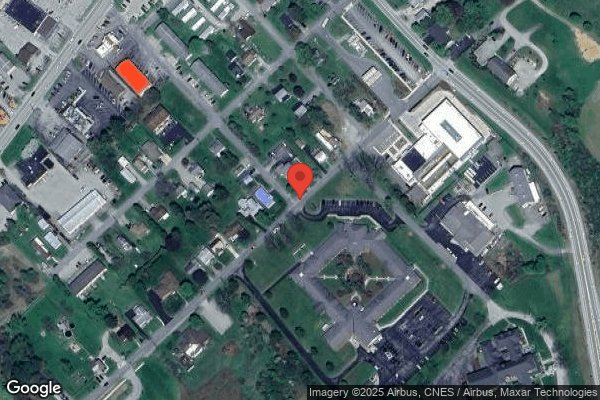
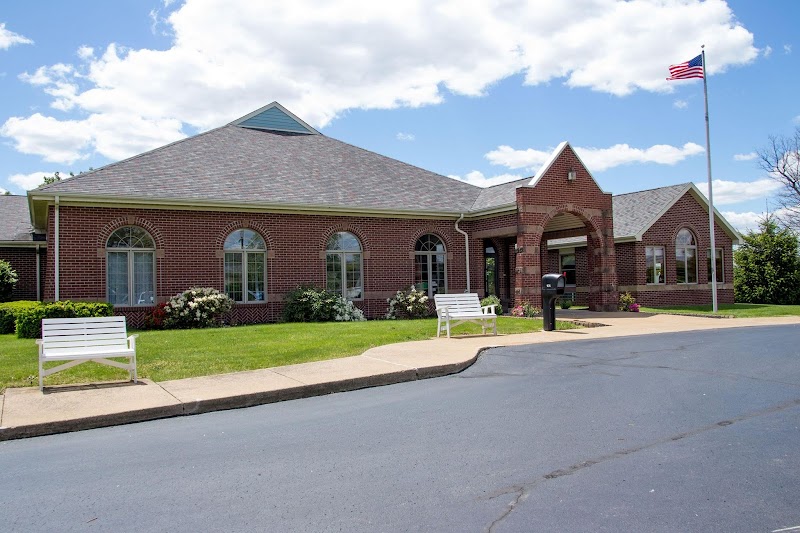
1675 SALTSBURG AVENUE, INDIANA, PA 15701 (724) 465-3900
Government - County 108 Beds Independent Data: November 2025 1 Immediate Jeopardy citation
Trust Grade
21/100
#400 of 653 in PA
Last Inspection: February 2025

Within standard 12-15 month inspection cycle. Federal law requires annual inspections.

Overview

Communities at Indian Haven has a Trust Grade of F, indicating significant concerns about the care provided, which is poor compared to other facilities. They rank #400 out of 653 in Pennsylvania, placing them in the bottom half of state facilities, and #4 out of 5 in Indiana County, meaning there is only one local option that is better. Although the trend is improving, with issues decreasing from 19 in 2024 to 12 in 2025, the facility still has a concerning number of deficiencies, totaling 49. Staffing is a strong point here with a rating of 4 out of 5 stars and a turnover rate of 45%, which is slightly below the state average, suggesting that staff are relatively stable. However, they have faced serious issues, including one critical incident of neglect that jeopardized a resident's health and safety, and failures to complete mandatory assessments on time for several residents. Additionally, there were concerns about not following the planned meal menu, which could affect residents' satisfaction and nutrition.

Trust Score
F
21/100
In Pennsylvania
#400/653
Bottom 39%
Safety Record
High Risk
Review needed
Inspections
Getting Better
19 → 12 violations
Staff Stability
⚠ Watch
45% turnover. Above average. Higher turnover means staff may not know residents' routines.
Penalties
○ Average
$11,531 in fines. Higher than 69% of Pennsylvania facilities. Some compliance issues.
Skilled Nurses
○ Average
Each resident gets 39 minutes of Registered Nurse (RN) attention daily — about average for Pennsylvania. RNs are the most trained staff who monitor for health changes.
Violations
⚠ Watch
49 deficiencies on record. Higher than average. Multiple issues found across inspections.
★★☆☆☆
2.0
Overall Rating
★★★★☆
4.0
Staff Levels
★★★☆☆
3.0
Care Quality
★★☆☆☆
2.0
Inspection Score
Stable
2024: 19 issues
2025: 12 issues

The Good

  • 4-Star Staffing Rating · Above-average nurse staffing levels
  • Full Sprinkler Coverage · Fire safety systems throughout facility
  • No fines on record

Facility shows strength in staffing levels, fire safety.

The Bad

2-Star Overall Rating

Below Pennsylvania average (3.0)

Below average - review inspection findings carefully

Staff Turnover: 45%

Near Pennsylvania avg (46%)

Higher turnover may affect care consistency

Federal Fines: $11,531

Below median ($33,413)

Minor penalties assessed

The Ugly 49 deficiencies on record

1 life-threatening
Mar 2025 3 deficiencies 1 IJ
CRITICAL (J) 📢 Someone Reported This

A family member, employee, or ombudsman was alarmed enough to file a formal complaint

Immediate Jeopardy (IJ) - the most serious Medicare violation

Free from Abuse/Neglect (Tag F0600)

Someone could have died · This affected 1 resident

Based on review of facility policies, clinical records, and investigation documents, as well as staff interviews, it was determined that the facility failed to ensure that residents were free from neg...

Read full inspector narrative →
Based on review of facility policies, clinical records, and investigation documents, as well as staff interviews, it was determined that the facility failed to ensure that residents were free from neglect for one of seven residents reviewed (Resident 3), resulting in Immediate Jeopardy to the resident's physical, mental health, and safety. Findings include: The facility's abuse policy, dated March 4, 2024, revealed that the facility would provide a safe environment where residents are not subject to mental, physical, sexual, and verbal abuse or neglect by staff, residents, volunteers, consultants, contractors, and other caregivers, visitors or family members. A quarterly Minimum Data Set (MDS) assessment (a mandatory assessment of a resident's abilities and care needs) for Resident 3, dated February 19, 2025, revealed that the resident was understood, could understand, was cognitively intact, and had diagnoses that included venous insufficiency (poor circulation) and muscle weakness. Resident 3's care plan, dated May 28, 2024, revealed that the resident required staff assistance for daily care needs, including toileting, hygiene, and dressing, and that the resident was encouraged to ring his call bell for assistance. A statement completed by Housekeeper 1, dated February 21, 2025, revealed that on February 15, 2025, she observed Nurse Aide 2 remove Resident 3's call bell and place it behind him out of his reach. She indicated that she entered the room and gave Resident 3 his call bell back and Nurse Aide 2 told her not to do that. After Nurse Aide 2 left the room, Housekeeper 1 was still cleaning the resident's room when he rang his call bell. Nurse Aide 2 returned to the resident's room and said, See, that's why I took his bell off of him. A statement by Nurse Aide 2, dated February 24, 2025, indicated that she recalled asking Housekeeper 1 why she gave Resident 3 his call bell back. She indicated that she planned to return to his room. She indicated that she did not understand why Housekeeper 1 had to give Resident 3 his call back when she planned to return to the resident's room at some point. A statement completed by the Director of Nursing on February 21, 2025, revealed that he was notified on February 21, 2025, that on Saturday, February 15, 2025, Housekeeper 1 witnessed Nurse Aide 2 remove Resident 3's call bell from his reach and that she told Housekeeper 1 not to give it back to the resident. Interview with Resident 3 on March 5, 2025, at 10:44 a.m. revealed that he recalled a staff member that would take his call bell from him from time to time. She would also tell him not to ring his bell so much because she was busy. He stated that he understood that she was busy because there was a lot of people to take care of at supper time, but that he liked to have his call bell where he could reach it. He stated that he could feed himself, but he had to rely on the staff to do everything else for him. He said he could not recall the nurse aide's name, but that it was always the same one that would take the call bell from him. He could not recall the last time he saw her or the last time that she took his call bell from him. Following the incident on February 15, 2025, Nurse Aide 2 continued to work with Resident 3, as well as other residents on February 16, 18, 19, and 20, 2025. Housekeeper 1 failed to report her observations and concerns for neglect until February 21, 2025. Nurse Aide 2 was suspended from her duties on February 21, 2025, and after the investigation her employment with the facility was terminated. An in-house audit was performed on residents and assessments were completed along with interviews to confirm no other residents were identified. Housekeeper 1 was re-educated regarding abuse, and then quit her position. On March 5, 2025, at 12:41 p.m. the Nursing Home Administrator was given the required Immediate Jeopardy Template and informed that the physical/mental health and safety of the residents was placed in Immediate Jeopardy due to the facility's failure to ensure that Resident 3 was not neglected by Nurse Aide 2 by taking his call bell and placing it out of reach from him. On March 5, 2025, at 3:49 p.m. the facility submitted an immediate action plan that included: The nurse aide was suspended at the time of the reported abuse and is no longer employed at the facility. An in-house audit was performed on residents at the time of the incident, and assessments were completed along with interviews to confirm no other residents were identified. In-house re-education was provided to staff on abuse and reporting of abuse. The facility will not allow an employee to work unless this education has been completed prior to returning to work. Re-education regarding abuse to staff was 99 percent completed by 4:00 p.m. on March 5, 2025. Audits will be conducted weekly for four weeks and monthly for two months to verify compliance and understanding of reporting abuse. Facility staff were interviewed on March 5, 2025, and were knowledgeable of the facility's policy on abuse. The Immediate Jeopardy was lifted on March 5, 2025, at 4:08 p.m. when it was confirmed that the corrective action plans developed on March 5, 2025, were completed and that Resident 3 and any other current residents were not neglected. 28 Pa. Code 201.14(a) Responsibility of Licensee. 28 Pa. Code 201.18(b)(1)(e)(1) Management. 28 Pa. Code 201.29(j) Resident Rights.
CONCERN (D) 📢 Someone Reported This

A family member, employee, or ombudsman was alarmed enough to file a formal complaint

Potential for Harm - no one hurt, but risky conditions existed

Report Alleged Abuse (Tag F0609)

Could have caused harm · This affected 1 resident

Based on review of facility policies, clinical records, and investigation documents, as well as staff interviews, it was determined that the facility failed to ensure that staff reported an allegation...

Read full inspector narrative →
Based on review of facility policies, clinical records, and investigation documents, as well as staff interviews, it was determined that the facility failed to ensure that staff reported an allegation of neglect in a timely manner for one of seven residents reviewed (Resident 3). Findings include: The facility's abuse policy, dated March 4, 2024, revealed that all allegations of abuse shall be reported immediately to the charge nurse, Director of Nursing, Nursing Home Administrator, and resident's physician for investigation into the circumstances of the incident. The staff member who discovers the incident, suspected abuse situation, or has the initial knowledge of such incidents will be responsible for immediately notifying his or her supervisor. The supervisor who becomes aware of such incidents must immediately report to the Nursing Home Administrator and Director of Nursing, in person or by telephone. A quarterly Minimum Data Set (MDS) assessment (a mandatory assessment of a resident's abilities and care needs) for Resident 3, dated February 19, 2025, revealed that the resident was understood, could understand, was cognitively intact, and had diagnoses that included venous insufficiency (poor circulation) and muscle weakness. Resident 3's care plan, dated May 28, 2024, revealed that the resident required staff assistance for daily care needs, including toileting, hygiene, and dressing, and that the resident was encouraged to ring his call bell for assistance. A statement completed by Housekeeper 1, dated February 21, 2025, revealed that on February 15, 2025, she observed Nurse Aide 2 remove Resident 3's call bell and place it behind him out of his reach. She indicated that she entered the room and gave Resident 3 his call bell back, and Nurse Aide 2 told her not to do that. After Nurse Aide 2 left the room, Housekeeper 1 was still cleaning the resident's room when he rang his call bell. Nurse Aide 2 returned to the resident's room and said, See, that's why I took his bell off of him. A statement by Nurse Aide 2, dated February 24, 2025, indicated that she recalled asking Housekeeper 1 why she gave Resident 3 his call bell back. She indicated that she planned to return to his room. She indicated that she did not understand why Housekeeper 1 had to give Resident 3 his call back when she planned to return to the resident's room at some point. A statement completed by the Director of Nursing on February 21, 2025, revealed that he was notified on February 21, 2025, that on Saturday, February 15, 2025, Housekeeper 1 witnessed Nurse Aide 2 remove Resident 3's call bell from his reach and that she told Housekeeper 1 not to give it back to the resident. Interview with Resident 3 on March 5, 2025, at 10:44 a.m. revealed that he recalled a staff member that would take his call bell from him from time to time. She would also tell him not to ring his bell so much because she was busy. He stated that he understood that she was busy because there was a lot of people to take care of at supper time, but that he liked to have his call bell where he could reach it. He stated that he could feed himself, but he had to rely on the staff to do everything else for him. He said he could not recall the nurse aide's name, but that it was always the same one that would take the call bell from him. He could not recall the last time he saw her or the last time that she took his call bell from him. Following the incident on February 15, 2025, Nurse Aide 2 continued to work with Resident 3, as well as other residents on February 16, 18, 19, and 20, 2025. Housekeeper 1 failed to report her observations and concerns of neglect until February 21, 2025. Nurse Aide 2 was suspended from her duties on February 21, 2025, and after the investigation her employment with the facility was terminated. An in-house audit was performed on residents and assessments were completed along with interviews to confirm no other residents were identified. Housekeeper 1 was re-educated regarding abuse, and then quit her position. Interview with the Nursing Home Administrator on March 5, 2025, at 11:16 a.m. revealed that Housekeeper 1 was newly hired on February 11, 2025, and was educated regarding reporting abuse. She stated that Housekeeper 1 did not report her concerns until February 21, 2025, and that she should have reported them immediately. 28 Pa. Code 201.18(e)(1) Management. 28 Pa. Code 211.12(d)(5) Nursing Services.
CONCERN (D) 📢 Someone Reported This

A family member, employee, or ombudsman was alarmed enough to file a formal complaint

Potential for Harm - no one hurt, but risky conditions existed

Administration (Tag F0835)

Could have caused harm · This affected 1 resident

Based on review of job descriptions and the deficiencies cited during the current survey, it was determined that the Nursing Home Administrator (NHA) and the Director of Nursing (DON) failed to assume...

Read full inspector narrative →
Based on review of job descriptions and the deficiencies cited during the current survey, it was determined that the Nursing Home Administrator (NHA) and the Director of Nursing (DON) failed to assume responsibility for effective management of the facility to ensure that the residents' environment remained free from neglect, and for ensuring that staff reported abuse and protected the residents from further abuse/neglect. Findings include: The job description for the NHA, dated January 15, 2025, indicated that the primary function of this position was to provide general oversight and direction to all services provided by The Communities at Indian Haven. Maintains compliance with the Department of Health, Welfare, Medicare, and Educational regulatory requirements. Supervision and coordination of services to include overseeing budget and corporate policies and procedures related to the care of all residents. The job description for the DON, dated November 26, 2024, indicated that the primary function of this position was to organize, administrate, and supervise the total nursing service program in compliance with the regulatory process and operational guidelines, and modifies nursing care policies and/or procedures to maintain the highest practicable well-being of each resident. The deficiencies cited under the Code of Federal Regulatory Groups for Long-Term Care, 483.12 Freedom from Abuse, Neglect, and Exploitation (F600), revealed that the NHA and DON failed to fulfill their essential job duties for ensuring that the residents' environment remained free from abuse/neglect. The deficiencies cited under the Code of Federal Regulatory Groups for Long-Term Care, 483.12(b)(1) Prohibit and prevent abuse, neglect, and exploitation of residents and misappropriation of resident property and 483.12(b)(5)(iii) Prohibiting and preventing retaliation, as defined at section 1150B(d)(1) and (2) of the Act, revealed that the NHA and DON failed to fulfill their essential job duties for ensuring that staff reported abuse timely and for allowing staff to return to the resident. Refer to F600. 28 Pa. Code 201.14(a) Responsibility of Licensee. 28 Pa. Code 201.18(b)(1)(e)(1) Management. 28 Pa. Code 211.12(d)(1)(5) Nursing Services.
Feb 2025 9 deficiencies
CONCERN (D)

Potential for Harm - no one hurt, but risky conditions existed

Comprehensive Care Plan (Tag F0656)

Could have caused harm · This affected 1 resident

Based on review of facility policy and clinical records, as well as staff interviews, it was determined that the facility failed to develop comprehensive care plans that included specific and individu...

Read full inspector narrative →
Based on review of facility policy and clinical records, as well as staff interviews, it was determined that the facility failed to develop comprehensive care plans that included specific and individualized treatment for two of 43 residents reviewed (Residents 37, 293) who were receiving intravenous antibiotics and anticoagulants. Findings include: A facility policy for care plans, dated January 15, 2024, revealed that the care plan is based on the resident's comprehensive assessment. admission orders for Resident 37, dated December 18, 2024, included an order for the resident to receive 10 milligrams (mg) normal saline to flush the peripherally inserted central catheter or PICC line (a thin flexible tube inserted into a vein in the upper arm for fluid or medication administration), and for the resident to receive 1.5 grams Vancomycin (antibiotic) every 24 hours for a left hip infection. Observations of Resident 37 on February 3, 2025, at 1:03 p.m. revealed that the resident had a PICC line in her right upper extremity. Resident 37's Medication Administration Record (MAR) for December 2024 and January 2025 revealed that the resident received the Vancomycin through her PICC line every 24 hours and IV flushes for her PICC line daily after the Vancomycin. There was no documented evidence that Resident 37's care plan included a PICC line or antibiotic medication. Interview with the Assistant Director of Nursing on February 5, 2025, at 12:12 p.m. confirmed that Resident 37's care plan was not individualized regarding the resident's PICC line and Vancomycin and it should have been. admission orders for Resident 293, dated January 21, 2025, included an order for the resident to receive 15 milligrams (mg) of Xarelto (anticoagulant) by mouth daily. A review of Resident 293's MAR, dated January and February 2025, revealed that the resident received the Xarelto daily. There was no documented evidence that Resident 293's care plan included the resident's anticoagulant medication. Interview with the Assistant Director of Nursing on February 4, 2025, at 12:01 p.m. confirmed that Resident 239's care plan was not individualized regarding the resident's Xarelto and that it should have been. 28 Pa. Code 201.24(e)(4) admission Policy.
CONCERN (D)

Potential for Harm - no one hurt, but risky conditions existed

Quality of Care (Tag F0684)

Could have caused harm · This affected 1 resident

Based on clinical record reviews and staff interviews, it was determined that the facility failed to provide medications as ordered by the physician for one of 43 residents reviewed (Resident 41). Fin...

Read full inspector narrative →
Based on clinical record reviews and staff interviews, it was determined that the facility failed to provide medications as ordered by the physician for one of 43 residents reviewed (Resident 41). Findings include: A quarterly MDS assessment for Resident 41, dated December 19, 2024, revealed that the resident was cognitively intact, required moderate assistance from staff for daily care, and had diagnoses that included high blood pressure. Physician's orders for Resident 41, dated February 4, 2025, revealed that the resident was to stop taking 5 milligrams (mg) amlodipine (a medication to treat high blood pressure) and to start taking 5 mg of lisinopril (a medication to treat high blood pressure). Observations of Licensed Practical Nurse 1 during medication administration on February 5, 2025, at 8:00 a.m. revealed that she dropped a 5 mg tablet of amlodipine on the cart, picked it up with her bare hands, and administered the pill to Resident 41. Interview with Licensed Practical Nurse 1 at that time confirmed that she administered 5 mg of amlodipine and not 5 mg of lisinopril as ordered. She also confirmed that should not have touched the 5 mg tablet of amlodipine with her bare hands. A nurse's note for Resident 41, dated February 5, 2025, at 2:01 p.m., revealed that the Medical Director was notified that the resident received 5 mg of amlodipine and did not receive 5 mg of lisinopril as ordered. New orders were received from the Medical Director to hold the lisinopril for one day. Interview with the Nursing Home Administrator on February 5, 2025, at 10:07 a.m. indicated that she was told the 5 mg of amlodipine had not been given to Resident 41. She also confirmed that medications should not be touched with bare hands. 28 Pa. Code 211.12(d)(5) Nursing Services.
CONCERN (D)

Potential for Harm - no one hurt, but risky conditions existed

Laboratory Services (Tag F0770)

Could have caused harm · This affected 1 resident

Based on review of facility policy and clinical records, as well as staff interviews, it was determined that the facility failed to ensure that laboratory specimens were obtained as ordered by the phy...

Read full inspector narrative →
Based on review of facility policy and clinical records, as well as staff interviews, it was determined that the facility failed to ensure that laboratory specimens were obtained as ordered by the physician for one of 43 residents reviewed (Resident 37). Findings include: A facility policy for lab and diagnostic testing, dated January 15, 2024, revealed that the physician will order diagnostic testing and the staff will process test requisitions and arrange for tests. Physician's orders for Resident 37, dated January 21, 2025, included an order for the resident to have a vancomycin (antibiotic) trough (a blood test to monitor the therapeutic dose of vancomycin) 30 minutes prior to vancomycin administration on January 24, 2025. A nursing note for Resident 37, dated January 25, 2025, at 1:15 p.m. revealed that the vancomycin trough was missed on January 25, 2025. New orders were received by the physician to have the vancomycin trough drawn 30 minutes prior to vancomycin administration on January 25, 2025. Interview with the Nursing Home Administrator on February 5, 2025, at 10:52 p.m. confirmed that a vancomycin trough was not obtained per physician order on January 24, 2025. 28 Pa. Code 211.12(d)(3) Nursing Services.
CONCERN (D)

Potential for Harm - no one hurt, but risky conditions existed

Medical Records (Tag F0842)

Could have caused harm · This affected 1 resident

Based on review of facility policies and clinical records, as well as staff interviews, it was determined that the facility failed to ensure that clinical records were complete and accurately document...

Read full inspector narrative →
Based on review of facility policies and clinical records, as well as staff interviews, it was determined that the facility failed to ensure that clinical records were complete and accurately documented for one of 43 residents reviewed (Resident 37). Findings include: The facility's policy for medication administration, dated January 15, 2024, revealed that the facility shall maintain a medication administration record to document all medications administered. An admission Minimum Data Set (MDS) assessment (a mandated assessment of a resident's abilities and care needs) for Resident 37, dated December 17, 2024, revealed that she was cognitively intact and required partial staff assistance with her daily care needs. Physician's orders for Resident 37, dated December 17, 2024, included orders for the resident to receive 1.5 grams of vancomycin HCL in dextrose intravenous solution 1.5-5 grams/300 ml (an antibiotic) every 24 hours; 10 milliliters (ml) of normal saline solution (NSS) intravenously after receiving her antibiotic; 5 ml of Heparin Porcine (an anticoagulant) intravenously after the second NSS flush in the afternoon; 25 micrograms (mcg) of levothyroxine sodium (a thyroid hormone) once a day; 300 mg lithium carbonate (a medication used to treat mood disorders) in the evening; 20 mg omeprazole (a medication used to treat acid reflux) at 6:00 a.m. daily; and 5 mg of olanzapine (an antipsychotic) in the evening. There was no documented evidence in Resident 37's Medication Administration Records (MAR) for December 2024, January 2025, and February 2025 that the resident received the 1.5 grams of vancomycin HCL in dextrose intravenous solution 1.5-5 grams/300 ml on December 25 and 30, 2024, and January 29, 2025; the NSS flushes on December 25 and 30, 2024; the Heparin Porcine on December 21, 25, and 30, 2024, and January 7, 23, and 29, 2025; the 25 mcg of levothyroxine sodium as ordered on December 19, 23, and 25, 2024 and January 4, 8, and 30, 2025; the 300 mg of lithium carbonate and 5 mg of olanzapine on January 7, 2025; or the 20 mg omeprazole on January 4, 8, and 30, 2025. An interview with Resident 37 on February 5, 2025, at 12:01 p.m. confirmed that she has not missed any medications since arriving at the facility. An interview with the Nursing Home Administrator on February 5, 2025, at 11:40 a.m. confirmed that Resident 37's clinical record was not complete and accurately documented on the dates listed above. 28 Pa. Code 211.5(f) Clinical Records. 28 Pa. Code 211.12(d)(5) Nursing Services.
CONCERN (D)

Potential for Harm - no one hurt, but risky conditions existed

QAPI Program (Tag F0867)

Could have caused harm · This affected 1 resident

Based on review of the facility's plans of correction for previous surveys, and the results of the current survey, it was determined that the facility's Quality Assurance Performance Improvement (QAPI...

Read full inspector narrative →
Based on review of the facility's plans of correction for previous surveys, and the results of the current survey, it was determined that the facility's Quality Assurance Performance Improvement (QAPI) committee failed to correct quality deficiencies and ensure that plans to improve the delivery of care and services effectively addressed recurring deficiencies. Findings include: The facility's deficiencies and plans of corrections for a State Survey and Certification (Department of Health) survey ending March 21, 2024, and October 2, 2024, revealed that the facility developed plans of correction that included quality assurance systems to ensure that the facility maintained compliance with cited nursing home regulations. The results of the current survey, ending January 24, 2025, identified repeated deficiencies related to timely quarterly MDS assessments, accurate MDS assessments, comprehensive care plans, and quality of care. The facility's plan of correction for a deficiency regarding a failure to provide quarterly assessments at least every three months, cited during the survey ending March 21, 2024, and October 2, 2024, revealed that the facility developed a plan of correction that included completing audits and reporting the results of the audits to the QAPI committee for review. The results of the current survey, cited under F638, revealed that the facility's QAPI committee failed to successfully implement their plan to ensure ongoing compliance with regulations regarding quarterly assessments at least every three months. The facility's plan of correction for a deficiency regarding a failure to provide accurate resident assessments, cited during the survey ending March 21, 2024, revealed that the facility developed a plan of correction that included completing audits and reporting the results of the audits to the QAPI committee for review. The results of the current survey, cited under F641, revealed that the facility's QAPI committee failed to successfully implement their plan to ensure ongoing compliance with regulations regarding accuracy of assessments. The facility's plan of correction for a deficiency regarding a failure to provide comprehensive resident care plans, cited during the survey ending March 21, 2024, and October 2, 2024, revealed that the facility developed a plan of correction that included completing audits and reporting the results of the audits to the QAPI committee for review. The results of the current survey, cited under F656, revealed that the facility's QAPI committee failed to successfully implement their plan to ensure ongoing compliance with regulations regarding comprehensive resident care plans. The facility's plan of correction for a deficiency regarding a failure to provide quality of care, cited during the survey ending March 21, 2024, revealed that the facility developed a plan of correction that included completing audits and reporting the results of the audits to the QAPI committee for review. The results of the current survey, cited under F684, revealed that the facility's QAPI committee failed to successfully implement their plan to ensure ongoing compliance with regulations regarding quality of care. Refer to F638, F641, F656, F684. 28 Pa. Code 201.14(a) Responsibility of Licensee. 28 Pa. Code 201.18(e)(1) Management.
CONCERN (D)

Potential for Harm - no one hurt, but risky conditions existed

Infection Control (Tag F0880)

Could have caused harm · This affected 1 resident

Based on clinical record reviews, observations, and staff interviews, it was determined that the facility failed to ensure that proper infection control practices were followed while administering med...

Read full inspector narrative →
Based on clinical record reviews, observations, and staff interviews, it was determined that the facility failed to ensure that proper infection control practices were followed while administering medications for one of 43 residents reviewed (Resident 41). Findings include: Physician's orders for Resident 41 included orders for the resident to receive 5 mg amlodipine (a medication that is used to treat high blood pressure) that was discontinued on February 4, 2025. Observations of Licensed Practical Nurse 1 during medication administration on February 5, 2025, at 8:00 a.m. revealed that she dropped a 5 mg tablet of amlodipine on the cart and picked it up with her bare hands, then administered the pill to Resident 41. Interview with Licensed Practical Nurse 1 at that time confirmed that she should not have touched the 5 mg tablet of amlodipine with her bare hands and administered it to the resident. Interview with the Nursing Home Administrator on February 5, 2025, at 10:07 a.m. confirmed that staff were not to touch residents' medications with their bare hands. 28 Pa. Code 211.12(d)(1)(5) Nursing Services.
CONCERN (E)

Potential for Harm - no one hurt, but risky conditions existed

Deficiency F0638 (Tag F0638)

Could have caused harm · This affected multiple residents

Based on review of the Resident Assessment Instrument User's Manual and clinical records, as well as staff interviews, it was determined that the facility failed to ensure that Quarterly Minimum Data ...

Read full inspector narrative →
Based on review of the Resident Assessment Instrument User's Manual and clinical records, as well as staff interviews, it was determined that the facility failed to ensure that Quarterly Minimum Data Set assessments were completed within the required timeframe for seven of 43 residents reviewed (Residents 19, 33, 35, 38, 43, 54, 62). Findings include: The Long-Term Care Facility Resident Assessment Instrument (RAI) User's Manual, which provides instructions and guidelines for completing required Minimum Data Set (MDS) assessments (mandated assessments of residents' abilities and care needs), dated October 2024, indicated that the completion date for a quarterly assessment is the Assessment Reference Date (ARD - the last day of an assessment's look-back period) plus 14 days. A quarterly assessment is due every 92 days (ARD of most recent assessment + 92 days). A quarterly MDS assessment for Resident 19, with an ARD of September 3, 2024, was due to be completed on September 16, 2024; however, it was not completed until October 4, 2024, which was 18 days late. A quarterly MDS assessment for Resident 33, with an ARD of December 17, 2024, was due to be completed on December 31, 2024; however, it was not completed until January 1, 2025, which was one day late. A quarterly MDS assessment for Resident 35, with an ARD of August 7, 2024, and the next quarterly MDS assessment with an ARD of November 8, 2024, was to be completed on November 7, 2024, which was one day late for an assessment to be completed every 92 days. A quarterly MDS assessment for Resident 38, with an ARD of July 9, 2024, was due to be completed on July 23, 2024; however, it was not completed until July 26, 2024, which was three days late. A quarterly MDS assessment for Resident 43, with an ARD of July 12, 2024, was due to be completed on July 26, 2024; however, it was not completed until August 1, 2024, which was six days late. A quarterly MDS assessment for Resident 54, with an ARD of July 26, 2024, was due to be completed on August 9, 2024; however, it was not completed until August 26, 2024, which was 17 days late. A quarterly MDS assessment for Resident 62, with an ARD of August 30, 2024, and the next quarterly MDS assessment with an ARD of December 4, 2024, was to be completed on December 1, 2024, which was three days late for an assessment to be completed every 92 days. An interview with Nursing Home Administrator on February 4, 2025, at 4:39 p.m. confirmed that the quarterly MDS assessments listed above were not completed within the required time frames. 28 Pa. Code 211.5(f) Clinical Records. 28 Pa. Code 211.12(d)(5) Nursing Services.
CONCERN (E)

Potential for Harm - no one hurt, but risky conditions existed

Menu Adequacy (Tag F0803)

Could have caused harm · This affected multiple residents

Based on a review of facility policies and written menus, as well as observations and staff and resident interviews, it was determined that the facility failed to follow their planned menu. Findings ...

Read full inspector narrative →
Based on a review of facility policies and written menus, as well as observations and staff and resident interviews, it was determined that the facility failed to follow their planned menu. Findings include: A facility policy, dated January 15, 2024, indicated that food menu substitutions for unplanned situations, such as an emergency event, food unavailability, or special dining events, would be communicated to residents prior to meal service. The facility's written and printed menu for the dinner meal on February 4, 2025, indicated that the residents were to receive vegetable soup, chicken salad croissant, roasted vegetables, and sliced peaches. Observations of the lunch meal in the dining room on February 4, 2025, at 5:00 p.m. revealed that the facility served chicken salad on a hamburger bun and not a croissant as listed on the menu. Interview with Dietary Aide 2 on February 4, 2025, at 5:22 p.m. confirmed that staff made a mistake, and that the Dietary Manager was to update staff and residents. Interview with the Resident 51, who was the resident council president, on February 4, 2025, at 5:38 p.m. indicated that he was not informed of the menu change. Interview with the Nursing Home Administrator on February 5, 2025, at 9:36 a.m. confirmed that a hamburger bun was substituted for the croissant for the dinner meal on February 4, 2025, and that the residents were not informed of the change prior to the meal.
MINOR (B)

Minor Issue - procedural, no safety impact

Assessment Accuracy (Tag F0641)

Minor procedural issue · This affected multiple residents

Based on a review of the Resident Assessment Instrument User's Manual and clinical records, as well as staff interviews, it was determined that the facility failed to complete accurate Minimum Data Se...

Read full inspector narrative →
Based on a review of the Resident Assessment Instrument User's Manual and clinical records, as well as staff interviews, it was determined that the facility failed to complete accurate Minimum Data Set (MDS) assessments for two of 43 residents reviewed (Residents 63, 78). Findings include: The Long-Term Care Facility RAI User's Manual, which provides guidance and instructions for the completion of MDS assessments, dated October 2024, revealed that Section N was to be coded for medications received in the last seven days. Section N0415B was to be coded if the resident received an antianxiety medication in the previous seven days. N0415C was to be coded if the resident received an antidepressant medication in the last seven days. Section N0415E was to be coded if the resident received an anticoagulant (blood thinner) in the last seven days. Section N0415F was to be coded in the resident received an antibiotic in the last seven days. Physician's orders for Resident 63, dated October 24, 2024, included an order for the resident to receive 0.5 milligrams (mg) Lorazepam (anti-anxiety medication) three times a day and an order for the resident to receive 60 mg Duloxetine (antidepressant) daily. Physician's order, dated October 23, 2024, included an order for the resident to receive 2.5 mg Apixaban (anticoagulant) two times a day and an order for the resident to receive 250 mg Cephalexin (antibiotic) daily for seven days. A significant change MDS assessment for Resident 63, dated October 29, 2024, revealed that Section N0415B was coded indicating that the resident had not received an anti-anxiety medication, Section N0415C was coded indicating that the resident had not received an antidepressant, Section N0415E was coded indicating that the resident had not received an anticoagulant, and Section N0415F was coded indicating that the resident had not received an antibiotic. Interview with the Nursing Home Administrator on February 5, 2025 at 10:53 a.m. revealed that Resident 63's MDS assessment was coded incorrectly. The Long-Term Care Facility RAI User's Manual, dated October 2024, revealed that Section A2105 was to be coded based on the discharge status of the resident. A Discharge Return Not Anticipated MDS assessment, dated November 11, 2024, for Resident 78 indicated that the resident was discharged to the hospital. A nursing note for Resident 78, dated November 11, 2024, indicated that the resident was discharged home with his brother. Interview with the Nursing Home Administrator on February 4, 2025, at 3:38 p.m. revealed that Resident 78's MDS assessment was coded incorrectly. 28 Pa. Code 211.5(f) Clinical Records.
Oct 2024 5 deficiencies
CONCERN (D) 📢 Someone Reported This

A family member, employee, or ombudsman was alarmed enough to file a formal complaint

Potential for Harm - no one hurt, but risky conditions existed

MDS Data Transmission (Tag F0640)

Could have caused harm · This affected 1 resident

Based on review of the Resident Assessment Instrument User's Manual and residents' clinical records, as well as staff interviews, it was determined that the facility failed to ensure that a quarterly ...

Read full inspector narrative →
Based on review of the Resident Assessment Instrument User's Manual and residents' clinical records, as well as staff interviews, it was determined that the facility failed to ensure that a quarterly Minimum Data Set assessment was completed in the required timeframe for one of 11 residents reviewed (Resident 1). Findings include: The Long-Term Care Facility Resident Assessment Instrument (RAI) User's Manual, which provides instructions and guidelines for completing required Minimum Data Set (MDS) assessments (mandated assessments of a resident's abilities and care needs), dated October 2024, indicated that a quarterly assessment was to have a completion date (Section Z0500B) that was no later than the assessment reference date (ARD-last day of the observation/look-back period) plus 14 calendar days. A quarterly Minimum Data Set (MDS) assessment (a mandated assessment of a resident's abilities and care needs) for Resident 1, with an ARD of August 2, 2024, revealed that the resident's MDS was documented in section Z0500B as being completed on September 3, 2024, which was 32 days after the assessment reference date. Interview with the Nursing Home Administrator on October 2, 2024, at 3:35 p.m. confirmed that Resident 1's quarterly MDS assessment was not completed within the required timeframe. 28 Pa. Code 211.5(f) Clinical Records.
CONCERN (D) 📢 Someone Reported This

A family member, employee, or ombudsman was alarmed enough to file a formal complaint

Potential for Harm - no one hurt, but risky conditions existed

Deficiency F0657 (Tag F0657)

Could have caused harm · This affected 1 resident

Based on review of policies and clinical records, as well as staff interviews, it was determined that the facility failed to ensure that care plans were updated to reflect changes in residents' care n...

Read full inspector narrative →
Based on review of policies and clinical records, as well as staff interviews, it was determined that the facility failed to ensure that care plans were updated to reflect changes in residents' care needs for three of 11 residents reviewed (Residents 1, 2, 4). Findings include: The facility's policy regarding care plans, dated January 15, 2024, indicated that a comprehensive, person-centered care plan that includes measurable objectives and timetables to meet the resident's physical, psychological and functional needs is developed and implemented for each resident. Assessments of residents are ongoing and care plans are revised as information about the resident and the residents' condition changes. A quarterly Minimum Data Set (MDS) assessment (a mandated assessment of a resident's abilities and care needs) for Resident 1, dated August 2, 2024, revealed that the resident was understood and was able to understand others, required assistance with care needs, received diuretic medications (medications used to treat fluid build-up), and had diagnoses that included congestive heart failure (the heart cannot pump blood as well as it should causing weight gain due to fluid to build up in the lungs and lower legs), hypertension (high blood pressure), and chronic obstructive pulmonary disease (COPD) (chronic lung disease making breathing difficult). A nurse's note for Resident 1, dated September 25, 2024, at 4:34 p.m., revealed that the resident's daughter had concerns related to his recent low blood pressures, diuretic medications, and syncopal (fainting) episodes. A nurse's note for Resident 1, dated September 25, 2024, at 5:07 p.m., revealed that new orders were obtained for blood pressure parameters for his lasix and spironolactone. Physician's orders for Resident 1, dated September 25, 2024, indicated that the resident was to receive 40 milligrams (mg) of Lasix (a diuretic medication) twice daily. Instructions revealed that the Lasix was to be held if his systolic blood pressure (the top number) was less than 110 millimeters of mercury (mm/Hg) or his diastolic blood pressure (the bottom number) was less than 60 millimeters of mercury (mm/Hg). Physician's orders for Resident 1, dated September 26, 2024, indicated that the resident was to receive 25 mg of Spironolactone (a diuretic medication) daily. Instructions revealed that the Spironolactone was to be held if his systolic blood pressure was less than 110 mm/Hg or his diastolic blood pressure was less than 60 mm/Hg. A care plan for Resident 1, dated January 10, 2023, revealed that the resident was taking diuretic medications related to congestive heart failure. There was no documented evidence that the resident's care plan was revised to reflect the blood pressure parameters put in place related to his diuretic medications. Interview with the Nursing Home Administrator on October 2, 2024, at 3:35 p.m. confirmed that Resident 1's care plan was not revised to reflect the blood pressure parameters put in place related to his diuretic medications. An admission Minimum Data Set (MDS) assessment (a mandated assessment of a resident's abilities and care needs) for Resident 2, dated August 22, 2024, revealed that the resident was cognitively intact, was clearly understood and able to clearly understand others, required assistance with care needs, was occasionally incontinent of urine and frequently incontinent of bowel, and had diagnoses that included hemiparesis/hemiplegia (weakness or paralysis to one side of the body due to brain injury). Review of clinical records for Resident 2 revealed that the resident had a preference to receive showers. A shower schedule for her unit indicated that she was to receive a shower weekly on Thursdays in the a.m. A note attached to the shower schedule indicated that the resident's family wanted her to receive a shower more than weekly. There was no documented evidence that Resident 2's care plan was revised to reflect her preference for showers and her family's request for her to receive showers more than weekly. Interview with the Nursing Home Administrator on October 2, 2024, at 3:25 p.m. confirmed that Resident 2's care plan was not updated to reflect her preference for showers and her family's request for her to receive showers more than weekly. A care plan for Resident 4, dated August 20, 2024, revealed that the resident was at high risk for falls related to his terminal illness, weakness, and poor safety awareness. A nursing note for Resident 4, dated September 17, 2024, revealed that the writer was called to assess the resident at this time. The resident was observed lying on the floor on his back to the left side of his bed. The resident remained alert and responsive per his baseline. The resident was transferred back to bed by a mechanical lift. Will add a fall mat to the left side of the resident's bed as a new intervention. Observations of Resident 4 on October 2, 2024, at 11:33 a.m. and 1:45 p.m. revealed that the resident was in his room in a BRODA chair (a specialized wheelchair that provides safe, comfortable, long-term seating that can dramatically reduce the number of falls) in a reclined position. His eyes were closed, and his call bell was on his lap. A fall mat was leaning up against the wall. However, as of October 2, 2024, there was no documented evidence that Resident 4's care plan was updated to reflect the use of the fall mat after the resident's fall from bed on September 17, 2024. Interview with the Nursing Home Administrator on October 2, 2024, at 3:25 p.m. confirmed that Resident 4's care plan was not updated to reflect the use of the fall mat after the resident's fall from bed on September 17, 2024, and it should have been. 28 Pa. Code 201.24(e)(4) admission Policy. 28 Pa. Code 211.12(d)(5) Nursing Services.
CONCERN (D) 📢 Someone Reported This

A family member, employee, or ombudsman was alarmed enough to file a formal complaint

Potential for Harm - no one hurt, but risky conditions existed

Medical Records (Tag F0842)

Could have caused harm · This affected 1 resident

Based on review of clinical records, as well as resident and staff interviews, it was determined that the facility failed to maintain clinical records that were complete and accurately documented for ...

Read full inspector narrative →
Based on review of clinical records, as well as resident and staff interviews, it was determined that the facility failed to maintain clinical records that were complete and accurately documented for one of 11 residents reviewed (Resident 1). Findings include: A quarterly Minimum Data Set (MDS) assessment (a mandated assessment of a resident's abilities and care needs) for Resident 1, dated August 2, 2024, revealed that the resident was understood and was able to understand others, required assistance with care needs, received diuretic medications (medications used to treat fluid build-up), and had diagnoses that included congestive heart failure (the heart cannot pump blood as well as it should causing weight gain due to fluid to build up in the lungs and lower legs), hypertension (high blood pressure), and chronic obstructive pulmonary disease (COPD) (chronic lung disease making breathing difficult). A nurse's note for Resident 1, dated September 25, 2024, at 4:34 p.m., revealed that the resident's daughter had concerns related to his recent low blood pressures, diuretic medications, and syncopal (fainting) episodes. Physician's orders for Resident 1, dated September 25, 2024, indicated that the resident's orthostatic (lying, sitting, standing) blood pressure (a measurement of blood pressure while a person is lying down, sitting, and standing) was to be monitored daily in the morning for a period of seven days until October 1, 2024. Review of Resident 1's clinical records revealed that the nursing staff were documenting that the orthostatic blood pressures were being obtained, but there was no documented evidence in the resident's clinical record of the obtained results of the orthostatic blood pressures as ordered in the lying, sitting, and standing positions on September 26, 28, and 29, 2024. Interview with the Nursing Home Administrator on October 2, 2024, at 3:50 p.m. confirmed that there was no documented evidence in Resident 1's clinical record of the obtained results of the orthostatic blood pressures as ordered in the lying, sitting, and standing positions on the above-mentioned dates. Physician's orders for Resident 1, dated September 25, 2024, indicated that the resident was to receive 40 milligrams (mg) of Lasix (a diuretic medication) twice daily. Instructions revealed that the Lasix was to be held if his systolic blood pressure (the top number) was less than 110 millimeters of mercury (mm/Hg) or his diastolic blood pressure (the bottom number) was less than 60 millimeters of mercury (mm/Hg). Physician's orders for Resident 1, dated September 26, 2024, indicated that the resident was to receive 25 mg of Spironolactone (a diuretic medication) daily. Instructions revealed that the Spironolactone was to be held if his systolic blood pressure was less than 110 millimeters of mercury (mm/Hg) or his diastolic blood pressure was less than 60. Review of Resident 1's Medication Administration Record (MAR) for October 2024 revealed that the resident's blood pressure on October 1, 2024, was documented as 88/54 mm/Hg and a dose of 25 mg of Spironolactone was documented as administered. Interview with the Nursing Home Administrator on October 2, 2024, at 2:52 p.m. indicated that she had spoken with the nurse that worked on October 1, 2024, and the nurse indicated that she documented on the report sheet that she had held the Spironolactone at the same time she held the Lasix but documented it incorrectly on the MAR. Review of the MAR for October 2024 indicated that the 40 mg of Lasix was held on October 1, 2024. At this time, the Nursing Home Administrator confirmed that the Spironolactone should have been documented as held on the MAR and it was not. 28 Pa. Code 211.5(f) Clinical Records. 28 Pa. Code 211.12(d)(5) Nursing Services.
CONCERN (E) 📢 Someone Reported This

A family member, employee, or ombudsman was alarmed enough to file a formal complaint

Potential for Harm - no one hurt, but risky conditions existed

Comprehensive Assessments (Tag F0636)

Could have caused harm · This affected multiple residents

**NOTE- TERMS IN BRACKETS HAVE BEEN EDITED TO PROTECT CONFIDENTIALITY** Based on review of the Resident Assessment Instrument User's Manual and residents' clinical records, as well as staff interviews...

Read full inspector narrative →
**NOTE- TERMS IN BRACKETS HAVE BEEN EDITED TO PROTECT CONFIDENTIALITY** Based on review of the Resident Assessment Instrument User's Manual and residents' clinical records, as well as staff interviews, it was determined that the facility failed to ensure that comprehensive admission Minimum Data Set assessments were completed in the required timeframe for two of 11 residents reviewed (Residents 2, 4). Findings include: The Long-Term Care Facility Resident Assessment Instrument (RAI) User's Manual, which provides instructions and guidelines for completing required Minimum Data Set (MDS) assessments (mandated assessments of a resident's abilities and care needs), dated October 2024, indicated that for admission MDS assessments, the assessment completion date was to be no later than the resident's admission date plus 13 calendar days. An admission Minimum Data Set (MDS) assessment (a mandated assessment of a resident's abilities and care needs) for Resident 2, dated August 22, 2024, revealed that the resident was admitted on [DATE]. The resident's MDS was documented in section Z0500B as being completed on September 13, 2024, which was 29 days after admission. Interview with the Nursing Home Administrator on October 2, 2024, at 3:35 p.m. confirmed that Resident 2's admission MDS assessment was not completed within the required timeframe. A nursing note for Resident 4, dated August 6, 2024, revealed that the resident was admitted to the facility from home with diagnosis of malignant neoplasm (a cancerous tumor that develops when cells grow and divide abnormally, and can invade nearby tissues and spread to other parts of the body). However, as of October 2, 2024, there was no documented evidence that Resident 4's admission MDS assessment was completed within the required timeframe. Interview with the Nursing Home Administrator on October 2, 2024, at 3:25 p.m. confirmed that there was no documented evidence that Resident 4's admission MDS assessment was completed within the required timeframe. 28 Pa. Code 211.5(f) Clinical Records.
CONCERN (E) 📢 Someone Reported This

A family member, employee, or ombudsman was alarmed enough to file a formal complaint

Potential for Harm - no one hurt, but risky conditions existed

Comprehensive Care Plan (Tag F0656)

Could have caused harm · This affected multiple residents

Based on review of policies and clinical records, as well as staff interviews, it was determined that the facility failed to develop care plans to address individualized resident care needs for one of...

Read full inspector narrative →
Based on review of policies and clinical records, as well as staff interviews, it was determined that the facility failed to develop care plans to address individualized resident care needs for one of 11 residents reviewed (Resident 4). Findings include: The facility's policy regarding care plans, dated January 15, 2024, indicated that a comprehensive, person-centered care plan that includes measurable objectives and timetables to meet the resident's physical, psychological and functional needs is developed and implemented for each resident. Assessments of residents are ongoing and care plans are revised as information about the resident and the resident's condition changes. Physician's orders for Resident 4, dated August 16, 2024, included an order for the resident to be admitted to hospice (specialized care that provides physical comfort and emotional, social, and spiritual support for people nearing the end of life). A nursing note for Resident 4, dated August 7, 2024, revealed that the resident was seen by the physician regarding his admission to the facility and that the resident was on hospice. A nursing note for Resident 4, dated August 16, 2024, revealed that the resident's power of attorney stopped the services from the resident's initial hospice provider and changed to another hospice provider effective that date. However, as of October 2, 2024, there was no documented evidence that a care plan was developed to address Resident 4's individualized care needs related to him being on hospice. Interview with the Nursing Home Administrator on October 2, 2024, at 3:25 p.m. confirmed that Resident 4 did not have a care plan in place to address the care and treatment required for him being on hospice. 28 Pa. Code 211.10(d) Resident Care Plans.
Mar 2024 14 deficiencies
CONCERN (D)

Potential for Harm - no one hurt, but risky conditions existed

Transfer Notice (Tag F0623)

Could have caused harm · This affected 1 resident

Based on review of policies and clinical records, as well as staff interviews, it was determined that the facility failed to notify the ombudsman about hospitalizations for three of 36 residents revie...

Read full inspector narrative →
Based on review of policies and clinical records, as well as staff interviews, it was determined that the facility failed to notify the ombudsman about hospitalizations for three of 36 residents reviewed (Residents 24, 49, 57). Findings include: The facility's current policy for Transfer and Discharge Notification indicated that upon transfer to the hospital the ombudsman would be notified. An admission Minimum Data Set (MDS) assessment (a mandated assessment of a resident's abilities and care needs) for Resident 24, dated December 29, 2023, indicated that the resident was cognitively intact, usually understood and could sometimes understand, required assistance from staff for her daily care needs, and had diagnoses that included congestive heart failure (inability of the heart to pump blood throughout the body sufficiently) and coronary artery disease (a condition that limits blood flow to the heart). Resident 24 was transferred to the hospital on March 15, 2024, for a cardiac evaluation. There was no documented evidence that a written notice of Resident 24's transfer to the hospital was provided to the State Long-Term Care Ombudsman. An admission MDS for Resident 49, dated December 25, 2023, indicated that the resident was cognitively intact, required assistance from staff for her daily care needs, and had diagnoses that included hypertension (the pressure in the blood vessels is too high). A nursing note for Resident 49, dated March 15, 2024, at 12:15 a.m. revealed that he was sent to a local emergency room for complaints of feeling tired and a low blood pressure. Resident 49 was admitted to the medical intensive care unit with a diagnosis of hypotension. There was no documented evidence that a written notice of Resident 49's transfer to the hospital was provided to the State Long-Term Care Ombudsman. An admission MDS assessment for Resident 57, dated February 15, 2024, indicated that the resident was cognitively intact, usually understood and could usually understand, required assistance from staff for her daily care needs, and had diagnoses that included kidney failure and hydronephrosis (excess fluid in the kidney due to a backup of urine). Resident 57 was transferred to the hospital on March 10, 2024, due to her nephrostomy tube (a tube that drains urine from the kidney). There was no documented evidence that a written notice of Resident 57's transfer to the hospital was provided to the State Long-Term Care Ombudsman. Interview with the Nursing Home Administator on March 21, 2024, at 11:23 a.m. confirmed that there was no written notification to the State Long-Term Care Ombudsman of the hospitalizations for Residents 24, 49 and 57, and there should have been. 28 Pa. Code 201.25 Discharge Policy. 28 Pa. Code 201.29(f)(g) Resident Rights.
CONCERN (D)

Potential for Harm - no one hurt, but risky conditions existed

Assessment Accuracy (Tag F0641)

Could have caused harm · This affected 1 resident

Based on review of the Long-Term Care Facility Resident Assessment Instrument User's Manual and clinical records, as well as staff interviews, it was determined that the facility failed to complete ac...

Read full inspector narrative →
Based on review of the Long-Term Care Facility Resident Assessment Instrument User's Manual and clinical records, as well as staff interviews, it was determined that the facility failed to complete accurate Minimum Data Set assessments for five of 36 residents reviewed (Residents 20, 27, 31, 58, 72). Findings include: The Resident Assessment Instrument User's Manual, which gives instructions for completing Minimum Data Set (MDS) assessments (mandated assessments of a resident's abilities and care needs), dated October 2023, revealed that Section B0700 was to be coded zero (0) if the resident was understood, one (1) if the resident was usually understood, two (2) if the resident was sometimes understood, and three (3) if the resident was rarely/never understood. Section B0800 was to be coded zero (0) if the resident could understand others, one (1) if the resident usually understood others, two (2) if the resident sometimes understands others and three (3) if the resident rarely/never understands others. Section C0100 was to be coded zero (0) if the resident is rarely/never understood or one (1) if the resident should be interviewed. Section D0100 was to be coded zero (0) No if a mood interview was not to be conducted with the resident because the resident was rarely/never understood and/or unable to respond, and one (1) Yes if a mood interview should be conducted with the resident. The RAI Manual indicated that a mood interview should be attempted with all residents. Section J0100 was to be completed after interviewing the resident regarding their pain. Section K0200 was to be completed using the resident's height and weight. A quarterly MDS assessment for Resident 20, dated February 3, 2024, revealed that the resident had clear speech, was understood, and understood others. However, Sections C, D, and K were coded with dashes (-), indicating that the areas were not assessed. A quarterly MDS assessment for Resident 27, dated February 3, 2024, revealed that Sections B, C, D, and J were coded with dashes (-), indicating that the areas were not assessed. A quarterly MDS assessment for Resident 58, dated February 22, 2024, revealed that Sections B, J, and K were coded with dashes (-), indicating that the areas were not assessed. An interview with the Registered Nurse Assessment Coordinator (RNAC - a registered nurse who is responsible for the completion of MDS assessments) on March 18, 2024, at 1:35 p.m. confirmed that Resident 20, 27, and 58's MDS assessments were not done and that they should have been. She stated that the facility utilizes a remote RNAC that does not come to the building to assess the residents. The Long-Term Care Facility RAI User's Manual, dated October 2023, indicated that Section B was to be completed for each resident to document the resident's ability to understand and communicate with others. Section B0700 was to be coded zero (0) if the resident was understood by others, one (1) for usually understood, two (2) for sometimes understood, and three (3) for rarely/never understood. Section C was to be completed for each resident to identify his/her cognitive status. Section C0100 was to be coded No (0) or Yes (1) depending on whether a Brief Interview for Mental Status (BIMS) should be attempted with the resident and coded in Sections C0200 through C0500. The instructions for determining if a BIMS interview should be attempted indicated that if the resident was at least sometimes understood (verbally or in writing) then the BIMS interview was to be attempted with the resident. If the resident was rarely/never understood, then the BIMS interview was not to be attempted and a Staff Assessment of Mental Status was to be completed instead and coded in Sections C0600 through C1000. The Long-Term Care Facility RAI User's Manual, dated October 2023, revealed that Section F0300 (Should Interview for Daily and Activity Preferences be conducted?) was to be coded (0) No (resident was rarely/never understood and family/significant other not available) skip to and complete F0800 Staff Assessment of Daily Activity Preference, or (1) Yes, continue to F0400 Interview for Daily Preferences. Section F0400 Interview for Daily Preferences revealed staff were to show the resident the response options and say While you are in this facility . and code (1) very important, (2) somewhat important, (3) not very important, (4) not important at all, (5) important but can't do, or no choice, and (9) no response or non-responsive for questions, (A) how important is it for you to choose what clothes to wear?, (B) how important is it to you to take care of your personal belongings or things?, (C) how important is it to you to choose between a tub bath, shower, bed bath, or sponge bath?, (D) how important is it to you to have snacks available between meals?, (E) how important is it to you to choose your own bedtime?, (F) how important is it to you to have your family or a close friend involved in discussions about your care?, (G) how important is it to you to be able to use the phone in private?, and (H) how important is it to you to have a place to lock your things to keep them safe? An Annual MDS assessment for Resident 31, dated February 15, 2024, revealed that Section B0700 was coded zero (0), indicating that the resident was understood by others. However, Section C0100 was coded (0) No, indicating that the resident was rarely/never understood by others, and Sections C0200 through C0500 (the BIMS interview) were not completed. Section F0300 and Section F0400 A, B, C, D, E, F, G and H were coded not assessed. Interview with the RNAC on March 18, 2024, at 1:35 p.m. confirmed that Section C0100 and Sections F0300 and F0400 were coded inaccurately on the above MDS assessment for Resident 31. The RAI User's Manual, dated October 2023, revealed that Section F0300 (Should Interview for Daily and Activity Preferences be conducted?) was to be coded (0) No (resident was rarely/never understood and family/significant other not available) skip to and complete F0800 Staff Assessment of Daily Activity Preference, or (1) Yes, continue to F0400 Interview for Daily Preferences. Section F0400 Interview for Daily Preferences revealed staff were to show the resident the response options and say While you are in this facility . and code (1) very important, (2) somewhat important, (3) not very important, (4) not important at all, (5) important but can't do, or no choice, and (9) no response or non-responsive for questions, (A) how important is it for you to choose what clothes to wear?, (B) how important is it to you to take care of your personal belongings or things?, (C) how important is it to you to choose between a tub bath, shower, bed bath, or sponge bath?, (D) how important is it to you to have snacks available between meals?, (E) how important is it to you to choose your own bedtime?, (F) how important is it to you to have your family or a close friend involved in discussions about your care?, (G) how important is it to you to be able to use the phone in private?, and (H) how important is it to you to have a place to lock your things to keep them safe? An admission MDS assessment, dated February 8, 2024, revealed that Resident 72 could make herself understood and understand others and Section F0300 was coded (1) Yes, to continue to F0400 Interview for Daily Preferences; however, Section F0400 A, B, C, D, E, F, G and H were coded not assessed. Interview with the RNAC on March 18, 2024, at 1:35 p.m. confirmed that Section F0300 and F0400 were coded inaccurately on the above MDS for Resident 72. 28 Pa. Code 211.5(f) Clinical Records.
CONCERN (D)

Potential for Harm - no one hurt, but risky conditions existed

Comprehensive Care Plan (Tag F0656)

Could have caused harm · This affected 1 resident

**NOTE- TERMS IN BRACKETS HAVE BEEN EDITED TO PROTECT CONFIDENTIALITY** Based on review of policies and clinical records, as well as staff interviews, it was determined that the facility failed to dev...

Read full inspector narrative →
**NOTE- TERMS IN BRACKETS HAVE BEEN EDITED TO PROTECT CONFIDENTIALITY** Based on review of policies and clinical records, as well as staff interviews, it was determined that the facility failed to develop and implement comprehensive care plans that included specific and individualized interventions to address specific care needs for three of 36 residents reviewed (Residents 20, 27, 72). Findings include: The facility's policy regarding care plans, dated January 15, 2024, indicated that resident's care plans would be developed based on their needs. A quarterly Minimum Data Set (MDS) assessment (a mandated assessment of a resident's abilities and care needs) for Resident 20, dated Feburary 3, 2024, indicated that the resident was alert and oriented and able to make his needs known. A physician's order, dated August 30, 2023, included an order for the resident to receive 2.5 milligrams (mg) Xarelto (blood thinner) two times per day. Review of Resident 20's Medication Administration Record, dated February and March 2024, revealed that the resident received Xarelto twice a day. Resident 20's care plan revealed that it did not include any information or interventions related to the resident's anticoagulant. admission information for Resident 27 revealed that the resident was admitted to the facility on [DATE], and that he had a cardiac pacemaker. A quarterly MDS assessment, dated February 3, 2024, indicated that the resident was cognitively intact and that he had a pacemaker. Physician's orders for Resident 27, dated March 1, 2024, included an order for the resident to have a pacemaker check on March 20, 2024. Resident 27's care plan revealed that it did not include any information or interventions related to the resident's cardiac pacemaker. An interview with the Nursing Home Administrator on March 19, 2024, at 11:54 a.m. confirmed that Resident 20's and 27's care plans did not include anything regarding the use of an anticoagulant or the resident's cardiac pacemaker and they should have. An admission MDS assessment for Resident 72, dated February 8, 2024, revealed that the resident was cognitively intact and received an anti-depressant, diuretic (water pill), anti-platelet (used to reduce the risk of blood clot formation), and hypoglycemic (used to treat diabetes) medications. Physician's orders, dated February 1, 2024, included orders for the resident to receive 81 mg of aspirin (anti-platelet medication) daily, 30 mg of Duloxetine (anti-depressant) daily for depression, 40 mg of furosemide (diuretic) daily for edema (swelling), 75 mg of clopidogrel bisulfate (anti-platelet) daily to prevent blood clots, 100 mg of doxycycline (anti-biotic) twice a day for prophylaxis (prevent infection), and 12.5 mg of Jardiance (hypoglycemic) daily for diabetes. There was no documented evidence that the facility had a care plan in place for Resident 72's use of an anti-platelet, anti-depressant, diuretic, antibiotic, or hypoglycemic medication. Interview with the Nursing Home Administrator and Assistant Director of Nursing on March 20, 2024, at 12:00 p.m. confirmed that a care plan related to the use of an anti-platelet, anti-depressant, diuretic, antibiotic, or hypoglycemic medication was not developed. 28 Pa. Code 211.12(d)(1)(5) Nursing Services.
CONCERN (D)

Potential for Harm - no one hurt, but risky conditions existed

Quality of Care (Tag F0684)

Could have caused harm · This affected 1 resident

Based on review of policies and clinical records, as well as staff interviews, it was determined that the facility failed to follow physician's orders for two of 36 residents reviewed (Residents 57, 6...

Read full inspector narrative →
Based on review of policies and clinical records, as well as staff interviews, it was determined that the facility failed to follow physician's orders for two of 36 residents reviewed (Residents 57, 63). Findings include: The facility's policy regarding implementation of physican orders indicated that changes to the plan of care will be recorded, communicated, and implemented as ordered by the medical provider. A quarterly Minimum Data Set (MDS) assessment (a mandated assessment of a resident's abilities and care needs) for Resident 57, dated February 15, 2024, revealed that the resident was cognitively intact, required moderate assistance from staff for daily care tasks, had a care plan that indicated the resident was at risk for urinary tract infections and sepsis (a life threatening infection in the blood), and had diagnoses that included chronic kidney disease with a left nephrostomy tube (a tube placed in the kidney to drain urine) placed in January. Physician's orders for Resident 57, dated February 12, 2024, included orders for staff to check the nephrostomy tube for patency every eight hours. A nursing note, dated March 9, 2024, for Resident 57 indicated that the resident's nephrostomy tube sutures were out and the tube was out approximately seven to eight centimeters. On March 9, 2024, the resident was started on Keflex (an antibiotic). The following day blood was noted in her nephrostomy tube and drainage bag, and the resident was then sent to the hospital to replace the nephrostomy tube. A review of Resident 57's clinical record revealed that the patency of the nephrostomy tube was not assessed for one eight-hour period on February 16, 19, 22, 25, 26, and March 6, 12, 18, 2024. Interview with Licensed Practical Nurse 2 on March 20, 2024, at 10:41 a.m. confirmed that Resident 57's clinical record indicated that staff did not assess the patency of the nephrostomy tube per physician orders. She further indicated that it is very important to do so especially because the resident has a history of her sutures coming out, and assessing the patency of the tube every eight hours can help prevent overall complications with the nephrostomy tube. Interview with the Nursing Home Administrator on March 20, at 11:10 a.m. confirmed that Resident 57's nephrostomy tube should have been checked for patency every eight hours as per physican's orders. A quarterly MDS assessment for Resident 63, dated January 20, 2024, revealed that the resident was cognitively intact and required assistance of staff for daily care needs. Resident 63 had a diagnosis of Type 2 Diabetes Mellitus. Physician's orders for Resident 63, dated January 19, 2024, included orders for the resident's blood sugar to be checked before meals. The resident's Medication Administration Record (MAR) for February 2024 revealed that the resident's blood sugar level on February 19 at 4:00 p.m. was 486 mg/dl, on February 20 at 7:30 a.m. was 414 mg/dl, on February 24 at 7:30 was 457 mg/dl and 11:00 a.m. was 429 mg/dl, and on February 25 at 7:30 a.m. was 433 mg/dl. However, there was no documented evidence that the physician was notified about the resident's elevated blood sugars. Interview with the Director of Nursing on March 21, 2024, at 11:15 a.m. confirmed that there was no documented evidence that the physician was notified about Resident 63's elevated blood sugars. 28 Pa. Code 211.12(d)(1)(5) Nursing Services.
CONCERN (D)

Potential for Harm - no one hurt, but risky conditions existed

Deficiency F0730 (Tag F0730)

Could have caused harm · This affected 1 resident

Based on review of personnel files, as well as staff interviews, it was determined that the facility failed to ensure that nurse aide performance evaluations were completed annually based on hire date...

Read full inspector narrative →
Based on review of personnel files, as well as staff interviews, it was determined that the facility failed to ensure that nurse aide performance evaluations were completed annually based on hire dates for one of three nurse aides reviewed (Nurse Aide 3). Findings include: A list of nurse aides provided by the facility revealed that based on their months and days of hire, an annual performance evaluation for Nurse Aide 3 was due February 13, 2024. As of March 21, 2024, there was no documented evidence that the annual performance evaluation was completed as required for Nurse Aide 3. Interview with the Human Resource Director on March 21, 2024, at 11:38 a.m. confirmed that she could not provide evidence that the annual performance evaluation for Nurse Aide 3 was completed as required. 28 Pa. Code 201.14(a) Responsibility of Licensee. 28 Pa. Code 201.18(b)(1)(3)(e)(1) Management. 28 Pa. Code 201.20(a)(c) Staff Development.
CONCERN (E)

Potential for Harm - no one hurt, but risky conditions existed

Deficiency F0655 (Tag F0655)

Could have caused harm · This affected multiple residents

**NOTE- TERMS IN BRACKETS HAVE BEEN EDITED TO PROTECT CONFIDENTIALITY** Based on review of facility policies and clinical records, as well as staff interviews, it was determined that the facility fail...

Read full inspector narrative →
**NOTE- TERMS IN BRACKETS HAVE BEEN EDITED TO PROTECT CONFIDENTIALITY** Based on review of facility policies and clinical records, as well as staff interviews, it was determined that the facility failed to ensure that baseline care plans included the information and instructions needed to provide person-centered care for four of 36 residents reviewed (Residents 77, 78, 79, 82). Findings include: The facility's policy regarding baseline care plans, dated January 15, 2024, indicated that a baseline plan of care to meet the resident's immediate needs would be developed for each resident within forty-eight hours of admission. The interdisciplinary team would review the healthcare practitioner's orders (e.g., dietary needs, medications, routine treatments, etc.) and implement a baseline care plan to meet the resident's immediate care needs including, but not limited to the following: initial goals based on admission orders, physician orders, dietary orders, therapy services, and social services. admission information for Resident 77 revealed that she was admitted to the facility on [DATE]. Physician's orders, dated March 14 and 15, 2024, included orders for the resident to receive 7.5 milligrams (mg) of warfarin (anticoagulant medication-blood thinner) at bedtime for atrial fibrillation (irregular heart rhythm), 40 mg of furosemide (diuretic- water pill) in the morning for heart failure, and 250 mg of Levaquin (antibiotic) one time a day for cellulitis (bacterial skin infection). Resident 77's baseline care plan (developed within 48 hours of a resident's admission and must include the minimum healthcare information necessary to properly care for each resident immediately upon their admission), dated March 14, 2024, did not include information regarding the care or services the resident required for the treatment with an anticoagulant, diuretic, or antibiotic medication. Interview with the Nursing Home Administrator on March 20, 2024, at 12:13 p.m. confirmed that she could not find any information on Resident 77's baseline care plan regarding the treatment with an anti-coagulant, diuretic or antibiotic medication. admission information for Resident 78 revealed that she was admitted to the facility on [DATE]. Physician's orders, dated March 10, 2024, included orders for the resident to receive 15 mg of temazepam (sleeping pill ) at bedtime as needed for insomnia (trouble sleeping) and 2 liters per minute of oxygen as needed every shift for dyspnea (difficulty breathing). The Medication administration Record (MAR) for March 2024 revealed that the resident received temazepam March 11 through 19, 2024. Resident 78's baseline care plan, dated March 10, 2024, did not include information regarding the care or services the resident required for the treatment with a sleeping pill for insomnia or regarding the care and services required for the use of oxygen. Interview with the Nursing Home Administrator on March 21, 2024, at 10:32 a.m. confirmed that she could not find any information on Resident 78's baseline care plan regarding the treatment with a sleeping medication or use of oxygen. admission information for Resident 79 revealed that she was admitted to the facility on [DATE]. Physician's orders, dated March 8, 2024, included orders for the resident to receive 0.5 mg of lorazepam (anti-anxiety medication) at bedtime for anxiety (feeling of fear, dread, and uneasiness) and 40 mg of paroxetine (anti-depressant medication) daily for depression. Resident 79's baseline care plan, dated March 8, 2024, did not include information regarding the care or services the resident required for the treatment with an antianxiety or antidepressant medication. Interview with Nursing Home Administrator on March 20, 2024, at 2:43 p.m. confirmed that she could not find any information on Resident 79's baseline care plan regarding the treatment with an anti-anxiety or anti-depressant medication. admission information for Resident 82 revealed that she was admitted to the facility on [DATE]. Physician's orders, dated March 13, 2024, included orders for the resident to receive 2.5 mg of apixaban (anticoagulant medication) twice a day following joint replacement surgery and to cleanse the skin tear on the right shin with normal saline solution (mixture of sodium chloride and water) and cover with a bordered dressing every day. Resident 82's baseline care plan, March 13, 2024, did not include information regarding the care or services the resident required for the treatment with an anticoagulant medication or regarding the care and services required for a skin tear. Interview with the Nursing home Administrator on March 20, 2024, at 12:00 p.m. confirmed that she could not find any information on Resident 82's baseline care plan regarding the treatment with an anti-coagulant medication or treatment to the skin tear. 28 Pa. Code 211.12(d)(1) Nursing Services.
CONCERN (E)

Potential for Harm - no one hurt, but risky conditions existed

Deficiency F0657 (Tag F0657)

Could have caused harm · This affected multiple residents

Based on review of policies and clinical records, as well as observations and staff interviews, it was determined that the facility failed to ensure that care plans were updated to reflect changes in ...

Read full inspector narrative →
Based on review of policies and clinical records, as well as observations and staff interviews, it was determined that the facility failed to ensure that care plans were updated to reflect changes in care needs for four of 36 residents reviewed (Residents 6, 25, 57, 67). Findings include: The facility's policy regarding care plans, dated January 15, 2024, indicated that nursing staff and/or the interdisciplinary team were to update care plans as information about the residents and the residents' conditions change. A quarterly Minimum Data Set (MDS) assessment (a mandated assessment of a resident's abilities and care needs) for Resident 6, dated January 17, 2024, revealed that the resident was understood; could understand; was cognitively intact; had diagnoses that included osteoarthritis (degeneration of the joints), high blood pressure and anxiety; wore bilateral hearing aides; and was dependent on staff for daily care needs. Observations of Resident 6 in bed on March 18, 2024, at 11:41 a.m. revealed that her hearing aides were not in her ears. Her roommate stated that they are kept in the medication cart. A Medication Administration Record Note for Resident 6, dated December 5, 2023, indicated that, in order to prevent her hearing aides from becoming lost during the night, the nurse would collect them at bedtime and store them in the medication cart. A care plan for Resident 6, dated January 10, 2024, indicated that the resident had a communication care plan; however, it did not speak to the use of hearing aides or the need to keep them in the medication cart at night. In addition, there was no documentation reflecting the need to put them back in in the morning. Interview with Licensed Practical Nurse 1 on March 20, 2024, at 8:59 a.m. revealed that there is a task for collecting the hearing aides at night but nothing regarding putting them back in the morning. Interview with the Nursing Home Administrator on March 20, 2024, at 9:22 a.m. confirmed that Resident 6's care plan was not revised to reflect the use of hearing aides to instruct staff that they are collected in the evening, stored in the medication cart, and placed back in the resident's ears in the morning, and it should have been. A quarterly MDS assessment for Resident 25, dated January 5, 2024, revealed that the resident was cognitively intact, required moderate assistance from staff for daily care tasks, had diagnoses that included diabetes, and a care plan that indicated the resident had a Dexcom 6 (a glucose monitor that sends blood sugar results to an electronic device) attached to her abdomen, with needle changes due every ten days. Interview with Resident 25 on March 19, 2024, at 1:05 p.m. revealed that she has not had the Dexcom since she was admitted , because they do no accept that device in the facility. The resident went on to say that staff obtain accuchecks (a needle stick to obtain blood sugar results) four times a day. Interview with the Nursing Home Administrator on March 19, 2024, at 2:16 p.m. confirmed that Resident 25's care plan was not revised to reflect that the she does not use a Dexcom, and it should have been. A quarterly MDS assessment for Resident 57, dated February 15, 2024, revealed that the resident was cognitively intact, required moderate assistance from staff for daily care tasks, had a care plan that indicated the resident was at risk for urinary tract infections and sepsis (a life threatening infection in the blood), and had diagnoses that included chronic kidney disease with recent left nephrostomy tube placement (a tube placed in the kidney to drain urine). Physician's orders for Resident 57, dated January 18 and 21, 2024, respectively, included orders for staff to flush the nephrostomy tubing with 5-10 cc sterile saline as needed for blockage and to change the nephrostomy collection bag every night shift on Sunday. There was no documentation on Resident 57's, care plan regarding the orders to flush the nephrostomy tubing with 5-10 cc sterile saline as needed for blockage and to change the nephrostomy collection bag every night shift on Sunday. Interview with the Nursing Home Administrator on March 19, 2024, at 2:16 p.m. confirmed that Resident 25's care plan was not updated to reflect that staff were to flush the nephrostomy tubing and change the nephrostomy collection bag every Sunday as ordered, and it should have been. A Quarterly Minimum Data Set (MDS) assessment (a mandated assessment of a resident's abilities and care needs) for Resident 67, dated January 20, 2024, indicated that the resident was cognitively intact and required assistance of staff for daily care needs. A care plan for Resident 67, dated November 20, 2023, indicated that the resident had a urinary catheter (a flexible tube used to empty the bladder and collect urine in a drainage bag) care plan and an intravenous (a way of giving a drug or other substance through a needle inserted into a vein) medication care plan. Physician's orders, dated January 15, 2024, included an order to discontinue the urinary catheter. Physician's orders, dated February 12, 2024, included an order to discontinue intravenous medication. There was no documented evidence to reflect that Resident 67's care plan was updated to reflect that the urinary catheter and intravenous medication was discontinued. Interview with the Nursing Home Administrator on March 20, 2024, at 2:04 p.m. confirmed that Resident 67's care plan was not updated to reflect that the urinary catheter and intravenous medication was discontinued and it should have been. 28 Pa. Code 201.24(e)(4) admission Policy. 28 Pa. Code 211.12(d)(5) Nursing Services.
CONCERN (E)

Potential for Harm - no one hurt, but risky conditions existed

Deficiency F0688 (Tag F0688)

Could have caused harm · This affected multiple residents

Based on review of policies and clinical records, as well as staff interviews, it was determined that monitoring of the resident's restorative nursing programs for range of motion and transferring did...

Read full inspector narrative →
Based on review of policies and clinical records, as well as staff interviews, it was determined that monitoring of the resident's restorative nursing programs for range of motion and transferring did not reflect the resident's progress toward program goals for two of 36 residents reviewed (Residents 3, 14). Findings include: The facility's policy regarding restorative nursing, dated January 15, 2024, revealed providing nursing interventions that promote the resident's ability to adapt and adjust to living as independently and safely as possible. This concept actively focuses on achieving and maintaining optimal physical, mental, and psychosocial functioning. The restorative nursing care programs are designed and designated to assist the resident in achieving and maintaining an optimal level of self-care and independence. Reassessment of progress, goals, and duration/frequency was part of the care plan process. Documentation of reassessment in the medical record with evidence of periodic evaluation was completed by a licensed staff member (at least quarterly). Documentation should include the following: If and how the resident has participated overall in the procedure or any changes in the resident's ability to participate in the procedure. A quarterly Minimum Data Set (MDS) assessment (a mandated assessment of a resident's abilities and care needs) for Resident 3, dated August 5, 2023, revealed that the resident was understood, understands, and had a diagnosis which included dementia and Parkinson's disease. A care plan for the resident, dated April 6, 2023, revealed that the resident was on a nursing rehab/restorative transfer program, and that the resident will transfer from his bed to his power chair with one assist from staff. Staff was to cue the resident to sit back into his chair and use a folding wheeled walker. However, there was no documented evidence in Resident 3's clinical record of a periodic evaluation of the progress or lack of progress toward meeting the resident's goals being completed by a licensed staff member at least quarterly. A quarterly MDS assessment for Resident 14, dated February 5, 2024, revealed that the resident was understood, understands, and had a diagnosis which included Cerebral Vascular Accident (CVA - commonly referred to as a stroke) with hemiplegia (paralysis to one half of the body). A care plan for the resident, dated August 25, 2022, revealed that the resident was on a nursing rehab/restorative for passive range of motion (the joints are moved by another person) to her bilateral upper extremities and staff was to complete three sets of 10 reputations. A care plan, dated September 15, 2023, revealed that the resident was on a nursing rehab/restorative for passive range of motion to her lower extremities each a.m. and p.m. to prevent contracture (occurs when your muscles, tendons, joints, or other tissues tighten or shorten causing a deformity) and skin injury. However, there was no documented evidence in Resident 14's clinical record of a periodic evaluation of the progress or lack of progress toward meeting the resident's goals being completed by a licensed staff member at least quarterly. Interview with the Nursing Home Administrator on March 20, 2024, at 12:23 p.m. confirmed that there was no documented evidence in Resident 3's and Resident 14's clinical records of a periodic evaluation of the progress or lack of progress toward meeting the resident's goals being completed by a licensed staff member at least quarterly. 28 Pa. Code 211.12(d)(3)(5) Nursing Services.
CONCERN (E)

Potential for Harm - no one hurt, but risky conditions existed

Deficiency F0697 (Tag F0697)

Could have caused harm · This affected multiple residents

Based on review of policies and clinical records, as well as staff interviews, it was determined that the facility failed to administer pain medications as ordered by the physician for two of 36 resid...

Read full inspector narrative →
Based on review of policies and clinical records, as well as staff interviews, it was determined that the facility failed to administer pain medications as ordered by the physician for two of 36 residents reviewed (Residents 78, 82). Findings include: The facility's policy regarding pain medications, dated January 15, 2024, indicated that staff were to administer pain medications as ordered by the physician. Physician's orders for Resident 78, dated March 11, 2024, included orders for the resident to receive 5-325 milligram (mg) tablet of hydrocodone-acetaminophen (narcotic pain medication) every twelve hours as needed for a pain rating of 6 to 10 (on a scale of 1-10, with 10 being the worst pain). Resident 78's Medication Administration Record (MAR) for March 2024 revealed that staff administered hydrocodone-acetaminophen for a pain rating that was less than six on March 14 at 8:39 p.m., March 15 at 10:09 p.m., and March 19 at 7:51 p.m. Physician's orders for Resident 82, dated March 18, 2024, included orders for the resident to receive 5 mg of oxycodone (narcotic pain medication) every four hours as needed for a pain rating of 6 to 10. Resident 82's MAR for March 2024 revealed that staff administered oxycodone for a pain rating that was less than six on March 14 at 8:24 p.m., March 15 at 8:46 p.m., March 18 at 11:46 a.m. and 7:49 p.m., March 19 at 5:58 p.m., and March 20 at 7:24 a.m. An interview with the Nursing Home Administrator on March 21, 2024, at 10:32 a.m. confirmed that Resident 78's hydrocodone-acetaminophen and Resident 82's oxycodone were not administered as ordered by the physician. 28 Pa. Code 211.12(d)(1)(5) Nursing Services.
CONCERN (E)

Potential for Harm - no one hurt, but risky conditions existed

Pharmacy Services (Tag F0755)

Could have caused harm · This affected multiple residents

Based on review of policies and clinical records, as well as staff interviews, it was determined that the facility failed to maintain accountability for controlled medications (drugs with the potentia...

Read full inspector narrative →
Based on review of policies and clinical records, as well as staff interviews, it was determined that the facility failed to maintain accountability for controlled medications (drugs with the potential to be abused) for one of 36 residents reviewed (Residents 63). Findings include: The facility's policy regarding controlled substances, dated January 31, 2024, indicated that accurate accountability of the inventory of all controlled drugs is maintained at all times. When a controlled substance was administered, the licensed nurse administering the medication was to immediately enter the following information on the accountability record and Medication Administration Record (MAR): date and time of administration, amount administered, remaining quantity, and the initials of the nurse administering the dose, completed after the medication is actually administered. A quarterly Minimum Data Set (MDS) assessment (a mandated assessment of a resident's abilities and care needs) for Resident 63, dated January 20, 2024, revealed that the resident was cognitively intact and required assistance of staff for daily care needs. Current physician's orders for Resident 63 included an order for the resident to receive 5-325 mg of Oxycodone (narcotic pain reliever) every eight hours as needed for severe pain. The resident's MAR for February 2024 indicated that one dose of Oxycodone was signed-out for administration to the resident on February 18 at 8:28 a.m. and 4:48 p.m. The resident's controlled drug record (a form that accounts for each tablet/pill/dose of a controlled drug) for February 2024 indicated that one dose of Oxycodone was signed-out for administration to the resident on February 11 at 6:00 a.m., February 12 at 3:30 p.m., February 15 at 12:45 p.m., February 17 at 4:45 p.m., and February 21 at 11:40 a.m. However, the resident's clinical record, including the MAR controlled drug record and nursing notes, contained no documented evidence that the signed-out doses of Norco were actually administered to the resident on these dates and times. Interview with the Director of Nursing on March 21, 2024, at 11:15 a.m. confirmed that there was no documented evidence that staff administered signed-out doses of Oxycodone to Resident 63 on the above dates and times. 28 Pa. Code 211.9(a)(h) Pharmacy Services. 28 Pa. Code 211.12(d)(1)(5) Nursing Services.
CONCERN (E)

Potential for Harm - no one hurt, but risky conditions existed

Deficiency F0760 (Tag F0760)

Could have caused harm · This affected multiple residents

Based on review of policies and clinical records, as well as staff interviews, it was determined that the facility failed to ensure that it was free from significant medication errors for one of 20 re...

Read full inspector narrative →
Based on review of policies and clinical records, as well as staff interviews, it was determined that the facility failed to ensure that it was free from significant medication errors for one of 20 residents reviewed (Resident 20). Findings include: The facility's medication administration policy, dated January 15, 2024, revealed that medications were to be administered as prescribed. Manufacturer's instructions for Aspart, revised February 2015, indicated that the medication should be administered within five or ten minutes of a meal. Physician's orders for Resident 20, dated December 9, 2023, included orders for the resident to receive 10 units of insulin Aspart (fast-acting insulin) in the morning before breakfast, 10 units before lunch, and 10 units before dinner. Medication Administration Records (MAR) for Resident 20 for January, February, and March 2024 revealed that he received his insulin at 9:00 a.m., 10:00 a.m. and 3:00 p.m. However, meal times were 8:10 a.m. for breakfast, 11:40 a.m. for lunch, and 4:40 p.m. for dinner. Resident 20's insulin administration was not within five to ten minutes of receiving his meal. Interview with the Director of Nursing on March 20, 2024, at 2:18 p.m. confirmed that Resident 20 was not receiving his insulin per the manufacturer's instructions and that he should have been. 28 Pa. Code 211.12(d)(1)(5) Nursing Services.
CONCERN (E)

Potential for Harm - no one hurt, but risky conditions existed

Deficiency F0761 (Tag F0761)

Could have caused harm · This affected multiple residents

**NOTE- TERMS IN BRACKETS HAVE BEEN EDITED TO PROTECT CONFIDENTIALITY** Based on review of facility policies, observations, and staff interviews, as well as medication package inserts, it was determin...

Read full inspector narrative →
**NOTE- TERMS IN BRACKETS HAVE BEEN EDITED TO PROTECT CONFIDENTIALITY** Based on review of facility policies, observations, and staff interviews, as well as medication package inserts, it was determined that the facility failed to discard expired medication in one of two medication rooms reviewed (Medication room [ROOM NUMBER]), failed to discard multiple bags of outdated IV (fluid that is administered into the vein) stock solution, and failed to administer insulin as per manufacture's instructions. Findings include: The facility's policy regarding medication storage, dated [DATE], revealed that the facility would not use outdated drugs or biologicals. Observations in Medication room [ROOM NUMBER] on [DATE], at 9:10 a.m. revealed that one Forteo (a man-made hormone that stimulates new bone growth) injection pen was labeled with an expiration date of [DATE], and there were five 100 cc bags of outdated IV stock solution, two that expired in [DATE] and three that expired in [DATE]. Interview with Registered Nurse 4 on [DATE], at 9:20 a.m. confirmed that the Forteo injection pen and the five IV solution bags were expired and should have been discarded. Interview with the Nursing Home Administrator on [DATE], at 2:15 p.m. confirmed that the medication injection pen and the five IV solution bags were outdated and should have been discarded. 28 Pa. Code 211.9(a)(1) Pharmacy Services.
MINOR (B)

Minor Issue - procedural, no safety impact

Comprehensive Assessments (Tag F0636)

Minor procedural issue · This affected multiple residents

Based on review of the Resident Assessment Instrument User's Manual and clinical records, the Centers for Medicare & Medicaid Services (CMS) Minimum Data Set (MDS) validation report, as well as staff ...

Read full inspector narrative →
Based on review of the Resident Assessment Instrument User's Manual and clinical records, the Centers for Medicare & Medicaid Services (CMS) Minimum Data Set (MDS) validation report, as well as staff interviews, it was determined that the facility failed to ensure that the Care Area Assessment Process of comprehensive Minimum Data Set assessments and comprehensive assessments were completed in the required time frame for three of 36 residents reviewed (Residents 17, 68, 71). Findings include: The Long-Term Care Facility Resident Assessment Instrument (RAI) User's Manual, which provides instructions and guidelines for completing required Minimum Data Set (MDS) assessments (mandated assessments of a resident's abilities and care needs), dated October 2023, indicated that for admission MDS assessments, the assessment completion date and the Care Area Assessment (CAA - the process of completing an in-depth assessment of triggered, potentially problematic care areas) completion date (Item V0200B2) were to be no later than the resident's admission date plus 13 calendar days and there must be an MDS every 92 days. A comprehensive MDS assessment for Resident 17 revealed that the ARD was February 17, 2024. The MDS assessment was dated as completed on March 3, 2024, which was one day late. A comprehensive MDS assessment for Resident 68 revealed that the ARD was February 14, 2024. The MDS assessment was dated as completed on February 29, 2024, which was three days late. A comprehensive MDS assessment for Resident 71 revealed that the ARD was February 21, 2024. The MDS assessment was dated as completed on March 7, 2024, which was one day late. Interview with the Registered Nurse Assessment Coordinator (RNAC - a registered nurse who is responsible for the completion of MDS assessments) on March 18, 2024, at 1:35 p.m. confirmed that the above comprehensive MDS assessments were not completed in the required time frames. 28 Pa. Code 211.5(f) Clinical Records.
MINOR (B)

Minor Issue - procedural, no safety impact

Deficiency F0638 (Tag F0638)

Minor procedural issue · This affected multiple residents

Based on review of the Resident Assessment Instrument Manual and clinical records, as well as staff interviews, it was determined that the facility failed to ensure that quarterly Minimum Data Set ass...

Read full inspector narrative →
Based on review of the Resident Assessment Instrument Manual and clinical records, as well as staff interviews, it was determined that the facility failed to ensure that quarterly Minimum Data Set assessments were completed within the required time frame for one of 36 residents reviewed (Resident 16). Findings include: The Long-Term Care Facility Resident Assessment Instrument (RAI) User's Manual, which provides instructions and guidelines for completing required Minimum Data Set (MDS) assessments (mandated assessments of a resident's abilities and care needs), dated October 2023, indicated that the assessment reference date (ARD - the last day of the assessment's look-back period) of a quarterly MDS assessment must be no more than 92 days after the ARD of the most recent assessment of any type, and the assessment was to have a completion date (Section Z0500B) that was no later than the ARD plus 14 calendar days. A quarterly MDS assessment for Resident 16 had an ARD of February 24, 2024, but it was not completed (Section Z0500B) until March 11, 2024, which was two days late. An interview with Registered Nurse Assessment Coordinator (RNAC - a registered nurse who is responsible for the completion of MDS assessments) on March 18, 2024, at 1:35 p.m. confirmed that the above referenced quarterly MDS assessment was completed late. 28 Pa. Code 211.5(f) Clinical Records.
Jun 2023 3 deficiencies
CONCERN (D) 📢 Someone Reported This

A family member, employee, or ombudsman was alarmed enough to file a formal complaint

Potential for Harm - no one hurt, but risky conditions existed

Quality of Care (Tag F0684)

Could have caused harm · This affected 1 resident

Based on review of policies and clinical records, as well as staff interviews, it was determined that the facility failed to ensure that medications were provided as ordered by the physician for one o...

Read full inspector narrative →
Based on review of policies and clinical records, as well as staff interviews, it was determined that the facility failed to ensure that medications were provided as ordered by the physician for one of four residents reviewed (Resident 2) Findings include: The facility's policy regarding medication administration, dated January 25, 2023, indicated that residents would receive medications as per the orders of the physician including the correct dosage, time, route, and frequency. An admission Minimum Data Set (MDS) assessment (a mandated assessment of a resident's abilities and care needs) for Resident 2, dated April 22, 2023, indicated that the resident was moderately cognitively impaired and had diagnoses that included atrial fibrillation (irregular heart rate). Physician's orders for Resident 2, dated May 19, 2023 and June 4, 2023, included an order for the resident to receive 12.5 mg of metropolol succinate (treats atrial fibrillation) twice a day related to atrial fibrillation. The medication was to be held if the resident's systolic blood pressure (the top number of a blood pressure reading) was less then 100 millimeters of mercury (mmHg), or if the heart rate was less than 60 beats per minute. Resident 2's Medication Administration Records (MAR's) for May and June 2023 revealed that the resident's systolic blood pressure was less than 100 mmHg during the morning on May 29 and June 19, and during the evening on May 29, June 14, and June 19, 2023; however, there was no documented evidence that metoprolol succinate was held as ordered by the physician. Interview with the Director of Nursing on June 20, 2023, at 8:15 p.m. confirmed that metoprolol succinate was not held on the above dates and times, and should have been held according to the physician's order. 28 Pa. Code 211.12(d)(1) Nursing services. 28 Pa. Code 211.12(d)(5) Nursing services.
CONCERN (D) 📢 Someone Reported This

A family member, employee, or ombudsman was alarmed enough to file a formal complaint

Potential for Harm - no one hurt, but risky conditions existed

Accident Prevention (Tag F0689)

Could have caused harm · This affected 1 resident

**NOTE- TERMS IN BRACKETS HAVE BEEN EDITED TO PROTECT CONFIDENTIALITY** Based on review of policies and clinical records reviews, as well as observations and staff interviews, it was determined that t...

Read full inspector narrative →
**NOTE- TERMS IN BRACKETS HAVE BEEN EDITED TO PROTECT CONFIDENTIALITY** Based on review of policies and clinical records reviews, as well as observations and staff interviews, it was determined that the facility failed to ensure that air mattress safety assessments were completed prior to use of an air mattress for one of four residents reviewed (Resident 2). Findings include: The facility's air mattress safety assessment policy, dated January 25, 2023, indicated that the facility was to complete an air mattresses's safety screening prior to the installation of an air mattress to ensure that the resident's individual pressure relief and safety needs were met. Following each resident fall from a bed on which an air mattress was sued, a new air mattress safety screening tool was to be completed. An admission Minimum Data Set (MDS) assessment (mandated assessment of a resident's abilities and care needs) for Resident 2, dated April 22, 2023, indicated that the resident was moderately cognitively impaired and required extensive assistance from staff with bed mobility and transfers. A physician's order, dated April 15, 2023, included an order for an air mattress. An air mattress safety assessment, dated April 15, 2023, revealed Resident 2 was at risk for pressure ulcer development, safety checks for the use of the air mattress were completed, and a consent for was signed by the resident to use the air mattress. A nursing note, dated May 5, 2023, at 2:23 a.m. revealed Resident 2 was observed by staff kneeling on the floor to the right side of her bed. She had a skin tear to her right forearm and said that she rolled off the bed. However, there was no documented evidence that a safety assessment of the air mattress was completed, following the fall from bed on May 5, 2023, to determine if its use created any potential safety hazards for the resident. The resident continued to use the air mattress without a safety assessment being completed until her discharge on [DATE]. An admission MDS assessment for Resident 2, dated May 26, 2023, indicated that the resident was re-admitted to the facility on [DATE], was cognitively intact and required extensive assistance from staff with bed mobility and transfers. A physician's order, dated June 15, 2023, included an order for an air mattress. Observations of Resident 2 on June 20, 2023, at 7:50 p.m. revealed that the resident had an air mattress on her bed. However, there was no documented evidence that a safety assessment of the air mattress was completed to determine if its use created any potential safety hazards for the resident. Interview with the Director of Nursing on June 20, 2023, at 7:45 p.m. confirmed that there were no safety assessments for air mattresses to determine if their use created any potential safety hazards following the fall from bed on May 5, 2023 or prior to placing the air mattress on the resident's bed on June 15, 2023. 28 Pa. Code 201.14(a) Responsibility of licensee. 28 Pa. Code 211.12(d)(5) Nursing services.
CONCERN (E) 📢 Someone Reported This

A family member, employee, or ombudsman was alarmed enough to file a formal complaint

Potential for Harm - no one hurt, but risky conditions existed

Medical Records (Tag F0842)

Could have caused harm · This affected multiple residents

**NOTE- TERMS IN BRACKETS HAVE BEEN EDITED TO PROTECT CONFIDENTIALITY** Based on clinical record reviews and staff interviews, it was determined that the facility failed to ensure that clinical record...

Read full inspector narrative →
**NOTE- TERMS IN BRACKETS HAVE BEEN EDITED TO PROTECT CONFIDENTIALITY** Based on clinical record reviews and staff interviews, it was determined that the facility failed to ensure that clinical records were complete and accurately documented for one of four residents reviewed (Resident 2). Findings include: An admission Minimum Data Set (MDS) assessment (mandated assessment of a resident's abilities and care needs) for Resident 2, dated April 22, 2023, indicated that the resident was moderately cognitively impaired and required extensive assistance from staff with bed mobility and transfers. A physician's order, dated April 15, 2023, included an order for an air mattress. An activities of daily living report for May 2023 revealed the resident used an air mattress up to her discharge from the facility on May 17, 2023. An admission MDS assessment for Resident 2, dated May 26, 2023, indicated that the resident was re-admitted to the facility on [DATE], was cognitively intact and required extensive assistance from staff with bed mobility and transfers. An activities of daily living report for May and June 2023 revealed that Resident 2 used an air mattress from May 19 to June 15, 2023. A physician's order, dated June 15, 2023, included an order for an air mattress. Interview with the Director of Nursing on June 20, 2023, at 7:45 p.m. revealed that Resident 2 was not using an air mattress on her bed from the time she was re-admitted to the facility on [DATE] until a physician's order for an air mattress was obtained on June 15, 2023. She confirmed that staff were inaccurately documenting that the resident used an air mattress from May 19 to June 15, 2023. 28 Pa. Code 211.5(f) Clinical records.
Mar 2023 15 deficiencies
CONCERN (D)

Potential for Harm - no one hurt, but risky conditions existed

Deficiency F0554 (Tag F0554)

Could have caused harm · This affected 1 resident

Based on review of policies and clinical records, as well as observations and resident and staff interviews, it was determined that facility failed to determine if residents were safe to self-administ...

Read full inspector narrative →
Based on review of policies and clinical records, as well as observations and resident and staff interviews, it was determined that facility failed to determine if residents were safe to self-administer medications for one of 30 residents reviewed (Resident 6). Findings include: The facility policy for person-centered medication administration, dated January 25, 2023, indicated that the facility was to provide a person-centered medication administration program which would reflect how residents would like to take medications in a non-institutional setting and allowing for opportunities for medication administration. This included a resident assessment of the resident's ability to self-medicate. The diagnosis record for Resident 6, dated November 18, 2022, included a left shoulder prostheses (artificial joint), orthopedic after care, fall, and osteoarthritis (wearing down of protective tissue at the ends of a bone). A quarterly Minimum Data Set (MDS) assessment (a mandated assessment of a resident's abilities and care needs) for Resident 6, dated February 3, 2023, indicated that she was alert and oriented, required extensive assistance of one for dressing and personal hygiene, and she had impairment with range of motion (mobility) of both upper extremities. Resident 6's assessment for the ability to self-medicate, dated November 9, 2022, indicated that she was not a candidate to self-administer her medications due to the significant impairment of physical function of her bilateral upper extremities. Observations in the room of Resident 6 on March 13, 2023, at 10:38 a.m. revealed that she had a tube of Voltaren gel (arthritic pain gel) lying on her over-bed stand. Interview with Resident 6 on March 13, 2023, at 10:38 a.m. indicated that she had been using the Voltaren gel here for awhile. Interview with Registered Nurse 1 on March 13, 2023, at 1:44 p.m. revealed that he had not been informed by staff that she had been using the Voltaren gel. He further indicated that there should be an order for it and she would need to be assessed to determine if she could self-apply it. 28 Pa. Code 211.10(c) Resident care policies 28 Pa. Code 211.12(d)(1)(5) Nursing services.
CONCERN (D)

Potential for Harm - no one hurt, but risky conditions existed

Quality of Care (Tag F0684)

Could have caused harm · This affected 1 resident

Based on clinical record reviews and staff interviews, it was determined that the facility failed to ensure that physician's orders were followed for two of 30 residents reviewed (Residents 26, 40). F...

Read full inspector narrative →
Based on clinical record reviews and staff interviews, it was determined that the facility failed to ensure that physician's orders were followed for two of 30 residents reviewed (Residents 26, 40). Findings include: A diagnosis record for Resident 40, dated April 3, 2018, revealed that the resident had diagnoses that included Parkinson's disease (a brain disorder that causes unintended or uncontrollable movements) and dementia. A quarterly Minimum Data Set (MDS) assessment (a mandated assessment of a resident's abilities and care needs) for Resident 40, dated February 7, 2023, revealed that the resident was confused and required extensive assistance from staff for her daily care needs. Physician's orders for Resident 40, dated December 9, 2021, included and order for the resident to receive 34 milligrams (mg) of Nuplazid (a medication for Parkinson's disease) to be given one time a day. A physician's progress note for Resident 40, dated February 6, 2023, revealed that the Nuplazid was to be discontinued due to lethargy. Review of Resident 40's Medication Administration Record (MAR) for February and March 2023 revealed that the resident continued to receive 34 mg of Nuplazid daily. Interview with the Nursing Home Administrator on March 15, 2023, at 9:55 a.m. confirmed that Resident 40 continued to receive 34 mg of Nuplazid after being discontinued on February 6, 2023. A diagnosis record for Resident 26, dated February 1, 2023, included a fracture of the right femur (thigh bone) with orthopedic aftercare. Physician's orders for Resident 26, dated February 1, 2023, included orders for the resident to receive 500 mg of Tylenol, 2 tablets as needed for a pain level of 1-3 (pain rating scale of 1-10 with 1 being the lowest severity), and 5 mg of oxycodone (narcotic pain medication) one tablet every 6 hours as needed for a pain level of 4-10. The Medication Administration Record (MAR) for Resident 26 for February 2023 indicated that she had a pain level of 3 on February 5, 2023, at 7:18 p.m. and February 9, 2023 at 8:04 p.m. and was administered 5 mg of Oxycodone instead of Tylenol as ordered. The MAR for Resident 26 for February and March 2023 indicated that she had a pain level of 4 on February 18 at 2:38 a.m., February 19 at 12:27 a.m., February 24 at 7:19 a.m., and March 7 at 7:10 p.m., and a pain level of 5 on February 17 at 9:26 a.m. and February 23 at 10:04 a.m. and was administered Tylenol for pain instead of the Oxycodone as ordered. There was no documented evidence in Resident 26's clinical record as to why the physician's orders were not followed for the provision of Oxycodone for a pain level of 4 and above or for the Tylenol for pain level of 1-3. Interview with the Nursing Home Administrator on March 15, 2023, at 12:34 p.m. confirmed that there was no documented evidence as to why the physician's orders were not followed for Resident 26's pain medications and that they should have been given as ordered. 28 Pa. Code 211.12(d)(3)(5) Nursing services.
CONCERN (D)

Potential for Harm - no one hurt, but risky conditions existed

Accident Prevention (Tag F0689)

Could have caused harm · This affected 1 resident

Based on a review of facility policies and clinical records, as well as observations and staff interviews, it was determined that the facility failed to ensure that residents were transported in a saf...

Read full inspector narrative →
Based on a review of facility policies and clinical records, as well as observations and staff interviews, it was determined that the facility failed to ensure that residents were transported in a safe manner for one of 30 residents reviewed (Resident 45) and failed to ensure that a resident's plan of care was followed for fall prevention and transfers for one of 30 residents reviewed (Resident 26). Findings include: The facility's policy regarding wheelchair safety, dated January 25, 2023, revealed that residents will be assisted to the area of the facility desired, and if staff were pushing a resident to a location the foot pedals must be in place. A significant change Minimum Data Set (MDS) assessment (a mandated assessment of a resident's abilities and care needs) for Resident 45, dated January 10, 2023, revealed that the resident had severe cognitive impairment, was rarely understood, could rarely understand, was dependent on staff for her locomotion on and off the unit, had impaired range of motion of her upper and lower extremities, had diagnoses of dementia and muscle weakness, was on hospice services, and used a wheelchair. Physican's orders for Resident 45, dated April 18, 2021, included an order for the use of a broda chair (specialized wheelchair). Observations on March 15, 2023, at 12:08 p.m. revealed that Nurse Aide 3 pushed Resident 45 in a broda chair, without foot rests, from the resident's unit (300 Hall) to the main dining room. During the transport, Resident 45's right foot struck a chair leg and Resident 45 said ow. Interview with Nurse Aide 3 at the time of the observations on March 15, 2023, confirmed that Resident 45's foot rests were not on but the nurse aide thought they were because the bag on the back of the chair was empty. Interview with the Director of Nursing on March 16, 2023, at 10:35 a.m. confirmed that leg rests should be in place for transportation, and she spoke with the staff member who assumed the foot rests were in place. The facility's policy for the fall management program, dated January 25, 2023, indicated that it was to be followed to limit or prevent the occurrence of falls within the parameters that can be controlled through use of interventions. The treatment plan will consist of specific interventions based on fall assessments and they are to be implemented. A diagnosis record for Resident 26, dated February 1, 2023, included diagnoses of fracture of the right femur (thigh bone), orthopedic aftercare, cognitive communication deficit, major depressive disorder, anxiety, and difficulty walking. The admission MDS assessment for Resident 26, dated February 8, 2023, indicated that she was moderately cognitively impaired; required extensive assistance of two for bed mobility, transfers, and toileting; was frequently incontinent of urine and bowel; was not ambulatory; and had a history of falls with a fall prior to admission, resulting in a fracture of her right femur. She had a history of falls since her admission to the facility. Nursing notes for Resident 26, dated February 3 and February 4, 2023, indicated that she had falls from the bed, was found on the floor on the left side of the bed, between the bed and recliner. Physician's orders for Resident 26, dated February 6, 2023, indicated that she was to have a fall mat on the floor on the left side of the bed. Physician's orders, dated February 9, 2023, indicated that she was to have a wedge to the right side of her bed. Observations of Resident 26 on March 13, 2023, at 10:42 a.m. revealed that she was in bed, the fall mat was folded up (not in use) and placed in between the bed and the recliner. On the floor against the mat was a blue wedge standing in an upright position (not in use) and there was a small black wedge on the recliner chair beside the bed (not in use). Interview with Nurse Aide 4 on March 13, 2023, at 10:45 a.m. indicated that whoever took her breakfast tray should have put the fall mat down on the floor on the left side and that she was not aware why the wedge was not in use. Interview with Registered Nurse 1 on March 13, 2023, at 1:55 p.m. indicated that Resident 26's fall mat and wedges should have been in use as ordered. The plan of care for Resident 26, dated February 1, 2023, indicated that she required two assist with transfers with a front-wheeled walker and weight bearing as tolerated on her right leg, and the care plan, dated February 2, 2023, indicated that she required assistance from staff for toilet use. A nursing note for Resident 26, dated February 24, 2023, revealed that a staff member reported that during a transfer from her wheelchair to the toilet the resident's knees buckled and she was assisted to the floor. The facility's investigation, dated February 24, 2023, revealed that the resident was transferred with one assist; however, the plan of care at that time was for two assist Interview with the Nursing Home Administrator on March 16, 2023, at 8:02 a.m. confirmed that Resident 26 was transferred with one assist and not a two-person assist for transfers as care planned. 28 Pa. Code 211.10(a) Resident care policies. 28 Pa. Code 211.12(d)(3)(5) Nursing services.
CONCERN (D)

Potential for Harm - no one hurt, but risky conditions existed

Respiratory Care (Tag F0695)

Could have caused harm · This affected 1 resident

Based on review of the facility policies and clinical records, as well as observations and staff interviews, it was determined that the facility failed to ensure the physician's order for oxygen was f...

Read full inspector narrative →
Based on review of the facility policies and clinical records, as well as observations and staff interviews, it was determined that the facility failed to ensure the physician's order for oxygen was followed for one of 30 residents reviewed (Resident 68) and failed to ensure that orders for oxygen were clarified for one of 30 residents reviewed (Resident 11). Findings include: The facility policy for oxygen administration, dated January 25, 2023, indicated that staff are to verify that there is a physician's order for the rate of flow, frequency of administration, and route of administration. The oxygen regulator was to be set at the physician-specified rate of flow. A diagnosis record for Resident 68, dated March 6, 2023, included metabolic encephalopathy (a problem in the brain that is caused by chemical imbalances in the blood), pneumonia, and dementia. Physician's orders for Resident 68, dated March 7, 2023, indicated that the resident was to be provided oxygen therapy at four-liter flow rate. The resident's care plan, dated March 7, 2023, indicated that the oxygen flow rate was to be at four liters. Observations of Resident 68 on March 13, 2023, at 10:27 a.m. and 1:16 p.m. revealed that she was using oxygen via a concentrator (device to provide oxygen) with a set flow rate of two liters via nasal canula (tube prongs in the nares to deliver the oxygen). Interview with Licensed Practical Nurse 8 on March 13, 2023, at 1:18 p.m. confirmed that the concentrator setting was on two liters flow rate and it should be on four liters. Interview with the Director of Nursing on March 14, 2023, at 11:47 a.m. indicated that the physician's order for oxygen flow rate should be followed. An admission (MDS) assessment (a mandated assessment of a resident's abilities and care needs) for Resident 11, dated January 31, 2023, revealed that the resident had a diagnosis of cancer, was understood, could understand, required extensive assistance from staff for his daily care tasks, and used oxygen. A care plan for the resident, dated January 25, 2023, and resolved on February 14, 2023, revealed that the resident received oxygen therapy related to ineffective gas exchange. The resident was receiving oxygen via nasal cannula per physician's orders. Physician's orders for Resident 11, dated January 24, 2023, included an order for the resident to use oxygen per physician's orders. Physician's orders for Resident 11, dated March 13, 2023, included an order for the resident to use oxygen at two liters per minute. Observations of Resident 11 on March 13, 2023, at 9:58 a.m. revealed that the resident was sitting in a recliner in his room watching TV. The resident did not have oxygen on at the time of observations. There was a portable oxygen tank at the bedside as well as an oxygen concentrator beside the resident, which was not turned on. Review of Resident 11's clinical record revealed no documented evidence until March 13, 2023, of the amount of oxygen the resident was to receive per minute. Interview with the Interim Director of Nursing on March 15, 2023, at 9:00 a.m. confirmed that Resident 11's oxygen order should have been clarified to indicate the amount of oxygen the resident was to receive prior to March 13, 2023. 28 Pa. Code 211.12(d)(5) Nursing services.
CONCERN (D)

Potential for Harm - no one hurt, but risky conditions existed

Drug Regimen Review (Tag F0756)

Could have caused harm · This affected 1 resident

Based on review of policies and clinical records, as well as staff interviews, it was determined that the facility failed to ensure that the physician was notified and/or responded timely to pharmacy ...

Read full inspector narrative →
Based on review of policies and clinical records, as well as staff interviews, it was determined that the facility failed to ensure that the physician was notified and/or responded timely to pharmacy recommendations for one of 30 residents reviewed (Resident 11). Findings include: The facility's policy regarding box warning medications (alert the public and health care providers to serious side effects, such as injury or death), dated January 25, 2023, revealed that many medications used by residents in the nursing home may carry an Federal Drug Administration (FDA) issued box warning. The box warning is a serious type of warning the FDA can require on medication labeling and is important to the health and safety of prescription drug consumers. All licensed nurses, attending physicians, mid-level prescribers, and pharmacists should be familiar with the medications used by the residents they serve that carry a box warning. The attending physician must determine whether the use of such medications provides a benefit to the resident and outweighs the potential risk by conducting a risk-benefit determination. The attending should assure and document scheduled assessments to determine if therapeutic goal has been achieved, ongoing monitoring for any adverse events, evaluation and management of any experienced adverse events with appropriate change or discontinuation of therapy. The attending must discuss the findings of the above assessments with the resident and/or the legal authorized representative and determine the risk(s) are acceptable. Nursing staff must be informed by the attending physician, or via in-service or clinical protocol, of symptoms, side effects, and special monitoring (i.e. labs) to monitor and report associated with medications with box warnings. The consultant pharmacist may assist in this process. A quarterly Minimum Data Set (MDS) assessment (a mandated assessment of a resident's abilities and care needs) for Resident 11, dated March 3, 2023, revealed that he was understood and could understand, required extensive assistance for his care, had a urinary tract infection, and had an indwelling urinary catheter. Physician's orders for Resident 11, dated February 18, 2023, included an order for the resident to receive 500 milligrams (mg) of Imipenem-Cilastatin (an antibiotic) intravenously (IV-directly into the vein) three times per day for a urinary tract infection (UTI) for 21 administrations. Physician's orders for Resident 11, dated February 18, 2023, included an order for the resident to receive 500 mg of Imipenem-Cilastatin intravenously every eight hours for a UTI for 20 administrations. Physician's orders for Resident 11, dated February 21, 2023, included an order for the resident to receive 500 mg of Imipenem-Cilastatin intravenously every 12 hours until February 25, 2023. A nursing note for Resident 11, dated February 18, 2023, at 2:24 p.m. revealed that the system identified a possible drug allergy for the following order: Imipenem-Cilastatin 500 mg intravenously three times a day for UTI for 21 administrations. A nursing note for Resident 11, dated February 18, 2023, at 9:27 p.m. revealed that the system identified a possible drug allergy for the following order: Imipenem-Cilastatin 500 mg intravenously every eight hours for UTI for 20 administrations. A nursing note for Resident 11, dated February 21, 2023, at 1:45 a.m. revealed that the system identified a possible drug allergy for the following order: Imipenem-Cilastatin 500 mg intravenously every 12 hours for UTI until February 25, 2023. There was no documented evidence that Resident 11's physician was notified of/or addressed the possible drug allergy for Imipenem-Cilastatin that was identified by the system. Interview with the Nursing Home Administrator on March 15, 2023, at 1:40 p.m. confirmed that there was no documented evidence that Resident 11's physician was notified of/or addressed the possible drug allergy for Imipenem-Cilastatin that was identified by the system. 28 Pa. Code 211.12(d)(3)(5) Nursing services.
CONCERN (D)

Potential for Harm - no one hurt, but risky conditions existed

Deficiency F0810 (Tag F0810)

Could have caused harm · This affected 1 resident

Based on review of policies and clinical records, as well as observations and staff interviews, it was determined that the facility failed to ensure that staff provided assistive devices to eat in acc...

Read full inspector narrative →
Based on review of policies and clinical records, as well as observations and staff interviews, it was determined that the facility failed to ensure that staff provided assistive devices to eat in accordance with physician's orders for one of 30 residents reviewed (Resident 40). Findings include: The facility's policy, dated January 25, 2023, indicated that assistive eating devices will be available to all residents needing support for improving independence and/or for resident safety. This includes meals, snacks, nourishment's, and any time food and beverages are served. A diagnosis record for Resident 40, dated April 3, 2018, included Parkinson's disease (a brain disorder that causes unintended or uncontrollable movements), dementia, dysphagia (swallowing difficulties), and muscle weakness (lack of muscle strength). A quarterly Minimum Data Set (MDS) assessment (a mandated assessment of a resident's abilities and care needs) for Resident 40, dated February 7, 2023, revealed that the resident was confused and required extensive assistance from staff for her daily care needs and supervision for eating, with set up only. Physician's orders for Resident 40, dated November 16, 2022, included an order for built up utensils, Kennedy cups, and a plate guard for all meals. Observations of Resident 40 during the breakfast meal on March 15, 2023, at 8:32 a.m. revealed that the resident was sitting in her room with her breakfast on her over-bed table. The resident was served two food items on a regular plate with no plate guard and beverages that were not in Kennedy cups. Resident 40's dietary slip on her tray indicated that she was to have a plate guard, built up utensils, and Kennedy cups. Interview with the Nurse Aide 9 on March 15, 2023, at 8:34 a.m. confirmed that Resident 40's dietary slip did indicate that she was to have a plate guard, built up utensils, and Kennedy cups on her meal trays and also confirmed that the plate guard and Kennedy cups were not on her breakfast tray. Interview with Nursing Home Administrator on March 16, 2023, at 10:36 a.m. confirmed that Resident 40 should have had adaptive devices on her breakfast tray as ordered. 28 Pa. Code 211.12(d)(3) Nursing services. 28 Pa. Code 211.12(d)(5) Nursing services.
CONCERN (D)

Potential for Harm - no one hurt, but risky conditions existed

QAPI Program (Tag F0867)

Could have caused harm · This affected 1 resident

Based on review of the facility's plans of correction for previous surveys, and the results of the current survey, it was determined that the facility's Quality Assurance Performance Improvement (QAPI...

Read full inspector narrative →
Based on review of the facility's plans of correction for previous surveys, and the results of the current survey, it was determined that the facility's Quality Assurance Performance Improvement (QAPI) committee failed to correct quality deficiencies and ensure that plans to improve the delivery of care and services effectively addressed recurring deficiencies. Findings include: The facility's deficiencies and plan of correction for the State Survey and Certification (Department of Health) survey ending April 9, 2022, revealed that the facility developed plans of corrections that included quality assurance systems to ensure that the facility-maintained compliance with cited nursing home regulations. The results of the current survey, ending March 16, 2023, identified repeated deficiencies related to safety/accidents and infection control. The facility's plan of correction for a deficiency regarding safety/accidents, cited during the survey ending April 9, 2022, revealed that the facility developed a plan of correction that included completing audits and reporting the results of the audits to the QAPI committee for review. The results of the current survey, cited under F689, revealed that the QAPI committee was ineffective in correcting deficient practices related to safety/accidents. The facility's plan of correction for a deficiency regarding timing of Minimum Data Sets, cited during the survey ending April 9, 2022, revealed that the facility developed a plan of correction that included completing audits and reporting the results of the audits to the QAPI committee for review. The results of the current survey, cited under F880, revealed that the QAPI committee was ineffective in correcting deficient practices related to infection control. Refer to F689, F880. 28 Pa. Code 201.14(a) Responsibility of licensee. 28 Pa. Code 201.18(e)(1) Management.
CONCERN (D)

Potential for Harm - no one hurt, but risky conditions existed

Infection Control (Tag F0880)

Could have caused harm · This affected 1 resident

Based on review of facility policies, as well as observations and staff interviews, it was determined that the facility failed to ensure that proper infection control practices and techniques were fol...

Read full inspector narrative →
Based on review of facility policies, as well as observations and staff interviews, it was determined that the facility failed to ensure that proper infection control practices and techniques were followed during the administration of medications. Findings include: The facility's policy regarding equipment cleaning, dated January 25, 2023, revealed that reusable items are cleaned and disinfected or sterilized between residents (e.g., stethoscopes, durable medical equipment). Observations during the medication administration on on March 15, 2023, revealed that Licensed Practical Nurse 6 entered Resident 49's room and obtained the resident blood pressure at 7:55 a.m. After obtaining the resident's blood pressure she placed the stethoscope around her neck and returned the blood pressure cuff to an outside compartment on the medication cart. After administering Resident 49 her medications Licensed Practical Nurse 6 then proceeded to Resident 64's room. Without cleaning the stethoscope and blood pressure cuff she entered Resident 64's room and obtained the resident's blood pressure at 8:02 a.m. Interview with Licensed Practical Nurse 6 on March 15, 2023, at 8:46 a.m. confirmed that she should have cleaned the stethoscope and blood pressure cuff prior to obtaining Resident 64's blood pressure. Interview with the Nursing Home Administrator on March 15, 2023, at 1:40 p.m. confirmed that Licensed Practical Nurse 6 should have cleaned the stethoscope and blood pressure cuff prior to obtaining Resident 64's blood pressure. 28 Pa. Code 211.12(d)(1) Nursing services.
CONCERN (D)

Potential for Harm - no one hurt, but risky conditions existed

Deficiency F0947 (Tag F0947)

Could have caused harm · This affected 1 resident

Based on review of a list of nurse aides currently employed by the facility, including their hire dates and training hours, as well as staff interviews, it was determined that the facility failed to e...

Read full inspector narrative →
Based on review of a list of nurse aides currently employed by the facility, including their hire dates and training hours, as well as staff interviews, it was determined that the facility failed to ensure that nurse aides received annual in-service training regarding dementia for one of three nurse aides reviewed (Nurse Aide 4). Findings include: Education records for Nurse Aide 4 revealed that she was hired by the facility on October 23, 2017. However, there was no documented evidence that Nurse Aide 4 had received annual training regarding dementia during the period of October 23, 2021, through October 23, 2022. Interview with the Nursing Home Administrator on March 15, 2023, at 1:08 p.m. confirmed that there was no documented evidence of the training being completed for Nurse Aide 4. 28 Pa. Code 201.20(c) Staff development.
CONCERN (E)

Potential for Harm - no one hurt, but risky conditions existed

Deficiency F0679 (Tag F0679)

Could have caused harm · This affected multiple residents

Based on clinical record reviews and resident and staff interviews, it was determined that the facility failed to provide adequate, ongoing activities designed to meet the needs of residents for four ...

Read full inspector narrative →
Based on clinical record reviews and resident and staff interviews, it was determined that the facility failed to provide adequate, ongoing activities designed to meet the needs of residents for four of 30 residents reviewed (Residents 3, 4, 52, 57) Findings include: The facility's current admission agreement regarding resident rights revealed that residents have the right to choose activities and schedules, and to participate in community activities both inside and outside the facility. An interview with Residents 3, 4, 52 and 57 on March 14, 2023, at 10:00 a.m. revealed that the residents would like more activities. They stated that there are no coordinated activities after the evening meal during the week, and very few on the weekend. They stated that the Activity Director was off on leave for a few months and there were very few activities. A comprehensive Minimum Data Set (MDS) assessment (a mandated assessment of a resident's abilities and care needs) assessment for Resident 3, dated December 30, 2022, revealed that the resident was cognitively intact, required staff assistance for his daily care needs, and it was very important to do his favorite activites, do things with groups of people, to go outside to get fresh air when the weather was good, and participate in religious services. Resident 3's care plan, dated May 27, 2021, indicated that he enjoyed activities such as reading and television, and he would be invited and encouraged to participate in activities of interest. A significant change MDS assessment assessment for Resident 4, dated January 27, 2022, revealed that the resident was cognitively intact, required staff assistance for her daily care needs, and it was very important to do things with groups of people. Resident 4's care plan, dated April 23, 2018, indicated that she enjoyed activities such as listening to music, doing things in a group, fresh air weather permitting, religious practice, and self directed as preferred. She would be invited and to participate in scheduled activities. A quarterly MDS assessment for Resident 52 , dated February 8, 2023, indicated that the resident was cognitively intact and required staff supervision for daily care needs. Resident 52's care plan, dated August 8, 2021, indicated that she needed adjustment to a new environment and was encouraged to attend activities of her choice. A quarterly MDS assessment for Resident 57, dated February 10, 2023, indicated that the resident was moderately cognitively impaired and required staff assistance for daily care needs. Resident 57's care plan, dated May 27, 2021, indicated that he watched television and communicates with his roommate, and he is to be encouraged and invited to participate in activities of interest. A review of the activity calendar, dated December 2022, and January, February, and March 2023, revealed that two of the scheduled daily activities were Lunch at 11:45 a.m, and Dinner at 5:00 p.m., which was an activity of daily living. Most days had a scheduled morning activity at approximately 11:00 a.m. and an afternoon activity around 2:30 p.m. There were no scheduled activities after 2:30 p.m. on any evening, other than the dinner meal, except for December 6, 2022, for local carolers and an upcoming scheduled event on March 13, 2023, for a music group. Observations of the Lunch Brunch activity on March 15, 2023, in the main dining room consisted of residents watching television, being greeted by Activity Aide 2, and handed a hand washing wipe while waiting on meal service. Interview with Activity Aide 2 on March 15, 2023, at 2:00 p.m. revealed that she was off from November 8, 2022, through February 14, 2023, and she heard from residents there were very few activities. She also stated that because she needs to assist with lunch and dinner, those two activities are listed everyday. However, she was the only activity staff member, and she is stretched thin with what she is capable of doing. The Director of Activities has assisted with facility-wide special holiday type events. Interview with the Activity Director on March 16, 2023, at 12:20 p.m. revealed that evening activities were only scheduled during special events, and there is only one activity staff who is scheduled until 6:30 p.m. who also has to assist with dinner, so there are not any regularly scheduled evening activities. 28 Pa. Code 211.11(d) Resident care plan. 28 Pa. Code 211.12(d)(3) Nursing services. 28 Pa. Code 211.12(d)(5) Nursing services.
CONCERN (E)

Potential for Harm - no one hurt, but risky conditions existed

Incontinence Care (Tag F0690)

Could have caused harm · This affected multiple residents

Based on review of facility policies and clinical records, as well as staff interviews, it was determined that the facility failed to ensure proper care for indwelling urinary catheters/devices for tw...

Read full inspector narrative →
Based on review of facility policies and clinical records, as well as staff interviews, it was determined that the facility failed to ensure proper care for indwelling urinary catheters/devices for two of 30 residents reviewed (Residents 11, 38). Findings include: A quarterly Minimum Data Set (MDS) assessment (a mandated assessment of a resident's abilities and care needs) for Resident 11, dated March 3, 2023, revealed that he was understood and could understand, required extensive assistance for his care, and had an indwelling urinary catheter. A care plan for Resident 11, dated February 11, 2023, revealed that the resident had a nephrostomy tube (a type of urinary catheter that is inserted directly into the kidney to drain urine) related to bladder cancer. Staff were to monitor and document intake and output as per facility policy and document the nephrostomy output every eight hours. Physician's orders for Resident 11, dated January 24, 2023, included an order for the nephrostomy urine output to be monitored and documented every eight hours. Treatment Administration Records (TARs) for Resident 11, dated January, February and March 2023 revealed that the nephrostomy output was not completed as ordered and/or care planned on January 25, 27, 29, 30, and 31, 2023; February 1, 3 through 19, 21, 23, 24, and 26 through 28, 2023; and March 2 through 4, 6 through 10, and 12, 2023. Interview with the Interim Director of Nursing on March 15, 2023, at 9:00 a.m. confirmed that Resident 11's nephrostomy urine output was not documented as ordered and/or care planned on the above dates. The facility's policy for indwelling urinary catheter (a tube inserted into the bladder to drain urine) care for nurse aides, dated January 25, 2023, indicated that the process for catheter care for residents included washing the perineum and down the tube approximately three inches. An admission MDS assessment for Resident 38, dated February 14, 2023, revealed that the resident was understood and could understand, required extensive assistance from staff for care, and had an indwelling urinary catheter. A catheter care plan for Resident 38, dated February 28, 2023, indicated that staff were to monitor and document the resident's intake and output. Physician's order for Resident 38, dated January 20, 2023, included an order for the resident to receive catheter care every shift and that the catheter was to be changed for blockage or leakage as needed. TARs for Resident 38, dated February and March 2023, indicated that the licensed nurses were documenting for the day and night shift that the resident had a catheter, catheter care was provided every shift, and that the catheter was changed as needed (all inclusive). Interview with Registered Nurse 1 and Licensed Practical Nurse 5 on March 15, 2023, at 4:58 p.m. revealed that nurse aides do the catheter care and that it should be in the nurse aide task to be completed and documented. There was no documented evidence that the nurse aides actually provided catheter care for Resident 38's catheter every shift as ordered. Urinary output record for Resident 38, dated February, 2023, indicated that the urinary output was only documented two times in a 24-hour period on February 8, 12, 13, 18, 21, 22, 23, 24, 26, 2023, and March 1, 2, 3, 4, 5, 7, 8, 9, 12, 14, 2023 (19 days), and only documented one time in a 24-hour period on February 9, 14, 25, and 27, 2023 (4 days). Interview with the Nursing Home Administrator on March 16, 2023, at 9:36 a.m. confirmed that the there was no documented evidence staff were monitoring urinary output every shift or that catheter care was provided every shift by the nurse aides for Resident 38. 28 Pa. Code 211.12(d)(3)(5) Nursing services.
CONCERN (E)

Potential for Harm - no one hurt, but risky conditions existed

Deficiency F0692 (Tag F0692)

Could have caused harm · This affected multiple residents

Based on review of policies and clinical records, as well as observations and staff interviews, it was determined that the facility failed to monitor and record a resident's fluid intake for one of 30...

Read full inspector narrative →
Based on review of policies and clinical records, as well as observations and staff interviews, it was determined that the facility failed to monitor and record a resident's fluid intake for one of 30 residents reviewed (Resident 27). Findings include: The facility's policy regarding measuring and recording intake, dated January 25, 2023, revealed that staff were to accurately determine the amount of liquid a resident consumes in a 24-hour period. Staff were to verify the physician's order and follow facility policy by documenting the date and time of fluid intake and recording the amount of liquids consumed, measured in milliters (ml). Physician's orders for Resident 27, dated June 14, 2021, included an order to restrict fluids to 1000 ml per 24 hours. A nursing note for Resident 27, dated June 14, 2021, revealed that the resident's daughter was informed of the new order for a fluid restriction due to a low sodium level. A quarterly MDS assessment for Resident 27, dated February 3, 2023, indicated that the resident had severe cognitive impairment, required extensive assistance from staff for daily care needs, and required supervision for eating. Resident 27's care plan, dated February 14, 2022, indicated that she had a nutritional problem and required honey thickened liquids with a 1000 ml fluid restriction. A review of Resident 27's clinical record revealed that nurse aides were responsible for recording the amount of liquid consumed during meals. There was no documented evidence in Resident 27's clinical record to indicate that fluids other than those consumed during meals were documented, and no evidence to evidence that she was receiving the full 1000 ml per day. Interview with Licenced Practical Nurse 6 on March 15, 2023, at 1:48 p.m. revealed that Resident 27 swallows her pills whole with water and she documents the fluid amounts, but was unsure where that information was documented in the electronic medical record. Interview with Registered Nurse 7 on March 15, 2023, at 3:39 p.m. confirmed that there was no documented evidence that staff offered Resident 27 enough fluids to reach her restricted daily limit, and that the only fluid intake being recorded was associated with meal times. Interview with the Nursing Home Administrator on March 15, 2023, at 3:43 p.m. confirmed that there was no documented evidence that staff offered Resident 27 enough fluids to reach her restricted daily limit, and that the only fluid intake being recorded was associated with meal times. 28 Pa. Code 211.12(d)(5) Nursing services.
CONCERN (E)

Potential for Harm - no one hurt, but risky conditions existed

Deficiency F0694 (Tag F0694)

Could have caused harm · This affected multiple residents

Based on review of policies and clinical records, as well as staff interviews, it was determined that the facility failed to ensure that an intravenous line was flushed as ordered for two of 30 reside...

Read full inspector narrative →
Based on review of policies and clinical records, as well as staff interviews, it was determined that the facility failed to ensure that an intravenous line was flushed as ordered for two of 30 residents reviewed (Residents 11, 38). Findings include: The facility's policy regarding flushing a peripheral catheter (a thin plastic tube inserted into a vein using a needle), dated January 25, 2023, revealed that for a peripheral catheter, two to five milliliters (ml) of 0.9 percent Normal Saline Solution (NSS) before and after infusion is generally adequate. The catheter is to be flushed before and after medication or fluid administration. Document the procedure in the resident's medical record. The current guidance on the maintenance and care for vascular access devices, provided by the facility's contracted pharmacy provider, revealed that when flushing short peripheral catheters, staff were to use SAS (Saline/Antibiotic/Saline) five to ten milliliters before and after the medication. Physician's orders for Resident 11, dated February 18, 2023, included an order for staff to insert a peripheral catheter for intravenous (IV-directly into the vein) antibiotic administration. Flush the catheter with 10 ml NSS prior to the antibiotic infusion, then flush with 10 ml NSS and three ml of Heparin (a blood thinner) following the IV antibiotic infusion two times a day. Physician's orders for Resident 11, dated February 18, 2023, included an order for the resident to receive 500 milligrams (mg) of Imipenem-Cilastatin (an antibiotic) IV three times per day for a urinary tract infection (UTI) for 21 administrations. Physician's orders for Resident 11, dated February 18, 2023, included an order for the resident to receive 500 mg of Imipenem-Cilastatin IV every eight hours for a UTI for 20 administrations. Physician's orders for Resident 11, dated February 21, 2023, included an order for the resident to receive 500 mg of Imipenem-Cilastatin IV every 12 hours until February 25, 2023. Medication Administration Record (MAR) for Resident 11, dated February 2023, revealed that staff administered the 500 mg of Imipenem-Cilastatin intravenously on February 18, 2023, at 9:00 p.m.; February 19 through 20, 2023, at 12:00 a.m., 8:00 a.m., and 4:00 p.m.; February 21, 2023, at 12:00 a.m.; and February 21 through 25, 2023, at 9:00 a.m. and 9:00 p.m. However, there was no documented evidence that the resident's IV was flushed with the NSS prior to and/or NSS and Heparin after the administration as ordered. Interview with the Nursing Home Administrator on March 15, 2023, at 2:05 p.m. confirmed that there was no documented evidence that Resident 11's IV was flushed with the NSS prior to and/or NSS and Heparin after the administration as ordered. The facility's policy for flushing central venous and midline catheters, dated January 25, 2023, indicated that catheters are to be flushed at regular intervals to maintain the patency and before and after administration of medications. A diagnosis record for Resident 38, dated January 17, 2023, included infection and inflammatory reaction due to internal right knee prostheses (knee replacement). Physician's orders for Resident 38, dated March 9, 2023, included an order for the resident to be provided Ampicillin-Sulbactam Sodium (antibiotic) three gram IV every eight hours related to infection following a surgical procedure. Physician's orders for Resident 38, dated February 27, 2023, included an order to flush IV midline (direct line into the vein to provide medication) with ten cubic centimeters (cc) of NSS and five cubic centimeters of Heparin prior to and after medication administration every shift. Physician's orders for Resident 38, dated March 12, 2023, included an order to flush the IV midline with 10 cc NSS prior to and after medication and Heparin 3 cc (10 units/ml) after the second NSS flush using the saline, antibiotic, saline, heparin (SASH) method of administration every shift. The MAR for Resident 38, dated March 2023, indicated that the IV flush was only provided one time on the day shift and once on the night shift from March 10 through March 14, 2023. Interview with the Nursing Home Administrator on March 15, 2023, at 12:47 p.m. confirmed that the clinical documentation does not reflect evidence that the IV midline flushes were provided as ordered before and after each antibiotic administration every shift. 28 Pa. Code 211.12(d)(3)(5) Nursing services.
CONCERN (E)

Potential for Harm - no one hurt, but risky conditions existed

Food Safety (Tag F0812)

Could have caused harm · This affected multiple residents

Based on observations and staff interviews, it was determined that the facility failed to ensure that ice was made and stored in sanitary ice machines for one of three ice machines (300 Pantry). Find...

Read full inspector narrative →
Based on observations and staff interviews, it was determined that the facility failed to ensure that ice was made and stored in sanitary ice machines for one of three ice machines (300 Pantry). Findings include: The manufacturer's directions for use of the Manitowoc ice machine, dated September 2018, revealed that the ice machine was to be cleaned and sanitized every six months for efficient operation. If the ice machine requires more frequent cleaning and sanitizing, consult a qualified service company to test water quality and recommend appropriate water treatment. The ice machine must be taken apart for cleaning and sanitizing. Clean the area around the ice machine as often as necessary to maintain cleanliness and efficient operation. Observations of the 300 Pantry Manitowoc ice machine on March 16, 2023, at 9:28 a.m. revealed that there was a white, removable substance on the base of the flip-up door as well as around the frame of the door, and on the inside wall between the door and the ice maker drip pan. The drain line coming from the ice machine extended down and was touching the rim of the floor drain. There was no air gap between the end of the ice machine's drain pipe and the floor drain. Interview with the Director of Maintenance on March 16, 2023, at 10:55 a.m. confirmed that there was a removable, white powdery substance on the door, the door frame, and inside wall of the ice machine. He also confirmed that there was no air gap between the drainage pipe and the floor drain for back-flow prevention, and indicated that he does not have a preventive maintenance schedule for the months when the contracted vendor does not come in to service the ice machines. 28 Pa. Code 207.4 Ice containers and storage.
CONCERN (E)

Potential for Harm - no one hurt, but risky conditions existed

Deficiency F0885 (Tag F0885)

Could have caused harm · This affected multiple residents

Based on review of Centers for Medicare and Medicaid Service memos, information submitted by the facility, and clinical records, as well as staff interviews, it was determined that the facility failed...

Read full inspector narrative →
Based on review of Centers for Medicare and Medicaid Service memos, information submitted by the facility, and clinical records, as well as staff interviews, it was determined that the facility failed to ensure that the residents residing in the facility and their representatives and families were informed by 5:00 p.m. the next calendar day following subsequent occurrences of a confirmed COVID-19 infection for two of 30 residents reviewed (Residents 17, 57). Findings include: The Centers for Medicare and Medicaid Services (CMS), QSO-20-29-NH memo, dated May 6, 2020, indicated that facilities must inform residents, their representatives, and families of those residing in facility by 5:00 p.m. the next calendar day following the occurrence of either a single confirmed infection of COVID-19 or three or more residents or staff with new-onset of respiratory symptoms occurring within 72 hours of each other. This information must not include personally identifiable information, but must include information on mitigating actions implemented to prevent or reduce the risk of transmission, including if normal operations of the facility will be altered, and include any cumulative updates for residents and their representatives and families at least weekly or by 5:00 p.m. the next calendar day following the subsequent occurrence of either, each time a confirmed infection of COVID-19 is identified, or whenever three or more residents or staff with new onset of respiratory symptoms occur within 72 hours of each other. The facility's record of COVID-19 positive resident tests revealed that two residents tested positive on January 26, 2023. The facility's record of COVID-19 positive staff tests revealed that at least one staff tested positive on January 28, 2023. A Quarterly Minimum Data Set (MDS) assessment (a mandated assessment of a resident's abilities and care needs) for Resident 57, dated February 10, 2023, revealed that the resident was cognitively intact, and required extensive assistance from staff for his daily care tasks. A nursing note for Resident 57, dated January 26, 2023, at 4:10 p.m. revealed that the resident tested positive for COVID-19. The resident was notified, as he is his own representative; however, there was no documented evidence that the other residents residing in the facility and their representatives and family were notified by 5:00 p.m. the next calendar day following Resident 57's confirmed COVID-19 infection. A Quarterly Minimum Data Set (MDS) assessment (a mandated assessment of a resident's abilities and care needs) for Resident 17, dated February 8, 2023, revealed that the resident was cognitively intact, and required limited assistance from staff for her daily care tasks. A nursing note for Resident 17, dated January 26, 2023, at 1:13 p.m. revealed that the resident tested positive for COVID-19. The resident and her husband were notified; however, there was no documented evidence that the other residents residing in the facility and their representatives and families were notified by 5:00 p.m. the next calendar day following Resident 17's confirmed COVID-19 infection. Interview with the Nursing Home Administrator on March 16, 2023, at 10:36 a.m. confirmed that she sends letters out via the postal system indicating that there were positive cases in the facility and posts signs at the entrance to the facility for visitors to visualize. She could not provide any documented evidence that the other residents residing in the facility and their representatives and families were informed by 5:00 p.m. the next calendar day following the above occurrences of confirmed COVID-19 infections. 28 Pa. Code 201.14(a) Responsibility of licensee. 28 Pa. Code 201.18(e)(1) Management.
Understanding Severity Codes (click to expand)
Life-Threatening (Immediate Jeopardy)
J - Isolated K - Pattern L - Widespread
Actual Harm
G - Isolated H - Pattern I - Widespread
Potential for Harm
D - Isolated E - Pattern F - Widespread
No Harm (Minor)
A - Isolated B - Pattern C - Widespread

Questions to Ask on Your Visit

  • "What changes have you made since the serious inspection findings?"
  • "What safeguards are in place to prevent abuse and neglect?"
  • "Can I speak with families of current residents?"
  • "What's your RN coverage like on weekends and overnight?"

Our Honest Assessment

Strengths
  • • Licensed and certified facility. Meets minimum state requirements.
Concerns
  • • Multiple safety concerns identified: Federal abuse finding, 1 life-threatening violation(s). Review inspection reports carefully.
  • • 49 deficiencies on record, including 1 critical (life-threatening) violation. These warrant careful review before choosing this facility.
  • • $11,531 in fines. Above average for Pennsylvania. Some compliance problems on record.
  • • Grade F (21/100). Below average facility with significant concerns.
Bottom line: This facility has a substantiated abuse finding. Extreme caution advised. Explore alternatives.

About This Facility

What is Communities At Indian Haven,'s CMS Rating?

CMS assigns COMMUNITIES AT INDIAN HAVEN, an overall rating of 2 out of 5 stars, which is considered below average nationally. Within Pennsylvania, this rating places the facility higher than 0% of the state's 100 nursing homes. A rating at this level reflects concerns identified through health inspections, staffing assessments, or quality measures that families should carefully consider.

How is Communities At Indian Haven, Staffed?

CMS rates COMMUNITIES AT INDIAN HAVEN,'s staffing level at 4 out of 5 stars, which is above average compared to other nursing homes. Staff turnover is 45%, compared to the Pennsylvania average of 46%. This relatively stable workforce can support continuity of care.

What Have Inspectors Found at Communities At Indian Haven,?

State health inspectors documented 49 deficiencies at COMMUNITIES AT INDIAN HAVEN, during 2023 to 2025. These included: 1 Immediate Jeopardy (the most serious level, indicating potential for serious harm or death), 45 with potential for harm, and 3 minor or isolated issues. Immediate Jeopardy findings are rare and represent the most serious regulatory concerns. They require immediate corrective action.

Who Owns and Operates Communities At Indian Haven,?

COMMUNITIES AT INDIAN HAVEN, is owned by a government entity. Government-operated facilities are typically run by state, county, or municipal agencies. The facility operates independently rather than as part of a larger chain. With 108 certified beds and approximately 72 residents (about 67% occupancy), it is a mid-sized facility located in INDIANA, Pennsylvania.

How Does Communities At Indian Haven, Compare to Other Pennsylvania Nursing Homes?

Compared to the 100 nursing homes in Pennsylvania, COMMUNITIES AT INDIAN HAVEN,'s overall rating (2 stars) is below the state average of 3.0, staff turnover (45%) is near the state average of 46%, and health inspection rating (2 stars) is below the national benchmark.

What Should Families Ask When Visiting Communities At Indian Haven,?

Based on this facility's data, families visiting should ask: "What changes have been made since the serious inspection findings, and how are you preventing similar issues?" "What safeguards and monitoring systems are in place to protect residents from abuse or neglect?" "Can I visit during a mealtime to observe dining assistance and food quality?" "How do you handle medical emergencies, and what is your hospital transfer rate?" These questions are particularly relevant given the facility's Immediate Jeopardy citations and the substantiated abuse finding on record.

Is Communities At Indian Haven, Safe?

Based on CMS inspection data, COMMUNITIES AT INDIAN HAVEN, has documented safety concerns. The facility has 1 substantiated abuse finding (meaning confirmed case of resident harm by staff or other residents). Inspectors have issued 1 Immediate Jeopardy citation (the most serious violation level indicating risk of serious injury or death). The facility has a 2-star overall rating and ranks #100 of 100 nursing homes in Pennsylvania. Families considering this facility should ask detailed questions about what corrective actions have been taken since these incidents.

Do Nurses at Communities At Indian Haven, Stick Around?

COMMUNITIES AT INDIAN HAVEN, has a staff turnover rate of 45%, which is about average for Pennsylvania nursing homes (state average: 46%). Moderate turnover is common in nursing homes, but families should still ask about staff tenure and how the facility maintains care continuity when employees leave.

Was Communities At Indian Haven, Ever Fined?

COMMUNITIES AT INDIAN HAVEN, has been fined $11,531 across 2 penalty actions. This is below the Pennsylvania average of $33,194. While any fine indicates a compliance issue, fines under $50,000 are relatively common and typically reflect isolated problems that were subsequently corrected. Families should ask what specific issues led to these fines and confirm they've been resolved.

Is Communities At Indian Haven, on Any Federal Watch List?

COMMUNITIES AT INDIAN HAVEN, is not on any federal watch list. The most significant is the Special Focus Facility (SFF) program, which identifies the bottom 1% of nursing homes nationally based on persistent, serious quality problems. Not being on this list means the facility has avoided the pattern of deficiencies that triggers enhanced federal oversight. This is a positive indicator, though families should still review the facility's inspection history directly.