HILLTOP HEIGHTS HEALTH & REHAB CENTER
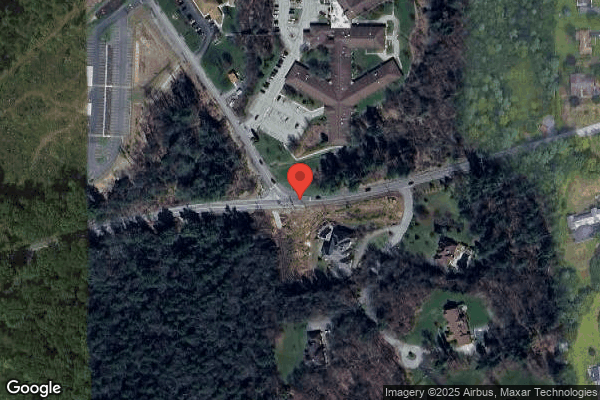

100 WOODMONT ROAD, JOHNSTOWN, PA 15905 (814) 255-1488
For profit - Corporation 120 Beds SABER HEALTHCARE GROUP Data: November 2025 1 Immediate Jeopardy citation
Trust Grade
13/100
#575 of 653 in PA
Last Inspection: December 2024

Within standard 12-15 month inspection cycle. Federal law requires annual inspections.

Overview

Hilltop Heights Health & Rehab Center has received a Trust Grade of F, indicating significant concerns about the facility's quality of care. Ranking #575 out of 653 in Pennsylvania places it in the bottom half of nursing homes in the state, and #6 out of 9 in Cambria County, meaning only two local options are worse. While the facility has shown improvement in the number of health and safety issues, decreasing from 42 in 2024 to 14 in 2025, it still has alarming incidents, including a critical failure to maintain proper infection control, which placed several residents in immediate jeopardy. Staffing is average with a 49% turnover rate, but they have an adequate level of RN coverage, which is important for monitoring resident care. However, the facility's $67,898 in fines is concerning, as it is higher than 86% of Pennsylvania facilities, pointing to ongoing compliance issues. Specific incidents include a resident suffering a second-degree burn from hot beverages due to improper handling and unsanitary conditions in the kitchen, raising serious questions about overall safety and hygiene.

Trust Score
F
13/100
In Pennsylvania
#575/653
Bottom 12%
Safety Record
High Risk
Review needed
Inspections
Getting Better
42 → 14 violations
Staff Stability
⚠ Watch
49% turnover. Above average. Higher turnover means staff may not know residents' routines.
Penalties
○ Average
$67,898 in fines. Higher than 72% of Pennsylvania facilities. Some compliance issues.
Skilled Nurses
○ Average
Each resident gets 36 minutes of Registered Nurse (RN) attention daily — about average for Pennsylvania. RNs are the most trained staff who monitor for health changes.
Violations
⚠ Watch
80 deficiencies on record. Higher than average. Multiple issues found across inspections.
★☆☆☆☆
1.0
Overall Rating
★★★☆☆
3.0
Staff Levels
★★★☆☆
3.0
Care Quality
★☆☆☆☆
1.0
Inspection Score
Stable
2024: 42 issues
2025: 14 issues

The Good

  • Full Sprinkler Coverage · Fire safety systems throughout facility
  • No fines on record

Facility shows strength in fire safety.

The Bad

1-Star Overall Rating

Below Pennsylvania average (3.0)

Significant quality concerns identified by CMS

Staff Turnover: 49%

Near Pennsylvania avg (46%)

Higher turnover may affect care consistency

Federal Fines: $67,898

Well above median ($33,413)

Moderate penalties - review what triggered them

Chain: SABER HEALTHCARE GROUP

Part of a multi-facility chain

Ask about local staffing decisions and management

The Ugly 80 deficiencies on record

1 life-threatening 1 actual harm
Aug 2025 3 deficiencies
CONCERN (D) 📢 Someone Reported This

A family member, employee, or ombudsman was alarmed enough to file a formal complaint

Potential for Harm - no one hurt, but risky conditions existed

Deficiency F0658 (Tag F0658)

Could have caused harm · This affected 1 resident

Based on review of The Pennsylvania Code, Professional and Vocational Standards, State Board of Nursing and clinical records, as well as staff interviews, it was determined that the facility failed to...

Read full inspector narrative →
Based on review of The Pennsylvania Code, Professional and Vocational Standards, State Board of Nursing and clinical records, as well as staff interviews, it was determined that the facility failed to ensure that a registered nurse assessment was completed with a change in condition for one of four residents reviewed (Resident 3). Findings include:The Pennsylvania Code, Title 49, Professional and Vocational Standards, State Board of Nursing, 21.11 (a)(1)(2)(4) indicated that the registered nurse was to collect complete and ongoing data to determine nursing care needs, analyze the health status of individuals and compare the data with the norm when determining nursing care needs, and carry out nursing care actions that promote, maintain and restore the well-being of individuals. A quarterly Minimum Data Set (MDS) assessment (a mandated assessment of a resident's abilities and care needs) for Resident 3, dated June 23, 2025, revealed that the resident was understood, could understand others, had diagnoses that included heart failure (a condition where the heart muscle cannot pump enough blood and oxygen to meet the body's needs), and received Hospice care (specialized medical care for individuals with a terminal illness, focusing on comfort, pain management, and quality of life as they approach the end of life). A care plan for the resident, dated January 12, 2025, revealed that the resident has impaired cardiovascular (refers to the heart and blood vessels) status. Staff was to monitor/ document/report any signs/symptoms of congestive heart failure (occurs when the heart cannot pump enough blood to meet the body's needs, leading to fluid buildup and congestion in various tissues): dependent edema of legs and feet, shortness of breath upon exertion, cool skin, dry cough, distended neck veins, weakness, weight gain unrelated to intake, crackles and wheezes upon auscultation of lungs, weakness and/or fatigue, increased heart rate, lethargy (a state of tiredness, drowsiness, and lack of energy and mental alertness), and disorientation. Resident 3's Medication Administration Record (MAR) for June 2025, revealed that staff administered the resident two 325 milligram (mg) tablets of Tylenol (used to treat minor aches and pains, and reduces fever) on June 22, 2025, at 1:23 a.m. for a temperature of 99.9 degrees Fahrenheit (F), and again on June 23, 2025, at 1:07 a.m. for a temperature of 100.2 degrees F.Nursing notes for Resident 3 completed by the licensed practical nurse, dated June 23, 2025, at 1:15 a.m. revealed that the resident had a moist sounding non-productive cough, moderate nasal congestion, and hoarse voice. The resident denies a sore throat, or shortness of breath. The resident's head of bed elevated. The resident's temperature was 100.2 degrees F and the resident's as needed Tylenol was administered as per orders for elevated temperature. A nursing note completed by the licensed practical nurse at 2:42 a.m. revealed that the resident's temperature was rechecked at this time. The resident's temperature was 100.0 degrees F in her right ear, and 99.9 degrees F in her left ear. The resident's cough, congestion and hoarse voice persists. The resident's head of bed elevated. Cold oral fluids offered and encouraged. A nursing note for Resident 3 completed by the Hospice Registered Nurse, dated June 23, 2025, at 11:00 a.m. revealed that upon her arrival the resident's voice is very hoarse, and when she was asked how she was feeling she stated, Don't even ask. The resident's lungs have crackles throughout all lobes. She has a moist frequent cough with a hoarse voice. Her oxygen saturation (refers to the percentage of hemoglobin in your blood that is carrying oxygen) on room air is 90% (Normal blood oxygen saturation levels are typically between 95% and 100%. Lower levels can indicate a problem with oxygen delivery to the body's tissues) despite deep breathing. Per facility records the resident did have a low-grade temperature overnight. New orders were received from the Hospice physician for the resident to receive a Z-Pak (an antibiotic), and to increase her Lasix (treatment of edema associated with congestive heart failure), and Potassium (a mineral that your body needs to work properly) over the next three days. The facility's registered nurse was given the new orders verbally and in writing.However, there was no documented evidence that the facility's registered nurse performed an assessment of Resident 3 at the time of the change in her condition. Interview with the Director of Nursing on August 11, 2025, at 4:30 p.m. revealed that she could not speak for the registered nurse that was working that night. That if a resident has a change in condition, then a registered nurse should complete an assessment of the resident. 28 Pa. Code 211.12(d)(1)(5) Nursing services.
CONCERN (D) 📢 Someone Reported This

A family member, employee, or ombudsman was alarmed enough to file a formal complaint

Potential for Harm - no one hurt, but risky conditions existed

Deficiency F0804 (Tag F0804)

Could have caused harm · This affected 1 resident

Based on review of policies and Resident Council/Food Committee meeting minutes, as well as observations and interviews with residents and staff, it was determined that the facility failed to serve fo...

Read full inspector narrative →
Based on review of policies and Resident Council/Food Committee meeting minutes, as well as observations and interviews with residents and staff, it was determined that the facility failed to serve food that was palatable and at proper temperatures.Findings include:The facility's policy regarding food and nutritional services, dated October 24, 2024, revealed that food will be served at a palatable temperature.Resident Council/Food Committee meeting minutes, dated June 12, 2025, revealed that residents were asked if meals are served hot. One resident stated that her coffee was not at her desired temperature. One resident stated that their French fries were not hot enough. A concern form was generated. Resident Council/Food Committee meeting minutes, dated July 8, 2025, revealed that residents were asked if meals are served hot. Residents in attendance stated their food was not at their desired temperatures. A concern form was generated. Interview with Resident 2 on August 11, 2025, at 9:15 a.m. revealed that her food is not always at her desired temperature when she receives her meals, and that is even with her eating in the main dining room for her lunch and supper meal.Interview with Resident 1 on August 11, 2025, at 9:29 a.m. revealed that his food is not at his desired temperature when he receives his meals. Interview with Resident 3 on August 11, 2025, at 12:38 p.m. revealed that her food is not always edible.Observations of the lunch meal service in the main kitchen on August 11, 2025, revealed that the [NAME] Hall cart containing the test tray left the main kitchen at 12:19 p.m., arrived on the nursing unit at 12:20 p.m., and the last resident was served at 12:31 p.m. The test tray was tasted at 12:32 p.m. and the Swedish Meatballs/Mashed Potatoes/Gravy Casserole was 131.9 degrees Fahrenheit (F), the Peas were 121.8 degrees F, the coffee was 116.6 degrees F, and the white milk was 48.4 degrees F. The meal was not palatable or at an appetizing temperature. Interview with the Regional Dietitian at the time of observation confirmed that the point of service food temperatures should be higher for the hot foods and colder for the cold foods. 28 Pa. Code 211.6(b) Dietary Services.
CONCERN (E) 📢 Someone Reported This

A family member, employee, or ombudsman was alarmed enough to file a formal complaint

Potential for Harm - no one hurt, but risky conditions existed

Deficiency F0565 (Tag F0565)

Could have caused harm · This affected multiple residents

Based on review of Resident Council/Food Committee meeting minutes, as well as resident, staff interviews and observations, it was determined that the facility failed to make ongoing efforts to resolv...

Read full inspector narrative →
Based on review of Resident Council/Food Committee meeting minutes, as well as resident, staff interviews and observations, it was determined that the facility failed to make ongoing efforts to resolve grievances presented by the Resident Council/Food Committee.Findings include: Resident Council/Food Committee meeting minutes, dated June 12, 2025, revealed that residents were asked if meals are served hot. One resident stated that her coffee was not at her desired temperature. One resident stated that their French fries were not hot enough. A concern form was generated. Resident Council/Food Committee meeting minutes, dated July 8, 2025, revealed that residents were asked if meals are served hot. Residents in attendance stated their food was not at their desired temperatures. A concern form was generated. Interview with Resident 2 on August 11, 2025, at 9:15 a.m. revealed that her food is not always at her desired temperature when she receives her meals, even with her eating in the main dining room for her lunch and supper meal.Interview with Resident 1 on August 11, 2025, at 9:29 a.m. revealed that his food is not at his desired temperature when he receives his meals. Interview with Resident 3 on August 11, 2025, at 12:38 p.m. revealed that her food is not always edible.A test tray was completed during the lunch meal on August 11, 2025, at 12:32 p.m. and the food was not palatable.Refer to F804Interview with the Director of Nursing on August 11, 2025, at 4:30 p.m. confirmed that the Resident Council/Food Committee meeting minutes from June and July 2025, revealed that the residents voiced concerns regarding their food temperatures not being at their desired temperatures when receiving their meals.
Jun 2025 3 deficiencies
CONCERN (D) 📢 Someone Reported This

A family member, employee, or ombudsman was alarmed enough to file a formal complaint

Potential for Harm - no one hurt, but risky conditions existed

Deficiency F0810 (Tag F0810)

Could have caused harm · This affected 1 resident

Based on review of facility policies, and clinical records, as well as observations, and staff interviews, it was determined that the facility failed to ensure that staff provided assistive devices to...

Read full inspector narrative →
Based on review of facility policies, and clinical records, as well as observations, and staff interviews, it was determined that the facility failed to ensure that staff provided assistive devices to drink in accordance with the speech therapist's recommendations and/or physician's orders for one of nine residents reviewed (Resident 8). Findings include: The facility's policy regarding adaptive equipment, dated October 24, 2024, revealed that adaptive equipment to meet the residents needs shall be determined by the therapist and be issued with a provider order (where required or needed). The primary therapist will disseminate the type of equipment and its function to other disciplines during team conference as necessary to increase carry over with proper use. An annual Minimum Data Set (MDS) assessment (a mandated assessment of a resident's abilities and care needs) for Resident 8, dated May 9, 2025, revealed that the resident was understood, could understand others, had diagnoses that included hemiplegia (paralysis to one side of the body) following a stroke, and was on a mechanically altered diet that required a change in the texture of his food or liquids. The current care plan revealed that Resident 8 has an increased nutrition/hydration risk, and staff were to provide the resident adaptive equipment as needed/ordered: two handled spout cup (this great cup has two large handles that make it easier for users to get a more secure grasp on the cup and it has a large base to provide added stability and reduce the likelihood of tipping the cup over), maroon spoon (used to assist individuals with disabilities or conditions that make eating with a regular spoon difficult), inner lip plate (plate that reduces food spillage), and scoop bowl (bowl that allows easier access to food). Physician's orders for Resident 8, dated July 17, 2023, included an order for the resident to have a two-handled spout cup, maroon spoon, inner lip plate, and scoop bowl. A speech therapist's note for Resident 8, dated June 22, 2023, revealed that all liquids were to be consumed via a spout cup, and the resident was not to have any straws. A speech therapist's note for Resident 8, dated September 27, 2023, revealed that resident had orders for a maroon spoon and two-handled spout cup (on meal trays and at bedside) to help control bolus sizes and rate of consumption. A speech therapist's note for Resident 8, dated June 10, 2025, revealed that the resident was to continue to utilize the ordered two-handled spout cup (at meals and at bedside), inner lip plate, maroon spoon, and orders to be written for NO straws. Observations of Resident 8 during the lunch meal on June 9, 2025, at 12:05 p.m. revealed that the resident was sitting up in bed and Nurse Aide 1 assisted the resident with setting up his lunch tray. The resident had a large Styrofoam cup with a lid and straw sitting on his over-the-bed table. There was one two-handled spout cup along with a two-handled cup that had a sippy lid and a straw. The resident's meal ticket, dated June 9, 2025, indicated that the resident was not to have any straws and was to have two spout cups. Interview with Nurse Aide 1 on June 9, 2025, at 12:35 p.m. confirmed that Resident 8 only had one two-handled cup with a spout lid and that the other cup was a two-handled cup with a sippy lid and straw, which was not in accordance with the resident's meal ticket. Observations of Resident 8 on June 9, 2025, at 3:39 p.m. revealed that the resident was in bed and had a Styrofoam cup with lid and straw on his over-the-bed table. Interview with Licensed Practical Nurse 2 on June 9, 2025, at 3:47 p.m. confirmed that Resident 8 had a Styrofoam cup with a lid and straw on his over-the-bed table. She indicated that she was not sure if the resident should have the Styrofoam cup with a lid and straw or if he should have a two-handled cup with a spout lid. Interview with the Speech Therapist on June 10, 2025, at 10:21 a.m. confirmed that Resident 8 was to have two cups with spouted lids and no straws on his lunch tray, and that he should have a two-handled cup with a spout lid at the bedside instead of the Styrofoam cup with a lid and straw. She indicated that when she discharged him from her services on June 22, 2023, she wanted him to have a two-handled cup with a spout lid and no straws and that after her evaluation on June 10, 2025, she wanted him to continue with a two-handled cup with a spout lid and no straws, because he exhibits impulsive behaviors, which increases his risk for aspiration (the inhalation of foreign material, such as food, liquid, or vomit, into the lungs or airways). 28 Pa. Code 211.12(d)(3)(5) Nursing Services.
CONCERN (D) 📢 Someone Reported This

A family member, employee, or ombudsman was alarmed enough to file a formal complaint

Potential for Harm - no one hurt, but risky conditions existed

Medical Records (Tag F0842)

Could have caused harm · This affected 1 resident

Based on clinical record reviews and staff interviews, it was determined that the facility failed to ensure that residents' clinical records were complete and accurately documented for two of nine res...

Read full inspector narrative →
Based on clinical record reviews and staff interviews, it was determined that the facility failed to ensure that residents' clinical records were complete and accurately documented for two of nine residents reviewed (Residents 2, 9). Findings include: A quarterly Minimum Data Set (MDS) assessment (a mandated assessment of a resident's abilities and care needs) for Resident 2, dated May 7, 2025, indicated that the resident was cognitively intact and required supervision with showering/bathing herself. A care plan, dated April 14, 2025, revealed that the resident was to be showered twice a week, refused showers at times, and staff were to honor her wishes. The facility's current shower schedule indicated that Resident 2 was to receive a shower/bath on Tuesdays and Saturdays. The resident's bathing records for April and May 2025 revealed that there was no documented evidence that staff provided a shower/bath to the resident or that she refused a shower/bath on Tuesday, April 22 and Fridays, April 26 and May 24, 2025. Interview with Resident 2 on June 9, 2025, at 12:00 p.m. revealed that she was receiving her showers/baths. A quarterly MDS assessment for Resident 9, dated May 22, 2025, indicated that the resident was moderately cognitively impaired and was independent with showering/bathing himself. A care plan, dated April 16, 2025, revealed that the resident was to be showered per the shower schedule and refused care at times. The facility's current shower schedule indicated that Resident 9 was to receive a shower/bath on Thursdays. The resident's bathing records for May 2025 revealed no documented evidence that staff provided a shower/bath to the resident or that he refused a shower/bath during the weeks of May 11 and 18, 2025. Interview with Resident 9 on June 9, 2025, at 12:00 p.m. revealed that her bath or shower preferences were honored and she does get showers or baths when she wants them. Interview with the Director of Nursing on June 9, 2025, at 4:20 p.m. confirmed that showers and/or baths were provided to Residents 2 and 9 per their preferences, but they were not documented for the dates listed above. 28 Pa. Code 211.12(d)(5) Nursing Services.
CONCERN (E) 📢 Someone Reported This

A family member, employee, or ombudsman was alarmed enough to file a formal complaint

Potential for Harm - no one hurt, but risky conditions existed

Deficiency F0694 (Tag F0694)

Could have caused harm · This affected multiple residents

Based on review of facility policies and clinical records, as well as staff interviews, it was determined that the facility failed to ensure that physician's orders were followed for peripherally-inse...

Read full inspector narrative →
Based on review of facility policies and clinical records, as well as staff interviews, it was determined that the facility failed to ensure that physician's orders were followed for peripherally-inserted central catheter catheters (PICC-long, thin tube inserted into a vein to deliver fluids or medication) for one of nine residents reviewed (Residents 3). Findings include: The facility's policy for Infusion Maintenance, dated October 24, 2024, indicated that staff were to measure the external catheter length of PICC catheters on admission, with each dressing change, and as needed. An annual minimum data set (MDS) assessment (mandated to assess the resident abilities and care needs) for Resident 3, dated May 13, 2025, revealed that the resident was cognitively intact, required assistance for personal care needs, received intravenous medication, and had diagnoses that included septicemia (a blood infection). Physician's orders for Resident 3, dated April 18, 2025, included orders for the resident's PICC line dressing and securement device to be changed once a day on Tuesdays and as needed. Physician's orders, dated April 18, 2025, included orders for staff to measure the catheter length with each dressing change and as needed, adding the length measurements to order notes, and to notify the physician if the catheter length has changed since the last measurement. Review of the Medication Administration Record (MAR) for Resident 3, dated May 2025, indicated that the resident had a PICC line dressing change on May 6, 13, 17, 20, 25, and 27. There was no documented evidence that the PICC line was measured at the time of the dressing change as ordered by the physician. Interview with the Director of Nursing on June 6, 2025, at 4:20 p.m. confirmed that there was no documented evidence that the PICC line was measured during dressing changes per policy and as ordered by the physician. 28 Pa. Code 211.12(d)(1)(5) Nursing Services.
May 2025 5 deficiencies
CONCERN (D) 📢 Someone Reported This

A family member, employee, or ombudsman was alarmed enough to file a formal complaint

Potential for Harm - no one hurt, but risky conditions existed

Notification of Changes (Tag F0580)

Could have caused harm · This affected 1 resident

Based on a review of facility policies and clinical records, as well as staff interviews, it was determined that the facility failed to ensure that the resident's representative was notified about a c...

Read full inspector narrative →
Based on a review of facility policies and clinical records, as well as staff interviews, it was determined that the facility failed to ensure that the resident's representative was notified about a change in condition for one of eight residents reviewed (Resident 1). This was cited as past non-compliance. Findings include: The facility's policy for a resident's change in condition, dated October 24, 2025, indicated that the physician/provider and family/responsible party will be notified as soon as the nurse has identified the change in condition and the resident is stable. An admission Minimum Data Set (MDS) assessment (a mandated assessment of a resident's abilities and care needs) for Resident 1, dated April 1, 2025, revealed that the resident was cognitively intact, required assistance from staff for daily care needs, had one deep tissue injury (a type of pressure ulcer where damage occurs beneath the skin's surface) on admission, and had diagnoses that included a pelvic fracture. A nursing note for Resident 1, dated April 9, 2024, at 7:47 a.m., revealed that new orders were received for isolation precautions due to the resident testing positive for Covid. A nurse's note for Resident 1, dated April 11, 2025, at 8:52 a.m. revealed that the resident's emergency contact person was made aware that Resident 1 was Covid positive, (two days after diagnoses). Interview with the Director of Nursing on May 13, 2024, at 12:26 p.m. confirmed that Resident 1's family was not notified of the resident's positive Covid diagnosis until two days after diagnosis, and they should have been notified as soon as possible according to the facility's policy. Following identification that residents' family or responsible party were not being informed of changes in condition timely, the facility's corrective actions included: A baseline phone call was placed to responsible parties of all residents to update their status and ask if there were any concerns. Education was provided to licensed staff regarding notification of responsible party and physicians. Audits were completed for two weeks to identify residents that required family/responsible party notification and will continue twice weekly for a total of four weeks then monthly. The findings will be reviewed with the quality assurance performance improvement committee. A review of the facility's corrective actions revealed that they were in compliance with F580 on May 1, 2025. 28 Pa. Code 211.12(d)(3)(5) Nursing Services.
CONCERN (D) 📢 Someone Reported This

A family member, employee, or ombudsman was alarmed enough to file a formal complaint

Potential for Harm - no one hurt, but risky conditions existed

Deficiency F0657 (Tag F0657)

Could have caused harm · This affected 1 resident

Based on review of clinical records and observations, as well as resident and staff interviews, it was determined that the facility failed to ensure that care plans were updated to reflect changes in ...

Read full inspector narrative →
Based on review of clinical records and observations, as well as resident and staff interviews, it was determined that the facility failed to ensure that care plans were updated to reflect changes in care needs for one of eight residents reviewed (Resident 2). Findings include: A quarterly Minimum Data Set (MDS) assessment (a mandated assessment of a resident's abilities and care needs) for Resident 2, dated April 6, 2024, revealed that the resident was cognitively intact and was dependent on staff for care needs. Review of Resident 2's smoking care plan, dated February 2, 2025, indicated that the resident was non-compliant with the facility's non-smoking policy and was able to go outside with one staff member; however, a smoking safety assessment for Resident 2, dated July 11, 2024, revealed that the resident was safe to smoke independently and did not require staff assistance. Interview with Resident 2 on May 12, 2025, at 11:50 a.m. revealed that he has always gone outside to smoke by himself and has never required a staff member. Interview with the Director of Nursing and Nursing Home Administrator on May 13, 2025, at 9:36 a.m. confirmed that Resident 2's care plan did not reflect that the resident was able to go outside to smoke by himself but should have. 28 Pa. Code 211.12(d)(5) Nursing Services.
CONCERN (E) 📢 Someone Reported This

A family member, employee, or ombudsman was alarmed enough to file a formal complaint

Potential for Harm - no one hurt, but risky conditions existed

Deficiency F0658 (Tag F0658)

Could have caused harm · This affected multiple residents

Based on review of Pennsylvania's Nursing Practice Act and clinical records, as well as staff interviews, it was determined that the facility failed to clarify a provider's order for treatments for on...

Read full inspector narrative →
Based on review of Pennsylvania's Nursing Practice Act and clinical records, as well as staff interviews, it was determined that the facility failed to clarify a provider's order for treatments for one of eight residents reviewed (Resident 1). Findings include: The Pennsylvania Code, Title 49, Professional and Vocational Standards, State Board of Nursing, 21.11 (a)(1)(2)(4) indicated that the registered nurse was to collect complete and ongoing data to determine nursing care needs, analyze the health status of individuals and compare the data with the norm when determining nursing care needs, and carry out nursing care actions that promote, maintain and restore the well-being of individuals. An admission Minimum Data Set (MDS) assessment (a mandated assessment of a resident's abilities and care needs) for Resident 1, dated April 1, 2025, revealed that the resident was cognitively intact, required assistance from staff for daily care needs, had one deep tissue injury (a type of injury caused by pressure where damage occurs beneath the skin's surface) on admission, and had diagnoses that included a pelvic fracture. Physician's orders for Resident 1 dated April 1, 2025, included an order for staff to cleanse the right gluteus (buttocks area) wound with wound cleaner, apply skin prep to surrounding tissue, apply Hydrogel (dressing designed to provide a moist wound environment to promote healing) to the base of the wound and secure that with bordered foam (an absorbent wound dressing). Physician's orders for Resident 1, dated April 21, 2025, included orders for staff to cleanse the right gluteus wound with wound cleaner, apply skin prep to surrounding tissue, then lightly fill the wound cavity with acetic acid (0.25 percent) (used to treat or prevent wound infections) moist gauze to the base of the wound and secure that with dry gauze/tape twice a day and as needed A wound consultant note for Resident 1, dated April 15, 2025, indicated that the Certified Registered Nurse Practitioner recommended that staff cleanse the right gluteus wound with wound cleaner, apply skin prep to surrounding tissue, then lightly fill the wound cavity with acetic acid (0.25 percent) moist gauze to the base of the wound and secure that with dry gauze/tape twice a day and as needed. Review of the Treatment Administration Record for Resident 1, dated April 2025, revealed no documented evidence that the treatment to the resident's right gluteus was completed according to the wound care consultant's recommendations from April 15 through April 20, 2025. Interview with the Director of Nursing on May 13, 2025, at 12:26 p.m. revealed that there was no documented evidence that the physician was made aware of the April 15, 2025, wound consult recommendations until April 21, 2025. 28 Pa. Code 211.12(d)(1)(3)(5) Nursing Services.
CONCERN (E) 📢 Someone Reported This

A family member, employee, or ombudsman was alarmed enough to file a formal complaint

Potential for Harm - no one hurt, but risky conditions existed

Room Equipment (Tag F0908)

Could have caused harm · This affected multiple residents

Based on observations and staff interviews, it was determined that the facility failed to ensure that essential equipment was in safe operating condition in the facility's kitchen. Findings include: ...

Read full inspector narrative →
Based on observations and staff interviews, it was determined that the facility failed to ensure that essential equipment was in safe operating condition in the facility's kitchen. Findings include: Observations in the facility's kitchen on May 12, 2025, at 9:30 a.m. revealed an accumulation of water on the floor near the dishwasher because the garbage disposal under the commercial dishwasher was broken. A note on the upright hot box read unplug, won't shut off. A note on the steamer read awaiting parts. One of three steam tables was not functioning. A small upright cooler had water pooling inside of it, and the long sink in the dishwashing area had water leaking from two faucets. Interview with the Dietician on May 12, 2025, at 10:50 a.m. confirmed that the garbage disposal under the commercial dishwasher was not functioning, the hot box would not shut off and had to be unplugged to turn it off, the steamer had not been working since it was installed because it was installed with missing parts, one steam table was not working, the small upright cooler had water accumulating in it, and the faucets on the long sink in the dishwashing area were leaking. Interview with the Maintenance Director on May 13, 2025, at 9:45 a.m. revealed that the garbage disposal was cracked, causing water to accumulate on the floor. The steamer was installed with missing parts and has not worked since it was installed. He was unable to repair one steam table and it needs replaced. The small upright cooler should not be accumulating water inside it. The faucets in the long sink in the dishwashing area were leaking into the sink. 28 Pa. Code 201.18(b)(3) Administrator's Responsibility.
CONCERN (F) 📢 Someone Reported This

A family member, employee, or ombudsman was alarmed enough to file a formal complaint

Potential for Harm - no one hurt, but risky conditions existed

Food Safety (Tag F0812)

Could have caused harm · This affected most or all residents

Based on observations and staff interviews, it was determined that the facility failed to ensure that food was served under sanitary conditions in accordance with professional standards for food servi...

Read full inspector narrative →
Based on observations and staff interviews, it was determined that the facility failed to ensure that food was served under sanitary conditions in accordance with professional standards for food service safety. Findings include: Observations in the facility's kitchen area on May 12, 2025, at 9:30 a.m. revealed a garbage can near the employee sink that was overflowing with garbage and a brown, removable substance streaked across the floor beside that garbage can. A garbage can near the dietary department entrance in the hallway was overflowing with garbage and an individual-sized syrup container was opened and spilled on the floor near a nonfunctioning upright cooler in the same area. A dirty glove was observed on the floor near two garbage cans in the cooking prep area. The dishwashing area of the dietary department had an unpleasant, musty odor and there were approximately eight broken floor tiles observed. Water was pooling under the broken floor tiles and a significant amount of water accumulated on the floor under the dishwasher, spreading to the back wall under a long sink, traveling to the food cart storage area. The grout lines of the tiles on the floor were observed to have a thick, removable, dark gray substance in them. The milk cooler did not have a thermometer in it to check for safe temperature for milk storage. An upright cooler containing trays that held thickened liquids for the tray line did not have a thermometer in it, the thickened liquids in the cooler were not dated, and water was observed pooling on the trays and on the bottom of the cooler. Observations of the dry storage area revealed an accumulation of black dirt on the floor where the floor and wall meet. Observations in the back of the walk-in freezer revealed water dripping from the ceiling onto a box containing meatballs, a box containing buns, and a box containing rolls, and there was an accumulation of ice on the floor beside those boxes. Observations of the walk-in cooler revealed that water was dripping from the ceiling mid-way into the cooler and dripping/pooling onto a movable cart and a box of beef patties, and the shelving on left side of cooler had observable discolored dirt/debris on it. Observations made on May 13, 2025, at 9:30 a.m. revealed approximately eighteen cups of nectar thick liquids and approximately thirteen cups of honey thickened liquids in the small upright cooler were not dated. Interview with the dietician on May 12, 2025, at the time of the observations at 9:30 a.m. revealed that dietary staff were responsible for the cleanliness of the kitchen area, and they were to sign a paper that was hanging on the wall when cleaning tasks were completed; however, there was no evidence that cleaning tasks were being completed as scheduled. The dietician confirmed that the dishwashing area had an unpleasant odor and an accumulation of water was observed on the floor, that the tile grout on the floor had an accumulation of a dark gray, removable substance. The dietician confirmed that the dry storage area had dirt on the floor near the wall, the walk-in cooler and freezer should not have had water dripping onto food items, the shelving in the walk-in freezer was dirty, the milk cooler should have had a thermometer in it, and the small upright cooler had water pooling in it and the thickened liquids were not dated and should have been. The dietician confirmed that garbage cans were overflowing, and that kitchen had a general appearance of being unclean. Interview with the Dietary Manager on May 13, 2025, at 9:30 a.m. revealed that the thickened liquids in the upright cooler should have been dated and were not. Interview with the Maintenance Director on May 13, 2025, at 9:45 a.m. revealed that the garbage disposal was cracked, causing water to accumulate on the floor and the tile grout, that there were broken tiles on the floor, and the unpleasant odor was a result of the accumulating water. 28 Pa. Code 211.6(f) Dietary Services.
Mar 2025 3 deficiencies
CONCERN (D) 📢 Someone Reported This

A family member, employee, or ombudsman was alarmed enough to file a formal complaint

Potential for Harm - no one hurt, but risky conditions existed

Deficiency F0553 (Tag F0553)

Could have caused harm · This affected 1 resident

Based on review of clinical records, as well as staff interviews, it was determined that the facility failed to ensure that the resident and/or the resident's responsible party was given the opportuni...

Read full inspector narrative →
Based on review of clinical records, as well as staff interviews, it was determined that the facility failed to ensure that the resident and/or the resident's responsible party was given the opportunity to participate timely in the development and implementation of a person-centered care plan for one of six residents reviewed (Resident 2). Findings include: A significant change in status Minimum Data Set (MDS) assessment (a mandated assessment of a resident's care needs and abilities) for Resident 2, dated December 23, 2024, revealed that the resident was understood, could understand others, and required staff assistance for her Activities of Daily Living (ADL's). Information provided by the facility revealed that the facility conducted a care plan conference with Resident 2 on October 25, 2024. Interview with the Social Worker and the Registered Nurse Assessment Coordinator (RNAC - registered nurse in charge of the MDS assessments) on March 24, 2025, at 7:15 p.m. revealed that care plan conferences are held quarterly with the residents and resident's responsible party. They indicated that they send out invitations to the resident's responsible party to attend the care plan conferences, and if the family does not attend they would reach out to the resident's responsible party to discuss the resident's care needs. However, as of March 25, 2025, there was no documented evidence that the facility conducted a care plan conference with the resident and/or the resident's responsible party in January 2025. Interview with the Director of Nursing on March 25, 2025, at 3:45 p.m. confirmed that there was no documented evidence that the facility conducted a care plan conference with the resident and/or the resident's responsible party in January 2025.
CONCERN (D) 📢 Someone Reported This

A family member, employee, or ombudsman was alarmed enough to file a formal complaint

Potential for Harm - no one hurt, but risky conditions existed

Deficiency F0657 (Tag F0657)

Could have caused harm · This affected 1 resident

Based on review of facility policies and clinical records, as well as observations and staff interviews, it was determined that the facility failed to ensure that a resident's care plan was updated/re...

Read full inspector narrative →
Based on review of facility policies and clinical records, as well as observations and staff interviews, it was determined that the facility failed to ensure that a resident's care plan was updated/revised to reflect the resident's specific care needs for two of six residents reviewed (Residents 1, 2). Findings include: The facility's policy regarding care plans, dated October 24, 2024, indicated that the care plan is reviewed on an ongoing basis and revised as indicated by the resident's needs, wishes, or a change in condition. A quarterly Minimum Data Set (MDS) assessment (a mandated assessment of a resident's care needs and abilities) for Resident 1, dated March 5, 2025, revealed that the resident was cognitively intact, was at risk for pressure sore development, and had a pressure-relieving device on his bed. The resident's current care plan indicated that the resident was to have an alternating pressure-relief mattress (air mattress that redistributes weight and improves circulation). Observations of Resident 1 on March 24, 2025, at 7:48 p.m. revealed that Resident 1 did not have an alternating air mattress in place. Interview with the Director of Nursing on March 24, 2025, at 8:30 p.m. confirmed that Resident 1 did not have an alternating air mattress in place and his care plan needed updated. A significant change in status MDS assessment for Resident 2, dated December 23, 2024, revealed that the resident was understood, could understand others, and required staff assistance for her Activities of Daily Living (ADL's). The resident's current care plan indicated that the resident's preference was to receive a shower two times per week. A nursing note for Resident 2, dated January 29, 2025, revealed that the resident refused her shower today, and that she gets showered on Mondays per her request. However, as of March 25, 2025, there was no documented evidence that Resident 2's care plan was updated/revised to reflect her current preference of receiving her showers one time a week. Interview with the Director of Nursing on March 25, 2025, at 3:42 p.m. confirmed that there was no documented evidence that Resident 2's care plan was updated/revised to reflect her current preference of receiving her showers one time a week. 28 Pa. Code 211.12(d)(5) Nursing Services.
CONCERN (E) 📢 Someone Reported This

A family member, employee, or ombudsman was alarmed enough to file a formal complaint

Potential for Harm - no one hurt, but risky conditions existed

ADL Care (Tag F0677)

Could have caused harm · This affected multiple residents

Based on review of policies and clinical records, as well as staff interviews, it was determined that the facility failed to ensure that residents were provided with the services necessary to maintain...

Read full inspector narrative →
Based on review of policies and clinical records, as well as staff interviews, it was determined that the facility failed to ensure that residents were provided with the services necessary to maintain good oral hygiene at bedtime for three of six residents reviewed (Residents 2, 5, 6). Findings include: The facility's policy regarding evening care, dated October 24, 2024, revealed that nursing staff would offer evening care to residents to promote personal hygiene, comfort, relaxation, and safety. Staff were to assemble oral care supplies and assist residents with oral care. A list of residents with dentures provided by the facility included Resident's 2, 5, and 6. A significant change in status Minimum Data Set (MDS) assessment (a mandated assessment of a resident's care needs and abilities) for Resident 2, dated December 23, 2024, revealed that the resident was understood, could understand others, and required staff assistance for set-up with oral care. The resident's care plan, dated January 9, 2025, revealed that the resident was to receive Activities of Daily Living (ADL's) on the day, evening, and night shift. Resident 2's oral/denture care documentation for February and March 2025 revealed that there was no documented evidence that oral/denture care was provided at bedtime on February 27 and 28, 2025, and March 1, 2, 6, 7, 9, 12, 15, 18, 20, 21, 22, and 23, 2025. There was no documented evidence regarding why oral/denture care was not provided at bedtime. An admission and quarterly MDS assessment for Resident 5, dated June 4, 2024, and January 31, 2025, revealed that the resident was able to understand and be understood, was cognitively intact, had no natural teeth, and required staff assistance for set-up with oral care. The resident's care plan, dated January 9, 2025, revealed that the resident was to receive ADL's on the day, evening, and night shift. Resident 5's oral/denture care documentation for February and March 2025 revealed that there was no documented evidence that oral/denture care was provided at bedtime on February 27, 28, and March 1, 4, 7-10, 12, 13, 15-21, 23, 24, and 25, 2025. There was no documented evidence regarding why oral/denture care was not provided at bedtime. A quarterly MDS assessment for Resident 6, dated January 12, 2025, revealed that the resident was cognitively impaired, had no natural teeth, and was dependent on staff for oral care. Resident 6's oral/denture care documentation for March 2025 revealed that there was no documented evidence that oral/denture care was provided at bedtime on March 1-3, 6, 7, 9, 10, 14-16, 20, and 22-24, 2025. There was no documented evidence regarding why oral/denture care was not provided at bedtime. Interview with the Director of Nursing on March 26, 2025, at 2:15 p.m. confirmed that there was no documented evidence that staff provided oral care at bedtime for Residents 2, 5, and 6. 28 Pa. Code 211.12(d)(1)(3)(5) Nursing services.
Dec 2024 24 deficiencies
CONCERN (D)

Potential for Harm - no one hurt, but risky conditions existed

Resident Rights (Tag F0550)

Could have caused harm · This affected 1 resident

**NOTE- TERMS IN BRACKETS HAVE BEEN EDITED TO PROTECT CONFIDENTIALITY** Based on clinical record reviews, observations, and staff interviews, it was determined that the facility failed to maintain the...

Read full inspector narrative →
**NOTE- TERMS IN BRACKETS HAVE BEEN EDITED TO PROTECT CONFIDENTIALITY** Based on clinical record reviews, observations, and staff interviews, it was determined that the facility failed to maintain the dignity of one of 79 residents reviewed (Resident 97). Findings include: Resident 97 was admitted to the facility on [DATE], and the admission Minimum Data Set (MDS) assessment (a mandated assessment of a resident's abilities and care needs) was not completed as of December 9, 2024. An admission nursing note for Resident 97, dated November 26, 2024, revealed that the resident was cognitively intact, required assistance from staff for daily care needs, had a diagnosis of chronic ureteropelvic junction obstruction (a blockage causing loss of kidney function), and had a nephrostomy tube (a small tube inserted into the kidney through the skin in the lower back to drain urine into a drainage bag). Observations of Resident 97 on December 9, 2024, at 11:05 a.m. revealed that the resident was being assisted with ambulation to the therapy department by Therapy Assistant 1. While assisting Resident 97, Therapy Assistant 1 was holding on to the back of the resident's gown while the back of his brief, his legs, and drainage bag were exposed and visible. Interview with Director of Therapy on December 9, 2024, at 2:18 p.m. confirmed that Resident 97 should be wearing a form of clothing to maintain dignity while being assisted with ambulation to the therapy department. Interview with the Director of Nursing on December 9, 2024, at 2:30 p.m. confirmed that Resident 97 should have had clothing on that covered him to maintain his dignity. 28 Pa. Code 201.29(c) Resident Rights.
CONCERN (D) 📢 Someone Reported This

A family member, employee, or ombudsman was alarmed enough to file a formal complaint

Potential for Harm - no one hurt, but risky conditions existed

Investigate Abuse (Tag F0610)

Could have caused harm · This affected 1 resident

Based on review of policies and clinical records, as well as staff interviews, it was determined that the facility failed to complete a thorough investigation of a fall to rule out neglect and/or abus...

Read full inspector narrative →
Based on review of policies and clinical records, as well as staff interviews, it was determined that the facility failed to complete a thorough investigation of a fall to rule out neglect and/or abuse for one of 79 residents reviewed (Resident 39). Findings include: The facility's policy for protection from abuse, neglect, or exploitation, dated October 24, 2024, indicated that the facility will report all alleged violations involving abuse, neglect, exploitation or mistreatment, including injuries of unknown source, and misappropriation of resident property, following federal and state regulations. There was to be immediate notification, but no later than two hours, to the facility's administrator, the Department of Health - Division of Nursing Care Facilities, Area Agency on Aging, and Protective Services if the events that caused the allegation involved abuse or resulted in serious bodily injury, and notification within 24 hours if the events that caused the allegation did not involve abuse and did not result in serious bodily injury. A facility policy for fall management, dated October 24, 2024, indicated that a fall is defined as unintentionally coming to rest on the ground, floor, or other lower level but not as a result of an overwhelming force. Falls will be reviewed by an interdisciplinary team and any new interventions identified will be implemented and the care plan updated as necessary. A quarterly Minimum Data Set (MDS) assessment (a mandated assessment of a resident's abilities and care needs) for Resident 39, dated September 17, 2024, revealed that the resident was understood and able to understand others, was dependent on staff for chair/bed-to-chair transfers, and had diagnoses that included flaccid hemiplegia affecting his left dominant side (condition where a person has a complete lack of voluntary movement in one side of their body). A nurse's note for Resident 39, dated December 5, 2024, at 4:41 a.m., revealed that at 7:45 p.m. the resident was observed on the floor in his room between his bed and the window wall. There was no documented evidence that an investigation was initiated at the time of the fall to rule out abuse or neglect as a cause. Interview with the Director of Nursing on December 12, 2024, at 8:57 a.m. confirmed that she was unable to find an incident report or investigation for Resident 39's fall that occurred on December 5, 2024. 28 Pa. Code 201.18(e)(1) Management. 28 Pa. Code 211.10(d) Resident Care Policies. 28 Pa. Code 211.12(d)(5) Nursing Services.
CONCERN (D)

Potential for Harm - no one hurt, but risky conditions existed

Assessment Accuracy (Tag F0641)

Could have caused harm · This affected 1 resident

Based on review of the Resident Assessment Instrument User's Manual and clinical records, as well as staff interviews, it was determined that the facility failed to complete accurate Minimum Data Set ...

Read full inspector narrative →
Based on review of the Resident Assessment Instrument User's Manual and clinical records, as well as staff interviews, it was determined that the facility failed to complete accurate Minimum Data Set assessments for five of 79 residents reviewed (Residents 7, 33, 39, 49, 88). Findings include: The Long-Term Care Facility Resident Assessment Instrument (RAI) User's Manual, which provides guidance and instructions for the completion of Minimum Data Set (MDS) assessments (mandated assessments of a resident's abilities and care needs), dated October 2023, indicated that Section J0100B was to be checked yes if the resident was administered any as needed pain medications during the seven-day assessment period. An annual MDS assessment for Resident 7, dated November 7, 2024, indicated that the resident did not receive as needed pain medication during the seven-day assessment period. Physician's orders for Resident 7, dated September 17, 2024, included an order for the resident to receive 0.5 milliliters (ml) of morphine concentrate every two hours as needed for pain or respiratory distress. Review of the Medication Administration Record (MAR) for Resident 7, dated November 2024, revealed that the resident was administered 0.5 ml of morphine concentrate on November 1 at 1:20 p.m. for pain, November 5 at 5:33 a.m. for pain, and on November 6 at 4:01 p.m. for pain. The RAI User's Manual, dated October 2024, revealed that the intent of Section C0100 was to determine if a Brief Interview for Mental Status (BIMS) should be conducted and the intent of Section D0100 was to determine if a mood interview should be conducted. Both assessments should be conducted unless the resident is rarely or never understood. A quarterly MDS for Resident 33, dated October 10, 2024, indicated that the resident was able to make herself understood, had the ability to understand others, and that a BIMS and a mood interview should be conducted; however, a BIMS and mood interview were not completed on the MDS assessment. A quarterly MDS for Resident 39, dated September 17, 2024, indicated that the resident was able to make himself understood, had the ability to understand others, and that a BIMS and a mood interview should be conducted; however, a BIMS and mood interview were not completed on the MDS assessment. A quarterly MDS for Resident 49, dated October 12, 2024, indicated that the resident was usually able to make herself understood, sometimes had the ability to understand others, and that a BIMS and a mood interview should be conducted; however, a BIMS and mood interview were not completed on the MDS assessment. Interview with the Director of Nursing on December 12, 2024, at 11:06 a.m. confirmed that the above-mentioned MDS assessments were coded incorrectly. The Long-Term Care Facility Resident Assessment Instrument (RAI) User's Manual, which provides guidance and instructions for the completion of Minimum Data Set (MDS) assessments (mandated assessments of a resident's abilities and care needs), dated October 2023, indicated that Section A2105 discharge status: The resident's discharge was to be coded the two-digit code that corresponds to the resident's discharge status. A discharge MDS for Resident 88, dated September 13, 2024, indicated that section A2105 was coded 04 short-term general hospital; however, a nursing note for Resident 88, dated September 13, 2024, indicated that resident was discharged home by transport service. All of his medication and belonging were sent with his mother. Interview with the Director of Nursing on December 12, 2024, at 1:35 p.m. confirmed that Resident 88 was discharged home with home health services and not to the hospital. 28 Pa. Code 211.5(f) Clinical Records.
CONCERN (D)

Potential for Harm - no one hurt, but risky conditions existed

Comprehensive Care Plan (Tag F0656)

Could have caused harm · This affected 1 resident

Based on clinical record reviews, as well as resident and staff interviews, it was determined that the facility failed to develop comprehensive care plans that included specific and individualized pre...

Read full inspector narrative →
Based on clinical record reviews, as well as resident and staff interviews, it was determined that the facility failed to develop comprehensive care plans that included specific and individualized preferences regarding Post Traumatic Stress Disorder (PTSD), Parkinson's Disease, or dementia for two of 79 residents reviewed (Residents 62, 68). Findings include: An admission Minimum Data Set (MDS) assessment (a mandated assessment of a resident's abilities and care needs) for Resident 62, dated August 7, 2024, revealed that the resident was cognitively intact, required assistance from staff for daily care needs, and had diagnosis that included Parkinson's disease. Discharge instructions for Resident 62, dated September 2, 2024, revealed that the resident was diagnosed with vascular dementia. Physician's orders for Resident 62, dated September 2, 2024, included an order for the resident to receive 25-250 milligrams (mg) carbidopa-levodopa three times per day (used to treat Parkinson's disease) and 5 mg donepezil nightly (for dementia). There was no evidence that Resident 62 had a care plan developed to address the care and treatment needs associated with his Parkinson's disease or his dementia. A comprehensive MDS assessment for Resident 68, dated November 2, 2024, revealed that the resident was cognitively intact, required assistance from staff for daily care needs, and had diagnosis that included PTSD. admission assessment for Resident 68, dated November 1, 2023, revealed that the resident suffered from PTSD and had identified triggers. As of December 12, 2024, there was no care plan developed that identified Resident 68's PTSD or his triggers. An interview with the Director of Nursing on December 12, 2024, at 9:35 a.m. confirmed that there was no care plan developed regarding Resident 62's Parkinson's disease or dementia, or Resident 68's PTSD, and there should have been. 28 Pa. Code 201.24(e)(4) admission Policy.
CONCERN (D)

Potential for Harm - no one hurt, but risky conditions existed

Deficiency F0657 (Tag F0657)

Could have caused harm · This affected 1 resident

Based on review of facility policies and clinical records, as well as staff interviews, it was determined that the facility failed to ensure that a resident's care plan was updated/revised to reflect ...

Read full inspector narrative →
Based on review of facility policies and clinical records, as well as staff interviews, it was determined that the facility failed to ensure that a resident's care plan was updated/revised to reflect the resident's specific care needs for three of 79 residents reviewed (Residents 7, 39, 72). Findings include: A facility policy for comprehensive care planning, dated October 24, 2024, indicated that the care planning coordinator will add minor changes in the resident's status to the existing care plan on a daily basis. An annual Minimum Data Set (MDS) assessment (a mandated assessment of a resident's abilities and care needs) for Resident 7, dated November 7, 2024, revealed that the resident was cognitively impaired, required assistance from staff for daily care needs, was receiving hospice care, and had diagnoses that included stroke. A care plan for Resident 7, dated December 25, 2023, indicated that the resident was receiving antidepressant medication. A care plan, dated November 1, 2023, indicated that the resident was receiving antianxiety medication. Review of the Medication Administration Record (MAR) for Resident 7, dated December 2024, revealed no documented evidence that the resident was receiving antidepressant or antianxiety medication. Interview with The Director of Nursing on December 11, 2024, at 12:44 p.m. revealed that the resident should not have had a care plan for antidepressant and antianxiety medication because she was not receiving either. A quarterly MDS assessment for Resident 39, dated September 17, 2024, revealed that the resident was understood and able to understand others, was dependent on staff for personal care needs, and had diagnoses that included flaccid hemiplegia affecting his left dominant side (condition where a person has a complete lack of voluntary movement in one side of their body). A care plan for Resident 39, dated August 31, 2023, indicated that the resident had a self-care performance deficit. An active intervention in his care plan, dated September 14, 2023, indicated that the resident was to be transferred using a mechanical lift. An active intervention in his care plan, dated March 17, 2024, indicated that the resident preferred bed baths. An active care plan, dated August 9, 2023, revealed that the resident was receiving antipsychotic medication. Physician's orders for Resident 39, dated October 8, 2024, included an order that the resident be transferred with the assist of two staff. A nurse's note, dated April 17, 2024, at 10:30 a.m., revealed that the resident requested to have showers once a week in the evening and that he was added to the shower schedule. Review of the MAR for Resident 39, dated December 2024, revealed no documented evidence that the resident was receiving antipsychotic medication. Interview with the Director of Nursing on December 11, 2024, at 12:26 p.m. revealed that Resident 39's care plan was not updated to reflect his current transfer status and shower preferences and should not have had a care plan for antipsychotic medication because he was not receiving any. A quarterly MDS assessment for Resident 72, dated November 3, 2024, indicated that the resident was cognitively intact, required assistance from staff for personal care needs, and had diagnoses that included diabetes and seizure disorder. A care plan for Resident 72, dated November 5, 2023, indicated that the resident had sacral, abdominal, and right leg incision. An active intervention, dated September 13, 2024, indicated that the resident was to have wound vac (a medical treatment that uses negative pressure to promote wound healing) dressing changes completed as ordered. A nurse's note for Resident 72, dated September 23, 2024, at 2:16 p.m., indicated that the resident had new wound care orders that included discontinuing the wound vac. Interview with The Director of Nursing on December 12, 2024, at 12:10 p.m. revealed that Resident 72's care plan was not updated when his wound vac was discontinued as it should have been. 28 Pa. Code 201.24(e)(4) admission Policy. 28 Pa. Code 211.12(d)(5) Nursing Services.
CONCERN (D)

Potential for Harm - no one hurt, but risky conditions existed

Quality of Care (Tag F0684)

Could have caused harm · This affected 1 resident

Based on review of clinical records, as well as staff interviews, it was determined that the facility failed to ensure that residents received care and treatment in accordance with professional standa...

Read full inspector narrative →
Based on review of clinical records, as well as staff interviews, it was determined that the facility failed to ensure that residents received care and treatment in accordance with professional standards of practice by failing to ensure that physician's orders were followed for one of 79 residents reviewed (Resident 7). Findings include: An annual Minimum Data Set (MDS) assessment (a mandated assessment of a resident's abilities and care needs) for Resident 7, dated November 7, 2024, revealed that the resident was cognitively impaired, required assistance from staff for daily care needs, was receiving hospice care, and had diagnoses that included stroke. Physician's orders for Resident 7, dated August 28, 2024, included an order for the resident to have her right dorsal (top) foot and right mid planter (bottom) foot cleansed with wound cleaner, swabbed with betadine (solution used to prevent infections), and secured with nonwoven gauze daily. Physician's orders, dated November 14, 2024, included orders for the resident to receive 15 milligrams (mg) of immediate release morphine (pain medication) 30 minutes prior to wound care every day. Review of the Medication Administration Record (MAR) for Resident 7 indicated that the morphine was scheduled for administration at 8:00 a.m. daily. However, the resident's wound care was scheduled to be completed between 6:00 a.m. and 6:00 p.m. daily. Review of Resident 7's MAR on December 11, 2024, at 8:38 a.m. revealed that the resident's morphine that was to be given prior to wound care at 8:00 a.m. was documented as administered. Observations of Resident 7 on December 11, 2024, at 10:22 a.m. revealed that staff was providing wound care to the resident's right foot. There was no documented evidence that morphine was provided 30 minutes prior to the wound care. Interview with Resident 7 on December 10, 2024, at 2:20 p.m. revealed that her wound care was completed at different times each day, depending on how busy the staff was. Interview with the Director of Nursing on December 11, 2024, at 3:19 p.m. confirmed that there was no documented evidence that Resident 7 received pain medication 30 minutes prior to her wound care as ordered. 28 Pa. Code 211.12(d)(1)(5) Nursing Services.
CONCERN (D) 📢 Someone Reported This

A family member, employee, or ombudsman was alarmed enough to file a formal complaint

Potential for Harm - no one hurt, but risky conditions existed

Accident Prevention (Tag F0689)

Could have caused harm · This affected 1 resident

Based on a review of clinical records, as well as resident and staff interviews, it was determined that the facility failed to safely transfer one of 79 residents reviewed (Resident 39) who required a...

Read full inspector narrative →
Based on a review of clinical records, as well as resident and staff interviews, it was determined that the facility failed to safely transfer one of 79 residents reviewed (Resident 39) who required assistance from staff for transfers. Findings include: A quarterly Minimum Data Set (MDS) assessment (a mandated assessment of a resident's abilities and care needs) for Resident 39, dated September 17, 2024, revealed that the resident was understood and able to understood others, was dependent on staff for chair/bed-to-chair transfers, and had diagnoses that included flaccid hemiplegia affecting his left dominant side (condition where a person has a complete lack of voluntary movement in one side of their body). Physician's orders for Resident 39, dated October 8, 2024, included that the resident be transferred with the assist of two staff. A nurse's note for Resident 39, dated December 5, at 4:41 a.m., revealed that on December 4, 2024, at around 7:45 p.m. the resident was observed to be on the floor in his room between the bed and the window wall. He was assessed, had no injuries, and was assisted back to bed with the use of a mechanical lift. An undated witness statement provided by Nurse Aide 2, revealed when I walked in the room, he was at the tip of his chair about to fall off, I attempted to put him in his bed, but his pants got stuck on the break. He had my arms so I couldn't unhook him. I then lowered him to the ground with his back against the wall. Interview with Resident 39 on December 11, 2024, at 8:53 a.m. revealed that he fell last week trying to get into bed. One nurse aide was helping him. He did not get hurt. Resident 39 reported that he is sometimes transferred with one staff member and sometimes transferred with two staff members and prefers to be transferred by two staff because he feels more comfortable with two staff helping. Interview with the Director of Nursing on December 12, 2024, at 8:57 a.m. revealed that a fall re-enactment and interview with Nurse Aide 2 completed on December 11, 2024, by the facility revealed that the resident was not transferred with two staff members as ordered by the physician because Nurse Aide 2 felt the resident would have fallen out of his chair if she had not tried to transfer him to his bed. She was unable to reposition him in his chair and attempted to transfer him to his bed rather than lower him to the floor. 28 Pa. Code 211.12(d)(1)(5) Nursing Services.
CONCERN (D)

Potential for Harm - no one hurt, but risky conditions existed

Tube Feeding (Tag F0693)

Could have caused harm · This affected 1 resident

Based on a review of clinical record reviews and staff interviews, it was determined that the facility failed to ensure that there was timely physician notification and intervention for a significant ...

Read full inspector narrative →
Based on a review of clinical record reviews and staff interviews, it was determined that the facility failed to ensure that there was timely physician notification and intervention for a significant weight loss for residents with a tube feed (surgically implanted tube for artificial feeding) for two of 79 residents reviewed (Residents 66, 78). Findings include: The facility's policy regarding tube feeds, dated October 24, 2024, revealed that staff would maintain acceptable parameters of nutritional status, such as usual body weight or desirable body weight range and electrolyte balance, unless the resident's clinical condition demonstrates that this is not possible or resident preferences indicate otherwise. A quarterly Minimum Data Set (MDS a mandated assessment of a resident's abilities and care needs) assessment for Resident 66, dated November 5, 2024, revealed that the resident is severely cognitively impaired, requires extensive assistance from staff for all daily care needs, had diagnoses that included stroke, and had a feeding tube (tube surgically inserted into the stomach for artificial feeding). The resident's weight records, dated November 2024, revealed that he experienced a 14-pound weight loss in 15 days. On November 12, 2024, Resident 66 weighed 145 pounds and on November 27, 2024, the resident weighed 131 pounds, indicating a 14-pound weight loss in 15 days. There was no documented evidence that any interventions were developed and implemented to prevent further unplanned weight loss for Resident 66, or that the physician was notified regarding his 14-pound weight loss in 15 days. Interview with the Director of Nursing on December 12, 2024, at 10:19 a.m. confirmed that as of December 12, 2024, Resident 66's weight loss had not been addressed by the dietician or physician. A quarterly MDS assessment for Resident 78, dated September 13, 2024, revealed that the resident is cognitively intact and required assistance from staff for all daily care needs, had diagnoses that included stroke, and had a feeding tube (tube surgically inserted into the stomach for artificial feeding). The resident's weight records, dated August 22, 2024, revealed that he experienced a 13-pound weight loss in 17 days. On August 5, 2024, Resident 78 weighed 149 pounds and on August 22, 2024, the resident weighed 136 pounds, indicating a 13-pound weight loss in 17 days. There was no documented evidence that any interventions were developed and implemented to prevent further unplanned weight loss for Resident 78, or that the physician was notified regarding his 13-pound weight loss in 17 days. Interview with the Director of Nursing on December 12, 2024, at 11:30 a.m. confirmed that as of December 12, 2024, Resident 78's weight loss had not been addressed by the dietician or physician. 28 Pa. Code 201.18(b)(1) Management. 28 Pa. Code 211.12(d)(5) Nursing Services.
CONCERN (D)

Potential for Harm - no one hurt, but risky conditions existed

Respiratory Care (Tag F0695)

Could have caused harm · This affected 1 resident

Based on review of policies and clinical records, as well as observations and staff interviews, it was determined that the facility failed to obtain a physician's order for oxygen therapy for one of 7...

Read full inspector narrative →
Based on review of policies and clinical records, as well as observations and staff interviews, it was determined that the facility failed to obtain a physician's order for oxygen therapy for one of 79 residents reviewed (Resident 5). Findings include: A quarterly Minimum Data Set (MDS) assessment (a mandated assessment of a resident's abilities and care needs) for Resident 5, dated October 28, 2024, revealed that the resident had moderate cognitive impairment, required assistance from staff for care needs, and had diagnoses that included chronic respiratory failure. A care plan for Resident 5, dated July 26, 2024, indicated that the resident required oxygen therapy for chronic respiratory failure, and that staff were to explain the importance of keeping the oxygen at the prescribed setting, stressing more oxygen may not be better. Observations of Resident 5 on December 9, 2024, at 10:50 a.m. and December 12, 2024, at 12:59 p.m. revealed that the resident was sitting in her wheelchair in the hallway with oxygen being administered at four liters per minute. Observations on December 11, 2024, at 8:42 a.m. revealed that the resident was lying in bed with oxygen being administered at four liters per minute. Review of clinical records for Resident 5, including physicians' orders and treatment administration records, revealed no documented evidence that physician's orders were obtained for the resident's oxygen therapy. Interview with Director of Nursing on December 12, 2024, at 1:12 p.m. confirmed that there was no documented evidence that a physician's order was obtained for Resident 5's use of oxygen. 28 Pa. Code 211.12(d)(3)(5) Nursing Services.
CONCERN (D)

Potential for Harm - no one hurt, but risky conditions existed

Deficiency F0697 (Tag F0697)

Could have caused harm · This affected 1 resident

Based on review of policies, a pharmacy delivery schedule, a list of emergency medications kept at the facility, and residents' clinical records, as well as staff interviews, it was determined that th...

Read full inspector narrative →
Based on review of policies, a pharmacy delivery schedule, a list of emergency medications kept at the facility, and residents' clinical records, as well as staff interviews, it was determined that the facility failed to provide pain management for one of 22 residents reviewed (Resident 62). Findings include: The facility's policy regarding pain management, dated January 14, 2019, indicated that staff would implement the pain management program, including evaluation/re-evaluation for residents experiencing either acute or chronic pain. The policy also indicated that pain is whatever the experiencing person says it is, existing whenever the experiencing person says it does. Staff were to obtain information from the evaluation process to determine what level of pain will interfere with the resident's quality of life and prohibit him/her from carrying out normal life activities. An admission Minimum Data Set (MDS) assessment (a mandated assessment of a resident's abilities and care needs) for Resident 62, dated August 7, 2024, revealed that the resident was cognitively intact, required assistance from staff for daily care needs, required extensive assistance from staff for personal hygiene, had moderate pain occasionally, and had diagnoses that included Parkinson's disease. Current physician's order for Resident 62 included an order for 10 micrograms/hour (mcg/hr) Butran's patch (pain patch), change every seven days for pain. Resident 62's Medication Administration Record (MAR), dated December 2024, revealed that the Butran's patch was not available on December 4 or December 11, 2024; therefore, the resident had not had a pain patch on since November 27, 2024. An interview with Resident 62 on December 9, 2024, at 11:32 a.m. revealed that he has pain frequently and does not get relief from his current medications. He stated that the last two weeks he had more pain than usual. There was no documented evidence that nursing staff made efforts to provide effective pain management for Resident 62 when his pain patches were not available. Interview with the Director of Nursing on December 12, 2024, at 10:21 a.m. revealed that she called the pharmacy and there was a problem with Resident 62's insurance. They stated that the Butran's patches would be sent to the facility that evening for the resident. She stated there was no evidence that the staff offered the resident any other pain medication for relief. 28 Pa. Code 211.12(d)(3)(5) Nursing Services.
CONCERN (D)

Potential for Harm - no one hurt, but risky conditions existed

Deficiency F0730 (Tag F0730)

Could have caused harm · This affected 1 resident

Based on review of personnel files, as well as staff interviews, it was determined that the facility failed to ensure that nurse aide performance evaluations were completed annually, based on hire dat...

Read full inspector narrative →
Based on review of personnel files, as well as staff interviews, it was determined that the facility failed to ensure that nurse aide performance evaluations were completed annually, based on hire dates, for three of three nurse aides reviewed (Nurse Aide 3, Nurse Aide 4, Nurse Aide 5). Findings include: A list of nurse aides provided by the facility revealed that based on their months and days of hire, an annual performance evaluation for Nurse Aide 3 was due July 1, 2024. As of December 12, 2024, there was no documented evidence that the annual performance evaluation was completed as required for Nurse Aide 3. A list of nurse aides provided by the facility revealed that based on their months and days of hire, an annual performance evaluation for Nurse Aide 4 was due July 1, 2024. As of December 12, 2024, there was no documented evidence that the annual performance evaluation was completed as required for Nurse Aide 4. A list of nurse aides provided by the facility revealed that based on their months and days of hire, an annual performance evaluation for Nurse Aide 5 was due July 1, 2024. As of December 12, 2024, there was no documented evidence that the annual performance evaluation was completed as required for Nurse Aide 5. Interview with the Nursing Home Administrator on December 12, 2024, at 12:45 p.m. confirmed that there was no evidence that the annual performance evaluation for Nurse Aide 3, Nurse Aide 4, and Nurse Aide 5 was completed as required. 28 Pa. Code 201.14(a) Responsibility of Licensee. 28 Pa. Code 201.18(b)(1)(3)(e)(1) Management. 28 Pa. Code 201.20(a)(c) Staff Development.
CONCERN (D)

Potential for Harm - no one hurt, but risky conditions existed

Pharmacy Services (Tag F0755)

Could have caused harm · This affected 1 resident

Based on review of policies and clinical records, as well as staff interviews, it was determined that the facility failed to maintain accountability for controlled medications (drugs with the potentia...

Read full inspector narrative →
Based on review of policies and clinical records, as well as staff interviews, it was determined that the facility failed to maintain accountability for controlled medications (drugs with the potential to be abused) for one of 76 residents reviewed (Resident 89). Findings include: The facility's policy regarding controlled substance disposal, dated October 24, 2024, indicated that the destroying/disposal of controlled drugs should be conducted according to federal and state regulations. Destruction of controlled medications should be documented on the controlled medication count sheet and signed by the registered nurse and a witnessing licensed professional. A quarterly Minimum Data Set (MDS) assessment (a mandated assessment of a resident's abilities and care needs) for Resident 89, dated October 27, 2024, revealed that the resident was cognitively impaired, received an antianxiety medication, and had diagnoses that included Metabolic Encephalopathy (a brain dysfunction caused by a chemical imbalance in the blood the affects the brain). Physician's orders for Resident 89, dated October 28, 2024, included an order for the resident to receive 1 milligram (mg) of Lorazepam (an antianxiety medication) every four hours as needed for anxiety and restlessness. The Medication Administration Record (MAR) for Resident 89, dated October 2024, revealed that there was no documentation to indicate that the resident received any doses of Lorazepam. As of December 12, 2024, there was no controlled drug count record (tracks each dose of a controlled medication). Resident 89 ceased to breath on October 29, 2024, and there was no documentation that Lorazepam was destroyed or disposed of per facility policy. Interview with the Director of Nursing on December 12, 2024, at 11:30 a.m. confirmed that there was no documentation the Lorazepam was destroyed or disposed of and there should have been. 28 Pa. Code 211.9(a)(h) Pharmacy Services. 28 Pa. Code 211.12(d)(1)(5) Nursing Services.
CONCERN (D)

Potential for Harm - no one hurt, but risky conditions existed

Drug Regimen Review (Tag F0756)

Could have caused harm · This affected 1 resident

Based on a review of facility policies and clinical records, as well as staff interviews, it was determined that the facility failed to respond timely to a pharmacy recommendation for one of 79 reside...

Read full inspector narrative →
Based on a review of facility policies and clinical records, as well as staff interviews, it was determined that the facility failed to respond timely to a pharmacy recommendation for one of 79 residents reviewed (Resident 72). Findings include: A quarterly Minimum Data Set (MDS) assessment (a mandated assessment of a resident's abilities and care needs) for Resident 72, dated November 3, 2024, indicated that the resident was cognitively intact, required assistance from staff for daily care needs, received routine and as needed pain medication, and had diagnosis that included diabetes. Review of a pharmacy Medication Regimen Review (MRR) recommendation for Resident 5, dated July 7, 2024, recommended that the physician consider ordering Senna (stimulant laxative to treat constipation) once daily at bedtime, while continuing to monitor for signs and symptoms of constipation. There was no documented evidence that the pharmacy recommendation was reviewed by the physician. Interview with the Director of Nursing on December 12, 2024, at 1:38 p.m. confirmed that there was no documented evidence that the physician addressed the pharmacy MRR for Resident 72 and should have. 28 Pa. Code 211.12(d)(3)(5) Nursing Services.
CONCERN (D)

Potential for Harm - no one hurt, but risky conditions existed

QAPI Program (Tag F0867)

Could have caused harm · This affected 1 resident

Based on review of the facility's plans of correction and the results of the current survey, it was determined that the facility's Quality Assurance Performance Improvement (QAPI) committee failed to ...

Read full inspector narrative →
Based on review of the facility's plans of correction and the results of the current survey, it was determined that the facility's Quality Assurance Performance Improvement (QAPI) committee failed to correct quality deficiencies and ensure that plans to improve the delivery of care and services effectively addressed recurring deficiencies. Findings include: The facility's deficiencies and plans of corrections for State Survey and Certification (Department of Health) surveys ending January 18, 2024; February 23, 2024; June 19, 2024; September 19, 2024; and October 21, 2024, revealed that the facility developed plans of correction that included quality assurance systems to ensure that the facility maintained compliance with cited nursing home regulations. The results of the current survey, ending December 12, 2024, identified repeated deficiencies related to failure provide notice of bed hold policy, failure to complete comprehensive assessments timely, failure to develop resident care plans, failure to provide activities of daily living care to dependent residents, failure to provide quality of care, failure to provide feeding tube management, failure to maintain a complete and accurate account of controlled medications, failure to label and store drugs and biologicals, and failure to provide menus prepared in advance and menus followed to meet residents' needs The facility's plan of correction for a deficiency regarding bed hold notices, cited during the surveys ending January 18, 2024, revealed that the facility developed a plan of correction that included completing audits and reporting the results of the audits to the QAPI committee for review. The results of the current survey, cited under F625, revealed that the facility's QAPI committee failed to maintain compliance with the regulation regarding notification of a bed hold notices. The facility's plan of correction for a deficiency regarding the timely completion of comprehensive assessment, cited during the survey ending January 18, 2024, revealed that the facility would complete audits and report the results of the audits to the QAPI committee for review. The results of the current survey, cited under F636, revealed that the facility's QAPI committee was ineffective in maintaining compliance with the regulation regarding timely comprehensive assessments. The facility's plans of correction for deficiencies regarding developing and implementing comprehensive care plans, cited during the surveys ending January 18, 2024, revealed that the facility would complete audits and report the results of the audits to the QAPI committee for review. The results of the current survey, cited under F656, revealed that the facility's QAPI committee failed to successfully implement their plan to ensure ongoing compliance with the regulation regarding developing and implementing comprehensive care plans. The facility's plan of correction for a deficiency regarding activities of daily living care to dependent residents, cited during the surveys ending February 23, 2024, revealed that the facility would complete audits and report the results of the audits to the QAPI committee for review. The results of the current survey, cited under F677, revealed that the facility's QAPI committee was ineffective in maintaining compliance with the regulation regarding activities of daily living care to dependent residents. The facility's plan of correction for a deficiency regarding quality of care, cited during the surveys ending January 18, 2024 and September 19, 2024, revealed that the facility would complete audits and report the results of the audits to the QAPI committee for review. The results of the current survey, cited under F684, revealed that the facility's QAPI committee was ineffective in maintaining compliance with the regulation regarding quality of care. The facility's plan of correction for a deficiency regarding feeding tube management, cited during the surveys ending January 18, 2024, revealed that the facility would complete audits and report the results of the audits to the QAPI committee for review. The results of the current survey, cited under F693, revealed that the facility's QAPI committee was ineffective in maintaining compliance with the regulation regarding feeding tube management. The facility's plan of correction for a deficiency regarding failure to maintain a complete and accurate accounting of controlled medications, cited during the survey ending January 18, 2024, revealed that the facility developed a plan of correction that included completing audits and reporting the results of the audits to the QAPI committee for review. The results of the current survey, cited under F755, revealed that the facility's QAPI committee failed to maintain compliance with the regulation regarding maintaining a complete and accurate accounting of controlled medications. The facility's plan of correction for a deficiency regarding menus being prepared in advance and followed to meet residents' needs, cited during the survey ending October 21, 2024, revealed that the facility developed a plan of correction that included completing audits and reporting the results of the audits to the QAPI committee for review. The results of the current survey, cited under F803, revealed that the facility's QAPI committee failed to maintain compliance with the regulation regarding menus being prepared in advance and followed to meet residents' needs. Refer to F625, F636, F656, F677, F684, F693, F755, F803. 28 Pa. Code 201.14(a) Responsibility of Licensee. 28 Pa. Code 201.18(e)(1) Management.
CONCERN (D)

Potential for Harm - no one hurt, but risky conditions existed

Room Equipment (Tag F0908)

Could have caused harm · This affected 1 resident

Based on review of manufacturer's direction for use, as well as observations and staff interviews, it was determined that the facility failed to ensure essential equipment was in safe operating condit...

Read full inspector narrative →
Based on review of manufacturer's direction for use, as well as observations and staff interviews, it was determined that the facility failed to ensure essential equipment was in safe operating condition in the facility's main kitchen. Findings include: Observations in the main kitchen on December 9, 2024, at 8:47 a.m. revealed that the steamer had a note that it was broken and not to use it. Interview with the Corporate Dietary Manager on December 10, at 1:38 p.m. revealed that she has been with the company for about one and a half years and the steamer has not worked since she has been there. The steamer was not repairable and the facility was in the process of reordering a new one. Interview with the Nursing Home Administrator on December 11, 2024, at 3:15 p.m. confirmed that the steamer was not functioning and that the facility was currently receiving price quotes about purchasing a new steamer. 28 Pa. Code 207.2 (a) Administrator's Responsibility.
CONCERN (E)

Potential for Harm - no one hurt, but risky conditions existed

Comprehensive Assessments (Tag F0636)

Could have caused harm · This affected multiple residents

Based on review of the Resident Assessment Instrument User's Manual and clinical records, as well as staff interviews, it was determined that the facility failed to ensure that comprehensive annual Mi...

Read full inspector narrative →
Based on review of the Resident Assessment Instrument User's Manual and clinical records, as well as staff interviews, it was determined that the facility failed to ensure that comprehensive annual Minimum Data Set assessments were completed in the required time frame for 35 of 79 residents reviewed (Residents 4, 6, 8, 11, 14, 16, 17, 22, 23, 24, 27, 29, 32, 34, 35, 36, 42, 43, 44, 47, 58, 60, 61, 65, 66, 68, 70, 71, 74, 75, 83, 84, 85, 86, 93). Findings include: The Long-Term Care Facility Resident Assessment Instrument (RAI) User's Manual, which provides instructions and guidelines for completing required Minimum Data Set (MDS) assessments (mandated assessments of a resident's abilities and care needs), dated October 2024, indicated that an annual MDS assessment was to be completed no later than the assessment reference date (ARD - the last day of the assessment's look-back period) plus 14 calendar days. An annual MDS assessment for Resident 4, with an ARD of October 18, 2024, was due to be completed by October 31, 2024, but was not signed as completed until November 11, 2024, which was 25 days from the ARD until completion. An annual MDS assessment for Resident 6, with an ARD of November 3, 2024, was due to be completed by November 16, but was not signed as completed until November 26, 2024, which was 24 days from the ARD until completion. An admission MDS assessment for Resident 8, with an ARD of November 2, 2024, was due to be completed by November 15, but was not signed as completed until November 25, 2024, which was 24 days from the ARD until completion. An admission MDS assessment for Resident 11, with an ARD of October 10, 2024, was due to be completed by October 23, 2024, but was not signed as completed until October 25, 2024, which was 16 days from the ARD until completion. An admission MDS assessment for Resident 14, with an ARD of September 15, 2024, was due to be completed by September 28, 2024, but was not signed as completed until October 8, 2024, which was 24 days from the ARD until completion. An admission MDS assessment for Resident 16, with an ARD of September 23, 2024, was due to be completed by October 6, 2024, but was not signed as completed until October 7, 2024, which was 15 days from the ARD until completion. An admission MDS assessment for Resident 17, with an ARD of October 18, 2024, was due to be completed by October 31, 2024, but was not signed as completed until November 14, 2024, which was 28 days from the ARD until completion. An admission MDS assessment for Resident 22, with an ARD of October 10, 2024, was due to be completed by October 23, 2024, but was not signed as completed until October 25, 2024, which was 16 days from the ARD until completion. An admission MDS assessment for Resident 23, with an ARD of October 9, 2024, was due to be completed by October 22, 2024, but was not signed as completed until October 24, 2024, which was 16 days from the ARD until completion. An admission MDS assessment for Resident 24, with an ARD of September 9, 2024, was due to be completed by September 22, 2024, but was not signed as completed until September 24, 2024, which was 16 days from the ARD until completion. An admission MDS assessment for Resident 27, with an ARD of October 21, 2024, was due to be completed by November 3, 2024, but was not signed as completed until November 17, 2024, which was 28 days from the ARD until completion. An admission MDS assessment for Resident 29, with an ARD of October 24, 2024, was due to be completed by November 11, 2024, but was not signed as completed until November 12, 2024, which was 15 days from the ARD until completion. An admission MDS assessment for Resident 32, with an ARD of November 2, 2024, was due to be completed by November 15, 2024, but was not signed as completed until December 1, 2024, which was 30 days from the ARD until completion. An admission MDS assessment for Resident 34, with an ARD of November 6, 2024, was due to be completed by November 19, 2024, but was not signed as completed until December 2, 2024, which was 27 days from the ARD until completion. An admission MDS assessment for Resident 35, with an ARD of October 14, 2024, was due to be completed by October 27, 2024, but was not signed as completed until November 31, 2024, which was 18 days from the ARD until completion. An admission MDS assessment for Resident 36, with an ARD of September 10, 2024, was due to be completed by September 23, 2024, but was not signed as completed until September 25, 2024, which was 16 days from the ARD until completion. An admission MDS assessment for Resident 42, with an ARD of September 11, 2024, was due to be completed by September 24, 2024, but was not signed as completed until September 30, 2024, which was 20 days from the ARD until completion. An admission MDS assessment for Resident 43, with an ARD of October 31, 2024, was due to be completed by November 13, 2024, but was not signed as completed until December 1, 2024, which was 32 days from the ARD until completion. An admission MDS assessment for Resident 44, with an ARD of September 16, 2024, was due to be completed by September 29, 2024, but was not signed as completed until October 1, 2024, which was 16 days from the ARD until completion. An annual MDS assessment for Resident 47, with an ARD of November 4, 2024, was due to be completed by November 17, 2024, but was not signed as completed until November 27, 2024, which was 24 days from the ARD until completion. An admission MDS assessment for Resident 58, with an ARD of October 18, 2024, was due to be completed by October 31, 2024, but was not signed as completed until November 6, 2024, which was 20 days from the ARD until completion. An admission MDS assessment for Resident 60, with an ARD of September 25, 2024, was due to be completed by October 8, 2024, but was not signed as completed until October 9, 2024, which was 15 days from the ARD until completion. An admission MDS assessment for Resident 61, with an ARD of November 13, 2024, was due to be completed by November 26, 2024, but was not signed as completed until December 3, 2024, which was 21 days from the ARD until completion. An admission MDS assessment for Resident 65, with an ARD of September 30, 2024, was due to be completed by October 13, 2024, but was not signed as completed until October 15, 2024, which was 16 days from the ARD until completion. An admission MDS assessment for Resident 66, with an ARD of October 23, 2024, was due to be completed by November 5, 2024, but was not signed as completed until November 16, 2024, which was 25 days from the ARD until completion. An annual MDS assessment for Resident 68, with an ARD of November 2, 2024, was due to be completed by November 15, 2024, but was not signed as completed until November 25, 2024, which was 24 days from the ARD until completion. An admission MDS assessment for Resident 70, with an ARD of November 5, 2024, was due to be completed by November 18, 2024, but was not signed as completed until December 2, 2024, which was 28 days from the ARD until completion. An admission MDS assessment for Resident 71, with an ARD of October 15, 2024, was due to be completed by October 28, 2024, but was not signed as completed until November 6, 2024, which was 25 days from the ARD until completion. An admission MDS assessment for Resident 74, with an ARD of October 29, 2024, was due to be completed by November 11, 2024, but was not signed as completed until November 19, 2024, which was 22 days from the ARD until completion. An admission MDS assessment for Resident 75, with an ARD of October 24, 2024, was due to be completed by November 6, 2024, but was not signed as completed until November 19, 2024, which was 27 days from the ARD until completion. An admission MDS assessment for Resident 83, with an ARD of November 15, 2024, was due to be completed by November 28, 2024, but was not signed as completed until December 3, 2024, which was 19 days from the ARD until completion. An admission MDS assessment for Resident 84, with an ARD of November 8, 2024, was due to be completed by November 21, 2024, but was not signed as completed until December 2, 2024, which was 25 days from the ARD until completion. An admission MDS assessment for Resident 85, with an ARD of October 4, 2024, was due to be completed by October 17, 2024, but was not signed as completed until October 18, 2024, which was 15 days from the ARD until completion. An admission MDS assessment for Resident 86, with an ARD of September 21, 2024, was due to be completed by October 4, 2024, but was not signed as completed until October 14, 2024, which was 25 days from the ARD until completion. An admission MDS assessment for Resident 93, with an ARD of September 13, 2024, was due to be completed by September 26, 2024, but was not signed as completed until September 29, 2024, which was 17 days from the ARD until completion. An interview with the Registered Nurse Assessment Coordinator (RNAC - registered nurse in charge of the MDS assessments) and the Director of Nursing on December 12, 2024, at 1:34 p.m. confirmed that the above-listed comprehensive MDS assessments were not completed within the required timeframe. 28 Pa. Code 211.5(f) Clinical Records.
CONCERN (E)

Potential for Harm - no one hurt, but risky conditions existed

Deficiency F0638 (Tag F0638)

Could have caused harm · This affected multiple residents

Based on review of the Resident Assessment Instrument User's Manual and clinical records, as well as staff interviews, it was determined that the facility failed to ensure that Quarterly Minimum Data ...

Read full inspector narrative →
Based on review of the Resident Assessment Instrument User's Manual and clinical records, as well as staff interviews, it was determined that the facility failed to ensure that Quarterly Minimum Data Set assessments were completed within the required timeframe for 37 of 79 residents reviewed (Residents 1, 2, 3, 5, 9, 12, 13, 15, 18, 20, 21, 27, 28, 31, 33, 36, 37, 38, 39, 40, 45, 48, 51, 52, 54, 55, 56, 57, 59, 67, 68, 72, 73, 76, 78, 82, 85). Findings include: The Long-Term Care Facility Resident Assessment Instrument (RAI) User's Manual, which provides instructions and guidelines for completing required Minimum Data Set (MDS) assessments (mandated assessments of residents' abilities and care needs), dated October 2024, indicated that the completion date for a quarterly assessment is the Assessment Reference Date (ARD - the last day of an assessment's look-back period) plus 14 days. A quarterly assessment is due every 92 days (ARD of most recent assessment + 92 days). A quarterly MDS assessment for Resident 1, with an ARD of November 2, 2024, was due to be completed on November 15, 2024; however, it was not completed until November 25, 2024, which was 10 days late. A quarterly MDS assessment for Resident 2, with an ARD of August 15, 2024, was due to be completed on August 28, 2024; however, it was not completed until September 5, 2024, which was seven days late. A quarterly MDS assessment for Resident 2, with an ARD of November 1, 2024, was due to be completed on November 14, 2024; however, it was not completed until November 20, 2024, which was six days late. A quarterly MDS assessment for Resident 3, with an ARD of August 21, 2024, was due to be completed on September 4, 2024; however, it was not completed until September 9, 2024, which was five days late. A quarterly MDS assessment for Resident 5, with an ARD of August 14, 2024, was due to be completed on August 27, 2024; however, it was not completed until August 30, 2024, which was three days late. A quarterly MDS assessment for Resident 5, with an ARD of October 28, 2024, was due to be completed on November 11, 2024; however, it was not completed until November 19, 2024, which was eight days late. A quarterly MDS assessment for Resident 9, with an ARD of October 18, 2024, was due to be completed on October 1, 2024; however, it was not completed until October 10, 2024, which was nine days late. A quarterly MDS assessment for Resident 12, with an ARD of September 19, 2024, was due to be completed on October 2, 2024; however, it was not completed until October 7, 2024, which was five days late. A quarterly MDS assessment for Resident 13, with an ARD of October 20, 2024, was due to be completed on November 2, 2024; however, it was not completed until November 12, 2024, which was 10 days late. A quarterly MDS assessment for Resident 15, with an ARD of October 1, 2024, was due to be completed on October 14, 2024; however, it was not completed until October 16, 2024, which was two days late. A quarterly MDS assessment for Resident 18, with an ARD of October 18, 2024, was due to be completed on October 31, 2024; however, it was not completed until November 11, 2024, which was 11 days late. A quarterly MDS assessment for Resident 20, with an ARD of October 25, 2024, was due to be completed on November 7, 2024; however, it was not completed until November 15, 2024, which was eight days late. A quarterly MDS assessment for Resident 21, with an ARD of September 25, 2024, was due to be completed on October 8, 2024; however, it was not completed until October 14, 2024, which was six days late. A quarterly MDS assessment for Resident 27, with an ARD of September 26, 2024, was due to be completed on October 9, 2024; however, it was not completed until October 15, 2024, which was six days late. A quarterly MDS assessment for Resident 28, with an ARD of September 20, 2024, was due to be completed on October 3, 2024; however, it was not completed until October 8, 2024, which was five days late. A quarterly MDS assessment for Resident 31, with an ARD of September 25, 2024, was due to be completed on October 8, 2024; however, it was not completed until October 14, 2024, which was six days late. A quarterly MDS assessment for Resident 31, with an ARD of October 18, 2024, was due to be completed on October 31, 2024; however, it was not completed until November 11, 2024, which was 11 days late. A quarterly MDS assessment for Resident 33, with an ARD of October 19, 2024, was due to be completed on November 1, 2024; however, it was not completed until November 11, 2024, which was 10 days late. A quarterly MDS assessment for Resident 36, with an ARD of October 5, 2024, was due to be completed on October 18, 2024; however, it was not completed until October 21, 2024, which was three days late. A quarterly MDS assessment for Resident 37, with an ARD of October 23, 2024, was due to be completed on November 6, 2024; however, it was not completed until November 14, 2024, which was eight days late. A quarterly MDS assessment for Resident 38, with an ARD of September 18, 2024, was due to be completed on October 1, 2024; however, it was not completed until October 7, 2024, which was six days late. A quarterly MDS assessment for Resident 39, with an ARD of September 17, 2024, was due to be completed on September 30, 2024; however, it was not completed until October 7, 2024, which was seven days late. A quarterly MDS assessment for Resident 40, with an ARD of November 6, 2024, was due to be completed on November 19, 2024; however, it was not completed until November 27, 2024, which was eight days late. A quarterly MDS assessment for Resident 45, with an ARD of November 3, 2024, was due to be completed on November 16, 2024; however, it was not completed until November 26, 2024, which was 10 days late. A quarterly MDS assessment for Resident 48, with an ARD of September 26, 2024, was due to be completed on October 9, 2024; however, it was not completed until October 14, 2024, which was five days late. A quarterly MDS assessment for Resident 51, with an ARD of August 22, 2024, was due to be completed on September 4, 2024; however, it was not completed until September 8, 2024, which was four days late. A quarterly MDS assessment for Resident 51, with an ARD of September 25, 2024, was due to be completed on October 8, 2024; however, it was not completed until October 14, 2024, which was six days late. A quarterly MDS assessment for Resident 51, with an ARD of October 28, 2024, was due to be completed on November 10, 2024; however, it was not completed until November 18, 2024, which was eight days late. A quarterly MDS assessment for Resident 52, with an ARD of October 24, 2024, was due to be completed on November 6, 2024; however, it was not completed until November 15, 2024, which was nine days late. A quarterly MDS assessment for Resident 54, with an ARD of August 16, 2024, was due to be completed on August 29, 2024; however, it was not completed until September 5, 2024, which was seven days late. A quarterly MDS assessment for Resident 55, with an ARD of August 16, 2024, was due to be completed on August 29, 2024; however, it was not completed until September 5, 2024, which was seven days late. A quarterly MDS assessment for Resident 56, with an ARD of August 20, 2024, was due to be completed on September 2, 2024; however, it was not completed until September 6, 2024, which was four days late. A quarterly MDS assessment for Resident 57, with an ARD of November 2, 2024, was due to be completed on November 15, 2024; however, it was not completed until November 25, 2024, which was 10 days late. A quarterly MDS assessment for Resident 59, with an ARD of August 23, 2024, was due to be completed on September 5, 2024; however, it was not completed until September 9, 2024, which was four days late. A quarterly MDS assessment for Resident 67, with an ARD of November 1, 2024, was due to be completed on November 14, 2024; however, it was not completed until November 20, 2024, which was six days late. A quarterly MDS assessment for Resident 68, with an ARD of August 22, 2024, was due to be completed on September 4, 2024; however, it was not completed until September 9, 2024, which was five days late. A quarterly MDS assessment for Resident 72, with an ARD of August 18, 2024, was due to be completed on August 31, 2024; however, it was not completed until September 6, 2024, which was six days late. A quarterly MDS assessment for Resident 72, with an ARD of November 3, 2024, was due to be completed on November 16, 2024; however, it was not completed until November 26, 2024, which was 10 days late. A quarterly MDS assessment for Resident 73, with an ARD of August 27, 2024, was due to be completed on September 9, 2024; however, it was not completed until September 11, 2024, which was two days late. A quarterly MDS assessment for Resident 76, with an ARD of November 5, 2024, was due to be completed on November 18, 2024; however, it was not completed until November 27, 2024, which was nine days late. A quarterly MDS assessment for Resident 78, with an ARD of September 13, 2024, was due to be completed on September 26, 2024; however, it was not completed until September 30, 2024, which was four days late. A quarterly MDS assessment for Resident 82, with an ARD of September 13, 2024, was due to be completed on September 26, 2024; however, it was not completed until September 30, 2024, which was four days late. A quarterly MDS assessment for Resident 85, with an ARD of October 27, 2024, was due to be completed on November 9, 2024; however, it was not completed until November 19, 2024, which was 10 days late. An interview with the Registered Nurse Assessment Coordinator (RNAC - registered nurse in charge of the MDS assessments) and the Director of Nursing on December 12, 2024, at 1:34 p.m. confirmed that the above-listed quarterly MDS assessments were not completed within the required timeframe. 28 Pa. Code 211.5(f) Clinical Records. 28 Pa. Code 211.12(d)(5) Nursing Services.
CONCERN (E)

Potential for Harm - no one hurt, but risky conditions existed

ADL Care (Tag F0677)

Could have caused harm · This affected multiple residents

Based on clinical record reviews, resident interviews, and staff interviews, it was determined that the facility failed to ensure that dependent residents were provided with the necessary services to ...

Read full inspector narrative →
Based on clinical record reviews, resident interviews, and staff interviews, it was determined that the facility failed to ensure that dependent residents were provided with the necessary services to maintain personal hygiene, by failing to provide showers as scheduled for one of nine residents reviewed (Resident 5). Findings include: An admission Minimum Data Set (MDS) assessment (a mandated assessment of a resident's abilities and care needs) for Resident 62, dated August 7, 2024, revealed that the resident was cognitively intact, required assistance from staff for daily care needs, required extensive assistance from staff for personal hygiene, was dependent on staff for bathing, and had diagnoses that included Parkinson's disease. The resident's current shower schedule indicated that he was to receive a shower weekly on Mondays. However, the resident's bathing records for August, September, October, November, and December 2024 revealed that the resident received only three showers since August 1, 2024. Interview with Resident 62 on December 9, 2024, at 11:20 a.m. revealed that he has not been getting a shower, despite asking for one. He stated that he has not been showered at least once a week and that he would like to be. Interview with the Director of Nursing on December 11, 2024, at 3:07 p.m. confirmed that there was no documented evidence regarding why Resident 62 was not getting his showers and that she talked to him and he would like to be showered at least weekly. 28 Pa. Code 211.12(d)(5) Nursing Services.
CONCERN (E)

Potential for Harm - no one hurt, but risky conditions existed

Deficiency F0692 (Tag F0692)

Could have caused harm · This affected multiple residents

Based on clinical record reviews and staff interviews, it was determined that the facility failed to ensure that a resident's weight was obtained and documented as per facility policy for a resident w...

Read full inspector narrative →
Based on clinical record reviews and staff interviews, it was determined that the facility failed to ensure that a resident's weight was obtained and documented as per facility policy for a resident with tube feedings for one of 79 residents reviewed (Resident 1) and failed to ensure that residents maintained acceptable parameters of nutritional status, by failing to ensure timely intervention for weight loss for one of 79 residents reviewed (Resident 62). A quarterly Minimum Data Set (MDS) assessment (a mandated assessment of a resident's abilities and care needs) for Resident 1, dated November 2, 2024, indicated that the resident was rarely/never understood, was dependent on staff for all care, was receiving tube feedings (delivers liquid nutrition through a flexible tube that goes directly into your stomach), and had diagnoses that included traumatic brain injury (disruption of normal function of the brain caused by an outside force). A facility policy for residents' weights revealed that weights are to be obtained routinely in order to monitor nutritional health over time. Residents will be weighed monthly unless ordered otherwise by a provider. Weights will be recorded in the electronic health record. A care plan for Resident 1, dated July 14, 2023, indicated that the resident was receiving nothing by mouth, required tube feedings, and had a goal that the resident will be free of significant weight changes every month per weight reports. Review of Resident 1's weight record revealed no documented evidence that the resident's weight was obtained in January, March, May, or June 2024. Interview with the Director of Nursing on December 12, 2024, at 8:54 a.m. confirmed that Resident 1 should have been weighed monthly but was not weighed in January, March, May, or June 2024. An admission Minimum Data Set (MDS) assessment (a mandated assessment of a resident's abilities and care needs) for Resident 62, dated August 7, 2024, revealed that the resident was cognitively intact, required assistance from staff for daily care needs, and had diagnosis that included Parkinson's disease. The resident's weight records revealed that he experienced a 117.9-pound weight loss in four months when his weight dropped from 310.7 pounds on August 1, 2024, to 192.8 pounds on October 6, 2024. According to Resident 62's weight record for August 2024 through October 2024, the resident weighed 310.7 pounds on August 1, 2024; 311.5 pounds on August 6, 2024; 309.5 pounds on August 13, 2024; 202.4 pounds on August 22, 2024; 208.7 pounds on August 28, 2024; 204 pounds on September 1, 2024; 194.4 pounds on September 10, 2024; 192.9 pounds on September 17, 2024; 192.6 pounds on September 24, 2024; 192.8 pounds on October 1, 2024; and 192.8 pounds on October 6, 2024. A dietary note, dated August 26, 2024, indicated that the resident's weights from August 1, August 6, August 13, and August 22 were not accurate and that he would be reassessed. A dietary note, dated September 25, 2024, indicated that the resident had a 7.6 percent weight loss in 30 days; however, the accuracy of the weights that were obtained was questionable. There was no documented evidence that the resident's weight loss was addressed at that time. There was no documented evidence that any interventions were developed and implemented to prevent further unplanned weight loss for Resident 62, or that the physician was notified regarding his 117.9-pound weight loss. As of December 12, 2024, there were no further weights obtained after October 6, 2024, to assess the accuracy of previous weights obtained or to address the weight loss. Interview with the Director of Nursing on December 12, 2024, at 10:19 a.m. confirmed that there was no documented evidence that Resident 62's weight loss was addressed by the dietician or the physician and that it should have been. 28 Pa. Code 211.12(d)(3) Nursing Services.
CONCERN (E)

Potential for Harm - no one hurt, but risky conditions existed

Menu Adequacy (Tag F0803)

Could have caused harm · This affected multiple residents

Based on review of the facility's written menus, as well as observations and staff interviews, it was determined that the facility failed to follow their planned menu. Findings include: The facility'...

Read full inspector narrative →
Based on review of the facility's written menus, as well as observations and staff interviews, it was determined that the facility failed to follow their planned menu. Findings include: The facility's policies regarding menu planning, as well as sanitization, dated October 24, 2024, indicated that regular and therapeutic menus will be written to provide a variety of foods served on different days of the week, adjusted for seasonal changes, and in adequate amounts at each meal to satisfy recommended daily allowances. The facility's written and posted weekly menu for the lunch meal on December 8, 2024, revealed that the residents were to receive baked fish. The recipe of baked cod, undated, indicated that the cod filets were to be baked with margarine, salt, and white pepper. A test tray completed on November 11, 2024, at 12:12 p.m. revealed that the pureed baked fish was snow white in color when compared to the regular diet portion of baked fish, and there were no seasonings added to the pureed fish. The regular diet portion of baked fished had visible seasonings and margarine added. The pureed baked cod was bland tasting and was not as flavorful. Interview with the Corporate Dietary Director on December 11, 2024, at 2:20 p.m. confirmed that the pureed baked cod should have been prepared with the same ingredients, and that seasoning may not have been added to the pureed fish, as it appeared to be whiter in color compared to the regular portion of baked fish. 28 Pa. Code 211.6(a) Dietary Services. 28 Pa. Code 201.29(j) Resident Rights.
CONCERN (E)

Potential for Harm - no one hurt, but risky conditions existed

Deficiency F0804 (Tag F0804)

Could have caused harm · This affected multiple residents

Based on observations, as well as resident and staff interviews, it was determined that the facility failed to serve food items that were palatable. Findings include: Interview with a group of residen...

Read full inspector narrative →
Based on observations, as well as resident and staff interviews, it was determined that the facility failed to serve food items that were palatable. Findings include: Interview with a group of residents on December 10, 2024, at 11:15 a.m. revealed that the food delivered to the resident rooms was served cold. Observations in the kitchen for the lunch meal service on December 11, 2024, at 11:58 a.m. revealed that a test tray left the kitchen and arrived on the North hall at 12:00 p.m. The lunch meal on December 11, 2024, consisted of baked fish, broccoli rice casserole, jello, milk, and coffee. The pureed meal had pureed broccoli noodles instead of the casserole. Trays were passed to the residents in their rooms and the last resident was served and eating at 12:12 p.m. The test tray on December 11, 2024, at 12:12 p.m. revealed that the temperature of the baked fish was 114.2 degrees Fahrenheit (F), the pureed baked fish was 104.2 degrees F, the pureed broccoli was 102 degrees F, the pureed noodles was 105.3 degrees F, the broccoli rice casserole was 128.5 degrees F, the jello was 46.4 degrees F, the milk was 43.3 degrees F, and the coffee was 116.6 degrees F. The baked cod, pureed cod, pureed noodles, and pureed broccoli were cool and unappetizing. Interview with the Corporate Dietary Manager on December 11, 2024, at 12:20 p.m. confirmed that foods should be served to residents at proper and palatable temperatures. 28 Pa. Code 211.6(b) Dietary Services.
CONCERN (E)

Potential for Harm - no one hurt, but risky conditions existed

Food Safety (Tag F0812)

Could have caused harm · This affected multiple residents

Based on review of policies, as well as observations and staff interviews, it was determined that the facility failed to ensure that food was stored and prepared under sanitary conditions. Findings in...

Read full inspector narrative →
Based on review of policies, as well as observations and staff interviews, it was determined that the facility failed to ensure that food was stored and prepared under sanitary conditions. Findings include: The facility's policies regarding storage of refrigerated foods, as well as sanitization, dated October 24, 2024, indicated that food would be stored in order to maximize food safety and quality, all refrigerated foods prepared and held for more than 24 hours would be marked to indicate the date the food would be consumed or discarded by, and that temperatures for refrigeration were to be between 35 to 39 degrees Fahrenheit with thermometers checked at least twice a day. Observations in the main kitchen on December 9, 2024, at 8:47 a.m. revealed that the walk-in refrigerator had three bags of brussel sprouts with one bag that had a use-by date of November 19, 2024, and the other two had a use-by date of November 25, 2024. The brussel sprouts appeared discolored and had increased moisture in the bags. There was an undated silver tray of cooked chicken tenders, and a bag of cilantro that appeared discolored and had increased moisture in the bag that was dated as opened October 23, 2024, and a use by date of November 7, 2024. Interview with Cook/Dietary Aide 6 on December 9, 2024, at 8:58 a.m. confirmed that the chicken tenders should have been dated when prepared and that the expired food should have been discarded. The facility currently did not have a dietary manager and the dietitian and the corporate dietary manager were handling kitchen tasks. Observations in the main kitchen on December 9, 2024, at 9:02 a.m. revealed that there was a large stand mixer with dried, yellow food debris on the bowel and mixing attachment. The meat slicer had dried food debris as well. Interview with Cook/Dietary Aide 6 on December 9, 2024, at 9:04 and 9:20 a.m. confirmed that neither machine was used that morning, were covered in plastic, and needed cleaned. Observations of the dry storage in the main kitchen on December 9, 2024, at 9:07 a.m. revealed that there was a large container of flour on the shelf. There was no lid and the flour was exposed to air. There were two boxes of food (a box of rolled oats and a box of canned mandarin oranges) sitting directly on the floor. Interview with the dietitian on December 9, 2024, at 9:17 a.m. confirmed that there should be no food on the floor and the flour should be covered. Observations of the dry storage in the main kitchen on December 10, 2024, at 2:01 p.m. revealed that there was no thermometer in the milk cooler. Interview with Corporate Dietary Manager on December 9, 2024, at 2:05 p.m. confirmed there was no thermometer in the milk cooler, and after searching, it was found in another cooler. 28 Pa. Code 211.6(f) Dietary Services.
MINOR (B)

Minor Issue - procedural, no safety impact

Transfer Notice (Tag F0623)

Minor procedural issue · This affected multiple residents

Based on clinical record reviews and staff interviews, it was determined that the facility failed to notify the resident, responsible party, and Ombudsman, in writing, regarding the reason for hospita...

Read full inspector narrative →
Based on clinical record reviews and staff interviews, it was determined that the facility failed to notify the resident, responsible party, and Ombudsman, in writing, regarding the reason for hospitalization for one of 79 residents reviewed (Resident 24). Findings include: A quarterly Minimum Data Set (MDS) assessment (a mandated assessment of a resident's abilities and care needs) for Resident 24, dated October 21, 2024, indicated that the resident was cognitively intact and required assistance from staff for daily care needs. A nursing note for Resident 24, dated October 12, 2024, at 5:50 a.m., revealed that the resident had a large, liquid and brown emesis (ejection of stomach contents through the mouth). The physician was notified, and the resident was transferred to the hospital. There was no documented evidence that a written notice of Resident 24's transfer to the hospital was provided to the resident's responsible party and the Ombudsman regarding the reason for transfer. Interview with the Director of Nursing on December 10, 2024, at 2:15 p.m. confirmed that the facility did not provide a written notice to the resident, the resident's responsible party, or Ombudsman when a resident was transferred to the hospital. 28 Pa. Code 201.25 Discharge Policy. 28 Pa. Code 201.29(f)(g) Resident Rights.
MINOR (B)

Minor Issue - procedural, no safety impact

Deficiency F0625 (Tag F0625)

Minor procedural issue · This affected multiple residents

Based on review of facility policies and clinical records, as well as staff interviews, it was determined that the facility failed to ensure that appropriate parties were notified about the facility's...

Read full inspector narrative →
Based on review of facility policies and clinical records, as well as staff interviews, it was determined that the facility failed to ensure that appropriate parties were notified about the facility's bed-hold policy upon transfer to the hospital for one of 79 residents reviewed (Resident 24). Findings include: A facility policy for Bed Holds, dated October 24, 2024, included that the facility will track Medicaid bed hold days and notify appropriate parties via Medicaid bed hold letter for hospitalizations or therapeutic leave. A Quarterly Minimum Data Set (MDS) assessment (a mandated assessment of a resident's abilities and care needs) for Resident 24, dated October 21, 2024, revealed that the resident was cognitively intact and required assistance from staff for daily care needs. A nursing note for Resident 24, dated October 12, 2024, at 5:50 a.m., revealed that the resident had a large, liquid and brown emesis (ejection of stomach contents through the mouth). The physician was notified, and the resident was transferred to the hospital. There was no documented evidence that the resident and/or the responsible party was notified about the facility's bed-hold policy at the time of the above transfers to the hospital for Resident 24. Interview with the Director of Nursing on December 10, 2024, at 2:15 p.m. confirmed that there was no documented evidence that a bed hold notice was issued to Resident 24 or his responsible party and that it should have been. 28 Pa. Code 201.29(d) Resident Rights. 28 Pa. Code 211.5(f) Clinical Records.
Oct 2024 1 deficiency
CONCERN (D) 📢 Someone Reported This

A family member, employee, or ombudsman was alarmed enough to file a formal complaint

Potential for Harm - no one hurt, but risky conditions existed

Menu Adequacy (Tag F0803)

Could have caused harm · This affected 1 resident

Based on review of written menus and the residents' meal ticket, as well as observations and resident and staff interviews, it was determined that the facility failed to follow their planned menu for ...

Read full inspector narrative →
Based on review of written menus and the residents' meal ticket, as well as observations and resident and staff interviews, it was determined that the facility failed to follow their planned menu for one of seven residents reviewed (Resident 2). Findings include: The facility's written menu for the breakfast meal on Monday, October 21, 2024, revealed that as part of the resident's meal he was to receive an egg, bacon and cheese croissant sandwich and two bowls of hot cereal. Observations of Resident 2's breakfast tray on October 21, 2024, at 8:25 a.m. revealed that his tray ticket indicated that he was to receive an egg, bacon and cheese croissant sandwich and two bowls of hot cereal However, his tray included scrambled eggs with cheese melted on top, two bowls of cold cereal, and two pieces of toast. Interview with Resident 2 on October 21, 2024, at 8:25 a.m. revealed that he often does not get what his tray ticket says, and that he has told the kitchen, and he does not understand what is going on in the kitchen. Interview with the Corporate Dietary Manager on October 21, 2024, at 2:10 p.m. indicated that the menu and tray ticket should have been followed, and that Resident 2 should have gotten an egg, bacon and cheese croissant sandwich and two bowls of hot cereal, and he did not. 28 Pa. Code 211.6(a) Dietary Services. 28 Pa. Code 201.29(j) Resident Rights.
Sept 2024 3 deficiencies
CONCERN (D) 📢 Someone Reported This

A family member, employee, or ombudsman was alarmed enough to file a formal complaint

Potential for Harm - no one hurt, but risky conditions existed

Safe Environment (Tag F0584)

Could have caused harm · This affected 1 resident

Based on observations and staff interviews, it was determined that the facility failed to provide a clean, homelike environment for one of nine residents reviewed (Resident 3). Findings include: The f...

Read full inspector narrative →
Based on observations and staff interviews, it was determined that the facility failed to provide a clean, homelike environment for one of nine residents reviewed (Resident 3). Findings include: The facility's policy titled Cleaning and Disinfection of Resident Care Equipment, dated October 31, 2023, revealed that the policy objective was to provide a safe, clean environment and equipment for residents. A comprehensive Minimum Data Set (MDS) assessment (a mandated assessment of a resident's abilities and care needs) for Resident 3, dated September 7, 2024, revealed that the resident was cognitively intact, required assistance with most daily care needs, and had diagnoses that included multiple sclerosis (a chronic disease that effects the nervous system). Observation of Resident 3 lying on the bed in her room on September 19, 2024, at 4:10 p.m. with her wheelchair beside the bed revealed that there was a heavy accumulation of removable dust/debris on the wheels and the metal supports under the chair. There was also a white, stuck-on substance under the wheelchair seat cushion and dirt and debris on the seat cushion. The top of the seat backrest was torn and shredded in several places. Interview with Physical Therapist 1 on September 19, 2024, at 4:27 p.m. confirmed that Resident 3's wheelchair was provided to her by physical therapy and that she uses the wheelchair for mobility. She also confirmed that there was a heavy accumulation of removable dust/debris on the wheels and the metal supports under the chair, and that there was a white, stuck-on substance under the wheelchair seat cushion and dirt and debris on the seat cushion. The top of the seat backrest was torn and shredded in several places. In addition, Physical Therapist 1 stated that the chair was filthy. Interview with the Nursing Home Administrator on September 19, 2024, at 5:00 p.m. confirmed that Resident 3's chair should not be torn and the dust, dirt, and debris should not have been there, and that it should have been cleaned. 28 Pa. Code 201.29(j) Resident Rights. 28 Pa. Code 207.2(a) Administrator's Responsibility.
CONCERN (D) 📢 Someone Reported This

A family member, employee, or ombudsman was alarmed enough to file a formal complaint

Potential for Harm - no one hurt, but risky conditions existed

Quality of Care (Tag F0684)

Could have caused harm · This affected 1 resident

Based on review of facility policy, clinical record reviews, and staff interviews, it was determined that the facility failed to follow physician's orders for medication and failed to conduct neurolog...

Read full inspector narrative →
Based on review of facility policy, clinical record reviews, and staff interviews, it was determined that the facility failed to follow physician's orders for medication and failed to conduct neurological checks per policy after a fall for one of nine residents (Resident 4) reviewed. Findings include: A facility policy regarding neurological checks, revised July 9, 2024, indicated that a neurological check (a series of tests and questions that assess a patient's nervous system) would be provided by a licensed professional to all residents who have sustained a witnessed, unwitnessed, alleged, reported, or suspected head trauma following an unusual occurrence or change in resident neurological condition. Unless otherwise ordered by the physician, the frequency of neurological assessments will be once every shift for 72 hours post occurrence or change. A quarterly Minimum Data Set (MDS) assessment (a mandated assessment of a resident's abilities and care needs) for Resident 4, dated August 16, 2024, revealed that the resident was understood, could understand, was cognitively impaired, and required assistance with care needs. An event report for Resident 4, dated September 17, 2024, revealed that she had an unwitnessed fall with no noted injuries. A nursing note for Resident 4, dated September 17, 2024, indicated that the resident had fallen and was found sitting upright on the right side of the bed. There was no documented evidence in the clinical record that neurological checks were completed per facility policy after the fall. Interview with the Director of Nursing on September 19, 2024, at 3:40 p.m. confirmed that there was no documented evidence of neurological checks following Resident 4's fall and initial assessment. A census record for Resident 4 indicated that she was moved to another room on September 13, 2024, then moved back to her original room on September 17, 2024. Interview with Resident 4 on September 19, 2024, at 12:45 p.m. indicated that she had to move rooms because her roommate was COVID-19 positive. A review of the Medication Administration Record for September 2024 revealed no documented evidence to indicate that Resident 4's medication was administered from the afternoon of September 13 through the morning of September 16, 2024. Interview with the Director of Nursing on September 19, 2024, at 3:40 p.m. confirmed that there was no documented evidence of medication administration for Resident 4 for the dates listed above. She attempted to call the other staff who were scheduled to give the medication but has not received a call back. There was no evidence that medication was administered as ordered by the physician. Interview with the Licensed Practical Nurse 2 on September 19, 2024, at 5:03 p.m. revealed that she administered medication between 6:00 a.m. and 4:00 p.m. during the dates listed above but did not know why there was no documentation of the administration. 28 Pa. Code 211.12(d)(3)(5) Nursing Services.
CONCERN (D) 📢 Someone Reported This

A family member, employee, or ombudsman was alarmed enough to file a formal complaint

Potential for Harm - no one hurt, but risky conditions existed

Deficiency F0919 (Tag F0919)

Could have caused harm · This affected 1 resident

Based on review of policies and clinical records, as well as observations and staff interviews, it was determined that the facility failed to ensure that the call bell system was in full working order...

Read full inspector narrative →
Based on review of policies and clinical records, as well as observations and staff interviews, it was determined that the facility failed to ensure that the call bell system was in full working order for the residents on the North hall. Findings include: The facility's policy titled Call Lights: Resident Communication System Accessibility, dated October 31, 2023, revealed that the facility is to be adequately equipped with a call bell system that functions properly through the facility. Interview with Nurse Aide 3 on September 19, 2024, at 11:02 a.m. revealed that when a resident activates the call bell on North hall, the light above the resident's room comes on but the sound is not activated. She also revealed that the central call light for the North hall always stays on; this is a light on the ceiling by the nurse's station that makes the nurse aware that a call bell is going off. This light never turns off despite all call bells being answered. She further indicated that with the central light and bell tones not functioning properly, it has made it difficult to know when a bell is ringing if she is on another hallway. Nurse Aide 3 stated that maintenance has been made aware of the situation. Observations in the East and [NAME] halls on September 19, 2024, at 11:40 a.m. revealed that when a resident activated their call bell, the light above their room would come on and a high pitch tone would come on as well. When the staff turned off the call bell, the light and tone both went off. Interview with the Director of Maintenance on September 19, 2024, at 11:27 a.m. indicated that he was not aware of the call bell concern and that he had no written record of the call bell malfunction being reported. The Director of Maintenance attempted to fix the problem and went to the buzzer box in the North hallway and reset it. When he did this the high pitch call bell tone came on and it did not go off despite no call lights being activated and lighting up in the hallway. Approximately one hour later, the Director of Maintenance returned to the surveyor and stated that the issue was resolved. He indicated that a battery needed replaced in a resident's bathroom call system. Interview with the Director of Nursing on September 19, 2024, at 5:30 p.m. confirmed that the call bell system in the North hall was not functioning properly and it should have been. 28 Pa. Code 207.2(a) Administrator's Responsibility. 28 Pa. Code 211.12(d)(5) Nursing Services.
Aug 2024 2 deficiencies
CONCERN (D) 📢 Someone Reported This

A family member, employee, or ombudsman was alarmed enough to file a formal complaint

Potential for Harm - no one hurt, but risky conditions existed

Deficiency F0694 (Tag F0694)

Could have caused harm · This affected 1 resident

Based on review of policies and clinical records, as well as staff interviews, it was determined that the facility failed to ensure that physician's orders were followed for the care of a Peripherally...

Read full inspector narrative →
Based on review of policies and clinical records, as well as staff interviews, it was determined that the facility failed to ensure that physician's orders were followed for the care of a Peripherally Inserted Venous Catheter (PICC a type of long-term intravenous catheters) for one of five residents reviewed (Resident 4). Findings include: A facility policy for intravenous catheters, dated October 31, 2023, revealed that dressings for PICC lines will be changed weekly or as needed per physician's orders. An admission Minimum Data Set (MDS) assessment (a mandated assessment of a resident's abilities and care needs) for Resident 4, dated June 28, 2024, indicated that the resident was cognitively intact, required assistance from staff for care, had a PICC line, and received intravenous (IV- administered directly into a vein) medication. Physician's orders for Resident 4, dated July 13, 2024, included an order for the resident to receive a PICC line dressing and cap change weekly on Mondays. There was no documented evidence in Resident 4's clinical record to indicate that the PICC line dressing and cap were changed weekly on Monday, July 15, 2024, or Monday, July 22, 2024, as ordered. An interview with the Director of Nursing on August 28, 2024, at 12:16 p.m. confirmed that the PICC dressing for Resident 4 should have been changed at least weekly and wasn't. 28 Pa. Code 211.12(d)(1)(5) Nursing Services.
CONCERN (D) 📢 Someone Reported This

A family member, employee, or ombudsman was alarmed enough to file a formal complaint

Potential for Harm - no one hurt, but risky conditions existed

Deficiency F0760 (Tag F0760)

Could have caused harm · This affected 1 resident

**NOTE- TERMS IN BRACKETS HAVE BEEN EDITED TO PROTECT CONFIDENTIALITY** Based on clinical record reviews and staff interviews, it was determined that the facility failed to ensure that residents were ...

Read full inspector narrative →
**NOTE- TERMS IN BRACKETS HAVE BEEN EDITED TO PROTECT CONFIDENTIALITY** Based on clinical record reviews and staff interviews, it was determined that the facility failed to ensure that residents were free from significant medication errors for one of five residents reviewed (Resident 1). This deficiency was cited as past non-compliance. Findings include: Physician's orders for Resident 1, dated June 25, 2024, included orders for the resident to receive one 200 milligrams (mg) tablet of lacosamide (medication for seizures) twice a day. A nurse's note for Resident 1, dated July 19, 2024, at 11:30 p.m., revealed that the nurse administered two 200 mg tablets of lacosamide instead of one, and the physician ordered the resident be sent to the emergency room for observation. A nurse's note for Resident 1, dated July 23, 2024, at 4:31 p.m., revealed that the resident returned to the facility at 10:30 a.m. after being admitted to the hospital on [DATE], due to vomiting after receiving two 200 mg tablets of lacosamide. Interview with the Director of Nursing on August 28, 2024, at 2:30 p.m. confirmed that the resident should have only received one 200 mg tablet of lacosamide. Following the incident on July 19, 2024, the facility's corrective actions included. On July 20, 2024; July 23, 2024; and July 24, 2024, education on medication administration and the six rights of medication administration was completed for all licensed practical nurses and professional (registered) nurses. On July 20, 2024, and July 21, 2024, all controlled medications for all residents were reviewed to ensure proper administration. The facility's corrective action was completed as of July 24, 2024. On August 8, 2024; August 12, 2024; August 19, 2024; and August 26, 2024, controlled medication audits were completed to ensure proper administration. Interviews with staff throughout the complaint investigation on August 28, 2024, revealed that they were re-educated and knowledgeable regarding the the six rights of medication administration. 28 Pa. Code 211.9(d) Pharmacy Services. 28 Pa. Code 211.12(d)(1)(3)(5) Nursing Services.
Jun 2024 1 deficiency
CONCERN (D) 📢 Someone Reported This

A family member, employee, or ombudsman was alarmed enough to file a formal complaint

Potential for Harm - no one hurt, but risky conditions existed

Deficiency F0655 (Tag F0655)

Could have caused harm · This affected 1 resident

Based on a review of facility policies, clinical records, and staff interviews, it was determined that the facility failed to ensure that a resident's baseline care plan (includes the minimum healthca...

Read full inspector narrative →
Based on a review of facility policies, clinical records, and staff interviews, it was determined that the facility failed to ensure that a resident's baseline care plan (includes the minimum healthcare information necessary to properly care for a resident) was developed and implemented to include information regarding the resident's immediate care needs for one of four residents reviewed (Resident 3). Findings include: A facility policy for baseline care plans, dated October 31, 2023, revealed that the facility will develop and implement a baseline care plan for each resident that includes the instructions needed to provide effective and person-centered care of the resident including the minimum healthcare information necessary to care for a resident. The baseline care plan will be developed with 48 hours of admission. Review of clinical records for Resident 3 revealed that the resident was admitted to facility on June 14, 2024, with and order to receive an intravenous (administration of fluids and/or medications directly into a person's vein) antibiotic for cellulitis (a bacterial skin infection) and venous stasis ulcer (ulcers caused by problems with blood flow in the leg veins). The resident was noted to have multiple wounds/ulcers to her bilateral lower extremities. Physician's orders for Resident 3, dated June 14, 2024, included orders for the resident to receive 3.375 grams of piperacillin-tazobactam (antibiotic) intravenously every six hours for five days with the last dose ending June 19, 2024, at 7:00 p.m. Physician's orders for Resident 3, dated June 14, 2024, included orders for the resident to receive Santyl (a wound debridement treatment) directly onto wounds to the bilateral lower extremities daily and an order for the resident to receive silver sulfadiazine cream (antibiotic cream used to prevent infection) topically to skin around the wounds with dressing changes daily. There was no documented evidence that a baseline care plan was developed to include information regarding Resident 3's care needs related to the need for intravenous antibiotic therapy for cellulitis and the need for treatments to her bilateral lower extremities for wound care. Interview with the Registered Nurse Assessment Coordinator on June 19, 2024, at 3:02 p.m. confirmed that Resident 3 did not have a baseline care plan developed to address her need for intravenous antibiotic therapy for cellulitis and her need for treatments to her bilateral lower extremities for wound care. 28 Pa. Code 211.12(d)(1) Nursing Services.
Feb 2024 2 deficiencies
CONCERN (D) 📢 Someone Reported This

A family member, employee, or ombudsman was alarmed enough to file a formal complaint

Potential for Harm - no one hurt, but risky conditions existed

Deficiency F0558 (Tag F0558)

Could have caused harm · This affected 1 resident

Based on a review of policies and clinical records, as well as staff interviews, it was determined that the facility failed to accommodate the resident's preference for a shower for one of eight resid...

Read full inspector narrative →
Based on a review of policies and clinical records, as well as staff interviews, it was determined that the facility failed to accommodate the resident's preference for a shower for one of eight residents reviewed (Resident 4). Findings include: The facility's policy regarding bath/showering, dated October 31, 2023, indicated that residents will be bathed or showered according to their preferences to maintain healthy hygiene and skin condition. Each resident will be asked about his/her bathing preferences upon admission. Each resident will be scheduled to receive bathing a minimum of two times per week unless they prefer less frequent baths or state regulations requires more frequent bathing. The facility will develop and maintain a bathing/shower schedule for each unit. When the bath or shower is complete, the nursing assistant will document the activity on the shower sheet or in the electronic medical record. If the bath/shower cannot be given or if the resident refuses, the nursing assistant will promptly report this to the charge nurse. The charge nurse will speak with the resident who refuses to ascertain why they are refusing and to determine if alternative arrangements that suit the resident can be made. If the resident continues to refuse, the charge nurse will document the resident's refusal in the medical record. An admission Minimum Data Set (MDS) assessment (a mandatory assessment of a resident's abilities and care needs) for Resident 4, dated December 8, 2023, revealed that the resident was understood and understands. A care plan for the resident, dated January 16, 2024, revealed that the resident had an Activities of Daily Living (ADL) self-care performance deficit related to impaired balance, that the resident prefers to shower twice a week in the afternoon, and that the resident may refuse his showers at times. Review of Resident 4's bathing records for January and February 2024 revealed that the resident received a shower on January 30 and February 2 and 13, 2024, and received bed baths on January 16-29 and 31 and February 1, 3-12, and 14-20, 2024, and did not receive showers as he preferred. Interview with the Director of Nursing on February 21, 2024, at 3:59 p.m. confirmed that there was no documented evidence that Resident 4 received a shower on the above dates, in accordance with his preference. 28 Pa. Code 211.12(d)(5) Nursing Services.
CONCERN (D) 📢 Someone Reported This

A family member, employee, or ombudsman was alarmed enough to file a formal complaint

Potential for Harm - no one hurt, but risky conditions existed

ADL Care (Tag F0677)

Could have caused harm · This affected 1 resident

Based on review of facility policies, clinical records, and shower schedules, as well as staff interviews, it was determined that the facility failed to ensure that residents were provided with shower...

Read full inspector narrative →
Based on review of facility policies, clinical records, and shower schedules, as well as staff interviews, it was determined that the facility failed to ensure that residents were provided with showers and/or showers as scheduled for three of eight residents reviewed (Residents 1, 2, 6). Findings include: The facility's policy regarding bath/showering, dated October 31, 2023, indicated that residents will be bathed or showered according to their preferences to maintain healthy hygiene and skin condition. Each resident will be scheduled to receive bathing a minimum of two times per week unless they prefer less frequent baths or state regulations requires more frequent bathing. The facility will develop and maintain a bathing/shower schedule for each unit. When the bath or shower is complete, the nursing assistant will document the activity on the shower sheet or in the electronic medical record. If the bath/shower cannot be given or if the resident refuses, the nursing assistant will promptly report this to the charge nurse. The charge nurse will speak with the resident who refuses to ascertain why they are refusing and to determine if alternative arrangements that suit the resident can be made. If the resident continues to refuse, the charge nurse will document the resident's refusal in the medical record. An admission Minimum Data Set (MDS) assessment (a mandated assessment of a resident's abilities and care needs) for Resident 1, dated January 24, 2024, revealed that the resident was understood, could understand, was cognitively impaired, required substantial assistance with bathing, and indicated that it was somewhat important to choose his bathing. The facility's shower schedule revealed that Resident 1 was to receive showers on Thursday during the daylight shift (6:00 a.m. to 2:00 p.m.). Resident 1's bathing records for January and February 2024 revealed no documented evidence that the resident received a shower as scheduled on Thursday, January 25, 2024, and there was no documented evidence that the resident was offered and/or refused any showers. An admission MDS assessment for Resident 2, dated January 4, 2024, revealed that the resident was understood, could understand, and had a diagnosis of Cerebral Vascular Accident (CVA - commonly known as a stroke). The facility's shower schedule revealed that Resident 2 was to receive showers on Wednesday during the daylight shift (6:00 a.m. to 2:00 p.m.). Resident 2's bathing records for January and February 2024 revealed no documented evidence that the resident received a shower as scheduled on Wednesday, January 31, 2024, and February 7, 14, and 21, 2024, and there was no documented evidence that the resident was offered and/or refused any showers. A quarterly MDS assessment for Resident 6, dated January 23, 2024, revealed that the resident was understood, could understand, and had a diagnosis of Parkinson's disease. The facility's shower schedule revealed that Resident 6 was to receive showers on Tuesday during the daylight shift. Resident 6's bathing records for January and February 2024 revealed no documented evidence that the resident received a shower as scheduled on Tuesday, January 30, 2024, and February 6, and 20, 2024, and there was no documented evidence that the resident was offered and/or refused any showers. Interview with the Director of Nursing on February 21, 2024, at 3:59 p.m. confirmed that there was no documented evidence that Residents 1, 2 and 6 received or were offered and refused showers as scheduled on the above dates. 28 Pa. Code 201.14(a) Responsibility of Licensee. 28 Pa. Code 211.12(d)(5) Nursing Services.
Jan 2024 9 deficiencies
CONCERN (D)

Potential for Harm - no one hurt, but risky conditions existed

Deficiency F0625 (Tag F0625)

Could have caused harm · This affected 1 resident

Based on review of policies and clinical records, as well as staff interviews, it was determined that the facility failed to ensure that the resident and/or responsible party was notified about the fa...

Read full inspector narrative →
Based on review of policies and clinical records, as well as staff interviews, it was determined that the facility failed to ensure that the resident and/or responsible party was notified about the facility's bed-hold policy upon transfer to the hospital for one of 34 residents reviewed (Resident 30). Findings include: The facility's policy for bed holds, dated October 31, 2023, indicated that the facility will track Medicaid bed-hold days and notify appropriate parties via a Medicaid bed-hold letter. A quarterly Minimum Data Set (MDS) assessment (a mandated assessment of a resident's abilities and care needs) for Resident 30 dated December 13, 2023, revealed that the resident was cognitively impaired, required extensive assistance with daily care needs, and had diagnoses that included diabetes mellitus and cerebral palsy (a disorder that affects the ability to move and maintain posture and balance). A nursing note for Resident 30, dated July 29, 2023, at 5:58 a.m. revealed that the resident was admitted to the hospital for a change in condition. There was no documented evidence that the resident and/or the responsible party was notified about the facility's bed-hold policy at the time of the above transfer to the hospital for Resident 30. Interview with the Nursing Home Administrator on January 18, 2024, at 8:30 a.m. confirmed that there was no documented evidence that a bed-hold notice was issued to Resident 30 or his responsible party and that it should have been. 28 Pa. Code 201.29(d) Resident rights. 28 Pa. Code 211.5(f) Clinical records.
CONCERN (D)

Potential for Harm - no one hurt, but risky conditions existed

Deficiency F0655 (Tag F0655)

Could have caused harm · This affected 1 resident

**NOTE- TERMS IN BRACKETS HAVE BEEN EDITED TO PROTECT CONFIDENTIALITY** Based on review of facility policy and clinical records, as well as staff interviews, it was determined that the facility failed...

Read full inspector narrative →
**NOTE- TERMS IN BRACKETS HAVE BEEN EDITED TO PROTECT CONFIDENTIALITY** Based on review of facility policy and clinical records, as well as staff interviews, it was determined that the facility failed to ensure that a baseline care plan included resident-specific information necessary to properly care for one of 34 residents reviewed (Resident 74). Findings include: The facility's policy for baseline care plans (includes the minimum healthcare information necessary to properly care for a resident), dated October 31, 2023, indicated that the facility would develop and implement a baseline care plan within 48 hours of admission. The baseline care plan will include the instructions needed to provide effective and person-centered care of the resident and will be used until the comprehensive care plan is developed. A nurse's note for Resident 74, dated January 4, 2024, at 9:39 p.m., indicated that the resident was admitted to the facility with a diagnosis of End Stage Renal Disease (ESRD) (kidneys fail to work), congestive heart failure (heart does not pump blood well enough to meet bodies needs), and diabetes, and was receiving dialysis (removes extra fluid and waste from the blood when the kidneys are not able to) on Tuesday, Thursday and Saturday. The resident had a hemodialysis catheter to her right subclavian for dialysis access, was not to receive blood pressures or blood draws of the left arm due to previous graft, and her diet included a fluid restriction of 1500 milliliters (ml) per day. Resident 74 was readmitted to the hospital on [DATE], and a nurse's note on January 7, 2024, at 5:09 a.m. indicated that the resident tested positive for COVID. The resident returned to the facility on January 11, 2024, and a nurse's note, dated January 11, 2024, at 8:34 p.m., indicated that the resident was on precautions for COVID until January 16, 2024. Physician's orders for Resident 74, dated January 4, 2024, included orders for a 1500 milliliter (ml) fluid restriction per day and an emergency dialysis kit at the bedside. Physician's orders, dated January 5, 2024, included orders for the resident to have dialysis on Tuesday, Thursday and Saturday at 8:15 a.m., and monitor the dialysis access site catheter for signs of infection, intact dressing, and bleeding. If bleeding occurred from the dialysis access site, apply pressure, and if bleeding does not stop, call 9-1-1 and notify the provider. Physician's orders, dated January 12, 2024, included an order for the resident to receive Furosemide 80 milligrams daily four times a week on Sunday, Tuesday, Wednesday and Friday. Physician's orders, dated January 13, 2024, included an order for the resident to have combined Droplet/Contact Precautions/Isolation related to COVID. Physician's orders, dated January 15, 2024, included an order for the resident to have accu checks before meals and at bedtime, with instructions to call the physician if results were less than 60 mg/dL or greater than 400 mg/dL, and an order to administer a 2 gram tablet of glucose if the accu check results were less than 50 mg/dL. Physician's orders, dated January 16, 2024, included an order for the resident to receive an injection of five units of insulin glargine subcutaneously (under the skin) daily. A baseline care plan for Resident 74, dated January 8 and 12, 2024, revealed no documented evidence of any individualized interventions being developed related to care and services for dialysis, congestive heart failure, and diabetes. Interview with the Nursing Home Administrator on January 17, 2024, at 2:25 p.m. confirmed that there was no documented evidence that a baseline care plan was developed with individualized interventions for Resident 74's dialysis care, congestive heart failure, and diabetes. 28 Pa. Code 211.11(d) Resident care plans.
CONCERN (D)

Potential for Harm - no one hurt, but risky conditions existed

Comprehensive Care Plan (Tag F0656)

Could have caused harm · This affected 1 resident

Based on review of clinical records and staff interviews, it was determined that the facility failed to develop a comprehensive care plan that included specific and individualized interventions to add...

Read full inspector narrative →
Based on review of clinical records and staff interviews, it was determined that the facility failed to develop a comprehensive care plan that included specific and individualized interventions to address the care needs of residents for one of 34 residents reviewed (Resident 2). Findings include: A quarterly Minimum Data Set (MDS) assessment (a mandated assessment of a resident's abilities and care needs) for Resident 2, dated October 31, 2023, revealed that the resident was severely cognitively impaired, was rarely/never understood, was dependent on staff for all daily care needs, and had diagnoses that included quadriplegia (paralysis that affects all four limbs and torso), seizure disorder, other specified disorders of the brain, and that she had a percutaneous endoscopic gastrostomy (PEG - a tube inserted in the stomach through the abdominal wall to provide nutrition). Physician's orders for Resident 2, dated November 28, 2023, included an order to administer 250 milliliters (ml) of IsoSource HN 1.2 kilocalorie (kcal) (a liquid nutrient source) by PEG tube every four hours. There was no documented evidence that a care plan was developed to address Resident 2's individual care needs related to the care of her PEG tube. An interview with the Director of Nursing on January 17, 2024, at 11:45 a.m. confirmed that a care plan to address Resident 2's care of her peg tube was not developed and should have been. 28 Pa. Code 211.11(d) Resident care plan. 28 Pa. Code 211.12(d)(5) Nursing services.
CONCERN (D)

Potential for Harm - no one hurt, but risky conditions existed

Quality of Care (Tag F0684)

Could have caused harm · This affected 1 resident

Based on review of clinical records, as well as staff interviews and observation, it was determined that the facility failed to ensure that care was provided to residents in accordance with profession...

Read full inspector narrative →
Based on review of clinical records, as well as staff interviews and observation, it was determined that the facility failed to ensure that care was provided to residents in accordance with professional standards of practice, by failing to clarify a physician's order for fluid restriction for one of 34 residents reviewed (Resident 58). Findings include: An admission Minimum Data Set (MDS) assessment (a mandated assessment of a resident's abilities and care needs) for Resident 58, dated October 14, 2023, indicated that the resident was cognitively intact, required moderate assistance from staff for daily care activities, had diagnoses that included end-stage renal (kidney) failure, and required hemodialysis (an invasive procedure that cleans the blood when the kidneys no longer function properly). Physician's orders for Resident 58, dated November 14, 2023, included an order for the resident to have a fluid restriction of 1500 milliliters (ml) per day. Physician's orders, dated December 29, 2023, included an order for the resident to have a fluid restriction of 1000 milliliters (ml) per day. Review of Resident 58's Medication Administration Record (MAR) for December 2023 revealed that staff were following the physician's order for fluid restriction of 1000 milliliters (ml) per day. Observations of the lunch meal on January 18, 2024, at 12:11 p.m. revealed that Resident 58's meal card indicated a fluid restriction of 1500 milliliters (ml) per day. Interview with the Dietary Manager on January 18, 2024, at 1:25 p.m. confirmed that Resident 58 was receiving a fluid restriction of 1500 milliliters (ml) per day. An interview with the Director of Nursing on January 18, 2024, at 3:28 p.m. confirmed that Resident 58's fluid restriction should have been clarified with the physician and it was not. 28 Pa. Code 211.12(d)(1)(5) Nursing services.
CONCERN (D)

Potential for Harm - no one hurt, but risky conditions existed

Tube Feeding (Tag F0693)

Could have caused harm · This affected 1 resident

Based on clinical record reviews and staff interviews, it was determined that the facility failed to ensure that physician's orders for enteral feedings (feeding through a tube inserted directly into ...

Read full inspector narrative →
Based on clinical record reviews and staff interviews, it was determined that the facility failed to ensure that physician's orders for enteral feedings (feeding through a tube inserted directly into the stomach) were followed for one of 34 residents reviewed (Resident 2). Findings include: A quarterly Minimum Data Set (MDS) assessment (a mandated assessment of a resident's abilities and care needs) for Resident 2, dated October 31, 2023, indicated that the resident was severly cognitively impaired, required maximum assistance from staff for care, and had an enteral feeding tube. Physician's orders for Resident 2, dated August 8, 2023, included an order for the resident's feeding tube to be flushed with 100 milliliters (mL) water every four hours and an additional 60 cubic centimeters (cc) free water before and 30 cc between medications and to record amounts every shift. Review of Resident 2's December 2023 and January 2024 Medication Administration Record (MAR) revealed that there was no documentation of the amount of water administered in flushes each shift per physician's orders. Interview with the Director of Nursing on January 17, 2024, at 2:41 p.m. confirmed that staff were not documenting the amount of flushes Resident 2 was receiving and they should have been. 28 Pa. Code 211.12(d)(3)(5) Nursing services.
CONCERN (D) 📢 Someone Reported This

A family member, employee, or ombudsman was alarmed enough to file a formal complaint

Potential for Harm - no one hurt, but risky conditions existed

Pharmacy Services (Tag F0755)

Could have caused harm · This affected 1 resident

Based on review of policies and clinical records, as well as staff interviews, it was determined that the facility failed to ensure the accountability of controlled medications (drugs with the potenti...

Read full inspector narrative →
Based on review of policies and clinical records, as well as staff interviews, it was determined that the facility failed to ensure the accountability of controlled medications (drugs with the potential to be abused) for one of 34 residents reviewed (Resident 62). Findings include: The facility's policy regarding preparation and medication administration, dated October 31, 2023, indicated that staff should document the administration of controlled substances in accordance with applicable law. The facility's policy regarding routine reconciliation of controlled substances, dated October 31, 2023, indicated that the facility should conduct routine reconciliation of controlled substances by comparing the total number of doses originally dispensed by the pharmacy to the number of doses administered according to the resident's medication administration record (MAR). An admission Minimum Data Set (MDS) assessment (a mandated assessment of a resident's abilities and care needs) for Resident 62, dated November 7, 2023, revealed that the resident was cognitively intact; required substantial to maximum assistance for transfers, toileting, and dressing; had a Stage 4 pressure ulcer (a wound that extends below the subcutaneous fat into deep tissues, including muscle, tendons, ligaments, and in more severe cases, the cartilage or bone) that was present on admission to the facility; and received opioid medication. A care plan for Resident 62 regarding pain, dated November 1, 2023, indicated that the resident had acute and chronic pain with an intervention to administer medications as ordered and assess for effectiveness. Physician's orders for Resident 62, dated November 2, 2023, included an order for the resident to receive 7.5/325 milligrams (mg) of Oxycodone/acetaminophen (a narcotic pain medication) by mouth every six hours as needed for severe pain. Observations of Resident 62 on January 17, 2024, at 3:01 p.m. revealed that the resident was in bed and recently had surgery on his pressure ulcer. He will see a plastic surgeon in the future. Review of Resident 62's controlled drug records for December 2023 revealed that a dose of Oxycodone-acetaminophen was signed-out once on December 10, 2023, at 2:12 p.m.; December 11, 2023, at 7:40 a.m.; December 20, 2023 at 12:32 p.m.; and December 25, 2023, at 7:21 p.m. However, the resident's clinical record, including the MAR, contained no documented evidence that Oxycodone was actually administered to the resident on these dates. Interview with the Director of Nursing on January 18, 2024, at 1:54 p.m. confirmed that the Oxycodone-acetaminophen for Resident 62 was signed out on the narcotic sheet but was not documented as administered on the medication administration record. 28 Pa. Code 211.9(h) Pharmacy services. 28 Pa. Code 211.12(d)(1)(5) Nursing services.
CONCERN (D)

Potential for Harm - no one hurt, but risky conditions existed

Deficiency F0761 (Tag F0761)

Could have caused harm · This affected 1 resident

Based on review of manufacturer's instructions and clinical records, as well as observations and staff interviews, it was determined that the facility failed to ensure that keys to the medication room...

Read full inspector narrative →
Based on review of manufacturer's instructions and clinical records, as well as observations and staff interviews, it was determined that the facility failed to ensure that keys to the medication room were secured, failed to label multidose vials of tuberculin (solution used to detect tuberculosis infection), and failed to label multi-dose inhalers with the date they were opened in two of two medication carts reviewed (East cart and North cart). Findings include: The facility's policy regarding medication administration, dated October 31, 2023, indicated that the facility should ensure that medication carts are always locked when out of sight or unattended. Observations on January 17, 2024, at 7:55 a.m. revealed that Licensed Practical Nurse 1 entered a resident's room while leaving the keys to the medication cart unsecured and lying on top of the medication cart in the hallway. The keys and the cart were out of her line of site while she administered medications to the resident. Interview with Licensed Practical Nurse 1 on January 17, 2024, at 7:55 a.m. revealed that she was nervous and did not realized that she left the keys on the cart and that she should have put them in her pocket. Interview with the Director of Nursing on January 17, 2024, at 11:53 a.m. confirmed that the keys to a medication cart should be secured at all times and not left on top of a cart. Manufacturer's instructions for Tubersol, dated November 1, 2021, indicated that a multi-dose vial of Tubersol solution should be discarded 30 days after it is opened. Observations of the facility's medication room on January 18, 2024, at 10:19 a.m. revealed that the door was open and unlocked. Inside the medication room was one opened and undated bottle of Tubersol Tuberculin injection for Mantoux TB skin test (to test for tuberculosis). Interview with Licensed Practical Nurse 1 on January 18, 2024, at 10:19 a.m. confirmed that the bottle of Tubersol was not dated when it was opened and that it should have been, and that the door to the medication room should have been closed and locked. Interview with the Director of Nursing on January 18, 2024, at 1:39 p.m. confirmed that the Tubersol should have been dated when opened. Manufacturer's directions for use of Trelegy Ellipta (an inhaled medication used to help open the airways and make it easier to breathe), dated March 6, 2023, indicated to discard the inhaler one month after opening the foil tray or when the counter reads 0, whichever comes first. The date should be added as soon as the inhaler has been removed from the tray. Physician's orders for Resident 6, dated August 31, 2023, included an order for the resident to inhale one puff of Trelegy Ellipta 200-62.5-25 micrograms (mcg) one time a day. Observations of the East cart on January 18, 2024, at 1:37 p.m. revealed that the opened container of Resident 6's Trelegy Ellipta was not dated. Interview with Licensed Practical Nurse 2, at the time of observation, confirmed that the opened container of Resident 6's Trelegy Ellipta should have been dated with the date it was opened. Physician's orders for Resident 57, dated June 23, 2023, included an order for the resident to inhale one puff of Trelegy Ellipta 100-62.5-25 mcg one time per day. Observations of the North cart on January 18, 2024, at 1:09 p.m. revealed that the opened container of Resident 57's Trelegy Ellipta was not dated. Interview with Licensed Practical Nurse 3, at the time of observation, confirmed that the opened container of Resident 57's Trelegy Ellipta should have been dated with the date it was opened. Interview with the Nursing Home Administrator on January 18, 2024, at 2:30 p.m. confirmed that the containers of Trelegy Ellipta for Residents 6 and 57 should have been dated when they were opened and they were not. 28 Pa. Code 211.9(a)(1) Pharmacy services. 28 Pa. Code 211.12(d)(1) Nursing services.
CONCERN (D)

Potential for Harm - no one hurt, but risky conditions existed

QAPI Program (Tag F0867)

Could have caused harm · This affected 1 resident

Based on review of the facility's plans of correction for previous surveys, and the results of the current survey, it was determined that the facility's Quality Assurance Performance Improvement (QAPI...

Read full inspector narrative →
Based on review of the facility's plans of correction for previous surveys, and the results of the current survey, it was determined that the facility's Quality Assurance Performance Improvement (QAPI) committee failed to correct quality deficiencies and ensure that plans to improve the delivery of care and services effectively addressed recurring deficiencies. Findings include: The facility's deficiencies and plans of corrections for State Survey and Certification (Department of Health) survey ending February 2, 2023, and August 8, 2023, revealed that the facility developed plans of correction that included quality assurance systems to ensure that the facility-maintained compliance with cited nursing home regulations. The results of the current survey, ending January 18, 2024, identified repeated deficiencies related to quality of care and pharmacy services, procedures and records. The facility's plan of correction for a deficiency regarding quality of care, cited during the survey ending February 2, 2023, and August 8, 2023, revealed that quality of care would be monitored by QAPI. The results of the current survey, cited under F684, revealed that the QAPI committee was ineffective in maintaining compliance with regulation regarding quality of care. The facility's plan of correction for a deficiency regarding pharmacy services, procedures and records, cited during the survey ending February 2, 2023, revealed that pharmacy services, procedures and records would be monitored by QAPI. The results of the current survey, cited under F755, revealed that the QAPI committee was ineffective in maintaining compliance with regulation regarding pharmacy services, procedures and records. Refer to F684, F755. 28 Pa. Code 201.14(a) Responsibility of licensee. 28 Pa. Code 201.18(e)(1) Management.
CONCERN (E)

Potential for Harm - no one hurt, but risky conditions existed

Comprehensive Assessments (Tag F0636)

Could have caused harm · This affected multiple residents

**NOTE- TERMS IN BRACKETS HAVE BEEN EDITED TO PROTECT CONFIDENTIALITY** Based on review of the Resident Assessment Instrument User's Manual and clinical records, as well as staff interviews, it was de...

Read full inspector narrative →
**NOTE- TERMS IN BRACKETS HAVE BEEN EDITED TO PROTECT CONFIDENTIALITY** Based on review of the Resident Assessment Instrument User's Manual and clinical records, as well as staff interviews, it was determined that the facility failed to ensure that comprehensive annual Minimum Data Set assessments were completed within the required time frame for seven of 34 residents reviewed (Residents 18, 21, 51, 54, 56, 59, 61). Findings include: The Long-Term Care Facility Resident Assessment Instrument (RAI) User's Manual, which provides instructions and guidelines for completing required Minimum Data Set (MDS) assessments (mandated assessments of a resident's abilities and care needs), dated October 2019, indicated that the MDS Completion Date (Z0500B) must be no later than 13 days after the Entry Date (A1600), and that an annual MDS assessment was to be completed no later than the assessment reference date (ARD - the last day of the assessment's look-back period) plus 14 calendar days. A comprehensive admission MDS assessment for Resident 18, with and ARD of November 14, 2023, was completed on November 27, 2023. Resident 18 was admitted to the facility on [DATE], and the assessment was completed 12 days late. A comprehensive admission MDS assessment for Resident 21, with an ARD of December 8, 2023, was completed on January 7, 2024. Resident 21 was admitted to the facility on [DATE], and the assessment was completed 24 days late. A comprehensive admission MDS assessment for Resident 51, with an ARD of November 17, 2023, was completed on December 16, 2023. Resident 51 was admitted to the facility on [DATE], and the assessment was completed 23 days late. A comprehensive admission MDS assessment for Resident 54, with an ARD of November 27, 2023, was completed on December 4, 2023. Resident 54 was admitted to the facility on [DATE], and the assessment was completed one day late. A comprehensive admission MDS assessment for Resident 56, with an ARD of December 12, 2023, was completed on January 4, 2024. Resident 56 was admitted to the facility on [DATE], and the assessment was completed 17 days late. A comprehensive admission MDS assessment for Resident 59, with an ARD of November 3, 2023, was completed on November 24, 2023. Resident 59 was admitted to the facility on [DATE], and the assessment was completed 15 days late. A comprehensive admission MDS assessment for Resident 61, with an ARD of December 21, 2023, was complete on January 11, 2023. Resident 61 was admitted to the facility on [DATE], and the assessment was completed 13 days late. An interview with the Director of Nursing on January 18, 2024, at 3:30 p.m. confirmed that comprehensive MDS assessments were not completed within the required timeframe for the residents mentioned above. 28 Pa. Code 211.5(f) Clinical records.
Dec 2023 1 deficiency
CONCERN (D) 📢 Someone Reported This

A family member, employee, or ombudsman was alarmed enough to file a formal complaint

Potential for Harm - no one hurt, but risky conditions existed

Food Safety (Tag F0812)

Could have caused harm · This affected 1 resident

**NOTE- TERMS IN BRACKETS HAVE BEEN EDITED TO PROTECT CONFIDENTIALITY** Based on review of policies, as well as observations and staff interviews, it was determined that the facility failed to store f...

Read full inspector narrative →
**NOTE- TERMS IN BRACKETS HAVE BEEN EDITED TO PROTECT CONFIDENTIALITY** Based on review of policies, as well as observations and staff interviews, it was determined that the facility failed to store food in a sanitary manner. Findings include: The facility's policy regarding food labeling, dated October 31, 2023, indicated that all foods were to be properly dated and labeled to ensure food safety. The facility's policy regarding food storage, dated October 31, 2023, revealed that all food storage areas were to be maintained in a clean, safe, and sanitary manner, and food was not to be exposed or subjected to contamination by condensation or leakage. Observations in the walk-in freezer on December 27, 2023, at 8:15 a.m. revealed that there was a large accumulation of ice on the fan in the freezer and approximately one inch accumulation of ice on a box of undated beef liver that was stored below the fan. Interview with the Dietary Director on December 27, 2023, at 11:39 a.m. confirmed that there should not be ice build-up in the freezer, and the beef [NAME] should have been dated and not stored under the fan. 28 Pa. Code 211.6(f) Dietary services.
Sept 2023 1 deficiency
CONCERN (D) 📢 Someone Reported This

A family member, employee, or ombudsman was alarmed enough to file a formal complaint

Potential for Harm - no one hurt, but risky conditions existed

Accident Prevention (Tag F0689)

Could have caused harm · This affected 1 resident

Based on review of policies and clinical records, as well as staff interviews, it was determined that the facility failed to ensure that safe transfer equipment and techniques were used for one of six...

Read full inspector narrative →
Based on review of policies and clinical records, as well as staff interviews, it was determined that the facility failed to ensure that safe transfer equipment and techniques were used for one of six residents reviewed (Resident 6) who required the use of a mechanical lift for transfers. Findings include: The facility's policy regarding falls, dated September 5, 2023, indicated that residents would be assessed for fall risks on admission, quarterly, after any fall, and as needed. If risks were identified, preventative measures would be put in place and care planned. All falls would be reviewed and investigated and individualized interventions would be implemented based on the assessment and care planned accordingly. A quarterly Minimum Data Set (MDS) assessment (a mandated assessment of a resident's abilities and care needs) for Resident 6, dated August 1, 2023, revealed that the resident was cognitively intact, was dependent for transfers, had limited range of motion on one side, and had diagnoses that included hemiplegia (muscle weakness or partial paralysis on one side of the body). A current physician's order, dated July 18, 2023, included an order for the resident to be transferred using a mechanical lift. A nursing note, dated September 14, 2023, at 10:56 a.m. revealed that the physician was informed that Resident 6 was lowered to the floor with no injuries. A fall investigation, dated September 14, 2023, revealed that Nurse Aide 1 was transferring Resident 6 to his chair with one assist and and did not use a mechanical lift as ordered. Nurse Aide 1 did not tell Resident 6 that he was going to transfer him and then had to lower the resident to the floor. Interview with the Director of Nursing on September 19, 2023, at 3:35 p.m. confirmed that Resident 6 was transferred with one assist and not a mechanical lift as ordered. 28 Pa. Code 211.12(d)(3)(5) Nursing services.
Aug 2023 2 deficiencies
CONCERN (D) 📢 Someone Reported This

A family member, employee, or ombudsman was alarmed enough to file a formal complaint

Potential for Harm - no one hurt, but risky conditions existed

Quality of Care (Tag F0684)

Could have caused harm · This affected 1 resident

Based on review of clinical records, as well as staff interviews, it was determined that the facility failed to ensure that physician's orders for medications were followed for one of four residents r...

Read full inspector narrative →
Based on review of clinical records, as well as staff interviews, it was determined that the facility failed to ensure that physician's orders for medications were followed for one of four residents reviewed (Resident 2). Findings include: An Annual Minimum Data Set (MDS) assessment (a mandated assessment of a resident's abilities and care needs) for Resident 2, dated May 10, 2023, revealed that the resident was cognitively intact, required extensive assist with daily care needs, and had diagnoses that included ulcerative colitis (inflammatory bowel disease) and atrial fibrillation (rapid irregular heart beat). Physician's orders for Resident 2, dated June 23, 2023, included an order for the resident to receive 2250 milligrams (mg) of balsalazide (an ulcerative colitis medication) three times daily with special instructions that three capsules were to be administered. Physician's orders for Resident 2, dated June 23, 2022, included an order for the resident to receive 5 mg of Eliquis (blood thinning medication) twice a day. A review of the Medication Administration Records (MAR's) for Resident 2, dated July 2023, revealed that on July 1, 2023, the resident was not administered 2200 mg of Balsalazide at 2:00 p.m. A review of the Medication Administration Records (MAR's) for Resident 2, dated July 2023, revealed that on July 7, 2023, the resident was administered 5 mg of Eliquis three times, one time between 6:00 a.m. and 10:00 a.m., one time between 4:00 p.m. and 7:00 p.m., and one time between 6:00 p.m. and 10:00 p.m. Interview with the Director of Nursing on August 8, 2023, at 5:05 p.m. confirmed that Resident 2 was not administered his medications listed above as according to physcian orders. 28 Pa. Code 211.12(d)(1)(5) Nursing services.
CONCERN (D) 📢 Someone Reported This

A family member, employee, or ombudsman was alarmed enough to file a formal complaint

Potential for Harm - no one hurt, but risky conditions existed

Unnecessary Medications (Tag F0759)

Could have caused harm · This affected 1 resident

Based on clinical record reviews, observations, and staff interviews, it was determined that the facility failed to ensure that its medication error rate was less than 5 percent. Findings include: Ob...

Read full inspector narrative →
Based on clinical record reviews, observations, and staff interviews, it was determined that the facility failed to ensure that its medication error rate was less than 5 percent. Findings include: Observations during medication administration on August 8, 2023, revealed that two medication administration errors were made during 31 opportunities for error, resulting in a medication error rate of 6.45 percent. Physician's orders for Resident 2, dated June 23, 2023, included an order for the resident to receive 2250 milligrams (mg) of balsalazide (an ulcerative colitis medication) three times daily with special instructions that three capsules were to be administered. Physician's orders for Resident 2, dated June 23, 2023, included an order for the resident to receive 1000 (mg) of metformin (diabetic medication) twice daily with special instructions that two tablets were to be administered. Observations during medication administration on August 8, 2023, at 9:13 a.m. revealed that Registered Nurse 1 administered 750 mg of balsalazide (one capsule) and 500 mg of metformin (one capsule) Interview with Registered Nurse 1 on August 8, 2023, at 9:15 a.m. revealed that after checking the orders Resident 2 did not receive the correct doses of balsalazide and metformin medication. 28 Pa. Code 211.12(d)(1)(5) Nursing services.
May 2023 2 deficiencies 1 Harm
SERIOUS (G) 📢 Someone Reported This

A family member, employee, or ombudsman was alarmed enough to file a formal complaint

Actual Harm - a resident was hurt due to facility failures

Accident Prevention (Tag F0689)

A resident was harmed · This affected 1 resident

Based on review of the facility's policies, investigation documents, residents' clinical records, and information provided by the facility, as well as staff interviews, it was determined that the faci...

Read full inspector narrative →
Based on review of the facility's policies, investigation documents, residents' clinical records, and information provided by the facility, as well as staff interviews, it was determined that the facility failed to ensure that a safe environment was provided when receiving hot beverages by not following the facility's policy for one of 10 residents reviewed (Resident 2) resulting in a second-degree burn (includes blisters, a darker tone and a shiny, moist appearance). This deficiency was cited as past non-compliance. Findings include: The facility's policy regarding hot beverage temperatures, dated January 2023, indicated that all hot beverages will be prepared by the dietary department. Hot beverages will not be prepared by nursing or other ancillary staff. Hot beverage temperatures will be recorded when dispensed and prior to service. Hot beverage temperatures will not exceed 150 degrees Fahrenheit (F) at the point of service. An admission Minimum Data Set (MDS) assessment (a mandated assessment of a resident's abilities and care needs) for Resident 2, dated April 25, 2023, revealed that the resident was understood, understands, and required extensive assistance from staff for her daily care tasks, including with eating, and that the resident required a mechanically altered diet (change in texture of food or liquids - e.g., pureed food, thickened liquids). A base line care plan for the resident, dated April 18, 2023, indicated that the resident needed assistance with eating. A progress note for Resident 2, dated April 27, 2023, at 4:30 p.m. revealed that the nurse aide reported that when she delivered the resident's meal tray and sat the tray down the cup with hot water fell on the resident. Examination of the resident's right inner thigh revealed an open blister that measured 10 centimeter (cm) by 4.5 cm by 0.1 cm with a pink, moist wound base. The resident could not recall what happened and was complaining of slight burning to the area. A progress note at 4:45 p.m. revealed that during the supper meal the registered nurse, as well as the wound nurse, were called into the resident's room by the nurse aide. The nurse aide stated stated that she had given the resident her meal tray and the hot water had spilled landing on top of resident's right thigh. At this time a skin assessment was performed, there was no injury noted to the top of the resident's right thigh where the nurse aide indicated that she believed the hot water cup had fallen. The resident was lying in bed with her legs bent up toward her chest. Upon separation of her thighs a red skin area was noted to her right inner thigh with peeling skin around the edges. The area measured 10.0 cm by 4.5 cm by 0.1 cm. When the resident was asked what happened, she stated something hot. The resident was complaining of slight burning to the area. The area was cleansed at this time by the wound nurse. An incident statement completed by Dietary Worker 1, dated April 27, 2023, revealed that he had received prior education regarding taking temperatures of hot beverages. An incident statement completed by Dietary Worker 1, dated May 1, 2023, revealed that he forgot to write the temperatures for the hot water and the last tray of coffee. He placed them into the warmer because he had to start tray line. He indicated that he must have forgotten to write down the temperatures for the hot water and the last tray of coffee. An incident statement completed by Nurse Aide 3, dated April 27, 2023, revealed that during dinner she took a tray into Resident 2's room and when she sat it down, the resident got startled and bumped her bedside table. Her cup of water then spilled and went on her leg. When that occurred Nurse Aide 3 notified her licensed practical nurse, registered nurse supervisor, and the wound nurse. Nurse Aide 3 immediately removed Resident 2's pants and looked at her legs to see if there were any marks. The investigation identified poor job performance by Dietary Worker 1. Following the incident on April 27, 2023, the facility's corrective actions included: Education was provided along with disciplinary actions given to Dietary Worker 1. Education was provided to all dietary staff regarding the facility's policy on obtaining temperatures of all hot beverages and regarding abuse and neglect. Dietary staff competencies were completed. The facility's hot beverage log was revised. Daily audits of the hot beverage logs was started. The results of the audits were to be discussed during the monthly QA meeting. The date of compliance was April 28, 2023. Observation in the main kitchen during the lunch meal on May 4, 2023, at 1:15 p.m. revealed that all hot liquids were temped prior to leaving the kitchen. Staff were observed documenting the temperatures and logging the temperatures on the hot beverage log. Interview the Dietary Manager at the time of observation revealed that if the hot liquids were above 150 degrees F, then they would have to be cooled down and re-temped prior to leaving the kitchen. 28 Pa. Code 201.14(a) Responsibility of licensee. 28 Pa. Code 201.18(b)(1)(e)(1) Management. 28 Pa. Code 211.10(d) Resident care policies. 28 Pa. Code 211.6(f) Dietary services.
CONCERN (D) 📢 Someone Reported This

A family member, employee, or ombudsman was alarmed enough to file a formal complaint

Potential for Harm - no one hurt, but risky conditions existed

Deficiency F0583 (Tag F0583)

Could have caused harm · This affected 1 resident

**NOTE- TERMS IN BRACKETS HAVE BEEN EDITED TO PROTECT CONFIDENTIALITY** Based on review of facility policies and clinical records, as well as observations and staff interviews, it was determined that ...

Read full inspector narrative →
**NOTE- TERMS IN BRACKETS HAVE BEEN EDITED TO PROTECT CONFIDENTIALITY** Based on review of facility policies and clinical records, as well as observations and staff interviews, it was determined that the facility failed to ensure that each resident's personal privacy was maintained for one of 10 residents reviewed (Resident 7). Findings include: The facility's policy regarding computer usage guidelines, dated January 2023, indicated that staff should never leave a workstation unattended with an open computer. An annual Minimum Data Set (MDS) assessment (a mandated assessment of a resident's abilities and care needs) for Resident 7, dated February 8, 2023, revealed that the resident was sometimes understood and could sometime understand, and required extensive assistance or total dependence on staff for her daily care tasks. Observations on the [NAME] Hall on May 4, 2023, at 8:55 a.m. revealed that an unattended medication cart was sitting outside of resident room [ROOM NUMBER]. The computer screen on the cart was visible, exposing Resident 7's personal and medication information to any residents and staff who passed by it. Observations on the [NAME] Hall again at 9:05 a.m. revealed that the same unattended medication cart was now sitting between the Registered Nurse Assessment Coordinator's (RNAC - a registered nurse who is responsible for the completion of MDS assessments) office and the shower room. The computer screen on the cart was visible, exposing Resident 7's personal and medication information to any residents and staff who passed by it. Interview with Licensed Practical Nurse 1 on May 4, 2023, at 9:15 a.m. confirmed that the computer screen should have been closed so that Resident 7's information was not visible when the medication cart is left unattended. Interview with the Director of Nursing on May 4, 2023, at 11:20 a.m. confirmed that when staff leave the area of the medication cart, the computer screen should be locked or minimized to prevent the residents' information from being viewed. 28 Pa. Code 201.29(j) Resident rights. 28 Pa. Code 211.5(b) Clinical records.
Mar 2023 2 deficiencies 1 IJ (1 affecting multiple)
CRITICAL (K) 📢 Someone Reported This

A family member, employee, or ombudsman was alarmed enough to file a formal complaint

Immediate Jeopardy (IJ) - the most serious Medicare violation

Infection Control (Tag F0880)

Someone could have died · This affected multiple residents

Based on review of established infection control guidelines, the facility's documents, and residents' clinical records, as well as observations and staff interviews, it was determined that the facilit...

Read full inspector narrative →
Based on review of established infection control guidelines, the facility's documents, and residents' clinical records, as well as observations and staff interviews, it was determined that the facility failed to maintain an infection prevention and control program designed to provide a safe environment and to help prevent the development and transmission of communicable infections, by failing to follow infection control guidelines from the Centers for Disease Control (CDC) and the Pennsylvania Department of Health (PA DOH) to reduce the spread of infections and prevent cross-contamination during the COVID-19 pandemic for 12 of 18 residents reviewed (Residents 1, 6, 7, 8, 9, 10, 13, 14, 15, 16, 17, 18). The facility's failure created a situation in which six of these residents (Residents 1, 8, 10, 16, 17, 18) were placed in Immediate Jeopardy related to a lack of proper infection control procedures for cohorting residents. Findings include: Pennsylvania Health Alert Network (PAHAN) - 663, Interim Infection Prevention and Control Recommendations for Health Care Settings During the COVID-19 Pandemic, dated October 24, 2022, revealed that the guidelines are based on recommendations from the Centers for Disease Control (CDC) and other health organizations and applies to all persons regardless of vaccination status. Infection prevention and control (IPC) practices when caring for a resident exposed to COVID-19 or with SARS-CoV-2 infection includes that quarantined residents and those with suspected infection should not be cohorted with residents with confirmed SARS-CoV-2 infection unless they are confirmed to have SARS-CoV-2 infection through testing. Guidelines for resident placement include placing a resident with suspected or confirmed SARS-CoV-2 infection in a single-person room. The door should be shut if safe to do so and the resident should have a dedicated bathroom. If cohorting, only residents with the same respiratory pathogen should be housed in the same room. Facilities should consider designating entire units within the facility, with dedicated HCP, to care for residents with SARS-CoV-2 infection when the number of residents with SARS-CoV-2 infection is high. In general, asymptomatic residents do not require empiric (suspected but not confirmed) use of Transmission Based Precautions while being evaluated for SARs-CoV-2 following close contact with someone with SARS-CoV-2 infection, but it should be considered if the resident is unable to wear source control as recommended for the 10 days following exposure, resident is moderately to severely immunocompromised, is residing on a unit with others who are moderately or severely immunocompromised, or the resident is residing on a unit experiencing ongoing SARS-CoV-2 infection that is not controlled with initial interventions. The facility's current COVID-19 policy did not address the cohorting of positive and negative residents. A COVID-19 test result for Resident 6, dated March 2, 2023, revealed that the resident was positive, and COVID-19 test results for Resident 1, dated March 4, 2023; March 6, 2023; March 9, 2023; and March 13, 2023, revealed that the resident was negative. Daily census information revealed that Residents 6 and 1 were roommates at the time that Resident 6 had a positive test result on March 2, 2023, and there was no documented evidence that either resident was moved following Resident 6's positive test result. A COVID-19 test result for Resident 7, dated February 23, 2023, revealed that the resident was positive. A COVID-19 test for Resident 7's roommate, Resident 8, on February 23, 2023, revealed that Resident 8 was negative on that day and was not moved from the room. However, a COVID-19 test result for Resident 8, dated February 24, 2023, revealed that the resident was now positive. There was no documented evidence that either resident was moved following Resident 7's positive test result. A COVID-19 test result for Resident 9, dated February 25, 2023, revealed that the resident was positive. A COVID-19 test result for Resident 9's roommate, Resident 10, on February 24 and 26, 2023, revealed that he was negative and that he was not moved from the room. A COVID-19 test result for Resident 10, dated March 3, 2023, revealed that the resident was positive. Daily census information revealed that Residents 9 and 10 were roommates at the time that Resident 9 had a positive test result on February 25, 2023, and there was no documented evidence that either resident was moved following Resident 9's positive test result. A COVID-19 test result for Resident 13, dated February 24, 2023, revealed that the resident was positive, and a COVID-19 test result for Resident 16, dated February 24, 2023, revealed that the resident was negative. Daily census information revealed that Residents 13 and 16 were roommates at the time that Resident 13 had a positive test result on February 24, 2023, and there was no documented evidence that either resident was moved following Resident 13's positive test result. A COVID-19 test result for Resident 14, dated February 26, 2023, revealed that the resident was positive, and a COVID-19 test result for Resident 17, dated February 26, 2023, revealed that the resident was negative. Daily census information revealed that Residents 14 and 17 were roommates at the time that Resident 14 had a positive test result on February 26, 2023, and there was no documented evidence that either resident was moved following Resident 14's positive test result. A COVID-19 test result for Resident 15, dated March 4, 2023, revealed that the resident was positive, and a COVID-19 test result for Resident 18, dated March 6, 2023, revealed that the resident was negative. Daily census information revealed that Residents 15 and 18 were roommates at the time that Resident 15 had a positive test result on March 4, 2023, and there was no documented evidence that either resident was moved following Resident 15's positive test result. Interview with the Infection Control Nurse on March 14, 2023, at 6:17 p.m. revealed that because the residents that tested negative for COVID-19 had already been exposed to their COVID-19 positive roommates, they required isolation, and it was safe to leave both the positive and the negative residents in the isolation room together with a curtain separating them. It was also revealed that the South wing was empty and beds were available. On March 14, 2022, at 9:05 p.m. the Nursing Home Administrator was informed that the health and safety of residents were in Immediate Jeopardy due to cohorting COVID-19 positive and negative residents in the same room, and for failing to follow established infection control guidelines. The facility submitted and implemented an immediate action plan that included ensuring that each resident's most recent COVID-19 test result was reviewed. Residents who tested positive were not cohorted with residents that tested negative for COVID-19, even if they were considered exposed. The facility developed an infection control education plan for all current staff. The education included not cohorting positive and negative residents in the same rooms. The Immediate Jeopardy was lifted on March 15, 2023, at 5:56 p.m. when it was confirmed that the facility had no COVID-19 positive residents cohorting with residents not testing positive for COVID-19 and educated the majority of staff. 28 Pa. Code 201.14(a) Responsibility of licensee. 28 Pa. Code 201.18(b)(1)(3)(d)(e)(1) Management. 28 Pa. Code 211.10(d) Resident care policies. 28 Pa. Code 211.12(d)(1)(5) Nursing services.
CONCERN (E) 📢 Someone Reported This

A family member, employee, or ombudsman was alarmed enough to file a formal complaint

Potential for Harm - no one hurt, but risky conditions existed

Administration (Tag F0835)

Could have caused harm · This affected multiple residents

Based on review of job descriptions and the deficiencies cited during the current survey, it was determined that the Nursing Home Administrator (NHA) and the Director of Nursing (DON) failed to assume...

Read full inspector narrative →
Based on review of job descriptions and the deficiencies cited during the current survey, it was determined that the Nursing Home Administrator (NHA) and the Director of Nursing (DON) failed to assume responsibility for effective management of the facility to ensure the provision of a proper infection prevention and control program designed to provide a safe, sanitary and comfortable environment and to help prevent the development and transmission of communicable diseases and infections such as COVID-19. Findings include: The undated job description for the NHA indicated that the NHA was responsible for planning, organizing, directing, and controlling the activities of the facility and providing leadership, staff development, budgeting, and management of key services in accordance with policies and procedures, and current federal, state, and local standards, guidelines, and regulations that govern long term care facilities to ensure each resident received the necessary nursing, medical, and psycho-social services to attain and maintain the highest possible mental and physical functional status. The undated job description for the DON indicated that the DON was to manage all nursing functions, including planning, organizing, directing and controlling nursing services, and was to coordinate related services to ensure total quality care of geriatric residents and residents of various ages. The DON was to assume responsibility for the development of nursing service objectives, performance standards of nursing practice for each category of nursing personnel, and nursing policies and procedures, and assumed accountability for the development, organization, and implementation of approved policies and procedures. The deficiencies cited under the Code of Federal Regulatory Groups for Long-Term Care, 483.80 Infection Prevention and Control (F880), revealed that the NHA and DON failed to fulfill their essential job duties for ensuring the provision of an infection prevention and control program designed to provide a safe, sanitary and comfortable environment and to help prevent the development and transmission of communicable diseases and infections. Refer to F880. 28 Pa. Code 201.14(a) Responsibility of licensee. 28 Pa. Code 201.18(b)(1)(e)(1) Management. 28 Pa. Code 211.12(d)(1)(5) Nursing services.
Mar 2023 2 deficiencies
CONCERN (D) 📢 Someone Reported This

A family member, employee, or ombudsman was alarmed enough to file a formal complaint

Potential for Harm - no one hurt, but risky conditions existed

Report Alleged Abuse (Tag F0609)

Could have caused harm · This affected 1 resident

Based on review of Pennsylvania laws, the facility's policies, and residents' clinical records, as well as staff interviews, it was determined that the facility failed to ensure that all alleged viola...

Read full inspector narrative →
Based on review of Pennsylvania laws, the facility's policies, and residents' clinical records, as well as staff interviews, it was determined that the facility failed to ensure that all alleged violations involving abuse were reported to the State Survey Agency (Department of Health) and to other state agencies in accordance with state law for two of three residents reviewed (Residents 2, 3). Findings include: The Older Adult Protective Services Act of November 6, 1987, amended by Act 1997-13, Chapter 7, Section 701, requires that all administrators or employees who have reasonable cause to suspect that a resident is a victim of sexual abuse, that abuse/neglect resulted in serious physical injury and/or serious bodily injury, or that a death was suspicious, were to make an immediate report to the Protective Services Agency, the Pennsylvania Department of Aging (PDA), and to law enforcement officials. The facility's policy regarding resident abuse, dated January 2022, revealed that the facility will report all alleged violations involving abuse, neglect, exploitation or mistreatment, including injuries of unknown source, and misappropriation of resident property, following federal and state regulations. There was to be immediate notification, but no later than two hours, to the facility's administrator, the Department of Health - Division of Nursing Care Facilities, Area Agency on Aging, and Protective Services if the events that caused the allegation involved abuse or resulted in serious bodily injury, and notification within 24 hours if the events that caused the allegation did not involve abuse and did not result in serious bodily injury. A quarterly Minimum Data Set (MDS) assessments (a federally-mandated assessment of a resident's abilities and care needs) for Resident 2, dated December 14, 2022, revealed that the resident was sometimes understood, could sometimes understand, required extensive assistance from staff for her daily care tasks, required supervision for her locomotion on and off the unit, and had diagnoses that included dementia and anxiety. A nursing note for Resident 2, dated November 20, 2022, at 3:13 a.m. revealed that from around 1:00 a.m to 2:15 a.m. the resident was verbally and physically aggressive. The resident was redirected by staff multiple times and by 2:30 a.m. the resident was becoming calmer. A nursing note at 5:58 p.m. revealed that the resident was agitated and aggressive throughout the day, she needs frequent redirection, and all interventions were unsuccessful. Interview with the Director of Nursing on February 13, 2023, at 7:19 p.m. revealed that Resident 2 was upset with Agency Licensed Practical Nurse 1. One of the nurse aides came up behind her to distract her away and she got upset. They were then able to redirect her away from Agency Licensed Practical Nurse 1. Nurse Aide 2 then came in at 2:00 a.m. and started telling people about the incident. She indicated that she did not report the incident because they did not find any abuse and why would they report hearsay. Information provided by the Director of Nursing on February 13, 2023, revealed that a rumor of an incident occurring was brought to her and the Nursing Home Administrator's attention. They conversed and immediately started the process of determining if this was an allegation of abuse being made by staff. The report was very vague that a resident had her wheelchair held and was unable to move freely while someone was video taping the occurrence. An immediate investigation was started to determine if this was abuse or hearsay. She went to Registered Nurse Supervisor 3 and when asked about the incident, he stated that Nurse Aide 2 and Agency Licensed Practical Nurse 1 were attempting to de-escalate Resident 2 at the nurses' station due to her being aggressive toward a staff member. The one staff member was behind her for her safety in attempts to distract and move her from the situation. While the other staff member was in front of her keeping her safe. A staff member felt that Registered Nurse Supervisor 3 was video taping the incident. When Registered Nurse Supervisor 3 was questioned, he admitted to playing games on his cell phone while observing the incident. After the investigation and conversation with the Nursing Home Administrator, it did not warrant further investigation in this matter. There was no concrete evidence that any taping was conducted after conversation with Registered Nurse Supervisor 3 and staff revealed that no one alleged abuse. Everything was hearsay based on the interaction between the two staff members and Resident 2. They saw this as an intervention to prevent her from harming herself. Interview with Registered Nurse Supervisor 3 on February 16, 2023, at 5:50 a.m. revealed that he is not sure when the incident occurred, but thinks it was in December and does not recall all of the staff that was on with him that night. He indicated that there was an agency nurse aide working that night. He revealed that he was sitting at the computer in the nurses' station and did not see what was going on at first. When he became aware, he saw that the agency nurse aide was holding Resident 2's wheelchair to keep her from trying to move. He was not sure if she was verbally abusive or just trying to joke with the resident at the time. He had his phone up with the camera on looking at something on him. He indicated that he needs to work on his supervisory skills because he is not a confrontational type person and he guessed he should have stepped in and did something more. He indicated that it was a busy night and that the agency nurse aide had clocked out and was waiting for her ride when this occurred. He revealed that he spoke with the Director of Nursing in the morning because he told her that he did not want the aide to come back, because she has been a problem in the past. Interview with Nurse Aide 2 on February 16, 2023, at 6:35 a.m. revealed that her and Nurse Aide 4 came in at 2:00 a.m. and Agency Licensed Practical Nurse 5 was hysterical because she witnessed Agency Licensed Practical Nurse 1 and another nurse aide taunting Resident 2. Registered Nurse Supervisor 3 was supposedly taping the incident on his cell phone. She indicated that Agency Licensed Practical Nurse 5 and her encouraged Agency Licensed Practical Nurse 5 to reach out to the Director of Nursing, and the Director of Nursing blew it off. She revealed that Nurse Aide 4 went to Registered Nurse Supervisor 6 about the incident and nothing was done. Interview with Registered Nurse Supervisor 6 on Febraury 16, 2023, at 8:03 a.m. revealed that she was not sure why she was in the facility at 6:00 a.m. (believes she was in for wound rounds because that is when she comes in for wound rounds) and that she was told by the Director of Nursing to re-educate Registered Nurse Supervisor 3 that he is not allowed to video any resident in the facility. That is when he told me that he was playing video games on his phone. There was no documented evidence that Registered Nurse 2's allegation of abuse was reported to the Department of Health and to the Adult Protective Services agency. Interview with the Nursing Home Administrator on March 3, 2023, at 10:05 a.m. revealed that he had completed his own investigation since he was new in the facility and was coming up with the same finding. A quarterly MDS assessments for Resident 3, dated February 7, 2023, revealed that the resident could be understood, understands others, was cognitively intact, had behaviors, required extensive to total assistance from staff for her daily care tasks, and had diagnoses that included anxiety and bipolar disorder (mood disorder that can cause intense mood swings). A grievance filed by Resident 3, dated November 22, 2022, revealed that on November 22, 2022, at 7:30 p.m. the resident reported that she was down at the music concert and Nurse Aide 7 insulted her and yelled at her at the concert. She stated it was because earlier in the day she had asked a nurse aide for help, and that nurse aide had to leave the room she was in with Nurse Aide 7 to help her. Nurse Aide 7 made her cry and hurt her feelings. There was no documented evidence that Resident 3's allegation of verbal abuse was reported to the Department of Health and to the Adult Protective Services agency. Interview with the Nursing Home Administrator on March 3, 2023, at 10:05 a.m. confirmed that he could find no evidence that the allegation was reported to the Department of Health or Adult Protective Services. 42 CFR 483.13 - Resident Behavior and Facility Practices, 10-1-1998 edition. 28 Pa. Code 201.18(b)(1) Management. 28 Pa. Code 201.18(e)(1) Management.
CONCERN (D) 📢 Someone Reported This

A family member, employee, or ombudsman was alarmed enough to file a formal complaint

Potential for Harm - no one hurt, but risky conditions existed

Investigate Abuse (Tag F0610)

Could have caused harm · This affected 1 resident

Based on review of policies and clinical records, as well as staff interviews, it was determined that the facility failed to complete thorough investigations of incidents to rule out that abuse was in...

Read full inspector narrative →
Based on review of policies and clinical records, as well as staff interviews, it was determined that the facility failed to complete thorough investigations of incidents to rule out that abuse was involved for one of three residents reviewed (Resident 2). Findings include: The facility's policy regarding resident abuse, dated January 2022, revealed that the facility will report all alleged violations involving abuse, neglect, exploitation or mistreatment, including injuries of unknown source, and misappropriation of resident property, following federal and state regulations. There was to be immediate notification, but no later than two hours, to the facility's administrator, the Department of Health - Division of Nursing Care Facilities, Area Agency on Aging, and Protective Services if the events that caused the allegation involved abuse or resulted in serious bodily injury, and notification within 24 hours if the events that caused the allegation did not involve abuse and did not result in serious bodily injury. A quarterly Minimum Data Set (MDS) assessments (a federally-mandated assessment of a resident's abilities and care needs) for Resident 2, dated December 14, 2022, revealed that the resident was sometimes understood, could sometimes understand, required extensive assistance from staff for her daily care tasks, required supervision for her locomotion on and off the unit, and had diagnoses that included dementia and anxiety. A nursing note for Resident 2, dated November 20, 2022, at 3:13 a.m. revealed that from around 1:00 a.m to 2:15 a.m. the resident was verbally and physically aggressive. The resident was redirected by staff multiple times and by 2:30 a.m. the resident was becoming calmer. A nursing note at 5:58 p.m. revealed that the resident was agitated and aggressive throughout the day, she needs frequent redirection, and all interventions were unsuccessful. Interview with the Director of Nursing on February 13, 2023, at 7:19 p.m. revealed that Resident 2 was upset with Agency Licensed Practical Nurse 1. One of the nurse aides came up behind her to distract her away and she got upset. They were then able to redirect her away from Agency Licensed Practical Nurse 1. Nurse Aide 2 then came in at 2:00 a.m. and started telling people about the incident. She indicated that she did not report the incident because they did not find any abuse and why would they report hearsay. Information provided by the Director of Nursing on February 13, 2023, revealed that a rumor of an incident occurring was brought to her and the Nursing Home Administrator's attention. They conversed and immediately started the process of determining if this was an allegation of abuse being made by staff. The report was very vague that a resident had her wheelchair held and was unable to move freely while someone was video taping the occurrence. An immediate investigation was started to determine if this was abuse or hearsay. She went to Registered Nurse Supervisor 3 and when asked about the incident, he stated that Nurse Aide 2 and Agency Licensed Practical Nurse 1 were attempting to de-escalate Resident 2 at the nurses' station due to her being aggressive toward a staff member. The one staff member was behind her for her safety in attempts to distract and move her from the situation. While the other staff member was in front of her keeping her safe. A staff member felt that Registered Nurse Supervisor 3 was video taping the incident. When Registered Nurse Supervisor 3 was questioned, he admitted to playing games on his cell phone while observing the incident. After the investigation and conversation with the Nursing Home Administrator, it did not warrant further investigation in this matter. There was no concrete evidence that any taping was conducted after conversation with Registered Nurse Supervisor 3 and staff revealed that no one alleged abuse. Everything was hearsay based on the interaction between the two staff members and Resident 2. They saw this as an intervention to prevent her from harming herself. Interview with Registered Nurse Supervisor 3 on February 16, 2023, at 5:50 a.m. revealed that he is not sure when the incident occurred, but thinks it was in December and does not recall all of the staff that was on with him that night. He indicated that there was an agency nurse aide working that night. He revealed that he was sitting at the computer in the nurses' station and did not see what was going on at first. When he became aware, he saw that the agency nurse aide was holding Resident 2's wheelchair to keep her from trying to move. He was not sure if she was verbally abusive or just trying to joke with the resident at the time. He had his phone up with the camera on looking at something on him. He indicated that he needs to work on his supervisory skills because he is not a confrontational type person and he guessed he should have stepped in and did something more. He indicated that it was a busy night and that the agency nurse aide had clocked out and was waiting for her ride when this occurred. He revealed that he spoke with the Director of Nursing in the morning because he told her that he did not want the aide to come back, because she has been a problem in the past. Interview with Nurse Aide 2 on February 16, 2023, at 6:35 a.m. revealed that her and Nurse Aide 4 came in at 2:00 a.m. and Agency Licensed Practical Nurse 5 was hysterical because she witnessed Agency Licensed Practical Nurse 1 and another nurse aide taunting Resident 2. Registered Nurse Supervisor 3 was supposedly taping the incident on his cell phone. She indicated that Agency Licensed Practical Nurse 5 and her encouraged Agency Licensed Practical Nurse 5 to reach out to the Director of Nursing, and the Director of Nursing blew it off. She revealed that Nurse Aide 4 went to Registered Nurse Supervisor 6 about the incident and nothing was done. Interview with Registered Nurse Supervisor 6 on Febraury 16, 2023, at 8:03 a.m. revealed that she was not sure why she was in the facility at 6:00 a.m. (believes she was in for wound rounds because that is when she comes in for wound rounds) and that she was told by the Director of Nursing to re-educate Registered Nurse Supervisor 3 that he is not allowed to video any resident in the facility. That is when he told me that he was playing video games on his phone. There was no documented evidence that Registered Nurse 2's allegation of abuse was reported to the Department of Health and to the Adult Protective Services agency. Interview with the Nursing Home Administrator on March 3, 2023, at 10:05 a.m. revealed that he had completed his own investigation since he was new in the facility and was coming up with the same finding. 42 CFR 483.13 - Resident Behavior and Facility Practices, 10-1-1998 edition. 28 Pa. Code 201.18(e)(1) Management. 28 Pa. Code 211.12(d)(5) Nursing services.
Feb 2023 14 deficiencies
CONCERN (D)

Potential for Harm - no one hurt, but risky conditions existed

Deficiency F0658 (Tag F0658)

Could have caused harm · This affected 1 resident

Based on review of The Pennsylvania Code, Professional and Vocational Standards, State Board of Nursing, facility policies and clinical records, as well as staff interviews, it was determined that the...

Read full inspector narrative →
Based on review of The Pennsylvania Code, Professional and Vocational Standards, State Board of Nursing, facility policies and clinical records, as well as staff interviews, it was determined that the facility failed to ensure that a registered nurse assessment was completed with a change in condition for one of the 36 residents reviewed (Resident 23). Finding include: The Pennsylvania Code, Title 49, Professional and Vocational Standards, State Board of Nursing, 21.11 (a)(1)(2)(4) indicated that the registered nurse was to collect complete and ongoing data to determine nursing care needs, analyze the health status of individuals and compare the data with the norm when determining nursing care needs, and carry out nursing care actions that promote, maintain and restore the well-being of individuals. The facility's policy for nursing assessment, dated January 2023, indicated that any notification of change in condition will prompt a nursing assessment for physician notification and intervention as necessary. Documentation of the assessment, physician and resident representative notification will be completed in the electronic medical record. A diagnosis record for Resident 23, dated November 12, 2020, included epilepsy (a seizure disorder). A quarterly Minimum Data Set (MDS) assessment (a mandated assessment of a resident's abilities and care needs) for Resident 23, dated August 2, 2022, indicated that she was confused, required extensive assistance of two for bed mobility and transfers, extensive assistance of one for hygiene, and supervision with eating. The plan of care for Resident 23, dated November 28, 2019, indicated that staff were to monitor, document and report any changes in her cognitive function, specifically changes in decision-making ability, memory recall and general awareness, difficulty expressing self, difficulty understanding others, level of consciousness and mental status. A psychology consult for Resident 23, dated October 9, 2022, indicated that she was alert and adequately oriented to person, place and time, and that her thought process was coherent (organized and reasonable). A nursing note for Resident 23, dated October 27, 2022, at 8:28 a.m. indicated that the resident was only responding to painful stimuli and that she did not eat breakfast due to lethargy (sleepiness or deep unresponsiveness). Vital signs were obtained and the registered nurse was made aware. Documentation of the resident's vital signs on October 27, 2022, at 8:30 a.m. indicated that her temperature was 104.1 degrees Fahrenheit. There was no documented evidence of an assessment by a registered nurse at the time of this change in condition. A note written by the unit clerk on October 27, 2022, at 2:04 p.m. indicated that a chest x-ray was ordered to be completed that day. A physician's order for Resident 23, dated October 27, 2022, at 2:14 p.m. included an order for her to have a chest x-ray related to her decreased mentation and lethargy and an order entered at 2:30 p.m. for an IV (fluid that is administered into a vein) of 0.45 percent Sodium Chloride Solution at 75 milliliters (ml) per hour, continuously. Physician's orders for Resident 23, dated October 28, 2022, at 4:28 a.m. included an order for her to be provided 250 mg of Keflex (antibiotic) by mouth three times a day for an infection, for five days. Interview with Registered Nurse 2 on February 1, 2023, at 8:49 a.m. revealed that she would have documented a resident's change of condition assessment in the clinical record and that the physician should be notified of any changes in condition and/or seizures. Interview with the Director of Nursing on February 1, 2023, at 8:40 a.m. confirmed that she was unable to find any documentation of a registered nurse assessment at the time of Resident 23's change in mental status . She further indicated that the resident did have a history of seizures with changes in her alertness post seizure activity; however, a seizure was not witnessed at that time. She confirmed that a review of the documentation indicated that the physician was notified around 2:04 p.m., when new orders were obtained. 28 Pa. Code 211.12(d)(1)(5) Nursing services.
CONCERN (D)

Potential for Harm - no one hurt, but risky conditions existed

Quality of Care (Tag F0684)

Could have caused harm · This affected 1 resident

Based on review of clinical records, as well as staff interviews, it was determined that the facility failed to ensure that physician's orders for medications were followed for one of 36 residents rev...

Read full inspector narrative →
Based on review of clinical records, as well as staff interviews, it was determined that the facility failed to ensure that physician's orders for medications were followed for one of 36 residents reviewed (Resident 25). Findings include: An annual Minimum Data Set (MDS) assessment (a mandated assessment of a resident's abilities and care needs) for Resident 25, dated November 15, 2022, revealed that the resident was cognitively impaired, needed extensive assistance for daily care needs, and was receiving scheduled pain medication. Physician's orders for Resident 25, dated November 28, 2022, included an order for the resident to receive 25 milligrams (mg) of Tramadol (a narcotic pain medication) every eight hours daily for pain. A review of the December 2022 Medication Administration Record (MAR) for Resident 25, revealed that Tramadol was administered to the resident on December 17, 2022, at 3:00 p.m.; December 17, 2022, at 9:00 p.m.; December 18, 2022, at 3:00 p.m.; and December 22, 2022, at 3:00 p.m. A review Resident 25's controlled medication accountability record (a form that accounts for each tablet/pill/dose of a controlled drug) for December 2022 revealed no documented evidence that the Tramadol was administered on the dates and times listed, per physician's orders. An interview with the Director of Nursing on February 2, 2023, at 3:22 p.m. confirmed that there was no documented evidence on the resident's controlled medication accountability records that would indicate that Resident 25 was administered Tramadol on the above dates and times per physician orders. 28 Pa. Code 211.12(d)(1)(5) Nursing services.
CONCERN (D)

Potential for Harm - no one hurt, but risky conditions existed

Accident Prevention (Tag F0689)

Could have caused harm · This affected 1 resident

Based on review of clinical records, as well as observations and staff interviews, it was determined that the facility failed to ensure that physician-ordered and care-planned interventions to prevent...

Read full inspector narrative →
Based on review of clinical records, as well as observations and staff interviews, it was determined that the facility failed to ensure that physician-ordered and care-planned interventions to prevent falls and/or injury were followed for one of 36 residents reviewed (Resident 54), and failed to ensure that air mattresses were assessed for potential safety hazards for two of 36 residents reviewed (Residents 5, 31). Findings include: An annual Minimum Data Set (MDS) assessment (a mandated assessment of a resident's abilities and care needs) for Resident 54, dated November 15, 2022, revealed that the resident was rarely/never understood, rarely/never understands, required extensive assistance from staff for her daily care tasks, was not steady and only able to stabilize with staff assistance, and had diagnoses that included severe intellectual disabilities. A care plan for the resident, dated March 15, 2022, revealed that the resident was at risk for falls related to muscle weakness, poor mobility, and medications that predispose her to falls due to severe intellectual disabilities. The resident was to be out of bed in a BRODA chair (a special chair that makes it easier for caregivers to provide optimal care with less stress on the client and the caregiver) with pommel cushion (a cushion to help reduce forward sliding in the wheelchair), dycem (a non-slip material to prevent sliding), and lamb's wool padding (provides soft pressure protection) to bilateral arm rests of her BRODA chair. A care plan for the resident, dated April 22, 2021, revealed that the resident was at risk for impaired skin integrity and was to be out of bed in a BRODA chair with lamb's wool padding (provides soft pressure protection) to bilateral arm rests of her BRODA chair. Physician's orders for Resident 54, dated November 1, 2021, included an order for the resident to be out of bed in a BRODA chair with pommel cushion, dycem, and lamb's wool padding to bilateral arm rests of her BRODA chair. Observations of Resident 54 on January 30, 2023, at 12:00 p.m. and February 1, 2023, at 8:10 a.m. and 10:25 a.m. revealed that the resident was out of bed in her BRODA chair and the bilateral arm rests did not have lamb's wool in place as ordered and care planned. Observations of Resident 54 on February 1, 2023, at 10:37 a.m. revealed that staff was ambulating the resident and the resident's BRODA chair was sitting in the nurses' station and the BRODA chair did not have dycem above and/or below the pommel cushion as ordered and care planned. Interview with Unit Clerk 1 on February 1, 2023, at 10:38 a.m. confirmed that Resident 54's BRODA chair did not have lamb's wool on the bilateral arm rest and did not have the dycem above and/or below the pommel cushion. Interview with the Director of Nursing on February 1, 2023, at 10:50 a.m. confirmed that Resident 54's BRODA chair should have lamb's wool on the bilateral arm rest and dycem above and/or below the pommel cushion as ordered and care planned. The facility's policy regarding bed safety evaluations, dated January 2023, indicated that residents would be assessed for entrapment risks upon admission, re-admission, quarterly, with changes in bed equipment, and with significant changes in condition. The risks, benefits, and alternatives would be considered when individualizing interventions based upon any identified risk concerns. A quarterly MDS assessment for Resident 5, dated November 9, 2022, revealed that the resident was alert and oriented, required extensive assistance for bed mobility, had pressure ulcers, and had diagnoses that included paraplegia (paralysis of the legs and lower body). Physician's orders, dated September 26, 2022, included an order for the resident to use an air mattress on her bed (to prevent pressure and skin breakdown due to pressure). The resident's care plan, dated August 23, 2022, included that the resident was to use an air mattress on her bed. Observations on January 30, 2023, at 11:50 a.m. revealed that Resident 5 had an air mattress on her bed. There was no documented evidence that the use of an air mattress was assessed quarterly for any potential safety hazards it might create for Resident 5 while an air mattress was used on the resident's bed. A quarterly MDS assessment for Resident 31, dated November 9, 2022, revealed that the resident was alert and oriented, required extensive assistance for bed mobility, had pressure ulcers, and had diagnoses that included paraplegia. Physician's orders and care plan for Resident 31, dated August 23, 2022, included an order for the resident to use an air mattress on her bed. Observations on February 1, 2023, at 7:41 a.m. revealed that Resident 31 was in bed and had an air mattress on her bed. There was no documented evidence that the use of an air mattress was assessed quarterly for any potential safety hazards it might create for Resident 31 while an air mattress was used on the resident's bed. Interview with the Director of Nursing and Nursing Home Administrator on February 2, 2023, at 9:11 a.m. and 11:04 a.m. confirmed that there were no quarterly assessments completed per the facility's policy to ensure that the use of an air mattress was safe for Residents 5 and 31. 28 Pa. Code 211.10(d) Resident care policies. 28 Pa. Code 211.12(d)(5) Nursing services.
CONCERN (D)

Potential for Harm - no one hurt, but risky conditions existed

Drug Regimen Review (Tag F0756)

Could have caused harm · This affected 1 resident

Based on review of policies and clinical records, as well as staff interviews, it was determined that the facility failed to ensure that the physician was notified and/or responded timely to a pharmac...

Read full inspector narrative →
Based on review of policies and clinical records, as well as staff interviews, it was determined that the facility failed to ensure that the physician was notified and/or responded timely to a pharmacy recommendation for one of 36 residents reviewed (Resident 3). Findings include: The facility's policy regarding documentation and communication of consultant pharmacist recommendations, dated June 21, 2022, revealed that the consultant pharmacist was to document potential or actual medication-related problems, irregularities, and other medication regimen review findings appropriate for prescriber and/or nursing review. The recommendations were to be acted upon and documented by the facility staff and/or the prescriber. A quarterly Minimum Data Set (MDS) assessment (a mandated assessment of a resident's abilities and care needs) for Resident 3, dated November 9, 2022, revealed that the resident was understood, could understand, required extensive assistance for daily care needs, and had medical diagnoses that included renal failure. Physician's orders for Resident, 3 dated December 6, 2022, included an order for the resident to receive 8.4 grams (GM) of Veltassa (medication to treat high levels of potassium in your blood) every Tuesday, Thursday, Saturday and Sunday morning. A monthly pharmacy medication regimen review for Resident 3, dated January 13, 2023, revealed that the consultant pharmacist recommended that other medications be given three hours before or three hours after Veltassa because it may bind to other medications, decreasing their absorption. The medication regimen review was directed to nursing, and was signed by the physician; however, there was no documentation as to whether the physician agreed or disagreed with the recommendation. A review of the Medication Administration Records (MAR) for Resident 3, dated January 2023 and February 2023 revealed that Veltassa was administered in the morning, at the same time as the resident's other daily medications. A review of provider notes, as well as nursing notes for January 2023 and February 2023 revealed no documentation regarding the consultant pharmacist's recommendations for Veltassa administration times. An interview with the Director of Nursing on February 2, 2023, confirmed that Veltassa was being administered with other medications and that there was no documentation to determine if the physician agreed or disagreed with the pharmacist's recommendation, and no acknowledgement of the recommendation from nursing staff. 28 Pa. Code 211.12(d)(3) Nursing services. 28 Pa. Code 211.12(d)(5) Nursing services.
CONCERN (D)

Potential for Harm - no one hurt, but risky conditions existed

Deficiency F0757 (Tag F0757)

Could have caused harm · This affected 1 resident

Based on clinical record reviews and staff interviews, it was determined that the facility failed to ensure that an antidepressant medication was administered in accordance with physician's orders and...

Read full inspector narrative →
Based on clinical record reviews and staff interviews, it was determined that the facility failed to ensure that an antidepressant medication was administered in accordance with physician's orders and indications for its use for one of 36 residents reviewed (Resident 54). Findings include: An annual Minimum Data Set (MDS) assessment (a mandated assessment of a resident's abilities and care needs) for Resident 54, dated November 15, 2022, revealed that the resident was rarely or never understood, could rarely or never understand, required extensive assistance from staff for her daily care tasks, and had diagnoses that included severe intellectual disabilities. The resident's care plan, dated September 25, 2022, revealed that the resident received an antidepressant medication related to depression. Staff was to administer the antidepressant medications as ordered by the physician. A physician's note for Resident 54, dated October 18, 2022, revealed diagnoses that included insomnia (a common sleep disorder that can make it hard to fall asleep, hard to stay asleep, or cause you to wake up too early) and indicated that he was going to switch the resident to 100 milligram (mg) of Trazodone (a medication used to treat depression) as needed at bedtime. Physician's orders for Resident 54, dated October 18, 2022, included an order for the resident to receive 100 mg of Trazodone as needed at bedtime. However, staff entered the physician's order into the electronic medical record for the resident to receive 100 mg of Trazodone at bedtime and did not include as needed. Resident 54's Medication Administration Records (MAR's) for October 2022 revealed that staff administered Trazodone to the resident on October 19 and 20, 2022, at bedtime. There was no documented evidence that the resident was experiencing insomnia, indicating a need for the medication. Interviews with the Director of Nursing on February 1, 2023, at 2:45 p.m. and February 2, 2023, at 9:25 a.m. confirmed that Resident 54's order for the Trazodone was placed into the electronic medical record incorrectly, and that there was no documented evidence that Resident 54 was experiencing insomnia and should not have received the Trazodone on the above dates. 28 Pa. Code 211.12(d)(5) Nursing services.
CONCERN (D)

Potential for Harm - no one hurt, but risky conditions existed

Deficiency F0806 (Tag F0806)

Could have caused harm · This affected 1 resident

Based on review of clinical records, as well as observations and interviews with residents and staff, it was determined that the facility failed to ensure that residents were offered food in accordanc...

Read full inspector narrative →
Based on review of clinical records, as well as observations and interviews with residents and staff, it was determined that the facility failed to ensure that residents were offered food in accordance with their preferences for one of 36 residents reviewed (Resident 57). Findings include: An annual Minimum Data Set (MDS) assessment (a mandated assessment of a resident's abilities and care needs) for Resident 57, dated January 3, 2023, revealed that the resident usually understands, is usually understood, required extensive assistance with daily care needs, limited assistance with eating, and was on a therapeutic mechanically altered diet. An observation during the lunch meal on January 30, 2023, at 11:47 a.m. revealed that Resident 57 was given a lunch tray that contained rice. The resident refused to eat lunch stating, I told you people before I don't like rice. Staff offered the resident other food options that he also refused. He was offered to keep the fluids on his tray; however, he continued to refuse everything on the tray and denied wanting a replacement. The meal ticket on this meal tray clearly stated, Do not send rice or salads. At 12:04 p.m. the resident was provided a lunch tray that did not contain rice and he accepted the meal and was eating it. A care plan for Resident 57, related to the presence/potential for nutritional problems, dated December 6, 2022, indicated that staff were to provide and serve him a diet as ordered and to address known meal preferences on his meal tray. An interview with Nurse Aide 8 on January 30, 2023, at 12:15 p.m. revealed that another staff member gave Resident 57 a meal tray that contained rice and should not have because his meal ticket indicated no rice or salads. An interview with the Clinical Nutritionist on February 1, 2023, at 9:35 a.m. confirmed that Resident 57's meal ticket indicated no rice or salads and that he should not have been given a meal tray containing rice. 28 Pa. Code 211.29(j) Resident rights.
CONCERN (D)

Potential for Harm - no one hurt, but risky conditions existed

QAPI Program (Tag F0867)

Could have caused harm · This affected 1 resident

Based on review of the facility's plans of correction and the results of the current survey, it was determined that the facility's Quality Assurance Performance Improvement (QAPI) committee failed to ...

Read full inspector narrative →
Based on review of the facility's plans of correction and the results of the current survey, it was determined that the facility's Quality Assurance Performance Improvement (QAPI) committee failed to correct quality deficiencies and ensure that plans to improve the delivery of care and services effectively addressed recurring deficiencies. Findings include: The facility's deficiencies and plans of correction for State Survey and Certification (Department of Health) surveys ending March 3, 2022, and August 31, 2022, revealed that the facility developed plans of correction that included quality assurance systems to ensure that the facility maintained compliance with cited nursing home regulations. The results of the current survey, ending February 2, 2023, identified repeated deficiencies related to maintaining accurate MDS assessment, controlled medication accountability, significant medication errors, and nursing assessment. The facility's plan of correction for a deficiency regarding MDS assessment accuracy, cited during a survey ending March 3, 2022, revealed that audits would be completed and the QAPI committee would meet and review. The results of the current survey, ending February 2, 2023, which identified a repeat deficiency regarding MDS assessment accuracy, cited under F641, revealed that the facility's QAPI committee was ineffective in maintaining compliance with the regulation regarding MDS assessment accuracy. The facility's plan of correction for a deficiency regarding controlled medication accountability, cited during a survey ending March 3, 2022, revealed that audits would be completed and the QAPI committee would meet and review. The results of the current survey, ending February 2, 2023, which identified a repeat deficiency regarding controlled medication accountability, cited under F755, revealed that the facility's QAPI committee was ineffective in maintaining compliance with the regulation regarding controlled medication accountability. The facility's plan of correction for a deficiency regarding significant medication errors, cited during a survey ending March 3, 2022, revealed that audits would be completed and the QAPI committee would meet and review. The results of the current survey, ending February 2, 2023, which identified a repeat deficiency regarding significant medication error, cited under F760, revealed that the QAPI committee was ineffective in maintaining compliance with the regulation regarding significant medication errors. The facility's plan of correction for a deficiency regarding nursing assessment, cited during a survey ending August 31, 2022, revealed that audits would be completed and the QAPI committee would meet and review. The results of the current survey, ending February 2, 2023, which identified a repeat deficiency regarding nursing assessment, cited under F658, revealed that the QAPI committee was ineffective in maintaining compliance with the regulation regarding nursing assessment. Refer to F641, F 755, F760, F658. 28 Pa. Code 201.14(a) Responsibility of licensee. 28 Pa. Code 201.18(e)(1) Management.
CONCERN (D)

Potential for Harm - no one hurt, but risky conditions existed

Infection Control (Tag F0880)

Could have caused harm · This affected 1 resident

Based on review of facility policies and clinical records, as well as observations and staff interviews, it was determined that the facility failed to follow proper infection control practices during ...

Read full inspector narrative →
Based on review of facility policies and clinical records, as well as observations and staff interviews, it was determined that the facility failed to follow proper infection control practices during incontinent care for one of the 36 residents reviewed (Resident 23). Findings include: The facility's policy for incontinent care, dated Janaury 5, 2023, indicated that to prevent the spread of disease staff are to utilize standardized hand hygiene. Hand hygiene should be performed after they have contact with blood or body fluids (whether or not gloves are worn) and after assistance with personal body functions. A quarterly Minimum Data Set (MDS) assessment (a mandated assessment of a resident's abilities and care needs) for Resident 23, dated November 2, 2022, indicted that she was confused; required extensive assistance of two for bed mobility, transfers and hygiene; and was always incontinent of bowel and bladder. The current care plan for Resident 23 indicated that she was to be provided incontinent care as needed. Observations of Resident 23 on January 30, 2022, at 11:29 a.m. revealed that she was provided incontinent care by Nurse Aides 3 and 4. During care the resident was incontinent of bowel movement and when she was turned on her right side Nurse Aide 4 had a large amount of bowel movement on her gloved hand. She proceeded to take a wet washcloth and wipe her gloved hand, then with the same gloved hands she placed depends on the resident, covered her up with her blankets, positioned her bed and placed the basin in her bedside stand. Interview with Nurse Aide 4 on January 30, 2023, at 11:42 a.m. and the Director of Nursing on January 31, 2023, at 12:20 p.m. confirmed that she should have removed her gloves and performed hand hygiene prior to providing further care. 28 Pa. Code 211.12(d)(5) Nursing services.
CONCERN (D)

Potential for Harm - no one hurt, but risky conditions existed

Deficiency F0943 (Tag F0943)

Could have caused harm · This affected 1 resident

Based on review of facility policies and staff training records, as well as staff interviews, it was determined that the facility failed to provide annual abuse training for three of five employees (N...

Read full inspector narrative →
Based on review of facility policies and staff training records, as well as staff interviews, it was determined that the facility failed to provide annual abuse training for three of five employees (Nurse Aide 5, Registered Nurse 7). Findings include: The facility's abuse policy, dated October 2022, indicated that each resident had the right to be free from abuse, neglect, misappropriation of property, and exploitation. All facility staff were to be educated upon hire, at least annually thereafter, and with ongoing sessions as needed on issues related to abuse prohibition practices. A list of staff provided by the facility revealed that Nurse Aide 5 was hired on August 19, 2007. However, there was no documented evidence that Nurse Aide 5 received annual abuse training from August 19, 2021, through August 19, 2022. Registered Nurse 7 was hired on September 9, 2020. However, there was no documented evidence that Registered Nurse 7 received annual abuse training from September 9, 2021, through September 9, 2022. Interview with the Director of Nursing on February 2, 2023, at 4:39 p.m. confirmed that Nurse Aide 5 and Registered Nurse 7 did not receive annual abuse training according to the facility abuse policy. 28 Pa. Code 201.14(a) Responsibility of licensee. 28 Pa. Code 201.18(b)(1) Management. 28 Pa. Code 201.20(a)(c) Staff development.
CONCERN (E)

Potential for Harm - no one hurt, but risky conditions existed

Assessment Accuracy (Tag F0641)

Could have caused harm · This affected multiple residents

Based on review of the Resident Assessment Instrument User's Manual and clinical records, as well as staff interviews, it was determined that the facility failed to complete accurate Minimum Data Set ...

Read full inspector narrative →
Based on review of the Resident Assessment Instrument User's Manual and clinical records, as well as staff interviews, it was determined that the facility failed to complete accurate Minimum Data Set assessments for seven of 36 residents reviewed (Residents 5, 21, 29, 33, 46, 57, 61). Findings include: The Resident Assessment Instrument (RAI) User's Manual, which gives instructions for completing Minimum Data Set (MDS) assessments (mandated assessments of a resident's abilities and care needs), dated October 2019, revealed that Section N0410F (Antibiotic Medications) was to be coded with the number of days the resident received an antibiotic medication during the seven-day assessment period. Physician's orders for Resident 5, dated November 9, 2022, included an order for the resident to have both buttocks cleaned with soap and water, then the open wound packed with Opticell AG (silver antibiotic dressing) moistened with sterile water, then both buttocks covered with Opticell AG sheets moistened with sterile water, then covered with a large foam dressing. The resident's Treatment Administration Records (TAR's) for November 2022 revealed that the resident received Opticell AG on November 9, 2022. A quarterly MDS assessment for Resident 5, dated November 9, 2022, revealed that Section N0410F was coded (0), indicating that the resident did not receive any antibiotic medications during the seven days of the assessment period. Physician's orders for Resident 33, dated October 7, 2022, included an order for the resident to have 2 percent Mupirocin ointment applied to her PEG site (opening in abdominal wall for a feeding tube) topically every day and evening shift for irritation at the peg site. Review of Resident 33's Medication Administration Record (MAR) dated November 2022 indicated that the resident received 2 percent Mupirocin seven days during the seven-day assessment period. A quarterly MDS assessment for Resident 33, dated November 15, 2022, revealed that Section N0410F was coded (0), indicating that the resident did not receive any antibiotic medications during the seven days of the assessment period. Physician's orders for Resident 57, dated January 1, 2023, included an order for the resident to receive Bacitracin (a topical antibiotic) to his left shin every day. Review of Resident 57's MAR for December 2022 and January 2023 revealed that the resident did receive Bacitracin on three days during the look-back period. An annual MDS assessment for Resident 57, dated January 3, 2023, revealed that Section N0410F was coded (0), indicating that the resident did not receive any antibiotic medications during the seven days of the assessment period. Interview with the Registered Nurse Assessment Coordinator (RNAC - a registered nurse who is responsible for the completion of MDS assessments) on February 1, 2023, at 11:37 a.m. confirmed that Section N0401F for Resident 5, Resident 33, and Resident 57's MDS assessments were coded incorrectly. The RAI User's Manual, dated October 2019, revealed that if the resident had a fall since admission, entry or re-entry, or a prior assessment, then Section J1800 was to be coded (1) Yes, and Section J1900 was to be completed. If the resident had a fall with no injury since admission, entry or re-entry, or a prior assessment then J1900A was to be coded with the number of falls. If the resident had a fall with an injury (skin tears, abrasions, lacerations, superficial bruises, hematoma) since admission, entry or re-entry, or a prior assessment then Section J1900B was to be coded with the number of falls. If the resident had a fall with a major injury (bone fractures, joint dislocations, closed head injuries with altered consciousness, subdural hematoma) since admission, entry or re-entry, or a prior assessment then Section J1900C was to be coded with the number of falls. A fall investigation for Resident 21 revealed that on June 28, 2022, at 2:06 p.m. the resident fell from her motorized chair while boarding the bus. She was transported to the hospital and sustained a closed nasal fracture and an abrasion to her right forehead. A quarterly MDS assessment for Resident 21, dated October 11, 2022, revealed that Section J1800 was incorrectly coded zero (0) indicating that the resident did not have any falls since admission, entry or re-entry, or a prior assessment. By coding Section J1800 as (0) No, the computerized MDS software did not allow Sections J1900C to be completed to reflect that the resident had one major injurious fall since admission/entry or reentry or prior assessment (OBRA or Scheduled PPS). Interview with the RNAC on February 2, 2023, at 2:26 p.m. confirmed that Section J1900C should have captured the resident's fall and fracture on June 28, 2022. The RAI User's Manual, dated October 2019, revealed that Section N0410H (Opioids - used to treat pain) was to be coded with the number of days the resident received an opioid medications during the seven-day assessment period. Physician's orders for Resident 29, dated October 12, 2022, included an order for the resident to receive 10 milligrams (mg) of oxycodone (narcotic pain reliever) three times a day as needed for pain if Tylenol (used to treat mild to moderate pain) was ineffective. Review of Resident 29's Medication Administration Record (MAR) dated December 2022 indicated that the resident received 10 mg of oxycodone on seven days during the seven-day assessment period. An annual MDS assessment for Resident 29, dated December 27, 2022, indicated that Section N0410H (Opioid Medication) was coded 0, indicating that the resident did not receive any opioid medication during the seven-day look-back period. Interview with the RNAC on February 1, 2023, at 11:37 a.m. confirmed that Section N0410H for Resident 29's annual MDS assessment was coded incorrectly. The RAI User's Manual, dated October 2019, revealed that Section N was to record the number of days during the last seven days (or since admission/entry or reentry if less than seven days) that specific types of medications were received by the resident. Section N0410E was to indicate how many days the resident received an anticoagulant (blood thinning medication) during the seven-day review period. Physician's orders for Resident 46, dated September 23, 2022, included an order for the resident to receive 20 mg of Rivaroxaban (an anticoagulant) daily. Review of Resident 46's MAR for November 2022 revealed that he received Rivaroxaban daily from November 17 to 23, 2022. A quarterly MDS assessment for Resident 46, dated November 23, 2022, revealed that Section N0410E was coded with a zero (0), indicating that the resident did not receive an anticoagulant during the review period. Interview with the RNAC on February 2, 2023, at 3:03 p.m. confirmed that Section N0410E for Resident 46's quarterly MDS assessment was coded incorrectly. Physician's orders for Resident 61, dated December 5, 2022, included and order for the resident to receive 20 mg of Rivaroxaban every evening. A review of Resident 61's MAR for November and December 2022 revealed that the resident did receive 20 mg of Rivaroxaban every evening during the seven-day look-back period. An annual MDS for Resident 61, dated January 4, 2023, revealed that Section N0410E was coded (0), indicating that the resident did not receive any anticoagulant medications during the seven days of the assessment period. Interview with the RNAC on February 1, 2023, at 11:36 a.m. confirmed that Section N4010E for Resident 61's annual assessment was coded incorrectly. 28 Pa. Code 211.5(f) Clinical records.
CONCERN (E)

Potential for Harm - no one hurt, but risky conditions existed

Pharmacy Services (Tag F0755)

Could have caused harm · This affected multiple residents

Based on review of policies and clinical records, as well as staff interviews, it was determined that the facility failed to maintain accountability for controlled medications (drugs with the potentia...

Read full inspector narrative →
Based on review of policies and clinical records, as well as staff interviews, it was determined that the facility failed to maintain accountability for controlled medications (drugs with the potential to be abused) for two of 36 residents reviewed (Residents 25, 29). Findings include: The facility's controlled substance policy, dated June 21 2022, revealed that the total number of controlled medications stored in the double-locked drawer will be subject to documentation and tracking procedures by nursing personnel in accordance with state and federal regulations. An annual Minimum Data Set (MDS) assessment (a mandated assessment of a resident's abilities and care needs) for Resident 25, dated November 15, 2022, revealed that the resident was cognitively impaired, needed extensive assistance for daily care needs, and was receiving scheduled pain medication. Physician's orders for Resident 25, dated November 28, 2022, included an order for the resident to receive 25 milligrams of Tramadol (a controlled drug, pain medication) every eight hours daily for pain. Resident 25's controlled medication accountability record (a form that accounts for each tablet/pill/dose of a controlled drug) for December 2022 indicated that one dose of Tramadol was signed-out for administration to the resident on November 4, 2022, at 7:00 a.m. and 3:00 p.m. The resident's clinical record, including the Medication Administration Records (MAR's) and nursing notes, contained no documented evidence that the signed-out doses of Tramadol were actually administered to the resident on the date and times listed. An interview with the Director of Nursing on February 2, 2023, at 3:22 p.m. confirmed that there was no documented evidence that staff administered the above doses of Tramadol that were signed-out for Resident 25. An annual MDS assessment for Resident 29, dated December 27, 2022, revealed that the resident was alert and oriented, received pain medication routinely and as needed, and had pain occasionally. Physician's orders for Resident 29, dated October 12, 2022, included orders for the resident to receive 10 milligrams (mg) of oxycodone (a narcotic pain medication) three times a day as needed for pain if the Tylenol (used to treat mild to moderate pain) was ineffective. Controlled drug logs/accountability records for Resident 29 for November and December 2022 indicated that staff signed-out doses of oxycodone-acetaminophen for administration to the resident on November 5 at 5:27 p.m., November 12 at 5:15 a.m. and 10:05 p.m., November 18 at 7:10 a.m., November 26 at 11:20 a.m., November 30 at 11:20 p.m., December 1 at 5:38 p.m., December 8 at 8:00 a.m., and December 13 at 9:39 p.m. There was no documented evidence in the clinical record, including in the nursing notes and MAR's, that staff actually administered the doses of oxycodone on the dates and times listed. Interview with the Director of Nursing on February 2, 2023, at 9:11 a.m. confirmed that there was no documented evidence that staff administered the above doses of oxycodone that they had signed-out for Resident 29. 28 Pa. Code 211.9(a)(h) Pharmacy services. 28 Pa. Code 211.12(d)(1)(5) Nursing services.
CONCERN (E)

Potential for Harm - no one hurt, but risky conditions existed

Deficiency F0760 (Tag F0760)

Could have caused harm · This affected multiple residents

Based on review of facility policies and clinical records, as well as staff interviews, it was determined that the facility failed to ensure that it was free from significant medication errors for one...

Read full inspector narrative →
Based on review of facility policies and clinical records, as well as staff interviews, it was determined that the facility failed to ensure that it was free from significant medication errors for one of 36 residents reviewed (Resident 5). Findings include: The facility's policy regarding medication administration, dated June 1, 2022, indicated that the facility was to administer medications in a safe, accurate, and effective manner. A quarterly Minimum Data Set (MDS) assessment (a mandated assessment of a resident's abilities and care needs) for Resident 5, dated November 9, 2022, revealed that the resident had diagnoses that included diabetes (a disease that interferes with blood sugar control) and received insulin. Physician's orders for Resident 5, dated September 27, 2022, included an order for the resident to receive 10 units of Novolog insulin subcutaneously (injected just under the skin) before meals related to diabetes and to hold the insulin if the resident's blood sugar was less than or equal to 150 mg/dL. Resident 5's Medication Administration Records (MAR's) for October and December 2022 and January 2023 revealed that on October 1, 2021, at 7:00 a.m. the resident's blood sugar was 110 mg/dL; on October 5, 2022, at 7:00 a.m. the resident's blood sugar was 124 mg/dL; on October 5, 2022, at 12:00 p.m. the resident's blood sugar was 126 mg/dL; on October 5, 2022, at 4:00 p.m. the resident's blood sugar was 124 mg/dL; on October 10, 2022, at 7:00 a.m. the resident's blood sugar was 126 mg/dL; on December 12, 2022, at 12:00 p.m. the resident's blood sugar was 127 mg/dL; on December 17, 2022, at 12:00 p.m. the resident's blood sugar was 109 mg/dL; on December 20, 2022, at 7:00 a.m. the resident's blood sugar was 112 mg/dL; on January 1, 2023, at 12:00 p.m. the resident's blood sugar was 143 mg/dL; on January 7, 2023, at 12:00 p.m. the resident's blood sugar was 133 mg/dL; and on January 30, 2023, at 7:00 a.m. the resident's blood sugar was 110 mg/dL. There was no documented evidence that the resident's insulin was held on the above dates as ordered by the physician. Interview with the Director of Nursing on February 1, 2023, at 8:22 a.m. confirmed that Resident 5's insulin was not held when the resident's blood sugar was less than 150 mg/dL on the dates mentioned above and should have been held. 28 Pa. Code 211.12(d)(1)(5) Nursing services.
CONCERN (E)

Potential for Harm - no one hurt, but risky conditions existed

Deficiency F0804 (Tag F0804)

Could have caused harm · This affected multiple residents

Based on review of facility policies, resident interviews, observations, and staff interviews, it was determined that the facility failed to serve food items at appetizing temperatures. Findings inclu...

Read full inspector narrative →
Based on review of facility policies, resident interviews, observations, and staff interviews, it was determined that the facility failed to serve food items at appetizing temperatures. Findings include: The facility's policy regarding food temperatures, dated January 2023, revealed that food will be served at acceptable temperatures to ensure food safety and palatability. Hot foods shall be held at 135 degrees Fahrenheit or above until served. An interview with Resident 31 on January 30, 2023, at 11:50 a.m. revealed that she felt her food was not hot. Interviews with Residents 16, 17, 27, and 61 on January 30, 2023, at 10:11 a.m. during a resident council meeting revealed that meals are often served cold, especially the breakfast meal. Observations of the breakfast meal service in the main kitchen on February 1, 2023, revealed that the north hall second cart containing a test tray left the main kitchen at 7:27 a.m. and arrived on North Wing at 7:27 a.m. Trays were passed to the residents in their rooms at 7:28 a.m. and the last resident was served at 7:40 a.m. The test tray was removed from the cart at 7:40 a.m. and the temperature of the white milk was 39 degrees Fahrenheit (F), the orange juice was 39.7 degrees F, the coffee was 142 degrees F, the cream of wheat was 135 degrees F, the scrambled eggs were 123 degrees F, and the potatoes were 120.6 degrees F. The scrambled eggs and potatoes were lukewarm and not appetizing to taste. Interview with the Dietary Manager and Clinical Nutritionist on February 1, 2023, at 1:30 p.m. revealed that the temperature of the breakfast meal served to the residents on this date was below what the facility expected for palatable food. 28 Pa. Code 201.18(b)(1)(2)(e) Management. 28 Pa. Code 211.6(c) Dietary services.
MINOR (B)

Minor Issue - procedural, no safety impact

Deficiency F0582 (Tag F0582)

Minor procedural issue · This affected multiple residents

Based on clinical record reviews and staff interviews, it was determined that the facility failed to provide an Advance Beneficiary Notice of Non-Coverage (ABN) to two of 36 residents reviewed (Reside...

Read full inspector narrative →
Based on clinical record reviews and staff interviews, it was determined that the facility failed to provide an Advance Beneficiary Notice of Non-Coverage (ABN) to two of 36 residents reviewed (Residents 46, 56) who remained in the facility after their Medicare coverage ended. Findings include: A Skilled Nursing Facility (SNF) Beneficiary Protection Notification Review form completed by the facility revealed that Medicare coverage for Resident 46 started on September 23, 2022, and the resident's last covered day was October 21, 2022. The form indicated that the facility initiated discontinuation from Medicare Part A coverage and that the resident's benefit days were not exhausted and the resident remained in the facility. There was no documented evidence that Resident 46 was provided with an ABN as required. A SNF Beneficiary Protection Notification Review form completed by the facility revealed that Medicare coverage for Resident 56 started on January 8, 2023, and the resident's last covered day was January 20, 2023. The form indicated that the facility initiated discontinuation from Medicare Part A coverage and that the resident's benefit days were not exhausted and the resident remained in the facility. There was no documented evidence that Resident 56 was provided with an ABN as required. Interview with the Admissions Director on February 2, 2023, at 11:16 a.m. confirmed that Residents 46 and 56 were not provided with an ABN as required when their Medicare coverage ended. 28 Pa. Code 201.18(e)(1) Management.
Understanding Severity Codes (click to expand)
Life-Threatening (Immediate Jeopardy)
J - Isolated K - Pattern L - Widespread
Actual Harm
G - Isolated H - Pattern I - Widespread
Potential for Harm
D - Isolated E - Pattern F - Widespread
No Harm (Minor)
A - Isolated B - Pattern C - Widespread

Questions to Ask on Your Visit

  • "What changes have you made since the serious inspection findings?"
  • "Can I speak with families of current residents?"
  • "What's your RN coverage like on weekends and overnight?"

Our Honest Assessment

Strengths
  • • Licensed and certified facility. Meets minimum state requirements.
Concerns
  • • Multiple safety concerns identified: 1 life-threatening violation(s), 1 harm violation(s), $67,898 in fines. Review inspection reports carefully.
  • • 80 deficiencies on record, including 1 critical (life-threatening) violation. These warrant careful review before choosing this facility.
  • • $67,898 in fines. Extremely high, among the most fined facilities in Pennsylvania. Major compliance failures.
  • • Grade F (13/100). Below average facility with significant concerns.
Bottom line: Trust Score of 13/100 indicates significant concerns. Thoroughly evaluate alternatives.

About This Facility

What is Hilltop Heights Health & Rehab Center's CMS Rating?

CMS assigns HILLTOP HEIGHTS HEALTH & REHAB CENTER an overall rating of 1 out of 5 stars, which is considered much below average nationally. Within Pennsylvania, this rating places the facility higher than 0% of the state's 100 nursing homes. A rating at this level reflects concerns identified through health inspections, staffing assessments, or quality measures that families should carefully consider.
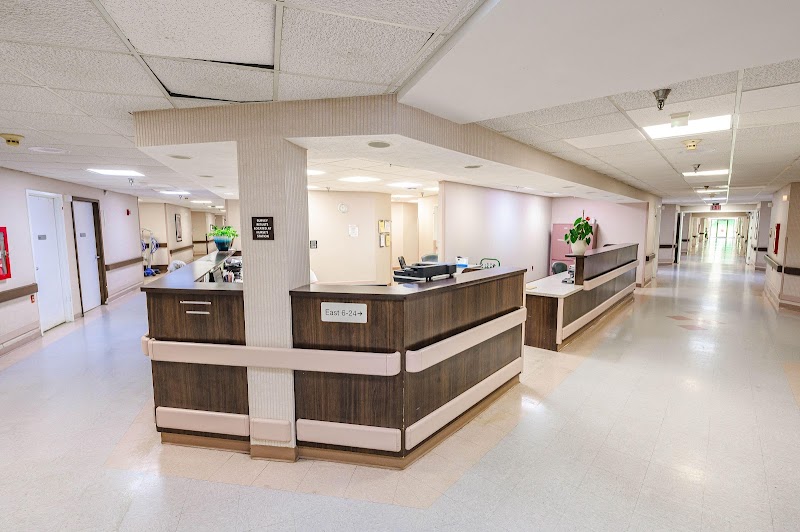
How is Hilltop Heights Health & Rehab Center Staffed?

CMS rates HILLTOP HEIGHTS HEALTH & REHAB CENTER's staffing level at 3 out of 5 stars, which is average compared to other nursing homes. Staff turnover is 49%, compared to the Pennsylvania average of 46%.

What Have Inspectors Found at Hilltop Heights Health & Rehab Center?

State health inspectors documented 80 deficiencies at HILLTOP HEIGHTS HEALTH & REHAB CENTER during 2023 to 2025. These included: 1 Immediate Jeopardy (the most serious level, indicating potential for serious harm or death), 1 that caused actual resident harm, 75 with potential for harm, and 3 minor or isolated issues. Immediate Jeopardy findings are rare and represent the most serious regulatory concerns. They require immediate corrective action.
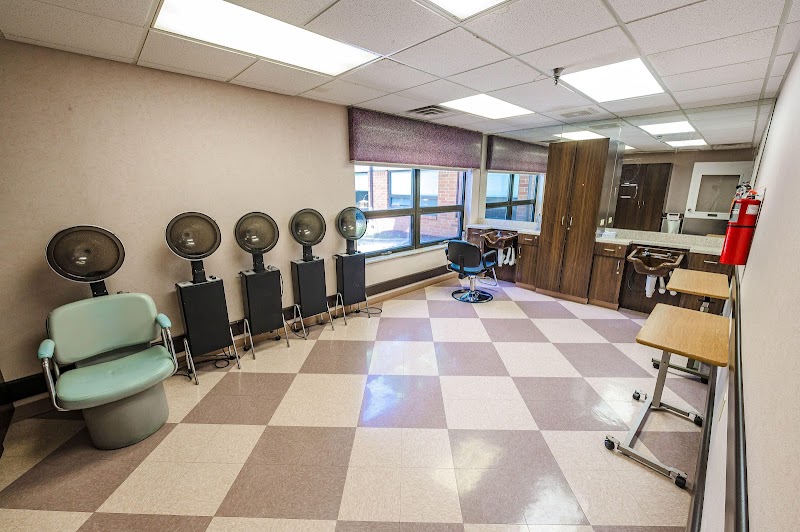
Who Owns and Operates Hilltop Heights Health & Rehab Center?

HILLTOP HEIGHTS HEALTH & REHAB CENTER is owned by a for-profit company. For-profit facilities operate as businesses with obligations to shareholders or private owners. The facility is operated by SABER HEALTHCARE GROUP, a chain that manages multiple nursing homes. With 120 certified beds and approximately 84 residents (about 70% occupancy), it is a mid-sized facility located in JOHNSTOWN, Pennsylvania.
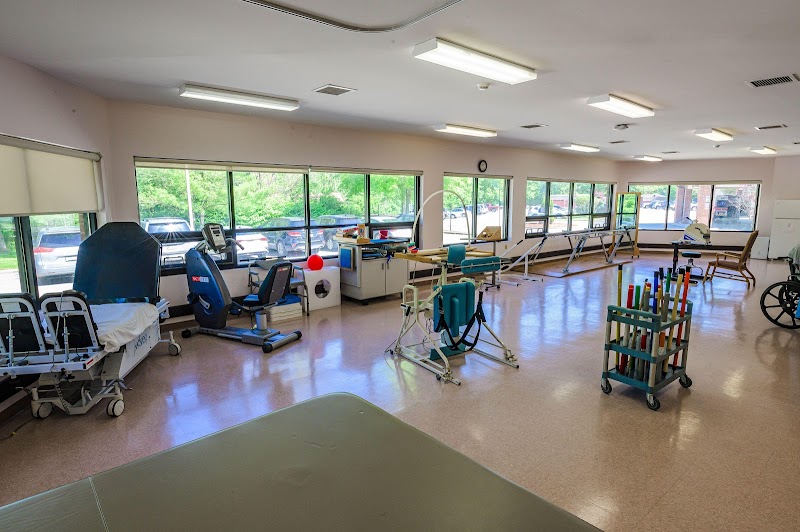
How Does Hilltop Heights Health & Rehab Center Compare to Other Pennsylvania Nursing Homes?

Compared to the 100 nursing homes in Pennsylvania, HILLTOP HEIGHTS HEALTH & REHAB CENTER's overall rating (1 stars) is below the state average of 3.0, staff turnover (49%) is near the state average of 46%, and health inspection rating (1 stars) is much below the national benchmark.

What Should Families Ask When Visiting Hilltop Heights Health & Rehab Center?

Based on this facility's data, families visiting should ask: "What changes have been made since the serious inspection findings, and how are you preventing similar issues?" "Can I visit during a mealtime to observe dining assistance and food quality?" "How do you handle medical emergencies, and what is your hospital transfer rate?" "Can I speak with family members of current residents about their experience?" These questions are particularly relevant given the facility's Immediate Jeopardy citations.

Is Hilltop Heights Health & Rehab Center Safe?

Based on CMS inspection data, HILLTOP HEIGHTS HEALTH & REHAB CENTER has documented safety concerns. Inspectors have issued 1 Immediate Jeopardy citation (the most serious violation level indicating risk of serious injury or death). The facility has a 1-star overall rating and ranks #100 of 100 nursing homes in Pennsylvania. Families considering this facility should ask detailed questions about what corrective actions have been taken since these incidents.

Do Nurses at Hilltop Heights Health & Rehab Center Stick Around?

HILLTOP HEIGHTS HEALTH & REHAB CENTER has a staff turnover rate of 49%, which is about average for Pennsylvania nursing homes (state average: 46%). Moderate turnover is common in nursing homes, but families should still ask about staff tenure and how the facility maintains care continuity when employees leave.

Was Hilltop Heights Health & Rehab Center Ever Fined?

HILLTOP HEIGHTS HEALTH & REHAB CENTER has been fined $67,898 across 4 penalty actions. This is above the Pennsylvania average of $33,758. Fines in this range indicate compliance issues significant enough for CMS to impose meaningful financial consequences. Common causes include delayed correction of deficiencies, repeat violations, or care failures affecting resident safety. Families should ask facility leadership what changes have been made since these penalties.

Is Hilltop Heights Health & Rehab Center on Any Federal Watch List?

HILLTOP HEIGHTS HEALTH & REHAB CENTER is not on any federal watch list. The most significant is the Special Focus Facility (SFF) program, which identifies the bottom 1% of nursing homes nationally based on persistent, serious quality problems. Not being on this list means the facility has avoided the pattern of deficiencies that triggers enhanced federal oversight. This is a positive indicator, though families should still review the facility's inspection history directly.