QUALITY LIFE SERVICES - WESTMONT
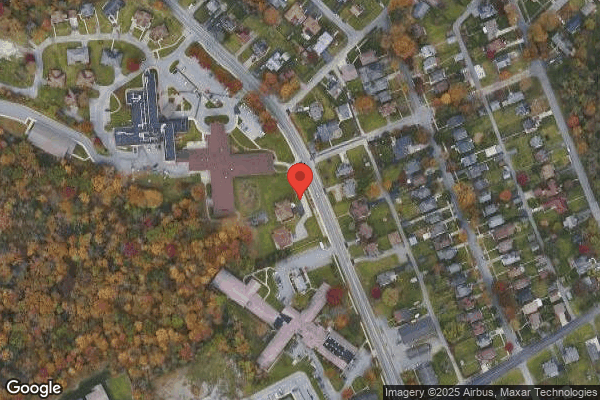
787 GOUCHER STREET, JOHNSTOWN, PA 15905 (814) 255-5539
For profit - Partnership 41 Beds QUALITY LIFE SERVICES Data: November 2025
Trust Grade
50/100
#481 of 653 in PA
Last Inspection: February 2025

Within standard 12-15 month inspection cycle. Federal law requires annual inspections.

Overview

Quality Life Services in Westmont, Pennsylvania has a Trust Grade of C, which means it is average and falls in the middle of the pack among nursing homes. It ranks #481 out of 653 facilities in the state, placing it in the bottom half, but is #3 out of 9 in Cambria County, indicating that only two local options are better. The facility is improving, with the number of reported issues decreasing from 12 in 2024 to 11 in 2025. Staffing is a strength with a rating of 4 out of 5 stars and a turnover rate of 36%, which is lower than the state average, suggesting that staff members are consistent and familiar with the residents. However, there are concerns, including medication errors where residents did not receive their prescribed medications and issues with food sanitation in the kitchen, such as dust and food debris accumulation. Despite these weaknesses, the absence of fines and good RN coverage-better than 88% of Pennsylvania facilities-are positive aspects for families considering this nursing home.

Trust Score
C
50/100
In Pennsylvania
#481/653
Bottom 27%
Safety Record
Low Risk
No red flags
Inspections
Getting Better
12 → 11 violations
Staff Stability
○ Average
36% turnover. Near Pennsylvania's 48% average. Typical for the industry.
Penalties
✓ Good
No fines on record. Clean compliance history, better than most Pennsylvania facilities.
Skilled Nurses
✓ Good
Each resident gets 64 minutes of Registered Nurse (RN) attention daily — more than 97% of Pennsylvania nursing homes. RNs are the most trained staff who catch health problems before they become serious.
Violations
⚠ Watch
40 deficiencies on record. Higher than average. Multiple issues found across inspections.
★★☆☆☆
2.0
Overall Rating
★★★★☆
4.0
Staff Levels
★★★★☆
4.0
Care Quality
★★☆☆☆
2.0
Inspection Score
Stable
2024: 12 issues
2025: 11 issues

The Good

  • 4-Star Staffing Rating · Above-average nurse staffing levels
  • 4-Star Quality Measures · Strong clinical quality outcomes
  • Full Sprinkler Coverage · Fire safety systems throughout facility
  • No fines on record
  • Staff turnover below average (36%)

    12 points below Pennsylvania average of 48%

Facility shows strength in staffing levels, quality measures, fire safety.

The Bad

2-Star Overall Rating

Below Pennsylvania average (3.0)

Below average - review inspection findings carefully

Staff Turnover: 36%

10pts below Pennsylvania avg (46%)

Typical for the industry

Chain: QUALITY LIFE SERVICES

Part of a multi-facility chain

Ask about local staffing decisions and management

The Ugly 40 deficiencies on record

Feb 2025 11 deficiencies
CONCERN (D)

Potential for Harm - no one hurt, but risky conditions existed

Free from Abuse/Neglect (Tag F0600)

Could have caused harm · This affected 1 resident

Based on review of facility policies, clinical records, and investigation documents, as well as staff interviews, it was determined that the facility failed to ensure that residents were free from ver...

Read full inspector narrative →
Based on review of facility policies, clinical records, and investigation documents, as well as staff interviews, it was determined that the facility failed to ensure that residents were free from verbal abuse for one of 26 residents reviewed (Resident 19). This deficiency was cited as past non-compliance. Findings include: The facility's abuse policy, dated April 8, 2024, revealed that it is the policy of the facility to treat all residents with kindness, respect, and in a manner that is at all times free from abuse, neglect, misappropriation of property, exploitation, or mistreatment. A quarterly Minimum Data Set (MDS) assessment (a mandatory assessment of a resident's abilities and care needs) for Resident 19, dated October 29, 2024, revealed that the resident was understood, could understand others, exhibited no behaviors, was frequently incontinent of bladder, and always continent of bowel. Resident 19 had diagnoses that included a psychotic disorder (a group of mental health conditions characterized by a loss of touch with reality, leading to distorted perceptions, thoughts, and behaviors) and schizophrenia (a chronic mental illness characterized by significant disruptions in thought processes, perceptions, emotions, and behaviors). A nursing note for Resident 19, dated October 31, 2024, revealed that the resident had a registered nurse assessment completed for allegations of verbal abuse. There were no signs or symptoms of bodily injury noted. Facility investigation documents for Resident 19, dated October 31, 2024, revealed that Resident 19 was verbally abused by Nurse Aide 1. The Nursing Home Administrator was on call with Registered Nurse Supervisor 2 regarding the behavior of Nurse Aide 1 towards residents. At that time, Registered Nurse Supervisor 2 stated that she had heard Nurse Aide 1 stating at approximately 10:00 p.m. on October 30, 2024, you can sit there with your d**k out and pi**ing on the floor. I'm not helping you. The Nursing Home Adminstrator and Director of Nursing questioned Registered Nurse Supervisor 2 why she did not pull Nurse Aide 1 off the floor and notify the Nursing Home Adminstrator and Director of Nursing regarding this. She replied that Nurse Aide 1 does not listen. The Nursing Home Adminstrator and Director of Nursing re-educated Registered Nurse Supervisor 2 on the facility's protocol for abuse reporting and timeline for abuse reporting. Upon further investigation, another nurse aide had stated that she heard Nurse Aide 1 say about keeping his d**k in his pants in the resident's room. Nurse Aide 1 was interviewed and reported that she stated to the resident, Do not take your penis out because you urinated on the floor. Resident 19 was interviewed but could not recall any issues or concerns of the matter. Nurse Aide 1 stated that she did not use swear words at the resident. Nurse Aide 1 was called and made aware of her suspension pending investigation. The residents on A Hall were interviewed. One resident stated that she heard a loud voice but could not make out what was said at the time that this occurred. No further issues were reported. All other residents reported that they did not hear or experience any staff member making inappropriate comments to them or any other resident. A statement completed by Nurse Aide 1, dated October 31, 2024, revealed that she told Resident 19 do not take your penis out because you urinated on the floor. A statement completed by Registered Nurse Supervisor 2, dated October 31, 2024, revealed that while she was in A Hall she heard Nurse Aide 1 say to Resident 19, You can sit there with your d**k out and pi**ing on the floor. I'm not helping you. Interview with the Nursing Home Administrator on February 19, 2025, at 9:30 a.m. confirmed that through their investigation that they were able to substantiate verbal abuse against Resident 19. Following notification of the incident that occurred on October 30, 2024, on October 31, 2024, the facility's corrective actions included: Nurse Aide 1 was suspended of her duties, and after the investigation her employment with the facility was terminated. An audit of residents was performed. Registered Nurse Supervisor 2 was re-educated regarding abuse. Re-education regarding abuse to staff was started. Daily random audits of residents were being completed, and interviews continue to ensure that no residents have been affected. The results of these audits will be brought to the Quality Assurance Performance Improvement committee for further analysis and corrective actions if necessary. Review of the facility's corrective actions and interviews completed with staff regarding their re-education revealed that they were in compliance with F600 on November 7, 2024. 28 Pa. Code 201.14(a) Responsibility of Licensee. 28 Pa. Code 201.18(b)(1)(e)(1) Management. 28 Pa. Code 201.29(j) Resident Rights.
CONCERN (D)

Potential for Harm - no one hurt, but risky conditions existed

Report Alleged Abuse (Tag F0609)

Could have caused harm · This affected 1 resident

Based on review of facility policies, clinical records, investigation documents, and the Department of Health's Event Reporting System (ERS), as well as staff interviews, it was determined that the fa...

Read full inspector narrative →
Based on review of facility policies, clinical records, investigation documents, and the Department of Health's Event Reporting System (ERS), as well as staff interviews, it was determined that the facility failed to ensure that staff reported allegations of verbal abuse in a timely manner for two of 26 residents reviewed (Resident 19, 136). This deficiency was cited as past non-compliance. Findings include: The facility's abuse policy, dated April 8, 2024, revealed that to protect the residents, the facility will implement procedures in the areas of screening, training, prevention, identification, investigation, protection, reporting/response, and corrective action. The following procedure will be implemented by the facility when an incident of abuse, neglect, exploitation or mistreatment including injuries of an unknown source, or misappropriation of resident property, and resident abuse, alleged or suspected. This includes allegations involving other residents, visitors, employees, or any other person. Any situation of abuse or suspected abuse will be reported as follows. The Nursing Home Administrator or Director of Nursing must be notified immediately. A quarterly Minimum Data Set (MDS) assessment (a mandatory assessment of a resident's abilities and care needs) for Resident 19, dated October 29, 2024, revealed that the resident was understood, could understand others, exhibited no behaviors, was frequently incontinent of bladder, and always continent of bowel. Resident 19 had diagnoses that included a psychotic disorder (a group of mental health conditions characterized by a loss of touch with reality, leading to distorted perceptions, thoughts, and behaviors) and schizophrenia (a chronic mental illness characterized by significant disruptions in thought processes, perceptions, emotions, and behaviors). A nursing note for Resident 19, dated October 31, 2024, revealed that the resident had a registered nurse assessment completed for allegations of verbal abuse. There were no signs/symptoms of bodily injury noted. Facility investigation documents for Resident 19, dated October 31, 2024, revealed Resident 19 was verbally abused by Nurse Aide 1. The Nursing Home Administrator was on call with Registered Nurse Supervisor 2 regarding the behavior of Nurse Aide 1 towards residents. At that time, Registered Nurse Supervisor 2 stated that she had heard Nurse Aide 1 stating at approximately 10:00 p.m. on October 30, 2024, you can sit there with your d**k out and pi**ing on the floor. I'm not helping you. The Nursing Home Administrator and Director of Nursing questioned Registered Nurse Supervisor 2 as to why she did not pull Nurse Aide 1 off the floor and notify the Nursing Home Adminstrator and Director of Nursing regarding this. She replied that Nurse Aide 1 does not listen. The Nursing Home Adminstrator and Director of Nursing re-educated Registered Nurse Supervisor 2 on the facility's protocol for abuse reporting and timeline for abuse reporting. Upon further investigation of other staff members, another nurse aide had stated that she heard Nurse Aide 1 say about keeping his d**k in his pants in the resident's room. Nurse Aide 1 was interviewed and reported that she stated to the resident, Do not take your penis out because you urinated on the floor. Resident 19 was interviewed but could not recall any issues or concerns of the matter. Nurse Aide 1 stated that she did not use swear words at the resident. Nurse Aide 1 was called and made aware of suspension pending investigation. The residents in A Hall were interviewed. One resident stated that she heard a loud voice but could not make out what was said at the time that this occurred. No further issues reported. All other residents reported that they did not hear or experience any staff member making inappropriate comments to them or any other resident. A statement completed by Nurse Aide 1, dated October 31, 2024, revealed that she told Resident 19 do not take your penis out because you urinated on the floor. A statement completed by Registered Nurse Supervisor 2, dated October 31, 2024, revealed that while she was in A Hall she heard Nurse Aide 1 say to Resident 19, You can sit there with your d**k out and pi**ing on the floor. I'm not helping you. A quarterly MDS assessment for Resident 136, dated August 2, 2024, revealed that the resident was understood, could understand others, and had diagnoses that included a hip fracture and chronic obstructive pulmonary disease (COPD - a group of lung diseases that cause airflow obstruction and breathing problems). A nursing note for Resident 36, dated October 31, 2024, revealed that the resident had a registered nurse assessment completed for allegations of verbal abuse. There were no signs/symptoms of bodily injury noted. A statement completed by Nurse Aide 3, October 31, 2024, revealed that last night at 10:15 p.m. he heard Nurse Aide 1 yelling at Resident 136 because she spilled her water on herself. She said this is the second time you did this, if you would set the f**k up and stop playing with yourself you wouldn't make that happen. A Department of Health ERS report, dated October 31, 2024, revealed that the Nursing Home Administrator was notified at approximately 10:00 a.m. on October 31, 2024, that a nurse aide staff came to Registered Nurse Supervisor 4 reporting that she had received a written statement from another staff member that Resident 136 was verbally abused by Nurse Aide 1 on October 30, 2024. The Nursing Home Administrator and Director of Nursing contacted the staff member who had written the statement and asked what occurred. Nurse Aide 3 reported that he was coming down the hall at approximately 10:15 p.m. on October 30, 2024, and Resident 136 had rung her bell saying that she was soaked because she spilled water on herself. Nurse Aide 1 replied this is the second f*****g time that you spilled water on yourself. If you would stop playing with yourself this wouldn't have happened. The Nursing Home Administrator asked Nurse Aide 3 if he reported this to anyone, and he replied that he did not say anything to any other staff until his union representative came in at 6:00 a.m. At that time, the staff member stated that he needed to write a statement. The Nursing Home Administrator and Director of Nursing provided education on the abuse policy and reporting. Resident 136 was interviewed by the Director of Nursing, and she stated that she does not recall anything that had happened. Interviews with other staff were conducted and none heard of this discussion between Resident 136 and Nurse Aide 1. Nurse Aide 1 stated that she did not cuss at Resident 136 and had said that she replied to the resident, This is your second time that you spilled water on yourself. Nurse Aide 1 was made aware of suspension pending investigation. Interview with the Nursing Home Administrator on February 19, 2025, at 9:30 a.m. revealed that Nurse Aide 3 came to her on October 31, 2024, regarding the incident between Resident 136 and Nurse Aide 1. She indicated that during the investigation into that incident, she then became aware of the incident that occurred on October 30, 2024, with Resident 19 and Nurse Aide 1. She confirmed that Nurse Aide 3 and Registered Nurse Supervisor 2 did not immediately notify the Nursing Home Administrator and/or the Director of Nursing as per the facility's policy of the incidents involving Nurse Aide 1 and Residents 19 and 136 on October 30, 2024. Following notification of the incidents that occurred on October 30 and 31, 2024, the facility's corrective actions included: Nurse Aide 1 was suspended of her duties, and after the investigation her employment with the facility was terminated. An audit of residents was performed. Nurse Aide 3 was re-educated regarding abuse. Registered Nurse Supervisor 2 was re-educated regarding abuse. Re-education regarding abuse to staff was started. Daily random audits of residents were being completed, and interviews continue to ensure that no residents have been affected. The results of these audits will be brought to the Quality Assurance Performance Improvement committee for further analysis and corrective actions if necessary. Review of the facility's corrective actions and interviews completed with staff regarding their re-education revealed that they were in compliance with F609 on November 7, 2024. 28 Pa. Code 201.14(a) Responsibility of Licensee. 28 Pa. Code 201.18(e)(1) Management. 28 Pa. Code 211.12(d)(5) Nursing Services.
CONCERN (D)

Potential for Harm - no one hurt, but risky conditions existed

Assessment Accuracy (Tag F0641)

Could have caused harm · This affected 1 resident

Based on a review of the Resident Assessment Instrument User's Manual and clinical records, as well as staff interviews, it was determined that the facility failed to complete accurate Minimum Data Se...

Read full inspector narrative →
Based on a review of the Resident Assessment Instrument User's Manual and clinical records, as well as staff interviews, it was determined that the facility failed to complete accurate Minimum Data Set assessments for three of 26 residents reviewed (Residents 14, 24, 32). Findings include: The Long-Term Care Facility Resident Assessment Instrument (RAI) User's Manual, which provides guidance and instructions for the completion of MDS assessments, dated October 2024, indicated that the intent of Section N was to record the number of days, during the seven-day assessment period, that any type of injection, insulin, and/or select medications were received by the resident. Section N0415A was to be coded if the resident received an antipsychotic medication during the seven-day assessment period, and Section N0451K was to be coded if the resident received an anticonvulsant medication during the seven-day assessment period. Physician's orders for Resident 14, dated January 16, 2021, included an order for the resident to receive 100 milligrams (mg) of gabapentin (anticonvulsant medication) twice a day for rheumatoid arthritis (a chronic autoimmune disease that primarily affects the joints, causing inflammation, pain, and stiffness) and 300 mg of gabapentin at bedtime for rheumatoid arthritis. Medication Administration Records (MARs) for Resident 14, dated January and February 2025, revealed that staff administered 100 mg of gabapentin twice a day and 300 mg at bedtime from January 16 through February 19, 2025. However, Section N0415K1 of Resident 14's quarterly MDS assessment, dated February 3, 2025, was coded to indicate that the resident did not receive an anticonvulsant medication during the seven-day assessment. Physician's orders for Resident 24, dated January 10, 2025, included an order for the resident to receive 25 milligrams (mg) Seroquel (antipsychotic medication) every day. A quarterly MDS assessment for Resident 24, dated January 15, 2025, revealed that Section N0415A was coded indicating that the resident had not received an antipsychotic medication. Physician's orders for Resident 32, dated December 30, 2024, included an order for the resident to receive 100 mg of gabapentin three times a day for polyneuropathy (weakness, numbness, and pain from nerve damage, usually in the hands and feet). MARs for Resident 32, dated December 2024 and January 2025, revealed that staff administered 100 mg of gabapentin three times a day from December 31 through January 3, 2025. However, Section N0415K1 of Resident 32's quarterly MDS assessment, dated January 3, 2025, was coded to indicate that the resident did not receive an anticonvulsant medication during the seven-day assessment. Interview with the Nursing Home Administrator on January 30, 2025, at 11:35 a.m. confirmed that MDS assessments for Residents 14, 24, and 32 were coded inaccurately. 28 Pa. Code 211.5(f) Clinical Records.
CONCERN (D)

Potential for Harm - no one hurt, but risky conditions existed

Comprehensive Care Plan (Tag F0656)

Could have caused harm · This affected 1 resident

Based on review of policies and clinical records, as well as observations and staff interviews, it was determined that the facility failed to ensure that resident-centered care plans were developed an...

Read full inspector narrative →
Based on review of policies and clinical records, as well as observations and staff interviews, it was determined that the facility failed to ensure that resident-centered care plans were developed and implemented for one of 26 residents reviewed (Resident 6) who was on Enhanced Barrier Precautions (EBP) for having a surgically implanted drain. Findings include: An admission Minimum Data Set (MDS) assessment (a mandated assessment of a resident's abilities and care needs) for Resident 6, dated February 5, 2025, revealed that the resident was cognitively intact and dependent on staff for daily care tasks. Physician's orders for Resident 6, dated May 16, 2024, included an order that the resident may not be showered due to his surgically implanted percutaneous drain (gallbladder drain). Physician's order, dated June 12, 2024, included an order for the staff to flush the gallbladder drain vigorously daily. Observations of Resident 6 on February 18, 2024, at 10:08 a.m. revealed that the resident had a sign on his door indicating that he was on EBP and had personal protective equipment outside his door for staff to wear. There was no documented evidence that a care plan was developed to address Resident 6's care needs related to EBP. Interview with Nurse Aide 5 on February 18, 2025, at 10:08 a.m. revealed that Resident 6 was on Enhanced Barrier Precautions and that staff must wear a gown when entering his room and providing care for him. Interview with Nursing Home Administrator on February 20, 2025, at 10:29 a.m. confirmed that Resident 6's care plan did not address his care needs related to EBP. 28 Pa. Code 201.24(e)(4) admission Policy.
CONCERN (D)

Potential for Harm - no one hurt, but risky conditions existed

Deficiency F0692 (Tag F0692)

Could have caused harm · This affected 1 resident

Based on review of policies and clinical records, as well as staff interviews, it was determined that the facility failed to monitor a resident's weight as recommended by the dietician for one of 23 r...

Read full inspector narrative →
Based on review of policies and clinical records, as well as staff interviews, it was determined that the facility failed to monitor a resident's weight as recommended by the dietician for one of 23 residents reviewed (Resident 14). This deficiency was cited as past non-compliance. Findings include: The facility's policy regarding weights, dated April 8, 2024, revealed that if a weight is obtained and a five-pound weight loss or gain has occurred for individuals weighing greater than 100 pounds or a three-pound weight loss or gain occurred for individuals weighing less than 100 pounds, then a re-weight should be obtained within 24 hours of the first obtained weight. Staff were to ensure the individual was weighed on the same scale as previously used, and when the re-weight was obtained the weight should be documented in the medical record, stating that it was a re-weight and the previous weight should be struck out. All residents with a significant weight change would be assessed and referred to the dietitian for assessment. A quarterly Minimum Data Set (MDS) assessment (a mandated assessment of a resident's abilities and care needs) for Resident 14, dated February 3, 2025, indicated that the resident was moderately cognitively impaired and had a weight loss. A weight record, dated December 13, 2024, revealed that Resident 14 weighed 127.4 pounds. A weight record dated January 1, 2025, revealed the resident's weight was 117.8 pounds. A dietitian note for Resident 14, dated January 9, 2025, revealed that the resident's weight was 117.8 pounds, the weight was more than a five pound difference from the previous weight, a re-weight had been requested and was pending, and she would re-assess the weight status when a re-weight was obtained. However, there was no documented evidence that a re-weight had been obtained after the January 9, 2025, dietitian note. On January 16, 2025, the resident's weight was 136.2 pounds (gain of 18.4 pounds); however, there was no documented evidence that a re-weight had been obtained until January 21, 2025, when the resident's weight was 116.4 pounds. An interview with the Director of Nursing and Nursing Home Administrator on February 19, 2025, at 11:54 a.m. confirmed that Resident 14 was not re-weighed according to the dietitian's recommendations or facility policy. Following the identification on October 18, 2024, that they were not obtaining re-weights, the facility's corrective actions included: A weight team was developed to improve weight obtainment by nursing staff, which included nursing staff and other staff members. Audits were started on all residents to ensure that re-weights recommended by the dietitian were obtained. The results of these audits will be brought to the Quality Assurance Performance Improvement committee for further analysis and corrective actions if necessary. Review of the facility's corrective actions and interviews with staff regarding re-weights revealed that they were in compliance with F692 on February 1, 2025. 28 Pa. Code 211.12(d)(3)(5) Nursing Services.
CONCERN (D)

Potential for Harm - no one hurt, but risky conditions existed

Pharmacy Services (Tag F0755)

Could have caused harm · This affected 1 resident

Based on review of clinical records, as well as staff interviews, it was determined that the facility failed to maintain a complete and accurate accounting of controlled medications (medications with ...

Read full inspector narrative →
Based on review of clinical records, as well as staff interviews, it was determined that the facility failed to maintain a complete and accurate accounting of controlled medications (medications with the potential to be abused) for one of 26 residents reviewed (Resident 33). Findings include: A quarterly Minimum Data Set (MDS) assessment (a mandated assessment of a resident's abilities and care needs) for Resident 33, dated December 23, 2024, revealed that the resident was understood, could understand others, and had a diagnosis of anxiety. A care plan for the resident, dated October 14, 2024, revealed that the resident uses anti-anxiety medications related to an anxiety disorder, and staff was to administer the anti-anxiety medications to the resident as ordered by the physician. Physician's orders for Resident 33, dated December 20, 2024, included an order for the resident to receive a one milligram (mg) tablet of Clonazepam (a narcotic medication used to prevent and treat anxiety disorders) every eight hours as needed. Resident 33's controlled drug logs for January and February 2025 revealed that staff signed out doses of Clonazepam for administration to the resident on January 7, 2025, at 7:07 p.m.; January 12, 2025, at 7:05 a.m.; January 14, 2025, at 8:20 a.m.; January 29, 2025, at 6:30 a.m.; January 29, 2025, at 8:00 p.m.; February 5, 2025, at 4:00 a.m.; and on February 8, 2025, at 9:30 a.m. However, the resident's clinical record, including the Medication Administration Records (MARs) and the nursing notes, revealed no documented evidence that the Clonazepam was administered to the resident on these dates and times. Interview with the Nursing Home Administrator on February 20, 2025, at 3:40 p.m. confirmed that there was no documented evidence that the Clonazepam was administered to Resident 33 on the above-mentioned dates and times. 28 Pa. Code 211.9(j)(3) Pharmacy Services. 28 Pa. Code 211.12(d)(1)(5) Nursing Services.
CONCERN (D)

Potential for Harm - no one hurt, but risky conditions existed

Medication Errors (Tag F0758)

Could have caused harm · This affected 1 resident

Based on review of clinical records, as well as staff interviews, it was determined that the facility failed to ensure that non-pharmacological (non-medication) interventions were attempted prior to t...

Read full inspector narrative →
Based on review of clinical records, as well as staff interviews, it was determined that the facility failed to ensure that non-pharmacological (non-medication) interventions were attempted prior to the administration of anti-anxiety medications for one of 26 residents reviewed (Resident 33). Findings include: A quarterly Minimum Data Set (MDS) assessment (a mandated assessment of a resident's abilities and care needs) for Resident 33, dated December 23, 2024, revealed that the resident was understood, could understand others, and had a diagnosis which included anxiety. A care plan for the resident, dated October 14, 2024, revealed that the resident uses anti-anxiety medications related to an anxiety disorder, and staff was to administer the anti-anxiety medications to the resident as ordered by the physician and that staff should attempt non-pharmacological interventions (e.g., massage, music, quiet time, reading, watching TV, etc.) before the resident is offered the as needed psychotropic medication (medications that affect the mind and behavior). Physician's orders for Resident 33, dated December 20, 2024, included an order for the resident to receive a one milligram (mg) tablet of Clonazepam (a narcotic medication used to prevent and treat anxiety disorders) every eight hours as needed. Resident 33's Medication Administration Records (MARs) for January and February 2025 revealed that staff administered the one mg tablet of Clonazepam for anxiousness/restlessness on January 1, 2025, at 6:15 a.m. and 7:36 p.m.; January 2, 2025, at 6:58 p.m.; January 3, 2025, at 7:50 a.m. and 7:19 p.m.; January 4, 2025, at 9:03 p.m.; January 5, 2025, at 9:03 p.m.; January 6, 2025, at 7:38 a.m. and 6:50 p.m.; January 8, 2025, at 7:19 a.m. and 7:29 p.m.; January 9, 2025, at 7:02 a.m. and 8:53 p.m.; January 10, 2025, at 8:37 a.m. and 8:52 p.m.; January 11, 2025, at 8:23 a.m. and 7:19 p.m.; January 12, 2025, at 6:45 p.m.; January 13, 2025, at 8:10 a.m. and 9:31 p.m.; January 14, 2025, at 7:37 p.m.; January 15, 2025, at 7:44 a.m. and 6:21 p.m.; January 16, 2025, at 8:14 a.m. and 8:43 p.m.; January 17, 2025, at 8:41 a.m. and 6:48 p.m.; January 18, 2025, at 7:56 a.m. and 8:03 p.m.; January 19, 2025, at 9:15 p.m.; January 20, 2025, at 5:18 a.m. and 8:08 p.m.; January 21, 2025, at 5:05 a.m. and 9:29 p.m.; January 22, 2025, at 7:30 p.m.; January 23, 2025, at 6:43 a.m. and 7:06 p.m.; January 24, 2025 at 7:25 a.m. and 6:24 p.m.; January 25, 2025, at 8:02 a.m. and 6:24 p.m.; January 26, 2025, at 8:00 a.m. and 6:30 p.m.; January 27, 2027, at 9:27 a.m. and 10:07 p.m.; January 28, 2025, at 9:21 a.m. and 9:26 p.m.; January 30, 2025, at 6:24 a.m. and 6:52 p.m.; January 31, 2025, at 8:15 a.m. and 6:45 p.m.; February 1, 2025, at 9:38 a.m. and 9:50 p.m.; February 2, 2025, at 9:12 a.m. and 9:07 p.m.; February 4, 2025, at 6:22 a.m. and 7:38 p.m.; February 5, 2025, at 6:45 p.m.; February 6, 2025, at 9:25 a.m. and 6:42 p.m.; February 7, 2025, at 8:35 a.m. and 7:04 p.m.; February 8, 2025, at 8:05 p.m.; February 9, 2025, at 7:57 a.m. and 7:25 p.m.; February 10, 2025, at 7:26 a.m. and 8:24 p.m.; February 11, 2025, at 9:16 a.m. and 9:08 p.m.; February 12, 2025, at 9:13 a.m. and 9:23 p.m.; February 13, 2025, at 8:45 a.m. and 9:23 p.m.; February 14, 2025, at 8:52 a.m. and 6:51 p.m.; February 15, 2025, at 8:41 a.m. and 9:03 p.m.; February 16, 2025, at 8:39 a.m. and 9:36 p.m.; February 17, 2025, at 8:48 a.m. and 6:49 p.m.; February 18, 2025, at 9:10 a.m. and 10:11 p.m.; February 19, 2025, at 7:33 a.m. and 6:42 p.m.; and on February 20, 2025, at 8:35 a.m. There was no documented evidence that non-medication interventions were attempted prior to the administration of the as needed Clonazepam. Interview with the Nursing Home Administrator on February 20, 2025, at 3:21 p.m. confirmed that there was no documented evidence that staff attempted non-medication interventions prior to administering the as needed Clonazepam to Resident 33 on the above-mentioned dates and times. 28 Pa. Code 211.12(d)(5) Nursing Services.
CONCERN (E)

Potential for Harm - no one hurt, but risky conditions existed

Quality of Care (Tag F0684)

Could have caused harm · This affected multiple residents

**NOTE- TERMS IN BRACKETS HAVE BEEN EDITED TO PROTECT CONFIDENTIALITY** Based on clinical record reviews and staff interviews, it was determined that the facility failed to provide care and treatment ...

Read full inspector narrative →
**NOTE- TERMS IN BRACKETS HAVE BEEN EDITED TO PROTECT CONFIDENTIALITY** Based on clinical record reviews and staff interviews, it was determined that the facility failed to provide care and treatment in accordance with professional standards of practice, by failing to follow physician's orders to provide medications as ordered by the physician for two of 26 residents reviewed (Residents 24, 25) and failing to obtain a physician's order for fortified foods and health shakes for one of 26 residents reviewed (Resident 14). Findings include: A quarterly Minimum Data Set (MDS) assessment (a mandated assessment of a resident's abilities and care needs) for Resident 24, dated January 15, 2025, revealed that the resident was cognitively impaired and required maximum assistance from staff for her daily care needs. Physician's orders for Resident 24, dated December 28, 2024, included an order for the resident to receive 25 milligrams (mg) of Metoprolol (high blood pressure medication) daily and to hold the medication if the systolic (top number) blood pressure was less than 120 millimeters of mercury (mmHg) or the diastolic (bottom number) was less than 70 mmHg. However, the resident's Medication Administration Record (MAR) for January 2024 and February 2024 revealed that the resident was administered 25 mg Metoprolol on the following dates when her pressure was below the hold parameters: January 3 blood pressure was 118/70 mmHg; January 4 blood pressure was 110/70 mmHg; January 5 blood pressure was 102/72 mmHg; January 10 blood pressure was 110/76 mmHg; January 14 blood pressure was 116/90 mmHg; January 15 blood pressure was 104/68 mmHg; January 17 blood pressure was 110/80 mmHg; January 18 blood pressure was 114/80 mmHg; January 20 blood pressure was 118/80 mmHg; January 22 blood pressure was 112/82 mmHg; January 26 blood pressure was 118/64 mmHg; January 28 blood pressure was 112/72 mmHg; January 30 blood pressure was 114/83 mmHg; January 31 blood pressure was 110/75 mmHg; February 3 blood pressure was 110/78 mmHg; February 5 blood pressure was 108/82 mmHg; February 6 blood pressure was 102/74 mmHg; February 11 blood pressure was 126/76 mmHg; February 16 blood pressure was 104/80 mmHg; February 20 blood pressure was 106/80 mmHg. Interview with the Nursing Home Administrator on February 20, 2025, at 2:31 p.m. confirmed that Resident 24's Metoprolol was administered on the above dates when it should have been held. An admission MDS assessment for Resident 25, dated January 17, 2025, revealed that the resident was understood, could understand others, and had a diagnosis which included hypertension (elevated blood pressure). A care plan for the resident, dated January 13, 2025, revealed that the resident has hypertension, and when administering anti-hypertensive medications staff was to monitor for their effectiveness and any possible side effects such as orthostatic hypotension (a condition where blood pressure drops significantly when a person stands up from a sitting or lying position) and increased heart rate. Physician's orders for Resident 25, dated January 14, 2025, included an order for the resident to receive one five mg tablet of Amlodipine (used to treat high blood pressure) in the morning and staff was to hold the medication for a systolic blood pressure of less than 110 mmHg. Resident 25's MARs for January and February 2025 revealed that staff administered the one five mg tablet of Amlodipine upon arising on January 31, 2025, for a blood pressure reading of 98/60 mmHg and upon arising on February 5, 2025, for a blood pressure reading of 102/54 mmHg. Physician's orders for Resident 25, dated January 13, 2025, included an order for the resident to receive one 100 mg tablet of Atenolol (used to treat high blood pressure) two times per day and staff was to hold the medication for a systolic blood pressure of less than 110 mmHg or a heart rate less than 55 beats per minute (BPM). Resident 25's MARs for January and February 2025 revealed that staff administered the one 100 mg tablet of Atenolol upon arising on January 31, 2025, for a blood pressure reading of 98/60 mmHg; upon arising on February 5, 2025, for a blood pressure reading of 102/54 mmHg; at natural sleep time on January 25, 2025, for a blood pressure reading of 104/64 mmHg; and on February 9, 2025, for a blood pressure reading of 105/58 mmHg. However, review of the resident's clinical record, including the MARs, revealed no documented evidence that staff obtained the resident's heart rate prior to the natural sleep time administration of the one 100 mg tablet of Atenolol to determine if the medication should have been administered. Physician's orders for Resident 25, dated January 15, 2025, included an order for the resident to receive one 50 mg tablet of Hydralazine (used to treat high blood pressure) three times a day and staff was to hold the medication for a systolic blood pressure of less than 110 mmHg or a heart rate less than 55 BPM. Resident 25's MARs for January and February 2025 revealed that staff administered the one 50 mg tablet of Hydralazine upon arising on January 22, 2025, for a blood pressure reading of 109/46 mmHg; on February 5, 2025, for a blood pressure reading of 102/54 mmHg; before supper on January 25, 2025, for a blood pressure reading of 108/60 mmHg; on January 27, 2025, for a blood pressure reading of 90/50 mmHg; on February 8, 2025, for a blood pressure reading of 102/62 mmHg; at natural time of sleep on January 25, 2025, for a blood pressure reading of 104/64 mmHg; and on February 9, 2025, for a blood pressure reading of 105/58 mmHg. However, review of the resident's clinical record, including the MARs, revealed no documented evidence that staff obtained the resident's heart rate prior to the before supper and the natural sleep time administrations of the one 50 mg tablet of Hydralazine to determine if the medication should have been administered. Interview with Nursing Home Administrator on February 20, 2025, at 2:31 p.m. confirmed that Resident 25's one five mg tablet of Amlodipine, one five mg tablet of Amlodipine, and one 50 mg tablet of Hydralazine should not have been administered on the above dates, and confirmed that there was no documented evidence that the resident's heart rate was checked prior to the natural sleep time administration of the one 100 mg tablet of Atenolol and the before supper and the natural sleep time administrations of the one 50 mg tablet of Hydralazine. A quarterly Minimum Data Set (MDS) assessment (a mandated assessment of a resident's abilities and care needs) for Resident 14, dated February 3, 2025, indicated that the resident was moderately cognitively impaired and had a weight loss. Physician's orders, dated February 1, 2024 and December 9, 2024, included orders for the resident to receive health shakes twice a day and a reduced concentrated sweets diet, soft and bite sized texture, fortified foods at meals, and bread. A nursing note, dated December 30, 2024, at 9:22 p.m. revealed that Resident 14 was re-admitted from the hospital. A physician's order, dated December 30, 2024, included an order for the resident to receive a reduced concentrated sweets diet, soft and bite sized texture, and bread. A dietitian note, dated January 30, 2025, revealed that the resident had a weight loss and supplemental nutrition was ordered, which included health shakes twice a day and fortified foods at all meals. Interview with the Dietitian on February 19, 2025, at 2:29 p.m. revealed that she re-ordered the health shakes and fortified foods on January 30, 2025, when she realized that they were not ordered upon her re-admission from the hospital on December 30, 2024. She indicated that Resident 14 continued to receive health shakes twice a day and fortified foods with all meals, despite not having a physician's order. Interview with the Dietary Manager on February 19, 2025, at 2:50 p.m. confirmed that the resident continued to receive health shakes twice a day and fortified foods with all meals since her re-admission on [DATE], according to her dietary supplement information. 28 Pa. Code 211.12(d)(1)(3)(5) Nursing Services.
CONCERN (E)

Potential for Harm - no one hurt, but risky conditions existed

Deficiency F0760 (Tag F0760)

Could have caused harm · This affected multiple residents

Based on review of policies and clinical records, as well as staff interviews, it was determined that the facility failed to provide medication as ordered by the physician, resulting in significant me...

Read full inspector narrative →
Based on review of policies and clinical records, as well as staff interviews, it was determined that the facility failed to provide medication as ordered by the physician, resulting in significant medication errors for one of 26 residents reviewed (Resident 32). Findings include: The facility's policy regarding medication administration, dated April 8, 2024, indicated that facility was to administer medications to residents in a safe manner that correlated with their daily activity and natural schedules. The facility's policy regarding physician's orders, dated April 8, 2024, revealed that physician's orders were to be followed in accordance with good nursing principles and practice and were to be transcribed and carried out by the persons legally authorized to do so. A quarterly Minimum Data Set (MDS) assessment (a mandated assessment of a resident's abilities and care needs) for Resident 32, dated January 3, 2024, indicated that the resident was alert and oriented, received insulin, and had diagnoses that included diabetes. Physician's orders for Resident 32, dated January 2, 2025, included an order for the resident to receive 5 units of Insulin Lispro (fast acting insulin) subcutaneously (beneath the skin) before meals for diabetes and to hold the insulin if the resident's blood sugar was less than 140 milligrams/deciliter (mg/dL). Resident 32's Medication Administration Records (MARs) for December 2024 and January 2025 revealed that the resident's blood sugar at 8:00 a.m. on February 4 was 133 mg/dL and February 6 was 124 mg/dL; at 11:00 a.m. on January 9 was 126 mg/dL, January 23 was 125 mg/dL, February 15 was 98 mg/dL, and February 15 was 98 mg/dL; and at 4:00 p.m. on February 1 was 114 mg/dL and February 6 was 83 mg/dL. There was no documented evidence that Resident 32's insulin was held according to the physician-ordered parameters on the dates and times above. Interview with the Nursing Home Administrator on February 20, 2025, at 2:31 p.m. confirmed that the Insulin Lispro was not held as ordered on the dates and times above. 28 Pa. Code 211.12(d)(1)(5) Nursing Services.
CONCERN (E)

Potential for Harm - no one hurt, but risky conditions existed

Food Safety (Tag F0812)

Could have caused harm · This affected multiple residents

**NOTE- TERMS IN BRACKETS HAVE BEEN EDITED TO PROTECT CONFIDENTIALITY** Based on observations and staff interviews, it was determined that the facility failed to ensure that food was served under sani...

Read full inspector narrative →
**NOTE- TERMS IN BRACKETS HAVE BEEN EDITED TO PROTECT CONFIDENTIALITY** Based on observations and staff interviews, it was determined that the facility failed to ensure that food was served under sanitary conditions. Findings include: Observations in the main kitchen on February 18, 2025, at 9:01 a.m.; February 19, 2025, at 11:15 a.m.; and on February 20, 2025, at 8:51 a.m. revealed that there was an accumulation of dust and food debris, a clear drinking glass, a small red bowl, and a [NAME] Cup (a lightweight, easy-to-grip adapted drinking cup designed to prevent spills) under and behind the ice machine, and there was an accumulation of dust and food debris under the stove. Interview with the Dietary Manager on February 20, 2025, at 8:58 a.m. confirmed that there was an accumulation of dust and food debris, a clear a drinking glass, small red bowl, and a [NAME] Cup under and behind the ice machine, and an accumulation of dust and food debris under the stove. 28 Pa. Code 211.6(f) Dietary Services.
CONCERN (E)

Potential for Harm - no one hurt, but risky conditions existed

QAPI Program (Tag F0867)

Could have caused harm · This affected multiple residents

Based on review of the facility's plans of correction for previous surveys, and the results of the current survey, it was determined that the facility's Quality Assurance Performance Improvement (QAPI...

Read full inspector narrative →
Based on review of the facility's plans of correction for previous surveys, and the results of the current survey, it was determined that the facility's Quality Assurance Performance Improvement (QAPI) committee failed to maintain compliance with nursing home regulations and ensure that plans to improve the delivery of care and services effectively addressed recurring deficiencies. Findings include: The facility's deficiencies and plans of corrections for State Survey and Certification (Department of Health) survey ending April 3, 2024, revealed that the facility developed plans of correction that included quality assurance systems to ensure that the facility maintained compliance with cited nursing home regulations. The results of the current survey, ending February 20, 2025, identified repeated deficiencies related to accuracy of Minimum Data Set (MDS) assessments (mandated assessment of a resident's abilities and care needs), development of comprehensive care plans, quality of care, preventing issues with the accountability of controlled medications (drugs with the potential to be abused), preventing significant medication errors, and food procurement-storing/preparing/serving food under sanitary conditions. The facility's plan of correction for a deficiency regarding a failure to ensure that MDS assessments were accurate upon submission, cited during the survey ending April 3, 2024, revealed that the facility developed a plan of correction that included completing audits and reporting the results of the audits to the QAPI committee for review. The results of the current survey, cited under F641, revealed that the facility's QAPI committee was ineffective in correcting deficient practices related to accurate MDS assessments. The facility's plan of correction for a deficiency regarding the development of a comprehensive person-centered care plan, cited during a survey ending April 3, 2024, revealed that audits would be completed. The results of the current survey, cited under F656, revealed that the QAPI committee was ineffective in correcting deficient practices related to the development of a comprehensive person-centered care plan. The facility's plan of correction for a deficiency regarding quality of care, cited during the survey ending April 3, 2024, revealed that the facility developed a plan of correction that included completing audits and reporting the results of the audits to the QAPI committee for review. The results of the current survey, cited under F684, revealed that the facility's QAPI committee failed to successfully implement their plan to ensure ongoing compliance with regulations regarding quality of care. The facility's plans of correction for deficiencies regarding the failure to account for controlled medications, cited during the surveys ending April 3, 2024, revealed that the facility would complete audits and the results would be reviewed as part of quality assurance. The results of the current survey, cited under F755, revealed that the facility's QAPI committee was ineffective in correcting deficient practices related to the accountability of controlled medications. The facility's plan of correction for a deficiency regarding failure to be free from significant medication errors, cited during the survey ending April 3, 2024, revealed that the facility developed a plan of correction that included completing audits and reporting the results of the audits to the QAPI committee for review. The results of the current survey, cited under F760, revealed that the facility's QAPI committee failed to successfully implement their plan to ensure ongoing compliance with regulations regarding residents being free from significant medication errors. The facility's plan of correction for a deficiency regarding labeling and storing food under sanitary conditions, cited during the survey ending April 3, 2024, revealed that the facility developed a plan of correction that included completing audits and reporting the results of the audits to the QAPI committee for review. The results of the current survey, cited under F812, revealed that the QAPI committee was ineffective in correcting deficient practices related to food procurement-storing/preparing/serving food under sanitary conditions. Refer to F641, F656, F684, F755, F760, F812. 28 Pa. Code 201.14(a) Responsibility of Licensee. 28 Pa. Code 201.18(e)(1) Management.
Apr 2024 12 deficiencies
CONCERN (D)

Potential for Harm - no one hurt, but risky conditions existed

Safe Environment (Tag F0584)

Could have caused harm · This affected 1 resident

Based on review of the clinical records, as well as observations and staff interviews, it was determined that the facility failed to ensure a clean and homelike environment related to the cleanliness ...

Read full inspector narrative →
Based on review of the clinical records, as well as observations and staff interviews, it was determined that the facility failed to ensure a clean and homelike environment related to the cleanliness of wheelchairs for one of 26 residents reviewed (Resident 18). Findings include: A quarterly Minimum Data Set (MDS) assessment (a mandated assessment of a resident's abilities and care needs) for Resident 18, dated February 14, 2024, indicated that the resident was moderately cognitively impaired, required assistance from staff for his daily care needs, had impairment on one side of the upper and lower extremities, and used a wheelchair. Observations on April 1, 2024, at 3:32 p.m. and April 3, 2024, at 11:05 a.m. revealed that Resident 18's wheelchair had a dried, brown/tan, removable substance on the metal bars of the chair. Interview with Nurse Aides 1 and 2 on April 3, 2024, at 11:07 a.m. confirmed that the chair had a dried, brown/tan, removable substance on the wheelchair that needed cleaned. Housekeeping and nursing staff were responsible for cleaning wheelchairs as needed and were not aware of a routine cleaning schedule. Interview with the Director of Nursing on April 3, 2024, at 11:09 a.m. revealed that wheelchairs were power washed twice a year, and Resident 18's had a removable substance on the chair that should have been washed.
CONCERN (D)

Potential for Harm - no one hurt, but risky conditions existed

Abuse Prevention Policies (Tag F0607)

Could have caused harm · This affected 1 resident

Based on review of policies and personnel files, as well as staff interviews, it was determined that the facility failed to complete a professional licensure verification with the Pennsylvania State B...

Read full inspector narrative →
Based on review of policies and personnel files, as well as staff interviews, it was determined that the facility failed to complete a professional licensure verification with the Pennsylvania State Board of Nursing prior to hire for one of four employees reviewed (Licensed Practical Nurse 3). Findings include: The facility's abuse policy, dated October 12, 2023, indicated that the facility developed and implemented personnel and other policies to ensure that all staff are qualified and meet all regulatory standards for hire. The facility's screening procedures included conducting reference checks of previous and present employers, criminal background checks on potential employees as well as contracted personnel, verification of nursing licenses with the State Board of Nursing, and verification of nurse aide standing with the state Nurse Aide Registry. The personnel file for Licensed Practical Nurse 3 revealed that she was hired on January 4, 2024, and as of April 2, 2024, (four months after hire) a professional licensure verification with the Pennsylvania State Board of Nursing had not been completed. Interview with Director of Nursing on April 2, 2024, at 11:39 a.m. confirmed that there was no documented evidence to indicate that Licensed Practical Nurse 3's professional licensure was verified with the State Board of Nursing prior to the nurse's hire date. 28 Pa. Code 201.14(a) Responsibility of Licensee. 28 Pa. Code 201.18(e)(1) Management.
CONCERN (D)

Potential for Harm - no one hurt, but risky conditions existed

Comprehensive Care Plan (Tag F0656)

Could have caused harm · This affected 1 resident

Based on facility policies and clinical record reviews, as well as staff interviews, it was determined that the facility failed to develop individualized care plans that included resident-centered int...

Read full inspector narrative →
Based on facility policies and clinical record reviews, as well as staff interviews, it was determined that the facility failed to develop individualized care plans that included resident-centered interventions for two of 26 residents reviewed (Residents 23, 30). Findings include: The facility's policy regarding care plan development, dated October 12, 2023, indicated that an individualized, interdisciplinary care plan is initiated within 24 hours of admission based on available resident-specific information related to resident assessments, interviews, previous medical records, identified goals, and physician's orders. The care plan is formally reviewed and completed within 21 days after admission. An admission Minimum Data Set (MDS) assessment (a mandated assessment of a resident's abilities and care needs) for Resident 23, dated March 6, 2024, revealed that the resident was cognitively intact, required assistance from staff for his daily care needs, and was frequently incontinent of bowel and bladder. Interview with Resident 23's wife (the resident's representative) on April 2, 2024, at 4:03 p.m. indicated that the resident had been incontinent of bowel and bladder prior to his admission to the facility, and he wore incontinence briefs. A review of nurse aide charting for bladder continence from March 5, 2024, through April 3, 2024, revealed that Resident 23 was mostly incontinent of urine. There was no documented evidence that a care plan was developed to address Resident 23's care needs related to bladder incontinence. Interview with the Director of Nursing on April 3, 2024, at 1:04 p.m. confirmed that a care plan was not developed for Resident 23's care needs related to incontinence and should have been. An admission MDS assessment for Resident 30, dated February 27, 2024, indicated that the resident was cognitively intact, required assistance from staff with daily care needs, used supplemental oxygen, and had diagnoses including pulmonary fibrosis (a lung disease that causing scarring and stiffening of lung tissue, making it harder to breathe), respiratory failure (blood does not have enough oxygen and causes difficulty breathing), and chronic obstructive pulmonary disease (COPD) (chronic lung disease making breathing difficult). Discharge notes from the hospital, dated February 21, 2024, indicated that Resident 30 was placed on a long-term antibiotic for prevention of pneumonia (an infection in the lungs that can cause difficulty breathing). Physician's orders for Resident 30, dated February 21, 2024, included an order for the resident to receive sulfamethoxazole-trimethoprim (an antibiotic) daily in the morning every Monday, Wednesday and Friday. There was no documented evidence that a care plan was developed to address Resident 30's need for long-term antibiotic therapy. An interview with the Director of Nursing on April 1, 2024, at 3:20 p.m. confirmed that there was no care plan in place to address Resident 30's need for long-term antibiotic therapy, and there should have been. 28 Pa. Code 201.24(e)(4) admission Policy. 28 Pa. Code 211.12(d)(5) Nursing Services.
CONCERN (D)

Potential for Harm - no one hurt, but risky conditions existed

Accident Prevention (Tag F0689)

Could have caused harm · This affected 1 resident

Based on review of policies, clinical records, and facility investigation reports, as well as staff interviews, it was determined that the facility failed to ensure that assistance devices to prevent ...

Read full inspector narrative →
Based on review of policies, clinical records, and facility investigation reports, as well as staff interviews, it was determined that the facility failed to ensure that assistance devices to prevent accidents or injury were in place as care planned for one of 26 residents reviewed (Resident 12) who was at risk for falls. Findings include: The facility's policy regarding managing falls and fall risks, dated December 21, 2022, indicated that in conjunction with the attending physician, staff will identify and implement relevant interventions to try to minimize serious consequences of falling. A quarterly Minimum Data Set (MDS) assessment (a mandated assessment of a resident's abilities and care needs) for Resident 12, dated March 18, 2024, revealed that the resident was cognitively impaired, required assistance from staff for her daily care needs, used supplemental oxygen, and had diagnoses that included heart failure, respiratory failure, and chronic obstructive pulmonary disease (lung disease). A care plan for Resident 12, dated January 15, 2024, revealed that the resident had a fall when she tripped over oxygen tubing related to poor balance. Review of a facility fall investigation report for Resident 12, dated January 15, 2024, at 10:15 a.m., revealed that the resident was self-transferring to the restroom and tripped over her oxygen tubing. A fall intervention, dated January 15, 2023, indicated that the resident was to have a tether alarm (an alarm that attaches to the resident and alarms when disconnected). Observation of Resident 12 on April 3, 2024, at 10:35 a.m. revealed that the resident was lying in her bed on her right side facing the doorway and the alarm was on the resident's enabler bar and was not attached to the resident. Observation with Licensed Practical Nurse 4 on April 3, 2024, at 10:55 a.m. confirmed that the resident was lying in bed and the alarm was not attached to the resident and should have been. Interview with the Director of Nursing on April 3, 2024, at 11:41 a.m. confirmed that the alarm should have been attached to Resident 12. 28 Pa. Code 211.12(d)(3)(5) Nursing Services.
CONCERN (D)

Potential for Harm - no one hurt, but risky conditions existed

Respiratory Care (Tag F0695)

Could have caused harm · This affected 1 resident

Based on facility policies and clinical record reviews, as well as staff interviews, it was determined that the facility failed to ensure that a physician's order was obtained to provide oxygen therap...

Read full inspector narrative →
Based on facility policies and clinical record reviews, as well as staff interviews, it was determined that the facility failed to ensure that a physician's order was obtained to provide oxygen therapy for two of 26 residents reviewed (Residents 12, 30). Findings include: The facility's policy for oxygen administration, dated October 12, 2023, revealed that oxygen therapy via nasal cannula will be administered as ordered by a physician and will include correct flow rate, concentration, mode of delivery, and frequency. A quarterly Minimum Data Set (MDS) assessment (a mandated assessment of a resident's abilities and care needs) for Resident 12, dated March 18, 2024, revealed that the resident was cognitively impaired, required assistance from staff for her daily care needs, used supplemental oxygen, and had diagnoses that included heart failure, respiratory failure, and chronic obstructive pulmonary disease (lung disease). A review of physician's orders for Resident 12 revealed that there was no order for the resident to receive oxygen therapy. A care plan for Resident 12, dated June 19, 2023, indicated that she has oxygen related to chronic obstructive pulmonary disease. An observation of Resident 12 on April 1, 2024, at 10:03 a.m. revealed that she was in bed with a nasal cannula in place, providing her with oxygen at 3 liters per minute (L/min). An interview with the Director of Nursing on April 1, 2024, at 3:06 p.m. confirmed that Resident 12 did not have a physician's order for the oxygen she was receiving and that she should have. An admission MDS assessment for Resident 30, dated February 27, 2024, indicated that the resident was cognitively intact, required assistance from staff with daily care needs, used supplemental oxygen, and had diagnoses including pulmonary fibrosis (a lung disease that causing scarring and stiffening of lung tissue, making it harder to breathe), respiratory failure (blood does not have enough oxygen and causes difficulty breathing), and chronic obstructive pulmonary disease (COPD) (chronic lung disease making breathing difficult). A review of physician's orders for Resident 30 revealed that there was no order for the resident to receive oxygen therapy. A care plan for Resident 30, dated February 21, 2024, indicated that she had oxygen related to pulmonary fibrosis, respiratory failure, and chronic obstructive pulmonary disease. An observation of Resident 30 on April 1, 2024, at 10:12 a.m. revealed that she was in bed with a nasal cannula in place, providing her with oxygen at 7 liters per minute (L/min). An interview with the Director of Nursing on April 1, 2024, at 2:58 p.m. confirmed that Resident 30 did not have a physician's order for the oxygen she was receiving and that she should have. 28 Pa. Code 211.12(d)(3)(5) Nursing Services.
CONCERN (D)

Potential for Harm - no one hurt, but risky conditions existed

Deficiency F0760 (Tag F0760)

Could have caused harm · This affected 1 resident

Based on review of facility policy, clinical records, and staff interviews, it was determined that the facility failed to ensure that it was free from significant medication errors for one of 26 resid...

Read full inspector narrative →
Based on review of facility policy, clinical records, and staff interviews, it was determined that the facility failed to ensure that it was free from significant medication errors for one of 26 residents reviewed (Resident 12). Findings include: The facility's policy regarding physician's orders, dated October 12, 2023, revealed that physician's orders are to be followed in accordance with good nursing principles and practice and are to be transcribed and carried out by the persons legally authorized to do so. A quarterly Minimum Data Set (MDS) assessment (a mandated assessment of a resident's abilities and care needs) for Resident 12, dated March 18, 2024, revealed that the resident was cognitively impaired, required assistance from staff for her daily care needs, used supplemental oxygen, and had diagnoses that included diabetes mellitus. Physician's orders for Resident 12, dated May 1, 2023, included an order for the resident to receive 5 units of insulin Novolog (used to lower blood sugar levels) before meals and to hold if Accucheck is 150 milligram/deciliter (mg/dL) or less. Review of the March 2024 Medication Administration Record (MAR) for Resident 12 revealed that 5 units of Novolog insulin were administered to the resident at 8:00 a.m. on March 1 for a blood sugar of 129 mg/dL; March 2 for a blood sugar of 70 mg/dL; March 7 for a blood sugar of 70 mg/dL; March 13 for a blood sugar of 126 mg/dL; March 17 for a blood sugar of 123 mg/dL; March 18 for a blood sugar of 101 mg/dL; March 25 for a blood sugar of 116 mg/dL; and March 31 for a blood sugar of 146 mg/dL. Review of the March 2024 MAR for Resident 12 revealed that 5 units of Novolog insulin were administered at 11:00 a.m. on March 2 for a blood sugar of 142 mg/dL; March 13 for a blood sugar of 120 mg/dL; and March 31 for a blood sugar of 108 mg/dL. Review of the March 2024 MAR for Resident 12 revealed that 5 units of Novolog insulin were administered at 4:00 p.m. on March 7 for a blood sugar of 134 mg/dL; March 12 for a blood sugar of 147 mg/dL; and March 21 for a blood sugar of 122 mg/dL. Interview with the Director of Nursing on April 2, 2024, at 12:59 p.m. confirmed that on 14 occasions the parameters were not followed per physician's orders and the Novolog insulin was given to Resident 12. 28 Pa. Code 211.12(d)(1)(5) Nursing Services.
CONCERN (D)

Potential for Harm - no one hurt, but risky conditions existed

Deficiency F0761 (Tag F0761)

Could have caused harm · This affected 1 resident

**NOTE- TERMS IN BRACKETS HAVE BEEN EDITED TO PROTECT CONFIDENTIALITY** Based on review of facility policies, as well as observations and staff interviews, it was determined that the facility failed t...

Read full inspector narrative →
**NOTE- TERMS IN BRACKETS HAVE BEEN EDITED TO PROTECT CONFIDENTIALITY** Based on review of facility policies, as well as observations and staff interviews, it was determined that the facility failed to discard two expired multi-dose insulin vials in one of one medication carts reviewed (B Hall), and failed to securely store medication in one of one medication carts reviewed (B Hall). Findings include: The facility's policy regarding administering medications, dated [DATE], indicated that during medication administration the medication cart will be locked if it is not clearly within view. No medications will be left unattended on top of the medication cart. Observations of a medication pass on [DATE], at 8:52 a.m. revealed that Licensed Practical Nurse 5 left a card of Januvia (a medication used to help lower blood sugar) 25 milligrams (mg) tablets on top of the medication cart unsupervised while she entered a resident's room to administer medication. Interview with Licensed Practical Nurse 5 at that time confirmed that she should not have left the medication on top of the cart unsupervised. Interview with the Director of Nursing on [DATE], at 9:03 a.m. confirmed that medication should not have been left unsupervised on top of the medication cart and should have been secured in the medication cart when the nurse walked away from the cart. Observations of the B medication cart outside of room [ROOM NUMBER] on [DATE], at 10:16 a.m. revealed that medication cart was left unlocked with no staff in view of the cart. Facility staff were sitting at the nurses' station and their view was blocked by the raised counter. Manufacturer's directions for Lantus insulin (injectable medication to lower blood sugar levels), dated [DATE], revealed that the vial of Lantus was to be thrown away after 28 days, even if there was insulin left in it. Observations of Medication Cart B on the 100 unit on [DATE], at 10:24 a.m. revealed that a multi-use vial of Lantus insulin for Resident 12 was opened and was not labeled with the date it was opened. A multi-use vial of Lantus insulin for Resident 23 was opened and was labeled February 29, 2024, the date it was opened. Interview with Licensed Practical Nurse 4 at that time confirmed that the Lantus for Resident 12 should have been labeled with the date it was opened, the Lantus for Resident 23 should have been discarded after the expiration, and the medication cart should be locked when not in view. Interview with the Director of Nursing on [DATE], at 11:41 a.m. confirmed that Lantus should have been labeled when the vial was opened, discarded when expired, and the medication cart should have been locked when not in use or view. 28 Pa. Code 211.9(a)(1) Pharmacy Services. 28 Pa. Code 211.12(d)(5) Nursing Services.
CONCERN (D)

Potential for Harm - no one hurt, but risky conditions existed

Food Safety (Tag F0812)

Could have caused harm · This affected 1 resident

Based on review of facility policies, as well as observations and staff interviews, it was determined that the facility failed to store and prepare food in accordance with professional standards for f...

Read full inspector narrative →
Based on review of facility policies, as well as observations and staff interviews, it was determined that the facility failed to store and prepare food in accordance with professional standards for food service safety by not discarding an opened, expired food item. Findings include: The facility's policy regarding food storage, dated October 12, 2023, revealed that all staff must provide the date a food or beverage item is opened with a date marked to indicate the date by which the food item should be consumed or discarded. Foods with a manufacturer use-by date must be used or discarded by the stamped date. Observations in the small kitchen refrigerator on April 1, 2024, at 8:43 a.m. revealed an opened container of Miracle Whip salad dressing with a resident's name on it and an opened date of September 2023. No use-by date was indicated on the jar and the container had a stamped expiration date of January 2024. Interview with the Dietary Manager, at the time of observation, confirmed that the opened container of Miracle Whip salad dressing was expired and should have been discarded and it was not. 28 Pa. Code 211.6(f) Dietary Services.
CONCERN (D)

Potential for Harm - no one hurt, but risky conditions existed

QAPI Program (Tag F0867)

Could have caused harm · This affected 1 resident

Based on review of the facility's plans of correction for previous surveys, and the results of the current survey, it was determined that the facility's Quality Assurance Performance Improvement (QAPI...

Read full inspector narrative →
Based on review of the facility's plans of correction for previous surveys, and the results of the current survey, it was determined that the facility's Quality Assurance Performance Improvement (QAPI) committee failed to correct and/or maintain compliance with quality deficiencies and ensure that plans to improve the delivery of care and services effectively addressed recurring deficiencies. Findings include: The facility's deficiencies and plans of corrections for State Survey and Certification (Department of Health) for the surveys ending May 18, 2023; August 21, 2023; and October 12, 2023, revealed that the facility developed plans of correction that included quality assurance systems to ensure that the facility maintained compliance with cited nursing home regulations. The results of the current survey, ending April 3, 2024, identified repeated deficiencies related to comprehensive care plans, care plan timing and revision, quality of care, safe environment/supervision, respiratory care, pharmacy services, labeling and storage of drugs/biologicals, and food procurement-storing/preparing/serving food under sanitary conditions. The facility's plans of correction for deficiencies regarding residents having comprehensive care plans, cited during the survey ending May 18, 2023, revealed that the facility would complete audits and report the results of the audits to the QAPI committee for review. The results of the current survey, cited under F656, revealed that the facility's QAPI committee failed to maintain ongoing compliance with these regulations. The facility's plans of correction for deficiencies regarding care plan timing and revision, cited during the survey ending October 12, 2023, revealed that the facility would complete audits and report the results of the audits to the QAPI committee for review. The results of the current survey, cited under F657, revealed that the facility's QAPI committee failed to maintain ongoing compliance with these regulations. The facility's plans of correction for deficiencies regarding quality of care, cited during the survey ending August 31, 2023, revealed that the facility would complete audits and report the results of the audits to the QAPI committee for review. The results of the current survey, cited under F684, revealed that the facility's QAPI committee failed to maintain ongoing compliance with these regulations. The facility's plans of correction for deficiencies regarding the resident environment remaining free from accident hazards/supervision, cited during the survey ending May 18, 2023, revealed that the facility would complete audits and report the results of the audits to the QAPI committee for review. The results of the current survey, cited under F689, revealed that the facility's QAPI committee failed to maintain ongoing compliance with these regulations. The facility's plans of correction for deficiencies regarding respiratory care, cited during the survey ending May 18, 2023, revealed that the facility would complete audits and report the results of the audits to the QAPI committee for review. The results of the current survey, cited under F695, revealed that the facility's QAPI committee failed to maintain ongoing compliance with these regulations. The facility's plans of correction for deficiencies regarding pharmacy services, cited during the survey ending May 18, 2023, revealed that the facility would complete audits and report the results of the audits to the QAPI committee for review. The results of the current survey, cited under F755, revealed that the facility's QAPI committee failed to maintain ongoing compliance with these regulations. The facility's plans of correction for deficiencies regarding labeling and storage of drugs/biologicals, cited during the survey ending May 18, 2023, revealed that the facility would complete audits and report the results of the audits to the QAPI committee for review. The results of the current survey, cited under F761, revealed that the facility's QAPI committee failed to maintain ongoing compliance with these regulations. The facility's plans of correction for deficiencies regarding food procurement-storing/preparing/serving food under sanitary conditions, cited during the survey ending May 18, 2023, revealed that the facility would complete audits and report the results of the audits to the QAPI committee for review. The results of the current survey, cited under F812, revealed that the facility's QAPI committee failed to maintain ongoing compliance with these regulations. Refer to F656, F657, F684, F689, F695, F755, F761, F812. 28 Pa. Code 201.14(a) Responsibility of Licensee. 28 Pa. Code 201.18(e)(1) Management.
CONCERN (E)

Potential for Harm - no one hurt, but risky conditions existed

Deficiency F0657 (Tag F0657)

Could have caused harm · This affected multiple residents

Based on review of facility policies and clinical records, as well as staff interviews, it was determined that the facility failed to ensure that a resident's care plan was updated/revised to reflect ...

Read full inspector narrative →
Based on review of facility policies and clinical records, as well as staff interviews, it was determined that the facility failed to ensure that a resident's care plan was updated/revised to reflect the resident's specific care needs for three of 26 residents reviewed (Residents 1, 4, 12). Findings include: The facility's policy regarding care plan development and revision, dated October 12, 2023, indicated that resident care plans are reviewed and updated at least quarterly and as a resident's condition changes (such as when medications are added or discontinued, resident returns from the hospital, and with changes in mood, behaviors or care needs). A quarterly Minimum Data Set (MDS) assessments (required assessments of a resident's abilities and care needs) for Resident 1, dated February 2, 2024, indicated that the resident was cognitively impaired, required assistance from staff for her daily care needs, and had diagnoses that included heart failure, high blood pressure, and dementia. A care plan for Resident 1, dated March 22, 2023, revealed that the resident had oxygen related to respiratory illness. Observations of Resident 1 on April 1, 2024, at 10:00 a.m. revealed that the resident was sitting in her wheelchair beside her bed and did not have oxygen in her room. Physician's orders were reviewed, and the resident did not have orders for oxygen use. An interview with the Director of Nursing on April 2, 2024, at 12:26 p.m. confirmed that the Resident 1 was not on oxygen and the care plan should have been resolved. Physician orders for Resident 1, dated January 11, 2024, indicated that the resident was to have a fall mat to the left side of her bed. A fall care plan for Resident 1, dated January 19, 2024, indicated that the resident was to have a fall mat to the right side of her bed. Observation of Resident 1 on April 1, 2024, at 10:00 a.m. revealed that the resident was sitting in her wheelchair beside the bed and the fall mat was on the left side of her bed. An interview with the Director of Nursing on April 3, 2024, at 12:26 p.m. confirmed that Resident 1's fall mat should be on the left side of the bed and the care plan was inaccurate. An admission MDS assessment for Resident 4, dated February 15, 2024, indicated that the resident was cognitively intact, required partial to substantial assist with care needs, and had a Stage 2 pressure area (pressure wound with superficial skin loss) that was present on admission. Resident 4's care plan, dated February 14, 2024, included a focus for a Stage 2 pressure ulcer to the sacrum. A nurse's note for Resident 4, dated March 12, 2024, at 7:17 a.m. indicated that the Stage 2 pressure ulcer to the gluteal cleft/sacrum was resolved and the plan of care had been reviewed and updated. However, as of April 3, 2024, the care plan was not updated to reflect that the Stage 2 pressure area to the gluteal cleft/sacrum was resolved. An interview with the Director of Nursing on April 3, 2024, at 2:34 p.m. confirmed that Resident 4's Stage 2 pressure ulcer to the gluteal cleft/sacrum was resolved and that the care plan should have been resolved and it was not. A quarterly Minimum Data Set (MDS) assessment (a mandated assessment of a resident's abilities and care needs) for Resident 12, dated March 18, 2024, revealed that the resident was cognitively impaired, required assistance from staff for her daily care needs, used supplemental oxygen, and had diagnoses that included heart failure, respiratory failure, and chronic obstructive pulmonary disease (lung disease). A care plan for Resident 12, dated July 14, 2023, indicated that the resident was at risk for self-injury related to not keeping the head of the bed elevated due to having a PEG tube (tube inserted into the stomach for nutrition), refusing to accept bolus feeding. A nurse's note for Resident 12, dated September 25, 2023, revealed that the PEG tube was removed. An interview with the Director of Nursing on April 2, 2024, at 3:29 p.m. confirmed that Resident 12 does not have a PEG tube and that the care plan should have been resolved. 28 Pa. Code 201.24(e)(4) admission Policy.
CONCERN (E)

Potential for Harm - no one hurt, but risky conditions existed

Quality of Care (Tag F0684)

Could have caused harm · This affected multiple residents

Based on review of facility policies and clinical records, as well as staff interviews, it was determined that the facility failed to ensure that physician's orders for medications were followed for t...

Read full inspector narrative →
Based on review of facility policies and clinical records, as well as staff interviews, it was determined that the facility failed to ensure that physician's orders for medications were followed for three of 26 residents reviewed (Resident 1, 4, 12). Findings include: The facility's policy regarding physician's orders, dated October 12, 2023, revealed that physician's orders were to be followed in accordance with good nursing principles and practice and were to be transcribed and carried out by the persons legally authorized to do so. A quarterly Minimum Data Set (MDS) assessments (required assessments of a resident's abilities and care needs) for Resident 1, dated February 2, 2024, indicated that the resident was cognitively impaired, required assistance from staff for her daily care needs, and had diagnoses that included heart failure, high blood pressure, and dementia. Physician's orders for Resident 1, dated May 9, 2023, included an order for the resident to receive 60 milligrams (mg) of isosorbide mononitrate (a medication for high blood pressure) one time a day and to hold medication if systolic blood pressure was less than 100 mmHg and diastolic was less than 60 mmHg. Physician's orders, dated July 20, 2023, included an order for the resident to receive 2.5 mg of Lisinopril (a medication for high blood pressure) one time a day and to hold medication if systolic blood pressure was less than 100 mmHg and diastolic was less than 60 mmHg. Physician's orders, dated May 9, 2023, included an order for the resident to receive 50 mg of Metoprolol (a medication for high blood pressure) one time a day and to hold medication if systolic blood pressure was less than 100 mmHg and diastolic was less than 60 mmHg. A review of Resident's 1's Medication Administration Record for May 2023 through March 2024 revealed no documented evidence that the blood pressure was being monitored per physician order. An interview with the Director of Nursing on April 2, 2024, at 12:26 p.m. confirmed that there was no documented evidence that Resident 1's blood pressure was being monitored per physician order. An admission MDS assessment for Resident 4, dated February 15, 2024, indicated that the resident was cognitively intact, required partial to substantial assist with care needs, and had a Stage 2 pressure area (pressure wound with superficial skin loss) that was present on admission. Physician's order for Resident 4, dated February 16, 2024, included an order for Expedite (a nutritional supplement) to be given daily to aid in wound healing for 14 days or until the wound was healed. A nurse's note for Resident 4, dated March 12, 2024, indicated that the Stage 2 pressure ulcer to the gluteal cleft/sacrum was resolved. A dietary note for Resident 4, dated March 28, 2024, indicated that the resident's wound had been resolved and the Expedite had been discontinued. A review of Resident 4's clinical record revealed that he continued to receive Expedite through April 3, 2024 (22 days after the wound was resolved). Interview with Director of Nursing on April 3, 2024, at 2:34 p.m. confirmed that Resident 4's order for Expedite should have been discontinued and it was not. A quarterly Minimum Data Set (MDS) assessment (a mandated assessment of a resident's abilities and care needs) for Resident 12, dated March 18, 2024, revealed that the resident was cognitively impaired, required assistance from staff for her daily care needs, used supplemental oxygen, and had diagnoses that included heart failure, respiratory failure, and chronic obstructive pulmonary disease (lung disease). Physician's orders for Resident 12, dated September 20, 2023, included an order for the resident to receive 25 milligrams of Metoprolol (a medication for high blood pressure) one time a day and to hold the medication if systolic blood pressure was less than 100 mmHg and heart rate was less than 55 beats per minute. A review of Resident's 12's Medication Administration Record from September 2023 through March 2024 revealed no documented evidence that the blood pressure and heart rate were being monitored per physician's order. An interview with the Director of Nursing on April 2, 2024, at 12:26 p.m. confirmed that there was no documented evidence that Resident 12's blood pressure and heart rate were being monitored per physician's order. 28 Pa. Code 211.12(d)(1)(3)(5) Nursing Services.
CONCERN (E)

Potential for Harm - no one hurt, but risky conditions existed

Pharmacy Services (Tag F0755)

Could have caused harm · This affected multiple residents

Based on review of facility policies and clinical records, as well as staff interviews, it was determined that the facility failed to maintain accountability for controlled medications (drugs with the...

Read full inspector narrative →
Based on review of facility policies and clinical records, as well as staff interviews, it was determined that the facility failed to maintain accountability for controlled medications (drugs with the potential to be abused) for three of 26 residents reviewed (Residents 1, 30, 31). Findings include: The facility's policy regarding medication administration, dated October 12, 2023, indicated that medications administered will be documented on the Medication Administration Record (MAR). For as needed medications, the nurse will document initials and time of administration on the MAR. A quarterly Minimum Data Set (MDS) assessments (required assessments of a resident's abilities and care needs) for Resident 1, dated February 2, 2024, indicated that the resident was cognitively impaired, required assistance from staff for her daily care needs, and had diagnosis that included heart failure, high blood pressure, and dementia. Physician's orders for Resident 1, dated December 28, 2023, included an order for the resident to receive 50 milligrams of Tramadol (a controlled medication used to treat pain) every six hours as needed. Review of the controlled drug record (a form that accounts for each tablet/pill/dose of a controlled drug) for Resident 1 for January, 2024, indicated a dose of Tramadol was signed out on January 4, 2024, at 9:30 a.m.; January 5, 2024, at 11:43 a.m.; January 15, 2024, at 10:30 a.m.; January 28, 2024, at 11:30 p.m.; February 5, 2024, at 8:05 p.m.; February 14, 2024, at 7:00 p.m.; February 17, 2024, at 8:40 p.m.; February 21, 2024, at 6:59 p.m.; February 24, 2024, at 11:15 a.m.; March 17, 2024, at 9:04 a.m.; March 17, 2024, at 9:20 p.m.; and March 21, 2024, at 8:00 p.m. Review of Resident 1's MAR and nursing notes revealed no documented evidence that the signed-out doses of Tramadol were administered to the resident on the above-mentioned dates and times. Interview with the Director of Nursing on April 2, 2024, at 3:28 p.m. confirmed that there was no documented evidence in Resident 1's clinical record to indicate that the signed-out doses of Tramadol were administered to the resident on the above-mentioned dates and times. An admission MDS assessment for Resident 30, dated February 27, 2024, indicated that the resident was cognitively intact, required assistance from staff with daily care needs, used supplemental oxygen, and had diagnoses including pulmonary fibrosis (a lung disease that causing scarring and stiffening of lung tissue, making it harder to breathe), respiratory failure (blood does not have enough oxygen and causes difficulty breathing), chronic obstructive pulmonary disease (COPD) (chronic lung disease making breathing difficult), and anxiety disorder. Physician's order for Resident 30, dated February 21, 2024, included an order for the resident to receive 0.5 mg of Lorazepam (a controlled medication used to treat anxiety) every eight hours as needed for anxiety for three days. Physician's order for Resident 30, dated February 26, 2024, included an order for the resident to receive 0.5 mg of Lorazepam every four hours as needed for anxiety. Review of the controlled drug record for Resident 30 for February and March 2024 indicated that a dose of Lorazepam was signed out on February 22, 2024, at 10:30 p.m.; February 23, 2024, at 1:40 p.m.; March 5, 2024, at 8:30 p.m.; March 15, 2024, at 12:30 p.m.; March 22, 2024, at 6:45 p.m.; March 23, 2024, at 12:00 p.m.; March 26, 2024, at 12:30 p.m.; and March 27, 2024, at 11:30 a.m. Review of Resident 30's MAR and nursing notes revealed no documented evidence that the signed-out doses of Lorazepam were administered to the resident on the above-mentioned dates and times. Interview with the Director of Nursing on April 2, 2024, at 12:27 p.m. confirmed that there was no documented evidence in Resident 30's clinical records to indicate that the signed-out doses of Lorazepam were administered to the resident on the above-mentioned dates and times. An admission MDS assessment for Resident 31, dated March 8, 2024, indicated that the resident was cognitively intact, required assistance from staff with daily care needs, and was taking opioid medication (controlled narcotic pain medication). A care plan for Resident 31, dated March 11, 2024, revealed the resident had pain related to spinal fusion surgery. Physician's orders for Resident 31, dated March 7, 2024, and March 21, 2024, included orders for the resident to receive 5 mg of Oxycodone (a controlled medication used to treat pain) every four hours as needed for pain for 14 days for spinal fusion. Review of the controlled drug record for Resident 31 for March 2024 indicated that a dose of Oxycodone was signed out on March 17, 2024 at 5:15 p.m. and 7:15 p.m.; March 18, 2024, at 7:00 a.m. and 3:00 p.m.; March 20, 2024, at 1:00 p.m.; March 27, 2024, at 2:30 a.m.; March 28, 2024, at 2:00 a.m. and 1:20 p.m.; and March 29, 2024, at 2:00 a.m. Review of Resident 31's MAR and nursing notes revealed no documented evidence that the signed-out doses of Oxycodone were administered to the resident on the above-mentioned dates and times. Interview with the Director of Nursing on April 3, 2024, at 3:30 p.m. confirmed that there was no documented evidence in Resident 31's clinical records to indicate that the signed-out doses of Oxycodone were administered to the resident on the above-mentioned dates and times. 28 Pa. Code 211.9(a)(h) Pharmacy Services. 28 Pa. Code 211.12(d)(1)(5) Nursing Services.
Dec 2023 1 deficiency
CONCERN (E) 📢 Someone Reported This

A family member, employee, or ombudsman was alarmed enough to file a formal complaint

Potential for Harm - no one hurt, but risky conditions existed

Notification of Changes (Tag F0580)

Could have caused harm · This affected multiple residents

Based on review of policies and clinical records, as well as staff interviews, it was determined that the facility failed to ensure that the resident and/or resident's representative was notified of c...

Read full inspector narrative →
Based on review of policies and clinical records, as well as staff interviews, it was determined that the facility failed to ensure that the resident and/or resident's representative was notified of changes in condition and new physician's orders for one of three residents reviewed (Resident 1). Findings include: The facility's policy regarding communication of health status/notification of family, dated October 12, 2023, indicated that the facility was to notify the resident and/or the resident's family/responsible party of any changes in resident's condition, including new physician orders or changes in current orders. A quarterly Minimum Data Set (MDS) assessment (a federally-mandated assessment of a resident's abilities and care needs) for Resident 1, dated November 9, 2023, indicated that the resident was cognitively intact, required assistance from staff with daily care tasks, had an indwelling urinary catheter (a flexible tube inserted into the bladder through the urethra or suprapubically to allow for urine drainage), and had diagnoses that included acute cystitis (infection or inflammation of the bladder) and hematuria (blood in the urine), obstructive and reflux uropathy (a condition that affects the urinary tract due to blockage or backflow), heart failure, and protein-calorie malnutrition (inadequate food consumption). A nursing note for Resident 1, dated November 7, 2023, at 5:09 a.m., revealed that the resident had not voided (urinated) in seven hours and had suprapubic (lower abdomen) tenderness and distention. A physician's order for straight catheterization (a thin tube that drains urine from the bladder) was received and the procedure was performed. However, there was no documented evidence that the resident or the resident's family/responsible party was notified about her change in condition and new orders. A nursing note for Resident 1, dated November 8, 2023, at 1:44 p.m., revealed that the resident did not void that shift and her bladder appeared to be full on palpation. A physician's order was received to insert an indwelling urinary catheter, and the procedure was completed. However, there was no documented evidence that the resident or the resident's family/responsible party was notified about the new orders. A nursing note for Resident 1, dated November 14, 2023, at 2:32 p.m., revealed that the resident was evaluated by doctor due to an increase in swelling to her left lower extremity and received a new order for Zaroxolyn (a water pill) for five days and on the sixth day the resident had lab work ordered. However, there was no documented evidence that Resident 1 or her family/responsible party was notified about the resident's change in condition and new orders. A nursing note for Resident 1, dated November 28, 2023, at 8:11 a.m., revealed that the resident had an ongoing deep tissue injury (a pressure-related injury under intact skin) to her left heel. Physician's orders, dated November 28, 2023, included an order for Liquacel (a protein supplement) 30 milliliters two times a day for 14 days for wound healing or until the wound heals. However, there was no documented evidence that Resident 1 or her family/responsible party was notified about the new orders. A physician's progress note for Resident 1, dated December 5, 2023, at 8:58 p.m. revealed that the resident was seen at the request of nursing staff for a moist cough and rhonchi (abnormal lung sounds). Physician's orders, dated December 5, 2023, included an order for a chest x-ray to rule out pneumonia (a lung infection). However, there was no documented evidence that Resident 1 or her family/responsible party was notified about the resident's change in condition and new orders. A nursing note for Resident 1, dated December 8, 2023, at 4:10 p.m., revealed that resident received a physician's order for a liver ultrasound. A nurse's note, dated December 9, 2023, at 11:22 p.m., and a physician's order, dated December 9, 2023, revealed that resident was scheduled to receive the ultrasound on December 12, 2023, and was to have nothing by mouth after midnight until the time of the test. However, there was no documented evidence that Resident 1 or her family/responsible party was notified about the resident's new orders. A nursing note for Resident 1, dated December 10, 2023, at 5:50 p.m., revealed that the resident had a large amount of creamy, yellow-colored fluid from her vaginal area and on exam, the vaginal area had mild erythema (redness caused by inflammation) and residual discharge. A physician's order was obtained for a culture and sensitivity of vaginal drainage, and an order was given for Diflucan 150 milligrams daily for five days. However, there was no documented evidence that Resident 1 or her family/responsible party was notified about the resident's change in condition and new orders. A physician's order for Resident 1, dated December 19, 2023, included that the resident was ordered a computed tomography (CT) scan of the abdomen/pelvis. However, there was no documented evidence that Resident 1 or her family/responsible party was notified about the new orders. Interview with the Director of Nursing on December 26, 2023, at 2:35 p.m. confirmed that there was no documented evidence that Resident 1 or her family/responsible party was notified about the above changes in conditions and/or new orders. 28 Pa. Code 211.12(d)(1)(3)(5) Nursing services.
Oct 2023 2 deficiencies
CONCERN (D) 📢 Someone Reported This

A family member, employee, or ombudsman was alarmed enough to file a formal complaint

Potential for Harm - no one hurt, but risky conditions existed

Investigate Abuse (Tag F0610)

Could have caused harm · This affected 1 resident

Based on review of policies, clinical records, and investigative reports, as well as staff interviews, it was determined that the facility failed to complete thorough investigations of incidents to ru...

Read full inspector narrative →
Based on review of policies, clinical records, and investigative reports, as well as staff interviews, it was determined that the facility failed to complete thorough investigations of incidents to rule out neglect and/or abuse for one of three residents reviewed (Resident 2). Findings include: The facility's policy for protection from abuse, neglect or exploitation, dated March 2, 2023, indicated that all reports of injuries of unknown source will be investigated. All investigations will be conducted thoroughly and will attempt to gather as much factual information as possible. A quarterly Minimum Data Set (MDS) assessment (mandated to assess the resident abilities and care needs) for Resident 2, dated September 7, 2023, revealed that he was alert and able to make his needs known; required extensive assistance of one for hygiene, eating, and bed mobility; used oxygen; and had a tracheostomy (a tube that is placed into a surgical opening made in the neck and into the trachea to breathe through). The plan of care for Resident 2, dated May 3, 2023, indicated that he agreed on a method to call for assistance by use of the call bell. A nursing note for Resident 2, dated September 24, 2023, indicated that the resident rang his call bell and he was noted to be holding his inner cannula (a tube inserted into the tracheostomy tube to help keep airway open) in his hand, waving his hand that he could not breathe and wanted suctioned. A nursing note for Resident 2, dated September 29, 2023, indicated that the resident was found lying crooked in the bed with the tracheostomy tube lying on his chest, the inner cannula was up around resident's shoulder, and the trach collar was removed. The resident was without pulse or respirations. The facility's investigation report, dated September 28, 2023, included interviews with staff; however, there was no documented evidence that the investigation was thorough to ensure that interventions were in place to rule out neglect, such as his call bell being within reach. Interview with the Director of Nursing on October 12, 2023, at 1:00 p.m. confirmed that Resident 2 always used his call bell and he was to have it within reach. However, she indicated that the facility's investigation did not ensure that his call bell was in reach when he was last seen prior to the incident. 28 Pa. Code 201.18(e)(1) Management. 28 Pa. Code 211.10(d) Resident care policies. 28 Pa. Code 211.12(d)(5) Nursing services.
CONCERN (D) 📢 Someone Reported This

A family member, employee, or ombudsman was alarmed enough to file a formal complaint

Potential for Harm - no one hurt, but risky conditions existed

Deficiency F0657 (Tag F0657)

Could have caused harm · This affected 1 resident

Based on review of policies and clinical records, as well as observations and staff interviews, it was determined that the facility failed to ensure that care plans were updated to reflect changes in ...

Read full inspector narrative →
Based on review of policies and clinical records, as well as observations and staff interviews, it was determined that the facility failed to ensure that care plans were updated to reflect changes in care needs for one of three residents reviewed (Resident 2). Findings include: The facility's policy for care plan and interdisciplinary care conferences, dated March 2, 2023, indicated that an individualized care plan is a working tool and that it was to be reviewed and revised at specific intervals and as needed to reflect response to care and changing needs and goals. A quarterly Minimum Data Set (MDS) assessment (mandated to assess the resident abilities and care needs) for Resident 2, dated September 7, 2023, revealed that he was alert, able to make his needs known; required extensive assistance of one for hygiene, eating, and bed mobility; used oxygen; and had a tracheostomy (a tube that is surgically placed in the neck and into the trachea that the resident breathes through). The resident's plan of care, dated May 11, 2023, indicated that staff were to monitor him for any risk for harm to himself. A nursing note for Resident 2, dated May 2, 2023, indicated that he was on antipsychotic medications and that he was known to have frequent delusions or hallucinations. A nursing note for Resident 2, dated June 26,2023, indicated that the resident was found with the inner cannula (tubing placed inside of the trach tube that helps to keep the airway open) out of the tracheostomy, and the resident at that time indicated that he removed the cannula. A nursing note for Resident 2, dated September 11, 2023, indicated that the resident was observed attempting to remove his inner cannula and he then asked to be suctioned. A nursing note for Resident 2, dated September 24, 2023, indicated that the resident rang his call bell, and he was noted to be holding his inner cannula in his hand, waving his hand that he could not breathe and wanted suctioned. A nursing note for Resident 2, dated September 28, 2023, indicated that the resident was noted to have removed his inner cannula and was attempting to clean it with a blue mouth swab. A nursing note for Resident 2, dated September 29, 2023, at 11:08 p.m., indicated that the resident was found lying crooked in bed, the inner cannula was around his shoulder area, the trachea collar (device to hold the main trachea in place) had been removed, the trachea tube was lying on his chest, and he had ceased to breathe. There was no documented evidence that his plan of care was updated and individualized to reflect his actual removals of the trachea's inner cannula. Interview with the Director of Nursing on October 12, 2023, at 12:37 p.m. confirmed that the care plan was not individualized regarding Resident 2's history of removing the inner cannula. 28 Pa. Code 211.11(d) Resident care plan. 28 Pa. Code 211.12(d)(5) Nursing services.
Aug 2023 1 deficiency
CONCERN (D) 📢 Someone Reported This

A family member, employee, or ombudsman was alarmed enough to file a formal complaint

Potential for Harm - no one hurt, but risky conditions existed

Quality of Care (Tag F0684)

Could have caused harm · This affected 1 resident

Based on review of policies and clinical records, as well as staff interviews, it was determined that the facility failed to ensure that the physician was notified about a significant change in condit...

Read full inspector narrative →
Based on review of policies and clinical records, as well as staff interviews, it was determined that the facility failed to ensure that the physician was notified about a significant change in condition for one of three residents reviewed (Resident 2), resulting in a delay in treatment. Findings include: The facility's policy regarding physician notification, dated March 2, 2023, revealed that upon identification of a resident who has clinical changes, change in condition, or abnormal lab values, a licensed nurse will perform appropriate clinical observations and data collection and report to the physician as indicated. An admission Minimum Data Set (MDS) assessment (a federally-mandated assessment of a resident's abilities and are needs) for Resident 2, dated July 20, 2023, indicated that the resident was cognitively impaired, had behaviors, required extensive assistance with daily care needs, including transfers and ambulation (walking), had a history of falls, and had diagnoses that included dementia. A nursing note, dated July 26, 2023, at 8:58 p.m. revealed that Resident 2 attempted to walk in the dining room after sitting in a chair. The resident was assessed and had no injuries. Nursing notes, dated July 26, 2023, at 8:53 p.m. through July 28, 2023, at 8:00 p.m. revealed that Resident 2 was able to move her left and right leg, had no verbal expressions of pain, and did not grimace, withdraw or show other non-verbal signs of pain. A physical therapy note, dated July 25, 2023, at 3:59 p.m revealed that Resident 2 ambulated 50 feet with a wheeled walker and assist of two staff. A physical therapy note, dated July 26, 2023, at 2:16 p.m. revealed that Resident 2 ambulated 25 feet with a wheeled walker and assist of two staff. A physical therapy note, dated July 27, 2023, at 2:25 p.m. revealed Resident 2 had increased agitation with the request of lower extremity movement and refused to stand or ambulate, and on July 28, 2023, at 4:12 pm. the resident refused to ambulate and was easily agitated. A physical therapy note, dated July 30, 2023, at 12:45 p.m. revealed that Resident 2 was able to stand for 15 seconds and then sat down abruptly. She was fearful of falling and complained of pain in the right lower extremity. The note indicated that nursing was aware. On August 1, 2023, at 4:50 p.m. Resident 2 stated, I don't feel well and guarded her right lower extremity but was unable to specifically locate and rate her pain. There was no documented evidence that the physician was notified about the resident's change in condition. A nursing note, dated August 3, 2023, at 3:54 p.m. revealed that the resident complained of pain to the physicial therapist, the physician was notified, and an x-ray of the right hip was ordered. An x-ray result, dated August 3, 2023, revealed the resident had a fractured right femur (large bone of the leg). Interview with the Director of Nursing on August 31, 2023, at 1:29 p.m. confirmed that the physician was not notified of Resident 2's change in condition and should have been. She indicated that she was not aware of the physical therapy notes on July 30 and August 1, 2023. 28 Pa. Code 211.12(d)(5) Nursing services.
May 2023 10 deficiencies
CONCERN (D)

Potential for Harm - no one hurt, but risky conditions existed

Deficiency F0638 (Tag F0638)

Could have caused harm · This affected 1 resident

Based on review of the Resident Assessment Instrument Manual and clinical records, as well as staff interviews, it was determined that the facility failed to ensure that quarterly Minimum Data Set ass...

Read full inspector narrative →
Based on review of the Resident Assessment Instrument Manual and clinical records, as well as staff interviews, it was determined that the facility failed to ensure that quarterly Minimum Data Set assessments were completed within the required time frame for one of 27 residents reviewed (Residents 7, 35). Findings include: The Long-Term Care Facility Resident Assessment Instrument (RAI) User's Manual, which provides instructions and guidelines for completing Minimum Data Set (MDS) assessments (mandated assessments of a resident's abilities and care needs), dated October 2019, indicated that the assessment reference date (ARD - the last day of the assessment's look-back period) of a quarterly MDS assessment must be no more than 92 days after the ARD of the most recent assessment of any type, and the assessment was to be completed no later than the ARD plus 14 calendar days. A quarterly MDS assessment for Resident 7, with an ARD of March 24, 2023, was due to be completed by April 7, 2023, but was not signed as completed until April 18, 2023, which was 25 days from the ARD until completion. A quarterly MDS assessment for Resident 35, with an ARD of February 21, 2023, was due to be completed by March 7, 2023, but was not signed as completed until May 1, 2023, which was 79 days from the ARD until completion. An interview with the Registered Nurse Assessment Coordinator (RNAC - a registered nurse who is responsible for the completion of MDS assessments) on May 17, 2023, at 1:08 p.m. confirmed that Resident 7 and 35's quarterly MDS assessments were completed late. 28 Pa. Code 211.5(f) Clinical records.
CONCERN (D)

Potential for Harm - no one hurt, but risky conditions existed

Comprehensive Care Plan (Tag F0656)

Could have caused harm · This affected 1 resident

Based on clinical record reviews and staff interviews, it was determined that the facility failed to develop individualized care plans that included resident-centered interventions for one of 27 resid...

Read full inspector narrative →
Based on clinical record reviews and staff interviews, it was determined that the facility failed to develop individualized care plans that included resident-centered interventions for one of 27 residents reviewed (Resident 35). Findings include: A quarterly Minimum Data Set (MDS) assessment (a mandated assessment of a resident's abilities and care needs) for Resident 35, dated May 4, 2023, revealed that the resident was cognitively impaired, had diagnoses that included depression, and used anti-depressant medications. Physician's orders for Resident 35, dated January 15 and 18, 2023, included an order for the resident to receive 20 milligrams (mg) of Lexapro (used to treat depression) daily in the morning and 300 mg of Bupropion HCl extended release one time a day for depression. A physician's order, dated May 10, 2023, included an order for the resident to receive 10 mg of Lexapro in the morning for depression. Resident 35's Medication Administration Record (MAR) for April and May 2023 revealed that the resident received Bupropion and Lexapro as ordered. However, the resident's clinical record did not include a care plan regarding Resident 35's diagnosis of depression and use of anti-depressant medications. Interview with the Nursing Home Administrator on May 17, 2023, at 8:26 a.m. confirmed that Resident 35 did not have a care plan in place regarding the diagnosis of depression and use of Bupropion and Lexapro. 28 Pa. Code 211.5(f) Clinical records. 28 Pa. Code 211.11(d) Resident care plan. 28 Pa. Code 211.12(d)(5) Nursing services.
CONCERN (D)

Potential for Harm - no one hurt, but risky conditions existed

Accident Prevention (Tag F0689)

Could have caused harm · This affected 1 resident

Based on clinical record reviews, observations, and staff interviews, it was determined that the facility failed to ensure that a resident had effective interventions in place for fall prevention for ...

Read full inspector narrative →
Based on clinical record reviews, observations, and staff interviews, it was determined that the facility failed to ensure that a resident had effective interventions in place for fall prevention for two of 27 residents reviewed (Residents 5, 26), and failed to complete safety assessments for one of 27 residents reviewed (Residents 5) who used an air mattress. Findings include: The facility's policy regarding fall risk reduction, dated March 2, 2023, indicated that a complete fall risk assessment would be completed anytime a resident experiences a fall, develop an individualized plan of care considering environmental modifications, and review and revise the care plan regularly. A quarterly Minimum Data Set (MDS) assessment (a mandated assessment of a resident's abilities and care needs) for Resident 5, dated April 11, 2023, revealed that the resident was severly cognitively impaired, was understood, could understand, and had a history of falls. Resident 5 required extensive assistance of one staff with bed mobility and required extensive assistance of two staff with transfers. A care plan for Resident 5, dated July 12, 2022, indicated that the bed was to be in the low position with bilateral fall mats on the floor when the resident was in bed. Physician's orders for Resident 5, dated July 13, 2022, included an order for the bed to be in low position with bilateral fall mats on the floor while in bed. Fall investigation documents for Resident 5, dated August 16, 2022, revealed that the resident slid off the side of the bed. Physician's orders for Resident 5, dated August 17, 2022, included an order for a low air loss mattress with bolsters. There was no documented evidence that a safety assessment was completed regarding the use of an air mattress. Fall investigation documents for Resident 5, dated October 21, 2022, revealed that the resident was found on the floor by her bed lying supine. There was no documented evidence that a safety assessment regarding the use of an air mattress was completed until January 22, 2023. Observations on May 17, 2023 at 2:43 p.m. revealed that Resident 5 was alone in her room lying in her bed. The bed was not at the correct height and there was only one fall mat down on the window side of the bed. Interview with Nurse Aide 1 on May 17, 2023, at 2:43 p.m. confirmed that Resident 5's bed was not in the lowest position and should have been. Interview with the Clinical Service Specialist on May 18, 2023, at 10:56 a.m. revealed that Resident 5's safety assessment was missed following her fall out of bed on October 21, 2022. Interview with the Clinical Service Specialist on May 18, 2023, at 12:59 p.m. also confirmed that Resident 5's bed should have been maintained in the lowest position with bilateral fall mats in place while she was in bed. Interview with the Nursing Home Administrator on May 18, 2023, at 12:31 p.m. confirmed that air mattress assessments should always be evaluated with changes. A quarterly MDS assessment for Resident 26, dated April 3, 2023, revealed that the resident was cognitively impaired, was understood, and could understand. Resident 26 required extensive assistance of one staff with bed mobility and required extensive assistance of two staff with transfers. Observations of Resident 26 on May 17, 2023 at 3:14 p.m. revealed that she was alone and attempting to get out of bed. Her legs and feet were on the floor and she was using her arms to push herself. Resident 26 asked for assistance to get out of bed and appeared to be struggling to stand. Resident 26's call bell was hanging over the headboard and was not within reach of the resident. Registered Nurse 2 was notified and immediately assisted the resident back into bed. Interview with Registered Nurse 2 at that time confirmed that Resident 26's call bell was not within her reach, and that the resident was capable of using it. She handed the resident her call bell. Interview with Licenced Practical Nurse 3 on May 18, 2023, at 8:59 a.m. revealed that Resident 26 was sometimes able to use the call bell and was alert and able to make her needs known. Interview with Nurse Aide 4 on May 18, 2023, at 12:54 p.m. indicated that Resident 26 has used her call bell before and will sometimes use it. Interview with the Clinical Service Specialist on May 18, 2023, at 12:59 p.m. confirmed that the call bell should have been in reach of the resident as care planned. 28 Pa. Code 211.12(d)(5) Nursing services.
CONCERN (D)

Potential for Harm - no one hurt, but risky conditions existed

Tube Feeding (Tag F0693)

Could have caused harm · This affected 1 resident

Based on review of clinical records, as well as staff interviews, it was determined that the facility failed to ensure that physician's orders for enteral flushes (fluids through a tube inserted direc...

Read full inspector narrative →
Based on review of clinical records, as well as staff interviews, it was determined that the facility failed to ensure that physician's orders for enteral flushes (fluids through a tube inserted directly into the stomach) were followed for one of 27 residents reviewed (Resident 23). Findings include: The facility's policy regarding care of enteral tubes, dated March 2, 2023, indicated that staff were to flush the tube per physician's orders and before and after medication administration via tube. A care plan for Resident 23, dated May 3, 2023, revealed that the resident required an enteral tube related to an alteration in gastrointestinal status with disease process. Staff were to administer medication as ordered. A care plan for Resident 23, dated May 16, 2023, revealed that the resident required an enteral tube feeding related to being NPO (nothing by mouth) from acute respiratory distress and throat cancer. Resident 23 was dependent on staff for tube feedings and water flushes. Physician's orders for Resident 23, dated May 1, 2023, included orders for the resident to receive 30 milliliters (mL) of water before and after medication administration for hydration and for the resident to receive 50 milligrams (mg) of Tramadol (pain medication) via tube every 12 hours as needed for prostate cancer. Observations of Resident 23's medication administration on May 17, 2023, at 8:14 a.m. revealed that Licenced Practical Nurse 5 crushed the 50 mg Tramadol medication and prepared 30 mL of water. At the bedside, Licenced Practical Nurse 5 flushed Resident 23's tube with less than 5 mLs of water, mixed the crushed medication with approximately 10-13 mLs water, administered the medication via tube, and then flushed with the remaining water (approximately 10-13 mLs) . Interview with Licenced Practical Nurse 5 on May 17, 2023, at 8:34 a.m. revealed that she did not want to flush Resident 23 with 30 mLs before and after the medication because the resident just had a flush prior to the end of his enteral feeding at 8:00 a.m., so she split up the 30 mLs of water. Interview with the Clinical Service Specialist on May 18, 2023, at 9:15 a.m. confirmed that Resident 23 should have received 30 mls of water for medication administration. 28 Pa. Code 211.12(d)(1)(5) Nursing services.
CONCERN (D)

Potential for Harm - no one hurt, but risky conditions existed

Respiratory Care (Tag F0695)

Could have caused harm · This affected 1 resident

Based on review of policies and clinical records, as well as observations and staff interviews, it was determined that the facility failed to ensure that oxygen was provided as ordered by the physicia...

Read full inspector narrative →
Based on review of policies and clinical records, as well as observations and staff interviews, it was determined that the facility failed to ensure that oxygen was provided as ordered by the physician for one of 27 residents reviewed (Resident 4) and it was determined that the facility failed to ensure that physician's orders were obtained to provide tracheostomy care (care of a surgical incision in the neck that creates an opening into the windpipe), suctioning, or that tracheostomy care was provided for one of 27 residents reviewed (Resident 23). Findings include: The facility's policy regarding oxygen administration, dated March 2, 2023, indicated that the physician's order should be verified and the flow meter control knob was to be adjusted to the prescribed setting. A quarterly Minimum Data Set (MDS) assessment (a mandated assessment of a resident's abilities and care needs) for Resident 4, dated February 28, 2023, revealed that the resident used oxygen and had diagnoses that included heart failure. Physician's orders for Resident 4, dated January 9, 2023, included an order for the resident to receive continuous oxygen at 5 liters per minute (flow rate) via nasal cannula (tubes that deliver oxygen into the nostrils). Observations of Resident 4 on May 18, 2023, at 9:13 a.m. revealed that the resident had oxygen in use via a concentrator (electrical machine that concentrates the oxygen from the air) at a flow rate of 3 liters per minute. Interview with Licensed Practical Nurse 3 on May 18, 2023, at 9:17 a.m. confirmed that Resident 4's oxygen flow rate was not set at 5 liters per minute and should have been. The facility's policy for tracheostomy care, dated March 2, 2023, indicated that tracheostomy care should be provided at least one time per shift using aseptic technique to maintain patency of the airway, staff were to verify the physician's order, provide suction, keep the trach tube and surrounding area clean, and prevent excoriation of the area around the tube. Staff should cleanse the face plate with a sterile swab dipped in peroxide, then use a saturated second swab or 4 inch by 4 inch (4 x 4) gauze with peroxide and clean areas around stoma and outer cannula. Then, using a saturated 4 x 4 gauze with sterile water, clean from the stoma site outward, and finally pat dry. A nursing note for Resident 23, dated May 2, 2023, indicated that the resident was a new admission, had been hospitalized for a closed airway related to cancer, and that he had a tracheostomy tube in place. An admission Minimum Data Set (MDS) assessment (a mandated assessment of a resident's abilities and care needs) for Resident 23, dated May 8, 2023, revealed that the resident was cognitively intact, required limited assistance to total dependance on staff with daily care needs, and had diagnoses that included chronic respiratory failure and tracheostomy. A tracheostomy care plan for Resident 23, dated May 2, 2023, included that he had a tracheostomy related to throat cancer and that caregivers should be educated about caring for the tracheostomy. An oxygen therapy care plan for Resident 23, dated May 3, 2023, indicated that he should be provided suctioning as needed to maintain an open airway. Physician's orders for Resident 23, dated May 1, 2023, included orders to change the inner trach cannula (an inner tube that is inserted within the main tracheostomy tube) daily in the morning; however, a review of physician's orders for May 2023 revealed no orders for Resident 23 to receive tracheostomy care or suctioning from his admission date on May 2, 2023, until May 17, 2023. A review of medication administration records (MAR), and treatment administration records (TAR) for May 2023 revealed that there was no documented evidence that tracheostomy care or suctioning was provided to Resident 23 between May 2, 2023, and May 17, 2023. Observation of the cannula change and suctioning on May 17, 2023, at 8:15 a.m. revealed that Licenced Practical Nurse 5 used aseptic technique to provide suctioning and changed the disposable cannula. An interview with the Nursing Home Administrator on May 17, 2023, at 4:15 p.m. confirmed that there was no order for suctioning and there should have been. An interview with the Clinical Service Specialist on May 18, 2023, at 9:01 a.m. and 10:09 a.m. confirmed that there should be an order for tracheostomy care, but it does not necessarily need to have one because it is a nursing task and the task would be included in the daily cannula change. Interview with Licenced Practical Nurse 5 on May 18, 2023, at 11:42 a.m. revealed that she followed the orders on the MAR/TAR to change the cannula, but there was nothing to indicate any further care was to be provided so nothing further was done. 28 Pa. Code 211.12(d)(3) Nursing services. 28 Pa. Code 211.12(d)(5) Nursing services. 28 Pa. Code 211.12(d)(1)(5)Nursing services.
CONCERN (D)

Potential for Harm - no one hurt, but risky conditions existed

Pharmacy Services (Tag F0755)

Could have caused harm · This affected 1 resident

Based on review of policies and clinical records, as well as staff interviews, it was determined that the facility failed to maintain accountability for controlled medications (drugs with the potentia...

Read full inspector narrative →
Based on review of policies and clinical records, as well as staff interviews, it was determined that the facility failed to maintain accountability for controlled medications (drugs with the potential to be abused) for one of 27 residents reviewed (Resident 20). Findings include: The facility's policy regarding controlled substance disposal, dated March 2, 2023, indicated that the destroying/disposal of controlled drugs should be according to federal and state regulations. Destruction was to be done by the Director of Nursing or designee (must be a Registered Nurse) and another licensed nurse. At the time of destruction, inventory sheets must be reconciled with the drugs in the medication cart and the final disposition of destroyed was to be documented and signed by both persons participating in the destruction. An annual Minimum Data Set (MDS) assessment (a mandated assessment of a resident's abilities and care needs) for Resident 20, dated February 2, 2023, revealed that the resident was alert and oriented, received pain medication routinely and as needed, and received an opioid (a controlled pain medication). Physician's orders, dated September 12, 2022, included an order for the resident to receive a 50 micrograms (mcg) Fentanyl (a narcotic pain patch) patch to be applied every three days for pain control related to a pressure ulcer on the sacrum (lower part of the spine). The resident's Medication Administration Record (MAR) for March and April 2023 revealed that a Fentanyl patch was applied to the resident on March 21 and April 29, upon awakening. A controlled drug count record (tracks each dose of a controlled medication) for Resident 20's Fentanyl patches revealed that one patch was signed out on the controlled drug log on March 21 and April 29, 2023. There was no documented evidence that two staff members signed that the old patch was destroyed after removal on these dates. Interview with the Nursing Home Administrator on May 18, 2023, at 11:42 a.m. confirmed that there were not two witness signatures for the destruction of Fentanyl patches on March 21 and April 29, 2023. 28 Pa. Code 211.9(a)(h) Pharmacy services. 28 Pa. Code 211.12(d)(1)(5) Nursing services.
CONCERN (D)

Potential for Harm - no one hurt, but risky conditions existed

Medication Errors (Tag F0758)

Could have caused harm · This affected 1 resident

Based on clinical record reviews and staff interviews, it was determined that the facility failed to ensure that residents did not receive unnecessary medications for one of 27 residents reviewed (Res...

Read full inspector narrative →
Based on clinical record reviews and staff interviews, it was determined that the facility failed to ensure that residents did not receive unnecessary medications for one of 27 residents reviewed (Resident 7). Findings include: A quarterly Minimum Data Set (MDS) assessment (a mandated assessment of a resident's abilities and care needs) for Resident 7, dated March 21, 2023, indicated that the resident was cognitively impaired, had no behavior symptoms, took an anti-psychotic medication, and had diagnoses that included dementia. Physician's orders, dated December 10, 2022, included an order for the resident to receive 25 milligrams (mg) of quetiapine fumarate (Seroquel-an antipsychotic medication) twice a day for dementia. A pharmacy recommendation for Resident 7, dated February 27, 2023, revealed that the pharmacist recommended that Seroquel be decreased to 12.5 mg at bedtime for four weeks and then discontinued. The physician agreed and signed and dated the form on February 27, 2023. However, a review of the resident's Medication Administration Record for February and March 2023 revealed that the gradual dose reduction was not attempted and the resident was still receiving the 25 mg of Seroquel twice a day. Interview with the Nursing Home Administrator on May 18, 2023, at 11:42 a.m. confirmed that there was no documented evidence that the gradual dose reduction of Seroquel that was recommended by the pharmacist and physician was attempted, and the resident continued to receive 25 mg of Seroquel twice a day. 28 Pa. Code 211.12(d)(3)(5) Nursing services.
CONCERN (D)

Potential for Harm - no one hurt, but risky conditions existed

Deficiency F0761 (Tag F0761)

Could have caused harm · This affected 1 resident

**NOTE- TERMS IN BRACKETS HAVE BEEN EDITED TO PROTECT CONFIDENTIALITY** Based on review of manufacturer's instructions and physican's orders, as well as observations and staff interviews, it was deter...

Read full inspector narrative →
**NOTE- TERMS IN BRACKETS HAVE BEEN EDITED TO PROTECT CONFIDENTIALITY** Based on review of manufacturer's instructions and physican's orders, as well as observations and staff interviews, it was determined that the facility failed to ensure that two multi-dose insulin vials were removed from the medication cart when expired and failed to ensure that the facility's emergency controlled medications (narcotics) were properly secured in one of one medication rooms reviewed. Findings include: The manufacturer's instructions for Humalog (rapid-acting insulin), dated [DATE], and Lantus (long-acting insulin), dated [DATE], revealed that opened vials of Humalog and Lantus were to be thrown away 28 days after opened, even if there was insulin left in the vial. Physician's orders for Resident 27, dated [DATE], included an order for the resident to receive 4 units of Humalog insulin subcutaneously (under the skin) with meals, and 15 units of Lantus subcutaneously every evening. Observations of the B Hall medication cart on [DATE], at 12:30 p.m. revealed one opened vial of Humalog insulin, dated April, 2, 2023, and one opened vial of Lantus insulin, dated [DATE]. Interview with Licensed Practical Nurse 5 at that time confirmed that the vials of Humalog and Lantus should have been thrown away after 28 days of use. Interview with the Nursing Home Administrator on [DATE], at 1:44 p.m. confirmed that medication vials of Humalog and Lantus were to be thrown away after 28 days of use. The facility's policy regarding the storage of medications, dated [DATE], indicated that narcotic medications were to be stored behind a double lock. Observations on [DATE], at 8:35 a.m. revealed that the facility's emergency narcotic medications were stored in the medication room inside an unsecured cupboard and could be easily removed from the medication room. Interview with Registered Nurse 2 on [DATE], at 8:44 a.m. confirmed that the cupboard containing the narcotic box was not locked and that the narcotic box contained removable numbered tags for monitoring but were not a locking mechanism. Interview with the Clinical Consultant on [DATE], at 12:53 p.m. confirmed that the emergency narcotic medications should have been secured with a double lock and were not. 28 Pa. Code 211.9(a)(1) Pharmacy services.
CONCERN (E)

Potential for Harm - no one hurt, but risky conditions existed

Food Safety (Tag F0812)

Could have caused harm · This affected multiple residents

Based on review of policies, as well as observations and staff interviews, it was determined that the facility failed to ensure that food was stored in accordance with standards for food safety, by fa...

Read full inspector narrative →
Based on review of policies, as well as observations and staff interviews, it was determined that the facility failed to ensure that food was stored in accordance with standards for food safety, by failing to ensure that food items stored in the kitchen were dated and secured. Findings include: The facility's current policy regarding food storage revealed that any food that was opened must be labeled, dated, and secured in such a way that the food item was air tight. Observations in the kitchen's dry storage area on May 15, 2023, at 8:50 a.m. revealed that there was one ten pound bag of dried spaghetti and one bag of graham cracker crumbs that were open to the air and not labeled with the date they were opened. Interview with Dietary Worker 6 on May 15, 2023, at 8:51 a.m. revealed that the dried spaghetti and the bag of graham cracker crumbs should have been sealed and dated when opened and they were not. Interview with the Dietary Manager on May 16, 2023, at 11:35 p.m. confirmed that all food items in the kitchen should be labeled, dated, and resealed properly, 28 Pa. Code 211.6(f) Dietary services.
CONCERN (E)

Potential for Harm - no one hurt, but risky conditions existed

QAPI Program (Tag F0867)

Could have caused harm · This affected multiple residents

Based on review of the facility's plans of correction for previous surveys, and the results of the current survey, it was determined that the facility's Quality Assurance Performance Improvement (QAPI...

Read full inspector narrative →
Based on review of the facility's plans of correction for previous surveys, and the results of the current survey, it was determined that the facility's Quality Assurance Performance Improvement (QAPI) committee failed to correct and/or maintain compliance with quality deficiencies and ensure that plans to improve the delivery of care and services effectively addressed recurring deficiencies. Findings include: The facility's deficiencies and plans of corrections for State Survey and Certification (Department of Health) for the surveys ending June 3, 2022, and March 7, 2023, revealed that the facility developed plans of correction that included quality assurance systems to ensure that the facility maintained compliance with cited nursing home regulations. The results of the current survey, ending May 18, 2023, identified repeated deficiencies related to failures to ensure that the resident environment remained free from accident hazards and failure to ensure that residents feeding tubes were properly maintained. The facility's plans of correction for deficiencies regarding the resident environment remaining free from accident hazards, cited during the survey ending June 3, 2022, revealed that the facility would complete audits and report the results of the audits to the QAPI committee for review. The results of the current survey, cited under F689, revealed that the facility's QAPI committee failed to maintain ongoing compliance with these regulations. The facility's plan of correction for a deficiency regarding feeding tubes, cited during the survey ending March 7, 2023, revealed that the facility would complete audits and report the results of the audits to the QAPI committee for review. The results of the current survey, cited under F693, revealed that the facility's QAPI committee failed to maintain ongoing compliance with this regulation. Refer to F689, F693. 28 Pa. Code 201.14(a) Responsibility of licensee. 28 Pa. Code 201.18(e)(1) Management.
Mar 2023 2 deficiencies
CONCERN (D) 📢 Someone Reported This

A family member, employee, or ombudsman was alarmed enough to file a formal complaint

Potential for Harm - no one hurt, but risky conditions existed

Quality of Care (Tag F0684)

Could have caused harm · This affected 1 resident

Based on review of clinical records, as well as staff interviews, it was determined that the facility failed to ensure that physician's orders for medications were followed for one of three residents ...

Read full inspector narrative →
Based on review of clinical records, as well as staff interviews, it was determined that the facility failed to ensure that physician's orders for medications were followed for one of three residents reviewed (Resident 1). Findings include: A quarterly Minimum Data Set (MDS) assessment (a mandated assessment of a resident's abilities and care needs) for Resident 1, dated February 26, 2023, revealed that the resident was usually understood and could usually understand others, required extensive assist with daily care needs, had diagnoses that included diabetes (a disease that interferes with blood sugar control), and received insulin. Physician's orders for Resident 1, dated September 13, 2022, included an order for the resident to receive 24 units of Humulin N (an intermediate acting insulin) insulin subcutaneously (injected just under the skin) two times a day. Physician's orders, dated January 5, 2023, included an order to hold short acting insulin if the resident's blood sugar was less than 150 milligrams per deciliter (mg/dl). A review of the February 2023 Medication Administration Record (MAR) for Resident 1 revealed that the Humulin N insulin dose that was to be given with breakfast was not administered on February 2, 4, 5, 6, 7, 8, 9, 15, 18, 19, 21, 24, and 27, 2023, and the Humulin N insulin that was to be given with supper was not administered on February 3, 9, 10, 11, 24, 25, 26, and 27, 2023. There was no physician's order to hold the Humulin N insulin on those dates. An interview with the Director of Nursing on March 7, 2023, at 7:00 p.m. confirmed that there was no order to hold Resident 1's Humulin N insulin and that the insulin should not have been held on the above identified dates and times. 28 Pa. Code 211.12(d)(1)(5) Nursing services.
CONCERN (D) 📢 Someone Reported This

A family member, employee, or ombudsman was alarmed enough to file a formal complaint

Potential for Harm - no one hurt, but risky conditions existed

Tube Feeding (Tag F0693)

Could have caused harm · This affected 1 resident

Based on review of clinical records, as well as staff interviews, it was determined that the facility failed to ensure that physician's orders for a tube feeding were followed for one of three residen...

Read full inspector narrative →
Based on review of clinical records, as well as staff interviews, it was determined that the facility failed to ensure that physician's orders for a tube feeding were followed for one of three residents reviewed (Resident 2). Findings include: A diagnosis record for Resident 2, dated January 11, 2023, included hemiplegia and hemiparesis (paralysis on one side), stroke, dysphagia (difficulty swallowing), and a gastrostomy tube (a tube placed that is surgically placed through the abdomen and into the stomach to provide nourishment). Physician's orders for Resident 2, dated January 11, 2023, included an order for the resident to be provided with Glucerna 1.2 (liquid nutrition), 330 milliliter (ml) bolus, four times a day via her gastrostomy tube. Review of Resident 2's Medication Administration Record for February 2023 revealed that 330 ml of Glucerna 1.2 was not provided on February 4 at 8:00 a.m., 4:00 p.m. and 8:00 p.m.; February 6 at 4:00 p.m. and 8:00 p.m.; February 7 at 12:00 p.m., 4:00 p.m. and 8:00 p.m.; and February 8 at 8:00 p.m. There was no documented evidence on the clinical record why she was not provided her Glucerna as ordered by the physician on the nine dates and times identified. Interview with the Director of Nursing on March 7, 2023 at 7:02 p.m. confirmed that there was no documented evidence why the resident was not provided the total of 330 cc of Glucerna as ordered on the above dates and times and that staff should have documented on the clinical record why the total amount was not provided . 28 Pa. Code 211.12(d)(5) Nursing services.
Nov 2022 1 deficiency
CONCERN (E) 📢 Someone Reported This

A family member, employee, or ombudsman was alarmed enough to file a formal complaint

Potential for Harm - no one hurt, but risky conditions existed

Deficiency F0839 (Tag F0839)

Could have caused harm · This affected multiple residents

**NOTE- TERMS IN BRACKETS HAVE BEEN EDITED TO PROTECT CONFIDENTIALITY** Based on review of facility policies, information submitted from the facility, state laws, and professional licenses, as well as...

Read full inspector narrative →
**NOTE- TERMS IN BRACKETS HAVE BEEN EDITED TO PROTECT CONFIDENTIALITY** Based on review of facility policies, information submitted from the facility, state laws, and professional licenses, as well as staff interviews, it was determined that the facility failed to ensure that nursing staff were licensed and permitted to work in the Commonwealth of Pennsylvania for one of six staff members reviewed (Employee 1). Findings include: Pennsylvania's Professional Nursing Law, Section 8 (a) indicated that each person who met the professional nursing licensure requirements would be issued a certificate setting forth that the person was licensed to practice professional nursing. Section 11 (a) indicated that the license issued expired on the date established by the State Board of Nursing. The facility's policy regarding verification of license/certifications, dated [DATE], revealed that the employee should present the original license/certification for verification upon hire and renewal. Please make a copy of the license/certification and stamp under the license Copy of Original then sign and date it. Place the copy in the employee personnel file. All license/certifications will be entered upon hire into human resource's electronic computer system for tracking and updated upon renewal. Each month the Human Resources Director will run a report on expiration dates that are coming due in the upcoming months. This report will be forwarded to the appropriate department director. A verification check will also be made online through the corresponding site, as stated above, to ensure that the license has been renewed. The online verification will be printed and placed in the employee's file. The human resource director will attempt to obtain a copy of the renewed license from the employee. A monthly check will be completed via a third party vendor. This report will be generated from human resource's electronic computer system. This does not eliminate the necessity to track the license and certifications in the facility. Review of information submitted by the facility, dated [DATE], revealed that Employee 1 was employed by the facility as a Graduate Practical Nurse (GPN) beginning in [DATE]. She tested and failed her state licensing boards in [DATE]; however, she worked for the facility as a nurse aide because she still had a nurse aide certification. In June of 2022, she reported to the facility that she was testing again. Several days later Employee 1 informed the facility that she had passed her exam and submitted a Licensed Practical Nurse license. On [DATE], she began working as a LPN on the skilled nursing floor. During a random license verification by human resources on [DATE], it was discovered that Employee 1's license did not match any records at the Pennsylvania State Board of Nursing. Further investigation and visual inspection of her license revealed that the license appeared to be fraudulent. The State Board of Nursing confirmed through their customer service line that this license was not valid. Employee 1 was immediately placed on leave. She had administered medications to skilled nursing facility residents from [DATE], through [DATE], without a valid license. Employee 1 practiced in the facility without proper licensing for a total of 100 days. Interview with the Nursing Home Adminstrator and the Director of Nursing on [DATE], at 12:30 p.m. confirmed that Employee 1 initially worked as a GPN until [DATE], and when she did not pass the LPN test, she worked as a nurse aide. They confirmed that in [DATE] she presented a license for LPN and her position changed from nurse aide to LPN. She started working as a licensed practical nurse in [DATE]. Human Resources accepted her license and never completed a license verification at that time. The license verification check was not completed until [DATE], which revealed that she did not have a valid license. The Nursing Home Administrator revealed that the facility's policy only instructed them to do a license verification check with new hires and with license renewals, not when a staff member had a change in position. They indicated that Employee 1 should not have been hired for this nursing position. 28 Pa. Code 201.14(a) Responsibility of licensee 28 Pa. Code 211.19 Personnel policies and procedures 28 Pa. Code 211.12(c) Nursing services 28 Pa. Code 211.12(d)(1)(5) Nursing services
Understanding Severity Codes (click to expand)
Life-Threatening (Immediate Jeopardy)
J - Isolated K - Pattern L - Widespread
Actual Harm
G - Isolated H - Pattern I - Widespread
Potential for Harm
D - Isolated E - Pattern F - Widespread
No Harm (Minor)
A - Isolated B - Pattern C - Widespread

Questions to Ask on Your Visit

  • "Can I speak with families of current residents?"
  • "What's your RN coverage like on weekends and overnight?"

Our Honest Assessment

Strengths
  • • No major safety red flags. No abuse findings, life-threatening violations, or SFF status.
  • • No fines on record. Clean compliance history, better than most Pennsylvania facilities.
  • • 36% turnover. Below Pennsylvania's 48% average. Good staff retention means consistent care.
Concerns
  • • 40 deficiencies on record. Higher than average. Multiple issues found across inspections.
  • • Grade C (50/100). Below average facility with significant concerns.
Bottom line: Mixed indicators with Trust Score of 50/100. Visit in person and ask pointed questions.

About This Facility

What is Quality Life Services - Westmont's CMS Rating?

CMS assigns QUALITY LIFE SERVICES - WESTMONT an overall rating of 2 out of 5 stars, which is considered below average nationally. Within Pennsylvania, this rating places the facility higher than 0% of the state's 100 nursing homes. A rating at this level reflects concerns identified through health inspections, staffing assessments, or quality measures that families should carefully consider.
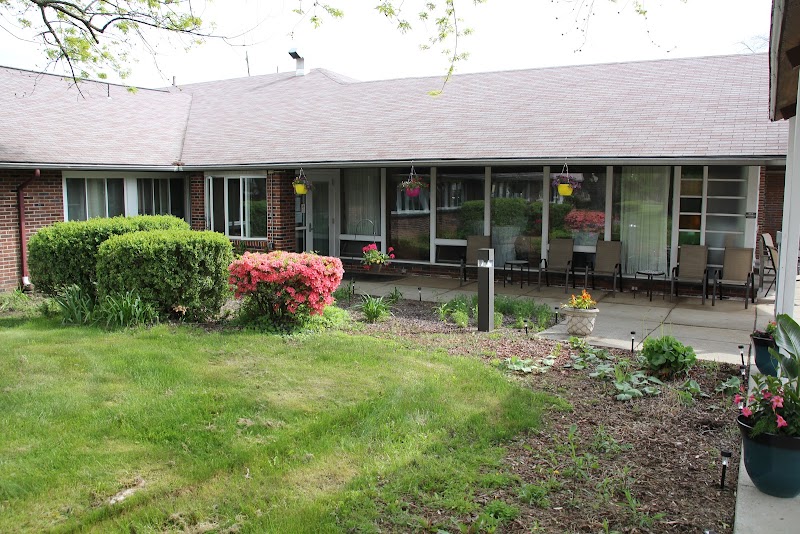
How is Quality Life Services - Westmont Staffed?

CMS rates QUALITY LIFE SERVICES - WESTMONT's staffing level at 4 out of 5 stars, which is above average compared to other nursing homes. Staff turnover is 36%, compared to the Pennsylvania average of 46%. This relatively stable workforce can support continuity of care.

What Have Inspectors Found at Quality Life Services - Westmont?

State health inspectors documented 40 deficiencies at QUALITY LIFE SERVICES - WESTMONT during 2022 to 2025. These included: 40 with potential for harm.
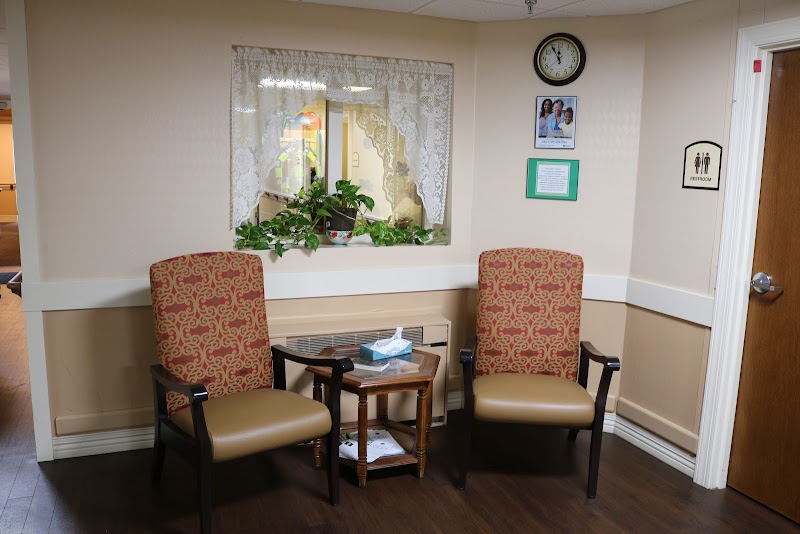
Who Owns and Operates Quality Life Services - Westmont?

QUALITY LIFE SERVICES - WESTMONT is owned by a for-profit company. For-profit facilities operate as businesses with obligations to shareholders or private owners. The facility is operated by QUALITY LIFE SERVICES, a chain that manages multiple nursing homes. With 41 certified beds and approximately 34 residents (about 83% occupancy), it is a smaller facility located in JOHNSTOWN, Pennsylvania.
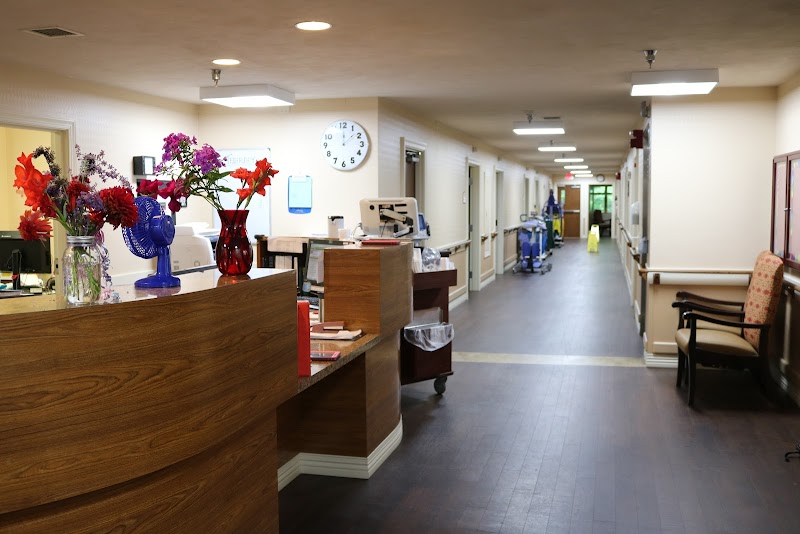
How Does Quality Life Services - Westmont Compare to Other Pennsylvania Nursing Homes?

Compared to the 100 nursing homes in Pennsylvania, QUALITY LIFE SERVICES - WESTMONT's overall rating (2 stars) is below the state average of 3.0, staff turnover (36%) is significantly lower than the state average of 46%, and health inspection rating (2 stars) is below the national benchmark.

What Should Families Ask When Visiting Quality Life Services - Westmont?

Based on this facility's data, families visiting should ask: "Can I visit during a mealtime to observe dining assistance and food quality?" "How do you handle medical emergencies, and what is your hospital transfer rate?" "Can I speak with family members of current residents about their experience?"

Is Quality Life Services - Westmont Safe?

Based on CMS inspection data, QUALITY LIFE SERVICES - WESTMONT has a clean safety record: no substantiated abuse findings (meaning no confirmed cases of resident harm), no Immediate Jeopardy citations (the most serious violation level indicating risk of serious injury or death), and is not on the Special Focus Facility watch list (a federal program monitoring the lowest-performing 1% of nursing homes). The facility has a 2-star overall rating and ranks #100 of 100 nursing homes in Pennsylvania. While no facility is perfect, families should still ask about staff-to-resident ratios and recent inspection results during their visit.

Do Nurses at Quality Life Services - Westmont Stick Around?

QUALITY LIFE SERVICES - WESTMONT has a staff turnover rate of 36%, which is about average for Pennsylvania nursing homes (state average: 46%). Moderate turnover is common in nursing homes, but families should still ask about staff tenure and how the facility maintains care continuity when employees leave.

Was Quality Life Services - Westmont Ever Fined?

QUALITY LIFE SERVICES - WESTMONT has no federal fines on record. CMS issues fines when nursing homes fail to meet care standards or don't correct problems found during inspections. The absence of fines suggests the facility has either maintained compliance or corrected any issues before penalties were assessed. This is a positive indicator, though families should still review recent inspection reports for the full picture.

Is Quality Life Services - Westmont on Any Federal Watch List?

QUALITY LIFE SERVICES - WESTMONT is not on any federal watch list. The most significant is the Special Focus Facility (SFF) program, which identifies the bottom 1% of nursing homes nationally based on persistent, serious quality problems. Not being on this list means the facility has avoided the pattern of deficiencies that triggers enhanced federal oversight. This is a positive indicator, though families should still review the facility's inspection history directly.