KING OF PRUSSIA SKILLED NURSING AND REHABILITATION
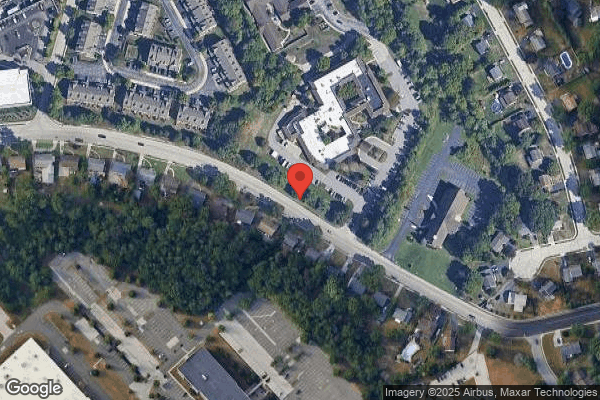
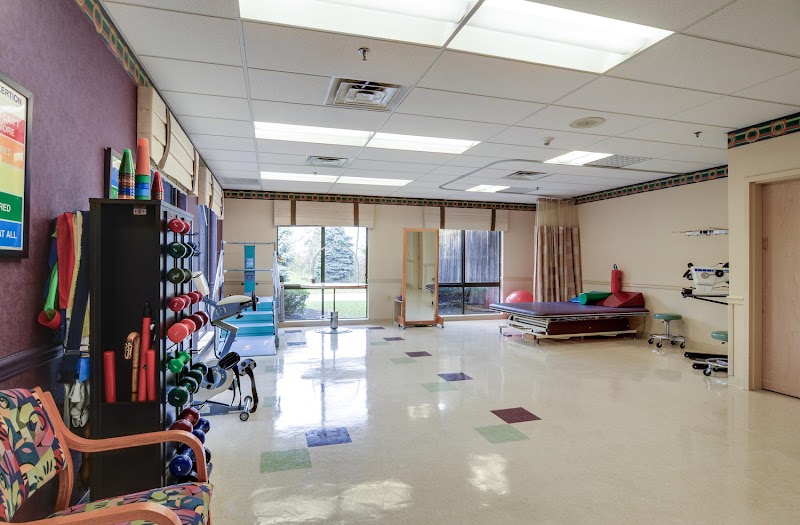
600 WEST VALLEY FORGE ROAD, KING OF PRUSSIA, PA 19406 (610) 337-1775
For profit - Corporation 170 Beds GENESIS HEALTHCARE Data: November 2025
Trust Grade
43/100
#446 of 653 in PA
Last Inspection: July 2025

Inspected within the last 6 months. Data reflects current conditions.

Overview

King of Prussia Skilled Nursing and Rehabilitation has received a Trust Grade of D, indicating below-average quality and some concerns about care. It ranks #446 out of 653 facilities in Pennsylvania, placing it in the bottom half, and #43 out of 58 in Montgomery County, meaning only a few local options are better. The facility is on an improving trend, with a decrease in issues from 26 in 2024 to 7 in 2025, but it still faces significant challenges. Staffing is rated average with a 3/5 star rating, but a high turnover rate of 61% is concerning compared to the state average of 46%, suggesting instability among staff. Notably, there have been incidents such as staff failing to provide adequate training on effective communication and Resident Rights for several employees, raising concerns about the quality of care and staff preparedness. While there are some strengths, like the trend of improvement, families should weigh these issues carefully when considering this facility for their loved ones.

Trust Score
D
43/100
In Pennsylvania
#446/653
Bottom 32%
Safety Record
Low Risk
No red flags
Inspections
Getting Better
26 → 7 violations
Staff Stability
⚠ Watch
61% turnover. Above average. Higher turnover means staff may not know residents' routines.
Penalties
○ Average
$3,145 in fines. Higher than 75% of Pennsylvania facilities. Some compliance issues.
Skilled Nurses
○ Average
Each resident gets 30 minutes of Registered Nurse (RN) attention daily — about average for Pennsylvania. RNs are the most trained staff who monitor for health changes.
Violations
⚠ Watch
66 deficiencies on record. Higher than average. Multiple issues found across inspections.
★★☆☆☆
2.0
Overall Rating
★★★☆☆
3.0
Staff Levels
★★☆☆☆
2.0
Care Quality
★★☆☆☆
2.0
Inspection Score
Stable
2024: 26 issues
2025: 7 issues

The Good

  • Full Sprinkler Coverage · Fire safety systems throughout facility
  • No fines on record

Facility shows strength in fire safety.

The Bad

2-Star Overall Rating

Below Pennsylvania average (3.0)

Below average - review inspection findings carefully

Staff Turnover: 61%

15pts above Pennsylvania avg (46%)

Frequent staff changes - ask about care continuity

Federal Fines: $3,145

Below median ($33,413)

Minor penalties assessed

Chain: GENESIS HEALTHCARE

Part of a multi-facility chain

Ask about local staffing decisions and management

Staff turnover is elevated (61%)

13 points above Pennsylvania average of 48%

The Ugly 66 deficiencies on record

Jul 2025 6 deficiencies
CONCERN (D)

Potential for Harm - no one hurt, but risky conditions existed

Deficiency F0628 (Tag F0628)

Could have caused harm · This affected 1 resident

**NOTE- TERMS IN BRACKETS HAVE BEEN EDITED TO PROTECT CONFIDENTIALITY** Based on interviews, policy reviews, and clinical closed record review, it was determined the facility failed to ensure ombudsma...

Read full inspector narrative →
**NOTE- TERMS IN BRACKETS HAVE BEEN EDITED TO PROTECT CONFIDENTIALITY** Based on interviews, policy reviews, and clinical closed record review, it was determined the facility failed to ensure ombudsman notification procedures were followed for one of one resident reviewed. (Resident 6), and to document return of personal items upon discharge or death for two of three residents reviewed (Resident 139 and 140).Findings Include: Review of Resident 6’s clinical record revealed diagnoses including pulmonary embolism. (A pulmonary embolism (PE) is a blood clot in one of the blood vessels in your lung.) Interview with Director of Nursing on [DATE] at 10:02 AM confirmed no notification was sent to ombudsman Review of facility policy titled Personal Property: Patient's revealed, personnel will identify and record the resident's belongings upon admission to the facility. Return of any personal property remaining in the facility must be made within 30 days after discharge or death. Review of nursing notes for Resident 139, dated [DATE], documents the resident was discharged to [NAME] Hospital related to lower back pain. No further information was documented regarding Resident 139. Review of Resident 139's closed clinical record revealed a list of the resident’s personal items upon admission. Further review of Resident 139's closed clinical records failed to reveal documentation the resident's personal items were returned after discharge. Review of nursing notes for Resident 140's, dated [DATE], at 4:09 a.m., documenting Resident 140 was found unresponsive, RN on duty called to examine, Resident was pronounced at 03:30 am expired. Review of Resident 140's closed clinical record revealed a list of the resident’s personal items upon admission. Further review of Resident 140's closed clinical records failed to reveal documentation the resident's personal items were returned to family after the resident's death. Interview on [DATE], at 10:00 a.m. with the Director of Nursing (DON), when the above was presented, the DON confirmed there was no documentation of the resident's personal belongings be returned upon discharge or death. 28 Pa Code 201.25 Discharge policy 28 PA Code 211.5(d) Clinical records 28 Pa. Code 211.12(c)(d)(1)(3)(5) Nursing services
CONCERN (D)

Potential for Harm - no one hurt, but risky conditions existed

Quality of Care (Tag F0684)

Could have caused harm · This affected 1 resident

Based on a review of facility policy, clinical records and staff interviews, it was determined that the facility failed to properly follow physician orders for two of 32 residents reviewed (Resident 6...

Read full inspector narrative →
Based on a review of facility policy, clinical records and staff interviews, it was determined that the facility failed to properly follow physician orders for two of 32 residents reviewed (Resident 6 and 29).Finding include: Review of Resident 6’s clinical record revealed diagnoses including essential hypertension. (Primary (essential) hypertension is high blood pressure that is multi-factorial and doesn’t have one distinct cause.) Review of Resident 6’s physician's orders revealed Metoprolol Tartrate Oral Tablet 25 MG (Metoprolol Tartrate) Give 1 tablet by mouth two times a day for HTN Hold for SBP < 130 Review of Resident 6’s medication administration record (MAR) for the month of May 2025, June 2025, and July 2025 revealed the facility administered the above medication eight times outside of parameters. The facility failed to ensure Resident 6’s medication order Metoprolol Tartrate Oral Tablet 25 MG was administered as ordered. The above information was conveyed to the Nursing Home Administrator and Director of Nursing on July 17, 2025 at 11:32 am. Review of the facility’s “Pain Management” policy, revised March 24, 2025, revealed at a minimum of daily, residents will be evaluated for the presence of pain by making an inquiry of the patient or by observing for signs of pain. As needed pain medications will have defined parameters for use. Review of the facility’s “Pain Management” policy, failed to reveal guidance on pain severity levels. Review of facility policy titled Medication Administration General Guidelines dated 01/24 section 7.1. Medication administration: “Medications are administered in accordance with written orders of the prescriber. Review of Resident 29’s clinical records revealed medical diagnosis that include Malignant Neoplasm of Tongue (tongue cancer), and Tracheostomy Status (surgical hole in the B that assists with breathing), and Dysphagia, Oropharyngeal (difficulty transferring food from mouth to throat). Review of Resident 29’s physician orders revealed an order dated December 17, 2018, for NPO diet (nothing by mouth), Morphine Sulfate Oral Tablet (opioid pain reliever) 30 mg, give 1 tablet by mouth every 4 hours as needed for moderate to severe pain, Risperdal Tablet 3 mg (antipsychotic), give 1 tablet by mouth at bedtime give with 0.5mg tablet to equal 3.5 total, Amoxicillin-Po Clavulanate Tablet (antibiotic) 875-125 mg, give 1 tablet by mouth every 12 hours for pneumonia for 5 days give twice daily for 5 days, Docusate Sodium Liquid (stool softener) 50 mg/5ml, give 10 ml by mouth two times a day for constipation and Enteral Feed (intake of nutrition via tube) five times a day Osmolite 1.5 formula, Bolus feeds of 275 ml 5x per day (1375 ml total volume). Review of Resident 29’s June and July 2025 Medication Administration Reports (MAR) revealed nursing staff document administering the Morphine, Risperdal, Amoxicillin and Docusate via mouth although the resident has orders of NPO, and all medications should be administered via the resident’s Percutaneous Endoscopic Gastrostomy (PEG)-Tube (feeding tube inserted wall of stomach). Further review of Resident 29’s June and July 2025 MARs revealed Morphine Sulfate Oral Tablet 30 mg, give 1 tablet every 4 hours as needed for moderate to severe pain was administered to the resident with a documented pain level of 0 to 2 from June 24, 2025, through July 9, 2025. Interview with Resident 29 on July 17, 2025, at 10:00 a.m., Resident 29 confirmed he/she receives nothing by mouth, everything is administered via peg-tube. Interview with Unit Manager Employee E5 on July 17, 2025, at 10:10 a.m., E5 stated Resident 29 only receives medications via peg-tube. E5 confirmed the resident’ s NPO status and confirms the resident receives nothing by mouth. E5 confirmed Resident 29 received Morphine for moderate to severe pain with documented pain levels of 0 to 2. E5 stated staff documents the residents clinical pain level (the resident’s physical appearance of pain), not the resident’s stated pain level, which is usually 7. Interview July 18, 2025, at 10:00 a.m. with Director of Nursing (DON), DON confirmed Resident 29 receives nothing by mouth. DON confirmed documentation errors for Resident 29’s physician orders noting take by mouth. 28 Pa. Code 211.5(f) Clinical Records 28 Pa. Code 211.12(c)(d)(1)(3)(5) Nursing Services
CONCERN (D)

Potential for Harm - no one hurt, but risky conditions existed

Deficiency F0692 (Tag F0692)

Could have caused harm · This affected 1 resident

Based upon review of facility policy and procedure and review of clinical records, it was determined the facility failed to ensure weight loss and weight gain was adequately monitored for two of 15 re...

Read full inspector narrative →
Based upon review of facility policy and procedure and review of clinical records, it was determined the facility failed to ensure weight loss and weight gain was adequately monitored for two of 15 residents reviewed (Resident 8, Resident 60). Finding include: Review of facility policy and procedure titled Weights and heights, revised July 15, 2025, revealed Based on patients’ comprehensive assessment, the center will ensure that all patients maintain acceptable parameters of nutritional status, such as usual body weight or desirable body weight, unless the patient clinical condition demonstrates that is not possible for the patients' preferences to indicate otherwise Review of Resident 8’s diagnosis list revealed diagnoses including Gastro-esophageal reflux disease without esophagitis. (Gastroesophageal reflux disease (GERD) happens when acidic stomach contents flow back into the esophagus.) Review of Resident 8’s physician orders dated July seventh, 2025, revealed an order for weights every Monday. Review of Resident 8's Weight Summary revealed July 1, 2025; Resident 8 weighed 127.5 pounds. Further review of Resident 8's Weight Summary revealed on July 14, 2025. Resident 8 weighed 119.6 pounds Resident 8’s weighed 119.6 pounds on July 14, 2025. This indicated a 6.2% weight loss between July 1, 2025, and July 14, 2025. Further review of Resident 8's clinical record failed to reveal evidence of a reweight after the July 14, 2025, was obtained. Further review of Resident 8's clinical record failed to reveal evidence that the facility dietitian was notified of Resident 8's weight loss. Review of Resident 60’s clinical record revealed diagnoses of localized edema (accumulation of fluid in a specific area of the body) and dementia. Review of Resident 60's clinical record revealed that weights were obtained as follows: December 2, 2024 – 140.6 pounds, January 1, 2025- 131.2 and February 2, 2025 – 112.5 pounds indicating a loss 18 pounds (14.25% Loss). Review of Resident 60’s clinical records and nutrition assessment failed to reveal evidence of significant weight loss being identified and interventions being put in place to address the weight loss. Interview with Dietician on July 17, 2025, at 10:50am confirmed the above information was true for Resident 60. Interview with the dietitian on July 17, 2025, at 11:07am confirmed that no reweight was obtained and further confirmed the dietitian was not notified of Resident 8's weight loss. 28 Pa. Code 211.10(c) Resident Care Policies 28 Pa. Code 211.12(c)(d)(3) Nursing Services
CONCERN (D)

Potential for Harm - no one hurt, but risky conditions existed

Respiratory Care (Tag F0695)

Could have caused harm · This affected 1 resident

Based on clinical record review, and policy and procedures review, it was determined the facility failed to follow a physician's order for oxygen therapy for one of three residents reviewed (Resident ...

Read full inspector narrative →
Based on clinical record review, and policy and procedures review, it was determined the facility failed to follow a physician's order for oxygen therapy for one of three residents reviewed (Resident 10). Findings include:Review of facility policy, titled Procedure: OXYGEN: NASAL CANNULA revision date 08/07/2023 revealed place oxygen source in room according to equipment specific procedure.Review of Resident 10's clinical record revealed there was a current physician's order for the resident to be receiving oxygen therapy via a nasal cannula. The cannula was to be used continuously.Review of Resident 10's clinical record revealed the following nursing statement. The resident also is on continuous oxygen, however O2 was not in use during ambulation. Staff and therapist were re-educated on ensuring oxygen is maintained during all mobility activities, including with portable tanks when appropriate.Interview conducted with the Director of Physical therapy, Employee E3, at 07/18/2025 12:51 PM, when they were informed of the above information and deficient practice was identified.The facility failed to follow a physician's order for oxygen therapy for Resident 10. PA Code 211.10(c) Resident Care Policies
CONCERN (D)

Potential for Harm - no one hurt, but risky conditions existed

Pharmacy Services (Tag F0755)

Could have caused harm · This affected 1 resident

**NOTE- TERMS IN BRACKETS HAVE BEEN EDITED TO PROTECT CONFIDENTIALITY** Based on facility policy, observations and interviews, it was determined that the facility failed to document medication disposi...

Read full inspector narrative →
**NOTE- TERMS IN BRACKETS HAVE BEEN EDITED TO PROTECT CONFIDENTIALITY** Based on facility policy, observations and interviews, it was determined that the facility failed to document medication disposition for one of three discharged residents. (Resident 139). Findings include: Review of facility policy titled Disposal of Medication Waste, documents all medications will be disposed of in accordance with applicable federal, state, and local regulations for the disposal of chemical and potentially dangerous or hazardous pharmaceuticals. Medication for disposal includes medications which are not taken with the resident upon discharge. Medications that cannot be returned to the pharmacy, discharged with the resident, or donated will be placed in medication disposal bins labeled controlled substance waste. A licensed pharmaceutical waste disposal company will remove medication waste.Review of resident 139's clinical records revealed physician orders that included Morphine Sulfate Oral Tablet 15 MG (for pain).Review of Resident 139's clinical records revealed a progress note dated April 17, 2025, at 5:54 a.m., documenting the resident was admitted to [NAME] Hospital for observation related to chronic (recurring) mid-line low back pain. No further information was documented concerning Resident 139's discharge. Review of Resident 139's closed records revealed a medication administration form dated April 13, 2025, documenting the resident received 30 Morphine Sulfate Oral Tablets. Per the medication administration form none of the medication was administered to Resident 139. Further review of Resident 139's closed records failed to reveal documentation of the proper disposition of Resident 139's 30 Morphine Sulfate Oral Tablets. Interview on July 18, 2025, at 10:00 a.m., with Director of Nursing (DON) when the above information was presented, The DON confirmed there was no medication disposition sheet for Resident 139. 42 CFR 483.45(a)(b)(1)-(3) Pharmacy Services/Procedures/Pharmacist/Records.28 Pa. Code 211.9(j) Pharmacy services.28 Pa. Code 211.12(d)(1)(5) Nursing services.
CONCERN (D)

Potential for Harm - no one hurt, but risky conditions existed

Room Equipment (Tag F0908)

Could have caused harm · This affected 1 resident

Based on observations, review of facility records and staff interviews, it was determined that the facility failed to maintain kitchen equipment (dishwasher and sink faucet) in safe, operating conditi...

Read full inspector narrative →
Based on observations, review of facility records and staff interviews, it was determined that the facility failed to maintain kitchen equipment (dishwasher and sink faucet) in safe, operating condition. Findings include:Observation of the facility's main kitchen on 7/14/2025, between 6:13p.m. and 6:25 p.m., revealed a puddle of water on the floor by the dishwasher. During an interview at the time of the observation, Employee 6 indicated that the puddle of water was due to a drain issue and that maintenance was made aware three month ago. Observations of the use of the sink faucet by the dishwasher on 7/15/2025 at 9:25am revealed a puddle of water on the floor and leak in the faucet. Interview with the Maintenance Director on 7/15/2025 at 9:36am confirmed that there was a leaking faucet and were made aware of it a month ago (June 2025) and stated that there was an issue with the water line.Review of work orders provided revealed a work order for faucet repair was put in on 7/15/2025.Interview with the Nursing Home Administrator on 7/16/2025 at 2:11pm confirmed the above findings. 28 Pa Code: 207.2(a) Administrator's responsibility.
Jan 2025 1 deficiency
CONCERN (D) 📢 Someone Reported This

A family member, employee, or ombudsman was alarmed enough to file a formal complaint

Potential for Harm - no one hurt, but risky conditions existed

Report Alleged Abuse (Tag F0609)

Could have caused harm · This affected 1 resident

Based on interviews and clinical record reviews, it was determined that the facility failed to report one resident's hospital transfer due to consumption of a liquid soap product. (Resident 2) Finding...

Read full inspector narrative →
Based on interviews and clinical record reviews, it was determined that the facility failed to report one resident's hospital transfer due to consumption of a liquid soap product. (Resident 2) Findings include: Review of resident's clinical records revealed medical diagnoses that include Dementia (loss of cognitive functions), Heart Failure (heart can't pump enough blood to meet body's needs), Hypertension (pressure in blood vessels are to high), Stage 3 Kidney Disease (mild to moderate kidney damage), Anxiety (overwhelming sense of apprehension or fear), and Major Depressive Disorder (persistent low or depressed mood, loss of interest). Review of facility records revealed an incident report dated December 31, 2024, documenting Certified Nursing Employee E3 reported to Licensed Nursing Employee E4 that a Resident 2 was observed with a bottle of soap up to his/her mouth. Resident 2 was found by Licensed Nursing Employee E4 lying in bed, cringing with eyes closed and clammy to touch. The physician was notified, and orders were given to send Resident 2 to the hospital. Resident 2 was identified as oriented to person only. Review of facility records revealed Certified Nursing Employee E3's, witness statement documenting at approximately 5:45 p.m., Resident 2 was observed in his/her room, large amounts of vomit were observed on the floor and an empty soap bottle was observed in his/her hand. According to the statement Certified Nursing Employee E3 left the room to get supplies to clean the floor. When Certified Nursing Employee E3 returned Resident 2 was in the bathroom, sitting in his/her wheelchair, incontinent with watery stool. Certified Nursing Employee E3 witnessed Resident 2 placing another soap bottle up to his/her lips. Certified Nursing Employee E3 took the bottle away from the resident and reported the incident to Licensed Nursing Employee E4. Interview conducted with Director of Nursing (DON) on January 29, 2025, at 2:00 p.m., when the above information was presented, the DON confirmed the incident did occur, the incident was not reported to the DON at time of occurrence, and the incident was not reported to the Department of Health. 28 Pa. Code 201.18(e)(1) Management. 28 Pa. Code 211.12(d)(5) Nursing services.
Aug 2024 22 deficiencies
CONCERN (D)

Potential for Harm - no one hurt, but risky conditions existed

Investigate Abuse (Tag F0610)

Could have caused harm · This affected 1 resident

Based on review of the facility's policy, clinical records, and staff interview, it was determined that the facility failed to thoroughly investigate an allegation of physical abuse for one of the 29 ...

Read full inspector narrative →
Based on review of the facility's policy, clinical records, and staff interview, it was determined that the facility failed to thoroughly investigate an allegation of physical abuse for one of the 29 residents reviewed (Resident 54). Findings include: Review of the facility's policy titled Abuse Prohibition with review date of February 23, 2021, revealed the center will implement an abuse prohibition program through the identification of possible incidents or allegations that need investigations. The same policy revealed that upon receiving a report of suspected or alleged abuse, mistreatment, or neglect, the designee will initiate an investigation that focuses on whether abuse or neglect occurred and to what extent. The investigation will be thoroughly documented, ensure that documentation of witnessed interviews will be included. Review of Resident 54's diagnosis list includes Cerebrovascular Disease (stroke), and Anxiety disorder. Review of Resident 54's plan of care revealed resident was resistive and non-compliant with care. Review of Resident 54's Minimum Data Set (MDS- A standardized assessment tool that measures health status in long-term care residents) dated March 27, 2024, revealed that the resident had a moderate cognitive impairment. Review of Resident 54's nursing progress notes dated March 12, 2024, at 11:59 a.m., revealed Resident 54 reported an aide got angry and hit her/him in the face this morning or last night, The resident was unclear of the time of the incident. The resident was unable to remember the staff name. The resident was assessed with no visible injuries, son was notified. Review of the facility's documentation, Incident Report revealed that on March 12, 2024, at 11:51 a.m., the resident reported that a Nursing Assistant (NA) got angry and hit her/him in the face this morning or last night. The resident reported that the NA was angry and frustrated and hit her in the face. The son was notified and reported that he does not think that the incident happened because the resident always complains about the NAs, the son expressed that if it did happen it probably was an accident. The resident was assessed and revealed no visible injury. Review of the facility's documentation, unlicensed staff Employee E14 statement revealed that while providing care, the resident reported being hit in the head by a staff, the resident stated it was a young lady. Review of the licensed staff Employee E15's statement revealed the resident reported that an NA got angry and hit her/him in the face this morning or last night, the resident was unclear of the time of the incident and was unable to remember the name of the staff. Review of the facility's documentation, and investigation reports, revealed that aside from the two employees who received the report of the alleged physical abuse, no other employees including staff that worked the day/night before and in the morning were interviewed. Interview conducted with the Nursing Home Administrator on August 15, 2024, at 11:00 a.m., confirmed that only two staff members were interviewed regarding the alleged physical abuse. The facility failed to ensure Resident 54's alleged physical abuse was thoroughly investigated. 28 Pa. Code 211.12(c)(d)(1)(3)(5) Nursing Services. 28 Pa. Code §201.14(a) Responsibility of licensee 28 Pa. Code §201.18(b)(1)(3) Management 28 Pa. Code §211.10(c)(d) Resident care policies
CONCERN (D)

Potential for Harm - no one hurt, but risky conditions existed

Transfer Notice (Tag F0623)

Could have caused harm · This affected 1 resident

Based on clinical record review and staff interview, it was determined that the facility failed to notify the Office of the State Long-Term Care Ombudsman of a transfer to the hospital for four of eig...

Read full inspector narrative →
Based on clinical record review and staff interview, it was determined that the facility failed to notify the Office of the State Long-Term Care Ombudsman of a transfer to the hospital for four of eight residents reviewed (Residents 17, 96, 332, and 333). Findings include: Rview of Resident 17's clinical record revealed the resident was transferred to the hospital on May 4, 2024, due to two episodes of vomiting and weakness. There was no documented evidence to indicate the facility provided a written notice to the Office of the State Long-Term Care Ombudsman regarding the resident's hospitalization. Review of Resident 96's clinical record revealed the resident was transferred to the hospital on August 10, 2024, due to a fall with laceration to the forehead. There was no documented evidence to indicate the facility provided a written notice to the Office of the State Long-Term Care Ombudsman regarding the resident's hospitalization. Review of Resident 332's clinical record revealed the resident was transferred to the hospital on April 5, 2024, for a clogged feeding tube and shoulder pain, May 6, 2024, for lethargy and vomit in trach collar, and gastronomy tube, and July 9, 2024, for dislodged feeding tube. There was no documented evidence to indicate the facility provided a written notice to the Office of the State Long-Term Care Ombudsman regarding the resident's hospitalization. Review of Resident 333's clinical record revealed the resident was transferred to the hospital on July 15, 2024, due to bleeding from nose and mouth, July 23, 2024, for change in mental status, and August 7, 2024, due to dislodged feeding tube. There was no documented evidence to indicate that the facility provided a written notice to the Office of the State Long-Term Care Ombudsman regarding the resident's hospitalization. Interview on August 15, 2024 at 10:30 a.m with Director of Social Services confirmed the above noted findings regarding transfer notices to the State Long Term Care Ombudsman office. 28 Pa. Code 201.14(a) Responsibility of license 28 Pa. Code 201.29(a) Resident rights
CONCERN (D)

Potential for Harm - no one hurt, but risky conditions existed

Assessment Accuracy (Tag F0641)

Could have caused harm · This affected 1 resident

Based on review of the Resident Assessment Instrument User's Manual and clinical records, as well as staff interviews, it was determined that the facility failed to complete accurate Minimum Data Set ...

Read full inspector narrative →
Based on review of the Resident Assessment Instrument User's Manual and clinical records, as well as staff interviews, it was determined that the facility failed to complete accurate Minimum Data Set assessments for one of 32 residents reviewed (Residents 25). Findings include: The Resident Assessment Instrument (RAI) User's Manual, which gives instructions for completing Minimum Data Set (MDS) assessments (mandated assessments of a resident's abilities and care needs), revealed that Section O0110 was to be completed with the resident's special treatments, procedures, and programs, and Section O0110 was to be coded for the use of Tracheostomy(a medical procedure that involves creating an opening in the neck in order to place a tube into a person's trachea, or windpipe) Care. Column (2) was to be checked if Tracheostomy Care was used while a resident of the facility within the last 14 days. Review of Resident 25's care plan, revised on July 11, 2024, indicated that the resident at risk for respiratory impairment related to tracheostomy. Physician's orders for Resident 25, dated November 11, 2023, included an order for the resident to receive Trach care daily. Review of Resident 25's annual MDS assessment, dated May 18, 2024, revealed that column (2) of Section 00110E (Tracheostomy Care) was not marked with a checkmark indicating that the resident received Tracheostomy Care. Interview on August 14, 2023, at 11:23 a.m. with Licensed Practical Nurse (LPN) MDS Coordinator Employee E8, who was responsible for the completion of the MDS assessment, confirmed that Section O0110C of Resident 45's MDS assessment was inaccurate and should have indicated that the residents received Tracheostomy Care. 28 Pa. Code 211.5(f) Clinical Records
CONCERN (D)

Potential for Harm - no one hurt, but risky conditions existed

Deficiency F0655 (Tag F0655)

Could have caused harm · This affected 1 resident

**NOTE- TERMS IN BRACKETS HAVE BEEN EDITED TO PROTECT CONFIDENTIALITY** Based on clinical record reviews and interviews with residents and staff, it was determined that the facility failed to develop ...

Read full inspector narrative →
**NOTE- TERMS IN BRACKETS HAVE BEEN EDITED TO PROTECT CONFIDENTIALITY** Based on clinical record reviews and interviews with residents and staff, it was determined that the facility failed to develop a baseline care plan within 48 hours of a resident's admission that included the minimum information necessary to properly care for a resident, for one of eight residents reviewed (Resident 333). Findings include: Review of Resident 333's clinical records revealed the resident was admitted into the facility on July 9, 2024, with medical diagnoses that include Seizures, Nontraumatic Intracerebral Hemorrhage (bleeding into the brain), Acute Respiratory Failure, Gastrostomy (creation of an artificial external opening into the stomach for nutritional support), Hepatic Encephalopathy (loss of brain function), Cirrhosis of Liver with Ascites (fluid in abdomen), and Rhabdomyolysis (breakdown of skeletal muscle). Review of Resident 333's physician orders dates July 9, 2024, to cleanse sacral wound with spray, apply calcium alginate and cover with foam dressing, Review of Resident 333's care plan dated July 10, 2024, revealed plans for wound management and documents pressure ulcer. Review of Resident 333's admission Minimum Data Set (MDS) dated [DATE], revealed the resident was admitted with a stage 2 pressure ulcer. Review of Resident 333's clinical records revealed progress notes documenting the resident was hospitalized on [DATE], through July 25, 2024, for change of mental status. Review of Resident 333's readmission physician orders dated July 26, 2024, failed to document orders for pressure ulcer care. Review of Resident 333's care plan dated July 26, 2024, failed to document the resident had a pressure ulcer. Review of Resident 333's Treatment Administration Report (TAR) for July 2024 and August 2024, revealed the resident was receiving treatment for a sacral pressure ulcer. Review of Resident 333's progress notes from July 26, 2024, thru August 14, 2024, revealed the resident was provided with treatment for a sacral pressure ulcer daily except when the resident refused care. During interview on August 15, 2024, at 9:20 a.m., Employee E11, wound nurse, stated Resident 333 did not currently have a pressure ulcer. Interview conducted on August 15, 2024, at 10:15 a.m.,with the Director of Nursing (DON) confirmed the Resident 333 does have a sacral pressure wound but the focus, goals, and interventions were not included in the resident's July 26, 2024, readmission care plan. 28 Pa Code 211.10(d) Resident care policies 28 Pa Code 211.12(d)(5) Nursing services
CONCERN (D)

Potential for Harm - no one hurt, but risky conditions existed

Quality of Care (Tag F0684)

Could have caused harm · This affected 1 resident

Based on clinical record review and staff interview it as determined the facility failed to administer medications as ordered to one of 24 residents reviewed. (Resident 20) Findings Include: Review of...

Read full inspector narrative →
Based on clinical record review and staff interview it as determined the facility failed to administer medications as ordered to one of 24 residents reviewed. (Resident 20) Findings Include: Review of Resident 20's physician orders revealed an order for Midodrine (increases blood pressure) 5 milligrams (mg) three times a day (TID) for hypotension (low blood pressure) hold for systolic blood pressure greater than 140. Review of Resident 20's Medications Administration Record (MAR) from August 1-13 2024 revealed the resident received the midodrine four times when the systolic blood pressure was above 140. Review of Resident 20's MAR for the entire month of July 2024 revealed the resident received the midodrine 13 times when the systolic blood pressure was above 140. Interview with the Director of Nursing on August 15, 2024 at 11:30 a.m. confirmed the medication was not administered as ordered by the physician. 28 Pa. Code 201.18(b)(1) Management 28 Pa. Code 211.5(f) Clinical records 28 Pa. Code 211.12(d)(1)(3)(5) Nursing services
CONCERN (D)

Potential for Harm - no one hurt, but risky conditions existed

Pressure Ulcer Prevention (Tag F0686)

Could have caused harm · This affected 1 resident

Based on a review of the facility's policy, clinical records review, and staff interview, it was determined the facility failed to ensure that treatments for pressure ulcers were provided as ordered b...

Read full inspector narrative →
Based on a review of the facility's policy, clinical records review, and staff interview, it was determined the facility failed to ensure that treatments for pressure ulcers were provided as ordered by the physician for two of the 29 residents reviewed (Resident 54 and 127). Findings include: Review of the facility's policy titled Skin Integrity and Wound Management with a revised date of May 1, 2024, revealed that the licensed nurse will perform daily monitoring of wound dressing for the presence of complications and declines, implement skin/wound care guidelines, and implement special wound care treatments as indicated and ordered. Review of Resident 54's wound consult report dated July 29, 2024, revealed that the resident had a Stage 4 Pressure Ulcer (full-thickness skin and tissue loss) to the sacrum (tail bone) measuring 1.8 x 0.6 x 0.1 cm. The wound order recommendation was to cleanse the sacral wound with a normal saline solution and apply Calcium Alginate (wound dressing that absorbs excess moisture and promotes healing), and Puracol (wound product that contains collagen designed to promote wound healing). Change dressing daily due to incontinence and daily soiling of dressing. Cover with Silicone bordered foam dressing daily. Review of Resident 54's physician orders dated July 29, 2024, revealed an order to cleanse the sacrum with normal saline solution, apply Puracol, and calcium alginate, and cover with foam dressing daily and PRN (as needed) every day shift every other day for Stage 4 pressure ulcer. Review of Resident 54's August 2024, Treatment Administration Record (TAR) revealed Resident 54's sacral wound was not treated on the following dates: August 2, 4, 6, 8, 10, 12, and 14, 2024. Interview with the Director of Nursing (DON) on August 14, 2024, at 1:00 p.m., revealed the wound nurse transcribed the order incorrectly. Resident 54's sacral wound treatment was transcribed every other day instead of daily and as needed every other day. Review of Resident 127's wound consult dated June 24, 2024, revealed that the resident had an Unstageable Pressure Ulcer (Obscured full-thickness skin and tissue loss) to the sacrum measuring 5.0 x 8.0 x 0.1 cm. The wound order recommendation was to cleanse the sacrum with wound cleanser, apply calcium alginate, and cover with Silicone foam dressing daily. Review of Resident 127's physician order dated June 24, 2024, revealed an order to cleanse the sacrum with wound spray, apply calcium alginate, and cover it with foam dressing daily and PRN everyday shift. Review of Resident 127's June and July 2024 TAR, revealed Resident 127's sacral wound was not treated from June 26, 2024, until July 8, 2024. The facility was unable to provide documented evidence that Resident 127's sacral wound was treated on the dates mentioned above. The facility failed to ensure Resident 54 and 127's wounds were treated as ordered by the physician. 28 Pa. Code 211.12(d)(1)(5) Nursing services 28 Pa. Code 211.10(c)(d) Resident care policies
CONCERN (D)

Potential for Harm - no one hurt, but risky conditions existed

Accident Prevention (Tag F0689)

Could have caused harm · This affected 1 resident

Based on Facility policy and procedure review, clinical record review and staff interview it was determined the facility failed to provide interventions to prevent a potential elopement for one of two...

Read full inspector narrative →
Based on Facility policy and procedure review, clinical record review and staff interview it was determined the facility failed to provide interventions to prevent a potential elopement for one of two residents reviewed. (Resident 101) Findings Include: Review of Facility policy and procedure titled Wandering, last revised May 1, 2022, revealed wandering behavior symptoms will be documented on the Behavior Monitoring and Intervention Flow Record or Behavior Tracking Form. Forms will be reviewed to determine triggers associated with the behavior and effectiveness of non-pharmacological interventions. Behavior symptoms will be addressed in the care/service plan. Review of Resident 101's progress notes revealed a social service entry dated July 26, 2024 at 2:17 p.m. stating, resident also reported that she tried to escape this joint and admitted to going into the staircase and attempt to walk upstairs. Further review of Resident 101's clinical record revealed there were no assessments completed to determine the residents risk for elopement and no care plan developed with interventions placed to prevent elopement. Interview with the Director of Nursing on August 15, 2024 at 11:30 a.m. confirmed there was no further assessment or interventions developed for the prevention of elopement of Resident 101 after the statements made to the social worker on July 26, 2024. 28 Pa. Code 211.11(d) Resident care plan 28 Pa. Code 211.12 (c)(d)(1)(5) Nursing services
CONCERN (D)

Potential for Harm - no one hurt, but risky conditions existed

Incontinence Care (Tag F0690)

Could have caused harm · This affected 1 resident

**NOTE- TERMS IN BRACKETS HAVE BEEN EDITED TO PROTECT CONFIDENTIALITY** Based on clinical record review, facility policy and procedure review, observations, and staff interview it was determined the f...

Read full inspector narrative →
**NOTE- TERMS IN BRACKETS HAVE BEEN EDITED TO PROTECT CONFIDENTIALITY** Based on clinical record review, facility policy and procedure review, observations, and staff interview it was determined the facility failed to provide care and services for foley catheters for one of five residents reviewed. (Resident 20) Findings Include: Review of facility policy and procedure titled Catheter: Urinary-Justification for Use, last revised August 7, 2023, revealed Patients who have urinary catheters upon admission or subsequently receive one will be assessed for removal of the catheter as soon as possible unless the patients clinical condition demonstrates that catheterization is necessary. If the patients condition meets any of the indwelling catheter criteria, obtain a physician order, include in care plan. Observation of Resident 20 on August 12, 2024 at 9:30 a.m. revealed the resdient had a Foley Catheter (tube placed into the bladder to drain urine). Review of Resident 20's progress notes revealed a Nursing Clinical admission Notes dated June 19, 2024 at 2:46 p.m. stating the resident returned from the hospital and had a foley catheter. Review of Resident 20's progress notes revealed a physician entry dated Jun 25, 2024 stating the resident had just returned from the hospital and had a foley catheter and would need to follow up with urology. Review of Resident 20's entire clinical record revealed there was no physician order for a foley catheter, no assessment to determine the need of the foley catheter and no documented evidence the resident had received any care to the foley catheter since readmitted on [DATE]. There was also no order for the resident to be seen by urology or a consult report of the resident having been seen by urology since the physician note of June 25, 2024. Interview with the Director of Nursing on August 15, 20204 at 11:30 a.m. confirmed there was no order, assessment, urology consult, or documented evidence of care provided for Resident 20's foley catheter. 28 Pa. Code 211.5 (f) Clinical record 28 Pa. Code 211.10 (d) Resident care policies 28 Pa. Code 211.12 (c)(d)(1)(3) Nursing services
CONCERN (D)

Potential for Harm - no one hurt, but risky conditions existed

Deficiency F0692 (Tag F0692)

Could have caused harm · This affected 1 resident

**NOTE- TERMS IN BRACKETS HAVE BEEN EDITED TO PROTECT CONFIDENTIALITY** Based on review of the facility's policy, clinical records review, and staff interview, it was determined the facility failed to...

Read full inspector narrative →
**NOTE- TERMS IN BRACKETS HAVE BEEN EDITED TO PROTECT CONFIDENTIALITY** Based on review of the facility's policy, clinical records review, and staff interview, it was determined the facility failed to appropriately monitor, provide appropriate interventions, and timely notify the physician of a significant weight change for two of 29 residents reviewed (Residents 85 and 127). Findings include: Review of the facility's policy titled Weights and Heights last reviewed on June 15, 2022, revealed that patients are weighed upon admission and/or re-admission, then weekly for four weeks and monthly thereafter. The purpose was to obtain baseline weight and identify significant weight changes. Review of Resident 85's dietary notes dated June 24, 2024, revealed the resident with a diagnosis of Progressive Supranuclear Ophthalmoplegia (movement disorder that occurs from damage to certain nerve cells in the brain). The same note revealed resident was on NPO (nothing per mouth), had a gastrostomy tube (medical device used to provide nutrition to people who cannot obtain nutrition by mouth), and receiving a feeding of Jevity 1.5 @ 86 ml/hr x 20 hr for TV of 1720 ml. Review of Resident 85's weights and vitals revealed a monthly weight of 108.6 pounds on July 5, 2024, and 143.2 pounds on August 5, 2024, a 34.6 pounds (31.86 %) significant weight gain in one month. Review of the dietitian's progress notes dated August 7, 2024, revealed Resident 85 had 32% weight gain in a month which is clinically significant. A reweigh is needed to confirm significant weight gain, re weight requested. Review of the clinical records failed to reveal that the resident was re-weighed to ensure the accuracy of the weight change and the physician was notified of the significant weight change identified on August 5, 2024. Review of Resident 127's hospital record revealed a weight of 140 pounds. Review of Resident 127's clinical record revealed Resident 127 was admitted to the facility on [DATE], with a diagnosis of multiple fractures from a motor vehicular accident. Clinical records also revealed resident was admitted with a sacral (tailbone) pressure ulcer and a gastrostomy tube. (GT- A medical device used to provide nutrition to people who cannot obtain nutrition by mouth). Review of Resident 127's admission assessment failed to reveal admission weight was taken. Review of Resident 127's nutrition note completed by licensed employee E12 on June 14, 2024, at 10:01 a.m., revealed resident weighed 140 pounds. The same note revealed resident's IBW (Ideal body weight) was 166 pounds. Employee E12 documented that the resident was at risk for malnutrition related to having a wound, being on a tube feed regimen, mechanically altered diet texture, and previous medical history, interventions include monitor weights; Jevity 1.5 at 65 cc ml/hr x 20 hrs. for total volume of 1,300 ml; Vit C, Zinc Sulfate, and multivitamin for wound healing. Review of Resident 127's weight and vitals revealed a weight of 166 pounds recorded by Employee 12 on June 14, 2024, at 10:23 a.m. Review of Resident 127's clinical records failed to reveal that Resident 127's weight was monitored from June 15, 2024, until June 25, 2024. Review of Resident 127's weights and vitals dated July 18, 2024, revealed a weight of 116.6 pounds, a 49.4 pounds (29.79%) significant weight loss in one month. Review of Resident 127's nutrition note completed by Employee E12 on July 18, 2024, revealed Resident 127 had a 50-pound weight loss in one month which is clinically significant, reweight was requested. Review of Resident 127's nutrition note completed by Employee E12 on July 22, 2024, revealed the following weight recorded of 166 pounds on June 14, 2024, appears to be an outlier from resident baseline, confirmed by a couple of reweights: (116.6 pounds on July 18, 2024, and 116.5 pounds on July 19, 2024). The weight has been struck out due to correction, BMA of 16.7 underweight per standard. The dietitian added apple juice at 2:00 p.m. Interview conducted with the Director of Nursing and Corporate Dietitian on August 15, 2024. The facility was unable to explain why Employee E12 documented that the initial weight of 166 pounds taken on June 14, 2024, was not the correct weight after weighing the resident a month later with a re-weigh indicating a significant weight loss. The clinical records review failed to reveal the physician was notified, and the resident nutritional status was thoroughly assessed after a significant weight loss was identified on July 18, 2024. The facility failed to ensure Resident 54 and 127's weight was appropriately monitored, significant weight change was appropriately addressed and the physician was timely notified. 28 Pa Code 211.5(f) Clinical records 28 Pa. Code 211.12(c)(d)(1)(3)(5)Nursing Services. 28 Pa. Code §201.14(a) Responsibility of licensee 28 Pa. Code §201.18(b)(1)(3) Management 28 Pa. Code §211.10(c)(d) Resident care policies
CONCERN (D)

Potential for Harm - no one hurt, but risky conditions existed

Tube Feeding (Tag F0693)

Could have caused harm · This affected 1 resident

Based on Clinical record review and staff interview it was determined the facility failed to provide enteral nutrition (feeding delivered through a feeding tube) as ordered by the physician for one of...

Read full inspector narrative →
Based on Clinical record review and staff interview it was determined the facility failed to provide enteral nutrition (feeding delivered through a feeding tube) as ordered by the physician for one of eight residents reviewed. (Resident 332) Findings include: Review of Resident 332's clinical record revealed the resident admitted from the hospital on March 13, 2024, with medical diagnoses that include history of Traumatic Brain Injury, Gastrostomy (artificial external opening into the stomach for nutritional support), Epilepsy (recurring seizures), and Encephalopathy (disease of the brain). Review of Resident 332's physician orders revealed an order dated July 19, 2024, for Osmolite 1.5 @100 ml/hr. X 16 hrs. for TV (total volume) of 1600, FWF (amount of liquid that is water) 70 ml x 16 hrs for 1120 TV TF +FWF=2340 water total. Review of Resident 332's Medication Administration Record (MAR) for the months of July and August 2024 revealed there were no days where it was documented the resident received a total of 1600 ml per day as ordered by the physician. Interview with the Nursing Home Administrator and Director of Nursing on August 14, 2024, at 9:45 a.m. confirmed there was no documented evidence Resident R332 had received the amount of tube feeding as ordered by the physician. 28 Pa Code: 211.5(f) Clinical records 28 Pa code: 211.12(d)(1)(3)(5) Nursing services
CONCERN (D)

Potential for Harm - no one hurt, but risky conditions existed

Medication Errors (Tag F0758)

Could have caused harm · This affected 1 resident

Based on clinical record review, facility policy and procedure review and staff interview it was determined the facility failed to ensure residents did not receive unnecessary psychotropic medications...

Read full inspector narrative →
Based on clinical record review, facility policy and procedure review and staff interview it was determined the facility failed to ensure residents did not receive unnecessary psychotropic medications for two of six residents reviewed. (Residents 65 and 101) Findings Include: Review of facility policy and procedure titled Behaviors: Management of Symptoms last reviewed July 1, 2024 revealed, when medication sis ordered for behavior symptoms completed the Psychotropic/Therapeutic Medication use evaluation when a patient is newly prescribed psychotherapeutic medication and then quarterly. Complete the Abnormal Involuntary Movement Scale (AIMS) per nursing schedule for patient receiving antipsychotic medications. Review of Resident 65's progress notes revealed a psychiatrist entry dated July 5, 2024 with a plan for the residents current Depakote (mood stabilizer) 250 milligrams twice a day to be discontinued and a new order to increase the Depakote 250 milligrams to three times a day. Review of Resident 65's current physician orders revealed the resident was still receiving Depakote 250 milligrams twice a day and not three times a day as recommended on July 5, 2024. Interview with the Director of Nursing on August 15, 2024 at 11:30 a.m. confirmed Resident 65's medication should have been changed from twice a day to three times a day as recommended by the psychiatrist on July 5, 2024. Review of Resident 101's physician orders revealed an order date July 30, 2024 for Risperidone (antipsychotic) 0.5 milligrams twice a day for psychosis, hallucinations, and delusions. Further review of Resident 101's physician orders revealed the resident had an order dated April 18, 2023 for Abilify (antipsychotic) 10 milligrams once a day for Bi-polar disease which was discontinued on July 20, 2024. Review of resident 101's clinical record revealed there was no documented evidence the facility was monitoring the behaviors, or the side effects of the resident related to the Psychotropic medication and there was no AIMS test completed after medications were ordered. Interview with the Director of Nursing on August 15, 2024 at 11:30 am. confirmed there was no monitoring of Resident 101's behaviors and no AIMS testing per policy for being on antipsychotic medications. 28 Pa Code 211.5 (f) Clinical records 28 Pa code 211.10 (c) Resident care policies 28 Pa. 211.12(c)(d)(1)(3)(5) Nursing services
CONCERN (D)

Potential for Harm - no one hurt, but risky conditions existed

Deficiency F0761 (Tag F0761)

Could have caused harm · This affected 1 resident

**NOTE- TERMS IN BRACKETS HAVE BEEN EDITED TO PROTECT CONFIDENTIALITY** Based on clinical record review, observations, facility policy and procedure review and staff interview it was determined the fa...

Read full inspector narrative →
**NOTE- TERMS IN BRACKETS HAVE BEEN EDITED TO PROTECT CONFIDENTIALITY** Based on clinical record review, observations, facility policy and procedure review and staff interview it was determined the facility failed to date and label insulin pens on two medications carts and reconcile medications on discharge for one of three residents. (Resident: 131) Findings Include: Review of facility policy and procedure Insulin Pens, last reviewed July 1, 2024, revealed Insulin Pens will be clearly labeled with the patient name, physician name, date used; a new pen must be ordered from the pharmacy. Observations of the medication cart 1 on the skilled nursing unit on August 15, 2024 at 9:15 a.m. revealed four insulin pens that were opened and being used but had no date of when they were opened or when they were to be discarded. Interview with Licensed Nursing Employee E10 at the time of the observation confirmed that these pens were opened and in use and should have been dated with the date they were first used. Observations of the medication cart 2 on the skilled nursing unit on August 15, 2024 at 9:15 a.m. revealed one insulin pen that was opened and being used but had no date of when they were opened or when they were to be discarded. Interview with Licensed Nursing Employee E5 at the time of the observation confirmed that these pens were opened and in use and should have been dated with the date they were first used. Review of closed record Resident 131 indicated the resident was admitted to the facility on [DATE], and subsequently passed away at the facility on June 2, 2024. Examination of Resident 131's medical record showed active orders for Morphine Sulfate Solution 20 milligrams (mg), indicated for the management of moderate to severe pain, and Lorazepam Intensol Oral Concentrate 2 mg, prescribed for the treatment of anxiety. Further review of the medical record revealed that the medication disposition form, which is intended to document the destruction of unused medications, did not specify the quantities of Morphine Sulfate Solution or Lorazepam that were destroyed. Additionally, it was noted that the facility staff responsible for the disposal of these medications failed to sign the medication disposition form. An interview with the Director of Nursing (DON) on August 14, 2024, at 1:37 p.m. confirmed the medication disposition form was not completed correctly. 28 Pa. Code 201.18(b)(1) Management 28 Pa. Code 211.10(c)(d) Resident care policies 28 Pa. Code 211.12(d)(1) Nursing Services
CONCERN (D)

Potential for Harm - no one hurt, but risky conditions existed

Laboratory Services (Tag F0770)

Could have caused harm · This affected 1 resident

Based on clinical record review and staff interview it was determined the facility failed to obtain laboratory studies as ordered for one of 24 residents reviewed. (Resident 20) Findings Include: Revi...

Read full inspector narrative →
Based on clinical record review and staff interview it was determined the facility failed to obtain laboratory studies as ordered for one of 24 residents reviewed. (Resident 20) Findings Include: Review of Resident 20's physician orders revealed an order dated August 1, 2024 for a CBC (comprehensive blood count- count of all the cells in the blood) and a CMP (comprehensive metabolic panel- a routine blood test that measures 14 different substances in a sample of your blood). Review of resident 20's Results for laboratory studies revealed these lab studies were not completed as ordered. Review of Resident 20's physician orders revealed an order dated July 5, 2024 for a CBC and a CMP and a tacrolimus level (measures the amount of drug in the blood to determine whether concentrations have reached therapeutic levels). Review of resident 20's Results for laboratory studies revealed these lab studies were not completed as ordered. Review of Resident 20's physician orders revealed an order dated June 24, 2024 for a CBC and a CMP and a tacrolimus level. Review of resident 20's Results for laboratory studies revealed these lab studies were not completed as ordered. Interview with the Director of Nursing on August 15, 20204 at 11:30 a.m. confirmed these laboratory studies for Resident 20 were not completed as ordered. 28 Pa. Code 211.12(c)(d) (1)(3)(5) Nursing services
CONCERN (D)

Potential for Harm - no one hurt, but risky conditions existed

Deficiency F0773 (Tag F0773)

Could have caused harm · This affected 1 resident

Based on clinical record review and staff interview it was determined the facility performed laboratory studies without a physician order for one of 24 residents reviewed. (Resident 24) Findings Inclu...

Read full inspector narrative →
Based on clinical record review and staff interview it was determined the facility performed laboratory studies without a physician order for one of 24 residents reviewed. (Resident 24) Findings Include: Review of Resident 20's laboratory results revealed the results for a Magnesium level (blood test to determine the amount of magnesium in the blood), BMP (Basic Metabolic Panel- a test that measures eight different substances in your blood) and a CBC (comprehensive blood count- count of all the cells in the blood) completed on August 12, 2024. Review of resident 20's physician orders revealed there was no order for these laboratory studies. Review of Resident 20's laboratory results revealed the results for a CBC completed on June 24, 2024. Review of resident 20's physician orders revealed there was no order for this laboratory study. Review of Resident 20's laboratory results revealed the results for CMP (a routine blood test that measures 14 different substances in a sample of your blood) and a CBC completed on June 21, 2024. Review of resident 20's physician orders revealed there was no order for these laboratory studies. Review of Resident 20's laboratory results revealed the results for a UA C+S (urinalysis with a culture and sensitivity - test of the urine to determine if there is an infection and if so what kind and what antibiotics it is susceptible to) completed on June 11, 2024. Review of resident 20's physician orders revealed there was no order for these laboratory studies. Interview with the Director of Nursing on August 15, 2024 at 11:30 a.m. confirmed the above laboratory studies were completed with out the order of a physician. 28 Pa. Code 211.12(c)(d) (1)(3)(5) Nursing services
CONCERN (D)

Potential for Harm - no one hurt, but risky conditions existed

Infection Control (Tag F0880)

Could have caused harm · This affected 1 resident

Based on clinical record review, observations, and staff interviews, it was determined that the facility failed ensure infection control management was implemented during a tracheostomy care and faile...

Read full inspector narrative →
Based on clinical record review, observations, and staff interviews, it was determined that the facility failed ensure infection control management was implemented during a tracheostomy care and failed to follow policy related transmissions-based precautions and use of personal protective equipment for two of 32 sampled residents. (Resident 4 and Resident 85). Findings include: Review of Resident 4's clinical record revealed an active order for indwelling catheter (a tube inserted into a bladder to drain urine) with a start date of January 15, 2024. Observations conducted of the Resident 4 on August 12, 2024, confirmed Resident 4 had an indwelling catheter. Additional observations of Resident 4 revealed an absences of Enhanced Barrier Precaution signs located in Resident 4's room or outside his room. Additional review of Resident 4's clinical record failed to reveal an order for Enhanced Barrier Precautions. Interview conducted with the Director of Nursing (DON) on August 13, 2024, at 1:55 a.m. confirmed the facility failed to place Resident 4 on Enhanced Barrier Precautions related to his indwelling catheter. Review of Resident 85's physician order revealed an order for a tracheostomy ( A procedure to help air and oxygen reach the lungs by creating an opening into the trachea from outside of the neck) care every day and night shift and as needed. Observation of tracheotomy care conducted with licensed Employee E9 on August 14, 2024, at 9:30 a.m. The observation revealed as follows: Without performing hand hygiene, Employee E9 put on a gown, a surgical mask, an eye shield, and unsterile gloves. Employee E9 opened a package of sterile gloves and put it on his/her right hand on top of the unsterile glove then started suctioning the resident. After suctioning, the employee took off the sterile glove on his/her right hand removed the old gauze on the tracheostomy area, wiped the secretions, and removed the old tracheostomy tube (Shiley). Without changing the gloves and washing hands, Employee E9 opened the package of the sterile tracheostomy tube picked it up, and placed it on the resident ' s tracheostomy opening then placed a clean gauze underneath. The above was discussed with the Director of Nursing on August 14, 2024, at 1:00 p.m. The facility failed to ensure infection control prevention and management were implemented during Resident 85's tracheostomy care. 28 Pa. Code 211.10(c)(d) Resident care policies 28 Pa. Code 211.12(d)(1)(5) Nursing services
CONCERN (F)

Potential for Harm - no one hurt, but risky conditions existed

Deficiency F0940 (Tag F0940)

Could have caused harm · This affected most or all residents

Based on review of facility policy, facility documentation, facility personnel records, and staff interviews it was determined that the facility failed to implement and maintain an effective training ...

Read full inspector narrative →
Based on review of facility policy, facility documentation, facility personnel records, and staff interviews it was determined that the facility failed to implement and maintain an effective training program for new hires and existing staff. Findings include: Interview conducted with the Staff Educator Employee (E7) on August 15, 2024, at 12:45 p.m. reported she was unable to provide a facility policy regarding an effective training program for all new and existing staff. Interview conducted with the Director of Nursing (DON) and Nursing Home Administrator (NHA) on August 15, 2024, at 1:05 p.m. confirmed the facility failed to develop a training program for all new and existing staff. 28 Pa Code: 201.14 (a) Responsibility of licensee. 28 Pa Code: 201.18 (b)(1) Management. 28 Pa Code: 201.20 (a)(c) Staff development.
CONCERN (F)

Potential for Harm - no one hurt, but risky conditions existed

Deficiency F0941 (Tag F0941)

Could have caused harm · This affected most or all residents

Based on review of facility documents, and staff interview, it was determined that the facility failed to provide training on effective communication for four out of five staff members (Employee E3, E...

Read full inspector narrative →
Based on review of facility documents, and staff interview, it was determined that the facility failed to provide training on effective communication for four out of five staff members (Employee E3, Employee E4, Employee E5, Employee E6,). Findings include: Review of facility provided documents and training records revealed the following staff member did not have documented training on effective communication. Nurse Aide (NA) Employee E3 had a hire date of July 9, 2024, failed to have effective communication training between August 16, 2023, and August 15, 2024. Licensed Practical Nurse (LPN) Employee E4 had a hire date of June 25, 2024, failed to have effective communication training between August 16, 2023, and August 15, 2024. Registered Nurse (RN) Employee E5 had a hire date of July 9, 2024, failed to have effective communication training between August 16, 2023, and August 15, 2024. Dietary Aid Employee E6 had a hire date of July 29, 2024, failed to have effective communication training between August 16, 2023, and August 15, 2024. During an interview on August 15, 2024, at approximately 12:05 p.m. the Nursing Home Administrator (NHA) confirmed that the facility failed to provide training on effective communication for four out of five staff members. 28 Pa Code: 201.14 (a) Responsibility of licensee. 28 Pa Code: 201.18 (b)(1) Management. 28 Pa Code: 201.20 (a)(c) Staff development.
CONCERN (F)

Potential for Harm - no one hurt, but risky conditions existed

Deficiency F0942 (Tag F0942)

Could have caused harm · This affected most or all residents

Based on review of new hire personnel records and interviews, it was determined that the facility failed to provide training on Resident Rights for four out of five staff members (Employee E3, Employe...

Read full inspector narrative →
Based on review of new hire personnel records and interviews, it was determined that the facility failed to provide training on Resident Rights for four out of five staff members (Employee E3, Employee E4, Employee E5, Employee E6, Employee E7). Findings include: Review of facility provided documents and training records revealed the following staff member did not have documented training on Resident Rights. Nurse Aide (NA) Employee E3 had a hire date of July 9, 2024, failed to have Resident Rights training between August 16, 2023, and August 15, 2024. Licensed Practical Nurse (LPN) Employee E4 had a hire date of June 25, 2024, failed to have Resident Rights training between August 16, 2023, and August 15, 2024. Registered Nurse (RN) Employee E5 had a hire date of July 9, 2024, failed to have Resident Rights training between August 16, 2023, and August 15, 2024. Dietary Aid Employee E6 had a hire date of July 29, 2024, failed to have Resident Rights training between August 16, 2023, and August 15, 2024. Interview conducted with the Staff Educator Employee E7 on August 15, 2024, at 12:45 p.m. reported she was unable to provide evidence the employees above received training regarding Resident Rights. Interview conducted with the Nursing Home Administrator (NHA) at 1:05 p.m. confirmed the above. 28 Pa Code: 201.14 (a) Responsibility of licensee. 28 Pa Code: 201.18 (b)(1) Management. 28 Pa Code: 201.20 (a)(c) Staff development.
CONCERN (F)

Potential for Harm - no one hurt, but risky conditions existed

Deficiency F0943 (Tag F0943)

Could have caused harm · This affected most or all residents

Based on staff interviews and a review of facility training and orientation records, it was determined that the facility failed to provide training on the facility's abuse prohibition policy and facil...

Read full inspector narrative →
Based on staff interviews and a review of facility training and orientation records, it was determined that the facility failed to provide training on the facility's abuse prohibition policy and facility specific procedures for one out of five new hires (Employee E6). Findings include: Review of Dietary Aid Employee E6's personnel record revealed he/she had a hire date of July 29, 2024. Further review of the personnel record failed to provide evidence that Dietary Aid E6 received training on abuse, neglect, and exploitation between August 16, 2023, and August 15, 2024. Interview conducted with the Staff Educator Employee E7 on August 15, 2024, at 12:45 p.m. reported she was unable to provide evidence the employees above received training regarding abuse, neglect, and exploitation. Interview on August 15, 2024 at 1:05 p.m. conducted with the Nursing Home Administrator (NHA) confirmed the above. 28 Pa Code 201.20(b) Staff Development 28 Pa Code 201.18(e)(1) Management 28 Pa Code 201.29(a)(c) Resident Rights
CONCERN (F)

Potential for Harm - no one hurt, but risky conditions existed

Deficiency F0945 (Tag F0945)

Could have caused harm · This affected most or all residents

Based on review personnel records, and staff interview, it was determined that the facility failed to provide training on Infection Control for four out of five new hires (Employee E3, Employee E4, Em...

Read full inspector narrative →
Based on review personnel records, and staff interview, it was determined that the facility failed to provide training on Infection Control for four out of five new hires (Employee E3, Employee E4, Employee E5, and Employee E6). Findings include: Review of facility provided documents and training records revealed the following staff member did not have documented training on Infection Control. Nurse Aide (NA) Employee E3 had a hire date of July 9, 2024, failed to have Infection Control training between August 16, 2023, and August 15, 2024. Licensed Practical Nurse (LPN) Employee E4 had a hire date of June 25, 2024, failed to have Infection Control training between August 16, 2023, and August 15, 2024. Registered Nurse (RN) Employee E5 had a hire date of July 9, 2024, failed to have Infection Control training between August 16, 2023, and August 15, 2024. Dietary Aid Employee E6 had a hire date of July 29, 2024, failed to have Infection Control training between August 16, 2023, and August 15, 2024. Interview conducted with the Staff Educator Employee E7 on August 15, 2024, at 12:45 p.m. reported Employee E7 was unable to provide evidence the employees above received training regarding Infection Control. Interview conducted on August 15, 2024, at approximately 12:05 p.m. the Nursing Home Administrator (NHA) confirmed that the facility failed to provide training on Infection Control for four out of five staff members. 28 Pa Code: 201.14 (a) Responsibility of licensee. 28 Pa Code: 201.18 (b)(1) Management. 28 Pa Code: 201.20 (a)(c) Staff development
CONCERN (F)

Potential for Harm - no one hurt, but risky conditions existed

Deficiency F0947 (Tag F0947)

Could have caused harm · This affected most or all residents

Based on review of personnel file for nursing assistants employed by the facility, it was determined the facility failed to ensure consistent in-service training and competencies were completed as req...

Read full inspector narrative →
Based on review of personnel file for nursing assistants employed by the facility, it was determined the facility failed to ensure consistent in-service training and competencies were completed as required for one of five personnel files reviewed. (Employee E13) Findings include: Review of documentation of annual performance evaluations and logs of regular in-service training and competencies for Employee E13 failed to reveal ongoing training or annual evaluation. Interview with the Nursing Home Administrator, and Director of Nursing at 1:30 p.m., on August 15, 2024, confirmed that Employee E13 was the only nursing assistant employed with the facility for over twelve consecutive months. Further interview with the Nursing Home Administrator revealed that there was no documentation of nurse aide in-services at least twelve hours in a year, including dementia training, abuse prevention training, areas of weakness as determined in the nursing aide's performance review, facility assessment, special needs of residents and care of cognitively impaired residents for Employee E13. 28 Pa. Code 211.12(c)(d)(4)(5) Nursing services
CONCERN (F)

Potential for Harm - no one hurt, but risky conditions existed

Deficiency F0949 (Tag F0949)

Could have caused harm · This affected most or all residents

Based on review of facility documents, employee education records, and staff interview, it was determined that the facility failed to provide training on behavioral health for four out of five staff m...

Read full inspector narrative →
Based on review of facility documents, employee education records, and staff interview, it was determined that the facility failed to provide training on behavioral health for four out of five staff members (Employee E3, Employee E4, Employee E5, and Employee E6) Findings include: Review of facility provided documents and training records revealed the following staff member did not have documented training on Behavioral Health. Nurse Aide (NA) Employee E3 had a hire date of July 9, 2024, failed to have Behavioral Health training between August 16, 2023, and August 15, 2024. Licensed Practical Nurse (LPN) Employee E4 had a hire date of June 25, 2024, failed to have Behavioral Health training between August 16, 2023, and August 15, 2024. Registered Nurse (RN) Employee E5 had a hire date of July 9, 2024, failed to have Behavioral Health training between August 16, 2023, and August 15, 2024. Dietary Aid Employee E6 had a hire date of July 29, 2024, failed to have Behavioral Health training between August 16, 2023, and August 15, 2024. Interview conducted with the Staff Educator Employee E7 on August 15, 2024, at 12:45 p.m. reported she was unable to provide evidence the employees above received training regarding Behavioral Health. During an interview on August 15, 2024, at approximately 12:05 p.m. the Nursing Home Administrator (NHA) confirmed that the facility failed to provide training on Behavioral Health for four out of five staff members. 28 Pa Code: 201.14 (a) Responsibility of licensee. 28 Pa Code: 201.18 (b)(1) Management. 28 Pa Code: 201.20 (a)(c) Staff development.
Apr 2024 3 deficiencies
CONCERN (D) 📢 Someone Reported This

A family member, employee, or ombudsman was alarmed enough to file a formal complaint

Potential for Harm - no one hurt, but risky conditions existed

Deficiency F0557 (Tag F0557)

Could have caused harm · This affected 1 resident

Based on observations and interviews, it was determined the facility failed to ensure treatment with dignity and respect for one of five residents observed (Resident R1) Findings include the following...

Read full inspector narrative →
Based on observations and interviews, it was determined the facility failed to ensure treatment with dignity and respect for one of five residents observed (Resident R1) Findings include the following: Review of Resident R1's clinical record including medical diagnoses revealed diagnoses including but not limited to Dementia, Diabetes II, Peripheral Vascular Disease, muscle disorder, Peripheral Vascular Angioplasty status, Chronic Kidney Disease, Hypertension, Hyperlipidemia, and Anemia. Review of Resident R1's clinical record including MDS assessments revealed resident's BIMs score was 99 which indicates severe impaired cognitive function. Observation conducted on April 16, 2024, at 10:56 am, revealed Resident observed from the hallway laying without clothes on in bed. Resident R1's door and privacy curtain were both open, revealing Resident R1's body to anyone who walked past the room. A female housekeeper was mopping the room at the time of observation. This surveyor inquired if the resident was naked, the housekeeper stated that she was. As this surveyor turned to get staff to attend to the resident, a male housekeeper was about to enter the room, this surveyor informed that he could not enter the room because the resident was not dressed. Interview conducted with Nurse Aide, Employee E3 who was observed sitting at the nurse's station and was informed of the resident was laying exposed. Employee E3 stated the resident was getting ready to be washed up. Employee E3 went into the resident's room then closed the door. Deficient practice was confirmed during interview with DON and NHA on April 17, 2024, at 2:30 pm. 28 Pa. Code: 201.18(b)(2) Management. 28 Pa. Code: 201.29(j) Resident's rights.
CONCERN (D) 📢 Someone Reported This

A family member, employee, or ombudsman was alarmed enough to file a formal complaint

Potential for Harm - no one hurt, but risky conditions existed

Safe Environment (Tag F0584)

Could have caused harm · This affected 1 resident

Based on observations and interviews with staff it was determined that the facility failed to provide hot water for all residents residing in the facility for two of two days observed, April 16, 2024,...

Read full inspector narrative →
Based on observations and interviews with staff it was determined that the facility failed to provide hot water for all residents residing in the facility for two of two days observed, April 16, 2024, and April 17, 2024. Findings include the following: Tour of facility on April 16, 2024, at 11:45 am., revealed the shower rooms and bathrooms were not receiving sufficient hot water for comfort. Interview with Maintenance staff, Employee E confirmed the hot water temperatures were approximately 98 degrees in the shower rooms, bathrooms, and kitchen. Employee E6 indicated the hot water temperatures will be increased but the temperatures may take a few hours to circulate throughout the facility. Tour of the facility of April 17, 2024, at 1:00 pm., revealed no water in the shower rooms and low flowing water in the bathrooms. Interview conducted with maintenance staff, Employee E6, revealed a recent water pipe burst caused the need to turn the water off. Employee E6 provided documenation from the repair company indicating their estimated time of arrival was April 17, 2024, at 3:30 pm. REview of documentation provided by Nursing Home Administrator On April 18, 2024, at 9:31 am. of a receipt attached from the repair company, indicating the repair was made to hot water return line. Service representative verified leak was stopped, monitored as building pressure returned to normal and recorded hot water temperature at 106. Deficient practice was confirmed during interview with Director of Nursing and Nursing Home Administrator on April 17, 2024, at 2:30 pm. Previously cited 12/8/23 28 Pa. Code 201.29(j) Resident rights 28 Pa. Code 207.2(a) Administrator's responsibility
CONCERN (D) 📢 Someone Reported This

A family member, employee, or ombudsman was alarmed enough to file a formal complaint

Potential for Harm - no one hurt, but risky conditions existed

Pharmacy Services (Tag F0755)

Could have caused harm · This affected 1 resident

**NOTE- TERMS IN BRACKETS HAVE BEEN EDITED TO PROTECT CONFIDENTIALITY** Based on observations and staff interview, it was determined that the facility failed ensure three medication carts were locked ...

Read full inspector narrative →
**NOTE- TERMS IN BRACKETS HAVE BEEN EDITED TO PROTECT CONFIDENTIALITY** Based on observations and staff interview, it was determined that the facility failed ensure three medication carts were locked and secured out of six medication carts observed. Findings include: Observations conducted within the facility on [DATE], at 11:16 am., revealed three medication carts were unlocked. Observations of medication cart located behind the nurses' station and contained various creams, ointments, bandages, gauge, and powders. Observation conducted within the faccility of two other medication carts located adjacent to the nurses' station, revealed one contained bottles of medications, which was later established to be expired house medications, the other was labeled emergency cart and contained medical supplies but no medications. Observations conducted on [DATE], at 11:35 pm., accompanied by the Director of Nursing (DON) revealed the Director of Nursing was unaware of the unlocked medication carts. Interview and observations with the DON confirmed the house medications were expired and should not have been in the unlocked cart. The DON stated the cart would be removed. Tour of the facility conducted on [DATE], at 1:30 pm., revealed the carts containing medications was removed and the emergency cart was locked. Per DON education to be provided to staff regarding medication safety. Deficient practice was confirmed during interview with DON and NHA on [DATE], at 2:30 pm. Previously cited [DATE] 28 Pa. Code 211.9(h) Pharmacy services 28 Pa. Code 211.12(d)(1)(5) Nursing services
Jan 2024 1 deficiency
CONCERN (D) 📢 Someone Reported This

A family member, employee, or ombudsman was alarmed enough to file a formal complaint

Potential for Harm - no one hurt, but risky conditions existed

Quality of Care (Tag F0684)

Could have caused harm · This affected 1 resident

Based on clinical record review and staff interview it was determined the facility failed to follow physician orders for one of 3 residents reviewed. (Resident R1) Findings Include: Review of Resident...

Read full inspector narrative →
Based on clinical record review and staff interview it was determined the facility failed to follow physician orders for one of 3 residents reviewed. (Resident R1) Findings Include: Review of Resident R1's physician orders revealed an order dated January 20, 2024 for Oxycodone (narcotic pain reliever) 10mg, give one tablet by mouth every 8 hours as needed for severe pain. Review of Resident R1's Medication Administration Record for January 2024 revealed Resident R1 received a dose on January 27, 2024 at 4:29 p.m. and the next dose administered was on January 28, 2024 at 8:30 p.m. Review of Resident R1's Progress Notes revealed a nursing entry on January 29, 2024 at 9:26 a.m. stating Resident insisted that he wanted his pain medication and charge nurse told him that he could offer him Tylenol extra strength as ordered but was waiting on pharmacy to deliver his oxycodone medication in an hour or so. Review of a list of medications the facility has in the PYXIS drug dispensing system revealed nine tablets of Oxycodone 5mg. Interview with the Director of Nursing on January 29, 2023 at 11:30 p.m. revealed Resident R1's medication was available in the facility and should have been administered when the resident asked for it on January 28, 2024 at 9:26 p.m. 28 Pa. Code 201.18(b)(1) Management 28 Pa. Code 211.5(f) Clinical records 28 Pa. Code 211.12(d)(1)(3)(5) Nursing services
Sept 2023 30 deficiencies
CONCERN (D)

Potential for Harm - no one hurt, but risky conditions existed

Abuse Prevention Policies (Tag F0607)

Could have caused harm · This affected 1 resident

Based on review of policies and employee files, as well as staff interviews, it was determined that the facility failed to implement its written abuse prevention policies, by failing to ensure that re...

Read full inspector narrative →
Based on review of policies and employee files, as well as staff interviews, it was determined that the facility failed to implement its written abuse prevention policies, by failing to ensure that reference checks were obtained prior to hire for one of five employee files reviewed (Nurse Aide 12). Findings include: The facility's policy regarding abuse prohibition, undated, indicated that the facility would screen potential employees for a history of abuse, neglect, or mistreating residents, including attempting to obtain information from previous employers and/or current employers and checking with appropriate licensing boards and registries. The personnel file for Nurse Aide 12 revealed a hire date of July 13, 2023. There was no documented evidence that reference checks from previous or current employers were obtained prior to the employees' start date. Interview with the Payroll Director (covering for the Human Resource Director) on September 29, 2023, at 4:13 p.m. confirmed that they were not able to provide any evidence that employment reference checks were obtained prior to hire for Nurse Aide 12. 28 Pa. Code 201.14(a) Responsibility of licensee. 28 Pa. Code 201.18(e)(1) Management.
CONCERN (D)

Potential for Harm - no one hurt, but risky conditions existed

Deficiency F0638 (Tag F0638)

Could have caused harm · This affected 1 resident

Based on review of the Resident Assessment Instrument Manual and clinical records, as well as staff interviews, it was determined that the facility failed to ensure that quarterly Minimum Data Set ass...

Read full inspector narrative →
Based on review of the Resident Assessment Instrument Manual and clinical records, as well as staff interviews, it was determined that the facility failed to ensure that quarterly Minimum Data Set assessments were completed within the required time frame for nine of 56 residents reviewed (Residents 8, 22, 23, 24, 27, 28, 49, 50, 51). Findings include: The Long-Term Care Facility Resident Assessment Instrument (RAI) User's Manual, which provides instructions and guidelines for completing required Minimum Data Set (MDS) assessments (mandated assessments of a resident's abilities and care needs), dated October 2019, indicated that the assessment reference date (ARD - the last day of the assessment's look-back period) of a quarterly MDS assessment must be no more than 92 days after the ARD of the most recent assessment of any type, and the assessment was to have a completion date (Section Z0500B) that was no later than the ARD plus 14 calendar days. A quarterly MDS assessment for Resident 8 had an ARD of July 13, 2023. There was no previous quarterly or comprehensive MDS assessment in the prior 92 days. A quarterly MDS assessment for Resident 22 had an ARD of July 13, 2023. There was no previous quarterly or comprehensive MDS assessment in the prior 92 days. A quarterly MDS assessment for Resident 23 had an ARD of July 13, 2023. There was no previous quarterly or comprehensive MDS assessment in the prior 92 days. A quarterly MDS assessment for Resident 24 had an ARD of July 13, 2023. There was no previous quarterly or comprehensive MDS assessment in the prior 92 days. A quarterly MDS assessment for Resident 27 had an ARD of July 13, 2023. There was no previous quarterly or comprehensive MDS assessment in the prior 92 days. A quarterly MDS assessment for Resident 28 had an ARD of July 13, 2023. There was no previous quarterly or comprehensive MDS assessment in the prior 92 days. A quarterly MDS assessment for Resident 49 had an ARD of July 13, 2023. There was no previous quarterly or comprehensive MDS assessment in the prior 92 days. A quarterly MDS assessment for Resident 50 had an ARD of August 19, 2023, but it was not completed (Section Z0500B) until September 6, 2023. A quarterly MDS assessment for Resident 51 had an ARD of July 13, 2023. There was no previous quarterly or comprehensive MDS assessment in the prior 92 days. An interview with Clinical Reimbursement Coordinator 13 (CRC- ensures that healthcare providers receive the correct reimbursement for the services offered) on September 28, 2023, at 11:36 a.m. confirmed that the above referenced quarterly MDS assessments were completed late. 28 Pa. Code 211.5(f) Clinical records.
CONCERN (D)

Potential for Harm - no one hurt, but risky conditions existed

Deficiency F0655 (Tag F0655)

Could have caused harm · This affected 1 resident

**NOTE- TERMS IN BRACKETS HAVE BEEN EDITED TO PROTECT CONFIDENTIALITY** Based on a review of facility policies and clinical records, as well as staff interviews, it was determined that the facility fa...

Read full inspector narrative →
**NOTE- TERMS IN BRACKETS HAVE BEEN EDITED TO PROTECT CONFIDENTIALITY** Based on a review of facility policies and clinical records, as well as staff interviews, it was determined that the facility failed to ensure that a baseline care plan was developed and implemented for one of 56 residents reviewed (Resident 106). Findings include: The facility's policy regarding baseline care plans, undated, revealed that the center must develop and implement a baseline person-centered care plan with 48 hours of admission/readmission for each patient/resident that includes the instructions needed to provide effective and person-centered care that meet professional standards of quality care. An admission Minimum Data Set (MDS) assessment (a mandated assessment of a resident's abilities and care needs) for Resident 106, dated September 20, 2023, revealed that the resident was admitted from the hospital on September 14, 2023, was understood, could understand, and required extensive assistance from staff for his daily care tasks. Physician's orders for Resident 106, dated September 14, 2023, included an order to ensure that personal protective equipment (PPE) is available (gown and gloves), to wear PPE during high contact activities, and place sign on the door to ensure visitors see staff prior to entering the room. A nursing note for Resident 106, dated September 14, 2023, revealed that the resident arrived at the facility from the hospital at 6:15 p.m. The resident's admission diagnosis was Urinary Tract Infection (UTI) due to extended-spectrum beta-lactamase (ESBL - an enzyme that is produced by bacteria to become resistant to certain antibiotics) producing Escheria coli (a type of bacteria that normally lives in your intestines). Observations of Resident 106 on September 27, 2023, at 10:04 a.m. revealed that the door to the resident's room was closed. There was a sign on the resident's doorway indicating to stop see nurse for instructions, as well as a three-drawer plastic bin outside the resident's room containing PPE. As of September 27, 2023, there was no documented evidence that a baseline care plan with individualized interventions to meet Resident 106's immediate care needs for his isolation related to ESBL was developed within 48 hours of his admission on [DATE]. Interview with the Director of Nursing on September 28, 2023, at 2:35 p.m. confirmed that there was no documented evidence that any individualized interventions were developed to meet Resident 106's immediate care needs for his isolation related to ESBL. 28 Pa. Code 211.11(e) Resident care plan.
CONCERN (D)

Potential for Harm - no one hurt, but risky conditions existed

Comprehensive Care Plan (Tag F0656)

Could have caused harm · This affected 1 resident

Based on review of policies, clinical records, and staff interviews, it was determined that the facility failed to develop comprehensive care plans that included specific and individualized interventi...

Read full inspector narrative →
Based on review of policies, clinical records, and staff interviews, it was determined that the facility failed to develop comprehensive care plans that included specific and individualized interventions to address the care needs for two of 56 residents reviewed (Residents 88, 95). Findings include: The facility's current policy for Person-Centered Care Plans indicated that a comprehensive, individualized care plan for each resident will be developed within seven days of the completion of the required comprehensive Minimum Data Set (MDS) assessment (a mandated assessment of a resident's abilities and care needs) and the care plan will be reviewed and revised after each assessment. An annual MDS assessment for Resident 88, dated, August 2, 2023, revealed that the resident was cognitively intact, was independent with personal care needs, and had diagnoses that included diabetes, renal (kidney) failure, and deep vein thrombosis (blood clot). Physician orders for Resident 88, dated July 28, 2023, included for the resident to receive sliding scale (insulin dose varies based on blood sugar levels) insulin lispro (rapid acting insulin used to treat high blood sugar) one time a day for diabetes. There was no documented evidence that a care plan was developed to address Resident 88's individual care and treatment needs related to his diagnosis of diabetes, which required blood sugar checks and as-needed insulin administration. An interview with the Director of Nursing on September 29, 2023, at 2:51 p.m. confirmed that a care plan to address the care needs related to Resident 88's diabetes was not developed and should have been. A significant change MDS assessment for Resident 95, dated August 15, 2023, revealed that he had clear speech, was understood and could understand, required extensive assistance for care needs, does not ambulate, has an indwelling urinary catheter (a flexible tube inserted into the bladder to drain urine), and has diagnoses that include cancer and diabetes. Physician's orders for Resident 95, dated August 15, 2023, included an order to maintain the foley catheter with a size 16FR/10cc, and to monitor patency and maintain cover over bag every shift. There was no documented evidence that a care plan was developed to address Resident 95's care needs and treatment related to his indwelling urinary catheter. An interview with the Director of Nursing on September 29, 2023, at 2:51 p.m. confirmed that a care plan to address the care needs related to Resident 95's indwelling urinary catheter was not developed and should have been. 28 Pa. Code 211.11(d) Resident care plans. 28 Pa. Code 211.12(d)(1)(5) Nursing services.
CONCERN (D)

Potential for Harm - no one hurt, but risky conditions existed

Deficiency F0657 (Tag F0657)

Could have caused harm · This affected 1 resident

Based on review of facility policy and clinical records, as well as staff interviews, it was determined that the facility failed to ensure that a resident's care plan was updated/revised to reflect th...

Read full inspector narrative →
Based on review of facility policy and clinical records, as well as staff interviews, it was determined that the facility failed to ensure that a resident's care plan was updated/revised to reflect the resident's specific care needs for one of 56 residents reviewed (Resident 84). Findings include: The facility's current policy for person-centered care plans indicated that care plans would be reviewed and revised by the interdisciplinary team after each assessment, including both the comprehensive and quarterly review assessments, and as needed to reflect the response to care and changing needs and goals. A quarterly Minimum Data Set (MDS) assessment (a mandated assessment of a resident's abilities and care needs) for Resident 84, dated August 7, 2023, indicated that the resident was usually understood and could usually understand others, required extensive assistance for personal hygiene needs, had diagnoses that included dementia and generalized muscle weakness, and was receiving hospice care. A review of care plans for Resident 84, dated October 21, 2022, included that the resident was receiving chemotherapy related to breast cancer and should be free of complications related to chemotherapy side effects. Interview with the Director of Nursing on September 28, 2023, at 1:42 p.m. confirmed that Resident 84 was receiving hospice care services and was no longer receiving chemotherapy; therefore, her care plan should have been revised but was not. 28 Pa. Code 211.11(d) Resident care plan. 28 Pa. Code 211.12(d)(5) Nursing services.
CONCERN (D) 📢 Someone Reported This

A family member, employee, or ombudsman was alarmed enough to file a formal complaint

Potential for Harm - no one hurt, but risky conditions existed

Pressure Ulcer Prevention (Tag F0686)

Could have caused harm · This affected 1 resident

Based on review of clinical records and staff interviews, it was determined that the facility failed to ensure that treatments for pressure ulcers were provided as ordered by the physician for one of ...

Read full inspector narrative →
Based on review of clinical records and staff interviews, it was determined that the facility failed to ensure that treatments for pressure ulcers were provided as ordered by the physician for one of 56 residents reviewed (Resident 81). Findings include: A quarterly Minimum Data Set (MDS) assessment (a mandated assessment of a resident's abilities and care needs) for Resident 81, dated August, 24 2023, revealed that the resident was cognitively intact, required extensive assistance to total dependence on staff for daily care needs, and had a Stage 4 pressure ulcer (full thickness tissue loss with exposed bone, tendon, or muscle). Physician's orders, dated August 7, 2023, included an order for the sacrum (area at the lower end of the spine) to be cleansed with normal saline solution (mixture of salt and water), packed with gauze soaked in Vashe (wound cleanser), and covered with a foam dressing daily and as needed. Physician's orders, dated September 18, 2023, included an order for gauze-soaked acetic acid (used to prevent wound infections) applied to the wound bed of the sacrum and left on for five minutes, Thera Honey (honey based wound gel) applied to the wound bed, then packed with Vashe-soaked gauze, and covered with a form dressing daily and as needed. A wound consult, dated August 21, 2023, revealed that Resident 81 had a pressure ulcer on her sacrum that measured 5.0 x 7.0 x 2.0 centimeters (cm). A wound consult, dated September 25, 2023, revealed that the resident's pressure ulcer on her sacrum measured 2.8 x 6.5 x 2.0 cm. Resident 81's Treatment Administration Records (TAR's) for August and September 2023 revealed that there was no documented evidence that the treatments to the sacrum were completed as ordered on August 14 to 17, 20, 21, 23, 25, 28, and 30, and September 6, 7, 12, and 13, 2023. Interview with the Director of Nursing on September 29, 2023, at 2:50 p.m. confirmed that there was no documented evidence that Resident 81's treatments to the sacrum were completed on the above dates as ordered by the physician. 28 Pa. Code 211.12(d)(1)(5) Nursing services.
CONCERN (D)

Potential for Harm - no one hurt, but risky conditions existed

Accident Prevention (Tag F0689)

Could have caused harm · This affected 1 resident

**NOTE- TERMS IN BRACKETS HAVE BEEN EDITED TO PROTECT CONFIDENTIALITY** Based on clinical record reviews, observations, and staff interviews, it was determined that the facility failed to ensure that ...

Read full inspector narrative →
**NOTE- TERMS IN BRACKETS HAVE BEEN EDITED TO PROTECT CONFIDENTIALITY** Based on clinical record reviews, observations, and staff interviews, it was determined that the facility failed to ensure that each resident received assistance devices to prevent accidents for two of 56 residents reviewed (Residents 23, 41). Findings include: A quarterly Minimum Data Set (MDS) assessment (a mandated assessment of a resident's abilities and care needs) for Resident 23, dated August 16, 2023, revealed that the resident was cognitively impaired and required assistance from staff for daily care needs, including mobility on and off the unit. Observation of Resident 23 on September 28, 2023, at 12:21 p.m. revealed that the resident was sitting in a wheelchair while being transported to her room by Licensed Practical Nurse 4. There were no footrests on her wheelchair to prevent her feet from dragging during the transport. An interview with Licensed Practical Nurse 4 on September 28, 2023, at 12:27 p.m. revealed that the facility does not keep foot rests on Resident 23's wheelchair and she did not have time to go get them before pushing the resident back to her room for lunch. An interview with the Director of Nursing on September 28, 2023, at 2:41 p.m. confirmed that footrests should have been used when transporting Resident 23 in her wheelchair. An annual MDS assessment for Resident 41, dated June 29, 2023, revealed that the resident was cognitively impaired, required assistance with all care, and had diagnoses that included dementia and arthritis. A current care plan for Resident 41 revealed that she was at risk for falls due to dementia and a history of falls. Observations on the Arcadia unit on September 28, 2023, at 10:27 a.m. revealed that Resident 41 was in her wheelchair being transported by Nurse Aide 5 from room [ROOM NUMBER] to the dining room without footrests on the chair. The resident had her feet elevated approximately two inches off the floor. Interview with Nurse Aide 5 on September 28, 2023, at 10:28 a.m. confirmed that there should have been footrests on Resident 41's chair and that she was going to see if she could find some. Interview with the Director of Nursing on September 28, 2023, at 11:00 a.m. confirmed that footrests should have been used when transporting Resident 41 in her wheelchair. 28 Pa. Code 211.10(c)(d) Resident care policies. 28 Pa. Code 211.12(d)(5) Nursing services.
CONCERN (D) 📢 Someone Reported This

A family member, employee, or ombudsman was alarmed enough to file a formal complaint

Potential for Harm - no one hurt, but risky conditions existed

Deficiency F0712 (Tag F0712)

Could have caused harm · This affected 1 resident

**NOTE- TERMS IN BRACKETS HAVE BEEN EDITED TO PROTECT CONFIDENTIALITY** Based on clinical record reviews and staff interviews, it was determined that the facility failed to ensure that a physician per...

Read full inspector narrative →
**NOTE- TERMS IN BRACKETS HAVE BEEN EDITED TO PROTECT CONFIDENTIALITY** Based on clinical record reviews and staff interviews, it was determined that the facility failed to ensure that a physician performed the initial comprehensive visit with the resident and was seen by the physician at least once every 30 days for the first 90 days after admission for one of 56 residents reviewed (Resident 102). Findings included: A nursing note for Resident 102, dated March 18, 2023, revealed that the resident was admitted to the facility. Resident 102's clinical record revealed that he was sent out to the hospital and admitted to the hospital on [DATE], and that he was readmitted to the facility on [DATE]. Resident 102's clinical record revealed that his initial physician visit was completed by the Certified Registered Nurse Practitioner (CRNP - a registered nurse who has advanced education and clinical training in a health care specialty area) and not by the attending physician. Resident 102's clinical record revealed that he was seen by the CRNP again on March 31, 2023, and April 5 and 7, 2023. Resident 102's clinical record revealed that he was sent out to the hospital and admitted to the hospital on [DATE], and was readmitted to the facility on [DATE]. Resident 102's clinical record revealed that he was seen by the CRNP again on April 18 and 21, 2023. Resident 102's clinical record revealed that he was sent out to the hospital and admitted to the hospital on [DATE], and was readmitted to the facility on [DATE]. Resident 102's clinical record revealed that he was seen by the CRNP again on May 2, 5, and 10, 2023. Resident 102's clinical record revealed that he was discharged from the facility on May 10, 2023. Resident 102's clinical record revealed no documented evidence that he was seen by the physician. Interview with Licensed Practical Nurse 3 on September 29, 2023, at 2:00 p.m. confirmed that there was no documented evidence that the physician completed the initial visit or had seen Resident 102. 28 Pa Code 211.2(a) Physician services.
CONCERN (D)

Potential for Harm - no one hurt, but risky conditions existed

Deficiency F0730 (Tag F0730)

Could have caused harm · This affected 1 resident

Based on review of personnel files, as well as staff interviews, it was determined that the facility failed to ensure that nurse aide performance evaluations were completed annually based on hire date...

Read full inspector narrative →
Based on review of personnel files, as well as staff interviews, it was determined that the facility failed to ensure that nurse aide performance evaluations were completed annually based on hire dates for three of three nurse aides reviewed (Nurse Aides 6, 7, 8). Findings include: A list of nurse aides provided by the facility revealed that based on their months and days of hire, annual performance evaluations for Nurse Aides 6, 7 and 8 were due between March 27 and May 11, 2023. As of September 29, 2023, there was no documented evidence that annual performance evaluations were completed as required for Nurse Aides 6, 7 and 8. Interview with the Payroll Director (covering for the Human Resource Director) on September 29, 2023, at 4:13 p.m. confirmed that he could not provide evidence that annual performance evaluations were completed as required for Nurse Aides 6, 7 and 8. 28 Pa. Code 201.14(a) Responsibility of licensee. 28 Pa. Code 201.18(b)(1)(3)(e)(1) Management. 28 Pa. Code 201.20(a)(c) Staff development.
CONCERN (D) 📢 Someone Reported This

A family member, employee, or ombudsman was alarmed enough to file a formal complaint

Potential for Harm - no one hurt, but risky conditions existed

Pharmacy Services (Tag F0755)

Could have caused harm · This affected 1 resident

Based on review of clinical records, as well as staff interviews, it was determined that the facility failed to maintain accountability for controlled medications (drugs with the potential to be abuse...

Read full inspector narrative →
Based on review of clinical records, as well as staff interviews, it was determined that the facility failed to maintain accountability for controlled medications (drugs with the potential to be abused) for one of 56 residents reviewed (Resident 84). Findings include: A quarterly Minimum Data Set (MDS) assessment (a mandated assessment of a resident's abilities and care needs) for Resident 84, dated August 7, 2023, indicated that the resident was usually understood and could usually understand others, required extensive assistance for personal hygiene needs, had diagnosis that included dementia and generalized muscle weakness, and was receiving hospice care. Physician's orders for Resident 84, dated August 4, 2023, included an order for the resident to receive 25 milligrams (mg) of Tramadol (a controlled pain medication) every six hours as needed for pain. Review of the controlled drug record (a form that accounts for each tablet/pill/dose of a controlled drug) for Resident 84 for August and September 2023 indicated that a dose of Tramadol was signed out on August 4 at 10:30 a.m., September 7 at 5:00 p.m., September 10 at 10:00 a.m., September 19 at 11:30 a.m., September 20 at 5:00 p.m., and September 22 at 12:30 p.m. Review of Resident 84's Medication Administration Record (MAR) and nursing notes revealed no documented evidence that the signed-out doses of Tramadol were administered to the resident on these dates and times. Interview with the Director of Nursing on September 29, 2023, at 11:15 a.m. confirmed that there was no documented evidence in Resident's 84's clinical records to indicate that the signed-out doses of Tramadol mentioned above were administered to the resident. 28 Pa. Code 211.9(h) Pharmacy services. 28 Pa. Code 211.12(d)(1)(5) Nursing services.
CONCERN (D) 📢 Someone Reported This

A family member, employee, or ombudsman was alarmed enough to file a formal complaint

Potential for Harm - no one hurt, but risky conditions existed

Deficiency F0757 (Tag F0757)

Could have caused harm · This affected 1 resident

Based on review of clinical records, as well as staff interviews, it was determined that the facility failed to ensure that residents were free from unnecessary drugs that were used for a longer durat...

Read full inspector narrative →
Based on review of clinical records, as well as staff interviews, it was determined that the facility failed to ensure that residents were free from unnecessary drugs that were used for a longer duration than what was ordered by the physician for one of 56 residents reviewed (Resident 81). Findings include: A quarterly Minimum Data Set (MDS) assessment (a mandated assessment of a resident's abilities and care needs) for Resident 81, dated August, 24 2023, revealed that the resident was cognitively intact, had a pressure ulcer, and received an antibiotic medication. A nursing note for Resident 81, dated August 17, 2023, at 3:11 p.m. revealed that the resident had a Stage 4 pressure ulcer to her sacrum (area located at the end of the spine) that had a copious (large) amount of sero-purulent (watery drainage containing pus) drainage and a strong, foul odor. The Certified Registered Nurse Practitioner (CRNP-registered nurse with specialized training) was notified and an order was received for Keflex (antibiotic). Physician's orders, dated August 17, 2023, included an order for the resident to receive 500 milligrams (mg) of Keflex twice a day for seven days for a foul smelling wound. Resident 81's Medication Administration Record (MAR) for August 2023 revealed that staff administered Keflex to the resident one time on August 17, then two times a day from August 18 through 24, and then one time on August 25, for a total of 16 doses, instead of 14 doses as ordered by the physician. Interview with the Director of Nursing on September 29, 2023, at 2:50 p.m. confirmed that staff administered 16 doses of Keflex to Resident 81, instead of 14 doses as ordered by the physician. 28 Pa. Code 211.12(d)(5) Nursing services.
CONCERN (D) 📢 Someone Reported This

A family member, employee, or ombudsman was alarmed enough to file a formal complaint

Potential for Harm - no one hurt, but risky conditions existed

Deficiency F0760 (Tag F0760)

Could have caused harm · This affected 1 resident

Based on review of clinical records and staff interviews, it was determined that the facility failed to provide medication as ordered by the physician, resulting in significant medication errors for t...

Read full inspector narrative →
Based on review of clinical records and staff interviews, it was determined that the facility failed to provide medication as ordered by the physician, resulting in significant medication errors for two of 56 residents reviewed (Residents 29, 88). Findings include: A quarterly Minimum Data Set (MDS) assessment (a mandated assessment of a resident's abilities and care needs) for Resident 29, dated August, 18 2023, revealed that the resident was cognitively intact, received an anti-psychotic medication, and had diagnoses that included schizophrenia (disorder that affects a person's ability to think, feel, and behave clearly). Physician's orders for Resident 29, dated May 24, 2023, included an order for the resident to receive 1 milliliter (mL) of 100 milligrams/mL of haldol decanoate (used to treat schizophrenia) one time a day every 21 days. The resident's care plan, dated May 17, 2021, indicated that the resident had diagnoses that included schizophrenia and his medications were to be administered as ordered by the physician. Resident 29's Medication Administration Records (MAR's) for June, July and August 2023 revealed that there was no documented evidence that haldol decanoate was administered as ordered on June 14, July 26, and August 16, 2023. Interview with the Director of Nursing on September 29, 2023, at 11:13 a.m. confirmed that there was no documented evidence that Resident 29's haldol decanoate was administered on the mentioned days and there should have been. An annual MDS assessment for Resident 88, dated, August 2, 2023, revealed that the resident was cognitively intact, was independent with personal care needs, and had diagnoses that included diabetes, renal (kidney) failure, and deep vein thrombosis (blood clot). Physician's orders for Resident 88, dated November 4, 2022, included that the resident receive 5 (milligrams) mg of Apixaban (a blood thinner) two times a day. Review of the MAR for Resident 88, dated August 2023 and September 2023, revealed that 5 mg of Apixaban was not administered as ordered by the physician at 8:00 a.m. on August 12, 13, 18, 25, 26 and September 4, 5, 8, 9, 10, 22, and 26, 2023. It was not administered as ordered at 8:00 p.m. on September 8, 9, and 21, 2023. Interview with the Director of Nursing on September 28, 2023, at 2:37 p.m. confirmed that Resident 88 did not receive Apixaban as ordered by the physician on the above dates and times, as he should have. 28 Pa. Code 211.12(d)(1)(5) Nursing services.
CONCERN (D)

Potential for Harm - no one hurt, but risky conditions existed

Deficiency F0838 (Tag F0838)

Could have caused harm · This affected 1 resident

Based on review of facility documentation and staff interviews, it was determined that the facility failed to ensure that the Facility Assessment was completed, and reviewed and revised, as needed, at...

Read full inspector narrative →
Based on review of facility documentation and staff interviews, it was determined that the facility failed to ensure that the Facility Assessment was completed, and reviewed and revised, as needed, at least annually. Findings include: Review of facility documents revealed that there was no documented evidence that a Facility Assessment was completed or reviewed and revised, as needed, at least annually. An interview with the Nursing Home Administrator on September 29, 2023, at 3:25 p.m. confirmed that there was no evidence of a completed Facility Assessment. 28 Pa. Code 201.18(e) Management.
CONCERN (D)

Potential for Harm - no one hurt, but risky conditions existed

Deficiency F0849 (Tag F0849)

Could have caused harm · This affected 1 resident

Based on clinical record reviews and staff interviews, it was determined that the facility failed to ensure that the designated interdisciplinary team member obtained the required information from the...

Read full inspector narrative →
Based on clinical record reviews and staff interviews, it was determined that the facility failed to ensure that the designated interdisciplinary team member obtained the required information from the contracted hospice provider for three of 56 residents reviewed who were receiving hospice services (Residents 40, 84, 95). Findings include: An annual Minimum Data Set (MDS) assessment (a mandated assessment of a resident's abilities and care needs) for Resident 40, dated August 3, 2023, indicated that the resident was cognitively impaired, was dependent on staff for personal hygiene needs, had a diagnosis of dementia, and was receiving hospice care (end-of-life services). Physician's orders for Resident 40, dated September 2, 2022, included an order for the resident to be evaluated and treated by hospice. Care plan for Resident 40, dated September 6, 2022, indicated that the resident was receiving hospice services with Heartland Hospice. A quarterly annual MDS assessment for Resident 84, dated August 7, 2023, indicated that the resident was usually understood and could usually understand others, required extensive assistance for personal hygiene needs, had diagnosis that included dementia and generalized muscle weakness, and was receiving hospice care. Physician's orders for Resident 84, dated November 7, 2022, included that the resident be evaluated for eligibility of need for hospice care. Care plan for Resident 84, dated November 14, 2022, indicated that the resident was receiving hospice care from Heartland Hospice due to a terminal illness. As of September 29, 2023, there was no documented evidence readily available in Resident 40 or 84's clinical record, or in the hospice provider's clinical record, that the facility obtained the hospice benefit of elections form, certification of terminal illness form, or the resident's hospice plan of care. Interview with the Director of Nursing on September 29, 2023, at 3:50 p.m. confirmed that Resident 40 and 84's election benefit form, certification of terminal illness, and current plan of care were not in the residents' clinical record and/or in the hospice provider's clinical record. A significant change MDS assessment for Resident 95, dated August 15, 2023, revealed that the resident has clear speech; is understood and usually understands; requires extensive assist of two for transfers and toilet use; extensive assist of one for bed mobility, dressing and hygiene; does not ambulate; has diagnoses that includes prostate cancer and diabetes; and is receiving hospice. A care plan for the resident, dated August 11, 2023, revealed that he was on hospice due to terminal illness. Physician's orders for Resident 95, dated August 11, 2023, included an order for Promedica Hospice services. There was no documented evidence in Resident 95's hard chart or e-chart of the hospice provider's clinical record that included progress notes or the provider's plan of care. Interview with Registered Nurse 14 on September 29, 2023, at 10:33 a.m. confirmed that the hospice information was not available on the nursing unit or in the Resident 95's clinical record. 28 Pa. Code 211.5(f) Clinical records. 28 Pa. Code 211.12(d)(3)(5) Nursing services.
CONCERN (D)

Potential for Harm - no one hurt, but risky conditions existed

QAPI Program (Tag F0867)

Could have caused harm · This affected 1 resident

Based on review of the facility's plans of correction for previous surveys, and the results of the current survey, it was determined that the facility's Quality Assurance Performance Improvement (QAPI...

Read full inspector narrative →
Based on review of the facility's plans of correction for previous surveys, and the results of the current survey, it was determined that the facility's Quality Assurance Performance Improvement (QAPI) committee failed to correct quality deficiencies and ensure that plans to improve the delivery of care and services effectively addressed recurring deficiencies. Findings include: The facility's deficiencies and plans of corrections for a State Survey and Certification (Department of Health) survey ending November 9, 2022, and a complaint investigation survey ending April 5, 2023, revealed that the facility developed plans of correction that included quality assurance systems to ensure that the facility maintained compliance with cited nursing home regulations. The results of the current survey, ending September 29, 2023, identified repeated deficiencies related to Medicaid/Medicare liability notices, care plan timing and revision, the failure to provide quality of care, treatment and services to prevent pressure ulcers, free from accident hazards, nutrition and hydration, and records that are complete and accurately documented. The facility's plan of correction for a deficiency regarding Medicare/Medicaid liability notices, cited during the survey ending November 9, 2022, revealed that the facility would complete audits and report the results of the audits to the QAPI committee for review. The results of the current survey, cited under F582, revealed that the facility's QAPI committee failed to successfully implement their plan to ensure ongoing compliance with regulations regarding Medicare/Medicaid liability notices. The facility's plan of correction for a deficiency regarding care plan timing and revision, cited during the survey ending November 9, 2022, revealed that the facility would complete audits and report the results of the audits to the QAPI committee for review. The results of the current survey, cited under F657, revealed that the facility's QAPI committee failed to successfully implement their plan to ensure ongoing compliance with regulations regarding care plan timing and revision. The facility's plan of correction for a deficiency regarding quality of care, cited during the surveys ending November 9, 2022, and April 5, 2023, revealed that the facility would complete audits and report the results of the audits to the QAPI committee for review. The results of the current survey, cited under F684, revealed that the facility's QAPI committee failed to successfully implement their plan to ensure ongoing compliance with regulations regarding quality of care. The facility's plan of correction for a deficiency regarding the treatment and services to prevent pressure ulcer development, cited during the survey ending November 9, 2022, revealed that the facility would complete audits and report the results of the audits to the QAPI committee for review. The results of the current survey, cited under F686, revealed that the facility's QAPI committee failed to successfully implement their plan to ensure ongoing compliance with regulations regarding the treatment and services to prevent pressure ulcer development. The facility's plans of correction for deficiencies regarding a safe environment that is free of accident hazards, cited during the survey ending November 9, 2022, revealed that the facility developed plans of correction that included completing audits and reporting the results of the audits to the QAPI committee for review. The results of the current survey, cited under F689, revealed that the facility's QAPI committee failed to maintain compliance with the regulation regarding a safe enviornment that is free of accident hazards. The facility's plan of correction for a deficiency regarding nutrition and hydration maintenance, cited during the survey ending on November 9, 2022, revealed that audits would be conducted, and the results of the audits would be brought before the QAPI committee for further monitoring. The results of the current survey, cited under F692, revealed that the QAPI committee was ineffective in maintaining compliance with the regulation regarding nutrition and hydration maintenance. The facility's plan of correction for a deficiency regarding a failure ensure that the medical records were complete and accurate, cited during the surveys ending on November 9, 2022, and April 5, 2023, revealed that audits would be conducted, and the results of the audits would be brought before the QAPI committee for further monitoring. The results of the current survey, cited under F842, revealed that the QAPI committee was ineffective in maintaining compliance with the regulation regarding complete and accurate medical records. Refer to F582, F657, F684, F686, F689, F692, F842. 28 Pa. Code 201.14(a) Responsibility of licensee. 28 Pa. Code 201.18(e)(1) Management.
CONCERN (D)

Potential for Harm - no one hurt, but risky conditions existed

Deficiency F0868 (Tag F0868)

Could have caused harm · This affected 1 resident

Based on review of facility documentation and staff interview, it was determined that the facility failed to ensure that the Quality Assurance Committee met quarterly for two of three quarters reviewe...

Read full inspector narrative →
Based on review of facility documentation and staff interview, it was determined that the facility failed to ensure that the Quality Assurance Committee met quarterly for two of three quarters reviewed (first and second quarter 2023). Findings include: Review of Quality Assurance Committee sign-in sheets revealed no evidence that the facility held quarterly meetings in 2023 prior to September 27, 2023. Interview with the Director of Nursing on September 28, 2023, at 4:00 p.m. confirmed that there was no documented evidence of quarterly quality assurance meetings being held in the first and second quarter of 2023. 28 Pa. Code 201.14(a) Responsibility of licensee
CONCERN (D)

Potential for Harm - no one hurt, but risky conditions existed

Infection Control (Tag F0880)

Could have caused harm · This affected 1 resident

Based on review of policies and clinical records, as well as observations and staff interviews, it was determined that the facility failed to ensure that the water management policy was implemented fo...

Read full inspector narrative →
Based on review of policies and clinical records, as well as observations and staff interviews, it was determined that the facility failed to ensure that the water management policy was implemented for the detection and/or prevention of Legionella within the facility's water systems. Findings include: The facility's policy regarding Legionnaires' Disease (a severe form of pneumonia), undated, revealed that appropriate infection control, environmental decontamination, and prevention measures will be followed for the prevention and management of legionella (Legionnaires' Disease). However, there was no documented evidence that the facility conducted a facility risk assessment to identify where Legionella and other opportunistic waterborne pathogens could grow and spread in the facility's water system; implemented a water management program that considered the American Society of Heating, Refrigerating and Air-Conditioning Engineers (ASHRAE - an American professional association seeking to advance heating, ventilation, air conditioning and refrigeration systems design and construction) industry standard and the Centers for Disease Control (CDC) toolkit; included control measures such as physical controls, temperature management, disinfectant level control, visual inspections, and environmental testing for pathogens; or specified testing protocols and acceptable ranges for control measures and documented the results of testing and corrective actions taken when control limits were not maintained. Interview with the Director of Maintenance on September 29, 2023, at 12:15 p.m. confirmed that there was no documented evidence that a facility risk assessment to identify where Legionella and other opportunistic waterborne pathogens could grow was completed, of what control measures would be used, what specific testing protocols would be used, what the acceptable ranges would be for the control measures, documentation of the results of any testing, and the corrective actions that were taken when the control limits were not maintained. Interview with the Assistant Nursing Home Administrator on September 29, 2023, at 12:30 p.m. indicated that since the facility's recent ownership change, they have not been able to find any information regarding the facility's water management program. 28 Pa. Code 201.14(a) Responsibility of licensee. 28 Pa. Code 201.18(b)(1)(3) Management.
CONCERN (D)

Potential for Harm - no one hurt, but risky conditions existed

Deficiency F0947 (Tag F0947)

Could have caused harm · This affected 1 resident

Based on review of personnel files and staff interviews, it was determined that based on nurse aides' hire dates, the facility failed to ensure that nurse aides completed at least 12 hours of inservic...

Read full inspector narrative →
Based on review of personnel files and staff interviews, it was determined that based on nurse aides' hire dates, the facility failed to ensure that nurse aides completed at least 12 hours of inservice education annually for three of three nurse aides reviewed (Nurse Aides 6, 7, 8). Findings include: Nurse aide education records revealed that based on their hire dates, Nurse Aides 6, 7, and 8 did not have at least 12 hours of education annually as follows: Nurse Aide 6's hire date was April 19, 2022, and inservice records revealed that she had 0.0 hours of education between April of 2022 and April of 2023. Nurse Aide 7's hire date was May 11, 2022, and inservice records revealed that she had 0.0 hours of education between May of 2022 and May of 2023. Nurse Aide 8's hire date was March 27, 2006, and inservice records revealed that she had 0.00 hours of education between March of 2022 and March of 2023. Interview with the Payroll Director (covering for the Human Resource Director) on September 29, 2023, at 4:13 p.m. confirmed that the above-listed nurse aides did not have evidence of the required 12 hours of annual education based on their hire dates, and they were not able to retrieve any training records from the previous company. 28 Pa. Code 201.14(a) Responsibility of licensee. 28 Pa. Code 201.18(b)(1)(3)(e)(1) Management.
CONCERN (E) 📢 Someone Reported This

A family member, employee, or ombudsman was alarmed enough to file a formal complaint

Potential for Harm - no one hurt, but risky conditions existed

Safe Environment (Tag F0584)

Could have caused harm · This affected multiple residents

**NOTE- TERMS IN BRACKETS HAVE BEEN EDITED TO PROTECT CONFIDENTIALITY** Based on observations and interviews with residents and staff, it was determined that the facility failed to provide a clean and...

Read full inspector narrative →
**NOTE- TERMS IN BRACKETS HAVE BEEN EDITED TO PROTECT CONFIDENTIALITY** Based on observations and interviews with residents and staff, it was determined that the facility failed to provide a clean and homelike environment on one of four nursing units. Findings included: Observations of the Arcadia unit on September 27, 2023, at 10:14 a.m. in room [ROOM NUMBER] revealed that the over-the-bed table by the door was covered with a coating of what looked like dried milk and the laminate on the table had peeled off in some spots exposing the particle board underneath. The wall at the foot of the beds had a large area of wall paper (approximately twenty-four inches tall by twelve inches wide) that was torn away and hanging loose. The room had an odor of urine, and the floor was dirty with a build up of grime, food and paper debris. The entire end wall of the resident's closet, approximately twenty-four inches wide, extending upward approximately eighteen inches, had signs of water damage. The wall was warped and the base board had pulled away from the wall in several spots exposing the drywall. On the other side of the closet wall, was the bathroom. The bathroom floor showed signs of water damage and there was an overwhelming odor of urine. The linoleum flooring in front of the bathroom sink had an area approximately twelve inches in size that was warped and bubbled, making it a trip hazard. Observations of room [ROOM NUMBER] on September 27, 2023, at 10:23 a.m. revealed a large area of wall paper approximately eighteen inches tall by six inches wide that was torn away and hanging loose. Observations of the hall floor on the Arcadia unit on September 27, 2023, at 10:30 a.m. revealed a build up of grime and dirt against the base boards along the entire length of the unit. The floor appeared to have a build up of dirt, and there were black scuff marks on the wall in several areas under the handrail. The overall appearance of the Arcadia unit was dirty and unkempt. Interview with Housekeeping/Floor Technician 1 on September 28, 2023, at 9:30 a.m. revealed that he was responsible for cleaning the floors and that he would take care of them. He agreed that the bathroom in room [ROOM NUMBER] needed to be cleaned. He stated that he tries to do every room every day but is not able to get to all of them. Interview with the Nursing Home Administrator on September 27, 2023, at 11:50 a.m. revealed that the facility has no current plans for renovations in the facility. A tour of the Arcadia unit on September 28, 2023, at 1:05 p.m. with Senior Maintenance Director 2 confirmed that the unit had issues and stated, I one hundred percent agree with you that it should not look like this and needs to be addressed. 28 Pa. Code 201.29(j) Resident rights. 28 Pa. Code 207.2(a) Administrator's responsibility.
CONCERN (E) 📢 Someone Reported This

A family member, employee, or ombudsman was alarmed enough to file a formal complaint

Potential for Harm - no one hurt, but risky conditions existed

ADL Care (Tag F0677)

Could have caused harm · This affected multiple residents

**NOTE- TERMS IN BRACKETS HAVE BEEN EDITED TO PROTECT CONFIDENTIALITY** Based on clinical record reviews, as well as resident and staff interviews, it was determined that the facility failed to ensure...

Read full inspector narrative →
**NOTE- TERMS IN BRACKETS HAVE BEEN EDITED TO PROTECT CONFIDENTIALITY** Based on clinical record reviews, as well as resident and staff interviews, it was determined that the facility failed to ensure that residents were provided with showers as scheduled for 13 of 56 residents reviewed (Residents 18, 24, 27, 32, 33, 54, 64, 71, 84, 95, 101, 103, 112). Findings include: An admission Minimum Data Set (MDS) assessment (a mandated assessment of a resident's abilities and care needs) for Resident 18, dated August 8, 2023, indicated that the resident was understood and able to understand others, required supervision with personal hygiene needs, assist of one with transfers, bathing did not occur, and it was very important for the resident to choose between a tub bath, shower, bed bath, or sponge bath. Bathing documentation for August 1 through September 26, 2023, indicated that Resident 18 was to receive a shower/bath during the day shift on Monday and Thursdays. There was no documented evidence that the resident received a shower during the month of August. Documentation also revealed that the resident only received one shower during the month of September, which occurred on the 18th. Interview with Resident 18 on September 27, 2023, at 10:10 a.m. revealed that she does not get showers or baths very often. A quarterly MDS assessment for Resident 24, dated July 13, 2023, revealed that the resident required extensive assistance for daily care needs and was dependent on staff for bathing. Review of daily nurse aide documentation, including baths and showers for Resident 24 for August and September 2023, revealed multiple days that were blank. Interview with the Assistant Director of Nursing on September 29, 2023, at 3:25 p.m. confirmed that she had no documented evidence that the care was done. A quarterly MDS assessment for Resident 27, dated July 13, 2023, revealed that the resident was cognitively intact and required extensive assistance from staff for personal hygiene, that she had not bathed in the last seven days, and it was very important for the resident to choose between a tub bath, shower, bed bath, or sponge bath. Bathing documentation for August 1 through September 26, 2023, indicated that Resident 27 was to receive a shower/bath during the day shift on Sunday and Thursdays. There was no documented evidence that the resident received a shower on August 10, August 24, September 3, September 7, September 10, September 14, September 17, or September 21. Interview with the Assistant Director of Nursing on September 29, 2023, at 3:22 p.m. revealed that there was no documented evidence that Resident 27 had been showered or bathed, or offered and refused, a shower or tub bath on the above referenced dates and that she should have been. A quarterly MDS assessment for Resident 32, dated August 30, 2023, indicated that the resident was cognitively intact and was dependent on staff for transfers and bathing. An annual MDS assessment, dated December 7, 2022, indicated that it was very important for the resident to choose between a bed bath, sponge bath, tub bath, or shower. Bathing documentation for July 1 through September 25, 2023, indicated that Resident 32 was to receive a shower/bath during the day shift on Tuesday and Fridays. There was no documented evidence that the resident received a shower/bath on July 4, 7, 11, 21, 25, 28; August 1, 8, 18, 22, 25; and September 5 and 8, 2023. Interview with Resident 32 on September 27, 2023, at 10:30 a.m. revealed that he was not getting showered like he should be. Interview with Licensed Practical Nurse 3 on September 29, 2023, at 12:29 p.m. confirmed that there was no documented evidence that Resident 32 received a shower/bath on the mentioned dates. A quarterly MDS assessment for Resident 33, dated August 21, 2023, revealed that the resident required extensive assistance for daily care tasks and was dependent on staff for bathing. Review of daily nurse aide documentation, including baths and showers for Resident 33 for August and September 2023, revealed multiple days that were blank. Interview with the Assistant Director of Nursing on September 29, 2023, at 3:25 p.m. confirmed that she had no documented evidence that the care was done. An annual MDS assessment for Resident 54, dated July 13, 2023, revealed that the resident required limited assistance for daily care tasks and bathing. Review of daily nurse aide documentation, including baths and showers for Resident 54 for August and September 2023, revealed multiple days that were blank. Interview with the Assistant Director of Nursing on September 29, 2023, at 3:25 p.m. confirmed that she had no documented evidence that the care was done. A quarterly MDS assessment for Resident 64, dated August 21, 2023, revealed that the resident was cognitively intact, required extensive assistance with transfers, and was dependent on staff for bathing. An admission MDS, dated [DATE], indicated that it was very important for the resident to choose between a tub bath, shower, bed bath, or sponge bath. Bathing documentation for August 1 through September 26, 2023, indicated that Resident 64 was to receive a shower/bath during the day shift on Saturdays and Wednesdays. There was no documented evidence that the resident received a shower/bath on August 2, 5, 9, 12, 16, 26 and September 2, 6, 9, 13, and 23, 2023. Interview with Resident 64 on September 27, 2023, at 10:30 a.m. revealed that she does not feel she gets good personal care from most staff at the facility. A quarterly MDS assessment for Resident 71, dated June 15, 2023, indicated that the resident was cognitively intact, required extensive assistance from staff for daily care needs including bed mobility and transfers, and was dependent on staff for bathing. An annual MDS assessment, dated March 15, 2023, indicated that it was very important for the resident to choose between a bed bath, sponge bath, tub bath, or shower. Bathing documentation for July 1 through September 25, 2023, indicated that Resident 71 was to receive a shower/bath during the evening shift on Monday and Thursdays. There was no documented evidence that the resident received a shower/bath on August 3, 7, 10, 17, 21, 28, 31, and September 4, 14, and 18, 2023. Interview with Resident 71 on September 27, 2023, at 10:35 a.m. revealed that she was not getting showered like she should be. Interview with Licensed Practical Nurse 3 on September 29, 2023, at 12:29 p.m. confirmed that there was no documented evidence that Resident 71 received a shower/bath on the mentioned dates. A quarterly annual MDS assessment for Resident 84 dated August 7, 2023, indicated that the resident was usually understood and could usually understand others, required limited assistance for transfers, and physical assistance of one for bathing. A significant change MDS, dated [DATE], indicated that it was very important for the resident to choose between a tub bath, shower, bed bath, or sponge bath. Bathing documentation for August 1 through September 26, 2023, indicated that Resident 84 was to receive a shower/bath during the day shift on Mondays and Thursdays. There was no documented evidence that the resident received a shower/bath on August 3, 7, and September 7, 11, 14, 21, 25, 2023. A quarterly MDS assessment for Resident 95, dated September 19, 2023, revealed that the resident required extensive assistance with all care, including bathing. Review of daily nurse aide documentation, including baths and showers for Resident 95 for August and September 2023, revealed multiple days that were blank. Interview with the Assistant Director of Nursing on September 29, 2023, at 3:25 p.m. confirmed that she had no documented evidence that the care was done. An admission MDS assessment for Resident 101, dated August 14, 2023, revealed that the resident was cognitively intact and required assistance from staff for her daily care needs including bathing. A review of Resident 101's bathing/showering record, dated August and September 2023, revealed that as of September 28, 2023, the resident had not received a shower or tub bath since her admission to the facility on August 7, 2023. Interview with the Assistant Director of Nursing on September 29, 2023, at 3:22 p.m. revealed that there was no documented evidence that Resident 101 had been showered or bathed, or offered and refused, a shower or tub bath since her admission. A nursing note for Resident 103, dated September 20, 2023, revealed that the resident was admitted to the facility and that the resident was alert and oriented. Bathing documentation for September 20 through 28, 2023, indicated that Resident 103 was to receive a shower/bath during the evening shift on Mondays and Thursday. There was no documented evidence that the resident received a shower/bath on Monday September 25, 2023, and on Thursday September 21 and 28, 2023. A nursing note for Resident 112, dated September 20, 2023, revealed that the resident was admitted to the facility and that the resident was alert and oriented. Bathing documentation for September 20 through 28, 2023, indicated that Resident 112 was to receive a shower/bath during the evening shift on Mondays and Thursday. There was no documented evidence that the resident received a shower/bath on Monday, September 25, 2023, and on Thursday, September 21, 2023. Interview with Licensed Practical Nurse/Unit Manager 3 on September 29, 2023, at 12:27 p.m. confirmed that there was no documented evidence that Residents 103 and 112 received a shower/bath on the mentioned dates. Interview with the Director of Nursing on September 29, 2023, at 12:27 p.m. confirmed there was no documented evidence that showers/baths were provided to the above-mentioned residents, and they should have been provided showers/baths as indicated on their shower schedules. 28 Pa. Code 211.12(d)(5) Nursing services.
CONCERN (E)

Potential for Harm - no one hurt, but risky conditions existed

Quality of Care (Tag F0684)

Could have caused harm · This affected multiple residents

Based on review of clinical records and staff interviews, it was determined that the facility failed to ensure that physician's orders were followed for four of 56 residents reviewed (Residents 23, 29...

Read full inspector narrative →
Based on review of clinical records and staff interviews, it was determined that the facility failed to ensure that physician's orders were followed for four of 56 residents reviewed (Residents 23, 29, 88, 96). Findings include: A quarterly Minimum Data Set (MDS) assessment (a mandated assessment of a resident's abilities and care needs) for Resident 23, dated August 16, 2023, revealed that the resident was cognitively impaired and required assistance from staff for daily care needs. Physician's orders for Resident 23, dated February 16, 2023, included an order for the resident to receive 25 milligrams (mg) Hydralazine (blood pressure medication) if her systolic (top number) blood pressure is greater than 180 two hours after her Lisinopril (blood pressure medication) was administered. Resident 23's Medication Administration Record (MAR) for August 2023 revealed that the resident's blood pressure was 181/95 on August 12, 190/62 on August 16, and 189/73 on August 27. However, there was no indication that the staff rechecked the resident's blood pressure two hours after the administration of Lisinopril or administered the Hydralazine per the physician's orders. Interview with the Director of Nursing on September 29, 2023, at 12:39 p.m. confirmed that Resident 23 was not medicated per the physician's orders and she should have been. A quarterly MDS assessment for Resident 29, dated August 18, 2023, revealed that the resident was cognitively intact, had a tracheostomy (surgically created airway in the windpipe), received tracheostomy care, and had diagnoses that included cancer of the tongue. Physician's orders, dated June 20, 2022, included an order for 1 milligram per three days scopolamine patch to be applied every three days for secretions. Resident 29's Medication Administration Record (MAR) for June, July, August and September 2023 revealed that there was no documented evidence that the scopolamine patch was applied on June 28, July 10 and 19, August 24 and 30, and September 8, 11, 17, 20, and 26, 2023. Interview with the Director of Nursing on September 29, 2023, at 2:50 p.m. confirmed that there was no documented evidence that Resident 29's scopalomine patch was applied as ordered on the mentioned dates. An annual MDS assessment for Resident 88, dated August 2, 2023, revealed that the resident was cognitively intact, was independent with personal care needs, and had diagnoses that included diabetes, renal (kidney) failure, and deep vein thrombosis (blood clot). Current physician's orders for Resident 88 included for the resident to receive 500 mg of ascorbic acid (vitamin C) one time a day, 325 mg of ferrous sulfate (use to treat iron deficiency) one time a day, 150 mg of polysaccharide iron complex (iron supplement) one time a day, and 25 mg of Zoloft (antidepressant) one time a day. Review of the MAR for September 2023 revealed there was no documented evidence that these medications were administered or refused on September 4, 5, 8, 9, 10, 22, and 26, 2023. Current physician's orders for Resident 88 included an order for the resident to receive 50 mg of Trazadone (antidepressant) one time a day. Review of the MAR for September 2023 revealed there was no documented evidence that this medication was administered or refused on September 8, 9, and 21, 2023. Current physician's orders for Resident 88 included for the resident to receive 40 mg of pantoprazole (used to decrease stomach secretions) two times a day. Review of the MAR for September 2023 revealed that there was no documented evidence this medication was administered or refused at 6:00 a.m. on September 1, 2, and 11, 2023, and at 4:00 p.m. on September 8, 9, and 21, 2023. Current physician's orders for Resident 88 included an order for the resident to receive 5 mg of Midodrine (used to treat low blood pressure) three times a day, hold for systolic blood pressure (SBP- top number on blood pressure reading) greater than 120. Review of the MAR for September 2023 revealed there was no documented evidence that this medication was administered or refused at 8:00 a.m. or 2:00 p.m. on September 4, 5, 8, 9, 10, and 22, and at 8:00 p.m. on September 8, 9, and 21, 2023. Review of the MAR also revealed that 5 mg of Midodrine was administered on September 7 at 8:00 p.m. when the resident's SBP was 153, September 12 at 8:00 p.m. when the resident's SBP was 132, September 15 at 8:00 p.m. when the resident's SBP was 130, September 16 at 8:00 p.m. when the resident's SBP was 124, September 17 at 2:00 p.m. when the resident's SBP was 124, September 23 at 8:00 a.m. when the resident's SBP was 126, September 25 at 8:00 p.m. when the resident's SBP was 136, and on September 27 at 2:00 p.m. when the resident's SBP was 132. Interview with the Director of Nursing on September 28, 2023, at 2:37 p.m. confirmed that there was no documented evidence that Resident 88 was administered or refused his above-mentioned medications on the dates and times identified and that he was given Midodrine on eight occasions in September when it should have been held. An admission MDS assessment for Resident 96, dated July 30, 2023, revealed that the resident was understood and could understand, required supervision for activities of daily living, had a significant weight gain, and diagnoses that included congestive heart failure (CHF-a condition in which the left ventricle of the heart is weak, causing fluid to build up). Physician's orders for Resident 96, dated July 25, 2023, included an order for daily weights, one time a day (at 6:00 a.m.) for CHF. The physician was to be called if the weight gain was greater than 3 pounds in 24 hours or 5 pounds in 5 days. A review of the daily weights for Resident 96 from July 26, 2023, through September 29, 2023, revealed 19 days (July 27, 31; August 1, 8, 19, 31; September 3, 7, 13, 16, 19, 20, 21, 23, 25, 26, 27, 28, 29) without documented evidence that a weight was obtained as ordered. Interview with the Assistant Director of Nursing on September 29, 2023, at 3:25 p.m. confirmed that there was no documented evidence that daily weights were obtained on the dates mentioned. 28 Pa. Code 211.12(d)(3)(5) Nursing services.
CONCERN (E)

Potential for Harm - no one hurt, but risky conditions existed

Deficiency F0692 (Tag F0692)

Could have caused harm · This affected multiple residents

Based on clinical record reviews and staff interviews, it was determined that the facility failed to ensure that there was timely physician notification and intervention for a significant weight loss ...

Read full inspector narrative →
Based on clinical record reviews and staff interviews, it was determined that the facility failed to ensure that there was timely physician notification and intervention for a significant weight loss for one of 56 residents reviewed (Resident 27). Findings include: A quarterly Minimum Data Set (MDS) assessment (a mandated assessment of a resident's abilities and care needs) for Resident 27, dated July 13, 2023, revealed that the resident was cognitively intact and required extensive assistance from staff for her daily care needs. The resident's weight records revealed that she experienced a 12.08 percent (31.6 pound) (significant) weight loss in one month when his weight dropped from 261.6 pounds on May 20, 2023, to 230.0 pounds on June 28, 2023. There was no documented evidence that the physician was notified about the resident's significant weight loss. A dietary note for Resident 27, dated June 28, 2023, revealed that the resident was ordered daily weights to trend weight loss. There was no documented evidence that Resident 27's daily weights were obtained since ordered on June 28, 2023. As of September 27, 2023, the resident had not been weighed since June 28, 2023. Interview with the Director of Nursing on September 29, 2023, at 12:27 p.m. confirmed that Resident 27 was not re-weighed per the dietician's order to do so, and that the physician was not notified regarding the significant weight loss. 28 Pa. Code 211.12(d)(3)(5) Nursing services.
CONCERN (E)

Potential for Harm - no one hurt, but risky conditions existed

Tube Feeding (Tag F0693)

Could have caused harm · This affected multiple residents

Based on clinical record reviews, observations, and staff interviews, it was determined that the facility failed to ensure that residents who were receiving tube feedings received appropriate treatmen...

Read full inspector narrative →
Based on clinical record reviews, observations, and staff interviews, it was determined that the facility failed to ensure that residents who were receiving tube feedings received appropriate treatment and services to prevent complications for one of 56 residents reviewed (Resident 79). Findings include: An admission Minimum Data Set (MDS) assessment (a mandated assessment of a resident's abilities and care needs) for Resident 79, dated August 27, 2023, revealed that the resident was cognitively impaired, required extensive assistance for daily care needs, and had a feeding tube. Physician's orders for Resident 79, dated August 22, 2023, included an order for the resident's feeding tube to be checked for placement every day and that she receives 1150 milliliters (ml) of Jevity 1.5 (type of liquid feeding given through a tube) formula every day. A care plan for Resident 79, dated August 21, 2023, indicated that the resident had a need for a feeding tube related to a swallowing impairment and that it should be checked for placement and residuals (amount of fluid/contents in the stomach) per guidelines or physician orders and signs of intolerance should be reported. Review of clinical records for Resident 79, including Medication Administration Records, Treatment Administration Records, physician's orders, and progress notes, dated August 21, 2023, through September 26, 2023, revealed no documented evidence that residual was being checked per the resident's care plan. Interview with the Director of Nursing on September 29, 2023, at 4:52 p.m. revealed that there was no documented evidence that residual was being checked on Resident 79's feeding tube as care planned, and there should have been. 28 Pa. Code 211.12(d)(5) Nursing services.
CONCERN (E)

Potential for Harm - no one hurt, but risky conditions existed

Respiratory Care (Tag F0695)

Could have caused harm · This affected multiple residents

Based on clinical record reviews, observations, and staff interviews, it was determined that the facility failed to ensure that respiratory care was provided as ordered for one of 56 residents reviewe...

Read full inspector narrative →
Based on clinical record reviews, observations, and staff interviews, it was determined that the facility failed to ensure that respiratory care was provided as ordered for one of 56 residents reviewed (Resident 29). Findings include: A quarterly MDS assessment for Resident 29, dated August, 18 2023, revealed that the resident was cognitively intact, had a tracheostomy (surgically-created airway in the windpipe), received tracheostomy care, and had diagnoses that included cancer of the tongue. Physician's orders, dated December 10, 2018, included an order for the staff to provide tracheostomy care every shift. A care plan, dated October 9, 2020, indicated that trach care was to be provided per the protocol. Resident 29's Treatment Administration Record (MAR) for July, August, and September 2023 revealed that tracheostomy care was not provided every shift as ordered on July 9, 13, 14, 17, 18, and 19; August 3, 6, 11, 14-17, 20, 21, 23, 25, 28, 30, 31; and September 1, 3, 6, 7, 9, 11-13, 15, 18, 20, 22, 24-26, 2023. Observations of Resident 29 on September 27, 2023, at 10:30 a.m. revealed that he had a tracheostomy and had yellow drainage coming out of it. Interview with the Director of Nursing on September 29, 2023, at 11:13 a.m. confirmed that there was no documented evidence that Resident 29's tracheostomy care was completed every shift as ordered on the mentioned dates. 28 Pa. Code 211.12(d)(5) Nursing services.
CONCERN (E) 📢 Someone Reported This

A family member, employee, or ombudsman was alarmed enough to file a formal complaint

Potential for Harm - no one hurt, but risky conditions existed

Medication Errors (Tag F0758)

Could have caused harm · This affected multiple residents

Based on clinical record reviews and staff interviews, it was determined that the facility failed to ensure that residents were free from unnecessary psychotropic medications, by failing to ensure tha...

Read full inspector narrative →
Based on clinical record reviews and staff interviews, it was determined that the facility failed to ensure that residents were free from unnecessary psychotropic medications, by failing to ensure that non-pharmacological (non-medication) interventions were attempted prior to the administration of as needed antianxiety medications for one of 56 residents reviewed (Resident 101). Findings include: An admission Minimum Data Set (MDS) assessment (a mandated assessment of a resident's abilities and care needs) for Resident 101, dated August 14, 2023, indicated that the resident was cognitively intact, had no behavior symptoms, and required assistance from staff for her daily care needs. The resident's care plan, dated August 20, 2023, revealed that staff were to keep her busy with desirable activities. There were no interventions listed to attempt prior to administering antianxiety or antidepressant/sedative medication. Physician's orders for Resident 101, dated August 9, 2023, included an order for the resident to receive 0.5 milligrams (mg) of Ativan (an antianxiety medication) every six hours as needed for anxiety. Resident 101's Medication Administration Records (MAR's) for August and September 2023 revealed that staff administered as needed Ativan to the resident on August 12 at 8:29 a.m.; August 13 at 8:24 a.m. and 4:28 p.m.; August 14 at 2:00 p.m.; August 16 at 8:00 a.m.; August 17 at 12:09 a.m.; August 19 at 12:36 a.m. and 2:26 p.m.; August 23 at 1:30 p.m.; August 24 at 11:00 a.m.; August 26 at 11:33 a.m.; August 27 at 1:40 p.m.; August 29 at 10:15 p.m.; August 30 at 1:50 p.m.; August 31 at 6:14 p.m.; September 1 at 8:00 a.m.; September 2 at 9:30 p.m.; September 3 at 6:20 p.m.; September 5 at 6:21 p.m.; September 6 at 7:20 p.m.; September 9 at 12:00 a.m., 8:00 a.m., and 3:42 p.m.; September 10 at 10:38 a.m. and 6:05 p.m.; September 14 at 3:47 p.m.; September 15 at 6:57 p.m.; September 16 at 8:30 a.m.; September 17 at 7:00 p.m.; September 19 at 3:20 p.m.; and September 20 at 3:36 p.m. and 9:45 p.m. There was no corresponding documentation in Resident 101's clinical record regarding any non-medication interventions that were attempted prior to the administration of as needed Ativan on the above dates/times. Interview with the Assistant Director of Nursing on September 29, 2023, at 3:32 p.m. confirmed that there was no documented evidence that staff attempted one or more non-medication interventions prior to administering as needed Ativan on the above dates/times. 28 Pa. Code 211.12(d)(5) Nursing services.
CONCERN (E) 📢 Someone Reported This

A family member, employee, or ombudsman was alarmed enough to file a formal complaint

Potential for Harm - no one hurt, but risky conditions existed

Deficiency F0804 (Tag F0804)

Could have caused harm · This affected multiple residents

**NOTE- TERMS IN BRACKETS HAVE BEEN EDITED TO PROTECT CONFIDENTIALITY** Based on review of facility policies, observations, as well as resident and staff interviews, it was determined that the facilit...

Read full inspector narrative →
**NOTE- TERMS IN BRACKETS HAVE BEEN EDITED TO PROTECT CONFIDENTIALITY** Based on review of facility policies, observations, as well as resident and staff interviews, it was determined that the facility failed to serve food items at appetizing temperatures. Findings include: The facility's food handling policy, dated May 1, 2023, revealed that cold foods are to be maintained at 40 degrees Fahrenheit (F) or below. If the food temperature rises above 40 degrees F, return to refrigerator and re-chill to 40 degrees F. Hot beverages, such as coffee, tea and hot chocolate are brewed and held at temperatures of 160-185 degrees F. Interview with Resident 11 on September 27, 2023, at 11:22 a.m. revealed that the food was terrible and the coffee was never hot. Interview with Resident 27 on September 27, 2023, at 12:32 p.m. revealed that the food was not good and the meat was hard to chew. Interview with Resident 42 on September 27, 2023, at 10:15 a.m. revealed that the food was terrible. Interview with Resident 50 on September 27, 2023, at 12:30 p.m. revealed that the food is always cold, and that she asked to get her tray delivered from the cart sooner so that her food would be warmer. Interview with Resident 71 on September 27, 2023, at 10:30 a.m. revealed that the food sucked, it was the same food all of the time, and it was not hot. Interview with Resident 78 on September 27, 2023, at 11:10 a.m. revealed that the food is terrible and that you never know what you are going to get. Observation of the tray line for the lunch meal on the Valley [NAME] nursing unit on September 28, 2023, at 11:35 a.m. revealed that the cart left the kitchen at 11:50 a.m., arrived on the nursing unit at 11:50 a.m., and the last resident was served at 12:02 p.m. The test tray was tasted at 12:03 p.m. and the jello was 53.4 degrees F and watery, and the coffee was 119.9 degrees F and barely warm. Interview with Food Service Director 10 on September 28, 2023, at 12:08 p.m. confirmed that the jello and coffee were not served at the proper temperatures. 28 Pa. Code 201.18(b)(1)(3)(e)(1) Management. 28 Pa. Code 211.6(c) Dietary services.
CONCERN (E)

Potential for Harm - no one hurt, but risky conditions existed

Food Safety (Tag F0812)

Could have caused harm · This affected multiple residents

Based on a review of policies, observations, and staff interviews, it was determined that the facility failed to store and prepare food in accordance with professional standards of food service safety...

Read full inspector narrative →
Based on a review of policies, observations, and staff interviews, it was determined that the facility failed to store and prepare food in accordance with professional standards of food service safety by failing to properly label and date stored foods and maintain a sanitary environment in the kitchen. Findings include: The facility's policy regarding food storage, dated May 1, 2023, revealed that foods in dry storage are to be in closed, labeled and dated containers; no open boxes or bags. For products that have been opened but not fully used, a use by date is included on the label. An initial tour of the kitchen on September 27, 2023, at 8:22 a.m. with Food Service Director 11 revealed that the floor was dirty with a build up of grime, the coffee machine drip tray had build up of dried coffee as well as dried splashes on the machine, a large bin of flour and sugar with a build up of grease and grime as well as drip stains on the lids and outsides of the containers, and a rack containing two large trays of bananas that were dark brown/black. Observations in the dry storage room on September 27, 2023, at 8:28 a.m. revealed one five-pound bag of elbow macaroni, one large box of ziti noodles and one large box of rice that were opened and undated, and the floor had scattered paper and food debris, including a ketchup packet, salt packets and styrofoam cups. Observations in the walk-in refrigerator on September 27, 2023, at 8:35 a.m. revealed that the floor was dirty with a build up of grime and scattered food and paper debris. Observations in the walk-in freezer on September 27, 2023, at 8:37 a.m. revealed one 40-count box of chopped beef steaks and one 240-count box of chocolate chip cookie dough that were opened, exposed to the air and undated, and the freezer floor was dirty and sticky with an unknown substance. Interview with Food Service Director 11 on September 27, 2023, at 8:53 a.m. confirmed that all the opened and undated foods should have been closed, labeled and dated; the coffee machine was dirty and needed to be cleaned; the storage bins and lids were dirty and needed to be cleaned; the kitchen, refrigerator and freezer floors were dirty and needed to be cleaned; and the two large trays of bananas were not being used for anything and should have been thrown out. 28 Pa. Code 211.6(f) Dietary services. 28 Pa. Code 207.4 Ice containers and storage.
CONCERN (E)

Potential for Harm - no one hurt, but risky conditions existed

Medical Records (Tag F0842)

Could have caused harm · This affected multiple residents

Based on review of clinical records, as well as resident and staff interviews, it was determined that the facility failed to maintain clinical records that were complete and accurately documented for ...

Read full inspector narrative →
Based on review of clinical records, as well as resident and staff interviews, it was determined that the facility failed to maintain clinical records that were complete and accurately documented for one of 56 residents reviewed (Resident 64). Findings include: A quarterly Minimum Data Set (MDS) assessment (a mandated assessment of a resident's abilities and care needs) for Resident 64, dated August 21, 2023, revealed that the resident was cognitively intact, required extensive assistance with daily care needs, and had diagnosis that included muscle weakness and abnormal posture. Physician's orders for Resident 64, dated August 15, 2023, included an order for the resident's left elbow to be cleansed with normal saline, a small amount of thera-honey (medical grade honey used in the treatment of wounds) applied to it, and then a foam dressing applied daily. Review of the Treatment Administration Record (TAR) for Resident 64, dated September 2023, revealed documentation that the resident was receiving the ordered treatment to her left elbow daily on September 2-3, 5-9, and 11-27, 2023. Review of a wound consultation for Resident 64, dated August 21, 2023, indicated that the wound on the resident's left elbow was healed. Observation and interview with Resident 64 on September 27, 2023, at 11:00 a.m. revealed the resident resting in bed with no foam border dressing on her left elbow. She revealed that she felt her wound treatments done by nursing staff were hap hazard. Interview with Registered Nurse 9, the wound care nurse, revealed that the wound to Resident 64's left elbow had been healed and that there was no treatment being administered to it. Registered Nurse 9 revealed that documentation that a treatment was being provided to the resident's left elbow was inaccurate and the treatment order should have been discontinued. 28 Pa Code 211.5(f) Clinical records 28 Pa. Code 211.12(d)(5) Nursing services
CONCERN (E)

Potential for Harm - no one hurt, but risky conditions existed

Deficiency F0943 (Tag F0943)

Could have caused harm · This affected multiple residents

Based on review of facility policies and staff training records, as well as staff interviews, it was determined that the facility failed to provide annual abuse training for two of five employees (Lic...

Read full inspector narrative →
Based on review of facility policies and staff training records, as well as staff interviews, it was determined that the facility failed to provide annual abuse training for two of five employees (Licensed Practical Nurse 15, Registered Nurse 16). Findings include: The facility's abuse policy, undated, indicated that each resident had the right to be free from abuse, neglect, misappropriation of property, and exploitation. All facility staff were to be educated through orientation and a minimum of annually. A list of staff provided by the facility revealed that Licensed Practical Nurse 15 was hired on February 13, 2019. However, there was no documented evidence that Licensed Practical Nurse 15 received annual abuse training from February 13, 2022, through February 13, 2023. Registered Nurse 16 was hired on June 29, 2019. However, there was no documented evidence that Registered Nurse 16 received annual abuse training from June 29, 2022, through June 29, 2023. Interview with the Payroll Director (covering for the Human Resource Director) on September 29, 2023, at 4:13 p.m. confirmed that Licensed Practical Nurse 15 and Registered Nurse 16 did not have evidence of annual abuse training based on their hire dates, and they were not able to retrieve any training records from the previous company. 28 Pa. Code 201.14(a) Responsibility of licensee. 28 Pa. Code 201.18(b)(1) Management. 28 Pa. Code 201.20(a)(c) Staff development.
MINOR (B)

Minor Issue - procedural, no safety impact

Deficiency F0582 (Tag F0582)

Minor procedural issue · This affected multiple residents

Based on clinical record reviews and staff interviews, it was determined that the facility failed to provide the required notice to the resident or the resident's representative following the end of t...

Read full inspector narrative →
Based on clinical record reviews and staff interviews, it was determined that the facility failed to provide the required notice to the resident or the resident's representative following the end of their Medicare coverage, or failed to provide 48-hour advanced notice, for one of three residents reviewed (Resident 122). Findings include: Resident 122's medical record revealed that he began Medicare A services on June 15, 2023, and her last covered day was July 7, 2023. The medical record indicated that the facility initiated discontinuation from Medicare Part A coverage and that the resident's benefit days were not exhausted. The facility had no documented evidence that the resident was issued a Skilled Nursing Facility (SNF) Beneficiary Protection Notification Review form or an Advance Beneficiary Notice (ABN) as required. Interview with the Nursing Home Administrator on September 28, 2023, at 4:08 p.m. revealed that Resident 122 was not issued a SNF Beneficiary Protection Notification Review form or an ABN and that she should have been. 28 Pa. Code 201.18(e)(1) Management.
Sept 2023 1 deficiency
CONCERN (D) 📢 Someone Reported This

A family member, employee, or ombudsman was alarmed enough to file a formal complaint

Potential for Harm - no one hurt, but risky conditions existed

Deficiency F0558 (Tag F0558)

Could have caused harm · This affected 1 resident

Based on clinical record review and resident interview, it was determined that the facility failed to ensure residents received prescribed insulin timely for one of six residents reviewed (Resident R1...

Read full inspector narrative →
Based on clinical record review and resident interview, it was determined that the facility failed to ensure residents received prescribed insulin timely for one of six residents reviewed (Resident R1). Findings include: Review of resident R1's clinical record revealed the following diagnosis: Type 2 Diabetes Mellitus without complications (condition results from insufficient production of insulin, causing high blood sugar). Interview with Resident R1 on September 1, 2023 at approximately 10:45 a.m. revealed resident retires for the evening around 8:00 p.m. Resident R1 stated that he/she receives the insulin medication later in the evening but is to be given the medication at bedtime. Review of R1's clinical record revealed a physician's order as follows; Levemir Solution 100 UNIT/ML (Insulin Detemir) Inject 18 unit subcutaneously at bedtime for DM. Review of R1's eMAR (electronic medication administration record) revealed R1 insulin medication was scheduled for administration at 8 p.m. Additional review of the eMAR revealed R1 received his/her insulin medication was administered on the following dates and time in the month of August 2023: 8/04/2023: 10:02 p.m. 8/07/2023: 9:37 p.m. 8/08/2023: 9:10 p.m. 8/09/2023: 9:57 p.m. 8/13/2023: 11:00 p.m. 8/17/2023: 11:53 p.m. 8/18/2023: 09:36 p.m. 8/19/2023: 10:36 p.m. 8/20/2023: 10:55 p.m. 8/21/2023: 10:59 p.m. 8/23/2023: 10:00 p.m. 8/25/2023: 09:14 p.m. 8/30/2023: 10:14 p.m. Interview conducted on September 1, 2023 at approximately 12:35 p.m. with the Director of Nursing (DON) and Nursing Home Administrator (NHA) confirmed the above administration times are correct and that R1 received the insulin medication late. 28 Pa Code 211.12(d)(1)(5) Nursing Services
Apr 2023 2 deficiencies
CONCERN (D) 📢 Someone Reported This

A family member, employee, or ombudsman was alarmed enough to file a formal complaint

Potential for Harm - no one hurt, but risky conditions existed

Quality of Care (Tag F0684)

Could have caused harm · This affected 1 resident

Based on clinical record review and interviews with staff revealed that the facility failed to follow physician orders for one of four residents reviewed (Resident 2). Findings include: Review of Res...

Read full inspector narrative →
Based on clinical record review and interviews with staff revealed that the facility failed to follow physician orders for one of four residents reviewed (Resident 2). Findings include: Review of Resident 2's clinical record revealed a diagnosis of congestive heart failure (excessive body/lung fluid caused by a weakened heart muscle) and a physician's order for daily weights, call MD with weight gain of 3-5 lbs every night shift for shortness of breath related to congestive heart failure. Further review or Resident 2's treatment administration record for January 2023, revealed that residents weights were not recorded on January 3, 8, 10, 12, 14, 15, 16, 17, 20, 22, 23, 24, 26, and 31; February 2023, revealed February 5, 9, 10, 13, 14, 16, 17, 19, 27 and 28; March 4, 5, 9,10, 12, 13, 16, 21, and 23. Further review of the weights in March revealed on the 3rd revealed a weight of 276.4 pounds and on March 6, 287.6 pounds a weight gain of 11.2 lbs. There was no documentation stating that the weight gain was reported to the physician. On March 18 a weight of 2986 lbs was documented and the next weight on March 28, 2023 was documented as 296 (a weight gain of 10 lbs). There was no documentation that the weight gain was reported to the physician. An interview with the Director of Nursing on April 5, 2023 at 3:30 p.m. revealed that the resident sometimes refuses being weighed but there is no documentation of this nor is there documentation of the physician being notified of the weight gains. The facility failed to follow physician orders for Resident 2. 28 Pa Code 211.5(f) Clinical records 28 Pa. Code 211.12(c)(d)(1)(3)(5)Nursing Services.
CONCERN (D) 📢 Someone Reported This

A family member, employee, or ombudsman was alarmed enough to file a formal complaint

Potential for Harm - no one hurt, but risky conditions existed

Medical Records (Tag F0842)

Could have caused harm · This affected 1 resident

Based on resident records, interviews with staff and residents it was determined that the facility did not maintain records for three residents (Resident 1, Resident 2, Resident 3). Findings include: ...

Read full inspector narrative →
Based on resident records, interviews with staff and residents it was determined that the facility did not maintain records for three residents (Resident 1, Resident 2, Resident 3). Findings include: Review of Residents 1, Resident 2, and Resident 3's clinical records revealed that March 1 and March 3 did not have Medication Administration Records for the morning medication pass (these days were not marked as completed and left blank). Interviews with the Licensed Nurse, Employee E3, on April 5, 2023. at 2:30 p.m., revealed that the computer system was not working on those day (March 1st and 3rd) and the staff completed the medication passes using paper documentation Interviews with three alert and oriented residents on the nursing unit stated that they have received all of their medication and cannot remember a day that they were not given. An interview with the Nursing Home Administrator and Director of Nursing on April 5, 2023, at 2:45 p.m., revealed that when the computer system is down the facility prints out paper copies of the residents medications and paper MAR's are used. The facility was unable provide the paper documentation for these dates. The facility failed to maintain readily accessible documentation of medication administration records for three residents (Resident 1, Resident 2, and Resident 3). 28 Pa Code: 211.5(f) Clinical records 28 Pa Code:211.12(d)(1)(5) Nursing services
Understanding Severity Codes (click to expand)
Life-Threatening (Immediate Jeopardy)
J - Isolated K - Pattern L - Widespread
Actual Harm
G - Isolated H - Pattern I - Widespread
Potential for Harm
D - Isolated E - Pattern F - Widespread
No Harm (Minor)
A - Isolated B - Pattern C - Widespread

Questions to Ask on Your Visit

  • "Why is there high staff turnover? How do you retain staff?"
  • "Can I speak with families of current residents?"
  • "What's your RN coverage like on weekends and overnight?"

Our Honest Assessment

Strengths
  • • No major safety red flags. No abuse findings, life-threatening violations, or SFF status.
  • • $3,145 in fines. Lower than most Pennsylvania facilities. Relatively clean record.
Concerns
  • • 66 deficiencies on record. Higher than average. Multiple issues found across inspections.
  • • Grade D (43/100). Below average facility with significant concerns.
  • • 61% turnover. Above average. Higher turnover means staff may not know residents' routines.
Bottom line: Trust Score of 43/100 indicates significant concerns. Thoroughly evaluate alternatives.

About This Facility

What is King Of Prussia Skilled Nursing And Rehabilitation's CMS Rating?

CMS assigns KING OF PRUSSIA SKILLED NURSING AND REHABILITATION an overall rating of 2 out of 5 stars, which is considered below average nationally. Within Pennsylvania, this rating places the facility higher than 0% of the state's 100 nursing homes. A rating at this level reflects concerns identified through health inspections, staffing assessments, or quality measures that families should carefully consider.
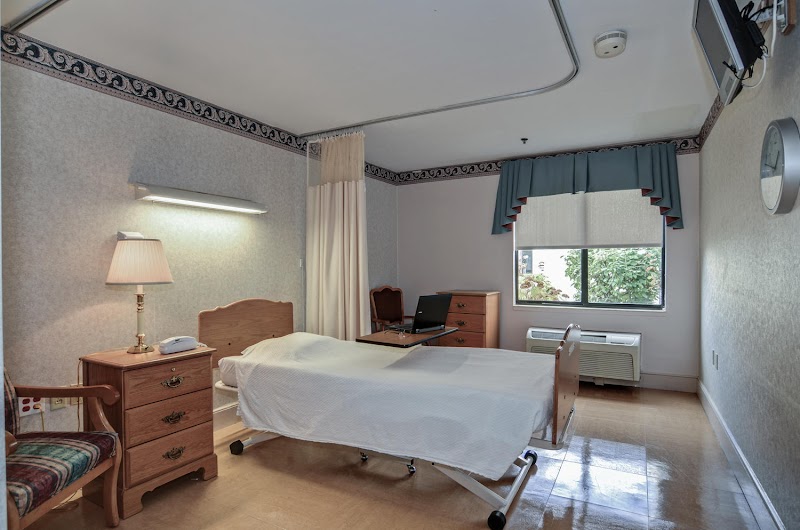
How is King Of Prussia Skilled Nursing And Rehabilitation Staffed?

CMS rates KING OF PRUSSIA SKILLED NURSING AND REHABILITATION's staffing level at 3 out of 5 stars, which is average compared to other nursing homes. Staff turnover is 61%, which is 15 percentage points above the Pennsylvania average of 46%. High turnover can affect care consistency as new staff learn residents' individual needs.

What Have Inspectors Found at King Of Prussia Skilled Nursing And Rehabilitation?

State health inspectors documented 66 deficiencies at KING OF PRUSSIA SKILLED NURSING AND REHABILITATION during 2023 to 2025. These included: 65 with potential for harm and 1 minor or isolated issues. While no single deficiency reached the most serious levels, the total volume warrants attention from prospective families.
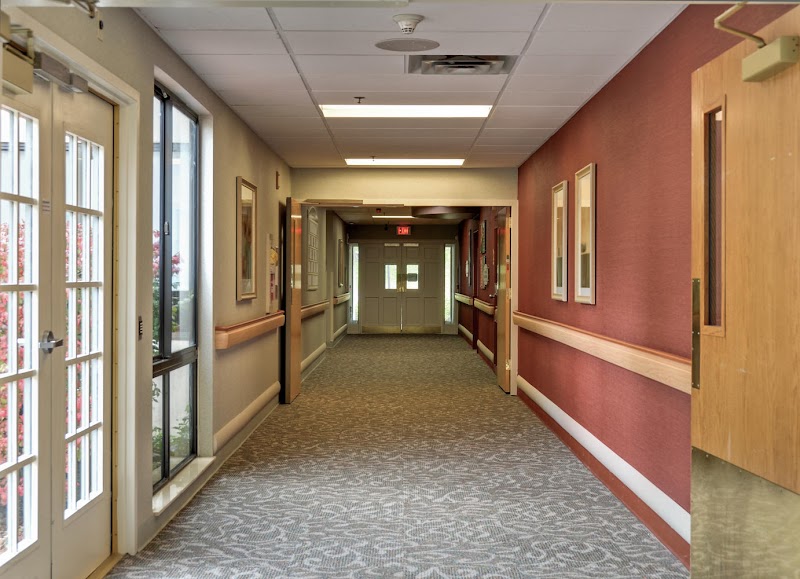
Who Owns and Operates King Of Prussia Skilled Nursing And Rehabilitation?

KING OF PRUSSIA SKILLED NURSING AND REHABILITATION is owned by a for-profit company. For-profit facilities operate as businesses with obligations to shareholders or private owners. The facility is operated by GENESIS HEALTHCARE, a chain that manages multiple nursing homes. With 170 certified beds and approximately 135 residents (about 79% occupancy), it is a mid-sized facility located in KING OF PRUSSIA, Pennsylvania.

How Does King Of Prussia Skilled Nursing And Rehabilitation Compare to Other Pennsylvania Nursing Homes?

Compared to the 100 nursing homes in Pennsylvania, KING OF PRUSSIA SKILLED NURSING AND REHABILITATION's overall rating (2 stars) is below the state average of 3.0, staff turnover (61%) is significantly higher than the state average of 46%, and health inspection rating (2 stars) is below the national benchmark.

What Should Families Ask When Visiting King Of Prussia Skilled Nursing And Rehabilitation?

Based on this facility's data, families visiting should ask: "How do you ensure continuity of care given staff turnover, and what is your staff retention strategy?" "Can I visit during a mealtime to observe dining assistance and food quality?" "How do you handle medical emergencies, and what is your hospital transfer rate?" "Can I speak with family members of current residents about their experience?" These questions are particularly relevant given the facility's high staff turnover rate.

Is King Of Prussia Skilled Nursing And Rehabilitation Safe?

Based on CMS inspection data, KING OF PRUSSIA SKILLED NURSING AND REHABILITATION has a clean safety record: no substantiated abuse findings (meaning no confirmed cases of resident harm), no Immediate Jeopardy citations (the most serious violation level indicating risk of serious injury or death), and is not on the Special Focus Facility watch list (a federal program monitoring the lowest-performing 1% of nursing homes). The facility has a 2-star overall rating and ranks #100 of 100 nursing homes in Pennsylvania. While no facility is perfect, families should still ask about staff-to-resident ratios and recent inspection results during their visit.

Do Nurses at King Of Prussia Skilled Nursing And Rehabilitation Stick Around?

Staff turnover at KING OF PRUSSIA SKILLED NURSING AND REHABILITATION is high. At 61%, the facility is 15 percentage points above the Pennsylvania average of 46%. High turnover means new staff may not know residents' individual needs, medications, or preferences. It can also be disorienting for residents, especially those with dementia who rely on familiar faces. Families should ask: What is causing the turnover? What retention programs are in place? How do you ensure care continuity during staff transitions?

Was King Of Prussia Skilled Nursing And Rehabilitation Ever Fined?

KING OF PRUSSIA SKILLED NURSING AND REHABILITATION has been fined $3,145 across 1 penalty action. This is below the Pennsylvania average of $33,110. While any fine indicates a compliance issue, fines under $50,000 are relatively common and typically reflect isolated problems that were subsequently corrected. Families should ask what specific issues led to these fines and confirm they've been resolved.

Is King Of Prussia Skilled Nursing And Rehabilitation on Any Federal Watch List?

KING OF PRUSSIA SKILLED NURSING AND REHABILITATION is not on any federal watch list. The most significant is the Special Focus Facility (SFF) program, which identifies the bottom 1% of nursing homes nationally based on persistent, serious quality problems. Not being on this list means the facility has avoided the pattern of deficiencies that triggers enhanced federal oversight. This is a positive indicator, though families should still review the facility's inspection history directly.