HARBORVIEW REHABILITATION AND CARE CENTER AT LANSD
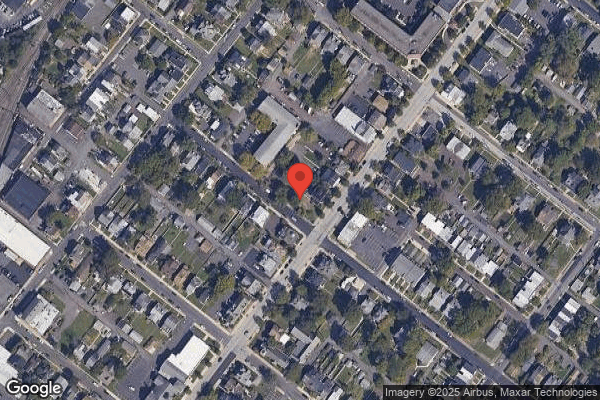
25 WEST FIFTH STREET, LANSDALE, PA 19446 (215) 855-9765
For profit - Corporation 126 Beds LME FAMILY HOLDINGS Data: November 2025 1 Immediate Jeopardy citation
Trust Grade
13/100
#568 of 653 in PA
Last Inspection: November 2024

Within standard 12-15 month inspection cycle. Federal law requires annual inspections.

Overview

Harborview Rehabilitation and Care Center at Lansdale has received a Trust Grade of F, indicating significant concerns and a poor overall rating. They rank #568 out of 653 facilities in Pennsylvania, placing them in the bottom half statewide, and #53 out of 58 in Montgomery County, meaning there are very few local options that fare better. Although the facility is trending toward improvement, having reduced issues from 44 in 2024 to just 2 in 2025, they still have a concerning total of 62 issues found in inspections, including a critical incident where a resident was burned by excessively hot coffee and another incident where a resident choked on food not aligned with their dietary needs. Staffing is a relative strength, with a 4 out of 5-star rating, though the turnover rate is average at 48%. However, the facility has incurred fines of $191,228, which is higher than 96% of Pennsylvania facilities, suggesting ongoing compliance challenges.

Trust Score
F
13/100
In Pennsylvania
#568/653
Bottom 14%
Safety Record
High Risk
Review needed
Inspections
Getting Better
44 → 2 violations
Staff Stability
⚠ Watch
48% turnover. Above average. Higher turnover means staff may not know residents' routines.
Penalties
✓ Good
$191,228 in fines. Lower than most Pennsylvania facilities. Relatively clean record.
Skilled Nurses
○ Average
Each resident gets 32 minutes of Registered Nurse (RN) attention daily — about average for Pennsylvania. RNs are the most trained staff who monitor for health changes.
Violations
⚠ Watch
62 deficiencies on record. Higher than average. Multiple issues found across inspections.
★☆☆☆☆
1.0
Overall Rating
★★★★☆
4.0
Staff Levels
★★★★☆
4.0
Care Quality
★☆☆☆☆
1.0
Inspection Score
Stable
2024: 44 issues
2025: 2 issues

The Good

  • 4-Star Staffing Rating · Above-average nurse staffing levels
  • 4-Star Quality Measures · Strong clinical quality outcomes
  • Full Sprinkler Coverage · Fire safety systems throughout facility
  • No fines on record

Facility shows strength in staffing levels, quality measures, fire safety.

The Bad

1-Star Overall Rating

Below Pennsylvania average (3.0)

Significant quality concerns identified by CMS

Staff Turnover: 48%

Near Pennsylvania avg (46%)

Higher turnover may affect care consistency

Federal Fines: $191,228

Well above median ($33,413)

Significant penalties indicating serious issues

Chain: LME FAMILY HOLDINGS

Part of a multi-facility chain

Ask about local staffing decisions and management

The Ugly 62 deficiencies on record

1 life-threatening
Aug 2025 1 deficiency
CONCERN (D) 📢 Someone Reported This

A family member, employee, or ombudsman was alarmed enough to file a formal complaint

Potential for Harm - no one hurt, but risky conditions existed

Comprehensive Care Plan (Tag F0656)

Could have caused harm · This affected 1 resident

**NOTE- TERMS IN BRACKETS HAVE BEEN EDITED TO PROTECT CONFIDENTIALITY** Based on clinical record review and interview with staff, it was determined that the facility failed to develop and implement a ...

Read full inspector narrative →
**NOTE- TERMS IN BRACKETS HAVE BEEN EDITED TO PROTECT CONFIDENTIALITY** Based on clinical record review and interview with staff, it was determined that the facility failed to develop and implement a person-centered care plan related to range of motion and dental needs for one of 25 residents reviewed (Resident R93). Findings include: Review of Resident R93's clinical record revealed that Resident R93 was admitted to the facility on [DATE]. Resident R93's has a current diagnosis of Cervical Disc Disorder with Myelopathy (spinal cord compression), Lumbar Region. Review of Resident R'93s OT (Occupational Therapy) discharge recommendation dated May 29, 2025, revealed a recommendation of Cervical ROM (range of motion). Interview with Director of Rehab, Employee E8, conducted on August 21, 2025, at 9:35 AM, confirmed that Resident R93 was discharged from OT on May 29, 2025, with recommendations for cervical ROM. Interview with Employee E2, Director of Nursing services revealed that the facility did not have a Restorative Nursing Program and that the facility is just starting to develop their Restorative Nursing Program. Further Employee E2 confirmed that there was no documented evidence that the cervical ROM was performed on Resident R93. Further, Employee E2 also confirmed that there was no care plan related to the cervical ROM. Observation on Resident R93 conducted on August 18, 2025, at 12:26AM revealed that Resident R93 was edentulous. Further, Resident R93 was eating breakfast. Interview with Resident R93 conducted at the time of the observation revealed that she has dentures, but it hurts so she does not use it and that she needs new ones. Review of Resident R93's clinical record revealed that Resident R93 was admitted to the facility on [DATE] Review or Resident R93 MDS (Minimum Data Set - a federally required resident assessment completed at a specific interval) section L0200. Dental , B. No natural teeth or tooth fragment(s) (edentulous) was coded NO Review of Resident's current care plan revealed no care plan for dental needs. Interview with RNAC Employee E7 conducted on August 20, 2025, at 12:40PM confirmed that Resident R93 was edentulous and that Resident R93 has full dentures. Further RNAC Employee E7 confirmed that there was no dental care plan related to dentures developed. Further RNAC also revealed that she was not aware that Resident R93 complained of pain related to denture use. Interview with Speech Therapist, Employee E8 confirmed that resident has not been wearing her dentures and that Resident R93 gums her food. Further, Employee E8 also revealed that she has evaluated resident for swallow and that resident was gumming her food. Further interview with RNAC, Employee E7 confirmed that there was no care plan for resident preferences related to not wearing dentures. Further Employee E7 also confirmed that there was no CarePlan for non-compliance related to wearing dentures. Interview with Director of Nursing Employee E2 revealed that they did not have a policy for restorative nursing program. 28 Pa Code 211.12(d)(5) Nursing services
Jul 2025 1 deficiency
CONCERN (D) 📢 Someone Reported This

A family member, employee, or ombudsman was alarmed enough to file a formal complaint

Potential for Harm - no one hurt, but risky conditions existed

Medical Records (Tag F0842)

Could have caused harm · This affected 1 resident

**NOTE- TERMS IN BRACKETS HAVE BEEN EDITED TO PROTECT CONFIDENTIALITY** Based on staff interviews, review of facility's policy and the review of clinical records, it was determined that the facility f...

Read full inspector narrative →
**NOTE- TERMS IN BRACKETS HAVE BEEN EDITED TO PROTECT CONFIDENTIALITY** Based on staff interviews, review of facility's policy and the review of clinical records, it was determined that the facility failed to ensure that complete and accurate documentation for two out of eleven residents reviewed (Resident R6 and R7). Findings Include: Review of the facility policy, Behavior Management Program Overview, Overview-The facility promotes the utilization of a behavior intervention and management program based on individual resident/patient needs. Review of Resident R6's clinical record revealed Resident R6 was admitted to the facility on [DATE] with a diagnosis of: Unspecified Dementia, Mood Disorder, and Anxiety Disorder. Review of Resident R7's clinical record revealed Resident R7 was admitted to the facility on [DATE] with a diagnosis of Anxiety Disorder, Depression, Bipolar Disorder. Review of a social services note dated June 16, 2025, documented that the social worker spoke with the resident regarding Resident with BIMS (Brief Interview for Mental Status) score of 13 when tested this morning. She was offered support and validation in her friendship with fellow make resident. Resident made aware that they must meet in common areas and not in room as may be uncomfortable with a male visitor in room. Resident voiced understanding. She was also made aware that if she comfortable with a kiss but nothing further fellow male resident must respect her boundaries. Resident encouraged to update staff immediately if she is feeling uncomfortable or compromised in any way. She will continue to be followed by facility psych services. Staff to monitor and offer on going supports. Review of Resident R7's Minimum Data Set (MDS- assessment of resident's care needs) dated May 21, 2025, revealed that the resident's BIMS (Brief Interview for Mental Status) score of 10 . Review of Resident R6's progress notes from July 1, 2025 revealed social worker note from Employee E3 stating, Resident is slated to transfer to room (105-B) today in the morning for better monitor of relationship with fellow male resident and problematic behavioral patterns; drinking her hygiene products. Resident was updated. Family contacted via phone with message left via voicemail. Awaiting reply. Staff to monitor and offer ongoing supports. The male resident that had been involved with Resident R6 was Resident R7. Further review of the resident's clinical record revealed Resident R7 had a history of inappropriate sexual comments towards both other residents and staff. Interview held with nurse aide, Employee E4 on July 8, 2025 revealed, I was working 7 a.m.-3p.m. shift on July 1st, and I thought it was okay for them to be in relationship as of then. I went to walk into Resident R6's room . and caught them kissing in the room so I told them break it up. I then told [the licensed nurse unit manager Employee E5]. A few days later after completing updated scores we was told they couldn't be alone together and then [Resident R6] was moved. Interview with Resident R6 on July 8, 2025 at 1:38 p.m. revealed the resident did have a close relationship with Resident R7 when she was on the second floor. Resident R6 stated she just recently moved into her current room (first floor) but stated that she was moved down quickly. She stated staff was unsure if Resident R7 was good for her so they moved me down here. When asked if she felt safe around Resident R7, she stated yes. When asked if she had ever held hands or kissed Resident R7 she stated, oh yes, he loved to kiss me all the time, like couples do. Interview with Resident R7 on July 8, 2025 at 1:50 p.m. revealed the resident did state he had a close relationship with Resident R6. He stated that they kissed a few times, in a private room alone and in the library. Review of Resident R6 and Resident R7 progress notes from the last three months show no indication of kissing or touching at any time. 28 Pa Code 211.12(c) Nursing services
Nov 2024 8 deficiencies 1 IJ (1 affecting multiple)
CRITICAL (K)

Immediate Jeopardy (IJ) - the most serious Medicare violation

Accident Prevention (Tag F0689)

Someone could have died · This affected multiple residents

**NOTE- TERMS IN BRACKETS HAVE BEEN EDITED TO PROTECT CONFIDENTIALITY** Based on review of clinical records, resident and staff interviews, review of facility policies and documentation, it was determ...

Read full inspector narrative →
**NOTE- TERMS IN BRACKETS HAVE BEEN EDITED TO PROTECT CONFIDENTIALITY** Based on review of clinical records, resident and staff interviews, review of facility policies and documentation, it was determined the facility failed to ensure a hot beverage was served at safe temperatures on one of three nursing floors (First Floor). This failure placed 23 of 24 residents on the First Floor in an Immediate Jeopardy situation where the temperature of the hot coffee was 178 degrees Fahrenheit. Further, the failure to ensure that hot beverages were served at safe temperatures resulted in Resident R97 sustaining a burn on the left hip for one of 25 residents reviewed. The facility also failed to properly supervise Resident R9 resulting in actual harm when Resident R9 consumed foods not in accordance with diet orders, experiencing a choking episode, which required the Heimlich maneuver, and developed aspiration pneumonia for one of 25 residents reviewed. (Resident R9). Findings include: Review of facility policy, Hot Liquid Management, dated March 2017, revealed that prior to delivering beverage carts to designated unit, dietary staff temp (take the temperature) to validate it is not > 165 F (Fahrenheit). If temp is > 165 F, allow to cool to 165 F and record temperature on the log. Review of Resident R97's quarterly Minimum Data Set assessment (MDS - an assessment of care needs) dated October 28, 2024, revealed the resident had a BIMS of 15 which indicated that the resident had no cognitive impairments. Continued review of the resident's MDS revealed the resident required set up or clean up for eating (helper sets up or cleans up; resident completes activity). Review of Resident R97's nursing note dated November 11, 2024, at 7:26 p.m. created by Licensed nurse, Employee E21, revealed at 6:30 p.m. the nurse aide reported the resident had a blister on the left hip/buttock area. The nurse aide reported to Licensed nurse, Employee E21 of the resident's coffee spill on the left side of the body at 7:30 a.m. and at that time no blisters were noted. The resident did not complain of pain or discomfort to the area. The blister measured 5.5 centimeters (cm) x 6.5 cm at left hip/buttock area. A new order from the nurse practitioner was obtain for Silvadene BID (twice a day) for 5 days. Interview with Nurse aide, Employee E22, on November 14, 2024, at 11:10 a.m. revealed that she was in Resident R97's room at 6:30 a.m. when the coffee spill incident happened. She stated that the resident had his/her coffee on the over the bed table and was reaching for the cell phone and knocked the coffee over and spilling it onto the bed. She stated that she went and got some paper towels and wiped up the coffee and wiped the resident's left thigh with wet paper towels and noted that it was pink, but not blistered. She said that she then got the nurse (Employee E23) to check on the resident. Employee E22 stated it was later, on her rounds after supper at 6:30 p.m. (she said that she worked a double shift that day) that she noticed the blister on Resident R97's left thigh and she told the nurse (Employee E23) who checked the resident's skin and who requested a second nurse (Employee E21) to write up the incident report. During a follow up interview with Employee E22 on November 26, 2024, she stated that she did not take the temperature of the coffee before serving it and did not know if anyone took the temperature to see if it was safe to serve. Interview with Resident R97 on November 14, 2024, at 1:45 p.m. confirmed the coffee spilled on Monday, November 11, 2024, at breakfast resulted in a blister on the left side of his/her leg which was being treated by nursing with cream and a dressing. Review of facility incident documentation revealed a statement by Nurse aide, Employee E22, dated November 11, 2024, which confirmed the course of events given in her interview. Review of Employee E23's, Registered Nurse, statement revealed at 7:30 a.m., on November 11, 2024, she checked Resident R97's skin and found no redness or blisters and noted the coffee was spilled on the resident's bed sheets. Further review of the November 11, 2024, incident report revealed Resident R97 had a blister attributed to the coffee spill, and the measurements of the blister were 5.5 cm x 6.5 cm (centimeter) at left hip/buttock area. Review of the food temperature log for November 11, 2024, revealed the temperature taken of the coffee in the kitchen was 160 degrees Fahrenheit which was within facility's policy. Observation in the main kitchen on November 15, 2024, at 9:50 a.m. revealed coffee carts for all three floors were set up with hot coffee in carafes. The Food Service Director (FSD), Employee E3, took the temperature of the coffee in the carafe's which was 182.8 degrees. She stated that the coffee had been poured about an hour earlier and would cool down to 165 degrees before being delivered at 11:00 a.m. to the floors. The water dispensed from the coffee urn was 190 degrees. Observation of the lunch meal on November 15, 2024, at 11:00 a.m. on the First floor revealed that the coffee cart was delivered and the dietary aide did not know the temperature of the beverages and he went to get a thermometer. Further observation on November 15, 2024, at 11:15 a.m. revealed nursing aides, Employees E9 and E10, were pouring coffee preparing to serve to residents on the first floor. Surveyor stopped nursing aides until the temperature of the coffee could be taken. The coffee in the carafe was 178 degrees Fahrenheit. Interview conducted at that time with Employees E9 and E10 revealed they were not aware of the facility policy requiring the temperature of the coffee not to exceeded temperature of 165 degrees; they did not know where to find a thermometer to take the temperature. Further interview with Employees E9 and E10 revealed, the nurse aides were not aware of the temperature of the coffee before beginning service to residents on the First floor unit. Interview with the Nursing Home Administrator, on November 15, 2024, at 11:20 a.m. confirmed the coffee was above the facility policy required temperature of 165 degree or less. The Nursing Home Administrator also acknowledged that if the nurse aides were not prevented from serving the coffee, a resident could have received coffee at an unsafe temperature. On November 26, 2024, at 11:35 a.m. an Immediate Jeopardy Template was presented to the Nursing Home Administrator for the facility's failure to ensure that hot beverages were served at safe temperatures by staff who were not aware of the facility policy to ensure hot beverages were served at safe temperatures. The facility submitted a written plan of action on November 26, 2024, at 12:34 p.m. and implemented the plan of action which included: 1. Facility reviewed and updated the hot liquids policy on November 18, 2024. a. Prior to hot liquids leaving Dietary, a temperature will be taken by Dietary staff. b. Before serving to residents a temperature will taken by CNA (nurse aide)/Nurse and be documented. c. If the hot liquid temperature is > 150 degrees, it will not be served and will be cooled down by using ice until the temperature is below 150 degrees. 2. The facility will inservice more than 90% of staff by November 26, 2024 and will be at 100% by November 27, 2024. 3. The facility will do audits to ensure effectiveness of staff in-service using questionnaire and/or on the spot interview and results to be reviewed in QAPI (Quality Assurance Performance Improvement). 4. The facility to audit temperature daily for one week and twice a week for two weeks and weekly for two months and reported and discussed in QAPI. On November 26, 2024, at 3:01 p.m. the action plan was reviewed, observations made on the nursing units to ensure that thermometers were available to take hot beverage temperatures, nursing and dietary staff were interviewed to ensure that in-service training was completed and effective. The Immediate Jeopardy was lifted on November 26, 2024, at 3:01 p.m. Review of Resident R9's clinical record revealed the resident was admitted to the facility on [DATE], with a history of respiratory failure, Dysphagia (difficulty swallowing), Bipolar Disorder (condition which a person has periods of depression and periods of being extremely happy), Parkinsonism (nervous system disorder), Schizophrenia (mental disease characterized by loss of reality). Review of Resident R9's quarterly MDS assessment completed May 15, 2024, revealed the resident was assessed with a BIMS (Brief Interview of Mental Status) of 8, which indicates moderate cognitive impairment. The resident was assessed as requiring set up only with eating. Review of Resident R9's July 2024 physician's orders revealed an order for the resident to receive a mechanical soft diet (diet consisting of any foods that can be blended, mashed, pureed, or chopped using a kitchen tool). Review of R9's care plan initiated February 16, 2017, revealed a problem area related to impaired functional mobility and activities of daily living performance. An intervention developed January 7, 2021, included resident needs supervision to assist of one for eating. Continued review of the resident's care plan revealed Resident is a risk for choking/aspiration (when food or liquid goes into your airway instead of the esophagus) due to diagnosis of dysphagia. Interventions include mechanical soft solids, thin liquid/aspirations precautions. Review of Resident R9's nursing notes dated July 15, 2024, at 4:50 p.m. revealed, Resident had an episode of choking while eating a hoagie with another resident in the dining room requiring the Heimlich maneuver .Resident at baseline is oriented to person, situation only, with confusion and poor safety awareness. Unable to understand and follow (his/her) dietary restrictions independently . LLL (left lower lung) with crackles .No SOB (Shortness of Breath) noted/reported. The resident was re-educated on not eating food offered by other residents. The physician was notified, and an immediate x-ray was ordered. Review of a written statement completed by Licensed nurse, Employee E24, confirmed the nurse was called by the nurse aide for statements of the resident was choking. On observation the resident was choking and had breathing difficulty. An assessment was done by a charge nurse. No food substance was observed in the oral cavity. Food substance was found on the floor. The Resident's face was red and fleshy. Heimlich maneuver (first-aid method for choking) was performed 5 times. Minor gasping observed. As per other staff members the resident was eating a sandwich with the fellow resident in the dining hall. Review of Resident R9's physician's notes dated July 16, 2024, revealed the resident had a choking episode the prior evening. Chest x-ray result showed aspiration pna (pneumonia- infection of the air sacs in one of both lungs) new order for Levaquin 750 milligrams x 5 days. Further review of facility's investigation report revealed staff education was provided after the incident on July 16, 2024, with topic staff to encourage resident to follow with ordered diets and explain the risk of not following appropriate diet. The facility failed to ensure that Resident R9 was properly supervised in the dining room during the lunch meal resulting in actual harm to Resident R9 who consumed foods not in accordance with diet orders, experienced a choking episode, required the Heimlich maneuver, and developed aspiration pneumonia. 28 Pa Code 211.12(d)(1) Nursing services 28 Pa Code 211.12(d)(1)(5) Nursing services 28 Pa Code 211.10(d) Resident care policies
CONCERN (D)

Potential for Harm - no one hurt, but risky conditions existed

Grievances (Tag F0585)

Could have caused harm · This affected 1 resident

**NOTE- TERMS IN BRACKETS HAVE BEEN EDITED TO PROTECT CONFIDENTIALITY** Based on interviews with residents and staff, review of clinical records, review of monthly resident council minutes and review ...

Read full inspector narrative →
**NOTE- TERMS IN BRACKETS HAVE BEEN EDITED TO PROTECT CONFIDENTIALITY** Based on interviews with residents and staff, review of clinical records, review of monthly resident council minutes and review of facility policy, it was determined that the facility did not ensure prompt efforts were made to resolve residents' grievances and/or concerns elated to, billing clarification, status of the activity van, request for room change and missing items for 11 of 11 residents attending resident council (Residents R10, R12, R16, R17, R38, R52, R66, R79, R90, R91 and R101) and two of 25 resident records reviewed (Resident R26 and R41). Findings include: Review of facility policy titled, Grievance/Concern Management not dated, states, Residents/patients have the right to present concerns on behalf of themselves and /or others to the staff and/or administrator of the facility, to governmental officials or to any other person . these rights also include the right to prompt efforts by the facility to resolve resident concerns. The same policy states, attempts to resolve concern are within 3 business days, and if unresolved within the 3-days it is reported to the Nursing Home Administrator (NHA). The policy further states the Social Service Representative maintains contact with the complainant providing updates and makes entries in the medical record under SS (Social Services) notes regarding the concern and will follow up with the reporter to confirm satisfaction with the outcome and document the resolution in the medical record. Review of clinical records revealed Resident R26 was admitted to the facility in November 2020, alert and oriented with a primary diagnosis of heart failure. Interview with Resident R26 on November 12, 2024, at 11:00 a.m. indicated her husband became a resident at the facility (Resident R80) and both have requested to share a room together. Resident R26 said the Social Worker, Employee E25 is supposed to help me, but she never gets back to me. The last time I spoke with her was at least two weeks ago. She told me there was a lot of work involved moving residents that made me feel that the move won't happen. During the same interview Resident R26 pointed to an orthopedic brace with an attached shoe and indicated the other shoe is missing. The resident stated, The facility wants me to buy new shoes when they're the ones that lost it. I also haven't heard back from the Social Worker for this too! Review of Resident R26's Social Services note from Social Worker, Employee E25 dated July 24, 2024, stated, Resident was made aware that when an appropriate room is available, they will be placed together and to be mindful of RM (roommate) when visiting with each other and to utilize MDR (main dining room) and TV room for visits. Review of Resident R80's clinical records revealed a physician note dated July 24, 2024, stating, While he is at this facility he wants to share a room with his wife. Review of Resident R26's Social Services note dated September 20, 2024, noted Resident was told again that there are currently no semi-private rooms available. Review of Resident R26's Occupational Therapy (OT) notes dated October 22, 2024, indicated Resident R26 was not able to transfer that day due to missing right shoe. OT note dated October 25, 2024, indicated Resident R26 was unable to address transfer goals until they get replacement left shoe, noted Social Worker is looking into another option of obtaining shoes and indicated the resident was going to be moved into bedroom with husband on Monday October 28, 2024. OT note dated November 3, 2024, stated would look into the status of shoes. OT Discharge summary dated [DATE], discharge recommendations stated, Resident needs to purchase shoes. On November 14, 2024, at 2:00 p.m. surveyor requested status and/or documentation related to Resident R24's move and missing shoe and the Nursing Home Administrator indicated he was aware and would supply additional documentation but failed to submit. Review of Resident R41's clinical record revealed the resident was admitted to the facility in September 2021 diagnosed with multiple sclerosis (an autoimmune disorder that effects the central nervous system). Interview with Resident R41 on November 12, 2024, at approximately 11:00 a.m. stated, The [Social Worker (SW) Employee E25] said she called my insurance company because I make appointments that aren't covered and I don't show up, so they charge the facility. That's not true because I don't make my appointments, I have the nurses at the front desk make my appointments and never cancel, I have been trying to talk to the SW for at least two weeks because if they (the facility) are being charged I told the SW I want to see those bills. On November 14, 2024, at 2:00 p.m. a request for further documentation received by the Nursing Home Administrator (NHA) revealed an outpatient test done was for Resident R41 on September 27, 2024, with a remaining balance at was not charged to the resident. On November 14, 2024, at 10:00 a.m., during a group meeting with 11 residents, all shared that the facility was not letting them know the status of the activity van. Resident R12 said they have not had the van since March. The NHA keeps telling us, Just two more weeks, just two more weeks. Recently the NHA said it needed a battery but that was weeks ago, it shouldn't take so long!. Review of the last three months of resident council minutes revealed on September 26, 2024, residents inquired about the status of the activity van and the facility documented response was the residents were Informed and updated without any additional specifics. Review of resident council minutes for October noted The resident are wondering when the van is coming back to do outing. Interview with the NHA on November 14, 2024, at 11;00 a.m. indicated the van is still at the shop. The residents don't know this because it is not a regulation, we have a van for activities, but the van might be totaled. It was in an accident, and we might not be able to get it fixed. The NHA indicated needing to wait a few more days to see what happens before saying something to the residents. The facility did not ensure prompt efforts were made to resolve grievances and their concerns 28 Pa. Code 201.29(a)(i) Resident rights
CONCERN (D)

Potential for Harm - no one hurt, but risky conditions existed

Deficiency F0687 (Tag F0687)

Could have caused harm · This affected 1 resident

Based on interviews with residents and review of clinical records, it was determined that the facility failed to ensure residents receive proper treatment and care to maintain good foot health in acco...

Read full inspector narrative →
Based on interviews with residents and review of clinical records, it was determined that the facility failed to ensure residents receive proper treatment and care to maintain good foot health in accordance with professional standards of practice for two of 25 residents reviewed (Resident R26 and R41). Findings include: Review of Resident R26's clinical records revealed the resident was admitted to the facility in November 2020, alert and oriented with diagnoses of heart failure and Type II Diabetes (High blood sugar levels can damage nerves in feet, making it harder to sense pain increasing risk of injury). Interview with Resident R26 on November 12, 2024, at 11:00 a.m. with her roommate Resident R41 indicated they have not been seen by the podiatrist. I think they skipped over us. Documentation review of Resident R26's podiatry appointment dated April 19, 2024, noted the resident's toenails were professionally treated to relieve pain due to pressure and should be treated in 60 days due to systemic conditions or sooner if complications should arise. The following appointment dated, July 10, 2024, also indicated the resident should be treated in 60 days. Further review of Resident R26's clinical record revealed no evidence of any further appointments. Review of Resident R41's clinical record revealed the resident was admitted to the facility in September 2021 diagnosed with multiple sclerosis (an autoimmune disorder that effects the central nervous system, symptoms may include numbness and pain in feet). Evidence of Resident R41's podiatry appointment dated April 19, 2024, noted the resident's toenails were professionally treated to relieve pain due to pressure and should be treated in 60 days due to systemic conditions or sooner if complications should arise. The following appointment dated, July 10, 2024, also indicated the resident should be treated in 60 days. Further review of Resident R41's clinical record revealed no evidence of any further appointments. Based on the above documentation received by the Director of Nursing, confirmed on November 15, 2024, at 12:30 p.m., the facility failed to schedule further podiatrist appointments for the above residents. 28 Pa. Code 211.12(d)(3)(5) Nursing services
CONCERN (D)

Potential for Harm - no one hurt, but risky conditions existed

Deficiency F0725 (Tag F0725)

Could have caused harm · This affected 1 resident

Based on review of facility provided documentation, and interview with staff, it was determined that facility failed to provide sufficient nursing staff to assure resident safety for one of 22 residen...

Read full inspector narrative →
Based on review of facility provided documentation, and interview with staff, it was determined that facility failed to provide sufficient nursing staff to assure resident safety for one of 22 residents reviewed (Resident R9) Findings include: Review of facility's assessment, updated on September 30, 2024, revealed that 40 residents out of approximately 110 residents residing in the facility require special treatment under Behavioral Health Needs. Review of investigation report, dated July 15, 2024, at 8:24 pm, revealed Resident R9 with medical history of Dysphagia (difficulty swallowing), Bipolar Disorder (condition which a person has periods of depression and periods of being extremely happy), Parkinsonism (nervous system disorder), Schizophrenia (mental disease characterized by loss of reality). Review of Resident R9's July 2024 physician's orders revealed an order for the resident to receive a mechanical soft diet (diet consisting of any foods that can be blended, mashed, pureed, or chopped using a kitchen tool). Review of Resident R9's nursing notes dated July 15, 2024, at 4:50 p.m. revealed, Resident had an episode of choking while eating a hoagie with another resident in the dining room requiring the Heimlich maneuver. Review of the facility investigation report related to Resident R9's choking incident revealed that a chest x-ray was ordered, and it was concluded that Resident R9 was diagnosed with aspiration pneumonia and treated with antibiotic Levaquin 750 milligrams for four days. Further review of investigation report revealed a note from Nurse Supervisor, Employee E17, stating that [Resident R9] at baseline is oriented to person, situation only, with confusion and poor safety awareness. Unable to understand and follow her dietary restrictions independently. Review of R9's care plan revealed [Resident R9] is at risk for choking/aspiration due to dysphagia diagnosis, date initiated March 6, 2023. Intervention to supervise, and/or provide assistance to [Resident R9] during meal times, and to monitor for coughing, shortness of breath, choking, labored respiration and congestion, was initiated after the choking incident on July 15, 2024. Interview with licensed nurse, Employee E8, on November 15, 2024 at 11:30 a.m., confirmed that the facility did not have sufficient amount of nursing staff to supervise residents with behavioral health needs resulting in Resident R9 not being properly supervised during the lunch meal on July 15, 2024. Refer to F 689 28 Pa Code 211.12(d)(4) Nursing services 28 Pa Code 201.14(a) Responsibility of licensee 28 Pa Code 201.18(a)(3) Management
CONCERN (D)

Potential for Harm - no one hurt, but risky conditions existed

Administration (Tag F0835)

Could have caused harm · This affected 1 resident

Based on observation, review of facility documentation and interviews with staff, it was determined that the Nursing Home Administrator and Director of Nursing failed to effectively manage the facilit...

Read full inspector narrative →
Based on observation, review of facility documentation and interviews with staff, it was determined that the Nursing Home Administrator and Director of Nursing failed to effectively manage the facility resulting in an Immediate Jeopardy situation related to ensure that a hot beverages was serve at safe temperatures resulting in a burn to the resident (Resident R97). Findings include: Review of the job description of the Nursing Home Administrator (NHA) revealed that he was to ensure that all facility personnel, residents, visitors, etc, follow established safety regulations to include accident prevention. Review of facility policy, Hot Liquid Management, dated March 2017, revealed that prior to delivering beverage carts to designated unit, dietary staff temp (take the temperature) to validate it is not > 165F (Fahrenheit). If temp is > 165F, allow to cool to 165F and record temperature on the log. A review of Resident R97's quarterly Minimum Data Set assessment (MDS - an assessment of care needs) dated October 28, 2024, revealed that the resident had a BIMS (Brief Interview of Mental status) of 15, which indicated that the resident had no cognitive impairments. Continued review of the resident's MDS revealed the resident required set up or clean up for eating (helper sets up or cleans up; resident completes activity). A review of Resident R97's nursing note dated November 11, 2024, at 7:26 p.m. by Licensed nurse, Employee E21, revealed that at 6:30 p.m. the nursing assistant reported resident has a blister at his left hip/buttock area. The nurse aide reported that the resident had coffee spill at the left side of his body at 7:30 a.m. and at that time no blisters were noted. Resident has no complaints of pain or discomfort to the area. The blister measured 5.5 cm x 6.5 cm at left hip/buttock area. A new order from the nurse practitioner was received for Silvadene BID (twice a day) for 5 days. Interview with Nurse aide, Employee E22, on November 14, 2024, at 11:10 a.m. revealed that she was in Resident R97's room at 6:30 a.m. when the coffee spill incident happened. She stated that the resident had his coffee on the over the bed table and was reaching for the cell phone and knocked the coffee over and spilling it onto the bed. She said that she then got the nurse (Employee E23) to check on the resident. Employee E22 stated that it was on her rounds after supper at 6:30 p.m. (she said that she worked a double shift that day) that she noticed the blister on Resident R97's left thigh and she told the nurse (Employee E23) who checked the resident's skin and got the other nurse (Employee E21) to write up the incident report. During a follow up interview with Employee E22 on November 26, 2024, she stated that she did not take the temperature of the coffee before serving it and did not know if anyone took the temperature to see if it was safe to serve. Interview with Resident R97 on November 14, 2024, at 1:45 p.m. confirmed having the coffee spilled on Monday, November 11, 2024, at breakfast which resulted in a blister on the left side of his leg which was being treated by the nurses with cream and a dressing. Further review of the incident report revealed that Resident R97 had a blister from the coffee spill, and that the measurements of the blister were 5.5 cm x 6.5 cm at left hip/buttock area. Observation in the main kitchen on November 15, 2024, at 9:50 a.m. revealed coffee carts for all three floors were set up with hot coffee in carafes. The Food Service Director (FSD), Employee E3, took the temperature of the coffee in the carafe's which was 182.8 degrees. She stated that the coffee had been poured about an hour earlier and would cool down to 165 degrees before being delivered at 11:00 a.m. to the floors. The water dispensed from the coffee urn was 190 degrees. Observation of the lunch meal on November 15, 2024, at 11:00 a.m. on the First floor revealed that the coffee cart was delivered and the dietary aide did not know the temperature of the beverages and he went to get a thermometer. Further observation on November 15, 2024, at 11:15 a.m. revealed that nursing aides Employees E9 and E10 were pouring coffee preparing to serve to residents on the first floor. Surveyor then stopped nursing aides until the temperature of the coffee could be taken. The coffee in the carafe was 178 degrees. Employees E9 and E10 were not aware of the facility policy that required that the temperature of the coffee not exceeded temperature of 165 degrees, did not know where to find a thermometer to take the temperature, and the nurse aides were not aware of what the temperature of the coffee before getting ready to serve it to resident on the first floor. Interview with the Nursing Home Administrator, on November 15, 2024, at 11:20 a.m. confirmed that coffee was above the facility policy which required temperature of 165 degree or less. He also acknowledged that if the nurse aides were not stopped from serving the coffee, a resident could have received coffee at an unsafe temperature above 165 degrees. Based on the deficiencies identified in the report, the NHA failed to fulfill essential duties and responsibilities of his position contributing to the immediate Jeopardy situation. Rrefer to 689. Pa Code 201.14 (a) Responsibility of Licensee Pa. Code 201.18 (a) Management
CONCERN (D)

Potential for Harm - no one hurt, but risky conditions existed

Infection Control (Tag F0880)

Could have caused harm · This affected 1 resident

**NOTE- TERMS IN BRACKETS HAVE BEEN EDITED TO PROTECT CONFIDENTIALITY** Based on observation, interview with staff and review of facility policy, it was determined that the facility did not implement ...

Read full inspector narrative →
**NOTE- TERMS IN BRACKETS HAVE BEEN EDITED TO PROTECT CONFIDENTIALITY** Based on observation, interview with staff and review of facility policy, it was determined that the facility did not implement enhanced barrier precautions for four residents (Residents R97, R59, R36, and R17) and no enhaced barrier precaution signage for two of six residents on barrier precautions. (Resident R10 and Resident R103). Findings include: Review of facility policy, Enhanced Barrier Precautions, revised June 2023, revealed, Use Enhanced Barrier Precautions for the management of residents colonized or infected with targeted or epidemiologically important MDRO's (e.g. wounds or indwelling devices present ) where contact precautions do not apply, according to the Healthcare Infection ControlPractices Advisory Committee (HICPAC) Consideration for use of Enhanced Barrier Precautions in Skilled Nursing Facilities (2021). Continued review of above policy revealed: Enhanced Barrier Precautions include: Use of gown and gloves during high risk activities including: dressing, bathing, transferring, changing linens, provideing general hygiene assistance, toileting or changing briefs, during care and use of indwelling medical devices (central lines, urinary catheters, feeding tubes, tracheostomy tubes) and during wound care. Gowns and gloves are necessary when there is potential for exposure to body fluids through a splash or spray, or there is a risk of the healthcare provider contaminating their clothing. Observation tour on November 19, 2024 revealed no enhanced barrier precaution signage or personal protective equipment for Resident R97 who was admitted to the facility on [DATE] with a foley catheter for hydronephrosis ( condition characterized by excess fluid in a kidney due to backup of urine) and urinary retention. Observation tour on November 19, 2024 revealed no enhanced barrier precaution signage or personal protective equipment for Resident R59 who was admitted to the facility on [DATE] with a feeding tube. Observation tour on November 19, 2024 revealed no enhanced barrier precaution signage or personal protective equipment for Resident R36 who was admitted to the facility on [DATE] with a foot ulcer and osteomyelitis bone infection) of the right hand. Resident R36 has a PICC line (a peripherally inserted central line that is inserted into a vein in the arm and threaded into a large vein near the heart) to receive intravenous antibiotics). Observation tour on November 19, 2024 revealed no enhanced barrier precaution signage or personal protective equipment for Resident R17 who was admitted to the facility on [DATE] with a chronic eye infection (senile ectropion of the eye and eyelid.) Observation tour on November 19, 2024 revealed no enhanced barrirer precaution signage for Resident R10 who was admitted to the facility on [DATE] with carbapenem-resistant enterobacterales (bacteria that can cause urinarytract infections that are resistant to antibiotics). Observation tour on November 19, 2024 revealed no enhanced barrier precaution signage for Resident R103 who was admitted to the facility on [DATE] and has a foley cathete, candid aureus and a sacral pressure ulcer. Interview on November 15, 2024 at 1:00 pm. with Employee E27 Registered Nurse Assessment Coordinator and Infection Preventionist and Employee E28 , confirmed that the facility did not implement their policy and provide signage and ppe for above residents. 28 Pa Code 201.14(a) Responsibility of Licensee 28 Pa Code 211.12 (3)(5) Nursing Services
CONCERN (D)

Potential for Harm - no one hurt, but risky conditions existed

Safe Environment (Tag F0921)

Could have caused harm · This affected 1 resident

Based on interviews with residents and staff and facility documentation, it was determined that the facility did not maintain a safe, and comfortable water temperatures for residents, staff and the pu...

Read full inspector narrative →
Based on interviews with residents and staff and facility documentation, it was determined that the facility did not maintain a safe, and comfortable water temperatures for residents, staff and the public for three of three floors. (1st, 2nd and 3rd floor) Findings include: During a group meeting with 11 residents on November 14, 2024, at 10:00 a.m. Resident R79 and R90 who reside on the second floor complained about the water temperatures. Resident R90 stated when taking a shower this week, suddenly the water temperature changed and felt warmer. Interview with the Nursing Home Administrator on November 14, 2024, at 11: 45 a.m. revealed the facility did not have a policy regarding water temperatures , We go by the state regulations of 110 degrees. Review of the maintenance log for water temperatures revealed temperatures were maintained within the policy. Surveyors recorded water temperatures on all three floors at all three shower rooms, on each floor of residents' rooms, at each end and the middle of each hallway. Two temperatures were recorded at 115.5 degrees on the first floor and 112.4 degrees at 12:30 p.m. in the third-floor shower room. The temperature was the second-floor shower room that registered 106 degrees. When the shower faucet was adjusted very slightly, water became colder. The Maintenance Director determined the faucet was ub need of a new regulator. 28 Pa. Code 201.18(b)(3) Management
CONCERN (E)

Potential for Harm - no one hurt, but risky conditions existed

Deficiency F0761 (Tag F0761)

Could have caused harm · This affected multiple residents

Based on observations, review of facility policy and interview with staff, it was determined that the facility did not ensure drugs and biologicals were stored according to professional standards of p...

Read full inspector narrative →
Based on observations, review of facility policy and interview with staff, it was determined that the facility did not ensure drugs and biologicals were stored according to professional standards of practice for two out of three medication storage rooms observed (2nd floor and 3rd floor unit medication storage rooms) Findings include: Review of facility's policy 'Medication storage in the facility,' indicates that K. Medications requiring 'refrigeration' or 'temperatures between 2C /36F (Fahrenheit) and 8C/46F are kept in a refrigerator with a thermometer to allow temperature monitoring. During observations of the medication cart on November 11, 2024 at 9:30 am, on 2nd floor unit, revealed that the eye drop medication Latanoprost - 0.005%, with instructions to 'refrigerate before opening.' Finding was confirmed that the eye medication was in the medication cart and not rerigerated with Licensed nurse, Employee E18. Further observations of the medication cart on 3rd floor unit, on November 13, 2024 at 10:46 am, revealed the following expired nutritional supplement: Glucerna with carb steady, expiration date November 1st, 2024. Per interview with licensed nurse, Employee E20, the nutritional supplement was going to be given to a Resident R95 but the resident left the nurses station and has not received it yet. Further observations revealed 19 more expired nutritional supplements in unsealed box in medication storage room on 3rd floor unit. Further review of facility' policy indicates that outdated, contaminated, or deteriorated medications and those in containers that are cracked, soiled, or without secure closures are immediately removed from stock, disposed of according to procedures for medication disposal and reordered from the pharmacy, and medication storage conditions are monitored on a continual basis and corrective action taken if problems are identified. Observations of medication storage room on November 13, 2024 at 10:20 am, on 2nd floor unit, revealed the following expired medications: Vitamin B-6 100mg expiration date 10/2023 Diphenhydramine Hcl antihistamine 25 mg (allergy relief) Reguloid (dietary fiber supplement) expiration date 11/9/2023 Bisacodyl suppository 10mg, expiration date May 31, 2024 Major sore throat spray, expiration date July 2024 Zinc Sulfate 220mg, expiration date 9/8/24 The findings were confirmed with Unit manager, Employee E19. Further observations of medication storage room on 3rd floor unit, on November 13, 2024 at 10:46 am, revealed the following expired medications: Mommy's bliss - baby gas relief - Simethicone drops - 20 mg, expiration date 04/2024. Findings were confirmed with licensed nurse, Employee E20. 28 Pa Code 211.9(a)(1) Pharmacy services 28 Pa Code 211.10(c ) Resident care policies 28 Pa Code 211.12(d)(1)(3)(5) Nursing services
Oct 2024 1 deficiency
CONCERN (D) 📢 Someone Reported This

A family member, employee, or ombudsman was alarmed enough to file a formal complaint

Potential for Harm - no one hurt, but risky conditions existed

Deficiency F0839 (Tag F0839)

Could have caused harm · This affected 1 resident

Based on a review of facility documentation, personnel records and interviews with staff, it was determined that the facility failed to ensure that staff completing the MDS (Minimum Data Set, comprehe...

Read full inspector narrative →
Based on a review of facility documentation, personnel records and interviews with staff, it was determined that the facility failed to ensure that staff completing the MDS (Minimum Data Set, comprehensive resident assessment) were properly licensed and registered to practice nursing in Pennsylvania for one of ten personnel files reviewed. (Employee E15) Findings include: Review of documentation submitted by the facility on October 23, 2024, revealed that Employee E15, who works at the facility remotely from outside the United States of America, revealed no license to review that showed that she was licensed to practice nursing in the state of Pennsylvania. Review of the Pennsylvania Licensing System Verification website revealed that Employee E15's name was not found in the database for nurses licensed to practice in Pennsylvania. Review of the Quarterly MDS submitted on August 14, 2024, for Resident R5 revealed that Employee E15 completed and signed Section Z0400 for assessments completed for sections A, GG, H, I J, L, M, N, O and P. Review of the Quarterly MDS submitted on September 23, 2024, for Resident R7 revealed that Employee E15 completed and signed Section Z0400 for assessments completed for sections A and M. Review of the Quarterly MDS submitted on August 6, 2024, for Resident R8 revealed that Employee E15 completed and signed Section Z0400 for assessments completed for sections A, B, GG, H, I, J, L, M, N, O, P and Q. Review of the Quarterly MDS submitted on June 27, 2024, for Resident R9 revealed that Employee E15 completed and signed Section Z0400 for assessments completed for sections A, H, I J, L, M, N, O and P. Review of the Quarterly MDS submitted on August 3, 2024, for Resident R10 revealed that Employee E15 completed and signed Section Z0400 for assessments completed for sections A, GG, H, I J, L and M. Interview on October 23, 2024, at 11:15 a.m. with the Director of Nursing (DON), revealed that they have two RNAC's who work at the facility who complete and sign MDS's. When asked about Employee E15's signatures on Section Z0400 of the above MDS's, she replied that Employee E10 works remotely. When asked about getting a copy of her License to practice nursing in Pennsylvania she said that she did not have a copy of any license for Employee E10, and that she would have to talk to the administrator and possibly the corporate office. Interview on April 23, 2019, at 11:35 a.m. with the Administrator revealed that he had spoken to the corporate office and that Employee E10 was doing clerical work, and not assessments and therefore she did not need to be licensed. After further discussion about how Employee E10 had signed Section Z0400 for multiple residents' assessments in multiple sections of these assessments, he said that he could not get the license or speak to Employee E10 as it was the middle of the night in her country. He also acknowledged that she had completed the assessment portion of the above MDS's and stated that he did not have a copy of her license. A telephone interview was conducted at 11:50 a.m. with Employee E13, RNAC who was working remotely from home. The interview revealed that Employee E10 does complete some sections of the MDS, and that as the RNAC she signs section Z0500 verifying that the MDS was completed accurately. 28 Pa. Code 201.3 Definitions 28 Pa. Code 201.14(b) Responsibility of licensee 28 Pa. Code 201.19 (3) Personnel policies and procedures
Sept 2024 2 deficiencies
CONCERN (D) 📢 Someone Reported This

A family member, employee, or ombudsman was alarmed enough to file a formal complaint

Potential for Harm - no one hurt, but risky conditions existed

Deficiency F0574 (Tag F0574)

Could have caused harm · This affected 1 resident

**NOTE- TERMS IN BRACKETS HAVE BEEN EDITED TO PROTECT CONFIDENTIALITY** Based on review of facility policy, review of the resident clinical record, and interviews with staff, it was determined that th...

Read full inspector narrative →
**NOTE- TERMS IN BRACKETS HAVE BEEN EDITED TO PROTECT CONFIDENTIALITY** Based on review of facility policy, review of the resident clinical record, and interviews with staff, it was determined that the facility failed to provide American Sign Language translation for a resident's representative as required for a care plan meeting for one of eleven residents reviewed. (Resident R11) Findings Include: Review of the facility policy titled Baseline Care Plan undated states, Intent- It is the policy of the facility to promote seamless interdisciplinary care for our residents by utilizing the interdisciplinary plan of care based on assessment, planning, treatment, service and intervention. It is utilized to plan for and manage resident care as evidenced by documentation from admission through discharge for each resident. Review of Resident R11's clinical record revealed the resident was admitted to the facility on [DATE] with the following diagnoses: Dysphagia, Anxiety, Type 2 Diabetes, Hypertension, Major Depressive Disorder, Heart Failure, Hyperlipidemia, Chronic Kidney Disease, and Chronic Atrial Fibrillation. Review of Resident R11's MDS (Minimum Data Set) completed on August 29, 2024 revealed a BIMS (Brief Interview for Mental Status) score of nine indicating moderate impairment. Review of Resident R11's clinical record revealed the resident had a current (POA) Power of Attorney for medical care. Review of Nursing Note from August 12, 2024 states, .*Residents daughter is dear and uses sign language and/or writing. Review of facility Social Services Note from August 22, 2024 stated, Note Text: Social Service/ Care management meeting held with resident. RP informed will not attend Care Plan meeting without a sign language line interpreter. RP is aware that facility cannot provide or pay for specialized line for RP/FM's but only for our resident's needs. POLST to be completed with assist. of NP. Resident encouraged to make staff aware of any questions as they arise. Staff to offer ongoing supports. Probable LTC placement at this SNF. Interview held with the facilities Social Worker Employee E3 on September 10, 2024 at 10:43 a.m. and was asked about Resident R11's care plan meeting. Employee E3 stated that she was aware of the family member needing a translator and at one point the admission's department was looking into a special application to be able to provide the language interpreter, but it had an associated cost and the facility was not willing to pay for it. Employee E3 stated that if it had been the need of the resident then the facility would have been provided the service. Interview held with the facilities Nursing Home Administrator Employee E1 on September 10, 2024 at 10:45 a.m. revealed the facility was not willing to provide a translation line to Resident R11's family member. Employee E1 stated, If the resident needed it themselves, we would have provided. Employee E1 stated that staff was communicating with the family member with writing in person when they were at the facility. Employee E1 stated that the family member did not want to use her own interpreter over the phone for the care plan meeting. 28 Pa. Code 201.29 (a)(c) Resident rights
MINOR (B) 📢 Someone Reported This

A family member, employee, or ombudsman was alarmed enough to file a formal complaint

Minor Issue - procedural, no safety impact

Transfer Notice (Tag F0623)

Minor procedural issue · This affected multiple residents

Based on clinical record reviews and interviews with staff, it was determined that the facility failed to notify the office of the State Long Term Ombudsman of facility initiated emergency transfers a...

Read full inspector narrative →
Based on clinical record reviews and interviews with staff, it was determined that the facility failed to notify the office of the State Long Term Ombudsman of facility initiated emergency transfers and discharges for three of three discharges reviewed. (Residents R10, R8, R9). Findings Include: Review of facility documentation (list of all facility- initiated discharges) revealed that Resident R10 was discharged from the facility to the hospital on June 16, 2024 and did not return after the hospitalization. Review of facility documentation (list of all facility- initiated discharges) revealed that Resident R8 was discharged from the facility to the hospital on July 15, 2024, was cut off by insurance, and did not return to the facility. Review of facility documentation (list of all facility- initiated discharges) revealed that Resident R9 was discharged from the facility to the hospital on July 21, 2024. Resident R9 was re-admitted back to the facility and was again discharged back to the hospital on August 7, 2024. After the second hospitalization the resident did not return to the facility. Further review of the facility documentation reveled no documented evidence that the State Long Term Ombudsman was notified of Resident R10, R8, and R9 facility-initiated discharge. Interview with the facilities Nursing Home Administrator Employee E1 held on September 10, 2024 at 1:01 p.m. revealed that the facility did not have a process in place for providing the state long term ombudsman with a copy of the discharge notices for the facility. 28 Pa. Code 201.14(a) Responsibility of licensee 28 Pa. Code 201.18(b)(2) Management
Jun 2024 1 deficiency
CONCERN (E) 📢 Someone Reported This

A family member, employee, or ombudsman was alarmed enough to file a formal complaint

Potential for Harm - no one hurt, but risky conditions existed

Safe Environment (Tag F0921)

Could have caused harm · This affected multiple residents

**NOTE- TERMS IN BRACKETS HAVE BEEN EDITED TO PROTECT CONFIDENTIALITY** Based on observation, resident and staff interviews and review of facility documentation, it was determined that the faciltiy fa...

Read full inspector narrative →
**NOTE- TERMS IN BRACKETS HAVE BEEN EDITED TO PROTECT CONFIDENTIALITY** Based on observation, resident and staff interviews and review of facility documentation, it was determined that the faciltiy failed to ensure that air conditioning units (PTAC units) were in functioning condition in 3 of 3 nursing units (1st, 2nd and 3rd floor) Findings include: Observations conducted with the Maintenance Director, Employee E1 on June 10, 2024 from 4:10 p.m. to 4:45 p.m. revealed that the following PTAC (Package Terminal Air Conditioning- a self contained heating and air condition system designed to be mounted through a wall) units in resident rooms and dining areas were non-functioning: room [ROOM NUMBER]- PTAC unit in the room was not working and floor fan was placed in room. room [ROOM NUMBER]- PTAC unit was on but not blowing cool air. room [ROOM NUMBER]- PTAC unit was on but not blowing cool air. room [ROOM NUMBER]- PTAC unit non-functioning. Resident R1 and Resident R2 confirmed that their room felt warm. room [ROOM NUMBER]- 82- PTAC unit the front panel hanging off the unit and resting on the floor. The PTAC unit was non-functioning. room [ROOM NUMBER]- PTAC unit non-functioning, a floor fan was placed in the room. room [ROOM NUMBER]- PTAC unit was on but not blowing cool air. 1st Floor Dining room [ROOM NUMBER] of 3 PTAC units were non-functioning. Review of facility documentation of PTAC units revealed the following: room [ROOM NUMBER]- cooling section was non-functioning. room [ROOM NUMBER]- needs control box. room [ROOM NUMBER]- cooling section was non-functioning. room [ROOM NUMBER]- cooling section was non-functioning, front cover needs repair and control box room [ROOM NUMBER]- cooling section was non functioning and control box room [ROOM NUMBER]- needs cooling section, control box, fan deck with heat and front cover. room [ROOM NUMBER]- needs cooling section and control box. room [ROOM NUMBER]- needs cooling section and control box. room [ROOM NUMBER]- needs cooling section and control box. 2nd Floor Dining room [ROOM NUMBER] of 2 PTAC units were non-functioning. 3rd Floor Dining room [ROOM NUMBER] of 3 PTAC unit was non-functioning. 3rd floor Hallway 1 of 2 ceiling air conditioning unit was non functioning. The above finding were confirmed with the Maintenance Director, Employee E1 at the time of the observations on June 10, 2024. 28 Pa Code 201.14 (a) Responsibility of licensee 28 Pa. Code 201.18(b)(1) Management
Feb 2024 32 deficiencies
CONCERN (D) 📢 Someone Reported This

A family member, employee, or ombudsman was alarmed enough to file a formal complaint

Potential for Harm - no one hurt, but risky conditions existed

Deficiency F0557 (Tag F0557)

Could have caused harm · This affected 1 resident

**NOTE- TERMS IN BRACKETS HAVE BEEN EDITED TO PROTECT CONFIDENTIALITY** Based on observations, interviews with residents and staff and reviews of policies and procedures, it was determined that the fa...

Read full inspector narrative →
**NOTE- TERMS IN BRACKETS HAVE BEEN EDITED TO PROTECT CONFIDENTIALITY** Based on observations, interviews with residents and staff and reviews of policies and procedures, it was determined that the facility failed to ensure that an inventory of personal property was maintained for one of one residents reviewed related to personal inventories (Resident R16). Findings include: Review of the facility policy entitled Residents personal property, revealed that the facility had developed a policy to record all items of the residents personal effects. Clinical record review for Resident R16 indicated that this resident was admitted to the facility on [DATE]. Review of the resident's admission comprehensive assessment (MDS-an assessment of care needs) dated January 10, 2024, revealed that Resident R16 was cognitively intact and independent with decision making. Interview and observation of Resident R16 on February 5, 2024, at 1:30 p.m. revealed that this resident was missing an iPad, $175 gift card, multiple bottles of cologne and a box of greeting cards. Resident R16 also pointed to a broken picture frame on her wall and stated, An aid knocked it over and broke it. Review of Resident R16's clinical record revealed that the last inventory sheet recorded for the resident was from 2019. Interview with Employee E19, licensed nurse, confirmed that 2019 was the last time an inventory sheet was filled out for Resident R16. Employee E19, licensed nurse, stated that all belongings should be added to the inventory sheet when they are brought in by resident or family. 28 Pa Code 201.18(b)(2) Management 28 Pa Code 201.24(e)(5) admission policy
CONCERN (D)

Potential for Harm - no one hurt, but risky conditions existed

Deficiency F0559 (Tag F0559)

Could have caused harm · This affected 1 resident

**NOTE- TERMS IN BRACKETS HAVE BEEN EDITED TO PROTECT CONFIDENTIALITY** Based on interviews and the review of facility documentation, it was determined that the facility failed to ensure that the resi...

Read full inspector narrative →
**NOTE- TERMS IN BRACKETS HAVE BEEN EDITED TO PROTECT CONFIDENTIALITY** Based on interviews and the review of facility documentation, it was determined that the facility failed to ensure that the resident and her responsible party received written notification of all room changes before the room change occurred for 1 out of 25 residents reviewed (Resident R106). Findings include: Review of the facility's undated policy, Resident Room Location, indicated that the resident's social, and cognitive needs are assessed and considered prior to the relocation of the resident. The policy also indicated that the social services staff will assess the resident's ability to cope with and adapt to change, how the room change will affect the resident's current relationship and social support systems, in addition to the resident's willingness to move to a new location. Review of a physician's note dated December 11, 2023 at 1:34 p.m. indicated that the resident was admitted into the facility on December 7, 2023 after receiving treatment at a behavioral health unit due to aggressive outburst. The physician's note indicated that the resident was found to be paranoid (a feeling of being threatened in some way, such as people watching you or acting against you, even though there's no proof that it's true) and delusional (fixed, false conviction in something that is not real or shared by other people) during her treatment at the behavioral health unit. Review of the February 2024 physician orders included the diagnosis of dementia (a term used to describe a group of symptoms affecting memory, thinking and social abilities); psychotic disturbance (a term that refers to a collection of symptoms that happen when a person has trouble telling the difference between what's real and what's not); anxiety (a feeling of worry, nervousness, or unease, typically about an imminent event or something with an uncertain outcome); chronic obstructive pulmonary disease (COPD-a term for an umbrella of lung diseases that can progress gradually, making it harder for an individual to breathe over time); chronic kidney disease (a gradual loss of kidney function occurs over a period of months to years); delusional disorder (fixed, false convictions in something that is not real or shared by other people); bipolar disorder (a mental disorder characterized by periods of depression and periods of abnormally elevated mood that each last from days to weeks), and post-traumatic stress disorder (a mental health condition that develops following a traumatic event characterized by intrusive thoughts about the incident, recurrent distress/anxiety, flashback and avoidance of similar situations) Review of the resident's Quarterly Minimum Data Set Assessment (MDS-a periodic assessment of a resident's need) completed on [DATE] indicated that the resident was cognitively impaired. Review of the Census List in resident's clinical record indicated that she was assigned to room [ROOM NUMBER]-B when she was admitted into the facility on December 7, 2023. Review of a social service note dated December 21, 2023 12:05 p.m. indicated that Resident R106 was transferred from 106-B to 221-B on December 21, 2023. Continued review of the social services note dated indicated that the resident was currently in a rehabilitation room and she is slated for long term placement. The social services noted indicated that the resident, responsible party, nursing and the interdisciplinary team were updated regarding the room change. Review of a nursing note dated December 21, 2023 at 10:29 p.m. indicated that the residents' daughter called the facility on the above referenced date and time and complained about the room change in which her mother is in. The note indicated that the resident's daughter notified nursing staff that Resident R106 gets a lot of anxiety when she sleeps between two residents. Review of a nursing note dated December 22, 2023 at 10:28 p.m. indicated that Resident R106 was not adjusting well to room change. Resident reports having claustrophobia being in the room middle bed of room. Review of a nursing note dated December 22, 2023 at 12:52 a.m. documented Resident daughter said, her mom likes her bed close to the window. The clinical record did not show evidence of any written notification to the resident and/or responsible party prior to the move, and including an explanation as to why the move is taking place. There was no documented evidence in the resident's clinical record of any documentation that the resident and/or responsible party were also properly oriented to the resident's new location. Continued review of the clinical record did not show evidence that the facility addressed the resident's and the resident's daughter's concern regarding resident's anxiety that the resident develops when she sleeps in a middle bed. Review of a note from the social services department dated January 24, 2024 at 10:53 p.m. indicated that the resident from room [ROOM NUMBER]-B to room [ROOM NUMBER]-C on the above referenced date. There was no documented reason/justification for the move in the clinical record. Continued review of the note indicated that nursing, the interdisciplinary team were updated. The note also stated the resident's responsible party to be updated. Review of a nursing note dated on January 25, 2024 at 9:06 a.m. indicated that the responsible party was notified of an incident, and the room change that took place on January 24, 2024. The clinical record did not show evidence of any written notification to the resident and/or responsible party prior to the move, including an explanation as to why the move was needed. There was no documented evidence that the resident and/or responsible party were also properly oriented to the resident's new location, the roommate(s) and have the opportunity to ask questions about the move. Review of a nursing note on February 2, 2024 at 12:21 p.m. indicated that the resident moved from room [ROOM NUMBER]-C to room [ROOM NUMBER]-B on the above referenced day. There was no documented reason/justification for the move in the clinical record Review of the nursing note did not show evidence of any evidence that the resident's daughter was notified even verbally about the room change prior to it occurring. Continued review of the clinical record also did not show evidence of any written notification to the resident and/or responsible party prior to the move, including an explanation as to why the move was needed. During an interview with the Nursing Home Administrator (NHA) and the Director of Social Services (Employee E31) on February 8, 2024 at 12:15 p.m. it was confirmed that no written notification was provided to the resident and/or responsible party regarding the three room changes the facility subjected the resident to in less than three months since admission on [DATE]. Continued interview with the NHA and Director of Social Services also discussed that there evidence that the facility addressed the resident and her daughter concerns related to Resident R106 being moved to a room where she was assigned a middle bed, which made the resident anxious. 28 Pa. Code 211.12(d)(5) Nursing services
CONCERN (D)

Potential for Harm - no one hurt, but risky conditions existed

Deficiency F0563 (Tag F0563)

Could have caused harm · This affected 1 resident

Based on staff interviews and the review of clinical records, it was determined that the facility failed to ensure that a guardian's request to deny visitation was respected for 1 out of 25 residents ...

Read full inspector narrative →
Based on staff interviews and the review of clinical records, it was determined that the facility failed to ensure that a guardian's request to deny visitation was respected for 1 out of 25 residents reviewed (Resident 102). Findings include: Review of the facility undated policy, Visitation, indicated that the facility designs and implements processes that strive to ensure that each resident/patient has the right to free and open communication with the persons of their choice. The policy also indicate that staff would obtain a physician's order based on medical necessity and explained that certain residents/patients required limited visitation privileges in order to promote their healing. Review of the February 2024 physician orders for Resident R102 included the diagnoses of hypertension (high blood pressure); heart disease (a range of conditions that affect the heart); diabetes (a condition that happens when your blood sugar is too high); alcohol abuse; seizures (sudden, uncontrolled electrical disturbance in the brain which can cause changes in behavior, movements, feelings, and consciousness) and aphasia (a disorder affecting an individual's reading, speaking and writing resulting from damage or injury to the specific area in the brain). Review of the resident's Quarterly Minimum Data Set Assessment (MDS-a periodic assessment of a resident's needs) dated December 7, 2023 indicated that the resident was cognitively impaired. Review of a social services note dated April 18, 2023 at 2:33 p.m. indicated that during a care plan meeting with the resident's responsible parties/guardians (the resident's son and daughter in law), the guardians requested that the resident's girlfriend and certain friends/family members banned from visiting resident at facility. Continued review of the social services note indicated that It was determined that resident is facilities priority and staff cannot get in the middle of ongoing problematic family dynamics. Review of a social services note dated April 24, 2023 at 11:31 a.m. indicated that the resident's guardians submitted a list of names of individuals to the facility who they wanted the resident to have visiting privileges with. Continued documentation indicated that the social worker reiterated again to the resident's guardians that the resident' overall well-being and safety is the facility's main priority. They were once again made aware that the facility cannot closely monitor all visitors and cannot get in the middle of family dynamics. Continued documentation indicated that the social worker advised the guardians to talk to the police to inquire about obtaining restraining orders. Review of the clinical record did not show evidence that the facility ensured that measures were put in place to ensure that the visitation request from Resident R102's guardians were honored. There was no documentation of the names of the individuals who could not visit with the residents. During an interview with the Director of Social Services(Employee E31) on February 7, 2024 at 1:14 p.m. regarding the family's request to have certain family members/friends not have visitation with Resident R102 and what measure have been put in place to ensure this. The Director of Social Services reported that she notified the family that the facility cannot monitor visitors who come in and out of the facility. She could not produce documentation of who the requested individuals who could not have contact with Resident R102. During an interview with Employee E22 (licensed nurse on unit) who works on the on February 7, 2024 at 1:00 p.m. Employee E22 reported that she was not aware of anyone that the resident could not visits with. During an interview with Employee E23 (nurse aide on unit) on February 7, 2024 at 1:32 p.m. Employee E23 reported that she was just told a few minutes ago that a nephew and a niece could not visit resident. During an interview with Employee E24 (nurse aide on unit ) on February 7, 2024 at 1:41 p.m., she reported that she did not know that there were certain people who could not visit the resident. During an interview with Employee E25 (licensed nurse on unit) on February 7, 2024 at 1:42 p.m. when asked if she was notified of individuals who were not allowed to visits with Resident R102, Employee E25 reported that she was not notified. During an interview with the Employee E26 (unit manager) on February 7, 2024 at 2:00 p.m. regarding whether or not she knew of individuals who the resident could not have visits with, the unit manager stated No. I did not know. This is all information for us. We just found out about that today. 28 Pa. Code 201.18(b)(1) Management
CONCERN (D)

Potential for Harm - no one hurt, but risky conditions existed

Deficiency F0576 (Tag F0576)

Could have caused harm · This affected 1 resident

Based on observations and interviews, it was determined that the facility failed to ensure that resident had access to private telephone for 2 out of 25 residents reviewed (Resident R27 and R109). Fin...

Read full inspector narrative →
Based on observations and interviews, it was determined that the facility failed to ensure that resident had access to private telephone for 2 out of 25 residents reviewed (Resident R27 and R109). Findings include: During an observation on the 2nd floor nursing unit on February 5, 2024 at 10:31 a.m., Resident R27 came to the nursing station to use the phone that was on top of the nursing station counter. Resident R27 called what seemed to be a medical office. Resident R27 was standing at the nursing station and could be heard stating over the phone that she did not know the number she was calling from she stated that she needed an epidural and that she spoke to someone at the office regarding the epidural Resident R27 then passed the phone to Employee E26 (licensed nurse), who then told them to send the information to the medical director. During an observation on the 2nd floor nursing unit on February 7, 2024, at 12:58 p.m. Resident R109 asked the Employee E26 (licensed nurse) that she wanted to use the telephone to call her daughter. Employee E26 placed the nursing desk phone on top of the nursing station counter and dialed the resident's daughter's phone number. Resident R109 could be overheard asking her daughter if she could find someone for her , stated that someone was not allowed to do that . Resident R109 also asked her daughter to get someone and to bring them home and stated, I'd like her home when I get there. During an interview with Employee E26 on February 7, 2024 at 1:07 p.m. Employee E26 regarding residents using the phone at the nursing station for their phone calls. Employee E26 reported that the residents are using the phone at the nursing unit desk because there used to be a cordless phone on the unit for residents to but it needs to be replaced. 28 Pa Code 201.14(a) Responsibility of licensee
CONCERN (D)

Potential for Harm - no one hurt, but risky conditions existed

Safe Environment (Tag F0584)

Could have caused harm · This affected 1 resident

Based on observations and resident interviews, it was determined that the facility failed to ensure that bed linens were maintain in clean sanitary condition for for 1 out of 25 residents reviewed (Re...

Read full inspector narrative →
Based on observations and resident interviews, it was determined that the facility failed to ensure that bed linens were maintain in clean sanitary condition for for 1 out of 25 residents reviewed (Resident R60). Findings include: Review of the February 2024 physician orders for Resident R60 included the diagnoses of morbid obesity; schizophrenia (a serious mental disorder in which people interpret reality abnormally); asthma and hypertension (high blood pressure). Review of the resident's Quarterly Minimum Data Set Assessment (MDS- a periodic assessment of a resident's needs) dated December 15, 2023 indicated that the resident was awake, alert and oriented. During an observation in resident's room on February 6, 2024, at 11:04 a.m. Resident R60 was observed lying in his bed. An odor was also detected, and the source of the odor could not be determined during the observation. In addition, the resident's bed sheet that was covering him while he was lying in bed had 4 red dime size spots, and red spots that appeared to be dried blood. During an observation in Resident R60's room on February 7, 2024 at 12:10 a.m. Resident R60 was lying in in bed. Resident's sheets were observed with the same 4 dime and smaller spots on them, in addition to light brown stains on the white bed sheet that was covering the resident while he was lying in bed. Resident was asked if his sheets were changed yesterday (February 6, 2024) and he replied no. Resident was asked if his sheets were changed today (February 7, 2024) and he reported that they were not. When he was asked the last time that his bed sheets were changed, he reported that he could not recall the last time that his bed sheets were changed by staff. During an observation on February 8, 2024 at 9:30 a.m. Resident R60's bed sheets were in the same condition as described on February 6, 2024 and February 7, 2024. Employee E8 (licensed nurse) was present for the observation, and reported that the bed sheets for residents should be changed on day shift during 7:00 through 3:00 p.m. 28 Pa Code 211.12(c) Nursing services 28 Pa Code 211.12(d)(1)(3) Nursing services
CONCERN (D) 📢 Someone Reported This

A family member, employee, or ombudsman was alarmed enough to file a formal complaint

Potential for Harm - no one hurt, but risky conditions existed

Grievances (Tag F0585)

Could have caused harm · This affected 1 resident

**NOTE- TERMS IN BRACKETS HAVE BEEN EDITED TO PROTECT CONFIDENTIALITY** Based on observations, review of facility policies and documentation and interviews with residents and staff, it was determined ...

Read full inspector narrative →
**NOTE- TERMS IN BRACKETS HAVE BEEN EDITED TO PROTECT CONFIDENTIALITY** Based on observations, review of facility policies and documentation and interviews with residents and staff, it was determined that the facility failed to ensure that residents had access to grievance forms, access to the contact information of the grievance official, and failed to ensure that grievances were appropriately resolved for 2 of 34 residents reviewed (Residents R16 and R13). Findings include: Review of facility policy, Abuse, Neglect, Mistreatment and Misappropriation of Resident Property, and Exploitation dated last revised October 19, 2023, revealed that the posting of grievance officer information shall be posted, in an area accessible to residents, employees, and visitors the name, title, location and telephone number of the social worker or designee who is the individual . that is responsible for receiving complaints and ensuring that a complaint investigation is completed. Observations on February 5, 2024, at 10:45 a.m. of the first and second floor nursing units revealed that no grievance forms were available for residents to be able to anonymously file a grievance. In addition, there was no information made available to residents on how to contact the grievance officer. Continued observations on February 6, 2024, at 10:08 a.m. of the first, second and third floor nursing units revealed that no grievance forms were available for residents to be able to anonymously file a grievance. In addition, there was no information made available to residents on how to contact the grievance officer. Interview on February 6, 2024, at 10:18 a.m. the Nursing Home Administrator confirmed that there was no contact information posted on how to contact the grievance officer and that there were no grievance forms available for residents to use. Review of the facility policy Grievance/Concern Management, dated June 2013, residents have the right to prompt efforts by the facility to resolve resident concerns. Interview on February 5, 2024, at 1:20 p.m. with Resident R16 revealed that the resident reported to the facility social worker and administrator that items including resident's amazon gift card, ipad, greeting cards and two perfumes were missing following a hospital stay. Resident stated that she had filed multiple grievances about these missing items and had no follow up from staff. Review of the facility's grievance logs for the last 6 months revealed that there was one grievance filed in August 2023 about one perfume missing. This grievance revealed that one perfume was reimbursed by the facility. No other grievances were filed for the other missing items. Interview on February 8, 2024, with Nursing Home Administrator confirmed that he was aware of other missing items but did not grievance those items. Review of the February 2024 physician orders for Resident R13 included the following diagnosis: spinal stenosis (occurs when the space inside the backbone is too small, which can pressure on the spinal cord and nerves that travel through the spine); diabetes (a group of diseases that affect how the body uses blood sugar), and an overactive bladder. Review of the resident's Significant Change Minimum Data Set assessment dated [DATE] indicated that the resident was awake, alert, and oriented. During an interview with Resident R13 on February 5, 2024 at 11:30 a.m. Resident reported that he ordered two hamburgers from the kitchen a few months ago as an alternative to the entrée. Resident R13 reported that when he did not get the 2 hamburgers, he contacted the kitchen for follow-up. Resident R13 reported that someone from the kitchen whose name he did not know, came up to his room, waiving a paper and raising his voice at me, telling me that I did not order anything. Resident R13 reported that he did not like the way that he was spoken to and that he felt threatened. Resident R13 reported that he notified the Nursing Home Administrator (NHA) about the incident and the Dietary Director (Employee E21). When asked if he knew the outcome of his concern, the resident reported that he did not. Review of a Grievance Form dated October 30, 2023 reported an incident that on September 30, 2023 where the resident reported that he ordered 2 hamburgers, but the kitchen staff stated that he did not request 2 hamburgers. The grievance stated that the resident reported that the dietary worker showed the resident a list and made the resident feel threatened. The Action Plan section of the grievance stated Have nursing administrator and dietary address and included the following statement from the Dietary Director: Resident is frequently sleeping when orders are being taken and does not order. And then when meals is served stated that he orders this or that when he has not. Will inform him on when he needs to order his meals or have him tell nursing before the meal is served. The Nature of the resolution section of the grievance form the dietary director completed stated that the Dietary Director will check alternate sheets for the next week or two to make sure that Resident R13 orders. Continued review of the Grievance Form, indicated that the resident's grievance that was reported on October 30, 2023 was addressed 7 days later on November 6, 2023. Review of the Grievance Form, nursing notes, or the resident's clinical record did not show evidence of any information on how the resident's concern that the resident had in regard to how he was treated by the dietary staff member, was addressed. Continued review of the Grievance Form, nursing notes, or the resident's clinical record did not show evidence of any information that the resident received notification of the resolution of his grievance. During an interview with the Nursing Home Administrator, Director of Social Services and the Dietary Director on February 8, 2024 at 10:30 a.m . it was concerned that there was no documentation to show evidence that the facilty addressed the concern in the grievance regarding how the resident was treated by the dietary staff member. Further there was no evidence that the resident received any follow up regarding the resolution of his grievance regarding Employee E30 (dietary worker). It was also discussed that the grievance was addressed 7 days after it was reported to the facility. 28 Pa Code 201.14(a) Responsibility of licensee 28 Pa Code 201.18(b)(2) Management 28 Pa Code 201.29(a) Resident rights
CONCERN (D) 📢 Someone Reported This

A family member, employee, or ombudsman was alarmed enough to file a formal complaint

Potential for Harm - no one hurt, but risky conditions existed

Report Alleged Abuse (Tag F0609)

Could have caused harm · This affected 1 resident

**NOTE- TERMS IN BRACKETS HAVE BEEN EDITED TO PROTECT CONFIDENTIALITY** Based on observations, review of facility policies and documentation, clinical record reviews and interviews with residents and ...

Read full inspector narrative →
**NOTE- TERMS IN BRACKETS HAVE BEEN EDITED TO PROTECT CONFIDENTIALITY** Based on observations, review of facility policies and documentation, clinical record reviews and interviews with residents and staff, it was determined that the facility failed to report allegations of abuse, neglect and misappropriation within required timeframes for 3 of 34 residents reviewed (Residents R47, R13 and R16). Findings include: Review of facility policy, Abuse, Neglect, Mistreatment and Misappropriation of Resident Property, and Exploitation dated last revised October 19, 2023, revealed, If an incident or allegation is considered reportable, the Administrator or designee will make an initial (immediate or within 24 hours) report to the State Agency. A follow up investigation will be submitted to the State Agency within five (5) working days. Continued review revealed that, Verbal abuse is oral, written or gestured language that willfully includes disparaging and derogatory terms to residents or their families, within hearing distance, regardless of their age, ability to comprehend or disability. Continued review revealed, Neglect is the failure of the facility, its employees or service providers to provide goods and services to a resident necessary to avoid physical harm, pain, mental anguish, or emotional distress. Further review revealed, Misappropriation of resident property is the deliberate misplacement, exploitation, wrongful, temporary or permanent use of a resident's belongings or money without the resident's consent. Review of Resident R47's Quarterly MDS (Minimum Data Set - a mandatory periodic resident assessment tool), dated November 8, 2023, revealed that the resident was admitted to the facility on [DATE], with the diagnosis of multiple sclerosis (a disease in which the immune system attacks nerve cells resulting in nerve damage that disrupts communication between the brain and the body). Continued review revealed that the resident was dependent for toileting hygiene. Further review revealed that the resident was always incontinent of bowel and bladder. Review of Resident R47's care plan, dated initiated June 3, 2018, revealed that the resident was incontinent of bowel and bladder related to limited mobility and needing assistance with toileting. Interview on February 5, 2024, at 11:11 a.m. Resident R47 stated that she never received incontinence during the overnight shift last night and that she still had not received any care this morning. Resident R47 stated that she was saturated with urine and that she was very uncomfortable. Further, Resident R47 stated that she wanted to file an allegation of neglect against the overnight nurse aide for not providing incontinence care. Observation, at the time of the interview, revealed that Resident R47's bed linens were saturated with urine and that her draw sheet was stained with yellow rings of urine around her. Further, Resident R47's blankets that were her on top of her were also soaking wet and saturated with urine. Resident R47's allegation of neglect was immediately reported to the Nursing Home Administrator on February 5, 2024, at 11:24 a.m. During a follow-up interview on February 6, 2024, at 10:10 a.m. Resident R47 stated that she did not think her concern was being adequately addressed by the facility and stated that nothing will ever change. On February 6, 2024, at 10:18 a.m. State Agents requested an update from the Nursing Home Administrator regarding Resident R47's allegation of neglect. The Nursing Home Administrator stated that he had completed the investigation, however, no documentation was provided or made available to State Agents for review. On February 7, 2024, at 9:30 a.m. State Agents again requested an update from the Nursing Home Administrator regarding Resident R47's allegation of neglect. The NHA stated that he was not aware that the allegation needed to be reported to the State Agency. No documentation was provided or made available to State Agents for review. Interview on February 8, 2024, at 9:46 a.m. the Nursing Home Administrator stated that the neglect investigation was still in progress and that after multiple attempts he was still unable to reach the alleged perpetrator for a statement. The Nursing Home Administrator confirmed that incontinence care had not been provided to Resident R47 properly and that the alleged perpetrator was suspended. The Nursing Home Administrator also stated that he had not interviewed any of the day shift staff yet for the investigation. Review of facility information reported to the State Agency revealed that Resident R47's allegation of neglect was not reported until February 7, 2024, which was more than 24 hours after the allegation was made by the resident. Facility documentation related to the allegation of neglect made by Resident R47 was provided to State Agents on February 8, 2024, at 11:24 a.m. The Nursing Home Administrator confirmed that Resident R47's allegation of neglect was not reported until February 7, 2024, which was more than 24 hours after the allegation was made by the resident. Review of grievance form filled out by Resident R16 from August 2, 2023 revealed that the resident identified a perpetrator when reporting a grievance of misappropriation of personal items. This information was not reported to the State Agency as required. Interview with Nursing Home Administrator on February 8, 2024, revealed that it was not reported due to his thought that Resident R16 picks out aids she does not like and therefore was not reportable. Review of the February 2024 physician orders for Resident R13 included the following diagnoses: spinal stenosis (occurs when the space inside the backbone is too small, which can pressure on the spinal cord and nerves that travel through the spine); diabetes (a group of diseases that affect how the body uses blood sugar), and an overactive bladder. Review of the resident's Significant Change Minimum Data Set assessment dated [DATE] indicated that the resident was awake, alert, and oriented. During an interview with Resident R13 on February 5, 2024 at 11:30 a.m. Resident reported that he ordered two hamburgers from the kitchen a few months ago as an alternative to the entrée that was being serviced for dinner that day. Resident R13 reported that when he did not get the 2 hamburgers, he contacted the kitchen for follow-up. Resident R13 reported that someone from the kitchen whose name that he did not know, came up to his room, waiving a paper and raising his voice at me, telling me that I did not order anything. Resident R13 reported that he did not like the way that he was spoken to and that he felt threatened. Resident R13 reported that he notified the Nursing Home Administrator (NHA) about the incident and the Dietary Director (Employee E21). Review of a Grievance Form dated October 30, 2023 reported an incident that on September 30, 2023 where the resident reported that he ordered 2 hamburgers, but the kitchen staff stated that he did not request 2 hamburgers. The grievance stated that the resident reported that the dietary worker showed the resident a list and made the resident feel threatened. The Action Plan section of the grievance stated Have nursing administrator and dietary address and included the following statement from the Dietary Director: Resident is frequently sleeping when orders are being taken and does not order. And then when meals is served stated [sic]that he orders this or that when he has not. Will inform him on when he needs to order his meals or have him tell nursing before the meal is served. The Nature of the resolution section of the grievance form the dietary director completed stated that the Dietary Director will check alternate sheets for the next week or two to make sure that Resident R13 orders. Continued review of the Grievance Form, indicated that the resident's grievance that was reported on October 30, 2023 was addressed 7 days later on November 6, 2023. Review of the State agency reporting system did not show evidence that an event report was submitted related to the allegation of possible verbal abuse made by the resident and documented on the above reference Grievance Form. During an interview with the Nursing Home Administrator (NHA), Director of Social Services (E31) and the Dietary Director (E21) on February 8, 2024 at 10:30 a.m. the NHA confirmed that Resident R13's allegation of possible verbal abuse by Employee E30 was not reported to the state survey agency, as required. 28 Pa Code 201.14(c) Responsibility of licensee
CONCERN (D) 📢 Someone Reported This

A family member, employee, or ombudsman was alarmed enough to file a formal complaint

Potential for Harm - no one hurt, but risky conditions existed

Investigate Abuse (Tag F0610)

Could have caused harm · This affected 1 resident

**NOTE- TERMS IN BRACKETS HAVE BEEN EDITED TO PROTECT CONFIDENTIALITY** Based on interviews, and review of clinical records and facility documentation, it was determined that the facility failed to en...

Read full inspector narrative →
**NOTE- TERMS IN BRACKETS HAVE BEEN EDITED TO PROTECT CONFIDENTIALITY** Based on interviews, and review of clinical records and facility documentation, it was determined that the facility failed to ensure that a complete and through investigation was conducted for allegations of abuse/neglect/misappropriation of resident property for 2 out of 25 residents (Resident R13 and R16). Findings include: Review of the facility policy, Abuse, Neglect, Mistreatment and Misappropriation of Resident Property and Exploitation with a revision date of October 19,2023 indicated that it is the policy of the facility that reports of abuse are promptly and thoroughly investigated. The policy also indicated that the alleged incidents must be reported immediately to the Administrator and/or the Director of Nursing and that an immediate investigation must be conducted. Continued review of the policy indicated that the facility will ensure that all alleged violations involving abuse, neglect, exploitation, or mistreatment, including injuries of unknown source, misappropriation of resident property and photos/video without the resident's consent, are reported immediately. Review of the February 2024 physician orders for Resident R13 included the following diagnoses: spinal stenosis (occurs when the space inside the backbone is too small, which can pressure on the spinal cord and nerves that travel through the spine); diabetes (a group of diseases that affect how the body uses blood sugar), and an overactive bladder. Review of the resident's Significant Change Minimum Data Set assessment dated [DATE] indicated that the resident was awake, alert, and oriented. During an interview with Resident R13 on February 5, 2024 at 11:30 a.m. Resident reported that he ordered two hamburgers from the kitchen a few months ago as an alternative to the entrée that was being serviced for dinner that day. Resident R13 reported that when he did not get the 2 hamburgers, he contacted the kitchen for follow-up. Resident R13 reported that someone from the kitchen whose name that he did not know, came up to his room, waiving a paper and raising his voice at me, telling me that I did not order anything. Resident R13 reported that he did not like the way that he was spoken to and that he felt threatened. Resident R13 reported that he notified the Nursing Home Administrator (NHA) about the incident and the Dietary Director (Employee E21). Review of a Grievance Form dated October 30, 2023 reported an incident that on September 30, 2023 where the resident reported that he ordered 2 hamburgers, but the kitchen staff stated that he did not request 2 hamburgers. The grievance stated that the resident reported that the dietary worker showed the resident a list and made the resident feel threatened. The Action Plan section of the grievance stated Have nursing administrator and dietary address and included the following statement from the Dietary Director:Resident is frequently sleeping when orders are being taken and does not order. And then when meals is served stated that he orders this or that when he has not. Will inform him on when he needs to order his meals or have him tell nursing before the meal is served. The Nature of the resolution section of the grievance form the dietary director completed stated that the Dietary Director will check alternate sheets for the next week or two to make sure that Resident R13 orders. Continued review of the Grievance Form, indicated that the resident's grievance that was reported on October 30, 2023 was addressed 7 days later on November 6, 2023. During an interview with the Nursing Home Administrator (NHA), Director of Social Services (E31) and the Dietary Director (E21) on February 8, 2024 at 10:30 a.m. the NHA confirmed that Resident R13's allegation of possible verbal abuse by Employee E30 was not investigated by the facility, as required. Review of a grievance form filled out by Resident R16 from August 2, 2023 revealed that the resident identified a perpetrator when reporting a grievance of misappropriation of personal items. Interview with the Nursing Home Administrator on February 8, 2024, revealed that it was not reported due to his thought that Resident R16 picks out aids she does not like and therefore the allegation was not investigated further. Interview with the Nursing Home Administrator further revealed that the perpertrator no longer works at the facility unrelated to this allegation. 28 Pa Code 201.14(a) Responsibility of licensee 28 Pa Code 201.18(b)(2) Management 28 Pa Code 211.12(d)(5) Nursing services
CONCERN (D)

Potential for Harm - no one hurt, but risky conditions existed

Assessment Accuracy (Tag F0641)

Could have caused harm · This affected 1 resident

**NOTE- TERMS IN BRACKETS HAVE BEEN EDITED TO PROTECT CONFIDENTIALITY** Based on observations, clinical record reviews and interviews with residents and staff, it was determined that the facility fail...

Read full inspector narrative →
**NOTE- TERMS IN BRACKETS HAVE BEEN EDITED TO PROTECT CONFIDENTIALITY** Based on observations, clinical record reviews and interviews with residents and staff, it was determined that the facility failed to ensure that MDS assessments accurately reflected residents' status related to respiratory and diabetic care, for two of 34 residents reviewed (Residents R21 and R82). Findings include: Review of Resident R82's admission MDS (Minimum Data Set - a mandatory periodic resident assessment tool), dated November 17, 2023, revealed that the resident was admitted to the facility on [DATE], and had diagnoses including respiratory failure (not enough oxygen passes from your lungs to your blood). Observation, on February 5, 2024, at 12:11 p.m. revealed that Resident R82 was wearing oxygen via a nasal cannula and oxygen concentrator machine. Interview, at the time of the observation, Resident R82 stated that he uses oxygen and a CPAP machine due to a respiratory condition. Review of physician orders for Resident R82 revealed an order, dated November 10, 2023, for oxygen at two liters per minute via nasal cannula (thin flexible tube used to administer oxygen) continuously for shortness of breath. Review of hospital discharge records, dated November 10, 2023, revealed that Resident R82 was prescribed CPAP (Continuous Positive Airway Pressure - non-invasive ventilation equipment administered through a face mask that uses air pressure to keep breathing airways open during sleep) to be used daily for chronic respiratory failure. Continued review of active physician orders for Resident R82 revealed an order, dated November 21, 2023, for CPAP at bedtime daily. Continued review of Resident R82's admission MDS revealed no indication that the resident required oxygen and CPAP therapies. Interview on February 7, 2024, at 2:55 p.m. Employee E3, Registered Nurse Assessment Coordinator, confirmed that Resident R82's MDS was not coded properly related to his respiratory care needs. Review of Resident R21's admission MDS, dated [DATE], revealed that the resident was admitted to the facility on [DATE], and had diagnoses including coronary artery disease (damage in the heart's major blood vessels), pneumonia (lung inflammation caused by bacterial or viral infection), septicemia (bacterial infection in the blood) and cerebrovascular accident (damage to the brain from interruption of its blood supply). Review of hospital discharge records, dated January 8, 2024, revealed that Resident R21 was prescribed Metformin (medication used to treat diabetes) 500 milligram tabs, take two tabs twice per day. Review of Medication Administration Records revealed a physician's order, dated January 9, 2024, for Metformin 500 milligram tabs, take two tabs twice per day. Continued review revealed that Resident R21 received the medication as prescribed. Review of progress notes for Resident R21 revealed an endocrinology (branch of medicine specializing in health conditions related to hormones) note, dated January 18, 2024, which indicated that the resident was evaluated for a medical history of diabetes (ability to produce or respond to the hormone insulin is impaired, resulting in abnormal metabolism of carbohydrates and elevated levels of glucose). The consultant recommended to continue Metformin as ordered and to check the resident's blood sugars twice per week, before breakfast and before dinner every Monday and Thursday, and to call the physician if the blood sugar is greater than 250 or less than 70. Continued review of progress notes revealed a physician' s assistant note, dated February 5, 2024, which indicated that, under assessment and plan, the physician' s assistant noted that the resident had a diagnosis of non-insulin-dependent diabetes and recommended to continue Metformin and trend blood sugar checks. Continued review of Resident R21's admission MDS revealed no indication that the resident had a diagnosis of diabetes. Interview on February 8, 2024, at 9:12 a.m. Employee E7, unit manager, confirmed that there was no listed diagnosis of diabetes for Resident R21. 28 Pa Code 211.5(f)(vi) Medical records
CONCERN (D)

Potential for Harm - no one hurt, but risky conditions existed

Deficiency F0655 (Tag F0655)

Could have caused harm · This affected 1 resident

**NOTE- TERMS IN BRACKETS HAVE BEEN EDITED TO PROTECT CONFIDENTIALITY** Based on clinical record reviews and interviews with staff, it was determined that the facility failed to develop a baseline car...

Read full inspector narrative →
**NOTE- TERMS IN BRACKETS HAVE BEEN EDITED TO PROTECT CONFIDENTIALITY** Based on clinical record reviews and interviews with staff, it was determined that the facility failed to develop a baseline care plan that includes the instructions needed to provide effective and person-centered care that meet professional standards of quality care for one of 34 residents reviewed (Resident R21). Findings include: Review of Resident R21's admission MDS, dated [DATE], revealed that the resident was admitted to the facility on [DATE], and had diagnoses including coronary artery disease (damage in the heart's major blood vessels), pneumonia (lung inflammation caused by bacterial or viral infection), septicemia (bacterial infection in the blood) and cerebrovascular accident (damage to the brain from interruption of its blood supply). Review of hospital discharge records, dated January 8, 2024, revealed that Resident R21 was prescribed Metformin (medication used to treat diabetes) 500 milligram tabs, take two tabs twice per day. Review of Medication Administration Records revealed a physician's order, dated January 9, 2024, for Metformin 500 milligram tabs, take two tabs twice per day. Continued review revealed that Resident R21 received the medication as prescribed. Review of progress notes for Resident R21 revealed an endocrinology (branch of medicine specializing in health conditions related to hormones) note, dated January 18, 2024, which indicated that the resident was evaluated for a medical history of diabetes (ability to produce or respond to the hormone insulin is impaired, resulting in abnormal metabolism of carbohydrates and elevated levels of glucose). The consultant recommended to continue Metformin as ordered and to check the resident's blood sugars twice per week, before breakfast and before dinner every Monday and Thursday, and to call the physician if the blood sugar is greater than 250 or less than 70. Continued review of progress notes revealed a physician's assistant note, dated February 5, 2024, which indicated that, under assessment and plan, the physician's assistant noted that the resident had a diagnosis of non-insulin-dependent diabetes and recommended to continue Metformin and trend blood sugar checks. Review of Resident R21's care plan, dated initiated January 9, 2024, revealed that there was no care plan developed related to diabetes management. Interview on February 8, 2024, at 9:12 a.m. Employee E7, unit manager, confirmed that no diabetes care plan had been developed for Resident R21. 28 Pa Code 211.12(d)(5) Nursing services
CONCERN (D)

Potential for Harm - no one hurt, but risky conditions existed

Deficiency F0657 (Tag F0657)

Could have caused harm · This affected 1 resident

Based on observations, clinical record review, review of facility documents and staff interviews, it was determined that the facility failed to revise a resident's care plan for recurrent fall prevent...

Read full inspector narrative →
Based on observations, clinical record review, review of facility documents and staff interviews, it was determined that the facility failed to revise a resident's care plan for recurrent fall prevention, for one of 27 residents reviewed (Resident R3). Findings include: Review of Resident R3's clinical record revealed the diagnoses of Senile Degeneration of Brain (Senile Degeneration of Brain causes cognitive decline, particularly memory loss), Major Depressive Disorder (A mental health disorder characterized by persistently depressed mood or loss of interest in activities, causing significant impairment in daily life), and Cerebrovascular Disease (Cerebrovascular Disease is a term for conditions that affect blood flow to the brain). Review of clinical progress note, dated December 8, 2023, for Resident R3, indicated that the resident sustained fall while displaying aggressive and agitated behaviors, reportedly lost balance while throwing items in his room, he fell to his buttocks without apparent injuries, and the resident did not hit his head. Further review of clinical progress notes indicated that Resident R3 had slid down to the floor while going to the bath room, on December 19, 2023; no visual injuries were observed. Continued review of Resident R3's clinical record revealed that on December 24, 2023 the resident fell in the dining room, during dinner time, and on December 25, 2023, Resident R3 stated that he was trying to get up from the chair and lost his balance and fell down. On December 28, 2023 Resident R3 was found by laundry staff laying on the floor, with no signs of injury. On December 31, 2023 the resident was seen on floor, with no injuries. Review of Resident R3's care plan indicated that the resident's was care plan for fall prevention initiated on February 2, 2017, with the target date of April 22, 2024. There was not updated, or revisions to interventions related to the resident status for the recurrent fall. On February 8, 2024, at 1:07 p.m., the Nurse Supervisor, a Registered Nurse, Employee E8, confirmed that the findings regarding the lack of revision and updating of the care plan for Resident R3, related with the recurrent fall. 28 Pa Code 211.5(f) Clinical records 28 Pa Code 211.11(d) Resident Care Plan 28 Pa Code 211.12(c)(d)(3) Nursing services 28 Pa Code 211.12(d)(1)(5) Nursing services
CONCERN (D)

Potential for Harm - no one hurt, but risky conditions existed

Quality of Care (Tag F0684)

Could have caused harm · This affected 1 resident

**NOTE- TERMS IN BRACKETS HAVE BEEN EDITED TO PROTECT CONFIDENTIALITY** Based on review of facility policies, clinical record reviews and interviews with staff, it was determined that the facility fai...

Read full inspector narrative →
**NOTE- TERMS IN BRACKETS HAVE BEEN EDITED TO PROTECT CONFIDENTIALITY** Based on review of facility policies, clinical record reviews and interviews with staff, it was determined that the facility failed to obtain physician orders related to blood sugar monitoring, acupuncture services, and refusal of medications for three of 34 residents reviewed (Residents R21, R102 and 106 ). Findings include: Review of facility policy, Diabetes - Clinical Protocol dated 2001, revealed, As part of the initial assessment, the Physician will help identify individuals with elevated blood sugar, impaired glucose tolerance, or confirmed diabetes, as well as factors that may influence glucose tolerance . For residents who meet the criteria for diabetes testing, the Physician will order pertinent screening. Review of facility policy, Nursing Care of the Resident with Diabetes Mellitus dated 2001, revealed, The management of individuals with diabetes mellitus should follow relevant protocols and guidelines. The physician will order the frequency of glucose monitoring. Review of Resident R21's admission MDS, dated [DATE], revealed that the resident was admitted to the facility on [DATE], and had diagnoses including coronary artery disease (damage in the heart's major blood vessels), pneumonia (lung inflammation caused by bacterial or viral infection), septicemia (bacterial infection in the blood) and cerebrovascular accident (damage to the brain from interruption of its blood supply). Review of hospital discharge records, dated January 8, 2024, revealed that Resident R21 was prescribed Metformin (medication used to treat diabetes) 500 milligram tabs, take two tabs twice per day. Review of Medication Administration Records revealed a physician's order, dated January 9, 2024, for Metformin 500 milligram tabs, take two tabs twice per day. Continued review revealed that Resident R21 received the medication as prescribed. Review of progress notes for Resident R21 revealed an endocrinology (branch of medicine specializing in health conditions related to hormones) note, dated January 18, 2024, which indicated that the resident was evaluated for a medical history of diabetes (ability to produce or respond to the hormone insulin is impaired, resulting in abnormal metabolism of carbohydrates and elevated levels of glucose). The consultant recommended to continue Metformin as ordered and to check the resident's blood sugars twice per week, before breakfast and before dinner every Monday and Thursday, and to call the physician if the blood sugar is greater than 250 or less than 70. Continued review of progress notes revealed a physician's assistant note, dated February 5, 2024, which indicated that, under assessment and plan, the physician's assistant noted that Resident R21 had a diagnosis of non-insulin-dependent diabetes and recommended to continue Metformin and trend blood sugar checks. Review of blood sugar checks for Resident R21 revealed that there were no documented blood sugar checks available for review at the time of the survey. Review of physician orders for Resident R21 revealed that there were no physician's orders for blood sugar checks as recommended by the endocrinologist and the physician's assistant. Interview on February 8, 2024, at 9:12 a.m. Employee E7, unit manager, revealed that when a consultant physician makes recommendations that they are supposed to complete a form so that the recommendations can be reviewed and ordered by the attending physician. Employee E7, unit manager, confirmed that no orders had been obtained for blood sugar monitoring for Resident R21 and was unable to explain why the facility's process was not followed. Further, Employee E7, unit manager, was unaware of the endocrinologist's and physician assistant's recommendations for blood sugar checks for Resident R21. Review of the undated policy, Physician Notification indicated that the attending physician in the facility is ultimately responsible for supervision and management of the care of the resident/patient. Review of the February 2024 physician orders for Resident R102 included the following diagnoses: hypertension (high blood pressure); heart disease (a range of conditions that affect the heart); diabetes (a condition that happens when your blood sugar is too high); alcohol abuse; seizures (Sudden, uncontrolled electrical disturbance in the brain which can cause changes in behavior, movements, feelings, and consciousness); alcohol abuse. and aphasia (a disorder affecting an individual's reading, speaking and writing resulting from damage or injury to the specific area in the brain). Review of a nursing note dated September 15, 2023 at 10:06 a.m. indicated that the resident was visited by an Acupuncturist for his acupuncture treatment (a treatment that involves the insertion of very thin needles through an individual's skin at strategic points on the body and is most commonly used to treat pain, but also used being used for overall wellness, including stress management). Review of a nursing note on October 13, 2023 at 8:45 a.m. indicated that the family Acupuncturist was visiting the resident at his bed side. Review of a nursing note dated October 25, 2023, at 8:51 a.m. indicated that that the family Acupuncturist was visiting the resident at his bed side. Review of a note from social services dated November 3, 2023 at 2:24 p.m. indicated .Resident continues to receive acupuncture treatments initiated by the family . Review of the clinical notes provided no documentation that the physician was aware that Resident R102 was receiving treatment through an Acupuncturist, and if he/she approved of this treatment that the resident was receiving from an outside service provided coming into the facility to provide the service. Review of the physician orders for September 2023, October 2023 and November 2023 did not show evidence of a physician's order for the resident to receive treatment through an Acupuncturist to ensure that the physician was aware of the outside service that was coming in (e.g. how often the resident would be receiving services from the outside acupuncturist, what time, who long would the treatment last), and the treatment would be coordinated with other care and services that the resident was receiving at the facility. During an interview with the Physician Assistant (Employee E27)on February 7, 2024 at 12:37 p.m. it was discussed that there was no order from the physician for the resident to have acupuncture services. Review of the facility undated policy Physician Notification indicated that licensed nurses will ensure that physicians are notified of change or diagnostic results that occur between visits. The policy indicated that changes included but are not limited to: a change in condition, mental or physician; the development of a new wound; family concern related to medical care and consultation reports. The policy also indicated that physicians are to be notified any time a medication is not administered as ordered. Review of the December 2024 physician orders for Resident R106 indicated and that the resident was admitted into the facility on December 7, 2023 with diagnoses that included the following: dementia (a term used to describe a group of symptoms affecting memory, thinking and social abilities); psychotic disturbance (a term that refers to a collection of symptoms that happen when a person has trouble telling the difference between what's real and what's not); anxiety (a feeling of worry, nervousness, or unease, typically about an imminent event or something with an uncertain outcome); chronic obstructive pulmonary disease (COPD-an umbrella of lung diseases that can progress gradually, making it harder for an individual to breathe over time); chronic kidney disease (a gradual loss of kidney function occurs over a period of months to years); delusional disorder (fixed, false convictions in something that is not real or shared by other people); bipolar disorder (a mental disorder characterized by periods of depression and periods of abnormally elevated mood that each last from days to weeks), and post-traumatic stress disorder (a mental health condition that develops following a traumatic event characterized by intrusive thoughts about the incident, recurrent distress/anxiety, flashback and avoidance of similar situations) Continued review of the physician's order for December 2023 indicated a physician's order for the resident to be administered 1-300 milligram tablet of the medication, Quetiapine Fumarate(SEROquel), at bed time for the treatment of mild cognitive impairment and mood disorder. Review of the resident's Quarterly Minimum Data Set Assessment (MDS-a periodic assessment of a resident's need) completed on [DATE] indicated that the resident was cognitively impaired. Review of the nursing notes from December 7, 2023 through February indicated that the resident refused the administration of the above referenced medication in December on the following dates: December 2023: 9, 11, 12, 14, 16, 17, 18, 19, 20, 21, 22, 23, 27, 28, 29, 31 and the following dates in January 2024: 1,4, 7, 8, 12, 13, 14, 22, 25, 27 and 31. Review of the resident's nursing notes/clinical record did not show evidence that the physician was notified that the resident was refusing the above referenced medication, to ensure that the physician overseeing the resident's care was notified of the refusal and in turn could inform staff of any changes/instructions/orders that should be implemented as the result of the resident's refusals. During an interview with the Physician Assistant ( PA-Employe3 E27) on February 7, 2024 at 12:30 p.m. the PA reported that she was notified by nursing staff sometime last week about the resident's history of refusing her Seroquel. 28 Pa. Code 211.10(c) Resident care policies 28 Pa Code 211.12(d)(5) Nursing services
CONCERN (D)

Potential for Harm - no one hurt, but risky conditions existed

Deficiency F0687 (Tag F0687)

Could have caused harm · This affected 1 resident

Based on observations, resident and staff interviews, and review of clinical records, it was determined that the facility failed to ensure that proper foot care was provided to residents for 2 out of ...

Read full inspector narrative →
Based on observations, resident and staff interviews, and review of clinical records, it was determined that the facility failed to ensure that proper foot care was provided to residents for 2 out of 25 residents reviewed (Resident R57 and R94). Findings include: Review of the February 2024 physician orders for Resident R57 include the following diagnoses: cerebral infarction (a stroke); hypertension (high blood pressure); venous insufficiency chronic peripheral (a condition that affects the blood flow in your legs, causing swelling, pain, and skin changes) and dysuria (pain or burning sensation while passing urine). During a group interview with the resident on February 7, 2024, at 9:30 a.m. Resident R57 reported that he needed to see the podiatrist I need to get my feet checked out. It's been a while since I've seen the foot doctor. During an observation of the resident's feet on February 9, 2024 at 9:23 a.m. with the resident's nurse aide (Employee E28), revealed that the resident's feet were contorted, his big toes had a nail that was approximately 3 inches long, the other toenails appeared as if they needed to be cut. Further observation of the resident's feet revealed a brown undated band-aid that was hanging off between the toes of the one of the resident's foot. Review of the resident's Patient Podiatric Services Report (podiatry consultation sheet) indicated that the last visit that the resident had with the podiatrist was July 20, 2023 and that the resident had a diagnosis of peripheral vascular disease (a common condition in which narrowed arteries reduce blood flow to the arms or legs, and feet). Continued review of the consultation sheet described that resident's toe nails at that time as painful, elongated toenails Continued review of the report indicated that the resident needs professional treatment of his toe nails to prevent exposing the patient to medically significant risk related to wound healing complications and possible-loss of limbs due to peripheral vascular disease. Continued review of the resident's podiatrist consults indicated that there were no additional visitations with the podiatrist after July 20, 2023 to ensure proper foot care for the resident, and to prevent complications from the resident's medical condition related to foot care. During an interview with Employee E8 (licensed nurse) on February 8, 2024 at 11:40 a.m. it was confirmed that the resident was last seen by the podiatrist on July 20, 2023. Review of the February 2024 physician orders for Resident R94 included the following diagnoses: hyperlipidemia (high cholesterol); hypertension (high blood pressure) and history of pulmonary embolism (a blood clot that blocks and stops blood flow to an artery in the lung). During a group interview with the resident on February 7, 2024, at 9:30 a.m. Resident R94 reported that she needed to see the podiatrist to have her toe nails cut. During an observation of the resident's feet on February 9, 2024 at 9:19 a.m.the resident toe nails were in need of trimming by the podiatrist. Review of the resident's Patient Podiatric Services Report (podiatry consultation sheet) indicated that the last visit that the resident was treated by the podiatrist was February 23, 2023, and that the resident had a diagnosis of peripheral vascular disease (a common condition in which narrowed arteries reduce blood flow to the arms or legs, and feet). Continued review of the consultation sheet described that resident's toe nails at that time as painful, elongated toenails Continued review of the report indicated that the resident needs professional treatment of his toenails to prevent exposing the resident to medically significant risk related to wound healing complications and possible loss of limbs due to peripheral vascular disease. Continued review of the resident's podiatrist consults indicated that there were no additional consults after February 23, 2023 to ensure proper foot care for the resident and to prevent complications from the resident's medical condition related to foot care. During an interview with Employee E8 (licensed nurse) on February 8, 2024 at 11:40 a.m. it was confirmed that the resident was last treated by the podiatrist on February 23, 2023. 28 Pa Code 211.12(d)(5) Nursing services
CONCERN (D)

Potential for Harm - no one hurt, but risky conditions existed

Incontinence Care (Tag F0690)

Could have caused harm · This affected 1 resident

**NOTE- TERMS IN BRACKETS HAVE BEEN EDITED TO PROTECT CONFIDENTIALITY** Based on observations, review of clinical records and facility documentation, and interviews with residents and staff, it was de...

Read full inspector narrative →
**NOTE- TERMS IN BRACKETS HAVE BEEN EDITED TO PROTECT CONFIDENTIALITY** Based on observations, review of clinical records and facility documentation, and interviews with residents and staff, it was determined that the facility failed to provide proper continence care for one of 34 residents reviewed (Resident R47). Findings include: Review of Resident R47's Quarterly MDS (Minimum Data Set - a mandatory periodic resident assessment tool), dated November 8, 2023, revealed that the resident was admitted to the facility on [DATE], and had diagnoses including multiple sclerosis (a disease in which the immune system attacks nerve cells resulting in nerve damage that disrupts communication between the brain and the body). Continued review revealed that the resident was dependent for toileting hygiene. Further review revealed that the resident was always incontinent of bowel and bladder. Review of Resident R47's admission Bowel and Bladder Program Screener, dated May 21, 2018, revealed that the resident never voided appropriately without incontinence, was incontinent of stool daily, was immobile requiring two-person assistance and was never aware of the need to use the toilet. Review of Resident R47's Quarterly Nursing Evaluation, dated November 13, 2021, revealed that the resident was incontinent. There was no further information provided in the assessment regarding the resident's bowel and bladder continence needs. Review of Resident R47's care plan, dated initiated June 3, 2018, revealed that the resident was incontinent of bowel and bladder related to limited mobility and needing assistance with toileting. There was no information or interventions in the care plan related to the resident's continence needs, such as frequency of checks, preference of continence product or level of assistance needed for continence care. Review of Resident R47's nurse aide [NAME] (document that provide instructions related resident's care needs), dated printed February 8, 2024, revealed that there was no indication that the resident was always incontinent of bowel and bladder, that she was immobile requiring two-person assistance nor any of her continence needs such as frequency of continence checks or preference of continence product. Interview on February 5, 2024, at 11:11 a.m. Resident R47 stated that she never received incontinence during the overnight shift last night and that she still had not received any care this morning. Resident R47 stated that she was saturated with urine and that she was very uncomfortable. Further, Resident R47 stated that she wanted to file an allegation of neglect against the overnight nurse aide for not providing incontinence care. Observation, at the time of the interview, revealed that Resident R47's bed linens were saturated with urine and that her draw sheet was stained with yellow rings of urine around her. Further, Resident R47's blankets that were her on top of her were also soaking wet and saturated with urine. Interview with the Nursing Home Administrator on February 8, 2024 at 9:46 a.m. confirmed that incontinence care had not been provided to Resident R47 properly The Nursing Home Administrator also stated that he had not interviewed any of the day shift staff yet for the investigation. Interview on February 8, 2024, at 10:41 a.m. Employee E7, unit manager, revealed that Resident R47's admission Bowel and Bladder Program Screener, dated May 21, 2018, was the most recent bowel and bladder assessment that was completed for the resident. Employee E7, unit manager, revealed that a Quarterly Nursing Evaluation, dated November 13, 2021, was done for Resident R47, and confirmed that the assessment was incomplete and did not provide any updated information regarding the resident's continence status. Employee E7, unit manager, confirmed that Resident R47's care plan and nurse aide [NAME] did not adequately address the residents continence needs and did not include instructions for nurse aide staff on type, level and frequency of care that the resident required. Review of facility documentation revealed a written statement provided by the Nursing Home Administrator, dated February 8, 2024, that Resident R47 was found soak and wet. Review of nurse aide documentation related to toileting, bladder continence and hygiene revealed that there was no documentation available for review at the time of the survey during the shift that Resident R47 alleged that she did not receive any incontinence care. Review of progress notes for Resident R47 revealed that there were no progress notes documented at all for February 4, 5, or 6, 2024. 28 Pa Code 201.14(a) Responsibility of licensee 28 Pa Code 211.12(d)(5) Nursing services
CONCERN (D)

Potential for Harm - no one hurt, but risky conditions existed

Tube Feeding (Tag F0693)

Could have caused harm · This affected 1 resident

**NOTE- TERMS IN BRACKETS HAVE BEEN EDITED TO PROTECT CONFIDENTIALITY** Based on observations, review of facility policies, clinical record reviews and interviews with residents and staff, it was dete...

Read full inspector narrative →
**NOTE- TERMS IN BRACKETS HAVE BEEN EDITED TO PROTECT CONFIDENTIALITY** Based on observations, review of facility policies, clinical record reviews and interviews with residents and staff, it was determined that the facility failed to ensure the proper storage of tube feeding formula and supplies for one of two residents reviewed for tube feedings (Resident R91). Findings include: Review of facility policy, Enteral Feeding Tubes policy dated last revised December 22, 2023, revealed, Follow pharmacy guidance for administration of medication[s] and or feeding. Review of Resident R91's admission MDS (Minimum Data Set - a mandatory periodic resident assessment tool), dated September 7, 2023, revealed that the resident was admitted to the facility on [DATE], with diagnoses including pneumonia (lung inflammation caused by bacterial or viral infection), respiratory failure (not enough oxygen passes from your lungs to your blood) and gastrostomy status (a surgical opening and placement of a tube though a person's abdominal wall into their stomach). Continued review revealed that the resident received nutrition through a feeding tube. Review of Resident R91's care plan, dated initiated September 2, 2023, revealed that the resident requires tube feedings related to dysphagia (difficulty swallowing). Review of Medication Administration Records for February 2024 revealed a physician's order, dated January 30, 2024, for Glucerna 1.5 (tube feeding formula) bolus feed 340 milliliters every six hours. Observation on February 5, 2024, at 11:44 a.m. revealed nine bottles of tube feeing formula Glucerna 1.5, sitting in direct sunlight on Resident R91's windowsill. Review of the manufacturer label affixed to the formula bottle revealed, Protect from light during storage. Continued observation revealed that an opened bottle of Glucerna 1.5, dated opened February 5, 2024, was sitting on Resident R91's bedside table, also in direct sunlight. Further observation revealed twenty irrigation kits, used for administering tube feedings, were also sitting on Resident R91's windowsill in direct sunlight. Interview with Resident R91 at the time of the observation revealed that the tube feeding supplies and formula should be stored in a refrigerator or storage cabinet. Resident R91 stated, Sitting in the sun, that ain't good. Interview on February 5, 2024, at 12:20 p.m. Employee E7, unit manager, confirmed that Resident R91's tube feeding formula and supplies should not be sitting on his windowsill and was unable to explain why or how long the supplies had been there. 28 Pa Code 211.10(d) Resident care policies 28 Pa Code 211.12(d)(5) Nursing services
CONCERN (D)

Potential for Harm - no one hurt, but risky conditions existed

Deficiency F0740 (Tag F0740)

Could have caused harm · This affected 1 resident

Based on observation, clinical record review, and staff interviews, it was determined that the facility failed to provide residents with necessary behavioral healthcare, to maintain the highest practi...

Read full inspector narrative →
Based on observation, clinical record review, and staff interviews, it was determined that the facility failed to provide residents with necessary behavioral healthcare, to maintain the highest practicable mental and psychosocial well-being, for one out of 27 resident records reviewed (Residents R69). Findings include: Review of Resident R69's clinical record revealed that the resident was admitted in the facility, on October 30, 2018, with diagnoses of cellulitis (bacterial infection of the skin), depressive episodes (experiences of feeling sad, irritable, and empty; they may feel a loss of pleasure or interest in activities; a depressive episode is different from regular mood fluctuations; it lasts most of the day, nearly every day, for at least two weeks), and severe obesity due to excess calories. During observational tour of the facility, on February 5, 2024, at 11:43 a.m., an odor was detected in Resident R69. On February 5, 2024, at 11:45 a.m., interviewed with Nurse Supervisor, a Registered Nurse, Employee E8 revealed that Resident R69, refuses shower. Review of clinical records of R69 indicated, a physician order, dated April 23, 2019, for psychology services to eval and treat as needed. Review of clinical records of Resident R69 indicated, a physician order, dated September 10, 2022, to offer Shower, every evening shift, every Mondays, and Thursdays for hygiene, document reason for resident's refusal. Review of clinical records also revealed that no psychological services were provided to Resident R69 for the recurrent refusal of shower. Interview conducted on February 8, 2024, at 3:43 p.m. with the Nursisng Home Administrator, and the Director of Nursing, confirmed that the facility had to recruit a professional for the position of psychology services. 28 Pa Code 211.12(d)(1)(3)(5) Nursing services.
CONCERN (D)

Potential for Harm - no one hurt, but risky conditions existed

Garbage Disposal (Tag F0814)

Could have caused harm · This affected 1 resident

Based on observations and an interview with staff, it was determined that the facility did not ensure that garbage and refuse were disposed properly. Finding include: An initial tour of the Food Servi...

Read full inspector narrative →
Based on observations and an interview with staff, it was determined that the facility did not ensure that garbage and refuse were disposed properly. Finding include: An initial tour of the Food Service Department, conducted on February 5, 2024, at 9:32 a.m., with the Dietary Manager, Employee E21, revealed the following concerns: An observation of trash compactor area revealed; one trash dumpster is overflowing, and its lid was not closed. Some of the trash bags contained used dirty briefs and other soiled incontinence wipes and supplies. Further observation of the loading dock revealed that the door sweep was missing for the exit door at the loading dock. An interview with Dietary manager, Employee E21, at the time of the finding, revealed that the maintenance and housekeeping departments were responsible to maintain the cleanliness of the area. 28 Pa. Code 201.18(b)(3) Management 28 Pa. Code 207.2(a) Administrator's responsibility
CONCERN (D)

Potential for Harm - no one hurt, but risky conditions existed

Medical Records (Tag F0842)

Could have caused harm · This affected 1 resident

**NOTE- TERMS IN BRACKETS HAVE BEEN EDITED TO PROTECT CONFIDENTIALITY** Based on staff interviews and the review of clinical records, it was determined that the facility failed to ensure complete and ...

Read full inspector narrative →
**NOTE- TERMS IN BRACKETS HAVE BEEN EDITED TO PROTECT CONFIDENTIALITY** Based on staff interviews and the review of clinical records, it was determined that the facility failed to ensure complete and accurate documentation for clinical records for 1 out of 25 residents reviewed (Resident R13). Findings include: Review of the February 2024 physician orders for Resident R13 included the following diagnoses: spinal stenosis (occurs when the space inside the backbone is too small, which can pressure on the spinal cord and nerves that travel through the spine); diabetes (a group of diseases that affect how the body uses blood sugar), and an overactive bladder. Review of the resident's Significant Change Minimum Data Set assessment dated [DATE] indicated that the resident was awake, alert, and oriented. Review of the resident's person centered plan of care included a plan of care stating that the resident has a behavioral problem related to inappropriate of touching others with October 23, 2023 as the date that the plan of care was initiated. Review of nursing notes and clinical records from March 10, 2023 through February 2024 provided no documentation related to Resident R13 having the behavior of in appropriate touching. During an interview with the Director of Nursing (DON) on February 8, 2024 at 5:31 p.m. the DON confirmed that there was no documentation in the clinical record regarding the resident exhibiting the behavior of inappropriate touching. 28 Pa Code 211.12(c) Nursing services 28 Pa Code 211.12(d)(1) Nursing services
CONCERN (D)

Potential for Harm - no one hurt, but risky conditions existed

Deficiency F0865 (Tag F0865)

Could have caused harm · This affected 1 resident

Based on review of facility documentation and interviews with staff, it was determined that the facility failed to maintain an effective, comprehensive, data-driven quality assurance and performance i...

Read full inspector narrative →
Based on review of facility documentation and interviews with staff, it was determined that the facility failed to maintain an effective, comprehensive, data-driven quality assurance and performance improvement program (QAPI) that focuses on indicators of the outcomes of care and quality of life as required. Findings include: Review of facility policy, Quality Assurance and Performance Improvement (QAPI) Plan undated, revealed that the facility will, put in place systems to monitor care and services, drawing data from multiple sources. Feedback systems will actively incorporate input from staff, residents, families, and others as appropriate. It will include using performance indicators to monitor a wide range of care processes and outcomes and reviewing findings against benchmarks and/or goals the facility has established for performance. It also includes tracking, investigation and monitoring adverse events every time they occur, and action plans implemented through the plan, do study, act (PDSA) cycle of improvement to prevent recurrences. Continued review revealed, Targets for performance in the areas that are being monitored will be set by the QAPI team . Benchmarks for performance . will be used to monitor facility's progress. Review of QAPI Committee Meeting records, dated October 17, 2023, revealed that an attendance log and a PIP (Performance Improvement Project) log were provided. Two items were noted on the PIP log: a PIP for recruiting that was initiated on April 17, 2023, and a PIP for infection control that was initiated on July 17, 2023. Both PIPs were noted with a status of continue. Review of QAPI Committee Meeting records, dated November 17, 2023, revealed that an attendance log and a PIP log were provided. Two items were noted on the PIP log: a PIP for abuse prevention that was initiated on November 17, 2023, and a PIP for infection control that was initiated on July 17, 2023. Both PIPs were noted with a status of continue. Review of QAPI Committee Meeting records, dated December 14, 2023, revealed that an attendance log and a PIP log were provided. One item was noted on the PIP log: a PIP for abuse prevention that was initiated on November 17, 2023, with a status of continue. Interview on February 8, 2024, at 3:21 p.m. the Nursing Home Administrator revealed that he did not have any documentation or tracking of events, data collection or analysis, no established performance indicators or goals, no monitoring of progress or any facility wide systems evaluation. The Nursing Home Administrator stated that his documentation was poor, that the QAPI program needed to be improved, and that he had no further data to provide related to the facility's QAPI program. 28 Pa Code 201.14(a) Responsibility of licensee 28 Pa Code 201.18(e)(2) Management
CONCERN (D)

Potential for Harm - no one hurt, but risky conditions existed

QAPI Program (Tag F0867)

Could have caused harm · This affected 1 resident

**NOTE- TERMS IN BRACKETS HAVE BEEN EDITED TO PROTECT CONFIDENTIALITY** Based on review of facility documentation and interviews with staff, it was determined that the facility failed to maintain an e...

Read full inspector narrative →
**NOTE- TERMS IN BRACKETS HAVE BEEN EDITED TO PROTECT CONFIDENTIALITY** Based on review of facility documentation and interviews with staff, it was determined that the facility failed to maintain an effective quality assurance and performance improvement program (QAPI) that includes actions taken aimed at performance improvement and program systematic analysis as required. Findings include: Review of facility policy, Quality Assurance and Performance Improvement (QAPI) Plan undated, revealed, Performance Improvement Projects (PIP): The QAPI committee annually prioritizes activities, endorses or re-endorses policies and procedures, and continually monitors for improvement using a QAPI self-assessment. In addition, the QAPI Steering Committee will implement and PIP topics indicated by data analysis . PIPs are implemented in accordance with CMS' [Centers for Medicare and Medicaid Services] protocol for conducting PIPs, including: Measurement of performance using objective quality indicators; Implementation of system interventions to achieve improvement in quality; Evaluation of the effectiveness of the interventions; Plan and initiation of activities for increasing or sustaining improvement. Continued review revealed that the facility, uses a systematic approach to determine when in-depth analysis is needed to fully understand the problem, it's causes and implications of change. Harborview Rehab & Care Center at [NAME] applies a thorough and highly organized/structed approach to determine whether and how identified problems may be caused or exacerbated by the way care and services are organized or delivered. Further review revealed that, the Executive Leadership and Facility Management teams, along with the assistance of the QAPI Steering Committee, will conduct a facility-wide systems evaluation utilizing the QAPI Self-Assessment. Review of QAPI Committee Meeting records, dated October 17, 2023, revealed that a PIP (Performance Improvement Project) log was provided that included two items: a PIP for recruiting that was initiated on April 17, 2023, and a PIP for infection control that was initiated on July 17, 2023. Review of the PIP documentation related to recruiting noted that the area of improvement was identified as Recruiting and Retaining. The action plan noted that the facility will follow up with a staffing agency and sponsor more ads with a desired outcome of achieving one hundred percent positions filled for all department heads and nursing. There was no additional data available for review related to the PIP. An additional PIP was noted related to Cleanliness and Maintenance. The action plan noted that the Director of Maintenance and Director of Housekeeping will provide weekly updates to the Nursing Home Administrator with a desired outcome of overall cleanliness improvement in facility and improving response time for maintenance. There was no additional data available for review related to the PIP. Continued review revealed that attendance logs for the meeting revealed that there was no indication that the Director of Housekeeping or any staff involved in the recruitment of staff attended the meeting. In addition, there was no information available related to the PIP for infection control for the QAPI meeting of October 17, 2023. Review of QAPI Committee Meeting records, dated November 17, 2023, revealed that a PIP log was provided that included two items: a PIP for abuse prevention that was initiated on November 17, 2023, and a PIP for infection control that was initiated on July 17, 2023. Review of the PIP documentation related to infection control noted that the area of improvement was identified as Infection Control and Prevention. The action plan noted continue to monitor and focus on training/inservice/education and the desired outcome was noted as limit the transmission. There was no additional data available for review related to the PIP. Review of the PIP documentation related to abuse prevention noted that the area of improvement was identified as Abuse Prevention. The action plan noted Train/educate/inservice all staff quarterly for abuse identification/reporting/prevention and the desired outcome was noted as prevent abuse to staff and residents. There was no additional data available for review related to the PIP. Review of QAPI Committee Meeting records, dated December 14, 2023, revealed that a PIP log was provided that included one item: a PIP for abuse prevention that was initiated on November 17, 2023. Review of the PIP documentation noted that the area of improvement was identified as Abuse Prevention/Identification. The action plan noted continue to train all staff and the desired outcome was noted as prevent abuse and if happens timely reporting and continue to monitor audits. There was no additional data available for review related to the PIP. Interview on February 8, 2024, at 3:21 p.m. the Nursing Home Administrator revealed that he did not have any documentation or tracking of events, data collection or analysis, no established performance indicators or goals, no monitoring of progress or any facility wide systems evaluation. In addition, the Nursing Home Administrator stated that there was no evidence or documentation of systematic analysis or systemic actions taken. The Nursing Home Administrator stated that his documentation was poor, that the QAPI program needed to be improved, and that he had no further data to provide related to the facility's QAPI program. 28 Pa Code 201.14(a) Responsibility of licensee 28 Pa Code 201.18(e)(2) Management
CONCERN (D)

Potential for Harm - no one hurt, but risky conditions existed

Deficiency F0883 (Tag F0883)

Could have caused harm · This affected 1 resident

**NOTE- TERMS IN BRACKETS HAVE BEEN EDITED TO PROTECT CONFIDENTIALITY** Based on review of facility policies, clinical record reviews and interviews with staff, it was determined that the facility fai...

Read full inspector narrative →
**NOTE- TERMS IN BRACKETS HAVE BEEN EDITED TO PROTECT CONFIDENTIALITY** Based on review of facility policies, clinical record reviews and interviews with staff, it was determined that the facility failed to ensure that residents were offered Pneumococcal vaccinations as required for one of five residents reviewed. (Resident R30). Findings include: Review of facility policy, Immunization, Administration of, revealed that the facility should obtain request or refusal of vaccine(s) on the applicable form: pneumococcal & annual influenza vaccination information and request. Review of physician's orders for Resident R30 revealed that the resident was admitted to the facility on [DATE], and had diagnoses including malignant neoplasm (cancerous tumor) of right bronchus or lung. Continued review of the clinical record for Resident R30 revealed that there was no documentation in the record available at the time of review to indicate that the resident was offered or screened for the Pneumococcal vaccine. Interview on February 8, 2024, the Director of Nursing, confirmed that there was no documentation available to indicate that the Pneumococcal vaccine was offered to Resident R30. Continued interview revealed that all residents should be offered the Pneumococcal vaccines. 28 Pa Code 201.18(b)(1) Management
CONCERN (D)

Potential for Harm - no one hurt, but risky conditions existed

Deficiency F0919 (Tag F0919)

Could have caused harm · This affected 1 resident

Based on observations and interviews with staff, it was determined that the facility failed to ensure that call bell systems were accessible to residents for 1 out of 25 residents reviewed (Resident R...

Read full inspector narrative →
Based on observations and interviews with staff, it was determined that the facility failed to ensure that call bell systems were accessible to residents for 1 out of 25 residents reviewed (Resident R102). Findings include: Review of the February 2024 physician orders for Resident R102 included the following diagnosis: hypertension (high blood pressure); heart disease (a range of conditions that affect the heart); diabetes (a condition that happens when your blood sugar is too high);alcohol abuse; seizures (Sudden, uncontrolled electrical disturbance in the brain which can cause changes in behavior, movements, feelings, and consciousness) and aphasia (a disorder affecting an individual's reading, speaking and writing resulting from damage or injury to the specific area in the brain). During an observation in Resident R102's room on February 5, 2024 at 10:30 a.m. the resident was observed lying in the bed with no call bell. The Assistant Director of Nursing was notified and also observed that resident without a call bell for him to use at 10:37 a.m. on the above referenced dated. When asked why Resident R102 did not have a call bell, no explanation could be given. 28 Pa Code 201.14(c) Responsibility of licensee 28 Pa Code 211.12(c) Nursing services
CONCERN (D)

Potential for Harm - no one hurt, but risky conditions existed

Deficiency F0922 (Tag F0922)

Could have caused harm · This affected 1 resident

Based on review of facility documentation, observation, and interviews with staff, it was determined that the facility failed to maintain an adequate supply of emergency water. Findings Include: An ...

Read full inspector narrative →
Based on review of facility documentation, observation, and interviews with staff, it was determined that the facility failed to maintain an adequate supply of emergency water. Findings Include: An initial tour of the Food Service Department, conducted on February 5, 2024, at 9:32 a.m., with the Dietary Manager, Employee E21, revealed the following concerns: Facility had not maintained a three-day supply of emergency water on-site. An interview with Dietary manager, Employee E21, at the time of the finding, confirmed that the Facility had not maintained a three-day supply of emergency water on-site. 28 Pa Code: 201.18(b)(1)(3) Management 28 Pa Code: 211.10(a)(b)(c)(d) Resident care policies 28 Pa Code: 209.7(a) Disaster preparedness
CONCERN (E)

Potential for Harm - no one hurt, but risky conditions existed

Deficiency F0570 (Tag F0570)

Could have caused harm · This affected multiple residents

Based on review of facility documentation and interviews with staff, it was determined that the facility failed to ensure that the surety bond had sufficient funds to cover the residents' personal fun...

Read full inspector narrative →
Based on review of facility documentation and interviews with staff, it was determined that the facility failed to ensure that the surety bond had sufficient funds to cover the residents' personal funds deposited with the facility. Findings include: Review of facility documentation titled, Trial Balance dated February 5, 2024, at 1:52 p.m. revealed that the facility was holding $226,626.68 for individual resident funds and burial accounts. Review of the facility's Surety Bond (an agreement between the facility and an insurance company), dated effective June 14, 2018, revealed that the bond was in the amount of $200,000.00. Interview on February 5, 2024, at 2:15 p.m. the Nursing Home Administrator confirmed that the surety bond did not have sufficient funds to cover the full amount of residents' funds deposited within the facility. 28 Pa Code 201.14(a) Responsibility of licensee 28 Pa Code 201.18(b)(2) Management
CONCERN (E)

Potential for Harm - no one hurt, but risky conditions existed

Deficiency F0726 (Tag F0726)

Could have caused harm · This affected multiple residents

**NOTE- TERMS IN BRACKETS HAVE BEEN EDITED TO PROTECT CONFIDENTIALITY** Based on observations, review of clinical records and facility documentation, review of personnel files and interviews with resi...

Read full inspector narrative →
**NOTE- TERMS IN BRACKETS HAVE BEEN EDITED TO PROTECT CONFIDENTIALITY** Based on observations, review of clinical records and facility documentation, review of personnel files and interviews with residents and staff, it was determined that the facility failed to ensure that clinical nursing staff, including licensed nurses and nurse aides, had specific and appropriate skills sets needed to provide resident care for four of five newly hired personnel files reviewed (Employees E15, E16, E17 and E18). Findings include: Review of Resident R47's Quarterly MDS (Minimum Data Set - a mandatory periodic resident assessment tool), dated November 8, 2023, revealed that the resident was admitted to the facility on [DATE], and had diagnoses including multiple sclerosis (a disease in which the immune system attacks nerve cells resulting in nerve damage that disrupts communication between the brain and the body). Continued review revealed that the resident was dependent for toileting hygiene. Further review revealed that the resident was always incontinent of bowel and bladder. Review of Resident R47's admission Bowel and Bladder Program Screener, dated May 21, 2018, revealed that the resident never voided appropriately without incontinence, was incontinent of stool daily, was immobile requiring two-person assistance and was never aware of the need to use the toilet. Review of Resident R47's Quarterly Nursing Evaluation, dated November 13, 2021, revealed that the resident was incontinent. There was no further information provided in the assessment regarding the resident's bowel and bladder continence needs. Review of Resident R47's care plan, dated initiated June 3, 2018, revealed that the resident was incontinent of bowel and bladder related to limited mobility and needing assistance with toileting. There was no information or interventions in the care plan related to the resident's continence needs, such as frequency of checks, preference of continence product or level of assistance needed for continence care. Review of Resident R47's nurse aide [NAME], dated printed February 8, 2024, revealed that there was no indication that the resident was always incontinent of bowel and bladder, that she was immobile requiring two-person assistance nor any of her continence needs such as frequency of continence checks or preference of continence product. Interview on February 5, 2024, at 11:11 a.m. Resident R47 stated that she never received incontinence during the overnight shift last night and that she still had not received any care this morning. Resident R47 stated that she was saturated with urine and that she was very uncomfortable. Further, Resident R47 stated that she wanted to file an allegation of neglect against the overnight nurse aide for not providing incontinence care. Observation, at the time of the interview, revealed that Resident R47's bed linens were saturated with urine and that her draw sheet was stained with yellow rings of urine around her. Further, Resident R47's blankets that were her on top of her were also soaking wet and saturated with urine. Resident R47's allegation of neglect was immediately reported to the Nursing Home Administrator on February 5, 2024, at 11:24 a.m. Interview on February 8, 2024, at 9:46 a.m. the Nursing Home Administrator stated that the neglect investigation was still in progress and that after multiple attempts he was still unable to reach the alleged perpetrator, Employee E15, nurse aide, for a statement. The Nursing Home Administrator confirmed that incontinence care had not been provided to Resident R47 properly and that the alleged perpetrator was suspended. Interview on February 8, 2024, at 10:41 a.m. Employee E7, unit manager, revealed that Resident R47's admission Bowel and Bladder Program Screener, dated May 21, 2018, was the most recent bowel and bladder assessment that was completed for the resident. Employee E7, unit manager, revealed that a Quarterly Nursing Evaluation, dated November 13, 2021, was done for Resident R47, and confirmed that the assessment was incomplete and did not provide any updated information regarding the resident's continence status. Employee E7, unit manager, confirmed that Resident R47's care plan and nurse aide [NAME] did not adequately address the residents continence needs and did not include instructions for nurse aide staff on type, level and frequency of care that the resident required. Review of Employee E15's personnel file revealed that the employee was hired by the facility on January 25, 2024, as a nurse aide. Continued review revealed that there was no evidence that any skills competency evaluations were completed. Further, there was no evidence that the employee was competent to provide incontinence care. Review of Employee E16's personnel file revealed that the employee was hired by the facility on November 21, 2023, as a nurse aide. Continued review revealed that there was no evidence that any skills competency evaluations were completed. Review of Employee E17's personnel file revealed that the employee was hired by the facility on October 18, 2023, as a licensed nurse. Continued review revealed that there was no evidence that any skills competency evaluations were completed. Review of Employee E18's personnel file revealed that the employee was hired by the facility on January 24, 2024, as a licensed nurse. Continued review revealed that there was no evidence that any skills competency evaluations were completed. Follow-up interview on February 8, 2024, at 4:07 p.m. the Nursing Home Administrator confirmed that no skills competencies were available for review at the time of the survey for Employees E15, E16, E17 and E18. 28 Pa Code 201.19(6) Personnel policies and procedures 28 Pa Code 201.19(7) Personnel policies and procedures 28 Pa Code 201.20(b) Staff development
CONCERN (E)

Potential for Harm - no one hurt, but risky conditions existed

Deficiency F0730 (Tag F0730)

Could have caused harm · This affected multiple residents

Based on a review of facility documentation and interviews with staff, it was determined that the facility failed to complete performance reviews for two of two nurse aides reviewed as required (Emplo...

Read full inspector narrative →
Based on a review of facility documentation and interviews with staff, it was determined that the facility failed to complete performance reviews for two of two nurse aides reviewed as required (Employees E12 and E13). Findings include: Review of facility documentation, Active Employee Listing, dated February 6, 2024, revealed that Employee E12 was hired by the facility as a nurse aide on March 1, 1990. Continued review revealed that Employee E13 was hired by the facility as a nurse aide on June 9, 2022. During an interview on February 7, 2023, at 1:05 p.m. with the Assistant Director of Nursing, annual performance reviews were requested for Employees E12 and E13. The Assistant Director of Nursing confirmed that both Employees E12 and E13 were actively working at the facility as nurse aides. Interview on February 8, 2024, at 4:07 p.m. the Nursing Home Administrator stated that it is the facility's policy not to do annual performance evaluations for nursing staff. The Nursing Home Administrator stated that he was unable to provide the above referenced policy, and that he was unable to provide any performance reviews for Employees E12 and E13. 28 Pa. Code 201.19(2) Personnel policies and procedures
CONCERN (E)

Potential for Harm - no one hurt, but risky conditions existed

Pharmacy Services (Tag F0755)

Could have caused harm · This affected multiple residents

Based on review of facility policies, clinical record review and interviews with residents and staff, it was determined that the facility failed to provide routine medications to meet resident needs f...

Read full inspector narrative →
Based on review of facility policies, clinical record review and interviews with residents and staff, it was determined that the facility failed to provide routine medications to meet resident needs for 3 of 34 residents reviewed (Residents R16 and R77) Findings include: Review of facility policy, Pharmacy Policy dated March 19, 2018, revealed that it is the policy of the facility to provide a comprehensive medication program. Review of Resident R16's Medication Administration Records (MARs) revealed that the resident was admitted to the facility September 14, 2018, and had diagnoses including cellulitis (infection) of left lower limb (leg) and epilepsy (seizure disorder). Continued review of Resident R16's MARs revealed a physician's order, dated August 28, 2019, for Levetiracetam (a medication used to treat epilepsy) 1000 m.g (milligrams) at every 12 hours. The MAR indicated that on December 27, 2023, the medication was not administered and no documentation. Continued review of Resident R16's MARs revealed a physician's order, dated December 20, 2023, for Keflex (medication used to treat cellulitis) 500 m.g four times a day. The MAR indicated that on December 20, 2023, at 9:00 a.m. and 9:00 p.m., the medication was not administered and to See Nurses Note. Review of Resident R16's progress notes revealed MAR notes, dated December 20, 2023, indicated the medication was on order. Review of R16's MAR revealed a physician's order, dated October 24, 2018, for doxycycline monohydrate (medication used to treat local infection of the skin) 100 m.g, every 12 hours indefinitely. Continued review of Resident R16's progress notes revealed MAR notes, dated December 27, 2023, at 9:00 a.m, no indication that the medication was administered. Review of MARs for Resident R102 revealed that the resident was admitted to the facility March 28, 2023, and had diagnoses including complication from bone graft and nontraumatic subarachnoid bleed with subsequent decompression (brain bleed). Continued review of Resident R102's MARs revealed an order for amoxicillan (medication used prophylactically for infection) 875-125 m.g every 12 hours. The MAR indicated that on October 5, 2023, the medication was not administered and to See Nurses Note. Review of Resident R102's progress notes revealed MAR notes, dated October 5, 2023, at 9:00 a.m., which indicated on order. Continued review of Resident R102's MARs revealed an order for Heparin (medication used to prevent blood clots) 5000 units/m.l. every 12 hours. The MAR indicated that on October 5, 2023, the medication was not administered and to See Nurses Note. Review of Resident R102's progress notes revealed MAR notes, dated October 5, 2023, at 9:00 a.m., which indicated on order. Review of Resident R102's progress notes revealed MAR notes, dated October 5, 2023 at 9:00 p.m. and October 17, 2023 at 9:00 p.m., revealed no indication that the medication was administered. Review of MARs for Resident R77 revealed that the resident was admitted to the facility January 5, 2024, and had a diagnoses including closed fracture of left lower leg. Continued review of Resident R77's MARs revealed an order for Enoxaparin (medication used to prevent blood clots) 150 m.l./m.g every evening at 4:00 p.m The MAR indicated that on January 5, 2024, January 6, 2024, January 7, 2024, January 8, 2024, January 19, 2024, January 22, 2024, and January 26, 2024, the medication was not administered and to See Nurses Note. Review of Resident R77's progress notes revealed MAR notes, dated January 5, 6, 7, 8, 19, 22, and 26 2024 at 4:00 p.m., which indicated waiting to receive or medication not available at this time. Review of facility documentation Inventory on Hand revealed that multiple doses of medications Keflex 250mg, Heparin 5000u/ml, Enoxaparin 100mg/ml and 40mg/ml, Doxycycline mono 100mg, Levetiracetam 500mg and Amoxicillin-pot clavulanate 875-125mg were readily available in the back-up medication machine located in medication room. Interview on February 6, 2024, at 11:15 a.m. with the Unit Manager, Employee E5, revealed that medications should be pulled from backup medication box when not available in the medication carts. She also stated the doctor should be notified if medication is not in backup and should receive hold order for medication. 28 Pa Code 211.9(a)(1) Pharmacy services 28 Pa Code 211.9(f)(4) Pharmacy services 28 Pa Code 211.12(d)(5) Nursing services
CONCERN (E)

Potential for Harm - no one hurt, but risky conditions existed

Deficiency F0836 (Tag F0836)

Could have caused harm · This affected multiple residents

Based on a review of facility documents and residents and staff interviews, it was determined that the facility failed to ensure that residents received services from a licensed barber. Findings inclu...

Read full inspector narrative →
Based on a review of facility documents and residents and staff interviews, it was determined that the facility failed to ensure that residents received services from a licensed barber. Findings include: Review of, Title 49 of the Pennsylvania Code, Chapter 3: State Board of Barber Examiners, a student of barber is required to be instructed in barber science which curriculum includes the following: shaving and various uses of the straight razor, scalp and skin disease, sterilization and sanitation, hygiene, and bacteriology. The total minimum hours required for a student in barber school is 1, 250 hours of instruction. Review of Chapter 3: State Board of Barber Examiners states that an application to take the examination for a barber should include payment of a fee, and a notarized statement certifying the completion of the hours of instruction, either from a barber-teacher or manager-teacher or manager-barber with whom the student has studied and trained. Also, § 3.61. Out-of-shop services. When barbering services are provided outside a licensed barbershop, the following requirements apply: (1) Out-of-shop services shall be performed by a licensed barber under the sponsorship of a licensed barbershop, in accordance with the limitations in section 563 of the act (63 P. S. § 563). During a group interview with residents on February 7, 2024 at 9:30 a.m. regarding barber and beautician services residents reported that there was none at the facility. Residents R45, R78 and R57 reported that there was no barber or beautician and the Employee E29 (housekeeper) provides them with a haircut when they need one. During an interview with the Nursing Home Administrator (NHA) and the Director of Nursing on February 8, 2024 at 11:46 a.m. the NHA reported that there was no one that comes into the facility to provide barber/beautician services, and that Employee E29 (housekeeper) provides haircuts to residents. NHA confirmed that Employee E29 has no license to provide barber/cosmetology services to residents. 28 Pa. Code 201.21(a) Use of outside resources 28 Pa. Code 201.21(b) Use of outside resources
CONCERN (E)

Potential for Harm - no one hurt, but risky conditions existed

Infection Control (Tag F0880)

Could have caused harm · This affected multiple residents

Based on observations, review of facility polices, clinical record reviews and interviews with staff, it was determined that the facility failed to maintain an effective infection prevention for one o...

Read full inspector narrative →
Based on observations, review of facility polices, clinical record reviews and interviews with staff, it was determined that the facility failed to maintain an effective infection prevention for one of 25 residents (Resident R12) reviewed and the infection control program polices and infection committee meetings. Findings include: Observation, on February 5, 2024, at 12:11 p.m. on the First Floor Nursing Unit, revealed that Resident R12 had a bright pink sign on his bedroom door that stated Contact Precautions. There was no additional information posted on the sign, such as what types of personal protective equipment were required. Interview, at the time of the observation, Employee E9, licensed nurse, stated that did not know what type of precautions or personal protective equipment Resident R12 required and to ask the unit manager. Interview on February 5, 2024, at 12:20 p.m. Employee E7, unit manager, stated that Resident R12 was still on contact precautions. Review of physician orders for Resident R12 revealed an order, dated December 13, 2023, for Enhanced Barrier Precautions: require the use of gown and gloves only for high-contact resident care activities (unless otherwise indicated as part of Standard Precautions). Residents are not restricted to their rooms and do not require placement in a private room. Enhanced Barrier Precautions also allow residents to participate in group activities. Enhanced Barrier Precautions do not impose the same activity and room placement restrictions as Contact Precautions. The order further noted that the resident was positive for CRE (Carbapenem-resistant Enterobacterales - a multi-drug resistant bacteria). Review of Resident R12's care plan, dated initiated December 13, 2023, revealed that he was placed on enhanced barrier precautions for CRE and to ensure that isolation equipment is set up outside of his room. Interview on February 7, 2024, at 12:14 p.m. with Employee E2, Director of Nursing, Employee E3, Registered Nurse Assessment Coordinator and Employee E4, Assistant Director of Nursing, revealed that the facility was advised by the county health department to implement either contact precautions or enhanced barrier precautions due to Resident R12 being colonized with CRE. Employee E4, Assistant Director of Nursing, stated that the facility was currently following enhanced barrier precautions for the resident. Employee E4, Assistant Director of Nursing, also confirmed that the signage posted on the door for Resident R12 was incorrect and should be changed. The facility's policy related to enhanced barrier precautions was requested at that time. During a follow-up interview on February 8, 2024, at 2:30 p.m., Employee E2, Director of Nursing, stated that the facility does not have a policy regarding enhanced barrier precautions. Review of facility policy, Infection Control Committee - Duties & Responsibilities dated May 2013, revealed that committee meetings will cover at least: directives from the health department; surveillance reports of infections or infectious diseases; policy review and revisions; environmental infection control concerns as they relate to construction, renovation, remediation, repair and demolition; changes in regulations, guidelines, and recommendations relative to infection control issues in healthcare facilities; exposure to blood, body fluids secretions or excretions; infection-related employee health issues; antibiotic utilization patterns and emergence of antibiotic resistant organisms; control measures to prevent infections or exposures in the future; and in-service training records. During an interview on February 7, 2024, at 12:14 p.m. with Employee E2, Director of Nursing, Employee E3, Registered Nurse Assessment Coordinator and Employee E4, Assistant Director of Nursing, infection control committee meeting minutes were requested. All three employees stated the Nursing Home Administrator had them. Review of Infection Control Meeting Template dated November 17, 2023, revealed the following: Under Infection Report Review, the only notes written were yes; Under Antibiotic Stewardship, the only notes written were followed; Under Communicable Outbreaks, the only notes written were None in Oct. Under Lab Reports, the only notes written were No trends noted. There were no notes written related to: Pharmacy report, Dietary Department, Housekeeping Department, Laundry Department, Maintenance Department; CDC Guidelines, Policy Review, Process Measures or Plans, Audits or Education. Review of Infection Control Meeting Template dated December 15, 2023, revealed the following: Under Infection Report Review, the only notes written were yes; Under Antibiotic Stewardship, the only notes written were as per policy; Under Communicable Outbreaks, the only notes written were Covid-19 outbreak in Nov-2023; Under Lab Reports, the only notes written were No trends noted. There were no notes written related to: Pharmacy report, Dietary Department, Housekeeping Department, Laundry Department, Maintenance Department; CDC Guidelines, Policy Review, Process Measures or Plans, Audits or Education. Review of Infection Control Meeting Template dated January 17, 2024, revealed the following: Under Infection Report Review, the only notes written were yes; Under Antibiotic Stewardship, the only notes written were followed; Under Communicable Outbreaks, the only notes written were None in Dec; Under Lab Reports, the only notes written were No trends noted. There were no notes written related to: Pharmacy report, Dietary Department, Housekeeping Department, Laundry Department, Maintenance Department; CDC Guidelines, Policy Review, Process Measures or Plans, Audits or Education. During a follow-up interview on February 8, 2024, at 1:35 p.m. with Employee E4, Assistant Director of Nursing, was unable to explain why the infection control committee meeting minutes were incomplete and lacking data. Interview on February 8, 2024, at 1:40 p.m. the Nursing Home Administrator confirmed that the infection control committee meeting minutes were incomplete and lacking data. The Nursing Home Administrator stated that he was not clinical and that he was not sure what to really do for infection committee meetings, that he just asked staff if there were any infection related concerns and filled out the forms. 28 Pa Code 201.14(c) Responsibility of licensee 28 Pa Code 211.12(d)(1) Nursing services 28 Pa Code 211.12(d)(2) Nursing services
CONCERN (E)

Potential for Harm - no one hurt, but risky conditions existed

Deficiency F0940 (Tag F0940)

Could have caused harm · This affected multiple residents

Based on review of facility documentation and interviews with staff, it was determined that the facility failed to ensure that an effective training program was maintained as required for three of thr...

Read full inspector narrative →
Based on review of facility documentation and interviews with staff, it was determined that the facility failed to ensure that an effective training program was maintained as required for three of three nursing staff personnel files reviewed (Employees E11, E12 and E13) Findings include: Review of facility documentation, Active Employee Listing, dated February 6, 2024, revealed that Employee E11 was hired by the facility as a licensed nurse on March 26, 2015. Continued review revealed that Employee E12 was hired by the facility as a nurse aide on March 1, 1990. Further review revealed that Employee E13 was hired by the facility as a nurse aide on June 9, 2022. During an interview on February 7, 2023, at 1:05 p.m. with the Assistant Director of Nursing, annual in-service trainings were requested for Employees E11, E12 and E13. The Assistant Director of Nursing confirmed that Employees E11, E12 and E13 were actively working at the facility. Interview on February 8, 2024, at 4:07 p.m. the Nursing Home Administrator stated that the Assistant Director of Nursing was responsible for completing annual in-service trainings and was unable to explain why it was not completed. The Nursing Home Administrator stated that he was unable to provide any annual in-service trainings for Employees E11, E12 and E13. 28 Pa Code 201.19(7) Personnel policies and procedures 28 Pa Code 201.20(a) Staff development 28 Pa Code 201.20(d) Staff development
CONCERN (F)

Potential for Harm - no one hurt, but risky conditions existed

Deficiency F0574 (Tag F0574)

Could have caused harm · This affected most or all residents

Based on observations and interviews with staff, it was determined that the facility failed to post how to file a complaint with the State Survey Agency as required for three of three nursing units. (...

Read full inspector narrative →
Based on observations and interviews with staff, it was determined that the facility failed to post how to file a complaint with the State Survey Agency as required for three of three nursing units. (First, second and third floor nursing) Findings include: Observation on February 6, 2024, at 10:08 a.m. of the main lobby area as well as the first, second and third floor nursing units revealed that the complaint hotline number for the State Survey Agency was not posted. Interview on February 6, 2024, at 10:18 a.m. the Nursing Home Administrator confirmed that the complaint hotline number for the State Survey Agency was not posted. 28 Pa Code 201.14(a) Responsibility of licensee 28 Pa Code 201.18(b)(2) Management
CONCERN (F)

Potential for Harm - no one hurt, but risky conditions existed

Deficiency F0577 (Tag F0577)

Could have caused harm · This affected most or all residents

Based on observations and interviews with staff, it was determined that the facility failed to ensure that the results of the most recent survey of the facility, as well as any surveys, certifications...

Read full inspector narrative →
Based on observations and interviews with staff, it was determined that the facility failed to ensure that the results of the most recent survey of the facility, as well as any surveys, certifications and complaint investigations and any plan of correction during the preceding three years, were readily accessible and available for review as required on thre of three nursing floors. (first, second and third floor nursing units). Findings include: Observation on February 6, 2024, at 10:08 a.m. of the first, second and third floor nursing units revealed a sign posted on each unit, indicating that survey results could be found in the lobby area. Observation of the lobby area revealed that the most recent survey information made available to residents was from 2019. Interview on February 6, 2024, at 10:18 a.m. the Nursing Home Administrator confirmed that the survey results that were made available to residents were not up to date and were from 2019. 28 Pa Code 201.14(a) Responsibility of licensee 28 Pa Code 201.18(b)(2) Management
May 2023 1 deficiency
CONCERN (E) 📢 Someone Reported This

A family member, employee, or ombudsman was alarmed enough to file a formal complaint

Potential for Harm - no one hurt, but risky conditions existed

Safe Environment (Tag F0584)

Could have caused harm · This affected multiple residents

**NOTE- TERMS IN BRACKETS HAVE BEEN EDITED TO PROTECT CONFIDENTIALITY** Based on observations and an staff and resident interviews, it was determined that the facility failed to maintain the resident ...

Read full inspector narrative →
**NOTE- TERMS IN BRACKETS HAVE BEEN EDITED TO PROTECT CONFIDENTIALITY** Based on observations and an staff and resident interviews, it was determined that the facility failed to maintain the resident rooms and bathrooms in a homelike condition on three of three floors observed. (First, Second and Third Floor) Findings include: Observations in room [ROOM NUMBER] at 10:30 AM on May 1, 2023, during a tour of the facility, revealed the wall board was gouged and scraped off the wall behind bed A. Observations in room [ROOM NUMBER] at 10:32 AM on May 1, 2023, revealed dirty incontinent briefs on floor in restroom. Observations in room [ROOM NUMBER] at 10:35 AM on May 1, 2023, revealed food and fork on the floor near Bed C and the privacy curtain was stained. Observations in room [ROOM NUMBER] at 10:37 AM on May 1, 2023, revealed lose ceiling tiles in bathroom. Observations in room [ROOM NUMBER] at 10:40 AM on May 1, 2023, revealed small flies in the room. Observations in room [ROOM NUMBER] at 10:44 AM on May 1, 2023, revealed that the call bell was twisted in the bed frame near the floor, and there was dust and trash on the floor. Observations in the back hallway on the first floor at 10:46 AM on May 1, 2023, revealed that the hand sanitizer dispensers were empty next to the door entering and next to room [ROOM NUMBER] and room [ROOM NUMBER]. Observations in room [ROOM NUMBER] at 10:50 AM on May 1, 2023, revealed that the wall board was peeling off next to the window. Observations in room [ROOM NUMBER] at 10:52 AM on May 1, 2023, revealed that there was no call bell at Bed B or C and there was a pile of soiled bed sheets and soiled underwear on floor at bottom of bed C. Interview with Resident R11 at 10:52 AM on May 1, 2023, revealed that her bed controls were not working and that she could not put the head of the bed up or down. Observations in room [ROOM NUMBER] at 10:55 AM on May 1, 2023, revealed that the baseboard behind Bed A was dusty and dirty and splashed with dark liquid, and that the privacy curtain stained. Observations in room [ROOM NUMBER] at 10:58 AM on May 1, 2023, revealed that the PTAC unit (heating and air conditioning wall unit) was rusty and dusty and that the front cover had fallen off and was sitting on floor leaning against the unit, and that the privacy curtain was soiled. Observations in room [ROOM NUMBER] at 11:00 AM on May 1, 2023, revealed stained and soiled privacy curtain and dusty and dirty floors. Observations in room [ROOM NUMBER] at 11:02 AM on May 1, 2023, revealed no call bell accessible at Bed C. Observations in room [ROOM NUMBER] at 11:05 AM on May 1, 2023, revealed RM [ROOM NUMBER] had a stained privacy curtain. Observations in room [ROOM NUMBER] at 11:15 AM on May 1, 2023, revealed that the PTAC unit was rusty and dusty and that the front cover had fallen off and was sitting on floor leaning against the unit. Observations in room [ROOM NUMBER] Bed B at 11:17 AM on May 1, 2023, revealed a pile of clothes on the floor in front of the wardrobe, a dirty floor and dirty over the bed table. Interview with Resident R17 at 11:17 AM on May 1, 2023, revealed that the resident had been asking for a box or something to put her clothes in that do not fit in her wardrobe. She also requested a curtain for her window which only has miniblinds. Observations in room [ROOM NUMBER] Bed A at 11:20 AM on May 1, 2023, revealed Resident R18 could not access the call bell which had been wrapped around the bed frame three times leaving it out of her reach. Further observation in the bathroom in room [ROOM NUMBER] revealed many holes in the wall where things had been removed from the wall near the sink and toilet. Observations in room [ROOM NUMBER] at 11:22 AM on May 1, 2023, revealed that the floor was dirty and dusty. Observations in room [ROOM NUMBER] at 11:25 AM on May 1, 2023, revealed that the PTAC unit was rusty and dusty and that the front cover had fallen off and was sitting on floor leaning against the unit, the over the bed table was covered with food particles and spillage and a dusty, dirty floor. Further observations in the bathroom in room [ROOM NUMBER] revealed a bare wood panel with a sharp, rough edge covering a tub which had dark brown substance smeared on it. Observations in room [ROOM NUMBER] at 11:30 AM on May 1, 2023, revealed a piece of the PTAC unit was lose and hanging off the unit. Observations in room [ROOM NUMBER] at 11:32 AM on May 1, 2023, revealed that the call bell for Bed A was not accessible to Resident R20, and was behind Bed B. Observations in the back hallway on the third floor at 11:35 AM on May 1, 2023, revealed the window at the end of the hall was covered by a bare wood panel with rough edges. An interview with the Administrator, at approximately 1:45 PM on May 1, 2023, confirmed that the findings above did not create a homelike environment. 28 Pa. Code 207.2(a) Administrator's responsibility
Mar 2023 14 deficiencies
CONCERN (D) 📢 Someone Reported This

A family member, employee, or ombudsman was alarmed enough to file a formal complaint

Potential for Harm - no one hurt, but risky conditions existed

Comprehensive Care Plan (Tag F0656)

Could have caused harm · This affected 1 resident

Based on clinical record reviews and observations, it was determined that the facility failed to develop comprehensive person centered care plans related to activities of daily living for two of four ...

Read full inspector narrative →
Based on clinical record reviews and observations, it was determined that the facility failed to develop comprehensive person centered care plans related to activities of daily living for two of four clinical records reviewed. (Residents R40 and R55) Findings include: Observations of Resident R40 during the noon meal service on March 3 and 6, 2023 revealed that this resident was totally dependent on staff assistance for activities of daily living. On March 3 and 6, 2023 Resident R40 was observed being assisted by nursing staff for eating while in bed. During all days of the survey Resident R40 was observed in bed. Interview with the Physical Therapist on March 6, 2023 at 1:30 p.m., revealed that the resident had a tilt in space wheel chair that was specially designed for Resident R40 to be use to when out of bed. This chair was observed being stored inside the dinning area on the first floor nursing unit on March 3, 2023. A review of the physical therapy progress notes for September, 2022, October, 2022, November, 2022 and March 2023 revealed that Resident R40 was to use specialized and customized wheel chair when out of bed. The physicial therapy notes indicated that pillows were to be used for comfort for Resident R40's right upper and lower extremities for care daily. The physical therapy notes indicated that active range of motion exercises for the left upper and lower extremities were to be done daily with Resident R40 to prevent further contractures and maintain functional abilities of the left arm and leg. Observations of Resident R40 on March 6, 2023 revealed that this resident was in lying bed exhibiting some spastic movement of left upper extremity. Resident R40 was also observed with bilateral contractures of the upper and lower body extremities. Interview with the Physical Therapist, Employee E14, on March 7, 2023 at 10:00 a.m. revealed that the therapist described Resident R40 as having the ability to participate in stretch and release exercises of the left upper extremity and left lower extremity. Clinical record review revealed that Resident R40 had no care plan developed to prevent further decline in mobility of the body and maintain active range of motion in all planes of the left upper and lower extremities. The lack of care plan development and implementation related to contractures and mobility was confirmed with the Licensed nurse, Employee E3 and the Physical Therapist, Employee E14 on March 8, 2023 at 9:00 a.m. Observations of Resident R55 revealed that this resident was confined to bed and totally dependent on staff for assistance with activities of daily living (eating, dressing, grooming, transfers, bed mobility, bathing and toileting). Physician' orders for March, 2023 for Resident R55 indicated that this resident was receiving hospice service. A review of the clinical record documentation by the occupational therapy services for April 18, 2022 revealed that nursing staff as well as family members, received education on to how to provide passive range of motion exercises for bilateral upper and lower extremities for Resident R55. Clinical record review revealed that there care plan for mobility developed and implemented by the nursing staff or hospice nursing staff for gentle passive range of motion exercises as tolerated for Resident R55. 28 Pa. Code 211.12(c)(d)(1)(3)(5) Nursing services 28 Pa. Code 211.11(a)(b)(c)(d)(e) Resident care plan
CONCERN (D) 📢 Someone Reported This

A family member, employee, or ombudsman was alarmed enough to file a formal complaint

Potential for Harm - no one hurt, but risky conditions existed

ADL Care (Tag F0677)

Could have caused harm · This affected 1 resident

**NOTE- TERMS IN BRACKETS HAVE BEEN EDITED TO PROTECT CONFIDENTIALITY** Based on observation, clinical record review, resident and staff interview, review of staff assignments, it was determined that ...

Read full inspector narrative →
**NOTE- TERMS IN BRACKETS HAVE BEEN EDITED TO PROTECT CONFIDENTIALITY** Based on observation, clinical record review, resident and staff interview, review of staff assignments, it was determined that the facility failed to provide assistance to residents who require assistance with feeding for one of 32 residents observed (Resident R113). Findings include: Review of Resident R113's clinical record revealed that Resident R113 was admitted on [DATE], with diagnoses of Dementia (progressive degenerative disease of the brain), fracture of sternum, fracture of rib (left side) and fracture of the right foot. Review of Resident R113's quarterly MDS (Minimum Data Set- a federally required resident assessment completed at a specified interval) dated January 31, 2023, section C0500 BIMS (Brief Interview for Mental Status) revealed that Resident R113's BIMS score was 6 indicating Resident R113 was severely impaired in cognition. Dining observation on the second floor conducted on March 3, 2023, from 12:05 p.m. to 1:35 p.m., revealed seven residents eating in the dining room. There was no staff present in the dining room at the time of the observation. Observation of Resident R113 revealed that the resident was in the dining room with her food on front of her food. Further observation revealed that Resident R113 had a breaded fish, rice, and steamed vegetable on her plate. Resident R113 was observed picking a few pieces of the small, diced vegetables using a fork. Interview with Registered Dietician, Employee E11 conducted on March 3, 2023, at 12:41 p.m. revealed that lunch service usually starts at 11:30 a.m. Employee E11 further revealed that Resident R113 had a weight loss and needed to be monitored while eating and that that Resident R113 required assistance with feeding. Further, Employee E11 revealed that she recommended that Resident R113 be provided with assistance during mealtime and that the percentage of food she consumed be documented. Further, Employee E11 revealed that there was a physician's order to assist resident and to document the percentage of food consumed. Observation of Resident R113's plate conducted on March 3, 2023, at 1:35 p.m. revealed that Resident R113 consumed 5% to 10% of her meal. There was no staff presence observed in the dining room from the beginning of the observation at 12:05 p.m. until the end of the observation at 1:35 p.m. Follow-up dining observation conducted on March 6, 2023, from 12:14 p.m. to 1:40 p.m. revealed five residents eating in the dining room. Further, there was no staff present in the dining room from the start of the dining observation at 12:14 p.m. until the end of the dining observation at 1:40 p.m Further observation revealed that Resident R113 was in the dining room with her meal (lunch) in front of her. Resident R113 was not eating her food. Observation of Resident R113 meal conducted on March 6, 2023, at 12:40 p.m. revealed that she consumed 0% of her food. Interview with Register Dietician, Employee E11 and MDS coordinator, Employee E3 conducted on March 6, 2023, at 12:41 p.m. confirmed that Resident R113 did not eat her lunch. Further, both Employee E11 and Employee E3 confirmed that there were no staff in the dining to assist Resident R113. Dining observation conducted on March 7, 2023, from 12:13 p.m. to 1:05 p.m. revealed six residents eating in the dining room. There was no staff present in the dining room. Further observation revealed that Resident R113 was in the dining room with her meal (lunch) in front of her. Resident R113 was not eating her food. Observation of resident R113 meal conducted on March 7, 2023, at 1:05 p.m. revealed that she consumed approximately five to ten percent of her food. Review of Resident R113's clinical record revealed an ongoing physician's order for 1:1 staff feed for all meals and to document percentage consumed with meals according to dietary recommendation Review of Resident R113's current care plan revealed a nutrition care plan indicating that Resident R113 has a potential for weight loss related to dementia and history of weight loss. The goal was for gradual weight gain within 10% of ideal body weight. The interventions included 1:1 feeding assistance at all meals, monitor, document report any signs and symptoms of dysphagia: pocketing, couching, choking, drooling, holding food in mouth, refusing to eat. Further review of Resident R113's nursing documentation of task which included eating from February 5, 2023, to March 5, 2023, revealed that on February 14 2023, March 2 and 4, 2023, the staff did not provide feeding assistance to Resident R113 during breakfast; on February 6, 7, 9, 13, 24, 28, 2023, March 3 and 5, 2023, the staff did not provide feeding assistance to Resident R113 during breakfast and lunch; on February 16,17, 26 and 27, 2023, the staff did not provide feeding assistance to Resident R113 during breakfast and dinner; on February 10, 12, 19, 20, 21, 22, 23 and 25, 2023 and March 1, 2023, the staff did not provide feeding assistance to Resident R113 during breakfast, lunch, and dinner and on February 8, 2023,the staff did not provide feeding assistance to resident R113 during dinner. Interview with Director of Rehab, Employee E14 conducted on March 9, 2023, at 11:25 a.m. revealed that on Tuesday, March 7, 2023, at 5:00 p.m. she observed Resident 113 during dinner time. Employee E14 revealed that Resident R113 required cutting and set-up help. Further Employee E15 revealed that Resident R113 consumed 60-75% with cutting and set up help. Review of Resident R113's record of percentage of meal (lunch) consumed for March 3, 2023, revealed that the resident documentation that resident R113 consumed 100% of her food. Review of resident R113's record of percentage of meal (lunch) consumed for March 6, 2023, found in her MAR (medication administration record) revealed a documentation that resident R113 consumed 100% of her food. Review of resident R113's MAR (medication administration record) for March 7, 2023, at lunch time revealed a documentation that resident R113 consumed 100% of her food. Interview with Director of Nursing conducted on March 9, 2023, at 11:25 a.m. revealed that there was a problem with facility documentation. Interview with licensed nursing staff Employee E16 conducted on March 9, 2023, at 2:15 p.m. revealed that she documented the percentage of food consumed by resident R113 on March 3 and 6. Further, Employee E16 revealed that when she documented the 100%, she meant that resident R113 consumed 100% of her supplements not her meals. Interview with Nursing aide, Employee E27 conducted on March 9, 2023, at 2:30 p.m. revealed that a staff member must be in the dining room during mealtime. Further, Employee E27 revealed that no staff was specifically assigned to the dining room, but it was understood that a staff member had to be always in the dining room during meals. Further interview with Employee E27 revealed that the agency staff doesn't usually know who were the residents who require assistance with feeding but permanent staff would know. Further, Employee E27 revealed that there were no residents who required assistance with feeding on the assignment and that the charge nurse will have to tell the staff who the those residetns were or one of the nurse aids will have to let the agency staff know. Interview with Nurse aide, Employee E 21 conducted on March 9, 2023, at 2:35 p.m. confirmed that no staff was specifically assigned to the dining room, but it was understood that a staff member had to be always in the dining room during meals. Further, Nurse aide, Employee E21 confirmed that there were no feeder assignment and that the charge nurse will have to tell the staff who the feeders were or one of the aids will have to let the agency staff know. Review of staff assignment revealed that assignments did not include the information regarding which resident in the assignment needed to be fed. Further, there was no evidence of a staff dining room assignment for breakfast, lunch, and dinner. Review of the staff assignments for February and March 2023 conducted with Employee E3 on March 9, 2023, at 2: 40 p.m. revealed the multiple missing staff assignments. Further review of staff assignments on file revealed that none of the assignments indicated that Resident R113 (room [ROOM NUMBER]A) required assistance with feeding. Interview with Licensed nurse, Employee E3 conducted on March 9, 2023, at 2:55 p.m. confirmed that Resident R113 was in room [ROOM NUMBER]A. Further, Employee E3 confirmed that there were multiple missing staff assignments and that all staff assignments on file did not indicate that Resident R113 required assistance with feeding. 28 Pa. Code 211.10(d) Resident care policies 28 Pa. Code: 211.12(d)(1) Nursing services 28 Pa. Code: 211.12(d)(5) Nursing services
CONCERN (D) 📢 Someone Reported This

A family member, employee, or ombudsman was alarmed enough to file a formal complaint

Potential for Harm - no one hurt, but risky conditions existed

Deficiency F0679 (Tag F0679)

Could have caused harm · This affected 1 resident

**NOTE- TERMS IN BRACKETS HAVE BEEN EDITED TO PROTECT CONFIDENTIALITY** Based on observation, clinical record review, review of facility documentation and staff interviews, it was determined that the ...

Read full inspector narrative →
**NOTE- TERMS IN BRACKETS HAVE BEEN EDITED TO PROTECT CONFIDENTIALITY** Based on observation, clinical record review, review of facility documentation and staff interviews, it was determined that the facility failed to provide an ongoing program of activities designed to meet the interest and physical, mental, and psychological wellbeing of the residents for one of thirty-two residents reviewed (Resident R93). Findings include: Review of Resident R93's clinical record revealed that Resident R93 was admitted to the facility on [DATE] with a diagnosis of Alzheimer's disease (profressive degenerative desiease of the brain), dementia with behavior disturbance, major depressive disorder. Review of Resident R93's Quarterly MDS (Minimum Data Set- a federally required resident assessment conducted at a specific interval) dated February 2, 2023 revealed that Section C0500 BIMS (Brief Interview for Mental Status) score was 99 indicating that resident was not able to complete the interview, C1000 Cognitive skills for daily decision making was coded 3, severely, impaired, section D0500 revealed that Resident R93 was feeling or appearing down, depressed or hopeless nearly every day, Section I Active Diagnoses revealed a diagnoses of Alzheimer's disease. Review of Resident R93's current care plan revealed that resident has little or no activity involvement in independent activities. Further review of Resident R93's care plan revealed that the care plan goal was Resident R93 will continue to accept 1:1 visits from staff for sensory stimulation and intervention was 1:1 visits. Resident observation conducted on March 3, 2023, at 11:01 a.m. during the tour of the second-floor unit revealed that revealed that Resident R93 was sitting in a chair in the middle of her bedroom wearing a gown. Further observation revealed that Resident R93's bedroom was sparse, with one bed without bed sheets, one chair, an overhead table, no television, curtains were observed coming off the tracks. Further observation revealed that the wall of in resident R93's room had a peeled off area from floor to ceiling measuring 24 inches wide. Follow-up observation conducted on March 7, 2023, at 9:49 a.m. revealed that Resident R93 was in her room, alone and walking around aimlessly. Further, room was observed with foul odor, food particles were observed on the floor. Interview with Employee Activity Director E12 conducted on March 7, 2023, at 10:19 a.m. revealed that she provided music therapy on Resident R93 on the weekends. Further, Employee E12 revealed that Resident R93 used to get 1:1 activity but since the beginning of February 2023, her staff have been providing 1:1 activity to Resident R93 only every other week because she doesn't have any staff to provide 1:1 activity on Resident R93 weekly. Further, Employee E12 revealed that she provided Resident R93 with a radio, but resident does not have a television. Follow-up observed of Resident R93's room conducted on March 7, 2023, at 10:35 a.m. with Employee E3 revealed that Resident R93's had a radio on and a talk show was playing on the radio. Further, Resident R93 was observed oblivious to the radio and was talking to self. Interview with Licensed nurse, Employee E3 conducted at the time of the observation confirmed that room had an odor, wall was peeled, top of windowsill peeling off, curtain was torn, floor was dirty. Further, Employee E3 revealed that resident had behavior problems and peels the walls and destroys things and that they had to remove furniture out of the room. Review of clinical record revealed no documented evidence that a 1:1 activity was provided to Resident R93. Interview with Activity Director, Employee E12 conducted on March 7, 2023, at 11:30 a.m. confirmed that there was no documentation that Resident R93 was provided with a 1:1 activity. Further, Employee E12 confirmed that the activity department did not have any process in documenting 1:1 activity. 28 Pa. Code: 201.18(e)(4) Management 28 Pa. Code: 201.29(i) Resident's rights
CONCERN (D) 📢 Someone Reported This

A family member, employee, or ombudsman was alarmed enough to file a formal complaint

Potential for Harm - no one hurt, but risky conditions existed

Accident Prevention (Tag F0689)

Could have caused harm · This affected 1 resident

Based on observations, clinical record review and interviews with staff, it was determined that the facility failed to prevent that the resident's environment remain free of accident hazards for one o...

Read full inspector narrative →
Based on observations, clinical record review and interviews with staff, it was determined that the facility failed to prevent that the resident's environment remain free of accident hazards for one of five residents reviewed. (Resident R55) Findings include: The quarterly Minimum Data Set (MDS- assessment of resident's care needs) dated December 18, 2022 revealed that Resident R55 was severely cognitively impaired. The resident's functional status was listed as requiring extensive assistance of two staff persons for bed mobility (how a resident moves to and from lying position, turns side to side, and positions body while in bed). resident R55 also required extensive assistance of two staff persons for transfers (how a resident moves between surfaces including to or from: bed, chair, wheelchair, standing position). Continued review of the MDS revealed that Resident R55 had a diagnoses of alzheimer's disease (progressive degenerative disease of the brain), respiratory failure with an approach to care and use of a tracheostomy tube and a gastrostomy tube feeding with as approaches to nutritional care. Observations of tracheostomy and gastrostomy care on on March 8, 2023 at 10:12 a.m., with Licensed nurse, Employees E16, revealed that Resident R55 had bruising located on the right jaw and chin. Employee E16 reported that she was unaware of the cause of this skin impairment. Clinical record review for Resident R55 revealed that on March 2, 2023 the resident's family member had asked the nursing staff about the resident's right eye and cheek bone appearing swollen. Clinical record review on March 6, 2023 revealed a nursing note that indicated a quarter sized bruise to resident's right shoulder. Clinical record review revealed a nursing note that described a yellowish color bruise on the right shoulder and right side of face. Interview with Licensed nurse, Employee E3, on March 8, 2023 at 10:30 a.m. revealed that investigation revealed that the resident had slide to the right side; while in bed and that the resident bumped the side rail with her head. There was no documented evidence that the facility developed interventions to prevent the recurrence of the resident injuring herself as a result of the side rail. 28 Pa. Code 211.12(d)(1)(2)(3)(5) Nursing services 28 Pa. Code 211.10(a)(c)(d) Resident care policies 28 Pa. Code 211.11(a)(b)(c) Resident care plan 28 Pa. Code 201.18(a)(b)(1)(3) Management
CONCERN (D) 📢 Someone Reported This

A family member, employee, or ombudsman was alarmed enough to file a formal complaint

Potential for Harm - no one hurt, but risky conditions existed

Deficiency F0692 (Tag F0692)

Could have caused harm · This affected 1 resident

Based on clinical record, review of policy and procedure, observations and interviews with staff, it was determined that the facility failed to monitor and assess the nutritional needs of one of five ...

Read full inspector narrative →
Based on clinical record, review of policy and procedure, observations and interviews with staff, it was determined that the facility failed to monitor and assess the nutritional needs of one of five residents reviewed. (Resident R31) Findings include: A review of the policy titled Physician Notification revealed that the licensed nurse was responsible to notify the physician changes in residents change in condition/status. Changes included poor food and fluid intakes for a resident. Observations during the noon meal service on the first floor nursing unit of Resident R31 on March 3, 2023 at 11:30 a.m. revealed that Resident R31 was in bed and reporting symptoms of constipation and only ate less than 50% of the noon meal served. Review of Resident R31's admission (MDS- an assessment of care needs) dated February 4, 2023 indicated that Resident R31 was not on a physician prescribed weight loss regimen. A review of the nutritional care plan for Resident R31 revealed that the nursing staff were required to record breakfast, lunch and dinner food and fluid intakes for Resident R31 for nutrition assessment and monitoring. The care plan indicated that the goal was for 75% to 100% meal and supplement consumption daily at each meal. Review of March 2023 physican's orders for Resident R31 revealed that the resident was to receive one to one assistance with eating at all meals by the nursing staff. The physician also ordered that Resident R31 was to be out of bed for all meals. Continued review of physician's orders for Resident R31 revealed that this residents weights were to be taken and recorded daily. Clinical record review revealed that weights were not recorded daily for March, 2023. Physician's orders for February 23, 2023 revealed that a liquid nutritional supplement (Glucerna) was ordered for administration twice a day for Resident R31. There was no documentation to indicate that the percentage consumption of this nutritional supplement was being monitored or recorded twice a day for this resident. Clinical record review revealed that Resident R31 experienced significant weight loss February 3, 2023 a weight was recorded at 215 pounds and on March 8, 2023 the resident weight was 203 pounds. This weight loss of twelve pounds was recorded as a significant weight loss, meeting the criteria of a 5% weight loss over one month. Clinical record review revealed that the nursing staff failed to document meal consumption of foods and fluids consistently February 8, 2023 through March 5, 2023. There was no food or fluid intake recorded for breakfast lunch and dinner meals on February 12, 14, 15, 16, 17, 18, 19, 20, 21, 22, 24, 25, 26, 2023. For March 1, 3 and 4, 2023 there was no food or fluid consumption documented for breakfast lunch and dinner meals. On February 13, 2023 a laboratory testing for electrolyte blood levels was conducted and revealed an elevated sodium level of 151 mEq/L. (normal level was 136 to 145 mEq/L. The elevated sodium level was a biochemical marker for dehydration.) On March 2, 2023 a laboratory testing for electrolyte blood levels was conducted and revealed an elevated sodium level of 151 mEq/L. On March 2, 2023 an x-ray of the abdomen for Resident R31 showed more fecal material than normal in the distal colon. Significant stool was present according to this report. A physician's progress note dated March 6, 2023 indicated that Resident R31 had diagnoses of constipation, weight loss and hyponatremia. Interview with the Registered Dietitian, Employee E11, on February 6, 2023, revealed that Resident R31's food and fluid consumption was not being recorded accurately and consistently by the nursing staff; therefore monitoring and assessment of Resident R31 was not done to ensure that acceptable parameters of nutrional status were maintained. 28 Pa. Code 211.12(c)(d)(1)(3)(4)(5) Nursing services 28 Pa. Code 211.11(a)(b)(c)(d)(e) Resident care plan 28 Pa. Code 201.18(a)(b)(1)(3) Management
CONCERN (D) 📢 Someone Reported This

A family member, employee, or ombudsman was alarmed enough to file a formal complaint

Potential for Harm - no one hurt, but risky conditions existed

Unnecessary Medications (Tag F0759)

Could have caused harm · This affected 1 resident

Based on observations, review of clinical records, and interviews with facility staff, it was determined that the facility failed to ensure that it was free of medication error rate of five percent or...

Read full inspector narrative →
Based on observations, review of clinical records, and interviews with facility staff, it was determined that the facility failed to ensure that it was free of medication error rate of five percent or greater. Findings include: Review of Resident R67's March 2023 physician order revealed; an order for Nifedipine ER Tablet Extended Release 24 Hour, 90 MG (milligrams), give one tablet by mouth, one time a day related to Essential (Primary) Hypertension (high blood pressure), do not crush. Observation conducted on March 6, 2023, at 9:21 a.m., revealed that Licensed nurse, Employee E5, administered Nifedipine ER 90 MG Tablet Extended Release, by crushing, to Resident R67. Review of Resident R67's March 2023 physician order revealed an order for Potassium Chloride ER Tablet Extended Release 20 MEQ, give two tablets by mouth two times a day for hypokalemia (condition where the blood has too little potassium, a mineral) do not crush; Potassium Chloride ER Tablet should be given with meals followed by a large glass of water. On March 6, 2023, at 9:21 a.m., Licensed nurse, Employee E5, was observed administered Potassium Chloride ER Tablet Extended Release 20 MEQ, two tablets, by crushing, to Resident R67; at the same time, the nurse did not give Potassium Chloride ER Tablet Extended Release 20 MEQ two tablets with meals followed by a large glass of water, Review of Resident R67's physician order revealed; an order for Aspirin EC Tablet Delayed Release 81 MG, give one tablet by mouth one time a day related to cerebral infarction. On March 6, 2023, at 9:21 a.m., Employee E5 was observed administering Aspirin EC (enteric coated) Tablet, Delayed Release 81 MG, by crushing, to Resident R67. At the time of the observation, Licensed nurse, interviewed E5, and confirmed the findings. The facility incurred a medication error rate of 11.11%. Pa Code: 211.12(d)(1)(2)(5) Nursing Services.
CONCERN (D) 📢 Someone Reported This

A family member, employee, or ombudsman was alarmed enough to file a formal complaint

Potential for Harm - no one hurt, but risky conditions existed

Medical Records (Tag F0842)

Could have caused harm · This affected 1 resident

Based on clinical record and policy and procedure reviews and interviews with staff, it was determined that the facility failed to ensure that clinical records were accurate for one of 43 residents re...

Read full inspector narrative →
Based on clinical record and policy and procedure reviews and interviews with staff, it was determined that the facility failed to ensure that clinical records were accurate for one of 43 residents reviewed. (Resident R31) Findings include: A review of the policy titled Bowel and Bladder Tracking and Voiding assessment tool revealed that it was the responsibility of the nursing staff to trend and track the daily bowel movements of each resident. Review of Resident R31's bowel and bladder record revealed that nursing staff were required to used a daily assessment tool and document if the stool was small, medium, large, formed or loose. Continued review of Resident R31's bowel and bladder tracking tool revealed that from February 23, 20023 through March 8, 2023 there was no documentation that the resident had any bowel movements. Interview with the Licensed nurse, Employee E3, on March 9, 2023 at 9:30 a.m. confirmed that lack accuracy of the bowel tracking documentation for Resident R31. 28 Pa. Code 211.5(f)(g)(h)(i) Clinical records 28 Pa. Code 211.12(c)(d)(1)(3)(5) Nursing services 28 Pa. Code 211.6(d) Dietary services
CONCERN (E) 📢 Someone Reported This

A family member, employee, or ombudsman was alarmed enough to file a formal complaint

Potential for Harm - no one hurt, but risky conditions existed

Deficiency F0730 (Tag F0730)

Could have caused harm · This affected multiple residents

Based on record review, interview with staff, it was determined that the facility did not complete a performance review of nurse aide at least once every 12 months of six of six personnel records revi...

Read full inspector narrative →
Based on record review, interview with staff, it was determined that the facility did not complete a performance review of nurse aide at least once every 12 months of six of six personnel records reviewed. (Employees E20, E22, E23, E24, E25 and E28). Findings include: Review of personnel records for the year 2022 to 2023 revealed that Employees E20, E22, E23, E24, E25 and E 28. did not have any documented evidence of performance reviews and in-service education for Interview with MDS (Minimum Data Set- assessment of resident's needs) coordinator, Employee E3 confirmed that the facility did not conduct any staff evaluation, staff education, training, and in-services on Employees E20, E22, E23, E24, E25 and E28 for the year 2022 to 2023. Pa. Code: 201.19 Personnel policies and procedures
CONCERN (E) 📢 Someone Reported This

A family member, employee, or ombudsman was alarmed enough to file a formal complaint

Potential for Harm - no one hurt, but risky conditions existed

Drug Regimen Review (Tag F0756)

Could have caused harm · This affected multiple residents

**NOTE- TERMS IN BRACKETS HAVE BEEN EDITED TO PROTECT CONFIDENTIALITY** Based on clinical record review and interviews with staff, it was determined that the facility did not ensure that the consultan...

Read full inspector narrative →
**NOTE- TERMS IN BRACKETS HAVE BEEN EDITED TO PROTECT CONFIDENTIALITY** Based on clinical record review and interviews with staff, it was determined that the facility did not ensure that the consultant pharmacist's recommendations were reviewed in a timely manner for five of six records reviewed (Residents R54, R56, R93, R96 R104). Findings include: Review of clinical records indicated Resident R54 was admitted to the facility on [DATE], with diagnoses of Chronic Embolism and Thrombosis of Deep Veins of Lower Extremity (Thrombosis occurs when a thrombus, or blood clot, develops in a blood vessel and reduces the flow of blood through the vessel. Embolism occurs when a piece of a blood clot, foreign object, or other bodily substance becomes stuck in a blood vessel and largely obstructs the flow of blood), Chronic Kidney Disease (the kidneys are damaged and cannot filter blood the way they should), Primary Hypertension Essential (Primary Hypertension occurs when an individual has abnormally high blood pressure that is not the result of a medical condition. This form of high blood pressure is often due to obesity, family history, and an unhealthy diet). Review of physician order for Resident R54 indicated that on January 16, 2023, the physician ordered, the antibiotic Doxycycline Hyclate Oral Tablet 100 milligrams, give one tablet, by mouth, one time a day, for bilateral lower extremity wound. Further review of clinical record revealed that there were no documented evidence that the pharmacist conducted monthly drug regimen review for Resident R54, except for the month of December 2022. Review of clinical records indicated Resident R104 was admitted to the facility on [DATE], with diagnoses including Alzheimer's Disease (a brain disorder that slowly destroys memory and thinking skills and, eventually, the ability to carry out the simplest tasks), Anxiety Disorder (usually involves a persistent feeling of anxiety or dread, which can interfere with daily life), Dementia (Dementia is not a specific disease but is rather a general term for the impaired ability to remember, think, or make decisions that interferes with doing everyday activities). Further review of clinical records indicated that there were no documented evidence that the pharmacist conducted a monthly drug regimen review for Resident R104, for the month of January 2023. Interview with the Director of Nursing, E2, on March 9, 2023, at 2:45 p.m., confirmed the findings. Review of the records of pharmacy review for Resident R96 provided by the facility revealed that Resident R96 only had one pharmacy review (January 19, 2023) completed during the past three months. Interview with the Director of Nursing and Licensed nurse, Employee E3 conducted on March 8, 2023, at 10: 04 a.m. confirmed that there was only one pharmacy review for Resident R96 during the past three months. Review of the records of pharmacy review for Resident R93 provided by the facility revealed that that Resident R93 only had one pharmacy review (December 19, 2022) completed during the past three months. Interview with the Director of Nursing and Licensed nurse, Employee E3 conducted on March 8, 2023, at 10: 04 confirmed that there was only one pharmacy review for Resident R93 during the past three months. A review of the clinical record revealed that Resident R56 had no documentation to indicate that a required monthly pharmacy review of medications had been completed and signed by the consultant pharmacist for December, 2022. Interview with the Licensed nurse, Employee E3, on March 8, 2023 at 10:30 a.m., confirmed no documented evidence of that the pharmacist conducted a monthly review during the month of December 2022 for Resident R56. 28 Pa. Code: 211.9(a)(1)(k) Pharmacy services 28 Pa Code 211.10(a) Resident care policies 28 Pa. Code: 211.12 (d)(1)(3)(5) Nursing Services
CONCERN (E) 📢 Someone Reported This

A family member, employee, or ombudsman was alarmed enough to file a formal complaint

Potential for Harm - no one hurt, but risky conditions existed

Deficiency F0761 (Tag F0761)

Could have caused harm · This affected multiple residents

Based on observations and staff interview, it was determined that the facility failed to ensure that all drugs and biologicals used in the facility were labeled and stored in accordance with professio...

Read full inspector narrative →
Based on observations and staff interview, it was determined that the facility failed to ensure that all drugs and biologicals used in the facility were labeled and stored in accordance with professional standards, for two of two medication storage room observed. (First and Second Floor) Findings include: Observation of the First Floor Medication Storage Room, on March 9, 2023, at 10:49 a.m., revealed; the medication-storage-refrigerator had various vaccines and medicines kept inside. Further review of the temperature log of the medication-storage-refrigerator indicated; the temperature of the refrigerator was not consistently recorded in the months of December 2022, January 2023, and February 2023. Interview with the Licensed nurse, Employee E13, at the time of the finding, confirmed that the temperature of the refrigerator should be always recorded. Observation of the Second Floor Medication Storage Room, on March 9, 2023, at 11:15 a.m., revealed; the medication-storage-refrigerator had various vaccines and medicines kept inside. Further review of the temperature log of the medication-storage-refrigerator indicated; the temperature of the medication refrigerator was not consistently recorded log for the months of December 2022, January 2023, and February 2023. Interview with the Licensed nurse, Employee E14, at the time of the finding, confirmed that the temperature of the refrigerator should be always recorded. 28 Pa. Code 211.9(g)(h) Pharmacy services 28 Pa. Code 211.12(c) Nursing services
CONCERN (E) 📢 Someone Reported This

A family member, employee, or ombudsman was alarmed enough to file a formal complaint

Potential for Harm - no one hurt, but risky conditions existed

Deficiency F0804 (Tag F0804)

Could have caused harm · This affected multiple residents

**NOTE- TERMS IN BRACKETS HAVE BEEN EDITED TO PROTECT CONFIDENTIALITY** Based on observations of the food and nutrition services department, reviews of resident council meeting reports, menus, dietary...

Read full inspector narrative →
**NOTE- TERMS IN BRACKETS HAVE BEEN EDITED TO PROTECT CONFIDENTIALITY** Based on observations of the food and nutrition services department, reviews of resident council meeting reports, menus, dietary policies and procedures and interviews with residents and staff, it was determined that the facility failed to ensure that palatable, attractive and safe foods and beverages were served to the 11 of 11 residents reviewed. (Residents: R116, R17, R50, R26, R110, R100, R90, R21, R77, R10 and R88) Findings include: A review of the policy titled Serving it was revealed that the facility was to serve food safely to prevent contamination and foodborne illness. The policy indicated that hot foods were to be served at 135 degrees Fahrenheit or above. On March 8, 2023 during the noon meal service for the residents on the First floor nursing unit a test tray evaluation was completed with the Food Service Director, Employee E18. The hot foods spaghetti, meat sauce and broccoli were served cold. The temperature of the spaghetti and meat sauce, at point of service to the residents was 110 degrees Fahrenheit. The broccoli was 100 degrees Fahrenheit. Observations of the food service equipment (plate warmer) being used inside the dining room on the First floor nursing unit not properly functioning to ensure the safety of the hot foods. The plate warming equipment was cold to touch. The china (plates) used to assemble, hold and serve the main dish were cold to touch. Interview with the Food Service Director, Employee E18 on March 8, 2023 at 12:30 p.m. confirmed that the equipment was unusable. The Dietary Director, Employee R18 reported that there were electrical issues with two of the plate warmers that were being used in the food service operation. The test tray evaluation revealed that the broccoli served was over cooked and soggie, which made it unattractive; appearing [NAME] green and was saturated with water. Parmesan cheese was used sparingly. Residents were not provided an individual two or three ounce portion of parmesan cheese. There was no toasted garlic bread planned on the menu. The spaghetti and meat sauce was unappetizing without traditional Italian herbs or spices. A review of the resident council meeting minutes for December 29, 2022, January 26, 2023 and February 23, 2023 revealed that the residents were unsatisfied with the foods and fluids being served from the food and nutrition services department. They indicated that the stuffing was too salty, toast was soggie, no fresh fruit was offered, and the portion sizes of foods were small. The residents also reported that hot foods were being served cold. The residents who attended the resident council wanted to have the opportunity to plan the menus for the facility. A group meeting was held with alert and oriented residents R116, R17, R50, R26, R110, R100, R90, R21, R77, R10 and R88 on March 6, 2023 at 1:30 p.m. The residents reported that they were not happy with the menu selections of foods and beverages. They reported returning a lot of foods to the kitchen because they have repeatedly informed the dining services to remove foods and fluids that aren't what they want to eat. Residents R116, R17, R50, R26, R110, R100, R90, R21, R77, R10 and R88 gave examples of foods they do not like: ketchup, maple syrup, mayonnaise. The residents also reported that they would like to enjoy a fried egg and fresh fruit. The residents reported that all they receive was can fruit and scrambled eggs. A review of six weeks of menu planning confirmed that no fresh fruit was offered or planned. In addition, the residents were not offered fried eggs. They were served scrambled eggs or scrambled eggs and cheese routinely. 28 Pa. Code 211.6(a)(b)(d) Dietary services 28 Pa. Code 201.29(j) Resident rights 28 Pa. Code 207.2(a) Administrator's responsibility
CONCERN (E) 📢 Someone Reported This

A family member, employee, or ombudsman was alarmed enough to file a formal complaint

Potential for Harm - no one hurt, but risky conditions existed

Infection Control (Tag F0880)

Could have caused harm · This affected multiple residents

**NOTE- TERMS IN BRACKETS HAVE BEEN EDITED TO PROTECT CONFIDENTIALITY** Based on observation, review of facility policy and procedure and interviews with staff, it was determined that the facility fai...

Read full inspector narrative →
**NOTE- TERMS IN BRACKETS HAVE BEEN EDITED TO PROTECT CONFIDENTIALITY** Based on observation, review of facility policy and procedure and interviews with staff, it was determined that the facility failed to maintain an effective infection control program related to the hand hygiene during medication administration, and wound treatment for two of two residents observed. (Resident R67 and Resident R57) Findings include: On March 6, 2023, at 9:21 a. m., observed medication administration, dispensed by an Licensed nurse, Employee E5, to Resident R67. It was observed that Licensed nurse, Employee E5 did not sanitize his hands before, in between, or after the medication administration to Resident R67. On March 6, 2023, at 9: 34 a.m., confirmed the findings with Employee E5. Review of Resident R57's clinical record revealed that the resident was admitted to the facility on [DATE], with diagnoses of Parkinson's Disease (a brain disorder that causes unintended or uncontrollable movements, such as shaking, stiffness, and difficulty with balance and coordination), Dementia (Dementia is not a specific disease but is rather a general term for the impaired ability to remember, think, or make decisions that interferes with doing everyday activities), and Anxiety Disorder (Anxiety Disorders are a type of mental health condition; Symptoms include feelings of nervousness, panic, and fear as well as sweating and a rapid heartbeat). Review of physician order for Resident R57 indicated that on February 2, 2023, the physician had ordered, Wound care to sacrum: Cleanse with wound cleanser, pat dry, cover with foam dressing and as needed if soiled/dislodged; every day shift every 3 day(s) for Stage II (ulcer involving loss of the top layers of the skin) wound on admission, and as needed. On March 8, 2023, at 10:41 a.m. observed the wound treatment administered by Licensed nurse, Employee E16, to Resident R57. Employee E16 did not sanitize or wash her hands while beginning the wound treatment, in between the wound treatment, or at the end of the wound treatment. Licensed nurse, Employee E16 used the same gauze piece to wipe and turn to open the spray tip of the wound- cleanser- bottle and used the same gauze piece to cleanse the sacral wound. Review of physician order, dated February 2, 2023, for Resident R57 indicated an order; Bactroban External Cream 2 % (Mupirocin Calcium (Topical)), apply to Right Hip topically everyday shift, for abscess wound, cleanse with NSS (Normal Saline Solution), pat dry, apply Bactroban Cream, cover with dry dressing. On March 8, 2023, at 10:44 a.m., observed the wound treatment administered, by Employee E16, to Resident R57. The nurse did squeeze the Bactroban Cream 2 % (Mupirocin Calcium), directly to the right hip wound abscess, by touching the tip of the tube of Bactroban Cream 2 % (Mupirocin Calcium) on the wound, and did replace the cap of the tube, without cleansing its tip with sanitizer. On March 8, 2023, at 10:49 a.m., the findings were confirmed with Employee E16. 28 Pa Code 211.12 (d)(1)(5) Nursing services
CONCERN (E) 📢 Someone Reported This

A family member, employee, or ombudsman was alarmed enough to file a formal complaint

Potential for Harm - no one hurt, but risky conditions existed

Room Equipment (Tag F0908)

Could have caused harm · This affected multiple residents

Based on observations of the food and nutrition department, interviews with staff and reviews of pest control reports, it was determined that essential food service equipment was not being maintained....

Read full inspector narrative →
Based on observations of the food and nutrition department, interviews with staff and reviews of pest control reports, it was determined that essential food service equipment was not being maintained. Findings include: Interview with the Nursing Home Administrator, on March 6, 2023 at 10:45 a.m., revealed that the facility had been without a designated maintenance director, since January 1, 2023. The garbage disposal used daily to remove discarded food/ leftover foods for each meal and cooking that was in the dish room of the food and nutrition department was not operational. Two plate warmers used to heat daily use china where the main entree for each meal was served to the residents were non functional. Two doors leading directly outside of the building, from the first floor nursing unit contained obvious one and two inch gaps, located at the threshold of these doors, upon closing. One door opened directly onto the outside pation and the other door open to the rear of the building; where the garbage and trash was stored. The gap located at the bottom of these doors was allowing easy access to the building and first floor nursing unit for common household pests (mice, roaches, ants, flies). A review of the pest control operator's reports for December, 2022, January, 2023 and February, 2023 confirmed that the nursing units, kitchen, storage areas and lobby were being treated for common household pests (rodents, german cockroaches, spiders, fruit flies, drainflies). The window above the food preparation sink inside the food and nutrition services department was adjar and not able to be completely closed and locked. This provided easy access to the building for common household pests. The ice machine located in the food and nutrition department did not supply an air-gap (separates a water line from the ice machine to a sewer). The piping connected to the ice machine was observed immersed into the floor drain. Observations of the first floor nursing unit dining room revealed seven commercial air conditioning/heating units that were delivered to the facility, in cardboard boxes. These units were being stored stacked ontop of each other, inside the resident dining/activities area. Observations of the noon meal serve in the dining area on the first floor nursing unit on March 3, 2023 revealed the following: the dietary department equipment (mobile steam table, food carts and plate warmers) had to be shifted to the left of the storage of the commercial air conditioning/heating units; which placed the dietary staff and their equipment blocking the entrance to the dining room for residents, staff and the public. Interview with the administrator, Employee E1 at 10:45 a.m., on March 6, 2023 revealed that due to staffing shortages (a lack of employment of a full time maintenance staff director), the facility had to postphone installment of the seven commercial air conditioning/heating units into their proper places throughout the facility. 28 Pa. Code 205.64(b) Special plumbing and piping systems requirements for new construction 28 Pa. Code 207.2(a) Administrator's responsibility
CONCERN (E) 📢 Someone Reported This

A family member, employee, or ombudsman was alarmed enough to file a formal complaint

Potential for Harm - no one hurt, but risky conditions existed

Safe Environment (Tag F0921)

Could have caused harm · This affected multiple residents

**NOTE- TERMS IN BRACKETS HAVE BEEN EDITED TO PROTECT CONFIDENTIALITY** Based on observations, it was determined that the facility failed to provide a clean, orderly, and comfortable home-like interio...

Read full inspector narrative →
**NOTE- TERMS IN BRACKETS HAVE BEEN EDITED TO PROTECT CONFIDENTIALITY** Based on observations, it was determined that the facility failed to provide a clean, orderly, and comfortable home-like interior on two of two floors. (First and Second Floor) Findings include: The window treatments (adjustable shades) inside the dining room were bent and broken. Observation of room [ROOM NUMBER] conducted during the tour of the second-floor unit conducted on March 3, 2023, at 10:18 a.m. revealed a swath of the wall measuring 24 inches was peeled off from floor to ceiling. Further, curtains were observed coming off the tracks, curtain was torn, the top of the window casing had paints peeling off and the floor was dirty with stains. Further food particles were observed on the floor. Follow-up observation of room [ROOM NUMBER] conducted on March 7, 2023, at 9:49 a.m. revealed that room had foul odor, food particles on the floor. A swath of the wall measuring 24 inches was peeled off from floor to ceiling. Further, curtains were observed coming off the tracks, curtain was torn, the top of the window casing had paints peeling off Interview with Employee E3 confirmed that room had a foul odor. Further Employee E3 also confirmed that the wallpaper was peeled, paint on the top of window casing was peeling off, the curtain was torn, and that the floor was dirty. The flooring in rooms 101, 105, 109, 213 and 107 was heavily soiled with dirt, dust, food debris and discarded papers. This accumulation was noted for the perimeter of the flooring near the cove molding of the residents' bedrooms. In rooms [ROOM NUMBERS] personal items (clothing, cardboard boxes, and bags) were being stored directly on the floor near the bedroom furniture and alongside the beds. This arrangement/storage of personal items did not promote ease of cleaning for the housekeeping staff. 28 Pa Code 207.2(a) Administrator's responsibility
Jan 2023 1 deficiency
CONCERN (D) 📢 Someone Reported This

A family member, employee, or ombudsman was alarmed enough to file a formal complaint

Potential for Harm - no one hurt, but risky conditions existed

Accident Prevention (Tag F0689)

Could have caused harm · This affected 1 resident

**NOTE- TERMS IN BRACKETS HAVE BEEN EDITED TO PROTECT CONFIDENTIALITY** Based on review of facility policies and documentation, clinical record reviews and interviews with residents and staff, it was ...

Read full inspector narrative →
**NOTE- TERMS IN BRACKETS HAVE BEEN EDITED TO PROTECT CONFIDENTIALITY** Based on review of facility policies and documentation, clinical record reviews and interviews with residents and staff, it was determined that the facility failed to provide adequate supervision, resulting in two residents eloping from the facility, of five residents reviewed (Residents R2 and R3). Findings include: Review of facility policy, Elopement - Facility Practices undated, revealed that The facility team will assess the environment to identify potential risks associated with elopement. Facility interventions will be developed and implemented to reduce the risk of elopement and/or hazards associated with elopement. Continued review revealed that the facility will, Assess the security of potential internal environmental risk factors including, but not limited to the following: elevators, exit doors, screens, stairwells [and] windows. Review of Resident R2's Quarterly MDS (Minimum Data Set - a mandatory periodic resident assessment tool), dated December 24, 2022, revealed that the resident was admitted to the facility on [DATE], and had diagnoses including Parkinson's Disease (a progressive disorder of the nervous system that affects movement), anxiety disorder (intense, excessive, persistent worry or fear), bipolar disorder (also known as manic depression, is a mental illness that brings severe high and low moods and changes in sleep, energy, thinking, and behavior), depression (mood disorder characterized by low mood, a feeling of sadness, and a general loss of interest in things), schizophrenia (mental illness associated with loss of reality contact, delusions and hallucinations), respiratory failure (not enough oxygen passes from your lungs to your blood) and chronic obstructive pulmonary disease (a group of lung diseases that block airflow and make it difficult to breathe). Continued review revealed that the resident had a BIMS (Brief Interview for Mental Status) score of six, indicating that the resident was severely cognitively impaired. Further review revealed that the resident used a wheelchair for mobility and required supervision assistance. Review of Resident R2's care plan, dated initiated February 19, 2021, revealed that the resident was at risk for elopement with interventions including the use of a wanderguard (device that is placed on resident's wrist or ankle which sound alarms or prevent doors to be open for exit) and redirection from staff when wanderguard alarm sounds and resident is attempting to leave the building. Review of progress notes for Resident R2 revealed a nursing note, dated January 10, 2023, at 8:30 p.m. which indicated that at 7:15 p.m. the facility received a phone call from the local police department that the resident was being transported from a retail pharmacy store to the local hospital. The resident was picked up by staff and brought back to the facility at 8:00 p.m. The resident admitted to leaving the facility to go out to the store and admitted to removing her wanderguard device prior to this behavior. The resident's wanderguard was replaced and safety checks every fifteen minutes was initiated. Review of Resident R3's admission MDS, dated [DATE], revealed that the resident was admitted to the facility on [DATE], and had diagnoses including dementia (decline in memory or other thinking skills severe enough to reduce a person's ability to perform everyday activities), cerebrovascular disease (damage to the brain from interruption of its blood supply) and anxiety disorder. Continued review revealed that the resident had a BIMS score of six, indicating that the resident was severely cognitively impaired. Further review revealed that the resident did not require any mobility devices and was independently ambulatory. Review of Resident R3's admission Elopement Risk Evaluation, dated October 5, 2022, revealed that the resident was fully ambulatory, had wandering behaviors, was content with her placement in the nursing home and had no elopement attempts or exit seeking behaviors. The resident was determined to be at moderate risk for elopement, but a wanderguard was not placed at that time because the resident was not exit seeking. Review of progress notes for Resident R3 revealed a nursing note, dated January 10, 2023, at 9:14 p.m. which indicated that at 7:15 p.m. the facility received a phone call from the local police department that the resident was being transported from a retail pharmacy store to the local hospital. The resident was picked up by her family member and brought back to the facility at 9:35 p.m. The resident reported to staff that she just went through the door with my friend and was pushing her wheelchair, I went out for fresh air, I am fine, I am okay. Safety checks every fifteen minutes was initiated for the resident. Review of facility documentation submitted to the Department of Health, dated January 10, 2023, revealed that Residents R2 and R3 left the facility together unsupervised at 5:15 p.m. The residents had their coats on and proceeded directly to the front doors, pushed on them until they released and then left the building. The receptionist had left at 5:00 p.m. and therefore no one was at the front desk when the residents left. Review of facility documents revealed a Timeline, dated January 10, 2023, based on camera footage reviewed by the Nursing Home Administrator. The Timeline indicated that at 5:15 p.m. both residents pushed on the front door until it released and then exited the building. At 5:18 p.m. a delivery driver entered the front lobby area and delivered a package. At 5:19 p.m. a nurse arrived at the front door, noticed the delivery driver, and reset the door alarm. Interview on January 24, 2023, at 10:18 a.m. Resident R2 confirmed that she remembered leaving the building on the evening of January 10, 2023. Resident R2 stated that she just went out for fresh air. Resident R2 stated that she did not see any staff around so I did what I did. Resident R2 stated that she knew it was wrong to leave and was concerned about getting caught, but that she just wanted to leave and get fresh air. Interview on January 24, 2023, at 10:39 a.m. Resident R3 confirmed that she remembered leaving the building on the evening of January 10, 2023. Resident R3 stated that she was bored and wanted to go outside for fresh air. Resident R3 stated that she knew it was wrong to leave but did it anyway. Review of Google Maps revealed that the retail pharmacy store where the residents were found was 0.3 miles away from the facility and would take approximately seven minutes to walk. Interview on January 24, 2023, at 1:18 p.m. with the Nursing Home Administrator (NHA) revealed that the facility put several interventions in place in response to the elopement, including staff in-services, elopement drill, review of all residents at risk for elopement and updating the facility elopement book. Continued interview revealed that the facility does not have any reception staff at the front door after 5:00 p.m. and that the front door is unattended during the evening and overnight hours. The front doors are equipped with a fire safety release lock, that allows the doors to be opened by anyone at any time after pressing on them for more then fifteen seconds. The NHA confirmed that no changes were implemented after the elopement occurred regarding the supervision or security of the front doors and that it would be possible for more elopements to occur when the doors are unsupervised. 28 Pa. Code 201.14(a) Responsibility of licensee 28 Pa. Code 201.18(b)(1) Management 28 Pa. Code 201.18(e)(1) Management 28 Pa. Code 211.10(d) Resident care policies 28 Pa. Code 211.12(d)(1) Nursing services 28 Pa. Code 211.12(d)(5) Nursing services
Understanding Severity Codes (click to expand)
Life-Threatening (Immediate Jeopardy)
J - Isolated K - Pattern L - Widespread
Actual Harm
G - Isolated H - Pattern I - Widespread
Potential for Harm
D - Isolated E - Pattern F - Widespread
No Harm (Minor)
A - Isolated B - Pattern C - Widespread

Questions to Ask on Your Visit

  • "What changes have you made since the serious inspection findings?"
  • "Can I speak with families of current residents?"
  • "What's your RN coverage like on weekends and overnight?"

Our Honest Assessment

Strengths
  • • Licensed and certified facility. Meets minimum state requirements.
Concerns
  • • Multiple safety concerns identified: 1 life-threatening violation(s), $191,228 in fines. Review inspection reports carefully.
  • • 62 deficiencies on record, including 1 critical (life-threatening) violation. These warrant careful review before choosing this facility.
  • • $191,228 in fines. Extremely high, among the most fined facilities in Pennsylvania. Major compliance failures.
  • • Grade F (13/100). Below average facility with significant concerns.
Bottom line: Trust Score of 13/100 indicates significant concerns. Thoroughly evaluate alternatives.

About This Facility

What is Harborview Rehabilitation And At Lansd's CMS Rating?

CMS assigns HARBORVIEW REHABILITATION AND CARE CENTER AT LANSD an overall rating of 1 out of 5 stars, which is considered much below average nationally. Within Pennsylvania, this rating places the facility higher than 0% of the state's 100 nursing homes. A rating at this level reflects concerns identified through health inspections, staffing assessments, or quality measures that families should carefully consider.
How is Harborview Rehabilitation And At Lansd Staffed?

CMS rates HARBORVIEW REHABILITATION AND CARE CENTER AT LANSD's staffing level at 4 out of 5 stars, which is above average compared to other nursing homes. Staff turnover is 48%, compared to the Pennsylvania average of 46%.

What Have Inspectors Found at Harborview Rehabilitation And At Lansd?

State health inspectors documented 62 deficiencies at HARBORVIEW REHABILITATION AND CARE CENTER AT LANSD during 2023 to 2025. These included: 1 Immediate Jeopardy (the most serious level, indicating potential for serious harm or death), 60 with potential for harm, and 1 minor or isolated issues. Immediate Jeopardy findings are rare and represent the most serious regulatory concerns. They require immediate corrective action.

Who Owns and Operates Harborview Rehabilitation And At Lansd?

HARBORVIEW REHABILITATION AND CARE CENTER AT LANSD is owned by a for-profit company. For-profit facilities operate as businesses with obligations to shareholders or private owners. The facility is operated by LME FAMILY HOLDINGS, a chain that manages multiple nursing homes. With 126 certified beds and approximately 117 residents (about 93% occupancy), it is a mid-sized facility located in LANSDALE, Pennsylvania.
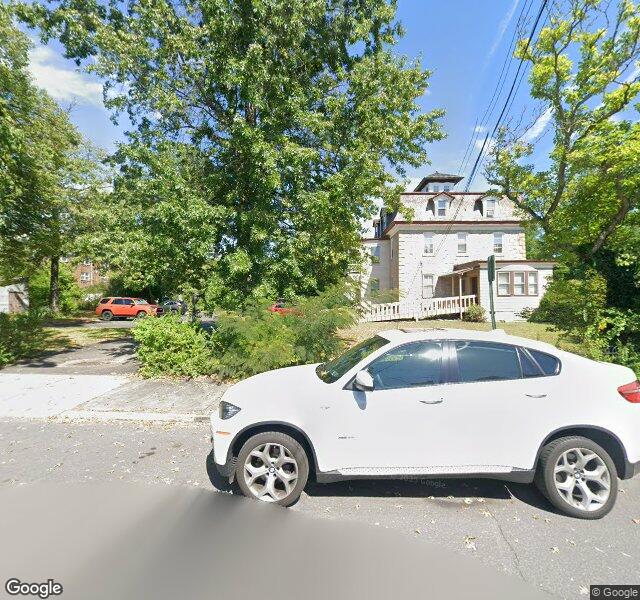
How Does Harborview Rehabilitation And At Lansd Compare to Other Pennsylvania Nursing Homes?

Compared to the 100 nursing homes in Pennsylvania, HARBORVIEW REHABILITATION AND CARE CENTER AT LANSD's overall rating (1 stars) is below the state average of 3.0, staff turnover (48%) is near the state average of 46%, and health inspection rating (1 stars) is much below the national benchmark.

What Should Families Ask When Visiting Harborview Rehabilitation And At Lansd?

Based on this facility's data, families visiting should ask: "What changes have been made since the serious inspection findings, and how are you preventing similar issues?" "Can I visit during a mealtime to observe dining assistance and food quality?" "How do you handle medical emergencies, and what is your hospital transfer rate?" "Can I speak with family members of current residents about their experience?" These questions are particularly relevant given the facility's Immediate Jeopardy citations.

Is Harborview Rehabilitation And At Lansd Safe?

Based on CMS inspection data, HARBORVIEW REHABILITATION AND CARE CENTER AT LANSD has documented safety concerns. Inspectors have issued 1 Immediate Jeopardy citation (the most serious violation level indicating risk of serious injury or death). The facility has a 1-star overall rating and ranks #100 of 100 nursing homes in Pennsylvania. Families considering this facility should ask detailed questions about what corrective actions have been taken since these incidents.

Do Nurses at Harborview Rehabilitation And At Lansd Stick Around?

HARBORVIEW REHABILITATION AND CARE CENTER AT LANSD has a staff turnover rate of 48%, which is about average for Pennsylvania nursing homes (state average: 46%). Moderate turnover is common in nursing homes, but families should still ask about staff tenure and how the facility maintains care continuity when employees leave.

Was Harborview Rehabilitation And At Lansd Ever Fined?

HARBORVIEW REHABILITATION AND CARE CENTER AT LANSD has been fined $191,228 across 2 penalty actions. This is 5.5x the Pennsylvania average of $34,991. Fines at this level are uncommon and typically indicate a pattern of serious deficiencies, repeated violations, or failure to correct problems promptly. CMS reserves penalties of this magnitude for facilities that pose significant, documented risk to resident health or safety. Families should request specific documentation of what issues led to these fines and what systemic changes have been implemented.

Is Harborview Rehabilitation And At Lansd on Any Federal Watch List?

HARBORVIEW REHABILITATION AND CARE CENTER AT LANSD is not on any federal watch list. The most significant is the Special Focus Facility (SFF) program, which identifies the bottom 1% of nursing homes nationally based on persistent, serious quality problems. Not being on this list means the facility has avoided the pattern of deficiencies that triggers enhanced federal oversight. This is a positive indicator, though families should still review the facility's inspection history directly.