QUALITY LIFE SERVICES - MARKLEYSBURG
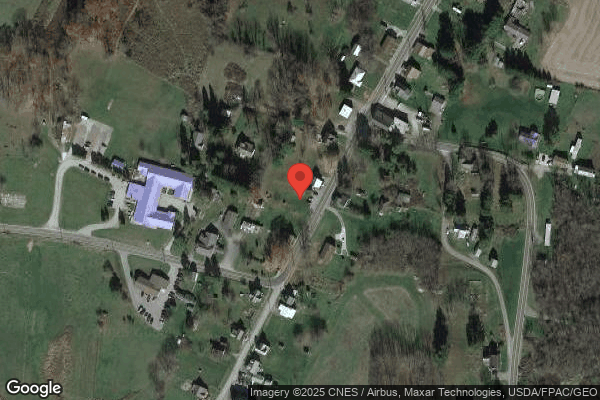
252 MAIN STREET, MARKLEYSBURG, PA 15459 (724) 329-4830
For profit - Limited Liability company 60 Beds QUALITY LIFE SERVICES Data: November 2025
Trust Grade
43/100
#480 of 653 in PA
Last Inspection: July 2025

Inspected within the last 6 months. Data reflects current conditions.

Overview

Quality Life Services in Markleysburg, Pennsylvania, has a Trust Grade of D, indicating below-average performance with some concerning issues. It ranks #480 out of 653 facilities in the state, placing it in the bottom half, and is the lowest-ranked facility in Fayette County. The facility is on an improving trend, having reduced its number of issues from 9 to 7 over the past year. Staffing is average with a rating of 3 out of 5 stars and a turnover rate of 51%, which is in line with state averages. However, the facility has received $17,340 in fines, which is higher than 80% of Pennsylvania facilities, suggesting ongoing compliance problems. Specific incidents include a resident developing serious pressure ulcers due to inadequate care and another resident suffering a second-degree burn from hot soup that was not properly managed, indicating a failure to maintain a safe environment. Additionally, there were concerns about proper monitoring of resident behaviors, particularly regarding inappropriate actions towards another resident. While there are some strengths, such as average staffing and an improvement trend, these significant weaknesses raise concerns for families considering this nursing home.

Trust Score
D
43/100
In Pennsylvania
#480/653
Bottom 27%
Safety Record
Moderate
Needs review
Inspections
Getting Better
9 → 7 violations
Staff Stability
⚠ Watch
51% turnover. Above average. Higher turnover means staff may not know residents' routines.
Penalties
⚠ Watch
$17,340 in fines. Higher than 78% of Pennsylvania facilities, suggesting repeated compliance issues.
Skilled Nurses
✓ Good
Each resident gets 48 minutes of Registered Nurse (RN) attention daily — more than average for Pennsylvania. RNs are trained to catch health problems early.
Violations
⚠ Watch
20 deficiencies on record. Higher than average. Multiple issues found across inspections.
★★☆☆☆
2.0
Overall Rating
★★★☆☆
3.0
Staff Levels
★★★★☆
4.0
Care Quality
★★☆☆☆
2.0
Inspection Score
Stable
2024: 9 issues
2025: 7 issues

The Good

  • 4-Star Quality Measures · Strong clinical quality outcomes
  • Full Sprinkler Coverage · Fire safety systems throughout facility
  • No fines on record

Facility shows strength in quality measures, fire safety.

The Bad

2-Star Overall Rating

Below Pennsylvania average (3.0)

Below average - review inspection findings carefully

Staff Turnover: 51%

Near Pennsylvania avg (46%)

Higher turnover may affect care consistency

Federal Fines: $17,340

Below median ($33,413)

Minor penalties assessed

Chain: QUALITY LIFE SERVICES

Part of a multi-facility chain

Ask about local staffing decisions and management

The Ugly 20 deficiencies on record

2 actual harm
Jul 2025 7 deficiencies 2 Harm
SERIOUS (G)

Actual Harm - a resident was hurt due to facility failures

Pressure Ulcer Prevention (Tag F0686)

A resident was harmed · This affected 1 resident

**NOTE- TERMS IN BRACKETS HAVE BEEN EDITED TO PROTECT CONFIDENTIALITY** Number of residents sampled: Number of residents cited: Based on the review of professional standards of practice, facility poli...

Read full inspector narrative →
**NOTE- TERMS IN BRACKETS HAVE BEEN EDITED TO PROTECT CONFIDENTIALITY** Number of residents sampled: Number of residents cited: Based on the review of professional standards of practice, facility policy, clinical record review and staff interview, it was determined that the facility failed to develop and implement care and services consistent with professional standards of practice to prevent the development of a pressure ulcer that developed into a Stage III pressure ulcer (full thickness skin loss that extends into the subcutaneous or fat layer) to the right lateral ankle and a Stage I pressure ulcer (non-blanchable reddened area) to the right inner and outer aspect of the right knee from a immobilizer brace worn due to a fracture. This resulted in actual harm for one of two residents (Resident R3).Findings include:Clinical Practice Guidelines indicate that the treatment of pressure ulcers should involve multiple tactics aimed at alleviating the conditions contributing to ulcer development (i.e., support surfaces, repositioning, and nutritional support); protecting the wound from contamination and creating and maintaining a clean wound environment; promoting tissue healing via local wound applications, debridement, and wound cleansing; using adjunctive therapies; and considering possible surgical repair. According to the US Department of Health and Human Services, Agency for Healthcare Research & Quality, the pressure ulcer best practice bundle incorporates three critical components in preventing pressure ulcers: Comprehensive skin assessment, standardized pressure ulcer risk assessment, and care planning and implementation to address the areas of risk. Review of the facility policy Preventive Skin Care, dated 6/9/25, with a previous review date of 6/11/24, indicated the facility will provide the highest quality of skin care possible and promote preventive measures for skin integrity. From admission, weekly skin assessments will be completed by the nursing staff and documented in the electronic clinical record. Review of the clinical record indicated Resident R3 was admitted to the facility on [DATE], with diagnoses which included respiratory failure, Traumatic Brain Injury with loss of consciousness, bipolar disorder, communication deficit, bilateral cataracts, repeated falls, dizziness, abnormal posture, and a fracture of the right ankle dated 3/15/25. Review of Resident R3's quarterly Minimum Data Set (MDS - a periodic assessment of resident care needs) dated 5/7/25, indicated the diagnoses remained current. Section GG0110(Activities of Daily Living (ADL's) assistance indicated Resident R3 required physical assistance of two staff for bed mobility. Review of Resident R3's clinical record identified that on 3/15/25, Resident R3 had developed a fracture of his right ankle from another resident pushing his wheelchair and his leg getting trapped under the wheelchair causing a fracture which had been identified by the facility and the facility provided the information. On 3/17/25, Resident R3 was assessed by the Orthopedic Physician and a T scope brace (adjustable knee brace to control range of motion) was placed for immobilization of the fracture. Review of a Physician order dated 3/17/25, stated Resident to wear brace to RLE (right lower extremity) at all times, except for hygiene.Review of Resident R3's clinical record did not include documentation of skin checks being completed to the right leg until 4/2/25 due to a skin impairment, 16 days after the T brace was placed.Review of Resident R3's Treatment Administrative Record (TAR) dated 4/1/25, through 4/9/25, identified four of 21 opportunities of missed documented assessments of skin, with no documented issues identified.Review of the clinical record indicated that on 4/9/25, Resident R3 had developed a Stage I pressure ulcer of his right inner aspect of the knee measuring 3 centimeters (cm) x 1 cm x < 0.1 cm area and a 1 cm x 1.5 cm x <0.1cm area of the right outer aspect of the right knee, related to a medical device. A Stage III pressure ulcer was identified of the right lateral ankle measuring 9.5 cm x 3.5 cm x 0.2 cm with 90% of the tissue of the wound being slough (dead tissue). The brace was removed.Review of care plan for Resident R3 on 3/17/25, failed to reveal evidence the facility updated resident's care plan with individualized interventions to address resident's decreased mobility status, need for skin assessments and higher risk for developing pressure ulcers. During an interview on 7/29/25, at 10:00 a.m., Nurse Aide (NA) Employees E22 and E23, stated that skin checks are performed during routine care and findings are to be reported to the nurse.During an interview on 7/29/25, at 11:13 a.m., Registered Nurse (RN) Employee E20 stated that skin assessments are to be documented weekly in the residents TAR and any findings addressed immediately.During an interview on 7/29/25, at 1:48 p.m., the Director of Nursing confirmed that the facility failed to ensure that interventions to prevent pressure ulcers were implemented which resulted in actual harm to Resident R3 who developed Stage I and Stage III pressure ulcers to the right leg from a medical device (T Brace). 28 Pa. Code 211.10(c)(d) Resident care policies28 Pa. Code 211.12(c)(d)(1)(3)(5) Nursing services
SERIOUS (G)

Actual Harm - a resident was hurt due to facility failures

Accident Prevention (Tag F0689)

A resident was harmed · This affected 1 resident

**NOTE- TERMS IN BRACKETS HAVE BEEN EDITED TO PROTECT CONFIDENTIALITY** Number of residents sampled: Number of residents cited: Based on a review of facility policies, clinical records, investigation ...

Read full inspector narrative →
**NOTE- TERMS IN BRACKETS HAVE BEEN EDITED TO PROTECT CONFIDENTIALITY** Number of residents sampled: Number of residents cited: Based on a review of facility policies, clinical records, investigation report and staff interviews, it was determined that the facility failed to ensure that the environment was free of accident hazards for one of two residents (Resident R3) resulting in harm when hot soup spilled onto Resident R3's right upper, inner thigh area causing a second- degree burn measuring 2 cm x 1.5 cm x <0.1 cm blister requiring treatment. Findings include:Review of the facility policy Accidents and Incidents dated 6/9/25, with a previous review date of 6/11/24, indicated that if an accident/incident occurs involving a resident are reported and investigated for corrective actions and quality improvement. The facility policy regarding hot liquid safety was not provided.The facility provided food temperatures identified the soup at 170 degrees Fahrenheit.Review of the clinical record indicated Resident R3 was admitted to the facility on [DATE], with diagnoses which included respiratory failure, Traumatic Brain Injury with loss of consciousness, Bipolar disorder, Communication deficit, bilateral cataracts, repeated falls, dizziness, abnormal posture and anxiety, a fracture of the right ankle dated 3/15/25. Review of Resident R3's quarterly Minimum Data Set (MDS - a periodic assessment of resident care needs) dated 5/7/25, indicated the diagnoses remained current. Section GG0110(Activities of Daily Living (ADL's) assistance indicated Resident R3 required physical assistance of one staff for eating. Review of Resident R3's plan of care prior to the incident indicated Resident R3 required assistance of one staff for eating. Care plan interventions included lids were to be provided with hot items (hot beverages and/or soup, etc.)Review of Resident R3's physician orders dated 5/6/25, indicated Resident R3 required supervision with a divided plate with Dycem (non -slip mat) to prevent it sliding, all drinks to be in sippy cups, all hot liquids to have a plastic lid with straws in all liquids including soups.Review of a restorative nursing progress note dated 6/10/25, indicated Resident R3's need for the divided plate with Dycem under, all liquids in a sippy cup with oversight and cueing and assist of one staff.Review of a progress note dated 7/25/25, at 5:30 p.m., indicated that Resident R3 had yelled out when he spilled soup on his leg, Resident R3 stated it was hot or similar words and when assessed his right upper, inner thigh had a large, reddened area with no blister at that time.Review of facility submitted information dated 7/25/25, indicated that Resident R3 was in the dining room when it was witnessed, he had soup in his hand (resident was seated at the table) and spilled it on his leg (upper thigh area).Review of Licensed Practical Nurse (LPN) Employee E2's statement indicated that Resident R3 had yelled out help, ouch and the LPN Employee E2 saw that Resident R3 had spilled soup in his lap and had cleaned him up and then she notified the RN Supervisor.Review of the facility investigation report dated 7/25/25, indicated that on Saturday 7/26/25, a 2cm x 1,5 cm x <0.1 cm blister had developed and Silvadene (topical antibiotic cream used to prevent and treat infections associated with second and third-degree burns) was ordered. The indicated interventions to prevent re-occurrence were reviewed onsite and appeared to be unchanged from Resident R3's unfollowed previous orders; supervision with meals and lids served with hot liquids.During an interview on 7/29/25, at 9:45 a.m., Dietary Manger Employee E26 indicated that lids on bowls/cups are communicated to dietary and are placed on the resident meal ticket.During an interview on 7/29/25, at 10:00 a.m., Nurse Aide (NA) Employees E22 and E23 stated, the dietary ticket usually has meal aide needs on the ticket and the resident care plans also indicate special or adaptive equipment.During an interview on 7/29/25, at 1:00 p.m., the Director of Nursing (DON) stated, on the submitted event with Resident R3's plan of care with meals would be different from the current, unfollowed interventions. when asked how the current interventions were identified as being an adjustment after the incident occurred. The DON also confirmed that Resident R3 should have had lid on the soup and the resident should have been assisted with meals which resulted in actual harm when hot soup spilled onto Resident R3's right upper, inner thigh area causing a second- degree burn measuring 2 cm x 1.5 cm x <0.1 cm blister requiring treatment. 28 Pa. Code 201.18(b)(1) Management. 28 Pa Code 211.12(d)(5) Nursing Services.
CONCERN (D)

Potential for Harm - no one hurt, but risky conditions existed

Report Alleged Abuse (Tag F0609)

Could have caused harm · This affected 1 resident

**NOTE- TERMS IN BRACKETS HAVE BEEN EDITED TO PROTECT CONFIDENTIALITY** Number of residents sampled: Number of residents cited: Based on review of facility policy, resident record, investigation docum...

Read full inspector narrative →
**NOTE- TERMS IN BRACKETS HAVE BEEN EDITED TO PROTECT CONFIDENTIALITY** Number of residents sampled: Number of residents cited: Based on review of facility policy, resident record, investigation documents, and staff interview, it was determined that the facility failed to report an allegation of neglect for one of four sampled residents (Resident R33).Findings include:A review of the facility Resident Protection From Abuse, Neglect, Mistreatment Or Exploitation policy dated 6/11/24, indicated that residents will be free from any form of neglect and the facility will report all allegations of abuse/neglect and will notify the PA Department of Health/Long Term Care Division via the electronic reporting system. A review of Resident R33's admission record indicated the resident was re-admitted on [DATE], with diagnoses that included multiple sclerosis (a chronic neurological disorder where the immune system attacks healthy cells), and neuromuscular dysfunction of the bladder (nerves that carry messages back and forth between the bladder and the spinal cord and brain do not function normally).A review of Resident R33's Minimum Data Set assessment (MDS -a periodic assessment of resident care needs) dated 2/11/25, indicated that the diagnoses were current upon review and the resident was alert, oriented, and cognitively intact.During an observation on 7/29/25 revealed Resident R33 had a suprapubic catheter (a tube used to drain urine from the bladder into a drainage bag) in place.A review of a physician order dated 2/6/25, indicated to empty the catheter every two hours and document. A review of a facility grievance form dated 4/14/25, indicated Resident R33 stated that morning the CNA did not empty his bag and did not want to get sick due to this. His bag was emptied for 1300cc (cubic centimeters) and is usually 500cc. This concern was investigated and signed by the Director of Nursing, and corrective action was taken.A review of reports submitted to the local state field office did not include Resident R33's allegation of neglect.During an interview on 7/29/25, at 1:45 p.m. the Assistant Director of Nursing (ADON) confirmed that the facility failed to report Resident R33's allegation of neglect as required.28 Pa Code: 201.14 (a) Responsibility of management.28 Pa Code: 201.18 (e)(1) Management.
CONCERN (D)

Potential for Harm - no one hurt, but risky conditions existed

Medical Records (Tag F0842)

Could have caused harm · This affected 1 resident

**NOTE- TERMS IN BRACKETS HAVE BEEN EDITED TO PROTECT CONFIDENTIALITY** Based on review of facility policy, clinical records, and facility incidents, it was determined that the facility failed to ensu...

Read full inspector narrative →
**NOTE- TERMS IN BRACKETS HAVE BEEN EDITED TO PROTECT CONFIDENTIALITY** Based on review of facility policy, clinical records, and facility incidents, it was determined that the facility failed to ensure that residents' clinical records were complete and accurately documented for two of six residents reviewed (Resident R41 and R42).Review of facility policy Elopement Prevention reviewed 6/11/24 and 6/9/25, indicated the facility properly assess residents and plan of care to prevent accidents related to wandering behavior or elopement. Upon admission, readmission, quarterly, and as needed, nurses will complete a Wandering Risk Assessment. Photographs of the resident are provided to the receptionist. The receptionist will maintain the list of all residents at risk for elopement, including the resident's name, and room number.Review of facility policy Accidents and Incidents reviewed 6/11/24 and 6/9/25, indicated an accident/incident is any happening which is not consistent with routine operations or the routine care of the particular resident. Review of facility policy Resident Change in Condition or Status reviewed 6/11/24 and 6/9/25, indicated documentation must be provided in the resident record: any assessment of the resident and findings, all applicable diagnostics, all applicable interventions, and all communication. All documentation provided must indicate the time at which it happened.The facility did not have a policy regarding documentation in the clinical record.Review of the clinical record indicated Resident R41 was admitted to the facility on [DATE], with diagnoses that included epilepsy (seizure disorder - sudden surges of abnormal and excessive electrical activity in your brain that temporarily causes changes in awareness and muscle control, behavior and senses), obesity, and dysphagia (difficulty swallowing).Review of Resident R41' s Minimum Data Set (MDS - a mandated assessment of a resident's abilities and care needs) dated 6/17/25, indicated the diagnoses remain current. Review of a facility reported incident dated 7/1/25, Resident R51 touched Resident R41 in an inappropriate sexual manner, ‘groping right breast'. The residents were immediately separated by staff who witnessed the incident.Review of the progress notes revealed documentation of the following:- On 7/1/25, at 9:42 a.m. Residents separated immediately from common area. Resident R41 was assessed, and no injuries were noted. Resident R41 was asked if she was okay and she stated yes. Family and proper channels to be notified.- On 7/3/25, at 7:57 a.m. Care plan reviewed and updated this date to alleged abuse.Review of the care plan indicated the following interventions:- On 11/21/16, Monitor me for indicators of discomfort or distress.- On 8/26/24, Position me out of reach from other residents to protect me.Review of the clinical record indicated Resident R42 was admitted to the facility on [DATE], with diagnoses that included encephalopathy (abnormal brain function), depression, and alcohol dependence with alcohol-induced persisting amnestic disorder (severe memory disorder caused by chronic alcohol consumption). Review of the MDS dated [DATE], indicated the diagnoses remain current.Review of a facility reported incident dated 6/24/25, indicated Resident R42 was seen outside of the facility and brought back inside by staff. Resident stated he climbed out a resident room [ROOM NUMBER] window to get some air. During an observation on 7/30/25, at 9:06 a.m. Maintenance Director Employee E1 measured the windows in room [ROOM NUMBER] from floor to windowsill. There are two windows, one window was 55 inches from floor to windowsill, the second window is 40 inches from the floor to the windowsill and contained a window air conditioning unit in the left sliding panel.Review of the Nursing Review assessment completed 3/26/25, indicated Resident 42 was at risk for wandering or elopement.Review of the Nursing Review assessment completed 4/20/25, indicated Resident 42 was not at risk for wandering or elopement.Review of the Nursing Review assessment completed 7/17/25, indicated Resident R42 was not at risk for wandering or elopement.Review of the care plan indicated the following interventions:- On 8/31/21, Distract me from wandering by offering me pleasant diversions, activities, food, television, or books- On 8/31/21, Monitor my location frequently. Document any wandering behavior.During an interview on 7/28/25, at 1:03 p.m. Resident R42 denied being outside the facility and denied that he went out a window. During an interview on 7/30/25, at 8:50 a.m. the Director of Nursing (DON) confirmed the facility failed to ensure documentation was accurate and complete for Resident R41 and Resident R42 following incidents that occurred in the facility. 28 Pa. Code 211.5(f) Clinical records.
CONCERN (E)

Potential for Harm - no one hurt, but risky conditions existed

Deficiency F0740 (Tag F0740)

Could have caused harm · This affected multiple residents

**NOTE- TERMS IN BRACKETS HAVE BEEN EDITED TO PROTECT CONFIDENTIALITY** Number of residents sampled: Number of residents cited: Based on clinical record reviews and staff interview, it was determined ...

Read full inspector narrative →
**NOTE- TERMS IN BRACKETS HAVE BEEN EDITED TO PROTECT CONFIDENTIALITY** Number of residents sampled: Number of residents cited: Based on clinical record reviews and staff interview, it was determined that the facility failed to ensure proper monitoring and documentation of behaviors for one of three residents (Resident R51).Findings include:Review of the clinical record indicated Resident R51 was admitted to the facility on [DATE], with diagnoses which included a stroke, lung disease, and falls. Review of a progress note dated 7/1/25, indicated Resident R51 touched Resident R41 and when asked he stated he wanted to and that she did not give permission, but he wanted to do it. Review of a facility provided document dated 7/1/25, indicated that Resident R51 had inappropriately touched Resident R41's breast under her clothing. The investigation indicated Resident R51 was asked if he had increased sexual drives and he stated he did not know and was asked to go a Behavioral Health Unit but refused. The facility physician notified and provided medication for hypersexual behaviors.Review of Resident R51's Medication Administration Record (MAR) for July 2025, indicated that Medroxyprogesterone (hormone used to decrease sexual drive in men)10mg was ordered daily for sexual dysfunction. The MAR or Treatment Administration Record (TAR) did not include monitoring of sexual behaviors.Review of the clinical record did include Psychiatrist visit on 7/16/25.Review of Resident R51's clinical record did not include documentation of any behavior monitoring being done by any staff, including nursing, social services, or nursing assistants. Resident R51 was not being monitored of his whereabouts to make certain he could not sexually abuse any other women residents in the building and his room was next to two rooms containing female residents.During an interview on 7/30/25, at 11:25 a.m., the Director of Nursing confirmed that the facility failed to ensure proper monitoring and documentation of behaviors for one of three residents (Resident R51). 28 Pa Code 201.18(b)(2) Management28 Pa Code 211.12(d)(1)(5) Nursing services
CONCERN (E)

Potential for Harm - no one hurt, but risky conditions existed

Deficiency F0912 (Tag F0912)

Could have caused harm · This affected multiple residents

**NOTE- TERMS IN BRACKETS HAVE BEEN EDITED TO PROTECT CONFIDENTIALITY** Based on observation and interview, the facility failed to provide the required 80 square feet of space per resident for 16 of 2...

Read full inspector narrative →
**NOTE- TERMS IN BRACKETS HAVE BEEN EDITED TO PROTECT CONFIDENTIALITY** Based on observation and interview, the facility failed to provide the required 80 square feet of space per resident for 16 of 25 rooms.During an observation of the facility floor plan on 7/30/25, at 2:15 p.m. the below room findings were as follows: room [ROOM NUMBER] (2 beds) 72.69 square feet per resident bed.room [ROOM NUMBER] (2 beds) 73.40 square feet per resident bed.room [ROOM NUMBER] (2 beds) 71.37 square feet per resident bed.room [ROOM NUMBER] (4 beds) 69.52 square feet per resident bed.room [ROOM NUMBER] (3 beds) 70.67 square feet per resident bed.room [ROOM NUMBER] (2 beds) 73.70 square feet per resident bed.room [ROOM NUMBER] (2 beds) 74.61 square feet per resident bed.room [ROOM NUMBER] (2 beds) 71.61 square feet per resident bed.room [ROOM NUMBER] (3 beds) 76.52 square feet per resident bed.room [ROOM NUMBER] (4 beds) 77.06 square feet per resident bed.room [ROOM NUMBER] (3 beds) 70.91 square feet per resident bed.room [ROOM NUMBER] (2 beds) 71.90 square feet per resident bed.room [ROOM NUMBER] (2 beds) 66.12 square feet per resident bed.room [ROOM NUMBER] (2 beds) 64.92 square feet per resident bed.room [ROOM NUMBER] (3 beds) 78.40 square feet per resident bed.room [ROOM NUMBER] (3 beds) 71.56 square feet per resident bed. During an interview on 7/31/25, at 12:02 p.m. the Nursing Home Administrator confirmed that the room sizes were less than 80 square feet as required. 28 Pa. Code: 205.20(f) Resident bedrooms
CONCERN (E)

Potential for Harm - no one hurt, but risky conditions existed

Deficiency F0947 (Tag F0947)

Could have caused harm · This affected multiple residents

Number of residents sampled: Number of residents cited: Based on review of staff education records and staff interview, it was determined that the facility failed to conduct at least 12 hours of in-se...

Read full inspector narrative →
Number of residents sampled: Number of residents cited: Based on review of staff education records and staff interview, it was determined that the facility failed to conduct at least 12 hours of in-service education, within 12 months of their hire date anniversary, for nurse aides as required for five of five nurse aides (Employees Employee E2, E3, E4, E5 and E6). Findings include:Review of facility provided documents and training records revealed the following staff members did not have 12 hours of in-service education: NA Employee E2 had a hire date of 5/9/11, with approximately four hours of in-service education between 5/9/24, and 5/9/25.NA Employee E3 had a hire date of 1/7/15, with approximately five hours of in-service education between 1/7/24 and 1/7/25.NA Employee E4 had a hire date of 3/2/22, with approximately five hours of in-service education between 3/2/24 and 3/2/25.NA Employee E5 had a hire date of 6/30/23, with approximately nine hours of in-service education between 6/30/24 and 6/30/25.NA Employee E6 had a hire date of 5/9/24, with approximately seven hours of in-service education between 5/9/24 and 5/9/25.During an interview on 7/31/25, at approximately 11:45 a.m., the Director of Nursing confirmed that the facility failed to provide the required 12 hours annual in-service education within 12 months of their hire date anniversary for five of five nurse aides. 28 Pa. Code: 201.14(a) Responsibility of Licensee. 28 Pa. Code: 201.20(c) Staff Development.
Sept 2024 1 deficiency
CONCERN (D) 📢 Someone Reported This

A family member, employee, or ombudsman was alarmed enough to file a formal complaint

Potential for Harm - no one hurt, but risky conditions existed

Quality of Care (Tag F0684)

Could have caused harm · This affected 1 resident

**NOTE- TERMS IN BRACKETS HAVE BEEN EDITED TO PROTECT CONFIDENTIALITY** Based on a review of facility policy, clinical records, and staff interviews, it was determined that the facility failed to appr...

Read full inspector narrative →
**NOTE- TERMS IN BRACKETS HAVE BEEN EDITED TO PROTECT CONFIDENTIALITY** Based on a review of facility policy, clinical records, and staff interviews, it was determined that the facility failed to appropriately respond to a resident's change in condition for one of four residents (Resident R1). Findings include: Review of the facility policy Bowel Management dated 2/22/24, indicated the standard regimen for bowel management will be followed for a resident who experiences alteration in bowel elimination. The procedure was listed as follows: 1. Initiate bowel regimen per protocol as indicated: -On third day without BM (bowel movement), give Senna (Senokot, a vegetable-based laxative), two tablets by mouth. -On fourth day, if Senna ineffective, give Bisacodyl (Dulcolax, a laxative medication) suppository rectally. -On evening of the fourth day, if Bisacodyl suppository ineffective, administer Fleet enema (saline enema) rectally. 2. If still no BM after completion of protocol, notify physician. 3. Document administration on MAR / TAR (medication administration record / treatment administration record) and effectiveness in nurse notes. Review of the facility policy Resident Change in Condition or Status dated 2/22/24, indicated it is the policy of the facility to promptly address all resident changes in condition and to manage them in compliance with all applicable standards of care. Review of the American College of Cardiology/American Heart Association Guideline for the Prevention, Detection, Evaluation, and Management of High Blood Pressure in Adults, dated 2017, indicated the following levels: Normal -systolic: less than 120 mm Hg (millimeters of mercury) -diastolic: less than 80 mm Hg Elevated -systolic: 120-129 mm Hg -diastolic: less than 80 mm Hg High blood pressure (hypertension) -systolic: 130 mm Hg or higher -diastolic: 80 mm Hg or higher Review of the clinical record indicated Resident R1 was admitted to the facility on [DATE]. Review of the Minimum Data Set (MDS - periodic assessment of resident care needs) dated 8/22/24, included diagnoses of endocarditis (inflammation of the inner lining of the heart's chambers and valves), heart failure (a progressive heart disease that affects pumping action of the heart muscles), and high blood pressure. Review of Resident R1's altered cardiovascular status care plan initiated 8/19/24, indicated for staff to check vital signs according to the protocol in the facility and to notify the physician of any abnormal findings. Review of Resident R1's Potential for, or actual constipation care plan initiated 8/19/24, indicated for staff to follow the facility protocol for bowel management. Review of Resident R1's blood pressure record indicated the highest blood pressure assessed from admission to 9/4/24, was 138/82 mm hg. Review of Resident R1's bowel elimination record revealed a medium bowel movement on day shift of 8/31/24, with no further bowel movements until day shift on 9/4/24, twelve shifts later. Review of Resident R1's MAR failed to reveal an administration or refusal of senna after the third day without a bowel movement and failed to reveal an administration or refusal of bisacodyl on the fourth day without a bowel movement. Review of a nurse practitioner progress note dated 9/5/24, at 1:50 a.m. indicated, Notified by Charge Nurse that resident has c/o (complained of) lower abdominal pain and insists on going to the hospital because he feels he has a bowel obstruction. LPN (licensed practical nurse) assessment revealed a firm, tender abdomen with hypoactive BS (decreased bowel sounds). Due to multiple bowel movements that day, and resident did not appear to be in that much pain or distress, LPN stated he attempted to have resident wait until the AM (morning) for further assessment. Resident refused and called 911 himself for transport. Resident could not be redirected. Advised to send to ER. Review of a progress note dated 9/5/24, at 2:13 a.m. indicated, Resident complains of lower abdominal pain and states he has a possible bowel blockage, he states he wants to go to the hospital, bowel sounds decreased and lower abdominal area is firm, vitals are temp. 97.2 B/P (blood pressure) 196/116 P96 (heart rate) resp. (respirations)20 spo2 97% (blood oxygen level) on R/A (room air) spoke with DON (Director of Nursing) and is to monitor closely and resident call 911 to have ambulance sent to facility, spoke with DON and on call [provider] and was advised to send resident to hospital as he requested, [emergency services] arrived around 02:09 and is being transported to Hospital. Review of a progress note dated 9/5/24, at 11:12 p.m. indicated that Resident R1 was admitted to the Intensive Care Unit with osteomyelitis (inflammation of bone or bone marrow, usually due to infection), hydronephrosis (excess urine in the kidneys causing swelling and pain), hydroureter (abnormal enlargement of the ureter caused by a blockage), and was receiving three intravenous antibiotics. During an interview on 9/17/24, at 1:30 p.m. the Nursing Home Administrator confirmed that Resident R1 displayed emergent symptoms of pain, firm abdomen, hypoactive bowel sounds, and dangerously high blood pressure outside of the resident's normal level, and confirmed that the nursing staff (LPN) should not have attempted to request the resident to [NAME] until the morning, or attempt to redirect the resident. The Nursing Home Administrator further confirmed that the facility failed to appropriately respond to a resident's change in condition for one of four residents. 28 Pa. Code: 201.18(b)(1) Management. 28 Pa. Code: 201.29(a) Resident rights. 28 Pa. Code: 201.10(c)(d) Resident care policies. 28 Pa. Code: 211.12(d)(1)(3)(5) Nursing services.
Jul 2024 8 deficiencies
CONCERN (D)

Potential for Harm - no one hurt, but risky conditions existed

Deficiency F0740 (Tag F0740)

Could have caused harm · This affected 1 resident

**NOTE- TERMS IN BRACKETS HAVE BEEN EDITED TO PROTECT CONFIDENTIALITY** Based on review of facility documents, clinical records, and staff interview, it was determined that the facility failed to prov...

Read full inspector narrative →
**NOTE- TERMS IN BRACKETS HAVE BEEN EDITED TO PROTECT CONFIDENTIALITY** Based on review of facility documents, clinical records, and staff interview, it was determined that the facility failed to provide necessary behavioral health services to a resident to maintain the highest practicable mental and psychosocial well-being for one of six residents (Resident R39). Findings include: Review of the Facility Assessment, dated 5/14/24, indicated the facility will provide care for residents with psychiatric or mood disorders. Review of the Resident Assessment Instrument 3.0 User's Manual effective October 2019, indicated that a Brief Interview for Mental Status (BIMS) is a screening test that aides in detecting cognitive impairment). The BIMS total score suggests the following distributions: 13-15: cognitively intact 8-12: moderately impaired 0-7: severe impairment Review of the clinical record revealed that Resident R39 was admitted to the facility on [DATE], and readmitted on [DATE]. Review of the Minimum Data Set (MDS - periodic assessment of care needs) dated 5/24/24, included diagnoses of persistent mood disorder and depression. Review of Section C: Cognitive Patterns, Questions C0500 BIMS Summary Score revealed Resident R39 ' s score to be 11. Review of Resident R39 ' s plan of care for depression initiated 10/31/22, indicated for facility staff to monitor Resident R39 for signs and symptoms of depression and report to physician as necessary. Review of Resident R39 ' s plan of care for the use of antidepressant medication initiated 10/31/22, indicated for facility staff to monitor Resident R39 for adverse effects, including suicidal ideations. Review of a progress note dated 6/17/24, at 2:53 p.m. indicated that during a gradual dose reduction (GDR) review, it was recommended to decrease Resident R39 ' s Depakote Sprinkles (anti-seizure medication that can be used to treat mood disorders) to twice daily (previously three times daily). Review of a progress note dated 7/1/24, at 11:01 a.m. indicated that Resident R39 refused his shower and had struck out at the nurse aide. Review of a progress note dated 7/5/24, at 9:28 p.m. indicated Resident expressed to CNA (nurse aide) that he hates in here and he wants to die. This nurse then spoke to resident, who stated that he hates it here, wants to leave but has nowhere to go. This nurse did recognize and validated the normalcy of his feelings of depression and deep sorrow at having lost his home, being a long term care resident in a skilled nursing facility, and having no family to take him home. (Resident R39) stated he has no plans at this time to harm himself but re-stated how unhappy he is. Review of a progress note dated 7/5/24, at 9:36 p.m. indicated the facility contacted the psychiatrist office and left a message requesting a callback to discuss the possibility of antidepressants for resident. Review of a progress note dated 7/9/24, at 4:49 p.m. indicated the facility received an order to discontinue the Depakote and Remeron (anti-depressant medication), and continue to the Wellbutrin (anti-depressant medication). Review of Resident R39 ' s progress notes for the previous six months prior to his attempting to strike the nurse aide on 7/1/24, failed to include any violent behaviors. During an interview on 8/25/23, at 2:30 p.m. the Nursing Home Administrator and the Assistance Director of Nursing confirmed that the facility failed to make certain that residents were provided appropriate treatment and services to maintain bowel function for one of five residents Review of Resident R39 ' s clinical record failed to reveal an in-person or telehealth evaluation of Resident R39 related to his increased behavioral symptoms and possible suicidality. During an interview on 7/9/24, at approximately 1:00 p.m. the Director of Nursing (DON) confirmed that after the decrease in Depakote sprinkles on 6/19/24, Resident R39 exhibited violent behaviors and a passive death wish. The DON further confirmed that the psychiatrist further decreased medications on 7/9/24, without having evaluated the residents for increasing behaviors and possible suicidality. During an interview on 7/10/24, at approximately 2:00 p.m. the Nursing Home Administrator confirmed the facility failed to provide necessary behavioral health services to a resident to maintain the highest practicable mental and psychosocial well-being for one of six residents. 28 Pa. Code 201.14(a) Responsibility of licensee. 28 Pa. Code 201.18(b)(1)(3) Management. 28 Pa. Code 201.29(a)(c)(d)(j) Resident rights. 28 Pa. Code 211.10(c)(d) Resident care policies. 28 Pa. Code 211.12(d)(1)(3)(5) Nursing services.
CONCERN (E)

Potential for Harm - no one hurt, but risky conditions existed

Quality of Care (Tag F0684)

Could have caused harm · This affected multiple residents

**NOTE- TERMS IN BRACKETS HAVE BEEN EDITED TO PROTECT CONFIDENTIALITY** Based on review of facility policy, clinical records, and staff interviews, it was determined that the facility failed to notify...

Read full inspector narrative →
**NOTE- TERMS IN BRACKETS HAVE BEEN EDITED TO PROTECT CONFIDENTIALITY** Based on review of facility policy, clinical records, and staff interviews, it was determined that the facility failed to notify physicians of increased and decreased Capillary Blood Glucose (CBG) levels and failed to assess residents for hyperglycemia (high blood glucose) and hypoglycemia (low blood glucose), for four of six residents reviewed (Residents R6, R31, R39, and R45). Findings include: The Centers for Disease Control defines diabetes as: Diabetes Mellitus is a chronic (long-lasting) health condition that affects how your body turns food into energy. Most of the food you eat is broken down into sugar (also called glucose) and released into your bloodstream. When your blood sugar goes up, it signals your pancreas to release insulin. Insulin acts like a key to let the blood sugar into your body's cells for use as energy. If you have diabetes, your body either doesn't make enough insulin or can't use the insulin it makes as well as it should. When there isn't enough insulin or cells stop responding to insulin, too much blood sugar stays in your bloodstream. Over time, that can cause serious health problems, such as heart disease, vision loss, and kidney disease. Hypoglycemia is a condition that occurs when blood glucose is lower than normal, usually below 70 milligrams per deciliter (mg/dl). If left untreated, hypoglycemia may lead to weakness, confusion, unconsciousness, arrhythmias and even death. People with Diabetes Mellitus may be prescribed injectable insulin to assist in maintaining acceptable levels of CBG's. Hyperglycemia, or high blood glucose, occurs when there is too much sugar in the blood. This happens when your body has too little insulin. Hyperglycemia is blood glucose greater than 125 mg/dL while fasting (not eating for at least eight hours, or a blood glucose greater than 180 mg/dL one to two hours after eating. If you have hyperglycemia and it's untreated for long periods of time, you can damage your nerves, blood vessels, tissues and organs. Damage to blood vessels can increase your risk of heart attack and stroke, and nerve damage may also lead to eye damage, kidney damage and non-healing wounds. Review of the facility policy Fingerstick Glucose Measurement reviewed 2/22/24 and 6/11/24, indicated the diabetic residents will have blood glucose levels measured by fingerstick, according to physician ordered schedule. Step 1: Verify physician's order. Step 17: Follow up with insulin administration or physician notification as ordered. Review of the facility policy Physician Notification reviewed 2/22/24 and 6/11/24, indicated upon identification of a resident who has clinical changes, change in condition, or abnormal lab values, a licensed nurse will preform appropriate clinical observations and data collection and report to physician as indicated. Document findings related to change in condition, physician notification and response, family notifications, and interventions. Review of the facility policy Hypoglycemic Protocol reviewed 2/22/24 and 6/11/24, indicated staff will appropriately assess for and respond to and treat resident's experiencing a hypoglycemic episode. Whenever a glucose test indicates hypoglycemia treatment should be provided immediately. Treatment of choice for hypoglycemia is Glucose Gel 15 grams. However, if resident has difficulty swallowing or decreased level of consciousness Glucagon IM (injection given into the muscle) would be given. Recheck the blood sugar. Notify MD. Review of the facility policy Resident Change in Condition or Status reviewed 2/22/24 and 6/11/24, indicated it is facility policy to promptly address all resident changes in condition and to manage them in compliance with all applicable standards of care. When a resident exhibits a change in condition from their baseline, the licensed nurse assigned to the resident will provide any necessary physical assessment, ensure timely notification to the charge nurse, physician, and family. Documentation must be provided in the resident record regarding any assessment of the resident and findings, all applicable diagnostics, all applicable interventions, and all communication. The licensed nurse will notify the resident's attending physician when there is a significant change in the resident's physical, mental, or psychosocial status, when there is a need to alter the residents treatment significantly. Review of the clinical record indicated Resident R6 was admitted to the facility on [DATE], with diagnoses that included diabetes, dementia (group of symptoms affecting memory, thinking and social abilities), and depression. Review of Resident R6' s Minimum Data Set (MDS - a mandated assessment of a resident's abilities and care needs) dated 5/28/24, indicated the diagnoses remain current. Review of a physician's order dated 2/21/24 indicated to inject Lispro (fast-acting insulin that starts to work about 15 minutes after injection, peaks in about 1 hour, and keeps working for 2 to 4 hours) per sliding scale, if fingerstick is over 400, give 12 units, call MD. An order dated 2/23/24 through 5/23/24, indicated to inject Novolog (fast-acting insulin that starts to work about 15 minutes after injection, peaks in about 1 hour, and keeps working for 2 to 4 hours) per sliding scale, if blood glucose is over 401 give 12 units and call MD. An order dated 5/23/24, indicated the same Novolog sliding scale parameters. Review of the clinical record electronic Medication Administration Record (eMAR) revealed that the resident's CBG's were as follows: On 2/21/24, at 8:59 p.m. the CBG was noted to be 416. On 3/25/24, at 5:06 p.m. the CBG was noted to be 450. On 6/26/24, at 12:30 p.m. the CBG was noted to be 439. Review of the care plan dated 6/26/14, indicated to monitor Accuchecks as ordered. Monitor/document/report to MD as needed for signs or symptoms of hyper-/hypoglycemia. Diabetes medication as ordered by doctor, monitor/document side effects and effectiveness. Review of Resident's eMAR and clinical progress notes indicated the resident was not assessed for hyperglycemia, the blood glucose was not monitored for effectiveness of treatment, failed to follow interventions of the care plan, and the physician was not notified of abnormal results on the above listed dates. Review of a clinical record indicated Resident R31 was admitted to the facility on [DATE], with diagnoses that included diabetes, anxiety, and high blood pressure. Review of the MDS dated [DATE], indicated the diagnoses remain current. Review of physician's orders dated 1/30/24, indicated the following orders: Administer four ounces of juice as needed for hypoglycemic protocol for Accucheck less than or equal to 70 and resident asymptomatic (you are not showing any symptoms) and able to swallow. Administer juice by mouth and recheck in 15 minutes. Glucose Oral Gel 15 gm/ml (grams per milliliter) by mouth as needed for hypoglycemic protocol. Glucagon Emergency Injection kit 1 mg (milligram) inject intramuscularly as needed for hypoglycemic protocol and resident is unresponsive. Lantus (long-acting type of insulin that works slowly, over about 24 hours) 25 units in the evening. An order dated 2/7/24, indicated Novolog insulin per sliding scale, if greater than 400 call MD. Review of Resident R31's eMAR revealed that the resident's CBG's were as follows: On 6/17/24, at 7:50 a.m. the CBG was noted to be 51. On 6/22/24, at 6:23 a.m. the CBG was noted to be 51. On 6/23/24, at 6:41 a.m. the CBG was noted to be 52. Review of Resident R31's care plan dated 1/30/24, indicated to check blood sugar levels as ordered. Administer diabetes medications as ordered, monitor for effectiveness and side effects and report them to the physician. Monitor for any signs or symptoms of hypoglycemia. Review of Resident R31's eMAR and clinical progress notes indicated the resident was not assessed for hypoglycemia, failed to follow interventions of the care plan, blood sugar was not rechecked, and the physician was not notified of abnormal results. Review of the clinical record indicated Resident R39 was re-admitted to the facility on [DATE], with diagnoses that included diabetes, depression, and shortness of breath. Review of the MDS dated [DATE], indicated the diagnoses remain current. Review of a physician order dated 6/10/23, indicated Glucose Gel 40%, give 15 grams by mouth as needed for hypoglycemia, recheck blood sugar in 15 minutes. An order dated 1/1/24, indicated to notify provider of blood sugar less than 70; follow hypoglycemic protocol. Glucagon Emergency kit 1 mg inject as needed for blood sugar. Review of the clinical record electronic Medication Administration Record (eMAR) revealed that the resident's CBG's were as follows: On 4/18/24, at 6:13 a.m. the CBG was noted to be 58. On 4/22/24, at 6:11 a.m. the CBG was noted to be 53. On 6/19/24, at 6:45 a.m. the CBG was noted to be 57. Review of the care plan dated 10/30/22, indicated to administer diabetic medications as ordered by doctor, monitor for effectiveness and the occurrence of any side effects and report them to the physician. Check blood sugars as ordered. Monitor for signs or symptoms of hypoglycemia. Review of Resident R39's eMAR and clinical progress notes indicated the resident was not assessed for hypoglycemia, the blood glucose was not monitored for effectiveness of treatment, failed to follow interventions of the care plan, and the physician was not notified of abnormal results on the above listed dates. Review of the clinical record indicated Resident R45 was admitted to the facility on [DATE], with diagnoses that included diabetes, and high blood pressure. Review of the MDS dated [DATE], indicated the diagnoses remain current. Review of physician orders dated 3/7/24, indicated Novolog insulin per sliding scale, if blood glucose 341 give 12 units, if over 340 notify MD. Review of the clinical record electronic Medication Administration Record (eMAR) revealed that the resident's CBG's were as follows: On 3/17/24, at 12:04 p.m. CBG was noted to be 341. On 3/18/24, at 4:29 p.m. CBG was noted to be 341. On 3/21/24, at 11:07 a.m. CBG was noted to be 341. On 3/23/24, at 11:38 a.m. CBG was noted to be 341. On 3/28/24, at 11:30 a.m. CBG was noted to be 341. On 3/30/24, at 10:35 a.m. CBG was noted to be 341. On 3/31/24, at 11:05 a.m. CBG was noted to be 341. On 4/2/24, at 10:13 a.m. CBG was noted to be 341. On 4/18/24, at 11:37 a.m. CBG was noted to be 341. On 4/20/24, at 10:49 a.m. CBG was noted to be 341. On 4/27/24, at 11:09 a.m. CBG was noted to be 341. On 4/28/24, at 10:32 a.m. CBG was noted to be 341. On 5/13/24, at 5:01 p.m. CBG was noted to be 341. Review of the care plan dated 12/5/22, indicated to check blood sugar levels as ordered. Monitor for signs or symptoms of hyperglycemia. Review of Resident 45's eMAR and clinical progress notes indicated the resident was not assessed for hyperglycemia, the blood glucose was not monitored for effectiveness of treatment, and the physician was not notified of abnormal results on the above listed dates. During an interview on 7/10/24, at 11:30 a.m. Licensed Practical Nurse (LPN) Employee E10 stated they would check the resident's orders for parameters, if no ordered parameters are noted they would notify the doctor of blood glucose levels under 60 or over 400. They would document in the MAR and progress notes. During an interview on 7/10/24, at 11:35 a.m. LPN Employee E11 stated they would check the orders for parameters, and if they did not find any parameters, they would notify the doctor of blood glucose levels under 60-70, or over 450-500. They would document in the progress notes. During an interview on 7/10/24, at 12:45 p.m. the Director of Nursing confirmed the facility failed to notify the doctor of a change in condition related to blood glucose for Residents R6, R31, R39, and R45. 28 Pa. Code 201.18 (b)(1) Management 28 Pa. Code 201.29(d) Resident Rights
CONCERN (E)

Potential for Harm - no one hurt, but risky conditions existed

Accident Prevention (Tag F0689)

Could have caused harm · This affected multiple residents

**NOTE- TERMS IN BRACKETS HAVE BEEN EDITED TO PROTECT CONFIDENTIALITY** Based on review of facility policies and documents, clinical record review, and staff interview, it was determined that the faci...

Read full inspector narrative →
**NOTE- TERMS IN BRACKETS HAVE BEEN EDITED TO PROTECT CONFIDENTIALITY** Based on review of facility policies and documents, clinical record review, and staff interview, it was determined that the facility failed to implement interventions to prevent falls for one of three residents (Resident R25). Findings include: Review of the facility policy, Falls: Care During and After dated 6/11/24, indicated, All residents experiencing a fall will receive appropriate care and investigation and interventions will be conducted by the interdisciplinary team. Included in the procedure were the following steps: 5. Remove any causes to fall and implement preventative measures to prevent reoccurrence. 6. Update care plan to reflect new interventions. Review of the clinical record indicated Resident R25 was admitted to the facility on [DATE]. Review of the Minimum Data Set (MDS, periodic assessment of resident care needs) dated 5/30/24, included diagnoses of dementia (a group of symptoms that affects memory, thinking and interferes with daily life) and unsteadiness on feet. Review of a progress note dated 6/25/24, at 6:28 p.m. indicated, LPN (licensed practical nurse) heard someone yelling help me! Ran to see where it was coming from, saw this resident laying on his left side on the floor by the dining room. Other LPN was standing by him assisting him. Resident was very confused per usual. Another resident witnessed the fall and stated that the resident did not hit head and fell to butt and hit elbow on wall. Resident did have a small skin tear to his left elbow that measures 2 cm (centimeters) x 0.8 cm. No other injuries noted at this time. resident moves all extremities. Staff assisted resident back into his chair. Resident has no s/s of distress or discomfort noted. attempted to call wife, and no answer. Review of a facility incident report dated 6/25/24, included the information, Resident declined any pain. Resident's shoes were not non-skid and slid very easily on the floor. Shoes were removed and grip socks put on resident. Review of the report section, Predisposing Situation Factors the check box for improper footwear was not checked. Review of a progress note dated 7/2/24, at 7:27 p.m. indicated, RN (registered nurse) and CNA (nurse aide) and HCV NHA (Nursing Home Administrator from sister facility) were all outside of kitchen and heard resident say, He fell. All of us went immediately to resident. RN assessed and resident re-opened prior skin tear to R (right) elbow. resident moves all extremities. alert and oriented resident sitting and saw entire incident - she said he stood up and tried to walk by himself and slid and fell on his butt. Did not hit head. resident assisted up and back to W/C (wheelchair). resident had tan shoes and socks on feet. [NAME] shoes slide very easily on floor and are similar to black shoes that he wore when falling previously. resident now has nonskid socks on feet. resident has dementia with poor safety awareness. no s/s (signs or symptoms) of distress or discomfort noted. Review of a facility incident report dated 7/2/24, included the information, Resident assessed, removed shoes and applied grip socks. Review of the report section, Predisposing Situation Factors the check box for improper footwear was checked. Review of Resident R25's plan of care for Altered gait, impaired mobility active from 5/17/24, through 7/3/24, included only the intervention of Monitor for safety, keep in view of staff. Review of Resident R25's plan of care for I have had a fall with no injury initiated 5/20/24, failed to include an intervention for non-skid footwear until 7/3/24. During an interview on 7/10/24, at approximately 2:00 p.m. the Nursing Home Administrator and Director of Nursing confirmed the facility failed to implement interventions to prevent falls for one of three residents. 28 Pa. Code: 201.14(c) Responsibility of licensee. 28 Pa. Code: 201.18(b)(1) Management 28 Pa. Code: 211.12(d)(1)(5) Nursing services.
CONCERN (E)

Potential for Harm - no one hurt, but risky conditions existed

Deficiency F0943 (Tag F0943)

Could have caused harm · This affected multiple residents

Based on review of facility policy and documents, and staff interview, it was determined that the facility failed to provide training on the prevention of abuse, neglect, and misappropriation for four...

Read full inspector narrative →
Based on review of facility policy and documents, and staff interview, it was determined that the facility failed to provide training on the prevention of abuse, neglect, and misappropriation for four of ten staff members (Employees E2, E3, E5, and E7). Findings include: Review of the Facility Assessment dated 5/14/24, previously reviewed 3/26/24, 12/21/23, indicated Staff training and education consists of the following training topics that are mandatory annually such as abuse, neglect, and misappropriation as well as the Elder Justice Act, residents rights, person centered care, dementia training, and infection control and prevention. Review of facility provided documents and training record for Employees E2, E3, E5, and E7 revealed the following staff members did not have documented training on effective communication. Nurse Aide (NA) Employee E2 had a hire date of 4/21/99, failed to have prevention of abuse, neglect, and misappropriation in-service education between 4/21/23, and 4/21/24. NA Employee E3 had a hire date of 5/9/11, failed to have prevention of abuse, neglect, and misappropriation in-service education between 5/9/23, and 5/9/24. Registered Nurse (RN) Employee E5 had a hire date of 5/8/17, failed to have prevention of abuse, neglect, and misappropriation in-service education between 5/8/23, and 5/8/24. RN Employee E7 had a hire date of 4/22/13, failed to have prevention of abuse, neglect, and misappropriation in-service education between 4/22/23, and 4/22/24. During an interview on 7/10/24, at approximately 2:00 p.m. the Nursing Home Administrator confirmed that the facility failed to provide training on the prevention of abuse, neglect, and misappropriation for four of ten staff members. 28 Pa Code: 201.14 (a) Responsibility of licensee. 28 Pa Code: 201.18 (b)(1) Management. 28 Pa Code: 201.20 (a)(c) Staff development.
MINOR (B)

Minor Issue - procedural, no safety impact

Deficiency F0941 (Tag F0941)

Minor procedural issue · This affected multiple residents

Based on review of facility policy and documents, and staff interview, it was determined that the facility failed to provide training on effective communication for four of ten staff members (Employee...

Read full inspector narrative →
Based on review of facility policy and documents, and staff interview, it was determined that the facility failed to provide training on effective communication for four of ten staff members (Employees E2, E4, E6, and E7). Findings include: Review of the Facility Assessment dated 5/14/24, previously reviewed 3/26/24, 12/21/23, indicated Staff training and education consists of the following training topics that are mandatory annually such as abuse, neglect, and misappropriation as well as the Elder Justice Act, residents rights, person centered care, dementia training, and infection control and prevention. Review of facility provided documents and training record for Employees E2, E4, E6, and E7 revealed the following staff members did not have documented training on effective communication. Nurse Aide (NA) Employee E2 had a hire date of 4/21/99, failed to have effective communication in-service education between 4/21/23, and 4/21/24. NA Employee E4 had a hire date of 1/5/22, failed to have effective communication in-service education between 1/5/23, and 1/5/24. Licensed Practical Nurse (LPN) Employee E6 had a hire date of 3/9/22, failed to have effective communication in-service education between 3/9/23, and 3/9/24. Registered Nurse (RN) Employee E7 had a hire date of 4/22/13, failed to have effective communication in-service education between 4/22/23, and 4/22/24. During an interview on 7/10/24, at approximately 2:00 p.m. the Nursing Home Administrator confirmed that the facility failed to provide training on effective communication for four of ten staff members. 28 Pa Code: 201.14 (a) Responsibility of licensee. 28 Pa Code: 201.18 (b)(1) Management. 28 Pa Code: 201.20 (a)(c) Staff development.
MINOR (B)

Minor Issue - procedural, no safety impact

Deficiency F0942 (Tag F0942)

Minor procedural issue · This affected multiple residents

Based on review of facility policy and documents, and staff interview, it was determined that the facility failed to provide training on residents rights for two of ten staff members (Employees E2 and...

Read full inspector narrative →
Based on review of facility policy and documents, and staff interview, it was determined that the facility failed to provide training on residents rights for two of ten staff members (Employees E2 and E7). Findings include: Review of the Facility Assessment dated 5/14/24, previously reviewed 3/26/24, 12/21/23, indicated Staff training and education consists of the following training topics that are mandatory annually such as abuse, neglect, and misappropriation as well as the Elder Justice Act, residents rights, person centered care, dementia training, and infection control and prevention. Review of facility provided documents and training record for Employees E2 and E7 revealed the following staff members did not have documented training on residents rights. Nurse Aide (NA) Employee E2 had a hire date of 4/21/99, failed to have residents rights in-service education between 4/21/23, and 4/21/24. Registered Nurse (RN) Employee E7 had a hire date of 4/22/13, failed to have residents rights in-service education between 4/22/23, and 4/22/24. During an interview on 7/10/24, at approximately 2:00 p.m. the Nursing Home Administrator confirmed that the facility failed to provide training on residents rights for two of ten staff members. 28 Pa Code: 201.14 (a) Responsibility of licensee. 28 Pa Code: 201.18 (b)(1) Management. 28 Pa Code: 201.20 (a)(c) Staff development.
MINOR (B)

Minor Issue - procedural, no safety impact

Deficiency F0944 (Tag F0944)

Minor procedural issue · This affected multiple residents

Based on review of facility policy and documents, and staff interview, it was determined that the facility failed to provide training on Quality Assurance and Performance Improvement (QAPI) for six of...

Read full inspector narrative →
Based on review of facility policy and documents, and staff interview, it was determined that the facility failed to provide training on Quality Assurance and Performance Improvement (QAPI) for six of ten staff members (Employees E2, E3, E4, E5, E6, and E7). Findings include: Review of the Facility Assessment dated 5/14/24, previously reviewed 3/26/24, 12/21/23, indicated Staff training and education consists of the following training topics that are mandatory annually such as abuse, neglect, and misappropriation as well as the Elder Justice Act, residents rights, person centered care, dementia training, and infection control and prevention. Review of facility provided documents and training records for E2, E3, E4, E5, E6, and E7 revealed the following staff members did not have documented training on QAPI. Nurse Aide (NA) Employee E2 had a hire date of 4/21/99, failed to have QAPI in-service education between 4/21/23, and 4/21/24. NA Employee E3 had a hire date of 5/9/11, failed to have QAPI in-service education between 5/9/23, and 5/9/24. NA Employee E4 had a hire date of 1/5/22, failed to have QAPI in-service education between 1/5/23, and 1/5/24. Registered Nurse (RN) Employee E5 had a hire date of 5/8/17, failed to have QAPI in-service education between 5/8/23, and 5/8/24. Licensed Practical Nurse (LPN) Employee E6 had a hire date of 3/9/22, failed to have QAPI in-service education between 3/9/23, and 3/9/24. Registered Nurse (RN) Employee E7 had a hire date of 4/22/13, failed to have QAPI in-service education between 4/22/23, and 4/22/24. During an interview on 7/10/24, at approximately 2:00 p.m. the Nursing Home Administrator confirmed that the facility failed to provide training on QAPI for six of ten staff members. 28 Pa Code: 201.14 (a) Responsibility of licensee. 28 Pa Code: 201.18 (b)(1) Management. 28 Pa Code: 201.20 (a)(c) Staff development.
MINOR (B)

Minor Issue - procedural, no safety impact

Deficiency F0946 (Tag F0946)

Minor procedural issue · This affected multiple residents

Based on review of facility policy and documents, and staff interview, it was determined that the facility failed to provide training on Compliance and Ethics for six of ten staff members (Employees E...

Read full inspector narrative →
Based on review of facility policy and documents, and staff interview, it was determined that the facility failed to provide training on Compliance and Ethics for six of ten staff members (Employees E2, E3, E4, E5, E6, and E7). Findings include: Review of the Facility Assessment dated 5/14/24, previously reviewed 3/26/24, 12/21/23, indicated Staff training and education consists of the following training topics that are mandatory annually such as abuse, neglect, and misappropriation as well as the Elder Justice Act, residents rights, person centered care, dementia training, and infection control and prevention. Review of facility provided education documents and training records for E2, E3, E4, E5, E6, and E7 revealed the following staff members did not have documented training on Compliance and Ethics. Nurse Aide (NA) Employee E2 had a hire date of 4/21/99, failed to have Compliance and Ethics in-service education between 4/21/23, and 4/21/24. NA Employee E3 had a hire date of 5/9/11, failed to have Compliance and Ethics in-service education between 5/9/23, and 5/9/24. NA Employee E4 had a hire date of 1/5/22, failed to have Compliance and Ethics in-service education between 1/5/23, and 1/5/24. Registered Nurse (RN) Employee E5 had a hire date of 5/8/17, failed to have Compliance and Ethics in-service education between 5/8/23, and 5/8/24. Licensed Practical Nurse (LPN) Employee E6 had a hire date of 3/9/22, failed to have Compliance and Ethics in-service education between 3/9/23, and 3/9/24. Registered Nurse (RN) Employee E7 had a hire date of 4/22/13, failed to have Compliance and Ethics in-service education between 4/22/23, and 4/22/24. During an interview on 7/10/24, at approximately 2:00 p.m. the Nursing Home Administrator confirmed that the facility failed to provide training on Compliance and Ethics for six of ten staff members. 28 Pa Code: 201.14 (a) Responsibility of licensee. 28 Pa Code: 201.18 (b)(1) Management. 28 Pa Code: 201.20 (a)(c) Staff development.
Sept 2023 3 deficiencies
CONCERN (D)

Potential for Harm - no one hurt, but risky conditions existed

Resident Rights (Tag F0550)

Could have caused harm · This affected 1 resident

Based on review of facility policy, resident records, observation, and staff interview it was determined that the facility failed to uphold the privacy and dignity of one of five residents utilizing c...

Read full inspector narrative →
Based on review of facility policy, resident records, observation, and staff interview it was determined that the facility failed to uphold the privacy and dignity of one of five residents utilizing catheter care (Residents R51). Findings include: Review of the facility policy Indwelling Urinary Catheter last reviewed 5/30/23, indicated the catheter bag should have a privacy cover applied at all times unless it has one built in by the manufacturer. During an observation on 9/5/23, at 10:30 a.m. Resident R51 was observed utilizing a foley catheter without a privacy cover on the urine collection bag. During an observation on 9/6/23, at 12:12 p.m. the Director of Nursing confirmed Resident R51 did not have a dignity bag covering the urine collection bag. During an interview on 9/6/21, at 12:20 p.m. the Director of Nursing confirmed that the facility failed to uphold the privacy and dignity of one resident utilizing catheter care for Resident R51. 28 Pa Code: 201.29 (i) Resident rights.
CONCERN (D)

Potential for Harm - no one hurt, but risky conditions existed

Deficiency F0698 (Tag F0698)

Could have caused harm · This affected 1 resident

**NOTE- TERMS IN BRACKETS HAVE BEEN EDITED TO PROTECT CONFIDENTIALITY** Based on review of clinical records and staff interviews, it was determined that facility staff failed to maintain ongoing commu...

Read full inspector narrative →
**NOTE- TERMS IN BRACKETS HAVE BEEN EDITED TO PROTECT CONFIDENTIALITY** Based on review of clinical records and staff interviews, it was determined that facility staff failed to maintain ongoing communication with the dialysis (a machine filters wastes, salts and fluid from your blood when your kidneys are no longer healthy enough to do this work adequately) center for one of two residents reviewed (Resident R38). Findings include: A review of the clinical record indicated that Resident R48 was admitted to the facility on [DATE], with diagnoses that included Stage 4 chronic kidney disease (kidneys are severely damaged and are not working as well as they should to filter waste from blood), diabetes, and high blood pressure. A review of the Minimum Data Set (MDS - periodic assessment of care needs) date 6/14/23, indicated the diagnoses remain current. A review of a physician's order dated 6/14/23, indicated Resident R48 was to receive dialysis three days a week on Monday, Wednesday, and Friday. Review of a care plan dated 2/17/23, indicated to check left upper arm AV fistula every shift and document. Further review of a care plan dated 6/14/23, indicated the resident is transported to dialysis via the transport bus. A review of the clinical record failed to reveal dialysis communications sheets for treatment dates from 6/14/23 through 9/5/23, missing 37 of 37 communication sheets. During an interview on 9/7/23, at 10:43 a.m. Registered Nurse Employee E1 confirmed the facility does not receive the communication sheets back from the dialysis center following treatment for Resident R48. During an interview on 9/7/23, at 11:55 a.m. the Director of Nursing confirmed the facility failed to ensure the dialysis communication forms for Resident R48 were completed for each dialysis treatment day and returned to the facility following each treatment. 28 Pa. Code: 211.12(d)(1)(3)(5) Nursing services.
CONCERN (E)

Potential for Harm - no one hurt, but risky conditions existed

Deficiency F0912 (Tag F0912)

Could have caused harm · This affected multiple residents

**NOTE- TERMS IN BRACKETS HAVE BEEN EDITED TO PROTECT CONFIDENTIALITY** Based on observation and interview, the facility failed to provide the required 80 square feet of space per resident for 16 of 2...

Read full inspector narrative →
**NOTE- TERMS IN BRACKETS HAVE BEEN EDITED TO PROTECT CONFIDENTIALITY** Based on observation and interview, the facility failed to provide the required 80 square feet of space per resident for 16 of 25 rooms. Findings: During an observation of the facility floor plan on 9/5/23, at 2:15 p.m. the above room findings were as follows: room [ROOM NUMBER] (2 beds) 72.69 square feet per resident bed. room [ROOM NUMBER] (2 beds) 73.40 square feet per resident bed. room [ROOM NUMBER] (2 beds) 71.37 square feet per resident bed. room [ROOM NUMBER] (4 beds) 69.52 square feet per resident bed. room [ROOM NUMBER] (3 beds) 70.67 square feet per resident bed. room [ROOM NUMBER] (2 beds) 73.70 square feet per resident bed. room [ROOM NUMBER] (2 beds) 74.61 square feet per resident bed. room [ROOM NUMBER] (2 beds) 71.61 square feet per resident bed. room [ROOM NUMBER] (3 beds) 76.52 square feet per resident bed. room [ROOM NUMBER] (4 beds) 77.06 square feet per resident bed. room [ROOM NUMBER] (3 beds) 70.91 square feet per resident bed. room [ROOM NUMBER] (2 beds) 71.90 square feet per resident bed. room [ROOM NUMBER] (2 beds) 66.12 square feet per resident bed. room [ROOM NUMBER] (2 beds) 64.92 square feet per resident bed. room [ROOM NUMBER] (3 beds) 78.40 square feet per resident bed. room [ROOM NUMBER] (3 beds) 71.56 square feet per resident bed. During an interview on 09/8/23 at 12:02 p.m. the Nursing Home Administrator confirmed that the room sizes were less than 80 square feet as required. 28 Pa. Code: 205.20(f) Resident bedrooms.
Dec 2022 1 deficiency
CONCERN (D) 📢 Someone Reported This

A family member, employee, or ombudsman was alarmed enough to file a formal complaint

Potential for Harm - no one hurt, but risky conditions existed

Deficiency F0885 (Tag F0885)

Could have caused harm · This affected 1 resident

**NOTE- TERMS IN BRACKETS HAVE BEEN EDITED TO PROTECT CONFIDENTIALITY** Based on review of facility policy, COVID-19 line listing of positive residents, clinical record, and staff interview it was det...

Read full inspector narrative →
**NOTE- TERMS IN BRACKETS HAVE BEEN EDITED TO PROTECT CONFIDENTIALITY** Based on review of facility policy, COVID-19 line listing of positive residents, clinical record, and staff interview it was determined that the facility failed to notify families of residents with positive COVID-19 test results for nine of 26 COVID-19 positive residents (Residents R1, R2, R3, R4, R5, R6, R7, R8 and R9). Findings include: The facility Communication of Health Status/Notification of family policy, indicates residents and/or resident family/responsible party are to be provided with information regarding resident's total health status. Review of the facility COVID-19 line listing (list of COVID-19 positive residents) dated through 12/9/2022, indicated that Resident Resident R1, R2, R3, R4, R5, R6, R7, R8, R9) were recently diagnosed with COVID-19. Review of Resident R1 admission record indicates she was admitted on [DATE], diagnosis include malnutrition and epilepsy. Review of Resident R1 facesheet indicated that on 12/5/2022 resident had a diagnoses of COVID-19. Review of Resident R1 nurse progress dated 12/5/2022 to 12/13/2022 did not include a notification to family about the positive COVID-19 test result. Review of Resident R2 admissions record indicates he was admitted on [DATE], diagnosis include type two diabetes mellitius and major depressive disorder. Review of quarterly MDS assessment (MDS-Minimum Data Set Assessment. Periodic assessment of resident care needs) dated 12/10/2022, indicated that the diagnoses were current. Review of Resident R2 facesheet indicated that on 12/5/2022 resident had a diagnoses of COVID-19. Review of Resident R2 nurse progress dated 12/5/2022 to 12/12/2022 did not include a notification to family about the positive COVID-19 test result. Review of Resident R3 admissions record indicates he was admitted on [DATE] diagnosis include Bipolar, malnutrition and kidney disease. Review of significant change MDS assessment (MDS-Minimum Data Set Assessment. Periodic assessment of resident care needs) dated 9/26/2022, indicated that the diagnoses were current. Review of Resident R3 facesheet indicated that on 12/5/2022 resident had a diagnoses of COVID-19. Review of Resident R3 nurse progress dated 12/5/2022 to 12/14/2022 did not include a notification to family about the positive COVID-19 test result. Review of Resident R4 admissions record indicates he was admitted on [DATE] diagnosis include Dementia (progressive loss of intellectual functioning), major depressive disorder and mood disorder. Review of Quarterly MDS assessment (MDS-Minimum Data Set Assessment. Periodic assessment of resident care needs) dated 12/7/2022, indicated that the diagnoses were current. Review of Resident R4 facesheet indicated that on 12/6/2022 resident had a diagnoses of COVID-19. Review of Resident R4 nurse progress dated 12/5/2022 to 12/11/2022 did not include a notification to family about the positive COVID-19 test result. Review of Resident R5 admissions record indicates he was admitted on [DATE] diagnosis include spinal stenosis, anemia and chronic obstructive pulmonary disease. Review of Quarterly MDS assessment (MDS-Minimum Data Set Assessment. Periodic assessment of resident care needs) dated 11/2/2022, indicated that the diagnoses were current. Review of Resident R5 facesheet indicated that on 12/5/2022 resident had a diagnoses of COVID-19. Review of Resident R5 nurse progress dated 12/5/2022 to 12/14/2022 did not include a notification to family about the positive COVID-19 test result. Review of Resident R6 admissions record indicates he was admitted on [DATE]. Review of Resident R6 facesheet indicated that on 12/5/2022 resident had a diagnoses of COVID-19. Review of Resident R6 nurse progress dated 12/5/2022 to 12/13/2022 did not include a notification to family about the positive COVID-19 test result. Review of Resident R7 admissions record indicates she was admitted on [DATE] diagnosis include heart failure, kidney disease and chronic obstructive pulmonary disease. Review of Quarterly MDS assessment (MDS-Minimum Data Set Assessment. Periodic assessment of resident care needs) dated 10/17/2022, indicated that the diagnoses were current. Review of Resident R7 facesheet indicated that on 12/5/2022 resident had a diagnoses of COVID-19. Review of Resident R7 nurse progress dated 12/5/2022 to 12/14/2022 did not include a notification to family about the positive COVID-19 test result. Review of Resident R8 admissions record indicates he was admitted on [DATE] diagnosis include Bipolar, seizures and respiratory failure. Review of Annual MDS assessment (MDS-Minimum Data Set Assessment. Periodic assessment of resident care needs) dated 10/29/2022, indicated that the diagnoses were current. Review of Resident R8 facesheet indicated that on 12/5/2022 resident had a diagnoses of COVID-19. Review of Resident R8 nurse progress dated 12/5/2022 to 12/13/2022 did not include a notification to family about the positive COVID-19 test result. Review of Resident R9 admissions record indicates he was admitted on [DATE]. Review of Resident R9 facesheet indicated that on 12/5/2022 resident had a diagnoses of COVID-19. Review of Resident R9 nurse progress dated 12/5/2022 to 12/12/2022 did not include a notification to family about the positive COVID-19 test result. During an interview on 12/24/2022, at 11:42 a.m. the Director of Nursing confirmed that the facility failed to notify the families of nine residents (Resident R1, R2, R3, R4, R5, R6, R7, R8 & R9) with positive COVID-19 results as required. 28 Pa Code: 201.29 (a) Resident Rights. 28 Pa Code: 201.14 (a ) Responsibility of Licensee 28 Pa Code 201.18 (e)(1)(2)(3) Management.
Understanding Severity Codes (click to expand)
Life-Threatening (Immediate Jeopardy)
J - Isolated K - Pattern L - Widespread
Actual Harm
G - Isolated H - Pattern I - Widespread
Potential for Harm
D - Isolated E - Pattern F - Widespread
No Harm (Minor)
A - Isolated B - Pattern C - Widespread

Questions to Ask on Your Visit

  • "Can I speak with families of current residents?"
  • "What's your RN coverage like on weekends and overnight?"

Our Honest Assessment

Strengths
  • • Licensed and certified facility. Meets minimum state requirements.
Concerns
  • • 20 deficiencies on record, including 2 serious (caused harm) violations. Ask about corrective actions taken.
  • • $17,340 in fines. Above average for Pennsylvania. Some compliance problems on record.
  • • Grade D (43/100). Below average facility with significant concerns.
Bottom line: Trust Score of 43/100 indicates significant concerns. Thoroughly evaluate alternatives.

About This Facility

What is Quality Life Services - Markleysburg's CMS Rating?

CMS assigns QUALITY LIFE SERVICES - MARKLEYSBURG an overall rating of 2 out of 5 stars, which is considered below average nationally. Within Pennsylvania, this rating places the facility higher than 0% of the state's 100 nursing homes. A rating at this level reflects concerns identified through health inspections, staffing assessments, or quality measures that families should carefully consider.

How is Quality Life Services - Markleysburg Staffed?

CMS rates QUALITY LIFE SERVICES - MARKLEYSBURG's staffing level at 3 out of 5 stars, which is average compared to other nursing homes. Staff turnover is 51%, compared to the Pennsylvania average of 46%. RN turnover specifically is 62%, which is notably high. RNs provide skilled clinical oversight, so turnover in this role can affect medical care quality.

What Have Inspectors Found at Quality Life Services - Markleysburg?

State health inspectors documented 20 deficiencies at QUALITY LIFE SERVICES - MARKLEYSBURG during 2022 to 2025. These included: 2 that caused actual resident harm, 14 with potential for harm, and 4 minor or isolated issues. Deficiencies causing actual harm indicate documented cases where residents experienced negative health consequences.

Who Owns and Operates Quality Life Services - Markleysburg?

QUALITY LIFE SERVICES - MARKLEYSBURG is owned by a for-profit company. For-profit facilities operate as businesses with obligations to shareholders or private owners. The facility is operated by QUALITY LIFE SERVICES, a chain that manages multiple nursing homes. With 60 certified beds and approximately 56 residents (about 93% occupancy), it is a smaller facility located in MARKLEYSBURG, Pennsylvania.

How Does Quality Life Services - Markleysburg Compare to Other Pennsylvania Nursing Homes?

Compared to the 100 nursing homes in Pennsylvania, QUALITY LIFE SERVICES - MARKLEYSBURG's overall rating (2 stars) is below the state average of 3.0, staff turnover (51%) is near the state average of 46%, and health inspection rating (2 stars) is below the national benchmark.

What Should Families Ask When Visiting Quality Life Services - Markleysburg?

Based on this facility's data, families visiting should ask: "Can I visit during a mealtime to observe dining assistance and food quality?" "How do you handle medical emergencies, and what is your hospital transfer rate?" "Can I speak with family members of current residents about their experience?"

Is Quality Life Services - Markleysburg Safe?

Based on CMS inspection data, QUALITY LIFE SERVICES - MARKLEYSBURG has a clean safety record: no substantiated abuse findings (meaning no confirmed cases of resident harm), no Immediate Jeopardy citations (the most serious violation level indicating risk of serious injury or death), and is not on the Special Focus Facility watch list (a federal program monitoring the lowest-performing 1% of nursing homes). The facility has a 2-star overall rating and ranks #100 of 100 nursing homes in Pennsylvania. While no facility is perfect, families should still ask about staff-to-resident ratios and recent inspection results during their visit.

Do Nurses at Quality Life Services - Markleysburg Stick Around?

QUALITY LIFE SERVICES - MARKLEYSBURG has a staff turnover rate of 51%, which is about average for Pennsylvania nursing homes (state average: 46%). Moderate turnover is common in nursing homes, but families should still ask about staff tenure and how the facility maintains care continuity when employees leave.

Was Quality Life Services - Markleysburg Ever Fined?

QUALITY LIFE SERVICES - MARKLEYSBURG has been fined $17,340 across 2 penalty actions. This is below the Pennsylvania average of $33,252. While any fine indicates a compliance issue, fines under $50,000 are relatively common and typically reflect isolated problems that were subsequently corrected. Families should ask what specific issues led to these fines and confirm they've been resolved.

Is Quality Life Services - Markleysburg on Any Federal Watch List?

QUALITY LIFE SERVICES - MARKLEYSBURG is not on any federal watch list. The most significant is the Special Focus Facility (SFF) program, which identifies the bottom 1% of nursing homes nationally based on persistent, serious quality problems. Not being on this list means the facility has avoided the pattern of deficiencies that triggers enhanced federal oversight. This is a positive indicator, though families should still review the facility's inspection history directly.