UNIONTOWN NURSING AND REHAB
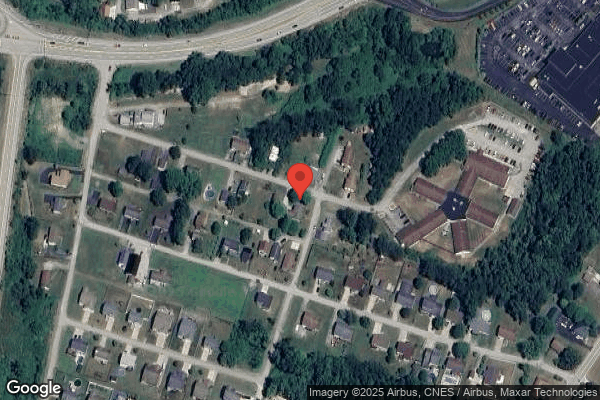
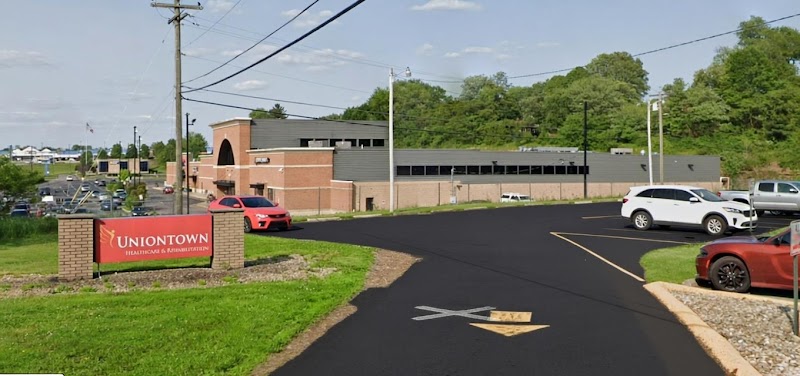
129 FRANKLIN AVENUE, UNIONTOWN, PA 15401 (724) 439-5700
For profit - Limited Liability company 120 Beds VALLEY WEST HEALTH Data: November 2025
Trust Grade
51/100
#372 of 653 in PA
Last Inspection: July 2025

Inspected within the last 6 months. Data reflects current conditions.

Overview

Uniontown Nursing and Rehab has received a Trust Grade of C, indicating it is average, falling in the middle of the pack among nursing homes. It ranks #372 out of 653 facilities in Pennsylvania, placing it in the bottom half, but is #2 out of 7 in Fayette County, meaning only one nearby option is better. Unfortunately, the facility is worsening, with issues increasing from 2 in 2024 to 9 in 2025. Staffing is a relative strength, with a turnover rate of 29%, which is below the state average. However, the facility has faced significant concerns, including incidents where residents suffered harm due to inadequate assistance and a failure to protect them from abuse. Additionally, there are $23,400 in fines, which is average for the state, but reflects ongoing compliance issues. While the facility boasts excellent quality measures, the health inspection rating of 2 out of 5 indicates serious room for improvement.

Trust Score
C
51/100
In Pennsylvania
#372/653
Bottom 44%
Safety Record
Moderate
Needs review
Inspections
Getting Worse
2 → 9 violations
Staff Stability
✓ Good
29% annual turnover. Excellent stability, 19 points below Pennsylvania's 48% average. Staff who stay learn residents' needs.
Penalties
○ Average
$23,400 in fines. Higher than 58% of Pennsylvania facilities. Some compliance issues.
Skilled Nurses
○ Average
RN staffing data not reported for this facility.
Violations
⚠ Watch
24 deficiencies on record. Higher than average. Multiple issues found across inspections.
★★★☆☆
3.0
Overall Rating
☆☆☆☆☆
0.0
Staff Levels
★★★★★
5.0
Care Quality
★★☆☆☆
2.0
Inspection Score
Stable
2024: 2 issues
2025: 9 issues

The Good

  • 5-Star Quality Measures · Strong clinical quality outcomes
  • Low Staff Turnover (29%) · Staff stability means consistent care
  • Full Sprinkler Coverage · Fire safety systems throughout facility
  • No fines on record
  • Staff turnover is low (29%)

    19 points below Pennsylvania average of 48%

Facility shows strength in quality measures, staff retention, fire safety.

The Bad

3-Star Overall Rating

Near Pennsylvania average (3.0)

Meets federal standards, typical of most facilities

Federal Fines: $23,400

Below median ($33,413)

Minor penalties assessed

Chain: VALLEY WEST HEALTH

Part of a multi-facility chain

Ask about local staffing decisions and management

The Ugly 24 deficiencies on record

2 actual harm
Jul 2025 9 deficiencies
CONCERN (D)

Potential for Harm - no one hurt, but risky conditions existed

Deficiency F0941 (Tag F0941)

Could have caused harm · This affected 1 resident

Based on review of facility policy, personnel in-service training records, and staff interview, it was determined that the facility failed to provide training on Effective Communication for five of te...

Read full inspector narrative →
Based on review of facility policy, personnel in-service training records, and staff interview, it was determined that the facility failed to provide training on Effective Communication for five of ten staff members (Employee E4, E6, E7, E9 and E10).Findings include: Review of the facility policy, Training Requirements most recently reviewed 10/29/24, indicated the facility will develop, implement, and maintain an effective training program for all new and existing staff. Training content includes, at a minimum:a. Effective communication for direct care staff.b. Resident rights and facility responsibility for caring of residents.c. Elements and goals of the facility's Quality Assurance and Performance Improvement program.d. Written standards, policies, and procedures for the facility's infection prevention and control program.e. Written standards, policies, and procedures for the facility's compliance and ethics program.f. Behavioral health.g. Dementia management and care of the cognitively impaired.h. Abuse, neglect, and exploitation prevention.i. Safety and emergency procedures.Review of facility provided documents and training records revealed the following staff members did not have documented training on effective communication:Nurse Aide Employee E4 had a hire date of 4/20/22, failed to have Effective Communication in-service education between 4/20/24, and 4/20/25.Occupational Therapist Employee E6 had a hire date of 5/24/12, failed to have Effective Communication in-service education between 5/24/24, and 5/24/25.Registered Nurse Employee E7 had a hire date of 6/23/23, failed to have Effective Communication in-service education between 6/23/24, and 6/23/25.Housekeeping Employee E9 had a hire date of 7/12/23, failed to have Effective Communication in-service education between 7/12/24, and 7/12/25.Dietary [NAME] Employee E10 had a hire date of 5/17/12, failed to have Effective Communication in-service education between 5/17/24, and 5/17/25.During an interview on 7/21/25, at approximately 11:45 a.m., the Nursing Home Administrator confirmed that the facility failed to provide training on Effective Communication for of seven of eight staff members.28 Pa Code: 201.14 (a) Responsibility of licensee.28 Pa Code: 201.18 (b)(1) Management.28 Pa Code: 201.20 (a)(c) Staff development.
CONCERN (D)

Potential for Harm - no one hurt, but risky conditions existed

Deficiency F0942 (Tag F0942)

Could have caused harm · This affected 1 resident

Based on review of the facility assessment, facility documents, personnel in-service training records, and staff interview, it was determined that the facility failed to provide training on resident r...

Read full inspector narrative →
Based on review of the facility assessment, facility documents, personnel in-service training records, and staff interview, it was determined that the facility failed to provide training on resident rights for five of ten staff members (Employee E1, E3, E6, E7 and E9). Findings include: Review of the facility policy, Training Requirements most recently reviewed 10/29/24, indicated the facility will develop, implement, and maintain an effective training program for all new and existing staff. Training content includes, at a minimum:a. Effective communication for direct care staff.b. Resident rights and facility responsibility for caring of residents.c. Elements and goals of the facility's Quality Assurance and Performance Improvement program.d. Written standards, policies, and procedures for the facility's infection prevention and control program.e. Written standards, policies, and procedures for the facility's compliance and ethics program.f. Behavioral health.g. Dementia management and care of the cognitively impaired.h. Abuse, neglect, and exploitation prevention.i. Safety and emergency procedures.Review of facility provided documents and training records revealed the following staff members did not have documented training on resident rights: Nurse Aide Employee E1 had a hire date of 5/21/1990, failed to have resident rights in-service education between 5/21/24, and 5/21/25.Nurse Aide Employee E3 had a hire date of 9/2/21, failed to have resident rights in-service education between 9/2/23, and 9/2/24. Has not had training in 2025 trainings identified as Showd.me trainings.Occupational Therapist Employee E6 had a hire date of 5/24/12, failed to have resident rights in-service education between 5/24/24, and 5/24/25.Registered Nurse Employee E7 had a hire date of 6/23/23, failed to have resident rights in-service education between 6/23/24, and 6/23/25.Housekeeping Employee E9 had a hire date of 7/12/23, failed to have resident rights in-service education between 7/12/24, and 7/12/25. During an interview on 7/21/25, at approximately 11:45 a.m., the Nursing Home Administrator and the Director of Nursing confirmed that the facility failed to provide training on resident rights for five of ten staff members. 28 Pa Code: 201.14 (a) Responsibility of licensee.
CONCERN (D)

Potential for Harm - no one hurt, but risky conditions existed

Deficiency F0943 (Tag F0943)

Could have caused harm · This affected 1 resident

Based on review of facility policy, personnel in-service training records, and staff interview, it was determined that the facility failed to provide training on Abuse and Neglect Prevention for two o...

Read full inspector narrative →
Based on review of facility policy, personnel in-service training records, and staff interview, it was determined that the facility failed to provide training on Abuse and Neglect Prevention for two of ten staff members (Employee E6 and E9). Findings include: Review of the facility policy, Training Requirements most recently reviewed 10/29/24, indicated the facility will develop, implement, and maintain an effective training program for all new and existing staff. Training content includes, at a minimum:a. Effective communication for direct care staff.b. Resident rights and facility responsibility for caring of residents.c. Elements and goals of the facility's Quality Assurance and Performance Improvement program.d. Written standards, policies, and procedures for the facility's infection prevention and control program.e. Written standards, policies, and procedures for the facility's compliance and ethics program.f. Behavioral health.g. Dementia management and care of the cognitively impaired.h. Abuse, neglect, and exploitation prevention.i. Safety and emergency procedures. Review of facility provided documents and training records revealed the following staff members did not have documented training on the abuse and neglect prevention. Occupational Therapist Employee E6 had a hire date of 5/24/12, failed to have abuse and neglect prevention in-service education between 5/24/24, and 5/24/25. Housekeeping Employee E9 had a hire date of 7/12/23, failed to have abuse and neglect prevention in-service education between 7/12/24, and 7/12/25. During an interview on 7/21/25, at approximately 11:45 a.m., the Nursing Home Administrator confirmed that the facility failed to provide training on abuse and neglect prevention for six of nine staff members. 28 Pa Code: 201.14 (a) Responsibility of licensee.28 Pa Code: 201.18 (b)(1) Management.28 Pa Code: 201.20 (a)(c) Staff development.
CONCERN (D)

Potential for Harm - no one hurt, but risky conditions existed

Deficiency F0944 (Tag F0944)

Could have caused harm · This affected 1 resident

Based on review of facility assessment, personnel in-service training records, and staff interview, it was determined that the facility failed to provide training on Quality Assurance and Performance ...

Read full inspector narrative →
Based on review of facility assessment, personnel in-service training records, and staff interview, it was determined that the facility failed to provide training on Quality Assurance and Performance Improvement (QAPI) for nine of ten staff members (Employee E1, E3, E4, E5, E6, E7, E8, E9 and E10).Findings include:Review of the facility policy, Training Requirements most recently reviewed 10/29/24, indicated the facility will develop, implement, and maintain an effective training program for all new and existing staff. Training content includes, at a minimum:a. Effective communication for direct care staff.b. Resident rights and facility responsibility for caring of residents.c. Elements and goals of the facility's Quality Assurance and Performance Improvement program.d. Written standards, policies, and procedures for the facility's infection prevention and control program.e. Written standards, policies, and procedures for the facility's compliance and ethics program.f. Behavioral health.g. Dementia management and care of the cognitively impaired.h. Abuse, neglect, and exploitation prevention.i. Safety and emergency procedures. Review of facility provided documents and training records revealed the following staff members did not have documented training on the quality assurance and performance improvement (QAPI).Nurse Aide (NA) Employee E1 had a hire date of 5/21/1990, failed to have QAPI in-service education between 5/21/24, and 5/21/25.NA Employee E3 had a hire date of 9/2/21, failed to have QAPI in-service education between 9/2/23, and 9/2/24, and had not attended QAPI annual education provided through Showd.me calendar as of 7/25.NA Employee E4 had a hire date of 4/20/22, failed to have QAPI in-service education between 4/20/24, and 4/20/25.NA Employee E5 had a hire date of 3/24/20, failed to have QAPI in-service education between 3/24/24, and 3/24/25.Occupational Therapist Employee E6 had a hire date of 5/24/12, failed to have QAPI in-service education between 5/24/24, and 5/24/25.Registered Nurse Employee E7 had a hire date of 6/23/23, failed to have QAPI in-service education between 6/23/24, and 6/23/25.Laundry Employee E8 had a hire date of 3/13/1987, failed to have QAPI in-service education between 3/13/24, and 3/13/25.Housekeeping Employee E9 had a hire date of 7/12/23, failed to have QAPI in-service education between 7/12/24, and 7/12/25.Dietary [NAME] Employee E10 had a hire date of 5/17/12, failed to have QAPI in-service education between 5/17/24, and 5/17/25.During an interview on 7/21/25, at approximately 11:45 a.m., the Nursing Home Administrator confirmed that the facility failed to provide training on QAPI for nine of ten staff members.28 Pa Code: 201.14 (a) Responsibility of licensee.28 Pa Code: 201.18 (b)(1) Management.28 Pa Code: 201.20 (a)(c) Staff development.
CONCERN (D)

Potential for Harm - no one hurt, but risky conditions existed

Deficiency F0946 (Tag F0946)

Could have caused harm · This affected 1 resident

Based on review of facility policy, personnel in-service training records, and staff interview, it was determined that the facility failed to provide training on Compliance and Ethics for seven of ten...

Read full inspector narrative →
Based on review of facility policy, personnel in-service training records, and staff interview, it was determined that the facility failed to provide training on Compliance and Ethics for seven of ten staff members (Employee E3, E4, E5, E6, E7, E9 and E10).Findings include:Review of the facility policy, Training Requirements most recently reviewed 10/29/24, indicated the facility will develop, implement, and maintain an effective training program for all new and existing staff. Training content includes, at a minimum:a. Effective communication for direct care staff.b. Resident rights and facility responsibility for caring of residents.c. Elements and goals of the facility's Quality Assurance and Performance Improvement program.d. Written standards, policies, and procedures for the facility's infection prevention and control program.e. Written standards, policies, and procedures for the facility's compliance and ethics program.f. Behavioral health.g. Dementia management and care of the cognitively impaired.h. Abuse, neglect, and exploitation prevention.i. Safety and emergency procedures.Review of facility provided documents and training records revealed the following staff members did not have documented training on Compliance and Ethics:Nurse Aide (NA) Employee E3 had a hire date of 9/2/21, failed to have Compliance and Ethics in-service education between 9/2/23, and 9/2/24, and had not attended Compliance and Ethics annual education provided through Showd.me calendar as of 7/25.NA Employee E4 had a hire date of 4/20/22, failed to have Compliance and Ethics in-service education between 4/20/24, and 4/20/25.NA Employee E5 had a hire date of 3/24/20, failed to have Compliance and Ethics in-service education between 3/24/24, and 3/24/25.Occupational Therapist Employee E6 had a hire date of 5/24/12, failed to have Compliance and Ethics in-service education between 5/24/24, and 5/24/25.Registered Nurse Employee E7 had a hire date of 6/23/23, failed to have Compliance and Ethics in-service education between 6/23/24, and 6/23/25.Housekeeping Employee E9 had a hire date of 7/12/23, failed to have Compliance and Ethics in-service education between 7/12/24, and 7/12/25.Dietary [NAME] Employee E10 had a hire date of 5/17/12, failed to have Compliance and Ethics in-service education between 5/17/24, and 5/17/25.During an interview on 7/21/25, at approximately 11:45 a.m., the Nursing Home Administrator confirmed that the facility failed to provide training on Compliance and Ethics for seven of ten staff members.28 Pa Code: 201.14 (a) Responsibility of licensee.28 Pa Code: 201.18 (b)(1) Management.28 Pa Code: 201.20 (a)(c) Staff development.
CONCERN (D)

Potential for Harm - no one hurt, but risky conditions existed

Deficiency F0949 (Tag F0949)

Could have caused harm · This affected 1 resident

Based on review of facility personnel in-service training records, and staff interview, it was determined that the facility failed to provide training on Behavioral Health for five of ten staff member...

Read full inspector narrative →
Based on review of facility personnel in-service training records, and staff interview, it was determined that the facility failed to provide training on Behavioral Health for five of ten staff members (Employee E4, E6, E7, E9 and E10).Findings include:Review of the facility policy, Training Requirements most recently reviewed 10/29/24, indicated the facility will develop, implement, and maintain an effective training program for all new and existing staff. Training content includes, at a minimum:a. Effective communication for direct care staff.b. Resident rights and facility responsibility for caring of residents.c. Elements and goals of the facility's Quality Assurance and Performance Improvement program.d. Written standards, policies, and procedures for the facility's infection prevention and control program.e. Written standards, policies, and procedures for the facility's compliance and ethics program.f. Behavioral health.g. Dementia management and care of the cognitively impaired.h. Abuse, neglect, and exploitation prevention.i. Safety and emergency procedures. Review of facility provided documents and training records revealed the following staff members did not have documented training on Behavioral Health.Nurse Aide Employee E4 had a hire date of 4/20/22, failed to have Behavioral Health in-service education between 4/20/24, and 4/20/25.Occupational Therapist Employee E6 had a hire date of 5/24/12, failed to have Behavioral Health in-service education between 5/24/24, and 5/24/25.Registered Nurse Employee E7 had a hire date of 6/23/23, failed to have Behavioral Health in-service education between 6/23/24, and 6/23/25.Housekeeping Employee E9 had a hire date of 7/12/23, failed to have Behavioral Health in-service education between 7/12/24, and 7/12/25.Dietary [NAME] Employee E10 had a hire date of 5/17/12, failed to have Behavioral Health in-service education between 5/17/24, and 5/17/25.During an interview on 7/21/25, at approximately 11:45 a.m., the Nursing Home Administrator confirmed that the facility failed to provide training on Behavioral Health for five of ten staff members.28 Pa Code: 201.14 (a) Responsibility of licensee.28 Pa Code: 201.18 (b)(1) Management.28 Pa Code: 201.20 (a)(c) Staff development.
CONCERN (E)

Potential for Harm - no one hurt, but risky conditions existed

Deficiency F0945 (Tag F0945)

Could have caused harm · This affected multiple residents

Based on review of facility policy, personnel in-service training records, and staff interview, it was determined that the facility failed to provide training on Infection Control for seven of ten sta...

Read full inspector narrative →
Based on review of facility policy, personnel in-service training records, and staff interview, it was determined that the facility failed to provide training on Infection Control for seven of ten staff members (Employee E1, E2, E4, E6, E7, E9, and E10).Findings include:Review of the facility policy, Training Requirements most recently reviewed 10/29/24, indicated the facility will develop, implement, and maintain an effective training program for all new and existing staff. Training content includes, at a minimum:a. Effective communication for direct care staff.b. Resident rights and facility responsibility for caring of residents.c. Elements and goals of the facility's Quality Assurance and Performance Improvement program.d. Written standards, policies, and procedures for the facility's infection prevention and control program.e. Written standards, policies, and procedures for the facility's compliance and ethics program.f. Behavioral health.g. Dementia management and care of the cognitively impaired.h. Abuse, neglect, and exploitation prevention.i. Safety and emergency procedures.Review of facility provided documents and training records revealed the following staff members did not have documented training on Infection Control:Nurse Aide (NA) Employee E1 had a hire date of 5/21/1990, failed to have Infection Control in-service education between 5/21/24, and 5/21/25.NA Employee E2 had a hire date of 5/21/1990, failed to have Infection Control in-service education between 5/21/24, and 5/21/25.NA Employee E4 had a hire date of 4/20/22, failed to have Infection Control in-service education between 4/20/24, and 4/20/25.Occupational Therapist Employee E6 had a hire date of 5/24/12, failed to have Infection Control in-service education between 5/24/24, and 5/24/25.Registered Nurse Employee E7 had a hire date of 6/23/23, failed to have Infection Control in-service education between 6/23/24, and 6/23/25.Housekeeping Employee E9 had a hire date of 7/12/23, failed to have Infection Control in-service education between 7/12/24, and 7/12/25.Dietary [NAME] Employee E10 had a hire date of 5/17/12, failed to have Infection Control in-service education between 5/17/24, and 5/17/25.During an interview on 7/21/25, at approximately 11:45 a.m., the Nursing Home Administrator confirmed that the facility failed to provide training on Infection Control for seven of ten staff members.28 Pa Code: 201.14 (a) Responsibility of licensee.28 Pa Code: 201.18 (b)(1) Management.28 Pa Code: 201.20 (a)(c) Staff development.
CONCERN (F)

Potential for Harm - no one hurt, but risky conditions existed

Deficiency F0940 (Tag F0940)

Could have caused harm · This affected most or all residents

Based on review of facility assessment, personnel file review, and staff interviews, it was determined that the facility failed to implement and maintain an effective training program for individuals ...

Read full inspector narrative →
Based on review of facility assessment, personnel file review, and staff interviews, it was determined that the facility failed to implement and maintain an effective training program for individuals providing services under contractual arrangement, consistent with their expected roles. Findings include: Review of the Facility Assessment reviewed 10/29/24, indicated, General orientation is coordinated by the Human Resources Director, utilizing the new employee handbook. All employees are required to complete general orientation. All employees are required to complete annual trainings as identified below.-Protecting Resident Rights in Nursing Facilities-Preventing, Recognizing and Reporting Abuse-Code of Conduct, General Compliance Training, Ethics in Long Term Care, HIPPA-Infection Prevention and Control-Alzheimer's Disease and Related Disorders, Dementia Care: Hand in Hand Modules-Overview Behavioral Health-Emergency Preparedness and Fire Safety-Preventing Slips, Trips and Falls-Patient Centered Communication, Effective Communication in the Workplace-QAPI - Mission , Vision, Values-Elder Justice Act-Trauma Informed Care-Restorative NursingReview of ten of ten training records indicated incomplete annual trainings for staff providing services.During an interview on 7/21/25, at 11:45 a.m., the Nursing Home Administrator confirmed the facility failed to implement and maintain an effective training program for individuals providing services. 28 Pa. Code 201.20(a)(b)(c)(d) Staff development.
CONCERN (F)

Potential for Harm - no one hurt, but risky conditions existed

Deficiency F0947 (Tag F0947)

Could have caused harm · This affected most or all residents

Number of residents sampled: Number of residents cited: Based on review of facility policy, staff education records, and staff interviews, it was determined that the facility failed to conduct at leas...

Read full inspector narrative →
Number of residents sampled: Number of residents cited: Based on review of facility policy, staff education records, and staff interviews, it was determined that the facility failed to conduct at least 12 hours of in-service education, within 12 months of their hire date anniversary, for nurse aides as required for five of five nurse aides (Employees Employee E1, E2, E3, E4 and E5). Findings include: Review of the facility policy, In-Service Training, All Staff recently reviewed 10/29/24, indicated all personnel will receive education and training related to resident care. Review of facility provided documents and training records revealed the following staff members did not have 12 hours of in-service education: NA Employee E1 had a hire date of 5/21/1990, with approximately three hours of in-service education between 5/21/24, and 5/21/25.NA Employee E2 had a hire date of 5/21/1990, with approximately four hours of in-service education between 5/21/24, and 5/21/25.NA Employee E3 had a hire date of 9/2/21, with approximately four hours of in-service education between 9/2/24, and 7/21/25.NA Employee E4 had a hire date of 4/20/22, with approximately one hour of in-service education between 4/20/24, and 4/20/25.NA Employee E5 had a hire date of 3/24/20, with approximately four hours of in-service education between 3/24/24, and 3/24/25.During an interview on 7/21/25, at approximately 11:45 a.m., the Nursing Home Administrator confirmed that the facility failed to provide the required 12 hours annual in-service education within 12 months of their hire date anniversary for five of five nurse aides. 28 Pa. Code: 201.14(a) Responsibility of Licensee. 28 Pa. Code: 201.20(c) Staff Development.
Aug 2024 2 deficiencies
CONCERN (D) 📢 Someone Reported This

A family member, employee, or ombudsman was alarmed enough to file a formal complaint

Potential for Harm - no one hurt, but risky conditions existed

Room Equipment (Tag F0908)

Could have caused harm · This affected 1 resident

**NOTE- TERMS IN BRACKETS HAVE BEEN EDITED TO PROTECT CONFIDENTIALITY** Based on review of facility documents, facility policy, clinical records, and staff interviews, it was determined that the facil...

Read full inspector narrative →
**NOTE- TERMS IN BRACKETS HAVE BEEN EDITED TO PROTECT CONFIDENTIALITY** Based on review of facility documents, facility policy, clinical records, and staff interviews, it was determined that the facility failed to make certain each resident received adequate supervision that resulted in an elopement for one of 4 residents (Resident R76). Findings include: Review of facility policy Wandering and Elopements last reviewed September 13, 2023, indicated the facility will identify residents who are at risk of unsafe wandering and strive to prevent harm while maintaining the least restrictive environment for residents. If identified as at risk for wandering, elopement, or other safety issues, the resident's care plan will include strategies and interventions to maintain resident's safety. A complete elopement risk assessment will be completed on admission, readmission, quarterly, and with significant change. If identified as an elopement risk, the facility will utilize a Wanderguard (a monitoring device worn on the wrist or ankle that alerts staff when the resident leaves a safe area). Review of clinical record indicated Resident R76 was admitted to the facility on [DATE], with diagnoses that included vascular dementia (brain damage caused my multiple strokes, causes memory loss), diabetes (too much blood sugar in the blood), and high blood pressure. A review of the MDS dated [DATE], indicated that the above diagnoses remain current. Review of clinical record indicated that Resident R76 had an Elopement Evaluation completed on admission, quarterly, and annually, which the last two placed resident to be at risk for elopement. The most recent Elopement Evaluation was completed on 6/24/24, and interventions included, but are not limited to the following: Wanderguard, alarm bracelets checked every shift, weekly maintenance checks on system, and staff aware of the resident's wander risk. Review of facility documents indicated that Resident R76 was found to be outside of the facility at approximately 6:15 a.m. by the Registered Nurse Employee E1, who had stepped in the hallway and was able to see outside on sidewalk outside of main entrance doors. A review of facility documents also revealed that staff members had just assisted Resident R76 with morning care and got her into her wheelchair, she then self-propelled around the facility. During an interview with Nursing Home Administrator (NHA), on 8/7/24, at 10:44 a.m., it was revealed that there are seven exit doors consisting of five units, dining area and front entrance which are equipped with a Wanderguard alarm system to detect the Wanderguard bracelets. All doors are equipped with a keypad that must have a code entered into them to allow the door to open after an alarm is triggered. During an interview with Employees E2 and E3 on 8/7/24, at 12:22 p.m. and 12:24 p.m., it was confirmed that Registered Nurse Employee E1 found Resident R76 outside. When Resident R76 was approached she stated that she just wanted to go outside, then she just wanted to go home, and then wanting to go to Korea. Registered Nurse Employee E1 redirected the resident back into the facility where it was discovered that her Wanderguard was not working and a new one was placed on her left ankle. During the interviews with Employees E2 and E3 they both stated that the Wanderguard's are checked every shift for placement and to see if they are blinking, they are checked for activation every week by maintenance with a wand. During an interview on 8/7/24, at 12:15 p.m. Nurse Aid (NA) Employee E4 stated the NAs do not apply or check the wanderguard for the residents. During an interview on 8/7/24, at 12:22 p.m. Licensed Practical Nurse (LPN) Employee E5 stated when they check the wanderguard on residents they check to make sure the light is on. Maintenance has something that they use to check the alarms, but stated nursing only checks to make sure the wanderguard is in place and has a light on, indicating the unit is functional. During an interview on 8/7/24, at 12:24 p.m. Registered Nurse (RN) Employee E6 stated the wanderguard's are checked each shift for placement and flashing light. Maintenance is responsible for doing weekly checks, but they were unsure what that process involved. During an interview on 8/7/24, at 1:10 p.m. the NHA confirmed that the facility failed ensure the wanderguard system was working correctly for Resident R76. 28 Pa. Code 201.14(a) Responsibility of licensee. 28 Pa. Code 201.18(b)(1)(3) Management. 28 Pa. Code 211.12(d)(1)(3)(5) Nursing services.
CONCERN (F)

Potential for Harm - no one hurt, but risky conditions existed

Food Safety (Tag F0812)

Could have caused harm · This affected most or all residents

Based on observations and staff interview, it was determined that the facility failed to properly restrain hair to prevent the potential for cross contamination in the Kitchen. Findings include: Revie...

Read full inspector narrative →
Based on observations and staff interview, it was determined that the facility failed to properly restrain hair to prevent the potential for cross contamination in the Kitchen. Findings include: Review of facility policy Preventing Foodborne Illness - Employee Hygiene and Sanitary Practices last reviewed 9/13/23, indicated hair nets or caps and/or beard restraints must be worn to keep hair from contacting exposed food, clean equipment, utensils, and linens. During an observation on 8/4/24, at 9:37 a.m. Dietary Aide Employee E1, was observed in the kitchen without a hair restraint. During an interview on 8/4/24, at 1:35 p.m. the Nursing Home Administrator confirmed the kitchen staff should wear hair restraints. 28 Pa. Code: 211.6(c)(d)(f) Dietary services.
Aug 2023 10 deficiencies
CONCERN (D)

Potential for Harm - no one hurt, but risky conditions existed

Deficiency F0578 (Tag F0578)

Could have caused harm · This affected 1 resident

**NOTE- TERMS IN BRACKETS HAVE BEEN EDITED TO PROTECT CONFIDENTIALITY** Based on review of facility policy and clinical records and staff interview, it was determined that the facility failed to provi...

Read full inspector narrative →
**NOTE- TERMS IN BRACKETS HAVE BEEN EDITED TO PROTECT CONFIDENTIALITY** Based on review of facility policy and clinical records and staff interview, it was determined that the facility failed to provide the opportunity to formulate an advance directive (a written instruction such as a living will or durable power of attorney for health care for when the individual is incapacitated) for three of eight residents reviewed (Residents R23, R102 and R255). Findings include: A review of the facility policy Advanced Directive last reviewed 9/14/22, indicated if the resident indicates that he or she has not established advance directives, the facility staff will offer assistance in establishing advance directives. A review of the medical record indicated Resident R23 was admitted to the facility on [DATE], with diagnoses that included diabetes, depression, and high blood pressure. A review of the clinical record failed to reveal an advanced directive or documentation that Resident R23 was given the opportunity to formulate an Advanced Directive. A review of the clinical record indicated Resident R102 was admitted to the facility on [DATE], with diagnoses that included cancer, difficulty swallowing, and muscle weakness. A review of the clinical record failed to reveal an advanced directive or documentation that Resident R102 was given the opportunity to formulate an Advanced Directive. A review of the clinical record indicated Resident R255 was admitted to the facility on [DATE], with diagnoses that included difficulty walking, high blood pressure, and shortness of breath. A review of the clinical record failed to reveal an advance directive or documentation that Resident R255 was given the opportunity to formulate an Advance Directive. During an interview on 8/10/23, at 11:20 a.m. Social Worker Employee E6 confirmed that the clinical record did not include documentation that Resident R23, R102, and R255 were afforded the opportunity to formulate Advanced Directives. 28 Pa. Code: 201.29(b)(d)(j) Resident rights.
CONCERN (D)

Potential for Harm - no one hurt, but risky conditions existed

Deficiency F0698 (Tag F0698)

Could have caused harm · This affected 1 resident

**NOTE- TERMS IN BRACKETS HAVE BEEN EDITED TO PROTECT CONFIDENTIALITY** Based on review of facility policy clinical records, and staff interview, it was determined that the facility failed to make cer...

Read full inspector narrative →
**NOTE- TERMS IN BRACKETS HAVE BEEN EDITED TO PROTECT CONFIDENTIALITY** Based on review of facility policy clinical records, and staff interview, it was determined that the facility failed to make certain that residents who require dialysis (hemodialysis-treatment to filter wastes and water from the blood) receive such services, consistent with professional standards of practice for one of three residents receiving dialysis (Resident R20). Findings include: A review of the facility policy Hemodialysis catheters-access and care of dated 9/14/22, indicates that the access site will be checked at regular intervals. A review of the clinical record revealed that Resident R20 was admitted to the facility on [DATE], with diagnoses that included chronic kidney disease. A review of the MDS (minimum data set-resident assessment and care screening) dated 7/12/23, indicated the diagnosis remained current and Resident R20 received dialysis. A review of a physician order dated 7/26/23, indicated dialysis (artificial cleansing of the blood) three times a week. A review of Resident R20's care plan dated 7/31/23, indicated to assess the access site on the left groin every shift and document. During on observation on 8/8/23, at 11:15 a.m. revealed Resident R20 with a dialysis access site to the left groin. During an interview on 8/11/23, at 12:45 p.m. The Nursing home administrator (NHA) revealed there was no evidence in the clinical record that Resident R20's access site was assessed every shift and confirmed that the facility failed to make certain that Resident R20 received required dialysis services related to monitoring the dialysis access site. 28 Pa. Code: 211.12(d)(1)(5) Nursing services. 28 Pa. Code: 211.12(3) Nursing services.
CONCERN (D)

Potential for Harm - no one hurt, but risky conditions existed

Deficiency F0725 (Tag F0725)

Could have caused harm · This affected 1 resident

**NOTE- TERMS IN BRACKETS HAVE BEEN EDITED TO PROTECT CONFIDENTIALITY** Based on review of facility policy, resident observations, resident resident council interview, a confidential staff interview a...

Read full inspector narrative →
**NOTE- TERMS IN BRACKETS HAVE BEEN EDITED TO PROTECT CONFIDENTIALITY** Based on review of facility policy, resident observations, resident resident council interview, a confidential staff interview and staff interviews, it was determined that the facility failed to have sufficient nursing staff to provide nursing and related services to attain or maintain the highest practicable physical, mental, and psychosocial well-being of 33 of 109 residents (Residents R255, R42, R24, R44, R74, R73, R52, R43, R83, R54, R53, R155, R84, R600, R90, R601, R91, R19, R602, R70, R22, R5, R98, R603, R28, R800, R801, R802, R803, R804, R805, R806 and R807). Findings Include: Review of the facility policy Call System, Resident, last reviewed on 9/14/22, indicated that each resident is provided with a means to call staff for assistance and staff answer call lights as soon as possible, no later than five minutes. Review of the facility policy Food and Nutrition Services last reviewed on 9/14/22, indicated that each resident is provided a nourishing, palatable diet that meets the needs and preferences of each resident. If an incorrect meal is served, nursing staff will report this so that a new tray can be served. Meals are scheduled at regular times and nourishing snacks are available to residents 24 hours per day. During an observation on 8/9/23, at 11:12 a.m. the call light illuminated above resident room [ROOM NUMBER], the call light was not responded to until 11:27 a.m., 15 minutes later when Resident R255 requested ice. During an interview on 8/9/23, at 11:13 a.m., Nurse Aide Employee E8 confirmed that the call light was on and should have been responded to sooner. Nurse Aide Employee E8 stated that he had been on break and other staff were not available to respond. During the Resident Council meeting on 8/9/23 from 10:00 a.m., through 10:50 a.m., Residents R800, R801, R802, R803, R804, R805, R806 and R807 indicated that there are not enough staff to provide care between shifts and during tray service causing residents to wait for care and at times soil themselves. The lack of staff does not allow call lights to be responded to timely, also, causing residents to have to wait for services and toileting. Residents trays are late and at times served cold. Residents also stated that they do not receive snacks at night when requested and not provided for diabetics. During an observation on 8/10/23, from 6:30 a.m., through 8:15 a.m., the following was observed: Nurses coming on daylight shift were sitting at the nurses station. The midnight shift nurses were on the medication carts in halls. Housekeeping staff person was running a floor scrubber through the halls. Two staff were running the wheelchair cleaner and drying the wheelchairs in the halls causing water to lay in the hall by the shower room nearest the nurses station. Food Cart for C wing arrived at 7:15 a.m., Nurse Aide Employee E9 began passing trays, call lights were illuminating, Nurse Aide Employee E9 would stop tray service to answer the call light and take care of the request or pass on what needed to be done, then go and restart tray service. At 7:20 a.m., Infection Control (IC) Nurse Employee E10 came to assist Nurse Aide Employee E9 but was unable to serve trays without Nurse Aide Employee E9 telling her who the resident was and they're specific assistance required to eat. During tray service, Nurse Aide Employee E9 had to call the dietary department three times, for condiments, for pancakes not waffle (per resident request) and for ginger ale(per resident request). The Speech therapist who was assisting a resident had to call the dietary department one time for a resident request. The first request took ten minutes and the IC Nurse Employee E10 to retrieve the request as dietary staff did not bring the request to the staff. The last meal tray was served at 8:15 a.m., an hour later when tray service began. Two residents requiring assistance had family members in the facility assisting them to eat, they indicated that they come in to help. During a staff interview on 8/10/23, at 7:34 a.m., Nurse Aide Employee E500 stated that there are not enough staff to assist tray passing, call bell response and provide care and front line staff do not assist them when call lights are on and trays are needing passed to provide timely care for residents. When asked about residents on toileting programs, Nurse Aide Employee E500 stated that residents are on programs but staff cannot follow the programs due to not enough help. Most nurses will not assist residents and sit at the desk. During an interview on 8/11/23, at 1:18 p.m., the Director of Nursing confirmed that staff are not assisting residents that are on toileting programs as they assessed to require and the facility failed to provide sufficient nursing staff to provide nursing and related services to attain or maintain the highest practicable physical, mental, and psychosocial well-being. 28 Pa. Code: 201.14(a) Responsibility of licensee. 28 Pa. Code: 201.18(e)(6) Management. 28 Pa. Code: 211.12(a)(d)(4)(f)(1)(g)(h)(i)(j)(k)(l) Nursing services.
CONCERN (D)

Potential for Harm - no one hurt, but risky conditions existed

Menu Adequacy (Tag F0803)

Could have caused harm · This affected 1 resident

Based on the resident group meeting, observations and staff interviews, it was determined that the facility did not ensure that menus were provided to residents, resident preferences were followed and...

Read full inspector narrative →
Based on the resident group meeting, observations and staff interviews, it was determined that the facility did not ensure that menus were provided to residents, resident preferences were followed and did not ensure that all food items listed on the menu were made available according to resident preferences for eight of eight residents( R800, R801, R802, R803, R804, R805, R806 and R807). Findings include: During the resident council meeting on 8/9/23, from 10:00 a.m., through 10:50 a.m., the resident indicated that they are not provided menus and have requested them several times during the previous resident council meetings with no result of receiving them. The residents stated that the facility posts them in the hall but they don't remember their daily choices and if they don't want what they are brought, they have to have staff call and hour before breakfast, if the dietary department answers the phone to get alternate or wait and sometimes do not get anything or another item they don't want because they have no idea what is available. During an interview on 8/9/23, at 11:50 a.m. Director of Dietary Employee E11 confirmed the facility failed to provide residents with menus. 28 Pa. Code: 211.6(a)(b) Dietary services.
CONCERN (D)

Potential for Harm - no one hurt, but risky conditions existed

Deficiency F0809 (Tag F0809)

Could have caused harm · This affected 1 resident

Based on review of facility policy and resident and staff interviews, it was determined that the facility failed to routinely offer evening snacks for eight of eight residents (Resident R800, R801, R8...

Read full inspector narrative →
Based on review of facility policy and resident and staff interviews, it was determined that the facility failed to routinely offer evening snacks for eight of eight residents (Resident R800, R801, R802, R803, R804, R805 R806 and R807). Findings include: The facility Food and Nutrition Services policy last reviewed on dated 9/14/22, indicated that a snack is any food item given to a resident/patient in additional to three planned meals. Nourishing snacks are available 24 hours a day. The resident may request snacks as desired. During the resident council meeting on 8/9/23, from 10:00 a.m., through 10:50 a.m., the resident consensus indicated that they are not consistently being offered an evening snacks. Residents reported that a concern regarding bedtime (HS) snacks had been identified as a concern a few months ago. Review of previous Resident Council Minutes dated from May 2023, through July 2023, after the current Activity Director started did not include documentation of not receiving snacks. During an interview on 8/9/23, at 11:10 a.m., the Activity Director Employee E12 indicated that she started in April and that she had not put in that concern, but that it may have been reported previous to her starting. During an observation on 8/9/23, at 11:00 a.m., the Director of Dietary Services(DDS) Employee E11 was observed placing items in cabinet in pantry and the DDS Employee E11 stated that they stock the cabinets after lunch every day. During an interview of 8/10/23, 12:11 p.m., the Nursing Home Administrator confirmed that the facility failed to routinely offer evening snacks for eight of eight residents (Residents R800, R801, R802, R803, R804, R805, R806 and R807). 28 Pa. Code: 211.6(b)(c) Dietary services.
CONCERN (D)

Potential for Harm - no one hurt, but risky conditions existed

Deficiency F0865 (Tag F0865)

Could have caused harm · This affected 1 resident

Based on a review of the facility's policies, plans of corrections and the results of the current survey, it was determined that the facility's Quality Assurance Performance Improvement (QAPI) committ...

Read full inspector narrative →
Based on a review of the facility's policies, plans of corrections and the results of the current survey, it was determined that the facility's Quality Assurance Performance Improvement (QAPI) committee failed to correct quality deficiencies and make certain that plans to improve the delivery of care and services effectively addressed recurring deficiencies. Findings include: A review of the facility policy QAPI last reviewed on 9/14/22, indicated that the facility program is ongoing to monitor and evaluate the quality and safety of resident care and pursue methods to improve quality care and resolve problems identified. The objectives include establishing and implementing plans to correct deficiencies and to monitor the effects of these action plans on resident outcomes. The facility's deficiencies and plans of correction for State Survey and Certification (Department of Health) survey ending September 30, 2022, revealed that the facility would maintain compliance with cited nursing home regulations. The results of the current survey ending August 11, 2023 identified repeated deficiencies related to failure to demonstrate responses to resident grievances and failure to provide facility failed to make certain that residents who require dialysis (hemodialysis-treatment to filter wastes and water from the blood) receive such services, consistent with professional standards of practice. The facility's plan of correction for a deficiency regarding a failure to respond to grievances from residents, cited during the survey ending on September 30, 2022, revealed that the facility developed a plan of correction that included completing audits and reporting the results of the audits to the QAPI committee for review. The results of the current survey, cited under F585 and F698, revealed that the facility's QAPI committee failed to successfully implement their plan to make certain ongoing compliance with regulations regarding the response to addressing grievances from residents and provide facility failed to make certain that residents who require dialysis (hemodialysis-treatment to filter wastes and water from the blood) receive such services, consistent with professional standards of practice. During an interview on 8/11/23, at 3:30 p.m., the NHA confirmed that the facility failed to develop a corrective action, implement and monitor the action as a good faith effort. Refer to F585 and F698. 28 Pa. Code: 201.14(a) Responsibility of licensee. 28 Pa. Code: 201.18(e)(1) Management.
CONCERN (E)

Potential for Harm - no one hurt, but risky conditions existed

Resident Rights (Tag F0550)

Could have caused harm · This affected multiple residents

Based on a resident group meeting and individual resident and staff interviews, it was determined that the facility failed to provide care in an environment, which promotes each resident's quality of ...

Read full inspector narrative →
Based on a resident group meeting and individual resident and staff interviews, it was determined that the facility failed to provide care in an environment, which promotes each resident's quality of life by failing to respond timely to residents' request for assistance by not responding to call bells for nine of nine residents (Resident R255, R800, R801, R802, R803, R804, R805, R806 and R807) and provide prompt assistance to meet residents care needs for three of five residents who require incontinence care (Residents R28, R33, and R54). Findings included: During the resident group meeting on 8/9/23, from 10:00 a.m., through 10:50 a.m., Residents R800, R801, R802, R803, R804, R805, R807 and R807 indicated that staff do not respond to their call bells timely and they often have to wait for assistance. They stated that staff tell them that they are busy. The residents also stated that they are told that when food trays are on the unit, no call bell will be responded to until all food trays are passed and that they will have to hold it if they need assistance at those times. They were also told that between shifts, staff are busy giving report and they will not receive care then either. Review of the previous resident council meetings within the last three months, on three occasions, residents identified that staff are not providing care timely, responding to care needs timely or not at all. During an observation on 8/9/23, at 11:12 a.m., the call bell illuminated above Resident R255's room, the call bell was not responded to until 11:27 a.m., 15 minutes later. During an interview on 8/8/23, at 11:00 a.m., Resident R28 stated They don't come when you put the call bell on. You have to wait too long and it is not good. During an interview on 8/8/23, at 10:00 a.m., Resident R33 stated I never get to the bathroom on time. It is terrible how long you have to wait to get help. During an interview on 8/8/23, at 11:30 a.m., Resident R54's family member FM1 stated Call bells are not answered timely and it takes way too long for someone to come and help when Resident R54 needs to go to the bathroom. During an interview on 8/9/2, at 11:27 a.m., Nurse Aide Employee E8 confirmed that the call bell should have been responded to before that long and confirmed that the facility failed to respond to resident needs promptly. During an interview on 8/11/23 at 3:00 p.m., the Nursing Home Administrator confirmed the above findings and that the facility failed to respond to call bells timely and provide prompt assistance to meet residents care needs for residents R255, R800, R801, R802, R803, R804, R805, R806 and R807 and provide prompt assistance to meet residents care needs for residents who require incontinence care for residents R28, R33, and R54. 28 Pa. Code: 211.10(a)(b)(c)(d) Resident care policies. 28 Pa. Code: 211.12(d)(1)(2)(3)(5) Nursing services.
CONCERN (E)

Potential for Harm - no one hurt, but risky conditions existed

Deficiency F0565 (Tag F0565)

Could have caused harm · This affected multiple residents

Based on review of facility policy, resident council meeting minutes, resident group and staff interview, it was determined that the facility failed to demonstrate their response to resident concern a...

Read full inspector narrative →
Based on review of facility policy, resident council meeting minutes, resident group and staff interview, it was determined that the facility failed to demonstrate their response to resident concern and grievances identified during Resident Council Meeting for six of six meetings (5/25/23, 6/12/23, 6/26/23, 7/10/23, 7/24/23 and 8/9/23). Findings include: Review of facility policy Grievance Policy,, last reviewed on 9/14/22, indicated the facility will make certain prompt resolution to all grievances within five working days and implement a resolution. A review of the facility Resident Council Meeting minutes for 6/12/23, 7/10/23 and 7/24/23, revealed concerns the residents voiced in reference to the staff not responding to call bells, especially during meals and between shift changes and had been told that trays have to be passed an they have to wait or it is shift change and they have to wait for next shift staff as they are receiving report. A review of the facility Resident Council Meeting minutes for 6/12/23, 6/26/23, 7/10/23 and 7/24/23, revealed concerns the residents voiced in reference to dietary issues with condiments, soups, breakfast items, pizza and fries/potato wedges. During a group interview on 8/9/23, from 10:00 a.m. through 10:50 a.m., eight of eight residents in the group confirmed that staff stated that when trays are being passed, toileting and care will not happen until all trays are passed. Staff told residents that they will not provide care at the end of their shift as they are busy and have to give report to he next shift. Residents stated that the facility has not responded to the residents asking for condiments on trays, knives on trays, more menu options, and actual menus being provided so they know what is available. The residents indicated that they are served whatever is offered and do not have choices offered until after they get what is served and often have to wait for something different and at times never get heir alternative. The residents indicated that residents have quit coming to council because nothing gets done about their grievances anyway. The facility doesn't do anything. During an interview on 8/10/23, at 12:40 p.m., the Nursing Home Administrator could not provide any documentation to demonstrate that there was a response to the resident concerns. 28 Pa. Code: 201.29 (1) Resident Rights. 28 Pa. Code: 211.12 (d)(3) Nursing Services.
CONCERN (E)

Potential for Harm - no one hurt, but risky conditions existed

Grievances (Tag F0585)

Could have caused harm · This affected multiple residents

Based on the facility policy, review of resident council minutes from May through July 2023, group and staff interview, it was determined that the facility failed to provide the right to file grievanc...

Read full inspector narrative →
Based on the facility policy, review of resident council minutes from May through July 2023, group and staff interview, it was determined that the facility failed to provide the right to file grievances anonymously and failed to provide the name of the Grievance Official for residents to file a grievance orally (meaning spoken) for eight of 109 residents at the facility (R800, R801, R802, R803, R804, R805, R806 and R807). Review of the faciliy policy Grievances last reviewed on 9/14/22, indicated that the Nursing Home Administrator is the Grievance Officer, all residents have a right to voice grievances to the facility, the Grievance Officer oversees the process with receiving and tracking grievances to conclusions. Grievance forms are available near the locked boxes. Findings include: Review of the resident council minutes from May 2023 through July 2023, which included six meetings as they are held twice per month, did not include review of the grievance process, where grievance boxes and forms are located and who the Grievance Officer is. During the Resident Council meeting on 8/10/23, from 10:00 a.m. thorough 10:50 a.m., eight of eight residents did not indicate knowing who the Grievance Officer was, how to file a grievance anonymously, where to locate and boxes. During an interview on 8/10/23, at 12:40 p.m., the Nursing Home Administrator could not provide any documentation to demonstrate that the the facility provided information to the residents of the grievance process, identity of the Grievance Officer and location of the grievance boxes and forms to allow opportunities to file an anonymous grievance. 28 Pa. Code: 201.29(l) Resident rights.
CONCERN (E)

Potential for Harm - no one hurt, but risky conditions existed

Incontinence Care (Tag F0690)

Could have caused harm · This affected multiple residents

**NOTE- TERMS IN BRACKETS HAVE BEEN EDITED TO PROTECT CONFIDENTIALITY** Based on review of facility policies, clinical record review and staff interview, it was determined that the facility failed to ...

Read full inspector narrative →
**NOTE- TERMS IN BRACKETS HAVE BEEN EDITED TO PROTECT CONFIDENTIALITY** Based on review of facility policies, clinical record review and staff interview, it was determined that the facility failed to assess and implement interventions to promote bowel and bladder continence for five of seven residents reviewed for incontinence (Residents R28, R33, R54, R57 and R93). Findings include: A review of the facility policy Bowel and Bladder Management-Continence and Incontinence Assessment and Management dated 9/14/22, indicated the staff and practitioner will screen and manage individuals with incontinence and staff will document the results of toileting in the resident's medical record. Review of Resident R28's clinical record indicated the resident was admitted to the facility on [DATE], with diagnoses that included kidney disease, diabetes, and difficulty walking. A review of the MDS (Minimum data set-resident assessment and care screening) dated 7/20/23, indicated Resident R28 was alert an oriented, incontinent of urine and had a prompted toileting schedule. During an interview on 8/8/23 at 10:00 a.m. Resident R28 stated I have to wait too long when I put my call bell on to go to the bathroom and it's not good. Sometimes they do not come. Review of Resident R28's physician order dated 7/10/23, indicated prompted toileting program for bowel and bladder. Review of Resident R28's care plan revised 7/21/23, indicated prompted toileting program for bowel and bladder after meals, upon rising, and at bedtime. Review of the task prompted toileting program for bladder: after meals, upon arising and at bedtime. indicated Resident R28 was not toileted as ordered on 7/14, 7/22, 7/25, 7/28, 8/2, 8/5, and 8/9/23. Review of the task prompted toileting program for bowel: after meals, upon rising and at bedtime. Indicated Resident R28 was not toileted as ordered on 7/14, 7/21, 7/25, 7/28, 7/31, 8/2, 8/5, and 8/8/23. Review of Resident R33's clinical record indicated the resident was admitted to the facility on [DATE], with diagnoses that included stroke, paralysis on the left side, and overactive bladder. A review of the MDS dated [DATE], indicated Resident R33 was able to make needs known, frequently incontinent of urine and had a prompted toileting schedule. During an interview on 8/8/23 at 11:00 a.m., Resident R33 stated They don't come to take me to the bathroom. You put the bell on, and it takes an hour for someone to come. Review of Resident R33's physician order dated 7/8/23, indicated prompted toileting program for bowel and bladder. Review of Resident R33's care plan initiated 3/20/23, indicated assist with toileting upon request and every two hours. Review of the task prompted toileting program for bladder: assist with toileting upon request and every two hours indicated Resident R33 was not toileted as ordered on 7/13, 7/15, 7/16, 7/20, 7/26, 7/29, 7/30, 7/31, 8/4, and 8/9/23. Review of the task prompted toileting program for bowel: upon request and every two hours. Indicated Resident R33 was not toileted as ordered on 7/15, 7/16, 7/20, 7/21, 7/26, 7/29, 7/30, 7/31, 8/4, and 8/9/23. Review of Resident R54's clinical record indicated the resident was admitted to the facility on [DATE], with diagnoses that included heart failure, diabetes, and kidney disease. A review of the MDS dated [DATE], indicated Resident R54 was able to make needs known, frequently incontinent of bowel and had a prompted toileting schedule. During an interview on 8/8/23 at 11:30 a.m., Resident family member RF1 stated Call bells are not answered timely, there are long waits for anyone to come. Resident R54 is not toileted timely. Review of Resident R54's physician order initiated 8/1/22 and active 7/1/23, indicated prompted toileting program for bowel and bladder. Review of Resident R54's care plan revised 1/17/23, indicated assist with toileting upon rising in AM, after meals, activities, therapy, an at bedtime. Review of the task prompted toileting program for bladder: offer toileting during all rounds, before and after meals, upon rising and at bedtime indicated Resident R54 was not toileted as ordered on 7/13, 7/14, 7/21, 7/28, 7/30, 8/2, 8/5, and 8/8/23. Review of the task prompted toileting program for bowel: offer toileting during all rounds, before and after meals, upon rising and at bedtime indicated Resident R54 was not toileted as ordered on 7/13, 7/14, 7/21, 7/28, 7/30, 8/2, 8/5, and 8/8/23. Review of Resident R57's clinical record indicated the resident was admitted to the facility on [DATE], with diagnoses that included kidney disease, diabetes, and difficulty walking. MDS dated [DATE], indicated Resident R57 was alert with some confusion, incontinent of urine and had a prompted toileting schedule. Review of Resident R57's care plan revised on 7/21/23, indicated assist with toileting upon request: before and after breakfast lunch and supper and at bedtime and on first and second rounds on 11-7 shift and early in a.m. Review of the task prompted toileting program for bladder and bowel: toilet upon request: before and after meals and bedtime on 7-3 and 3-11 shifts and on first and second rounds on 11-7 shift and in early a.m. indicated that Resident R57 was not toileted as care planned on any date from 7/12/23, through 8/10/23. During the resident council meeting, Resident R93 had attended and indicated that she is not toileted as per her care plan and that she has prompted grievances several times with no change with care from staff. She indicated that she had been left soiled and told she'd have t hold it until trays were passed or because it was between shifts and hey were too busy. Review of the facility Grievance Log dated from 3/23 through 7/23, indicated three separate occasions when Senior Life staff, resident council and resident herself had reported toileting as an issue with no documented indication of resolution. Review of the clinical record indicated that Resident R93 was admitted to the facility on [DATE], with diagnoses which included heart failure, high blood pressure, history of lung blood clots and falls. An MDS dated [DATE], indicated the diagnoses remained current. The MDS indicated that Resident R93 was alert and oriented, incontinent and prompted a toileting program. Review of Resident R93's care plan revised on 8/24/22, indicated adjust toileting times to meet the needs of the resident, provide assistance for toileting during all rounds, before and after meals upon arising and at bedtime. Review of the task prompted toileting program: offer toileting during all rounds, before and after meals, upon rising and at bedtime indicated that Resident R93 was not toileted as care planned on any days from 7/12/23, through 8/10/23. During an interview on 8/11/23 at 12:00 p.m., the Nursing Home Administrator (NHA) confirmed the above findings and that the facility failed to assess and implement interventions to promote bowel and bladder continence for Residents R28, R33, R54, R57 and R93. 28 Pa. Code 211.11(d) Resident care plan. 28 Pa. Code 211.12(d)(1)(5) Nursing services.
Feb 2023 3 deficiencies 2 Harm
SERIOUS (G) 📢 Someone Reported This

A family member, employee, or ombudsman was alarmed enough to file a formal complaint

Actual Harm - a resident was hurt due to facility failures

Free from Abuse/Neglect (Tag F0600)

A resident was harmed · This affected 1 resident

**NOTE- TERMS IN BRACKETS HAVE BEEN EDITED TO PROTECT CONFIDENTIALITY** Based on review of facility policies, documents and clinical records and staff interviews, it was determined that the facility f...

Read full inspector narrative →
**NOTE- TERMS IN BRACKETS HAVE BEEN EDITED TO PROTECT CONFIDENTIALITY** Based on review of facility policies, documents and clinical records and staff interviews, it was determined that the facility failed to make certain resident's were free from abuse and neglect which caused harm for one of five residents (Resident R1) who sustained a fracture of the right upper arm from a fall during care and failed to protect two of five cognitively impaired resident's (Resident R5 and R6) from abuse when staff was performing care. Findings include: The facility's policy Abuse Prevention Program dated 9/14/22, indicated the residents have the right to be free from abuse, neglect, misappropriation, and exploitation. The facility will develop policies and procedures to aid in preventing abuse, neglect, or mistreatment, and require staff training on abuse, neglect, and mistreatment of the residents. The facility's policy Abuse, Neglect, Exploitation, and Misappropriation, QAPI Review of dated 9/14/22, indicated all occurrences of abuse, neglect, and mistreatment, injuries of unknown source, and misappropriation are reviewed by the quality assurance and performance improvement. Review of the clinical record indicated Resident R1 was re-admitted to the facility on [DATE], with diagnoses that included high blood pressure, diabetes, and depression. Review of the Minimum Data Set assessment (MDS- standardized assessment tool for all residents of long-term care facilities) dated 1/6/23, Indicated the diagnoses remain current. Section C: Cognitive Patterns, Question C0500 BIMS Summary Score (the BIMS is a brief screener that aids in detecting cognitive impairment.) indicated Resident R1 scored seven out of a possible 15 on the BIMS assessment which indicated she was not cognitively intact (with evidence for dementia or thought impairment). Section G; Functional Status; Question G0110 (A) Bed Mobility, and (B) Transfers indicated Resident R1 needed extensive assistance of 2 staff to be completed. Review of the facility incident report dated 1/21/23, revealed that on 1/21/23, at 7:40 a.m. Nurse Aide (NA) Employee E1 was giving Resident R1 a bed bath, rolled her onto her side away from her and Resident R1 rolled out of the bed onto the floor. The facility documents stated Resident R1 was an assist of two staff. The resident complained of right shoulder pain, the doctor was notified and orders for an X-ray was obtained. Review of the care plan initiated 10/26/19, and remained current, indicated Resident R1 required assist of 2 staff for bed mobility, and remained unchanged. The care planning information is carried over onto the [NAME] Review of a physician's order dated 1/21/23, indicated X-rays were ordered to right arm, shoulder to hand. Review of the X-ray reports dated 1/21/23, indicated an acute impacted fracture of the right humeral head. During an interview on 2/16/23, at 12:44 p.m. NA Employee E11 stated she would check the [NAME], ask aides from the prior shift, or ask a nurse to find the transfer status of a resident. During an interview on 2/16/23, at 12:45 p.m. NA Employee E9 stated she would check the [NAME] to find the transfer status of a resident. During an interview on 2/16/23, at 12:47 p.m. NA Employee E10 stated she would check the [NAME], or ask a nurse to find the transfer status of a resident. During an interview on 2/16/23, at 12:50 p.m. NA Employee E8 stated she would check the [NAME], or ask aides from the prior shift to find the transfer status of a resident. During an interview on 2/16/23, at 12:52 p.m. NA Employee E6 stated she would check the [NAME], ask aides from the prior shift, or ask a nurse to find the transfer status of a resident. During an interview on 2/16/23, at 12:52 p.m. Licensed Practical Nurse (LPN) Employee E7 stated she would check the [NAME], the orders, or the [NAME] to find the transfer status of a resident. During an interview on 2/16/23, at 12:53 p.m. LPN Employee E12 stated she would check the [NAME], the orders, or the [NAME] to find the transfer status of a resident. During an interview on 2/16/23, at 12:57 p.m. NA Employee E13 stated she would check the [NAME] or ask a nurse to find the transfer status of a resident. During an interview on 2/16/23, at 1:00 p.m. NA Employee E14 stated she would check the [NAME] to find the transfer status of a resident. During an interview on 2/16/23, at 1:01 p.m. NA Employee E15 stated she would check the [NAME] to find the transfer status of a resident. During an interview on 2/16/23, at 1:03 p.m. NA Employee E16 stated she would check the [NAME] or ask another aide to find the transfer status of a resident. During a telephone interview on 2/21/23, at 1:55 p.m. NA Employee E1 stated she was unfamiliar with Resident R1's mobility status. NA Employee E1 stated that she never looks up the resident's status, even if she is unfamiliar with the resident, stating that in the four years she has been a Nurse Aide she has never had to look up a resident's transfer or mobility status but depends on other staff members to tell her their status. NA Employee E1 would not elaborate on why she would not use the [NAME] and only depend on other staff working. During an interview on 2/17/23, at 4:00 p.m. the Nursing Home Administrator (NHA) confirmed the facility failed to prevent abuse and/or neglect from occurring resulting in a right arm fracture for Resident R1. Review of the clinical record indicated Resident R5 was admitted to the facility on [DATE], with diagnoses that included anxiety, muscle weakness, and difficulty swallowing. Review of the MDS dated [DATE], Section C: Cognitive Patterns, Question C0500 BIMS Summary Score (The BIMS is a brief screener that aids in detecting cognitive impairment.) indicated Resident R5 scored seven out of a possible 15 on the BIMS assessment which indicated she was not cognitively intact (with evidence for dementia or thought impairment). Review of a physician's order dated 8/1/22, indicated staff to document any verbally abusive behaviors (threatening others, screaming/yelling, cursing/swearing) every shift. Review of the physician's order dated 9/13/22, indicated to staff to document anxiety/anxious behaviors (specify feeling nervous, continuous worrying, difficulty relaxing, restlessness, easily annoyed, irritable, fearful) every shift. Further review indicated a physician's order dated 9/13/22, indicated for staff to document any refusal of care. Review of the clinical record dated 1/10/23, at 10:42 p.m. indicated Resident R5 became agitated with care and scratched one of the nurse aides. Review of facility documents dated 1/11/23, at 7:30 a.m. indicated Resident R5 was being assisted with dressing on the previous evening and became aggravated and yelling. It was noted that Nurse Aide (NA) Employee E18 placed her hand over the resident's mouth to make her be quiet. Review of the care plan dated 6/24/22, indicated Resident R5 needed extensive assistance for dressing. On 6/30/22, the care plan indicated Resident R5 had difficulty communicating with others due to not being able to understand or to not be understood by others, to anticipate her needs, attempt to minimize noise level, communicate with yes/no questions, provide reassurance and patience when communicating, and provide reassurance and patience when communicating. Further review of the care plan initiated 7/22/22, indicated memory loss related to Alzheimer's Disease (brain disorder that causes problems with memory, thinking and behavior) and/or Dementia (the loss of cognitive functioning - thinking, remembering, and reasoning - to such an extent that it interferes with a person's daily life and activities) with interventions of approach and speak in a calm positive manner, encourage low stress activities, explain each activity/care procedure, provide one-on-one sessions, and provide prompting and cueing. Review of the clinical record indicated Resident R6 was admitted to the facility on [DATE], with diagnoses that included difficulty walking, heart failure (progressive heart disease that affects pumping action of the heart muscles), and epilepsy (neurological disorder that causes seizures or unusual sensations and behaviors). Review of the MDS dated [DATE], Section C: Cognitive Patterns, Question C0500 BIMS Summary Score (The BIMS is a brief screener that aids in detecting cognitive impairment.) indicated Resident R5 scored 15 out of a possible 15 on the BIMS assessment which indicated he was cognitively intact (without evidence for dementia or thought impairment). Review of facility documents revealed on 1/11/23, at 7:50 a.m. Resident R6 was being taken to get a shower and was noted to be cursing and using the F word. It was witnessed that Nurse Aide Employee E18 told Resident R6 to stop saying that word, and if he did not shut up she was going to smother him. Additional information on this document included a statement from NA Employee E66, that overheard NA Employee E18 say she was going to smother him. This former employee could not be reached for further information. Review of the care plan initiated on 9/21/20, indicated Resident R6 required an assist of two staff for transfers and bed mobility, and limited assistance with bathing, and hygiene, and currently remained unchanged. During an interview on 2/16/23, at 2:30 p.m. Resident R6 stated that wasn't anything in regard to the incident. During a telephone interview on 2/16/23, at 2:48 p.m. in regards to both incidents with Residents R5 and R6, NA Employee E18 stated Resident R5 was assisted back to bed and it was noticed her shirt was soiled and was being changed. Resident R5 was very combative and screaming at NA Employee E18. NA Employee E18 stated I put my hand up to her mouth, but I didn't touch her mouth or skin at all. Further telephone interview with NA Employee E18 on 2/16/23, she stated she told Resident R6 to not say that 'F' word and that I was tired of hearing it. NA Employee E18 denied telling him she would smother him. During an interview on 2/17/23, at 4:00 p.m. the Nursing Home Administrator (NHA) confirmed the facility failed to prevent abuse and/or neglect for Residents R5, and R6. The NHA confirmed NA Employee E1, and NA Employee E18 were terminated following the investigation. 483.13 - Resident Behavior and Facility Practices, 10-1-1998 28 Pa. Code 201.14(a) Responsibility of licensee. 28 Pa. Code 201.18(b)(1)(3)(e)(1) Management. 28 Pa. Code 211.10(d) Resident care policies. 28 Pa. Code 211.12(d)(1)(3)(5) Nursing services. .
SERIOUS (G) 📢 Someone Reported This

A family member, employee, or ombudsman was alarmed enough to file a formal complaint

Actual Harm - a resident was hurt due to facility failures

Accident Prevention (Tag F0689)

A resident was harmed · This affected 1 resident

**NOTE- TERMS IN BRACKETS HAVE BEEN EDITED TO PROTECT CONFIDENTIALITY** Based on review of facility policies, clinical records, incident reports, and staff interview, it was determined that the facili...

Read full inspector narrative →
**NOTE- TERMS IN BRACKETS HAVE BEEN EDITED TO PROTECT CONFIDENTIALITY** Based on review of facility policies, clinical records, incident reports, and staff interview, it was determined that the facility failed to provide adequate assistance during care, resulting in actual harm (fracture of the right humerus [upper arm bone]), and failed to prevent injury during bed mobility resulting in a skin tear on the top of the scalp (head) that required treatment resulting in harm for two of five residents (Resident R1, and R2). Findings include: Review of the facility policy Activities of Daily Living reviewed 9/14/22, indicated appropriate care and services will be provided for residents who are unable to carry out activities of daily living (ADLs) independently and in accordance with the care plan, including appropriate support and assistance. Review of the clinical record indicated Resident R1 was re-admitted to the facility on [DATE], with diagnoses that included high blood pressure, diabetes, and depression. Review of the Minimum Data Set assessment (MDS- periodic assessment of care needs) dated 1/6/23, indicated the diagnoses remain current. Further review of the MDS dated [DATE], Section C: Cognitive Patterns; Question C0500, indicated the BIMS score was seven out of 15, which demonstrates a notable change in mental abilities. Section G; Functional Status; Question G0110 (A) Bed Mobility, and (B) Transfers indicated Resident R1 needed extensive assistance of 2 staff to be completed. Review of the facility incident report dated 1/21/23, revealed that on 1/21/23, at 7:40 a.m. NA Employee E1 was giving Resident R1 a bed bath. The NA Employee E1 rolled Resident R1 onto her side away from her and the resident rolled out of the bed onto the floor. The resident complained of right shoulder pain, the doctor was notified and orders for an X-ray was obtained. Review of a physician's order dated 1/21/23, indicated x-rays were ordered to right arm, shoulder to hand. Review of the care plan initiated on 10/26/19, and remained current, indicated Resident R1 required assist of 2 staff for bed mobility, and remained current. Review of the [NAME] dated 1/23/23, indicated Resident R1 needed assist of 2 staff for bed mobility, bathing, and toileting, The care plan information is carried over on to the [NAME]. Review of the X-ray reports dated 1/21/23, indicated an acute impacted fracture of the right humeral head. During an interview on 2/16/23, at 12:44 p.m. NA Employee E11 stated she would check the [NAME], ask aides from the prior shift, or ask a nurse to find the transfer status of a resident. During an interview on 2/16/23, at 12:45 p.m. NA Employee E9 stated she would check the [NAME] to find the transfer status of a resident. During an interview on 2/16/23, at 12:47 p.m. NA Employee E10 stated she would check the [NAME], or ask a nurse to find the transfer status of a resident. During an interview on 2/16/23, at 12:50 p.m. NA Employee E8 stated she would check the [NAME], or ask aides from the prior shift to find the transfer status of a resident. During an interview on 2/16/23, at 12:52 p.m. NA Employee E6 stated she would check the [NAME], ask aides from the prior shift, or ask a nurse to find the transfer status of a resident. During an interview on 2/16/23, at 12:52 p.m. Licensed Practical Nurse (LPN) Employee E7 stated she would check the [NAME], the orders, or the [NAME] to find the transfer status of a resident. During an interview on 2/16/23, at 12:53 p.m. LPN Employee E12 stated she would check the [NAME], the orders, or the [NAME] to find the transfer status of a resident. During an interview on 2/16/23, at 12:57 p.m. NA Employee E13 stated she would check the [NAME] or ask a nurse to find the transfer status of a resident. During an interview on 2/16/23, at 1:00 p.m. NA Employee E14 stated she would check the [NAME] to find the transfer status of a resident. During an interview on 2/16/23, at 1:01 p.m. NA Employee E15 stated she would check the [NAME] to find the transfer status of a resident. During an interview on 2/16/23, at 1:03 p.m. NA Employee E16 stated she would check the [NAME] or ask another aide to find the transfer status of a resident. During a telephone interview on 2/21/23, at 1:55 p.m. NA Employee E1 stated she was unfamiliar with Resident R1's mobility status. NA Employee E1 stated that she never looks up the resident's status, even if she is unfamiliar with the resident, stating that in the four years she has been a Nurse Aide she has never had to look up a resident's transfer or mobility status but depends on other staff members to tell her their status. NA Employee E1 would not elaborate on why she would not use the [NAME] and only depend on other staff working. NA Employee E1 stated she should have verified the transfer status of Resident R1 prior to starting her care. During an interview on 2/16/23, at 3:30 p.m. the Director of Nursing confirmed the facility failed to provide adequate staff assistance during a bed bath resulting in a right arm fracture resulting in harm to Resident R1 Review of the clinical record indicated Resident R2 was admitted to the facility on [DATE], with diagnoses that included high blood pressure, diabetes, and muscle weakness. Review of the MDS dated [DATE], indicated the diagnoses remain current. Review of the facility incident report dated 12/8/22, revealed that on 12/8/22, at 6:00 p.m. NA Employee E2 and NA Employee E4 was asked by Resident R2 to be pulled up in bed. As they were pulling him up they went too far up and hit Resident R2's head on the headboard causing a skin tear to the top of his head measuring 3.5 cm x 2.5 cm x 0.1 cm causing his scalp to bleed and require treatment. Review of a physician's order dated 12/8/22, revealed instructions to cleanse top of head with wound cleanser, apply bacitracin (medication is used to prevent minor skin infections caused by small cuts, scrapes, or burns) and cover with occlusive dressing (seals a wound to protect against infection) every day and as needed for seven days. Review of the care plan dated 12/5/22, indicated to encourage and assist to reposition. During an interview on 2/16/23, at 3:18 p.m. Registered Nurse (RN) Employee E3 stated that she was not in the room at the time of the incident but assessed Resident R2's injury. During an interview on 2/16/23, at 3:22 p.m. Nurse Aide Employee E2 stated she and NA Employee E4 responded to Resident R2's request to be pulled up in bed, stating that he was approximately 12 inches from the headboard prior to being pulled up. Each NA pulled resident up in bed where his head hit on the headboard causing his head to bleed. During a telephone interview on 2/17/23, at 9:20 a.m. Resident Family RF2 stated that her husband's head was hit on the headboard at least three times during his four weeks stay. She stated that she was upset at the time it happened and took pictures on the injury. She stated, the staff laughed when it happened. Resident R2 was unavailable for telephone interview due to being in the hospital. During an interview on 2/16/23, at 3:30 p.m. the Director of Nursing confirmed the facility failed to prevent injury during bed mobility resulting in harm causing a skin tear on the top of the head requiring treatment for Resident R2. 28 Pa Code: 201.14 (a) Responsibility of licensee. 28 Pa Code: 201.18 (e)(1) Management. 28 Pa Code: 211.10 (c)(d) Resident care policies. 28 Pa Code: 211.11 Resident care plan.
CONCERN (E) 📢 Someone Reported This

A family member, employee, or ombudsman was alarmed enough to file a formal complaint

Potential for Harm - no one hurt, but risky conditions existed

Investigate Abuse (Tag F0610)

Could have caused harm · This affected multiple residents

**NOTE- TERMS IN BRACKETS HAVE BEEN EDITED TO PROTECT CONFIDENTIALITY** Based on facility policy, clinical record review and staff interview, it was determined that the facility failed to fully invest...

Read full inspector narrative →
**NOTE- TERMS IN BRACKETS HAVE BEEN EDITED TO PROTECT CONFIDENTIALITY** Based on facility policy, clinical record review and staff interview, it was determined that the facility failed to fully investigate an incident for three of six residents (Resident R2, R3, and R4). Findings include: Review of the facility policy Abuse Investigation and Reporting reviewed on 9/14/22, indicated if an incident of resident abuse, mistreatment, neglect, or injury of unknown source is reported, the Administrator will assign the investigation to an appropriate individual. A review of the clinical record indicated Resident R2 was admitted to the facility on [DATE], with diagnoses that included diabetes, Parkinson's Disease (chronic and progressive movement disorder that initially causes tremor in one hand, stiffness or slowing of movement),and high blood pressure. A review of the facility records indicated Resident 2 sustained an injury on 12/8/22, to the top of his head from staff pulling him up in bed. A review of the Wound Evaluation assessment dated [DATE], the wound measurements were 0.5 cm x 0.5 cm x 0 cm. with measurements being documented on 1/7/23, A review of the clinical record dated 1/7/22, at 2:16 p.m. indicated Resident R2's top of scalp reopened, measuring 2.5 cm x 2.5 cm. During an interview on 2/17/23, at 9:20 a.m. Resident R2's wife stated that she witnessed staff bumping his head on the headboard at least three times in the four weeks he was a resident at the facility. A review of the clinical record indicated Resident R3 was admitted to the facility on [DATE], with diagnoses that included muscle weakness, anxiety, and depression. A review of a physician's order dated 3/16/20, indicated to transfer with max assist of two and Hoyer lift (devices designed to help move a person from one place to another). A review of the facility records indicated Resident R3 sustained an injury on 1/9/23, while being transferred from the shower back to bed via Hoyer lift, the injury was described as a skin tear on his right buttock with bleeding. Further review of facility records indicated Resident R3 was again injured on 2/15/23, while being transferred from his wheelchair to his bed by Hoyer lift, the injury was described as a skin tear to his right lower leg with bleeding. A review of the clinical record indicated Resident R4 was admitted to the facility on [DATE], with diagnoses that included high blood pressure, depression, and abnormal posture. A review of the facility records indicated Resident R4 sustained an unwitnessed injury on 12/6/22, described as a skin tear to her right upper calf. Resident R4 was unable to recall when or how the incident happened. During an interview on 2/17/22, at 1:20 p.m. the Assistant Director of Nursing Employee E17 confirmed that the incident's were not fully documented as investigated, and no cause, conclusion, or interventions were considered for the incidents with Residents R2, R3, and R4. 483.13 - Resident Behavior and Facility Practices, 10-1-1998 28 Pa. Code: 201.149(a) Responsibility of licensee. 28 Pa. Code: 201.18(e)(1) Management
Understanding Severity Codes (click to expand)
Life-Threatening (Immediate Jeopardy)
J - Isolated K - Pattern L - Widespread
Actual Harm
G - Isolated H - Pattern I - Widespread
Potential for Harm
D - Isolated E - Pattern F - Widespread
No Harm (Minor)
A - Isolated B - Pattern C - Widespread

Questions to Ask on Your Visit

  • "Can I speak with families of current residents?"
  • "What's your RN coverage like on weekends and overnight?"

Our Honest Assessment

Strengths
  • • 29% annual turnover. Excellent stability, 19 points below Pennsylvania's 48% average. Staff who stay learn residents' needs.
Concerns
  • • 24 deficiencies on record, including 2 serious (caused harm) violations. Ask about corrective actions taken.
  • • $23,400 in fines. Higher than 94% of Pennsylvania facilities, suggesting repeated compliance issues.
  • • Grade C (51/100). Below average facility with significant concerns.
Bottom line: Mixed indicators with Trust Score of 51/100. Visit in person and ask pointed questions.

About This Facility

What is Uniontown Nursing And Rehab's CMS Rating?

CMS assigns UNIONTOWN NURSING AND REHAB an overall rating of 3 out of 5 stars, which is considered average nationally. Within Pennsylvania, this rating places the facility higher than 0% of the state's 100 nursing homes. This mid-range rating indicates the facility meets federal standards but may have areas for improvement.
How is Uniontown Nursing And Rehab Staffed?

Staff turnover is 29%, compared to the Pennsylvania average of 46%. This relatively stable workforce can support continuity of care.

What Have Inspectors Found at Uniontown Nursing And Rehab?

State health inspectors documented 24 deficiencies at UNIONTOWN NURSING AND REHAB during 2023 to 2025. These included: 2 that caused actual resident harm and 22 with potential for harm. Deficiencies causing actual harm indicate documented cases where residents experienced negative health consequences.
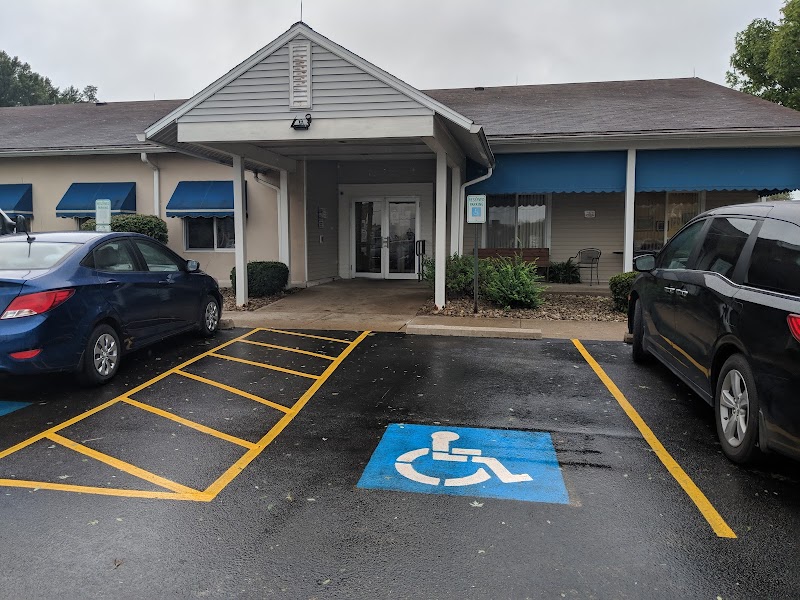
Who Owns and Operates Uniontown Nursing And Rehab?

UNIONTOWN NURSING AND REHAB is owned by a for-profit company. For-profit facilities operate as businesses with obligations to shareholders or private owners. The facility is operated by VALLEY WEST HEALTH, a chain that manages multiple nursing homes. With 120 certified beds and approximately 0 residents (about 0% occupancy), it is a mid-sized facility located in UNIONTOWN, Pennsylvania.
How Does Uniontown Nursing And Rehab Compare to Other Pennsylvania Nursing Homes?

Compared to the 100 nursing homes in Pennsylvania, UNIONTOWN NURSING AND REHAB's overall rating (3 stars) matches the state average, staff turnover (29%) is significantly lower than the state average of 46%, and health inspection rating (2 stars) is below the national benchmark.

What Should Families Ask When Visiting Uniontown Nursing And Rehab?

Based on this facility's data, families visiting should ask: "Can I visit during a mealtime to observe dining assistance and food quality?" "How do you handle medical emergencies, and what is your hospital transfer rate?" "Can I speak with family members of current residents about their experience?"

Is Uniontown Nursing And Rehab Safe?

Based on CMS inspection data, UNIONTOWN NURSING AND REHAB has a clean safety record: no substantiated abuse findings (meaning no confirmed cases of resident harm), no Immediate Jeopardy citations (the most serious violation level indicating risk of serious injury or death), and is not on the Special Focus Facility watch list (a federal program monitoring the lowest-performing 1% of nursing homes). The facility has a 3-star overall rating and ranks #1 of 100 nursing homes in Pennsylvania. While no facility is perfect, families should still ask about staff-to-resident ratios and recent inspection results during their visit.

Do Nurses at Uniontown Nursing And Rehab Stick Around?

Staff at UNIONTOWN NURSING AND REHAB tend to stick around. With a turnover rate of 29%, the facility is 17 percentage points below the Pennsylvania average of 46%. Low turnover is a positive sign. It means caregivers have time to learn each resident's needs, medications, and personal preferences. Consistent staff also notice subtle changes in a resident's condition more quickly.

Was Uniontown Nursing And Rehab Ever Fined?

UNIONTOWN NURSING AND REHAB has been fined $23,400 across 1 penalty action. This is below the Pennsylvania average of $33,313. While any fine indicates a compliance issue, fines under $50,000 are relatively common and typically reflect isolated problems that were subsequently corrected. Families should ask what specific issues led to these fines and confirm they've been resolved.

Is Uniontown Nursing And Rehab on Any Federal Watch List?

UNIONTOWN NURSING AND REHAB is not on any federal watch list. The most significant is the Special Focus Facility (SFF) program, which identifies the bottom 1% of nursing homes nationally based on persistent, serious quality problems. Not being on this list means the facility has avoided the pattern of deficiencies that triggers enhanced federal oversight. This is a positive indicator, though families should still review the facility's inspection history directly.