ST JOHN SPECIALTY CARE CENTER


500 WITTENBERG WAY, MARS, PA 16046 (724) 625-1571
Non profit - Corporation 172 Beds Independent Data: November 2025
Trust Grade
18/100
#635 of 653 in PA
Last Inspection: October 2024

Within standard 12-15 month inspection cycle. Federal law requires annual inspections.

Overview

St. John Specialty Care Center has received a Trust Grade of F, indicating significant concerns about the quality of care provided. It ranks #635 out of 653 facilities in Pennsylvania, placing it in the bottom half, and #10 out of 11 in Butler County, meaning there is only one local option that is better. However, the facility's trend is improving, with a reduction in reported issues from 24 in 2024 to just 1 in 2025, suggesting they are taking steps to address problems. Staffing is a relative strength, with a 4 out of 5 rating and RN coverage better than 89% of state facilities, although the turnover rate of 59% is concerning compared to the state average of 46%. There have been some serious deficiencies, such as failing to maintain proper kitchen sanitation, which poses a risk of foodborne illness, and not properly identifying or isolating a COVID-positive resident, highlighting the need for improved infection control measures.

Trust Score
F
18/100
In Pennsylvania
#635/653
Bottom 3%
Safety Record
High Risk
Review needed
Inspections
Getting Better
24 → 1 violations
Staff Stability
⚠ Watch
59% turnover. Above average. Higher turnover means staff may not know residents' routines.
Penalties
✓ Good
$13,042 in fines. Lower than most Pennsylvania facilities. Relatively clean record.
Skilled Nurses
✓ Good
Each resident gets 67 minutes of Registered Nurse (RN) attention daily — more than 97% of Pennsylvania nursing homes. RNs are the most trained staff who catch health problems before they become serious.
Violations
⚠ Watch
42 deficiencies on record. Higher than average. Multiple issues found across inspections.
★☆☆☆☆
1.0
Overall Rating
★★★★☆
4.0
Staff Levels
★☆☆☆☆
1.0
Care Quality
★★☆☆☆
2.0
Inspection Score
Stable
2024: 24 issues
2025: 1 issues

The Good

  • 4-Star Staffing Rating · Above-average nurse staffing levels
  • Full Sprinkler Coverage · Fire safety systems throughout facility
  • No fines on record

Facility shows strength in staffing levels, fire safety.

The Bad

1-Star Overall Rating

Below Pennsylvania average (3.0)

Significant quality concerns identified by CMS

Staff Turnover: 59%

13pts above Pennsylvania avg (46%)

Frequent staff changes - ask about care continuity

Federal Fines: $13,042

Below median ($33,413)

Minor penalties assessed

Staff turnover is elevated (59%)

11 points above Pennsylvania average of 48%

The Ugly 42 deficiencies on record

Jan 2025 1 deficiency
CONCERN (D) 📢 Someone Reported This

A family member, employee, or ombudsman was alarmed enough to file a formal complaint

Potential for Harm - no one hurt, but risky conditions existed

Notification of Changes (Tag F0580)

Could have caused harm · This affected 1 resident

Based on facility policy, clinical record review and staff interviews, it was determined the facility failed to notify a family representative of a change in condition for one of three residents. (Res...

Read full inspector narrative →
Based on facility policy, clinical record review and staff interviews, it was determined the facility failed to notify a family representative of a change in condition for one of three residents. (Resident R1). Findings include: A review of the facility Resident Rights last reviewed 8/30/24, indicates the resident or representative have the right to be fully informed of your medical condition. A review of Resident R1's clinical record indicates an admission date of 7/22/24, with the diagnosis of traumatic brain injury (TBI), urinary tract infection (UTI) and dysphagia (difficult swallowing). A review of Resident R1's physician progress notes dated 12/3/24, follow up for hospitalization indicate Resident R1 was treated for chronic outlet obstruction and had a foley catheter (tube inserted into the bladder to drain urine) placed which should stay in place and follow up with urology. A review of Resident R1's care plan on 1/15/25, indicated Resident R1 had a 14 french (size) with 10cc balloon (holds catheter in place in the bladder) foley catheter. Review of nursing progress note dated 11/15/24, at 9:00 p.m. indicates received notification from Nurse Aid (NA) and daughter that resident was having blood in urine. Also, brown discharge noted in resident ' s brief. No lesions or open areas noted in genital areas that could be causing brown discharge. Call placed to physician and made aware of information, stated to obtain urinalysis testing and lab work. Stated ok to straight catheterize resident if necessary. During an interview completed on 1/15/25, at 3:26 p.m. the Director of Nursing confirmed that the resident ' s representative was not notified of the new orders received on 11/15/24, for urinalysis testing, lab work and straight catheterization if necessary. Review of nursing progress note dated 12/23/24, at 2:28 p.m. indicates this morning the NA was giving the patient a shower when the patient pulled out his foley. NA immediately notified the nurse for assessment. Nurse entered the shower room and assessed the patient. Patient siting in shower chair with blood dripping from his penis that became to clot. Nurse cleaned the area. The patient stopped bleeding. Patient at the time, is not screaming or crying. The NA finished cleaning the patient and got him dressed. I notified the nurse supervisor and physician for further guidance and direction. During an interview completed on 1/15/25, at 12:48 p.m. the Director of Nursing confirmed that the resident ' s representative was not notified of Resident R1's catheter dislodgement and the facility failed to notify a family representative of a change in condition for one of three residents. (Resident R1). 28 Pa. Code 201.14(a)(c)(e) Responsibility of licensee. 28 Pa. Code 201.18(b)(1)(e)(1) Management.
Oct 2024 24 deficiencies
CONCERN (D)

Potential for Harm - no one hurt, but risky conditions existed

Resident Rights (Tag F0550)

Could have caused harm · This affected 1 resident

**NOTE- TERMS IN BRACKETS HAVE BEEN EDITED TO PROTECT CONFIDENTIALITY** Based on review of facility policy, observation, and staff interview it was determined that the facility failed to provide a dig...

Read full inspector narrative →
**NOTE- TERMS IN BRACKETS HAVE BEEN EDITED TO PROTECT CONFIDENTIALITY** Based on review of facility policy, observation, and staff interview it was determined that the facility failed to provide a dignified dining experience by failing to provide meals timely for one of six residents (Resident R1). Findings include: Review of the facility policy Maintaining Respect and Dignity of the Resident dated 8/30/24, indicated each resident shall be cared for in a manner that promotes and enhances quality of life, dignity, respect, and individuality. It was indicated residents shall be treated with dignity and respect at all times. Review of the facility policy Resident Rights dated 8/30/24, indicated the facility will inform a resident at the time of admission, and periodically throughout his/her stay, of the rights afforded to all residents. Review of the admission record indicated Resident R1 admitted to the facility on [DATE], and readmitted [DATE]. Review of Resident R1's MDS (Minimum Data Set, periodic assessment of resident care needs) dated 8/29/24, indicated the diagnoses of anxiety, depression, and epilepsy (a brain condition that causes recurring seizures). During an observation on 10/8/24, at 11:31 a.m. Resident R1's roommate lunch tray was dropped off in his room. Resident R1 did not receive his meal. During an interview and observation on 10/8/24, at 11:54 a.m. Resident R1 was observed with no meal and indicated he is hungry. Resident R1 indicated it bothers him that his roommate gets food before him. During an interview on 10/8/24, at 11:55 a.m. Resident R1's roommate was observed finished with his meal sleeping in bed. During an observation on 10/8/24, at 12:17 p.m. Nurse Aide, Employee E10 was observed entering Resident R1's room with his meal. A total of 46 minutes since Resident R1's roommate received his meal. During an interview on 10/8/24, at 12:18 p.m. Nurse Aide, Employee E10 confirmed Resident R1's roommate got his meal prior to Resident R1. During an interview on 10/9/24, at 12:24 p.m. the Director of Nursing confirmed the facility failed to provide a dignified experience by failing to provide meals timely for one of six residents (Resident R1). 28 Pa Code: 201.29 (i) Resident rights.
CONCERN (D)

Potential for Harm - no one hurt, but risky conditions existed

Deficiency F0565 (Tag F0565)

Could have caused harm · This affected 1 resident

Based on review of facility policy, Resident Group interviews, Resident Council meeting minutes, grievances, and staff interview it was determined the facility failed to consider the views of a reside...

Read full inspector narrative →
Based on review of facility policy, Resident Group interviews, Resident Council meeting minutes, grievances, and staff interview it was determined the facility failed to consider the views of a resident and/or family and act promptly on grievances and recommendations concerning issues of resident care and life in the facility for three of four months (July, August, September 2024). Findings include: Review of facility policy titled Grievance Policy, last reviewed 8/30/24, indicated facility will have a procedure on how to file a grievance or complaint available to the resident and will ensure a prompt resolution of all grievance including the residents' right. During a Resident Group meeting held on 10/8/24, six of six members voiced concerns over food quality, and five of six residents voiced concerns over call bells. Resident R503 reported pasta is hard, carrots aren't cooked and has complained to management for the last 3-4 months with no resolve, also staff come in when calls bells are on, shuts them off and doesn't attend to their needs. Resident R504 voiced concerns that pasta is undercooked, lunch time tray times vary widely, and nothing is done about their concerns. Resident 505 voiced concerns on call bells, not tending to residents. Review of Resident Council meeting minutes revealed food quality and call bell concerns as follows: 7/10/24, Prior meeting concerns, Pasta is too hard, grilled cheese not cooked, meals are late, call bells are turned off before need is met -New: Meat is dry, staff talk to each other during care 8/14/24, Prior concerns: Some food, nursing concerns continue. -New: Pasta not cooked/noodles dry, carrots. 1 shower room is not enough. Staff turn off call bells before doing care. Staff talk to each other during care. 9/11/24 Prior concerns: Pasta not cooked/noodles dry, carrots. 1 shower room is not enough. Staff turn off call bells before doing care. Staff talk to each other during care. -New: Meat is too hard, can't eat, grilled cheese is not grilled, staff talking to each other during care, call bells turn lights off without addressing needs The facility could not provide documentation that the facility investigated and provided a resolution of the Resident Council concerns. During an interview on 10/10/24, at 10:00 a.m. the Director of Activities Employee E6 confirmed the facility did not resolve the above concerns. 28 Pa. Code: 201.18(e)(4) Management 28 Pa. Code: 201.29(i) Resident Rights
CONCERN (D)

Potential for Harm - no one hurt, but risky conditions existed

Free from Abuse/Neglect (Tag F0600)

Could have caused harm · This affected 1 resident

**NOTE- TERMS IN BRACKETS HAVE BEEN EDITED TO PROTECT CONFIDENTIALITY** Based on facility policy, resident record review, review of facility documents, and staff interview, the facility failed to prov...

Read full inspector narrative →
**NOTE- TERMS IN BRACKETS HAVE BEEN EDITED TO PROTECT CONFIDENTIALITY** Based on facility policy, resident record review, review of facility documents, and staff interview, the facility failed to provide an environment free from verbal abuse for one of three residents (Resident R400). Findings include: Review of facility policy Abuse, Prevention of Resident Abuse, Neglect, Mental Abuse, Reports of Theft, Exploitation and Misappropriation of Property dated 8/30/24, indicated that the facility will provide a safe and secure environment for all residents and will protect a resident's right to be free from any form of abuse, mental abuse, neglect, reports of theft, exploitation or misappropriation of property. Review of the clinical record revealed that Resident R400 was admitted to the facility on [DATE]. Review of Resident 400's MDS (Minimum Data Set, periodic assessment of resident care needs) dated 9/3/24, indicated diagnoses of dementia (neuro-cognitive disorder impacting reasoning, judgment, and memory), unspecified visual loss, and muscle weakness. Review of documentation provided by the facility revealed that on 7 /13/24, Speech Therapist (ST) Employee E14 witnessed Nurse Aide (NA) Employee E15 yell at Resident R400 in the dining room. Allegedly NA Employee E15 ripped the pillow out of Resident R400's hands because she was getting the pillow in her food and yelled at her Why don't you go the fuck to sleep?. Resident R400 sat quietly in her chair with her eyes closed. Review of a written statement from ST Employee E14 dated 7/12/24, stated that Resident R 400 was placed at dining room table and had a pillow on her lap. She placed the pillow on top of her tray of food and NA Employee E15 then went over to Resident R400 and ripped the pillow out of her hands and said, 'Why don't you go the fuck to sleep?'. Incident was reported to Director of Nursing. Review of a written statement from NA Employee E15 dated 7/12/24, stated Raised my voice to Resident R400. It was uncalled for and I am ashamed of my actions. During an interview on 10/10/24, at 9:35 a.m. Nursing Home Administrator confirmed that the facility failed to provide an environment free from verbal abuse for Resident R400. 28 Pa. Code: 201.18(b)(1)(2) 28 Pa. Code 201.29(a)(c)(d)(j)(m)
CONCERN (D)

Potential for Harm - no one hurt, but risky conditions existed

Transfer Requirements (Tag F0622)

Could have caused harm · This affected 1 resident

**NOTE- TERMS IN BRACKETS HAVE BEEN EDITED TO PROTECT CONFIDENTIALITY** Based on clinical record review and staff interview, it was determined that the facility failed to make certain that the necessa...

Read full inspector narrative →
**NOTE- TERMS IN BRACKETS HAVE BEEN EDITED TO PROTECT CONFIDENTIALITY** Based on clinical record review and staff interview, it was determined that the facility failed to make certain that the necessary resident information was communicated to the receiving health care provider for two of four residents sampled with facility-initiated transfer (Residents R16 and R37). Findings include: Review of the clinical record indicated Resident R16 was admitted to the facility on [DATE]. Review of Resident R16's MDS (MDS-Minimum Data Set assessment: periodic assessment of resident care needs) dated 9/3/24, indicated diagnoses of aftercare following joint replacement, urinary tract infection and hyperlipidemia (abnormally high levels of lipids or fats in the blood). Review of the clinical record indicated Resident R16 was transferred to hospital on 8/6/24 and returned to the facility on 8/14/24. Review of Resident R16's clinical record revealed no documented evidence that the facility had communicated specific information to the receiving health care provider for the residents transferred and expected to return, which included the resident's care plan goals, advanced directive information, specific instructions for ongoing care, resident representative information, and all information necessary to meet the resident's specific needs at the receiving facility. Review of Resident R37's admission record indicated she was originally admitted on [DATE], with diagnoses that included venous insufficiency, retention of urine and colostomy (procedure that creates an opening in the abdominal wall to divert the large intestine to an external pouch). Review of Resident R37's clinical record revealed that the resident was transferred to the hospital on 6/9/24, and returned to the facility on 6/23/24. Review of Resident R37's clinical record revealed no documented evidence that the facility had communicated specific information to the receiving health care provider for the residents transferred and expected to return, which included the resident's care plan goals, advanced directive information, specific instructions for ongoing care, resident representative information, and all information necessary to meet the resident's specific needs at the receiving facility. During an interview on 10/9/24 at 1:15 p.m. the Assistant Director of Nursing (ADON) confirmed that the facility failed to provide the necessary information for Resident R16 and R37. 28 Pa. Code 201.29(a)(c.3)(2) Resident rights.
CONCERN (D)

Potential for Harm - no one hurt, but risky conditions existed

Transfer Notice (Tag F0623)

Could have caused harm · This affected 1 resident

**NOTE- TERMS IN BRACKETS HAVE BEEN EDITED TO PROTECT CONFIDENTIALITY** Based on clinical record review and staff interview, it was determined that the facility failed to provide a transfer notice to ...

Read full inspector narrative →
**NOTE- TERMS IN BRACKETS HAVE BEEN EDITED TO PROTECT CONFIDENTIALITY** Based on clinical record review and staff interview, it was determined that the facility failed to provide a transfer notice to a representative of the Office of the Long-Term Care Ombudsman Division for one of four residents (Residents R16). Findings include: Review of the clinical record indicated Resident R16 was admitted to the facility on [DATE]. Review of Resident R16's MDS assessment (MDS-Minimum Data Set assessment: periodic assessment of resident care needs) dated 9/3/24, indicated diagnoses of aftercare following joint replacement, urinary tract infection and hyperlipidemia (abnormally high levels of lipids or fats in the blood). Review of the clinical record indicated Resident R16 was transferred to hospital on 8/6/24 and returned to the facility on 8/14/24. Review of Resident R16's clinical record indicated the facility failed to include documented evidence that the facility provided a written transportation notification to the Office of the Long-Term Care Ombudsman for the hospitalization on 8/6/24. During an interview on 8/15/24 at 11:05 a.m. the Director of Nursing (DON) confirmed the facility failed to provide a transfer notice to a representative of the Office of the Long-Term Care Ombudsman Division for one of four residents (Residents R16). 28 Pa. Code 201.29(a)(c.3)(2) Resident rights
CONCERN (D)

Potential for Harm - no one hurt, but risky conditions existed

Deficiency F0625 (Tag F0625)

Could have caused harm · This affected 1 resident

**NOTE- TERMS IN BRACKETS HAVE BEEN EDITED TO PROTECT CONFIDENTIALITY** Based on review of facility policy, clinical record review, and staff interviews, it was determined that the facility failed to ...

Read full inspector narrative →
**NOTE- TERMS IN BRACKETS HAVE BEEN EDITED TO PROTECT CONFIDENTIALITY** Based on review of facility policy, clinical record review, and staff interviews, it was determined that the facility failed to notify the resident or resident's representative of the facility bed-hold policy (an agreement for the facility to hold a bed for an agreed upon rate during a hospitalization) for one of four resident hospital transfers (Resident R16). Review of the clinical record indicated Resident R16 was admitted to the facility on [DATE]. Review of Resident R16's MDS dated [DATE], indicated diagnoses of aftercare following joint replacement, urinary tract infection and hyperlipidemia (abnormally high levels of lipids or fats in the blood). Review of the clinical record indicated Resident R16 was transferred to hospital on 8/6/24 and returned to the facility on 8/14/24. Review of Resident R16's clinical record failed to include documented evidence that the resident or the resident's representative were provided with written information about the facility's bed hold policy at the time of the transfer to the hospital on 8/6/24. During an interview on 10/9/24, at 1:15 p.m. Assistant Director of Nursing Employee E3 confirmed that the facility failed to notify the resident or resident's representative of the facility bed-hold policy for one of four resident hospital transfers as required. 28 Pa. Code 201.29 (a)(c.3)(2) Resident rights
CONCERN (D)

Potential for Harm - no one hurt, but risky conditions existed

Assessment Accuracy (Tag F0641)

Could have caused harm · This affected 1 resident

**NOTE- TERMS IN BRACKETS HAVE BEEN EDITED TO PROTECT CONFIDENTIALITY** Based on a review of the RAI (Resident Assessment Instrument), clinical records, and staff interviews it was determined that the...

Read full inspector narrative →
**NOTE- TERMS IN BRACKETS HAVE BEEN EDITED TO PROTECT CONFIDENTIALITY** Based on a review of the RAI (Resident Assessment Instrument), clinical records, and staff interviews it was determined that the facility failed to make certain that resident assessments were accurate for two of twelve residents (Residents R1, and R128). Findings include: The Resident Assessment Instrument (RAI) User's Manual, which gives instructions for completing Minimum Data Set (MDS) assessments (periodic assessments of resident care needs), dated October 2024, indicated the following: Section A2105 Discharge Status: This item documents the location to which the resident is being discharged at the time of discharge. Select the two-digit code that corresponds to the resident's discharge status. Code 01, Home/Community: if the resident was discharged to a private home, apartment, board and care, assisted living facility, group home, transitional living, or adult foster care. A community residential setting is defined as any house, condominium, or apartment in the community, whether owned by the resident or another person. Section P0100 Physical Restraints: Physical restraints are any manual method, or physical or mechanical device, material or equipment attached or adjacent to the resident's body that the individual cannot remove easily which restricts freedom of movement or normal access to one's body. Code 1 if a restraint is used less than daily during a seven day look back period. Review of the admission record indicated Resident R1 admitted to the facility on [DATE]. Review of Resident R1's MDS dated [DATE], indicated the diagnoses of anxiety, depression, and epilepsy (a brain condition that causes recurring seizures.) Section P0100. Physical Restraints indicated the resident uses a limb restraint in bed. During an observation and interview on 10/9/24, at 10:10 a.m. no restraints were observed on Resident R1. Resident R1 indicated he does not utilize any limb restraints. Review of the admission record indicated Resident R128 was admitted to the facility on [DATE]. Review of Resident R128's MDS dated [DATE], indicated the diagnoses of anemia (too little iron in the body causing fatigue), urinary tract infection (infection in any part of the kidneys, bladder, or urethra), and cardiomyopathy (disease of the heart muscle). Section A2105 was entered as 04, which indicated that resident R128 was discharged to a Short-Term General Hospital. Review of progress notes dated 7/12/24, indicated that Resident R128 was discharged to Personal Care. During an interview on 10/9/24, at 1:25 p.m. Registered Nurse Assessment Coordinator (RNAC) Employee E4 confirmed the facility failed to make certain that resident assessments were accurate for two of twelve residents (Residents R1, and R128). 28 Pa. Code: 211.12(d)(1)(2)(3)(5) Nursing Services.
CONCERN (D)

Potential for Harm - no one hurt, but risky conditions existed

Deficiency F0657 (Tag F0657)

Could have caused harm · This affected 1 resident

**NOTE- TERMS IN BRACKETS HAVE BEEN EDITED TO PROTECT CONFIDENTIALITY** Based on review of facility policy, clinical records, and staff interview, it was determined the facility failed to update a car...

Read full inspector narrative →
**NOTE- TERMS IN BRACKETS HAVE BEEN EDITED TO PROTECT CONFIDENTIALITY** Based on review of facility policy, clinical records, and staff interview, it was determined the facility failed to update a care plan for one of five residents (Resident R29) to accurately reflect the current status of the resident and care needs. Findings include: Review of the facility policy Comprehensive Plan of Care dated 8/30/24 indicated specific individualized steps or approaches that staff will take to assist the resident to achieve the goals will be identified. These approaches serve as instructions for resident care and provide for continuity of care by all staff. Short and concise instructions should be written. Review of the admission record indicated Resident R29 admitted to the facility on [DATE]. Review of Resident R29's Minimum Data Set (MDS - a periodic assessment of care needs) dated 8/2/24, indicated the diagnoses of anemia (the blood doesn't have enough healthy red blood cells), coronary artery disease (narrow arteries decreasing blood flow to heart), and heart failure (heart doesn't pump blood as well as it should). Review of Resident R29's physician order dated 10/8/24, indicated to give Eliquis (a medication that thins the blood) daily. Review of Resident R29's care plan on 10/10/24, at 12:19 p.m. failed to identify the use of the blood thinner and the monitoring/management of its use. Interview on 10/10/24, at 12:20 p.m. Registered Nurse Assessment Coordinator (RNAC) Employee E4 confirmed the facility failed to identify the blood thinner for Resident R29's care plan and the facility failed to update a care plan for one of five residents (Resident R29) to accurately reflect the current status of the resident and care needs. 28 Pa. Code: 211.11(a)(b)(c)(d) Resident care plan. 28 Pa. Code: 211.12(d)(1)(5) Nursing services.
CONCERN (D)

Potential for Harm - no one hurt, but risky conditions existed

Deficiency F0676 (Tag F0676)

Could have caused harm · This affected 1 resident

**NOTE- TERMS IN BRACKETS HAVE BEEN EDITED TO PROTECT CONFIDENTIALITY** Based on review of facility policy, clinical record review, observation, and staff interview, it was determined that the facilit...

Read full inspector narrative →
**NOTE- TERMS IN BRACKETS HAVE BEEN EDITED TO PROTECT CONFIDENTIALITY** Based on review of facility policy, clinical record review, observation, and staff interview, it was determined that the facility failed to provide appropriate care and services to maintain activities of daily living (ADLs) for communication for one of six residents (Resident R1). Findings include: Review of the facility policy Maintaining Respect and Dignity of the Resident dated 8/30/24, indicated each resident shall be cared for in a manner that promotes and enhances quality of life, dignity, respect, and individuality. It was indicated residents shall be treated with dignity and respect at all times. Review of the facility policy Clinical Procedure Augmentative Communication Device dated 8/30/24, indicated communication boards and/or augmentative devices may be provided to individuals who are limited in their ability to communicate verbally but are able to communicate by using a device with pictures and/or words. The individual, speech therapist, or physician will identify a need for augmentative communication, and a screen or order may be requested from physician or licensed independent provider. Evaluation, treatment, and progress are documented. Review of the admission record indicated Resident R1 admitted to the facility on [DATE], and readmitted [DATE]. Review of Resident R1's MDS dated [DATE], indicated the diagnoses of encephalopathy (a disease that affects brain structure or function), aphasia (a disorder that affects language and communication), and epilepsy (a brain condition that causes recurring seizures). Review of Resident R1's Speech Language Pathology Comprehensive Evaluation dated 2/23/24, indicated the resident uses a communication device at baseline function. Review of Resident R1's physician order dated 4/16/24, indicated nurse to ensure that Dynavox (a device that assists individuals who are unable to communicate reliably with their own voices due to cognitive, language and physical impairments) is charging while the resident sleeps every day at bedtime. Review of Resident R1's care plan dated 7/20/16, last revised 6/12/24, indicated the resident has conditions that impair his ability to communicate his wants and/or needs. Interventions included to use his Dynavox to communicate. During an observation on 10/7/24, at 11:04 a.m. Resident R1's Dynavox was observed sitting on a table and not in reach to Resident R1. Resident R1 was unable to communicate. During an interview on 10/07/24, at 11:07 a.m. Licensed Practical Nurse, Employee E9 stated Resident R1 communicates with hand gestures, sign language, and a speech board. LPN, Employee E9 confirmed Resident R1's Dynavox was not in reach. During an interview on 10/08/24, at 12:18 p.m. Nurse Aide, Employee E10 indicated Resident R1 uses his Dynavox to communicate. During an interview on 10/9/24 10:07 a.m. Resident R1 Indicated he prefers to use Dynavox for communication. Review of Resident R1's clinical record on 10/10/24, at 10:10 a.m. failed to include an order for the use of a Dynavox communication device. During an interview on 10/10/24, at 9:20 a.m. the Director of Nursing confirmed the facility failed to provide appropriate care and services to maintain activities of daily living (ADLs) for communication for one of six residents. 28 Pa. Code 211.12(d)(5) Nursing services.
CONCERN (D)

Potential for Harm - no one hurt, but risky conditions existed

Quality of Care (Tag F0684)

Could have caused harm · This affected 1 resident

**NOTE- TERMS IN BRACKETS HAVE BEEN EDITED TO PROTECT CONFIDENTIALITY** Based on review of facility policy, clinical record review, observations, and staff interviews, it was determined that the facil...

Read full inspector narrative →
**NOTE- TERMS IN BRACKETS HAVE BEEN EDITED TO PROTECT CONFIDENTIALITY** Based on review of facility policy, clinical record review, observations, and staff interviews, it was determined that the facility failed to ensure a resident had a physician order for care and management of an invasive catheter for one of one resident formerly on dialysis (Resident R122). Findings include: Review of facility policy Standards of Care dated 8/30/24, indicated a detailed care plan based on the resident's assessment, including specific interventions, goals, and responsible staff members. Ensure that all staff members are adequately trained in providing quality care, including specific skills needed for resident needs. Review of the admission record indicated Resident R122 was admitted to the facility on [DATE]. Review of Resident R122's Minimum Data Set (MDS- a periodic assessment of care needs) dated 8/8/24, indicated the diagnosis of anoxic brain damage (injury to the brain due to a lack of oxygen), renal insufficiency (condition where the kidneys lose the ability to remove waste and balance fluids), and viral hepatitis (disease of the liver caused by a virus). Review of Resident R122's current physician orders on 10/9/24, at 1:45 p.m. failed to include orders for care and management of the Tesio catheter (a long-term vascular access device for hemodialysis - a treatment for kidney failure that rids your body of unwanted toxins, waste products, and excess fluids by filtering your blood). Review of the Resident R122's current care plan on 10/9/24, at 2:00 p.m. indicated I will remain free from infection related to my dialysis catheter. The care plan failed to identify care and management of the Tesio catheter and site. Observation of Resident R122 on 10/10/24, at 2:05 p.m. indicated two Tesio catheter ports sticking out from under the resident's shirt on the left upper arm. Interview with Resident R122 on 10/10/24, at 2:05 p.m. indicated she last had dialysis over a month ago and they haven't done anything with the Tesio catheter since. Observation with Licensed Practical Nurse (LPN) Employee E5 on 10/10/24, at 2:10 p.m. indicated a Tesio catheter in the left upper chest with dark dried blood at the insertion site under a clear, crumpled dressing. There was not a readable date on the dressing. Interview with LPN Employee E5 confirmed the appearance of the Tesio site, dressing, and that Resident R122 hasn't had dialysis in over a month. LPN Employee E5 further indicated staff of the facility do not handle the Tesio catheters. Interview with the Director of Nursing on 10/10/24, at 2:25 p.m. confirmed the facility failed to ensure a resident had a physician order for care and management of an invasive catheter for one of one resident formerly on dialysis (Resident R122). 28 Pa. Code: 201.18 (b) (1) (e) (1) Management. 28 Pa. Code 201.29(a)(c)(d) Resident rights 28 Pa. Code: 211.10(c)(d) Resident care policies. 28 Pa. Code: 211.12(d)(1)(5) Nursing services.
CONCERN (D)

Potential for Harm - no one hurt, but risky conditions existed

Accident Prevention (Tag F0689)

Could have caused harm · This affected 1 resident

**NOTE- TERMS IN BRACKETS HAVE BEEN EDITED TO PROTECT CONFIDENTIALITY** Based on review of facility policy, record review, and resident and staff interviews, and observations it was determined that th...

Read full inspector narrative →
**NOTE- TERMS IN BRACKETS HAVE BEEN EDITED TO PROTECT CONFIDENTIALITY** Based on review of facility policy, record review, and resident and staff interviews, and observations it was determined that the facility failed to provide a resident environment free of potential accidental hazards for one of five residents (Resident R30). Findings include. Review of the facility policy Resident Accidents/Incidents dated 8/30/24, indicated the facility will provide a safe and secure environment for residents and will be proactive in the prevention of accidents and incidents. Review of the admission record indicated Resident R30 was admitted to the facility on [DATE]. Review of Resident R30's Minimum Data Set (MDS- a periodic assessment of care needs) dated 7/24/24, indicated the diagnoses of hemiparesis (one-sided muscle weakness), diabetes (a long-term condition in which the body has trouble controlling blood sugar and using it for energy), and respiratory failure (a serious condition that makes it difficult to breathe on your own). Section C0500 the Brief Interview for Mental Status (BIMS) is a screening test that aides in detecting cognitive impairment. The BIMS total score suggests the following distributions: 0-7: severe impairment. Resident R30's score of 3. Section GG indicated Resident R30 requires supervision of oversight or cueing with set up help only. Review of Resident R30's clinical record on 10/8/24, at 2:50 p.m. failed to include an assessment, identify the risks (burns and fires), ongoing evaluation, and physician's orders for the personal microwave in his room. Review of Resident R30's current care plan on 10/8/24, at 3:00 p.m. indicated a behavior problem that included delusional behavior (fixed, false conviction in something that is not real or shared by other people), striking out, hitting, and knocking over objects, and stockpiling food in his room. Review of the care plan failed to include potential risk for burns and fires from personal microwave in his room. Observation on 10/7/24, at 10:41 a.m. Resident R30 was in a wheelchair with a splint on his right hand, self-propelling independently of staff, down the hallway with his left hand. Observation of Resident R30's room on 10/7/24, at 10:44 a.m. indicated a large microwave surrounded by personal items. Interview with Resident R30 indicated he uses the microwave to heat his tea up. Interview with Nurse Aide (NA) Employee E11 on 10/8/24, at 11:24 a.m. indicated Resident R30 has his ups and downs when asked if he was safe to use his microwave on his own. Interview on 10/8/24, at 12:50 p.m. Licensed Practical Nurse (LPN) Employee E12 confirmed the personal microwave was in Resident R30's room and if he wanted to, he was capable of using it with his good hand. Interview on 10/8/24, at 12:56 p.m. the Nursing Home Administrator (NHA) confirmed Resident R30 is not alert and oriented and has a traumatic brain injury (usually results from a violent blow or jolt to the head or body). The NHA indicated the facility did not have a policy for personal microwave use, and confirmed a personal microwave was in Resident R30's room, despite the severe cognitive impairment BIMS score of 3 and the failed to provide a resident environment free of potential accidental hazards for one of five residents (Resident R30). 28 Pa. Code: 201.14(a) Responsibility of licensee. 28 Pa. Code: 201.18 (b) (1) (e) (1) Management. 28 Pa. Code: 211.10(c)(d) Resident care policies. 28 Pa. Code: 211.12(d)(1)(5) Nursing services.
CONCERN (D)

Potential for Harm - no one hurt, but risky conditions existed

Deficiency F0691 (Tag F0691)

Could have caused harm · This affected 1 resident

Based on facility policy review, clinical record review, resident, and staff interviews, it was determined that the facility failed to provide colostomy care and services consistent with professional ...

Read full inspector narrative →
Based on facility policy review, clinical record review, resident, and staff interviews, it was determined that the facility failed to provide colostomy care and services consistent with professional standards of practice for one of two residents reviewed (Resident R63). Findings include: Review of facility policy Colostomy/Ileostomy/Urostomy Care and Management dated 8/30/24, indicated to document the plan of care on the patient's electronic medical record including details such as: the size, shape, and color of stoma as well as the size and type of ostomy appliance being used. Review of Resident R63's clinical admission record indicated that resident was admitted to the facility 4/22/23, with diagnoses of high blood pressure, anxiety, and diabetes (a long-term condition in which the body has trouble controlling blood sugar and using it for energy). Review of Resident R63's Minimum Data Set (MDS- a periodic assessment of care needs) dated 8/11/24, indicated the diagnoses remain current. Review of Resident R63's physician orders dated 1/17/24, indicated to assist resident in changing colostomy (a surgical procedure that redirects your colon to a new opening in the abdominal wall) and wafer. The order failed to include size and type of ostomy appliance being used. Review of Resident R63's current care plan on 10/8/24, at 11:49 a.m. failed to include size and type of ostomy appliance being used. Interview on 10/9/24, at 10;34 a.m. Licensed Practical Nurse (LPN) Employee E5 indicated the facility gets her supplies delivered straight to her room. She indicated they do not include specifications in the order and care plan. Interview on 10/9/24, at 2:00 p.m. the Director of Nursing confirmed the facility failed to provide colostomy care and services consistent with professional standards of practice for one of two residents reviewed (Resident R63). 28 Pa. Code: 201.18 (b) (1) (e) (1) Management. 28 Pa. Code: 211.10(c)(d) Resident care policies. 28 Pa. Code: 211.12(d)(1)(5) Nursing services.
CONCERN (D)

Potential for Harm - no one hurt, but risky conditions existed

Deficiency F0742 (Tag F0742)

Could have caused harm · This affected 1 resident

**NOTE- TERMS IN BRACKETS HAVE BEEN EDITED TO PROTECT CONFIDENTIALITY** Based on clinical records and facility policy review, and staff interview, it was determined that the facility failed to ensure ...

Read full inspector narrative →
**NOTE- TERMS IN BRACKETS HAVE BEEN EDITED TO PROTECT CONFIDENTIALITY** Based on clinical records and facility policy review, and staff interview, it was determined that the facility failed to ensure that a resident who displayed mental or psychosocial adjustment difficulties received appropriate treatment and services for one of three residents (Resident R22). Findings include: Review of the facility policy Managing Behaviors dated 8/30/24, indicated when a behavioral concern emerges, an attempt to intervene as a team will be made. The plan should be documented. Document behaviors once the plan is initiated. Review of the Director of Social Services job description indicated it is the responsibility of the Director of Social Services to perform functions of a social worker including, being an interdisciplinary care plan team member, develop resident care plans, being a resident advocate, and educate residents, families and staff as it relates to psycho-social needs. Review of the clinical record indicated Resident R22 was admitted to the facility on [DATE]. Review of Resident R22's Minimum Data Set (MDS- assessment of a resident's abilities and care needs) dated 9/2/24, indicated diagnoses of depression, anxiety, and bipolar disorder (a serious mental illness characterized by extreme mood swings, which can include extreme excitement episodes or extreme depressive feelings.). Review of the nursing progress notes dated 8/9/24, indicated the resident was at the nurses' station screaming loudly attempting to throw himself out of his wheelchair several times. Resident stating loudly, I want to commit suicide, I can't do this anymore, I want to commit suicide Unable to redirect from yelling out. It was indicated the physician was called and ordered a one-time dose of Xanax (medication used to treat anxiety and panic disorders) and for the Unit manager to call psychiatric services to discuss behaviors. It was indicated the resident's behavior would be monitored and the Social Worker was updated. Review of Resident R22's physician order dated 8/9/24, indicated to administer one tablet of 0.25 mg alprazolam (generic medication for Xanax) for one day for agitation/anxiety/suicidal thoughts/yelling, give one dose now, call psychiatric services at this time. Review of Resident R22's clinical record on 8/9/24, failed to indicate psychiatric services was notified as per the physician order. Review of Resident R22's psych progress note dated 9/9/24, indicated the resident denied suicide attempt, but states he went to the hospital once because he wanted to walk into traffic on the Golden Gate Bridge. During an interview on 10/10/24, at 10:39 a.m. Social Worker, Employee E13 indicated if a resident is expressing suicidal ideation, the Director of Nursing and physician is notified immediately. It was then indicated psychiatric services would be notified depending on the situation and it would be documented in the clinical record who was notified and what interventions were implemented. Social Worker, Employee E13 stated she does not recall being notified of Resident R22's suicidal ideation on 8/9/24. Review of Resident R22's clinical record on 10/10/24 at 10:42 a.m. failed to include a care plan for suicidal ideation. During an interview on 10/10/24, at 10:45 a.m. the Director of Nursing and Nursing home Administrator confirmed the facility failed to ensure that a resident who displayed mental or psychosocial adjustment difficulties received appropriate treatment and services for one of three residents (Resident R22). 28 Pa. Code 201.18(b)(1) Management. 28 Pa. Code 211.12(d)(3)(5) Nursing services.
CONCERN (D)

Potential for Harm - no one hurt, but risky conditions existed

Deficiency F0757 (Tag F0757)

Could have caused harm · This affected 1 resident

**NOTE- TERMS IN BRACKETS HAVE BEEN EDITED TO PROTECT CONFIDENTIALITY** Based on a review of facility policy, clinical records and staff interviews it was determined that the facility failed to ensure...

Read full inspector narrative →
**NOTE- TERMS IN BRACKETS HAVE BEEN EDITED TO PROTECT CONFIDENTIALITY** Based on a review of facility policy, clinical records and staff interviews it was determined that the facility failed to ensure that a resident's drug regimen was free of unnecessary medication for one of two residents. (Resident R84) Findings include: Review of the facility policy Psychotropic Drugs dated 8/30/24, indicated a psychotropic drug is any drug that affects brain activities associated with mental processes and behavior. The evaluation and documentation should address whether the psychotropic is still needed on a as needed basis, what the benefit of the medication is to the resident, and whether the resident's expressions or indications of distress have improved as a result of the medication. Review of the clinical record indicated Resident R84 was admitted to the facility on [DATE], with diagnoses of Parkinson's Disease (a movement disorder of the nervous system that worsens over time), depression, and intellectual disabilities. Review of Resident R84's Minimum Data Set (MDS - a periodic assessment of care needs) dated 10/2/24, indicated diagnoses were current. Review of a physician order dated 4/25/24, indicated to administer 1 mg tablet of Ativan (medication used to treat anxiety) at bedtime for routine sleeping care. Review of a physician order dated 4/25/24, indicated to administer 0.5 mg tablet of Lorazepam (medication used to treat anxiety) at bedtime as needed for routine sleeping care. Review of Resident R84's clinical record on 10/9/24, at 10:00 a.m. failed to indicate a diagnosis of insomnia (a common sleep disorder that can make it hard to fall asleep or stay asleep) or care plan related to difficulty sleeping. During an interview on 10/9/24, at 10:41 a.m. the Director of Nursing (DON) confirmed that the facility failed to ensure that a resident's drug regimen was free of unnecessary medication. 28 Pa. Code: 201.18(e)(1) Management. 28 Pa. Code: 211.9(a)(1)(g) Pharmacy services. 28 Pa. Code: 211.12(d)(1)(5) Nursing services.
CONCERN (D)

Potential for Harm - no one hurt, but risky conditions existed

Medication Errors (Tag F0758)

Could have caused harm · This affected 1 resident

**NOTE- TERMS IN BRACKETS HAVE BEEN EDITED TO PROTECT CONFIDENTIALITY** Based on a review of facility policy, clinical records, and staff interviews, it was determined that the facility failed to limi...

Read full inspector narrative →
**NOTE- TERMS IN BRACKETS HAVE BEEN EDITED TO PROTECT CONFIDENTIALITY** Based on a review of facility policy, clinical records, and staff interviews, it was determined that the facility failed to limit as needed antipsychotic drugs to 14 days for two of four residents (Resident R84 and R122). Findings include: Review of the facility policy Psychotropic Drugs dated 8/30/24, indicated a psychotropic drug is any drug that affects brain activities associated with mental processes and behaviors, to include Anti-anxiety medications. All PRN (as needed) psychotropic medications will have a limitation of 14 days duration for orders. Review of the clinical record indicated Resident R84 was admitted to the facility on [DATE], with diagnoses of Parkinson's Disease (a movement disorder of the nervous system that worsens over time), depression, and intellectual disabilities. Review of Resident R84's Minimum Data Set (MDS - a periodic assessment of care needs) dated 10/2/24, indicated diagnoses were current. Review of a physician order dated 4/25/24, indicated to administer 0.5 mg tablet of Lorazepam (a psychotropic drug used to treat anxiety, insomnia, acute seizures, and sedation) at bedtime, as needed, for routine sleeping care. The physician order extended past the 14-day limit. Review of Resident R84's current care plan dated 7/29/24, failed to indicate a problem or interventions for lorazepam use, monitoring of, or sleep. Review of the admission record indicated Resident R122 was admitted to the facility on [DATE]. Review of Resident R122's MDS dated [DATE], indicated the diagnosis of anoxic brain damage (injury to the brain due to a lack of oxygen), renal insufficiency (condition where the kidneys lose the ability to remove waste and balance fluids), and viral hepatitis (disease of the liver caused by a virus). Review of Resident R122's current physician orders on 8/19/24, indicated Lorazepam 0.5mg (milligrams) every four hours as needed for break through seizures. Review of Resident R122's current care plan dated 10/9/24, failed to indicate a problem or interventions for lorazepam use, monitoring of, or seizure activity. Review of Resident R122's clinical record failed to indicate a renewal date of the Lorazepam ordered on 8/19/24, exceeding the 14-day duration maximum requirement. During an interview on 10/9/24, at 10:41 a.m. the Director of Nursing confirmed the facility failed to limit as needed antipsychotic drugs to 14 days as required for two of four residents (Resident R84 and R122). 28 Pa. Code: 201.14(a) Responsibility of licensee. 28 Pa. Code: 201.18 (b) (1) (e) (1) Management. 28 Pa. Code: 211.10(c)(d) Resident care policies. 28 Pa Code 211.12 (d)(1)(2)(3)(5) Nursing services
CONCERN (D)

Potential for Harm - no one hurt, but risky conditions existed

Deficiency F0761 (Tag F0761)

Could have caused harm · This affected 1 resident

**NOTE- TERMS IN BRACKETS HAVE BEEN EDITED TO PROTECT CONFIDENTIALITY** Based on review of facility policies, observations, and staff interviews, it was determined that the facility failed to properly...

Read full inspector narrative →
**NOTE- TERMS IN BRACKETS HAVE BEEN EDITED TO PROTECT CONFIDENTIALITY** Based on review of facility policies, observations, and staff interviews, it was determined that the facility failed to properly store medications in one out of two medications rooms (Wellstep) and failed to properly store a medication on one of four medications carts (2nd Floor Middle Hall Medication Cart). Findings include: Review of the facility policy Storage of Medication dated [DATE], indicated medications and biologicals are stored safely, securely, and properly, following manufacturer's recommendations or those of the supplier. During an observation on [DATE], at 1:27 p.m. of the 2nd Floor Middle Hall Medication Cart indicated the following medications were expired: - Resident R2's Victoza pen (prefilled pen used to help control blood sugar, insulin levels, and digestion) expired [DATE]. During an interview on [DATE], at 1:28 p.m. Licensed Practical Nurse (LPN) Employee E18 confirmed the above findings. During an observation on [DATE], at 1:31 p.m. of the Wellstep Medication Room indicated the following medications and supplies were expired: -(2) boxes of Needles Thin Wall, Sterile 22 gauge x 1' 1 per pack Expired [DATE] -(3) boxes Needles Thin Wall, Sterile 22g x 1' 1 per pack Expired [DATE] -(1) box Needles Thin Wall, Sterile 22g x 1' 1 per pack Expired [DATE] -(2) boxes 4-non-coring needles 20g 90 degree (1.00 in/2.5 centimeters (cm)) Expired [DATE] -(1) 3 ml syringe with hypodermic safety needle 25g x 5/8' Expired [DATE] -(2) 3 ml syringe with hypodermic needle 25g x 5/8' Expired [DATE] -(1) 3 ml 25 g x 5/8' 3 milliliters (ml) hypodermic safety needle Expired [DATE] -(2) 25g x 1 (0.5 millimeters x 125mm) BD Safety Glide Needle Expired [DATE] -(1) bottle of ProSource Nocarb Expired [DATE] -(6) Cavilon Advanced Skin Protectant Expired [DATE] -(3) Test swabs Expired [DATE] -(1) Intermittent Catheter (a hollow, partially flexible tube that collects urine from the bladder and leads to a drainage bag) Uncoated 16 in 14 French (fr) Expired [DATE] -(1) 14 fr urethral red rubber catheter Expired [DATE] -(2) Long straight tip male 16 in/40 cm fr 14 Expired [DATE] -(3) 14 fr Tri-Flo Suction Cath-N-Glove Kit Expired [DATE] -(1) Box of Hemoccult Single slide test-Expired [DATE] -(1) Bottle of Resident R73's 12.5 mg Hydrochlorothiazide (medication used to treat high blood pressure) Expired [DATE] -(1) bottle of Resident R73's 240 mg Verapamil (medication used to treat high blood pressure) Expired [DATE] -(1) bottle of Resident R73's 40 mg Atorvastatin Calcium (medication used to lower cholesterol) Expired [DATE] -(1) bottle of Resident R73's 10 mg Memantine (used to treat moderate to severe Alzheimer's disease) Expired [DATE] During an interview on [DATE], at 2:43 p.m. the Director of Nursing confirmed the facility failed to properly store medications in one out of two medications rooms (Wellstep) and failed to properly store a medication on one of four medications carts (2nd Floor Middle Hall Medication Cart). 28 Pa. Code: 211.9(a)(1)(h)(k)(l)(1) Pharmacy services. 28 Pa. Code:211.12(d)(1)(2)(3)(5) Nursing services.
CONCERN (D)

Potential for Harm - no one hurt, but risky conditions existed

Deficiency F0810 (Tag F0810)

Could have caused harm · This affected 1 resident

**NOTE- TERMS IN BRACKETS HAVE BEEN EDITED TO PROTECT CONFIDENTIALITY** Based on facility policy, observations, and staff interviews it was determined that the facility failed to provide adaptive feed...

Read full inspector narrative →
**NOTE- TERMS IN BRACKETS HAVE BEEN EDITED TO PROTECT CONFIDENTIALITY** Based on facility policy, observations, and staff interviews it was determined that the facility failed to provide adaptive feeding devices for one of four residents (Resident R1). Findings include: Review of the facility policy Assistive Devices dated 8/30/24, indicated any assistive equipment/devices will be available to any resident for whom equipment would be beneficial in assisting the resident's ability to maintain or improve current function. Review of the admission record indicated Resident R1 admitted to the facility on [DATE], and readmitted [DATE]. Review Resident R1's active physician order dated 8/4/21, indicated the resident is to have a blue inner lip plate with meals. Review of Resident R1's MDS dated [DATE], indicated the diagnoses of encephalopathy (a disease that affects brain structure or function), aphasia (a disorder that affects language and communication), and epilepsy (a brain condition that causes recurring seizures.) During an observation on 10/8/24, at 12:12 p.m. Resident R1's lunch was observed on the meal cart in a Styrofoam container. During an interview and observation on 10/8/24, at 12:18 p.m. Nurse Aide, Employee E10 confirmed the facility failed to provide Resident R1 with his blue inner lip plate for lunch. During an interview on 10/9/24, at 12:04 p.m. the Director of Nursing confirmed the facility failed to provide adaptive feeding devices for one of four residents (Resident R1). 28 Pa Code: 211.6(a) Dietary service.
CONCERN (D)

Potential for Harm - no one hurt, but risky conditions existed

Antibiotic Stewardship (Tag F0881)

Could have caused harm · This affected 1 resident

Based on review of the facility's infection control policies and procedures and staff interview, it was determined that the facility failed to implement an antibiotic stewardship program for two of te...

Read full inspector narrative →
Based on review of the facility's infection control policies and procedures and staff interview, it was determined that the facility failed to implement an antibiotic stewardship program for two of ten months (September and October 2024). Findings include: Review of facility policy Infection Control Program dated 8/30/24, indicated review of designated microbiological reports; review antibiotic usage, antibiotic susceptibility/resistance, and trend studies. Review of the facility's Infection Control surveillance for January - October 2024, failed to include documentation to indicate that antibiotic monitoring was completed for two of ten months (September and October 2024). During an interview on 10/9/24, at 1:33 p.m. the Director of Nursing confirmed that the facility failed to implement an antibiotic stewardship program that included a system of surveillance to monitor antibiotic use and lab correlation for infections for two of ten months and was unable to produce the tracking records for September and October 2024. 28 Pa. Code: 201.14(a) Responsibility of licensee. 28 Pa. Code: 201.18 (b) (1) (e) (1) Management. 28 Pa. Code: 211.10(c)(d) Resident care policies. 28 Pa. Code: 211.12(d)(1)(5) Nursing services
CONCERN (D)

Potential for Harm - no one hurt, but risky conditions existed

Deficiency F0942 (Tag F0942)

Could have caused harm · This affected 1 resident

Based on review of facility documents and staff interview, it was determined that the facility failed to provide training on resident rights for one of five staff members (Employee E7). Findings inclu...

Read full inspector narrative →
Based on review of facility documents and staff interview, it was determined that the facility failed to provide training on resident rights for one of five staff members (Employee E7). Findings include: Review of facility policy Staff Education dated 8/30/24, indicated that staff will complete yearly mandatory education requirements. Required education includes Resident Rights. Review of the facility provided staff list indicated that Nurse Aide (NA) Employee E7 was hired on 1/7/16. Review of NA Employee E7's facility provided training record did not include training on resident rights. During an interview on 10/10/24, at 9:02 p.m. Nursing Home Administrator confirmed that the facility failed to provide training on resident rights for one of five staff members. 28 Pa Code: 201.14 (a) Responsibility of licensee. 28 Pa Code: 201.18 (b)(1) Management. 28 Pa Code: 201.20 (a)(c) Staff development.
CONCERN (D)

Potential for Harm - no one hurt, but risky conditions existed

Deficiency F0944 (Tag F0944)

Could have caused harm · This affected 1 resident

Based on review of facility documents, employee education records, and staff interview, it was determined that the facility failed to provide training on QAPI (Quality Assurance and Performance Improv...

Read full inspector narrative →
Based on review of facility documents, employee education records, and staff interview, it was determined that the facility failed to provide training on QAPI (Quality Assurance and Performance Improvement) for one of five staff members (Employee E7) Findings include: Review of facility policy staff education dated 8/30/24, indicated that staff will complete yearly mandatory education requirements. Required education includes QAPI. Review of the facility provided staff list indicated that Nurse Aide (NA) Employee E7 was hired on 1/7/16. Review of NA Employee E7's facility provided training record did not include training on QAPI. During an interview on 10/10/24, at 9:02 p.m. Nursing Home Administrator confirmed that the facility failed to provide training on QAPI for one of five staff members. 28 Pa Code: 201.14 (a) Responsibility of licensee. 28 Pa Code: 201.18 (b)(1) Management. 28 Pa Code: 201.20 (a)(c) Staff development.
CONCERN (E)

Potential for Harm - no one hurt, but risky conditions existed

Incontinence Care (Tag F0690)

Could have caused harm · This affected multiple residents

**NOTE- TERMS IN BRACKETS HAVE BEEN EDITED TO PROTECT CONFIDENTIALITY** Based on facility policy, clinical record review, and staff interviews, it was determined the facility failed to ensure that app...

Read full inspector narrative →
**NOTE- TERMS IN BRACKETS HAVE BEEN EDITED TO PROTECT CONFIDENTIALITY** Based on facility policy, clinical record review, and staff interviews, it was determined the facility failed to ensure that appropriate treatment and services were provided for five of seven residents with an indwelling urinary catheter and bladder needs (Resident R39, R44, R63, R122, and R236). Findings include: A review of facility policy Catheter Care dated 8/30/24, indicated the facility will provide catheter care, consistent with the resident's comprehensive assessment and plan of care to prevent infection of the resident's urinary tract. Be sure the catheter tubing and drainage bag are kept off the floor and below the level of the bladder. Catheter bags should be maintained in a dignity bag at all times except when care is being provided. Review of Resident R39's clinical admission record indicated that resident was admitted to the facility 8/26/24, with diagnoses chronic kidney disease (gradual loss of kidney function that can lead to kidney failure), bladder cancer, and atrophy of kidney (a condition where one or both kidneys shrink and loss function due to various reasons). Review of Resident R39's Minimum Data Set (MDS - a periodic assessment of care needs) dated 9/2/24, indicated that diagnoses remain current upon review. Section H, Bladder and Bowel, indicated that an indwelling catheter was present. During an observation on 10/7/24, at 11:30 a.m., Resident R39 was in bed with his urinary drainage bag uncovered and laying on the floor. During an interview on 10/7/24, at 11:33 a.m., Licensed Practical Nurse (LPN) Employee E2 confirmed that Resident R39's urinary drainage bag was uncovered and laying on the floor. Review of Resident R39's physician order dated 8/27/24, indicated foley catheter (document FR size and balloon in Notes) change PRN [as needed] clogging/dislodgement. Further review of physician orders failed to indicate a diagnosis for indwelling catheter use, failed to include physician orders for care to indwelling catheter site, and failed to include the size tubing and balloon used for Resident R39's indwelling catheter. Review of Resident R39's current plan of care failed to indicate diagnosis for indwelling catheter use and failed to include the size tubing and balloon used for Resident R39's indwelling catheter. Review of Resident R44's clinical admission record indicated that resident was admitted to the facility 8/10/23, with diagnoses of high blood pressure, heart failure (heart doesn't pump blood as well as it should), and chronic obstructive pulmonary disease (COPD- a group of diseases that block airflow and make it hard to breathe). Review of Resident R44's MDS dated [DATE], indicated the diagnoses remain current. Review of Resident R44's physician order dated 10/8/24, indicated bladder scan (a device that uses sound waves to create a picture of the inside of the bladder) every eight hours for three days. Review of physician progress note dated 10/9/24, indicated urinary stent (thin, flexible tubes that hold open the ureters, allowing urine to flow from the kidneys to the bladder) and urine infection/stones. Review of Resident R44's care plan failed to indicate problems or interventions for urinary retention, urinary infection, or the bladder scans. Interview of 10/10/24, at 11:10 a.m. Assistant Director of Nursing (ADON) Employee E3 confirmed the urinary retention and bladder scans were not included in the care plan as required for Resident R44. Review of Resident R63's clinical admission record indicated that resident was admitted to the facility 4/22/23, with diagnoses of high blood pressure, anxiety, and diabetes (a long-term condition in which the body has trouble controlling blood sugar and using it for energy). Review of Resident R63's MDS dated [DATE], indicated the diagnoses remain current. Review of Resident R63's physician orders dated 9/27/24, indicated to apply an external female urinary catheter. Change daily for non-healing wound and incontinence (inability to control bladder). Review of Resident R63's Treatment Administration Record (TAR) failed to include the orders for external female catheter. Observation of Resident R63 on 10/10/24, at 10:00 a.m. failed to include the use of an external female catheter as ordered. Interview on 10/10/24, at 10:14 a.m. the Director of Nursing indicated We don't have the supplies yet fifteen days after the order was written. Interview on 10/10/24, at 11:00 a.m. the Director of Nursing indicated The supplies arrived the other day and somebody put them straight in the closet and staff were unaware they arrived. Review of Resident R122's clinical admission record indicated that resident was admitted to the facility 8/8/24, with diagnoses of anoxic brain damage (injury to the brain due to a lack of oxygen), renal insufficiency (condition where the kidneys lose the ability to remove waste and balance fluids), and viral hepatitis (disease of the liver caused by a virus). Review of Resident R122's MDS dated [DATE], indicated the diagnoses remain current. Review of Resident R122's physician orders dated 10/4/24, indicated to irrigate (flush) catheter with Renacidin (a sterile irrigating solution used to treat kidney and bladder stones and prevent clogs in bladder catheters and tubes) once daily. Observation on 10/8/24, at 10:00 a.m. Resident R122's bedside stand had a bladder irrigation bottle filled with a clear liquid with a syringe lying in it. The irrigation bottle was dated 10/7/24. Interview on 10/8/24, at 10:10 a.m. LPN Employee E17 confirmed the clear irrigation liquid in the bottle should not have been left in the bottle, nor the syringe, and that it was dated from the day prior. Review of Resident R236's clinical admission record indicated that resident was admitted [DATE], with diagnoses benign prostatic hyperplasia (a condition in which the flow of urine is blocked due to the enlargement of the prostate gland), chronic kidney disease, and surgical aftercare for genitourinary (urinary and reproductive) system. During an observation on 10/7/24, at 1:43 p.m., Resident R236 was in bed with his urinary drainage bag uncovered, hanging from the frame of his bed. During an interview on 10/7/24, at 1:45 p.m., Licensed Practical Nurse (LPN) Employee E2 confirmed that Resident R236's urinary drainage bag was uncovered. Review of Resident R236' physician order dated 10/8/24, indicated foley catheter (document FR size and balloon in Notes) change PRN [as needed] for clogging/dislodgement. Further review of physician orders failed to indicate a diagnosis for indwelling catheter use, failed to include physician orders for care to indwelling catheter site, and failed to include the size tubing and balloon used for Resident R236's indwelling catheter. Review of Resident R236's current plan of care failed to indicate diagnosis for indwelling catheter use and failed to include the size tubing and balloon used for Resident R39's indwelling catheter. During an interview of 10/22/24, at 11:15 a.m., the Director of Nursing (DON) the facility failed to ensure that appropriate treatment and services were provided for five of seven residents with an indwelling urinary catheter and bladder needs (Resident R39, R44, R63, R122, and R236). 28 Pa. Code: 201.18 (b) (1) (e) (1) Management. 28 Pa. Code: 211.10(c)(d) Resident care policies. 28 Pa. Code: 211.12(d)(1)(5) Nursing services.
CONCERN (E)

Potential for Harm - no one hurt, but risky conditions existed

Deficiency F0849 (Tag F0849)

Could have caused harm · This affected multiple residents

**NOTE- TERMS IN BRACKETS HAVE BEEN EDITED TO PROTECT CONFIDENTIALITY** Based on a review of facility policy, resident clinical records, and staff interview, it was determined the facility failed to o...

Read full inspector narrative →
**NOTE- TERMS IN BRACKETS HAVE BEEN EDITED TO PROTECT CONFIDENTIALITY** Based on a review of facility policy, resident clinical records, and staff interview, it was determined the facility failed to obtain a physician order for hospice services and to ensure the coordination of hospice services with facility services to meet the needs of each resident for end-of-life care for three of four residents (Resident R55, R84, and R119). Findings include: Review of the facility policy Hospice Communication dated 8/30/24, indicated the facility will communicate with hospice providers throughout the course of a resident's care. Communication will be done quarterly in conjunction with the care plan and PRN (as needed) based upon resident specific issues. Documentation of stated communication will be reflected in the resident medical record. Review of Resident R55's clinical admission record indicated that he was admitted to the facility 6/11/24, with diagnoses of vascular dementia (a condition caused by the lack of blood that carries oxygen and nutrient to a part of the brain. It causes problems with reasoning, planning, judgment, and memory), respiratory failure, and benign prostatic hyperplasia (a condition in which the flow of urine is blocked due to the enlargement of the prostate gland). Review of Resident R55's MDS assessment (MDS-Minimum Data Set assessment: periodic assessment of resident care needs) dated 9/26/24, indicated diagnoses remain current upon review. Section O-0110 Special treatments indicated an x for hospice services. Review of Resident R55's physician order dated 6/27/24, indicated hospice services were to be provided as of this date. Further review of Resident R55's current physician orders failed to indicate which hospice provider was providing this service and this hospice providers contact information. Review of Resident R55's current plan of care on 10/10/24, failed to indicate diagnosis for hospice care, which hospice provider was providing services, and providers contact information. During an interview of 10/10/24, at 12:20 p.m., Registered Nurse Assessment Coordinator (RNAC) Employee E4 confirmed that Resident R55's current physician orders for hospice did not indicate which hospice provider was selected and providers contact information, and that Resident R55's care plan did not include hospice diagnosis and provider information as required. Review of the clinical record indicated Resident R84 was admitted to the facility on [DATE], with diagnoses of Parkinson's Disease (a movement disorder of the nervous system that worsens over time), depression, and intellectual disabilities. Review of Resident R84's MDS assessment dated [DATE], indicated diagnoses were current. Review of a physician order dated 12/6/23, indicated to refer Resident R84 to hospice for Parkinson's Disease. Review of Resident R84's care plan on 10/9/24, indicated the resident has a terminal condition. Interventions indicated to refer to hospice agency and/or pastoral care interventions for end-of-life preparation. Review of Resident R84's current comprehensive care plan failed to indicate a plan of care by the facility that displayed the coordination of hospice services by failing to include contact information for the hospice agency and how to access the hospice's 24 hour on-call system. During an interview on 10/9/24, at 10:15 a.m. Unit Manager, Registered Nurse, Employee E16 confirmed Resident R84 did not have a hospice name or contact information located in the resident's care plan or order. Review of Resident R119's clinical admission record indicated that she was admitted [DATE], with diagnoses of dementia and cachexia (complex syndrome associated with underlying illness, causing on going muscle loss). Review of Resident R119's MDS assessment dated [DATE], indicated diagnoses remain current upon review. Section O-0110 Special treatments indicated an x for hospice services. Review of Resident R119's current active physician orders as of 10/11/24, failed to indicate an order for hospice services to include diagnosis for hospice care, hospice provider, and contact information for provider. Review of Resident R119's current plan of care on 10/10/24, failed to indicate diagnosis for hospice care, which hospice provider was providing services, and providers contact information. During an interview on 10/11/24, at 10:34 a.m., RNAC Employee E4 confirmed that Resident R119's current physician orders did not include an order for hospice care, and that Resident 119's care plan did not include hospice diagnosis and provided information as required. During an interview on 10/11/24, at 1:15 p.m., the Nursing Home Administrator confirmed the facility failed to obtain a physician order for hospice services and to ensure the coordination of hospice services with facility services to meet the needs of each resident for end-of- life care for three of four residents (Resident R55, R84, and R119). 28 Pa Code: 211.12 (d)(3)(5) Nursing services
CONCERN (E)

Potential for Harm - no one hurt, but risky conditions existed

Infection Control (Tag F0880)

Could have caused harm · This affected multiple residents

Based on review of facility policy, infection control documentation and staff interview, it was determined that the facility failed to implement an infection control program that included a system of ...

Read full inspector narrative →
Based on review of facility policy, infection control documentation and staff interview, it was determined that the facility failed to implement an infection control program that included a system of surveillance to identify possible communicable diseases or infections for two of ten months (September and October 2024). Findings include: Review of facility policy Infection Control Program dated 8/30/24, indicated the program, surveillance, and prevention for infection control practices are the responsibility of the Infection Preventionist and the Committee. Review of the Center for Disease Control and Prevention How to Safely Remove Personal Protective Equipment (PPE) dated 10/3/22, indicated all PPE is removed before exiting the patient room except a respirator, if worn. Remove the respirator after leaving the patient room and closing the door. It was indicated gloves, goggles or face shield, and gown must be removed and discarded in a waste container. During an observation on of a dressing change on 10/8/24, at 10:41 a.m. Registered Nurse, Employee E21 exited Resident R16's room, who was in isolation for COVID, with her gloves and gown. Review of infection control documentation for the previous ten months (January - October 2024) failed to reveal surveillance for tracking infections for residents and staff for two of ten months (September and October 2024). During an interview on 10/9/24, at 1:33 p.m. the Director of Nursing confirmed the facility failed to implement an effective infection control plan as required for the months of September and October 2024 and was unable to produce the documents. 28 Pa. Code: 201.14(a) Responsibility of licensee. 28 Pa. Code: 201.18 (b) (1) (e) (1) Management. 28 Pa. Code: 211.10(c)(d) Resident care policies. 28 Pa. Code: 211.12(d)(1)(5) Nursing services.
CONCERN (F)

Potential for Harm - no one hurt, but risky conditions existed

Food Safety (Tag F0812)

Could have caused harm · This affected most or all residents

**NOTE- TERMS IN BRACKETS HAVE BEEN EDITED TO PROTECT CONFIDENTIALITY** Based on a review of facility policy, observation, and staff interview, it was determined that the facility failed to properly m...

Read full inspector narrative →
**NOTE- TERMS IN BRACKETS HAVE BEEN EDITED TO PROTECT CONFIDENTIALITY** Based on a review of facility policy, observation, and staff interview, it was determined that the facility failed to properly maintain kitchen equipment and unit pantries in a sanitary condition creating the potential for cross contamination and food-borne illness (Main Kitchen, [NAME] Court, and [NAME] Court). Findings include: A review of facility policy Food Storage dated 8/30/24, indicated that food storage areas shall be maintained in a clean, safe, and sanitary manner. During an observation on 10/7/24, at 10:11 a.m., of the walk-in dairy cooler in the main kitchen, conducted with Dining Services Director (DSD) Employee E1, revealed that the cold air condenser fan covers (6 total) and the ceiling immediately forward of these cooler fans had a build-up of dust, grime, and debris. DSD Employee E1 confirmed observation by surveyor when viewed. During an observation on 10/8/24, at 10:20 a.m., on the [NAME] Court Nursing Unit, revealed 3 blue gel cold therapy ice packs were found in the Resident Food Pantry area freezer. During an interview on 10/8/24, at 10:23 a.m., Licensed Practical Nurse (LPN) Employee E2 confirmed that blue gel cold therapy ice packs should not be stored with food in the Resident Food Pantry freezer. During an observation on 10/9/24, at 11:35 a.m., on the [NAME] Court Nursing Unit, revealed 2 blue gel cold therapy ice packs were found in the Resident Food Pantry area freezer. During an observation and interview on 10/9/24, at 11:40 a.m., with the Assistant Director of Nursing (ADON) Employee E3, who confirmed that ice packs should not be stored in Resident Food Pantry freezers, creating the potential for cross-contamination and food-borne illness. During an interview on 10/11/24, at 1:15 p.m., the Nursing Home Administrator (NHA) confirmed that the facility failed to properly maintain kitchen equipment and unit pantries in a sanitary condition creating the potential for cross contamination and food-borne illness (Main Kitchen, [NAME] Court, and [NAME] Court). 28 Pa. Code: 201.14(a) Responsibility of licensee. 28 Pa. Code: 201.18(b)(1) Management.
Dec 2023 12 deficiencies
CONCERN (D)

Potential for Harm - no one hurt, but risky conditions existed

Deficiency F0554 (Tag F0554)

Could have caused harm · This affected 1 resident

**NOTE- TERMS IN BRACKETS HAVE BEEN EDITED TO PROTECT CONFIDENTIALITY** Based on review of facility policy, observations, and resident and staff interviews, it was determined that the facility failed ...

Read full inspector narrative →
**NOTE- TERMS IN BRACKETS HAVE BEEN EDITED TO PROTECT CONFIDENTIALITY** Based on review of facility policy, observations, and resident and staff interviews, it was determined that the facility failed to determine the ability to self-administer medications for one of four residents (Resident R7). Findings include: Review of facility policy Medication Administration - General Guidelines last reviewed 8/30/23, indicated that residents are allowed to self-administer medications when specifically authorized by the attending physician and in accordance with professional procedures for self-administration of medications. Review of the clinical record indicated that Resident R7 was admitted to the facility on [DATE]. Review of Resident R7's Minimum Data Set (MDS - a period assessment of care needs) dated 11/14/23, indicated a Brief Interview for Mental Status (BIMS - a screening test that aides in detecting cognitive impairment) of 15 indicated Resident R7 is cognitively intact, and diagnoses of diabetes mellitus (high blood sugar), bipolar disorder (a mental condition marked by alternating periods of elation and depression), and hypertension (high blood pressure). Review of a physician's order dated 5/26/19, indicated Humalog KwikPen (U-100) Insulin (a type of insulin, a medication used to treat diabetes, in a pre-filled injection), inject 6 units subcutaneous after meals, hold if doesn't eat. Review of a Daily Nursing Note dated 11/25/23, stated, Resident left facility on loa (leave of absence) with sister for shopping and lunch. Resident took insulin pen and needle to self administer 6 units after meal with family. Review of a Daily Nursing Note dated 11/19/23, stated, Resident left facility at 9:15 am for church and outing with her sister. Resident in good spirits. Took lunch insulin with her. Review of a Daily Nursing Note dated 11/5/23, stated, Left for visit with sister at 11am. Insulin for lunch sent with. Review of a Daily Nursing Note dated 8/13/23, stated, Resident left for visit with family at 9:15am this shift. Humalog taken with for lunch. During an interview on 11/29/23, at 12:42 p.m. Resident R7 stated, they taught me how to use my insulin pen about seven years ago, I know how to prime the needle. They give me a needle and alcohol swab to use when I go out. My sister and girlfriend know how to do it too if something happens and I can't do it. Review of Resident R7's physician orders failed to include an order for self-administration of medications. Review of Resident R7's care plan failed to reveal self-administration of medication management. Review of Resident R7's clinical record indicated the absence of a Self-Administration of Medication assessment. During an interview on 11/29/23, at 1:38 p.m. the Assistant Director Employee E1 stated, That resident is not allowed to administer her own insulin, her sister does it. This surveyor informed Assistant Director Employee E1 that Resident R7 stated she administers her own insulin and that the facility cannot guarantee that Resident R7 is not self-administering insulin while out of the facility. Assistant Director Employee E1 stated, Eh, I know her, she's not doing it. During an interview on 11/29/23, at 1:22 p.m. the Nursing Home Administrator (NHA) provided a Nursing Clinical Note dated 9/17/17, which stated, Resident taken on LOA by family to go out to eat. Residents family educated on medication administration of insulin if resident has adequate PO intake. Family verbalizes understanding and performs return demonstration with proper technique. Residents family sent with insulin and supplies for 1200 standing dose of Humalog. Review of Resident R7's physician orders failed to include an order stating that her sister has been properly educated and may administer Resident R7's insulin while she is out of the facility. Review of Resident R7's care plan failed to reveal goals and interventions pertaining to safe insulin administration while out of the facility. Review of Resident R7's clinical record failed to include ongoing assessment and education of safe medication administration provided to Resident R7's sister regarding insulin administration while out of the facility. During an interview on 11/29/23, at 1:22 p.m. the NHA confirmed there is no physician order for Resident R7 to have her insulin administered by her sister while out of the facility, Resident R7's care plan has not been updated to include goals and interventions pertaining to safe insulin administration while out of the facility, and that per facility documentation, Resident R7's sister was last educated regarding safe insulin administration on 9/17/17. During this interview, the NHA confirmed that the facility failed to determine the ability to self-administer medications for one of four residents. 8 Pa. Code 201.14(a) Responsibility of Licensee. 28 Pa. Code: 211.10(c)(d) Resident care policies. 28 Pa. Code: 211.12(d)(1)(5) Nursing services. 28 Pa. Code: 211.9(a)(1) Pharmacy services.
CONCERN (D)

Potential for Harm - no one hurt, but risky conditions existed

Deficiency F0583 (Tag F0583)

Could have caused harm · This affected 1 resident

**NOTE- TERMS IN BRACKETS HAVE BEEN EDITED TO PROTECT CONFIDENTIALITY** Based on review of facility policy, observations, and staff interview, it was determined that the facility failed to maintain pr...

Read full inspector narrative →
**NOTE- TERMS IN BRACKETS HAVE BEEN EDITED TO PROTECT CONFIDENTIALITY** Based on review of facility policy, observations, and staff interview, it was determined that the facility failed to maintain privacy of confidential information during medication administration for one of three medication carts ([NAME] Medication Cart). Findings include: Review of facility policy Confidentiality last reviewed 8/30/23, indicated employees must be vigilant to make sure that confidential information, including resident financial and health records, are not inadvertently disclosed to individuals who do not have authorization or a need-to-know. Computer systems storing confidential information must be secure and destroyed when legal or regulatory methods for its retention no longer apply. During an observation on 11/30/23, at 9:28 a.m. the [NAME] Medication Cart was observed outside of resident room [ROOM NUMBER] with the computer screen open with resident information visible to anyone passing by in the hallway. A report sheet with resident information was also present on the medication cart and visible for anyone passing by in the hallway. During an interview on 11/30/23, at 9:30 a.m. Licensed Practical Nurse (LPN) Employee E4 confirmed the above observations. During this interview, LPN Employee E4 acknowledged the lack of privacy with resident information on the computer screen and report sheet. During an interview on 11/30/23, at 2:45 p.m. the Nursing Home Administrator confirmed that the facility failed to maintain privacy of confidential information during medication administration for one of three medication carts. 28 Pa. Code: 201.29(i) Resident Rights 28 Pa. Code: 211.12(d)(3) Nursing Services
CONCERN (D)

Potential for Harm - no one hurt, but risky conditions existed

Free from Abuse/Neglect (Tag F0600)

Could have caused harm · This affected 1 resident

**NOTE- TERMS IN BRACKETS HAVE BEEN EDITED TO PROTECT CONFIDENTIALITY** Based on a review of clinical records, facility documents, and resident and staff interviews, it was determined that the facilit...

Read full inspector narrative →
**NOTE- TERMS IN BRACKETS HAVE BEEN EDITED TO PROTECT CONFIDENTIALITY** Based on a review of clinical records, facility documents, and resident and staff interviews, it was determined that the facility failed to provide appropriate assistance to prevent falls as ordered, for two of three residents reviewed (Resident R5 and R56). Findings include: Review of the facility Abuse Prevention of Resident Abuse, Neglect, Mental Abuse, Reports of Theft, Exploitation and Misappropriation of Property policy dated 9/23, indicated it is the facility policy to provide a safe and secure environment for all residents and will protect a resident's right to be from any form of abuse and neglect. Review of the facility's Use of Mechanical Lift policy dated 8/30/23, indicated the facility must provide the safest lifting/transferring technique as determined by nursing or therapy to maintain the resident highest level of functioning. It was indicated transfer orders are to be confirmed by reviewing the Activities of Daily Living book or physician orders in the medical chart prior to use of mechanical lift. Review of the clinical record indicated Resident R5 was admitted to the facility on [DATE], and readmitted to the facility on [DATE]. Review of Resident R5's Minimum Data Set (MDS - periodic assessment of resident's care needs) dated 5/17/23, revealed diagnoses of dementia (a group of symptoms that affects memory, thinking and interferes with daily life), high blood pressure, and hemiplegia (paralysis of one side of the body) affecting the dominant right side. Section G: Functional Status indicated Resident R5 required an assist of two persons with bed mobility. Review of the facility's incident statement dated 6/18/23, for Resident R5 indicated Nurse Aide (NA) Employee E14 rolled Resident R5 on her right side and Resident R5 was holding onto the night stand. NA Employee E14 turned around to grab a washcloth and the resident slid out of bed. Review of Resident R5's progress note dated 6/18/23, entered by Registered Nurse (RN) Employee E15 indicated the resident fell out of bed while being changed during morning care. The resident stated her head hurt. Review of Resident R5's Incident Report Documentation dated 6/20/23, indicated Resident R5 was lying on the floor beside the bed. It was stated she rolled out of bed while morning care was provided. Review of the clinical record indicated Resident R56 was admitted to the facility on [DATE]. Review of Resident R56 MDS dated [DATE], revealed diagnoses of morbid obesity, dementia, and high blood pressure. Section G: Functional Status indicated Resident R56 required an assist of two persons with toilet use. Review of Resident R56's physician order dated 7/21/23, indicated the resident required a [NAME]/Partial lift assist x2 for transfers. Review of Resident R56's progress noted dated 7/25/23, indicated the resident was lowered to the floor in bathroom by nursing assistant after standing next to toilet to be cleaned. The resident stated I'm just embarrassed. Review of Resident R56's Incident Statement dated 7/25/23, indicated NA Employee E16 had Resident R56 pull herself up with assistance by the toilet to get changed. After a few minutes, the resident began to drop down. It was indicated the resident expressed she was tired from walking with therapy. During an interview on 11/29/23, at 2:10 pm., NA Employee E14 stated Resident R5 required an assist of two persons with bed mobility. It was indicated NA Employee E14 only used an assist of one person. NA Employee E14 stated staff must check a resident's care plan to see the level of assistance they require. During an interview on 11/29/23, at 1:56 p.m. RN Employee E17 stated all nurse aides should know what level of assistance a resident needs prior to moving. It was stated if for whatever reason the nurse aide is unaware they can ask a nurse. If a resident requires an assist of two persons with bed mobility, it was indicated the nurse aide must get another nurse aide or nurse to assist prior to moving in bed. During an interview on 10/29/23, at 2:21 p.m. the Nursing Home Administrator confirmed that the facility failed to provide appropriate assistance to prevent falls as ordered for two of three residents (Resident R5 and R56). 28 Pa. Code 201.18(e)(1) Management 28 Pa. Code 201.20(a)(b) Staff development 28 Pa. Code 201.29(a)(c)(d) Resident rights
CONCERN (D)

Potential for Harm - no one hurt, but risky conditions existed

Investigate Abuse (Tag F0610)

Could have caused harm · This affected 1 resident

**NOTE- TERMS IN BRACKETS HAVE BEEN EDITED TO PROTECT CONFIDENTIALITY** Based on review of facility policy, clinical records, facility documents, and staff interview, it was determined that the facili...

Read full inspector narrative →
**NOTE- TERMS IN BRACKETS HAVE BEEN EDITED TO PROTECT CONFIDENTIALITY** Based on review of facility policy, clinical records, facility documents, and staff interview, it was determined that the facility failed to fully investigate injuries of unknown origin for one of four residents reviewed (Resident R2). Findings include: A review of the facility's Abuse, Neglect, and Exploitation policy dated 8/30/23, indicated an immediate investigation is warranted when suspicion of abuse, neglect, or exploitation, or reports of abuse, neglect, or exploitation occur. It states physical injury of a resident of unknown source is a possible indicator of abuse. It was indicated the facility must identify and interview all persons, including alleged victim, alleged perpetrator, witnesses and other who might have knowledge of the allegations. It was indicated complete and thorough documentation of the investigation must be provided. Review of the facility's Resident Incident or Accident Report policy dated 8/30/23, indicated all incidents and accidents involving a resident shall be documented on an Incident/Accident Report form. It was indicated the Clinical Coordinator or charge nurse is to make sure the form is completed in full. Review of the clinical record revealed that Resident R2 was admitted to the facility on [DATE], and readmitted on [DATE] with diagnosis that included a hip fracture, anxiety, and muscle weakness. Review of Resident R2's physician order dated 11/2/23, indicated the resident was ordered to transfer using a Hoyer/Full lift with an assist of two persons. Review of Resident R2's physician order dated 11/2/23, indicated for occupational therapy to evaluate and treat as indicated. Review of Resident R2's Report of Consultation dated 11/14/23, indicated the resident was seen for a follow-up appointment following her right hip fracture. It was indicated the resident had a failed right hip screw with migration in to the pelvis. Review of Resident R2's progress note dated 11/14/23, indicated Resident R2 sustained a right intertrochanteric femur fracture she underwent IM nailing. It was indicated her right hip hardware has failed and is pushing into her pelvis. During an interview on 11/29/23, at 1:19 p.m., the Nursing Home Administrator confirmed that the facility failed to investigate injuries of unknown origin for one of four residents reviewed. (Resident R2). 28 Pa. Code: 201.14 (a) Responsibility of licensee. 28 Pa. Code: 201.14 (c)(e) Responsibility of licensee. 28 Pa. Code: 201.18 (e)(1) Management.
CONCERN (D)

Potential for Harm - no one hurt, but risky conditions existed

Transfer Requirements (Tag F0622)

Could have caused harm · This affected 1 resident

**NOTE- TERMS IN BRACKETS HAVE BEEN EDITED TO PROTECT CONFIDENTIALITY** Based on review of facility policies, closed resident records and staff interview, it was determined that the facility failed to...

Read full inspector narrative →
**NOTE- TERMS IN BRACKETS HAVE BEEN EDITED TO PROTECT CONFIDENTIALITY** Based on review of facility policies, closed resident records and staff interview, it was determined that the facility failed to acquire physician's discharge order for two out of three closed resident records (Closed Record CR73 and CR89). Finding include: The facility Discharge Summary Guidelines policy dated 8/30/23, indicated that the facility will provide discharge information on a resident to receiving organizations and subsequent health care providers. Review of Closed Record CR73's admission record indicated he was admitted [DATE], with diagnosis that included dementia (a group of symptoms that affects memory, thinking and interferes with daily life), high blood pressure, and depression. Review of Closed Record CR73's Minimum Data Set (MDS - a periodic assessment of care needs) dated 11/1/23, indicated that the diagnoses remain current upon review. Review of Closed Record CR73's clinical note dated 11/8/23, indicated that he will be discharged to his new apartment on 11/15/23. Review of an additional clinical note for CR73 dated 11/15/23, indicate that he was discharged at 9:30 a.m. Review of Closed Record CR73's admission record indicated that he was discharged on 11/15/23. Review of Closed Record CR73's clinical record did not include a physician's order to discharge home from the facility. Review of Closed Record R89's admission record indicated she was admitted [DATE], with diagnosis that included fracture of spine, atrial fibrillation (a disease of the heart characterized by irregular often faster heartbeat), and heart disease. Review of Closed Record R89's Minimum Data Set (MDS - a periodic assessment of care needs) dated 9/30/23, indicated that the diagnoses remain current upon review. Review of Closed Record R89's clinical note from her provider dated 11/10/23, indicated she was seen for discharge, and will be going home this weekend with daughter. Review of Closed Record R89's clinical note dated 11/11/23, indicated the she was discharged home with daughter. Review of Closed Record R89's admission record indicated that she was discharged on 11/11/23. Review of Closed Record R89's clinical record did not include a physician's order to discharge home from the facility. During an interview on 11/30/23, at 1:05 p.m., Registered Nurse Assessment Coordinator (RNAC) Employee E10 confirmed that the facility failed to acquire and document a physician's discharge order for Closed Record CR73 and CR89. 28 Pa Code: 201.29 (a) Resident rights.
CONCERN (D)

Potential for Harm - no one hurt, but risky conditions existed

Respiratory Care (Tag F0695)

Could have caused harm · This affected 1 resident

**NOTE- TERMS IN BRACKETS HAVE BEEN EDITED TO PROTECT CONFIDENTIALITY** Based on facility policy review, observations, and staff interviews, it was determined that the facility failed to maintain sani...

Read full inspector narrative →
**NOTE- TERMS IN BRACKETS HAVE BEEN EDITED TO PROTECT CONFIDENTIALITY** Based on facility policy review, observations, and staff interviews, it was determined that the facility failed to maintain sanitary conditions of respiratory equipment for one of three residents reviewed (Resident R352). Findings include: Review of the facility policy Oxygen: Via Concentrator dated 6/2017, last reviewed on 8/30/23, indicated that oxygen concentrators are used to supply oxygen with liter flows on 1 to 10 liters per minute (LPM). It was indicated the oxygen tubing must be dated and attached to the green adapter or humidifier. Review of the facility policy Oral Inhalation and Nebulizer Administration dated 1/9/17, last reviewed on 8/30/23, indicated that it is the facility policy to allow for safe, accurate, and effective administration of medications using an oral inhaler or nebulizer (changes a medication into a mist so it can be inhaled into the lungs). Once a respiratory treatment is completed, the nebulizer must be turned off and disconnected. Review of admission record indicated Resident R352 was admitted on [DATE]. Review of Resident's R352's clinical record indicated the diagnosis of respiratory failure (not enough oxygen in the body), hypercapnia (too much carbon dioxide in the blood), and asthma (inflammatory disease that affects the airways in the lungs and makes it harder for air to flow out). Review of Resident R352's Minimum Data Set (MDS - periodic assessment of resident's care needs) dated 11/28/23, indicated the diagnoses were current. Review of Resident R352's physician order dated 11/22/23, indicated to administer oxygen at 2-4 liters and to titrate to maintain oxygen saturation (the amount of oxygen you have circulating in your blood) greater than 90% each shift. Review of Resident R352's physician order dated 11/22/23, indicated to administer 2.5-0.5 mg/3ml DuoNeb (used to treat and prevent wheezing and shortness of breath) four times daily. During an observation on 11/27/23, at 11:41a.m., R352's oxygen tubing was observed not dated, lying on floor with the oxygen concentrator (medical device that removes nitrogen from room air and provides oxygen-enriched gas for people who need more oxygen in their blood) on and running while the resident was not in the room. Further observation at this time revealed Resident R352's nebulizer equipment was not dated, or disconnected and observed sitting on the bedside table with the T-piece, mouthpiece, and medication cup assembled and sitting on top of the machine. During an interview on 11/27/23, at 11:41 a.m., Registered Nurse Employee E7 confirmed that the facility failed to maintain sanitary conditions of respiratory equipment for one of three residents (Resident R352). 28 Pa. Code 211.12(c) Nursing services 28 Pa. Code 211.12(d)(3) Nursing services 28 Pa. Code 211.12(d)(1)(5) Nursing services
CONCERN (D)

Potential for Harm - no one hurt, but risky conditions existed

Deficiency F0761 (Tag F0761)

Could have caused harm · This affected 1 resident

**NOTE- TERMS IN BRACKETS HAVE BEEN EDITED TO PROTECT CONFIDENTIALITY** Based on review of facility policies, observations, and staff interviews, it was determined that the facility failed to properly...

Read full inspector narrative →
**NOTE- TERMS IN BRACKETS HAVE BEEN EDITED TO PROTECT CONFIDENTIALITY** Based on review of facility policies, observations, and staff interviews, it was determined that the facility failed to properly store medications in one out of three medication carts ([NAME] Medication Cart), failed to monitor refrigerator temperatures utilized for medication storage in one of two nursing units (Wellstep Path), and failed to properly secure a medication cart while not in use for one of three medications carts ([NAME] Medication Cart). Findings include: A review of facility policy Medication Storage last reviewed 8/30/23, indicated that all medications dispensed by the pharmacy are stored in the container when the pharmacy label. Certain medications or package types such as IV solutions, multiple dose injectable vials, ophthalmics, nitroglycerin tablets, blood guar testing solutions and strips, once opened, require an expiration date shorter than the manufacturer's expiation date to insure medication purity and potency. Only licensed nurses, pharmacy personnel, and those lawfully authorized to administer medications (such as medication aides) are permitted to access medications. Medication rooms, carts, and medication supplies are locked when not in use or direct view of persons with authorized access. Medications requiring refrigeration are kept in a refrigerator at temperatures between 2°C (36°F) and 8°C (46°F) with a thermometer to allow temperature monitoring. The Facility should maintain a temperature log in the storage area to record temperatures at least once a day. During an observation on 11/29/23, at 9:42 a.m. of the [NAME] Medication Cart indicated the following medications stored in one compartment without individual packaging or separation from other residents medications: - Resident R380's glargine pen (prefilled pen to inject long acting insulin under the skin) and NovoLog (rapid acting insulin) not in a box or individual bag. - Resident R380's Novolog pen (prefilled pen to inject rapid acting insulin under the skin). Continued observations of the [NAME] Medication Cart revealed the following medication not dated upon opening: - Resident R349's Ventolin (an inhaled medication used to make breathing easier) inhaler, no date opened. - A bottle of Systane (an eyedrop used to alleviate dry eyes) eye drops open with no date opened or patient label present on the bottle. During an interview on 11/29/23, at 9:50 a.m. Licensed Practical Nurse (LPN) Employee E5 confirmed the above findings. During an observation on 11/30/23, at 9:28 a.m. the [NAME] Medication Cart was observed outside of resident room [ROOM NUMBER] with the main drawer unlocked. During an interview on 11/30/23, at 9:30 a.m. Licensed Practical Nurse (LPN) Employee E4 confirmed the above observation. During this interview, LPN Employee E4 acknowledged that the medication cart is to be locked when left unattended. During an interview on 11/30/23, at 2:45 p.m. the Nursing Home Administrator confirmed that the facility failed to properly store medications in one out of three medication carts and failed to properly secure a medication cart while not in use for one of three medications carts. During an observation on the Wellstep Path Nursing Unit 12/1/23, at 10:30 a.m., a Refrigerator Temperature Log for the month of October 2023 revealed missing recorded refrigerator temperatures for the following dates: 10/1/23, through 10/15/23, and 10/17/23, through 10/31/23; a total of 30 missing temperatures. During an interview on 12/1/23, at 10:58 a.m. Assistant Director of Nursing (ADON) Employee E7 confirmed that the facility failed to properly monitor refrigerator temperatures utilized for medication storage for one of two nursing units (Wellstep Path). 28 Pa. Code: 211.9(a)(1)(h)(k)(l)(1) Pharmacy services. 28 Pa. Code:211.12(d)(1)(2)(3)(5) Nursing services.
CONCERN (D)

Potential for Harm - no one hurt, but risky conditions existed

Deficiency F0849 (Tag F0849)

Could have caused harm · This affected 1 resident

**NOTE- TERMS IN BRACKETS HAVE BEEN EDITED TO PROTECT CONFIDENTIALITY** Based on a review of facility policy, resident clinical records, facility documents, and staff interview, it was determined the ...

Read full inspector narrative →
**NOTE- TERMS IN BRACKETS HAVE BEEN EDITED TO PROTECT CONFIDENTIALITY** Based on a review of facility policy, resident clinical records, facility documents, and staff interview, it was determined the facility failed to obtain a physician order for hospice services for one of five residents (Resident R74) and to ensure the coordination of hospice services with facility services to meet the needs of each resident for end-of-life care for two of five residents (Resident R51 and R74). Findings include: Review of the facility Skilled Nursing - Comprehensive Care plans dated 8/3023, indicated that the effectiveness of the care plan must be evaluated from its initiation and modified as necessary. This should be done with any significant change in condition. Communication about care plan changes should be ongoing among interdisciplinary team. Review of the facility policy Hospice Service, dated 8/30/23, indicated that the attending physician will be asked to determine if the patient has a six-month or less prognosis, which is part of the criteria for eligibility. Review of the clinical record indicated that Resident R51 was admitted to the facility on [DATE]. Review of Resident R51's Minimum Data Set (MDS - a periodic assessment of care needs) dated 11/17/23, indicated diagnoses of Alzheimer's Disease (a progressive disease that destroys memory and other important mental functions), depression (a constant feeling of sadness and loss of interest), and epilepsy (disorder of the brain characterized by repeated seizures). Review of Resident R51's physician orders dated 11/16/23, indicated to consult hospice services. Review of Resident R51's current comprehensive care plan failed to indicate a plan of care by the facility for hospice care goals and interventions, and to include coordination of hospice services. A review of the clinical record indicated that Resident R74 was admitted to the facility on [DATE]. Review of Resident 74's MDS dated [DATE], indicated diagnoses of Parkinson's disease (neuromuscular disorder causing tremors and difficulty walking), malnutrition (lack of sufficient nutrients in the body), and depression. Review of facility documents indicated the Resident R74 was admitted to hospice on 11/7/23. Review of Resident R74's current active physician orders did not reveal a physician's order to admit Resident R74 to hospice services. Review of Resident R74's current comprehensive care plan failed to indicate a plan of care by the facility for hospice care goals and interventions, to include coordination of hospice services. During an interview on 11/30/23, at 1:55 p.m., Nursing Home Administrator (NHA) confirmed that facility failed to obtain a physician's order for hospice services for one resident (Resident R74) and failed to implement a hospice plan of care for two residents (Resident R5 and R74). 28 Pa. Code 211.2(a) Physician services 28 Pa. Code 211.11(d) Resident care plan
CONCERN (D)

Potential for Harm - no one hurt, but risky conditions existed

Deficiency F0885 (Tag F0885)

Could have caused harm · This affected 1 resident

**NOTE- TERMS IN BRACKETS HAVE BEEN EDITED TO PROTECT CONFIDENTIALITY** Based on review of facility policy, clinical record, and staff interview it was determined that the facility failed to notify fa...

Read full inspector narrative →
**NOTE- TERMS IN BRACKETS HAVE BEEN EDITED TO PROTECT CONFIDENTIALITY** Based on review of facility policy, clinical record, and staff interview it was determined that the facility failed to notify families of residents with positive COVID-19 test results in a timely manner for one of three COVID-19 positive residents (Residents R58.) Findings include: Review of the facility's Notification of change in condition policy dated 8/30/23, indicated the resident representatives will be notified of a significant change in the resident's physical, mental, or psychosocial status. Review of the clinical record revealed that Resident R58 was admitted to the facility on [DATE]. Review of Resident R58 Minimum Data Set (MDS - periodic assessment of resident's care needs) dated 9/27/23, revealed diagnoses of Chronic obstructive pulmonary disease (COPD is a group of diseases that cause airflow blockage and breathing-related problems), high blood pressure, and heart failure (a progressive heart disease that affects pumping action of the heart muscles. This causes fatigue, shortness of breath.) Review of Resident R58's progress note dated 11/10/23, entered by Registered Nurse, Employee E18 indicated a call was received from the lab with a request to order a COVID test as part of the respiratory panel as it is completed with flu and RSV. It was documented that an order was placed. It was indicated Resident R58 was positive for COVID. Review of Resident R58's progress notes from 11/10/23, through 11/20/23, failed to include documentation that Resident R58's representative was notified. During an interview on 12/1/23, at 10:22 a.m. Infection Preventionist (IP) Employee E1 confirmed that the facility failed to notify the families for one of three residents (Resident R58) with positive COVID-19 results as required. 28 Pa Code: 201.29 (a) Resident Rights. 28 Pa Code: 201.14 (a ) Responsibility of Licensee 28 Pa Code 201.18 (e)(1)(2)(3) Management.
CONCERN (E)

Potential for Harm - no one hurt, but risky conditions existed

Deficiency F0700 (Tag F0700)

Could have caused harm · This affected multiple residents

**NOTE- TERMS IN BRACKETS HAVE BEEN EDITED TO PROTECT CONFIDENTIALITY** Based on observations, review of facility policy, clinical record review, and staff interview, it was determined that the facili...

Read full inspector narrative →
**NOTE- TERMS IN BRACKETS HAVE BEEN EDITED TO PROTECT CONFIDENTIALITY** Based on observations, review of facility policy, clinical record review, and staff interview, it was determined that the facility failed to obtain physician's orders, update resident care plans, and conduct ongoing accurate assessments to ensure that bedrails were used to meet residents' needs and the risks associated with bedrail usage for four of six residents (Residents R7, R15, R19, and R79). Findings include: Review of facility policy Side Rail Use last reviewed 8/30/23, indicated if side rails are determined to be appropriate, the nurse must obtain a physician's order for the use of quarter side rails. The use of enabler/assist bar or quarter side rails to enable independence with bed mobility must be care planned. The continued use of the enabler/assist bar or quarter side rails must be assessed on a quarterly basis by the nurse or with any change in resident's status that would affect the independent use of the enabler/assist bar or quarter side rail. Review of the clinical record indicated that Resident R7 was admitted to the facility on [DATE]. Review of Resident R7's Minimum Data Set (MDS - a periodic assessment of care needs) dated 11/14/23, indicated diagnoses of diabetes mellitus (high blood sugar), bipolar disorder (a mental condition marked by alternating periods of elation and depression), and hypertension (high blood pressure). Review of Resident R7's MDS dated [DATE], Section GG: Functional Abilities and Goals, Question GG170 indicated that Resident R7 required partial/moderate assistance with the helper doing less than half of the effort to perform bed mobility. Review of Resident R7's clinical record failed to reveal a physician's order for enabler bar usage. Review of R7's clinical record failed to reveal a current assessment for the continuation of enabler bar usage. Review of Resident R7's current care plan failed to include interventions and goals related to the use of enabler bars. During an interview on 11/28/23, at 11:06 a.m. Licensed Practical Nurse (LPN) Employee E2 confirmed that bilateral (both sides) enabler bars were applied to Resident R7's bed. Review of the clinical record indicated that Resident R15 was admitted to the facility on [DATE]. Review of Resident R15's MDS dated [DATE], diagnoses of hypertension, Alzheimer ' s Disease (a progressive disease that destroys memory and other important mental functions), and depression (a constant feeling of sadness and loss of interest). Review of Resident R15's MDS dated [DATE], Section GG: Functional Abilities and Goals, Question GG0170 indicated that Resident R15 required extensive assistance with one person physical assist to perform bed mobility. Review of Resident R15's clinical record failed to reveal a physician's order for enabler bar usage. Review of R15's clinical record failed to reveal a current assessment for the continuation of enabler bar usage. Review of Resident R15's current care plan failed to include interventions and goals related to the use of enabler bars. During an interview on 11/28/23, at 11:06 a.m. Licensed Practical Nurse (LPN) Employee E2 confirmed that bilateral enabler bars were applied to Resident R15's bed. Review of the clinical record indicated that Resident R19 was admitted to the facility on [DATE]. Review of Resident R19's MDS dated [DATE], indicated diagnoses of hypertension, depression, and peripheral vascular disease (a condition where narrowed blood vessels reduce blood flow to the limbs). Review of Resident R19's MDS dated [DATE], Section GG: Functional Abilities and Goals, Question GG0170 indicated that Resident R19 required supervision or touching assistance to perform bed mobility. Review of Resident R19's clinical record failed to reveal a physician's order for enabler bar usage. Review of R19's clinical record failed to reveal a current assessment for the continuation of enabler bar usage. During an interview on 11/28/23, at 11:06 a.m. Licensed Practical Nurse (LPN) Employee E2 confirmed that bilateral enabler bars were applied to Resident R19's bed. Review of the clinical record indicated that Resident R79 was admitted to the facility on [DATE]. Review of Resident R79's MDS dated [DATE], indicated diagnoses of hyponatremia (low blood sodium), depression, and epilepsy (disorder of the brain characterized by repeated seizures). Review of Resident R79's MDS dated [DATE], Section GG: Functional Abilities and Goals, Question GG0170 indicated that Resident R79 required supervision or touching assistance to perform bed mobility. Review of Resident R79's clinical record failed to reveal a physician's order for enabler bar usage. Review of R79's clinical record failed to reveal a current assessment for the continuation of enabler bar usage. During an interview on 11/28/23, at 11:06 a.m. Licensed Practical Nurse (LPN) Employee E2 confirmed that bilateral enabler bars were applied to Resident R79's bed. During an interview on 11/28/23, at 2:47 p.m. the Director of Nursing (DON) confirmed that Residents R7 and R15 did not have a physician's order, care plan, or assessment for enabler bar usage and Residents R19 and R79 did not have a physician's order or assessment for enabler bar usage. During an interview on 11/28/23, at 2:47 p.m. the DON confirmed that he facility failed to obtain physician's orders, update resident care plans, and conduct ongoing accurate assessments to ensure that bedrails were used to meet residents' needs and the risks associated with bedrail usage for four of six residents. 28 Pa. Code: 201.14 (a) Responsibility of licensee. 28 Pa. Code: 211.12 (d) (1)(3)(5) Nursing services. 28 Pa. Code 211.10(c)(d) Resident care policies.
CONCERN (F)

Potential for Harm - no one hurt, but risky conditions existed

Food Safety (Tag F0812)

Could have caused harm · This affected most or all residents

Based on a review of facility policies, observations and staff interviews it was determined that the facility failed to properly label and date food products in the Main Kitchen (Main Kitchen) and fai...

Read full inspector narrative →
Based on a review of facility policies, observations and staff interviews it was determined that the facility failed to properly label and date food products in the Main Kitchen (Main Kitchen) and failed to properly monitor refrigerator temperatures on one of two nursing unit pantries (Wellstep Path) which created the potential for food borne illness. Findings Include: Review of the facility policy Sanitation in Food Purchasing, Storage and Distribution last reviewed 8/30/23, indicated that all opened food items will be stored in properly covered and dated containers. Review of facility policy Food Brought into Residents' Room from Outside Sources last reviewed 8/30/23, indicated that nursing staff will monitor refrigeration units. All units must be maintained at internal temperatures that are deemed safe for food storage according to State and Federal regulations. During an observation in the Main Kitchen walk-in refrigerator, on 11/27/23, at 9:50 a.m., a metal bin that contained an open package of hot dogs did not have a label or date, and was not sealed, and a pie that was loosely covered in plastic wrap did not have a label or date. During an observation in the Main Kitchen dry storage area, on 11/27/23, at 9:54 a.m., an open package of egg noodles and an open package of bow tie pasta, were not sealed and did not have a label or date. During an observation in the Main Kitchen walk-in freezer on 11/27/23, at 9:58 a.m., an open box of blue berries was not sealed and not dated, a large plastic container marked beef vegetable soup dated 11/2/23, was not sealed and product was exposed, and a metal tray of cupcakes was not labeled or dated. During an interview on 11/27/23, at 10:01 a.m., Food Service Director Employee E6 confirmed that the facility failed to properly store, label and date food products which created the potential for food-borne illness. During an observation on the Wellstep Path Nursing Unit Pantry 11/30/23, at 10:30 a.m., a Refrigerator Temperature Log for the month of October 2023 revealed missing recorded refrigerator temperatures for the following dates: 10/2/23, 10/3/23, 10/5/23, 10/6/23, 10/7/23, 10/8/23, 10/10/23, 10/11/23, 10/12/23, 10/13/23, 10/14/23, 10/15/23, 10/17/23, 10/18/23, 10/19/23, 10/20/23, 10/23/23, 10/25/23, and the entire month of November 2023 (11/1/23 through 11/30/23). During an interview on 12/1/23, at 10:58 a.m. Assistant Director of Nursing (ADON) Employee E7 confirmed that the facility failed to properly monitor refrigerator temperatures for one of two nursing unit pantries (Wellstep Path) creating the potential for food-borne illness. 28 Pa. Code 201.14(a)Responsibility of licensee. 28 Pa. Code 201.18(b)(1) Management. 28 Pa. Code 211.6c Dietary services.
CONCERN (F)

Potential for Harm - no one hurt, but risky conditions existed

Infection Control (Tag F0880)

Could have caused harm · This affected most or all residents

**NOTE- TERMS IN BRACKETS HAVE BEEN EDITED TO PROTECT CONFIDENTIALITY** Based on facility policy, national and state guidance, clinical record review, observations, and staff interviews, it was determ...

Read full inspector narrative →
**NOTE- TERMS IN BRACKETS HAVE BEEN EDITED TO PROTECT CONFIDENTIALITY** Based on facility policy, national and state guidance, clinical record review, observations, and staff interviews, it was determined the facility failed to identify a COVID positive resident, and implement the proper precautions before the spread to other persons in the facility for one of three residents (Resident R58); failed to implement measures to prevent the potential for cross contamination during removal of Personal Protective Equipment after a dressing change for one of two residents (Resident R84), and failed to provide a safe and sanity environment to help prevent the potential for cross contamination for one of two medication rooms (Third Floor Medication Room). Findings include: Review of Title 42 Code of Federal Regulations (CFR) §483.80 - Infection Control The facility must establish and maintain an infection prevention and control program designed to provide a safe, sanitary, and comfortable environment and to help prevent the development and transmission of communicable disease and infections. It was indicated staff are required to follow hand hygiene practices consistent with accepted standards of practice. Review of the CDC (Centers for Disease Control and Prevention) 2007 Guideline for Isolation Precautions: Preventing Transmission of Infectious Agents in Healthcare Settings dated 7/23, indicated appropriate doffing/removal of PPE includes, but is not limited to removal of PPE in the following sequence: -Gloves -Goggles or face shield -Gown -Mask or respirator -Wash hands or use an alcohol-based hand sanitizer immediately after removing all PPE Review of the Pennsylvania Department of Health COVID-19 Infection Control and Outbreak Response Toolkit for Long-Term Care dated 7/23, indicated regardless of vaccination states, testing is recommended for anyone with even mild symptoms of COVID-19 as soon as possible. It was indicated to identify and isolate a resident who is COVID positive with transmission based precautions. During an outbreak, room restrictions and full transmission based precautions (N95 or higher-level respirator, gowns, gloves, and eye protection) must be implemented and contact tracing or a broad-based (unit-based or facility-wide) testing should continue for 3-7 days until there are no new cases for 14 days. Viral testing must be completed for all residents and health care personnel, regardless of vaccination status. If negative, test again 48 hours after the first negative test, and if negative, again 48 hours after the second negative test. This will typically be at Day 1 (exposure is Day 0), Day 3, and Day 5. Review of the CDC COVID-19 Testing: What You Need to Know guidelines dated 9/25/23, indicated if a resident's first positive test was with 30 days or less and the resident has symptoms an antigen test should be conducted. It was indicated after a positive test result, you may continue to test positive for some time. Some tests, especially PCR tests, may continue to show a positive result for up to 90 days. Reinfections can occur within 90 days, which can make it hard to know if a positive test indicates a new infection. It stated consider consulting a healthcare provider if you have questions or concerns about your circumstances. Review of the facility's COVID policy dated 11/23, indicated it is the facility policy to assist in safeguarding the health and well-being of employees, patients, residents, and visitors from the risks associated with COVID-19. It was indicated the policy complies with a state and local laws and is based upon regulation and guidance issued by the Center for Medicaid and Medicare Service, the Center for Disease Control and Preventions (CDC), and other public health and licensing authorities, as applicable, and to ensure appropriate application of the regulation and guidance. It was indicated if a positive resident has been diagnosed as positive for COVID-19, transmission and droplet precautions will be implemented with residents who are suspected or confirmed with COVID-19. Every effort will be made to minimize the number of staff who enter into the resident's room by assigning designated staff to enter the room, if possible. A further review of the facility's COVID policy failed to include guidance on when to test residents during an outbreak on Day 1, Day 3, and Day 5 as recommended by the CDC. Review of the clinical record revealed that Resident R58 was admitted to the facility on [DATE]. Review of Resident R58 Minimum Data Set (MDS - periodic assessment of resident's care needs) dated 9/27/23, revealed diagnoses of Chronic obstructive pulmonary disease (COPD is a group of diseases that cause airflow blockage and breathing-related problems), high blood pressure, and heart failure (a progressive heart disease that affects pumping action of the heart muscles. This causes fatigue, shortness of breath.) Review of Resident R58's progress note dated 11/9/23, indicated the resident appeared to be short of breath while lying in bed with mildly elevated respirations. It was indicated the resident oxygen saturation (measure of how much oxygen is traveling through your body in your red blood cells. Normal oxygen saturation for healthy adults is usually between 95% and 100%) was 76%-82 %. It was documented the resident was placed on 4 liters of oxygen, and when staff tried weaning her down to 2 liters, her oxygen saturation immediately dropped into the 80's. The resident's belly was mildly distended. Review of Resident R58's physician order dated 11/9/23, indicated the resident was ordered a Influenza A/B and Respiratory Syncytial Virus (RSV-type of respiratory test) polymerase chain reaction (PCR- test detects genetic material from a pathogen or abnormal cell sample) respiratory test for shortness of breath and hypoxia. Review of Resident R58's progress note dated 11/10/23, entered by Registered Nurse (RN) Employee E18 indicated a call was received from the lab with a request to order a COVID test as part of the respiratory panel as it is completed with flu and RSV. It was documented that an order was placed. It was indicated Resident R58 was positive for COVID. Review of Resident R58's physician orders from 11/10/23, through 11/20/23, failed to include an order for droplet precautions to be implemented due to Resident R58's positive COVID test. Review of the undated facility documented, titled COVID Line List failed to include documentation of Resident R58's positive COVID test on 11/10/23. A further review of the facility's COVID Line List documentation, failed to include documentation that the facility completed outbreak testing once Resident R58 was identified as COVID positive. During an interview on 11/30/23, at 11:15 a.m. the Nursing Home Administrator stated the last outbreak prior to the resident who tested positive on 11/27/23, was on 10/9/23. It was indicated when a resident tests positive for COVID, the resident is moved to an isolation room, and an isolation bin as well as PPE is placed outside the door. The NHA stated the facility tests the entire unit once a resident is identified as COVID positive. It was stated the staff test resident's on Day 1, Day 3, then Day 5, and if a new positive is identified then testing is restarted on Day 1. The NHA confirmed the facility failed to conduct outbreak testing when Resident R58 tested positive for COVID on 11/10/23. During an interview on 12/1/23, at 10:22 a.m., Infection Preventionist (IP) Employee E1 stated if a resident tests positive for COVID, the facility initiates unit-wide testing. It was indicated residents are tested on Day 1, Day 3, and Day 5. IP Employee E1 stated only the residents who are positive for COVID are documented on the facility's COVID Line Testing, and confirmed Resident R58's positive COVID result on 11/9/23, was not documented on the COVID Line Testing. IP Employee E1 stated since Resident R58 tested positive for COVID in the last 30 days, she should have not been retested. IP Employee E1 confirmed the facility failed to implement droplet precautions and complete outbreak testing once Resident R58 was identified as COVID positive on 11/9/23. Review of the clinical record indicated that Resident R84 was admitted to the facility on [DATE]. Review of the Resident R84's Minimum Data Set (MDS - periodic assessment of resident's care needs) dated 11/6/23, indicated active diagnoses of cellulitis of left lower limb (a skin infection caused by bacteria), malignant neoplasm of connective and soft tissue of left upper limb including shoulder (cancer in the body's soft tissue), and a non-pressure chronic ulcer on unspecified part of left lower leg (open sore or wound caused by erosion of the tissue). Review of Resident R84's physician order dated 10/27/23, indicated the resident was ordered contact isolation (a technique used to prevent the spread of infections that can be transmitted by direct or indirect contact) Review of Resident R84's physician order dated 11/27/23, indicated the resident was ordered a test for Clostridium Difficile Toxins (C-diff is a bacterium that causes diarrhea and colitis, an inflammation of the colon. It is often life-threatening and can be prevented by hand hygiene). During an observation on 11/28/23, at 12:10 p.m. Licensed Practical Nurse (LPN) Employee E4 failed to remove PPE in the correct sequence after providing care to Resident R84. LPN Employee E4 removed her gloves, washed her hands, then removed her gown without washing her hands and exited the room. During an interview on 11/28/23, at 12:12 p.m. LPN Employee E4, and Registered Nurse (RN) Employee E9, confirmed the facility failed to implement measures to prevent the potential for cross contamination, and failed to follow hand hygiene practices consistent with accepted standards of practice during doffing of PPE for one of two residents (Resident R84). During an observation of the Third Floor Medication Room on 11/30/23, at 9:19 a.m. it was noted that a hooded sweatshirt, a purse, and a winter coat were present on the counter of the medication room. During an interview on 11/30/23, at 9:19 a.m. Registered Nurse (RN) Employee E3 confirmed that the hooded sweatshirt, jacket, and purse all belonged to staff members currently working on the unit. During an interview on 11/30/23, at 2:45 p.m. the Nursing Home Administrator confirmed that the facility failed to provide a safe and sanitary environment to help prevent the potential for cross contamination for one of two medication rooms. 28 Pa. Code: 201.14(a) Responsibility of licensee. 28 Pa. Code: 211.10(d) Resident care policies. 28 Pa. Code: 201.18 (b) (1) (e) (1) Management.
Jun 2023 5 deficiencies
CONCERN (D)

Potential for Harm - no one hurt, but risky conditions existed

Deficiency F0943 (Tag F0943)

Could have caused harm · This affected 1 resident

Based on review of facility policy and documents, and staff interview, it was determined that the facility failed to provide training on abuse and neglect prevention for two of ten staff members (Empl...

Read full inspector narrative →
Based on review of facility policy and documents, and staff interview, it was determined that the facility failed to provide training on abuse and neglect prevention for two of ten staff members (Employees E4 and E5). Findings include: Review of the Facility Assessment dated 9/28/22, indicated facility staff will complete annual mandatory training on abuse, neglect, misappropriation, and exploitation. The facility Abuse, Prevention of Abuse, Neglect, Mental Abuse, Reports of Theft, Exploitation and Misappropriation of Property policy dated 8/31/22, indicated all employees are required to participate in mandatory annual educations relative to resident rights and training relating to abuse. Review of Nurse Aide (NA) Employee E4's education record indicated she was hired on 1/7/16. Review of NA Employee E4's training record for 1/7/22, through 1/7/23, did not include training on abuse and neglect. Review of Registered Nurse (RN) Employee E5's education record indicated she was hired on 2/26/19. Review of RN Employee E5's training record for 2/26/22, through 2/26/23, did not include training on abuse and neglect. During an interview on 6/14/23, at 2:37 p.m. the Nursing Home Administrator confirmed that the facility failed to provide documentation of training for abuse and neglect prevention for two of ten staff members. 28 Pa Code: 201.14 (a) Responsibility of licensee. 28 Pa Code: 201.18 (b)(1) Management. 28 Pa Code: 201.20 (a)(c) Staff development.
CONCERN (E)

Potential for Harm - no one hurt, but risky conditions existed

Comprehensive Care Plan (Tag F0656)

Could have caused harm · This affected multiple residents

**NOTE- TERMS IN BRACKETS HAVE BEEN EDITED TO PROTECT CONFIDENTIALITY** Based on a review of facility policies, clinical records, and staff interviews, it was determined that the facility failed to de...

Read full inspector narrative →
**NOTE- TERMS IN BRACKETS HAVE BEEN EDITED TO PROTECT CONFIDENTIALITY** Based on a review of facility policies, clinical records, and staff interviews, it was determined that the facility failed to develop comprehensive care plans to meet resident care needs for four of 16 Residents (Resident R9, R35, R148 and R246). Findings include: Review of the facility policy Comprehensive Care Plan Completion dated 8/31/22, indicated the facility will develop a comprehensive plan of care for each resident, and that each triggered Care Assessment Area (CAA) must be assessed to facilitate care plan decision making. Review of the clinical record indicated Resident R9 was admitted to the facility on [DATE]. Review of the Minimum Data Set (MDS - periodic assessment of care needs) dated 6/5/23, included diagnoses of schizoaffective disorder (a mental disorder in which a person experiences a combination of schizophrenia and mood disorder symptoms), bipolar disorder (a mental condition marked by alternating periods of elation and depression), and post-traumatic stress disorder (PTSD, mental health condition triggered by experiencing or witnessing a terrifying event. Review of Resident R9's care plan, updated 2/21/23, did not identify Resident R9's PTSD diagnosis, symptoms or triggers related to this diagnosis and resident specific interventions to meet the resident's needs for minimizing triggers and/or re-traumatization. Review of the clinical record indicated Resident R35 was admitted to the facility on [DATE]. Review of the MDS dated [DATE], indicated diagnoses of pneumonia (severe inflammation of the lungs from an infection), bronchitis (inflammation of the lining of the tubes that carry air to and from the lungs), and respiratory failure (a serious condition where the lungs cannot get enough oxygen into the blood). Observation and interview of Resident R35 on 6/14/23, revealed the resident was receiving oxygen at three liters per minute via a nasal cannula (an oxygen delivery device consisting of a lightweight tube which on one end splits into two prongs which are placed in the nostrils). Review of Resident R35's care plan last reviewed 5/30/23, failed to include a plan of care related to the use of oxygen therapy. Review of the clinical record indicated Resident R148 was admitted to the facility on [DATE]. Review of the MDS dated [DATE], indicated diagnoses of pneumonia (severe inflammation of the lungs from an infection), respiratory failure (a serious condition where the lungs cannot get enough oxygen into the blood), and dependence on supplemental oxygen. Review of physician's orders indicated current orders to titrate oxygen to maintain oxygen saturation (the amount of oxygen present in the blood) above 90%. Observation and interview of Resident R148 on 6/12/23, revealed the resident was receiving oxygen at 3 liters per minute via nasal cannula. Review of Resident R148's care plan last reviewed 6/12/23, failed to include a plan of care related to the use of oxygen therapy. During an interview on 6/16/23, at 11:03 a.m. the Director of Nursing (DON) confirmed the facility failed to develop comprehensive care plans to meet resident care needs for Residents R35 and R148. Review of clinical record indicated that Resident R246 was admitted to the facility on [DATE]. Review of the MDS dated [DATE], indicated diagnoses of cerebral infarction (necrotic tissue in the brain resulting loss of blood and oxygen to the brain), hypertension (high blood pressure in the arteries), and dysphagia (difficulty swallowing). Review of physician order dated 6/7/23, revealed that Resident R246 is to be NPO (receive nothing by mouth). Review of Resident R246's nutrition care plan revealed interventions that included honoring food preferences, monitoring oral intake of food and fluid, and providing necessary assistance at mealtime and between meals. During an interview on 6/16/23, at 12:02 p.m. the DON confirmed that the facility failed to develop a comprehensive care plan to meet resident care needs of four of 16 residents. 28 Pa. Code: 211.11(a)(b)(c)(d) Resident care plan.
CONCERN (E)

Potential for Harm - no one hurt, but risky conditions existed

Respiratory Care (Tag F0695)

Could have caused harm · This affected multiple residents

**NOTE- TERMS IN BRACKETS HAVE BEEN EDITED TO PROTECT CONFIDENTIALITY** Based on review of facility policies, resident observations and interviews, clinical record review, and staff interviews, it was...

Read full inspector narrative →
**NOTE- TERMS IN BRACKETS HAVE BEEN EDITED TO PROTECT CONFIDENTIALITY** Based on review of facility policies, resident observations and interviews, clinical record review, and staff interviews, it was determined that the facility failed to provide appropriate respiratory care for three of five residents (Residents R35, R148, and R152). Findings include: Review of the facility's policy Oxygen Via Concentrator dated 8/31/2022, indicated the facility will verify physician orders for oxygen therapy and that oxygen tubing will be changed every 2 weeks and as needed. Review of the clinical record indicated Resident R35 was admitted to the facility on [DATE]. Review of the Minimum Data Set (MDS - periodic assessment of care needs) dated 6/8/23, indicated diagnoses of pneumonia (severe inflammation of the lungs from an infection), bronchitis (inflammation of the lining of the tubes that carry air to and from the lungs), and respiratory failure (a serious condition where the lungs cannot get enough oxygen into the blood). Observation and interview of Resident R35 on 6/14/23, at 11:09 a.m. revealed the resident was receiving oxygen at 3 liters per minute via a nasal cannula (an oxygen delivery device consisting of a lightweight tube which on one end splits into two prongs which are placed in the nostrils). Review of the clinical record failed to reveal a current physician order for Resident R35 to receive oxygen therapy and a current order to change oxygen tubing per facility policy. During an interview on 6/16/23, at 10:35 a.m. the Assistant Director of Nursing (ADON) confirmed there was no order for oxygen therapy and no order to change oxygen tubing per facility policy. Review of the facility's policy Oral Inhalation and Nebulizer Administration dated 8/31/22, indicated the facility will disconnect the T-piece, mouthpiece, and medication cup when the nebulizer treatment is complete, store the equipment in a plastic bag with the resident ' s name and the date on it, and change equipment and tubing per facility policy. Review of the clinical record indicated Resident R148 was admitted to the facility on [DATE]. Review of the MDS dated [DATE], indicated diagnoses of pneumonia (severe inflammation of the lungs from an infection), respiratory failure (a serious condition where the lungs cannot get enough oxygen into the blood), and dependence on supplemental oxygen. Review of physician's orders dated 6/12/23, indicated a current order to titrate oxygen to maintain oxygen saturation (the amount of oxygen present in the blood) above 90%. Review of physician's orders dated 6/9/23, indicated a current order for ipratropium-albuterol nebulizer solution (an inhaled medication used to treat and prevent symptoms of wheezing, shortness of breath, and difficulty breathing) two times daily. Observation and interview of Resident R148 on 6/13/23, at 10:13 a.m. revealed the resident was receiving oxygen therapy at 3 liters per minute via a nasal cannula and the nebulizer machine was on the bedside table with the T-piece, mouthpiece, and medication cup assembled and sitting on top of the machine while not in use. Observation and interview of Resident R148 on 6/14/23, at 10:32 a.m. revealed the resident was receiving oxygen therapy at 3 liters per minute via a nasal cannula and the nebulizer machine was on the bedside table with the T-piece, mouthpiece, and medication cup assembled and sitting on top of the machine while not in use. Review of the clinical record failed to reveal a current order to change the oxygen tubing and the nebulizer equipment and tubing. During an interview on 6/15/23, at 12:28 p.m. Registered Nurse (RN) Employee E1 confirmed the nebulizer set up was assembled and not stored per facility policy while not in use. When asked how does staff know when to change the oxygen tubing and nebulizer set ups, RN Employee E1 stated, there should be an order on the profile to change respiratory equipment. The admission nurse enters this order and the ADON does it if the admission nurse forgets. During an interview on 6/16/23, at 10:55 a.m. the ADON confirmed there was no order to change oxygen tubing and no order to change nebulizer equipment and tubing per facility policy. Review of the clinical record indicated Resident R152 was admitted to the facility on [DATE]. Review of the MDS dated [DATE], indicated diagnoses of heart failure (a progressive heart disease that affects pumping action of the heart muscles), diabetes (a metabolic disorder in which the body has high sugar levels for prolonged periods of time), and dependence on supplemental oxygen. Review of physician's orders dated 6/9/23, indicated current orders to titrate oxygen to maintain oxygen saturation >90%. Review of physician's orders dated 6/3/23, indicated current orders for Albuterol (a medication that is inhaled to make breathing easier by relaxing the muscles in the lungs and widening the airway) inhalation every six hours as needed for wheezing. Review of physician's orders dated 6/14/23, indicated current orders for DuoNeb inhalation solution (an inhaled medication used to treat and prevent symptoms of wheezing, shortness of breath, and difficulty breathing) every four hours for three days for shortness of breath. Observation and interview of Resident R152 on 6/12/23, at 11:29 a.m. revealed the resident was receiving oxygen therapy at 3 liters per minute via a nasal cannula. Observation and interview of Resident R152 on 6/15/23, at 12:24 p.m. revealed the resident was receiving oxygen therapy at 3 liters per minute via a nasal cannula and the nebulizer machine was sitting on the bedside table with the T-piece, mouthpiece, and medication cup assembled and sitting on top of the machine while not in use. Review of the clinical record failed to reveal a current order to change the oxygen tubing and the nebulizer equipment and tubing. During an interview on 6/15/23, at 12:26 p.m. RN Employee E1 confirmed the nebulizer set up was assembled and not stored per facility policy while not in use. During an interview on 6/16/23, at 11:03 a.m. the ADON confirmed there was no order to change oxygen tubing and no order to change nebulizer equipment and tubing per facility policy. 28 Pa. Code: 201.14(a) Responsibility of licensee. 28 Pa. Code 211.12(d)(1)(2)(5) Nursing services 28 Pa. Code: 211.12(d)(3) Nursing services.
CONCERN (F)

Potential for Harm - no one hurt, but risky conditions existed

Food Safety (Tag F0812)

Could have caused harm · This affected most or all residents

**NOTE- TERMS IN BRACKETS HAVE BEEN EDITED TO PROTECT CONFIDENTIALITY** Based on a review of facility policies, observations and staff interviews it was determined that the facility failed to properly...

Read full inspector narrative →
**NOTE- TERMS IN BRACKETS HAVE BEEN EDITED TO PROTECT CONFIDENTIALITY** Based on a review of facility policies, observations and staff interviews it was determined that the facility failed to properly label and date food products, and verify the sanitizing temperature of the dish machine in the Main Kitchen (Main Kitchen), and properly monitor refrigerator temperatures, and properly store food products in one of three nursing unit pantries ([NAME]) and failed to properly date food and monitor food for expiration dates in three of three nursing unit pantries ([NAME], Wellstep, and Creekside), which created the potential for food borne illness. Findings Include: Review of the facility policy Food Storage: Sanitation and Infection Control last reviewed 3/23/23, indicated that all products are labeled and dated with the receiving date. Review of the facility policy Dishwashing and Pot Washing Procedures: Sanitation and Infection Control last reviewed 3/23/23, indicated that setting the right temperature for the commercial dishwasher is critical to ensure property sanitized cookware, dishes, and utensils to prevent foodborne illness. Dishwasher temperatures are maintained per manufacturer's guidelines and in accordance with nationally recognized standards of practice. Dish machine temperatures are checked and recorded before use for each meal cleanup period. Review of the facility policy Food Brought into Resident's Room from Outside Sources last reviewed 3/23/23, indicated that foods or beverages brought in from outside will be labeled with the resident ' s name and room number. Nursing will date the food with the date the item(s) was brought to the community for storage. Food or beverage in the original container that is past the manufacturer's expiration date will be discarded by nursing staff. Nursing staff will monitor resident's room, household pantry, and refrigeration units for food and beverage disposal. All refrigeration units will have internal thermometers to monitor temperatures. All units must be maintained at internal temperatures that are deemed safe for food storage. During an observation in the Main Kitchen walk-in refrigerator, on 6/12/23, at 9:55 a.m., a plastic wrapped package of meat was observed with no label or date. During an interview with the Food Service Director Employee E2 confirmed that the facility failed to properly label and date food products. During an observation in the Main Kitchen dish room, on 6/13/23, at 1:15 p.m. it was revealed that the facility does not verify the final rinse temperature of the dish machine by running a temperature test strip through the dish machine to verify the operating condition of the dish machine. During an interview on 6/13/23, at 1:32 p.m., the Food Service Director Employee E2 confirmed that the facility failed to make certain the final rinse temperature of the dish machine was operating properly to sanitize the equipment. During an observation on the [NAME] Nursing Unit Pantry on 6/16/23, at 10:10 a.m., the following was noted: -The small refrigerator contained a plastic container of salad with no date. -Refrigerator temperature log for the small refrigerator was absent. -A case of applesauce was stored underneath the sink. -Baskets of prepackaged snacks were stored without dates. -Three packages of Fig Newtons were found to be past the manufacture ' s expiration date of 6/12/23. During an interview on 6/16/23, at 10:20 a.m., Clinical Manager Registered Nurse Employee E3, and the Director of Nursing (DON) confirmed that the facility failed to properly date foods, monitor and record refrigerator temperatures, properly store food, and failed to dispose of expired food products. During an observation on the Wellstep Nursing Unit Pantry on 6/16/23, at 10:30 a.m., the following was noted: -Baskets of prepackaged snacks were stored without dates. -Four packages of sugar free cookies were found to be past the manufacture ' s expiration date of 6/1/23. During an interview on 6/16/23, at 10:42 a.m., the DON confirmed that the facility failed to properly date food and dispose of expired food products. During an observation on the Creekside Nursing Unit Pantry on 6/16/23, at 10:50 a.m., the following was noted: -Baskets of prepackaged snacks were stored without dates. -Six packages of sugar free cookies were found to be past the manufacturer ' s expiration dates of 6/1/23, and 6/15/23. During an interview on 6/16/23, at 10:54 a.m., the DON confirmed that the facility failed to properly date food and dispose of expired food products. 28 Pa. Code: 211.6 (c)(d)(f) Dietary Services.
MINOR (B)

Minor Issue - procedural, no safety impact

Deficiency F0949 (Tag F0949)

Minor procedural issue · This affected multiple residents

Based on review of facility policy and documents, and staff interview, it was determined that the facility failed to provide training on behavioral health and dementia for two of ten staff members (Em...

Read full inspector narrative →
Based on review of facility policy and documents, and staff interview, it was determined that the facility failed to provide training on behavioral health and dementia for two of ten staff members (Employeees E4 and E5). Findings include: Review of the Facility Assessment dated 9/28/22, indicated all nursing staff will have training on Alzheimer's/Dementia/Cognitive Impairments. Review of Nurse Aide (NA) Employee E4's education record indicated she was hired on 1/7/16. Review of NA Employee E4's training record for 1/7/22, through 1/7/23, did not include training on behavioral health and dementia. Review of Registered Nurse (RN) Employee E5's education record indicated she was hired on 2/26/19. Review of RN Employee E5's training record for 2/26/22, through 2/26/23, did not include training on behavioral health and dementia. During an interview on 6/14/23, at 2:37 p.m. the Nursing Home Administrator confirmed that the facility failed to provide documentation of training on behavioral health and dementia for two of ten staff members. 28 Pa Code: 201.14 (a) Responsibility of licensee. 28 Pa Code: 201.18 (b)(1) Management. 28 Pa Code: 201.20 (a)(c) Staff development.
Understanding Severity Codes (click to expand)
Life-Threatening (Immediate Jeopardy)
J - Isolated K - Pattern L - Widespread
Actual Harm
G - Isolated H - Pattern I - Widespread
Potential for Harm
D - Isolated E - Pattern F - Widespread
No Harm (Minor)
A - Isolated B - Pattern C - Widespread

Questions to Ask on Your Visit

  • "What safeguards are in place to prevent abuse and neglect?"
  • "Why is there high staff turnover? How do you retain staff?"
  • "Can I speak with families of current residents?"
  • "What's your RN coverage like on weekends and overnight?"

Our Honest Assessment

Strengths
  • • Licensed and certified facility. Meets minimum state requirements.
Concerns
  • • Multiple safety concerns identified: Federal abuse finding. Review inspection reports carefully.
  • • 42 deficiencies on record. Higher than average. Multiple issues found across inspections.
  • • $13,042 in fines. Above average for Pennsylvania. Some compliance problems on record.
  • • Grade F (18/100). Below average facility with significant concerns.
Bottom line: This facility has a substantiated abuse finding. Extreme caution advised. Explore alternatives.

About This Facility

What is St John Specialty's CMS Rating?

CMS assigns ST JOHN SPECIALTY CARE CENTER an overall rating of 1 out of 5 stars, which is considered much below average nationally. Within Pennsylvania, this rating places the facility higher than 0% of the state's 100 nursing homes. A rating at this level reflects concerns identified through health inspections, staffing assessments, or quality measures that families should carefully consider.
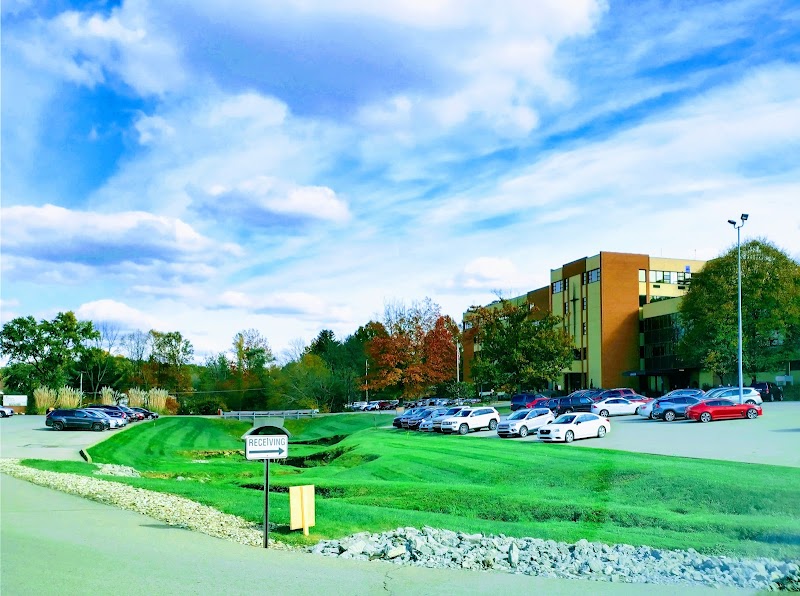
How is St John Specialty Staffed?

CMS rates ST JOHN SPECIALTY CARE CENTER's staffing level at 4 out of 5 stars, which is above average compared to other nursing homes. Staff turnover is 59%, which is 13 percentage points above the Pennsylvania average of 46%. High turnover can affect care consistency as new staff learn residents' individual needs.

What Have Inspectors Found at St John Specialty?

State health inspectors documented 42 deficiencies at ST JOHN SPECIALTY CARE CENTER during 2023 to 2025. These included: 41 with potential for harm and 1 minor or isolated issues.
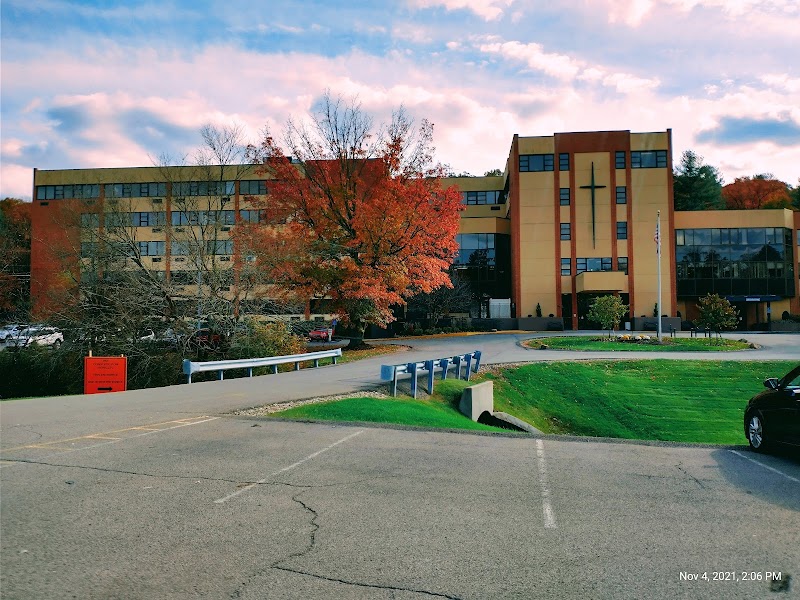
Who Owns and Operates St John Specialty?

ST JOHN SPECIALTY CARE CENTER is owned by a non-profit organization. Non-profit facilities reinvest revenue into operations rather than distributing to shareholders. The facility operates independently rather than as part of a larger chain. With 172 certified beds and approximately 133 residents (about 77% occupancy), it is a mid-sized facility located in MARS, Pennsylvania.
How Does St John Specialty Compare to Other Pennsylvania Nursing Homes?

Compared to the 100 nursing homes in Pennsylvania, ST JOHN SPECIALTY CARE CENTER's overall rating (1 stars) is below the state average of 3.0, staff turnover (59%) is significantly higher than the state average of 46%, and health inspection rating (2 stars) is below the national benchmark.

What Should Families Ask When Visiting St John Specialty?

Based on this facility's data, families visiting should ask: "What safeguards and monitoring systems are in place to protect residents from abuse or neglect?" "How do you ensure continuity of care given staff turnover, and what is your staff retention strategy?" "Can I visit during a mealtime to observe dining assistance and food quality?" "How do you handle medical emergencies, and what is your hospital transfer rate?" These questions are particularly relevant given the substantiated abuse finding on record and the facility's high staff turnover rate.

Is St John Specialty Safe?

Based on CMS inspection data, ST JOHN SPECIALTY CARE CENTER has documented safety concerns. The facility has 1 substantiated abuse finding (meaning confirmed case of resident harm by staff or other residents). The facility has a 1-star overall rating and ranks #100 of 100 nursing homes in Pennsylvania. Families considering this facility should ask detailed questions about what corrective actions have been taken since these incidents.

Do Nurses at St John Specialty Stick Around?

Staff turnover at ST JOHN SPECIALTY CARE CENTER is high. At 59%, the facility is 13 percentage points above the Pennsylvania average of 46%. High turnover means new staff may not know residents' individual needs, medications, or preferences. It can also be disorienting for residents, especially those with dementia who rely on familiar faces. Families should ask: What is causing the turnover? What retention programs are in place? How do you ensure care continuity during staff transitions?

Was St John Specialty Ever Fined?

ST JOHN SPECIALTY CARE CENTER has been fined $13,042 across 1 penalty action. This is below the Pennsylvania average of $33,209. While any fine indicates a compliance issue, fines under $50,000 are relatively common and typically reflect isolated problems that were subsequently corrected. Families should ask what specific issues led to these fines and confirm they've been resolved.

Is St John Specialty on Any Federal Watch List?

ST JOHN SPECIALTY CARE CENTER is not on any federal watch list. The most significant is the Special Focus Facility (SFF) program, which identifies the bottom 1% of nursing homes nationally based on persistent, serious quality problems. Not being on this list means the facility has avoided the pattern of deficiencies that triggers enhanced federal oversight. This is a positive indicator, though families should still review the facility's inspection history directly.