MONTGOMERYVILLE SKILLED NURSING AND REHABILITATI
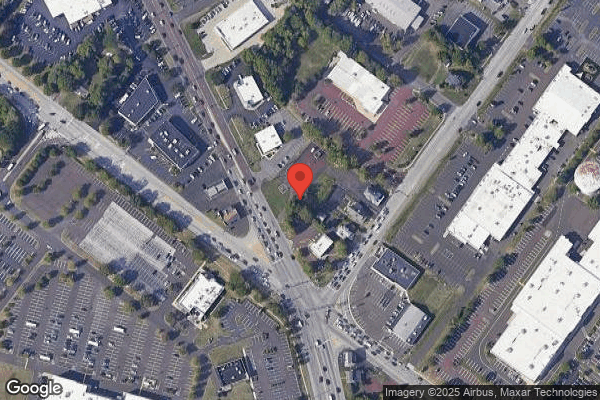
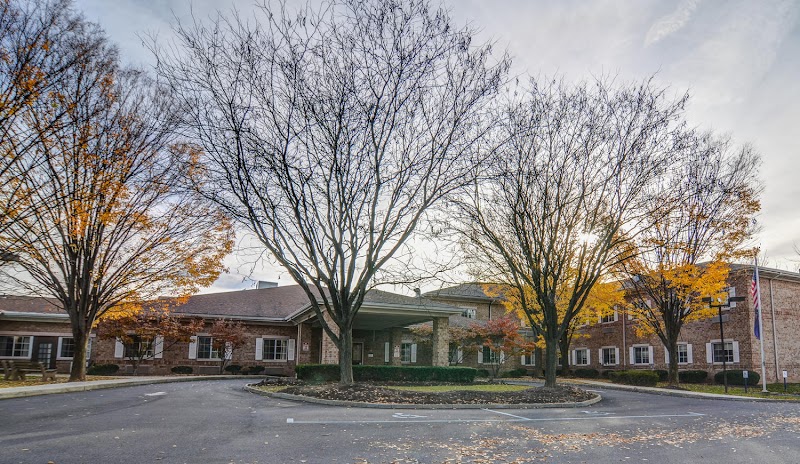
640 BETHLEHEM PIKE, MONTGOMERYVILLE, PA 18936 (215) 368-4350
For profit - Corporation 155 Beds GENESIS HEALTHCARE Data: November 2025
Trust Grade
50/100
#318 of 653 in PA
Last Inspection: June 2025

Inspected within the last 6 months. Data reflects current conditions.

Overview

Montgomeryville Skilled Nursing and Rehabilitation has received a Trust Grade of C, indicating it is average and sits in the middle of the pack among nursing homes. With a state ranking of #318 out of 653 and a county ranking of #38 out of 58 in Montgomery County, it falls in the top half of facilities. The facility is improving, as it reduced its issues from 23 in 2024 to just 4 in 2025. Staffing is a strength, with a 4 out of 5 stars rating and a higher RN coverage than 98% of Pennsylvania facilities, although it does struggle with a concerning staff turnover rate of 89%. There have been no fines reported, which is a positive sign. However, there were some significant concerns, including unsanitary food storage conditions in the kitchen and failure to implement physician orders for medication in some cases, which could impact residents' health. Overall, while there are strengths in staffing and an improving trend, families should be aware of the facility's recent issues and take them into account when making a decision.

Trust Score
C
50/100
In Pennsylvania
#318/653
Top 48%
Safety Record
Low Risk
No red flags
Inspections
Getting Better
23 → 4 violations
Staff Stability
⚠ Watch
89% turnover. Very high, 41 points above average. Constant new faces learning your loved one's needs.
Penalties
✓ Good
No fines on record. Clean compliance history, better than most Pennsylvania facilities.
Skilled Nurses
✓ Good
Each resident gets 143 minutes of Registered Nurse (RN) attention daily — more than 97% of Pennsylvania nursing homes. RNs are the most trained staff who catch health problems before they become serious.
Violations
⚠ Watch
40 deficiencies on record. Higher than average. Multiple issues found across inspections.
★★★☆☆
3.0
Overall Rating
★★★★☆
4.0
Staff Levels
★★☆☆☆
2.0
Care Quality
★★★☆☆
3.0
Inspection Score
Stable
2024: 23 issues
2025: 4 issues

The Good

  • 4-Star Staffing Rating · Above-average nurse staffing levels
  • Full Sprinkler Coverage · Fire safety systems throughout facility
  • No fines on record

Facility shows strength in staffing levels, fire safety.

The Bad

3-Star Overall Rating

Near Pennsylvania average (3.0)

Meets federal standards, typical of most facilities

Staff Turnover: 89%

43pts above Pennsylvania avg (46%)

Frequent staff changes - ask about care continuity

Chain: GENESIS HEALTHCARE

Part of a multi-facility chain

Ask about local staffing decisions and management

Staff turnover is very high (89%)

41 points above Pennsylvania average of 48%

The Ugly 40 deficiencies on record

Jun 2025 4 deficiencies
CONCERN (D)

Potential for Harm - no one hurt, but risky conditions existed

Deficiency F0655 (Tag F0655)

Could have caused harm · This affected 1 resident

**NOTE- TERMS IN BRACKETS HAVE BEEN EDITED TO PROTECT CONFIDENTIALITY** Based on facility policy review, clinical record review, and staff interview, it was determined that the facility failed to ensu...

Read full inspector narrative →
**NOTE- TERMS IN BRACKETS HAVE BEEN EDITED TO PROTECT CONFIDENTIALITY** Based on facility policy review, clinical record review, and staff interview, it was determined that the facility failed to ensure that the baseline care plan summary was provided to the resident and/or resident representative for two of 12 sampled residents. (Residents 5 and 110) Findings include: Review of the facility's policy entitled, Person-Centered Care Plan, dated June 2, 2025, revealed that a baseline plan of care was to be developed within 48 hours of admission. The baseline care plan was to include healthcare information necessary to properly care for a resident and must include initial goals based on admission orders, physician orders, dietary orders, therapy orders, social services, and pre-admission screening resident review, if applicable. The baseline care plan was to be updated as needed to meet the resident's needs until the comprehensive care plan was developed. The resident and/or representative were to be provided a written summary of the baseline care plan. Clinical record review revealed that Resident 5 was admitted to the facility on [DATE]. The baseline care plan was developed on June 13, 2025. There was a lack of evidence to support that the facility provided the resident and/or representative with a summary of the baseline care plan that included all the required components. Clinical record review revealed that Resident 110 was admitted to the facility on [DATE]. The baseline care plan was developed on June 16, 2025. There was a lack of evidence to support that the facility provided the resident and/or representative with a summary of the baseline care plan that included all the required components. In an interview conducted on June 26, 2025, at 10:10 a.m., the Administrator confirmed there were no evidence the baseline care plan summary was provided to the residents and/or representatives. 28 Pa. Code 201.18 (b)(1) Management.
CONCERN (D)

Potential for Harm - no one hurt, but risky conditions existed

Food Safety (Tag F0812)

Could have caused harm · This affected 1 resident

Based on facility policy review, observation, and staff interview, it was determined that the facility failed to store food in a sanitary manner on one of one nursing unit. (Rehabilitation unit) Revie...

Read full inspector narrative →
Based on facility policy review, observation, and staff interview, it was determined that the facility failed to store food in a sanitary manner on one of one nursing unit. (Rehabilitation unit) Review of the facility policy entitled, Food Brought in for Residents, dated June 2, 2025, revealed that foods that required refrigeration were to be labelled with the resident's name and the date and then discarded after three days upon notification to the resident. Observation of the Rehabilitation unit resident pantry on June 25, 2025, at 10:30 a.m., revealed in the freezer, a container of ice cream in a bag, a bottle of water, and a juice drink that were not labelled or dated. In the refrigerator, there was a cup of coffee dated June 4, 2025, but was not labelled. There was an opened container of nectar thick lemon-flavored water with a use-by date of June 2, 2025, and a yogurt with a use-by date of June 23, 2025. There was a large plastic lid labelled fresh fruit directly touching the shelf, and there was no bottom part of the container in the refrigerator. There was a sandwich, a bagel wrapped in foil, and a large white plastic bag that contained four sandwich bags of chips, pretzels, pickles, and grapes that were not labelled or dated. In an interview on June 25, 2025, at 1:07 p.m., the Administrator confirmed the unit pantry is for resident food items only. CFR 483.60(i) Food Safety Requirement Previously cited 5/22/24 28 Pa. Code 201.14(a) Responsibility of licensee. 28 Pa. Code 201.18(b)(3)(e)(2.1) Management.
CONCERN (E)

Potential for Harm - no one hurt, but risky conditions existed

Quality of Care (Tag F0684)

Could have caused harm · This affected multiple residents

Based on clinical record review, staff interview, and observations, it was determined that the facility failed to implement physicians' orders for two of 12 sampled residents. (Residents 4 and 159) Fi...

Read full inspector narrative →
Based on clinical record review, staff interview, and observations, it was determined that the facility failed to implement physicians' orders for two of 12 sampled residents. (Residents 4 and 159) Findings include: In an interview on June 26, 2025, at 10:00 a.m., the Director of Nursing stated that once a medication is administered, it should be recorded onto the resident's Medication Administration Record (MAR). If a dose of regularly scheduled medication is withheld, refused, or given at an other time other than what is scheduled, the reason should be documented on the MAR. Clinical record review revealed that Resident 4 had diagnosis of hypertension (high blood pressure). On June 11, 2025, the physician ordered staff to administer a blood pressure medication (hydralazine hydrochloride) three times a day. Staff was not to administer the medication if the resident's systolic blood pressure (SBP, the first measurement of blood pressure when the heart beats and the pressure is at its highest) was less than 100 millimeters of mercury (mmHg). Review of Resident 4's MAR for June 2025, revealed that staff administered the medication on June 19, 2025, when the SBP was less than 100 mmHg. On June 17 and 25, 2025, there was no documented evidence that the medication was offered to Resident 4 at 2:00 p.m., as scheduled. On June 12, 2025, the physician ordered staff to administer a blood pressure medication (amlodipine besylate) one time a day. Staff was not to administer the medication if the resident's SBP was less than 110 mmHg. Review of Resident 4's MAR for June 2025, revealed that staff administered the medication on June 21, 2025, when the SBP was less than 110 mmHg. On June 12, 2025, the physician ordered staff to administer a blood pressure medication (lisinopril) one time a day. Staff was not to administer the medication if the resident's SBP was less than 110 mmHg. Review of Resident 4's MAR for June 2025, revealed that staff administered the medication on June 21, 2025, when the SBP was less than 110 mmHg. On June 12, 2025, the physician ordered staff to administer a blood pressure medication (metoprolol) one time a day. Staff was not to administer the medication if the resident's heart rate (the number of times a heart beats in one minute) was less than 60. Review of Resident 4's June 2025 MAR revealed that staff administered the medication on June 15, 2025, when the resident's heart rate was less than 60. In an interview on June 26, 2025, at 10:02 a.m., the Director on Nursing confirmed that the medications were administered outside of established parameters and that staff should have documented on the MAR when the medication was offered to the resident. Clinical record review revealed that Resident 159 had diagnoses that included a history of traumatic brain injury and left elbow contracture. A physician's order dated June 23, 2025, directed staff to keep a left palm guard with finger separators in place on the resident's left hand at all times except for removal for hygiene tasks and skin checks every shift. Review of Resident 159's June 2025 MAR revealed that the palm guard was not in place on June 23 and 24, 2025. Observations of the resident's left hand on June 24, 2025, at 11:30 a.m., 1:30 p.m., and on June 25, 2025, at 11:09 a.m., revealed that the left palm guard was in place, but his fingers on the left hand were contracted and were overlapping one another. The finger separators were not in place. In an interview on June 26, 2025, at 1:51 p.m., the Administrator confirmed that the finger separators should have been in place, per the physician's order. CFR 483.25 Quality of Care Previously cited 5/22/24 28 Pa. Code 211.12(d)(1)(5) Nursing services.
CONCERN (E)

Potential for Harm - no one hurt, but risky conditions existed

Deficiency F0801 (Tag F0801)

Could have caused harm · This affected multiple residents

Based on staff interview, it was determined that the facility failed to employ a full-time qualified dietary services manager in the absence of a full-time qualified dietitian. Findings include: Duri...

Read full inspector narrative →
Based on staff interview, it was determined that the facility failed to employ a full-time qualified dietary services manager in the absence of a full-time qualified dietitian. Findings include: During an interview on June 24, 2025, at 11:45 a.m., the Food Service Director stated the facility did not employ a qualified dietary manager. There was no evidence that the facility had a qualified dietary services manager or a full-time dietitian. In an interview conducted on June 25, 2025, at 1:00 p.m., the Administrator confirmed that there was not a full-time dietitian employed at the facility and that the facility did not employ a qualified dietary manager in the absence of a full-time dietitian. 28 Pa. Code 201.18(b)(3) Management.
Sept 2024 1 deficiency
CONCERN (D) 📢 Someone Reported This

A family member, employee, or ombudsman was alarmed enough to file a formal complaint

Potential for Harm - no one hurt, but risky conditions existed

Deficiency F0582 (Tag F0582)

Could have caused harm · This affected 1 resident

**NOTE- TERMS IN BRACKETS HAVE BEEN EDITED TO PROTECT CONFIDENTIALITY** Based on review of facility policy, clinical record review and staff interview, it was determined that the facility failed to pr...

Read full inspector narrative →
**NOTE- TERMS IN BRACKETS HAVE BEEN EDITED TO PROTECT CONFIDENTIALITY** Based on review of facility policy, clinical record review and staff interview, it was determined that the facility failed to provide timely notice of non-covered Medicare and other expenses for one of three sampled residents who had been discharged from the facility. (Resident 1) Findings include: Review of the facility policy entitled Accounts Receivable Policies and Procedures, last reviewed February 1, 2024, revealed that facility was to conduct a 72 hour financial meeting with all new admissions. The business office was to discuss financial responsibilities of the resident/representative and set financial expectations essential to securing payment for services provided. In addition, the business office was to review the resident's current payer coverage (primary, secondary and tertiary) that included any private liability for co-insurance, co-pays and deductibles. Further review revealed that the first 20 days of Medicare days were 100% covered while in the facility. The next 21-100 days required a monetary amount per day under a co-insurance. At the time of the 72 hour meeting, the business office manager was to indicate with the resident if a co-insurance was to be billed and the terms other alternatives of payment was to be discussed as this meeting. At this time, the resident or resident representative was to sign off on the financial meeting resident hand out to indicate that all terms of payment had been discussed as per facility policy. Clinical record review revealed that Resident 1 was admitted to the facility on [DATE]. He was sent to the hospital on March 13 and was readmitted on [DATE]. The resident discharged from the facility on March 30, 2024. Resident 1 received a bill from the facility for payment of services for 44 days between February 15, 2024, through March 30, 2024, the day he was discharged from the facility. The bill reflected the balance of charges daily that were not covered under Medicare or his co-insurance. There was no documented evidence that Resident 1 had ever received notification from the facility through the 72 hour meeting that he was obligated to pay whatever services that Medicare of the secondary co-insurance did not cover. In an interview on September 30, 2024, at 12:30 p.m., the Administrator stated that there was no documented evidence that the facility had conducted the 72 hour meeting with the resident nor was his financial responsibilities discussed and documented during his stay at the facility as per facility policy and procedure. 28 Pa. Code 201.29(j) Resident rights.
Jul 2024 2 deficiencies
CONCERN (D) 📢 Someone Reported This

A family member, employee, or ombudsman was alarmed enough to file a formal complaint

Potential for Harm - no one hurt, but risky conditions existed

Resident Rights (Tag F0550)

Could have caused harm · This affected 1 resident

**NOTE- TERMS IN BRACKETS HAVE BEEN EDITED TO PROTECT CONFIDENTIALITY** Based on clinical record review and resident interview, it was determined that the facility failed to provide services to enhanc...

Read full inspector narrative →
**NOTE- TERMS IN BRACKETS HAVE BEEN EDITED TO PROTECT CONFIDENTIALITY** Based on clinical record review and resident interview, it was determined that the facility failed to provide services to enhance each resident's quality of life by offering showers as scheduled to two of seven sampled residents. (Residents 1, 7) Findings include: Clinical record review revealed that Resident 1 had diagnoses that included chronic respiratory failure, seizures, and diabetes. The Minimum Data Set assessment (MDS), dated [DATE], indicated that the resident had cognitive impairment and required staff assistance for bathing. According to the task flowsheet, the resident was to receive a shower twice per week, on Monday and Thursday. There was no documented evidence that Resident 1 was showered on July 8 or 18, 2024. Clinical record review revealed that Resident 7 had diagnoses that included heart failure. The MDS assessment, dated May 10, 2024, indicated that the resident had no cognitive impairment and required staff assistance for bathing. The resident was to receive a shower twice per week, on Wednesday and Saturday. During an interview on July 30, 2024, at 11:15 a.m., the resident reported that she preferred to take a shower twice a week and was not offered the opportunity to do so. Resident 7 stated that she would not refuse the opportunity to shower. Review of the clinical record revealed a lack of documentation to support that the resident was offered a shower three of six scheduled times in the past 30 days. In an interview on July 30, 2024, at 4:20 p.m., the Administrator confirmed there was no documented evidence that showers were given as scheduled. 28 Pa. Code 211.12(d)(1)(5) Nursing services.
CONCERN (D) 📢 Someone Reported This

A family member, employee, or ombudsman was alarmed enough to file a formal complaint

Potential for Harm - no one hurt, but risky conditions existed

Notification of Changes (Tag F0580)

Could have caused harm · This affected 1 resident

Based on clinical record review and staff interview, it was determined that the facility failed to notify the resident representative of a change in condition for one of seven sampled residents. (Resi...

Read full inspector narrative →
Based on clinical record review and staff interview, it was determined that the facility failed to notify the resident representative of a change in condition for one of seven sampled residents. (Resident 1) Findings include: Clinical record review revealed that Resident 1 had diagnoses that included chronic respiratory failure, seizures, and diabetes. The Minimum Data Set assessment, dated May 13, 2024, indicated that the resident had cognitive impairment. Review of a nurse's note dated June 30, 2024, revealed that Resident 1's right buttock was observed to be red and irritated with new orders from the physician to cleanse the area with normal saline solution, pat dry, and apply barrier cream and a foam border dressing. Review of a wound care progress note dated July 19, 2024, revealed that Resident 1 had a new left-sided anterior neck abrasion with orders to cleanse with wound cleanser and leave open to air. There was no documented evidence that the resident's representative was notified of the changes in condition. In an interview on July 30, 2024, at 12:45 p.m., the Director of Nursing confirmed that the resident's representative was not notified of the changes in condition. 28 Pa. Code 211.12(d)(1)(5) Nursing services.
May 2024 16 deficiencies
CONCERN (D)

Potential for Harm - no one hurt, but risky conditions existed

Deficiency F0558 (Tag F0558)

Could have caused harm · This affected 1 resident

Based on clinical record review and observation, it was determined that the facility failed to accommodate resident needs by providing access to the call bell system for one of 34 sampled residents. (...

Read full inspector narrative →
Based on clinical record review and observation, it was determined that the facility failed to accommodate resident needs by providing access to the call bell system for one of 34 sampled residents. (Resident 124) Findings include: Clinical record review revealed that Resident 124 had diagnoses that included depression. Review of the care plan revealed that the resident was at risk for falls and that staff was to reinforce the need to call for assistance. On May 19, 2024, from 9:52 a.m. through 1:16 p.m., the resident was observed lying in bed. There was no call bell plugged into the system for the resident's side of the room. On May 20, 2023, at 9:53 a.m., the resident was observed lying in bed. There was no call bell plugged into the system for the resident's use. On May 21, 2024, from 9:12 a.m. through 12:08 p.m., the resident was observed lying in bed. The call bell was on the nightstand, out of reach. 28 Pa. Code 211.12(d)(5) Nursing services.
CONCERN (D)

Potential for Harm - no one hurt, but risky conditions existed

Comprehensive Assessments (Tag F0636)

Could have caused harm · This affected 1 resident

Based on clinical record review, it was determined that the facility failed to complete a comprehensive assessment for two of 34 sampled residents. (Residents 106, 107) Findings include: Clinical reco...

Read full inspector narrative →
Based on clinical record review, it was determined that the facility failed to complete a comprehensive assessment for two of 34 sampled residents. (Residents 106, 107) Findings include: Clinical record review revealed that Resident 106 was transferred to and admitted to the hospital for a change in condition on April 14, 2024. There was no Minimum Data Set (MDS) assessment completed to reflect that the resident was discharged from the facility. In an interview on May 22, 2024, at 9:57 a.m., the Director of Nursing confirmed an MDS assessment had not been completed for Resident 106's discharge to the hospital. Clinical record review revealed that on March 29, 2024, the physician ordered hospice services for Resident 107. Review of a recent doctor's note dated May 1, 2024, revealed that the resident continued to be on hospice services. There was no MDS assessment completed to reflect the significant change in his status. In an interview on May 22, 2024, at 9:50 a.m., the Director of Nursing confirmed that a significant change MDS had not been completed for Resident 107 when he had been placed on hospice services.
CONCERN (D)

Potential for Harm - no one hurt, but risky conditions existed

Comprehensive Care Plan (Tag F0656)

Could have caused harm · This affected 1 resident

**NOTE- TERMS IN BRACKETS HAVE BEEN EDITED TO PROTECT CONFIDENTIALITY** Based on clinical record review and staff interview, it was determined that the facility failed to develop a comprehensive care ...

Read full inspector narrative →
**NOTE- TERMS IN BRACKETS HAVE BEEN EDITED TO PROTECT CONFIDENTIALITY** Based on clinical record review and staff interview, it was determined that the facility failed to develop a comprehensive care plan to meet each resident's needs for three of 34 sampled residents. (Residents 121, 124, 296) Findings include: Clinical record review revealed that Resident 121 was readmitted to the facility on [DATE], and had diagnoses that included acute pulmonary edema and congestive heart failure. There was no care plan developed to address Resident 121's needs. Clinical record review revealed that Resident 124 was admitted to the facility on [DATE], and had diagnoses that included bacteremia and benign prostatic hyperplasia (urinary condition). On April 25, 2024, the physician ordered for Resident 124 to have an indwelling urinary catheter. There was no evidence that interventions to address Resident 124's urinary status and catheter were included in the current care plan. Clinical record review revealed that Resident 296 was admitted to the facility on [DATE], and had diagnoses that included dependence on renal dialysis, nontraumatic ischemic infarction of the right lower leg muscle (blocked blood flow), and peripheral vascular disease. The Minimum Data Set (MDS) Care Area Assessment (CAA) summary dated May 11, 2024, noted that the resident's ADL (activities of daily living) function, urinary incontinence, pressure ulcers, and pain were to be addressed in the care plan. There was no evidence that interventions to address Resident 13's ADL function, urinary incontinence, pressure ulcers, or pain were included in the current care plan. In an interview on May 22, 2024, at 9:54 a.m., the Director of Nursing confirmed there was no documented evidence that the care areas were addressed in the residents' current care plans. CFR. 483.21(b)(1) Comprehensive Care Plans. Previously cited 6/1/23 28 Pa. Code 211.12(d)(1)(5) Nursing services.
CONCERN (D)

Potential for Harm - no one hurt, but risky conditions existed

Quality of Care (Tag F0684)

Could have caused harm · This affected 1 resident

**NOTE- TERMS IN BRACKETS HAVE BEEN EDITED TO PROTECT CONFIDENTIALITY** Based on clinical record review and staff interview, it was determined that the facility failed to follow physician orders for t...

Read full inspector narrative →
**NOTE- TERMS IN BRACKETS HAVE BEEN EDITED TO PROTECT CONFIDENTIALITY** Based on clinical record review and staff interview, it was determined that the facility failed to follow physician orders for three of 34 sampled residents. (Residents 107, 115, 296) Findings include: Clinical record review revealed that Resident 107 had diagnoses that included a history of sepsis (infection of the blood) and Alzheimer's disease. The Minimum Data Set (MDS) assessment dated [DATE], indicated that the resident had been on an antibiotic medication in the last seven days and that he had a primary medical condition of sepsis of an unspecified organism. On March 18, 2024, a physician ordered for staff to administer an antibiotic medication (amoxicillin) twice a day for seven days for a total of 14 doses of the medication. Review of the March 2024 Medication Administration Record (MAR), revealed that staff had not administered the first dose of the antibiotic on March 18, 2024. Review of a nursing note dated March 18, 2024, revealed that the antibiotic was not administered because it had not been available. Further review of the MAR, revealed that he received the last dose of the antibiotic on March 24, 2024. The resident only received 13 doses of the antibiotic. There was no documented evidence that the resident received the full 14 dose antibiotic treatment for the sepsis. In an interview on May 22, 2024, at 9:49 a.m., the Director of Nursing confirmed that the resident had not received the full treatment of the antibiotic medication to treat sepsis. Clinical record review revealed that Resident 115 had diagnoses that included a traumatic brain injury and pressure ulcers. Review of Resident 115's care plan revealed he had an alteration in skin integrity with an intervention for staff to elevate heels and use assistive devices. On March 23, 2024, the physician ordered for staff to apply pressure reducing boots while in bed. Observations on May 20, 2024, from 9:16 a.m. through 1:12 p.m., and May 21, 2024, from 9:12 a.m. through 12:08 p.m., revealed Resident 115 in bed with no pressure reducing boots in place. Clinical record review revealed that Resident 296 was admitted to the facility on [DATE], and had diagnoses that included a dependence on renal dialysis and nontraumatic ischemic infarction (blocked blood flow) of the right lower leg muscle. Review of Resident 115's hospital discharge instructions dated May 4, 2024, revealed he was to receive epoetin alpha (medication that helps your body produce red blood cells) three times a week. On May 4, 14, 17, and 20, 2024, the physician ordered for Resident 115 to receive epoetin alpha three times a week. In an interview on May 20, 2024 at 12:34 p.m., Resident 115's wife stated he had not received the epoetin at all during his stay. There was no documented evidence that Resident 115 had received epoetin alpha as ordered by the physician. In an interview on May 22, 2024 at 9:54 a.m., the Director of Nursing confirmed that Resident 115 did not receive his ordered epoetin alpha in a timely manner. CFR 483.25 Quality of Care. Previously cited 2/12/24 28 Pa. Code 211.12(d)(1)(5) Nursing services.
CONCERN (D)

Potential for Harm - no one hurt, but risky conditions existed

Deficiency F0688 (Tag F0688)

Could have caused harm · This affected 1 resident

**NOTE- TERMS IN BRACKETS HAVE BEEN EDITED TO PROTECT CONFIDENTIALITY** Based on clinical record review, observation, and staff interview, it was determined that the facility failed to provide service...

Read full inspector narrative →
**NOTE- TERMS IN BRACKETS HAVE BEEN EDITED TO PROTECT CONFIDENTIALITY** Based on clinical record review, observation, and staff interview, it was determined that the facility failed to provide services and treatment to prevent further limitations in range of motion for one of five sampled residents who had limitations in range of motion. (Resident 41) Findings include: Clinical record review revealed that Resident 41 had a diagnosis of a stroke with hemiplegia, (paralysis), of the non-dominant left side. The Minimum Data Set assessment dated [DATE], indicated that the resident had some memory impairment and had limitations in range of motion on one side of the lower and upper extremities. A review of the care plan revealed that the resident had an activites of daily living deficit due to physician limitations. There was a current intervention for staff to apply a left resting hand splint in the morning and to remove it at night. In addition, there was a current physician order since March 8, 2024, for staff to apply the left resting hand splint every day to prevent contractures. Review of an occupational therapy evaluation dated May 16, 2024, revealed that the left resting hand splint was missing. On May 19, 2020, at 11:30 a.m., 12:10 p.m., 1:21 p.m., and 1:51 p.m., the resident was observed dressed and seated in her reclining broda chair without the left resting hand splint in place. In an interview on May 22, 2024, at 9:49 a.m., the Director of Nursing stated that the left resting hand splint was to be in place as ordered by the physician and that the splint was found to have been missing. CFR 483.25(c)(1)-(3) Increase/Prevent Decrease in ROM/Mobility Previously cited 6/1/23. 28 Pa. Code 211.12(d)(1)(5) Nursing services.
CONCERN (D)

Potential for Harm - no one hurt, but risky conditions existed

Accident Prevention (Tag F0689)

Could have caused harm · This affected 1 resident

Based on facility policy review, clinical record review, and staff interview, it was determined that the facility failed to provide adequate supervision and interventions to prevent accidents for two ...

Read full inspector narrative →
Based on facility policy review, clinical record review, and staff interview, it was determined that the facility failed to provide adequate supervision and interventions to prevent accidents for two of five residents at risk for accidents. (Residents 2, 100). Findings include: Clinical record review revealed that Resident 2 had diagnoses that included traumatic brain injury and history of falls. Review of Resident 2's care plan revealed he was at risk for falls with interventions for staff to provide music or YouTube videos and to provide a laptop to watch baseball games. On May 19, 2024, at 9:15 a.m. through 10:45 a.m., and 12:08 p.m. through 12:45 p.m., Resident 2 was observed in his wheelchair in the hallway with no music, videos, or laptop. On May 20, 2024, at 10:05 a.m. through 12:35 p.m., Resident 2 was again observed in his wheelchair in the hallway with no music, videos, or laptop. In an interview on May 22, 2024, at 12:13 p.m., the Director of Nursing confirmed that staff should have provided music, YouTube videos, or a laptop to watch baseball games to Resident 2. Clinical record review revealed that Resident 100 had diagnoses that included hemiparesis (paralysis) to the left side, dysphagia (difficulty swallowing), and pneumonitis (inflammation of lung) due to inhalation of food. On April 6, 2023, the physician ordered for staff to provide supervision during meals for aspiration precautions (guidelines to prevent food or liquid from entering the lungs). On May 19, 2024, at 12:26 p.m. through 12:58 p.m., Resident 100 was observed in bed eating lunch without supervision from staff. On May 20, 2024, at 12:05 p.m. through 12:36 p.m., Resident 100 was again observed in bed eating lunch without supervision from staff. In an interview on May 22, 2024, at 9:58 a.m., the Director of Nursing confirmed that staff should have provided supervision of Resident 100 during meals. CFR 483.25(d)(2) Accidents. Previously cited 4/3/24 28 Pa. Code 211.12(d)(1)(5) Nursing services.
CONCERN (D)

Potential for Harm - no one hurt, but risky conditions existed

Deficiency F0698 (Tag F0698)

Could have caused harm · This affected 1 resident

Based on policy review, clinical record review, and staff interview, it was determined that the facility failed to provide services consistent with professional standards of practice for one of two re...

Read full inspector narrative →
Based on policy review, clinical record review, and staff interview, it was determined that the facility failed to provide services consistent with professional standards of practice for one of two residents who received dialysis. (Resident 39) Findings include: A review of the facility policy entitled, Dialysis: Hemodialysis (HD) Provided by a Certified Dialysis Facility, last reviewed February 1, 2024, revealed that professional standards of practice included ongoing communication and collaboration with the dialysis facility regarding HD care and services. The care of the patient who received HD reflected ongoing communication, coordination, and collaboration between the center and dialysis staff. Communication included medication administration and changes, advanced directive and code status, and changes to functional status or falls. Clinical record review revealed that Resident 39 had diagnoses that included hypertension, heart failure, and end stage renal disease. Review of the resident's dialysis communication forms revealed that the pre-treatment report, which included code status, medications administered prior to dialysis, vital signs, falls, and relevant changes since the last treatment, was to be completed by the facility nurse. Further review of the resident's dialysis communication forms from April and May 2024, revealed that the pre-treatment report section of the communication forms was incomplete on April 1, 3, 5, 8, 10, 12, 15, 17, 19, 24, 26, and 29, 2024, and May 1, 6, 3, 8, 10, 15, and 17, 2024. In an interview on May 22, 2024, at 12:46 p.m., the Director of Nursing confirmed that the dialysis pre-treatment report was to be completed and was incomplete on those dates. 28 Pa. Code 211.12(d)(1)(3)(5) Nursing services.
CONCERN (D)

Potential for Harm - no one hurt, but risky conditions existed

Deficiency F0699 (Tag F0699)

Could have caused harm · This affected 1 resident

Based on clinical record review and staff interview, it was determined that the facility failed to develop and implement a individualized, person-centered plan to render trauma informed care to a resi...

Read full inspector narrative →
Based on clinical record review and staff interview, it was determined that the facility failed to develop and implement a individualized, person-centered plan to render trauma informed care to a resident with a diagnosis of post-traumatic stress disorder (PTSD) for one of 34 sampled residents. (Resident 84) Findings include: Clinical record review revealed that Resident 84 had diagnoses that included bipolar disorder, depression, anxiety, aphasia (impaired ability to understand or form language), and PTSD. Further review of the resident's clinical record revealed that there were no resident specific interventions to meet the resident's needs for minimizing triggers or preventing re-traumatization. In an interview on May 22, 2024, at 11:51 a.m., the Director of Nursing confirmed the resident had a diagnoses of PTSD, and no individualized care plan was developed. 28 Pa. Code 211.12(d)(1)(5) Nursing services.
CONCERN (D)

Potential for Harm - no one hurt, but risky conditions existed

Drug Regimen Review (Tag F0756)

Could have caused harm · This affected 1 resident

Based on facility policy review, clinical record review, and staff interview, it was determined that the facility failed to ensure that pharmacy recommendations were acted upon by the physician for on...

Read full inspector narrative →
Based on facility policy review, clinical record review, and staff interview, it was determined that the facility failed to ensure that pharmacy recommendations were acted upon by the physician for one of 34 sampled residents. (Resident 111) Findings include: A review of the facility policy entitled, Medication Regimen Review, last reviewed February 1, 2024, revealed that the facility was to ensure that the attending physician, Medical Director, and Director of Nursing (DON) were provided with copies of the medication regimen reviews. The attending physician should document in the resident's record that an irregularity was reviewed and what, if any, action had been taken to address it. The attending physician should have addressed the consultant pharmacist's recommendation on their next scheduled visit to the facility to assess the resident, and no later than 60 days. Clinical record review revealed that Resident 111 had diagnoses that included dementia and insomnia. On October 31, 2023, the physician ordered for staff to administer melatonin (a hormone that assisted with sleep) three milligrams (mg) with instructions to provide one mg by mouth once a day for insomnia. On February 22, 2024, the pharmacist noted that the dose of the melatonin was to be clarified by the physician. On May 3, 2024, the pharmacist again noted that the dose of the melatonin was to be clarified by the physician. There was no evidence that Resident 111's physician acknowledged or acted upon the pharmacist's recommendation. In an interview on May 22, 2024, at 9:57 a.m., the Director of Nursing confirmed that the physician did not address the pharmacist's recommendation from February 22, 2024. 28 Pa. Code 211.12(d)(1)(3)(5) Nursing services.
CONCERN (D)

Potential for Harm - no one hurt, but risky conditions existed

Deficiency F0806 (Tag F0806)

Could have caused harm · This affected 1 resident

**NOTE- TERMS IN BRACKETS HAVE BEEN EDITED TO PROTECT CONFIDENTIALITY** Based on clinical record review, review of facility documentation, observation, and resident interview, it was determined that t...

Read full inspector narrative →
**NOTE- TERMS IN BRACKETS HAVE BEEN EDITED TO PROTECT CONFIDENTIALITY** Based on clinical record review, review of facility documentation, observation, and resident interview, it was determined that the facility failed to ensure that a resident's preference at meal times had been accommodated for two of 34 sampled residents. (Residents 49, 126) Findings include: Clinical record review revealed that Resident 49 had diagnoses that included dysphagia (difficulty swallowing) and atrial fibrillation. Reivew of the Minimum Data Set (MDS) assessment dated [DATE], revealed the resident had no cognitive impairment. Review of Resident 49's care plan revealed she had a nutritional risk with an intervention for staff to honor food preferences. In an interview on May 19, 2024, at 12:43 p.m., the resident stated that she often didn't receive the food that she ordered. According to the resident's meal selection sheet (a document completed weekly by the resident to select food choices) she requested spinach, egg, and cheese casserole for lunch that day. When her lunch tray was observed at 12:50 p.m., she received turkey, mashed potatoes, and carrots. The resident stated that she didn't like these items. Clinical record review revealed that Resident 126 was admitted to the facility on [DATE], with diagnoses that included hypertension (high blood pressure) and hyponatremia (low sodium levels). Review of the MDS assessment dated [DATE], revealed that the resident had no cognitive impairment. Review of Resident 126's care plan revealed she had an altered nutrition status with an intervention for staff to honor food preferences. On May 20, 2024, at 12:34 p.m., Resident 126 was observed to receive fish as her meal. At that time, the resident stated she did not like fish and ordered a burger with raw onions. The resident's tray card indicated that the resident was to receive a burger with raw onions. 28 Pa. Code 201.14(a) Responsibility of licensee. 28 Pa. Code 201.18(b) Management.
CONCERN (D)

Potential for Harm - no one hurt, but risky conditions existed

Deficiency F0808 (Tag F0808)

Could have caused harm · This affected 1 resident

**NOTE- TERMS IN BRACKETS HAVE BEEN EDITED TO PROTECT CONFIDENTIALITY** Based on clinical record review, observation, and resident and staff interview, it was determined that the facility failed to en...

Read full inspector narrative →
**NOTE- TERMS IN BRACKETS HAVE BEEN EDITED TO PROTECT CONFIDENTIALITY** Based on clinical record review, observation, and resident and staff interview, it was determined that the facility failed to ensure that a therapeutic diet was provided as recommended by a registered dietician to one of 14 sampled residents who were at risk for weight loss. (Resident 43) Findings include: Clinical record review revealed that Resident 43 had diagnoses that included rhabdomyolysis (breakdown of muscle tissue), diabetes, and anemia. The Minimum Data Set assessment dated [DATE], indicated that the resident was alert and oriented, had weight loss, was not on a prescribed weight loss program, and was on a therapeutic diet. Review of a registered dietician's note dated March 7, 2024, revealed that the resident had a weight loss, had a good appetite, and that the resident stated he feels that breakfast portions can sometimes be too small. At that time, the dietician documented that the resident was to be provided with double portions at meals. Review of the facility master diet guide sheet revealed that on May 20, 2024, the meal served at lunch was three ounces of baked chicken, four ounces of seasoned zucchini, and a half-cup of orzo and fruit ambrosia salad. On May 20, 2024, Resident 43 was observed in his room and he had been served his lunch. Review of his tray card revealed that he was to receive double portions of food at his meals. At that time, he only received one portion each of the lunch items listed above. Resident stated he had a good appetite and liked to eat all of his food. In an interview on May 22, 2024, at 9:51 a.m., the Director of Nursing stated that the resident was to receive double portions of food at his meals. 28 Pa. Code 211.12(d)(3)(5) Nursing services.
CONCERN (D)

Potential for Harm - no one hurt, but risky conditions existed

Deficiency F0809 (Tag F0809)

Could have caused harm · This affected 1 resident

Based on facility documentation review, observation, and family, resident, and staff interview, it was determined that the facility failed to ensure that meals were served at regularly scheduled times...

Read full inspector narrative →
Based on facility documentation review, observation, and family, resident, and staff interview, it was determined that the facility failed to ensure that meals were served at regularly scheduled times, in a timely manner, and in accordance with the residents' needs on one of three the nursing units. (Second floor nursing unit) Findings include: Review of the facility meal times schedule revealed that lunch was to arrive on the nursing units between 11:30 a.m. and 1:00 p.m On May 19, 2024, at 12:45 p.m., confidential staff interviews on the second floor nursing unit revealed that the lunch was being served very late today and had been served late on other occasions. In a confidential interview on May 19, 2024, at 1:09 p.m., a family member of a resident on the second floor stated that meals were frequently served late. Observation at that time revealed that the resident of this family member did not receive lunch until 1:15 p.m., 15 minutes after the latest scheduled time for the meals to arrive on the nursing units. In an interview on May 19, 2024, at 1:00 p.m., Residents 32 and 34 stated that they were waiting for their lunches and that the meals today were very late. In addition, they both stated that they were hungry and were anxiously awaiting their meals. Residents 32 and 34 did not receive their meals until 1:40 p.m., 40 minutes past the latest scheduled time for the meals to arrive on the nursing units. 28 Pa. Code 201.14(a) Responsibility of licensee.
CONCERN (E)

Potential for Harm - no one hurt, but risky conditions existed

Safe Environment (Tag F0584)

Could have caused harm · This affected multiple residents

**NOTE- TERMS IN BRACKETS HAVE BEEN EDITED TO PROTECT CONFIDENTIALITY** Based on observations, it was determined that the facility failed to maintain the resident environment in a safe, clean and home...

Read full inspector narrative →
**NOTE- TERMS IN BRACKETS HAVE BEEN EDITED TO PROTECT CONFIDENTIALITY** Based on observations, it was determined that the facility failed to maintain the resident environment in a safe, clean and homelike manner for two of three nursing units. (Rehab and Second floor) Findings include: Observations on May 19, 2024, at 10:00 a.m., on the Rehab nursing unit revealed that in resident room [ROOM NUMBER], there was a piece of tile missing next to the door. In resident rooms [ROOM NUMBER], there were chunks of paint missing on the wall. In resident room [ROOM NUMBER], there were two small holes in the wall where the glove rack had been hanging, but the rack was missing. In resident room [ROOM NUMBER], white splatter was observed at the bottom of the door. There were stained ceiling tiles in resident room [ROOM NUMBER] and in the hallway near Resident rooms [ROOM NUMBER]. The central bathing area on the Rehabilitation unit did not have soap in the dispenser by the sink and the toilet tank cover was missing. Observations made during an environmental tour on May 19, 2024, at 10:14 a.m., revealed that the refridgerators in the pantry on the second floor nursing unit had multiple containers of food items that were not labeled or dated. There was a carton of thickened lemon flavored water that was opened and dated March 19, 2024. The manufacturer's instructions on the carton indicated that the water could be kept for up to seven days once opened in the refrigerator. The refrigerator bottom drawers were soiled with a red liquid substance. The freezer contained frozen bottles of water, a frozen milk carton, and food items that were either opened or in plastic that were not labeled or dated. Observations on May 20, 2024, at 12:41 p.m., on the second floor nursing unit revealed that there was a small linen cart located on the B wing in the hallway. On this cart, was a bottle of [NAME] butter lotion, a dirty glove, a soiled plastic cup, and an opened package of disposable razors. Observations on May 21, 2024, at 12:25 p.m. revealed that the fall mat by the bed in room [ROOM NUMBER] was soiled. In addition, the wall below the handrail near the entrance of room [ROOM NUMBER] was damaged and there was a hole in the wall. CFR 483.10(i)(1)-(7) Safe/Clean/Comfortable/Homelike environment Previously cited 6/1/23. 28 Pa.Code 207.2(a) Administrator's responsibility.
CONCERN (E)

Potential for Harm - no one hurt, but risky conditions existed

Deficiency F0692 (Tag F0692)

Could have caused harm · This affected multiple residents

**NOTE- TERMS IN BRACKETS HAVE BEEN EDITED TO PROTECT CONFIDENTIALITY** Based on facility policy review, clinical record review, and staff interview, it was determined that the facility failed to moni...

Read full inspector narrative →
**NOTE- TERMS IN BRACKETS HAVE BEEN EDITED TO PROTECT CONFIDENTIALITY** Based on facility policy review, clinical record review, and staff interview, it was determined that the facility failed to monitor and assess resident weights and weight changes for five of 14 reviewed residents who were at risk for weight loss. (Residents 36, 73, 84, 95, 122) Findings include: Review of the facility policy entitled, Weights and Heights, last reviewed February 1, 2024, revealed that residents were to be weighed upon admission and/or re-admission, then weekly for four weeks and monthly thereafter. Additional weights may be obtained at the discretion of the interdisciplinary care team. In an interview on May 21, 2024, at 1:24 p.m., the Director of Nursing stated that reweighs should be completed the next day. Clinical record review revealed that Resident 36 had diagnoses that included dementia and heart disease. Review of the care plan revealed that the resident had an alteration in nutritional status due to dementia and weight loss with an intervention to review monthly weights and notify the doctor of significant weight loss. Review of the documented weights revealed that on January 1, 2024, the resident's weight was 143.6 pounds (lbs) and on February 1, 2024, her weight was 120 lbs. The resident had a 23.6 pound (lb) weight loss in 30 days. There was no documented evidence that the weight loss was addressed in a timely manner. On March 8, 2024, a dietician noted that the resident had a significant weight loss. In an interview on May 22, 2024, at 12:11 p.m., the Director of Nursing confirmed that the significant weight loss for Residents 36 had not been addressed in a timely manner. Clinical record review revealed that Resident 73 had diagnoses that included dementia and anemia. Review of the care plan revealed the resident was at nutritional risk due to inadequate intake and significant weight loss. There was no evidence that the resident's monthly weight was obtained in January, February, March, or April 2024, per facility policy. Clinical record review revealed that Resident 84 had diagnoses that included dysphagia and aphasia (comprehension and communication disorder). Review of the care plan revealed that the resident was at nutritional risk due to inadequate intake. On January 11, 2024, the resident weighed 198.4 lbs, and on February 1, 2023, the resident weighed 162.8 lbs, which reflected a significant weight loss of 35.6 lbs (17.9%), in less than 30 days. There was no evidence that a reweigh was obtained in 24 hours or that the significant weight loss was identified or addressed in a timely manner. On March 1, 2024, the resident weighed 159.8 lbs, which confirmed the ongoing weight loss. There was no evidence that the weight loss was addressed or that the resident was assessed until March 12, 2024. Clinical record review revealed that Resident 95 was admitted to the facility on [DATE], and had diagnoses that included hydrocephalus (water on the brain), diabetes, and depression. Review of the care plan revealed that the resident was at risk for alteration in nutrition status. The resident was weighed on April 26, 2024 and May 1, 2024. There was no documented evidence that Resident 95 was weighed weekly after admission per facility policy. Clinical record review revealed that Resident 122 had diagnoses that included end stage renal disease with hemodialysis, legal blindness, and depression. Review of the care plan revealed that the resident was at risk for malnutrition. The resident was admitted to the facility on [DATE], and weighed 143.4 lbs at that time. There was no evidence that the resident was weighed again until February 28, 2024, not weekly per facility policy. In an interview on May 22, 2024, at 9:57 a.m., the Director of Nursing confirmed that the residents had not been weighed or assessed per facility policy. CFR 483.25(g)(1) Maintain acceptable parameters of nutritional status. Previously cited 12/6/23 28 Pa. Code 211.12(d)(1)(3)(5) Nursing services.
CONCERN (F)

Potential for Harm - no one hurt, but risky conditions existed

Food Safety (Tag F0812)

Could have caused harm · This affected most or all residents

Based on observation and interview, it was determined that the facility failed to store and serve food under sanitary conditions in the kitchen. Findings include: Observation of the kitchen on May 1...

Read full inspector narrative →
Based on observation and interview, it was determined that the facility failed to store and serve food under sanitary conditions in the kitchen. Findings include: Observation of the kitchen on May 19, 2024, at 9:20 a.m., revealed the following: On a food preparation surface with a microwave, there was an open Pepsi bottle, a staff drink cup, an apron, a mask, crumbs and debris, Styrofoam cups, and plastic lids. The corner of the wall at the entry way was marred and peeling. There was an accumulation of food that remained in the dish machine trap. In an interview, Dietary Aide (DA) 1 stated that the dish machine had not yet been used on that date. On the bottom shelf of a food preparation surface, there was an accumulation of debris that included dust and crumbs on a case of corn starch. There was a rolling cart in the hot food preparation area with a ladle and an open container of powdered potatoes on the cart. In an interview, [NAME] 1 stated that the potatoes had not been used on that date and were left out and uncovered from the previous day. There was an accumulation of a dried, white substance that appeared to have dripped down the front of the oven doors. There was an accumulation of an unidentified substance on the bulk rice and flour bins. There was an open container of peanut butter with a spoon stored in the container. In the walk-in refrigerator, there was a pan of packaged raw beef and pork that were not dated. There were pans of macaroni and cheese and rice that were not dated. There were open packages of hard- boiled eggs and chicken patties that were not sealed and left open to air. In the walk-in freezer, there was a box of frozen potatoes that was stored on the floor. There were open boxes of frozen bread dough and pizzas that were not sealed and left open to air. In dry storage, there was a bag of baking powder that was not sealed and left open to air. Observation of the tray line service on May 21, 2024, at 11:31 a.m., revealed a fan on the counter at the tray line. There was an accumulation of dust on the fan which was blowing onto the plates. [NAME] 2 was wearing gloves and assembling resident plates on the tray line. [NAME] 2 left the tray line, opened and obtained items from the reach-in refrigerator, returned to tray line, and continued to assemble resident plates and handle ready to eat food, without changing gloves or performing hand hygiene. CFR 483.60(i)(1)(2) Food Procurement Store/Prepare/Serve-Sanitary Previously cited 6/1/23. 28 Pa. Code 201.18(b)(3) Management.
MINOR (B)

Minor Issue - procedural, no safety impact

Deficiency F0804 (Tag F0804)

Minor procedural issue · This affected multiple residents

Based on resident interview, review of facility documentation, observation, and results of a test tray audit, it was determined that the facility failed to provide food that was palatable and at accep...

Read full inspector narrative →
Based on resident interview, review of facility documentation, observation, and results of a test tray audit, it was determined that the facility failed to provide food that was palatable and at acceptable temperatures on three of three nursing units. (Rehab, First floor, and Second floor nursing units) Findings include: During interviews on May 19, 2024, between 10:22 a.m. and 1:10 p.m., Residents 62, 88, and 144, stated that the food was often served cold. In a group interview conducted on May 20, 2024, at 10:00 a.m., Residents 60, 120, 126, and 134, stated that the food was often served cold. During interviews on May 20, 2024, between 11:00 a.m. and 12:45 p.m., Residents 20 and 66 stated that the food was often served cold. Review of the facility's Food and Nutrition Services Test Tray Evaluation, revealed that the temperature range of hot items should be greater than 140 degrees Fahrenheit (F). A test tray conducted on May 21, 2024, at 12:07 p.m., revealed chicken at a temperature of 120 degrees F, rice at a temperature of 119 degrees F, and corn at a temperature of 118 degrees F. In an interview on May 21, 2024, at 12:56 p.m. the Director of Dietary confirmed that the items did not maintain acceptable temperatures at the point of service. 28 Pa. Code 201.14(a) Responsibility of licensee.
Apr 2024 1 deficiency
CONCERN (D) 📢 Someone Reported This

A family member, employee, or ombudsman was alarmed enough to file a formal complaint

Potential for Harm - no one hurt, but risky conditions existed

Accident Prevention (Tag F0689)

Could have caused harm · This affected 1 resident

**NOTE- TERMS IN BRACKETS HAVE BEEN EDITED TO PROTECT CONFIDENTIALITY** Based on clinical record review, facility documentation review, and staff interview, it was determined that the facility failed ...

Read full inspector narrative →
**NOTE- TERMS IN BRACKETS HAVE BEEN EDITED TO PROTECT CONFIDENTIALITY** Based on clinical record review, facility documentation review, and staff interview, it was determined that the facility failed to ensure that safety interventions were implemented during a transfer from bed to chair for one of four sampled residents. (Resident 1) Findings include: Clinical record review revealed that Resident 1 was admitted to the facility on [DATE], with diagnoses that included brain bleed, stroke, and bipolar disorder. The Minimum Data Set assessment dated [DATE], revealed that the resident was non-ambulatory, dependent upon staff for care, and required the assistance of two staff with the use of a lift for transfers out of bed. The resident's care plan dated March 23, 2024, directed staff to provided full assistance of two staff members with the use of a lift for all transfers out of bed. Nursing documentation dated March 28, 2024, at 11:00 a.m., indicated that the resident was heard yelling for staff while seated in her wheelchair in her room. The resident stated that her head got bumped while being transferred out of bed with the lift. Review of the facility investigation revealed that only one staff member had used the lift to transfer the resident out of bed. In an interview on April 3, 2024, at 10:00 a.m, the Director of Nursing confirmed that the nursing assistant failed to ensure that the assistance of two staff members was provided during the transfer of Resident 1 from the bed to the wheelchair on March 28, 2024. 28 Pa. Code 211.12(d)(1)(5) Nursing services.
Mar 2024 1 deficiency
CONCERN (D) 📢 Someone Reported This

A family member, employee, or ombudsman was alarmed enough to file a formal complaint

Potential for Harm - no one hurt, but risky conditions existed

Deficiency F0660 (Tag F0660)

Could have caused harm · This affected 1 resident

**NOTE- TERMS IN BRACKETS HAVE BEEN EDITED TO PROTECT CONFIDENTIALITY** Based on policy review, clinical record review, and staff interview, it was determined that the facility failed to implement an ...

Read full inspector narrative →
**NOTE- TERMS IN BRACKETS HAVE BEEN EDITED TO PROTECT CONFIDENTIALITY** Based on policy review, clinical record review, and staff interview, it was determined that the facility failed to implement an effective discharge planning process to prepare residents for discharge for one of three sampled residents. (Resident 1) Findings include: Review of facility policy entitled, Discharge with Medications, dated February 1, 2024, revealed that staff was to review the medication orders and directions for use with the resident before the resident's discharge to home with the medications and to document this review in the resident's medical record. Review of facility policy entitled, Discharge Planning Process, dated February 1, 2024, revealed that staff was to provide a copy of the Discharge Transition Plan and Discharge Packet to all residents discharging to home. Clinical record review revealed that Resident 1 had diagnoses that included diabetes, end stage renal disease, hypertension, atrial fibrillation, and pain. Review of the Minimum Data Set assessment dated [DATE], revealed the resident had no memory impairment. The resident discharged to home on March 8, 2024. His remaining medications at that time included oxycodone, cyclobenzapine, apixaban, clopidogrel, phoslo oral, gabapentin, famotidine, valsartan, ProSource liquid and carvedilol. Review of the clinical record revealed there was no documentation to support that the resident was provided the remaining medications and/or a copy of the Discharge Transition Plan and Discharge Packet upon discharge. In an interview on March 12, 2024, at 2:08 p.m., the Director of Nursing confirmed there was no documentation to support that the discharge planning process was followed as per facility policy for Resident 1. 28 Pa. Code 211.12(d)(1)(5) Nursing services.
Feb 2024 1 deficiency
CONCERN (D) 📢 Someone Reported This

A family member, employee, or ombudsman was alarmed enough to file a formal complaint

Potential for Harm - no one hurt, but risky conditions existed

Quality of Care (Tag F0684)

Could have caused harm · This affected 1 resident

Based on clinical record review and staff interview, it was determined that the facility failed to ensure that physician's orders were implemented for one of three sampled residents. (Resident 1) Find...

Read full inspector narrative →
Based on clinical record review and staff interview, it was determined that the facility failed to ensure that physician's orders were implemented for one of three sampled residents. (Resident 1) Findings include: Clinical record reivew revealed that Resident 1 had diagnoses that included diabetes, anemia, sepsis and chronic pressure ulcers. On January 3, 2024, a physican directed staff to schedule a cardiology consultation for the resident. Clinical record review revealed that as of February 12, 2024, the consultation was not scheduled. In an interview of February 12, 2024, at 12:05 p.m., the Director of Nursing confirmed that the consultation was not scheduled as ordered by the physician. 28 Pa. Code 211.12 (d)(1)(5) Nursing services.
Jan 2024 1 deficiency
CONCERN (D) 📢 Someone Reported This

A family member, employee, or ombudsman was alarmed enough to file a formal complaint

Potential for Harm - no one hurt, but risky conditions existed

Notification of Changes (Tag F0580)

Could have caused harm · This affected 1 resident

**NOTE- TERMS IN BRACKETS HAVE BEEN EDITED TO PROTECT CONFIDENTIALITY** Based on clinical record review, policy review, and staff interview, it was determined that the facility failed to notify the re...

Read full inspector narrative →
**NOTE- TERMS IN BRACKETS HAVE BEEN EDITED TO PROTECT CONFIDENTIALITY** Based on clinical record review, policy review, and staff interview, it was determined that the facility failed to notify the resident's responsible party of a change in treatment for one of six sampled residents. (Resident 1) Findings include: Review of the facility's policy entitled, Change in Condition: Notification of, dated February 2023, revealed that the Center must immediately inform the resident's representative when there was a need to alter treatment significantly such as a need to discontinue, change, or commence a treatment. Clinical record review revealed that Resident 1 was admitted to the facility on [DATE], with diagnoses that included atrial fibrillation, seizures, and diabetes. The Minimum Data Set assessment dated [DATE], revealed the resident had memory impairment. On January 4, 2024, based on electrocardiogram results, the physician directed staff to hold the medications, amiodarone and Toprol-XL until the resident was seen by the cardiologist for a scheduled consultation on March 24, 2024. On January 4, 2024, the physician directed staff to administer hydralazine 25 milligrams (mg) twice a day for blood pressure control. There was no documentation in the clinical record to support that the responsible party was notified of the medication changes. In an interview on January 29, 2024, at 2:24 p.m., the Director of Nursing confirmed there was no documentation to support the resident's responsible party had been notified of the medication changes. 28 Pa. Code 211.12(d)(1)(5) Nursing services.
Dec 2023 1 deficiency
CONCERN (D) 📢 Someone Reported This

A family member, employee, or ombudsman was alarmed enough to file a formal complaint

Potential for Harm - no one hurt, but risky conditions existed

Deficiency F0692 (Tag F0692)

Could have caused harm · This affected 1 resident

**NOTE- TERMS IN BRACKETS HAVE BEEN EDITED TO PROTECT CONFIDENTIALITY** Based on clinical record review and staff interview, it was determined that the facility failed to adequately monitor and assess...

Read full inspector narrative →
**NOTE- TERMS IN BRACKETS HAVE BEEN EDITED TO PROTECT CONFIDENTIALITY** Based on clinical record review and staff interview, it was determined that the facility failed to adequately monitor and assess significant weight loss for one of three sampled residents at risk for weight loss. (Residents 2) Findings Include: Clinical record review revealed that Resident 2 had diagnoses that included anemia, diabetes mellitus, and [NAME] Syndrome (a genetic disorder that causes physical, mental and behavioral problems, including a constant sense of hunger). Review of a wound assessment dated [DATE], revealed that the resident had multiple pressure wounds. Review of the care plan revealed a potential for nutrition problems. On October 20, 2023, the resident weighed 161.2 pounds (lbs.). On November 17, 2023, the resident weighed 138.2 lbs., which reflected a 14.2 percent significant weight loss. On December 1, 2023, the resident weighed 126.4 lbs., which reflected a further significant weight loss of 8.5 percent. There was no evidence that the dietitian addressed the resident's continued weight loss or nutritional status until December 6, 2023. In an interview on December 6, 2023, at 2:09 p.m. the Director of Nursing confirmed there was no evidence that the dietitian assessed the residents' significant weight loss. 28 Pa. Code 211.12(d)(1)(3)(5) Nursing services.
Nov 2023 1 deficiency
CONCERN (D) 📢 Someone Reported This

A family member, employee, or ombudsman was alarmed enough to file a formal complaint

Potential for Harm - no one hurt, but risky conditions existed

Notification of Changes (Tag F0580)

Could have caused harm · This affected 1 resident

Based on clinical record review and staff interview, it was determined that the facility failed to ensure that the responsible party was notified of a change in condition in medical status and a fall ...

Read full inspector narrative →
Based on clinical record review and staff interview, it was determined that the facility failed to ensure that the responsible party was notified of a change in condition in medical status and a fall for one of four sampled residents. (Resident 1) Findings include: Clinical record review revealed that Resident 1 had diagnoses that included acute and chronic respiratory failure, diabetes and atrial fibrillation. On October 19, 2023, a physician noted that the resident had a urinary tract infection (UTI) and ordered an antibiotic medication to treat the UTI. There was no documented evidence that the responsible party was notified of this change in medical condition. In addition, review of an incident report dated October 21, 2023, revealed that the resident had experienced a fall and had been found on the floor, lying on her back in her room. Review of nursing documentation dated October 22, 2023, at 12:00 a.m., revealed that nursing staff was to make the day shift nurse aware of the fall and to notify the responsible party of the fall in the morning. There was no documented evidence that the responsible party was notified of the resident's fall. In an interview on November 6, 2023, at 1:00 p.m., the Director of Nursing confirmed that there was no documented evidence that the responsible party had been notified of the change in the resident's medical condition, (UTI), nor had the responsible party been notified of the fall. 28 Pa. Code 211.12(d)(1)(5) Nursing services.
Aug 2023 1 deficiency
CONCERN (D) 📢 Someone Reported This

A family member, employee, or ombudsman was alarmed enough to file a formal complaint

Potential for Harm - no one hurt, but risky conditions existed

Pharmacy Services (Tag F0755)

Could have caused harm · This affected 1 resident

**NOTE- TERMS IN BRACKETS HAVE BEEN EDITED TO PROTECT CONFIDENTIALITY** Based on clinical record review and staff interview, it was determined that the facility failed to ensure that physician ordered...

Read full inspector narrative →
**NOTE- TERMS IN BRACKETS HAVE BEEN EDITED TO PROTECT CONFIDENTIALITY** Based on clinical record review and staff interview, it was determined that the facility failed to ensure that physician ordered medications were obtained from the pharmacy for one of four sampled residents. ( Resident 1) Findings include: Clinical record review revealed that Resident 1 was admitted to the facility on [DATE]. with diagnoses that included metastatic cancer and intractable nausea and vomiting. On May 21, 2023 the physician ordered staff to administer a medication to lessen anxiety (Ativan) every twelve hours sublingually (under the tongue). Review of nursing documentation revealed that as of May 23, 2023, the medication had not yet been delivered by the pharmacy. In an interview on August 9, 2023, at 11:00 a.m. , the Director of Nursing confirmed that the medication was not provided timely by the pharmacy. 28 Pa. Code 211.19(a)(d) Pharmacy services. 28 Pa. Code 211.12(d)(1)(3)(5) Nursing services.
Jun 2023 10 deficiencies
CONCERN (D)

Potential for Harm - no one hurt, but risky conditions existed

Resident Rights (Tag F0550)

Could have caused harm · This affected 1 resident

**NOTE- TERMS IN BRACKETS HAVE BEEN EDITED TO PROTECT CONFIDENTIALITY** Based on clinical record review and resident interview, it was determined that the facility failed to provide services to enhanc...

Read full inspector narrative →
**NOTE- TERMS IN BRACKETS HAVE BEEN EDITED TO PROTECT CONFIDENTIALITY** Based on clinical record review and resident interview, it was determined that the facility failed to provide services to enhance each resident's quality of life by offering showers as scheduled to two of 25 sampled residents. (Residents 119, 384) Findings include: Clinical record review revealed that Resident 119 had diagnoses that included right arm fracture and depression. The Minimum Data Set (MDS) assessment dated [DATE], indicated that the resident was oriented and required staff assistance for bathing. The resident was to receive a shower twice per week and as needed. During an interview on May 31, 2023, at 11:30 a.m., the resident reported that she preferred to take a shower twice a week and was not offered the opportunity to do so. Review of documentation in the clinical record revealed that the resident was not offered a shower four of nine scheduled times in the past 30 days. There was a lack of documentation to support that Resident 119 was consistently provided the opportunity to have a shower as scheduled. Clinical record review revealed that Resident 384 was admitted on [DATE], and had a diagnoses that included fibromyalgia (disorder that causes widespread pain throughout the body), overactive bladder, and tremors. The MDS assessment dated [DATE], indicated the resident was oriented and required staff assistance for bathing. During an interview on May 31, 2023, at 12:03 p.m., Resident 384 had facial hair and was disheveled. Resident reported that she preferred to take a shower and was not offered the opportunity to do so. Review of documentation in the clinical record revealed that the resident was not offered a shower since admission. There was a lack of documentation to support that Resident 384 was provided the opportunity to have a shower. CFR. 483.10(a) Resident Rights. previously cited 7/14/22 28 Pa. Code 201.29(j) Resident rights. 28 Pa. Code 211.12(d)(5) Nursing services.
CONCERN (D)

Potential for Harm - no one hurt, but risky conditions existed

Pressure Ulcer Prevention (Tag F0686)

Could have caused harm · This affected 1 resident

**NOTE- TERMS IN BRACKETS HAVE BEEN EDITED TO PROTECT CONFIDENTIALITY** Based on clinical record review, staff and resident interview, it was determined that the facility failed to consistently provid...

Read full inspector narrative →
**NOTE- TERMS IN BRACKETS HAVE BEEN EDITED TO PROTECT CONFIDENTIALITY** Based on clinical record review, staff and resident interview, it was determined that the facility failed to consistently provide treatments for a pressure ulcer for one of 25 sampled residents. (Resident 116) Findings include: Clinical record review revealed that Resident 116 was admitted to the facility on [DATE], with diagnoses that included a pressure ulcer and anemia. On February 2, 2023, a nurse noted that the resident had a Stage II pressure ulcer to her coccyx and the physician ordered for staff to provide wound care and change the dressing daily. Review of the current care plan revealed that the resident had a pressure ulcer and that staff were to provide treatments as ordered. In an interview on May 31, 2023, at 11:20 a.m., Resident 116 stated that staff do not always provide wound care as ordered. Review of the treatment administration records for February through May 2023, revealed that treatments were not provided as ordered on February 4, 5, 10, and 14, March 2 and 16, April 3 and 20, and May 2, 2023. In an interview on June 1, 2023, at 11:30 a.m., the Director of Nursing confirmed that there was no documented evidence that Resident 116's wound treatments were completed as ordered. 28 Pa Code 211.12 (d)(1)(3)(5) Nursing services.
CONCERN (D)

Potential for Harm - no one hurt, but risky conditions existed

Deficiency F0688 (Tag F0688)

Could have caused harm · This affected 1 resident

**NOTE- TERMS IN BRACKETS HAVE BEEN EDITED TO PROTECT CONFIDENTIALITY** Based on clinical record review and resident and staff interview, it was determined that the facility failed to provide services...

Read full inspector narrative →
**NOTE- TERMS IN BRACKETS HAVE BEEN EDITED TO PROTECT CONFIDENTIALITY** Based on clinical record review and resident and staff interview, it was determined that the facility failed to provide services to increase range of motion and/or prevent further decrease in range of motion for one of nine sampled residents with impairment. (Resident 3) Findings include: Clinical record review revealed that Resident 3 had diagnoses that included diabetes mellitus and difficulty walking. The Minimum Data Set assessment dated [DATE], indicated that the resident was oriented and needed some staff assistance for activities of daily living, such as transferring and walking. A physical therapy Discharge summary dated [DATE], noted that the resident was evaluated for transferring positions, walking, and functional mobility. The discharge recommendations were for Resident 3 to have a home exercise program and to be referred for a restorative nursing program. On June 1, 2023, at 9:15 a.m. Resident 3 stated that staff did not assist her with restorative exercises. There was a lack of documentation to support that the physical therapist's recommendation for a restorative nursing program was implemented for Resident 3. During an interview on June 1, 2023, the Director of Therapy confirmed that Resident 3's restorative nursing program had not been implemented. CFR 483.25(c)(2) Mobility. Previously cited 7/14/22 28 Pa. Code 211.12(d)(1)(3)(5) Nursing services.
CONCERN (D)

Potential for Harm - no one hurt, but risky conditions existed

Incontinence Care (Tag F0690)

Could have caused harm · This affected 1 resident

**NOTE- TERMS IN BRACKETS HAVE BEEN EDITED TO PROTECT CONFIDENTIALITY** Based on clinical record review, policy review, and staff interview it was determined that the facility failed to assess bladder...

Read full inspector narrative →
**NOTE- TERMS IN BRACKETS HAVE BEEN EDITED TO PROTECT CONFIDENTIALITY** Based on clinical record review, policy review, and staff interview it was determined that the facility failed to assess bladder incontinence for two of 25 sampled residents (Residents 116, 119) Findings include: Review of the facility policy entitled, Continence Management, last reviewed February 14, 2023, revealed that facility staff was to complete a urinary incontinence assessment upon admission or re-admission and with a change in condition or change in continence status. Clinical record review revealed that Resident 116 was admitted to the facility on [DATE], with diagnoses that included urinary tract infection and anemia. According to the Minimum Data Set (MDS) assessment, dated April 6, 2023, the resident was easily understood, and needed extensive assistance from staff for toileting. The assessment further indicated that the resident was frequently incontinent of urine and was not on a toileting program. There was no documentation in the clinical record to support that the resident's urinary incontinence was assessed by the facility to determine if normal bladder function could be restored. According to nurse aide records, the resident had been frequently incontinent since admission to the facility. Clinical record review revealed that Resident 119 was admitted to the facility on [DATE], with diagnoses that included obstructive uropathy. On May 8, 2022, the physician ordered for the resident to use an urniary catheter. Review of the nursing notes revealed that the catheter was removed on April 13, 2023. According to the MDS assessment dated [DATE], the resident was easily understood, and needed extensive assistance from staff for toileting. The assessment further indicated that the resident was frequently incontinent of urine and was not on a toileting program. There was no documentation in the clinical record to support that the resident's urinary incontinence was assessed to determine if normal bladder function could be restored after her indwelling urinary catheter was removed. In an interview on June 1, 2023, at 10:37 a.m., the Director of Nursing stated that Resident 116's and 119's urinary incontinence had not been assessed per facility policy. 28 Pa. Code 211.12(d)(1)(5) Nursing services.
CONCERN (D)

Potential for Harm - no one hurt, but risky conditions existed

Respiratory Care (Tag F0695)

Could have caused harm · This affected 1 resident

Based on policy review, clinical record review, observation, and resident and staff interview, it was determined that the facility failed to provide tracheostomy care consistent with professional stan...

Read full inspector narrative →
Based on policy review, clinical record review, observation, and resident and staff interview, it was determined that the facility failed to provide tracheostomy care consistent with professional standards of practice for one of one sampled resident reviewed for tracheostomy. (Resident 45) Findings include: The facility policy entitled, Tracheostomy Care, last reviewed on February 14, 2023, revealed that tracheostomy care was to be done at least twice a day and as needed per physician's orders. The policy included a statement to cleanse under the trach holder and to replace the trach holder if soiled. Clinical record review revealed that Resident 45 had diagnoses that include acute respiratory failure with hypoxia, tracheostomy (an opening surgically made through the neck into the windpipe, which a tube/cannula allows the passage of air and supplemental oxygen), and laryngeal (voice box) cancer. Observation of Resident 45 on May 30, 2023, at 11:10 a.m. and May 31, 2023, at 10:40 a.m., revealed that Resident 45's tracheostomy collar was visibly soiled and encrusted with a dry green substance. In an interview on May 30, 2023, at 11:15 a.m., Resident 45 stated that the tracheostomy collar hadn't been changed in weeks. There was no documentation to support that Resident 45's tracheostomy collar had been changed during April or May 2023. In an interview on June 01, 2023, at 10:35 a.m., the Director of Nursing confirmed that Resident 45's tracheostomy care was not done according to policy. 28 Pa. Code 211.12(d)(1)(3)(5) Nursing services.
CONCERN (D)

Potential for Harm - no one hurt, but risky conditions existed

Deficiency F0757 (Tag F0757)

Could have caused harm · This affected 1 resident

**NOTE- TERMS IN BRACKETS HAVE BEEN EDITED TO PROTECT CONFIDENTIALITY** Based on clinical record review, policy review, and staff interview, it was determined that the facility failed to adequately mo...

Read full inspector narrative →
**NOTE- TERMS IN BRACKETS HAVE BEEN EDITED TO PROTECT CONFIDENTIALITY** Based on clinical record review, policy review, and staff interview, it was determined that the facility failed to adequately monitor residents on psychoactive medications for three of 25 sampled residents. (Residents 47, 50, 90) Findings include: Review of the facility policy entitled, Assessment Grid, dated February 14, 2023, revealed that staff was to assess and monitor a resident for abnormal involuntary movements and adverse side effects upon a new order for antipsychotic medication and every six months when on an antipsychotic medication. Clinical record review revealed that Resident 47 was admitted to the facility on [DATE], with diagnoses that included bipolar disorder, major depressive disorder, and anxiety. Since admission, the physician ordered that the resident receive an antipsychotic medication (olanzapine). The care plan revealed that the resident was to be monitored for adverse side effects related to the use of this medication. There was no documentation in the clinical record to support that nursing staff monitored the resident for abnormal involuntary movements and adverse side effects per facility policy. Clinical record review revealed that Resident 50 was admitted to the facility on [DATE], with diagnoses that included Alzheimer's disease and bipolar disorder. Since admission, the physician ordered that the resident receive an antipsychotic medication (risperidone). The care plan revealed that the resident was to be monitored for adverse side effects related to the use of this medication. There was no documentation in the clinical record that nursing staff monitored the resident for abnormal involuntary movements and adverse side effects per facility policy. Clinical record review revealed that Resident 90 was admitted to the facility on [DATE], with diagnoses of dementia and major depressive disorder. Since admission, the physician ordered that the resident receive an antipsychotic medication (quetiapine fumarate). The care plan revealed that the resident was to be monitored for adverse side effects related to the use of this medication. There was no documentation in the clinical record that nursing staff monitored the resident for abnormal involuntary movements and adverse side effects per facility policy. In an interview on June 1, 2023, at 9:45 a.m., the Director of Nursing stated that there was no documentation to support that the aforementioned residents were monitored for abnormal involuntary movements and adverse side effects per facility policy. 28 Pa. Code 211.12(d)(1)(3)(5) Nursing services.
CONCERN (E)

Potential for Harm - no one hurt, but risky conditions existed

Safe Environment (Tag F0584)

Could have caused harm · This affected multiple residents

**NOTE- TERMS IN BRACKETS HAVE BEEN EDITED TO PROTECT CONFIDENTIALITY** Based on observation, it was determined that the facility failed to ensure that a safe, clean, and comfortable environment was m...

Read full inspector narrative →
**NOTE- TERMS IN BRACKETS HAVE BEEN EDITED TO PROTECT CONFIDENTIALITY** Based on observation, it was determined that the facility failed to ensure that a safe, clean, and comfortable environment was maintained on three of three nursing units. (Rehabilitation, First and Second floor) Findings include: Observations on the rehabilitation nursing unit on May 30, 2023, at 11:26 a.m., through May 31, 2023, at 10:40 a.m., revealed the following: In room [ROOM NUMBER], there were heavily marred walls and peeling wallpaper by the door. In room [ROOM NUMBER], the bathroom floor was heavily stained, the baseboard behind the toilet was missing, the toilet was loose, and the bathroom had a strong pervasive urine odor. In room [ROOM NUMBER], there was a brown stained ceiling tile over the television. In rooms 14, 15, 23, 27, and 30 the walls were heavily marred and scratched. During tour of the first floor nursing unit on May 30, 2023, at 10:00 a.m. through May 31, 2023, at 1:30 p.m. the following observations were made: In room [ROOM NUMBER], a dried brown substance was observed around the base of the toilet and there were dirty gowns, towels, and wash cloths piled up on the trash can in the bathroom. In room [ROOM NUMBER], the wall by the window was heavily marred and scratched and the room had a strong pervasive urine odor. Observations on the second floor nursing unit on May 31, 2023, at 12:00 p.m. revealed that in room [ROOM NUMBER] there were two brown stained ceiling tiles over the window bed. 28 Pa. Code 207.2(a) Administrator responsibility.
CONCERN (E)

Potential for Harm - no one hurt, but risky conditions existed

Comprehensive Care Plan (Tag F0656)

Could have caused harm · This affected multiple residents

**NOTE- TERMS IN BRACKETS HAVE BEEN EDITED TO PROTECT CONFIDENTIALITY** Based on clinical record review and staff interview, it was determined that the facility failed to develop a comprehensive care ...

Read full inspector narrative →
**NOTE- TERMS IN BRACKETS HAVE BEEN EDITED TO PROTECT CONFIDENTIALITY** Based on clinical record review and staff interview, it was determined that the facility failed to develop a comprehensive care plan that addressed individual resident needs as identified in the comprehensive assessment for six of 25 sampled residents. (Residents 50, 65, 97, 114, 115, 116) Findings include:. Clinical record review revealed that Resident 50 had a diagnosis of end-stage kidney disease. Review of the Minimum Data Set (MDS) assessment dated [DATE], identified that the resident received hospice services and a care plan should have been developed to address the hospice services. Review of the care plan revealed that the facility did not develop interventions to address hospice care. Clinical record review revealed that Resident 65 had a diagnosis that included dementia. Review of the MDS assessment dated [DATE], identified that the resident received hospice services and a care plan should have been included on the resident's care plan. Review of the care plan revealed that the facility did not develop interventions to address the resident's hospice care. Clinical record review revealed that Resident 97 had a MDS assessment that was completed on April 21, 2023. According to the assessment, the resident had pain almost constantly that caused limitation in day-to-day activities. According to the Care Area Assessment (CAA) summary from that assessment, pain was a problem for the resident, and should have been included on the care plan. Review of the care plan revealed that the facility did not develop interventions to address the resident's pain Clinical record review revealed that Resident 114 had diagnoses that included Alzheimer's disease. Review of the MDS assessment dated [DATE], identified that the resident received psychotropic medications. According to the CAA summary assessment the facility identified the resident's psychotropic medications use was a problem and should have been included on the care plan. Review of the care plan revealed that the facility did not develop a care plan with interventions to address the need for psychotropic medications. Clinical record review revealed that Resident 115 had diagnoses that included spinal stenosis, (a condition where the space inside your spine becomes too narrow) low back pain, and chronic kidney disease. Review of the MDS assessment dated [DATE], identified that the resident had pain, and was incontinent of bowel and bladder. The CAA summary assessment identified that pain, and incontinence was a problem for the resident and should have been included on the comprehensive care plan. Review of the care plan revealed that the facility did not develop interventions to address these care areas. Clinical record review revealed that Resident 116 had a MDS assessment completed on February 9, 2023. According to the assessment the resident was incontinent of bladder. According to the CAA summary from that assessment, the facility identified that incontinence was a problem for the resident and should have been included on the comprehensive care plan. Review of the care plan revealed that the facility did not develop interventions to address this care area. In an interview conducted on June 1, 2023, at 10:45 a.m., the Director of Nursing confirmed that there was no care plan developed with interventions to address the residents' needs. CFR 483.21(b)(1) Comprehensive Care Plans. Previously cited 07/14/2022 28 Pa. Code 211.11(d) Resident care plan. 28 Pa. Code 211.12(d)(5) Nursing services.
CONCERN (E)

Potential for Harm - no one hurt, but risky conditions existed

Deficiency F0697 (Tag F0697)

Could have caused harm · This affected multiple residents

Based on clinical record review and staff interview, it was determined that the facility failed to attempt non-pharmacological interventions to alleviate pain prior to the administration of pain medic...

Read full inspector narrative →
Based on clinical record review and staff interview, it was determined that the facility failed to attempt non-pharmacological interventions to alleviate pain prior to the administration of pain medication prescribed on an as needed basis for three of 25 sampled residents. (Residents 41, 97, 115) Findings include: Clinical record review revealed that Resident 41 had diagnoses that included osteoarthritis and spinal stenosis. There was a physician's order, dated May 1, 2023, for staff to provide the resident with narcotic pain medication (oxycodone) every six hours as needed for pain. Review of the May 2023, medication administration records (MARs) and nursing notes revealed there was a lack of documentation to support that the resident was offered non-pharmacological interventions prior to or in conjunction with the administration of the as needed pain medication on 20 of 39 occurrences. On May 23, 2023, the physician's order changed for staff to administer the as needed narcotic pain medication (oxycodone) every four hours as needed for pain. Review of the May 2023, MARs and nursing notes revealed there was a lack of documentation to support that the resident was offered non-pharmacological interventions prior to or in conjunction with the administration of the as needed pain medication on 8 of 12 occurrences. Clinical record review revealed that Resident 97 had diagnoses that included chronic pancreatitis and neurogenic bladder (urinary condition caused by lack of bladder control due to either a brain, spinal cord or nerve problem). There was a physician's order, dated May 8, 2023, for staff to provide the resident with narcotic pain medication (tramadol) every twelve hours as needed for pain. Review of the May 2023, MARs and nursing notes revealed there was a lack of documentation to support that the resident was offered non-pharmacological interventions prior to or in conjunction with the administration of the as needed pain medication on 21 of 23 occurrences. Clinical record review revealed that Resident 115 had diagnoses that included spinal stenosis (a condition where the space inside your spine becomes too narrow) and low back pain The resident had a physician's order dated May 5, 2023, for a narcotic pain medication, (tramadol), to be administered every eight hours as needed for pain. Review of the MARs revealed that the resident received the as needed narcotic pain medication 16 times in May 2023, without documented evidence to support that non-pharmacological interventions were offered to address the assessed pain prior to the administration of the as needed narcotic pain medication. During an interview on June 01, 2023, at 10:35 a.m., the Director of Nursing confirmed there was no evidence to support that non-pharmacological interventions were offered to Resident's 41, 97, and 115 to address the pain prior to the administration of the as needed narcotic pain medications. 28 Pa. Code 211.12(d)(1)(5) Nursing services.
CONCERN (E)

Potential for Harm - no one hurt, but risky conditions existed

Food Safety (Tag F0812)

Could have caused harm · This affected multiple residents

Based on review of facility policy and observation, it was determined that the facility failed to store food under sanitary conditions on the nursing units. (Rehabilitation and Second floor nursing un...

Read full inspector narrative →
Based on review of facility policy and observation, it was determined that the facility failed to store food under sanitary conditions on the nursing units. (Rehabilitation and Second floor nursing units) Findings include: Review of facility policy entitled, Food Brought in for Patients/Residents, last reviewed February 14, 2023, revealed that all items would be labeled and dated with the resident's name and date that the food was brought in and that after three days would be discarded. Observation of the refrigerator on the rehabilitation nursing unit on May 31, 2023, at 12:59 p.m. revealed a container of takeout food and lunch bags that were brought into the facility and were not labeled or dated. There were numerous dried liquid stains throughout the refrigerator. Observation of the refrigerator on the second floor nursing unit on May 31, 2023, at 11:45 a.m., revealed a container of mixed vegetables, two unidentified food items wrapped in foil, and a container of salad that were brought into the facility and were not labeled or dated. The shelves of the refrigerator had numerous dried brown and red stains and various food crumbs throughout. In the freezer there was three empty disposable drink cups. 28 Pa. Code 201.18(b)(3) Management.
Understanding Severity Codes (click to expand)
Life-Threatening (Immediate Jeopardy)
J - Isolated K - Pattern L - Widespread
Actual Harm
G - Isolated H - Pattern I - Widespread
Potential for Harm
D - Isolated E - Pattern F - Widespread
No Harm (Minor)
A - Isolated B - Pattern C - Widespread

Questions to Ask on Your Visit

  • "Why is there high staff turnover? How do you retain staff?"
  • "Can I speak with families of current residents?"
  • "What's your RN coverage like on weekends and overnight?"

Our Honest Assessment

Strengths
  • • No major safety red flags. No abuse findings, life-threatening violations, or SFF status.
  • • No fines on record. Clean compliance history, better than most Pennsylvania facilities.
Concerns
  • • 40 deficiencies on record. Higher than average. Multiple issues found across inspections.
  • • Grade C (50/100). Below average facility with significant concerns.
  • • 89% turnover. Very high, 41 points above average. Constant new faces learning your loved one's needs.
Bottom line: Mixed indicators with Trust Score of 50/100. Visit in person and ask pointed questions.

About This Facility

What is Montgomeryville Skilled Nursing And Rehabilitati's CMS Rating?

CMS assigns MONTGOMERYVILLE SKILLED NURSING AND REHABILITATI an overall rating of 3 out of 5 stars, which is considered average nationally. Within Pennsylvania, this rating places the facility higher than 0% of the state's 100 nursing homes. This mid-range rating indicates the facility meets federal standards but may have areas for improvement.
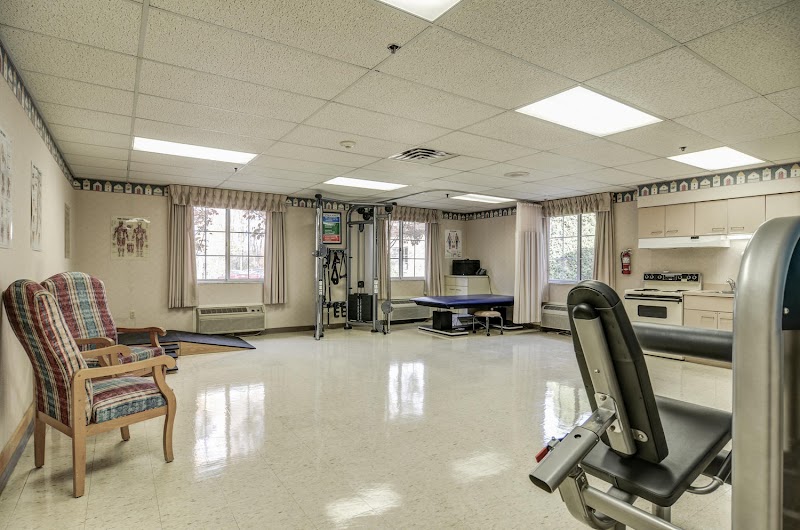
How is Montgomeryville Skilled Nursing And Rehabilitati Staffed?

CMS rates MONTGOMERYVILLE SKILLED NURSING AND REHABILITATI's staffing level at 4 out of 5 stars, which is above average compared to other nursing homes. Staff turnover is 89%, which is 43 percentage points above the Pennsylvania average of 46%. High turnover can affect care consistency as new staff learn residents' individual needs. RN turnover specifically is 75%, which is notably high. RNs provide skilled clinical oversight, so turnover in this role can affect medical care quality.

What Have Inspectors Found at Montgomeryville Skilled Nursing And Rehabilitati?

State health inspectors documented 40 deficiencies at MONTGOMERYVILLE SKILLED NURSING AND REHABILITATI during 2023 to 2025. These included: 39 with potential for harm and 1 minor or isolated issues.
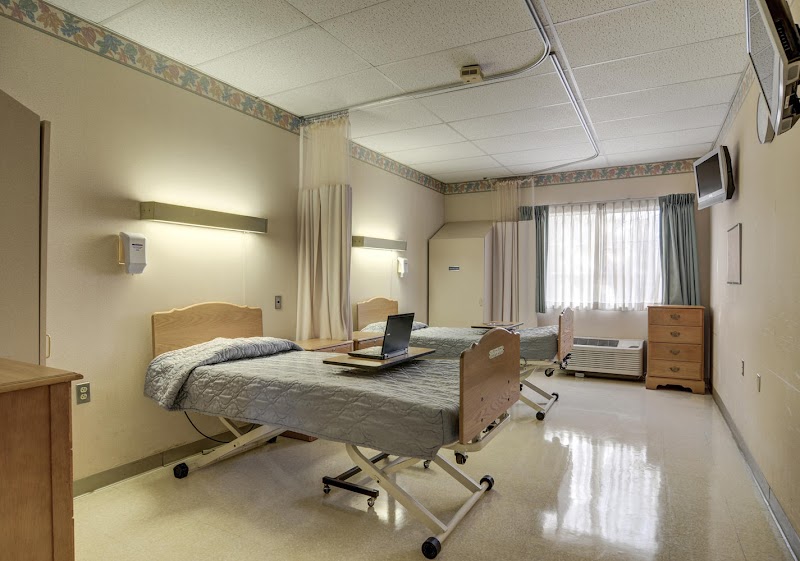
Who Owns and Operates Montgomeryville Skilled Nursing And Rehabilitati?

MONTGOMERYVILLE SKILLED NURSING AND REHABILITATI is owned by a for-profit company. For-profit facilities operate as businesses with obligations to shareholders or private owners. The facility is operated by GENESIS HEALTHCARE, a chain that manages multiple nursing homes. With 155 certified beds and approximately 19 residents (about 12% occupancy), it is a mid-sized facility located in MONTGOMERYVILLE, Pennsylvania.
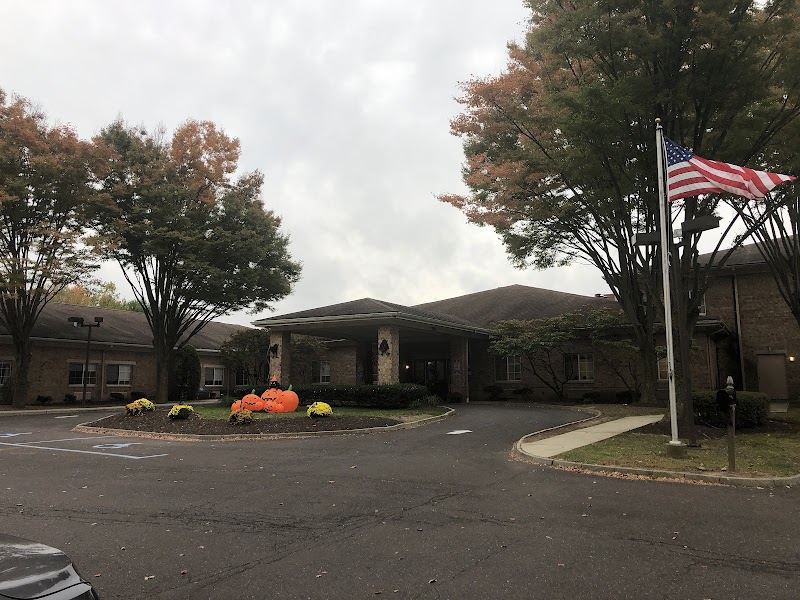
How Does Montgomeryville Skilled Nursing And Rehabilitati Compare to Other Pennsylvania Nursing Homes?

Compared to the 100 nursing homes in Pennsylvania, MONTGOMERYVILLE SKILLED NURSING AND REHABILITATI's overall rating (3 stars) matches the state average, staff turnover (89%) is significantly higher than the state average of 46%, and health inspection rating (3 stars) is at the national benchmark.

What Should Families Ask When Visiting Montgomeryville Skilled Nursing And Rehabilitati?

Based on this facility's data, families visiting should ask: "How do you ensure continuity of care given staff turnover, and what is your staff retention strategy?" "Can I visit during a mealtime to observe dining assistance and food quality?" "How do you handle medical emergencies, and what is your hospital transfer rate?" "Can I speak with family members of current residents about their experience?" These questions are particularly relevant given the facility's high staff turnover rate.

Is Montgomeryville Skilled Nursing And Rehabilitati Safe?

Based on CMS inspection data, MONTGOMERYVILLE SKILLED NURSING AND REHABILITATI has a clean safety record: no substantiated abuse findings (meaning no confirmed cases of resident harm), no Immediate Jeopardy citations (the most serious violation level indicating risk of serious injury or death), and is not on the Special Focus Facility watch list (a federal program monitoring the lowest-performing 1% of nursing homes). The facility has a 3-star overall rating and ranks #1 of 100 nursing homes in Pennsylvania. While no facility is perfect, families should still ask about staff-to-resident ratios and recent inspection results during their visit.

Do Nurses at Montgomeryville Skilled Nursing And Rehabilitati Stick Around?

Staff turnover at MONTGOMERYVILLE SKILLED NURSING AND REHABILITATI is high. At 89%, the facility is 43 percentage points above the Pennsylvania average of 46%. Registered Nurse turnover is particularly concerning at 75%. RNs handle complex medical decisions and coordinate care — frequent RN changes can directly impact care quality. High turnover means new staff may not know residents' individual needs, medications, or preferences. It can also be disorienting for residents, especially those with dementia who rely on familiar faces. Families should ask: What is causing the turnover? What retention programs are in place? How do you ensure care continuity during staff transitions?

Was Montgomeryville Skilled Nursing And Rehabilitati Ever Fined?

MONTGOMERYVILLE SKILLED NURSING AND REHABILITATI has no federal fines on record. CMS issues fines when nursing homes fail to meet care standards or don't correct problems found during inspections. The absence of fines suggests the facility has either maintained compliance or corrected any issues before penalties were assessed. This is a positive indicator, though families should still review recent inspection reports for the full picture.

Is Montgomeryville Skilled Nursing And Rehabilitati on Any Federal Watch List?

MONTGOMERYVILLE SKILLED NURSING AND REHABILITATI is not on any federal watch list. The most significant is the Special Focus Facility (SFF) program, which identifies the bottom 1% of nursing homes nationally based on persistent, serious quality problems. Not being on this list means the facility has avoided the pattern of deficiencies that triggers enhanced federal oversight. This is a positive indicator, though families should still review the facility's inspection history directly.