WECARE AT SYCAMORE REHABILITATION AND NURSING CENT
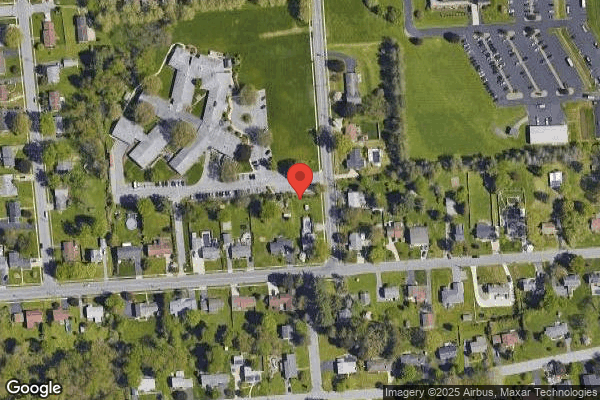
1445 SYCAMORE ROAD, MONTOURSVILLE, PA 17754 (570) 601-8100
For profit - Corporation 133 Beds WECARE CENTERS Data: November 2025
Trust Grade
35/100
#646 of 653 in PA
Last Inspection: February 2025

Within standard 12-15 month inspection cycle. Federal law requires annual inspections.

Overview

WeCare at Sycamore Rehabilitation and Nursing Center has received a Trust Grade of F, indicating significant concerns about the quality of care provided. Ranking #646 out of 653 facilities in Pennsylvania places this nursing home in the bottom half of all state facilities, and it is the lowest-ranked option in Lycoming County. The facility is currently worsening, with issues increasing from 21 in 2024 to 26 in 2025. Staffing is rated 2 out of 5 stars, and while they do not have any fines, their RN coverage is less than 81% of other Pennsylvania facilities, which raises concerns about the level of medical oversight. Specific incidents include staff failing to conduct annual performance reviews for nurse aides and improper food storage practices that could lead to foodborne illness, highlighting both serious management issues and potential health risks for residents.

Trust Score
F
35/100
In Pennsylvania
#646/653
Bottom 2%
Safety Record
Low Risk
No red flags
Inspections
Getting Worse
21 → 26 violations
Staff Stability
⚠ Watch
56% turnover. Above average. Higher turnover means staff may not know residents' routines.
Penalties
✓ Good
No fines on record. Clean compliance history, better than most Pennsylvania facilities.
Skilled Nurses
⚠ Watch
Each resident gets only 27 minutes of Registered Nurse (RN) attention daily — below average for Pennsylvania. Fewer RN minutes means fewer trained eyes watching for problems.
Violations
⚠ Watch
65 deficiencies on record. Higher than average. Multiple issues found across inspections.
★☆☆☆☆
1.0
Overall Rating
★★☆☆☆
2.0
Staff Levels
★★★☆☆
3.0
Care Quality
★☆☆☆☆
1.0
Inspection Score
Stable
2024: 21 issues
2025: 26 issues

The Good

  • Full Sprinkler Coverage · Fire safety systems throughout facility
  • No fines on record

Facility shows strength in fire safety.

The Bad

1-Star Overall Rating

Below Pennsylvania average (3.0)

Significant quality concerns identified by CMS

Staff Turnover: 56%

Near Pennsylvania avg (46%)

Frequent staff changes - ask about care continuity

Chain: WECARE CENTERS

Part of a multi-facility chain

Ask about local staffing decisions and management

Staff turnover is elevated (56%)

8 points above Pennsylvania average of 48%

The Ugly 65 deficiencies on record

May 2025 1 deficiency
CONCERN (D) 📢 Someone Reported This

A family member, employee, or ombudsman was alarmed enough to file a formal complaint

Potential for Harm - no one hurt, but risky conditions existed

Quality of Care (Tag F0684)

Could have caused harm · This affected 1 resident

**NOTE- TERMS IN BRACKETS HAVE BEEN EDITED TO PROTECT CONFIDENTIALITY** Based on a review of select facility policies and procedures, clinical record review, and staff interview, it was determined tha...

Read full inspector narrative →
**NOTE- TERMS IN BRACKETS HAVE BEEN EDITED TO PROTECT CONFIDENTIALITY** Based on a review of select facility policies and procedures, clinical record review, and staff interview, it was determined that the facility failed to provide the highest practicable care regarding neurological assessments for one of five residents reviewed. Findings include: The current facility policy entitled Neurological Assessment, revealed neurological assessments are indicated following an unwitnessed fall. When assessing neurological status, always include frequent vital signs, particular attention should be paid to widening pulse pressure (difference between systolic and diastolic pressures) as this may be indicative of increasing intracranial pressure. Any change in vital signs or neurological status in a previously stable resident should be reported to the physician immediately. Closed clinical record review for Resident CR1 revealed nursing documentation dated [DATE], at 10:32 PM noting Resident CR1 was found in her bathroom, face down on the floor. The registered nurse assessed Resident CR1 before moving her, noting a 4 centimeter (cm) by 3.5 cm laceration to Resident CR1's right elbow and a 0.75 by 0.25 cm laceration to her left elbow. The registered nurse assessed Resident CR1's neurological status and cleaned her lacerations with wound cleanser while applying pressure to stop the bleeding. The registered nurse called the physician on call. The on call physician ordered the nurse to hold Resident CR1's morning dose of Eliquis (medication used as a blood thinner), talk with Resident CR1's physician in the morning, and if there are any changes in Resident CR1's neurological status to send her to the emergency room. Review of the facility's investigation dated [DATE], at 9:30 PM revealed Employee 2's (nurse aide) witness statement indicated that she provided care to Resident CR1 at 9:00 PM while Resident CR1 was in bed. Employee 2's statement noted that another resident came to the nurse's station and stated Resident CR1 was on the floor in her bathroom. Nursing documentation dated [DATE], at 6:38 AM revealed Resident CR1 was found deceased at 6:34 AM and pronounced at this time. Resident CR1's death certificate indicated the main cause of death was chronic diastolic heart failure (decreased blood flow caused by high blood pressure). Review of Resident CR1's Neurological Assessment Form revealed that nursing staff completed her neurological assessments at 9:30 PM, 10:00 PM, 10:30 PM, and 11:00 PM. There were no other assessments of Resident CR1's neurological status documented. The facility failed to document neurological assessments at 12 AM, 1 AM, 3 AM, and 5 AM. Interview with Employee 1 (registered nurse) on [DATE], at 12:28 PM confirmed these findings. Employee 1 revealed if a resident has an unwitnessed fall, staff are to complete neurological assessments on the resident every 30 minutes for first two hours, then every 60 minutes for two hours, then every two hours twice, then every four hours twice, and every eight hours twice. Interview with the Nursing Home Administrator on [DATE], at 3:11 PM confirmed these findings for Resident CR1. The facility failed to provide the highest practical care related to neurological assessments for Resident CR1. 483.25 Quality of Care Previously cited deficiency [DATE] 28 Pa. Code 211.10(d) Resident care policies 28 Pa. Code 211.12(d)(1)(3)(5) Nursing services
Feb 2025 25 deficiencies
CONCERN (D)

Potential for Harm - no one hurt, but risky conditions existed

Deficiency F0578 (Tag F0578)

Could have caused harm · This affected 1 resident

**NOTE- TERMS IN BRACKETS HAVE BEEN EDITED TO PROTECT CONFIDENTIALITY** Based on clinical record review and staff interview, it was determined that the facility failed to honor advance directive choic...

Read full inspector narrative →
**NOTE- TERMS IN BRACKETS HAVE BEEN EDITED TO PROTECT CONFIDENTIALITY** Based on clinical record review and staff interview, it was determined that the facility failed to honor advance directive choices for one of 22 residents reviewed (Resident 53). Findings include: Clinical record review for Resident 53 revealed that on [DATE], their physician ordered staff to Do Not Resuscitate (DNR), which continued throughout the resident's facility stay until February 20, 2025, after identified by the surveyor. There was documentation on February 7, 2025, at 1:35 PM that indicated the facility contacted Resident 53's responsible party to complete a POLST (Pennsylvania Orders for Life-Sustaining Treatment, a form directing medical staff to complete life-sustaining treatment or allow a natural death) form. On February 11, 2025, Resident 53's responsible party completed the POLST and indicated that staff should complete CPR (cardiopulmonary resuscitation) should the need arise. On February 11, 2025, at 8:10 AM staff acknowledged that Resident 53's responsible party completed a POLST form the day prior. There was no documentation that the facility identified that Resident 53's responsible party wished for them to have CPR and discontinued Resident 53's DNR order until identified by the surveyor. The surveyor reviewed the above information during an interview on February 20, 2025, at 2:30 PM with the Director of Nursing and the Nursing Home Administrator. 28 Pa. Code 201.29(d) Resident rights 28 Pa. Code 211.10(a) Resident care policies 28 Pa. Code 211.12(d)(1)(3)(5) Nursing services
CONCERN (D) 📢 Someone Reported This

A family member, employee, or ombudsman was alarmed enough to file a formal complaint

Potential for Harm - no one hurt, but risky conditions existed

Report Alleged Abuse (Tag F0609)

Could have caused harm · This affected 1 resident

Based on review of select facility policies and procedures, clinical record review, and staff interview, it was determined that the facility failed to report an allegation of misappropriation of resid...

Read full inspector narrative →
Based on review of select facility policies and procedures, clinical record review, and staff interview, it was determined that the facility failed to report an allegation of misappropriation of resident property for one of three closed records reviewed (Resident 118, Employee 2). Findings include: The facility policy entitled Abuse, Neglect, Exploitation or Misappropriation- Reporting and Investigating, last reviewed without changes January 23, 2025, revealed all reports of resident abuse, neglect, exploitation, or theft/misappropriation of resident property are reported to local, state, and federal agencies (as required by current regulations) and thoroughly investigated by facility management. If resident abuse, neglect, exploitation, misappropriation of resident property or injury of unknown source is suspected, the suspicion must be reported immediately to the administrator, and to other officials according to state law. The administrator or the individual making the allegation immediately reports his or her suspicion to the following persons or agencies: a. the state licensing/certification agency responsible to surveying/licensing the facility b. the local/state ombudsman c. the resident's representative d. adult protective services e. law enforcement officials f. the resident's attending physician g. the facility medical director Immediately is defined as within two hours of an allegation involving abuse or result in serious bodily injury, or within 24 hours of an allegation that does not involve abuse or result in serious bodily injury. Department of Health received a complaint on January 24, 2025, indicating Employee 2 (registered nurse) stole Resident 118's narcotics and noted the allegation was reported to the facility Director of Nursing and Employee 1 (corporate consultant) by two nurses. Review of Resident 118's closed clinical record revealed no documentation of the allegation of misappropriation of her narcotics. Interview with the Director of Nursing and Employee 1 on February 21, 2025, at 1:48 PM confirmed the facility was made aware of the allegation related to the misappropriation of Resident 118's narcotics. Employee 1 provided documentation of the two emails the Director of Nursing received alleging the misappropriation of Resident 118's narcotics by Employee 2. The Director of Nursing received the first email from Employee 6 (registered nurse) on January 21, 2025, at 8:11 AM. The Director of Nursing received the second email from Employee 7 (licensed practical nurse) on January 21, 2025, at 8:32 AM. The Director of Nursing and Employee 1 confirmed they did not notify the agencies listed above of the allegation. The facility failed to report an allegation of misappropriation of resident property to the appropriate agencies. 28 Pa. Code 201.14(a)(c) Responsibility of licensee. 28 Pa. Code 201.18(b)(1)(2)(e)(1)Management.
CONCERN (D)

Potential for Harm - no one hurt, but risky conditions existed

Assessment Accuracy (Tag F0641)

Could have caused harm · This affected 1 resident

**NOTE- TERMS IN BRACKETS HAVE BEEN EDITED TO PROTECT CONFIDENTIALITY** Based on clinical record review and staff and resident interview it was determined that the facility failed to ensure assessment...

Read full inspector narrative →
**NOTE- TERMS IN BRACKETS HAVE BEEN EDITED TO PROTECT CONFIDENTIALITY** Based on clinical record review and staff and resident interview it was determined that the facility failed to ensure assessments accurately reflected a resident's status for one of 22 residents reviewed (Resident 113). Findings include: Clinical record review for Resident 113 revealed an admission MDS (Minimum Data Set, an assessment tool completed at specific intervals to determine resident care needs) assessment dated [DATE], that indicated he received five insulin (injectable hormone medication used to lower blood sugar) injections during the previous seven days (or since his admission to the facility). Interview with Resident 113 on February 19, 2025, at 10:21 AM revealed that he had never received an insulin injection, and that he does not have a diabetes diagnosis (medical condition that results in elevated blood sugar). Interview with the Nursing Home Administrator on February 21, 2025, at 9:33 AM confirmed that the MDS assessment that indicated Resident 113 received insulin injections was completed in error. 28 Pa. Code 211.5(f) Medical records 28 Pa. Code 211.12(d)(1)(5) Nursing services
CONCERN (D)

Potential for Harm - no one hurt, but risky conditions existed

Deficiency F0679 (Tag F0679)

Could have caused harm · This affected 1 resident

Based on clinical record review, facility documentation, and staff interview, it was determined that the facility failed to provide an ongoing program of activities designed to meet the individual nee...

Read full inspector narrative →
Based on clinical record review, facility documentation, and staff interview, it was determined that the facility failed to provide an ongoing program of activities designed to meet the individual needs and interests for one of one resident reviewed for activities (Resident 7). Findings include: Review of Resident 7's current care plan revealed Resident 7 was dependent on staff for meeting emotional, intellectual, physical, and social needs. Interventions included to invite Resident 7 to scheduled activities of possible interest including mass, musical programs, holiday or celebratory events, live entertainment, pet visits, and craft activities. Resident 7's care plan noted she needs assistance, or escort to activity functions, may need some reassurance and assistance with communication during activities, and she enjoys playing with her busy blanket. Observation of Resident 7 on February 18, 2025, at 9:53 AM, 1:38 PM, and 3:27 PM revealed Resident 7 was in a wheelchair sitting at the nurses' station. Resident 7 did not have her busy blanket. Observation of Resident 7 on February 19, 2025, at 9:24 AM, 10:49 AM, 1:02 PM, and 3:37 PM revealed Resident 7 was in a wheelchair sitting at the nurses' station. Resident 7 did not have her busy blanket. Observation of Resident 7 on February 20, 2025, at 11:13 AM, 1:14 PM, 2:37 PM, and 3:41 PM revealed Resident 7 was in a wheelchair sitting at the nurses' station. Resident 7 did not have her busy blanket. Review of Resident 7's activity log for January 2025, revealed she attended an activity on January 2 and 31, 2025. There was no documentation of Resident 7 refusing any activities. Review of Resident 7's activity log for February 2025, revealed she attended an activity on February 13, 2025. There was no documentation of Resident 7 refusing any activities. Interview with Employee 3 (activity director) on February 21, 2025, at 9:02 AM revealed she has two activity aides, one activity aide works on the dementia unit and the other activity aide works with the rest of the residents (87 residents). Employee 3 confirmed the above findings for Resident 7 that staff have only taken her to three activities in the last two months. The findings were reviewed with the Administrator on February 21, 2025, at 10:05 AM. The facility failed to provide an ongoing program of activities to meet the needs of Resident 7. 28 Pa. Code 201.29 (a) Resident rights
CONCERN (D)

Potential for Harm - no one hurt, but risky conditions existed

Deficiency F0688 (Tag F0688)

Could have caused harm · This affected 1 resident

**NOTE- TERMS IN BRACKETS HAVE BEEN EDITED TO PROTECT CONFIDENTIALITY** Based on clinical record review and staff interview, it was determined that the facility failed to provide services to maintain ...

Read full inspector narrative →
**NOTE- TERMS IN BRACKETS HAVE BEEN EDITED TO PROTECT CONFIDENTIALITY** Based on clinical record review and staff interview, it was determined that the facility failed to provide services to maintain a resident's range of motion for one of four residents reviewed for ROM concerns (Resident 7). Findings include: Clinical record review revealed the facility admitted Resident 7 on December 2, 2015. Review of Resident 7's most recent quarterly MDS (Minimum Data Set, an assessment completed at specific intervals to determine care needs) dated November 22, 2024, noted staff assessed Resident 7 as having no upper or lower extremity impairments. Further review of Resident 7's clinical record revealed her next MDS assessment dated [DATE], nursing staff assessed Resident 7 as having a limited range of motion (ROM, movement of the body to maintain a resident's ability) bilaterally to her upper and lower extremities. Review of Resident 7's clinical record revealed she was discharged from physical therapy on December 26, 2024, and occupational therapy on November 15, 2024. The facility was unable to provide any further documentation that the facility assessed Resident 7's decline in her range of motion. The facility failed to ensure Resident 7 received appropriate treatment and services to increase range of motion or prevent further decrease in her range of motion. Interview with the Nursing Home Administrator on February 20, 2025, at 9:58 AM confirmed these findings. 483.25(c)(2) Mobility Previously cited 3/15/24 28 Pa. Code 211.12(d)(1)(5) Nursing services
CONCERN (D)

Potential for Harm - no one hurt, but risky conditions existed

Incontinence Care (Tag F0690)

Could have caused harm · This affected 1 resident

**NOTE- TERMS IN BRACKETS HAVE BEEN EDITED TO PROTECT CONFIDENTIALITY** Based on clinical record review and staff interview, it was determined that the facility failed to assess and implement individu...

Read full inspector narrative →
**NOTE- TERMS IN BRACKETS HAVE BEEN EDITED TO PROTECT CONFIDENTIALITY** Based on clinical record review and staff interview, it was determined that the facility failed to assess and implement individualized interventions to promote bowel and bladder continence for one of one resident reviewed for incontinence (Resident 55). Findings include: Clinical record review revealed the facility admitted Resident 55 on January 20, 2025. Review of Resident 55's admission MDS (Minimum Data Set, an assessment completed at specific intervals to determine care needs) assessment dated [DATE], revealed that staff assessed Resident 55 as frequently incontinent of his bowel and bladder, with no attempts at a toileting program. Staff also assessed Resident 55 as dependent on staff for toileting hygiene (the ability to maintain perineal hygiene, adjust clothes before and after voiding or having a bowel movement). Review of Resident 55's care plan initiated on January 21, 2025, revealed that Resident 55 has an activities of daily living self-care performance deficit related to his impaired balance and required extensive assistance of one staff for his toileting needs. Further review of Resident 55's clinical record revealed no assessment or treatment interventions to address Resident 55's bowel and bladder incontinence. Interview with the Nursing Home Administrator and Director of Nursing during a meeting on February 20, 2025, at 2:37 PM confirmed there was no evidence that the facility further assessed Resident 55 to implement interventions to promote bowel and bladder continence. The facility failed to appropriately identify, assess, and provide appropriate treatment and services to achieve or maintain as much bowel and bladder function as possible. 28 Pa. Code 21.12(d)(1)(5) Nursing services
CONCERN (D)

Potential for Harm - no one hurt, but risky conditions existed

Respiratory Care (Tag F0695)

Could have caused harm · This affected 1 resident

Based on observation, clinical record review, and staff interview, it was determined that the facility failed to provide appropriate respiratory care and services for three of three residents reviewed...

Read full inspector narrative →
Based on observation, clinical record review, and staff interview, it was determined that the facility failed to provide appropriate respiratory care and services for three of three residents reviewed (Residents 22, 6, and 70). Findings include: Observation of Resident 22 on February 18, 2025, at 10:32 AM and 2:02 PM revealed Resident 22 was in bed with a nasal cannula (NC, tubing to deliver oxygen to the nose) on and running at 4 liters per minute (LPM). Observation of Resident 22 on February 19, 2025, at 8:17 AM and 12:57 PM revealed Resident 22 was in bed with oxygen on and running at 4 LPM. Observation of Resident 22 on February 20, 2025, at 12:20 PM revealed Resident 22 was in bed with oxygen on and running at 4 LPM. Review of Resident 22's clinical record revealed there was no physician's order for Resident 22 to receive oxygen. Review of Resident 22's care plan-initiated November 23, 2023, noted Resident 22 had a risk for ineffective breathing patterns related to the use of oxygen. The Nursing Home Administrator and Director of Nursing confirmed these finding during a meeting on February 20, 2025, at 2:30 PM. According to the American Association for Respiratory Care proper cleansing of respiratory (nebulizer) equipment reduces infection risk. The longer a dirty nebulizer sits and is allowed to dry, the harder it is to clean thoroughly. Parts of the aerosol drug delivery device should be rinsed and then washed with soap and hot water after each treatment. Once completely dry, store the nebulizer cup and mouthpiece in a zip lock bag. Clinical record review for Resident 6 revealed a current physician's order for staff to provide oxygen at 2 LPM via NC (nasal canula, tubing to deliver oxygen to the nose) continuously every shift for supplementary oxygen and BiPAP (pressurized non-invasive air ventilation via mask) via full mask AirCurve ST 20/8, oxygen 2 LPM at bedtime for respiratory insufficiency, remove in the morning. Observation of Resident 6's oxygen concentrator on February 18, 2025, at 12:28 PM and February 20, 2025, at 8:48 AM revealed that their BiPAP mask was unbagged and hanging off the bedside stand. During the February 20, 2025, observation of Resident 6's oxygen concentrator revealed that it was running and set at 1.5 LPM and their NC was lying on the floor unbagged beside their bedside stand. Clinical record review for Resident 70 revealed current orders for staff to apply a CPAP (pressurized non-invasive air ventilation via mask) using room air at hour of sleep (HS) and remove in the morning for obstructive sleep apnea. There were no physician orders for staff to administer oxygen to Resident 70. Observation of Resident 70's room on February 18, 2025, at 12:17 PM and February 20, 2025, at 8:32 AM revealed that there was an oxygen concentrator with an undated filled humidification cannister, and undated oxygen tubing attached to the concentrator. During the February 18, 2025, observation the oxygen concentrator was turned off and there was an unbagged and undated oxygen NC lying on the overbed table. A CPAP mask and tubing was lying on another table by the window. During the February 20, 2025, observation the oxygen concentrator was on, set to 4 LPM, and had oxygen tubing connected to a CPAP machine located on a bedside stand. CPAP tubing was lying under resident clothing on a chair near the window, and a NC was lying, unbagged and undated, on the floor by the oxygen concentrator. The above information was reviewed during an interview with the Director of Nursing and the Nursing Home Administrator on February 20, 2025, at 2:30 PM. 483.25(i) Respiratory/tracheostomy Care and Suctioning Previously cited 3/15/24 28 Pa. Code 211.12(d)(1)(5) Nursing services
CONCERN (D)

Potential for Harm - no one hurt, but risky conditions existed

Deficiency F0698 (Tag F0698)

Could have caused harm · This affected 1 resident

Based on clinical record review, observation, and resident and staff interview, it was determined that the facility failed to implement care to prevent potential complications from a dialysis access s...

Read full inspector narrative →
Based on clinical record review, observation, and resident and staff interview, it was determined that the facility failed to implement care to prevent potential complications from a dialysis access site for one of one resident reviewed for dialysis concerns (Resident 112). Findings include: Interview with Resident 112 on February 18, 2025, at 1:17 PM revealed that he required dialysis treatments (treatment for kidney failure; a machine filters extra fluid and waste products from the blood) three times a week; and that the treatment was administered through an access site (central venous catheter (CVC), tubing inserted into a large central vein, most commonly the internal jugular or subclavian) in his right upper chest. Resident 112 stated that he was unaware of any equipment in his room that would be available in the event of a complication from his dialysis access site (e.g., pressure dressings or clamp). Observation of Resident 112 and his room during the interview revealed no indicators that Resident 112 had right arm use restrictions (e.g., a sign to warn a contracted phlebotomist to not use the right arm to obtain blood). Clinical record review for Resident 112 revealed the following physician orders dated January 23, 2025: Do not take blood pressures on Resident 112's right arm. Monitor Resident 112's catheter site for pain, redness, swelling, or bleeding. If noted bleeding, apply a pressure dressing and notify the provider. Emergency kit for dialysis (to contain dressings and clamps) every Monday, Wednesday, and Friday for dialysis (this kit would go with Resident 112 when on leaves of absence from the facility for dialysis). A physician's order dated January 24, 2025, instructed that staff were not to provide Resident 112 a shower due to a dialysis IJ (internal jugular) catheter. There was no physician's order that restricted staff use of his right arm for blood draws or that required the placement of an emergency kit in Resident 112's room. Review of a plan of care developed by the facility to address Resident 112's need for dialysis revealed an intervention dated January 23, 2025, for staff to not draw blood or take blood pressure assessments in, .arm with graft (surgically created access site formed by using soft tubing to join a vein and an artery in an arm). Resident 112 did not have a dialysis graft in either arm. Interview with Employee 4 (licensed practical nurse) on February 18, 2025, at 1:54 PM confirmed that there was no signage or emergency kit materials in Resident 112's room related to his CVC. Employee 4 stated that she believed the facility had a protocol that required the use of signs to prevent staff from using an affected limb and the placement of an emergency kit. A physician's order dated February 18, 2025, at 1:59 PM (following the surveyor's questioning) implemented the use of an emergency dialysis kit (clamps and four inch by four inch dressings). This physician's order was added to Resident 112's treatment administration record on February 18, 2025, and now required licensed staff to initial the implementation of the intervention every shift. The surveyor reviewed the above concerns regarding Resident 112's planned dialysis treatment and services related to his central line dialysis access site during an interview with the Nursing Home Administrator, Director of Nursing, and Employee 1 (corporate regional director) on February 19, 2025, at 2:30 PM. 28 Pa. Code 211.12(d)(1)(3)(5) Nursing services
CONCERN (D) 📢 Someone Reported This

A family member, employee, or ombudsman was alarmed enough to file a formal complaint

Potential for Harm - no one hurt, but risky conditions existed

Deficiency F0726 (Tag F0726)

Could have caused harm · This affected 1 resident

Based on review of facility documentation, clinical record review, and staff interview, it was determined that the facility failed to ensure that nursing staff possessed the specific competencies and ...

Read full inspector narrative →
Based on review of facility documentation, clinical record review, and staff interview, it was determined that the facility failed to ensure that nursing staff possessed the specific competencies and skill sets related to the care and assessment of residents with indwelling urinary catheters, cardiac pacemaker devices, and central venous catheters, for three of three employees reviewed for competencies (Employees 2, 8, and 9; Residents 112 and 114). Findings include: A review of the facility Resident Matrix (CMS-802, form used to identify pertinent care categories for residents who reside in the facility) documentation revealed that the facility had a total of 13 residents with indwelling catheters (insertion of a tube into the bladder to remove urine) within the 107 resident facility census (over 12 percent). The surveyor requested evidence of licensed nursing staff competencies related to indwelling urinary catheters for Employee 2 (registered nurse) and Employee 8 (licensed practical nurse) during an interview with the Nursing Home Administrator, Director of Nursing, and Employee 1 (corporate regional director) on February 19, 2025, at 2:30 PM. Interview with the Nursing Home Administrator on February 20, 2025, at 2:38 PM revealed that the facility had no evidence of competencies related to indwelling urinary catheters for Employee 2 or 8. Clinical record review for Resident 114 revealed a physician's order dated January 30, 2025, to instruct that he wear a Life Vest (external vest worn to continuously monitor a resident's heart rhythm and, if necessary, implement an electrical shock to correct a potentially fatal heart rhythm) at all times except in the shower. A physician's order dated February 1, 2025, instructed staff to ensure that the Life Vest battery was charged and to change the battery when low. Interview with the Nursing Home Administrator on February 20, 2025, at 2:38 PM confirmed that the facility could not provide evidence that Employees 2, 8, or 9 (licensed practical nurse) possessed the necessary knowledge and confirmed competencies related to the Life Vest use. Clinical record review for Resident 114 revealed a physician's order dated January 30, 2025, for staff to assess a PICC (peripherally inserted central catheter, a long, thin tube that's inserted through a vein in the arm and passed through to the larger veins near the heart) line site for redness, infiltration (leakage of medications and fluids from the insertion vein into surrounding areas), and/or swelling. A physician's order dated January 31, 2025, instructed staff to change the PICC line dressing weekly using a sterile technique. Clinical record review for Resident 112 revealed a physician's order dated January 24, 2025, that instructed staff not to provide Resident 112 a shower due to an IJ (internal jugular, large central vein in the neck) catheter (central venous catheter (CVC), tubing inserted into a large central vein, most commonly the internal jugular or subclavian). Interview with the Nursing Home Administrator on February 20, 2025, at 2:38 PM, revealed that the facility had no evidence of competencies related to central venous catheter care for Employee 2. 28 Pa Code 201.20(a) Staff development
CONCERN (D)

Potential for Harm - no one hurt, but risky conditions existed

Deficiency F0740 (Tag F0740)

Could have caused harm · This affected 1 resident

**NOTE- TERMS IN BRACKETS HAVE BEEN EDITED TO PROTECT CONFIDENTIALITY** Based on clinical record review and family and staff interview, it was determined that the facility failed to provide behavior h...

Read full inspector narrative →
**NOTE- TERMS IN BRACKETS HAVE BEEN EDITED TO PROTECT CONFIDENTIALITY** Based on clinical record review and family and staff interview, it was determined that the facility failed to provide behavior health care that was individualized to attain or maintain the highest practical physical, mental, or psychosocial well-being for one of two residents reviewed for mood and behavior concerns (Resident 221). Findings include: Interview with Resident 221's daughter on February 18, 2025, at 10:16 AM revealed that she characterized her mother as detached, and she believed an increase in her mother's antidepressant medication dose might lessen her symptoms of depression. Resident 221's daughter stated that she did not believe that her mother had a good appetite or was attending many activities at the facility. Clinical record review for Resident 221 revealed that the facility admitted her on February 12, 2025. Active physician orders for Resident 221 dated February 12, 2025, included the following psychoactive medications: Mirtazapine (an antidepressant) 15 mg (milligrams) at bedtime for depression Citalopram Hydrobromide (Celexa, an antidepressant) 40 mg one time a day for depression Donepezil Hydrochloride (medication used to improve memory, thinking, and daily functioning for those diagnosed with Alzheimer's dementia (brain disease that affects memory, thinking, personality, and behavior) 10 mg in the morning for dementia A physician's order dated February 13, 2025, added Memantine HCl (Namenda, medication used to treat the symptoms of dementia) 5 mg two times a day for dementia. Interview with Resident 221 on February 19, 2025, at 11:54 AM revealed that she did not leave her room for the bible study activity that morning. Interview with Resident 221 on February 20, 2025, at 10:10 AM revealed that she did not want to leave her room to go to the group activity. Review of Resident 221's meal intake percentages dated since her admission on [DATE], revealed that she consumed 50 percent or less for 14 of the 25 meals reviewed. A plan of care initiated by the facility on February 13, 2025, to address Resident 221's mood problem related to her depression and insomnia (difficulty falling or staying asleep) disease processes included a goal that Resident 221 would have an improved mood state (happier, calmer appearance, no signs or symptoms of depression, anxiety, or sadness) through the next review date. The facility cancelled (discontinued) this plan of care for Resident 221 on February 15, 2025. There was no evidence in Resident 221's clinical record that the facility developed another plan of care to address Resident 221's diagnosis or behavioral symptoms of depression. Interview with the Nursing Home Administrator, Director of Nursing, and Employee 1 (corporate regional director) on February 20, 2025, at 2:31 PM confirmed that the facility had no evidence of identifying and tracking behavioral symptoms of Resident 221's diagnoses of depression and dementia. The interview confirmed that the facility did not have an active individualized care plan to address Resident 221's mood problem related to her depression although she received medications to treat that diagnosis. 28 Pa. Code 211.12(d)(1)(5) Nursing services
CONCERN (D)

Potential for Harm - no one hurt, but risky conditions existed

Deficiency F0744 (Tag F0744)

Could have caused harm · This affected 1 resident

Based on clinical record review and staff interview, it was determined that the facility failed to develop and implement individualized person-centered care plans to address dementia and cognitive los...

Read full inspector narrative →
Based on clinical record review and staff interview, it was determined that the facility failed to develop and implement individualized person-centered care plans to address dementia and cognitive loss displayed by one of three residents reviewed (Resident 91). Findings include: Clinical record review for Resident 91 revealed the facility admitted her on December 9, 2022, with diagnoses including dementia (loss of memory, language, problem-solving, and other thinking abilities that interfere with daily life). A review of Resident 91's most recent annual Minimum Data Set Assessment (MDS, a form completed at specific intervals to determine care needs) dated November 2, 2024, indicated that the facility assessed Resident 91 as having a diagnosis of dementia. The facility determined that a care plan for dementia and cognitive loss would be developed. A review of Resident 91's care plan revealed that there was no indication that the facility had developed and implemented a person-centered care plan to address the resident's dementia and cognitive loss. The findings were reviewed with the Nursing Home Administrator and Director of Nursing during a meeting on February 19, 2025, at 2:30 PM. On February 20, 2025, at 8:03 AM the Nursing Home Administrator confirmed the facility had no further documentation that the facility developed and implemented an individualized person-centered care plan to address Resident 91's dementia. 483.40(b)(3) Dementia Treatment and Services Previously cited 3/15/24 28 Pa Code 211.12 (d)(1)(3)(5) Nursing services
CONCERN (D) 📢 Someone Reported This

A family member, employee, or ombudsman was alarmed enough to file a formal complaint

Potential for Harm - no one hurt, but risky conditions existed

Pharmacy Services (Tag F0755)

Could have caused harm · This affected 1 resident

**NOTE- TERMS IN BRACKETS HAVE BEEN EDITED TO PROTECT CONFIDENTIALITY** Based on closed clinical record review, review of select policies and procedures, and staff interview, it was determined that th...

Read full inspector narrative →
**NOTE- TERMS IN BRACKETS HAVE BEEN EDITED TO PROTECT CONFIDENTIALITY** Based on closed clinical record review, review of select policies and procedures, and staff interview, it was determined that the facility failed to ensure the proper disposal and documentation of controlled medications for one of three discharged residents reviewed (Resident 118). Findings include: The facility policy entitled Controlled Substances, last reviewed without changes on [DATE], revealed the facility complies with all laws, regulations, and other requirements related to handling, storage, disposal, and documentation of controlled medications. Waste or disposal of controlled medications are done in the presence of the nurse and a witness who also signs the disposition sheet. Closed clinical record review for Resident 118 revealed the facility admitted her on [DATE]. Resident 118 remained in the facility until [DATE], when she was sent to the hospital and later expired. Review of Resident 118's closed record revealed a Controlled Drug Receipt/Record/Disposition Form dated [DATE], indicating the facility received 56 Oxycodone (narcotic pain medication that is considered a controlled substance) 5 milligrams (mg). Further review of the form revealed Employee 2 (registered nurse) documented disposal of Resident 118's Oxycodone (45 tablets). Employee 2 did not date when the Oxycodone was disposed of or have a witness to the disposition of Resident 118's Oxycodone. A Controlled Drug Receipt/Record/Disposition form dated [DATE], indicated the facility received 56 Oxycodone 5 mg. Further review of the form revealed Employee 2 documented disposal of Resident 118's Oxycodone (55 tablets). Employee 2 did not date when the Oxycodone was disposed of or have a witness to the disposition of Resident 118's Oxycodone. A Controlled Drug Receipt/Record/Disposition form dated [DATE], indicated the facility received 27 Lorazepam (an antianxiety medication that is considered a controlled substance) 0.5mg for Resident 118. Further review of the form revealed Employee 2 documented disposal of Resident 118's Lorazepam (one tablet). Employee 2 did not have a witness to the disposition of Resident 118's Lorazepam. A controlled drug record dated [DATE], indicated the facility received 20 Lorazepam 0.5 mg for Resident 118. Further review of the controlled drug record revealed Employee 2 documented disposal of Resident 118's Lorazepam (20 tablets). Employee 2 did not date when the Lorazepam was disposed of or have a witness to the disposition of Resident 118's Lorazepam. A controlled drug record dated [DATE], indicated the facility received 20 Lorazepam 0.5 mg for Resident 118. Further review of the controlled drug record revealed Employee 2 documented disposal of Resident 118's Lorazepam. Employee 2 did not date when the Lorazepam was disposed of or have a witness to the disposition of Resident 118's Lorazepam (20 tablets). Interview with the Nursing Home Administrator, Director of Nursing, and Employee 1 (corporate consultant) on February 20, 2025, at 2:47 PM confirmed these findings. 483.45 Pharmacy Services Previously cited [DATE] 28 Pa. Code 211.9 (j.1)(4)(5) Pharmacy services 28 Pa. Code 211.12(c)(d)(1)(3)(5) Nursing services
CONCERN (D)

Potential for Harm - no one hurt, but risky conditions existed

Deficiency F0761 (Tag F0761)

Could have caused harm · This affected 1 resident

Based on clinical record review, observation, and staff interview, it was determined that the facility failed to ensure that medication labeling was in accordance with currently accepted professional ...

Read full inspector narrative →
Based on clinical record review, observation, and staff interview, it was determined that the facility failed to ensure that medication labeling was in accordance with currently accepted professional standards and active physician orders for one of eight residents reviewed for medication administration (Resident 221). Findings include: Observation of a medication administration pass on February 19, 2025, at 11:27 AM revealed Employee 4 prepared medications for Resident 221. Employee 4 poured one capsule of Dicyclomine (medication used to decrease muscle spasms in the stomach or bowel to treat symptoms of irritable bowel syndrome). The label on the medication packaging indicated the medication was packaged as 10 milligrams (mg) per each capsule. Clinical record review for Resident 221 revealed that active physician orders since February 12, 2025, instructed staff to administer one capsule of Dicyclomine HCl four times a day. The physician's order did not include the strength of the medication desired (e.g., 10 mg). Continued observation of a medication administration pass for Resident 221 on February 19, 2025, at 12:23 PM revealed Employee 4 prepared and administered 2 gm (grams) of Diclofenac NA one percent gel (Voltaren gel, nonsteroidal anti-inflammatory medicated gel applied to the skin to reduce pain and inflammation) to Resident 221's lower back. Clinical record review for Resident 221 revealed an active physician's order dated February 12, 2025, for staff to administer Voltaren external gel one percent (Diclofenac Sodium (Topical) to affected areas topically four times a day for pain. The physician's order for Resident 221's Voltaren gel did not include a prescribed dose strength (e.g., two grams or four grams) for each administration. Interview with Employee 4 on February 20, 2025, at 10:15 AM confirmed that the physician orders for Resident 221's Voltaren gel and Dicyclomine medication did not include a specific dose that included the strength of the medication. Employee 4 verified that the boxed Voltaren medication permitted a dose that could either be two grams or four grams. The interview confirmed that the labeling on Resident 221's Dicyclomine HCL medication included 10 mg as the strength of the capsule; however, Resident 221's physician order did not include a milligram strength desired. The interview indicated that the nurse who transcribed Resident 221's orders for pharmacy delivery failed to select the strength of the medication desired. The facility failed to ensure that every medication label and every physician order for a medication included the medication name, prescribed dose, and strength, as required. 28 Pa. Code 211.9(a)(1)(d)(f)(2)(k) Pharmacy services 28 Pa. Code 211.12(d)(1)(3)(5) Nursing services
CONCERN (D)

Potential for Harm - no one hurt, but risky conditions existed

Dental Services (Tag F0791)

Could have caused harm · This affected 1 resident

Based on clinical record review, observation, and staff interview, it was determined that the facility failed to assist a resident to obtain routine dental care for one of one resident reviewed for de...

Read full inspector narrative →
Based on clinical record review, observation, and staff interview, it was determined that the facility failed to assist a resident to obtain routine dental care for one of one resident reviewed for dental concerns (Resident 46). Findings include: Observation of Resident 46 on February 18, 2025, at 10:41 AM and February 19, 2025, at 11:30 AM revealed he was in bed. Attempted to interview Resident 46 several times and he refused to answer questions, stating he was too tired and would not open his eyes. Observation of Resident 46's teeth at these times revealed what appeared to be a buildup of plaque on his teeth. Clinical record review revealed the facility admitted Resident 46 on February 22, 2018, with payment sources that included the state Medicaid benefit. Review of Resident 46's clinical record revealed he saw a dentist on April 12, 2023. A review of the progress note revealed Resident 46 had a heavy buildup of plaque, and he would be due for his next visit for prophylactic dental cleaning in six months. Further review of Resident 46's clinical record revealed he did not receive dental services again until July 15, 2024. A review of the progress note revealed Resident 46 had heavy food debris, heavy plaque on his teeth, and he would be due for his next visit for prophylactic dental cleaning in six months. The facility failed to provide evidence that Resident 46 received routine prophylactic dental cleanings as covered under the State plan. Interview with the Nursing Home Administrator and Director of Nursing on February 20, 2025, at 2:58 PM confirmed these findings. 28 Pa. Code 211.12(d)(1)(3)(5) Nursing services
CONCERN (D)

Potential for Harm - no one hurt, but risky conditions existed

Deficiency F0868 (Tag F0868)

Could have caused harm · This affected 1 resident

Based on a review of Quality Assessment and Assurance (QAA) meeting attendance and staff interview it was determined that the facility failed to ensure the committee consisted of the minimum members (...

Read full inspector narrative →
Based on a review of Quality Assessment and Assurance (QAA) meeting attendance and staff interview it was determined that the facility failed to ensure the committee consisted of the minimum members (medical director and Director of Nursing) at least quarterly. Findings include: Review of QAA meeting attendance records dated April 2024, to the final date of the onsite survey, February 21, 2025, revealed that the facility's most recent QAA committee meeting occurred on December 23, 2024. Attendance records indicated that the facility medical director did not attend a QAA meeting in the almost seven months since July 25, 2024, and the Director of Nursing did not attend a QAA meeting in the almost four months since October 24, 2024. Interview with the Nursing Home Administrator on February 21, 2025, at 9:26 AM confirmed that the facility failed to ensure at least quarterly QAA meeting attendance by the Director of Nursing and the facility's medical director (or designee). 28 Pa. Code 201.14(a) Responsibility of licensee 28 Pa. Code 201.18(b)(3)(e)(3) Management
CONCERN (D)

Potential for Harm - no one hurt, but risky conditions existed

Deficiency F0883 (Tag F0883)

Could have caused harm · This affected 1 resident

**NOTE- TERMS IN BRACKETS HAVE BEEN EDITED TO PROTECT CONFIDENTIALITY** Based on clinical record review and staff interview, it was determined that the facility failed to ensure that a residents medic...

Read full inspector narrative →
**NOTE- TERMS IN BRACKETS HAVE BEEN EDITED TO PROTECT CONFIDENTIALITY** Based on clinical record review and staff interview, it was determined that the facility failed to ensure that a residents medical record included documentation that the residents representative was provided education regarding the risks and benefits of the influenza immunization for one of five residents reviewed for immunization concerns (Resident 92). Findings include: Clinical record review for Resident 92 revealed a quarterly MDS (Minimum Data Assessment, an assessment tool completed at specific intervals to determine care needs) assessment dated [DATE], indicated the resident had a BIMS (Brief Interval for Mental Status) score of eight, indicating he had moderate cognitive impairment. Review of Resident 92's immunization documentation revealed that Resident 92's family refused for him to have an influenza (flu) vaccination on August 14, 2024. The documentation also indicated that the facility did not provide the family with education related to the risk and benefits of the influenza vaccination. The facility could not provide evidence that Resident 92's responsible party was given education regarding the risks and benefits of the influenza vaccination (given Resident 92's incapacity to be his own responsible party for medical decisions) for them to make an informed decision regarding the vaccination administration to Resident 92. Interview with Employee 1, corporate regional consultant, on February 21, 2025, at 11:24 AM confirmed the above noted findings that there was no evidence Resident 92's responsible party was educated on the risk and benefits of the influenza vaccine for them to make an informed decision regarding vaccine administration. The Nursing Home Administrator and Director of Nursing were made aware of the above noted concerns related to Resident 92 on February 21, 2025, 12:32 PM. 28 Pa. Code 201.14(a) Responsibility of licensee 28 Pa. Code 211.5(f) Medical records 28 Pa. Code 211.12(d)(1)(3)(5) Nursing services
CONCERN (E)

Potential for Harm - no one hurt, but risky conditions existed

Deficiency F0582 (Tag F0582)

Could have caused harm · This affected multiple residents

**NOTE- TERMS IN BRACKETS HAVE BEEN EDITED TO PROTECT CONFIDENTIALITY** Based on clinical record review and staff interview it was determined that the facility failed to provide required notification ...

Read full inspector narrative →
**NOTE- TERMS IN BRACKETS HAVE BEEN EDITED TO PROTECT CONFIDENTIALITY** Based on clinical record review and staff interview it was determined that the facility failed to provide required notification to a resident whose payment coverage changed for three of three residents reviewed (Residents 72, 101, and CR119). Findings include: A review of the form Instructions for the Notice of Medicare Non-Coverage (NOMNC) CMS-10123, (a notice that informs the recipient when care received from the skilled nursing facility is ending; and how to contact a Quality Improvement Organization (QIO) to appeal) revealed instructions that a Medicare provider must ensure that the notice is delivered at least two calendar days before Medicare covered services end. The provider must ensure that the beneficiary or their representative signs and dates the NOMNC to demonstrate that the beneficiary or their representative received the notice and understands the termination of services can be disputed. If the provider is personally unable to deliver a NOMNC to a person acting on behalf of an enrollee, then the provider should telephone the representative to advise him or her when the enrollee's services are no longer covered. Confirm the telephone contact by written notice mailed on that same date. A review of the Form Instructions Skilled Nursing Facility (SNF) Advanced Beneficiary Notice of Non-coverage (SNFABN) Form CMS-10055 revealed that examples of the common reasons why an extended care stay, or services may not be covered under Medicare might include the beneficiary no longer requires daily skilled care for a medical condition but wants to continue residing in the skilled nursing facility (SNF). The SNF enters a good faith estimate of the cost of the corresponding care that may not be covered by Medicare. In the blank that follows Beginning on ., the skilled nursing facility enters the date on which the beneficiary may be responsible for paying for care that Medicare is not expected to cover. The beneficiary selects an option box to indicate a desire to continue to receive the care or not to continue to receive the care and if there is a desire to have the bill submitted to Medicare for consideration. The beneficiary or their authorized representative must sign the signature box to acknowledge that they read and understood the notice. The SNF must issue this notice when there is a termination of all Medicare Part A services for coverage reasons. If after issuing the NOMNC, the SNF expects the beneficiary to remain in the facility in a non-covered stay, the SNFABN must be issued to inform the beneficiary of potential liability for the non-covered stay. Clinical record review of census information for Resident 72 revealed that the facility provided services primarily paid for by Medicare starting August 14, 2024. Resident 72's Medicare payment for services ended November 21, 2024. Resident 72 remained in the facility. The surveyor reviewed concerns that the facility did not provide a CMS10123 or CMS10055 notice provided to Resident 72 upon the change in the payment source for her care during an interview with the Nursing Home Administrator and the Director of Nursing on February 19, 2025, at 2:30 PM. Interview with the Nursing Home Administrator on February 20, 2025, at 9:30 AM confirmed that the facility had no further evidence that Resident 72 received appropriate notices of changes in the payment coverage for services received. Clinical record review of census information for Resident 101 revealed that the facility provided services primarily paid for by Medicare starting December 9, 2024. Resident 101's Medicare payment for services ended January 1, 2025. Resident 101 remained in the facility. Review of a CMS10055 notice provided by the facility for Resident 101 revealed that Resident 101's representative signed the notice on December 30, 2024; however, the representative did not select an option box to indicate that there was a desire to continue to receive the care, or not to continue to receive the care, or if there was a desire to have the bill submitted to Medicare for consideration. Interview with the Nursing Home Administrator on February 19, 2025, at 2:30 PM confirmed the above findings for Resident 101. Closed clinical record review of census information for Resident 119 revealed that the facility provided services primarily paid for by Medicare starting November 14, 2024. Resident 119's Medicare payment for services ended December 11, 2024. The facility discharged Resident 119 on December 12, 2024. Review of a CMS10123 notice provided by the facility for Resident 119 revealed that Resident 119 signed the notice on December 10, 2024. A handwritten notation on the notice indicated that staff provided verbal notice on December 9, 2024. Nursing documentation created December 10, 2024, at 11:06 AM indicated that the CMS10123 notice was issued verbally on December 9, 2024. There was no indication that a circumstance prevented staff from delivering the required written (rather than verbal) notice at least two calendar days before Medicare covered services ended. Interview with the Nursing Home Administrator on February 19, 2025, at 2:30 PM confirmed that Resident 119 resided in the facility until her discharge on [DATE]; therefore, there was no circumstance that prevented the provider from personally providing the written notice to Resident 119 timely. 28 Pa. Code 201.18(e)(1) Management 28 Pa. Code 201.29(a) Resident rights
CONCERN (E) 📢 Someone Reported This

A family member, employee, or ombudsman was alarmed enough to file a formal complaint

Potential for Harm - no one hurt, but risky conditions existed

ADL Care (Tag F0677)

Could have caused harm · This affected multiple residents

**NOTE- TERMS IN BRACKETS HAVE BEEN EDITED TO PROTECT CONFIDENTIALITY** Based on clinical record review, observation, and staff and resident interview, it was determined that the facility failed to pr...

Read full inspector narrative →
**NOTE- TERMS IN BRACKETS HAVE BEEN EDITED TO PROTECT CONFIDENTIALITY** Based on clinical record review, observation, and staff and resident interview, it was determined that the facility failed to provide bathing assistance for residents dependent on staff assistance for 5 of 6 residents sampled for activities of daily living (Residents 22, 92, 7, 43, and 70). Findings include: Observation of Resident 22 on February 18, 2025, at 10:32 AM and February 19, 2025, at 10:40 AM revealed she was in bed and her hair appeared disheveled. Attempts to interview Resident 22 at these times related to her showers were unsuccessful. Resident 22 stated she was unable to remember when she last had a bath or shower. Clinical record review revealed the facility admitted Resident 22 on September 25, 2023. A review of Resident 22's most recent MDS (Minimum Data Set, an assessment completed at specific intervals to determine care needs) dated January 23, 2025, indicated nursing staff assessed Resident 22 as dependent on staff for bathing. A review of Resident 22's task documentation (ADL, activities of daily living charting) for the last 30 days revealed Resident 22 only received one shower, and seven bed baths. There was no documentation of Resident 22 refusing a shower/bath. Further review of Resident 22's clinical record revealed that Resident 22's bathing preference was identified as showers twice a week. Clinical record review revealed the facility admitted Resident 92 on January 5, 2024. A review of Resident 92's MDS dated [DATE], indicated nursing staff assessed Resident 92 as dependent on staff for bathing. A review of Resident 92's task documentation for the last 30 days revealed Resident 92 only received one shower, and seven bed baths. There was no documentation of Resident 92 refusing a shower/bath. Further review of Resident 92's clinical record revealed that Resident 92's bathing preference was identified as showers twice a week. Clinical record review revealed the facility admitted Resident 7 on December 2, 2015. A review of Resident 7's most recent MDS dated [DATE], indicated nursing staff assessed Resident 7 as requiring substantial/maximum assistance. Review of Resident 7's bathing preference revealed Resident 7 prefers showers on the first shift. A review of Resident 7's task documentation revealed staff documented NA (not applicable) on February 19, 2025, for Resident 7's shower. The surveyor observed Resident 7 in her wheelchair at the nurse's station on February 19, 2025, at 8:47 AM, 9:23 AM, 10:57 AM, 12:41 PM, 1:17 PM, and 3:32 PM. Resident 7 was unable to be interviewed due to her current cognitive status. There was no documentation of Resident 7 refusing, or staff attempting to bath Resident 7 on February 19, 2025. Findings for Residents 22, 7, and 92 were reviewed with the Nursing Home Administrator and Director of Nursing on February 19, 2025, at 2:37 PM Clinical record review for Resident 43 revealed that the facility completed an annual MDS assessment on December 21, 2024, that indicated they were not cognitively intact. Staff completed the assessment of daily and activity preferences and noted that Resident 43 was receiving a shower and not receiving a sponge bath. The MDS also identified that they were dependent on staff to shower and/or bathe self. Review of Resident 43's task documentation (documentation where staff indicate completion of ADL care) revealed that since July 31, 2024, staff was to complete ADL - Bathing (prefers showers) on Monday and Thursday day shift. Review of Resident 43's task documentation revealed that staff did not complete the ADL-Bathing per the resident's preference. There was documentation that indicated staff provided bed baths to Resident 43 instead of showers: January 2, 6, 9, 13, 16, 20, 23, 27, and 30, 2025 February 3, 6, 10, 13, and 17, 2025 Resident 43 was observed on February 18, 2025, at 12:35 PM in his bed. His hair was disheveled. Resident 43 was cognitively impaired an unable to be interviewed. Clinical record review for Resident 70 revealed that the facility completed an initial MDS assessment on July 17, 2024, that indicated it was very important that they choose between a tub bath, shower, bed bath, or sponge bath. The facility completed a quarterly MDS on November 12, 2024, that identified Resident 70 was dependent on staff to shower and/or bathe self. Review of Resident 70's task documentation revealed that between October 30, 2024, and December 12, 2024, staff was to complete ADL-Showers on Tuesday and Friday second shift and between December 12, 2024, and January 16, 2025, staff was to complete ADL -Showers on Tuesday and Friday third shift. On January 16, 2025, the facility switched Resident 70's showers back to Tuesday and Friday second shift. Review of Resident 70's task documentation revealed that staff did not complete the ADL-Showers per the resident's preference. There was documentation that staff provided a bed bath to Resident 70 instead of a shower on the following dates: December 20, 2024 January 17 and 24, 2025 February 7 and 14, 2025 Further review of Resident 70's task documentation revealed that staff documented RR (resident refused), documented NA, or did not document that showers were completed on the following dates: December 3, 6, 10, 13, 24, 27, and 31, 2024 January 3, 7, 10, 14, 29, and 31, 2025 February 4, 2025 There was no documentation that indicated staff re-approached and/or re-addressed bathing or provided Resident 70 the opportunity to shower the next shift or following day. Resident 70 was observed on February 18, 2025, at 12:33 PM and February 20, 2025, at 8:30 AM in the hallway by the nurse's station. Resident 70 was cognitively impaired an unable to be interviewed. The above information was reviewed during an interview with the Nursing Home Administrator and the Director of Nursing on February 20, 2025, at 2:35 PM. The facility failed to provide bathing assistance for a resident dependent on staff assistance. 28 Pa Code 211.11(d)(1)(5) Nursing services
CONCERN (E) 📢 Someone Reported This

A family member, employee, or ombudsman was alarmed enough to file a formal complaint

Potential for Harm - no one hurt, but risky conditions existed

Quality of Care (Tag F0684)

Could have caused harm · This affected multiple residents

Based on clinical record review, observation and resident and staff interview, it was determined that the facility failed to provide the highest practicable care regarding physician orders, medication...

Read full inspector narrative →
Based on clinical record review, observation and resident and staff interview, it was determined that the facility failed to provide the highest practicable care regarding physician orders, medications, and treatments for six of 22 residents reviewed (Residents 22, 33, 42, 70, 109, 112, and 114). Findings include: Clinical record review for Resident 42 revealed physician orders for staff to administer the following: Atorvastatin Calcium 20 milligrams (mg) at bedtime for hyperlipidemia (high fat in bloodstream) Senna 2 tablets at bedtime for constipation Tums 500 mg 2 tablets at bedtime for GERD (reflux) Acetaminophen Extended Release 650 mg BID (twice daily) for mild pain 1-3 Famotidine 20 mg every 12 hours for stomach ulcers Tramadol 50 mg one-half tablet BID for pain Review of Resident 42's January 2025, MAR (medication administration record, a form to document medication administration) revealed that there was no documentation that staff administered their medications on January 28, 2025, during the evening shift. Clinical record review for Resident 70 revealed physician orders for staff to administer the following: Carbidopa-Levodopa Extended Release 50-200 mg one-half tablet BID for Parkinson's disease Lamotrigine 25 mg three tablets BID for seizures Memantine Hydrochloride (HCl) 5 mg BID for dementia Gabapentin 100 mg 1 capsule three times daily (TID) for Neuropathy Tylenol 325 mg three tablets TID for pain Carbidopa-Levidopa 25-100 mg one tablet four times daily (QID) for Parkinson's disease Potassium Chloride 20 milliequivalents daily at 4:00 PM for hypokalemia (low potassium) Midodrine HCl 5 mg TID for hypotension (low blood pressure) hold for systolic blood pressure (SBP, number when the heart is beating) greater than 140 mmHg (millimeters mercury) Ascorbic Acid 250 mg one table daily for deficiency B-Complex one tablet daily for supplement Cyanocobalamin 1000 micrograms (mcg) one table daily for supplement Docusate Sodium 100 mg two capsules daily for constipation Fludrocortisone Acetate 0.1 mg two tablets by mouth daily for hypotension Memantine HCl 5 mg in the morning for dementia Potassium Chloride 20 mEq (milliequivalents), give 40 mEq daily at 8:00 AM for hypokalemia Senna 8.6 mg 2 tablets at bedtime for constipation Tamsulosin HCl 0.4 mg one capsule daily for benign prostate hyperplasia Review of Resident 70's January and February 2025, MAR revealed that there was no documentation that staff administered their medications on January 28, 2025, during the evening shift and on February 15, 2025, during the day shift. Further review of Resident 70's January and February 2025, MAR revealed that staff administered their Midodrine medication when the SBP reading was greater than 140, noted N/A, or did not administer the medication on the following dates: January 1, 2025, at 4:00 PM 143/77 mmHg January 2, 2025, at 4:00 PM 148/86 mmHg January 11, 2025, at 8:00 AM 157/77 mmHg January 11, 2025, at 4:00 PM 152/80 mmHg January 15, 2025, at 8:00 AM 144/77 mmHg January 17, 2025, at 8:00 AM 143/66 mmHg January 19. 2025, at 4:00 PM, 142/72 mmHg February 3, 2025, at 12:00 PM 150/77 mmHg February 6, 2025, at 8:00 AM 144/65 mmHg February 9, 2025, at 4:00 PM N/A February 14, 2025, at 12:00 PM 144/78 mmHg February 15, 2025, at 8:00 AM and 12:00 PM, no documentation of blood pressure or medication administration The surveyor reviewed the above information during an interview on February 20, 2025, at 2:38 PM with the Nursing Home Administrator and Director of Nursing. Clinical record review for Resident 33 revealed a current physician's order for staff to administer her Oxycodone (a medication used to treat moderate to severe pain) 10 mg every six hours, and to hold if resident is lethargic (a lack of mental alertness) or has a respiratory rate (the number of breaths a person takes in a minute) below 10. Further review of Resident 33's clinical record documentation for February 1-18, 2025, revealed that there was no documentation to indicate that staff monitored her respiratory rate prior to administering the medication Oxycodone to her for February 6-17, 2025. Employee 1, corporate regional director, confirmed the above noted findings related to Resident 33 on February 21, 2025, at 1:26 PM. Observation of Resident 109 on February 18, 2025, at 2:22 PM revealed swelling (edema) of her bilateral lower legs, ankles, and feet. The edema was greater in her right leg when compared to her left leg. Interview with Resident 109 on the date and time of the observation revealed that she wore a beige stocking on her right leg that she believed was for compression of the edema. Resident 109 stated that she was diagnosed with an infection in her right knee joint that made the edema in her right leg worse. Nursing documentation dated February 18, 2025, at 3:52 PM revealed that Resident 109's primary physician assessed her on this date. The nursing documentation indicated that the nursing staff assessed Resident 109's legs to determine that her, .Legs seem less swollen. Clinical record review for Resident 109 revealed no physician order for staff to apply a compression garment on Resident 109's legs. Review of plans of care developed by the facility to address Resident 109's care needs revealed no plan of care intervention related to compression stockings to her legs. The surveyor reviewed the above concern regarding Resident 109's use of a compression stocking on her right leg during an interview with the Director of Nursing and the Nursing Home Administrator on February 20, 2025, at 2:30 PM. A physician's order obtained by the Director of Nursing on February 20, 2025, at 6:39 PM (following the surveyor's questioning) instructed staff that Resident 109 could wear tubi-grip stockings (soft elastic support bandage that may be used for strains, sprains, swelling, leg ulcers, etc.) to her right lower leg as needed for edema and comfort. Facility staff revised the plan of care created to address Resident 109's skin integrity impairment of her sacrum (tailbone) and right knee on February 20, 2025, to include the intervention that Resident 109 may wear the tubi-grip to her right lower leg as needed for comfort. Interview with Resident 112 on February 18, 2025, at 1:34 PM revealed that he had an internal cardiac pacemaker (medical device implanted in the chest to use electrical impulses to treat abnormal heart rhythms), and he had a machine at home that monitored his heart rate and pacemaker function. Clinical record review for Resident 112 revealed that the facility admitted him on January 23, 2025. A hospital After Hospital Care Plan, dated January 23, 2025, at 9:16 AM revealed that the hospital admitted Resident 112 on January 9, 2025, due to chest pain. Documentation by the hospital cardiology provider (doctor who specializes in caring for those with heart conditions) dated January 10, 2025, indicated that Resident 112 had .bradycardia (slow heart rate), and permanent pacemaker . Resident 112's clinical record contained no active physician order or plan of care intervention that indicated Resident 112 had an implanted cardiac pacemaker. The surveyor reviewed the above concerns regarding Resident 112's implanted cardiac pacemaker during an interview with the Director of Nursing, the Nursing Home Administrator, and Employee 1 on February 19, 2025, at 2:30 PM. Nursing documentation dated February 20, 2025, at 2:55 PM (following the surveyor's questioning) revealed that Resident 112's wife brought a pacemaker monitoring machine to the facility. Physician orders obtained by facility staff on February 20, 2025, at 3:00 PM (following the surveyor's questioning), instructed staff to check the cardiac monitor to ensure that the remote monitor is plugged in. If the monitor has a, test, button, press to ensure it is working properly. If the monitor has a light for in use, ensure that the light is on. The orders included a telephone number that staff are to call with any issues regarding the pacemaker monitoring. Resident 112 was to have a pacemaker check on February 25, 2025, at 1:00 PM and every six months. The facility updated Resident 112's diagnoses list on February 20, 2025, to include the presence of a cardiac pacemaker. Clinical record review for Resident 114 revealed an active physician's order dated January 30, 2025, for staff to assess a PICC (peripherally inserted central catheter, a long, thin tube that's inserted through a vein in the arm and passed through to the larger veins near the heart) line site every shift for redness, infiltration, and/or swelling. An active physician's order dated January 31, 2025, instructed staff to change a PICC line dressing weekly using a sterile technique. Review of Resident 114's TAR dated February 2025, revealed that nursing staff initialed completion of the PICC line dressing change daily (not weekly as per the physician's order) every 14 days from February 1 to 20, 2025. Licensed practical nursing (LPN) staff documented completion of the PICC line dressing change on each of the 14 days. A physician's order active since January 31, 2025, instructed staff to administer 750 mg (milligrams) of Vancomycin HCl (antibiotic medication administered intravenously for complicated infections) intravenously two times a day for empyema (an infection in which pus develops in the hollow space between the lungs and underneath the chest wall). A physician's order dated January 31, 2025, instructed staff to flush Resident 114's PICC line with normal sterile saline two times a day after the administration of the intravenous medication. Review of Resident 114's MAR dated February 2025, revealed that staff failed to document the administration of the Vancomycin medication on the first shift on February 9 and 13, 2025. Staff failed to document the administration of the Vancomycin medication on second shift on February 11 and 13, 2025. The documentation indicated that LPN staff initialed the intravenous administration of the Vancomycin medication on 16 of the 37 possible administrations from February 1 through 19, 2025. Review of Resident 114's MAR dated February 2025 revealed that staff failed to document the saline flushes on first shift February 9, and 13, 2025; and second shift on February 11, 13, and 17, 2025. The documentation indicated that LPN staff initialed the completion of the saline flushes on 18 of the possible 38 administrations from February 1 through 19, 2025 (missing 21 administrations). Interview with the Nursing Home Administrator on February 19, 2025, at 2:30 PM revealed that LPN staff provided written witness statements that they did not complete the treatments via Resident 114's PICC line, but they initialed completion of care completed by the registered nurses. The interview confirmed that it is the facility's policy that only the staff who administer medications or complete treatments initial for the completion of the care. The interview confirmed that the facility does not have LPN staff who are certified to perform intravenous therapy via a PICC line. The facility did not know every registered nurse that permitted the LPN to initial care that they did not perform. Plans of care initiated by the facility on January 31, 2025, stipulated that Resident 114 required the use of a central access device (central venous catheter (CVC), tubing inserted into a large central vein, most commonly the internal jugular or subclavian). The plans of care did not indicate emergency procedures staff were to use in the event of an emergency (e.g., apply pressure, clamp tubing, etc.). The plans of care did not indicate a need for an emergency kit at Resident 114's bedside to address potential emergent complications from the PICC access site. The plans of care did not include an intervention to not use his right arm for blood draws or blood pressure assessments. Interview with Resident 114 on February 19, 2025, at 9:30 AM confirmed that he received intravenous antibiotics via tubing in his right arm. The surveyor was unable to view the site as Resident 114's sweatshirt sleeve covered the area. Resident 114 stated that he was unaware of any equipment in his room that would be available in the event of a complication from his intravenous access site (e.g., pressure dressings or clamp). Observation of Resident 114 and his room during the interview revealed no indicators that Resident 114 had right arm use restrictions (e.g., a sign to warn a contracted phlebotomist to not use the right arm to obtain blood). A physician's order dated January 31, 2025, instructed staff to report laboratory results weekly (on Fridays). Interview with Employee 4 (licensed practical nurse) on February 18, 2025, at 1:54 PM confirmed that there was no signage or emergency kit materials in Resident 114's room related to his PICC. Employee 4 stated that she believed the facility had a protocol that required the use of signs to prevent staff from using an affected limb and the placement of an emergency kit. Observation of Resident 114's room on February 20, 2025, at 10:52 AM (following the surveyor's questioning) revealed a sign above his bed to not use his right arm for blood pressures or blood draws. The surveyor reviewed the above concerns regarding Resident 114's PICC line emergency procedures and planned care during an interview with the Nursing Home Administrator, the Director of Nursing, and Employee 1 on February 19, 2025, at 2:30 PM. Clinical record review revealed the facility admitted Resident 22 on September 25, 2023. Nursing documentation dated January 13, 2025, at 3:29 PM noted Resident 22 stated she was having chest pain. Vital signs noted her pulse was tachycardic (heart beats too fast) at 123 bpm (beats per minute). Further review of the nursing documentation indicated nitro as ordered- first nitro given pulse 112, second nitro given pulse 108, third nitro given pulse 104. The physician\'s assistant and physician were called to Resident 22's room and ordered Oxycodone as the physician felt it was probably sternum pain. The physician ordered vital signs every two hours times three. Review of Resident 22's vital sign documentation revealed that nursing staff did not complete any of the physician ordered vital signs. Nursing documentation dated January 14, 2025, at 12:25 PM revealed that Resident 22 again complained of chest pain. The nurse noted that Resident 22's vital signs were obtained and within normal limits. Review of Resident 22's vital sign documentation on January 14, 2025, at 11:03 AM revealed Resident 22's pulse was 126 bpm (beats per minute, normal heart rate for the elderly is 60 to 100 bpm). Interview with the Nursing Home Administrator and Director of Nursing on February 21, 2025, at 10:37 AM confirmed these findings for Resident 22. 483.25 Quality of Care Previously cited 3/15/24 28 Pa. Code 211.10(c) Resident care policies 28 Pa. Code 211.12(c)(d)(1)(3)(5) Nursing services
CONCERN (E)

Potential for Harm - no one hurt, but risky conditions existed

Deficiency F0697 (Tag F0697)

Could have caused harm · This affected multiple residents

Based on clinical record review and staff interview, it was determined that the facility failed to provide the highest practicable care regarding physician ordered pain medications for two of three re...

Read full inspector narrative →
Based on clinical record review and staff interview, it was determined that the facility failed to provide the highest practicable care regarding physician ordered pain medications for two of three residents reviewed (Residents 6 and 43) Findings include: Clinical record review for Resident 6 revealed physician orders for the following pain medications: Ordered on July 18, 2024, Acetaminophen (Tylenol, for mild pain) 325 milligrams (mg) 2 tablets by mouth (PO) every 6 hours as needed (PRN) for a pain scale of 1-3. Ordered on December 20, 2024, and discontinued on February 6, 2025, Oxycodone (for moderate to severe pain) 5 mg two tablets PO every 6 hours PRN for a pain scale of 8-10. Ordered on January 16, 2025, Oxycodone 5 mg one tablet PO every 6 hours PRN for a pain scale of 4-7. Ordered on January 16, 2025, and discontinued on February 6, 2025, Oxycodone 5 mg two tablets PO every 6 hours PRN for a pain scale of 8-10. Ordered on February 6, 2025, Oxycodone 10 mg one tablet PO every 6 hours PRN for a pain scale of 8-10. There was no documentation that the facility identified that Resident 6 had multiple Oxycodone orders for a pain scale of 8-10 between January 16, 2025, and February 6, 2025. Review of Resident 6's January and February 2025, MAR (medication administration record, a form to document medication administration) revealed the following: Staff administered the following PRN pain medicine: Oxycodone 5 mg two tablets PO every 6 hours PRN for a pain scale of 8-10 January 1, 2025, at 9:01 PM for a pain level of 4 January 6, 2025, at 4:00 PM for a pain level of 0 January 28, 2025, at 10:29 PM for a pain level of 0 January 31, 2025, at 9:13 PM for a pain level of 0 February 4, 2025, at 4:02 PM for a pain level of 4 Oxycodone 5 mg one tablet PO every 6 hours PRN for a pain scale of 4-7 February 10, 2025, at 9:19 PM for a pain level of 8 February 11, 2025, at 4:14 AM for a pain level of 9 February 12, 2025, at 9:29 PM for a pain level of 10 Clinical record review for Resident 43 revealed physician orders for the following pain medications: Ordered on January 15, 2025, Oxycodone 5 mg one-half tablet PO every 6 hours PRN for a pain scale of 8-10. Review of Resident 43's February 2025, MAR revealed that staff administered their Oxycodone 5 mg PO one-half tablet every 6 hours PRN for a pain scale of 8-10 on February 12, 2025, at 9:33 PM for a pain level of 4. The above information was reviewed during an interview with the Nursing Home Administrator and Director of Nursing on February 20, 2025, at 2:49 PM. 483.25(k) Pain Management Previously cited 3/15/24 28 Pa. Code 211.12(c)(d)(1)(3)(5) Nursing services
CONCERN (E)

Potential for Harm - no one hurt, but risky conditions existed

Deficiency F0700 (Tag F0700)

Could have caused harm · This affected multiple residents

**NOTE- TERMS IN BRACKETS HAVE BEEN EDITED TO PROTECT CONFIDENTIALITY** Based on observation, clinical record review, and staff interview, it was determined that the facility failed to review the risk...

Read full inspector narrative →
**NOTE- TERMS IN BRACKETS HAVE BEEN EDITED TO PROTECT CONFIDENTIALITY** Based on observation, clinical record review, and staff interview, it was determined that the facility failed to review the risk and benefits of side rail utilization with the resident or resident representative and receive consent for the use of side rails for four of five residents reviewed for accident hazards (Residents 33, 42, 70, and 109), and properly assess all zones that pose a risk for entrapment from bed rails on two of five residents reviewed (Residents 33 and 109). Findings include: Observation of Resident 42's room on February 18, 2025, at 12:14 PM and February 20, 2025, at 8:32 AM revealed that there were bilateral circular halo-type enabler bars on the bed. Clinical record review for Resident 42 revealed that the facility completed an enabler bar evaluation dated September 20, 2023, and again on December 17, 2024, which indicated that they passed for potential entrapment. There was no documentation that indicated the facility received consent from Resident 42 or their responsible party to utilize enabler bars or that the facility provided education to Resident 42 and their responsible party regarding the potential risks of utilizing enabler bars until February 17, 2025. Observation of Resident 70's room on February 18, 2025, at 12:15 PM, February 19, 2025, at 1:13 PM, and February 20, 2025, at 8:32 AM revealed that there were bilateral halo-type enabler bars on the bed. Clinical record review for Resident 70 revealed that the facility completed an enabler bar evaluation dated November 14, 2024, and again on December 27, 2024, which indicated they passed for potential entrapment. On January 21, 2025, therapy completed Resident 70's bed enabler assessment and recommended the use of enabler bars for increased bed mobility and independence. There was no documentation that indicated the facility received consent from Resident 70 or their responsible party to utilize enabler bars or that the facility provided education to Resident 70 and their responsible party regarding the potential risks of utilizing enabler bars until February 17, 2025. The surveyor reviewed the above information during an interview with the Nursing Home Director and the Director of Nursing on February 20, 2025, at 2:33 PM. Observation of Resident 33 on February 19, 2025, at 11:40 AM revealed she was in bed with bilateral circular enabler bars on her bed. Concurrent interview with Resident 33 revealed that she uses the right-side enabler bar to help turn but staff have to help her utilize the left one. She indicated the left one was used mostly for her to hold herself over while they complete care on her. Clinical record review for Resident 33 revealed a progress note dated January 21, 2025, at 1:52 PM that indicated a bed enabler assessment was completed on this date, and Resident 33 benefits from the use of bed enablers to increase bed mobility and independence. Clinical record review revealed that there was no documentation that indicated the facility received consent from Resident 33 to utilize enabler bars or that the facility provided education to Resident 33 regarding the potential risks of utilizing enabler bars until February 20, 2025, after the survey brought it to their attention at a meeting on February 20, 2025, at 3:10 PM. Further clinical record review revealed an enabler bar bed configuration/bedrail/enabler bar form dated March 14, 2024, that indicated zone one (within the bed rail itself), zone two (between the bottom of the rail and the top of the mattress and between the rail supports), zone three (between the outside edge of the mattress and the inside of the side rail), zone four (between the top of the compressed mattress and the bottom of the rail, at the end of the rail), and zone seven (between the end of the mattress and the headboard or footboard of a bed) were evaluated and posed no risk for entrapment. There was no evidence that the facility completed a measurement of zone six (the space between the end of a rail and the side of the headboard or footboard). Employee 1, corporate regional director, confirmed the above noted findings related to Resident 33 during an interview on February 21, 2025, at 10:00 AM. Observation of Resident 109's room on February 18, 2025, at 2:26 PM revealed circular enabler devices bilaterally at the head of her bed. Resident 109's bed was equipped with a headboard and a footboard. Clinical record review for Resident 109 revealed documentation by the facility's therapy staff dated January 21, 2025, at 1:43 PM that assessed that Resident 109 would benefit from the use of bed enablers for increased bed mobility and independence. An Enabler Bar Bed Configuration/Bed Rail/Enabler Bar assessment dated [DATE], revealed that there was no risk for entrapment posed in zones one, two, three, four, and seven as per measurements obtained by maintenance staff. The assessment did not include a review of zone six, which could potentially pose a risk for entrapment between the end of the enabler device and the side of the headboard. Although the facility had installed the enabler devices to Resident 109's bed by January 13, 2025, (which allowed the assessment for entrapment risks), the facility did not obtain informed consent for the devices from Resident 109 until February 19, 2025. Interview with Employee 1 on February 20, 2025, at 12:52 PM confirmed the above findings for Resident 109. 28 Pa. Code 211.12 (d)(5) Nursing services
CONCERN (E) 📢 Someone Reported This

A family member, employee, or ombudsman was alarmed enough to file a formal complaint

Potential for Harm - no one hurt, but risky conditions existed

Deficiency F0730 (Tag F0730)

Could have caused harm · This affected multiple residents

Based on review of facility documentation and staff interview, it was determined that the facility failed to ensure that nurse aides received an annual performance review and at least 12 hours of in-s...

Read full inspector narrative →
Based on review of facility documentation and staff interview, it was determined that the facility failed to ensure that nurse aides received an annual performance review and at least 12 hours of in-service education annually for three of three nurse aides reviewed (Employees 10, 11, and 12). Findings Include: Review of available personnel documentation for Employee 10 (nurse aide) revealed that the facility hired her on September 12, 2023. Interview with the Nursing Home Administrator on February 20, 2025, at 2:38 PM revealed that the facility could not provide evidence of an annual performance review (due September 2024) for Employee 10. Review of available personnel documentation for Employee 11 (nurse aide) revealed that the facility hired him on November 15, 2022. A performance evaluation signed by Employee 11 on April 8, 2024, indicated that the evaluation included a period of evaluation from November 15, 2022, to November 15, 2023. Interview with the Nursing Home Administrator on February 21, 2025, at 10:02 AM confirmed that the facility had no evidence to indicate a performance evaluation of Employee 11 for time worked since November 15, 2023. Review of available personnel documentation for Employee 12 (nurse aide) revealed that the facility hired him on May 30, 2023. Interview with the Nursing Home Administrator on February 20, 2025, at 2:38 PM confirmed that the facility could not provide evidence that Employees 10, 11, or 12, received at least 12 hours of mandatory in-service training that addressed any potential areas of weakness as determined by required performance reviews. 483.35(d)(7) Nurse Aide Perform Review-12 Hr/yr In-Service Previously cited deficiency 3/15/24 28 Pa. Code 201.19(2)(7) Personnel policies and procedures 28 Pa. Code 201.20(a)(d) Staff development
CONCERN (E)

Potential for Harm - no one hurt, but risky conditions existed

Deficiency F0775 (Tag F0775)

Could have caused harm · This affected multiple residents

Based on clinical record review and staff interview, it was determined that the facility failed to ensure laboratory reports were in residents clinical records for 3 of 22 residents reviewed (Resident...

Read full inspector narrative →
Based on clinical record review and staff interview, it was determined that the facility failed to ensure laboratory reports were in residents clinical records for 3 of 22 residents reviewed (Residents 22, 92, and 46). Findings include: Review of Resident 22's clinical record on February 20, 2025, revealed a physician's progress note dated January 13, 2025, at 3:30 PM noting Resident 22's physician requested staff obtain a CBC (complete blood count, a group of blood tests that measure the number and size of the different cells in your blood), BMP (basic metabolic panel, a group of blood tests that assess various aspects of metabolism, electrolyte balance, and kidney function), BNP (B-type natriuretic peptide, test to rule out heart failure), and Troponin (test to diagnose a heart attack, or monitor heart damage), and labs stat (a quick turnaround time, generally an hour or less). There was no evidence in Resident 22's clinical record of the above-mentioned laboratory tests. Review of Resident 92's clinical record on February 20, 2025, revealed a physician's progress note dated January 10, 2025, at 10:30 AM noting Resident 92's physician would repeat the CBC and BMP on January 13, 2025. The physician's progress notes dated January 13, 2025, at 11:28 AM noted lab work was completed on this date. There was no evidence in Resident 92's clinical record of the above-mentioned labs. Review of Resident 46's clinical record on February 20, 2025, revealed a physician's progress note dated February 7, 2025, at 12:27 PM, and February 14, 2025, at 10:35 AM that lab work was completed (CBC, BMP). There was no evidence of this lab work in Resident 46's clinical record. Interview with the Nursing Home Administrator, Director of Nursing, and Employee 1 (corporate consultant) on February 20, 2025, at 3:20 PM confirmed the above-mentioned laboratory reports for Residents 22, 92, and 46 were not available to review. Employee 1 revealed that only two people (the medical director and one other facility physician) have access to view any residents laboratory results in the system. She confirmed the laboratory results were not available in the residents clinical records. 28 Pa. Code 211.12(d)(1)(3)(5) Nursing services
CONCERN (E)

Potential for Harm - no one hurt, but risky conditions existed

Food Safety (Tag F0812)

Could have caused harm · This affected multiple residents

Based on observation and staff interview, it was determined that the facility failed to store food in accordance with professional standards for food service safety in the facility's main kitchen. Fi...

Read full inspector narrative →
Based on observation and staff interview, it was determined that the facility failed to store food in accordance with professional standards for food service safety in the facility's main kitchen. Findings include: Initial tour of the facility's main kitchen on February 18, 2025, at 9:03 AM with Employee 5 (director of dining services) revealed the following: The refrigerator had a tray of ground beef thawing above a shelf with eggs. The refrigerator had three opened containers of beef base, with a date of September 7, 2024. There was a fourth container of beef base with no date. The refrigerator contained a large container of lemon juice with a use by date of January 18, 2025. The refrigerator contained a large container of salsa with a use by date of January 25, 2025. The refrigerator contained a large container of mustard with a use by date of April 8, 2024. The refrigerator contained a large container of BBQ sauce with a use by date of February 7, 2025. Interview with Employee 5 on February 18, 2025, at 9:31 AM revealed that dietary staff are expected to mark food items with a received by, opened, and use by dates. Employee 5 confirmed these findings and threw out all the above-mentioned food items. The Nursing Home Administrator and Director of Nursing were made aware of the findings during a meeting on February 19, 2025, at 2:30 PM. 28 Pa. Code 201.14(a) Responsibility of licensee
CONCERN (E) 📢 Someone Reported This

A family member, employee, or ombudsman was alarmed enough to file a formal complaint

Potential for Harm - no one hurt, but risky conditions existed

Infection Control (Tag F0880)

Could have caused harm · This affected multiple residents

**NOTE- TERMS IN BRACKETS HAVE BEEN EDITED TO PROTECT CONFIDENTIALITY** Based on observation and resident and staff interview, it was determined that the facility failed to ensure an environment free ...

Read full inspector narrative →
**NOTE- TERMS IN BRACKETS HAVE BEEN EDITED TO PROTECT CONFIDENTIALITY** Based on observation and resident and staff interview, it was determined that the facility failed to ensure an environment free from the potential spread of infection on two of five nursing units (Grampian: Residents 109, 112, 113, and 223; and Sycamore: Resident 22). Findings include: Review of the Centers for Medicare and Medicaid Services (CMS) memo entitled, Enhanced Barrier Precautions in Nursing Homes, dated March 20, 2024, revealed that nursing care facilities are to use enhanced barrier precautions (EBP, gown and glove use) for residents with chronic wounds or indwelling medical devices (i.e., indwelling urinary catheters) during high-contact resident care activities regardless of their multidrug-resistant organism status. High-contact activity would include things like dressing, transferring, changing linens, providing hygiene, changing briefs, wound care, or device care. Observation of Resident 223 on February 19, 2025, at 10:41 AM revealed tubing from an indwelling urinary catheter (flexible tubing inserted into the bladder to drain urine). Observation of Resident 223's room revealed no evidence of the implementation of EBP. Interview with Employee 4 (licensed practical nurse) on February 19, 2025, at 10:45 AM confirmed that although Resident 223 had an indwelling urinary catheter, the facility did not implement EBP for her. Interview with Resident 112 on February 18, 2025, at 1:17 PM confirmed that he received hemodialysis (treatment for kidney failure; a machine filters extra fluid and waste products from the blood) services three times a week. Resident 112 stated that he had an intravenous access site (central venous catheter (CVC), tubing inserted into a large central vein, most commonly the internal jugular or subclavian, for long-term treatment access) in his right upper chest that was used for hemodialysis. Resident 112 also stated that he had open sores on his legs that staff treat with wound care. Observations in and around Resident 112's room and doorway on February 18, 2025, at 1:34 PM revealed no EBP in place. Interview with Employee 4 on February 18, 2025, at 1:54 PM confirmed that the facility should have implemented EBP for Resident 112 due to his dialysis access site and leg wounds; however, there was no evidence of any EBP in place. Observation of a medication administration pass on February 19, 2025, at 11:37 AM revealed Employee 4 washed her hands in Resident 109's sink. After cleansing and rinsing her hands, Employee 4 used her clean hand to turn the faucet off before obtaining a paper towel to dry her hands. Continued observation of a medication administration pass on February 19, 2025, at 11:43 AM revealed Employee 4 administered medications to Resident 113 then washed her hands in his bathroom sink. Employee 4 used her clean hand to turn off the faucet before obtaining a paper towel to dry her hands. Interview with Employee 4 on February 19, 2025, at 12:29 PM confirmed that she did not use a paper towel to turn off the water faucet to maintain the cleanliness of her hands. Employee 4 confirmed that it was the facility's policy to not touch the faucet after handwashing. The surveyor reviewed the Grampian nursing unit infection control concerns during an interview with the Nursing Home Administrator on February 20, 2025, at 11:15 AM. Clinical record review revealed the facility admitted Resident 22 on September 25, 2023. Observation of Resident 22 on February 18, 2025, at 10:23 AM revealed there was a sign on the Resident 22's door indicating she was on contact precautions. Interview with Employee 13 (nurse aide) at this time revealed that she was unsure why Resident 22 was on contact precautions. Review of Resident 22's clinical record revealed there was a physician's order for contact precautions related to ESBL (extended-spectrum beta-lactamase, an enzyme that makes bacteria resistant to many antibiotics) in Resident 22's urine, initiated November 20, 2024. Interview with Employee 14 (infection preventionalist) on February 19, 2025, at 8:08 AM revealed that Resident 22 has ESBL in her urine and has a catheter, but her urine is not contained due to her catheter leaking at times. Review of Resident 22's care plan on February 19, 2025, revealed there was no plan of care addressing Resident 22's contact precautions. Further review of Resident 22's clinical record revealed the [NAME] (summary of resident information used as a reference guide for staff caring for the resident) listed no infection control instructions for Resident 22. The surveyor reviewed the Sycamore nursing unit infection control concerns with Resident 22 during a meeting with the Nursing Home Administrator and Director of Nursing on February 20, 2025, at 2:30 PM. 483.80(a)(1)(2)(4)(e)(f) Infection Prevention and Control Previously cited deficiency 3/15/24 28 Pa. Code 211.12(d)(1)(5) Nursing services
Dec 2024 1 deficiency
CONCERN (D) 📢 Someone Reported This

A family member, employee, or ombudsman was alarmed enough to file a formal complaint

Potential for Harm - no one hurt, but risky conditions existed

Deficiency F0727 (Tag F0727)

Could have caused harm · This affected 1 resident

Based on a review of facility staffing documents and staff interview, it was determined that the facility failed to designate a registered nurse (RN) as the Director of Nursing on a full time basis fr...

Read full inspector narrative →
Based on a review of facility staffing documents and staff interview, it was determined that the facility failed to designate a registered nurse (RN) as the Director of Nursing on a full time basis from November 11, 2024, to December 7, 2024. Findings include: Interview with the Nursing Home Administrator (NHA) on December 9, 2024, at 1:30 PM revealed that Employee 1 (Registered Nurse and Interim Director of Nursing) does not work at least 35 hours a week as a DON because she is needed to cover as the Registered Nurse on the nursing care units. Review of the interim DON's timecard for the weeks of November 10-23, 2024, and November 24-December 7, 2024, revealed that Employee 1 only worked two days as the interim Director of Nursing and was utilized as the Registered Nurse on the nursing care units on the following dates: November 11, 2024 November 12, 2024 November 13, 2024 November 14, 2024 November 18, 2024 November 19, 2024 November 20, 2024 November 21, 2024 November 22, 2024 November 25, 2024 November 26, 2024 November 27, 2024 November 29, 2024 December 2, 2024 December 3, 2024 December 4, 2024 The NHA confirmed the above noted findings during a meeting on December 9, 2024, at 3:30 PM, that the facility failed to designate a registered nurse (RN) to serve as the Director of Nursing on a full time basis. PA Code: 211.12(b)(c) Nursing services
Oct 2024 2 deficiencies
CONCERN (D) 📢 Someone Reported This

A family member, employee, or ombudsman was alarmed enough to file a formal complaint

Potential for Harm - no one hurt, but risky conditions existed

Notification of Changes (Tag F0580)

Could have caused harm · This affected 1 resident

Based on clinical record review and staff interview, it was determined that the facility failed to notify the responsible party of a resident's change in condition requiring interventions for one of s...

Read full inspector narrative →
Based on clinical record review and staff interview, it was determined that the facility failed to notify the responsible party of a resident's change in condition requiring interventions for one of six residents reviewed (Resident CR1). Findings include: Closed clinical record review for Resident CR1 revealed a progress note dated August 31, 2024, at 10:06 AM indicating that a nurse aide notified the nurse that Resident CR1 had some areas on his toes that she noted when she showered him. The nurse's observation revealed wounds on the right second toe, left great toe, and left second toe that were described as thick, brown/green scabbed-like areas with no drainage. The nurse added Resident CR1 to the wound nurse list and left a communication note for the physician. She then cleansed the areas, applied betadine, and left them open to air. The treatment was to continue until the resident was seen by the wound nurse. There was no documentation in the clinical record indicating that the responsible party was notified of the wounds on Resident CR1's toes, the treatment that was ordered, or that the facility ordered a wound care consult related to the wounds. The responsible party was made aware of the wounds on Resident CR1's toes when he was visiting him on September 3, 2024. Interview with the Director of Nursing and Nursing Home Administrator on October 19, 2024, at 3:30 PM confirmed the above noted findings related to the sores on Resident CR1's toes. The facility failed to notify Resident CR1's responsible party of a change in his condition requiring interventions. 28 Pa. Code 211.12(d)(1)(3)(5) Nursing services
CONCERN (D) 📢 Someone Reported This

A family member, employee, or ombudsman was alarmed enough to file a formal complaint

Potential for Harm - no one hurt, but risky conditions existed

Pressure Ulcer Prevention (Tag F0686)

Could have caused harm · This affected 1 resident

Based on observations, clinical record review, and staff interview, it was determined that the facility failed to provide the necessary treatment and services consistent with professional standards of...

Read full inspector narrative →
Based on observations, clinical record review, and staff interview, it was determined that the facility failed to provide the necessary treatment and services consistent with professional standards of practice for the prevention of a pressure ulcer for one of five residents reviewed for pressure ulcers (Resident 3). Findings include: Clinical record review for Resident 3 revealed that the facility admitted her on August 28, 2024, with a diagnosis of a fractured right lower leg. Review of Resident 3's admission MDS (Minimum Data Set, an assessment completed by the facility at intervals to determine care needs), dated September 1, 2024, revealed that she required extensive assistance with bed mobility, transfers, and toilet use. The MDS also indicated that she was at risk for pressure ulcer development but currently did not have any pressure ulcers. A nursing progress note dated September 23, 2024, at 11:04 AM revealed that Resident 3 had some openings on her bilateral buttocks, and she will not lay in bed to get off the areas. The note indicated that she denied pain and that she had a ROHO cushion (a cushion used to prevent pressure) on her chair and a gel cushion on her wheelchair. There was no description of the open areas, and no assessment was documented. A wound note date September 24, 2024, at 3:28 PM revealed that the wound nurse was alerted to open areas on Resident 3's bilateral buttocks. The wound nurse and the physician's assistant observed the area and noted that Resident 3 had Stage 3 pressure ulcers (a deep wound that involves full thickness tissue loss, but does not expose bone tendon or muscle) to both the left and right buttock. The note also indicated that both the areas were new open areas. The measurement of the right open area was 0.6 centimeters (cm) x 2.0 cm x 0.2 cm and the left measured 3.5 cm x 4.0 cm x 0.2 cm. The note indicated Resident 3 would be added to the list to be seen by the wound care consultant this week for an evaluation. A wound note dated September 26, 2024, at 12:37 PM revealed that the wound consultant evaluated the two new Stage 3 pressure ulcer injuries on Resident 3's left and right buttock. The measurements were unchanged. The current treatment order was to cleanse with normal saline solution, apply hydrogel, and cover with bordered gauze daily and as needed for soilage or dislodgement. Pressure relieving cushions were in place to seating areas. Review of the wound consulting progress note dated September 26, 2024, at 4:54 PM revealed that Resident 3 had a new Stage 3 pressure ulcer on her right buttock that measured 2 cm x 2.5 cm x 0.2 cm. The wound base was 100% granulation (tissue that indicates the wound is healing). The wound exudate (the fluid that is secreted from the wound) was a moderate amount of serosanguineous (drainage consisting of serum and blood) drainage. The left buttock had a new Stage 3 pressure ulcer that measured 2 cm x 4.5 cm x 0.2 cm. The wound base was 100% granulation. The wound exudate was a moderate amount of serosanguinous drainage. A wound progress note date October 9, 2024, at 7:53 AM revealed that the Stage 3 pressure ulcer injury on Resident 3's left buttock was resolved and the right buttock measured 0.3 cm x 1.0 cm x 0.2 cm and was improving. A wound progress note dated October 15, 2024, at 1:00 PM revealed that the Stage 3 pressure ulcer injury on Resident 3's right buttock was resolved. There was no documentation in the clinical record to indicate that Resident 3's pressure ulcers on her left and right buttock were noted by staff at a Stage 1 (the skin is red but unbroken), even though she required staff assistance with her activities of daily living. Interview with the Director of Nursing and the Nursing Home Administrator on October 19, 2024, at 3:30 PM confirmed the above noted findings that there was no evidence in Resident 3's clinical record that her pressure ulcers on her left and right buttocks were discovered by staff at a Stage 1. The facility failed to identify Resident 3's pressure ulcers on her left and right buttocks at an earlier stage resulting in Stage 3 pressure ulcers to both. 483.25(b)(1)(i)(ii) Treatment/svcs to Prevent/heal Pressure Ulcer Previously cited deficiency 3/15/2024 28 Pa. Code 201.18(b)(1)(3) Management 28 Pa. Code 211.10(a)(d) Resident care policies 28 Pa. Code 211.12(d)(1)(3)(5) Nursing care services
Mar 2024 18 deficiencies
CONCERN (D)

Potential for Harm - no one hurt, but risky conditions existed

Comprehensive Care Plan (Tag F0656)

Could have caused harm · This affected 1 resident

Based on clinical record review and staff interview, it was determined that the facility failed to implement a comprehensive person-centered care plan regarding cognitive loss and psychotropic medicat...

Read full inspector narrative →
Based on clinical record review and staff interview, it was determined that the facility failed to implement a comprehensive person-centered care plan regarding cognitive loss and psychotropic medication use with behaviors for two of 22 residents reviewed (Resident 64 and 75). Findings Include: Review of Resident 64's clinical record revealed a Minimum Data Set Assessment (MDS, an assessment done at specific intervals to determine care needs) dated May 12, 2023, revealed that the facility assessed Resident 64 as having cognitive loss and determined that a plan of care would be developed to address her cognitive loss. Review of Resident 64's current plan of care revealed that the facility did not develop a plan of care to address her cognitive loss until March 12, 2024. Interview with the Director of Nursing on March 15, 2024, at 9:32 AM, confirmed the above findings for Resident 64. Clinical record review for Resident 75, revealed her current physician orders to include the following psychoactive (medications that affects how the brain works and causes changes in mood, awareness, thoughts, feelings or behavior) medications: Xanax (a medication used to treat anxiety) 0.5 milligrams three times a day, Olanzapine (a medication used to treat schizophrenia), and Bupropion HCI (a medication used to treat depression). Review of Resident 75's current plan of care revealed that the facility did develop a personalized care plan for Resident 75 that identified her targeted behaviors and individualized interventions related to her mood and behaviors. Interview with Employee 7, Social Services, on March 15, 2024, at 10:31 AM, confirmed the above findings related to Resident 75. The Nursing Home Administrator was made aware of the concerns related to Resident 75's care plan on March 15, 2024, at 12:30 PM. 28 Pa. Code 211.12(c)(d)(1)(3)(5) Nursing services
CONCERN (D)

Potential for Harm - no one hurt, but risky conditions existed

Deficiency F0657 (Tag F0657)

Could have caused harm · This affected 1 resident

Based on review of select facility policies, clinical record review, and staff and resident interview, it was determined that the facility failed to invite and ensure resident and responsible party at...

Read full inspector narrative →
Based on review of select facility policies, clinical record review, and staff and resident interview, it was determined that the facility failed to invite and ensure resident and responsible party attendance and to hold care plan conferences for three of 22 residents reviewed (Resident 8, 62, and 66). Findings include: Clinical record review for Resident 8 revealed that the facility documented a care plan note on February 15, 2023, to review and revise her plan of care. There was no documentation after February 15, 2023, that the facility completed a care plan meeting or invited Resident 8 and/or her responsible party to care plan meetings. Clinical record review for Resident 66 revealed that the facility completed a quarterly MDS MDS (Minimum Data Set, an assessment tool completed at specific intervals to determine resident care needs) on January 16, 2024, and indicated that she was capable. The facility indicated that she was her own responsible party. On October 17, 2023, the facility documented a care plan meeting to review and revise her plan of care with Resident 66 and her sister attending. There was no documentation after October 17, 2023, that the facility completed a care plan meeting or invited Resident 8 and/or her responsible party to care plan meetings. During an interview with Resident 62, and his wife, on March 12, 2024, at 10:50 AM, the wife indicated that they were to attend a meeting at 11:00 the same day. She presented an invitation and it was noted that the meeting was a care plan meeting. She indicated that the facility holds care plan meetings once a year. There was no clinical documentation prior to the scheduled meeting of March 12, 2024, at 11:00 AM to indicate that the facility completed a care plan meeting or invited Resident 62 and/or her responsible party to care plan meetings within the past year. Interview with Employee 7, Social Services on March 15, 2024, at 12:45 PM, confirmed that she did not invite or hold any other care plan meetings over the past year with Resident 62. Interview with the Nursing Home Administrator on March 15, 2024, at 8:43 AM and 11:25 AM confirmed the above findings. 28 Pa. Code 211.10(c) Resident care policies 28 Pa. Code 211.12(d)(1)(3)(5) Nursing services
CONCERN (D)

Potential for Harm - no one hurt, but risky conditions existed

Deficiency F0688 (Tag F0688)

Could have caused harm · This affected 1 resident

Based on clinical record review and staff interview, it was determined that the facility failed to provide services to maintain a resident's range of motion (ROM, movement of the body to maintain a re...

Read full inspector narrative →
Based on clinical record review and staff interview, it was determined that the facility failed to provide services to maintain a resident's range of motion (ROM, movement of the body to maintain a resident's ability) for three of 10 residents reviewed (Residents 69, 66, and 20). Findings include: Interview with Resident 69 on March 12, 2024, at 10:24 AM revealed that he wants to go home. He stated that the staff tell him he needs to be able to walk to be discharged home. Resident 69 indicated that staff do not help him improve his walking. Clinical record review revealed that Resident 69 was discharged from physical therapy on January 5, 2024. Review of the physical therapy discharge summary revealed Resident 69's prognosis was good with consistent staff follow-through. Physical therapy's discharge recommendations included a restorative nursing program to facilitate Resident 69 maintaining his current level of performance and to prevent a decline in his ambulation and transfers. Review of Resident 69's clinical record revealed he was not currently on a restorative nursing program. Review of Resident 69's Documentation Survey Report dated February 2024, documented an intervention for staff to ambulate with Resident 69 to Sycamore Nursing Station with his walker and limited assistance of one staff following with his wheelchair. There was no documentation of the restorative nursing program after February 2, 2024. Interview with Employee 8 (physical therapy assistant, director of therapy) on March 15, 2024, at 10:58 AM confirmed the above findings. Employee 8 could provide no further documentation as to why Resident 69's restorative nursing program was discontinued. Clinical record review for Resident 20 revealed a current care plan for staff to provide ROM (range of motion) to her BLLE (bilateral lower extremities) and BLUE (bilateral upper extremities) twice daily (BID). Review of task documentation for Resident 20 for January and February 2024, revealed that staff did not document completion of the restorative task on the following dates: January 13 and 26, 2024, day shift January 24, 2024, evening shift February 8, 15, and 20, 2024, day shift February 10, 13, and 18, 2024, evening shift Clinical record review for Resident 66 revealed a current care plan for staff to provide a restorative nursing program for her activities daily of living (ADLs, daily resident care and services) with limited assistance for her upper body and extensive assistive for her lower body BID, restorative nursing to ambulate from the foot of her bed to the central bathroom with a front wheel walker with extensive assist of one staff member and the wheelchair to follow BID, AROM (active range of motions) to BLLE BID, and restorative nursing for transfers with extensive assistance of one staff member BID. Review of task documentation for Resident 66 for January, February, and March 2024, revealed that staff did not document completion of the restorative task on the following dates: ADL's- January 5 and 6, 2024 February 10, 2024, day shift February 2, 10, and 13, 2024, evening shift March 1 and 8, 2024, day shift Ambulation- January 5 and 6, 2024, day shift February 10, 2024, day shift February 2, 10, and 13, 2024, evening shift March 1 and 8, 2024, day shift AROM- January 5 and 6, 2024, day shift February 10, 2024, day shift February 2, 10, and 13, 2024, evening shift March 1 and 8, 2024, day shift Transfers- January 5 and 6, 2024, day shift February 10, 2024, day shift February 2, 10, and 13, 2024, evening shift March 1 and 8, 2024, day shift The surveyor reviewed the above information on March 14, 2024, at 2:30 PM with the Nursing Home Administrator and Director of Nursing. CFR 483.25(c)(2) Mobility Previously cited 3/3/23 28 Pa. Code 211.12(d)(1)(5) Nursing services
CONCERN (D)

Potential for Harm - no one hurt, but risky conditions existed

Accident Prevention (Tag F0689)

Could have caused harm · This affected 1 resident

Based on clinical record review, and staff interview it was determined that the facility failed to thoroughly investigate a resident elopement for one of 22 residents sampled (Resident 44) Findings in...

Read full inspector narrative →
Based on clinical record review, and staff interview it was determined that the facility failed to thoroughly investigate a resident elopement for one of 22 residents sampled (Resident 44) Findings include: Clinical record review revealed the facility admitted Resident 44 on September 1, 2023. Review of Resident 44's care plan initiated on September 2, 2023, revealed that Resident 44 is a high risk for elopement. Nursing documentation dated December 11, 2023, at 10:59 AM revealed Resident 44 followed a staff member off the locked dementia unit. Documentation revealed staff were alerted by the physical therapist that Resident 44 was on another hall. The physical therapist attempted to get Resident 44 back into the dementia unit when Resident 44 grabbed the handrail in the hallway and would not let go. Documentation revealed that it took three staff members to get Resident 44 back to the dementia unit. The documentation further revealed that Resident 44 was having delusions and was noted to be sitting by the locked door to the unit. Interview with the Nursing Home Administrator, Director of Nursing, and Employee 9 (assistant director of nursing) on March 15, 2024, at 8:27 AM, revealed that the facility did not have an investigation into Resident 44's elopement off the locked dementia unit. Further interviews revealed they do not know how Resident 44 got out of the locked dementia unit. The Nursing Home Administrator confirmed the facility could not provide any further documentation that facility staff was interviewed, and educated, or that maintenance checked that the door lock was functioning properly. The facility failed to thoroughly investigate Resident 44's elopement. 483.25(d)(1)(2) Free of Accident Hazards/Supervision/Devices Previously cited 03/03/2023. 28 Pa. Code 201.18 (e)(1) Management 28 Pa. Code 211.10(d) Resident care policies
CONCERN (D)

Potential for Harm - no one hurt, but risky conditions existed

Respiratory Care (Tag F0695)

Could have caused harm · This affected 1 resident

Based on observation, clinical record review, and staff interview, it was determined that the facility failed to provide appropriate respiratory care and services for one of two residents reviewed (Re...

Read full inspector narrative →
Based on observation, clinical record review, and staff interview, it was determined that the facility failed to provide appropriate respiratory care and services for one of two residents reviewed (Resident 8). Findings include: According to the American Association for Respiratory Care proper cleansing of respiratory (nebulizer) equipment reduces infection risk. The longer a dirty nebulizer sits and is allowed to dry, the harder it is to clean thoroughly. Parts of the aerosol drug delivery device should be rinsed and then washed with soap and hot water after each treatment. Once completely dry, store the nebulizer cup and mouthpiece in a zip lock bag. Clinical record review for Resident 8 revealed a current physician order for staff to change their oxygen tubing and bag for their CPAP (continuous positive airway pressure, a device to help treat sleep apnea) tubing weekly on Friday during night shift. Observation of Resident 8's Oxygen concentrator on March 12, 2024, at 9:56 AM and March 13, 2024, at 1:51 PM, revealed that their oxygen tubing was dated March 1, 2024 (12 days prior) and her CPAP mask was lying on top of the bedside stand unbagged. Concurrent interview with Employee 10, licensed practical nurse, during the March 13, 2024, at 1:51 PM observation it was identified that an additional oxygen tubing with the date March 8, 2024, and a clean bag was located inside another bag hanging on Resident 8's bedside stand. Employee 10 confirmed that the March 1, 2024, dated oxygen tubing continued to be in use for Resident 8 at the time of the observation. The surveyor reviewed the above information for Resident 8 during observation and interview with the Director of Nursing and the Nursing Home Administrator on March 14, 2023, at 2:17 PM. 28 Pa. Code 211.10 (c)(d) Resident care policies 28 Pa. Code 211.12(d)(1)(5) Nursing Services
CONCERN (D)

Potential for Harm - no one hurt, but risky conditions existed

Deficiency F0697 (Tag F0697)

Could have caused harm · This affected 1 resident

Based on clinical record review, resident and staff interview, it was determined that the facility failed to ensure the highest practicable pain management for one of six residents reviewed (Resident ...

Read full inspector narrative →
Based on clinical record review, resident and staff interview, it was determined that the facility failed to ensure the highest practicable pain management for one of six residents reviewed (Resident 103). Findings include: Clinical record review for Resident 103 revealed that the facility admitted her on January 30, 2024. An admission note dated January 30, 2024, at 3:22 PM, indicated that nursing staff oriented her to the facility and the key locations. There was no documented evidence in the admission note to indicate Resident 103 was experiencing any pain. Review of Resident 103's medication admission orders revealed that she was transferred from the hospital with an order for nursing staff to administer Norco (a combination drug containing acetaminophen and a narcotic pain reliever) 5 mg/325mg (milligrams) one tablet every six hours for moderate to severe pain. Interview on March 12, 2024, at 11:53 AM, with Resident 103 revealed that she had to wait for 59 minutes for a pain pill upon her admission and was in excruciating pain. There was no documented evidence in Resident 103 clinical record to indicate Resident 103 verbalized her pain level to nursing staff upon her admission to the facility. A nursing note dated January 30, 2024, at 10:22 PM, indicated that Resident 103's medications were not available to administer and that she was having severe pain to her left foot. The note indicated that she was medicated with her own pain medication. The note did not indicate Resident 103's level of pain, nor did it indicate how long she was in pain. There was no documented evidence to indicate what medication was administered, by whom, or its effectiveness for Resident 103's pain level. Review of the facility's list of medications available to use in their Cubex (a medication storage system for use when medications are not available by pharmacy) revealed that Norco 5mg/325mg was available for use. There was no documented evidence to indicate that nursing staff used the available Norco in the facility's Cubex system. Interview with Employee 1, registered nurse, on March 14, 2024, at 3:18 PM, revealed that she was the supervisor during the shift of Resident 103's admission. Employee 1 indicated that she misread the Cubex list of available medications and didn't realize that Resident 103's prescribe pain medication of Norco was available to administer. 28 Pa. Code 211.12(d)(1)(3)(5) Nursing services
CONCERN (D)

Potential for Harm - no one hurt, but risky conditions existed

Pharmacy Services (Tag F0755)

Could have caused harm · This affected 1 resident

Based on clinical record review, review of select policies and procedures, and resident and staff interview, it was determined that the facility failed to ensure accurate acquiring and dispensing of m...

Read full inspector narrative →
Based on clinical record review, review of select policies and procedures, and resident and staff interview, it was determined that the facility failed to ensure accurate acquiring and dispensing of medications for one of 22 residents reviewed (Resident 103). Findings include: The policy entitled Remedi, Pharmacy Contact Info, last reviewed on December 4, 2023, indicates that for any new admissions, facility staff must call the pharmacy for any new admissions orders. The pharmacy will not automatically send medications from a facsimile. The policy entitled Medications brought to the facility by the resident last reviewed on December 4, 2023, indicates that if a medication is not available and have been determined to be essential to the resident's life, the Director of Nursing and nursing staff along with the support of the attending physician to ensure that the medication has been ordered by the resident's physician. Review of Resident 103's medication admission orders revealed that she was transferred from the hospital with an order for nursing staff to administer Norco (a combination drug containing acetaminophen and a narcotic pain reliever) 5 mg/325mg (milligrams) one tablet every six hours for moderate to severe pain. A nursing note dated January 30, 2024, at 3:22 PM, indicated that Resident 103 was admitted and oriented to the facility. Interview on March 12, 2024, at 11:53 AM, with Resident 103 revealed that none of her pills were here when she was admitted . Resident 103 also indicated that she had to wait for one of her pain pills because the facility didn't have it on hand, and that she took one of her own pills that she brought to the facility. A nursing note dated January 30, 2024, at 10:22 PM, indicated that Resident 103's medications were not available to administer and that she was having severe pain to her left foot. The note indicated that she was medicated with her own pain medication. There was no documented evidence to indicate that Resident 103's physician was made aware that she brought her own medication, nor if nursing staff ensured it was a medication ordered by her physician. Review of Resident 103's Medication Administration Record (MAR, a form used to document the administration of medications) dated January 2024, revealed that her physician ordered Allegra (for allergies), Combigan (treats eye diseases), and Mirapex (treats restless leg syndrome) were not administered for the 8:00 PM dose. There was no documented evidence in Resident 103's clinical record to indicate if nursing staff called the pharmacy as required or why the medications were not administered. Interview with the Administrator and Director of Nursing on March 14, 2024, at 2:00 PM, confirmed the above findings for Resident 103, and could not provide further documented evidence to indicate why her medications were not administered as ordered. 28 Pa. Code 211.9 (a)(1)(d)(e)(4)(k) Pharmacy services 28 Pa. Code 211.12(c)(d)(1)(3)(5) Nursing services
CONCERN (D)

Potential for Harm - no one hurt, but risky conditions existed

Infection Control (Tag F0880)

Could have caused harm · This affected 1 resident

Based on observation and staff interviews, it was determined that the facility failed to prevent the potential spread of infection to one of five residents reviewed for infection control. (Residents 1...

Read full inspector narrative →
Based on observation and staff interviews, it was determined that the facility failed to prevent the potential spread of infection to one of five residents reviewed for infection control. (Residents 10). Findings include: Observation of Resident 10's door to her room revealed a sign indicating that she was on enhanced barrier precautions. (EBPs, precautions used to prevent the spread of multi-drug resistant organisms). The sign indicated to use gloves and to wear a gown with device care, and listed one example of device care as a tracheostomy ( An opening in the front of the neck with a tube inserted directly into the airway that allows a person to breath). Observation of Resident 10's tracheostomy care on March 14, 2024, at 8:20 AM with Employee 2, LPN (Licensed Practical Nurse), revealed that she performed the care without putting a gown on. Interview with the Director of Nursing on March 14, 2024, at 2:51 PM revealed that Employee 2 should have worn a gown to perform Resident 10's tracheostomy care. The facility failed to prevent the potential spread of a multi-drug resistant infection to Resident 10. 483.80(a)(1)(2)(4)(e)(f) Infection Prevention & Control Previously cited 03/03/2023 28 Pa. Code 201.18 (d) Management 28 Pa. Code 211.10(d) Resident care policies 28 Pa. Code 211.12(d)(1) Nursing services
CONCERN (D)

Potential for Harm - no one hurt, but risky conditions existed

Deficiency F0909 (Tag F0909)

Could have caused harm · This affected 1 resident

Based on observation, clinical record review, and staff interview, it was determined that the facility failed to perform an assessment for possible entrapment after installation of enabler bars and/or...

Read full inspector narrative →
Based on observation, clinical record review, and staff interview, it was determined that the facility failed to perform an assessment for possible entrapment after installation of enabler bars and/or side rails for two of two residents reviewed (Residents 22 and 66). Findings include: Observation of Resident 22 on March 13, 2024, at 9:41 AM revealed that she was in bed sleeping. There was an enabler bar on the left side of her bed. Clinical record review for Resident 22 revealed that she requested the use of enabler(s) on November 10, 2023. There is no documentation indicating that the facility assessed Resident 22's bed to ensure that that the enabler bar placed on Resident 22's bed was compatible with the mattress and/or bed frame utilized and there was no documentation that the facility completed an assessment to ensure that there was not the potential for entrapment while utilizing an enabler bar on Resident 22's bed. Observation of Resident 66 on March 12, 2024, at 11:14 AM revealed that there were bilateral enabler bars on her bed. Clinical record review for Resident 66 revealed that the facility completed an assessment for the use of enabler bars to promote independence on October 5, 2023. There is no documentation indicating that the facility assessed Resident 66's bed to ensure that that the enabler bars placed on Resident 66's bed was compatible with the mattress and/or bed frame utilized and there was no documentation that the facility completed an assessment to ensure that there was not the potential for entrapment while utilizing enabler bars on Resident 66's bed. The surveyor reviewed the above information during an interview with the Nursing Home Administrator on March 14, 2024, at 1:25 PM. 28 Pa Code 211.12(d)(3)(5) Nursing services
CONCERN (E)

Potential for Harm - no one hurt, but risky conditions existed

Deficiency F0625 (Tag F0625)

Could have caused harm · This affected multiple residents

Based on clinical record review and staff interview, it was determined that the facility failed to ensure that the resident or resident representative received written notice of the facility's bed hol...

Read full inspector narrative →
Based on clinical record review and staff interview, it was determined that the facility failed to ensure that the resident or resident representative received written notice of the facility's bed hold policy at the time of transfer for six of 10 residents reviewed for hospitalizations (Residents 3, 10, 44, 45, 62, and 69). Findings include: Clinical record review for Resident 10 revealed that she was transferred to the hospital on December 13, 2023, for respiratory distress. There was no documentation available that the facility provided written notice regarding a bed hold to the resident and/or the resident's responsible party upon transfer out of the facility. Clinical record review for Resident 45 revealed that she was transferred to the hospital on December 27, 2023, related to pneumonia. There was no documentation available that the facility provided written notice regarding a bed hold to the resident and/or the resident's responsible party upon transfer out of the facility. Clinical record review for Resident 62 revealed that he was transferred to the hospital on October 31, 2023, related to concerns with swelling around his dialysis (a process that helps your body remove extra fluid and waste when your kidneys are not able to) fistula (a surgical connection that is made between and artery and a vein for dialysis access). There was no documentation available that the facility provided written notice regarding a bed hold to Resident 62 and/or his responsible party upon transfer out of the facility. Clinical record review for Resident 3 revealed that she was transferred to the hospital on November 11 to 13, 2023, for a change in mental status. There was no documentation available that the facility provided written notice regarding a bed hold to Resident 3 and/or Resident 3's responsible party upon transfer out of the facility. Clinical record review for Resident 44 revealed that she was transferred to the hospital on December 18 to 21, 2023, for a change in his mental status. There was no documentation available that the facility provided written notice regarding a bed hold to Resident 44 and/or the Resident 44's responsible party upon transfer out of the facility. Clinical record review for Resident 69 revealed that she was transferred to the hospital on December 28, 2023, to January 2, 2024. There was no documentation available that the facility provided written notice regarding a bed hold to Resident 69 and/or Resident 69's responsible party upon transfer out of the facility. The facility failed to provide written notice of their bed hold policy at the time of transfer for Residents 3, 10, 44, 45, 62, and 69. The Nursing Home administrator confirmed the above-noted findings related to bed hold notices during a meeting on March 14, 2024, at 2:40 PM. 28 Pa. Code 201.14(a) Responsibility of licensee
CONCERN (E)

Potential for Harm - no one hurt, but risky conditions existed

Quality of Care (Tag F0684)

Could have caused harm · This affected multiple residents

Based on clinical record review, observation, and staff interview, it was determined that the facility failed to provide the highest practicable care regarding physician-ordered vital signs, medicatio...

Read full inspector narrative →
Based on clinical record review, observation, and staff interview, it was determined that the facility failed to provide the highest practicable care regarding physician-ordered vital signs, medications, and interventions for two of 22 residents (Residents 8 and 52) and integrated hospice care and services for two of four residents reviewed (Residents 34 and 75). Findings include: Clinical record review for Resident 8 revealed a current physician order for staff to place an air mattress on her bed and monitor the air mattress every shift to ensure the pump setting was 220 (pounds) alternating pressure for skin protection. Observation of Resident 8's air mattress on March 12, 2023, at 9:54 AM, March 13, 2024, at 11:21 AM, and March 14, 2024, at 8:28 AM and 10:45 AM revealed that her air mattress pump setting was 380 pounds. Further clinical record review for Resident 8 revealed a physician order for staff to administer Detemir insulin 100 unit/milliliter 37 units subcutaneously (just under the skin) daily for diabetes. Staff were to hold the insulin if Resident 8's blood sugar was less then 100 mg/dl (milligrams/deciliter). Review of Resident 8's January, February, and March 2024 MAR (medication administration record, a form to document medication administration) revealed that there was no documentation that staff were monitoring Resident 8's blood sugars as ordered. Clinical record review for Resident 52 revealed a current physician order place a wide air mattress on his bed and monitor the air mattress every shift to ensure the pump setting was 450 (pounds) alternating pressure. Observation of Resident 52's air mattress on March 12, 2023, at 9:37 AM and 3:05 PM revealed that his air mattress pump setting was 540 pounds. The surveyor reviewed the above information during an interview on March 14, 2024, at 10:45 AM and 1:21 PM and March 15, 2024, 10:20 AM with the Nursing Home Administrator and Director of Nursing. Clinical record review for Resident 75 revealed that she was on Hospice related to a terminal diagnosis of malignant neoplasm of the endometrium (a disease in which cancer cells form in the tissues of the lining of the uterus). Review of Resident 75's current care plan revealed that the facility failed to implement an integrated plan of care with hospice services. The plan of care did not include evidence of all services that hospice will provide for the management of Resident 75's terminal illness. Resident 75's current care plan failed to identify the hospice entity providing services, the hospice disciplines that would provide her care and services, and how often. Interview with Employee 7 (social services) confirmed the above-noted finding related to Resident 75's hospice services and plan of care during an interview on March 15, 2024, at 10:30 AM and confirmed that she updated Resident 75's care plan with hospice information after the surveyor brought this to her attention at 8:30 AM on March 15, 2024. Clinical record review revealed the facility admitted Resident 34 to hospice on December 30, 2023, due to a terminal diagnosis of end-stage dementia with a poor prognosis. Review of Resident 34's current care plan revealed that the facility failed to implement an integrated plan of care with hospice services. The plan of care did not include evidence of all services that hospice will provide for the management of Resident 34's terminal illness. Interview with Employee 7 on March 15, 2024, at 10:32 AM confirmed the above-noted findings for Resident 34. Resident 34's plan of care failed to delineate who was to provide for the physical, psychosocial, spiritual, and emotional needs of Resident 34. 483.25 Quality of Care Previously cited 11/2/23 and 3/3/23 28 Pa. Code 211.10(c) Resident care policies 28 Pa. Code 211.12(c)(d)(1)(3)(5) Nursing Services
CONCERN (E)

Potential for Harm - no one hurt, but risky conditions existed

Pressure Ulcer Prevention (Tag F0686)

Could have caused harm · This affected multiple residents

**NOTE- TERMS IN BRACKETS HAVE BEEN EDITED TO PROTECT CONFIDENTIALITY** Based on clinical record review, observation, and staff interview, it was determined that the facility failed to assess and impl...

Read full inspector narrative →
**NOTE- TERMS IN BRACKETS HAVE BEEN EDITED TO PROTECT CONFIDENTIALITY** Based on clinical record review, observation, and staff interview, it was determined that the facility failed to assess and implement treatment and services to prevent development and promote healing of pressure ulcers for four of six residents reviewed for pressure ulcer concerns (Residents 15, 22, 34 and 260). Findings include: Clinical record review for Resident 15 revealed wound clinic documentation date of March 14, 2024, which indicated that he had a chronic pressure ulcer on his left buttock measuring 2 centimeters by 2 centimeter by 3 centimeters. Resident 15's current physician order revealed that staff was to place an air mattress to his bed, ensure that it was set at 150 pounds, and provided alternating pressure. Observation of Resident 15 on March 12, 2024, at 10:01 AM revealed that he was in bed and his air mattress was set at 660-750 pounds. Clinical record review for Resident 22 revealed that the facility admitted her on September 25, 2023, with diagnoses of paraplegia (paralyzed lower extremities), a non-pressure chronic ulcer to her back, osteomyelitis, and extradural and subdural abscess. An admission assessment dated [DATE], revealed that Resident 22 had an unstageable pressure ulcer on her left buttock measuring 14.5 centimeters by 9 centimeters with eschar (blackened dead tissue). On March 8, 2024, staff documented that Resident 22 weighed 220.8 pounds. Resident 22's current physician orders indicated that staff was to place a pressure relieving mattress to her bed and monitor that it was functioning every night shift. Observation of Resident 22 on March 13, 2024, at 9:44 AM, March 14, 2024, at 1:10 PM revealed that she was in bed and her air mattress was set at 100 pounds. Clinical record review for Resident 260 revealed that the facility admitted her on February 22, 2024, with diagnoses of rhabdomyolysis (damaged tissue releases protein and electrolytes into the blood resulting in potentially permanent disability). An admission assessment dated [DATE], revealed that Resident 260 had an open wound on her right hip measuring 8 centimeters by 2 centimeters with slough (yellow/white dead tissue). On March 12, 2024, staff documented that Resident 260 weighed 159.4 pounds. Resident 260's current physician orders indicated that staff was to place an air mattress to her bed and check inflation and patency every shift. Observation of Resident 260 on March 12, 2024, at 9:53 AM and March 13, 2024, at 9:50 AM revealed that she was in bed and her air mattress was set at 620 pounds. This surveyor reviewed the above information with the Nursing Home Administrator and the Director of Nursing on March 14, 2024, at 1:10 PM. Clinical record review for Resident 34 revealed the facility admitted him on May 22, 2023. Review of Resident 34's nursing skin evaluation on August 30, 2023, revealed no skin impairments were observed. The nursing skin evaluation dated September 6, 2023, noted Resident 34's current skin condition changed and a pressure sore was noted on Resident 34's right heel. There was no further assessment, or interventions implemented related to the identified pressure ulcer on Resident 34's heel until September 11, 2023. Nursing documentation dated September 11, 2023, at 10:24 AM, noted a nurse was in to assess Resident 34's heels for potential deep tissue injuries. The nurse assessed Resident 34's left heel measuring 1 by 1.5 centimeters, and the left heel was not blanchable, or open. The nurse assessed Resident 34's right heel measuring 4 by 6 centimeters, and the right heel was open with serosanguinous drainage. The facility did not assess and implement interventions timely to address the pressure area identified on Resident 34's right heel on September 6, 2023. Interview with Employee 9 (assistant director of nursing) on March 15, 2024, at 8:51 AM confirmed these findings. She could provide no further documentation that the facility assessed and implemented interventions to address Resident 34's identified pressure ulcer when identified on September 6, 2023. 28 Pa. Code 201.18(b)(1)(3) Management 28 Pa. Code 211.5(f)(ii)(iv)(ix) Medical records 28 Pa. Code 211.10(a)(d) Resident care policies 28 Pa. Code 211.12(d)(1)(5) Nursing services
CONCERN (E)

Potential for Harm - no one hurt, but risky conditions existed

Deficiency F0726 (Tag F0726)

Could have caused harm · This affected multiple residents

Based on the review of facility documentation, four employee files and staff interviews, it was determined that the facility failed to ensure that nursing staff possessed the appropriate competencies ...

Read full inspector narrative →
Based on the review of facility documentation, four employee files and staff interviews, it was determined that the facility failed to ensure that nursing staff possessed the appropriate competencies and skill sets related to the care and assessment of resident tracheostomy, peg tube, and catheter care. Findings include: A review of the facility documentation revealed that the facility had six residents with urinary catheters (insertion of a tube into the bladder to remove urine), one resident with a tracheostomy (a surgical airway management procedure that consists of making an incision on the anterior aspect of the neck and opening a direct airway through an incision in the trachea), and two residents with peg tubes (medical procedure in which a tube is passed into resident's stomach through the abdominal wall, most commonly to provide a means of feeding). A request for nursing staff competencies for tracheostomy, peg tube, and catheter care revealed the facility was unable to provide any. The findings were reviewed with the Nursing Home Administrator and Director of Nursing on March 14, 2024, at 2:55 PM confirmed the facility could provide no documentation that ensured nurses have specific competencies and skill sets to care for the residents' needs listed above. 28 Pa Code 201.20(a) Staff development 28 Pa. Code 211.12 (c)(d)(1)(5) Nursing Services
CONCERN (E)

Potential for Harm - no one hurt, but risky conditions existed

Deficiency F0744 (Tag F0744)

Could have caused harm · This affected multiple residents

**NOTE- TERMS IN BRACKETS HAVE BEEN EDITED TO PROTECT CONFIDENTIALITY** Based on clinical record review and staff interview, it was determined that the facility failed to develop and implement an indi...

Read full inspector narrative →
**NOTE- TERMS IN BRACKETS HAVE BEEN EDITED TO PROTECT CONFIDENTIALITY** Based on clinical record review and staff interview, it was determined that the facility failed to develop and implement an individualized person-centered care plan to address dementia and cognitive loss displayed by four of five residents reviewed (Residents 33, 50, 8, and 75). Findings include: Clinical record review for Resident 33 revealed the facility admitted her on October 22, 2023, with diagnosis including Dementia (loss of memory, language, problem-solving, and other thinking abilities that interfere with daily life) with other behavior disturbances. A review of Resident 33's admission Minimum Data Set Assessment (MDS, a form completed at specific intervals to determine care needs) dated September 1, 2023, indicated that the facility assessed Resident 33 as having a diagnosis of dementia. The facility determined that a care plan for dementia and cognitive loss would be developed. A review of Resident 33's care plan revealed that there was no indication that the facility had developed and implemented a person-centered care plan to address the resident's dementia and cognitive loss. Clinical record review for Resident 50 revealed the facility admitted her on October 1, 2020, with diagnosis including Dementia. A review of Resident 50's most recent MDS dated [DATE], indicated that the facility assessed Resident 50 as having a diagnosis of dementia. The facility determined that a care plan for dementia and cognitive loss would be developed. The findings were reviewed with the Nursing Home Administrator and Director of Nursing on March 13, 2024, at 2:35 PM. The facility had no further documentation that the facility developed and implemented individualized person-centered care plans to address Resident 33 and 55's dementia and cognitive loss. Clinical record review for Resident 8 revealed that she was admitted to the facility on [DATE]. Resident 8's physician diagnosed her with Dementia on November 2, 2016. An annual MDS completed on January 8, 2024, revealed that the facility indicated that she had Dementia and determined that a care plan for dementia and cognitive loss would be developed. Review of Resident 8's care plan revealed that there was no documentation of an individualized Dementia care plan. Clinical record review for Resident 75 revealed that she was admitted to the facility on [DATE], with diagnosis including dementia. Review of Resident 75's most recent comprehensive MDS dated [DATE], revealed that the facility determined that a care plan for cognitive loss and dementia would be developed. Review of Resident 75's current care plan revealed that there was no evidence of an individualized dementia care plan. The surveyor reviewed the above information regarding Resident 75, during an interview on March 15, 2024, at 8:46 AM with the Nursing Home Administrator. 28 Pa Code 211.12 (d)(1)(3)(5) Nursing services
CONCERN (E)

Potential for Harm - no one hurt, but risky conditions existed

Drug Regimen Review (Tag F0756)

Could have caused harm · This affected multiple residents

Based on clinical record review, and staff interview, it was determined that the facility failed to ensure that the resident's attending physician addressed and responded appropriately to pharmacy rec...

Read full inspector narrative →
Based on clinical record review, and staff interview, it was determined that the facility failed to ensure that the resident's attending physician addressed and responded appropriately to pharmacy recommendations for four of six residents reviewed (Resident 64, 33, 50, and 75) and failed to ensure that the consulting pharmacy identified potential appropriateness for psychoactive medications for one of six residents reviewed (Resident 64). Findings include: Review of Resident 64's clinical record revealed a physician order dated September 22, 2022, for nursing staff to administer Zoloft (used to treat depression) 150 mg (milligrams) every day for schizoaffective disorder (a combination of symptoms of schizophrenia and bipolar disorder). A consultant pharmacy review dated September 1, 2023, indicated that Resident 64 has been on the current dose of Zoloft since September 2022 and that her physician review the current dose and should consider a gradual dose reduction. There was no documented evidence that Resident 64's physician addressed the consultant pharmacist's recommendation. Resident 64 continued to get the 150 mg of Zoloft for an additional two months before a gradual dose reduction was attempted. Review of Resident 64's clinical record revealed a nursing progress noted dated November 13, 2023, that indicated her attending physician was going to write an order for nursing staff to decrease her dose of Seroquel (a medication that treats mental disorders) to 12.5 mg in the morning and 25 mg in the evening. Review of the order dated November 13, 2023, indicated the above changes. Review of Resident 64's Medication Administration Record (MAR, a form used to document the administration of medications) dated November 2023 revealed that in addition to the above orders changes for Resident 64's Seroquel, the nurse transcribing the order also entered an order for an additional 50 mg of Seroquel to be given in the morning. There was no documented evidence to indicate that Resident 64's attending physician authorized the extra 50 mg of Seroquel. A consultant pharmacy review was conducted on November 17, 2023, with no recommendations for Resident 64's attending physician. The consultant pharmacist did not identify that Resident 64 was receiving an extra 50 mg of Seroquel that her physician did not order. Interview with the Director of Nursing on March 15, 2024, at 9:32AM confirmed the above findings for Resident 64. A consultant pharmacy review dated December 19, 2023, requested Resident 33's physician consider ordering a Lipid Panel (a blood test that can measure the amount of cholesterol in your blood), CBC (complete blood count, is a blood test used to look at overall health), BMP (basic metabolic panel, a test that measures eight different substances in your blood), and Vitamin D level. There was no documented evidence that Resident 33's physician addressed the consultant pharmacist's recommendation from December 19, 2023. A consultant pharmacy review dated January 22, 2024, indicated Resident 33 has an order for Seroquel with an indication of dementia. The consultant pharmacist requested Resident 33's physician change the indication for Resident 33's Seroquel to depression. There was no documented evidence that Resident 33's physician addressed the consultant pharmacist recommendations from January 22, 2024. A consultant pharmacy review dated December 19, 2023, noted Resident 50 has four psychotropic medication orders for at least three to 12 months that are now potentially due for a gradual dose reduction based on CMS guidelines. The consultant pharmacist requested Resident 50's physician evaluate if Resident 50 is a candidate for gradual dose reduction and consider a reduction in the total daily dose of any of the four psychotropic medication orders. There was no documented evidence that Resident 50's physician addressed the consultant pharmacist's recommendation from December 19, 2023. Interview with Employee 9 (assistant director of nursing) on March 14, 2024, at 1:02 PM confirmed the above findings for Residents 33 and 50. A consultant pharmacy review dated November 22, 2023, noted that Resident 75 had an order for Olanzapine (a medication used to treat schizophrenia, bipolar disorder, and depression). The consulting pharmacist requested that the physician change the indication for use to depression. Resident 75's physician addressed the recommendation on November 28, 2023. He declined to change the indication for use marked the box that indicated to continue the zyprexa order with the current indication and that he was aware that olanzapine is not FDA approved for agitation/hallucination but the benefits to the resident outweights any potential adverse side effect risks. He also documented under the physician reponse area that the resident is on hospice with metastatic cancer. The physician failed to provide an appropriate indication for use of the medication Olanzapine for Resident 75. Interview with Employee 9, on March 15, 2024, at 11:00 AM confirmed the above noted finding related to Resident 75. 28 Pa. Code 211.9 (d)(k) Pharmacy services 28 Pa. Code 211.12(d)(3)(5) Nursing services
CONCERN (E)

Potential for Harm - no one hurt, but risky conditions existed

Medication Errors (Tag F0758)

Could have caused harm · This affected multiple residents

Based on clinical record review and staff interview, it was determined that the facility failed to ensure a resident's medication regime was free from potentially unnecessary medications for three of ...

Read full inspector narrative →
Based on clinical record review and staff interview, it was determined that the facility failed to ensure a resident's medication regime was free from potentially unnecessary medications for three of five residents reviewed (Residents 2, 8, and 64). Findings include: Clinical record review for Resident 8 revealed current physician orders for Seroquel (for bipolar disorder) 75 milligrams (mg) by mouth (PO) at bedtime (HS), Seroquel 50 mg PO twice daily (BID), Depakote sprinkles (for bipolar disorder) 125 mg two capsules PO daily (QD) and one capsule PO BID, and Duloxetine (for Depression) 60 mg PO QD. Resident 8's physician ordered the every shift staff to monitor her for dry mouth, constipation blurred vision, disorientation/confusion, difficulty urinating, hypotension (low blood pressure), dark urine, yellow skin, nausea and/or vomiting, lethargy drooling, tremors, disturbed gait, increased agitation, restlessness, and/or involuntary movement of the mouth or tongue. Staff were to document Y if monitored and none of the above were observed or N if monitored and any of the above was observed, select chart code other/see nurses notes and progress note findings related to bipolar disorder and Depression. Review of Resident 8's January, February, and March 2024 MAR (medication administration record, a form to document medication administration) and clinical record revealed that there was no documentation that staff were monitoring Resident 8 for the above noted physician ordered signs and symptoms or behaviors. The surveyor reviewed the above for Resident 8 during an interview with the Nursing Home Administrator on March 15, 2024, at 8:58 AM. Review of Resident 2's clinical record revealed a current physician order for nursing staff to administer Ativan (helps with anxiety) .5 mg three times a day for anxiety, Remeron (an anti-depressant) 45 mg at bedtime for depression, and Risperdal (used to treat mental disorders) 2mg three times a day for psychosis. A physician order dated December 3, 2023, indicated that nursing staff were to monitor Resident 2's behaviors such as crying, wringing of her hands, outbursts, and physical aggression. Review of Resident 2's MAR dated March 2024 revealed that there was no documented evidence that the facility was tracking Resident 2's behaviors to determine what behavior she was exhibiting, how many episodes, or what interventions nursing staff were using to help alleviate the behavior. Review of Resident 64's clinical record revealed a current physician order for nursing staff to administer Seroquel (treats depression) 12.5 mg every morning and 25 mg every evening, and Zoloft (treats depression) 100 mg every day, both to treat her depression. A physician order dated December 28, 2023, indicated that nursing staff were to monitor Resident 64's behaviors such as agitation, restlessness, anger, fear, hallucinations, sadness, crying, and fatigue. Review of Resident 64's MAR dated March 2024 revealed that there was no documented evidence that the facility was tracking Resident 64's behaviors to determine what behavior she was exhibiting, how many episodes, or what interventions nursing staff were using to help alleviate the behavior. The above findings for Resident 2 and 64 were reviewed with the Administrator and Director of Nursing on March 14, 2023, at 2:00 PM. 28 Pa. Code 211.9(a)(1)(k) Pharmacy services 28 Pa. Code 211.10(a) Resident care policies 28 Pa. Code 211.12(c)(d)(1)(3)(5) Nursing services
CONCERN (F)

Potential for Harm - no one hurt, but risky conditions existed

Deficiency F0730 (Tag F0730)

Could have caused harm · This affected most or all residents

Based on staff interviews and review of facility documentation, it was determined that the facility failed to ensure that nurse aides received an annual performance review for three of three nurse aid...

Read full inspector narrative →
Based on staff interviews and review of facility documentation, it was determined that the facility failed to ensure that nurse aides received an annual performance review for three of three nurse aides reviewed (Employees 3, 4, and 5). Findings Include: Review of the facility's list of active nurse aide staff revealed Employee 3 had a hire date of November 15, 2022. Employee 3 should have had an annual performance review by November 15, 2023. Employee 4 had a hire date of November 15, 2022. Employee 4 should have had an annual performance review by November 15, 2023. Employee 5 had a hire date of November 15, 2022. Employee 5 should have had an annual performance review by November 15, 2023. Requests to review Employees 3, 4, and 5's performance reviews revealed no documented evidence that the facility completed the reviews at least once every 12 months. Interview with the Nursing Home Administrator on March 14, 2023, at 10:50 AM confirmed that performance evaluations were not completed. 28 Pa. Code 201.19(2) Personnel policies and procedures
MINOR (C)

Minor Issue - procedural, no safety impact

Transfer Notice (Tag F0623)

Minor procedural issue · This affected most or all residents

**NOTE- TERMS IN BRACKETS HAVE BEEN EDITED TO PROTECT CONFIDENTIALITY** Based on clinical record review and staff interview, it was determined that the facility failed to notify a resident and/or the ...

Read full inspector narrative →
**NOTE- TERMS IN BRACKETS HAVE BEEN EDITED TO PROTECT CONFIDENTIALITY** Based on clinical record review and staff interview, it was determined that the facility failed to notify a resident and/or the resident's responsible party in writing of a transfer to the hospital for seven of 10 residents reviewed (Residents 3, 34, 69, 44, 62, 45, and 10). The facility also failed to notify the Office of the State Long-Term Care Ombudsman of a transfer to the hospital for 3 of 10 residents reviewed (Residents 34, 44, and 69). Findings include: A review of Resident 3's clinical record revealed that the facility transferred her to the hospital from [DATE] to 13, 2023. There was no documented evidence to indicate that the facility provided a written notice to Resident 3's responsible party regarding her transfer to the hospital that included the required contents: reason for the transfer, effective date of the transfer, location to which the resident was transferred to, contact and address (mailing and email) information for the Office of the State Long-Term Care Ombudsman, and information (mailing and email address and telephone number) for the agency responsible for the protection and advocacy of individuals with developmental disabilities, and a statement of resident's appeal rights, including name, address (mailing and email) and telephone number of entity which receives requests. A clinical record review for Resident 34 revealed he was transferred to the hospital from [DATE] to 21, 2023, for a change in condition and was admitted . There was no evidence to indicate that Resident 34's responsible party was provided written notification to include the above-required contents. Further review of facility documentation revealed there was no documented evidence that the facility notified the Office of the State Long-Term Care Ombudsman of Resident 34's transfer to the hospital. A clinical record review for Resident 44 revealed he was transferred to the hospital from [DATE] to 21, 2023, for a change in condition and was admitted . There was no evidence to indicate that Resident 44's responsible party was provided written notification to include the above-required contents. Further review of facility documentation revealed there was no documented evidence that the facility notified the Office of the State Long-Term Care Ombudsman of Resident 44's transfer to the hospital. A clinical record review for Resident 69 revealed he was transferred to the hospital from [DATE], to January 2, 2024. There was no evidence to indicate that Resident 69's responsible party was provided written notification to include the above-required contents. Further review of facility documentation revealed there was no documented evidence that the facility notified the Office of the State Long-Term Care Ombudsman of Resident 69's transfer to the hospital. The surveyor reviewed the above information for Residents 3, 34, 44, and 69 during an interview with the Nursing Home Administrator Director of Nursing on March 14, 2024, at 2:20 PM. Clinical record review for Resident 10 revealed that she was transferred to the hospital on December 13, 2023, for respiratory distress. There was no evidence to indicate that Resident 10's responsible party was provided written notification to include the above-required contents. Clinical record review for Resident 45 revealed that she was transferred to the hospital on December 27, 2023, related to pneumonia. There was no evidence to indicate that Resident 45's responsible party was provided written notification to include the above-required contents. Clinical record review for Resident 62 revealed that he was transferred to the hospital on October 31, 2023, related to concerns with swelling around his dialysis (a process that helps your body remove extra fluid and waste when your kidneys are not able to) fistula (a surgical connection that is made between and artery and a vein for dialysis access). There was no evidence to indicate that Resident 62's responsible party was provided written notification to include the above-required contents. The Nursing Home administrator confirmed the above noted findings regarding transfer notices during a meeting on March 14, 2024, at 2:40 PM. The surveyor reviewed the above noted findings for Residents 10, 45, and 62, during a meeting with the Nursing Home Administrator and Director of Nursing on March 14, 2024, at 2:45 PM. 28 Pa. Code 201.14(a) Responsibility of license 28 Pa. Code 201.29(a) Resident rights
Nov 2023 1 deficiency
CONCERN (E) 📢 Someone Reported This

A family member, employee, or ombudsman was alarmed enough to file a formal complaint

Potential for Harm - no one hurt, but risky conditions existed

Quality of Care (Tag F0684)

Could have caused harm · This affected multiple residents

Based on clinical record review and staff interview, it was determined that the facility failed to provide the highest practicable care regarding physician-ordered treatments for four of five resident...

Read full inspector narrative →
Based on clinical record review and staff interview, it was determined that the facility failed to provide the highest practicable care regarding physician-ordered treatments for four of five residents reviewed (Residents 1, 2, 4, and 5). Findings include: Clinical record review for Resident 1 revealed a physician's order dated October 7, 2023, for staff to cleanse both skin tears to her right elbow with normal saline solution and apply a bordered dressing every three days. A review of Resident 1's treatment administration record (TAR, a form utilized to document the administration of treatments) dated October 2023, revealed that nursing staff failed to change Resident 1's treatment on October 11, and October 14, 2023. Resident 1's physician discontinued the treatment order on October 16, 2023. Clinical record review for Resident 2 revealed a physician's order dated October 12, 2023, for staff to cleanse the open area on the bottom of Resident 2's left foot, and apply betadine, gauze, and nonadherent dressing every day. A review of Resident 2's TAR dated October 2023, revealed that nursing staff failed to change Resident 2's treatment on October 15, 2023. Resident 2's physician discontinued the treatment order on October 22, 2023. Clinical record review for Resident 4 revealed a physician's order dated September 28, 2023, for staff to apply a betadine-soaked wet-to-dry dressing every other day to the surgical toe site. A review of Resident 4's TAR dated October 2023, revealed that nursing staff failed to change Resident 4's treatment on October 4, 10, and 18, 2023. Clinical record review for Resident 5 revealed a physician's order dated October 13, 2023, for staff to cleanse her entire right heel with normal saline solution, apply medi-honey and bordered gauze, and change it every day. A review of Resident 5's TAR dated October 2023, revealed nursing staff failed to change Resident 5's treatment on October 18, 2023. Further review of Resident 5's TAR revealed a physician's order dated August 30, 2023, for nursing staff to cleanse open areas on Resident 5's right lower extremity with wound cleanser, pat dry, and apply xeroform and wrap with kerlix daily. The nursing staff also failed to change this treatment for Resident 5 on October 18, 2023. The surveyor reviewed the above information during an interview on November 2, 2023, at 12:10 PM with the Director of Nursing. 483.25 Quality of Care Previously cited 03/03/23. 28 Pa. Code 211.10(d) Resident care policies 28 Pa. Code 211.12(c)(d)(1)(3)(5) Nursing services
Mar 2023 17 deficiencies
CONCERN (D) 📢 Someone Reported This

A family member, employee, or ombudsman was alarmed enough to file a formal complaint

Potential for Harm - no one hurt, but risky conditions existed

Deficiency F0558 (Tag F0558)

Could have caused harm · This affected 1 resident

Based on observation and staff interview, it was determined that the facility failed to accommodate resident needs regarding access to call bells for one of five nursing units (Grampian Nursing Unit, ...

Read full inspector narrative →
Based on observation and staff interview, it was determined that the facility failed to accommodate resident needs regarding access to call bells for one of five nursing units (Grampian Nursing Unit, Resident 39). Findings include: Observation of Resident 39 on March 1, 2023, at 9:06 AM, and on March 3, 2023, at 8:25 AM, revealed that she was in bed resting. Her call bell notification cord was lying on a bedside stand 4 feet away from her bed and on the other side of her privacy curtain. The notification button was tucked inside the closed top drawer of the stand. Employee 17, nurse aide, confirmed the observation on March 3, 2023. Interview on March 3, 2023, at 8:30 AM, with the Nursing Home Administrator acknowledged the call bell concerns. 28 Pa. Code 211.12(d)(1)(5) Nursing services
CONCERN (D) 📢 Someone Reported This

A family member, employee, or ombudsman was alarmed enough to file a formal complaint

Potential for Harm - no one hurt, but risky conditions existed

Free from Abuse/Neglect (Tag F0600)

Could have caused harm · This affected 1 resident

**NOTE- TERMS IN BRACKETS HAVE BEEN EDITED TO PROTECT CONFIDENTIALITY** Based on review of select facility policy, facility documentation, clinical record review, and resident and staff interview, it ...

Read full inspector narrative →
**NOTE- TERMS IN BRACKETS HAVE BEEN EDITED TO PROTECT CONFIDENTIALITY** Based on review of select facility policy, facility documentation, clinical record review, and resident and staff interview, it was determined that the facility failed to ensure that residents were free from neglect for one of 19 residents reviewed (Resident 24). Findings include: The policy entitled Abuse, Neglect, Exploitation, and Misappropriation Prevention Program last reviewed without changes on January 17, 2023, revealed that residents have the right to be free from abuse, neglect, misappropriation of resident property and exploitation. Clinical record review for Resident 24 revealed that the facility completed a quarterly MDS (Minimum Data Set, an assessment tool completed at specific intervals to determine resident care needs) on November 7, 2022, indicating that Resident 24 needed extensive assistance of two staff members for bed mobility. Resident 24's current plan of care and [NAME] (a document on how residents receive care) revealed that she needs two staff to move her while in bed. On February 28, 2023, at 9:41 PM, Employee 16, nurse aide, was providing care to Resident 24 by himself while she was in bed. He rolled Resident 24 too far and she fell out of bed. Resident 24 complained of pain in her left leg and hip. The facility investigation confirmed that Resident 24 was to have two staff assisting her with bed mobility. Review of Employee 16's statement revealed that no one told him that (Resident 24) needed a second person to move her in bed. Review of Employee 19's, nurse aide, witness statement revealed that she was informed that Resident 24 was on the floor. Once she confirmed that Resident 24 was on the floor, she informed Employee 16 that Resident 24 was a two (staff) assist with care and getting out of bed. Review of x-ray reports dated February 28, 2023, revealed that there were no fractures identified as a result of Resident 24's fall. Interview with Resident 24 on March 1, 2023, at 8:47 AM confirmed that she fell out of bed yesterday while receiving care from Employee 16. Resident 24 indicated that she was sore and achy that morning and had requested pain medication, which the facility provided. The facility failed to ensure a safe environment that was free from neglect. Interview on March 1, 2023, at 2:45 PM with the Nursing Home Administrator indicated that the facility substantiated their investigation and that Employee 16 neglected Resident 24 during care. She indicated that Employee 16 was educated prior to Resident 24's fall on how and where to locate resident care and services information in their electronic record and facility documentation. The Nursing Home Administrator indicated that Employee 16 was terminated. 28 Pa. Code 201.18(b)(2)(e)(1) Management 28 Pa. Code 211.10(c)(d) Resident care policies 28 Pa. Code 211.12(c)(d)(1)(3)(5) Nursing services
CONCERN (D) 📢 Someone Reported This

A family member, employee, or ombudsman was alarmed enough to file a formal complaint

Potential for Harm - no one hurt, but risky conditions existed

ADL Care (Tag F0677)

Could have caused harm · This affected 1 resident

Based on clinical record review, observation, and resident and staff interview, it was determined that the facility failed to provide bathing assistance for a resident dependent on staff assistance fo...

Read full inspector narrative →
Based on clinical record review, observation, and resident and staff interview, it was determined that the facility failed to provide bathing assistance for a resident dependent on staff assistance for one of six residents sampled for activities of daily living (Resident 32). Findings include: Observation of Resident 32 on February 28, 2023, at 11:18 AM revealed that Resident 32's hair appeared unclean. Interview with Resident 32 at this time revealed that she has only had two showers since her admission to the facility. Resident 32 stated that she only receives bed baths. Review of Resident 32's most recent MDS (Minimum Data Set, an assessment completed at specific intervals to determine care needs) dated February 2, 2023, indicated nursing staff assessed Resident 32 as totally dependent on one staff for bathing. Review of Resident 32's task documentation (ADL, activities of daily living charting) for December 2022 to current revealed Resident 32 received three showers in the last three months. Further review revealed her bathing preference was identified as preferring a shower twice a week. There was no documentation of Resident 32 refusing a shower. Interview with the Nursing Home Administrator and Director of Nursing on March 2, at 2:35 PM confirmed these findings. They were unable to provide any further documentation that Resident 32 received staff assistance for bathing as per her preference. The facility failed provide Resident 32 with bathing assistance. 28 Pa. Code 211.12 (d)(1)(2)(3)(5) Nursing services
CONCERN (D) 📢 Someone Reported This

A family member, employee, or ombudsman was alarmed enough to file a formal complaint

Potential for Harm - no one hurt, but risky conditions existed

Deficiency F0692 (Tag F0692)

Could have caused harm · This affected 1 resident

**NOTE- TERMS IN BRACKETS HAVE BEEN EDITED TO PROTECT CONFIDENTIALITY** Based on review of select facility policies and procedures, clinical record review, and staff and family interview, it was deter...

Read full inspector narrative →
**NOTE- TERMS IN BRACKETS HAVE BEEN EDITED TO PROTECT CONFIDENTIALITY** Based on review of select facility policies and procedures, clinical record review, and staff and family interview, it was determined that the facility failed implement interventions regarding significant weight loss for one of six residents reviewed (Resident 60). Findings include: The Weight Policy, last reviewed January 17, 2023, indicated that the dietician will be notified of significant changes in weight. The dietician will work with the facility staff during the routine weight meeting to review resident weight trends and determine any additional interventions for the resident. The dietician or physician may order specific nutritional interventions, supplements, or other interventions if indicated. Interventions may include such things as offering resident foods of preference, extra portions, snacks, or supplements. Interview with Resident 60's responsible party on February 28, 2023, at 11:31 AM revealed that she is concerned with Resident 60's weight loss and that she is down to 83 pounds. Review of Resident 60's clinical record revealed that nursing staff weighed her on January 1, 2023, as being 89.9 pounds. Nursing staff weighed Resident 60 again on February 2, 2023, as being 83.6 pounds, which would be a seven percent significant weight loss in one month. Review of Resident 60's nutritional plan of care indicated that nursing staff are to provide diet as ordered, and to honor food preferences. An intervention to provide fortified foods and a nutritional juice twice a day was discontinued on February 27, 2023. There was no documented evidence of additional nutritional or supplemental interventions after the significant weight loss was noted on February 2, 2023. A nutritional assessment was not completed by Employee 8, registered dietician, until February 27, 2023, 25 days after the significant weight loss was noted. Review of the Nutritional assessment dated [DATE], indicated that Resident 60's advancement of her disease process will prevent an increase in body weight, and that no recommendations were being made at this time. Employee 8 indicated on the assessment that Resident 60 is eating 50 to 75 percent of all her meals. Interview with Employee 8 on March 2, 2023, 10:22 AM revealed that there recently was an interdisciplinary team (IDT) meeting regarding Resident 60's weight loss and that Resident 60's responsible party was not present during the meeting. Employee 8 indicated that the IDT at that time decided to discontinue all nutritional and supplemental interventions for Resident 60, stating that Resident 60's responsible party did not want any nutritional measures. Employee 8 indicated that the facility's physician should have called Resident 60's responsible party to let her know of the discontinued interventions. During a phone interview with Resident 60's responsible party on March 2, 2023, at 10:58 AM it was revealed that she was unaware that all the supplemental and nutritional interventions were discontinued. Resident 60's responsible party indicated that she never said she didn't want any nutritional measures, just no drastic measures, like a feeding tube or intravenous therapy. Resident 60's responsible party voiced concerns over this and indicated that Resident 60 still eats well, and will eat things like soups, pudding, and sherbet. Interview with the Administrator and Director of Nursing on March 2, 2023, at 2:15 PM acknowledged the above findings for Resident 60. 28 Pa. Code 211.6(d) Dietary services 28 Pa. Code 211.10(c) Resident care policies 28 Pa. Code 211.12(d)(1)(3)(5) Nursing services
CONCERN (D) 📢 Someone Reported This

A family member, employee, or ombudsman was alarmed enough to file a formal complaint

Potential for Harm - no one hurt, but risky conditions existed

Deficiency F0728 (Tag F0728)

Could have caused harm · This affected 1 resident

Based on review of personnel files and staff interview, it was determined that the facility failed to ensure that a temporary nurse aide completed the necessary form and written exam to perform nurse ...

Read full inspector narrative →
Based on review of personnel files and staff interview, it was determined that the facility failed to ensure that a temporary nurse aide completed the necessary form and written exam to perform nurse aide duties for one of three nurse aid files reviewed (Employee 1). Findings include: A letter from the Department of Health, Department of Education, and Department of Human Services, available to the facility on November 3, 2022, provided a final notice of temporary nurse aide guidelines. The letter indicated the following deadlines: November 10, 2022, All attestation forms must be submitted and approved by the Pennsylvania Department of Education. Forms will not be available or accepted after November 10. Forms that are incomplete or contain incorrect information will not be processed. December 31, 2022, Deadline for TNAs (Temporary Nurse Aides) to take and pass the online Written Exam. End of the Public Health Emergency (currently January 11, 2023), or April 5, 2023, whichever is earlier, Deadline for TNAs to pass the Skills Exam and be enrolled on the State Nurse Registry. A TNA who does not have a complete and correct attestation form by November 10, 2022, will be required to complete a NATCEP (a Nurse Aide Training and Competency Evaluation Program) training program and pass the exams to continue as a nurse aide. Review of Employee 1's personnel file revealed that the facility hired her on October 6, 2021, to work as a TNA. There was no documented evidence in Employee 1's personnel file to indicate that she completed the attestation form by November 10, 2022, or documented evidence that Employee 1 completed the online written exam by December 31, 2022. Interview with the Administrator on March 2, 2023, 9:50 AM revealed that the facility hired Employee 1 as a permanent employee, and she was performing nurse aide duties. The Administrator confirmed the above findings for Employee 1 and indicated that Employee 1 was not enrolled in a NATCEP training program prior to the surveyor questioning. 28 Pa. Code 201.14(a)(c) Responsibility of Licensee 28 Pa. Code 201.18(e)(1) Management 28 Pa. Code 201.19 Personnel policies and procedures
CONCERN (D) 📢 Someone Reported This

A family member, employee, or ombudsman was alarmed enough to file a formal complaint

Potential for Harm - no one hurt, but risky conditions existed

Deficiency F0761 (Tag F0761)

Could have caused harm · This affected 1 resident

Based on review of select policies and procedures, observation, and staff interview, it was determined that the facility failed to secure medications on one of four nursing units (Sycamore Nursing Uni...

Read full inspector narrative →
Based on review of select policies and procedures, observation, and staff interview, it was determined that the facility failed to secure medications on one of four nursing units (Sycamore Nursing Unit). Findings include: Review of the policy entitled Storage of Medications, last reviewed January 17, 2023, indicates that drugs and biologicals are stored in locked compartments. Only persons authorized to prepare and administer medications have access to locked medications. Compartments that contain drugs and biologicals are locked when not in use. Observation during a medication pass on February 28, 2023, from 8:33 AM until 8:42 AM, revealed Employee 2, licensed practical nurse, administering medications. Employee 2 left the medication cart unattended with several tubes of biological medications sitting on top of the medication cart, which included Santyl (an ointment used for wounds), Diclofenac gel (used for muscle pain), Triamcinolone (used to treat skin conditions), and ketoconazole (used to treat fungal infections). The biological creams were available to other non-licensed staff, residents, and visitors. Interview with Employee 2 on February 28, 2023, at 8:45 AM confirmed that the creams should have been locked up when she was away from the medication cart. Observation of the Sycamore Unit medication room on February 28, 2023, at 8:54 AM revealed the door to the room was open and unlocked. A medication refrigerator was in the room, which was also open and unlocked. The medication refrigerator contained several insulin pens labeled Humalog, Novolog, Lantus, and Levemir (all used to treat diabetes). Another refrigerator located at the nursing station was also unlocked and contained several additional insulin pens labeled Novolog, Lantus, Victoza, and Basaglar (all used to treat diabetes). A treatment cart was also unlocked, which contained several biologicals such as Santyl, Diclofenac gel, Triamcinolone, and ketoconazole creams. The medication room, both refrigerators, and treatment cart remained unlocked and accessible to other non-licensed staff, residents, and visitors until 9:14 AM, when the Administrator entered the nursing unit and confirmed the observation. Observation of the Sycamore nursing unit on February 28, 2023, at 11:27 AM again revealed the treatment cart unlocked containing the same biologicals as mentioned above. The cart remained unlocked until Employee 2 returned to the nursing unit at 11:37 AM. Employee 2 confirmed that she was just in it and that the treatment cart was unlocked. 28 Pa. Code 211.9 (k) Pharmacy services 28 Pa. Code 211.12 (c)(d)(1)(5) Nursing services
CONCERN (D) 📢 Someone Reported This

A family member, employee, or ombudsman was alarmed enough to file a formal complaint

Potential for Harm - no one hurt, but risky conditions existed

Deficiency F0840 (Tag F0840)

Could have caused harm · This affected 1 resident

Based on observation and resident and staff and family interview, it was determined that the facility failed to arrange for hair cutting services for two of 19 residents reviewed (Residents 17 and 10)...

Read full inspector narrative →
Based on observation and resident and staff and family interview, it was determined that the facility failed to arrange for hair cutting services for two of 19 residents reviewed (Residents 17 and 10). Findings include: Observation of Resident 17 on March 1, 2023, at 9:39 AM revealed he was in bed, and his hair was long and unkempt. Clinical record review for Resident 17 revealed an authorization form signed by Resident 17's responsible party on December 26, 2016, that the facility will provide beautician and/or barber care and the family agreed to pay for the requested service. Further review of Resident 17's clinical record revealed no documentation that Resident 17 refused hair cutting services. Resident 17's most recent MDS (Minimum Data Set, an assessment completed at specific intervals to determine care needs) dated December 21, 2022, revealed he was unable to complete the interview. Observation of Resident 10 on February 28, 2023, at 11:11 AM and 1:53 PM and March 1, 2023, at 8:52 AM revealed that his hair was long and unkempt. Interview with Resident 10's mother on February 28, 2023, at 1:53 PM confirmed the observations and indicated concern that the facility did not currently have a beautician to cut Resident 10's hair. Clinical record review for Resident 10 revealed an authorization form signed by Resident 10's responsible party on October 2, 2012, revealed that the facility will provide beautician and/or barber care and the family agreed to pay for the requested service. Further review of Resident 10's clinical record revealed no documentation that Resident 10 refused hair cutting services. Review of facility documentation revealed that Resident 10 received a haircut on December 20, 2022, 10 weeks prior to the survey. There was no documentation available indicating that the facility provided a haircut to Resident 10 after December 20, 2022. Interview with the Nursing Home Administrator and Director of Nursing on March 1, 2023, at 2:50 PM revealed facility residents are entitled to haircuts every six weeks. They indicated that the facility has not had a beautician and/or barber since January 17, 2023, due to billing issues. The facility failed to provide evidence that outside resources (or appropriate provider services) for hair cutting was arranged for Residents 17 and 10. 28 Pa. Code 201.21(b) Use of outside resources 28 Pa. Code 211.12(d)(3) Nursing services
CONCERN (D) 📢 Someone Reported This

A family member, employee, or ombudsman was alarmed enough to file a formal complaint

Potential for Harm - no one hurt, but risky conditions existed

Infection Control (Tag F0880)

Could have caused harm · This affected 1 resident

Based on observation, review of select facility policies and procedures, and staff interview, it was determined that the facility failed to ensure an environment free from the potential spread of infe...

Read full inspector narrative →
Based on observation, review of select facility policies and procedures, and staff interview, it was determined that the facility failed to ensure an environment free from the potential spread of infection on one of four nursing units (Sycamore Nursing Unit, Residents 57 and 84). Findings include: Interview with the Administrator on February 28, 2023, at 10:30 AM confirmed that Resident 84 tested positive for COVID-19 on February 21, 2023, and came off her isolation period today, February 28, 2023, seven days after testing positive. According to CDC (Centers for Disease Control) guidelines entitled Interim Infection Prevention and Control Recommendations for Healthcare Personnel During the Coronavirus Disease 2019 (COVID-19) Pandemic, updated September 27, 2022, indicates that patients who are asymptomatic and are not immunocompromised should isolate at least 10 days since the date of their first viral test. Observation of Resident 84 on February 28, 2023, at 11:27 AM revealed she was seated in a wheelchair at the Sycamore Nursing Unit's nursing station, talking to staff, residents, and visitors and not wearing any source control (i.e., mask). At 11:40 AM, Resident 84 was seen eating a cookie while still seated next to the nursing station without source control. Interview with the Administrator on March1, 2023, at 10:37 AM confirmed that Resident 84's isolation should not have been removed until March 3, 2023. The Administrator confirmed that the facility follows CDC guidelines for resident isolation procedure on March 6, 2023, at 8:17 AM. The policy entitled Laundry and Bedding, Soiled, last reviewed on January 17, 2023, indicates that contaminated laundry should be bagged at the point of collection. Observation of Resident 57's room on February 28, 2023, at 8:43 AM revealed a pile of used unclean linen sitting to the right of her bed, unbagged. The linen included a blanket, a gown, and a draw pad sometimes used for incontinence or to help lift residents in bed. Interview with Employee 3, nurse aide, at this time confirmed that it should have been bagged and removed from the room. Observation of Resident 57's personal trash can on February 28, 2023, at 8:48 AM revealed a used adult brief soiled with urine. A urine smell was also in Resident 57's room. Interview with Employee 2, licensed practical nurse, at this time, confirmed that the soiled brief should not have been left in her personal trash can. 28 Pa. Code 201.18(b)(1) Management 28 Pa. Code 211.10(d) Resident care policies
CONCERN (D) 📢 Someone Reported This

A family member, employee, or ombudsman was alarmed enough to file a formal complaint

Potential for Harm - no one hurt, but risky conditions existed

Deficiency F0883 (Tag F0883)

Could have caused harm · This affected 1 resident

Based on review of select facility policies and procedures, clinical record review, and staff interview, it was determined that the facility failed to ensure residents received pneumococcal immunizati...

Read full inspector narrative →
Based on review of select facility policies and procedures, clinical record review, and staff interview, it was determined that the facility failed to ensure residents received pneumococcal immunizations for two of five residents reviewed for immunization concerns (Residents 12 and 57). Findings include: The policy entitled Influenza and Pneumococcal Immunization for Resident, last reviewed without changes January 17, 2023, revealed before offering the pneumococcal immunization, each resident and/or resident representative receives education regarding the benefits and the potential side effects of the immunization. Each resident is offered pneumococcal immunization unless the immunization is medically contraindicated, or the resident has already been immunized. The resident and/or representative has the opportunity to refuse immunization. The resident's medical record includes documentation that indicates that the resident and/or representative was provided education regarding the benefits and potential side effects of pneumococcal immunization, and that the resident either received the pneumococcal immunization or did not receive the pneumococcal immunization due to medical contraindication, or refusal. Review of Resident 12's clinical record revealed that the facility admitted her on May 12, 2021. There was no documented evidence in Resident 12's clinical record to indicate that the facility provided education regarding the pneumococcal pneumonia vaccine, the consent to administer, or a statement declining the vaccine from the resident or responsible party. Review of Resident 57's clinical record revealed that the facility admitted her on October 14, 2019. There was no documented evidence in Resident 57's clinical record to indicate that the facility provided education regarding the pneumococcal pneumonia vaccine, the consent to administer, or a statement declining the vaccine from the resident or responsible party. Interview with Employee 6 (infection control preventionist) on March 2, 2023, at 11:29 AM confirmed the facility had no documentation of obtaining an informed consent or administered the pneumococcal immunizations for Residents 12 and 57. 28 Pa. Code 201.14(a) Responsibility of licensee 28 Pa. Code 201.18(b)(1) Management 28 Pa. Code 211.12(d)(1)(5) Nursing services
CONCERN (E) 📢 Someone Reported This

A family member, employee, or ombudsman was alarmed enough to file a formal complaint

Potential for Harm - no one hurt, but risky conditions existed

Safe Environment (Tag F0584)

Could have caused harm · This affected multiple residents

Based on observation, resident and staff interview, and review of facility documentation, it was determined that the facility failed to ensure comfortable water temperatures on one of five nursing uni...

Read full inspector narrative →
Based on observation, resident and staff interview, and review of facility documentation, it was determined that the facility failed to ensure comfortable water temperatures on one of five nursing units (Little League, Resident 74). Findings include: An interview with Resident 74 on March 1, 2023, at 9:29 AM revealed that she takes her showers in the shower room across from her room and halfway through the shower, and the water turns lukewarm. Review of resident council minutes dated November 19, 2022, revealed that the residents complained about inconsistent water temperature control. Review of resident council minutes dated December 16, 2022, revealed that the water temperatures on Little League and Maple Lane were ongoing issues. The facility planned to complete water temperature audits. Review of a grievance filed December 16, 2022, on behalf of resident council, indicated that the shower water was cold on Little League. On January 17, 2023, the mixing valve was replaced after it was received on order. Review of resident council minutes dated January 20, 2023, revealed that a mixing valve was replaced, and the water temperatures increased. Observation of water temperatures of the shower room on Little League was conducted on March 2, 2023, at 9:59 AM with Employee 9, director of maintenance. The shower temperature only reached 96.3 degrees Fahrenheit after running seven minutes. The water temperature was confirmed with the surveyor's thermometer. Concurrently, Employee 11, nurse aide, entered the Little League shower room to prepare to shower a resident. Employee 9 indicated that the shower room will be closed until the water temperature is repaired. Interview with Employee 11 revealed that there have been problems off and on with the water temperature staying warm enough. Observation of the water temperature on March 2, 2023, at 10:07 AM of the shower room on Maple Lane was 109 degrees Fahrenheit after two minutes of running. The facility failed to provide comfortable water temperatures on the Little League nursing unit. 483.10(i)(1)-(7) Safe/clean/comfortable/homelike Environment Previously cited 04/01/2022 28 Pa. Code 201.18(b)(3) Management 28 Pa. Code 207.2(a) Administrator's responsibility
CONCERN (E) 📢 Someone Reported This

A family member, employee, or ombudsman was alarmed enough to file a formal complaint

Potential for Harm - no one hurt, but risky conditions existed

Grievances (Tag F0585)

Could have caused harm · This affected multiple residents

**NOTE- TERMS IN BRACKETS HAVE BEEN EDITED TO PROTECT CONFIDENTIALITY** Based on review of select facility policies and procedures, review of facility documentation, observation, and resident and staf...

Read full inspector narrative →
**NOTE- TERMS IN BRACKETS HAVE BEEN EDITED TO PROTECT CONFIDENTIALITY** Based on review of select facility policies and procedures, review of facility documentation, observation, and resident and staff interview, it was determined that the facility failed to resolve resident grievances related to menus and seating for visitors (Residents 25, 66, 74, and 75). Findings include: The policy entitled Complaints/Grievances last reviewed on January 17, 2023, revealed that it is the policy of the facility to resolve any issues that a resident and/or representative brings to the attention of the staff. Upon completion of the investigation, the department head and/or designee will respond to the party who raised the issue. If the resident or representative is not satisfied, the administrator will be notified and will resolve the problem or explain to the resident why the issue cannot be resolved. An interview with Resident 25 in his room on February 28, 2023, at 12:09 PM revealed that he is not always served what is on the menu. Further observation revealed that Resident 25 showed the surveyor the menu, which listed meatloaf, mashed potatoes, broccoli, and applesauce was to be served for lunch on this date. The heading of the menu was entitled, Embassy of Loyalsock-Fall/Winter Menu. Observation of Resident 25's lunch tray revealed he received chicken, rice, and carrots. An interview with Resident 66 on February 28, 2023, at 2:09 PM revealed that he does not always get served what is on the menu. Resident 66 reported he received ground chicken, gravy, rice, carrots, and not meatloaf, mashed potatoes, broccoli, and applesauce as listed on the menu shown to the surveyor. An interview with Resident 74 on March 1, 2023, at 9:32 AM revealed that she does not receive what was on the menu. Review of resident council minutes dated November 19, 2022, revealed that the menus are still incorrect, and some residents have no weekly menus. The staff in attendance reported that copies will be made, and activity staff will hand them out on a weekly basis. Review of resident council minutes dated December 16, 2022, revealed that the menus did not match the food that was served on the trays. A concern form was completed. Review of a concern/grievance form dated December 16, 2022, revealed that menus don't match what was on the tray. Education was given to the activity assistants to request copies of the new menu starting Sundays, and hand out every Saturday. The concern was resolved. Review of resident council minutes dated January 20, 2023, revealed that activities has been handing out weekly menus and this was resolved. Review of resident council minutes dated February 17, 2023, revealed that the menus do not match the food that was served on the trays. Observation on March 1, 2023, at 12:30 PM revealed that the menu posted on the bulletin board on [NAME] Unit differed from the menus provided to the residents. The menus posted on the bulletin board were entitled, Spring Menu, Week 1 and Week 2, and did not list Embassy of Loyalsock. Concurrent interview with Employee 8, dietitian, revealed the menus posted on all the bulletin boards were the correct updated menus. The menus had changed since Wecare of Loyalsock took over. During an interview with the Nursing Home Administrator on March 1, 2023, at 2:45 PM the surveyor reviewed that the residents were provided the incorrect menus and the resident council concerns and the grievances about menus were not resolved. During an interview with Employee 7, dietary manager, on March 2, 2023, at 10:55 AM revealed that all residents received the correct menus since yesterday. Observation on March 2, 2023, at 12:23 PM of the file bin at the receptionist desk contained menus that had Embassy of Loyalsock in the title. Concurrent interview with Employee 18, receptionist, revealed these menus were for residents and they were there for them to take. Employee 18 reported that she recently printed these menus as she was told there were new menus. Employee 18 also indicated that she has numerous menus stored in her computer and will have to delete the old menus. During an interview with the Nursing Home Administrator on March 2, 2023, at 12:30 PM the surveyor reviewed finding incorrect menus that were recently printed for the residents at the receptionist desk. Interview with Resident 75 on March 2, 2023, at 8:40 AM revealed that she has been requesting folding chairs in resident rooms for visitor seating for several months. Resident 75 stated the facility did not place a folding chair in her room until two days prior. Review of Resident Council Meeting minutes for December 16, 2022, January 20, 2023, and February 17, 2023, revealed that Resident 75 requested folding chairs in resident rooms for visitors. Review of Resident Grievances revealed a Grievance form initiated on January 20, 2023, by Resident 75 requesting seating in resident rooms for visitors. The facility did not respond to this grievance until February 28, 2023, when a folding chair was placed in Resident 75's room. Interview with the Nursing Home Administrator on March 1, 2023, at 11:43 AM confirmed all resident rooms do not have seating for visitors. The facility failed to resolve resident grievances related to resident menus and seating for visitors in a timely manner. 28 Pa. Code: 201.14 (a) Responsibility of licensee 28 Pa. Code: 201.18 (b)(3) Management
CONCERN (E) 📢 Someone Reported This

A family member, employee, or ombudsman was alarmed enough to file a formal complaint

Potential for Harm - no one hurt, but risky conditions existed

Abuse Prevention Policies (Tag F0607)

Could have caused harm · This affected multiple residents

Based on review of select facility policies, employee personnel records, and staff interview, it was determined that the facility failed to develop and implement an abuse prohibition policy that requi...

Read full inspector narrative →
Based on review of select facility policies, employee personnel records, and staff interview, it was determined that the facility failed to develop and implement an abuse prohibition policy that required a thorough investigation of prospective employee's employment history for three of five newly hired employees reviewed (Employees 13, 14, and 16). Findings include: The policy entitled Abuse, Neglect, Exploitation, and Misappropriation Prevention Program last reviewed without changes on January 17, 2023, revealed that residents have the right to be free from abuse, neglect, misappropriation of resident property, and exploitation. The facility will conduct employee background checks and not knowingly employ or otherwise engage any individual who has been found guilty of abuse, neglect, exploitation, misappropriation of property, or mistreatment by a court of law, has a finding entered into the state nurse aid registry, or a disciplinary action in effect against his or her professional license by a state licensure body. The facility will orient and educate staff on abuse prevention, identification, and reporting of abuse. The policy does not indicate that prior to the offer of employment, the facility will obtain reference information from past or current employers and/or personal references or, alternatively, documentation of attempts to obtain such reference information. Interview with the Nursing Home Administrator on March 2, 2023, at 9:18 AM, and on March 3, 2023, at 12:35 PM, revealed that the facility did not obtain references, provide abuse orientation, or complete a background check prior to being hired for the identified employees. Review of Employee 13's, nurse aide, personnel record revealed that the facility hired her on November 15, 2022. Employee 13's personnel record did not reveal any evidence that a facility representative attempted to obtain reference information from a former employer and/or current employer or personal references. The facility failed to provide abuse education prior to Employee 13 providing care to residents and did not complete a background check to ensure residency for Employee 13. Review of Employee 14's, dietary cook, personnel record revealed that the facility hired her on November 23, 2022. Employee 14's personnel record did not reveal any evidence that the facility completed a background check. Review of Employee 16's, nurse aide, personnel record revealed that the facility hired him on February 6, 2022. Employee 16's personnel record did not reveal any evidence that the facility completed a background check to ensure residency or that a facility representative attempted to obtain reference information from a former employer and/or current employer or personal references. This surveyor reviewed this information during an interview with the Nursing Home Administrator on March 3, 2023, at 12:35 PM. 483.12(b)(1)-(3) Develop/implement Abuse/neglect Policies Previously cited 4/1/22 28 Pa. Code 201.18(b)(3) Management 28 Pa. Code 201.19 Personnel policies and procedures 28 Pa. Code 201.29(a) Resident rights 28 Pa. Code 211.12(d)(1)(5) Nursing services
CONCERN (E) 📢 Someone Reported This

A family member, employee, or ombudsman was alarmed enough to file a formal complaint

Potential for Harm - no one hurt, but risky conditions existed

Quality of Care (Tag F0684)

Could have caused harm · This affected multiple residents

Based on clinical record review and staff interview, it was determined that the facility failed to provide the highest practicable care regarding physician ordered medications and interventions for th...

Read full inspector narrative →
Based on clinical record review and staff interview, it was determined that the facility failed to provide the highest practicable care regarding physician ordered medications and interventions for three of 19 residents reviewed (Residents 24, 39, and 71). Findings include: Clinical record review for Resident 24 revealed current physician orders for staff to complete the following: Bladder Scan (check the bladder for urine) every day at 6:00 PM and straight catheterize if the scan reveals greater than 300 cubic centimeters for urinary retention starting on December 28, 2022 Amiodarone (for the heart) tablet 200 milligrams (mg) give 1 tablet by mouth (PO) one time a day for Atrial Fibrillation, hold if heart rate is less than 60 beats per minute starting on February 24, 2023 Daily weight Review of Resident 24's December 2022, and January and February 2023 MAR's (medication administration record, a form to document medication administration), TAR's (treatment administration record, a form to document treatment administration), vital signs, and nursing and dialysis documentation revealed that there was no documentation indicating the amount of urine in Resident 24's bladder when staff completed her bladder scan each day or if staff needed to straight catheterize Resident 24, the amount of urine collected, what Resident 24's heart rate was prior to daily administration of her Amiodarone, and no documentation of her weight on February 18, 2023. Clinical record review for Resident 39 revealed current physician orders for staff to complete the following: check blood pressure and heart rate every Monday, Wednesday, and Friday at 11:00 AM. Call the physician if the systemic blood pressure is greater than 160 mmHG (millimeters of Mercury) or less than 110 mmHg or if the heart rate is greater than 120 bpm (beats per minute) or less than 60 bpm. Review of Resident 39's November and December 2022, and January and February 2023 MAR's, TAR's, vital signs, and nursing documentation revealed that her blood pressure was 173/87 mmHg on November 12, 2022, and her heart rate was 56 bpm on December 19, 2022. There was no documentation indicating that staff notified Resident 39's physician of her blood pressure and heart rate per her orders. Clinical record review for Resident 71 revealed current physician orders for staff to complete the following: Blood pressure and heart rate every Monday, Wednesday, and Friday at 11:00 AM. Call if the systolic blood pressure (when the heart contracts) was greater than 160 mmHg or if less than 110 mmHg or if the heart rate was greater than 120 bpm or less than 60 bpm. Review of Resident 71's December 2022, and January and February 2023 MAR's, TAR's, vital signs, and nursing documentation revealed that her heart rate was 57 bpm on December 19, 2022. There was no documentation indicating that staff notified Resident 71's physician of the heart rate per her orders. The surveyor reviewed the above information during an interview on March 3, 2023, at 11:06 AM with the Nursing Home Administrator. 28 Pa. Code 211.10(d) Resident care policies 28 Pa. Code 211.12(c)(d)(1)(3)(5) Nursing services
CONCERN (E) 📢 Someone Reported This

A family member, employee, or ombudsman was alarmed enough to file a formal complaint

Potential for Harm - no one hurt, but risky conditions existed

Deficiency F0688 (Tag F0688)

Could have caused harm · This affected multiple residents

**NOTE- TERMS IN BRACKETS HAVE BEEN EDITED TO PROTECT CONFIDENTIALITY** Based on review of select facility policies and procedures, clinical record review, and staff interview, it was determined that ...

Read full inspector narrative →
**NOTE- TERMS IN BRACKETS HAVE BEEN EDITED TO PROTECT CONFIDENTIALITY** Based on review of select facility policies and procedures, clinical record review, and staff interview, it was determined that the facility failed to provide services to maintain a resident's range of motion for four of eight residents reviewed (Residents 7, 15, 32, and 71). Findings include: The policy entitled Range of Motion Exercises, last reviewed on January 17, 2023, indicated that the therapy department will develop the appropriate range of motion (ROM, movement of the body in an attempt to maintain a resident's ability) program specific to resident's needs. The therapy department provides education and/or demonstration for nursing staff on the appropriate method of delivery for a resident's range of motion program. Review of Resident 7's clinical record revealed a Minimum Data Set Assessment (MDS, an assessment completed at specific intervals to determine care needs) dated August 8, 2022, that the facility assessed Resident 7 as having no limitations to her range of motion. An MDS dated [DATE], and again on February 1, 2023, now indicated that the facility assessed Resident 7 as having limited range of motion to both sides of her lower extremities. A therapy discharge recommendation sheet dated March 3, 2022, indicated that therapy recommended an exercise program for nursing staff to provide passive range of motion to Resident 7's lower extremities daily. There was no documented evidence in Resident 7's clinical record to indicate that the recommended therapy program was initiated by the facility. There was also no indication that the facility responded to Resident 7's decline in range of motion after the MDS was completed on November 2, 2022. Interview with the Administrator on March 2, 2023, 9:22 AM confirmed the above findings for Resident 7. Clinical record review for Resident 15 revealed a current care plan for staff to encourage and cue to her to perform active range of motion (AROM) to her bilateral upper extremities of all planes (every direction of normal movement) for three repetitions of 10 exercises. Review of Resident 15's task documentation from December 2022, and January and February 2023, revealed no documentation that staff completed her AROM. Clinical record review for Resident 71 revealed a current task intervention for staff to perform AROM to her bilateral upper and lower extremities in all planes for three repetitions of 10 exercises. Review of Resident 71's task documentation from December 2022, and January and February 2023, revealed no documentation that staff completed her AROM. The surveyor reviewed the above information on March 3, 2023, at 11:31 AM with the Nursing Home Administrator. Clinical record review for Resident 32 revealed a therapy discharge recommendation sheet, dated November 4, 2022, indicating therapy recommended nursing staff assist Resident 32 with bilateral upper and lower extremities active range of motion in all planes for three repetitions of 10 exercises. Further review of Resident 32's clinical record revealed a current plan of care (initiated November 8, 2022) for staff to encourage active range of motion exercises to Resident 32's bilateral upper and lower extremities for three repetitions of 10 exercises. Review of Resident 32's task documentation from November 2022 to February 2023 revealed no documentation that staff completed Resident 32's AROM. Interview with the Nursing Home Administrator and Director of Nursing on March 2, 2023, at 2:49 PM confirmed the above findings for Resident 32. The facility failed to provide services to maintain Resident 7, 15, 32, and 71's range of motion. 28 Pa. Code 211.10(a)(c)(d) Resident care policies 28 Pa. Code 211.12(c)(d)(1)(3)(5) Nursing services
CONCERN (E) 📢 Someone Reported This

A family member, employee, or ombudsman was alarmed enough to file a formal complaint

Potential for Harm - no one hurt, but risky conditions existed

Accident Prevention (Tag F0689)

Could have caused harm · This affected multiple residents

Based on observation, clinical record review, and staff interview, it was determined that the facility failed to thoroughly investigate accidents to prevent further accidents with injury for one of 11...

Read full inspector narrative →
Based on observation, clinical record review, and staff interview, it was determined that the facility failed to thoroughly investigate accidents to prevent further accidents with injury for one of 11 residents reviewed (Resident 40) and failed to ensure an environment free from potential accident hazards for one of two residents reviewed for elopement (Resident 80). Findings include: Review of a nursing progress note dated January 4, 2023, at 6:15 AM for Resident 40 revealed two staff were assisting the resident out of bed. The Hoyer (full body mechanical lift for transferring residents) lift tipped during the transfer. The staff were able to stabilize the resident and Hoyer lift and complete the transfer of the resident to the wheelchair. The resident sustained a bruise and bump to the forehead. The bump measured 3 cm (centimeter) length x 3 cm width x 0 cm depth and a skin tear to the right forearm that measured 0.3 cm length x 0.2 cm width x 0 cm depth. First aide was administered by the licensed practical nurse. Review of the facility's investigation into the above event for Resident 40 revealed an intervention for physical therapy to assess the resident for safety with transfers. Clinical record review for Resident 40 revealed no documented evidence of a physical therapy assessment after the Hoyer lift tipping and causing injuries. During an interview with Employee 10, Director of Therapy, and the Nursing Home Administrator on March 3, 2023, at 9:00 AM it was confirmed Resident 40 continued to be transferred with a Hoyer lift without a safety assessment completed by physical therapy. Review of Resident 80's clinical record revealed nursing documentation dated January 27, 2023, at 6:39 AM indicating that Resident 80 was found outside. Resident 80 indicated that she wanted to catch the bus to go to work. Resident 80 was wearing a wander guard (a bracelet that locks certain doors when in proximity). A physician's progress report dated January 27, 2023, indicated that Resident 80's elopement occurred around 5:00 AM. Review of the facility's investigation into Resident 80's elopement revealed that Resident 80 entered the dining room of the facility through a set of double doors. Then Resident 80 was able to exit through another door from the dining room that led to the outside. The investigation indicated that the alarm attached to the door leading to the outside from the dining room was not activated. This door also did not have a wander guard system connected to it. Part of the facility's corrective active for this incident was to educate staff regarding the use of the alarmed doors. There was no documented evidence in the investigation to indicate that the facility provided any staff education. Observation of the dining room on March 2, 2023, at 1:22 PM revealed a door leading to the outside from the dining area. The door had a small white box alarm attached to the frame and door and a posting taped to the window, which indicated not to open the door unless it is an emergency. Interview with Employee 4, licensed practical nurse, and Employee 5, nurse aide, at this time revealed that both staff have been employed at the facility for over a year, and neither knew anything about the coded alarm on the door. Employee 4 was able to open the door with no resistance and no alarm sounding. The Administrator was present during this observation and confirmed the findings. Observation of the double set of doors to the dining room revealed another small box alarm that was attached at the top area of the doors. The Administrator demonstrated how the alarm would work when activated and the doors were closed. The alarm only chimed twice and then stopped. Once the door would shut behind a resident entering the dining room, there would no longer be an alarm to alert staff. Interview with the Administrator on March 2, 2023, at 2:23 PM, confirmed the above findings. 483.25(d)(1)(2) Free of Accident Hazards/Supervision/Devices Previously cited 04/29/2022 28 Pa. Code 201.18 (e)(1) Management 28 Pa. Code 211.10(d) Resident care policies
CONCERN (E) 📢 Someone Reported This

A family member, employee, or ombudsman was alarmed enough to file a formal complaint

Potential for Harm - no one hurt, but risky conditions existed

Unnecessary Medications (Tag F0759)

Could have caused harm · This affected multiple residents

Based on observation, review of select facility policies and procedures, and staff interview, it was determined that the facility failed to ensure a medication error rate below five percent (Residents...

Read full inspector narrative →
Based on observation, review of select facility policies and procedures, and staff interview, it was determined that the facility failed to ensure a medication error rate below five percent (Residents 78 and 23). Findings include: The facility's medication error rate was 12.5 percent based on 40 medication opportunities with five medication errors. Review of the policy entitled Administering Medications, last reviewed on January 17, 2023, indicated that medications are administered as prescribed. The individual administering the medications checks the label three times to verify the right resident, right medication, right dosage, right time, and right route of administration before giving the medication. Review of the current manufacturer's guidelines for Flonase (a nasal spray to treat allergies) nasal spray indicates that patients should blow their nose gently to clear nostrils then close one nostril and spray nozzle into the opposite nostril. Review of the current manufacturer's guidelines for Advair (an inhaler used to treat breathing problems) inhaler indicates that patients should rinse their mouths out with water and spit the water out after administration. Review of Resident 78's clinical record revealed a current physician's order for nursing staff to administer Flonase two sprays to each nostril once a day. Observation of a medication administration pass on February 28, 2023, at 8:43 AM revealed Employee 2, licensed practical nurse, administering medications to Resident 78. Employee 2 handed the Flonase to Resident 78. Resident 78 did not blow her nose prior to using the nasal spray and did not hold her opposite nostril during administration. Resident 78 only administered one spray of the nasal spray to each nostril, not two sprays as indicated in the physician order. There were no instructions or prompts given by Employee 2 to Resident 78 on the administration of the Flonase. Review of Resident 78's clinical record revealed a current physician's order for nursing staff to administer Advair inhale one puff by mouth every 12 hours. Employee 2 handed the Advair to Resident 78. Resident 78 administered one inhalation of the inhaler. Resident 78 did not rinse her mouth out as per the manufacturers guidelines after using the inhaler. There was no instructions or prompts given by Employee 2 to Resident 78 on the administration of the Advair. Interview with Employee 2 on February 28, 2023, at 8:50 AM confirmed the above observations. Observation of a medication administration pass on February 28, 2023, at 8:56 AM revealed that Employee 20, registered nurse, administered medications to Resident 23; however, did not administer Senna-S (for constipation) as ordered. Clinical record review for Resident 23 revealed a current physician's order for Senna-S (for constipation) 8.6-50 milligrams (mg) 2 tablets PO (by mouth) twice daily at 8:00 AM and 8:00 PM, hold for loose stool. Further review revealed that Resident 23 did not have concerns with loose stools prior to the observed medication administration. Review of pharmacy provided medications sent in a plastic pouch dated February 28, 2023, revealed that the pharmacy did not provide Senna-S for staff to administer to Resident 23. Continued medication administration with Employee 20, on February 28, 2023, at 8:56 AM revealed that Resident 23 requested Oxycodone for a pain level of 9. Employee 20 checked Resident 23's MAR (medication administration record, a form to document medication administration) and determined that it was too soon to administer her Oxycodone. She informed Resident 23 and questioned if she would like Tylenol instead, as it was ordered and available to administer. Resident 23 indicated she would accept the Tylenol. At 9:00 AM, Employee 20 administered 650 mg of Tylenol PO to Resident 23. Review of Resident 23's current physician orders revealed the following: Oxycodone 5 mg 2 tablets PO every 4 hours PRN (as needed) for chronic pain of 8-10 Acetaminophen (Tylenol) 325 mg 2 tablets PO every 6 hours PRN pain of 1-3 Review of Resident 23's February MAR revealed that she last received 2 tablets of Oxycodone 5 mg on February 28, 2023, at 4:21 AM, 4 hours, 35 minutes, prior to Resident 23's request for Oxycodone. For Resident 23's Tylenol administration, Employee 20 documented that she administered the Tylenol for a pain level of 10, not for a pain level of 9 as indicated by Resident 23. Interview with Employee 20 on February 28, 2023, at 10:15 AM acknowledged that Resident 23's Senna-S was not administered, per physician orders, that Resident 23's Oxycodone should have been administered instead of Tylenol, and that Resident 23's Tylenol was administered outside of the physician ordered pain level parameters. The surveyor reviewed the above information during an interview on March 1, 2023, at 2:45 PM with the Nursing Home Administrator and Director of Nursing. 28 Pa. Code 211.10(a) Resident care policies 28 Pa. Code 211.12(d)(1)(5) Nursing services
CONCERN (F) 📢 Someone Reported This

A family member, employee, or ombudsman was alarmed enough to file a formal complaint

Potential for Harm - no one hurt, but risky conditions existed

Food Safety (Tag F0812)

Could have caused harm · This affected most or all residents

Based on observation and staff interview, it was determined that the facility failed to store, prepare, and distribute food in a manner to prevent the potential for food borne illness in the main kitc...

Read full inspector narrative →
Based on observation and staff interview, it was determined that the facility failed to store, prepare, and distribute food in a manner to prevent the potential for food borne illness in the main kitchen and dining room. Findings include: Observation of the facility's main kitchen on February 28, 2023, at 8:20 AM revealed that across from the handwashing sink, was a three-tiered plastic cart that had debris and dried food on the shelves. Next to this rack was a metal bread rack that had bread products that was previously frozen as per concurrent interview with Employee 12, cook. A bag of dinner rolls, a bag of hotdog rolls, and a pack of cookies were not closed, exposing the food to the air and contaminants. A closed bag of three hotdog rolls were hard to touch. Five loaves of bread were dated February 22, 2023. Five rolls were loose and uncovered. Employee 12 discarded the bread products and cookies. Observation of refrigerator #5 revealed a container of cubed beef with a label that the date was difficult to read. Containers of sliced onions and tuna salad were not dated with either the use by dates or expiration dates. There was a container of ham salad dated February 17, a container of cottage cheese with an expiration date of February 26, 2023, an open jar of Ragu sauce with no date of when opened, two boxes of wilted tomatoes, and open containers of mayonnaise and garlic cloves, and bologna lunch meat without any types of dates (no use by date or expiration date). A tray of uncovered individual serving bowls of wilted coleslaw was also in the refrigerator that was not marked with any dates. A container of fortified protein mix was marked with the preparation date of February 22, 2023. Employee 7, dietary manager, arrived in the kitchen at 8:42 AM and the remainder of the tour was completed with Employee 7 and Employee 8, dietitian. The areas above were reviewed with these employees. Employee 7 indicated that the bread is good for three days after pulling it from the freezer and confirmed that the bread items were not marked with the pull dates and the prepared food such as onions, tuna salad, coleslaw, and fortified protein mix are good for three days after preparation. The prep counter had two shelves. The bottom shelf had a pair of oven mitts that were shredding and falling apart, a bin of brown medium bowls that were not covered, bins of sugar and flour without any use by dates. The top shelf contained a bin of small brown bowls that were uncovered and facing upwards exposing them to dust and contamination. The windowsill above this shelf was dirty and held a Styrofoam cup containing brown liquid that when the surveyor picked up the cup, the liquid spilled into the bin below housing the uncovered bowls. Also on the windowsill was a bag of confectioner's sugar, mustard, Italian seasoning, and protein powder. Employee 7 indicated these items should not be stored on the windowsill. The top of the knife rack was greasy and dusty. A standing floor mixer had black plastic over it. Employee 7 indicated that the appliance is being used and it is covered when not used. The plastic was removed, and a buildup of dried food was on the mixer. A lidded garbage can in the prep area was soiled with dried food on the outside. The floor next to wall areas behind appliances had a buildup of dirt and debris, a box of gloves and an oven mitt were on the floor behind the appliances. The floor edges of the perimeter of the kitchen had a buildup of dirt and debris. There was a buildup of a greasy substance on the top shelf of the oven. The tilt skillet had dried food on the inside and it was not used this morning as indicated by Employee 7. A carton of undated raw eggs was on the tilt skillet. The pellet warmer (warmer to heat the base of food dishes) had a greasy substance on the inside. Two fans in the kitchen had a buildup of greasy dust. Employee 8 indicted the fans are not currently in use during this season but will be used later. A five-tiered metal rack for dish storage had serving plates stored upright on the bottom shelf exposing the dishes to dust and contaminants. The covering on the metal rack on the bottom shelf was stained and had excess crumbs. A plastic tray of supplements, shakes, yogurt, and almond milk was observed on the counter at the end of the tray line. The cartons felt warm to touch. Employee 7 indicated that these items will be discarded as they were not used for breakfast. Refrigerator #1 had two drink containers that were not dated with either open dates or use by dates. The plastic tray and drinks that were observed on the counter at the end of the tray line were now in Refrigerator #3. Employee 7 discarded them. A tiered metal shelving unit contained blue plastic mugs that had stains and peeling plastic on the inside. Employee 8 indicated that the facility contacted a company for a special cleaner for these cups, and the cleaner will need to be used again. Employee 8 discarded the cups that had peeling plastic. The food trays were stored upright or uncovered exposing them to debris or contaminants. The walk-in cooler in the basement contained an unclosed bag of celery that started to brown, two bags of lettuce with a use by date of February 21, 2023, and an open bag of carrots with two carrots that were almost all black. These items were discarded by Employee 8. The above concerns for the kitchen and cooler in the basement was discussed during an interview with the Nursing Home Administrator on February 28, 2023, at 10:30 AM. Observation on February 28, 2023, at 1:00 PM in the main dining room revealed two freezers. One freezer contained a case of French toast. The bag was not closed, and freezer burn was evident. There was an unclosed bag of cookie dough and an unclosed bag of pork crumbles. There was food debris on the bottom of the freezer. Also in the main dining room was a steam table that was not in use at the current time. The entire surface of two of the steam bins had a rusty surface. There were dried meat crumbles, a few pieces of dried pasta, and a few dried blueberries on the steam table. Next to the steam table was a table with a portable griddle on top. The griddle was dirty with food crumbs. Concurrent interview with Employee 8 confirmed the above and indicated that the steam table and griddle has not been used recently and may have been used by other departments. Observation on March 2, 2023, at 11:30 AM of the hallway outside of the kitchen were plastic and metal food carts. The metal carts had a buildup of food in the corner connections on the base of the carts. On March 2, 2023, at 2:45 PM the Nursing Home Administrator was informed of the additional findings. 28 Pa. Code 211.6 (c) Dietary services
Understanding Severity Codes (click to expand)
Life-Threatening (Immediate Jeopardy)
J - Isolated K - Pattern L - Widespread
Actual Harm
G - Isolated H - Pattern I - Widespread
Potential for Harm
D - Isolated E - Pattern F - Widespread
No Harm (Minor)
A - Isolated B - Pattern C - Widespread

Questions to Ask on Your Visit

  • "Why is there high staff turnover? How do you retain staff?"
  • "Can I speak with families of current residents?"
  • "What's your RN coverage like on weekends and overnight?"

Our Honest Assessment

Strengths
  • • No major safety red flags. No abuse findings, life-threatening violations, or SFF status.
  • • No fines on record. Clean compliance history, better than most Pennsylvania facilities.
Concerns
  • • 65 deficiencies on record. Higher than average. Multiple issues found across inspections.
  • • Grade F (35/100). Below average facility with significant concerns.
  • • 56% turnover. Above average. Higher turnover means staff may not know residents' routines.
Bottom line: Trust Score of 35/100 indicates significant concerns. Thoroughly evaluate alternatives.

About This Facility

What is Wecare At Sycamore Rehabilitation And Nursing Cent's CMS Rating?

CMS assigns WECARE AT SYCAMORE REHABILITATION AND NURSING CENT an overall rating of 1 out of 5 stars, which is considered much below average nationally. Within Pennsylvania, this rating places the facility higher than 0% of the state's 100 nursing homes. A rating at this level reflects concerns identified through health inspections, staffing assessments, or quality measures that families should carefully consider.
How is Wecare At Sycamore Rehabilitation And Nursing Cent Staffed?

CMS rates WECARE AT SYCAMORE REHABILITATION AND NURSING CENT's staffing level at 2 out of 5 stars, which is below average compared to other nursing homes. Staff turnover is 56%, which is 10 percentage points above the Pennsylvania average of 46%. High turnover can affect care consistency as new staff learn residents' individual needs. RN turnover specifically is 80%, which is notably high. RNs provide skilled clinical oversight, so turnover in this role can affect medical care quality.

What Have Inspectors Found at Wecare At Sycamore Rehabilitation And Nursing Cent?

State health inspectors documented 65 deficiencies at WECARE AT SYCAMORE REHABILITATION AND NURSING CENT during 2023 to 2025. These included: 64 with potential for harm and 1 minor or isolated issues. While no single deficiency reached the most serious levels, the total volume warrants attention from prospective families.

Who Owns and Operates Wecare At Sycamore Rehabilitation And Nursing Cent?

WECARE AT SYCAMORE REHABILITATION AND NURSING CENT is owned by a for-profit company. For-profit facilities operate as businesses with obligations to shareholders or private owners. The facility is operated by WECARE CENTERS, a chain that manages multiple nursing homes. With 133 certified beds and approximately 114 residents (about 86% occupancy), it is a mid-sized facility located in MONTOURSVILLE, Pennsylvania.

How Does Wecare At Sycamore Rehabilitation And Nursing Cent Compare to Other Pennsylvania Nursing Homes?

Compared to the 100 nursing homes in Pennsylvania, WECARE AT SYCAMORE REHABILITATION AND NURSING CENT's overall rating (1 stars) is below the state average of 3.0, staff turnover (56%) is near the state average of 46%, and health inspection rating (1 stars) is much below the national benchmark.

What Should Families Ask When Visiting Wecare At Sycamore Rehabilitation And Nursing Cent?

Based on this facility's data, families visiting should ask: "How do you ensure continuity of care given staff turnover, and what is your staff retention strategy?" "Can you walk me through typical staffing levels on day, evening, and night shifts?" "Can I visit during a mealtime to observe dining assistance and food quality?" "How do you handle medical emergencies, and what is your hospital transfer rate?" These questions are particularly relevant given the facility's high staff turnover rate and the below-average staffing rating.

Is Wecare At Sycamore Rehabilitation And Nursing Cent Safe?

Based on CMS inspection data, WECARE AT SYCAMORE REHABILITATION AND NURSING CENT has a clean safety record: no substantiated abuse findings (meaning no confirmed cases of resident harm), no Immediate Jeopardy citations (the most serious violation level indicating risk of serious injury or death), and is not on the Special Focus Facility watch list (a federal program monitoring the lowest-performing 1% of nursing homes). The facility has a 1-star overall rating and ranks #100 of 100 nursing homes in Pennsylvania. While no facility is perfect, families should still ask about staff-to-resident ratios and recent inspection results during their visit.

Do Nurses at Wecare At Sycamore Rehabilitation And Nursing Cent Stick Around?

Staff turnover at WECARE AT SYCAMORE REHABILITATION AND NURSING CENT is high. At 56%, the facility is 10 percentage points above the Pennsylvania average of 46%. Registered Nurse turnover is particularly concerning at 80%. RNs handle complex medical decisions and coordinate care — frequent RN changes can directly impact care quality. High turnover means new staff may not know residents' individual needs, medications, or preferences. It can also be disorienting for residents, especially those with dementia who rely on familiar faces. Families should ask: What is causing the turnover? What retention programs are in place? How do you ensure care continuity during staff transitions?

Was Wecare At Sycamore Rehabilitation And Nursing Cent Ever Fined?

WECARE AT SYCAMORE REHABILITATION AND NURSING CENT has no federal fines on record. CMS issues fines when nursing homes fail to meet care standards or don't correct problems found during inspections. The absence of fines suggests the facility has either maintained compliance or corrected any issues before penalties were assessed. This is a positive indicator, though families should still review recent inspection reports for the full picture.

Is Wecare At Sycamore Rehabilitation And Nursing Cent on Any Federal Watch List?

WECARE AT SYCAMORE REHABILITATION AND NURSING CENT is not on any federal watch list. The most significant is the Special Focus Facility (SFF) program, which identifies the bottom 1% of nursing homes nationally based on persistent, serious quality problems. Not being on this list means the facility has avoided the pattern of deficiencies that triggers enhanced federal oversight. This is a positive indicator, though families should still review the facility's inspection history directly.