Williamsport Home, The
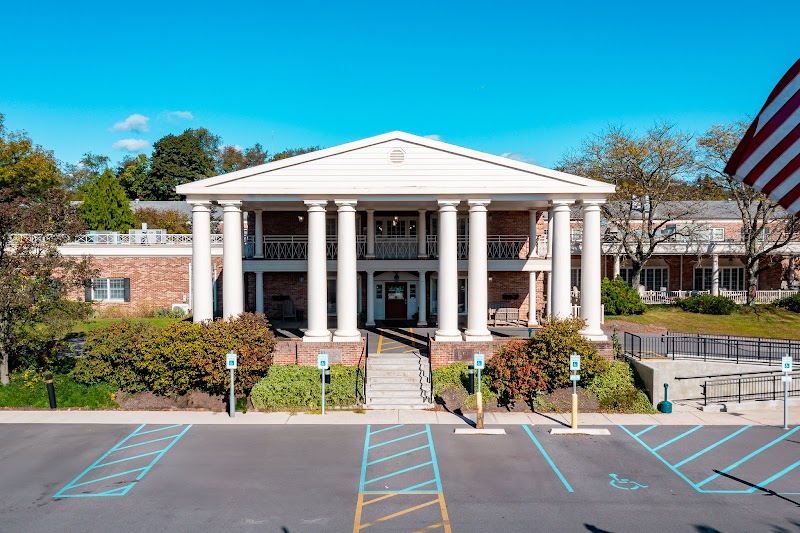
1900 RAVINE ROAD, WILLIAMSPORT, PA 17701 (570) 323-8781
Non profit - Corporation 129 Beds Independent Data: November 2025
Trust Grade
60/100
#379 of 653 in PA
Last Inspection: February 2025

Within standard 12-15 month inspection cycle. Federal law requires annual inspections.

Overview

Williamsport Home has a Trust Grade of C+, indicating it is slightly above average but still has room for improvement. It ranks #379 out of 653 facilities in Pennsylvania, placing it in the bottom half of the state, and #4 out of 8 in Lycoming County, where only three local options are better. The facility is showing an improving trend, with issues decreasing from 11 in 2024 to 10 in 2025. Staffing is decent, with a 3/5 star rating and a remarkable 0% turnover rate, suggesting that staff members are stable and familiar with residents. However, there are concerns regarding RN coverage, which is less than that of 87% of Pennsylvania facilities. While there have been no fines reported, which is a positive sign, recent inspections revealed some troubling incidents. For example, the facility has struggled to maintain cleanliness, with reports of strong odors of urine in resident rooms and litter at the main entrance. Additionally, one resident reported inadequate pain management despite a physician's recommendation for palliative care. Finally, the facility failed to assess the risk of side rail entrapment for several residents, raising safety concerns. Overall, while there are strengths in staffing and no fines, the facility must address cleanliness and care issues to ensure residents' well-being.

Trust Score
C+
60/100
In Pennsylvania
#379/653
Bottom 42%
Safety Record
Low Risk
No red flags
Inspections
Getting Better
11 → 10 violations
Staff Stability
○ Average
Turnover data not reported for this facility.
Penalties
✓ Good
No fines on record. Clean compliance history, better than most Pennsylvania facilities.
Skilled Nurses
⚠ Watch
Each resident gets only 29 minutes of Registered Nurse (RN) attention daily — below average for Pennsylvania. Fewer RN minutes means fewer trained eyes watching for problems.
Violations
⚠ Watch
36 deficiencies on record. Higher than average. Multiple issues found across inspections.
★★★☆☆
3.0
Overall Rating
★★★☆☆
3.0
Staff Levels
★★★★☆
4.0
Care Quality
★★★☆☆
3.0
Inspection Score
Stable
2024: 11 issues
2025: 10 issues

The Good

  • 4-Star Quality Measures · Strong clinical quality outcomes
  • Full Sprinkler Coverage · Fire safety systems throughout facility
  • No fines on record

Facility shows strength in quality measures, fire safety.

The Bad

3-Star Overall Rating

Near Pennsylvania average (3.0)

Meets federal standards, typical of most facilities

The Ugly 36 deficiencies on record

Feb 2025 10 deficiencies
CONCERN (D)

Potential for Harm - no one hurt, but risky conditions existed

Incontinence Care (Tag F0690)

Could have caused harm · This affected 1 resident

Based on clinical record review and staff interview, it was determined that the facility failed to assess and implement interventions to maintain a resident's continence status for one of four residen...

Read full inspector narrative →
Based on clinical record review and staff interview, it was determined that the facility failed to assess and implement interventions to maintain a resident's continence status for one of four residents reviewed (Resident 9). Findings include: The MDS (Minimum Data Set, an assessment tool completed at specific intervals to determine resident care needs) Resident Assessment Indicators (RAI) 3.0 Manual, Section H indicated that each resident who is incontinent or at risk of developing incontinence should be identified, assessed, and provided with individualized treatment (medications, non-medicinal treatments and/or devices) and services to achieve or maintain as normal elimination function as possible. Clinical record review for Resident 9 revealed that since July 3, 2024, Resident 1 had a physician's order to transfer and ambulate with use of a gait belt, a rolling walker, and one staff assistance. The facility completed an annual MDS assessment on January 24, 2025. The facility identified that Resident 9 was moderately impaired, with a BIMS (Brief Interview for Mental Status, assessment that scores a resident's response to memory questions; 8-12 indicates moderately impaired) of 10, was frequently incontinent of bowel and bladder, and not on a toileting plan. Review of Resident 9's task interventions (an action intended to improve the resident's health and comfort) revealed that the facility placed them on a check and change toileting program since April 16, 2024, and a restorative ambulation program since October 17, 2024. Further review of January 8, 2025, through January 14, 2025, (the annual MDS lookback/review period) revealed that Resident 9 was incontinent of bowel 3 times, continent of bowel five times, incontinent of urine 10 times, continent of urine 13 times, and actively participated in the restorative ambulation program during six of the seven day and evening shifts reviewed. Resident 9 ambulated between five and 160 feet during this time period. Review of Resident 9's nursing documentation revealed the following: On January 24, 2025, at 2:52 PM staff documented that Resident 9 remained frequently incontinent of bowel and bladder. Staff report Resident 9 does have continent episodes at times and will assist them to the toilet per her request, however, was usually always incontinent even when the resident voided. The facility will continue a check and change toileting program to ensure the resident was kept clean, dry, and odor free. Resident 9 was on a resident nursing program for ambulation and was able to meet, at times exceed, her ambulation distance goal with no changes at that time. On January 28, 2025, at 10:47 PM staff documented that Resident 9 was alert, verbal, and able to make needs known. They ambulate with a rolling walker, a gait belt, and assist of one staff member and needed one staff to assist with activities of daily living, bed mobility, and toileting. Staff noted that Resident 9 had mixed incontinence of bladder and was continent of bowel. There was no documentation that staff identified Resident 9's potential to increase and/or maintain bowel and/or bladder continence, completed a bowel and bladder tracker, and assessed Resident 9 for either a prompted or scheduled toileting program after the January 2025, annual MDS assessment. The above information was reviewed with the Director of Nursing on February 7, 2025, at 1:23 PM. 28 Pa. Code 201.18(b)(1) Management 28 Pa. Code 211.10(c)(d) Resident care policies 28 Pa. Code 211.12(d)(1)(5) Nursing services
CONCERN (D)

Potential for Harm - no one hurt, but risky conditions existed

Respiratory Care (Tag F0695)

Could have caused harm · This affected 1 resident

Based on observation, clinical record review, and staff interview, it was determined that the facility failed to store oxygen and respiratory care equipment consistent with professional standards of p...

Read full inspector narrative →
Based on observation, clinical record review, and staff interview, it was determined that the facility failed to store oxygen and respiratory care equipment consistent with professional standards of practice for two of two residents reviewed for respiratory care (Residents 28 and 74). Findings include: Observation of Resident 28 on February 25, 2025, at 2:43 PM revealed a nebulizer machine (a small machine that turns liquid medicine into a mist that can be easily inhaled) sitting on the resident's stand beside her bed. A mouthpiece connected to the tubing coming from the machine was observed hanging down in front of the stand uncovered. Resident 28 indicated they received nebulizer treatments two or three times a day. An observation of Resident 28 on February 26, 2025, at 9:25 AM revealed the nebulizer machine again sitting on the resident's stand beside her bed with the mouthpiece hanging down in front of the stand uncovered. Clinical record review for Resident 28 revealed the resident was ordered Ipratropium-Albuterol Solution (a liquid) to inhale by mouth using a nebulizer every four hours as needed for shortness of breath on January 30, 2025. A review of Resident 28's medication administration record for February 2025, revealed the resident had not been administered the solution via the nebulizer since it was last administered on February 22, 2025. The above information was reviewed with the Nursing Home Administrator and Director of Nursing on February 26, 2025, at 3:35 PM Observation of Resident 74's room on February 25, 2025, at 11:45 AM revealed he was in bed with supplemental oxygen on. His oxygen source was a free-standing oxygen cylinder tank. The tank was not in a stand or secured. The Nursing Home Administrator was made aware of Resident 74's oxygen tank and the safety concerns at 12:05 PM on February 25, 2025. 28 Pa. Code 211.12(d)(1)(5) Nursing services
CONCERN (D) 📢 Someone Reported This

A family member, employee, or ombudsman was alarmed enough to file a formal complaint

Potential for Harm - no one hurt, but risky conditions existed

Deficiency F0760 (Tag F0760)

Could have caused harm · This affected 1 resident

**NOTE- TERMS IN BRACKETS HAVE BEEN EDITED TO PROTECT CONFIDENTIALITY** Based on clinical record review and resident and staff interview, it was determined that the facility failed to administer medic...

Read full inspector narrative →
**NOTE- TERMS IN BRACKETS HAVE BEEN EDITED TO PROTECT CONFIDENTIALITY** Based on clinical record review and resident and staff interview, it was determined that the facility failed to administer medication to a resident based on professional standards of practice resulting in the potential for a significant medication error for one of 5 residents reviewed for administration of medications (Resident 262). Findings include: In an interview with Resident 262 on February 25, 2025, at 2:03 PM the resident indicated there was a mix up with her medications Zofran (a medication used to treat nausea and vomiting) and Ativan (a medication used to treat anxiety) from when she was at the facility the first time, and she should not have had them the second time. Clinical record review for Resident 262 revealed the resident was admitted to the facility on [DATE], and sent to the hospital after a change in condition on January 26, 2025. A progress note for Resident 262 dated January 27, 2025, at 12:39 PM noted facility staff met with a family member of the resident who was in the facility collecting the resident's personal belongings who indicated they had chosen to not hold the resident's bed at the facility and did not know how long the resident would be in the hospital. A review of Resident 262's medication orders prior to her transfer to the hospital on January 26, 2025, revealed the resident was ordered Lorazepam (Ativan) as needed for anxiety on January 24, 2025, and Zofran as needed for nausea on January 24, 2025, and both medications were discontinued from the orders on January 29, 2025, when the resident was not in the facility. Resident 262 was readmitted to the facility on [DATE], with several new diagnosis including Torsades de Pointes (a life-threatening heart rhythm disorder, which is noted to be caused by prolonged QT intervals, the time between the Q wave and the T wave of lower heart function) and medication orders. Resident 262's medication orders upon readmission from the hospital did not include Lorazepam (Ativan) or Zofran. A review of a controlled medication utilization record for Resident 262 for Lorazepam, revealed the sheet indicated the medication was received on January 25, 2025 (after the medication was ordered as noted above on January 24, 2025, during the resident's first admission to the facility). Documentation on the controlled medication record revealed a staff member documented the resident was administered a dose of the medication on February 9, 2025, at 7:53 PM. There was no documentation or evidence to indicate the resident was having anxiety at the time or before the administration of the Lorazepam on February 9, 2025, that the resident's physician was contacted due to the resident having anxiety, or that that resident had a physician's order to administer Lorazepam on February 9, 2025, as it was not ordered upon the resident's readmission to the facility. There was also no evidence on Resident's 262's medication administration record of the drug being administered, only the controlled medication sheet. Further clinical record review for Resident 262 revealed a late entry progress note dated February 12, 2025, at 6:52 PM for February 10, 2025, at 9:48 AM that noted during the morning medication pass the resident complained of not feeling well and was nauseous with ginger ale being given without helping. It was noted the on-call provider was called and a new order for a one-time dose of Zofran was obtained. The note indicated it was given and effective. There was no evidence in Resident 262's clinical record of a physician's order for the Zofran as noted above, or any documentation on the resident's medication administration record that the drug was administered as noted. A review of the Food and Drug Administration's (FDA) label for Zofran, revealed a drug label warning for QT interval prolongation and Torsade de Pointes to avoid in patients with congenital long QT syndrome, cardiac failure or arrhythmias. There was no evidence this warning was reviewed prior to the drug being administered as noted above on February 10, 2025. In an interview with the Director of Nursing (DON) on February 28, 2025, at 1:40 PM the DON indicated the above information was identified by the facility as a resident concern. They confirmed the Lorazepam was administered without a physician's order on February 9, 2025, and the medication card for Resident 262 remained in the facility accessible to staff even after the drug was discontinued on January 29, 2025, when the resident was hospitalized . It was confirmed the Lorazepam dose on February 9, 2025, was not noted as administered on the resident's medication administration record and only on the controlled substance sheet. In the same interview, the DON confirmed there was no evidence of a verbal/written physician's order to administer Zofran to Resident 262 on February 10, 2025, and there was no documentation on the resident's medication administration record to indicate the drug was administered. There was no evidence the staff member or provider if contacted, acknowledged or addressed the FDA warning regarding the resident's diagnosis of Torsades de Pointes and the Zofran before it was administered on February 10, 2025. Resident 262 did not exhibit an adverse reaction to the administration of the above medications. The facility provided evidence of counseling to the nurse who administered the Lorazepam without and order, and who did not document on the medication administration record that the drug was administered. Counseling was provided to the nurse who did not enter a physician's order for the resident to receive Zofran and document on the medication administration record that it was administered. The facility provided evidence of staff education regarding verbal orders to licensed staff although all staff were not yet educated at the time of review. There was no evidence of staff education regarding the disposition of resident medications upon discontinuation of a medication as the medication card containing Lorazepam remained available in the facility for Resident 262 on February 9, 2025, after the drug was discontinued on January 29, 2025. The above findings were reviewed with the Nursing Home Administrator on February 28, 2025, at 2:45 PM. 28 Pa. Code: 211.10(c)(d) Resident care policies. 28 Pa. Code: 211.12(d)(1)(5) Nursing services. 28 Pa. Code 211.9 (a)(1), (d), (j.1)(1)(3)(4)(5) Pharmacy services
CONCERN (D)

Potential for Harm - no one hurt, but risky conditions existed

Deficiency F0761 (Tag F0761)

Could have caused harm · This affected 1 resident

Based on observation and staff interview, it was determined that the facility failed to ensure appropriate medication security for one of six nursing units (300 Hall Nursing Unit). Findings include: O...

Read full inspector narrative →
Based on observation and staff interview, it was determined that the facility failed to ensure appropriate medication security for one of six nursing units (300 Hall Nursing Unit). Findings include: Observation of the 300 Hall Nursing Unit on February 25, 2025, revealed the following: At 8:48 AM, upon arrival to the 300 Hall Nursing Unit, the surveyor observed the unit's medication cart unlocked while it was near the soiled utility room. No licensed staff were observed in the vicinity. There were several unlicensed staff pushing residents in wheelchairs past the medication cart while it was unlocked. At 8:49 AM, Employee 1, licensed practical nurse, returned to the medication cart from down the hallway and out of view of the medication cart. Employee 1 left the 300 Hall Nursing Unit's medication cart while they were away from the medication cart and did not have direct visualization of the medication cart. Interview on February 25, 2025, at 9:18 AM with Employee 1 acknowledged that their medication cart was left unsecure while they were away from it. The findings were reviewed during an interview on February 26, 2025, at 9:00 AM with the Nursing Home Administrator and the Director of Nursing. 28 Pa. Code: 201.14 (a) Responsibility of licensee. 28 Pa. Code 201.18(b)(l)(3)(e)(1) Management 28 Pa. Code 201.29 (c)(3)(4) Resident rights 28 Pa. Code 211.12(d)(1)(3)(5) Nursing services
CONCERN (D)

Potential for Harm - no one hurt, but risky conditions existed

Dental Services (Tag F0791)

Could have caused harm · This affected 1 resident

Based on clinical record review, observation, and resident and staff interview, it was determined that the facility failed to assist a resident to obtain routine dental care for one of two residents r...

Read full inspector narrative →
Based on clinical record review, observation, and resident and staff interview, it was determined that the facility failed to assist a resident to obtain routine dental care for one of two residents reviewed for dental concerns (Resident 84). Findings include: Interview and observation of Resident 84 on February 26, 2025, at 11:06 AM while she was in bed revealed that she had her own teeth. Resident 84 indicated that she had not seen a dentist since she had been in the facility. Clinical record review for Resident 84 revealed that her current payment source was the state Medicaid benefit. Further clinical record review for Resident 84 revealed no evidence of her receiving dental services over the past 12 months. Interview of the Director of Nursing on February 28, 2025, at 8:00 AM revealed that there was no evidence that Resident 84 received dental care or that she was offered dental care and refused treatment. The facility failed to provide Resident 84 with routine prophylactic dental cleanings as covered under the State plan. 28 Pa. Code 211.12(d)(1)(3)(5) Nursing services
CONCERN (D)

Potential for Harm - no one hurt, but risky conditions existed

Medical Records (Tag F0842)

Could have caused harm · This affected 1 resident

**NOTE- TERMS IN BRACKETS HAVE BEEN EDITED TO PROTECT CONFIDENTIALITY** Based on clinical record review and staff and resident interview, it was determined that the facility failed to ensure accurate ...

Read full inspector narrative →
**NOTE- TERMS IN BRACKETS HAVE BEEN EDITED TO PROTECT CONFIDENTIALITY** Based on clinical record review and staff and resident interview, it was determined that the facility failed to ensure accurate clinical documentation for one of 24 residents reviewed (Resident 100). Findings include: Clinical record review for Resident 100 revealed the resident was admitted to the facility on [DATE]. Review of the resident's list of active diagnosis revealed Post Traumatic Stress Syndrome (PTSD) added on January 22, 2025. Review of an admission MDS (Minimum Data Set - an assessment completed at periodic intervals of time to assess resident care needs) dated January 28, 2025, for Resident 100 revealed the resident was listed as having a diagnosis of PTSD. Interview with Resident 100 on February 25, 2025, at 12:02 PM revealed the resident indicated hearing sirens specifically were traumatizing to him due to his history, but stated he did not have an official diagnosis of PTSD from a psychologist or medical professional. In an interview with Employee 2, social services, on February 27, 2025, at 10:30 AM, Employee 2 indicated Resident 100 did have a history of trauma with hearing sirens, which she addressed in his plan of care, but the resident did not have a diagnosis of PTSD. A social service progress note dated February 27, 2025, at 3:00 PM noted social service contacted Resident 100's medical providers and confirmed the resident did not have a diagnosis of PTSD and it would be removed from his list of diagnosis. Resident 100's clinical record inaccurately reflected that the resident had a diagnosis of PTSD. The above information was reviewed with the Nursing Home Administrator and Director of Nursing on February 27, 2025, at 3:30 PM. 28 Pa. Code 211.5(i) Medical records 28 Pa. Code 211.12(d)(1)(3)(5) Nursing services
CONCERN (E)

Potential for Harm - no one hurt, but risky conditions existed

Safe Environment (Tag F0584)

Could have caused harm · This affected multiple residents

Based on observation and staff and resident interview, it was determined that the facility failed to provide adequate housekeeping and maintenance services to ensure a clean, safe, and orderly environ...

Read full inspector narrative →
Based on observation and staff and resident interview, it was determined that the facility failed to provide adequate housekeeping and maintenance services to ensure a clean, safe, and orderly environment on 3 of six nursing units (300 400, and 500 Nursing Units, Residents 14, 3, 81, and 84) and at the facility's main entrance. Findings include: Observation of the 300 Hall Nursing Unit on the following dates and times revealed the following: On February 25, 2025, at 1:31 PM there was a strong odor of urine in Resident 14's room. On February 26, 2025, at 11:27 AM and February 27, 2025, at 1:00 PM and there was an odor of urine in Resident 14's room. Observation of the main entrance to the facility on February 25, 2025, at 1:02 PM and February 27, 2025, at 8:33 AM and 12:48 PM, revealed the following: One medical face mask was discarded on the ground and two others discarded in the landscape adjacent to the main entrance of the facility. A used tissue discarded in the planter next to the main entrance. An overflowing garbage can. Multiple cigarette butts discarded on the ground and landscape at the base of the steps leading to the parking lot in front of the main entrance. The above information was reviewed in a meeting with the Nursing Home Administrator and Director of Nursing on February 27, 2025, at 2:45 PM. Observation of the 400 Hall Nursing Unit on the following dates and times revealed the following: On February 26, 2025, at 10:45 AM observation of Resident 81's room revealed that the paint was peeling on the wall next to the bed, the wall next to the closet was all marred, and the frame around the closet was all marred. Observation of the 500 Hall Nursing Unit on the following dates and times revealed the following: Observation of Resident 3's room on February 26, 2025, at 9:22 AM revealed that the frame around her closet was all marred. Observation of Resident 84's room on February 26, 2025, at 10:59 AM revealed that there were rolled towels on her windowsill tight up against the windows. Concurrent interview with Resident 84 revealed that the towels were there to keep the cold air out. The Nursing Home Administrator and the Director of Nursing were made aware of the above noted concerns for Residents 3, 81, and 84, during a meeting on February 27, 2025, at 3:00 PM. 28 Pa. Code 201.18(b)(3) Management 28 Pa. Code 207.2(a) Administrator's responsibility
CONCERN (E)

Potential for Harm - no one hurt, but risky conditions existed

Deficiency F0697 (Tag F0697)

Could have caused harm · This affected multiple residents

Based on clinical record review and resident and staff interview, it was determined that the facility failed to ensure that pain management was provided that was consistent with professional standards...

Read full inspector narrative →
Based on clinical record review and resident and staff interview, it was determined that the facility failed to ensure that pain management was provided that was consistent with professional standards of practice for one of one resident reviewed (Resident 84). Findings include: Interview with Resident 84 on February 26, 2025, at 11:24 AM she indicated that she has pain and that it is not controlled with the medication that they give her. She said her pain is in her legs and that it is worse when they move her. She indicated that she usually would ask staff for her pain medication and if it is time they will give it to her. A physician's progress note dated December 17, 2024, at 6:08 PM revealed that Resident 84 was seen by orthopedics related to her left leg contracture and they reported that her extremity is bone on bone and that she is not a surgical candidate. They recommended palliative care and pain management. The physician discontinued her Tramadol (a medication used to treat moderate to severe pain) and increased her dose of Oxycodone (a medication used to treat moderate to severe pain). A palliative care progress noted dated December 24, 2024, at 10:29 AM revealed that Resident 84 presented with pain in the left lower extremity and her right ankle. The note also indicated that Resident 84 reports pain and nursing reports that she complains of severe pain in the left lower extremity and right ankle pain. Nursing reported that Resident 84 currently takes her ordered as needed Oxycodone medication and it is effective. The note also indicated that on assessment Resident 84 states she has mild pain without movement and severe pain with movement and care. Clinical record review for Resident 84 revealed current physician orders for Tylenol (a medication used to control mild pain) 325 milligrams (mg) give two tablets every four hours as needed for a pain level of one to three, Oxycodone HCI oral tablets 5 mg give one tablet every four hours as needed for a pain level of four to six, and Oxycodone HCI oral tablets 5 mg give two tablets by mouth every four hours as needed for a pain level of seven to 10. Review of Resident 84's medication administration record (MAR) for December 2024, to February 26, 2025, revealed that she received Tylenol 325 mg two tablets for a pain level of 1-3 on December 5, 18, 28, 29, 2024, and January 4, 10, 12-14, 21, and 26, 2025. Review of Resident 84's MAR for December 2024, to February 26, 2025, revealed that she received Oxycodone 5 mg tablets one tablet every four hours as needed for a 4-6 pain level at least once daily December 19, 21-22, and 24-31, 2024, January 1-12, 14-20, and 23-31, 2025, and February 1-26, 2025. Review of Resident 84's MAR for December 2024, to February 26, 2025, revealed that she received Oxycodone 5 mg tablets two tablet every four hours as needed for 7-10 pain level at least once daily December 20, 23-26, and 28-31, 2024, January 2, 3, 5, 8-12, 15, 17, 21-23, 25-27, 29-31, 2025, and February 4-6, 8, 10, 13-16, 21, 23, and 26, 2025. Interview with the Director of Nursing on February 28, 2025, at 10:01 AM confirmed the above noted findings related to Resident 84's pain. The facility failed to ensure that Resident 84's received pain management that was consistent with professional standards of practice. 28 Pa Code 211.10(c) Resident care policies 28 Pa Code 211.12(d)(1) Nursing services
CONCERN (E)

Potential for Harm - no one hurt, but risky conditions existed

Deficiency F0700 (Tag F0700)

Could have caused harm · This affected multiple residents

Based on observation, clinical record review, and staff and resident interview, it was determined that the facility failed to assess for the risk of side rail entrapment for 6 of 11 residents reviewed...

Read full inspector narrative →
Based on observation, clinical record review, and staff and resident interview, it was determined that the facility failed to assess for the risk of side rail entrapment for 6 of 11 residents reviewed for accident hazards (Residents 3, 9, 12, 38, 71, and 262), and review the risk and benefits of side rail utilization with the resident or resident representative, and receive consent for the use of side rails for 5 of 11 residents reviewed for accident hazards (Residents 3, 9, 12, 59, 71). Findings include: Observation of Resident 12's room on February 26, 2025, at 11:23 AM revealed that there were bilateral grab bars observed on the bed. Clinical record review for Resident 12 revealed that the facility completed an enabler bar assessment, review of potential risks, and consent on November 29, 2023. The facility completed an enabler bar entrapment evaluation on December 27, 2023, which indicated that they passed for potential entrapment for zones one (within the rail), two (between the bottom of the rail and top of compressed mattress), three (between the edge of the mattress and inside of the rail, and four (between the top of the compressed mattress and the bottom of the rail at the end of the rail). There was no documentation that indicated the facility assessed zone six (between the end of the rail and the side edge of the head or foot board) for potential entrapment. On May 1, 2024, Resident 12 moved to another room and a different bed. There was no documentation that indicated the facility assessed Resident 12's new bed and grab bars for the potential risk of entrapment. Observation of Resident 9's room on February 25, 2025, at 1:50 PM and February 26, 2025, at 11:24 AM revealed that there were bilateral grab bars observed on the bed. Clinical record review for Resident 9 revealed that the facility completed an enabler bar evaluation on May 2, 2024, when she moved to a new room and a different bed that indicated they passed for potential entrapment in zones one through four. There was no documentation that indicated the facility assessed zone six (between the end of the rail and the side edge of the head or foot board) for potential entrapment. Observation of Resident 71's room on February 25, 2025, at 8:57 AM, 12:58 PM and 1:46 PM revealed that there were bilateral grab bars observed on the bed. Clinical record review for Resident 71 revealed that that was a current physician's order dated August 16, 2024, for the resident to utilize grab bars as enablers to promote independent bed mobility. Since August 16, 2024, Resident 71 had moved to a different room and a different bed three times. There was no documentation that Resident 71's bilateral side rails were assessed with each room move to ensure the grab rails were appropriate, that the resident's ability to utilize them was evaluated, or the risk of entrapment was evaluated. There was no documentation that the facility received consent from Resident 71 or their responsible party to utilize enabler bars or that the facility provided education to Resident 71 and their responsible party regarding the potential risks of utilizing enabler bars. The above information was reviewed during an interview with the Nursing Home Director and the Director of Nursing on February 27, 2025, at 2:45 PM. Observation of Resident 3 on February 25, 2025, at 1:30 PM revealed she was in a chair beside her bed. Observation revealed that her bed had bilateral grab bars on it. Concurrent interview with Resident 3 revealed that when she is in bed, she utilizes the grab bars to turn and to get in and out of bed. Clinical record review revealed that Resident 3 had a physician's order dated October 8, 2024, for bilateral grab bars to use as an enabler to promote independent bed mobility. Further clinical record review revealed a grab bar evaluation completed on October 3, 2024, that indicated the grab bars were indicated and serve as an enabler to promote independence for Resident 3. The evaluation form revealed that there was no risk for entrapment in zones one, two, three, and four as per measurements obtained by staff. The evaluation form did not include an assessment or review of zone six, which could potentially pose a risk for entrapment between the end of the grab bar device and the side of the headboard. The Director of Nursing was made aware of the above noted concerns related to Resident 3 on February 27, 2025, at 3:08 PM. Review of the census for Resident 59 revealed the resident changed rooms on October 30, 2024. Observation of Resident 59 on February 26, 2025, at 9:36 AM revealed the resident was in bed and had bilateral enabler bars attached to the bed. The Minimum Data Set Assessment (MDS, an assessment completed at specific intervals to determine care needs) dated February 15, 2025, revealed that facility staff assessed Resident 59 as having a BIMS (Brief Interview for Mental Status) of 99, which indicated the resident was unable to complete the assessment interview. Current physician orders for Resident 59 dated February 12, 2025, revealed an order for grab bars to assist with independent mobility. A Plan of Care note dated February 13, 2025, at 3:41 PM revealed documentation that indicated Resident 59 recently had grab bars applied to his bed, and staff reported the grab bars had improved bed mobility. Documentation for Resident 59 titled, Grab Bar/Side Rail Evaluation, noted the resident was assessed as not capable. However, staff further assessed that the grab bars were indicated and serve as an enabler to promote independence. Further review of the documentation, Grab Bar/Side Rail Evaluation, for Resident 59 revealed consent was obtained verbally from the responsible party and dated February 27, 2025 (after the grab bars were applied to the bed). An interview with the Director of Nursing on February 27, 2025, at 12:18 PM confirmed that the risk assessment/evaluation and consent was not completed until after the grab bars were placed on Resident 59's current bed. An observation of Resident 262 on February 25, 2025, at 2:01 PM revealed the resident was in bed with bilateral enabler bars on the bed. Clinical record review for Resident 262 revealed a side rail evaluation dated February 7, 2025, assessing the need for the enabler bars to promote independence and consent by the resident for the enabler bars. Review of an entrapment zone measurement sheet for Resident 262 revealed the form was not completed until February 25, 2025, and indicated the risk of entrapment was assessed for zones 1 through zone four, but did not assess for the risk of entrapment in zone 6 as noted above. An observation of Resident 38 on February 26, 2025, at 10:30 AM revealed the resident was in bed with bilateral enabler bars on the bed. Review of an entrapment zone measurement sheet for Resident 38 indicated the risk of entrapment was assessed for zone 1 through zone four, but did not assess for the risk of entrapment in zone 6 as noted above. The concerns regarding Residents 262 and 38 not being assessed for risk in zone six were reviewed with the Nursing Home Administrator and Director of Nursing on February 27, 2025, at 3:10 PM. 28 Pa. Code 211.12 (d)(5) Nursing services
CONCERN (E)

Potential for Harm - no one hurt, but risky conditions existed

Drug Regimen Review (Tag F0756)

Could have caused harm · This affected multiple residents

Based on review of select facility policies, clinical record review, and staff interview, it was determined that the facility failed to ensure a timely physician response to consultant pharmacist reco...

Read full inspector narrative →
Based on review of select facility policies, clinical record review, and staff interview, it was determined that the facility failed to ensure a timely physician response to consultant pharmacist recommendations for three of five residents reviewed (Residents 21, 57, and 64). Findings include: The facility policy Monthly Medication Regimen Review, last reviewed on February 11, 2025, revealed that if an identified irregularity requires urgent action, the pharmacist will immediately report the irregularity to the Director of Nursing or designee and the attending physician by phone. Review of a medication regimen review for Resident 57 dated September 26, 2024, revealed a Consultation Report, which noted the pharmacist made a recommendation of a gradual dose reduction (GDR) for the resident's Duloxetine (a medication used to treat depression, anxiety, and sometimes pain). Further review of this documentation for Resident 57 revealed that the physician had responded to the recommendation by declining it, signing, and dating the document on November 15, 2024. The documentation was also dated and signed by the Director of Nursing on November 20, 2024. Review of a medication regimen review for Resident 64 dated August 29, 2024, revealed a Consultation Report, which noted the pharmacist made a recommendation to reduce the resident's omeprazole (a medication used to treat certain stomach problems) to 20 milligrams (mg) twice a day and administer 30 to 60 minutes before food. Further review of this documentation for Resident 64 revealed that the physician had responded to the recommendation by accepting it, signing, and dating the document on October 25, 2024. The documentation was also dated and signed by the Director of Nursing on October 25, 2024. Review of a medication regimen review for Resident 64 dated October 24, 2024, revealed a Consultation Report, which noted the pharmacist made a recommendation of a GDR for the resident's Olanzapine (an antipsychotic medication). Further review of this documentation for Resident 64 revealed that the physician had responded to the recommendation by accepting it, signing, and dating the document on November 27, 2024. The documentation was also dated and signed by the Director of Nursing on December 2, 2024. The facility failed to address in their policy and procedure, for monthly medication regimen review, an appropriate time frame for physician response to a pharmacist recommendation and ensure a timely physician's response to monthly recommendations made by the pharmacist. The above information for Residents 57 and 64 were reviewed in a meeting with the Nursing Home Administrator and Director of Nursing on February 27, 2025, at 2:45 PM. Review of a medication regimen review for Resident 21 dated September 26, 2024, revealed a Consultation Report, which noted the pharmacist made a recommendation to decrease Resident 21's Omeprazole (a medication used to treat gastroesophageal reflux disease- a digestive disorder in which the stomach acid irritates the food pipe lining) dose to 20 milligrams 30-60 minutes before food. Further review of this documentation for Resident 21 revealed that the physician had responded to the recommendation by accepting it, signing, and dating the document on November 5, 2024, one month and 10 days after the recommendation was made. The Director of Nursing was made aware of the above noted concerns related to the untimely response by the physician for Resident 21's consultant pharmacy recommendation in a meeting on February 27, 2025, at 3:10 PM. 483.45(c) Drug Regimen Review Previously cited 2/2/24 28 Pa. Code 211.9 (k) Pharmacy services 28 Pa. Code 211.12(d)(3)(5) Nursing services
May 2024 2 deficiencies
CONCERN (D) 📢 Someone Reported This

A family member, employee, or ombudsman was alarmed enough to file a formal complaint

Potential for Harm - no one hurt, but risky conditions existed

Comprehensive Care Plan (Tag F0656)

Could have caused harm · This affected 1 resident

Based on clinical record review and staff interview, it was determined that the facility failed to implement a comprehensive person-centered care plan regarding pressure injury risk for one of four re...

Read full inspector narrative →
Based on clinical record review and staff interview, it was determined that the facility failed to implement a comprehensive person-centered care plan regarding pressure injury risk for one of four residents reviewed (Resident CR1). Findings Include: Review of Resident CR1's closed clinical record revealed a Minimum Data Set Assessment (MDS, an assessment done at specific intervals to determine care needs) dated March 7, 2024, revealed that the facility assessed Resident CR1 as being at risk of developing pressure ulcers and/or injury and indicated that a care plan regarding this risk would be developed. Review of Resident CR1's plan of care revealed that the facility did not develop a plan of care to address his risk of pressure ulcer and/or injury until April 3, 2024, two days after his discharge from the facility. The above findings were reviewed and acknowledged during a phone interview with the Administrator and Director of Nursing on May 8, 2024, at 1:30 PM. 28 Pa. Code 211.12(c)(d)(1)(3)(5) Nursing services
CONCERN (D) 📢 Someone Reported This

A family member, employee, or ombudsman was alarmed enough to file a formal complaint

Potential for Harm - no one hurt, but risky conditions existed

Quality of Care (Tag F0684)

Could have caused harm · This affected 1 resident

**NOTE- TERMS IN BRACKETS HAVE BEEN EDITED TO PROTECT CONFIDENTIALITY** Based on closed clinical record review, review of select facility policies and procedures, and staff interview, it was determine...

Read full inspector narrative →
**NOTE- TERMS IN BRACKETS HAVE BEEN EDITED TO PROTECT CONFIDENTIALITY** Based on closed clinical record review, review of select facility policies and procedures, and staff interview, it was determined that the facility failed to provide the highest practicable care regarding surgical incision assessments and treatments for one of 4 residents reviewed (Resident CR1). Findings include: The policy entitled Wound Treatment Guidelines, provided as the policy in effect for the facility as of March 1, 2024, indicated that the facility will report any changes to the surgeon such as drainage, pain, redness, or warmth. The policy did not indicate how often the facility will assess a surgical incision for signs and symptoms of infection. Review of Resident CR1's closed clinical record revealed that the facility admitted him on March 1. 2024. An admission nursing assessment dated [DATE], indicated that Resident CR1 was admitted with a thoracic (an area on the spine below the neck to below the shoulder blades) incision with 25 staples with black crusted drainage present. A nursing note dated March 1, 2024, at 2:45 PM indicated that Resident CR1's thoracic incision had redness and warmth to the surrounding skin. There was no documented evidence to indicate that the facility notified Resident CR1's surgeon regarding the redness and warmth to his thoracic incision. Review of Resident CR1's discharge summary from the hospital dated March 1, 2024, indicated that the facility was to transport him to a follow up visit with his neurosurgeon on March 8, 2024, for staple removal. Review of a handwritten note from Resident CR1's neurosurgeon's follow up visit revealed that the facility is to KEEP HIM OFF HIS INCISION!!! There was also an order for the facility to start using Allevyn foam (a protective barrier for skin alterations) every three days on Resident CR1's thoracic incision for protection. There was no documented evidence that the facility initiated a change to his turning and repositioning schedule to keep Resident CR1 off his incision, nor documented evidence to indicate that any protective barrier was being used on Resident CR1's thoracic incision after his visit with neurosurgery on March 8, 2024. A Weekly Skin Assessment dated March 10, 2024, indicated that Resident CR1 had two surgical incisions and that they are well approximated. There was no documented evidence to indicate that Resident CR1's thoracic incision was assessed for signs and symptoms of infection or pressure related injury. A Weekly Skin Assessment dated March 17, 2024, indicated that Resident CR1 did not have any impaired skin integrity and there was no mention of his incisions. There was no documented evidence to indicate that Resident CR1's thoracic incision was assessed for signs and symptoms of infection or pressure relate injury. Nursing documentation dated March 18, 2024, at 9:45 AM revealed that Resident CR1's thoracic incision was open with a large amount of brown drainage. A neurosurgery consult progress note dated March 18, 2024, at 2:45 PM indicated that Resident CR1's thoracic incision dehisced (when the incision opens) due to ongoing pressure and that Resident CR1 will now require a wound vac system (a would treatment that creates negative pressure for wound healing). The facility failed to appropriately assess and implement physician recommended treatment orders for Resident CR1's incision. During a phone interview on May 8, 2024, at 1:30 PM the above findings were reviewed with the Administrator and Director of Nursing. 483.25 Quality of Care Previously cited 2/2/24 28 Pa. Code 211.10 (a)(c)(d) Resident care policies 28 Pa. Code 211.12(d)(1)(3)(5) Nursing services
Mar 2024 1 deficiency
CONCERN (E) 📢 Someone Reported This

A family member, employee, or ombudsman was alarmed enough to file a formal complaint

Potential for Harm - no one hurt, but risky conditions existed

Pharmacy Services (Tag F0755)

Could have caused harm · This affected multiple residents

Based on review of clinical records, review of select forms and documents, and staff interview, it was determined that the facility failed to ensure an effective procedure for acquiring and dispensing...

Read full inspector narrative →
Based on review of clinical records, review of select forms and documents, and staff interview, it was determined that the facility failed to ensure an effective procedure for acquiring and dispensing medications for five of six residents reviewed (Residents 1, 2, 3, 4, and 6). Findings include: Documents provided by the Director of Nursing on March 29, 2024, at 9:30 AM identified the procedure for obtaining medications for new admissions, effective March 18, 2024, indicates that if the facility orders medications by 11:00 AM, the pharmacy will depart at 2:20 PM to deliver Monday through Friday. If orders are completed by 9:00 PM, pharmacy will depart at 12:30 AM to deliver Monday through Friday. The procedure also indicates that there is a 5 Step Order Process in which nursing staff shall determine what time the resident medication is due, then determine when the delivery time would be for the pharmacy. If the delivery time is after the time the dose is due, staff are to determine availability of the medication from their Omnicell (a backup inventory of medications stored on-site in the facility). If the medication is not available in the Omnicell, staff should call the prescriber and get the medication changed to something available on site or call the pharmacy to request the medication be delivered STAT (immediately). Interview with the Director of Nursing at this time, revealed that there is a local pharmacy that can be utilized if medications cannot be completed STAT. Review of Resident 1's clinical record revealed that she was admitted to the facility on Thursday, March 28, 2024, at 11:57 AM. A physician's order dated March 28, 2024, indicated nursing staff were to administer Morphine (a narcotic pain reliever) ER (extended release) 15 mg (milligrams) at 8:00 PM for pain. Review of Resident 1's Medication Administration Record (MAR, a form utilized to document the administration of medication) dated March 2024, indicated that Resident 1's Morphine was not administered due to awaiting arrival. A list provided by the facility to indicate what medications are available for dispensing in the Omnicell indicated that Morphine ER 15 mg was available, but still not given to Resident 1 when due for administration. Review of Resident 2's clinical record revealed that the facility admitted her on Tuesday, March 26, 2024, at 3:56 PM. Nursing progress notes dated March 26, 2024, from 9:16 PM till 9:20 PM, indicated that the following medications were not administered in the evening due to them not being available from pharmacy: Colestipol (lowers cholesterol), Dorzolamide (an eye drop that can treat glaucoma), Pilocarpine (an eye drop that can treat glaucoma), Advair (treat lung conditions), Latanoprost (an eye drop that can treat glaucoma), and Simvastatin (lowers cholesterol). There was no documented evidence to indicate that the facility completed the 5 Step Order Process to obtain Resident 2's medications, or if nursing staff attempted to obtain the medications through the facility's on-site Omnicell. Review of Resident 3's clinical record revealed that the facility admitted her on Tuesday, March 26, 2024, at 12:13 PM. Nursing progress notes dated March 26, 2024, from 9:21 PM till 9:28 PM, indicated that the following medications were not administered in the evening due to them not being available from pharmacy: Advair, Flonase (a nasal spray to help with allergies), Bumetanide (helps control excess fluid in the body), and Sucralfate (helps with stomach ulcers). There was no documented evidence to indicate that the facility completed the 5 Step Order Process to obtain Resident 3's medications. Review of Resident 4's clinical record revealed that the facility admitted her on Monday, March 25, 2024, at 11:45 AM. A nursing progress note dated March 25, 2024, at 6:53 PM, indicated that nursing staff did not administer Acyclovir (an antiviral agent) as ordered by her physician at 5:00 PM, due to having not arrived from pharmacy and not available in Omnicell. Review of the list of provided by the facility to indicate what medications are available for dispensing in the Omnicell indicated that Acyclovir is a medication that should be available. There was no further documented evidence to indicate that the facility completed the 5 Step Order Process to obtain Resident 4's Acyclovir. Review of Resident 6's clinical record revealed that the facility admitted her on Wednesday, March 27, 2024, at 4:19 PM. A nursing progress note dated March 28, 2024, at 2:27 PM, indicated that nursing staff did not administer her Lidocaine patch (for pain relief) at 9:00 AM due to still awaiting its arrival from pharmacy, 22 hours after Resident 6 was admitted to the facility. Interview with the Administrator and Director of Nursing on March 29, 2024, at 11:30 AM confirmed the above findings for Resident 1, 2, 3, 4, and 6. 483.45 Pharmacy Services Previously cited 2/2/24 28 Pa. Code 211.9 (j.1)(4)(5) Pharmacy services 28 Pa. Code 211.12(c)(d)(1)(3)(5) Nursing services
Feb 2024 8 deficiencies
CONCERN (D) 📢 Someone Reported This

A family member, employee, or ombudsman was alarmed enough to file a formal complaint

Potential for Harm - no one hurt, but risky conditions existed

Deficiency F0561 (Tag F0561)

Could have caused harm · This affected 1 resident

Based on review of select facility policy and procedures, observations, and resident and staff interviews, it was determined that the facility failed to ensure that residents could make choices about ...

Read full inspector narrative →
Based on review of select facility policy and procedures, observations, and resident and staff interviews, it was determined that the facility failed to ensure that residents could make choices about aspects of their lives that were significant to them, such as smoking, for one of 32 residents reviewed (Resident 315). Findings include: The facility policy entitled, Smoking Policy Skilled Nursing Facility, last reviewed without changes on January 25, 2024, revealed the facility is a smoke free building. The policy of the facility was to ensure that smoking was only permitted in a designated area and was done in a safe manner. New residents will be informed that the facility is smoke free; and they are welcome to reside here but may not smoke. The procedure indicated that the skilled nursing center has a designated smoking area on the porch outside the main lobby for visitors to smoke. Staff are permitted to smoke during break times in areas indicated by signs as a designated smoking area to include the smoke shack off the skilled nursing facility and the designated smoking areas at the apartments, or in their vehicle. Interview with Resident 315 on January 30, 2024, at 1:15 PM revealed that she does smoke but that the facility indicated they are a non-smoking facility, so she is not able to smoke here. She indicated that it was driving her nuts. Further interview of Resident 315 on January 31, 2024, at 10:30 AM after she requested to see the surveyor, revealed that she wanted to know what the facility smoking policy was and what the rules were related to smoking because she was hearing two different stories. She indicated that she was told on admission that the facility was non-smoking but that a nurse last night told her that staff and visitors smoke at the facility. She also indicated that she is manic depressive (a mental health disorder that causes extreme mood swings from emotionally high to emotionally low) and with her pain slowly getting under control, and that fact that she is not allowed to smoke she can feel herself slipping into a low spot. The Nursing Home Administrator and Director of Nursing were made aware of Resident 315's concerns related to smoking during a meeting on January 31, 2024, at 2:15 PM. They confirmed that staff and visitors could smoke at the facility in designated areas but that residents are not allowed to smoke. They also confirmed that residents are made aware of this on admission. The facility failed to ensure that a resident of the facility that desired to smoke, could smoke on premises in the facility designated smoking areas that are available to visitors and staff. 28 Pa. Code 201.29(j) Resident rights
CONCERN (D) 📢 Someone Reported This

A family member, employee, or ombudsman was alarmed enough to file a formal complaint

Potential for Harm - no one hurt, but risky conditions existed

Deficiency F0655 (Tag F0655)

Could have caused harm · This affected 1 resident

Based on clinical record review and staff interview, it was determined that the facility failed to develop and implement a baseline care plan that included instructions needed to provide effective car...

Read full inspector narrative →
Based on clinical record review and staff interview, it was determined that the facility failed to develop and implement a baseline care plan that included instructions needed to provide effective care for one of four residents reviewed (Resident 314). Findings include: Clinical record review for Resident 314 revealed that the facility admitted her on January 25, 2024, with diagnoses of dementia (loss of memory, language, problem-solving and other thinking abilities that interfere with daily life), mood disturbance (feelings of distress or sadness), psychotic disturbance (a mental disorder characterized by a disconnection from reality), and anxiety (intense, excessive, and persistent worry and fear about everyday situations). Further clinical record review for Resident 314 revealed a behavioral progress noted dated January 28, 2024, at 9:58 AM that indicated the resident was hitting the nurse and nurse aide multiple times during morning care. The note indicated she was very combative and unable to redirect. A social service progress noted dated January 29, 2024, at 10:10 AM revealed that the social worker met with Resident 314 and her son. The note indicated that the resident likes arranging flowers, puzzles, spending time with her grandchildren, walking, and gardening. The note indicated that the son revealed that Resident 314 does become both physically and verbally aggressive due to her dementia diagnosis. He also indicated that her behaviors can be activated by loud/noisy environments. He stated that when she is agitated it is best to give her space, if safe to do so, reapproach by using a calm soft voice, and for staff to provide cueing prior to any care or she may become combative if staff try to provide care without telling her or try to rush her. A behavioral progress note date January 29, 2024, at 2:07 PM revealed that Resident 314 continued with yelling and combativeness with staff. She was worse during morning care and when taking her to the bathroom. A behavioral progress note dated January 31, 2024, at 7:38 AM revealed that Resident 314 did well, but became anxious at times. She became severely agitated when asked to remain seated or when staff tried to wash the urine off her. She hit the nurse in the face two times. She was redirected to focus on sitting down and to get cleaned up and redressed. Review of Resident 314's baseline care plan revealed that the facility did not implement a person-centered behavioral care plan or interventions that were suggested by son when social services interviewed him. Interview with the Nursing Home Administrator, Director of Nursing and Employee 1, Assistant Director of Nursing, on February 1, 2024, at 2:42 PM confirmed that a care plan related to Resident 314's behaviors to include preventative interventions was not implemented until after the surveyor brought this to their attention on January 31, 2024. The facility failed to implement a person-centered baseline care plan to address Resident 314's behaviors. 28 Pa. Code 211.12(d)(1)(5) Nursing services
CONCERN (D) 📢 Someone Reported This

A family member, employee, or ombudsman was alarmed enough to file a formal complaint

Potential for Harm - no one hurt, but risky conditions existed

Pharmacy Services (Tag F0755)

Could have caused harm · This affected 1 resident

**NOTE- TERMS IN BRACKETS HAVE BEEN EDITED TO PROTECT CONFIDENTIALITY** Based on closed clinical record review, review of select policies and procedures, and staff interview, it was determined that th...

Read full inspector narrative →
**NOTE- TERMS IN BRACKETS HAVE BEEN EDITED TO PROTECT CONFIDENTIALITY** Based on closed clinical record review, review of select policies and procedures, and staff interview, it was determined that the facility failed to ensure reconciliation of controlled medications upon discharge for one of three residents reviewed (Resident 111). Findings include: Review of Resident 111's closed clinical record revealed that she expired and was discharged from the facility on [DATE]. Resident 111 had current physician orders for Oxycodone (a narcotic used to treat pain) 5 mg (milligrams) every four hours as needed for pain and Ativan (medication used to treat anxiety) 0.5 mg two times a day as needed for anxiety. There was no documented evidence in Resident 111's closed clinical record to indicate that the facility accounted for the disposition of her controlled medications upon her discharge. There was no documented evidence to indicate if the controlled medications were destroyed, returned to the pharmacy, or diverted. Interview with the Director of Nursing on February 2, 2024, at 8:13 AM confirmed the above findings for Resident 111. 28 Pa. Code 211.9 (j.1)(4)(5) Pharmacy services 28 Pa. Code 211.12(c)(d)(1)(3)(5) Nursing services
CONCERN (E) 📢 Someone Reported This

A family member, employee, or ombudsman was alarmed enough to file a formal complaint

Potential for Harm - no one hurt, but risky conditions existed

Quality of Care (Tag F0684)

Could have caused harm · This affected multiple residents

**NOTE- TERMS IN BRACKETS HAVE BEEN EDITED TO PROTECT CONFIDENTIALITY** Based on clinical record review, observation, and staff interview, it was determined that the facility failed to provide the hig...

Read full inspector narrative →
**NOTE- TERMS IN BRACKETS HAVE BEEN EDITED TO PROTECT CONFIDENTIALITY** Based on clinical record review, observation, and staff interview, it was determined that the facility failed to provide the highest practicable care regarding physician ordered vital signs, interventions, and treatments for three of 24 residents reviewed (Residents 34, 76, and 99). Findings include: Clinical record review for Resident 34 revealed a current physician's order dated August 23, 2023, for staff to monitor their blood pressure and heart rate at 11:00 AM on Wednesdays and fax results to the physician if the heart rate was greater than 120 beats per minute (bpm) or less than 60 bpm and if the systolic blood pressure (pressure when the heart contracts) was greater than 160 mmHg (millimeters of Mercury) or less than 110 mmHg. Review of Resident 34's clinical documentation revealed that staff completed blood pressures and heart rates on the following dates: August 23, 2023, at 11:00 AM heart rate 56 bpm November 15, 2023, at 11:00 AM blood pressure of 104/72 mmHg Clinical record review for Resident 76 revealed a current physician's order dated May 15, 2023, for staff to monitor their blood sugar at 6:00 AM every Monday for diabetes mellitus type 2 (body's inability to regulate blood sugar levels) and notify the physician if it was greater than 220 mg/dL (milligrams/deciliter). Review of Resident 76's clinical documentation revealed the following: On January 8, 2024, at 6:00 AM, her blood sugar was 259 mg/dL. On January 15, 2024, at 6:00 AM, her blood sugar was 237 mg/dL. On January 22, 2024, at 6:00 AM, her blood sugar was 352 mg/dL. On January 29, 2024, at 6:00 AM, her blood sugar was 244 mg/dL. There was no documentation indicating that staff notified Resident 34's physician regarding her blood pressure and/or pulse or Resident 76's blood sugar levels being outside of the prescribed parameters prior to surveyor identification. The surveyor reviewed the above information during an interview on February 2, 2023, at 8:15 AM with the Nursing Home Administrator. Clinical record review for Resident 99 revealed the facility admitted her on September 23, 2023. Review of Resident 99's initial Bowel and Bladder Incontinence assessment dated [DATE], revealed Resident 99's daughter indicated she did not use incontinence products at home. The assessment further revealed Resident 99's daughter informed staff that Resident 99 has a bladder stimulator (a device that may help people with an overactive bladder or those unable to control their urge to urinate. The device can either go under the skin of the buttock or on the inside of the ankle) implanted in her right buttocks for a history of bladder retention. Resident 99's daughter revealed the bladder stimulator gets charged once a month. The restorative nurse signed off on Resident 99's assessment on October 8, 2023. Further review of Resident 99's clinical record revealed the facility did not initiate a plan of care addressing Resident 99's bladder stimulator until November 20, 2023. The facility obtained a physician's order on November 21, 2023, to use a remote to check the bladder scanner weekly, if the color is green no charge is needed, if the color is orange, the bladder stimulator needs to be charged. A physician's order dated November 21, 2023, revealed staff are to remove the bladder stimulator charger from the dock (light should be green), snap the charger onto the belt, hold the charger near the stimulator (upper right buttocks) and you will hear one long tone when the charger is over the stimulator, and tighten the belt. If you hear three beeps and feel the charger vibrate, you need to realign the charger with the stimulator, when you hear three sets of rising tones you are done charging. Review of Resident 99's Treatment Administration Record (TAR, a form utilized to document resident nonmedication orders) dated November 2023 revealed the facility's first check of Resident 99's bladder stimulator was on November 21, 2023. Interview with Employee 4 (licensed practical nurse) on February 1, 2023, at 10:55 AM revealed that she was not officially trained on Resident 99's bladder stimulator. Interview with the Nursing Home Administrator, Director of Nursing, and Employee 1 (assistant director of nursing) on February 1, 2024, at 2:35 PM confirmed the findings for Resident 99's bladder stimulator. Interview with Employee 1 on February 2, 2024, at 8:25 AM confirmed the restorative nurse was aware of Resident 99's bladder stimulator on her admission to the facility. Employee 1 could provide no further documentation that staff were educated and competent to utilize Resident 99's bladder stimulator. 483.25 Quality of Care Previously cited 2/24/23 28 Pa. Code 211.10(c) Resident care policies 28 Pa. Code 211.12(c)(d)(1)(3)(5) Nursing Services
CONCERN (E) 📢 Someone Reported This

A family member, employee, or ombudsman was alarmed enough to file a formal complaint

Potential for Harm - no one hurt, but risky conditions existed

Deficiency F0744 (Tag F0744)

Could have caused harm · This affected multiple residents

**NOTE- TERMS IN BRACKETS HAVE BEEN EDITED TO PROTECT CONFIDENTIALITY** Based on clinical record review and staff interview, it was determined that the facility failed to develop and implement individ...

Read full inspector narrative →
**NOTE- TERMS IN BRACKETS HAVE BEEN EDITED TO PROTECT CONFIDENTIALITY** Based on clinical record review and staff interview, it was determined that the facility failed to develop and implement individualized person-centered care plans to address dementia and cognitive loss displayed by four of four residents reviewed (Residents 26, 52, 75, and 79). Findings include: Clinical record review for Resident 26 revealed the facility admitted her on December 6, 2023, with diagnoses including severe dementia (loss of memory, language, problem-solving, and other thinking abilities that interfere with daily life) with agitation and dementia with behavioral disturbances. A review of Resident 26's admission Minimum Data Set Assessment (MDS, a form completed at specific intervals to determine care needs) dated December 12, 2023, indicated that the facility assessed Resident 26 as having a diagnosis of dementia. The facility determined that a care plan for dementia and cognitive loss would be developed. A review of Resident 26's care plan revealed that there was no indication that the facility had developed and implemented a person-centered care plan to address the resident's dementia and cognitive loss. Clinical record review for Resident 52 revealed the facility admitted her on August 7, 2020, with diagnoses including dementia with behavioral disturbances. A review of Resident 52's most recent annual MDS dated [DATE], indicated that the facility assessed Resident 52 as having a diagnosis of dementia. The facility determined that a care plan for dementia and cognitive loss would be developed. A review of Resident 52's care plan revealed that there was no indication that the facility had developed and implemented a person-centered care plan to address the resident's dementia and cognitive loss. Clinical record review for Resident 75 revealed the facility admitted her on May 20, 2021, with diagnoses including dementia with behavioral disturbances. A review of Resident 75's most recent annual MDS dated [DATE], indicated that the facility assessed Resident 75 as having a diagnosis of dementia. The facility determined that a care plan for dementia and cognitive loss would be developed. A review of Resident 75's care plan revealed that there was no indication that the facility had developed and implemented a person-centered care plan to address the resident's dementia and cognitive loss. Clinical record review for Resident 79 revealed the facility admitted him on October 24, 2023, with diagnoses including dementia with behavioral disturbances. A review of Resident 79's admission MDS dated [DATE], indicated that the facility assessed Resident 79 as having a diagnosis of dementia. The facility determined that a care plan for dementia and cognitive loss would be developed. A review of Resident 79's care plan revealed that there was no indication that the facility had developed and implemented a person-centered care plan to address the resident's dementia and cognitive loss. The findings were reviewed with the Nursing Home Administrator and Director of Nursing during a meeting on January 31, 2024, at 2:25 PM. Further interview with the Director of Nursing and Employee 1 (assistant director of nursing) on February 2, 2024, at 8:21 AM confirmed the facility had no further documentation that the facility developed and implemented an individualized person-centered care plan to address Residents 26, 52, 75, and 79's dementia and cognitive loss. 28 Pa Code 211.12 (d)(1)(3)(5) Nursing services
CONCERN (E) 📢 Someone Reported This

A family member, employee, or ombudsman was alarmed enough to file a formal complaint

Potential for Harm - no one hurt, but risky conditions existed

Drug Regimen Review (Tag F0756)

Could have caused harm · This affected multiple residents

Based on clinical record review and staff interview, it was determined that the facility failed to ensure an appropriate response to consultant pharmacist recommendations for three of five residents r...

Read full inspector narrative →
Based on clinical record review and staff interview, it was determined that the facility failed to ensure an appropriate response to consultant pharmacist recommendations for three of five residents reviewed for potentially unnecessary medications (Residents 37, 75, and 79). Findings include: Clinical record review for Resident 37 revealed a consultant pharmacist report dated June 26, 2023, requesting the facility monitor the effectiveness and potential adverse effects of Resident 37's Cymbalta (antidepressant medication) and ensure it was documented in the clinical record regularly. Further review of Resident 37's clinical record revealed no evidence that the facility addressed the June 2023 consultant pharmacist recommendation. Clinical record review for Resident 75 revealed a consultant pharmacist report dated April 30, 2023, that requested a gradual dose reduction of Resident 75's Zoloft. Further review of Resident 75's clinical record revealed Resident 75's physician did not address the April 2023 consultant pharmacist recommendation until July 11, 2023. Clinical record review for Resident 79 revealed a consultant pharmacist report dated October 25, 2023, revealed Resident 79 was recently admitted to the facility with an order for an antipsychotic medication Olanzapine 2.5 milligrams at night for depression, despite this medication not being classified as an antidepressant. The pharmacist noted this medication is more than likely being used for sleep. Antipsychotics have a boxed warning for increased risk of mortality in older adults with psychosis related to dementia. Additionally, they are associated with other potentially serious adverse effects including movement disorders, metabolic abnormalities, and orthostatic hypotension. The consultant pharmacist requested the facility attempt to discontinue the medication and if a medication is needed for sleep, to consider Trazodone (antidepressant medication). A consultant pharmacist report dated November 30, 2023, revealed Resident 79's clinical record contained no evidence of a diagnosis and/or documentation in the clinical record that supported the continued use of Tolterodine (medication used to treat overactive bladder) requesting the facility reevaluate continued use of/provide documentation in the clinical record, which supports clinical rationale for routine use. A consultant pharmacist report dated December 21, 2023, requested the facility reduce Resident 79's Tolterodine to 2 milligrams a day. Further review of Resident 79's clinical record revealed no evidence that Resident 79's physician addressed the October, November, or December 2023, consultant pharmacist recommendations. 483.45(c)(1)(2)(4)(5) Drug Regimen Review Previously cited deficiency 2/24/23 28 Pa. Code 211.2(d)(3)(8)(9) Medical director 28 Pa. Code 211.9(k) Pharmacy services 28 Pa. Code 211.12(d)(1)(3)(5) Nursing services
CONCERN (E) 📢 Someone Reported This

A family member, employee, or ombudsman was alarmed enough to file a formal complaint

Potential for Harm - no one hurt, but risky conditions existed

Food Safety (Tag F0812)

Could have caused harm · This affected multiple residents

Based on observation and staff interview, it was determined that the facility failed to store food in a manner to prevent the potential spread of foodborne illness in the therapy suite and the facilit...

Read full inspector narrative →
Based on observation and staff interview, it was determined that the facility failed to store food in a manner to prevent the potential spread of foodborne illness in the therapy suite and the facility's pantry for six of six nursing units (100, 200, 300, 400, 500 and Ravine Ridge Nursing Units). Findings include: Observation of the 100-nursing unit's pantry on February 1, 2023, at 8:24 AM revealed several items under the sink, including two containers of cleaning wipes, several glass vases, a lap blanket, two one-gallon containers of water, and a basin. Observation of the 200-nursing unit's pantry on February 1, 2023, at 8:30 AM revealed several items under the sink, including several vases, a small trash can, a broken glass, and old Christmas decorations. Observation of the Ravine Ridge nursing unit's pantry on February 1, 2023, at 8:34 AM revealed several items under the sink, including cleaning wipes, two containers of hand soap, a container of dish soap, vases, and a plastic piece for a refrigerator. Observation of the Ravine Ridge nursing unit's satellite kitchen on February 1, 2023, at 8:37 AM revealed that there was a bag of chips with a use by date of October 6, 2020, in an upper cabinet. Observation of the therapy's kitchen on February 1, 2024, at 8:47 AM revealed three bottles of Maraschino cherry juice with a best by date of September 25, 2022, in an upper cabinet; a bottle of apple juice in the fridge with a best by date of October 26, 2023; an unopened case of Italian ice pops with a best by date of March 2023; and a case and a half of single serving sherbet, chocolate, and vanilla cups that were dried out, separated, or had the paper lids popped off the top in the freezer. Under the sink there were refrigerator bins. Observation of the second-floor pantry for the 300, 400, and 500-nursing units on February 1, 2023, at 9:03 AM revealed a refrigerator identified for resident use. There was no documentation that indicated staff were monitoring either the fridge or freezer temperatures. Neither the fridge or freezer thermometers were functioning and providing a reading at the time of the observation. Concurrent interview with Employee 6, dietary manager, confirmed the observations. This surveyor reviewed the above concerns with the Nursing Home Administrator during an interview on February 1, 2024, at 11:30 AM. 28 Pa. Code 201.14 (a) Responsibility of licensee
MINOR (B) 📢 Someone Reported This

A family member, employee, or ombudsman was alarmed enough to file a formal complaint

Minor Issue - procedural, no safety impact

Assessment Accuracy (Tag F0641)

Minor procedural issue · This affected multiple residents

Based on clinical record review and staff interview, it was determined that the facility failed to ensure complete and accurate Minimum Data Set (MDS) assessments for one of 24 residents reviewed (Res...

Read full inspector narrative →
Based on clinical record review and staff interview, it was determined that the facility failed to ensure complete and accurate Minimum Data Set (MDS) assessments for one of 24 residents reviewed (Resident 78). Findings include: Review of Resident 78's clinical record revealed a Minimum Data Set Assessment (MDS, a form completed at specific intervals to determine care needs) dated January 8, 2024, that indicated nursing staff assessed Resident 78 as being administered insulin injections. Review of Resident 78's physician orders did not include evidence of insulin medication. Interview with the Nursing Home Administrator, Director of Nursing, and Employee 1 (assistant director of nursing) on February 1, 2024, at 2:38 PM confirmed the MDS was incorrect and Resident 78 did not receive insulin during the lookback period. 28 Pa. Code 211.5(f) Clinical records 28 Pa. Code 211.12(d)(1)(5) Nursing services
Feb 2023 15 deficiencies
CONCERN (D)

Potential for Harm - no one hurt, but risky conditions existed

Deficiency F0568 (Tag F0568)

Could have caused harm · This affected 1 resident

Based on review of select facility policies and procedures, clinical record review, and resident and staff interview, it was determined that the facility failed to provide a resident fund quarterly st...

Read full inspector narrative →
Based on review of select facility policies and procedures, clinical record review, and resident and staff interview, it was determined that the facility failed to provide a resident fund quarterly statement for one of one resident reviewed for personal fund concerns (Resident 16). Findings include: The facility policy entitled, Resident Trust Fund Policy, last reviewed without changes on February 21, 2023, stipulated that all residents have the right to manage or delegate the management of personal financial affairs. Resident funds, authorized for facility management, will be readily and reasonably accessible and each resident will be kept aware of his/her financial standing. The individual financial record will be available on request to the resident. A full written accounting will be provided to the resident or the resident's legal representative quarterly. The Resident Account Authorization form included with the above facility policy provided a field for a resident, legal guardian, power of attorney, and representative payee signature. Interview with Resident 16 on February 22, 2023, at 8:30 AM revealed that the facility's business office holds money for her; however, Resident 16 did not know if, or where, the facility sent a quarterly statement. Resident 16 stated that she was told by her niece that she did not need a guardian because she is deemed capable. Clinical record review for Resident 16 revealed a physician's order active since January 9, 2019, that Resident 16 was, capable of making medical decisions and understands rights. The surveyor requested information regarding Resident 16's resident trust fund authorization and statement during an interview with Employee 5 (Executive Director) on February 22, 2023, at 10:41 AM. Interview with Employee 5 and the Director of Nursing on February 23, 2023, at 2:15 PM revealed that the facility addressed Resident 16's resident trust fund account statement to her niece; however, the facility could not provide evidence that Resident 16 designated her niece as an authorized person to receive this statement. The interview confirmed that the facility's physician deemed Resident 16 capable. 28 Pa. Code 201.18(b)(2)(e)(1)(h) Management 28 Pa. Code 201.29(a) Resident rights 28 Pa. Code 211.12(d)(3) Nursing services
CONCERN (D)

Potential for Harm - no one hurt, but risky conditions existed

Deficiency F0578 (Tag F0578)

Could have caused harm · This affected 1 resident

**NOTE- TERMS IN BRACKETS HAVE BEEN EDITED TO PROTECT CONFIDENTIALITY** Based on review of clinical record review and staff interview, it was determined that the facility failed to ensure physician or...

Read full inspector narrative →
**NOTE- TERMS IN BRACKETS HAVE BEEN EDITED TO PROTECT CONFIDENTIALITY** Based on review of clinical record review and staff interview, it was determined that the facility failed to ensure physician orders reflected resident advance directive wishes for one of two residents reviewed for advance directive concerns (Resident 24). Findings include: Clinical record review for Resident 24 revealed a current physician order dated [DATE], which indicated the resident was to receive full resuscitation (CPR, cardio-pulmonary resuscitation, reviving a person and returning them to consciousness). Review of the electronic medical record for Resident 24 revealed a POLST (Pennsylvania Orders for Life-Sustaining Treatment) dated [DATE], that indicated the resident requested CPR if there was no pulse (heartbeat) and was not breathing. Also included in this document was that the resident requested full treatment to promote heart and breathing functioning, antibiotics (medicine to treat infections) to prolong life, and long-term artificial hydration and nutrition by tube inserted in the body. This form was marked with an X over the form to indicate that it was revoked. Review of a nursing progress note for Resident 24 dated [DATE], at 11:52 AM indicated that the registered nurse discussed POLST options following the resident's concerns. The resident's status was changed to DNR (Do Not Resuscitate, CPR not to be performed), limited interventions, full antibiotics, and a trial period of hydration/nutrition was to be provided. Review of the physical medical record (paper chart) for Resident 24 revealed a POLST reflecting the resident's most recent advanced directive choices to not have CPR and other treatment modalities. This document was signed by the resident and registered nurse and dated [DATE], and not signed by the physician. The physician's order for Resident 24 did not reflect the resident's current choices for advanced healthcare directives and the current advanced healthcare directive was not reviewed and signed by the physician. The surveyor reviewed the above discrepancy for Resident 24's advanced directive choices with the Director of Nursing during an interview on February 23, 2023, at 1:55 PM. 28 Pa. Code 201.29(a)(d) Resident rights 28 Pa. Code 211.10(a) Resident care policies 28 Pa. Code 211.12(d)(1)(3)(5) Nursing services
CONCERN (D)

Potential for Harm - no one hurt, but risky conditions existed

Deficiency F0625 (Tag F0625)

Could have caused harm · This affected 1 resident

Based on clinical record review and staff and resident representative interview, it was determined that the facility failed to provide a written notice of the facility's bed-hold policy to the residen...

Read full inspector narrative →
Based on clinical record review and staff and resident representative interview, it was determined that the facility failed to provide a written notice of the facility's bed-hold policy to the resident and the resident's representative for one of two residents reviewed for hospitalizations (Resident 33). Findings include: Interview with Resident 33's daughter on February 22, 2023, at 1:55 PM revealed that the facility transferred her mother to the hospital in November when she fell and broke her leg. Resident 33's daughter stated that she visits her mother in the facility several times a week. Clinical record review for Resident 33 revealed nursing documentation dated November 5, 2022, at 2:00 PM that staff found Resident 33 sitting on the floor in her room. Resident 33 complained of left leg pain. Late entry nursing documentation created on November 6, 2023, at 9:57 AM for an effective date of November 5, 2022, at 4:20 PM revealed that the physician assessed Resident 33 and instructed staff to arrange her transfer to the hospital for her left leg evaluation. Nursing documentation dated November 5, 2022, at 8:22 PM revealed that Resident 33's daughter notified facility staff that Resident 33 was admitted to the hospital and would have surgery on her leg the next day. Interdisciplinary progress note documentation dated November 14, 2022, at 6:00 PM revealed that Resident 33 returned to the facility. The documentation noted that Resident 33's power of attorney was aware of her readmission and that Resident 33's power of attorney would be at the facility the next day to sign papers for her readmission. Review of the Bed Hold Agreement form provided by the facility for Resident 33 dated November 5, 2022, revealed that no facility staff signed the document; however, a typed notation and date indicated that on November 7, 2022 (two days after Resident 33's transfer and admission to the hospital), someone had a conversation, with Resident 33's daughter and that Resident 33's daughter did not wish to hold Resident 33's bed beginning on November 5, 2022. There was no indication that the facility provided a written copy of the notice to Resident 33's representative. Although the form provided a field for the resident/resident's representative dated signature, the facility populated these areas with the notation regarding the verbal conversation. Interview with the Director of Nursing and Employee 6 (admissions director) on February 24, 2023, at 11:06 AM revealed that Employee 6 initiated a verbal conversation with Resident 33's responsible party regarding the facility's bed-hold process; however, he confirmed that he did not provide a written notice to Resident 33's responsible party for her November hospitalization. 28 Pa. Code 201.14(a) Responsibility of licensee 28 Pa. Code 201.29(f) Resident rights
CONCERN (D)

Potential for Harm - no one hurt, but risky conditions existed

Deficiency F0688 (Tag F0688)

Could have caused harm · This affected 1 resident

**NOTE- TERMS IN BRACKETS HAVE BEEN EDITED TO PROTECT CONFIDENTIALITY** Based on observation, clinical record review, and resident and staff interview, it was determined that the facility failed to pr...

Read full inspector narrative →
**NOTE- TERMS IN BRACKETS HAVE BEEN EDITED TO PROTECT CONFIDENTIALITY** Based on observation, clinical record review, and resident and staff interview, it was determined that the facility failed to provide appropriate services for limited range of motion for one of two residents reviewed for range of motion concerns (Resident 16). Findings include: Interview with Resident 16 on February 22, 2023, at 8:43 AM, revealed that she had a brain tumor over 50 years ago that required surgical removal that resulted in paralysis of her extremities (left sided extremities greater than her right). Resident 16 exhibited the range of motion limitations of her extremities and presented with contractures of the fingers of her left hand. Resident 16 claimed that the facility applied a brace to her left hand at one time; however, Resident 16 claimed that staff, can't find it, for, a good year. Resident 16 also stated that she wondered if the facility needed the brace for another resident and that is why it was not applied to her. Clinical record review of Resident 16's diagnoses list revealed that the list included stiffness of the left hand since July 30, 2020. Clinical record review for Resident 16 revealed the following MDS (Minimum Data Set, an assessment tool completed at specific intervals to determine resident care needs) assessments that stipulated Resident 16 had functional limitation of the range of motion of her bilateral upper and lower extremities: Quarterly May 13, 2022 Quarterly August 5, 2022 Annual November 5, 2022 Quarterly February 3, 2023 An occupational therapy Discharge summary dated [DATE], documented that the goals for Resident 16 included that she would tolerate a left hand roll splint during hours of sleep without skin integrity impairment. The recommendations upon discharge included to continue with the left hand splint, apply with evening care, and remove with morning care. An active physician's order in effect since April 26, 2022, instructed that Resident 16 was to wear a left hand roll splint during hours of sleep. Review of Resident 16's MAR (medication administration record, electronic documentation of the administration of medications), TAR (treatment administration record, electronic documentation of the administration of treatments), and [NAME]/Task documentation (electronic documentation available to nurse aide staff of a resident's individual care needs and the completion of the interventions) revealed no evidence that any staff documented the application of a left hand splint during hours of sleep for Resident 16 during the months of January and February 2023. Interview with the Director of Nursing and Employee 5 (Executive Director) on February 23, 2023, at 2:15 PM confirmed that the facility had no evidence that staff applied the left hand splint for Resident 16 as evidenced above. 483.25(c)(1)-(3) Increase/prevent Decrease in ROM/mobility Previously cited deficiency 3/4/22 28 Pa. Code 211.12(d)(1)(5) Nursing services
CONCERN (D)

Potential for Harm - no one hurt, but risky conditions existed

Accident Prevention (Tag F0689)

Could have caused harm · This affected 1 resident

Based on review of select facility policies and procedures, clinical record review, and staff interview, it was determined that the facility failed to thoroughly investigate and implement intervention...

Read full inspector narrative →
Based on review of select facility policies and procedures, clinical record review, and staff interview, it was determined that the facility failed to thoroughly investigate and implement interventions to prevent resident injuries for one of six residents reviewed for accident hazards (Resident 33). Findings include: The facility policy entitled, Accidents/Incidents, last reviewed without changes on February 21, 2023, revealed that the resident who experiences an accident or incident will have prompt assessment, treatment, and evaluation of need for further intervention. Follow-up and investigations will occur as dictated by facility policy. The purpose of the policy included to ensure that residents receive care according to their Interdisciplinary Care Plan to minimize injury from incidents or accidents. Incidents or accidents include a bruise, skin tear, abrasion, blister, and a red area of known or unknown origin. The procedure for a bruise or skin tear included notification of the charge nurse of a bruise, skin tear, abrasion, blister, red area, or apparent injury. A Skin Incident Report is completed, and the injury charted in the nurse's notes by the charge nurse at the time of the incident. If the injury is of a known origin or has signs that it is a fresh injury statements are obtained from those staff caring for the resident at the time. If the injury is of unknown origin, then statements are obtained from caregivers within the last 24 hours using the Employee Statement Form for bruises, skin tears, abrasions, and injuries of unknown origin. The facility policy entitled, Mechanical Lifts, last reviewed without changes on February 21, 2023, revealed that there must always be two competency-approved care givers present to safely lift and transfer a resident using a mechanical lift. Clinical record review for Resident 33 revealed interdisciplinary progress note documentation dated October 12, 2022, at 1:07 PM that during a transfer, Resident 33 sustained a skin tear to her left lower extremity measuring 2 centimeters (cm) by 1 cm. Review of a Skin Incident Report (documentation of the facility's incident investigation) dated October 12, 2022, revealed that the mode of transfer required for Resident 33 was a two-person, standing, pivot transfer. The investigation included a statement from only one staff person. The information provided by the facility indicated that the facility substantiated that the one employee transferred Resident 33 without obtaining the assistance of a second staff person as required. The facility documented the education provided to that staff person who failed to follow Resident 33's plan of care on October 14, 2022. Interdisciplinary progress note documentation dated January 30, 2023, at 9:45 PM revealed that Resident 33 sustained a skin tear measuring 2.5 cm by 7 cm on the back on her left calf. Staff notified the physician, applied steri-strips (thin adhesive bandages used to keep the edges of a wound closed), and covered the area with a dressing. Interdisciplinary progress note documentation dated January 30, 2023, at 10:07 PM revealed that the licensed practical nurse notified the writer of Resident 33's, large skin tear. The writer assessed Resident 33's wound and, found that this was a large bruise previously. Interview with the Director of Nursing and Employee 5 (Executive Director) on February 23, 2023, at 2:15 PM confirmed that the facility did not have a report or an investigation of a large bruise on Resident 33's left leg before she sustained the skin tear on January 30, 2023. Review of the facility's investigation of Resident 33's skin tear on January 30, 2023, revealed that the root cause identified was, Possibly occurred during transfer. The investigation included only one employee witness statement who documented that during a transfer with a full body lift, the employee noticed blood on Resident 33's pants and pillow. The investigation also documented, No Witnesses Found. Interview with the Director of Nursing on February 24, 2023, at 8:32 AM confirmed that the facility did not obtain statements from at least two staff to ensure that there were two staff present during Resident 33's transfer when the staff discovered the skin tear injury to her left calf. The interview confirmed that the full lift transfer of Resident 33 would require the presence of at least two staff. 28 Pa. Code 211.10(d) Resident care policies 28 Pa. Code 211.11(d) Resident care plan 28 Pa. Code 211.12(d)(1)(5) Nursing services
CONCERN (D)

Potential for Harm - no one hurt, but risky conditions existed

Respiratory Care (Tag F0695)

Could have caused harm · This affected 1 resident

Based on clinical record review, observation, and staff interview, it was determined that the facility failed to apply supplemental oxygen per physician orders for one of one resident reviewed for oxy...

Read full inspector narrative →
Based on clinical record review, observation, and staff interview, it was determined that the facility failed to apply supplemental oxygen per physician orders for one of one resident reviewed for oxygen use concerns (Resident 109). Findings include: Clinical record review for Resident 109 revealed the following active physician orders: Oxygen via nasal cannula (flexible tubing with small prongs at one end inserted into the nostrils for the application of supplemental oxygen) at 4 liters at hour of sleep every night shift Oxygen via nasal cannula at 4 liters PRN (as needed) during the day oxygen saturation less than 90 percent every day and evening shift A plan of care initiated by the facility on February 10, 2023, for Resident 109's oxygen therapy related to COPD (Chronic obstructive pulmonary disease, progressive lung disease characterized by long-term respiratory symptoms and airflow limitation) instructed staff to administer oxygen at 4 liters per minute via nasal cannula as ordered. Observation of Resident 109 on February 21, 2023, at 2:13 PM revealed he was in bed with supplemental oxygen application at a liter flow between 4 and four and 4.5 liters per minute. Review of Resident 109's clinical record contained no evidence that staff obtained an oxygen saturation assessment (clip device applied to the tip of the finger to non-invasively assess the oxygenation saturation of capillary blood) for Resident 109 on the first shift of February 21, 2023, to warrant the use of supplemental oxygen (e.g., an oxygenation saturation of less than 90 percent). Observation of Resident 109 on February 22, 2023, at 9:17 AM revealed he was in bed with supplemental oxygen application at a liter flow of 4.5 liters per minute. Interview with Employee 8 (licensed practical nurse) on February 22, 2023, at 9:25 AM indicated that she did not assess Resident 109's oxygen saturation on this date and confirmed that Resident 109 was included in her assignment. Employee 8 indicated that the oxygen administration had been continuous since Resident 109's hours of sleep. Employee 8 confirmed that because the flexible prongs of the nasal cannula were positioned on Resident 109's cheek and not in his nostrils, he most likely did not receive the benefit of the supplemental oxygen and was effectively receiving room air. Employee 8 obtained Resident 109's oxygen saturation assessment on February 22, 2023, at 9:38 AM of between 94 and 96 percent. Employee 8 turned off Resident 109's supplemental oxygen after verifying that the liter flow was set between 4 and 4.5 liters per minute. Observation of Resident 109 on February 23, 2023, at 1:32 PM revealed he was in bed with supplemental oxygen application at a liter flow of 4 liters per minute. Interview with Employee 7 (registered nurse) on February 23, 2023, at 1:37 PM confirmed that there was no evidence that staff obtained an oxygen saturation assessment for Resident 109 of less than 90 percent that warranted the use of supplemental oxygen after his hours of sleep. Employee 7 indicated that she assumed the hallway assignment where Resident 109 resided at approximately 10:30 AM but neither she nor the previously assigned nurse documented an oxygen saturation assessment. The surveyor reviewed the above concerns regarding Resident 109's supplemental oxygen use during an interview with the Director of Nursing and Employee 5 (Executive Director) on February 23, 2023, at 2:15 PM. Observation of Resident 109 on February 24, 2023, at 12:22 PM revealed he was in bed with supplemental oxygen administration application at a liter flow of 1 liter per minute. Interview with Employee 9 (licensed practical nurse) on February 24, 2023, at 12:25 PM confirmed Resident 109's supplemental oxygen liter flow was set at 1 liter per minute. Employee 9 stated that at the start of her shift, Resident 109's supplemental oxygen was running at 4 liters per minute. She assessed his saturation as 99 percent, so she removed his oxygen. She stated that an hour later she assessed him, and his saturation was 89 percent, so she re-applied the oxygen at 1 liter per minute although there was no physician order for 1 liter per minute, or a physician's order to titrate the liter per minute setting (adjust the liter flow up or down) to maintain a saturation above 90 percent. She stated that she did not document this because it was not prompted for documentation on his medication/treatment administration records. Employee 9 stated that she reassessed his saturation as 90 percent at approximately 10:30 AM and continued Resident 109's supplemental oxygen at 1 liter per minute. Employee 9 assessed Resident 109's oxygen saturation as fluctuating between 93 and 94 percent at the time of the interview and confirmed that Resident 109's physician order directed staff to apply oxygen at 4 liters per minute for a saturation less than 90 percent. Employee 9 also confirmed during the observations and interview that Resident 109's medication/treatment records prompt staff to document oxygen saturation and administration after his hour of sleep order discontinues in the morning. 483.25(i) Respiratory/tracheostomy Care and Suctioning Previously cited deficiency 3/4/22 28 Pa. Code 211.10(d) Resident care policies 28 Pa. Code 211.12(d)(1)(5) Nursing services
CONCERN (D)

Potential for Harm - no one hurt, but risky conditions existed

Deficiency F0700 (Tag F0700)

Could have caused harm · This affected 1 resident

Based on review of select facility policies and procedures, clinical record review, observation, and staff interview, it was determined that the facility failed to assess a resident's risk for entrapm...

Read full inspector narrative →
Based on review of select facility policies and procedures, clinical record review, observation, and staff interview, it was determined that the facility failed to assess a resident's risk for entrapment for one of six residents reviewed for accident hazards (Resident 16). Findings include: The facility policy entitled, Bed Safety, last reviewed without changes on February 21, 2023, revealed that to try to prevent deaths/injuries from the beds and related equipment (including the frame, mattress, side rails, headboard, footboard, and bed accessories), the facility will promote approaches that included: inspection by maintenance staff/designee of all beds and related equipment as part of a regular bed safety program to identify risks and problems including potential entrapment risks; review that gaps within the bed system are within the dimensions established by the FDA (Food and Drug Administration) (Note: the review will consider situations that could be caused by the resident's weight, movement, or bed position). The maintenance department/designee will provide a copy of inspections to the administrator and report results to the QA committee for appropriate action. Copies of the inspection results and QA committee recommendations will be maintained by the administrator and/or safety committee. The facility policy entitled, Grab Bars, last reviewed without changes on February 21, 2023, revealed that each resident will be evaluated by a licensed nurse or therapy team member for the appropriate use of grab bars upon admission and routinely throughout their stay, utilizing the grab bar evaluation tool. Gap measurement tests will be conducted by maintenance with initial placement of grab bars in compliance with safety standard and regulatory bodies. Gap measurement tests will be conducted by maintenance when there are changes made to the bed. Observation of Resident 16's room on February 22, 2023, at 8:47 AM revealed that the right side of her bed was positioned against the wall and that the bed was equipped with an assist bar on the left side of the bed. Clinical record review for Resident 16 revealed a physician's order active since February 10, 2021, for the use of grab bars as an enabler to promote bed mobility. A plan of care developed by the facility to address Resident 16's risk for impaired skin integrity related to impaired mobility listed interventions that included padded grab bars to assist with independent mobility as of March 15, 2021. A review of Resident 16's electronic census information revealed that the facility transferred her to a new room assignment on September 2, 2021. The surveyor requested evidence that the facility assessed Resident 16's need for the grab bars and her risks for entrapment during interviews with the Director of Nursing and Employee 5 (Executive Director) on February 22, 2023, at 10:41 AM, February 23, 2023, at 2:15 PM, and February 24, 2023, at 10:30 AM. Interview with the Director of Nursing on February 24, 2023, at 11:50 AM revealed that the facility provided a Pre-Restraint/Side Rail Evaluation dated March 15, 2021. The documentation contained no evidence that the facility assessed potential entrapment risks from the use of the grab bars. The assessment did not include that the right side of Resident 16's bed was positioned against the wall. The interview confirmed that the facility had no evidence of ongoing assessments completed in the two years since that assessment to assure that the grab bars are used to meet the resident's current needs and continued to pose no entrapment risks although new factors such as the bed positioning and Resident 16's room move may have presented unidentified risks since completion of that assessment. 28 Pa. Code 211.10(d) Resident care policies 28 Pa. Code 211.12(d)(1)(3)(5) Nursing services
CONCERN (D)

Potential for Harm - no one hurt, but risky conditions existed

Medication Errors (Tag F0758)

Could have caused harm · This affected 1 resident

Based on clinical record review and staff interview it was determined that the facility failed to ensure residents' medication regime was free from potentially unnecessary medications for one of five ...

Read full inspector narrative →
Based on clinical record review and staff interview it was determined that the facility failed to ensure residents' medication regime was free from potentially unnecessary medications for one of five residents reviewed for potentially unnecessary medications (Resident 109). Findings include: Clinical record review for Resident 109 revealed that the facility admitted him on February 7, 2023. admission physician orders for Resident 109 instructed staff to administer Lorazepam (an anti-anxiety medication) 0.5 mg (milligrams) as needed (PRN) for insomnia (inability to fall or stay asleep) at hour of sleep only; and Lorazepam 0.5 mg every four hours PRN for anxiety. If given as often as the physician order permitted, Resident 109 could potentially receive 3.5 mg of Lorazepam in one day. The medication resource https://www.drugs.com/ativan.html noted that the usual geriatric dose for older or debilitated individuals should be one to two milligrams per day, given in divided doses. Review of Resident 109's Medication Administration Record (MAR, electronic documentation of the administration of medications) dated February 7 through 21, 2023, revealed that staff administered the PRN Ativan medication on one occasion, February 8, 2023, at 5:59 AM (within 24 hours of his admission to the facility). Resident 109's clinical record did not contain evidence that a lower dose of Lorazepam, within the 2 mg per day recommended initial dose, proved ineffective before the physician ordered the medication in excess of that recommendation. A consultant pharmacist review dated February 8, 2023, requested that the physician add a 14-day stop date to the above PRN Lorazepam orders and review for the medication's continued use at that time. The recommendation included that the rationale for the recommendation was that CMS (Centers for Medicare and Medicaid Services) requires that PRN orders for non-antipsychotic psychotropic medications be limited to 14 days unless the prescriber documents the diagnosed specific condition being treated, the rationale for the extended time period, and the duration for the PRN order. The physician declined the recommendation on February 8, 2023, with the notation, Hospice. The physician's response to the above recommendation for Resident 109 failed to include a rationale for extending the PRN medication beyond 14 days as the decision to decline the recommendation occurred on the resident's second day in the facility; therefore, there was no evidence that Resident 109's clinical condition required the repeated use of the PRN anti-anxiety medication. Interview with Employee 5 (Executive Director) and the Director of Nursing on February 23, 2023, at 2:15 PM confirmed that the facility had no evidence that Resident 109 required the ongoing, repeated, use of a PRN anti-anxiety medication for anxiety or insomnia since his admission to the facility. The facility included a 14-day stop date to Resident 109's Lorazepam medication on February 23, 2023, at 5:15 PM (following the surveyor's questioning). 28 Pa. Code 211.2(a) Physician services 28 Pa. Code 211.9(a)(1) Pharmacy services 28 Pa. Code 211.12(d)(1)(3)(5) Nursing services
CONCERN (D)

Potential for Harm - no one hurt, but risky conditions existed

Deficiency F0886 (Tag F0886)

Could have caused harm · This affected 1 resident

Based on standards established by the Centers for Medicare and Medicaid Services (CMS), review of select facility policies and procedures, clinical record review, and staff interview, it was determine...

Read full inspector narrative →
Based on standards established by the Centers for Medicare and Medicaid Services (CMS), review of select facility policies and procedures, clinical record review, and staff interview, it was determined that the facility failed to conduct COVID-19 testing of symptomatic residents for one of four residents selected for COVID-19 review (Resident 78). Findings include: The facility policy entitled, Covid Testing Policy, last reviewed without changes on February 21, 2023, revealed that to enhance efforts to keep COVID-19 from entering and spreading through nursing homes, the facility will test residents and staff based on parameters and a frequency as required by CMS and the Pennsylvania Department of Health. When prioritizing individuals to be tested, facilities should prioritize individuals with signs and symptoms of COVID-19 first, then perform testing triggered by an outbreak investigation. Residents vaccinated and unvaccinated, with signs or symptoms must be tested. For symptomatic residents and staff, document the date(s) and time(s) of the identification of signs or symptoms, when testing was conducted, when results were obtained, and the actions the facility took based on the results. A review of the CMS Center for Clinical Standards and Quality/Survey & Certification Group, Ref: QSO-20-38-NH, revised September 23, 2022, revealed that at a minimum, the facility must conduct COVID-19 testing when the facility identifies any individual with symptoms consistent with COVID-19 or with known or suspected exposure to COVID-19. The Centers for Disease Control and Prevention stipulated that people with COVID-19 have had a wide range of symptoms reported, ranging from mild symptoms to severe illness. Symptoms may appear two to 14 days after exposure to the virus. The resource lists possible symptoms of COVID-19 include: Fever or chills Cough Shortness of breath or difficulty breathing Fatigue Muscle or body aches Headache Sore throat Congestion or runny nose Nausea or vomiting Diarrhea Clinical record review for Resident 78 revealed nursing documentation dated December 2, 2022, at 4:07 PM that staff made Resident 78's responsible party aware the facility had two COVID-19 positive residents and one staff member with COVID-19. Nursing documentation dated December 6, 2022, at 12:53 PM revealed that COVID-19 testing was negative for Resident 78 on December 5, 2022. The documentation indicated that the facility also updated Resident 78's responsible party of an additional COVID-19 positive resident and an additional COVID-19 positive staff result. Nursing documentation dated December 7, 2022, at 2:52 PM revealed that Resident 78's COVID-19 testing was negative for Resident 78 but that the staff updated Resident 78's responsible party of an additional COVID-19 positive staff result. Nursing documentation dated December 9, 2022, at 1:30 PM revealed that Resident 78's COVID-19 testing was negative. Nursing documentation dated December 10, 2022, at 11:07 AM revealed that staff notified Resident 78's responsible party of a new COVID-19 positive staff result. Nursing documentation dated December 10, 2022, at 6:53 PM revealed that Resident 78 complained of a cough and refused her shower due to not feeling well. Nursing documentation dated December 13, 2022, at 5:05 AM revealed that Resident 78 continued with an occasional moist cough with expiratory wheezing (a wheeze heard with a stethoscope when a person exhales) noted throughout her lungs. Nursing documentation dated December 13, 2022, at 2:08 PM revealed that Resident 78 continued with an occasional loose, nonproductive cough, with expiratory wheezes. Nursing documentation dated December 14, 2022, at 11:40 AM revealed that the registered nurse assessed Resident 78 to have inspiratory (breathing in) and expiratory wheezing throughout her lungs and that bronchial wheezing (wheezing heard from the area of the windpipe) was apparent as audible wheezes were heard coming from Resident 78. Resident 78 had a productive cough. Nursing documentation dated December 15, 2022, at 10:00 AM revealed that staff assessed Resident 78 following reports of a cough. Assessed lung sounds included a slight wheeze in the left lung, bronchial sounds, and a pleural rub (adventitious breath sound heard on auscultation of the lung that results from the movement of inflamed and roughened pleural surfaces against one another during movement of the chest wall; described as grating and/or creaky) noted bilaterally. Resident 78 reported that she had been feeling this way for two days and was having a hard time breathing. The nurse noted shortness of breath at rest. Nursing documentation dated December 16, 2023, at 2:36 PM revealed that Resident 78 continued with an occasional nonproductive cough. Nursing documentation dated December 17, 2022, at 3:00 PM revealed that Resident 78 had diminished lung sounds throughout and continued with an occasional nonproductive cough. Nursing documentation dated December 18, 2022, at 11:29 AM indicated that staff administered the mild analgesic, Tylenol, 1000 mg (milligrams) for complaints of pain. Nursing documentation dated December 18, 2022, at 2:15 PM revealed that Resident 78 had diminished lung sounds and continued with an occasional nonproductive cough and audible wheezes. The documentation indicated that staff administered the Tylenol at 11:30 AM for complaints of aching all over. Nursing documentation dated December 18, 2022, at 3:54 PM and December 19, 2022, at 4:36 AM revealed that staff again administered Tylenol for complaints of pain. Nursing documentation dated December 19, 2022, at 4:36 AM indicated that staff administered Tylenol for complaints of pain. Nursing documentation dated December 19, 2022, at 3:10 PM revealed that staff notified Resident 78's responsible party of a new COVID-19 positive staff result. Nursing documentation dated December 20, 2022, at 12:25 AM indicated that staff administered Tylenol for complaints of pain. Nursing documentation dated December 20, 2022, at 3:20 AM revealed that Resident 78 continued with an occasional nonproductive cough and diminished lung sounds. Nursing documentation dated December 20, 2022, at 1:08 PM revealed that Resident 78 had a harsh nonproductive cough with diminished lung sounds. Nursing documentation dated December 21, 2022, at 12:31 PM revealed that Resident 78 continued with an occasional nonproductive cough and diminished lung sounds. Resident 78's clinical record contained no evidence that the facility conducted COVID-19 testing when Resident 78 presented with symptoms consistent with COVID-19 from December 10 through 21, 2022. The surveyor reviewed concerns during an interview with Employee 5 (Executive Director) on February 22, 2023, at 10:41 AM that Resident 78 exhibited symptoms consistent with COVID-19 (e.g., cough, adventitious lung sounds, shortness of breath, and complaints of not feeling well requiring Tylenol for pain); however, there was no evidence that the facility tested her for COVID-19 during that time or implemented isolation precautions for an untested respiratory illness. The surveyor requested any additional evidence of Resident 78's COVID-19 testing or factors that prohibited her testing during an interview with Employee 5 and the Director of Nursing on February 23, 2023, at 2:15 PM. Interview with the Director of Nursing on February 24, 2023, at 10:30 AM confirmed that Resident 78 exhibited symptoms consistent with COVID-19; however, the facility had no rationale why she was not tested for COVID-19. 28 Pa. Code: 201.14(a) Responsibility of licensee 28 Pa. Code: 201.18(b)(1)(e)(1) Management 28 Pa. Code 211.10(d) Resident care policies 28 Pa. Code: 211.12(d)(1)(5) Nursing services
CONCERN (D)

Potential for Harm - no one hurt, but risky conditions existed

Deficiency F0947 (Tag F0947)

Could have caused harm · This affected 1 resident

Based on nurse aide in-service records and staff interview it was determined that the facility failed to ensure that all nurse aide staff received in-service training that included dementia management...

Read full inspector narrative →
Based on nurse aide in-service records and staff interview it was determined that the facility failed to ensure that all nurse aide staff received in-service training that included dementia management and resident abuse prevention training for one of three nurse aides reviewed (Employee 4). Findings include: Review of Employee 4's (nurse aide) personnel information revealed that the facility hired her on February 9, 2018. Review of in-service transcript records dated February 9, 2022, through February 8, 2023, revealed that Employee 4 completed 13.5 hours of in-service training; however, the in-service training did not include dementia management or resident abuse prevention. Interview with the Director of Nursing and Employee 5 (Executive Director) on February 23, 2023, at 2:15 PM confirmed that the facility had no evidence that Employee 4 completed in-service training that included dementia management and abuse prevention training. 28 Pa. Code 201.18 (b)(3) Management 28 Pa. Code 201.19 Personnel policies 28 Pa. Code 201.20 (a)(c)(d) Staff development
CONCERN (E)

Potential for Harm - no one hurt, but risky conditions existed

Quality of Care (Tag F0684)

Could have caused harm · This affected multiple residents

Based on clinical record review and family, resident, and staff interview, it was determined that the facility failed to consistently assess a resident with moisture associated skin damage for one of ...

Read full inspector narrative →
Based on clinical record review and family, resident, and staff interview, it was determined that the facility failed to consistently assess a resident with moisture associated skin damage for one of one resident reviewed (Resident 104) and to administer physician ordered medications for one of 25 residents reviewed (Resident 25). Findings include: Review of a Nursing admission Assessment for Resident 104 dated January 19, 2023, revealed that the resident's buttocks were pink in color. There were no opened areas documented. Review of a physician order for Resident 104 dated January 19, 2023, revealed the nurse was to apply Calmoseptine (a multipurpose moisture barrier that protects and helps heal skin irritations) external ointment to the buttocks every shift for protection. Review of a five-day admission MDS (Minimum Data Set, an assessment tool completed at specific intervals to determine resident care needs) dated January 25, 2023, for Resident 104 revealed the resident did not have MASD (Moisture Associated Skin Damage, skin irritation caused by prolonged exposure to moisture, including urine, stool, perspiration, or wound drainage). During an interview with Resident 104 on February 21, 2023, at 10:20 AM the resident asked the surveyor to check the wound on her buttocks. The resident was concerned because a nurse told her that she was admitted to the facility with them, and the resident said she was not. The resident indicated it was uncomfortable. Resident 104 was being discharged home this date. An observation of Resident 104's wounds with Employee 1, licensed practical nurse, on February 21, 2023, at 10:30 AM revealed the resident had irritated areas on the right and left buttocks involving the first layer of skin resembling MASD. Employee 1 indicated that the wounds were getting better. Resident 104 indicated that she scrubs the wound while in the shower. Concurrently, the surveyor asked Employee 1 for documentation of when the MASD developed and ongoing assessments of Resident 104's MASD. The surveyor was provided with a nursing progress note dated February 17, 2023, which indicated the open area on the buttocks is in a stage of healing. Calmoseptine was applied as directed. Employee 1 indicated that the wound nurse would have documentation. The surveyor asked to speak with the wound nurse. Employee 2, registered nurse/wound nurse, came to the unit immediately. Employee 2 indicated that she was unaware of Resident 104's wounds and would assess them. Employee 2 indicated that staff can call her about new wounds or do a wound communication form. Review of Weekly Wound Nurse Observation for Resident 104 dated February 21, 2023, revealed facility acquired MASD on the left buttocks that measured 0.5 cm (centimeters) length x 0.3 cm width x 0 cm depth. The right buttocks had MASD that measured 1.2 cm length x 0.3 cm width x 0 cm depth. The epithelial (outer most layer of skin) was involved. Review of a physician's order dated February 21, 2023, instructed the nurse to discontinue the Calmoseptine to the buttocks and start Hydraguard (a silicone-rich cream that creates a breathable water-resistant film over the skin that helps resist moisture loss and aides in healing) every shift for MASD and as needed for toileting episodes. The facility failed to assess Resident 104 for a change in a skin condition until requested by the surveyor. The above information for Resident 104 was confirmed during an interview with the Director of Nursing on February 23, 2023, at 2:00 PM. Clinical record review for Resident 25 revealed current physician orders for staff to complete the following: Chemstick (blood sugar/glucose monitor) before meals and at bedtime. First blood sugar administration at 6:30 AM Novolog (a medication for high blood sugar) 70/30 flex pen 100 units. Inject 10 units subcutaneously (just under the skin) as needed (PRN) for high blood sugar. Give additional 10 units if blood sugar is greater than or equal to 250 mg/dL (milligrams per deciliter) at breakfast and supper only (8:00 AM and 5:00 PM). Review of Resident 25's blood sugar revealed that her levels on the following dates were as follows: December 4, 2022, 4:36 PM, 286 mg/dL December 7, 2022, 4:02 PM, 295 mg/dL December 10, 2022, 4:18 PM, 310 mg/dL December 17, 2022, 4:23 PM, 262 mg/dL December 24, 2022, 4:18 PM, 313 mg/dL January 5, 2023, 4:27 PM, 288 mg/dL January 13, 2023, 4:20 PM, 268 mg/dL January 16, 2023, 4:13 PM, 254 mg/dL January 27, 2023, 3:57 PM, 270 mg/dL February 3, 2023, 4:04 PM, 273 mg/dL February 5, 2023, 4:02 PM, 263 mg/dL February 8, 2023, 4:28 PM, 288 mg/dL February 9, 2023, 4:47 PM, 268 mg/dL February 14, 2023, 4:05 PM 288 mg/dL February 17, 2023, 4:12 PM, 269 mg/dL February 19, 2023, 3:59 PM 267 mg/dL There was no documentation that staff administered 10 additional units of Novolog 70/30 Resident 25's per her physician order after identifying her blood glucose level was greater than 250 mgdL. The surveyor reviewed the above information during an interview on February 24, 2023, at 8:45 AM with the Director of Nursing. 28 Pa. Code 211.5(h) Clinical records 28 Pa. Code 211.12(d)(1)(5) Nursing services
CONCERN (E)

Potential for Harm - no one hurt, but risky conditions existed

Drug Regimen Review (Tag F0756)

Could have caused harm · This affected multiple residents

Based on clinical record review and staff interview, it was determined that the facility failed to ensure an appropriate and timely physician response to consultant pharmacist's recommendations for th...

Read full inspector narrative →
Based on clinical record review and staff interview, it was determined that the facility failed to ensure an appropriate and timely physician response to consultant pharmacist's recommendations for three of five residents reviewed (Residents 61, 97, and 109). Findings include: Clinical record review for Resident 61 revealed a consultant pharmacist visit progress note dated December 20, 2022. Section six of the progress note provided an option for the pharmacist to choose either no irregularities or see report for any noted irregularities and/or recommendations. The pharmacist selected see report for any noted irregularities and/or recommendations. Further clinical record review for Resident 61 revealed no pharmacy report in her clinical record for the date of December 20, 2022. Clinical record review for Resident 97 revealed a consultant pharmacist visit progress note dated December 20, 2022. Section six of the progress note provided an option for the pharmacist to choose either no irregularities or see report for any noted irregularities and/or recommendations. The pharmacist selected see report for any noted irregularities and/or recommendations. Further clinical record review for Resident 97 revealed no pharmacy report in her clinical record for the date of December 20, 2022. Interview of the Director of Nursing on February 24, 2023, at 1:48 PM confirmed that she was not able to locate Resident 61's and 97's pharmacist review report or recommendations for December 20, 2022, and that she was not sure if the facility ever received them. The facility failed to ensure timely receipt, review, and an appropriate physician response to Consultant Pharmacist Medication Regimen Reviews. Clinical record review for Resident 109 revealed that the facility admitted him on February 7, 2023. admission physician orders for Resident 109 instructed staff to administer Lorazepam (an anti-anxiety medication) 0.5 mg (milligrams) as needed (PRN) for insomnia (inability to fall or stay asleep) at hour of sleep only and Lorazepam 0.5 mg every four hours PRN for anxiety. A consultant pharmacist review dated February 8, 2023, requested that the physician add a 14-day stop date to the above PRN Lorazepam orders and review for the medication's continued use at that time. The recommendation included that the rationale for the recommendation was that CMS (Centers for Medicare and Medicaid Services) requires that PRN orders for non-antipsychotic psychotropic medications be limited to 14 days unless the prescriber documents the diagnosed specific condition being treated, the rationale for the extended time period, and the duration for the PRN order. The physician declined the recommendation on February 8, 2023, with the notation, Hospice. Review of Resident 109's Medication Administration Record (MAR, electronic documentation of the administration of medications) dated February 7 through 21, 2023, revealed that staff administered the PRN Ativan medication on one occasion, February 8, 2023, at 5:59 AM (within 24 hours of his admission to the facility). The physician's response to the above recommendation for Resident 109 failed to include a rationale for extending the PRN medication beyond 14 days as the decision to decline the recommendation occurred on the resident's second day in the facility; therefore, there was no evidence that Resident 109's clinical condition required the repeated use of the PRN anti-anxiety medication. Interview with Employee 5 (Executive Director) and the Director of Nursing on February 23, 2023, at 2:15 PM confirmed that the facility had no evidence that Resident 109 required the ongoing use of a PRN anti-anxiety medication for anxiety or insomnia since his admission to the facility. The facility included a 14-day stop date to Resident 109's Lorazepam medication on February 23, 2023, at 5:15 PM (following the surveyor's questioning). 28 Pa. Code 211.9(a)(1) Pharmacy services 28 Pa. Code 211.2(a)(k) Physician services 28 Pa. Code 211.12(d)(3) Nursing services
CONCERN (E)

Potential for Harm - no one hurt, but risky conditions existed

Unnecessary Medications (Tag F0759)

Could have caused harm · This affected multiple residents

Based on observation, clinical record review, and staff and resident interview, it was determined that the facility failed to ensure a medication error rate of less than five percent (Resident 111). F...

Read full inspector narrative →
Based on observation, clinical record review, and staff and resident interview, it was determined that the facility failed to ensure a medication error rate of less than five percent (Resident 111). Findings include: The facility's medication error rate was 21.43 percent based on 28 medication opportunities with six medication errors. Observation of Resident 111's medication administration pass on February 21, 2023, at 8:42 AM revealed Employee 3 (licensed practical nurse) prepared Omeprazole (gastric acid reducer medication) 20 mg (milligrams) for administration. The labeling on the Omeprazole medication instructed the user to take the medication before food or a meal. Observation and interview with Resident 111 during receipt of her medications on February 21, 2023, at 8:45 AM revealed that there was no breakfast tray in her room, and Resident 111 confirmed that she already finished her breakfast. Interview with Employee 3 on February 21, 2023, at 8:48 AM confirmed that the special instruction labeling on Resident 111's Omeprazole indicated that the medication should be taken before food or a meal. Employee 3 stated that she made previous attempts to get this medication's time adjusted for other residents to ensure the administration occurred before breakfast. Employee 3 confirmed that she administered four medications to Resident 111 during the observation as follows: Furosemide (diuretic used to remove excess fluid) 40 mg Metoprolol Succ ER (extended release blood pressure medication) 100 mg Omeprazole 20 mg Multivitamin (vitamin and mineral supplement) one tablet Clinical record review for Resident 111 revealed that staff adjusted the morning administration time of the Omeprazole medication on February 21, 2023, at 10:38 AM (following the surveyor's questioning) to 6:30 AM. Clinical record review for Resident 111 revealed that, in addition to the above four medications, Employee 3 was to administer the following additional medications during the 8:00 AM medication administration pass: Allopurinol (medication used to decrease uric acid levels in the body) tablet 100 mg, 1.5 tablets Ascorbic Acid (vitamin C) tablet 500 mg, 1 tablet Cetirizine HCl (Zyrtec, antihistamine, used to relieve allergy symptoms) tablet 10 mg, 2 tablets Diltiazem HCl ER (antiarrhythmic used to prevent chest pain) 120 mg capsule, 1 capsule Eliquis oral tablet 2.5 mg (Apixaban, anticoagulant used to prevent blood clotting), 1 tablet Interview with Employee 3 in the presence of the Director of Nursing on February 21, 2023, at 11:20 AM reiterated that she administered four medications to Resident 111 during the above observed medication administration; however, nine medications were initialed as administered at that time. Employee 3 confirmed that she did not administer the additional five medications. Employee 3 further indicated that she (because of her familiarity with the resident) remembered that Resident 111 typically received Vitamin C; however, she assumed the supplement was discontinued or scheduled for a different time. Interview with the Director of Nursing on February 23, 2023, at 8:25 AM revealed that the facility contacted their information technology departments to investigate the nurse's report that the five medications were not presented to her in the electronic system for administration; however, was available to initial as administered after she completed the task. The interview reiterated that due to her familiarity with the resident, she wondered why she did not get prompted to administer vitamin C but believed it must have been discontinued if it did not present as a medication to administer at that time. The Director of Nursing confirmed that all nine medications were initialed as administered at the same time by Employee 3. 28 Pa. Code 211.9(a)(1) Pharmacy services 28 Pa. Code 211.10(a)(c) Resident care policies 28 Pa. Code 211.12(d)(1)(5) Nursing services
CONCERN (E)

Potential for Harm - no one hurt, but risky conditions existed

Medical Records (Tag F0842)

Could have caused harm · This affected multiple residents

Based on observations, clinical record review, and staff interview, it was determined that the facility failed to maintain accurately documented medical records for one of seven residents reviewed for...

Read full inspector narrative →
Based on observations, clinical record review, and staff interview, it was determined that the facility failed to maintain accurately documented medical records for one of seven residents reviewed for non-pressure related skin concerns (Resident 66). Findings include: Review of a nursing progress note for Resident 66 dated January 9, 2023, at 12:25 PM revealed the resident had a skin tear on the left shin area. A new order was obtained to cleanse the area with NSS (normal saline solution, used for cleansing) and apply Optifoam (specialized dressing to treat wounds). Further review for Resident 66 revealed a physician's order dated January 9, 2023, that instructed the nurse to check the dressing placement every shift for Optifoam to left lower shin, and if dislodged/soiled change the dressing as needed. Clinical record review for Resident 66 revealed a TAR (Treatment Administration Record, form for documenting treatments administered) dated February 2023, that revealed the nurses signed that the above Optiform was checked for placement on the left lower shin, every day shift, evening shift, and night shift from February 1 through February 23, 2023, day shift. Observation of Resident 66's left shin on February 23, 2023, at 12:21 PM with Employee 3, licensed practical nurse, revealed the resident does not have a dressing or skin tear on the left shin. Concurrent interview with Employee 3 revealed that the resident's skin was healed and confirmed that staff were signing that they were checking for the dressing when it was not there. Further clinical record review for Resident 66 revealed a TAR dated January 2023, which revealed the treatment was discontinued on January 24, 2023, when the skin was healed. In addition, the treatment was signed for on the January TAR after it was healed from January 24, 2023, evening shift throughout the month by all three shifts. The above information for Resident 66 was reviewed during an interview with the Director of Nursing on February 23, 2023, at 2:15 PM. 28 Pa. Code 211.12(d)(1)(5) Nursing services 28 Pa. Code 211.5(h) Clinical records
MINOR (B)

Minor Issue - procedural, no safety impact

Transfer Notice (Tag F0623)

Minor procedural issue · This affected multiple residents

Based on clinical record review and staff and resident representative interview, it was determined that the facility failed to provide a written notice of transfer to the resident and the resident's r...

Read full inspector narrative →
Based on clinical record review and staff and resident representative interview, it was determined that the facility failed to provide a written notice of transfer to the resident and the resident's representative for one of two residents reviewed for hospitalizations (Resident 33). Findings include: Interview with Resident 33's daughter on February 22, 2023, at 1:55 PM revealed that the facility transferred her mother to the hospital in November when she fell and broke her leg. Resident 33's daughter stated that she visits her mother in the facility several times a week. Clinical record review for Resident 33 revealed nursing documentation dated November 5, 2022, at 2:00 PM that staff found Resident 33 sitting on the floor in her room. Resident 33 complained of left leg pain. Late entry nursing documentation created on November 6, 2023, at 9:57 AM for an effective date of November 5, 2022, at 4:20 PM revealed that the physician assessed Resident 33 and instructed staff to arrange her transfer to the hospital for her left leg evaluation. Nursing documentation dated November 5, 2022, at 8:22 PM revealed that Resident 33's daughter notified facility staff that Resident 33 was admitted to the hospital and would have surgery on her leg the next day. Interdisciplinary progress note documentation dated November 14, 2022, at 6:00 PM revealed that Resident 33 returned to the facility. The documentation noted that Resident 33's power of attorney was aware of her readmission and that Resident 33's power of attorney would be at the facility the next day to sign papers for her readmission. Review of the Resident Transfer/Discharge Notification Form provided by the facility for Resident 33 dated November 5, 2022, revealed that Employee 6 (admissions director) documented a conversation with Resident 33's daughter on November 7, 2022, regarding the transfer; however, there was no indication that the facility provided a written copy of the notice. The form stipulated that the facility would forward a copy of the notice to the Office of the State Long-Term Care Ombudsman and that the resident or the resident's representative is requested to return a signed copy to the facility as soon as practicable. Although the form provided a field for the resident/resident's representative dated signature, the facility populated these areas with the notation regarding the verbal conversation. Interview with the Director of Nursing and Employee 6 on February 24, 2023, at 11:06 AM revealed that Employee 6 initiated a verbal conversation with Resident 33's responsible party regarding her transfer notice; however, he confirmed that he did not provide a written notice to Resident 33's responsible party for her November hospitalization. The interview also confirmed that the facility had no mechanism in place to send notice to a representative of the Office of the State Long-Term Care Ombudsman for facility discharges or transfers. 28 Pa. Code 201.14(a) Responsibility of licensee 28 Pa. Code 201.29(a) Resident rights
Understanding Severity Codes (click to expand)
Life-Threatening (Immediate Jeopardy)
J - Isolated K - Pattern L - Widespread
Actual Harm
G - Isolated H - Pattern I - Widespread
Potential for Harm
D - Isolated E - Pattern F - Widespread
No Harm (Minor)
A - Isolated B - Pattern C - Widespread

Questions to Ask on Your Visit

  • "Can I speak with families of current residents?"
  • "What's your RN coverage like on weekends and overnight?"

Our Honest Assessment

Strengths
  • • No major safety red flags. No abuse findings, life-threatening violations, or SFF status.
  • • No fines on record. Clean compliance history, better than most Pennsylvania facilities.
Concerns
  • • 36 deficiencies on record. Higher than average. Multiple issues found across inspections.
Bottom line: Mixed indicators with Trust Score of 60/100. Visit in person and ask pointed questions.

About This Facility

What is Williamsport Home, The's CMS Rating?

CMS assigns Williamsport Home, The an overall rating of 3 out of 5 stars, which is considered average nationally. Within Pennsylvania, this rating places the facility higher than 0% of the state's 100 nursing homes. This mid-range rating indicates the facility meets federal standards but may have areas for improvement.
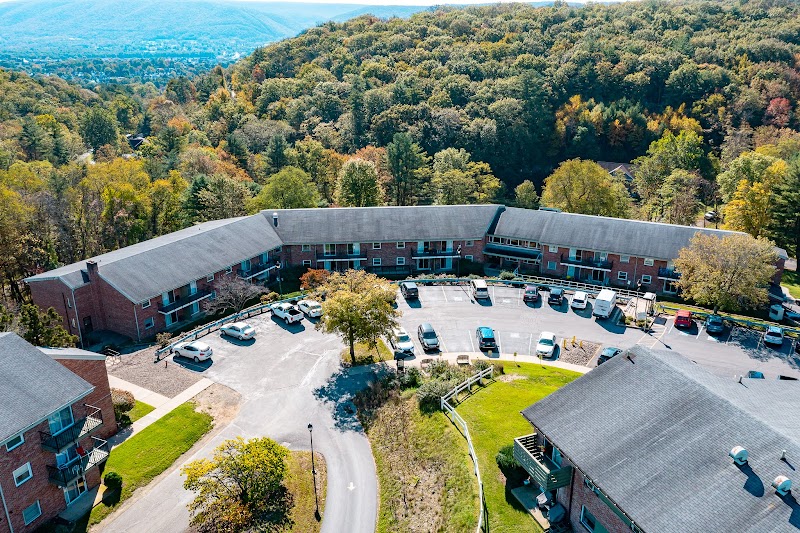
How is Williamsport Home, The Staffed?
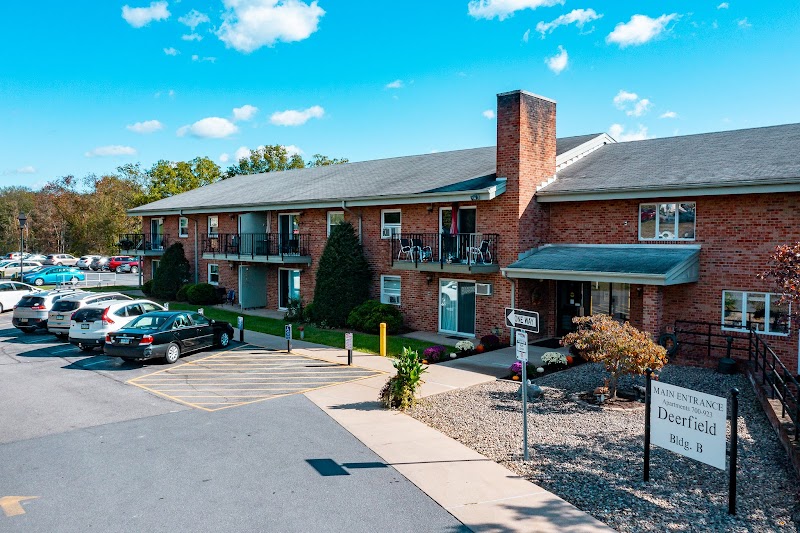
CMS rates Williamsport Home, The's staffing level at 3 out of 5 stars, which is average compared to other nursing homes.

What Have Inspectors Found at Williamsport Home, The?

State health inspectors documented 36 deficiencies at Williamsport Home, The during 2023 to 2025. These included: 34 with potential for harm and 2 minor or isolated issues.
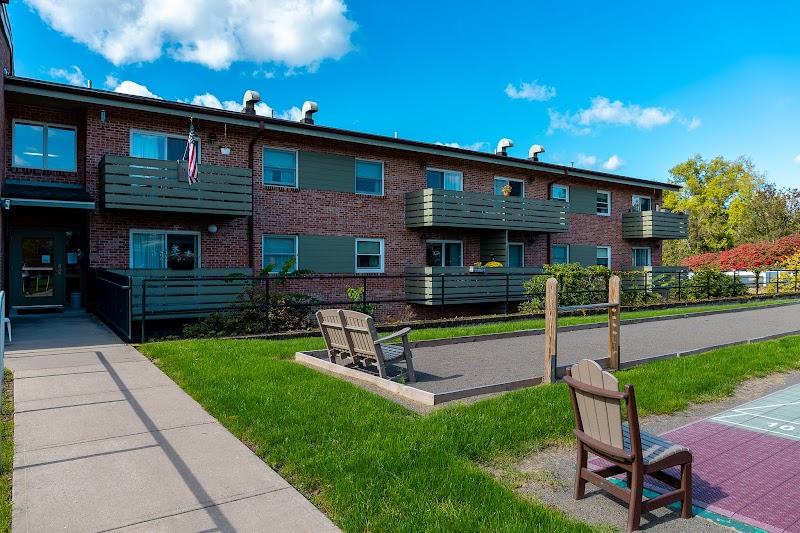
Who Owns and Operates Williamsport Home, The?

Williamsport Home, The is owned by a non-profit organization. Non-profit facilities reinvest revenue into operations rather than distributing to shareholders. The facility operates independently rather than as part of a larger chain. With 129 certified beds and approximately 118 residents (about 91% occupancy), it is a mid-sized facility located in WILLIAMSPORT, Pennsylvania.

How Does Williamsport Home, The Compare to Other Pennsylvania Nursing Homes?

Compared to the 100 nursing homes in Pennsylvania, Williamsport Home, The's overall rating (3 stars) matches the state average and health inspection rating (3 stars) is at the national benchmark.

What Should Families Ask When Visiting Williamsport Home, The?

Based on this facility's data, families visiting should ask: "Can I visit during a mealtime to observe dining assistance and food quality?" "How do you handle medical emergencies, and what is your hospital transfer rate?" "Can I speak with family members of current residents about their experience?"

Is Williamsport Home, The Safe?

Based on CMS inspection data, Williamsport Home, The has a clean safety record: no substantiated abuse findings (meaning no confirmed cases of resident harm), no Immediate Jeopardy citations (the most serious violation level indicating risk of serious injury or death), and is not on the Special Focus Facility watch list (a federal program monitoring the lowest-performing 1% of nursing homes). The facility has a 3-star overall rating and ranks #1 of 100 nursing homes in Pennsylvania. While no facility is perfect, families should still ask about staff-to-resident ratios and recent inspection results during their visit.

Do Nurses at Williamsport Home, The Stick Around?

Williamsport Home, The has not reported staff turnover data to CMS. Staff turnover matters because consistent caregivers learn residents' individual needs, medications, and preferences. When staff frequently change, this institutional knowledge is lost. Families should ask the facility directly about their staff retention rates and average employee tenure.

Was Williamsport Home, The Ever Fined?

Williamsport Home, The has no federal fines on record. CMS issues fines when nursing homes fail to meet care standards or don't correct problems found during inspections. The absence of fines suggests the facility has either maintained compliance or corrected any issues before penalties were assessed. This is a positive indicator, though families should still review recent inspection reports for the full picture.

Is Williamsport Home, The on Any Federal Watch List?

Williamsport Home, The is not on any federal watch list. The most significant is the Special Focus Facility (SFF) program, which identifies the bottom 1% of nursing homes nationally based on persistent, serious quality problems. Not being on this list means the facility has avoided the pattern of deficiencies that triggers enhanced federal oversight. This is a positive indicator, though families should still review the facility's inspection history directly.