SAINT MARY'S VILLA NURSING HOM
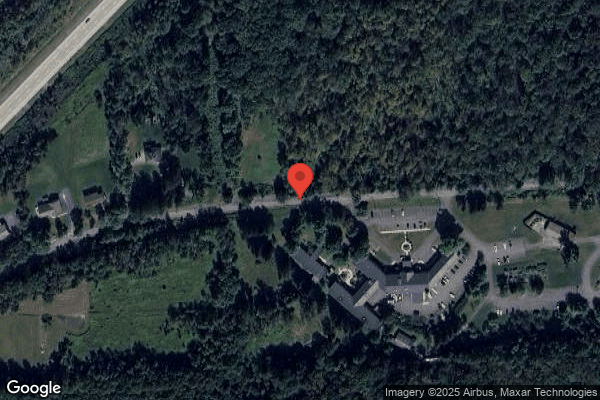
516 ST. MARY'S VILLA ROAD, MOSCOW, PA 18444 (570) 842-7621
Non profit - Corporation 112 Beds COVENANT HEALTH Data: November 2025
Trust Grade
85/100
#116 of 653 in PA
Last Inspection: September 2025

Inspected within the last 6 months. Data reflects current conditions.

Overview

Saint Mary's Villa Nursing Home in Moscow, Pennsylvania, has a Trust Grade of B+, which means it is recommended and considered above average. It ranks #116 out of 653 facilities statewide, placing it in the top half of Pennsylvania nursing homes, and #4 out of 17 in Lackawanna County, indicating only three local options are better. However, the facility is experiencing a worsening trend, with issues increasing from 4 in 2024 to 6 in 2025. Staffing is a strong point, earning 5 out of 5 stars and a turnover rate of 40%, which is below the state average, suggesting that staff are stable and familiar with residents. Notably, there have been no fines, indicating good compliance with regulations, and more Registered Nurse coverage than 77% of facilities in the state enhances care quality. On the downside, there are concerns highlighted in the inspector findings. For instance, the facility failed to properly manage controlled drug records, which raises the risk of misuse or accidental exposure. Additionally, there was a lack of adequate monitoring for infection control, which could lead to the spread of infections among residents. These issues, while concerning, are not classified as life-threatening, but they do indicate areas needing improvement. Overall, while Saint Mary's Villa has strong staffing and no fines, families should consider both the strengths and the weaknesses when researching care options.

Trust Score
B+
85/100
In Pennsylvania
#116/653
Top 17%
Safety Record
Low Risk
No red flags
Inspections
Getting Worse
4 → 6 violations
Staff Stability
○ Average
40% turnover. Near Pennsylvania's 48% average. Typical for the industry.
Penalties
✓ Good
No fines on record. Clean compliance history, better than most Pennsylvania facilities.
Skilled Nurses
✓ Good
Each resident gets 60 minutes of Registered Nurse (RN) attention daily — more than 97% of Pennsylvania nursing homes. RNs are the most trained staff who catch health problems before they become serious.
Violations
⚠ Watch
18 deficiencies on record. Higher than average. Multiple issues found across inspections.
★★★★★
5.0
Overall Rating
★★★★★
5.0
Staff Levels
★★★☆☆
3.0
Care Quality
★★★★☆
4.0
Inspection Score
Stable
2024: 4 issues
2025: 6 issues

The Good

  • 5-Star Staffing Rating · Excellent nurse staffing levels
  • Full Sprinkler Coverage · Fire safety systems throughout facility
  • No fines on record
  • Staff turnover below average (40%)

    8 points below Pennsylvania average of 48%

Facility shows strength in staffing levels, fire safety.

The Bad

Staff Turnover: 40%

Near Pennsylvania avg (46%)

Typical for the industry

Chain: COVENANT HEALTH

Part of a multi-facility chain

Ask about local staffing decisions and management

The Ugly 18 deficiencies on record

Sept 2025 6 deficiencies
CONCERN (D)

Potential for Harm - no one hurt, but risky conditions existed

Deficiency F0553 (Tag F0553)

Could have caused harm · This affected 1 resident

Based on clinical record review, facility policy review, observations, and staff and resident interviews, it was determined the facility failed to honor and incorporate the resident's expressed prefer...

Read full inspector narrative →
Based on clinical record review, facility policy review, observations, and staff and resident interviews, it was determined the facility failed to honor and incorporate the resident's expressed preferences and choices into the care planning process for one of 18 sampled residents (Resident 5). Findings include: A review of Resident 5's clinical record revealed Resident 5 was admitted to the facility August 13, 2013, with diagnoses to include lobar pneumonia (infection that inflames the air sacs in one or both lungs). A review of a Resident 5's quarterly Minimum Data Set Assessment (MDS-a federally mandated standardized assessment conducted at specific intervals to plan resident care), dated August 8, 2025, revealed Resident 5 was cognitively intact with a BIMS score of 13 (brief interview for mental status, a tool to assess the residents attention, orientation and ability to register and recall new information, a score of 13-15 indicates intact cognition). A review of the comprehensive care planning policy last reviewed by the facility on February 27, 2025, revealed the facility will develop a comprehensive person-centered care plan for each resident. The policy further described the plan will be focused on resident choices and abilities with the intent of maintaining or improving resident functional abilities and quality of life. A clinical record review revealed multiple instances of electronic health record documentation of Resident 5's choice to not participate in aspects of care including: BiPap machine (type of noninvasive ventilation that helps you breathe), occupational therapy (treatment that helps people overcome physical, emotional and social challenges), nebulizer treatments (device that turns liquid medicine into a mist), blood pressure readings, meals, weights, skin treatments, and bathing. A review of Resident 5's care plan in effect at the time of the survey did not address the resident's specific choices as described above nor did the care plan accurately reflect resident specific interventions tailored to meet the Resident 5's specific needs related to electing to refrain from participation in various aspects of care. An interview with the Nursing Home Administrator and Director of Nursing on September 12, 2025, at 11:10 AM confirmed the Resident 5's expressed choice was not accurately reflected in the care plan at the time of the survey. 28 Pa. Code 201.29 (a) Resident rights. 28 Pa. Code 211.10 (c)(d) Resident care policies. 28 Pa. Code 211.12(d)(3) Nursing services.
CONCERN (D)

Potential for Harm - no one hurt, but risky conditions existed

Abuse Prevention Policies (Tag F0607)

Could have caused harm · This affected 1 resident

Based on a review of the facility's abuse prohibition policy, employee personnel files and staff interviews, it was determined the facility failed to fully develop and implement procedures to fully sc...

Read full inspector narrative →
Based on a review of the facility's abuse prohibition policy, employee personnel files and staff interviews, it was determined the facility failed to fully develop and implement procedures to fully screen four employees out of five to ensure they were eligible for employment in a long term care nursing care facility. (Employees 1, 2, 3, and 4). Findings include: A review of the facility's Resident Abuse policy last reviewed by the facility February 27, 2025, revealed the requirement for screening potential employees included obtaining references from the most recent or previous employer. Review of employee personnel files revealed the following: Employee 1 (Porter): Hired on May 19, 2025. The application listed previous employers, but there was no documentation showing the facility had contacted the most recent former employer to fully screen the individual to ensure the individual was eligible for employment in a long term care nursing facility. Employee 2 (Licensed Practical Nurse): Hired on July 7, 2025. The application listed previous employers, but there was no documentation showing the facility had contacted the most recent former employer. Employee 3 (Licensed Practical Nurse): Hired on July 21, 2025. The application listed previous employers, but there was no documentation showing the facility had contacted the most recent former employer. Employee 4 (Nurse Aide): Hired on July 28, 2025. The application listed previous employers, but there was no documentation showing the facility had contacted the most recent former employer. Interview with the Nursing Home Administrator (NHA) on September 11, 2025, at 10:15 a.m. the NHA verified there was no evidence the facility attempted to obtain information from previous employers and/or current employers for information regarding the employees past work history. The facility failed to follow its own abuse prohibition policy by not verifying previous/current employment for four out of five new hires. 28 Pa. Code 201.18 (e)(1) Management. 28 Pa. Code 201.29 (a)(c) Resident Rights. 28 Pa. Code 201.14(a) Responsibility of Licensee.
CONCERN (D)

Potential for Harm - no one hurt, but risky conditions existed

Assessment Accuracy (Tag F0641)

Could have caused harm · This affected 1 resident

**NOTE- TERMS IN BRACKETS HAVE BEEN EDITED TO PROTECT CONFIDENTIALITY** Based on review of the Resident Assessment Instrument (RAI) Manual, a review of clinical records, resident observation, and staf...

Read full inspector narrative →
**NOTE- TERMS IN BRACKETS HAVE BEEN EDITED TO PROTECT CONFIDENTIALITY** Based on review of the Resident Assessment Instrument (RAI) Manual, a review of clinical records, resident observation, and staff interviews, it was determined that the facility failed to complete an accurate Minimum Data Set (MDS) for two of 18 residents sampled (Resident 4 & Resident 8).Findings include: The Long-Term Care Facility Resident Assessment Instrument (RAI) User's Manual, which provides instructions and guidelines for completing the Minimum Data Set (MDS a federally mandated standardized assessment conducted at specific intervals to plan resident care) dated October 2024, requires the assessment accurately reflects the resident's status, a registered nurse conducts or coordinates each assessment with the appropriate participation of health professionals, and the assessment process includes direct observation, as well as communication with the resident and direct care staff on all shifts. A review of the clinical record revealed Resident 4 was admitted to the facility on [DATE], with diagnoses to include Pneumonia, an unspecified organism (infection that inflames the air sacs in one or both lungs) and Acute Kidney Failure (kidneys suddenly can't filter waste products from the blood). The quarterly MDS dated [DATE], section J (section related to health conditions including fall history) documented Resident 4 experienced no falls since admission/ readmission or prior assessment. Upon clinical review, Resident 4 experienced a fall on February 2, 2025, which was not reflected on the MDS dated [DATE]. A review of the clinical record indicated Resident 8 was admitted to the facility on [DATE], with diagnoses to include Monoplegia of the upper limb (one limb, an arm or a leg, has lost complete voluntary muscle movement). Further clinical record review revealed a quarterly MDS dated [DATE], for Resident 8, Section J, (section related to health conditions including fall history) documented Resident 8 did not experience any falls since admission/ readmission or prior assessment. Upon further clinical record review, Resident 8 experienced a fall May 4, 2025, which was not reflected on the June 24, 2025, quarterly MDS. An interview with the Director of Nursing and Nursing Home Administrator on September 11, 2025, at 11:10 AM confirmed the MDS coding for both Resident 4 and Resident 8 was inaccurate regarding fall history. 28 Pa. Code 211.5(f)(iii) Medical records. 28 Pa. Code 211.12(d)(1)(5) Nursing services.
CONCERN (D)

Potential for Harm - no one hurt, but risky conditions existed

Incontinence Care (Tag F0690)

Could have caused harm · This affected 1 resident

**NOTE- TERMS IN BRACKETS HAVE BEEN EDITED TO PROTECT CONFIDENTIALITY** Based on review of select facility policy and clinical records, and staff interview, it was determined that the facility failed ...

Read full inspector narrative →
**NOTE- TERMS IN BRACKETS HAVE BEEN EDITED TO PROTECT CONFIDENTIALITY** Based on review of select facility policy and clinical records, and staff interview, it was determined that the facility failed to develop and implement an individualized plan to meet the toileting needs of one of 18 sampled residents (Resident 5).Findings include: A review of facility policy titled 'Bowel & Bladder Toileting Plan' reviewed on February 27, 2025, revealed that all residents will be assessed on admission, readmission and change of condition according to the bowel and bladder patterning criteria. Upon completion of the assessment, individualized bowel and bladder program(s) will be initiated for each resident as indicated. A review of the policy titled ‘Foley Catheter Procedure When a Resident is admitted With Foley in Place' describes a facility policy stating any resident who enters the facility with a catheter will be evaluated upon admission for the necessity of maintaining or removing the catheter. A review of Resident 5's clinical record revealed Resident 5 was admitted to the facility August 13, 2013, with diagnoses including lobar pneumonia (an infection causing inflammation of the air sacs in one or both lungs). A quarterly Minimum Data Set (MDS a federally mandated standardized assessment conducted at specific intervals to plan resident care), dated August 8, 2025, described Resident 5 as cognitively intact with a BIMS score of 13 (brief interview for mental status, a tool to assess the residents attention, orientation and ability to register and recall new information, a score of 13-15 indicates intact cognition). The assessment indicated Resident 5 required staff assistance for toileting hygiene and transfers. A review of the clinical record revealed Resident 5 returned to the facility on August 4, 2025, following an acute care stay from July 25, 2025, to August 4, 2025. Resident 5 returned with an indwelling catheter in place. Review of an MDS dated [DATE], showed that prior to hospitalization Resident 5 was incontinent and did not use an indwelling catheter (tube inserted into the bladder to drain urine). No documentation in the clinical record justified the presence of the catheter upon return from the hospital. Clinical records further indicated Resident 5 developed Moisture Associated Skin Damage (MASD inflammation and skin erosion caused by prolonged exposure to moisture such as urine or feces) on the right gluteal fold (the skin crease beneath the buttocks) and Incontinence Associated Dermatitis (a type of MASD caused specifically by urine exposure) upon return from acute care on August 4, 2025. The MASD was documented as measuring 14 cm in length by 8 cm in width. Further review of Resident 5's clinical record described the removal of the indwelling catheter on August 13, 2025. A review of the 72-hour resident voiding pattern illustrated Resident 5 had episodes of incontinence during the evaluation period from August 13, 2025, until August 16, 2025. Resident 5 was incontinent at 9:00 PM August 13, August 14, and August 15, 2025, according to the 72-hour resident voiding pattern record, which evaluated Resident 5's incontinence/ continence levels hourly.A review of the resident's person-centered care plan, initiated May 5, 2021, included focus areas for potential skin breakdown due to incontinence. A care plan revision on August 14, 2025, noted Resident 5's frequent incontinence and included goals for Resident 5 to remain free from skin breakdown. Interventions included two-hourly incontinence checks, cleansing, barrier cream, pull-up briefs per Resident 5's request, and monitoring for infection. However, the care plan did not specify the type of incontinence, did not include a structured toileting schedule, and did not incorporate individualized interventions targeted to the consistent 9:00 PM incontinence episodes documented in the voiding pattern record. A Bladder Review note dated August 19, 2025, documented Resident 5 was 100% incontinent since catheter removal, required assistance of two for transfers, and was at risk for incontinence related to diuretic use, difficulty walking, and muscle weakness. Despite these findings, there was no evidence of individualized interventions such as scheduled toileting times to reduce episodes of incontinence and support skin healing. There was no evidence the facility evaluated and implemented an individualized plan for Resident 5's toileting needs based on voiding patterns or habits, nor was there documentation to justify the presence of an indwelling catheter for nine days following return from acute care. An interview with the Director of Nursing and the Nursing Home Administrator on September 12, 2025, at 1:35 PM confirmed that the facility had not developed or implemented an individualized incontinence management plan for Resident 5. 28 Pa. Code 211.12 (d)(1)(3)(5) Nursing services. 28 Pa. Code 211.10(a)(d) Resident care policies.
CONCERN (D)

Potential for Harm - no one hurt, but risky conditions existed

Deficiency F0697 (Tag F0697)

Could have caused harm · This affected 1 resident

**NOTE- TERMS IN BRACKETS HAVE BEEN EDITED TO PROTECT CONFIDENTIALITY** Based on review of clinical records, select facility policy, and staff interviews, the facility failed to develop and implement ...

Read full inspector narrative →
**NOTE- TERMS IN BRACKETS HAVE BEEN EDITED TO PROTECT CONFIDENTIALITY** Based on review of clinical records, select facility policy, and staff interviews, the facility failed to develop and implement an individualized pain management program consistent with professional standards of practice, including the use of non-pharmacological interventions prior to administering as-needed narcotic pain medication, and failed to follow physician orders for one of 22 residents reviewed (Resident 6).Findings include: According to the U.S. Department of Health and Human Services, Interagency Task Force, Pain Management Best Practices Final Report (May 6, 2021), effective pain treatment plans should be individualized and patient-centered, with measurable outcomes focusing on quality of life (QOL), improved functionality, and the ability to perform activities of daily living (ADL's basic self-care tasks such as bathing, dressing, eating, and toileting). Best practice emphasizes multimodal approaches (the use of multiple methods including medications, physical therapy, and other interventions) and recommends attempting non-pharmacological interventions (pain relief strategies that do not involve medication. These approaches are often the first step in pain management and are intended to reduce discomfort, improve function, and minimize the need for narcotics or other drugs. Examples include repositioning a resident, applying heat or cold, relaxation or breathing techniques, massage, distraction, exercise, or use of supportive devices such as pillows or braces) when clinically appropriate. A review of a facility policy last reviewed by the facility on February 27, 2025, revealed the physician will order appropriate non-pharmacologic and medication interventions to address a resident's pain. The policy further revealed non-pharmacological interventions will be attempted prior to the administration of PRN (as needed) pain medications If non-pharmacological interventions failed, PRN narcotic medications could then be administered. The policy also required staff to use a verbal numeric pain scale (0 = no pain; 1-4 = mild pain; 5-7 = moderate pain; 8-10 = severe pain). A review of Resident 6's clinical record revealed the resident was admitted on [DATE], with diagnoses including osteoarthritis (most common form of arthritis when the protective cartilage that cushions the ends of the bones wears down over time and causes pain) of the right knee and muscle spasms. A physician order dated May 21, 2025, directed staff to administer Hydrocodone-acetaminophen 5/325 mg (a narcotic pain medication) by mouth every 6 hours as needed for moderate pain (pain scale 5-7). A review of the resident's May 2025 Medication Administration Record (MAR) revealed staff administered the PRN Hydrocodone five times. On all five occasions, staff documented no attempt of non-pharmacological interventions prior to administering the narcotic pain medication, contrary to facility policy. Further review of the May MAR revealed that on May 28, 2025, at 10:02 PM, staff administered the narcotic for a reported pain scale of 8 (severe pain), outside of the physician's order, which specified use only for moderate pain (5-7). A review of the June 2025 MAR revealed Hydrocodone was administered once. Again, no non-pharmacological interventions were documented prior to administration. A review of the July 2025 MAR revealed Hydrocodone was administered three times, each without documented use of non-pharmacological interventions. On July 6, 2025, at 5:37 PM, Hydrocodone was administered for a pain scale of 3 (mild pain). On July 13, 2025, at 4:50 PM, Hydrocodone was administered for a pain scale of 4 (mild pain). Both administrations were inconsistent with the physician's order, which required moderate pain (5-7) before administration. A review of the August 2025 MAR revealed Hydrocodone was administered once again without documentation of attempted non-pharmacological interventions. An interview with the Director of Nursing (DON) on September 12, 2025, at 11:10 AM confirmed that the facility was unable to provide documentation showing that staff attempted non-pharmacological interventions before narcotic administration or justification for administering the narcotic medication outside the parameters of the physician's order. 28 Pa. Code 211.10 (C)(d) Resident care policies. 28 Pa. Code 211.12 (d)(1)(3)(5) Nursing services.
CONCERN (E)

Potential for Harm - no one hurt, but risky conditions existed

Pharmacy Services (Tag F0755)

Could have caused harm · This affected multiple residents

Based on review of select facility policy, controlled drug records, clinical records, and staff interviews, it was determined the facility failed to implement procedures to promote accurate controlled...

Read full inspector narrative →
Based on review of select facility policy, controlled drug records, clinical records, and staff interviews, it was determined the facility failed to implement procedures to promote accurate controlled drug records and failed to implement pharmacy procedures for timely disposition of resident medications to prevent misuse, diversion (unauthorized use or theft), or accidental exposure for one of three closed records reviewed (Resident 93).Findings include: Review of facility policy entitled, Disposition of Medications last reviewed by the facility on February 27, 2025, revealed guidance regarding disposition of medications. The policy explained a process to implement safe and responsible disposition practices of discontinued medications to protect residents and staff from improper diversion or accidental exposure. Further it is indicated medications discontinued by the prescriber order, residents' death, or discharge are either to be destroyed on site or return to the pharmacy for destruction. Controlled substances must be destroyed in the facility using the drug disposal system containing the instant chemical digestion solution. Review of clinical record for Resident 93, revealed the resident was discharged to the hospital on July 31, 2025, at 11:59PM with no anticipation of return. Review of a progress note dated July 31, 2025, at 11:39 PM revealed staff documented that two controlled substances, Tramadol (a narcotic pain medication) and Diazepam (a controlled anxiety medication), were secured in the Director of Nursing's (DON) office. The note indicated 39 Tramadol tablets, and 38 Diazepam tablets were placed in the DON's office. Review of the controlled substance log revealed the medications were destroyed by the DON on August 19, 2025, indicating the medications were stored in the DON's office for 20 days prior to proper disposition. Observation of the DON's office revealed a locker designated for controlled substance storage. The locker had one lock with only one key, which was in the possession of the DON. An interview with the DON on September 11, 2025, at 12:30 PM revealed that when she was not available, staff placed controlled medications in her office, but staff did not have access to the locker. The interview further revealed that staff members had access to her office, creating an opportunity for staff to access controlled substances without appropriate oversight. The DON indicated she had been on vacation during the beginning of August, which left the Tramadol and Diazepam unsecured in her office for an extended period of time. The facility was unable to produce a narcotic log for the medications stored in the locker in the DON's office. The facility confirmed there was no plan in place for proper accounting of narcotics awaiting disposition. An interview with the Nursing Home Administrator (NHA) and the DON on September 12, 2025, at 2:30 PM confirmed the facility was unable to provide documentation of procedures to ensure accurate controlled drug records and timely disposition of resident medications. 28 Pa Code 211.10(c)(d) Resident care policies. 28 Pa Code 211.12 (c)(d)(1)(3)(5) Nursing services. 28 Pa Code 211.9(a)(1)(j.1)(1)(2)(3)(4)(5)(k) Pharmacy services.
Nov 2024 3 deficiencies
CONCERN (D)

Potential for Harm - no one hurt, but risky conditions existed

PASARR Coordination (Tag F0644)

Could have caused harm · This affected 1 resident

Based on clinical record review and staff interview, it was determined that the facility failed to incorporate the recommendations from the Pre-admission Screening and Resident Review (PASARR) level I...

Read full inspector narrative →
Based on clinical record review and staff interview, it was determined that the facility failed to incorporate the recommendations from the Pre-admission Screening and Resident Review (PASARR) level II determination and the PASRR evaluation report into a resident's assessment, care planning, and transitions of care for one of one resident reviewed (Resident 77). Findings include: Review of clinical record of Resident 77 revealed diagnoses to include Down's syndrome, also known as trisomy 21, is a genetic disorder caused by the presence of all or part of a third copy of chromosome 21. It is typically associated with physical growth delays, mild to moderate intellectual disability, and characteristic facial features. The average IQ of a young adult with Down syndrome is 50, equivalent to the mental ability of an 8- or 9-year-old child). Further review of Resident 77's clinical record revealed a PASARR Level I (federally required assessment to help ensure that all individuals with serious mental disorders and/or intellectual disabilities are not inappropriately placed in nursing homes for long term care) dated September 23, 2024, with the following outcome: Individual has a positive screen for Serious Mental Illness, Intellectual Disability, and/or Other Related Condition; requires further evaluation (Level II). A PASARR Level II determination letter dated September 26, 2024, indicated that, You have evidence of an Intellectual Disability. The Office of Developmental Programs, Department of Human Services has reviewed your information for nursing facility placement and the possibility that you are a person with an ID. Additional ID specialized services are available for individuals who are in a nursing facility. These services can include training, treatments, therapies and related services to help people function as independently as possible. Based on the review of your information the departments determination appears below: You do require ID/MR specialized services. Review of Resident 77's current care plan conducted during the survey ending November 15, 2024, revealed the care plan failed to identify the individual and specific referrals made, or services recommended and/or provided to the resident as the result of the resident's intellectual disability and PASARR II. An interview with the Nursing Home Administrator on November 15, 2024 at 11:00 a.m. confirmed the PA-PASARR-ID II form completed had identified Resident 77 as requiring the need for special services and was unable to provide evidence of coordination of services including care planning. There was no evidence at the time of the survey the facility had timely identified and coordinated the provision of specialized services for this resident with the potential to adversely affect the resident's ability to achieve and maintain their highest practicable physical, mental and psychosocial well-being 28 Pa. Code 211.5(f)(iv)(vi) Medical records.
CONCERN (D)

Potential for Harm - no one hurt, but risky conditions existed

Pharmacy Services (Tag F0755)

Could have caused harm · This affected 1 resident

Based on review of clinical records and controlled drug records, and staff interview, it was determined the facility failed to implement procedures to promote accurate accounting of controlled medicat...

Read full inspector narrative →
Based on review of clinical records and controlled drug records, and staff interview, it was determined the facility failed to implement procedures to promote accurate accounting of controlled medications for one resident of 18 residents sampled (Resident 48). Finding include: A review of the clinical record revealed Resident 48 had a physician's order dated October 18, 2024, for Tramadol HCl oral tablet 50 mg (an opioid pain medication), give one tablet by mouth every 8 hours as needed for moderate pain identified by a scale of 5-7 (pain scale, 1-10, 1 least amount of pain and 10 most amount of pain). A review of the controlled substance record accounting for the above narcotic medication revealed that on October 19, 2024, at 9:00 AM, and October 23, 2024, at 2:40 PM, nursing staff signed out a dose of the resident's supply of Tramadol 50 mg. However, the administration of the controlled drug to the resident was not recorded on the resident's Medication Administration Record (MAR) on those dates and times. A physician order dated October 28, 2024, was noted for Hydrocodone-Acetaminophen oral tablet 5-325 mg (an opioid pain medication combined with a non-opioid pain reliever used to treat moderate to severe pain), give one tablet by mouth every 6 hours as needed for moderate pain (scale 5-7). A review of the controlled substance record accounting for the above narcotic medication revealed that on November 3, 2024, at 1:00 PM, November 6, 2024, at 2:30 PM, November 9, 2024, at 8:15 AM, and November 12, 2024, at 1:00 PM nursing staff signed out a dose of the resident's supply of Hydrocodone-Acetaminophen 5-325 mg. However, the administration of the controlled drug to the resident was not recorded on the resident's Medication Administration Record (MAR) on those dates and times. During an interview on November 14, 2024, at approximately 11:05 AM, the Director of Nursing confirmed the inconsistencies in the accounting and administration of the opioid pain medication for Resident 48 and indicated the controlled substance record be documented clearly and accurately. 28 Pa Code 211.5 (f)(x) Medical records. 28 Pa Code 211.12 (d)(1)(3)(5) Nursing services 28 Pa Code 211.9(a)(1)(k) Pharmacy services
CONCERN (D)

Potential for Harm - no one hurt, but risky conditions existed

Food Safety (Tag F0812)

Could have caused harm · This affected 1 resident

Based on observation and staff interview, it was determined the facility failed to maintain acceptable practices for the storage and service of food to prevent the potential for contamination and micr...

Read full inspector narrative →
Based on observation and staff interview, it was determined the facility failed to maintain acceptable practices for the storage and service of food to prevent the potential for contamination and microbial growth in food, which increased the risk of food-borne illness in two of four resident pantries. Findings include: Food safety and inspection standards for safe food handling indicate that everything that comes in contact with food must be kept clean and food that is mishandled can lead to foodborne illness. Safe steps in food handling, cooking, and storage are essential in preventing foodborne illness. You cannot always see, smell, or taste harmful bacteria that may cause illness according to the USDA (The United States Department of Agriculture, also known as the Agriculture Department, is the U.S. federal executive department responsible for developing and executing federal laws related to food). Observation of the resident food pantry located on the second floor, Extension 31, on November 13, 2024, at 10:50 AM, revealed that inside the refrigerator there was one opened 46-ounce container of mildly thick/nectar consistency lemon flavored water dated October 21, 2024, two opened 46-ounce containers of moderately thick/honey consistency lemon flavored water dated October 23, 2024, one opened 46-ounce container of mildly thick/nectar consistency lemon flavored water dated November 5, 2024, and one opened 46-ounce container of moderately thick/honey consistency lemon flavored water dated November 5, 2024 (manufacturers label noted that after opening, the drinks may be kept up to seven (7) days under refrigeration). Interview with Employee 1 (registered nurse) on November 13, 2024, at 11:00 AM confirmed the observation of the resident food pantry on Extension 31. Observation of the resident food pantry located on the second floor, Extension 33, on November 13, 2024, at 11:05 AM, revealed inside the refrigerator there was one opened 46-ounce container of moderately thick/ honey consistency lemon flavored water dated October 16, 2024, and one opened 46-ounce container of mildly thick/nectar consistency lemon flavored water without an open date. Interview with Employee 2 (registered nurse) on November 13, 2024, at 11:15 AM confirmed the observations of the resident food pantry on Extension 33. Interview with the Nursing Home Administrator and the Director of Nursing on November 14, 2024, at approximately 1:00 PM confirmed the food and beverages in the resident pantry were to be dated when opened and discarded according to manufactures instructions.
Jul 2024 1 deficiency
CONCERN (D) 📢 Someone Reported This

A family member, employee, or ombudsman was alarmed enough to file a formal complaint

Potential for Harm - no one hurt, but risky conditions existed

Notification of Changes (Tag F0580)

Could have caused harm · This affected 1 resident

**NOTE- TERMS IN BRACKETS HAVE BEEN EDITED TO PROTECT CONFIDENTIALITY** Based on review of clinical records, select facility policy, and grievances lodged with the facility and staff interview, it was...

Read full inspector narrative →
**NOTE- TERMS IN BRACKETS HAVE BEEN EDITED TO PROTECT CONFIDENTIALITY** Based on review of clinical records, select facility policy, and grievances lodged with the facility and staff interview, it was determined that the facility failed to immediately notify the resident's interested representative of a significant change in condition for one resident out of seven sampled (Resident A1). Findings include: A review of the facility policy entitled notification of the responsible party on hospital transfers, dated as reviewed by the facility January 2024, revealed that the the facility will notify a resident's responsible party of a hospital transfer once the order has been obtained from the physician to transfer. The facility will initiate transfer when it is determined that the cannot provide services required for the resident and or if the resident and or the responsible party requests the hospital transfer be initiated The corresponding procedures were noted as: The facility will notify the incapable residents responsible party of an upcoming transfer to the hospital and or a change in condition and reason they are being sent out for evaluation. If the resident is capable and requests to not notify the family the facility will follow their wishes. If the change occurs in the off hours at night and the resident is deemed stable by a physician and or a nurse assessment the facility may wait to notify the family during waking hours, unless specified other by family member. If the resident is deemed unstable immediate notification will occur. Documentation of transfer and notification date and time shall be documented in the residents medical record. A review of the clinical record revealed that Resident A1 was admitted to the facility on [DATE], with diagnoses, which included chronic obstructive pulmonary disease, dementia, and hypertension. Review of nursing documentation dated May 21, 2024, at 11:06 AM, indicated that Resident A1 had a moist productive cough, had expectorated yellow mucous, the resident's lung sounds were noted to have some rhonchi and expiratory wheezing, temperature was 98.4 degrees Fahrenheit, and her oxygen saturation was 90% on room air. A physician order was received from the physician to complete a chest x-ray. According to nursing documentation at 1:14 PM on May 21, 2024, the resident's son (representative) was made aware of new MD [physician] orders and resident's condition. Nursing documentation dated May 22, 2024, at 4:32 AM, revealed that the resident vomited a large amount of maroon liquid with some coffee ground residual noted. According to the nursing documentation, the resident's abdomen was distended (large) but soft and non-tender, the resident's temperature was 100.5 degrees Fahrenheit (elevated), blood pressure was 86/50 mmHg (low) , her heart rate was 64, and her oxygen saturation was 79% on room air (normal is 98-100%). There was no documented evidence that the resident's respiratory rate was evaluated at that time. Nursing documentation further noted that oxygen was immediately applied via nasal cannula to increase oxygen saturation up 89-90%. A call was placed to the on-call physician who instructed the facility to continue to monitor resident for any worsening symptoms and update her physician in the AM [morning] and to update family in the AM. The facility did not notify the resident's son, her designated representative, at the time the resident had experienced a significant change in medical condition on May 22, 2024, at approximately 4:32 AM. There was no indication that the facility had ascertained if this resident's family wished to be notified of significant changes during non-waking hours, according to the facility policy indicating that the facility may wait to notify the family during waking hours, unless specified other by family member. Physician documentation dated May 22, 2024, at 10 AM, revealed that the changes in the resident's condition that occurred at 4:30 AM that morning were reviewed, current condition evaluated, and a chest x-ray and KUB (x-ray of abdomen) were ordered. Nursing documentation dated May 22, 2024, at 4:23 PM, revealed that the resident's temperature was 99.1 degrees Fahrenheit, her oxygen saturation was 90% with oxygen on via nasal cannula at 2 liters/min, no complaints of pain/discomfort were offered, no vomiting/nausea. Resident observed to have a wet, congested cough with thick yellow mucus produced. Resident in good spirits otherwise. Nursing notes dated May 22, 2024, at 5:10 PM, revealed that the KUB results indicated that the resident had Cholelithiasis (gallstones in the gallbladder). New physician orders were obtained to send the resident to the emergency room for evaluation and treatment of Cholelithiasis, abdominal distention, vomiting, pain, nausea, and elevated white blood cell count. Review of grievance submitted to the facility on May 22, 2024, at 11:32 PM via email from the resident's representative, revealed that the resident's family expressed a concern that they were not notified of the resident's significant change in condition that occurred at 4:30 AM on May 22, 2024, and that the facility waited until approximately 6:20 PM on May 22, 2024, to send the resident to the emergency room for evaluation and treatment. An interview with the Nursing Home Administrator on July 2, 2024, at approximately 11:00 AM confirmed that the facility had not previously ascertained if this resident's family wanted to be notified during non-waking hours and verified that the facility did not immediately notify the resident's designated representative of the resident's change in condition identified on May 22, 2024, at approximately 4:30 AM. 28 Pa. Code 201.29 (a)(b) Resident rights 28 Pa. Code 211.12 (d)(3) Nursing services 28 Pa. Code 211.10 (a) Resident care policies
Nov 2023 8 deficiencies
CONCERN (D)

Potential for Harm - no one hurt, but risky conditions existed

Pressure Ulcer Prevention (Tag F0686)

Could have caused harm · This affected 1 resident

**NOTE- TERMS IN BRACKETS HAVE BEEN EDITED TO PROTECT CONFIDENTIALITY** Based on observation, a review of clinical records and select facility policy, and staff interviews it was determined that the f...

Read full inspector narrative →
**NOTE- TERMS IN BRACKETS HAVE BEEN EDITED TO PROTECT CONFIDENTIALITY** Based on observation, a review of clinical records and select facility policy, and staff interviews it was determined that the facility failed to consistently provide necessary care and services to prevent the development of a pressure sore for one resident (Resident 9) out of 19 sampled residents. Findings include: According to the US Department of Health and Human Services, Agency for Healthcare Research & Quality, the pressure ulcer best practice bundle incorporates three critical components in preventing pressure ulcers: Comprehensive skin assessment, Standardized pressure ulcer risk assessment and care planning and implementation to address areas of risk. ACP (The American College of Physicians is a national organization of internists, who specialize in the diagnosis, treatment, and care of adults. The largest medical-specialty organization and second-largest physician group in the United States) Clinical Practice Guidelines indicate that the treatment of pressure ulcers should involve multiple tactics aimed at alleviating the conditions contributing to ulcer development (i.e., support surfaces, repositioning and nutritional support); protecting the wound from contamination and creating and maintaining a clean wound environment; promoting tissue healing via local wound applications, debridement and wound cleansing; using adjunctive therapies; and considering possible surgical repair. Review of current facility policy entitled Pressure Ulcer Protocol Assessment/Prevention last reviewed by the facility May 2023, revealed that upon discovery of all wounds, an investigation will be initiated. Physician will be notified and family if applicable. A plan of care will be established to address prevention and treatment. The charge nurse will notify the wound care nurse of all skin break downs. The wound care nurse will assess the area on the next business day. All residents' skin will be inspected weekly by the charge nurse and documented on the treatment record. Any resident found at risk will have preventative measures instituted. Any resident found with a Stage 1-4 pressure area will have his/her physician notified, protocols reviewed and implemented treatment per physician orders. A review of Resident 9's plan of care for risk for impaired skin integrity due to impaired mobility, incontinence last revised July 21, 2022, revealed planned interventions that included to apply Desitin to buttock/sacral area in the morning and in the evening, apply skin prep and allevyn to both heels as ordered and evaluate, encourage resident to frequently shift weight, turn and reposition every 2 hours and as needed, monitor bony prominence for redness, monitor nutritional status, monitor resident's nutritional status, utilize pressure relieving devices on appropriate surfaces, pressure reduction surface to both bed and chair. A review of a Quarterly Minimum Data Set assessment dated [DATE], (MDS - a federally mandated standardized assessment process completed periodically to plan resident care) revealed that the resident was severely cognitively impaired, does not walk, and was dependent on staff for toileting and transfers. Review of the clinical record revealed that Resident 9 was diagnosed with COVID-19 on October 26, 2023, and her meal consumption declined in the days leading up to, and after the diagnosis. Review of the clinical record revealed that on November 2, 2023, nursing staff identified a bruise measuring 2 cm x 1 cm on the resident's left shin. Review of facility investigation dated November 3, 2023, at 1 PM revealed that the facility's wound care nurse was called to Resident 9's room to evaluate the skin integrity of the resident's left hip. The wound care nurse identified SDTI (suspected deep tissue injury: a purple or maroon localized area of discolored intact skin or blood-filled blister due to damage of underlying soft tissue from pressure and/or shear) which measured 7 cm x 6 cm. There was no mention of a concern with the resident's left shin. Further review of the investigation revealed that a low air loss mattress was to be applied to the bed. The facility's investigation did not identy the potential contributing factors to the development of left hip suspected deep tissue injury. Review of Resident 9's weight revealed that on August 17, 2023, the resident weighed 128.8 pounds. On November 6, 2023, the resident weighed 118.0 pounds, an 8.4% weight loss in less than 90 days/ 3 months. There was no evidence that the facility's dietitian was notified of changes in the resident's skin condition and increased nutritional needs to promote healing or the resident's significant weight loss increasing the resident's risk for skin breakdown and potential deterrent to healing. Observation of Resident 9 on November 27, 2023, at approximately 10 AM revealed the resident awake and sitting in resident lounge/dining area in her wheelchair. The resident was observed leaning to the left while in the chair. Interview with Employee 1, Registered Nurse, on November 28, 2023, at approximately 10 AM, revealed that she had identified what appeared to be a bruise on Resident 9's hip days before the SDTI was identified. According to Employee 1, the bruise was the size of the tip of her pinky finger. Employee 1 further stated that nurse aide staff had reported that Resident 9 favors her left side and confirmed that she did not report the bruised area when first observed. Observation of Resident 9 on November 29, 2023, at approximately 8:15 AM, revealed that she was in the resident lounge/ dining area in her wheelchair. The resident was again observed leaning to the left while in chair, the same side as her identified pressure injury. Observation of the resident's left hip on November 29, 2023, at approximately 1:30 PM, in the presence of Employee 1, RN, and the wound care nurse revealed that the area measured approximately 3 cm x 1.5 cm, the wound bed was covered with eschar (dark, crusty dead tissue). There was no drainage, the surrounding skin was flesh tone, and wound edges were intact. The facility was unable to demonstrate that the development of the resident's left hip pressure ulcer was unavoidable based on the lack of documented evidence that the facility had implemented resident specific interventions to address potential contributing factors, to include the resident's positioning in the chair, to prevent skin breakdown. Interview with the Assistant Director of Nursing (ADON) on November 29, 2023, at approximately 1:30 PM confirmed to identify potential cause/contributing factors for the development of Resident 9's deep tissue injury. The ADON further confirmed that the nursing staff failed to timely notify the dietitian of significant changes in the resident's weight and decline in meal consumption increasing the resident's risk for skin breakdown. There was no evidence that the facility explored potential seating arrangements due to the resident favoring her left side while seated in her wheelchair. Interview with the Nursing Home Administrator on November 30, 2023, at approximately 2:30 PM confirmed that the facility failed to demonstrate the implementation of individualized measures to prevent development and promote healing of a pressure ulcer for a resident with identified risk for skin breakdown. 28 Pa. Code 211.12 (d)(3)(5) Nursing services. 28 Pa. Code 211.10 (a)(d) Resident care policies
CONCERN (D)

Potential for Harm - no one hurt, but risky conditions existed

Accident Prevention (Tag F0689)

Could have caused harm · This affected 1 resident

**NOTE- TERMS IN BRACKETS HAVE BEEN EDITED TO PROTECT CONFIDENTIALITY** Based on review of information submitted by the facility, select facility policy and reports and clinical records and staff inte...

Read full inspector narrative →
**NOTE- TERMS IN BRACKETS HAVE BEEN EDITED TO PROTECT CONFIDENTIALITY** Based on review of information submitted by the facility, select facility policy and reports and clinical records and staff interviews it was determined that the facility failed to provide necessary supervision and effective safety measures to prevent an elopement by one resident (Resident 1) out of 12 sampled residents. Findings include: Review of facility policy entitled Elopement, last reviewed by the facility April 2023, indicated it is the policy of the facility to promote resident safety through prevention of elopements, while allowing residents as much physical freedom as possible and to initiate a facility-wide search (including the grounds) immediately upon discovery of a missing resident. When residents who are identified as at risk to leave the facility unattended cannot be located on the unit, or any resident is identified as missing from the facility, the following procedure will be implemented: - The charge nurse will notify the nursing supervisor on duty. - The nursing supervisor will assign specific areas to be searched to specific staff. 1) will be assigned to search all areas within the unit including closets, bathroom, utility rooms, etc. 2) will be assigned to search all other areas in close approximation of where the resident was last seen. 3) will be assigned to search outside perimeters of the facility. 4) will search the ancillary areas. - The nursing supervisor will notify the Administrator and the Director of Nursing as soon as the search has commenced. Observation of a posting located at the first-floor nurse's station on January 30, 2024, at approximately 11 AM revealed that the posting indicated that when a [door] alarm sounds, check panel to see which door is sounding. Silence alarm by pressing 1 2 3 4, call the extension, or check the area of the alarm. If it is clear, reset the alarm. Always remember to reset! The doors are not alarmed if system is not reset. A review of the clinical record revealed that Resident 1 was admitted to the facility on [DATE], with diagnoses, which included dementia unspecified severity with agitation, depression, and anxiety. According to the resident's MDS assessments, the resident was severely cognitively impaired. An Elopement Risk assessment dated [DATE], revealed that the results did not identify Resident 1 to be at risk for elopement. The resident's annual MDS assessment dated [DATE], indicated that Resident 1 had not experienced behaviors or wandering but was severely cognitively impaired with a BIMS score of 5. Review of Resident 1's clinical record revealed that the resident was receiving physical therapy from October 26, 2023, to November 22, 2023, due to a recognized changes in resident's ambulatory status, wheelchair mobility, and transfer status. According to the therapy documentation, Resident 1 made progress exhibiting improved core and bilateral lower extremity (BLE) strength and control, improved transfers and improved transfer ability. The resident had also accepted a wheelchair for mobility on nursing unit to decrease fall risk and propels wheelchair with BLE with supervision with good endurance. The resident was discharged from physical therapy to nursing care and restorative nursing program on November 22, 2023. Review of information submitted by the facility revealed that on December 4, 2023, at 6:30 PM, nursing staff recognized that Resident 1 was not in her room on the unit. At 6:35 PM a community member passing the facility found Resident 1 on the main road leads to the driveway entrance of the facility, picked up the resident in their car, and then contacted the police. The police contacted then facility, The facility reviewed video surveillance as part of their investigation, which was also reviewed by the surveyor on January 30, 2024, in the presence of the Nursing Home Administrator. When reviewed at the time of the survey ending January 30, 2024, the video showed Resident 1 had self-propelled herself in her wheelchair off the nursing unit and entered the second-floor elevator at 6:17 PM. The resident took the elevator to the basement level where she propelled herself through the hallway and opened the beauty shop exit door, which tripped the facility's alarm. Resident 1 then self-propelled through the opened therapy department door, and is no longer seen on the video. Further observation of the video surveillance revealed that s facility staff member responded to the location of the alarm, opening the beauty shop exit door and looking outside, and searched the immediate area, which included the unoccupied therapy room, but didn't find anyone in the vicinity. The staff member then returned to the nursing unit without looking outside. Resident 1 was then seen again on video surveillance footage walking outside the facility and down the facility driveway leading away from the building to the main access road where she was then out of video surveillance range. Observation conducted on January 30, 2024, of the the location where it was believed Resident 1 had exited the facility, revealed a flight of concrete stairs that the resident had to climb to get to the back parking lot of the building. According to interview the Nursing Home Administrator on January 30, 2024, the resident had left her wheelchair in the therapy department and independently walked up the flight of stairs. Upon return to the facility, Resident 1 was assessed with no injuries identified. The physician ordered the resident to be sent to the emergency room for further evaluation, with no concerns identified. Facility investigation determined that Resident 1 may have been looking for her old room. The resident's room was recently changed on November 8, 2023, to place her closer to the nurse's station due to frequent falls and attempts to self-rise from her wheelchair. Due to her cognitive impairment, the resident was unable to verbalize why she left the facility or where she was going. Review of witness statement completed by Employee 1, licensed practical nurse, dated December 4, 2023, revealed that she returned from break as the alarm was being disarmed (silenced) by Employee 2, nurse aide. According to Employee 1, Employee 2 stated that the alarm was tripped by the beauty shop door. Employee 1 then asked Employee 2 to go check the area and when she returned, Employee 2 reported that nobody was downstairs. Then approximately 20 minutes later, the wife of a resident called the unit to inform her that she passed a vehicle who had someone in their car, they assumed it was a resident here [at the facility] so decided to call {the facility}. Immediately I notified my supervisor and performed a head count on my unit. Review of witness statement completed by Employee 2, nurse aide, dated December 4, 2023, revealed that just before dinner trays were picked up on [unit] 28, the door alarm was going off. Employee 2 checked the alarm panel and it read beauty shop. Employee 2 then cancelled the alarm and reset the door. Employee 1 then returned from break and the aides reported the alarm. I went down to investigate why the beauty shop alarm was going off, it was coming from a chair in the physical therapy room. I turned off the alarm and started to call 'hello, anyone down here?' The chemical room door was open, Employee 2 looked inside, no one was there so she closed the door. Employee 2 then returned to the unit after not finding/seeing anyone in the basement. There was no indication that any facility employee went outside to look in the immediate vicinity of the exit door, when no one was immediately visible from the vantage point of looking from the doorway. Interview with the Nursing Home Administrator and the Director of Nursing on January 30, 2024, at approximately 3:00 PM, confirmed that the facility failed to provide necessary supervision and implement effective safety measures for this resident, who left the facility and its grounds unsupervised. 28 Pa. Code 211.10(a)(d) Resident care policies 28 Pa Code 201.18 (e)(1) Management 28 Pa. Code 211.12 (d)(3)(5) Nursing services.
CONCERN (D)

Potential for Harm - no one hurt, but risky conditions existed

Deficiency F0740 (Tag F0740)

Could have caused harm · This affected 1 resident

**NOTE- TERMS IN BRACKETS HAVE BEEN EDITED TO PROTECT CONFIDENTIALITY** Based on a clinical record review and staff and resident interviews, it was determined that the facility failed to provide the n...

Read full inspector narrative →
**NOTE- TERMS IN BRACKETS HAVE BEEN EDITED TO PROTECT CONFIDENTIALITY** Based on a clinical record review and staff and resident interviews, it was determined that the facility failed to provide the necessary behavioral health care and services to attain the highest practicable mental and psychosocial well-being of one resident out of the 19 sampled (Resident 8). Findings include: A clinical record review revealed Resident 8 was admitted to the facility on [DATE], with diagnoses to include anxiety disorder (a mental health disorder involving excessive fear or worry) and osteoarthritis (a degenerative joint disease that occurs when tissues that cushion the ends of bones within the joints break down). A review of a quarterly Minimum Data Set assessment (MDS - a federally mandated standardized assessment process conducted periodically to plan resident care) dated September 12, 2023 revealed that Resident 8 is cognitively intact with a BIMS score of 15 (Brief Interview for Mental Status- a tool to assess cognitive function; a score of 13-15 indicates cognition is intact). A review of Resident 8's plan of care, initiated December 8, 2021, revealed that the facility identified that the resident had a mood problem related to anxiety with planned interventions of administering medications as ordered, assisting the resident, family, and caregivers to identify strengths and positive coping skills and reinforce these; monitoring and recording mood to determine if problems seem to be related to external causes; and monitoring, recording, and reporting to the physician patterns, signs, and symptoms of depression, anxiety, and sad mood. A review of Resident 8's Patient Health Questionnaire (PHQ-9 is a tool used to assess the severity and symptoms of depression) dated July 27, 2023, revealed that the resident was at mild risk for depression. Resident 8's care plan related to problem with mood was revised on July 28, 2023, with the planned intervention to have an external provider consult and follow up as indicated. At the time of the survey ending November 30, 2023, there was no evidence that an external provider consultation had occurred. A progress note dated August 20, 2023, at 6:00 PM, indicated that Resident 8 was experiencing feelings of doom and despair. A review of Resident 8' depression screen (PHQ-9) dated September 12, 2023, indicated that the resident was at moderate risk for depression, which was an increase from the resident's prior screen completed on July 27, 2023. Nursing noted on September 12, 2023, at 8:53 AM that Resident 8 had periods of increased anxiety, calls or yells out, and can be demanding with staff. The entry stated that Resident 8 feels tired and restless many days, her appetite is poor, she has trouble sleeping many days, and she has trouble concentrating on things. During an interview on November 27, 2023, at 10:25 AM, Resident 8 stated that she has a terrible case of the blues and sometimes feels like not continuing on with life. There was no evidence that the facility had addressed the resident's behavioral health care needs related to depression and anxiety, and developed and implemented person-centered care plans that include and support the behavioral health care needs for the resident's diagnosed conditions. The facility failed to revise the resident's behavioral health care plan in response to the resident's increased risk for depression noted on September 12, 2023, and signs of increased anxiety nursing noted on September 12, 2023, which was confirmed during interview on November 29, 2023, at approximately 1:00 PM, with the Nursing Home Administrator (NHA) and Assistant Director of Nursing (ADON) 28 Pa Code 211.12 (d)(3)(5) Nursing services
CONCERN (D)

Potential for Harm - no one hurt, but risky conditions existed

Deficiency F0790 (Tag F0790)

Could have caused harm · This affected 1 resident

**NOTE- TERMS IN BRACKETS HAVE BEEN EDITED TO PROTECT CONFIDENTIALITY** Based on review of 19 clinical records and resident payor source data, and staff interview, it was determined that the facility ...

Read full inspector narrative →
**NOTE- TERMS IN BRACKETS HAVE BEEN EDITED TO PROTECT CONFIDENTIALITY** Based on review of 19 clinical records and resident payor source data, and staff interview, it was determined that the facility failed to offer routine annual dental services for one private payor source resident reviewed. (Resident 24). Findings include: Resident 24 was admitted to the facility on [DATE], with diagnosis to include depression and dementia, and her payor source was private pay. Review of Resident 24's annual MDS dated [DATE] quarterly MDS dated [DATE], April 21, 2023 and July 17, 2023 and annual MDS assessment dated [DATE], all indicated that the resident was severely cognitively impaired. Documentation provided by the facility indicated that the resident was last seen by a Dentist on December 29, 2021. A 2023 Dental Screening Consent Form was completed on December 20, 2022, and indicated that the resident's representitive wanted the resident to have a dental screening. There was no documentation that Resident 24 was offered dental services since December 29, 2021. Interview with the Administrator on November 29, 2023 at 10:30 a.m. confirmed that the facility had no documented evidence that Resident 24 received dental services since December 29, 2021. 28 Pa. Code 211.5 Dental Services
CONCERN (D)

Potential for Harm - no one hurt, but risky conditions existed

Dental Services (Tag F0791)

Could have caused harm · This affected 1 resident

**NOTE- TERMS IN BRACKETS HAVE BEEN EDITED TO PROTECT CONFIDENTIALITY** Based on review of clinical records and staff interview, it was determined that the facility failed to offer routine annual dent...

Read full inspector narrative →
**NOTE- TERMS IN BRACKETS HAVE BEEN EDITED TO PROTECT CONFIDENTIALITY** Based on review of clinical records and staff interview, it was determined that the facility failed to offer routine annual dental services for two Medicaid payor source out of 19 residents sampled. (Resident 66 and 44). Findings include: Review of Resident 66's clinical record indicated that the resident was admitted to the facility on [DATE], and that the resident's payor source was Medicaid. Review of Resident 66's quarterly MDS assessments dated February 9, 2023, May 5, 2023 and October 27, 2023, and annual MDS assessment dated [DATE], all indicated that the resident was cognitively impaired. Documentation provided by the facility indicated that the resident was last seen by a dentist on October 26, 2022. A 2023 Dental Screening Consent Form was completed on February 14, 2023 and indicated that the resident's representitive wanted the resident to have a dental screening. There was no documentation in the resident's clinical record that Resident 66 received dental services since October 26, 2022, which was confirmed during interview with the Administrator on November 29, 2023 at 10:30 a.m. Resident 44's clinical record indicated that the resident was admitted to the facility on [DATE], and that the resident's payor source was Medicaid. Review of Resident 24's quarterly MDS assessment dated [DATE], August 25, 2023 and November 15, 2023 and annual MDS assessment dated [DATE], all indicated that the resident was severely cognitively impaired. A 2023 Dental Screening Consent Form was completed on February 17, 2023 and indicated that the resident's resident representitive wanted the resident to have a dental screening. There was no documented evidence the resident's dental screening had been completed as of the time of the survey ending November 30, 2023. 28 Pa Code 211.5 Dental Services
CONCERN (E)

Potential for Harm - no one hurt, but risky conditions existed

Quality of Care (Tag F0684)

Could have caused harm · This affected multiple residents

Based on a review of select facility policy and clinical records and staff interview it was determined that the facility failed to provide services consistent with professional standards of practice b...

Read full inspector narrative →
Based on a review of select facility policy and clinical records and staff interview it was determined that the facility failed to provide services consistent with professional standards of practice by failing to follow physician orders for bowel protocol for two residents out of two sampled (Residents 72 and 74) to promote normal bowel activity to the extent practicable. Findings include: According to the American Academy of Family Physicians {The American Academy of Family Physicians is one of the largest medical organizations in the US founded to promote the science and art of family medicine} the primary goal of constipation management should be symptom improvement, and the secondary goal should be the passage of soft, formed stool without straining at least three times per week). The facility policy titled Bowel Management / Laxative Protocol, last reviewed by the facility March, 2023, indicated that if there is no bowel activity noted for 3 days, the laxative protocol will be implemented by the charge nurse and nutritional interventions to improve natural bowel function may be introduced. A laxative, suppository or fleets enema will be given as ordered by the attending physician. This protocol will be initiated on the following residents includes; a resident who has not had a bowel movement in 3 days. The protocol is as follows: Milk of Magnesia (MOM) 30 cc by mouth (po), as needed (prn), with AM medication pass, if no results within 12 hours, use Dulcolax suppository, if no results from suppository, administer fleets, if no results after the use of fleets, notify physician for further orders. A review of the clinical record revealed that Resident 72 had physician orders dated August 1, 2023, for the following bowel regimen: - Milk of Magnesia (MOM) Suspension 400 mg/5 ml (Magnesium Hydroxide), give 30 cc by mouth every 24 hours as needed for constipation in the morning if no BM (bowel movement) in 3 days; -Dulcolax Suppository 10 MG (Bisacodyl), inset 1 suppository rectally every 24 hours as needed for constipation if MOM is ineffective in 12 hours; -Fleet Enema 7-19 gm/118 ml (Sodium Phosphates), insert 1 application rectally every 24 hours as needed for constipation if Dulcolax ineffective in 12 hours. Review of Resident 72's Documentation Survey Report v2 revealed staff documented NA or 2, and also multiple bland entries. Interview with Employee 2, ADON, on November 29, 2023, at approximately 10:20 AM, confirmed that the blanks indicated the task had not been completed or that staff failed to document; 2 indicates no bowel movement occurred, and the NA indicates the task is not applicable. Resident 72's bowel activity noted on the Documentation Survey Report v2 for September 2023, revealed that he did not have a bowel movement on September 24, 25, 26, and 27, 2023. Review of Resident 72's Medication Administration Record (MAR) for September, 2023, revealed no documented evidence that nursing administered the prescribed bowel protocol during the time period without a bowel movement to promote bowel activity. The resident's Documentation Survey Report v2 for October 2023, revealed that he did not have a bowel movement on October 1, 2, 3, and 4, 2023; did not have a bowel movement on October 13, 14, 15, and 16, 2023; and did not have a bowel movement on October 18, 19, 20, and 21, 2023. Review of Resident 72's Medication Administration Record (MAR) for October, 2023, revealed no documented evidence that nursing administered the prescribed bowel protocol during the time periods without a bowel movement to promote bowel activity. A review of the clinical record revealed that Resident 74 had physician orders dated July 3, 2023, and October 8, 2023, for the following bowel regimen: - Milk of Magnesia (MOM) Suspension 400 mg/5 ml (Magnesium Hydroxide), give 30 ml by mouth every 24 hours as needed for constipation in the morning if no BM (bowel movement) in 3 days; -Dulcolax Suppository 10 MG (Bisacodyl), inset 1 suppository rectally every 24 hours as needed for constipation if MOM is ineffective in 12 hours; The resident's Documentation Survey Report v2 for September 2023, revealed that he did not have a bowel movement on September 11, 12, 13, and 14, 2023. Review of Resident 74's Medication Administration Record (MAR) for September, 2023, revealed no documented evidence that nursing administered the prescribed bowel protocol during the time period without a bowel movement to promote bowel activity. The resident's Documentation Survey Report v2 for November 2023, revealed that he did not have a bowel movement on November 13, 14, 15, and 16, 2023, and he did not have a bowel movement on November 20, 21, 22, and 23, 2023. Review of Resident 74's Medication Administration Record (MAR) for November, 2023, revealed no documented evidence that nursing administered the prescribed bowel protocol during the time periods without a bowel movement to promote bowel activity. During an interview with the Nursing Home Administrator (NHA) on November 29, 2023, at approximately 1:50 PM, the NHA was unable to provide evidence that physician ordered bowel protocol was consistently carried out for Residents 72 and 74 during the above time frames without bowel activity. 28 Pa. Code 211.12 (d)(1)(3)(5) Nursing services 28 Pa. Code 211.5(f) Medical records
CONCERN (E)

Potential for Harm - no one hurt, but risky conditions existed

Infection Control (Tag F0880)

Could have caused harm · This affected multiple residents

Based on a review of the facility's infection control tracking logs and policy and staff interviews, it was determined that the facility failed to maintain a comprehensive program to monitor the devel...

Read full inspector narrative →
Based on a review of the facility's infection control tracking logs and policy and staff interviews, it was determined that the facility failed to maintain a comprehensive program to monitor the development and spread of infections within the facility and plan preventative measures accordingly. Findings include: A review of the current facility policy titled Infection Control Program, dated July 27, 2023, revealed that the program's primary objective is to provide an effective facility-wide program for the surveillance, prevention, and control of infection. The program monitors the rates of healthcare-associated infections, uses systems to collect and analyze data, and organizes activities to prevent and control infections in residents and personnel. A review of the facility's infection control data revealed that the facility's infection control tracking did not reflect evidence of the consistent utilization of a comprehensive tracking system to monitor and investigate the causes of all types of infections. There was no evidence the facility was using an infection control tracking system to analyze infection clusters, identify changes in prevalent organisms, or recognize increases in the rate of infection in a timely manner. A review of the facility's infection control data revealed infection tracking logs dated August 2023, September 2023, and October 2023, failed to include resident room numbers, resident units, and the type of pathogen/infectious organism associated with the infection. A review of facility infection control data failed to reveal that the facility evaluated the data for potential patterns of infectious organisms within the facility. The facility analysis report included resident infection by general type but did not include resident location or pathogen. A review of facility analysis reports revealed the following: August 2023: Respiratory infections 1, skin infections 3, dental/oral infections 1, urinary tract infections (with foley) 1, urinary tract infections without foley 2, Scabies 1 September 2023: Respiratory infections 2, skin infections 0, dental/oral infections 0, urinary tract infections (with foley catheter) 2, urinary tract infections without foley catheter 3, conjunctivitis 1 October 2023: Respiratory infections 4, skin infections 4, dental/oral infections 0, urinary tract infections (with foley) 5, urinary tract infections without foley 13, conjunctivitis 1 During an interview on November 30, 2023, at 9:30 AM, the infection preventionist confirmed that the facility's data for the August 2023 through October 2023, did not include sufficient data to identify patterns and implement corresponding interventions to reduce the spread of infection based on the infection tracking. 28 Pa Code 211.12 (c) Nursing services 28 Pa. Code 211.10 (d) Resident care policies
MINOR (B)

Minor Issue - procedural, no safety impact

Assessment Accuracy (Tag F0641)

Minor procedural issue · This affected multiple residents

**NOTE- TERMS IN BRACKETS HAVE BEEN EDITED TO PROTECT CONFIDENTIALITY** Based on a review of clinical records and the Resident Assessment Instrument and staff interviews, it was determined that the fa...

Read full inspector narrative →
**NOTE- TERMS IN BRACKETS HAVE BEEN EDITED TO PROTECT CONFIDENTIALITY** Based on a review of clinical records and the Resident Assessment Instrument and staff interviews, it was determined that the facility failed to ensure that the Minimum Data Set Assessments (MDS - a federally mandated standardized assessment conducted at specific intervals to plan resident care) accurately reflected the status of one resident out of 19 sampled (Resident 80). Findings include: A review of the clinical record of Resident 80 revealed a physician's order dated November 9, 2023, for the resident to be discharged to an alternate nursing home on November 10, 2023. A review of Resident 80's Discharge MDS assessment dated [DATE], Section A 2105, indicated that the resident was discharged to an acute care hospital. Interview with the facility's RNAC (registered nurse assessment coordinator) on November 29, 2023, at approximately 11:22 a.m. confirmed that the MDS Assessment for Resident 80 was not accurate with respect to the resident's discharge location.
Understanding Severity Codes (click to expand)
Life-Threatening (Immediate Jeopardy)
J - Isolated K - Pattern L - Widespread
Actual Harm
G - Isolated H - Pattern I - Widespread
Potential for Harm
D - Isolated E - Pattern F - Widespread
No Harm (Minor)
A - Isolated B - Pattern C - Widespread

Questions to Ask on Your Visit

  • "Can I speak with families of current residents?"
  • "What's your RN coverage like on weekends and overnight?"

Our Honest Assessment

Strengths
  • • Grade B+ (85/100). Above average facility, better than most options in Pennsylvania.
  • • No major safety red flags. No abuse findings, life-threatening violations, or SFF status.
  • • No fines on record. Clean compliance history, better than most Pennsylvania facilities.
  • • 40% turnover. Below Pennsylvania's 48% average. Good staff retention means consistent care.
Concerns
  • • 18 deficiencies on record. Higher than average. Multiple issues found across inspections.
Bottom line: Generally positive indicators. Standard due diligence and a personal visit recommended.

About This Facility

What is Saint Mary'S Villa Nursing Hom's CMS Rating?

CMS assigns SAINT MARY'S VILLA NURSING HOM an overall rating of 5 out of 5 stars, which is considered much above average nationally. Within Pennsylvania, this rating places the facility higher than 99% of the state's 100 nursing homes. This rating reflects solid performance across the metrics CMS uses to evaluate nursing home quality.

How is Saint Mary'S Villa Nursing Hom Staffed?

CMS rates SAINT MARY'S VILLA NURSING HOM's staffing level at 5 out of 5 stars, which is much above average compared to other nursing homes. Staff turnover is 40%, compared to the Pennsylvania average of 46%. This relatively stable workforce can support continuity of care.

What Have Inspectors Found at Saint Mary'S Villa Nursing Hom?

State health inspectors documented 18 deficiencies at SAINT MARY'S VILLA NURSING HOM during 2023 to 2025. These included: 17 with potential for harm and 1 minor or isolated issues.

Who Owns and Operates Saint Mary'S Villa Nursing Hom?

SAINT MARY'S VILLA NURSING HOM is owned by a non-profit organization. Non-profit facilities reinvest revenue into operations rather than distributing to shareholders. The facility is operated by COVENANT HEALTH, a chain that manages multiple nursing homes. With 112 certified beds and approximately 90 residents (about 80% occupancy), it is a mid-sized facility located in MOSCOW, Pennsylvania.

How Does Saint Mary'S Villa Nursing Hom Compare to Other Pennsylvania Nursing Homes?

Compared to the 100 nursing homes in Pennsylvania, SAINT MARY'S VILLA NURSING HOM's overall rating (5 stars) is above the state average of 3.0, staff turnover (40%) is near the state average of 46%, and health inspection rating (4 stars) is above the national benchmark.

What Should Families Ask When Visiting Saint Mary'S Villa Nursing Hom?

Based on this facility's data, families visiting should ask: "Can I visit during a mealtime to observe dining assistance and food quality?" "How do you handle medical emergencies, and what is your hospital transfer rate?" "Can I speak with family members of current residents about their experience?"

Is Saint Mary'S Villa Nursing Hom Safe?

Based on CMS inspection data, SAINT MARY'S VILLA NURSING HOM has a clean safety record: no substantiated abuse findings (meaning no confirmed cases of resident harm), no Immediate Jeopardy citations (the most serious violation level indicating risk of serious injury or death), and is not on the Special Focus Facility watch list (a federal program monitoring the lowest-performing 1% of nursing homes). The facility has a 5-star overall rating and ranks #1 of 100 nursing homes in Pennsylvania. While no facility is perfect, families should still ask about staff-to-resident ratios and recent inspection results during their visit.

Do Nurses at Saint Mary'S Villa Nursing Hom Stick Around?

SAINT MARY'S VILLA NURSING HOM has a staff turnover rate of 40%, which is about average for Pennsylvania nursing homes (state average: 46%). Moderate turnover is common in nursing homes, but families should still ask about staff tenure and how the facility maintains care continuity when employees leave.

Was Saint Mary'S Villa Nursing Hom Ever Fined?

SAINT MARY'S VILLA NURSING HOM has no federal fines on record. CMS issues fines when nursing homes fail to meet care standards or don't correct problems found during inspections. The absence of fines suggests the facility has either maintained compliance or corrected any issues before penalties were assessed. This is a positive indicator, though families should still review recent inspection reports for the full picture.

Is Saint Mary'S Villa Nursing Hom on Any Federal Watch List?

SAINT MARY'S VILLA NURSING HOM is not on any federal watch list. The most significant is the Special Focus Facility (SFF) program, which identifies the bottom 1% of nursing homes nationally based on persistent, serious quality problems. Not being on this list means the facility has avoided the pattern of deficiencies that triggers enhanced federal oversight. This is a positive indicator, though families should still review the facility's inspection history directly.