IVORY WELLNESS CENTER
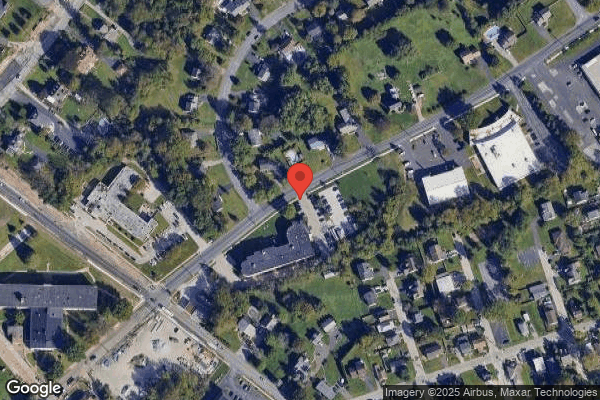
2004 OLD ARCH ROAD, NORRISTOWN, PA 19401 (610) 277-0380
Non profit - Corporation 120 Beds PARAMOUNT CARE CENTERS Data: November 2025 3 Immediate Jeopardy citations
Trust Grade
0/100
#580 of 653 in PA
Last Inspection: October 2024

Within standard 12-15 month inspection cycle. Federal law requires annual inspections.

Overview

Ivory Wellness Center has received an F grade for its trust score, indicating significant concerns and a poor reputation. Ranked #580 out of 653 facilities in Pennsylvania, it is in the bottom half of nursing homes, and #55 out of 58 in Montgomery County shows that there are very few local options that are worse. The facility is worsening, with issues increasing from 31 in 2023 to 51 in 2024, and has accrued $140,444 in fines, which is higher than 92% of facilities in the state, suggesting repeated compliance problems. Although staffing is a strength, rated at 4 out of 5 stars with a turnover rate that matches the state average, there are serious safety concerns, including incidents where residents were exposed to hazardous materials and cases of abuse among residents, resulting in critical findings from inspections. Families should weigh these severe weaknesses against the relatively stable staffing situation when considering care options.

Trust Score
F
0/100
In Pennsylvania
#580/653
Bottom 12%
Safety Record
High Risk
Review needed
Inspections
Getting Worse
31 → 51 violations
Staff Stability
⚠ Watch
46% turnover. Above average. Higher turnover means staff may not know residents' routines.
Penalties
✓ Good
$140,444 in fines. Lower than most Pennsylvania facilities. Relatively clean record.
Skilled Nurses
○ Average
Each resident gets 33 minutes of Registered Nurse (RN) attention daily — about average for Pennsylvania. RNs are the most trained staff who monitor for health changes.
Violations
⚠ Watch
82 deficiencies on record. Higher than average. Multiple issues found across inspections.
★☆☆☆☆
1.0
Overall Rating
★★★★☆
4.0
Staff Levels
★★★☆☆
3.0
Care Quality
★☆☆☆☆
1.0
Inspection Score
Stable
2023: 31 issues
2024: 51 issues

The Good

  • 4-Star Staffing Rating · Above-average nurse staffing levels
  • Full Sprinkler Coverage · Fire safety systems throughout facility
  • No fines on record

Facility shows strength in staffing levels, fire safety.

The Bad

1-Star Overall Rating

Below Pennsylvania average (3.0)

Significant quality concerns identified by CMS

Staff Turnover: 46%

Near Pennsylvania avg (46%)

Higher turnover may affect care consistency

Federal Fines: $140,444

Well above median ($33,413)

Significant penalties indicating serious issues

Chain: PARAMOUNT CARE CENTERS

Part of a multi-facility chain

Ask about local staffing decisions and management

The Ugly 82 deficiencies on record

3 life-threatening 3 actual harm
Oct 2024 18 deficiencies
CONCERN (D)

Potential for Harm - no one hurt, but risky conditions existed

Transfer Requirements (Tag F0622)

Could have caused harm · This affected 1 resident

**NOTE- TERMS IN BRACKETS HAVE BEEN EDITED TO PROTECT CONFIDENTIALITY** Based on clinical record reviews and interviews with staff, it was determined that the facility failed to ensure that a resident...

Read full inspector narrative →
**NOTE- TERMS IN BRACKETS HAVE BEEN EDITED TO PROTECT CONFIDENTIALITY** Based on clinical record reviews and interviews with staff, it was determined that the facility failed to ensure that a resident's transfer to the hospital was necessary and document the basis for the transfer in the resident's medical record for one of four residents reviewed related to transfers (Resident R55). Findings include: Review of Resident R55's admission MDS (Minimum Data Set - a mandatory periodic resident assessment tool), dated September 9, 2024, revealed that the resident was admitted to the facility on [DATE], and had diagnoses including dementia (decline in memory or other thinking skills severe enough to reduce a person's ability to perform everyday activities), and Alzheimer's Disease (a progressive disease that destroys memory and other important mental functions) and encephalopathy (brain damage). Continued review revealed that the resident was moderately cognitively impaired. Review of Resident R55's care plan, dated initiated September 8, 2024, revealed that the resident had behavioral issues that included hitting others, screaming, combative with care, attempting to bite staff, resistance to care and wandering. The goal was for the resident to have fewer episodes of behavior. Interventions included to approach the resident in a calm manner, document behaviors, allow the resident to calm when resistive or combative, monitor the resident during episodes of behavior, notify physician if behavior escalates, provide diversional activities and provide increased supervision. Review of Resident R55's progress notes revealed a psychiatry (mental health) note, dated September 20, 2024, which indicated that the resident was mostly nonverbal, confused, minimal interaction and minimal engagement due to advanced dementia. The resident did not show any signs of agitation or aggression at the time of the exam. Review of Resident R55's progress notes from September 20 through September 23, 2024, revealed that the resident was on one-to-one supervision with staff and that the resident did not have any behavioral issues. Continued review revealed a nurses note, dated September 24, 2024, at 6:25 a.m. indicated that the resident had occasionally aggressive behavior and that the resident was able to be redirected; the resident then went to sleep after the behavioral episode. Continued review of Resident R55's progress notes from September 25 through October 5, 2024, revealed that the resident was on one-to-one supervision with staff and that the resident did not have any behavioral issues. Continued review revealed a nurses note, dated October 6, 2024, at 2:20 p.m. which indicated that the resident had an episode of aggressive behavior towards staff and that staff were able to calm the resident down with redirection; the resident then went to sleep after the behavioral episode. Continued review of Resident R55's progress notes from October 8 through 17, 2024, revealed that the resident continued on one-to-one supervision with staff and that the resident did not have any behavioral issues. Continued review of Resident R55's progress notes revealed a nurses note, dated October 17, 2024, at 1:57 p.m. which indicated that the resident was asleep during the shift and did not have any negative behaviors. Another note dated October 17, 2024, at 5:43 p.m. indicated that the resident was transferred to a mental health hospital at 12:30 p.m. via emergency medical services. Further review of Resident R55's clinical record revealed that there was no documentation or indication as to why the resident was transferred to a mental health hospital. There was no indication that the facility was unable to meet the resident's needs or that the health and safety of individuals at the facility were endangered due to the resident's status. Interview on October 31, 2024, at 10:10 a.m. Employee E11, unit manager, revealed that she did not know why Resident R55 was transferred to a mental health hospital. Employee E11, unit manager, confirmed that there were no notes or indication in the resident's clinical record as to why the resident was sent to the mental health hospital. Interview on October 31, 2024, at 10:35 a.m. Employee E20, nurse aide, confirmed that she was on duty the day that Resident R55 was transferred to the mental health hospital. Employee E20, nurse aide, stated that the resident did not have any behaviors that day and described the resident as calm. Employee E20, nurse aide, stated that Resident R55 previously had behaviors but that she thought that her behaviors were improving as she was becoming more familiar with staff. Interview on October 31, 2024, at 10:43 a.m. the Director of Nursing (DON) confirmed that there was no documentation to explain why Resident R55 was transferred to a mental health hospital. The DON confirmed that the resident was calm with no documented behaviors on the day of her transfer and that no acute events or change in the resident's status occurred that would warrant a transfer to a hospital. The DON was unable to provide evidence that Resident R55's transfer was necessary for the resident's welfare, that the facility was unable to meet the resident's needs or that the health and safety of individuals at the facility were endangered due to the resident's status. The DON stated that facility was unwilling to continue to provide ongoing one-to-one supervision for Resident R55. 28 Pa Code 201.18(b)(2) Management 28 Pa Code 211.5(f)(ix) Medical records 28 Pa Code 211.12(d)(1) Nursing services
CONCERN (D)

Potential for Harm - no one hurt, but risky conditions existed

Deficiency F0625 (Tag F0625)

Could have caused harm · This affected 1 resident

**NOTE- TERMS IN BRACKETS HAVE BEEN EDITED TO PROTECT CONFIDENTIALITY** Based on clinical record reviews and interviews with staff, it was determined that the facility failed provide appropriate bed h...

Read full inspector narrative →
**NOTE- TERMS IN BRACKETS HAVE BEEN EDITED TO PROTECT CONFIDENTIALITY** Based on clinical record reviews and interviews with staff, it was determined that the facility failed provide appropriate bed hold notice to a resident's representative of a facility-initiated transfer to the hospital for one of four residents reviewed related to transfers (Resident R55). Findings include: Review of Resident R55's admission MDS (Minimum Data Set - a mandatory periodic resident assessment tool), dated September 9, 2024, revealed that the resident was admitted to the facility on [DATE], and had diagnoses including dementia (decline in memory or other thinking skills severe enough to reduce a person's ability to perform everyday activities), Alzheimer's Disease (a progressive disease that destroys memory and other important mental functions) and encephalopathy (brain damage). Continued review revealed that the resident was moderately cognitively impaired. Review of Resident R55's progress notes revealed a psychiatry (mental health) note, dated September 20, 2024, which indicated that the resident was mostly nonverbal, confused, minimal interaction and minimal engagement due to advanced dementia. The resident did not show any signs of agitation or aggression at the time of the exam. Review of Resident R55's progress notes revealed a nurses note, dated October 17, 2024, at 1:57 p.m. which indicated that the resident was asleep during the shift and did not have any negative behaviors. Another note dated October 17, 2024, at 5:43 p.m. indicated that the resident was transferred to a mental health hospital at 12:30 p.m. via emergency medical services. Review of Resident R55's clinical record with Employee E11, unit manager, on October 31, 2024, at 11:10 a.m. revealed that there was no bed hold notice available for review in the resident's record. Employee E11, unit manager, confirmed that there were no progress notes nor paper documents which indicated that Resident R55's representative was provided with written information that specified the duration of the state bed-hold policy at the time of the resident's transfer to the hospital. On October 31, 2024, at 11:22 a.m. the Director of Nursing (DON) presented a Bed Hold and In-House Transfer Policy form for Resident R55. Review of the form revealed that there was no duration for bed hold specified on the form. Further review revealed that the form was signed by a registered nurse in the space designated where it should be signed by the resident or their representative. The DON was unable to explain who signed the form and confirmed that the form was signed by a registered nurse in the place where it should have been signed by the resident or her representative. The DON could not specify the name of the nurse who signed the form. The DON confirmed that there was no duration of bed hold days entered on the form. The DON confirmed that there was no documentation available for review at the time of the survey to indicate that the resident or her representative was notified of the bed hold policy at the time of the resident's transfer to the hospital. The DON confirmed that there was no documentation by any nurses that the information on the form was reviewed with the resident or her representative at the time of her transfer to the hospital. 28 Pa Code 201.18(b)(2) Management 28 Pa Code 211.5(f)(ix) Medical records 28 Pa Code 211.12(d)(1) Nursing services
CONCERN (D)

Potential for Harm - no one hurt, but risky conditions existed

Comprehensive Care Plan (Tag F0656)

Could have caused harm · This affected 1 resident

Based on review of facility policy, review of clinical records, and staff interview, it was determined that the facility failed to develop a person-centered comprehensive care plan related to behavior...

Read full inspector narrative →
Based on review of facility policy, review of clinical records, and staff interview, it was determined that the facility failed to develop a person-centered comprehensive care plan related to behaviors for one of 23 residents reviewed (Resident R63). Findings Include: Review of facility policy Care Plan - Interdisciplinary Plan of Care from Interim to Meeting dated February 2024 revealed the care plan describes or includes adequate information provided to make informed choices regarding treatment. Review of Resident R63's clinical record revealed a physician order dated March 17, 2024, for 1:1 supervision every shift. Interview on October 29, 2024, at 3:35 p.m. with the Director of Nursing, Employee E2, revealed Resident R63 required indefinite 1:1 supervision due to history of sexually inappropriate behaviors. Review of Resident R63's clinical record and review of past survey history confirmed Resident R63 had a behavior of being sexually inappropriate with other female residents. Review of Resident R63's comprehensive care plan dated August 8, 2019, revealed the resident was physically inappropriate to another resident. The care plan was not specific to address Resident R63's behavior of being sexually inappropriate with other female residents. Interview on October 31, 2024, at 8:49 a.m. with the Director of Nursing, Employee E2, confirmed Resident R63's comprehensive care plan did not specify history of sexually inappropriate behaviors. 28 Pa. Code 211.10 (d) Resident care policies.
CONCERN (D)

Potential for Harm - no one hurt, but risky conditions existed

Deficiency F0658 (Tag F0658)

Could have caused harm · This affected 1 resident

Based on review of facility policy, facility documentation, review of clinical records, observation, Pennsylvania code title 49 professional and vocational standards and staff and resident interviews,...

Read full inspector narrative →
Based on review of facility policy, facility documentation, review of clinical records, observation, Pennsylvania code title 49 professional and vocational standards and staff and resident interviews, it was determined that the facility failed to ensure care and services were provided in accordance with professional standards of practice related to safe and timely medication administration for two of eight residents observed. (Residents R99, and R57) Findings include: Review of facility policy titled Medication Dispensing System dated April 1, 2018, revealed all medication will be prepared and administer in a manner consistent with the general requirements outlined in the policy medications are to be administered in a timely fashion. Review of Policy titled Medication Administration Policy Times revealed that unless specified by the physician, medications will be administered within sixty minutes before or after the facility dosing schedule, except before or after meals orders and non-routine time ordered medications. The medications administration pass may begin sixty minutes before the scheduled times, and administration of medications may exceed sixty minutes after the schedule. Medications ordered to be given before meals are administered approximately thirty minutes before mealtime. Medications ordered to be given after meals are given no later than 30 minutes after meal has ended. Review of the Pennsylvania code title 49 professional and vocational standards Department of state chapter 21 state board of nursing chapter 21.1455 Functions of an LPN (licensed practical nurse) requires the following: (a) the LPN is prepared to function as a member of the health care team by exercising sound nursing judgment based on preparations knowledge skills understandings and past experiences in nursing situations. LPN participates in planning implementation and evaluation of nursing care in settings where nursing take place. (b) the lpn administers medication and carry and carries out the therapeutic treatment ordered for the patient in accordance with the following: (d) the Board recognizes codes of behavior as developed by appropriate practical nursing associations as criteria for assuring safety and effective practice Review of Resident R57's clinical record revealed that Resident R57 has diagnosis' including paraplegia (paralysis of lower parts of the body), type one diabetes (chronic autoimmune disease that prevents the pancreas from making insulin), and anxiety(mental health disorder characterized by feelings of worry or fear) . Further review of Resident R 57's clinical record revealed a physician order for Insulin Lispro 100 unit/ML, dated October 9, 2024, with instruction to inject 12 units subcutaneously with breakfast and Inject 14 units subcutaneously before lunch, and inject 17 units in the evening before dinner. Review of the posted meal posted serving times: breakfast start 7:45am: 1st floor 8:00a.m./8:15a.m./8:30a.m. - 2nd 8:45a.m./9:00a.m. lunch start 11:45: 1st floor 12:00p.m./12:15p.m. - 2nd 12:30p.m./12:24p.m./1:00p.m. dinner start 5:00: 1st floor 5:15p.m./5:45p.m.- 2nd 5:30p.m./6:00p.m./6:15p.m. Interview with Resident R57 on October 28, 2024, at 10:08 a.m. revealed that she has not received her insulin at the time of interview, Resident R57 stated that the insulin was supposed to be given with breakfast. According to the meal schedule provided, the resident resides on the second-floor nursing unit and received her breakfast at 8:45-9:00 a.m. Interview with Licensed nurse, Employee E13 on October 28, 2024, at 10:18 a.m. confirmed that she has not administered Resident R57 the insulin at time of interview. Employee E13 confirmed that the medication is late. Review of resident R99's clinical record revealed that Resident R99 has diagnosis' including of dorsalgia (back pain), hypertension (high blood pressure), type two diabetes(medical condition when the body does not produce enough insulin causing high blood sugars), major depressive disorder(mental health disorder characterized by persistent feeling of sadness and loss of interest). Review of Resident R 99's medication administration record for the morning of October 28, 2024, revealed that licensed nurse Employee E13 dispensed and administered 40 mg, lisinopril 10 mg, hydroxyzine 25 mg, and methocarbamol 500 mg to Resident R 99. Further review of Resident R99'scare plan revealed that Resident R99 has been assessed and determined to have behavior problems including aggression and has been confrontational. Observation of resident R99 on October 28, 2024, at 10:00a.m. revealed the resident entering the room and throwing his medication on the bed stating they are the wrong medications. Resident was asked where he got the medications, Resident R99 replied the nurse in the hall gave him the medication cup containing the pills. Resident R99 stated that the medications are always just left on the bedside table. Interview with Licensed nurse, Employee E13 on October 28, 2024 at 10:05 a.m. confirmed that she gave Resident R99 the cup of medication pills in the hall and Resident R 99 walked away with them. 28 Pa. Code 210.14(a) Responsibility of licensee 28 Pa Code 211.12 (d)(1)(2) Nursing Services
CONCERN (D)

Potential for Harm - no one hurt, but risky conditions existed

Accident Prevention (Tag F0689)

Could have caused harm · This affected 1 resident

Based on review of clinical records, review of facility documentation, and staff and resident interviews, it was determined that the facility failed to provide adequate staff supervision and failed to...

Read full inspector narrative →
Based on review of clinical records, review of facility documentation, and staff and resident interviews, it was determined that the facility failed to provide adequate staff supervision and failed to maintain a resident environment free of potential accident hazards relating to a resident gaining access to an exit door. (Resident R 306) Findings include: Review of facility policy titled Incident and Accident Policy and Procedure updated October 2024, revealed that the purpose of the policy is to outline the procedure for managing, reporting, and investigation incidents and accidents involving residents in long term care facilities. Continued review of the policy stated that an Incident is defined as unexpected or unplanned event that does not result in injury or harm but has the potential to do so. The policy is implemented to ensure prompt and appropriate responses to incidents and accidents involving residents, minimize the risk of harm to residents through preventative measures and establish a clear process for reporting, investigating and documenting incidents. Further review of this policy states the administrator will review incident reports and investigate outcomes. The resident will be provided immediate care and assistance following incidents. The Administrator, nursing and care staff, the director of nursing, human resources, facility administration, resident, and family members, are all included in the Prevention and risk management. Review of Resident R306's clinical record revealed that Resident R306 was admitted into the facility on May 30, 2024 with diagnoses of cellulitis of the leg, sepsis (the body's extreme response to an infection, can be life threatening), anemia (blood disorder resulting in low red blood cells), history of substance abuse (drug abuse), and cerebral infarction(stroke). Resident 306's medication included Adderall, Zolpidem, Oxycodone, and Morphine. Resident R306 was determined to have opioid seeking behaviors requesting additional dosages. Review of Residents R306's care plan revealed resident is at risk for and demonstrates unusual behaviors at times related to history of poly substance abuse and IVDA (intravenous drug use) dated May 30, 2024, consisting of interventions including analyze of key times, places, circumstances, triggers and what deescalates behavior and document dated May 30, 2024. Continued review of Resident 306's care plan dated June 13, 2024, revealed resident was able to get off the unit and is at risk at risk for similar incidents /elopement. Interventions of this focus is to ensure that the Wander Guard bracelet is placed and checked for functioning created on June 20, 2024, and monitor residents whereabouts closely for safety. All care and communication with resident must be done by a minimum of two people present for safety document any behaviors or noncompliance, dated August 29, 2024. Continued review of Resident R306's care plan revealed the resident has behavior problems and can be non-compliant with facility policy and procedure at times, resident can be verbally aggressive towards staff, resident has argumentative behaviors, accusatory behaviors towards staff and residents. Resident with a tendency to wander dated July 8, 2024, with intervention to monitor residents' behaviors and document. Review of Resident R306's physician orders dated October 25, 2024, revealed an order for an Electronic Wander Bracelet: Check placement daily every shift. Review of Resident R306's clinical record progress note titled behavior note dated October 28, 2024 revealed Resident buzzed herself out at the front desk at 11 pm yesterday and went outside to smoke, she came back into the building when oncoming staff were entering the building, resident was asked to give the cigarette and lighter to the nurse, but she said she didn't have any on her person, she denied being outside, even though she was seen smoking by off-going staff. Observation of reception desk on October 30, 2024, at 8:45 a.m. revealed attendant using a device under the desk to allow surveyor in the building. Interview with desk attendant revealed that the door must be buzzed, or numerical code is required to always open the doors. Interview with Resident 306 on October 29, 2024, at 11:15a.m. revealed that she does not wear any kind of security monitor. Resident R306 stated that she knows the security code to exit the building. She verbalized that she has left the building multiple times to smoke. Interview with Licensed nurse, Employee E24 on October 29, 2024, at 11:10 am, revealed that this employee is aware of Resident 306's noncompliance with rules and has been made aware of incidents related to Resident 306 has left the building to smoke at unsecured times. He has never witnessed the behavior while during the day shift. Interview with NHA Employee E1 and DON, Employee E2 on October 30, 2024, at 9:25 a.m. confirmed that the code to exit the building was discovered by a resident shared the information with other residents, leading to resident R306 obtaining the code to exit Since then, NHA, Employee E1 has change the code. Employee E1 was unaware of Resident 360 leaving the building on October 27, 2024, after 11:00 p.m. 28 Pa. Code 201.18(e)(1) Management 28 Pa. 211.12 (d)(5) Nursing Services
CONCERN (D)

Potential for Harm - no one hurt, but risky conditions existed

Respiratory Care (Tag F0695)

Could have caused harm · This affected 1 resident

**NOTE- TERMS IN BRACKETS HAVE BEEN EDITED TO PROTECT CONFIDENTIALITY** Based on observations, review of clinical records, review of facility policy and interview with staff, it was determined that th...

Read full inspector narrative →
**NOTE- TERMS IN BRACKETS HAVE BEEN EDITED TO PROTECT CONFIDENTIALITY** Based on observations, review of clinical records, review of facility policy and interview with staff, it was determined that the facility failed to administer oxygen as ordered by the physician for one of one resident receiving oxygen therapy. (Resident R61) Findings include: Review of facility Policy on Oxygen Administration with a revised date of April 1, 2015, revealed that under section Policy it is the policy of this facility to provide comfort to residents by administering oxygen when insufficient oxygen is being carried by the blood to the tissue. Under section Procedure. #1 check physicians order for litter flow and method of administration. #7 All oxygen tubing is changed weekly and dated. Review of Resident R61's clinical record reviewed that Resident R61 was admitted to the facility on [DATE], with diagnoses of Chronic Obstructive Pulmonary Disease (disease process that causes decreased ability of the lungs to perform), Acute Pulmonary Edema, Hypertension (high blood pressure), Morbid Obesity. Review of Resident R61's quarterly MDS (minimum data set-a federally required resident assessment completed at a specific interval) Section C0500 Brief Interview for Mental Status revealed that Resident R61 scored 15 suggesting that Resident R61 was cognitively intact. Review of Physician's orders dated October 8, 2024, revealed an order for: Oxygen at 4 LPM (liters per minute) via NC (nasal canula) continuously every shift for Shortness of Breath/COPD. Observation conducted on October 28, 2024, at 9:41 am, revealed that Resident R61 was in bed with Oxygen via nasal cannula connected to an Oxygen concentrator located on the floor against the wall towards the foot of Resident R61's bed. Further observation revealed that the Oxygen gauge when read at eye level was at 3.5 liters/minute. Interview with Unit Manager Employee E11 conducted at the time of observation confirmed that oxygen level was at 3.5 liters/minute. Further Unit Manager revealed that the oxygen level should be at 4 liters/minute. 28 Pa. Code 211.12(d)(1) Nursing services 28 Pa. Code 211.12(d)(5) Nursing services
CONCERN (D)

Potential for Harm - no one hurt, but risky conditions existed

Deficiency F0730 (Tag F0730)

Could have caused harm · This affected 1 resident

Based on review of facility documentation, personnel records and interviews with staff, it was determined that the facility failed to complete annual performance reviews for nurse aide staff as requir...

Read full inspector narrative →
Based on review of facility documentation, personnel records and interviews with staff, it was determined that the facility failed to complete annual performance reviews for nurse aide staff as required for three of five nurse aide personnel files reviewed (Employees E14, E16 and E18). Findings include: Review of facility documentation provided at the time of the survey pertaining to employee names, titles and dates of hire, revealed that Employee E14 was hired by the facility on June 22, 2003, as a nurse aide; Employee E16 was hired by the facility on January 17, 2017, as a nurse aide; and Employee E18 was hired by the facility on January 12, 1998, as a nurse aide. Review of Employees E14, E16 and E18's personnel files revealed that annual performance reviews were not available for review at the time of the survey. Interview on October 29, 2024, at 3:10 p.m. the Nursing Home Administrator (NHA) and Director of Nursing (DON) revealed that they were unsure if the facility had conducted any performance reviews for Employees E14, E16 and E18. Follow-up interview on October 30, 2024, at 8:46 a.m. the NHA and DON revealed that they were still looking for performance reviews for Employees E14, E16 and E18. No performance reviews for Employees E14, E16 and E18 were provided for review at any time during the survey. 28 Pa. Code 201.19(2) Personnel policies and procedures
CONCERN (D)

Potential for Harm - no one hurt, but risky conditions existed

Deficiency F0740 (Tag F0740)

Could have caused harm · This affected 1 resident

**NOTE- TERMS IN BRACKETS HAVE BEEN EDITED TO PROTECT CONFIDENTIALITY** Based on clinical record reviews and interviews with staff, it was determined that the facility failed to ensure proper monitori...

Read full inspector narrative →
**NOTE- TERMS IN BRACKETS HAVE BEEN EDITED TO PROTECT CONFIDENTIALITY** Based on clinical record reviews and interviews with staff, it was determined that the facility failed to ensure proper monitoring and documentation of behaviors for two of 23 residents reviewed (Residents R40, and R6 ). Findings include: Review of Resident R40's Annual MDS (Minimum Data Set - a mandatory periodic resident assessment tool), dated August 15, 2024, revealed that the resident was admitted to the facility on [DATE], and had diagnoses including schizophrenia (mental illness associated with loss of reality contact, delusions and hallucinations). Review of Resident R40's care plan, dated September 19, 2022, revealed that the resident had behaviors including aggression towards staff, use of profanity towards staff, refused consults, refused to wear proper footwear, refused to use assistive devices and that the resident responds to internal stimuli and may act on auditory hallucinations. Interventions included for staff to monitor and document the resident's behaviors, remind the resident to use his assistive devices, allow time to communicate effectively, discuss and honor the resident's refusals, and provide reassurance and try again when the resident is resistant to care. Review of progress notes for Resident R40 revealed a psychiatry (mental health) note, dated August 23, 2024, with recommendations to monitor and document behaviors to assist with psychotropic medication management as well as to utilize nonpharmacologic interventions and supportive care when needed. Continued review of progress notes for Resident R40 revealed eMAR notes (electronic Medication Administration Records) that indicated that behaviors were observed on September 4, 5, 8, 9, 10, 13, 14, 15, 20, 29, 30, 2024; and October 2, 5, 6, 7, 9, 13, 20, 26, 2024. The eMAR notes did not provide any additional information regarding the observed behaviors, such as type of behavior, what the resident was doing or any staff interventions implemented to address the behaviors. Review of Resident R6's Quarterly MDS, dated [DATE], revealed that the resident was admitted to the facility on [DATE], and had diagnoses including dementia (decline in memory or other thinking skills severe enough to reduce a person's ability to perform everyday activities) and anxiety disorder (intense, excessive, persistent worry or fear). Review of Resident R6's care plan, dated January 4, 2023, revealed that the resident had behaviors including wandering, loud outbursts, hoarding, yelling, using profanity, refuses consults, refuses hair care and was not capable of understanding risks. Interventions included for staff to provide explanations of all care activities, encourage the resident to participate and honor the resident's refusal. Review of progress notes for Resident R6 revealed a psychiatry note, dated September 6, 2024, with recommendations to monitor and document behaviors to assist with psychotropic medication management as well as to utilize nonpharmacologic interventions and supportive care when needed. Continued review of progress notes for Resident R6 revealed eMAR notes indicated that behaviors were observed on September 8, 9, 10, 13, 14, 15, 20, 29, 2024; and October 5, 6, 7, 9, 13, 20, 26, 2024. The eMAR notes did not provide any additional information regarding the observed behaviors, such as type of behavior, what the resident was doing or any staff interventions implemented to address the behaviors. Interview on October 30, 2024, the Director of Nursing stated that if a resident is having a behavior that nursing staff should enter a note regarding the behavioral episode. 28 Pa Code 201.18(b)(2) Management 28 Pa Code 211.5(f)(ix) Medical records 28 Pa Code 211.12(d)(1) Nursing services 28 Pa Code 211.12(d)(5) Nursing services
CONCERN (D)

Potential for Harm - no one hurt, but risky conditions existed

Deficiency F0806 (Tag F0806)

Could have caused harm · This affected 1 resident

Based on observations, clinical record reviews and interviews with residents and staff, it was determined that the facility failed to serve foods that accommodate residents' allergies, intolerances an...

Read full inspector narrative →
Based on observations, clinical record reviews and interviews with residents and staff, it was determined that the facility failed to serve foods that accommodate residents' allergies, intolerances and preferences for one of 23 reviewed (Residents R11). Findings include: Review of progress notes for Resident R11 revealed a nutrition note, dated September 17, 2024, at 2:33 p.m. which stated, Food preferences obtained, resident does not eat pork. Observation of the menu posted on the second floor nursing unit on October 28, 2024, revealed that the lunch meal was roast pork with gravy, roasted zucchini, mashed potatoes and yellow cake with topping. The alternate meal was baked chicken with brown gravy. Interview on October 28, 2024, at 12:39 p.m. Resident R11 stated that he was not able to eat his lunch. Observation, at the time of the interview, revealed that the resident was served pork. Continued observations revealed that the resident did not eat his meal and was not offered the alternate lunch item. Interview on October 30, 2024, at 8:45 a.m. with nurse aide, Employee E23, revealed the food menus for breakfast/lunch/dinner are posted at the elevators. Per the interview, some residents can get to the elevators to see what is being served for the day and request what they want. However, residents who do not have this capability (such as residents who stay in their rooms), do not have the opportunity to see what is on the menu for the day to be able to make a choice. 28 Pa. Code 201.14 (a) Responsibility of licensee.
CONCERN (D)

Potential for Harm - no one hurt, but risky conditions existed

Deficiency F0925 (Tag F0925)

Could have caused harm · This affected 1 resident

Based on observations, and staff interview, it was determined that the facility failed to maintain the kitchen in a sanitary environment to be free of pests. Findings Include: A tour of the main kit...

Read full inspector narrative →
Based on observations, and staff interview, it was determined that the facility failed to maintain the kitchen in a sanitary environment to be free of pests. Findings Include: A tour of the main kitchen was conducted with the Food Service Director, Employee E21, on October 28, 2024, at 8:45 a.m. Observations in dry storage revealed a box of bananas stored on top of a plastic milk crate. Further observations revealed the bananas were extremely overripe and deteriorating (to the point that the bananas were beginning to liquify as evidenced by drippings beneath the box). The food service director picked up the box of bananas to remove from the dry storage room and a swarm of fruit flies scattered throughout the dry storage room. Interview with the Food Service Director, Employee E21, confirmed the bananas were the source of the fruit flies and should have been discarded. Observations above the prep sink revealed a long shelf along the wall storing condiments. Observations revealed a container of teriyaki sauce with drippings on the outside of the container making it sticky to touch. Fruit flies were present and flying above the prep sink. Interview with the Food Service Director, Employee E21, confirmed the presence of the fruit flies. 28 Pa. Code 201.14 (a) Responsibility of licensee.
CONCERN (E)

Potential for Harm - no one hurt, but risky conditions existed

Safe Environment (Tag F0584)

Could have caused harm · This affected multiple residents

**NOTE- TERMS IN BRACKETS HAVE BEEN EDITED TO PROTECT CONFIDENTIALITY** Based on observations, and staff and resident interviews it was determined that the facility failed to maintain a clean, comfort...

Read full inspector narrative →
**NOTE- TERMS IN BRACKETS HAVE BEEN EDITED TO PROTECT CONFIDENTIALITY** Based on observations, and staff and resident interviews it was determined that the facility failed to maintain a clean, comfortable, and home-like environment for one of two nursing units observed (room [ROOM NUMBER]-B). Findings Include: Observations on October 29, 2024, at 10:28 a.m., revealed in the closet for Resident R15, room [ROOM NUMBER]-B, clothes were thrown in a messy pile in the closet. Observations revealed the rod in the closet had fallen, so staff were unable to hang the resident's clothes as intended. Interview on October 29, 2024, at 10:30 a.m. with alert and oriented Resident's R17 and R69 revealed the closet rod had been broken for a while. Observations on October 29, 2024, at 10:35 a.m. with the Director of Nursing, Employee E2, confirmed the closet rod in room [ROOM NUMBER]-B was broken and the resident's clothes were thrown in a pile. 201.14 (a) Responsibility of licensee.
CONCERN (E)

Potential for Harm - no one hurt, but risky conditions existed

Drug Regimen Review (Tag F0756)

Could have caused harm · This affected multiple residents

**NOTE- TERMS IN BRACKETS HAVE BEEN EDITED TO PROTECT CONFIDENTIALITY** Based on review of facility policy, clinical record review, and review of facility documentation, it was determined that the fac...

Read full inspector narrative →
**NOTE- TERMS IN BRACKETS HAVE BEEN EDITED TO PROTECT CONFIDENTIALITY** Based on review of facility policy, clinical record review, and review of facility documentation, it was determined that the facility failed act upon pharmacist recommendation and provide a rationale for continued use of medication. (resident R21) Findings include: Review of facility policy titled Medication Regimen Review dated September 2023, revealed that the medication regime review is a thorough evaluation of the medication regime of a resident with the goal of promoting positive outcomes and minimalizing adverse consequences associated with medication. The review includes preventing identifying reporting and resolving medication related problems medication errors and other irregularities and collaborating with other members of the inner disciplinary team. Any irregularities noted by the pharmacist during this review must be documented on a written report and is sent to the attending physician. The attending physician must document in the residence medical record the identified irregularity has been reviewed and if any action has been taken to address it there is if there is to be no change in the medication the attending physician should document his or her rationale in the residence medical records. Review of manufacture [NAME] medication Amitriptyline Hydrochloride insert revealed that this medication is an antidepressant with sedation effects, used to relieve symptoms of depression. Patients with major depressive disorder may experience worsening of the depression and or the emergence of suicide ideation and behavior unusual changes. Patients being treated with antidepressants for any indication should be monitored appropriately and observe closely for clinical worsening. Side effects of this medication may include symptoms of anxiety, agitation, panic attack, insomnia, irritability, hostility, aggressiveness, impulsiveness, hypomania, and mania. Patients being treated with antidepressants for major depressive disorder as well as other indications consideration should be given to changing therapeutic regime including possibility of discontinuing the medication. Review of resident r 21 clinical record revealed resident R 21 was admitted into the facility October 16, 2023 with diagnosis including unspecified psychosis, major depressed disorder, and alcohol abuse. Review of residence clinical record revealed the resident was admitted to the facility and had diagnosis including. Review of facility documentation of pharmacy review dated July 28, 2024, revealed an evaluation of resident R 21's medication regime consisting of the antidepressant drug Amitriptyline. The pharmacist recommendation of this evaluation requested a rationale of risk verses benefits of continuation of the drug. Continued review of this documentation revealed that the physician referred the recommendation to psychology for further review. This document was signed by the physician and faxed on August 26, 2024. Review of resident R21 clinical record psychology, and psychiatry notes revealed the last notation in resident 21' chart was dated June 14, 2024. Continued review of resident R 21's clinical record revealed note response or notation addressing pharmacist recommendation. Review of resident R 21's physician orders revealed resident an order for medication Amitriptyline oral tablet 10 mg instructed to give 30 mg by mouth dated September 16, 2024. 28 Pa code 211.2(a) Physician Services 28 Pa Code 211.9(K) Pharmacy services Based on review of facility policy, review of facility documentation, review of clinical records, and staff interview, it was determined that the facility failed to ensure medication regimen reviews were completed monthly by a licensed pharmacist and failed to ensure recommendations were reviewed timely by the physician for 4 of 5 residents reviewed (Resident R88, R28, R6, and R40). Findings Include: Review of facility policy, Medication Regimen Review dated September 2023, revealed The Medication Regimen Review is a thorough evaluation of the medication regimen of a resident with the goal of promoting positive outcomes and minimizing consequences associated with medication. The review includes preventing, identifying, reporting, and resolving medication-related problems, medication errors, or other irregularities, and collaborating with other members of the interdisciplinary team. Continued review revealed, The drug regimen of each resident must be reviewed at least once a month by a licensed pharmacist. Continued review revealed, Any irregularities noted by the pharmacist during this review must be documented on a separate, written report that is sent to the attending physician and the facility's medical director and director of nursing and lists, at a minimum, the resident's name, the relevant drug and the irregularity the pharmacist identified. The attending physician must document in the resident's medical record that the identified irregularity has been reviewed and what, if any, action has been taken to address it. Further review revealed, Any written communications provided to the facility will be filed and any attachments in a readily retrievable area. During an interview with the Director of Nursing, Employee E2, on October 29, 2024, at approximately 3:30 p.m., surveyors requested six months of medication regimen reviews completed by a licensed pharmacist for the following residents: Resident R88, R28, R6, and R40. Review of documentation provided by the Director of Nursing, Employee E2, and review of Resident R88's entire clinical record revealed no documented evidence a licensed pharmacist conducted a complete medication regimen review for Resident R88 for June or July 2024. Review of documentation provided by the Director of Nursing, Employee E2, and review of Resident R6's entire clinical record revealed no documented evidence a licensed pharmacist conducted a complete medication regimen review for Resident R6 for June or July 2024. Review of documentation provided by the Director of Nursing, Employee E2, and review of Resident R40's entire clinical record revealed no documented evidence a licensed pharmacist conducted a complete medication regimen review for Resident R40 for July 2024. Review of Resident R40's Consultant Pharmacist Medication Regimen Review, dated June 29, 2024, revealed recommendations to review the resident's antidepressant medication for a possible dose reduction. The physician did not sign that the recommendation was reviewed until August 26, 2024. Review of Resident R28's monthly pharmacy review provided by Employee E2 on October 30, 2024, at 9:19am revealed that there were pharmacy reviews for May 22, 2024, July 28, 2024, August 25, 2024, and September 24, 2024. Interview with Employee E2 conducted on October 30, 2024, at 9:19 a.m. revealed that there was no pharmacy review for April 2024, June 2024 and October 2024 for Resident R28. Continued interview with the Director of Nursing, Employee E2, on October 20, 2024, at 9:36 a.m. revealed that she was hired by the facility in August 2024, and that she was unable to retrieve any data from the consultant pharmacist prior to September 2024. 28 Pa Code 211.2(d)(3) Medical director 28 Pa Code 211.9(k) Pharmacy services 28 Pa Code 211.12(d)(1) Nursing services
CONCERN (E)

Potential for Harm - no one hurt, but risky conditions existed

Menu Adequacy (Tag F0803)

Could have caused harm · This affected multiple residents

Based on observations, review of facility documentation, and staff and resident interviews, it was determined that the facility failed to ensure menus were followed and provided variety for two of two...

Read full inspector narrative →
Based on observations, review of facility documentation, and staff and resident interviews, it was determined that the facility failed to ensure menus were followed and provided variety for two of two nursing units observed (1st and 2nd floor nursing units). Findings Include: Review of the facility Spring/Summer Menu 2024 Week 1 (menu for the week of survey) revealed on Monday October 28, 2024, apple cinnamon oatmeal and French toast was on the menu for breakfast. Observations in the main kitchen on October 28, 2024, at 8:45 a.m. revealed dietary staff preparing breakfast meal trays for the residents via a tray line system. Further observations revealed no apple cinnamon oatmeal was available. Interview on October 28, 2024, at 8:45 a.m. with the Food Service Director, Employee E21, confirmed Apple Cinnamon Oatmeal was on the menu for breakfast but was unavailable. Further interview with the Food Service Director, Employee E21, revealed cream of wheat was being served instead. Continued observations on October 28, 2024, during breakfast tray line revealed toward the end of tray line approximately 5-6 residents were served waffles instead of french toast. Surveyor requested a test tray of the regular meal on October 28, 2024, during the breakfast meal. The surveyor was provided with waffles instead of French Toast. Interview on October 29, 2024, at 9:30 a.m. with the Regional Food Service Manager, Employee E22, confirmed the kitchen ran out of french toast in the middle of breakfast service on October 28, 2024, and needed to serve waffles instead. Review of the facility menu revealed that on Monday October 28, 2024, yellow cake with topping was on the menu to be served with lunch. Observations on the second floor nursing unit on October 28, 2024, at 12:35 p.m. revealed that residents did not receive the yellow cake with topping, nor any other dessert, with their lunch meal. Interview, at the time of the observation, Employees E9 and E10, nurse aides, confirmed that the residents on the second floor nursing unit did not receive the yellow cake with topping with their lunch as posted on the menu. Further review of the facility menu revealed on Tuesday, October 29, 2024, Southern Style Fried Chicken was on the menu for the lunch. Observations in the main kitchen on October 29, 2024, at 12:54 p.m. during the lunch meal service revealed the kitchen ran out of fried chicken while plating lunch trays for the 2nd floor residents and began to serve chicken patties instead. Interview on October 29, 2024, at 12:54 p.m. with the Food Service Director, Employee E21, confirmed the kitchen did not have enough fried chicken to serve the residents on the 2nd floor. Interview on October 28, 2024, at 9:27 a.m. Resident R18 stated that the menus are repetitive and that the facility does not listen to residents ' requests during resident council and food committee meetings. Interview on October 28, 2024, at 10:07 a.m. Resident R85 stated that there was not enough variety on the menu and that the facility serves too much pork. Interview on October 28, 2024, at 10:21 a.m. Resident R19 stated that the facility often runs out of food and that she often does not receive the items that are on the posted menu. Resident R19 stated that the menus are repetitive and that the facility serves too much pork. Review of the facility Spring/Summer Menu 2024 Week 1 (menu for the week of survey) revealed on Monday October 28, 2024, and Wednesday October 30, 2024, the lunch meal was pork with gravy and zucchini, which confirmed a lack of variety and repetitiveness of meals. 28 Pa. Code 211.6(a) Dietary services 28 Pa. Code 201.4(a) Responsibility of licensee 28 Pa. Code 201.18(b)(3) Management
CONCERN (E)

Potential for Harm - no one hurt, but risky conditions existed

Deficiency F0804 (Tag F0804)

Could have caused harm · This affected multiple residents

**NOTE- TERMS IN BRACKETS HAVE BEEN EDITED TO PROTECT CONFIDENTIALITY** Based on observations and interviews with residents and staff, it was determined that the facility failed to ensure that food wa...

Read full inspector narrative →
**NOTE- TERMS IN BRACKETS HAVE BEEN EDITED TO PROTECT CONFIDENTIALITY** Based on observations and interviews with residents and staff, it was determined that the facility failed to ensure that food was palatable and served at appetizing tempertaures. Findings include: A test tray was completed on October 28, 2024, at 9:15 a.m. with Food Service Director, Employee E21, on the second-floor nursing unit, during the breakfast meal service. The outcome of the test tray revealed the following: waffles were 108.7 degrees Fahrenheit (F), bacon was 86.7 degrees F, and the hard-boiled egg was 97.3 degrees F. A taste test of the food items revealed the food was cold and unappetizing to taste. The waffles were tough and chewy, making them difficult to eat. Interview on October 28, 2024, at 9:27 a.m. Resident R18 stated that the food does not taste good and that he often buys his own food because he is unable to eat the facility's food. Interview on October 28, 2024, at 9:50 a.m. Resident R23 stated that the food is often served cold and does not taste good. Interview on October 28, 2024, at 10:21 a.m. Resident R19 stated that the food is often served cold and cooked too hard. Interview on October 28, 2024, at 11:03 a.m. Resident R38 stated that the food is often served cold. Interview on October 28, 2024, at 12:07 p.m. with Resident R50 revealed the food was not appetizing. Observations revealed Resident R50 was just served lunch and was scraping the gravy off the pork. The gravy used for the pork was congealed and appeared unappetizing. Interview on October 28, 2024, at 1:51 p.m. Resident R94 stated that the food is often served cold, that it tastes disgusting and that she misses a lot of meals because she is unable to eat the facility's food. Review of Resident R9's clinical record revealed that resident was admitted to the facility on [DATE], with diagnoses of but not limited to schizoaffective disorder, Malignant Neoplasm, Type 2 Diabetes Mellitus. Review of Resident R9's quarterly MDS (minimum data set-a federally required resident assessment completed at a specific interval) Section C0500. BIMS Summary Score revealed a score of 11, suggesting that resident was moderately impaired in cognition. Interview with Resident R9 conducted on October 28, 2024, at 8:49 am revealed that Resident R9 complained that the food in the facility did not taste good and that food could be better. Further, Resident R9 also complained that the food was served cold. Review of Resident R35's clinical record revealed that resident was admitted to the facility on [DATE], with diagnoses of but not limited to schizoaffective disorder, major depressive disorder, anxiety disorder. Review of Resident R35's quarterly MDS (minimum data set-a federally required resident assessment completed at a specific interval) Section C0500. BIMS Summary Score revealed a score of 15, suggesting that resident was cognitively intact. Interview with Resident R35 conducted on October 29, 2024, at 9:32 am revealed that Resident R35 complained the food in the facility was not good and that the food was always cold. 28 Pa. Code 201.14(a) Responsibility of licensee 28 Pa. Code 201.18(b)(3) Management
CONCERN (E)

Potential for Harm - no one hurt, but risky conditions existed

Deficiency F0865 (Tag F0865)

Could have caused harm · This affected multiple residents

Based on review of facility documentation and interviews with staff, it was determined that the facility failed to maintain an effective, comprehensive, data-driven quality assurance and performance i...

Read full inspector narrative →
Based on review of facility documentation and interviews with staff, it was determined that the facility failed to maintain an effective, comprehensive, data-driven quality assurance and performance improvement program (QAPI) that focuses on indicators of the outcomes of care and quality of life as required. Findings include: Review facility policy on Quality Assurance and Performance Improvement, Feedback, Data and Monitoring reveal that under section Policy: The QAPI program is based on the collection. Information obtained from data, self-assessment, and systems of feedback. Information is collected, evaluated, and monitored by the QAPI Committee. Under section Policy Interpretation and Implementation: #1 Information obtained about the quality of care and services delivered to residents is evaluated and monitored by the QAPI Committee In order to identify problems that are high risk, high volume, or problem prone and to guide decisions regarding opportunities for improvement. #2. The QAPI process focuses on identifying systems and processes that may be problematic and could be contributing to avoidable negative outcomes related to resident care, quality of life, resident safety, resident choice, or resident autonomy, and on making a good faith effort to correct or mitigate these outcomes. Review of facility QAPI documents revealed no documented evidence that deficient practices identified during previous State surveys where the plan of corrections included using the QAPI process to develop and implemented action plans to correct the identified quality deficiencies. Further there was no documented evidence that the previously identified quality deficiencies were resolved. Interview with facility Nursing Home Administrator conducted on October 31, 2024, at 8:48 a.m. revealed that he could not find any QAPI documentation from the previous administration for any of the previously identified quality deficiencies. Further Employee E1 also revealed that since his company took over, there was no QAPI conducted for deficiencies identified during the previous State surveys including those with plan of corrections that included conducting QAPI. 28 Pa. Code 201.14 (a) Responsibility of licensee 28 Pa. Code 201.18 (b)(1) Management
CONCERN (E)

Potential for Harm - no one hurt, but risky conditions existed

Infection Control (Tag F0880)

Could have caused harm · This affected multiple residents

Based or observation, interview with staff and review of facility policy and documents, it was determine that the facility failed to develop and implement a Water Management Program for the prevention...

Read full inspector narrative →
Based or observation, interview with staff and review of facility policy and documents, it was determine that the facility failed to develop and implement a Water Management Program for the prevention, detection, and control of water borne contaminants, such as legionella (a bacteria that causes Legionnaire's Disease). Findings include: Review of facility policy entitled Legionella Water Management Program with a most recent revision date of September 2022, revealed that under section Policy: Our facility is committed to the prevention, detection of water borne contaminants, including Legionella. Further review of the facility's Policy on Legionella Water Management Program revealed that the policy did not include an assessment which includes a description of the building water systems using text and flow diagrams to identify where Legionella and other opportunistic waterborne pathogens could grow and spread. Review of facility documents revealed that the facility did not have a documented water management program based on nationally accepted standards. Further review of facility documents revealed that there was no documented evidence that the facility conducted an assessment which includes a description of the building water systems using text and flow diagrams to identify where Legionella and other opportunistic waterborne pathogens could grow and spread. Interview with Maintenance Director Employee E19 conducted on October 30, 2024, at 3:20 pm confirmed that the facility did not have a documented water management program in place. Further Employe E19 revealed that they had just hired a company to create the facility's Water Management Program. 28 Pa. Code 201.14(a) Responsibility of licensee 28 Pa. Code 201.18(b)(1) Management
CONCERN (F)

Potential for Harm - no one hurt, but risky conditions existed

Food Safety (Tag F0812)

Could have caused harm · This affected most or all residents

**NOTE- TERMS IN BRACKETS HAVE BEEN EDITED TO PROTECT CONFIDENTIALITY** Based on review of facility policy, observations in the food and nutrition department, and interviews with staff, it was determi...

Read full inspector narrative →
**NOTE- TERMS IN BRACKETS HAVE BEEN EDITED TO PROTECT CONFIDENTIALITY** Based on review of facility policy, observations in the food and nutrition department, and interviews with staff, it was determined that the facility did not ensure that food was stored, prepared, and served in accordance with professional standards for food service safety. Findings Include: Review of facility policy Food Storage dated August 2024, revealed food items will be stored, thawed, and prepared in accordance with good sanitary practice. All products shall be dated upon receipt or when they are prepared. Further review of facility policy revealed meat should be dated when taken out of the freezer. Dented cans should be placed on damaged good shelf and returned for credit. Any opened products shall be placed in containers with tight-fitting lids or Ziploc bags. All foods shall be stored off the floor. A tour of the main kitchen was conducted with the Food Service Director, Employee E21, on October 28, 2024, at 8:45 a.m. revealed the following: Interview with the Food Service Director, Employee E21, revealed a food order was received in the morning around 6:30 a.m. that was unable to be put away yet. Observations revealed a box of frozen French fries, frozen waffles, tomatoes, and apple juice cups were stored directly on the kitchen floor. Observations in dry storage revealed a reach-in refrigerator. Observations inside the reach-in refrigerator revealed 4 sheet cakes with no dates, a moldy cucumber, a box of individual cream cheese portions on the bottom shelf with a dark, liquid dripping all over the box, 7 heads of lettuce with no date and was starting brown/[NAME]. Further observations revealed two large pork loins and a box of chicken thighs with no dates. Per the food service director, the meats were previously frozen and put in the fridge to thaw. Continued observations in dry storage revealed a box of bananas stored on top of a plastic milk crate. Further observations revealed the bananas were extremely overripe and deteriorating. The food service director picked up the box of bananas to remove from the dry storage room and a swarm of fruit flies scattered throughout the dry storage room. On the shelving in dry storage there was a bag of sugar that was open to air and not put in a sealed, air-tight container. Further observations in dry storage revealed two cans of dented sweet potato cans that were not in a designated damaged goods area. Observations of the reach-in freezer revealed the freezer was tightly packed, limiting adequate circulation of air around the food. Further observations of the reach-in freeze revealed an open, and undated container of hot dogs. The bottom of the reach-in freezer had significant food and debris build up that required cleaning. Observations of the walk-in refrigerator revealed pineapples in a plastic storage container with no date. Observations above the prep sink revealed a long shelf along the wall storing condiments. Observations revealed a container of teriyaki sauce with drippings on the outside of the container making it sticky to touch. Behind the wall of the shelf were dark, dried liquid drippings down the wall. The shelf had a significant build-up of grease, food, and debris. Fruit flies were present and flying above the prep sink. The microwave was greasy to touch. Observations revealed the condiment cart used to store condiments to utilize during tray line was missing a wheel and was being held up by a small bin. Observations were confirmed by the Food Service Director, Employee E21, throughout the duration of the kitchen tour. 28 Pa. Code 201.14 (a) Responsibility of licensee.
MINOR (B)

Minor Issue - procedural, no safety impact

Transfer Notice (Tag F0623)

Minor procedural issue · This affected multiple residents

**NOTE- TERMS IN BRACKETS HAVE BEEN EDITED TO PROTECT CONFIDENTIALITY** Based on review of facility documentation, review of clinical records, and interviews with staff, it was determined that the fac...

Read full inspector narrative →
**NOTE- TERMS IN BRACKETS HAVE BEEN EDITED TO PROTECT CONFIDENTIALITY** Based on review of facility documentation, review of clinical records, and interviews with staff, it was determined that the facility failed to notify the Office of the State Long-Term Care Ombudsman of facility-initiated emergency transfers to the hospital and that a resident's representative was made aware of a facility-initiated transfer, for four of four residents reviewed related to transfers (Residents R65, R54, R94 and R55). Findings Include: Review of progress notes for Resident R65 revealed a note, dated September 9, 2024, at 8:00 p.m. which indicated that the resident had a fall and was transferred to a local hospital for evaluation. Review of progress notes for Resident R54 revealed a note, dated September 16, 2024, at 5:13 p.m., which indicated that the resident had a fall and was transferred to a local hospital for evaluation. Clinical record review for Resident R94 revealed a nurses note, dated September 24, 2024, at 7:34 p.m. which indicated that the resident had abnormal labs. The practitioner was notified and ordered for the resident to be transferred to a local hospital for further evaluation. Further record reviews for Residents R65, R54, and R94 revealed that no documentation was available for review at the time of the survey to indicate that the Office of the State Long-Term Care Ombudsman was notified of the facility-initiated emergency transfers and discharges. Review of documentation provided by the Nursing Home Administrator on October 28, 2024, revealed the Office of the State Long Term Care Ombudsman was not made aware Resident R65, R54, and R94's facility-initiated emergency transfers to the hospital as required. Review of Resident R55's admission MDS (Minimum Data Set - a mandatory periodic resident assessment tool), dated September 9, 2024, revealed that the resident was admitted to the facility on [DATE], and had diagnoses including dementia (decline in memory or other thinking skills severe enough to reduce a person's ability to perform everyday activities), Alzheimer's Disease (a progressive disease that destroys memory and other important mental functions) and encephalopathy (brain damage). Continued review revealed that the resident was moderately cognitively impaired. Review of Resident R55's progress notes revealed a psychiatry (mental health) note, dated September 20, 2024, which indicated that the resident was mostly nonverbal, confused, minimal interaction and minimal engagement due to advanced dementia. The resident did not show any signs of agitation or aggression at the time of the exam. Review of Resident R55's progress notes revealed a nurses note, dated October 17, 2024, at 1:57 p.m. which indicated that the resident was asleep during the shift and did not have any negative behaviors. Another note dated October 17, 2024, at 5:43 p.m. indicated that the resident was transferred to a mental health hospital at 12:30 p.m. via emergency medical services. Interview on October 31, 2024, at 10:43 a.m. the Director of Nursing (DON) confirmed that there was no documentation to explain why Resident R55 was transferred to a mental health hospital. The DON confirmed that the resident was calm with no documented behaviors on the day of her transfer and that no acute events or change in the resident's status occurred that would warrant a transfer to a hospital. The DON confirmed that there were no notes or indication in the resident's clinical record that Resident R55's representative was notified of the transfer to the mental health hospital at the time of the resident's transfer. 28 Pa. Code 201.14(a) Responsibility of licensee 28 Pa. Code 201.18(b)(2) Management
Sept 2024 4 deficiencies
CONCERN (D) 📢 Someone Reported This

A family member, employee, or ombudsman was alarmed enough to file a formal complaint

Potential for Harm - no one hurt, but risky conditions existed

Deficiency F0804 (Tag F0804)

Could have caused harm · This affected 1 resident

Based on observations, and resident and staff interviews it was determined that the facility failed to provide food and drink that was served palatable temperatures for three of four residents intervi...

Read full inspector narrative →
Based on observations, and resident and staff interviews it was determined that the facility failed to provide food and drink that was served palatable temperatures for three of four residents interviewed (Resident R2, R3, and R4). Findings Include: Interview on September 10, 2024, at 1:40 p.m. with alert and oriented Resident R2 revealed the coffee and food is served cold. Interview with September 10, 2024, at 1:42 p.m. with alert and oriented Resident R3 revealed the food is served cold and on September 9, 2024, Resident R3 did not eat lunch because the food was so cold and not palatable. Interview on September 10, 2024, at 1:45 p.m. with alert and oriented Resident R4 revealed the food is always served cold. A test tray was completed during the lunch time meal on September 10, 2024, at approximately 1:25 p.m. with the Food Service Director, Employee E3, which revealed the following temperatures: [NAME] 114 degrees Fahrenheit (F), Baked Chicken 111.8 degrees F, Pureed Ziti 96.3 degrees F, Pureed Vegetable 96.6 degrees F, and Mashed potatoes 100 degrees F. A taste test of the above food items and an interview with the Food Service Director, Employee E3, confirmed the food items were not served at palatable temperatures. 28 Pa. Code 201.14(a) Responsibility of licensee 28 Pa. Code 201.18(b)(3) Management
CONCERN (F) 📢 Someone Reported This

A family member, employee, or ombudsman was alarmed enough to file a formal complaint

Potential for Harm - no one hurt, but risky conditions existed

Food Safety (Tag F0812)

Could have caused harm · This affected most or all residents

Based on review of standards of professional practice, review of facility policy, observations in the food and nutrition department, and interviews with staff, it was determined that the facility did ...

Read full inspector narrative →
Based on review of standards of professional practice, review of facility policy, observations in the food and nutrition department, and interviews with staff, it was determined that the facility did not ensure that food was stored, prepared, and served in accordance with professional standards for food service safety. Findings Include: Review of the 2022 Food Code (a uniform system of provisions that address the safety and protection of food offered at retail and in food service), January 18, 2023 Version by the United States [U.S.] Food and Drug Administration [FDA] revealed epidemiological outbreak data repeatedly identified five major risk factors related to employee behaviors and preparation practices in retail and food service establishments as contributing to foodborne illness which included improper holding temperatures. Time/Temperature Control for Safety Food (TCS) means a food that requires time/temperature control for safety (TCS) to limit pathogenic microorganism growth or toxin formation. Per a review of the 2022 Food Code Time/Temperature control for food safety shall be maintained at 135 degrees Fahrenheit or above. Review of facility policy Food Safety Requirements revised May 2024 revealed Time/Temperature control for Safety (TCS) refers to food that requires time/temperature control for safety to limit the growth of pathogens or toxin information. Potentially hazardous foods require proper holding temperatures to reduce the rapid and progressive growth of illness producing microorganisms, such as Salmonellae (a group of bacteria that can cause gastrointestinal illness and fever) and Clostridium botulinum (organisms that may grow in foods producing toxins and, when consumed, can result in a severe form of food poisoning). Review of facility policy Food Preparation and Handling revised December 1, 2021, revealed it is the policy of the facility to ensure all food served by the facility is of good quality and safe for consumption, all food will be prepared and handled according to the current Federal and State Food codes and HACCP [Hazard Analysis and Critical Control Point] guidelines. Further review of facility policy revealed all hot foods must be held at 135 degrees Fahrenheit. Interview with the Food Service Director, Employee E3, on September 10, 2024, at 12:10 p.m. revealed the steam tables in the main kitchen were broken. Observations during the lunch time meal service on September 10, 2024, at 12:15 p.m. revealed dietary staff utilized a tray line meal system and plated resident meal trays in the main kitchen before delivering trays to the residents in their rooms. Observations confirmed the steam tables were broken and not being used. Continued observations revealed a flat top griddle directly next to the gas burners. On top of the flat top griddle staff had a large stainless steel steam table pan filled with hot water. Inside the large pan were six smaller pans filled with pureed foods items and baked regular chicken. Holding temperatures of the food was taken with the Food Service Director, Employee E3, on September 10, 2024, at 12:30 p.m. which revealed the following: Chicken 80 degrees Fahrenheit (F), Mashed potatoes 129 degrees F, Gravy 115 degrees F, [NAME] 133.2 degrees F, Pureed Ziti 112 degrees F, Pureed Vegetable 110 degrees F. Interview on September 10, 2024, at 12:30 p.m. with the Food Service Director, Employee E3, confirmed the holding temperatures of the food should be at 135 degrees F for food safety purposes. Interview on September 10, 2024, at 12:35 p.m. with the Cook, Employee E4, revealed the above food items were not maintained at appropriate holding temperatures because the griddle being used to hold the pans was also broken and not producing any heat to help keep the foods warm. 201.14 (a) Responsibility of licensee.
CONCERN (F) 📢 Someone Reported This

A family member, employee, or ombudsman was alarmed enough to file a formal complaint

Potential for Harm - no one hurt, but risky conditions existed

Room Equipment (Tag F0908)

Could have caused harm · This affected most or all residents

Based on observations of the food and nutrition department, and interviews with staff it was determined that the facility failed to ensure that essential mechanical dietary equipment was in safe opera...

Read full inspector narrative →
Based on observations of the food and nutrition department, and interviews with staff it was determined that the facility failed to ensure that essential mechanical dietary equipment was in safe operating condition. Findings include: Interview with the Food Service Director, Employee E3, on September 10, 2024, at 12:10 p.m. revealed the steam tables in the main kitchen were broken. Continued interview with the Food Service Director, Employee E3, revealed the steam table has been broken since June 2024. Observations during the lunch time meal service on September 10, 2024, at 12:15 p.m. revealed dietary staff utilized a tray line meal system and plated resident meal trays in the main kitchen before delivering trays to the residents in their rooms. Observations confirmed the steam tables were broken and not being used. Continued observations revealed as an attempt to keep trays of food warm during tray line service, dietary staff had pans of food placed directly on top of the stove top gas burners with the gas burners turned on low. Continued observations revealed a flat top griddle directly next to the gas burners. On top of the flat top griddle staff had a large stainless steel steam table pan filled with hot water. Inside the large pan were six smaller pans filled with pureed foods items and baked regular chicken. Holding temperatures of the food was taken with the Food Service Director, Employee E3, on September 10, 2024, at 12:30 p.m. which revealed the following: Chicken 80 degrees Fahrenheit (F), Mashed potatoes 129 degrees F, Gravy 115 degrees F, [NAME] 133.2 degrees F, Pureed Ziti 112 degrees F, Pureed Vegetable 110 degrees F. Interview on September 10, 2024, at 12:30 p.m. with the Food Service Director, Employee E3, confirmed the holding temperatures of the food should be at 135 degrees F for food safety purposes. Interview on September 10, 2024, at 12:35 p.m. with the Cook, Employee E4, revealed the above food items were not maintained at appropriate holding temperatures because the griddle being used to hold the pans was also broken and not producing any heat to help keep the foods warm. Continued observations in the main kitchen on September 10, 2024, at 12:40 p.m. during tray line revealed staff were utilizing paper cups to serve juice. Subsequent interview with the Food Service Director, Employee E3, revealed the dietary department is unable to purchase enough individual pre-packaged juice cups because one of the refrigerators is down and the kitchen does not have enough refrigeration storage for the juice. Follow-up interview with the Food Service Director, Employee E3, on September 10, 2024, at 2:45 p.m. revealed the steam tables would intermittently stop working starting in June 2024. In the beginning of August 2024 is when the steam tables completely stopped working and were unable to be used. 201.14 (a) Responsibility of licensee.
MINOR (B) 📢 Someone Reported This

A family member, employee, or ombudsman was alarmed enough to file a formal complaint

Minor Issue - procedural, no safety impact

Transfer Notice (Tag F0623)

Minor procedural issue · This affected multiple residents

**NOTE- TERMS IN BRACKETS HAVE BEEN EDITED TO PROTECT CONFIDENTIALITY** Based on review of facility documentation, clinical record reviews, and interviews with staff, it was determined that the facili...

Read full inspector narrative →
**NOTE- TERMS IN BRACKETS HAVE BEEN EDITED TO PROTECT CONFIDENTIALITY** Based on review of facility documentation, clinical record reviews, and interviews with staff, it was determined that the facility failed to notify the Office of the State Long-Term Care Ombudsman of facility-initiated emergency transfers as required for six of six records reviewed related to hospital transfers (Residents R4, R7, R8, R9, R10, and R11) Findings include: Review of facility documentation, Transfer Log, received September 10, 2024, revealed a list of residents transferred to the hospital from [DATE], through September 9, 2024. Review of facility documentation Transfer Log revealed Resident R7 had an unplanned transfer to the local hospital on March 1, 2024, at 11:00 p.m. for wound evaluation. Review of progress notes for Resident R8 revealed a note, dated April 5, 2024, at 9:30 p.m., which indicated that the resident had pain and numbness of the left arm and was transferred to a local hospital emergency department for evaluation. Review of progress notes for Resident R4 revealed a note, dated May 8, 2024, at 9:49 p.m. which indicated the that the resident had abdominal pain and distended abdomen and was transferred to a local hospital for evaluation. Review of progress notes for Resident R9 revealed a note dated, June 5, 2024, at 11:00 a.m., which indicated that the resident was noted to be lethargic, unable to swallow food or medicine and was transferred to a local hospital for evaluation. Review of progress notes for Resident R10 revealed a note dated, July 5,2024, at 5:17 p.m., which indicated that the resident had abnormal lab results and was transferred to a local hospital for evaluation. Review of progress notes for Resident R11 revealed a note dated, August 2, 2024, at 1:14 p.m., which indicated that the resident had abnormal lab results and was transferred to a local hospital for evaluation. Further review revealed that there was no indication that the Office of the State Long-Term Care Ombudsman was notified of the above facility-initiated emergency transfers Residents R4, R7, R8, R9, R10, and R11. Interview on September 10, 2024, at 3:00 p.m. the Nursing Home Administrator confirmed they were unable to provide evidence that the Office of the State Long-Term Care Ombudsman was not notified in a timely manner as required of facility-initiated emergency transfers. 28 Pa. Code 201.14(a) Responsibility of licensee 28 Pa. Code 201.18(b)(2) Management
Jul 2024 6 deficiencies 2 Harm
SERIOUS (G) 📢 Someone Reported This

A family member, employee, or ombudsman was alarmed enough to file a formal complaint

Actual Harm - a resident was hurt due to facility failures

Free from Abuse/Neglect (Tag F0600)

A resident was harmed · This affected 1 resident

**NOTE- TERMS IN BRACKETS HAVE BEEN EDITED TO PROTECT CONFIDENTIALITY** Based on review of clinical records, staff and resident interviews, and review of facility documentation, it was determined that...

Read full inspector narrative →
**NOTE- TERMS IN BRACKETS HAVE BEEN EDITED TO PROTECT CONFIDENTIALITY** Based on review of clinical records, staff and resident interviews, and review of facility documentation, it was determined that the facility failed to ensure that a resident was free of neglect resulting in actual harm to Resident R1 who fell out of bed, required transfer to the hospital via emergency medical services and sustained five sutures to the forehead for one of four resident reviewed. (Resident R1). Findings include: Review of Resident R1's clinical record revealed that the resident was admitted to the facility on [DATE], with the diagnoses of cerebral infarction (stroke) affecting left sided weakness, deep vein thrombosis (blood clot), high blood pressure, lack of coordination, anxiety disorder, bipolar disorder (mental health condition marked by intense mood changes), morbidly obesity and weakness. Review of Resident R1's admission Minimum Data Set (MDS-an assessment of resident's needs) dated May 2, 2024, indicated that the resident was cognitively intact. The resident was assessed with one sided upper and both sides lower body impairment. Continued review of the MDS revealed that the resident required substantial/maximum assistance to roll left and right. The resident was assessed as dependent (helper does all the effort) when lying to sitting on the side of the bed. Review of Resident R1's care plan dated May 8, 2024 revealed that a care plan was developed due to the resident's left sided weakness and limited mobility. The resident's care plan inidcated that the resident required the total assistant of one staff member for personal hygiene, and dressing and the use a mechanical aid requiring two staff members for transfers. Resident R1's nursing note dated July 12, 2024 revealed that the resident fell from his bed during care by staff (Nursing Assistant, Employee E3). The resident was observed laying on the floor and bleeding from his forehead. The resident was sent 911 (Emergency Medical Services) to the hospital for further evaluation. The resident received five sutures on his forehead. Interview with Resident R1 on July 29, 2024, at 3:00 p.m. stated, I fell out of my bed onto the floor when I was being washed. The aide just rolled me, and I had nothing to hold onto and fell. I got 5 stitches (pointing to his forehead) and cuts and bruising. My body is still sore and I have had headaches ever since my fall. During an interview on July 30, 2024, at 4:00 p.m. with Nurse aide, Employee E3 confirmed that while providing Resident R1 with morning care, she went to roll him onto his side to wash him, and he rolled off the bed, adding that the bed was also in the highest position. The NA stated she was re-educated and in-serviced because of the way she rolled him. The NA explained, I rolled Resident R1 away from me, not towards me, like I was taught to do. Interview with the Director of Nursing and the Assistant Director of Nursing confirmed Nurse aide, Employee E3 was re-educated for using the incorrect technique while giving care to Resident R1. 28 Pa Code 211.12(d)(1) Nursing services 28 Pa Code 211.12(d)(5) Nursing services
SERIOUS (G) 📢 Someone Reported This

A family member, employee, or ombudsman was alarmed enough to file a formal complaint

Actual Harm - a resident was hurt due to facility failures

Accident Prevention (Tag F0689)

A resident was harmed · This affected 1 resident

**NOTE- TERMS IN BRACKETS HAVE BEEN EDITED TO PROTECT CONFIDENTIALITY** Based on review of clinical records, resident and staff interviews, and review of facility documentation, it was determined that...

Read full inspector narrative →
**NOTE- TERMS IN BRACKETS HAVE BEEN EDITED TO PROTECT CONFIDENTIALITY** Based on review of clinical records, resident and staff interviews, and review of facility documentation, it was determined that the facility failed to ensure that Resident R1 received adequate assistance during bed mobility which resulted in actual harm to Resident R1 who fell out of bed, required transfer to the hospital via emergency medical services and sustained five sutures on the forehead. (Resident R1) Findings include: Review of Resident R1's clinical record revealed that the resident was admitted to the facility on [DATE], with the diagnoses of cerebral infarction (stroke) affecting left sided weakness, deep vein thrombosis (blood clot), high blood pressure, lack of coordination, anxiety disorder, bipolar disorder (mental health condition marked by intense mood changes), morbidly obesity and weakness. Review of Resident R1's admission Minimum Data Set (MDS-an assessment of resident's needs) dated May 2, 2024, indicated that the resident was cognitively intact. The resident was assessed with one sided upper and both sides lower body impairment. Continued review of the MDS revealed that the resident required substantial/maximum assistance to roll left and right. The resident was assessed as dependent (helper does all the effort) when lying to sitting on the side of the bed. Review of Resident R1's care plan dated May 8, 2024 revealed that a care plan was developed related to activities of daily living (adl)/self care, performance deficient due to hemiplegia and limited mobility. An intervention developed on May 23, 2024, stated that the resident needed pair care and assist of 2 people for all care related to bed mobility. Resident R1's nursing note dated July 12, 2024, revealed that the resident fell from his bed during care by staff (Nursing assistant, Employee E3). The resident was observed laying on the floor and bleeding from his forehead. The resident was sent 911 (Emergency Medical Services) to the hospital for further evaluation. The resident received five sutures on his forehead. Interview with Resident R1 on July 29, 2024, at 3:00 p.m. stated, I fell out of my bed onto the floor when I was being washed. The aide just rolled me, and I had nothing to hold onto and fell. I got 5 stitches (pointing to his forehead) and cuts and bruising. My body is still sore and I have had headaches ever since my fall. During an interview on July 30, 2024, at 4:00 p.m. with Nurse aide, Employee E3 confirmed that while providing Resident R1 with morning care, she went to roll him onto his side to wash him, and he rolled off the bed, adding that the bed was also in the highest position. The facility failed to ensure that Resident R1 was assisted by two staff members during adl care which resulted in actual harm to Resident R1 who fell out of bed and sustained a laceration on the forehead requiring five sutures. 28 Pa Code 211.12(d)(1) Nursing services 28 Pa Code 211.12(d)(5) Nursing services
CONCERN (D) 📢 Someone Reported This

A family member, employee, or ombudsman was alarmed enough to file a formal complaint

Potential for Harm - no one hurt, but risky conditions existed

Grievances (Tag F0585)

Could have caused harm · This affected 1 resident

**NOTE- TERMS IN BRACKETS HAVE BEEN EDITED TO PROTECT CONFIDENTIALITY** Based on interviews with resident and staff, review of facility policy and grievances, it was determined that the facility faile...

Read full inspector narrative →
**NOTE- TERMS IN BRACKETS HAVE BEEN EDITED TO PROTECT CONFIDENTIALITY** Based on interviews with resident and staff, review of facility policy and grievances, it was determined that the facility failed to make prompt efforts to resolve resident's grievances for one of four resident records reviewed (Resident R2). Findings include: Review of the facility's policy titled, Grievance/Concern Management, effective February 2021 states, The residents have a right to present concerns, recommend changes in policies and services. These rights include the right to prompt efforts by the facility to resolve residents' concerns. The same policy states that the Nursing Home Administrator (NHA) is responsible for oversight of the concern process. In addition, the Social Services Director in collaboration with the NHA will be the Grievance Officer at the facility. Review of Resident R2's clinical record revealed that the resident was admitted to the facility on [DATE], with the diagnoses of Chronic Obstructive Pulmonary disease (respiratory disease), high blood pressure, and major depression (severe sadness). Review of facility grievances/concern reports revealed on May 29, 2024, revealed that Resident R2 submitted a grievance regarding a missing pair of dark brown boots and a pair of brown pumps. On May 31, 2024 the facility followed up stating the articles were not found on Resident R2's inventory sheet and the resident was made aware. An interview was conducted with the Nursing Home Administrator (NHA) and the Grievance Officer on July 29, 2024. The grievance officer (GO) stated two weeks ago she received receipts of the two pairs of shoes and the receipts have been sitting on the GO's desk. Review of these receipts revealed both shoes were purchased online in 2021 and both purchases were mailed to the facility's address. The NHA then stated I told Resident R2 I needed the money in the petty cash to reimburse her and I don't have the money to pay her. 28 Pa. Code 201.14 (a) Responsibility of licensee 28 Pa. Code 201.29 (a) Resident Rights
CONCERN (D) 📢 Someone Reported This

A family member, employee, or ombudsman was alarmed enough to file a formal complaint

Potential for Harm - no one hurt, but risky conditions existed

Report Alleged Abuse (Tag F0609)

Could have caused harm · This affected 1 resident

**NOTE- TERMS IN BRACKETS HAVE BEEN EDITED TO PROTECT CONFIDENTIALITY** Based on review of clinical records and interview with staff, it was determined that the facility failed to report a serious inj...

Read full inspector narrative →
**NOTE- TERMS IN BRACKETS HAVE BEEN EDITED TO PROTECT CONFIDENTIALITY** Based on review of clinical records and interview with staff, it was determined that the facility failed to report a serious injury sustained by a resident for one of four clinical records reviewed (Resident R1). Findings include: Review of Resident R1's clinical record revealed that the resident was admitted to the facility on [DATE], with the diagnoses of cerebral infarction (stroke) affecting left sided weakness. Review of Resident R1's admission Minimum Data Set (MDS-an assessment of resident's needs) dated May 2, 2024, assessed the resident with one sided upper and both sides lower body impairment. Continued review of the MDS revealed that the resident required substantial/maximum assistance to roll left and right. The resident was assessed as dependent (helper does all the effort) when lying to sitting on the side of the bed. Resident R1's nursing note dated July 12, 2024, revealed that the resident fell from his bed, placed in the highest position during care by staff (Nursing Assistant, (NA) Employee E3). The resident was observed laying on the floor and bleeding from his forehead. The resident was sent 911 (Emergency Medical Services) to the hospital for further evaluation and received five sutures on his forehead. During an interview on July 30, 2024, at 4:00 p.m. with NA, Employee E3 stated that while providing Resident R1 with morning care, with bed at the highest position, she went to roll him onto his side to wash him, and he rolled off the bed. The NA explained, I rolled Resident R1 away from me, not towards me, like I was taught to do. Interview with the Nursing Home Administrator on July 29, 2024, confirmed the facility failed to report this violations of neglect and report the results of this investigation to the State Survey Agency within prescribed time frame. 28 Pa. Code 201.14(a) Responsibility of licensee 28 Pa. Code 211.12(d)(5) Nursing service
CONCERN (D) 📢 Someone Reported This

A family member, employee, or ombudsman was alarmed enough to file a formal complaint

Potential for Harm - no one hurt, but risky conditions existed

Comprehensive Care Plan (Tag F0656)

Could have caused harm · This affected 1 resident

**NOTE- TERMS IN BRACKETS HAVE BEEN EDITED TO PROTECT CONFIDENTIALITY** Based on a review of clinical records, and interviews with staff, it was determined that the facility failed to develop and impl...

Read full inspector narrative →
**NOTE- TERMS IN BRACKETS HAVE BEEN EDITED TO PROTECT CONFIDENTIALITY** Based on a review of clinical records, and interviews with staff, it was determined that the facility failed to develop and implement comprehensive person-centered plans of care in a timely manner for one of four resident records reviewed (Resident R1). Findings include: Review of Resident R1's clinical record revealed that the resident was admitted to the facility on [DATE], with the diagnoses of cerebral infarction (stroke) affecting left sided weakness, deep vein thrombosis (blood clot), high blood pressure, lack of coordination, anxiety disorder, bipolar ( mental health condition marked by intense mood changes), morbidly obese and weakness. Review of Resident R1's admission MDS (an assessment of resident's needs) dated May 2, 2024, indicated the resident was cognitively intact. The resident was assessed with one sided upper and both sides lower body impairment. The reisdent needed substantial maximum assistant (helper does more than half the effort) of one staff member for toileting, showering/bathing, dressing and personal hygiene. Review of Resident R1's care plan dated May 8, 2024 revealed that a care plan was developed related to activities of daily living (adl)/self care, performance deficient due to hemiplegia and limited mobility. An intervention developed on May 23, 2024, stated that the resident needed pair care and assist of 2 people for all care related to bed mobility Interview on July 29, 2024, with the Therapy Director, Employee E4 stated at discharge we had placed an enabler bar on his bed in the short-term unit to assist and increase his independence with bed mobility. It was later determined the resident was to be placed in long term care. When the resident was moved to long-term care on the second floor the enabler bar should have been placed on the resident's bed. This was confirmed with the Director of Nursing (DON) on July 29, 2024, at 2:30 p.m. that the facility failed to develop a plan of care, using an enabler as an intervention, to assist Resident R1 with bed mobility. Further review of Resident R1's clinical record revealed on July 12, 2024 the resident fell from his bed during care by staff (Nursing assistant, Employee E3). The resident was observed laying on the floor and bleeding from his forehead. The resident was sent 911 (Emergency Medical Services) to the hospital for further evaluation. The resident received five sutures on his forehead. On July 29, 2024 at 2:30 p.m. the DON confirmed the resident's plan of care for paired care was not implemented during the time of the fall. 28 Pa. Code 211.12(d)(3) Nursing services 28 Pa. Code 211.12(d)(5) Nursing services
CONCERN (D) 📢 Someone Reported This

A family member, employee, or ombudsman was alarmed enough to file a formal complaint

Potential for Harm - no one hurt, but risky conditions existed

Deficiency F0688 (Tag F0688)

Could have caused harm · This affected 1 resident

Based on the observations, review of clinical records, facility policies, and interview with staff, it was determined that the facility failed to ensure that a resident received necessary equipment to...

Read full inspector narrative →
Based on the observations, review of clinical records, facility policies, and interview with staff, it was determined that the facility failed to ensure that a resident received necessary equipment to aide with mobility for one of 4 residents reviewed. (Resident R1). Findings include: Review of Resident R1 clinical record revealed an admission date of April 25, 2024, diagnosed with a cerebral infarction (stroke) affecting left sided weakness, deep vein thrombosis (blood clot), high blood pressure, lack of coordination, anxiety disorder, bipolar ( mental health condition marked by intense mood changes), morbidly obese and weakness. Review of Resident R1 admission MDS (an assessment of resident's needs) dated May 2, 2024, indicated the resident was cognitively intact, one sided upper and both sides lower, body impairment, and needed substantial maximum assistant (helper does more than half the effort) of one staff member for toileting, showering/bathing, dressing and personal hygiene. Review of Resident R1's clinical record revealed a plan of care was developed due to the residents left sided weakness and limited mobility requiring total assistants for personal hygiene, dressing and used a mechanical aid requiring two staff members for transfers, created May 2024. Interview on July 29, 2024, with the Therapy Director, Employee E4 stated at discharge we had placed an enabler bar on his bed in the short-term unit to assist and increase his independence with bed mobility. It was later determined the resident was to be placed in long term care. When the resident was moved to long-term care on the second floor the enabler bar should have been placed on the resident's bed. This was confirmed with the Director of Nursing on July 29, 2024, at 2:30 p.m. the enabler was not placed on Resident R1's bed to assist with bed mobility. 28 Pa. Code 211.12 (d)(1)(3)(5) Nursing services 28 Pa. Code: 201.18 (b)(2) Management
May 2024 2 deficiencies
CONCERN (D) 📢 Someone Reported This

A family member, employee, or ombudsman was alarmed enough to file a formal complaint

Potential for Harm - no one hurt, but risky conditions existed

Deficiency F0604 (Tag F0604)

Could have caused harm · This affected 1 resident

**NOTE- TERMS IN BRACKETS HAVE BEEN EDITED TO PROTECT CONFIDENTIALITY** Based on review of facility security camera footage, clinical record reviews, review facility policy, review of facility documen...

Read full inspector narrative →
**NOTE- TERMS IN BRACKETS HAVE BEEN EDITED TO PROTECT CONFIDENTIALITY** Based on review of facility security camera footage, clinical record reviews, review facility policy, review of facility documents and staff interviews, it was determined that the facility failed to ensure that one of one resident reviewed was free from physical restraints (Resident R1) Findings include: Review facility policy on Restraint Management revealed that the facility will promote quality of life and resident centered care. Restraints will be used only when necessary to treat a medical symptom and not used for staff convenience. The least restrictive restraint for the shortest duration of time will be applied to assist the resident in reaching their highest level of physical and psychological well-being. The facility will document and demonstrate the presence of specific medical symptoms that requires the use of the restraint to treat the cause of symptoms. The interdisciplinary team will assess medical symptoms by evaluating resident's condition, circumstances, and environment. The facility recognizes that a physical restraint may be required when resident's medical symptoms lead to behaviors that threaten the safety or the safety of others, restraint alternatives are determined to be ineffective, a resident has medical conditions that may benefit from short term use of physical restraints. Physical restraint is defined as any manual method of physical or mechanical device, material or equipment attached or adjacent to the residence body that the individual cannot remove easily, which restricts freedom of movement or normal access to one's body. Manual method means to hold or limit a residence voluntary movement by using body contact as a method of physical restraint. Psychological impact related to the use of physical restraints might include one or more of the following: a. agitation, aggression, anxiety, or development of delirium. b. Loss of dignity, self-respect, and identity. c. Dehumanization. d. Panic, feeling threatened or fearful, e. feeling of imprisonment or restriction of freedom of movement. f. Feeling of shame. Review of Resident R1's clinical record revealed that Resident R1 was admitted to the facility on [DATE], with diagnoses of Anoxic Brain Damage (a damage in the brain caused by lack of oxygen), Vascular Dementia, Lack of Coordination, Unsteadiness on Feet, Anxiety Disorder. Review of Resident R1's admission Minimum data Set (MDS- assessment of resident care needs) dated April 19, 2024, section C0500 BIMS (Brief interview for mental status) score revealed that resident scored 6 suggesting severe cognitive impairment. Review of facility investigation and statement from Licensed nurse, Employee E3 on an incident between Resident R1 and Licensed nurse, Employee E3 revealed that on May 4, 2024, at 6:45 p.m., Resident R1 wanted to go out to smoke but that Resident R12 was not a smoker and resident was re-directed by Licensed nurse, Employee E3. Further Licensed nurse, Employee E3 revealed in his statement that resident got very close to him, and that resident started to swing at him. Employee R3 further revealed that he then grabbed Resident R1 and pushed him to the floor and told resident to calm down. Two other nurse's aides helped Resident R1 off the floor. Review of statement from Nurse aide, Employee E5 dated May 4, 2024, revealed that Employee E5 saw Licensed nurse, Employee E3 stumble and fall on top of Resident R1, Employee E3 was trying to calm Resident R1 and trying to prevent Resident R1 from hitting Employee E3. Licensed nurse, Employee E3 then got up and Nurse aide, Employee E5 assisted Resident R1 from the floor. Review of Nurse aide, Employee E6's statement revealed that Resident R1 wanted to smoke. Licensed nurse, Employee E3 redirected Resident R1 to his room and Resident R1 became very verbally and physically aggressive towards Licensed nurse, Employee E3. Then Licensed nurse, Employee E3 stumbled over Resident R1 while trying to prevent Resident R1 from attacking him. Review of facility security camera footage (without audio) conducted on May 17, 2024, at 10:35 am with Nursing Home Administrator, Employee E1, Director of Nursing, Employee E2 and Director of Maintenance, Employee E4 revealed a footage from security camera dated May 4, 2024, which showed Resident R1 on the hallway in the vicinity of the unit exit. Licensed nurse, Employee E3 then walked towards Resident R1. Licensed nurse, Employee E3 and Resident R1 appeared to be having a discussion. Licensed nurse, Employee E3 walked away towards the inside of the unit and Resident R1 then proceeded to walk towards the same direction, Licensed nurse, Employee E3 then stopped and Resident R1 was standing close to the wall and close to Licensed nurse, Employee E3. Employee E3 then grabbed Resident R1's right arm with his left hand, Resident R1 appeared to attempt to free himself from Employee E3's grasp, Employee E3 then grabbed Resident R1's left arm with Employee E3's right hand right hand and held Resident R1 against the wall. Resident R1 started to struggle and Resident R1 proceeded to attempt to place Employee E3 on a head lock. Resident R1 and Employee E3 then fell to the floor with Employee E3 on top of Resident R1. Employee E3 then restraint both of Resident R1's arms on the floor while Employee E3 was at the same time straddling the resident. Two female employees were observed coming toward Licensed nurse E3 and Resident R1. Employee E3 then released his grip from Resident R1 and the two female employee's assisted Resident R1 off the floor. 28 Pa. Code 211.8(a) Use of restraints 28 Pa. Code 211.12(d)(1) Nursing services 28 Pa. Code 211.12(d)(3)(5) Nursing services
CONCERN (D) 📢 Someone Reported This

A family member, employee, or ombudsman was alarmed enough to file a formal complaint

Potential for Harm - no one hurt, but risky conditions existed

Deficiency F0741 (Tag F0741)

Could have caused harm · This affected 1 resident

**NOTE- TERMS IN BRACKETS HAVE BEEN EDITED TO PROTECT CONFIDENTIALITY** Based on observation, review of facility documents and interview with staff, it was determined that the facility failed to ensur...

Read full inspector narrative →
**NOTE- TERMS IN BRACKETS HAVE BEEN EDITED TO PROTECT CONFIDENTIALITY** Based on observation, review of facility documents and interview with staff, it was determined that the facility failed to ensure that a resident who exhibited behavior problems was provided with appropriate behavioral management to de-escalate the inappropriate behavior (Resident R1). Findings include: Review of Resident R1's clinical record revealed that Resident R1 was admitted to the facility on [DATE], with diagnoses of Anoxic Brain Damage (a damage in the brain caused by lack of oxygen), Vascular Dementia, Lack of Coordination, Unsteadiness on Feet, Anxiety Disorder. Review of Resident R1's admission Minimal Data Set (MDS- assessment of care needs) dated April 19, 2024, section C0500 BIMS (Brief interview for mental status) score revealed that resident scored 06 suggesting severe cognitive impairment. Review facility training materials on Preventing and Managing Catastrophic Reactions revealed that Catastrophic Reaction is defined as emotional outbursts, sometimes accompanied by physical-action behavior that seems inappropriate or out of proportion to the situation. This reaction may be triggered by a present event or by one from the distant past. Under section Preventing and managing catastrophic reactions. #1 Excessive response-People with brain damage are easily overwhelmed and may respond with excessive emotions and behaviors as a result of frustration, cognitive overload, or the inability to communicate needs or perform tasks. #2. Caregivers and wittingly precipitate this reaction in people with dementia due to a lack of understanding of the causes of Catastrophic Reaction #B. Lack of communication. #C. The result of a power struggle that leaves the resident and caregiver feeling frustrated. #3, physical violence nearly always occurs if someone initiates physical contact while the resident is suffering from a catastrophic reaction. Under section What to do to avoid a catastrophic reaction #1. Prevention is always better than the cure. Avoid: #e. Arguing with resident to make them see your view. #f. Communicating in a way that asserts authority or lack of respect. Under section Specific management strategies for catastrophic reactions. #5 Eliminate distractions. #6. prevent escalation by backing off. #7. Personal space. #8. Observe residents body language and validate the emotions that they are feeling. #9 Set signals that all staff are aware of which are to be used if other strategies fail and you need help. Under section Specific communication strategies for catastrophic reactions. #2. Use positive nonverbal communication. #7. Only use touch to guide and reassure and only if it has positive effect. Under Section facility emergency interventions for catastrophic reactions. #1. If preventative steps do not work, call for help, announce code cat and location. Review of educational in-service packet for Licensed nurse, Employee E3 revealed that Employee E3's most recent staff education was on January 20, 2023 with the following topics: Serious reportable events, Abuse/neglect/exploitation, Abuse/Neglect/Elder Justice Act, Dementia and behavior management, Behaviors and psychotropic, Advanced Directives, Infection control, Ethics and compliance, and Trauma informed car. Interview with Staff Development Coordinator, Employee E7 Revealed that the facility provided l staff training on Behavior Management and De-escalation of behavior during orientation and annually and that the facility also have code cat- (catastrophic reaction) for resident behaviors, altercations between resident-to-resident or resident-to-staff. When needed staff will call the code and location, alerts the staff to the situation- all hands-on deck. Further Employee E7 revealed that all staff are trained on how to respond to the code and that drills are done. The facility also provide training on Preventing and Managing Catastrophic Reactions to manage resident behaviors. Staff Development Coordinator, Employee E7 confirmed the above training was not applied during the incident and that the incident was not properly de-escalated according to the training. Further, Staff Development Coordinator, Employee E7 also confirmed that Licensed staff, Employee E3's most recent annual in-service training on Behavior Management and De-escalation of behavior Preventing and Managing Catastrophic Reactions to manage resident behaviors was conducted in January 2023. Further Employee 7 also confirmed that Employee E3 in- service should have been completed by January 2024. 28 Pa. Code 201.20(a) Staff development 28 Pa Code 201.20© Staff development 28 Pa. Code 211.12(d)(3) Nursing services
Jan 2024 21 deficiencies 2 IJ
CRITICAL (J)

Immediate Jeopardy (IJ) - the most serious Medicare violation

Comprehensive Care Plan (Tag F0656)

Someone could have died · This affected 1 resident

**NOTE- TERMS IN BRACKETS HAVE BEEN EDITED TO PROTECT CONFIDENTIALITY** Based on the review of clinical records, observations, facility policies and interview with staff, it was determined that the fa...

Read full inspector narrative →
**NOTE- TERMS IN BRACKETS HAVE BEEN EDITED TO PROTECT CONFIDENTIALITY** Based on the review of clinical records, observations, facility policies and interview with staff, it was determined that the facility failed to develop and implement a comprehensive person-centered care plan for Resident R27 with documented history of behavioral issues and suicidal ideation to prevent resident access to potentially hazardous materials. This failure resulted in Resident R27 with documented history of behavioral issues and suicidal ideation obtained a twin blade disposable razor and was observed swinging the razor in the dining room while residents were within 2-3 feet close to the resident which placed Resident R27 and the other residents at risk for serious harm and resulted in immediate jeopardy situation. One of 25 residents reviewed. (Resident R27). Findings Include: Review of a facility policy Care Plan - Interdisciplinary Plan of Care from Interim to Meeting, dated September 2023, revealed that The facility shall support that each resident must receive and the facility must provide the necessary care and services to attain or maintain the highest practicable physical, mental, and psychosocial well-being, in accordance with the comprehensive assessment and plan of care. The facility shall assess and address care issues that are relevant to individual residents, to include, but may not be limited to monitoring resident condition and responding with appropriate interventions. The comprehensive care plan is an interdisciplinary communication tool. It includes measurable objectives and time frames and describes the services that are to be furnished to attain or maintain the resident's highest practicable physical, mental, and psychosocial well-being. The care plan is reviewed and revised periodically, and the services provided or arranged are consistent with each resident's written plan of care. Managing risk factors to the extent possible or indicating the limits of such interventions. Addressing ways to try to preserve and build upon a resident's strengths, needs, personal and cultural preferences. Applying current standards of practice in the care planning process. Evaluating treatment of measurable objectives, timetables and outcomes of care. Respecting the resident's right to choose to decline treatment, request treatment or discontinue treatment. Review of an undated facility policy Suicidal Ideation Identification and Guidance revealed that Evaluate resident environment for safety; remove and store objects which could be used for self-harm. Objects to consider for removal may include but not be limited to: a. Ligatures - belts, neckties, call light cords, shower hose, oxygen tubing, tube feeding tubing, IV tubing, cables to the TV or other electronics, wire coat hangers etc. b. Sharp objects such as pens, pencils, knives, scissors, utensils for eating, razor blades, etc. c. Personal care supplies that may be poisonous if ingested d. Educate resident/resident representatives about reviewing new personal items with staff upon receipt in facility. When the resident has been deemed safe and enhanced monitoring is no longer required; if the resident is ambulatory, regardless of the mode of ambulation, throughout the facility, the following prevention activities shall occur: a. Educate staff to continue to confirm location and well-being during routine care rounds, b. Educate staff regarding security of sharps, medications, hazardous chemicals, or other potentially dangerous objects in the facility, c. Educate staff regarding the locking of storage closets, monitoring and removing any hazardous objects on carts in patient care areas, shower rooms, or other rooms utilized by residents, and d. Management rounds to observe for compliance to prevention activities. When the resident has been deemed safe and enhanced monitoring is no longer required, if the resident is non-ambulatory, the following prevention activities shall occur: a. Care plan interventions updated and implemented, b. Management rounds to observe for compliance to prevention activities. Emergency Services or inpatient psychiatric stay should be utilized as appropriate. Contact the National Suicide Prevention Lifeline for additional assistance, if indicated. Review PASRR for accuracy and submit for review if required for changes. Update care plan and [NAME] if needed, communicate changes to staff. Review of Resident R27's clinical record revealed that the resident was admitted to the facility with diagnosis including schizoaffective disorder, severe intellectual disabilities, suicidal ideations, and auditory hallucinations. Review of MDS (Minimum Data Set-Assessment of Resident care Needs) for Resident R27 dated November 27, 2023, revealed that the resident had a BIMS (Brief Interview for Mental Status) score of 9 which indicated that the cognitive status of the resident was moderately impaired. MDS mood assessment indicated that the resident sometimes had social isolation. Review of care plan for Resident R27 dated August 25, 2023, revealed that The resident is noted with the following behaviors: Is not capable of understanding the risk, altered mental status. She have been sexually abused numerous times in childhood by her parents and teachers, and she have had recurrent behavioral issues since childhood. She have had numerous prior suicidal attempts via ingestion, knife threats to put to throat, and running into traffic. Will bite staff. She will say things over and over again that may sound current to the listener. She threw a bag of items across the table in the dining room because She was angry. With interventions including provide plastic utensils with meals at all times, Review of hospital record for Resident R27 dated August 5, 2023, revealed that the resident was hospitalized for homicidal ideation and resident was on 1:1 monitoring and followed by video monitoring in the hospital. Resident was admitted as involuntary 305 admission (A 305 hearing also requires the treating psychiatrist to testify about the consumer's mental health status, at which time the mental health review officer can order treatment for a period not to exceed an additional 180 days). Resident had been hospitalized 24 times for 302 admissions (An involuntary commitment is an application for emergency evaluation and treatment for persons who are a danger to themselves or others due to a mental illness) since 1999 and have ongoing suicidal ideation and homicidal ideation. Review of a psychiatric progress note dated October 9, 2023, revealed that Currently patient presents as concrete and repetitive. Related to the altercation, patient states There was a dog and cat fight to describe the incident. They was talking about me and I don't like it- there was a dog and cat fight- I threw a bottle of soda on her Focus of encounter on emphasizing concrete, simple coping strategies; pt encouraged to back away from confrontations and ask for help from staff nearby if she feels that she might get into an argument with a peer. Review of progress note for Resident R27 dated October 9, 2023, revealed that the resident threw a bottle of soda at a female resident when the other resident asked her to move from the table. Review of progress note for Resident R27 dated October 28, 2023, at 8:51 p.m. revealed that the resident was wheeling up and down the hallway, very angry, resident then started banging her head and hand on the fire extinguisher door. Staff was able to calm the resident down. Resident then went to the dining area and started throwing the glass vases on the floor. Review of progress note for Resident R27 dated October 28, 2023, at 9:55 p.m. revealed that the resident continued with destructive behaviors. After breaking the glass vases, she flipped over the treatment cart. Review of progress note for Resident R27 dated November 29, 2023, revealed that the resident threw a plastic bag with items in it at another female resident. Resident was separated and placed on 1:1 supervision. Resident stated she heard voices from her mother and threw the plastic bag in the air. Review of a psychiatric progress note dated December 7, 2023, revealed that the resident was Patient seen today for suicidal ideation statements. She is seen sitting in her wheelchair. Patient reports [a male resident] and everyone else gets more attention than me, I want more attention, I am going to commit suicide. When asked if she had a plan, she said no. She was calm, pleasant and cooperative for exam, she was jovial and said her moods have been okay since last visit. She denies auditory hallucinations but can be heard having conversations with herself sometimes. She states, I just talk to myself and talk to the sky. She has disorganized thinking, labile moods. No delusions or paranoia. Does not appear to be a threat to self or others at this time. Emotional support provided. Followed by Psychology. Plan included, - Monitor for worsening behaviors or self-harm behaviors. -Does not appear to be a threat to self or others at this time. -Monitor/document changes in mood/behavior to assist with psychotropic med management. -Monitor for s/s of threatening or suicidal behaviors or actions. -Plastic silverware for precaution. -No long cords in room. -Offer emotional support. -Continue to utilize nonpharmacologic interventions, supportive care when needed. -Redirect and reorient. Observation of the resident on January 17, 2024, at 11:25 a.m. on the second-floor dining room revealed that Resident R27 was screaming and swinging a blue razor at surround residents. It was observed that there were other residents within 2-3 feet of the resident while she was swinging the resident. There were approximately 10 residents nearby resident. Interview with Employee E23, Nursing assistant, on January 17, 2024, at 11:25 a.m. stated that the resident should not be having a razor and that she must have taken it off the cart. Employee E23 stated sometimes she holds utensils in her hands says I got weapons. Employee E23 stated the razors were kept in the medication cart or in the locked supply room. Interview with Employee E24, Licensed Practical Nurse, on January 17, 2024, at 11:45 a.m. stated resident steals a lot, and she did not know [NAME] resident got hold of that razor. Employee E24 stated resident should only get plasticware for meals. Observation of second floor medication cart 2 revealed that there was unopened twin blade razor, similar razor, Resident R27 observed swinging, in the cart. Observation of the second-floor supply room revealed that the room was unlocked with a broken keypad lock. There were resident care supplies inside the room. Interview with Employee E2, Director of Nursing, on January 17, 2024, at 1:44 p.m. stated resident had a history of hoarding, she clutches all kind of items, such as spoons. She had a history of suicidal ideation. Employee E2 stated resident shows the items and says she uses as a weapon; she swings the fork and anything she gets. An interview with Resident R27 was attempted on January 17, 2024, at 12:00 p.m., resident was observed visibly upset and was saying things to herself. It was not clear what she was saying but could hear repeatedly saying weapon, that is my weapon. Review of care plan for Resident R27 dated August 25, 2023, revealed that The resident is noted with the following behaviors: Is not capable of understanding the risk, altered mental status. She have been sexually abused numerous times in childhood by her parents and teachers, and she have had recurrent behavioral issues since childhood. She have had numerous prior suicidal attempts via ingestion, knife threats to put to throat, and running into traffic. Will bite staff. She will say things over and over again that may sound current to the listener. She threw a bag of items across the table in the dining room because She was angry. With interventions including provide plastic utensils with meals at all times. Further review of resident care plan revealed no evidence that the resident's care plan interventions included measures such as evaluation of resident environment for safety and removal of objects which could be used for self-harm. Care plan interventions did not include psychiatric recommendation of no long cord in the room. Continued review of resident's care plan revealed that the care plan did not include interventions to prevent resident access to hazardous materials such as pens, pencils, knives, scissors, utensils for eating, razor blades, etc. Review of Resident R27's care plan also revealed that the care plan interventions did not include interventions to prevent resident-to-resident altercations including physical aggression towards other residents. Interview with Employee E2, Director of Nursing, on January 17, 2024, at 3:19 p.m. stated resident was swinging an unused razor which should have kept in the locked treatment cart. When asked Resident R27 was saying she got it off the cart. Employee E2 also facility did not know how resident got the razor and Resident R27 should not have anything sharp or hazardous materials due to her behavior and history. Employee E2 confirmed that resident's care plan interventions for suicidal ideation and aggressive behavior only included providing plastic utensils and did not include interventions to prevent resident access to hazardous materials such as pens, pencils, knives, scissors, utensils for eating, razor blades, etc. Interview with Director of Nursing and Administrator on January 17, 2024, at 3:39 p.m. stated residents with diagnosis of dementia, behavioral aggression or suicidal ideation should not have access to hazardous material such as razors or sharp objects and residents plan of care should reflect such interventions. Review of facility record revealed that there were 30 residents with diagnosis of dementia on second floor. An Immediate Jeopardy situation was identified to the Nursing Home Administrator on January 17, 2024, at 5:35 p.m. for the facility's failure to develop and implement a comprehensive person-centered care plan for Resident R27 with documented history of behavioral issues and suicidal ideation to prevent resident access to potentially hazardous materials. This failure resulted in Resident R27 with documented history of behavioral issues and suicidal ideation obtained a twin blade disposable razor and was observed swinging the razor in the dining room while residents were within 2-3 feet close to the resident which placed Resident R27 and the other residents at risk for serious harm, An IJ Template was presented to the facility on January 17, 2024 at 5:35 p.m The facility submitted a written plan of action on January 17, 2024, at 9:00 p.m. and implemented the plan of action which included: 1. Staff removed the razor from Resident R27 and was immediately placed on 1:1 supervision. Staff performing 1:1 supervision will be trained by the Administrator or designee regarding their responsibilities and documentation requirements prior to: starting their 1:1 assignment. The Interdisciplinary care plan team will review the care plan for R27 and update to ensure interventions to prevent. the resident from obtaining sharp objects, medications, hazardous chemicals, and other potentially dangerous objects. This update will include any additional recommendations from the Behavioral Health Services Consultant. Date of completion will be 1/17/2024. 2. The Interdisciplinary care plan team will audit the diagnosis, care plans, incident reports, admission records, and behavior health notes to identify any resident at risk. Any identified resident will have their care plan updated to ensure interventions to prevent the resident from obtaining sharp objects, medications, hazardous chemicals, and other potentially dangerous objects. Completion Date 1/18/2024. 3. Administrator or designee will educate staff about the care plan interventions to prevent residents from obtaining sharp objects, medications, hazardous, chemicals, and other potentially dangerous objects. Staff will be educated before the start of their shift. Date of completion with 90% done by 1/18 and 100% by 1/24/2024. 4. IDT Team will conduct an audit of resident care plans who were identified as suicidal ideation and behavioral concerns to ensure care plans are updated and interventions are implemented to prevent the residents from obtaining sharp objects, medications, hazardous chemicals, and other potentially dangerous materials. Initial audit today, then weekly x 4, then monthly x 4. On January 18, 2024, at 5:40 p.m. the action plan was reviewed, observation was made of all nursing units, janitors closet and housekeeping carts, medication and treatment carts, interviews were conducted with staff to confirm that the in-service education was completed. Resident records and facility audits were reviewed to ensure care plan was updated. The NHA was notified that the I.J. was lifted on January 18, 2024, at 5:40 p.m. The Immediate Jeopardy was abated, and the scope/severity was lowered to an E. 28 Pa. Code 211.12(d)(1) Nursing services 28 Pa. Code 211.12(d)(3)(5) Nursing services 28 Pa. Code 211.10(d) Resident care policies 28 Pa. Code 201.14(a) Responsibility of licensee 28 Pa. Code 211.18(b)(1) Management
CRITICAL (J)

Immediate Jeopardy (IJ) - the most serious Medicare violation

Accident Prevention (Tag F0689)

Someone could have died · This affected 1 resident

**NOTE- TERMS IN BRACKETS HAVE BEEN EDITED TO PROTECT CONFIDENTIALITY** Based on the review of clinical records, observations, facility policies and interview with staff, it was determined that the fa...

Read full inspector narrative →
**NOTE- TERMS IN BRACKETS HAVE BEEN EDITED TO PROTECT CONFIDENTIALITY** Based on the review of clinical records, observations, facility policies and interview with staff, it was determined that the facility failed to ensure that resident's environments were free of accident hazards, and failed to ensure that hazardous materials were not accessible to residents in one nursing unit. This failure resulted in Resident R27 with documented history of behavioral issues and suicidal ideation obtained a twin blade disposable razor and was observed swinging the razor in the dining room while residents were within 2-3 feet close to the resident. The facility's failure placed Resident R27 who had a history of suicidal ideation and behavioral issues as well as other residents on the second floor at risk for serious injury and resulted in immediate jeopardy situation for one of 25 residents reviewed. (Resident R27). Findings Include: Review of an undated facility policy Suicidal Ideation Identification and Guidance revealed that Evaluate resident environment for safety; remove and store objects which could be used for self-harm. Objects to consider for removal may include but not be limited to: a. Ligatures - belts, neckties, call light cords, shower hose, oxygen tubing, tube feeding tubing, IV tubing, cables to the TV or other electronics, wire coat hangers etc. b. Sharp objects such as pens, pencils, knives, scissors, utensils for eating, razor blades, etc. c. Personal care supplies that may be poisonous if ingested d. Educate resident/resident representatives about reviewing new personal items with staff upon receipt in facility. When the resident has been deemed safe and enhanced monitoring is no longer required; if the resident is ambulatory, regardless of the mode of ambulation, throughout the facility, the following prevention activities shall occur: a. Educate staff to continue to confirm location and well-being during routine care rounds, b. Educate staff regarding security of sharps, medications, hazardous chemicals, or other potentially dangerous objects in the facility, c. Educate staff regarding the locking of storage closets, monitoring and removing any hazardous objects on carts in patient care areas, shower rooms, or other rooms utilized by residents, and d. Management rounds to observe for compliance to prevention activities. Review of Resident R27's clinical record revealed that the resident was admitted to the facility with diagnoses including schizoaffective disorder, severe intellectual disabilities, suicidal ideations, and auditory hallucinations. Review of MDS (Minimum Data Set-Assessment of Resident care Needs) for Resident R27 dated [DATE], revealed that the resident had a BIMS (Brief Interview for Mental Status) score of 9 which indicated that the cognitive status of the resident was moderately impaired. MDS mood assessment indicated that the resident sometimes had social isolation. Review of care plan for Resident R27 dated [DATE], revealed that The resident is noted with the following behaviors: Is not capable of understanding the risk, altered mental status. She have been sexually abused numerous times in childhood by her parents and teachers, and she have had recurrent behavioral issues since childhood. She have had numerous prior suicidal attempts via ingestion, knife threats to put to throat, and running into traffic. Will bite staff. She will say things over and over again that may sound current to the listener. She threw a bag of items across the table in the dining room because She was angry. With interventions including provide plastic utensils with meals at all times. Review of hospital record for Resident R27 dated [DATE], revealed that the resident was hospitalized for homicidal ideation and resident was on 1:1 monitoring and followed by video monitoring in the hospital. Resident was admitted as involuntary 305 admission (A 305 hearing also requires the treating psychiatrist to testify about the consumer's mental health status, at which time the mental health review officer can order treatment for a period not to exceed an additional 180 days). Resident had been hospitalized 24 times for 302 admissions (An involuntary commitment is an application for emergency evaluation and treatment for persons who are a danger to themselves or others due to a mental illness) since 1999 and have ongoing suicidal ideation and homicidal ideation. Review of a psychiatric progress note dated [DATE] revealed that Patient referred for assessment of mood, adjustment; patient is a recent skilled nursing facility admission with a history of schizoaffective disorder, bipolar disorder, seizure disorder and intellectual disability. Per staff, patient has been restless, indicating periods of confusion since her admission, has made statements about not having regular silverware so she won't hurt herself. Facility is giving pt plastic silverware as a precaution. Patient is on paired care as a precaution. Staff describe other unusual behavior such as dancing about the hall. Currently pt presents as hypomanic, somewhat disorganized, difficulty articulating/word-find during interview; has difficulty giving information related to psychosocial history. Patient denies depression, states she was previously in a psych hospital stay but was unable to provide details. Denies suicidal ideation currently. States she is anxious because I don't have my belongings-I don't have any clothes. Reports auditory hallucinations I hear my mother talking to me from outside the window Does not answer questions about the nature of hallucinations or whether the voices are giving her instructions or if they cause her to feel distressed. Focus of encounter on fostering therapeutic rapport and setting goals. Plan included, Suggest staff maintain high degree of routine and structure as able while patient adjusts to skilled nursing facility placement; redirect when anxious or irritable; continue to use plastic silverware and paired care as precautionary measures; maintain supportive and encouraging response. Review of a psychiatric progress note dated [DATE]. revealed that History of threating statements, history of multiple suicidal ideation and homicidal ideation and attempts of oral ingestions, running into traffic, behaviors of placing knives to throat. Resident had auditory hallucinations and history of visual hallucinations. Plan included Monitor/document changes in mood/behavior to assist with psychotropic medication management. Monitor for signs and symptoms of threatening or suicidal behaviors or actions. Plastic silverware for precaution. Review of a psychiatric progress note dated [DATE], revealed that Currently patient presents as disorganized, mildly anxious. States I been hearing and seeing things in my mind- I see my father and he talks to me and he is dead- it's scary sometimes and I see my mother too- she holds a scary doll- I want some rubber snakes and a plastic knife with blood on it for Halloween to scare everybody- I need some guy-ish clothes and some girlish clothes. Focus of encounter on concrete coping strategies to deal with anxiety of seeing her deceased parents. Patient denies thoughts of self-harm. Review of a psychiatric progress note dated [DATE], revealed that Currently engages, endorses anxious thoughts, confusion, possible delusions; is perseverating about weapons, knives, using forks as weapons and Halloween. Is repetitive I turned in all my weapons my knives I hid in my pockets, I turned it in- I would never hurt anybody - I like Halloween. States He called my mother a bitch- my mother died- I went to the funeral but I couldn't send her off at the cemetery- the cemetery gives me the creeps- I am scared of that Focus of encounter on concrete strategies to reduce anxiety and fear; pt encouraged to focus on the positivity and safety that is around her and encouraged to know she does not have to think about things that frighten her. Review of a psychiatric progress note dated [DATE], revealed that Currently patient presents as concrete and repetitive. Related to the altercation, patient states There was a dog and cat fight to describe the incident. They was talking about me and I don't like it- there was a dog and cat fight- I threw a bottle of soda on her Focus of encounter on emphasizing concrete, simple coping strategies; pt encouraged to back away from confrontations and ask for help from staff nearby if she feels that she might get into an argument with a peer. Review of progress note for Resident R27 dated [DATE], revealed that the resident threw a bottle of soda at a female resident when the other resident asked her to move from the table. Review of progress note for Resident R27 dated [DATE], at 8:51 p.m. revealed that the resident was wheeling up and down the hallway, very angry, resident then started banging her head and hand on the fire extinguisher door. Staff was able to calm the resident down. Resident then went to the dining area and started throwing the glass vases on the floor. Review of progress note for Resident R27 dated [DATE], at 9:55 p.m. revealed that the resident continued with destructive behaviors. After breaking the glass vases, she flipped over the treatment cart. Review of progress note for Resident R27 dated [DATE], revealed that the resident threw a plastic bag with items in it at another female resident. Resident was separated and placed on 1:1 supervision. Resident stated she heard voices from her mother and threw the plastic bag in the air. Review of a psychiatric progress note dated [DATE], revealed that the resident was Patient seen today for suicidal ideation statements. She is seen sitting in her wheelchair. Patient reports [male resident] and everyone else gets more attention than me, I want more attention, I am going to commit suicide. When asked if she had a plan, she said no. She was calm, pleasant and cooperative for exam, she was jovial and said her moods have been okay since last visit. She denies auditory hallucinations, but can be heard having conversations with herself sometimes. She states, I just talk to myself and talk to the sky. She has disorganized thinking, labile moods. No delusions or paranoia. Does not appear to be a threat to self or others at this time. Emotional support provided. Followed by Psychology. Plan included, - Monitor for worsening behaviors or self-harm behaviors. -Does not appear to be a threat to self or others at this time. -Monitor/document changes in mood/behavior to assist with psychotropic med management. -Monitor for s/s of threatening or suicidal behaviors or actions. -Plastic silverware for precaution. -No long cords in room. -Offer emotional support. -Continue to utilize nonpharmacologic interventions, supportive care when needed. -Redirect and reorient as needed. -Encourage socializing and activities to support mood and cognition. Review of progress note for Resident R27 dated [DATE], revealed that the nursing assistant asked the resident to go back to her room, resident got mad at the nursing assistant and threw a bag at her and threw the Christmas tree down. Resident stated I am mad at her. Review of progress note for Resident R27 dated [DATE], revealed that the resident was seen in the dining area waving a razor around hollering. Staff removed the razor from the resident's hand and redirected her. A search of the resident's belonging were completed to see if resident had anymore weapons no other weapons observed. Observation of the resident on [DATE], at 11:25 a.m. on the second-floor dining room revealed that Resident R27 was screaming and swinging a blue razor at surrounding residents. It was observed that there were other residents within 2-3 feet of the resident while she was swinging the razor. There were approximately 10 residents nearby resident. Interview with Employee E23, Nursing assistant, on [DATE], at 11:25 a.m. stated that the resident should not be having a razor and that she must have taken it off the cart. Employee E23 stated sometimes she holds utensils in her hands says I got weapons. Employee E23 stated the razors were kept in the medication cart or in the locked supply room. Interview with Employee E24, Licensed Practical Nurse, on [DATE], at 11:45 a.m. stated resident steals a lot, and she did not know how resident got hold of that razor. Employee E24 stated resident should only get plasticware for meals. Observation of second floor medication cart 2 revealed that there was unopened twin blade razor, similar razor, Resident R27 observed swinging, in the cart. Observation of the second-floor supply room revealed that the room was unlocked with a broken keypad lock. There were resident care supplies inside the room. Interview with Employee E2, Director of Nursing, on [DATE], at 1:44 p.m. stated resident had a history of hoarding, she clutches all kind of items, such as spoons. She had a history of suicidal ideation. Employee E2 stated resident shows the items and says she uses as a weapon; she swings the fork and anything she gets. An interview with Resident R27 was attempted on [DATE], at 12:00 p.m., resident was observed visibly upset and was saying things to herself. It was not clear what she was saying but could hear repeatedly saying weapon, that is my weapon. Interview with Employee E2, Director of Nursing, on [DATE], at 3:19 p.m. stated resident was swinging an unused razor which should have kept in the locked treatment cart. When asked Resident R27 was saying she got it off the cart. Resident R27 also stated she feels she has a right to hold it. Employee E2 stated possibly she got it off the cart. Employee E2 also facility did not know how resident got the razor and Resident R27 should not have anything sharp or hazardous materials due to her behavior and history. Review of facility audit report dated [DATE] revealed that the facility found 3 razors and 2 nail clippers unsecured from second floor resident rooms which were removed to securely label and store. Interview with Director of Nursing and Administrator on [DATE], at 3:39 p.m. stated residents with diagnosis of dementia, behavioral aggression or suicidal ideation should not have access to hazardous material such as razors or sharp objects. Review of facility record revealed that there were 30 residents with diagnosis of dementia on second floor. An Immediate Jeopardy situation was identified to the Nursing Home Administrator on [DATE], at 5:35 p.m. for the facility's failure to ensure resident's environment were free of accident hazards and failed to ensure that hazardous materials were not accessible to residents in one nursing unit. This failure resulted in Resident R27 with documented history of behavioral issues and suicidal ideation obtained a twin blade disposable razor and was observed swinging the razor in the dining room while residents were within 2-3 feet close to the resident. The facility's failure placed Resident R27 who had a history of suicidal ideation and behavioral issues as well as other residents on the second floor at risk for serious injury. An IJ Template was presented to the facility on [DATE] at 5:35 p.m The facility submitted a written plan of action on [DATE], at 9:00 p.m. and implemented the plan of action which included: 1. Staff removed the razor from Resident R27 and was immediately placed on 1:1 supervision. Staff performing 1:1 supervision will be trained by the Administrator or designee regarding their / responsibilities and documentation requirements prior to starting their 1:1 assignment. The Interdisciplinary care plan team will review the care plan for R27 and update to ensure interventions to prevent the resident from obtaining sharp objects, medications, hazardous chemicals and other potentially dangerous objects. This update will include any additional recommendations from the Behavioral Health Services Consultant. Facility wide sweep was completed by 6pm on [DATE] and all hazardous material was removed. All medication carts, housekeeping locks check, and medication rooms were checked and secured effective today [DATE] Date of completion will be [DATE]. 2. The Interdisciplinary care plan team will audit the diagnosis, care plans, incident reports, admission records, and behavior health notes to identify any resident at risk: Any identified resident will have their care plan updated to ensure interventions to prevent the resident from obtaining sharp objects, medications, hazardous chemicals, and other potentially dangerous objects. Initial audit today, then weekly x4, then monthly x 4. Date of completion will be [DATE]. 3. Administrator or designee will educate staff about the care plan interventions to prevent residents from obtaining sharp objects, medications, hazardous, chemicals, and other potentially dangerous objects. 4. Administrator, DON, and designee will conduct an inspection of the facility medication rooms, storage rooms, all carts, and remote storage rooms to identify any carts or storage areas that are not secured or have potentially hazardous materials not secured. Any room or cart identified as not being secure will be corrected immediately Initial audit today, then weekly x4, then monthly x 4. Date of completion with 90% done by 1/18 and 100% by [DATE]. 5. Administrator and DON will update the Facility Policy regarding the securing of sharp objects medications, hazardous chemicals, and other potentially dangerous objects. All staff will be educated on the new policies and procedures. Date of completion with 90% done by 1/19 and 100% by [DATE]. On [DATE], at 5:40 p.m. the action plan was reviewed, observation was made of all nursing units, janitors closet and housekeeping carts, medication and treatment carts, interviews were conducted with staff to confirm that the in-service education was completed. The NHA was notified that the I.J. was lifted on [DATE], at 5:40 p.m. The Immediate Jeopardy was abated, and the scope/severity was lowered to an E. 28 Pa. Code 211.12(d)(1) Nursing services 28 Pa. Code 211.12(d)(3)(5) Nursing services 28 Pa. Code 211.10(d) Resident care policies 28 Pa. Code 201.14(a) Responsibility of licensee 28 Pa. Code 211.18(b)(1) Management
SERIOUS (G)

Actual Harm - a resident was hurt due to facility failures

Room Equipment (Tag F0908)

A resident was harmed · This affected 1 resident

**NOTE- TERMS IN BRACKETS HAVE BEEN EDITED TO PROTECT CONFIDENTIALITY** Based on the review of clinical records, facility documentations, interviews with staff and resident, it was determined that the...

Read full inspector narrative →
**NOTE- TERMS IN BRACKETS HAVE BEEN EDITED TO PROTECT CONFIDENTIALITY** Based on the review of clinical records, facility documentations, interviews with staff and resident, it was determined that the facility failed to ensure that patient care equipment was in a safe and operating condition related to shower chairs. This failure resulted in actual harm to Resident R87, who fell from the a shower chair which collapsed while the resident was taking a shower and sustaining an avulsion fracture of medial malleolus (the small prominent bone on the inner side of the ankle at the end of the tibia) and severe sprain of left ankle for one of 25 residents reviewed. (Resident R87) Findings Include: Review of a facility policy Physical Environment, dated September 2023, revealed that A safe, clean, comfortable, and home-life environment is provided for each resident/patient, allowing the use of personal belongings to the greatest extent possible. All essential mechanical, electrical, and resident/patient care equipment is maintained in safe operating condition through the facility's Preventative Maintenance Program. Review of Shower Chair manufactures recommendation dated December 29, 2022, revealed that Periodic visual inspection of this shower chair is recommended to ensure that all parts and hardware are secure, that components are in good working order and not worn, torn, frayed, or loose, and that there are no obstructions or impediments to normal, safe operation. If any part or mechanism appears to be unsafe or damaged, do not use the product. Review of clinical record for Resident R87 revealed that the resident was admitted to the facility on [DATE] with diagnoses including below knee amputation of right lower extremity, hypertension and charcot's (a rare and disabling disorder. It is a result of nerve damage to the feet) joint to left ankle and foot. Review of MDS (Minimum Data Set-Assessment of Resident care Needs) for Resident R87 dated November 10, 2023, revealed that the resident had a BIMS (Brief Interview for Mental Status) score of 15 which indicated that the cognitive status of the resident was intact. Interview with Resident R87 on January 17, 2024, at 10:46 a.m., stated the shower chair collapsed and he fell to the floor when he was taking shower couple months ago. He stated he started taking shower and all the sudden the shower chair broke and fell to the floor. He stated went to the hospital and got a fracture to the leg and back pain. He stated at the moment he had a pain level of 8 out of 10 and the worst pain he experienced was 10. He stated he started taking Oxycontin (pain medication) after the fall. Resident stated he took pictures of the broken shower chair and showed the pictures. He stated staff did not assist him with shower or checked the shower chair prior to the incident. Review of the pictures provided by Resident R87 revealed that the shower chair was broken. The right side legs of the shower chair were broken to the side. One side was intact, and the other side was broken. It was observed that the floor was wet, and resident was wet after the fall. There were rubber tippers on the intact side of the chair. The broken side of the shower chair leg was not visible. Review of a statement completed by Employee E20, Licensed Nurse on November 26, 2023, revealed that the nurse was at the nurse's station around 11:20 a.m. with other staff members when a loud noise was heard from the bathroom. Upon approaching the common shower room Resident R87 could be heard yelling for help. Nurse found resident on the floor. Resident stated his shower chair broke in half. Resident was complaining his back was hurting. Review of a statement completed by Employee E26, Registered Nurse on November 27, 2023 revealed that the resident reported to the staff that he was sitting in the shower chair in the shower room when it broke. Review of facility investigation dated November 26, 2023 revealed that the resident was found in the shower chair floor. He stated his shower chair broke in half. Also nurse observed that the shower chair broke in half. Resident complained that his back hurting a lot and appeared as if he could not move. Resident stated the shower chair broke and he thought they fixed it. Staff stated other residents recently showered and no other issues noted with the shower chair. Resident was transferred to the emergency room for evaluation. Review of X-ray report for Resident R87 dated November 26, 2023, revealed that resident sustained avulsion fracture of medial malleolus (the small prominent bone on the inner side of the ankle at the end of the tibia). Review of nurse practitioner progress note dated November 27, 2023, revealed that the resident sustained a possible acute avulsion fracture of the medial malleolus status post shower chair collapse. Review of nurse practitioner progress note dated December 6, 2023, revealed that the resident sustained an acute left medial malleolus avulsion fracture. Review of an orthopedics consult for Resident R87 dated December 18, 2024, revealed that the resident sustained a severe sprain of left ankle. Lateral sided swelling and pain consistent with severe sprain. Review of progress note for Resident R87 dated December 13, 2023, revealed that resident had complaints of pain to swelling and pain to his left leg. Resident sustained an acute avulsion fracture related to recent fall. New order for Oxycontin (This medication is used to help relieve severe ongoing pain, belongs to a class of drugs known as opioid analgesics) 10 mg every 12 hours for pain was ordered by the practitioner. Continued review of facility investigation revealed no evidence that the facility conducted a thorough investigation of the reason or cause of shower chair collapse. There was no documented evidence that a maintenance inspection of the broken shower chair. During a follow up interview with Resident R87 on January 22, 2024, at 1:07 p.m., with Nursing Home Administrator stated he was sitting in the shower and started taking shower when all of the sudden the shower chair collapsed, and he fell to the floor. Interview with Maintenance Director, Employee E27 on January 22, 2024, at 1:05 p.m. stated he completed a routine check of started checking emergency exit doors, mag locks, shower chairs, floors room temperature, oxygen supply approximately a month after he started working at the facility which was in October 2023. Prior to his employment there was no routine check. Employee E27 stated he did not think he started the routine check at the time Resident R87's fall from broken shower chair. Employee E27 stated he did not document his daily observation/checks anywhere, so he did not know if there was the process on November 26, 2023. Employee E26 also stated the incident happened over a weekend and staff should have checked for shower chair prior to resident using it to ensure it was safe to use. Employee E27 stated he did not see the broken shower chair because it was thrown away before he could inspect it, however from the picture it looked like it just collapsed in half possibly due to the age of the chair or due to a broken or missing rubber tippers. Review of clinical record and facility document revealed no documented evidence that the facility staff checked the shower chair for proper functioning and safe condition. Interview with Nursing Home Administrator on January 22, 2024, at 1:05 p.m. stated there was no manufactures recommendations or user guide available for the brand of the shower chair. Administrator also stated it was unable to determine the brand of the broken shower chair. Administrator confirmed that the facility did not have any evidence that a preventative maintenance, visual inspection of the shower chair before and after Resident R87's injury was completed. This failure resulted in actual harm to Resident R87, who fell from the a shower chair which broke while the resident was taking a shower and sustained an avulsion fracture of medial malleolus and a sprain of the left ankle. 28 Pa. Code 201.14(a) Responsibility of licensee 28 Pa. Code 201.18(b)(3)(e)(1) Management 28 Pa. Code 211.10(d) Resident care policies 28 Pa. Code 211.12(d)(1)(3)(5) Nursing services
CONCERN (D)

Potential for Harm - no one hurt, but risky conditions existed

Deficiency F0557 (Tag F0557)

Could have caused harm · This affected 1 resident

Based on the review of clinical records, facility investigation, review of facility policy and interviews with resident and staff, it was determined that the facility failed to treat residents with re...

Read full inspector narrative →
Based on the review of clinical records, facility investigation, review of facility policy and interviews with resident and staff, it was determined that the facility failed to treat residents with respect and dignity for one of 20 residents reviewed. (Resident R22) Findings Include: Review of an updated facility policy Resident Rights-Resident [NAME] of Rights revealed that No resident of a facility shall be deprived of any civil or legal rights, benefits, or privileges guaranteed by law . Every resident of a facility shall have the right to: Be treated with consideration and respect and with due recognition of personal dignity, individuality, and the need for privacy. Retain and use his or her own clothes and other personal property in his or her immediate living quarters, so as to maintain individuality and personal dignity, except when the facility can demonstrate that such would be unsafe, impractical, or an infringement upon the rights of other residents. Interview with Resident R22 on January 16, 2024, at 11:32 a.m. stated couple months ago, he was sexually assaulted by three staff members who came to his room and pinned him down to the bed. One staff held his right hand, and one staff removed his brief and took a cigarette lighter from which was inside his brief. Resident stated staff touched his private area without permission. He stated he was very upset and complained to the staff. Police was called and he was transferred to the hospital for evaluation. Resident also stated he did not consent to search his room or search his body and staff invaded his privacy. Review of facility investigation dated October 14, 2023, revealed that Resident R22 reported an allegation of sexual abuse. According to the staff, resident was smoking in his room. Staff went to his room and asked Resident R22 to hand over his cigarettes and lighter, which resident refused and placed it behind his back. Out of concern, staff removed the cigarette and lighter. However resident became combative towards the staff and used derogatory language towards the staff. Review of statement from Employee E31, Nursing Assistant dated October 14, 2023, revealed that she smelled cigarette when she was in Resident R22's room, she reported to the two nurses on the floor. Three of them went into the resident's room and confiscated the cigarette. Resident was fighting all three of the staff. Review of statement from Employee 32, Registered Nurse, dated October 14, 2023, revealed that Nursing Assistant reported that Resident R22 was smoking in his room, upon entering his room nurse perceived smoke odor all over the room. Resident was on his bed, cursed staff and asked them to leave. Charge nurse took an unfinished cigarette and lighter to the nurse which they got from the resident. Review of statement from Employee 33, Licensed Practical Nurse, dated October 14, 2023, revealed that the Nursing Assistant reported that Resident R22 was smoking in his room. Staff asked the resident where was the lighter and resident stated it was none of their business. Resident R22 stated, I am not giving out my lighter and you won't get it The nurse rolled the resident, he tried to fight. The staff found the cigarette at the edge of the brief. Interview with Nursing Home Administrator and Director of Nursing on January 17, 2024, at 5:00 p.m., stated staff should have asked resident for permission before searching his room and body. If resident denies for search staff should place resident on 1:1 supervision and notify the police. Administrator confirmed that the staff on October 14, 2023, did not ask Resident R22's permission before they searched his body and removed the lighter which was inside his brief. 28 Pa. Code 201.18(b)(2) Management. 28 Pa. Code 201.29(a) Resident rights. 28 Pa. Code 201.29(c) Resident rights
CONCERN (D)

Potential for Harm - no one hurt, but risky conditions existed

Deficiency F0559 (Tag F0559)

Could have caused harm · This affected 1 resident

**NOTE- TERMS IN BRACKETS HAVE BEEN EDITED TO PROTECT CONFIDENTIALITY** Based on review of facility policies, clinical record review and interviews with staff, it was determined that the facility fail...

Read full inspector narrative →
**NOTE- TERMS IN BRACKETS HAVE BEEN EDITED TO PROTECT CONFIDENTIALITY** Based on review of facility policies, clinical record review and interviews with staff, it was determined that the facility failed to provide written notice, including reason for transfer before a resident's room was changed for one of 20 residents reviewed (Residents R77). Findings Include: A review of facility policy titled, Room Change Notification dated February 2021, indicated that the facility must contact the resident/ resident representative when a room change is being considered and must document the reason for room change. Review of Resident R77's Quarterly Minimum Data Set (MDS - federally mandated assessment of a resident's abilities and care needs) dated November 13, 2023, revealed Resident R77 was admitted to the facility on [DATE]. Continued review of Resident's MDS revealed a BIMS (Brief Interview for Mental Status) score of 11, indicating moderate cognitive impairment; and had a POA (a power of attorney). Review of facility investigation dated July 2, 2023, revealed that Resident R77 was moved to another room after a resident-to-resident altercation. Interview conducted with the Social Worker, Employee E11, on January 18, 2024, revealed that a written notice, including reason for Resident R77's room change, was not provided to the resident and resident representative. Further interview revealed that the facility did not have a procedure in place regarding providing resident representatives with a written notice, including reason for transfer before a resident's room was changed. Interview with the Director of Nursing on January 22, 2024, at 11:57 a.m. confirmed the above-mentioned findings and that the resident and resident's representative should have been notified with a written notice. 28 Pa. Code 201.14(a) Responsibility of licensee 29 Pa. Code 201.29(d) Resident rights 29 Pa. Code 201.29(j) Resident rights
CONCERN (D)

Potential for Harm - no one hurt, but risky conditions existed

Employment Screening (Tag F0606)

Could have caused harm · This affected 1 resident

Based on review of personnel records, interviews with staff and reviews of facility policies and procedures, it was determined that the facility failed to initiate and complete a federal criminal back...

Read full inspector narrative →
Based on review of personnel records, interviews with staff and reviews of facility policies and procedures, it was determined that the facility failed to initiate and complete a federal criminal background check four of six employee records reviewed (Employees E14, E16, E21, and E22) and failed to initiate and complete abuse training for one of six employee records (Employee E22). Finding include: A review of the policy titled Abuse, Neglect and Misappropriation the facility strives to reduce the risk of resident abuse, neglect, and misappropriation. The policy also indicated that Potential employees are screened for a history of abuse, neglect, or mistreatment of residents. Screening will consist of, but may not be limited to, inquiry to state licensing authorities if applicable, inquiry into state nurse registry, references checks and criminal background checks. A review of personnel files revealed Employee E14, nurse aide was hired on December 13, 2023; Employee E16, Licensed nurse, was hired on October 10, 2023; Employee E21, nursing aide, was hired on December 15, 2023, and Employee E22, licensed nurse, was hired on November 30, 2023. Personnel records revealed that these employees were hired without documented criminal background checks initiated or completed prior to hire. A review of the Employee E22 license nurse personnel record revealed that this employee was hired without abuse training. Interview with the Director of Nursing, Employee E2, at 3:07 p.m., on January 22, 2024, confirmed the lack of documentation to indicate that a federal criminal background check and abuse training had not been done for Employees E14, E16, E21, and E22 as part of the screening process for newly hired employees. 28 Pa. Code 201.18(b)(1)(3)(d) Management 28 Pa. Code 201.19(8)(9)(10) Personnel policies and procedures 28 Pa. Code 201.29(a)(b)(c)(c.3) Resident rights
CONCERN (D)

Potential for Harm - no one hurt, but risky conditions existed

Transfer Notice (Tag F0623)

Could have caused harm · This affected 1 resident

Based on the review of clinical records and interview with staff, it was determined that the facility failed to notify the resident and the resident's representative(s) of the transfer to the hospital...

Read full inspector narrative →
Based on the review of clinical records and interview with staff, it was determined that the facility failed to notify the resident and the resident's representative(s) of the transfer to the hospital and the reasons for the transfer in a timely manner for two of 20 residents reviewed (Resident R77 and R30). Findings include: Review of Resident R77's clinical record revealed that the resident was transferred to the hospital on July 2, 2023, after a resident-to-resident altercation which occurred on July 2, 2023. Further review of Resident R77's clinical record failed to reveal documentation of a written hospital transfer notice provided by the facility to Resident R77's responsible party and the Office of the State Long-Term Ombudsman. Review of Resident R30's clinical record revealed that the resident was transferred to the hospital on April 12, 2023, related to change in condition. Further review of Resident R30's clinical record failed to reveal documented evidence of a written hospital transfer notice provided by the facility to Resident R30's responsible party and the Office of the State Long-Term Ombudsman. Interview with the Director of Nursing, Employee E2, on January 18, 2024, at 3:38 p.m. confirmed that Residents R77 and R30 representatives were not notified in writing of the reasons for the transfer, and in a language and manner they understood. 28 Pa. Code 201.14(a) Responsibility of license 28 Pa. Code 201.29(a) Resident rights
CONCERN (D)

Potential for Harm - no one hurt, but risky conditions existed

Deficiency F0625 (Tag F0625)

Could have caused harm · This affected 1 resident

**NOTE- TERMS IN BRACKETS HAVE BEEN EDITED TO PROTECT CONFIDENTIALITY** Based on clinical record review and staff interview, it was determined that the facility failed to ensure that the resident and ...

Read full inspector narrative →
**NOTE- TERMS IN BRACKETS HAVE BEEN EDITED TO PROTECT CONFIDENTIALITY** Based on clinical record review and staff interview, it was determined that the facility failed to ensure that the resident and resident representative receive written notice of the facility bed-hold policy at the time of a facility-initiated transfer to a hospital for two of 20 residents reviewed. (Resident R77 and R30) Findings include: Review of MDS (Minimum Data Set-Assessment of resident care needs) for Resident R77 dated November 13, 2023, revealed Resident R77 was admitted to the facility on [DATE]. Continued review of Resident's MDS revealed a BIMS (Brief Interview for Mental Status) score of 11, indicating moderate cognitive impairment; and had a POA (a power of attorney). Review of Resident R77's clinical record revealed that the resident was transferred to the hospital on July 2, 2023, after a resident-to-resident altercation which occurred on July 2, 2023. Further review of Resident R77's clinical record revealed that there was no documented evidence that resident's representative was provided a written notice of the facility bed-hold policy at the time of the resident's facility-initiated transfer to the hospital. Review of Resident R30's MDS dated [DATE], revealed Resident R30 was admitted to the facility on [DATE]. Continued review of Resident's MDS revealed a BIMS (Brief Interview for Mental Status) score of 99, indicating severe cognitive impairment. Review of Resident R30's clinical record revealed that the resident was transferred to the hospital on April 12, 2023, related to change in condition. Further review of Resident R30's clinical record revealed that there was no documented evidence that the resident's representative was provided a written notice of the facility bed-hold policy at the time of the resident's facility-initiated transfer to the hospital. Interview with the Director of Nursing, Employee E2, on January 18, 2024, at 3:38 p.m. confirmed that the Resident representatives for both, Residents R77 and R30, were not provided with the bed hold policy upon transfer. 28 Pa Code 201.14(a) Responsibility of licensee
CONCERN (D)

Potential for Harm - no one hurt, but risky conditions existed

Deficiency F0646 (Tag F0646)

Could have caused harm · This affected 1 resident

Based on interviews and the review of clinical records, it was determined that the facility failed to ensure that the State mental health authority and/or the State intellectual disability authority w...

Read full inspector narrative →
Based on interviews and the review of clinical records, it was determined that the facility failed to ensure that the State mental health authority and/or the State intellectual disability authority was notified of a significant change in resident's mental health status which required admission into a psychiatric facility for 2 out of 22 residents reviewed (Resident R197 and Resident R85). Findings include: Review of the June 2023 physician orders for Resident R197 include the following diagnosis: chronic kidney disease (a gradual loss of kidney function over time); hypertension (high blood pressure); diabetes (a disease that occurs when your blood sugar, is too high) intellectual disabilities (a term for when a person has limited mental abilities and skills for daily life), and schizophrenia (a mental disorder in which people interpret reality abnormally). Review of a nursing note dated April 10, 2023 at 10:44 p.m. revealed that Resident R197 was hospitalized and sent out for changes in her behavior and escalated aggression. Resident R197 was subsequently admitted into a psychiatric treatment facility and was readmitted into the facility on May 11, 2023. Review of the resident's clinical record did not show evidence that the facility notified the State mental health authority and/or the State intellectual disability authority regarding the resident's change in the mental status, and her admission into the psychiatric treatment facility. During an interview with the Director of Social Worker, Employee E11 on January 22, 2024 at 2:32 p.m. it was confirmed that there was no information to produce to show evidence that the facility notified that State mental health authority and/or the State intellectual disability authority regarding the resident's change in mental condition and her admission into a psychiatric treatment facility. Review of the January 2024 physician orders for Resident R85 included the diagnoses of congestive heart failure (a long-term condition in which an individual's heart can't pump blood well enough to meet their body's needs); alcohol abuse; bipolar disorder (a mental illness that causes extreme mood swings, from high to low, that affect your energy, thinking, and behavior). Review of a nursing note dated June 20, 2023 at 4:38 p.m. documented that Resident R85 was sent out to the hospital due to change in mental status and aggressive behaviors. Review of a nursing note dated June 21, 2023 at 7:24 p.m. documented that the resident was admitted into a psychiatric treatment facility for aggressive behaviors and paranoia. Continued review of the nursing notes indicated that Resident R85 was readmitted into the facility on July 5, 2023. During an interview with the Director of Social Worker (Employee E11) on January 18, 2024, at 10:46 a.m. it was confirmed that there was no information to produce to show evidence that the facility notified that State mental health authority and/or the State intellectual disability authority regarding the resident's change in mental status and his admission into a psychiatric treatment facility. 28 Pa. Code 211.12(c) Nursing services 28 Pa. Code 211.12(d)(3) Nursing services
CONCERN (D)

Potential for Harm - no one hurt, but risky conditions existed

Deficiency F0657 (Tag F0657)

Could have caused harm · This affected 1 resident

Based on clinical record reviews and interviews with staff, it was determined that the facility failed to ensure that a care plan was updated related to nutrition for one of two residents reviewed (Re...

Read full inspector narrative →
Based on clinical record reviews and interviews with staff, it was determined that the facility failed to ensure that a care plan was updated related to nutrition for one of two residents reviewed (Resident R30). Findings include: Review of Resident R30's weight records indicated that on July 7, 2023, the resident weighed 105 pounds. On December 7, 2023, the resident weighed 93 pounds; indicating a 11.43% weight loss in five months. Review of physician orders revealed multiple orders for nutritional supplements, including Boost Plus; Prostat; and Magic Cup. Further review revealed Resident R30 was ordered a regular diet on May 5, 2023; regular texture, and regular (thin) consistency liquids. Review of nutrition notes revealed a note dated, December 15, 2023, which indicated that Resident R30's representative was aware of resident's weight loss and suggested that Resident R20 likes to have finger foods like sandwiches and rolls including chicken in a roll, peanut butter sandwiches, or ham sandwiches to prevent further weight loss. Review of Resident R30's current care plan, date-initiated February 14, 2023, revealed that the resident had a nutritional problem related to weight loss. Continued review revealed no indication that the resident preferred finger foods, including sandwiches and rolls as weight loss intervention. Lunch observations on Wednesday January 17, 2023, at approximately 1:00 p.m. revealed Resident R30 received beef stew with rice on his lunch tray. Interview with the Registered Dietitian, Employee E17, on January 22, 2024, at 9:05 a.m. confirmed that Resident R30's care plan was not updated to include resident preferences to aid in residents severe weight loss. 28 Pa Code 211.12(d)(3) Nursing services
CONCERN (D)

Potential for Harm - no one hurt, but risky conditions existed

Quality of Care (Tag F0684)

Could have caused harm · This affected 1 resident

Based on the review of facility immediate jeopardy action plan, clinical records, facility policies, observations and interview with staff and residents, it was revealed that the facility failed to en...

Read full inspector narrative →
Based on the review of facility immediate jeopardy action plan, clinical records, facility policies, observations and interview with staff and residents, it was revealed that the facility failed to ensure that a resident received a care and services in accordance with the comprehensive person-centered care plan and facility immediate jeopardy action plan. (Resident R27) Findings Include: Review of an undated facility policy Suicidal Ideation Identification and Guidance revealed that Evaluate resident environment for safety; remove and store objects which could be used for self-harm. Objects to consider for removal may include but not be limited to: a. Ligatures - belts, neckties, call light cords, shower hose, oxygen tubing, tube feeding tubing, IV tubing, cables to the TV or other electronics, wire coat hangers etc. b. Sharp objects such as pens, pencils, knives, scissors, utensils for eating, razor blades, etc. c. Personal care supplies that may be poisonous if ingested d. Educate resident/resident representatives about reviewing new personal items with staff upon receipt in facility. When the resident has been deemed safe and enhanced monitoring is no longer required; if the resident is ambulatory, regardless of the mode of ambulation, throughout the facility, the following prevention activities shall occur: a. Educate staff to continue to confirm location and well-being during routine care rounds, b. Educate staff regarding security of sharps, medications, hazardous chemicals, or other potentially dangerous objects in the facility, c. Educate staff regarding the locking of storage closets, monitoring and removing any hazardous objects on carts in patient care areas, shower rooms, or other rooms utilized by residents, and d. Management rounds to observe for compliance to prevention activities. Review of Resident R27's clinical record revealed that the resident was admitted to the facility with diagnosis including schizoaffective disorder, severe intellectual disabilities, suicidal ideations, and auditory hallucinations. Review of MDS (Minimum Data Set-Assessment of Resident care Needs) for Resident R27 dated November 27, 2023, revealed that the resident had a BIMS (Brief Interview for Mental Status) score of 9 which indicated that the cognitive status of the resident was moderately impaired. MDS mood assessment indicated that the resident sometimes had social isolation. Review of care plan for Resident R27 dated August 25, 2023, revealed that The resident is noted with the following behaviors: Is not capable of understanding the risk, altered mental status. She have been sexually abused numerous times in childhood by her parents and teachers, and she have had recurrent behavioral issues since childhood. She have had numerous prior suicidal attempts via ingestion, knife threats to put to throat, and running into traffic. Will bite staff. She will say things over and over again that may sound current to the listener. She threw a bag of items across the table in the dining room because She was angry. With interventions including provide plastic utensils with meals at all times, Review of care plan for Resident R27 updated on January 17, 2024, revealed that ensure that all hazardous materials such as sharp objects, medication, hazardous chemicals and or other potentially dangerous objects are stored in appropriate place in the facility. Provide plastic utensils with meals at all times. Resident placed on 1:1 immediately. Review of the facility plan of action dated January 17, 2024, at 9:00 p.m. revealed that Staff removed the razor from Resident R27 and was immediately placed on 1:1 supervision. Staff performing 1:1 supervision will be trained by the Administrator or designee regarding their / responsibilities and documentation requirements prior to starting their 1:1 assignment. The Interdisciplinary care plan team will review the care plan for R27 and update to ensure interventions to prevent the resident from obtaining sharp objects, medications, hazardous chemicals and other potentially dangerous objects. This update will include any additional recommendations from the Behavioral Health Services Consultant. Facility wide sweep was completed by 6pm on 1/17/2024 and all hazardous material was removed. All medication carts, housekeeping lacks check, and medication rooms were checked and secured effective today 1/17/2024 Date of completion will be 1/17/2024. Observation of second floor dining room on January 22, 2024, at 12:45 p.m. revealed that the Resident R27 was holding a metal fork in a fist. It was observed that Employee E23, Nurse Aide, was trying to remove it from resident's hand the resident was not letting the staff take. Eventually staff was able to remove the fork from resident's hand. Further observation revealed that the lunch tray for Resident R27 was on the table with a metal spoon on the tray. Interview with Employee E20, Licensed Nurse, on January 22, 2024, at 12:56 p.m. stated resident was on a 1:1 with a Nursing Assistant. Another staff who passed out the tray did not check the tray to ensure that the resident only received plastic utensils. Employee E20 also confirmed that the kitchen sent metal utensil instead of plastic utensils. Interview with Nursing Home Administrator and Director of Nursing on January 22, 2024, at 1:30 p.m., stated kitchen did not follow Resident R27's care plan for no metal utensils for safety and staff who passed the lunch tray for Resident R27 on January 22, 2024, did not ensure that the resident only received plastic utensils. 28 Pa. Code 211.12 (d)(1)(3)(5) Nursing services
CONCERN (D)

Potential for Harm - no one hurt, but risky conditions existed

Tube Feeding (Tag F0693)

Could have caused harm · This affected 1 resident

**NOTE- TERMS IN BRACKETS HAVE BEEN EDITED TO PROTECT CONFIDENTIALITY** Based on observations, clinical record, and staff interview, it was determined that the facility failed to ensure the one of one...

Read full inspector narrative →
**NOTE- TERMS IN BRACKETS HAVE BEEN EDITED TO PROTECT CONFIDENTIALITY** Based on observations, clinical record, and staff interview, it was determined that the facility failed to ensure the one of one resident ordered enteral feeding was properly position during care to prevent potential complications associated with tube feedings (Resident 47). Findings include: Review of Resident R30's clinical record revealed the resident was admitted to the facility on [DATE] with diagnoses including dysphasia (language disorder that affects the ability to produce and understand spoken language), hemiplegia (paralysis of one side of the body), and aphasia (comprehension ad communication disorder). Review of physician order dated December 21, 2023, revealed an Enteral feed order: Glucerna 1.2 Cal. Continuous via tube to infuse at a rate of 60 mL/hr. total volume of 1320 mL infused in 24 hours. May turn off for care/services . Observations conducted on January 17, 2024, at 11:54 a.m. reveled Nurse Aide, Employee E18 was providing care (bed bath) for Resident R47. Further observations revealed Resident R47 was in the Trendelenburg position (feet raised higher than their head causing the abdominal organs to move towards the head) while the continuous tube feeding was infusing at a rate of 60 mL/hr., with a total noted volume of 1320 ml. Nurse aide, Employee E18 confirmed the observation and reported that she should have asked the nurse to stop the tube feeding before she provided Resident R47 with a bed bath. Interview with the Director of Nursing, Employee E2, on January 22, 2024, at 10:58 a.m. confirmed that the continuous tube feeding should have been stopped by a qualified nurse before providing a bed bath to Resident R30 to prevent the risk of aspiration. 28 Pa. Code 211.12 (d)(1)(5) Nursing services
CONCERN (D)

Potential for Harm - no one hurt, but risky conditions existed

Respiratory Care (Tag F0695)

Could have caused harm · This affected 1 resident

Based on observation, review of clinical record and staff interviews, it was determined that the facility failed to provide appropriate respiratory care and services for one of 22 residents reviewed (...

Read full inspector narrative →
Based on observation, review of clinical record and staff interviews, it was determined that the facility failed to provide appropriate respiratory care and services for one of 22 residents reviewed (Residents R61). Findings include: Review of Resident R61's clinical record revealed the resident was diagnosed with tracheostomy status (procedure to help air and oxygen reach the lungs by creating an opening into the trachea (windpipe) from outside the neck). Review of Resident R61's physician's orders dated March 29, 2023, revealed the tracheostomy size 6. Humidified Oxygen Per trach PRN (as needed) 2 liters. Change trach collar, mask, and oxygen weekly as well as PRN. Further review of Resident's R61's clinical record revealed a physician's assessment and plan dated on December 5, 2023, to start trach mask with humidifier. Observation of Resident R61 conducted on January 22, 2024, at 9:35 a.m. revealed that the trach /oxygen nasal cannula to the oxygen concentrator did not have a date affixed. Extra 6.5 and 7 tracheostomy was observed in the trach care station in resident's room. Resident R61 didn't have an oxygen concentrator and there was none the by resident's bedside. Interview with Resident R61 on January 22, 2024, at 9:45 a.m. revealed that she was not getting trach/ oxygen care at night. During observation, an interview was conducted with 1st floor unit manger, Registered nurse, Employee E12, in Resident's R61 room on January 22, 2024, at 10:08 a.m. confirmed that tubing was not dated, extra trach was wrong sizes and no oxygen was present by resident bedside as ordered by the physician. During interview with the 1st floor unit manger, Registered nurse, Employee E12, it was revealed and confirmed on January 22, 2024, at 11:29 a.m. that staff didn't clarify physician orders regarding the resident's respiratory care. 28 Pa. Code 211.12(d)(1)(5) Nursing services
CONCERN (D)

Potential for Harm - no one hurt, but risky conditions existed

Deficiency F0730 (Tag F0730)

Could have caused harm · This affected 1 resident

The facility failed to ensure that performance reviews for nursing assistants were completed annually to ensure that in-service education was based on the outcomes of the performance reviews for 1 out...

Read full inspector narrative →
The facility failed to ensure that performance reviews for nursing assistants were completed annually to ensure that in-service education was based on the outcomes of the performance reviews for 1 out of 3 nursing assistants reviewed (Employee E30) and failed to ensure the completion of 12 hours of inservice for 3 out of 3 nurse aides reviewed (Employee E30, E31 and E32). Findings include: Review of the documentation provided from the facility revealed there was no annual performance evaluation for Employee E30. Review of training records for Employee E30, E31 and E32 did not show evidence that nurse aides were provided with 12 hours of training per year was conducted, as required. During an interview with the Director of Nursing on January 22 at 2:15 p.m. the Director of Nursing confirmed that she could not provide documentation to show evidence that the facility completed the required annual performance reviews for the above referenced nursing assistant, or the annual 12 hours of inservice training for the above referenced nursing assistants. 28. Pa. Code 201.19(d)(1) Personnel policies and procedures
CONCERN (D)

Potential for Harm - no one hurt, but risky conditions existed

Pharmacy Services (Tag F0755)

Could have caused harm · This affected 1 resident

Based on review of facility policy, observation, review of clinical records, interview with staff and residents it was determined that the facility failed to ensure that medications were administered ...

Read full inspector narrative →
Based on review of facility policy, observation, review of clinical records, interview with staff and residents it was determined that the facility failed to ensure that medications were administered in accordance with professional standards for one of 25 residents reviewed. (Resident R56) Findings include: Review of facility policy on Medication Administration dated September 2018, revealed that Medications are administered as prescribed in accordance with manufacturers specification, good nursing principles, and practices and only by persons legally authorized to do so. Medications are administered in accordance with written orders of the prescriber. Review of physician order for Resident R56 dated September 8, 2023, revealed an order for Simethicone 80 (milligrams mg) tablet every 6 hours as needed for gas pain. Interview with Resident R56 on January 16, 2024, at 12:00 p.m., stated, she had stomach pain due to gas and she requested as needed medications to the nurse. She stated she requested the medication after the breakfast around 9:00 a.m. Resident also stated she asked the nursing assistant to let the nurse know to give her the medication, but she did not receive the medications yet. Interview with the Nursing Aide, Employee E33, on January 16, 2024, at 12:10 p.m., confirmed that the resident requested as needed gas pill to her. Employee E33 stated she informed the Unit Manager, Employee E26 who was on the medication cart at that time. Interview with the Unit Manager, Employee E26, on January 16, 2024, at 12:15 p.m., stated resident refused her regular medications in the morning but she was not aware of the request for gas pill. When asked if nursing assistant notified about Resident R56's request for medication, Employee E26 did not respond and stated she was busy and walked away. Review with the Medication Administration Record for Resident R56 for January 2024 revealed that the resident did not receive the medication until 1:58 p.m. on January 16, 2024. Interview with the Director of Nursing, Employee E2, on January 16, 2024, at 1:08 p.m., stated residents have the right to refuse medications and treatments. Residents could also request for as needed medications and staff was expected to administer the medications according to the symptoms, parameters and physician order. 28 Pa. Code 211.12(d)(1) Nursing services
CONCERN (D)

Potential for Harm - no one hurt, but risky conditions existed

Deficiency F0761 (Tag F0761)

Could have caused harm · This affected 1 resident

**NOTE- TERMS IN BRACKETS HAVE BEEN EDITED TO PROTECT CONFIDENTIALITY** Based on observation, staff interviews, and review of facility policy, it was determined that the facility failed to ensure that...

Read full inspector narrative →
**NOTE- TERMS IN BRACKETS HAVE BEEN EDITED TO PROTECT CONFIDENTIALITY** Based on observation, staff interviews, and review of facility policy, it was determined that the facility failed to ensure that all drugs and biologicals used in the facility were stored in accordance with professional standards for one of two medication carts and two of one medication storage rooms observed (first floor cart A and second floor medication storage room). Findings include: Review of facility policy Storage of Medication, dated [DATE], revealed that The medication supply shall be accessible only to licensed nursing personnel, pharmacy personnel, or staff members lawfully authorized to administer medications. Insulin products should be stored in the refrigerator until opened. Note the date on the label for insulin vials and pens when first used. Observation of the first-floor cart A with Employee E35, Licensed Practical Nurse, revealed that the medication cart contained undated and expired insulin. There were two insulin glargine pens without open date or discard dates. There were one Trulicity pen with an expiration date on [DATE]. Observation of the second-floor medication storage room on [DATE], at 2:49 p.m., revealed that the storage room was open. The door had an automatic closure device which did not close the door properly preventing it from locking automatically. Review of facility record revealed that there were 30 residents with diagnosis of dementia on Second floor. 28 Pa. Code 201.14(a) Responsibility of licensee 28 Pa. Code. 211.12(c) Nursing services 28 Pa. Code 211.12 (d)(1) Nursing services.
CONCERN (D)

Potential for Harm - no one hurt, but risky conditions existed

Administration (Tag F0835)

Could have caused harm · This affected 1 resident

Based on review of facility records, job descriptions, and staff interviews, it was determined that the Nursing Home Administrator (NHA) and the Director of Nursing (DON) did not effectively manage th...

Read full inspector narrative →
Based on review of facility records, job descriptions, and staff interviews, it was determined that the Nursing Home Administrator (NHA) and the Director of Nursing (DON) did not effectively manage the facility to make certain that proper procedures were followed in the facility related to ensuring that hazardous materials were not accessible to residents in one nursing unit. This failure resulted in Resident R27 with documented history of behavioral issues and suicidal ideation obtained a twin blade disposable razor and was observed swinging the razor in the dining room while residents were within 2-3 feet close to the resident. The facility's failure placed Resident R27 who had a history of suicidal ideation and behavioral issues as well as other residents on the second floor at risk for serious injury and resulted in immediate jeopardy situation. Findings include: Review of the job description for the Nursing Home Administrator (NHA) revealed that The Nursing Home Administrator as a member of The Board of Managers of Operator is responsible and accountable for the Facility Quality Assurance Performance Improvement (QAPI) for all aspects of the Facility including but not limited to; establishing and implementing policies and procedures, quality of care, quality of life, regulatory compliance, compliance/ethics, business development and financial stewardship. Review of the job description for the Director of Nursing (DON) revealed that he Director of Nursing (DON) is appointed to the Facility Board of Managers and is responsible for developing, organizing, evaluating, and administering patient care programs and services. The DON has twenty-four (24) hour responsibility for the overall delivery of nursing services and ensures the implementation of all clinical policies and procedures. ESSENTIAL DUTIES AND RESPONSIBILITIES (To be completed without harming or injuring the resident/patient, co-worker, self, or others): Participates in the Board of Managers reporting and responsibilities. Leads, organizes, evaluates, and manages nursing and clinical personnel through sound management practices and delegation. Makes rounds to note resident/patient `conditions and to ensure nursing personnel are performing their work assignments in accordance with acceptable nursing standards. Ensures that each resident's right to fair and equitable treatment, self-determination, individuality, privacy, property, and civil rights, including the right to lodge a complaint, are strictly enforced. Ensures compliance with applicable local, state, federal and other regulatory agencies and quality assurance standards, certifications and licensure requirements. Participates in the clinical admission process Attends regularly conducted staff meetings and participates regularly in continuing education training programs Handles on-call responsibilities as required. Accountable for adherence by staff to policies, procedures and standards; delivery and proper documentation of patient care. Leads and manages the General and Restorative Nursing Services on a 24 hour basis to ensure the delivery of high quality comprehensive patient care Review of care plan for Resident R27 dated August 25, 2023, revealed that The resident is noted with the following behaviors: Is not capable of understanding the risk, altered mental status. She have been sexually abused numerous times in childhood by her parents and teachers, and she have had recurrent behavioral issues since childhood. She have had numerous prior suicidal attempts via ingestion, knife threats to put to throat, and running into traffic. Will bite staff. She will say things over and over again that may sound current to the listener. She threw a bag of items across the table in the dining room because She was angry. With interventions including provide plastic utensils with meals at all times, Review of hospital record for Resident R27 dated August 5, 2023, revealed that the resident was hospitalized for homicidal ideation and resident was on 1:1 monitoring and followed by video monitoring in the hospital. Resident was admitted as involuntary 305 admission (A 305 hearing also requires the treating psychiatrist to testify about the consumer's mental health status, at which time the mental health review officer can order treatment for a period not to exceed an additional 180 days). Resident had been hospitalized 24 times for 302 admissions (An involuntary commitment is an application for emergency evaluation and treatment for persons who are a danger to themselves or others due to a mental illness) since 1999 and have ongoing suicidal ideation and homicidal ideation. Review of progress note for Resident R27 dated January 17, 2024, revealed that the resident was seen in the dining area waving a razor around hollering. Staff remove the razor from the resident's hand and redirected her. A search of the resident's belonging were completed to see if resident had anymore weapons no other weapons observed. Observation of the resident on January 17, 2024, at 11:25 a.m. on the second-floor dining room revealed that Resident R27 was screaming and swinging a blue razor at surround residents. It was observed that there were other residents withing 2-3 feet of the resident while she was swinging the resident. There were approximately 10 residents nearby resident. Interview with Employee E23, Nursing assistant, on January17, 2024, at 11:25 a.m. stated that the resident should not be having a razor and that she must have taken it off the cart. Employee E23 stated sometimes she holds utensils in her hands says I got weapons. Employee E23 stated the razors were kept in the medication cart or in the locked supply room. Interview with Employee E24, Licensed Practical Nurse, on January17, 2024, at 11:45 a.m. stated resident steals a lot, and she did not know how resident got hold of that razor. Employee E24 stated resident should only get plasticware for meals. Interview with Employee E2, Director of Nursing, on January17, 2024, at 1:44 p.m. stated resident had a history of hoarding, she clutches all kind of items, such as spoons. She had a history of suicidal ideation. Employee E2 stated resident shows the items and says she uses as a weapon; she swings the fork and anything she gets. Based on the deficiencies identified in this report, the Nursing Home Administrator and Director of Nursing failed to fulfill essential duties and responsibilities of their position to ensure that the Federal and State guidelines and Regulations were followed, contributing to the Immediate Jeopardy situation. Refer to F689, F656 28 Pa. Code: 201.18(b)(1) Management 28 Pa. Code: 201.18(b)(3) Management
CONCERN (D)

Potential for Harm - no one hurt, but risky conditions existed

Infection Control (Tag F0880)

Could have caused harm · This affected 1 resident

Based on review of facility policy, observations, and staff interviews, it was determined that the facility failed to follow acceptable infection control practices related to hand washing during medic...

Read full inspector narrative →
Based on review of facility policy, observations, and staff interviews, it was determined that the facility failed to follow acceptable infection control practices related to hand washing during medication administration for one 1 of 2 staff observations reviewed. (Resident R72) Findings include: Review of facility policy on Medication Administration dated September 2018, revealed that Hands are washed with soap and water and gloves applied before administration of topical, ophthalmic, otic, parental, enteral, rectal, and vaginal medications. Hands are washed with soap and water again after administration and with any resident contact. Antimicrobial sanitizer may be used in place of soap and water as allowed per state nursing regulation and facility policy. Note: Soap and water should be used after contact with resident with Clostridium difficile as microbial sanitizer does not kill the spores produced by Clostridium difficile, which may result in the spread of the infection. Observation of medication administration by Employee E35, Licensed Practical Nurse on January 22, 2024, at 9:22 a.m., revealed that Employee E35 had administered a medication to another resident prior to administering medication for Resident R76. Employee E76 did not wash her hands or sanitize her hand prior to administering medication for Resident R76. Further observation of the medication administration revealed that after administering medication for Resident R76, Employee E35 went to the med cart, picked up the medication cup to prepare medication for next resident. When asked Employee E35 stated she started preparing medications for the next resident. Employee E35 confirmed that she did not wash her hand after administering medication for Resident R76 and discarded the medication cup. 28 Pa. Code 211.12 (d)(1)(3)(5) Nursing services
CONCERN (D)

Potential for Harm - no one hurt, but risky conditions existed

Deficiency F0919 (Tag F0919)

Could have caused harm · This affected 1 resident

Based on observations, interviews with staff and residents and review of facility policy, it was determined that the facility failed to ensure that call bells were within reach for one of 25 residents...

Read full inspector narrative →
Based on observations, interviews with staff and residents and review of facility policy, it was determined that the facility failed to ensure that call bells were within reach for one of 25 residents reviewed. (Resident R36). Findings include: Review of care plan for Resident R36 dated January 26, 2020, revealed that the resident had an Activities of Daily Living (AdL) self-care deficit, and he could not complete ADL tasks independently and required staff assistance. Review of a care plan intervention revealed an intervention, call bell within reach in the room/bathroom/shower room and remind to use. Observation of Resident R36's room on January 16, 2024, at 12:07 p.m., revealed that the call bell was tangled with resident's beds electric cord on the floor next to the bed. Resident R36 was laying in the bed and was unable to reach the call bell. There was a hand bell sitting on the bed side table which was away from resident's reach. Observation of Resident R36's room on January 17, 2024, at 11:00 a.m., revealed that the call bell was tangled with resident's beds electric cord on the floor next to the bed. Resident R36 was laying in the bed and was unable to reach the call bell. It was at the same position as previous observation. There were two hand bells sitting on the corner of the dresser which was away from resident's reach. Observation of Resident R36's room on January 18, 2024, at 2:00 p.m., revealed that the call bell was tangled with resident's beds electric cord on the floor next to the bed. Resident R36 was laying in the bed and was unable to reach the call bell. It was at the same position as the previous two observations. There were two hand bells sitting on the corner of the dresser which was away from resident's reach. Observation of Resident R36's room on January 22, 2024, at 9:52 a.m., with Employee E36, Nursing Aide, revealed that the call bell was tangled with resident's beds electric cord on the floor next to the bed. Resident R36 was laying in the bed and was unable to reach the call bell. It was at the same position as the previous three observations. There were two hand bells sitting on the corner of the dresser which was away from resident's reach. 28 Pa. Code 211.12(d)(1(5) Nursing services
CONCERN (E)

Potential for Harm - no one hurt, but risky conditions existed

Safe Environment (Tag F0921)

Could have caused harm · This affected multiple residents

Based on the review of facility records, observations and interviews with resident and staff, it was determined that the facility failed to ensure a safe and comfortable environment for resident and s...

Read full inspector narrative →
Based on the review of facility records, observations and interviews with resident and staff, it was determined that the facility failed to ensure a safe and comfortable environment for resident and staff for two of two floors (Second floor dining room and First Floor Rehab). Finding Include: Review of facility policy Physical Environment dated January 1, 2020, revealed that A safe, clean, comfortable, and home-life environment is provided for each resident/patient, allowing the use of personal belongings to the greatest extent possible. Sufficient space and equipment in dining, health services, recreation, and program areas are provided to enable staff to provide resident/patients with needed services. All essential mechanical, electrical, and resident/patient care equipment is maintained in safe operating condition through the facility's Preventative Maintenance Program Interview with Resident R297 on January 18, 2024, at 10:50 a.m. revealed that the first floor rehab room was cold and he was wearing three layers of clothes. He stated staff should put the temperature up because he was cold in the room. Observation of the First floor Rehab room on January 18, 2024, at 10:50 a.m. revealed that a resident who was wearing a sweater was leaving the room, she also had a blanket over the sweater and her legs. Interview with Employee E37, Rehab staff, on January 18, 2024, at 10:47 a.m., stated it was cold in the room. Employee E37 stated there were three window heating/air-conditioning unit in the rehab gym and only one was working properly. Employee E37 also stated one unit was not functioning for a long time. A temperature check was completed with Maintenance Director, Employee E27, on January 18, 2024, at 11:07 a.m., of Rehab room, which revealed that the room had a temperature of 69-degree Fahrenheit. A temperature check was completed with Maintenance Director, Employee E27, on January 18, 2024, at 11:17 a.m., of Second floor dining room, which revealed that the room had a temperature of 68-degree Fahrenheit. There were six window heating/air-conditioning unit in the dining room and only 2 were functioning and four were not working. Observation of the Second-floor dining room with Maintenance Director, Employee E27, on January 18, 2024, at 11:17 a.m., revealed that there were approximately 10-12 residents sitting at a table and was playing bingo. During the activity one resident told Employee E27 that it was cold in the room. Interview with Maintenance Director, Employee E27, on January 18, 2024, at 11:30 a.m., stated one window heating/air-conditioning unit in the rehab gym was not functioning for a long time. He said he started working at the facility three months ago and it was not functioning before the start of his employment. Employee E27 also stated he was aware that all of the window heating/air-conditioning unit in the Second-floor dining room was not functioning. Interview with Nursing Home Administrator, on January 18, 2024, at 12:30 p.m., stated he was not aware that there was issue with window heating/air-conditioning unit in the Second-floor dining room and Rehab gym. He stated facility was expected to maintain all equipment in a safe and operating condition. Nursing Home Administrator confirmed that the temperature should be maintained above 70 degrees. 28 Pa. Code 201.14 (a) Responsibility of licensee. 28 Pa. Code 201.18 (b)(1) Management.
CONCERN (F)

Potential for Harm - no one hurt, but risky conditions existed

Food Safety (Tag F0812)

Could have caused harm · This affected most or all residents

Based on review of facility policies, observations, and interviews with staff, it was determined that the facility did not ensure that food was stored, prepared, distributed, and served in accordance ...

Read full inspector narrative →
Based on review of facility policies, observations, and interviews with staff, it was determined that the facility did not ensure that food was stored, prepared, distributed, and served in accordance with professional standards for food service safety. Findings include: A review of facility policy titled, Policy and Procedure under the heading, Storage, indicated that refrigerators are equipped with thermometers and checked by staff daily to ensure maintaining temperature at or less than 41 degrees Fahrenheit (F) and freezer at or less than 10 degrees F. A review of policy titled, Storage dated 2021, indicated that the refrigerator thermometer should be placed in the warmest area in the refrigerator unit, near the door. A tour of the Food Service Department was conducted on January 16, 2024, at 11:13 a.m. with the Food Service Director (FSD), Employee E19. Observations in the pantry refrigerator revealed the following items were expired, dated January 14, 2024: pureed sweet potatoes, pureed turkey, mashed potatoes, and mushrooms. Further observations revealed A container of cooked eggs and pancakes were unlabeled and undated. Observations of the main reach in refrigerator revealed temperature felt warm inside. FSD, Employee E19, attempted to locate a thermometer which was stored away from the door, behind food boxes, and not readily accessible. Observations of the thermometer reading revealed a registered temperature of -40 degrees F. Further inspection of the thermometer revealed that the thermometer was cracked and not working accurately. Interview with the FSD at the time of the observation confirmed that observation and further revealed that the thermometer must have been broken for months. A temperature check was performed by the FSD on several items stored in the main reach-in refrigerator and revealed the following: Italian dressing registered at 50.1 degrees F; mayonnaise dressing at 53 degrees F; two salad plates registered at 50.1- and 53.4-degrees F; and liquid eggs at 49.8 degrees F. Interview with the FSD confirmed that the tested items were above the acceptable temperature and in the temperature danger zone. Observations in the dish machine area revealed grime, dust, and crumbs on top of the dish machine. Further observation revealed mold on walls and paint was observed peeling off the walls, leaving physical paint contaminants around clean dishware. Interview with the FSD, employee E19 on January 16, 2024, at approximately 11:47 a.m. confirmed the above-mentioned findings. 28 Pa. Code 201.14(a) Responsibility of licensee
Nov 2023 1 deficiency
CONCERN (D) 📢 Someone Reported This

A family member, employee, or ombudsman was alarmed enough to file a formal complaint

Potential for Harm - no one hurt, but risky conditions existed

Safe Environment (Tag F0584)

Could have caused harm · This affected 1 resident

**NOTE- TERMS IN BRACKETS HAVE BEEN EDITED TO PROTECT CONFIDENTIALITY** Based on observation and interviews with staff, it was determined that the facility failed to maintain a clean and safe environm...

Read full inspector narrative →
**NOTE- TERMS IN BRACKETS HAVE BEEN EDITED TO PROTECT CONFIDENTIALITY** Based on observation and interviews with staff, it was determined that the facility failed to maintain a clean and safe environment for residents on two of two floors. (1st and 2nd floor). Findings include: A tour of the facility was conducted on 1st and 2nd floor nursing units on November 8, 2023 at 10:30 a.m. which revealed the following: Observations in room [ROOM NUMBER] revealed the corner of the wall next to the wardrobe at the entrance was cracked and the plaster was missing, and the sharp steel corner was exposed. Observations in room [ROOM NUMBER] revealed the corner of the wall next to the wardrobe at the entrance had a rough white patching substance on the wall which was not sanded smooth or painted to match the surrounding wall, the baseboard next to the A bed was missing, and bed A's overbed light was not working. Further observation revealed that the bedside table next to the B bed was missing the middle drawer, and C bed's dresser was broken and missing the top drawer. Observations outside room [ROOM NUMBER] revealed that the baseboard was missing. Observations inside room [ROOM NUMBER] revealed that baseboards were missing next to A bed and there was rough white patching substance that was cracked and not sanded smooth or painted to match the surrounding walls. Further observation in room [ROOM NUMBER]'s bathroom revealed wet ceiling tiles in the corner which had a foul odor, and the baseboard was loose and the wall behind the was soft and broken. Observations in room [ROOM NUMBER] revealed peeling paint on the walls, A bed had brown stains on the sheets. Interview with Resident R4 on November 8, 2023, at 10:45 a.m. revealed that the brown substance was bowel movement from being changed earlier that morning, and that he was having pain in his back and neck and was upset that he could not raise the head of his bed to relieve the pain or to watch television. Interview on November 8, 2023, at 10:45 a.m. with Employee E9, nurse aide, confirmed that the bed was broken and she made sure the control was plugged into the wall outlet and the bed and tried the remote control and it still did not work. She also confirmed that she had not had a chance to change the resident's sheets. Observations in room [ROOM NUMBER] revealed that wall above the baseboard at the entrance had paint that was peeling and loose. Observations in room [ROOM NUMBER] revealed the corner of the wall next to the wardrobe at the entrance was missing the baseboard. Observations in room [ROOM NUMBER] revealed that the coaxial cable and the wall plate were pulled out of the wall at the A bed, and that the wall outside the bathroom was missing the baseboard and there was rough white patching substance that was cracked and not sanded smooth or painted to match the surrounding walls. Interview on November 8, 2023, at 1:30 p.m. with the Nursing Home Administrator, acknowledged the above findings. 28 Pa. Code 201.14(a) Responsibility of licensee 28 Pa. Code 201.18(b)(1)(3) Management
Oct 2023 2 deficiencies
CONCERN (D) 📢 Someone Reported This

A family member, employee, or ombudsman was alarmed enough to file a formal complaint

Potential for Harm - no one hurt, but risky conditions existed

Deficiency F0804 (Tag F0804)

Could have caused harm · This affected 1 resident

Based on a meal tray evaluation, observations of the food and nutrition department and interviews with staff and residents, it was determined that each resident was not receiving flavorful, palatable,...

Read full inspector narrative →
Based on a meal tray evaluation, observations of the food and nutrition department and interviews with staff and residents, it was determined that each resident was not receiving flavorful, palatable, attractive foods and beverages, served at safe and appetizing temperatures. for one of two nursing floors. (Second Floor nursing unit) Findings include: Observations of the food and nutrition department on October 30, 2023, revealed that the food service equipment (lowerator) used to warm ceramic plates for meal tray service and transport of hot foods from the main kitchen to the nursing units was luke warm to touch. Further observations of the food and nutrition services department on October 30, 2023, revealed that there was no thermal system (pellet) system in use to ensure that hot foods were being served to the residents at safe and appetizing temperatures for breakfast, lunch and dinner daily. Interview with the Director of Dietary Services, Employee E6, at 10:00 a.m., on October 30, 2023 revealed that the proper electrical outlet for the food service equipment was not available for use in the main kitchen. The lowerator for the thermal pellet system was in storage and not being used. Interviews with alert and oriented Residents: R1, R3, R4, R5 R6, R7, R8, R9, R10, R11, R12, R13 R14 and R15 between 10:30 a.m. and 11:30 p.m., on October 30, 2023, revealed that the residents were not satisfied with the temperature and taste of the foods and beverages being served to them during meal times. A test tray evaluation was completed with the director of food service during the noon meal service for the residents on the second floor nursing unit revealed that hot foods (Turkey Noodle Bake) tested cool at 100 degrees Fahrenheit. The steamed california vegetable blend was 90 degrees Fahrenheit. The turkey noodle bake was over-cooked and formed a gelatinous lump of pasta, turkey bits and cheese on the plate. Banana cream pie was listed on the menu; however the residents did not receive the preplanned desert for the luncheon meal. Interview with the Director of Dietary Services, Employee E6, at 12:30 p.m., on October 30, 2023 confirmed that hot foods were not being served hot during the noon meal on the second floor nursing unit. The director of dietary services also confirmed that the turkey noodle bake was over-cooked, firm and unrecognizable as a noodle casserole with turkey and cheese since it was congealed into a blob of food. The director of dietary services also confirmed during this interview that banana cream pie was not available for the noon meal service on October 30, 2023, as planned. 28 Pa. Code 211.6(a) Dietary services 28 Pa. Code 201.18(b)(1)(3)(e)(1) Management 28 Pa. Code 201.29(a) Resident rights
CONCERN (E) 📢 Someone Reported This

A family member, employee, or ombudsman was alarmed enough to file a formal complaint

Potential for Harm - no one hurt, but risky conditions existed

Deficiency F0919 (Tag F0919)

Could have caused harm · This affected multiple residents

**NOTE- TERMS IN BRACKETS HAVE BEEN EDITED TO PROTECT CONFIDENTIALITY** Based on observations of the resident communication system on the first and second floor nursing units, interviews with staff an...

Read full inspector narrative →
**NOTE- TERMS IN BRACKETS HAVE BEEN EDITED TO PROTECT CONFIDENTIALITY** Based on observations of the resident communication system on the first and second floor nursing units, interviews with staff and residents, it was determined that the facility was not adequately equipped to relay a call directly to a centralized staff work area from each resident's bedside on two of two nursing units. (First and Second Floor) Findings include: Interviews with alert and oriented Residents: R1, R3, R4, R5 R6, R7, R8, R9, R10, R11, R12, R13 R14 and R15, between 1:00 p.m. and 2:00 p.m., on October 30, 2023 revealed that their calls for staff assistance were not being answered in a timely manner. Residents reported that the communication system was not sending a visual or audible message to the centralized nurses' station. Observations of the resident communication system on the first and second floor nursing units between 2:00 p.m. and 2:30 p.m., on October 30, 2023 revealed that all portions of the resident communication system were not functioning. The call light system for resident room [ROOM NUMBER] was not illuminating on top of the resident's door. The centralized panel at the nurses station was not illuminating to indicate which resident bedside was requesting staff assistance. The call light system for resident room [ROOM NUMBER] was not illuminating and notifying the centralized panel at the nurses station that the residents in room [ROOM NUMBER] were requesting staff assistance. The call light system for resident room [ROOM NUMBER] was not illuminating on top of the resident door. The call light system inside resident room [ROOM NUMBER] was not signaling the centralized nurses station that the residents in room [ROOM NUMBER] were requesting staff assistance. The call light system for room [ROOM NUMBER] was not sounding and illuminating at the centralized nurses station to notify the staff that the residents in this room were requesting assistance. The call light system for room [ROOM NUMBER] was not alerting the centralized nurses station that the residents in this room were requesting staff assistance with their care needs. Interviews with the Nursing Home Administrator, Employee E3 and the Maintenance Director, Employee E8 2:30 p.m., on October 30, 2023 confirmed that the nursing communication systems were not fully functioning for selected resident rooms on the first and second floor nursing units, to allow each resident at their bedside and bathroom to directly notify staff at the centralized nurses station that they were requesting assistance with care needs. 28 Pa. Code 205.28(a)(c)(1) Nurses' station 28 Pa. Code 205.67(j)(k) Electric requirements for existing construction
Jul 2023 1 deficiency
CONCERN (D) 📢 Someone Reported This

A family member, employee, or ombudsman was alarmed enough to file a formal complaint

Potential for Harm - no one hurt, but risky conditions existed

Transfer Notice (Tag F0623)

Could have caused harm · This affected 1 resident

**NOTE- TERMS IN BRACKETS HAVE BEEN EDITED TO PROTECT CONFIDENTIALITY** Based on review of facility documentation, clinical record review and interviews with staff, it was determined that the facility...

Read full inspector narrative →
**NOTE- TERMS IN BRACKETS HAVE BEEN EDITED TO PROTECT CONFIDENTIALITY** Based on review of facility documentation, clinical record review and interviews with staff, it was determined that the facility failed to include specific information as required on a facility-initiated discharge notice for one of four discharged residents reviewed (Resident R4). Findings include: Clinical record review for Resident R4 revealed that she was initially admitted to the facility on [DATE], and had been discharged to the hospital and been readmitted multiple times. She had diagnoses on file including, but not limited to, Metabolic Encephalopathy, Chronic Kidney Disease, stage 3, Ileostomy, and Paranoid Schizophrenia. The most recent admission MDS (Minimum Data Set, a periodic assessment of resident care needs) assessment dated [DATE], revealed that the resident was cognitively intact, able to understand others and able to make herself understood. Continued record review revealed a Discharge MDS assessment, dated July 5, 2023, which indicated that Resident R4 had discharged to other and that she was not anticipated to return to the facility. Interview with Employee E3, Social Services, on July 19, 2023, at 1:30 p.m., confirmed that as Resident R4 had become a danger to others during her time at the facility due to her behaviors, she was not accepted back to the facility. E3 also confirmed that the written notification sent to the sister only included the discharge summary and no other information. Review of the Discharge Summary for R4 revealed that it contained all of the required information for a discharge summary, including, but not limited to, the reason for the discharge, the effective discharge date , and the discharge location. However, it did not contain all of the information required to be included in a notification of facility-initiated discharge. Specifically, the notice did not include the following: a statement of the resident's appeal rights, including the name, address and telephone number of the entity which receives such requests, information on how to obtain an appeal form, assistance in completing the form and submitting the appeal hearing request; the name, address (mailing and email) and telephone number of the Office of the State Long-Term Care Ombudsman; and the mailing and email address and telephone number of the agency responsible for the protection and advocacy of individuals with a mental disorder established under the Protection and Advocacy for Mentally Ill Individuals Act. Interview with the Nursing Home Administrator (NHA) on July 1, 2020, at 1:50 p.m., confirmed that the discharge summary sent to the resident's sister did not include all required information. 28 PA Code 201.25 Discharge policy 28 PA Code 201.29 (f)(g) Resident rights
Jun 2023 1 deficiency
CONCERN (D) 📢 Someone Reported This

A family member, employee, or ombudsman was alarmed enough to file a formal complaint

Potential for Harm - no one hurt, but risky conditions existed

Comprehensive Care Plan (Tag F0656)

Could have caused harm · This affected 1 resident

Based on review of clinical record review, review of policies and procedures, interviews with staff and residents, it was determined that the facility failed to develop and implement a comprehensive p...

Read full inspector narrative →
Based on review of clinical record review, review of policies and procedures, interviews with staff and residents, it was determined that the facility failed to develop and implement a comprehensive person centered care plan for one of 15 residents reviewed. (Resident R2) Findings include: A review of the policy titled Interdisciplinary Plan of Care indicated that the facility must provide the necessary care and services for each resident to attain or maintain their highest practical mental and psychosocial well-being. The facility was responsible to assess and address care issues that are relevant to individual residents. The facility was also responsible to monitor each resident's condition and respond with appropriate interventions. The policy indicated that the over-all care plan was to address and meet the medical, nursing, mental and psychosocial needs of each resident. Review of Resident R2's nursing note dated October 17, 2022, indicated Resident R2 had contacted the local police authority on October 16, 2022 claiming that there was someone in her room with a knife. The nursing note also indicated that Resident R2 reported to the police officer many traumas from her past. The nursing note indicated that her perpetrator was at the facility last night to force her into sexual intercourse. Review of Resident R2's clinical record review revealed a quarterly Minimum Data Set (MDS- assessment of resident needs) dated March 21, 2023, that indicated that the resident was cognitively intact. The assessment also indicated that this resident had psychiatric and mood disorders associated with schizophrenia (a mental disorder characterized by delusions, hallucinations, disorganized thoughts, speech and behaviors). Clinical record review of the psychologist progress note dated April 26, 2023 indicated that Resident R2 had anxiety disorder, explosive disorder and bipolar disorder (a serious mental illness characterized by extreme mood swings). The assessment and plan noted by the psychologist was to utilize nonpharmacological interventions, supportive care and encourage socialization activities to support and meet the psychosocial needs of Resident R2. A facility reported event to the Department of Health, Division of Nursing Care Facilities, dated May 5, 2023, indicated that Resident R2 reported to the facility a delusional story about a homeless man living in the basement. The event indicated that the resident's responsible party reported that Resident R2 had a past medical history of speaking about a homeless man living in the basement. This event report also indicated that Resident R2 was exhibiting delusional behavior about losing her credit cards. The event indicated that the resident's family member reported that Resident R2 had no credit cards in her possession. Interview with the Nursing Home Administrator on June 21, 2023 at 9:30 a.m. revealed that Resident R2's responsible party said that her family member had a history of being sexually and physically abused when the resident was a youth. Clinical record review revealed that the interdisciplinary team failed to developed a comprehensive person center care plan to assist Resident R2 to attain and maintain the resident's mental and psychosocial well-being. There was no care plan developed and implemented for the diagnoses of bipolar disorder, explosive disorder or anxiety disorder for Resident R2. The care plan also failed to address the behavioral needs of Resident R2, as the resident was noted demonstrating post traumatic stress disorder with a history of physical and sexual abuse by a male, as reported by the resident's family member/responsible party. The behavioral health issues and concerns for Resident R2 were noted delusional thoughts of sodomy, possible misappropriation of property (loss of credit cards) and physical abuse with a weapon (knife) were not addressed and care planned to meet the mental and psychosocial well-being of Resident R2. 28 Pa. Code 211.10(c) Resident care policies 28 Pa. Code 211.11(a)(b)(c) Resident care plan 28 Pa. Code 211.12(c)(d)(1) Nursing services
Mar 2023 20 deficiencies 1 IJ
CRITICAL (J)

Immediate Jeopardy (IJ) - the most serious Medicare violation

Free from Abuse/Neglect (Tag F0600)

Someone could have died · This affected 1 resident

**NOTE- TERMS IN BRACKETS HAVE BEEN EDITED TO PROTECT CONFIDENTIALITY** Based on interviews with residents and staff, review of clinical records, review of facility policy and review of facility docum...

Read full inspector narrative →
**NOTE- TERMS IN BRACKETS HAVE BEEN EDITED TO PROTECT CONFIDENTIALITY** Based on interviews with residents and staff, review of clinical records, review of facility policy and review of facility documentation, it was determined that the facility failed to ensure residents are free from physical and sexual abuse which resulted in actual harm to Resident R43. This failure resulted in an immediate jeopardy situation for Resident R43 who was sexually abused and Resident R30 who was hit and verbally abused by Resident R74 for three of 22 residents reviewed. (Resident R29, Resident R43 and Resident R30) Findings include: The facility policy, Abuse Prevention Program with a revision date of October 2022, stated that the Administrator is responsible for designating an Abuse Coordinator, and the Administrator, Director of Nursing (DON), and/or designated individual are responsible for the investigation and reporting of suspected, or alleged abuse, neglect, and exploitation and misappropriation. Continued review of the facility policy revealed that the facility's orientation program and ongoing training programs will include but may not be limited to: freedom from abuse, neglect and exploitation requirements; dementia management and resident abuse preventions; the utilization of appropriate interventions to manage resident behaviors that might result in harm to the resident or staff; how to provide protection for residents; and components of a complete and through investigation. The facility leadership will identify situations in which abuse, neglect, mistreatment, exploitation, and misappropriation may be more likely to occur such as with residents who have needs/behaviors which might lead to conflict or abuse/neglect. Further the policy stated: Sexual Abuse includes but is not limited to, humiliation, harassment, coercion, or sexual assault. Sexual abuse is non-consensual sexual contact of any type with a resident. Mental/Emotional Abuse The facility may apply the reasonable person concept to determine whether the resident has suffered psycho-social harm under the following circumstances: - When a resident may not be able to express their feelings, there is no discernable response, or when circumstances may not permit the direct evaluation of the resident's psychosocial outcome. Such circumstances may include, but are not limited to, the resident's death, cognitive impairments, physical impairments, or insufficient documentation by the facility; or - When a resident's reaction to a deficient practice is markedly incongruent (or different) with the level of reaction a reasonable person in the resident's position would have to the alleged incident. Review of the March 2023, physician orders for Resident R74 indicated that the resident was admitted into the facility on August 6, 2019, with diagnoses of hypertension (high blood pressure); epilepsy (seizures); diabetes (a disorder in which the body has high sugar levels for prolonged periods of time); bipolar (a mental health condition that causes extreme mood swings) and schizophrenia (a serious mental disorder in which people interpret reality abnormally). Review of the resident's quarterly Minimum Data Set Assessment (MDS- a periodic assessment of a resident's needs) dated September 8, 2022, indicated that the resident was cognitively impaired. Continued review of the MDS revealed that the resident utilized a walker and a wheelchair for ambulation. Review of the Resident R74's nursing notes from May 2022 through August 21, 2022, indicated physical and verbal aggressiveness with other residents and included, but were not limited to the following incidents from the above-referenced time period: On May 13, 2022, Resident R74 punched Resident 30 in the stomach. On May 25, 2022, Resident R74 was standing outside Resident R30's room, yelling for that resident to come out, and threatening harm upon that resident if that resident did decide to come out. On June 7, 2022, Resident R74 was described as aggressive and swinging at residents during the 7:00 a.m. through the 3:00 p.m. nursing shift. On June 8, 2022, Resident R74 reported hearing voices that he said instructed him to bang a guitar that he happened to be in possession of at the time. On August 7, 2022, Resident R74 was touching a female Resident R29 on her buttocks. Review of Resident R30's March 2023 physician orders revealed the diagnoses of depression (major loss of interest in pleasurable activities), cerebral infarction (a stroke), Alzheimer's disease (progressive degenerative disease of the brain) and schizophrenia (mental disease characterized by loss of reality contact). Review of Resident R30's quarterly MDS dated [DATE] revealed that the resident was assessed with a BIMS (Brief Interview of mental Status) of 14, which indicated that the resident was cognitively intact. Review of facility documentation revealed a witness statement by nurse aide, Employee E40 related to an incident involving Resident R30 and Resident R74 that took place on May 13, 2022 at 7:30 p.m. during the 3:00 p.m.-11:00 p.m. nursing shift. The statement indicated that Resident R30 was sitting in the hallway on the nursing unit and was hit in the stomach by Resident R74. While hitting Resident R30, Resident R74 was observed screaming at Resident R30, and telling him to Get out of here. An assessment of Resident R30 by nursing staff was completed and redness was observed on the left side of the resident's abdomen. Further review of the incident indicated that Resident R74 came outside of his room again and made an attempt to attack Resident R30 a second time, but staff were able to intervene. Review of a nursing note dated May 25, 2022, at 10:34 p.m. described an incident that occurred during the above date and time where Resident R74 was heard yelling for Resident R30 to come out of his room, and threatened to beat Resident R30 up if he did come out. The nursing note stated that Resident R74 stated come out mother f****r, come out, I'm going to kick your a**. When nursing staff asked Resident R74 why he was acting towards Resident R30 in the above manner, nursing staff documented that Resident R74 provided no response when asked. During an interview with the Director of Nursing on March 24, 2023, at 11:45 a.m. it was confirmed that Resident R74 had no care plan interventions developed to address Resident R74's behaviors following the May 13, 2022 and May 25, 2022, incidents to protect residents in the facility from further resident abuse from Resident R74. Review of Resident R29's annual MDS dated [DATE], revealed that the resident was assessed with a BIMS (Brief Interview of Mental Status) of 15, which indicated that the resident was cognitively intact. Review of nursing notes dated August 7, 2022, at 1:02 p.m. indicated that Resident R29 had an interaction with another resident. Review of an incident regarding the above indicated that Resident R29 notified staff on the above reference date and time revealed that Resident R74 smacked her on her buttocks. The incident also stated that Resident R29 contacted the police on her own. Continued review of the incident reported that when police were contacted regarding the incident and arrived at the facility, Resident R74 stated to the police that Resident R74 was trying to smack some a** in reference to his interaction with Resident R29. Review of the March 2023, physician orders for Resident R43 indicated that the resident was admitted into the facility on February 12, 2015 with diagnosis that included psychosis (a severe mental disorder in which thought and emotions are so impaired that contact is lost with external reality); anxiety, dysphagia (difficulty swallowing), arthritis, and Huntington's disease (a rare, inherited disease that causes the gradual breakdown of nerve cells in the brain, and can result in movement, thinking, and psychiatric disorders). Review of Resident R43's quarterly Minimum Data Set Assessment (MDS- a periodic assessment of a resident's needs) dated April 9, 2022, revealed that the resident was assessed with a BIMS (Brief Interview of Mental Status) of 12 which indicated that the resident had moderate cognitive impairment. Review of Resident R43's annual MDS dated [DATE], revealed that the resident required extensive assistance of two staff for transfer and extensive assistance of one staff for ambulation and dressing. Review of Resident R43's plan of care last revised August 1, 2019, revealed that the resident was care planned for impaired cognition and impaired decision-making related to Huntington's disease. A plan of care was last revised on June 12, 2018, for being at risk for falls related to Huntington's disease and on October 15, 2021, the resident's care plan for activities of daily living independently was revised due to impaired cognition, impaired balance, in addition to the progression of Huntington's disease. Review of Resident R43's nursing note dated August 21, 2022, at 1:15 p.m. revealed that an event took place in the dining room on August 21, 2022, which indicated that Resident R29 notified Employee E6 (Licensed nursing) that Resident R74 was in the dining room pulling up Resident R43's shirt and touching her breast. Continued review of the nursing note indicated that by the time Licensed nurse, Employee E6 got to the dining room, Resident R74 was lying in his bed. Resident R43 was assessed by Licensed nurse, Employee E6 with no noted skin issues. Continued review of the nursing note indicated that while providing care to another resident, Licensed nurse, Employee E6 heard Employee E20, Nursing assistant, tell Resident R74 to move away from Resident R43 after Nurse aide, Employee E20 witnessed Resident R74 to be back in the dining room with Resident R43 touching on her breast during a 2nd incident on August 21, 2022. Review of the facility's investigation revealed a written statement from Resident R29 who reported I saw [Resident 74] put his hands under [Resident R43] and was feeling around. Then he reached for her dress on her shoulder and pull it down and off of her. Review of a written statement from nursing assistant, Employee E21, revealed that around 1:00 p.m Employee E21 noticed [Resident 74] sitting next to [Resident 43] in the common area with his hand down [Resident 43's] shirt. I quickly rushed to check on them and that's when I saw [Resident R74] touching [Resident R43's] left breast. I separate them and then informed the nurse on duty. [Resident R74] was put under observation (q15) (every 15 minutes checks) in his room and Resident R43 was taken to her room away from [Resident R74]. Review of the written statement from Licensed nurse, Employee E6 revealed that she was called into the common area and notified that Resident R74 was in the dining room pulling up Resident R43's shirt and touching her breast area. By the time this nurse arrived Resident R74 was already out laying in his bed. Resident R43 assessed and noted no skin issues. No discomfort noted. Resident R43 sitting calm with no noted distress. This nurse went back to her nurses cart to initiate this report when a cna (nurse aide) heard telling [Resident R74] to move away from her. Turned to see the [Resident R74] back in dining room next to [Resident R43] again touching her breast. [Resident R74] taken to his room and [Resident R43] removed from dining room and taken to room. Assessed again with no noted issues. [Resident R43] states she's ok. Resident R74 educated that he is not allowed to touch other resident and placed on 1:1 sup. (supervision). A second statement obtained from Licensed nurse, Employee E6 revealed that the time frame from 1st encounter between Resident R74 and Resident R43 was about 5 mins. apart. Review of the facility investigation submitted to the Department of Health on August 29, 2022, revealed that Resident R74 was moved to another floor in the facility and remained on 1:1 supervision. The facility identified Resident R43 as the victim of sexual abuse and Resident R74 as the perpetrator. The facility substantiated that Resident R43 was sexual abused. The above resident abuse incident was discussed with the Nursing Home Administrator, Director of Nursing, and Licensed nurse, Employee E6 on March 13, 2023, at 12:00 p.m. Review of the investigation provided no documentation as to whether or not facility staff was present in the dining room providing supervision to Resident R43, a vulnerable resident, who was in the dining room with Resident R74, with history of aggressive behaviors, and inappropriate touching toward other residents. The facility could not provide any information or documentation in the investigation that facility staff was present in the dining room during the incident supervising residents in the dining room. The facility failed to ensure that Resident R43 was free from sexual abuse which resulted in actual harm to Resident R43, who was sexually abuse by Resident R74. Based on the above findings, an Immediate Jeopardy to the situation was identified to the Nursing Home Administrator, the Regional Nurse, Employee E43 and the Director of Nursing on March 27, 2023, at 2:16 p.m. for failure to ensure that residents were free from physical and sexual abuse from Resident R74, and that other residents were protected from further abuse. The Immediate Jeopardy template was provided to the Nursing Home Administrator on March 27, 2023, at 2:16 p.m. and an immediate action plan was requested. On March 27, 2023, at 8:55 p.m. the facility provided the following corrective action plan. 1. A facility wide education including all departments regarding the facility's policy on prevention of abuse, including a written competency. 2. Performing body checks on all residents to ensure residents had not experienced abuse or had any physical signs of abuse. 3. Updating the facility's abuse policy to include care plan updates. 4. An audit of the resident's electronic medical record twice a week for 30 days in order to monitor resident behaviors who may lead to abuse. 5. Continuing to review resident rights during resident council meetings and encouraging residents to report abuse. 6. Reviewing the plan of correction during Quality Assurance Meetings. The implementation of the action plan was verified on March 28, 2023. Interviews conducted with facility staff on March 28, 2028, reported they had all been in-serviced on the facility resident abuse prohibition policy, recognizing the signs of resident abuse, to whom to immediately report an allegation of resident abuse and actions to be taken related to incidents of resident abuse. The Immediate Jeopardy was lifted on March 28, 2023, at 6:37p.m. 483.13 - Resident Behavior and Facility Practices, 10-1-1998 edition 28 Pa. Code 201.29(j) Resident rights 28 Pa. Code 201.18(b)(1) Management 28 Pa. Code 211.12(c) Nursing services 28 Pa. Code 211.12(d)(1) Nursing services
CONCERN (D)

Potential for Harm - no one hurt, but risky conditions existed

Resident Rights (Tag F0550)

Could have caused harm · This affected 1 resident

Based on staff interviews and the review of clinical record, it was determine that the facility failed to ensure that a resident's right to be assessed for hospice services was honored for one out of ...

Read full inspector narrative →
Based on staff interviews and the review of clinical record, it was determine that the facility failed to ensure that a resident's right to be assessed for hospice services was honored for one out of 22 residents reviewed (Resident R25). Findings include: Review of Resident R25's clinical record revealed the diagnoses of schizophrenia (a serious mental disorder in which people interpret reality abnormally), aphasia (a disorder that results in difficulty understanding information, in addition to difficulty reading, speaking or writing due to damage or injury to a specific area of the brain), and dysphagia (difficulty swallowing). Continued review of the clinical record revealed that the resident recently had a tracheostomy procedure performed (a surgical procedure that an individual has when they have a condition that makes normal breathing difficult or impossible), in addition to having a feeding tube inserted (feeding tube- allows nutrition, fluids and/or medications to be put directly into the stomach, bypassing the mouth and esophagus). Review of the clinical record also indicated that Resident R25 had a court appointed guardian (someone appointed by the court to manage the personal and financial affairs of a minor child, or an adult who the court has ruled is unable to make financial or health decision on their own due to their decision-making skills being either temporarily or permanently impaired as a result of injury, illness, or a disability). Review of the resident's significant change Minimum Data Set (MDS-periodic assessment of a resident's needs) dated February 23, 2023, indicated that Resident R25 was cognitively impaired. Review of the nursing notes indicated that on August 4, 2022, at 3:18 p.m. revealed documentation from the facility's nurse practitioner stating that the resident's condition had declined (due to factors that included weight loss, decreased appetite, and the resident's decline to have a tube feeding inserted for nutrition), and that the recommendation was for the resident to be placed on hospice due to such factors. The nurse practitioner documented that she left her phone number for the resident's guardian to call her back. Further review of the nurse practitioner's note indicated that she communicated the above- referenced plan with Employee E16 (Resident R25's primary care physician). Review of the clinical record from August 4, 2022, through March 2023 included no written documentation that the guardian was provided with the documentation to submit to the court for the approval, in order to implement hospice services. Review of a note from Social Services department dated October 20, 2022, at 4:02 p.m. stated that the resident's guardian contacted the social worker, and that she agreed with the hospice service recommendation, and has been trying to get in contact with the physician to obtain the hospice letter from him so that the letter can be presented to the court for the judge to sign off on to approve. Review of a nursing note on February 1, 2023, at 9:10 p.m. stated that Resident R25 had a change in condition and was admitted into the hospital for respiratory failure (a condition that makes it difficult for an individual to breath on his/her own) and was found be positive for the coronavirus (a mild to severe respiratory illness that is contagious). Continued review of the resident's nursing notes indicated that he was re-admitted into the facility on February 17, 2023, and that he had a tracheostomy tube, and feeding tube inserted while there. Review of the clinical record from August 4, 2022, through March 2023 included no written documentation that the guardian was provided with the documentation to submit to the court for the approval, for the implementation of hospice services to ensure that the resident's wishes regarding end-of-life care were honored, and that appropriate care and services were provided for him once he declined further treatment for his health issues. Interview with Social Services, Employee E10 on March 13, 2023, at 3:25 p.m. revealed that it was discussed with Resident R25's guardian on March 13, 2023, and that the guardian reported to her that she never received the documentation from the resident's primary care physician recommending hospice services that she needed in order to present to the court for the judge's approval. During the above referenced interview, the social worker could not provide an explanation as to why the facility did not ensure that the required documentation was submitted to the guardian to present in court once hospice care for the resident was recommended in August 2022. 28 Pa. Code 211.18(b)(1) Management
CONCERN (D)

Potential for Harm - no one hurt, but risky conditions existed

Safe Environment (Tag F0584)

Could have caused harm · This affected 1 resident

**NOTE- TERMS IN BRACKETS HAVE BEEN EDITED TO PROTECT CONFIDENTIALITY** Based on observations and resident interviews, it was determined that the facility failed to maintain the facility in a clean, s...

Read full inspector narrative →
**NOTE- TERMS IN BRACKETS HAVE BEEN EDITED TO PROTECT CONFIDENTIALITY** Based on observations and resident interviews, it was determined that the facility failed to maintain the facility in a clean, safe, comfortable and homelike condition in 2 of 2 nursing units. (1st Floor and 2nd floor nursing units) Findings include: Observations on March 8, 2023, at 11:25 a.m, in the 1st-floor hallway between resident room [ROOM NUMBER] and resident room [ROOM NUMBER] was an opening in the wall board above the baseboard which a resident was able to push with her foot and slide her shoe in to just below her ankle. Observation on March 8, 2023, at 1:55 p.m., of the oxygen concentrator in room [ROOM NUMBER]C revealed a heavy build-up of dust on the filter. During an observation on March 9, 2023 at approximately 10:00 a.m. in Resident R60's room, a hole was observed in the back of the resident's door. The hole had crumbled wall pieces inside of it. During an interview with the Nursing Home Administrator on March 13, 2023, at 3:25 p.m. she acknowledged the above findings and that they did not create a homelike environment. During an interview with Resident R68 on March 9, 2023, at 11:24 a.m. the resident revealed that the light fixture over her bed was broken. The resident stated that, due to her history of glaucoma and optic nerve damage, she required bright light to see properly. Review of the resident's MDS assessment (Minimum Data Set- an assessment of a resident's care needs) dated February 28, 2023, revealed that in section B, Hearing, Speech and Vision, the resident's vision was assessed to be highly impaired. Observation at the time of the interview revealed the over bed light fixtures in the room to be a three-way type light with a chain pull mechanism. One pull turned on the underside light only, two pulls turned on the topside light only, three pulls turned on both lights, and four pulls turned off all lights. Observation of the resident's light fixture revealed that the underside light did not engage at any setting. Observation of the other two over bed light fixtures in the room revealed that one functioned normally, and one did not function at all. During an interview with the Nursing Home Administrator, on March 13, 2023, at 3:25 p.m., she acknowledged that the resident required adequate lighting levels for her room to be safe and comfortable. 28 Pa. Code 201.18(3) Management 28 Pa. Code 207.2(a) Administrator's responsibility
CONCERN (D)

Potential for Harm - no one hurt, but risky conditions existed

Investigate Abuse (Tag F0610)

Could have caused harm · This affected 1 resident

Based on clinical record review, interview with staff and residents and review of facility policy, it was determined that the facility did not ensure that a complete investigation to rule out abuse an...

Read full inspector narrative →
Based on clinical record review, interview with staff and residents and review of facility policy, it was determined that the facility did not ensure that a complete investigation to rule out abuse and neglect was completed for two of 22 clinical records reviewed (Resident R68 and R35). Findings include: The facility policy, Abuse Prevention Program with a revision date of October 2022 stated that the Administrator is responsible for designating an Abuse Coordinator, and the Administrator, Director of Nursing (DON), and/or designated individual are responsible for the investigation and reporting of suspected, or alleged abuse, neglect, and exploitation and misappropriation. The policy also stated that in collaboration with the facility's Risk Management Specialist, the facility will initiate and conclude a complete and through investigation. which may include, but not limited to resident statement and interviews and employee statements and interviews. During an interview with Resident R68 on March 9, 2023, at 11:24 a.m., the resident stated that she had previously fallen from a mechanical lift (a device used to assist in transferring a person between a bed and a chair), which lead to a fracture of her femur. The resident stated that she was being transferred by one staff member, rather than the required assist of two for safety. Review of clinical documentation revealed that the resident sustained a fall on September 1, 2022. The incident report stated that mechanical lift being utilized to transfer Resident R68 failed when the hook portion of the lift (where the sling, a piece of fabric which goes under the resident, attaches onto the mechanism) separated from the main part of the machine, which dropped the resident to the floor. The investigation report included a statement from the nursing aide, Employee E18, in which she stated that Employee E18 had been assisted by a nurse at the time of the transfer. No statement was found from the nurse. No progress note or other statement mentioned the nurse. On March 10, 2023, the Nursing Home Administrator, provided the surveyor with a document dated March 10, 2023, which stated that she had interviewed the nurse, Employee E19, at the time of the incident, but that the documentation of such had been lost. The document included a current statement from Employee E19, in which he stated that he did not recall the details, but that he did recall being in the room at the time of the incident. During an interview with the Nursing Home Administrator on March 10, 2023, at 1:54 p.m., she confirmed that the facility did not maintain a complete and accurate record of the investigation of the incident. Review of the March 2023 physician order for Resident R36 included the following diagnosis: dementia (a term used to describe a group of symptoms affecting memory, thinking and social abilities severely enough to interfere with your daily life); depression (a mood disorder that causes a persistent feeling of sadness and loss of interest), bipolar disorder(a mental health condition that causes extreme mood swings), and diabetes (a disorder in which the body has high sugar levels for prolonged periods of time) Review of the resident's quarterly Minimum Data Set (MDS-a period assessment of a resident's needs) dated May 2, 2022, indicated that the resident was cognitively impaired, and required extensive assistance for activities of daily living such as included transferring (from bed to chair, or chair to bed), dressing, and personal hygiene (e.g. combing hair and brushing teeth). The resident also utilized a wheelchair to ambulate (move about). Review of a nursing note written by Licensed nurse, Employee E6 dated July 11, 2022 at 2:20 p.m. stated that Employee E6 was called in Resident R36's room by the resident's wife who inquired about the bruises that were found on the resident's body. Review of the nursing note indicated that the resident had a bruise on his left shoulder that measured 7 centimeter (cm) x 12 cm in size. The bruise was described as a purple/yellowish in skin color. Review of the nursing note also described a second bruise to the back of the resident's left neck that measured 4 cm x 2cm in color. Review of the facility's investigation regarding the bruises indicated no know incidents from licensed nursing staff and nursing assistants who worked on the 7 a.m.-11 a.m. nursing shift on July 11, 2022; 11 p.m.-7 a.m. nursing shift that started on July 10, 2022, through the 7:00 a.m. on July 11, 2022 and the 3:00 p.m. through the 11:00 p.m. shift on July 9, 2022. During a discussion with Licensed nurse, Employee E30 on March 13, 2023 at 3:41 p.m. the nursing schedules for July 9, 10, and 11, 2022 were reviewed. It was confirmed during this time that there were four staff members who worked on the same floor that Resident R36 resided on the above referenced days. Two nursing assistants (Employee E22 and Employee E23) and two licensed nursing staff (Employee E24 and E25) for which the facility failed to obtain interviews from in order to determine if there were any incidents that the nursing staff witnessed or heard about regarding Resident R36's bruises. 28 Pa. Code 201.14(a)(e) Responsibility of licensee 28 Pa. Code 201.18(b)(1)(3)(e)(1) Management 28 Pa. Code 201.29(c) Resident rights 28 Pa. Code 211.10(d) Resident care policies
CONCERN (D)

Potential for Harm - no one hurt, but risky conditions existed

Assessment Accuracy (Tag F0641)

Could have caused harm · This affected 1 resident

**NOTE- TERMS IN BRACKETS HAVE BEEN EDITED TO PROTECT CONFIDENTIALITY** Based on clinical record review and interview with staff, it was determined that the facility did not ensure that resident asses...

Read full inspector narrative →
**NOTE- TERMS IN BRACKETS HAVE BEEN EDITED TO PROTECT CONFIDENTIALITY** Based on clinical record review and interview with staff, it was determined that the facility did not ensure that resident assessments accurately reflected resident status related to medications for one of 22 clinical records reviewed (Resident R37). Findings include: Review of clinical documentation for Resident R37 revealed that she was admitted to the facility on [DATE], with diagnoses of congestive heart failure (excessive body/lung fluid caused by a weakened heart muscle), chronic obstructive pulmonary disease (disease process that causes decreased ability of the lungs to perform), osteoarthritis (joint inflammation), hypertension (high blood pressure), and dementia (progressive degenerative disease of the brain). The resident's diagnosis list did not include a diagnosis for diabetes mellitus (failure of the body to produce insulin) Review of the most recent MDS assessment (Minimum Data Set-an assessment of resident care needs) for Resident R37, completed on February 6, 2023, stated in section N title Medications, revealed that the resident was adminstered an anticoagulant medication for seven of the seven days in the look back period for the assessment. It also stated that Resident R37 had received insulin injections for seven of seven days. Review of the physician order for Resident R37 revealed that the resident had never taken insulin, and that the most recent order for the anticoagulant medication, Rivaroxaban, was discontinued on September 28, 2022. No record was found for the resident during the look back period for either drug class. Interview with the MDS coordinator, Employee E15, on March 13, 2023, at 1:29 p.m. revealed that the resident had not taken these medications, and that the assessment was coded in error. 28 Pa. Code 211.5(f) Clinical records 28 Pa. Code 211.12(d)(1) Nursing services
CONCERN (D)

Potential for Harm - no one hurt, but risky conditions existed

ADL Care (Tag F0677)

Could have caused harm · This affected 1 resident

Based on observations, staff interviews, review of clinical records and facility documentation, it was determined that the facility failed to ensure appropriate care and services were provided related...

Read full inspector narrative →
Based on observations, staff interviews, review of clinical records and facility documentation, it was determined that the facility failed to ensure appropriate care and services were provided related to nail care for one out of 22 resident reviewed (Resident R58). Findings includes: Review of Resident R58's March 2023 physician orders included the diagnoses of depression (a mood disorder that causes a persistent feeling of sadness and loss of interest); dysphagia (difficulty swallowing); history of traumatic brain injury; aphasia (a disorder that results in difficulty understanding and reading, speaking or writing due to damage or injury to a specific area of the brain), and a right hand contracture (a condition that causes one or more fingers to bend toward the palm of the hand). Review of the quarterly Minimum Data Set Assessment (MDS-a periodic assessment of a resident's needs) dated March 7, 2023 indicated that the resident was cognitively impaired, and required extensive assistance or total dependance from staff for activities of daily living including transferring (from bed to chair, or chair to bed), dressing, and personal hygiene (e.g. combing hair and brushing teeth, and nail care). Review of the resident's current plan of care stated that the resident has deficits related to activities of daily living, and that staff should check the resident's nail length, trim and clean the nails on the resident's bath days, and as necessary, in addition to reporting any changes to the nurse. Review of a nursing note dated November 8, 2022 at 1:30 p.m. stated that Licensed nurse, Employee E6 was present in the resident's room on the referenced date when blood was observed on the resident's right wrist while a nursing assistant was providing care to the resident. The note also indicated that the resident's nails were too long, and they were pressing up against the palm of the resident's contracted hand. The nursing note also documented that there was bruising to the resident's nail bed on Resident R58's right ring finger. During an observation on March 9, 2023, at 9:50 a.m. resident was observed lying in his bed. Nails were observed to be long with dirt underneath them. During an observation on March 10, 2023, at 10:00 a.m. Resident R58 was observed lying in his bed. Nails were observed to be long with dirt underneath them. During an observation on March 10, 2023, at 1:15 p.m. Resident R58 was observed lying in his bed. Nails were observed to be long with dirt underneath them. During an observation with Licensed nurse, Employee E6 on March 13, 2023 at 9:20 a.m. in Resident R58's room, the resident was noted with long nails and dirt underneath them. Employee E6 reported that she would get someone to cut them. When asked the last time the nails had been cut by staff, Employee E6 review electronic documentation and Employee E6 was not able to determined when was the last time Resident' R58 received nail care. During a discussion with the Director of Nursing (DON) on March 13, 2023 at 10:00 a.m. the DON reported that nail care was provided to residents on their shower days. Review of the clinical record document did not reveal that any nail care had been done on Resident R58 with in the past 30 days, starting with March 13, 2023. During an interview with Licensed nurse, Employee E30, on March 13, 2023, at 3:43 p.m. it was reported that staff documents nail care in the resident's clinical record and confirmed that there was no documentation that nail care had been provided to Resident R58 for past 30 days from March 13, 2023. 28 Pa. Code 211.10(d) Resident care policies 28 Pa Code 211.12(c) Nursing services 28 Pa. Code 211.12(d)(1) Nursing services 28 Pa. Code 211.12(5) Nursing services
CONCERN (D)

Potential for Harm - no one hurt, but risky conditions existed

Quality of Care (Tag F0684)

Could have caused harm · This affected 1 resident

Based on observation, facility policy review, clinical record review, and interviews with staff, it was determined that the facility failed to follow physician's orders prior to the administration of ...

Read full inspector narrative →
Based on observation, facility policy review, clinical record review, and interviews with staff, it was determined that the facility failed to follow physician's orders prior to the administration of a medication for one of one residents observed during medication administration (Resident R85). Findings include: Review of facility policy titled Medication Administration General Guidelines, dated September 2018, prior to administration, review and confirm medication orders for each resident, medication orders are administered in accordance with written orders of the prescriber, and obtain and record any vital signs as necessary prior to medication administration. Review of Resident R85's March 2023 physican's orders revealed an order for Lisinopril 5 mg (milligrams) PO (by mouth) QD (every day), hold for systolic BP (blood pressure- measured as systolic over diastolic) <100, and heart rate <60. Lisinopril is a type of medication known as an ACE (angiotensin-converting enzyme inhibitor. These medications work by preventing the body from producing angiotensin II, a substance that narrows blood vessels. This keeps the blood vessels relaxed, which lowers blood pressure). Observations of medication administration conducted on March 9, 2023, at 8:36 a.m., revealed that Licensed Nurse, Employee E5, administered Lisinopril 5mg to Resident R85 without first assessing the resident's blood pressure and heart rate. Upon returning to the cart to document the medication administration, Licensed nurse, Employee E5 acknowledged that she had failed to assess the resident appropriately prior to administration of the medication. Review of March 2023, Medication Administration Record for the resident revealed that, while other administrations of Lisinopril during the month of March 2023 were accompanied by a documentation of the resident's blood pressure, no documentation was found for assessment of heart rate. Review of the resident's vital sign tracking confirmed that no heart rate measurement was documented for March 2023. Interview with the Director of Nursing on March 13, 2023, at 3:30 p.m. confirmed that the nursing staff should always assess the resident's vital signs when indicated by physician order prior to administration of medications, as failure to do so would put the resident at increased risk of adverse effects, such as low blood pressure and dizziness. 28 Pa. Code: 201.18(b)(1) Management. 28 Pa. Code 211.10(c) Resident care policies 28 Pa. Code 211.12(d)(1)(5) Nursing services 28 Pa. Code: 211.12(d)(3)(5) Nursing services.
CONCERN (D)

Potential for Harm - no one hurt, but risky conditions existed

Accident Prevention (Tag F0689)

Could have caused harm · This affected 1 resident

**NOTE- TERMS IN BRACKETS HAVE BEEN EDITED TO PROTECT CONFIDENTIALITY** Based on observations, staff interviews, review of facility policy, review of clinical records, and facility documentation, it w...

Read full inspector narrative →
**NOTE- TERMS IN BRACKETS HAVE BEEN EDITED TO PROTECT CONFIDENTIALITY** Based on observations, staff interviews, review of facility policy, review of clinical records, and facility documentation, it was determined that the facility failed to ensure that supervision during mealtime for three out of five residents observed during meal observation. (Resident R43, Resident R65 and Resident R95) Findings include: Review of the Dining policy, revised January 2021, indicated that an appropriate number of nursing personnel should be stationed in the dining room during meal services to assist residents with eating and to handle any emergency situations that might arise. Review of the March 2023 physician orders for Resident R43 indicated that the resident was admitted into the facility on February 12, 2015 with diagnoses of psychosis (a severe mental disorder in which thought and emotions are so impaired that contact is lost with external reality); anxiety (an emotion characterized by feelings of tension, worried thoughts, and physical changes like increased blood pressure); arthritis; dysphagia (difficulty swallowing), and Huntington's disease (a rare, inherited disease that causes the gradual breakdown of nerve cells in the brain, and can result in movement, thinking, and psychiatric disorders). Review of the resident's significant change Minimum Data Set Assessment (MDS-period assessment of a resident's needs) dated March 7, 2023, indicated that the resident was cognitively impaired, and that she required extensive assistance with activities of daily living which included transferring (from bed to chair, or chair to bed), dressing, and personal hygiene (e.g. combing hair and brushing teeth), and eating). Review of the resident's current plan care included a plan of care related to the difficulty that the resident had with feeding herself due to her involuntary movements associated with Huntington's disease. An intervention listed to assist the resident with this included having the resident utilize adaptive equipment which included a 2 handled cup with a spout lid (to minimize spills for an individual), a scoop plate (a plate designed with a taller back edge which enables an individual to push food with a spoon or fork against that edge, which helps facilitate independent eating) and built-up utensils (specially designed utensils whose purpose is to facilitate independent eating for an individual). Continued review of the resident's plan of care included a plan for nutrition related to the progression of her diagnosis of Huntington's Disease. Interventions related to this care area included the resident eating a pureed diet (specialized diet for individuals with difficulty swallowing) for staff to observe residents during meals and document and report to the physician as needed, signs and symptoms related to difficulty with swallowing and aspiration (when contents such as food, drink, saliva or vomit enters the lungs) such as choking, drooling during meals and/or holding food in her mouth during mealtime. Continued review of the resident's plan of care stated that during mealtimes staff should document the resident's percentage of meal consumption, the amount of assistance needed, in addition to the resident's tolerance to the diet and fluids. Review of the March 2023 physician orders for Resident R65 included the following diagnoses of history of a stroke; dementia (a group of symptoms affecting memory, thinking and social abilities severely enough to interfere with your daily life), and dysphagia. Review of the resident's quarterly Minimum Data Set assessment dated [DATE], indicated that the resident was cognitively impaired, and that she required supervision with her meals which involves oversight and encouragement from staff. Review of the resident's current plan of care included a plan of care for nutrition. The person-centered plan of care for Resident R65 also indicated that during meals, staff should observe/document and report to the physician as needed, signs and symptoms related to difficulty with swallowing and aspiration (when contents such as food, drink, saliva or vomit enters the lungs) such as choking, drooling during meals and/or holding food in her mouth during mealtime, and several attempts at swallowing. Review of the physician orders for March 2023 for Resident R95 included the following diagnoses dementia, anxiety and diabetes (failure of the body to produce insulin). Review of the resident's quarterly Minimum Data Set assessment dated [DATE] indicated that the resident was cognitively impaired, and that she required supervision with her meals which involves oversight and encouragement from staff. Review of the resident's current plan of care included a plan of care for nutrition. The person-centered plan of care for Resident R95 also indicated that during meals, staff should observe/document and report to the physician as needed, signs and symptoms related to difficulty with swallowing and aspiration (when contents such as food, drink, saliva or vomit enters the lungs) such as choking, drooling during meals and/or holding food in her mouth during mealtime, and several attempts at swallowing. Continued review of the resident's plan of care stated that during mealtimes staff should document the resident's percentage of meal consumption, the amount of assistance needed, in addition to the resident's tolerance to the diet and fluids During an observation on the 2nd floor dining room on March 9, 2023 from 1:48 p.m. until 1:58 p.m. Nursing staff were not seen in the dining room upon entrance, or present in the dining room during the referenced time period. Resident R45, R65 and R95 were observed eating unsupervised. Resident R45 was observed eating her lunch with her hands with a plastic fork and spoon on her plate. Resident R65 was observed with a plate of food in front of her not eaten and her plastic fork and spoon were clean. Resident R95 was observed eating her meal and asking for more gravy for her mashed potatoes. There was no staff present in the dining room to ensure that residents with nutritional deficits were monitored and supervised during mealtime. Licensed nurse, Employee E19, the only nurse who could be located on the nursing unit, was notified of the above, and entered the dining room at approximately 1:59 p.m. 28 Pa. Code 211.12 (d) Nursing services 28 Pa. Code 211.12(d)(1) Nursing services
CONCERN (D)

Potential for Harm - no one hurt, but risky conditions existed

Deficiency F0710 (Tag F0710)

Could have caused harm · This affected 1 resident

**NOTE- TERMS IN BRACKETS HAVE BEEN EDITED TO PROTECT CONFIDENTIALITY** Based on clinical record review and interviews with staff, it was determined that the facility did not ensure that a physician a...

Read full inspector narrative →
**NOTE- TERMS IN BRACKETS HAVE BEEN EDITED TO PROTECT CONFIDENTIALITY** Based on clinical record review and interviews with staff, it was determined that the facility did not ensure that a physician assessment was completed following a significant weight loss for one of 22 records reviewed (Resident R42). Findings include: Review of clinical records for Resident R42 revealed that she was admitted to the facility on [DATE], with diagnoses of schizophrenia (mental disease characterized by lioss of reality contact and delusions) and constipation. Further review revealed that on December 1, 2022, the resident's weight was documented as 172 pounds, and on January 1, 2023, her weight was documented as 162.5 pounds, which is a 5.52% loss in one month. A dietician note from January 5, 2023, revealed that the registered dietician assessed the resident and interventions were put in place to address the weight loss. Continued review revealed that physician notes were written on January 5, 9, and 12, 2023. None of the notes addressed the resident's weight loss or assessed possible medical causes for it. Interview with the Nursing Home Administrator, on March 13, 2023, at 3:30 p.m. confirmed that a physician should assess all residents with significant weight loss, and that this was not done for Resident R42. 28 Pa. Code:211.2(a) Physician services. 28 Pa. Code:211.12(d)(5) Nursing services.
CONCERN (D)

Potential for Harm - no one hurt, but risky conditions existed

Deficiency F0730 (Tag F0730)

Could have caused harm · This affected 1 resident

The facility failed to ensure that performance reviews for nursing assistants were completed annually to ensure that in-service education was based on the outcomes of the performance reviews for 15 ou...

Read full inspector narrative →
The facility failed to ensure that performance reviews for nursing assistants were completed annually to ensure that in-service education was based on the outcomes of the performance reviews for 15 out of 15 nursing assistants reviewed (Employee E31, E32, E33, E34, E35, E36, E37, E38, E39, E40, E41, E42, E43, E44, E45). Findings include: A request for annual performance evaluations was made on March 13, 2023 at 2:00 p.m. for the following nursing assistants (Employees E31, E32, E33, E34, E35, E36, E37, E38, E39, E40, E41, E42, E43, E44, E45). On March 14, 2023, at 5:15 p.m. the Nursing Home Administrator confirmed that she could not provide documentation to show evidence that the facility completed the required annual performance reviews for the above referenced nursing assistants. 28. Pa. Code 201.19(d)(1) Personnel policies and procedures
CONCERN (D)

Potential for Harm - no one hurt, but risky conditions existed

Medication Errors (Tag F0758)

Could have caused harm · This affected 1 resident

**NOTE- TERMS IN BRACKETS HAVE BEEN EDITED TO PROTECT CONFIDENTIALITY** Based on clinical record review and interviews with staff, it was determined that the facility did not ensure that psychotropic ...

Read full inspector narrative →
**NOTE- TERMS IN BRACKETS HAVE BEEN EDITED TO PROTECT CONFIDENTIALITY** Based on clinical record review and interviews with staff, it was determined that the facility did not ensure that psychotropic medications were prescribed appropriately for two of 22 records reviewed (Resident R68 and R36). Findings include: Review of clinical documentation revealed that Resident R68 was admitted to the facility on [DATE], with diagnoses anxiety disorder, adjustment disorder with mixed anxiety and depressed mood, and major depressive disorder (major loss of interest in pleasurable activities). Review of Resident R68's physician orders revealed an order for the antianxiety medication Lorazepam oral tablet 0.5 mg (milligrams) give 0.5 mg by mouth every 24 hours as needed for anxiety for 90 days. Continued review revealed no rationale documented for ordering an as needed psychotropic for 90 days, which is required when the order exceeds 14 days. Interview with the Director of Nursing, on March 13, 2023, at 2:15 p.m. confirmed that the order was written for 90 days, and that no documentation existed which provided the required rationale for an as needed psychotropic order that exceeds 14 days. Review of the March 2023 physician order for Resident R36 included the diagnoses of dementia (a term used to describe a group of symptoms affecting memory, thinking and social abilities severely enough to interfere with your daily life); depression (a mood disorder that causes a persistent feeling of sadness and loss of interest), bipolar disorder(a mental health condition that causes extreme mood swings), diabetes (a disorder in which the body has high sugar levels for prolonged periods of time), and anxiety (an emotion characterized by feelings of tension, worried thoughts, and physical changes like increased blood pressure) Continued review of March 2023 physician orders included an order with a start date of February 15, 2023, and an end date of March 17, 2023. The order stated for the resident to be administered one 0.5 milligram tablet by mouth of the medication, Clonazepam every 12 hours as needed for anxiety and agitation for 30 days. Continued review revealed no rationale documented for ordering an as needed psychotropic for 30 days, which is required when the order exceeds 14 days. During an interview with the Licensed nurse, Employee E30 on March 13, 2023 at 3:39 p.m. Employee E30 reported that the resident came back from the hospital with that order. No documentation could be produced from a physician when asked, as to why the resident was prescribed this as needed psychotropic for over 14 days. 28 Pa. Code 211.12(d)(1) Nursing services 28 Pa. Code 211.12(d)(3) Nursing services 28 Pa. Code 211.12(d)(5) Nursing services 28 Pa Code 211.9(k) Pharmacy services
CONCERN (D)

Potential for Harm - no one hurt, but risky conditions existed

Deficiency F0761 (Tag F0761)

Could have caused harm · This affected 1 resident

Based on observation, clinical record review, review of facility policy, review of medication's manufacturer instructions and interview with staff, it was determined that the facility did not ensure t...

Read full inspector narrative →
Based on observation, clinical record review, review of facility policy, review of medication's manufacturer instructions and interview with staff, it was determined that the facility did not ensure that multi-use insulin vials and pens were label and/or disposed for two of two medication carts reviewed Ffirst floor B cart, Second floor B cart). Findings include: Review of facility policy titled Medication Storage, dated September 2018, revealed that once insulin products are opened, staff should note the date on the label for insulin vials and pens when first used, and that outdated .medications .are immediately removed from stock [and] disposed of. Review of manufacturer instructions for the storage of Lantus revealed that once opened both vials and pens should be discarded after 28 days. Observation of First floor, cart B, was conducted on March 9, 2023, at 9:00 a.m., in the presence of Licensed Nurse, Employee E5. Observations revealed that the cart contained a Lantus Solostar insulin pen for Resident R73, which was dated as opened on November 30, 2022. Employee E5 stated that this was the pen in current use for the resident. Observation of Second floor, cart B, was conducted on March 9, 2023, at 9:40 a.m., in the presence of Registered Nurse, Employee E6. Observations revealed that the cart contained open, undated Lantus vials for Residents R9 and R67. Interview with the Nursing Home Administrator, and the Director of Nursing, on March 13, 2023, at 3:30 p.m. confirmed that insulin vials should be dated when opened so that they can be disposed of at the proper time, and that these steps were not followed appropriately. 28 Pa. Code 201.18(b)(1) Management 28 Pa. Code 211.12(1)(2)(5) Nursing services.
CONCERN (D)

Potential for Harm - no one hurt, but risky conditions existed

Deficiency F0806 (Tag F0806)

Could have caused harm · This affected 1 resident

Based on observation and interviews with staff and residents, it was determined that the facility did not ensure that five out of five residents were appropriately informed of daily menus and substitu...

Read full inspector narrative →
Based on observation and interviews with staff and residents, it was determined that the facility did not ensure that five out of five residents were appropriately informed of daily menus and substitutions. (Resident R68, R75, R63, R48 and R47). Findings include: During and interview with Resident R68 on March 9, 2023, at 11:24 a.m., she stated that They used to give us a menu so we could pick what we wanted. I haven't seen one in months. She further stated that she never knows what is going to be served at any meal and would like to be informed in advance of what her options are. She stated that she cannot get herself out of bed and into her chair in order to leave the room. During an group meeting on March 10, 2023 at 10:30 a.m. Resident R75, R63, R48 and R47 reported that they are not provided with an opportunity to choose their meal entrees on a daily basis. Resident R48, stated that they are provided with a meal, and that they do not have the option to choose their breakfast, lunch and dinner meal. Resident R75 stated, They give us what they want to give us to eat, in regards to not having they opportunity to choose their meals options, and the remaining three residents agreed with his statement when asked. When residents were asked if dietary staff of nursing staff asks them what food options they want for each meal, all four residents reported that they are not asked about their meal options and are served whatever the dietary department sends up for each meal. Observations conducted on March 9, 2023, at 12:16 p.m. revealed that the menu for the day was posted near the elevators on both units. The printed menu for lunch included fried rice, which had been crossed out and buttered noodles written in its place. No alternates were mentioned on the wall menu. Interview with Nurse aide, Employee E13 on March 9, 2023, at 12:29 p.m. revealed that the wall menu was the only one available for residents to review, and that bed-bound residents were informed of the menu and any substitutions made by care staff the day it is posted. 28 Pa. Code: 211.6(b)(d) Dietary services 28 Pa. Code 211.29 (j) Resident rights.
CONCERN (D)

Potential for Harm - no one hurt, but risky conditions existed

Deficiency F0808 (Tag F0808)

Could have caused harm · This affected 1 resident

Based on clinical record review, observations, staff interview and a review of facility policy, it was determined that the facility failed to ensure that 2 of 20 residents reviewed received the therap...

Read full inspector narrative →
Based on clinical record review, observations, staff interview and a review of facility policy, it was determined that the facility failed to ensure that 2 of 20 residents reviewed received the therapeutic diets as ordered by the physician. (Resident R1 and R82) Findings include: Review of facility policy titled, Cycle menu F/W 2022 Diet Guide Sheet, for this days meal, reveals residents who are on a Mechanical Soft and Bite Sized diet are to receive fish with lemon butter sauce and rice with thick sauce. Review of facility policy titled, Cycle menu F/W 2022 Diet Guide Sheet, reveals residents on a Purred diet were to receive pureed Fish with lemon butter sauce. Review of Resident R1's clinical record revealed a physician order, dated July 14, 2022, for the resident to receive a Mechanical Soft Bite-Sized Textured Diet (a dysphasia diet for people who have difficulty swallowing). Tray ticket observations during the tray line on March 10, 2023, at 12:19 p.m. revealed that Resident R1's meal ticket showed that the resident was to receive a Mechanical Soft and Bite sized Diet which including fish with lemon butter sauce, parslied rice, and cold cereal without milk. Further observation of Resident R1's lunch tray revealed that the tray contained breaded fish without butter sauce, rice without thick sauce, and cold cereal without milk. Interview on March 10, 2023, at 12:20 p.m. with the Food Service Director, Employee E9, where he acknowledged the above observation. Interview with Employee E15, Speech Language Pathologist (SLP), on March 13, 2023, at 5:00 p.m., confirmed that rice without thick sauce, cold cereal without milk, and breaded fish without sauce is not appropriate for a resident who is on a Mechanical Soft and Bite Sized Diet due to increased risk of aspiration. Review of Resident R82's clinical record revealed a physician order, dated April 4, 2023, for the resident to receive a Puree Textured Diet. Tray ticket observations during the tray line on March 10, 2023, at 12:25 p.m. revealed that Resident R1's was to receive a Pureed Diet including pureed fish with lemon butter sauce, pureed stewed tomatoes, pureed parslied rice, pureed dinner roll, and pureed coconut cream pie. Further observation of Resident R82's lunch tray revealed that the resident's tray contained purred fish without lemon butter sauce. Interview on March 10, 2023, at 12:26 p.m. with the Food Service Director, Employee E9, where he acknowledged the above observation. Interview with Employee E15, SLP, on March 13, 2023, at 5:03 p.m., confirmed that breaded fish without sauce is not appropriate on a mechanically altered Pureed Diet because of the increases risk of aspiration. Employee E15, stated that residents on a mechanically altered Pureed Diet were to receive gravy or sauce to moisten and improve the appeared of the puree textured food. 28 Pa. Code 211.10(c) Resident care policies
CONCERN (D)

Potential for Harm - no one hurt, but risky conditions existed

Deficiency F0810 (Tag F0810)

Could have caused harm · This affected 1 resident

Based on observations, interviews and the review of clinical records and facility documentation, the facility failed ensure that one out of 22 residents reviewed was provided with the appropriate assi...

Read full inspector narrative →
Based on observations, interviews and the review of clinical records and facility documentation, the facility failed ensure that one out of 22 residents reviewed was provided with the appropriate assistive devices during meals.(Resident R43). Findings include: Review of the March 2023 physician orders for Resident R43 indicated that the resident was admitted into the facility on February 12, 2015 with diagnosis that included arthritis; dysphagia (difficulty swallowing), and Huntington's disease (a rare, inherited disease that causes the gradual breakdown of nerve cells in the brain, and can result in movement, thinking, and psychiatric disorders). Continued review of the March 2023 physician's order included a physician's order with a start date of September 10, 2015 and monthly thereafter for the resident to have a regular diet of puree texture (food, blended to the consistency of a creamy paste), and with thin liquids. The physician's order also included the required use of built-up utensils (specially designed utensils whose purpose is to facilitate independent eating for an individual), a two handed cup with a lid (to minimize spills for an individual), and a scoop plate (a plate designed with a taller back edge which enables an individual to push food with a spoon or fork against that edge, which helps facilitate independent eating). Review of the resident's significant change Minimum Data Set Assessment (MDS-period assessment of a resident's needs) dated March 7, 2023, indicated that the resident was cognitively impaired, and that she required extensive assistance with activities of daily living which included transferring (from bed to chair, or chair to bed), dressing, and personal hygiene (e.g. combing hair and brushing teeth), and eating. Review of the resident's current plan care included a plan of care related to difficulty with feeding herself due to her involuntary movements associated with Huntington's disease. An interventions listed included having the resident utilize adaptive equipment which included a 2 handled cup with a spout lid (to minimize spills for an individual), a scoop plate (a plate designed with a taller back edge which enables an individual to push food with a spoon or fork against that edge, which helps facilitate independent eating) and built-up utensils (specially designed utensils whose purpose is to facilitate independent eating for an individual). During an observation on the 2nd floor dining room from 1:48 p.m. until 1:58 p.m. on March 9, 2023, Resident R43 was observed sitting in the dining room and eating her lunch meal with her hands while a plastic fork and spoon were observed to be on her plate. Employee E19 (licensed nursing staff) was the only nurse who could be located on the floor, was notified of the above, and entered the dining room at approximately 1:59 p.m. During an observation on March 13, 2023, at 9:48 a.m. Resident R43 was observed being served her breakfast meal that was delivered from the facility's dietary department on her bedside table by a nursing assistant. The observed tray that was placed in front of the resident had regular silver wear (fork, spoon and knife) instead of her built up utensils, orange juice in an 8-ounce Styrofoam cup, in addition to an approximate 8-ounce hot cup of coffee. Employee E2 (licensed nurse/staff educator) was notified at 9:50 a.m. regarding the referenced observation, and it was discussed with Employee E2 that she did not have the appropriate adaptive equipment per her plan of care and care. During an interview with the Director of Rehabilitation on March 13, 2023, at 10:50 a.m. it was confirmed that the resident requires the use of built-up utensils, a scoop dish and a cup with a lid during meals. 28 Pa. Code 211.10(d) Resident care policies 28 Pa. Code 211.12(c) Nursing services 28 Pa. Code 211.12(d)(1) Nursing services 28 Pa. Code 211.12(d)(5) Nursing services
CONCERN (D)

Potential for Harm - no one hurt, but risky conditions existed

Garbage Disposal (Tag F0814)

Could have caused harm · This affected 1 resident

Based on observations and an interview with staff, it was determined that the facility failed to properly dispose of facility waste, garbage, and trash. Findings include: A tour of the food service d...

Read full inspector narrative →
Based on observations and an interview with staff, it was determined that the facility failed to properly dispose of facility waste, garbage, and trash. Findings include: A tour of the food service department receiving area conducted on March 9, 2023, at 9:09 a.m. with Employee E9, Food Service Director, revealed the following: Observations of the trash area revealed waste improperly contained in dumpsters. Trash bags, a couch, and debris was observed scattered on the ground around dumpsters and stuck into the fence behind the dumpsters. Observations in the hallway adjacent to the receiving area, where food deliveries are transported to the kitchen revealed contained carts, light bulbs, empty boxes, oxygen tanks, chairs, and trash can all of which restricted the flow of food deliveries and created an unsafe and unsanitary food delivery area. Interview with Food Service, Employee E9 along duration of the tour confirmed observations of the dumpsters and receiving area. Further observations on March 10, 2023, and March 13, 2023, at 9:00 a.m. two dumpsters had the lids open, and trash was overflowing out of dumpsters. 28 Pa. Code 201.18(b)(1) Management 28 Pa. Code 201.18(b)(3) Management 28 Pa. Code 207.2(a) Administrator's responsibility
CONCERN (D)

Potential for Harm - no one hurt, but risky conditions existed

Administration (Tag F0835)

Could have caused harm · This affected 1 resident

**NOTE- TERMS IN BRACKETS HAVE BEEN EDITED TO PROTECT CONFIDENTIALITY** Based on review of clinical records, facility documentation and interviews with staff, it was determined that the Nursing Home A...

Read full inspector narrative →
**NOTE- TERMS IN BRACKETS HAVE BEEN EDITED TO PROTECT CONFIDENTIALITY** Based on review of clinical records, facility documentation and interviews with staff, it was determined that the Nursing Home Administrator and the Director of Nursing failed to effectively manage the facility related to ensuring that a residents remained free from sexual abuse to Resident R43, and physical and verbal abuse to Resident R30 which resulted in an Immediate Jeopardy situation. Findings inlcuded: Review of the job description of the Nursing Home Administrator (NHA) revealed that the NHA is responsible and accountable for the Facility Quality Assurance Performance Improvement for all aspects of the Facility including but not limited to: establishing and implementing policies and procedures, quality of care, quality of life, regulatory compliance, compliance/ethics, business development and financial stewardship. Review of the job description of the Director of Nursing (DON) revealed that the DON is responsible for developing, organizing, evaluating and administering patient care programs and services to the Center. The DON has twenty-four (24) hours responsibility for the overall delivery of nursing services and ensures the implementation of all clinical policies and procedures. Under Essential Duties the DON leads, organized, evaluates and manages nursing and clinical personnel through sound management practices and elegation. Makes daily patient rounds with the appropriate manager/supervisor(s) to note resident/patient conditions and to ensure nursing personnel are performing their work assignments in accordance with acceptable nursing standards. Review of the Resident R74 quarterly Minimum Data Set Assessment (MDS- a periodic assessment of a resident's needs) dated September 8, 2022, indicated that the resident was cognitively impaired. Continued review of the MDS revealed that the resident utilized a walker and a wheelchair for ambulation. Review of the Resident R74's nursing notes from May 2022 through August 21, 2022, indicated physical and verbal aggressiveness with other residents and included, but were not limited to the following incidents from the above-referenced time period: On May 13, 2022, Resident R74 punched Resident 30 in the stomach. On May 25, 2022, Resident R74 was standing outside Resident R30's room, yelling for that resident to come out, and threatening harm upon that resident if that resident did decide to come out. On June 7, 2022, Resident R74 was described as aggressive and swinging at residents during the 7:00 a.m. through the 3:00 p.m. nursing shift. On June 8, 2022, Resident R74 reported hearing voices that he said instructed him to bang a guitar that he happened to be in possession of at the time. On August 7, 2022, Resident R74 was touching a female Resident R29 on her buttocks. Review of Resident R30's March 2023 physician orders revealed the diagnoses of depression (major loss of interest in pleasurable activities), cerebral infarction (a stroke), Alzheimer's disease (progressive degenerative disease of the brain) and schizophrenia (mental disease characterized by loss of reality contact). Review of Resident R30's quarterly MDS dated [DATE] revealed that the resident was assessed with a BIMS (Brief Interview of mental Status) of 14, which indicated that the resident was cognitively intact. Review of facility documentation revealed a witness statement by nurse aide, Employee E40 related to an incident involving Resident R30 and Resident R74 that took place on May 13, 2022 at 7:30 p.m. during the 3:00 p.m.-11:00 p.m. nursing shift. The statement indicated that Resident R30 was sitting in the hallway on the nursing unit and was hit in the stomach by Resident R74. While hitting Resident R30, Resident R74 was observed screaming at Resident R30, and telling him to Get out of here. An assessment of Resident R30 by nursing staff was completed and redness was observed on the left side of the resident's abdomen. Further review of the incident indicated that Resident R74 came outside of his room again and made an attempt to attack Resident R30 a second time, but staff were able to intervene. Review of a nursing note dated May 25, 2022, at 10:34 p.m. described an incident that occurred during the above date and time where Resident R74 was heard yelling for Resident R30 to come out of his room, and threatened to beat Resident R30 up if he did come out. The nursing note stated that Resident R74 stated come out mother f****r, come out, I'm going to kick your a**. When nursing staff asked Resident R74 why he was acting towards Resident R30 in the above manner, nursing staff documented that Resident R74 provided no response when asked. During an interview with the Director of Nursing on March 24, 2023, at 11:45 a.m. it was confirmed that Resident R74 had no care plan interventions developed to address Resident R74's behaviors following the May 13, 2022 and May 25, 2022, incidents to protect residents in the facility from further resident abuse from Resident R74. Review of Resident R29's annual MDS dated [DATE], revealed that the resident was assessed with a BIMS (Brief Interview of Mental Status) of 15, which indicated that the resident was cognitively intact. Review of nursing notes dated August 7, 2022, at 1:02 p.m. indicated that Resident R29 had an interaction with another resident. Review of an incident regarding the above indicated that Resident R29 notified staff on the above reference date and time revealed that Resident R74 smacked her on her buttocks. The incident also stated that Resident R29 contacted the police on her own. Continued review of the incident reported that when police were contacted regarding the incident and arrived at the facility, Resident R74 stated to the police that Resident R74 was trying to smack some a** in reference to his interaction with Resident R29. Review of Resident R43's quarterly Minimum Data Set Assessment (MDS- a periodic assessment of a resident's needs) dated April 9, 2022, revealed that the resident was assessed with a BIMS (Brief Interview of Mental Status) of 12 which indicated that the resident had moderate cognitive impairment. Review of Resident R43's nursing note dated August 21, 2022, at 1:15 p.m. revealed that an event took place in the dining room on August 21, 2022, which indicated that Resident R29 notified Employee E6 (Licensed nursing) that Resident R74 was in the dining room pulling up Resident R43's shirt and touching her breast. Continued review of the nursing note indicated that by the time Licensed nurse, Employee E6 got to the dining room, Resident R74 was lying in his bed. Resident R43 was assessed by Licensed nurse, Employee E6 with no noted skin issues. Continued review of the nursing note indicated that while providing care to another resident, Licensed nurse, Employee E6 heard Employee E20, Nursing assistant, tell Resident R74 to move away from Resident R43 after Nurse aide, Employee E20 witnessed Resident R74 to be back in the dining room with Resident R43 touching on her breast during a 2nd incident on August 21, 2022. Review of the facility investigation submitted to the Department of Health on August 29, 2022, revealed that Resident R74 was moved to another floor in the facility and remained on 1:1 supervision. The facility identified Resident R43 as the victim of sexual abuse and Resident R74 as the perpetrator. The facility substantiated that Resident R43 was sexual abused. The facility failed to ensure that Resident R43 was free from sexual abuse which resulted in actual harm to Resident R43, who was sexually abuse by Resident R74. Based on the deficiencies identified in this report, the NHA and DON failed to fulfill essential duties and responsibilities of their position, contributing to the Immediate Jeopardy situation. Refer to F600. 28 Pa Code 201.14(a) Responsibility of Licensee 28 Pa Code 201.18(b)(1) Management 28 Pa Code 201.18(b)(2) Management 28 Pa Code 201.18(e)(1) Management 28 Pa Code 201.29 (c) Resident rights 28 Pa Code 211.12(d)(1) Nursing services
CONCERN (D)

Potential for Harm - no one hurt, but risky conditions existed

Deficiency F0836 (Tag F0836)

Could have caused harm · This affected 1 resident

Based on review of facility documents and interviews with staff, it was determined that the facility failed to provide completed documentation and information as required, within the required and appr...

Read full inspector narrative →
Based on review of facility documents and interviews with staff, it was determined that the facility failed to provide completed documentation and information as required, within the required and appropriate time frames. Findings include: An entrance conference was held on March 8, 2023, at 9:28 a.m. At the time, and entrance conference worksheet was provided which informed the facility of needed documents and their expected time frames for delivery. The list of documents included, but was not limited to, the Quality Assurance Program Improvement Plan (QAPI), to be delivered within four hours, and the form titled Beneficiary Notice-Residents discharged Within the Last Six Months, to be delivered within 24 hours. On March 9, 2023, at 1:25 p.m. an electronic communciation (email) was sent requesting pest control documents. Another email was sent on at 2:42 p.m., again requesting the Beneficiary Notice form. On March 10, 2023, at 9:15 a.m., an email was sent again requesting the Beneficiary Notice form. At 9:33 a.m., another email was sent, requesting the Facility Assessment, job descriptions for the Medical Director and the Director of Nursing, and again requesting the QAPI plan. At 2:59 p.m., an email was sent requesting an incident report for Resident R15, and again requesting the pest control documents, the QAPI plan, the Facility Assessment, and the job descriptions. On March 12, 2023, an email was received at 3:56 p.m. which contained the Facility Assessment. On March 13, 2023, an email was sent at 9:51 a.m., again requesting the QAPI plan. An email was sent at 12:39 p.m., again requesting the incident report for resident R15. An exit conference was held on March 13, 2023, at 4:00 p.m. at this time, surveyors had still not received the job descriptions requested. 28 Pa. Code 201.14(a) Responsibility of licensee
CONCERN (D)

Potential for Harm - no one hurt, but risky conditions existed

Room Equipment (Tag F0908)

Could have caused harm · This affected 1 resident

Based on observation, staff interviews and a review of facility documentation, it was determined that the facility failed to maintain the dish machine in a safe operating condition. Findings include: ...

Read full inspector narrative →
Based on observation, staff interviews and a review of facility documentation, it was determined that the facility failed to maintain the dish machine in a safe operating condition. Findings include: Review of the Facility Dishmachine Log procedure reveals that the facility has a High Temperature Machine, and that from the machine data plate the temperature requirements are Wash 160 degrees and Final Rinse 180 degrees. Observations during a follow up tour of the kitchen on March 9, 2023, at 10:35 a.m. with Employee E9, Food Service Director (FSD), which revealed that the dish machine final rinse gauge was reading between 150 and 160 degrees. Further observation of the data plate on the side of the dish machine revealed that the particular model require hot water sanitizing with a minimum final rinse temperature of 180 degrees. Interview with Employee E9 on March 9, 2023, at 10:40 a.m. confirmed the above findings, and that he was not certain how long the machine was operating below the required 180 degrees to properly sanitize the dishware. Employee E9 was contacting EcoLab to come service the machine. Interview with the Nursing Home Administrator on March 9, 2023, at 10:55 a.m. confirmed that the dish machine was not working, that the dishware could not be properly sanitized and that she instructed the FSD to serve on disposable paperware. Observations on March 10, 2023, at 1:30 p.m., revealed that the dish machine final rinse temperature was reading 170 degrees, again below the required 180 degrees. The FSD again called the dishmachine company's representative who came to serviced the machine again. Review of the Dishmachine repair ticket for March 10, 2023, revealed that three fuses in the water booster heater (equipment used to raise the temperature of the rinse water) were blown. Interview with the FSD on March 10, 2023, at 2:15 p.m. confirmed the above findings. The facility failed to maintain the dish machine in proper working order. 28 Pa Code 201.14(a) Responsibility of licensee 28 Pa Code 201.18(b)(1) Management 28 Pa Code 201.18(b)(3) Management
CONCERN (D)

Potential for Harm - no one hurt, but risky conditions existed

Deficiency F0925 (Tag F0925)

Could have caused harm · This affected 1 resident

**NOTE- TERMS IN BRACKETS HAVE BEEN EDITED TO PROTECT CONFIDENTIALITY** Based on observations, interviews, and a review of facility documentation, it was determined that the facility was not maintaini...

Read full inspector narrative →
**NOTE- TERMS IN BRACKETS HAVE BEEN EDITED TO PROTECT CONFIDENTIALITY** Based on observations, interviews, and a review of facility documentation, it was determined that the facility was not maintaining an effective pest control program. Findings include: Observations during a tour of the kitchen on March 8, 2023, at 10:35 a.m. revealed a fly strip hanging above the large floor style stand mixer which is used to process food for the resident's menu. An interview on March 8, 2023, at 10:40 a.m., with Employee E9, Food Service Director, who confirmed the above findings stating that the pest control company had put the fly strip in this location. An interview on March 8, 2023, at 11:55 a.m., with Resident R17 revealed that he has seen fruit flies in his room and bathroom on a regular basis the past few weeks. Observations on March 8, 2023, at 1:25 p.m., near the lounge and room [ROOM NUMBER] revealed small flies buzzing around in the hallway. Observations on March 9, 2023, at 10:05 a.m., in the ground-floor conference room there were several small flies buzzing around the windows and around the tables. Observations on March 9, 2023, at 2:15 p.m., at the first-floor nursing station and the eye wash room behind the nursing station there were several small flies buzzing around. An interview on March 9, 2023, at 2:15 p.m., with Licensed nurse, Employee E5, who was on the medication cart next to the first-floor nurses station, revealed that she had noticed the small flies in the past few days. Observations on March 10, 2023, at 11:00 a.m., in the ground-floor conference room there were several small flies buzzing around the room for several hours. A brief review of the pest logs at the facility revealed fruit fly sightings. Reports from the pest control company were not made available to review during the survey. 28 Pa. Code: 207.2(a) Administrator's responsibility 28 Pa. Code 201.18(a)(b)(1)(3) Management
Jan 2023 6 deficiencies
CONCERN (D) 📢 Someone Reported This

A family member, employee, or ombudsman was alarmed enough to file a formal complaint

Potential for Harm - no one hurt, but risky conditions existed

Transfer Notice (Tag F0623)

Could have caused harm · This affected 1 resident

**NOTE- TERMS IN BRACKETS HAVE BEEN EDITED TO PROTECT CONFIDENTIALITY** Based on review of facility documentation, clinical record review and interviews with staff, it was determined that the facility...

Read full inspector narrative →
**NOTE- TERMS IN BRACKETS HAVE BEEN EDITED TO PROTECT CONFIDENTIALITY** Based on review of facility documentation, clinical record review and interviews with staff, it was determined that the facility failed to include specific information as required on a facility-initiated discharge notice for one of one discharge notices reviewed (Resident R7). Findings include: Review of Resident R7's Quarterly MDS (Minimum Data Set - a mandatory periodic resident assessment tool), dated December 27, 2022, revealed that the resident was admitted to the facility on [DATE], and had diagnoses including osteomyelitis of vertebra (infection of the spinal bones), intraspinal abscess (infection inside the spine), spinal stenosis (narrowing of the spine), low back pain and weakness. Review of progress notes revealed a social services note, dated January 26, 2023, at 3:30 a.m. which indicated that the Social Service Director, Director of Nursing (DON) and Nursing Home Administrator (NHA) met with Resident R7 to discuss his behaviors and that the resident was very disrespectful towards peers and staff. The note indicated that the NHA issued a 30 day notice of discharge to Resident R7. The note indicated that the facility will attempt to find an appropriate discharge disposition for the resident, however, that if the resident rejects every place that he will be discharged to a shelter. Review of the Discharge Notice issued to Resident R7 on January 26, 2023, revealed a written letter on facility letter head that stated, Per our meeting on January 26, 2023, with [Employee E1, NHA], [Employee E2, DON] and [Director of Social Services] it was agreed upon that [facility] is unable to meet your needs. We have tried to resolve your on-going concerns to the best of our abilities, however, it's apparent that you are unhappy with the services rendered. This is your 30 day discharge notice effective February 25, 2023. We ask that you cooperate with [Director of Social Services] in order to reach an optimal discharge disposition. The notice was signed by the NHA. Continued review of the Discharge Notice revealed that there was no additional information provided in the notice. Interview on January 31, 2023, at 2:10 p.m. with the NHA confirmed that the discharge notice that was issued to Resident R7 did not contain all of the required information. Specifically, the notice did not include the following: the specific reason for the discharge; the location to which the resident will be discharged ; a statement of the resident's appeal rights, including the name, address and telephone number of the entity which receives such requests, information on how to obtain an appeal form, assistance in completing the form and submitting the appeal hearing request; the name, address (mailing and email) and telephone number of the Office of the State Long-Term Care Ombudsman; the mailing and email address and telephone number of the agency responsible for the protection and advocacy of individuals with developmental disabilities; and the mailing and email address and telephone number of the agency responsible for the protection and advocacy of individuals with a mental disorder established under the Protection and Advocacy for Mentally Ill Individuals Act. The NHA also confirmed that a copy of the discharge notice was not sent to the Office of the State Long-Term Care Ombudsman when it was issued to the resident as required. 28 Pa Code 201.14(a) Responsibility of licensee
CONCERN (E) 📢 Someone Reported This

A family member, employee, or ombudsman was alarmed enough to file a formal complaint

Potential for Harm - no one hurt, but risky conditions existed

Menu Adequacy (Tag F0803)

Could have caused harm · This affected multiple residents

Based on observations, review of facility documentation and interviews with residents and staff, it was determined that the facility failed to follow their planned menu for one of one meals observed. ...

Read full inspector narrative →
Based on observations, review of facility documentation and interviews with residents and staff, it was determined that the facility failed to follow their planned menu for one of one meals observed. (lunch meal) Findings include: During a tour of the kitchen on January 31, 2023, at 9:32 a.m. Employee E3, Lead Cook, stated that since the facility's Food Service Director left that there is not always enough food at the facility. Employee E3 continued that the facility has not been receiving regular food orders. Employee E3 stated that because he did not have the necessary food items that he was unable to make the planned menu for today's lunch and would have to make something else instead. Employee E6, Dietician, stated that she was not informed of any menu changes or food substitutions and was unaware that the facility had not been following the planned menu. Review of the facility's menu cycle revealed that the planned luncheon meal to be served for January 31, 2023, was curry chicken, green beans, parslied rice, dinner roll, strawberry applesauce, coffee or tea and beverage of choice. Observation on January 31, 2023, at 10:08 a.m. of the First Floor Nursing Unit revealed that the posted lunch menu was listed as curry chicken, green beans, parslied rice, strawberry applesauce and beverage of choice. Interview on January 31, 2023, at 10:10 a.m. Resident R1 stated that the food was not good and that the facility does not serve the menu items as posted. Interview on January 31, 2023, at 10:25 a.m. Resident R2 stated that she buys soda from the vending machine because it's the only cold drink she can get and that there is a lack of beverages with meals. Interview on January 31, 2023, at 10:30 a.m. Resident R3 stated that the food was not good and that she buys her own foods and shares them with other residents. Observation and interview on January 31, 2023, at 12:10 p.m. of the luncheon meal service tray line assembly in the kitchen revealed that Employee E3 had prepared turkey, green beans, mashed potatoes with gravy and fruit. Employee E3 also stated that he prepared pureed mixed vegetables instead of green beans and pureed chicken for residents requiring a modified texture diet. Employee E3 stated that he did not have enough juice to serve to residents so he had to prepare an orange flavored sugar based drink mix to serve with the meal. Observation of the luncheon meal on the First Floor Nursing Unit on January 31, 2023, at 12:24 p.m. revealed that residents were served turkey, green beans, mashed potatoes with gravy, mixed fruit salad, coffee and orange drink. Employee E3 confirmed that the posted menu was not followed and that he had to serve whatever foods that he had available in the kitchen. Observation on January 31, 2023, at 12:47 p.m. Resident R4 was seen removing the orange drink from her tray and trying to give it to dietary staff. Resident R4 stated that the facility does not serve a beverage of choice with meals as posted on the menu and that she did not like the orange drink that was served. 28 Pa Code 201.14(a) Responsibility of licensee 28 Pa Code 201.18(b)(3) Management 28 Pa Code 211.6(b) Dietary services 28 Pa Code 211.6(d) Dietary services
CONCERN (E) 📢 Someone Reported This

A family member, employee, or ombudsman was alarmed enough to file a formal complaint

Potential for Harm - no one hurt, but risky conditions existed

Deficiency F0804 (Tag F0804)

Could have caused harm · This affected multiple residents

Based on observations, review of facility documentation, review of facility policy and interviews with residents and staff, it was determined that the facility failed to serve foods at appetizing temp...

Read full inspector narrative →
Based on observations, review of facility documentation, review of facility policy and interviews with residents and staff, it was determined that the facility failed to serve foods at appetizing temperatures on one of two nursing units (First Floor unit). Findings include: Review of facility policy, Food Temperature Record dated September 2022, revealed, The food temperature record is used to monitor food temperatures for hot and cold foods at breakfast, lunch and dinner for all texture consistencies. Review of facility policy, Taking Temperatures dated January 2023, revealed, Record temperatures of food at each meal using the Food Temperature Log. Review of facility policy, Food Temperature Log dated January 2023, revealed that the desired temperature range for serving hot foods and beverages is 140 to 165 degrees Fahrenheit; the desired temperature range for serving cold foods and beverages is 35-41 degrees Fahrenheit. Interview on January 31, 2023, at 10:10 a.m. Resident R1 stated that the food was not good. Interview on January 31, 2023, at 10:25 a.m. Resident R2 stated that she buys soda from the vending machine because it's the only cold drink she can get and that there is a lack of beverages with meals. Interview on January 31, 2023, at 10:30 a.m. Resident R3 stated that the food was not good and was often served cold. Resident R3 stated that she buys her own foods and shares them with other residents. Interview on January 31, 2023, at 12:19 p.m. Resident R4 stated that she does not like the food because it does not taste good and that she often buys her own beverages. Observation and interview on January 31, 2023, at 12:10 p.m. of the luncheon meal service tray line assembly in the kitchen revealed that trays of prepared fruit cups and glasses of pre-poured orange drink were sitting out at room temperature while resident trays were being plated. Employee E3 confirmed that the facility did not have any ice available to keep the items cold while the trays were being assembled. Observation of the luncheon meal on the First Floor Nursing Unit on January 31, 2023, at 12:24 p.m. revealed that residents were served turkey, green beans, mashed potatoes with gravy, mixed fruit salad, coffee and orange drink. A test tray of the luncheon meal was conducted in the presence of Employee E3, Lead Cook, and Employee E7, Licensed Practical Nurse. The turkey was served at 132 degrees Fahrenheit, tasted dry and had a tough texture. The orange drink was served at 50 degrees Fahrenheit and tasted watered-down. The fruit salad consisted of canned mixed fruit and was served at 61 degrees Fahrenheit. Employee E3 stated that due to having to make a last minute menu change he had to defrost and cook the turkey quickly in order to have it ready in time for lunch. Employee E3 confirmed that the turkey was dry and tough because he had to rush it's preparation. In addition, Employee E3 stated that he had to prepare orange drink last minute because the facility did not have any juice available for the residents. Because the orange drink and canned fruit were assembled last minute, Employee E3 stated that there was insufficient time to chill the items before lunch and the ice machine was broken so he had no ice to properly chill the items during tray line assembly. Several residents in the hallway area where the test tray was conducted were heard complaining about the taste of meal. Residents did not like the taste of the mashed potatoes because they were made from instant potatoes, the turkey was dry and lacked flavor and the orange drink was not cold and did not taste good. Observation on January 31, 2023, at 12:47 p.m. Resident R4 was seen removing the orange drink from her tray and trying to give it to dietary staff. Resident R4 stated that the orange drink did not taste good and that she did not like the mashed potatoes and refused to eat them. Interview on January 31, 2023, at 12:50 p.m. Resident R7 stated that the lunch was not good, and that the turkey and mashed potatoes did not taste good. 28 Pa Code 201.14(a) Responsibility of licensee 28 Pa Code 201.18(b)(3) Management 28 Pa Code 211.6(a) Dietary services
CONCERN (E) 📢 Someone Reported This

A family member, employee, or ombudsman was alarmed enough to file a formal complaint

Potential for Harm - no one hurt, but risky conditions existed

Deficiency F0809 (Tag F0809)

Could have caused harm · This affected multiple residents

Based on review of clinical records and interviews with residents and staff, it was determined that the facility failed to routinely offer evening snacks as desired for five of seven residents reviewe...

Read full inspector narrative →
Based on review of clinical records and interviews with residents and staff, it was determined that the facility failed to routinely offer evening snacks as desired for five of seven residents reviewed (Residents R1, R2, R3, R4 and R7). Findings include: Interview on January 31, 2023, at 10:10 a.m. Resident R1 stated that the facility does not offer snacks to residents and that she would like to have a snack in the evening Interview on January 31, 2023, at 10:25 a.m. Resident R2 stated that the facility does not give any snacks to residents and that she has to buy items from the vending machines. Interview on January 31, 2023, at 10:30 a.m. Resident R3 stated that the facility does not provide snacks to residents and that she buys her own foods and shares them with other residents. Interview on January 31, 2023, at 12:19 p.m. Resident R4 stated that she has not been getting any snacks and that she has to buy her own food and beverages. Interview on January 31, 2023, at 12:50 p.m. Resident R7 stated that he has not been getting snacks. Review of nurse aide documentation for the previous 30 days for Resident R2 related to bedtime snacks revealed that snacks were not offered to the resident on five days, that no documentation was provided for four days and that three days were documented as not applicable. Review of nurse aide documentation for the previous 30 days for Resident R3 related to bedtime snacks revealed that snacks were not offered to the resident on one day, that no documentation was provided for four days and that two days were documented as not applicable. Review of nurse aide documentation for the previous 30 days for Resident R4 related to bedtime snacks revealed that snacks were not offered to the resident on one day, that no documentation was provided for three days and that six days were documented as not applicable. Review of nurse aide documentation for the previous 30 days for Resident R7 related to bedtime snacks revealed that no documentation was provided for two days and that six days were documented as not applicable. During a tour of the kitchen on January 31, 2023, at 9:32 a.m. Employee E3, Lead Cook, stated that since the facility's Food Service Director left that there is not always enough food at the facility. Employee E3 continued that the facility has not been receiving regular food orders. Employee E3 stated that due to not having enough food, he is not always able to send evening snacks up for residents and confirmed that there have been evenings recently where he did not provide an evening snack for the residents. Employee E3 stated that the only snack he would be able to provide tonight would be lunchmeat sandwiches. Observation of the deli fridge revealed that there was only a small amount of deli meat available for use. Employee E3 revealed that there may not be enough deli meat available in the fridge to make enough sandwiches for all the residents. Employee E6, Dietician, stated that evening snacks were expected to be provided to all the residents on a daily basis and that snacks typically consisted of sandwiches, nutritional shakes, yogurt, pudding or crackers. 28 Pa Code 201.29(j) Resident rights 28 Pa Code 211.6(b) Dietary services 28 Pa Code 211.12(d)(5) Nursing services
CONCERN (F) 📢 Someone Reported This

A family member, employee, or ombudsman was alarmed enough to file a formal complaint

Potential for Harm - no one hurt, but risky conditions existed

Deficiency F0801 (Tag F0801)

Could have caused harm · This affected most or all residents

Based on observations and interviews with staff, it was determined that the facility failed to employ a qualified Director of Food and Nutrition Services, as required. Findings include: Interview duri...

Read full inspector narrative →
Based on observations and interviews with staff, it was determined that the facility failed to employ a qualified Director of Food and Nutrition Services, as required. Findings include: Interview during entrance conference with the Nursing Home Administrator (NHA) on January 31, 2023, at 9:10 a.m. revealed that the facility currently did not have a qualified Food Service Director or a full time Dietician on staff at the facility. The NHA stated that the previous Food Service Director resigned and that the facility has been without a Food Service Director since then. During a tour of the kitchen on January 31, 2023, at 9:32 a.m. Employee E3, Lead Cook, stated that the previous Food Service Director just walked out and abruptly left the position a week or two ago and confirmed that there was currently no qualified Food Service Director at the facility. Employee E3 stated several times during the tour that it was difficult to prepare meals and serve them timely without the appropriate amount of dietary staff and that he needed more help in the kitchen. Employee E6, Dietician, stated that she worked part time at the facility. Employee E6 explained that she works in two different facilities and splits her time equally between the buildings. Employee E6 also stated that she does not have experience running a kitchen as her expertise is as a dietician and not as a food service director. Observation on January 31, 2023, at 12:10 p.m. of the luncheon meal service tray line assembly in the kitchen revealed Employees E3 and E6, as well as two dietary aide staff and the NHA preparing and plating food on resident trays. During a follow-up interview on January 31, 2023, at 2:10 p.m. the NHA stated that she conducted an interview that afternoon and made a job offer to hire a new Food Service Director for the facility. 28 Pa Code 201.14(a) Responsibility of licensee 28 Pa Code 201.18(b)(3) Management 28 Pa Code 211.6(c) Dietary services 28 Pa Code 211.6(d) Dietary services
CONCERN (F) 📢 Someone Reported This

A family member, employee, or ombudsman was alarmed enough to file a formal complaint

Potential for Harm - no one hurt, but risky conditions existed

Food Safety (Tag F0812)

Could have caused harm · This affected most or all residents

Based on observations and interviews with residents and staff, it was determined that the facility failed to ensure that foods were stored prepared, distributed, and served in accordance with professi...

Read full inspector narrative →
Based on observations and interviews with residents and staff, it was determined that the facility failed to ensure that foods were stored prepared, distributed, and served in accordance with professional standards for food service safety. Findings include: Interview on January 31, 2023, at 9:10 a.m. with the Nursing Home Administrator (NHA) revealed that the facility's ice machine had been broken since November and that the facility was waiting on a part in order to repair the machine. The NHA stated that staff were buying ice from the store while waiting for the part. A tour of the Food Service Department on January 31, 2023, at 9:32 a.m. with Employee E3, Lead Cook, revealed the following: Observation in the main kitchen refrigerator area revealed various food containers filled with shredded cheese, tuna fish salad, lunch meat, ricotta cheese, meat balls in gravy, mixed vegetables, mashed potatoes, peas and chopped beef in sauce that were all opened, undated and unlabeled. In addition, multiple Styrofoam cups full of soup and several prepared sandwiches wrapped in plastic wrap were undated and unlabeled. One of the refrigerator units was noted to be broken and not in use. Observation of the dry storage area revealed a bag of brown sugar, two bags of pasta and a bag of croutons that were all opened and undated. Several fruit flies were observed flying around the open bag of brown sugar. Observation of the main kitchen area revealed three large tubs containing flour, sugar and thickener. The scoops for the tubs full of flour and sugar were noticed to be sitting inside the tub on top of the flour and sugar. All three tubs were undated. Continued observation of the main kitchen area revealed that the steamer and the ice machine were not working. Interview, at the time of the observation, Employee E3 confirmed the above findings. Employee E3 stated that because the steamer was not working he had to use the oven instead to preheat foods or heat foods manually on the stove. Employee E3 stated that this impacts his ability to properly prepare foods and leads to foods having less appetizing textures. Employee E3 also stated that the ice machine had been broken for months and confirmed that it was the only ice machine for the entire facility. Employee E3 stated that no one has been buying ice for use in the kitchen or for residents while the machine has been broken and revealed that there was no ice currently in the facility. Interview on January 31, 2023, at 10:10 a.m. Resident R1 stated that the facility has not had any ice for months. Interview on January 31, 2023, at 10:25 a.m. Resident R2 stated that she buys soda from the vending machine because it's the only cold drink she can get, that there is no ice at the facility and that there is a lack of beverages with meals. Observation, at the time of the interview, revealed that Resident R2 posted a sign in the hall that stated No ice 76 days. Resident R2 stated that she has been marking on her calendar everyday that the facility has not provided ice to residents. Interview on January 31, 2023, at 10:30 a.m. Resident R3 stated that there has been no ice in forever available to residents. Observation of the Second Floor unit pantry on January 31, 2023, at 10:39 a.m. revealed that the refrigerator contained two plates of food that were undated and unlabeled. The freezer contained pitchers and bottles of water that had been frozen Observation of the First Floor unit pantry on January 31, 2023, at 10:47 a.m. revealed that there were five cups of applesauce sitting out on the counter that were undated and unlabeled. The pantry cabinets contained plastic bags of portioned tortilla chips that were undated and unlabeled. The refrigerator contained six bags of food as well as a large jar of opened grape jelly and a bottle of opened Italian dressing that were all undated and unlabeled. The freezer contained pitchers filled with water, some frozen solid and others partially frozen. Interview on January 31, 2023, at 12:19 p.m. Resident R4 stated that the ice machine has been broken for months and that she buys iced tea from the vending machine due to the lack of ice and cold beverages at the facility. Observation and interview on January 31, 2023, at 12:10 p.m. of the luncheon meal service tray line assembly in the kitchen revealed that trays of prepared fruit cups and glasses of pre-poured orange drink were sitting out at room temperature while resident trays were being plated. Employee E3 confirmed that the facility did not have any ice available to keep the items cold while the trays were being assembled. 28 Pa Code: 201.14(a) Responsibility of licensee. 28 Pa Code: 201.18(e)(1) Management. 28 Pa. Code 201.18(b)(3) Management
Understanding Severity Codes (click to expand)
Life-Threatening (Immediate Jeopardy)
J - Isolated K - Pattern L - Widespread
Actual Harm
G - Isolated H - Pattern I - Widespread
Potential for Harm
D - Isolated E - Pattern F - Widespread
No Harm (Minor)
A - Isolated B - Pattern C - Widespread

Questions to Ask on Your Visit

  • "What changes have you made since the serious inspection findings?"
  • "Can I speak with families of current residents?"
  • "What's your RN coverage like on weekends and overnight?"

Our Honest Assessment

Strengths
  • • Licensed and certified facility. Meets minimum state requirements.
Concerns
  • • Multiple safety concerns identified: 3 life-threatening violation(s), 3 harm violation(s), $140,444 in fines. Review inspection reports carefully.
  • • 82 deficiencies on record, including 3 critical (life-threatening) violations. These warrant careful review before choosing this facility.
  • • $140,444 in fines. Extremely high, among the most fined facilities in Pennsylvania. Major compliance failures.
  • • Grade F (0/100). Below average facility with significant concerns.
Bottom line: This facility has 3 Immediate Jeopardy findings. Serious concerns require careful evaluation.

About This Facility

What is Ivory Wellness Center's CMS Rating?

CMS assigns IVORY WELLNESS CENTER an overall rating of 1 out of 5 stars, which is considered much below average nationally. Within Pennsylvania, this rating places the facility higher than 0% of the state's 100 nursing homes. A rating at this level reflects concerns identified through health inspections, staffing assessments, or quality measures that families should carefully consider.
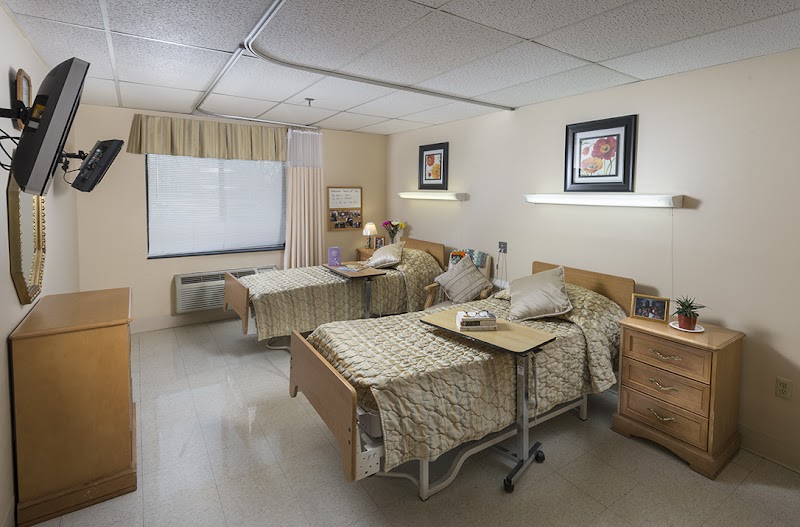
How is Ivory Wellness Center Staffed?

CMS rates IVORY WELLNESS CENTER's staffing level at 4 out of 5 stars, which is above average compared to other nursing homes. Staff turnover is 46%, compared to the Pennsylvania average of 46%. This relatively stable workforce can support continuity of care.

What Have Inspectors Found at Ivory Wellness Center?

State health inspectors documented 82 deficiencies at IVORY WELLNESS CENTER during 2023 to 2024. These included: 3 Immediate Jeopardy (the most serious level, indicating potential for serious harm or death), 3 that caused actual resident harm, 74 with potential for harm, and 2 minor or isolated issues. Immediate Jeopardy findings are rare and represent the most serious regulatory concerns. They require immediate corrective action.
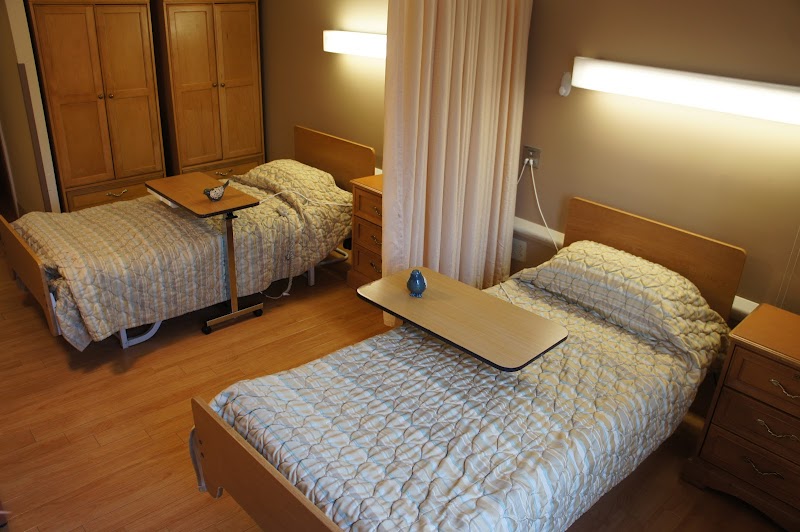
Who Owns and Operates Ivory Wellness Center?

IVORY WELLNESS CENTER is owned by a non-profit organization. Non-profit facilities reinvest revenue into operations rather than distributing to shareholders. The facility is operated by PARAMOUNT CARE CENTERS, a chain that manages multiple nursing homes. With 120 certified beds and approximately 109 residents (about 91% occupancy), it is a mid-sized facility located in NORRISTOWN, Pennsylvania.
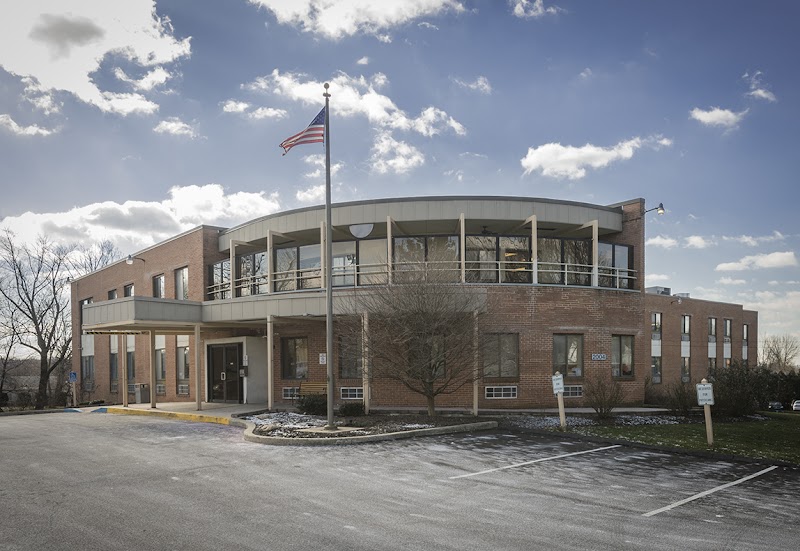
How Does Ivory Wellness Center Compare to Other Pennsylvania Nursing Homes?

Compared to the 100 nursing homes in Pennsylvania, IVORY WELLNESS CENTER's overall rating (1 stars) is below the state average of 3.0, staff turnover (46%) is near the state average of 46%, and health inspection rating (1 stars) is much below the national benchmark.

What Should Families Ask When Visiting Ivory Wellness Center?

Based on this facility's data, families visiting should ask: "What changes have been made since the serious inspection findings, and how are you preventing similar issues?" "Can I visit during a mealtime to observe dining assistance and food quality?" "How do you handle medical emergencies, and what is your hospital transfer rate?" "Can I speak with family members of current residents about their experience?" These questions are particularly relevant given the facility's Immediate Jeopardy citations.

Is Ivory Wellness Center Safe?

Based on CMS inspection data, IVORY WELLNESS CENTER has documented safety concerns. Inspectors have issued 3 Immediate Jeopardy citations (the most serious violation level indicating risk of serious injury or death). The facility has a 1-star overall rating and ranks #100 of 100 nursing homes in Pennsylvania. Families considering this facility should ask detailed questions about what corrective actions have been taken since these incidents.

Do Nurses at Ivory Wellness Center Stick Around?

IVORY WELLNESS CENTER has a staff turnover rate of 46%, which is about average for Pennsylvania nursing homes (state average: 46%). Moderate turnover is common in nursing homes, but families should still ask about staff tenure and how the facility maintains care continuity when employees leave.

Was Ivory Wellness Center Ever Fined?

IVORY WELLNESS CENTER has been fined $140,444 across 2 penalty actions. This is 4.1x the Pennsylvania average of $34,483. Fines at this level are uncommon and typically indicate a pattern of serious deficiencies, repeated violations, or failure to correct problems promptly. CMS reserves penalties of this magnitude for facilities that pose significant, documented risk to resident health or safety. Families should request specific documentation of what issues led to these fines and what systemic changes have been implemented.

Is Ivory Wellness Center on Any Federal Watch List?

IVORY WELLNESS CENTER is not on any federal watch list. The most significant is the Special Focus Facility (SFF) program, which identifies the bottom 1% of nursing homes nationally based on persistent, serious quality problems. Not being on this list means the facility has avoided the pattern of deficiencies that triggers enhanced federal oversight. This is a positive indicator, though families should still review the facility's inspection history directly.