MARKLEY REHABILITATION AND HEALTHCARE CENTER
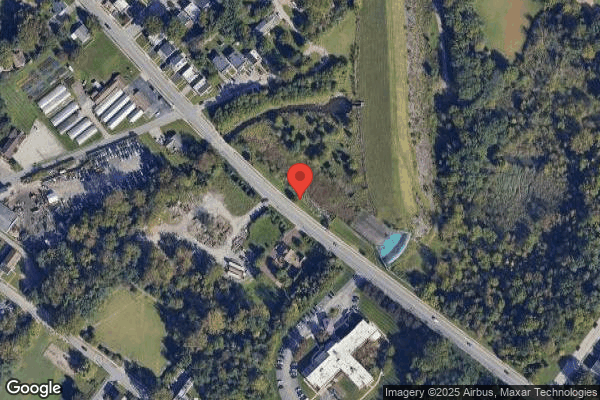

550 EAST FORNANCE STREET, NORRISTOWN, PA 19401 (610) 272-5600
For profit - Limited Liability company 121 Beds MARQUIS HEALTH SERVICES Data: November 2025
Trust Grade
48/100
#311 of 653 in PA
Last Inspection: August 2025

Inspected within the last 6 months. Data reflects current conditions.

Overview

Markley Rehabilitation and Healthcare Center has a Trust Grade of D, indicating below-average performance and some concerns regarding care. It ranks #311 out of 653 facilities in Pennsylvania, placing it in the top half, and #37 out of 58 in Montgomery County, meaning only a few local options are better. Unfortunately, the facility's trend is worsening, with issues increasing from 8 in 2024 to 13 in 2025. Staffing is rated average with a turnover rate of 42%, which is slightly better than the state average, and RN coverage is also average, meaning there is sufficient nursing oversight. However, there are serious concerns, including a failure to prevent neglect that led to an injury for one resident and delays in reporting incidents of abuse and neglect, which resulted in harm to another resident. While the facility shows some strengths in staffing stability and quality measures, these serious incidents highlight significant weaknesses in resident safety and care.

Trust Score
D
48/100
In Pennsylvania
#311/653
Top 47%
Safety Record
Moderate
Needs review
Inspections
Getting Worse
8 → 13 violations
Staff Stability
○ Average
42% turnover. Near Pennsylvania's 48% average. Typical for the industry.
Penalties
✓ Good
$20,498 in fines. Lower than most Pennsylvania facilities. Relatively clean record.
Skilled Nurses
○ Average
Each resident gets 31 minutes of Registered Nurse (RN) attention daily — about average for Pennsylvania. RNs are the most trained staff who monitor for health changes.
Violations
⚠ Watch
33 deficiencies on record. Higher than average. Multiple issues found across inspections.
★★★☆☆
3.0
Overall Rating
★★★☆☆
3.0
Staff Levels
★★★★★
5.0
Care Quality
★★☆☆☆
2.0
Inspection Score
Stable
2024: 8 issues
2025: 13 issues

The Good

  • 5-Star Quality Measures · Strong clinical quality outcomes
  • Full Sprinkler Coverage · Fire safety systems throughout facility
  • No fines on record
  • Staff turnover below average (42%)

    6 points below Pennsylvania average of 48%

Facility shows strength in quality measures, fire safety.

The Bad

3-Star Overall Rating

Near Pennsylvania average (3.0)

Meets federal standards, typical of most facilities

Staff Turnover: 42%

Near Pennsylvania avg (46%)

Typical for the industry

Federal Fines: $20,498

Below median ($33,413)

Minor penalties assessed

Chain: MARQUIS HEALTH SERVICES

Part of a multi-facility chain

Ask about local staffing decisions and management

The Ugly 33 deficiencies on record

2 actual harm
Aug 2025 11 deficiencies
CONCERN (D)

Potential for Harm - no one hurt, but risky conditions existed

Deficiency F0561 (Tag F0561)

Could have caused harm · This affected 1 resident

**NOTE- TERMS IN BRACKETS HAVE BEEN EDITED TO PROTECT CONFIDENTIALITY** Based on clinical record review and interviews with resident and staff, it was determined that the facility failed to accommodat...

Read full inspector narrative →
**NOTE- TERMS IN BRACKETS HAVE BEEN EDITED TO PROTECT CONFIDENTIALITY** Based on clinical record review and interviews with resident and staff, it was determined that the facility failed to accommodate a resident's preference for morning care for one of 24 resident records reviewed (Resident R9).Findings include:Review of Resident R9's clinical record revealed that the resident was admitted on [DATE], diagnosed with Multiple Sclerosis (a chronic neurological disorder).Review of Resident R9's, annual MDS (Minimum Data Set an assessment of residents' needs) dated June 4, 2025, revealed the resident was, alert, and oriented and indicated it was very important to the resident the time he got up and ready in the morning, and the time he went to bed. Review of Resident R9's care plan revealed the resident had an ADL (Activities of Daily Living) self- care deficit due to Multiple sclerosis that assessed the resident needing the help of one assist with dressing. On August 4, 2025, at approximately 11:00 a.m. the surveyor heard in the hallway, Resident R9 hollering from the resident's room that he hadn't receive morning care from his Nurse aide (NA) Employee E10. Surveyor immediately interviewed Resident R9 that stated, I don't like to get dressed late in the day. I like to get ready between 9-9:30 a.m. never get dressed and ready when I want. It's 11:00 a.m. and I should be ready. My urinal wasn't emptied either. If there is more than 3-4 inches already in there, I spill it on myself and I am wet. Interview with Nurse aide, Employee E10 confirmed she could not get the resident ready sooner because she needed to have another NA accompany her when giving care to Resident R9 and she could not find anyone to help her. Interview with the Unit Manager, Employee E 11 confirmed the facility failed to accommodate Resident R9's preferences. 28 Pa. Code 211.12(d)(1)(2) Nursing Services
CONCERN (D)

Potential for Harm - no one hurt, but risky conditions existed

Deficiency F0655 (Tag F0655)

Could have caused harm · This affected 1 resident

**NOTE- TERMS IN BRACKETS HAVE BEEN EDITED TO PROTECT CONFIDENTIALITY** Based on review of facility policies, clinical record review and interviews with staff, it was determined that the facility fail...

Read full inspector narrative →
**NOTE- TERMS IN BRACKETS HAVE BEEN EDITED TO PROTECT CONFIDENTIALITY** Based on review of facility policies, clinical record review and interviews with staff, it was determined that the facility failed to develop a baseline care plan related to antibiotics, within 48 hours of admission that includes the minimum healthcare information necessary to properly care for a resident, for one of 31 residents reviewed (Resident R53). Findings include: Review of facility policy, Care Plans - Baseline dated March 2022, revealed, A baseline plan of care to meet the resident's immediate health and safety needs is developed for each resident within forty-eight (48) hours of admission. Review of Resident R53's admission MDS (Minimum Data Set - a mandatory periodic resident assessment tool), dated July 25, 2025, revealed that the resident was admitted to the facility on [DATE], with diagnoses including multi-drug resistant organism (MDRO), urinary tract infection, wound infection, enterococcus (bacterial) infection and fracture of the left lower leg. Continued review revealed that the resident received intravenous (IV) therapy (therapy that delivers liquid substances directly into a vein) for antibiotics upon admission to the facility. Review of progress notes for Resident R53 revealed a nurses note, dated July 21, 2025, which indicated that the resident was admitted to the facility for IV cefepime (antibiotic medication) for bacterial skin infection and prosthetic joint infection. The note continued that Resident is currently on contact precautions [infection control measures used to prevent the spread of infection from one person to another] for CRE [Carbapenem-resistant Enterobacteriaceae - a type of bacteria that is difficult to treat with antibiotics] Review of Resident R53's physician orders for July and August 2025 revealed that the resident received daptomycin (antibiotic medication) from July 25, 2025, through August 4, 2025; cefepime (antibiotic medication) from July 21, 2025, through July 27, 2025; and doxycycline (antibiotic medication) from July 22, 2025, and scheduled through July 27, 2026. Further review revealed that the resident was on contact precautions for CRE from July 21, 2025, through August 4, 2025. Review of Resident R53's care plan, initiated July 21, 2025, revealed that no care plan had been developed related to the resident's infection, use of antibiotics and contact precautions. Interview on August 7, 2025, at 12:12 p.m. the Director of Nursing confirmed that no care plan had been developed for Resident R53 related to the resident's infection, use of antibiotics and contact precautions. 28 Pa Code 211.10(d) Resident care policies 28 Pa Code 211.12(d)(5) Nursing services
CONCERN (D)

Potential for Harm - no one hurt, but risky conditions existed

Comprehensive Care Plan (Tag F0656)

Could have caused harm · This affected 1 resident

**NOTE- TERMS IN BRACKETS HAVE BEEN EDITED TO PROTECT CONFIDENTIALITY** Based on interviews and review of clinical records and facility policy it was determined that the facility did not ensure a resi...

Read full inspector narrative →
**NOTE- TERMS IN BRACKETS HAVE BEEN EDITED TO PROTECT CONFIDENTIALITY** Based on interviews and review of clinical records and facility policy it was determined that the facility did not ensure a resident's care plan was developed to meet the care and assistants needed for dental services for one of 24 resident records reviewed (Resident R11).Findings include:Review of the facility's policy for Activity of Daily Living (ADL) revised April 2025 states, Residents who are unable to carry out activities of daily living independently receive the services necessary to maintain good nutrition, grooming, and personal and oral hygieneResident R11 was admitted to the facility on [DATE], diagnosed with anemia, major depression, anxiety, and abnormal gait and mobility.Review of Resident R11'a dental exam dated, December 13, 2024, notes moderate soft plaque buildup and inflamed swollen bleeding gums. Hygiene was noted fair and required staff to perform oral care twice daily for Resident R11 due to the resident needing help.Review of Resident R11's dental exam dated, January 14, 2025, instructed staff to perform oral hygiene twice daily due to the resident requiring help with the daily cleanings. Review of Resident R11 dental exam dated June 5, 2025, noted the resident with Extremely inflamed gingivae on margins and papillae. Staff to perform oral hygiene, suggested improved home care and to consult the physician for the resident benefiting in using Peridex (a prescript antiseptic mouth wash that helps with plaque and gingivitis).Further review of Resident R11's clinical records revealed a care plan was developed for dentures not for the oral health and care of the resident's natural teeth.The unit manager Employee E11 confirmed that Resident R11 had natural teeth and did not have dentures on August 6, 2025, at 12:00 p.m.28 PA. Code 211.12(d)(1) Nursing services
CONCERN (D)

Potential for Harm - no one hurt, but risky conditions existed

ADL Care (Tag F0677)

Could have caused harm · This affected 1 resident

**NOTE- TERMS IN BRACKETS HAVE BEEN EDITED TO PROTECT CONFIDENTIALITY** Based on clinical record review, staff interview and review of facility policy, it was determined that that facility failed to p...

Read full inspector narrative →
**NOTE- TERMS IN BRACKETS HAVE BEEN EDITED TO PROTECT CONFIDENTIALITY** Based on clinical record review, staff interview and review of facility policy, it was determined that that facility failed to provide timely assistance with activity of daily living for one of 24 residents reviewed. (Resident R9) Findings include:Review of the facility policy titled Activity of Daily Living (ADL), Supporting revised April 2025 stated, Appropriate care and services are provided for residents who are unable to carry out ADLs independently, with the consent of the resident, and in accordance with the plan of care, including appropriate support and assistance with hygiene (bathing, dressing, grooming, and oral care) . elimination (toileting).Review of Resident R9's clinical record revealed that the resident was admitted [DATE], with the diagnoses of Multiple Sclerosis (a chronic neurological disorder).Review of Resident R9's care plan dated September 2023, revealed the resident had a ADL self- care deficit due to Multiple sclerosis that assessed the resident needing the help of one assist with activities of daily living.On August 4, 2025, at approximately 11:00 a.m. the surveyor heard in the hallway, ResidentR9 hollering from the resident's room that he hadn't receive morning care to his nurse aide (NA) Employee E10. Resident yelled, sure put them first not me as it was observed the NA was in the hallway just outside the resident's room. Surveyor interviewed Resident R9 that stated, my urinal had not been emptied since last night. They don't empty my urinal so I can't use it to pee because I spill it when I went to use the urinal, it was full, and I spilled the urine on myself. If there is 3-4 inches of urine in the urinal and I am laying down trying to use it, it spills, and I get wet. I had to wait until she did lounge duty to clean me. Interview with the NA on August 4, 2025, at 1:00 p.m. confirmed the NA could not get Resident R9 ready sooner because she had to wait until she found another NA to accompany her because the resident requires two staff members for care. The NA also indicated the NA had lounge duty (residents that are safety risk require additional supervision are watched in the lounge area) between 10:30-11:00 a.m. The NA confirmed the urinal was not emptied until she was able to provide care at 11:00 a.m. Interview with the Unit Manager Employee E 11 confirmed on August 4, 2025, the resident did not receive timely incontinence care and failed to accommodate Resident R9's preferences. 28 Pa. Code 211.12(d)(1)(2) Nursing Services
CONCERN (D)

Potential for Harm - no one hurt, but risky conditions existed

Quality of Care (Tag F0684)

Could have caused harm · This affected 1 resident

**NOTE- TERMS IN BRACKETS HAVE BEEN EDITED TO PROTECT CONFIDENTIALITY** Based on staff interviews and review of clinical records, it was determined the facility did not ensure physicians were notified...

Read full inspector narrative →
**NOTE- TERMS IN BRACKETS HAVE BEEN EDITED TO PROTECT CONFIDENTIALITY** Based on staff interviews and review of clinical records, it was determined the facility did not ensure physicians were notified of a dental recommendation for one of 24 residents reviewed (Resident R11). Findings include:Review of Resident R11's clinical record revealed the resident was admitted to the facility on [DATE], diagnosed with anemia, major depression, anxiety, and abnormal gait and mobility.Review of Resident R11's dental exam dated June 5, 2025, noted the resident with Extremely inflamed gingivae on margins and papillae. Staff to perform oral hygiene, suggested improved home care and to consult the physician for the resident benefiting in using Peridex (a prescript antiseptic mouth wash that helps with plaque and gingivitis).Further review of Resident R11's clinical records revealed no documented evidence the physician was made aware of the dental recommendation for Peridex. Interview with Unit manager, Employee E11 confirmed there was no evidence the physician was notified of the dental recommendation on August 6, 2025, at 12:00 p.m.28 Pa. Code 211.12(d)(1) Nursing services
CONCERN (D)

Potential for Harm - no one hurt, but risky conditions existed

Dental Services (Tag F0791)

Could have caused harm · This affected 1 resident

Based on review of facility policies, clinical record review and interviews with residents and staff, it was determined that the facility failed to provide dental services to meet the needs residents ...

Read full inspector narrative →
Based on review of facility policies, clinical record review and interviews with residents and staff, it was determined that the facility failed to provide dental services to meet the needs residents for one of 31 residents reviewed (Resident R112). Findings include: Review of facility policy, Dental Consultant dated April 2007, revealed, Dental care shall be provided through the services of a Consultant Dentist. Interview on August 4, 2025, at 12:41 p.m. Resident R112 stated that his dental problems have not been addressed by the facility. Resident R112 continued that he needs to see an oral surgeon for evaluation and x-rays. Review of Resident R112's clinical record revealed a dental examination, dated April 30, 2025, which stated that the resident has numerous broken teeth and rampant decay. Referred (below) to oral surgeon for radiographic examination and extractions of any teeth with a less than favorable overall prognosis. After extractions will re-evaluate for restorative. Please refer this patient to an oral surgeon for full radiographic examination and extractions of any teeth with less than favorable overall prognosis. Continued review of Resident R112's clinical record revealed another dental examination, dated June 3, 2025, which stated that the resident not yet seen by oral surgeon. Rewrote referral (below). After extractions, will evaluate further for restorative. Please refer this patient to an oral surgeon for full radiographic examination and extractions of any teeth with less than favorable overall prognosis. Continued review of Resident R112's clinical record revealed another dental examination, dated June 24, 2025, which stated that the resident not yet seen by oral surgeon. Rewrote referral (below). Will evaluate further for restorative after extractions are completed. Please refer this patient to an oral surgeon for full radiographic examination and extractions of any teeth with less than favorable overall prognosis. Continued review of Resident R112's clinical record revealed another dental examination, dated July 18, 2025, which stated that the resident not yet seen by oral surgeon. Rewrote referral (below). After extractions, will evaluate further for possible restorative and partials. Please refer this patient to an oral surgeon for full radiographic examination and extractions of any teeth with less than favorable overall prognosis. Further review of Resident R112's clinical record revealed no evidence that the resident was examined or scheduled for an appointment to be examined by an oral surgeon. Interview on August 6, 2025, at 11:30 a.m. Employee E3, unit manager, confirmed that Resident R112 was not seen by an oral surgeon as recommended by the dentist. 28 Pa Code 211.10(c) Resident care policies 28 Pa Code 211.12(d)(3) Nursing services
CONCERN (D)

Potential for Harm - no one hurt, but risky conditions existed

Deficiency F0847 (Tag F0847)

Could have caused harm · This affected 1 resident

Based on review of facility policies, clinical record reviews and interviews with staff, it was determined that the facility failed to ensure that residents had the capacity to understand the terms of...

Read full inspector narrative →
Based on review of facility policies, clinical record reviews and interviews with staff, it was determined that the facility failed to ensure that residents had the capacity to understand the terms of a binding arbitration agreement for three of five residents reviewed (Resident R39).Findings include: A Binding Arbitration Agreement is a legal process where parties in a dispute agree to have a neutral third party decide their case instead of a judge or jury. The arbitrator's decision is final, and the parties usually cannot appeal it. Review of facility policy, Binding Arbitration Agreements dated November 2023, revealed, Residents (or representatives) are informed of the nature and implications of any proposed binding arbitration agreements so as to make informed decisions on whether to enter into such agreements. Continued review revealed, The terms and conditions of a binding arbitration agreement are explained to the resident (or representative) in a way that ensures his or her understanding of the agreement. Further review revealed, After the terms and conditions of the agreement are explained, the resident or representative must acknowledge that he or she understands the agreement before being asked to sign the document. A signature alone is not sufficient acknowledgement of understanding. The President or representative must verbally acknowledge understanding and the verbal acknowledgement documented by a staff member who explains this agreement. Review of Resident R39's admission MDS (Minimum Data Set - a mandatory periodic resident assessment tool), April 9, 2025, revealed that the resident was admitted to the facility April 9, 2025, and had diagnoses including dementia (decline in memory or other thinking skills severe enough to reduce a person's ability to perform everyday activities). Continued review revealed that the resident had a BIMS (Brief Interview for Mental Status) score of 00, which indicated that the resident was severely cognitively impaired. Review of resident R39's clinical record revealed a psychological evaluation dated April 12, 2025, which indicated that resident R 39 has a short attention span and disoriented to date and day with impaired memory. Further review of this evaluation revealed residents thought process to be distracted and tangential. Review of nursing notes for Resident R39 revealed a nursing note, dated April 9, 2025, which indicated that the resident was oriented to person only and place only. Review of Social Service notes dated April 10, 2025, which indicated the resident has confusion. Review of a physician note dated April 14, 2025, revealed Resident R 39 was alert and oriented x 1-2(refers to a person's awareness of only one or two of four possible spheres: person, place, time, and situation, and forgetful. Review of resident's care plan revealed the resident has cognitive function with impaired though process. With intervention to include the need for supervision and assistance with decision making dated April 10, 2025. Review of Resident R39's Binding Arbitration Agreement, dated April 23, 2025, revealed that in the space designated for the signature of the resident, it was noted that Resident R39 verbally signed the agreement. In the space designated for the signature of the facility's authorized agent, the agreement was signed by Employee E7 admission Director. Interview with admission Director, Employee E7 on August 6, 2025, at 1:20 p.m. revealed that she read the Arbitration agreement to Resident R39 and the resident verbally consented to the agreement. 28 Pa Code 201.29(a) Resident rights
CONCERN (D)

Potential for Harm - no one hurt, but risky conditions existed

Deficiency F0849 (Tag F0849)

Could have caused harm · This affected 1 resident

Based on review of clinical records and interviews with staff it was determined the facility did not ensure documented communication and collaboration with one resident's hospice agency related to the...

Read full inspector narrative →
Based on review of clinical records and interviews with staff it was determined the facility did not ensure documented communication and collaboration with one resident's hospice agency related to the resident's condition were obtained for one of 24 resident records reviewed. (Resident R2) Findings include: Review of Resident R2's clinical record revealed that the resident was admitted to the facility and placed on hospice care June 2025. Review of the communication book from the hospice service did not reveal documentation and/or evidence of the services Resident R2 received while under their care. Interview with Licensed nurse, Employee E12 on August 6, 2025, at 1:25 p.m. stated, Normally other hospice companies we use write a note telling us what type of care they provided. Things that we need to know for an example if the resident went to the bathroom, how much they ate, if they got a bath, {Resident R2} service does not document this. 28 Pa Code 211.12(d)(1)(3) Nursing services
CONCERN (E)

Potential for Harm - no one hurt, but risky conditions existed

Deficiency F0761 (Tag F0761)

Could have caused harm · This affected multiple residents

Based on observations, staff interviews, and review of facility policy, it was determined that the facility failed to ensure that all drugs and biologicals used in the facility were stored in accordan...

Read full inspector narrative →
Based on observations, staff interviews, and review of facility policy, it was determined that the facility failed to ensure that all drugs and biologicals used in the facility were stored in accordance with professional standards for two of two medication carts. (carts 3a and 3b+c)Findings include:Review of facility policy titled Medication Labeling and Storage revised February 2023, revealed that the facility stores all medications in locked compartments, only authorized personnel have access to the keys. The nursing staff is responsible for maintaining medication storage and preparation areas in a clean, safe, and sanitary manner. Multi-dose medications that have been opened are dated and discarded within 28 days unless the manufacturer specifies a shorter or longer date for the open vial.Observation of medication pass on August 4, 2025, at 09:48 a.m., on the Third-floor nursing unit revealed Licensed nurse, Employee E8, preparing to administer ordered medication. Observation of the medication cart A at time of the medication administration revealed that all over the counter medication stored in the top drawer of med cart A revealed all bottled of over-the-counter medications (35 bottles of multi dose over the counter medications) were found unlabeled with date of opening. Further review of medication cart A revealed that multi dose eyedrops (21 total were not labeled with date of opening).Interview with Licensed nurse, Employee E7 at time of the observation confirmed that the multi-dose medications were supposed to be labeled with the date of opening and were not labeled. Employee E7 stated that is the responsibility of all nurses that work on the medication cart to label the medications. Observation of medication pass on August 4, 2025, at 10:10 a.m., on the Third-floor nursing unit revealed licensed nurse employee E8 completing medication pass on medication cart 3a+b, Observation of this cart revealed that all over the counter medication stored in the top drawer of med cart A+B (34 bottles of multi dose over the counter medications) were found unlabeled with date of opening. Further review of medication cart A+B revealed that multi dose eyedrops (10 total were not labeled with date of opening).Interview with Licensed nurse, Employee E8 at time of the above observation confirmed that the multi-use medications were not labeled. 28 Pa. Code 201.14(a) Responsibility of licensee28 Pa. Code 211.12 (c) Nursing services28 Pa. Code 211.12 (d)(1) Nursing services
CONCERN (E)

Potential for Harm - no one hurt, but risky conditions existed

Infection Control (Tag F0880)

Could have caused harm · This affected multiple residents

**NOTE- TERMS IN BRACKETS HAVE BEEN EDITED TO PROTECT CONFIDENTIALITY** Based on review of facility policy, facility documentation, and staff interviews, it was determined that the facility failed to ...

Read full inspector narrative →
**NOTE- TERMS IN BRACKETS HAVE BEEN EDITED TO PROTECT CONFIDENTIALITY** Based on review of facility policy, facility documentation, and staff interviews, it was determined that the facility failed to implement appropriate tracking and surveillance of infection for three of three months of infection surveillance data reviewed. ([DATE] through [DATE]) Findings include: Review of facility policy titled Surveillance for Infection dated September of 2017 revealed the infection preventionist will conduct ongoing surveillance for healthcare acquired infections and other epidemiologically significant infections that had substantial impact on potential resident outcomes that may require transmission-based precautions and other preventative interventions.For residents with infections that meet the criteria for definition of infection for surveillance, collection of the following data is appropriate:-identifying information (residents name, age, room number, unit, and attending physician)- diagnosis- admission date- date of onset of infection (may list onset of symptoms, or date of positive diagnostic test)-infection site (be specific as possible, pathogen, invasive procedure or risk factors including surgery, indwelling tubes, foley, fractured hip, malnutrition, etc.) pertinent remarks additional relevant information including temperatures other symptoms white blood cell count etcetera also recorded that the resident is admitted to admitted to the hospital or expired and treatment measures and precautions. Review of policy titled Infection Control Meeting dated February 2022, revealed that the interdisciplinary team will meet to review residents with active infections, residents with antibiotic usage, and infection prevention and control topics on a weekly basisThe interdisciplinary team will review the following areas: resident site of infection, active or resolved infection, organism, facility or community acquired, precautions, date of onset, culture results, antibiotic therapy, antibiotic stewardship efforts, root cause, and care plan interventions. Review of the document for Infection Surveillance Monthly Report date [DATE] revealed the total number of infections is twenty-eight, six community acquired, and fourteen hospitals acquired. The report is broken down further to infection category which indicates ten other, two respiratory, one skin, and nine urinary tract infections with an inaccurate total documented of twenty - eight. Actual listed of infections equal twenty-two. Continued review of the document Infection Surveillance Monthly report [DATE] revealed tracking list of infection categorized by infection type. The report exabits resident name, unit/ room, infection, signs and symptoms, status, pharmacy order and comments. There are twenty-eight infections listed on this report. No signs or symptoms, ten without identifying location(room) three antibiotic ordered with no end dates. Review of the document for Infection Surveillance Monthly Report date [DATE] revealed the total number of infections is thirty-two, thirteen community acquired, and fifteen hospital acquired. The report is broken down further to infection category which indicates six blood infections, one bone infection, thirteen other infections, three respiratory infections, two skin infections and seven urinary tract infections with an inaccurate total documented of thirty-two recorded infections. Continued review of the document Infection Surveillance Monthly report [DATE] revealed tracking list of infection categorized by infection type. The report exabits resident name, unit/ room, infection, signs and symptoms, status, pharmacy order and comments. There are thirty-two infections listed on this report. No signs or symptoms, fourteen without identifying location(room), six antibiotics ordered with no end dates. Review of the document for Infection Surveillance Monthly Report date [DATE] revealed the total number of infections is thirty-one, nine community acquired, and twenty hospital acquired. The report is broken down further to infection category which indicates four blood infections, one bone infection, one mouth and throat, one genital, seven other infections, five respiratory infections, three skin infections and nine urinary tract infections. Continued review of the document Infection Surveillance Monthly report [DATE] revealed tracking list of infections categorized by infection type. The report exabits resident name, unit/ room, infection, signs and symptoms, status, pharmacy order and comments. There are thirty-one infections listed on this report. No signs or symptoms, twelve without identifying location(room), five antibiotics ordered with no end dates. All of the above monthly infection surveillance reports failed to include pertinent information of resident diagnosis, signs and symptoms, diagnostic test results, specific infection, and any precautions. Interview with Infection Preventionist, Employee E5 on [DATE], at 1:05p.m. Employee E5 provided monthly surveillance reports and described the process of tracking the infections. When Infection Preventionist, Employee E5 was asked related the limited information provided on the report, Employee E5 stated that all the requested information can be found in the individual resident's clinical record. Employee E6 confirmed that the all the information is not currently reflected in the tracking surveillance reports. Continued interview with Infection preventionist, Employee E5on [DATE], at 10:00 am revealed that the information was able to be access from each resident clinical record and displayed the surveillance with additional information but was found to be incomplete. 28 Pa. Code 211.10(d) Resident Care Policies28 Pa Code 211.12(c)(d) Nursing services
CONCERN (E)

Potential for Harm - no one hurt, but risky conditions existed

Antibiotic Stewardship (Tag F0881)

Could have caused harm · This affected multiple residents

**NOTE- TERMS IN BRACKETS HAVE BEEN EDITED TO PROTECT CONFIDENTIALITY** Based on review of facility policies, review of facility documentation, clinical record reviews and interviews with residents an...

Read full inspector narrative →
**NOTE- TERMS IN BRACKETS HAVE BEEN EDITED TO PROTECT CONFIDENTIALITY** Based on review of facility policies, review of facility documentation, clinical record reviews and interviews with residents and staff, it was determined that the facility failed to maintain an effective antibiotic stewardship program for three of five of residents reviewed for antibiotics (Residents R53, R63, and R61).Findings include: Review of facility policy, Antibiotic Stewardship revised December 2016, revealed The purpose of our antibiotic stewardship program is to monitor the use of antibiotics in our residents. Review of facility policy, Review of Surveillance of Antibiotic Use and Outcomes revised December 2016, revealed, Antibiotic usage and outcome data will be collected and documented using facility approved antibiotic surveillance tracking form. The data will be used to guide decisions for improvement of individual resident antibiotic prescribing practices and facility wide antibiotic stewardship. As part of the Facility Antibiotic Stewardship program all clinical infections treated with antibiotics will undergo review by the Infection Preventionist (IP). The IP will review antibiotic utilization as a part of the antibiotic stewardship program and identify specific situations that are not consistent with appropriate use of antibiotics. All resident antibiotic regimes will be documented on facility approved Antibiotic Surveillance tracking form; the information gathered will include resident name, room number, date symptoms appeared, name of antibiotic, start date of antibiotic, pathogen identified, site of infection, date of culture, stop date, total days of therapy, outcome, and adverse events. Review of Resident R53's admission MDS (Minimum Data Set - a mandatory periodic resident assessment tool), dated July 25, 2025, revealed that the resident was admitted to the facility on [DATE], with diagnoses including multi-drug resistant organism (MDRO), urinary tract infection, wound infection, enterococcus (bacterial) infection and fracture of the left lower leg. Continued review revealed that the resident received intravenous (IV) therapy (therapy that delivers liquid substances directly into a vein) for antibiotics upon admission to the facility. Review of Resident R53's physician orders for July and August 2025 revealed that the resident received daptomycin (antibiotic medication) from July 25, 2025, through August 4, 2025; cefepime (antibiotic medication) from July 21, 2025, through July 27, 2025; and doxycycline (antibiotic medication) from July 22, 2025, and scheduled through July 27, 2026. Further review revealed that the resident was on contact precautions for CRE from July 21, 2025, through August 4, 2025. Review of facility documentation pertaining to infection surveillance tracking logs for May, June, and July 2025, revealed that Resident R63 was prescribed an antibiotic prophylacticaly on June 4, 2025, for an indefinite amount of time. This resident was not reflected on the surveillance logs presented. Further review revealed that resident 61 also treated prophylacticaly for suspected cellulitis was not reflected on the surveillance logs. Review of Resident R63's admission MDS (Minimum Data Set - a mandatory periodic resident assessment tool, dated May 3, 2025 revealed that resident R 63 was admitted to the facility on [DATE], with diagnoses including Diabetes (chronic metabolic disorder charactered by elevated glucose levels), Hypertension( blood pressure in the arteries are persistently elevated), and dementia (decline in cognitive functions). Review of Resident R63's physician notes dated June 4, 2025, revealed that . Daughter reports she is complaining of feeling wet with urine, abdominal discomfort and hallucinations. -Resident will not allow straight cath (catheter)/she is incontinent - will treat empirically with ABT (antibiotic) Review or Resident R63's physician orders revealed an order for Cipro oral tablet 250 milligrams (mg) (ciprofloxacin HCL), give 250 mg by mouth two times a day for prophylaxis. Start Date June 4, 2025, with end date indefinite. Review of Resident R63's medication administration record revealed that the resident received the medication Cipro the entire month of July 2025. The use of this antibiotic was not reflected in the infection surveillance report. Review of Resident R61's MDS (Minimum Data Set - a mandatory periodic resident assessment tool, dated July 20, 2025, 2025, revealed that Resident R 61 was admitted to the facility on July17, 2025, with diagnoses including Asthma (condition in which a person's airways become inflamed making it difficult to breath). Review of Resident R61's physician orders revealed an order for the antibiotic ciprofloxacin 250 mg prophylactically for suspected cellulitis, there were lab no results, no specific location no, follow up notes if the antibiotic was effective, and this infection and antibiotic was not reflected in the infection surveillance. 28 PA Code 211.12(c)(d) Nursing services
Jul 2025 1 deficiency
CONCERN (E) 📢 Someone Reported This

A family member, employee, or ombudsman was alarmed enough to file a formal complaint

Potential for Harm - no one hurt, but risky conditions existed

Safe Environment (Tag F0921)

Could have caused harm · This affected multiple residents

Based on observations, and staff and resident interviews, it was determined that the facility failed to maintain a comfortable environment for two of six nursing units observed (3rd floor common room,...

Read full inspector narrative →
Based on observations, and staff and resident interviews, it was determined that the facility failed to maintain a comfortable environment for two of six nursing units observed (3rd floor common room, and Unit C). Findings Include: A tour of the facility was conducted on July 8, 2025, at approximately 9:30 a.m. and 12:30 p.m. with Nursing Home Administrator (NHA), Employee E 1 and Regional Maintenance Director, Employee E3, to monitor the temperatures of the building and resident care areas. Temperatures taken by NHA, Employee E1, on July 8, 2025, 2025, at 12:30 p.m. in the 3rd floor multipurpose room revealed temperatures reached up to 83 degrees Fahrenheit. Temperature of the room felt hot, humid, and uncomfortable. Observations on July 8, 2025, at 12:30 p.m. in the 3rd floor multipurpose room revealed about 22 residents were gathered in the room and were being supervised by 2 nurse aides preparing for lunch. Observed was a large portable air condition unit in one corner of the room. Interviews with Resident R2 and R3 on July 8, 2025 at 12:45 p.m. reported feeling hot and uncomfortable due to the temperatures of the room located in Unit C. The air temperature in the residents' room was recorded at 82 degrees Fahrenheit. 28 Pa Code: 201.14 (a) Responsibility of licensee.
Mar 2025 1 deficiency
CONCERN (D) 📢 Someone Reported This

A family member, employee, or ombudsman was alarmed enough to file a formal complaint

Potential for Harm - no one hurt, but risky conditions existed

Safe Environment (Tag F0921)

Could have caused harm · This affected 1 resident

**NOTE- TERMS IN BRACKETS HAVE BEEN EDITED TO PROTECT CONFIDENTIALITY** Based on observations, and staff interview, it was determined that the facility failed to ensure the availbility of disposable p...

Read full inspector narrative →
**NOTE- TERMS IN BRACKETS HAVE BEEN EDITED TO PROTECT CONFIDENTIALITY** Based on observations, and staff interview, it was determined that the facility failed to ensure the availbility of disposable paper towels on one of two floors. (Second floor) Findings include: Review of the facility policy Handwashing/Hand Hygiene, revised October 2023, revealed, Hand hygiene products and supplies (sinks, soap, towels, alcohol-based hand rub, etc.) are readily accessible and convenient for staff use to encourage compliance with hand hygiene policies. Alcohol-based hand-rub (ABHR) dispensers are placed in areas of high visibility and consistent with workflow throughout the facility. Review of facility policy, Assisting the Resident with In-Room Meals, revised December 2013, revealed, Employees must wash their hands before serving food to residents Observations in resident bathrooms during a tour of the Second floor revealed that there were no paper towels in the dispensers in the bathrooms of the following resident rooms: room [ROOM NUMBER], room [ROOM NUMBER], room [ROOM NUMBER], room [ROOM NUMBER] and the visitor's bathroom across from the nursing station. Interview with Licensed nurse, Employee E14, on March 6, 2025, at 12:50 p.m. revealed that she had called the front desk twice to have housekeeping bring more towels to the second floor to fill the empty towel dispensers. Interview on March 6, 2025, at 1:30 p.m. with the Administrator (Employee E1) confirmed that the facility did not have an adequate supply of paper towels and that some dispensers in resident bathrooms and the hall bathroom. 28 Pa. Code 201.14(a) Responsibility of licensee
Oct 2024 4 deficiencies
CONCERN (D)

Potential for Harm - no one hurt, but risky conditions existed

Investigate Abuse (Tag F0610)

Could have caused harm · This affected 1 resident

**NOTE- TERMS IN BRACKETS HAVE BEEN EDITED TO PROTECT CONFIDENTIALITY** Based on review of facility provided documentation and interview with staff, it was determined facility did not have evidence th...

Read full inspector narrative →
**NOTE- TERMS IN BRACKETS HAVE BEEN EDITED TO PROTECT CONFIDENTIALITY** Based on review of facility provided documentation and interview with staff, it was determined facility did not have evidence that alleged violations were thoroughly investigated for one of 23 residents reviewed related to fracture of left lower extremity. (Resident R27) Findings include: Review of facility provided investigation report, completed July 3, 2024 at 10:01 a.m., revealed that Resident R27 a [AGE] year old female with a brief interview for mental status (BIMS) score 2, and medical history of dementia, Alzheimer's disease, unsteadiness on feet, unspecified lack of coordination, fatigue, muscle wasting and atrophy was found with warm to touch and swelling to her left lower leg during the morning ofJuly 1st, 2024. ResidentR27 was unaware what happened nor that there was any bruising or swelling. Review of progress notes completed by facility's provider,Employee E8, dated July 2, 2024, revealed the following: Chief complaints: 1. Patients rehab facility/residence has noticed bruising on patient left lower leg earlier today. No known mechanism of injury. Further review of Employee E8's progress notes indicates Assessment: 1. Closed displaced oblique fracture of shaft of left tibia, initial encounter .- displaced mid-distal tibia shaft fracture left lower leg (date of possible injury 6/30/2024) Further review of Employee E8's progress notes states Plan: Treatment: [Resident R27] has a displaced mid distal tibia shaft fracture. No known mechanism of injury is brought to our attention and the specific date event of injury is unknown however her accompaniment (nurse aide, employee E9) states that either Saturday or Sunday (June 29t, 2024, or June 30, 2024) may have been the time frame, but the discoloration was noted yesterday by one of the staff members as it was told to her. Further review of progress notes dated July 1, 2024, at 10:56 a.m., completed by Unit manager, Employee E10, revealed that Resident R27 has a platelet disorder which may have contributed to bruising. Interview with facility's nurse aides, on Friday, October 18, 2024, at 12:00 p.m., Employee E9 (worked day shift on June 29, 2024) and Employee E12 (worked day shift on June 29, 2024, and June 30, 2024) revealed no concerns nor incidents noted related to cause of possible fracture of Resident R27's left lower extremity. Both nurse aides, Employees E9 and E12 stated resident was transferred from bed to wheelchair via hoyer lift; and Resdient R27 was out of bed on Saturday, June 29, 2024. Phone interview with nurse aide, Employee E11 (worked evening shift on June 28, 2024, and June 29, 2024) on Friday, October 18, 2024, at 1:00 p.m., revealed that Resident R27 was a bit shaky when getting back into bed, and that he was not very familiar with this resident. Review of statement completed by Licensed nurse, Employee E13 (worked 7:00 p.m. to 7:00 a.m. shifts on June 29, 2024, and June 30, 2024) state the following: I applied skin prep to her heels, but it was in the dark, so I didn't see her ankle while pulling off her sock she said 'ow'. I thought it was because I was being too rough pulling off her sock because when I put it back on, she didn't say anything. Further review of facility provided investigation report revealed no evidence of Resident R27's activities during day and evening shift on Saturday, June 29, 2024; no statements taken from activities personnel and no documentation provided related to wheelchair and footrest accommodations. No evidence of mention of skin assessment during shower/bath whichResident R27 allegedly received on Saturday, June 29, 2024, during evening shift by nurse aide, Employee E11. 28 Pa Code 201.14(a)(e) Responsibility of licensee 28 Pa Code 201.18(b)(1)(3) Management 28 Pa Code 201.18(e)(1) Management 28 Pa Code 201.29 (c) Resident rights 28 Pa Code 211.10(d) Resident care policies
CONCERN (D)

Potential for Harm - no one hurt, but risky conditions existed

Comprehensive Care Plan (Tag F0656)

Could have caused harm · This affected 1 resident

**NOTE- TERMS IN BRACKETS HAVE BEEN EDITED TO PROTECT CONFIDENTIALITY** Based on interview with resident and staff, review of facility policy and review of clinical record, it was determined facility ...

Read full inspector narrative →
**NOTE- TERMS IN BRACKETS HAVE BEEN EDITED TO PROTECT CONFIDENTIALITY** Based on interview with resident and staff, review of facility policy and review of clinical record, it was determined facility did not ensure that a comprehensive, resident-centered care plan was developed related to hand splint and dementia care for two out of 23 residents reviewed (Resident R85, R77) Findings include: Review of facility's policy, 'Care Plans, Comprehensive Person-Centered,' revised March 2022, indicates that The comprehensive, person-centered care plan: b. describes the services that are to be furnished to attain or maintain the resident's highest practicable physical, mental, and psychosocial well-being, including; services that would otherwise be provided for the above, but are not provided due to the resident exercising his or her rights, including the right to refuse treatment; and 13. The resident has the right to refuse to participate in the development of his/her care plan and medical and nursing treatments. Such refusals are documented in the resident's clinical record in accordance with established policies. Review of Resident R77's clinical record revealed that he had been admitted to the facility on [DATE], and had diagnoses of dementia, and neurocognitive disorder with Lewy bodies (a specific type of dementia related to clumps of abnormal protein particles that accumulate in the brain). Review of the care plan for Resident R77 relevaled that no care plan had been developed for the treatment and management of dementia. An interview with the Nursing Home Administrator, Employee E1, on October 18, 2024, at 12:45 p.m. revealed that it is the expectation of the facility to develop a specific dementia care plan for all residents with the condition. Review of Resident R85's clinical record on Wednesday, October 16, 2024 at 11:00 a.m., revealed medical history of cerebral infarction (stroke) hemiplegia and hemiparesis (paralysis) of left non-dominant side, muscle wasting and atrophy, contracture of muscle, muscle weakness, need for assistance with personal care. Interview with Resident R85 on Tuesday, October 15, 2024 at 10:15 a.m., revealed that Resident R85 had hand-splint ordered a while ago, but hand-splint has not been applied due to frequent turn over rate of physical therapy staff. Interview with Nursing Home Administrator, Employee E1 on Tuesday, October 15, 2024 at 2:00 p.m. revealed that Resident R85 has a history of refusing hand-splint. Review of Resident R85's clinical record revealed an order placed on April 5, 2024 at 2:32 p.m., for splint therapy; splint should be worn for up to 4 hours daily 5x a week. Check skin integrity pre and post splint. If resident is unable to tolerate do not force and notify therapy. Further review of Resdient R85's clinical record revealed physical medicine and rehab progress note dated February 2nd, 2024, indicating that per therapy notes, wrist splint was ordered but not in place as of this morning. Further review of resident R85's clinical record revealed physical medicine and rehab progress note, dated April 30th, 2024, indicating again that wrist splint was ordered but not in place as of this morning. Further review of Resdient R85's clinical record revealed physical medicine and rehab progress note, dated July 30, 2024, indicating again that wrist splint was ordered but not in place as of this morning. Review of Rsident R85's care plan revealed no evidence of wrist splint goals or interventions, no evidence of resident refusal of wrist splint and therefore no evidence of resident education related to refusal of treatment. 28 Pa Code 211.10 (d) Resident care policies
CONCERN (D)

Potential for Harm - no one hurt, but risky conditions existed

Accident Prevention (Tag F0689)

Could have caused harm · This affected 1 resident

**NOTE- TERMS IN BRACKETS HAVE BEEN EDITED TO PROTECT CONFIDENTIALITY** Based on interview with staff and review of facility provided documentation, it was determined that facility did not provide ade...

Read full inspector narrative →
**NOTE- TERMS IN BRACKETS HAVE BEEN EDITED TO PROTECT CONFIDENTIALITY** Based on interview with staff and review of facility provided documentation, it was determined that facility did not provide adequate supervision related to transfer for one of 23 residents reviewed. (Resident R27) Findings include: Review of facility policy 'Safe Lifting and Movement of Residents,' revised July 2017, indicates that resident safety, dignity, comfort and medical condition will be incorporated into goals and decisions regarding the safe lifting and moving of residents, and nursing staff, in conjunction with the rehabilitation staff, shall assess individual residents; needs for transfer assistance on an ongoing basis. Staff will document resident transferring and lifting needs in the care plan. Review of facility provided investigation report, completed July 3, 2024 at 10:01 a.m, revealed that [AGE] year old female Resident R27, brief interview for mental status (BIMS) score 2, with medical history of dementia, Alzheimer's disease, unsteadiness on feet, unspecified lack of coordination, fatigue, muscle wasting and atrophy - was found with warm to touch and swelling to her left lower leg on Monday morning, July 1st, 2024. Review of R27's care plan on Friday, October 18, 2024, revealed R27 has activities of daily living (ADL) self care performance deficit related to Alzheimer's, Diabetes, heart disease, limited mobility and I require 2 person assistance and full mechanical lift transfer, initiated April 19, 2021. Interview with facility's Director of Rehabilitation services, Employee E15, on Friday, October 18, 2024 at 1:30 p.m., revealed that during the month of June 2024, Resident R27 was receiving physical therapy with recommendations for transfer of two person assistance and with a goal of one person assistance. Review of facility provided investigation report revealed statement provided by Nurse aide, Employee E11 (worked evening shift on June 28, 2024, and June 29, 2024) indicating that on Saturday, June 29, 2024 evening shift, Resident R27 was 1 x assist her into bed, a bit shaky. Phone interview with Nurse aide, Employee E11, on Friday, October 18, 2024 at 1:00 p.m. confirmed that he assisted Resident R27 from wheel chair to bed using stand pivot transfer (assisted transfer) and no additional assistance received during transfer. 28 Pa Code 211.10(d) Resident care policies 28 Pa Code 211.12(d)(5) Nursing services
CONCERN (D)

Potential for Harm - no one hurt, but risky conditions existed

Medical Records (Tag F0842)

Could have caused harm · This affected 1 resident

**NOTE- TERMS IN BRACKETS HAVE BEEN EDITED TO PROTECT CONFIDENTIALITY** Based on clinical record review and interviews with staff, it was determined that the facility did not maintain complete and acc...

Read full inspector narrative →
**NOTE- TERMS IN BRACKETS HAVE BEEN EDITED TO PROTECT CONFIDENTIALITY** Based on clinical record review and interviews with staff, it was determined that the facility did not maintain complete and accurate medical records for two of 22 clinical records reviewed related to medication regimen reviews and advanced notice of a room change. (Resident R15 and Resident R60) Findings Include: Review of Resident R15's clinical record revealed the resident was admitted to the facility on [DATE] with the following diagnoses: Huntington's disease, Cerebral Infarction, Lupus, Dysphagia, Major Depressive Disorder, Dementia, and Hypothyroidism. Review of clinical documentation for Resident R15 revealed medication regimen review pharmacy consultant progress notes from the last six months (April, May, June, July, August, and September 2024) only indicated MRR completed by pharmacist. Further review of the pharmacy consultant progress note revealed there was no indication whether the resident had no recommendation, or a recommendation was made. Review of Resident R60's clinical record revealed the resident was admitted to the facility on [DATE] with the following diagnoses: Adjustment Disorder, Anxiety Disorder, Major Depressive Disorder, Dysphagia, Gastro-Esophageal Reflux Disease, and Abnormalities of Gait. Review of clinical documentation for Resident R60 revealed medication regimen review pharmacy consultant progress notes from the last six months (April, May, June, July, August, and September 2024) only indicated MRR completed by pharmacist. Further review of the pharmacy consultant progress note revealed there was no indication whether the resident had no recommendation, or a recommendation was made. Interview held with the Director of Nursing Employee E2 on October 18, 2024 at 10:46 a.m. that the pharmacy company they use does not notate no new recommendations on a note or a line listing for the residents reviewed that there are no recommendations for. Employee E2 stated that for all the residents we requested there were no recommendations made for the months requested. 28 Pa. Code 211.12(d)(1) Nursing services 28 Pa. Code 211.12(d)(3) Nursing services 28 Pa Code 211.12(d)(5) Nursing services
Jan 2024 4 deficiencies
CONCERN (D)

Potential for Harm - no one hurt, but risky conditions existed

Safe Environment (Tag F0584)

Could have caused harm · This affected 1 resident

Based on observations, interviews with residents, and review of facility documentation, it was determined that the facility failed to ensure a safe, clean, and homelike environment for one of two nurs...

Read full inspector narrative →
Based on observations, interviews with residents, and review of facility documentation, it was determined that the facility failed to ensure a safe, clean, and homelike environment for one of two nursing units. (Third Floor nursing unit) Findings Include: Initial observations were made on December 26, 2023 of the third floor unit at 10:00 a.m. Observation of Resident R95's room at 10:05 a.m. revealed the room had a ceiling tile stained and had floors that were sticky. Observation of Resident R53's room at 10:11 a.m. revealed the room had floors that were sticky. Observation of Resident R41's room at 10:31 a.m. revealed urine spilled on the floor underneath the bed, trash on the floor, and a trash can with no liner. Observation of Resident R67's room at 10:44 a.m. revealed trash on the floor, soiled bed linens, dirty walls and bathroom door, and a trash can with no trash can liner. Observation of the third-floor dining area revealed two ceiling tiles stained. Observation of the third-floor pantry/nourishment closet revealed spilled juice and food crumbs on the bottom of the refrigerator. Review of the facility resident council minutes from November 2023 revealed there were concerns about trash cans not having liners brought up by residents. Interview held with Nursing Home Administrator on January 2, 2023 at 12:23 p.m. revealed there was no documentation that housekeeping staff had been re-educated on how to properly use trash cans and trash can liners after resident's brought up the complaint. 28 Pa. Code 201.14(a) Responsibility of licensee 28 Pa. Code 201.18(b)(3) Management 28 Pa. Code 207.2(a) Administrator's responsibility
CONCERN (D)

Potential for Harm - no one hurt, but risky conditions existed

Pressure Ulcer Prevention (Tag F0686)

Could have caused harm · This affected 1 resident

Based on observation, review of resident's clinical records, review of facility policies and interviews with staff, it was determined that the facility failed to ensure physician's wound care recommen...

Read full inspector narrative →
Based on observation, review of resident's clinical records, review of facility policies and interviews with staff, it was determined that the facility failed to ensure physician's wound care recommendations to prevent and/or promote the healing of pressure injuries were followed for one of three residents reviewed with pressure ulcers (Resident R51). Findings include: Review of the facility's policy for Prevention of Pressure Injuries revised on April 2020 was to identify pressure injury risk factors and develop specific interventions designed to reduce or eliminate the risk of pressure injury and develop a care plan to address the resident's needs and risk factors. Conduct a comprehensive skin assessment upon admission and daily skin assess to identify signs of developing pressure injuries. The policy states to inspect pressure points (sacrum, heels, coccyx etc.), reposition all residents, with or at risk of pressure injures, and select appropriate support surfaces for pressure redistribution in accordance with current clinical practice. Furthermore the policy states to monitor, evaluate, report and document changes in the skin, review the interventions and strategies for effectiveness on an ongoing basis. Review of Resident R51's admissions Minimum Data Set (MDS- assessment of resident's needs) dated October 25, 2023, indicated the resident was alert and oriented. Continued review of the assessement revealed that the resident was diagnosed with anemia (low red blood cells), heart failure, high blood pressure, peripheral vascular disease (circulation disorder), renal insufficiency (kidney failure), obstructive uropathy (obstructed urinary flow), urinary tract infection, and diabetes mellitus. The resident needed substantial assistance with bed mobility, toileting, and moderate assistance with the wheelchair for ambulating. Further review of the MDS indicated two pressure ulcers were present on admission; a Stage II pressure ulcer (a partial thickness loss to dermis, red/pink wound bed, presenting as a shallow open ulcer ) and a Stage III pressure ulcers (full thickness tissue loss and depth of the tissue is not obscured). Review of Resident R51's nursing progress note, dated October 22, 2023, indicated on admission the resident's skin was observed with multiple scabs . abscess to left axilla, stage 3 pressure ulcer to right inner ankle, stage 2 pressure ulcer on the sacrum, and Boggy Heels (a precursor to pressure ulcer development ). Review of Resident R51's clinical record revealed that the resident was seen weekly by a wound specialist. Review of the initial visit, dated October 23, 2023, assessed, and documented the resident with a Stage II pressure ulcer on the resident's coccyx and a Stage Three pressure ulcer on the right ankle. Further review of the wound assessment did not include the presence of the resident's boggy heels found on admission. Wound specialist recommenced preventative measures to included turning and repositioning the resident and floating the heels (a pressure injury measure implemented to prevent heel wound) while in bed. Review of Resident R51's care plan dated October 23, 2023, for maintaining skin integrity stated to assist the resident in bed with turning and repositioning, daily skin inspections and to report changes during care. Continue review of the resident's care plans included interventions to administering treatments as ordered, monitor for effectiveness, to report new or worsening symptoms of complications and infections to the physician. related to the resident's right heel documented in the care plan as unstageable (a full thickness tissue loss, with unknown depth due to the wound bed covered with eschar or slough, (dead tissue). Review of Resident R51's physician's note dated October 30, 2023, first noted the resident's heels since admission and assessed the Right heel as Red purplish area . appears to have been a blister' with no obvious fluid accumulation noted at this time. The same note classified the wound as a unspecified stage pressure ulcer of the right heel and instructed to offload the area. Review of Resident R51's clinical record did not include physician orders to float heels nor was the resident's care plan updated with this intervention. Further review of the Resident R51's clinical record revealed no documented evidence this order was implemented nor nursing progress notes noting the status of the resident's right heel. On November 6, 2023, wound consult progress note, remarks on Resident R51's right lateral heel as an unstageable pressure injury measuring 4.5 cm x 5. cm x 0.1 cm, wound base 100% eschar (black dead tissue) and scant amount of serous fluid, recommending floating the heels while in bed. Review of Resident R51's Rehabilitation progress notes revealed, on November 13, 2023, the resident said she was directed by the wound care nurse not to be on her feet and walk around due to sores secondary to waiting for sore to heal. On November 17, 2023, the resident was encouraged to participate in gait training, noting the resident had no shoes secondary to waiting for the sore to heal. The note continues that the resident ambulated with maximum encouragement, minimum to no right knee flexion, decreased step length and complained of pain in the knee and foot. On December 4, 2023 wound specialist attempted to debride the wound (remove dead skin to promote healing) but documented the resident Could not tolerate manipulation due to pain and continued to recommend floating the resident's heels. Physician note dated December 5, 2023, stated the resident said she was Resting and taking it easy because of her foot pain and noted there was pain when the resident applied pressure when standing. The same note also indicated to float the resident's heels. Wound specialist on December 11, 2023, made a partial debridement, (because the resident was unable to tolerate the remainder of the procedure). 60% of the wound was debrided noting the wound measured 2.11 x 2.84 x 0.2 cm. Wound consult recommended to float heels while in bed. On December 11, 2023, Resident R51's care plan was updated to included pressure reducing chair cushion and mattress due to the resident's impaired mobility, incontinence, and weakness. On December 15, 2023, the care plan was updated to evaluate, and document healing progress, and to report significant changes and declines to the resident's right heel. Further review of the resident's clinical record revealed no documented evidence that the intervention to off-load the heels was implemented or care plans noting this intervention. December 16, 2023, Resident R51 refused the daily nursing wound care. On December 18, 2023, the resident declined further debridement of the wound. Wound specialist stated, 'Per the resident wound had been traumatized during MD (medical doctor) appointment and stated she was not up to that today.' On December 19, 2023, Resident R51's care plan was updated to include an air mattress related to impaired mobility and incontinence. On December 23, 2023, the resident refused for the second time, the daily nursing wound treatment. Wound specialist on December 28, 2023, noted Resident R51 complained of increased pain in heel, and not feeling well. The resident was educated on the importance of wound care and debridement as infection could result in loss of limb or death. It was noted that the resident agreed to continue with the heel debridement. Wound specialist documented copious amounts of seropurulent drainage (mixture of serum and pus) and documented that the wound measured 4.15 x 3.26 x 0.8 with purulent drainage (pus). The wound specialist ordered the resident to take one 100 milligrams tablet two times a day for fourteen days of doxycycline monohydrate (an antibiotic) for possible wound infection, x-ray of the right foot to rule out osteomyelitis (bone infection) and continued to request the resident's heels were off-loaded. Observartion on December 29, 2023, at 10:55 a.m. the surveyor observed Resident R51's sleeping in bed without the heels being off-loaded as recommended by the wound specialist. Interview with the resident's care nurse since admission, Licensed Practical Nurse, Employee E3 confirmed and stated, We don't off-load her heels, never had and she doesn't have an order for it either. During the survey the Nursing Home Administrator could not reveal documented evidence Resident R51's heels were being off-loaded to prevent and/or promote the pressure ulcer from healing. 28 Pa. Code 211.12(d)(1) Nursing services 28 Pa. Code 211.12(d)(5) Nursing services
CONCERN (E)

Potential for Harm - no one hurt, but risky conditions existed

Deficiency F0809 (Tag F0809)

Could have caused harm · This affected multiple residents

Based on observations, interviews with residents and staff, and review of facility policy, it was determined that the facility failed to routinely offer evening snacks to each resident for eight of ei...

Read full inspector narrative →
Based on observations, interviews with residents and staff, and review of facility policy, it was determined that the facility failed to routinely offer evening snacks to each resident for eight of eight residents reviewed. (Residents R12, R18, R20, R28, R47, R49, R57, R64) Findings Include: Review of facility policy titled, Frequency of Meals and Snacks revised July 2017 states, 5. Nourishing snacks will be available for residents who need or desire additional food between meals. 6. Evening snacks will be offered routinely to all residents. Timing of the snack will consider relevant factors (e.g., individuals with gastroesophageal reflux disease may be advised not to eat close to bedtime). 7. Residents will be offered nourishing snacks if the time span between the evening meal and the next day's breakfast exceeds fourteen (14) hours. Nourishing snacks are items from the basic food groups, offered either separately or with each other. Observation of the third-floor snack/nourishment closet on December 27, 2023 at 12:19 p.m. revealed three half used drinks in freezer frozen and unlabeled. The refrigerator was dirty with crumbs and juice spilled on the bottom surface. In the refrigerator there was one sandwich in the back unlabeled and undated. In the pantry area there was a half-used bag of cookies and chips unlabeled and undated, and four vanilla puddings. Interview during resident council held on December 28, 2023 at 10:30 a.m. with eight residents stated that did not receive snacks at bedtime. (Residents R12, R18, R20, R28, R47, R49, R57, R64) When asked what staff does when they ask for a snack Resident R47 stated that staff would say they would go look and be right back, and then they never come back. Interview with Director of Dining Employee E4 on December 28, 2023 at 11:02 a.m. revealed the facility refills the snack/nourishment closet in the evening each day for the following day. A par list was not printed in the kitchen and Employee E4 had difficulty finding it on her computer. A par list was provided at 11:35 a.m. which listed many items that were not in the snack/nourishment closet when it was observed on December 27, 2023. Review of the HS (bedtime) snack record for the last thirty days for Resident R57 revealed no snack were offered on November 29 or November 30. No snack was offered on December 3, 6, 9, 10, 14, 15, 16, 18, 19, 22, 23, 24, 25, and 27. Review of the HS (bedtime) snack record for the last thirty days for Resident R52 revealed no snacks were offered on November 29 or November 30. No snack was offered on December 1, 6, 8, 11, 13, 14, 16, 18, 19, 20, 21, 23, and 26. Review of the HS (bedtime) snack record for the last thirty days Resident R20 revealed no snacks were offered on December 4, 5, 8, 10, 11, 12, 19, 20, and 24. Review of the HS (bedtime) snack record for the last thirty days Resident R28 revealed no snacks were offered on December 1, 5, 8, 11, 12, 17, 19, 20, and 24. Review of the HS (bedtime) snack record for the last thirty days for Resident R47 revealed no snacks were offered on December 2, 3, 6, 9, 10, 13, 15, 16, 19, 20, 22, 23, 24, 25, and 27. 28 Pa. Code 211.12 (d)(3)(5) Nursing Services
CONCERN (F)

Potential for Harm - no one hurt, but risky conditions existed

Grievances (Tag F0585)

Could have caused harm · This affected most or all residents

Based on observations, interviews, and review of facility policy, it was determined that the facility failed to allow the ability to form anonymous grievances for all residents on two of two nursing u...

Read full inspector narrative →
Based on observations, interviews, and review of facility policy, it was determined that the facility failed to allow the ability to form anonymous grievances for all residents on two of two nursing units. (Second Floor, Third Floor) Findings Include: Review of facility policy titled Grievances/Complaints, Filing with no revision date states, Residents and their representatives have the right to file grievances, either orally or in writing, to the facility staff or to the agency designated to hear grievances (e.g., the State Ombudsman). The policy states, 4. Grievances and/or complaints may be submitted orally or in writing, and may be filed anonymously. Resident council was held on December 27, 2023 at 10:30 a.m. eight awake, alert, and oriented residents shared during resident council that the did not know who the grievance official was or who they could go about filling an annonymous complaint. A tour was taken on December 27, 2023 at 1:23 p.m. with Nursing Home Administrator Employee E1. During the tour it was determined that on all three floors there was no access to forms to file anonymous grievances. The facility had been under construction for the past several months, and the spot for grievance forms was not put back up during the re-construction process. (Floor one, floor two, floor three). Review of the the facility grievance form provided by the facility titled Grievances/Complaints, Filing revealed the facility's grievance form did not have a space where you can include a spot for someone to fill out the form as anonymous. Review of the facility grievance log from the past six months revealed no grievances were filed annonymously. 28 Pa. Code 201.29(b) Resident rights
Sept 2023 3 deficiencies 2 Harm
SERIOUS (G) 📢 Someone Reported This

A family member, employee, or ombudsman was alarmed enough to file a formal complaint

Actual Harm - a resident was hurt due to facility failures

Free from Abuse/Neglect (Tag F0600)

A resident was harmed · This affected 1 resident

**NOTE- TERMS IN BRACKETS HAVE BEEN EDITED TO PROTECT CONFIDENTIALITY** Based on observations, review of facility policies, review of clinical record, review of facility documentation and interviews w...

Read full inspector narrative →
**NOTE- TERMS IN BRACKETS HAVE BEEN EDITED TO PROTECT CONFIDENTIALITY** Based on observations, review of facility policies, review of clinical record, review of facility documentation and interviews with staff, it was determined that the facility failed to ensure that one of six residents reviewed (Resident R1) remained free from neglect, which resulted in actual harm to Resident R1 who sustained an acute avulsion fracture of the tibial tuberosity (separation of the kneecap from the shin bone). Findings include: Review of facility policy, Abuse, Neglect, Exploitation and Misappropriation Prevention Program dated October 2022, revealed, Residents have the right to be free from abuse, neglect, misappropriation of resident property and exploitation. Continued review revealed that the facility will, Identify and investigate all possible incidents of abuse, neglect, mistreatment or misappropriation of resident property. Review of facility policy, Accidents and Incidents - Investigating and Reporting dated revised July 2017, revealed, All accidents or incidents involving residents, employees, visitors, vendors, etc., occurring on our premises shall be investigated and reported to the administrator. Continued review revealed, The nurse supervisor/charge nurse and/or the department director or supervisor shall promptly initiate and document investigation of the accident or incident. Review of facility policy, Dressings, Dry/Clean dated revised September 2013, revealed that in preparation for the application of dry, clean dressings, that the following should be completed: 1. Verify that there is a physician's order for this procedure; 2. Review the resident's care plan, current orders, and diagnoses to determine if there are special resident needs; 3. Check the treatment record; 4. Assemble the equipment and supplies as needed .; 5. Explain procedure to the resident and provide privacy. Observation, on September 8, 2023, at 9:12 a.m. revealed that Resident R1 was resting in bed. Bruising was present along the resident's right knee and leg area. In addition, the resident was observed with contractures (permanent shortening of a muscle or joint) to both of her legs. Interview, at the time of the observation, Employee E4, unit manager, confirmed that the bruised area on Resident R1's leg was where she sustained a fracture after falling out of bed. Review of Resident R1's quarterly MDS (Minimum Data Set - a mandatory periodic resident assessment tool) dated May 31, 2023, revealed that the resident was admitted to the facility on [DATE], and had diagnoses including dementia (decline in memory or other thinking skills severe enough to reduce a person's ability to perform everyday activities), malnutrition (the body doesn't get the nutrients it needs) and anxiety disorder (intense, excessive, persistent worry or fear). Continued review revealed that the resident was severely cognitively impaired. Review of Resident R1's care plan, dated initiated June 15, 2023, revealed that the resident had an activities of daily living self care performance deficit related to dementia, impaired mobility and musculoskeletal impairment. Interventions included that for bed mobility, the resident required the assistance of two staff persons for turning and repositioning and that the resident was totally dependent on staff for turning and repositioning. Continued review of Resident R1's care plan, dated initiated June 25, 2023, revealed that the resident was at risk for falls related to confusion, deconditioning/weakness, history of falls and poor safety awareness. Interventions included to educate resident, family members and caregivers about safety reminders, fall prevention and what to do if a fall occurs. Review of nursing notes for Resident R1 revealed a note, dated August 19, 2023, at 4:39 p.m. which indicated, Primary care nurse reported to nursing supervisor that while getting ready to provide wound care, as she was preparing her supplies, resident observed scratching herself on right knee. Skin tear measuring 2.0 cm [centimeters] x 2.0 cm observed to right knee. Continued review of nursing notes revealed a note, dated August 21, 2023, at 3:44 p.m. which indicated, Resident noted with bruising and increased swelling to right lower extremity and skin tear to right forearm and right knee and right LE [lower extremity]. Upon investigation resident had a change in plane on 8/19/23. Nurse was dressing resident's wound and left the bed at waist level and resident rolled over and landed on floor mat. Review of Resident R1's radiology reports, dated August 21, 2023, revealed that the resident had an acute avulsion fracture of the tibial tuberosity (separation of the kneecap from the shin bone). Review of facility documentation submitted to the Department of Health on August 22, 2023, revealed that on Saturday, August 19, 2023, a licensed nurse was performing wound care on Resident R1. The licensed nurse turned and walked to the doorway of the room to the treatment cart. Upon turning back around, Resident R1 was noted to be lying on the floor on a fall mat. The resident was placed back to bed with the assistance of a nurse aide. X-rays were obtained Monday evening August 21, 2023, identifying an acute avulsion fracture of the tibial tuberosity. Interview on September 8, 2023, at 12:26 p.m. Employee E8, agency licensed nurse, stated that on August 19, 2023, she entered Resident R1's room at approximately 3:30 p.m. to provide wound care to the resident. Employee E8, agency licensed nurse, stated that it was her first time doing wound care on the resident, that she's never had to reposition the resident before and that she did not read the resident's care plan prior to going in to provide care. Employee E8, agency licensed nurse, stated that she was not aware that Resident R1 required two person assistance for bed mobility, turning and repositioning. Employee E8, agency licensed nurse, stated that when she went in the room, she raised the bed approximately three feet up in the air, looked at the resident and realized that she would need assistance from another staff person to help her provide care. Employee E8, agency licensed nurse, stated that she left the room with the bed still up, walked to the doorway and asked a nurse aide to assist her. Employee E8, agency licensed nurse, stated that she gathered her supplies from the treatment cart that was parked in front of the resident's door, and that when she re-entered the room, she saw Resident R1 on the floor between the bed and the door, on her back, on the floor mat. Employee E8, agency licensed nurse, stated that the nurse aide entered the room and helped her put the resident back into bed. Employee E8, agency licensed nurse, stated that she performed a skin check and saw a skin tear on the resident's right knee and performed first aide. Employee E8, agency licensed nurse, stated that she went to the nurses station where several staff were sitting and asked them if they knew where the supervisor was because Resident R1 just fell. Employee E8, agency licensed nurse, continued that Employee E7, nurse supervisor, arrived on the unit and that she informed her of the fall. Employee E8, agency licensed nurse, stated that she was advised by Employee E7, nurse supervisor, to just write up an incident on the skin tear, and not the fall. Employee E8, agency licensed nurse, confirmed that she was aware that Resident R1 sustained a fracture and expressed remorse for not properly documenting the fall when it occurred. Review of facility documentation revealed a witness statement from Employee E12, nurse aide, dated August 21, 2023, which indicated, [Employee E8, agency licensed nurse] came to the nurse station and said [Resident R1] fell. I asked her how. She said when she was changing her wound. I went into [Resident R1's] room her bed was not to the ground and she's a fall risk. I proceeded to help [Employee E8, agency licensed nurse] pick [Resident R1] up off the floor. Then the nurse proceeded to complete wound care. I then was doing a witness statement. [Employee E8, agency licensed nurse] came to me saying don't do a 'witness statement' there's one that don't need to be done. The [nurse supervisor] said one doesn't have to be done because [Resident R1] was on the floor mat. Continued review of facility documentation revealed a witness statement from Employee 11, nurse aide, dated August 21, 2023, which indicated, On Saturday August 19th during my 3-11 shift while sitting at the nurses station [Employee E8, agency licensed nurse] came up and stated 'I was changing [Resident R1's] wound, when I turned around from the treatment cart she was on the floor face down.' [Employee E8, agency licensed nurse] walked back down the hallway and spoke to [Employee E12, nurse aide]. [Employee E7, nurse supervisor] walked off the elevator and I told her exactly what [Employee E8, agency licensed nurse] said to me. [Employee E12, nurse aide] comes back to the nurses station with a witness statement paper. [Employee E7, nurse supervisor] told [Employee E8, agency licensed nurse] that the fall 'did not need to be written up.' [Employee E8, agency licensed nurse] then walked up to [Employee E12, nurse aide] and told her that the nurse supervisor told her to discard the witness statement. [Employee E7, nurse supervisor] then applied a treatment to resident's leg and walked back into unit managers office. Interview with Employee E11, nurse aide, on September 8, 2023, at 3:10 p.m. revealed that although Resident R1's fall occurred on Saturday, August 19, 2023, she was not asked to write a witness statement until Monday, August 21, 2023. Employee E11, nurse aide, confirmed that Employee E8, agency licensed nurse, reported to other staff on duty, including the nurse supervisor, that Resident R1 fell when it occurred on August 19, 2023. Continued review of facility documentation revealed a witness statement from Employee 9, nurse aide, dated August 21, 2023, which indicated, I was at the nurses station doing charting when [Employee E8, agency licensed nurse] had said [Resident R1] was on the floor. [Employee E8, agency licensed nurse] said she turned around and she was on the floor. I heard [Employee E8, agency licensed nurse] say the bed was waist. Interview with Employee E9, nurse aide, on September 8, 2023, at 12:03 p.m. revealed that she was at the nurses station when Employee E8, agency licensed nurse, came down the hallway, stating that Resident R1 fell. Employee E9, nurse aide, confirmed that Resident R1 fell because Employee E8, agency licensed nurse, left the resident unattended while the bed was left up in an elevated position. Employee E9, nurse aide, also confirmed that although Resident R1's fall occurred on Saturday, August 19, 2023, she was not asked to write a witness statement until Monday, August 21, 2023. Continued review of facility documentation revealed a witness statement from Employee 10, nurse aide, dated August 21, 2023, which indicated, I was at the nurse station on the 3rd floor when [Employee E8, agency licensed nurse] came to the station to inform us of the fall. [Employee E8, agency licensed nurse] said she walked away from the bed to the cart to get more wrap, she turned around [Resident R1] was on the floor. [Employee E8, agency licensed nurse] said the cart was at the door. She wasn't that far from her. [Employee E8, agency licensed nurse] informed us the bed was not in the lowest level. Further review of facility documentation revealed a witness statement from Employee E7, nurse supervisor, dated August 24, 2023, which indicated, Primary care nurse reported to nursing supervisor that patient rolled onto the floor mat and sustained a right knee skin tear. It was my understanding that being as though the patient was care planned for already having [bilateral] fall mats, I needed to document the new skin issue. Interview on September 8, 2023, at 1:53 p.m. the Director of Nursing stated that during wound rounds on Monday, August 21, 2023, staff noticed that Resident R1's right lower leg looked different and that bruising was present. The physician was present, ordered x-rays and an investigation was initiated at that time. The Director of Nursing stated that the first witness statement was obtained from Employee E10, nurse aide, and that's how it was discovered that Resident R1 had a fall. Review of Treatment Administration Records for Resident R1 revealed a physician's order, dated to start August 19, 2023, to cleanse right knee skin tear with normal saline, apply topical antibiotic ointment and cover with border gauze. Continued review revealed that on August 20, 2023, at 6:00 p.m. the treatment was completed by Employee E14, licensed nurse. Further review of nursing notes for Resident R1 revealed that there were no notes entered for the Resident on August 20, 2023. Further review of witness statements revealed that no statement was obtained from Employee E14, licensed nurse. Interview on September 8, 2023, at 4:30 p.m. the Nursing Home Administrator confirmed that no witness statement had been obtained from Employee E14, licensed nurse, to determine if any changes or bruising were observed by this employee, and confirmed that the nurse provided direct care to Resident R1's knee on August 20, 2023, the day after the fall occurred. Review of facility documentation related to Resident R1's fall revealed that the incident occurred on August 19, 2023, at 4:00 p.m. and that the resident's family and physician were not notified until August 21, 2023. The report indicated that, Resident had a fall from bed with injury. Staff educated after performing care or feeding to have bed in lowest position before leaving room. Continued review revealed, Bed was at waist level and unattended. Nurse was dressing wound and stepped away. The facility failed to ensure that Resident R1 was free of neglect related to Employee E8, agency licensed nurse, not following Resident R1's fall prevention care plan, elevating the resident's bed and walking away to obtain treatment supplies. Resident R1 fell from the bed and sustained an acute avulsion fracture of the tibial tuberosity. 28 Pa Code 201.14(a) Responsibility of licensee 28 Pa Code 201.18(b)(1) Management 28 Pa Code 201.18(b)(2) Management 28 Pa Code 201.18(e)(1) Management 28 Pa Code 201.29(c) Resident rights
SERIOUS (G) 📢 Someone Reported This

A family member, employee, or ombudsman was alarmed enough to file a formal complaint

Actual Harm - a resident was hurt due to facility failures

Report Alleged Abuse (Tag F0609)

A resident was harmed · This affected 1 resident

**NOTE- TERMS IN BRACKETS HAVE BEEN EDITED TO PROTECT CONFIDENTIALITY** Based on observations, review of facility policy, review of resident records, review of facility documents, and interviews with ...

Read full inspector narrative →
**NOTE- TERMS IN BRACKETS HAVE BEEN EDITED TO PROTECT CONFIDENTIALITY** Based on observations, review of facility policy, review of resident records, review of facility documents, and interviews with staff, it was determined that the facility failed to make certain that all allegations of abuse and neglect were timely reported to the Administrator of the facility for one of six residents reviewed (Resident R1). This delay in reporting a fall incident sustained by Resident R1, resulted in actual harm to Resident R1 who experienced a delay of treatment and was diagnosed with an acute avulsion fracture of the right tibial tuberosity (separation of the kneecap from the shin bone). Findings include: Review of facility policy, Abuse, Neglect, Exploitation or Misappropriation - Reporting and Investigating dated revised September 2022, revealed, All reports of resident abuse (including injures of unknown origin), neglect, exploitation, or theft/misappropriation of resident property are reported to local, state and federal agencies and thoroughly investigated by facility management. Findings of all investigations are documented and reported. Observation, on September 8, 2023, at 9:12 a.m. Resident R1 was observed resting in bed. Bruising was present along the resident's right knee and leg area. In addition, the resident was observed with contractures (permanent shortening of a muscle or joint) to both of her legs. Interview, at the time of the observation, Employee E4, unit manager, confirmed that the bruised area on Resident R1's leg was where she sustained a fracture after falling out of bed. Review of Resident R1's Quarterly MDS (Minimum Data Set - a mandatory periodic resident assessment tool) dated May 31, 2023, revealed that the resident was admitted to the facility on [DATE], and had diagnoses including dementia (decline in memory or other thinking skills severe enough to reduce a person's ability to perform everyday activities), malnutrition (the body doesn't get the nutrients it needs) and anxiety disorder (intense, excessive, persistent worry or fear). Continued review revealed that the resident was severely cognitively impaired. Review of Resident R1's care plan, dated initiated June 15, 2023, revealed that the resident had an activities of daily living self care performance deficit related to dementia, impaired mobility and musculoskeletal impairment. Interventions included that for bed mobility, the resident required the assistance of two staff persons for turning and repositioning and that the resident was totally dependent on staff for turning and repositioning. Continued review of Resident R1's care plan, dated initiated June 25, 2023, revealed that the resident was at risk for falls related to confusion, deconditioning/weakness, history of falls and poor safety awareness. Interventions included to educate resident, family members and caregivers about safety reminders, fall prevention and what to do if a fall occurs. Review of progress notes for Resident R1 revealed a note, dated August 19, 2023, at 4:39 p.m. which indicated, Primary care nurse reported to nursing supervisor that while getting ready to provide wound care, as she was preparing her supplies, resident observed scratching herself on right knee. Skin tear measuring 2.0 cm [centimeters] x 2.0 cm observed to right knee. The next available note was dated August 21, 2023, at 3:44 p.m. which indicated, Resident noted with bruising and increased swelling to right lower extremity and skin tear to right forearm and right knee and right LE [lower extremity]. Upon investigation resident had a change in plane on 8/19/23. Nurse was dressing resident's wound and left the bed at waist level and resident rolled over and landed on floor mat. Review of Resident R1's August 2023 Medication Administration Record (MAR) revealed that the resident was ordered Acetaminophen 500 milligrams two tablets three times a day for moderate pain on August 21, 2022 with the first dose administered on August 21, 2023 at 7:00 p.m. Continued review of August 2023's MAR revealed that the resident was also ordered and administered ice to the right knee on August 21, 2023 at 10:00 p.m. which was applied at the time of the order and on August 22, 2023 at 10:00 a.m., 1:00 p.m., 4:00 p.m., 7:00 p.m. and 10:00 p.m. Review of facility documentation submitted to the Department of Health on August 22, 2023, revealed that on Saturday, August 19, 2023, a licensed nurse was performing wound care on Resident R1. The licensed nurse turned and walked to the doorway of the room to the treatment cart. Upon turning back around, Resident R1 was noted to be lying on the floor on a fall mat. The resident was placed back to bed with the assistance of a nurse aide. X-rays were obtained Monday evening August 21, 2023, identifying an acute avulsion fracture of the tibial tuberosity. Review of the facility incident investigation revealed that the administrator and director of nursing were notified on dated August 21, 2023 of the fall sustained by Resident R1. The incident investigation noted that Resident R1 was assessed for pain and the resident was noted with pain when range of motion was performed. Review of Resident R1's radiology reports, dated August 21, 2023, confirmed that the resident had a acute avulsion fracture of the right tibial tuberosity (separation of the kneecap from the shin bone). Interview on September 8, 2023, at 12:26 p.m. Employee E8, agency licensed nurse, stated that on August 19, 2023, she entered Resident R1's room at approximately 3:30 p.m. to provide wound care to the resident. Employee E8, agency licensed nurse, stated that when she went in the room, she raised the bed approximately three feet up in the air, looked at the resident and realized that she would need assistance from another staff person to help her provide care. Employee E8, agency licensed nurse, stated that she left the room with the bed still up, walked to the doorway and asked a nurse aide to assist her. Employee E8, agency licensed nurse, stated that she gathered her supplies from the treatment cart that was parked in front of the resident's door, and that when she re-entered the room, she saw Resident R1 on the floor between the bed and the door, on her back, on the floor mat. Employee E8, agency licensed nurse, stated that she performed a skin check and saw a skin tear on the resident's right knee and performed first aide. Employee E8, agency licensed nurse, stated that Employee E7, nurse supervisor, arrived on the unit and that she informed her of the fall. Employee E8, agency licensed nurse, stated that she was advised by Employee E7, nurse supervisor, to just write up an incident on the skin tear, and not the fall. Employee E8, agency licensed nurse, stated that she felt extremely uncomfortable not documenting the fall when it occurred and that Employee E7, nurse supervisor, insisted in just documenting the skin tear. Employee E8, agency licensed nurse, stated that she did not contact the Director of Nursing until August 21, 2023, when she was asked to provide a written statement. Review of Employee E8, agency licensed nurse, written statement, dated August 21, 2023, at 11:52 p.m. revealed that Employee E7, nurse supervisor, instructed me that she would do an incident report on the skin tear only. She then added the incident report into the system and instructed me to write a statement and instructed me on what to be included on the statement. I take full responsibility for not reporting the incident as it actually happened. Review of facility documentation revealed a witness statement from Employee 10, nurse aide, dated August 21, 2023, which indicated, I was at the nurse station on the 3rd floor when [Employee E8, agency licensed nurse] came to the station to inform us of the fall. [Employee E8, agency licensed nurse] said she walked away from the bed to the cart to get more wrap, she turned around [Resident R1] was on the floor. [Employee E8, agency licensed nurse] said the cart was at the door. She wasn't that far from her. [Employee E8, agency licensed nurse] informed us the bed was not in the lowest level. Review of facility documentation revealed a witness statement from Employee E12, nurse aide, dated August 21, 2023, which indicated, [Employee E8, agency licensed nurse] came to the nurse station and said [Resident R1] fell. I asked her how. She said when she was changing her wound. I went into [Resident R1's] room her bed was not to the ground and she's a fall risk. I proceeded to help [Employee E8, agency licensed nurse] pick [Resident R1] up off the floor. Then the nurse proceeded to complete wound care. I then was doing a witness statement. [Employee E8, agency licensed nurse] came to me saying don't do a 'witness statement' there's one that don't need to be done. The [nurse supervisor] said one doesn't have to be done because [Resident R1] was on the floor mat. Continued review of facility documentation revealed a witness statement from Employee 11, nurse aide, dated August 21, 2023, which indicated, On Saturday August 19th during my 3-11 shift while sitting at the nurses station [Employee E8, agency licensed nurse] came up and stated 'I was changing [Resident R1's] wound, when I turned around from the treatment cart she was on the floor face down.' [Employee E8, agency licensed nurse] walked back down the hallway and spoke to [Employee E12, nurse aide]. [Employee E7, nurse supervisor] walked off the elevator and I told her exactly what [Employee E8, agency licensed nurse] said to me. [Employee E12, nurse aide] comes back to the nurses station with a witness statement paper. [Employee E7, nurse supervisor] told [Employee E8, agency licensed nurse] that the fall 'did not need to be written up.' [Employee E8, agency licensed nurse] then walked up to [Employee E12, nurse aide] and told her that the nurse supervisor told her to discard the witness statement. [Employee E7, nurse supervisor] then applied a treatment to resident's leg and walked back into unit managers office. Interview with Employee E11, nurse aide, on September 8, 2023, at 3:10 p.m. revealed that although Resident R1's fall occurred on Saturday, August 19, 2023, she was not asked to write a witness statement until Monday, August 21, 2023. Employee E11, nurse aide, confirmed that Employee E8, agency licensed nurse, reported to other staff on duty, including the nurse supervisor, that Resident R1 fell when it occurred on August 19, 2023. Interview with Employee E9, nurse aide, on September 8, 2023, at 12:03 p.m. revealed that she was at the nurses station when Employee E8, agency licensed nurse, came down the hallway, stating that Resident R1 fell. Employee E9, nurse aide, confirmed that Resident R1 fell because Employee E8, agency licensed nurse, left the resident unattended while the bed was left up in an elevated position. Employee E9, nurse aide, also confirmed that although the Resident R1's fall occurred on Saturday, August 19, 2023, she was not asked to write a witness statement until Monday, August 21, 2023. Further review of facility documentation revealed a witness statement from Employee E7, nurse supervisor, dated August 24, 2023, which indicated, Primary care nurse reported to nursing supervisor that patient rolled onto the floor mat and sustained a right knee skin tear. It was my understanding that being as though the patient was care planned for already having [bilateral] fall mats, I needed to document the new skin issue. Interview on September 8, 2023, at 1:53 p.m. the Director of Nursing stated that during wound rounds on Monday, August 21, 2023, staff noticed that Resident R1's right lower leg looked different and that bruising was present. The physician was present, ordered x-rays and an investigation was initiated at that time. The Director of Nursing stated that the first witness statement was obtained from Employee E10, nurse aide, and that's how it was discovered that Resident R1 had a fall. The Director of Nursing confirmed that Employee E8, agency licensed nurse, is no longer allowed to work at the facility and that Employee E7, nurse supervisor, resigned from her position at the facility during the investigation. Employee E8, licensed nurse failed to timely report Resident R1's fall, and Employee E7, nurse supervisor, also failed to properly report Resident R1's fall, which resulted in neglect and the delay in treatment for Resident R1 who sustained a fall on August 19, 2023, it was not until August 21, 2023 (four days after the fall incident) that it was reported that the resident was noted with bruising and increased swelling to right lower extremity, pain during range of motion to the lower extremities. X-ray obtained on August 21, 2023 revealed that Resident R1 sustained an acute avulsion fracture of the tibial tuberosity. Refer to F600. 28 Pa Code 201.14(a) Responsibility of licensee 28 Pa Code 201.18(e)(1) Management
CONCERN (D) 📢 Someone Reported This

A family member, employee, or ombudsman was alarmed enough to file a formal complaint

Potential for Harm - no one hurt, but risky conditions existed

Deficiency F0726 (Tag F0726)

Could have caused harm · This affected 1 resident

Based on review of facility policies, review of facility documentation, personnel files and interviews with staff, it was determined that the facility failed to have sufficient nursing staff with the ...

Read full inspector narrative →
Based on review of facility policies, review of facility documentation, personnel files and interviews with staff, it was determined that the facility failed to have sufficient nursing staff with the appropriate competencies and skill sets to provide nursing and related services to care for residents' needs and assure resident safety for two of three personnel files reviewed (Employees E7 and E8). Findings include: Review of facility policy, Falls and Fall Risk, Managing dated revised March 2018, revealed, The staff, with the input of the attending physician, will implement a resident-centered fall prevention plan to reduce the specific factor(s) of falls for each resident at risk or with a history of falls. Review of facility policy, Accidents and Incidents - Investigating and Reporting dated revised July 2017, revealed, The nurse supervisor/charge nurse and/or the department director or supervisor shall promptly initiate and document investigation of the accident or incident. Continued review revealed, The nurse supervisor/charge nurse and/or the department director or supervisor shall complete a 'Report of Incident/Accident' form and submit the original to the director of nursing services within 24 hours of the incident or accident. During entrance conference with the Nursing Home Administrator on September 8, 2023, at 8:25 a.m. personnel files, including all training and competency records, were requested for Employees E7 and E8. Review of Resident R1's care plan, dated initiated June 25, 2023, revealed that the resident was at risk for falls related to confusion, deconditioning/weakness, history of falls and poor safety awareness. Interventions included to educate resident, family members and caregivers about safety reminders, fall prevention and what to do if a fall occurs. Review of facility documentation submitted to the Department of Health on August 22, 2023, revealed that on Saturday, August 19, 2023, a licensed nurse was performing wound care on Resident R1. The licensed nurse turned and walked to the doorway of the room to the treatment cart. Upon turning back around, Resident R1 was noted to be lying on the floor on a fall mat. The resident was placed back to bed with the assistance of a nurse aide. X-rays were obtained Monday evening August 21, 2023, identifying an acute avulsion fracture of the tibial tuberosity. Review of Employee E8's personnel file revealed that the employee was an agency licensed practical nurse. Continued review of Employee E8's personnel file revealed a Nursing Agency Orientation checklist, dated July 22, 2023. The orientation checklist listed education topics including immediately reportable events, reporting a resident change in condition and prevention of abuse, neglect and exploitation. Interview on September 8, 2023, at 12:26 p.m. Employee E8, agency licensed nurse, confirmed that she was an agency nurse who worked at the facility. Employee E8, agency licensed nurse, stated that she never received any trainings from the facility and that she never received any trainings on the topics of abuse, incident reporting, medication administration or performing wound treatments. Employee E8, agency licensed nurse, stated that when she arrived for her shifts at the facility that she was just given her assignment and that was it. The Nursing Agency Orientation checklist was reviewed with Employee E8; the employee reiterated that she never received any training from the facility and stated that she never saw or signed that document. Continued interview, Employee E8, agency licensed nurse, stated that it was her first time providing wound care to Resident R1, that she's never had to reposition the resident before and that she did not read the resident's care plan prior to going in to provide care. Employee E8, agency licensed nurse, stated that she was not aware that Resident R1 required two person assistance for bed mobility, turning and repositioning. Employee E8, agency licensed nurse, stated that on August 19, 2023, she entered Resident R1's room at approximately 3:30 p.m. to provide wound care to the resident. Employee E8, agency licensed nurse, stated that when she went in the room, she raised the bed approximately three feet up in the air, looked at the resident and realized that she would need assistance from another staff person to help her provide care. Employee E8, agency licensed nurse, stated that she left the room with the bed still up, walked to the doorway and asked a nurse aide to assist her. Employee E8, agency licensed nurse, stated that she gathered her supplies from the treatment cart that was parked in front of the resident's door, and that when she re-entered the room, she saw Resident R1 on the floor between the bed and the door, on her back, on the floor mat. Employee E8, agency licensed nurse, stated that she performed a skin check and saw a skin tear on the resident's right knee and performed first aide. Employee E8, agency licensed nurse, stated that Employee E7, nurse supervisor, arrived on the unit and that she informed her of the fall. Employee E8, agency licensed nurse, stated that she was advised by Employee E7, nurse supervisor, to just write up an incident on the skin tear, and not the fall. Employee E8, agency licensed nurse, stated that she felt extremely uncomfortable not documenting the fall when it occurred and that Employee E7, nurse supervisor, insisted in just documenting the skin tear. Employee E8, agency licensed nurse, stated that she did not contact the Director of Nursing until August 21, 2023, when she was asked to provide a written statement. Review of Employee E8, agency licensed nurse, written statement, dated August 21, 2023, at 11:52 p.m. revealed that Employee E7, nurse supervisor, instructed me that she would do an incident report on the skin tear only. She then added the incident report into the system and instructed me to write a statement and instructed me on what to be included on the statement. I take full responsibility for not reporting the incident as it actually happened. Continued review of facility documentation revealed a witness statement from Employee E7, nurse supervisor, dated August 24, 2023, which indicated, Primary care nurse reported to nursing supervisor that patient rolled onto the floor mat and sustained a right knee skin tear. It was my understanding that being as though the patient was care planned for already having [bilateral] fall mats, I needed to document the new skin issue. Review of Employee E7's personnel file revealed that the employee was hired on June 6, 2023, as a nurse supervisor. Continued review of Employee E7's personnel file revealed a Nurse Supervisor job description that was signed and dated by the employee on June 7, 2023. The job description revealed that the primary purpose of the position is to supervise the day-to-day nursing activities of the Center. Continue review revealed that duties and responsibilities included, Assist the Director of Nursing Services in directing the day-to-day functions of the nursing activities in accordance with current rules, regulations, and guidelines that govern the long-term care Center; Participate in developing, maintaining and updating written policies and procedures that govern the day-to-day functions of the nursing service department; Ensure that all nursing service personnel are in compliance with their respective job descriptions; Complete accident/incident reports as necessary; Ensure that all personnel involved in providing care to the resident are aware of the resident's care plan, Ensure that nursing personnel refer to the resident's care plan prior to administering daily care to the resident; and Report and investigate all allegations of resident abuse and/or misappropriation of resident property. Continued review of Employee E7's personnel file revealed a training transcript, dated as completed on June 6, 2023, which noted essential training requirements for new personnel, including elder abuse; falls; preventing, recognizing and reporting abuse; and protecting resident rights. Further review of Employee E7's personnel file revealed no evidence that the employee received any skills competency evaluations to ensure competency of hands-on skills and techniques necessary to care for residents' needs or any trainings specific to the role of nurse supervisors. Interview on September 8, 2023, at 11:40 a.m. Employee E6, VP of Operations, stated that she did not believe that Employee E7 intentionally failed to report Resident R1's fall and stated that she believed it was due to a lack of education. 28 Pa. Code 201.20(a) Staff development 28 Pa. Code 201.20(b) Staff development 28 Pa. Code 201.20(d) Staff development
Aug 2023 4 deficiencies
CONCERN (D) 📢 Someone Reported This

A family member, employee, or ombudsman was alarmed enough to file a formal complaint

Potential for Harm - no one hurt, but risky conditions existed

Deficiency F0602 (Tag F0602)

Could have caused harm · This affected 1 resident

Based on review of facility policies, clinical record review, facility documentation and staff interviews, it was determined that the facility failed to prevent the misappropriation of medication for ...

Read full inspector narrative →
Based on review of facility policies, clinical record review, facility documentation and staff interviews, it was determined that the facility failed to prevent the misappropriation of medication for two of 5 residents reviewed (Residents R2 and R3). Findings include: Review of the abuse policy dated indicated that residents have the right to be free from misappropriation of resident property and exploitation. It protects the resident by anyone including facility staff, staff from other agencies . any other individual. Review of Resident R2's physician orders dated May 30, 2023, revealed an order for Oxycodone HCI 5 milligram (mg) tablets (a controlled opioid pain medication) to be given every four hours as needed for moderate to severe pain. Review of Resident R3's physician orders dated November 23, 2022, revealed an order for Percocet 5/325 mg (Oxycodone-Acetaminophen 5-325 mg, a controlled opioid pain medication) to be given every six hours for pain. Information submitted by the facility, dated July 18, 2023, revealed a narcotic diversion of Resident R2 and R3 pain medication. Resident R2's full card of Oxycodone (30 tablets) and an additional card with three tablets were replaced with blood pressure medication. Resident R3's Percocet was replaced with pain medication Tylenol. Interview with the Regional Registered Nurse, Employee E3 on July 31, 2023, at 11:00 a.m. revealed a house wide audit of all narcotics was conducted to ensure the integrity of the medication cards were not altered and the nursing staff was in-serviced and made aware of the incident. 28 Pa. Code 201.14(a) Responsibility of license 28 Pa. Code 201.18(b)(1) Management 28 Pa. Code 211.12(d)(5) Nursing services.
CONCERN (D) 📢 Someone Reported This

A family member, employee, or ombudsman was alarmed enough to file a formal complaint

Potential for Harm - no one hurt, but risky conditions existed

Employment Screening (Tag F0606)

Could have caused harm · This affected 1 resident

Based on review of resident's clincial record, facility documentation, employee personnel file and staff interview, it was determined that the facility did not ensure an employee found guilty of misap...

Read full inspector narrative →
Based on review of resident's clincial record, facility documentation, employee personnel file and staff interview, it was determined that the facility did not ensure an employee found guilty of misappropriation of residents' property with disciplinary actions in effect against his or her professional license was employed by the facility. Findings include: Review of Resident R3's physician orders dated November 23, 2022, revealed an order for Percocet 5/325mg (Oxycodone-Acetaminophen 5-325 mg, a controlled opioid pain medication) to be given every six hours for pain. Information submitted by the facility, dated July 18, 2023, revealed a narcotic diversion of Resident R2 and R3 pain medication. Resident R2's full card of Oxycodone (30 tablets) and an additional card with three tablets were replaced with blood pressure medication. Resident R3 Percocet was replaced with Tylenol. Review of the facility's investigation revealed the perpetrator was identified as Licensed Practical Nurse, Employee E4. During Employee E4 hiring process a background screening report was conducted on his professional license on May 17, 2022, and determined the status of his license was Active-On Probation as a result of found guilty of misappropriation of residents' property. Interview with the Regional Register Nurse Employee E3 on July 31, 2023, at 11:30 a.m. stated staff did not further investigate the status of his license nor develop a plan with restrictions. 28 Pa. Code 201.14 (c) Responsibility of licensee 28 Pa. Code 201.18 (b)(1)(e)(1) Management 28 Pa. Code 201.29 (a) Resident rights
CONCERN (D) 📢 Someone Reported This

A family member, employee, or ombudsman was alarmed enough to file a formal complaint

Potential for Harm - no one hurt, but risky conditions existed

Pharmacy Services (Tag F0755)

Could have caused harm · This affected 1 resident

**NOTE- TERMS IN BRACKETS HAVE BEEN EDITED TO PROTECT CONFIDENTIALITY** Based on a review of clinical records, and staff interview, it was determined that the facility failed to ensure that a physicia...

Read full inspector narrative →
**NOTE- TERMS IN BRACKETS HAVE BEEN EDITED TO PROTECT CONFIDENTIALITY** Based on a review of clinical records, and staff interview, it was determined that the facility failed to ensure that a physician ordered medication was obtained from pharmacy and that the physician was timely notified of the delayed treatment for one of five resident records reviewed (Resident 5). Finding include: Review of Resident R5's clinical record revealed the resident was admitted to the facility on [DATE], diagnosed with traumatic brain injury with a loss of consciousness and type two diabetes (body not able to produce insulin). Review of Resident R5's physician orders revealed an eye drop order dated December 8, 2022, for Carboxymethylcellulose Sod PF Solution 0.5 %, instructed to instill 2 drops in both eyes two times a day for dry eyes. Review of the medication administration on December 12th, 13th, 15th and 26th revealed the eye drops were not administered. Nursing progress notes stated, Not yet received from pharmacy. The Director of Nursing on August 1, 2023, at 11:30 am, confirmed the eye drops were not given as ordered. 28 Pa. Code 211.9 (1)(d) Pharmacy Services 28 Pa. 211.12(c)(d)(1) Nursing services
CONCERN (D) 📢 Someone Reported This

A family member, employee, or ombudsman was alarmed enough to file a formal complaint

Potential for Harm - no one hurt, but risky conditions existed

Deficiency F0757 (Tag F0757)

Could have caused harm · This affected 1 resident

**NOTE- TERMS IN BRACKETS HAVE BEEN EDITED TO PROTECT CONFIDENTIALITY** Based on clinical record review, it was determined the facility failed to ensure medication was administered with adequate indic...

Read full inspector narrative →
**NOTE- TERMS IN BRACKETS HAVE BEEN EDITED TO PROTECT CONFIDENTIALITY** Based on clinical record review, it was determined the facility failed to ensure medication was administered with adequate indications for its use for one of five residents (Resident R1)). Findings include: Review of Resident R1's clinical record revealed that the resident was initially admitted to the facility on [DATE] with diagnoses of aortic stenosis and rheumatoid arthritis. Review of Resident R1's physician orders revealed on March 2, 2023, the resident was ordered Meloxicam (a nonsteroidal anti-inflammatory drug to treat osteoarthritis and rheumatoid arthritis). Instructed to give one tablet by mouth related to nonrheumatic aortic valve stenosis. Further review of the order revealed the facility failed to adequately indicate the use of the drug for the correct diagnosis of arthritis. This was confirmed with the Director of Nursing on August 1, 2023 at 12:00 p.m. 28 Pa. Code 211.12(c)(d)(1)(3)(5) Nursing services
Jul 2023 3 deficiencies
CONCERN (D) 📢 Someone Reported This

A family member, employee, or ombudsman was alarmed enough to file a formal complaint

Potential for Harm - no one hurt, but risky conditions existed

Investigate Abuse (Tag F0610)

Could have caused harm · This affected 1 resident

Based on clinical record review, interviews with staff and reviews of policies and procedures, it was determined that the facility failed to conduct a complete and thorough investigation of an alleged...

Read full inspector narrative →
Based on clinical record review, interviews with staff and reviews of policies and procedures, it was determined that the facility failed to conduct a complete and thorough investigation of an alleged violation of sexual abuse for one of twenty three residents reviewed. (Resident R3) Findings include: A review of the facility policy titled abuse, neglect, exploitation or misappropriation of property reporting and investigating revealed that the facility management was responsible for thoroughly investigating and documenting all allegations of abuse. The policy indicated that the administrator was responsible for initiating the investigation. The policy said minimally the individual conducting the investigation was to review the resident's medical record, interview any witnesses to the incident, interview the resident's representative, the resident if appropriate, interview the resident's attending physician, interview staff members on all three shifts who have had contact with the resident during the period of the alleged incident, interview the residents to whom the accused employee provides care and services and review all events leading up to the alleged incident. The policy indicated that interviews with any staff, family members or residents were to be taken in writing, signed and dated. The investigator may write the statement, sign and date it. The policy indicated that a conclusion was to be documented based on the evidence collected during the investigation. On July 4, 2023 a family member reported to the facility's director of nursing, Employee E2, an allegation of abuse against a staff member , Employee E11, nursing assistant. The allegation was clarified as sexually inappropriately touching of her grandmother by the nursing assistant, Employee E11 on July 4, 2023. The male nursing assistant was working the three to eleven shift on July 4, 2023. The description of the events indicated that the nursing staff member was providing toileting care to Resident R3 on July 4, 2023. The resident was resisting the assistance and making noises as the nursing assistant, Employee E11 proceeded with personal hygiene during toileting. Clinical record review for Resident R3 revealed no documentation to indicate that the resident's family had made an allegation of abuse on July 4, 5 or 6, 2023. According to the clinical record the director of nursing and social worker contacted a family member on July 5, 2023; however there were no concerns documented in the clinical record related to the conversation the director of nursing and social worker had with the family member. The facility failed to obtain a written statement from all the residents that Employee E11 provided care and services to on July 4, 2023. According to the documentation provided by the administrator, Employee E1, at 2:00 p.m., on July 19, 2023, the nursing staff member, Employee E11 was assigned to provide care and services to 17 residents on the second floor nursing unit on July 4, 2023. Only two residents were interviewed by the facility related to the allegation of abuse for Resident R3 that allegedly took place on July 4, 2023, during the three to eleven tour of duty. This lack of complete and thorough investigation was confirmed by the administrator, at 2:15 p.m., on July 19, 2023. The facility failed to obtain written statements for all staff members working on the three to eleven shift on July 4, 2023. There were a total of 5 nursing assistants, one registered nurse, three licensed practical nurses and a registered nurse supervisor working the three to eleven shift on the second floor nursing unit; where the alleged abuse took place on at 4:00 p.m., July 4, 2023. Only two staff members were interviewed on the three to eleven nursing shift related to this allegation of abuse filed on July 4, 2023 for Resident R3. This was confirmed with the director of nursing and the administrator at 3:00 p.m., on July 19, 2023. Further interview with the administrator at 3:15, p.m., on July 19, 2023 revealed that there were no written statements available for review from the director of nursing or the social worker who had both spoken with the family member, who filed the complaint of abuse on July 4, 2023. Interview with the administrator at 9:30 a.m., on July 19, 2023 revealed that although the event report of sexual abuse was documented as the facility becoming aware of this event on July 4, 2023 at 4:00 p.m., as it was reported to the director of nursing, this was not accurate. The administrator also reported at 9:30 a.m., on July 19, 2023, that the facility did not become aware of the report of abuse until 4:00 p.m. on July 6, 2023. The lack of completing an accurate account of events and reporting the information to the Department factually was confirmed by the administrator at 10:00 a.m., on July 19, 2023. 28 PA. Code 201.18 (a)(b)(1)(3)(5) Management 28 PA. Code 211.5(a)(b)(f)(i)(ii)(iii)(iv)(ix) Medical records 28 PA. Code 211.10(a)(b)(c)(d) Resident care policies
CONCERN (D) 📢 Someone Reported This

A family member, employee, or ombudsman was alarmed enough to file a formal complaint

Potential for Harm - no one hurt, but risky conditions existed

Comprehensive Care Plan (Tag F0656)

Could have caused harm · This affected 1 resident

**NOTE- TERMS IN BRACKETS HAVE BEEN EDITED TO PROTECT CONFIDENTIALITY** Based on clinical record review and interviews with with staff, it was determined that the facility failed to develop and implem...

Read full inspector narrative →
**NOTE- TERMS IN BRACKETS HAVE BEEN EDITED TO PROTECT CONFIDENTIALITY** Based on clinical record review and interviews with with staff, it was determined that the facility failed to develop and implement a comprehensive person centered care plan to prevent and monitor skin bruising and injuries for one of twenty-three residents reviewed. (Resident R3) Findings include: The admission comprehensive assessment dated [DATE] for Resident R3 indicated that this resident was severely cognitively impaired with daily decision making skills and required assist of one staff member for walking. The assessment also indicated that this resident uses a wheel chair or walker for ambulation. Clinical record review for Resident R3 revealed physician's orders for June and July, 2023 that included a medication (aspirin), an antiplatelet agent to be administered daily. Clinical record review for Resident R3 revealed a physician's progress note that indicated that this resident was found ambulating in her room, during the night, without staff assistance, on June 26, 2023. The physician also documented on June 26, 2023 that Resident R3 was at high risk for falls due to impulsivity. Clinical record review for resident R3 revealed a physicial therapy progress note dated June 28, 2023 that indicated that this resident was ambulationg 45 feet with assistance of therapy staff. Clinical record review for July 2, 2023 revealed a nursing assessment that indicated Resident R3 was found with bruising located on the right metacarpal (top of the hand) and left iliac crest (hip bone). There was no care plan developed to address Resident R3's self-inflicted bruising of the right metacarpal (top of the hand) and left iliac crest (hip bone) as determined by the facility staff. Interview with the director of nursing, Employee E2 confirmed that the lack of care plan development and implementation for Resident R3 to prevent unwanted brusing and injuries, while ambulating without assistance in the bedroom during the night.
CONCERN (E) 📢 Someone Reported This

A family member, employee, or ombudsman was alarmed enough to file a formal complaint

Potential for Harm - no one hurt, but risky conditions existed

Deficiency F0804 (Tag F0804)

Could have caused harm · This affected multiple residents

Based on observations of the food service operation and physical environment of the food and nutrition department, interviews with residents and staff and reviews of the food committee meeting minutes...

Read full inspector narrative →
Based on observations of the food service operation and physical environment of the food and nutrition department, interviews with residents and staff and reviews of the food committee meeting minutes, it was determined that food and fluids planned and served during scheduled meal times on the second and third floor nursing units were not palatable, attractive and at safe and appetizing temperatures for the residents. (Residents R1, R2, R4, R5 R6, R7, R8, R9, R10, R11, R12, R13, R14, R15, R16, R17, R18, R19 R20, R21, R22, and R23) Findings include: A review of the resident council and food committee meeting minutes dated June 7, 2023 revealed that the residents were asking for warm syrup with their breakfast meal. The residents were anticipating that the warm syrup would warm the breakfast foods (pancakes, french toast, waffles) that were planned to be served hot and warm, instead the food and beverages were being served cold. Interviews with alert and oriented residents: ( R1, R2, R4, R5 R6, R7, R8, R9, R10, R11, R12, R13, R14, R15, R16, R17, R18, R19 R20, R21, R22, and R23) on July 19, 2023 revealed that breakfast food items and beverages that were planned and expected to be served hot were actually being served cold and unappetizing. The residents explained that they were unhappy with the taste of the foods and beverages for lunch and dinner meals observing that the portion sizes of the foods were minimal. The alert and oriented residents also reported that the preparation methods used to cook and prepare the foods and beverages did not leave a flavorful and easy to chew meal to enjoy. Observations of the food and fluids served during the noon meal service on July 19, 2023 revealed that the menus were not attractively served or reflective of the preplanned menus delivered by the dietary staff. The portion size of the herbed pot roast served was one and one half ounces where as the menu indicated that a three ounce portion of herbed pot roast was planned on the menu. A four ounce portion of red bliss potatoes was planned on the menus for lunch however; only one potato was portioned at this meal. Sauteed carrots were planned on the menu for the noon meal. Steamed carrots with parsley flakes sprinkled over top were actually served. A roll was not offered as planned on for the noon meal. The dessert that was offered to the residents was a square of piece of spice cake without icing, fruited syrup or jelly. The alert and oriented residents reported that the meats (pork and beef) that were prepared and served to them did not taste palatable. The meats were tough and hard to chew. Residents R2 and R17 were observed during the noon meal that was prepared by the dietary services and delivered to the third floor nursing unit on July 19, 2023. These residents refused to eat their herbed pot roast and sent the meat back to the main kitchen; because it was too tough to chew or cut with a knife. Further observations with Employees E7 and E8 on July 19, 2023 revealed that the commercial plate warmer (lowerator) could not accommodate all the china that was used to plate the hot foods during the breakfast, lunch and dinner meals. Fifteen plates were stacked outside the warming device. The plates were cold to touch. Interviews with the director of dietary services and the administrator, Employee E1 at 1:45 p.m., on July 19, 2023 revealed that the facility uses a commercial system (dinex) to transport meals that were prepared daily inside the main kitchen to the nursing units. Observations of the dinex dome lids and thermal plate holders revealed that the facility was not operating with the complete set of warming equipment that was designed for keeping hot foods warm during assembly and delivery to the nursing units during meals for the residents on the second and third floor nursing units. The director of dietary services reported that the entire thermal warming system equipment was to include a hot thermal pellet. The director of dietary, Employee E8 reported at 1:30 p.m., on July 19, 2023 that the food and nutrition services department lacked a pellet for the thermal holding devices. 28 PA. Code 211.6(a) Dietary service 28 PA. Code 201.18(b)(1)(3) Management
May 2023 1 deficiency
CONCERN (D) 📢 Someone Reported This

A family member, employee, or ombudsman was alarmed enough to file a formal complaint

Potential for Harm - no one hurt, but risky conditions existed

Pressure Ulcer Prevention (Tag F0686)

Could have caused harm · This affected 1 resident

Based on the review of clinical records, and staff interviews, it was determined that the facility failed to ensure that a physician's wound care recommendations to promote the healing of pressure ulc...

Read full inspector narrative →
Based on the review of clinical records, and staff interviews, it was determined that the facility failed to ensure that a physician's wound care recommendations to promote the healing of pressure ulcers were followed in a timely manner for one of two residents with pressure ulcer (Resident R1). Findings include: Review of wound care consult for Resident R1 dated January 16, 2023, revealed a wound care recommendation to cleanse sacral stage IV (ulcer involving loss of skin layers, exposing muscle and bone) pressure ulcer with normal saline or wound cleanser pack with Silver Alginate (a silver alginate wound dressing is a highly absorbent, antimicrobial pad that is placed on wounds) in the wound BID (two times a day) and as needed for dislodgement and soiled. Continued review of wound care consults for January 23, 2023, January 30, 2023 and February 6, 2023 revealed that the same wound care order was continued. Review of Resident R1's Medication Administration Record for the month of January and February 2023 revealed no documented evidence that the resident receive wound care to the sacral wound on January 19, 21, 23, 25, 27, 29. 31, 2023 and February 2, 4, 6, 8, 10 and 12, 2023. Continued review of the above stated Medication Administration Records revealed the resident only received wound care to the stage IV pressure ulcer once a day on January 20, and 30, 2023 and on February 3, 2023 and not twice a day as ordered by the physician. Interview with Director of Nursing, on May 8, 2023, at 1:09 p.m., confirmed that the wound care practitioner's recommendations should be followed as ordered by the practitioner. 28 Pa. Code 211.10(c) Resident care policies 28 Pa. Code 211.12(c) Nursing services 28 Pa. Code 211.12(d)(1) Nursing services 28 Pa. Code 211.12(d)(5) Nursing services
Nov 2022 1 deficiency
CONCERN (D) 📢 Someone Reported This

A family member, employee, or ombudsman was alarmed enough to file a formal complaint

Potential for Harm - no one hurt, but risky conditions existed

Deficiency F0568 (Tag F0568)

Could have caused harm · This affected 1 resident

**NOTE- TERMS IN BRACKETS HAVE BEEN EDITED TO PROTECT CONFIDENTIALITY** Based on resident interviews, resident record review, and staff interviews, it was determined the facility failed to provide a r...

Read full inspector narrative →
**NOTE- TERMS IN BRACKETS HAVE BEEN EDITED TO PROTECT CONFIDENTIALITY** Based on resident interviews, resident record review, and staff interviews, it was determined the facility failed to provide a refund of resident's balance upon discharge who have personal funds managed by the facility for 1 of 7 residents reviewed (Resident CL2). Findings include: A review of Resident CL2's clinical record indicated resident was admitted to the facility on [DATE], and was discharged on July 5, 2022. From April 27, 2022, through January 1, 2022, he was privately paying for his admission. From January 1, 2022- July 5, 2022, he had multiple insurance sources including privately paying for his room. In an Interview on November 17, 2022, at 10:39 a.m. with Financial Officer, Employee E4 it was revealed that the facility had conducted a financial audit and discovered that they owned Resident CL2 $802.00 which has not been refunded to him. On November 17, 2022, at approximately 11:30 a.m. an interview with the Nursing Home Administrator, Employee E1 revealed that the facility has not previously conducted a financial audit and was not aware of this balance being owned. Employee E1 confirmed the findings of owing Resident CL2 $802.00. 28 Pa. Code: 201.18(f) Management 28 Pa. Code 201.29(e) Resident Rights
Understanding Severity Codes (click to expand)
Life-Threatening (Immediate Jeopardy)
J - Isolated K - Pattern L - Widespread
Actual Harm
G - Isolated H - Pattern I - Widespread
Potential for Harm
D - Isolated E - Pattern F - Widespread
No Harm (Minor)
A - Isolated B - Pattern C - Widespread

Questions to Ask on Your Visit

  • "Can I speak with families of current residents?"
  • "What's your RN coverage like on weekends and overnight?"

Our Honest Assessment

Strengths
  • • 42% turnover. Below Pennsylvania's 48% average. Good staff retention means consistent care.
Concerns
  • • 33 deficiencies on record, including 2 serious (caused harm) violations. Ask about corrective actions taken.
  • • $20,498 in fines. Higher than 94% of Pennsylvania facilities, suggesting repeated compliance issues.
  • • Grade D (48/100). Below average facility with significant concerns.
Bottom line: Trust Score of 48/100 indicates significant concerns. Thoroughly evaluate alternatives.

About This Facility

What is Markley Rehabilitation And Healthcare Center's CMS Rating?

CMS assigns MARKLEY REHABILITATION AND HEALTHCARE CENTER an overall rating of 3 out of 5 stars, which is considered average nationally. Within Pennsylvania, this rating places the facility higher than 0% of the state's 100 nursing homes. This mid-range rating indicates the facility meets federal standards but may have areas for improvement.
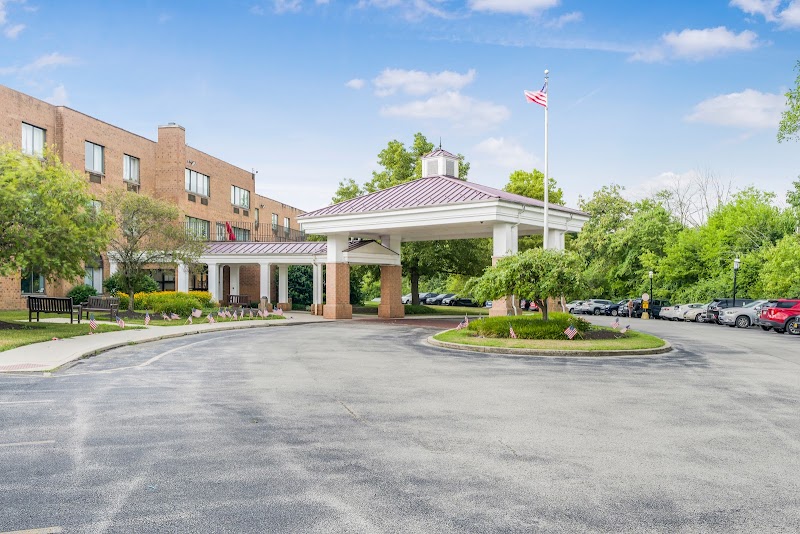
How is Markley Rehabilitation And Healthcare Center Staffed?

CMS rates MARKLEY REHABILITATION AND HEALTHCARE CENTER's staffing level at 3 out of 5 stars, which is average compared to other nursing homes. Staff turnover is 42%, compared to the Pennsylvania average of 46%. This relatively stable workforce can support continuity of care.

What Have Inspectors Found at Markley Rehabilitation And Healthcare Center?

State health inspectors documented 33 deficiencies at MARKLEY REHABILITATION AND HEALTHCARE CENTER during 2022 to 2025. These included: 2 that caused actual resident harm and 31 with potential for harm. Deficiencies causing actual harm indicate documented cases where residents experienced negative health consequences.

Who Owns and Operates Markley Rehabilitation And Healthcare Center?

MARKLEY REHABILITATION AND HEALTHCARE CENTER is owned by a for-profit company. For-profit facilities operate as businesses with obligations to shareholders or private owners. The facility is operated by MARQUIS HEALTH SERVICES, a chain that manages multiple nursing homes. With 121 certified beds and approximately 111 residents (about 92% occupancy), it is a mid-sized facility located in NORRISTOWN, Pennsylvania.

How Does Markley Rehabilitation And Healthcare Center Compare to Other Pennsylvania Nursing Homes?

Compared to the 100 nursing homes in Pennsylvania, MARKLEY REHABILITATION AND HEALTHCARE CENTER's overall rating (3 stars) matches the state average, staff turnover (42%) is near the state average of 46%, and health inspection rating (2 stars) is below the national benchmark.

What Should Families Ask When Visiting Markley Rehabilitation And Healthcare Center?

Based on this facility's data, families visiting should ask: "Can I visit during a mealtime to observe dining assistance and food quality?" "How do you handle medical emergencies, and what is your hospital transfer rate?" "Can I speak with family members of current residents about their experience?"

Is Markley Rehabilitation And Healthcare Center Safe?

Based on CMS inspection data, MARKLEY REHABILITATION AND HEALTHCARE CENTER has a clean safety record: no substantiated abuse findings (meaning no confirmed cases of resident harm), no Immediate Jeopardy citations (the most serious violation level indicating risk of serious injury or death), and is not on the Special Focus Facility watch list (a federal program monitoring the lowest-performing 1% of nursing homes). The facility has a 3-star overall rating and ranks #1 of 100 nursing homes in Pennsylvania. While no facility is perfect, families should still ask about staff-to-resident ratios and recent inspection results during their visit.

Do Nurses at Markley Rehabilitation And Healthcare Center Stick Around?

MARKLEY REHABILITATION AND HEALTHCARE CENTER has a staff turnover rate of 42%, which is about average for Pennsylvania nursing homes (state average: 46%). Moderate turnover is common in nursing homes, but families should still ask about staff tenure and how the facility maintains care continuity when employees leave.

Was Markley Rehabilitation And Healthcare Center Ever Fined?

MARKLEY REHABILITATION AND HEALTHCARE CENTER has been fined $20,498 across 2 penalty actions. This is below the Pennsylvania average of $33,284. While any fine indicates a compliance issue, fines under $50,000 are relatively common and typically reflect isolated problems that were subsequently corrected. Families should ask what specific issues led to these fines and confirm they've been resolved.

Is Markley Rehabilitation And Healthcare Center on Any Federal Watch List?

MARKLEY REHABILITATION AND HEALTHCARE CENTER is not on any federal watch list. The most significant is the Special Focus Facility (SFF) program, which identifies the bottom 1% of nursing homes nationally based on persistent, serious quality problems. Not being on this list means the facility has avoided the pattern of deficiencies that triggers enhanced federal oversight. This is a positive indicator, though families should still review the facility's inspection history directly.