NORRITON SQUARE NURSING AND REHABILITATION CENTER
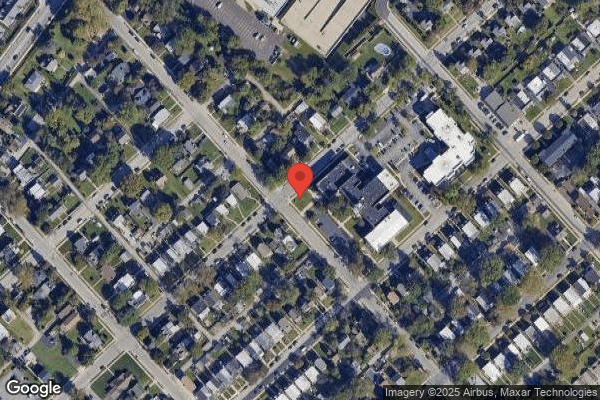
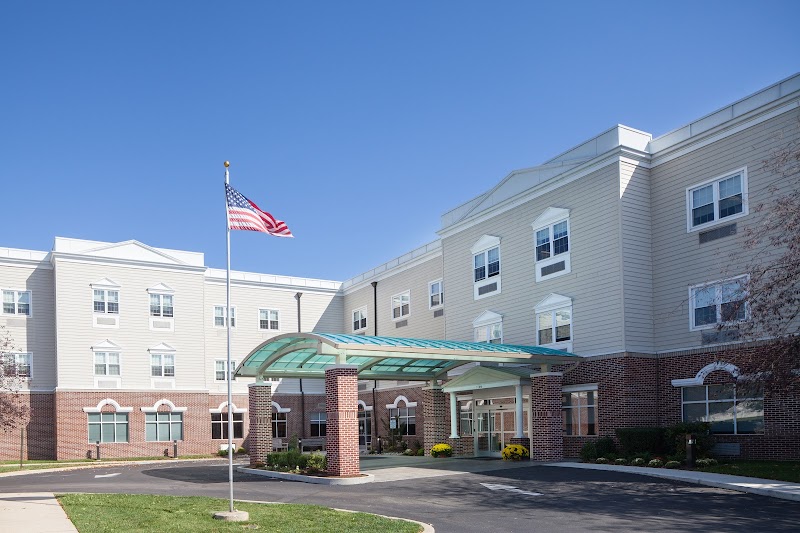
1700 PINE STREET, NORRISTOWN, PA 19401 (610) 239-7100
For profit - Corporation 99 Beds GENESIS HEALTHCARE Data: November 2025
Trust Grade
30/100
#467 of 653 in PA
Last Inspection: February 2025

Within standard 12-15 month inspection cycle. Federal law requires annual inspections.

Overview

Norriton Square Nursing and Rehabilitation Center has received a Trust Grade of F, indicating serious concerns about the quality of care provided. It ranks #467 out of 653 nursing homes in Pennsylvania, placing it in the bottom half, and #44 out of 58 in Montgomery County, meaning there are only a few local options that are better. The facility is worsening, with issues increasing from 11 in 2024 to 14 in 2025, and inspector findings indicate multiple concerns, such as food safety violations and malfunctioning equipment in dining areas. Staffing is rated average with a turnover rate of 56%, and while there are no fines on record, the RN coverage is better than 78% of facilities, which is a positive aspect. However, specific incidents, such as unmaintained food storage areas and inadequate accommodations for residents with special needs, highlight significant weaknesses in operational standards.

Trust Score
F
30/100
In Pennsylvania
#467/653
Bottom 29%
Safety Record
High Risk
Review needed
Inspections
Getting Worse
11 → 14 violations
Staff Stability
⚠ Watch
56% turnover. Above average. Higher turnover means staff may not know residents' routines.
Penalties
✓ Good
No fines on record. Clean compliance history, better than most Pennsylvania facilities.
Skilled Nurses
✓ Good
Each resident gets 49 minutes of Registered Nurse (RN) attention daily — more than average for Pennsylvania. RNs are trained to catch health problems early.
Violations
⚠ Watch
29 deficiencies on record. Higher than average. Multiple issues found across inspections.
★★☆☆☆
2.0
Overall Rating
★★★☆☆
3.0
Staff Levels
★★★☆☆
3.0
Care Quality
★★☆☆☆
2.0
Inspection Score
Stable
2024: 11 issues
2025: 14 issues

The Good

  • Full Sprinkler Coverage · Fire safety systems throughout facility
  • No fines on record

Facility shows strength in fire safety.

The Bad

2-Star Overall Rating

Below Pennsylvania average (3.0)

Below average - review inspection findings carefully

Staff Turnover: 56%

Near Pennsylvania avg (46%)

Frequent staff changes - ask about care continuity

Chain: GENESIS HEALTHCARE

Part of a multi-facility chain

Ask about local staffing decisions and management

Staff turnover is elevated (56%)

8 points above Pennsylvania average of 48%

The Ugly 29 deficiencies on record

Jul 2025 2 deficiencies
CONCERN (D) 📢 Someone Reported This

A family member, employee, or ombudsman was alarmed enough to file a formal complaint

Potential for Harm - no one hurt, but risky conditions existed

Food Safety (Tag F0812)

Could have caused harm · This affected 1 resident

Based on observations, interviews with staff, and a review of facility policy, it was determined that the facility failed to store food, in accordance with professional standards for food service safe...

Read full inspector narrative →
Based on observations, interviews with staff, and a review of facility policy, it was determined that the facility failed to store food, in accordance with professional standards for food service safety. Findings Include: Review of facility Policy titled, Food Storage: Cold Foods, last revised February 2023 states, Policy Statement- All Time/Temperature Control for Safety (TSC) foods, frozen and refrigerated, will be appropriately stored in accordance with guidelines of the FDA Food Code. Procedures- 5. All foods will be stored wrapped or covered in containers, labeled and dated, and arranged in a manner to prevent cross contamination. A tour of the facility kitchen area was conducted on July 2, 2025, at 10:05 a.m. with the Director of Dining Employee E3. During observation several items were observed in the walk-in refrigerator undated or labeled improperly. The first item was a container of prepared shredded carrots that had a labeled date of June 10, 2025 but no Use By date. When asked if the food is supposed to be labeled Employee E3 stated, I was told that we didn't need to label the fresh items, but we do throw them out when they look like they start getting slimy. When the container of carrots were uncovered they did appear to be very dry with some having with residue on them. Continued review of the walk-in refrigerator revealed, a large portion of deli ham unsliced with a date of June 30, 2025, but no Use By date label. A container of finely chopped mix ham and cheese with a date of June 27, 2025, but no Use By date label. A container with a block of deli cheese with a date of June 30, 2025, but no Use By date label. A container thawed raw ground beef with a date of July 2, 2025, but no Use By date label. A package of hard-boiled eggs with a Use By label of June 30, 2025. A container of finely chopped fresh fruit small with a date of June 30, 2025, but no Use By date. A container of prepared peas with a date of June 30, 2025, but no Use By date label. A container with raviolis with an Opened date labeled June 26, 2025, but no Use By date. A container of finely chopped herbs with a use by date of June 12, 2025. The Director Dining Services Employee E3 confirmed at 10:21 a.m. that the herbs and hard-boiled egg should have been discarded, and the other items were labeled incorrectly. 28 Pa. Code: 201.14(a) Responsibility of licensee. 28 Pa. Code 201.18(b)(3) Management
CONCERN (E) 📢 Someone Reported This

A family member, employee, or ombudsman was alarmed enough to file a formal complaint

Potential for Harm - no one hurt, but risky conditions existed

Room Equipment (Tag F0908)

Could have caused harm · This affected multiple residents

Based on observation, and staff interview, it was determined that the facility failed to ensure that essential equipment was maintained in safe and operating conditions related to the refrigerators in...

Read full inspector narrative →
Based on observation, and staff interview, it was determined that the facility failed to ensure that essential equipment was maintained in safe and operating conditions related to the refrigerators in dining rooms for two of two floors reviewed. (Second and Third Floors). Findings Include: An initial tour of the third floor Dining Room was made on 11:55 a.m. on July 2, 2025. Observation of the dining service area for the third floor revealed the ice machine was leaking and had a towel on floor that was saturated as well as visible water around the area, this was confirmed by the Dietary staff, Employee E4. When asked what happens when there is a leak, Employee E4 stated, well, I do not know, that is a different department. Further review of the service area revealed two refrigerators not currently operable. One refrigerator underneath the counter had a Do Not Use sign on it and it had wet condensation on the outside of it. The other clear display refrigerator was in the front of the service area. Employee E4 stated they have not been working. An initial tour of the second floor Dining Room was made on 12:07 p.m. on July 2, 2025. Observation of the dining service area for the second floor revealed three refrigerators not currently operable. There were two refrigerators under the cabinets and one clear display refrigerator in the front of the service area. When asked how long they have been inoperable Dietary staff, Employee E5 stated they have not been working for at least a few months. Observation of the second floor Dining Room lunch service revealed dietary staff expressing Resident R1 at 12:20 p.m. needed a turkey and cheese sandwich due to both main courses being protein options he does not eat. The dining room service refrigerator was broken therefore there were no cold sandwiches on hand. The sandwich was requested to the Director of Dining Employee E3, and a sandwich was deliver to the resident from the dietary department brought by Dietary staff, Employee E3 at 12:32 p.m. 28 Pa. Code 201.14 (a) Responsibility of licensee.
Mar 2025 2 deficiencies
CONCERN (D) 📢 Someone Reported This

A family member, employee, or ombudsman was alarmed enough to file a formal complaint

Potential for Harm - no one hurt, but risky conditions existed

Free from Abuse/Neglect (Tag F0600)

Could have caused harm · This affected 1 resident

Based on review facility policy, review of facility documentation, review of clinical records, interview staff, it was determined that the facility failed to ensure that a resident was free of neglect...

Read full inspector narrative →
Based on review facility policy, review of facility documentation, review of clinical records, interview staff, it was determined that the facility failed to ensure that a resident was free of neglect related to provision of incontinence care for one of twelve residents reviewed. (Resident R12) Findings: Based on review of facility policy titled Abuse Prohibition dated October 24, 2022, revealed the center prohibits abuse mistreatment, neglect, misappropriation of resident property, exploitation for all patients this is includes but not limited to freedom from corporal punishment and voluntary seclusion and any physical or chemical restraint, potential hires, training of employees, prevention of occurrences, identification of possible incidents or allegations which need investigation. Review of facility policy titled Neglect and Abuse revealed neglect is defined as a failure, in difference, or disregard of the center, its employees or service providers to provide care, comfort, safety, goods and services to a patient that are necessary to avoid physical harm, pain, mental anguish, or emotional distress. This includes a failure to implement an effective communication system across all shifts for communicating necessary care and information between the center, patient, practitioners, and patient representatives. Training will be provided to all employees through orientation, code of conduct training, and a minimum of annually which will include the abuse prohibition policy, appropriate interventions to deal with aggressive residents, recognize signs of burnout, frustration and stress that may lead to abuse, effective communication skills with patient's caregivers and patient representatives, what constitutes abuse, neglect and misappropriation of property. Review of Resident R12's clinical record revealed the resident had diagnosis of non-displaced intertrochanteric fracture of left femur (minimal displacement of the upper part of the left thigh bone), chronic embolism and thrombosis of vein (blood clot in the veins) diabetes with neuropathy (nerve damage caused by diabetes), personal history of TIA (transient ischemic attack temporary blockage of blood flow to the brain, minor stroke). Review of Resident R12's admission Minimum Data Set (MDS- assessment of resident's needs) dated February 14, 2025 revealed that the resident was assessed with a BIMS (brief interview of mental status) score of 6, which indicated that the resident had severe cognitive impairment. Review of Resident R12's care plan dated February 11, 2025, revealed that the resident was dependent for toileting hygiene related to left hip fracture, which included the following interventions: to monitor for skin irritation and redness when assisting with personal hygiene with a goal the patient will be able to maintain personal hygiene. Resident is at risk for skin breakdown related and or has actual skin breakdown stage three pressure ulcer of her sacrum dated February 10, 2025, with interventions to turn and reposition everyone to two hours. Review of facility documentation submitted to the State survey agency on February 12 2025, revealed Resident R12 was observed soiled with urine. The charge nurse Employee E5 was performing wound care and found the wound dressing was soiled as well as two briefs and linen. The perpetrator was identified as nursing assistant Employee E3. The facility conducted an investigation and found that the report of neglect was found substantiated and Employee E3 was terminated. Review of statement given by Nursing aide, Employee E3 revealed that I had eighteen patients and may have overlooked the resident (Resident R12) This was unintentional as I need help and there was not enough. Interview with Nursing Home Administrator, Employee E1 one March 20, 2025, at 12:50 p.m. revealed as soon as she was notified of the incident this employee initiated an investigation, interviewed residents cared for on the floor by Nurse aide, Employee E3 during the shift and found the allegation substantiated. This employee stated that Nurse aide, Employee E3 had worked for the facility for years and confirmed she had some prior disciplinary actions related to care concerns. Employee was terminated. 28 Pa. Code 211.12(d) Nursing Services 28 Pa.Code 201.18(e)(1)Management
CONCERN (D) 📢 Someone Reported This

A family member, employee, or ombudsman was alarmed enough to file a formal complaint

Potential for Harm - no one hurt, but risky conditions existed

Deficiency F0725 (Tag F0725)

Could have caused harm · This affected 1 resident

Based on review facility policy, review of facility documentation, review of clinical records, interview with residents and staff, it was determined that the facility failed to ensure adequate number ...

Read full inspector narrative →
Based on review facility policy, review of facility documentation, review of clinical records, interview with residents and staff, it was determined that the facility failed to ensure adequate number of nurse aides to meets the needs of residents on one of two nursing floors (2nd Floor) one of twelve residents reviewed. (Resident R12) Findings: Review of Resident R12's clinical record revealed the resident had diagnosis of non-displaced intertrochanteric fracture of left femur (minimal displacement of the upper part of the left thigh bone), chronic embolism and thrombosis of vein (blood clot in the veins) diabetes with neuropathy (nerve damage caused by diabetes), personal history of TIA (transient ischemic attack temporary blockage of blood flow to the brain, minor stroke). Review of Resident R12's admission Minimum Data Set (MDS- assessment of resident's needs) dated February 14, 2025 revealed that the resident was assessed with a BIMS (brief interview of mental status) score of 6, which indicated that the resident had severe cognitive impairment. Review of Resident R12's care plan dated February 11, 2025, revealed that the resident was dependent for toileting hygiene related to left hip fracture, which included the following interventions: to monitor for skin irritation and redness when assisting with personal hygiene with a goal the patient will be able to maintain personal hygiene; resident is at risk for skin breakdown related and or has actual skin breakdown stage three pressure ulcer of her sacrum dated February 10th, 2025, with interventions to turn and reposition everyone to two hours. Review of facility documentation submitted to the state survey agency on February 12 2025, revealed Resident R12 was observed soiled with urine. The charge nurse Employee E5 was performing wound care and found the wound dressing was soiled as well as two briefs and linen. The perpetrator was identified as nursing assistant Employee E3. The facility conducted an investigation and found that the report of neglect was found substantiated and Employee E3 was terminated. Review of statement given by Nursing aide, Employee E3 revealed that I had eighteen patients and may have overlooked the resident (Resident R12) This was unintentional as I need help and there was not enough. Review of daily staffing sheet for February 12, 2025, during the 7-3 shift revealed that nurse aide, Employee E3 was scheduled on the second floor. Continued review of daily staffing sheet revealed that a total of eight nurse aides were schedule for the 7- 3 shift with a census of 95 which was below the required State regulation. Interview with DON employee E2 on March 20, 2025 at 4:00p.m. confirmed on the day February 12, 2025 the facility did not have the appropriate number of staff per ratio. 28 Pa. Code 211.12(d) Nursing Services 28 Pa.Code 201.18(e)(1)Management
Feb 2025 10 deficiencies
CONCERN (D)

Potential for Harm - no one hurt, but risky conditions existed

Quality of Care (Tag F0684)

Could have caused harm · This affected 1 resident

**NOTE- TERMS IN BRACKETS HAVE BEEN EDITED TO PROTECT CONFIDENTIALITY** Based on clinical record reviews and interviews with staff, it was determined that the facility failed to follow physician order...

Read full inspector narrative →
**NOTE- TERMS IN BRACKETS HAVE BEEN EDITED TO PROTECT CONFIDENTIALITY** Based on clinical record reviews and interviews with staff, it was determined that the facility failed to follow physician orders related to diabetes management for one of 24 residents reviewed (Resident R24). Findings include: Review of Resident R24's Annual MDS (Minimum Data Set - a mandatory periodic resident assessment tool), dated January 20, 2025, revealed that the resident was admitted to the facility on [DATE], and had diagnoses including diabetes (ability to produce or respond to the hormone insulin is impaired, resulting in abnormal metabolism of carbohydrates and elevated levels of glucose). Review of physician orders for Resident R24 revealed an order, dated May 23, 2023, to check the resident's blood glucose level and notify the physician if greater that 400. Review of Resident R24's blood glucose levels revealed the following: On January 24, 2025, at 4:36 p.m. blood glucose level was 416; On January 1, 2025, at 8:32 p.m. blood glucose level was 416; On December 29, 2025, at 4:18 p.m. blood glucose level was 423; On December 27, 2025, at 8:17 a.m. blood glucose level was 427; On December 25, 2025, at 8:29 a.m. blood glucose level was 427; On December 17, 2025, at 4:38 p.m. blood glucose level was 416; and On November 15, 2025, at 8:56 p.m. blood glucose level was 407. Review of medication administration records and progress notes for Resident R24 revealed that there was no indication that the physician had been notified of the above blood glucose levels. Interview on February 11, 2025, at 10:53 a.m. Employee E13, unit manager, confirmed the above findings. 28 Pa Code 211.12(d)(5) Nursing services
CONCERN (D)

Potential for Harm - no one hurt, but risky conditions existed

Deficiency F0692 (Tag F0692)

Could have caused harm · This affected 1 resident

**NOTE- TERMS IN BRACKETS HAVE BEEN EDITED TO PROTECT CONFIDENTIALITY** Based on observations, staff interviews, and review of clinical records, it was determined that the facility failed to ensure th...

Read full inspector narrative →
**NOTE- TERMS IN BRACKETS HAVE BEEN EDITED TO PROTECT CONFIDENTIALITY** Based on observations, staff interviews, and review of clinical records, it was determined that the facility failed to ensure that weekly weights were obtained for two out of twenty-four residents reviewed with a history of weight loss (Resident R39 and Resident R74). Findings include: Review of Resident R39's clinical record revealed that Resident R39 was admitted to the facility on [DATE]. Review of Resident R31's clinical record revealed the diagnoses of Huntington's Disease (neurogenerative disease), Dysarthria following Non-traumatic Sub-arachnoid Hemorrhage (cranial bleed), Dysphagia (inability/difficulty swallowing). Review of Resident R39's clinical record revealed a physician's order dated August 21, 2023 for the resident to be weight monthly every day shift starting on the 1st and ending on the 5th every month. Review of Resident R39's weight record revealed the following weight values in pounds (lbs.): May 1, 2024 - 150.4 lbs., June 19, 2024 - 135 lbs., July 2024 - no values recorded, August 6, 2024 - 0.0 lbs., September 19, 2024 - 135 lbs., October 30, 2024 - 112.6 lbs., November 1, 2024 - 114 lbs., December 2, 2024 - 132 lbs. (was crossed out), January 2, 2025 - 109 lbs., January 28, 2025 - 112 lbs., January 31, 2025 - 106 lbs., February 2, 2025 - 110 lbs. Further review of Resident R39's weight record revealed that on June 19, 2024, documented weight value was 0.0 pounds, Further review of Resident R39's weight record revealed a notation of Last weight obtained - weights discontinued next to the weight value of 0.0 pounds. Further review of Resident R39's weight record revealed that there was no weight for July 2024. Further review of Resident R39's weight record revealed that on August 6, 2024, Resident R39 refused to be weighed. Review of Resident R39's clinical record revealed no documented evidence that Resident R39 was reweighed or an attempt to reweigh was done. Review of Resident R39's weight record revealed that on December 2, 2024, Resident R39's weight was 132 pounds. Further review of Resident R39's weight record revealed a notation of disputed value next to 132 pounds. Review of Resident R39's clinical record revealed no documented evidence that Resident R39 was reweighed or an attempt to reweigh was done. Interview with Regional Nurse Employee E26 and conducted on February 11, 2025, at 12:35 pm, confirmed that there was no documented evidence that Resident R39 was reweighed in June 2024 and August 2024 after Resident R39 refused to be weighed on June 19, 2024, and August 6, 2024; that there was no weight for July 2024; and that Resident R39 was not reweighed after a disputed weight value in December 2, 2024. Further interview with Employee E26 revealed that if during obtaining weight for a resident, there is a significant weight difference between the weight value obtained and the previous weight value, a re-weight must be done. Further, Employee E26 also revealed that when a resident refuses to be weighed, a re-weigh must be attempted at another time and that the attempts must be documented. Review of Resident R74's clinical record revealed that Resident R74 was admitted to the facility on [DATE]. Review of Resident R74's care plan revealed that Resident R74 was at potential nutritional risk: history of alcohol abuse, trending weight loss with potential for further weight changes due to progressive decline expected from dementia. Review of Nutrition assessment dated [DATE], revealed: Unable to assess weight changes as July weight is missing and August weight is pending. Resident R74's weight record revealed no documented evidence that Resident R74 was weight in July 2024 and May 2024 the following weight values in pounds (lbs.): October 17, 2024 - 217.2 lbs. September 4, 2024 - 216.4 lbs. July 2024 - no weight value documented June 2, 2024 - 236 lbs. May 2024 - no weight value documented April 2, 2024 - 235.2 lbs. Interview with Regional Nurse Employee E26 and conducted on February 11, 2025, at 12:35 pm, confirmed that there was no weight for Resident R74 for July 2024 and May 2024. Review of resident R240's Minimum Data Set (MDS a federal mandated assessment for all residents) dated February 1, 2025 revealed resident R 240 was admitted [DATE] with diagnosis' including metabolic encephalopathy (brain dysfunction caused by metabolic imbalance), diabetes (metabolic disease characterized by elevated levels of blood glucose ) unspecified protein calorie malnutrition, and spinal stenosis and dysphagia (difficulty swallowing). Review of resident's weights dated August 12, 2024 through present date February 7, 2025 revealed a steady decline of weight totaling a weight loss of 57.8 lbs in six month time. August 12, 2024, resident weight 237 .8lbs. August 21, 2024, resident weight 234.2lbs. a 1.51% weight loss September 19, 2024, resident weight 227.6 lbs. a 2.82% weight loss. October 26, 2024, resident weight 221.8 lbs. a 2.61% weight loss. October 31, 2024, resident weight 215.7 lbs. a 2.75% weight loss. November 1, 2024, resident weight 214.8 lbs. a 42% weight loss. December 30, 2024, resident weight 210.4 lbs. a 2.05% weight loss. January 21, 2025, resident weight 196.6 lbs. a 5.41% weight loss. January 23, 2025 resident weight 193 lbs. a 3.31% weight loss and a 18.84% weight loss over 6 months. February 3, 2025 resident weight 180. lbs. a 7.22% weight loss. Review of residents clinical record revealed that during the month of August 2024 to February 2025 this resident was hospitalized on the following dates: October 19, 2024 through October 23, 2024 October 23, 2024 through October 25, 2024 December 4, 2024 through December 11, 2024 January 16, 2025 through January 21, 2025 Comparison time and weight loss revealed that in the months of August 2024 through September 2024 Resident R240 had a weight loss of 6.6 lbs. prior to hospitalization. Continued comparison revealed that from October 26, 2024 through November 1, 2025 the resident had a 7 lb weight loss after returning from the hospital and again from January 21, 2025 through January 23, 2025 a 3.6 lb weight loss. Review of physician orders dated February 1, 2025 revealed an order for the resident to be weighed every day shift for four weeks. There is no documentation that weights were obtained as ordered by the physician. Further review of physician orders revelaed an order for house supplement dated February 7, 2025 and an order to offer evening snacks also dated Febraury 7, 2025. Review of Resident R240's clinical record revealed multiple nutritional assessments from the time of August 2024 to through February 7, 2025 that revealed Resident R240 was assessed as eating a regular diet double portion most of his meals, appears well nourished, weight loss detected likely due to hospitalizations. Review of Nutritional assessment dated the January 22, 2025 revealed residents weight 196.6 BMI (body mass index) 29 weight loss of 13 pounds * 1 month 25.2 pounds times three months weight loss likely related to recent hospitalizations plan is to encourage PO intakes continue to encourage dietary compliance desirable due to obesity RD (Registered Dietician) will continue to monitor weight intakes labs meds and skin as well as update CP (care plan). Review of resident's care plan revealed resident is it nutritional risk related to trending significant weight loss since October of 2024 multiple recent hospitalizations history of obese BMI created on February 7, 2025 with implement interventions offer HS (evening) snack and house supplement once daily. Review of Registered Dietitian's note dated February 7, 2025 revealed weight change significant weight loss of 58 pounds over six months weight loss related to multiple recent hospitalizations order for meal monitoring times three days recommending adding health supplement every day continue double portions and snack goal is for weight stability without further losses Physician note day of February 4, 2025 resident is seen for new admission post hospitalization only notation indicated in this note is denies weight loss fever and chills. Interview with interim Registered Dietician, Employee E5 on February 10, 2025 at 11:00 a.m. revealed that the resident was assessed for significant weight loss but due to frequent hospitalizations. This employee could not determine why the resident continued to lose weight while in the facility post hospitalizations. 28 Pa. Code 201.18 (b)(1) Management 28 Pa. Code 211.12(d)(1)(3) Nursing services
CONCERN (D)

Potential for Harm - no one hurt, but risky conditions existed

Respiratory Care (Tag F0695)

Could have caused harm · This affected 1 resident

**NOTE- TERMS IN BRACKETS HAVE BEEN EDITED TO PROTECT CONFIDENTIALITY** Based on observation, review of facility policy and interviews with staff, it was determined that the facility did not maintain ...

Read full inspector narrative →
**NOTE- TERMS IN BRACKETS HAVE BEEN EDITED TO PROTECT CONFIDENTIALITY** Based on observation, review of facility policy and interviews with staff, it was determined that the facility did not maintain respiratory equipment according to professional standards of practice for two of twenty-four residents reviewed. (Resident R17 and Resident R56) Findings: Review of facility policy entitled Oxygen: Concentrator revealed that An Oxygen concentrator extracts oxygen molecules from room air. It can be used for low oxygen flows rates (i.e. 1-4 L/min). #9. Label, date, and attach pre-filled humidifier bottle, if applicable. Review of Resident R17's clinical record revealed that Resident R17 was admitted to the facility on [DATE], with most recent readmission of February 2, 2025. Further review of Resident R17's clinical record revealed the following diagnoses Chronic Diastolic Congestive Heart Failure (excessive body fluid caused by a weakened heart muscle) and Atrial Fibrillation (irregular and rapid heart beat). Review of Resident R17's physician's orders revealed an order for: Oxygen at 2 L/min via Nasal Cannula, continuously. every shift Post Tx: Evaluate heart rate, respiratory rate, pulse oximetry, skin color, and breath sounds-dated February 5, 2025. Observation conducted during tour of the 3rd floor unit on February 9, 2024, at 10:30 am revealed that Resident R17 was in bed sleeping. Further observation revealed that Resident R17 was on Oxygen concentrator at 3 liters/minute via nasal cannula. Further observation revealed that the Oxygen tubing did not have a date affixed to it. Interview with licensed nurse Employee E3 conducted at the time of the observation confirmed that Resident R17's oxygen tubing was not dated. Further, Employee E3 revealed that oxygen tubings are changed once a week. Review of resident R56's clinical record revealed that Resident R56 was admitted to the facility on [DATE]. Further review if Resident R56's clinical record revealed that Resident R56 had diagnoses of Chronic Obstructive Pulmonary Disease (disease process that causes decreased ability of the lungs to perform), Chronic respiratory failure . Review of Resident R56's physician's order revealed an order obtained January 7, 2025 for: Oxygen tubing to be changed weekly. Oxygen at 6 L/min via Nasal Cannula, continuously every shift Post T x: Evaluate heart rate, respiratory rate, pulse oximetry, skin color, and breath sounds. -ordered 10.22.24 Review of Resident R56's quarterly MDS (minimum data set- a federally required resident assessment conducted at a specific interval) dated November 8, 2024, section O 0110. Special Treatments, Procedures, and Programs, C1 Oxygen therapy, was coded yes. Observation conducted during tour if the 3rd floor unit on February 9, 2024, at 10:37 am revealed that Resident R56 was in bed sleeping with oxygen concentrator at 6 liters/minute via nasal cannula. Further observation revealed that the humidifier bottle and the oxygen tubing were not dated. Interview with licensed nurse Employee E3 conducted at the time of the observation revealed that oxygen tubings are changed once a week. Further Employee E3 confirmed that Resident R56's humidifier bottle and oxygen tubing were not dated. 28 Pa. Code 211.12(d)(1) Nursing services 28 Pa. Code 211.12(d)(3) Nursing services 28 Pa. Code 211.12(d)(5) Nursing services
CONCERN (D)

Potential for Harm - no one hurt, but risky conditions existed

Deficiency F0761 (Tag F0761)

Could have caused harm · This affected 1 resident

Based on observation, review of facility policies and interview with staff, it was determined that the facility failed to ensure that a medication cart was kept locked when not in use and that medicat...

Read full inspector narrative →
Based on observation, review of facility policies and interview with staff, it was determined that the facility failed to ensure that a medication cart was kept locked when not in use and that medications were properly stored for two of two carts. (Medication Cart A and Medication Cart B) Findings include: Review of facility documentation titled Medication Storage dated January 2025 revealed that medication storage and biologicals are stored properly to support safe effective drug administration. The pharmacy dispenses medication that meets state and federal labeling requirements, medications are to remain in containers and stored in a controlled environment this may include such containers as medication carts, medication rooms, and medication cabinets. Licensed nurses, pharmacy staff and those lawfully authorized to medications are to have access the medication carts. Medication should remain locked with not in the use or attended to by persons with authorized access. The medication supply shall be accessible only to licensed nursing personnel pharmacy personnel or staff members lawfully authorized to administer medication. Observation of medication cart A located in the hall of the second floor on February 9, 2025, at 8:35 a.m. revealed a bottle of over-the-counter medication aspirin set on the top of the cart. The medication cart A was unlocked and unsupervised. Interview with licensed nurse, Employee E7 on February 9, 2025, at 8:39a.m., this employee confirmed that cart was her responsibility, and she left the cart to assist a resident. Observation of medication cart B on February 9, 2025, at 08:49 am during medication pass with licensed nurse, Employee E23 the cart was viewed to have an over-the-counter medication bottle of mucus relief expectorant being used to support the medication cart computer. Interview with Employee E23 at time of observation confirmed that the medication bottle was not an appropriate use to secure the computer. 28 Pa. Code 211.9(a)(1) Pharmacy Services 28 Pa. Code 211.12(d)(5) Nursing Services
CONCERN (D)

Potential for Harm - no one hurt, but risky conditions existed

Deficiency F0806 (Tag F0806)

Could have caused harm · This affected 1 resident

Based on observations and interviews with residents and staff, it was determined that the facility did not provide foods in accordance with resident preferences for three of 24 residents reviewed (Res...

Read full inspector narrative →
Based on observations and interviews with residents and staff, it was determined that the facility did not provide foods in accordance with resident preferences for three of 24 residents reviewed (Residents R43, R42 and R19). Findings include: Review of resident R 43's quarterly minimum data set (MDS- a federal mandated assessment of all residents) December 24, 2025, revealed resident r 43 was admitted into the facility August 14, 202 with diagnosis' including coronary artery disease(CAD-Plaque buildup in the hearts arteries), heart failure, anxiety(disorder of episodes of intense anxiety and fear), schizophrenia(mental disorder characterized hallucinations, delusions and disorganized thinking and behavior). Resident 43 requires setup and cleanup assistance for dining. Review of resident R43's physician orders dated October 23, 2024, revealed an order for lacto- ovo vegetarian diet (a diet that excludes meat, poultry, and fish, but allows eggs and dairy products) Review of resident R 43 care plan revealed that resident R 43 is at nutritional risk related to underweight bmi(body mass index-calculated measure of weight relative to height) and has potential for weight fluctuations. Resident R43 is now in hospice therefore has potential for weight loss but focuses comfort care date revised on December 24th, 2024, with interventions including to honor food preferences within meal plan vegetarian, eggs, dairy, and fish. Observation of resident R 43 receiving the lunch tray on February 9, 2025, at 12:25 p.m. revealed that resident R 43 lunch order was to be a vegetarian burger, basil roasted carrots, and seasoned potatoes wedges. The lunch tray delivered to resident 43, consisted of a fish sandwich with a side of mashed potatoes. The above observation was confirmed by medical supply coordinator employee E 22. This employee notified the kitchen of the mistake and ordered the correct lunch. Interview with dietary employee, E5 on February 10, 2024, at 11:35a.m. confirmed the order for resident R 43 was incorrect and was resolved immediately. Interview on February 9, 2025, at 12:49 p.m. revealed Resident R42's family member stated that the resident follows a vegetarian diet and that the facility does not always provide vegetarian foods as requested. Review of Resident R42's care plan, dated April 12, 2019, revealed that the resident was at nutritional risk with interventions including maintain the resident's cultural food preferences, provide vegetarian diet and to honor the resident's food preferences. Observation on February 9, 2025, at 12:56 p.m. of Resident R42's meal slip revealed that the resident was supposed to receive a vegetarian burger patty, cottage cheese and a vegetable and cheese sandwich on whole wheat bread. Observation of the resident's meal revealed that the resident did not receive any of the above items. Interview on January 9, 2025, at 1:22 p.m. Employee E4, nurse aide, confirmed that the resident did not receive the requested items on his lunch tray. Employee E4, nurse aide, stated that residents often complain that they do not receive menu items as requested. Review of Resident R19's care plan, dated October 4, 2023, revealed that the resident was at nutritional risk, with interventions including maintain the resident's cultural food preferences, provide vegetarian diet and to honor the resident's food preferences. Observation on February 9, 2025, at 1:13 p.m. revealed that Resident R19 received potatoes, carrots, cake and juice for lunch. Review of Resident R19's meal slip revealed that the resident was supposed to receive a vegetarian burger patty with her meal. Interview with Resident R19 confirmed that she did not receive a vegetarian burger patty or any source of protein with her meal. Resident R19 stated that she prefers either the vegetarian burger patty or cheese with her meals. Interview on February 10, 2025, at 12:52 p.m. Employee E6, food service director, revealed that veggie burger patties and cheese were available in the kitchen to serve with meals. Employee E6, food service director, was unable to explain why these items were not served to Residents R42 and R19 and stated that maybe the weekend kitchen staff were not aware of the residents' food preferences. 28 Pa Code 211.6(a) Dietary services 28 Pa Code 211.10(c) Resident care policies
CONCERN (D)

Potential for Harm - no one hurt, but risky conditions existed

Food Safety (Tag F0812)

Could have caused harm · This affected 1 resident

Based on observations, interviews with staff, and a review of facility procedures, it was determined that the facility failed to store food, in accordance with professional standards for food service ...

Read full inspector narrative →
Based on observations, interviews with staff, and a review of facility procedures, it was determined that the facility failed to store food, in accordance with professional standards for food service safety. Findings include: Review of facility Policy entitled Receiving revealed that under Policy Statement: Safe food handling procedures for time and temperature control will be practiced in transportation, delivery and subsequent storage of all food items. Under section Procedures: #5. All food items will be appropriately labelled and dated either through manufacturer packaging or staff notation. #7. All non-perishable foods and supplies will be stored appropriately Observation of the general kitchen area during the tour of the kitchen conducted on February 9, 2025, at 8:59 am revealed two metal shelving units against the wall of the kitchen. Observation of one of the shelving units revealed that the middle shelf of the metal shelving unit had a plastic bin with white powder. Further, the plastic bin was labelled breadcrumbs with label indicating opened 12/19/24 and use by 1.19.25. Interview with dietary staff Employee E29 conducted at the time of the observation revealed that the white powder in the bin labelled breadcrumbs was corn starch and not breadcrumbs. Further observation revealed another plastic bin of white fine grainy white substance was next to the bin labelled breadcrumbs. Further, the bin containing the white fine grainy substance was not labelled. Interview with dietary staff Employee E29 conducted at the time of the observation revealed that the white fine grainy substance in the unlabeled plastic bin was white sugar. Further observation revealed that the bottom shelf of the metal shelving unit revealed another plastic bin containing a white powder. Further the bin containing the white powder was not labeled. Interview with dietary staff Employee E29 conducted at the time of the observation revealed that the white powder in the unlabeled bin at the bottom of the shelf was flour. Observation of the bottom shelf of the second metal shelving unit revealed a plastic bin containing a yellowish course grainy substance. Further the bin containing the yellowish course grainy substance was not labeled. Interview with dietary staff conducted at the time of the observation revealed that the yellowish course grainy substance in the unlabeled bin was panko. Observation of the freezer revealed a metal pan containing mixed pasta covered in saran wrap. Further, the metal pan was not labelled. Observation during refrigerator inspection revealed ten sandwiches wrapped in saran wrap. Further observation revealed that the sandwiched were not labelled. Further observation revealed one loaf of bread in a plastic bag. Further, the loaf of bread was not labelled. Further observation revealed three plates of salad (green leafy vegetables) with a slice ham. Further observation revealed that the three plates of salad (green leafy vegetables) with ham were not labelled. Observation of the dry storage room revealed a plastic bin with cover half filled with cereal. Further observation revealed that the plastic bin containing cereal was not labelled. Further observation revealed uncooked spaghetti wrapped in saran wrap. Further observation revealed that the uncooked spaghetti wrapped in saran wrap was not labelled. Further observation revealed an opened plastic bag of uncooked fettuccini wrapped in saran wrap. Further observation revealed that the opened plastic of uncooked fettuccini wrapped in saran wrap was not labelled. Further observation revealed an opened bag of rice crispies without the box, with the plastic wide open with rice crispies exposed to air. Further observation revealed that the opened bag of rice crispies was not labelled. Further observation revealed an opened bag of cornflakes without the box, with the plastic wide open with cornflakes exposed to air. Further observation revealed that the opened bag of corn flakes was not labelled. Follow-up tour of the kitchen with District Manager Employee E27 and kitchen supervisor Employee E28 conducted on February 9, 2025, at 10:20 am confirmed the above observations 28 Pa. Code: 201.14(a) Responsibility of licensee. 28 Pa. Code 201.18(b)(3) Management
CONCERN (D)

Potential for Harm - no one hurt, but risky conditions existed

Deficiency F0839 (Tag F0839)

Could have caused harm · This affected 1 resident

**NOTE- TERMS IN BRACKETS HAVE BEEN EDITED TO PROTECT CONFIDENTIALITY** Based on observations, review of facility documentation, review of personnel files and interviews with staff, it was determined ...

Read full inspector narrative →
**NOTE- TERMS IN BRACKETS HAVE BEEN EDITED TO PROTECT CONFIDENTIALITY** Based on observations, review of facility documentation, review of personnel files and interviews with staff, it was determined that the facility failed to ensure that staff were licensed and registered in accordance with State laws for three of 11 personnel files reviewed (Employees E21, E17 and E16). Findings include: Review of facility documentation submitted to the Pennsylvania Department of Health on [DATE], at 4:33 p.m. revealed that on [DATE], the facility discovered that Employee E21, RN (registered nurse), was working with an expired nursing license and that the license had expired on [DATE]. The facility provided education to Employee E21, RN, including its policy that it is the responsibility of the employee to maintain an active nursing license at all times and that if the license is not current that the employee may not work until the license is active. Employee E21, RN, subsequently reactivated her nursing license on [DATE]. In response to the above incident, that facility conducted an audit of all employees with nursing licenses and nurse aide registries. Review of the audit revealed that Employees E17 and E16, nurse aides, were not included on the audit. Review of Employee E17's personnel file revealed that the employee was hired on [DATE], as a nurse aide. Continued review revealed that the employee completed a nurse aide training course on [DATE]. Review of Employee E16's personnel file revealed that the employee was hired on [DATE], as a nurse aide. Continued review revealed that the employee completed a nurse aide training course on [DATE]. Observation on February 9, 2025, revealed that Employee E16, nurse aide, provided care to residents on the second floor nursing unit during the day shift. Review of the Pennsylvania Department of Health requirements for nurse aides, published at https://www.pa.gov/agencies/health/business-registration-and-regulation/nurse-aide.html, revealed, A nurse aide who is not enrolled or in good standing on the registry may not be employed in a nursing care facility that receives Medicare or Medicaid reimbursement. Review of the Pennsylvania nurse aide registry on February 10, 2025, revealed that Employees E17 and E16 were not enrolled on the registry. Interview on February 10, 2025, at 1:37 p.m. the Nursing Home Administrator confirmed that Employee E21, RN, worked with an expired nursing license in November and [DATE]. Continued interview revealed that Employees E17 and E16 were not identified during the facility's audit of licensed and registered nursing staff because the employees were not registered to work as nurse aides in Pennsylvania. 28 Pa Code 201.3 Definitions - Nurse aide (iv) 28 Pa Code 201.3 Definitions - RN registered nurse 28 Pa Code 201.14(a) Responsibility of licensee 28 Pa Code 201.19(3) Personnel policies and procedures 28 Pa Code 211.12(d)(1) Nursing services
CONCERN (D)

Potential for Harm - no one hurt, but risky conditions existed

Infection Control (Tag F0880)

Could have caused harm · This affected 1 resident

**NOTE- TERMS IN BRACKETS HAVE BEEN EDITED TO PROTECT CONFIDENTIALITY** Based upon observation, interviews and review of clinical records and facility policy, it was determined the facility failed to ...

Read full inspector narrative →
**NOTE- TERMS IN BRACKETS HAVE BEEN EDITED TO PROTECT CONFIDENTIALITY** Based upon observation, interviews and review of clinical records and facility policy, it was determined the facility failed to establish and maintain an infection prevention and control program to provide a safe, sanitary and comfortable environment and to help prevent the development and transmission of multi-drug resistant organism (MDRO) transmission for one of 31 residents reviewed. (Resident R35) Findings include: Review of facility policy titled Enhanced Barrier Precautions revised December 16, 2024, revealed enhanced barrier precautions (EBP) are an infection control intervention designed to reduce the transmission of novel or multidrug resistant organisms. It employs targeted personal protective equipment (PPE) during high contact resident activities. This includes all residents with any other following infection or colonization with targeted MDRO, chronic wounds, indwelling medical devices (eg: central line, urinary catheter, feeding tube, tracheotomy). The use of personal protective equipment (PPE) must be used during high contact patient care activities include dressing, bathing, showering, transferring, providing hygiene, changing linens, changing briefs or assisting with toileting, and device care. Personal protective equipment should be accessible and located outside the patient's room. Appropriate enhanced barrier precautions (EBP) sign on patient's room door. All staff receive training on enhanced barrier precaution upon higher and as needed, all staff receive training on high-risk activities and organisms that require enhanced barrier precaution. Review of Resident R35's Minimum Data Set (MDS-federal mandated resident assessment) dated January 2, 2025, revealed Resident R35 entered the facility on December 24, 2024 with a diagnosis of Type 2 diabetes (failure of the body to produce insuli). The resident was also assessed as having a diebetic foot ulcer. Review of resident's care plan revealed that this resident required assistant and was dependent for all ADL (activities of daily living) care in bathing, grooming ,personal hygiene, dressing, eating, bed mobility, and transfers related to paralysis and weakness affecting left side. Continued review of resident's care plan revealed this resident is at risk for skin breakdown related to an actual pressure ulcer. Review of resident's clinical record revealed a [NAME] (document that provides instructions related to resident's care needs) included code status, activities, preferences, behavior, cognition, and toileting. Further review of the [NAME] indicated to monitor for skin breakdown, dressing, grooming and skin care. This document had no indication that Resident R35 was on enhanced barrier precautions. Review of resident's wound care notes revealed resident has an arterial right dorsum first digit wound (right big toe). Observation of Employee E16 providing incontinence care to Resident R35 on February 9, 2025 at 11:00 a.m. revealed that Employee E16 was only wearing gloves,and no gown. Interview with Employee E 16 at time of observation, this employee denied that PPE was required for resident R 35, the enhanced barrier precaution sign on the door was indicated for resident R 35's roommate. The resident occupying the second bed in this room was also ordered enhanced barrier precautions. 28 pa. Code 211.12(d)(1)(5) Nursidneg Services 28 Pa. Code 201.14(a) Responsibility of licensee
CONCERN (D)

Potential for Harm - no one hurt, but risky conditions existed

Deficiency F0947 (Tag F0947)

Could have caused harm · This affected 1 resident

Based on review of personnel records and interviews with staff it was determined that the facility failed to ensure that nurse aides received at least 12 hours of in-service education per year as requ...

Read full inspector narrative →
Based on review of personnel records and interviews with staff it was determined that the facility failed to ensure that nurse aides received at least 12 hours of in-service education per year as required for one of six nurse aide personnel files reviewed (Employee E9). Findings include: Review of Employee E9's personnel file revealed that the employee was hired on June 20, 2019, as a nurse aide. Continued review revealed that from February 11, 2024, through February 10, 2025, Employee E9, nurse aide, completed only two courses of annual education: hand hygiene and personal protective equipment. Interview on February 10, 2025, at 12:52 p.m. the Nursing Home Administrator confirmed that Employee E9, nurse aide, had not completed 12 hours of annual in-service education as required. 28 Pa Code 201.19(7) Personnel policies and procedures 28 Pa Code 201.20(a) Staff development
CONCERN (E)

Potential for Harm - no one hurt, but risky conditions existed

Deficiency F0558 (Tag F0558)

Could have caused harm · This affected multiple residents

Based on observations, clinical record review, and interviews with staff and residents, it was determined that the facility failed to provide reasonable accommodations of needs relating to a bariatric...

Read full inspector narrative →
Based on observations, clinical record review, and interviews with staff and residents, it was determined that the facility failed to provide reasonable accommodations of needs relating to a bariatric bed and a functioning heater for two of 31 residents reviewed.(Residents R251 and R248) Findings include: Review of Resident R251's Minimum Data Set (MDS-federal mandated assessment for all residents) dated February 12, 2025 revealed that Resident R251 was admitted into the facility on February 6, 2025 with diagnosis' including respiratory failure (respiratory system cannot maintain normal levels of oxygen and carbon dioxide in the body), chronic congestive heart failure(long term condition , the heart is unable to pump blood effectively), type 2 diabetes(condition that occurs when blood glucose is too high) and morbid (severe) obesity (health condition that results from abnormally high body mass that is diagnoses by having a body mass index(BMI) greater then 40). Review Resident R251's lift transfer evaluations dated February 6, 2025, revealed Resident R251's weight dated February 6, 2025, was assessed at 316 pounds (lbs) and Resident R251's height as 65 inches. This resident is assessed of not being able to independently turn or reposition in bed or the chair, the resident requires extensive total assistance to turn reposition of two or more staff. Review of facility assessment revealed that equipment and supply inventories this facility currently has adequate equipment to supply all therapies. Medical and non-medical equipment required hospital beds with bariatric capability, and Hoyer lifts with bariatric capability. Observation of Resident 251 on February 9, 2025, at 11:05 am, revealed Resident R251 lying in a regular sized hospital bed. Maintance Director, Employee E11 fixing resident bed by releasing extender to lengthen the bed while resident was still occupying the bed. The bed was observed with extender and regular mattress (too small for bed frame). Interview with resident at time of observation revelaed Resident R251 vocalized discomfort. Interview with Maintance Director, Employee E11 at time of the above observations revealed that he has a new mattress to install but cannot move the resident. Employee E11 was just notified on this day that the residents bed needed adjustment. Further observation of Resident R251 on February 9, 2025, at 11:35 a.m. was observed four staff members assisting in lifting resident from bed with Hoyer lift while Maintance Director, Employee E11, extended the bed frame width and switched the mattress to accommodate for large mattress to fit bariatric bed setting. The resident bed was made to a bariatric setting three days after he was admitted into the facility. Observation of Resident R248 February 10, 2024, at 10:42 a.m. revealed resident sitting in chair with sheet wrapped around her. Further observation revealed cool air coming from heater unit in the resident's room. Interview with resident at time of observation revealed that resident stated she was cold and requested a blanket. Interview with Maintance Director, Employee E11 at time of observation revealed that the heater is supposed to blow cool air temporality, its not broke that is how it works. This employee deferred all other questions to Regional Maintenance Director Employee E12. Interview with Regional Maintance Director, Employee E12 on February 10, 2024, at 11:05a.m. revealed that the heater unit has a safety mechanism that prevents the system form overheating and the cold air will only blow for a short time. During this interview Employee E12 demonstrated that the heater would turn to hot air,. Employee E12 dismantled the heater unit and determined that this unit was not functioning properly. Employee E12 confirmed that the heater unit in Residents R 248's room was not functioning. 28. Pa. Code 201.29(j) Resident rights 28. Pa. code 211.12(d)(1) Nursing services
Apr 2024 11 deficiencies
CONCERN (D)

Potential for Harm - no one hurt, but risky conditions existed

Deficiency F0583 (Tag F0583)

Could have caused harm · This affected 1 resident

Based on review of facility policy, observation and staff interview, it was determined that the facility failed to maintain the confidentiality of a resident's medical information on one of two nursin...

Read full inspector narrative →
Based on review of facility policy, observation and staff interview, it was determined that the facility failed to maintain the confidentiality of a resident's medical information on one of two nursing units (third floor). Findings include: Review of facility policy, Health Insurance Portability and Accountability Act (HIPPA) Compliance, reviewed and revised May 1, 2022 revealed, Policy: The Company has a long standing committment to protecting the privacy of Protected Health Information. The Company also has a further obligationto be compliant with the privacy standards contained in the Health Insurance Portability and Accountability Act of 1996 (HIPPA). The Company has developed policies and procedures to meet the following HIPPA requirements to: 4. Secure patient records containing protected health information such that they are not readily accessible by unauthorized parties. Observation on April 4, 2024 at 9:10 a.m. during Medication Administration revealed Employee E10 picking up the medication cup and proceeding to enter Resident R74's room to deliver medication. Employee E10 left the medication cart unattended with the computer screen open with identifiable information so any passerby could see residential personal and confidential information. Interview on April 4, 2024 at 9:15 a.m. with Employee E10, Registered Nurse, confirmed that the medication cart was left unattended with the computer screen open to reveal Resident's R74 confidential medical information. 28 Pa. Code: 211.5(b) Clinical records 28 Pa. Code: 201.29 (i) Resident Rights
CONCERN (D)

Potential for Harm - no one hurt, but risky conditions existed

Deficiency F0602 (Tag F0602)

Could have caused harm · This affected 1 resident

Based on review of facility's policies, review of clinical record and interviews with staff, it was determined that the facility failed to ensure that one resident was free from misappropriation of me...

Read full inspector narrative →
Based on review of facility's policies, review of clinical record and interviews with staff, it was determined that the facility failed to ensure that one resident was free from misappropriation of medication for one of 19 residents reviewed (Resident R74). Findings include: Review of facility policy and procedure: Abuse Prohibition, reviewed and revised October 24, 2022, revealed, Centers prohibit abuse, mistreatment, neglect, misappropriation of resident property, and exploitation for all patients. Misappropriation of patient property is defined as the deliberate misplacement, exploitation, or wrongful, temporary or permanent use of a patient's belongings or money without the patient's consent. Physician orders for Resident R23 included an order for the resident to receive Eliquis (a blood thinner) 5 milligrams twice per day. Observation of medication administration on April 4, 2024 at 9:40 a.m with Employee E10, licensed nurse, revealed Employee E10 preparing medication for Resident R23 and determining that there was no Eliquis 5 mg available in his drawer. Employee E10 stated, I will just borrow Eliquis from Resident R74. Employee E10 proceeded to remove Eliquis 5mg from Resident R74's medication drawer and administer it to Resident R23. Interview on April 4, 2024 at 10:30 a.m. with Employee E7, Unit Manager, confirmed that this was misappropriation of Resident 74's medication. 28 Pa Code 201.14 (a) Responsibility of license 28 Pa Code 201.18 (b) (1) Management
CONCERN (D)

Potential for Harm - no one hurt, but risky conditions existed

Deficiency F0604 (Tag F0604)

Could have caused harm · This affected 1 resident

**NOTE- TERMS IN BRACKETS HAVE BEEN EDITED TO PROTECT CONFIDENTIALITY** Based on observation, a review of select facility's policy, clinical records review, and staff interviews, it was determined tha...

Read full inspector narrative →
**NOTE- TERMS IN BRACKETS HAVE BEEN EDITED TO PROTECT CONFIDENTIALITY** Based on observation, a review of select facility's policy, clinical records review, and staff interviews, it was determined that the facility failed to ensure ongoing evaluation of a resident's need and use of restraints, including evaluation of the least restrictive measure needed to treat the resident's medical symptom for one resident out of 19 sampled residents. (Resident R6) Findings include: A review of a facility policy titled Restraints -Use of, revised on June/15/2022 revealed Patients have the right to be free from any physical or chemical restrains imposed for purposes of discipline or convince, and not required to treat the patient's medical symptoms. Physical Restrain is defined as any manual method, physical or mechanical devise, equipment, or material that meets all of the following criteria: Is attached or adjacent to the patient's body, Cannot be removed easily by the patient, and restricts the patient's freedom of movement or normal access to their body, It further states Patients with a restraints will be re-assessed as follow or per state regulation: monthly for three months, then quarterly, and with any significant change in condition. Additionally, Consent must be obtained prior to the application of the retrain. Clinical record review revealed that Resident R6 was admitted to the facility on [DATE], with the diagnosis of encounter for surgical after care following surgery on the digestive system, acute respiratory failure with hypoxia, chronic obstructive pulmonary disease chronic kidney disease, unspecified severe protein-calorie malnutrition, parkinsonism, dysphagia, restlessness and agitation, age related physical debility, abnormal weight loss. A review of the admission Minimum Data Set Assessment (MDS) - a federally mandated standardized assessment process conducted periodically to plan resident care) dated March 11, 2024, revealed Resident 6's BIMS score was 99 (Brief Interview for Mental Status- a tool to assess cognitive function; a score of 99 indicates that the resident was unable to provide or did not provide answers to complete this section). Continued review of the MDS revealed that Resident R6 did not have any impairments on his upper extremity A physician order indicated on March 9, 2024, to prescribe abdominal binder on at all times. A hospital clinical summary indicated that Resident R6 had a traumatic dislodgement of PEG (percutaneous endoscopic gastrostomy). Taken to OR for ex-Lap, surgical PEG replacement. on February 11, 2024. Observation conducted on April 4, 2024 at 11:13 a.m. with unit manager, Employee E7 revealed that Resident R6 had an abdominal binder around his abdominal area to secure his eternal feed. Resident R6 was not able to easily take off the binder. On April 4, 2024, at 2:35 p.m. a Director of Nursing, Employee E2 and regional nurse, Employee E14 reported that facility did not have a restrain assessment nor consent completed for Resident R6 as they did not recognize that abdominal binder was restrain but was in place to secure the eternal feed. Review of occupational therapy assessment dated [DATE], did not indicate any limitation to his upper extremity. Additionally, a thorough review of all clinical record progress notes revealed no documentation indicating that the Resident had removed the abdominal binder. Review of nursing documentation on March 9, 11, 12, 13, 18, 20, 2024 and April 4, 2024 confirmed that the abdominal binder remained in place and that Resident R6 consistently complied with and tolerated the intervention. 28 Pa. Code 211.8 (c.1)(f) Use of restraints
CONCERN (D)

Potential for Harm - no one hurt, but risky conditions existed

Comprehensive Care Plan (Tag F0656)

Could have caused harm · This affected 1 resident

**NOTE- TERMS IN BRACKETS HAVE BEEN EDITED TO PROTECT CONFIDENTIALITY** 'Based on review of facility policy and clinical records, and staff interview it was determined that the facility failed to deve...

Read full inspector narrative →
**NOTE- TERMS IN BRACKETS HAVE BEEN EDITED TO PROTECT CONFIDENTIALITY** 'Based on review of facility policy and clinical records, and staff interview it was determined that the facility failed to develop a comprehensive care plan for three of 19 residents reviewed (Residents R6, R83, R86). Findings include: Clinical record review revealed that Resident R6 was admitted to the facility on [DATE], with the diagnosis of encounter for surgical after care following surgery on the digestive system, acute respiratory failure with hypoxia, chronic obstructive pulmonary disease, chronic kidney disease, unspecified severe protein-calorie malnutrition, parkinsonism, dysphagia, restlessness and agitation, age related physical debility, abnormal weight loss. A review of the admission Minimum Data Set Assessment (MDS - a federally mandated standardized assessment process conducted periodically to plan resident care) dated March 11, 2024, revealed Resident 6's BIMS score was 99 (Brief Interview for Mental Status- a tool to assess cognitive function; a score of 99 indicates that the resident was unable to provide or did not provide answers to complete this section). A physician order indicated on March 9, 2024, to prescribe abdominal binder on at all times. A hospital clinical summary indicated that Resident R6 had a traumatic dislodgement of PEG. Taken to OR for ex-Lap, surgical PEG replacement. on February 11, 2024. Resident 6's comprehensive care plan, initiated March 9, 2023, did not indicate a any interventions of abdominal binder to be always intact. On April 4 , 2024 a unit manager, Employee E7 confirmed that the was no comprehensive care plan documented for Resident R6. It was observed that Resident R6 had an abdominal binder around his abdominal area to secured his eternal feed. A review of a clinical record indicated that Resident R83 was admitted to the facility on [DATE], with the following diagnosis of anxiety disorder, dementia unspecified severity with other behavioral disturbance, major depressive disorder recurrent, severe with psychotic symptoms, adjustment disorder with depressed mood, disorientation. A further review of the progress notes dated, December 23, 2023, indicated resident visualized w(with)/bed remote at neck, attempting to wrap cord around his neck. Verbalized he wanted to kill himself several times. Staff safety removed, cord, wires, and other self-harm items from within resident's reach .new order to send resident to nearest emergency room for suicide/self-harm attempt. Hospital Discharge summary dated [DATE], indicated Resident R83 was diagnosed with a new diagnosis of suicidal attempt and returned to the facility. Based on the progress note dated, December 29, 2023 facility implemented a physician order to place Resident R83 on 15 minutes checks every shift. Comprehensive care plan dated, September 9, 2023, was reviewed and did not indicate any revision for the new diagnosis of suicidal attempts or 15 minutes checks. On April 5, 2024, Director of Nursing, Employee E2 and Administrator, Employee E1 confirmed that there was no comprehensive care plan developed related to Resident R83 diagnosis of suicidal attempts. During an interview with Resident R86 on April 2, 2024, at 1:39 p.m., the resident stated that she was unsure why she still had a portable oxygen cylinder on the back of her wheelchair, as she had not used supplemental oxygen in months. Observations at the time of the interview revealed that the resident did have an oxygen cylinder on the wheelchair, and that it was not in use at that time. Review of clinical records for resident R86 revealed that she was admitted to the facility on [DATE], with diagnoses including, but not limited to, malignant neoplasm (cancer) of the lung, and acute deep vein embolism (blood clot) of the right lower extremity. Review of physician orders for the resident revealed an order for Oxygen at 2 L/min (liters per minute) via nasal cannula continuously. The order was written on December 22, 2023, and was still active as of April 2, 2024. Review of the care plan for Resident R86 revealed that no care plan had been developed for oxygen usage for the resident. An interview with the Director of Nursing, employee E2, on April 2, 2024, at 2:30 p.m. revealed that the resident only utilized supplemental oxygen when she wants it and that a care plan should be developed of its use for all residents who utilize it. Employee E2 confirmed that no care plan had been developed. 28 Pa. Code 201.14(a) Responsibility of licensee 28 Pa. Code 211.12(d)(3)(5) Nursing services
CONCERN (D)

Potential for Harm - no one hurt, but risky conditions existed

Quality of Care (Tag F0684)

Could have caused harm · This affected 1 resident

**NOTE- TERMS IN BRACKETS HAVE BEEN EDITED TO PROTECT CONFIDENTIALITY** Based on clinical record review, facility policy and interviews with staff, it was determined that the facility did not ensure t...

Read full inspector narrative →
**NOTE- TERMS IN BRACKETS HAVE BEEN EDITED TO PROTECT CONFIDENTIALITY** Based on clinical record review, facility policy and interviews with staff, it was determined that the facility did not ensure that a physician order was followed related to unplanned weight loss for one of 19 residents with weight loss reviewed (Resident R6). Findings include: Clinical record review revealed that Resident R6 was admitted to the facility on [DATE], with the diagnosis of encounter for surgical after care following surgery on the digestive system, acute respiratory failure with hypoxia, unspecified severe protein-calorie malnutrition, dysphagia, age related physical debility, abnormal weight loss. A review of the admission Minimum Data Set Assessment (MDS - a federally mandated standardized assessment process conducted periodically to plan resident care) dated March 11, 2024, revealed Resident 6's BIMS score was 99 (Brief Interview for Mental Status- a tool to assess cognitive function; a score of 99 indicates that the resident was unable to provide or did not provide answers to complete this section). Review of the resident's weight documentation revealed that on March 10, 2024, Resident R4 weighed 147 pounds and on March 21, 2024, the resident weighed 139.2 pounds which was unplanned weight loss of a -5.76% in two weeks. On March 8, 2024, physician order was initiated to get weekly weights x 4 to monitor Resident 6's weight. Clinical record review indicated there was no weekly weight date available between March 21, 2024, to April 4, 2024. On April 4, 2024, at 11:23 a.m. an interview with Registered Dietician, Employee E8 confirmed that there were no weekly weights between March 21, 2024 to April 4, 2024. 28 Pa. Code:211.12(d)(5) Nursing services. 28 Pa. Code:211.2(a) Physician services. 28 Pa. Code 211.5(f) Clinical records
CONCERN (D)

Potential for Harm - no one hurt, but risky conditions existed

Accident Prevention (Tag F0689)

Could have caused harm · This affected 1 resident

Based on observation, and interviews with staff, it was determined that the facility failed to maintain an environment free from hazards related to an unlocked medication cart and medication unsecured...

Read full inspector narrative →
Based on observation, and interviews with staff, it was determined that the facility failed to maintain an environment free from hazards related to an unlocked medication cart and medication unsecured on the cart for one of two nursing units. Findings include: Observation of medication administration on April 4, 2024 at 9:15 a.m. revealed that the medication cart assigned to Employee E10, licensed nurse, was left on the second floor hallway unattended and unlocked. The cart was observed to have two medications left on top of the cart (Furosemide: a diuretic used to treat fluid retention and Ampicillin: an antibiotic used to treat bacterial infections). Further observation revealed Employee E10 exiting a resident's room and walking down the second floor hallway to the unattended and unlocked medication cart. This observation was confirmed by Employee E10 when she returned to the cart at 9:17 a.m. Continued observation of medication pass revealed Employee E10 preparing medication for Resident R23. Employee E10 pushed medications through several blister packs and turned the blister packs over one by one in a pile on top of the medication cart. Employee E10 turned her back to the cart and proceeded to bring medication to Resident R23. Employee E10 left the cart unlocked with medication on top of the cart and unsecured medication in the cart. This observation was confirmed by Employee E10 when she returned to the cart at 9:30 a.m. 28 Pa Code 201.14 (a) Responsibility of license 28 Pa Code 201.18 (b)(1)(3) Management
CONCERN (D)

Potential for Harm - no one hurt, but risky conditions existed

Respiratory Care (Tag F0695)

Could have caused harm · This affected 1 resident

**NOTE- TERMS IN BRACKETS HAVE BEEN EDITED TO PROTECT CONFIDENTIALITY** Based on review of facility policy, observations, staff interviews, and clinical record review, it was determined that the facil...

Read full inspector narrative →
**NOTE- TERMS IN BRACKETS HAVE BEEN EDITED TO PROTECT CONFIDENTIALITY** Based on review of facility policy, observations, staff interviews, and clinical record review, it was determined that the facility failed to provide oxygen as ordered for two of 19 residents (Resident R43, R86). Findings include: Review of the clinical record revealed that Resident R43 was admitted to the facility on [DATE], with the following diagnosis chronic obstructive pulmonary disease with acute exacerbation, acute and chronic respiratory failure with hypercapnia (excessive carbon dioxide in the bloodstream, typically caused by inadequate respiration) and hypoxia (deficiency in the amount of oxygen reaching the tissues) Review of Resident R43's physician's order dated March 5, 2024, indicated to administer three liters of oxygen via nasal cannula continuously. During an observation on April 2, 2024, at 10:15 a.m. Resident R43 observed having oxygen level at 3.5 liter. Then on April 3, 2024, at 4, 2024 at 10:15 a.m. observation was made having oxygen level at 2.5 liter. During the second observation Resident R43 was laying in bed and stated it's been a little tight with not getting enough of oxygen On April 4, 2024, approximately 10:20 a.m. at interview and observation was License Nurse, Employee E5 confirmed Resident R43 was not receiving his oxygen as ordered and increased it to 3 liters. During an interview with Resident R86 on April 2, 2024, at 1:39 p.m., the resident stated that she was unsure why she still had a portable oxygen cylinder on the back of her wheelchair, as she had not used supplemental oxygen in months. Observations at the time of the interview revealed that the resident did have an oxygen cylinder on the wheelchair, and that it was not in use at that time. The nasal cannula tubing was dated as having last been changed on January 1, 2024. Review of clinical records for resident R86 revealed that she was admitted to the facility on [DATE], with diagnoses including, but not limited to, malignant neoplasm (cancer) of the lung, and acute deep vein embolism (blood clot) of the right lower extremity. Review of physician orders for the resident revealed an order for Oxygen at 2 L/min (liters per minute) via nasal cannula continuously. The order was written on December 22, 2023, and was still active as of April 2, 2024. There was also an active order for Oxygen tubing change weekly; label each component with date and initials, writen on December 8, 2023. An interview with the Director of Nursing, employee E2, on April 2, 2024, at 2:30 p.m. revealed that the resident only utilized supplemental oxygen when she wants it, that the order should have been modified or discuntinued if the resident was no longer utilizing it, and that while orders for its use were active, the cannula should have been changed weekly as ordered by the physician. 28 Pa. Code: 201.14(a) Responsibility of licensee. 28 Pa. Code 211.12(d)(1)(2)(5) Nursing services 28 Pa. Code: 211.12(d)(3) Nursing services.
CONCERN (D)

Potential for Harm - no one hurt, but risky conditions existed

Food Safety (Tag F0812)

Could have caused harm · This affected 1 resident

**NOTE- TERMS IN BRACKETS HAVE BEEN EDITED TO PROTECT CONFIDENTIALITY** Based on observation, review of facility policy and interview with staff, it was determined that the facility did not ensure tha...

Read full inspector narrative →
**NOTE- TERMS IN BRACKETS HAVE BEEN EDITED TO PROTECT CONFIDENTIALITY** Based on observation, review of facility policy and interview with staff, it was determined that the facility did not ensure that food was served in accordance with professional standards for food service safety for one of 19 residents reviewed (Resident R 47). Findings include: Review of facility policy, Reheating Resident Food and Beverages, revised June 2012, revealed Policy: to reduce the risk of Resident burns related to hot beverages, liquids and food, and to provide guidance on reheaing resident food and/or liquids. Staff members only are to reheat resident food and or liquids in the microwave to temperatures that are safe and palatable for residents. Procedure: 2. Items to be reheated are to be covered in the microwave. 4. Locate the dial thermometer available in the reheating area and wash with soap and running water to ensure thermometer is clean. 5. When item reheating is completed, staff member is to use a clean utensil to stir the item or liqid to ensure even heating throughout. The staff member is to use the dial thermometerto ensure the item reaches 165 degrees to prevent food borne illness, Observation of lunch dining on April 2, 2024 at 12:30 revealed Employee E15, dietary aide, plating food for the twenty residents in the dining room. After twelve residents received their meals, Employee E15 ran out of plates and began using white picnic style paper plates. Employee E15, prepared two scoops of mashed potatoes on a paper plate and placed it in the microwave uncovered. Employee E15 then placed the paper plate of reheated mashed potatoes on the counter. Employee E11, nursing aide, picked up the plate and brought the plate to the table where Resident R47 was seated in a geriatric reclying chair. Employee E11 sat by the resident and proceeded to touch the mashed potatoes with her pinky finger. Employee E11 then began feeding the mashed potatoes to Resident R47. Review of Resident R47's clinical record revealed Resident R47 was admitted to the facility on [DATE] with the following diagnoses: hemiplegia and hemiparesis following cerebral infarction (paralysis on one side of the body and muscle weakness or partial paralysis to the other side); aphasia following nontraumatic intracerebral hemorrhage (a language disorder caused by damage in a specific area of the brain that controls language expression and comprehesion); hydrocephalus(a build up of fluid in the cavities deep within the brain); Parkinson's Disease (a disorder of the central nervous system that affects movement); apraxia(difficulty with skilled movement), dysphagia (difficulty swallowing); vascular dementia (brain damage caused by multiple strokes) and cognitive communication deficit (difficultywith thinking and how someone uses language). Resident R47 has a BIMS score of 00, indicating severe cognitive impairment. Interview on April 2, 2024 at 1:30 p.m. with Employee E15 revealed, I used paper plates because we ran out of plates. I put the potatoes in the microwave because they weren't hot. I could tell. I forgot to put gravy on them and they were on a paper plate. Interview on April 2, 2024 at 1:50 pm with nurse aide, Employee E11 confirmed, I check the temperature of his food by touching with the tip of my litte finger. I don't want it to be too hot. Interview on April 2, 2024 at 2:00 p.m. with Employee E16, Food Service Director, revealed We have adequate supplies of plates, bowls, glasses and utensils. Employee E15 did call down to the kitchen to request plates be brought up to the dining room. Gravy was on the steam table. I will inservice our staff about reheating food, having adequate plates and supplies prior to meal time and presenting mashed potatoes with gravy. 28 Pa Code 201.14 (a) Responsibility of Licensee 28 Pa Code 201.18(b)(3) Management 28 Pa Code 211.6 (1)(2) Dietary Services
CONCERN (D)

Potential for Harm - no one hurt, but risky conditions existed

Deficiency F0836 (Tag F0836)

Could have caused harm · This affected 1 resident

**NOTE- TERMS IN BRACKETS HAVE BEEN EDITED TO PROTECT CONFIDENTIALITY** Based on review of facility documents and interview with staff, it was determined that the facility failed to report a reportabl...

Read full inspector narrative →
**NOTE- TERMS IN BRACKETS HAVE BEEN EDITED TO PROTECT CONFIDENTIALITY** Based on review of facility documents and interview with staff, it was determined that the facility failed to report a reportable incident via Event Reporting System to the local Department of Health DOH) for one of the 19 residents reviewed within the required and appropriate time frames. (Resident R83) Findings include: A review of a clinical record indicated that Resident R83 was admitted to the facility on [DATE], with the following diagnosis of anxiety disorder, dementia unspecified severity with other behavioral disturbance, major depressive disorder recurrent, severe with psychotic symptoms, adjustment disorder with depressed mood, disorientation. A further review of the progress notes dated, December 23, 2023, indicated resident visualized w/bed remote at neck, attempting to wrap cord around his neck. Verbalized he wanted to kill himself several times. Staff safety removed, cord, wires, and other self-harm items from within resident's reach .new order to send resident to nearest emergency room for suicide/self-harm attempt. Hospital Discharge summary dated [DATE], indicated Resident R83 was diagnosed with a new diagnosis of suicidal attempt and returned to the facility. Based on the progress note dated, December 29, 2023 facility implemented a physician order to place Resident R83 on 15 minutes checks every shift. On April 5, 2024, Director of Nursing, Employee E2 and Administrator, Employee E1 confirmed that the facility did not report the incident to the Department of Health. 28 Pa. Code 201.14(a) Responsibility of licensee
CONCERN (E)

Potential for Harm - no one hurt, but risky conditions existed

Resident Rights (Tag F0550)

Could have caused harm · This affected multiple residents

Based on interview with residents and staff and review of facility documentation, it was determined that facility did not ensure residents were treated with dignity and care in a manner and in an envi...

Read full inspector narrative →
Based on interview with residents and staff and review of facility documentation, it was determined that facility did not ensure residents were treated with dignity and care in a manner and in an environment that promotes the enhancement of their quality of life related to fresh air breaks for thirteen of 19 residents reviewed (R6, R37, R45, R70, R36, R25, R54, R81, R26, R17, R64, R87, R10) Findings include: On April 3, 2024, at 10:30 a resident council meeting was held with 12 alert and oriented residents (R37, R45, R70, R36, R25, R54, R81, R26, R17, R64, R87, R10) all reported that they have a strong desire to have fresh air brakes during the day. All residents could not recall when they were allowed to go outside besides the leave of absence (LOA) visits upon approval. Three months of Resident Council minute notes were reviewed, and it was noted that on February 29, 2024, that residents requested to have fresh airtime. Four months of activity calendar was reviewed and there were no outside activities noted. On April 3, 2024, at 11:28 a.m. an interview was held with the activity director, Employee E9 who confirmed that there were no fresh air activities per the activity calendar, it was brought to her attention to have fresh airtime and she was planning to implement ones a week. Most recent recreation comprehensive assessments were reviewed for the following residents during the clinical record review, and it was noted: Recreation assessments dated March 13, 2024, resident R6's revealed it's important to be outside to sit and relax. Recreation assessments dated February 27, 2024, resident R64's sitting/relaxing, bird watching/wildlife. Resident enjoys taking part in patio time when offered. Recreation assessments dated February 22, 2024, resident R81's revealed outside time very important and sit and relax. On April 4, 2024, 12:44 p.m. an observation was confirmed with Administrator Employee E1 the facility features a gated courtyard, providing residents with a secure and ample space to enjoy fresh air safely. 28 Pa. Code 201.29(d) Resident rights
CONCERN (E) 📢 Someone Reported This

A family member, employee, or ombudsman was alarmed enough to file a formal complaint

Potential for Harm - no one hurt, but risky conditions existed

Deficiency F0725 (Tag F0725)

Could have caused harm · This affected multiple residents

Based on observation, review of clinical records, and interviews with residents and staff, it was determined that the facility failed to maintain sufficient nursing staff levels to provide nursing car...

Read full inspector narrative →
Based on observation, review of clinical records, and interviews with residents and staff, it was determined that the facility failed to maintain sufficient nursing staff levels to provide nursing care and services for five of 19 residents reviewed (Residents R80, R78, R90, R73, R198 ). Findings include: On April 2, 2024, at 11:39 a.m. observation was taken place with Resident R80 who was in bed sleeping and there was a strong odor of fecees. On April 2, 2024, at 12:02 p.m. an family interview was held with a Resident R78 who is non-verbal. Family member was observed doing morning care to the resident due to lack of staffing. It was additionally noted that a family member visits 2-3 times a week, and there was an expectation from the staff for her to assist with morning care. On April 2, 2024, at 12:12 p.m. Resident R90 reported facility is short on staffing and need more people. On April 2, 2024, at 12:24 p.m. Resident R73 reported that she did not get a shower for a week and half due to lack insufficient staffing. I returned form leave of absence (LOA) from Easter holiday and did not get a shower before leaving to my sister's house. Resident continued to discuss how shower was important for her before going to Easter celebration; however, they gave me a bed bath, I still didn't get a shower. On April 2, 2024, at 12:40 p.m. an interview was held with assigned nurse aide, Employee E4 to Resident R73 who reported that today her assignment reflected 13/14 residents today, sometimes I have 17 residents to handle. Employee E4 was not aware why Resident R73 didn't get a shower, but many times there are too many residents to care and once lunch time approaches then priority goes to serve the lunch trays verses continuing doing morning care. On April 2, 2024, at 12:24 p.m. interview with Resident R198 who was Resident R73's roommate agreed with Resident R73 that the resident did not get a shower before she went to her sister's house for Easter celebration. Resident R198 reported that she must request morning care because it's not offered each morning. Resident R198 is a new admission and experience lack of response to a call bell. Resident R198 reported a day or so ago, during the night shift she asked to use a bed pan at 2:30 a.m. and fell asleep until a nurse woken her up for medication administration at 5:00 a.m. Resident R198 reported facility needs more people on all shifts. On April 3, 2024, at 10:30 a.m. a resident council meeting was held with 12 alert and oriented residents (Residents R37, R45, R70, R36, R25, R54, R81, R26, R17, R64, R87, R10) all reported that facility lacks sufficient staff, leading to extended period of wait times for their call bells to be answered. On April 4, 2024, at 10:48 a.m. an interview with a unit manager Employee E7 confirmed assignment sheet reflected census of 41 residents on the second-floor unit and three nurse aides scheduled; however, one nurse aide arrived to work at 10:00 a.m. There were no residents who received their scheduled showers and other residents did not get their morning care yet. On April 5, 2024, at approximately 10:00 a.m. three weeks of schedules were reviewed and it was confirmed by Administrator, Employee E1 confirmed that facility does not have sufficient number of certified nursing aides, and license nursing employees. 28 Pa Code: 211.12 (d)(4) Nursing services 28 Pa Code: 201.14(a) Responsibility of licensee
Jun 2023 4 deficiencies
CONCERN (D)

Potential for Harm - no one hurt, but risky conditions existed

Infection Control (Tag F0880)

Could have caused harm · This affected 1 resident

Based on policy review and staff interviews, it was determined that the facility failed to develop and implement a Water Management Program for the prevention, detection, and control of water-borne co...

Read full inspector narrative →
Based on policy review and staff interviews, it was determined that the facility failed to develop and implement a Water Management Program for the prevention, detection, and control of water-borne contaminants, such as Legionella (a bacteria that may cause Legionnaires' Disease (a serious type of pneumonia)). Findings include: Review of the undated facility policy for Water Management Plan revealed no testing protocols or acceptable ranges for Legionella and other opportunistic waterborne pathogens in the facility water system. Review of Centers for Disease Control and Prevention (CDC) guidelines for Water Management in Healthcare Facilities revealed Legionella water management programs identify hazardous conditions and include taking steps to minimize the growth and spread of Legionella in building water systems. Having a water management program is now an industry standard for large buildings in the United States. Review of Department of Health and Human services, Centers for Medicare and Medicaid services (CMS) memo Requirement to Reduce Legionella Risk in Healthcare Facility Water Systems to Prevent Cases and Outbreaks of Legionnaires' Disease (LD) dated July 6, 2018, revealed, Facilities must develop and adhere to policies and procedures that inhibit microbial growth in building water systems that reduce the risk of growth and spread of Legionella and other opportunistic pathogens in water. This policy memorandum applies to Hospitals, Critical Access Hospitals (CAHs) and Long-Term Care (LTC). However, this policy memorandum is also intended to provide general awareness for all healthcare organizations. Facilities must have water management plans and documentation that, at a minimum, ensure each facility: o Conducts a facility risk assessment to identify where Legionella and other opportunistic waterborne pathogens (e.g. Pseudomonas, Acinetobacter, Burkholderia, Stenotrophomonas, nontuberculous mycobacteria, and fungi) could grow and spread in the facility water system. o Develops and implements a water management program that considers the ASHRAE industry standard and the CDC toolkit. o Specifies testing protocols and acceptable ranges for control measures and document the results of testing and corrective actions taken when control limits are not maintained. o Maintains compliance with other applicable Federal, State and local requirements. During interviews with the Director of Nursing (DON) and Nursing Home Administrator (NHA) on June 8, 2023, at 1:20 p.m., confirmed that the facility did not have regular testing of the facility waster to ensure that their policies and procedures are adequately protecting the facility from the risk of growth and spread of Legionella and other opportunistic pathogens in the water system at the facility. 28 Pa. Code 211.12(d)(1)(3)(5) Nursing services
CONCERN (D)

Potential for Harm - no one hurt, but risky conditions existed

Room Equipment (Tag F0908)

Could have caused harm · This affected 1 resident

Based on observation and employee interviews, it was determined that the facility failed to maintain the gas stove in a safe operating condition. Findings include: Observation on June 5, 2023, at 9:45...

Read full inspector narrative →
Based on observation and employee interviews, it was determined that the facility failed to maintain the gas stove in a safe operating condition. Findings include: Observation on June 5, 2023, at 9:45 a.m. during an initial tour of the dietary department with Employee E7, Food Service Director (FSD), revealed a gas range, which had a heavy build-up of grease and grime on the top and was missing the metal guard on the bottom of the stove exposing the gas pipes, wires and valves which had a layer of grease, dust and grime. Interview with the FSD conducted on June 5, 2023, at 9:55 a.m. confirmed the above findings and revealed that he did now know why guard had been removed. Observations during a follow up tour of the kitchen on October 5, 2021, at 10:40 a.m. with the FSD, and the Maintenance Director, Employee E11, revealed that the metal guard on the bottom of the stove was still missing. Interview with the Maintenance Director revealed that he could not find it. 28 Pa. Code 201.14(a) Responsibility of licensee 28 Pa. Code 201.18(b)(1) Management 28 Pa Code 201.18(b)(3) Management
CONCERN (E)

Potential for Harm - no one hurt, but risky conditions existed

Grievances (Tag F0585)

Could have caused harm · This affected multiple residents

Based on observations of the physical environment, interviews with residents and staff and reviews of policies and procedures, it was determined that the facility failed to make information on how to ...

Read full inspector narrative →
Based on observations of the physical environment, interviews with residents and staff and reviews of policies and procedures, it was determined that the facility failed to make information on how to file a grievance available to the residents for 11 of 11 residents interviewed. (Residents R23, R32, R12, R17, R44, R59, R73, R50, R16, R24, and R15) Findings include: A review of the policy titled Grievance/Concern dated June 1, 2022 revealed that the residents or resident's representatives have the right to voice grievances orally or in writing to the facility without discrimination or reprisal and without fear of discrimination or reprisal. The policy also indicated that the facility was responsible for investigating, documenting and following up promptly and in writing regarding all concerns and grievances registered by the resident or resident representative. The grievance policies and procedures were to be given to each resident or representative upon admission to the facility. A resident or representative could file a grievance anonymously and a person would named the grievance officer. The policy indicated that the name, business address (mail or email) and business phone number would be readily available for the residents or representative. A group meeting held with alert and oriented Residents R23, R32, R12, R17, R44, R59, R73, R50, R16, R24, and R15 on June 6, 2023 at 10:30 a.m., revealed that the residents were not aware of who the grievance officer was at the facility. The residents were not aware of how to file a grievance with the grievance officer, because they were unaware of who the person was. Further, the residents were not aware of how to file a grievance anonymously. Observations of the building layout and design with the Nursing Home Administrator, on June 6, 2023 at 11:30 a.m., confirmed that the complete grievance procedure, including anonymous filing was not prominently posted and accessible to all the residents or family members, at wheeelchair level if necessary. The observations with Nursing Home Administrator also confirmed the lack of identifying the grievance officer and conspicuously posting of the officer's name, business address (mail or email) and business phone number in the building. Interview with the Nursing Home Administrator on June 6, 2023 at 11:35 a.m., confirmed that the facility failed to give a copy of the grievance policy to each resident explaining their right to file a grievance orally, in writing, in person or anonymously related to a concern about the facility's provision of care and services. The interview with the Nursing Home Administrator also confirmed the lack of providing each resident the contact information regarding the grievance official, with whom a grievance could be filed. 28 Pa. Code 201.18(b)(3) Management 28 Pa. Code 201.29(a)(b)(c)(d) Resident rights
CONCERN (F)

Potential for Harm - no one hurt, but risky conditions existed

Food Safety (Tag F0812)

Could have caused harm · This affected most or all residents

Based on observations and interviews with staff, it was determined that the facility did not ensure that food was stored, prepared, distributed and served in accordance with professional standards for...

Read full inspector narrative →
Based on observations and interviews with staff, it was determined that the facility did not ensure that food was stored, prepared, distributed and served in accordance with professional standards for food service safety. Findings include: A tour of the Food Service Department was conducted on June 5, 2023, at 9:45 a.m. with Employee E7, Food Service Director (FSD), revealed the following concerns: Observation in the receiving area revealed garbage, including paper, latex gloves littered around the trash compactor, and a reclining chair near the receiving door. Observations in the emergency supplies storage area revealed multiple cardboard boxes sitting directly on the floor. Observations in the kitchen revealed air conditioning units on the wall that were covered in dust and dirt especially at the air vents. Observations in the walk-in refrigerator revealed dirt and dust on the surface of the walls and ceiling. Observations of the reach-in freezer revealed a dark substance on the door gaskets and no internal thermometer. Observation in the hot production area revealed old dried-up food particles in the floor drain pit at the tilt skillet, which had not been used in over two months. Interview with the FSD on June 5, 2023, at 10:00 a.m confirmed the above findings. Observation of the three-compartment sink on June 6, 2023, at 12:30 p.m. during a follow up visit revealed soapy water and dirty pots and pans in the first two compartments and soapy pre-scrubbed pots and pans in the third compartment and two trash cans full of trash and boxes and uncovered. Further during interview the FSD confirmed that the second sink should have been rinse water and the third sink should have been filled with sanitizer solution. Observation on June 8, 2023, at 1:05 p.m. during a follow up visit to the kitchen revealed two trash cans full of trash and boxes and left uncovered. 28 Pa. Code 201.14(a) Responsibility of licensee
Understanding Severity Codes (click to expand)
Life-Threatening (Immediate Jeopardy)
J - Isolated K - Pattern L - Widespread
Actual Harm
G - Isolated H - Pattern I - Widespread
Potential for Harm
D - Isolated E - Pattern F - Widespread
No Harm (Minor)
A - Isolated B - Pattern C - Widespread

Questions to Ask on Your Visit

  • "What safeguards are in place to prevent abuse and neglect?"
  • "Why is there high staff turnover? How do you retain staff?"
  • "Can I speak with families of current residents?"
  • "What's your RN coverage like on weekends and overnight?"

Our Honest Assessment

Strengths
  • • No fines on record. Clean compliance history, better than most Pennsylvania facilities.
Concerns
  • • Multiple safety concerns identified: Federal abuse finding. Review inspection reports carefully.
  • • 29 deficiencies on record. Higher than average. Multiple issues found across inspections.
  • • Grade F (30/100). Below average facility with significant concerns.
  • • 56% turnover. Above average. Higher turnover means staff may not know residents' routines.
Bottom line: This facility has a substantiated abuse finding. Extreme caution advised. Explore alternatives.

About This Facility

What is Norriton Square's CMS Rating?

CMS assigns NORRITON SQUARE NURSING AND REHABILITATION CENTER an overall rating of 2 out of 5 stars, which is considered below average nationally. Within Pennsylvania, this rating places the facility higher than 0% of the state's 100 nursing homes. A rating at this level reflects concerns identified through health inspections, staffing assessments, or quality measures that families should carefully consider.

How is Norriton Square Staffed?

CMS rates NORRITON SQUARE NURSING AND REHABILITATION CENTER's staffing level at 3 out of 5 stars, which is average compared to other nursing homes. Staff turnover is 56%, which is 10 percentage points above the Pennsylvania average of 46%. High turnover can affect care consistency as new staff learn residents' individual needs.

What Have Inspectors Found at Norriton Square?

State health inspectors documented 29 deficiencies at NORRITON SQUARE NURSING AND REHABILITATION CENTER during 2023 to 2025. These included: 29 with potential for harm.

Who Owns and Operates Norriton Square?

NORRITON SQUARE NURSING AND REHABILITATION CENTER is owned by a for-profit company. For-profit facilities operate as businesses with obligations to shareholders or private owners. The facility is operated by GENESIS HEALTHCARE, a chain that manages multiple nursing homes. With 99 certified beds and approximately 84 residents (about 85% occupancy), it is a smaller facility located in NORRISTOWN, Pennsylvania.
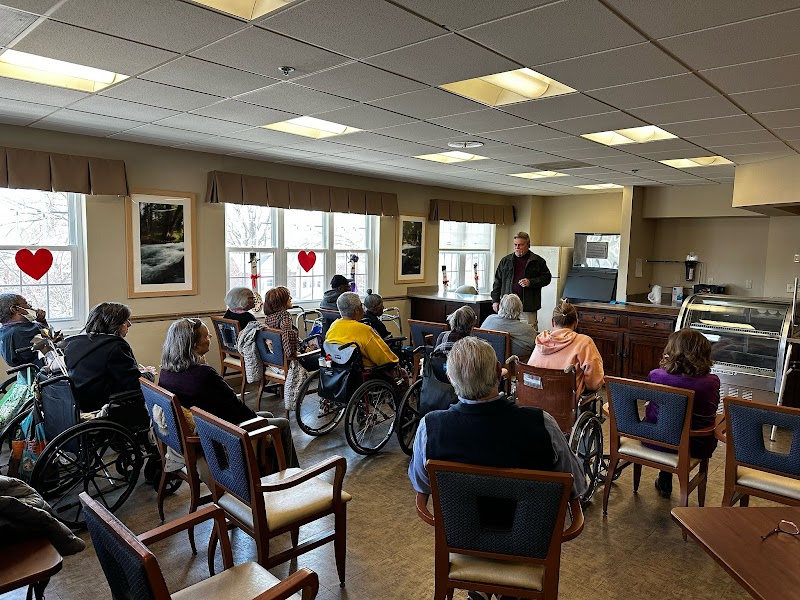
How Does Norriton Square Compare to Other Pennsylvania Nursing Homes?

Compared to the 100 nursing homes in Pennsylvania, NORRITON SQUARE NURSING AND REHABILITATION CENTER's overall rating (2 stars) is below the state average of 3.0, staff turnover (56%) is near the state average of 46%, and health inspection rating (2 stars) is below the national benchmark.

What Should Families Ask When Visiting Norriton Square?

Based on this facility's data, families visiting should ask: "What safeguards and monitoring systems are in place to protect residents from abuse or neglect?" "How do you ensure continuity of care given staff turnover, and what is your staff retention strategy?" "Can I visit during a mealtime to observe dining assistance and food quality?" "How do you handle medical emergencies, and what is your hospital transfer rate?" These questions are particularly relevant given the substantiated abuse finding on record and the facility's high staff turnover rate.

Is Norriton Square Safe?

Based on CMS inspection data, NORRITON SQUARE NURSING AND REHABILITATION CENTER has documented safety concerns. The facility has 1 substantiated abuse finding (meaning confirmed case of resident harm by staff or other residents). The facility has a 2-star overall rating and ranks #100 of 100 nursing homes in Pennsylvania. Families considering this facility should ask detailed questions about what corrective actions have been taken since these incidents.

Do Nurses at Norriton Square Stick Around?

Staff turnover at NORRITON SQUARE NURSING AND REHABILITATION CENTER is high. At 56%, the facility is 10 percentage points above the Pennsylvania average of 46%. High turnover means new staff may not know residents' individual needs, medications, or preferences. It can also be disorienting for residents, especially those with dementia who rely on familiar faces. Families should ask: What is causing the turnover? What retention programs are in place? How do you ensure care continuity during staff transitions?

Was Norriton Square Ever Fined?

NORRITON SQUARE NURSING AND REHABILITATION CENTER has no federal fines on record. CMS issues fines when nursing homes fail to meet care standards or don't correct problems found during inspections. The absence of fines suggests the facility has either maintained compliance or corrected any issues before penalties were assessed. This is a positive indicator, though families should still review recent inspection reports for the full picture.

Is Norriton Square on Any Federal Watch List?

NORRITON SQUARE NURSING AND REHABILITATION CENTER is not on any federal watch list. The most significant is the Special Focus Facility (SFF) program, which identifies the bottom 1% of nursing homes nationally based on persistent, serious quality problems. Not being on this list means the facility has avoided the pattern of deficiencies that triggers enhanced federal oversight. This is a positive indicator, though families should still review the facility's inspection history directly.