SETON MANOR NURSING AND REHABILITATION CENTER

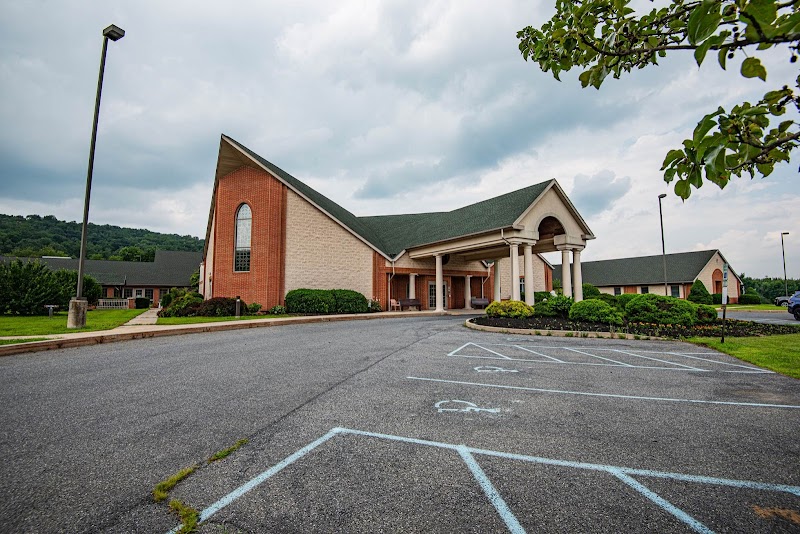
1000 SETON DRIVE, ORWIGSBURG, PA 17961 (570) 366-0400
For profit - Corporation 129 Beds IMPERIAL HEALTHCARE GROUP Data: November 2025
Trust Grade
63/100
#352 of 653 in PA
Last Inspection: March 2025

Within standard 12-15 month inspection cycle. Federal law requires annual inspections.

Overview

Seton Manor Nursing and Rehabilitation Center has received a Trust Grade of C+, indicating a decent standing that places it slightly above average among nursing homes. In Pennsylvania, it ranks #352 out of 653 facilities, putting it in the bottom half, and #8 out of 12 in Schuylkill County, meaning there are only a few local options that rank higher. The facility is showing improvement, as the number of issues identified has decreased from 7 in 2024 to 4 in 2025. Staffing is rated average with a 3/5 star score and a turnover rate of 40%, which is better than the state average of 46%, suggesting that staff members are generally stable and familiar with the residents. However, the center has faced concerns, including failure to provide a dignified environment for residents and issues with responding to call bells in a timely manner, which could impact resident safety and comfort.

Trust Score
C+
63/100
In Pennsylvania
#352/653
Bottom 47%
Safety Record
Low Risk
No red flags
Inspections
Getting Better
7 → 4 violations
Staff Stability
○ Average
40% turnover. Near Pennsylvania's 48% average. Typical for the industry.
Penalties
⚠ Watch
$3,168 in fines. Higher than 90% of Pennsylvania facilities, suggesting repeated compliance issues.
Skilled Nurses
⚠ Watch
Each resident gets only 29 minutes of Registered Nurse (RN) attention daily — below average for Pennsylvania. Fewer RN minutes means fewer trained eyes watching for problems.
Violations
⚠ Watch
14 deficiencies on record. Higher than average. Multiple issues found across inspections.
★★★☆☆
3.0
Overall Rating
★★★☆☆
3.0
Staff Levels
★☆☆☆☆
1.0
Care Quality
★★★★☆
4.0
Inspection Score
Stable
2024: 7 issues
2025: 4 issues

The Good

  • Full Sprinkler Coverage · Fire safety systems throughout facility
  • No fines on record
  • Staff turnover below average (40%)

    8 points below Pennsylvania average of 48%

Facility shows strength in fire safety.

The Bad

3-Star Overall Rating

Near Pennsylvania average (3.0)

Meets federal standards, typical of most facilities

Staff Turnover: 40%

Near Pennsylvania avg (46%)

Typical for the industry

Federal Fines: $3,168

Below median ($33,413)

Minor penalties assessed

Chain: IMPERIAL HEALTHCARE GROUP

Part of a multi-facility chain

Ask about local staffing decisions and management

The Ugly 14 deficiencies on record

Mar 2025 3 deficiencies
CONCERN (D)

Potential for Harm - no one hurt, but risky conditions existed

Deficiency F0558 (Tag F0558)

Could have caused harm · This affected 1 resident

Based on clinical record review and resident and staff interview, it was determined that the facility failed to ensure a call bell was accessible for one of 25 sampled residents. (Resident 96) Finding...

Read full inspector narrative →
Based on clinical record review and resident and staff interview, it was determined that the facility failed to ensure a call bell was accessible for one of 25 sampled residents. (Resident 96) Findings include: Clinical record review revealed that Resident 96 had diagnoses that included left hip fracture, Parkinson's disease (a movement disorder that affects the nervous system and causes tremors and stiffness of the body), and anxiety. Review of the Minimum Data Set (MDS) assessment, dated February 12, 2025, revealed Resident 96 was alert and oriented and dependent on staff for Activities of Daily Living (ADL's), including toileting, dressing, and personal hygiene. Review of the care plan revealed that Resident 96 was at risk for falls with an intervention for staff to check that the call bell was in reach before leaving the room. On March 5, 2025, at 9:36 a.m., Resident 96 was observed in bed with the call bell on the floor next to the bed, out of reach. In an interview at that time, Resident 96 stated that the call bell could not be reached and that he did not have it for the last three weeks. On March 6, 2025, at 9:45 a.m., Resident 96 was observed in bed with the call bell on the floor next to the bed in the same place as March 5, 2025, out of reach. CFR 483.10(e)(3) Reasonable Accommodation of Needs and Preferences. Previously cited 4/26/24 28 Pa. Code 211.12(d)(1)(5) Nursing services.
CONCERN (D)

Potential for Harm - no one hurt, but risky conditions existed

ADL Care (Tag F0677)

Could have caused harm · This affected 1 resident

Based on clinical record review, observation, and resident and staff interview, it was determined that the facility failed to provide services to maintain adequate grooming and hygiene for two of 25 s...

Read full inspector narrative →
Based on clinical record review, observation, and resident and staff interview, it was determined that the facility failed to provide services to maintain adequate grooming and hygiene for two of 25 sampled residents who required assistance with activities of daily living (ADLs). (Residents 42 and 96) Findings include: Clinical record review revealed that Resident 42 had diagnoses that included ambulatory dysfunction, muscle weakness, and osteoarthritis. Review of the care plan revealed that the resident required assistance from staff for ADLs. On March 4, 2025, at 12:30 p.m., the resident was observed eating his lunch in bed. His fingernails were long, pointy, and sharp. On March 6, at 12:40 p.m., the resident was observed sitting up in bed with his nails still uncut. In an interview at that time, Resident 42 stated he would like his nails cut, and staff has not offered to do them. There were no documented refusals. Clinical record review revealed that Resident 96 had diagnoses that included Parkinson's disease (a movement disorder that affects the nervous system and causes tremors and stiffness of the body). Review of the care plan revealed that the resident required assistance from staff for ADLs. On March 5, 2025, at 9:36 a.m., the resident was observed in bed. His fingernails on both hands were long, pointy, jagged, and had dirt underneath them. On March 6, at 9:30 a.m., the resident was observed sitting up in bed with his nails still uncut. In an interview at that time, Resident 96 stated he would like his nails cut, and would not refuse to have his nails cut. There were no documented refusals. In an interview on March 6, 2025, at 1:30 p.m., the Assistant Administrator confirmed that nail care is to be done on shower days as needed. 28 Pa. Code 211.12(d)(1)(5) Nursing services.
MINOR (C)

Minor Issue - procedural, no safety impact

Garbage Disposal (Tag F0814)

Minor procedural issue · This affected most or all residents

Based on observation, it was determined that the facility failed to dispose of trash and refuse properly. Findings include: Observation of the dumpster area on March 4, 2025, at 10:30 a.m., revealed o...

Read full inspector narrative →
Based on observation, it was determined that the facility failed to dispose of trash and refuse properly. Findings include: Observation of the dumpster area on March 4, 2025, at 10:30 a.m., revealed one of the lids on top of the dumpster was crooked and not covering the top. There were multiple pieces of crushed plastic and paper debris and used gloves around the outside of the dumpster. In front of the dumpster, there was an area with smashed carrots. There was a bag covered with a brown substance that was wedged below the dumpster and sticking out with gauze debris around it. Behind the dumpster, there was a large piece of meat that was covered with a white substance. 28 Pa Code 201.18(b)(3) Management.
Jan 2025 1 deficiency
CONCERN (D) 📢 Someone Reported This

A family member, employee, or ombudsman was alarmed enough to file a formal complaint

Potential for Harm - no one hurt, but risky conditions existed

Accident Prevention (Tag F0689)

Could have caused harm · This affected 1 resident

**NOTE- TERMS IN BRACKETS HAVE BEEN EDITED TO PROTECT CONFIDENTIALITY** Based on clinical record review, observation, and staff interview, it was determined that the facility failed to ensure that the...

Read full inspector narrative →
**NOTE- TERMS IN BRACKETS HAVE BEEN EDITED TO PROTECT CONFIDENTIALITY** Based on clinical record review, observation, and staff interview, it was determined that the facility failed to ensure that the environment was free of accident hazards on one of three nursing units, (Cloister nursing unit) and for one of three residents who were confused and ambulatory on the nursing unit. (Resident 1) Findings include: Clinical record review revealed that Resident 1 resided on the Cloister nursing unit which is a locked dementia unit. Resident 1 had diagnoses that included dementia with anxiety and behavioral disturbance, mental disorder and depression. The Minimum Data Set assessment dated [DATE], indicated that the resident had cognitive impairment and exhibited physical, verbal and other types of behaviors that included hitting and/or grabbing at least one to three times a week. A review of the care plan revealed that the resident was at risk of attempting to eat or drink non-edible or non-consumable items. Review of nursing documentation revealed that Resident 1 was independently ambulatory and frequently would ambulate in and out of other resident rooms. On January 23, 2025, at 2:47 p.m., a nurse noted that Resident 1 had ingested Derma/Vera, a skin and hair cleanser. Review of the facility investigation revealed that the resident had been found in the activity room and was observed with the Derm/Vera soap bottle up to her mouth with the lid off of the bottle. Observations on the Cloister nursing unit on January 28, 2025, from 10:45 a.m., through 11:15 a.m., revealed the following: In the bathroom of resident room [ROOM NUMBER], there was a bottle of Derma/Vera skin and hair cleanser on top of the bathroom sink on the counter and the door to the bathroom was open. Additionally in this room in the closet there was a basin on the floor with personal hygiene items. The items in the basin included a bottle of skin and hair cleanser, two bottles of moisturizing lotion, two tubes of per-guard, skin protectant,ointment, a bottle of medicated protective powder, one bottle of Derma-Septin ointment, and a small bottle of a bath and body fragrance spray. The closet door was open. In the bathroom of resident room [ROOM NUMBER], there was a can of hair spray and a bottle of foaming hand cleanser on top of the bathroom sink on the counter. The door to the bathroom was open. In the bathroom of room [ROOM NUMBER] there were three large bottles of moisturizing lotion and a tube of toothpaste. The door to this bathroom was open. During the observations between 10:45 a.m., and 11:15 a.m., Resident 1 was ambulating near the resident rooms that had the doors open. In an interview on January 28, 2025, at 12:10 p.m., the Director of Nursing and the Assistant Director of Nursing stated that all personal hygiene items were to be kept out of reach of confused residents. 28 Pa. Code 211.12(d)(1)(5) Nursing services.
Nov 2024 1 deficiency
CONCERN (D) 📢 Someone Reported This

A family member, employee, or ombudsman was alarmed enough to file a formal complaint

Potential for Harm - no one hurt, but risky conditions existed

Notification of Changes (Tag F0580)

Could have caused harm · This affected 1 resident

Based on facility policy review and clinical record review, it was determined that the facility failed to promptly notify a resident's physician of change in condition for one of four sampled resident...

Read full inspector narrative →
Based on facility policy review and clinical record review, it was determined that the facility failed to promptly notify a resident's physician of change in condition for one of four sampled residents. (Resident CR1) Findings include: A review of the facility policy entitled, Change in a Resident's Condition or Status, last reviewed December 27, 2023, revealed that staff were to promptly notify the physician if there was a change in medical condition. Clinical record review revealed that Resident CR1 had diagnoses that included heart failure, dementia, and atrial fibrillation (irregular heart rhythm). A physician's order dated October 26, 2024, directed staff to administer a medication, (Eliquis) two times a day to prevent blood-clots. On November 5, 2024, at 4:05 a.m., a nurse documented that Resident CR1 had fallen that morning at 3:10 a.m. The resident sustained a large hematoma (localized collection of clotted blood) with a lump to the right side of her forehead. According to the nurse's note at 4:10 a.m., the resident complained of pain and was medicated with Tylenol. There was no evidence to support that the physician was notified of the resident's fall and complaint of pain until 11:01 a.m. on November 5, 2024. The physician instructed staff to send the resident to the hospital for testing. The resident was transferred to the hospital at approximately 12:00 p.m. 28 Pa. Code 211.12(d)(1)(5) Nursing services. Previously cited 4/26/24
Apr 2024 6 deficiencies
CONCERN (D)

Potential for Harm - no one hurt, but risky conditions existed

Notification of Changes (Tag F0580)

Could have caused harm · This affected 1 resident

Based on clinical record review and staff interview, it was determined that the facility failed to notify the resident representative of a change in condition for one of 27 sampled residents. (Residen...

Read full inspector narrative →
Based on clinical record review and staff interview, it was determined that the facility failed to notify the resident representative of a change in condition for one of 27 sampled residents. (Resident 34) Findings include: Clinical record review revealed that Resident 34 had diagnoses that included diabetes, soft tissue disorders, and adjustment disorder with mixed anxiety and depressed mood. Review of the Minimum Data Set assessment, dated February 5, 2024, revealed the resident had cognitive impairment. Review of a nurse's note dated April 20, 2024, revealed that Resident 34's lower left leg was observed to be red and warm with new orders from the physician for doxycycline (antibiotic) and a venous doppler (ultrasound to evaluate blood flow). There was no documented evidence that the resident's representative was notified of the change in condition. In an interview on April 26, 2024, at 10:45 a.m., the Administrator confirmed that the resident's representative was not notified of the change in condition. 28 Pa. Code 211.12(d)(1)(5) Nursing services.
CONCERN (D)

Potential for Harm - no one hurt, but risky conditions existed

Comprehensive Care Plan (Tag F0656)

Could have caused harm · This affected 1 resident

Based on clinical record review and staff interview, it was determined that the facility failed to develop a comprehensive care plan that addressed individual resident needs as identified in the compr...

Read full inspector narrative →
Based on clinical record review and staff interview, it was determined that the facility failed to develop a comprehensive care plan that addressed individual resident needs as identified in the comprehensive assessment for one of 27 sampled residents. (Resident 45) Findings include: Clinical record review revealed that Resident 45 had diagnoses that included anxiety, bipolar disorder, and Parkinson's disease. The Minimum Data Set (MDS) assessment completed on August 1, 2023, indicated the resident had moderately severe depression. According to the Care Area Assessment summary from that assessment, the facility identified that mood state was a problem area for the resident and should have been included on the comprehensive care plan. Review of the care plan revealed that the facility did not develop interventions to address this care area. In an interview on April 26, 2024, at 11:33 a.m., the Director of Nursing confirmed that Resident 45's care plan did not include the area of potential concern identified in the comprehensive assessment. 28 Pa. Code 211.12(d)(5) Nursing services.
CONCERN (D)

Potential for Harm - no one hurt, but risky conditions existed

Pressure Ulcer Prevention (Tag F0686)

Could have caused harm · This affected 1 resident

**NOTE- TERMS IN BRACKETS HAVE BEEN EDITED TO PROTECT CONFIDENTIALITY** Based on facility policy review, clinical record review, and staff interview, it was determined that the facility failed to asse...

Read full inspector narrative →
**NOTE- TERMS IN BRACKETS HAVE BEEN EDITED TO PROTECT CONFIDENTIALITY** Based on facility policy review, clinical record review, and staff interview, it was determined that the facility failed to assess and document the status of wounds for one of four sampled residents with wounds. (Resident 28) Findings include: Review of the facility policy entitled, Skin Management Guidelines, last reviewed December 27, 2023, revealed that staff was to evaluate and document wound status weekly. Clinical record review revealed that Resident 28 was admitted to the facility on [DATE], with diagnoses that included a sacral pressure sore and congestive heart failure. Review of the Minimum Data Set assessment dated [DATE], revealed that Resident 28 had a Stage 3 pressure sore since admission to the facility. Review of the nursing notes revealed that the resident was being treated for a pressure sore to their sacrum. Review of Resident 28's skin and wound evaluation records revealed that there was no documented evidence that staff assessed the resident's wounds the weeks of January 28, 2024, February 11, 2024, February 25, 2024, and March 17, 2024. In an interview on April 26, 2024, at 11:54 a.m., the Director of Nursing confirmed that there was no documented evidence that Resident 28's wounds were assessed weekly per facility policy. 28 Pa Code 211.12(d)(1)(5) Nursing services.
CONCERN (D)

Potential for Harm - no one hurt, but risky conditions existed

Accident Prevention (Tag F0689)

Could have caused harm · This affected 1 resident

**NOTE- TERMS IN BRACKETS HAVE BEEN EDITED TO PROTECT CONFIDENTIALITY** Based on clinical record review and observation, it was determined that the facility failed to provide adequate supervision to p...

Read full inspector narrative →
**NOTE- TERMS IN BRACKETS HAVE BEEN EDITED TO PROTECT CONFIDENTIALITY** Based on clinical record review and observation, it was determined that the facility failed to provide adequate supervision to prevent accident/hazards on one of three nursing units. (Cloister unit) Findings include: Clinical record review revealed that Resident 9 had diagnoses that included dementia and Alzheimer's disease. Review of the Minimum Data Set (MDS) assessment dated [DATE], revealed that the resident was cognitively impaired and needed staff supervision with eating. Review of the resident's current care plan revealed that Resident 9 was on a restorative nursing program for dining and staff was to supervise and provide cueing. Observation on April 23, 2024, from 12:25 p.m. through 12:55 p.m., revealed Resident 9 eating in the dining room on the nursing unit. During this time Resident 9 was observed mixing straw wrappers, creamers, and salt and pepper packets in with her food. Resident 9 took her menu, straw wrapper, and spaghetti noodles and put them in her cup of coffee and proceeded to drink from the cup. At no time did staff redirect or assist the resident. At 1:05 p.m., Resident 9 was observed taking packets of condiments off of the counter in the dining room. From 1:07 p.m. through 1:16 p.m., Resident 9 was reaching in the sink touching and handling dirty dishes. Observation on April 24, 2024, at 12:32 p.m., revealed Resident 9 in the dining room eating lunch. Resident 9 was feeding herself with her spoon in her hand raised to her mouth. The spoon contained pieces of food and an intact packet of pepper. Staff did not intervene until made aware by the surveyor at that time. Clinical record review revealed that Resident 64 had diagnoses that included dementia and depression. Review of the resident's current care plan revealed that Resident 64 was on a restorative nursing program for dining and staff was to provide assistance as needed. On April 24, 2024, at 12:30 p.m., Residents 64 and 69 were eating lunch at a table in the dining room. Resident 64 was observed tearing a sugar packet in half and putting one half in her mouth including half the wrapper. At 12:40 p.m., Resident 64 took Resident 69's cake from her tray, put it in her lap, and ate it. Clinical record review revealed that Resident 117 had diagnoses that included dementia and anxiety. Review of the MDS assessment dated [DATE], revealed that the resident had severe cognitive impairment and ambulated independently on the nursing unit. On April 23, 2024, from 12:45 p.m. through 1:05 p.m., Resident 117 was observed collecting other residents' soiled clothing protectors. At no time did staff redirect the resident. CFR 483.25(d) Accidents. Previously cited 4/26/23 28 Pa. Code 211.12(d)(1)(5) Nursing services.
CONCERN (E) 📢 Someone Reported This

A family member, employee, or ombudsman was alarmed enough to file a formal complaint

Potential for Harm - no one hurt, but risky conditions existed

Resident Rights (Tag F0550)

Could have caused harm · This affected multiple residents

**NOTE- TERMS IN BRACKETS HAVE BEEN EDITED TO PROTECT CONFIDENTIALITY** Based on observation, clinical record review, and staff interview, it was determined that the facility failed to ensure that a d...

Read full inspector narrative →
**NOTE- TERMS IN BRACKETS HAVE BEEN EDITED TO PROTECT CONFIDENTIALITY** Based on observation, clinical record review, and staff interview, it was determined that the facility failed to ensure that a dignified environment, care, and services were provided to promote quality of life on three of three nursing units and in the dining room for four residents in one of three dining rooms. (Resident 1, 9, 64, 95) Findings include: Observation on the Cloister nursing unit on April 23 and 24, 2024, revealed a white board in the dining room displaying the date of April 20, 2024, and activities listed for that day. Observation on the Sub-Acute nursing unit on April 23 and 24, 2024, revealed the white boards in the residents' rooms displaying the date of April 20, 2024, and the staff listed for that day. Clinical record review revealed that Resident 1 had diagnoses that included dementia and depression. Review of Resident 1's current care plan revealed that the resident was on a restorative nursing program for dining and needed supervision and occasional assistance with meals. Observation on April 23, 2024, from 12:25 p.m. through 12:55 p.m., revealed Resident 1 in the dining room eating chicken parmesan with spaghetti noodles and Italian vegetables with his fingers. At no time did staff redirect or offer assistance to Resident 1. Clinical record review revealed that Resident 9 had diagnoses that included dementia and Alzheimer's disease. Review of the Minimum Data Set (MDS) assessment, dated February 9, 2024, revealed that the resident had cognitive impairment, and required supervision or touch assistance with eating. Review of the current care plan revealed that Resident 9 was on a restorative nursing program for dining and needed supervision and staff cueing. On April 23, 2024, from 12:25 p.m. through 12:55 p.m., Resident 9 was observed eating spaghetti noodles, chicken, and Italian vegetables with her fingers. At no time did staff redirect or offer assistance to Resident 9. Clinical record review revealed that Resident 64 had diagnoses that included dementia and depression. Review the resident's current care plan revealed that Resident 64 was on a restorative nursing program for dining and staff was to provide assistance as needed. Observation on April 23, 2024, from 12:25 p.m. through 12:55 p.m., revealed Resident 64 eating chicken parmesan with spaghetti noodles and Italian vegetables with her fingers. Observation on April 24, 2024, from 12:25 p.m. through 12:45 p.m., revealed Resident 64 eating chicken and vegetables with her fingers. At no time did staff redirect or offer assistance to Resident 64. Clinical record review revealed that Resident 95 had diagnoses that included cerebral infarction (stroke), Alzheimer's disease, and depression. The MDS assessment dated [DATE], indicated that the resident had cognitive impairment and required staff assistance for bathing. According to the task flowsheet, the resident was to receive a shower twice per week on Monday and Thursday. There was no documented evidence that Resident 95 was showered on February 8 or 22, 2024, March 25, 2024, April 15, 2024, or April 23, 2024. In an interview on April 26, 2024, at 11:41 a.m., the Director of Nursing confirmed there was no documented evidence that showers were given as scheduled. 28 Pa. Code 201.29 (a) Resident rights. 28 Pa. Code 211.12(d)(5) Nursing services.
CONCERN (E)

Potential for Harm - no one hurt, but risky conditions existed

Deficiency F0558 (Tag F0558)

Could have caused harm · This affected multiple residents

Based on clinical record review, observation, review of facility documentation, and staff and resident interview, it was determined that the facility failed to accommodate resident needs in a timely m...

Read full inspector narrative →
Based on clinical record review, observation, review of facility documentation, and staff and resident interview, it was determined that the facility failed to accommodate resident needs in a timely manner by responding to the call bell system for one of three nursing units. (Long Term Care unit) Findings include: Clinical record review revealed that Resident 76 had diagnoses that included paraplegia (paralysis), dysphagia (difficulty swallowing), anxiety, and depression. According to the Minimum Data Set assessment, dated May 16, 2024, the resident had no cognitive impairment. Review of the care plan revealed that the resident was at risk for falls and that staff was to keep the call bell within reach and encourage it's use because the resident needed prompt response to all requests for assistance. On April 23, 2024, at 10:30 a.m., the resident was observed in bed with the call bell activated. In an interview at 10:51 a.m., Resident 76 stated she had been waiting to get up for the day and no one answered her call bell. Resident 76 also stated at that time, that she often waits extended periods of time for someone to answer her call bell. During a group interview conducted on April 24, 2024, at 10:30 a.m., Residents 16, 30, 53, 54, 84, and 85 reported that they often wait a long time when they or others activate their call bell for assistance. Review of call bell audits revealed that for the week of April 1, 2024, 10 call bell audits were conducted. Eight of the call bell response times were between 31 and 54 minutes. Review of the call bell audits completed for the week of April 15, 2024, revealed that 10 of 10 call bell audits had response times between 35 and 64 minutes. In an interview on April 26, 2024, at 10:50 a.m., the Nursing Home Administrator and Director of Nursing stated that call bells were expected to be answered in a timely manner. 28 Pa. Code 211.12(d)(5) Nursing services.
Apr 2023 3 deficiencies
CONCERN (D)

Potential for Harm - no one hurt, but risky conditions existed

Deficiency F0604 (Tag F0604)

Could have caused harm · This affected 1 resident

**NOTE- TERMS IN BRACKETS HAVE BEEN EDITED TO PROTECT CONFIDENTIALITY** Based on clinical record review, facility policy review, and observation, it was determined that the facility failed to ensure t...

Read full inspector narrative →
**NOTE- TERMS IN BRACKETS HAVE BEEN EDITED TO PROTECT CONFIDENTIALITY** Based on clinical record review, facility policy review, and observation, it was determined that the facility failed to ensure that physician's orders were implemented in regards to the use of a physical restraint for one of one sampled resident who was physically restrained. (Resident 38) Findings include: Review of the facility policy entitled, Use of Restraints, last reviewed March 10, 2023, revealed that the opportunity for motion and exercise was to be provided every two hours when restraints were employed. Clinical record review revealed that Resident 38 had diagnoses that included Alzheimer's disease and dementia. Review of the Minimum Data Set assessment dated [DATE], revealed that the resident had memory impairment, required extensive assistance from staff for most activities of daily living, and used a restraint daily. On January 20, 2023, the physician ordered for staff to apply a Lap Buddy (a cushion device that prevents a resident from rising from a wheelchair) to Resident 38's wheelchair. Staff was to removed the restraint every two hours. Review of facility documentation revealed that there was no documented evidence that Resident 38's Lap Buddy was consistently removed every two hours as ordered on April 4, 5, 6, 8, 9, 12, 14, 16, 17, 18, 19, and 22, 2023. On April 23, 2023, from 10:30 a.m. through 1:15 p.m., and on April 24, 2023, from 11:00 a.m through 1:15 p.m. Resident 38 was observed with the Lap Buddy in place in the dining area on the nursing unit. At no time during these observations was Resident 38's restraint removed. On April 25, 2023, RN 1 asked the resident to remove the Lap Buddy from her wheelchair. Resident 38 could not remove the Lap Buddy from her wheelchair independently. The facility failed to consistently remove the resident's restraint as ordered by the physician and per facility policy. 28 Pa. Code 211.8(f) Use of Restraints.
CONCERN (D)

Potential for Harm - no one hurt, but risky conditions existed

Quality of Care (Tag F0684)

Could have caused harm · This affected 1 resident

Based on clinical record review and staff interview it was determined that the facility failed to follow physician's orders to monitor weights for one of 25 sampled residents. (Resident 104) Findings ...

Read full inspector narrative →
Based on clinical record review and staff interview it was determined that the facility failed to follow physician's orders to monitor weights for one of 25 sampled residents. (Resident 104) Findings include: Clinical record review revealed that Resident 104 had diagnoses that included congestive heart failure. On March 23, 2023, the physician ordered that staff weight the resident daily. Review of the weight record revealed that staff did not document the resident's weight on numerous days between March 24 and April 24, 2023. In an interview on 04/25/23 12:47 PM the Administrator confirmed that the resident was not weighed daily as ordered. 28 Pa. Code 211.12(d)(1)(5) Nursing services.
CONCERN (D)

Potential for Harm - no one hurt, but risky conditions existed

Accident Prevention (Tag F0689)

Could have caused harm · This affected 1 resident

**NOTE- TERMS IN BRACKETS HAVE BEEN EDITED TO PROTECT CONFIDENTIALITY** Based on clinical record review and staff interview, it was determined that the facility failed to provide interventions and ade...

Read full inspector narrative →
**NOTE- TERMS IN BRACKETS HAVE BEEN EDITED TO PROTECT CONFIDENTIALITY** Based on clinical record review and staff interview, it was determined that the facility failed to provide interventions and adequate supervision to prevent accidents for one of five sampled residents at risk for falls and/or injury. (Resident 38) Findings include: Clinical record review revealed that Resident 38 had diagnoses that included dementia and Alzheimer's disease. The Minimum Data Set assessment dated [DATE], indicated that the resident was cognitively impaired and required staff assistance with activities of daily living including bed mobility, transferring, and toileting. The care plan identified that the resident had alterations to her skin and an intervention was to use caution during transferring and bed mobility. On January 10, 2023, nursing documentation indicated that Resident 38 obtained a skin tear on her second digit on her right hand during a transfer from a reclining chair to her merry walker. Review of the incident report revealed that her finger was pinched when staff was connecting the merry walker together. On February 12, 2023, nursing documentation indicated that Resident 38 obtained a skin tear to her right elbow. Review of the incident report revealed that the skin tear was obtained when staff removed her wheelchair cushion. On February 28, 2023, nursing documentation indicated that Resident 38 obtained a skin tear to her knee when staff was transferring her to her wheelchair. Review of the incident reported revealed that the resident's knee was bumped on the wheelchair. On March 10, 2023, a nurse documented that Resident 38 obtained a skin tear during a transfer from a comfort chair to her wheelchair by staff. On April 24, 2023, a nurse documented that the resident received a skin tear when staff was transferring her from her wheelchair to the toilet. Review of the incident report revealed that Resident 38's leg was bumped on the wheelchair. There was no documentation to support that the facility reviewed and provided adequate interventions to prevent skin tears during transfers for Resident 38 until April 24, 2023, when all staff on the unit were educated. In an interview on April 26, 2023, at 10:50 a.m. the Nursing Home Administrator confirmed there was no documented evidence that all staff were educated regarding safe transfers prior to April 24, 2023. Further review of Resident 38's care plan revealed that she had a history of multiple falls and an intervention was for staff to apply a chair alarm. On April 8, 2023, a nurse documented that the resident fell from her chair in the dining room. Review of the incident report revealed that the resident was often restless and that staff had failed to apply the chair alarm to Resident 38's chair prior to the fall. CFR. 483.25(d)(2) Accidents. Previously cited 4/8/22 28 Pa. Code 211.12(d)(1)(5) Nursing services.
Understanding Severity Codes (click to expand)
Life-Threatening (Immediate Jeopardy)
J - Isolated K - Pattern L - Widespread
Actual Harm
G - Isolated H - Pattern I - Widespread
Potential for Harm
D - Isolated E - Pattern F - Widespread
No Harm (Minor)
A - Isolated B - Pattern C - Widespread

Questions to Ask on Your Visit

  • "Can I speak with families of current residents?"
  • "What's your RN coverage like on weekends and overnight?"

Our Honest Assessment

Strengths
  • • No major safety red flags. No abuse findings, life-threatening violations, or SFF status.
  • • $3,168 in fines. Lower than most Pennsylvania facilities. Relatively clean record.
  • • 40% turnover. Below Pennsylvania's 48% average. Good staff retention means consistent care.
Concerns
  • • 14 deficiencies on record. Higher than average. Multiple issues found across inspections.
Bottom line: Mixed indicators with Trust Score of 63/100. Visit in person and ask pointed questions.

About This Facility

What is Seton Manor's CMS Rating?

CMS assigns SETON MANOR NURSING AND REHABILITATION CENTER an overall rating of 3 out of 5 stars, which is considered average nationally. Within Pennsylvania, this rating places the facility higher than 0% of the state's 100 nursing homes. This mid-range rating indicates the facility meets federal standards but may have areas for improvement.
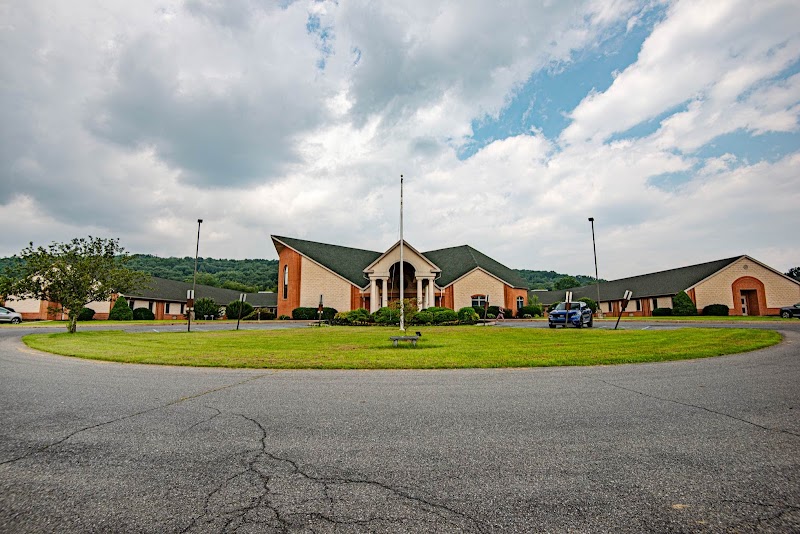
How is Seton Manor Staffed?

CMS rates SETON MANOR NURSING AND REHABILITATION CENTER's staffing level at 3 out of 5 stars, which is average compared to other nursing homes. Staff turnover is 40%, compared to the Pennsylvania average of 46%. This relatively stable workforce can support continuity of care.

What Have Inspectors Found at Seton Manor?

State health inspectors documented 14 deficiencies at SETON MANOR NURSING AND REHABILITATION CENTER during 2023 to 2025. These included: 13 with potential for harm and 1 minor or isolated issues.
Who Owns and Operates Seton Manor?

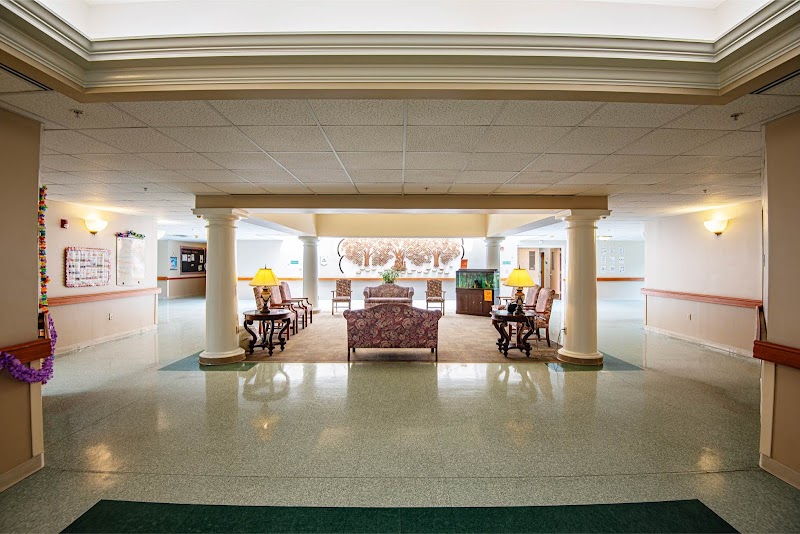
SETON MANOR NURSING AND REHABILITATION CENTER is owned by a for-profit company. For-profit facilities operate as businesses with obligations to shareholders or private owners. The facility is operated by IMPERIAL HEALTHCARE GROUP, a chain that manages multiple nursing homes. With 129 certified beds and approximately 120 residents (about 93% occupancy), it is a mid-sized facility located in ORWIGSBURG, Pennsylvania.
How Does Seton Manor Compare to Other Pennsylvania Nursing Homes?

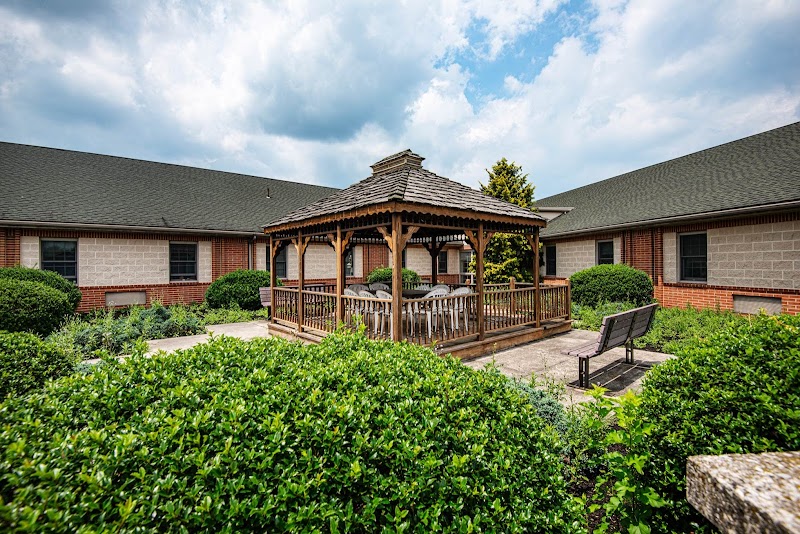
Compared to the 100 nursing homes in Pennsylvania, SETON MANOR NURSING AND REHABILITATION CENTER's overall rating (3 stars) matches the state average, staff turnover (40%) is near the state average of 46%, and health inspection rating (4 stars) is above the national benchmark.

What Should Families Ask When Visiting Seton Manor?

Based on this facility's data, families visiting should ask: "Can I visit during a mealtime to observe dining assistance and food quality?" "How do you handle medical emergencies, and what is your hospital transfer rate?" "Can I speak with family members of current residents about their experience?"

Is Seton Manor Safe?

Based on CMS inspection data, SETON MANOR NURSING AND REHABILITATION CENTER has a clean safety record: no substantiated abuse findings (meaning no confirmed cases of resident harm), no Immediate Jeopardy citations (the most serious violation level indicating risk of serious injury or death), and is not on the Special Focus Facility watch list (a federal program monitoring the lowest-performing 1% of nursing homes). The facility has a 3-star overall rating and ranks #1 of 100 nursing homes in Pennsylvania. While no facility is perfect, families should still ask about staff-to-resident ratios and recent inspection results during their visit.

Do Nurses at Seton Manor Stick Around?

SETON MANOR NURSING AND REHABILITATION CENTER has a staff turnover rate of 40%, which is about average for Pennsylvania nursing homes (state average: 46%). Moderate turnover is common in nursing homes, but families should still ask about staff tenure and how the facility maintains care continuity when employees leave.

Was Seton Manor Ever Fined?

SETON MANOR NURSING AND REHABILITATION CENTER has been fined $3,168 across 1 penalty action. This is below the Pennsylvania average of $33,111. While any fine indicates a compliance issue, fines under $50,000 are relatively common and typically reflect isolated problems that were subsequently corrected. Families should ask what specific issues led to these fines and confirm they've been resolved.

Is Seton Manor on Any Federal Watch List?

SETON MANOR NURSING AND REHABILITATION CENTER is not on any federal watch list. The most significant is the Special Focus Facility (SFF) program, which identifies the bottom 1% of nursing homes nationally based on persistent, serious quality problems. Not being on this list means the facility has avoided the pattern of deficiencies that triggers enhanced federal oversight. This is a positive indicator, though families should still review the facility's inspection history directly.