ACCELA REHAB AND CARE CENTER AT SOMERTON
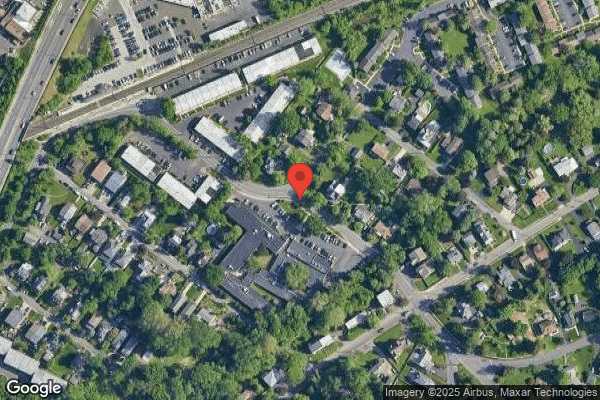

650 EDISON AVENUE, PHILADELPHIA, PA 19116 (215) 673-5700
For profit - Limited Liability company 225 Beds ACCELA HEALTHCARE Data: November 2025
Trust Grade
35/100
#520 of 653 in PA
Last Inspection: March 2025

Within standard 12-15 month inspection cycle. Federal law requires annual inspections.

Overview

Accela Rehab and Care Center at Somerton has received a Trust Grade of F, which indicates significant concerns about the quality of care provided. With a state ranking of #520 out of 653 in Pennsylvania, they are in the bottom half of facilities, and #38 out of 46 in Philadelphia County means that there are only a few local options that perform worse. Although the facility is showing improvement-reducing issues from 19 in 2024 to 13 in 2025-there are still serious concerns about staffing, with a rating of 1 out of 5 stars and a high turnover rate of 60%, which is above the state average. While the facility has not incurred any fines, they fall short in RN coverage, ranking worse than 99% of Pennsylvania facilities, which means residents may not receive the comprehensive oversight they need. Specific inspector findings revealed issues such as improper food storage and cleanliness in the kitchen, and failures to ensure sufficient nursing staff for residents, indicating a need for improvement in both safety and care standards.

Trust Score
F
35/100
In Pennsylvania
#520/653
Bottom 21%
Safety Record
Low Risk
No red flags
Inspections
Getting Better
19 → 13 violations
Staff Stability
⚠ Watch
60% turnover. Above average. Higher turnover means staff may not know residents' routines.
Penalties
✓ Good
No fines on record. Clean compliance history, better than most Pennsylvania facilities.
Skilled Nurses
⚠ Watch
Each resident gets only 15 minutes of Registered Nurse (RN) attention daily — below average for Pennsylvania. Fewer RN minutes means fewer trained eyes watching for problems.
Violations
⚠ Watch
55 deficiencies on record. Higher than average. Multiple issues found across inspections.
★☆☆☆☆
1.0
Overall Rating
★☆☆☆☆
1.0
Staff Levels
☆☆☆☆☆
0.0
Care Quality
★★☆☆☆
2.0
Inspection Score
Stable
2024: 19 issues
2025: 13 issues

The Good

  • Full Sprinkler Coverage · Fire safety systems throughout facility
  • No fines on record

Facility shows strength in fire safety.

The Bad

1-Star Overall Rating

Below Pennsylvania average (3.0)

Significant quality concerns identified by CMS

Staff Turnover: 60%

14pts above Pennsylvania avg (46%)

Frequent staff changes - ask about care continuity

Chain: ACCELA HEALTHCARE

Part of a multi-facility chain

Ask about local staffing decisions and management

Staff turnover is elevated (60%)

12 points above Pennsylvania average of 48%

The Ugly 55 deficiencies on record

Jul 2025 1 deficiency
CONCERN (D) 📢 Someone Reported This

A family member, employee, or ombudsman was alarmed enough to file a formal complaint

Potential for Harm - no one hurt, but risky conditions existed

Deficiency F0760 (Tag F0760)

Could have caused harm · This affected 1 resident

**NOTE- TERMS IN BRACKETS HAVE BEEN EDITED TO PROTECT CONFIDENTIALITY** Based on clinical record review, and interviews with staff, it was determined that the facility failed to ensure that a resident...

Read full inspector narrative →
**NOTE- TERMS IN BRACKETS HAVE BEEN EDITED TO PROTECT CONFIDENTIALITY** Based on clinical record review, and interviews with staff, it was determined that the facility failed to ensure that a resident was free of significant medication error related to the administration of antihypertensive medication outside of parameters ordered by the physician for one of 5 residents reviewed (Resident R1). Findings include: Review of clinical record for Resident R16 revealed that the resident was admitted to the facility on [DATE], with diagnosis including heart failure (Heart failure can occur if the heart cannot pump or fill adequately. Symptoms include shortness of breath, fatigue, swollen legs, and rapid heartbeat) and primary hypertension (also known as high blood pressure, is a condition where the force of blood against artery walls is consistently too). Review of physician order for Resident R1 dated March 10, 2025, revealed an order for Carvedilol (A medication that can treat hypertension) tablet 6.25 milligrams (mg), give 6.25 mg by mouth for hypertension; hold for heart rate less than 60 or systolic blood pressure less than 110. Review of Resident R1's medication administration record for the month of April 2025, revealed the medication administration for Carvedilol as follows:On April 1, 2025, systolic blood pressure was 92 (BP-92/60) and the medication was documented as administered at 5:30 p.m. On April 2, 2025, systolic blood pressure was 108 (BP-108/66) and the medication was documented as administered at 8:30 a.m. On April 2, 2025, systolic blood pressure was 85 (BP-92/60) and the medication was documented as administered at 5:30 p.m. Review of clinical record for Resident R1 did not reveal any documentation for holding the medication on the above dates as ordered by the physician. During an interview with Director of Nursing, Employee E2, on July 3, 2025, at 11:54 a.m., confirmed that the blood pressure medication, Carvedilol was given when the blood pressure was significantly low which should have held as ordered by the physician. Director of Nursing also confirmed that giving hypertensive medication when resident's blood pressure is low could have serious effect on resident's health. 28 Pa. Code 211.12(d)(1) Nursing services28 Pa. Code 211.12(d)(5) Nursing services
May 2025 1 deficiency
CONCERN (D) 📢 Someone Reported This

A family member, employee, or ombudsman was alarmed enough to file a formal complaint

Potential for Harm - no one hurt, but risky conditions existed

Medical Records (Tag F0842)

Could have caused harm · This affected 1 resident

Based on review of clinical records, facility policy, and interviews with staff, it was determined that the facility failed to maintain clinical records that were complete and accurately documented fo...

Read full inspector narrative →
Based on review of clinical records, facility policy, and interviews with staff, it was determined that the facility failed to maintain clinical records that were complete and accurately documented for one of four residents reviewed (Resident R1). Findings include: Facility policy titled Advance Directives, revised 2016, revealed upon admission the resident will be provided with written information concerning the right to refuse or accept medical or surgical treatment and to formulate an advance directive if he or she chooses to do so. If the resident is incapacitated and unable to receive information about his or her right to formulate an advance directive, the information may be provided the resident's legal representative. The facility will conduct ongoing review of the resident's decision-making capacity and communicate significant changes to the resident's legal representative. Clinical record review revealed Resident R1 was admitted to the facility December 14, 2020 with a diagnosis of malignant neoplasm of brain (cancerous tumors), chronic obstructive pulmonary disease (lung disease causing restricted airflow and breathing problems), and chronic kidney disease (affects ability to filter waste from blood). Review of Resident R1's Minimum Data Set (MDS- mandated assessment of a resident's abilities and care needs), dated February 24, 2025, revealed Resident R1 had a Brief Interview for Mental Status (BIMS) score of 14, indicating intact cognition. Review of Resident R1's clinical record revealed Resident R1's code status was changed from full code (receive life sustaining measure) to do not resuscitate (DNR) on March 04, 2025. Review of Resident R1's Pennsylvania Orders for Life Sustaining Treatment form (POLST- medical order that documents a patient's preferences for life sustaining treatment) revealed Resident R1's form was updated to DNR on March 04, 2025 and signed by Resident R1's family member. Clinical record review revealed Resident R1 was own responsible party and did not have a legal representative. Interview on May 29, 2025 at 11:25 a.m. with Unit Manager, Employee E1, revealed Resident R1 previously did not want family involved in plan of care, but recently agreed to have family member updated on status. Resident R1 also verbally agreed to have family member sign documentation on his/her behalf. Review Resident R1's nutrition follow up progress note, dated March 04, 2025, stated Resident continues to have poor PO (by mouth) intake and exhibits a poor nutrition prognosis despite multiple interventions. Family member updated on resident's prognosis and current plan of care. Enteral feeding consult for possible PEG placement discussion refused per resident. At this time resident would benefit from PEG placement consult or hospice/palliative if PEG refused. Family member only opting for code change. Review of unit manager progress note, dated March 04, 2025, stated Resident's family member in facility to speak with unit manager and nurse practitioner related to resident's recent health decline. At this time resident's family member wishes to change resident's code status from full code to DNR. POLST form updated and verified with nurse practitioner. Further review of Resident R1's progress notes revealed no indication that Resident R1 agreed with code status change or agreed to have family member sign documentations on his/ her behalf. Interview on May 29, 2025 at 11:45 a.m. with Nurse Practitioner, Employee E2, revealed he/she did observe Resident R1 nod head and agree with change of code status. Nurse Practitioner, Employee E2, confirmed Resident R1's agreement to code status change and agreement for family member to sign documentation should be documented in Resident R1's clinical record. 28 Pa. Code 211.5(f) Clinical Records. 28 Pa. Code 211.12(d)(5) Nursing Services.
Mar 2025 11 deficiencies
CONCERN (D)

Potential for Harm - no one hurt, but risky conditions existed

Deficiency F0583 (Tag F0583)

Could have caused harm · This affected 1 resident

**NOTE- TERMS IN BRACKETS HAVE BEEN EDITED TO PROTECT CONFIDENTIALITY** Based on review of facility policy, observation, clinical record review and interview with staff/residents/family, it was determ...

Read full inspector narrative →
**NOTE- TERMS IN BRACKETS HAVE BEEN EDITED TO PROTECT CONFIDENTIALITY** Based on review of facility policy, observation, clinical record review and interview with staff/residents/family, it was determined that the facility did not ensure that privacy and confidentiality of person medical information was maintained for six of six residents reviewed (Residents R4, R122, R128, R131, R171, and R199). Findings include: Observations of the D unit conducted on March 12, 2025 at 12:30 p.m. revealed that a schedule of resident appointments for the day on the desk of the nurse's station in view of the public. Included on the schedule were the following appointments: [Resident R4] [room number] (GASTRO) PU [pick up]: 10AM, APPT: 11AM . [Resident R122] [room number] (DIALYSIS) IF READMITS 3/11/2025 [Resident R128] [room number] (EYE MEASUREMENTS) PU: 7AM APPT: 9AM . [Resident R131] [room number] (NEUROLOGY) PU: 7:30AM APPT: 9AM . [Resident R171] [room number] (DIALYSIS) [Resident R199] [room number] (METHADONE) PU: 7AM . Also included were the staff escorts for Residents R131, R128, and R199, the addresses of the locations of the appointments for Residents R4, R128, and R131, and what transportation company or other arrangements had been made to transport Residents R4, R128, R131, and R199. In an interview on March 12, 2025, at 1:00 p.m. Nurse aide, Employee E11, confirmed that resident schedules are routinely kept in plastic frame on top of the nurse's station in view of visitors and other residents. Interview with the Nursing Home Administrator on March 13, 2025, at 2:30 p.m. confirmed that this practice did not meet the expectations of privacy and confidentiality of residents' protected health information. 28 Pa. Code 201.29(i)Resident Rights 28 Pa. Code 211.12(d)(3) Nursing Services
CONCERN (D)

Potential for Harm - no one hurt, but risky conditions existed

Deficiency F0602 (Tag F0602)

Could have caused harm · This affected 1 resident

**NOTE- TERMS IN BRACKETS HAVE BEEN EDITED TO PROTECT CONFIDENTIALITY** Based on review of facility policy, review of clinical records and staff interview, it was determined that the facility did not ...

Read full inspector narrative →
**NOTE- TERMS IN BRACKETS HAVE BEEN EDITED TO PROTECT CONFIDENTIALITY** Based on review of facility policy, review of clinical records and staff interview, it was determined that the facility did not ensure that residents were free of misappropriation of resident property related to diversion of a narcotic medication for one of three residents reviewed who were prescribed narcotic medications. (Resident R416) Findings include: Review of Resident R416's clinical record revealed that Resident R416 was admitted to the facility on [DATE] with diagnoses of but not limited to Sepsis, Cellulitis of the Lower Limb, Anxiety Disorder Review of Resident R416's physician's orders revealed an order for Oxycodone Acetaminophen Oral Tablet 5-325 MG (Oxycodone w/ Acetaminophen) give 1 tablet by mouth every 6 hours as needed for Moderate - Severe Pain -Start Date-06/13/2024 with a discontinued date of 06/28/2024 Review of facility investigation on Resident R416's missing Oxycodone Acetaminophen Oral Tablet 5-325 MG (Oxycodone w/ Acetaminophen) revealed that Resident R416 was missing 28 tablets of Oxycodone Acetaminophen Oral Tablet 5-325 MG on June 10, 2024. Further, the facility was not able to account for the missing 28 tablets of Oxycodone Acetaminophen Oral Tablet 5-325 MG. Review of a xerox copy of Resident R416's Narcotic Accountability record revealed a number 180 on the upper right-hand corner of the page. Further the page had Resident R416's name and Oxycodone 5/APAP 5-325 1 tab. Q (every) 6 hours for pain handwritten on it. Further, the column for date and the column for time was not visible in the copy. Further review of the xerox copy of Resident R416's Narcotic Accountability for Oxycodone Acetaminophen Oral Tablet 5-325 MG record revealed that the first line of the page did not have a date. Further under column quantity remaining was an entry of 30 tablets. Further, the column for Nurse's Signature had a signature that was not legible. The second line had a written notation of 2 wasted with an entry of 28 under the column Quantity Remaining. Further, the column for Nurse's Signature had a signature that was not legible. The third line had an entry of 1 under column Quantity on hand and a line and a word ERROR written next to it. Column Quantity Remaining was left blank (no entry). Further the page had a line written diagonally across with a notation page 154 Review of a copy of a page of the Narcotic Accountability book with Resident R416 and Diazepam 1-tab po BID (twice a day) handwritten on it revealed that the copy did not have the page number on it. Interview with Director of Nursing (DON) Employee E2 conducted on March 11, 2025, at 11:15 AM revealed that the page that has Resident R416 and Diazepam 1 tab po BID hand written on it was page 154. Further interview with DON Employee E2 revealed that the Narcotic book which contained the original record of the missing Oxycodone Acetaminophen Oral Tablet 5-325 MG, and which also contained the record signatures of the licensed nurses attesting that the narcotics were being accounted for between shifts had probably been discarded no longer available for review. However, Employee E2 confirmed that on June 9, 2024, during the 3-11 shift was when the last documented evidence that the Oxycodone Acetaminophen Oral Tablet 5-325 MG was accounted for. Review of written statement from 3-11shift Licensed nurse, Employee E12 dated June 13, 2024, revealed that on June 9, 2024, Employee E12 received 30 Oxycodone Acetaminophen Oral Tablet 5-325 MG from Employee E14. Further, Employee E12's written statement revealed that he wasted 2 Oxycodone Acetaminophen Oral Tablet 5-325 MG with Employee E14, with 28 tablets remaining. Review of Employee E14's written statement dated June 10, 2024, revealed that on June 10, 2024, during the 7-3 shift, Employee E14 counted the narcotics, and count was correct (28 tabs), at 8 am 6.10.24- resident 416 asked for Percocet. Percocet was missing, supervisor informed. Further interview with DON Employee E2 conducted on 03/11/25 11:15 AM confirmed that it was discovered that 28 tablets of Oxycodone Acetaminophen Oral Tablet 5-325 MG were missing during the 7-11 shift on June 10, 2024. Further, DON Employee E2, confirmed that on June 9, 2024, the 7-3 and the 3-11 nurse did not count the Oxycodone Acetaminophen Oral Tablet 5-325 MG together, Further, DON Employee E2 also confirmed that the 3-11 nurse and the 11-7 nurse did not count the Oxycodone Acetaminophen Oral Tablet 5-325 MG between shifts on June 9, 2024. Further DON also revealed that the 11-7 nurse and the 7-11 nurse did not count the Oxycodone Acetaminophen Oral Tablet 5-325 MG between shifts on June 10, 2024, Further interview with Employee E2 confirmed that on June 9, 2024, during the 3-11 shift was when the last documented evidence that the Oxycodone Acetaminophen Oral Tablet 5-325 MG was accounted for. Further interview with Employee E2 revealed that all licensed nurse must count the narcotics together between shifts. Further Employee E2 confirmed that the nurses did not follow facility policy regarding the accounting of narcotics. Random review of Resident R416's narcotic accountability record revealed that on June 6, 2024, there was a documented evidence that 1 tab of Oxycodone Acetaminophen Oral Tablet 5-325 was pulled but review of MAR (medication administration record) revealed no documented evidence that the Oxycodone Acetaminophen Oral Tablet 5-325 was administered to Resident R416. Further, on June 2, 2024, there was a documented evidence that 1 tab of Oxycodone Acetaminophen Oral Tablet 5-325 was pulled but review of Resident R416's MAR revealed no documented evidence that the Oxycodone Acetaminophen Oral Tablet 5-325 was administered to Resident R416. 28 Pa. Code 201.14(a)(b) Responsibility of licensee 28 Pa. Code 201.18(b)(1)(2)(3) Management 28 Pa. Code 201.29(a) Resident rights
CONCERN (D)

Potential for Harm - no one hurt, but risky conditions existed

Quality of Care (Tag F0684)

Could have caused harm · This affected 1 resident

**NOTE- TERMS IN BRACKETS HAVE BEEN EDITED TO PROTECT CONFIDENTIALITY** Based on review of clinical records, facility documentation, and resident and staff interviews, it was determined that the facil...

Read full inspector narrative →
**NOTE- TERMS IN BRACKETS HAVE BEEN EDITED TO PROTECT CONFIDENTIALITY** Based on review of clinical records, facility documentation, and resident and staff interviews, it was determined that the facility failed to provide care and services in accordance with professional standards when the facility failed to ensure vital signs were obtained and hypoglycemic protocols were implemented in accordance with physcian orders for three of 35 resident records reviewed (Residents R28, R65, and R123). Findings include: Clinical record review revealed Resident R28 was admitted to the facility January 18, 2023 with a diagnosis that included but not limited to chronic kidney disease (condition where kidneys are damaged and can't filter blood properly), hypertension (high blood pressure), and peripheral vascular disease (progressive disorder that causes narrowing or blocking of the blood vessels outside the heart). Review of Resident R28's physician orders, dated February 26, 2025, revealed vital signs (blood pressure, temperature, pulse, respirations, oxygen saturation, and pain level) are to be obtained every evening shift on Tuesday, Thursday, and Saturday. Interview on March 11, 2025 at 9:35 a.m. with Resident R28 revealed Resident R23 does not recall staff obtaining his/her vitals signs every Tuesday, Thursday, and Saturday. Review of Resident R28's medication administration record (MAR) revealed from March 1, 2025 through March 10, 2025 no vital signs were documented in Resident R23's clinical record. Interview on March 11, 2025 at 9:57 a.m. with Unit Manager, Employee E10, confirmed Resident R28 did not have vitals signs documented in his/her clinical record, which indicated that vital signs were not obtained as ordered by physician. Resident R65 was admitted to the facility on [DATE] with the diagnosis of diabetes (the body does not produce enough insulin or does not use it effectively) with physcian orders for hypoglcemia (blood sugars below 70), Glucose Gel 40% Give 1 dose by mouth as needed for Low BS (blood sugar) < (less than)70 symptomatic or asymptomatic but conscious and able to swallow repeat BS (blood sugar) in 10- 15 mins. If BS is still < 70 administer again if no improvement notify MD (physician), hold all diabetic meds, including insulin and oral meds. Administer rapidly absorbed card per order. If mealtime, have patient eat meal. Repeat BS in 10-15 mins; if above 70, or ordered parameter, give diabetic meds. If below 70, repeat juice and BS measurement x1. If no improvement, notify MD. Obtain specific follow up orders regarding diabetic meds and glucose monitoring. Follow with meal or snack within 1 hour as needed for hypoglycemia. Hypoglycemia Protocol: extremely drowsy and unable to swallow perform BS if below 70 or per low parameter, immediately Administer Glucagon per Glucagon order. Remain with patient and monitor VS. Hold all diabetic meds, insulin and oral meds. As patient responds and is able to swallow, provide meal/snack of protein and starch. Notify MD to follow up orders regarding diabetic meds and BS monitoring as needed for Hypoglycemia. Review of nursing progress note on January 25, 2025, indicated Resident' R65's insulin was held due to blood sugar of 65, the resident was asymptomatic and refused juice when offered. No further evidence of monitoring and/or physician notification was documented. Review of nursing progress note on January 20, 2025, indicated Resident R65's blood sugar was 60 and no further evidence of interventions or monitoring and/or physician notification was documented. Review of Resident R65 medication administration report on September 24, 2024, at 12:00 p.m., documented the insulin was held due to resident's blood sugar of 67. No further evidence of nursing interventions or monitoring and/or physician notification was documented. Review of Resident R65 medication administration report on September 20, 2024, at 5:00 p.m., documented the insulin was held due to resident's blood sugar of 67. No further evidence of nursing interventions or monitoring and/or physician notification was documented. Interview with the Director of Nursing on March 12, 2025, at 3:17 p.m. stated if a resident has a blood sugar lower than 70 follow the hypoglycemic protocol and call the physician. Resident R123 was admitted to the facility diagnosed diabetes with physician orders stating when the resident's blood sugar is below 70 nursing is to notify the physician to obtain further orders and to continue monitoring the resident. Review of Resident R123's clinical record revealed on January 18, 2025 revealed low blood sugar level of 51 at 5:15 p.m. and 46 at 9:42 p.m. (guidelines may consider any value around 50 mg/dL or lower to be severe. When blood sugar levels become too low, a person is at risk of losing consciousness, having a seizure, and falling into a coma). Continue review of Resident R123 clinical record revealed no evidence of nursing interventions nor evidence the physician was notified during Resident R123 hypoglycemic event. This was confirmed with the Director of Nursing on March 13, 2025 at 11:00 a.m. 28 Pa. Code 211.12(d)(1)(5) Nursing services.
CONCERN (D)

Potential for Harm - no one hurt, but risky conditions existed

Respiratory Care (Tag F0695)

Could have caused harm · This affected 1 resident

**NOTE- TERMS IN BRACKETS HAVE BEEN EDITED TO PROTECT CONFIDENTIALITY** Based on review of clinical records, facility policy, observations, and staff interviews, it was determined that the facility fa...

Read full inspector narrative →
**NOTE- TERMS IN BRACKETS HAVE BEEN EDITED TO PROTECT CONFIDENTIALITY** Based on review of clinical records, facility policy, observations, and staff interviews, it was determined that the facility failed to provide appropriate respiratory care related to oxygen therapy for two of three residents reviewed receiving oxygen therapy. (Resident R85, R99) Findings include: Review of the facility policy titled Oxygen Administration, revised October 2010, revealed the purpose of this procedure is to provide guidelines for safe oxygen administration. Under section preparation, verify that there is a physician's order for this procedure. Review the physician's order or facility protocol for oxygen administration. Assemble the equipment and supplies as needed. Clinical record review revealed Resident R85 was admitted to the facility January 15, 2025 with a diagnoses that included but not limited to heart failure, chronic respiratory failure, and bronchiectasis (condition in which airways of the lungs remain permanently damaged and widened due to persistent infection). Review of Resident R85's physician orders, dated February 27, 2025, revealed an order for oxygen tubing to be checked and changed weekly and prn (as needed). Further directions of the physician order was to date the oxygen tubing and as needed. Observation on March 12, 2025 at 9:50 a.m. revealed Resident R85 receiving 2 liters of oxygen therapy via nasal cannula. Further observation revealed Resident R85's oxygen tubing was not dated. Interview on March 12, 2025 at 9:55 a.m. with Employee E13, Registered Nurse, confirmed Resident R85's oxygen tubing was note dated and should have been labeled with a date per physician order and facility policy. Review of Resident R99's clinical record revealed that Resident R99 was admitted to the facility on [DATE] with diagnoses of but not limited to Traumatic Brain injury and Acute Respiratory Failure. Review of Resident R99's Physician Order dated March 6, 2025 at 21:06, revealed order for Trach (Tracheostomy tube) Care: 02 (oxygen) concentrator (medical device to help you breathe) set to 6 liters per minute. Check every shift. Check every shift for SOB (shortness of breath). Review of Resident R99's care plan revised on September 15, 2024, revealed Resident 99 has tracheostomy, oxygen settings at 6 liters via trach. Review of Resident R99's Treatment Administration Record revealed staff signing that resident is receiving oxygen at 6 Liters per minute from March 6, 2025 at 11:00 PM through March 10, 2025, all shifts. Observation of Resident R99's room on March 10, 2025 at 12:50 PM revealed Resident lying in bed. Resident receiving oxygen via oxygen concentrator attached to tracheostomy tube (Trach) (goes through wind pipe to help you breathe). Oxygen concentrator was set to 5 Liters per minute. Observation of Resident R99's room on March 10, 2025 at 12:51 PM revealed that Resident's oxygen concentrator had a maximum output capacity of 5 Liters per minute. Interview with Registered Nurse, Employee E6, on March 10, 2025 at 12:55PM confirmed Resident R99's oxygen set to administer 5 liter/ minute. Further confirmed incorrect oxygen concentrator connected to resident. Interview with Director of Nursing, E2 on March 10, 2025 at 12:56 revealed that facility has 2 types of concentrators, 5L concentrator and 10 L concentrator. Further interview with Employee E2 confirmed incorrect oxygen concentrator being used for Resident R99. Continued observation of Resident R99'S room on March 10, 2025 at 12:57 revealed Employee E2, Director of Nursing, exchanging the 5L (liter) oxygen concentrator for a 10L (liter) oxygen concentrator. 28 Pa. Code 211.12(d)(5) Nursing services
CONCERN (D)

Potential for Harm - no one hurt, but risky conditions existed

Pharmacy Services (Tag F0755)

Could have caused harm · This affected 1 resident

**NOTE- TERMS IN BRACKETS HAVE BEEN EDITED TO PROTECT CONFIDENTIALITY** Based on observation, review of facility documents and interview with staff, it was determined that the facility failed to ensur...

Read full inspector narrative →
**NOTE- TERMS IN BRACKETS HAVE BEEN EDITED TO PROTECT CONFIDENTIALITY** Based on observation, review of facility documents and interview with staff, it was determined that the facility failed to ensure that drug records were accurate and that an account of all controlled drugs is maintained and periodically reconciled for 2 of 3 residents reviewed (Resident R141 and Resident R416) Findings include: Review of facility policy on Controlled Substances revealed that under section Policy Statement: The facility complies with all laws and regulations and other requirements related to handling. storage, disposal, and documentation of controlled substances. [NAME] section Policy Interpretation and Implementation: #4 Access to controlled medications remains locked at all times and access is recorded. #5. The Director of Nursing Services maintains a list of personnel who have access to medication storage areas and controlled substance containers. #6. Keys to the controlled substance containers are kept in a single key ring separate from any other keys. #7. The charge nurse on duty maintains the keys to controlled substance containers. #8. Controlled substances are reconciled upon receipt, administration, disposition, and at the end of each shift. Review of Resident R416's clinical record revealed that Resident R416 was admitted to the facility on [DATE] with diagnoses of but not limited to Sepsis, Cellulitis of the Lower Limb, Anxiety Disorder Review of Resident R416's physician's orders revealed an order for Oxycodone Acetaminophen Oral Tablet 5-325 MG (Oxycodone w/ Acetaminophen) Give 1 tablet by mouth every 6 hours as needed for Moderate - Severe Pain -Start Date-06/13/2024 with a discontined date of 06/28/2024 Review of facility investigation on Resident R416's missing Oxycodone Acetaminophen Oral Tablet 5-325 MG (Oxycodone w/ Acetaminophen) revealed that Resident R416 was missing 28 tablets of Oxycodone Acetaminophen Oral Tablet 5-325 MG on June 10, 2024. Further, the facility was not able to account for the missing 28 tablets of Oxycodone Acetaminophen Oral Tablet 5-325 MG. Review of a xerox copy of Resident R416's Narcotic Accountability record revealed a number 180 on the upper right-hand corner of the page. Further the page had Resident R416's name and Oxycodone 5/APAP 5-325 1 tab. Q 6 hours for pain handwritten on it. Further, the column for date and the column for time was not visible in the copy. Further review of the xerox copy of Resident R416's Narcotic Accountability for Oxycodone Acetaminophen Oral Tablet 5-325 MG record revealed that the first line of the page did not have a date. Further under column quantity remaining was an entry of 30 tablets. Further, the column for Nurse's Signature had a signature that was not legible. The second line had a written notation of 2 wasted with an entry of 28 under the column Quantity Remaining. Further, the column for Nurse's Signature had a signature that was not legible. The third line had an entry of 1 under column Quantity on hand and a line and a word ERROR written next to it. Column Quantity Remaining was left blank (no entry). Further the page had a line written diagonally across with a notation page 154 Review of a copy of a page of the Narcotic Accountability book with Resident R416 and Diazepam 1-tab po BID handwritten on it revealed that the copy did not have the page number on it. Interview with Director of Nursing (DON) Employee E2 conducted on March 11, 2025, at 11:15 AM revealed that the page that has Resident R416 and Diazepam 1-tab po BID hand written on it was page 154. Further interview with DON Employee E2 revealed that the Narcotic book which contained the original record of the missing Oxycodone Acetaminophen Oral Tablet 5-325 MG, and which also contained the record signatures of the licensed nurses attesting that the narcotics were being accounted for between shifts had probably been discarded no longer available for review. However, Employee E2 confirmed that on June 9, 2024, during the 3-11 shift was when the last documented evidence that the Oxycodone Acetaminophen Oral Tablet 5-325 MG was accounted for. Review of written statement from 3-11shift licensed nurse Employee E12 dated June 13, 2024, revealed that on June 9, 2024, Employee E12 received 30 Oxycodone Acetaminophen Oral Tablet 5-325 MG from Employee E14. Further, Employee E12's written statement revealed that he wasted 2 Oxycodone Acetaminophen Oral Tablet 5-325 MG with Employee E14, with 28 tablets remaining. Review of Employee E14's written statement dated June 10, 2024, revealed that on June 10, 2024, during the 7-3 shift, Employee E14 counted the narcotics, and count was correct (28 tabs), at 8 am 6.10.24- resident 416 asked for Percocet. Percocet was missing, supervisor informed. Further interview with DON Employee E2 conducted on 03/11/25 11:15 AM confirmed that it was discovered that 28 tablets of Oxycodone Acetaminophen Oral Tablet 5-325 MG were missing during the 7-11 shift on June 10, 2024. Further, DON Employee E2, confirmed that on June 9, 2024, the 7-3 and the 3-11 nurse did not count the Oxycodone Acetaminophen Oral Tablet 5-325 MG together, Further, DON Employee E2 also confirmed that the 3-11 nurse and the 11-7 nurse did not count the Oxycodone Acetaminophen Oral Tablet 5-325 MG between shifts on June 9, 2024. Further DON also revealed that the 11-7 nurse and the 7-11 nurse did not count the Oxycodone Acetaminophen Oral Tablet 5-325 MG between shifts on June 10, 2024, Further interview with Employee E2 confirmed that on June 9, 2024, during the 3-11 shift was when the last documented evidence that the Oxycodone Acetaminophen Oral Tablet 5-325 MG was accounted for. Further interview with Employee E2 revealed that all licensed nurses must count the narcotics together between shifts. Further Employee E2 confirmed that the nurses did not follow facility policy regarding the accounting of narcotics. Observation of the second-floor medication room refrigerator conducted on March 11, 2025, at 9:39AM with with Director of Nursing (DON)Employees E2, Assistant Director of Nursing (ADON)Employee E4 and Unit Manager, Employee E5 revealed that an unopened vial of Lorazepam concentrates 2mg/ml labelled with Resident 141's name. Review of Narcotic Accountability Binder with Employees E2, Employee E4 and Employee E5 revealed that there was no corresponding Controlled Drug Receipt/Proof of Use/Disposition Form for the Lorazepam concentrates 2mg/ml for Resident R141. Further review of the Narcotic Accountability Binder revealed a Controlled Drug Receipt/Proof of Use/Disposition Form labelled with Resident R141's name and with Lorazepam concentrate 2mg/ml 0.5 ml (1mg) with a prescription number listed. Observation of the narcotic refrigerator and the narcotic box in the medication cart revealed that there was no corresponding lorazepam vial with a prescription number that was listed Interview with Employees E2, Employee E4 and Employee E5 conducted at the time of the observation revealed that the Lorazepam concentrates 2mg/ml with Resident 141's name could not be accounted for because there was no record of it in the narcotic book. Further, Employees E2, Employee E4 and Employee E5 also confirmed that Lorazepam concentrate 2mg/ml 0.5 ml (1mg) could not be accounted for. Further observation of the second-floor medication room refrigerator conducted on March 11, 2025, at 9:39AM with with Employees E2, Employee E4 and Employee E5 revealed fourteen vials of unopened lorazepam injection 2mg/ml in a Ziplock bag. Interview with Employees E2, Employee E4 and Employee E5 conducted at the time of the observation confirmed the 14 vials Lorazepam concentrates 2mg/ml in the refrigerator. Further Employees E2, Employee E4 and Employee E5 confirmed that the nurses across all shifts has access to the 14 vials of Lorazepam concentrates 2mg/ml but that they do not count the vials between shifts. Further, Employees E2, Employee E4 and Employee E5 revealed that the 14 vials Lorazepam concentrates 2mg/ml in the refrigerator was only counted for once every 24 hours during the day shift and that there the accounting is recorded in the pyxis. 28 Pa Code 211.9(a)(1) Pharmacy services 28 Pa Code 211.9(k) Pharmacy services
CONCERN (D)

Potential for Harm - no one hurt, but risky conditions existed

Deficiency F0761 (Tag F0761)

Could have caused harm · This affected 1 resident

Based on observation, interviews with resident and staff, review of clinical records and facility policy, it was determined that the facility failed to obtain physician orders to allow a resident to s...

Read full inspector narrative →
Based on observation, interviews with resident and staff, review of clinical records and facility policy, it was determined that the facility failed to obtain physician orders to allow a resident to store a medication at bedside and further failed to ensure the medication was stored in a safe, secured location for one of 35 resident records reviewed (Resident R26). Findings include: Review of facility policy titled Self-Administration of Medications revised February 2021 states the facility will assess each resident's cognitive and physical abilities to determine whether self-administration of medication is safe and clinically appropriate for the resident. The same policy further states that self-administered medications are stored in a safe and secured place, which is not accessible by other residents. On March 13, 2025, at 9:15 a.m. the surveyor observed Resident R26's inhaler in an unsecured nightstand. Resident R26 indicated the resident had been keeping the inhaler in the resident's room, Because they (staff) can never find it. On March 13, 2025, at 3:15 p.m. the Director of Nursing stated the resident was care planned to allow the medication at bedside but was not aware there was no assessment nor that it was kept in an unlocked drawer. 28 Pa. Code 211.12(c) Nursing services
CONCERN (D)

Potential for Harm - no one hurt, but risky conditions existed

Infection Control (Tag F0880)

Could have caused harm · This affected 1 resident

**NOTE- TERMS IN BRACKETS HAVE BEEN EDITED TO PROTECT CONFIDENTIALITY** Based on observation, review of facility policies, clinical record review and interviews with staff, it was determined that the ...

Read full inspector narrative →
**NOTE- TERMS IN BRACKETS HAVE BEEN EDITED TO PROTECT CONFIDENTIALITY** Based on observation, review of facility policies, clinical record review and interviews with staff, it was determined that the facility failed to maintain an effective infection control program related to proper disposal and storage of used and potentially contaminated suctioning devices and the use of a urinary catheter tubing and drainage bag in accordance with professional standards for one of two residents reviewed. (Residents R99 and R128). Findings include: Review of facility policy, Suctioning the Lower Airway (Endotracheal [ET] or Tracheostomy Tube) revised October 2010, revealed in section General Guidelines part 31, disconnect catheter from tubing. Wrap catheter around gloved hand. Pull the glove off and over the catheter. Discard in designated receptacle. Review of Resident R99's clinical record revealed that Resident R99 was admitted to the facility on [DATE] with diagnoses of but not limited to Traumatic Brain Injury and Acute Respiratory Failure. Review of Resident R99's clinical record revealed physician order dated March 6, 2025 at 10:11 PM, Trach (Tracheostomy tube) care: suctioning every shift and as needed. Review of Resident R99's care plan revised on September 15, 2024, revealed Resident 99 has tracheostomy and interventions include suction as ordered and suction as necessary. Review of Resident R99's MDS (Minimum Data Set) Section O- Special Treatments, Procedures, and Programs, dated February 15, 2025, resident requires suctioning while a resident at the facility. Observation of Resident R 99's room on March 10, 2025 at 11:07 AM revealed resident's open suctioning catheter being stored in resident's bedside table drawer. Upon further observation, open yankhauer suction tip (an oral suctioning tool), open toothbrush, open DeClogger for enteral feeding tube (flexible tube to declog feeding tube) also stored in resident's bedside table. Interview with Registered Nurse, Employee E6, on March 10, 2025 at 11:10 AM confirmed findings of used disposable suctioning devices in Resident R 99's bedside table drawer. Interview with Director of Nursing, Employee E6, on March 10, 2025 at 11:18 AM confirmed improper storage and disposal of devices in Resident 99's bedside table drawer. Observation of Resident R 99's room on March 12, 2025 at 11:51 AM revealed that open suction catheter being stored in resident's bedside table drawer. Interview with Unit Manager, Employee E5, on March 12, 2025 at 11:53 AM confirmed finding of suction catheter improperly stored in resident's bedside table drawer. Review of facility policy Catheter Care, Urinary, revised September 2014, revealed under Infection Control part 2B, be sure the catheter tubing and drainage bag are kept off the floor. Review of Resident R 128 clinical record revealed that Resident was admitted to the facility on [DATE] with diagnoses of but not limited to Metabolic Encephalopathy (a change in how your brain works) and Cognitive Deficit (impairment in an individual's mental processes). Review of Resident R 128's clinical record revealed physician order dated March 1, 2025 at 3:00 PM, for urinary catheter: Foley catheter 14 FR with 10cc balloon (size of catheter) for diagnosis obstructive uropathy (obstructed urinary flow). Notify MD when foley catheter occluded or leaking. Observation of Resident R 128's room on March 10, 2025 at 10:56 AM revealed resident sleeping in bed and urinary catheter drainage bag touching floor. Interview with Registered Nurse, Employee E6 on March 10, 2023 at 11:03 AM confirmed finding of catheter drainage bag touching floor. 28 Pa. Code 211.10(d) Resident care policies 28 Pa. Code 211.12(d)(1) Nursing services
CONCERN (D)

Potential for Harm - no one hurt, but risky conditions existed

Safe Environment (Tag F0921)

Could have caused harm · This affected 1 resident

**NOTE- TERMS IN BRACKETS HAVE BEEN EDITED TO PROTECT CONFIDENTIALITY** Based on observation and resident and staff interview, it was determined that the facility failed to provide a sanitary and comf...

Read full inspector narrative →
**NOTE- TERMS IN BRACKETS HAVE BEEN EDITED TO PROTECT CONFIDENTIALITY** Based on observation and resident and staff interview, it was determined that the facility failed to provide a sanitary and comfortable environment for 2 of 10 residents. (R130 and R160) Findings include: Review of R160's clinical record revealed the Resident was admitted to the facility on [DATE] with diagnoses of but not limited to Surgical Amputation (removal of a body appendage). Review of R160's MDS (Minimum Data Set) Section C- Cognitive Problems, dated February 3, 2025, revealed that the Resident has a BIMS (Brief interview for metal status) score of 15 (intact cognitive response). Observation of Resident R160's room on March 11, 2025 at 10:35 AM, revealed mouse droppings by baseboards of resident's room between head of resident's bed and night stand. Interview with Resident R160 on March 11, 2025 at 10:35 AM revealed that room cleanliness is an ongoing concern, room has not been cleaned properly since resident was admitted . Staff has been made aware of mouse droppings, however has not been cleaned up. Bed and furniture never get moved to clean. Interview with Registered Nurse, Employee E6 on March 11, 2025 at 10:40 AM, confirmed mouse droppings in Resident's room along baseboards between bed and nightstand. Stated she would request someone to clean it up. Interview with Resident R160 on March 12, 2025 at 09:45 AM revealed that residents room had not been cleaned. Observation of Resident R160'S room on March 12, 2025 at 09:40 AM revealed mouse droppings in Resident's room remain in same places along baseboards. Interview with the Nursing Home Administrator, Employee E1 on March 12, 2025 09:40 AM confirmed mouse dropping in resident's room along baseboards. Review of R130's clinical record revealed that Resident R130 was admitted to the facility on [DATE],, 2023, with diagnoses of but not limited to Opioid Abuse, Pleural effusion (buildup of fluid in lungs), and Pneumonia (infection in lungs). Observation of Resident R 130's room on March 11, 2025 at 10:46 AM revealed mouse droppings beside the resident's dresser, between a bottle of water and a bag of resident's personal belongings. Interview with Certified Nursing Assistant, Employee E7 on March 11, 2025 at 10:48 AM confirmed mouse droppings in resident R130's room beside the resident's dresser. Observation of Resident R130's room on March 12, 2025 at 9:40AM revealed mouse dropping remain in same place beside the resident's dresser. Follow up observation on March 12, 2025 at 09:40 AM of Resident R130's room completed with Administrator, Employee E1 confirmed mouse droppings beside the resident's dresser, between a bottle of water and a bag of resident's personal belongings. Review of Facility's Quality Assurance Performance Improvement System Compliance Plan dated February 27, 2025 revealed an identified concern of deep cleaning of rooms in building, with a goal of continuous follow up on deep cleaning of rooms. Interview with Housekeeper, Employee E9, on March 12, 2025 at 2:20PM revealed she has never seen the rooms deep cleaned. Housekeeper does daily cleaning of rooms but does not move furniture or beds to clean around them. Interview with Housekeeping Supervisor, Employee E8, on March 13, 2025 at 11:55AM there is a schedule for deep cleaning rooms that Housekeepers follow, otherwise daily housekeeping is done. Further interview revealed the second floor is shorthanded on housekeepers. 28 Pa. Code 201.14 (a) Responsibility of licensee.
CONCERN (D) 📢 Someone Reported This

A family member, employee, or ombudsman was alarmed enough to file a formal complaint

Potential for Harm - no one hurt, but risky conditions existed

Deficiency F0925 (Tag F0925)

Could have caused harm · This affected 1 resident

**NOTE- TERMS IN BRACKETS HAVE BEEN EDITED TO PROTECT CONFIDENTIALITY** Based on review of facility policy, observations, and staff and resident interviews it was determined that the facility failed t...

Read full inspector narrative →
**NOTE- TERMS IN BRACKETS HAVE BEEN EDITED TO PROTECT CONFIDENTIALITY** Based on review of facility policy, observations, and staff and resident interviews it was determined that the facility failed to maintain an effective pest control program for one of five nursing units (2nd floor). Findings include: Review of facility policy Pest control revised May 2008, revealed policy statement of Our facility shall maintain an effective pest control program. Under section Policy Interpretation and Implementation, Part 1, This facility maintains an on-going pest control program to ensure that the building is kept free of insects and rodents. Review of R160's clinical record revealed the Resident was admitted to the facility on [DATE] with diagnoses of but not limited to Surgical Amputation (removal of a body appendage). Review of R160's MDS (Minimum Data Set) Section C- Cognitive Problems, dated February 3, 2025, revealed that the Resident has a BIMS (Brief interview for metal status) score of 15 (intact cognitive response). Observation of Resident R 160's room on March 11, 2025 at 10:35 AM, revealed mouse droppings by baseboards of resident's room, between head of resident's bed and night stand. Interview with Registered Nurse, Employee E6 on March 11, 2025 at 10:40 AM, confirmed mouse droppings in Resident's room along baseboards between bed and nightstand. Interview with Resident R 160 on March 11, 2025 at 10:35 AM revealed that resident sees mouse running around his room and in the hallway all the time especially at night time when things quiet down. Resident reports that he has made the staff aware. Follow up interview of Resident R160 on March 12, 2025 at 09:45 AM revealed that mouse had been seen the night before and it was reported to the staff. Interview with Administrator, E1 on March 13, 2025 at 09:29 AM revealed that staff should document on Customer Complaint Record Log, which is kept at nursing station, when a concern is reported. Further interview confirmed, no report made and no documented evidence that pest control is aware of Resident R130's complaint or evidence of mouse droppings in resident rooms on 2nd Floor. 28 Pa. Code 201.14 (a) Responsibility of licensee.
MINOR (C)

Minor Issue - procedural, no safety impact

Deficiency F0582 (Tag F0582)

Minor procedural issue · This affected most or all residents

Based on a review of clinical records, review of facility documentation, and staff interview, it was determined that facility failed to timely provide notices of Medicare non coverage (payment) for th...

Read full inspector narrative →
Based on a review of clinical records, review of facility documentation, and staff interview, it was determined that facility failed to timely provide notices of Medicare non coverage (payment) for three out of three residents and failed to provide the Skilled Nursing Facility Advanced Beneficiary Notice of Non-Coverage (SNF ABN) for two out of three residents reviewed (Resident R76, R161, and R117). Findings Include: A review of the form Instructions for the Notice of Medicare Non-Coverage (NOMNC) CMS-10123, (a notice that informs the recipient when care received from the skilled nursing facility is ending; and how to contact a Quality Improvement Organization (QIO) to appeal) revealed instructions that a Medicare provider must ensure that the notice is delivered at least two calendar days before Medicare covered services end. A review of the Form Instructions Skilled Nursing Facility (SNF) Advanced Beneficiary Notice of Non-coverage (SNFABN) Form CMS-10055 revealed that examples of the common reasons why an extended care stay, or services may not be covered under Medicare might include the beneficiary no longer requires daily skilled care for a medical condition but wants to continue residing in the skilled nursing facility (SNF). The SNF enters a good faith estimate of the cost of the corresponding care that may not be covered by Medicare. In the blank that follows Beginning on ., the skilled nursing facility enters the date on which the beneficiary may be responsible for paying for care that Medicare is not expected to cover. The beneficiary selects an option box to indicate a desire to continue to receive the care or not to continue to receive the care and if there is a desire to have the bill submitted to Medicare for consideration. The beneficiary or their authorized representative must sign the signature box to acknowledge that they read and understood the notice. The SNF must issue this notice when there is a termination of all Medicare Part A services for coverage reasons. If after issuing the NOMNC, the SNF expects the beneficiary to remain in the facility in a non-covered stay, the SNFABN must be issued to inform the beneficiary of potential liability for the non-covered stay. Review of facility documentation revealed Medicare services ended for Resident 76 on February 21, 2025; Medicare services ended for Resident R161 on October 29, 2024; and Medicare services ended for Resident R117 on January 3, 2025. Resident R76 and 161 remained in the facility and Resident R117 was discharged to home. Review of the Notices of Medicare Non-Coverage (form CMS-10123) provided for Resident R76, R161, and R117 revealed the facility failed to provide the required form timely. The facility did not provide form CMS-10123 at least two calendar days before Medicare covered services ended. Continued review of documents provided by the facility revealed no documented evidence Residents R161 and R76 were provided with the Skilled Nursing Facility Advance Beneficiary Notice of Non-Coverage (SNF-ABN; Form CMS-10055) to notify the residents and/or Representative of the cost of the facility's items and services no longer covered under Medicare Interview on March 13, 2025, at 10:15 a.m. with the Nursing Home Administrator, Employee E1, confirmed the NOMNC was not provided timely for Resident R76, R161, and Resident R117. Further interview confirmed the facility did not have evidence that Resident R76 and R161 were provided with the SNF-ABN Form CMS-10055. 28 Pa. Code 201.14 (a) Responsibility of licensee
MINOR (C)

Minor Issue - procedural, no safety impact

Transfer Notice (Tag F0623)

Minor procedural issue · This affected most or all residents

Based on review of facility documentation, clinical record reviews, and interviews with staff, it was determined that the facility failed to notify the Office of the State Long-Term Care Ombudsman of ...

Read full inspector narrative →
Based on review of facility documentation, clinical record reviews, and interviews with staff, it was determined that the facility failed to notify the Office of the State Long-Term Care Ombudsman of facility-initiated emergency transfers as required for three of three residents reviewed for hospitalizations (Resident R171, R136, and R123). Findings Include: Review of Resident R123's clinical record revealed the resident was sent to the hospital on December 2, 2024 and December 26, 2024. Review of facility documentation revealed the facility failed to notify the Office of the State Long-Term Care Ombudsman. This was confirmed with the Nursing Home administrator on March 13, 2025 at 12:33 p.m. Review of Resident R136's Discharge Assessment- Return Anticipated MDS (Minimum Data Set, a periodic evaluation of resident needs) dated November 23, 2024, Section A Identification Information, revealed that the resident was discharged to a Short-Term General Hospital. Review of facility documentation revealed the facility failed to notify the Office of the State Long-Term Care Ombudsman of Resident R136's discharge to the hospital. Interview on March 13, 2025, with Nursing Home Administrator, Employee E1, confirmed that the facility did not notify the Office of the State Long-Term Care Ombudsman of Resident R136's discharge to the hospital as required. Review of Resident R171's clinical record revealed a nursing progress note, dated January 25, 2025, which indicated that the resident had gross involuntary jerking movements of arm, legs and twitching of the neck with altered vital signs and was subsequently transferred to a local hospital emergency department for evaluation. Review of facility documentation revealed Resident R171 was not included on the list of residents that was sent to the Office of the State Long-Term Care Ombudsman, who should have been notified of Resident R171's facility-initiated emergency transfer to the hospital. Interview on March 13, 2025, with Nursing Home Administrator, Employee E1, confirmed that the Office of the State Long-Term Care Ombudsman was not notified of Resident R171's facility-initiated emergency transfer to the hospital. 28 Pa. Code 201.14(a) Responsibility of licensee 28 Pa. Code 201.18(b)(2) Management
Nov 2024 4 deficiencies
CONCERN (D) 📢 Someone Reported This

A family member, employee, or ombudsman was alarmed enough to file a formal complaint

Potential for Harm - no one hurt, but risky conditions existed

Deficiency F0658 (Tag F0658)

Could have caused harm · This affected 1 resident

Based on observations, staff interviews, review of clinical records and facility documentation, it was determined that the facility failed to administer diabetic medications in accordance with profess...

Read full inspector narrative →
Based on observations, staff interviews, review of clinical records and facility documentation, it was determined that the facility failed to administer diabetic medications in accordance with professional standards of for five of five clinical records reviewed of residents who were order antidiabetic medication (Resident R1, R6, R9, R13 and R17). Findings Include: Review of facility policy Administering Medications, dated April 2019, revealed that Medications are administered in a safe and timely manner, and as prescribed. Medications are administered within one (1) hour of their prescribed time, unless otherwise specified (for example, before and after meal orders). Review of physician orders and medication administration record for Resident R1 for November 2024 revealed orders for the following medications: Glipizide 10 milligrams (mg) one time a day, 30 minutes before meals at 8:30 a. m. Metformin 500 mg two times a day, first dose at 9 a.m., administer with meals. The above medications were documented as administered at 12:04 p.m., medications. Licensed nurse, Employee E3 confirmed the above medications were administered late and the physician ordered were not followed related to timing of the medications. Review of physician orders and medication administration record for Resident R6 for November 2024 revealed orders for the following medications: Insulin lispro 100 unit/ml per sliding scale blood sugar with meals first dose scheduled at 8 a.m. and then at 12 noon. Metformin 1000 mg two times a day, first dose at 8 a.m. All of the above medications were documented as administered at 12:46 p.m. to 12:51 p.m., There was no documented evidence to indicate resident received both 8:00 a.m. and 12:00 p.m. insulin sliding scale in a prescribed manner. Licensed nurse, Employee E4 confirmed the medication was administered late and the physician ordered were not followed related to timing of the medications. Review of physician orders and medication administration record for Resident R9 for November 2024 revealed orders for the following medications: Metformin 500 mg two times a day, first dose at 8 a.m. The above medication was documented as administered at 11:31 p.m. Licensed nurse, Employee E6 confirmed the medication was administered late and the physician ordered were not followed related to timing of the medications. Review of physician orders and medication administration record for Resident R13 for November 2024 revealed orders for the following medications: Metformin 500 mg one time a day with meals, first dose at 8 a.m., The above medication was documented as administered at 11:30 a.m., Employee E7 confirmed the medication was administered late and the physician ordered were not followed related to timing of the medications. Review of physician orders and medication administration record for Resident R17 for November 2024 revealed orders for the following medications: Januvia 50 mg in the morning at 7:30 a.m., The above medication was documented as administered at 11:59 a.m., Metformin 500 mg two times a day with meals, first dose at 9 a.m., The above medication was documented as administered at 12:29 p.m. Licensed nurse, Employee E7 confirmed the medication was administered late and the physician ordered were not followed related to timing of the medications. Interview with Director of Nursing on November 5, 2024, at 1.03 p.m. confirmed that facility did not follow professional standards of practice and physician orders during medication administration. 28 Pa. Code 211.12(d)(5) Nursing services
CONCERN (D) 📢 Someone Reported This

A family member, employee, or ombudsman was alarmed enough to file a formal complaint

Potential for Harm - no one hurt, but risky conditions existed

Medical Records (Tag F0842)

Could have caused harm · This affected 1 resident

Based on the review of clinical records and interviews with staff, it was determined that the facility did not maintain accurate clinical records for two of five residents reviewed. (Resident R1 and R...

Read full inspector narrative →
Based on the review of clinical records and interviews with staff, it was determined that the facility did not maintain accurate clinical records for two of five residents reviewed. (Resident R1 and Resident R5) Findings Include: Review of an undated facility document Medication Administration Policy revealed that Medications should be administered at the times that are order and signed out immediately when given. Observation of the facility second floor revealed that Licensed Nurse, Employee E3 was administering medications on November 5, 2024, at 10:57 a.m. She stated she was administering morning medications which mostly scheduled for 9:00 a.m. Licensed nurse, Employee E3, stated she had four more residents to finish. Licensed nurse, Employee E3 stated she had to finish 9 a.m. med pass for Resident R1, R2, R3 and R4. Licensed Nurse, Employee E3 stated she had 33 residents in her assignment to administer medication. Review of physician orders and medication administration record for Resident R1 for November 2024 revealed orders for the following medications: Divalproex 500 mg two times a day, first dose at 9 a.m., Quetiapine fumarate 200 mg one time at 9:00 am., Lithium carbonate 150 mg two times a day, first dose at 9 a.m., Lorazepam 0.5 mg two times a day, first dose at 9 a.m., Glipizide 10 mg one time a day, 30 minutes before meals Benztropine mesylate 0.5 mg 2 tabs two times a day, first dose at 9 a.m., Metformin 500 mg two times a day, first dose at 9 a.m., administer with meals. Amlodipine 5 mg one tablet at 9:00 a.m. All of the above medications were documented as administered at 12:04 p.m., However the administration time entered for all these medications was 8:03 a.m. Employee E3 confirmed the medications were administered late. Licensed nurse, Employee E3 stated she did not know how the administration time showed 8:03 a.m. Employee E3 stated she did not enter the time, 8:03 a.m. and did not know who modified the time. Employee confirmed that the time showed for administration was inaccurate. Observation of the facility second floor revealed that Licensed Nurse, Employee E4 was administering medications on November 5, 2024, at 11.03 a.m. Licensed Nurse, Employee E4 stated she was administering morning medications which was scheduled for 9:00 a.m. Licensed Nurse, Employee E4, stated she had four more residents to finish. Employee E4 stated she had to finish 9:00 a.m. med pass for Resident R5, R6, R7 and R8. Employee E4 stated she had 27 residents in her assignment. Review of physician orders and medication administration records for Resident R5 for November 2024 revealed orders for the following medications: Ozempic 0.5 mg dose inject subcutaneous one time a day every Tuesday at 9:00 a.m., (surveyor observed staff preparing and administering medication. at 11:03 a.m.) Lisinopril 10 mg one time a day at 9:00 a.m. Latuda 20 mg one time a day at 9:00 a.m. give with food. Tadalafil 2.5 mg one time a day at 9:00 a.m. Pantoprazole 40 mg one time a day at 9:00 a.m. Suboxone 8-2 mg film two time a day first dose at 9:00 a.m. Apixaban 5mg two time a day first dose at 9:00 a.m. Gabapentin 300 mg two time a day first dose at 9:00 a.m. Hydrochlorothiazide 25 mg one time a day at 9:00 a.m. All of the above medications were documented as administered at 12:38 p.m. However, the administration time was entered as 8:45 a.m. Employee E4 confirmed the medication was administered late and the physician orders were not followed related to timing of the medications. Employee stated time entered under administration time was inaccurate and she did not know how the time showed 8:45 a.m Employee E4 stated she did not modify the administration time and she did not know who may have changed it. A request was made to the administrator to verify the medication administration time changes which was inaccurate based on observation and staff interviews. However, facility did not provide a reason or explanations for the discrepancy in the clinical record provided during the survey. 28 Pa. Code 211.5(f) Clinical Records.
CONCERN (E) 📢 Someone Reported This

A family member, employee, or ombudsman was alarmed enough to file a formal complaint

Potential for Harm - no one hurt, but risky conditions existed

Deficiency F0725 (Tag F0725)

Could have caused harm · This affected multiple residents

**NOTE- TERMS IN BRACKETS HAVE BEEN EDITED TO PROTECT CONFIDENTIALITY** Based on the review of facility assessment, facility staffing schedule, clinical records, and interviews with staff, it was dete...

Read full inspector narrative →
**NOTE- TERMS IN BRACKETS HAVE BEEN EDITED TO PROTECT CONFIDENTIALITY** Based on the review of facility assessment, facility staffing schedule, clinical records, and interviews with staff, it was determined that the facility failed to ensure sufficient nursing staff to provide nursing and related services, as determined by resident assessments and individual plans of care and considering the number, acuity and diagnoses of the facility's resident population for three of four units reviewed. (Second floor, A unit and D unit). Findings Include: Review of facility assessment dated [DATE], revealed that Staffing plan: 3.2. Accela Rehab and Care at Somerton provides adequate daily staffing based on census, acuity and diagnosis of our resident population to ensure individualized patient-centered care needs are met. Individual staff assignment 3.3. Individual staff assignments are reviewed by the Director of Nursing/ designee and the nursing administrative team to ensure the coordination and continuity of care for residents are reflected in staff assignments. Assignments are based upon census and acuity. Staff assignments are posted and updated daily. Accela at Somerton will provide sufficient staffing with the appropriate skills and competencies to carry out the needs, care and services for our patients/residents at any given time. Review of facility policy Administering Medications, dated April 2019, revealed that Medications are administered in a safe and timely manner, and as prescribed. Medications are administered within one (1) hour of their prescribed time, unless otherwise specified (for example, before and after meal orders). Observation of the facility second floor revealed that Licensed Practical Nurse, Employee E3 was administering medication on November 5, 2024, at 10:57 a.m. She stated she was administering morning medications which mostly scheduled for 9:00 a.m. Employee E3, stated she had four more residents to finish. Employee E3 stated she had to finish 9:00 a.m. med pass for Resident R1, R2, R3 and R4. Employee stated she had 33 residents in her assignment to administer medication. Observation of the facility second floor revealed that Licensed Practical Nurse, Employee E4 was administering medication on November 5, 2024, at 11:03 a.m. She stated she was administering morning medications which was scheduled for 9:00 a.m. Employee E4, stated she had four more residents to finish. Employee E4 stated she had to finish 9:00 a.m. med pass for Resident R5, R6, R7 and R8. Employee E4 stated she had 27 residents in her assignment. Observation of the facility first floor A unit revealed that Licensed Practical Nurse, Employee E6 was administering medication on November 5, 2024, at 11:10 a.m. She stated she was administering morning medications which was mostly scheduled for 9:00 a.m. Employee E6, stated she had six more residents to finish. Employee E6 stated she had to finish 9:00 a.m. med pass for Resident R9, R10, R11 and R12. Employee E6 stated she had 27 residents in her assignment. Interview with Licensed Practical Nurse, Employee E5, on November 5, 2024, at 11:30 a.m. stated she Employee E5, stated she finished her 9:00 a.m. medication administration around 11:15 a.m. She stated she had around 27 residents to administer medication which took over three hours to complete. Observation of the facility first floor A unit revealed that Licensed Practical Nurse, Employee E7 was administering medication on November 5, 2024, at 11:40 a.m. She stated she was administering morning medications which was mostly scheduled for 9:00 a.m. Employee E7, stated she had two more residents to finish. Employee E7 stated she had to finish 9:00 a.m. med pass for Resident R13, R14, R15, R16 and R17. Employee stated she had 32 residents in her assignment. Review of physician orders and medication administration record for Resident R1 for November 2024 revealed orders for the following medications: Divalproex 500 milligrams (mg) two times a day, first dose at 9 a.m., Quetiapine fumarate 200 mg one time at 9:00 am., Lithium carbonate 150 mg two times a day, first dose at 9 a.m., Lorazepam 0.5 mg two times a day, first dose at 9 a.m., Glipizide 10 mg one time a day, 30 minutes before meals at 8:30 a. m. Benztropine mesylate 0.5 mg 2 tabs two times a day, first dose at 9 a.m., Metformin 500 mg two times a day, first dose at 9 a.m., administer with meals. Amlodipine 5 mg one tablet at 9:00 a.m. All of the above medications were documented as administered at 12:04 p.m. Licensed nurse, Employee E3 confirmed the medications were administered late and the physician ordered were not followed related to timing of the medications. Review of physician orders and medication administration record for Resident R2 for November 2024 revealed orders for the following medication: Duloxetine 60 mg capsule two times a day, first dose at 9 a.m. The above medication was documented as administered at 12:09 p.m. Licensed nurse, Employee E3 confirmed the medication was administered late and the physician ordered were not followed related to timing of the medications. Review of physician orders and medication administration record for Resident R3 for November 2024 revealed orders for the following medications: Furosemide 20 mg one time at 9:00 am., Zoloft 50 mg one time a day at 9:00 a.m. Amlodipine 5 mg one tablet at 9:00 a.m. All of the above medications were documented as administered at 12:07 p.m. Licensed nurse, Employee E3 confirmed the medications were administered late and the physician orders were not followed related to timing of the medications. Review of physician orders and medication administration record for Resident R4 for November 2024 revealed orders for the following medications: Amlodipine 10 mg one tablet at 9:00 a.m. Quetiapine fumarate 25 mg two times a day first dose at 9:00 am., Zoloft 25 mg one time a day at 9:00 a.m. Metoprolol 25 mg one time a day at 9:00 a.m. Baclofen 10 mg one time a day at 9:00 a.m. All of the above medications were documented as administered at 12:06 p.m. Employee E3 confirmed the medications were administered late and the physician orders were not followed related to timing of the medications. Review of physician orders and medication administration record for Resident R5 for November 2024 revealed orders for the following medications: Ozempic 0.5 mg dose inject subcutaneous one time a day every Tuesday at 9:00 a.m., (surveyor observed staff preparing and administering medication. At 11:03 a.m.) Lisinopril 10 mg one time a day at 9:00 a.m. Latuda 20 mg one time a day at 9:00 a.m. give with food. Tadalafil 2.5 mg one time a day at 9:00 a.m. Pantoprazole 40 mg one time a day at 9:00 a.m. Suboxone 8-2 mg film two time a day first dose at 9:00 a.m. Apixaban 5mg two time a day first dose at 9:00 a.m. Gabapentin 300 mg two time a day first dose at 9:00 a.m. Hydrochlorothiazide 25 mg one time a day at 9:00 a.m. All of the above medications were documented as administered at 12:38 p.m. Licensed nurse, Employee E4 confirmed the medications were administered late and the physician orders were not followed related to timing of the medications. Review of physician orders and medication administration record for Resident R6 for November 2024 revealed orders for the following medications: Insulin lispro 100 unit/ml per sliding scale blood sugar with meals first dose scheduled at 8 a.m. and then at 12 noon. Metformin 1000 mg two times a day, first dose at 8 a.m., Amlodipine 5 mg one tablet at 9:00 a.m. Lisinopril 5 mg one time a day at 9:00 a.m. All of the above medications were documented as administered at 12:46 p.m. to 12:51 p.m. Licensed nurse, Employee E4 confirmed the medications were administered late and the physician orders were not followed related to timing of the medications. Review of physician orders and medication administration record for Resident R7 for November 2024 revealed orders for the following medications: Lexapro 20 mg one times a day at 9:00 a.m. Apixaban 2.5 mg two time a day first dose at 9:00 a.m. Lyrica 100mg two times a day, first dose at 9 a.m., Simethicone 80 mg four times a day first dose at 8:00 am, then at 1:00 p.m. All of the above medications were documented as administered at 12:32 p.m. Licensed nurse, Employee E4 confirmed the medications were administered late and the physician orders were not followed related to timing of the medications. Review of physician orders and medication administration record for Resident R8 for November 2024 revealed orders for the following medications: Memantine 5 mg two time a day first dose at 9:00 a.m. Triamterene-HCTZ 37.5-25 mg one times a day at 9:00 a.m. Celexa 20 mg one times a day at 9:00 a.m. All of the above medications were documented as administered at 12:23 p.m. Licensed nurse, Employee E4 confirmed the medications were administered late and the physician orders were not followed related to timing of the medications. Review of physician orders and medication administration record for Resident R9 for November 2024 revealed orders for the following medications: Metformin 500 mg two times a day, first dose at 8 a.m., Nicotine patch at 9:00 am. Losartan 25 mg one times a day at 9:00 a.m. Pregabalin 75 mg 1 tab three times a day first dose at 9:00 a.m., Meclizine 12.5 mg 1 tab three times a day first dose at 9:00 a.m., All of the above medications were documented as administered at 11:31 p.m. Employee E6 confirmed the medications were administered late and the physician orders were not followed related to timing of the medications. Review of physician orders and medication administration record for Resident R10 for November 2024 revealed orders for medications, Clopidogrel 75 mg one time a day at 9:00 a.m. Alprazolam 0.25 mg two times a day first dose at 9:00 a.m., Metoprolol 12.5 mg two times a day, first dose at 9 a.m., Incruse ellipta 62.5 inhaler one time a day at 9:00 a.m. All of the above medications were documented as administered at 12:32 p.m., Employee E6 confirmed the medications were administered late and the physician orders were not followed related to timing of the medications. Review of physician orders and medication administration record for Resident R12 for November 2024 revealed orders for medications: Benzotropine 0.5 mg in the morning at 8:00 a.m. Haloperidol 2mg/ml at 9:00 a.m. Paxil 20 mg one time a day at 9:00 a.m., All of the above medications were documented as administered at 11:18 a.m., Employee E6 confirmed the medications were administered late and the physician orders were not followed related to timing of the medications. Review of physician orders and medication administration record for Resident R13 for November 2024 revealed orders for the following medications: Metformin 500 mg one time a day with meals, first dose at 8 a.m., Methimazole 5 mg two times a day first dose at 9:00 a.m., Carvedilol 3.125 mg two times a day first dose at 9:00 a.m., All of the above medications were documented as administered at 11:30 a.m., Employee E7 confirmed the medications were administered late and the physician orders were not followed related to timing of the medications. Review of physician orders and medication administration record for Resident R14 for November 2024 revealed orders for medications: Benztropine 1 mg in the morning at 9:00 a.m. Silodosin 8 mg one time a day at 9:00 a.m. Fluoxetine 5 ml via peg tube one time a day at 9:00 a.m., Clonazepam 0.5 mg two time a day first dose at 9 :00 a.m. Midodrine 5 mg, 3 tablet three times a day first day at 9:00 a.m., All of the above medications were documented as administered at 11:38 a.m., Employee E7 confirmed the medications were administered late and the physician orders were not followed related to timing of the medications. Review of physician orders and medication administration record for Resident R16 for November 2024 revealed orders for medications: Zoloft 25 mg one time a day at 9:00 a.m., The above medication was documented as administered at 12:16 p.m., Employee E7 confirmed the medication was administered late and the physician order was not followed related to timing of the medications. Review of physician orders and medication administration record for Resident R17 for November 2024 revealed orders for the followiong medications; Januvia 50 mg in the morning at 7:30 a.m., The above medication was documented as administered at 11:59 a.m., Paroxetine 20 mg in the morning at 8:00 a.m. Gabapentin 300 mg three times a day first dose at 9:00 a.m., Plavix 75 mg one time a day at 9:00 a.m., Metformin 500 mg two times a day with meals, first dose at 9 a.m., Amlodipine 2.5 mg one tablet at 9:00 a.m. Carbidopa-Levodopa 25-100 mg three times a day first dose at 9:00 a.m., All of the above medications were documented as administered at 12:29 p.m. Licensed nurse, Employee E7 confirmed the medications were administered late and the physician ordered were not followed related to timing of the medications. Interview with Director of Nursing on November 5, 2024, at 1.03 p.m. confirmed that facility did not ensure sufficient staffing for medication administration in a timely manner. 28 Pa Code: 211.12 (d)(4) Nursing services 28 Pa Code: 201.14(a) Responsibility of licensee 28 Pa Code:201.18(a)(3) Management
MINOR (C) 📢 Someone Reported This

A family member, employee, or ombudsman was alarmed enough to file a formal complaint

Minor Issue - procedural, no safety impact

Staffing Information (Tag F0732)

Minor procedural issue · This affected most or all residents

Based on observations and interviews with facility staff, it was determined that the facility failed to accurately post information regarding daily nurse staffing data as required. Findings include: O...

Read full inspector narrative →
Based on observations and interviews with facility staff, it was determined that the facility failed to accurately post information regarding daily nurse staffing data as required. Findings include: Observation on November 5, 2024, at 10:00 a.m. revealed that the daily staffing data was posted at the front desk of the lobby which was dated April 30, 2024. Interview with the receptionist on November 5, 2024, at 10:00 a.m. confirmed that the posted staffing was from April 30, 2024 28 Pa. Code 201.14(a) Responsibility of licensee
Sept 2024 1 deficiency
CONCERN (D) 📢 Someone Reported This

A family member, employee, or ombudsman was alarmed enough to file a formal complaint

Potential for Harm - no one hurt, but risky conditions existed

Safe Environment (Tag F0921)

Could have caused harm · This affected 1 resident

Based on observations, review of facility documentation, and resident and staff interviews, it was determined that the facility failed to ensure that a safe, functional, and comfortable environment wa...

Read full inspector narrative →
Based on observations, review of facility documentation, and resident and staff interviews, it was determined that the facility failed to ensure that a safe, functional, and comfortable environment was maintained for two of ten residents observed. Findings: Observation conducted on September 30, 2024 at 9:40 a.m. revealed Resident R3's dresser located in the front right side of room had a top handle broken off shelf, the second draw shelf was broken and did not have a cover, which left Resident R3's clothes exposed. The shelf cover was leaning up against the wall near the window. An interview conducted on September 30, 2024 at 10:08 a.m. with Resident R4 revealed Resident R4's bed was not functioning properly. Resident R4 was unable to elevate the foot of his bed. Resident R4 stated he reported the bed not functioning properly to a nurse aide. Interview on September 30, 2024 at 11:15 a.m. with Employee E1, Nursing Home Administrator, confirmed Resident R3's shelf was broken and Resident R4's foot of bed did not elevate. 28 Pa. Code 202.28(b)(3) Management
Jun 2024 1 deficiency
CONCERN (D) 📢 Someone Reported This

A family member, employee, or ombudsman was alarmed enough to file a formal complaint

Potential for Harm - no one hurt, but risky conditions existed

Medical Records (Tag F0842)

Could have caused harm · This affected 1 resident

Based on observations, review of resident records, and interviews with staff it was determined that the facility failed to maintain clinical records that were complete and accurately documented for on...

Read full inspector narrative →
Based on observations, review of resident records, and interviews with staff it was determined that the facility failed to maintain clinical records that were complete and accurately documented for one of nine residents reviewed. (Resident R1) Findings Include: Review of resident Minimum Data Set (MDS) revealed an admission date of August 18, 2022. The resident was admitted with a diagnosis of pulmonary embolism, seizures, tachycardia, chronic viral hepatitis, respiratory failure, hypocalcemia, depression, anxiety, hypertension, alcohol dependence with withdrawal, insomnia, bilateral primary osteoarthritis, adjustment disorder, and basal cell carcinoma of the skin. Review of Resident R1's record revealed the resident had a Level of Care determination on April 18, 2024 after an assessment was completed at the facility on March 25, 2024 and the determination was that the resident was Nursing Facility Ineligible. Review of Resident R1's all progress notes revealed at no time was this determination discussed with Resident R1. Interview with social services director Employee E3 on June 13, 2023 at 1:15 p.m. confirmed there was no documentation to prove that the social worker discussed the resident's ineligibility with him. Review of Resident R1's record revealed the resident was given a discharge notice on May 8, 2024. Review of the discharge notice revealed there was no reason checked off as to why the transfer or discharge was appropriate for the resident. Review of the resident's discharge summary revealed the discharge summary was incomplete. The discharge instruction sheet revealed the facility listed the housing as arrangement for the resident as refused to provide. 28 Pa. Code:211.5(b) Clinical records.
May 2024 13 deficiencies
CONCERN (D)

Potential for Harm - no one hurt, but risky conditions existed

Safe Environment (Tag F0584)

Could have caused harm · This affected 1 resident

**NOTE- TERMS IN BRACKETS HAVE BEEN EDITED TO PROTECT CONFIDENTIALITY** Based on observations and resident interviews, it was determined that the facility failed to maintain the facility in a clean, c...

Read full inspector narrative →
**NOTE- TERMS IN BRACKETS HAVE BEEN EDITED TO PROTECT CONFIDENTIALITY** Based on observations and resident interviews, it was determined that the facility failed to maintain the facility in a clean, comfortable, and homelike condition for 2 of 5 nursing units (1st and 2nd floor). Findings include: Observations during the initial tour of the facility on April 30, 2024, revealed the following concerns: Observations on April 30, 2024, at 9:03 a.m. revealed several wet spills in the hallway entering the second floor off of the elevator. Observations on April 30, 2024, at 10:25 a.m., in room [ROOM NUMBER], revealed that the HVAC unit below the window was missing the cover for the vent and there were sharp metal inside, and the unit was very dusty and dirty inside the unit. Interview with Resident R108 revealed that the HVAC unit had been like this for some time. Observation on April 30, 2024 at 10:50 a.m. in Resident R2's room revealed the headboard was broken. Behind the head of the bed the paint on the wall was scraped off. Observation on April 30, 2024 at 10: 53 a.m. of room [ROOM NUMBER]A bed revealed a brown/red stained privacy curtain. Observation on April 30, 2024 at 1:11 p.m. revealed room [ROOM NUMBER]A bed revealed a brown/red stained privacy curtain. Observation on April 30, 2024 at 1:14 p.m. revealed two wet spills at the end of the hallway on A-wing. Interview with Employee E9, the Maintenance Director, on May 2, 2024, at 1:30 p.m. confirmed that he was aware that the vent cover was missing on the HVAC unit in room [ROOM NUMBER]. 28 Pa Code 201.18(e)(2.1) Management
CONCERN (D)

Potential for Harm - no one hurt, but risky conditions existed

Investigate Abuse (Tag F0610)

Could have caused harm · This affected 1 resident

Based on review of facility provided documentation and interview with staff, it was determined that the facility failed to conduct a complete and thorough investigation related to missing narcotics fo...

Read full inspector narrative →
Based on review of facility provided documentation and interview with staff, it was determined that the facility failed to conduct a complete and thorough investigation related to missing narcotics for three residents reviewed (Residents R163, R500, R501) Findings include: Review of facility's policy 'Accidents and Incidents - Investigating and Reporting,' indicates The following data, as applicable, shall be included on the Report of Incident/Accident form: a. The date and time the accident or incident took place; c. The circumstances surrounding the accident or incident; e. The name(s) of witnesses and their accounts of the accidents of the accident or incident. Review of facility reported incident, dated January 13, 2024, revealed the following statement by Licensed nurse, Employee, E23, dated January 13, 2024, evening shift (3-11pm) involving Residents R163, R500, R501 I [Employee E23] was counting the narc draw around 3:05 pm, I realized that there was multiple patients drugs missing. I worked the previous night and from then to now the count was off. 1st - R163 oxycodone 5mg (milligrams) was 51 tabs remaining when I came in this evening it was 27 tabs. 2nd - R501 oxycodone 5mg (2 tabs was wasted) 18 left. 3rd - R500 oxycodone 5mg was 42 tabs when I left previous night, now it's 27 tabs. Unit manager and director of nursing (DON) made aware. The statement excluded the name of outgoing licensed nurse with whom Licensed nurse, Employee E14 counted medications with. Additional review of statements from licensed nurses, Employee's E18, E14 and E15 did not include names of either incoming or outgoing licensed nurses that they counted narcotics with. The statements which were accepted from nursing staff were incomplete. Further review of investigation report provided to the State Agency revealed that it was only completed for one possible perpetrator who was Employee E11. Interview with Nursing Home Administrator and Director of Nursing revealed that there could be more possible perpetrators. There was no documented evidence that notification and investigation of other possible perpetrators were submitted to the State Agency. 28 Pa Code 201.14(a)Responsibility of licensee 28 Pa Code 18(e)(1) Management
CONCERN (D)

Potential for Harm - no one hurt, but risky conditions existed

Comprehensive Care Plan (Tag F0656)

Could have caused harm · This affected 1 resident

**NOTE- TERMS IN BRACKETS HAVE BEEN EDITED TO PROTECT CONFIDENTIALITY** Based on review of clinical records, review of facility provided documentation and interview with staff, it was determined that ...

Read full inspector narrative →
**NOTE- TERMS IN BRACKETS HAVE BEEN EDITED TO PROTECT CONFIDENTIALITY** Based on review of clinical records, review of facility provided documentation and interview with staff, it was determined that the facility did not develop and implement a comprehensive person-centered care plan related to urinary tract infection for one of 35 residents reviewed. (Resident R47) Findings include: Review of facility's policy 'Care Plans, Comprehensive Person-Centered,' indicates that the comprehensive, person-centered care plan: e. reflects currently recognized standards of practice for problem areas and conditions. Assessments of residents are ongoing and care plans are revised as information about the residents and the residents' conditions' change. Review of Resident R47's clinical records revealed that the resident was hospitalized on [DATE], with due to an urinary track infection. Further review of of R47's clinical records revealed past medical history of urinary tract infection, and benign prostatic hyperplasia with lower urinary tract symptoms. Review of R47's current care plan revealed that no care plan was developed for the prevention of urinary tract infections Interview with the Director of Nursing on May 3, 2024 at 1:00 p.m. confirmed the above findings. 28 Pa Code 211.10(d) Resident care policies 28 Pa Code 211.12(d)(5) Nursing services
CONCERN (D) 📢 Someone Reported This

A family member, employee, or ombudsman was alarmed enough to file a formal complaint

Potential for Harm - no one hurt, but risky conditions existed

Deficiency F0658 (Tag F0658)

Could have caused harm · This affected 1 resident

Based on observation, review of clinical record, review of facility policy and staff and resident interviews, it was determined that the facility failed to ensure that nursing services met professiona...

Read full inspector narrative →
Based on observation, review of clinical record, review of facility policy and staff and resident interviews, it was determined that the facility failed to ensure that nursing services met professional standards of quality according to the Pennsylvania Code Title 49, Professional and Vocational Standards, by failing to ensure to ensure that MAR (medication administration record) documentation during medication administration was conducted according to professional standards for six of seven residents observed. (Residents R33, R38, R104, R139, R165 and R180) Findings include: According to the Pennsylvania Code Title 49, Professional and Vocational Standards Department of State, Chapter 21 State Board of Nursing, Chapter 21.145 Functions of the LPN (Licensed Practical Nurse) requires the following: (a) The LPN is prepared to function as a member of the health care team by exercising sound nursing judgement based on preparations, knowledge, skills, understandings, and past experiences in nursing situations. The LPN participates in the planning, implementation, and evaluation of nursing care in settings where nursing takes place. (b) The LPN administers medication and carries out the therapeutic treatment ordered for the patient in accordance with the following: (d) The Board recognizes codes of behavior as developed by appropriate practical nursing associations as the criteria for assuring safe and effective practice. Review of facility policy for Administering Medications dated April 2019, under section Policy Statement: Medications are administered in a safe manner and as prescribed. Under section Policy Interpretation and Implementation: #2 The director of nursing services, supervises, and directs all personnel who administer medications and or have related functions. #22 The individual administering the medication initials the resident's MAR on the appropriate line after giving each medication and before administering the next ones. Observation of medication administration for Resident R165, conducted on April 30, 2024, at 10:00 am with licensed nurse Employee E11 revealed that all medication entries on Resident R165's Medication Administration Record (MAR) were already green in color and had check marks on each green colored entry before the start of the medication administration. Further observation revealed that Licensed nurse, Employee E11 then proceeded to prepare and administer the following medications to Resident R165: Plavix 75 mg tablet, Hydrochlorothiazide 25 mg tablet, Lisinopril 20 mg tablet and Nifedipine 60 tablet. Observation of medication administration for Resident R33, conducted on April 30, 2024, at 10:12 am with Licensed nurse, Employee E11 revealed that all medication entries on Resident R33's Medication Administration Record (MAR) were already green in color and had check marks on each green colored entry before the start of the medication administration. Further observation revealed that Licensed nurse, Employee E11 then proceeded to prepare and administer the following medications to Resident R33: levothyroxine 88 mcg 1 tab, B12 1000mg tablet, FeSo4 (ferrous sulfate or iron) 325mg tablet, NaCl- 1gm tablet. Observation of medication administration for Resident R139, conducted on April 30, 2024, at 10:22 am with Licensed nurse, Employee E11 revealed that all medication entries on Resident R139's Medication Administration Record (MAR) were already green in color and had check marks on each green colored entry before the start of the medication administration. Further observation revealed that Licensed nurse, Employee E11 then proceeded to prepare and administer the following medications to Resident R139: Eliquis 5 mg tablet, Citalopram- 20 mg tablet, Memantine HCl 10 mg tablet, Quetiapine 25 mg ( ½ tablet) , sertraline 50 mg tablet, Tylenol 500 mg tablet. Further, Gabapentin- 100 mg tablet was not available, but the MAR entry for the Gabapentin 100 mg was colored green with a check mark on it- Interview with Employee E11 at the time of the observation revealed that the Gabapentin was not available and that she will have to order it. Continue review of the medication administration record for Resident R139 revealed an entry for stump shrinker was also in green with a check mark on it. Observation of the of Resident R139 during the medication administration revealed that Resident R139 was not wearing a stump shrinker. Interview with Resident R39 conducted during the observation in the presence of Licensed nurse, Employee E11 confirmed that he was not wearing the stump shrinker. Further Resident R139 also revealed that the nurse did not put the stump shrinker on him and that he has never worn the stump shrinker since he got it. Observation of medication administration for Resident R38 conducted on April 30, 2024, at 10:39 am Employee E11 revealed that all medication entries on Resident R38's Medication Administration Record (MAR) were already green in color and had check marks on each green colored entry before the start of the medication administration. Further observation revealed that Employee E11 then proceeded to prepare and administer the following medications to Resident R38: Anoro Ellipta 62.5/25mcg inhalation, Oxybutynin 5 mg tablet and Olanzapine 7.5 mg tablet Further observation of the medication administration with Employee E11 conducted on April 30, 2024 at 10:34 a.m. revealed that Employee E11 was observed entering Resident R104's blood sugar at 197 mg/dl in the Resident R 104's clinical record. However, Employee E11 was not observed taking Resident R104's blood sugar. Interview with Employee E11 conducted at the time of the observation revealed that she took the blood sugar earlier. Employee E1 stated: I took it earlier. I took the blood sugar before 8:30 a.m. Interview with Licensed nurse Employee E11 conducted after she completed her medication administration confirmed that the green color and the check marks on the MAR indicates that that particular entry on the MAR was signed as given. Further Employee E11 confirmed that she signed all MAR before starting the medication pass and before administering the medications to the residents. Employee E11 stated Well, I know that I'm going to give it to them and that they will take it, so I signed them ahead of time Observations during medication administration on May 1, 2024 at 9:15 a.m. unit B, with Licensed nurse, Employee E12 revealed the following medication were pre-poured: Amlodipine 10mg, Abscorbic acid 500mg, Cholecalciferol 50mcg, Colchicine 0.6mg, Prednisone 1mg, Vitamin B12 1000mcg, Apixaban 5mg, Furosemide 20mg, Glipizide 5 mg, Metformin 1000mg, Valium 5mg, Oxycodone- acetaminophen 5-325mg. Employee E12 stated that Resident R180 was not ready for medication earlier. 28 Pa. Code 211.10 (c) Resident care policies 28 Pa. Code 211.12 (d)(1) Nursing services
CONCERN (D)

Potential for Harm - no one hurt, but risky conditions existed

Accident Prevention (Tag F0689)

Could have caused harm · This affected 1 resident

Based on observation, and interviews with staff, it was determined that the facility failed to maintain an environment free from hazards related to cleaning supplies left in the one resident's room in...

Read full inspector narrative →
Based on observation, and interviews with staff, it was determined that the facility failed to maintain an environment free from hazards related to cleaning supplies left in the one resident's room in one of five units (A unit) Findings include: On April 30, 2024, at 10:01 a.m. observations were made of the A wing, room A1. Resident R5 had cleaning supplies (Comet) left on the floor visible to everyone that was pass by that room. On May 1, 2024, at 1:10 p.m. observation was made of the A wing, room A1. Cleaning supplies were still in the resident's room. Interview with the Director of Nursing, on May 1, 2024, at 1:15 p.m. revealed that residents were not to have cleaning supplies in resident's rooms. 28 Pa. Code 201.14 (a) Responsibility of license 28 Pa. Code 201.18 (b)(1)(3) Management
CONCERN (D)

Potential for Harm - no one hurt, but risky conditions existed

Incontinence Care (Tag F0690)

Could have caused harm · This affected 1 resident

**NOTE- TERMS IN BRACKETS HAVE BEEN EDITED TO PROTECT CONFIDENTIALITY** Based on observation, review of clinical record, review of facility policy and staff interview, it was determined that the facil...

Read full inspector narrative →
**NOTE- TERMS IN BRACKETS HAVE BEEN EDITED TO PROTECT CONFIDENTIALITY** Based on observation, review of clinical record, review of facility policy and staff interview, it was determined that the facility failed to ensure proper care of a urinary catheter bag and that a physician order was obtained to perform self catherization flushes for one of one residents review with a urinary catheter.(Resident R9) Findings include: Review of facility policy on Catheter Care, Urinary dated in September 2014, revealed that under section infection control: Be sure the catheter tubing and drainage bag are kept off the floor. Review Resident R9's clinical record revealed that the resident was admitted on [DATE], with diagnosis of spinal stenosis, lumbosacral, neurogenic bladder dysfunction, urinary tract infection, Observation of Resident's R9 on April 30, 2024, at 11:32 a.m. revealed that the resident was in bed and the urinary catheter bag was laying directly on the floor. Observation in Resident's R9 on May 1, 2024, at 10:15 a.m., revealed that Resident R9 was in bed and the urinary catheter bag was laying directly on the floor Interview with licensed nurse employee E19, on May 1, 2024, 10:20 a.m. confirmed that resident's urinary catheter bag was lying on the floor. Observation on May 2, 2024, at 2:21 p.m. revealed that Resident R9 was in bed and again the resident urinary catheter bag was lying directly on the floor. Interview was held with Resident R9 room on May 1, 2024, at 10:11 a.m., and it was revealed that Resident R9 self-flushed her own urinary catheter. Reviewed of Resident R9's April 2024 and May 2024 physician orders revealed that there was no order obtain for the resident to self- flush the urinary catheter. Interview with Resident's R9 on May 1, 2024, 10:20 a.m. with Licensed nurse, Employee E19 confirmed that the Resident R9 self-flushed the urinary catheter. 28 Pa. Code 211.10(c)(d) Resident care policies 28 Pa. Code 211.12(d)(1) Nursing services
CONCERN (D)

Potential for Harm - no one hurt, but risky conditions existed

Pharmacy Services (Tag F0755)

Could have caused harm · This affected 1 resident

Based on observation, review of facility policy, review of clinical records, and staff interview, it was determined that the facility failed to implement a system of records of receipt and disposition...

Read full inspector narrative →
Based on observation, review of facility policy, review of clinical records, and staff interview, it was determined that the facility failed to implement a system of records of receipt and disposition of all controlled drugs between shifts to enable an accurate reconciliation and accountability for one of four medication carts observed (unit Second Floor A). Findings include: Review of facility policy on Controlled Substances reveal that under section Policy Statement: The facility complies with all laws, regulations and other requirements related to handling, storage, disposal, and documentation of controlled medications. Under section Policy Interpretation and Implementation: #1 Only authorized licensed nursing and or pharmacy personnel have access to controlled drugs maintained on premises. #8 Controlled substances are reconciled upon receipt, administration, disposition, and at the end of each shift. #12 At the end of each shift: #a Controlled medications are counted at the end of each shift. The nurse coming on duty and the nurse going off duty determined the count together. #b Any discrepancies in the controlled substance count are documented and reported to the Director of Nursing Services immediately. Review of facility's shift to shift count conducted on April 30 at 11:25 a.m. during the medication administration observation with Licensed nurse, Employee E11 revealed multiple dates and shifts that the shift-to-shift accountability were not signed by incoming and/or the outgoing nurses. Missing signatures were as follow: December 28, 2023, 7:00 a.m. did not have signatures for the incoming and outgoing shifts, 3:00 p.m. did not have signature for the outgoing shift and 11:00 p.m. did not have signature for the incoming shift December 29, 2023, to December 31, 2023, did not have signature on all shifts January 1, 2024, to January 7, 2024, did not have signatures on all shifts January 8, 2024, 7:00 a.m. did not have signatures for the incoming and outgoing shifts, 3:00 p.m. did not have signature for the outgoing shift, 11:00 p.m. in coming shift January 9, 2024, 7:00 a.m. did not have signatures for the incoming and outgoing shifts, 3:00 p.m. did not have signature for the outgoing shift, 11pm no signature for the incoming shift January 10, 2024, to January 12, 2024, no signatures on all shifts January 13, 2024, 7:00 a.m. no signature for the incoming and outgoing shifts; 3:00 p.m. no signature for the outgoing shift, 11:00 p.m. no signature for the incoming shift January 14, 2024, 7:00 a.m. no signature for the outgoing shift January 16, 2024, did not have any entry on the accoutability log book January 17, 2024, 7:00 a.m. did not have any entry January 18, 2024, to January 21, 2024, did not have any entry on the accoutability log book January 22, 2024, 7:00 a.m. and 3:00 p.m.-did not have any entry on the accoutability logbook January 22, 2024, 11:00 p.m. no signature for the outgoing shift January 24, 2024, 7:00 a.m. no entry January 25, 2024, to January 26, 2024, no signature on all shifts January 27, 2024, 7:00 a.m. and 3:00 p.m. no signatures for incoming and out going January 27, 2024, 11:00 p.m. no signature for outgoing shift January 28, 2024, 3:00 p.m. no signature for outgoing shift January 28, 2024, to January 31, 2024, no signatures on all shifts February 1 to February 2, 2024, no signatures on all shifts February 24, 2024, no signatures on all shifts February 7, 2024, to February 9, 2024, no signatures on all shifts February 12, 2024, 3:00 p.m. to February 4, 2024, no signatures on all shifts February 18, 2024, 7:00 a.m. and 3:00 p.m. no signatures on incoming and outgoing shifts February 20, 2024, 7:00 a.m. and 3:00 p.m. no signatures on incoming and outgoing shifts March 6, 2024, no signatures on all shifts March 8, 2024, no signatures on all shifts March 10 to March 11, 2024, no entries on logbook March 14, 2024, 3:00 p.m. to March 15, 2024, 11:00 p.m. no signatures for incoming and outgoing shifts March 17, 2024, to March 18, 2024, 7:00 a.m. no signatures for incoming and outgoing shifts March 24, 2024, 3:00 p.m. shift to Match 25, 2024 7:00 a.m. no signatures for incoming and outgoing shifts March 27, 2024, to 28, 2024 no signatures on all shift April 3 to 4, 2024 no entry on the accoutability log book April 10, 0224 no entry on the accoutability log book April 15, 2024, to April 17, 2024, no signatures on all shifts April 21, 2024, no entry on the accoutability log book April 25, 2024, to April 30, 2024, no entry on the the accoutability log book. Interview with Licensed nurse, Employee E11 conducted during interview confirmed that the staff has not been signing the shift accoutability log book. 28 Pa. Code 201.18(b)(2) Management 28 Pa. Code 211.9(a)(1)(k) Pharmacy services 28 Pa. Code 211.12(d)(1)(3)(5) Nursing services
CONCERN (D)

Potential for Harm - no one hurt, but risky conditions existed

Deficiency F0761 (Tag F0761)

Could have caused harm · This affected 1 resident

Based on review of facility policy, observation and staff interview, it was determined that the facility failed to ensure that all drugs and biologicals are stored and labeled in accordance with profe...

Read full inspector narrative →
Based on review of facility policy, observation and staff interview, it was determined that the facility failed to ensure that all drugs and biologicals are stored and labeled in accordance with professional standards for one of two medication rooms observed. (First floor Unit A) Findings include: Review of facility policy related to labeling of medication containers reveal that under section policy statement all medications maintained in the facility are properly labeled in accordance with the current state and federal guidelines and regulations. Observation of the Medication Room on First floor Unit A conducted on May 1, 2024, at 08:50 a.m. with Unit Manager, Employee E19, revealed that there were two refrigerators in the medication room stacked up together (top refrigerator and bottom refrigerator). Observation of the top refrigerator revealed an opened, unlabeled bottle of the probiotic Acidophilus. Further observation revealed that the opened bottle of Acidophilus did not have the date it was opened affixed to it. Interview with Licensed nurse, Employee E19 conducted at the time of the interview confirmed that the Acidophilus bottle did not have the date opened affixed to the bottle. 28 Pa. Code 201.18(b)(l) Management 28 Pa. Code 211.12(d) Nursing Services 28 Pa. Code 211.9(i) Pharmacy services
CONCERN (D)

Potential for Harm - no one hurt, but risky conditions existed

Garbage Disposal (Tag F0814)

Could have caused harm · This affected 1 resident

Based on observations and interviews with staff, it was determined that the facility did not ensure that that trash and recyclables were properly disposed of in the receiving and dumpster area. Findin...

Read full inspector narrative →
Based on observations and interviews with staff, it was determined that the facility did not ensure that that trash and recyclables were properly disposed of in the receiving and dumpster area. Findings include: A tour of the Food Service Department was conducted on April 30, 2024, at 10:00 a.m. with Employee E4, Food Service Director (FSD), revealed the following concerns: Observations in the receiving area revealed cardboard, bread racks/dolly, milk crates, paper and other trash scattered around the generator and staff smoking area. The recycling dumpster was overflowing with the lid open, and a mound of cardboard boxes piled in front of the dumpster. There were four old mattresses leaning against a metal shed. Interview with the FSD on April 30, 2024, at 10:15 a.m. confirmed the above findings. 28 PA Code: 201.14(a) Responsibility of licensee. 28 Pa. Code 201.18(b)(3) Management
CONCERN (D)

Potential for Harm - no one hurt, but risky conditions existed

Infection Control (Tag F0880)

Could have caused harm · This affected 1 resident

Based on observation, review of facility documents, staff interview and review of facility policy, it was determined that the facility failed to ensure that proper infection control practices were fol...

Read full inspector narrative →
Based on observation, review of facility documents, staff interview and review of facility policy, it was determined that the facility failed to ensure that proper infection control practices were followed according to professional standards related to enhance barrier precaution during wound care for one of 35 residents reviewed. (Resident R103) Findings include: Review of facility policy title Isolation-Categories of Transmission-Based Precautions revealed that under Policy Statement: Transmission based precautions are initiated when the resident developed signs and symptoms of transmissible infection, arrives for admission with symptoms of infection or has a laboratory confirmed infection and is at risk of transmitting the infection to other residents. Under section Policy, Interpretation and Implementation #2, Transmission based precautions or additional measures that protect staff, visitors, and other residents from becoming infected. These measures are determined by the specific pathogens and how it is spread from person to person. The three types of transmission because based precautions are contact, droplet and airborne. #5 When a resident is placed in transmission-based precautions, appropriate notification is placed on the room entrance door and on the front of the chart so that personnel and visitors are aware of the need for and the type of precaution. Under section Enhanced Barrier Precautions: Expand the use of PPE (personal protective equipment) and refer to the use of gown and gloves during high contact resident care activities that provide opportunities for transfer of MDRO's (multidrug-resident organism) to staff hands and clothing. MDRO's may be indirectly transferred from resident to resident during these high contact care activities. Nursing home residents with wounds and indwelling medical devices are especially high risk of both acquisition of and colonization with MDRO's. The use of gown and gloves for high contact resident care activities is indicated when contact precautions do not otherwise apply. For nursing home residents with wounds and/or indwelling medical devices, regardless of MDRO colonization, as well as for residents with MDRO infection or colonization. Review of the Enhanced Barrier signage revealed the following instructions: Everyone must: clean their hands including before entering and when leaving the room. Providers and staff must also: wear gloves and gowns for the following high-Contact Resident Care Activities. Dressing, Bathing and showering, transferring, changing linens, providing hygiene, changing briefs or assisting with toileting, Devise care of use: central line, urinary catheter, feeding tube, tracheostomy, wound care: any skin opening requiring dressing. Review of Resident R103's May 2024 physician orders revealed an order to cleanse left heel wound with NSS (normal saline solution), pat dry, apply betadine soak gauze cover with ABD (abdominal) secure with Keflex daily and PRN (as needed) every dayshift for wound care. Observation conducted on May 1, 2024 at 10:01 a.m. of Resident R103's left heel wound with Licensed nurse, Employee E10 revealed that Employee E10 performed wound care without observing enhanced barrier precaution. Licensed nurse, Employee E10 did not wear gowns during the wound care procedure as indicated in the facility policy. 28 Pa. Code 211.10(c)(d) Resident care policies 28 Pa. 211.12(d)(1) Nursing services
CONCERN (D)

Potential for Harm - no one hurt, but risky conditions existed

Deficiency F0925 (Tag F0925)

Could have caused harm · This affected 1 resident

**NOTE- TERMS IN BRACKETS HAVE BEEN EDITED TO PROTECT CONFIDENTIALITY** Based on observations of the physical environment, review of pest control logs, review of pest control reports, and interviews w...

Read full inspector narrative →
**NOTE- TERMS IN BRACKETS HAVE BEEN EDITED TO PROTECT CONFIDENTIALITY** Based on observations of the physical environment, review of pest control logs, review of pest control reports, and interviews with residents and staff, it was determined that the facility failed to maintain an effective pest control program. Findings Include: Review of the facilities pest control policy Titled, Pest Control dated May 2008 states, Policy Statement, Our facility shall maintain an effective pest control program. The Policy Interpretation and Implementation states, 1. This facility maintains an on-going pest control program to ensure that the building is kept free of insects and rodents. 2. Pest control services are provided by __(left blank)___. 3. Windows are screened at all times. 4. Only approved FDA and EPA insecticides and rodenticides are permitted in the facility and all such supplies are stored in areas away from food storage areas. 5. Garbage and trash are not permitted to accumulate and are removed from the facility daily. 6. Maintenance services assist, when appropriate and necessary, in providing pest control services. Observation on Room A24 conducted on April 30, 2024 at 11:06 a.m. revealed that a mouse was observed running under the radiator below the window. The mouse was observed running against the wall towards the left side of the radiator, under a dresser and under a closet. Interview on April 30, 2024 at 10:31 a.m. with Resident R165 who resides on the second floor, revealed the resident has seen mice as recently as this week in both his room and in the common areas of the floor. Interview with nursing home administrator Employee E1 was conducted on May 1, 2024 at 10:46 a.m. revealed that the exterminator comes once a week. Interview on May 2, 2024 at 2:30 p.m. with Resident R141 who resides on the second floor, revealed the resident had saw a mouse in the hallway last Friday April 26, 2024. Review of the facilities pest control log from the second floor revealed the following: February 5, 2024- roach found in room [ROOM NUMBER] in the bathroom. February 13, 2024- mouse found in room [ROOM NUMBER]. February 19, 2024- roach found in a food container. April 16, 2024- mice found in room (room number not listed). April 24, 2024- mice found in room [ROOM NUMBER]. Review of the facilities pest control log from D-wing revealed the following: December 6, 2023- mice in all rooms on the D-wing. December 9, 2023- mouse running in the hallway. January 2, 2024- roaches and mice. January 3, 2024- roach on resident in D-wing rooms 112, 117, 110. January 3, 2024- roach on wall in room [ROOM NUMBER] and 125. January 3, 2024- roach in in nourishment closet and in the staff bathroom. January 8, 2024- mouse found in the common area of D-wing. January 14, 2024- roaches found in rooms 114, 117, 121. January 31, 2024- roaches found in D-wing. February 2, 2024- roaches found at the nurse's station. February 20, 2024- roaches in room [ROOM NUMBER] and 117. February 20, 2024- roaches found at the nurse's station. February 20, 2024- mice in the hallways and in room [ROOM NUMBER]. April 8, 2024- roaches found in room [ROOM NUMBER]. April 17, 2024- roaches found in room [ROOM NUMBER]. Review of the facilities pest control logs from A-wing revealed the following: December 13, 2023- mice reported in rooms A01, A03, A32. March 19, 2023- ants reports in room A01. April 16, 2024- flies and ants reported in room A31. 28 Pa Code 201.18(b)(1)(3) Management 28 Pa Code 201.14(a)(b) Responsibility of licensee
CONCERN (E)

Potential for Harm - no one hurt, but risky conditions existed

Drug Regimen Review (Tag F0756)

Could have caused harm · This affected multiple residents

**NOTE- TERMS IN BRACKETS HAVE BEEN EDITED TO PROTECT CONFIDENTIALITY** Based on a review of clinical records, facility documentation, and staff interviews, it was determined the facility failed to im...

Read full inspector narrative →
**NOTE- TERMS IN BRACKETS HAVE BEEN EDITED TO PROTECT CONFIDENTIALITY** Based on a review of clinical records, facility documentation, and staff interviews, it was determined the facility failed to implement a complete drug regimen review process for three of 36 residents reviewed (Resident R54, R26, R61) Findings Include: Review of the Pharmacy Services - Role of the Consultant Pharmacist Policy dated April 2019, revealed, the consultant pharmacist will provide specific activities related to medication regimen review including a documented review of the medication regimen of each resident at least monthly, appropriate communication of information to prescribers and facility leadership about potential or actual problems related to any aspect of medications and pharmacy services, including medication irregularities and pertinent resident-specific documentation in the medical record. Review of Resident R54's clinical record revealed that the resident was admitted on [DATE], with diagnoses including depression and anxiety. Further review of Resident R63's clinical record revealed no further pharmacy notes to review since the last review on December 11, 2023 Review of Resident R26's clinical record revealed that resident was admitted on [DATE], with diagnoses including depression. Further review of Resident R26's clinical record revealed no further pharmacy notes to review for the months of December 2023, May 1, 2024, April 8, 2024, February 5, 2024, January 17, 2024 and December 27, 2023 review. Interview with the Director of Nursing on May 3, 2023 at 1:15 p.m. confirmed that there was no documentation for the December monthly medication regimen review. Review of requested facility provided pharmacy recommendations for Resident R61 revealed that Resident R61 was admitted on [DATE]; facility unable to provide pharmacy medication regimen review for months of March 2024 and April 2024. Further review of pharmacy recommendations for February 2024 revealed no physician response for following recommendation: please review the continued need for oxycodone. Patient is on methadone for opioid abuse. If continuing please document clinical rationale and sequence with PRN Acetaminophen. No pharmacy medication regimen review was provided upon request for Resident R61 with admission date of December 27, 2023. 28 Pa. Code 211.9 (k) Pharmacy services 28 Pa. Code 211.12 (d)(1)(5) Nursing services
CONCERN (F)

Potential for Harm - no one hurt, but risky conditions existed

Food Safety (Tag F0812)

Could have caused harm · This affected most or all residents

Based on observations and interviews with staff, it was determined that the facility did not ensure that food was stored, prepared, distributed and served in accordance with professional standards for...

Read full inspector narrative →
Based on observations and interviews with staff, it was determined that the facility did not ensure that food was stored, prepared, distributed and served in accordance with professional standards for food service safety. Findings include: A tour of the Food Service Department was conducted on April 30, 2024, at 10:00 a.m. with Employee E4, Food Service Director (FSD), revealed the following concerns: Observations in the dry storage area revealed a jug of honey which was very dark and crystalized with a receiving date of 2/2022. Observations in the walk-in cooler revealed a dusty and dirty floor littered with debris, the shelving and dunnage racks were dusty and dirty, and the walls and ceiling has dark spots. Observations in the kitchen revealed an AC unit blowing air through vents covered with dark blackish dust and grime into the kitchen. Observations of the cooking equipment including tilt skillet with a heavy buildup of dark substance on the bottom exterior, and two stack convection ovens which had a buildup of black, burned on grease and food spatters on the interior and exterior. Observations in the reach-in refrigerator in the kitchen revealed the door gaskets were dusty and dirty with food particles in the cracks, and the inside of refrigerator had a buildup of dirt and food particles on the bottom and sides. Interview with the FSD on April 30, 2024, at 10:15 a.m. confirmed the above findings. 28 Pa. Code 201.14(a) Responsibility of licensee
Nov 2023 1 deficiency
CONCERN (D) 📢 Someone Reported This

A family member, employee, or ombudsman was alarmed enough to file a formal complaint

Potential for Harm - no one hurt, but risky conditions existed

Deficiency F0840 (Tag F0840)

Could have caused harm · This affected 1 resident

Based on clinical record reviews, interviews with staff and reviews of policies, procedures and the respiratory service agreement, it was determined that the facility failed to ensure that routine ass...

Read full inspector narrative →
Based on clinical record reviews, interviews with staff and reviews of policies, procedures and the respiratory service agreement, it was determined that the facility failed to ensure that routine assessments and monitoring by the respiratory care service and licensed respiratory therapist were completed and availavable for review, for two of three residents with tracheostomy care needs. (Residents R1 and R2) Findings include: A review of the facility policy titled Tracheostomy Care dated August, 2013, revealed that it was the responsibility of only trained and licensed staff to provide tracheostomy care for each resident. The licensed staff were responsible for changing all tubing weekly and as needed. The licensed staff were responsible for changing the inner cannula weekly. The licensed staff were responsible for tracheostomy care every day every shift; which included suctioning the resident every shift and as needed. A review of the facility's respiratory service contract that began on October 1, 2021 revealed that a licensed respiratory therapist was responsible for respiratory care management, assessment and monitoring for the residents with tracheostomy needs at the facility. The contract specified that the tracheostomy care would be completed and provided in a timely manner, in accordance with professional standards of practice that apply to professionals providing the services. A review of the clinical record for Resident R1 revealed that this resident had physician's orders for the care of a size 6 tracheostomy cannula device. Observations of Resident R1 at 10:00 a.m., on November 30, 2023 revealed that this resident had a tracheostomy (a surgical airway procedure in which an incision was made on the front of the neck and opening a direct airway through an incision in the trachea). A review of the clinical record for Resident R2 revealed that this resident had physician's orders for the care of a size 6 traceostomy cannula device. A review of the clinical record revealed that Resident R2 had physician's orders for daily tracheostomy care of the stoma, cannula and provisions for suction as needed. Interview with the Registered nurse, Employee E5, at 10:15 a.m., on November 30, 2023 revealed that this nurse was familiar with the care of Residents R1 and R2. The Registered nurse reported that the respiratory therapist visits the facility on a weekly basis. The Registered nurse confirmed that there was no documentation to indicate that Resident R1 and R2 were assessed, monitored and provided care by the consulting respiratory therapist for the months of September, October or November, 2023. Interview with the Nursing Home Administrator, Employee E1, on November 30, 2023 at 11:00 a.m., revealed that the facility has a respiratory service agreement with a licensed respiratory therapist to visit the facility weekly and as needed to provide care and services to residents with respiratory care needs (tracheostomy). The Nursing Home Administrator also confirmed that there were no documented assessments, monitoring or care for Residents R1 and R2 by the consulting respiratory services for the months of September, October or November, 2023. 28 PA. Code 201.21(c)(e) Use of outside resources 28 PA. Code 211.5(f)(ii)(viii)(ix) Medical records 28 PA. Code 211.10(c)(d) Resident care policies 28 PA. Code 211.12(d)(5) Nursing services
Oct 2023 2 deficiencies
CONCERN (D) 📢 Someone Reported This

A family member, employee, or ombudsman was alarmed enough to file a formal complaint

Potential for Harm - no one hurt, but risky conditions existed

Comprehensive Care Plan (Tag F0656)

Could have caused harm · This affected 1 resident

**NOTE- TERMS IN BRACKETS HAVE BEEN EDITED TO PROTECT CONFIDENTIALITY** Based on observations, clinical record reviews and interviews with residents and staff, it was determined that the facility fail...

Read full inspector narrative →
**NOTE- TERMS IN BRACKETS HAVE BEEN EDITED TO PROTECT CONFIDENTIALITY** Based on observations, clinical record reviews and interviews with residents and staff, it was determined that the facility failed to develop comprehensive person centered care plans related to activities of daily living and activities programs for four of six residents reviewed (Residents R1, R2, R3 and R4). Finding include: Observation, on October 2, 2023, at 9:14 a.m. Resident R1 had a grown-out facial beard and long, overgrown fingernails. Interview, at the time of the observation, Resident R1 stated that he prefers to be clean shaven and that he has only been shaved once since his admission to the facility. Continued interview, Resident R1 stated that he needs his nails trimmed and that they also have only been trimmed once since has admission. Further interview, Resident R1 stated that he would like to get out of bed and attend activities programs but that staff never offer or provide him with assistance for either of those things. Continued observation, on October 2, 2023, at 9:40 a.m. Residents R2 and R4 were sitting in their wheelchairs in their room. Resident R2 had a grown-out facial beard. Resident R4 had a stubble beard. Both Residents R2 and R4 reported that they received a shower this morning, but that they were not shaved or offered any assistance with shaving. In addition, both Residents R2 and R4 stated that they preferred to be clean shaven. Further observation, on October 2, 2023, at 9:45 a.m. revealed Resident R3 sitting in a recliner chair by the nurses station. Resident R3 was non-interviewable and unable to communicate his needs. Review of Resident R1's admission MDS (Minimum Data Set - a mandatory periodic resident assessment tool), dated September 4, 2023, revealed that the resident was admitted to the facility on [DATE], and had diagnoses including heart failure (a chronic condition in which the heart doesn't pump blood as well as it should), depression (mood disorder characterized by low mood, a feeling of sadness, and a general loss of interest in things), muscle weakness and alcohol abuse withdrawal. Continued review revealed that it was very important to Resident R1 to choose his bathing preferences and to do his favorite activities. Further review revealed that the resident required limited assistance from one staff person for bed mobility, transfers, walking, locomotion, dressing, toileting and hygiene. Review of Resident R1's admission Activities Assessment, dated August 29, 2023, revealed that the resident enjoys watching tv, listening to music, keeping up with the news and animals. The assessment indicated that Resident R1 would like to participate in the facility's activities programs and that assistance should be provided to get resident to the activity. Review of Resident R1's care plan, dated initiated August 29, 2023, revealed that the resident has a deficit in activities of daily living (ADLs) related to deconditioning. Interventions included, Assist with all ADLs as needed and Provide assistance with bed mobility, transfers, toileting and ambulation. Continued review of Resident R1's care plan revealed that there was no information provided related to the resident's specific level or type of assistance needed with ADLs. In addition, there was no information in the care plan to indicate his bathing and hygiene preferences, such as shaving and nail care. Further review revealed that no care plan was developed related to Resident R1's activities preferences and need for assistance to attend the facility's activities programs. Review of Resident R2's Quarterly MDS, dated [DATE], revealed that the resident was admitted to the facility on [DATE], and had diagnoses including cancer, arthritis (joint inflammation), seizures (abnormal electrical activity in the brain), hydrocephalus (fluid buildup in the brain) and muscle weakness. Continued review revealed that the resident required extensive assistance from two or more staff persons for hygiene and that he was totally dependent on two or more staff persons for bathing. Review of Resident R2's care plan, dated initiated August 23, 2022, revealed that the resident has limitations with functional mobility skills due to weakness with interventions developed related to bed mobility and transfers. Continued review of Resident R2's care plan revealed that no care plan developed related to the resident's need for assistance with hygiene and bathing. Further review revealed that there was no information in the care plan to indicate his bathing and hygiene preferences, such as shaving. Review of Resident R3's Quarterly MDS, dated [DATE], revealed that the resident was admitted to the facility on [DATE], with diagnoses including cancer, dementia (decline in memory or other thinking skills severe enough to reduce a person's ability to perform everyday activities), seizure disorder and history of traumatic brain injury. Continued review revealed that the resident was severely cognitively impaired. Further review revealed that the resident required extensive assistance with toileting and hygiene and that the resident was always incontinent of bowel and bladder. Review of Resident R3's Bowel and Bladder assessment, dated August 14, 2023, revealed that the resident required two person assistance with toileting, that he was confused, needed prompting and that he was never aware of the need to use the toilet. Review of Resident R3's care plan, dated initiated February 14, 2023, revealed that no care plan was developed related to the resident's incontinence or need for assistance with toileting. Review of Resident R4's Annual MDS, dated [DATE], revealed that the resident was admitted to the facility on [DATE], with diagnoses including peripheral vascular disease (a circulatory condition in which narrowed blood vessels reduce blood flow to the limbs), arthritis, schizophrenia (mental illness associated with loss of reality contact, delusions and hallucinations), anxiety disorder (intense, excessive, persistent worry or fear) and metabolic encephalopathy (abnormalities of the water, electrolytes, vitamins, and other chemicals that adversely affect brain function). Continued review revealed that the resident required extensive assistance with bed mobility and dressing, limited assistance with hygiene, and supervision with bathing and toileting. Review of Resident 4's care plan, dated initiated on December 6, 2021, revealed that the resident has an ADL self-care performance deficit. Continued review revealed that the resident's ADL care plan was incomplete and did not have any specified preferred grooming routine or any specified type of assistance needed with ADLs. Interview on October 2, 2023, at 12:55 p.m. Resident R1, R2 and R4's concerns related to their unshaved beards and Resident R1's untrimmed nails were reviewed with the Nursing Home Administrator. The Administrator stated that he was unaware of their concerns and that he would follow up with the unit mangers. Interview on October 2, 2023, at 1:15 p.m. Resident R1, R2, R3 and R4's care plans and concerns were reviewed with the Director of Nursing. Interview on October 2, 2023, at 1:43 p.m. Employee E7, unit manager, stated that she shaved Resident R1's beard and trimmed his nails once since he was admitted to the facility. Employee E7, unit manager, stated that she did it about two weeks ago and confirmed that his beard has not been shaved or that his nails have been trimmed since. Employee E7, unit manager, stated that she develops care plans for residents and stated that she does not put specific care needs, such as if a resident requires a mechanical lift or two person assistance, in any care plans. Employee E7, unit manager, confirmed that no specific ADL assistance or preferences related to grooming and shaving were included in Resident R1's care plan. Interview on October 2, 2023, at 2:09 p.m. Employee E4, Activities Director, confirmed that no care plan was developed for Resident R1 related to his activities preferences and need for assistance to attend the facility's activities programs. During a follow-up interview on October 2, 2023, at 3:24 p.m. the Director of Nursing agreed that resident care plans should include residents' preferences and specific care needs and confirmed that these were not addressed in the care plans for Residents R1, R2, R3 and R4. 28 Pa Code 211.12(d)(1) Nursing services 28 Pa Code 211.12(d)(5) Nursing services
CONCERN (D) 📢 Someone Reported This

A family member, employee, or ombudsman was alarmed enough to file a formal complaint

Potential for Harm - no one hurt, but risky conditions existed

Deficiency F0676 (Tag F0676)

Could have caused harm · This affected 1 resident

Based on observations, clinical record reviews and interviews with residents and staff, it was determined that the facility failed to provide assistance with activities of daily living, including shav...

Read full inspector narrative →
Based on observations, clinical record reviews and interviews with residents and staff, it was determined that the facility failed to provide assistance with activities of daily living, including shaving and nail care, for 3 of 6 residents reviewed (Residents R1, R2 and R4). Findings include: Observation, on October 2, 2023, at 9:14 a.m. Resident R1 had a grown-out facial beard and long, overgrown fingernails. Interview, at the time of the observation, Resident R1 stated that he prefers to be clean shaven and that he has only been shaved once since his admission to the facility. Continued interview, Resident R1 stated that he needs his nails trimmed and that they also have only been trimmed once since has admission. Continued observation, on October 2, 2023, at 9:40 a.m. Residents R2 and R4 were sitting in their wheelchairs in their room. Resident R2 had a grown-out facial beard. Resident R4 had a stubble beard. Both Residents R2 and R4 reported that they received a shower this morning, but that they were not shaved or offered any assistance with shaving. In addition, both Residents R2 and R4 stated that they preferred to be clean shaven. Interview on October 2, 2023, at 12:55 p.m. Resident R1, R2 and R4's concerns related to their unshaved beards and Resident R1's untrimmed nails were reviewed with the Nursing Home Administrator. The Administrator stated that he was unaware of their concerns and that he would follow up with the unit mangers. Interview on October 2, 2023, at 1:43 p.m. Employee E7, unit manager, confirmed that Resident R1's beard was grown-out and that he needed to be shaved. Employee E7, unit manager, also confirmed that Resident R1's nails were long and overgrown and needed to be trimmed. Employee E7, unit manager, stated that she shaved Resident R1's beard and trimmed his nails once since he was admitted to the facility and that she did it about two weeks ago. Employee E7, unit manager, was unable to explain why Resident R1 had not been shaved or provided with nail care since then. 28 Pa Code 211.12(d)(5) Nursing services
Jun 2023 13 deficiencies
CONCERN (D)

Potential for Harm - no one hurt, but risky conditions existed

Deficiency F0655 (Tag F0655)

Could have caused harm · This affected 1 resident

**NOTE- TERMS IN BRACKETS HAVE BEEN EDITED TO PROTECT CONFIDENTIALITY** Based on observations, review of clinical records, and staff, resident, and family interviews, it was determined that the facili...

Read full inspector narrative →
**NOTE- TERMS IN BRACKETS HAVE BEEN EDITED TO PROTECT CONFIDENTIALITY** Based on observations, review of clinical records, and staff, resident, and family interviews, it was determined that the facility failed to ensure a baseline care plan was developed related to communication needs and transmission based precautions for one of five new admissions reviewed (Resident R309). Findings Include: Review of Resident R309's clinical record revealed the resident was admitted to the facility June 22, 2023. Review of Resident R309's nursing admission assessment dated [DATE], revealed the resident had aphasia (communication deficit disorder) and was difficult to understand. Review of Resident R309's speech therapy evaluation and plan of treatment for certification period June 27, 2023, through July 26, 2023, revealed the speech therapist was unable to determine cognitive status secondary to severe language impairment. Further review of the evaluation revealed Resident R309's primary language was Ukrainian. Resident R309 had no attempts to verbally communicate, and instead resident would point to head and shaking his head no. Interview on June 28, 2023, at 11:25 a.m. with Resident R309 via use of Ukrainian speaking surveyor revealed the resident was only able to answer yes and no questions through the motion of shaking his head yes or no. Resident R309's family was available at time of interview and reported communication is a barrier between staff and Resident R309. Review of Resident R309's baseline care plan revealed no documented evidence a care plan was developed to address the resident's communication needs. Further review of Resident R309's clinical record revealed the resident was ordered an antibiotic, start date of June 23, 2023, for C-Diff (clostridium difficile - a bacterium that causes an infection of the large intestine). Further review of Resident R309's physician orders revealed an order dated June 27, 2023, for contact isolation for C-Diff. Observations on June 28, 2023, at 11:25 a.m. confirmed Resident R309 was on contact based precautions. Review of Resident R309's baseline care plan revealed no documented evidence a care plan was developed to address the care and services related to transmission-based contact precautions for the resident. Interview on June 30, 2023, at 2:15 p.m. with the Director of Nursing, Employee E2, confirmed no baseline care plan was developed for transmission-based precautions and communication needs for Resident R309. 28 Pa. Code 211.10 (d) Resident Care Policies
CONCERN (D)

Potential for Harm - no one hurt, but risky conditions existed

Comprehensive Care Plan (Tag F0656)

Could have caused harm · This affected 1 resident

**NOTE- TERMS IN BRACKETS HAVE BEEN EDITED TO PROTECT CONFIDENTIALITY** Based on a review of facility policy, clinical records, and staff interviews, it was determined that the facility failed to ensu...

Read full inspector narrative →
**NOTE- TERMS IN BRACKETS HAVE BEEN EDITED TO PROTECT CONFIDENTIALITY** Based on a review of facility policy, clinical records, and staff interviews, it was determined that the facility failed to ensure that a comprehensive resident care plan was developed and implemented related to oxygen therapy, Activities of Daily Living, and tracheostomy for three of five residents reviewed (Resident R30, R310 and R362). Findings include: Review of facility policy Care Plans, Comprehensive Person Centered last reviewed June 1, 2023, indicated that the A comprehensive, person-centered care plan that includes measurable objectives and timetables to meet the resident's physical, psychosocial and functional needs is developed and implemented for each resident. Review of the clinical record revealed that Resident R30 was admitted to the facility on [DATE], with diagnosis of asthma ( a condition in which the airways narrow and swell and may produce extra mucus. This can make breathing difficult) severe persistent asthma with acute exacerbation, personal history of transient ischemic attach(TIA). Review of Resident R30's Minimum Data Set, (MDS-periodic assessment of resident care needs) dated April 27, 2023, indicated Brief Interview for Mental Status (BIMS) indicated that the resident's cognition was cognition was intact. On June 27, 2023, at 12:04 p.m. an interview with Resident R30 revealed that she was receiving three liters of oxygen. An interview with license nurse, unit manager, Employee E10 confirmed the observation and Employee E10 confirmed that facility failed to implement a comprehensive care plan for Resident R30 related to oxygen therapy. A review of resident's R30 hospital record dated, June 19, 2023, revealed a hospital physician order for 2L oxygen via nasal cannula at night, while sleeping and as needed. Employee E10 confirmed that facility failed to implement oxygen therapy by not having a physician order, not developing comprehensive care plan, and not labeling her oxygen tubing. Review of Resident R362's clinical record revealed that the resident was admitted to the facility on [DATE]. Review of Resident R362's quarterly Minimum Data Set,(MDS-periodic assessment of resident care needs) dated May 18, 2023, indicated Brief Interview for Mental Status (BIMS) indicated that the resident's cognition was intact and required 1 person assist for Activities of Daily Living which included toileting, transfers and hygiene functions. A review of Resident's R362's ccare plan dated February 10, 2023 did not indicate that Resident R362 had a care plan for her activity of daily living (ADL). On June 30, 2023 at 1:19 p.m. Director of Nursing confirmed that facility failed to develop a comprehensive care plan for Resident's R362's ADLs. Review of Resident R310's comprehensive Minimum Data Set, dated [DATE], revealed the resident was admitted to the facility on [DATE], and had diagnoses of respiratory failure and tracheostomy status (plastic tube placed through a small surgical opening through the front of the neck into the windpipe allowing air to flow in and out). Review of Resident R310's physician orders revealed an order dated June 15, 2023, for tracheostomy care every day and shift. Observations on June 27, 2023, at approximately 11:15 a.m. confirmed Resident R310 had a tracheostomy. Review of Resident R310's comprehensive care plan revealed no documented evidence a person-centered comprehensive care plan was developed related to the care and management of the resident's tracheostomy. Interview on June 30, 2023, at 2:15 p.m. with the Director of Nursing, Employee E2, confirmed no comprehensive care plan was developed for the tracheostomy for Resident R310. 28 Pa. Code: 211.11(a) Resident care plan. 28 Pa. Code 211.12(d)(1)(5)Nursing services
CONCERN (D) 📢 Someone Reported This

A family member, employee, or ombudsman was alarmed enough to file a formal complaint

Potential for Harm - no one hurt, but risky conditions existed

ADL Care (Tag F0677)

Could have caused harm · This affected 1 resident

Based on review of clinical record, observation and review of facilty policy, it was determined that the facilty failed to ensure that personal hygiene was timely provided to one of seven residents re...

Read full inspector narrative →
Based on review of clinical record, observation and review of facilty policy, it was determined that the facilty failed to ensure that personal hygiene was timely provided to one of seven residents reviewed. (Resident R7) Findings include: Review of facility's 'Dignity' policy, revised on February 2021, 12. Demeaning practices and standards of care that compromise dignity are prohibited. Staff are expected to promote dignity and assist residents, for example: a. Promptly responding to a resident's request for toileting assistance; and b. Allowing residents unrestricted access to common areas open to the public, unless this poses a safety risk for the resident. 7. Staff are expected to knock and request permission before entering residents' rooms. 13. Staff are expected to treat cognitively impaired residents with dignity and sensitivity; for example: a. addressing the underlying motives or root causes for behavior. Observation on June 27, 2023 at 10:57 p.m. revealed Resident R7 laying in bed with soiled briefs, on soiled mattress. Resident R7's gown and bed linens were on floor next to his bed, bed remote was on the floor and floor in this room had excess trash and dirt on it. Review of Resident R7's care plan revealed that (Resident R7) is resistive to care refuses hygiene care, incontinence care, showers and changing clothes, with an intervention to provide consistency in care to promote comfort with activities of daily living (ADL's). Maintain consistency in timing of ADL's, caregivers and routine, as much as possible. Further review of Resident R7's care plan revealed that (Resident R7) has potential to be physically aggressive, Hx of TBI (history of traumatic brain injury) and poor impulse control. Interventions include to assess and anticipate resident's needs: food, thirst, toileting needs, comfort level, body positioning, pain, etc. Interview with Resident R7, on June 27, 2023, at 10:50 a.m., revealed he was non-ambulatory and required assistance with transfer into wheelchair. Additional observations of interaction between Licensed nurse, Employee E15 and nurse aide, Employee E16, on June 27, 2023 at 11:00 a.m. revealed that Resident R7 did not refuse care that morning. 28 Pa. Code 201.29(d) Resident's Rights 28 Pa. Code 211.12(c) Nursing services 28 Pa. Code 211.12(d)(3) Nursing services
CONCERN (D)

Potential for Harm - no one hurt, but risky conditions existed

Deficiency F0688 (Tag F0688)

Could have caused harm · This affected 1 resident

Based on observations, clinical record review and staff interview, it was determined that the facility failed to ensure the application of a hand splint for one of one resident reviewed who was ordere...

Read full inspector narrative →
Based on observations, clinical record review and staff interview, it was determined that the facility failed to ensure the application of a hand splint for one of one resident reviewed who was ordered for a hand splint (Resident R89). Findings include: Review of Resident R89's June 2023 physician orders revealed an order obtained June 23, 2023; Apply Right hand resting splint for up to 4 hours daily as tolerated. Check skin prior to application and after removal of splint. Observations of Resident R89, on June 29, 2023, at 12:26 p.m., revealed that there was no right-hand splint applied. Interview conducted with Resident R89 at the time of the observation confirmed that no right-hand resting splint had been applied. Interview with Licensed Nurse, Employee E9, at the time of the observation, revealed that Resident R89 had no right-hand resting splint applied as ordered by the physician. 28 Pa. Code 211.10(c) Resident care policies 28 Pa. Code 211.12(d)(1)(3) Nursing services
CONCERN (D) 📢 Someone Reported This

A family member, employee, or ombudsman was alarmed enough to file a formal complaint

Potential for Harm - no one hurt, but risky conditions existed

Tube Feeding (Tag F0693)

Could have caused harm · This affected 1 resident

**NOTE- TERMS IN BRACKETS HAVE BEEN EDITED TO PROTECT CONFIDENTIALITY** Based on review of facility policy, review of clinical records, observations, and staff interviews, it was determined that the f...

Read full inspector narrative →
**NOTE- TERMS IN BRACKETS HAVE BEEN EDITED TO PROTECT CONFIDENTIALITY** Based on review of facility policy, review of clinical records, observations, and staff interviews, it was determined that the facility failed to provide enteral feeding in accordance with resident needs and physician orders for one of two residents reviewed with tube-feedings (Resident R309). Findings Include: Review of facility policy Enteral Tube Feeding via Continuous Pump revealed staff should verify that there is a physician's order for this procedure and review the resident's care plan and provide for any special needs of the resident. Review of Resident R309's clinical record revealed the resident was admitted to the facility on [DATE], and had a diagnosis of gastrostomy status (surgical procedure for inserting a tube into the stomach through the abdomen used for delivering nutrition formula). Review of Resident R309's care plan dated June 23, 2023, revealed the resident was at nutritional risk related to dysphagia (swallowing difficulties), and NPO (nothing by mouth) status requiring enteral feeding (way of delivering nutrition directly into the stomach via tube) and flush (water fed via tube) to provide 100% of the resident's estimated needs. Review of Resident R309's discharge paperwork from the prior healthcare center revealed the resident was ordered enteral feeds every shift continuously (prescribed formula volume is given continuously over 16-24 hours - 2015 [NAME] Laboratories). Per Resident R309's discharge paperwork, the resident last received a feeding on June 21, 2023. Review of Resident R309's medication and treatment administration revealed upon the resident's admission to the facility on June 22, 2023, the facility did not initiate enteral nutrition feedings until June 23, 2023. Interview on June 29, 2023, at 12:20 p.m. with the Director of Nursing, Employee E2, confirmed Resident R309's tube feeding was not started until June 23, 2023, due to a discrepancy in the way the tube-feeding order was transcribed into the electronic medical record. Interview on June 30, 2023, at 1:45 p.m. with Registered Dietitian, Employee E11, confirmed Resident R309 was ordered a continuous tube-feeding and that it should have been initiated upon the resident's admission on [DATE]. Registered Dietitian, Employee E11, reported that the resident missed approximately 1 liter of tube feeding formula due to the delay in initiating the feed. Review of Resident R309's physician orders revealed an enteral feed order dated June 26, 2023, to administer tube-feeding formula Isosource 1.5 every shift at 70 milliliters (mL) per hour for over hours per day, until total volume infused of 1540 mL/day. Physician order specifies that the total volume must be infused. Observations on June 29, 2023, at 10:00 a.m. revealed Resident R309's tube-feeding pump was actively running. Observations of the feeding pump with Licensed nurse, Employee E13, showed a total of 3513 mL tube-feeding formula infused. Total volume infused would indicate Resident R309 exceeded physician orders by 1973 mL formula. Further observations revealed the Licensed nurse, Employee E13, stopped the tube feeding infusion at this time. Interview on June 29, 2023, at 10:00 a.m. with Licensed Nurse, Employee E13, revealed the employee was unsure if the total volume of tube-feeding formula was infused. Further interview revealed staff likely forgot to reset the tube feeding pump before starting a new round of feedings. Employee E13 confirmed the total volume infused would have exceeded the physician orders. 28 Pa. Code 211.10(c) Resident care policies 28 Pa. Code 211.12(d)(1)(3) Nursing services
CONCERN (D)

Potential for Harm - no one hurt, but risky conditions existed

Respiratory Care (Tag F0695)

Could have caused harm · This affected 1 resident

**NOTE- TERMS IN BRACKETS HAVE BEEN EDITED TO PROTECT CONFIDENTIALITY** Based on observation, clinical record review, review of facility policy and staff interview, it was determined that the facility...

Read full inspector narrative →
**NOTE- TERMS IN BRACKETS HAVE BEEN EDITED TO PROTECT CONFIDENTIALITY** Based on observation, clinical record review, review of facility policy and staff interview, it was determined that the facility failed to provide appropriate respiratory care and services for one of 33 residents reviewed (Residents R30). Findings include: Review of the facility policy entitled Oxygen Administration, last revised on October, 2010, revealed that The purpose of this procedure is to provide guidelines for safe oxygen administration further under Preparation suggests 1. Verify that there is a physician's order for this procedure. Review the physician's orders or facility protocol for oxygen administration. 2. Review the resident's care plan to assess for any special needs of the resident. 3. Assemble the equipment and supplies as needed. Review of the clinical record revealed that Resident R30 was admitted to the facility on [DATE], with diagnosis of asthma, severe persistent asthma with acute exacerbation, personal history of transient ischemic attach (TIA). Review of Resident R30's Minimum Data Set,(MDS-periodic assessment of resident care needs) dated April 27, 2023, indicated Brief Interview for Mental Status (BIMS) indicated that the resident's cognition was cognition was intact. A review of Resident R30's hospital record dated, June 19, 2023, revealed a hospital physician order for 2L (liters) oxygen via nasal cannula at night, while sleeping and as needed. Employee E10 confirmed that facility failed to implement respiratory care. Observation conducted on June 27, 2023, at 12:04 p.m. and interview with Resident R30 revealed that the resident was receiving 3 liters of oxygen. An interview conducted with License nurse, Employee E10 at the time of the observation confirmed that Resident R30 was receiving 3 liters of oxygen and not 2 liters as ordered by the physcian. 28 Pa. Code 211.12(d)(5) Nursing services
CONCERN (D)

Potential for Harm - no one hurt, but risky conditions existed

Pharmacy Services (Tag F0755)

Could have caused harm · This affected 1 resident

Based on observation, interviews with staff and review of facility policies and procedures, it was determined that the facility did not ensure that narcotic medication was disposed of in accordance wi...

Read full inspector narrative →
Based on observation, interviews with staff and review of facility policies and procedures, it was determined that the facility did not ensure that narcotic medication was disposed of in accordance with federal, state, and local regulations and did not ensure physician ordered medications were obtained from the pharmacy in a timely manner (Resident R309). Findings include: Review of facility policy, Discarding and Destroying Medications, revised April 2019, revealed: Medications will be disposed of in accordance with federal, state and local regulations governing management of non-hazardous pharmaceutical, hazardous waste and controlled substances. 7. For unused, non-hazardous controlled substances that are not disposed of by an authorized collector, the EPA (Environmental Protection Agency) recommends destruction and disposal of the substance with other solid waste following the steps below: a. take the medication out of the original container. b. mix medication, either liquid or solid with an underirable substance, such as sand, coffee grounds, or other absorbent materials. Place the waste mixture in a sealable bag or empty container to prevent leakage. c. dispose with the solid waste in the presence of two witnesses d. document the disposal on the medication disposition record e. include the signatures of at least two witnesses. Review of facility policy Medication Shortages/Unavailable Medications revealed when medications are not received or are unavailable, the licensed nurse will urgently initiate action in cooperation with the attending physician and the pharmacy provider. If a medication shortage is noted at the time of medication administration (med pass), the licensed nurse must immediately initiate action to obtain the medication and not wait until the med pass is complete. If the next available delivery results in a delay or missed dose in the resident's medication schedule, the licensed nurse should take the medication from the emergency stock. If medication is not available in the emergency stock, the licensed nurse must notify the pharmacy that an emergency delivery is required. Further review of facility policy revealed if emergency delivery is not feasible, a licensed nurse contacts the attending physician to obtain orders or directions. If the medication is unavailable and cannot be supplied from the manufacturer, a registered pharmacist informs the licensed nurse and physician of the expected date of availability and or therapeutically equivalent alternative medication. Continued review of facility policy revealed when a missed dose is unavoidable the nurse should describe circumstances of medication shortage, notification of pharmacy and response, and actions taken. An observation tour on June 27, 2023 at 11:45 a.m. revealed Employee E5, licensed nurse, disposing of narcotic medication at the Second Floor nurse's station. Employee E5 was pushing medication out of the bubble pack and into medication cup. Employee E5 then poured medication into a one gallon container. An interview on June 27, 2023 at 11:45 with Employee E5 confirmed that she was alone and there was no witness to sign off on the destroyed medications. Employee E5 confirmed that the medication was a narcotic. Review of Resident R309's clinical record revealed the resident was transferred from another skilled nursing facility on June 22, 2023, and had diagnoses of enterocolitis (condition that inflames the inner lining of the small and large intestines, causing digestive problems and pain) due to clostridium difficile (a bacterium that causes an infection of the large intestine) and traumatic subdural hemorrhage (bleeding in the brain). Review of Resident R309's physician orders revealed an order dated June 22, 2023, for Diazepam two times a day for traumatic cerebral edema (brain swelling). Further review of physician orders revealed an order dated June 23, 2023, for Vancomycin (antibiotic) for clostridium difficile (C-Diff) every 6 hours. Review of Resident R309's clinical record revealed the resident's Diazepam was not available until June 24, 2023, two days after the resident's admission. Further review of Resident R309's clinical record a nursing note dated June 23, 2023, that the pharmacy was contacted regarding shortage of Diazepam medication and the medication was expected to be delivered on the midnight delivery. There was no documented evidence the physician was made aware of the missed dose. Continued review of Resident R309's clinical record revealed two nursing notes on June 24, 2023, that pharmacy contacted, medication pending. No indication of when the medication was expected to be delivered or that the physician was made aware of missed doses. Review of Resident R309's clinical record revealed the resident's antibiotic was not available until June 26, 2023, four days after the resident's admission. Review of Resident R309's clinical record revealed on June 24, 2023, the nursing supervisor contacted the pharmacy who reported the order for the antibiotic needed clarification, which was addressed at this time. However, the pharmacy was still unable to send the medication due to an issue with insurance. Continued review of Resident R309's clinical record revealed the antibiotic was still unavailable for administration due to pending pharmacy or unable to reach pharmacist. There was no documented evidence that the physician was made aware of continued missed antibiotic doses or that nursing documented the response of the pharmacy and when the medication was expected to be delivered. Interview on June 30, 2023, at 10:25 a.m. with the Director of Nursing, Employee E2, confirmed the missed doses of the diazepam and vancomycin. Further interview revealed the nurses should contact the pharmacy when a medication is unavailable, and further document the actions taken to obtain medication, when/if the medication is coming, and notification to the physician for further orders. 28 Pa. Code 211.9 (a)(1) Pharmacy services 28 Pa. Code 211.10(c) Resident care policies 28 Pa. Code 211.12(d)(5) Nursing services
CONCERN (D) 📢 Someone Reported This

A family member, employee, or ombudsman was alarmed enough to file a formal complaint

Potential for Harm - no one hurt, but risky conditions existed

Deficiency F0760 (Tag F0760)

Could have caused harm · This affected 1 resident

Based on review of facility policy, review of clinical records, and staff interview, it was determined that the facility failed to ensure one resident was free from significant medication error for on...

Read full inspector narrative →
Based on review of facility policy, review of clinical records, and staff interview, it was determined that the facility failed to ensure one resident was free from significant medication error for one of five new admissions reviewed (Resident R309). Findings Include: Review of facility policy Adverse Consequences and Medication Errors revealed a medication error is defined as the preparation or administration of drugs which is not in accordance with physician's orders. Example of medication error includes omission - a drug is ordered but not administered. The attending physician should be notified promptly of any significant error. Further review of facility policy revealed the following information should be documented on in an incident report and in the resident's clinical record: 1. Factual description of the error, 2. Name of physician and time notified, 3. Physician's subsequent orders, 4. Resident's condition for 24 to 72 hours or as directed. Review of Resident R309's clinical record revealed the resident was transferred from another skilled nursing facility on June 22, 2023, and had a diagnosis of enterocolitis (condition that inflames the inner lining of the small and large intestines, causing digestive problems and pain) due to clostridium difficile (a bacterium that causes an infection of the large intestine). Continued review of Resident R309's clinical record revealed discharge transfer paperwork from prior healthcare facility that the resident began to experience lose stools on June 20, 2023, and was subsequently tested for clostridium difficile (C-Diff). Lab resulted positive for C-Diff on June 21, 2023, and Resident R309 was started on Vancomycin (antibiotic) every 6 hours for 14 days. Review of Resident R309's discharge paperwork revealed the resident last received a dose of the antibiotic on June 22, 2023, at 2:00 a.m. Review of Resident R309's clinical record revealed the resident's antibiotic was not available until June 26, 2023, 4 days after the resident's admission. Review of Resident R309's clinical record revealed on June 24, 2023, the nursing supervisor contacted the pharmacy who reported the order for the antibiotic needed clarification, which was addressed at this time. However, the pharmacy was still unable to send the medication due to an issue with insurance. Continued review of Resident R309's clinical record revealed the antibiotic was still unavailable for administration due to pending pharmacy or unable to reach pharmacist. There was no documented evidence that the physician was made aware of continued missed antibiotic doses. Interview on June 30, 2023, at 10:25 a.m. with the Director of Nursing, Employee E2, confirmed Resident R309 missed doses of the antibiotic status post admission. Further interview revealed if a medication is unavailable the nurse should notify the physician and obtain further orders. 28 Pa. Code 211.10(c) Resident care policies 28 Pa. Code 211.12(c) Nursing services 28 Pa. Code 211.12(d)(5) Nursing services
CONCERN (D)

Potential for Harm - no one hurt, but risky conditions existed

Laboratory Services (Tag F0770)

Could have caused harm · This affected 1 resident

Based on clinical record reviews and staff interviews, it was determined that the facility failed to ensure that laboratory studies were obtained as ordered by the physician for one of 33 residents re...

Read full inspector narrative →
Based on clinical record reviews and staff interviews, it was determined that the facility failed to ensure that laboratory studies were obtained as ordered by the physician for one of 33 residents reviewed (Resident R37). Findings include: Review of Resident R37 physician's orders dated June 12, 2023, included an order to obtain CBC (Complete Blood Count, CMP (Complete Metabolic Panel) in the morning every Tue (Tuesday) for IV (Intravenous) ABT (antibiotic) Labs. Review of Resident 37's clinical record revealed that there was no CBC, CMP that was completed the week of June 18, 2023 thru June 24, 2023. On June 27, 2023, at 11:32 a.m. Resident R37 was interview and reported that she was supposed to have weekly labs done and only had two labs completed for her entire stay. Resident R37 had not refused any lab while residing at the facility. Interview with Nurse Partitioner, Employee E24 on June 27, 2023, at 12:37 p.m. who confirmed that Resident R37 had CBC, CMP labs orders on weekly basis and there were no labs completed for the week of June 18, 2023 thru June 24, 2023. On June 29, 2023, at 2:13 p.m. a Licenses nurse, Employee E10 provided documentation that resident refused to get labs completed on June 20, 2023. The documentation did not had two signatures to validate that Resident R37 refused to get her labs completed. On June 30, 2023, at 11:31 a.m. an interview with Director of Nursing confirmed that documentation that Employee E10 provided showing refusal of the Resident R37 checked off was not valid as the two staff did not signed off per the facility's policy. 28 Pa Code 211.10(c) Resident care policies 28 Pa Code 211.12(c) Nursing services 28 Pa. Code 211.12(d)(5) Nursing services
CONCERN (D)

Potential for Harm - no one hurt, but risky conditions existed

Medical Records (Tag F0842)

Could have caused harm · This affected 1 resident

Based on review of clinical records, observations, and staff interviews, it was determined that the facility failed to maintain clinical records that were complete and accurately documented for one of...

Read full inspector narrative →
Based on review of clinical records, observations, and staff interviews, it was determined that the facility failed to maintain clinical records that were complete and accurately documented for one of seven residents with hospice care reviewed (Resident R259). Findings include: Review of Resident R259's clinical record revealed diagnoses including Pneumonia (an infection of one or both lungs caused by bacteria, viruses, or fungi), Unspecified Protein Calorie Malnutrition (Protein Calorie Malnutrition happens when an individual not consuming enough protein and calories), Muscle Weakness (Generalized), and Chronic Obstructive Pulmonary Disease (A group of lung diseases that block airflow and make it difficult to breathe). On June 29, 2023, at 1:28 p.m., review of clinical records of Resident R259 revealed that the resident did receive hospice services. Review of Resident R259's June 2023 physician orders revealed no physician order for hospice services. On June 29, 2023, at 1:37 p.m., an interview with Registered Nurse, Employee E10, confirmed that there was no physician order for hospice services for Resident R259. 28 Pa. Code 211.5(f) Medical Records 28 Pa Code 211.12(d)(1) Nursing services
CONCERN (D)

Potential for Harm - no one hurt, but risky conditions existed

Infection Control (Tag F0880)

Could have caused harm · This affected 1 resident

Based on review of facility documentation and interviews with staff, it was determined that the facility failed to implement a system for the identification of and control measures for Legionella (bac...

Read full inspector narrative →
Based on review of facility documentation and interviews with staff, it was determined that the facility failed to implement a system for the identification of and control measures for Legionella (bacteria that causes disease found in contaminated water) as required. Findings include: Review of Centers for Disease Control and Prevention (CDC) guidelines for Water Management in Healthcare Facilities revealed Legionella water management programs identify hazardous conditions and include taking steps to minimize the growth and spread of Legionella in building water systems. Having a water management program is now an industry standard for large buildings in the United States. Review of facility's policy titled 'Legionella Water Management Program,' revised on July 2017: The water management program includes the following elements: A detailed description and diagram of the water system in the facility, including the following: receiving, cold water distribution, heating, hot water distribution and waste. The identification of areas in the water system that could encourage the growth and spread of Legionella or other waterborne bacteria, Specific measures used to control the introduction and/or spread of legionella (e.g. temperature, disinfectants) The control limits or parameters that are acceptable and that are monitored A diagram of where control measures are applied A system to monitor control limits and the effectiveness of control measures A plan for when control limits are not met and/or control measures are not effective; and documentation of the program. Review of facility documentation provided at the time of the survey related to the facility's water management program revealed the above policy and a description of the facility's water system. There was no indication that the facility's water management program included any identification of areas in the water system that could encourage the growth of waterborne bacteria, no indication of identification of any situations that could lead to Legionella growth, and no indication or documentation of any specific measures in place at the facility to control and monitor for the growth of Legionella. Interview with the Nursing Home Administrator and Director of Nursing, on June 30, 2023, at 2:45 p.m. confirmed that the facility had not assessed/ identified areas where waterborne bacteria could occur or lead to legionella growth and no monitoring in place to prevent the growth of waterborne pathogens. 28 Pa Code 201.14(a) Responsibility of licensee 28 Pa Code 201.18(b)(1) Management 28 Pa Code 201.18(b)(3) Management
CONCERN (D)

Potential for Harm - no one hurt, but risky conditions existed

Deficiency F0925 (Tag F0925)

Could have caused harm · This affected 1 resident

**NOTE- TERMS IN BRACKETS HAVE BEEN EDITED TO PROTECT CONFIDENTIALITY** Based on observations and staff interview, it was determined that the facility failed to maintain an effective pest control prog...

Read full inspector narrative →
**NOTE- TERMS IN BRACKETS HAVE BEEN EDITED TO PROTECT CONFIDENTIALITY** Based on observations and staff interview, it was determined that the facility failed to maintain an effective pest control program for one of four nursing units (A Wing). Findings Include: Review of Resident R309's clinical record revealed the resident was admitted to the facility on [DATE], and had a diagnosis of tracheostomy status (plastic tube placed through a small surgical opening through the front of the neck into the windpipe allowing air to flow in and out). Observations on June 28, 2023, at 11:50 a.m. confirmed Resident R309 had a tracheostomy. Observations on June 28, 2023, at 11:50 a.m. revealed small gnats in the residents bathroom and a fruit fly hovering around the resident's head. Interview on June 28, 2023, at 11:56 a.m. with nurse aide, Employee E8, confirmed the presence of flies in the room and reported there's flies in every room. Flies were also observed hovering at the nurses station adjacent to Resident R309 's room during interview with nurse aide, Employee E8. Observations on June 29, 2023, at 10:06 a.m., flies were again noted in Resident R309's room. Observations of flies were confirmed on June 29, 2023, at 10:17 a.m. by licensed nurse, Employee 13. 28 Pa. Code 207.2(a) Administrator's responsibility
CONCERN (E) 📢 Someone Reported This

A family member, employee, or ombudsman was alarmed enough to file a formal complaint

Potential for Harm - no one hurt, but risky conditions existed

Safe Environment (Tag F0584)

Could have caused harm · This affected multiple residents

**NOTE- TERMS IN BRACKETS HAVE BEEN EDITED TO PROTECT CONFIDENTIALITY** Based on observations, review of facility and staff interviews, it was determined the facility failed to maintain a safe, clean,...

Read full inspector narrative →
**NOTE- TERMS IN BRACKETS HAVE BEEN EDITED TO PROTECT CONFIDENTIALITY** Based on observations, review of facility and staff interviews, it was determined the facility failed to maintain a safe, clean, and comfortable homelike environment for two of 4 nursing units (A and D nursing units). Findings Include: Review of facility's 'Homelike Environment' policy, revised on February 2021, states the following: The facility staff and management maximize, to the extent possible, the characteristics of the facility that reflect a personalized, homelike setting. These characteristics include: a. clean, sanitary and orderly environment, e. clean bed and bath linens that are in good condition, f. pleasant and neutral scents, g. plants and flowers where appropriate, h. comfortable and safe temperatures (71F - 81F). Observations on June 27, 2023, at 10:33 am, on unit D, room [ROOM NUMBER]-C, revealed excess trash on floor, used dirty towels on floor, bed remote control on floor. Additional observations on unit D revealed excess trash and dirt on floor in room [ROOM NUMBER]-C; temperature of 65 degrees Fahrenheit. A foul odor was present in rooms [ROOM NUMBERS]. Interview with Licensed nurse, Employee E15, on unit D, June 27, 2023 at 10:35 am, revealed that Employee E15 is discouraged from voicing her concerns regarding housekeeping staff not following facility's policy for homelike environment since her previous voiced concerns have not been addressed. Observation in room [ROOM NUMBER] revealed a clogged sink with water flooding on the restroom floor and residents' room floor. Interview with Housekeeping, Employee E17, revealed that clogged toilets and sinks were a frequent issue at the facility. Review of maintenance log for months of March 2023 through June 2023, revealed 68 maintenance issues with clogged toilets and sinks. Interview with Resident R133 on June 28, 2023 at 11:30 a.m., revealed that two weekends ago no one came to take out the trash from our room, I had to take it out myself. This past weekend, no one came to take out the trash either. Interview with facility's Housekeeping Supervisor, Employee E18, on June 27, 2023 at 11:45 a.m. indicated that issue with inadequate housekeeping were a result of poor performance of housekeeping staff; it was not due to not having enough housekeeping staff or not having enough cleaning supplies. Employee E18 provided training resources which were presented to housekeeping staff upon hire which include employee handbook and 'Live-Well healthcare solutions' cleaning in-service education on how to clean residents' rooms. Further interview with Employee E18 indicated that he was currently taking further steps to ensure housekeeping staff was following facility's policy for homelike environment by checking rooms after cleaning and documenting. On June 29, 2023, at 12:31 p.m. the following observations were confirmed by the Employee E1, Nursing Home Administrator on the D unit: room [ROOM NUMBER] brown spills all over bathroom door, browns spills by the windows, a pile of dirty clothing that releases a strong urine smell was noted between the window and closet. room [ROOM NUMBER] a large hole between the condition unit and window. Room clock was off the wall on the table. Bathroom in room [ROOM NUMBER] has slippery floors, two hole by the two pipes that connect the toilet to the wall. Behind the room door there's was hole by the baseboard. room [ROOM NUMBER] air conditioning has exposed [NAME] underneath the air conditioning unit. Air conditioning unit was leaking water. Observations of the D unit shower room revealed a water temperature of 90 degrees Fahrenheit. A black and dirty brown substances were noted on the sides of shower stall #1. Shower Stall #3 had hair and dirt collected by the drainage and had a broken faucet which was taken away by the Maintenance Director during the observation. Interview with Licensed nurse, Employee E15, on unit D, June 27, 2023 at 10:35 am, revealed that Employee E15 was discouraged from voicing her concerns regarding housekeeping staff not following facility's policy for homelike environment since her previous voiced concerns have not been addressed. Observations on June 27, 2023, unit D, at 11:30 am, revealed Resident R126 laying in bed, with a bed pan and used bed bath hygiene equipment on bedside table near the head of Resident R126. 28 Pa. Code 201.29(d) Resident's Rights 28 Pa. Code 201.18(b)(3) Management 28 Pa. Code 207.2(a) Administrator's Responsibility
Mar 2023 1 deficiency
CONCERN (D) 📢 Someone Reported This

A family member, employee, or ombudsman was alarmed enough to file a formal complaint

Potential for Harm - no one hurt, but risky conditions existed

Notification of Changes (Tag F0580)

Could have caused harm · This affected 1 resident

Based on review of facility policies, review of clinical records, and interview with staff, it was determined that the facility failed to notify the resident's responsible party of a change in conditi...

Read full inspector narrative →
Based on review of facility policies, review of clinical records, and interview with staff, it was determined that the facility failed to notify the resident's responsible party of a change in condition for one resident out of seven resident records reviewed (Resident R1). Findings include: Review of facility policy, Change in a Resident's Condition or Status, revised in May 2017, revealed that the facility shall promptly notify the resident, his or her attending physician, and representative, of changes in the resident's medical/mental condition and/or status. It continued that, a representative of the business office will notify the resident, his/her family, or representative, when there is a change in the resident's level of care status. Review of Resident R1's physician order dated December 2, 2022, indicated Enteral Feed Order two times a day Administer Glucerna 1.5 feeding at 50cc/hr. x12 hrs/day via J-tube with a total volume of 600cc/day as tolerated; up in 2000 (8:00 p.m.) and down at 0800 (8:00 a.m.) the next day. Provide free water flush of 50cc/hr. x12hrs/day with a TV (total volume) of 600cc/day via J-tube. (J-tube, also known as Jejunostomy tube is a soft tube placed through the skin, into the small intestine and is used to deliver food and medicine until a person is healthy enough to eat by their mouth). Further review of the same order revealed that the order was discontinued. Review of Dietary note dated December 12, 2022, revealed; due to adequate per mouth intake, resident does not require enteral feeding (Enteral feeding, also known as tube feeding, is a way of delivering nutrition directly to the stomach or small intestine. The physician might recommend tube feeding if an individual cannot eat enough to get the nutrients the individual needed). Further review of clinical records of Resident R1 indicated that there was no evidence available, when the Enteral Feeding Tube was removed, nor the responsible party was informed of the removal of Enteral Feeding Tube. Review of physician order for Resident R1, dated October 13, 2022, indicated to empty the Foley Catheter Drainage Bag every shift and as needed every shift. Review of physician order dated October 20, 2022, indicated an order to remove Foley Catheter. (indweeling urinary catheter) Further review of clinical records of Resident R1 indicated that there was no evidence available, when the Foley Catheter was removed, nor the responsible party was informed of the removal of Foley Catheter. On March 13, 2023, at 2:27 p.m., during an interview, the Director of Nursing confirmed these findings. 28 Pa code 211.2(a) Physician services 28 Pa code 211.12(d)(1) Nursing services
Dec 2022 1 deficiency
CONCERN (D) 📢 Someone Reported This

A family member, employee, or ombudsman was alarmed enough to file a formal complaint

Potential for Harm - no one hurt, but risky conditions existed

Safe Environment (Tag F0921)

Could have caused harm · This affected 1 resident

Based on observations and interviews with residents and staff, it was determined that the facility failed to maintain a safe, sanitary, and functional environment for residents, staff, and the public ...

Read full inspector narrative →
Based on observations and interviews with residents and staff, it was determined that the facility failed to maintain a safe, sanitary, and functional environment for residents, staff, and the public in one of four nursing units. (D wing). Findings include: On December 29, 2022, at 10:25 a.m. tour of the nursing D wing unit with Licensed nurse, Employee E3, revealed and confirmed the following observation: The heater unit in the shower room on the D wing had not functioning. There were broken shower tiles observed on the floor. The water was lukewarm and there was a smell of cigarette smoke noted in the shower room. The Nursing Home Administrator confirmed the above finding on December 29, 2022 at 10:35 a.m. Interview conducted with Resident R1 on December 29, 2022 at 10:55 a.m. confirmed that he did not have hot water for a few months in his bathroom and shower room. Also, he reported that D wing was not allowed to use other shower rooms in different units because of facility rules. Interview conducted on December 29, 2022 at 11:04 a.m. with Residents R2, R3, R4, and R5 on the D wing and they confirmed that water in the shower rooms and in their bathrooms has been lukewarm or cold for a few months and weeks. Interview with nurse aide Employee E4 on December 29, 2022, at 11:30 a.m. reported that the shower room water temperature was sometimes warm to lukewarm for a while. A test of the water and room temperature on the D wing shower room on December 29, 2022 at 11:35 a.m. with Employee E5, Maintenance Director revealed that the water temperature was 78-79 degrees Fahrenheit and the room temperature was 52 degrees Fahrenheit. Employee E5, Maintencance Director reported that D wing water tank has a water pressure issue, and need it to be fix. 28 Pa. Code 201.18(b)(1)(3) Management 29 Pa. Code 207.2(a) Administrator's responsibility
Dec 2022 4 deficiencies
CONCERN (D) 📢 Someone Reported This

A family member, employee, or ombudsman was alarmed enough to file a formal complaint

Potential for Harm - no one hurt, but risky conditions existed

Notification of Changes (Tag F0580)

Could have caused harm · This affected 1 resident

**NOTE- TERMS IN BRACKETS HAVE BEEN EDITED TO PROTECT CONFIDENTIALITY** Based on clinical record reviews and interviews with staff, it was determined that the facility failed to inform the resident, c...

Read full inspector narrative →
**NOTE- TERMS IN BRACKETS HAVE BEEN EDITED TO PROTECT CONFIDENTIALITY** Based on clinical record reviews and interviews with staff, it was determined that the facility failed to inform the resident, consult with the resident's physician and notify the resident's representative when Resident R5 experienced a significant change in condition and subsequent transfer to the hospital for one of 12 residents reviewed. Findings include: Review of Resident R5's Annual MDS (Minimum Data Set - a mandatory periodic resident assessment tool) dated August 12, 2022, revealed that the resident was admitted to the facility September 7, 2021, and had diagnoses including chronic obstructive pulmonary disease (a group of lung diseases that block airflow and make it difficult to breathe), anxiety disorder (intense, excessive, persistent worry or fear), depression (mood disorder characterized by low mood, a feeling of sadness, and a general loss of interest in things), schizophrenia (mental illness associated with loss of reality contact, delusions and hallucinations) and schizoaffective disorder bipolar type (mental illness that brings severe high and low moods and changes in sleep, energy, thinking, and behavior). Review of Resident R5's electronic health record, listed under the Census section, revealed that the resident was hospitalized on [DATE]. Review of Resident R5's progress notes revealed a nursing note, dated October 10, 2022, at 9:22 a.m. which indicated that the unit manager spoke with hospital staff to inquire about Resident R5's status. The nurse was informed that the resident was admitted to the hospital's intensive care unit for acute hypoxia (low oxygen levels). Continued clinical record review, including progress notes and assessments, revealed that there was no information available in Resident R5's clinical record to indicate that the resident, her representative (family member) or her attending physician were notified of her change in condition and subsequent transfer to the hospital. Interview on December 6, 2022, at 12:10 p.m. the Director of Nursing confirmed that there was no documentation available in Resident R5's record to indicate that the resident, her representative or the attending physician were notified of the resident's change in condition and subsequent transfer to the hospital. Interview on December 6, 2022, at 12:34 p.m. Licensed nurse, Employee E5, revealed that she received a verbal report that Resident R5 had a change in condition and was transferred to the hospital, so she called the hospital for an update. Employee E5 stated that she was not present in the facility when Resident R5 was transferred and that she did not know the specific details regarding the resident's change in condition. Employee E5 also confirmed that there was no documented evidence to indicate that the resident, her representative or the attending physician were notified of the resident's change in condition and subsequent transfer to the hospital. 28 Pa Code 201.29(g) Resident rights 28 Pa Code 211.2(a) Physician services
CONCERN (D) 📢 Someone Reported This

A family member, employee, or ombudsman was alarmed enough to file a formal complaint

Potential for Harm - no one hurt, but risky conditions existed

Transfer Requirements (Tag F0622)

Could have caused harm · This affected 1 resident

**NOTE- TERMS IN BRACKETS HAVE BEEN EDITED TO PROTECT CONFIDENTIALITY** Based on clinical record review and interviews with staff, it was determined that the facility failed to ensure proper documenta...

Read full inspector narrative →
**NOTE- TERMS IN BRACKETS HAVE BEEN EDITED TO PROTECT CONFIDENTIALITY** Based on clinical record review and interviews with staff, it was determined that the facility failed to ensure proper documentation was maintained in the clinical record related to a resident's transfer to the hospital that included the basis for the resident's transfer, required physician documentation for the necessity of the transfer and that required information was provided to the receiving provider (hospital) for one of 12 residents reviewed (Resident R5). Findings include: Review of Resident R5's Annual MDS (Minimum Data Set - a mandatory periodic resident assessment tool) dated August 12, 2022, revealed that the resident was admitted to the facility September 7, 2021, and had diagnoses including chronic obstructive pulmonary disease (a group of lung diseases that block airflow and make it difficult to breathe), anxiety disorder (intense, excessive, persistent worry or fear), depression (mood disorder characterized by low mood, a feeling of sadness, and a general loss of interest in things), schizophrenia (mental illness associated with loss of reality contact, delusions and hallucinations) and schizoaffective disorder bipolar type (mental illness that brings severe high and low moods and changes in sleep, energy, thinking, and behavior). Review of Resident R5's electronic health record, listed under the Census section, revealed that the resident was hospitalized on [DATE]. Review of Resident R5's nursing note, dated October 10, 2022, at 9:22 a.m. revealed that the unit manager spoke with hospital staff to inquire about Resident R5's status. The nurse was informed that the resident was admitted to the hospital's intensive care unit for acute hypoxia (low oxygen levels). Continued clinical record review, including progress notes and assessments, revealed that there was no information available in Resident R5's record to indicate the basis for her transfer to the hospital, no indication that the facility was unable to meet her needs or any attempts by the facility to meet her needs and no indication that the physician was notified or advised that the resident required hospitalization. Further review revealed no indication that the hospital was provided with any of Resident R5's information, including the contact information of her attending physician, the contact information of her family or representative, advance directive information, care needs, care plan goals and all necessary information to ensure a safe and effective transition of care. Interview on December 6, 2022, at 12:10 p.m. the Director of Nursing confirmed that there was no documented evidence in Resident R5's clinical record to indicate why the resident was transferred to the hospital or that any necessary clinical information was provided to the hospital upon the resident's transfer. 28 Pa. Code 201.29(f) Resident rights 28 Pa. Code 210.25 Discharge policy 28 Pa. Code 211.5(f) Clinical records
CONCERN (D) 📢 Someone Reported This

A family member, employee, or ombudsman was alarmed enough to file a formal complaint

Potential for Harm - no one hurt, but risky conditions existed

Deficiency F0697 (Tag F0697)

Could have caused harm · This affected 1 resident

**NOTE- TERMS IN BRACKETS HAVE BEEN EDITED TO PROTECT CONFIDENTIALITY** Based on clinical record review and interviews with staff, it was determined that the facility failed to implement a consultant ...

Read full inspector narrative →
**NOTE- TERMS IN BRACKETS HAVE BEEN EDITED TO PROTECT CONFIDENTIALITY** Based on clinical record review and interviews with staff, it was determined that the facility failed to implement a consultant physician's recommendations for pain management in a timely manner for one of 12 residents reviewed (Resident R3). Findings include: Review of Resident R3's Quarterly MDS (Minimum Data Set - a mandatory periodic resident assessment tool) dated October 25, 2022, revealed that the resident was admitted to the facility on [DATE], and had diagnoses including sacroiliitis (inflammation of the joints that causes leg, buttock and lower back pain), ataxia (difficulty with walking and balance), anxiety disorder (intense, excessive, persistent worry or fear), bipolar disorder (also known as manic depression, is a mental illness that brings severe high and low moods and changes in sleep, energy, thinking, and behavior) and post-traumatic stress disorder (PTSD - a disorder in which a person has difficulty recovering after experiencing a terrifying event). Continued review revealed that the resident had a BIMS (Brief Interview for Mental Status) score of 14, which indicates that the resident was cognitively intact. Further review revealed that the resident received medications for pain management. Review of Resident R3's care plan, dated initiated July 4, 2022, revealed that the resident exhibits low back pain during bed mobility and transfers with a goal of improvement of pain levels to her lower back. Review of Resident R3's progress notes revealed a PM and R Note (a physical medicine and rehabilitation physician - physicians who diagnosis and treat medical conditions related to disabilities, mobility concerns and pain) dated November 23, 2022, at 3:43 p.m. which indicated that Resident R3 continued to experience chronic low back pain, that taking Tylenol as needed worked for her pain but that she had to ask for it regularly. The consultant physician recommended to discontinue current orders for Tylenol every four hours as needed, to start Tylenol extra strength (500 milligrams) twice per day as a standing dose and to start Tylenol regular strength (325 milligrams) every six hours as needed for pain. Interview on December 6, 2022, at 12:40 p.m. Resident R3 stated that she still has to ask for Tylenol and that sometimes she has to wait a long time for the nurses to give it to her. Resident R3 stated that the consultant PM and R physician recommended extra strength Tylenol but that she doesn't think that she's been receiving it. Observation, at the time of the interview, revealed that Resident R3 periodically winced in pain while she repositioned herself in bed during the interview. Review of Resident R3's physician's orders, dated as active on December 6, 2022, revealed orders for Tylenol 325 milligram tablets, give two tablets as needed every four hours for pain or for fever. Continued review revealed no indication that the consultant physician's recommendations for the standing dose of twice daily extra strength Tylenol or regular strength as needed Tylenol every six ours were implemented. Review of Medication Administration Records between November 23 and December 6, 2022, revealed that Resident R3 received Tylenol on an as needed basis on seven out of a total of 14 days. Continued review revealed no indication that the resident received any extra strength Tylenol twice per day as a standing order as recommended by the consultant physician. Interview on December 6, 2022, at 1:12 p.m. the Director of Nursing confirmed that the consultant physician's recommendations for pain management for Resident R3 were not implemented. 28 Pa Code 211.2(a) Physician services 28 Pa Code 211.12(d)(3) Nursing services 28 Pa Code 211.12(d)(5) Nursing services
CONCERN (D) 📢 Someone Reported This

A family member, employee, or ombudsman was alarmed enough to file a formal complaint

Potential for Harm - no one hurt, but risky conditions existed

Medical Records (Tag F0842)

Could have caused harm · This affected 1 resident

**NOTE- TERMS IN BRACKETS HAVE BEEN EDITED TO PROTECT CONFIDENTIALITY** Based on clinical record review and interviews with staff, it was determined that the facility failed to complete a resident's a...

Read full inspector narrative →
**NOTE- TERMS IN BRACKETS HAVE BEEN EDITED TO PROTECT CONFIDENTIALITY** Based on clinical record review and interviews with staff, it was determined that the facility failed to complete a resident's assessment and enter documentation after a resident experienced a change in condition for one of 12 residents reviewed (Resident R5). Findings include: Review of Resident R5's Annual MDS (Minimum Data Set - a mandatory periodic resident assessment tool) dated August 12, 2022, revealed that the resident was admitted to the facility September 7, 2021, and had diagnoses including chronic obstructive pulmonary disease (a group of lung diseases that block airflow and make it difficult to breathe), anxiety disorder (intense, excessive, persistent worry or fear), depression (mood disorder characterized by low mood, a feeling of sadness, and a general loss of interest in things), schizophrenia (mental illness associated with loss of reality contact, delusions and hallucinations) and schizoaffective disorder bipolar type (mental illness that brings severe high and low moods and changes in sleep, energy, thinking, and behavior). Review of Resident R5's electronic health record, listed under the Census section, revealed that the resident was hospitalized on [DATE]. Review of Resident R5's nursing note, dated October 10, 2022, at 9:22 a.m. revealed that the unit manager spoke with hospital staff to inquire about Resident R5's status. The nurse was informed that the resident was admitted to the hospital's intensive care unit for acute hypoxia (low oxygen levels). Continued clinical record review, including progress notes and assessments, revealed no indication of what happened to Resident R5. There were no assessments to indicate a change of condition and no notes as to why or when the resident was transferred to the hospital. Interview on December 6, 2022, at 12:10 p.m. the Director of Nursing confirmed that there was no documented assessment or progress note to indicate Resident R5's change in condition. Interview on December 6, 2022, at 12:34 p.m. Employee E5, unit manager, revealed that she received a verbal report that Resident R5 had a change in condition and was transferred to the hospital, and she called the hospital for an update. Employee E5 stated that she was not present in the facility when Resident R5 was transferred and that she did not know the specific details regarding the resident's change in condition. Employee E5 also confirmed that there was no documented assessment or progress note to related to Resident R5's change in condition. 28 Pa. Code 211.12(d)(1) Nursing services 28 Pa. Code 211.12(d)(5) Nursing services
Nov 2022 1 deficiency
CONCERN (D) 📢 Someone Reported This

A family member, employee, or ombudsman was alarmed enough to file a formal complaint

Potential for Harm - no one hurt, but risky conditions existed

Deficiency F0697 (Tag F0697)

Could have caused harm · This affected 1 resident

**NOTE- TERMS IN BRACKETS HAVE BEEN EDITED TO PROTECT CONFIDENTIALITY** Based on clinical record review, resident interview, review of facility policy and staff interview, it was determined that the f...

Read full inspector narrative →
**NOTE- TERMS IN BRACKETS HAVE BEEN EDITED TO PROTECT CONFIDENTIALITY** Based on clinical record review, resident interview, review of facility policy and staff interview, it was determined that the facility failed to make certain the highest practicable level of pain management was maintained for one of four residents reviewed (Resident R1). Findings include: Review of facility policy Administering Medications revealed that Medications are administered within one hour of their prescribed time, unless otherwise specified. Review of Resident R1's clinical record revealed the resident was admitted to the facility on [DATE], with diagnoses of low back pain, and dislocation of left patella (kneecap).Further review revealed a September 28, 2022, physician's order for Oxycodone tablet 5 milligrams give 2 tablets by mouth three times a day (4:00 a., 10:00 a.m. & 4:00 p.m.) for 30 days. A review of Resident R1's care plan revealed that the facility was to anticipate the resident's need for pain relief and respond immediately to any complaint of pain. There were no non pharmacologic interventions listed in the resident's plan of care to aide in alleviating the resident's back pain. Review of Medication Administration Audit Report dated November 1, 2022, revealed ten instances when Oxycodone 5 milligrams was administered more than one hour late as follows: Date Scheduled Administered 10/9/22 10:00 a.m. 11:29 a.m. 10/15/22 10:00 a.m. 11:18 a.m. 10/18/22 10:00 a.m. 11:44 a.m. 10/22/22 10:00 a.m. 13:38 a.m. 10/27/22 10:00 a.m. 11:06 a.m. 10/15/22 4:00 a.m. 5:30 p.m. 10/26/22 4:00 a.m. 6:01 p.m. 10/3/22 4:00 a.m. 5:12 p.m. 10/4/22 4:00 a.m. 5:13 p.m. 10/24/22 4:00 a.m. 5:12 p.m. Interview on November 1, 2022, at 11:15 a.m. with Licensed nurse, Employee E6, confirmed that Resident R1 was upset about not getting her pain medication early, and that she was a new nurse, but knows that she cannot give a controlled narcotic before it is supposed to be given. She said that the resident was cursing and name calling because she would not give the medication until the scheduled time. Interview on November 1, 2022, at 11:15 a.m. with Director of Nursing who confirmed that the policy was that medications can be given one hour before or one hour after the prescribed time. Interview with Resident R1 on November 1, 2022, at approximately 1:45 p.m. revealed that she was vocal about getting her pain medications. She stated that most of the nurses would give her the 10:00 a.m. Oxycodone at 9:00 a.m., but that Employee E6, the nurse on duty always, gave her a hard time. She said that on Saturday, October 29, 2022, this nurse was on duty, she went out in the hall to ask for her pain medication, and Nurse E6 again refusing to give her meds at 9:00 a.m. and that a verbal altercation followed. Resident R1 said that she was so upset that she went to the lobby and that staff in the lobby including the receptionist and activities staff helped her calm down. She stated that she does exercises early in the morning that raise her pain level and that she really needs to receive her pain meds and that she feels like she is constantly begging for her medication to get some relief. 28 Pa Code:201.14(a) Responsibility of licensee. 28 Pa. Code: 201.29(j) Resident rights. 28 Pa. Code: 211.10(c)(d) Resident care policies. 28 Pa. Code: 211.12(d)(1)(2)(3)(5) Nursing services
Understanding Severity Codes (click to expand)
Life-Threatening (Immediate Jeopardy)
J - Isolated K - Pattern L - Widespread
Actual Harm
G - Isolated H - Pattern I - Widespread
Potential for Harm
D - Isolated E - Pattern F - Widespread
No Harm (Minor)
A - Isolated B - Pattern C - Widespread

Questions to Ask on Your Visit

  • "Why is there high staff turnover? How do you retain staff?"
  • "Can I speak with families of current residents?"
  • "What's your RN coverage like on weekends and overnight?"

Our Honest Assessment

Strengths
  • • No major safety red flags. No abuse findings, life-threatening violations, or SFF status.
  • • No fines on record. Clean compliance history, better than most Pennsylvania facilities.
Concerns
  • • 55 deficiencies on record. Higher than average. Multiple issues found across inspections.
  • • Grade F (35/100). Below average facility with significant concerns.
  • • 60% turnover. Above average. Higher turnover means staff may not know residents' routines.
Bottom line: Trust Score of 35/100 indicates significant concerns. Thoroughly evaluate alternatives.

About This Facility

What is Accela Rehab And At Somerton's CMS Rating?

CMS assigns ACCELA REHAB AND CARE CENTER AT SOMERTON an overall rating of 1 out of 5 stars, which is considered much below average nationally. Within Pennsylvania, this rating places the facility higher than 0% of the state's 100 nursing homes. A rating at this level reflects concerns identified through health inspections, staffing assessments, or quality measures that families should carefully consider.

How is Accela Rehab And At Somerton Staffed?

CMS rates ACCELA REHAB AND CARE CENTER AT SOMERTON's staffing level at 1 out of 5 stars, which is much below average compared to other nursing homes. Staff turnover is 60%, which is 14 percentage points above the Pennsylvania average of 46%. High turnover can affect care consistency as new staff learn residents' individual needs. RN turnover specifically is 64%, which is notably high. RNs provide skilled clinical oversight, so turnover in this role can affect medical care quality.

What Have Inspectors Found at Accela Rehab And At Somerton?

State health inspectors documented 55 deficiencies at ACCELA REHAB AND CARE CENTER AT SOMERTON during 2022 to 2025. These included: 52 with potential for harm and 3 minor or isolated issues. While no single deficiency reached the most serious levels, the total volume warrants attention from prospective families.
Who Owns and Operates Accela Rehab And At Somerton?

ACCELA REHAB AND CARE CENTER AT SOMERTON is owned by a for-profit company. For-profit facilities operate as businesses with obligations to shareholders or private owners. The facility is operated by ACCELA HEALTHCARE, a chain that manages multiple nursing homes. With 225 certified beds and approximately 208 residents (about 92% occupancy), it is a large facility located in PHILADELPHIA, Pennsylvania.
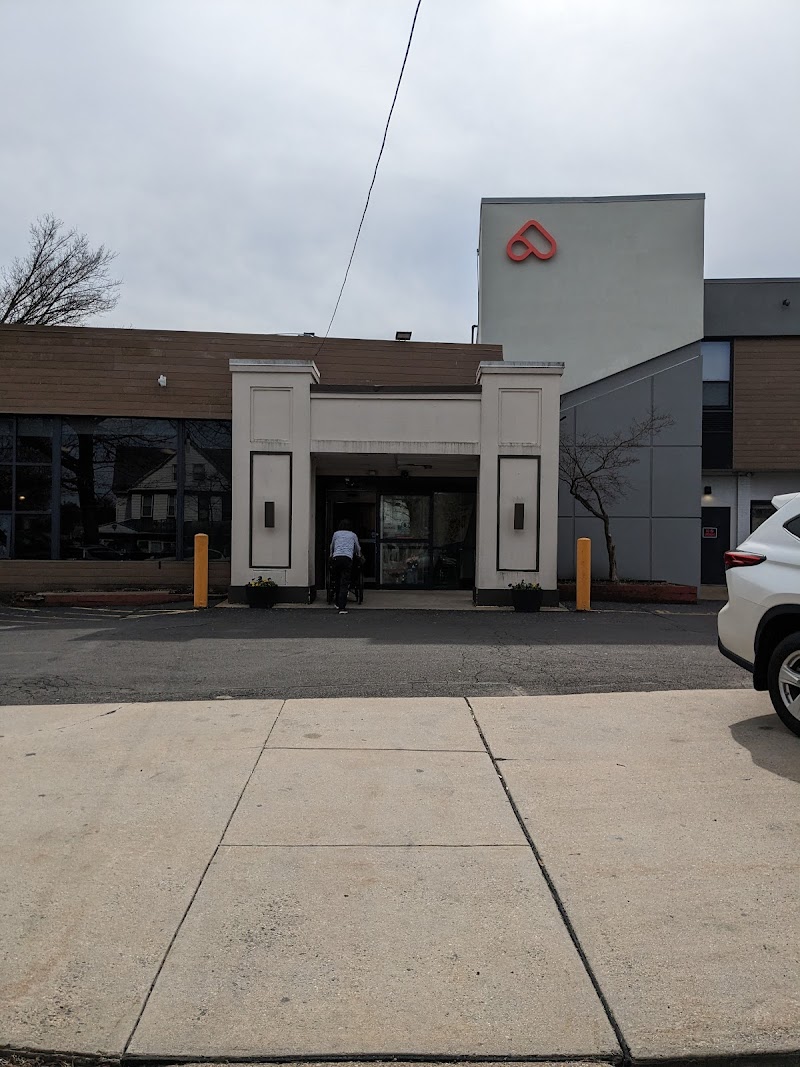
How Does Accela Rehab And At Somerton Compare to Other Pennsylvania Nursing Homes?

Compared to the 100 nursing homes in Pennsylvania, ACCELA REHAB AND CARE CENTER AT SOMERTON's overall rating (1 stars) is below the state average of 3.0, staff turnover (60%) is significantly higher than the state average of 46%, and health inspection rating (2 stars) is below the national benchmark.

What Should Families Ask When Visiting Accela Rehab And At Somerton?

Based on this facility's data, families visiting should ask: "How do you ensure continuity of care given staff turnover, and what is your staff retention strategy?" "Can you walk me through typical staffing levels on day, evening, and night shifts?" "Can I visit during a mealtime to observe dining assistance and food quality?" "How do you handle medical emergencies, and what is your hospital transfer rate?" These questions are particularly relevant given the facility's high staff turnover rate and the below-average staffing rating.

Is Accela Rehab And At Somerton Safe?

Based on CMS inspection data, ACCELA REHAB AND CARE CENTER AT SOMERTON has a clean safety record: no substantiated abuse findings (meaning no confirmed cases of resident harm), no Immediate Jeopardy citations (the most serious violation level indicating risk of serious injury or death), and is not on the Special Focus Facility watch list (a federal program monitoring the lowest-performing 1% of nursing homes). The facility has a 1-star overall rating and ranks #100 of 100 nursing homes in Pennsylvania. While no facility is perfect, families should still ask about staff-to-resident ratios and recent inspection results during their visit.

Do Nurses at Accela Rehab And At Somerton Stick Around?

Staff turnover at ACCELA REHAB AND CARE CENTER AT SOMERTON is high. At 60%, the facility is 14 percentage points above the Pennsylvania average of 46%. Registered Nurse turnover is particularly concerning at 64%. RNs handle complex medical decisions and coordinate care — frequent RN changes can directly impact care quality. High turnover means new staff may not know residents' individual needs, medications, or preferences. It can also be disorienting for residents, especially those with dementia who rely on familiar faces. Families should ask: What is causing the turnover? What retention programs are in place? How do you ensure care continuity during staff transitions?

Was Accela Rehab And At Somerton Ever Fined?

ACCELA REHAB AND CARE CENTER AT SOMERTON has no federal fines on record. CMS issues fines when nursing homes fail to meet care standards or don't correct problems found during inspections. The absence of fines suggests the facility has either maintained compliance or corrected any issues before penalties were assessed. This is a positive indicator, though families should still review recent inspection reports for the full picture.

Is Accela Rehab And At Somerton on Any Federal Watch List?

ACCELA REHAB AND CARE CENTER AT SOMERTON is not on any federal watch list. The most significant is the Special Focus Facility (SFF) program, which identifies the bottom 1% of nursing homes nationally based on persistent, serious quality problems. Not being on this list means the facility has avoided the pattern of deficiencies that triggers enhanced federal oversight. This is a positive indicator, though families should still review the facility's inspection history directly.