CARING HEART REHABILITATION AND NURSING CENTER
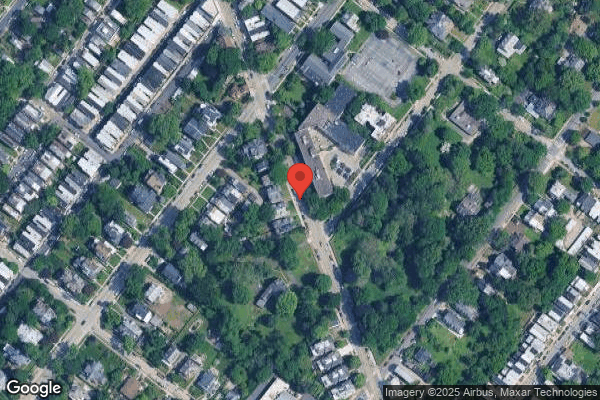

6445 GERMANTOWN AVENUE, PHILADELPHIA, PA 19119 (215) 438-5268
Non profit - Corporation 269 Beds Independent Data: November 2025
Trust Grade
43/100
#394 of 653 in PA
Last Inspection: June 2025

Inspected within the last 6 months. Data reflects current conditions.

Overview

Caring Heart Rehabilitation and Nursing Center has a Trust Grade of D, indicating below-average performance with some concerns. It ranks #394 out of 653 facilities in Pennsylvania, placing it in the bottom half, and #25 out of 46 in Philadelphia County, suggesting limited local options for better care. The facility is improving, having reduced its reported issues from 31 in 2024 to 12 in 2025. Staffing is average with a 3/5 rating and a turnover rate of 45%, which is slightly below the Pennsylvania average, but the RN coverage is concerning, as it is lower than 98% of state facilities, meaning residents may not receive the attentive care they need. Specific incidents of concern include a resident who fell out of bed and sustained a head injury due to safety hazards, and issues related to food safety and sanitation practices, indicating that while there are strengths, significant improvements are still needed.

Trust Score
D
43/100
In Pennsylvania
#394/653
Bottom 40%
Safety Record
Moderate
Needs review
Inspections
Getting Better
31 → 12 violations
Staff Stability
⚠ Watch
45% turnover. Above average. Higher turnover means staff may not know residents' routines.
Penalties
○ Average
$24,675 in fines. Higher than 73% of Pennsylvania facilities. Some compliance issues.
Skilled Nurses
⚠ Watch
Each resident gets only 18 minutes of Registered Nurse (RN) attention daily — below average for Pennsylvania. Fewer RN minutes means fewer trained eyes watching for problems.
Violations
⚠ Watch
52 deficiencies on record. Higher than average. Multiple issues found across inspections.
★★☆☆☆
2.0
Overall Rating
★★★☆☆
3.0
Staff Levels
★★★☆☆
3.0
Care Quality
★★☆☆☆
2.0
Inspection Score
Stable
2024: 31 issues
2025: 12 issues

The Good

  • Full Sprinkler Coverage · Fire safety systems throughout facility
  • No fines on record

Facility shows strength in fire safety.

The Bad

2-Star Overall Rating

Below Pennsylvania average (3.0)

Below average - review inspection findings carefully

Staff Turnover: 45%

Near Pennsylvania avg (46%)

Higher turnover may affect care consistency

Federal Fines: $24,675

Below median ($33,413)

Minor penalties assessed

The Ugly 52 deficiencies on record

1 actual harm
Jun 2025 12 deficiencies
CONCERN (D) 📢 Someone Reported This

A family member, employee, or ombudsman was alarmed enough to file a formal complaint

Potential for Harm - no one hurt, but risky conditions existed

Safe Environment (Tag F0584)

Could have caused harm · This affected 1 resident

**NOTE- TERMS IN BRACKETS HAVE BEEN EDITED TO PROTECT CONFIDENTIALITY** Based on observations, resident interviews, staff interview, and review of facility policies, it was determined that the facilit...

Read full inspector narrative →
**NOTE- TERMS IN BRACKETS HAVE BEEN EDITED TO PROTECT CONFIDENTIALITY** Based on observations, resident interviews, staff interview, and review of facility policies, it was determined that the facility failed to maintain a clean, comfortable, and homelike environment on one of four nursing units (Fourth floor). Findings Include: Review of facility policy titled, The Dining Experience undated states, Policy: The dining experience will be person centered with the purpose of enhancing each individual's quality of life and being supportive of each individual's needs during dining. Individuals will be provided nourishing, palatable, attractive meals that meet daily nutritional, and/or special dietary needs and food preferences and are served at a safe and appetizing temperature. Further review of the policy states, Procedure: 4. Tables will be properly set (forks on the left, knives and spoons on the right). Review of facility policy titled, Reheating Foods in Microwave with a revision date on October 1, 2024 states, Policy Interpretation and Implementation- 1. Meal trays will not be held on the nursing units for re-heating at a later time. Fresh trays will be prepared by the kitchen when the resident is available to eat or requests a particular item at a higher temperature or hot beverages between meals. Interview on June 9, 2025, at 1:15 p.m. with Resident R502 revealed about two weeks ago there was a leak in the bedroom from the unit above and water was pouring from the ceiling. Observations on June 9, 2025, at 1:17 p.m. of Resident R502's bathroom confirmed the ceiling tiles above the sink in the room and in bathroom had water damage and had a brown/yellow discoloration. Interview held with Resident R183 on June 11, 2025 at 10:10 a.m. and resident stated he gets back from dialysis sometimes not until 3:45 p.m. and his lunch tray is sitting at his bedside cold. Resident R183 stated, I do not eat or will eat the food cold because staff says they are not allowed to heat it up for me. Interview held with licensed nurse, Employee E16 on June 11, 2025 at 1:13 p.m. Employee E16 was seen assisting a nurse aide with passing out lunch trays to residents eating in their rooms. A lunch tray was observed sitting on a tray table bedside for Resident R183. Employee E16 was asked what they do for residents that have a dialysis chair time of 11:00 a.m. and are not back in time for lunch. Employee E16 stated, we set their lunch tray in the room and then when they get back we can reheat it for them if they want. When asked who heats up the lunch, Employee E16 stated, well we have a microwave on the unit, but that's usually just for employees so we send it back down to the kitchen. Observations on June 12, 2025, at 12:23 p.m. in room [ROOM NUMBER] revealed the panel on the wall was peeling off. Observation was made on June 12, 2025 at 12:43 p.m. of dining on the fourth floor. The residents were seated in the dining/activities room waiting for lunch starting around 12:40 p.m. Residents began being served their lunch at 1:18 p.m. by the nurse aides. All residents observed in the dining room were served their food on trays. All residents observed in the dining room were provided plastic silverware. There was no explanation of why the residents were given plastic silverware. 28 Pa Code 201.14 (a) Responsibility of licensee.
CONCERN (D) 📢 Someone Reported This

A family member, employee, or ombudsman was alarmed enough to file a formal complaint

Potential for Harm - no one hurt, but risky conditions existed

Comprehensive Care Plan (Tag F0656)

Could have caused harm · This affected 1 resident

**NOTE- TERMS IN BRACKETS HAVE BEEN EDITED TO PROTECT CONFIDENTIALITY** Based on review of facility policy, review of clinical records, observations, and staff interviews, it was determined that the f...

Read full inspector narrative →
**NOTE- TERMS IN BRACKETS HAVE BEEN EDITED TO PROTECT CONFIDENTIALITY** Based on review of facility policy, review of clinical records, observations, and staff interviews, it was determined that the facility did not complete a comprehensive care plan for three of 38 residents reviewed (Residents R90, R204, R541). Findings Include: Review of Resident R90's clinical record revealed that the resident was admitted to the facility on [DATE]. Diagnoses included difficulty in walking, weakness, age related and osteoporosis (a condition that weakens bones, making them more likely to break). Review of physician order dated May 14, 2025, for Resident R90, indicated an order stating, left buttock: cleanse with 0.125% Dakin's, lightly pack with 0.125% Dakin's moistened fluffed gauze, zinc oxide to peri wound cover with bordered foam, two times a day for wound care, and as needed for soiled/dislodged/incontinence care. Observation conducted on June 11, 2025, at 10:03 a.m., of pressure ulcer treatment to Resident R90, revealed that the resident had a pressure wound at left buttocks. Review of the care plan for Resident R90, June 11, 2025, at 10:23 a.m., revealed that there were no focus, interventions, and outcomes (goals) care- planned for the care and treatment of the pressure wound at left buttocks of Resident R90. On June 11, 2025, at 10:27 a.m., interview with Employee E5, a Licensed Nurse, confirmed the above findings. Interview was held with Resident R204 on June 9, 2025 at 1:11 p.m. The resident discussed having wounds and being in pain. Observation of the resident's bed area revealed the resident had urinary catheter bag. Review of Resident R204's clinical record revealed the resident was admitted to the facility on [DATE]. Further review of Resident R204's record revealed the following diagnoses: Quadriplegia (dysfunction or loss of motor and/or sensory function in the cervical area of the spinal cord), Pressure-Induced Deep Tissue Damage of Left Hip, Pressure Ulcer of Right Upper Back, Pressure Ulcer of Left Buttock Unstageable, and Non-Pressure Chronic Ulcer of Other Part of Right Foot. Review of Residents R204's clinical record revealed the resident did not currently have an order for Enhanced Barrier Precautions. Further review of the resident's clinical order revealed the resident had an indwelling urinary catheter as of December 4, 2024. Further review of Resident R204's clinical record revealed the resident had a care plan dated March 4, 2025 revealed the resident did not have a baseline care plan in place for Enhanced Barrier Precautions related to the resident's pressure ulcers and urinary catheter care. Review of facility policy titled Safety and Supervision dated October 1st, 2021, revealed resident safety and supervision and assistance to prevent accidents are facility wide priorities. The interdisciplinary care team shall analyze information obtained from assessments and observations to identify any specific accent hazards or risks for individual residents the team then shall target in our interventions to reduce individual risks implementing interventions to reduce accents or risk shall include communication specific interventions to all relevant staff, assigning responsibility, providing training, ensuring that interventions are implemented and documenting interventions. Review of Resident R541's Minimum Data Set (MDS- a federal mandated assessment tool for all residents) revealed admission assessment dated [DATE], revealed that the resident entered the facility on May 17, 2025, with diagnosis including hemiplegia (paralysis of one side of the body), respiratory failure and malnutrition. Resident R541 with a brief interview of mental status revealed that this resident scored 9, indicating moderately cognitively deficit. This resident required continuous oxygen therapy, a urinary indwelling catheter, and a feeding tube. Review of resident R541's nurses note dated June 5, 2025, revealed the resident in bed awake, alert, and oriented. and remained on 1:1 supervisor. Further review of clinical record nursing notes dated June 11, 2025, revealed resident continues on 1:1 for safety Review of resident's care plan revealed no plan of care for resident's need for one-to-one supervision for safety. Interview with Director of Nursing, Employee E3 on June 11, 2025, at 02:00 p.m. confirmed that the resident does not have a physician order for one-to-one supervision and there is no current care plan for the resident to be supervised. Employee E3 stated that the resident required supervision for safety. The resident had behaviors of pulling on tubing of feeding tube, oxygen, and catheter. This employee continued to describe the resident's safety precaution as evolving on the determination of the resident's mood daily, sometimes requiring one to one, sometimes monitored at nurses' station, or determining the resident's moods the resident can be left alone. 28 Pa. Code 211.10 (c)(d) Resident care policies 28 Pa. Code 211.11(d) Resident care plan 28 Pa. Code 211.12(d) Nursing services
CONCERN (D) 📢 Someone Reported This

A family member, employee, or ombudsman was alarmed enough to file a formal complaint

Potential for Harm - no one hurt, but risky conditions existed

Deficiency F0657 (Tag F0657)

Could have caused harm · This affected 1 resident

Based on observations, clinical record review, review of facility documents and staff interviews, it was determined that the facility failed to revise residents' care plan related to fall prevention, ...

Read full inspector narrative →
Based on observations, clinical record review, review of facility documents and staff interviews, it was determined that the facility failed to revise residents' care plan related to fall prevention, smoking supervision, and oxygen treatment for two of 38 residents reviewed. (Residents R111, and R150 ) Findings include: A review of the facility's policy titled comprehensive care plans dated October 1, 2024 revealed that the facility was responsible for the development and implementation of a comprehensive care plan for each resident. The care plan was developed and implemented to meet the medical, nursing and mental and psychosocial needs identified in the resident's comprehensive assessment. The policy indicated that an interdisiplinary care team was to participate in the development, implementation and revision of the care plan as needed to reflect measurable objectives and timeframes to meet the residents needs. Clinical record review for Resident R111 revealed a quarterly Minimun Data Set (MDS- assessment of resident's needs) dated May 2, 2025 that indicated this resident was cognitively intact and had a diagnosis of cerebralvascular accident with hemiparesis (weakness to one side of the body). The assessment indicated that this resident uses a wheelchair to ambulate and required the assistance of one staff member for transfers. On May 22, 2025 the nursing note indicated that Resident R111 was found on the floor next to the bed. Resident R111 had fallen from the bed. The resident sustained a laceration to her forehead from the fall. The physician had given orders to send the resident to the hospital post fall. The resident received dermabond (skin adhesive to hold wound edges together) to her forehead at the hospital. Observation of Resident R111 at 11:30 on June 9, 2025 revealed that the resident had a scoop mattress on her bed. Interview with Resident R111 at 11:30 a.m., on June 9, 2025 confirmed a fall in May, 2025. Clinical record review for Resident R111 revealed that the use of adaptive equipment (scoop mattress) to help prevent falls from bed. There care plan was not revised to reflect the use of a perimeter mattress to prevent falls. Interview with the licensed nurse, Employee E8 at 1:00 p.m., on June 9, 2025 confirmed that the use of a perimeter mattress as resident care equipment to prevent falls for Resident R111 had not been revised and documented on the care plan for Resident R111. Review of clinical records revealed that Resident R150 was admitted in the facility on May 6, 2025 with the diagnoses of Chronic Obstructive Pulmonary Disease (COPD- long-term lung disease that makes it difficult to breathe), and adjustment disorder with mixed anxiety and depressed mood. Review of Resident R150's care plan revealed as follows under its focus area: The resident has, COPD. Date Initiated: May 7, 2025. Continued review of the reisdent's care plan revealed the following interventions area: Identify and eliminate sources of respiratory irritation such as cigarette smoke, pollen, perfumes, etc. Further review of Resident R150's car plan revealed the following focus area: Resident wishes to smoke and is designated as safe Smoker; Date Initiated: May 14, 2025; . Resident will smoke safely in designated area and at scheduled times through next review; Date Initiated: 05/14/2025. Resident R150's care plan denoted a conflict between the resident's preference, and the outlined care interventions. 28 PA. Code 211.12(d)(1) Nursing services
CONCERN (D) 📢 Someone Reported This

A family member, employee, or ombudsman was alarmed enough to file a formal complaint

Potential for Harm - no one hurt, but risky conditions existed

Quality of Care (Tag F0684)

Could have caused harm · This affected 1 resident

Based on clinical record review, interviews with staff and residents, reviews of policies and procedures and hospital record review, it was determined that the nursing staff failed to clarify and obta...

Read full inspector narrative →
Based on clinical record review, interviews with staff and residents, reviews of policies and procedures and hospital record review, it was determined that the nursing staff failed to clarify and obtain physician's orders for treatment of skin impairments for one of six residents reviewed. (Resident R88) Findings include: A review of the facility policy titled treatment and medication administration dated October 1, 2024 revealed that the licensed nurse was responsible for administration of treats and medication administration for the residents. The nurse was responsible for verfiying resident name and physician's order on the medication or treatment administration record. The nurse was responsible for identifying the route of administration to the resident as ordered by the physician. The nurse was responsible for documenting adverse side effects or refusals of a treatment or medication that was ordered by the physician. The license nurse was responsible for correcting and discrepancies with the physician and nurse supervisor. Clinical record review for Resident R88 revealed a quarterly Minimun Data Set ( MDS- assessment of resident care needs) dated April 11, 2025 that revealed this resident was cognitively intact. The assessment also indicated that this resident was at risk for pressure ulcer development. The assessment also said that Resident R88 was receiving application of dressings and ointments to areas of the body/skin other than the feet. Observations of Resident R88 at 11:00 a.m., on June 9, 2025 revealed that the resident was seated in the wheel chair with uncovered feet directly on the floor. Resident R8 was observed with uncovered lower extremities. Observations at this time with the licensed nurse, Employee E8, confirmed that the resident had a right lower extremity wound that was weaping onto the floor. Interview with Resident R88 at 10:30 a.m., on June 10, 2025 revealed that his lower extremities do itch at times. The resident said that he was not sure if the current treatment was preventing or releaving the dry skin itching. Resident R88 reported that he was willing to be on a nap schedule to elevate his legs throughout the day to help prevent the swelling of the lower extremities. Clinical record review revealed a hospital record that indicated Resident R88 had lymphedema (swelling cause by fluid buildup in the body) of the lower extremities. The hospital discharge record indicated that compression wrapping was the care plan and manual lymph drainage was also a consideration for lymphedema. Clinical record review revealed a wound specialist note dated April 16, 2025 that indicated that Resident R88 had a right leg lymphatic ulcer. The wound specialist's plan of care was to cleanse the right leg with soap and water, apply ammonia lactate, abd (sterile pad), kerlix (dressing) and compression wrapping (bandages for the legs) to the right lower extremity. Clinical record review revealed a physician's progress note dated April 29, 2025 that indicated Resident R88 had chronic lower extremity wounds. Clinical record review revealed that the podiatrist evaluated Resident R88 on May 1, 2025 and indicated that this resident had lymphedema. The podiatrist's plan of care for Resident R88 was to elevate legs and consider compression socks or teds. Clinical record review revealed that the licensed nurse failed to clarify the physician's orders for treatment of the right lower extremity. The treatment order for the right lower leg for June, 2025 indicated that the licensed nurse was to apply ammonia lactate 12% one time a day for dryness. The licensed nurse, Employee E8 confirmed at 11:15 a.m., on June 9, 2025 that the order did not specify a cleaning with soap and water, applying sterile pads, dressings or leaving open to air. Clinical record review revealed that the licensed nurse failed to clarify the podiatrist treatment plan to elevate the bilateral lower extremities. Interview with the licensed practical nurse, Employee E8, at 11:15 a.m, on June 9, 2025 confirmed that Resident R88 had no leg rests attached to the wheelchair and/or care planned for naps during the day so that the resident could elevate the lower extremities in bed. Clinical record review for Resident R88 revealed documentation on the medication administration record that lac-hydrin lotion(ammonium lactate) 5% was ordered to be applied three times a day to dry skin for Resident R88. Interview with licensed practical nurse, Employee E8 at 11:15 a.m., on June 9, 2025 confirmed the order for this skin treatment was not clarified. The licensed nurse failed to clarify this order (apply lac-hydrin (ammonium lactate) 5% ) for Resident R88. Upon interview the nursing staff were unaware of how where to apply the treatment or if it could be applied concurrently with other skin treatments, in accordance with manufacturer's specifications for dry skin care for Resident R88. 28 PA. Code 211.10(c) Resident care policies 28 PA. Code 211.12(d)(1) Nursing services
CONCERN (D) 📢 Someone Reported This

A family member, employee, or ombudsman was alarmed enough to file a formal complaint

Potential for Harm - no one hurt, but risky conditions existed

Deficiency F0692 (Tag F0692)

Could have caused harm · This affected 1 resident

**NOTE- TERMS IN BRACKETS HAVE BEEN EDITED TO PROTECT CONFIDENTIALITY** Based on clinical record reviews, interviews with staff and reviews of policies and procedures, it was determined that the facil...

Read full inspector narrative →
**NOTE- TERMS IN BRACKETS HAVE BEEN EDITED TO PROTECT CONFIDENTIALITY** Based on clinical record reviews, interviews with staff and reviews of policies and procedures, it was determined that the facility failed to obtain weights and notify the physician or a weight gain as ordered for one of seven residents reviewed. (Resident R288) Findings include: A review of the facility policy titled weight and weight management dated October 1, 2024 indicated that the facility was responsible for obtaining an ongoing record of each resident's body weight. The policy indicated that body weight was an indicator of each resident's nutritional status and medical condition. That each resident will be weighed monthly or more frequently as deemed necessary by the physician. The policy also indicated that the physician ordered daily weights were to be documented by the nursing staff in the clinical record. The dietitian was responsible to reassess the nutritional needs and food and fluid intakes of each resident following a significant weight change. The nursing staff were to notify the physician of any significant weight changes. Clinical record review for Resident R288 revealed an admission Minimum Data Set (MDS- assessment of resident's needs) dated April 30, 2025 that indicated the resident was admitted to the facility on [DATE]. Continued review of the MDS revealed that the resident was cognitively intact and had a diagnosis of congestive heart failure (excessive body fluid caused by a weakened heart muscle). The assessment indicated that this resident was 67 inches in height and weighed 251 pounds and was not on a physician prescribed diet for weight-gain. Clinical record review revealed that Resident R288 was ordered daily weights by the physician, upon admission to the facility. The physician gave paramaters for the daily weights indicating that if the weight gain was greater than two pounds a day or five pounds a week that the physician was to be notified about the weight. Clinical record review revealed a weight record documented by the nursing staff. The weights for Resident R288 were not being recorded daily for April 25, 26, 27, 29, 30, 2025, and May 1, 2, 3, 4, 5, 2025. A significant weight gain of three pounds for May 8, 2025 at 307 pounds to May 9, 2025 at 310 pounds was recorded for Resident R288; however the physician was not notified of the weight gain as requested. There was no evidence that the dietitian was also notified by the nursing staff about the weight gain. Clinical record review revealed a daily weight of 302 pounds for Resident R288 on April 28, 2025. The next weight was not taken and recorded until May 6, 2025 for Resident R288 at 307 pounds. The physician was not notified of this five pound weight gain. The dietitian was not notified of the five pound weight gain documented on May 6, 2025 for Resident R288. Interview with the Director of Nursing, Employee E2, at 9:30 a.m., on June 11, 2025 confirmed that lack of documentation related to resident R288 weights record. The Director of Nursing also confirmed that the physician had not been notified of the weight gain on May 5, 2025 and the significant weight gain on May 9, 2025. 28 PA. Code 211.10(c) Resident care policies 28 PA. Code 211.12(d)(1)(3) Nursing services
CONCERN (D) 📢 Someone Reported This

A family member, employee, or ombudsman was alarmed enough to file a formal complaint

Potential for Harm - no one hurt, but risky conditions existed

Respiratory Care (Tag F0695)

Could have caused harm · This affected 1 resident

Based on observation, clinical record review, review of facility policy and staff interview, it was determined that the facility failed to provide appropriate respiratory care and services for one of ...

Read full inspector narrative →
Based on observation, clinical record review, review of facility policy and staff interview, it was determined that the facility failed to provide appropriate respiratory care and services for one of 38 residents reviewed (R191). Findings include: Review of the facility policy and guidelines for implementation of oxygen administration indicated that the nurse should review and follow the physician's orders while administering oxygen via nasal canula. Review of clinical records revealed that Resident R191 was admitted in the facility on July 9, 2024. R191 had diagnoses that included Chronic Obstructive Pulmonary Disease ( (COPD), and Pulmonary Hypertension due to Lung Disease and Hypoxia (Pulmonary hypertension (PH) due to lung disease and hypoxia is a condition where high blood pressure develops in the pulmonary arteries (blood vessels in the lungs) as a result of lung damage and/or low blood oxygen levels (hypoxia). This high blood pressure makes it harder for the heart to pump blood through the lungs, potentially leading to right heart failure). Review of physician order for Resident R191 indicated an order dated August 30, 2024; Oxygen Continuous 3 L(liters)/min, via Nasal Canula, every shift for Shortness of Breath. On June 10, 2025, at 12:03 p.m., during interview, Resident R 191 stated that the humidifier chamber of Oxygen Concentrator was not filled with water. observation conducted at the time of the interview confirmed that the humidifier chamber of the oxygen concentrator was not filled with water. Also, observed that the tubing of the oxygen was not dated. At the time of the finding the same was confirmed with the Unit Manager, a Registered Nurse, Employee E17. 28 Pa Code 211.12(d)(5) Nursing services
CONCERN (D) 📢 Someone Reported This

A family member, employee, or ombudsman was alarmed enough to file a formal complaint

Potential for Harm - no one hurt, but risky conditions existed

Deficiency F0698 (Tag F0698)

Could have caused harm · This affected 1 resident

Based on observation, interview with staff, clinical record review and reviews of facility policy, it was determined that the facility failed to ensure complete communication between the facility and ...

Read full inspector narrative →
Based on observation, interview with staff, clinical record review and reviews of facility policy, it was determined that the facility failed to ensure complete communication between the facility and the dialysis care provider for two of three residents reviewed. (Residents R8 and R539) Findings include: Review of facility policy titled Dialysis revised October 1, 2024, revealed that the facility will provide the necessary care and treatment, consistent with professional standards of practice . the comprehensive person-centered care plan and the residence goals and preferences, to meet the special medical, nursing, mental, and psychosocial needs of residents receiving hemodialysis. Continued review of this policy revealed that a licensed nurse will communicate to the dialysis facility via telephone communication or written format such as the dialysis communication form that will include but not limited to physician laboratory values and vital signs and changes or decline in condition on related to dialysis. Review of facility dialysis long term care facility agreement with renal dialysis affiliation dated March 23, 2023, revealed the dialysis staff and facility will maintain communication, and ensure each record is properly documented and completed with information to provide supportive care of each resident. This joint communication consists of ongoing care interventions such as vitals, monitoring fluid gain or loss, monitor nutrition needs, medications, assessment of labs, and symptoms of infections. Review of Resident 539's care plan revealed this resident is care planned to receive dialysis services related to renal failure initiated June 9, 2025 with interventions included: to monitor dialysis fistula for bruit and thrill, monitor document, report to doctor as needed any signs or symptoms of infection to access site examples redness, swelling, warmth or drainage, obtain vital signs and weight per protocol, report significant changes in pulse respirations and blood pressure immediately. Review of a Dialysis binder (a shared communication between dialysis staff and facility staff relation to resident's health status before treatment, during treatment and after treatment, such as any medication change, recent lab results, vitals, fluids, sign and symptom of infection, resident site evaluation and if any adverse reaction) revealed communication sheets divided into three parts consisting of 1) information to be completed by facility staff to be completed prior to leaving the floor for treatment including information such as resident room/ date, code status, mental status, vital signs, current diet/ fluids, medications, medical problems, labs, location of access site, assessment of bruit, thrill, sign or symptoms of infection, and nurse's signature. Part 2) to be completed by dialysis nurse including pre dialysis weight/ post weight, amount of fluid removed, post treatment vitals, labs, dietician recommendations, fluid recommendation. Part 3) of the communication sheet is to be completed by the facility including information to be recorded and documents such as sign and symptoms of infection, bruit and thrill presence, additional comments and nurse's signature. Review of Resident R8's dialysis communication binder revealed that communication between the facility nursing staff and dialysis staff was determined to be incomplete, missing vital information on the following dates: May 23, May 26, May 28, May 30, June 2, June 4, June 6, and June 19,2025. Review or Resident R 539's dialysis communication binder revealed that communication between the facility nursing staff and dialysis staff was determined to be incomplete, missing vital information on the following dates: June 2, June 4, June 6, and June 9, 2025. Interview with Licensed nurse, Employee E18 on June 10, 2025 at 11:31p.m. revealed that the facility nurses sometimes just call the dialysis nurse and communicate all information, confirm verbally but it is not documented. Interview with Licensed dialysis nurse, Employee E 19 on June 11, 2025, 9:55 a.m. revealed that the proper protocol of the dialysis procedure is that the patient comes to the dialysis den (special room of treatment) with the dialysis communication binder, it is then reviewed prior to treatment. This employee stated that sometimes verbal communication is necessary for any irregular concerns of the resident. 28 Pa. Code 211.12 (d)(1)(5) Nursing Services
CONCERN (D)

Potential for Harm - no one hurt, but risky conditions existed

Deficiency F0742 (Tag F0742)

Could have caused harm · This affected 1 resident

Based on clincial record review and staff interview, it was determined that the faciltiy failed to ensure that a plan of care and assessment was completed for one of one resident with a diagnosis of p...

Read full inspector narrative →
Based on clincial record review and staff interview, it was determined that the faciltiy failed to ensure that a plan of care and assessment was completed for one of one resident with a diagnosis of post traumatic stress disorder (PTSD) . (Resident R50) Findings include: Review of facility policy title Trauma Informed Care dated October 2nd, 2022, revealed it is the policy of the facility to provide care and services are delivered using approaches which are culturally competent, account for experiences and preferences, and address the needs of trauma survivors by minimizing triggers and or traumatization. Ensuring the residents choice and preferences are honor and the residents are empowered to be active participants in their care. An emphasis on partnering between residents, representative, and all staff and disciplines involved in the residence care in developing the plan of care. The facility will identify triggers which may be traumatized residents with a history of trauma, and update care plans to include interventions provided by the resident, family members, mental health professionals and observations during groups, socials and outings. In situations where trauma survivor is reluctant to share their history, the facility still tried to identify triggers which may retraumatize the resident and develop care plan interventions which minimize or eliminate the effect of the trigger on the resident. Review of Resident R50's clinical record revealed resident had diagnosis' including major depressive disorder (persistent feelings of sadness and or loss of interest) vascular dementia (decline of thinking skills) and posts traumatic stress disorder (PTSD-a mental disorder that develops after experiencing a traumatic event). Review of Resident R50's care plan revealed no indication that this resident's diagnosis of PTSD has been defined and no plan has been developed and or documented for the specific diagnosis and needs of this resident. Resident R50's care plan dated December 16, 2029 has identified a risk for change in mood related to depressions, anxiety, and PTSD with no interventions specific to resident's diagnosis of PTSD. Interview with Social Service, Employee E14 on June 12, 2025, at 2:11 p.m. confirmed the care plan had no specific focus of the diagnosis PTSD. This employee stated that once the resident has the diagnosis then they are referred to psychiatric consult to then determine the resident triggers, moods, and changes which then would be included in the care plan. The facility now presents each resident with a trauma assessment to determine the residents needs and then included in the care plan. Resident R50 was not given the trauma assessment to complete. 28 Pa. Code 211.10 (c)(d) Resident care policies 28 Pa. Code 211.11(d) Resident care plan 28 Pa. Code 211.12(d) Nursing services
CONCERN (D) 📢 Someone Reported This

A family member, employee, or ombudsman was alarmed enough to file a formal complaint

Potential for Harm - no one hurt, but risky conditions existed

Medical Records (Tag F0842)

Could have caused harm · This affected 1 resident

**NOTE- TERMS IN BRACKETS HAVE BEEN EDITED TO PROTECT CONFIDENTIALITY** Based on staff interviews and review of resident records, it was determined the facility failed to maintain complete and accurat...

Read full inspector narrative →
**NOTE- TERMS IN BRACKETS HAVE BEEN EDITED TO PROTECT CONFIDENTIALITY** Based on staff interviews and review of resident records, it was determined the facility failed to maintain complete and accurate records for restorative therapy for one of 38 resident records reviewed (Resident R162) Findings include: Review of Resident R162's clinical record revealed that the resident was admitted to the facility on [DATE], with the diagnoses of osteoarthritis (degeneration of joint cartilage), dementia ( a progressive cognitive disease with a loss of daily functions), abnormalities of gait and mobility. Review of Resident R162 's care meeting notes dated, February 4, 2025, indicated the resident was currently on physical therapy able to walk 180 feet using a rolling walker with one person assisting. Review of Resident R162's therapy Discharge summary dated , February 10, 2025, recommended the restorative nursing program (RNP) to facilitate the resident maintaining current level of performance and in order to prevent decline. The same discharge summary indicated the development of and instruction in the RNP has been completed with the interdisciplinary team that included ambulation and range of motion therapy. Resident R162 current care plan for limited physical mobility related to weakness included that the resident required one person assist to ambulate using a rolling walker. Further review of Resident R162's clinical record revealed no documented evidence the RNP was being completed with staff. On June 12, 2025, at 10:00 a.m. during an interview with the Assistant Director of Nursing (ADON) confirmed Resident R162 and residents on the RNP program fail to have a designated area for documentation when the RNP has been completed for the residents. 28 Pa Code 211.5(f)(ix) Medical records 28 Pa Code 211.12(d)(1) Nursing services
CONCERN (D) 📢 Someone Reported This

A family member, employee, or ombudsman was alarmed enough to file a formal complaint

Potential for Harm - no one hurt, but risky conditions existed

Deficiency F0849 (Tag F0849)

Could have caused harm · This affected 1 resident

**NOTE- TERMS IN BRACKETS HAVE BEEN EDITED TO PROTECT CONFIDENTIALITY** Based on observations, staff interviews, review of the clinical record and facility documentation, it was determined that the fa...

Read full inspector narrative →
**NOTE- TERMS IN BRACKETS HAVE BEEN EDITED TO PROTECT CONFIDENTIALITY** Based on observations, staff interviews, review of the clinical record and facility documentation, it was determined that the facility failed to ensure that a communication process was utilized for communication between the facility and the hospice care agencies for one out of three residents review receiving hospice care (Resident R204). Findings Include: Review of the facility's policy titled, Hospice with a revision date on October 1, 2024 states, Policy: When a resident chooses to receive hospice care and services, the facility will coordinate and provide care in cooperation with hospice staff in order to promote the resident's highest practicable physical, mental, and psychosocial well-being. Further review of the facility policy revealed, Guidelines: 1. The facility maintains written agreements with hospice providers that specify the care and services to be provided and the process for hospice and nursing home communication of necessary information regarding the resident's care. 2. The facility and hospice provider will coordinate a plan of care and will implement interventions in accordance with the resident's needs, goals, and recognized standards of practice in consultation with the resident's attending physician/practitioner and resident's representative, to the extent possible. 3. The plan of care will identify the care and services that each entity will provide in order to meet the needs of the resident and his/her expressed desire for hospice care. 5. The facility will monitor and evaluate the resident's response to the plan of care. 6. The facility will maintain communication with hospice as it relates to the resident's plan of care and services. Review of Resident R204's clinical record revealed the resident was admitted to the facility on [DATE]. Further review of Resident R204's clinical record revealed the following diagnoses: Quadriplegia (dysfunction or loss of motor and/or sensory function in the cervical area of the spinal cord), Depression (a mood disorder characterized by persistent feelings of sadness, loss of interest in activities, and a range of other symptoms that interfere with daily life), and Dysphagia (Difficulty swallowing foods or liquids). Review of the resident's hospital discharge paperwork from February 15, 2025 revealed, Hospital Course/Treatment by Problem: admitted to the hospital for sepsis secondary to infected sacral decubitus, patient was also treated for multilobar community-acquired pneumonia and influenza A infection. He was seen by surgery and underwent debridement of his infected sacral decubitus. He was noted to have E coli bacteremia and was seen by infection doctor who recommended 14 days of IV (intravenous) antibiotics. Due to patient's poor quality of life and risk of recurrent infections as well as morbidity/mortality in the near future, palliative care was involved in patient's care. After discussions with patient and his brother, who was his medical Power of Attorney, it was decided that hospice services would be best suited for him with plans to do not hospitalize in the future. Patient was not interested in getting a PICC line for IV antibiotics and after discussion with infection doctor, decision was made regarding completing his antibiotic course with medication that can be administered through his PEG tube. Patient's pain was controlled with his usual medication he was discharged back to his long-term facility with hospice care. Further review of Resident R204's record revealed the resident signed onto hospice services on February 23, 2025. Review of the facility's hospice communication log (a communication book for hospice providers to utilize when they enter the facility by ensuring that the provide a summary to the facility of what services they provided to the resident) indicated that Resident R204 from February 23, 2025 when he signed onto hospice till current date of June 12, 2025 (11 weeks) the resident only had progress note entries for the following dates 2/24, 3/4, 3/12, 3/18, 3/26, 4/1, 4/4, 4/10, 4/16, 4/22, 5/7, 5/22, 5/29, 6/4/2025. Review of the communcation log progress notes revealed the hospice provider did not provide any documented information to the facility on what services the hospice nurse and/or nurse aide provided to the resident during the visits. Continued review of the hospice communication log did not include any information as to what occurred during the visits that were logged in the book by the hospice staff who visits Resident R204 (e.g. licensed nurse, nurse aides) to ensure ongoing communication between the facility and hospice agency. Interview held on June 11, 2025 at 10:01 a.m. with licensed nurse, Employee E16 who stated that hospice comes in really early in the morning for Resident R204. When asked about the frequency of visits Employee E16 stated the visits were daily. When asked about communcation with the hospice provider and the missing progress notes for a large amount of dates from February through June, Employee E16 stated there were no other notes provided by the hospice provider. 28 Pa Code 201.18(b)(1) Management
CONCERN (D) 📢 Someone Reported This

A family member, employee, or ombudsman was alarmed enough to file a formal complaint

Potential for Harm - no one hurt, but risky conditions existed

Room Equipment (Tag F0908)

Could have caused harm · This affected 1 resident

Based on observations of the food and nutrition services department, interviews with residents and staff, it was determined that essential equipment used to operate the food service was not being main...

Read full inspector narrative →
Based on observations of the food and nutrition services department, interviews with residents and staff, it was determined that essential equipment used to operate the food service was not being maintained in safe operating condition. Findings include: Observations of the main kitchen at 11:30 a.m., on June 9, 2025 revealed a tray line, steamtable and plating of foods. Observations of the main kitchen at 12:00 a.m., on June 9, 2025 revealed that the kitchen was not equipped with an operating plate warmer. The food service director, Employee E12 reported that the food service department was waiting for repairs for this essential piece of food service equipment to be fully operational. Observations of the main kitchen at 11:30 a.m., on June 10, 2025 revealed that the dinnerware (plates) did not fit inside the plate warmer and were stacked on top of each other two feet above the warming mechanisms of the plate warmer after being repaired. The plates were not warm or hot to touch. Interview with the food service director, Employee E12 at 11:30 a.m., on June 10, 2025 revealed that a facility this size needed two plate warming units to operate and accommodate all the china (plates) used for the residents meals. Interview with the food service director, Employee E12, at 11:30 a.m., on June 11, 2025 revealed that two wells inside the steamtable unit were not fully functioning. The food service director reported that a work order had been placed for repair of the steam table wells. The food service director reported that the maintenance department was waiting on a mechanical part to replace the broken wells of the steam table located in the main kitchen. 28 PA. Code 201.14(a) Responsibility of licensee
CONCERN (E) 📢 Someone Reported This

A family member, employee, or ombudsman was alarmed enough to file a formal complaint

Potential for Harm - no one hurt, but risky conditions existed

Infection Control (Tag F0880)

Could have caused harm · This affected multiple residents

**NOTE- TERMS IN BRACKETS HAVE BEEN EDITED TO PROTECT CONFIDENTIALITY** Based on observations, review of facility policies, review of facility documentation, clinical record review and interviews with...

Read full inspector narrative →
**NOTE- TERMS IN BRACKETS HAVE BEEN EDITED TO PROTECT CONFIDENTIALITY** Based on observations, review of facility policies, review of facility documentation, clinical record review and interviews with staff, it was determined that the facility failed to maintain an effective infection control program related with Enhanced Barrier Precautions for two of 10 residents reviewed (R90 and R541) Findings include: Review of literature revealed that Enhanced Barrier Precautions are infection control Intervention designed to reduce the transmission of novel or Multi-Drug-Resistant Organisms. Enhanced Barrier Precautions require to employ the use of targeted personal protective equipment (PPE) during high contact patient/resident activities. Review of Resident R90's clinical record revealed that the resident was admitted to the facility on [DATE]. Diagnoses included difficulty in Walking, Weakness, Age related and Osteoporosis (condition that weakens bones, making them more likely to break), and Methicillin Resistant Staphylococcus Aureus Infection (MRSA- is a type of bacterial infection that has developed resistance to several common antibiotics, including methicillin and other beta-lactam drugs. MRSA can cause a range of infections, from mild skin issues to more serious bloodstream infections. It is spread through skin-to-skin contact or contact with contaminated surfaces). Review of physician order dated May 14, 2025, for R90, indicated an order stating, left buttock: cleanse with 0.125% Dakin's, lightly pack with 0.125% Dakin's moistened fluffed gauze, zinc oxide to peri wound cover with bordered foam, two times a day for wound care, and as needed for soiled/dislodged/incontinence care. Review of Resident R90's care plan indicated; Enhanced Barrier Precautions: Resident is at increased risk for infection related to wound and foley catheter, date initiated: May 29, 2025. On June 12, 2025, at 10:03 a.m., observed wound treatment administered by a Licensed Nurse, Employee E6; the nurse did follow physician order for left buttock wound treatment, except the Enhanced Barrier Precaution Procedure. After the wound treatment, Employee E6, could not discard the used gown in a protective bag, but carried the used gown exposed, outside the resident room. Employee E5, the Licensed Nurse who was assisting Employee E6, also could not discard the used gown in a protective bag, but carried the used gown exposed, outside the resident room and placed in an open trash box attached with the treatment cart. At the time of the finding, the above finding was confirmed with Employees E5, and E6. Review of Resident R541's Minimum Data Set (MDS- a federal mandated assessment tool for all residents) revealed admission assessment dated [DATE], revealed that the resident entered the facility on May 17, 2025, with diagnosis including hemiplegia (paralysis of one side of the body), respiratory failure and malnutrition. Resident R 541 with a brief interview of mental status revealed that this resident scored 9, indication of a moderately cognitively deficit. This resident required continuous oxygen therapy, indwelling urinary catheter, and a feeding tube. Observation of Resident 541 on June 10, 2025, at 12:02 p.m. revealed that this resident was receiving personal care by a nurse aide, Employee E20. This employee was observed not wearing the proper personal protection equipment (PPE) required for this task. Interview with Employee E20 at time of the above observation revealed that she was unaware that the gown was required unless actually performing wound care or urinary catheter care. 28 Pa Code 201.14(a) Responsibility of licensee 28 Pa Code 201.18(d) Management
Oct 2024 1 deficiency
CONCERN (D) 📢 Someone Reported This

A family member, employee, or ombudsman was alarmed enough to file a formal complaint

Potential for Harm - no one hurt, but risky conditions existed

Deficiency F0806 (Tag F0806)

Could have caused harm · This affected 1 resident

**NOTE- TERMS IN BRACKETS HAVE BEEN EDITED TO PROTECT CONFIDENTIALITY** Based on review of resident clinical record, facility documentation and staff interviews, it was determined that the facility fa...

Read full inspector narrative →
**NOTE- TERMS IN BRACKETS HAVE BEEN EDITED TO PROTECT CONFIDENTIALITY** Based on review of resident clinical record, facility documentation and staff interviews, it was determined that the facility failed to provide food that accommodates resident allergies, one of two residents reviewed (Resident R1). Findings include: Review of Resident R1's clinical record revealed that Resident R1 was admitted to the facility on [DATE], with diagnoses of Chronic Kidney Disease, Trisomy 21 (Down Syndrome) and Dementia. Further review of Resident R1's clinical record revealed that was Resident R1 was allergic to Apricots, Apricot Kernels and Corn. Review of copy of meal ticket dated October 7, 2024, revealed that the meal ticket was labelled with Resident R1's name. Further the meal ticket indicated: Allergies: Corn and Corn products. Under Main menu: chicken tenders with honey mustard sauce, Parslied Noodles, Honey Glazed Carrots, white roll. Further, in bold letter: No sub found for Apricots. At the bottom of the meal ticket, was written ALLERGY: Apricots, Corn. Interview with Regional Dietary Consultant, Employee E5, conducted on October 17, 2024, at 12:08 pm revealed that the facility use a computer program to generate the menu and identify resident food allergies based on food items and other information such as resident allergies entered by the dietary staff into the program's database. So any food items a resident is allergic to will not be generated in that resident's menu. The Kitchen staff then makes sure that any food items a resident is allergic to is not place on the resident's tray. Further, Employee E5 also revealed that the Seasoned Mixed Vegetables was one of the menu items entered in the computer program. Further Employee E5 also revealed that the individual ingredients of the Seasoned Mixed Vegetables was not taken into account when Seasoned Mixed Vegetables was entered into the computer program. So, the program was not able to identify Resident R1's allergies to corn when Seasoned Mixed Vegetables was generated as one of the items on Resident R1's menu on October 7, 2024. Further, interview with Employee E5 confirmed that on October 7, 2024, Resident R1 was served Seasoned Mixed Vegetables which contained corn. Interview with Facility Administrator Employee E1 conducted on October 17, 2024 at 12:45 pm revealed that the facility had implemented a plan of correction on the identified deficient practice regarding provision of food to residents that accommodate their allergies. Further interview with Employee E1 revealed that on October 7, 2024 they initiated their plan of corrections which included modifying their process to prevent food allergens from being included in the menu, education of all dietary staff regarding changes in the process and facility conducted a QAPI (Quality Assurance Performance Improvement)on the identified deficient practice. Review of facility documents provided by the facility revealed that menu's were modified. Menus for residents with allergies had the word ALLERGIES written across the menu. Further, all food items the resident was allergic to was high lighted in yellow. Further, inservices including signatures, inservices attendance on all dietary personnel on the modification of the process to prevent food allergens from being included in the menu were also in place and QAPI on resident allergies has been initiated and on-going. 28 Pa. Code: 211.6(a)(c) Dietary service 28 Pa. Code 201.29(j) Resident rights
Sept 2024 4 deficiencies
CONCERN (D) 📢 Someone Reported This

A family member, employee, or ombudsman was alarmed enough to file a formal complaint

Potential for Harm - no one hurt, but risky conditions existed

Deficiency F0552 (Tag F0552)

Could have caused harm · This affected 1 resident

Based on staff interview, review of facility policy and the review of clinical records, it was determined that the facility failed to ensure that a resident's responsible party had the right to be not...

Read full inspector narrative →
Based on staff interview, review of facility policy and the review of clinical records, it was determined that the facility failed to ensure that a resident's responsible party had the right to be notified of the resident's change in treatment for one out of two residents reviewed (Resident R1). Findings include: Review of the facility's policy, Notification of Change in Condition, with a revision date of April 1, 2021 reported that the facility must inform the resident, consult with the resident' physician and/or notify the resident's family member or legal representative when there is a change requiring notification such as, but not limited to: accidents resulting in injury, significant change in the resident's physical mental or psychosocial condition, and circumstances that require a need to alter the resident's treatment (e.g. a new treatment of the discontinuation of a treatment). Review of the September 2024 physician orders indicated that the resident was admitted into the facility on August 16, 2024 with diagnosis that included the following: hypertension (high blood pressure); dementia (a group of symptoms affecting an individual's memory, thinking and social abilities); cerebral infarction (a stroke), and muscle weakness. Review of the resident's admission Minimum Data Set Assessment (MDS- a periodic assessment of a resident's needs) completed on August 18, 2024 indicated that the resident was cognitively impaired. During an interview with the resident's daughter on September 25, 2024 at 11:43 a.m. the resident's daughter reported that on August 17, 2024 she came into the facility at approximately 1:00 p.m. and noticed that her mother was utilizing oxygen, and that she had a COVID sign on her door. The daughter reported that she went to the nursing station and was notified that her mother tested positive for COVID. During an interview with the nursing supervisor (Employee E6) on September 25, 2024 at 4:19 p.m. the nursing supervisor reported that he spoke with the resident's daughter over the phone, notified her of the COVID diagnosis on August 17, 2023, and the oxygen use, but that he did not write note. Review of the resident's nursing notes dated August 17, 2024 at 10:00 a.m. documented ' .tested positive for COVID today. No s/s of distress noted. Continued review of the nursing notes and clinical record did not produce any evidence that the resident's daughter was notified of the COVID diagnosis and that the resident required oxygen treatments. Continued interview with the resident's daughter on September 25, 2024 at 6:00 p.m. indicated that she did not speak with anyone over the phone regarding her mother's COVID diagnosis or the use of oxygen and that as reported, she found out about this when she came into the facility on August 17, 2024 and noticed the sign and her mother using oxygen. The facility failed to ensure that Resident R1's responsible party had the right to be notified of the resident's change in treamtment. 28 Pa Code 201.18 (b)(1) Management 28 Pa. Code 211.10 (c) Resident care policies 28 Pa. Code 211.12 (c)(d)(1)(3) Nursing services
CONCERN (D) 📢 Someone Reported This

A family member, employee, or ombudsman was alarmed enough to file a formal complaint

Potential for Harm - no one hurt, but risky conditions existed

Deficiency F0553 (Tag F0553)

Could have caused harm · This affected 1 resident

Based on staff and resident interview and review of clinical records, it was determined that the facility failed to ensure that advanced notice was provided for participation in a care plan meeting fo...

Read full inspector narrative →
Based on staff and resident interview and review of clinical records, it was determined that the facility failed to ensure that advanced notice was provided for participation in a care plan meeting for one out of two resident's reviewed (Resident R1). Findings include: Review of the September 2024 physician orders indicated that the resident was admitted into the facility on August 16, 2024 with diagnosis that included the following: hypertension (high blood pressure); dementia (a group of symptoms affecting an individual's memory, thinking and social abilities); cerebral infarction (a stroke), and muscle weakness. Review of the resident admission Minimum Data Set Assessment (MDS- a periodic assessment of a resident's needs) completed on August 18, 2024 indicated that the resident was cognitively impaired. During an interview with the resident's daughter on September 25, 2024 at 11:43 a.m. the resident's daughter reported that she reached out to the facility social worker (Employee E3) on August 25, 2024 to find out the date of her mother's care plan meeting and the process for care plan meetings. She reported that the social worker told her that she did not know. The resident's daughter reported that she did not receive any following up from the Nursing Home Administrator (NHA) regarding this. The daughter reported that she received a call on August 27, 2024 from the social worker informing her that she was calling to have the resident' scare plan meeting on the referenced day (August 27, 2024), and that she received notification of the meeting when she got the call for the meeting. Review of the clinical record did not show evidence that the facility provided any advanced written or verbal notification of the resident's care plan meeting to the resident daughter prior to the call that the daughter received on August 27, 2024. During an interview with the social worker on September 25, 2024, the social worker reported that resident's care plan meeting was held on August 27, 2024. The social worker reported that she spoke with the resident's daughter a few days before the care plan meeting to notify her of the date and time. It was confirmed during the above referenced interview that no evidence of written documentation could be provided to show that the resident's daughter received advanced notification from the social services department that the care plan meeting was scheduled for August 27, 2024. 28 Pa Code 211.10(c) Resident care policies 28 Pa Code 211.10(d) Resident care policies 28 Pa Code 211.11(d) Resident care plan 28 Pa. Code 211.12(c(1) )Nursing services 28 Pa. Code 211.12(d)(1) Nursing services 28 Pa. Code 211.12(d)(5) Nursing services
CONCERN (D) 📢 Someone Reported This

A family member, employee, or ombudsman was alarmed enough to file a formal complaint

Potential for Harm - no one hurt, but risky conditions existed

Deficiency F0559 (Tag F0559)

Could have caused harm · This affected 1 resident

Based on staff interviews and the review of the clinical record, it was determined that the facility failed to ensure that notification was provided to a resident and his/her responsible party prior t...

Read full inspector narrative →
Based on staff interviews and the review of the clinical record, it was determined that the facility failed to ensure that notification was provided to a resident and his/her responsible party prior to a room change for one of two residents reviewed (Resident R1). Findings include: Review of the facility, Change or Room or Roommate dated January 2024 indicated that it is the facility's policy to conduct changes to room and/or roommate assignments when considered necessary and/or when requested by the resident or resident representative. The policy also indicated that request for room change, all persons involved in the change/assignment, such as residents and their representatives will be given advanced notice of such a change, as is possible and that the social services designee or licensed nurse should inform the resident's sponsor/family of the room change in advance of a change in the resident's room/roommate Continued review of the policy indicated that the notice of change in room of roommate will be provided in writing, in language manner the resident and representative understand and will include the reason(s) why the move or change in required. Review of the policy also indicated that social service staff can assist the resident to adjust to the new room or roommate by doing the following, which includes, but not limited to, informing the resident and family as soon as possible; allowing the resident to ask questions about the room; show the resident where the room is located and introduce the resident to his/her new roommate. The policy also stated that the resident has the right to refuse to transfer to another room within the facility if the purpose of the transfer is to relocated a resident from due to a change in the resident's payor source. Review of the September 2024 physician orders indicated that the resident was admitted into the facility on August 16, 2024 with diagnosis that included the following: hypertension (high blood pressure); dementia (a group of symptoms affecting an individual's memory, thinking and social abilities); cerebral infarction (a stroke), and muscle weakness. During an interview with the resident's daughter on September 25, 2024 at 11:43 a.m. the daughter reported that she came into the facility on September 20, 2024 to visit her mother, went to her mother's room that was located on the 2nd floor, and did not find her in there. Continued interview with the resident's daughter indicated that the daughter went to the nurse on the 2nd floor and inquired as to where her mother was. The resident's daughter reported that the nurse told her that resident was moved to the long-term care floor, which the resident's daughter reported was on he 4th floor. Review of the clinical record for Resident R1 did not show any documentation that the resident and/or her responsible party was sent any written notice about the room change, including the reason why the room change was being made prior to moving Resident R1 During an interview with the facility's social worker (Employee E3) on September 25, 2024 at 1:30 p.m., the social worker reported that the resident was moved to the floor designated to long-term care resident (4th floor) on September 20, 2024, and that the resident was moved to another floor because during the care plan meeting that took place on August 25, 2024 the resident's 2 daughters who were in attendance reported that Resident R1 would be a long-term care resident at the facility. The social worker reported when asked, that there was no written notification provided to the resident's daughters prior to the room change that took place on September 20, 2024. The facility failed to ensure that written notification was provided to Resident R1 and /or her responsible parties prior to a room change that took place on September 20, 2024. 28 Pa. Code 201.14(a) Responsibility of licensee 29 Pa. Code 201.29(d) Resident rights 29 Pa. Code 201.29(j) Resident rights
CONCERN (D) 📢 Someone Reported This

A family member, employee, or ombudsman was alarmed enough to file a formal complaint

Potential for Harm - no one hurt, but risky conditions existed

Investigate Abuse (Tag F0610)

Could have caused harm · This affected 1 resident

Based on observations, staff interviews, and the review of clinical records, it was determined that the facility failed to ensure that a complete and through investigation was completed in a timely ma...

Read full inspector narrative →
Based on observations, staff interviews, and the review of clinical records, it was determined that the facility failed to ensure that a complete and through investigation was completed in a timely manner to rule out abuse/neglect for one out of three residents reviewed (Resident R1). Findings include: Review of the facility policy Abuse, revised November 20, 2020 indicated under the Identification section of the abuse policy that staff receives education about the behavioral and situational signals that may indicate risk for or the presence of abuse, neglect or misappropriate of property. The Identification section also included signs and symptoms of abuse that may possibly indicate presence of which attention will be given to, include, a resident having bruises, cuts, the appearance of dehydration, the appearance of feeling anxious, afraid, confused, depressed. The policy also highlighted that other signs and symptom that may possibly indicate the presence of abuse, that attention will be given to included someone in contact with the resident might neglect to provide the medication or access to proper medical care, or not keep the resident properly dressed or clean. Review of the September 2024 physician orders indicated that the resident was admitted into the facility on August 16, 2024 with diagnosis that included the following: hypertension (high blood pressure); dementia (a group of symptoms affecting an individual's memory, thinking and social abilities); cerebral infarction (a stroke), and muscle weakness. Review of the resident's admission Minimum Data Set Assessment (MDS- a periodic assessment of a resident's needs) completed on August 18, 2024 indicated that the resident was cognitively impaired. Review of the resident's person-centered plan of care dated September 13, 2024, included a plan of care related to the resident's limited mobility of activities of daily living related to transfers and toileting. The care plan indicated that the resident required the assistance of 1 staff member when using the toilet, and that the resident required the assistance of 1 staff member for transfers (the ability to move from one position to another such as from a bed to a wheelchair). During an interview with the resident's daughter on September 25, 2024 at 11:43 a.m. the resident's daughter reported that she visit her mother on September 13, 2024 on or around 4:00 p.m. and that she noticed that her mother had the same gown on that she had on when she previously visited her mother the day before after she got off work. The daughter reported that she also noticed that the gown was covered in feces. The daughter reported that she went to the nursing station and asked who the aide was, and was reported the nurse aide (Employee E4, 7:00 a.m. through 3:00 p.m.) left for the day. The daughter reported that she spoke to her mother's current nurse aide (Employee E5) who reported to her that Employee E4, left your mother and other residents on the floor a mess. Continued interview with the daughter indicated that the daughter went to the nursing supervisor #1 (Employee E6), informed him of her observation of her mother when she came to visit. The daughter reported that the nursing supervisor provided her with a grievance form to complete. The resident's daughter reported that when she finished with the grievance form she returned it to the charge nurse, who she observed post the grievance up on the board at the nurses station using a push pin. Resident R1's daughter reported that when she returned to visit her mother the following day (September 14, 2024 Saturday), she saw the grievance form still posted in the same place, so she went to the charge nurse (Employee E7) and inquired about the grievance that was still on the board. The daughter reported that on or around September 18, 2024, she received a call from nursing supervisor #2 (Employee E8) who reported that he was notified by Employee E7 about her grievance and informed her that he was calling her to obtain more information regarding the grievance that she had related to her mother's care. The daughter reported that she provided the nursing supervisor with the information, and has not heard anything back from him or anyone else at the facility regarding the concern that she reported to the nursing supervisor (Employee E6) on September 13. 2024. During an interview with nursing supervisor #1 on September 26, 2024, at 4:19 p.m. he reported that the resident's daughter reported to him on September 13, 2024 that she found her mother soiled when she came into visit. Nursing supervisor #1 reported that he gave the resident's daughter a grievance form to fill out, but that he did not get the grievance back from the daughter. During an interview with nursing supervisor #2 on September 26, 2024 at 3:30 p.m., nursing supervisor #2 reported that he was notified by Employee E7 on September 19, 2024 that the resident's daughter had a concern about her loved one being left soiled. Nursing supervisor #2 reported that he contacted the resident's daughter regarding her grievance, and drafted up a grievance for her during the call. Nursing supervisor that the resident's daughter mentioned the name of the nurse aide during their conversation (Employee E4) who reportedly left Resident R1 soiled. Nursing supervisor #2 reported on September 26, 2024 during the interview, that he did interview the nurse aide (Employee E4) who reported to him that she provided care to the resident, and explained that he was still investigating the grievance that he received on September 19, 2024 regarding the daughter's concern that her mother was left soiled by Employee E4, and that the investigation was not yet completed. Interviews indicated that the facility did not ensure that a complete and thorough investigation to rule out potential abuse/neglectful actions when the verbal concern that the resident's being left soiled by the nurse aide was initially brought to the attention of the nursing supervisor #1 on September 13, 2024, and then brought to the attention of nursing supervisor #2 on September 19, 2024. The facility failed to ensure that a complete and through investigation was completed in a timely manner to rule out abuse/neglect for Resident R1. 28 Pa. Code 201.14(a)(e) Responsibility of licensee 28 Pa. Code 201.18(b)(1)(3)(e)(1) Management 28 Pa. Code 201.29(c) Resident rights 28 Pa. Code 211.10(d) Resident care policies
Aug 2024 21 deficiencies 1 Harm
SERIOUS (G) 📢 Someone Reported This

A family member, employee, or ombudsman was alarmed enough to file a formal complaint

Actual Harm - a resident was hurt due to facility failures

Accident Prevention (Tag F0689)

A resident was harmed · This affected 1 resident

**NOTE- TERMS IN BRACKETS HAVE BEEN EDITED TO PROTECT CONFIDENTIALITY** Based on review of facility documentation, review of clinical records, and staff and resident interviews, it was determined that...

Read full inspector narrative →
**NOTE- TERMS IN BRACKETS HAVE BEEN EDITED TO PROTECT CONFIDENTIALITY** Based on review of facility documentation, review of clinical records, and staff and resident interviews, it was determined that the facility failed to ensure the resident environment remained free of accident hazards related to falls for three of six residents reviewed (Resident R65, R100, and R380). This failure resulted in actual harm for Resident R65 who sustained a fall out of bed and a laceration to the head requiring staples. Findings Include: Review of Resident R65's quarterly Minimum Data Set (MDS - federally mandated resident assessment and care screening) dated June 1, 2024, revealed the resident was cognitively intact. Review of Resident R65's comprehensive care plan dated August 31, 2023, revealed the resident was at risk for falls related to poor safety awareness, weakness, and deconditioning. Review of Resident R65's March 2024 physician order summary revealed an order dated March 5, 2024, for bilateral floor mats to be on floor next to bed when resident is in bed. Review of Resident R65's clinical record revealed a nurse's note dated April 8, 2024, that Resident R65 was found on the ground next to bed with a laceration on top of the forehead. Review of facility documentation revealed an incident report dated April 8, 2024, completed by Registered Nurse Supervisor, Employee E8, which revealed Resident R65 sustained an unwitnessed fall on April 8, 2024, at approximately 3:15 a.m. Per the incident report, Resident R65 was found on the ground next to her bed. Resident R65 subsequently sustained a laceration to top of the forehead measuring 2 cm (centimeters) (length) x 1.5 cm (width) x 0.2 cm (depth) and was transferred to the hospital for evaluation. Further review of the incident report revealed the fall mat was not present on the floor at the time of the fall. Review of Resident R65's clinical record revealed Resident R65 was seen by psychiatry on April 8, 2024, where the resident reported she fell out of bed when she was reaching for her call bell. Review of Resident R65's clinical record revealed a skin and wound note dated April 9, 2024, by Nurse Practitioner, Employee E9, which revealed the resident's laceration was treated with four staples during her hospitalization on April 8, 2024. During an interview with Resident R65 on August 8, 2024, at 10:41 a.m. the resident confirmed hitting her head on the floor after falling out of bed on April 8, 2024. Resident R65 was in bed during the interview on August 8, 2024, at 10:41 a.m. and observations revealed fall mat was not on floor next to Resident R65's bed per physician orders. Interview on August 8, 2024, at 10:45 a.m. with Licensed Nurse, Employee E9, confirmed fall mat was not next to Resident R65's bed. Interview on August 8, 2024, at 11:00 a.m. with Licensed Nurse, Employee E11, confirmed Resident R65 hit her head on the floor after falling out of bed on April 8, 2024. The facility failed to ensure that a physican's order for bilateral floor mats were in place while Resident R65 was in bed. This failure resulted in actual harm to Resident R65 who fell from the bed, sustained a laceration to the head and required four sutures. Review of Resident R100's physician orders revealed an order dated June 10, 2024, for bilateral floor mats to be on the floor next to bed when resident is in bed. Review of Resident 100's admission MDS dated [DATE], revealed the resident was cognitively intact and had diagnoses of muscle weakness and lack of coordination. Review of Resident R100's comprehensive care plan dated July 25, 2024, revealed the resident was at risk for falls related to new and unfamiliar environment and sustained a fall on July 24, 2024. Observations on August 6, 2024, at 10:15 a.m. revealed Resident R100 was lying in bed and did not have bilateral floor mats on the floor next to the bed. Follow-up observations on August 6, 2024, at 12:12 p.m. revealed Resident R100 was still in bed and bilateral floor mats were still not in place. Interview on August 6, 2024, at 12:13 p.m. with Licensed Nurse, Employee E12, confirmed Resident R100 did not have bilateral floor mats while the resident was in bed. Observations with Licensed Nurse, Employee E12, revealed no floor mats were available in the resident's room. Clinical record review revealed Resident R380 was re-admitted to the facility July 30, 2024 with a diagnosis that included but not limited to Asthma (a condition that affects your airways and makes breathing difficult), Repeated falls, Syncope and collapse (fainting), and Muscle weakness. Further review of clinical records revealed Resident R380 had a significant history of falls, which included two falls in the facility on January 15, 2024 and January 20, 2024. Review of Resident R380's physician orders revealed an order dated July 31, 2024, for bilateral floor mats to be placed on the floor next to bed when resident is in bed. Observations on August 6, 2024, at 10:47 a.m., revealed Resident R380 was lying in bed and did not have bilateral floor mats on the floor next to the bed. Follow-up observation on August 7, at 9:15 am, revealed Resident R380 was lying in bed and bilateral floor mats were still not in place. Interview on August 7, 2024, at 9:27 a.m., with Employee E13, Unit Clerk, confirmed Resident R380 did not have the required bilateral floor mats while the resident was in bed. 28 Pa. Code 201.14 (a) Responsibility of licensee. 28 Pa. Code 211.10 (d) Resident Care Policies 28 Pa. Code 211.12 (d)(5) Nursing Services.
CONCERN (D) 📢 Someone Reported This

A family member, employee, or ombudsman was alarmed enough to file a formal complaint

Potential for Harm - no one hurt, but risky conditions existed

Notification of Changes (Tag F0580)

Could have caused harm · This affected 1 resident

**NOTE- TERMS IN BRACKETS HAVE BEEN EDITED TO PROTECT CONFIDENTIALITY** Based on review of clinical records and review of facility policy, it was determined that the facility failed to notify resident...

Read full inspector narrative →
**NOTE- TERMS IN BRACKETS HAVE BEEN EDITED TO PROTECT CONFIDENTIALITY** Based on review of clinical records and review of facility policy, it was determined that the facility failed to notify resident representatives of a resident's change in condition related to dislodged nephrostomy tube for one of 37 residents reviewed. (Resident R378) Findings include: Review of facility policy on the nephrostomy and cystostomy tube care and maintenance revealed that under section Policy, residents with nephrostomy or cystostomy tubes will receive care consistent with professional standards of practice, the comprehensive person centered care plan, and the residents goals and preferences. Review of Resident R378's clinical record revealed that Resident R378 was admitted to the facility on [DATE], with diagnoses of but not limited to hypertension (high blood pressure), hyperlipidemia (high chlesterol), Malignant neoplasm of Bronchus and Lung, Diabetes Type 2, Acute Respiratory Failure, Alzheimer's Diseases (brain disorder that causes problems with memory, thinking and behavior). Review of Resident R378's nursing note dated June 9, 2024, at 6:21 am, revealed that Resident R378 presented in bed in supine position with dislodged right side nephrotomy catheter, resident aaox2-3 (alert and oriented person, time and place) baseline confusion, no s/s (sign and symptoms) distress noted, no c/o (complaint) discomfort, Physician's answering service notified. Further review of Resident R378's clinical record revealed no documented evidence that Resident R378's next of kin was notified that the right-side nephrostomy tube was dislodged. 28 Pa. Code 201.29(a) Resident rights 28 Pa. Code 211.12(d)(3) Nursing services
CONCERN (D)

Potential for Harm - no one hurt, but risky conditions existed

Deficiency F0655 (Tag F0655)

Could have caused harm · This affected 1 resident

**NOTE- TERMS IN BRACKETS HAVE BEEN EDITED TO PROTECT CONFIDENTIALITY** Based on observations, review of facility policies, clinical record reviews and interviews with residents and staff, it was dete...

Read full inspector narrative →
**NOTE- TERMS IN BRACKETS HAVE BEEN EDITED TO PROTECT CONFIDENTIALITY** Based on observations, review of facility policies, clinical record reviews and interviews with residents and staff, it was determined that the facility failed to develop a baseline care plan within 48 hours of a resident's admission that included the minimum information necessary to properly care for a resident, for one of one resident reviewed related to substance abuse disorder (Resident R529). Findings include: Review of Resident R529's hospital record dated August 2, 2024, revealed that the resident had a history of polysubstance disorder (3 bundles of fentanyl daily, up to one bundle at a time and Xanax). Resident was started on Suboxone for drug addiction. Resident had severe wound with etiology related to drug use. Review of progress note for Resident R529 dated August 2, 2024, revealed that the resident was admitted to the facility on [DATE], with diagnosis of septic shock, opioid drug use, and depression. Review of Medication Administration Record for Resident R529 for August 2024 revealed that the resident was receiving nicotine patch for smoking dependence and suboxone for opioid abuse disorder. Resident also had an order for Naloxone for opioid abuse. Interview with Resident R529 on August 6, 2024, at 9:34 a.m. stated she was suffering from drug abuse problem, and she had pain to her lower extremity which was not managed properly. Further review of Resident R529's care plan revealed that no baseline care plan had been developed related to the resident's substance abuse disorder including support services for substance abuse disorder. Interview on August 7, 2024, at 2:00 p.m. with Director of Nursing and Assistant Director of Nursing, confirmed that the resident had active drug abuse problem and a base line care plan for substance abuse disorder with services was not developed for Resident R529. 28 Pa Code 211.10(d) Resident care policies
CONCERN (D)

Potential for Harm - no one hurt, but risky conditions existed

Deficiency F0660 (Tag F0660)

Could have caused harm · This affected 1 resident

**NOTE- TERMS IN BRACKETS HAVE BEEN EDITED TO PROTECT CONFIDENTIALITY** Based on the review of clinical records, facility policies, and interview with staff and residents, it was determined that the f...

Read full inspector narrative →
**NOTE- TERMS IN BRACKETS HAVE BEEN EDITED TO PROTECT CONFIDENTIALITY** Based on the review of clinical records, facility policies, and interview with staff and residents, it was determined that the facility failed to develop and implement an effective discharge planning process that focuses on the resident's discharge goals, the preparation of residents to be active partners and effectively transition them to post-discharge care, and the reduction of factors leading to preventable readmissions. Facility failed to update a resident's comprehensive care plan and discharge plan, as appropriate, in response to information received from referrals to local contact agencies or other appropriate entities for two of four residents reviewed for discharge planning process. (Resident R144 and R226) Findings Include: Review of facility policy Discharge Planning: dated January 2019 revealed that To foster the Philosophy of Caring Heart Rehabilitation and Nursing Center, in compliance with Federal and State Regulations and in accordance with HIPAA Regulations, it is the Policy of Caring Heart Rehabilitation and Nursing Center to provide guidelines to evaluate the resident's health status and formulate the best plan of discharge for each resident, utilizing all available community resources. Initial evaluation of resident completed upon admission, document in Social History Assessment. Discharge planning record will be completed in conjunction with Social History Assessment. All discharge plans will be reviewed at care plan conference or as needed. At the time of discharge, a Transition Booklet is provided with all pertinent information needed for continuity of care, including all community resources utilized. Family and resident to be provided with copy of Discharge Summary. Keep on file a list of all known community resources. The list should include (but not necessarily be limited to) the following: Home Health Agencies; Medical Equipment Suppliers; Rehabilitation Centers; Housing for the Elderly; Private Duty Nursing Agencies; Boarding Homes; Personal Care Homes; and Office of Aging Programs. Interview with Resident R144 on August 5, 2024, at 11:00 a.m., stated she wanted to discharge to the community and did not know the status of her discharge. Review of progress note for Resident R144 dated July 16, 2024, revealed that resident's friend was assisting with her discharge. Resident lived alone and the friend reached out to outside agency for waiver services. The outside service agency met with Resident R144 on July 11, 2024. Resident required [NAME] therapy and assistance with everything. Required queuing and recommended 24-hour care. Review of clinical record for Resident R144 revealed that there was no separate discharge planning record created per the facility policy which focuses on the resident's discharge goals, the preparation of residents to be active partners and effectively transition them to post-discharge care, and the reduction of factors leading to preventable readmissions. Review of care plan for Resident R144 revealed that the resident had a care plan which stated resident showed potential for discharge and expressed wishes to discharge home. Intervention indicated that discuss with Resident R144 the discharge planning process. The care plan did not identify, resident's support systems, barriers, care needs or factors leading to preventable readmissions. There was no information of outside agencies included in the discharge plan. The care plan was developed on July 2, 2024, and was not updated. Review of social service initial assessment for Resident R226 dated March 28, 2024 revealed that the resident expressed to discharge home with wife and a referral was made to local contact agency. Review of social service progress note dated March 28, 2024, revealed that family would likely to decide upon long term care as they were unable to care for him at his current level. They would like to see what type of progress he makes in therapy first. Review of care plan for Resident R229 revealed that the resident had a care plan which stated resident showed potential for discharge and expressed wishes to discharge home. Intervention indicated that discuss with Resident R144 the discharge planning process and will be discharged to home when rehabilitation/self-care goals are met. The care plan did not identify, resident's support systems, goals, barriers, care needs or factors leading to preventable readmissions. There was no information of outside agencies included in the discharge plan. The care plan was developed on March 22, 2024, and was not updated. 28 Pa. Code 201.14 (a) Responsibility of licensee. 28 Pa. Code 211.10 (a) Resident care policies.
CONCERN (D)

Potential for Harm - no one hurt, but risky conditions existed

Deficiency F0688 (Tag F0688)

Could have caused harm · This affected 1 resident

**NOTE- TERMS IN BRACKETS HAVE BEEN EDITED TO PROTECT CONFIDENTIALITY** Based on observation, review of clinical record, review facility policies, and interview with staff, it was determined that the ...

Read full inspector narrative →
**NOTE- TERMS IN BRACKETS HAVE BEEN EDITED TO PROTECT CONFIDENTIALITY** Based on observation, review of clinical record, review facility policies, and interview with staff, it was determined that the facility failed to ensure that a resident received necessary equipment to maintain resident's functional status in range of motion and mobility for one of 37 residents observed. (Resident R56) Finding: Review of Resident R56's clinical record revealed that Resident R56 was admitted to the facility on [DATE]. Further review of Resident R56' clinical record revealed that Resident R56 had the diagnoses of Aphasia related to Cerebrovascular Disease, Hemiplegia (weakness to one side of the body) Hemiparesis following Cerebral Infarction, General Weakness, Unspecified lack of Coordination. Review of Occupational Therapy discharge note dated April 1, 2024, revealed that prognosis was good with consistent staff followed-through. Further recommendation was Restorative Nursing Program to applied a right palm guard during the morning care and to remove it the right palm guard during p.m. care. Review of physician order revealed an order dated March 27, 2024, for right palm guard during a.m. care, and to take off during p.m. care two times a day. Review of Resident R56's care plan revealed that a restorative nursing plan was developed for the resident to maintain functional ability after therapy goals have been met. The care plan's goal was for the resident to maintain or improve present level of functioning through next review date. The interventions include for the resident to participate in range of motion exercises to maintain/increase mobility. Resident will participate in passive range of motion of all extremities (focusing on right upper extremity exercises) and for Resident R56 to wear a right wrist/hand splint (Palm guard) to prevent contractures. Resident to wear right wrist hand splint on with am care and off with pm care. Check skin integrity each shift. Observation conducted on August 5, 2024, at 1:03 p.m. revealed that Resident R56 was in the dining room in a highbacked wheelchair. Further observation revealed that Resident R56's right hand was in fist. Further there was no palm guard observed on Resident R56's right hand. Observation conducted on August 6, 2024, at 12:50 p.m. revealed that Resident R56 was in the dining room in a highbacked wheelchair. Further observation revealed that Resident R56 did not have a palm guard on his right hand. Observation on Resident R56 conducted on August 8, 2024, at 9:09 a.m. together with Director of Nursing, Employee E2 in the dining room, revealed that Resident R56 was sitting in a highbacked wheelchair. Further Resident R56 did not have a palm guard on his right hand. Interview with Director of Nursing, Employee E2 conducted at the time of the observation confirmed that Resident R56 did not have a palm guard on his right hand. Interview with Resident R56 conducted at the time of the observation in the presence of Director of Nursing, Employee E2 revealed that resident shook his head when asked if staff puts the hand guard in the morning. 28 Pa. Code 201.18(b)(2) Management 28 Pa. Code 211.12(d)(1)(3)(5) Nursing services
CONCERN (D)

Potential for Harm - no one hurt, but risky conditions existed

Deficiency F0694 (Tag F0694)

Could have caused harm · This affected 1 resident

**NOTE- TERMS IN BRACKETS HAVE BEEN EDITED TO PROTECT CONFIDENTIALITY** Based on observations, review of clinical records, facility policies and procedures, and interviews with staff and resident, it ...

Read full inspector narrative →
**NOTE- TERMS IN BRACKETS HAVE BEEN EDITED TO PROTECT CONFIDENTIALITY** Based on observations, review of clinical records, facility policies and procedures, and interviews with staff and resident, it was determined that the facility failed to provide adequate treatment and care for a PICC (Peripherally Inserted Central Line Catheter) in accordance with professional standards of practice for one of one resident with PICC line reviewed (Resident R529). Findings include: Review of facility policy, Care of the Peripherally Inserted Central Catheter dated December 2023, revealed that Measure external PICC catheter on admission and note length with every dressing change. Place length as supplemental documentation in the order sign off. Transparent dressings must be labeled and changed every 7 days or more frequently (prn) if the dressing is damp, loose, soiled or if any damage occurs. Review of clinical record for Resident R13 revealed that the resident was admitted to the facility on [DATE]. Observation of Resident R529 on August 6, 2024, at 10:00 a.m., revealed that the resident had a right upper extremity PICC line insertion. There was no documentation on the dressing to indicate the date and time the dressing last changed. Review Resident R529's hospital record dated July 29, 2024, revealed that the PICC line was placed on July 29, 2024. Review Resident R529's physician order dated August 5, 2024, revealed an order to Change dressing, extension set and cap, weekly and as needed every day shift, every Monday. A review of the treatment administration record (TAR) for the month of August 2024 indicated that the dressing change was signed off as completed on August 3, 2024, and August 5, 2024. Continued review of the TAR revealed that the PICC line assessment such as external catheter length and arm circumference measurement was also not completed as ordered by the physician with each dressing change. On August 6, 2024, at 10:00 a.m., Resident R529 stated the dressing was last changed in the hospital. Facility did not change the dressing since the admission and there was no dressing change completed on August 3 and August 5, 2024. Review of progress note for Resident R529 dated August 6, 2024, revealed that the PICC line dressing was changed on August 6, 2024, for 3p.m -11p.m. shift. There was no documentation of this dressing change in the TAR. There was no external catheter length measurement documented with this dressing change. An interview with Director of Nursing, Employee E2, on August 7, 2024, at 2:00 p.m confirmed that that the PICC line dressing change, assessment and monitoring was not completed for Resident R529 as ordered by the physician and according to the facility protocol. 28 Pa. Code: 211.10 (c) Resident care policies 28 Pa. Code: 211.10 (d) Resident care policies 28 Pa. Code: 211.12 (d)(1) Nursing services 28 Pa. Code: 211.12(d)(5) Nursing services
CONCERN (D)

Potential for Harm - no one hurt, but risky conditions existed

Pharmacy Services (Tag F0755)

Could have caused harm · This affected 1 resident

**NOTE- TERMS IN BRACKETS HAVE BEEN EDITED TO PROTECT CONFIDENTIALITY** Based on review of facility policy and review of clinical records, it was determined that the facility failed to provide pharmac...

Read full inspector narrative →
**NOTE- TERMS IN BRACKETS HAVE BEEN EDITED TO PROTECT CONFIDENTIALITY** Based on review of facility policy and review of clinical records, it was determined that the facility failed to provide pharmaceutical services to assure the acquiring and administering of medications to meet the needs of each resident for one of 37 residents reviewed (Resident R100). Findings Include: Review of facility policy Unavailable Medications revised December 2023 revealed staff shall take immediate action when it is known that a medication is unavailable and determine reason for unavailability, length of time med is unavailable, and what efforts have been attempted by the facility or pharmacy provider to obtain the medication. Staff should notify the physician when a medication is unavailable. Staff should further obtain alternative treatment orders and/or specific orders for monitoring resident while the medication is on hold. Review of Resident R100's admission Minimum Data Set (MDS - federally mandated resident assessment and care screening) dated June 13, 2024, revealed the resident was admitted to the facility on [DATE], was cognitively intact, and had a diagnosis of fractures and other multiple trauma. Review of Resident R100's physician order summary revealed an order dated June 7, 2024, for Enoxaparin injection (medication that helps prevent blood clots) 40 milligrams one time a day for anticoagulant therapy (decrease blood clotting ability). Review of Resident R100's medication administration record revealed the Enoxaparin injection was not administered on 06/20/2024 and 06/21/2024. Review of Resident R100's clinical record revealed an order administration note dated June 20, 2024, that the Enoxaparin injection medication was on order with no further information. Continued review of Resident R100's clinical record revealed an order administration note dated June 21, 2024, that the nurse was awaiting pharmacy delivery of the Enoxaparin injection with no further information. Further review of Resident R100's clinical record revealed no documented evidence that the physician was made aware of the missed doses, that an alternate treatment was requested, or specific orders for monitoring while the medication was unavailable. Review of the clinical record revealed no documented evidence the licensed nurse determined the reason for unavailability, length of time medication is unavailable, and what efforts were attempted to obtain the medication. 28 Pa. Code 211.9 (a)(1) Pharmacy Services. 28 Pa. Code 211.9 (d) Pharmacy Services. 28 Pa. Code 211.12 (d)(1) Nursing Services.
CONCERN (D)

Potential for Harm - no one hurt, but risky conditions existed

Unnecessary Medications (Tag F0759)

Could have caused harm · This affected 1 resident

Based on observations, review of clinical records, and interviews with facility staff, it was determined that the facility failed to ensure that it was free of medication error rate of five percent or...

Read full inspector narrative →
Based on observations, review of clinical records, and interviews with facility staff, it was determined that the facility failed to ensure that it was free of medication error rate of five percent or greater for two of six residents observed during medication administration. (Resident R135 and Resident R6) Findings include: On August 6, 2024, 9:11 a.m., observed that Employee E7, a Licensed Nurse, administered to Resident R135, the medicine, Fluticasone Propionate Nasal Suspension 50 MCG/ACT, one spray to each nostril. Review of physician order for Resident R135, dated May 20, 2024, revealed an order to administer Fluticasone Propionate Nasal Suspension 50 MCG/ACT, two sprays to alternating nostrils, one time a day for asthma. At the time of the observation, interviewed with Licensed nurse Employee E7, confirmed the above findings. On August 6, 2024, 9:11 a.m., observed that Licensed nurse, Employee E7, did not administer to Resident R135, the physician ordered buPROPion HCl Oral Tablet 75 MG (Bupropion HCl), Give 37.5 mg by mouth one time a day after breakfast. Employee E7 stated that the medicine buPROPion HCl Oral Tablet 75 MG, was not available at that time. (Bupropion hydrochloride (HCL) is an antidepressant used to treat a variety of conditions, including depression and other mental/mood disorders; On August 6, 2024, 9:37 a.m., observed that Licensed nurse, Employee E7, a was going to administer by crushing the following medications to Resident R63, by mouth; but was prevented the administration of those medicines by crushing: glipiZIDE ER Oral Tablet Extended Release, 10 MG (Glipizide), one tablet by mouth; Magnesium Lactate Oral Tablet Extended Release 84 MG (7MEQ) (Magnesium Lactate), one tablet by mouth; 3 Metoprolol Succinate ER Oral Tablet Extended Release 24 Hour 50 MG (Metoprolol Succinate) one tablet by mouth. Review of literature revealed as follows: Crushing an Extended-Release preparation may change the drug release characteristics, with the potential for an unintended large bolus dose being delivered rather than controlled release over the intended timescale. The consequence of this would be for a potentially toxic dose of medication to be delivered following administration with an increased risk of adverse effects. While there is the risk of initial overdosing of drug, there will be under dosing at later times which could result in a lack of clinical efficacy. ( Article: Pharmaceutical Issues when Crushing, Opening or Splitting Oral Dosage Forms; June 2011 Introduction by Royal Pharmaceutical Society in https://www.rpharms.com). On August 6, 2024, 9:43 a.m., observed that Licensed nurse, Employee E7, administered Magnesium Oxide 400 mg tablet by mouth to Resident R63. Review of physician order for Resident R63, dated April 7, 2024, revealed an order to administer Magnesium Lactate Oral Tablet Extended Release 84 MG (7MEQ) (Magnesium Lactate), Give 1 tablet by mouth for hypomagnesemia. (Review of literature revealed that Magnesium Lactate, where Magnesium is bound to Lactic Acid, has been shown to be at least twice as absorbable than Magnesium Oxide). At the time of the observation, interviewed with Employee E7 confirmed the above findings. The facility incurred a medication error rate of 19.23%. Pa Code:211.12(d)(1)(2)(5) Nursing Services.
CONCERN (D)

Potential for Harm - no one hurt, but risky conditions existed

Deficiency F0761 (Tag F0761)

Could have caused harm · This affected 1 resident

Based on review of clinical records, review of facility policy, observation, and staff and resident interview, it was determined that the facility failed to ensure that all drugs and biologicals were ...

Read full inspector narrative →
Based on review of clinical records, review of facility policy, observation, and staff and resident interview, it was determined that the facility failed to ensure that all drugs and biologicals were stored in accordance with professional standards for one of four floors reviewed (fourth floor) and two of 37 residents reviewed (Resident R379 and Resident R528). Findings include: Observation of the Resident R528's room conducted on August 5, 2024, at 10:32 am during the tour of the 2nd floor revealed a medication cup on top of Resident R528's breakfast tray. There were six pills in the cup. Interview with Resident R528's son on August 5, 2024, at 10:32 am stated the medication cup with medication was on top the bed near the foot of the bed when he came in the morning, he stated he took it and placed it in the breakfast tray so that the resident would not spill it. Interview with Employee E23 on August 5, 2024, at 10:35 a.m. stated resident was not supposed to self-administer the medication and the medications was not the morning medications she administered, it may be from previous shift. Observation of the fourth-floor unit conducted on August 5, 2024, at 10:29 am revealed that the unit manager's office door was wide open. Further, a stack of medication blister pack with medications in them was on top of a file cabinet inside the office in close proximity to the open door. Interview with Fourth Floor Unit Manager Employee E19 co ducted on August 5, 2024, at 11:27 am confirmed that her office was open and that there was a stack of blister packs with medication in them was on top of a file cabinet inside the office in close proximity to the open door. Observation of the Resident R379's room conducted on August 5, 2024, at 10:52 am during the tour of the 4th floor revealed a medication cup on top of Resident R379's overhead table. Further, a half of a large white tablet was inside the cup. Further observation revealed a Symbicort inhaler was also on top of the overhead table. Interview with Resident R379 conducted at the time of the observation revealed that the white tablet was a nicotine tablet that he cut himself because it was too big to swallow. Further Resident R379 also confirmed that the Symbicort inhaler was his. Further interview with Resident R379 revealed that the nurse gave him the medications about an hour ago and left the medications with him. Review of Resident R379's clinical record revealed a physician's order dated May 18, 2024, for Symbicort Inhalation Aerosol 160-4.5 MCG/ACT (Budesonide-Formoterol Fumarate Dihydrate) 2 puff inhale orally two times a day for COPD (Chronic Obstructive Pulmonary Disease) Further review of Resident R379's clinical record revealed a physician's order dated July 19, 2024, for: Nicotine Polacrilex Mouth/Throat Gum 4 MG (Nicotine Polacrilex) Give 4 mg by mouth every 6 hours for smoking cessation for 4 months for 4 Months 28 Pa. Code 201.8(b)(l) Management 28 Pa. Code 211.12(d) Nursing services
CONCERN (D) 📢 Someone Reported This

A family member, employee, or ombudsman was alarmed enough to file a formal complaint

Potential for Harm - no one hurt, but risky conditions existed

Deficiency F0836 (Tag F0836)

Could have caused harm · This affected 1 resident

Based on review of facility documentation, review of clinical records, and resident interviews, it was determined that the facility failed to submit complete and accurate information to the State Surv...

Read full inspector narrative →
Based on review of facility documentation, review of clinical records, and resident interviews, it was determined that the facility failed to submit complete and accurate information to the State Survey Agnecy regarding a resident fall and subsequent transfer to the hospital for one of six residents reviewed for falls incidents (Resident R65). Findings Include: Review of Resident R65's quarterly Minimum Data Set (MDS - federally mandated resident assessment and care screening) dated June 1, 2024, revealed the resident was cognitively intact. Review of facility reported documentation submitted to the Department of Health on April 8, 2024, revealed that on April 8, 2024, Resident R65, had a fall in her room and sustained an open area to the forehead. Continued review of the facility reported documentation revealed safety measures were in place at the time of the fall. Resident R65 was transferred to the hospital for evaluation and returned. Per the facility reported documentation, the hospital computed tomography (CT - imaging test that helps healthcare providers detect injuries) scan of head and spine showed no acute findings. During an onsite review of the facility reported incident on August 8, 2024, the surveyor identified that the facility did not submit complete and accurate information regarding Resident R65's fall pn April 8, 2024. Review of Resident R65's physician order summary revealed an order dated March 5, 2024, for bilateral floor mats to be on floor next to bed when resident is in bed. Review of facility documentation revealed an incident report dated April 8, 2024, completed by Registered Nurse Supervisor, Employee E8, which revealed Resident R65 sustained an unwitnessed fall on April 8, 2024, at approximately 3:15 a.m. Resident R65 was found on the ground next to her bed. Resident R65 subsequently sustained a laceration to top of the forehead measuring 2 cm (centimeters) (length) x 1.5 cm (width) x 0.2 cm (depth) and was transferred to the hospital for evaluation. Further review of the incident report revealed the fall mat was not present on the floor at the time of the fall. Review of Resident R65's clinical record revealed Resident R65 was seen by psychiatry on April 8, 2024, where the resident reported she fell out of bed when she was reaching for her call bell. Review of Resident R65's clinical record revealed a skin and wound note dated April 9, 2024, by Nurse Practitioner, Employee E9, which revealed the resident's laceration was treated with four staples during her hospitalization on April 8, 2024. During an interview with Resident R65 on August 8, 2024, at 10:41 a.m. the resident confirmed hitting her head on the floor after falling out of bed on April 8, 2024. The facility failed to include pertinent, detailed information to the State Survey Agency that contributed to Resident R65's injury at the time of the fall. Further, the facility failed to include that the laceration Resident R65 sustained to the head subsequently required staples. 28 Pa Code: 201.14 (a) Responsibility of licensee. 28 Pa Code: 201.18 (b)(1) Management.
CONCERN (E)

Potential for Harm - no one hurt, but risky conditions existed

Resident Rights (Tag F0550)

Could have caused harm · This affected multiple residents

Based on observations, review of facility policy, and interview with staff, it was determined that the facility failed to ensure that residents were treated with dignity and respect related to the din...

Read full inspector narrative →
Based on observations, review of facility policy, and interview with staff, it was determined that the facility failed to ensure that residents were treated with dignity and respect related to the dining experience on one of four floors reviewed. (Third floor) Findings Include: Review of facility policy titled, The Person Centered Dining Approach undated states, Policy: Person centered care and hospitality services, including dining, will be a vital part of everyday living. The person centered dining approach will focus on each individual's needs related to food, nutrition, and dining. 8. Use of napkins will be encouraged, and dignified clothing protectors will be available as needed or requested. 11. Staff will sit next to a person when assisting them with eating (rather than standing over them. 13. Individuals at the same table will be served and assisted at the same time. Observation of the dining experience was held on August 5, 2024 at 12:21 p.m. on the third floor Cliveden unit. The lunch menu posted listed fish sticks, garden rice, parsley carrots, fruit crisp, and milk. At 12:27 p.m. the food cart arrived at this time there were nineteen resident's seated at nine different tables in the dining room. Staff started to pass out the food trays and residents were not being served at the tables together. The staff were finished passing out the trays at 12:30 p.m. and at this time only nine out of the nineteen residents had been served their lunch trays. The remained of the food trays on the cart were for residents eating in their rooms. At 12:32 p.m. dietary staff left the dining room to serve residents in their rooms. Observation of dining service on August 5, 2024 at 12:35 p.m. revealed a Resident R49 appeared to have a vision impairment and asked Nurse Aide, Employee E15 to assist her with feeding. Review of Resident R49's ticket revealed her food was supposed to be served in bowls, but instead her food was served on Styrofoam plates. During the feeding Nurse Aide, Employee E15 stood next to Resident R49 while feeding her. The resident was observed with food on her shirt and was not wearing a clothing protector. Nurse Aide, Employee E15 at 12:37 p.m. revealed staff use towels to protect the resident's clothing if needed. Employee E15 stated that they have not had clothing protectors for several months. Observation of the dining service on August 5, 2024 revealed the second food cart tray arrived at 12:37 p.m. to the dining area. All residents in the dining area were served by 12:45 p.m. 28 Pa Code 201.14(a) Responsibility of licensee 28 Pa. Code 201.29(d) Resident Rights
CONCERN (E)

Potential for Harm - no one hurt, but risky conditions existed

Safe Environment (Tag F0584)

Could have caused harm · This affected multiple residents

**NOTE- TERMS IN BRACKETS HAVE BEEN EDITED TO PROTECT CONFIDENTIALITY** Based on observation and staff and interviews iwth resident's representative, it was determined that the facility failed to prov...

Read full inspector narrative →
**NOTE- TERMS IN BRACKETS HAVE BEEN EDITED TO PROTECT CONFIDENTIALITY** Based on observation and staff and interviews iwth resident's representative, it was determined that the facility failed to provide a safe, clean, comfortable and homelike environment for residents on one of six nursing units and 2nd floor patio. (3rd Floor Cliveden and 2nd floor patio) Findings include: Interview with Resident R103's family member on August 5, 2024, at 11:01 a.m. stated facility was not always clean, family member stated there is always trash on the floor of the shower room and clutter in the shower room. Observation of the first shower room of 3rd floor on August 5, 2024, at 11:07 a.m. with third floor unit manager revealed there was brown colored dried stain dripping on the wall, unit manager stated there was shower room at the same location on the top floor. The corner had a broken tiles which exposed the dry wall. The toilet seat had yellowish colored stain, the tissue box had dust on it, broken border, and the shower curtain had yellow stain. There was also broken/missing base board molding in the shower room. Observation of the second shower room of 3rd floor on August 7, 2024, at 11:13 a.m. with third floor unit manager revealed that there were resident shoes, geri chair, pillows, blankets, housekeeping broom, and a mechanical lift in the shower room. Observation of the room [ROOM NUMBER] on August 7, 2024, at 10:54 a.m. revealed that the wall base board molding was broken. The blanket had yellow colored stain. Observation of the 2nd floor patio smoking area revealed that there were numerous cigarette buds on the floor through out the patio area. 28 Pa. Code: 201.14(a) Responsibility of licensee.
CONCERN (E)

Potential for Harm - no one hurt, but risky conditions existed

Deficiency F0604 (Tag F0604)

Could have caused harm · This affected multiple residents

**NOTE- TERMS IN BRACKETS HAVE BEEN EDITED TO PROTECT CONFIDENTIALITY** Based on review of facility policies, clinical record review, observations and staff interviews, it was determined the facility ...

Read full inspector narrative →
**NOTE- TERMS IN BRACKETS HAVE BEEN EDITED TO PROTECT CONFIDENTIALITY** Based on review of facility policies, clinical record review, observations and staff interviews, it was determined the facility failed to identify beds against the wall as a possible restraint and failed to assess the functional status of individual residents to determine the use of the restraint for three of thirty-seven residents reviewed. (Residents R189, R25, and R218). Findings Include: Review of facility policy titled, Restraints with a revision date of December 2019 states, Policy: To foster the philosophy ., in compliance with Federal and State Regulations and in accordance with HIPPA Regulations, it is the policy of to provide residents with a restraint-free environment which promotes independence, safe freedom of movement, dignity and overall quality of life. Residents with functional deficits all receive appropriate therapeutic measures, including assistive devices. Procedure: 1. Initiation of restraint a. The resident will be assessed for the need of a restraint b. It will be discussed with the resident and/or designated representative use of the restraint including risk vs. benefit c. Documentation of consent from the resident and/or designated representative will be placed on the chart documenting the use of the restraint. d. The licensed nursing staff will obtain a physician order for restraint. Order must include device to be used; medical/clinical symptoms; release time and interventions to be performed. e. Unit manager/Designee will document need for restraint, goals and interventions on the care plan. Interventions must include measure to avoid decline in residents' functional status related to use of restraint. f. The IDT will review monthly all residents for whom a restraint is in use. Observation on August 5, 2024 at 10:01 a.m. revealed Resident R189 had her bed pushed against the wall and no bed rails on the bed. Review of Resident R189's clinical record revealed Resident R189 was admitted to the facility on [DATE] with diagnoses of: Essential Hypertension, Hyperlipidemia, Hyperthyroidism, Gastro-Esophageal Reflux Disease, Epilepsy, Chronic Kidney Disease, and Heart Failure. Review of Resident R189's Minimum Data Set (MDS) completed July 24, 2024 revealed the resident had a Brief Interview for Mental Status (BIMS) score of 0 indicating severe cognitive impairment. Review of Resident R189's care plan revealed the resident did not have a care plan in place for preference of the bed being against the wall. Observation on August 5, 2024 at 10:40 a.m. revealed Resident R25 had his bed pushed against the wall and no bed rails on the bed. Review of Resident R25's clinical record revealed the resident was admitted to the facility on [DATE] with diagnoses of: Spinal Stenosis, Pulmonary Embolism, Down Syndrome, Dementia, Protein-Calorie Malnutrition, Muscle Weakness, Retention of Urine, Chronic Gout, Lack of Coordination, Anemia, Hypothyroidism, Obstructive Sleep Apnea, and Syncope and Collapse. Review of Resident R25's Minimum Data Set (MDS) completed on July 9, 2024 revealed a Brief Interview for Mental Status (BIMS) score of 2 indicating severe cognitive impairment. Review of Resident R25's care plan revealed the resident did not have a care plan in place for preference of the bed being against the wall. Observation on August 5, 2024 at 11:11 a.m. revealed Resident R218 and had no bed rails. Review of Resident R218's care plan revealed the resident did not have a care plan in place for preference of the bed being against the wall. The Director of Nursing Employee E2 confirmed on August 6, 2024 at 2:15 p.m. that resident's that have their beds against the wall is because of their preference and the resident's care plan should have the preference included prior to the bed being placed against the wall. Review of Resident R218's clinical record revealed the resident was admitted to the facility on [DATE] with diagnoses of: Protein Calorie Malnutrition, Muscle Weakness, Lack of Coordination, Dysphagia, Deaf Nonspeaking, Hyperlipidemia, Cerebral Infraction, Hemiplegia and Hemiparesis, Anemia, Hypertension, and Depression. Review of Resident R218's Minimum Data Set (MDS) completed on July 2, 2024 revealed a Brief Interview for Mental Status (BIMS) score of 3 indicating severe cognitive impairment. Further review of Resident R189, R25, and R218's clinical records revealed no bed rail assessments had been completed. Interview on August 8, 2024 at 10:56 a.m. with the Director of Nursing Employee E2 revealed the facility does not utilize bed rails. 28 Pa. Code 211.8(e)(f) Use of Restraints. 28 Pa. Code 211.10(d) Resident Care Policies. 28 Pa. Code:211.12(d)(1)(5) Nursing services.
CONCERN (E)

Potential for Harm - no one hurt, but risky conditions existed

Comprehensive Care Plan (Tag F0656)

Could have caused harm · This affected multiple residents

**NOTE- TERMS IN BRACKETS HAVE BEEN EDITED TO PROTECT CONFIDENTIALITY** Based on review of clinical records, observations, and staff interviews, it was determined that the facility failed to ensure co...

Read full inspector narrative →
**NOTE- TERMS IN BRACKETS HAVE BEEN EDITED TO PROTECT CONFIDENTIALITY** Based on review of clinical records, observations, and staff interviews, it was determined that the facility failed to ensure comprehensive care plans were developed to address resident care needs for six of 37 residents reviewed (Residents R65, R189, R25, R218, R225, R40 ). Findings Include: Review of Resident R65's quarterly Minimum Data Set (MDS - federally mandated resident assessment and care screening) dated June 1, 2024, revealed the resident was cognitively intact. Review of Resident R65's comprehensive care plan dated August 31, 2023, revealed the resident was at risk for falls related to poor safety awareness, weakness, and deconditioning. Observation on August 8, 2024, at 10:00 a.m. revealed Resident R65 had her bed pushed against the wall and no bed rails on the bed. Interview on August 8, 2024, at 10:05 a.m. with Licensed Nurse, Employee E11, confirmed Resident R65 had her bed pushed up against the wall per the resident's preference. Review of Resident R65's comprehensive care plan revealed the resident did not have a care plan in place for preference of the bed being against the wall. Observation on August 5, 2024 at 10:01 a.m. revealed Resident R189 had her bed pushed against the wall and no bed rails on the bed. Review of Resident R189's Minimum Data Set (MDS) completed July 24, 2024 revealed the resident had a Brief Interview for Mental Status (BIMS) score of 0 indicating severe cognitive impairment. Review of Resident R189's care plan revealed the resident did not have a care plan in place for preference of the bed being against the wall. Observation on August 5, 2024 at 10:40 a.m. revealed Resident R25 had his bed pushed against the wall and no bed rails on the bed. Review of Resident R25's clinical record revealed the resident was admitted to the facility on [DATE] with diagnoses of: Spinal Stenosis (narrowing of spaces in the spine that results in pressure to nth spinal cord) and Muscle Weakness Review of Resident R25's Minimum Data Set (MDS) completed on July 9, 2024 revealed a Brief Interview for Mental Status (BIMS) score of 2 indicating severe cognitive impairment. Review of Resident R25's care plan revealed the resident did not have a care plan in place for preference of the bed being against the wall. Observation on August 5, 2024 at 11:11 a.m. revealed Resident R218 and had no bed rails. Review of Resident R218's care plan revealed the resident did not have a care plan in place for preference of the bed being against the wall. The Director of Nursing Employee E2 confirmed on August 6, 2024 at 2:15 p.m. that resident's that have their beds against the wall is because of their preference and the resident's care plan should have the preference included prior to the bed being placed against the wall. Observation with Resident R40 at 10:21 a.m. on August 5, 2024 revealed the Resident R40 stated he was feeling off and dizzy. Observation of Resident R40's room revealed the resident had an oxygen taken that was turned on but the oxygen was not administered to his face. Review of Resident R40's record revealed the resident had diagnoses of: Chronic Obstructive Pulmonary Disease disease process that causes decreased ability of the lungs to perform) and Chronic Respiratory Failure Hypoxia (below-normal level of oxygen in your blood). Interview with licensed nurse Employee E33 at 11:20 a.m. on August 5, 2024 revealed the resident is ordered to have continuous oxygen but is often non-complaint and refuses to use his oxygen. Review of Resident R40's care plan on August 5, 2024 revealed there was no current care plan in place for refusals. Review of Resident R225's record revealed the resident was re-admitted to the facility following hospitalization on May 20, 2024. Review of Resident R225 closed clinical record revealed the resident signed on to receive hospice services on May 21, 2024. Review of Resident R225's care plan revealed the resident's care plan did not include hospice services. The above findings were confirmed by the Director of Nursing Employee E2 on August 8, 2024 at 1:11 p.m. 28 Pa. Code 211.12(d)(3) Nursing services 28 Pa. Code 211.12(d)(5) Nursing services
CONCERN (E) 📢 Someone Reported This

A family member, employee, or ombudsman was alarmed enough to file a formal complaint

Potential for Harm - no one hurt, but risky conditions existed

Deficiency F0692 (Tag F0692)

Could have caused harm · This affected multiple residents

**NOTE- TERMS IN BRACKETS HAVE BEEN EDITED TO PROTECT CONFIDENTIALITY** Based on review of facility policy, review of clinical records, and staff interview, it was determined that the facility failed ...

Read full inspector narrative →
**NOTE- TERMS IN BRACKETS HAVE BEEN EDITED TO PROTECT CONFIDENTIALITY** Based on review of facility policy, review of clinical records, and staff interview, it was determined that the facility failed to monitor and modify interventions consistent with the resident's needs to maintain acceptable parameters of nutritional status for four of eight residents reviewed for nutrition (Resident R65, Resident R100, Resident R114, and Resident R69). Findings Include: Review of facility policy Nutrition effective December 2018 revealed resident weights will be obtained to provide a baseline and an ongoing record of the resident's body weight as an indicator of the nutritional status and medical condition of the resident. The Dietitian/designee will reassess the nutritional needs and intakes of any resident with a significant weight changed as defined by the Minimum Data Set (MDS - federally mandated resident assessment and care screening). Interventions will be evaluated, documentation made in the electronic medical record, and the resident's plan of care updated. Further review of the facility policy revealed each resident will be weighed upon admission and weekly for 4-weeks during the resident's stay. Each resident will be weighed monthly or more frequently as deemed necessary. Review of Resident R65's Quarterly MDS dated [DATE], revealed the resident was admitted to the facility on [DATE], was cognitively intact, and had a diagnosis of malnutrition (lack of sufficient nutrients in the body). Further review Resident R65's MDS dated [DATE], revealed the resident had a weight loss of 5% or more in the last month or loss of 10% or more in the last six months and was not on a physician prescribed weight loss regimen. Review of Resident R65's comprehensive care plan dated September 14, 2023, revealed the resident was at nutrition/hydration risk. Interventions dated September 14, 2024, included to monitor/record/report signs and symptoms of malnutrition such as muscle wasting and significant weight loss: 3 pounds in 1 week, greater than 5% in one month, greater than 7.5% in 3 months, and greater than 10% in 6 months. Review of Resident R65's nutrition quarterly assessment dated [DATE], revealed the resident was ordered oral nutrition supplements to promote weight gain. Goals for Resident R65 was for no weight loss through the next review. Review of Resident R65's weight history revealed the resident weighed 95 pounds on March 7, 2024, and 89 pounds on April 15, 2024, reflecting a 6-pound and 6.32% significant weight loss in one month. Review of Resident R65's entire clinical record revealed no documented evidence the Registered Dietitian was made aware. Further review of the clinical record revealed no documented evidence the Registered Dietitian addressed Resident R65's significant weight loss and reviewed, and modified interventions consistent with the resident needs. Continued review of Resident R65's weight history revealed the resident's weight continued to trend down to 74-pounds on May 20, 2024, reflecting a 15-pound and 16.8% weight loss in one month. Review of Resident R65's entire clinical record revealed no documented evidence the Registered Dietitian was made aware. Further review of the clinical record revealed no documented evidence the Registered Dietitian addressed Resident R65's significant weight loss and reviewed, and modified interventions consistent with the resident needs. Further review of Resident 65's weight history revealed the resident's weight continued to trend down to 71-pounds on June 3, 2024. Review of Resident R65's entire clinical record revealed the Dietitian did not address the resident's weight loss starting from March 7, 2024, until June 18, 2024. Further review of Resident R65's clinical record revealed the resident continued to have a weight loss trend to 67-pounds on July 4, 2024, reflecting a 4-pound and 5.6% significant weight loss in one month. Review of Resident R100's admission MDS dated [DATE], revealed the resident was admitted to the facility on [DATE], was cognitively intact, and had a diagnosis of Type 2 Diabetes Mellitus (the body's inability to produce sufficient insulin, a hormone that helps the body use glucose for energy and manage blood sugar levels, causing high blood sugars). Review of Resident R100's comprehensive care plan dated June 17, 2024, revealed the resident was at potential nutrition risk related to history of weight loss. Interventions dated June 17, 2024, included to monitor/record/report signs and symptoms of malnutrition such as muscle wasting and significant weight loss. Review of Resident R100's comprehensive nutrition assessment dated [DATE], revealed the resident was at risk for malnutrition and had inadequate oral intake due to food insecurity prior to admission as evidenced by underweight body mass index (BMI - medical screening tool that measures the ratio of your height to your weight to estimate the amount of body fat you have) and resident reported weight loss. Nutrition goals set for Resident R100 included PO (by mouth) intakes greater than 50%. Interview on August 6, 2024, at 10:15 a.m. Resident R100 reported poor meal intakes due to difficulties chewing and swallowing. Review of Resident R100's weight history revealed the resident was weighed at 127.4-pounds on June 10, 2024. Further review of the resident's clinical record revealed no documented evidence a July 2024 weight was obtained. Interview on August 6, 2024, at 10:58 a.m. with Licensed Nurse, Employee E23, confirmed no July weight was available for Resident R100. Review of Resident R100's meal intakes from July 8, 2024, through August 5, 2024, revealed the resident ate 50% or less of 18 meals and refused 10 meals. Continued review of Resident R100's electronic medical record revealed no documented evidence that an August weight was yet available as of August 6, 2024. Interview on August 6, 2024, at 10:55 a.m. Licensed Nurse, Employee E11, provided state surveyor with a paper copy of Weights Worksheet dated August 2024. Review of the weight's worksheet revealed Resident R100 was weighed at 105.6 pounds reflecting a 21.8-pound and 17% significant weight loss since June 10, 2024. Review of Resident R100's electronic medical record revealed the resident was re-weighed on August 7, 2024, at 106-pounds confirming the significant weight loss. Review of Resident R100's entire clinical record revealed no documented evidence the Dietitian was made aware of the resident's poor to variable intakes. Further review of the clinical record revealed no documented evidence the Registered Dietitian monitored and modified interventions consistent with the resident's assessed needs to maintain acceptable parameters of nutritional status. Review of Resident R114's comprehensive MDS dated [DATE], revealed the resident was admitted to the facility on [DATE], had moderate cognitive impairment, and had a diagnosis of psychotic disorder. Review of Resident R114's comprehensive care plan dated April 10, 2020, revealed the resident was at potential nutrition risk related to dysphagia (difficulty swallowing) and weight loss. Review of Resident R114's comprehensive nutrition assessment dated [DATE], revealed the resident was at risk for malnutrition. Interventions included to monitor monthly weights and follow-up and reassess as needed. Review of Resident R114's weight history revealed no documented evidence a June 2024 weight was obtained for the resident. Interview on August 8, 2024, at 10:38 a.m. with the Registered Dietitian, Employee E5, confirmed no further information was available regarding Resident R65, R100, and R114. Observation of Resident R69's room conducted on August 6, 2024, at 9:35 am, revealed 2 unopened containers of ensure and one opened container of Ensure half full, on top of Resident R69's overhead table. Follow-up observation of Resident R69's room conducted on August 7, 2024, at 11:27 am, revealed 2 unopened containers of Ensure on top of Resident R69's overhead table. Review of Resident R69's weight record revealed that on July 16, 2024, the weight was 136.4 lbs. (pounds), on June 6, 2024, the weight was 134.8 lbs., March 12, 2024, the weight was 148.1 lbs., a 8.98% in 3 months (from June 6, 2024 to March 12, 2024) Review of Resident R69's care plan revealed that Resident R69 has nutritional problem or potential nutritional problem related to weight loss, fair intake, low BMI, compromised skin, dependent for feeding. Intervention was as follow: Monitor/record/report to MD as needed any signs and symptoms of malnutrition: Emaciation (Cachexia), muscle wasting, significant weight loss: 3lbs in 1 week, more than 5% in 1 month, more than 7.5% in 3 months, more than 10% in 6 months. Further review of Resident R69's clinical record reveled that there was no documented evidence that the weight loss was addressed, review of clinical record revealed that there was no nutrition assessment completed during the time of weight loss Interview with Dietitian Employee E5 conducted on August 7, 2024, at 1:24pm, confirmed that Resident R69 had more than 7.5% weight loss in three months from (from June 6, 2024, to March 12, 2024). Further interview with Employee E5 confirmed that there was no documented evidence in Resident R69's clinical record that Resident R69's weight loss was addressed. 28 Pa. Code 211.10 (c) Resident care policies 28 Pa. Code 211.12 (d)(3) Nursing services
CONCERN (E)

Potential for Harm - no one hurt, but risky conditions existed

Menu Adequacy (Tag F0803)

Could have caused harm · This affected multiple residents

**NOTE- TERMS IN BRACKETS HAVE BEEN EDITED TO PROTECT CONFIDENTIALITY** Based on review of facility documentation, observations, and staff and resident interviews, it was determined that the facility ...

Read full inspector narrative →
**NOTE- TERMS IN BRACKETS HAVE BEEN EDITED TO PROTECT CONFIDENTIALITY** Based on review of facility documentation, observations, and staff and resident interviews, it was determined that the facility failed to ensure that menus were followed to meet the daily nutritional needs and preferences of the residents for six of six nursing units and three of 29 residents reviewed for dining observations (Resident R100, R114, and R76). Findings Include: Review of the facility menu extension sheets for the week of 08/05/2024 revealed milk is part of the menu and should be provided with breakfast, lunch, and dinner. Observation made of the lunch meal on August 5, 2024 at 12:05 p.m. on the third floor in the dining room. The lunch menu posted listed the following for the meal: fish sticks, garden rice, parsley carrots, fruit crisp, and milk. Review of 19 resident trays during the lunch meal revealed none of the residents were provided milk on their trays. Interview with nurse aide, Employee E15 at 12:40 p.m. revealed residents aren't always given milk on their trays. Employee E15 stated at times the milk is substituted with water or milk. Review of 19 residents revealed all resident were given mixed fruit or applesauce in place of fruit crisp. Further review of the facility menu revealed cherry cheesecake was the dessert for lunch on August 6, 2024. Observations of the tray line on August 6, 2024, at 11:45 a.m. revealed cheesecake dessert portions offered with lunch were plain and not cherry cheesecake per the menu. A test tray was conducted on August 6, 2024, at 12:00 p.m. with the Food Service Director, Employee E4, which revealed a plain slice of cheesecake was offered with the test tray. The Food Service Director, Employee E4, confirmed cherry cheesecake was not offered because cherries were unavailable for ordering and no substitutions were available for purchase. Further interview on August 6, 2024, at 12:00 p.m. with the Food Service Director, Employee E4, revealed no notification was made to the residents to make them aware of changes to the menu. State surveyor requested supporting documentation that cherries were unavailable for purchase, and further, that other fruits were unavailable as a substitute. No documentation was provided by the end of survey on August 8, 2024, to support unavailability of food items to ensure the menu was followed. Review of nutrition assessment for Resident R114 dated April 15, 2024, revealed resident requests whole milk with all meals. Review of nutrition assessment for Resident R100 dated June 11, 2024, revealed resident requested milk on all trays. Observations on August 6, 2024, at 12:57 p.m. revealed Resident R100's lunch ticket specified that the resident was to be provided with whole milk with lunch. Further observations revealed Resident R100 was not provided with whole milk per his nutrition assessment and the planned menu. Interview on August 6, 2024, at 12:57, with Licensed Nurse, Employee E9, confirmed Resident R100 should receive what is listed on the meal ticket and did not receive whole milk with lunch. Observations on August 6, 2024, at 1:05 p.m. revealed Resident R114's lunch ticket specified the resident was to be provided with whole milk with lunch. Further observations revealed Resident R114 was not provided with whole milk per his nutrition assessment and the planned menu. Interview on August 6, 2024, at 1:05 p.m. with Nurse Aides, Employee E24 and E25, confirmed Resident R114 did not receive whole milk with lunch. Review of Resident R76's physician order summary revealed a diet order dated February 7, 2024, for a pureed textured diet (foods with a smooth, pudding-like consistency). Review of Resident R76's comprehensive nutrition assessment dated [DATE], revealed the resident was at risk for malnutrition (lack of sufficient nutrients in the body) and had a need for texture modified diet related to dysphagia (difficulty swallowing). Interventions included to provide diet as ordered with a goal of 25-50% meal completion. Observations on August 7, 2024, at 9:40 a.m. revealed Resident R76's meal ticket specified to provide pureed pancakes, pureed cereal, and pureed sausage for breakfast. Observations revealed Resident R76 was provided with only two yogurts on the breakfast tray and nothing else. Interview on August 7, 2024, at 9:57 a.m. with Nurse Aide, Employee E26, confirmed Resident R76 was only provided with yogurt for breakfast. Further interview with Nurse Aide, Employee E26, revealed Resident R76 has a good appetite and would eat the pureed breakfast items per the meal ticket. Nurse aide, Employee E26, reported the kitchen will also only send yogurt for lunch instead of what is ordered per the menu. 28 Pa. Code 211.6 (a) Dietary Services 28 Pa. Code 211.12 (d)(5) Nursing Services
CONCERN (E) 📢 Someone Reported This

A family member, employee, or ombudsman was alarmed enough to file a formal complaint

Potential for Harm - no one hurt, but risky conditions existed

Deficiency F0925 (Tag F0925)

Could have caused harm · This affected multiple residents

**NOTE- TERMS IN BRACKETS HAVE BEEN EDITED TO PROTECT CONFIDENTIALITY** Based on observations, and interviews with residents, it was determined that the facility failed to maintain an effective pest c...

Read full inspector narrative →
**NOTE- TERMS IN BRACKETS HAVE BEEN EDITED TO PROTECT CONFIDENTIALITY** Based on observations, and interviews with residents, it was determined that the facility failed to maintain an effective pest control program in the resident care areas for two resident rooms units reviewed. (Second floor and third floor) Findings include: Observation of Resident room [ROOM NUMBER] on August 5, 2024, at 10:52 a.m. revealed that there was flies in the room. Interview with Employee E22, House keeping staff confirmed the finding. Observation of the first-floor conference room on August 6, 2024, at 2: 30 p.m. with facility administration including Administrator and Director of Nursing reveal ed that there was flies in the room. Observation of facility second floor nursing area revealed that there were flies in the hall way. Review of the pest control log dated July 10, 2024 reevaled that there was flies reported in room [ROOM NUMBER]. Review of the pest control log dated July 16, 2024 reevaled that there was fruit flies reported on 5th floor Review of the pest control log dated July 21, 2024 reevaled that there was flies reported in room [ROOM NUMBER] A and B. Review of the pest control log dated July 21, 2024 reevaled that there was flies reported in room [ROOM NUMBER]. Review of the pest control log dated July 30, 2024 reevaled that there was flies reported in room [ROOM NUMBER]. Review of the pest control log dated July 31, 2024 reevaled that there was flies reported in room [ROOM NUMBER]. Review of weekly pest control company report dated July 8, 2024 reevaled no evidence of fly sighting or treatment targeting flies. Report indicated Checked logbooks no reports. Review of weekly pest control company report dated July 15, 2024 reevaled no evidence of fly sighting or treatment targeting flies. Review of weekly pest control company report dated July 22, 2024 reevaled no evidence of fly sighting or treatment targeting flies. Review of weekly pest control company report dated July 29, 2024 reevaled Checked logbooks no reports. Observations in the main kitchen on August 5, 2024, during the initial tour at 9:45 a.m. with the Food Service Director, Employee E4, revealed the following: Observations under the coffee machine revealed the shelves had multiple, brown coffee stains that were sticky to touch and a fruit fly present. Observations revealed a prep sink next to the stove that had broken tile beneath it and a pool of stagnant water. 28 Pa. Code 201.14 (a) Responsibility of licensee.
CONCERN (F)

Potential for Harm - no one hurt, but risky conditions existed

Food Safety (Tag F0812)

Could have caused harm · This affected most or all residents

Based on review of facility policy, observations, and interviews with staff and residents, it was determined that the facility did not ensure that food was stored, prepared, and served in accordance w...

Read full inspector narrative →
Based on review of facility policy, observations, and interviews with staff and residents, it was determined that the facility did not ensure that food was stored, prepared, and served in accordance with professional standards for food service safety. Findings Include: Review of facility policy Food Storage undated revealed plastic containers with tight-fitting covers must be used for storing grain products. Leftover food will be stored in covered containers and wrapped carefully and securely. Each item will be clearly labeled and dated before being refrigerated. Leftover food is used within 7 days or discarded. An initial tour of the Food Service Department conducted on August 5, 2024, at 9:42 a.m. with the Food Service Director, Employee E4, revealed the following: Dietary employees were observed using the dish machine to clean utensils, cups, plates, meal trays, and lids from the breakfast meal. Based on review of the dish washer water temperatures, the dish washer should have been using chemicals for proper sanitation. Observations of the operation of the dish machine with the Food Service Director, Employee E4, revealed that the chemical that was dispensing into the dish machine was not registering when tested. Observations revealed that the dietary staff were not operating the dish machine properly. The chemical was not dispensing according to manufacturer's directions into the dish machine. Observations under the coffee machine revealed the shelves had multiple, brown coffee stains that were sticky to touch and a fruit fly present. Observations of the dry storage area revealed the following: An open container of rice that was open to air and not properly stored in an air-tight container; a stainless-steel mixing bowl with leftover stuffing that was dated June 15, 2024. Food Service Director, Employee E4, was unable to say whether this was the use by or stored date. Continued observations revealed multiple packages of cookies with an expiration date of August 31, 2023. There was a bottle of Worcestershire sauce with drippings on the outside of the bottle making it sticky to touch. Observations revealed a prep sink next to the stove that had broken tile beneath it and a pool of stagnant water. Observations of the walk-in refrigeration revealed the shelves were sticky to touch and the floors had significant build up of food and debris along the perimeter. Continued observations of the walk-in refrigeration revealed a tray of lasagna with a use by date of July 24, 2024. A container of pickles, not in its original packaging, with a date of June 26, 2024. Food Service Director, Employee E4, was unable to say whether this was the use by or stored date. Continued observations revealed bottles of Italian and ranch dressing with drippings on the outside of the bottle making it sticky to touch. A bottle of tarter sauce with a date of 9/11 (unsure if use by or open date) that had a black visible build-up along the perimeter of the lid. Observations of the walk-in refrigeration where produce is kept revealed a stainless-steel container of leftover raw bell peppers with a date of August 1, 2024. Food Service Director, Employee E4, was unable to say whether this was the use by or stored date. Observations of the reach-in freezer revealed a single serve ice-cream with a use by date of January 2024. Observations of the microwave revealed significant food build-up on the inside that required wiping down. Observations on August 5, 2024, at 12:00 p.m. revealed dietary staff were setting up tray line for the lunch time meal. Dietary staff were observed to be using paper plates and paper utensils, however, were using the meal trays and lids that were used for breakfast. Interview on August 5, 2024, at 12:00 p.m. with the Food Service Director, Employee E4, revealed the food service department did not have paper trays to use. Food Service Director, Employee E4, confirmed the meal trays and lids were not properly cleaned and sanitized before use for the lunch time meal. 28 Pa. Code 201.14 (a) Responsibility of Licensee.
CONCERN (F)

Potential for Harm - no one hurt, but risky conditions existed

Room Equipment (Tag F0908)

Could have caused harm · This affected most or all residents

Based on review of facility policy, review of facility documentation, observation, and staff interview it was determined that the facility failed to ensure that essential equipment was maintained in s...

Read full inspector narrative →
Based on review of facility policy, review of facility documentation, observation, and staff interview it was determined that the facility failed to ensure that essential equipment was maintained in safe and operating conditions related to the dish machine in the main kitchen and handwashing sink in the laundry area. Findings Include: Review of facility policy Sanitation of Dishes/Dish Machine undated, revealed for a high temperature dish washer, wash temperature should be 150-165 degrees Fahrenheit, and final rinse temperature should be 180 degrees Fahrenheit. Further review of facility policy revealed for a low temperature dish washer the wash temperature should be 120 degrees Fahrenheit and the sanitation should reach at least 50 ppm (parts per million). An initial tour of the Food Service Department conducted on August 5, 2024, at 9:42 a.m. with the Food Service Director, Employee E4, revealed the following: Dietary employees were observed using the dish machine to clean utensils, cups, plates, meal trays, and lids from the breakfast meal. Interview with the Food Service Director, Employee E4, revealed that the dish washer can be used as a heat sanitation (final rinse temperatures should reach 180 degrees Fahrenheit) or chemical sanitation. Observations revealed the wash temperature was 120 degrees Fahrenheit, and the temperature of the final rinse water was only 90 degrees Fahrenheit, subsequently the dish machine should have been using chemicals to sanitize. Observations of the operation of the dish machine with the Food Service Director, Employee E4, revealed that the chemical that was dispensing into the dish machine was not registering when tested. The Food Service Director, Employee E4, reported that the chemical being used was low temperature machine sanitizer. Review of the Manufacturer's recommendations revealed that it is a chlorine sanitizer and chlorine levels should be tested with a test kit to be sure chlorine levels do not drop below 50 ppm. Below 50 ppm sanitization may be incomplete. Observations revealed that the dietary staff were not operating the dish machine properly. The chemical was not dispensing according to manufacturer's directions into the dish machine. Interview with the Food Service Director, Employee E4, confirmed the high temperature sanitation has not been working, because the booster (essential piece of the dish machine to boost water temperatures) has been broken for a couple months. Food Service Director, Employee E4, was unable to give specific date. Continued interview with the Food Service Director, Employee E4, revealed dietary staff should be logging the sanitizing solution with each use of the dish machine. Review of the log for the dish machine for August 2024 revealed only temperatures were being monitored, not the sanitizing solution. Temperatures on the August 2024 dish machine log from 08/01/2024 through 08/04/2024 revealed the final rinse water temperature was being documented as 180 degrees or higher. Interview with the Food Service Director, Employee E4, revealed these were inaccurate and falsely documented since the booster for the dish machine has been broken for months, it is not possible that the water would be able to reach those temperatures. Interviews on August 5, 2024, between 9:45 a.m. and 1:15 p.m. with dietary aides, Employees E28, E29, E30, E31, and E32, revealed no education was given regarding how to check sanitizing levels on the dish machine. Interview with the Food Service Director, Employee E4, confirmed no education was done with dietary staff on how to test the sanitizer levels on the dish machine. Follow-up interview on August 5, 2024, at 1:56 p.m. with Food Service Director, Employee E4, revealed the servicing company came out to assess dish machine and confirmed the tubing for the sanitizer had come off and was subsequently not dispensing sanitizer solution into the dish machine. Observation of the laundry area conducted on August 6, 2024, at 11:20 am together with Director of Maintenance Employee E16 revealed a sink located in the soiled section of the laundry room. Further, the sink in soiled area was covered in plastic. Further observation of the laundry room revealed that there were no hand sanitizers available to staff to use after handling soiled linens, clothing, and other items Interview with Director of Maintenance, Employee E16 conducted at the time of the observation revealed that the sink was broken. Further, Employee E16 revealed that the sink has been broken for a while. Further interview with Director of Maintenance, Employee 16 confirmed that there were no other ways for employees to wash their hands after handling soiled linens and other soiled item. Interview with, laundry workers, Employee 21 and Employee E22 conducted at the time of the observation revealed that sink has been broken since for a while now. 28 Pa. Code 201.14 (a) Responsibility of licensee.
MINOR (B)

Minor Issue - procedural, no safety impact

Staffing Information (Tag F0732)

Minor procedural issue · This affected multiple residents

Based on observation, review of posted daily nurse staffing data, and staff interviews, it was determined that the facility failed to ensure nursing staffing information was posted on a prominent plac...

Read full inspector narrative →
Based on observation, review of posted daily nurse staffing data, and staff interviews, it was determined that the facility failed to ensure nursing staffing information was posted on a prominent place readily accessible to residents on three of three resident floors (Second, Third and Fourth floors). Findings include: Observation of the facility on August 5, 2024, and again on August 6, 2024, at 10:00 a.m. revealed the facility did not post the nurse staffing data daily on the Second, Third and Fourth floors in a prominent place that was readily accessible to residents. It was observed that the facility posted the staffing on the first-floor lobby area. Continued observation revealed that the third-floor nursing unit was a locked unit and it required staff to assist the residents to access the elevator or the stairs which made it hard for access the staffing data without staff assistance. These findings were reviewed with the Nursing Home Administrator and Director of Nursing during a meeting on August 7, 2024, at 2:00 p.m. 28 Pa. Code 201.14(a) Responsibility of licensee 28 Pa. Code 211.12(d)(1) Nursing services
MINOR (C)

Minor Issue - procedural, no safety impact

Grievances (Tag F0585)

Minor procedural issue · This affected most or all residents

Based on observations, facility policy review, and staff interview, it was determined that the facility failed to provide residents the ability to file grievances anonymously for eight out of eight nu...

Read full inspector narrative →
Based on observations, facility policy review, and staff interview, it was determined that the facility failed to provide residents the ability to file grievances anonymously for eight out of eight nursing units. Clivden fifth floor, Mount Airy fifth floor, Clivden fourth floor, Mount Airy fourth floor, Clivden third floor, Mount Airy third floor, Clivden second floor, Mount Airy second floor. Findings Include: Review of the facility policy titled, Grievance Policy with a revision date on November 28, 2021 states, Our facility will assist residents, their representatives, family members or resident advocates in filing a concern form when concerns are expressed, which may not be able to be handled immediately by the facility staff, requires further investigation, or requires consultation with other facility staff, the attending physician or outside service providers. Further review of the facility policy states, Procedure: Any resident, his/her representative, family member or advocate may file a Grievance Form regarding treatment, facility services, medical care, behavior of other residents or staff members, theft of property, missing items, discrimination, etc. without fear of threat or reprisal in any form. All new residents will be informed of the information on how to file a grievance and information on the name, phone number and contact information (including mail and email) for the facility grievance officer. Grievances may be received in writing, orally or anonymously. The same process will be followed regardless of the method in which a grievance in conveyed or the setting of the grievance, i.e. resident or family group, care conference, etc. Upon request, the facility will provide a copy of the grievance policy to the resident or resident representative. A tour was taken of the facility on August 7, 2024 at 12:50 p.m. The tour revealed no grievances boxes were found on the following units: Clivden fifth floor, Mount Airy fifth floor, Clivden fourth floor, Mount Airy fourth floor, Clivden third floor, Mount Airy third floor, Clivden second floor, Mount Airy second floor. A tour of the first floor revealed no evidence of a grievance box to allow for anonymous grievances. Interview on August 7, 2024 at 1:10 p.m. with the Social Work Director Employee E14 confirmed that there is no lock box in the facility to provide for anonymous grievances currently in the facility. Employee E14 stated that currently residents turn the grievance in by giving them to nursing, giving them to her, or putting the form under the door of her office. 28 Pa. Code 201.18(b)(2) Management 28 Pa. Code 201.29(a)(i) Resident rights
Jul 2024 1 deficiency
CONCERN (D) 📢 Someone Reported This

A family member, employee, or ombudsman was alarmed enough to file a formal complaint

Potential for Harm - no one hurt, but risky conditions existed

Medical Records (Tag F0842)

Could have caused harm · This affected 1 resident

Based on review of clinical records and interviews with staff, it was determined that the facility failed to ensure that medication administration records were complete for one of five residents revie...

Read full inspector narrative →
Based on review of clinical records and interviews with staff, it was determined that the facility failed to ensure that medication administration records were complete for one of five residents reviewed. (Resident R2) (Resident R2 ) Findings include: A review of Resident R2's March 2024 physician orders revealed orders for Atorvastatin (40mg) to be administered daily for high cholesterol; Diazepam (2mg) to be administered daily for anxiety; Hydroxychloroquine (200mg) an antiviral agent to be administered daily to treat an infection; and Pantoprazole (40mg) to be administered daily to treat gastroesophageal reflux disease (GERD). A review of the medication administration record (MAR) for resident R2 dated March 2024 revealed the following: no documentation in the MAR that resident R2 had received the scheduled dose of atorvastatin on March 20, 2024; no documentation in the MAR that resident R2 had received the scheduled doses of diazepam on March 16, 17, and 20, 2024; no documentation in the MAR that resident R2 had received the scheduled dose of Hydroxychloroquine on March 20, 2024; and no documentation that resident R2 had received the scheduled dose of pantoprazole on March 18, 2024. An interview was conducted with the Director of Nursing (DON) on July 3, 2024, at 1:00 p.m. The DON confirmed that documentation was absent from the medication administration record for Resident R2. 28 Pa. Code 211.12 (c), (d) (5) Nursing Services 28 Pa.Code 211.9 (d) Pharmacy Services
May 2024 4 deficiencies
CONCERN (D) 📢 Someone Reported This

A family member, employee, or ombudsman was alarmed enough to file a formal complaint

Potential for Harm - no one hurt, but risky conditions existed

Deficiency F0657 (Tag F0657)

Could have caused harm · This affected 1 resident

**NOTE- TERMS IN BRACKETS HAVE BEEN EDITED TO PROTECT CONFIDENTIALITY** Based on review of clinical records and review of facility policy, it was determined that the facility failed to revise/update a...

Read full inspector narrative →
**NOTE- TERMS IN BRACKETS HAVE BEEN EDITED TO PROTECT CONFIDENTIALITY** Based on review of clinical records and review of facility policy, it was determined that the facility failed to revise/update a care plan to include a new intervention related to refusals for one of 14 resident records reviewed. (Resident R12). Findings Include: Review of the facility policy titled Care Plans with a revision date of 6/2018 states, To foster the philosophy of Caring Heart Rehabilitation and Nursing Center, in compliance with Federal and State Regulations and in accordance with HIPPA Regulations, it is the Policy of Caring Heart Rehabilitation and Nursing Center to develop a comprehensive individualized care plan for each resident. Review of the clinical record for Resident R12 revealed the resident was admitted on [DATE] with several wounds including the following areas: bilateral breasts, left buttocks, right buttocks, and the sacrum. Resident R12 had orders in place starting December 1, 2024 to care for the specified wounds including the following: Under Bilateral Breasts: Cleanse with NSS (normal saline solution), apply Santyl nickel thick to wound bed, apply calcium alginate, cover with ABD pad then secure with tape every evening shift for wound care AND as needed for soiled or dislodged. Left Lower Buttocks: Cleanse with NSS, apply Santyl nickel thick to wound bed, cover with bordered foam dressing every evening shift for wound care AND as needed for soiled or dislodged. Sacrum: Cleanse with Dakins 0.125% solution, apply Santyl nickel thick to wound bed, pack with Dakins moistened gauze, cover with bordered foam every evening shift for wound care AND as needed for soiled or dislodged. Review of the resident's progress notes revealed Resident R12 was refusing treatments including necessary blood draws and wound care. Nursing progress note from December 5, 2023, revealed that the resident refused to receive incontinent care and wound dressing change at start of shift due to pain. Nursing progress note from December 8, 2023, revealed that the the resident refused breast treatment to be done. Nursing progress note from December 10, 2023, revealed that the resident refused care and wound treatment. Nursing progress note from December 12, 2023, revealed that the resident refused labs from lab tech. Nurse went to educate resident on not obtaining labs and making her aware that labs have not been done since she was admitted to the facility. The nurse spoke with Nurse Practitioner about resident refusals. Review of skin/wound nursing note from December 12, 2023 revealed Patient seen during wound rounds this morning with responsible party present. Patient is resistant to activities of daily living and wound care. Patient became physically combative with this author during wound care, punching and digging her nails into my arm. Patient and responsible party educated on importance of the wound care and need for/ importance of incontinent care and repositioning to promote healing. Responsible party verbalized an understanding of teaching, patient states she just wants to be left alone. Review of Resident R12's care plan revealed the facility did not update Resident R12's care plan to include refusals or care and include interventions for refusals until December 13, 2023. 28 Pa Code 211.10 Care Plan Policies 28 Pa Code 211.12 (d)(1) Nursing Services
CONCERN (D) 📢 Someone Reported This

A family member, employee, or ombudsman was alarmed enough to file a formal complaint

Potential for Harm - no one hurt, but risky conditions existed

Staffing Information (Tag F0732)

Could have caused harm · This affected 1 resident

Based on observation and staff interview, it was determined that the facility failed to accurately display facility daily nurse staff hours as required. Findings Include: On May 7, 2024 at 9:04 a.m. o...

Read full inspector narrative →
Based on observation and staff interview, it was determined that the facility failed to accurately display facility daily nurse staff hours as required. Findings Include: On May 7, 2024 at 9:04 a.m. observations at the front lobby area revealed staffing was posted from April 3, 2024. Further observation of three of five floors (Second, Third, and Fifth) revealed there was no other staffing posted throughout the building. Interview with the Director of Nursing, Employee E2 on May 7, 2024 at 1:02 p.m. revealed the staffing coordinator, Employee E11 confirmed the staffing was not up to date. The staffing coordinator stated that the staffing posted in the lobby was also inaccurate as it was actually the staffing from April 10, 2024. The Director of Nursing, confirmed on May 7, 2024 at 1:05 p.m. there was a failure to keep the staffing posting current to date. 28 Pa. Code 211.12 (d)(1)(3)(4) Nursing Services
CONCERN (E) 📢 Someone Reported This

A family member, employee, or ombudsman was alarmed enough to file a formal complaint

Potential for Harm - no one hurt, but risky conditions existed

Safe Environment (Tag F0584)

Could have caused harm · This affected multiple residents

**NOTE- TERMS IN BRACKETS HAVE BEEN EDITED TO PROTECT CONFIDENTIALITY** Based on observations, review of facility policy, and interviews with staff, it was determined that the facility failed to maint...

Read full inspector narrative →
**NOTE- TERMS IN BRACKETS HAVE BEEN EDITED TO PROTECT CONFIDENTIALITY** Based on observations, review of facility policy, and interviews with staff, it was determined that the facility failed to maintain a clean, comfortable, and homelike environment for three of three floors reviewed. (Second floor, Third floor, Fifth Floor) Findings Include: Review of the facility policy titled, Routine Cleaning and Disinfection undated states, Policy: It is the policy of this facility to ensure the provision of routine cleaning and disinfection in order to provide a safe, sanitary environment and to prevent the development and transmission of infections to the extent possible. Policy Explanation and Compliance Guidelines: 1. Routine cleaning and disinfection of frequently touched or visibly soiled surfaces will be performed in common areas, resident rooms, and at the time of discharge. 2. Staff will look for precautions signage prior to entering resident's room. 3. Cleaning considerations include, but are not limited to, the following: a. Dry clean procedures will be conducted before wet procedures. b. Clean from areas that are visibly clean and least likely to be contaminated to areas usually visibly dirty. c. Clean from top to bottom (bring dirt from high levels down to floor levels). d. Clean from back to front areas. Observations during the initial tour at the facility on May 7, 2024 revealed the following concerns: Observation of the fifth-floor unit conducted at 10:05 a.m. and revealed Resident R7 had a fall mat that was soiled with feces. Observation of the second floor on May 7, 2024 at 10:40 a.m. revealed the following concerns: Resident R2's room was observed at 10:50 a.m. The resident's bed had trash under it including plastic cups, a dirty slipper, a half-eaten moldy sandwich, paper, and food particles. In the same room Resident R3 had trash under the bed as well including plastic cups, paper trash, and food particles. Resident R4's room was observed at 11:02 a.m. which revealed a soiled tray table and trash under the bed including medicine cups, food particles, and bags. Further observation of the second-floor unit revealed a heavy smell of urine outside of room [ROOM NUMBER]. Further observation of the second-floor unit revealed a hand sanitizer out outside of room [ROOM NUMBER] that was empty and a broken hand sanitizer behind by the nurse's station. Resident R5's room was observed at 10:55 a.m. with a heavy smell of urine. Interview held with the head of housekeeping Employee E7 at 11:00 a.m. confirmed the above findings. Employee E7 stated that housekeeping is to clean the rooms every day and he also have rooms of a target list that are supposed to be cleaned 2-3 times a day. Further observation of the second-floor unit at 11:07 a.m. revealed a small white pill with 216 written on it is blue on the floor outside 201. This finding was confirmed by the Director of Nursing Employee E2 at 11:08 a.m. Observation at 11:11 a.m. of Resident R6's room revealed trash under the resident's bed including plastic easter eggs, plastic cups, and paper trash. The toilet in the resident's room was also dirty with smeared feces on the toilet seat. Further observation of the second-floor nursing unit revealed no sanitizer unit outside room [ROOM NUMBER] which was broken off the wall. There was also no sanitizer unit which was broken off the wall outside nurse's station. Observation on May 7, 2024 at 11:15 a.m. of the third floor nursing unit revealed the following concerns: Observation of Resident R8's room at 11:17 a.m. revealed a heavy smell of urine. Observation of Resident R9's room at 11:19 a.m. revealed a housekeeping staff, Employee E5 sitting in a chair right texting on the phone just inside the resident's room. The surveyor walked down the hall, Employee E5 got up and got something off the housekeeping cart and went back into the room. At 11:20 a.m. the surveyor walked back down the hall outside of Resident R9's room and Employee E5 was again sitting in the chair right inside of Resident R9's room texting on the phone. Observation was made of Resident R9's room and the floor was sticky. Observation of Resident R10's room at 11:24 a.m. revealed five water-stained tiles above the resident's bed. Further observation of the third-floor nursing unit revealed a sanitizer unit broken and not filled outside room [ROOM NUMBER]. Observation of Resident R11's room at 11:30 a.m. revealed trash under the bed including plastic cups, clothing, paper. There was also a heavy smell of urine in the room. 28 Pa Code 201.14 (a) Responsibility of licensee
CONCERN (E) 📢 Someone Reported This

A family member, employee, or ombudsman was alarmed enough to file a formal complaint

Potential for Harm - no one hurt, but risky conditions existed

Accident Prevention (Tag F0689)

Could have caused harm · This affected multiple residents

Based on observation, review of facility policy, and interviews with staff, it was determined that the facility failed to maintain an environment free of hazards related to smoking supervision for one...

Read full inspector narrative →
Based on observation, review of facility policy, and interviews with staff, it was determined that the facility failed to maintain an environment free of hazards related to smoking supervision for one of eleven residents reviewed. (Resident R5) Findings Include: Review of the facility policy titled Smoking Policy with a revision date of 9/2022 states, To foster the Philosophy of Caring Heart Rehabilitation and Nursing Center, in compliance with Federal and State Regulations and in accordance with HIPPA Regulations, it is the Policy of Caring Heart Rehabilitation and Nursing Center to provide a safe environment for our residents, staff and visitors by defining and enforcing smoking practices. Caring Heart Rehabilitation and Nursing Center does not permit smoking inside the facility. Smoking will be permitted in an outside designated area. Facility will be responsible for the following: 1. A covered smoking area with some protection against in-climate weather. 2. Supervision of all smokers. 3. Offer aprons, fire blankets etc. 4. A smoking assessment with periodic review by the IDT. 5. Offer and support of a smoking cessation program. 6. Appropriate ash trays to handle ash and cigarette butts. 7. Minimize secondhand smoke to families, staff, and other residents. 8. A fire extinguisher in the designated smoking area. 9. Keeping smoking materials for residents in a safe and secure area. Procedure: 3. The facility will develop a care plan for those patients that desire to smoke. Patients and/or responsible parties will be included in the process of developing the care plan. Families will be informed of the patient's care plan should they choose not the attend the care plan meeting. After each quarterly review nursing will report to the rest of the team if the Patient Smoking Assessment is still reflective of the patient or if it needs to be updated at that time. Updates to the care plan will also be completed if needed. 8. Smoking times and smoking supervisors have been established and are as follows: 7:30 a.m. 10:30 a.m. 1:30 p.m. 4:30 p.m. 7:00 p.m. Observation on May 7, 2024 at 10:41a.m. of the smoking area outside for a period of ten minutes, revealed one staff member Employee E10 was in the corner of the smoking area outside sitting down in a chair looking down at her phone the entire time, while ten residents were smoking. Two residents were observed sharing a lighter back a fourth. Observation of Resident R5's room at 10:55 a.m. revealed a lighter on top of the resident's bedside table to the right of the bed. Licensed nurse, Employee E8 was called to the room at 10:57 a.m. and confirmed the lighter was at bedside. Licensed nurse, Employee E8 reminded Resident R5 of the smoking policy and asked Resident R5 if the lighter could be placed back in Resident R5's lock box. Resident R5 agreed to have the lighter locked up. 28 Pa. Code 201.14 (a) Responsibility of licensee 28 Pa. Code 201.18 (b)(1)(3) Management
Oct 2023 9 deficiencies
CONCERN (D)

Potential for Harm - no one hurt, but risky conditions existed

Deficiency F0655 (Tag F0655)

Could have caused harm · This affected 1 resident

**NOTE- TERMS IN BRACKETS HAVE BEEN EDITED TO PROTECT CONFIDENTIALITY** Based on observation, a review of clinical records and facility policy and procedures and staff interviews, it was determined th...

Read full inspector narrative →
**NOTE- TERMS IN BRACKETS HAVE BEEN EDITED TO PROTECT CONFIDENTIALITY** Based on observation, a review of clinical records and facility policy and procedures and staff interviews, it was determined that the facility failed to develop a baseline care plan regarding stoma and colostomy care for one of 38 residents reviewed. (Resident R41). Findings include: Review of facilities policy, Comprehensive Care Plans, dated August 22, 2023, revealed that the facility will develop and implement a comprehensive person-centered care plan for each resident, consistent with resident rights, which includes measurable objectives and time frames to meet a residents medical, nursing, mental and psychosocial needs that are identified in the resident's comprehensive assessment. A review of Resident R414's clinical record revealed that the resident was admitted to the facility on [DATE], with a diagnosis of gastroesophageal reflux disease (GERD, occurs when stomach acid repeatedly flows back into the tube connecting your mouth and stomach). Observation of Resident R414 in room [ROOM NUMBER] on October 23, 2023, at 11:45 a.m. revealed that he had a dressing on his stomach and a colostomy bag. Further review of Resident R414's clinical record revealed an October 17, 2023, physician's order for ostomy care including cleaning the site with normal saline solution and patting dry, changing bag and appliance every three days. A review of Resident R414's care plan did not reveal any care plan regarding the care and maintenance of the colostomy. An interview on October 25, 2023, at 1:30 p.m. with the Register Nurse Assesment Coordinator, Employee E13, confirmed that the resident did not have a comprehensive care plan regarding colostomy care. 28 Pa Code 211.10(d) Resident care policies 28 Pa Code 211.12(d)(5) Nursing services
CONCERN (D)

Potential for Harm - no one hurt, but risky conditions existed

Deficiency F0802 (Tag F0802)

Could have caused harm · This affected 1 resident

Based on observations, review of facility documentation and interviews with residents and staff, it was determined that the facility failed to ensure that meals were served in a timely manner on one o...

Read full inspector narrative →
Based on observations, review of facility documentation and interviews with residents and staff, it was determined that the facility failed to ensure that meals were served in a timely manner on one of eight nursing units observed (4 Cliveden unit). Findings include: Review of facility documentation, Dining Services Truck Delivery Schedule revealed that breakfast trays are scheduled to arrive on the 4 Cliveden unit at 8:30 a.m. and 8:35 a.m. Continued review revealed that lunch trays are scheduled to arrive on the 4 Cliveden unit at 12:25 p.m. and 12:30 p.m. Further review revealed that meal trays are expected to be delivered to units within ten minutes of their scheduled time. Observation on October 23, 2023, of the 4 Cliveden unit revealed that the first truck of meal trays did not arrive to the unit until 1:02 p.m. Continued observation, on October 23, 2023, at 1:14 p.m. revealed that Resident R198 was served her lunch tray, but that there was no beverage provided with her meal. Resident R198 stated that her water cup was also empty and that she did not have anything to drink with her meal. Continued observation, on October 23, 2023, at 1:18 p.m. revealed that Resident R219 was served his lunch tray, but that there was no beverage provided with his meal. Continued observation, on October 23, 2023, at 1:20 p.m. revealed that Resident R34 was served her lunch tray, but that there was no beverage provided with her meal. Continued observation, on October 23, 2023, at 1:21 p.m. revealed that the second truck of meal trays arrived to the 4 Cliveden unit. A truck with beverages also arrived at that time. Interview on October 23, 2023, at 1:23 p.m. with Employee E14, nurse aide, revealed that meals are delivered at inconsistent times to the unit and that beverages are delivered last by the dietary department. Employee E14, nurse aide, confirmed that many residents were already served and have eaten their lunch trays and that she would have to go back to those residents to distribute beverages. Observation, on October 24, 2023, at 9:45 a.m. revealed that staff were still distributing breakfast trays to residents on the 4 Cliveden unit. Employee E19, nurse aide, confirmed that breakfast trays arrived late from the dietary department. Continued observation, on October 24, 2023, at 9:47 a.m. revealed that Residents R84 and R177 were just served their breakfasts. Resident R84 stated that the food served was cold and late. Interview on October 24, 2023, at 2:12 p.m. Employee E8, Director of Dietary Services, revealed that meals were served late due to issues with her cook and dietary staff. Continued interview revealed that beverages are delivered last to nursing units on a separate truck instead of being served with meals. 28 Pa Code 201.14(a) Responsibility of licensee 28 Pa Code 201.18(b)(3) Management
CONCERN (D)

Potential for Harm - no one hurt, but risky conditions existed

Deficiency F0804 (Tag F0804)

Could have caused harm · This affected 1 resident

Based on observations, review of facility documentation and interviews with residents and staff, it was determined that the facility failed to ensure that foods and beverages served were palatable, at...

Read full inspector narrative →
Based on observations, review of facility documentation and interviews with residents and staff, it was determined that the facility failed to ensure that foods and beverages served were palatable, attractive and satisfying for the residents. Findings include: Interview on October 24, 2023, at 11:00 a.m. with eleven alert and oriented residents (Residents R4, R145, R102, R86, R84, R20, R50, R168, R206, R132 and R233), residents stated that menus were never posted or followed, that they never knew what they were going to get, that the food quality was poor, that they do not like the eggs, they do not like the brown gravy and that meats were dry, overcooked and difficult to chew. The residents stated that they have expressed their concerns during food committee meetings, but that there has been no response from the facility and that food service has been getting worse. Review of food committee meeting minutes from October 2023, revealed that residents reported that foods tasted bland and needed seasoning. Observations of the luncheon meal on October 23, 2023, at 1:05 p.m. on the 4 Cliveden unit revealed that several residents in the dining room refused to eat the meal because they did not know what it was and that it looked unappetizing. Meal trays consisted of a brown and cream colored stew with shreds of meat and white pieces of an unidentifiable substance, steamed mixed vegetables and a square of bread. Interview, at the time of the observation, Employee E10, nurse aide, stated that she did not see the menu posted and that she did not know what the meal was supposed to be. Continued observation on October 23, 2023, at 1:18 p.m. Resident R219 stated that he was unsure what the meal was supposed to be, that it was unappetizing and the was unsure if he was going to eat it. Continued observation on October 23, 2023, at 1:21 p.m. Resident R16 stated that she did not like the meal, that she did not know what it was and that she refused to eat it. Interview on October 23, 2023, at 1:22 p.m. Employee E14, nurse aide, stated that she did not know what the meal was and confirmed that several of the residents in the dining room refused to eat the meal. Further observation on October 23, 2023, revealed that none of the residents who refused to eat their lunch were offered an alternative meal option. Observation of the luncheon meal on the 4 Cliveden unit on October 25, 2023, at 1:13 p.m. revealed that the posted menu was for BBQ glazed pork cutlet, buttered noodles, mixed vegetables, roll and frosted chocolate cake. Residents in the dining room were observed trying to cut the pork cutlet with a butter knife, however, the meat was tough and difficult to cut. Resident R126 was observed inserting her fork into the cutlet and taking bites from it, as it was too difficult for her to cut with the knife. Resident R126 stated that the meat was dry and tough to chew. A test tray was completed on October 24, 2023 during the noon meal on the fourth floor nursing unit. The foods evaluated were not palatable or appetizing. The pork (baked ham) was difficult to chew since the outer casing was not removed from the ham aftercooking and the pink thick slide of ham was bland and rubbery. The steamed cabbage was served without butter; that was planned on the menu. Applesauce was not served as planned on the menu and parmesan bread was not served as planned on the menu. Coffee was served; however no milk or juice was offered. Interview with the Registered Dietitian, Employee E22 at 1:00 p.m., on October 25, 2023 revealed that milk (beverage) was not provided for the residents during meal times; unless the residents ask for it. Review of the meal tray tickets for Resident R89 and R246 revealed that it was not indicated on the tray ticket for these residents that they did not want or did not like milk or juice at meals. Observations during the breakfast meal service on the fifth floor nursing unit on 10/25/2023 revealed that Resident R89 and R246 were given coffee as there beverages for breakfast. There was no milk or juice served on their breakfast meal trays. The preplanned menu indicated that juice of choice and whole was supposed to be served. The breakfast meal was unappetizing and unsatisfying for Residentsm R89 and R246, who were not afforded a complete meal honoring their food preferences. Interview with Licensed nurse, Employee E24 at 10:00 a.m., on October 25, 2023 confirmed that Residents R89 and R246 did not receive milk or juice on their breakfast meal trays as planned on the menus. 28 Pa Code 201.14(a) Responsibility of licensee 28 Pa Code 201.18(b)(3) Management
CONCERN (D)

Potential for Harm - no one hurt, but risky conditions existed

Deficiency F0809 (Tag F0809)

Could have caused harm · This affected 1 resident

**NOTE- TERMS IN BRACKETS HAVE BEEN EDITED TO PROTECT CONFIDENTIALITY** Based on observations, clinical record reviews and interviews with staff, it was determined that the facility failed to ensure t...

Read full inspector narrative →
**NOTE- TERMS IN BRACKETS HAVE BEEN EDITED TO PROTECT CONFIDENTIALITY** Based on observations, clinical record reviews and interviews with staff, it was determined that the facility failed to ensure that snacks were available on the nursing unit for a resident who requested a snack, for one of 44 residents reviewed (Resident R126). Findings include: Review of Resident R126's Annual MDS (Minimum Data Set - a mandatory periodic resident assessment tool), dated March 2, 2023, revealed that the resident was admitted to the facility on [DATE], and had diagnoses including diabetes (ability to produce or respond to the hormone insulin is impaired, resulting in abnormal metabolism of carbohydrates and elevated levels of glucose), Parkinson's Disease (a progressive disorder of the nervous system that affects movement) and malnutrition (lack of sufficient nutrients in the body). Continued review revealed that the resident had a BIMS (Brief Interview for Mental Status) score of 15, indicating that she was cognitively intact. Further review revealed that it was very important to the resident to have snacks available between meals. Review of Resident R126's care plan, dated initiated April 5, 2019, revealed that the resident has an activities of daily living deficit and that she requiresd supervision with eating and drinking. Observation on October 25, 2023, at 12:09 p.m. revealed that Resident R126 approached the nurses desk and requested to have a snack of peanut butter crackers. Employee E19, nurse aide, retrieved a package of peanut butter crackers from a drawer in the nurses station desk and handed it to Resident R126. Resident R126 was thankful and proceeded to eat the snack. Interview, at the time of the observation, Employee E19, nurse aide, stated that it was part of Resident R126's daily routine to ask for a snack around this time of day and that she goes to the dollar store to purchase snacks for the resident. Employee E19, nurse aide, stated that she spends her own money to buy snacks for the resident and that she does this because there are no snacks available on the nursing units during the day. Continued observation, in the presence of Employee E19, revealed that the pantry on the 4 Cliveden unit did not contain any foods or snack items for the residents. 28 Pa Code 201.18(b)(3) Management
CONCERN (D)

Potential for Harm - no one hurt, but risky conditions existed

Medical Records (Tag F0842)

Could have caused harm · This affected 1 resident

Based on observations, review of facility policies, clinical record reviews and interviews with staff, it was determined that the facility failed to maintain complete and accurate clinical records rel...

Read full inspector narrative →
Based on observations, review of facility policies, clinical record reviews and interviews with staff, it was determined that the facility failed to maintain complete and accurate clinical records related to enhanced barrier precautions for one of 44 residents reviewed (Resident R12). Findings include: Review of facility policy, Enhanced Barrier Precautions dated October 10, 2023, revealed that enhanced barrier precautions refers to the use of gown and gloves for use during high-contact resident care activities for residents known to be colonized or infected with a MDRO (multi drug resistant organism) as well as those at increased risk of MDRO acquisition (e.g. residents with wounds or indwelling medical devices). Observation, on October 23, 2023, at 10:36 a.m. revealed that Resident R12's room door had signage posted indicating that the resident required enhanced barrier precautions. Review of Resident R12's care plan, dated initiated February 25, 2015, revealed that the resident had skin impairments and an indwelling urinary catheter. Further review of Resident R12's care plan, as well as his clinical record, revealed no indication that the resident required enhanced barrier precautions. Interview on October 25, 2023, at 1:10 p.m. Employee E9, unit manager, confirmed that there was no documentation available in Resident R12's clinical record to indicate that he required enhanced barrier precautions. Interview on October 25, 2023, at 1:51 p.m. Employee E4, infection control nurse, confirmed that there was no documentation in Resident R12's clinical record to indicate that the resident required enhanced barrier precautions. 28 Pa Code 211.5(f)(viii) Medical records
CONCERN (D)

Potential for Harm - no one hurt, but risky conditions existed

Deficiency F0919 (Tag F0919)

Could have caused harm · This affected 1 resident

Based on observation, review of the facility policy and staff and resident interview, it was determined that the facility failed to ensure that call bells were available and operable for resident use ...

Read full inspector narrative →
Based on observation, review of the facility policy and staff and resident interview, it was determined that the facility failed to ensure that call bells were available and operable for resident use for one of 38 residents observed residents. (Residents R21) Findings include: Review of facility policy, Preventive Maintenance Program, dated May 1, 2023, revealed that the Maintenance Director is responsible for developing and maintaining a schedule of maintenance services to ensure that the building, grounds and equipment are maintained in a safe and operable manner. Interview with Resident R21 conducted on October 23, 2023, at 12:50 p.m. revealed that she was having difficulty with her call bell. She stated that she has to push it multiple times and it does not always work. Observation of her call bell jack on her wall revealed that the light did not light up. Further observation of the light on the ceiling outside her door revealed that it was not light after pressing the button multiple times. Interview with Registered nurse, Employee E7, on October 23, 2023, at 12:57 p.m confirmed that Resident R21's call bell was not operating. Interview with Director of Nursing on October 24, 2023, at 1:45 p.m. confirmed that the call bell had not been functioning properly. 28 Pa. Code 205.67(k) Electric requirements for existing construction 28 Pa. Code 201.18 (b)(1) Management 28 Pa Code 211.12(d)(1)(3)(5) Nursing services
CONCERN (D)

Potential for Harm - no one hurt, but risky conditions existed

Deficiency F0925 (Tag F0925)

Could have caused harm · This affected 1 resident

Based on observations of the food and nutrition department and the ground floor of the building, reviews of the pest control operator's reports and policies and procedures and interviews with staff, i...

Read full inspector narrative →
Based on observations of the food and nutrition department and the ground floor of the building, reviews of the pest control operator's reports and policies and procedures and interviews with staff, it was determined that the facility was not maintaining an effective pest control. Findingsinclude: A review of the policy titled Pest control program dated January 5, 2023 revealed that it was the responsibility of the facility to maintain an effective pest control program to eradicate pests and rodents. The policy said that the facility would use a variety of methods in controlling pests and rodents by working closely with the consulting licensed pest control operator. Observations of the layout and design of the facility, it was noted that the food and revealed that the food and nutrition department, staff breakroom, laundry department and lobby were located on the ground floor of the facility. Observations of the double doors leading directly outside to the garbage and refuse area, revealed that upon closing the doors, there was an obvious two inch gap located at the threshold. The opening allowed easy access to the building for common household pests (roaches, mice, ants, flies). A review of the pest control operators reports for August, September and October, 2023 revealed that the pest control operator had been treating the main kitchen and ground floor of the facility for common household pests (roaches and mice). Interview with the director of dietary services, Employee E8, at 10:30 a.m., on October 23, 2023 confirmed the lack of maintenance to prevent pests and rodents from entering the food and nutrition department and ground floor of the building. 28 Pa. Code 201.18(b)(1)(d)(e)(1)(2.1) Management
CONCERN (E)

Potential for Harm - no one hurt, but risky conditions existed

Menu Adequacy (Tag F0803)

Could have caused harm · This affected multiple residents

Based on observations, review of facility documentation and interviews with residents and staff, it was determined that the facility failed to ensure that menus were followed on two of eight nursing u...

Read full inspector narrative →
Based on observations, review of facility documentation and interviews with residents and staff, it was determined that the facility failed to ensure that menus were followed on two of eight nursing units observed (4 Cliveden unit, 5 Cliveden.) Findings include: Interview on October 24, 2023, at 11:00 a.m. with eleven alert and oriented residents (Residents R4, R145, R102, R86, R84, R20, R50, R168, R206, R132 and R233), revealed that residents stated that menus were never posted or followed, that they never knew what they were going to get, that the food quality was poor, that they do not like the eggs, they do not like the brown gravy and that meats were dry, overcooked and difficult to chew. The residents stated that they have expressed their concerns during food committee meetings, but that there has been no response from the facility and that food service has been getting worse. Review of food committee meeting minutes from June 2023, revealed that residents requested to have more breakfast meats, more egg whites and to have croissants. Review of food committee meeting minutes from July 2023, revealed that residents requested more boneless chicken breast and more variety on the breakfast menu like donuts or danishes. Review of food committee meeting minutes from August 2023, revealed that residents requested more fresh fruit options, breaded chicken, more beans, more meat for breakfast and more snacks. Review of food committee meeting minutes from October 2023, revealed that residents requested different desserts, more meat items for breakfast and requested specific food items including sausages, spaghetti, pies, collard greens, corned beef and oven-fried chicken. The residents also reported that foods tasted bland and needed seasoning. Review of the posted Week 1 menu (posted on nursing units during the survey period) revealed that eggs were to be served on six of seven days for breakfast and that no fresh fuits were listed. Observation, on October 24, 2023, at 9:45 a.m. revealed that staff were distributing breakfast trays to residents on the 4 Cliveden unit. Continued observation, on October 24, 2023, at 9:47 a.m. revealed Resident R84's served breakfast meal consisted of a scoop of scrambled eggs, two sausage links, one slice of toast and a cup of hot cereal. Continued observation, on October 24, 2023, at 9:54 a.m. revealed Resident R147's served breakfast meal consisted of a scoop of scrambled eggs, two sausage links, one slice of toast, a packet of margarine, a cup of hot cereal and a cup of orange juice. Review of the menu posted on the 4 Cliveden unit revealed that the breakfast meal should have consisted of oatmeal, scrambled eggs, hash browns, sausage, margarine, coffee/tea and milk/juice of choice. Review of the facility's dietician approved menu for the week one Tuesday meal revealed that the breakfast meal should have consisted of choice of juice, choice of hot or cold cereal, scrambled eggs, hash browns, bagel, jelly, cream cheese, whole milk, coffee/hot tea and condiments. Interview on October 24, 2023, at 2:12 p.m. Employee E8, Director of Dietary Services, revealed that she makes changes to the facility's approved menus due to budgetary issues and that she does not review the changes with the dietician. Employee E8, Director of Dietary Services, confirmed that hash browns were not served for the breakfast meal and that she did not prepare the bagel and cream cheese. Employee E8, Director of Dietary Services, also confirmed that milk was not served with the meal and was unable to explain why. Employee E8, Director of Dietary Services, further stated that she tries to implement recommendations from the food committee, but that she was not always able to do so due to budgetary constraints. Observation of the luncheon meal on the 4 Cliveden unit on October 25, 2023, at 1:13 p.m. revealed that the posted menu was for BBQ glazed pork cutlet, buttered noodles, mixed vegetables, roll and frosted chocolate cake. Continued observation on October 25, 2023, at 1:14 p.m revealed that Resident R216 was served ground meat with a sauce over noodles. Resident R216's meal slip indicated that the resident does not eat pork. There was no indication on the meal slip to indicate what foods or type of meat was served to Resident R216. Resident R216 stated that he does not eat pork and refused to eat the meal. Interview, at the time of the observation, Employee E18, nurse aide, confirmed that Resident R216 does not eat pork, that his meal slip indicated no pork and that there was no indication as to what type of meat was served to the resident. Review of the facility's dietician approved menus for the week one Wednesday meal revealed that the luncheon meal for mechanical soft diets should consist of ground pork with sauce, noodles, soft cooked vegetables and cake. Interview on October 25, 2023, at 1:23 p.m. Employee E8, Director of Dietary Services, stated that the facility has a large population of residents who do not eat pork and that she served ground turkey instead of pork for all residents on the mechanical soft (ground meat) diet. Employee E8, Director of Dietary Services, confirmed that the menu and meal slips did not specify that the pork was substituted with ground turkey and that the change was not communicated to residents or staff. A test tray was completed on October 24, 2023 during the noon meal on the fourth floor Cliveden nursing unit. The foods evaluated were not palatable or appetizing. The pork (baked ham) was difficult to chew since the outer casing was not removed from the ham aftercooking and the pink thick slide of ham was bland and rubbery. The steamed cabbage was served without butter; that was planned on the menu. Applesauce was not served as planned on the menu and parmesan bread was not served as planned on the menu. Coffee was served; however no milk or juice was offered. Interview with the dietitian, Employee E22 at 1:00 p.m., on October 25, 2023 revealed that milk (beverage) was not provided for the residents during meal times; unless the residents ask for it. Review of the meal tray tickets for Resident R89 and R246 revealed that it was not indicated on the tray ticket for these residents that they did not want or did not like milk or juice at meals. Observations during the breakfast meal service on the fifth floor Cliveden nursing unit on 10/25/2023 revealed that Resident R89 and R246 were given coffee as there beverages for breakfast. There was no milk or juice served on their breakfast meal trays. The preplanned menu indicated that juice of choice and whole was supposed to be served. The breakfast meal was unappetizing and unsatisfying for Residentsm R89 and R246, who were not afforded a complete meal honoring their food preferences. Interview with Lcensed nurse, Employee E24 at 10:00 a.m., on October 25, 2023 confirmed that Residents R89 and R246 did not receive milk or juice on their breakfast meal trays as planned on the menus. 211.6(a) Dietary services
CONCERN (E)

Potential for Harm - no one hurt, but risky conditions existed

Food Safety (Tag F0812)

Could have caused harm · This affected multiple residents

Based on observations of the food and nutrition department, reviews of the cleaning checklist for the main kitchen and interviews with staff, it was determined that foods and beverages were not being ...

Read full inspector narrative →
Based on observations of the food and nutrition department, reviews of the cleaning checklist for the main kitchen and interviews with staff, it was determined that foods and beverages were not being stored, prepared, distributed and served in accordance with professional standards for food service safety. Findings include: A tour of the main kitchen was completed with the director of dietary services, Employee E8, on October 23, 2023 at 10:30 a.m. Additional observations were made with the director of dietery services on October 24, 2023m at 1:30 p.m. Shelving inside the walk-in refrigerator units in the main kitchen contained a heavy accumulation of food spillage, dirt, rust and food debris. This unit was holding prepared food items in roasting and baking pans, fresh vegatables and fruits in carboard boxes and cartons of milk and eggs and plastic wraped cheese and meats, and boxes of whole eggs. The working mechanisms of the three compartment sink were not functioning properly. The plumbing underneath the sinks along with the drain connection stopper were not holding water for the sinks. Pools of water were noted the floor throughout this area while the sinks were in use. Water damaged grouting was evident on the tiled flooring in the dish room and three compartment sink area of the main kitchen. The worn away and missing grouting contained an accumulation of water, food debris and dirt. The water and discarded food pieces provided nutrients for pests to live and breed. The ceiling light fixtures and tiles in the dishroom area contained dead insects, dried food splatter, rust and dirt. The wall area behind and along side the dish room were coated with food smearing and a sprays of dried beverages. Observations in the hallway adjacent to the main kitchen revealed a set of double doors. The dietary staff were frequenting this area, disposing of the garbage and trash from the main kitchen beyond the doors into the dumpster unit. The double doors leading directly outside of the building were not sealed properly. There was a two inch gap at the threshold of the doors upon closing. The opening allowed easy access to the builing for pest and rodents. A review of the cleaning schedules for the main kitchen revealed that the cleaning check list were not all inclusive. The walls, ceiling light fixtures, ceiling tiles, shelving and flooring were not listed on a daily, weekly or monthly basis for the dietary staff to clean and sanitize. A review of the pest control operators reports for August, September and October, 2023 revealed that the pest control operator had been treating the main kitchen and ground floor of the facility for common household pests (roaches and mice). Interview with the director of dietary services, Employee E8, at 10:30 a.m., on October 23, 2023 confirmed the lack of maintenance to prevent pests and rodents from entering the food and nutrition department and ground floor of the building. 28 Pa. Code 205.13(b) Floors 28 Pa. Code 201.18(b)(1)(e)(1)(2.1) Manager
Understanding Severity Codes (click to expand)
Life-Threatening (Immediate Jeopardy)
J - Isolated K - Pattern L - Widespread
Actual Harm
G - Isolated H - Pattern I - Widespread
Potential for Harm
D - Isolated E - Pattern F - Widespread
No Harm (Minor)
A - Isolated B - Pattern C - Widespread

Questions to Ask on Your Visit

  • "Can I speak with families of current residents?"
  • "What's your RN coverage like on weekends and overnight?"

Our Honest Assessment

Strengths
  • • Licensed and certified facility. Meets minimum state requirements.
Concerns
  • • 52 deficiencies on record, including 1 serious (caused harm) violation. Ask about corrective actions taken.
  • • $24,675 in fines. Higher than 94% of Pennsylvania facilities, suggesting repeated compliance issues.
  • • Grade D (43/100). Below average facility with significant concerns.
Bottom line: Trust Score of 43/100 indicates significant concerns. Thoroughly evaluate alternatives.

About This Facility

What is Caring Heart Rehabilitation And Nursing Center's CMS Rating?

CMS assigns CARING HEART REHABILITATION AND NURSING CENTER an overall rating of 2 out of 5 stars, which is considered below average nationally. Within Pennsylvania, this rating places the facility higher than 0% of the state's 100 nursing homes. A rating at this level reflects concerns identified through health inspections, staffing assessments, or quality measures that families should carefully consider.

How is Caring Heart Rehabilitation And Nursing Center Staffed?

CMS rates CARING HEART REHABILITATION AND NURSING CENTER's staffing level at 3 out of 5 stars, which is average compared to other nursing homes. Staff turnover is 45%, compared to the Pennsylvania average of 46%. This relatively stable workforce can support continuity of care.

What Have Inspectors Found at Caring Heart Rehabilitation And Nursing Center?

State health inspectors documented 52 deficiencies at CARING HEART REHABILITATION AND NURSING CENTER during 2023 to 2025. These included: 1 that caused actual resident harm, 49 with potential for harm, and 2 minor or isolated issues. Deficiencies causing actual harm indicate documented cases where residents experienced negative health consequences.
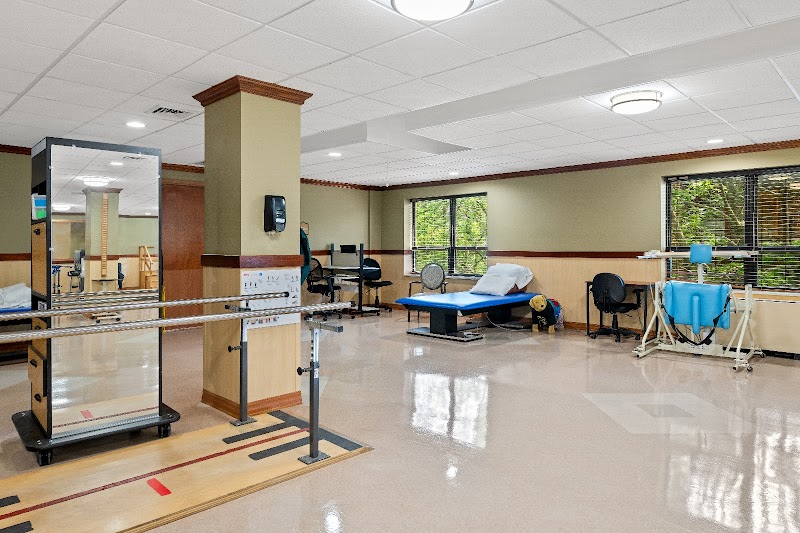
Who Owns and Operates Caring Heart Rehabilitation And Nursing Center?

CARING HEART REHABILITATION AND NURSING CENTER is owned by a non-profit organization. Non-profit facilities reinvest revenue into operations rather than distributing to shareholders. The facility operates independently rather than as part of a larger chain. With 269 certified beds and approximately 238 residents (about 88% occupancy), it is a large facility located in PHILADELPHIA, Pennsylvania.
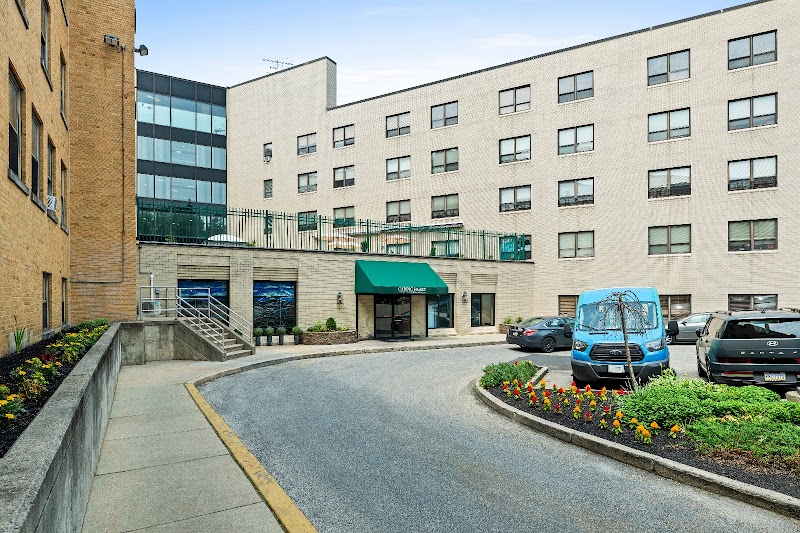
How Does Caring Heart Rehabilitation And Nursing Center Compare to Other Pennsylvania Nursing Homes?

Compared to the 100 nursing homes in Pennsylvania, CARING HEART REHABILITATION AND NURSING CENTER's overall rating (2 stars) is below the state average of 3.0, staff turnover (45%) is near the state average of 46%, and health inspection rating (2 stars) is below the national benchmark.

What Should Families Ask When Visiting Caring Heart Rehabilitation And Nursing Center?

Based on this facility's data, families visiting should ask: "Can I visit during a mealtime to observe dining assistance and food quality?" "How do you handle medical emergencies, and what is your hospital transfer rate?" "Can I speak with family members of current residents about their experience?"

Is Caring Heart Rehabilitation And Nursing Center Safe?

Based on CMS inspection data, CARING HEART REHABILITATION AND NURSING CENTER has a clean safety record: no substantiated abuse findings (meaning no confirmed cases of resident harm), no Immediate Jeopardy citations (the most serious violation level indicating risk of serious injury or death), and is not on the Special Focus Facility watch list (a federal program monitoring the lowest-performing 1% of nursing homes). The facility has a 2-star overall rating and ranks #100 of 100 nursing homes in Pennsylvania. While no facility is perfect, families should still ask about staff-to-resident ratios and recent inspection results during their visit.

Do Nurses at Caring Heart Rehabilitation And Nursing Center Stick Around?

CARING HEART REHABILITATION AND NURSING CENTER has a staff turnover rate of 45%, which is about average for Pennsylvania nursing homes (state average: 46%). Moderate turnover is common in nursing homes, but families should still ask about staff tenure and how the facility maintains care continuity when employees leave.

Was Caring Heart Rehabilitation And Nursing Center Ever Fined?

CARING HEART REHABILITATION AND NURSING CENTER has been fined $24,675 across 1 penalty action. This is below the Pennsylvania average of $33,326. While any fine indicates a compliance issue, fines under $50,000 are relatively common and typically reflect isolated problems that were subsequently corrected. Families should ask what specific issues led to these fines and confirm they've been resolved.

Is Caring Heart Rehabilitation And Nursing Center on Any Federal Watch List?

CARING HEART REHABILITATION AND NURSING CENTER is not on any federal watch list. The most significant is the Special Focus Facility (SFF) program, which identifies the bottom 1% of nursing homes nationally based on persistent, serious quality problems. Not being on this list means the facility has avoided the pattern of deficiencies that triggers enhanced federal oversight. This is a positive indicator, though families should still review the facility's inspection history directly.